The Berlin-Brandenburg region stands as one of Europe's premier healthcare and life sciences capitals. Characterized by leading academic networks like the Charité - Universitätsmedizin Berlin, and innovative technology campuses, Berlin drives cutting-edge advancements in musculoskeletal medicine, biomechanics, and surgical instrumentation. Over 300 medical device startups, testing labs, and manufacturing units thrive within this local environment.
As spinal care moves towards minimally invasive surgery (MIS), patient-specific implants, and smart sensor tracking, local Berlin operators demand production partners who match this rapid evolution. Partnering with a globally scaled manufacturer like Virelox Medical Devices Co., Ltd. allows buyers to bridge German-level regulatory benchmarks (CE / EU MDR alignment) with large-scale industrial capability and competitive production.
Strategic Value Proposition:
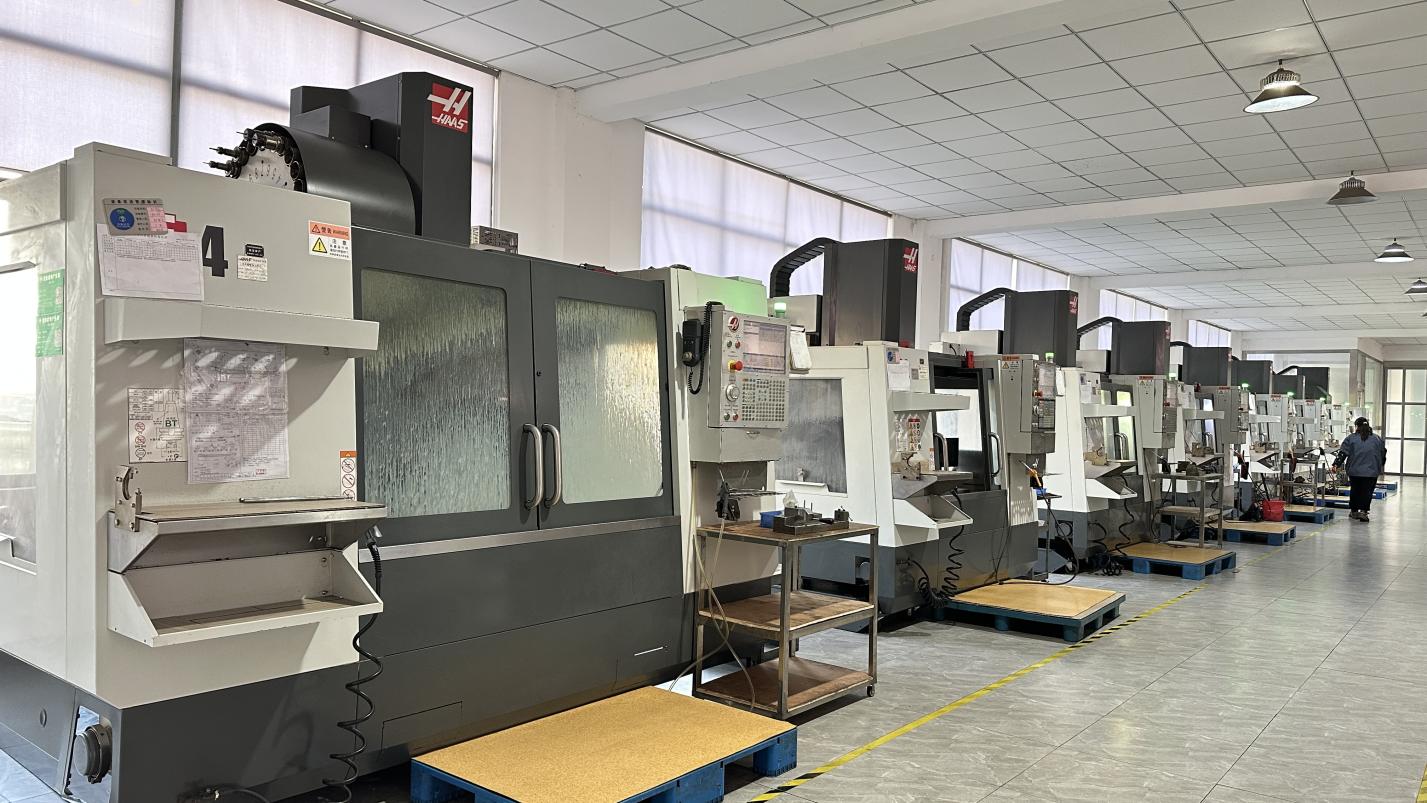
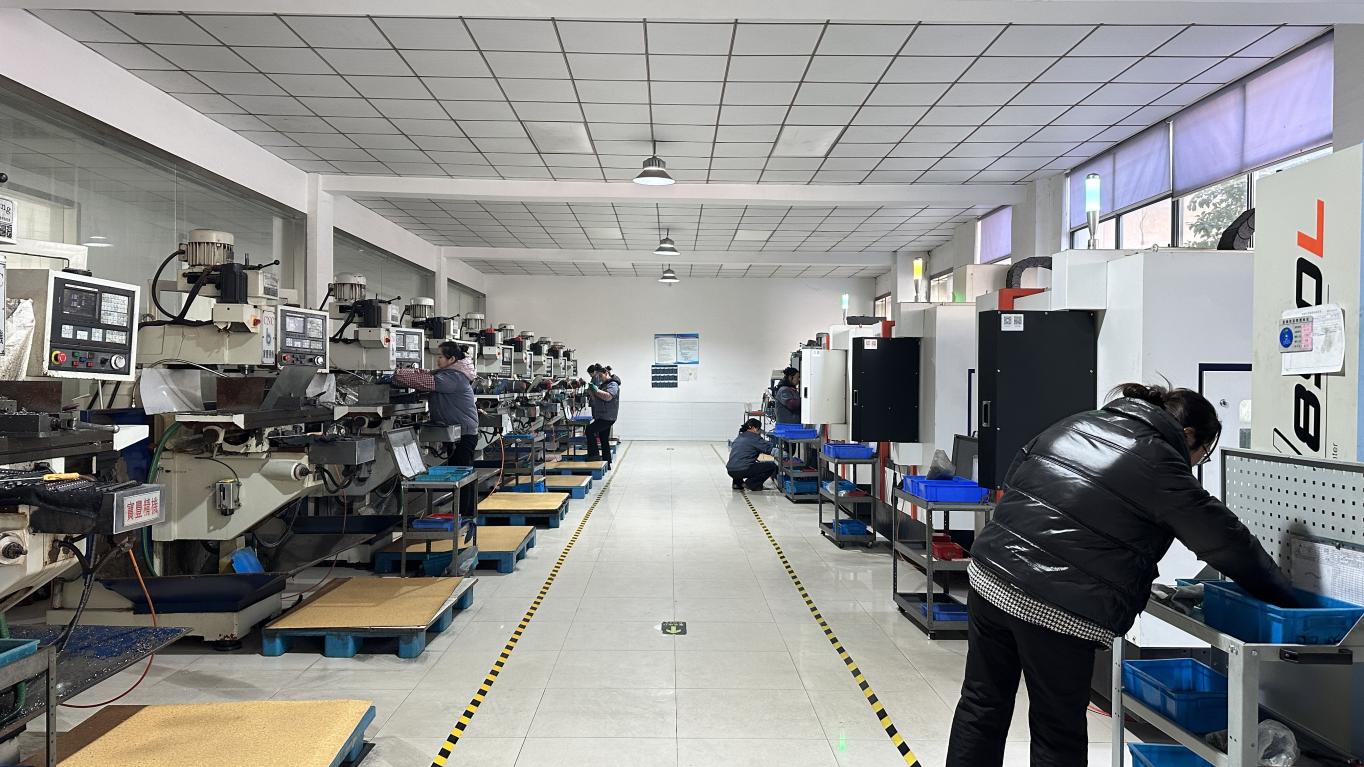
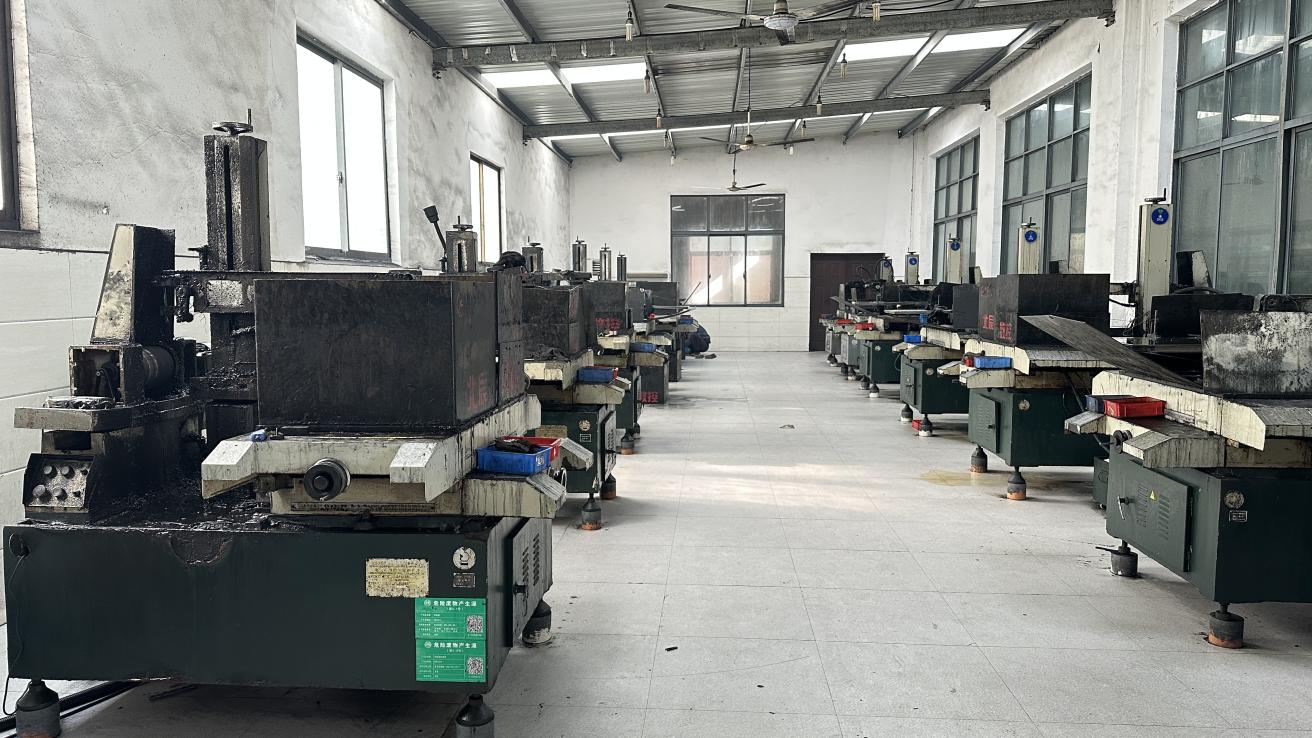
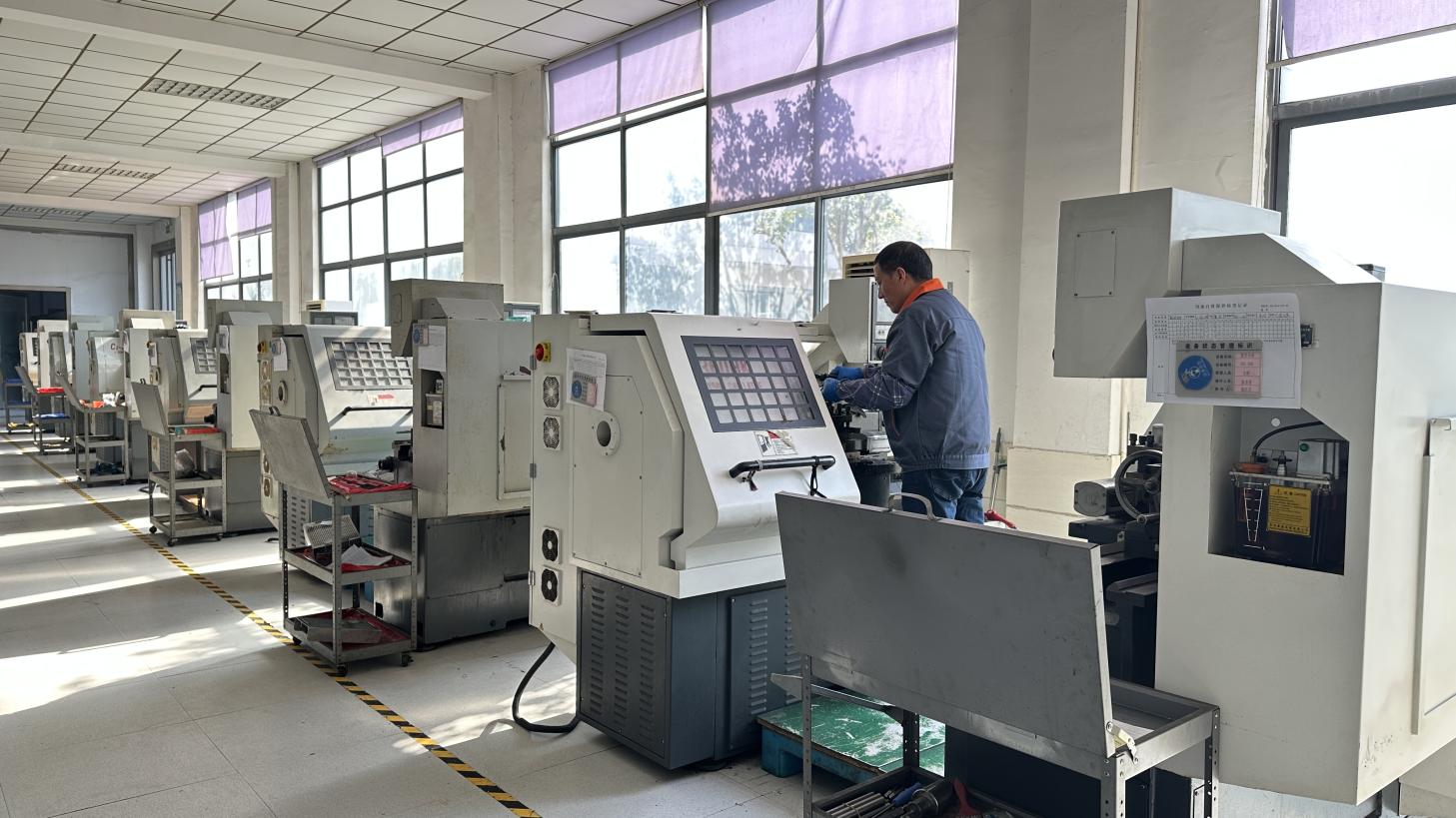
"Medical distributors and purchasing bodies in Germany require ISO 13485 certified facilities capable of producing titanium and PEEK implants that sustain high biomechanical fatigue cycles. By integrating state-of-the-art wire cutting, multi-axis CNC machining, and rigorous testing protocols, Virelox provides standard-setting spinal stabilization systems globally."
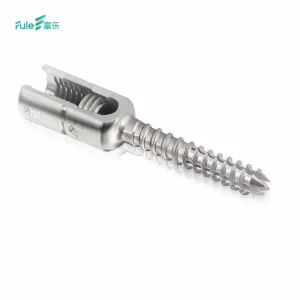
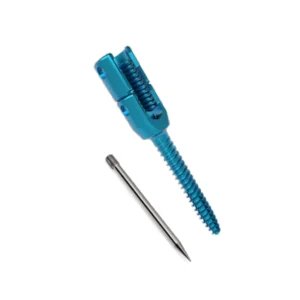
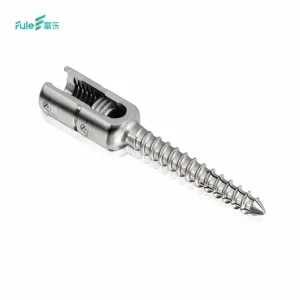
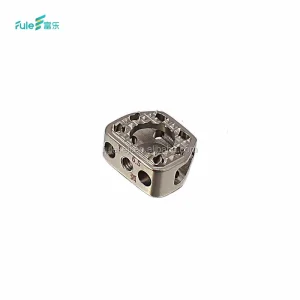
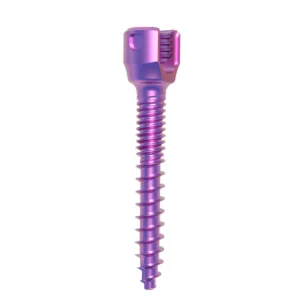
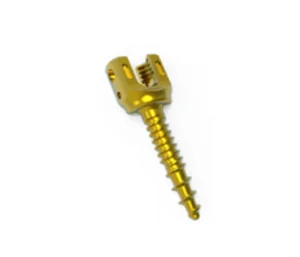
Engineered for stabilizing spinal structures and facilitating interspinous fusion under demanding loading scenarios. High-grade biocompatible Titanium alloys ensuring long-term osseointegration.
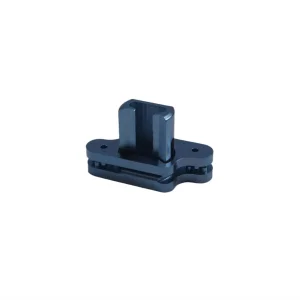
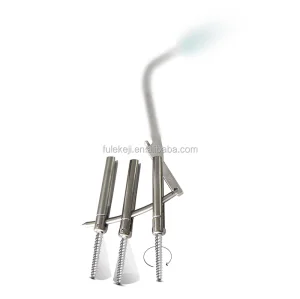
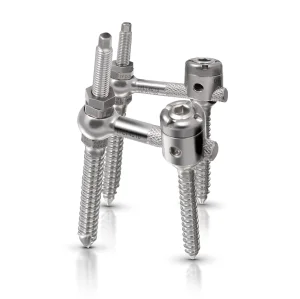
Our commitment to patient safety and surgeon confidence relies on strict material controls and zero-defect micro-precision manufacturing.
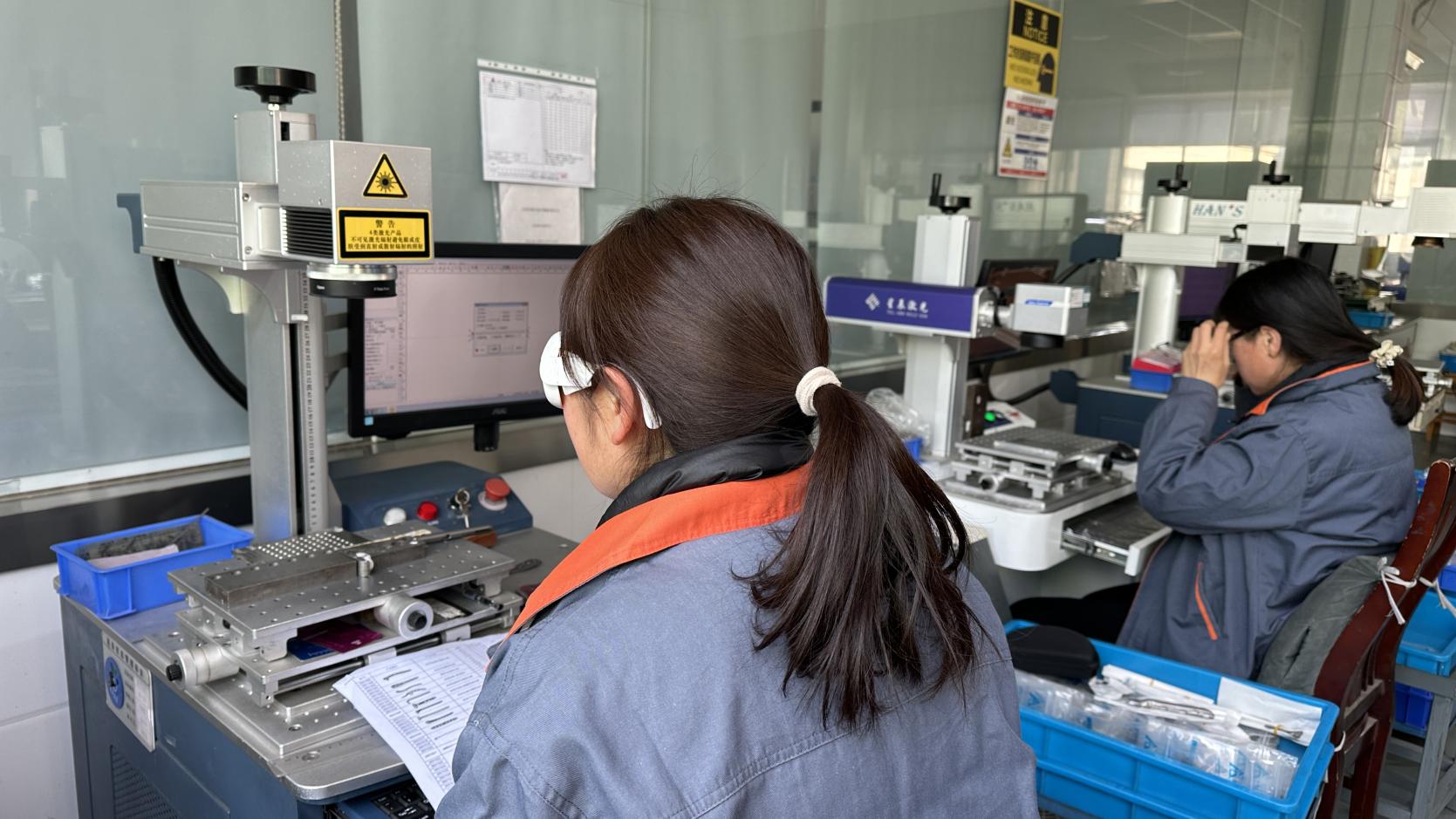
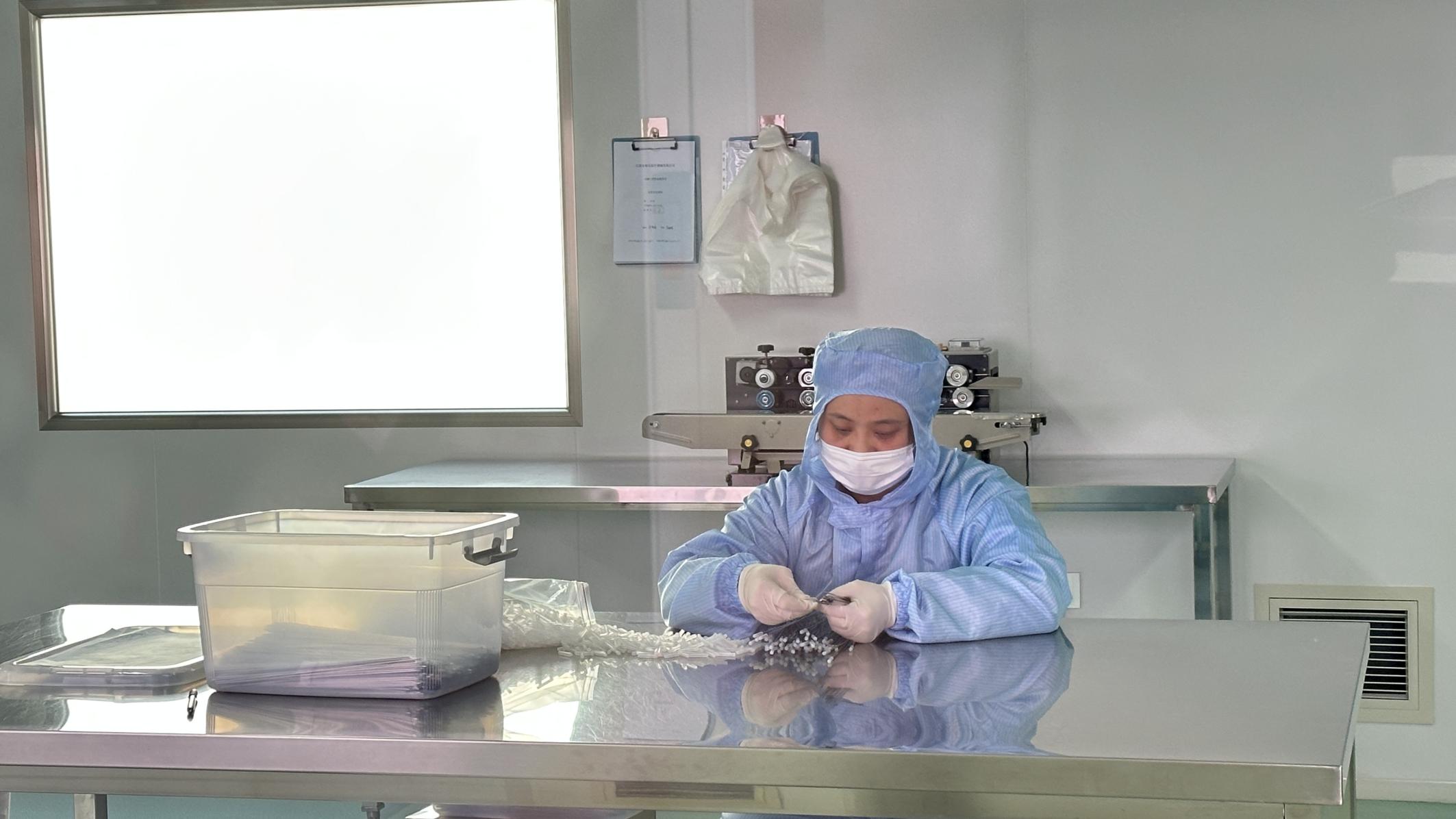
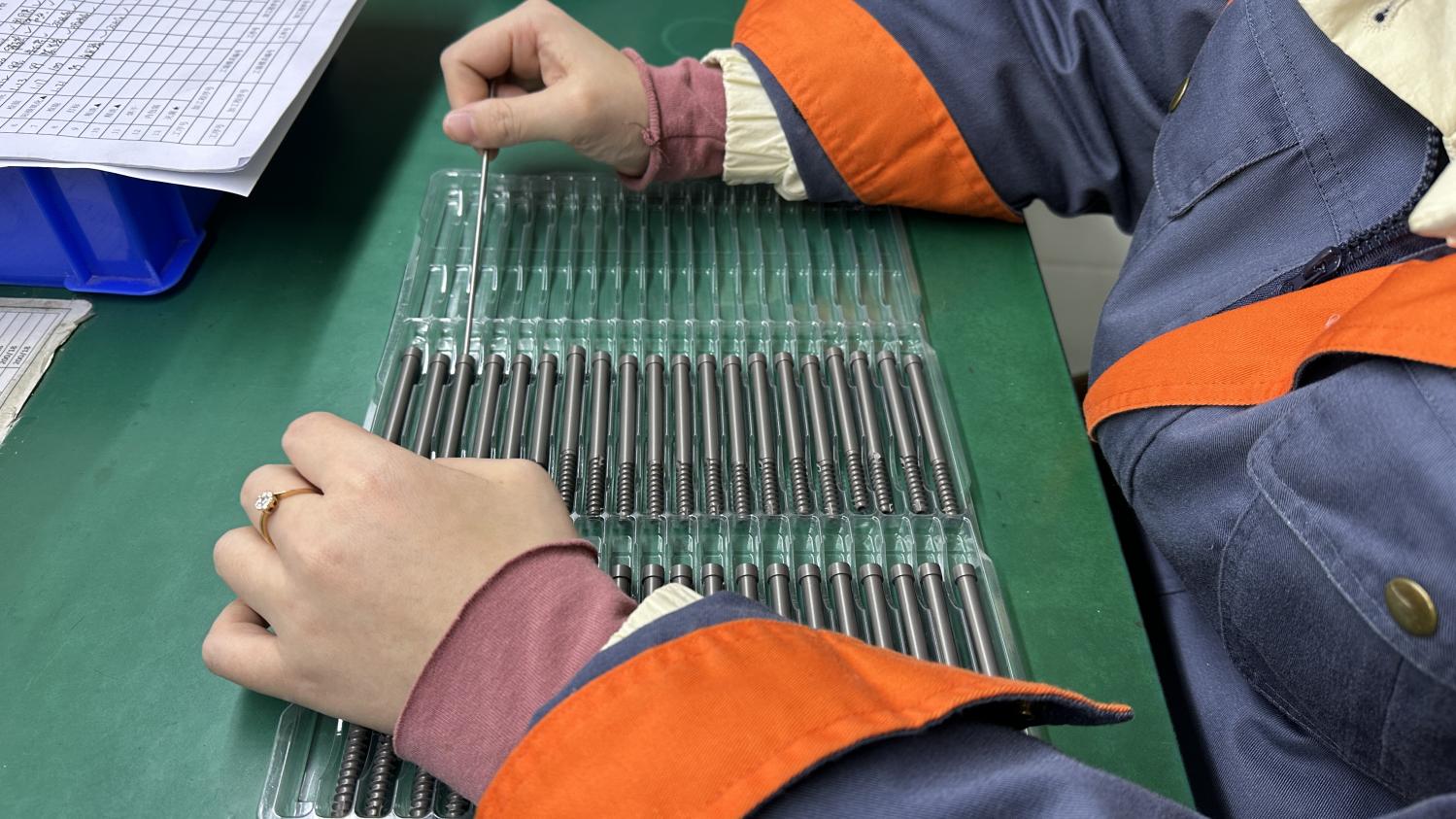
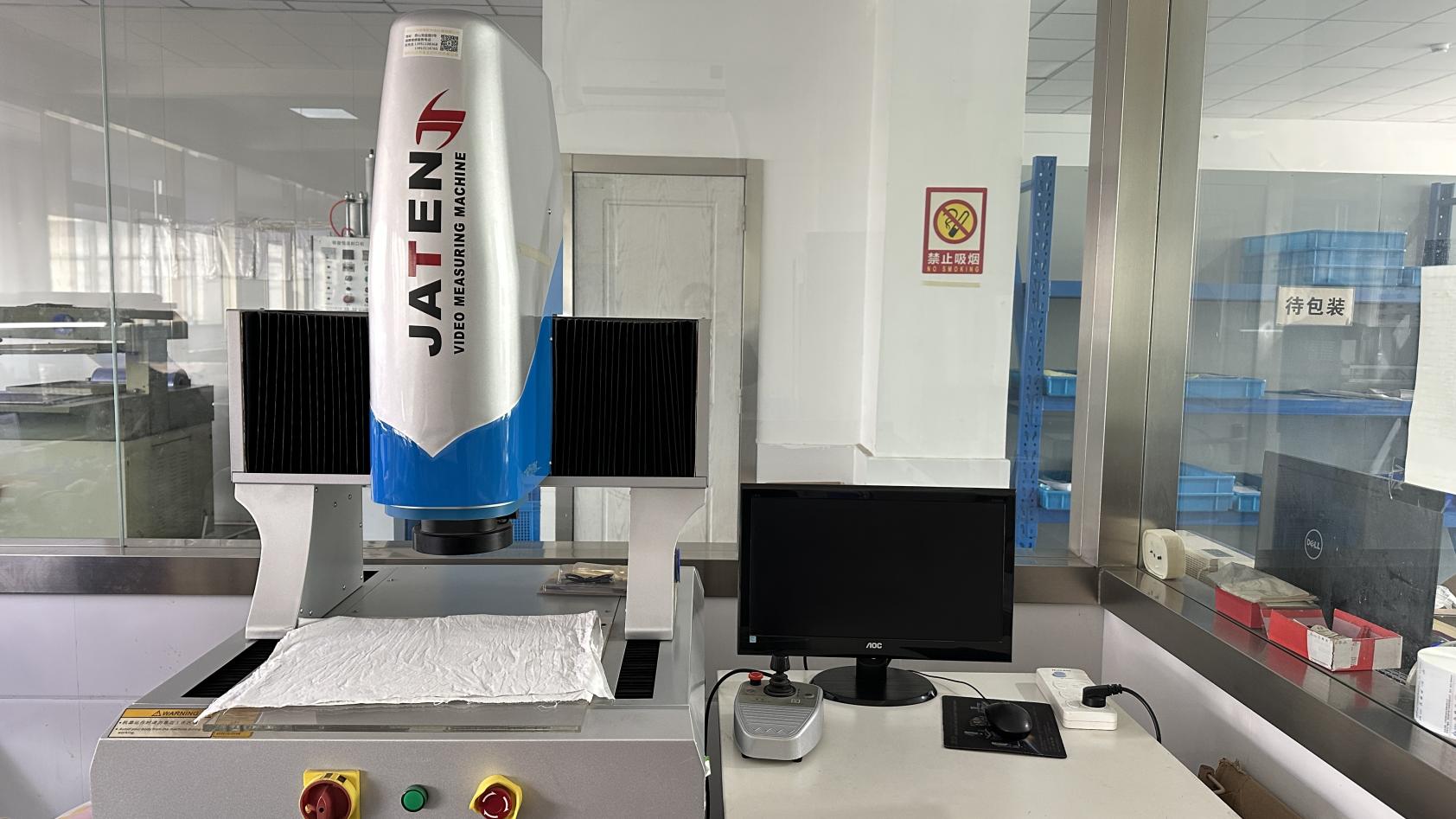
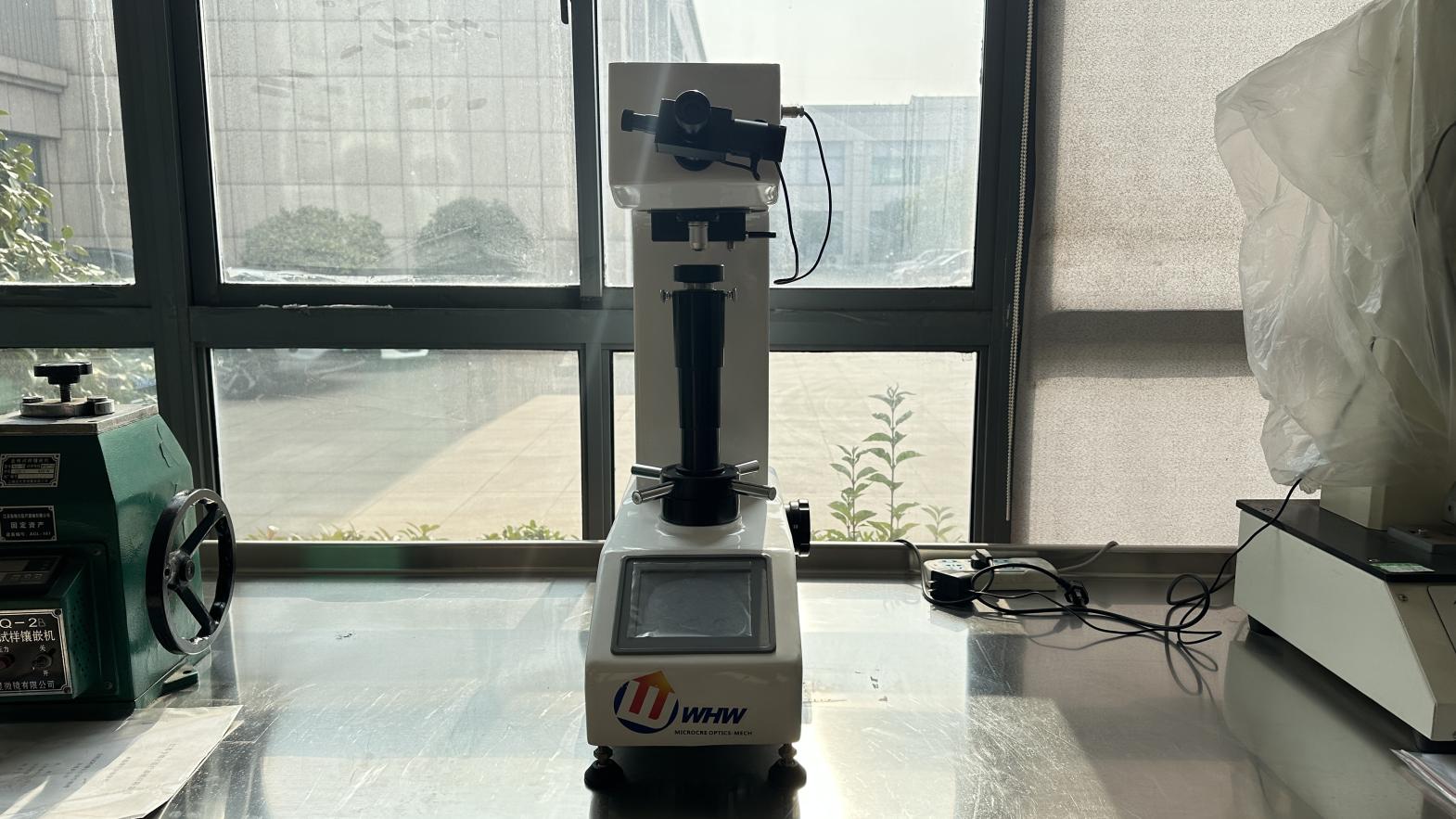
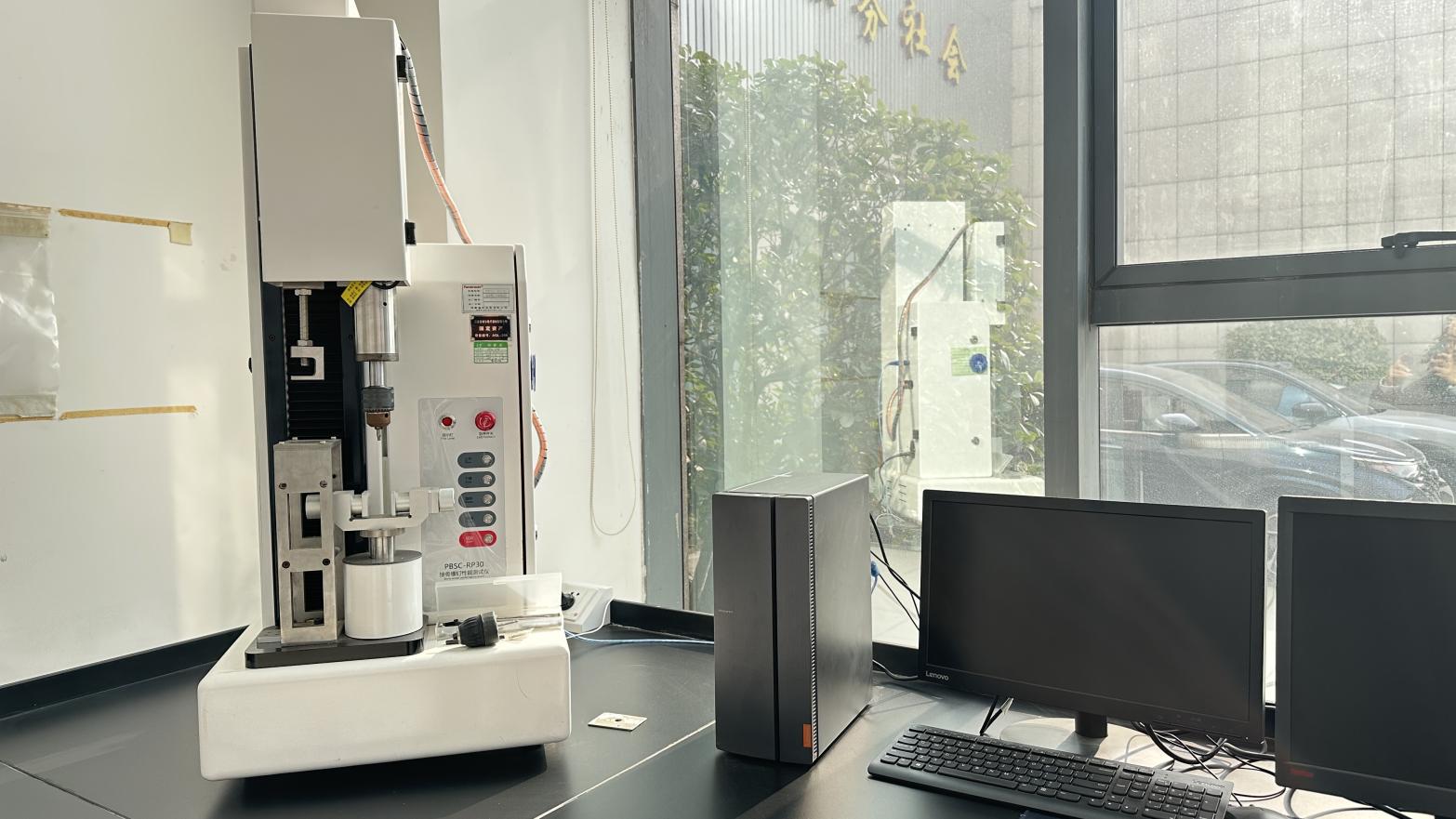
Virelox Medical Devices Co., Ltd. operates a full-process quality management system based on ISO 13485 guidelines. Every single implant undergoes multi-stage inspections: raw material confirmation, dimensional check using CMM measuring devices, visual micro-inspection, and final packing sterilization checks.
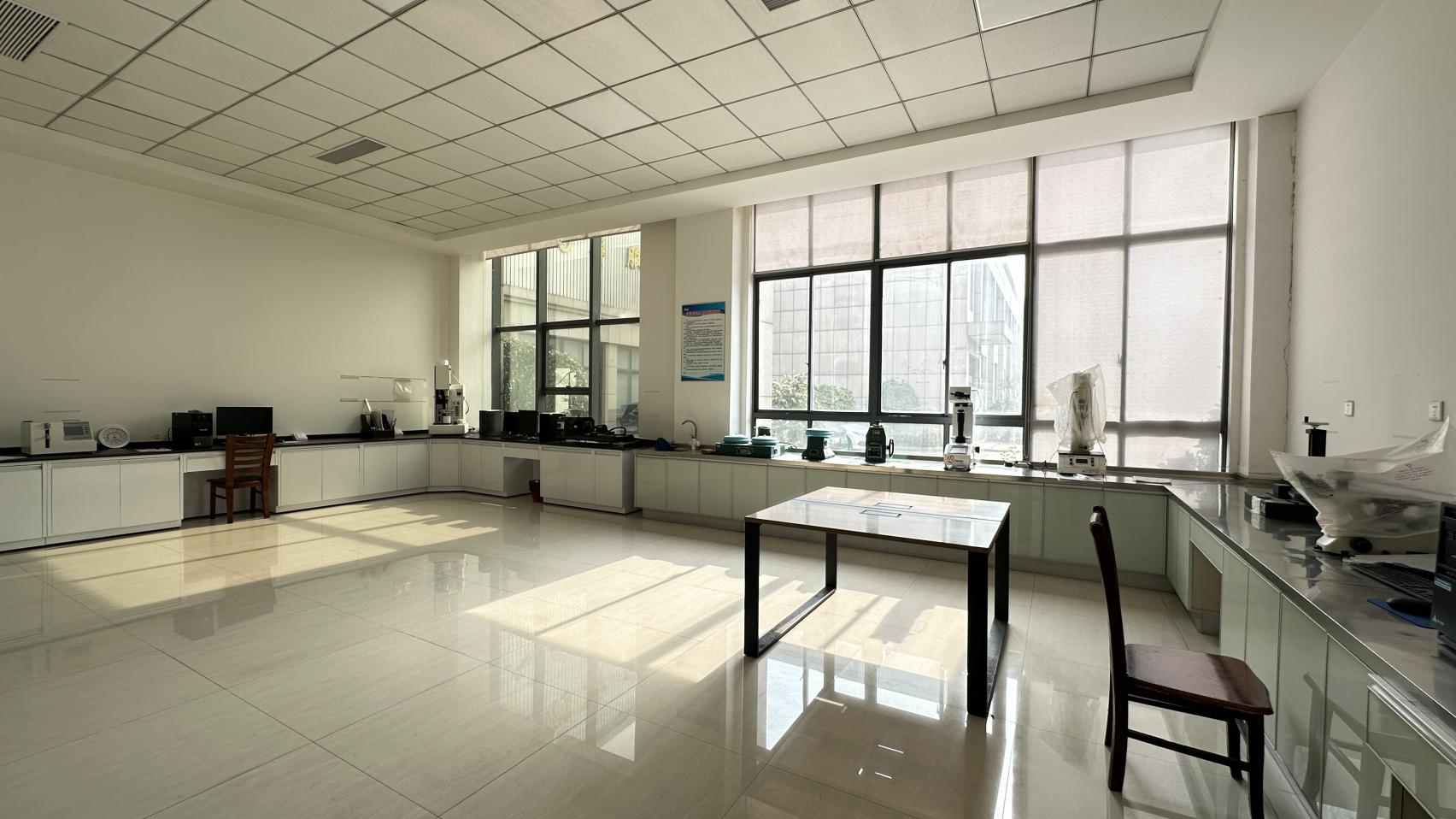
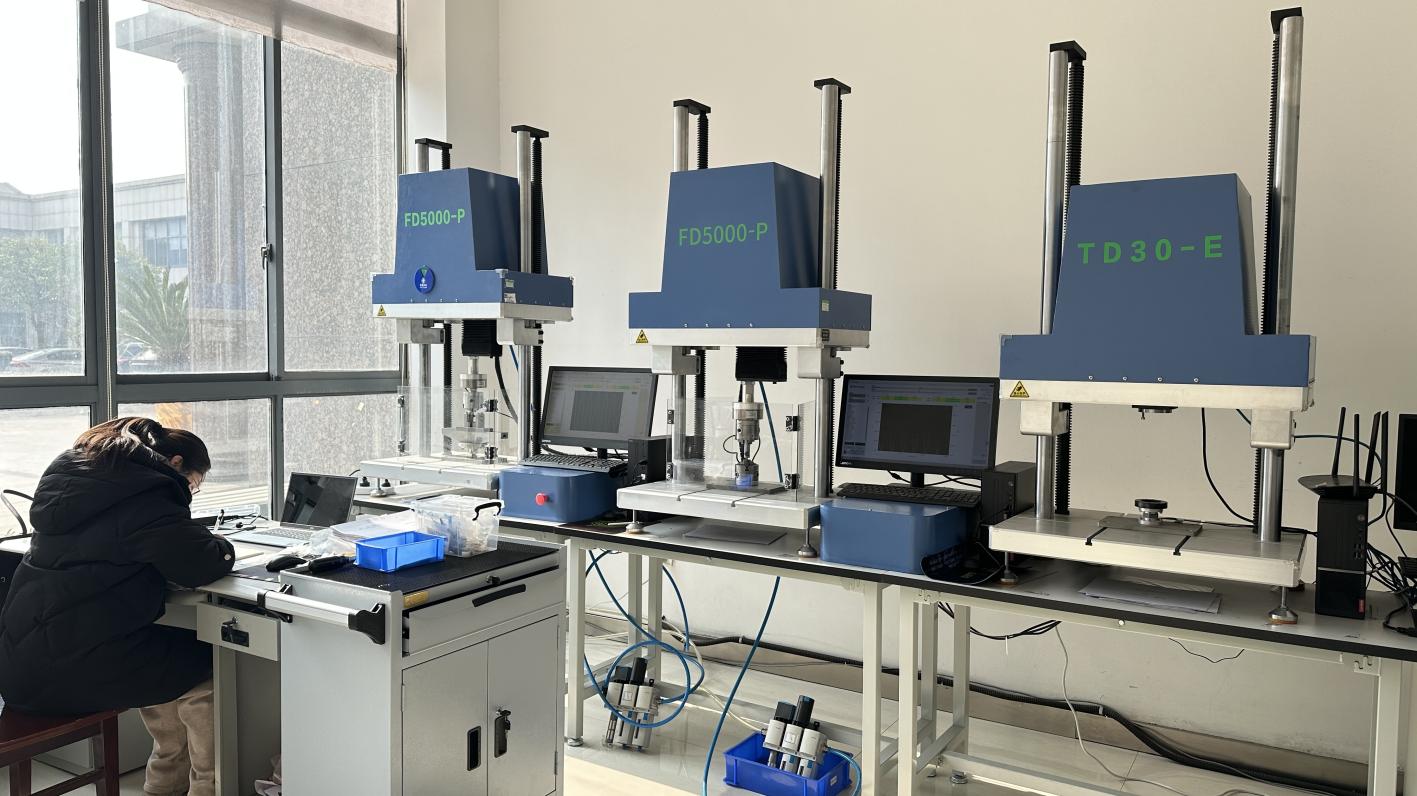
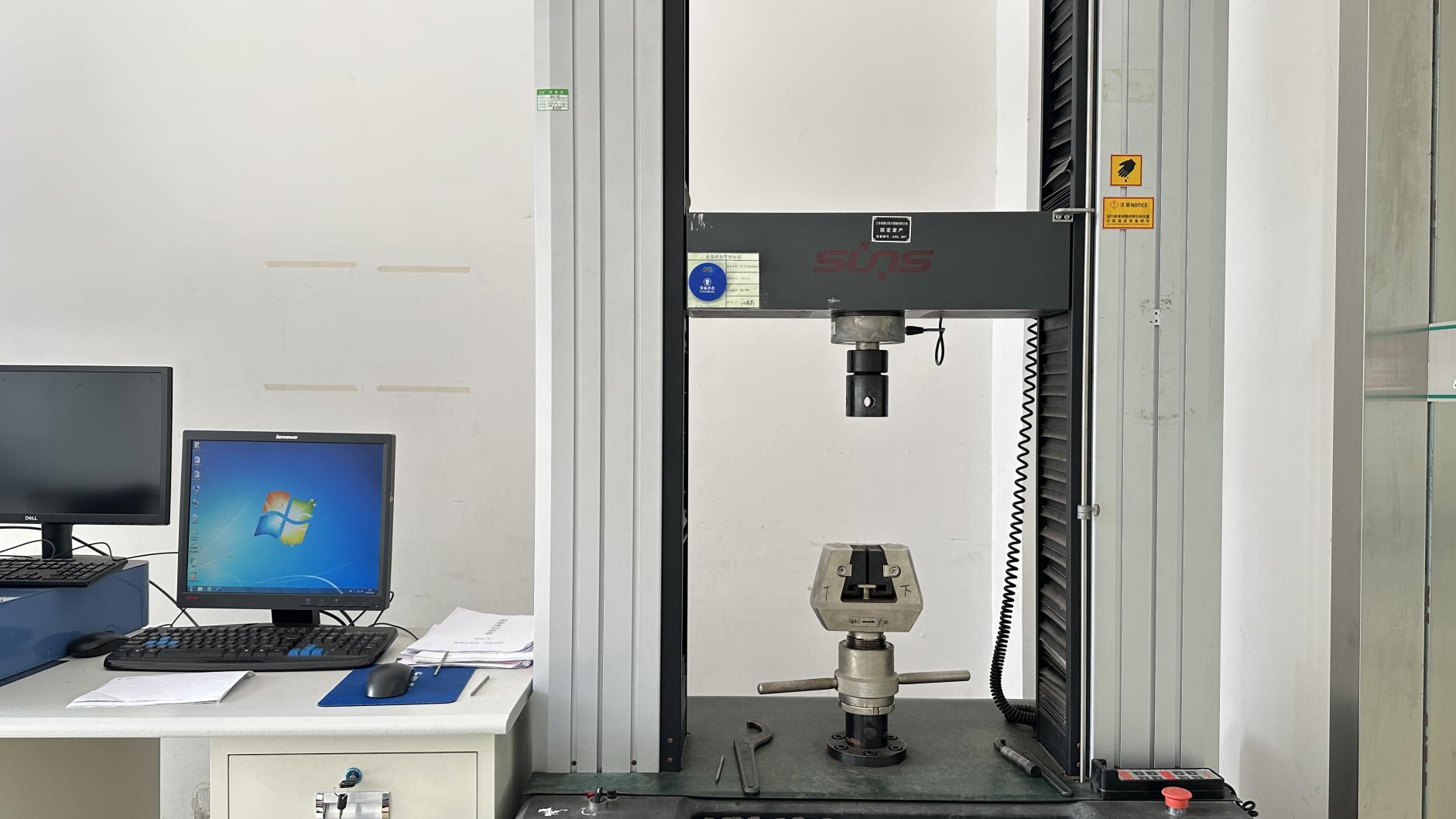
To satisfy the rigid purchasing directives of German hospitals, our orthopedic components are subjected to advanced fatigue and tensile strength tests. We maintain 65 professional QC personnel whose sole duty is to inspect the metallurgical and structural stability of all devices leaving our assembly lines.
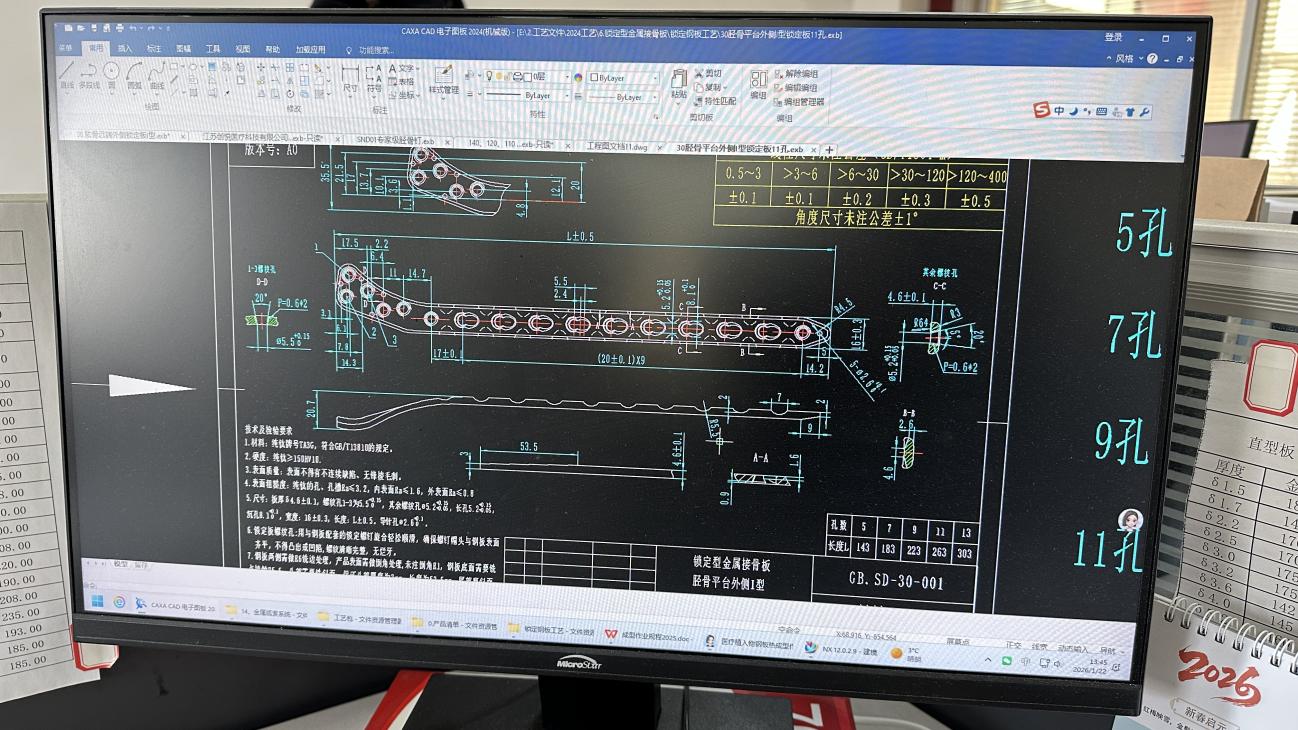
Our in-house design centers feature simulation software mapping dynamic spinal forces. This enables swift turnaround times for customized implants tailored for complex posterior fixations, anterior cervical alignments, or pediatric deformity corrections.
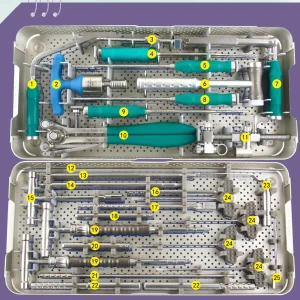
With a network of 850 certified upstream/downstream partners, we provide complete surgical solution sets, including custom trays, ergonomic drivers, and guiding jigs, allowing distributors to deploy complete surgical sets to hospitals seamlessly.
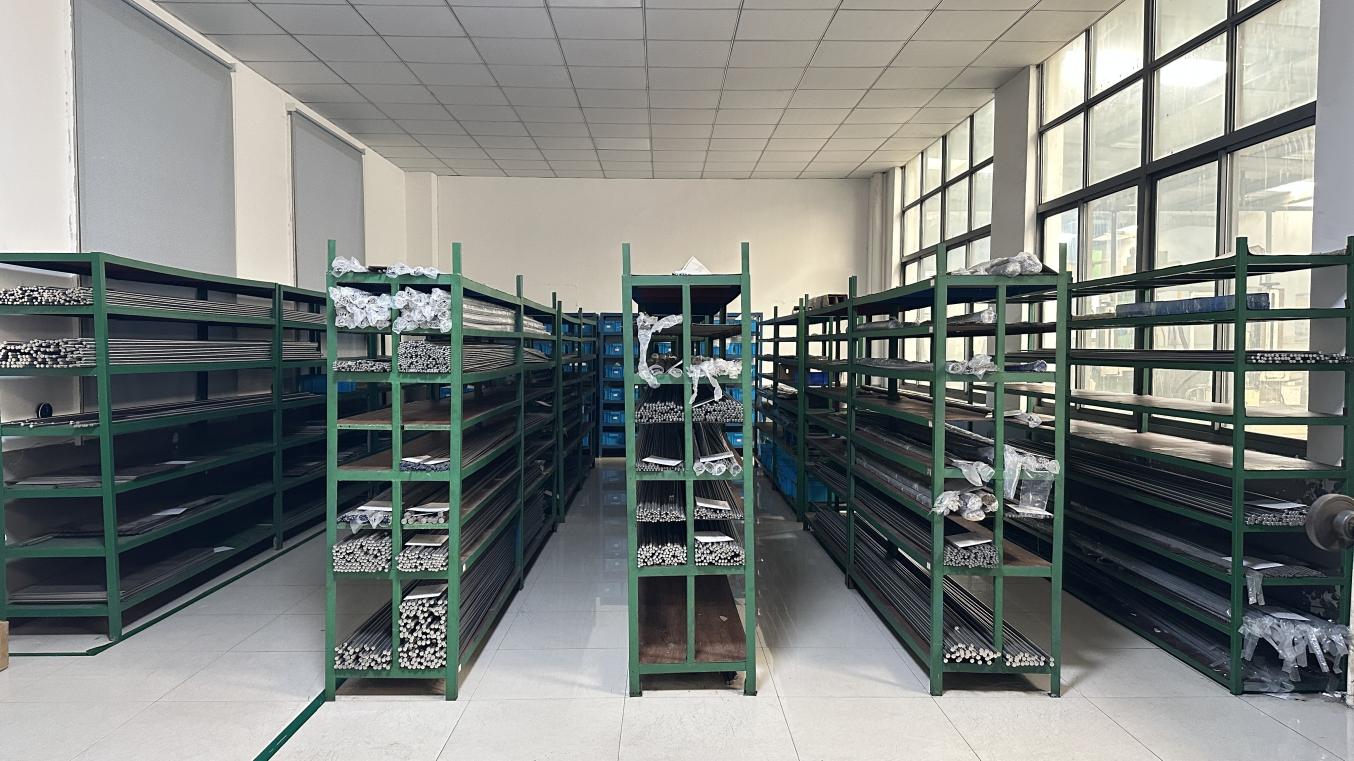
An inside look at our modern facility, precision machinery, and quality testing labs.
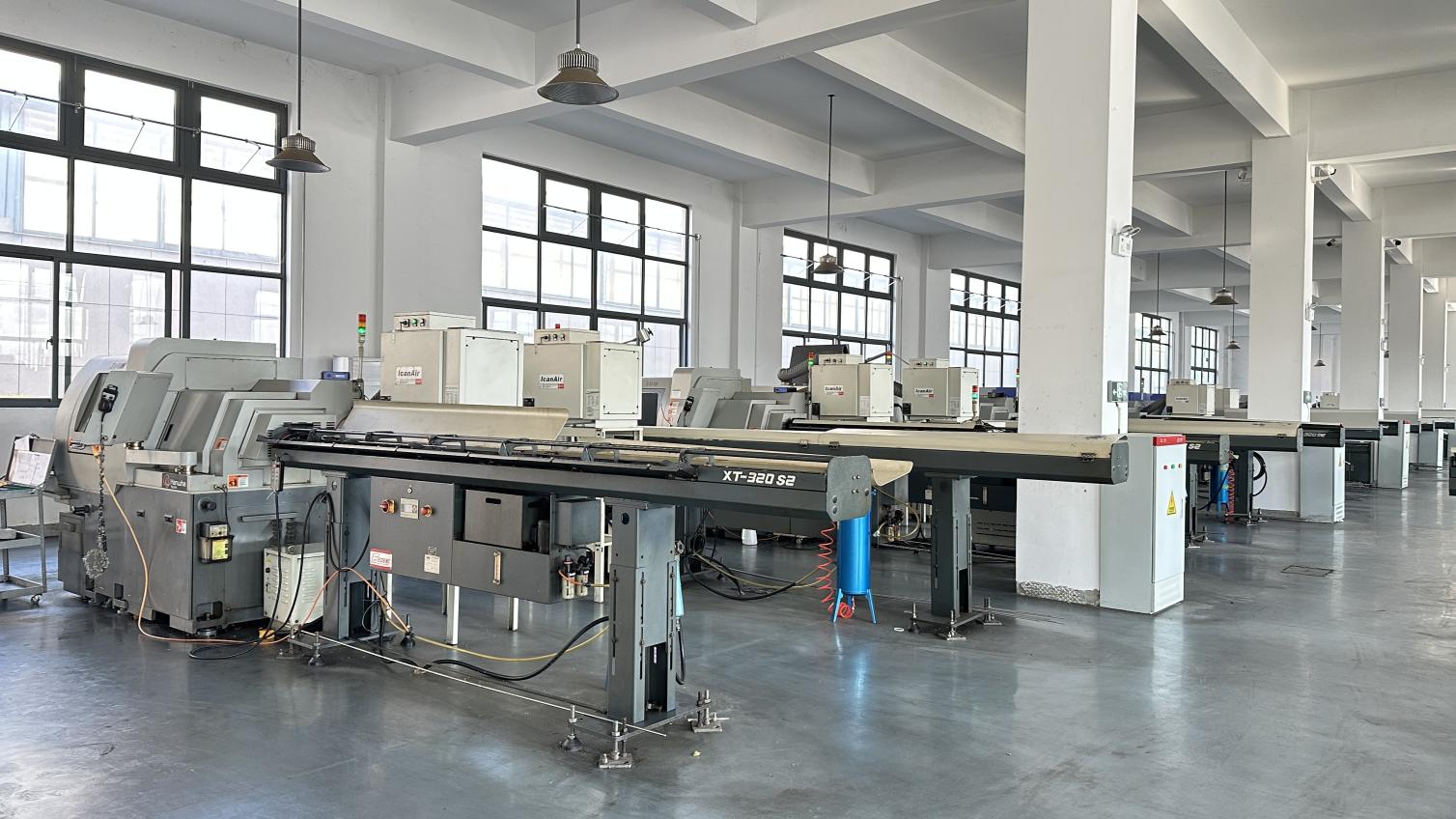
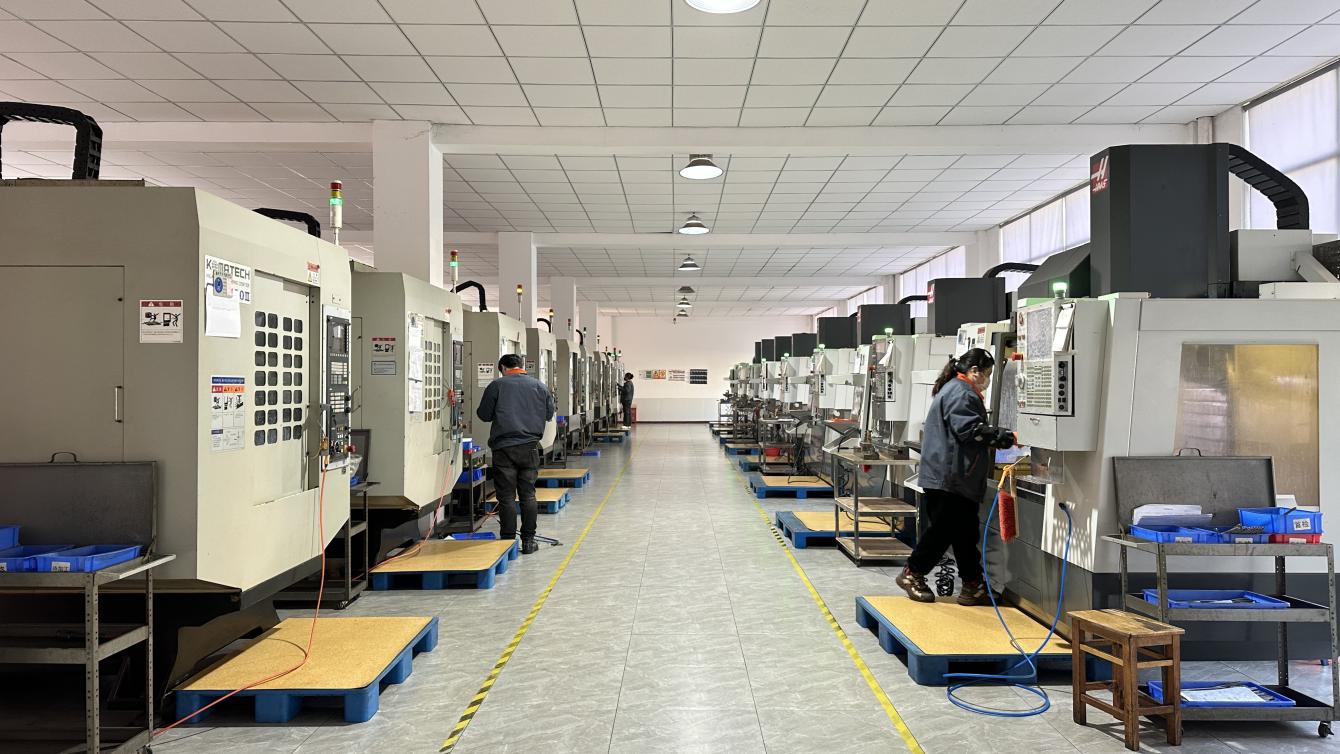
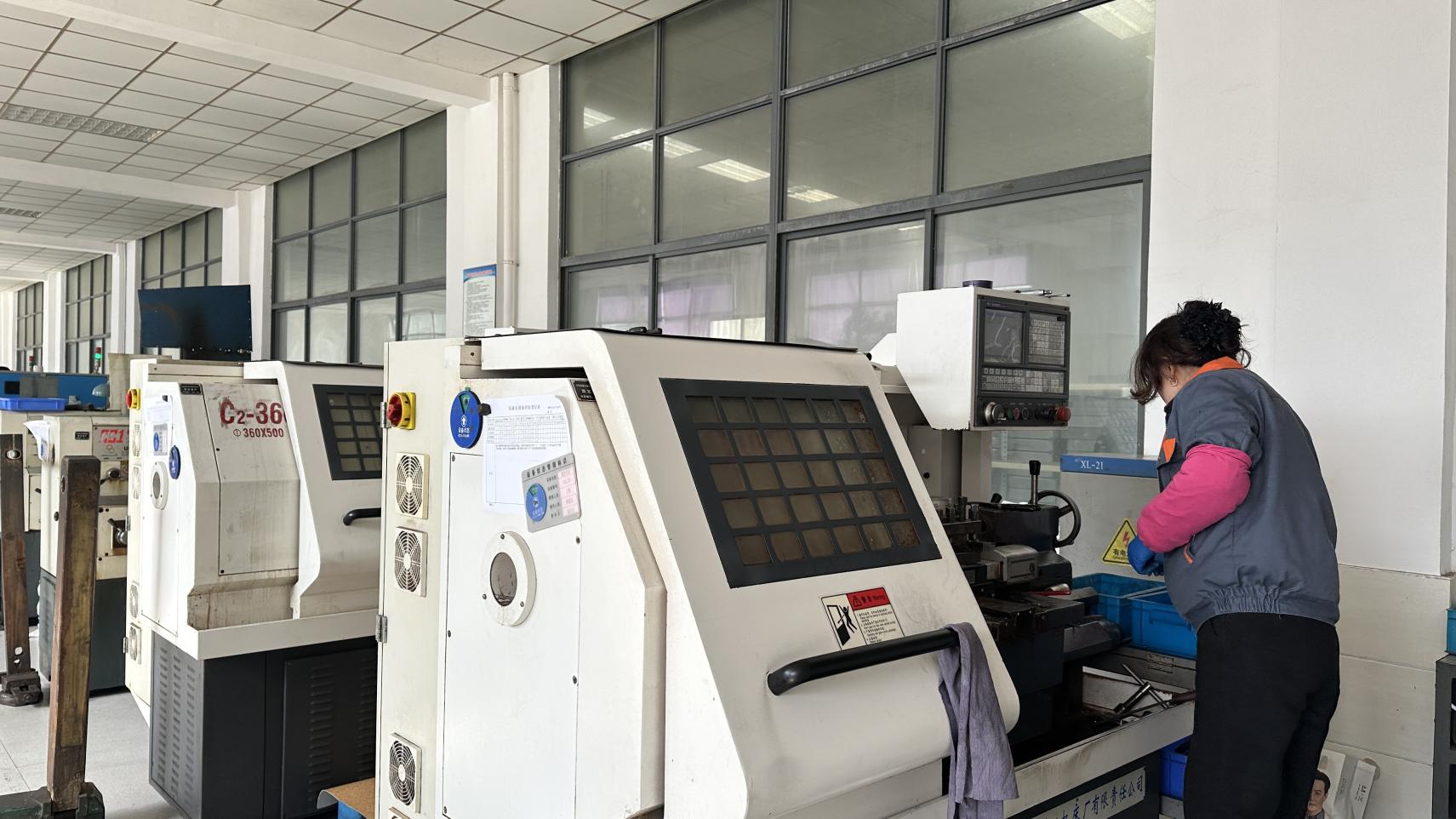
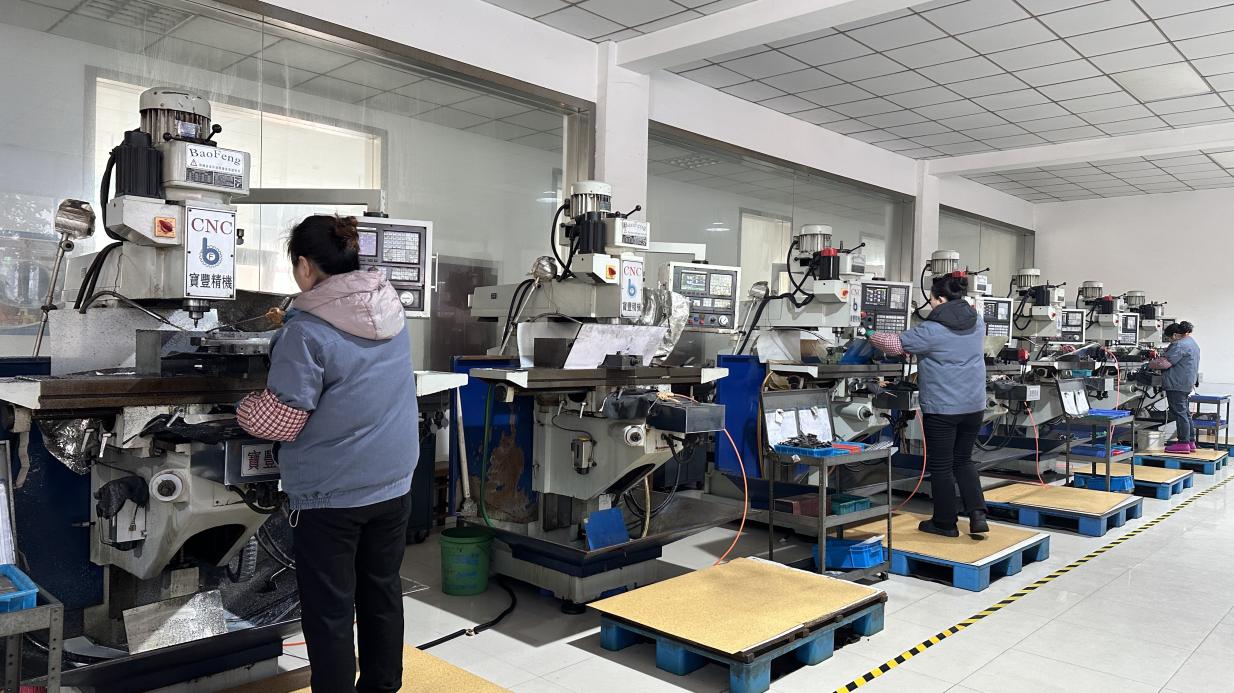
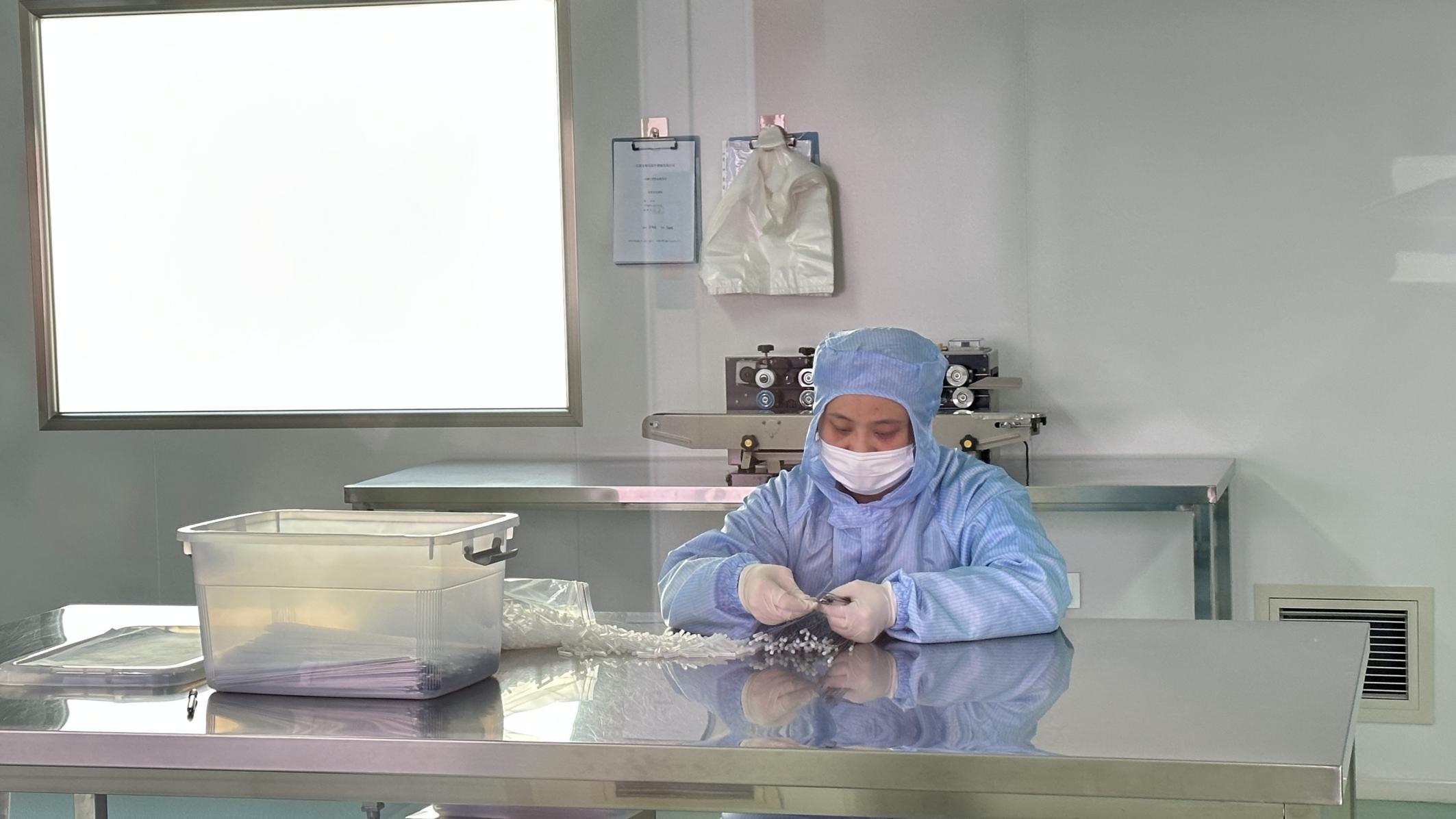
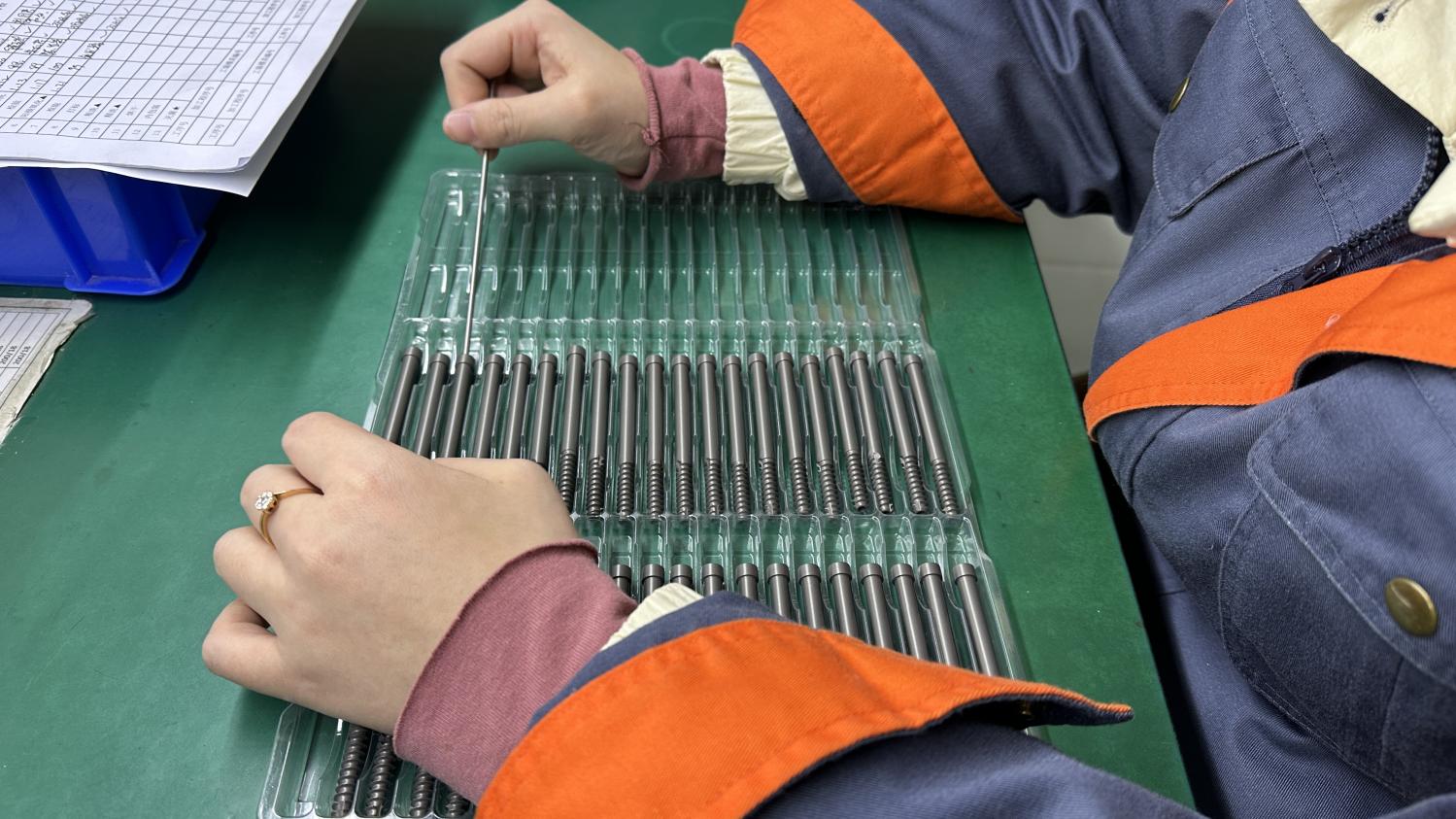
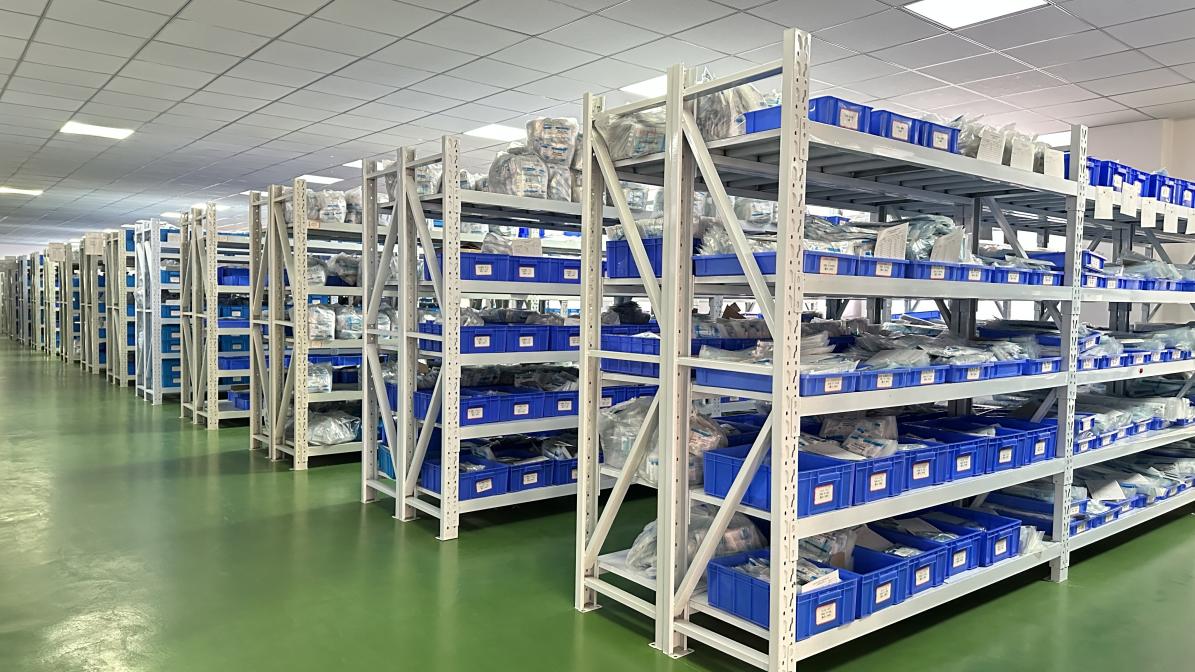
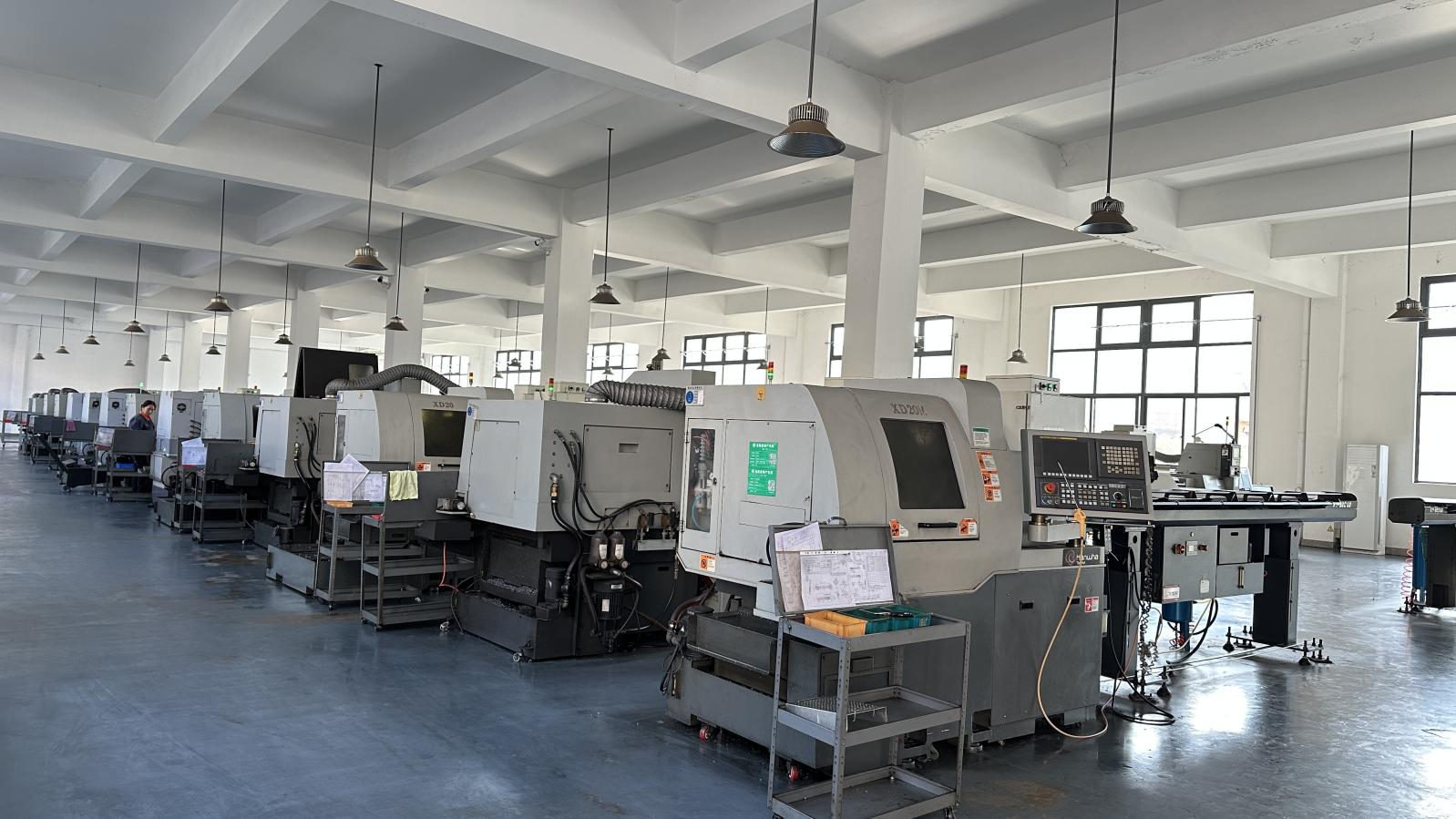
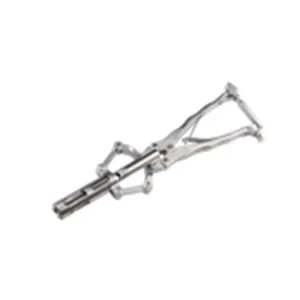
Complete ergonomic instrumentation supporting precise screw alignment and minimal muscle trauma.
The orthopedic healthcare supply chain faces regulatory pressure from the updated EU MDR. As clinical data requirements become stricter, medical distributors are shifting to certified manufacturers that provide comprehensive technical documentation, raw material source tracking, and consistent biomechanical data.
Virelox addresses this challenge by supporting overseas procurement networks. By combining top-tier manufacturing scale with robust testing documentation, we offer distributors a dependable supply chain that mitigates the risks of component shortages and sudden regulatory bottlenecks.
Whether sourcing standard pedicle screws or custom interbody fusion cages, our global distribution system ensures components arrive securely with full documentation, ready for hospital validation.
How modern material sciences shape the future of spinal stabilization devices.
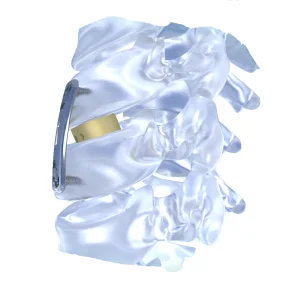
Polyetheretherketone (PEEK) features an elastic modulus close to human cortical bone. We are optimizing PEEK fusion cages with porous titanium coatings to promote fast osseointegration while maintaining radiolucency.
Our expansion designs provide reliable pull-out resistance in osteoporotic bone. By deploying expandable sleeves, surgeons can achieve secure anchorage without relying on bone cement.
Pediatric patients present distinct biomechanical needs. Our low-profile 5.0mm CSS and sliding screw-rod systems manage growth adjustments while maintaining correct vertebral alignment.
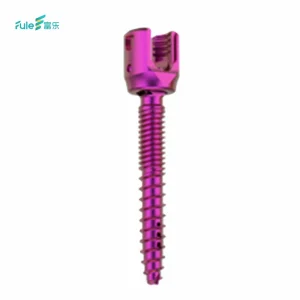
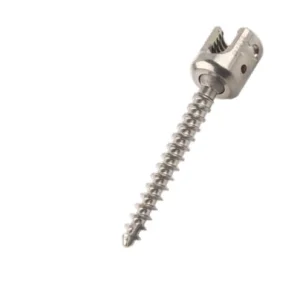
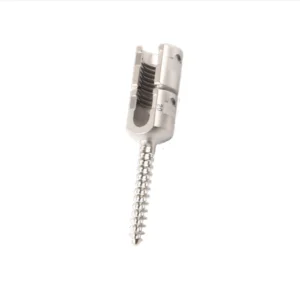
Comprehensive system solutions utilizing low-profile profiles, polyaxial pedicle screws, and biocompatible cervical/lumbar cages.
Critical considerations for purchasing managers, clinical directors, and global distribution partners.
Get in touch with our clinical engineering division to discuss your product specifications, request product samples, or schedule an inspection of our facility.
Send Inquiry Now Virelox