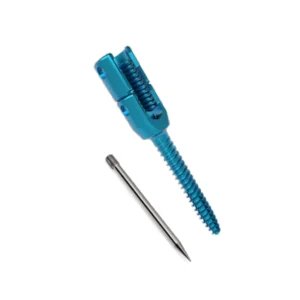
High-precision orthopedic systems customized for spinal decompression, stabilization, and deformity correction surgeries in Nigeria.
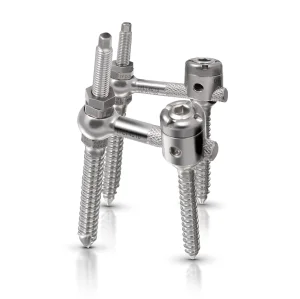
An in-depth market analysis of clinical demands, import dependencies, and procurement pathways for advanced spinal devices in West Africa.
The demand for spinal implants in Nigeria is scaling rapidly due to unique demographic shifts, infrastructure developments, and clinical challenges. Nigeria, as Africa’s most populous country, faces a substantial burden of orthopedic and neurosurgical conditions. Foremost among these are spinal cord injuries (SCIs) resulting from high rates of Road Traffic Accidents (RTAs). Clinicians at major tertiary institutions, including the National Orthopaedic Hospital Igbobi in Lagos, the National Orthopaedic Hospital Dala-Kano, and the National Hospital Abuja, routinely perform intricate decompression and stabilization procedures.
Additionally, the prevalence of age-related degenerative spinal disorders—such as lumbar canal stenosis, spondylolisthesis, and degenerative disc disease—is climbing as life expectancy grows and diagnostics improve. Historically, Nigerian medical institutions faced hurdles in securing continuous access to reliable, cost-effective orthopedic hardware. High import costs from Western Europe and North America have often placed spine care out of reach for a vast demographic of patients who finance their medical needs via out-of-pocket payments. This is where direct B2B supply lines from China’s leading medical manufacturers change the paradigm.
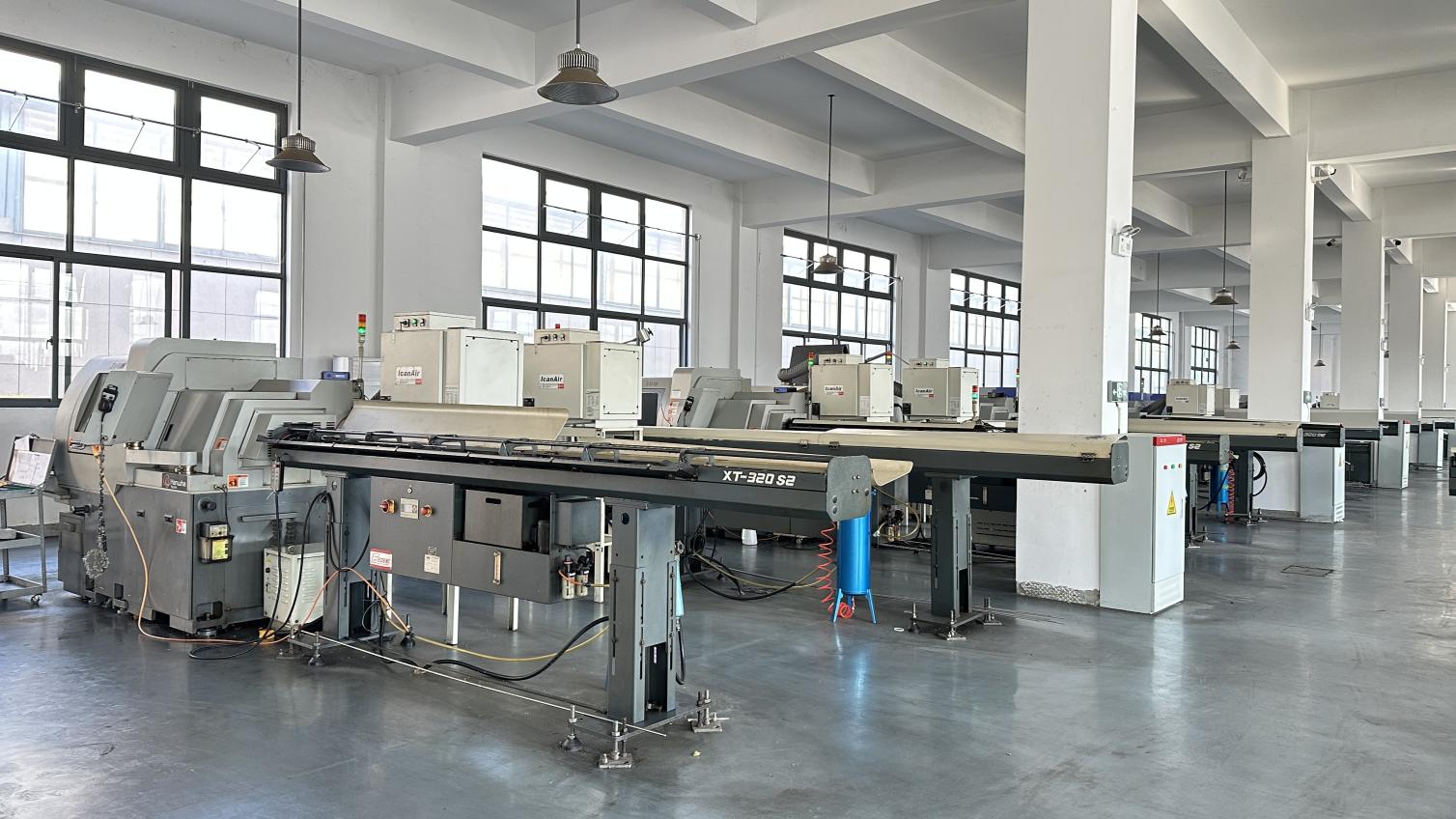
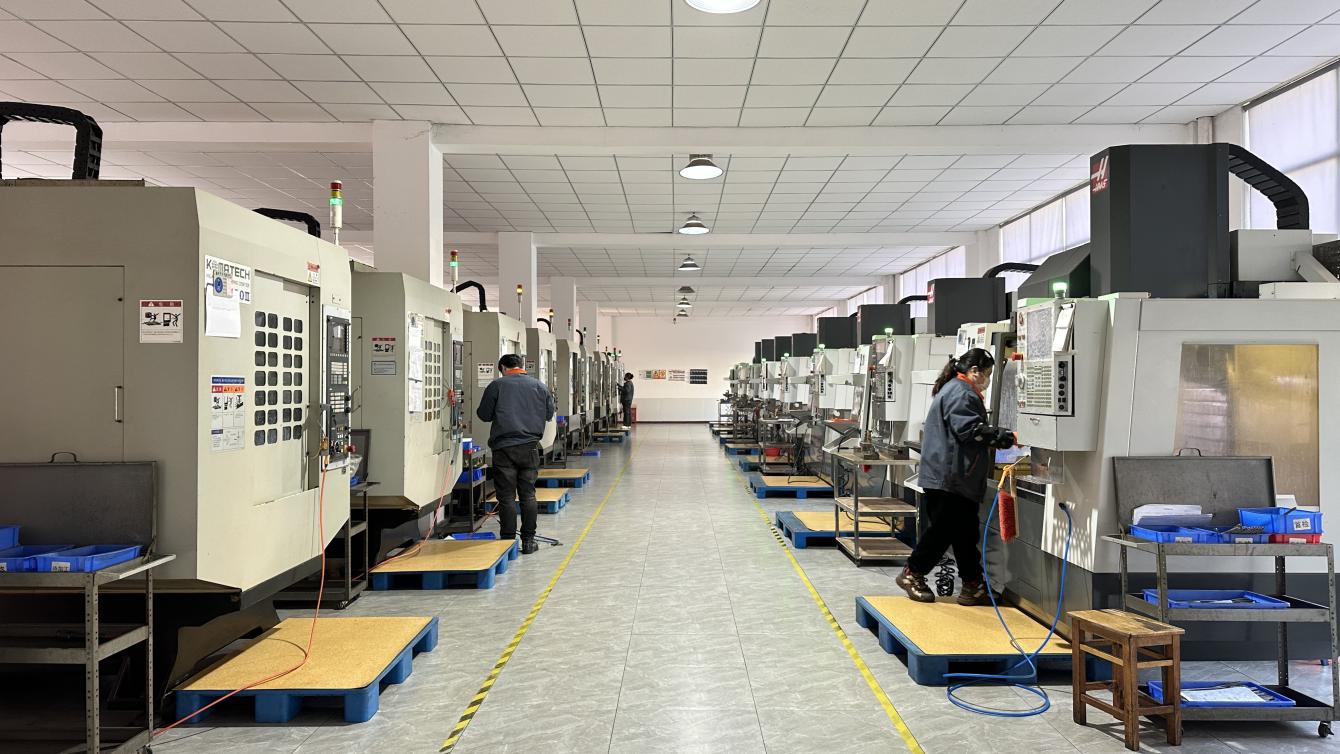
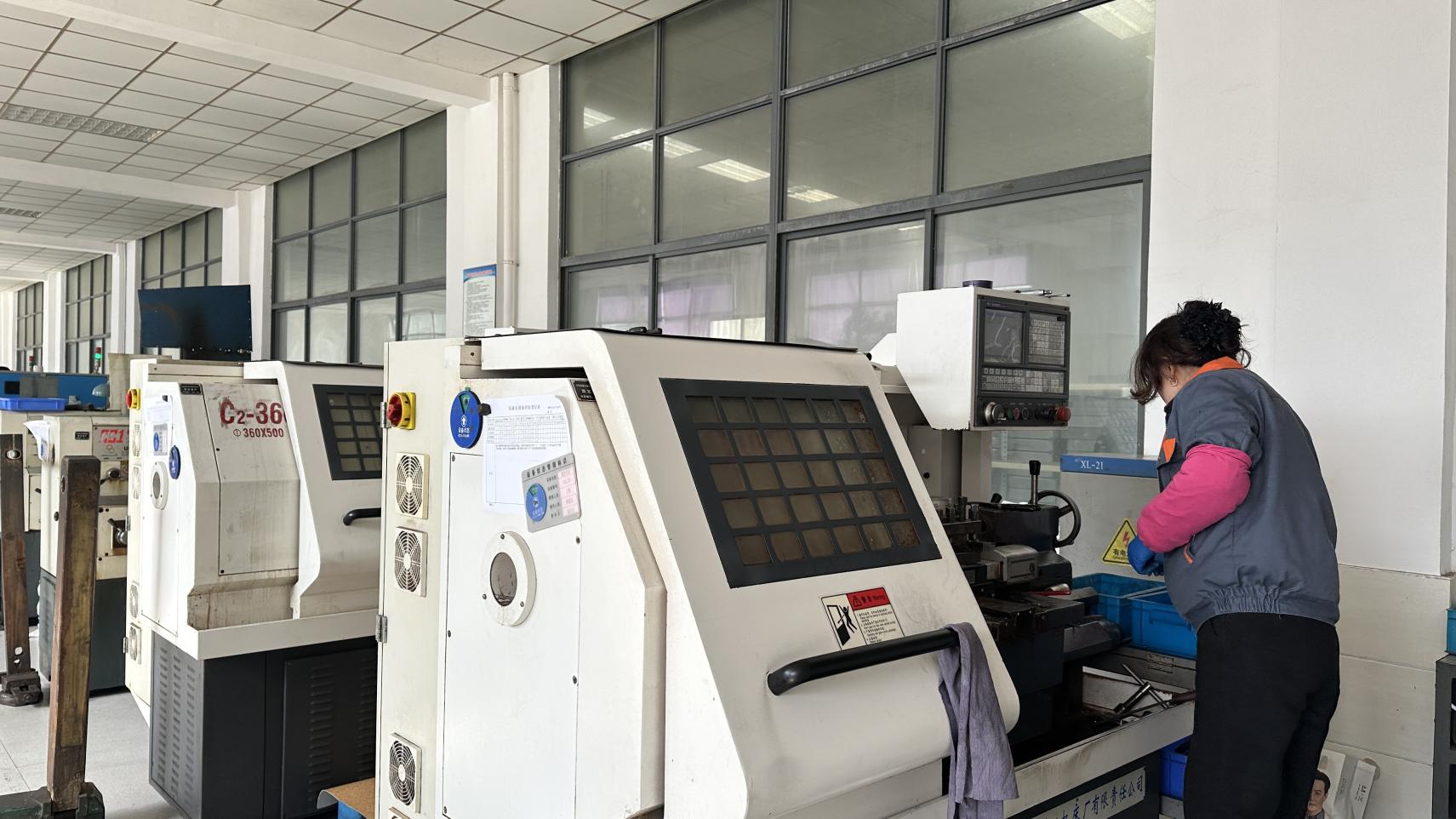
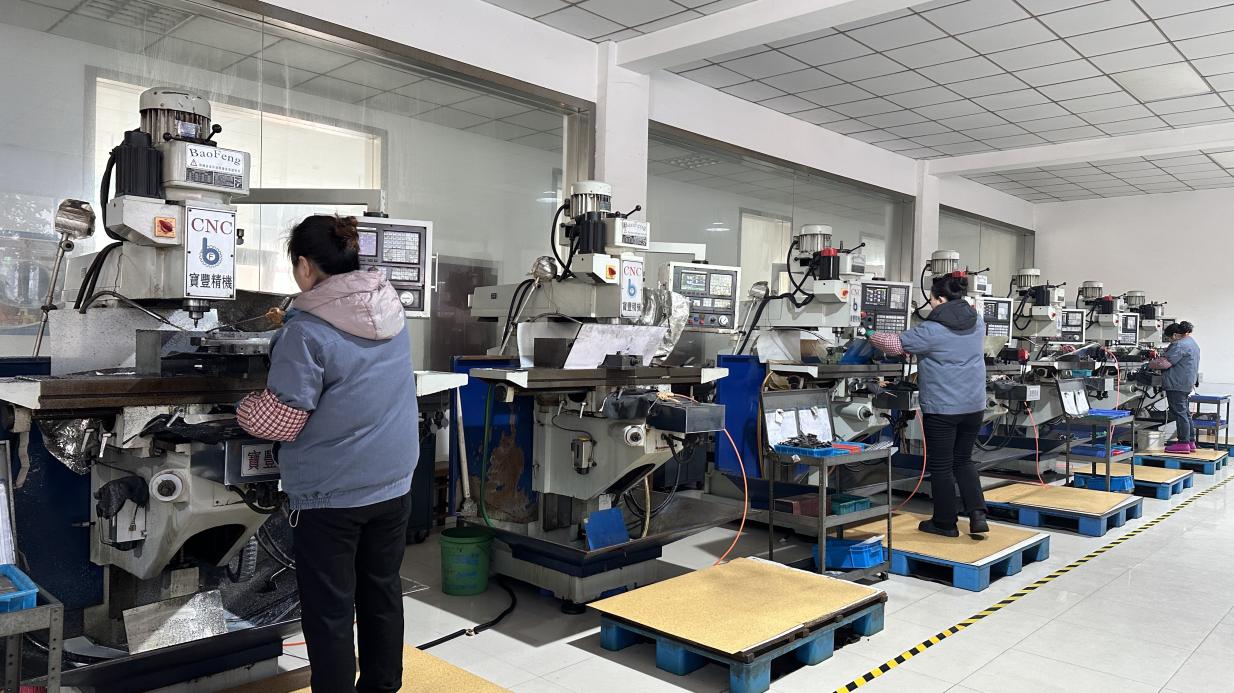
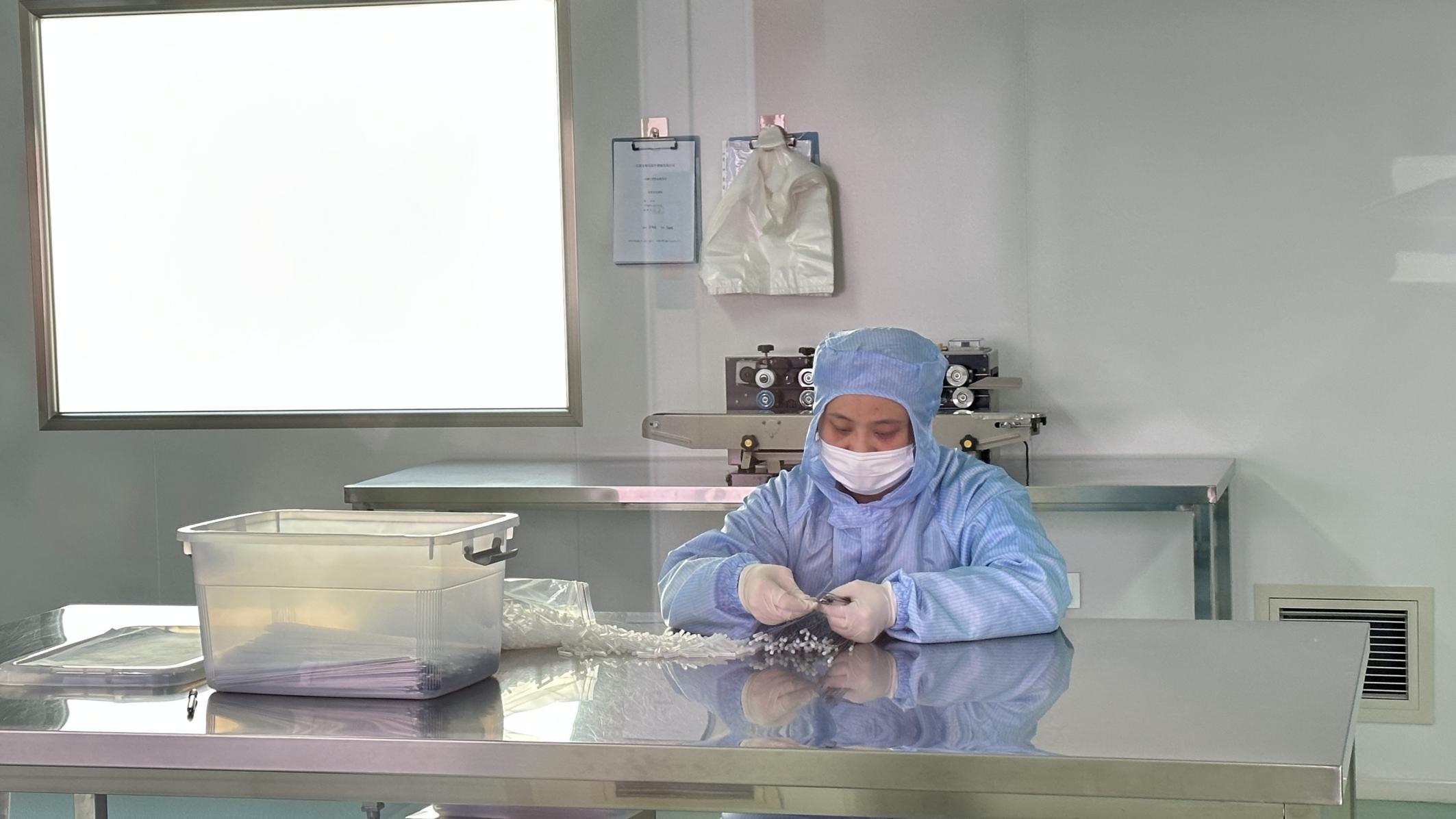
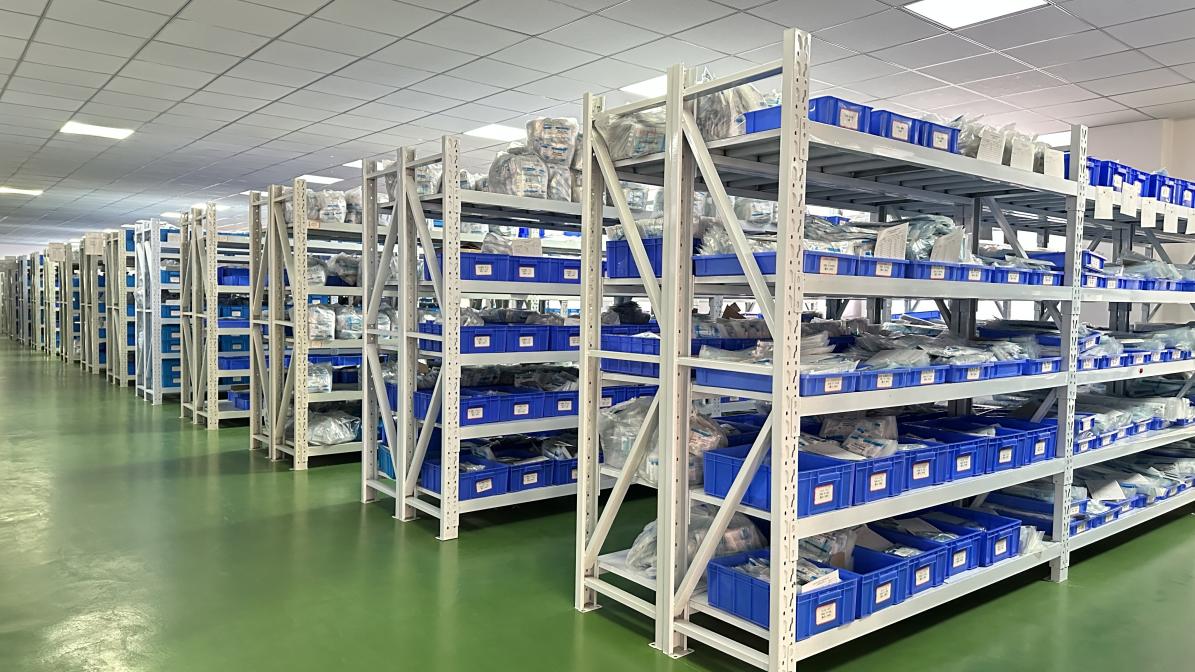
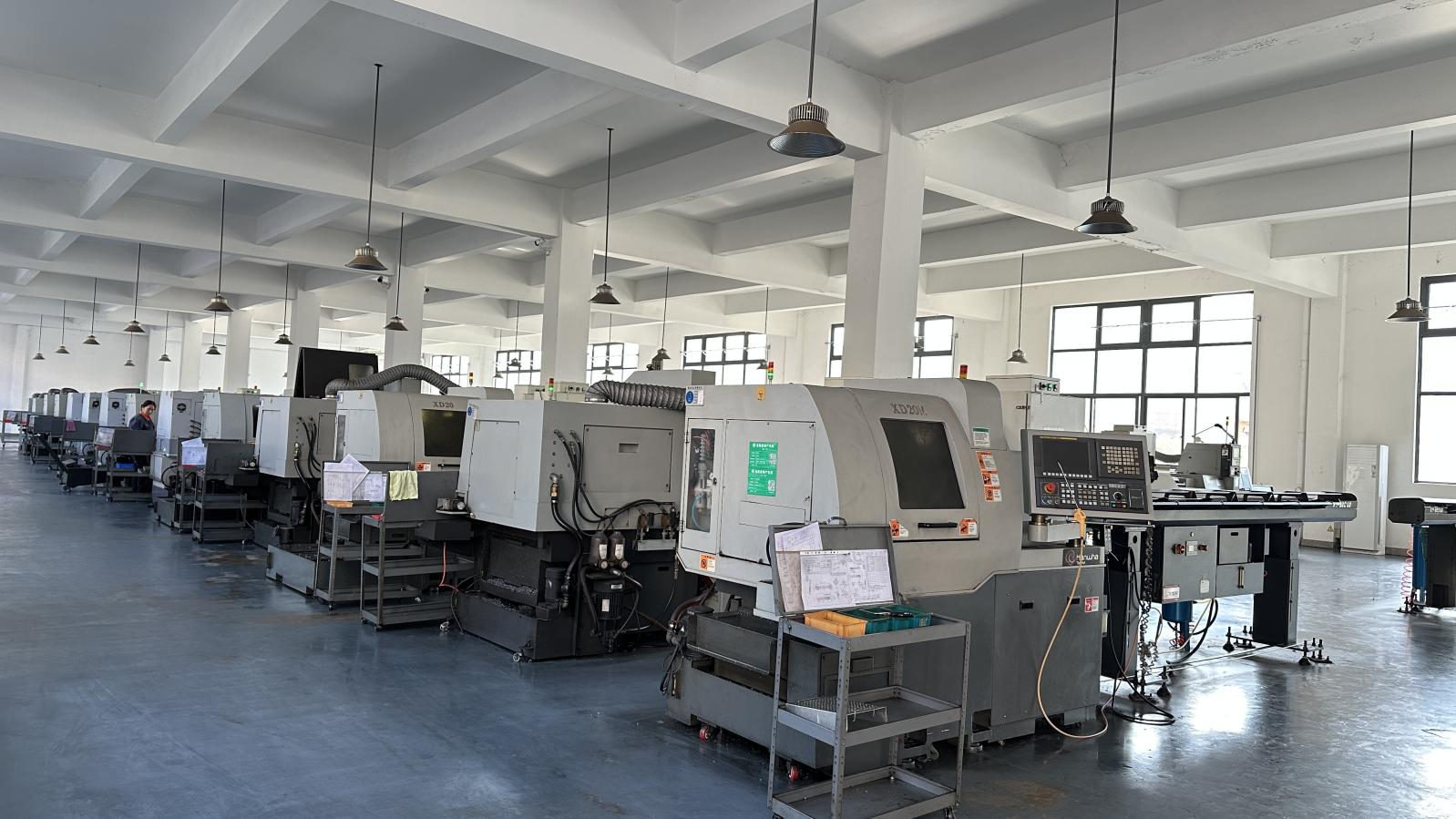
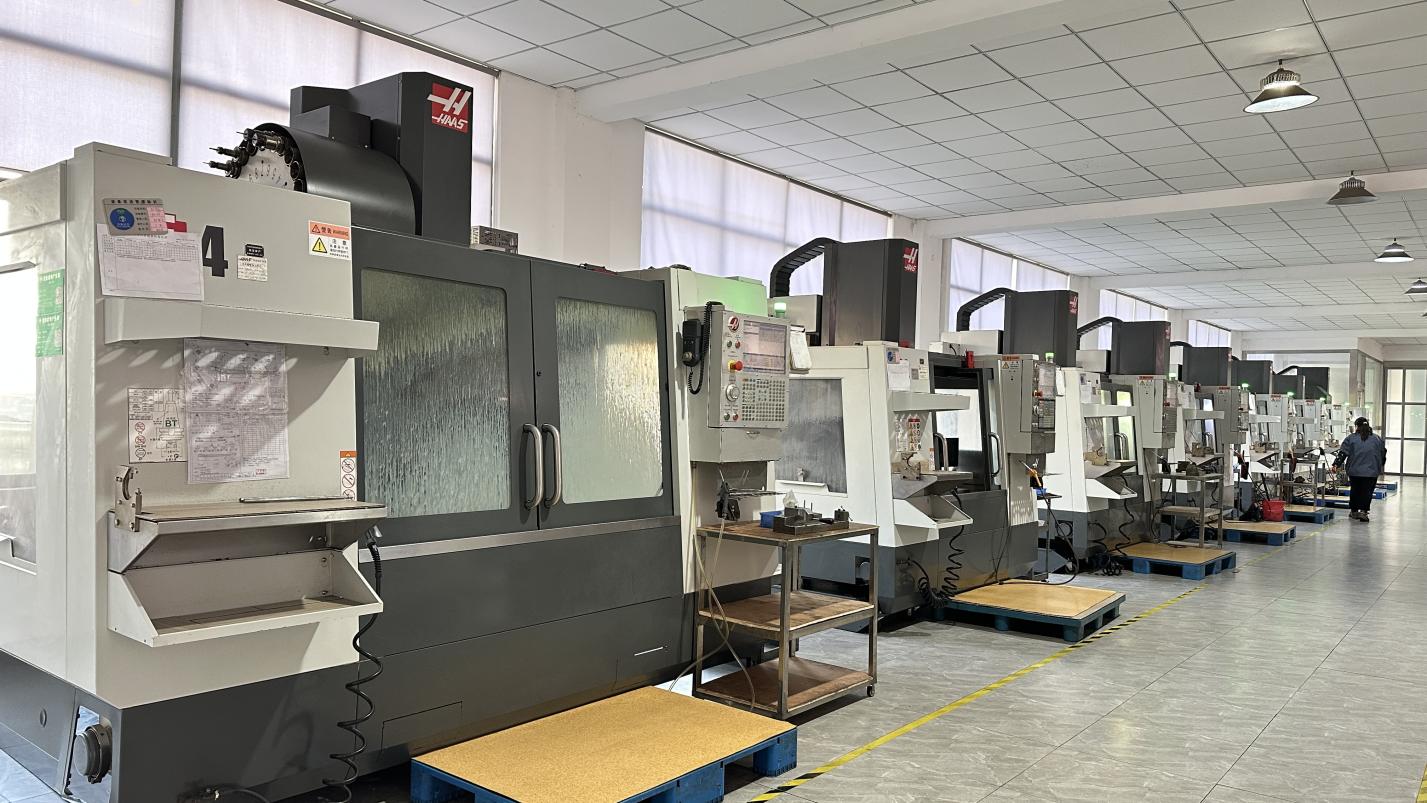
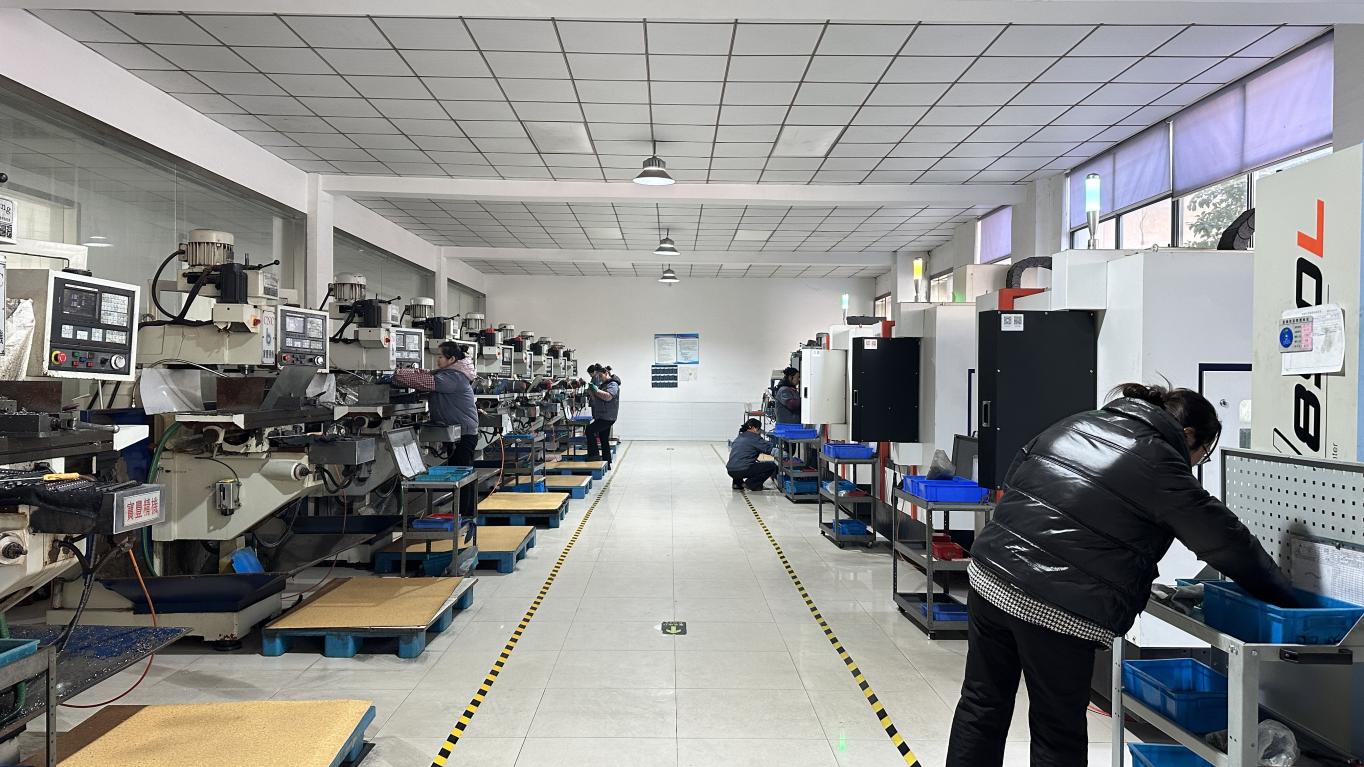
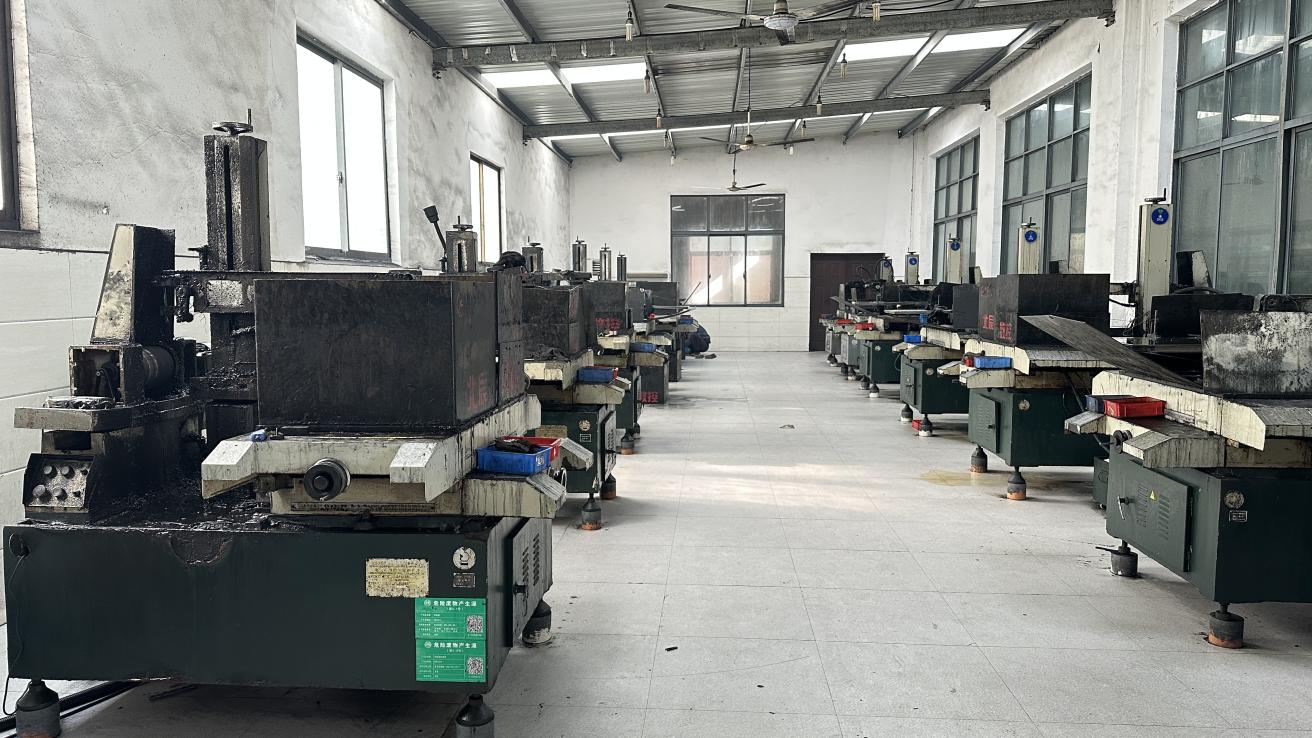
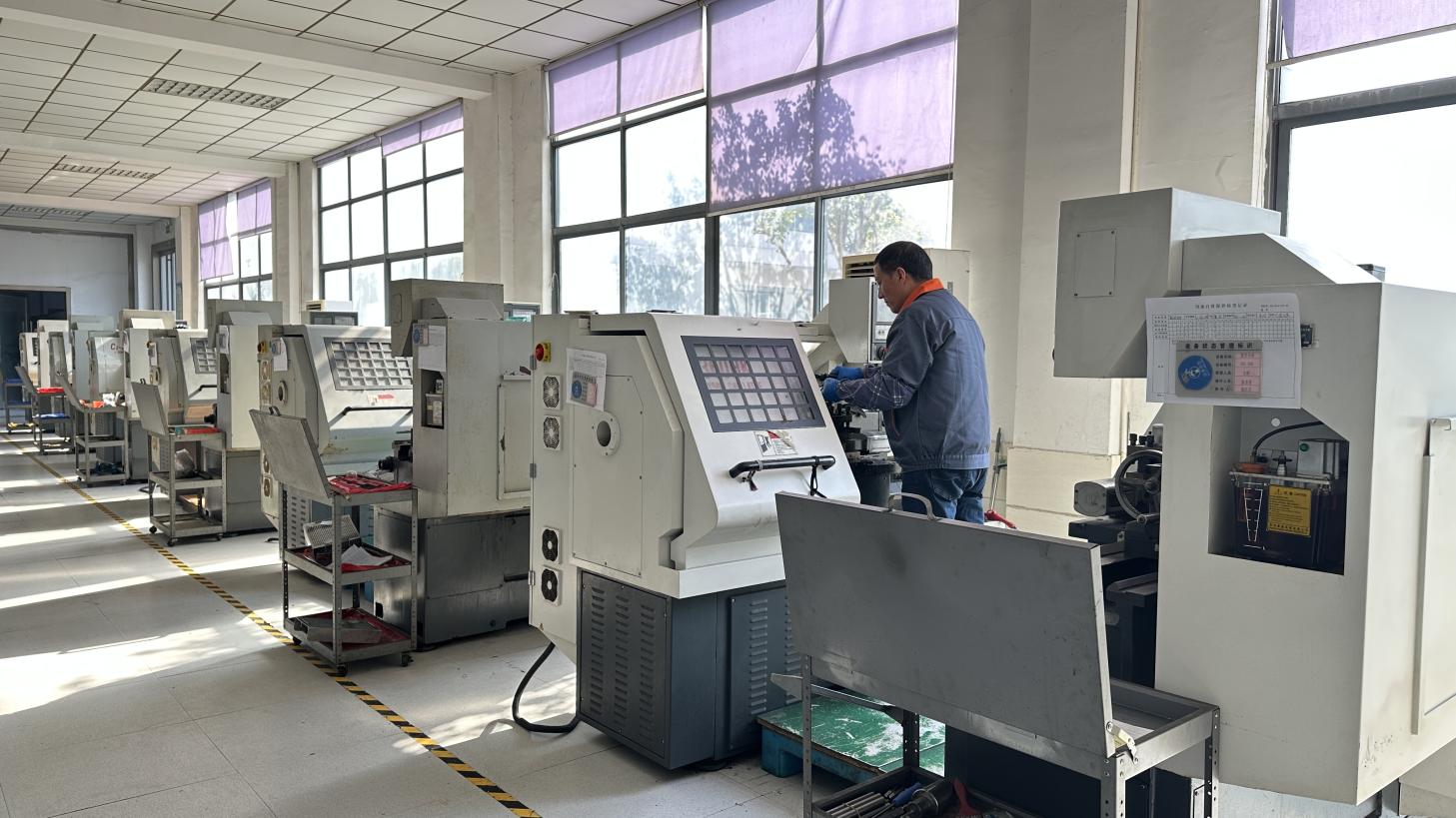
The global orthopedic implant sector is undergoing a profound structural shift. Traditionally dominated by multinational companies operating with high-margin structures, the industry is transitioning towards lean manufacturing frameworks that prioritize material integrity, clinical safety, and cost control. Modern Chinese manufacturers, such as Virelox Medical Devices Co., Ltd., have invested in state-of-the-art manufacturing technology, adopting Swiss-type CNC automatic lathes, 5-axis machining hubs, and high-performance cleanrooms.
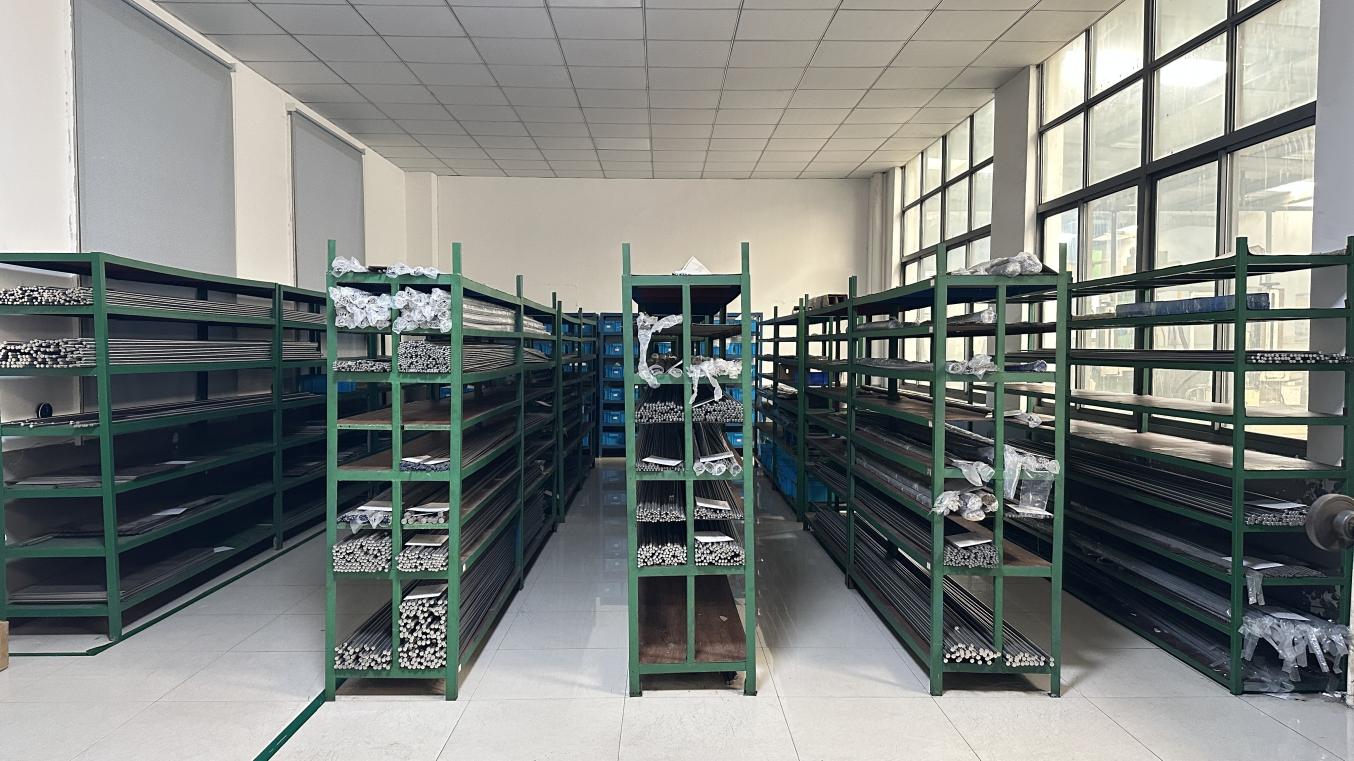
By leveraging robust industrial supply chains, access to high-purity medical-grade titanium (Ti6Al4V ELI) and implant-grade Polyetheretherketone (PEEK), and optimized labor productivity, China-based factories offer unmatched value. Virelox’s 12,000 square meter plant incorporates rigid quality control parameters that align with ISO 13485 protocols. This ensures every pedicle screw, spinal rod, and interbody cage matches the mechanical properties of Western alternatives, keeping surgical performance optimal.
The selection of biomaterials is crucial for long-term implant survival and osteointegration. In Nigeria, where post-operative follow-up can face logistical barriers, implants must offer high structural integrity and bio-compatibility.
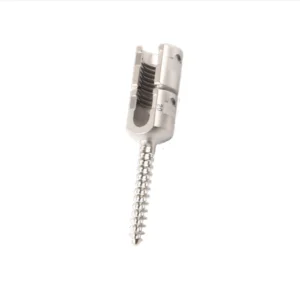
Virelox’s engineering team actively designs pediatric spinal systems alongside standard adult systems. These cater to complex spinal deformities, such as early-onset scoliosis, which demand highly adaptable, low-profile screw-rod constructs.
Innovative low-profile pediatric spinal solutions and robust screw-rod systems tailored for Nigerian patients.
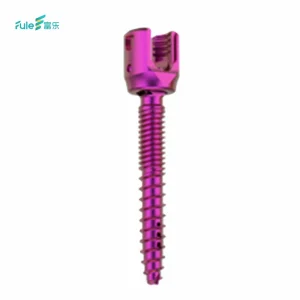
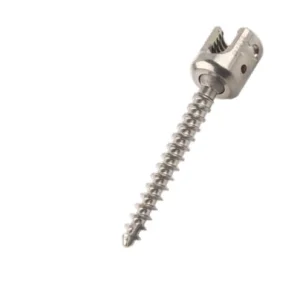
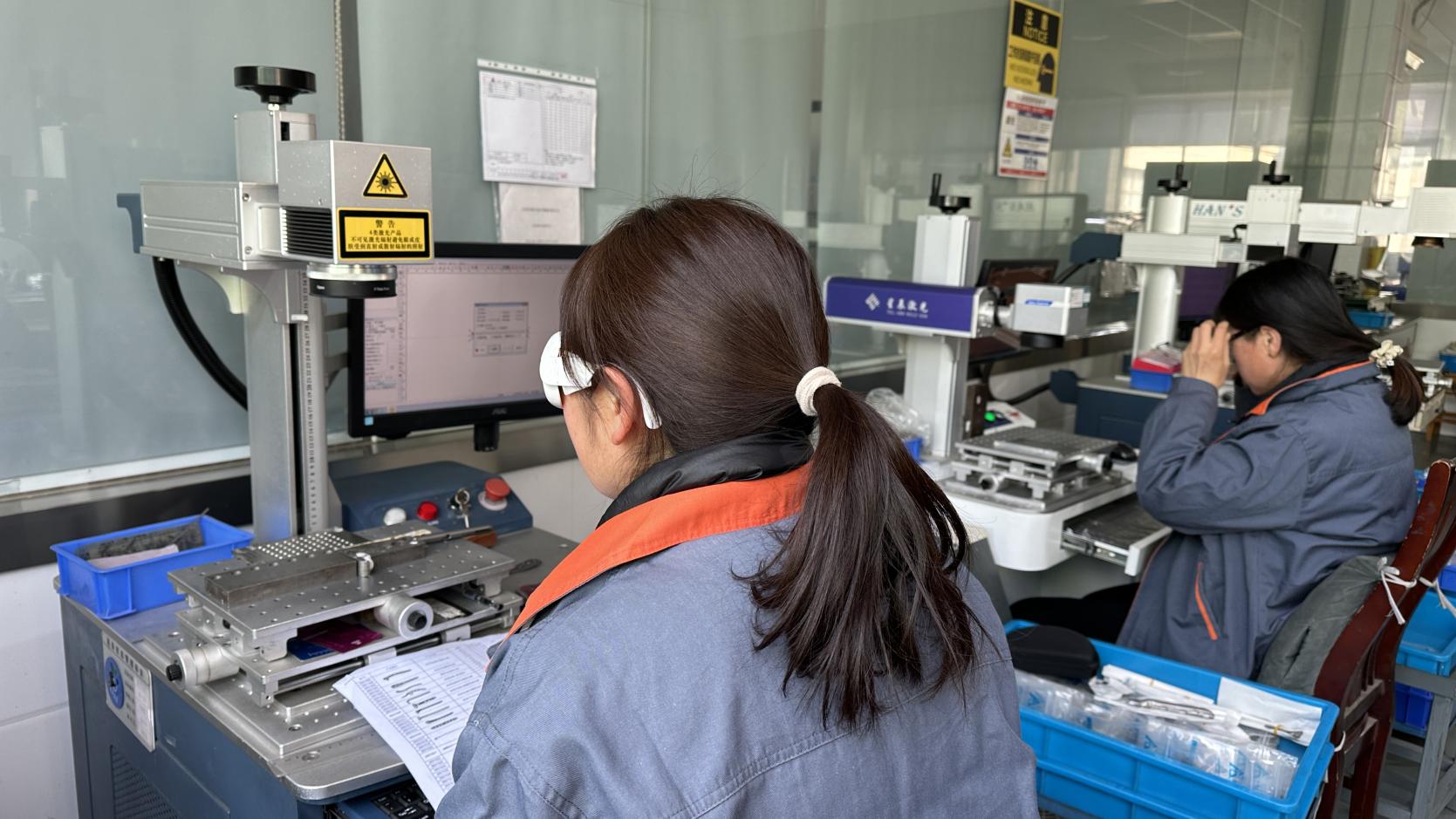
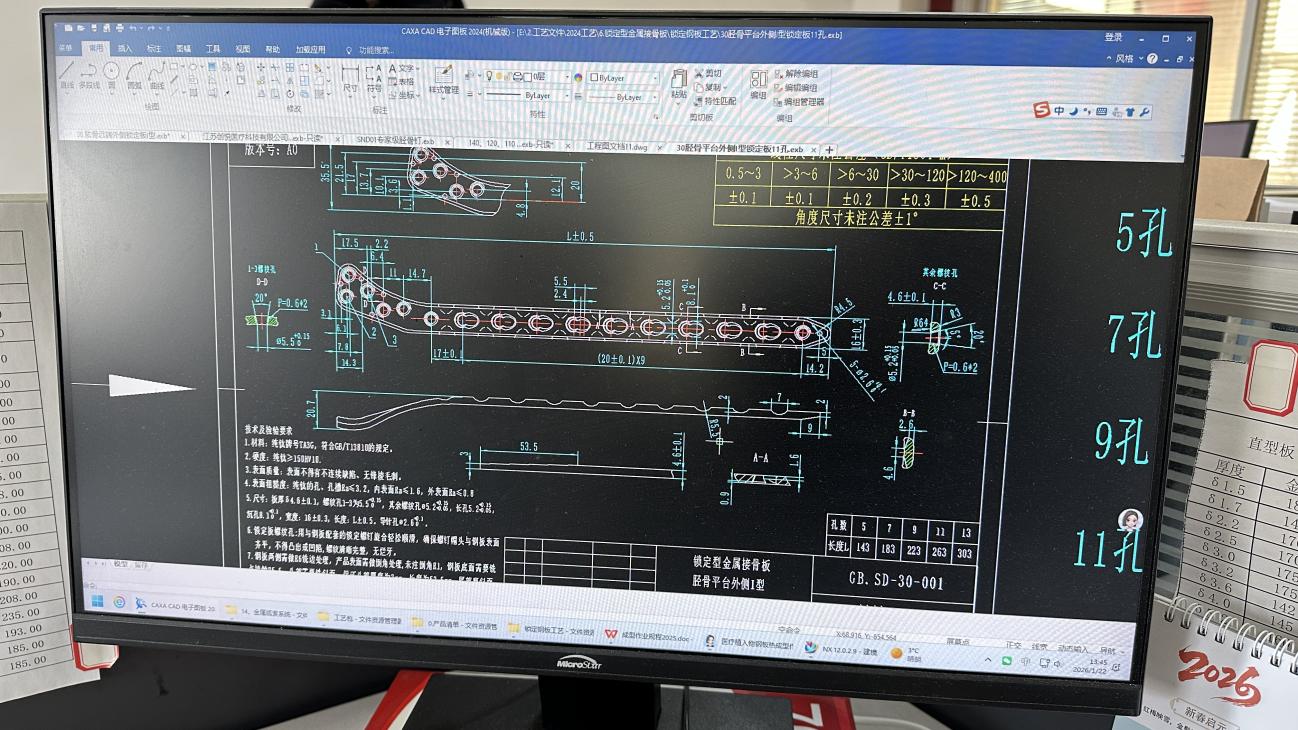
Virelox operates a vertically integrated medical manufacturing ecosystem to secure dimensional consistency and flawless biomechanical properties.
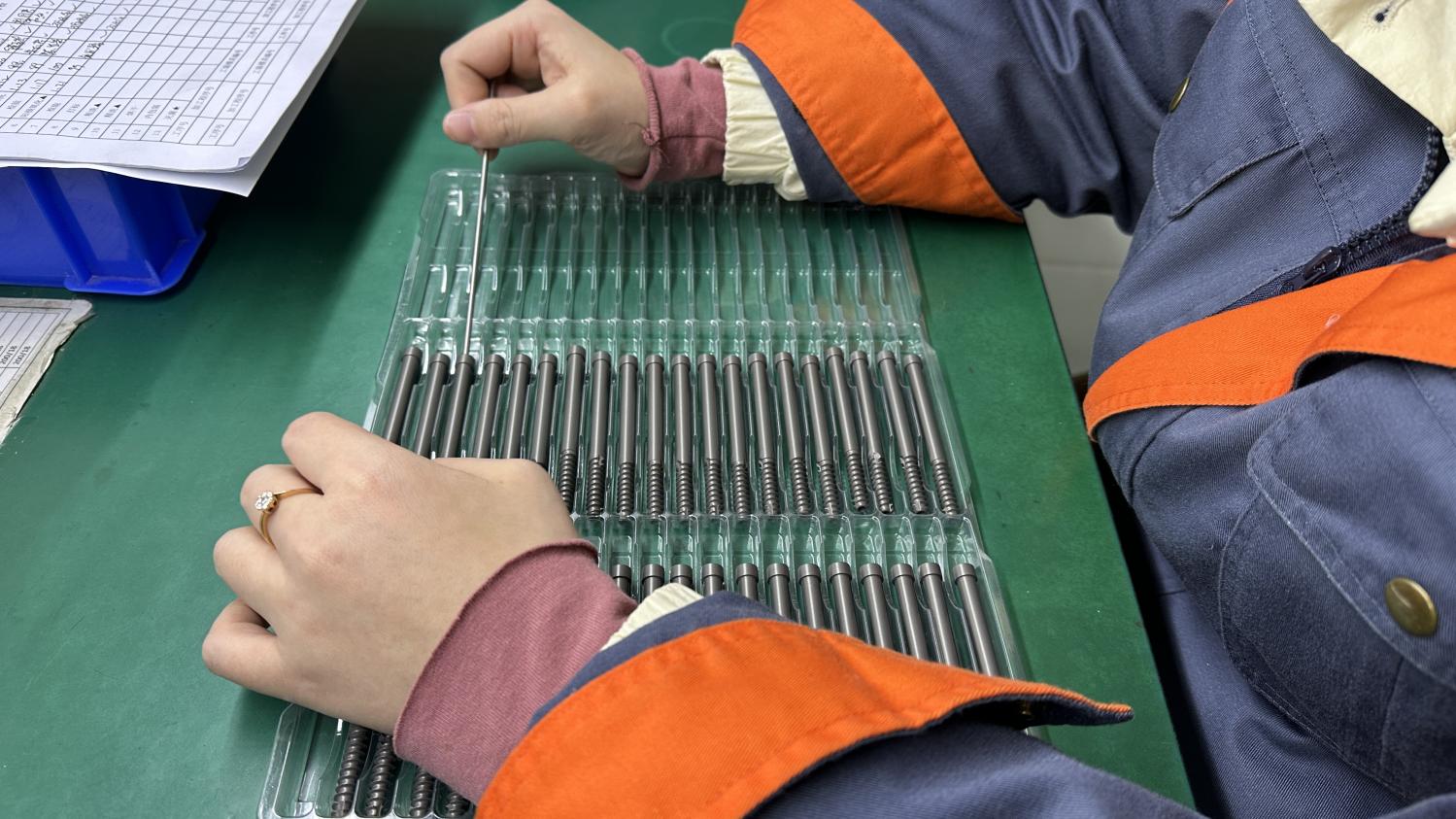
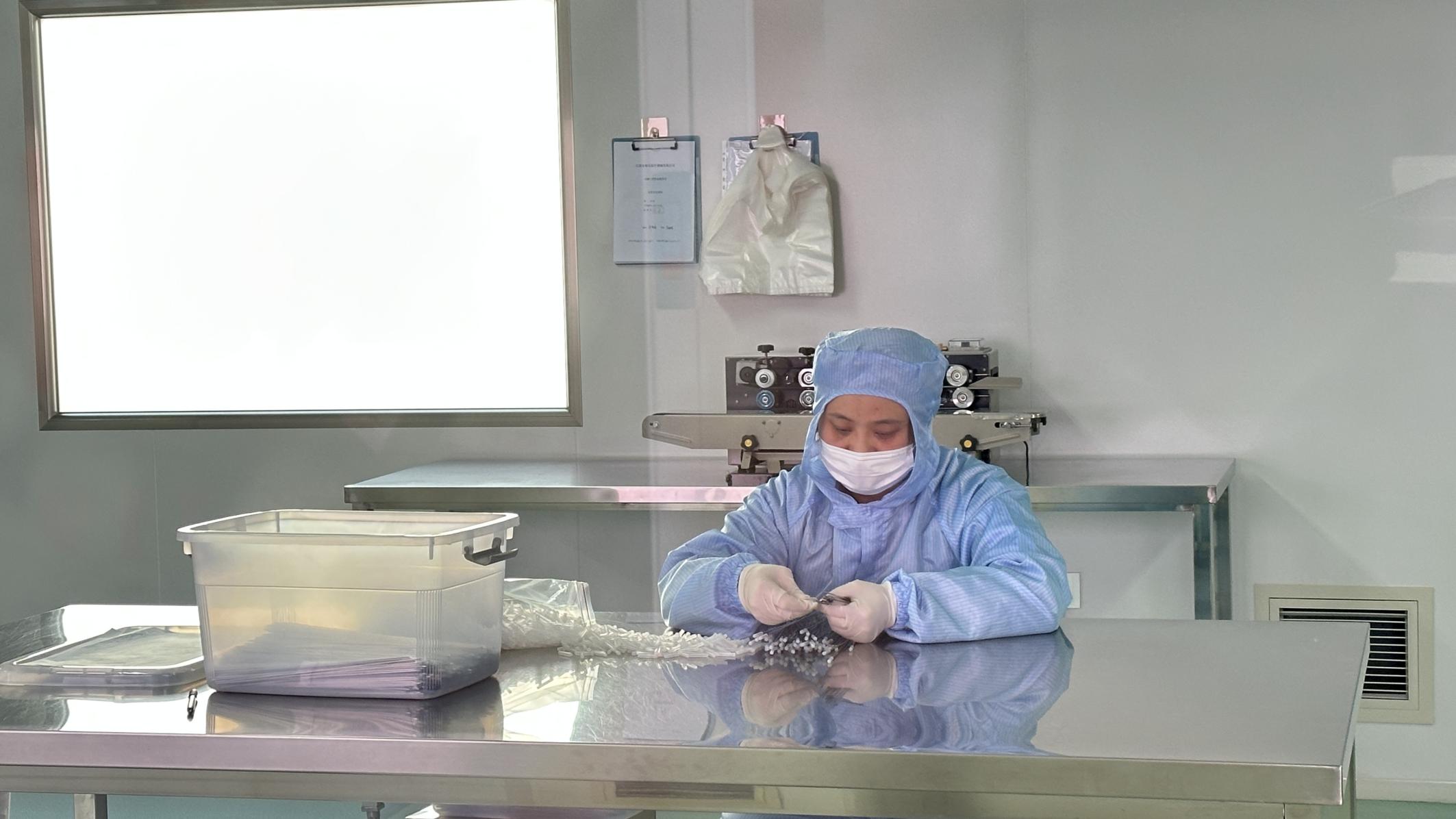
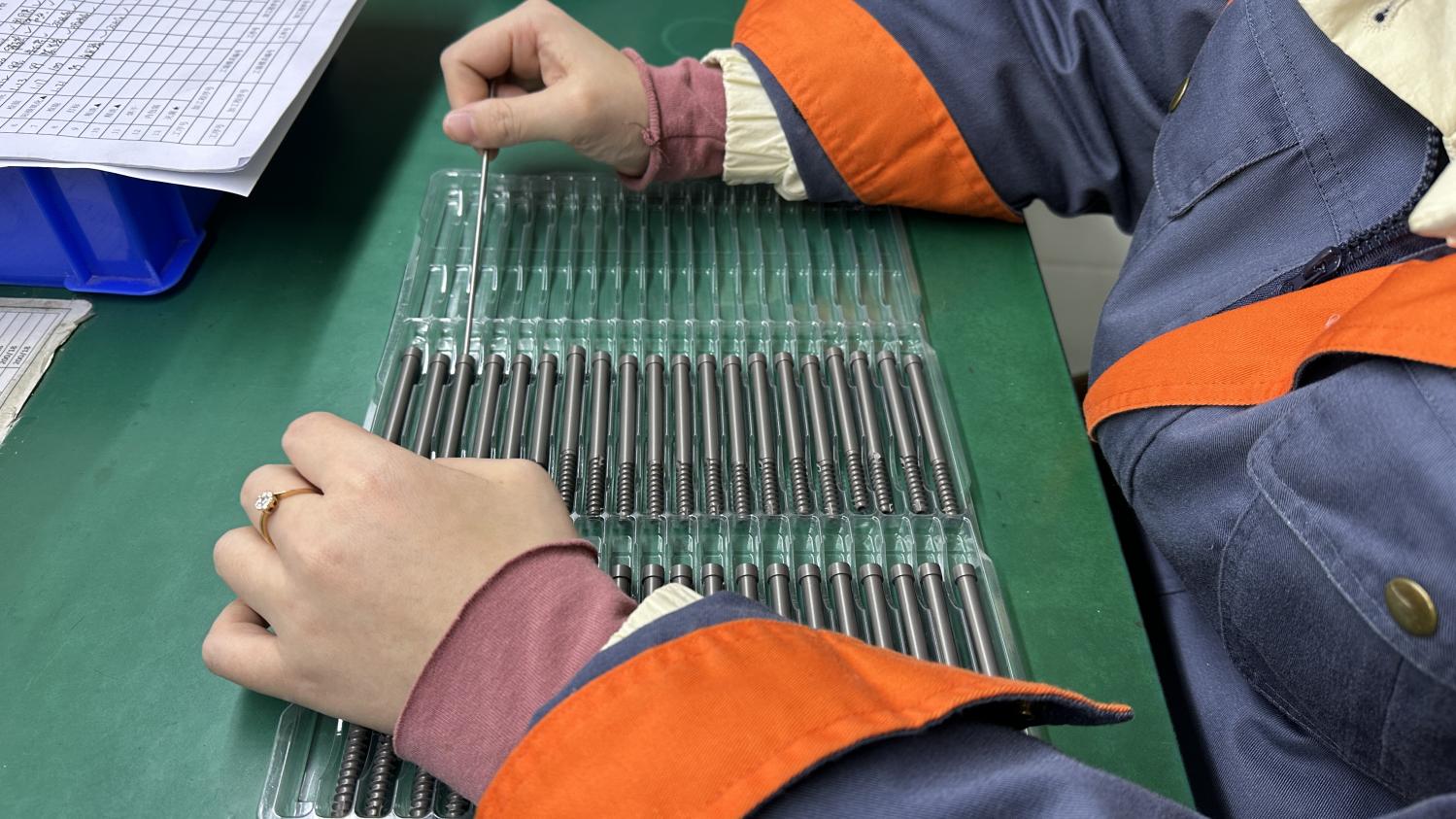
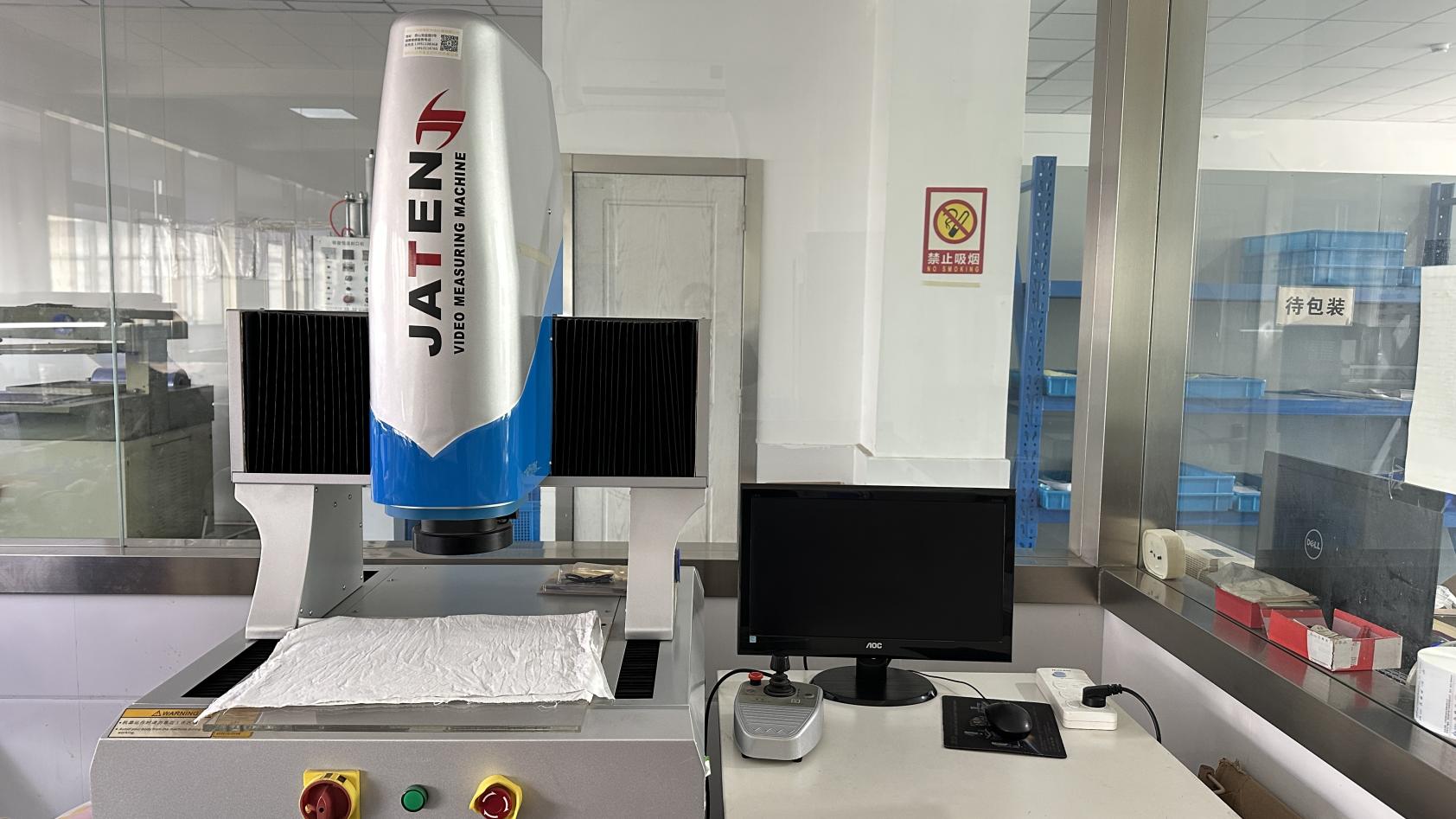
Manufacturing medical implants demands absolute consistency. Operating under ISO 13485 standards, Virelox ensures all raw materials, including medical-grade titanium alloy and implant-grade PEEK, are fully traceable back to their origin mills. Each production run is validated using multi-axis coordinate measuring machines (CMM) to maintain mechanical tolerances within micrometers (+/-0.005mm).
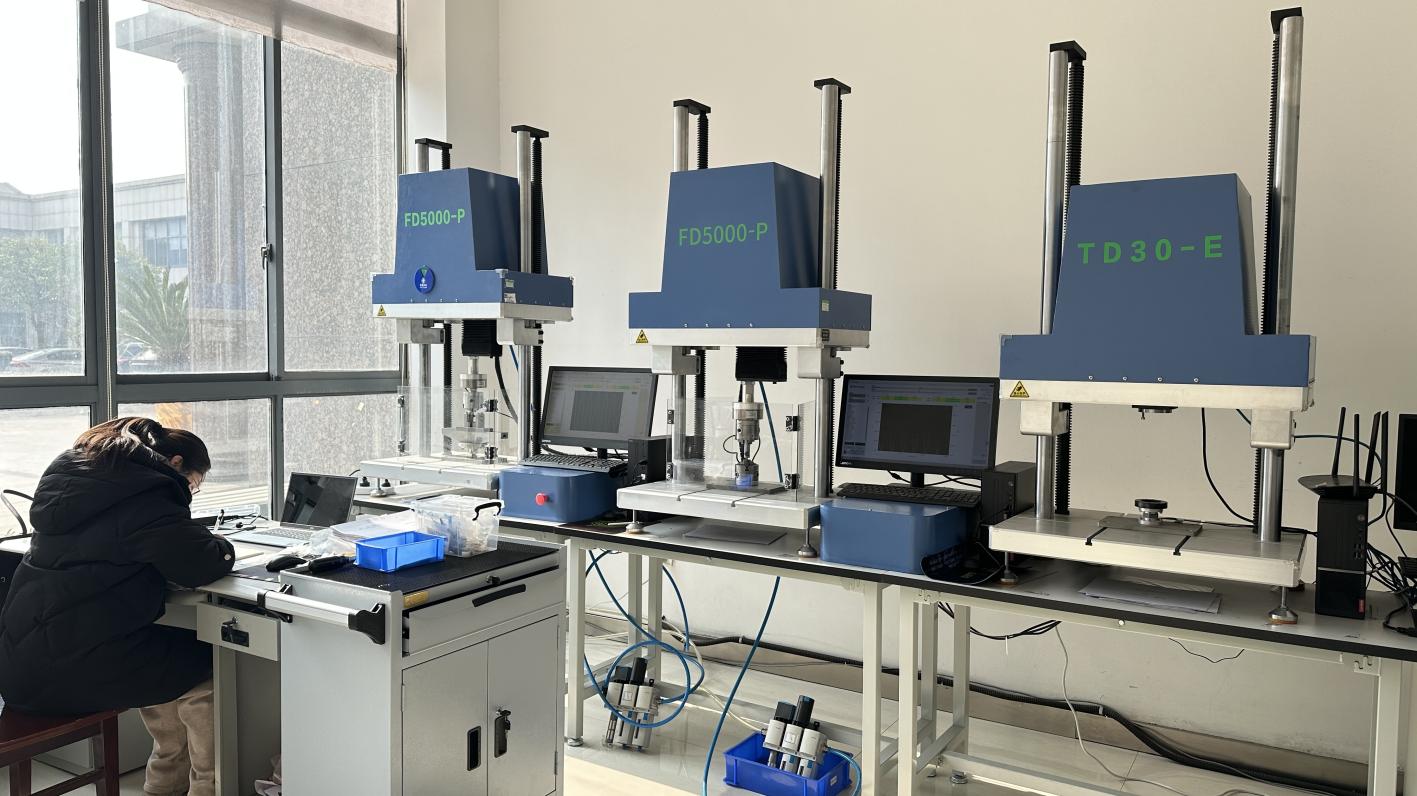
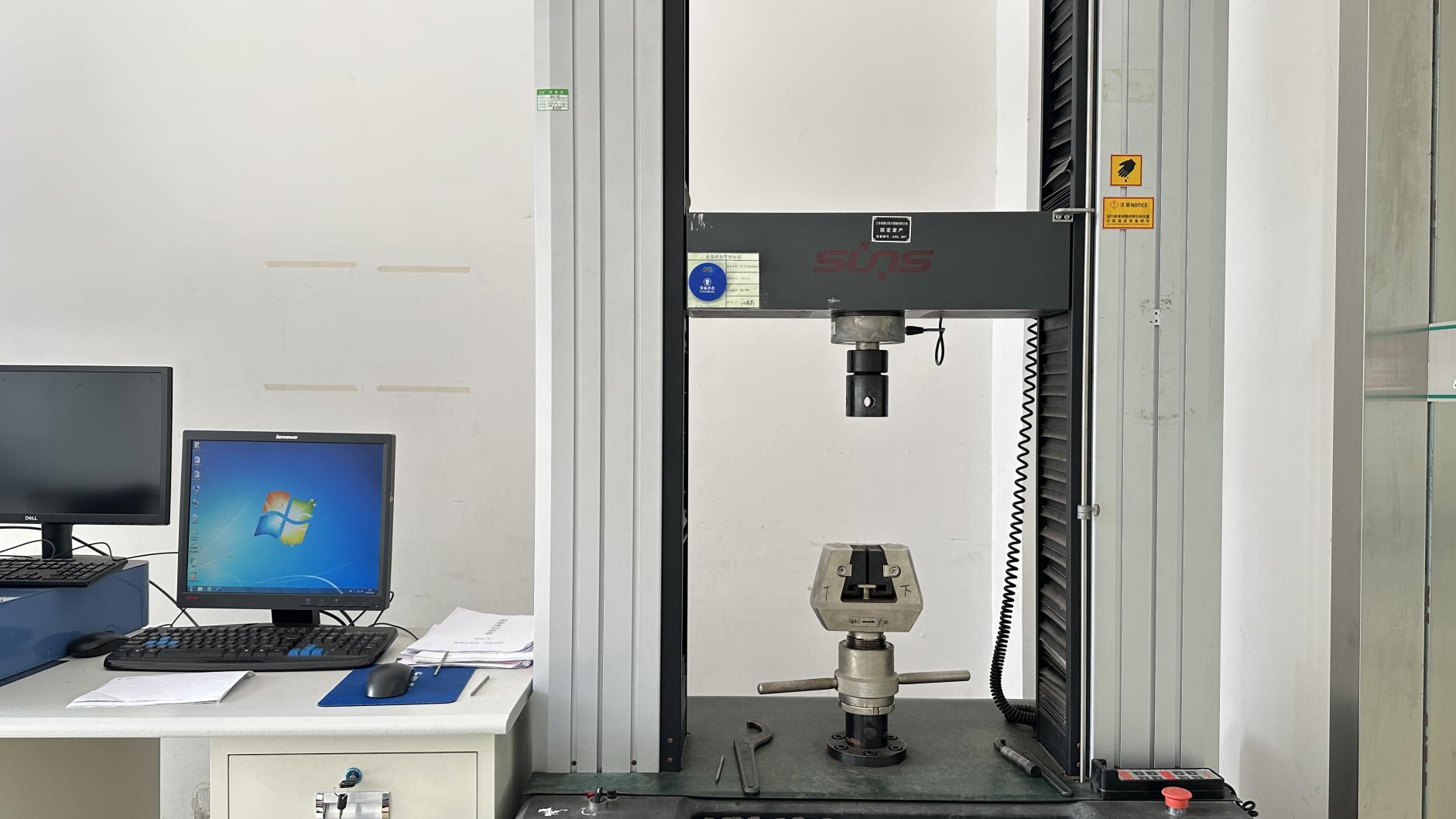
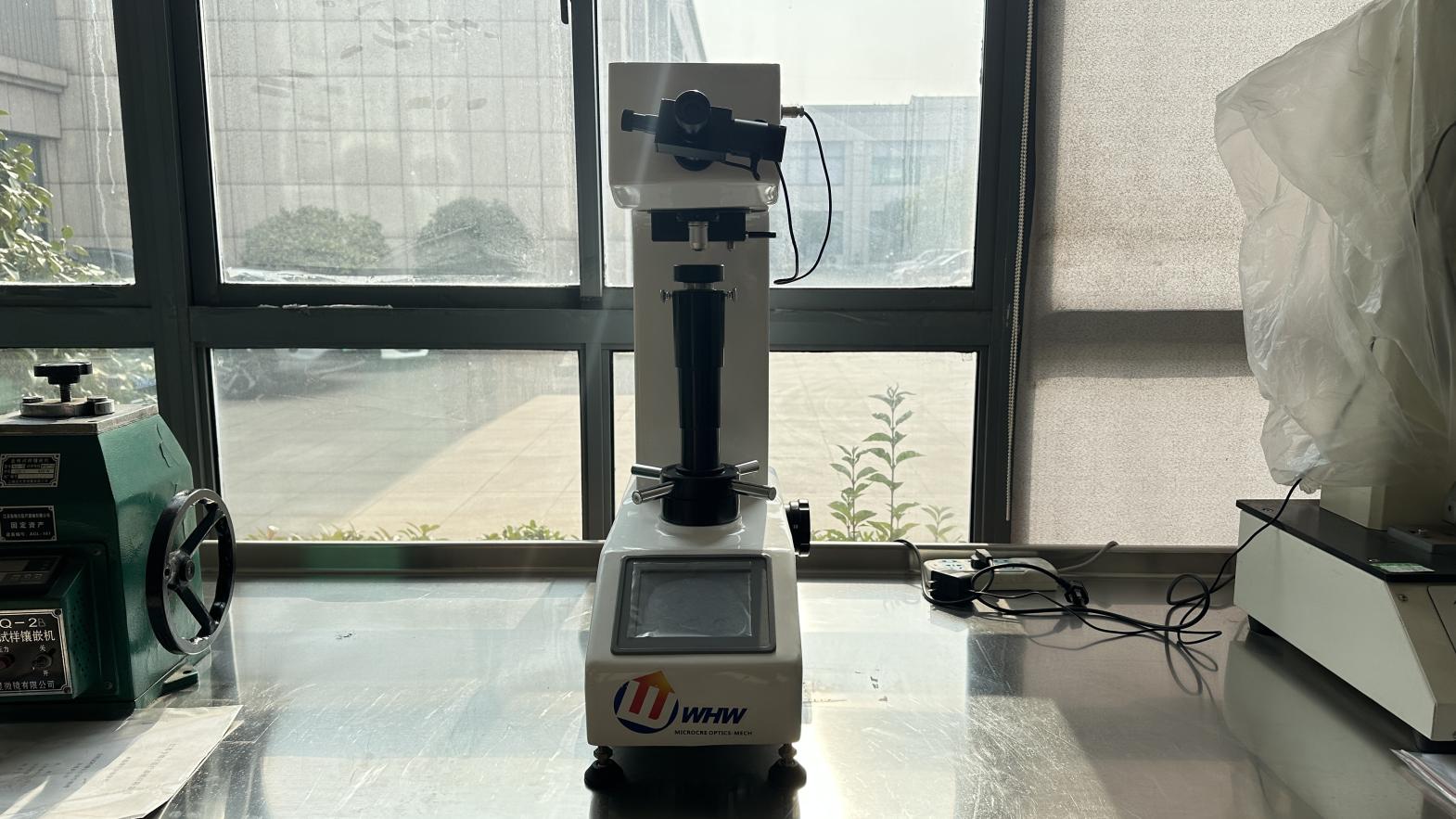
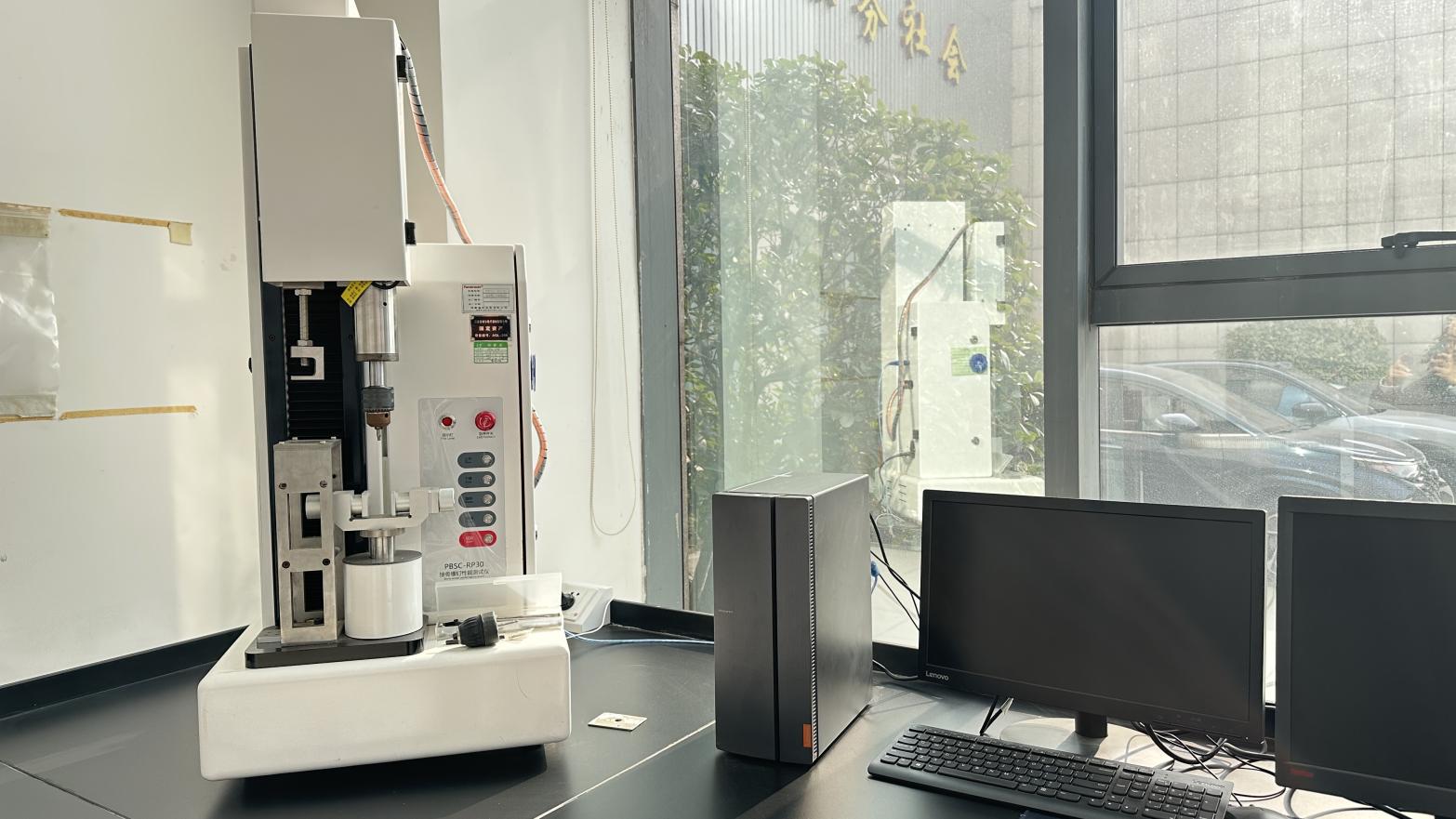
Our dedicated testing center runs continuous fatigue and tensile strength tests. For example, pedicle screw thread pulling force and screw-head fatigue limits are benchmarked against international ASTM and ISO standards. This strict focus on quality ensures our implants reliably perform under physiological loads in vivo.

Navigating NAFDAC import compliance, customs clearance at Nigerian ports, and local distribution requirements.
The importation of orthopedic implants and Class III surgical medical devices into Nigeria is strictly regulated by the National Agency for Food and Drug Administration and Control (NAFDAC). To register and legally distribute spinal systems in Nigeria, distributors must secure the following documentation from the manufacturer:
Virelox provides full registration support, providing comprehensive dossiers, certificates, and analysis documents to help local partners navigate the registration process efficiently.
Given the time-sensitive nature of surgical instruments and implant restocking, we offer flexible shipping options to Nigeria:
Essential questions answered for orthopedic distributors, hospital purchasing departments, and spine surgeons in Nigeria.
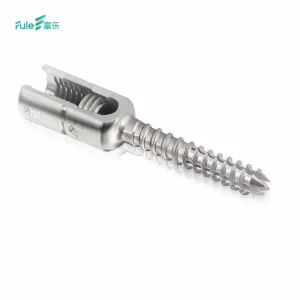
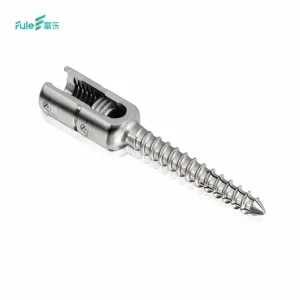
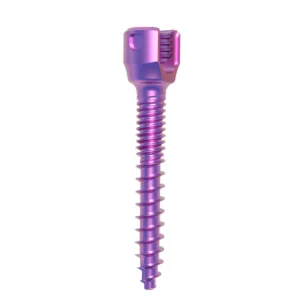
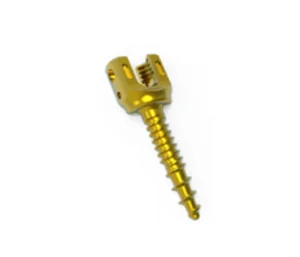
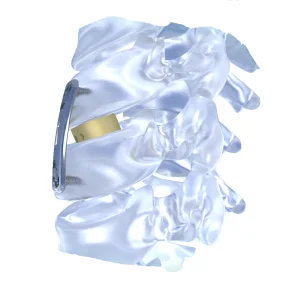
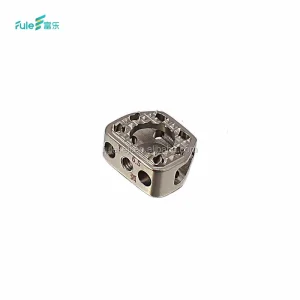
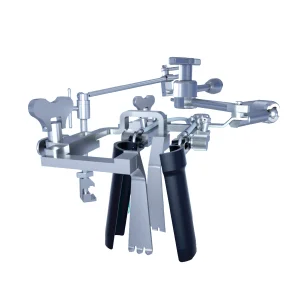
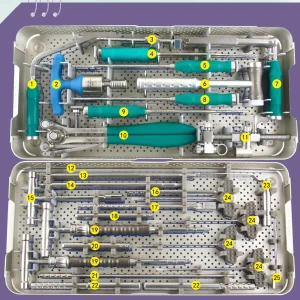
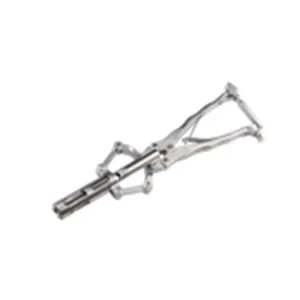
A complete portfolio of posterior spinal fixation hardware, interbody fusion cages, and surgical instrumentation sets.
Connect directly with Virelox’s technical sales team to request catalog specifications, pricing lists, CE certifications, and import guidance to Nigeria.
Send Inquiry Now Virelox