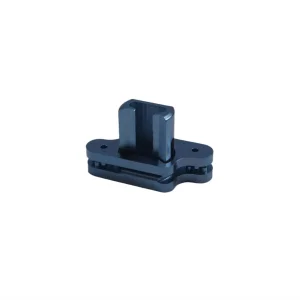
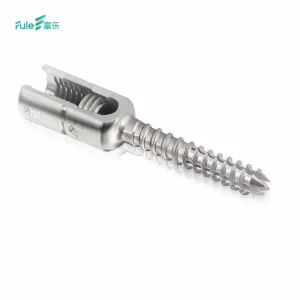
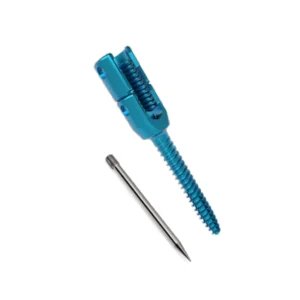
Highly biological-compatible, precision-engineered titanium hardware configured specifically for the high-volume ambulatory surgical centers of Southern California.
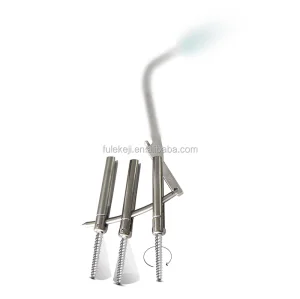
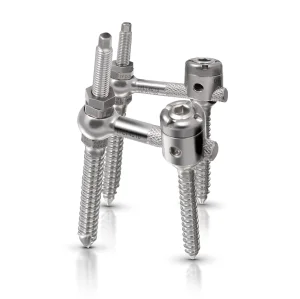
The Greater Los Angeles metropolitan area represents one of the most sophisticated biomedical clusters globally. Anchored by world-renowned academic medical centers such as UCLA Health, Cedars-Sinai Medical Center, and the Keck School of Medicine of USC, Southern California functions as a key driver of spinal surgical techniques, including Minimally Invasive Spine Surgery (MISS) and motion-preservation therapies.
However, local clinical organizations face rising challenges related to procurement costs, rigid supply chain loops, and the need for immediate, customized implant profiles. To maintain patient care quality while reducing operational overhead, healthcare procurers are actively establishing direct partnerships with qualified global spinal implant manufacturers and exporters.
Throughout the West Coast of the United States, there is an accelerating migration of spinal procedures from traditional hospital inpatient settings to outpatient Ambulatory Surgery Centers (ASCs). This shift is driven by payers demanding cost effectiveness, and patients prioritizing rapid recovery times.
Navigating the medical device market in Los Angeles requires a strict understanding of safety, material integrity, and regulatory validation. At Virelox, we ensure that every orthopedic titanium and PEEK system complies with international regulatory baselines:
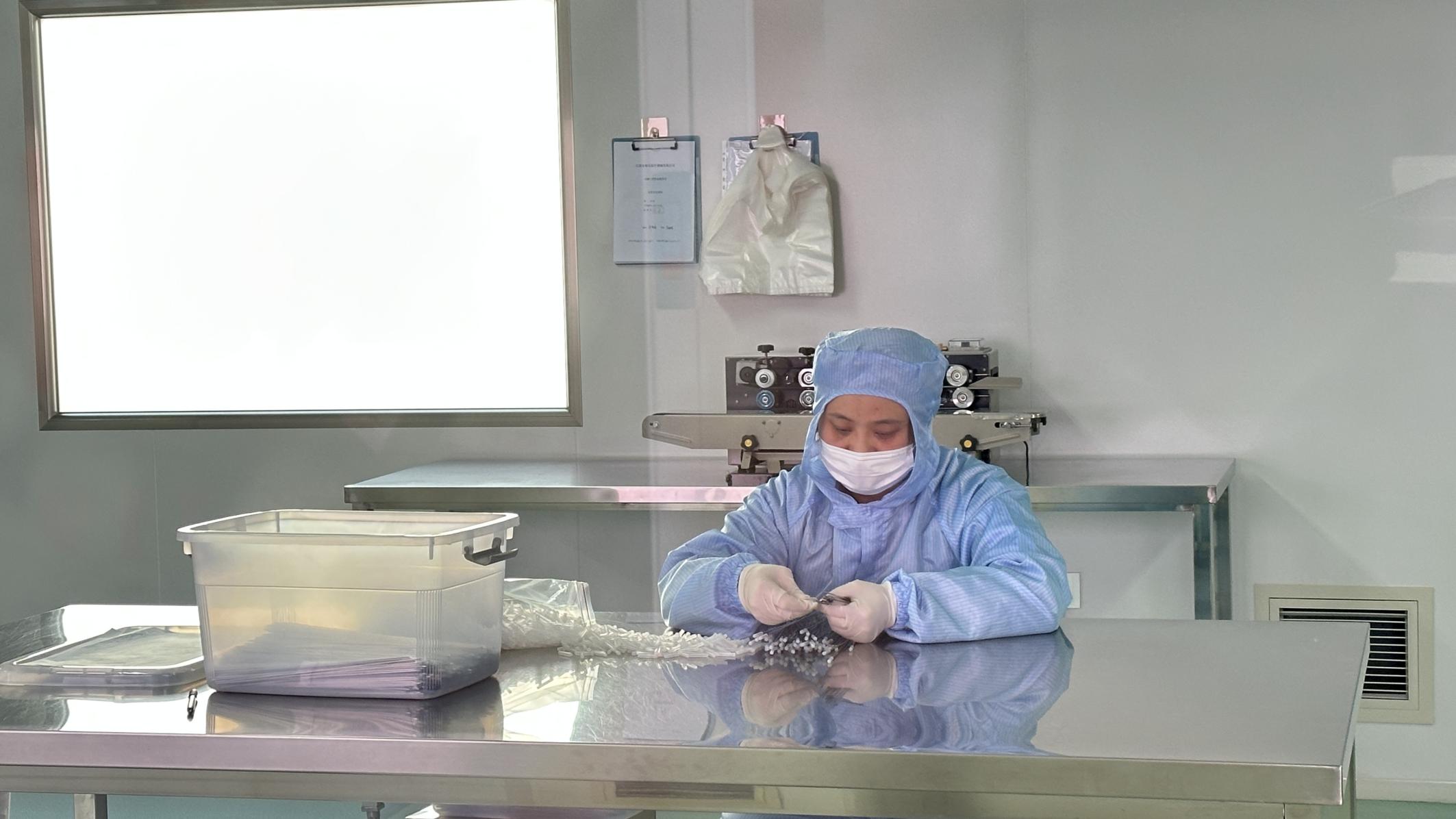
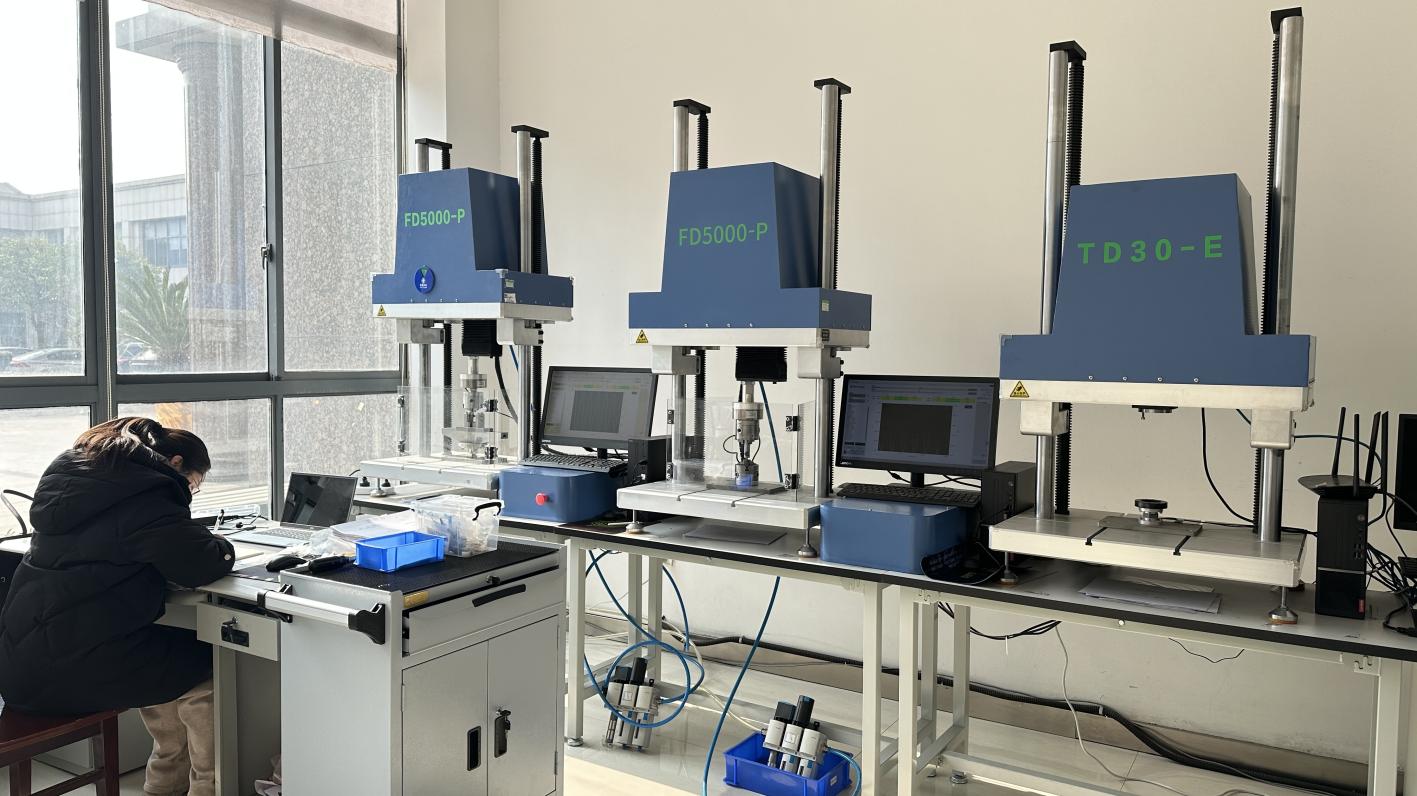
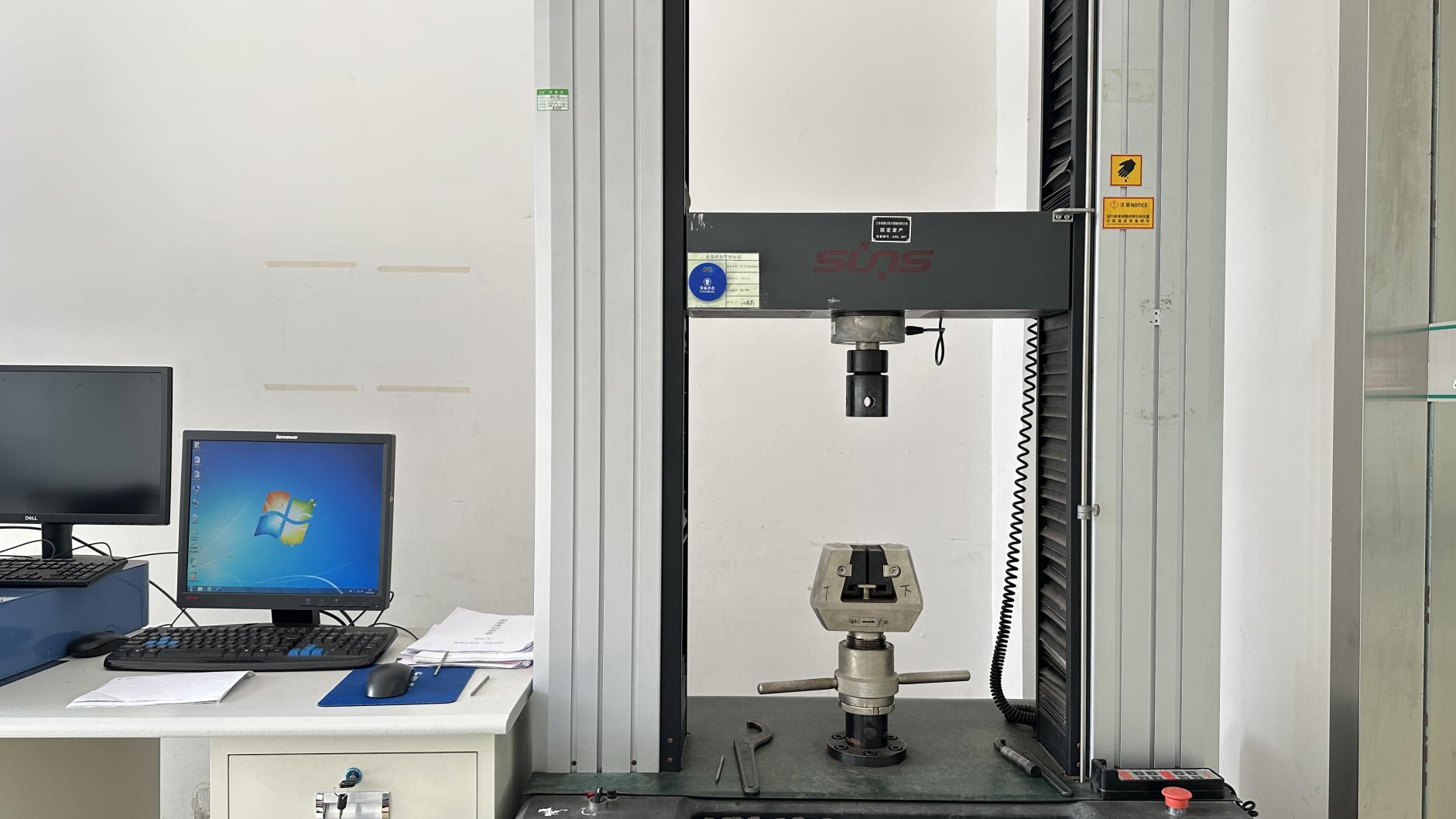
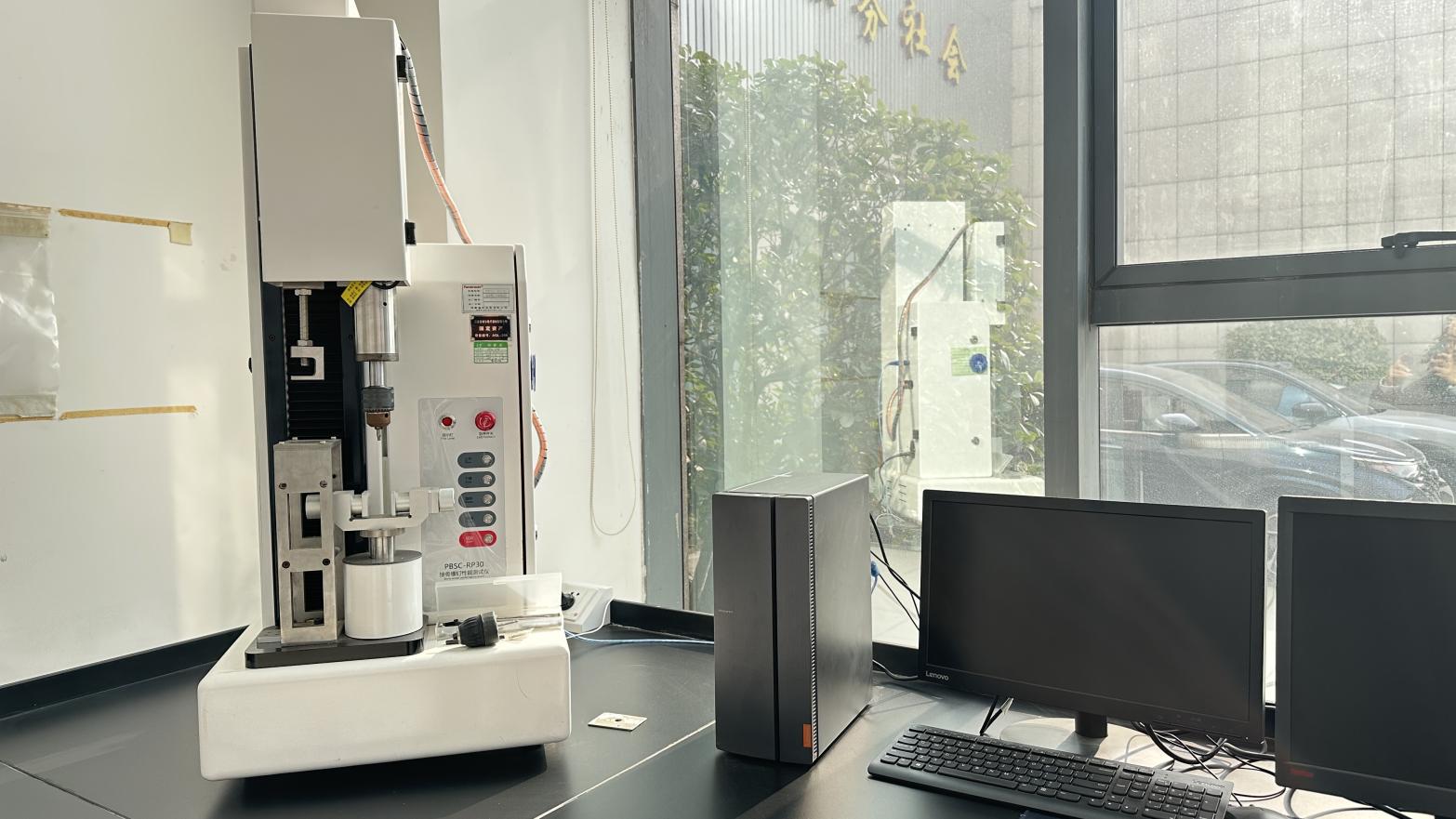
Our ISO 13485-certified quality management system ensures full component traceability, from raw bar stock to sterile packaging. By utilizing testing methodologies including ASTM F1717 (for spinal construct fatigue) and ASTM F543 (for medical bone screw performance), we guarantee that our structural elements match or exceed standard US market performance criteria.
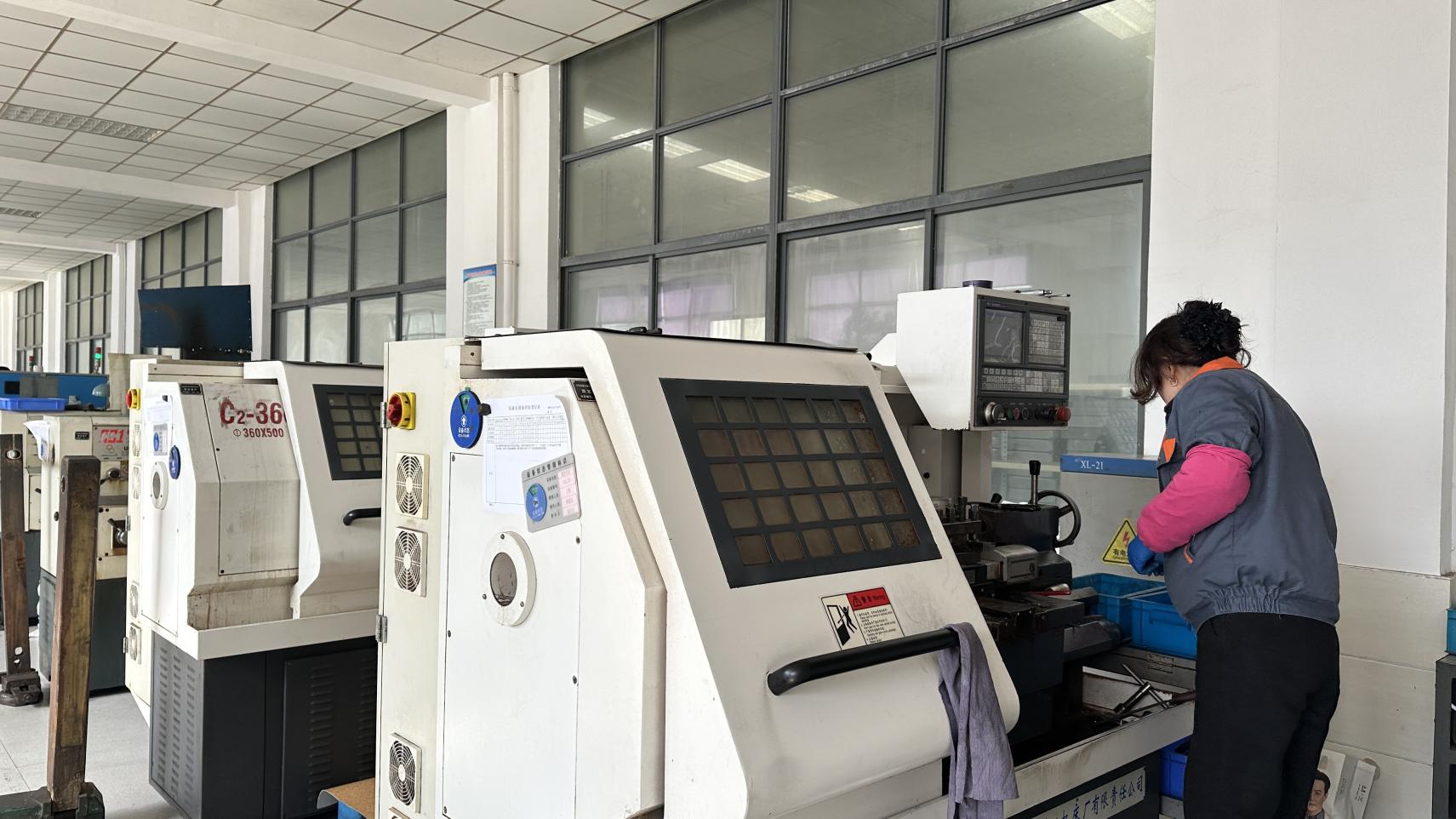
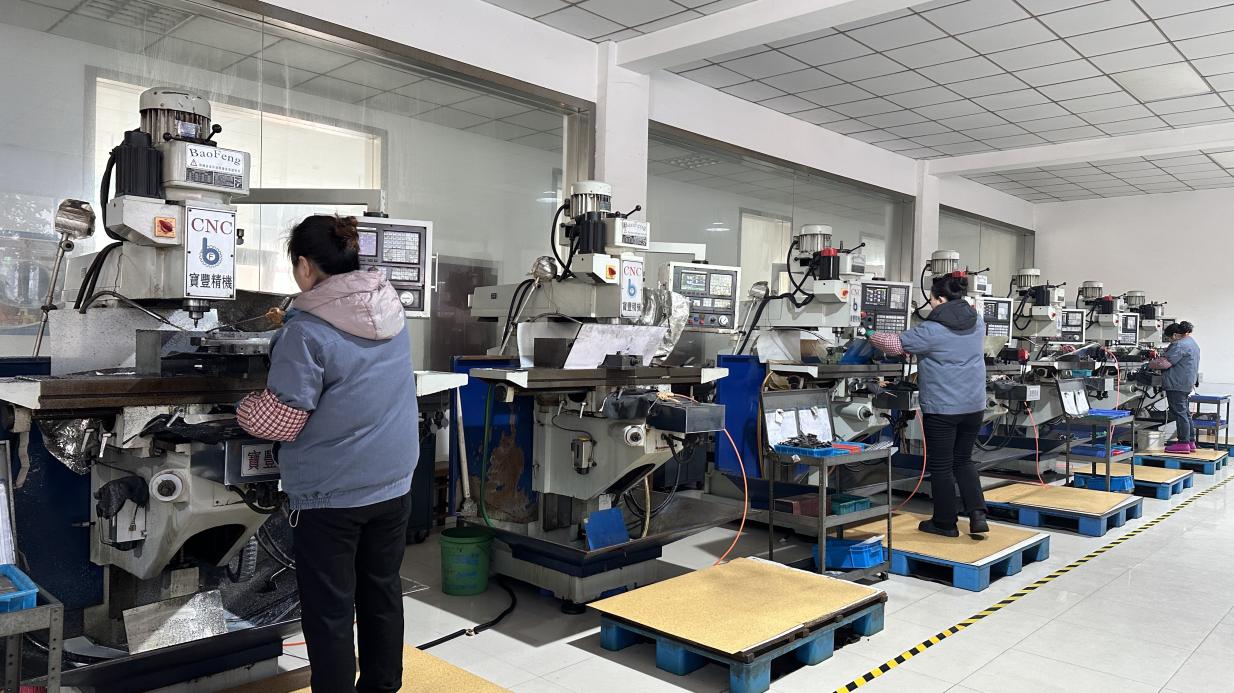
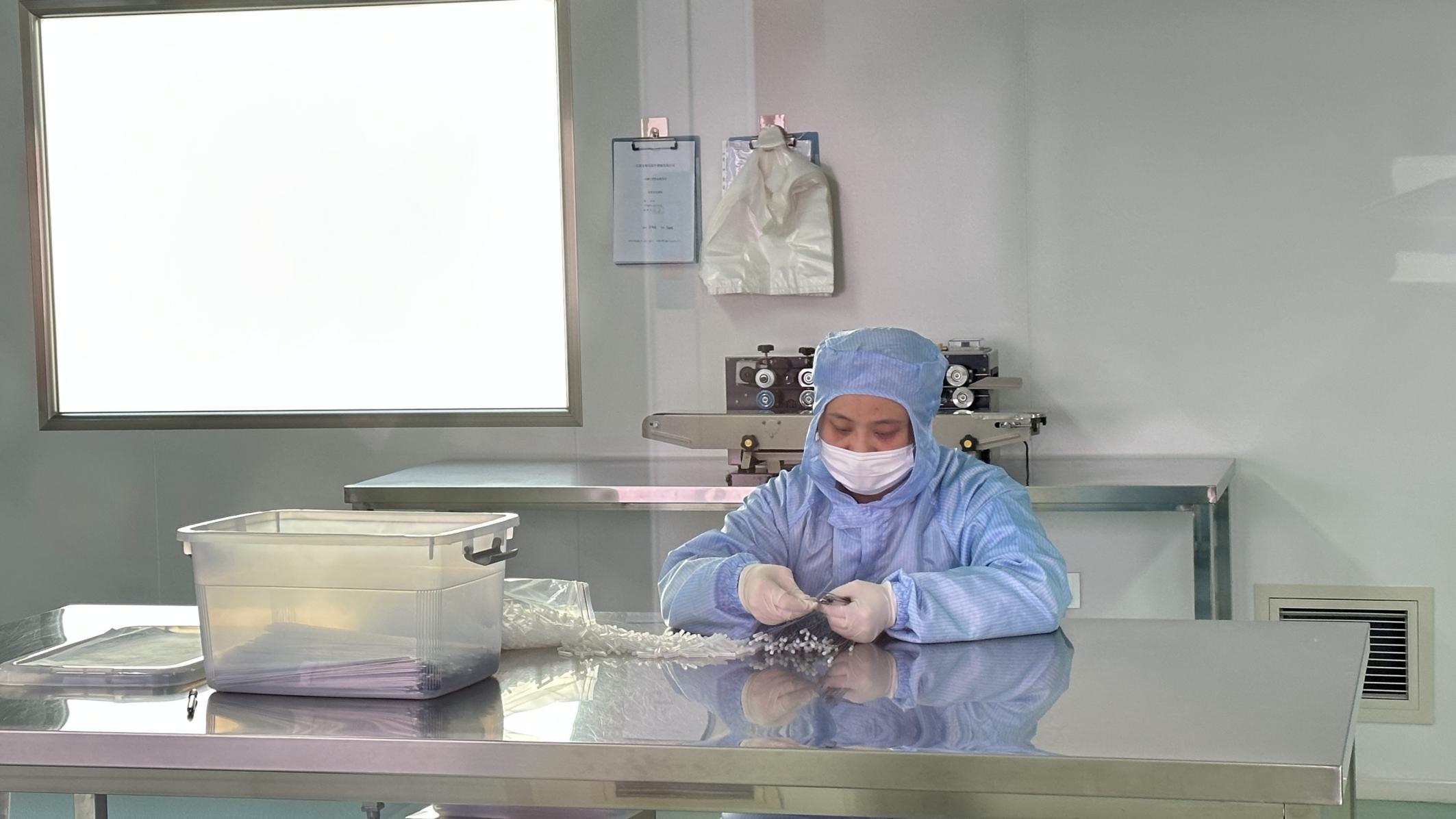
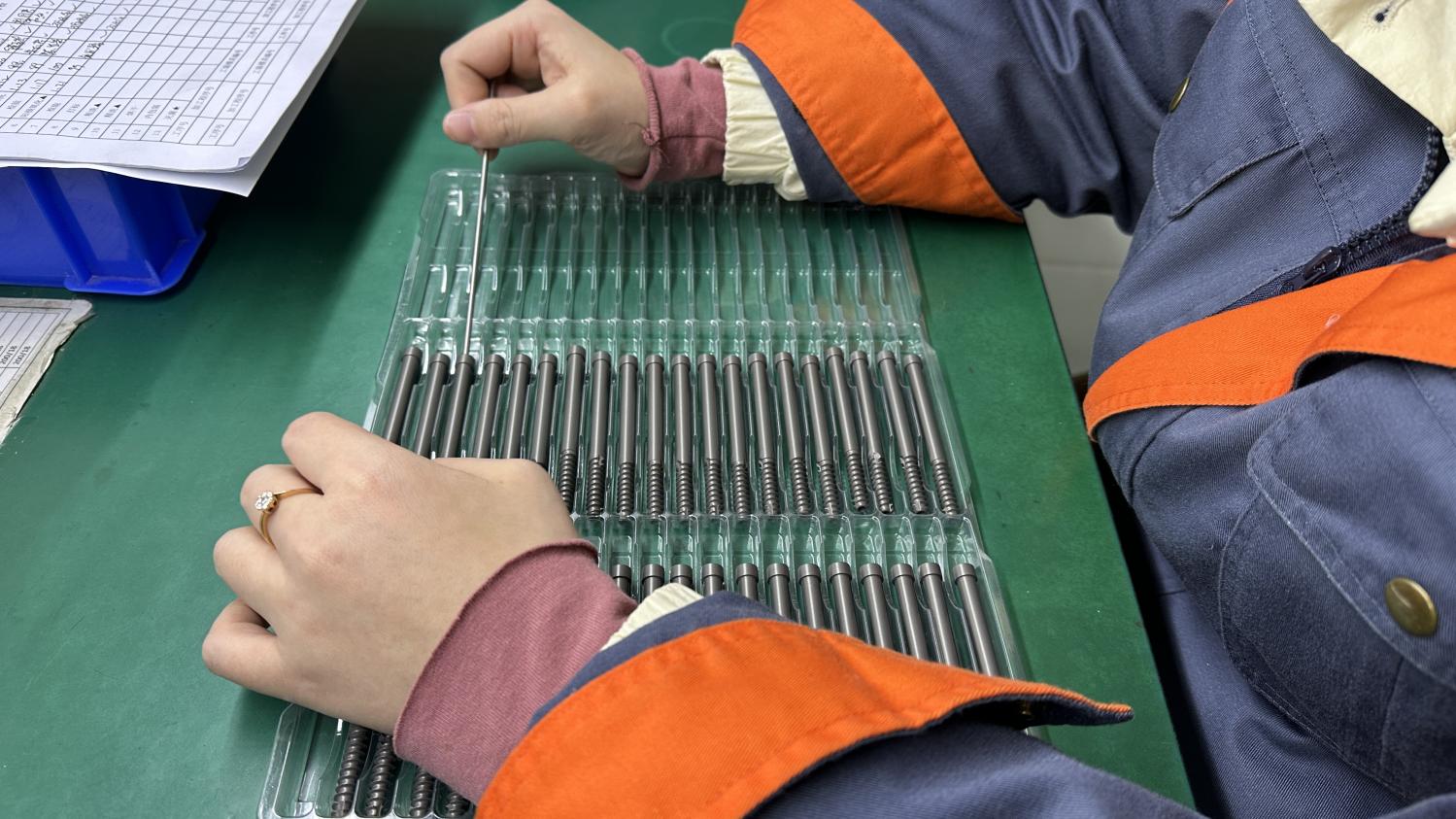
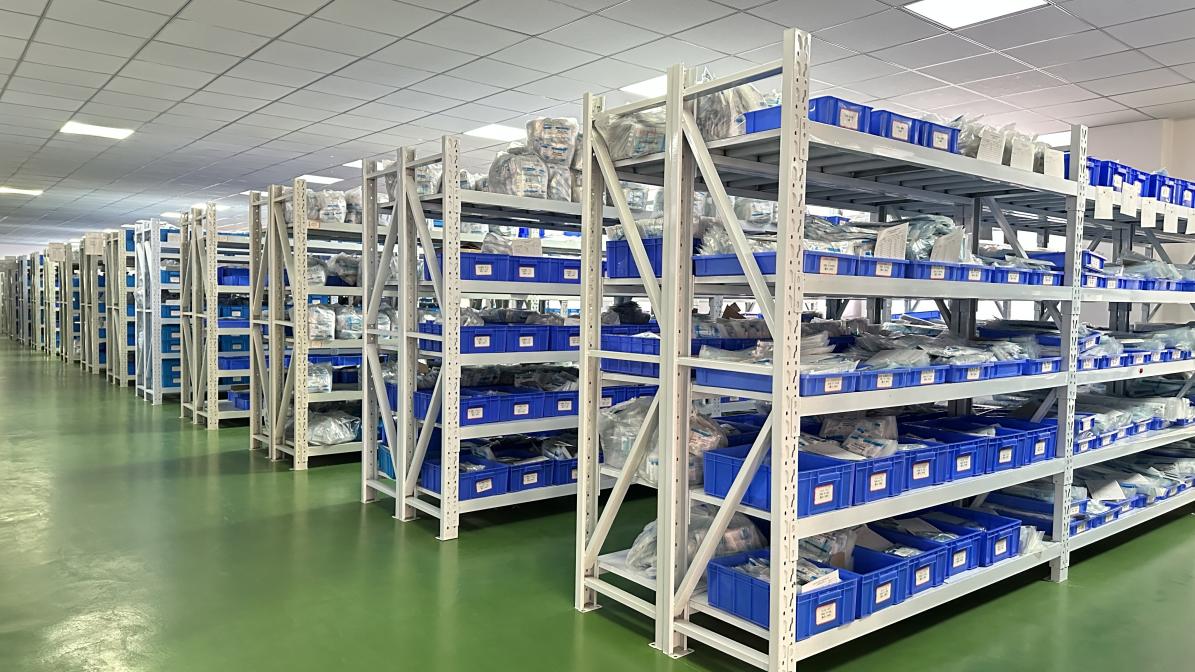
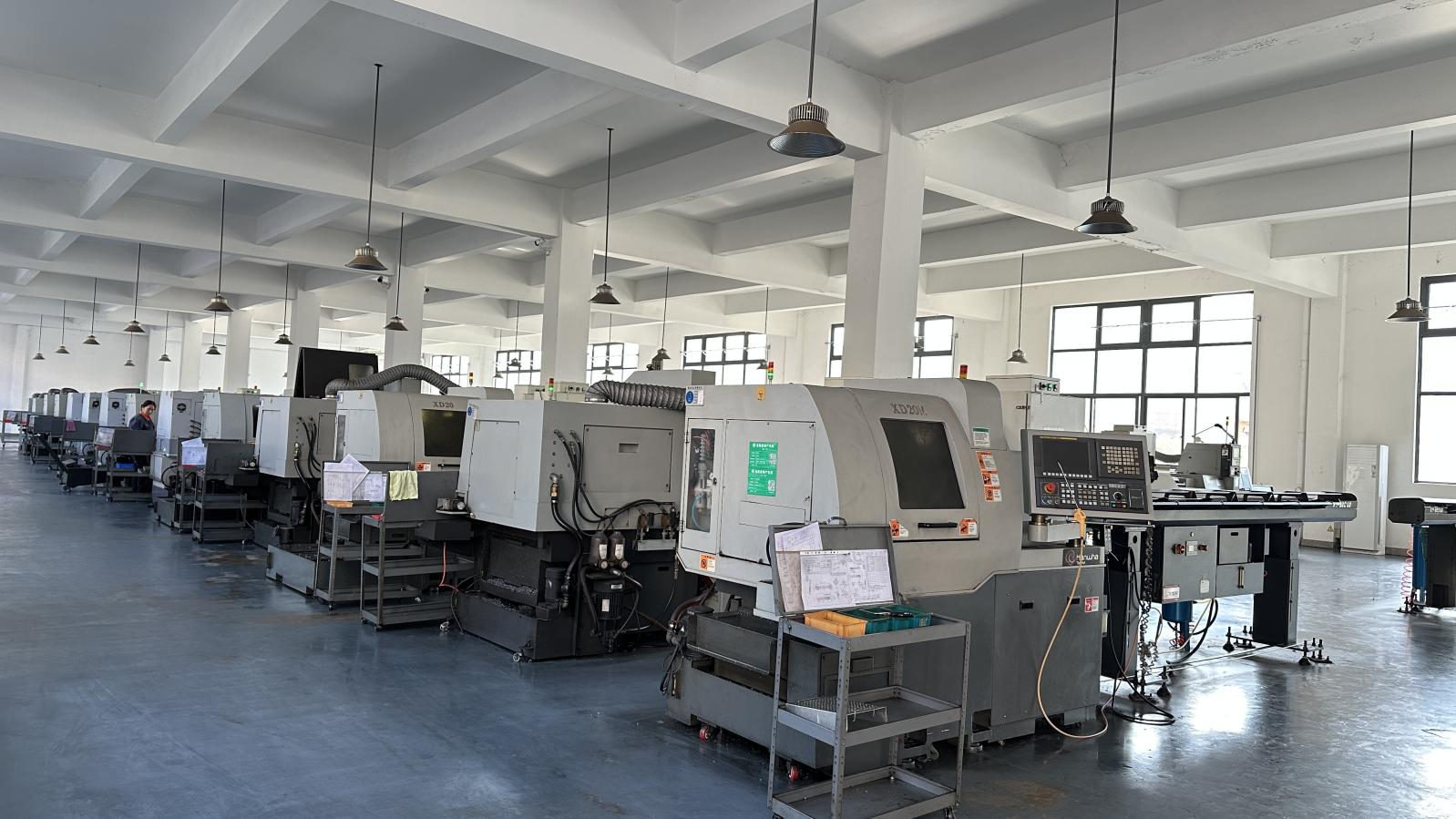
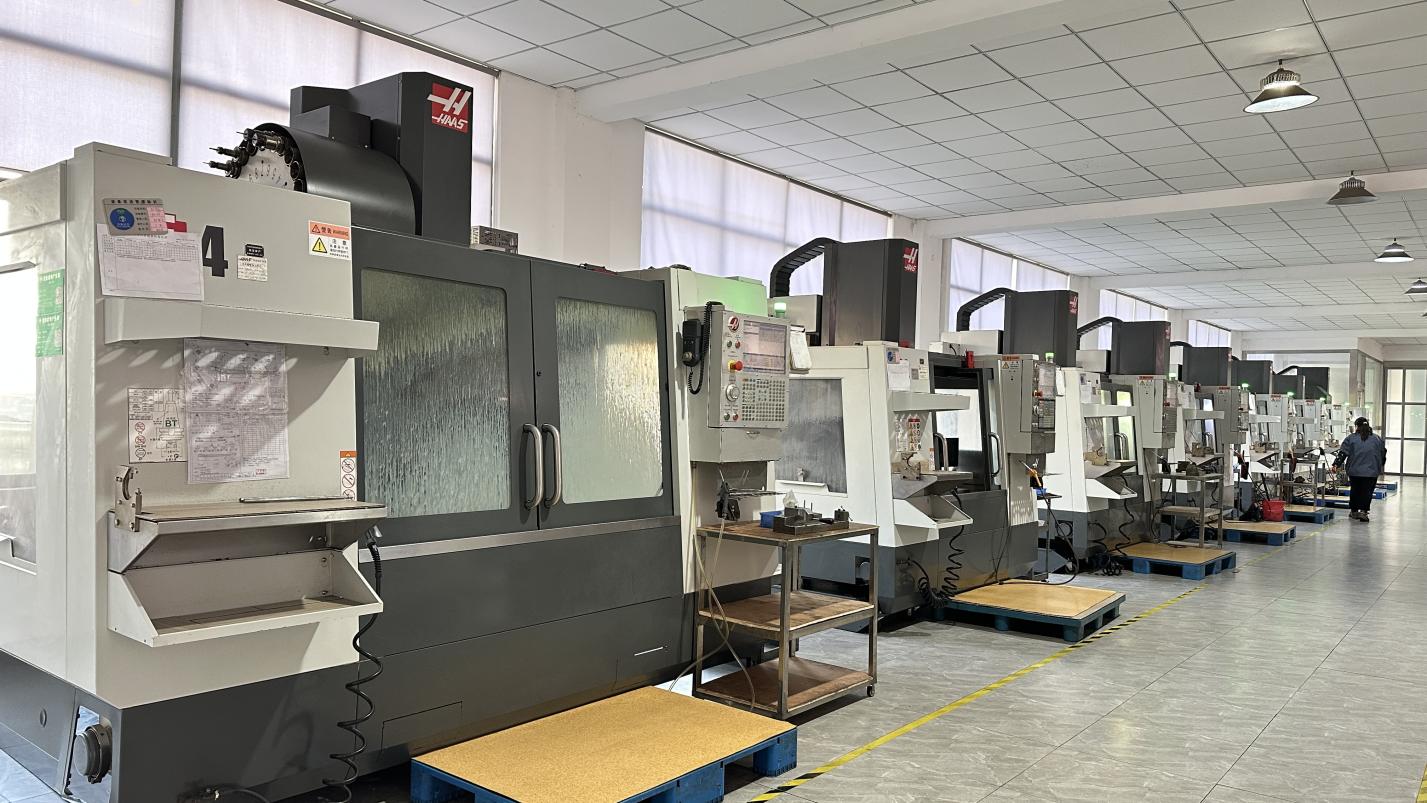
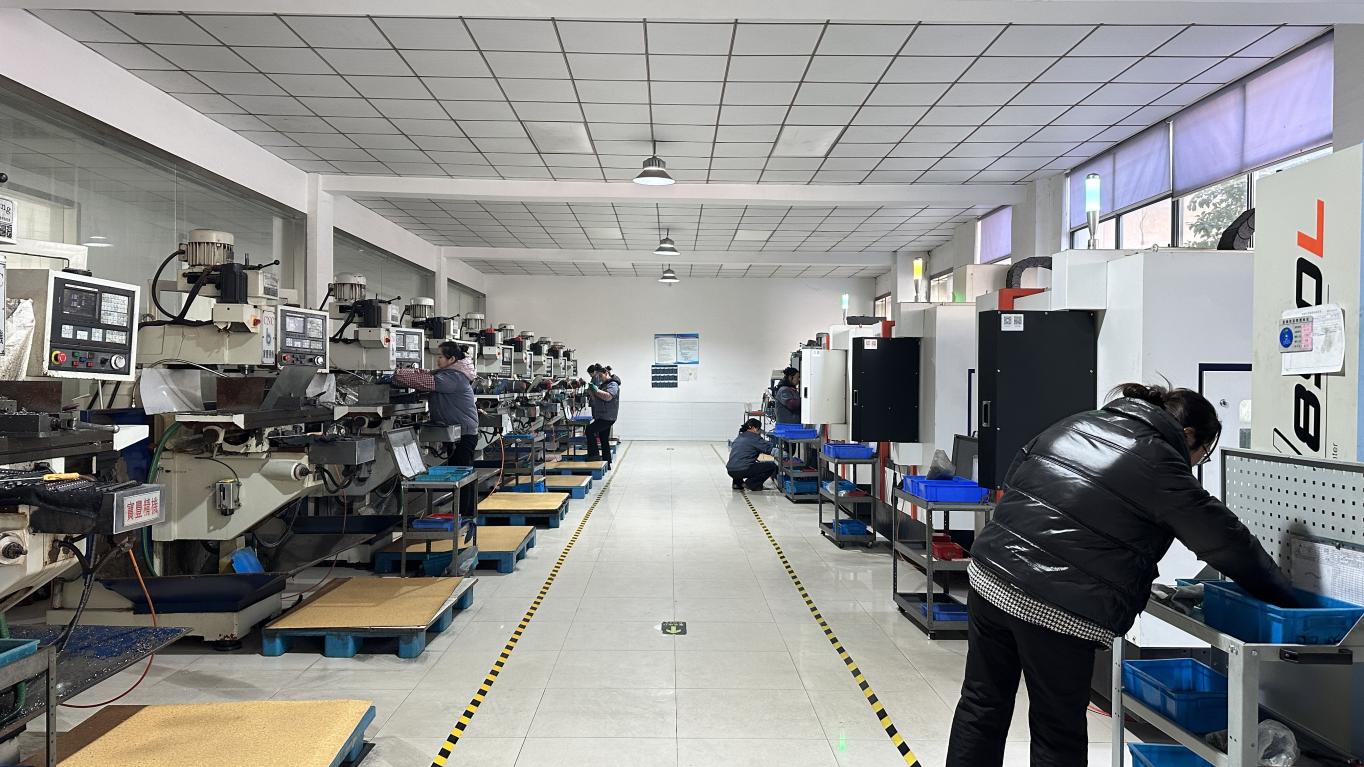
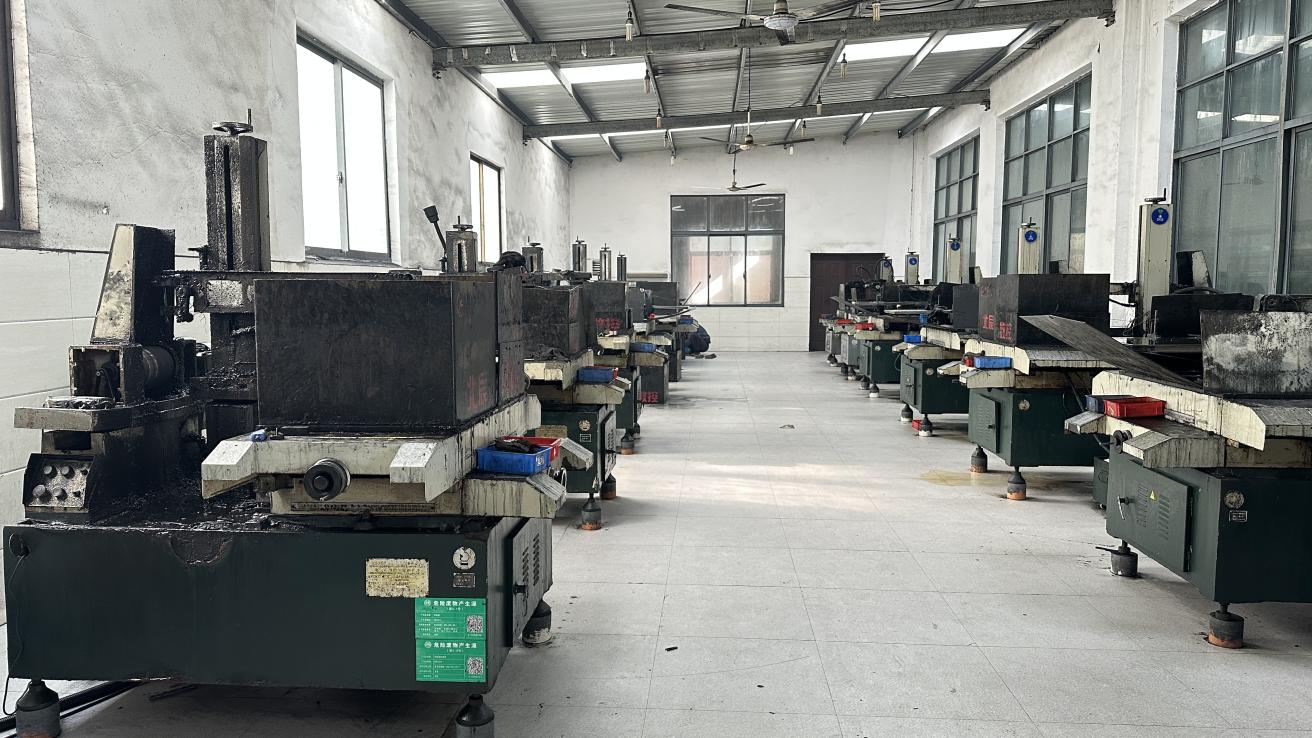
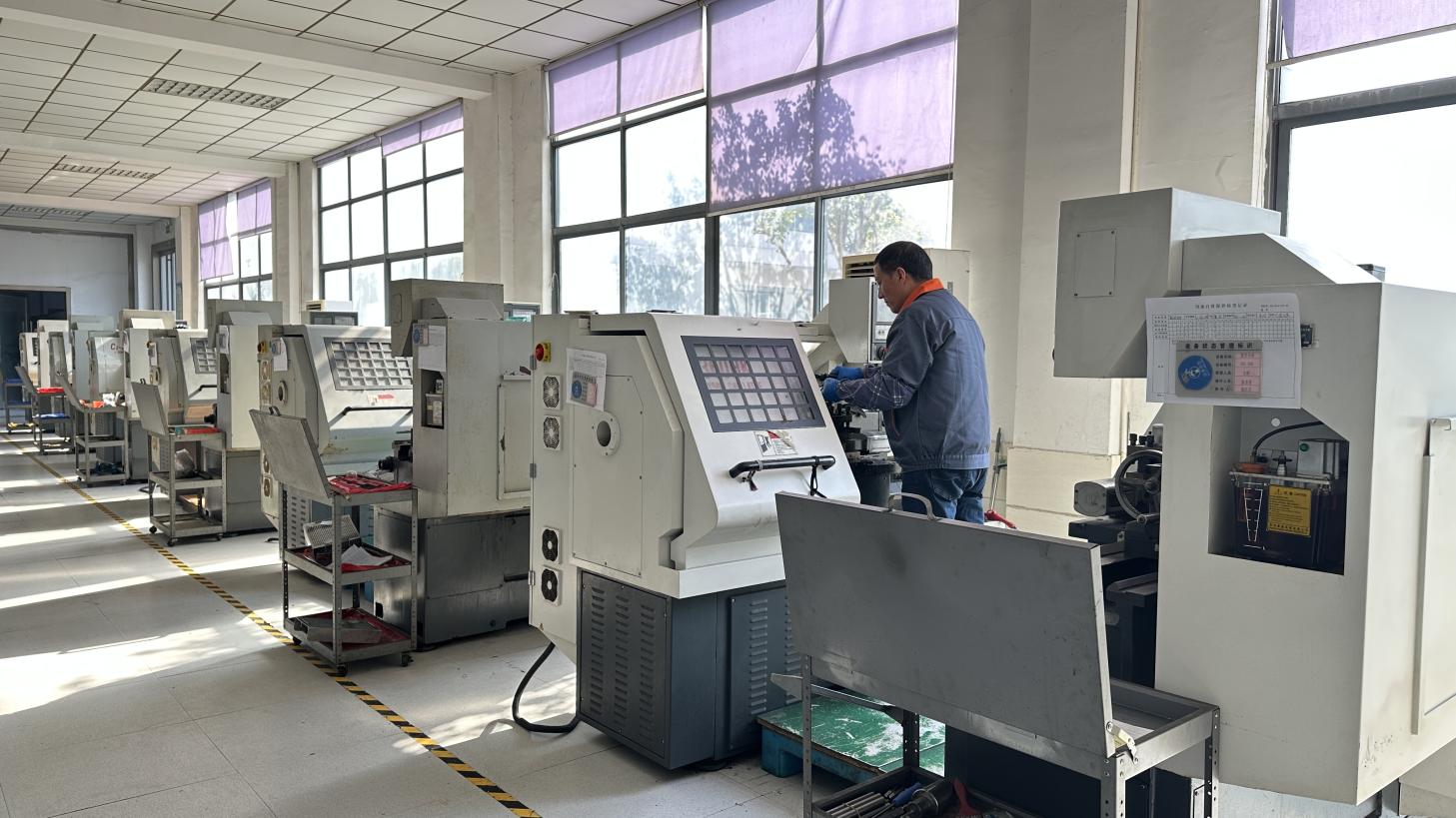
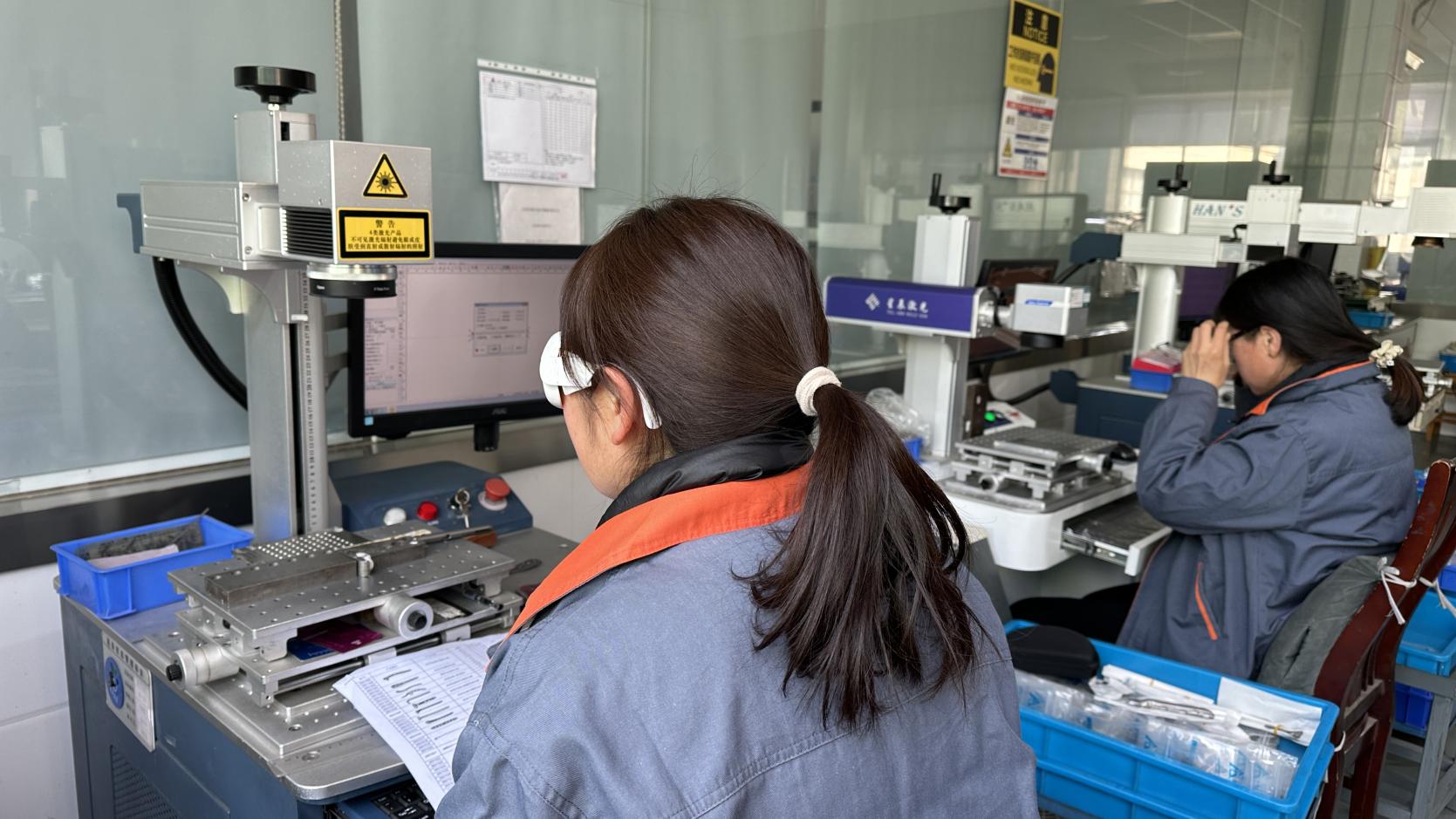
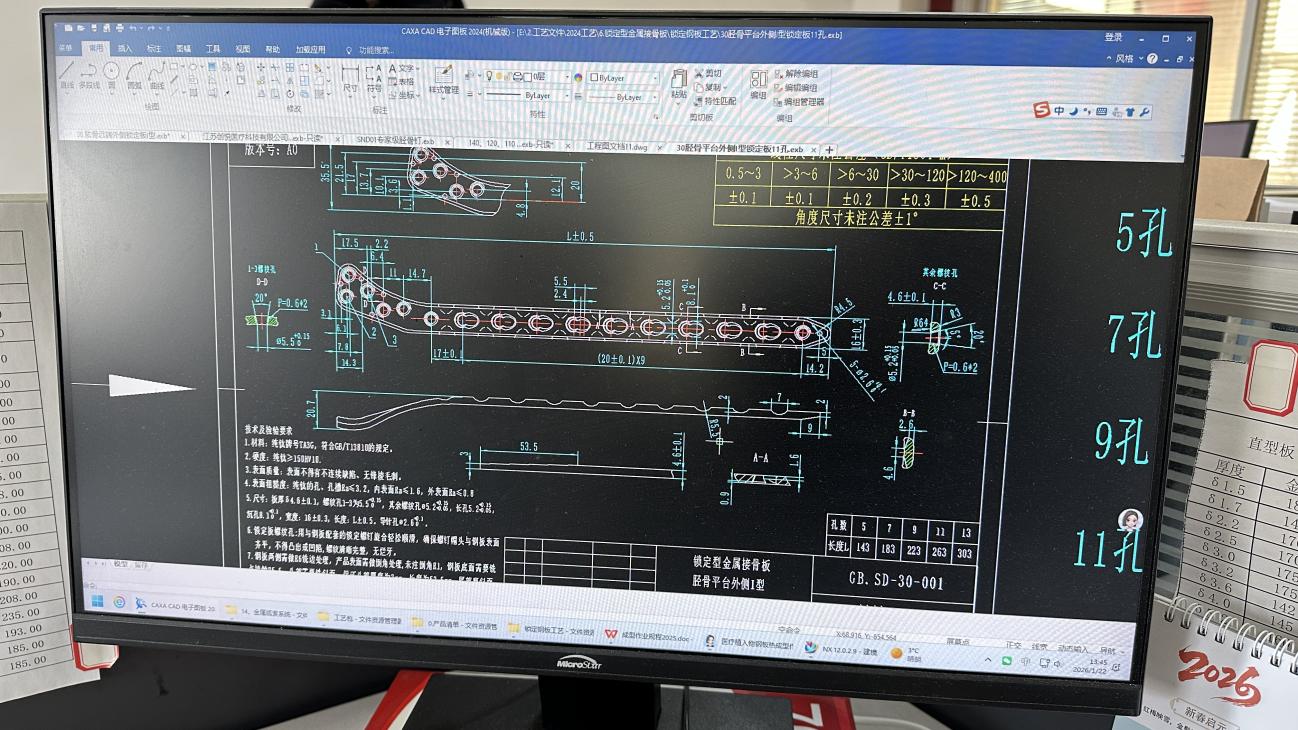
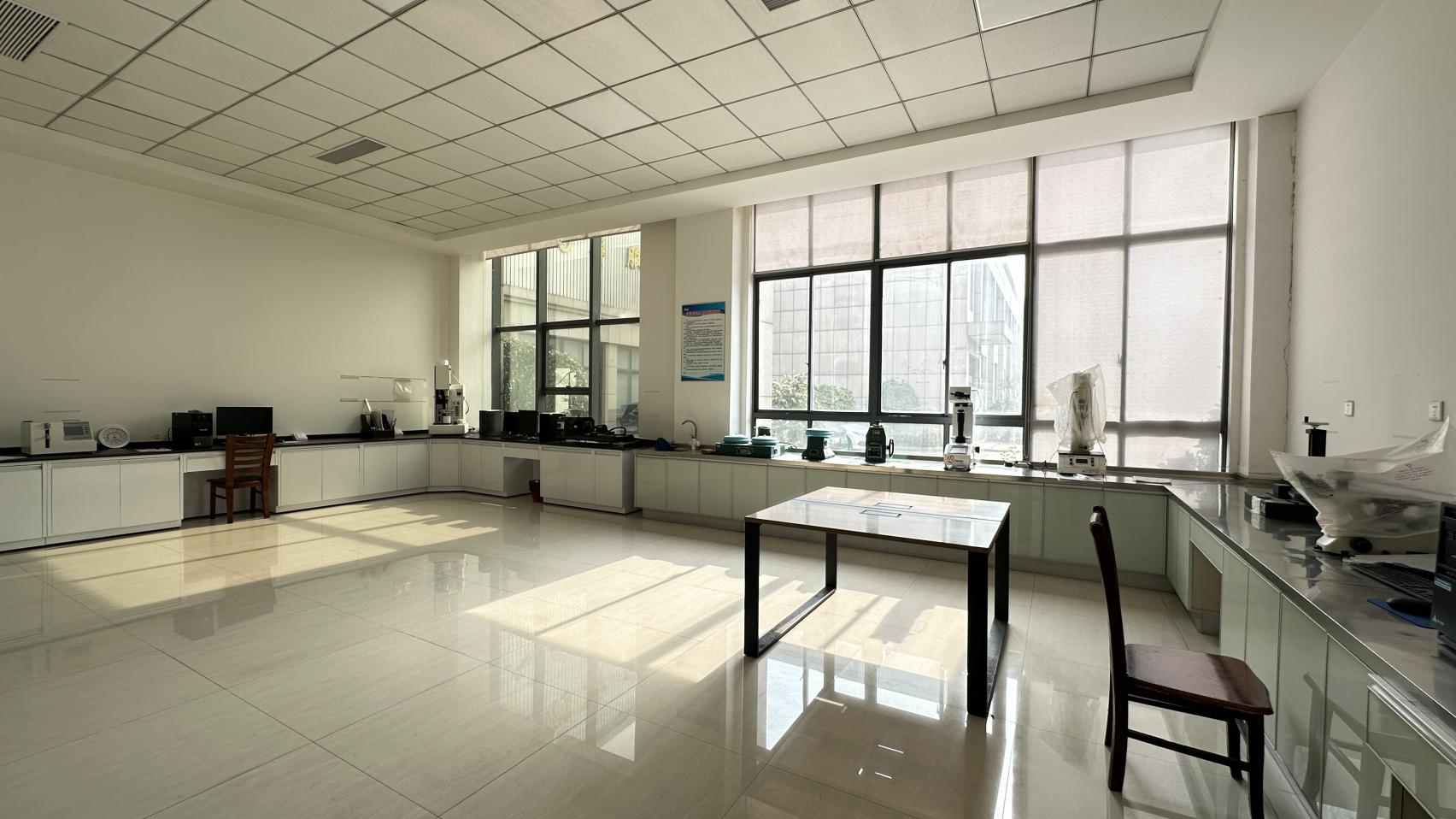
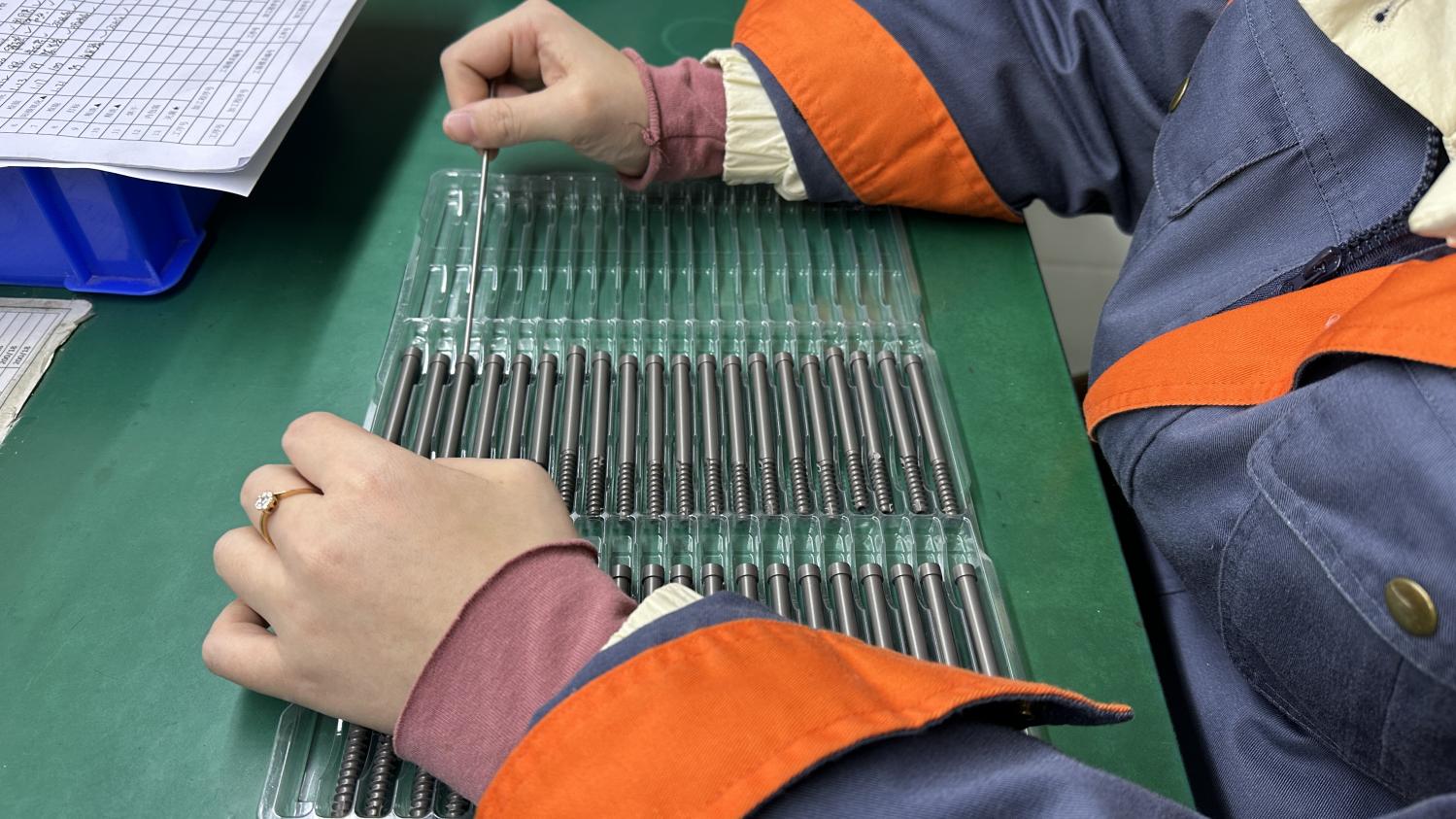
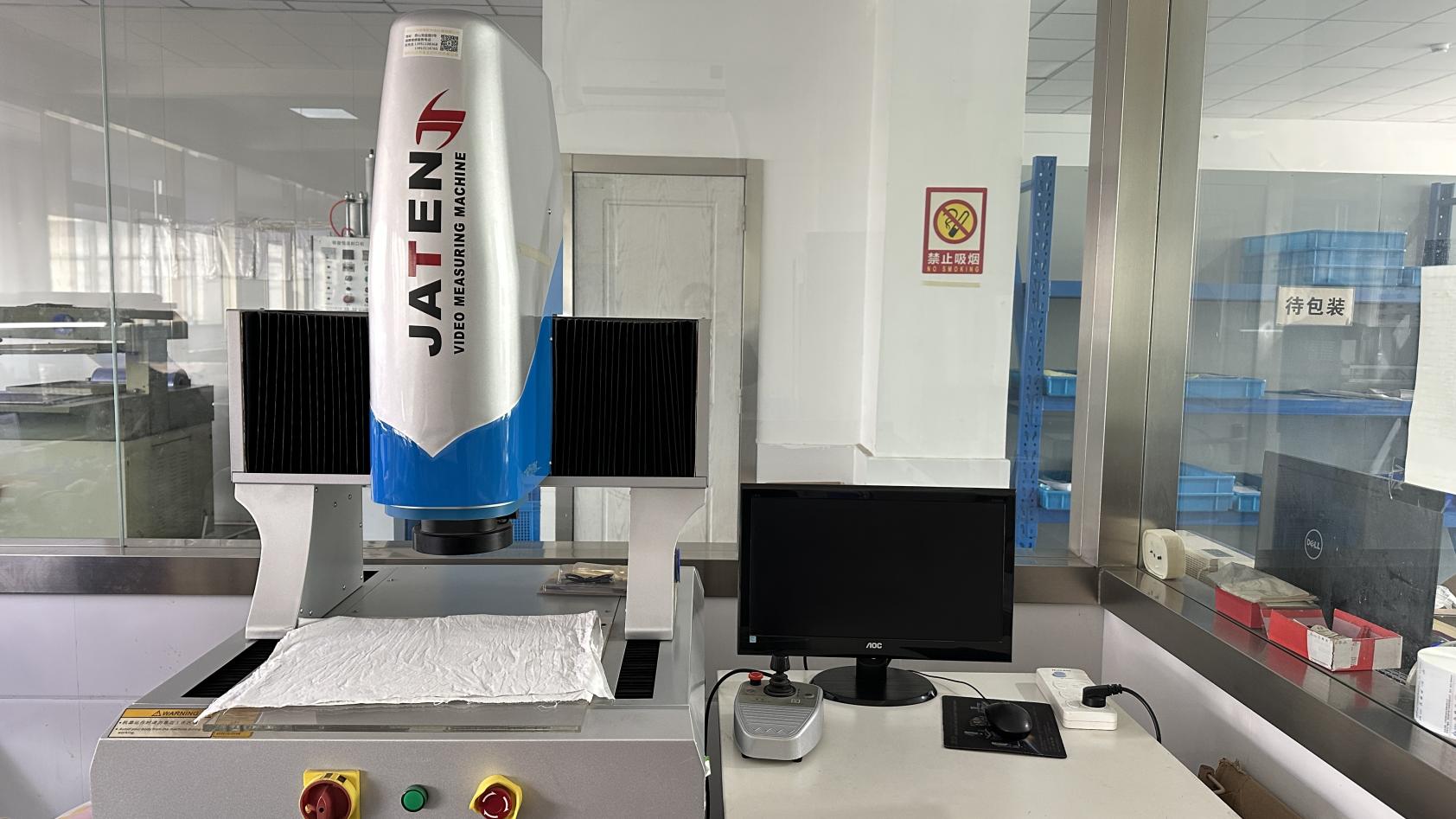
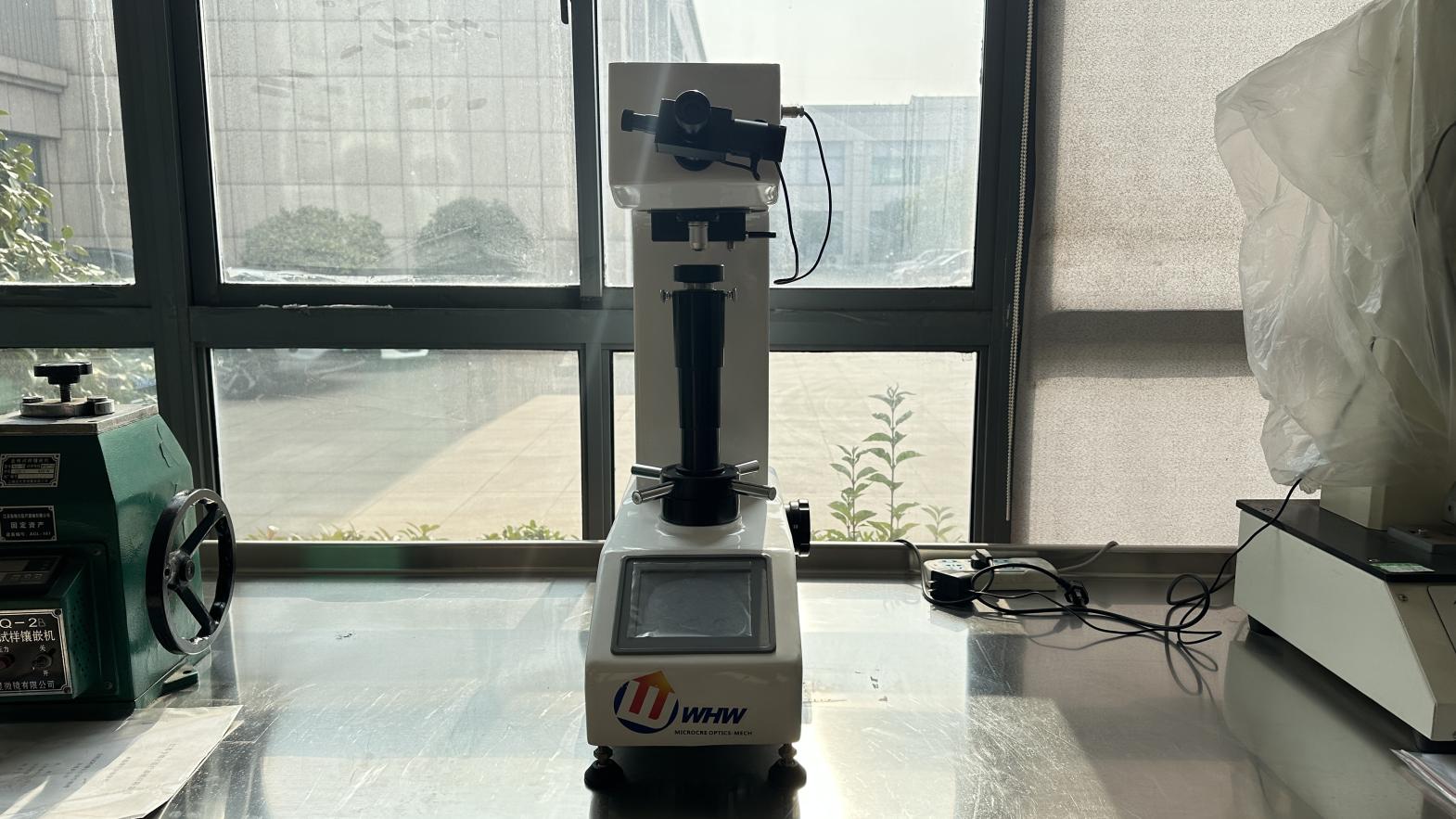
Virelox Medical Devices Co., Ltd. balances high-capacity output with microscopic quality control to meet the rigorous clinical standards of the US healthcare market.
Every step in our fabrication process is subjected to internal verification. Traceability begins at the molecular level, ensuring consistent, high-performance spinal constructs.
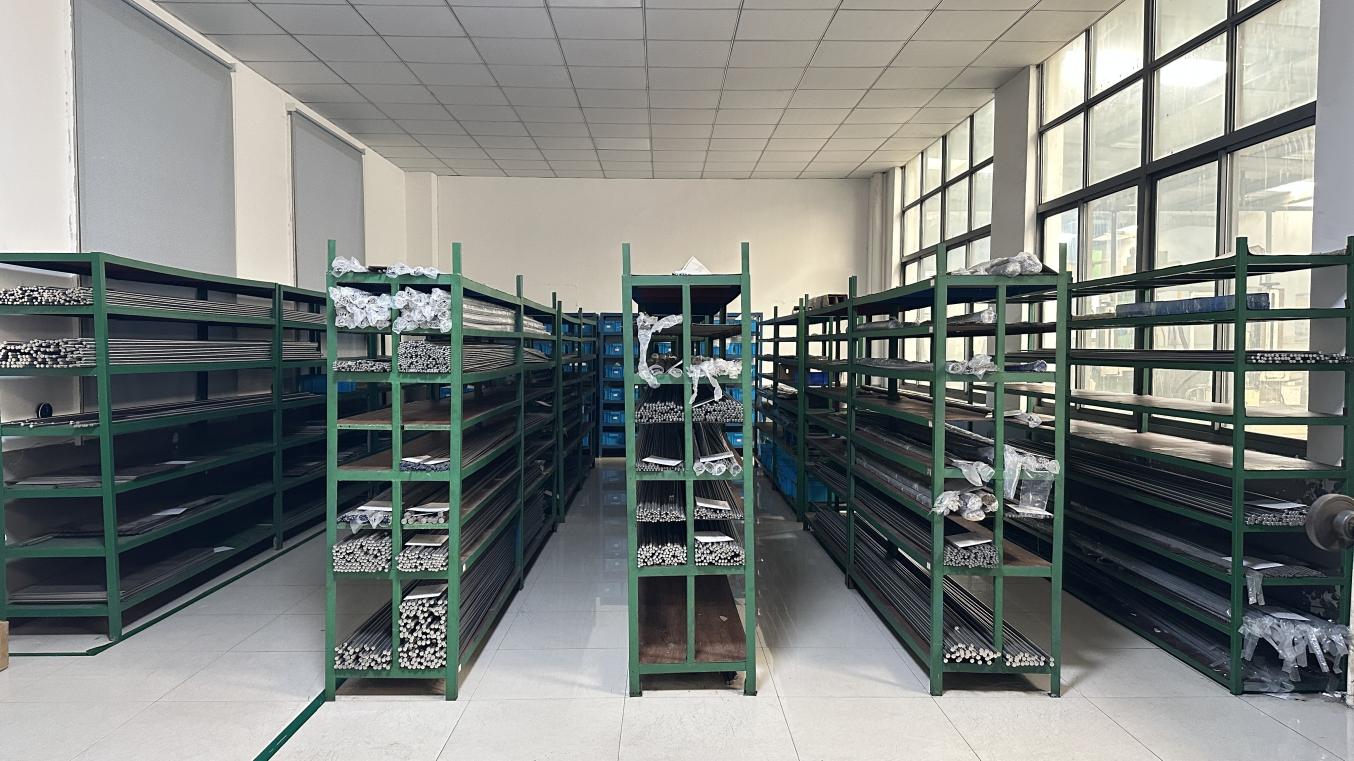
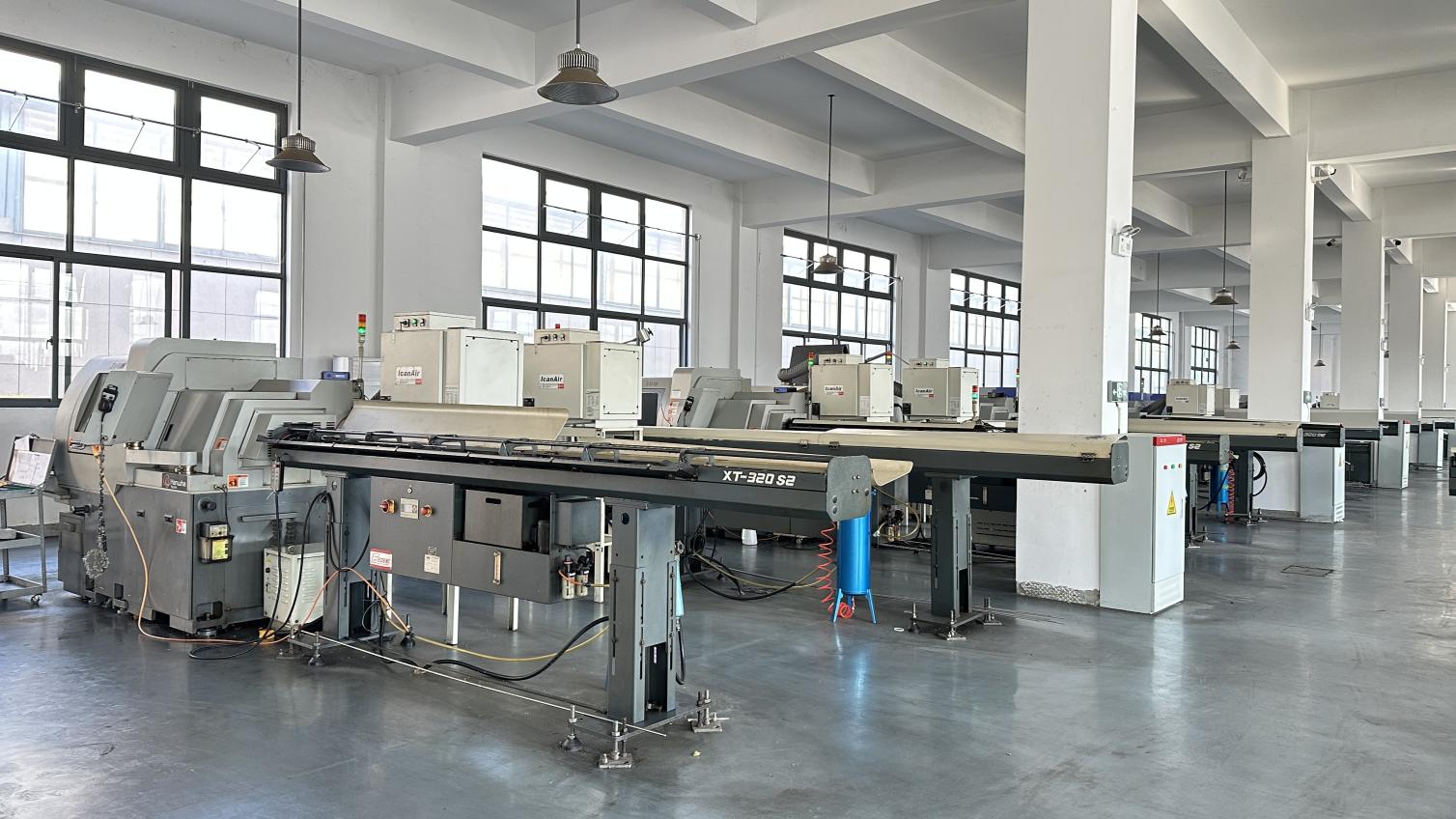
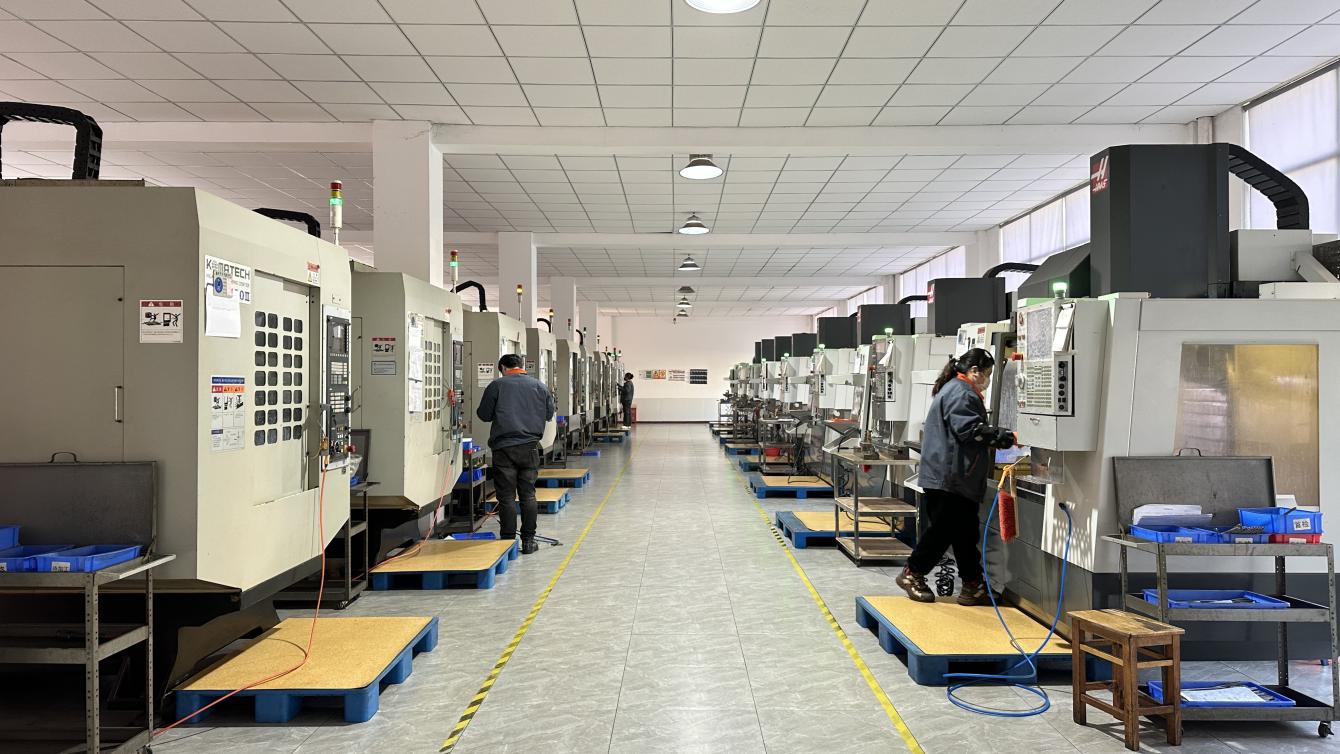
Modern spinal reconstructive surgeries rely on a carefully balanced interface between load-bearing structural support and physiological bone healing. The choice of biomaterial plays a critical role in minimizing postoperative complications, such as stress shielding or implant migration.
Medical Grade PEEK (Polyetheretherketone): Exhibiting an elastic modulus (approx. 3.6 GPa) closely matching that of human cortical bone, PEEK interbody fusion devices significantly decrease stress concentration at the vertebral endplates. Radiolucent properties allow surgeons to accurately track bridging bone formation via simple X-rays without scattering artifacts.
ELI Titanium Alloy (ASTM F136): Crucial for rigid stabilization constructs (pedicle screws and connection rods), this extra-low interstitial alloy offers exceptional fatigue limit performance. To promote osseointegration, we utilize advanced surface treatments including plasma spraying and acid-etching, facilitating stable direct bone anchorage.
Medical device supply chain efficiency has become a critical operational metric. With proximity to the Port of Los Angeles and Port of Long Beach, Virelox optimizes ocean freight lanes to minimize transit times. Air transport options via LAX ensure critical components arrive quickly. We support multiple shipping terms (FOB, CIF, DDP) and handle custom clearances internally, preventing delays for local distribution partners.
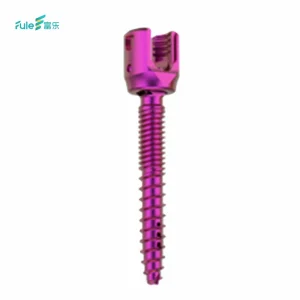
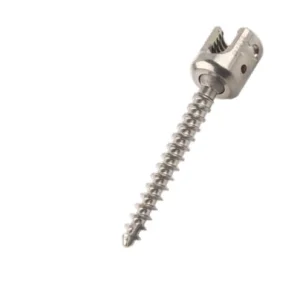
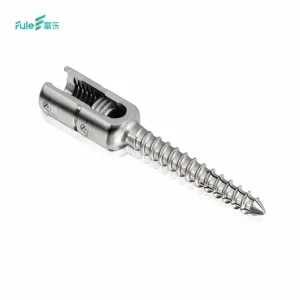
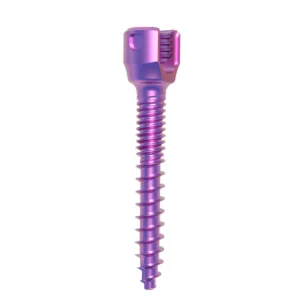
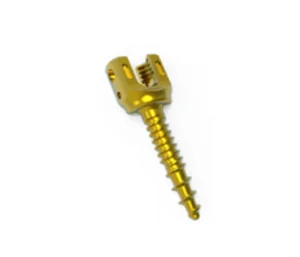
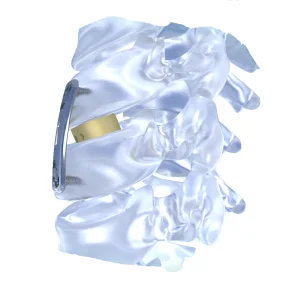
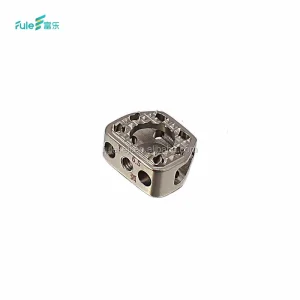
A complete portfolio of thoracic, lumbar, and cervical systems designed for complex reconstruction and trauma cases in the Southern California market.
Technical answers regarding materials validation, custom sizing, delivery timelines, and regulatory alignment in Southern California.
All titanium implants are manufactured from medical-grade Ti-6Al-4V ELI (ASTM F136). Post-machining, they undergo dynamic fatigue testing (conforming to ASTM F1717 / ASTM F2193 standards) to simulate millions of stress cycles. We also utilize coordinate measuring machines (CMM) to ensure dimensional tolerances stay within ±5 microns, avoiding micromotion once implanted.
Our engineering department features 120 R&D specialists equipped with biomechanical modeling software. We collaborate closely with procurement entities and surgeons to adapt thread pitches, screw lengths, and cage profiles. Prototypes can be generated via rapid prototyping before finalizing production tooling.
Standard product configurations are maintained in inventory, allowing shipment dispatch within 5-7 business days. For customized runs or OEM bulk orders, standard manufacturing cycles range from 30 to 45 days. Shipments are consolidated and dispatched through maritime routes to the Port of Los Angeles, or via express air freight (DHL/FedEx) for time-critical components.
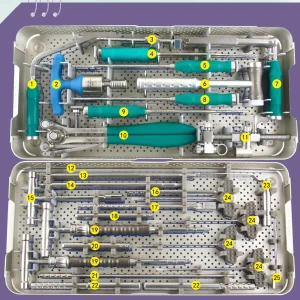
Yes, our spinal instrumentation sets (both MIS and open surgical kits) utilize standardized drive connections (e.g., AO connectors, hex drives) that integrate with existing surgical systems. Additionally, we provide fully customized sterilization trays optimized for hospital autoclave workflows.
Optimize your hardware margins without compromising mechanical safety. Request a localized quote, physical sample evaluation, or schedule a technical virtual factory tour today.
Send Inquiry Now Virelox