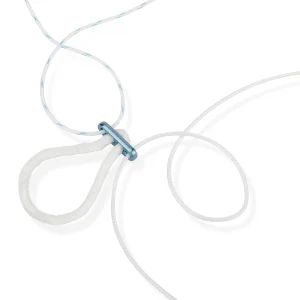
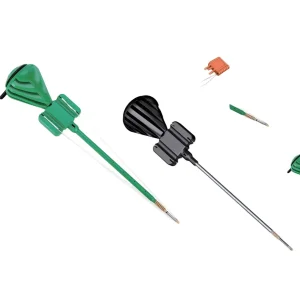
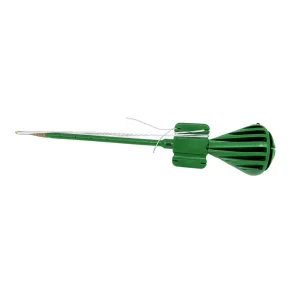
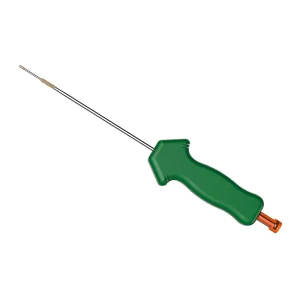
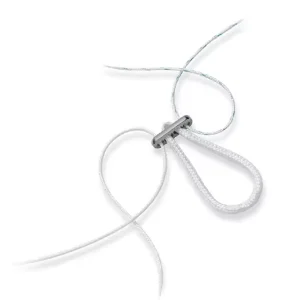
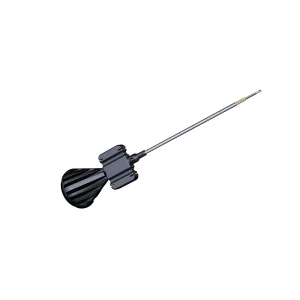
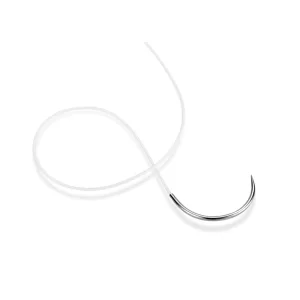
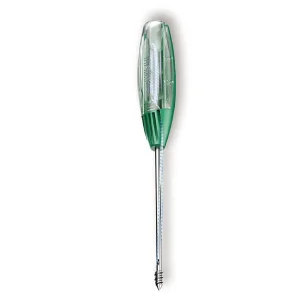
Premium sports medicine implants engineered with medical-grade titanium and PEEK materials, offering high biomechanical pull-out strength for active joint reconstruction.
Panama occupies a highly unique geopolitical and logistical space in Latin America. Driven by a dollarized economy, the expansion of medical tourism networks, and robust private healthcare infrastructure—including premier institutions like Pacífica Salud (affiliated with Johns Hopkins Medicine International) and Clínica Hospital San Fernando—the country demands clinical-grade, high-reliability sports medicine and orthopedic implants.
Simultaneously, the public health sector managed by the Caja de Seguro Social (CSS) and the Ministerio de Salud (MINSA) handles extensive surgical loads for reconstructive orthopedic procedures. As the population becomes increasingly active through recreational sports and local sports initiatives, the incidence of ligamentous, tendon, and meniscal pathologies has surged. This drives the imperative for domestic medical distributors to partner with stable, high-output manufacturers capable of providing world-class implants without the premium cost-overhead characteristic of North American suppliers.
The sports medicine market in Panama requires rapid procurement turnarounds. Key demand characteristics include:
High-humidity storage conditions require moisture-proof sterile packaging systems.
CSS tender requirements mandate high-spec performance benchmarks under cost-contained public budgets.
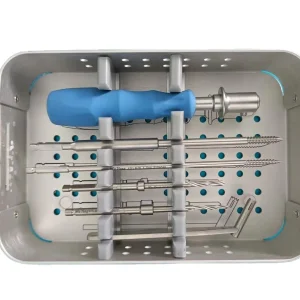
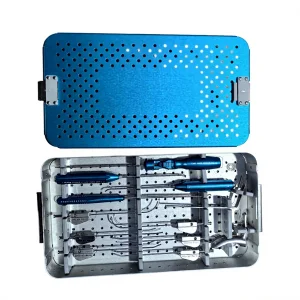
Providing complete surgical instrumentation alongside implants guarantees streamlined orthopedic workflows.
A global orthopedic device leader specializing in joint replacement, sports medicine, and precision surgical implant systems.
Sports medicine reconstructive systems rely fundamentally on the chemical stability, strength, and biological integration of the fixation implant. Our R&D center integrates advanced mechanical and biomechanical simulations to analyze the load distribution at the bone-suture interface.
We deploy PEEK-OPTIMA™ (polyetheretherketone) across our knotless anchor line. PEEK has an elastic modulus (~3.6 GPa) closely matching human cortical bone, which minimizes stress shielding. It provides excellent radiolucency, allowing surgeons in Panama to monitor bone healing post-surgery without metal-induced artifacts. For applications requiring maximal tensile fixation strength, our CNC-machined Titanium anchors are built from medical-grade Ti6Al4V ELI, featuring micro-grooved thread designs that enhance pullout resistance by up to 35% compared to standard generic thread styles.
This technical rigor guarantees that whether performing an anterior talofibular ligament (ATFL) repair, an ACL reconstruction using titanium plates, or a complex meniscus reconstruction, the implant functions predictably throughout the healing cycle.
| Property | PEEK Anchors | Titanium Gr. 5 |
|---|---|---|
| Modulus | 3.6 GPa (Close to bone) | 110 GPa (High strength) |
| Radiolucency | Excellent (No artifact) | Radiopaque |
| Biocompatibility | High (Bioinert) | Excellent (Osseointegrative) |
| MRI Compatibility | Zero Interference | Minimal Artifacts |
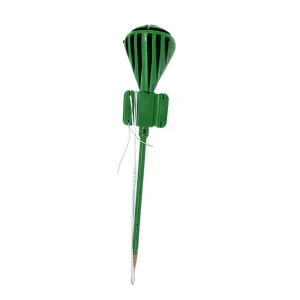
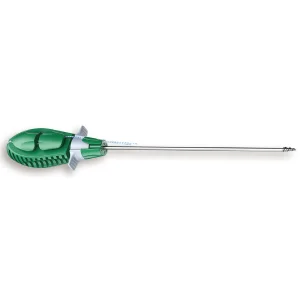
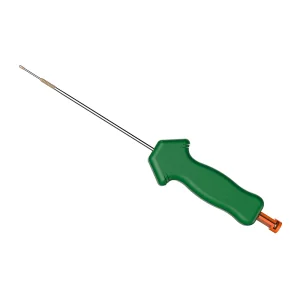
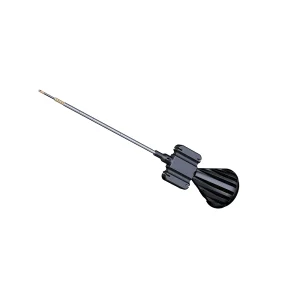
Engineered for minimal incision layouts, our high-precision instruments and titanium anchors offer surgeons exceptional tactile feedback.
A visual breakdown of the quality management and high-precision CNC manufacturing processes inside Virelox's certified orthopedic device facility.
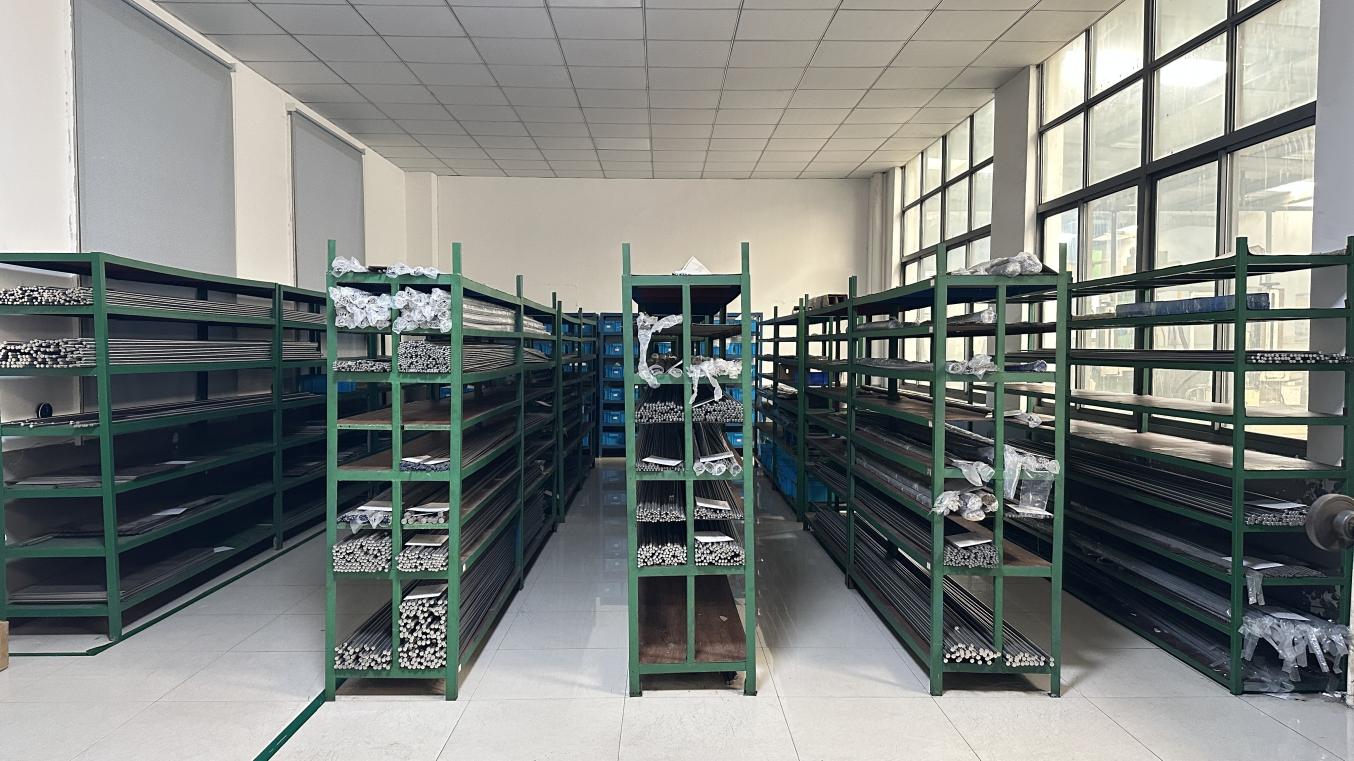
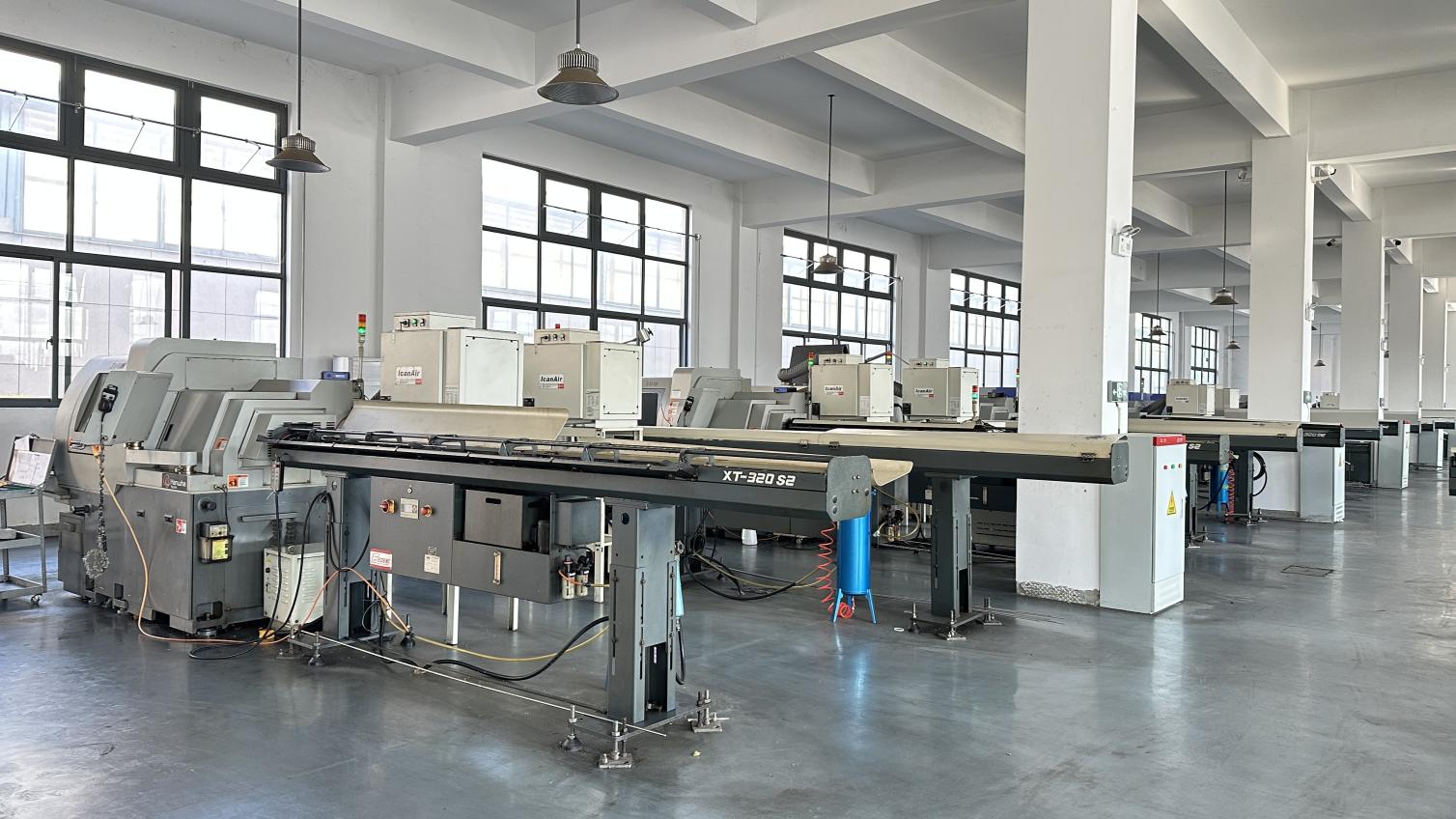
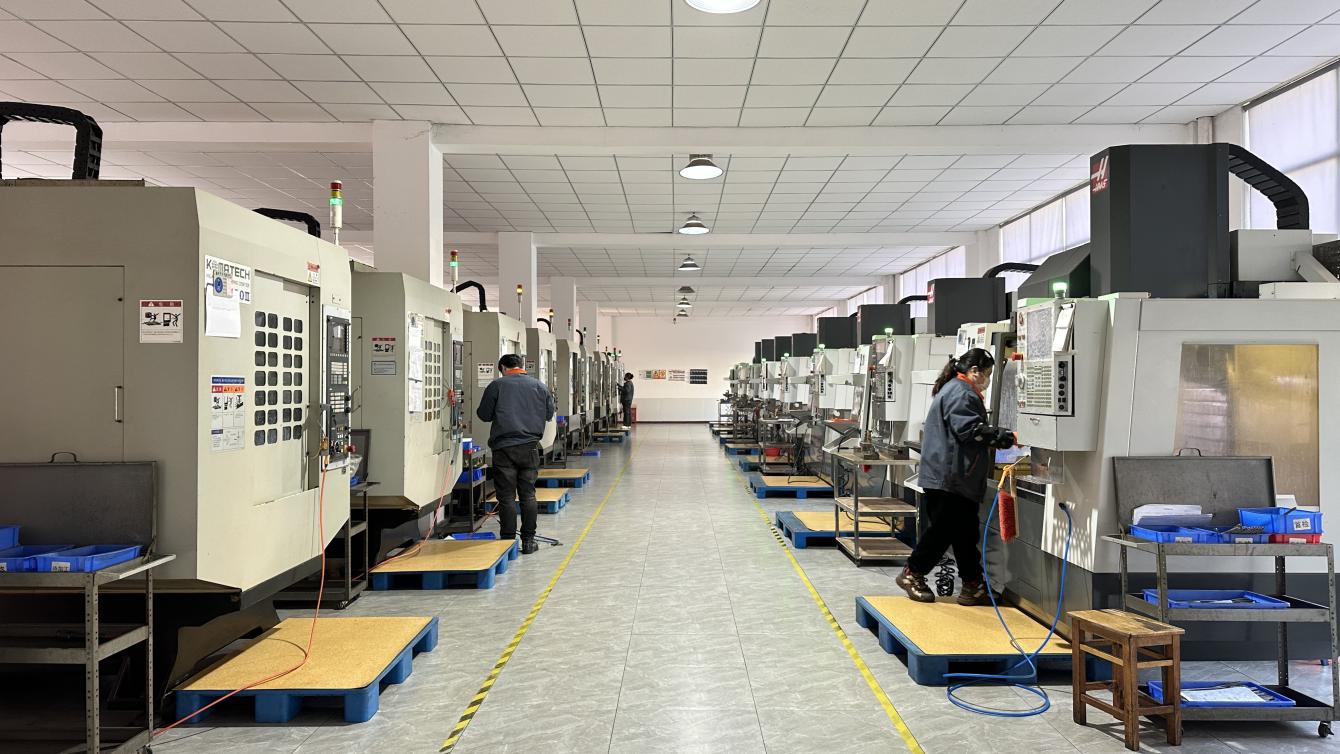
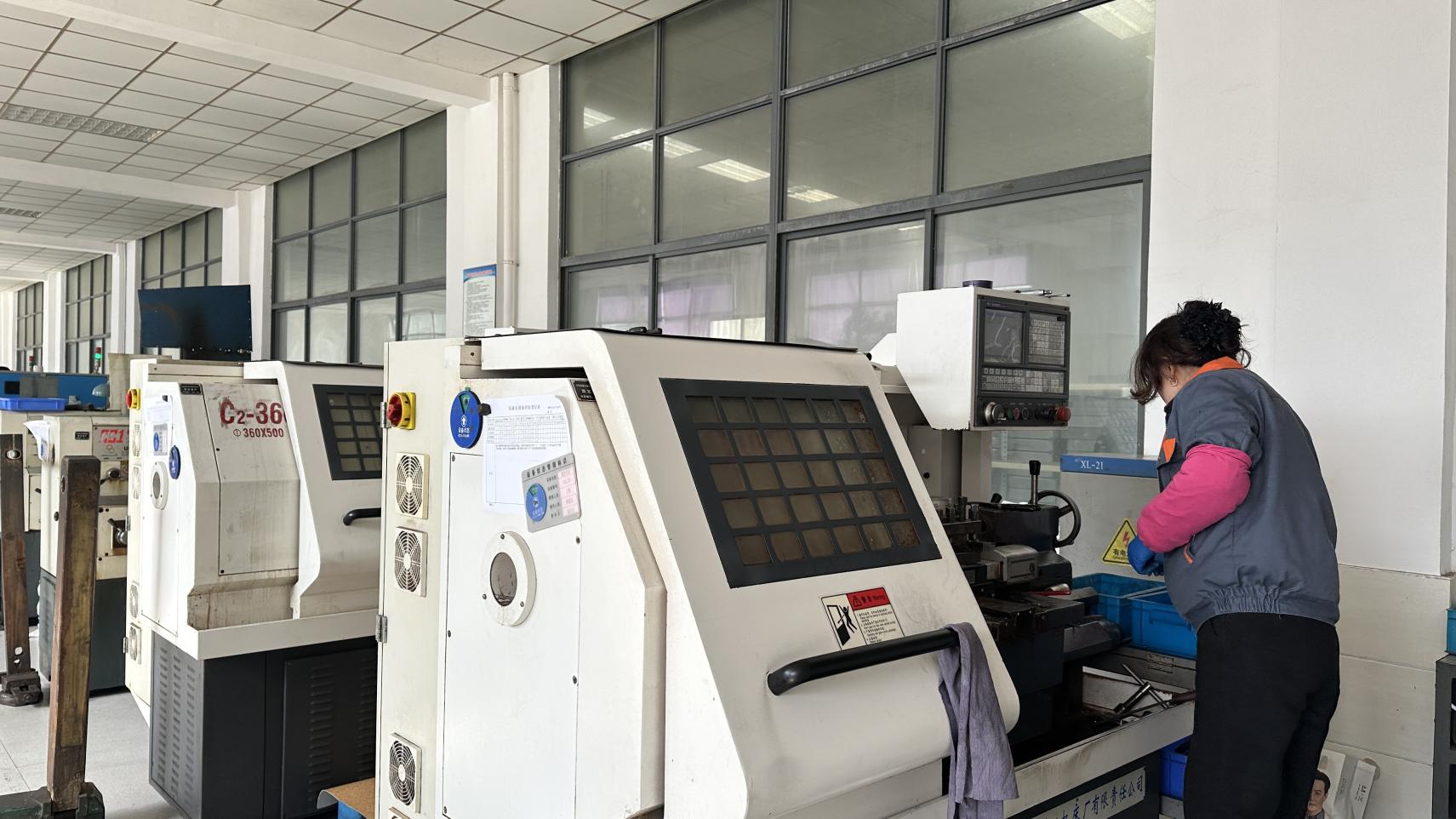
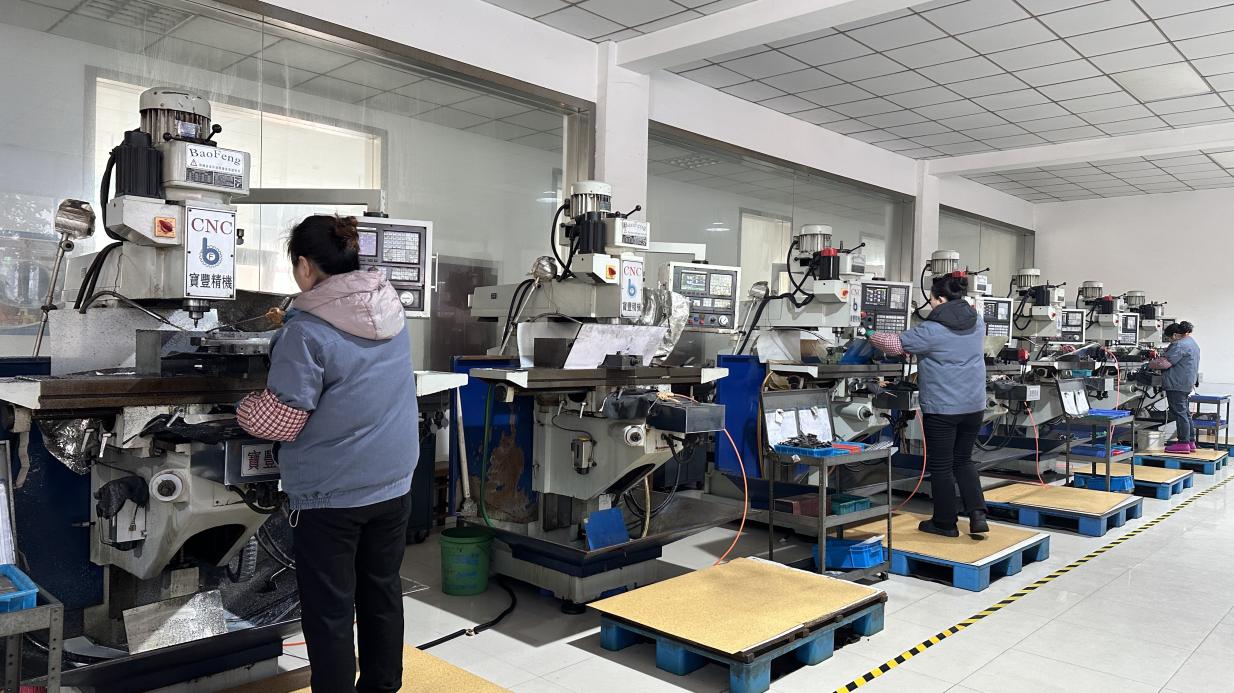
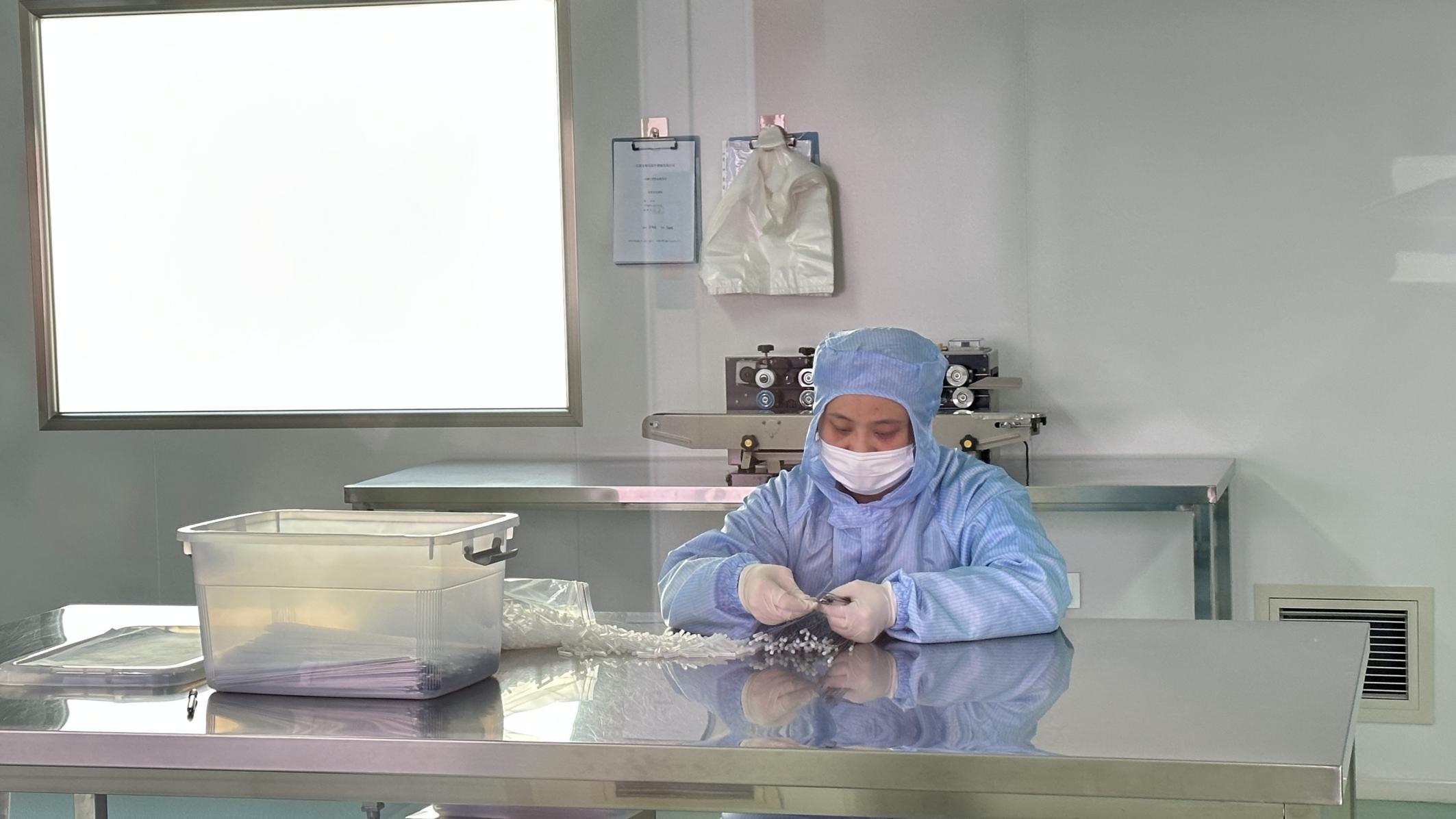
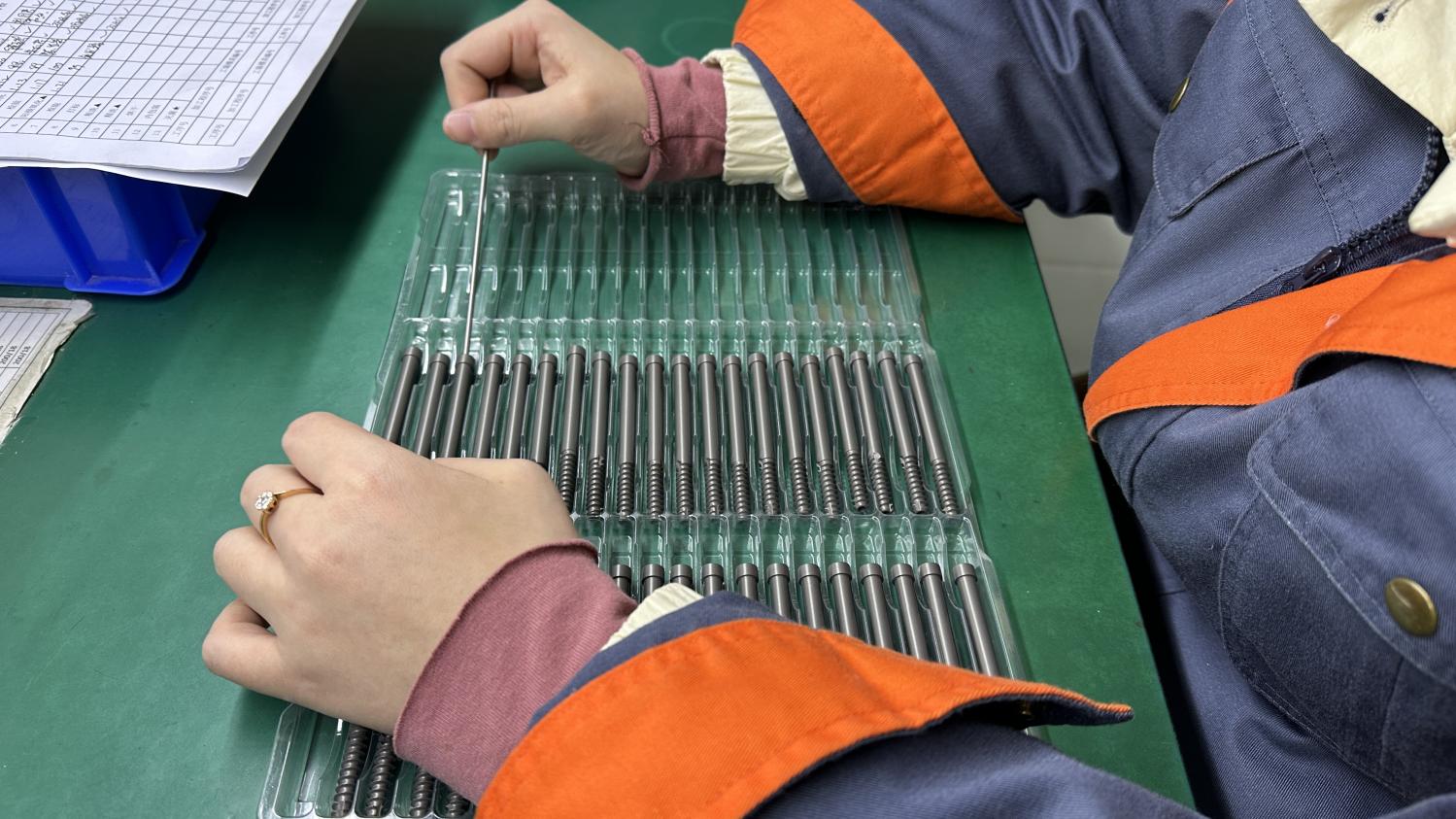
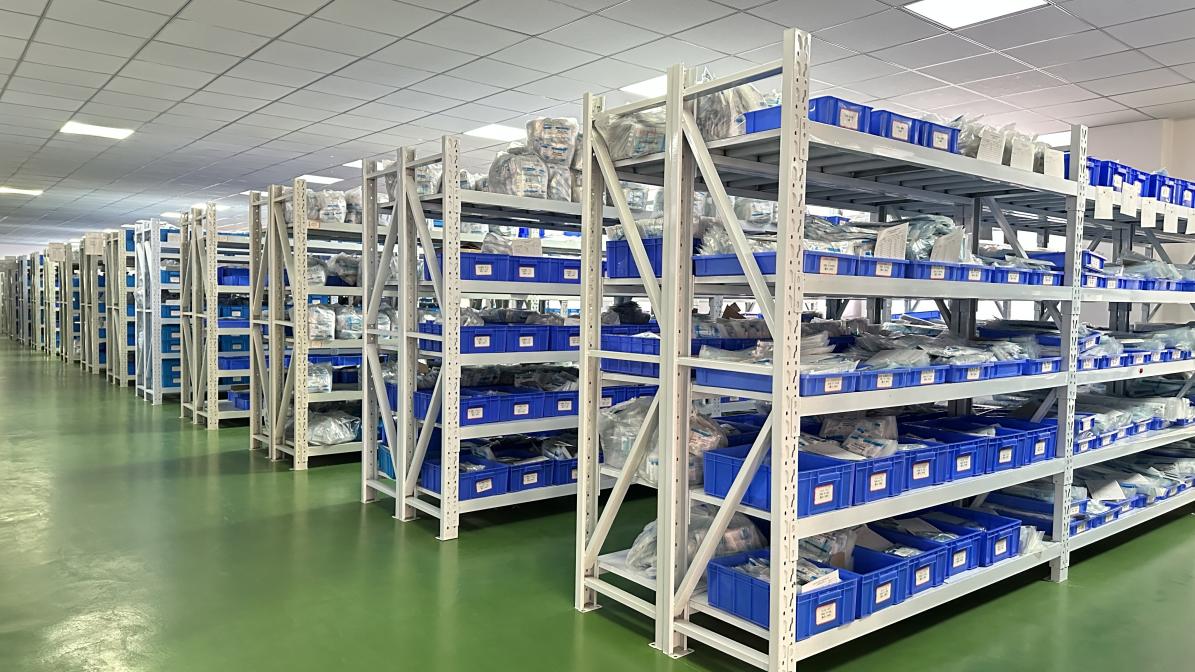
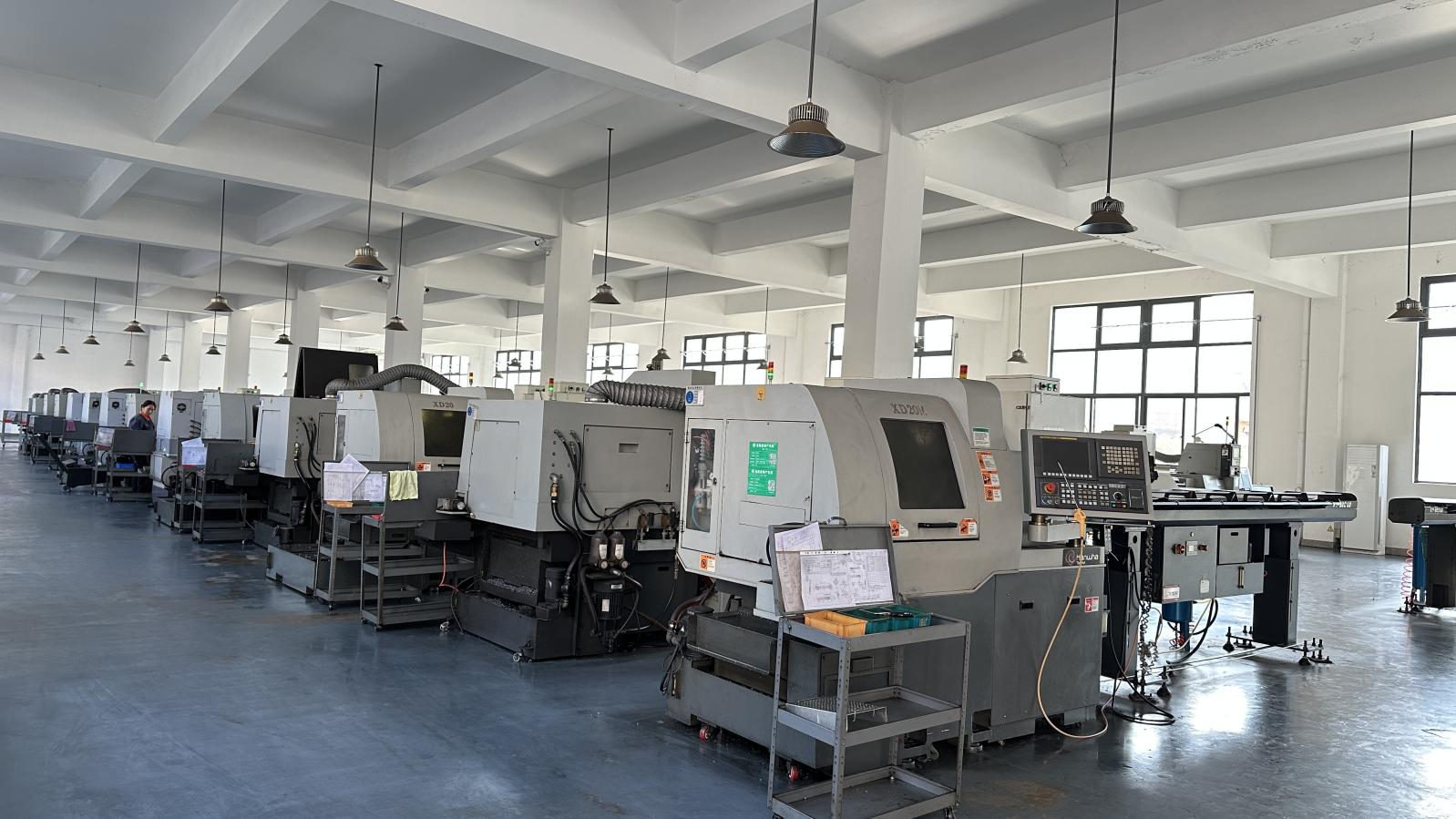
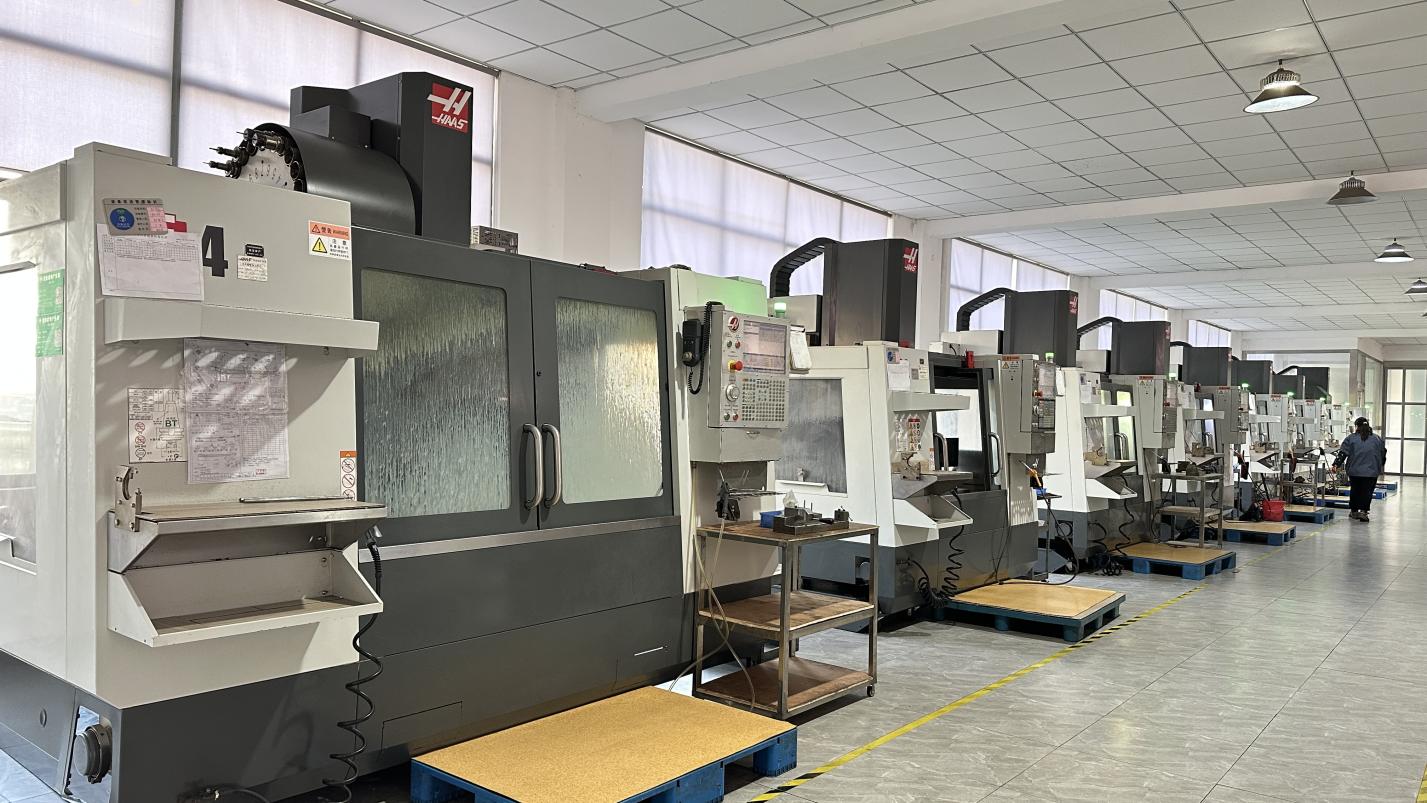
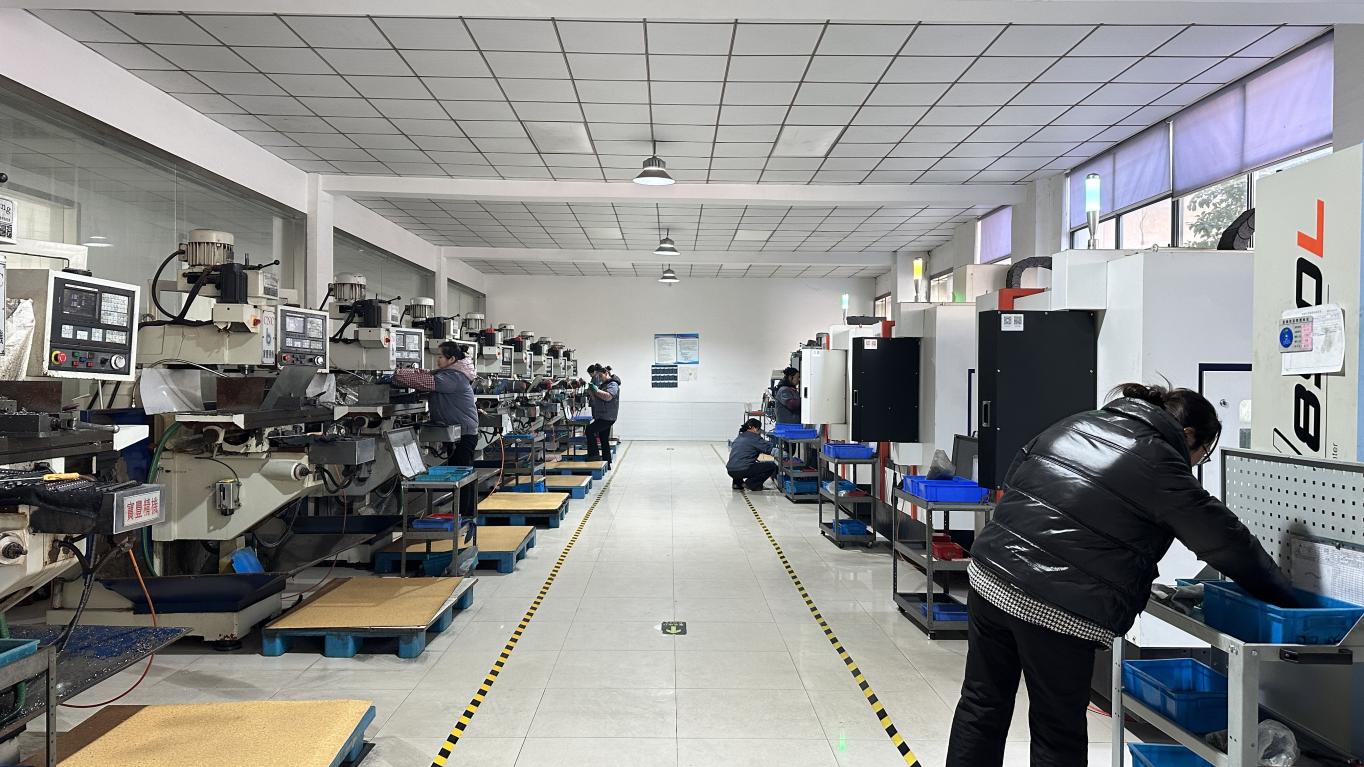
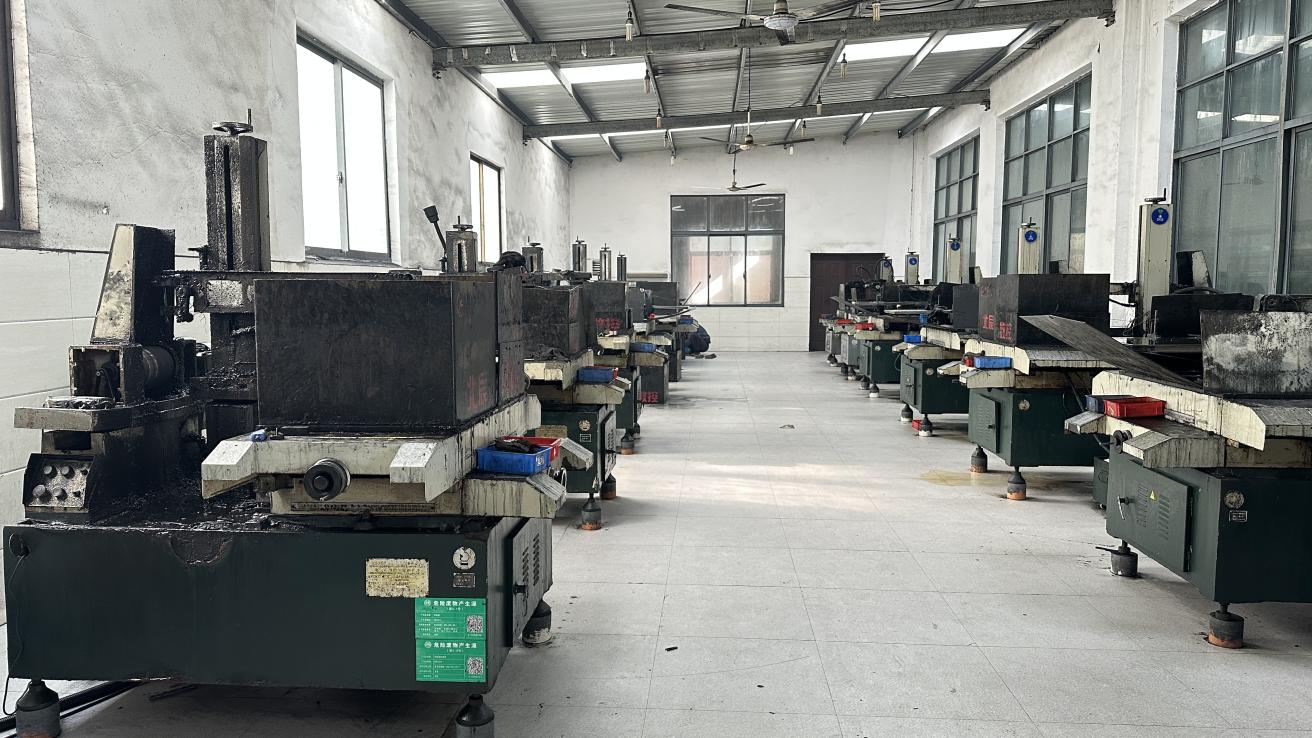
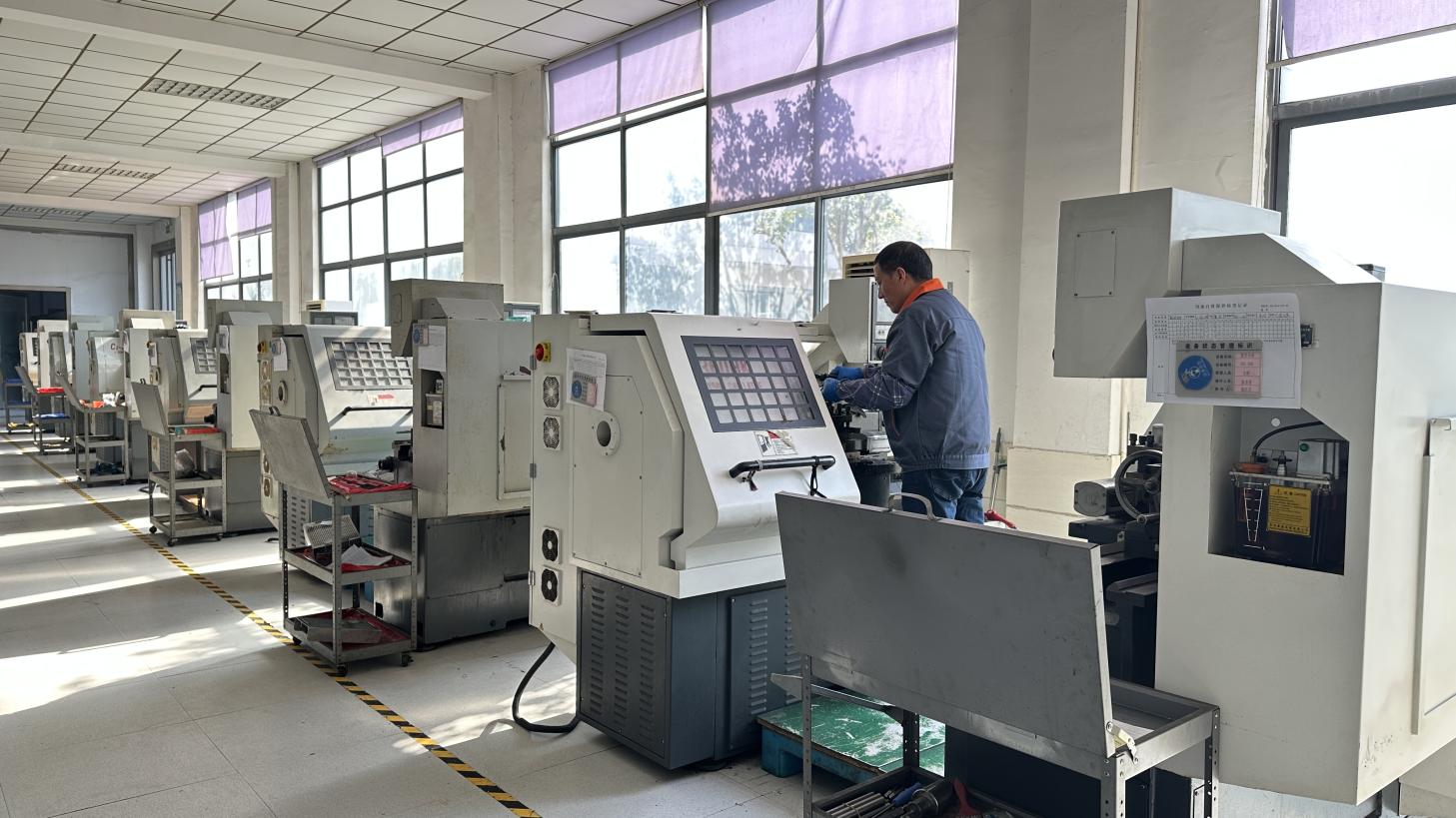
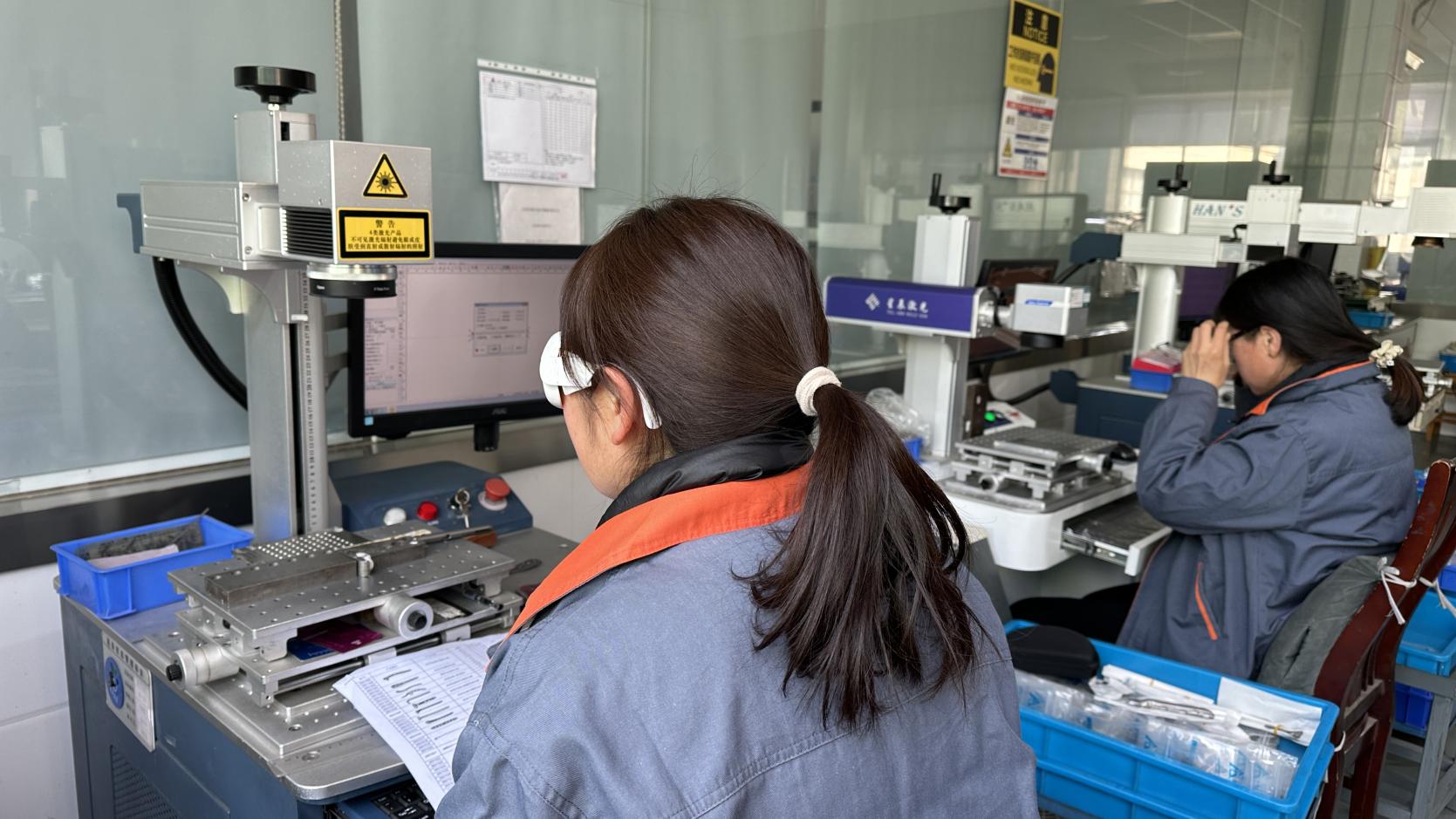
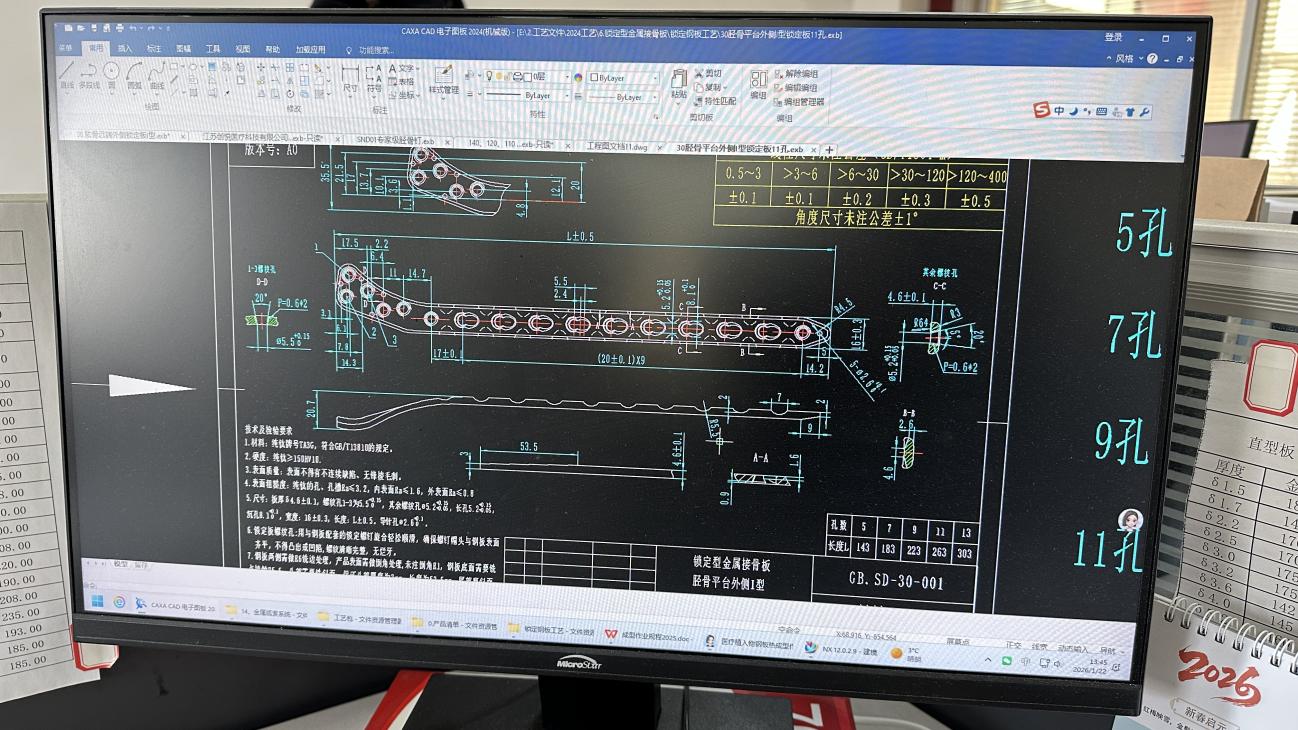

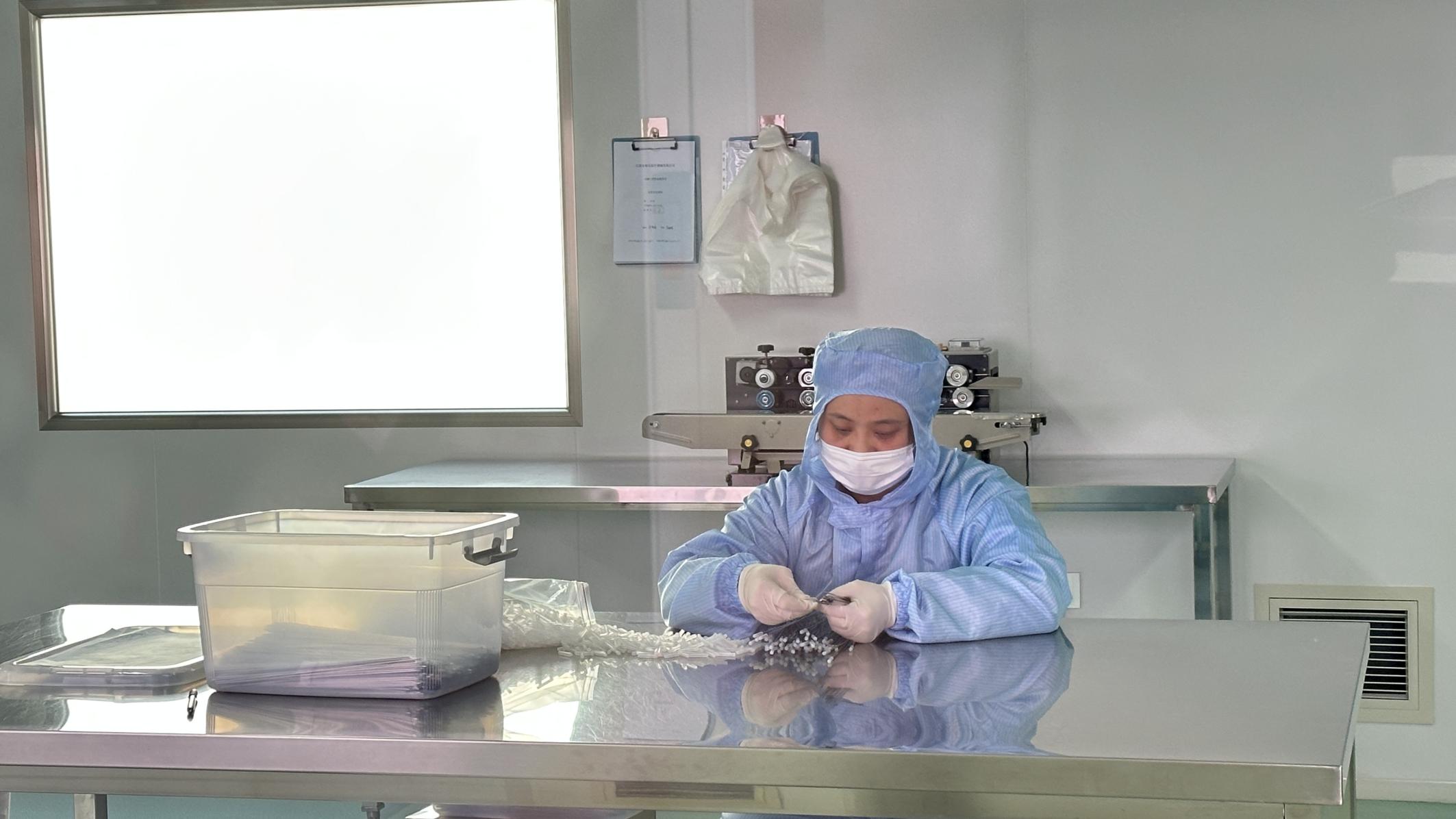
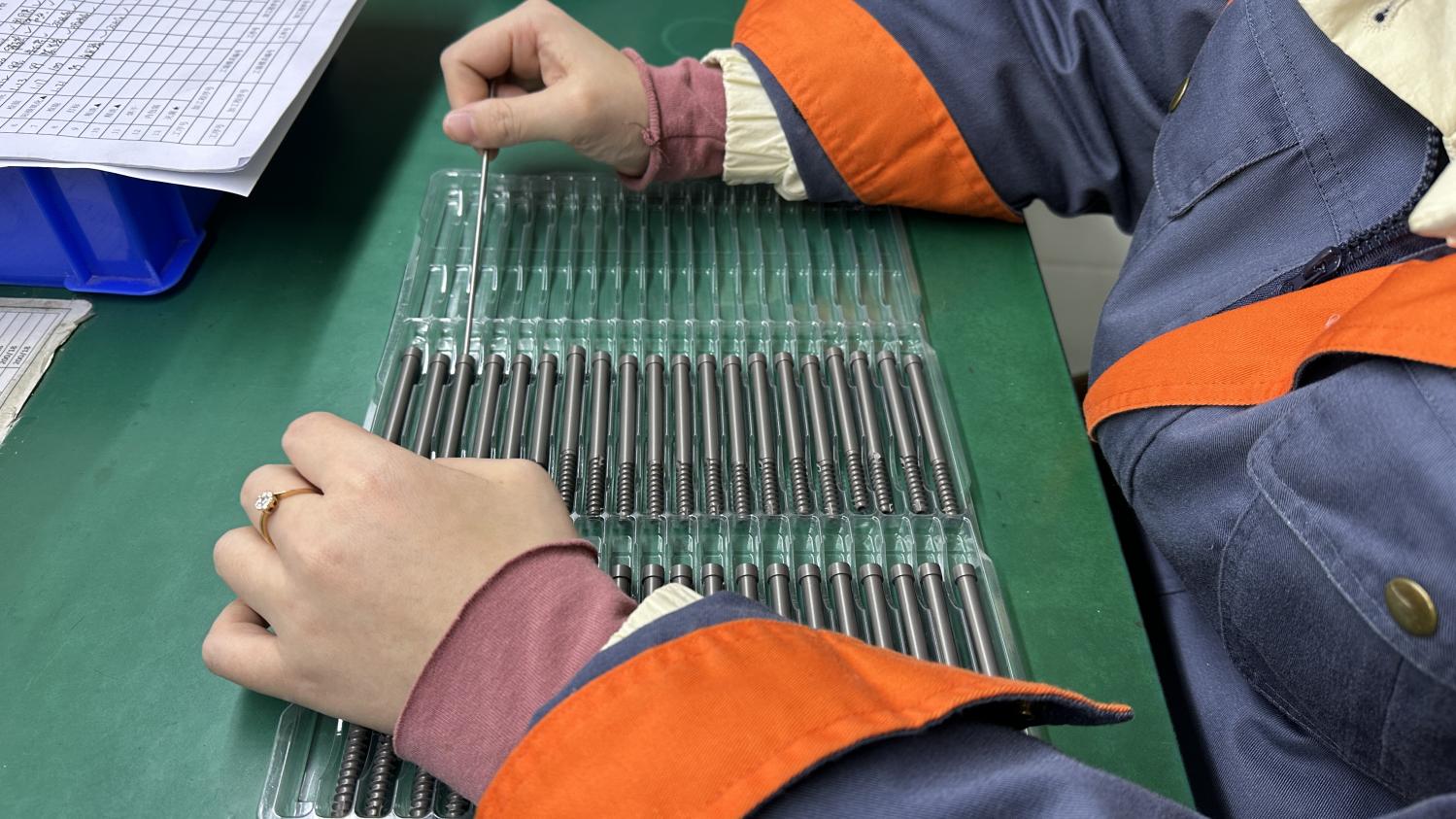
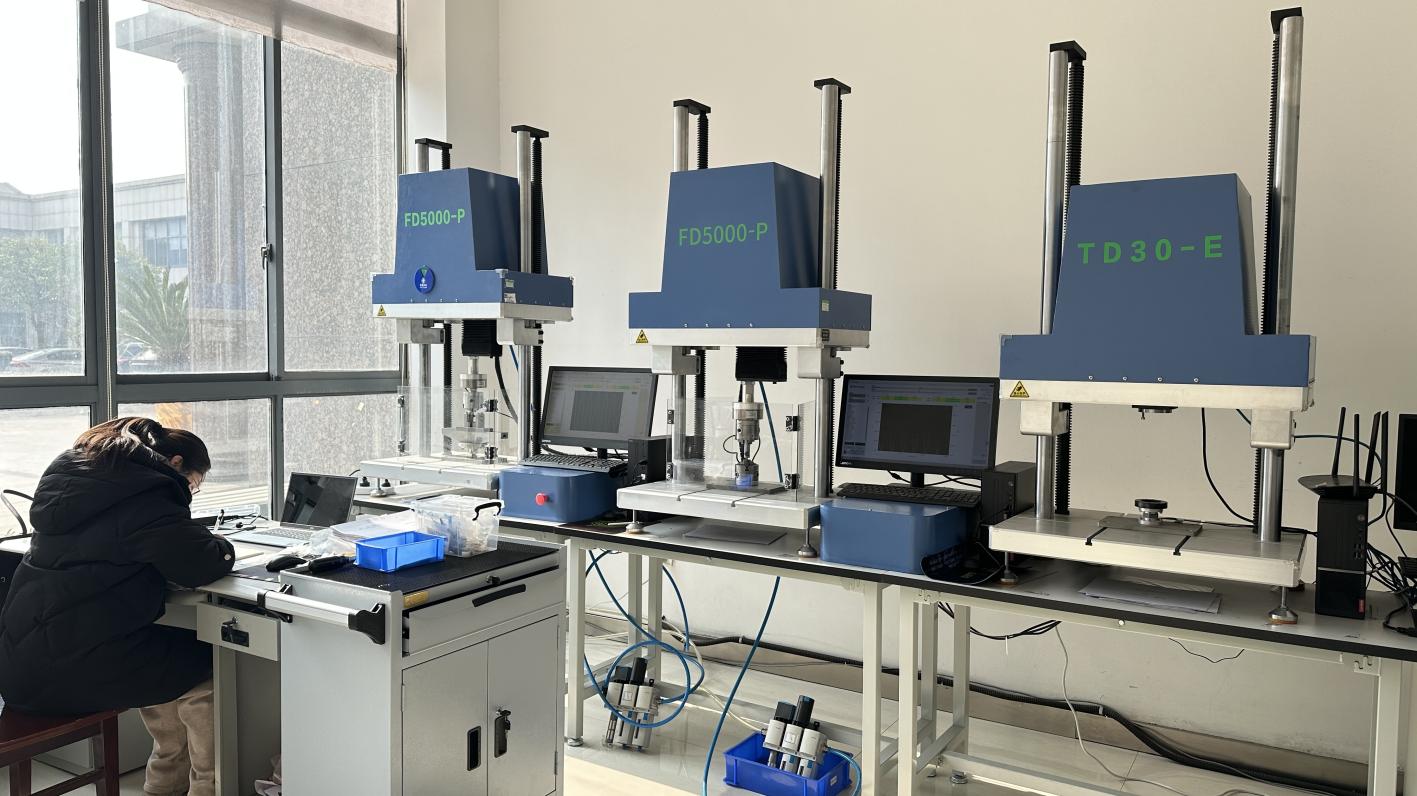
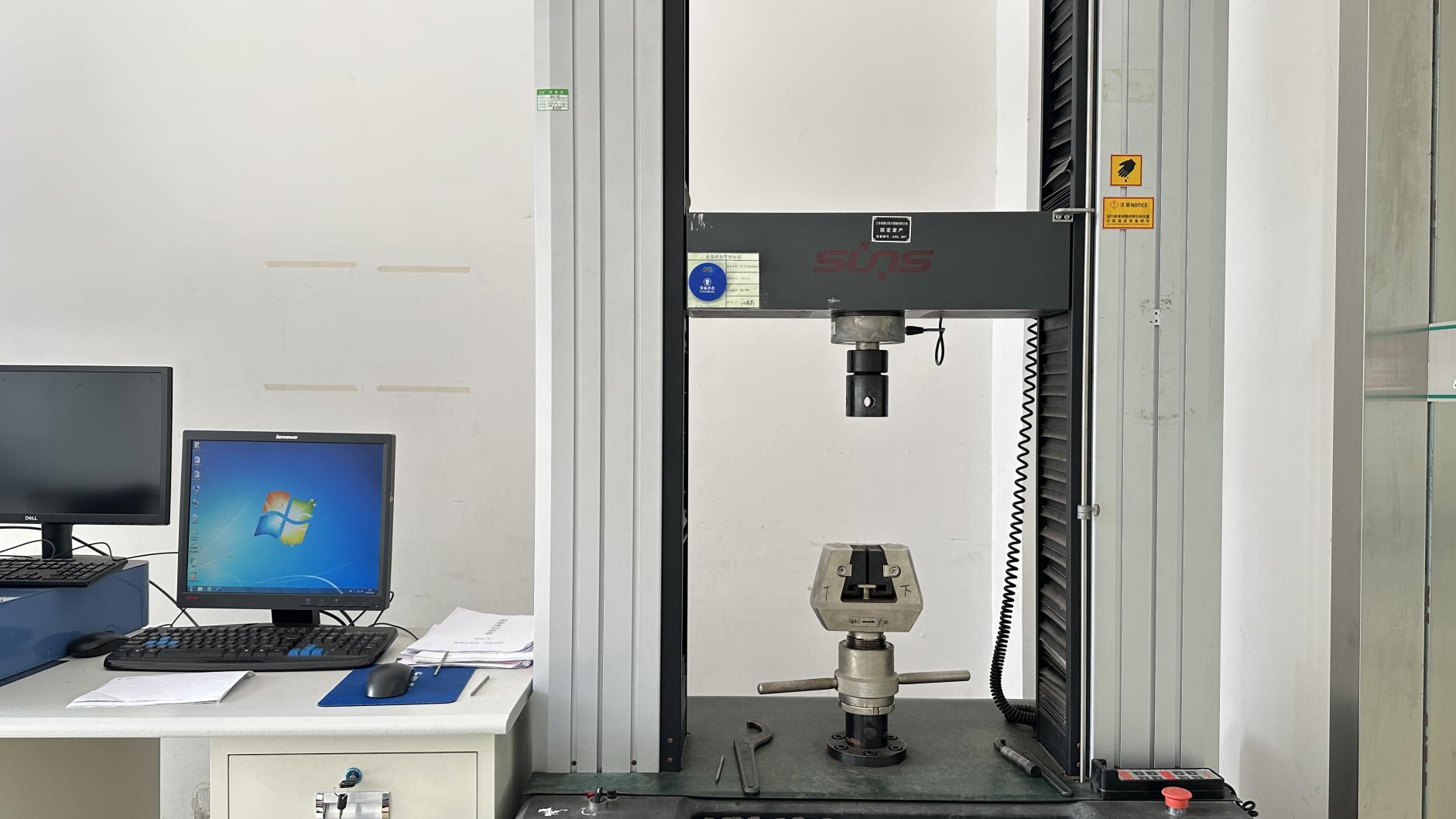
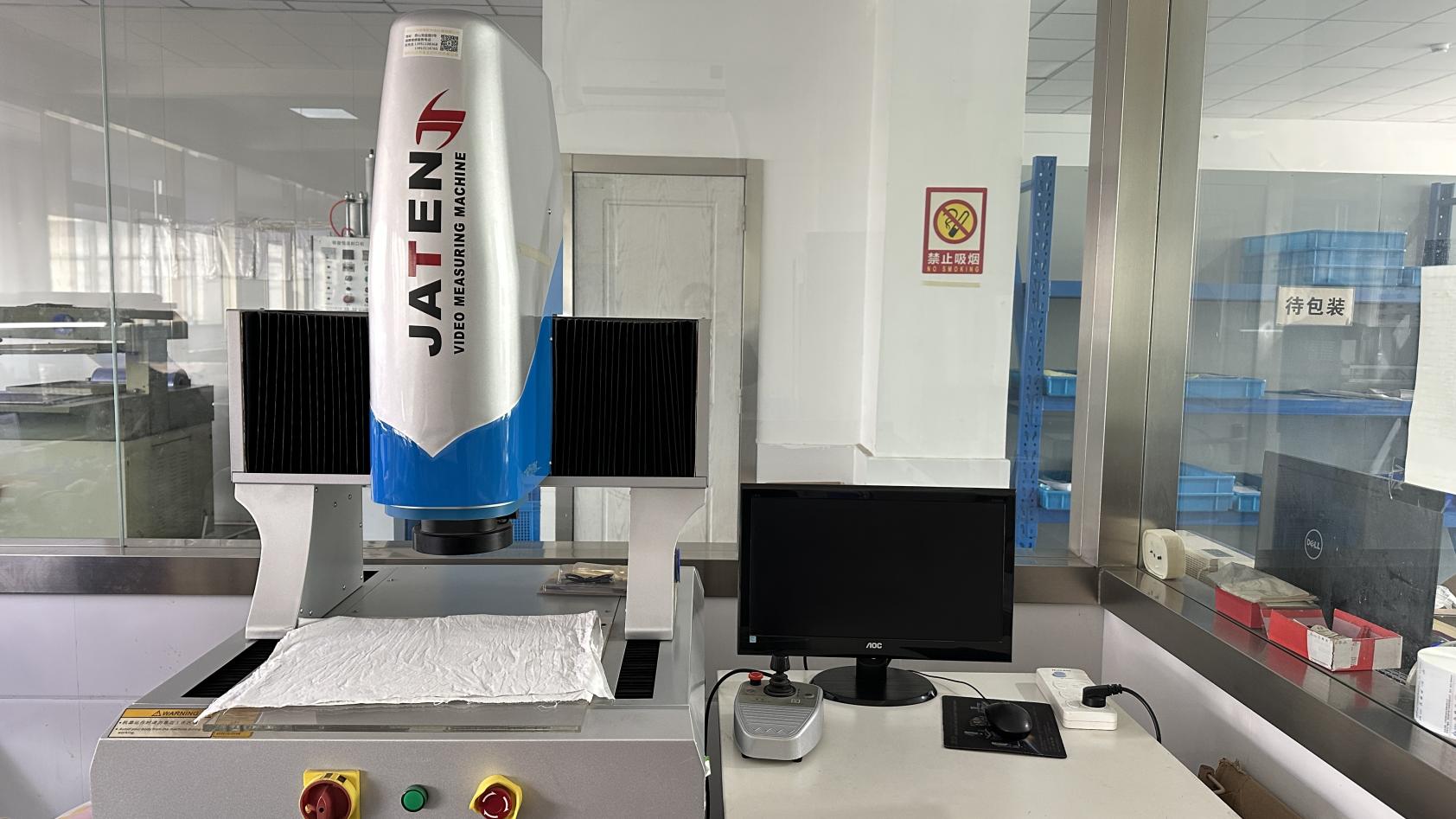
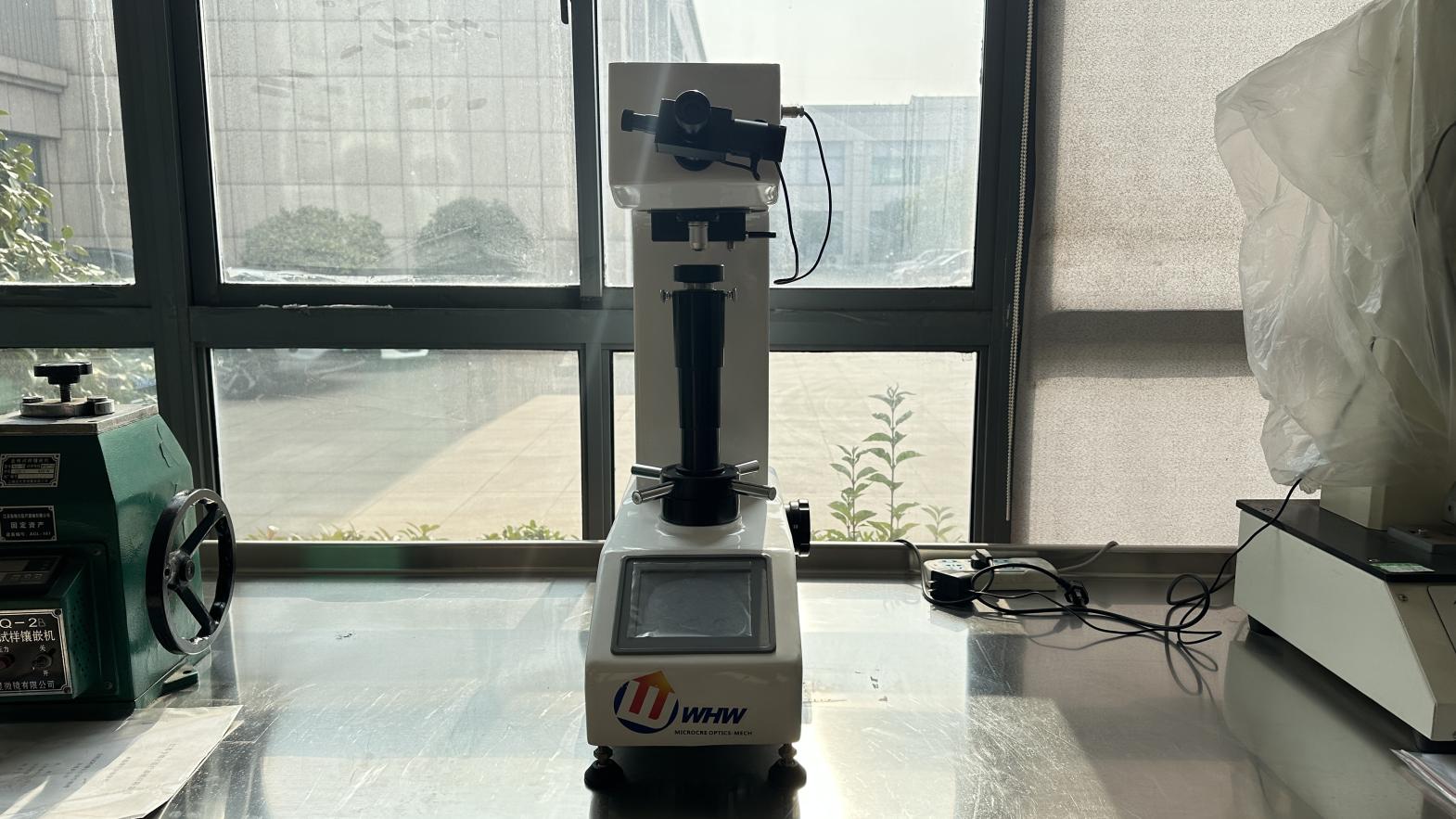
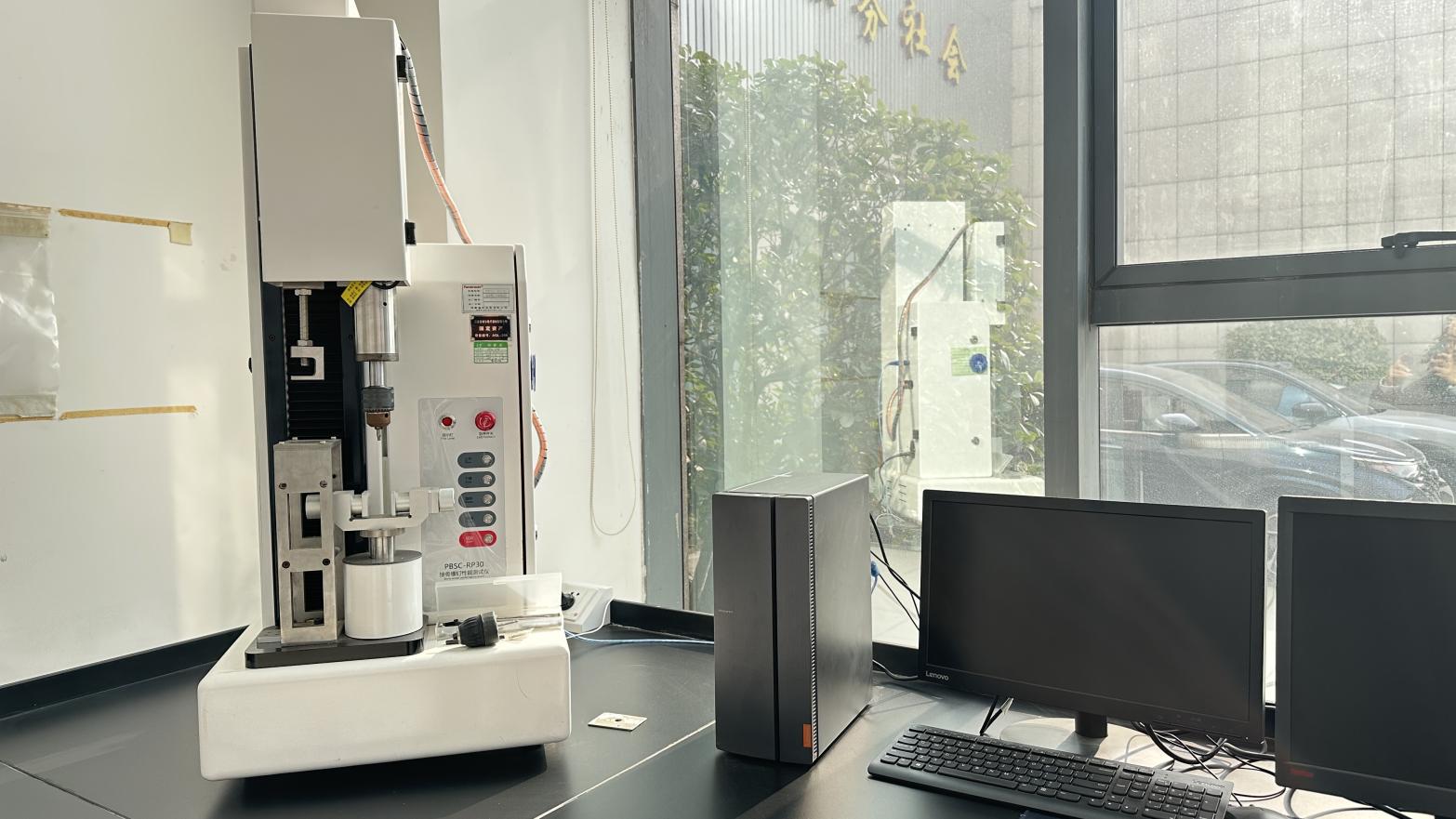
How our highly integrated raw material and precision manufacturing infrastructure optimizes supply and keeps costs predictable for medical exporters.
Virelox coordinates over 850 certified upstream and downstream partners. This deep industrial integration enables complete control over the raw material grade, ensuring that titanium bars, PEEK blocks, and high-strength sutures are sourced from qualified biocompatible suppliers. For Panamanian distributors negotiating tender contracts with the Caja de Seguro Social (CSS), our direct factory supply chain protects you from external price shocks and maintains inventory resilience.
With an annual R&D output of over 120 new products, our design team specializes in adapting and refining surgical instrument geometries to fit the mechanical preferences of Central American surgeons. From private labels to complete OEM solutions, we provide fully-developed surgical sets with laser-etched branding and customized sterilization trays.
Essential guidance on importing Class II & Class III sports medicine implants through the Ministerio de Salud de Panamá (MINSA).
All orthopedic implants entering Panama must be registered via the Dirección de Farmacia y Drogas of the Ministerio de Salud (MINSA). Virelox supplies all required technical documentation, including ISO 13485 certificates, Certificate of Free Sale (CFS), detailed mechanical test reports (fatigue/pullout strength), and biocompatibility profiles (ISO 10993).
Our logistics support optimizes routing through the Colon Free Zone (Zona Libre de Colón). Distributors can leverage tax-free warehousing to stock bulk orders of suture anchors, loop plates, and surgical tools, allowing rapid shipping to public and private hospitals throughout Central America.
To address the high-humidity conditions of Panama, our products are double-wrapped in medical-grade Tyvek® sterile barrier pouches. This prevents moisture ingress, preserves sterile barrier integrity, and guarantees a reliable 5-year shelf-life in standard warehouse conditions.
A comprehensive overview of our CE-certified line of sports medicine implants, meniscal needles, and high-strength reconstruction consumables.
How Virelox is adapting its product pipeline to support modern arthroscopic and minimally invasive surgery trends.
Our development roadmap emphasizes composite formulations combining PLDLA and Beta-TCP (tricalcium phosphate). These implants gradually transfer stress load back to the bone as they degrade, leaving no foreign body traces. This technology is optimized to support fast rehabilitation protocols, which is a major focus for elite athletes and workers in Panama's expanding logistical sectors.
Eliminating knots prevents soft tissue irritation and simplifies arthroscopic procedures. Our newer PEEK knotless designs feature self-locking internal channels that allow surgeons to adjust suture tension after anchor insertion. This minimizes operating room times, reduces hospital resource usage, and cuts recovery periods for active patients in Panama.
As joint stabilization surgeries move toward smaller incisions, our R&D team is finalizing ultra-small anchors (diameters under 2.0mm) for hand, wrist, and foot procedures. These systems are designed to fit the increasing volume of specialized hand and foot trauma procedures performed at private hospitals in Panama City.
Detailed technical, regulatory, and logistics answers for medical device importers, clinical supply leads, and hospital tender managers in Panama.
 Virelox