Orthopedic Sport Medical Manufacturers & Supplier in Peru

Empowering Surgeon Precision, Restoring Athletic Performance. ISO 13485 Certified Implant Systems Tailored for Peruvian Public Health Schemes and Elite Private Sports Clinics.

Send Inquiry Now Read Market Whitepaper
12,000 m²
Production Area
USD 8.5M
Annual Export Revenue
120+
R&D Engineers
ISO 13485
Quality Management

Orthopedic & Sports Medicine in Peru: Market Insights

A comprehensive analysis of surgical demands, technological shifts, and import pathways in the Peruvian orthopedic healthcare sector.

1. The Orthopedic Sport Medical Landscape in Peru

The demand for orthopedic and sports medicine devices in Peru has experienced significant growth over the past decade. This expansion is driven by a dual healthcare system consisting of public health networks—such as EsSalud (social security) and the SIS (Sistema Integrado de Salud)—and a rapidly expanding private clinical sector led by premium facilities in Lima, Arequipa, and Trujillo. As sports participation increases and access to minimally invasive surgical procedures improves, arthroscopy has transitioned from a specialized service to a standard clinical expectation.

Unlike mature North American or European markets, the Peruvian medical device market is highly import-dependent. This dependence creates challenges for local medical distributors who must balance strict procurement budgets with the clinical requirements of orthopedic surgeons. Local surgeons demand high-strength fixation systems, biocompatible materials like PEEK (Polyetheretherketone) and Biocomposites, and robust surgical instrumentation sets. These requirements are essential for reducing intraoperative complications and shortening hospital stays, which are primary goals for both private insurers and public administrators.

2. Localized Application Scenarios and Clinical Challenges

Surgical treatments in Peru require products designed to perform under specific regional conditions:

High-Altitude Physiological Conditions
In Andean regions like Cusco, Huancayo, and Puno, high altitudes present distinct physiological challenges. Hypoxic conditions can influence microvascular perfusion and bone remodeling cycles. Sports medicine implants used in these environments must minimize localized inflammatory responses to support bone-to-tendon integration. High-purity Titanium alloys (Ti-6Al-4V ELI) and bio-absorbable components are preferred for these procedures.
Trauma and High-Impact Sports Injuries
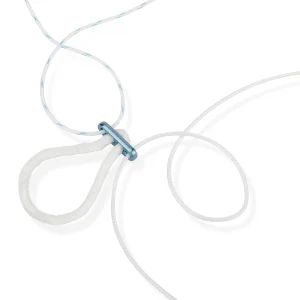
Football remains the primary source of ligament tears and meniscus injuries in Peru, alongside growing interest in adventure sports such as trail running and downhill biking in the Sacred Valley. These high-energy injuries require high mechanical fixation. Non-adjustable loop plates with titanium buttons and high-strength UHMWPE suture anchors are critical for reliable soft tissue re-attachment.

3. Technology Roadmap and Future Material Innovations

The international sports medicine industry is shifting toward materials that support natural bone healing. Virelox is aligned with this transition, focusing on three core areas:

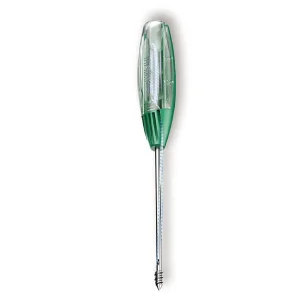
1. PEEK (Polyetheretherketone): PEEK remains a preferred material for arthroscopic suture anchors due to its radiolucency and elastic modulus, which is close to that of human cortical bone. This similarity reduces stress shielding at the implantation site. Our PEEK anchors feature optimized thread designs to increase pull-out resistance in osteopenic bone.

2. Biocomposite Polymers (PLDLA + TCP): The next generation of absorbable implants combines Poly(L-co-D,L-lactide) (PLDLA) with osteoconductive Beta-Tricalcium Phosphate (β-TCP). Over 12 to 24 months, the polymer structure degrades safely through hydrolysis, while the β-TCP stimulates local bone deposition. This process eventually replaces the implant with natural bone, eliminating the long-term foreign body presence associated with permanent implants.

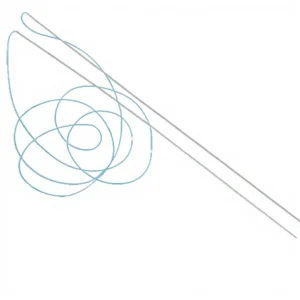
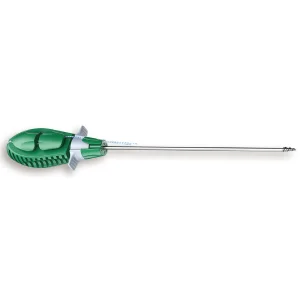
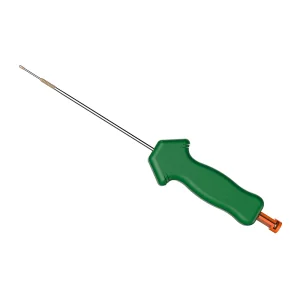
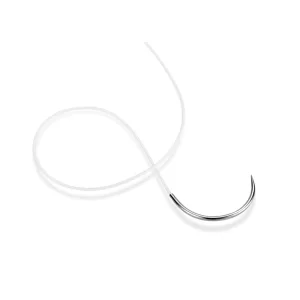
3. Knotless Fixation Systems: Modern arthroscopic techniques favor knotless suture anchors to minimize soft tissue irritation and reduce operating times. Our knotless systems allow surgeons to adjust tension prior to final locking, ensuring stable compression at the tendon-bone interface.

4. China Supply Chain Resilience & Manufacturing Efficiency

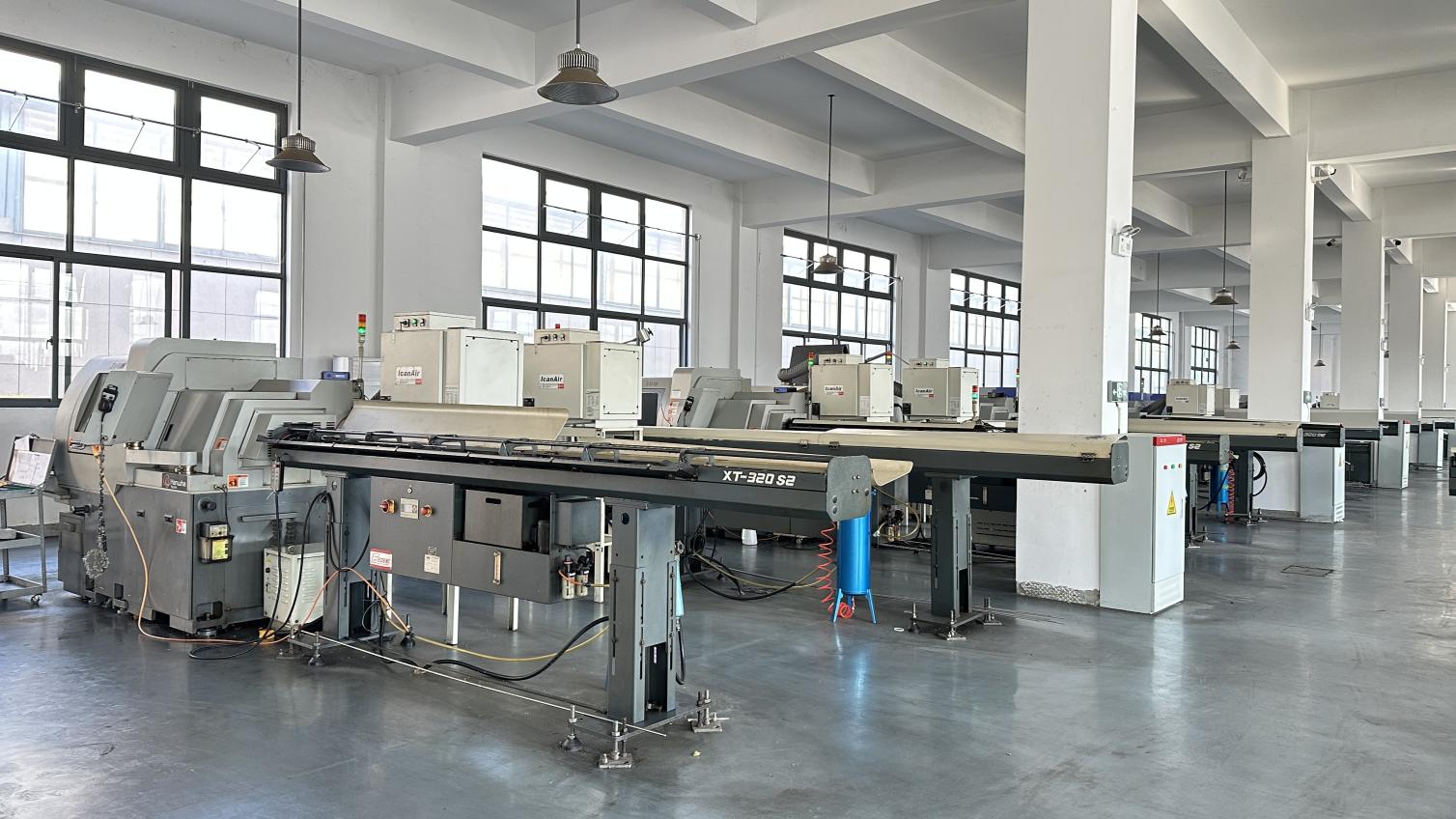
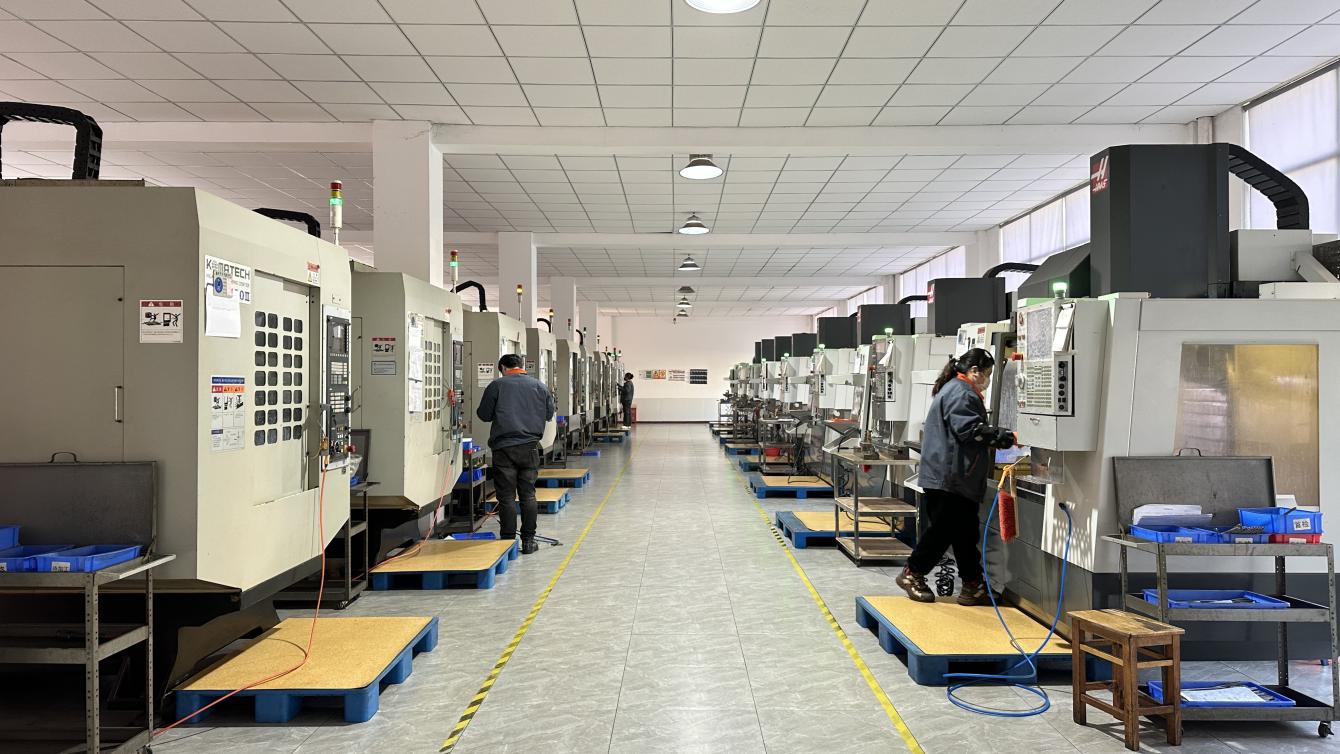
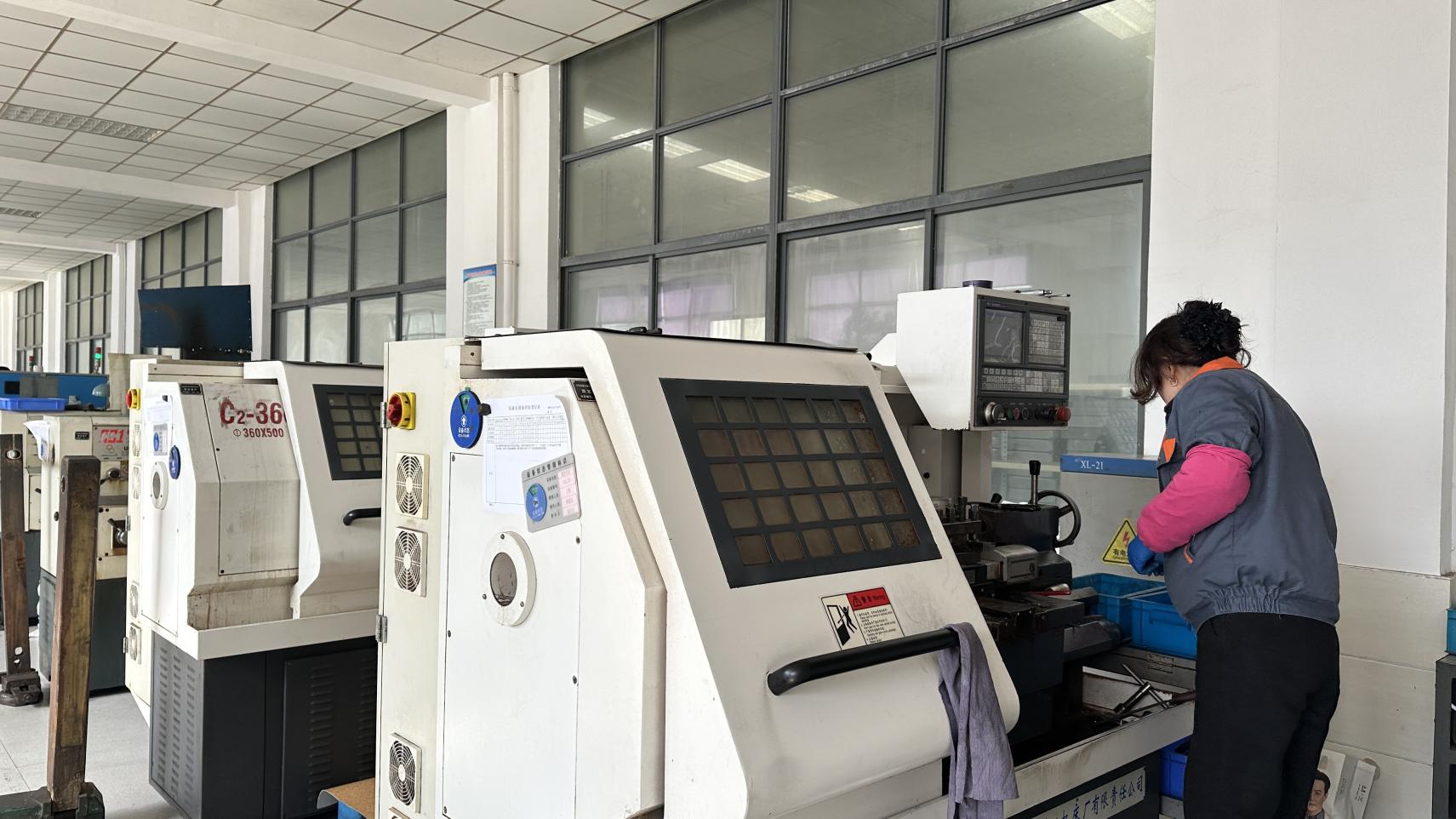
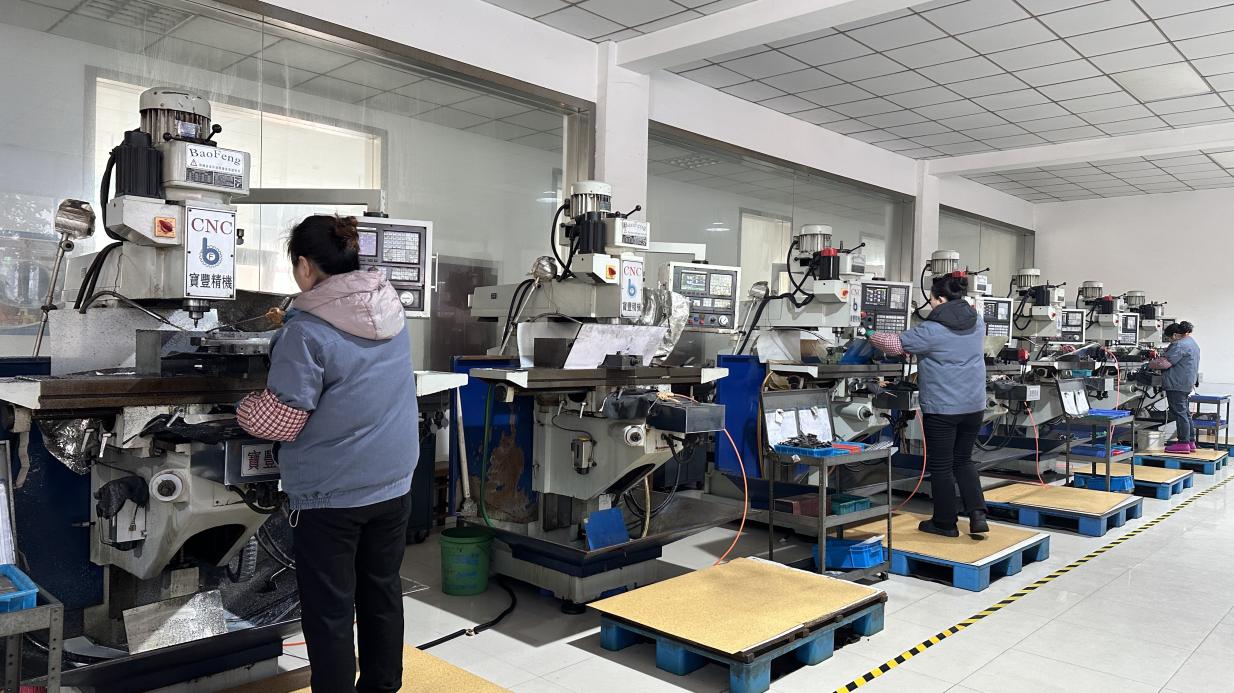
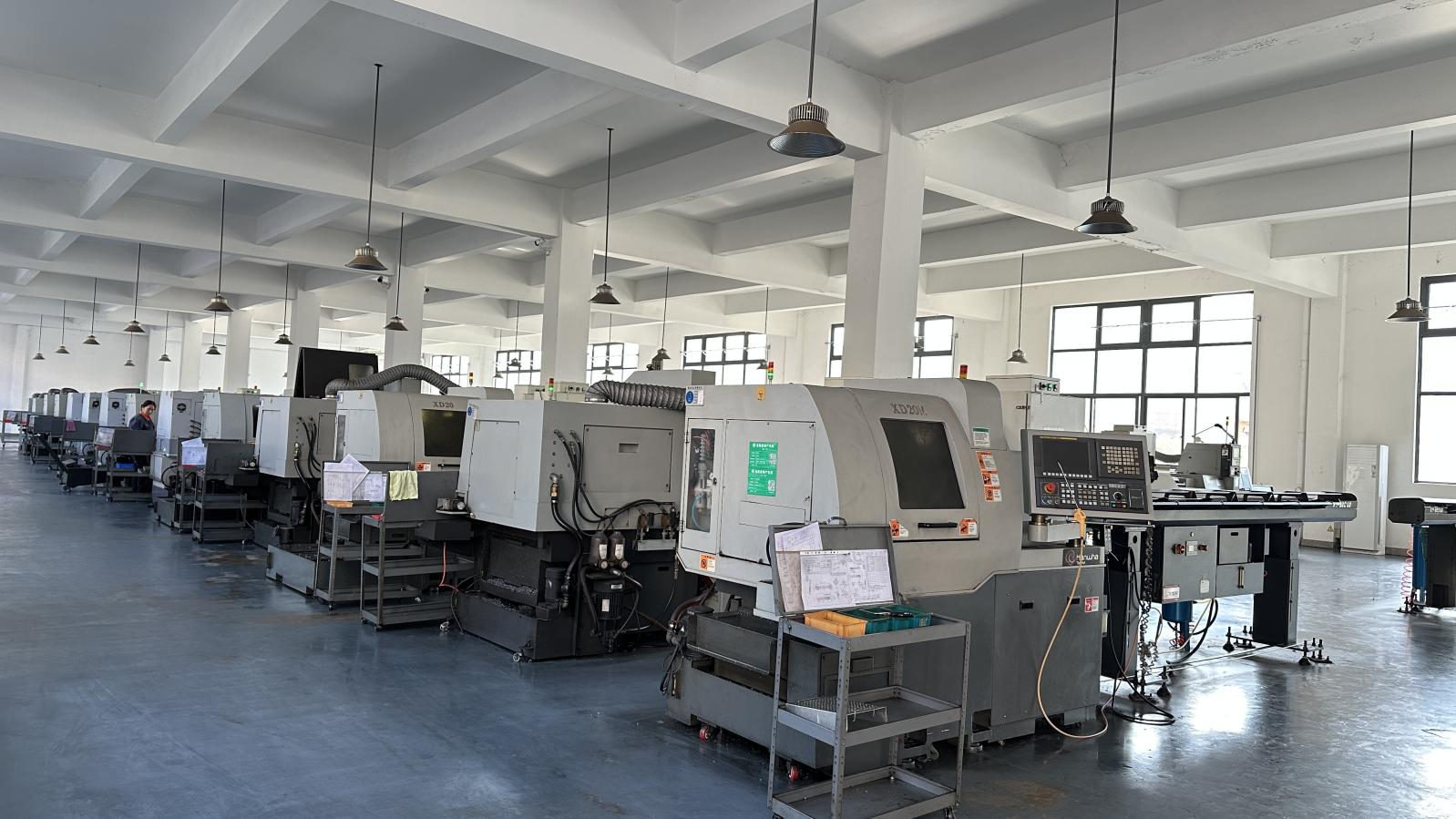
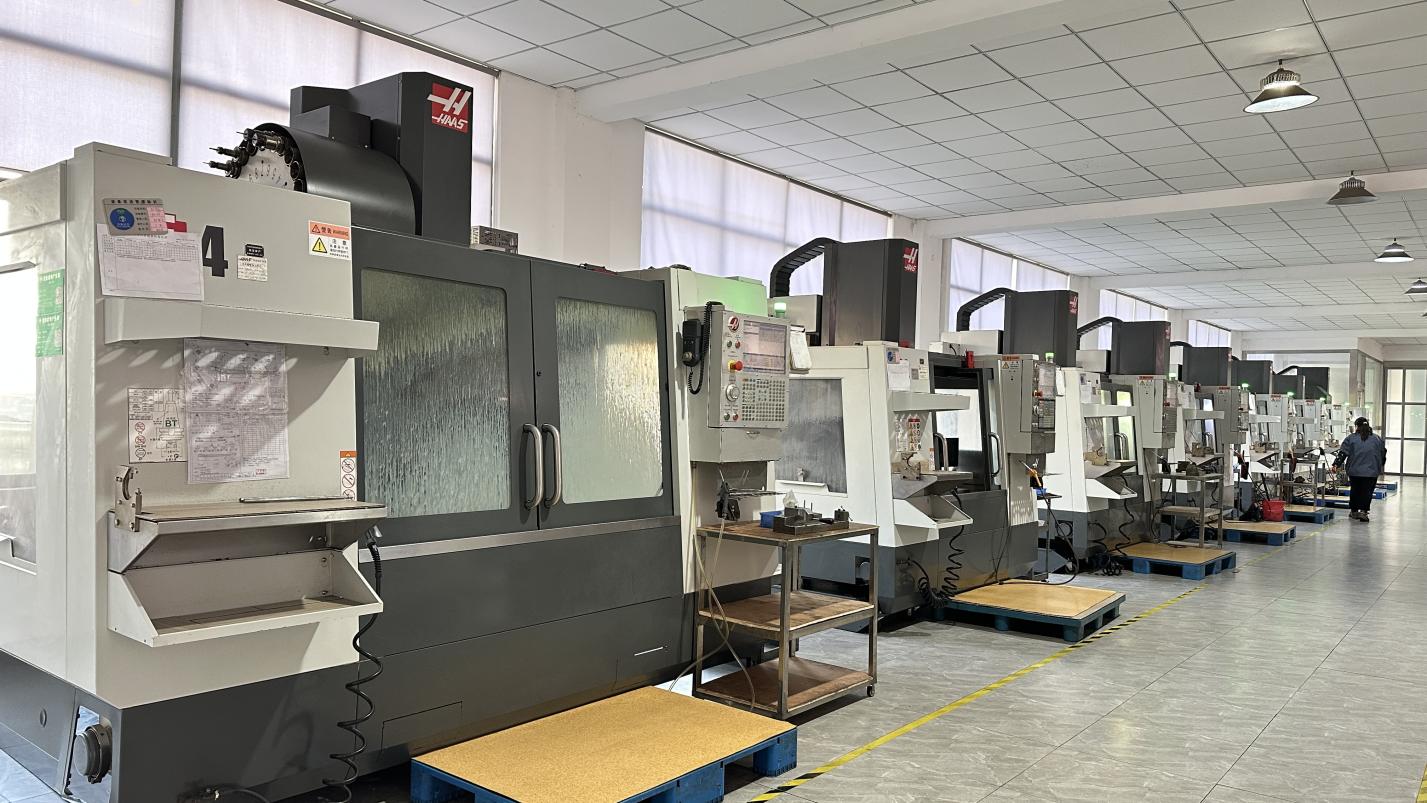
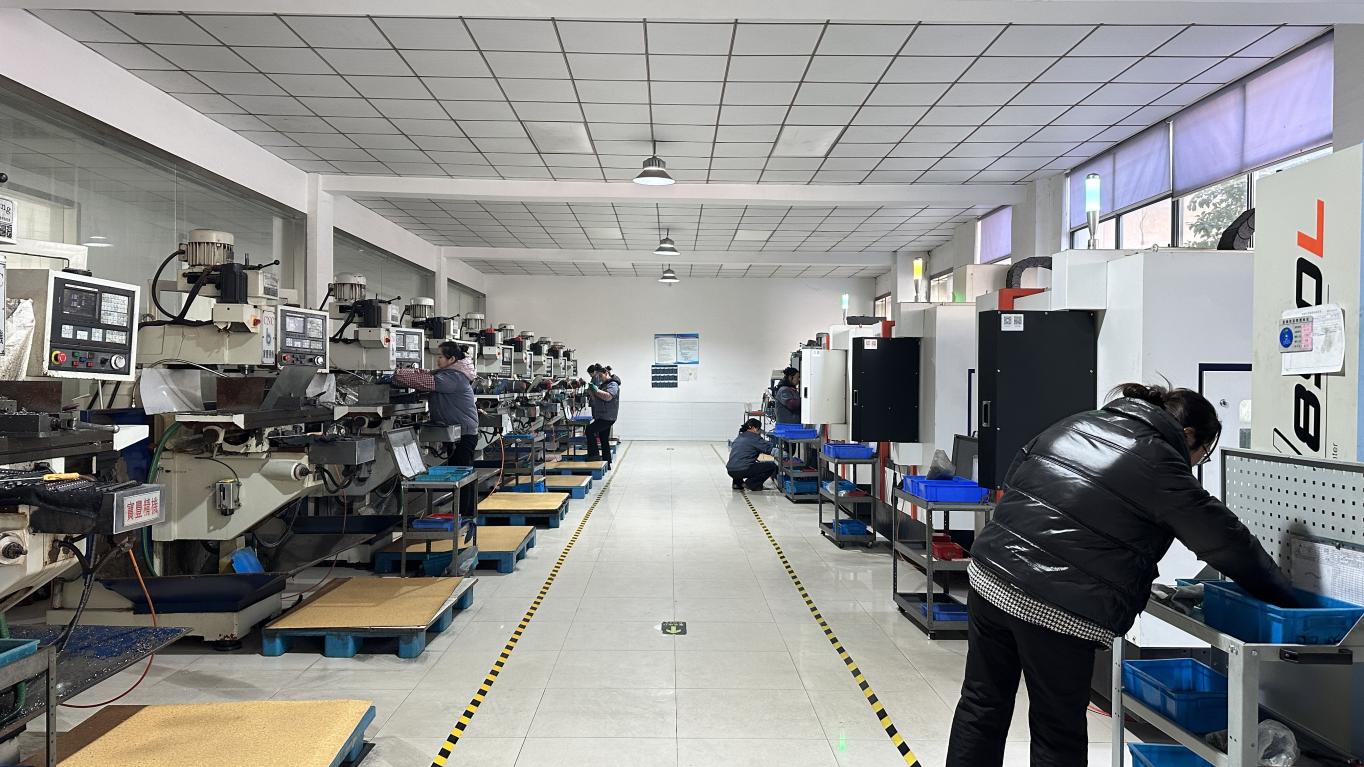
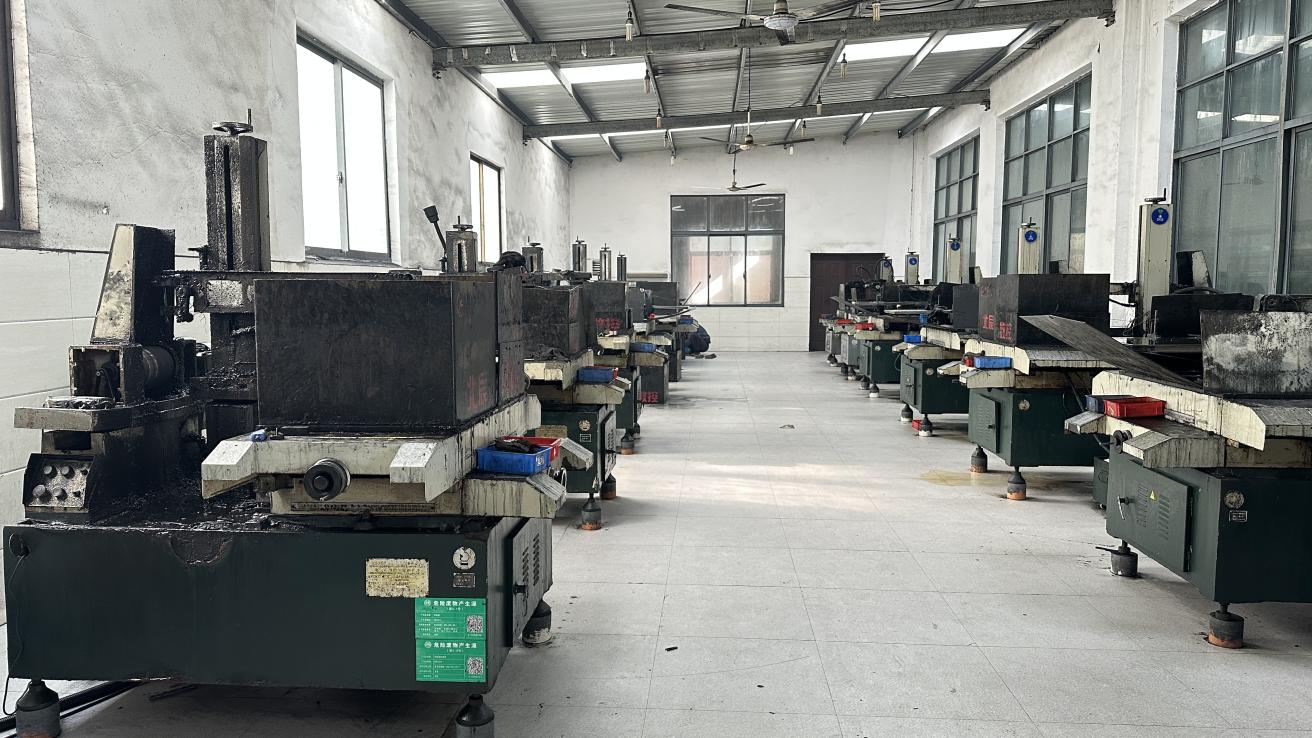
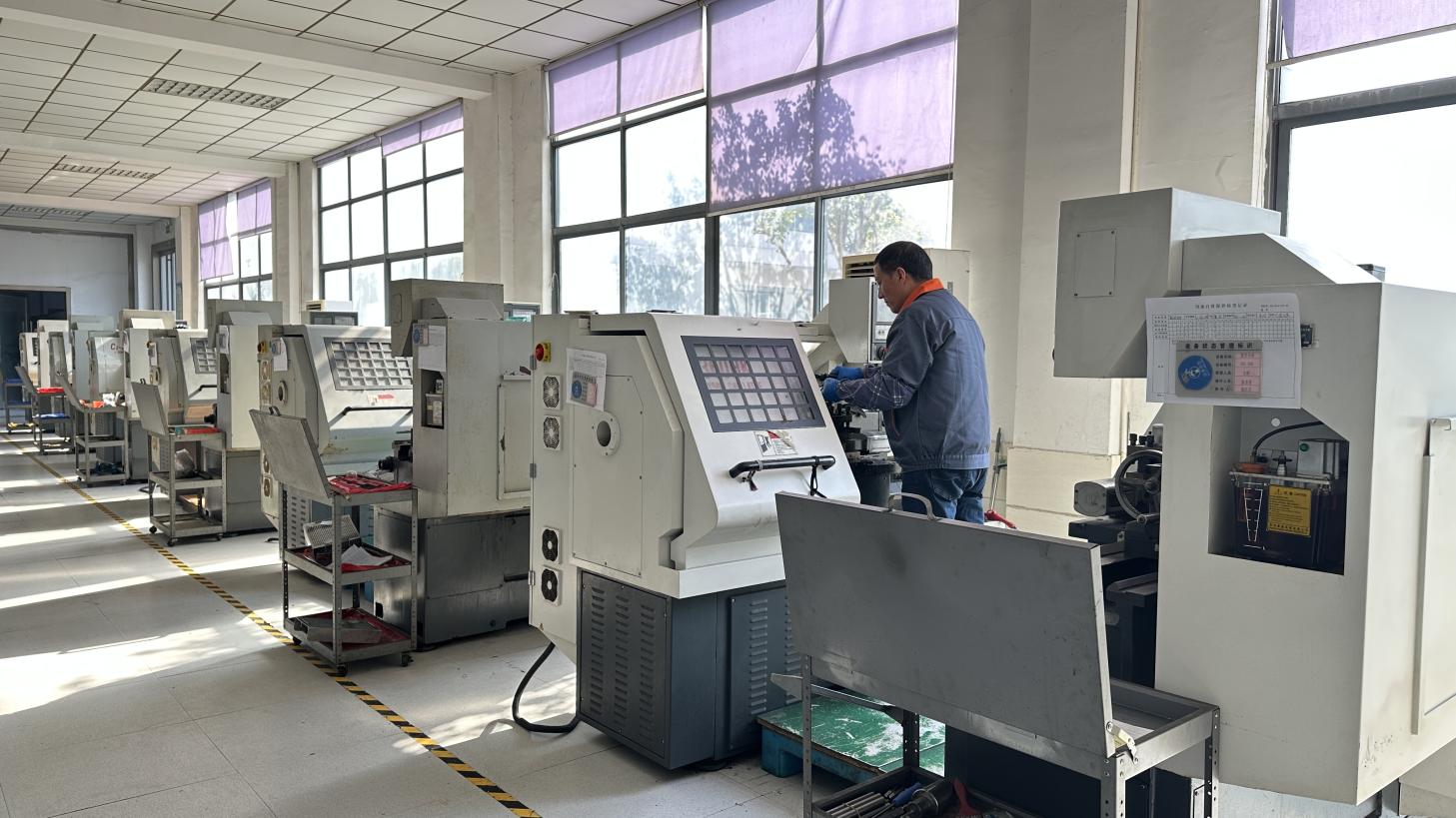
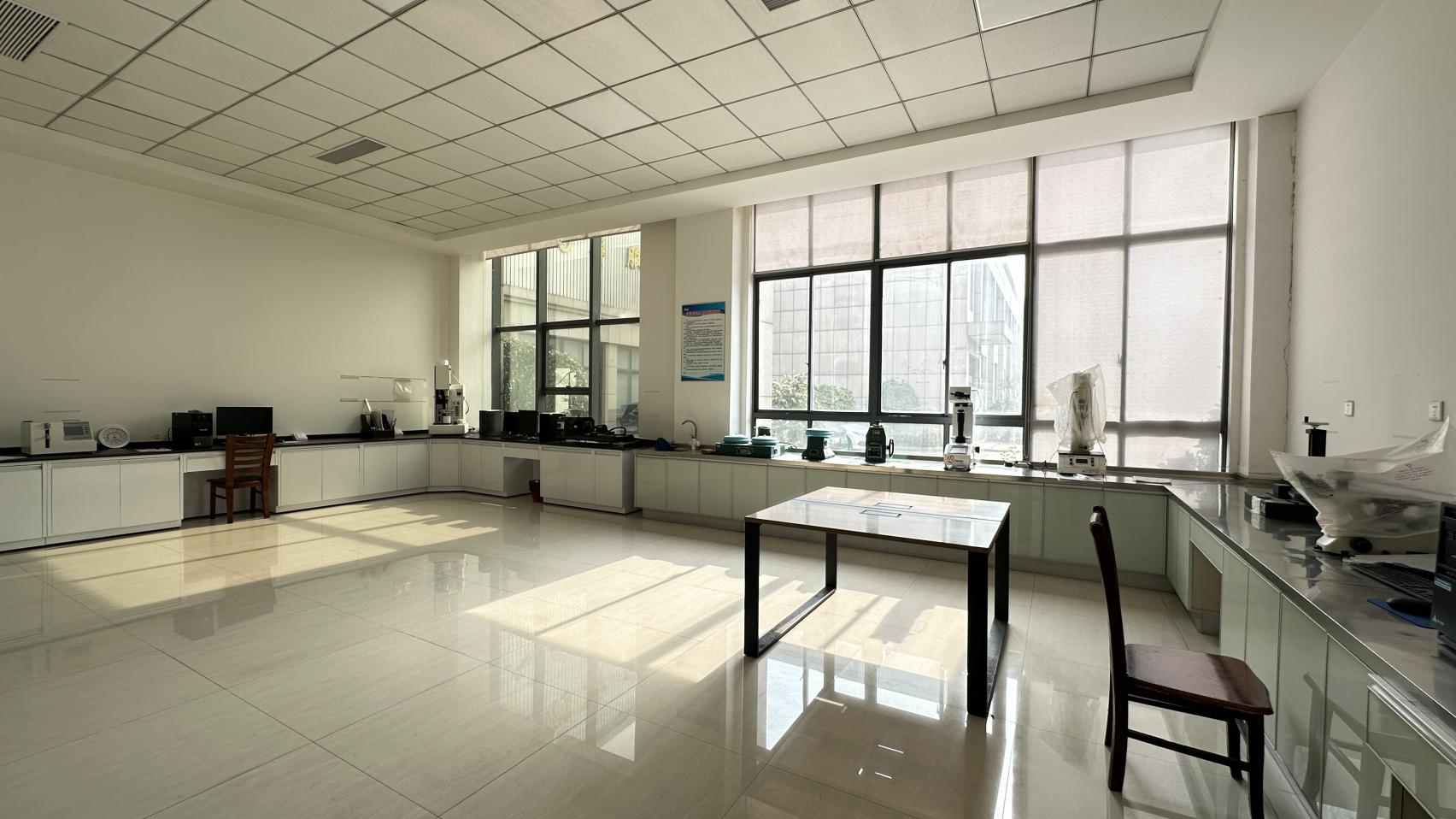
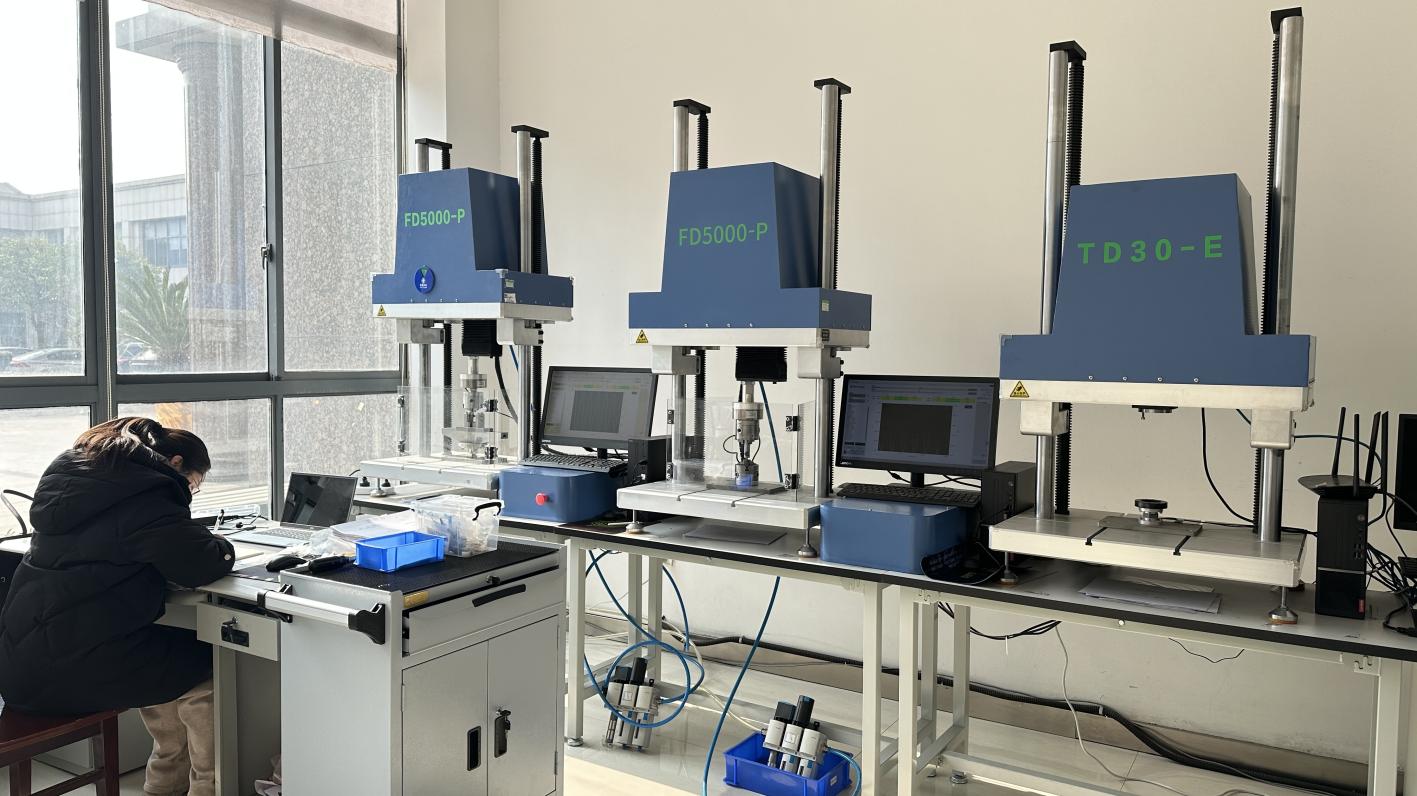
Virelox utilizes a vertically integrated manufacturing structure in China to deliver reliable products to global partners. Our 12,000 m² production facility features modern CNC machining centers, wire cutting equipment, and a fully equipped biomechanical testing laboratory. We manage a supply chain network of over 850 certified partners to maintain stable access to raw materials and specialized components.

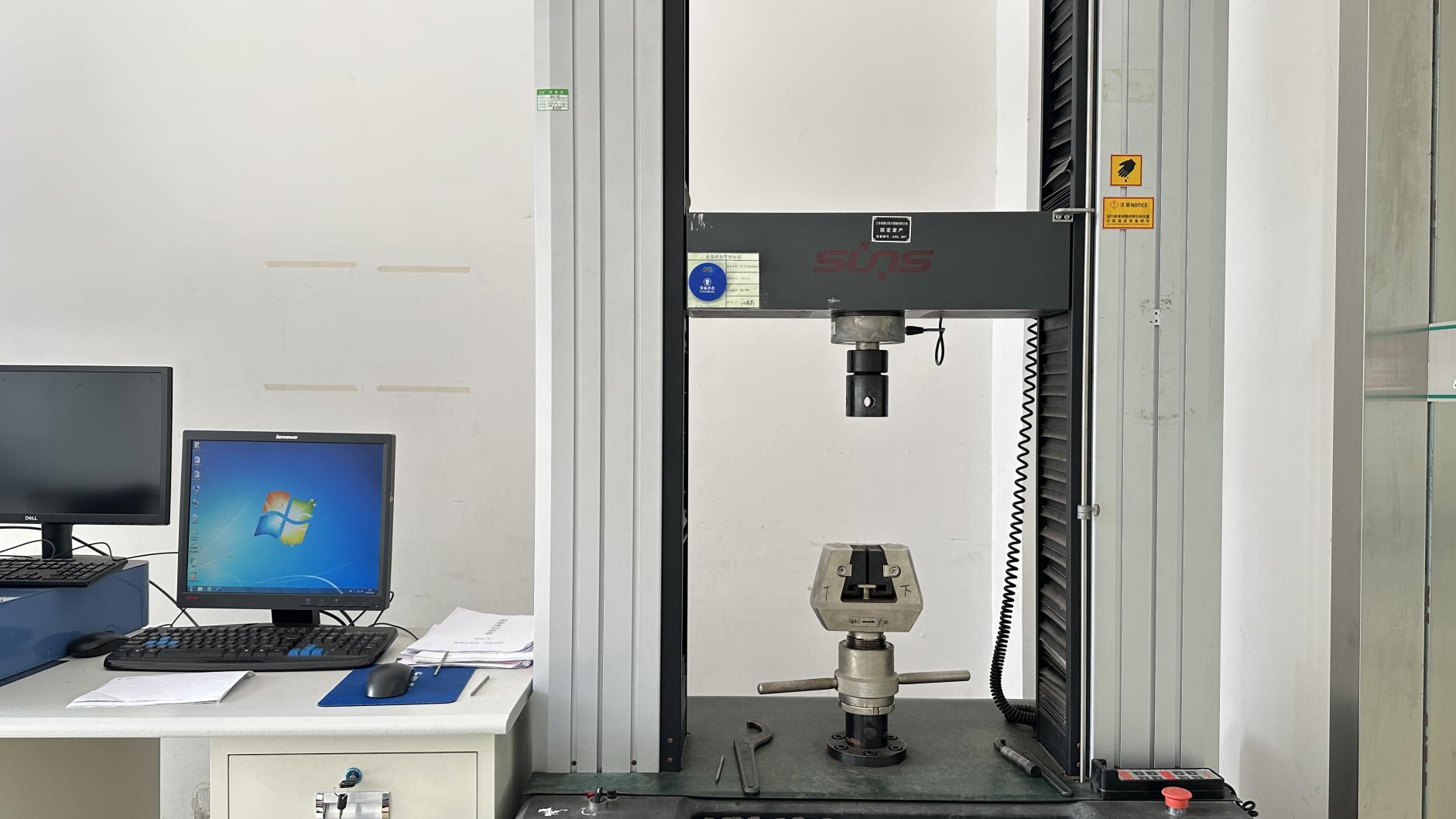
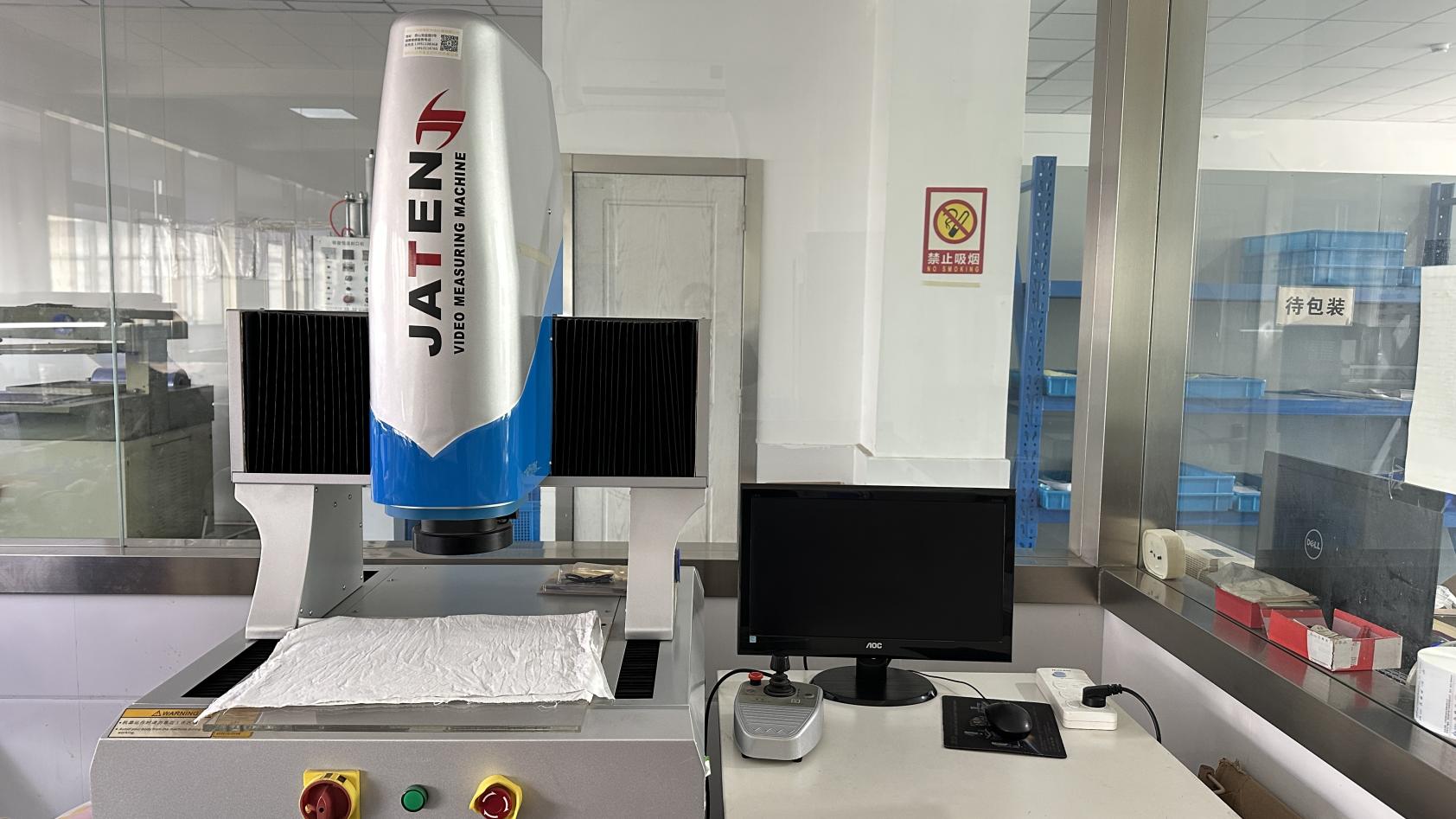
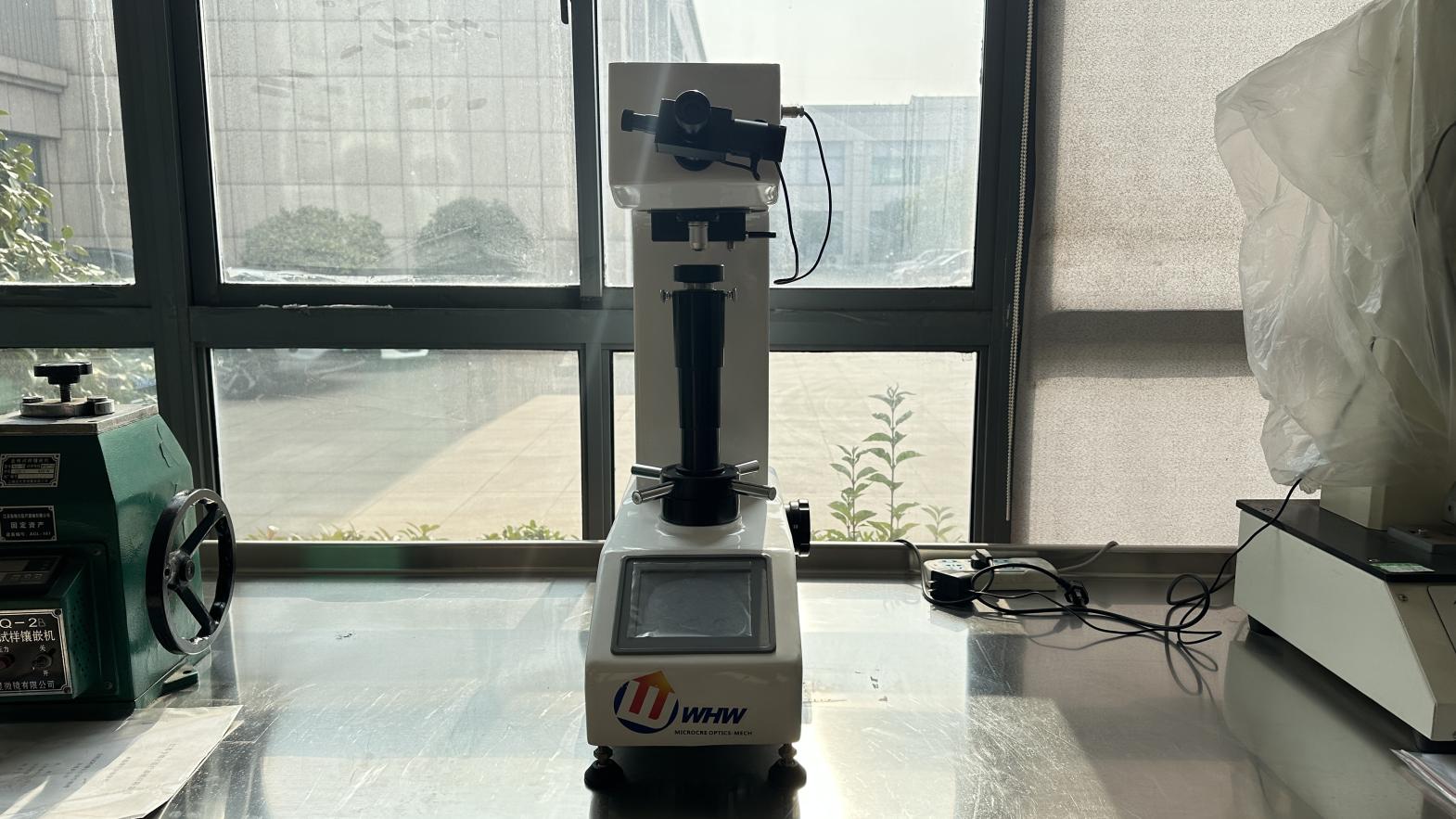
Our quality control system is based on ISO 13485 standards. All products undergo a rigorous inspection process, including X-ray imaging, fatigue testing, tensile strength evaluation, and coordinate measuring machine (CMM) dimensional verification. This level of quality management allows us to offer cost-effective alternatives to European and North American brands, helping Peruvian medical distributors submit competitive bids for public tenders and private hospital supply contracts.

5. Regulatory Compliance and Local Support in Peru

Importing medical devices into Peru requires compliance with local regulations. The registration of Class II and Class III medical devices is regulated by DIGEMID (Dirección General de Medicamentos, Insumos y Drogas). To facilitate a smooth registration process for our distributors, Virelox provides complete documentation packages, including:

  • ISO 13485 Quality Management System Certificates
  • CE Certificates (Class IIb and Class III classifications)
  • Free Sale Certificates (FSC) authenticated via Apostille
  • Detailed raw material analysis reports and biocompatibility documentation
  • Biomechanical test data (including pull-out strength and cyclic fatigue profiles)

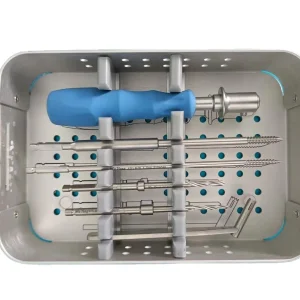
In addition, Virelox provides OEM and ODM options to support private label development. We work closely with our partners to customize implant geometries and surgical instrumentation sets to meet the preferences of local orthopedic surgeons.

Looking to Import Premium Orthopedic Implants into Peru?

Contact our Latin American accounts team for customized product configurations and regulatory assistance.

Contact Our Specialists

Advanced Manufacturing & Quality Control Facilities

A detailed look at our vertically integrated production, testing, and distribution processes.
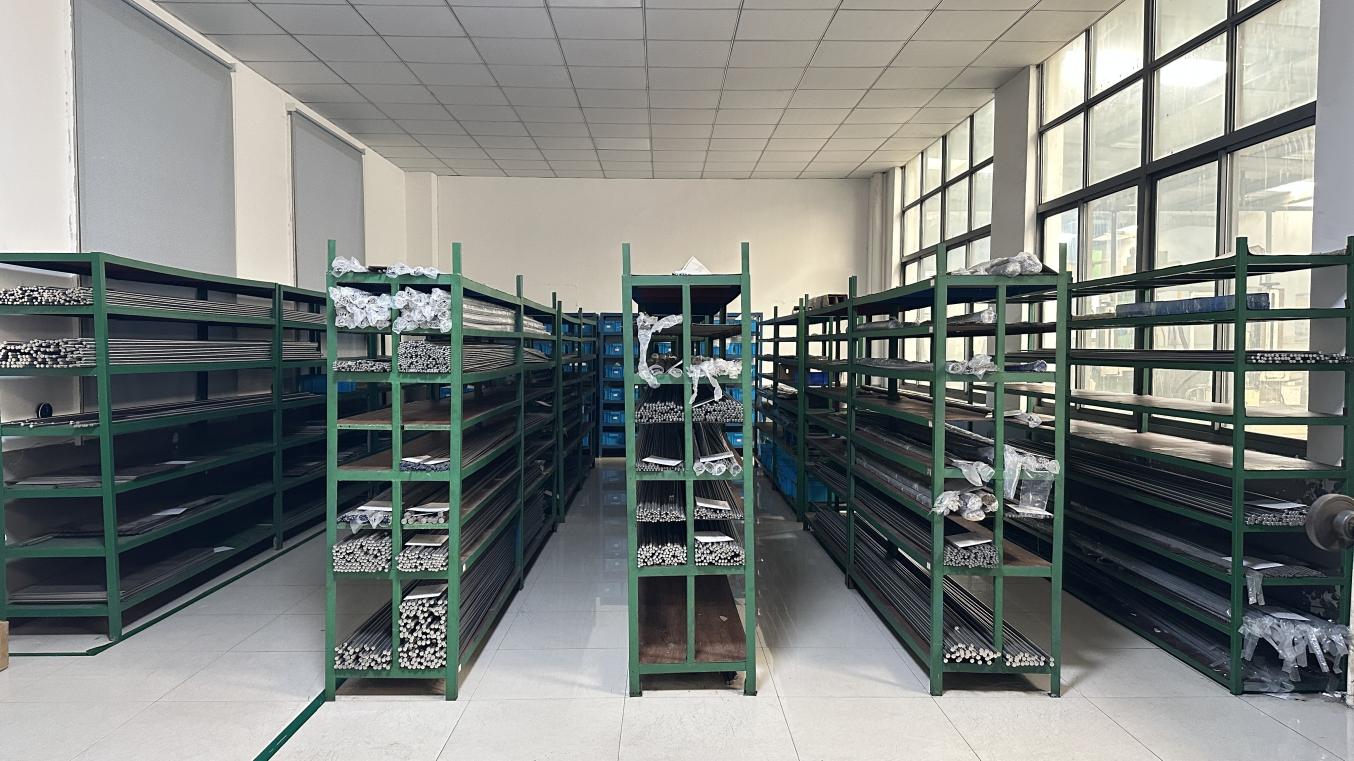
Raw Materials Sourcing
Precision Slitting
Precision Slitting
Advanced CNC Machining
Intricate Machining Processes
High-Speed Milling
High-Speed Milling
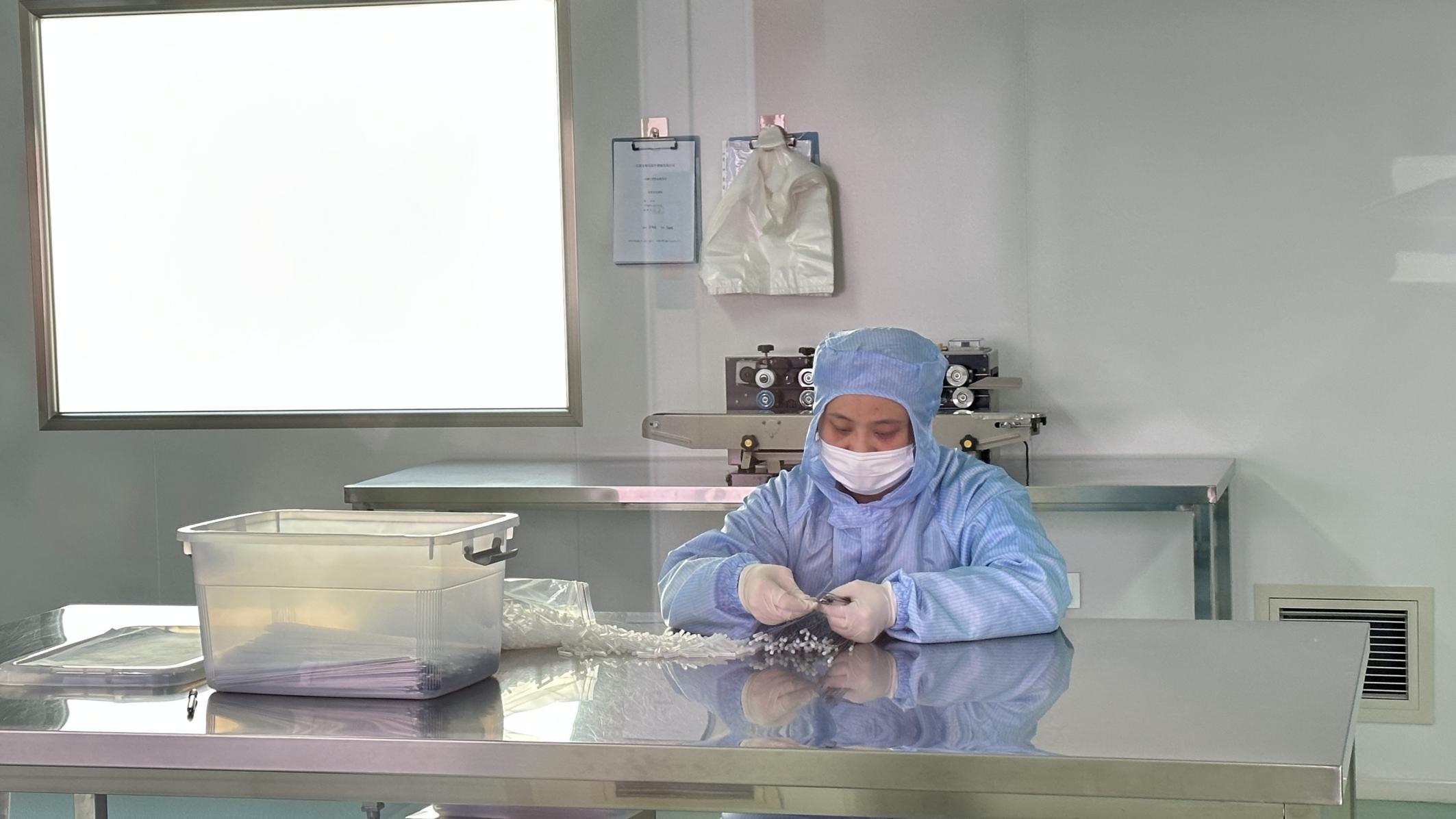
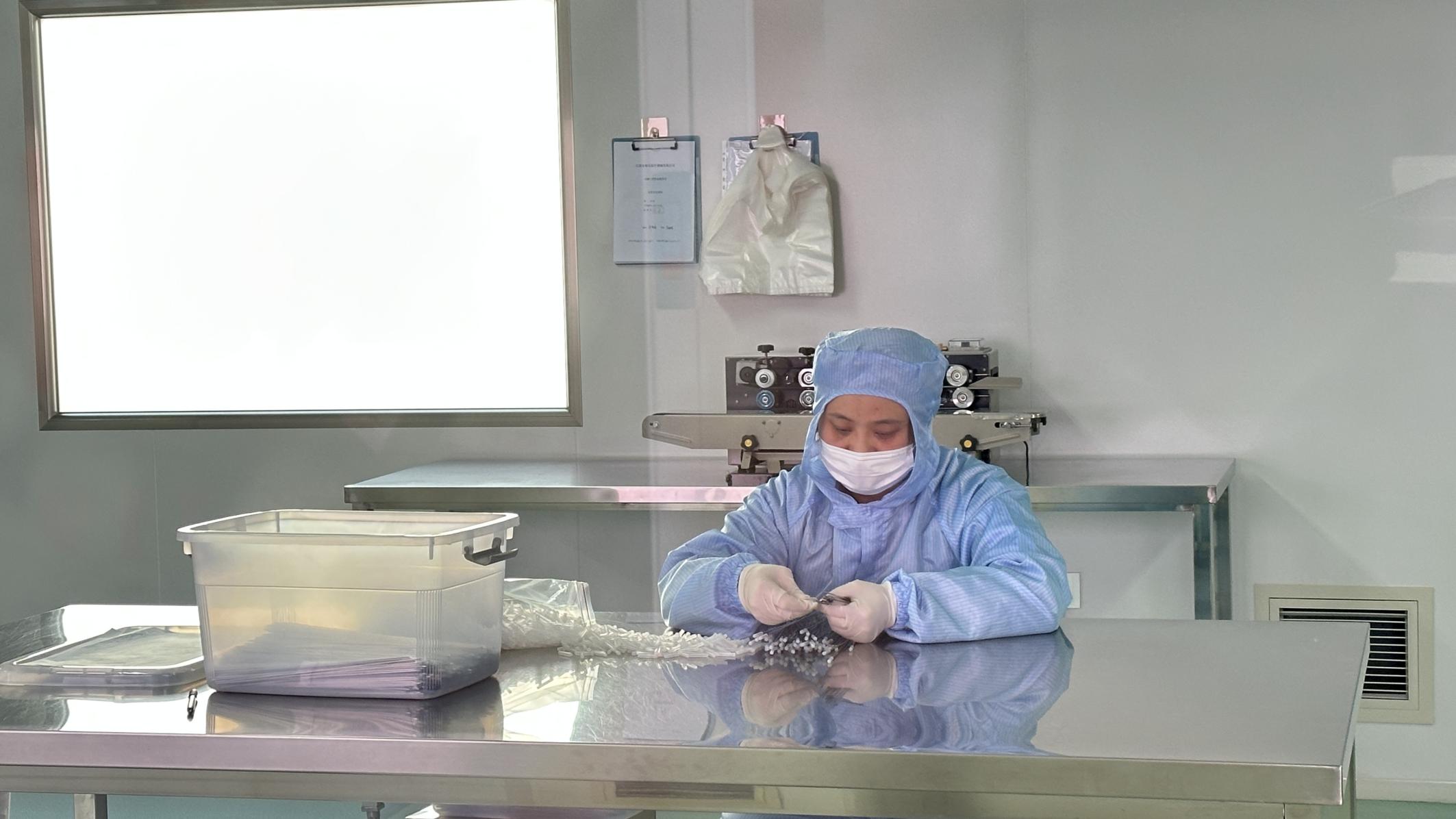
Final Cleanroom Packing
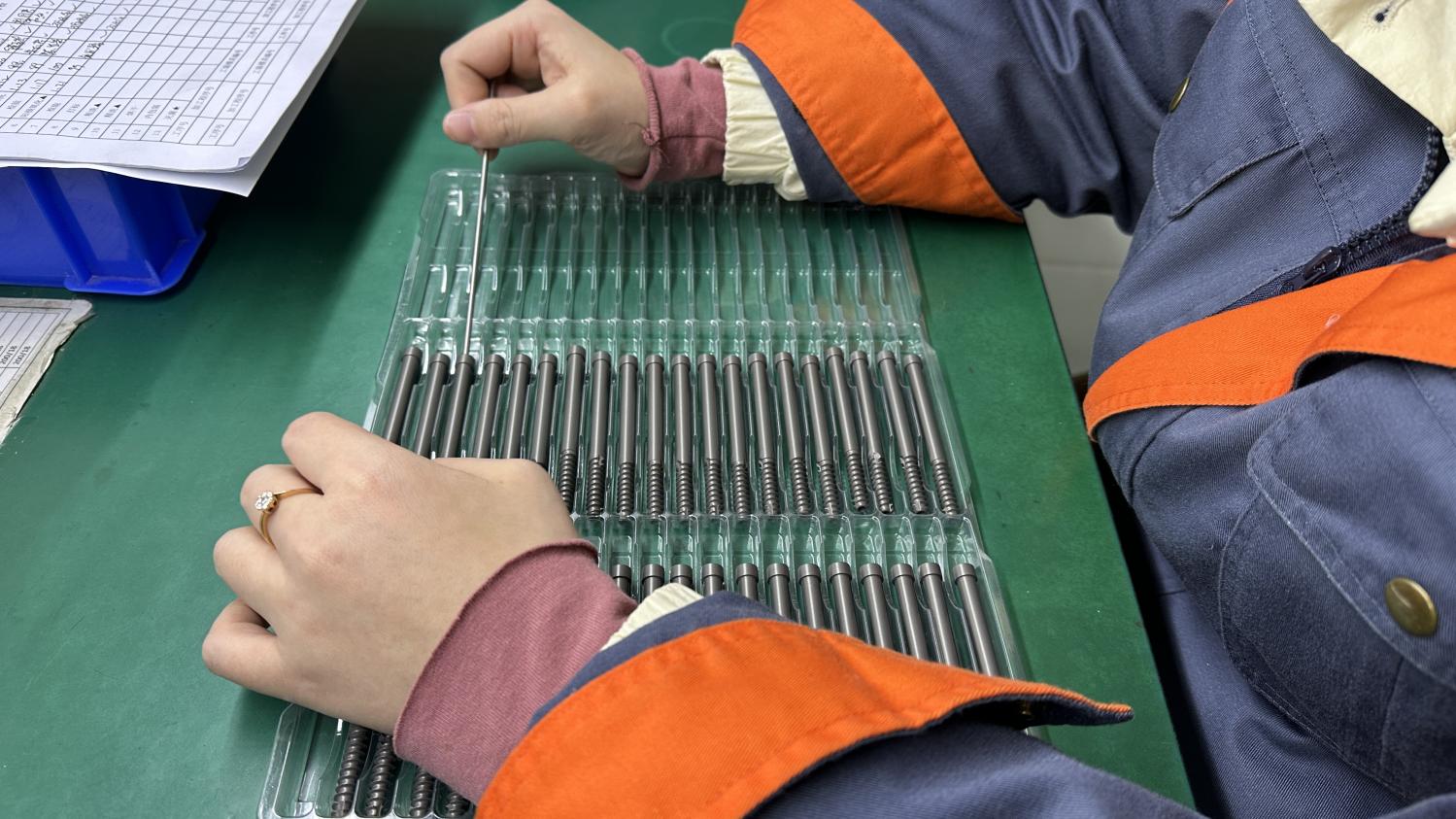
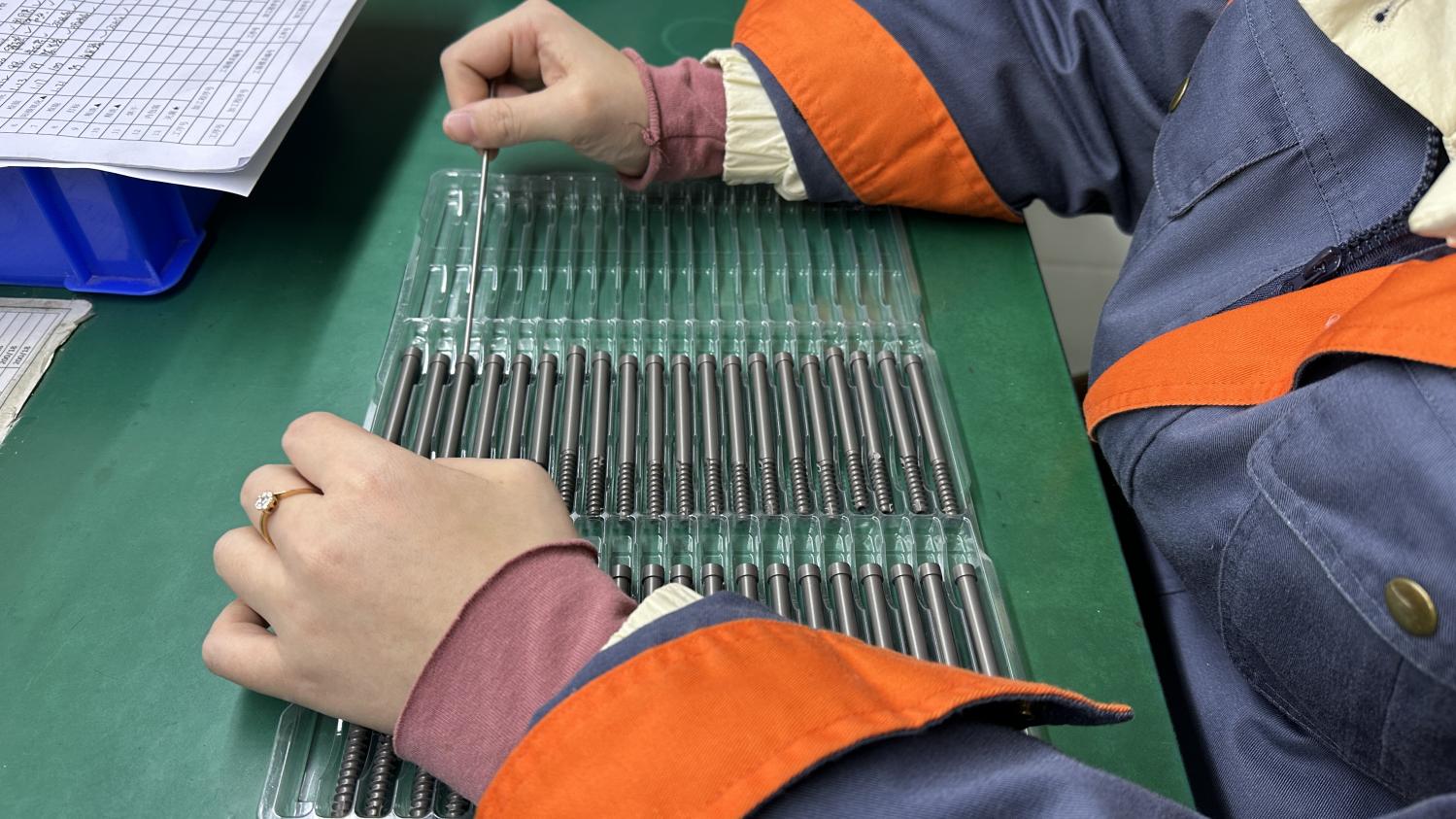
Detailed Visual Inspection
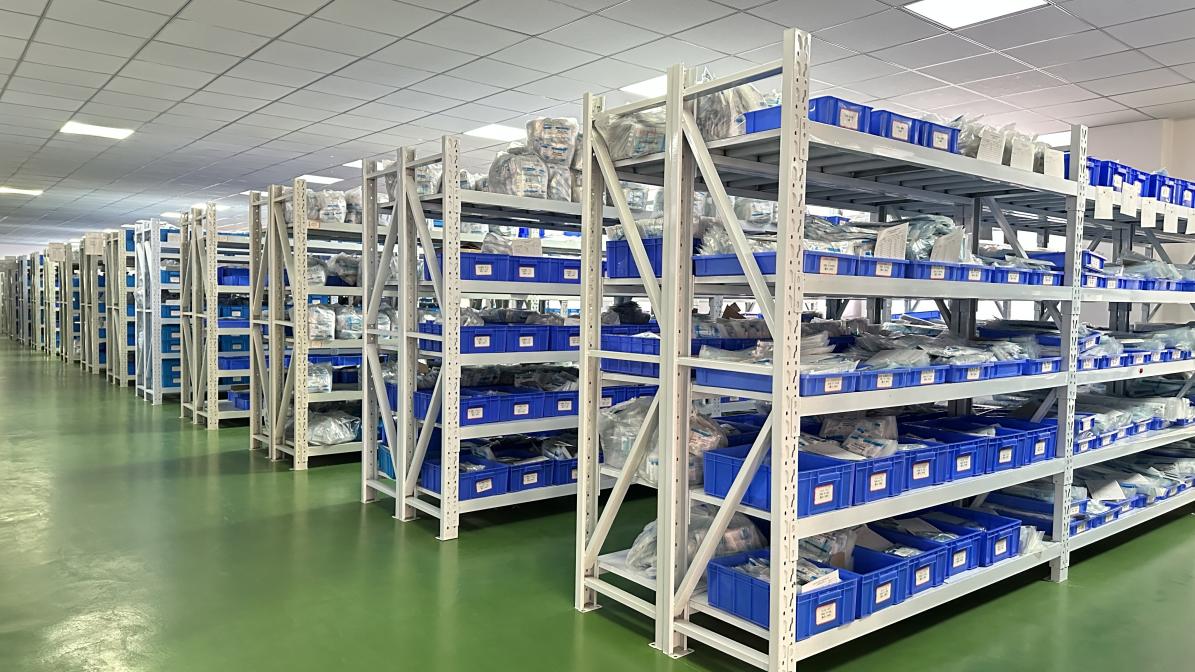
Climate-Controlled Warehouse
Slitting Machine Operation
CNC Machining Center
CNC Milling Machine
CNC Milling Machine
Precision Wire Cutting Machine
CNC Lathe Manufacturing
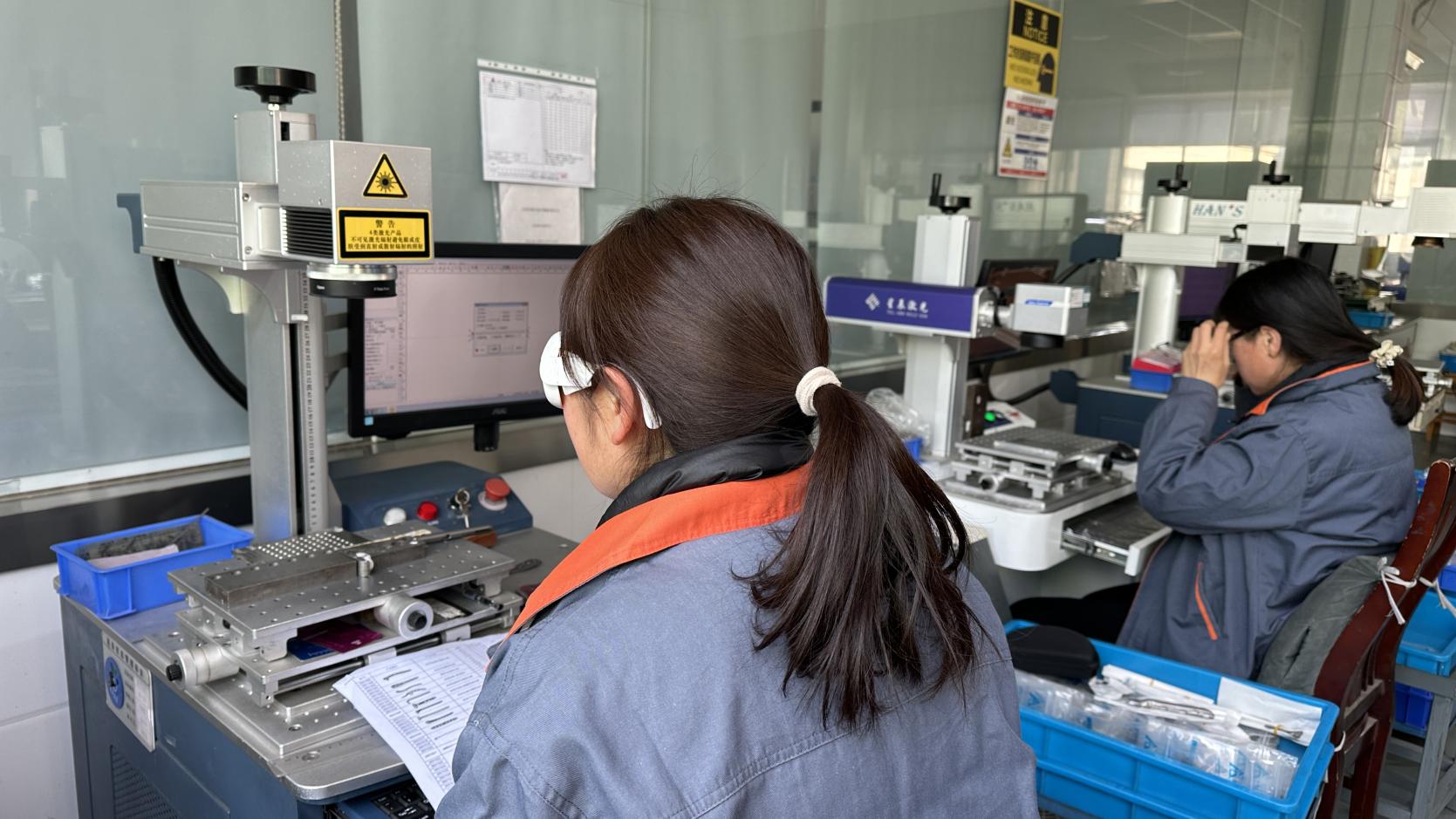
Laser Marking Machine
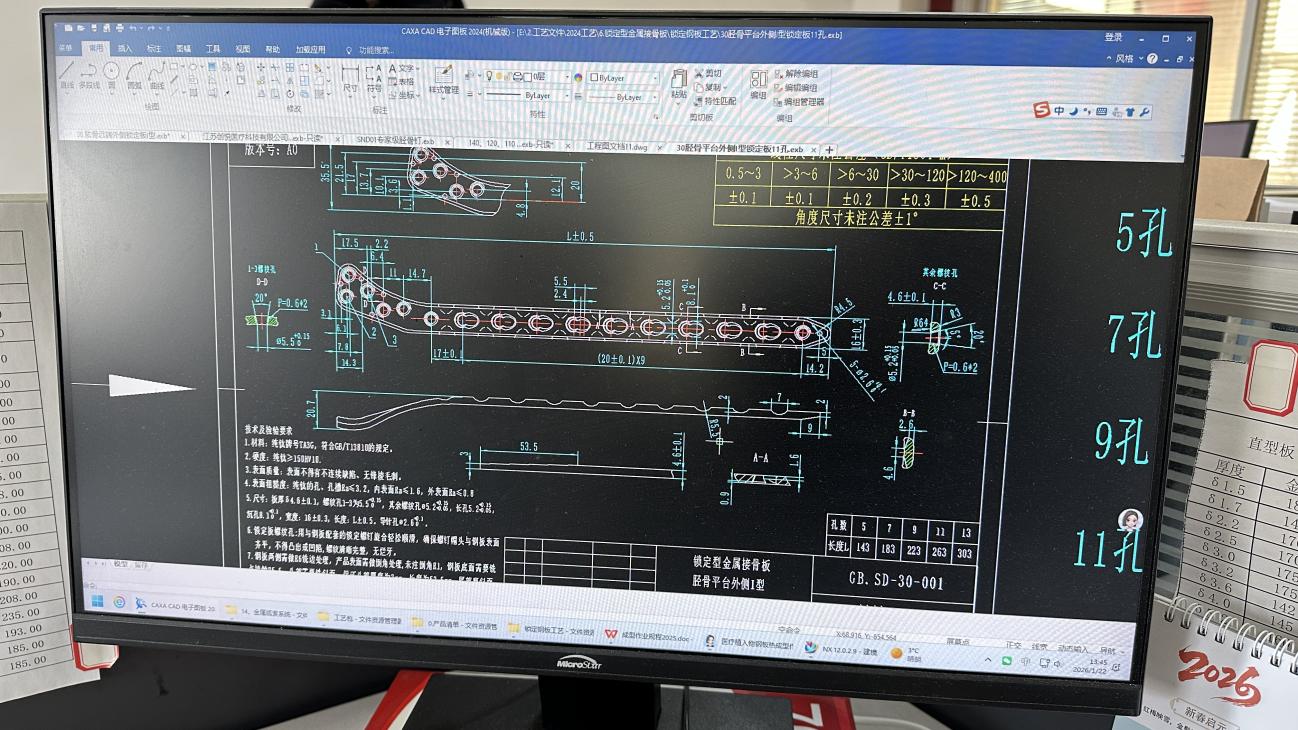
CAD/CAM Implant Design
Biomechanical Lab R&D
Strict Inspection Standards
Finished Product Quality Check
Dynamic Fatigue Tester
Tensile Strength Tester
Two Dimensional Measurement
Hardness Tester Verification
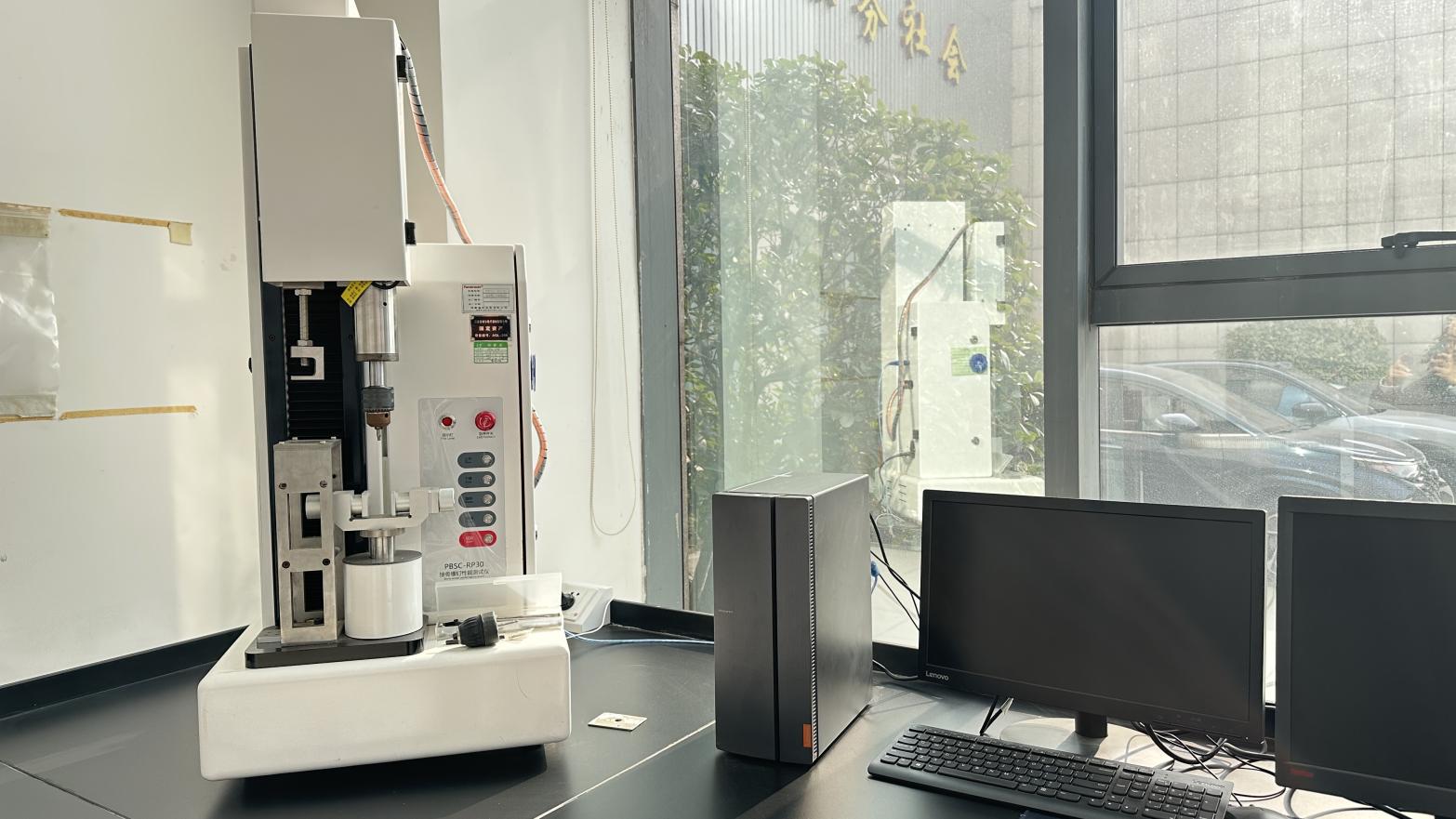
Bone Screw Performance Tester

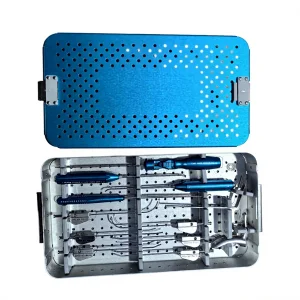
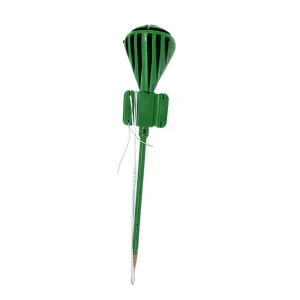
Complete Sports Medicine & Trauma Implant Catalog

Explore our full line of surgical tools, suture anchors, and fixation plates engineered for modern joint reconstruction and trauma care.
Frequently Asked Questions

Answers to common inquiries regarding regulatory registrations, quality testing, and procurement partnerships in Peru.

1. What credentials are required to import Virelox implants into Peru?
To import medical devices into Peru, the local importer must hold an importer registry certificate issued by DIGEMID. The products themselves must be registered, which requires a Certificate of Free Sale (CFS), ISO 13485 Quality Certificate, and comprehensive technical files. Virelox provides all necessary documents to streamline this process.
2. What is the typical lead time for custom OEM or private label orders?
Standard OEM orders are generally manufactured and dispatched within 30 to 45 days. Private label orders requiring modification of implant geometry or custom laser marking may require 60 days, including time for technical review and CAD design confirmation by our engineering team.
3. How does Virelox verify the biomechanical reliability of its suture anchors?
Every batch of suture anchors undergoes dynamic fatigue testing and pull-out strength testing using our specialized Bone Screw Performance Tester. We verify that pull-out forces meet or exceed international ASTM and ISO standards for bone anchors.
4. Are the sterile sutures and anchors pre-sterilized, and what is their shelf life?
Yes, all Class IIb and Class III implants, including our PEEK anchors and non-absorbable sutures, are Ethylene Oxide (EO) sterilized and packaged in high-barrier medical packaging. The verified sterile shelf life is typically 3 to 5 years, depending on the product material.
5. Does Virelox support tenders for the Peruvian public health system (EsSalud / SIS)?
Yes, we work closely with local Peruvian distributors by offering competitive pricing structures, long-term price stability guarantees, and complete regulatory files. This support helps our partners qualify for and win high-volume public tenders.