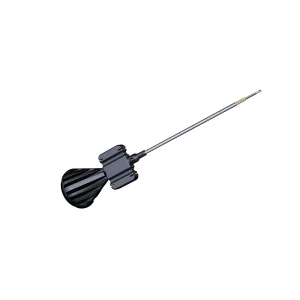
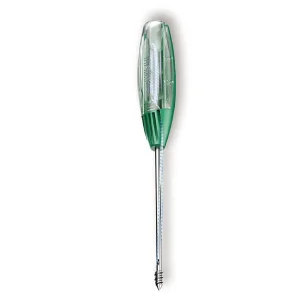
Engineered with bio-compatible Titanium and PEEK components to support rapid joint recovery and precise clinical fixation.
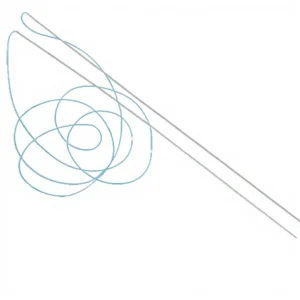
The global sports medicine market is undergoing a structural transition. Sourcing managers and medical device distributors are looking beyond traditional manufacturing zones to geographic points that offer a balanced combination of regulatory alignment (MDR compliance), biomechanical precision, and efficient logistical chains. Turkey has established itself as an essential actor in this sector, leveraging its strong metallurgical history, sophisticated cleanroom production standards, and proximity to European, Middle Eastern, and North African markets.
By producing medical devices in Turkey, clinical-grade material standards such as titanium alloys (Ti6Al4V ELI) and Polyether ether ketone (PEEK) are fabricated using advanced Swiss-type CNC centers and automated milling structures. This technological foundation allows manufacturers like Virelox Medical Devices Co., Ltd. to meet international regulatory standards and maintain consistent biomechanical tolerances, ensuring that knee, shoulder, and extremities repair systems function correctly during arthroscopic surgery.
European clinical groups and global distributors benefit from Turkey’s integration within the European Customs Union. This relationship ensures that quality management protocols align with ISO 13485 and the European Union’s Medical Device Regulation (MDR 2017/745). This alignment reduces the regulatory hurdles that often arise when sourcing class II and class III medical devices from non-MDR certified regions.
Additionally, Turkey’s transport infrastructure allows for rapid delivery. Logistics lanes support short-run custom fabrications (such as OEM/ODM ligament anchor systems) that can be delivered to Western European clinics and distribution centers within days. This speed helps procurement teams minimize warehousing costs while maintaining reliable supply lines.
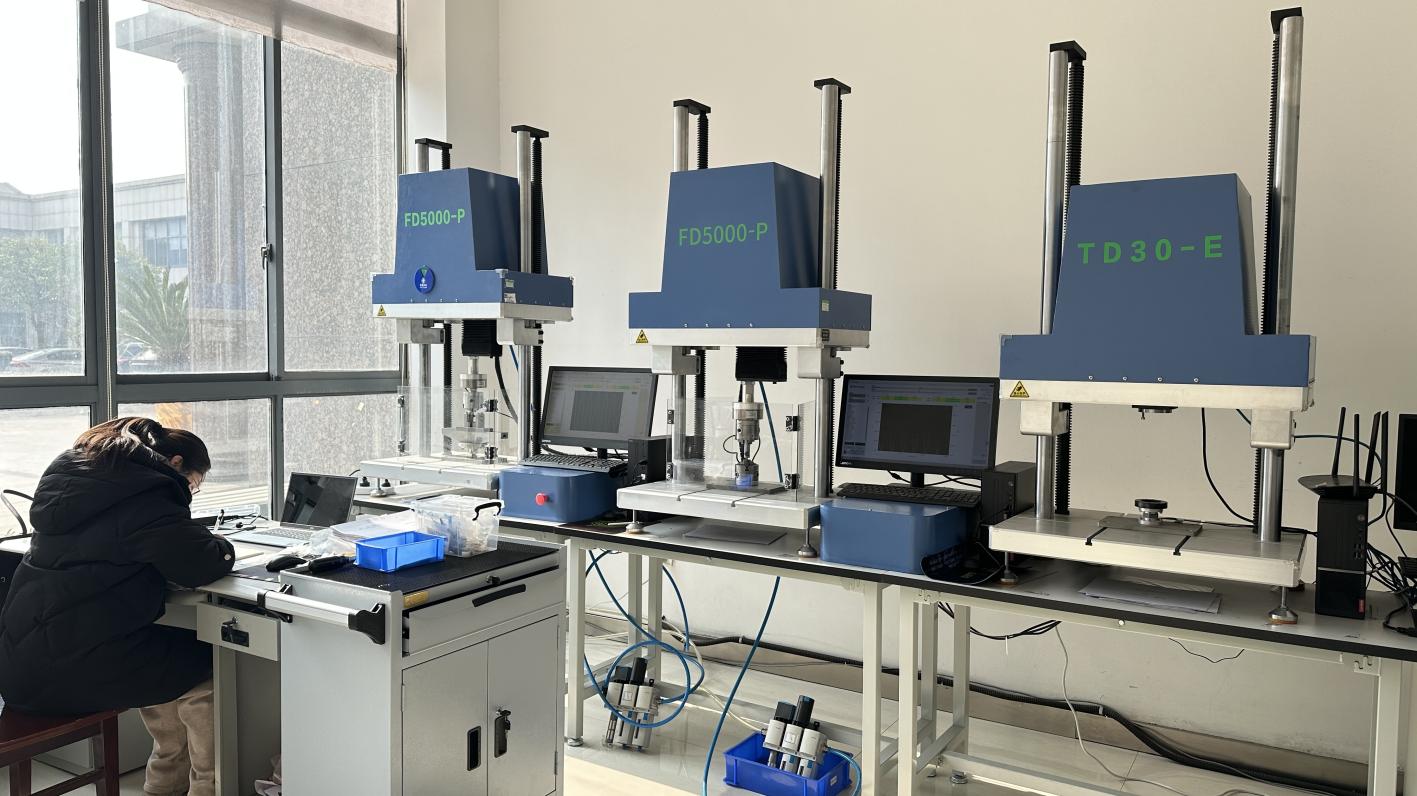
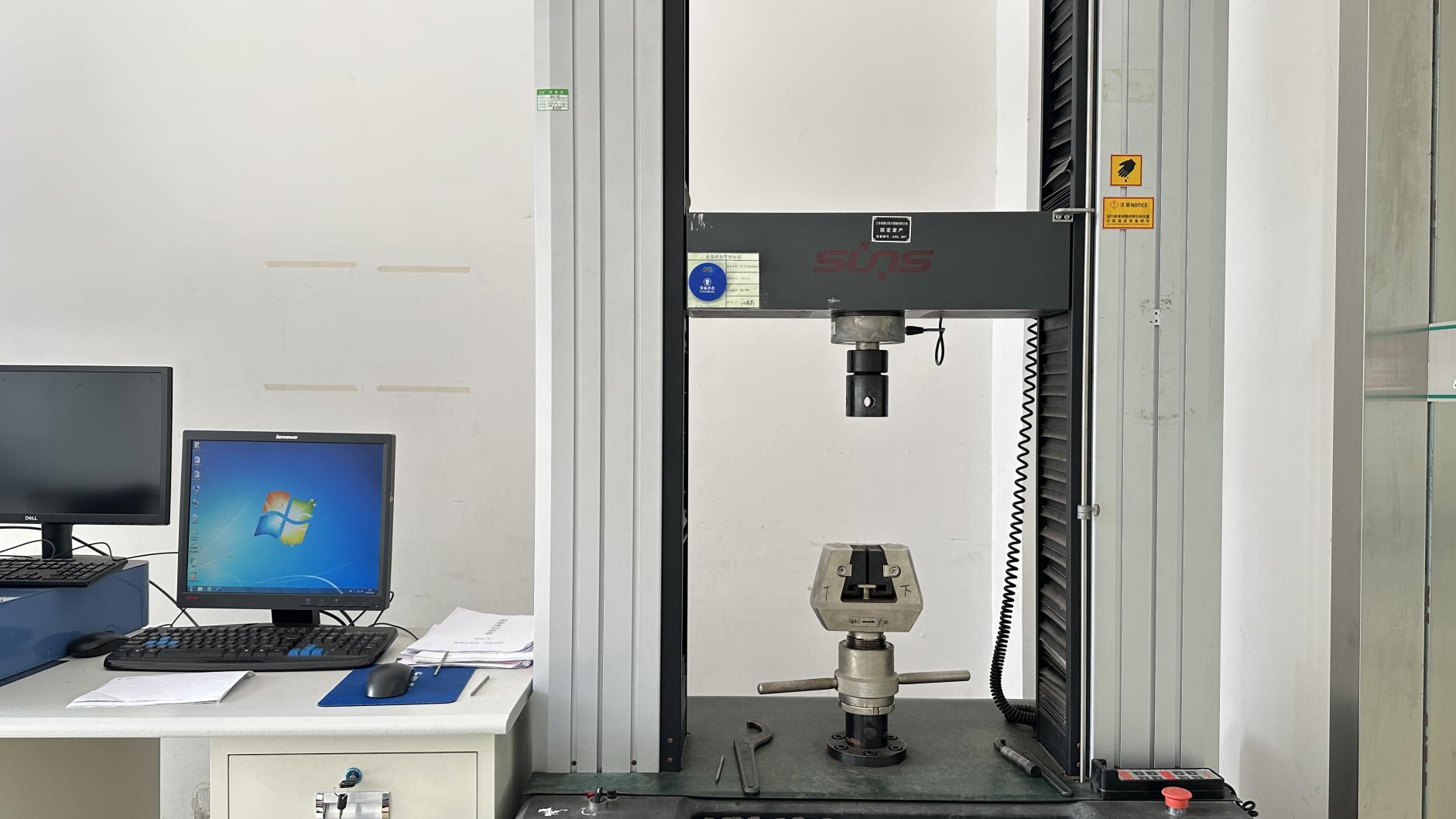
Modern sports medicine demands implants that match the natural biomechanics of human tendons and cortical bone. Our research and development efforts focus on primary fixation stability and preventing tissue micromotion. By simulating bone-screw interfaces and evaluating raw material elasticity, our engineering teams ensure that suture anchors, meniscal repair needles, and fixation buttons resist migration under physiological stress. This clinical verification process helps minimize revision surgeries and supports patient recovery protocols.
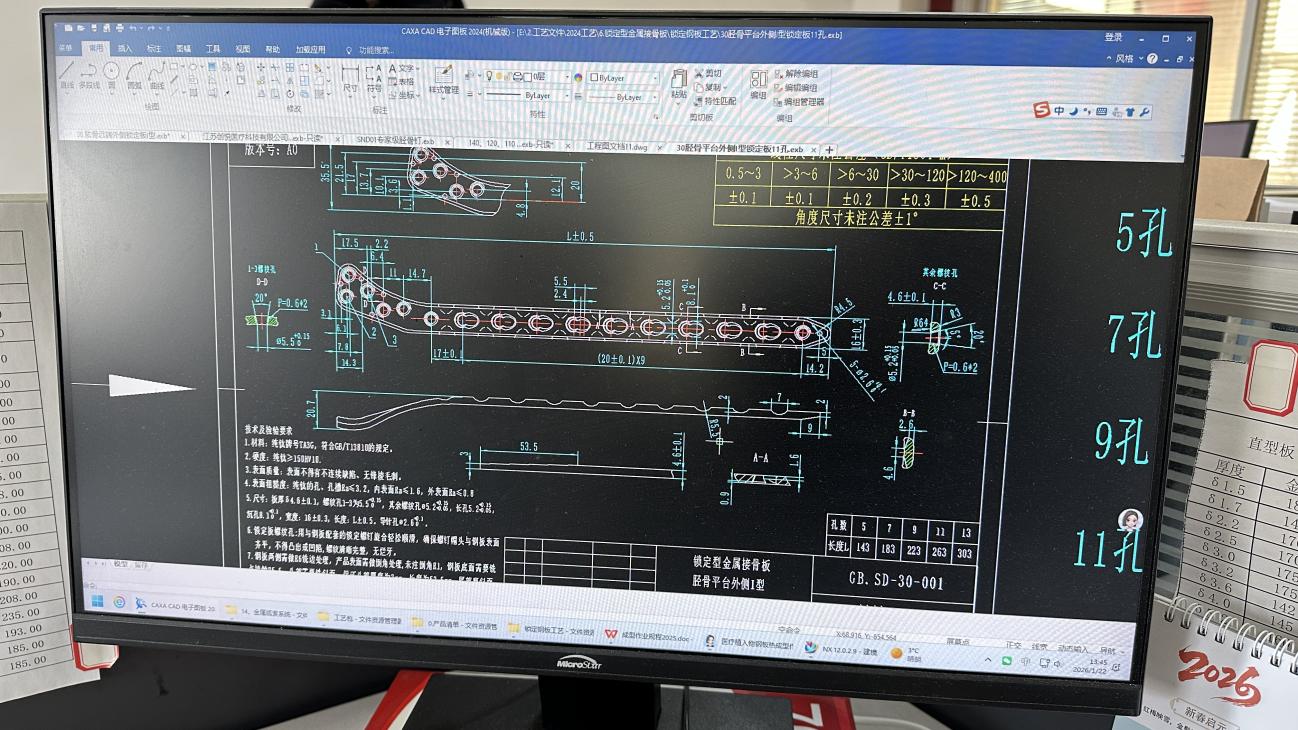
From metallurgical verification to cleanroom validation, our operations follow strict quality control protocols.
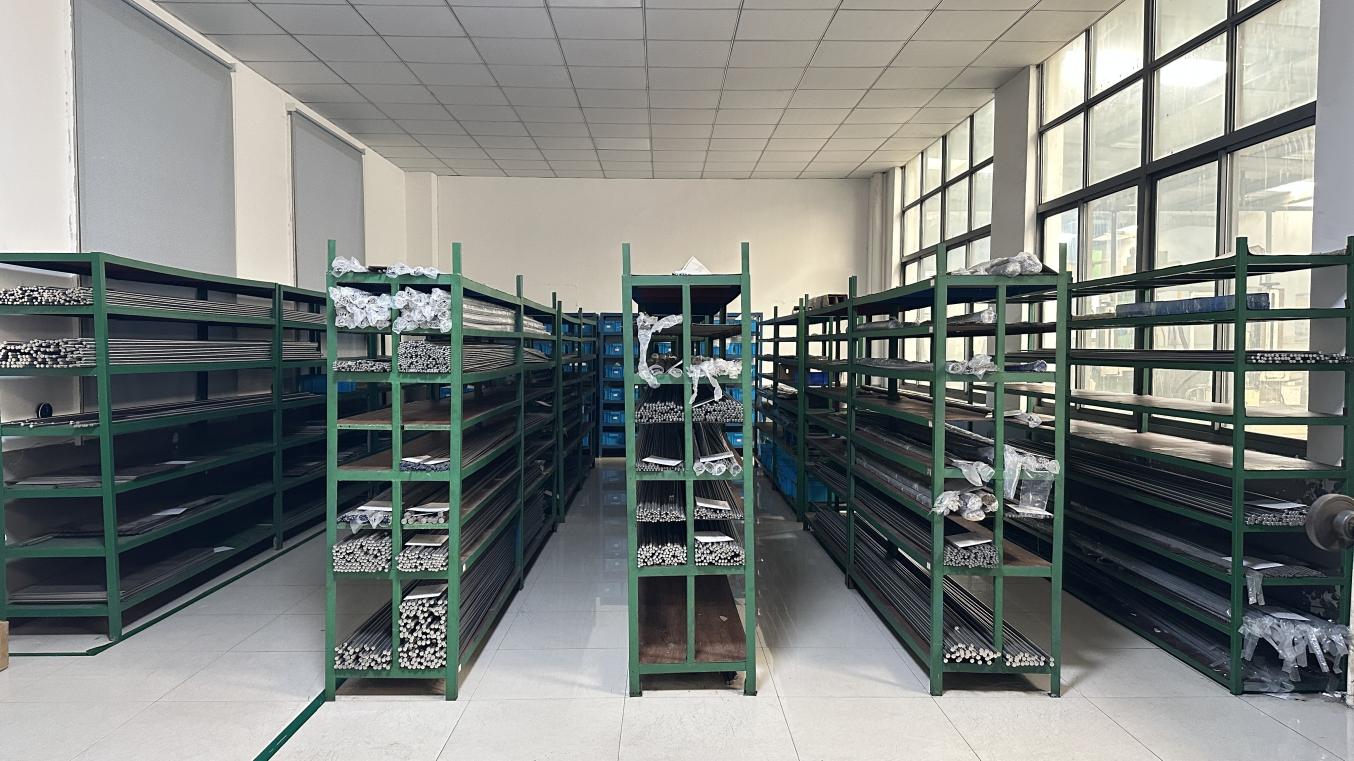
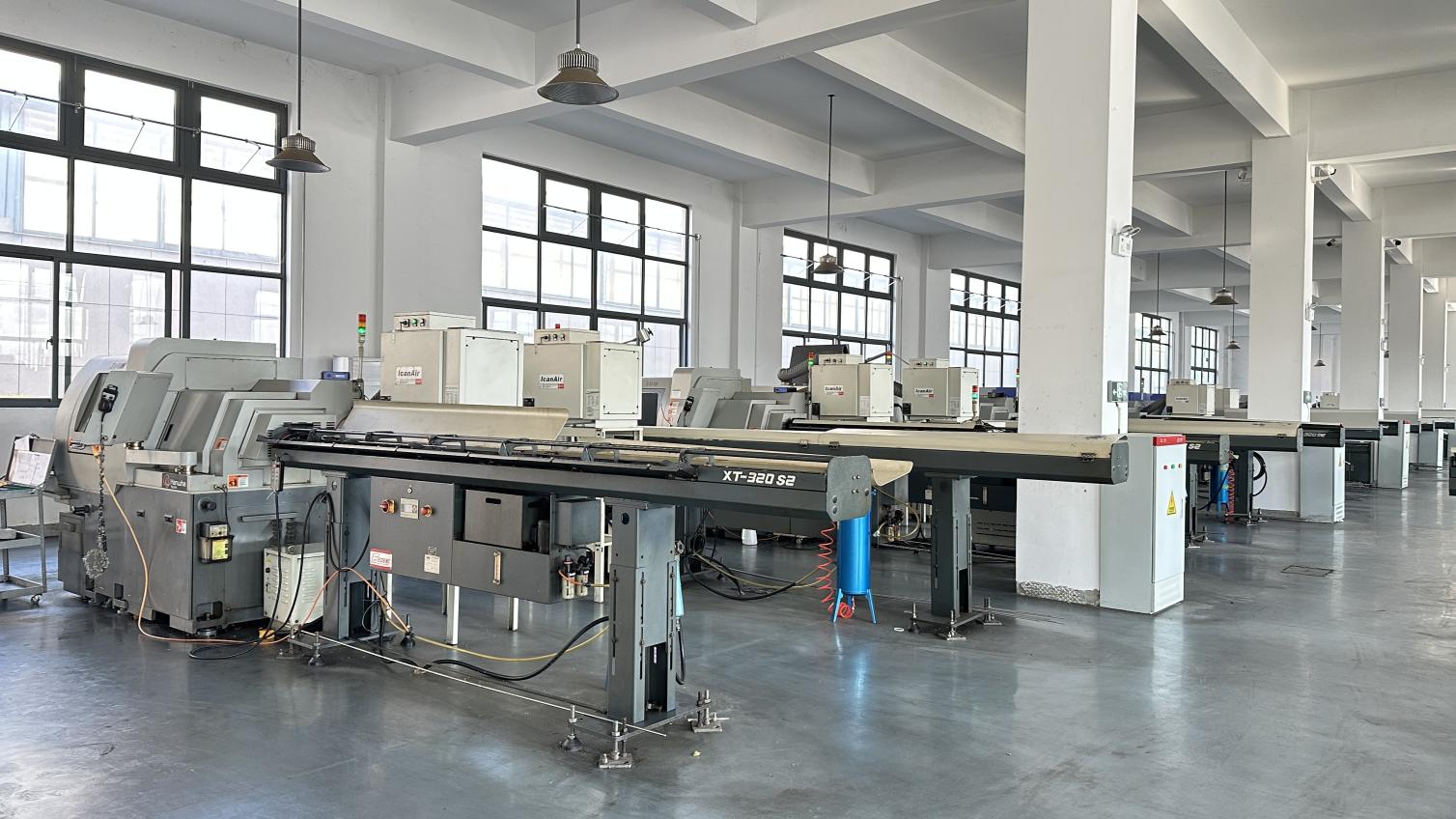
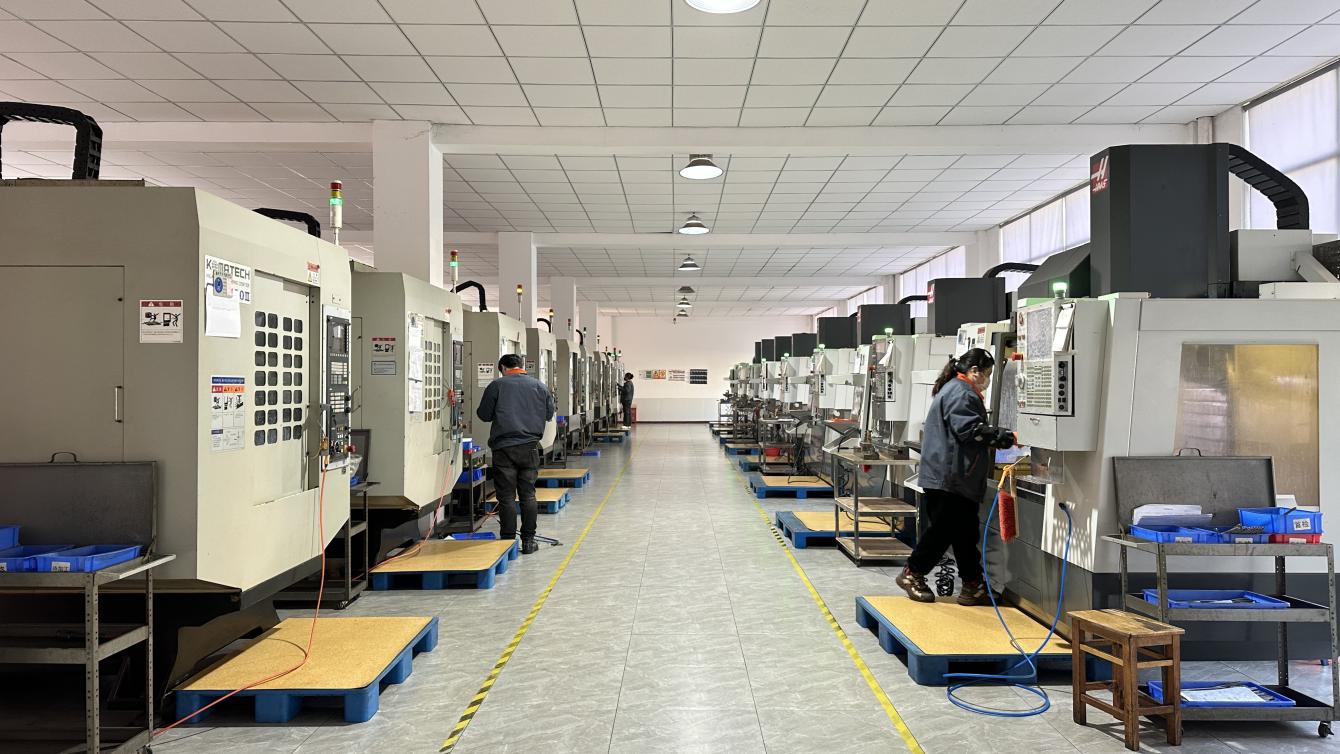
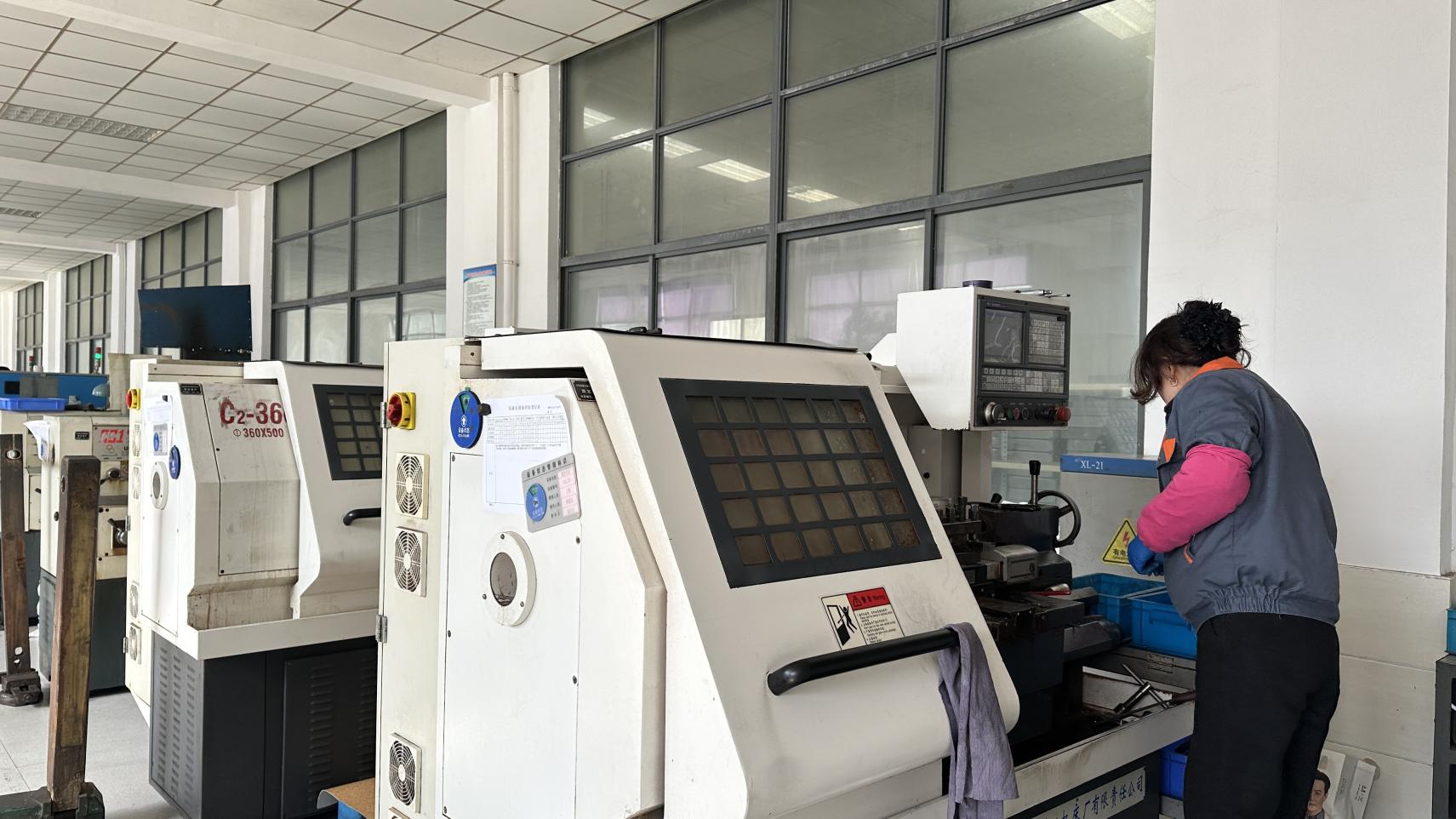
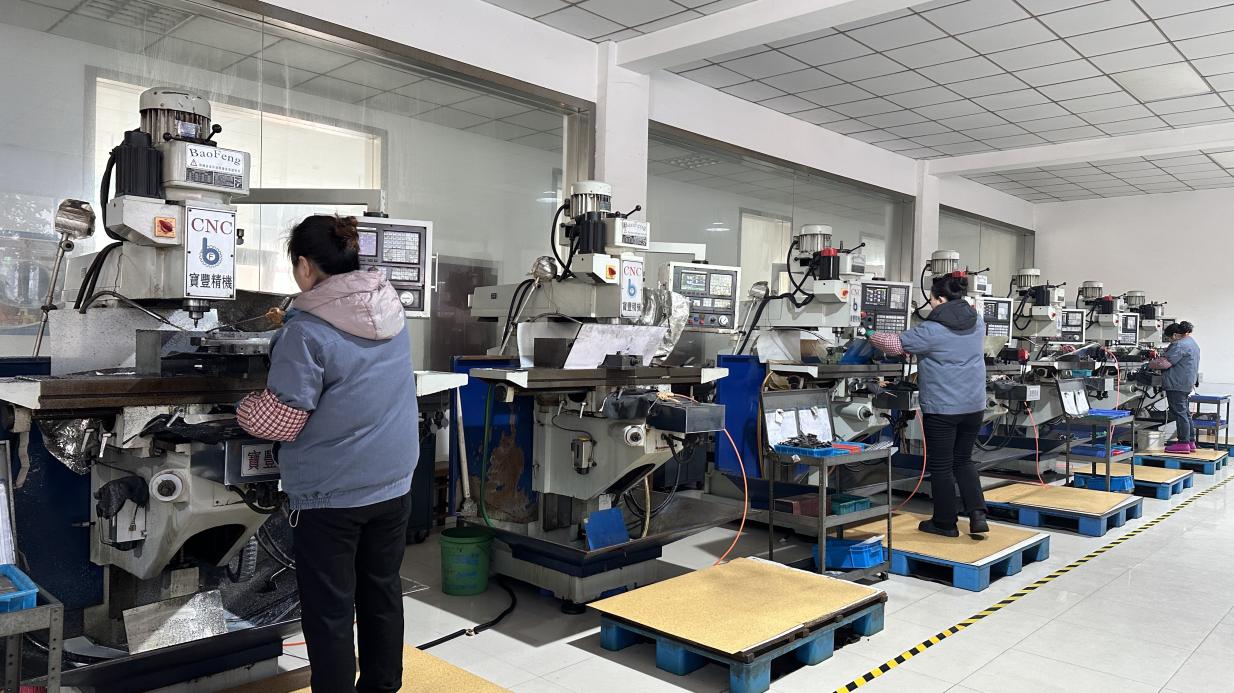
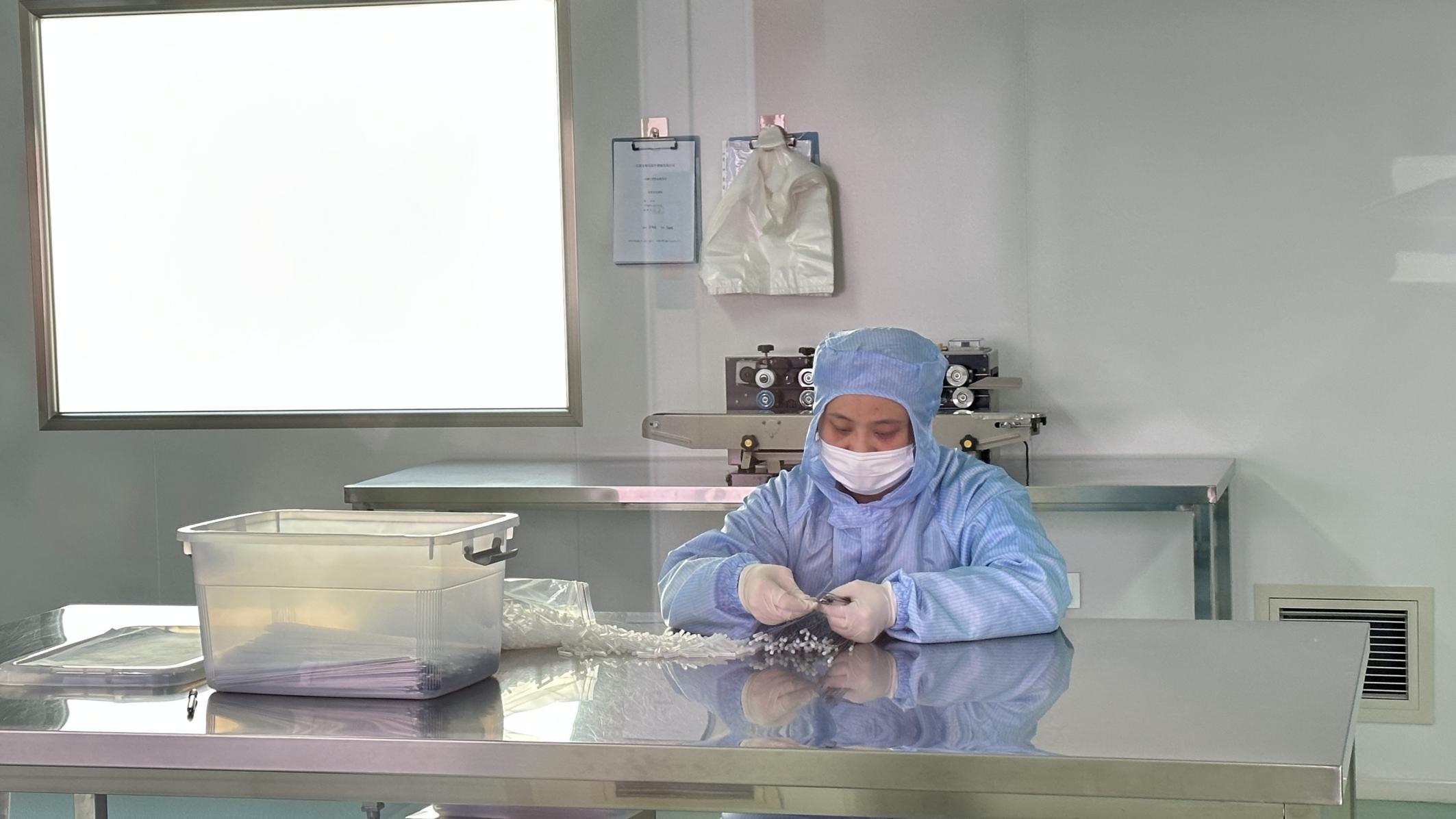
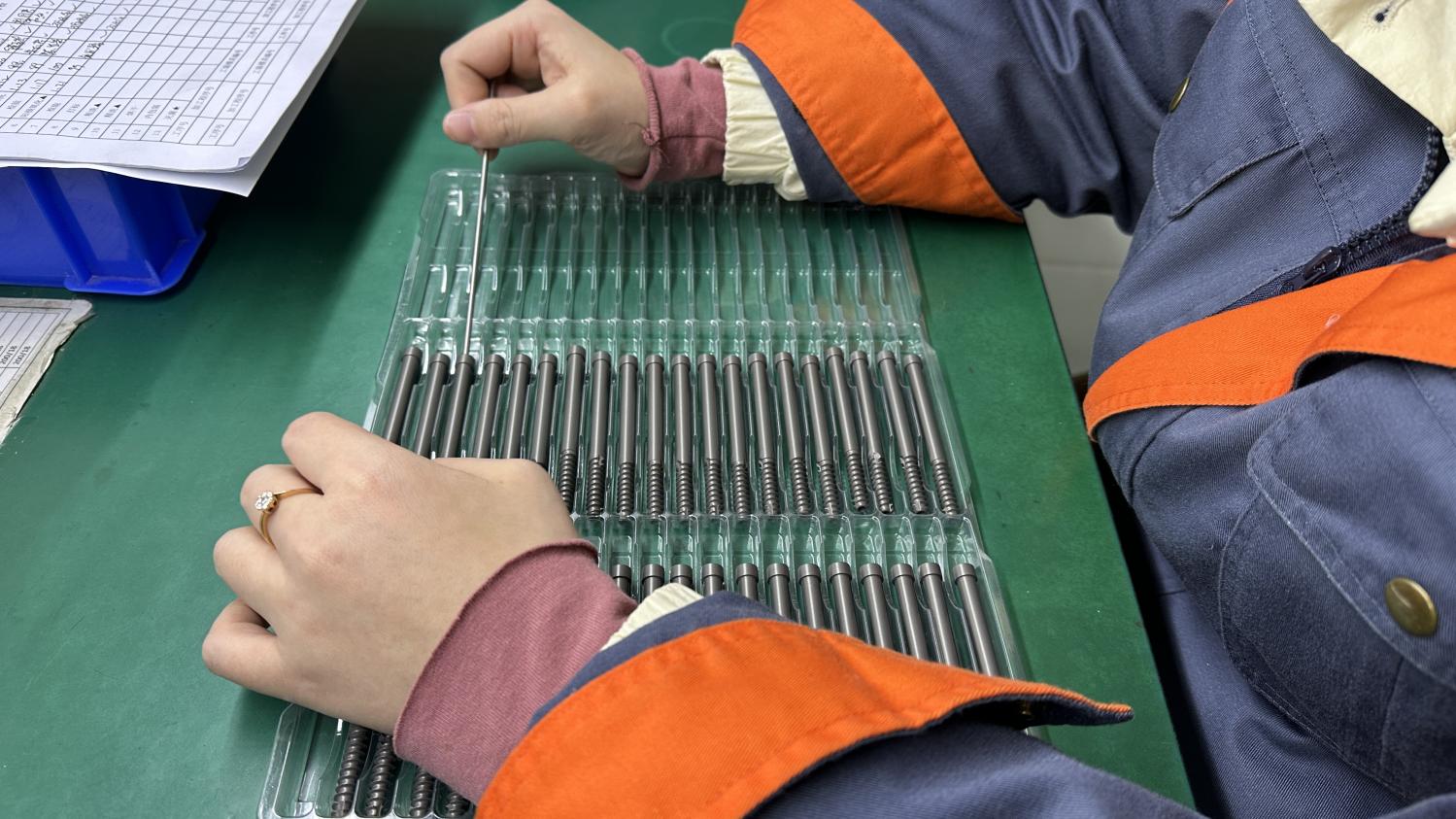
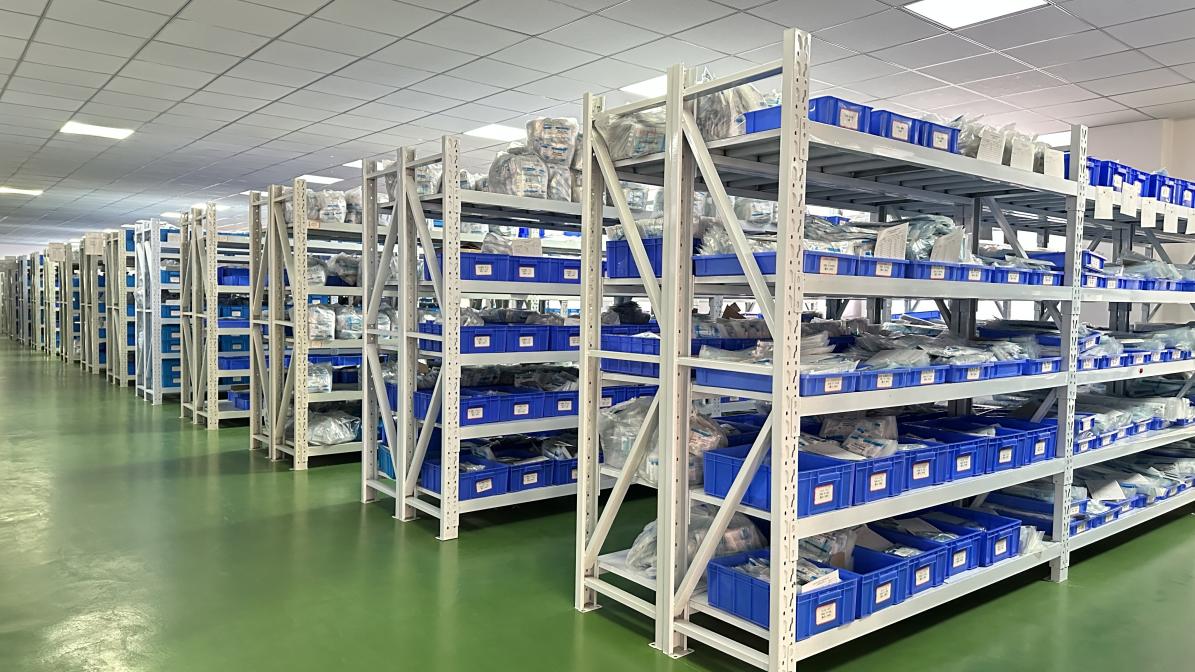
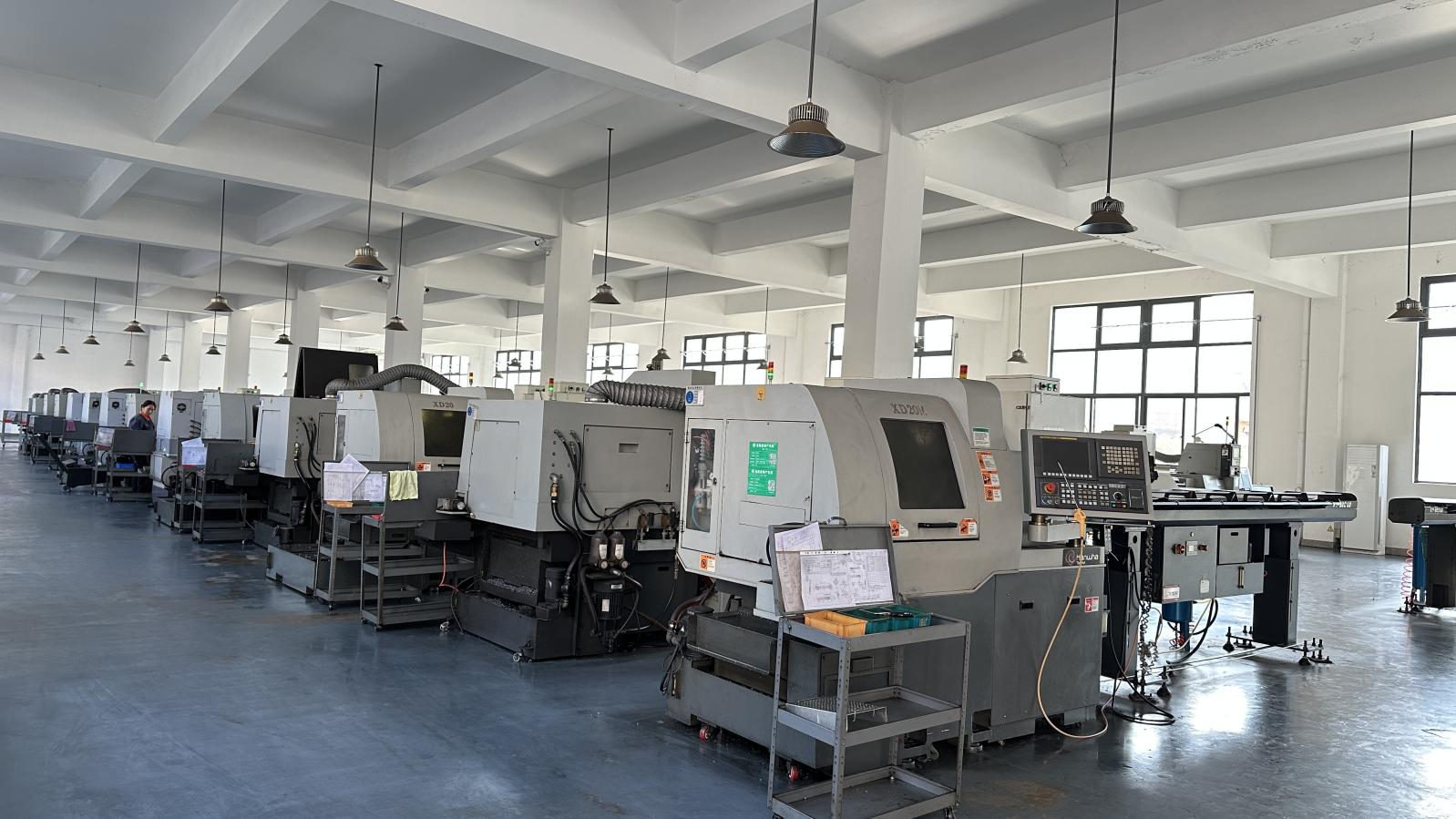
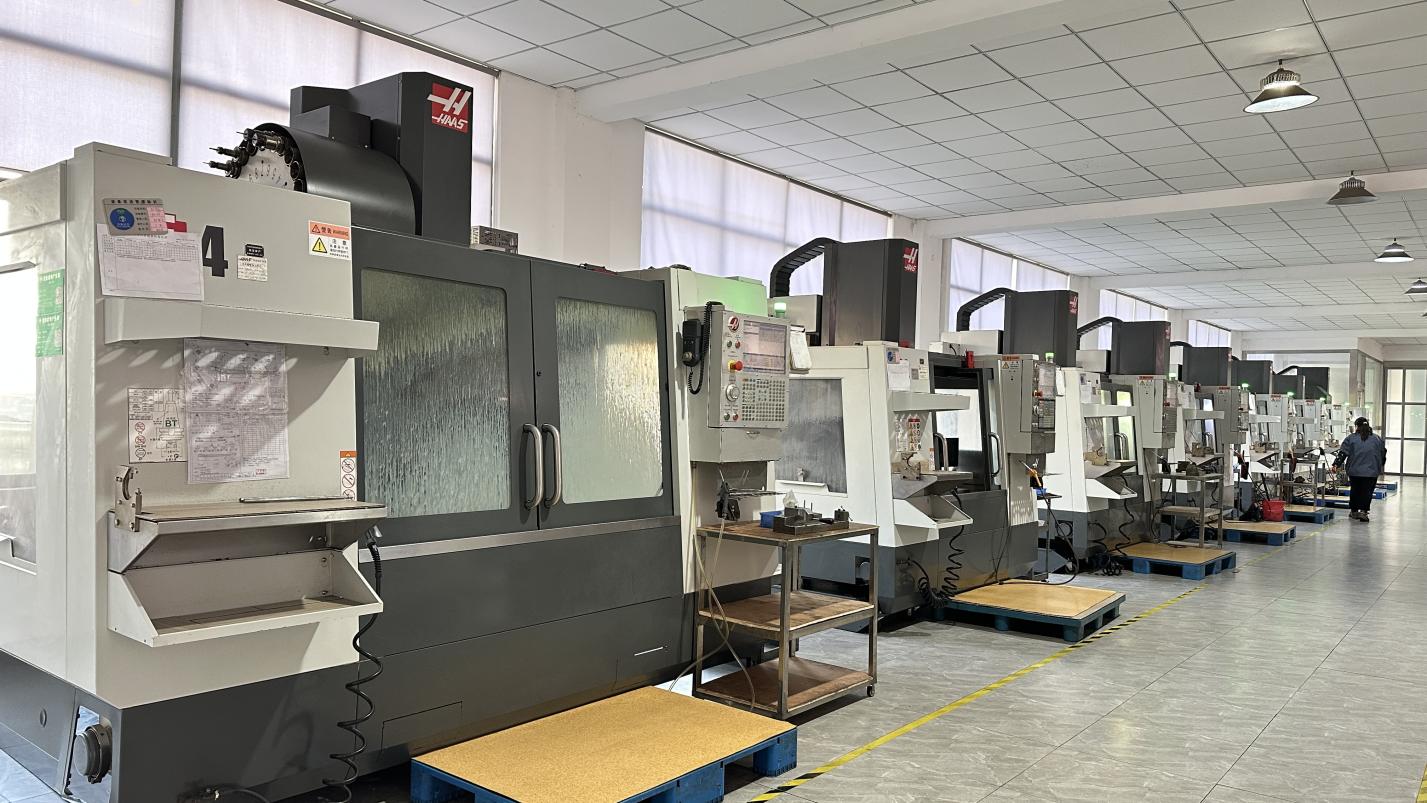
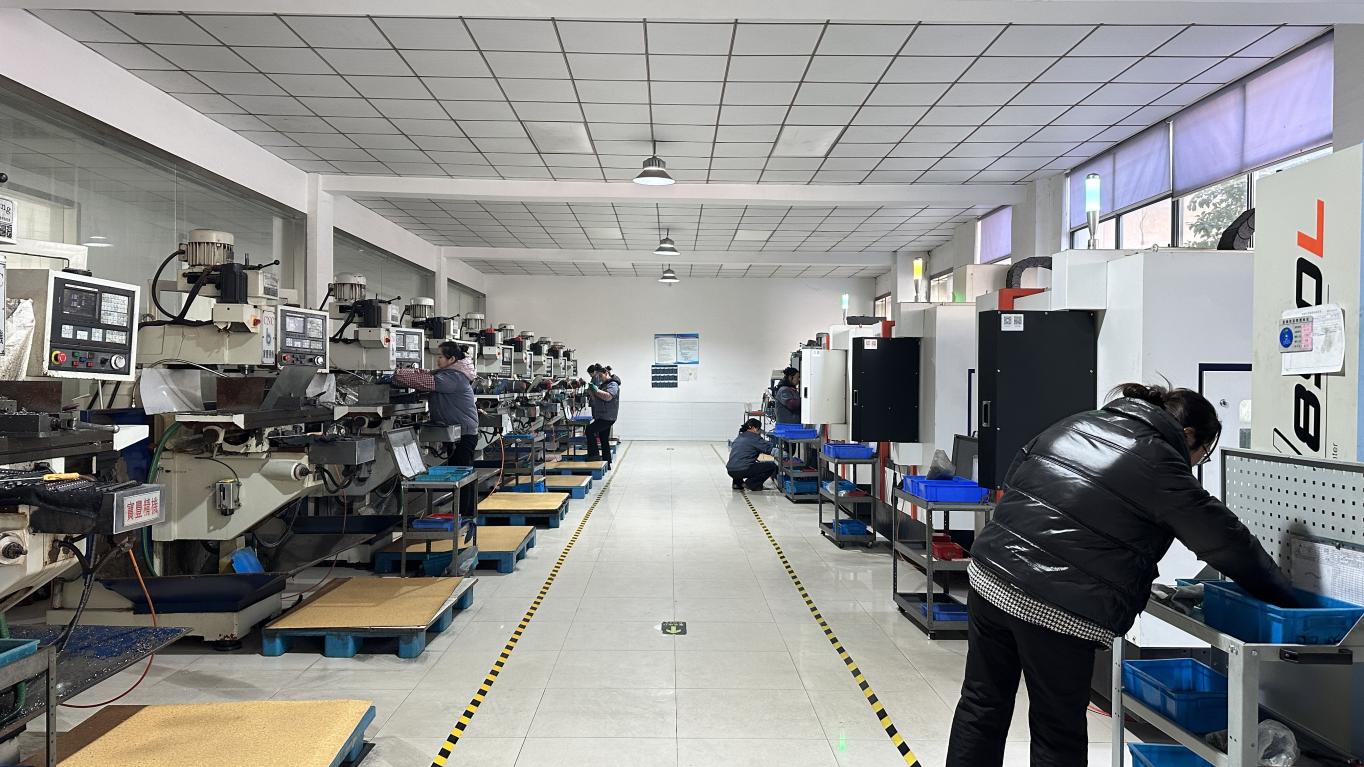
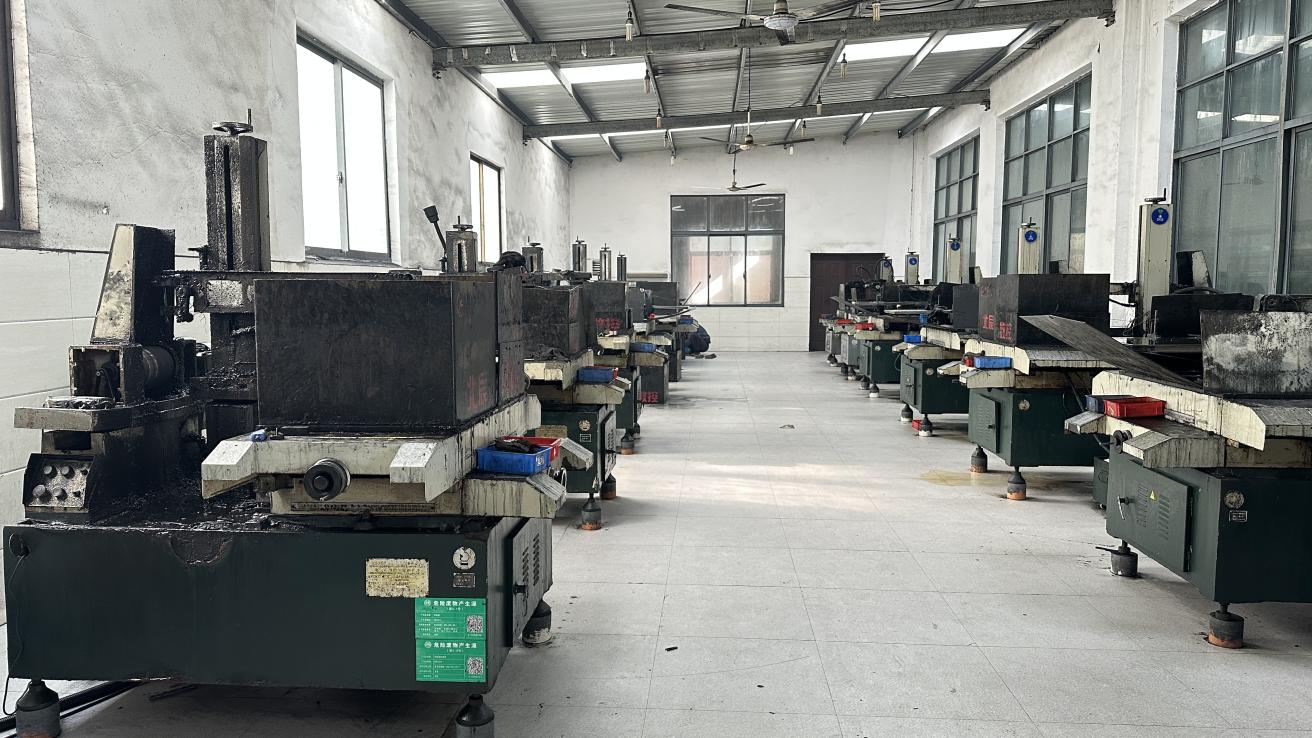
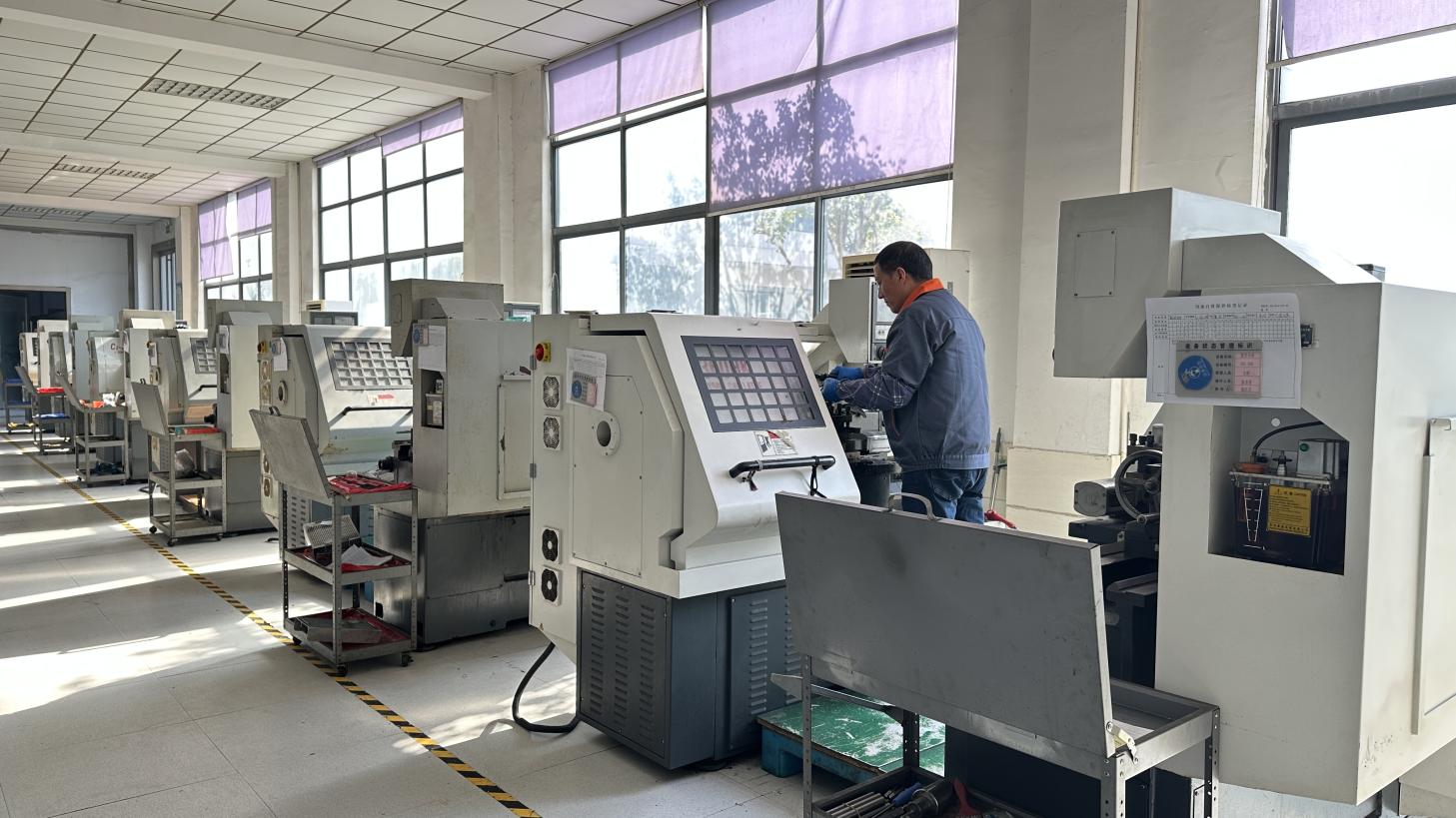
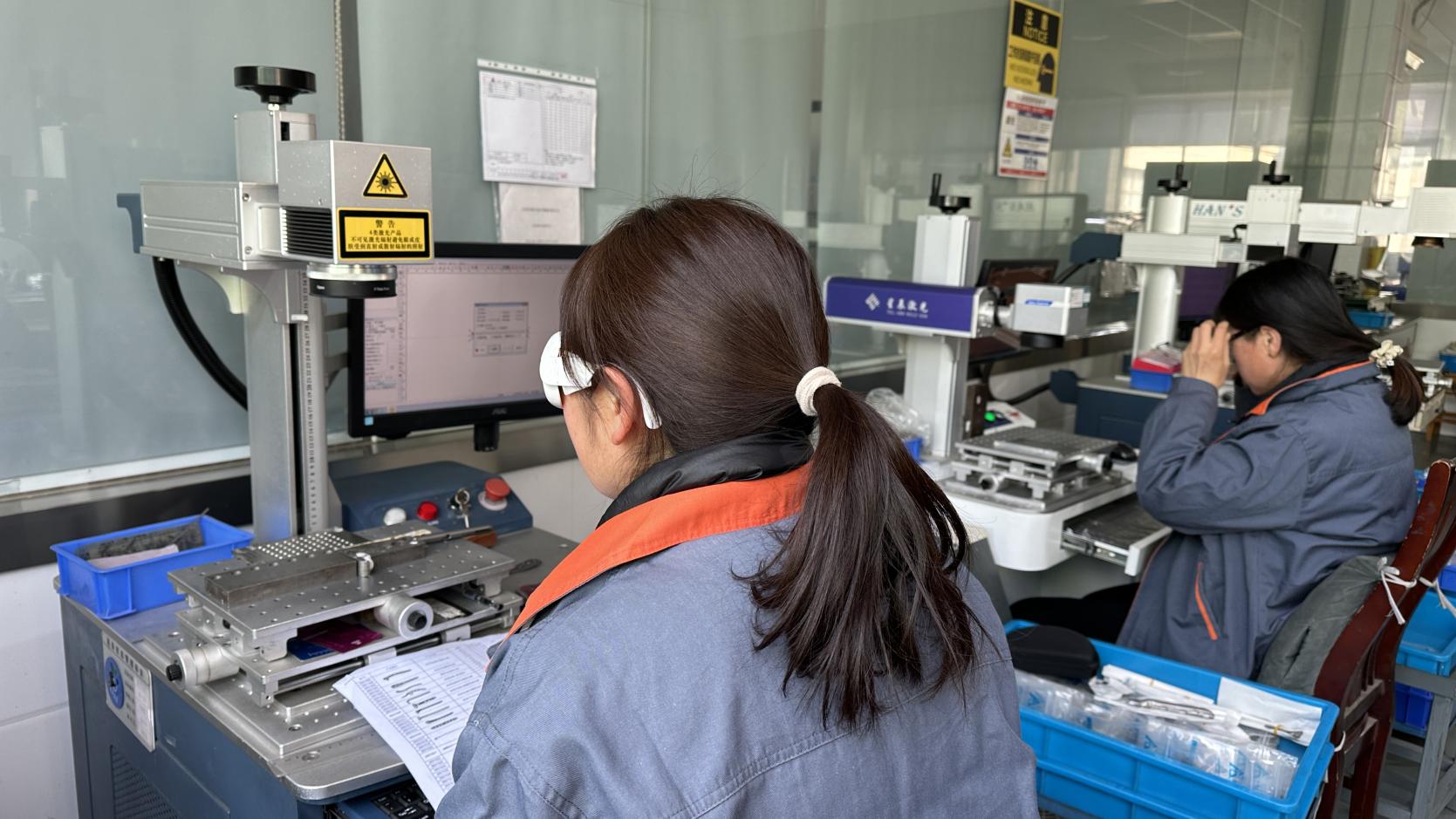
Testing implants for wear resistance, pull-out forces, and dimensional consistency to ensure patient safety.

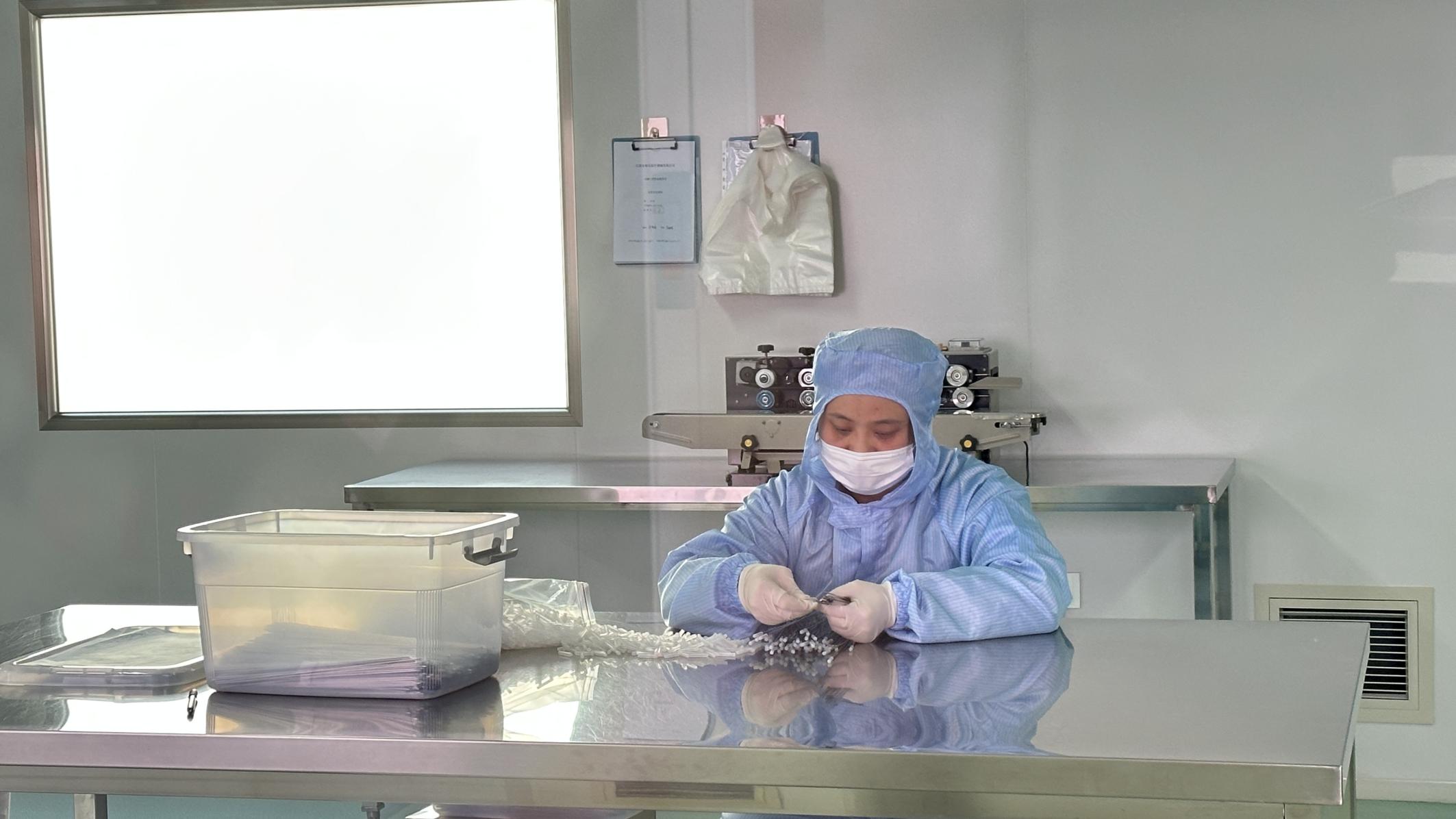
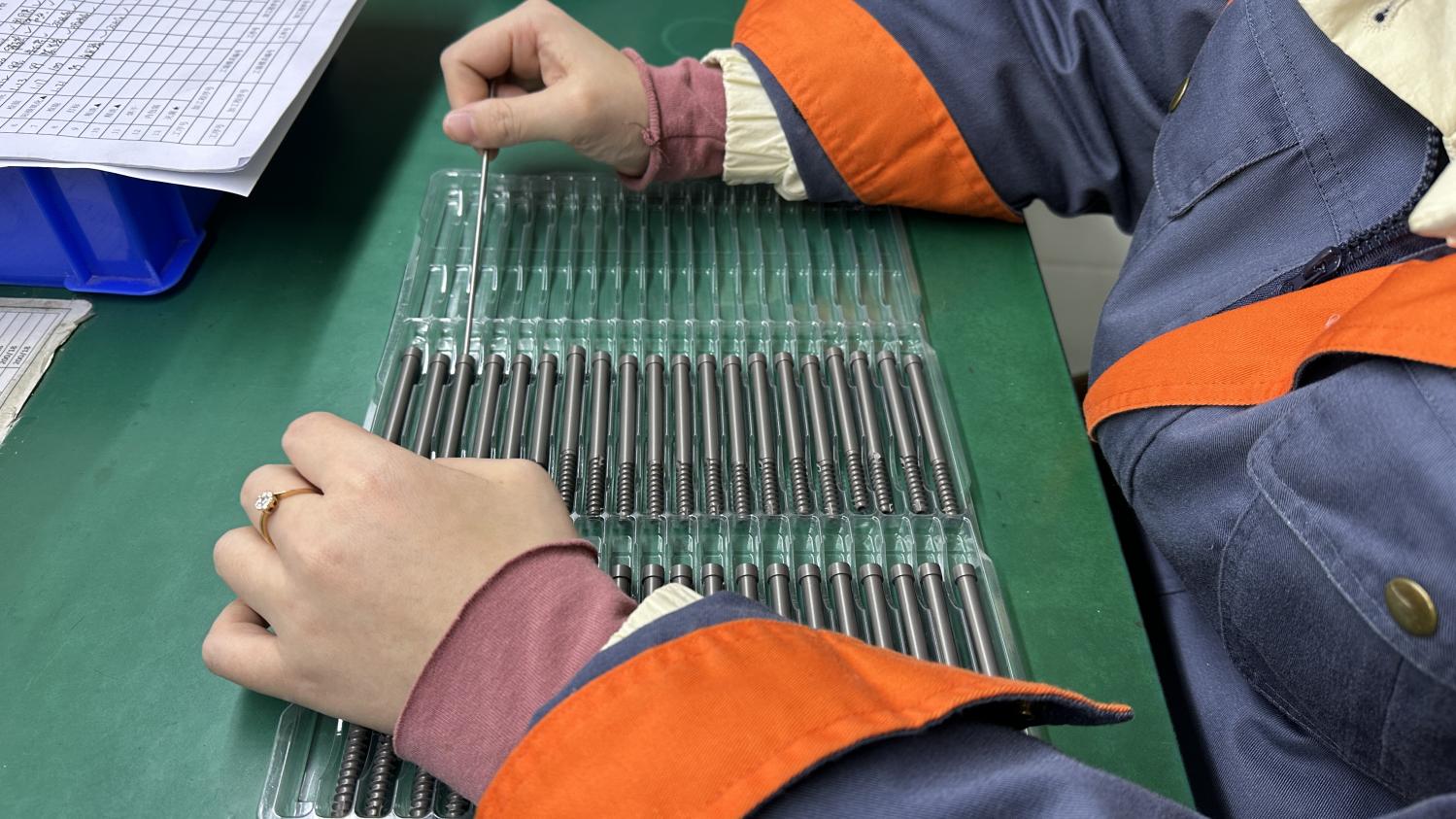
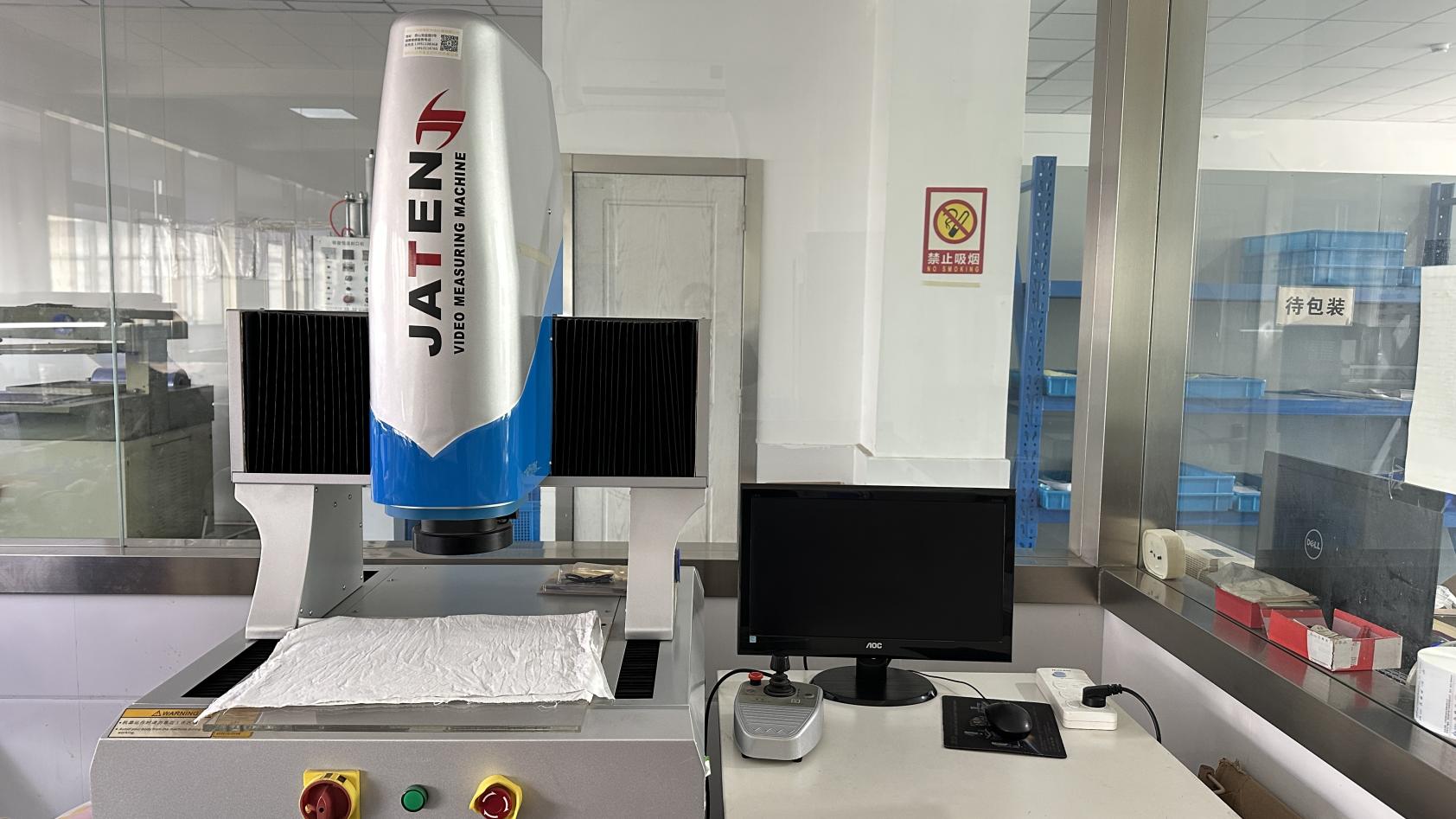
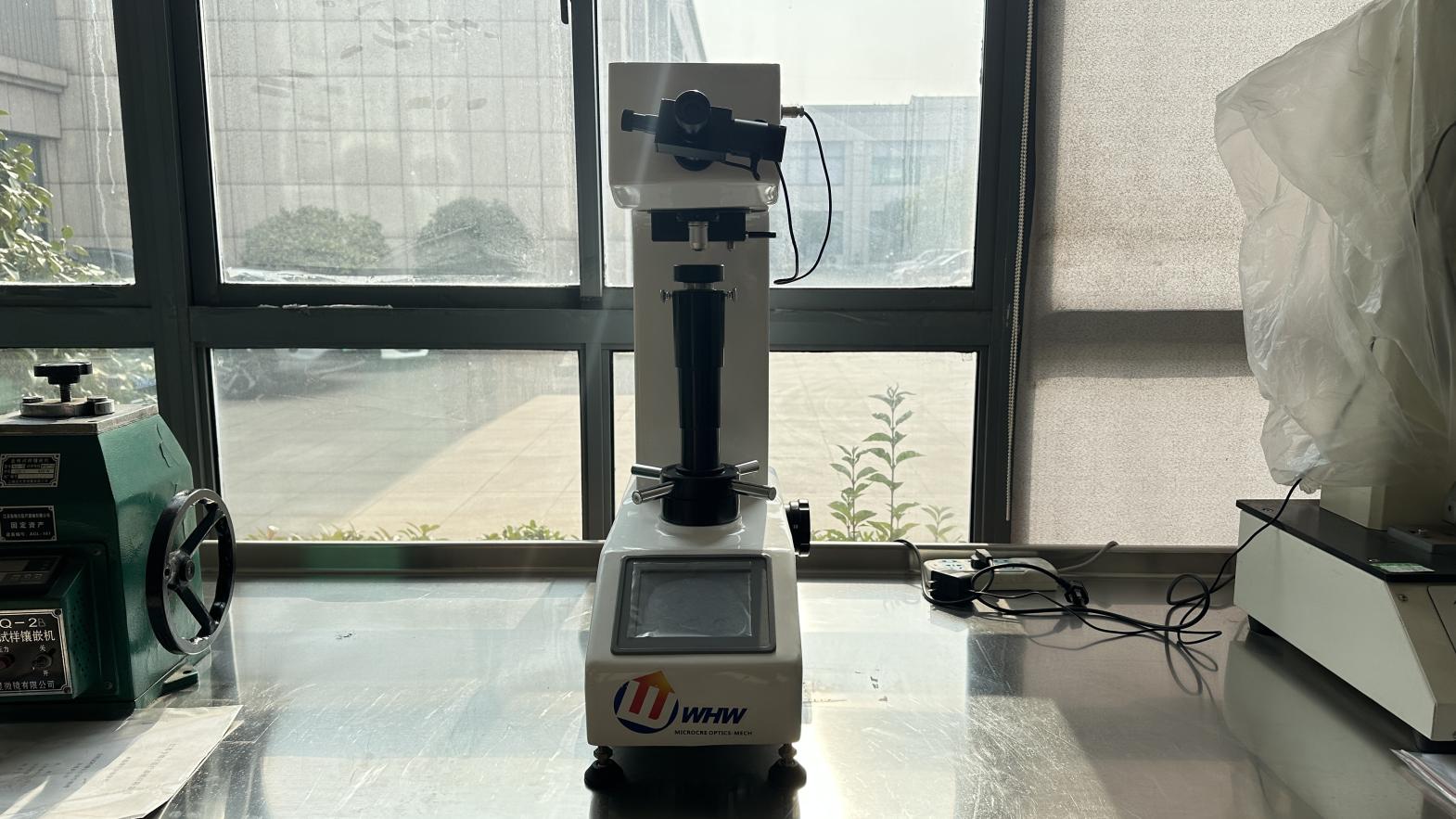
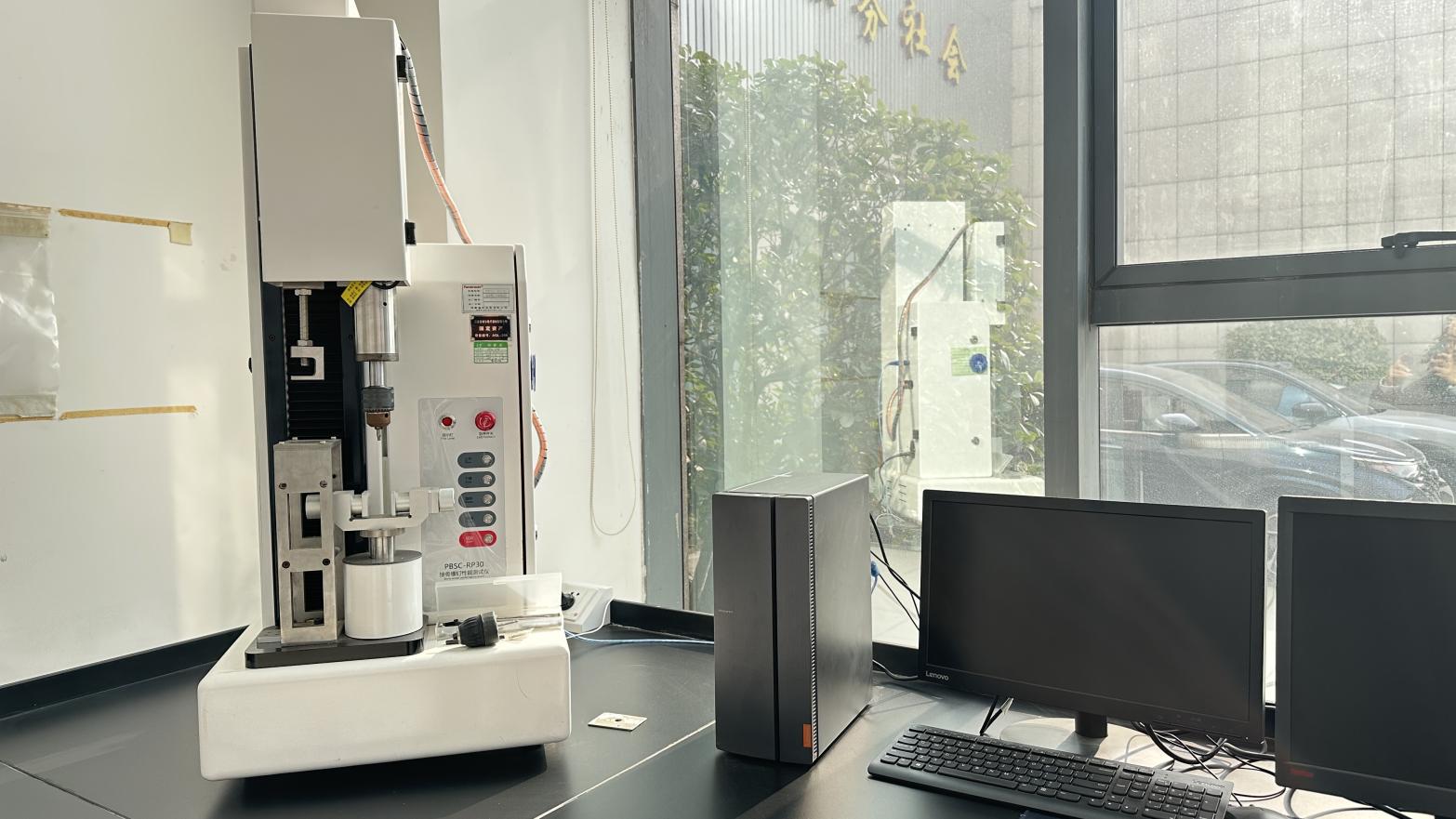
In modern sports medicine, selecting the right material for suture anchors and interference screws depends on the specific clinical application. Polyether ether ketone (PEEK) is highly valued for its radiolucency, meaning it does not interfere with post-operative MRI or CT imaging. With an elastic modulus close to that of cortical bone, PEEK helps reduce stress shielding around the implant site. Our PEEK components are designed for direct tap-in insertion, providing initial fixation strength in soft bone tissue.
Alternatively, Medical Grade Titanium Alloys (Ti6Al4V ELI) are preferred for thin-walled designs or high-tension applications, such as ACL reconstruction buttons or high-stress anchor points. Titanium’s excellent biocompatibility and osseointegration properties make it ideal for configurations requiring reliable mechanical stability under immediate tension. Our manufacturing facility in Turkey utilizes both materials, allowing us to offer orthopedic surgeons and hospital procurement teams solutions tailored to patient needs and surgical preferences.
Building a resilient supply chain in the medical sector requires flexibility in product design and packaging. We support global medical brands by offering comprehensive OEM and ODM options. Our services cover everything from design adjustments based on feedback from orthopedic surgeons to manufacturing customized anchor lengths, thread pitches, and specialized suture systems.
Additionally, all class III sterile consumables undergo automated final cleaning, sterilization validation, and cleanroom packaging. This ensures the implants are ready for immediate clinical use, helping our distribution partners save time and maintain high safety standards.
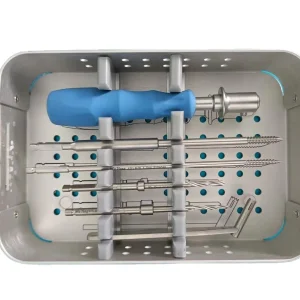
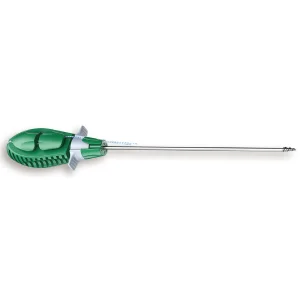
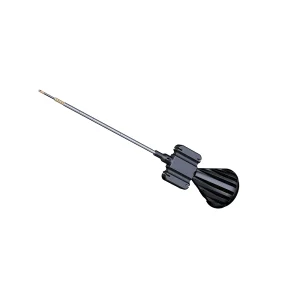
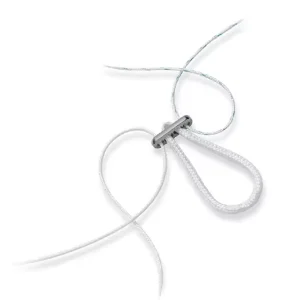
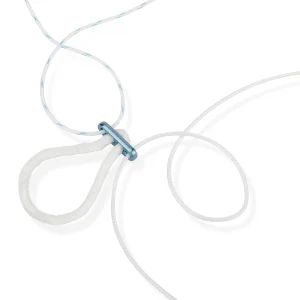
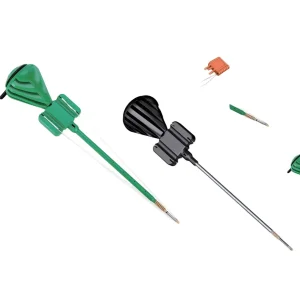
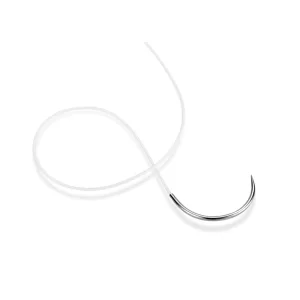
Browse our selection of clinical-grade fixation devices, instrument systems, and non-absorbable sutures.
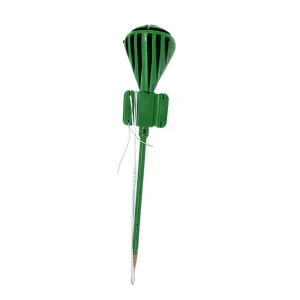
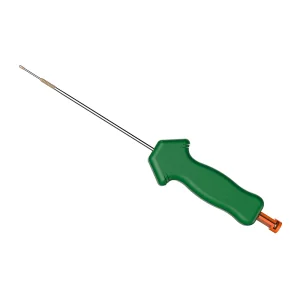
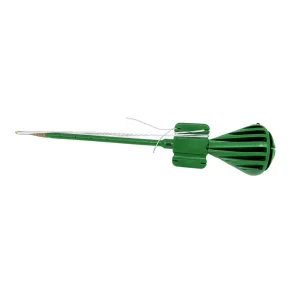
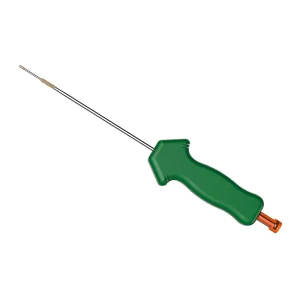
Highly specialized surgical fixation lines for precise articular restorations.

Answering key regulatory and manufacturing questions for hospital distributors and procurement leads.
Connect with our engineering and regulatory teams to discuss customized product configurations, bulk distribution options, or OEM partnership details.
Send Inquiry Now Virelox