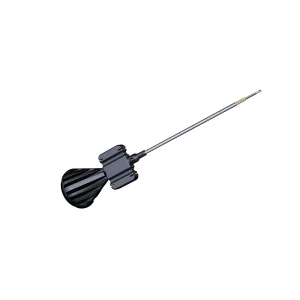
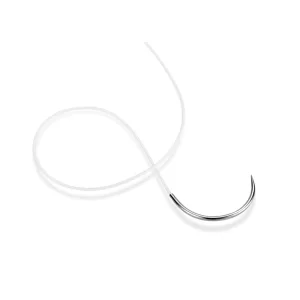
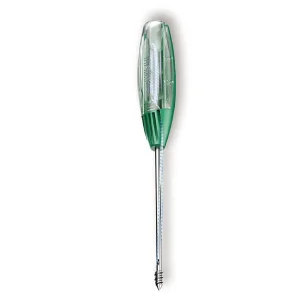
Engineered for instant mechanical stability and minimally invasive surgical workflows across Slovak athletic clinics and European hospitals.
A macroeconomic analysis of local procurement compliance, regional healthcare needs, and materials engineering in the Central European theater.
Slovakia, as a central logistics corridor in Europe, acts as a primary hub for distribution to markets like Austria, Poland, Czechia, and Hungary. Within Slovakia's domestic market, the rapid modernization of healthcare infrastructure under the National Health Information Center (NZIS) and major regional clinical groups (e.g., in Bratislava, Martin, and Košice) has generated a strong demand for cost-effective, high-grade biocompatible implants. Historically, Central European orthopedic centers relied on heavy multi-tier distributor chains, driving up procurement costs. By forming direct supply alliances with advanced manufacturers, regional hospitals optimize cost-per-procedure metrics while satisfying rigorous MDR (EU) 2017/745 regulatory requirements.
Virelox Medical Devices Co., Ltd. addresses this directly. Backed by our 12,000 m² smart facility, we specialize in high-precision biomechanical medical implants, ensuring Slovakia's clinical professionals gain access to Class III CE-certified knotless anchors, suture lines, and custom bone plates with full regulatory compliance and direct logistics support.
Modern sports traumatology is witnessing a paradigm shift away from open reconstructions toward ultra-minimally invasive arthroscopic repairs. Clinically, traditional knotted suture methods are being phased out in favor of Knotless PEEK (Polyetheretherketone) and Biocomposite suture anchors. Knotless anchors minimize soft tissue irritation, reduce post-operative recovery timelines, and establish a highly uniform bone-tendon interface. PEEK offers an elastic modulus close to cortical bone, which minimizes stress shielding. Concurrently, biocomposite materials (such as PLDLA/TCP mixtures) provide controlled resorption profiles that encourage native osteointegration without causing localized acid-induced osteolysis.
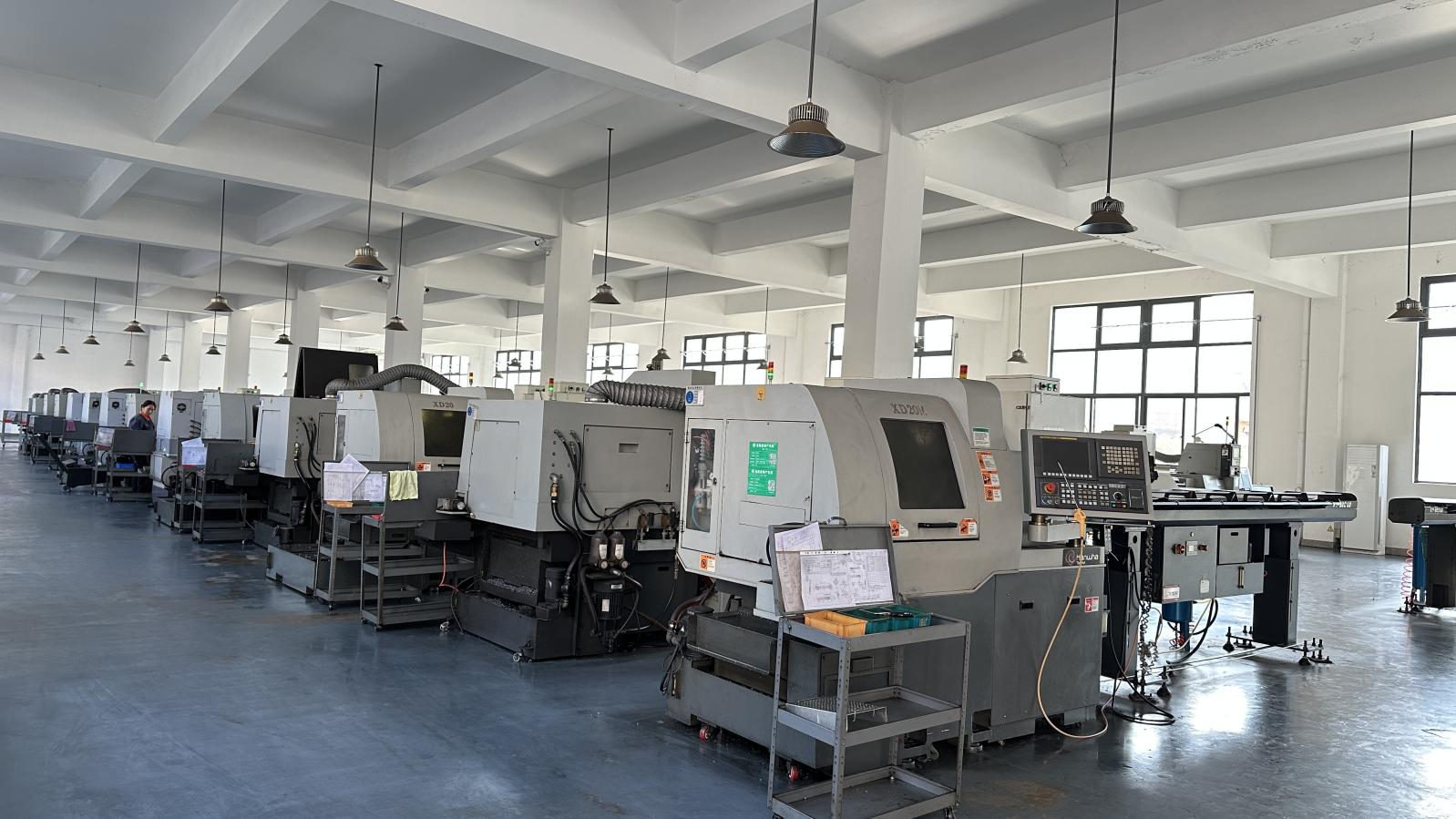
To support this evolution, our production line incorporates state-of-the-art multi-axis CNC machines capable of holding micron-level tolerances. This ensures that every bone thread design delivers optimal pull-out strength, satisfying the high-velocity biomechanical load criteria demanded by elite athletes and clinical experts globally.
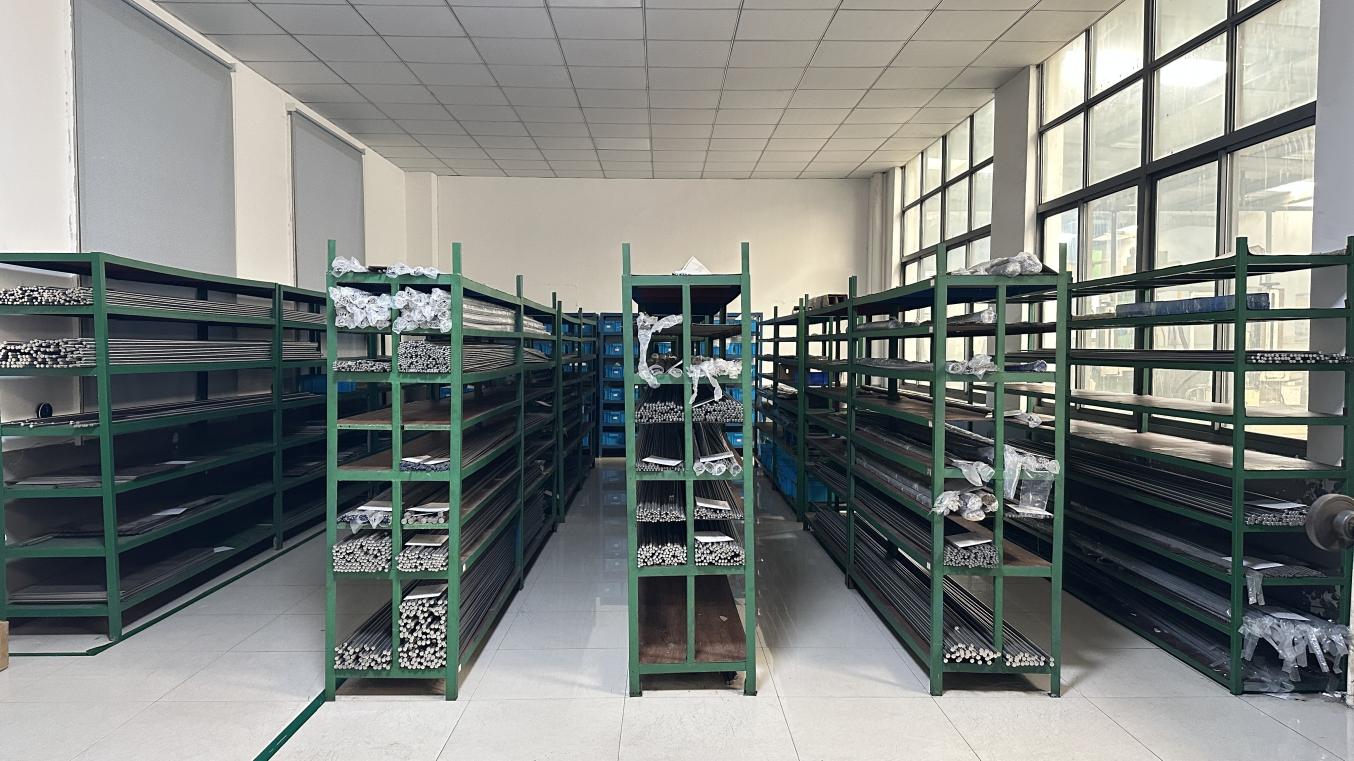
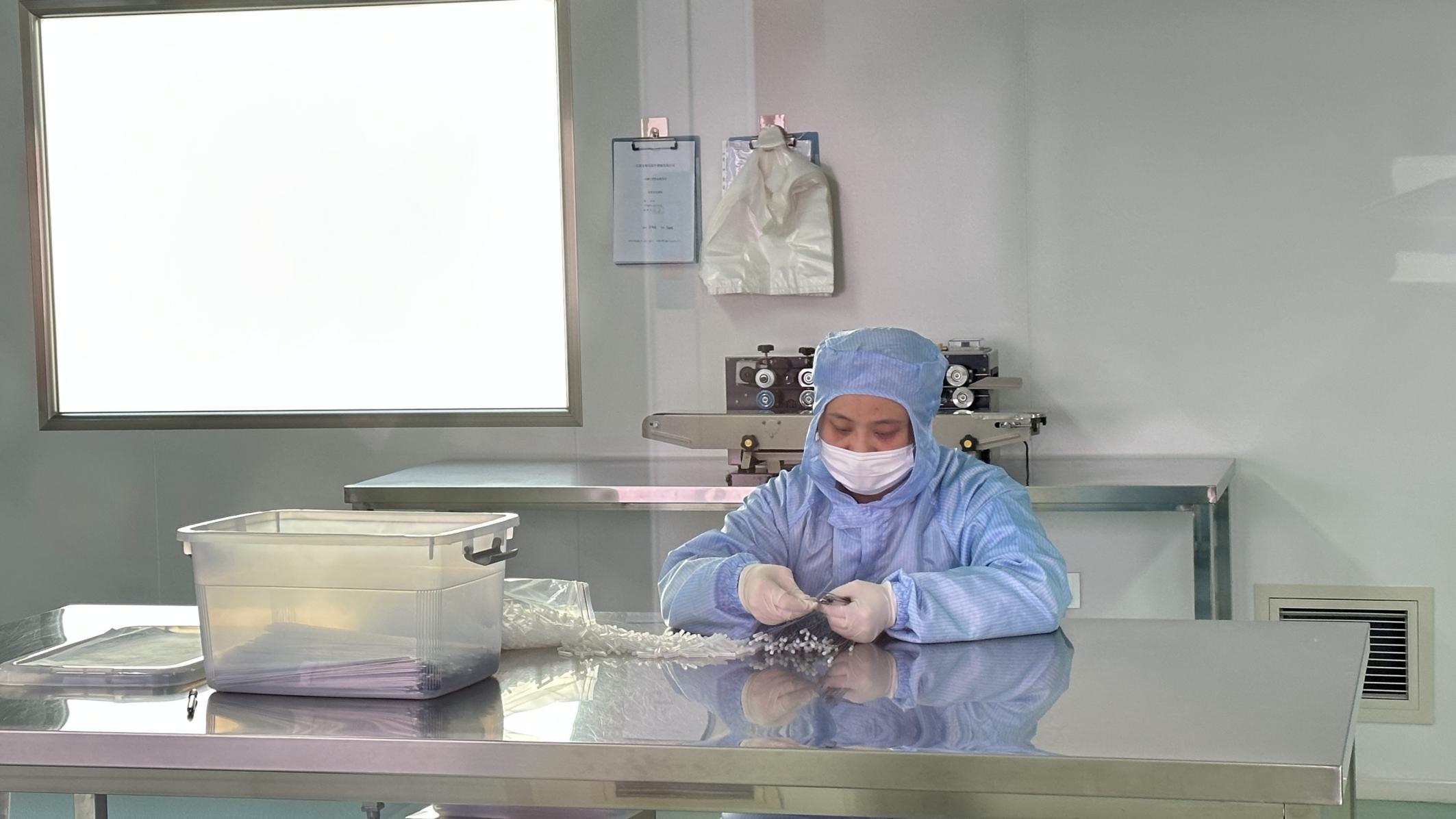
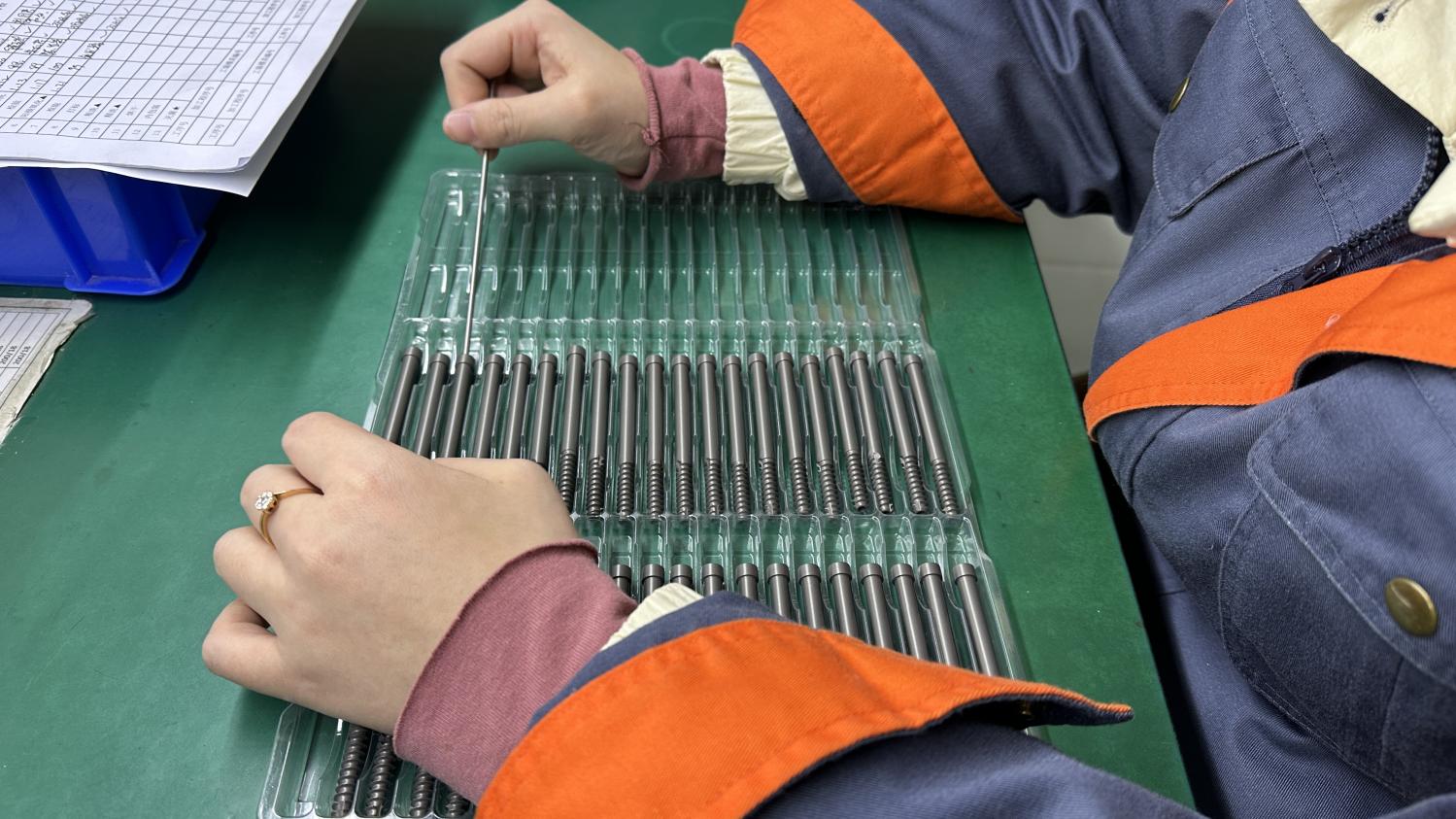
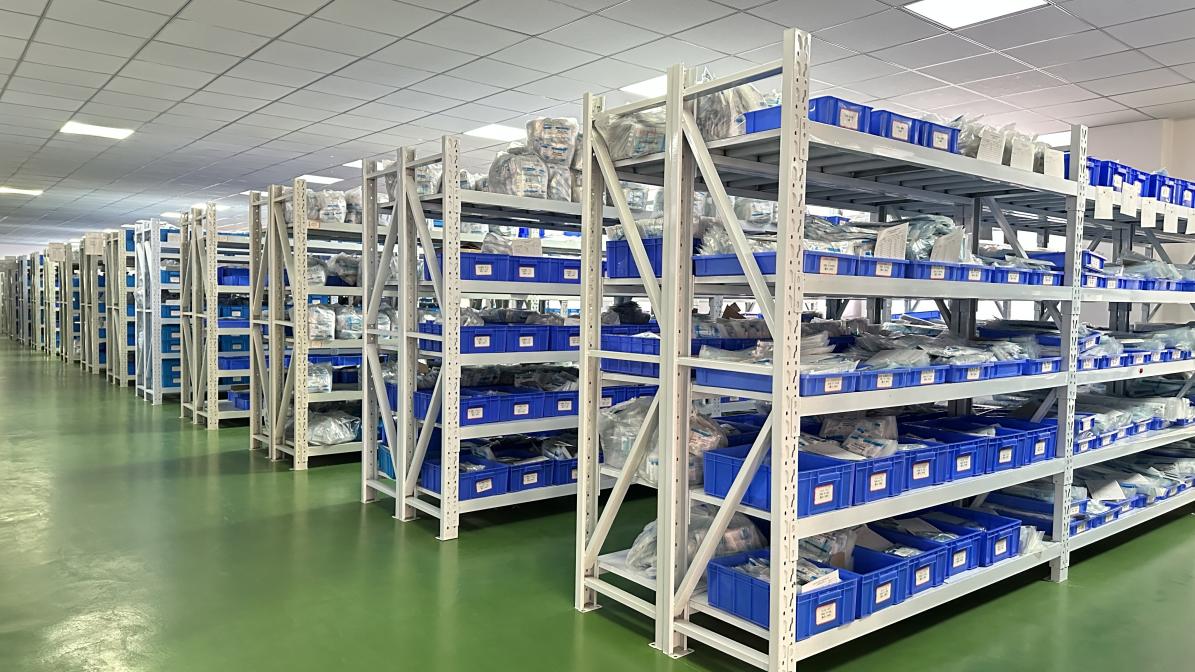
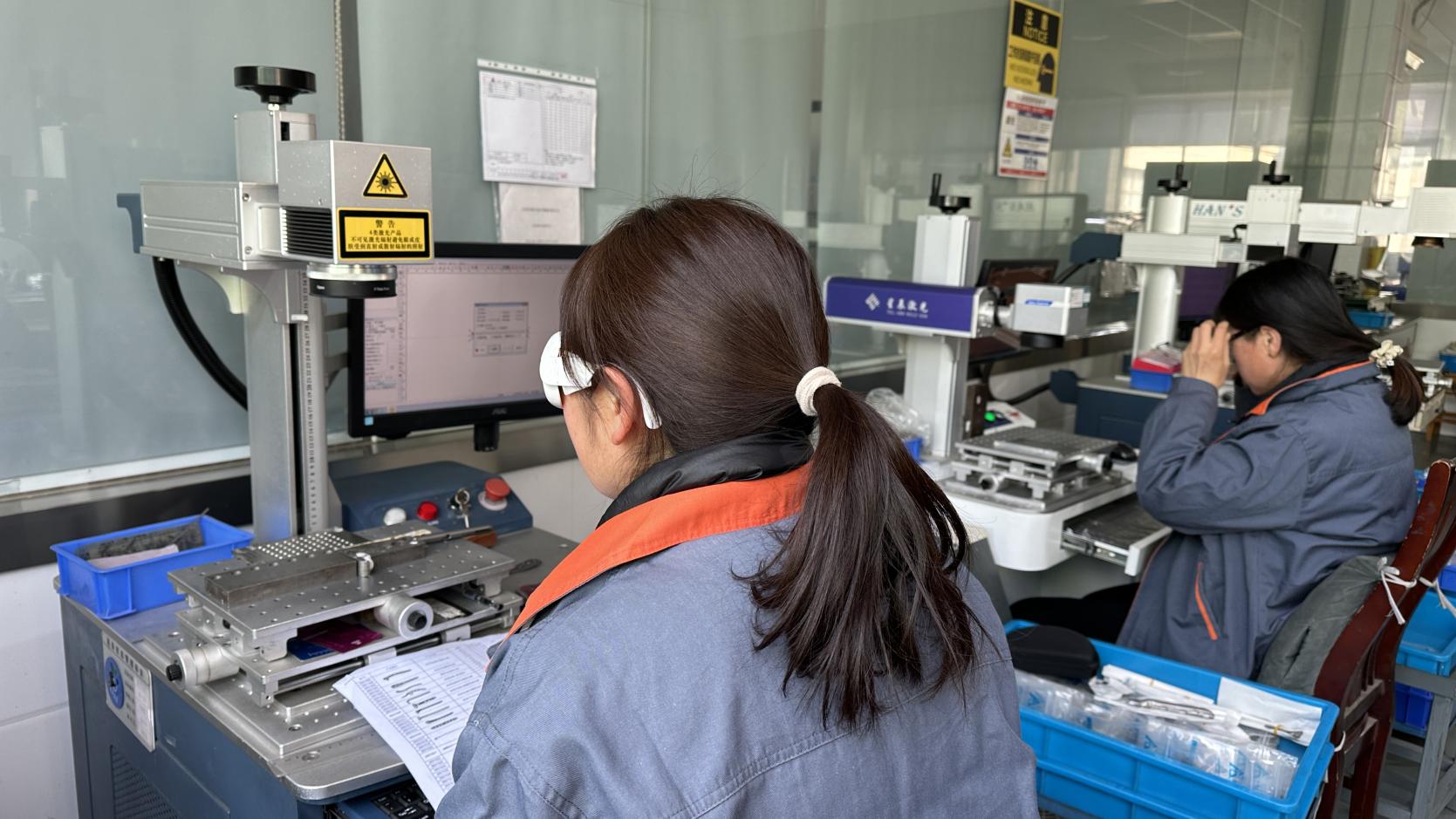
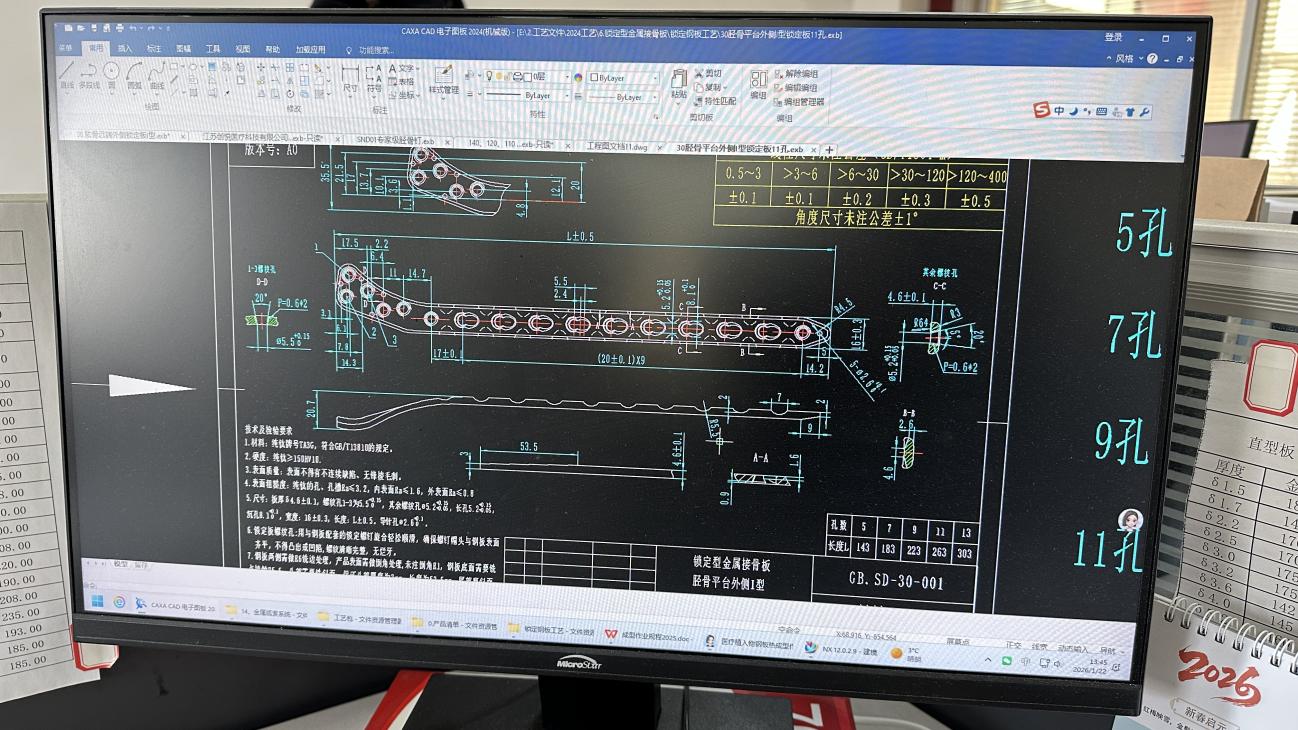
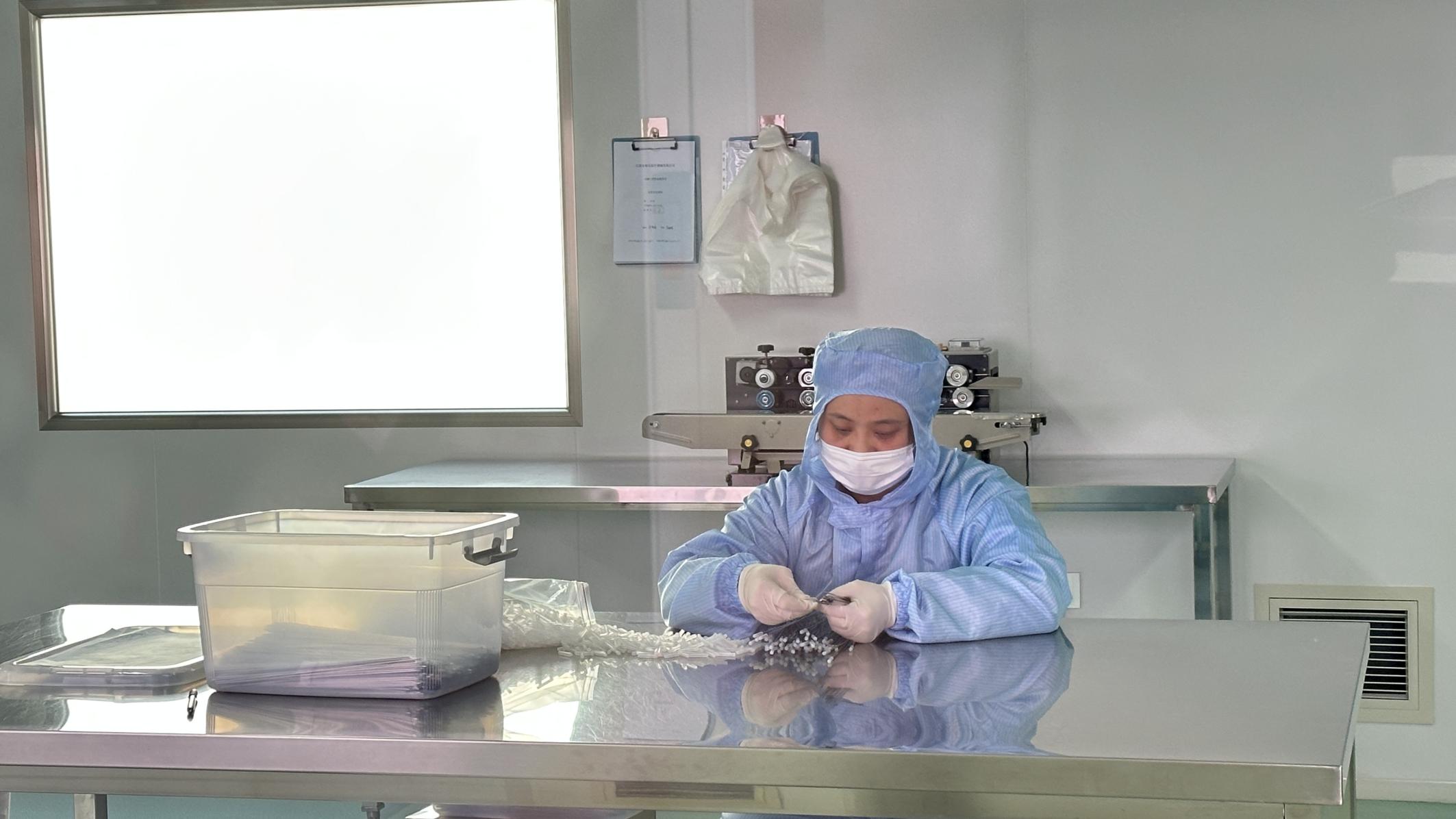
Inside our production facilities, utilizing multi-axis precision machining, automated cleanroom slitting, and computerized testing instruments.
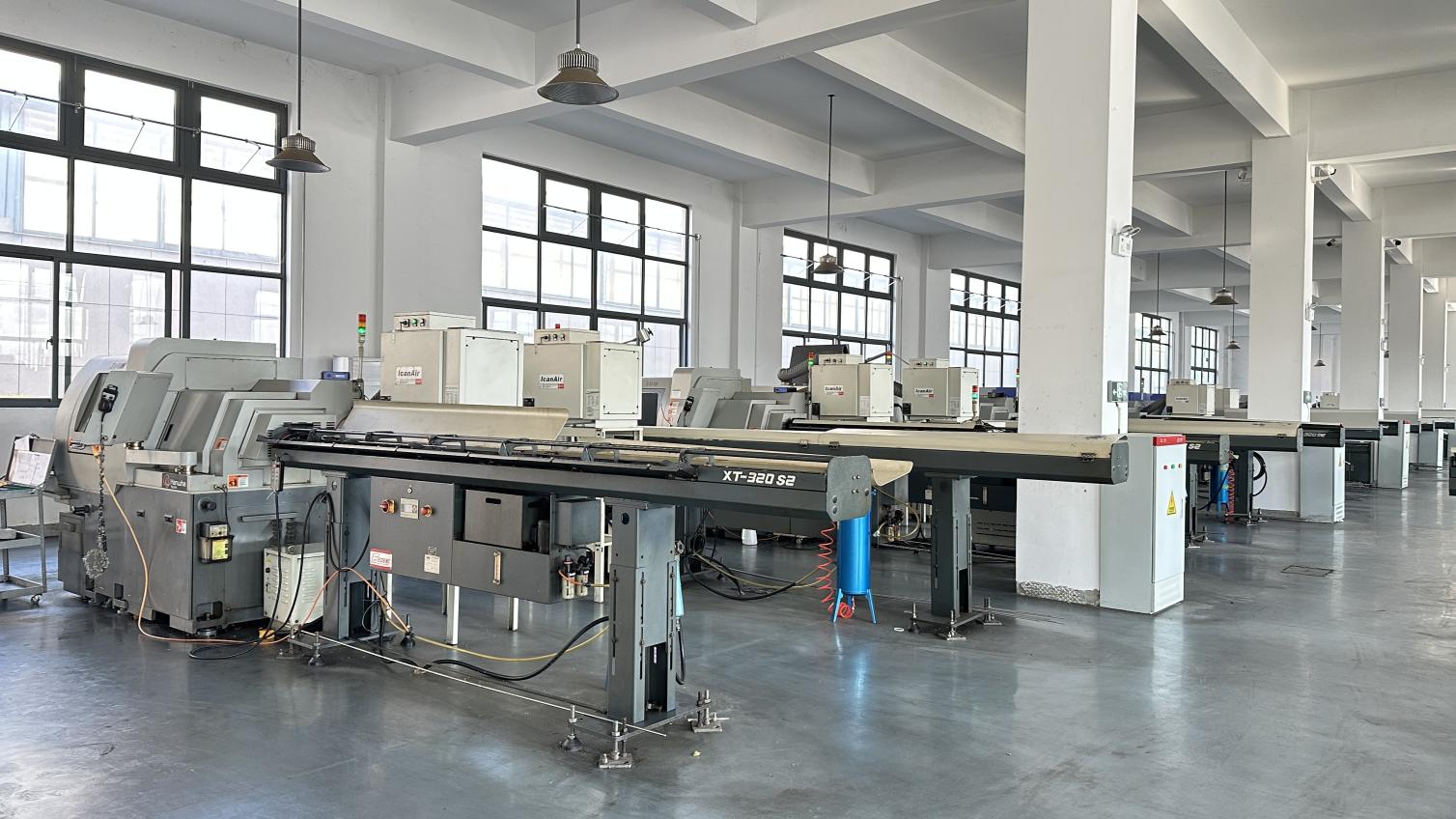
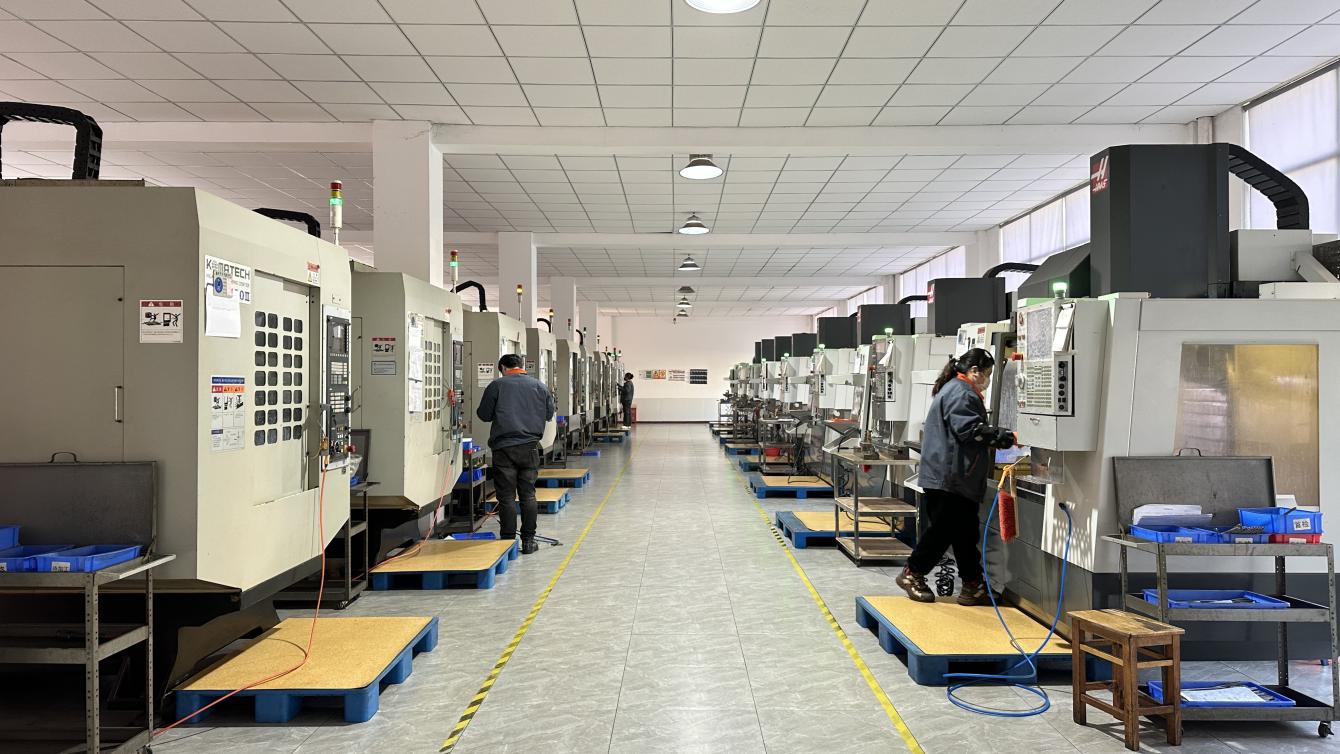
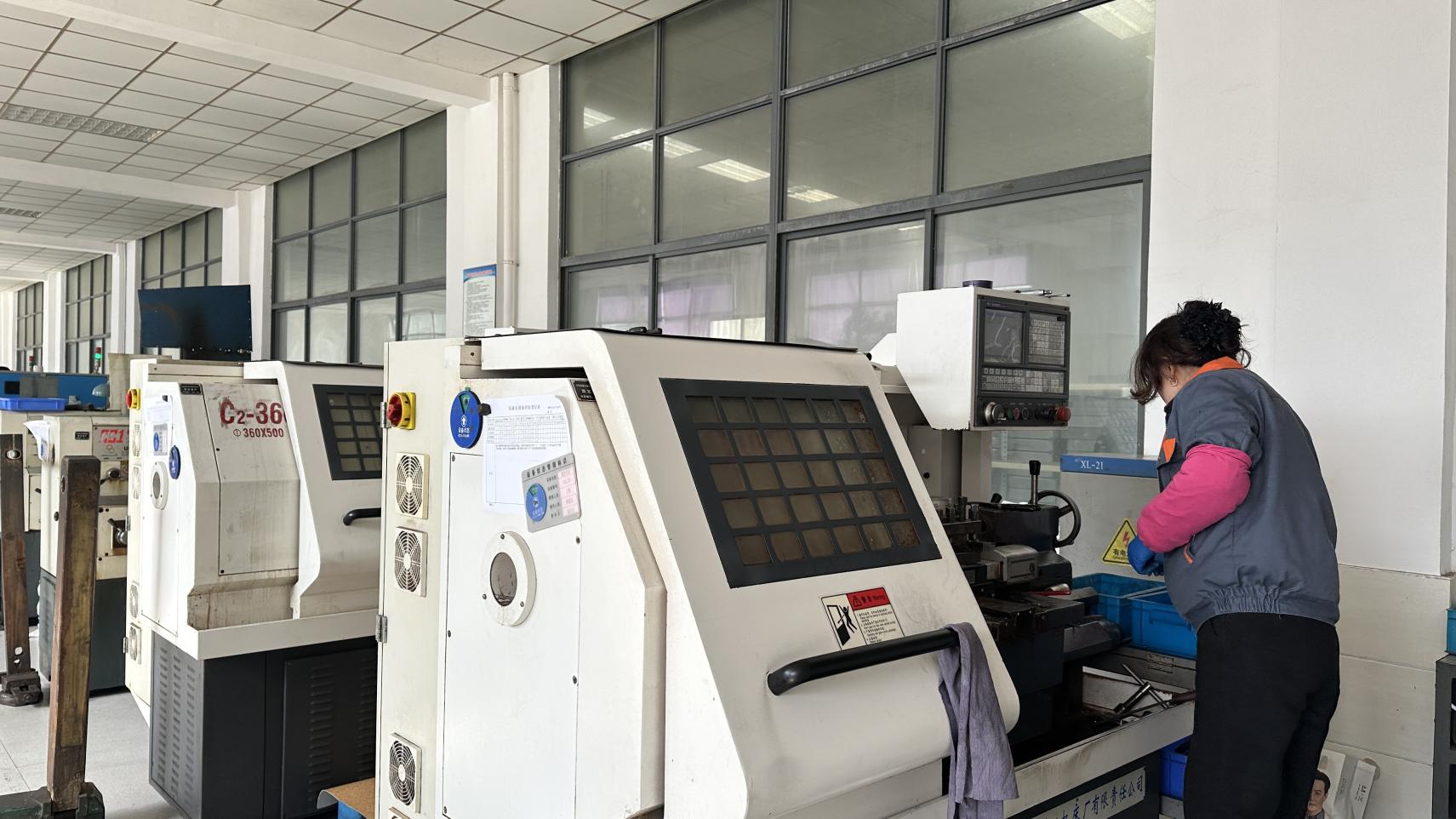
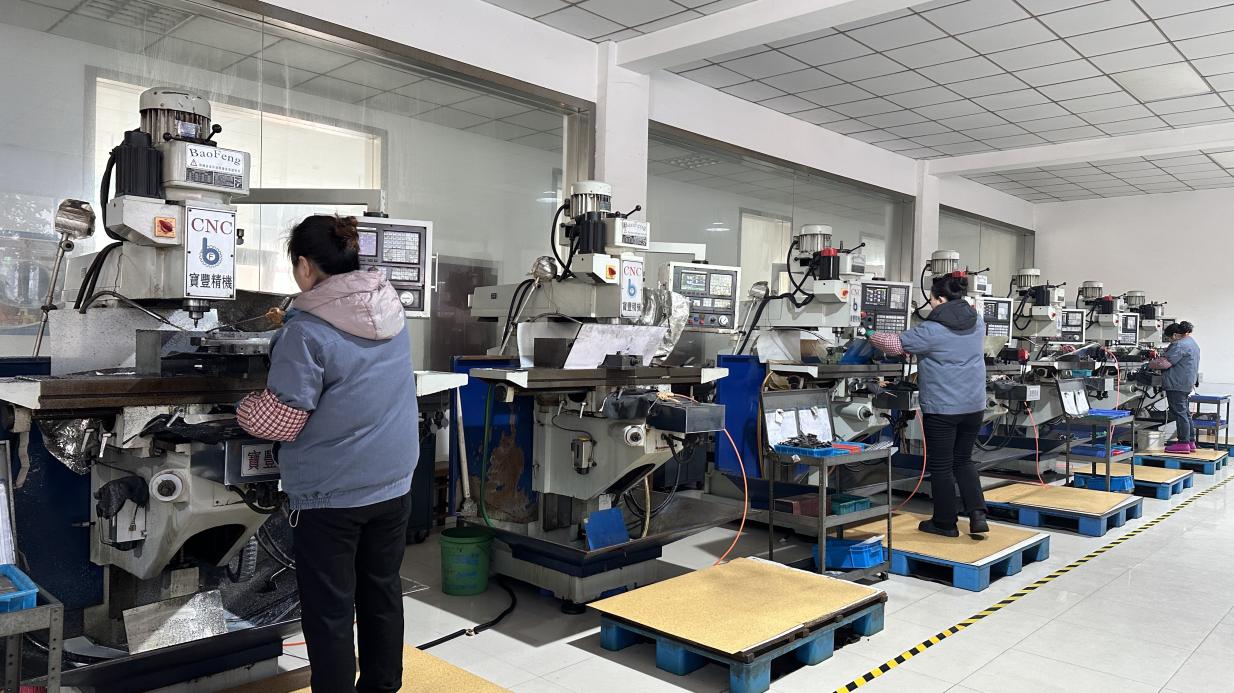
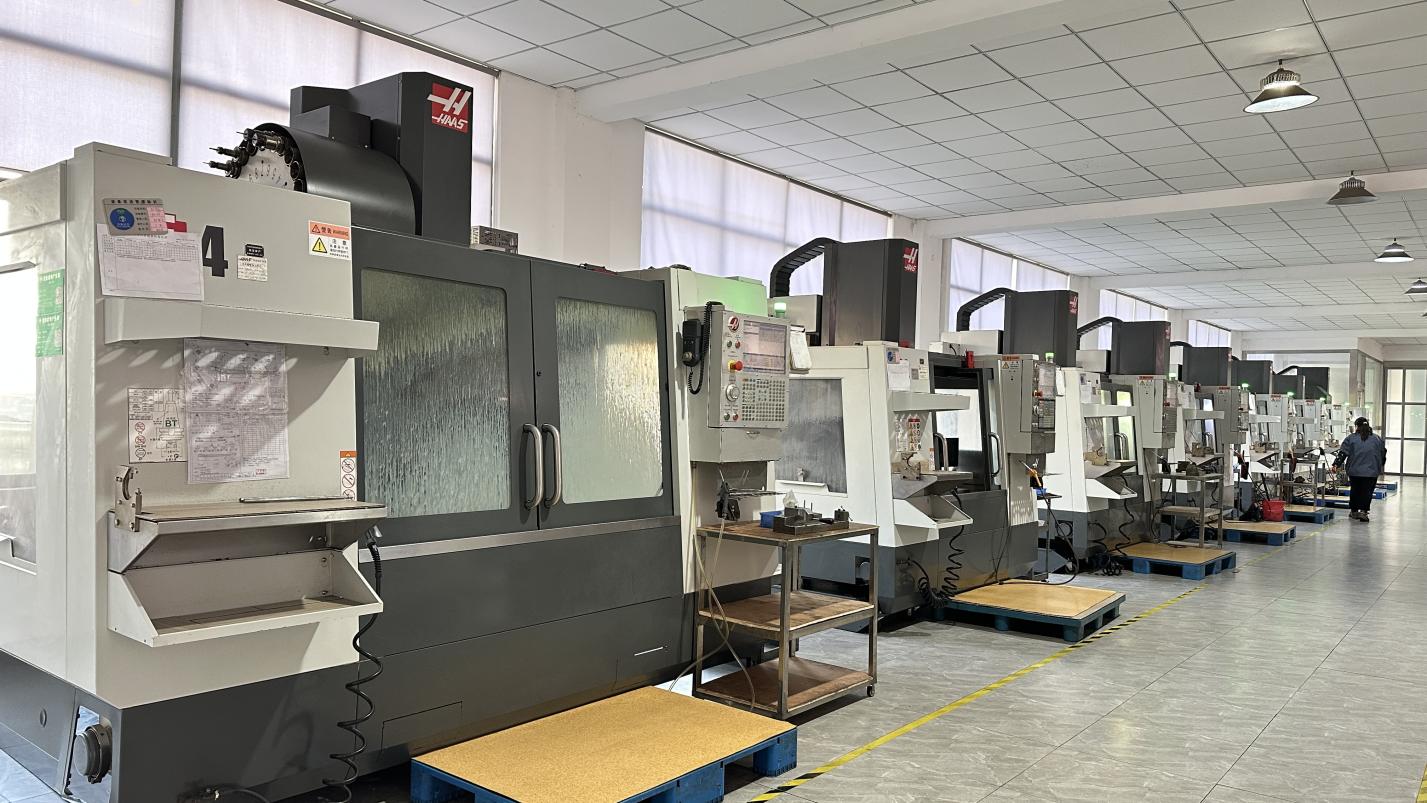
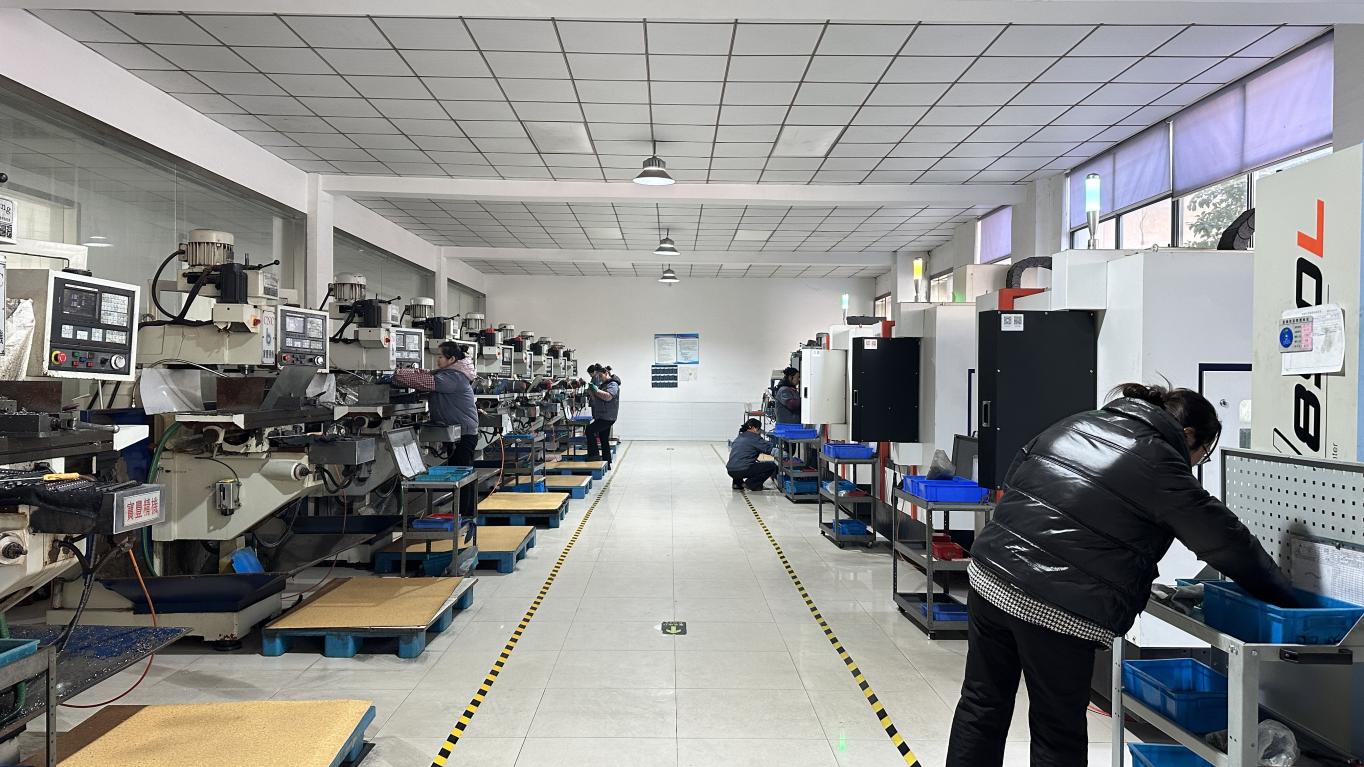
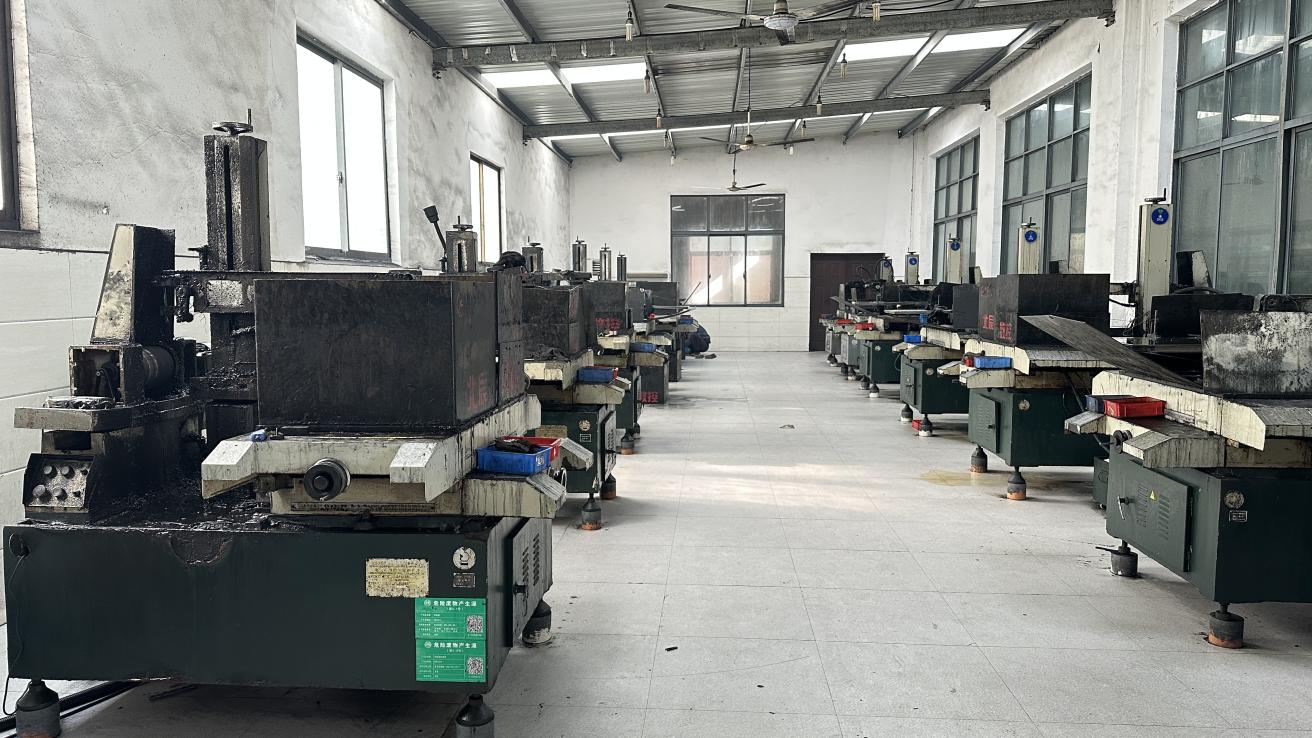
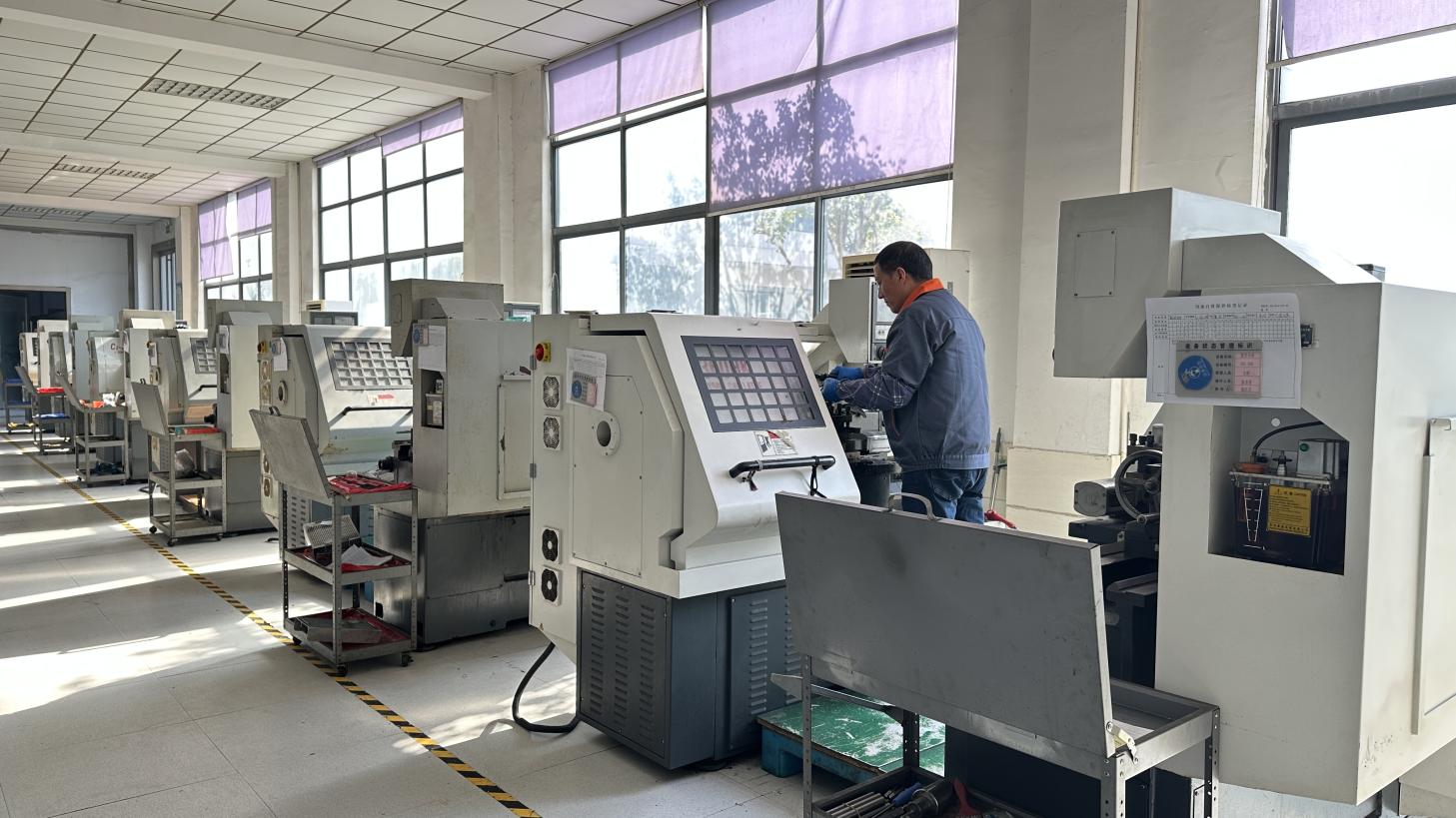
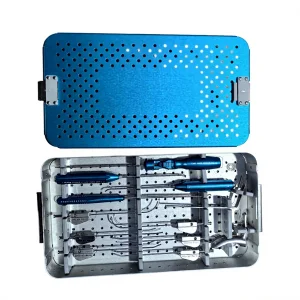
Standardized clinical configurations built to enhance primary patient recovery profiles for orthopedic surgeons.
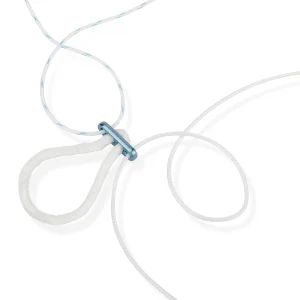
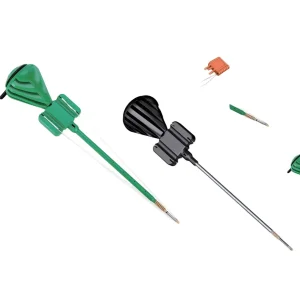
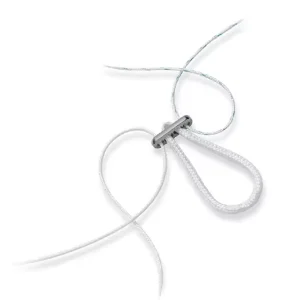
For combined ACL/PCL reconstructions, we supply fixed-length loop plates featuring pre-loaded, non-absorbable sutures and low-profile titanium fixation buttons. These devices minimize post-operative bone tunnel widening. Our meniscus repair kits feature pre-bent double-needle assemblies configured for inside-out techniques, offering surgeons the precision needed to secure difficult posterior horn tears.
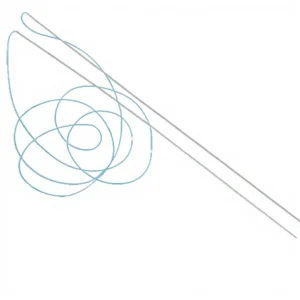
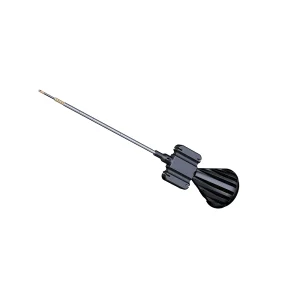
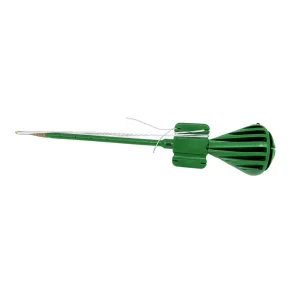
Providing PEEK and titanium suture anchors in both knotted and knotless designs. Designed with customized thread patterns that optimize cortical purchase in low-density bone, these anchors facilitate reliable suture management. They are pre-threaded with high-strength UHMWPE (Ultra-High-Molecular-Weight Polyethylene) sutures to support high-tension soft-tissue adaptations.
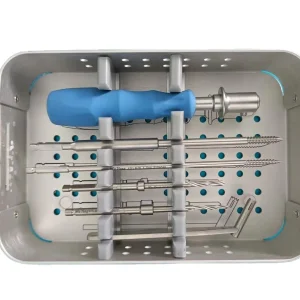
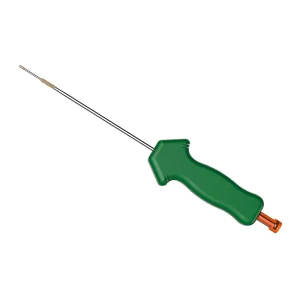
Our dedicated ATFL repair systems consolidate the exact surgical instrumentation and implant components needed for lateral ankle stabilizations. Incorporating micro-suture anchors (PEEK/Titanium) with low-profile footprints, this kit allows surgeons to perform anatomically precise repairs, promoting faster return-to-sport intervals for athletic patients.
Engineered to withstand cyclic tensile stresses in Achilles tendon repair and distal biceps re-insertion. Combining heavy-duty non-absorbable loop configurations with robust cortical buttons, this system ensures strong, displacement-resistant anchorage throughout early rehabilitative cycles.
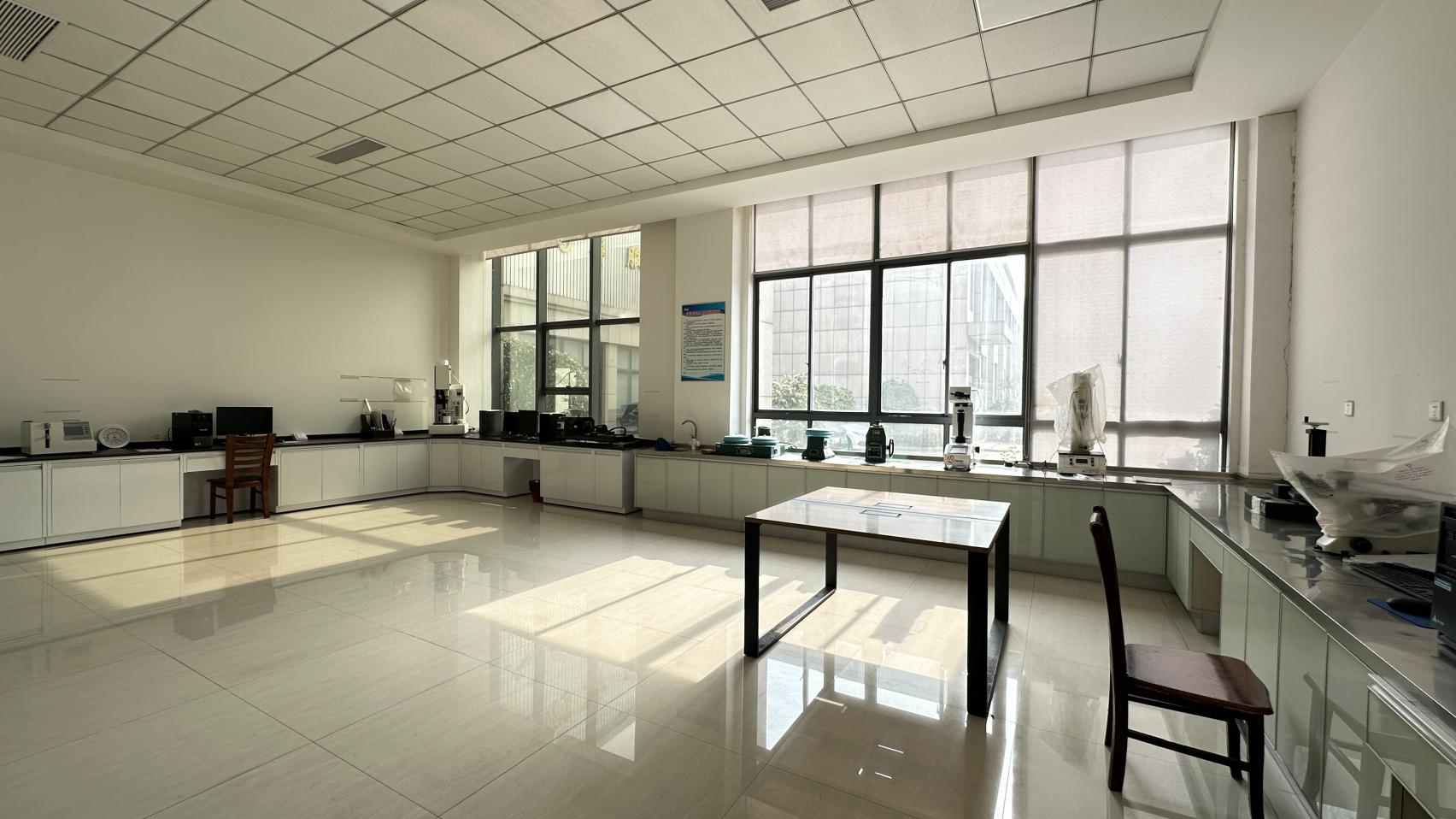
No implant is shipped without exhaustive verification. Our 65-member QA team uses professional machinery to guarantee absolute zero-defect output.
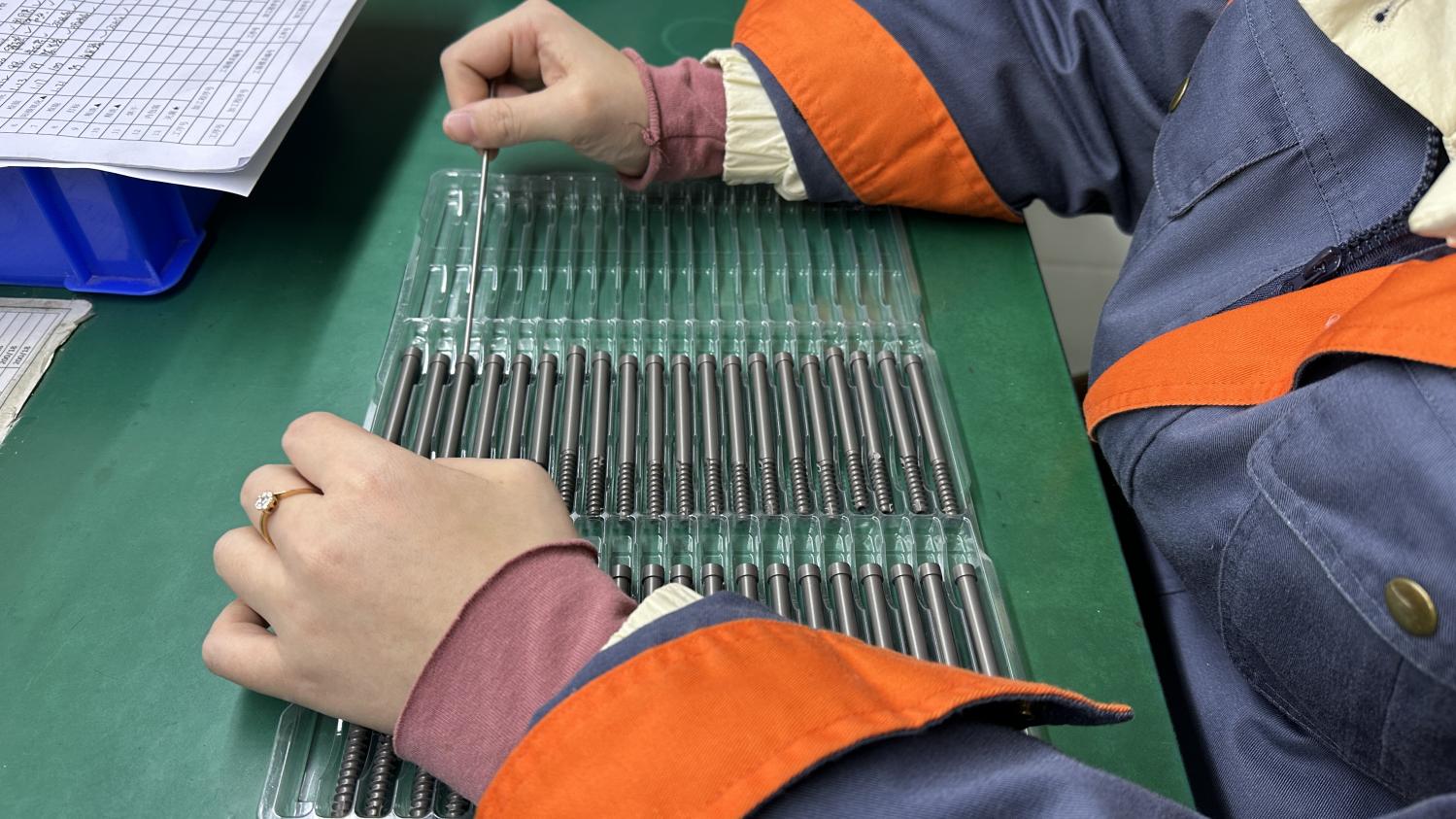
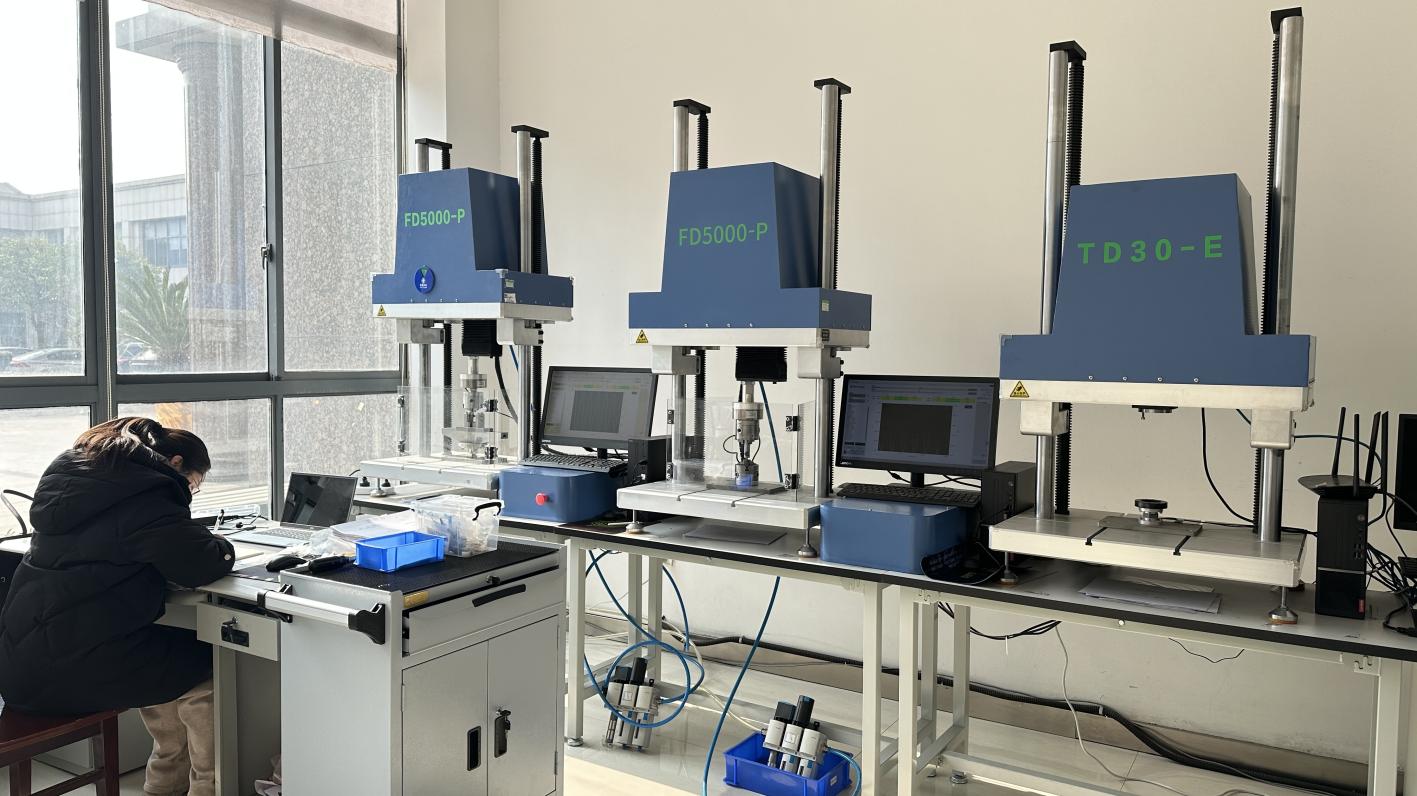
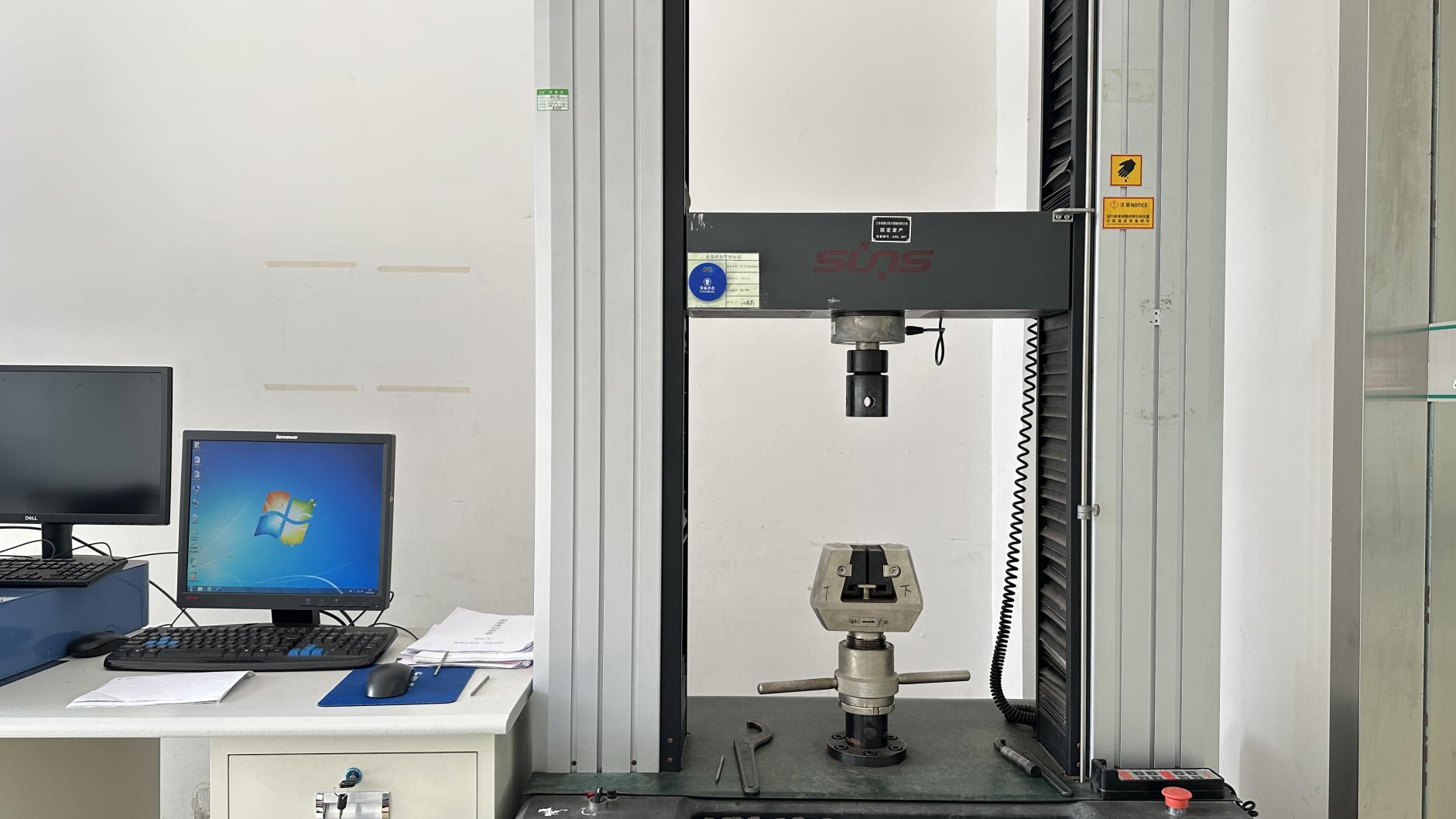
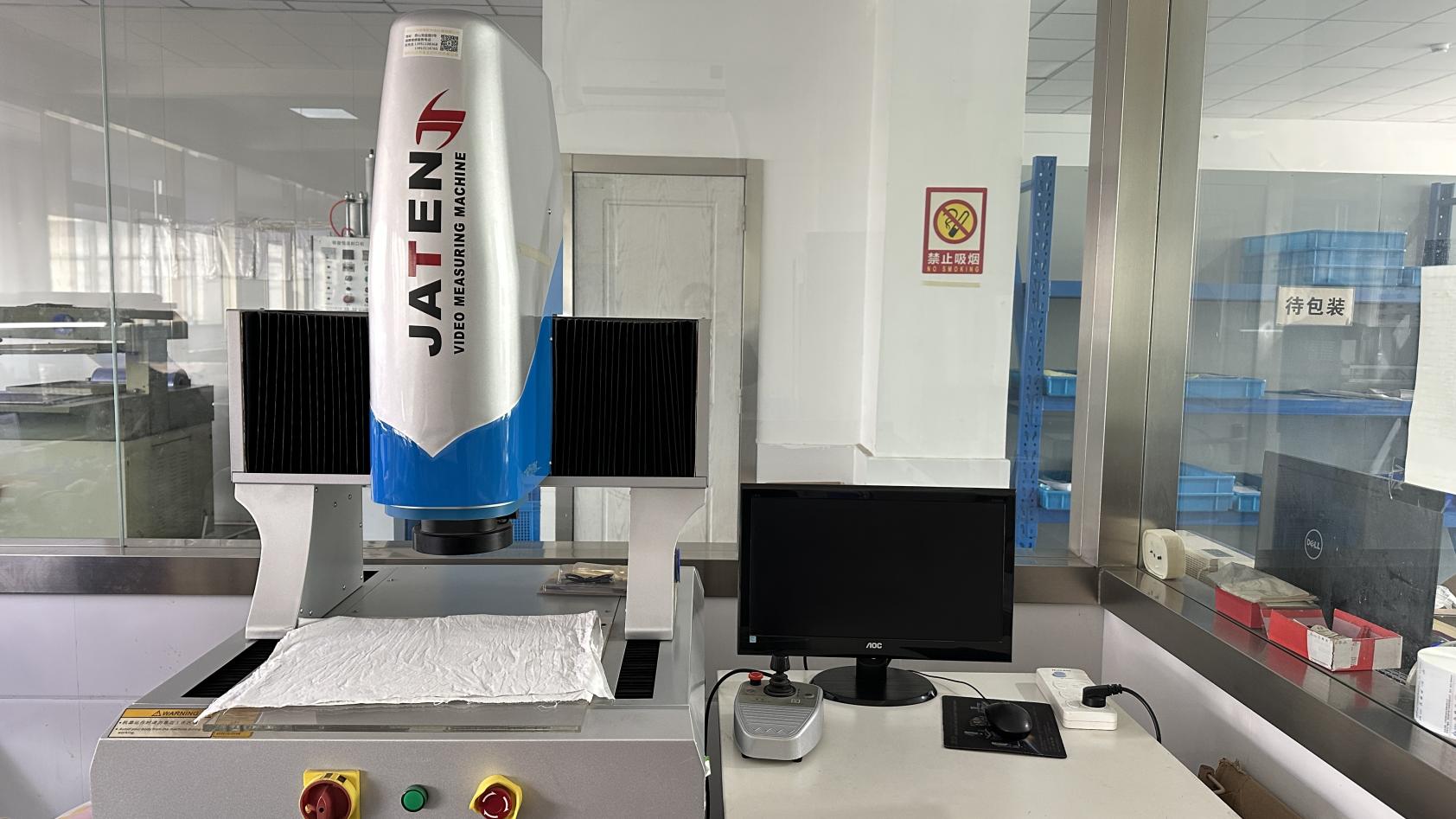
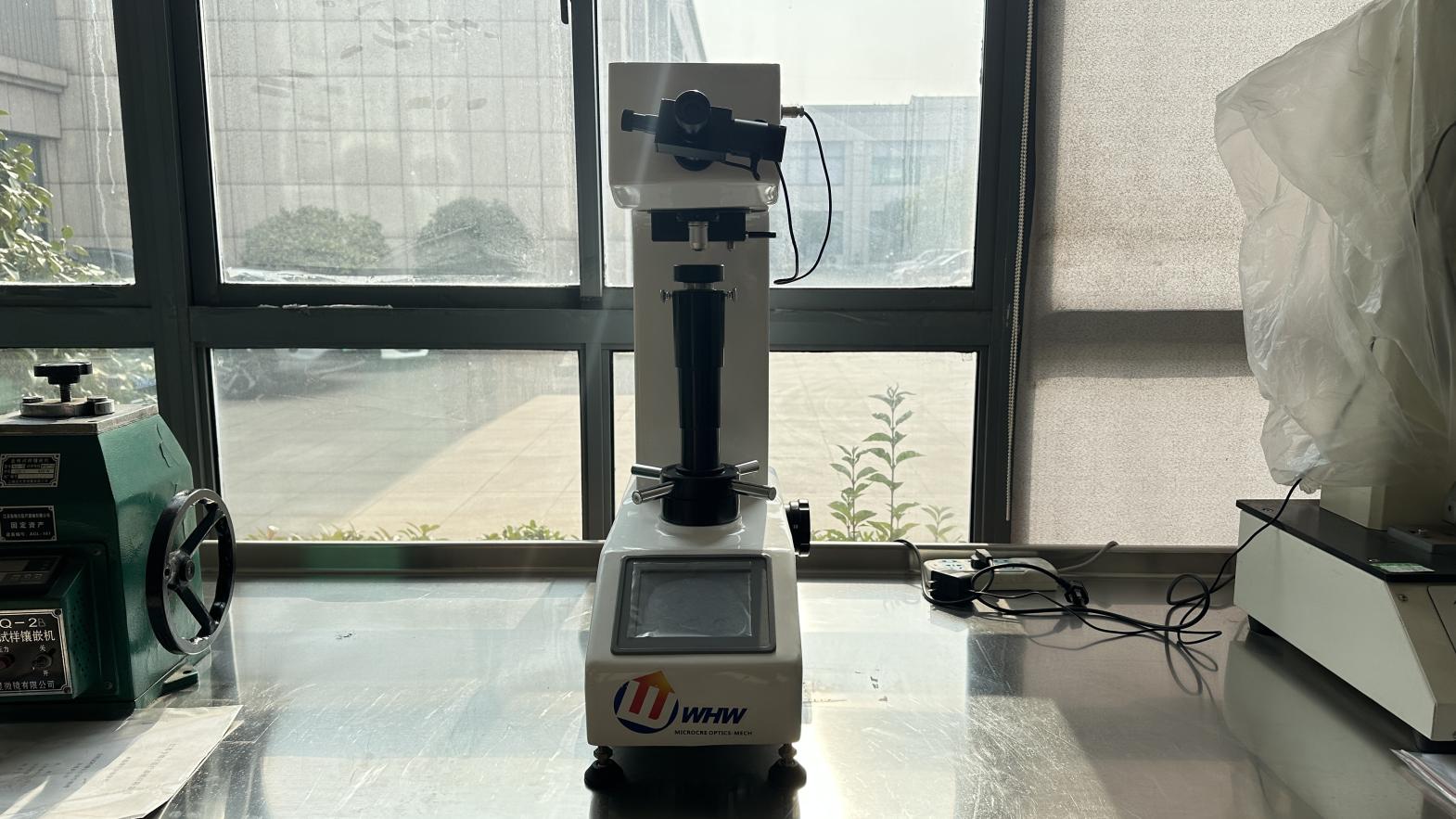
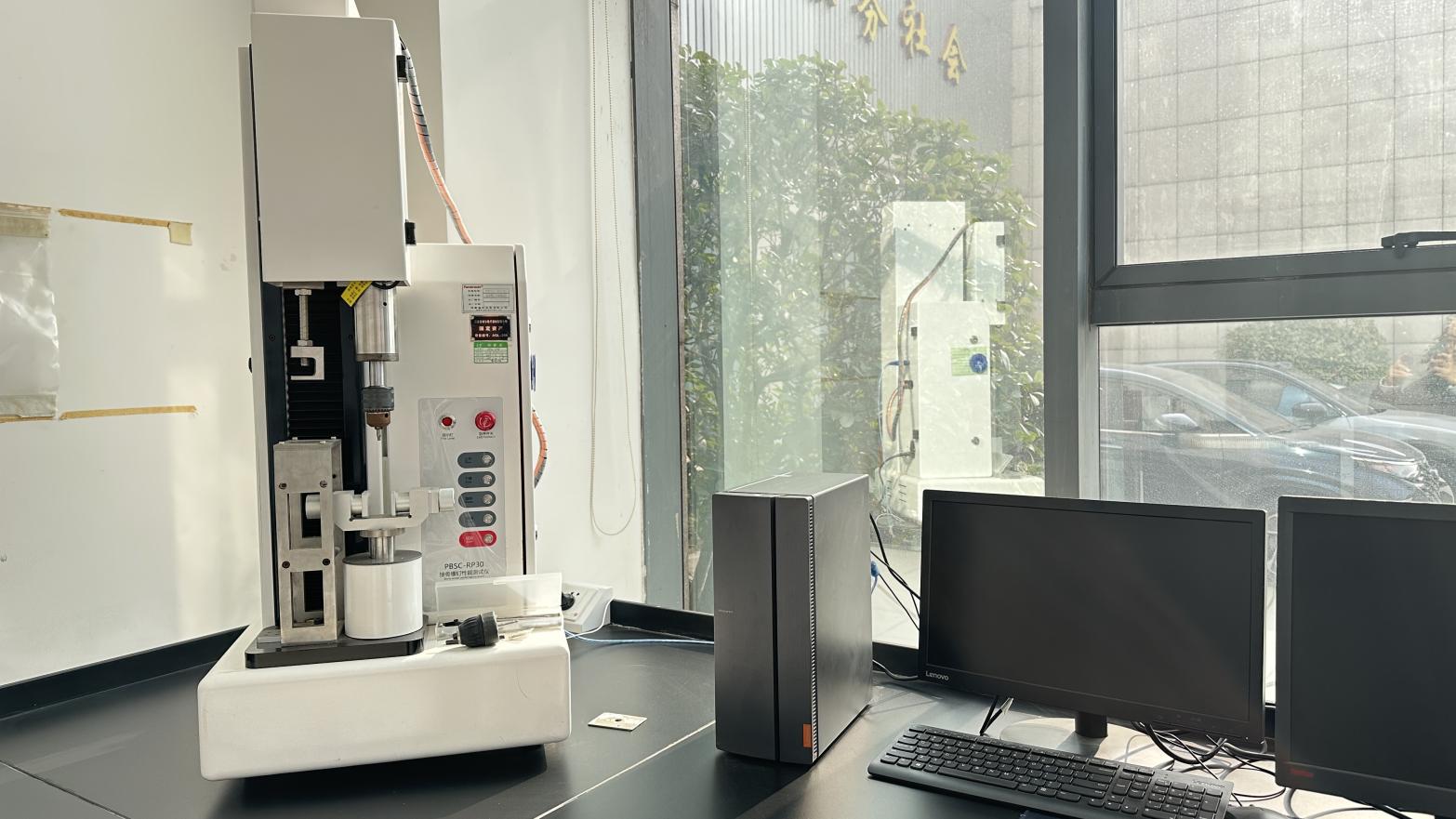
Our quality verification processes run under a strict ISO 13485-compliant full-process loop. We utilize CMM Dimensional Measuring Instruments to verify sub-micron thread tolerances, Tensile Testers to confirm the maximum load threshold of our suture-to-anchor bonds, and Fatigue Testers to run implants through millions of motion cycles, simulating real-life athletic stress. Lastly, our Bone Screw Performance Tester measures insertion torque and pull-out resistance inside synthetic bone blocks, confirming that every product performs reliably under stress before clinical use.
CE-certified solutions featuring biomechanically tested pull-out resistance, engineered to meet the strict clinical demands of the EU market.
How Virelox is positioning its engineering pipeline to meet the next generation of smart surgery and biomaterials.
Traditional PEEK implants are hydrophobic, occasionally leading to fibrous capsule formation rather than osteointegration. Our R&D team is engineering next-generation PEEK materials surface-treated with bioactive Calcium Phosphate (CaP) coatings and porous architectural configurations. This advance encourages osteoblasts to migrate directly into the implant micro-pores, forming a reliable bone-to-implant mechanical bond and mitigating long-term displacement risks.
We are researching sensor-embedded orthopedic fixations capable of measuring post-surgical biomechanical loading and local inflammation in real time. These smart elements will transmit telemetry data wirelessly to medical professionals, enabling them to customize patient rehabilitation schedules and identify potential structural failures before clinical symptoms develop.
Addressing the limitations of early PLA/PGA materials, our upcoming biocomposite anchor lines incorporate advanced Magnesium-infused copolymers. Magnesium not only buffers acidic byproducts during degradation, minimizing soft-tissue irritation, but also releases positive osteogenic stimuli that accelerate bone remodeling around the surgical site.
To produce the ultra-small micro-anchors required for hand and foot surgeries, we are expanding our manufacturing footprint with automated micro-injection molding machines. This technology ensures reliable structural uniformity for implants under 2.0mm in diameter, helping surgeons treat delicate anatomical regions with confidence.
Expert answers addressing regulatory, chemical, physical, and logistical parameters for medical device distributors in Europe.
 Virelox