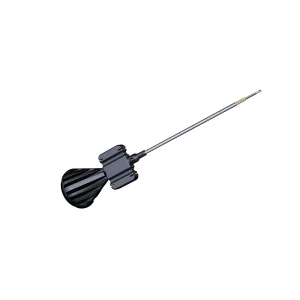
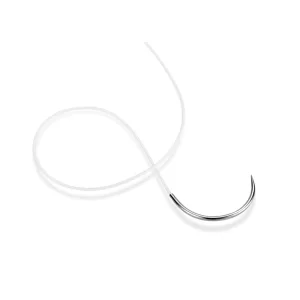
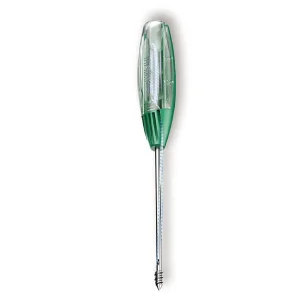
Direct factory supply of high-performance implants engineered for arthroscopic reconstructions, compliant with international medical standards.
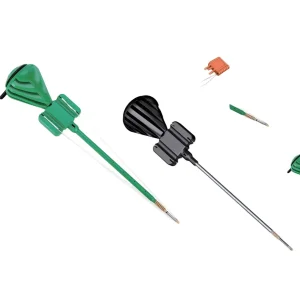
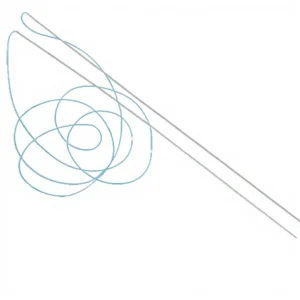
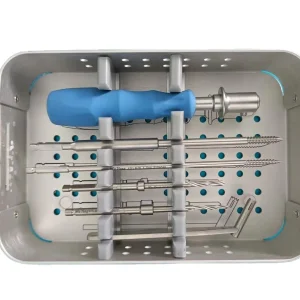
Sydney stands as one of the most active metropolitan areas in the Southern Hemisphere. With an intense local sporting culture covering Rugby League (NRL), cricket, netball, and surfing, local orthopedic clinics and public hospitals under NSW Health face a continuous influx of soft-tissue and articular injuries. Reconstructive procedures of the Anterior Cruciate Ligament (ACL), meniscus, and lateral ankle ligaments (ATFL) require medical consumables that perform under high mechanical stress.
For Australian medical procurement agencies, sourcing orthopedic implants requires finding the optimal balance between strict Therapeutic Goods Administration (TGA) standards and the budgetary realities of private and public hospital systems. Sourcing direct from advanced manufacturing facilities in China provides Sydney-based distributors with a viable pathway to mitigate rising surgical costs without compromising on mechanical fatigue performance or structural biocompatibility.
Australian medical systems require ISO 13485 alignment, biocompatible raw material verification (such as implant-grade Titanium Alloy and Polyetheretherketone - PEEK), and detailed traceability metrics. Ensuring every step of production is verified by biomechanical testing guarantees seamless deployment in demanding orthopedic environments.
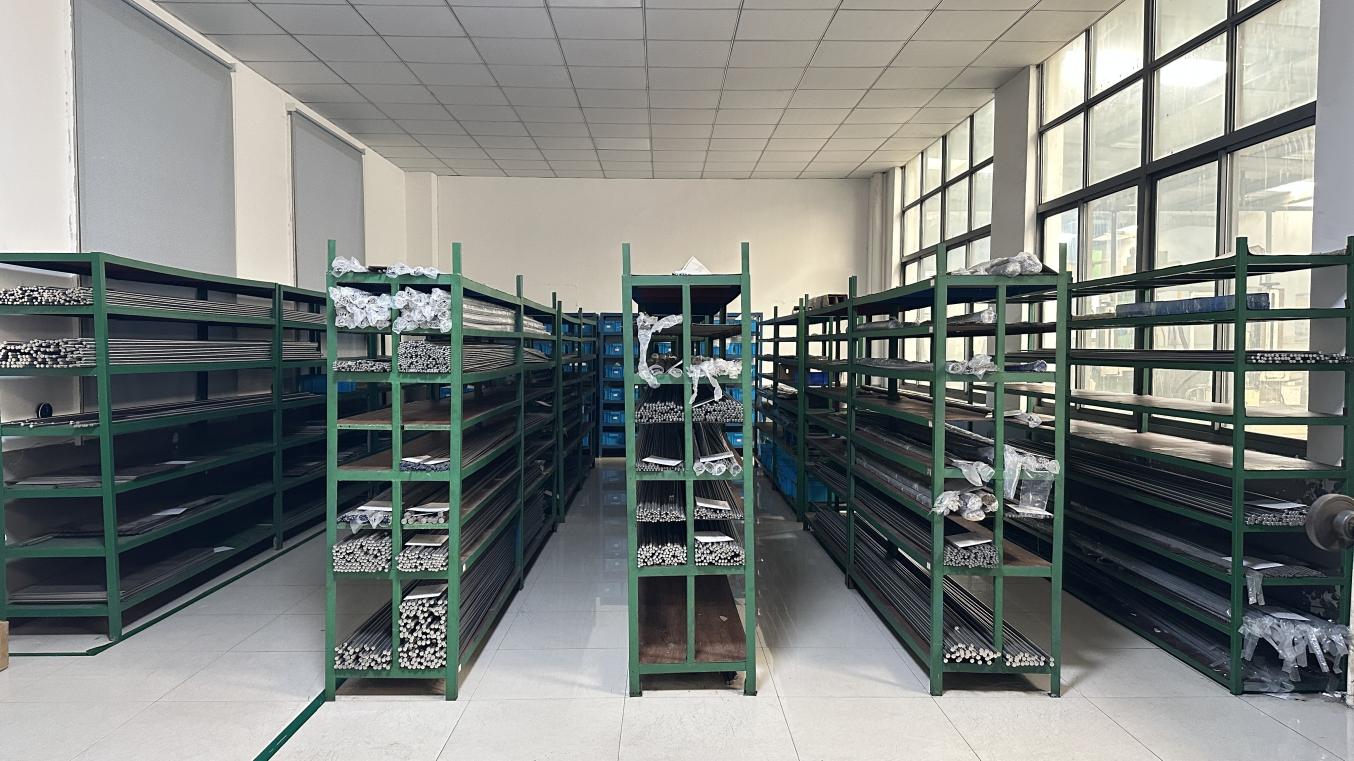
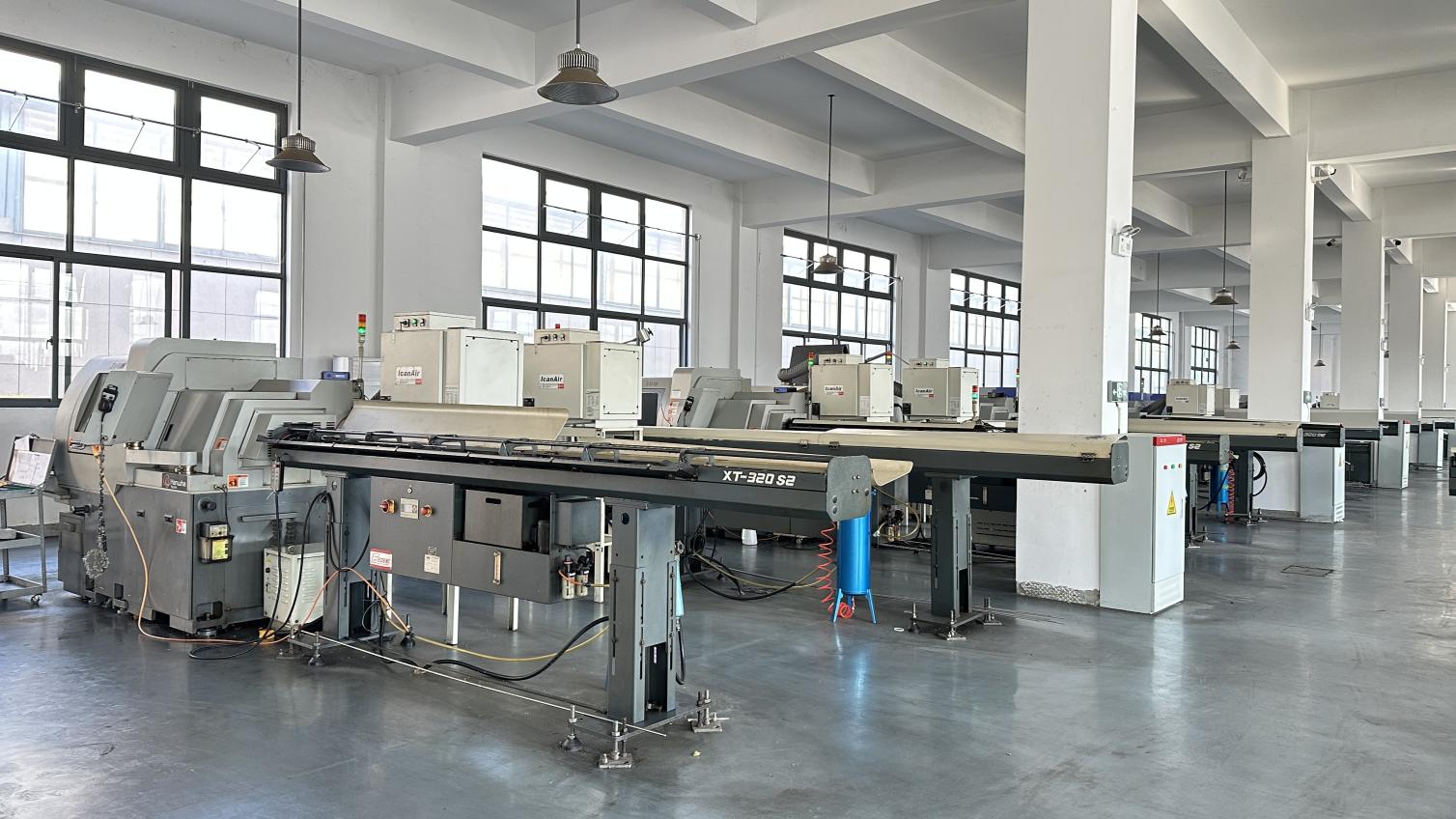
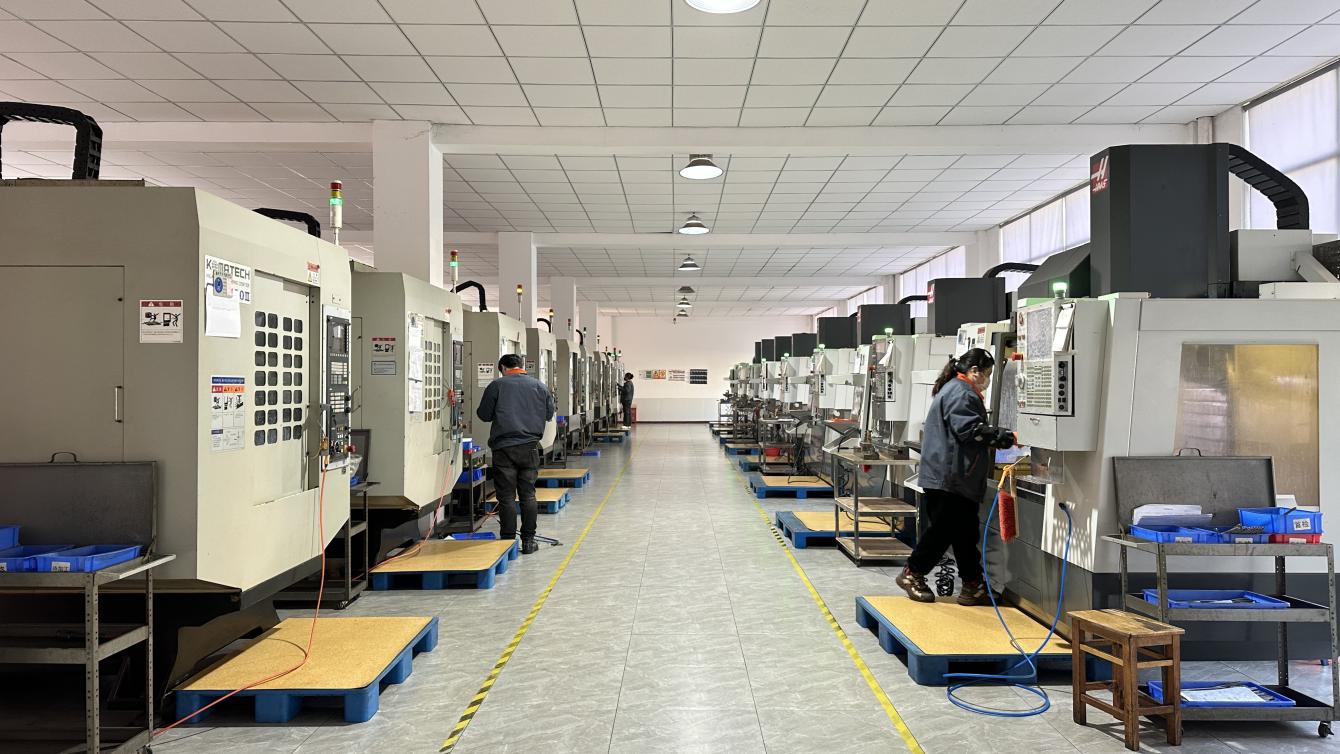
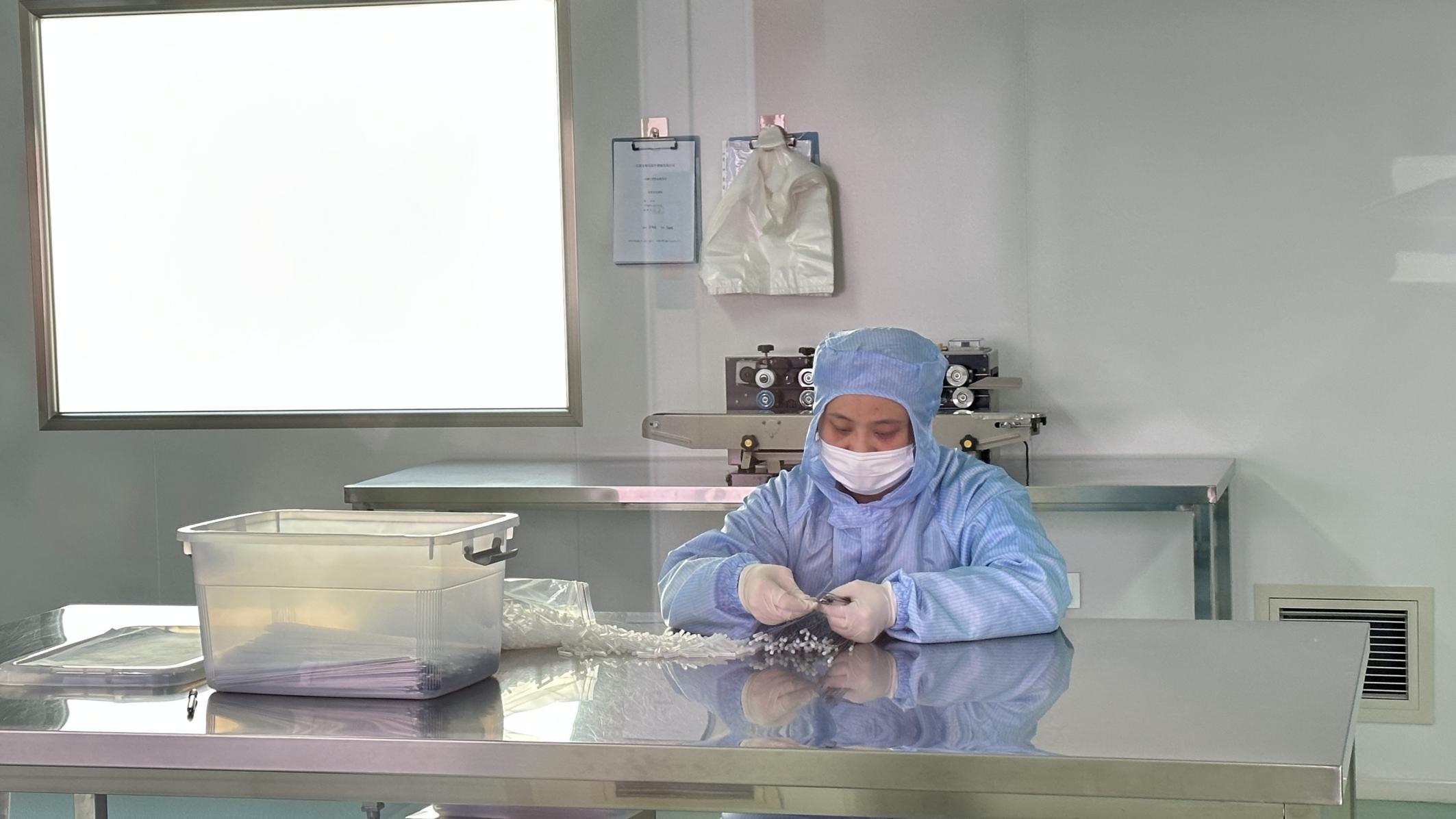
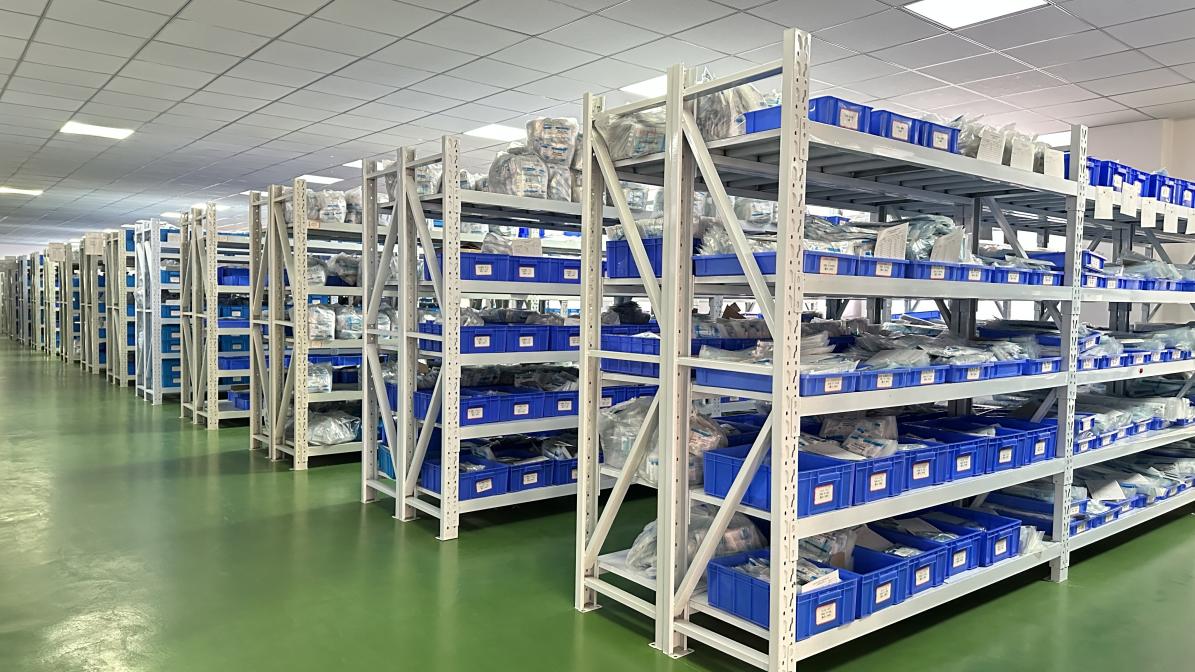
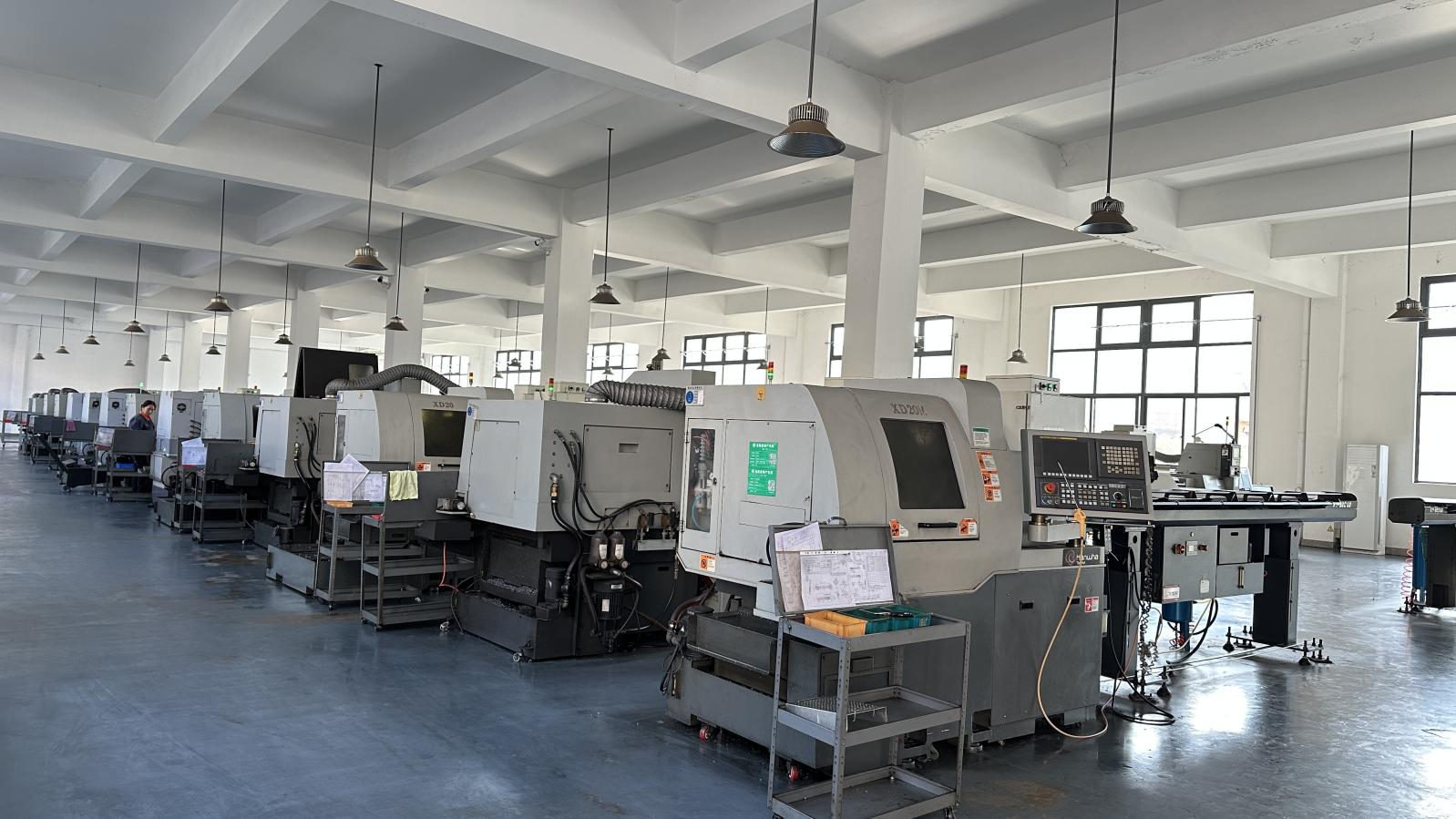
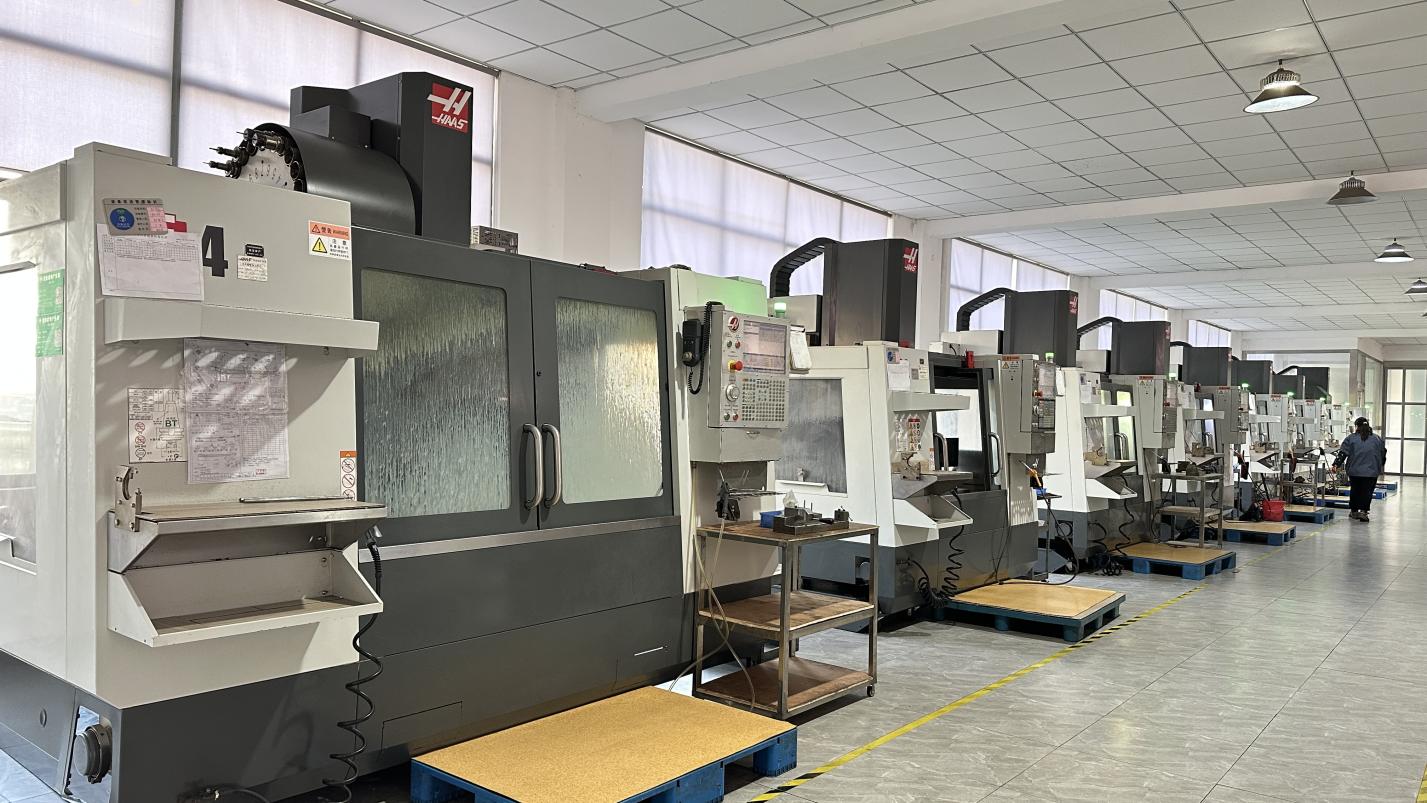
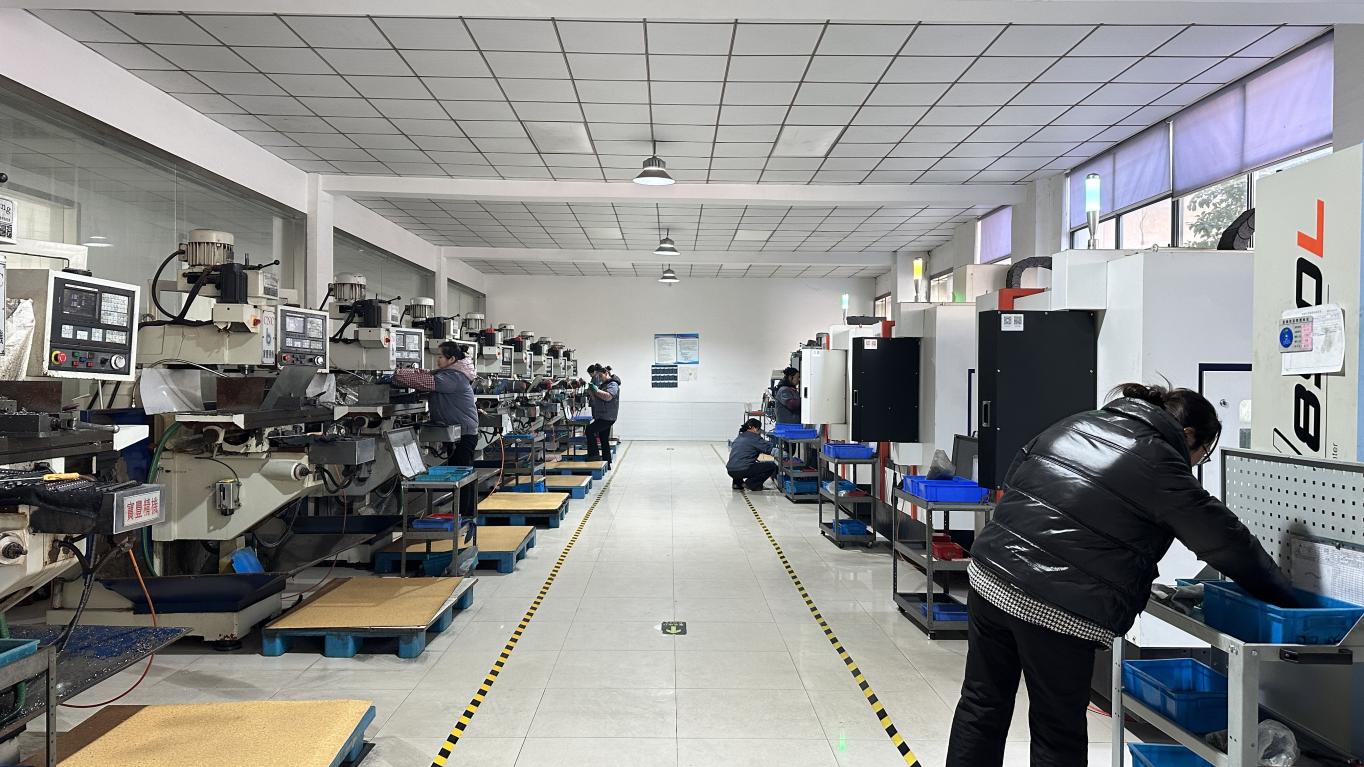
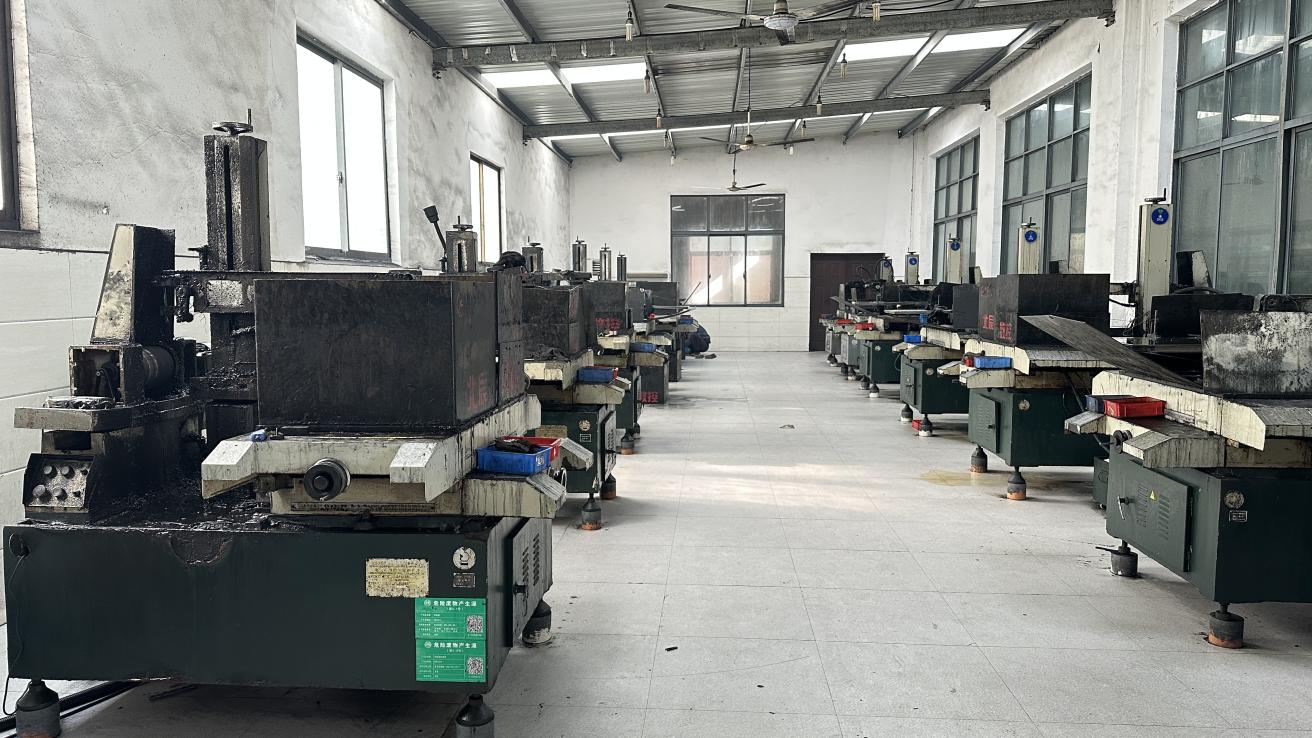
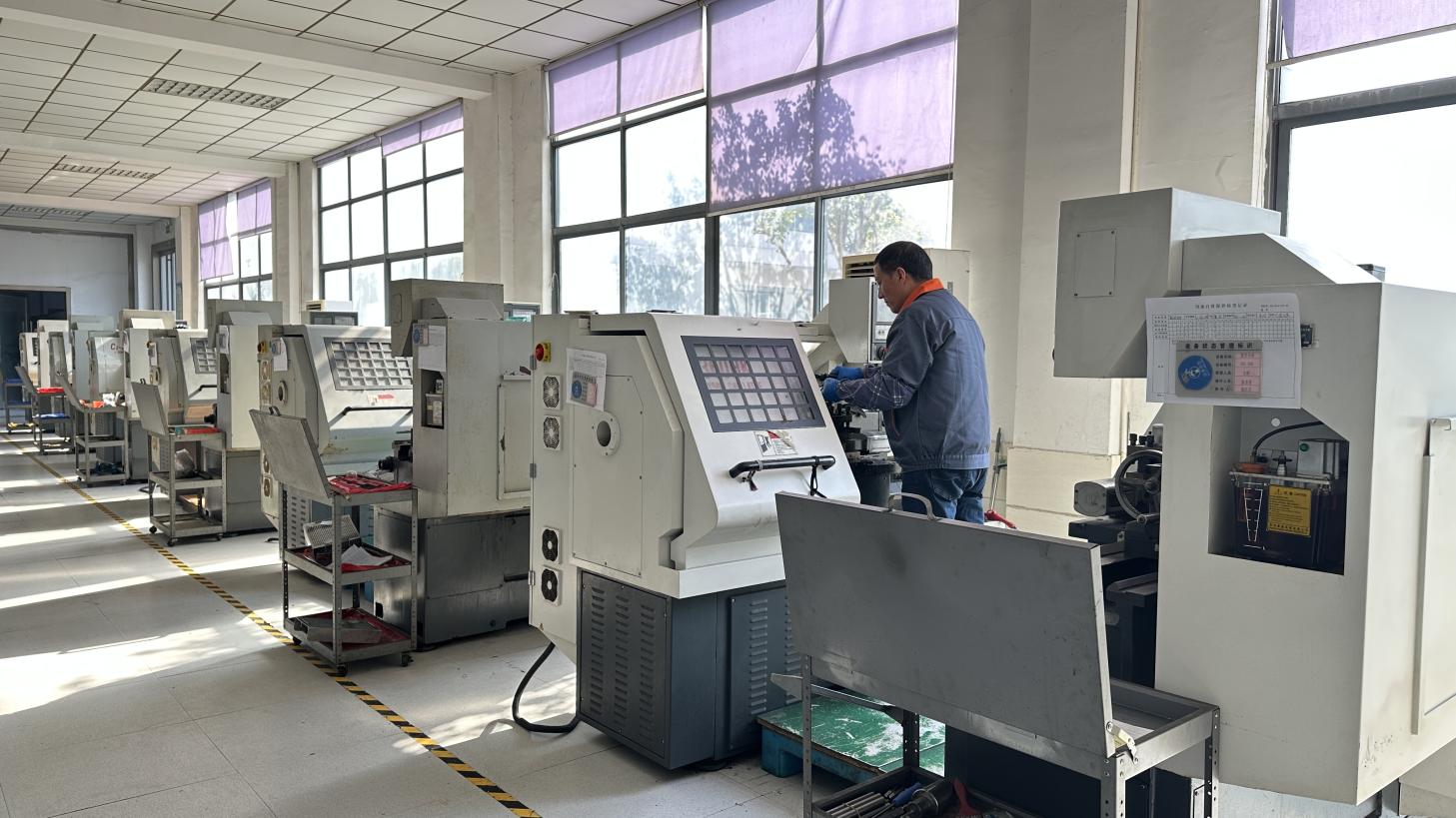
Operating under a strict ISO 13485 framework, Virelox delivers engineered medical implants directly from our 12,000 m² advanced manufacturing facility.
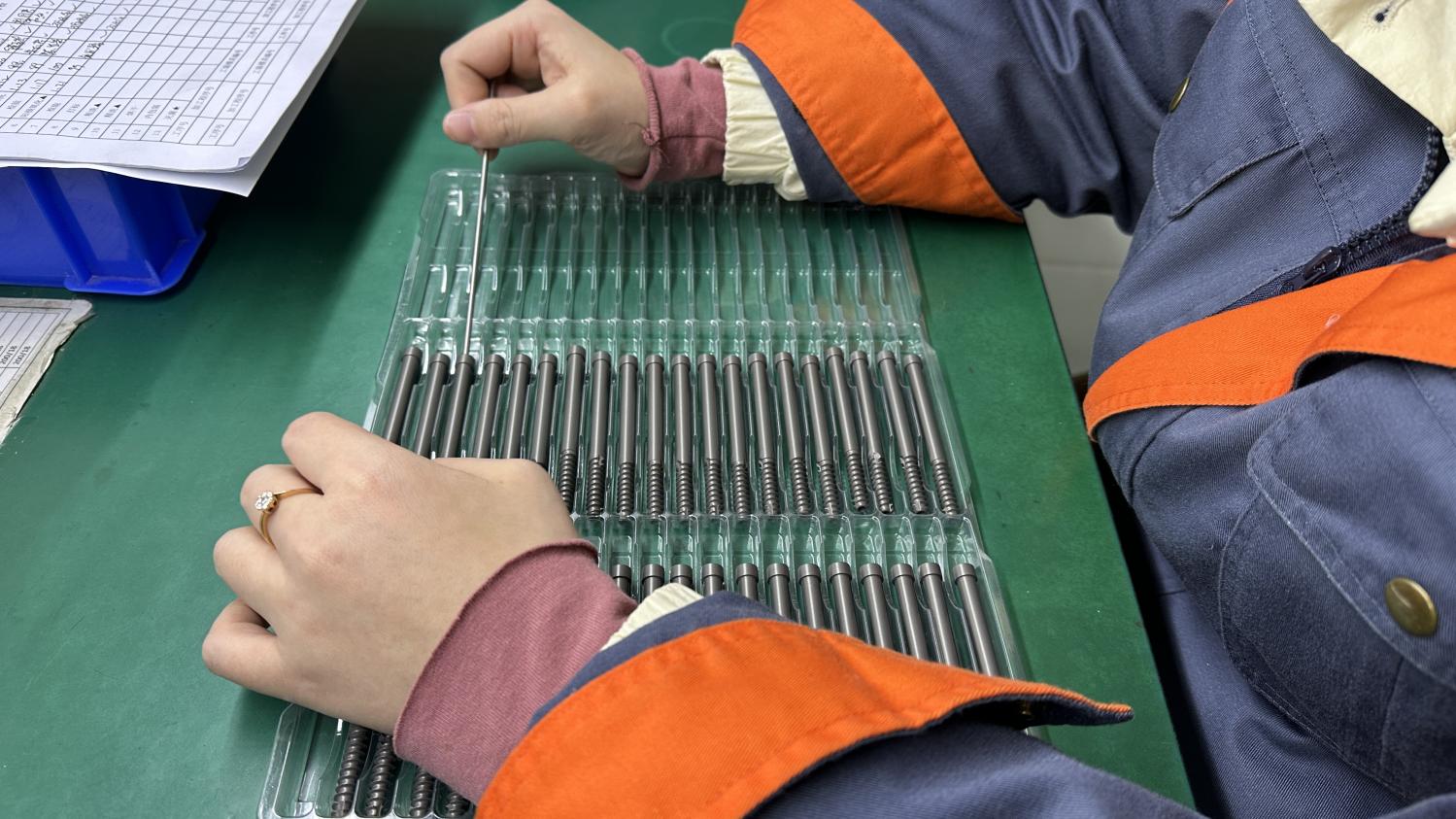
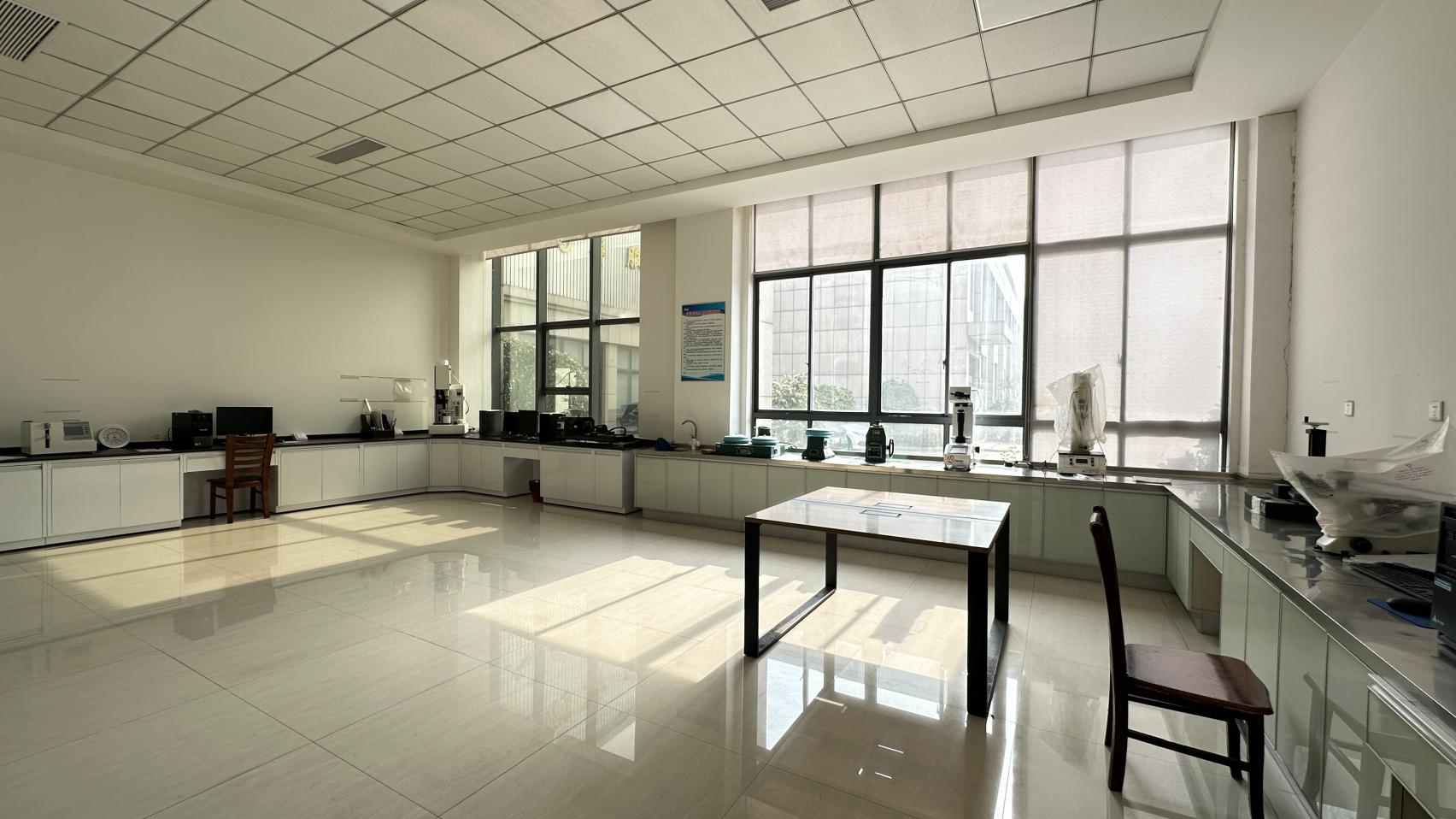
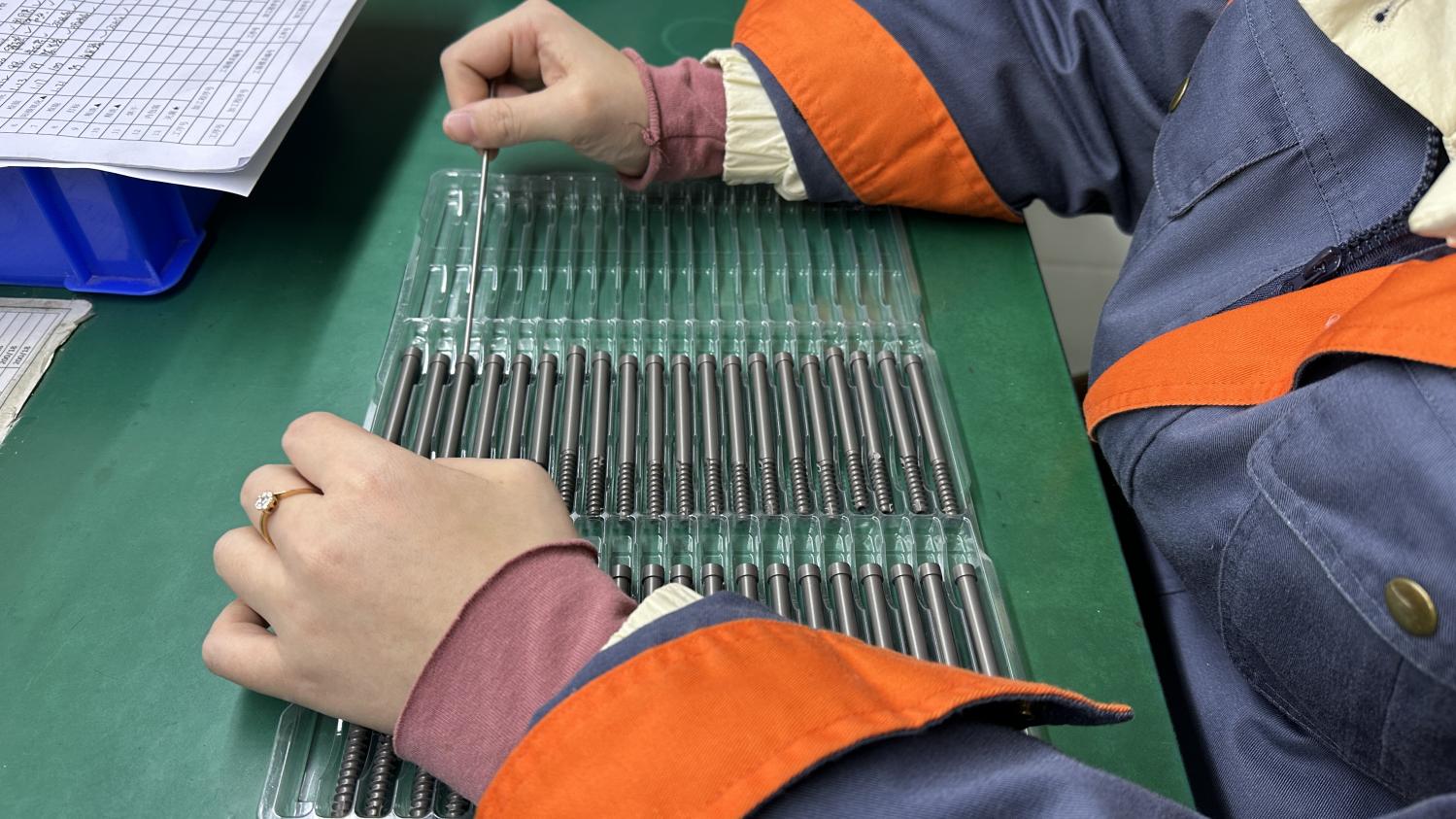
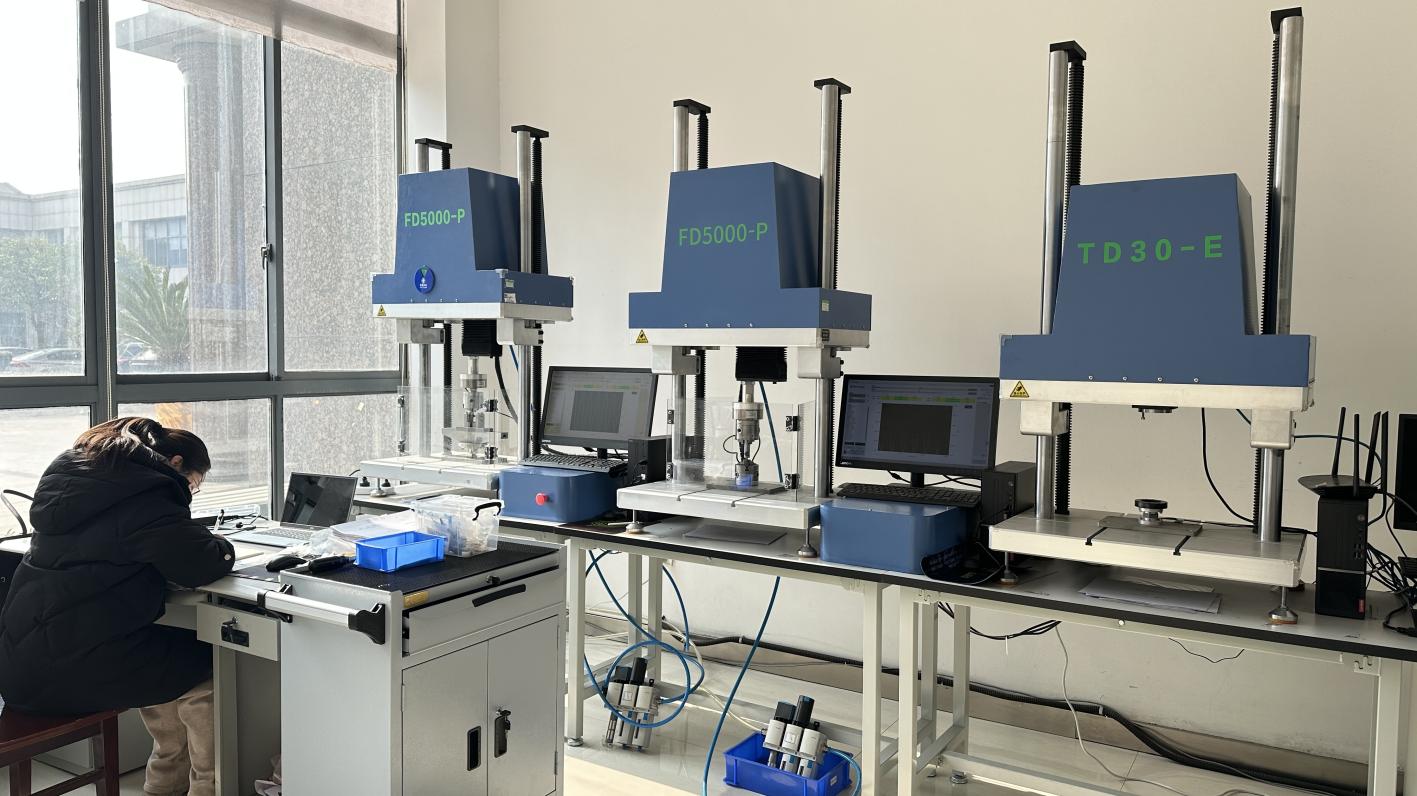
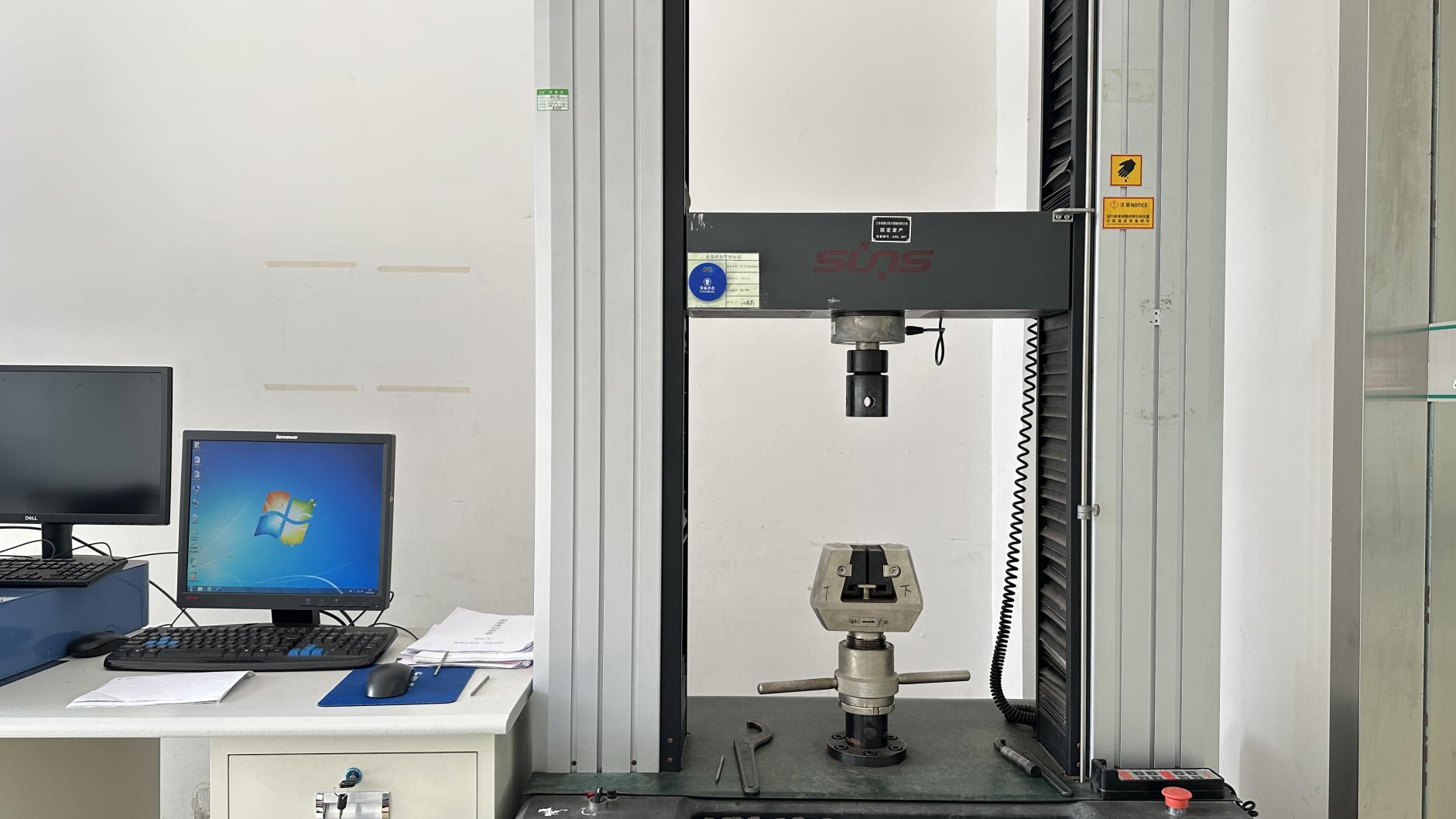
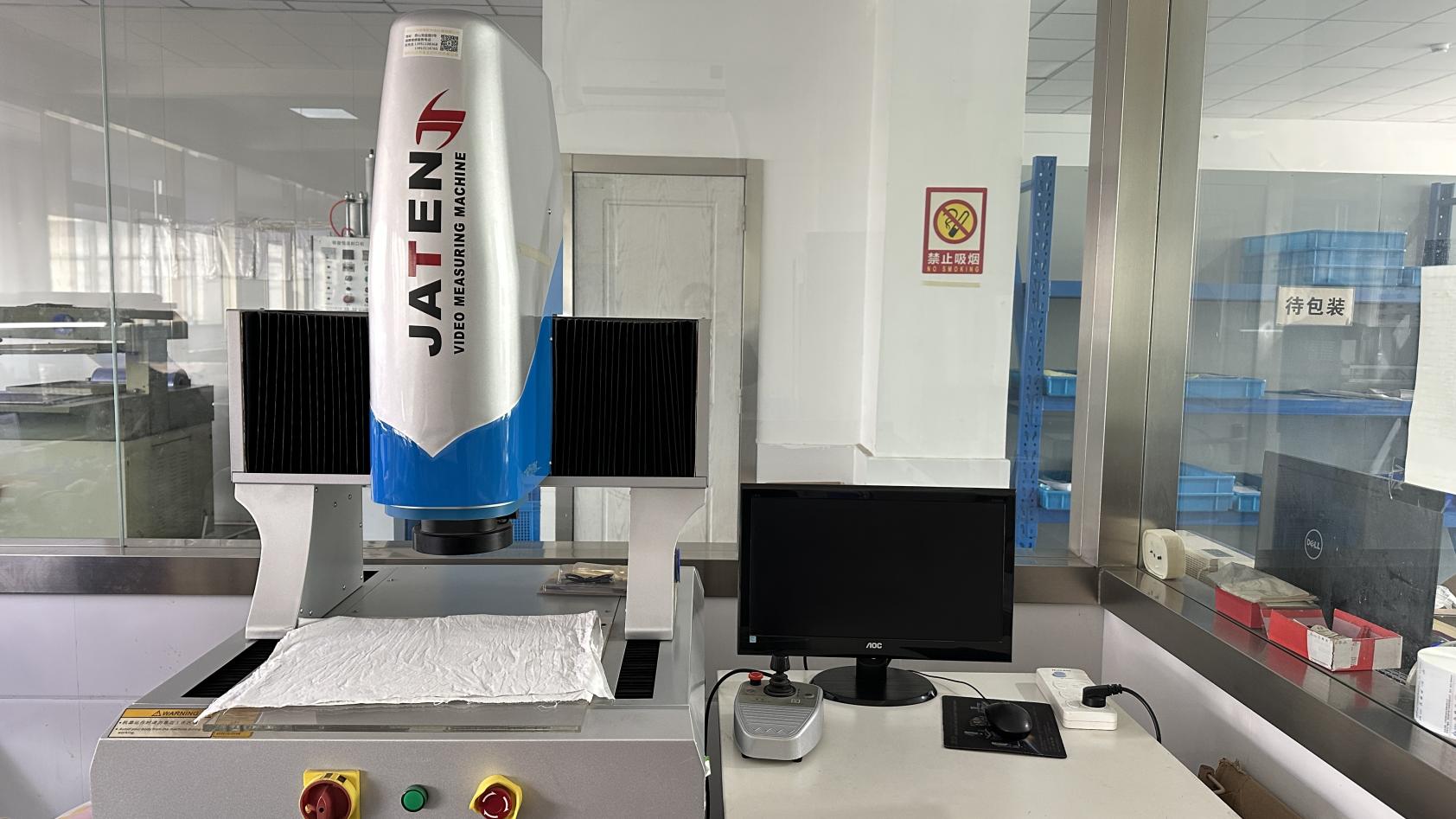
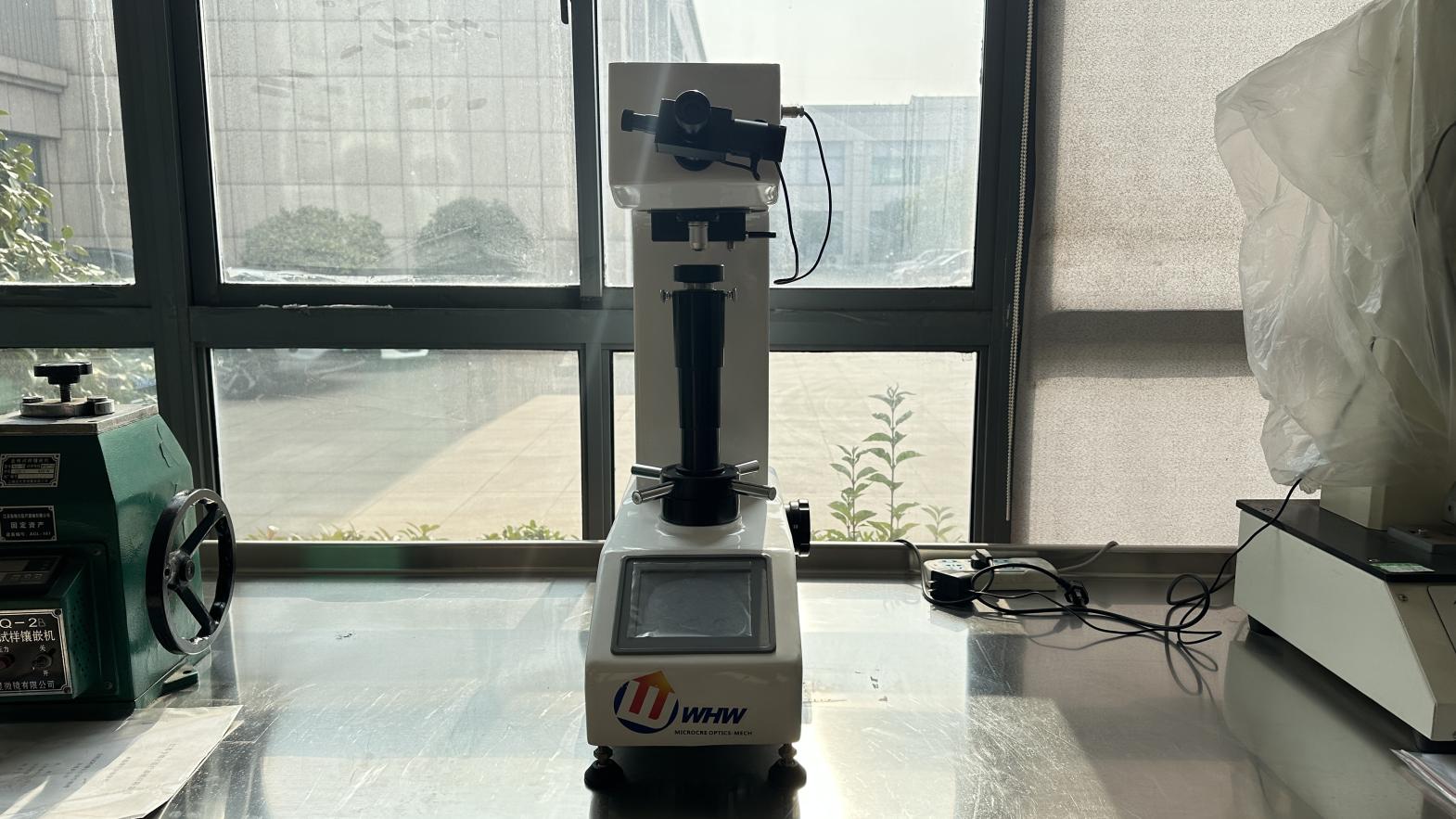
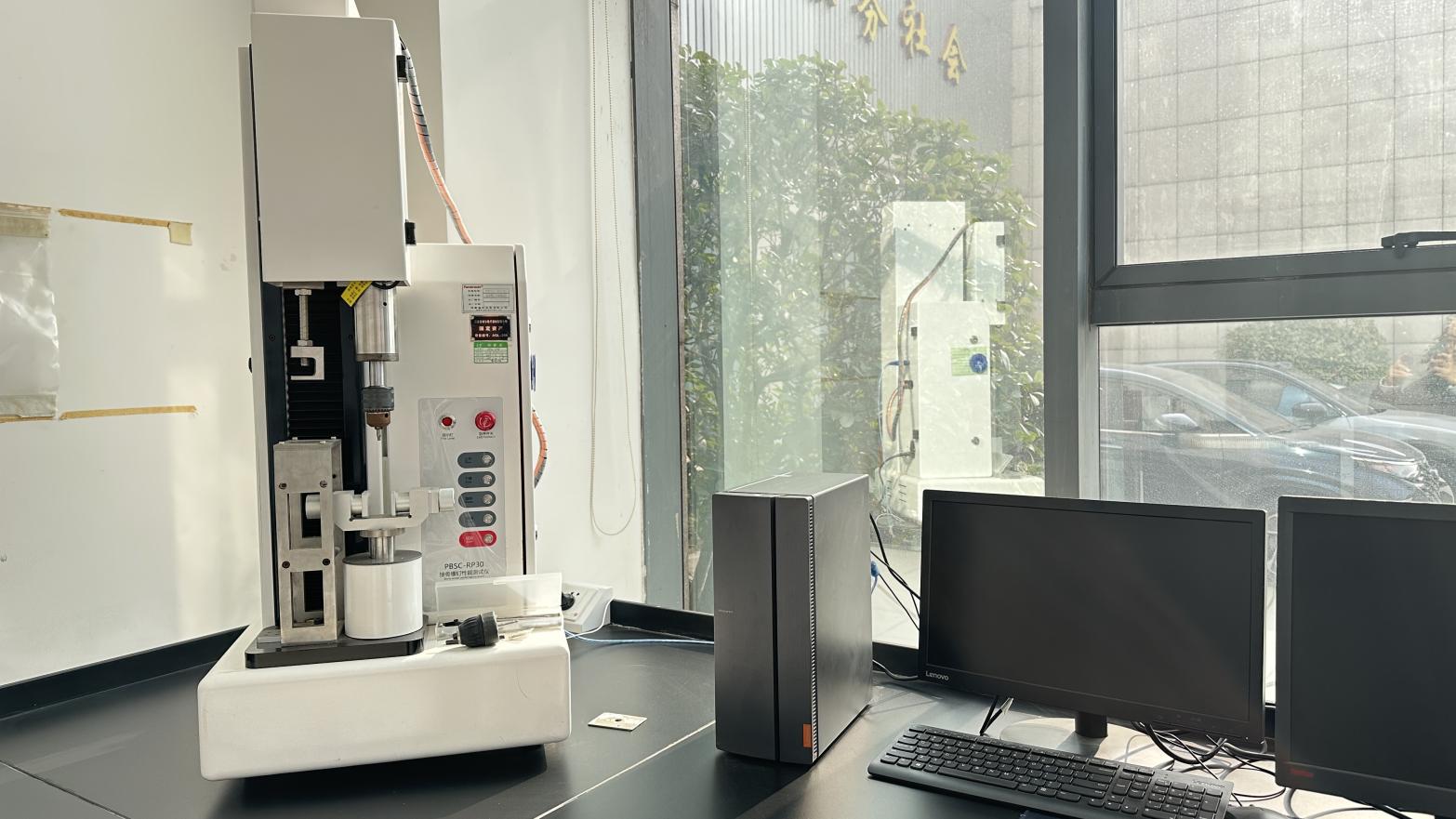
Every batch of non-absorbable and absorbable suture anchors undergoes extensive testing: X-ray inspection, fatigue testing, tensile strength assessment, and dimensional CMM measurements.
We offer full-service customization options, including private label packaging, customized implant geometries tailored to specific clinical requirements, and rapid biomechanical prototyping.
With 850 certified upstream and downstream partners, we maintain consistent access to high-grade titanium and medical polymers, ensuring reliable lead times for international orders.
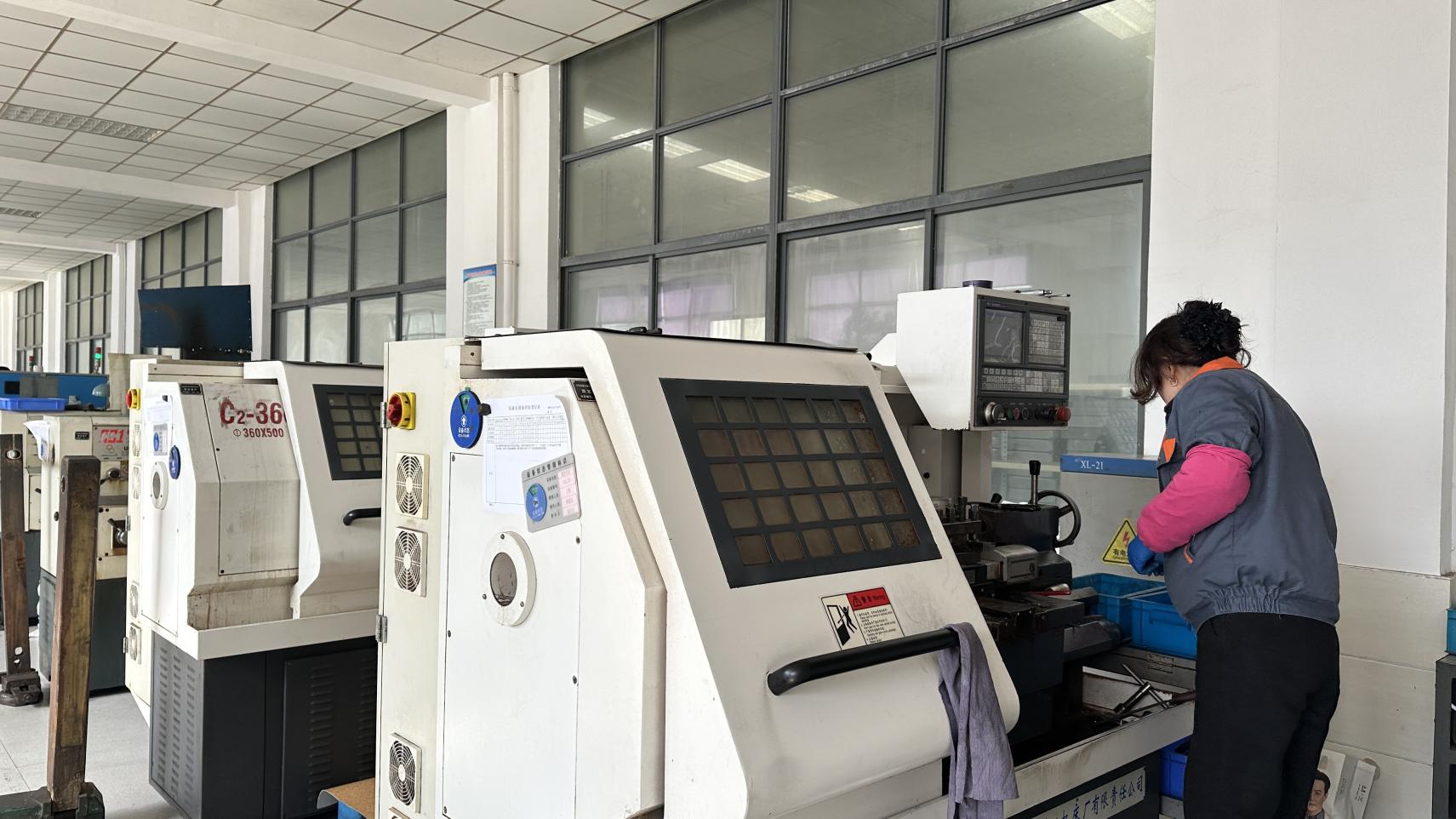
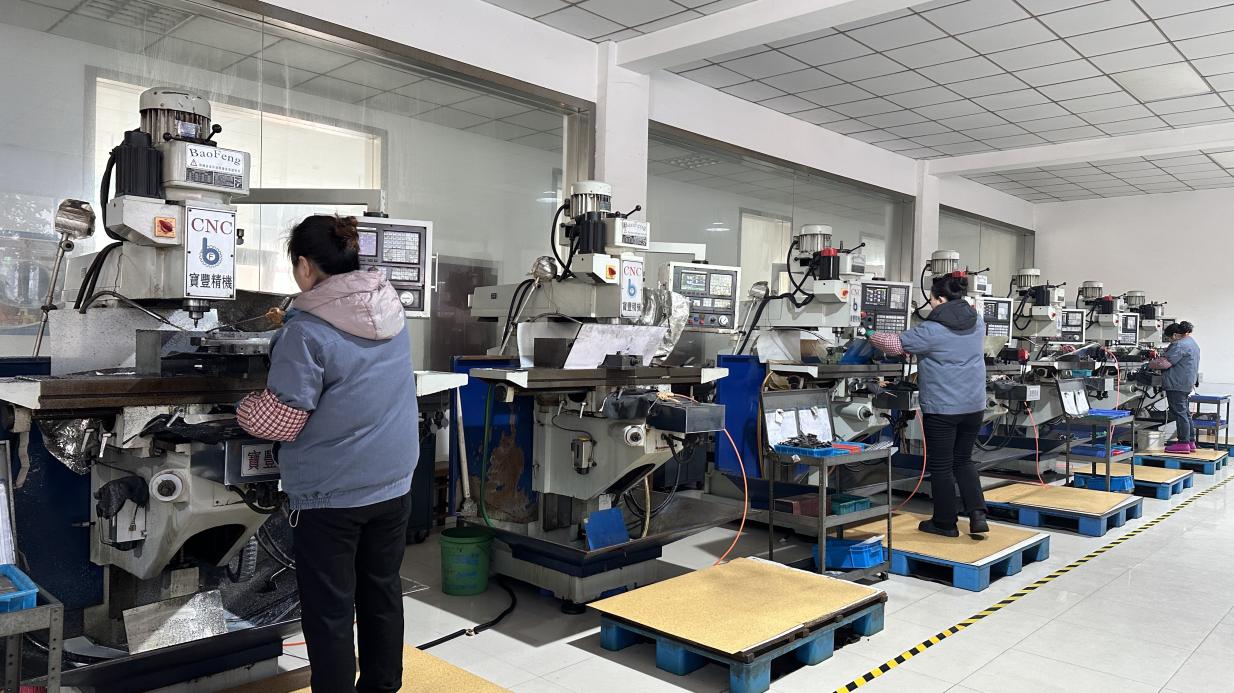
From raw material selection through precision CNC milling to sterile packaging, every phase of production is monitored for quality control.
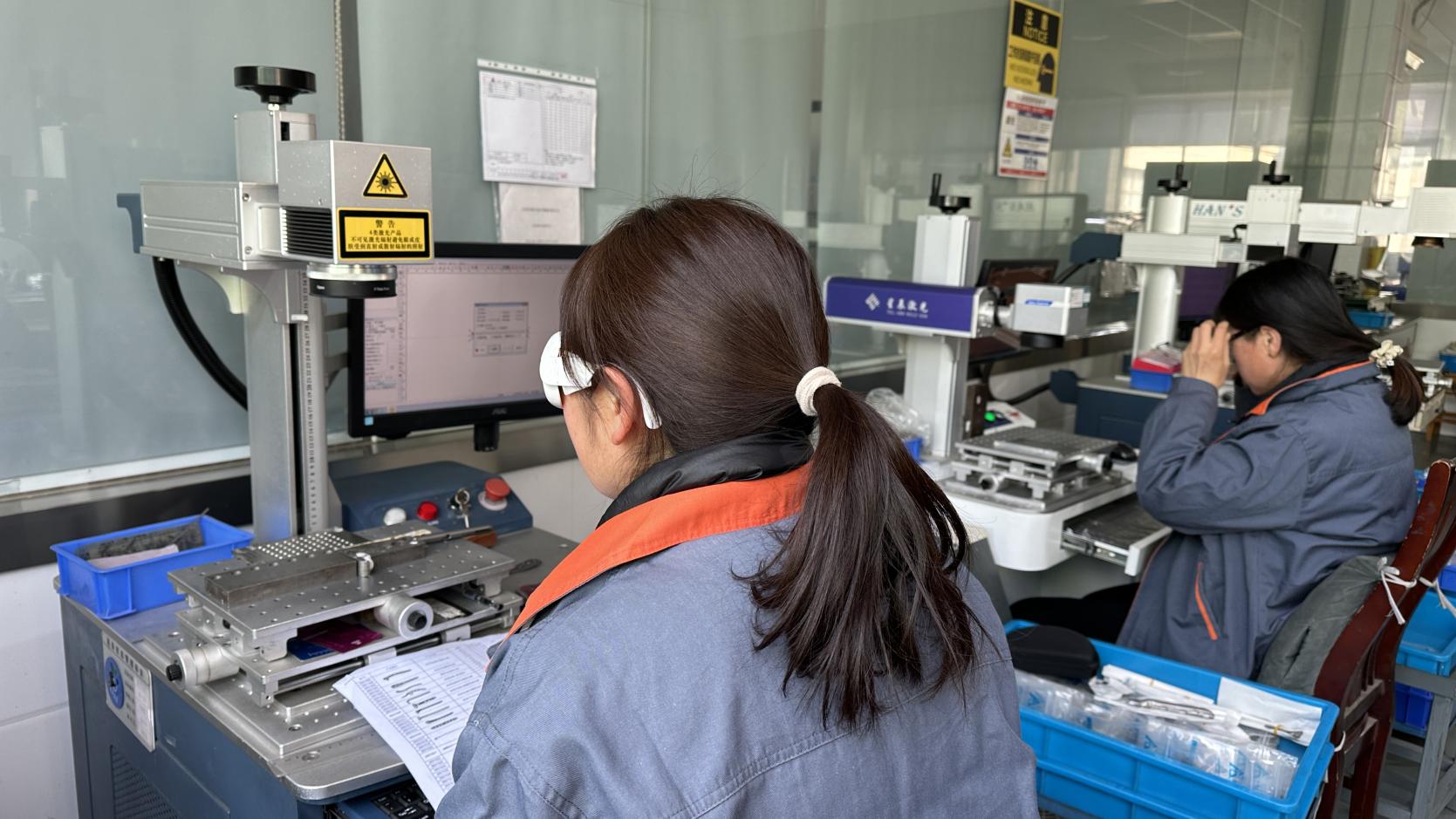
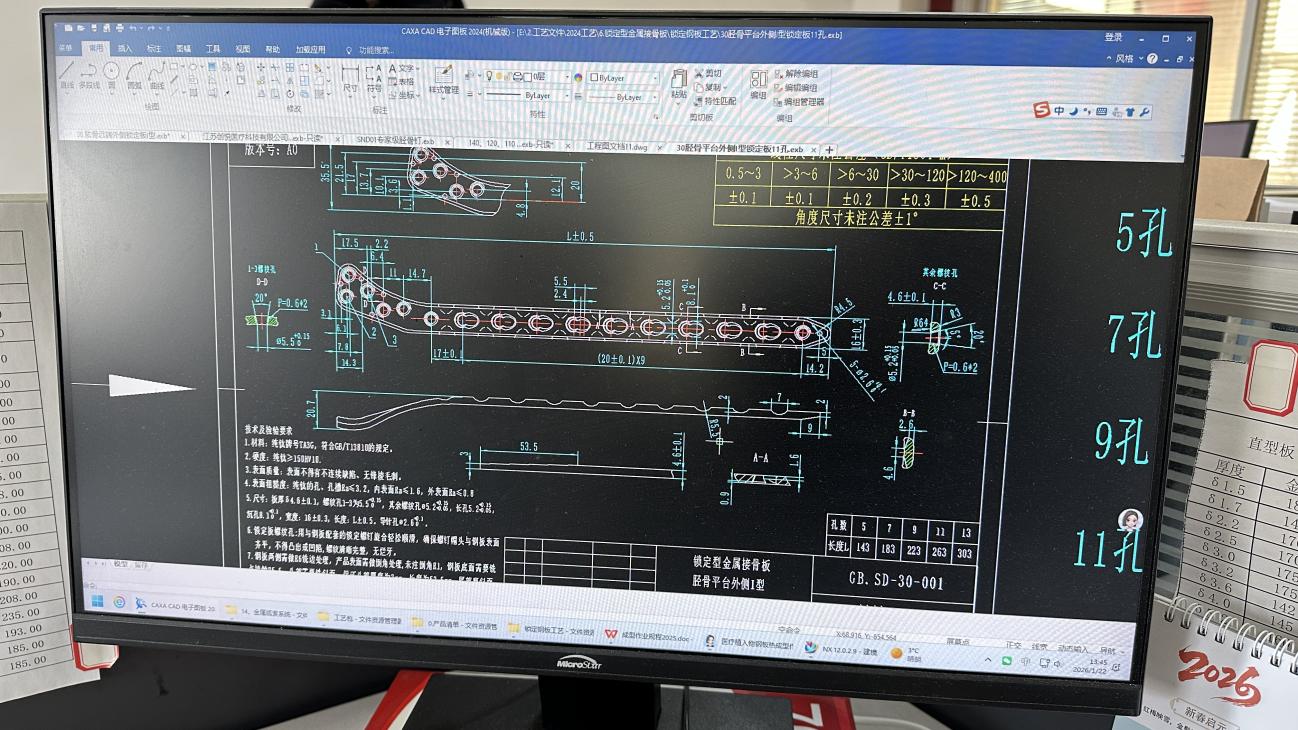
In modern sports medicine, the choice of materials directly impacts postoperative outcomes, recovery times, and the incidence of revisions. Over the last decade, there has been a shift from using traditional metals to advanced polymers and biocomposites. Polyetheretherketone (PEEK), a semi-crystalline thermoplastic, has become a preferred material for arthroscopic suture anchors. Its modulus of elasticity closely matches that of human cortical bone, reducing stress shielding and improving load transfer at the bone-implant interface.
"By engineering implants with PEEK and advanced titanium alloys, manufacturers offer surgeons high fixation strength alongside the benefits of radiolucency. This allows for clear post-operative MRI evaluation, which is a key requirement for sports medicine clinics in Sydney."
Biocomposite anchors (often composed of Poly-L-lactide, PLLA, and beta-tricalcium phosphate, β-TCP) offer controlled resorption profiles. Once implanted, the polymer matrix degrades via hydrolysis, while the osteoconductive β-TCP stimulates bone remodeling around the anchor site. This process slowly replaces the artificial anchor with native bone structure over 18 to 36 months, minimizing the presence of permanent foreign materials in the patient’s body.
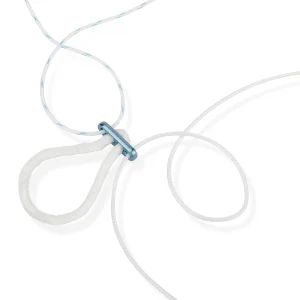
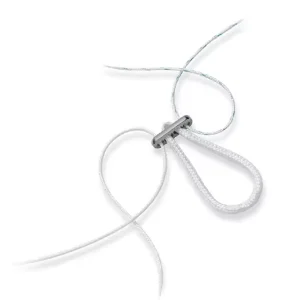
To reduce wear on surrounding tissue, modern suture designs use Ultra-High Molecular Weight Polyethylene (UHMWPE) co-braided with polyester. This combination yields high tensile strength and minimal knot profiles, reducing the risk of joint irritation. Designing anchors with knotless loops further streamlines arthroscopic surgery, allowing surgeons to lock tension in place without tying knots manually.
Our on-site laboratories test the mechanical limits of every implant and instrument set, ensuring safety and performance compliance.
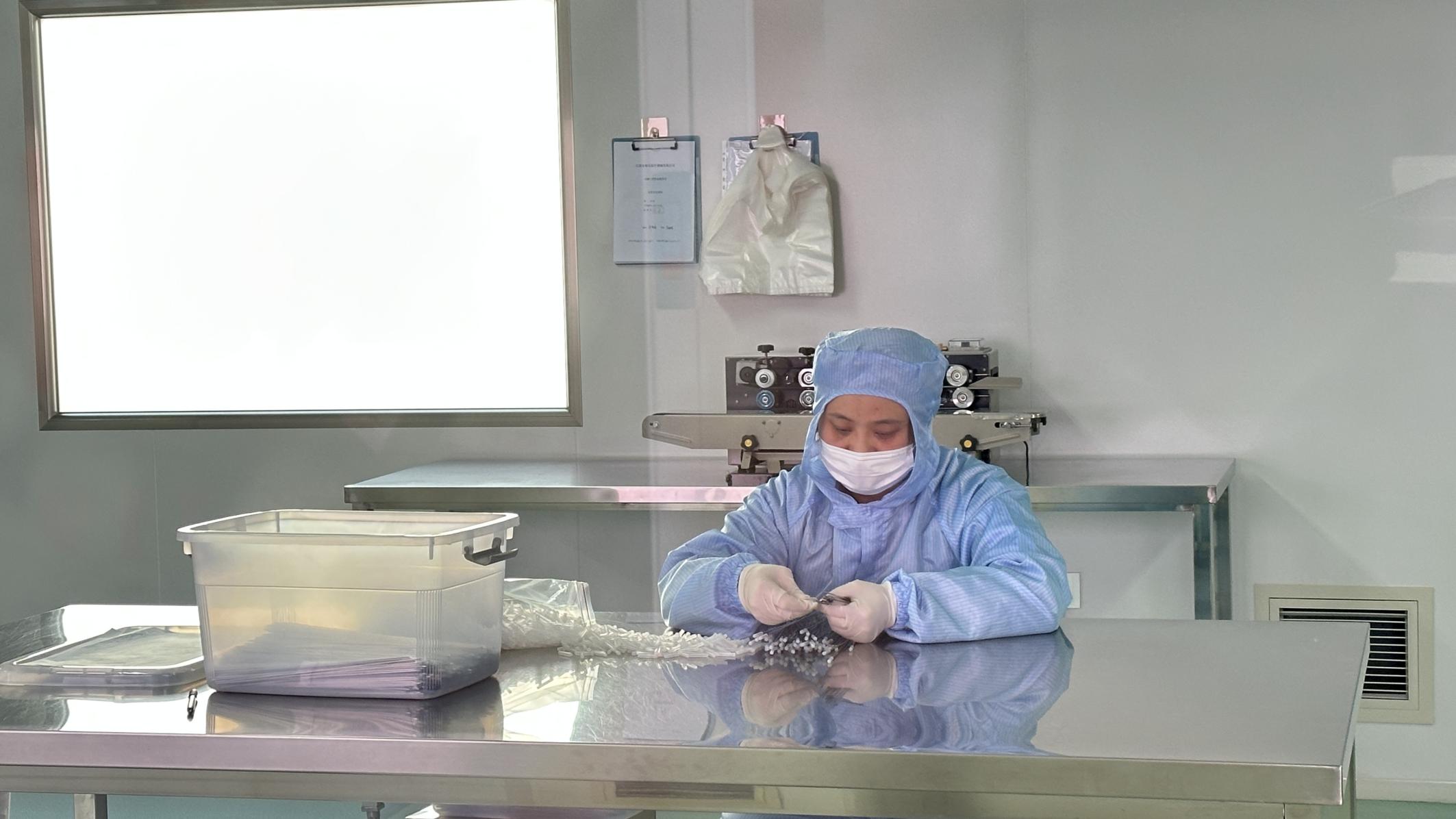
Importing Class II and Class III medical devices into the Australian market requires a secure and documented supply chain. With 8 years of dedicated export experience, Virelox manages regulatory compliance and logistics from our manufacturing center to key Australian hubs, including Port Botany and Kingsford Smith Airport. We supply detailed documentation with every shipment, including material mill certificates, sterilization validation records (ethylene oxide/gamma radiation), and testing data sheets, simplifying local compliance procedures.
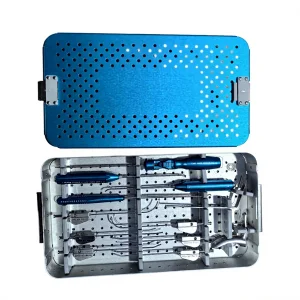
Our OEM and ODM capabilities allow local distributors to adjust implant parameters to suit the surgical preferences of Australian clinics. Whether adjusting the profile of a titanium thread or custom-engineering a sports medicine instrument kit, our 120-person R&D team can adapt designs to meet local clinical needs.
Detailed technical and regulatory clarifications for orthopedic surgeons, procurement officers, and medical device importers in Sydney.
We use implant-grade Titanium Alloy (Ti-6Al-4V ELI) complying with ASTM F136 standards and medical-grade Polyetheretherketone (PEEK-OPTIMA® or equivalent biocompatible polymers) complying with ASTM F2026. This ensures high biocompatibility and excellent mechanical properties for orthopedic applications.
We supply a complete regulatory dossier, including ISO 13485 certification, biocompatibility reports (ISO 10993 series), sterilization validation data, clinical evaluation summaries, and mechanical testing results. This structured documentation helps local sponsors list our products on the Australian Register of Therapeutic Goods (ARTG).
We perform fatigue and static tensile tests using calibrated instruments to evaluate maximum load to failure. For instance, our suture anchors undergo cyclic loading testing to ensure they can withstand physiological forces without pullout or anchor breakage. Testing protocols follow relevant ASTM and ISO guidelines for orthopedic implants.
For urgent surgical orders, air cargo from Shanghai or Guangzhou to Sydney (SYD) takes approximately 3 to 7 working days. Bulk ocean shipments to Port Botany average 18 to 25 days transit time, depending on shipping schedules and customs clearance processing.
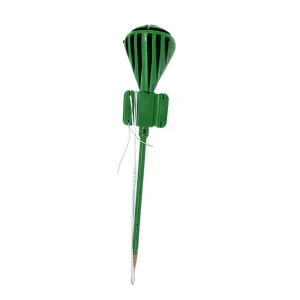
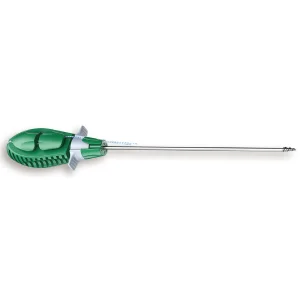
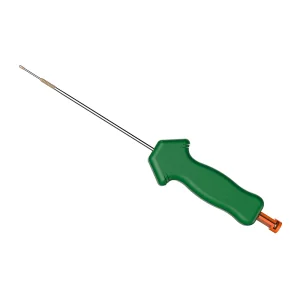
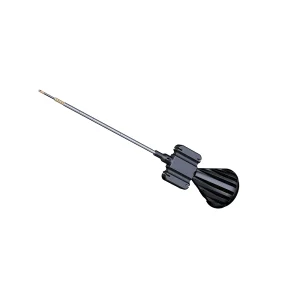
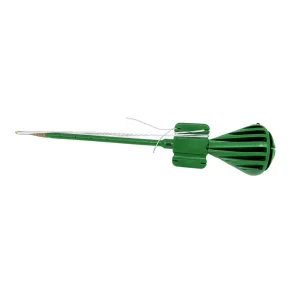
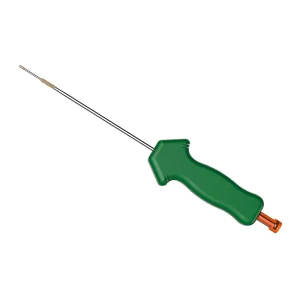
Engineered orthopedic implants and instrument sets designed to support soft tissue repairs in high-demand surgical environments.
Virelox Medical coordinates with importers, procurement directors, and surgical distributors across Sydney and New South Wales. Connect with our engineering department to request sample designs, biocompatibility data, or regional distributor pricing.
Reduce secondary margin costs and build a reliable pipeline for your sports medicine products.
 Virelox