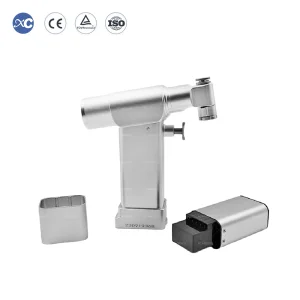
Engineered for extreme reliability, ergonomic balance, and sterilization endurance. Trusted by US surgical centers and veterinary trauma networks.
Analyzing industry standards, regulatory barriers, and structural supply chain transitions.
The United States orthopedic device market represents the largest and most technologically demanding surgical sector globally. The demand for highly reliable, sterile-compatible, and high-precision power tools—such as sagittal saws, high-speed drills, and cannulated reaming systems—has expanded exponentially. Driven by an aging population requiring joint replacements, spinal surgeries, and a surging companion animal surgical market, US hospitals, ambulatory surgery centers (ASCs), and veterinary networks demand medical devices that conform to rigid safety, ergonomic, and durability metrics.
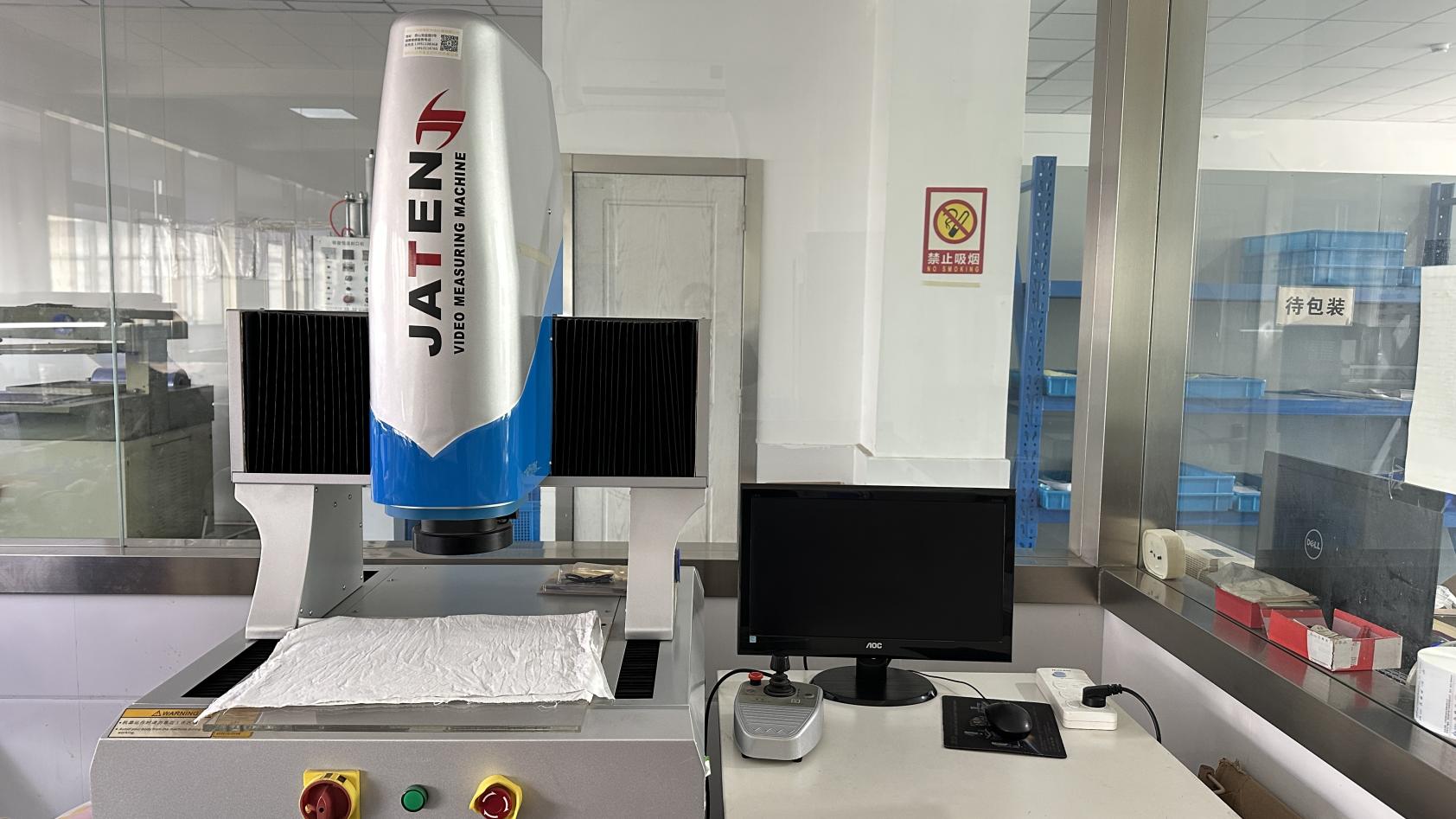
Exporting orthopedic surgical power systems to the United States requires navigating complex FDA regulatory pathways and maintaining rigorous compliance under ISO 13485 quality control parameters. For human application, orthopedic power tools are strictly regulated as Class II medical devices requiring 510(k) clearances. For the veterinary orthopedic market, while FDA pre-market approval is not standard, the expectations for material composition, motor shielding, and sterilization reliability mirror human surgical requirements. Leading US distributors prioritize manufacturers who employ full-traceability material records, strict coordinate measuring machine (CMM) dimensional verification, and biomechanical fatigue evaluation.
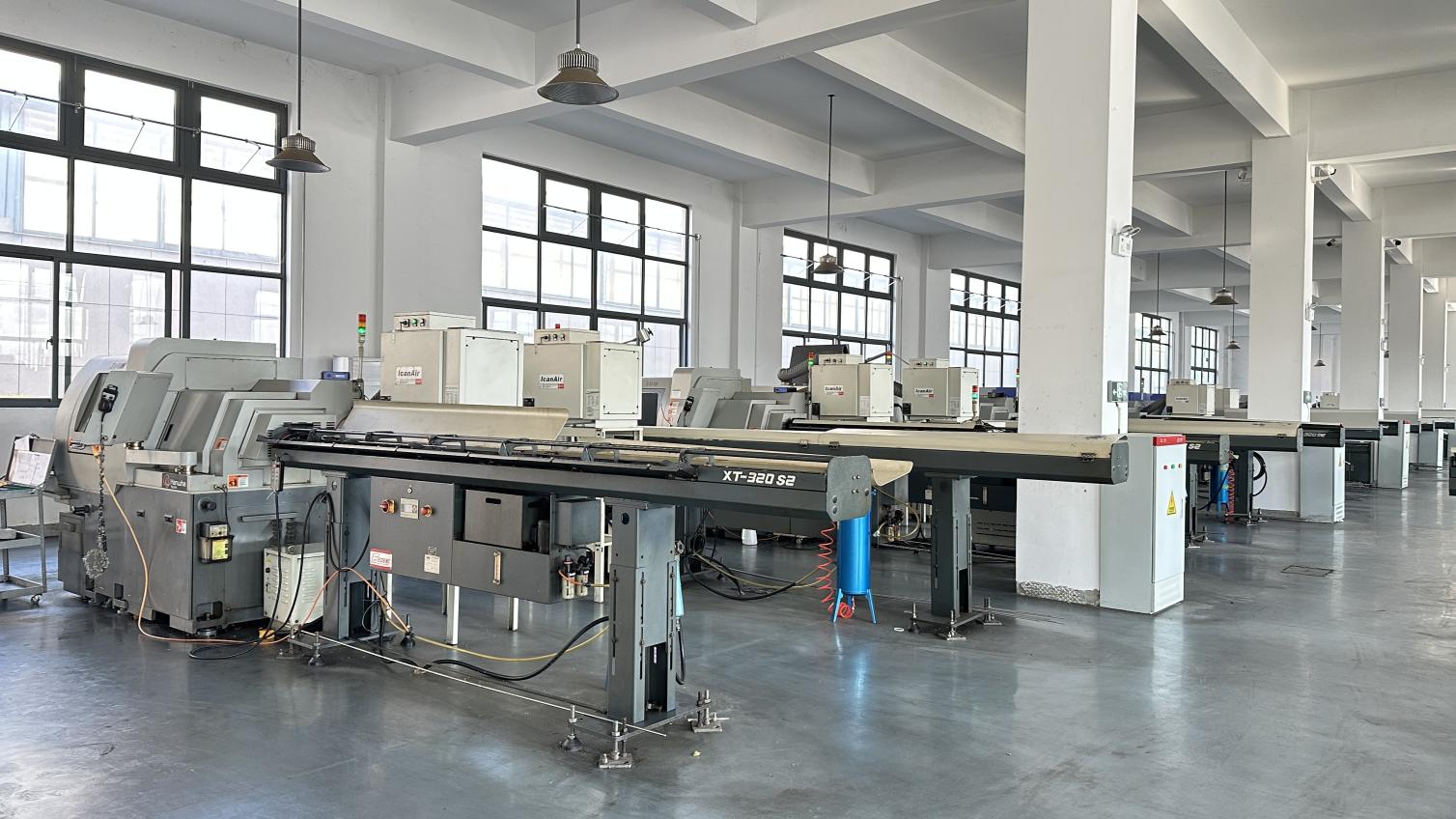
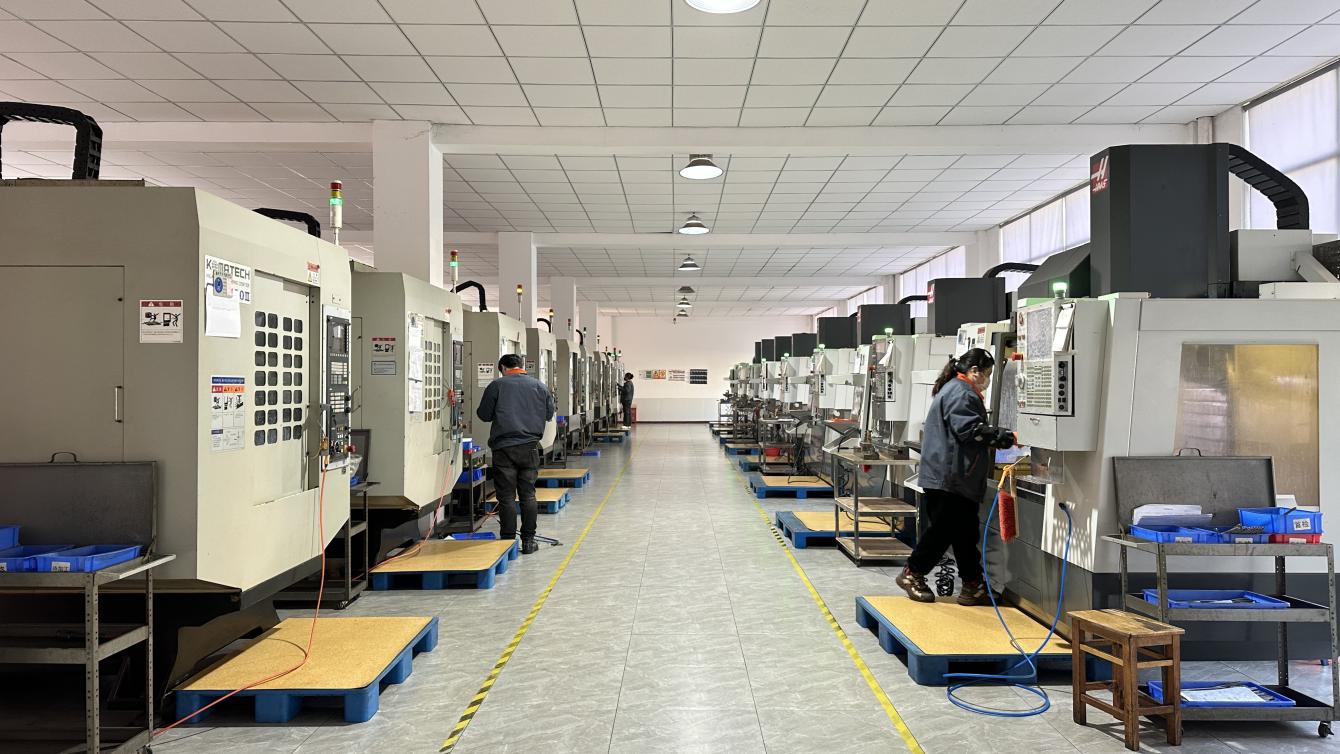
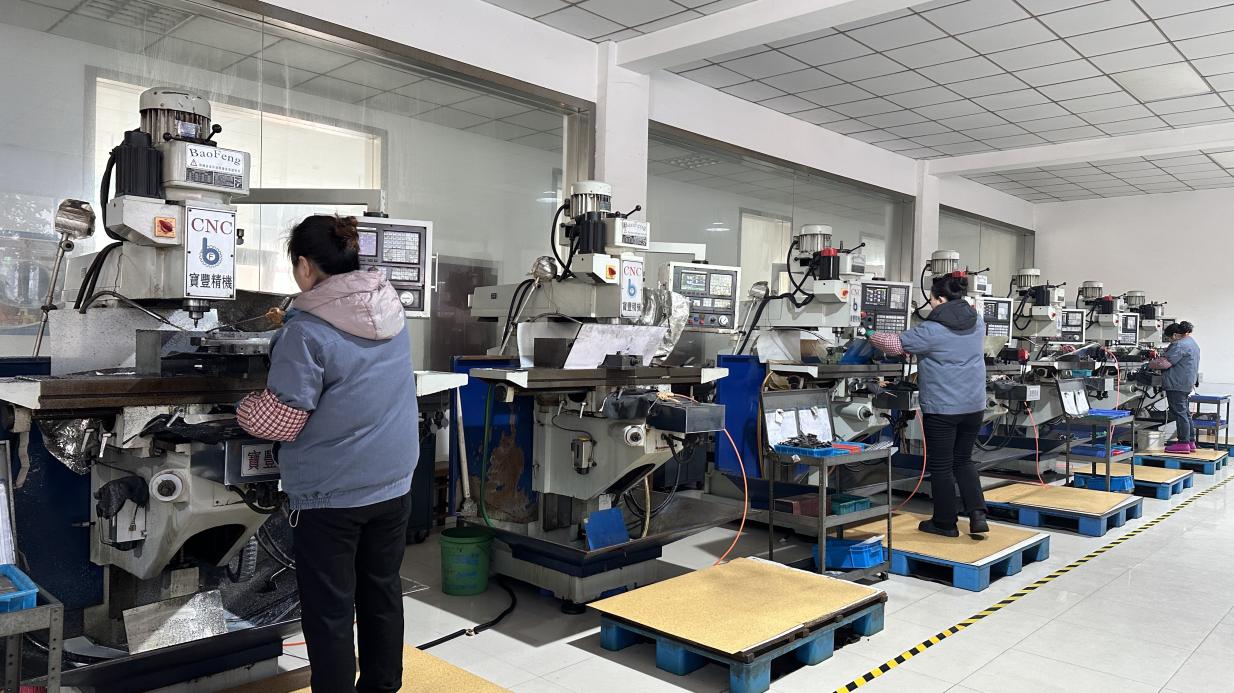
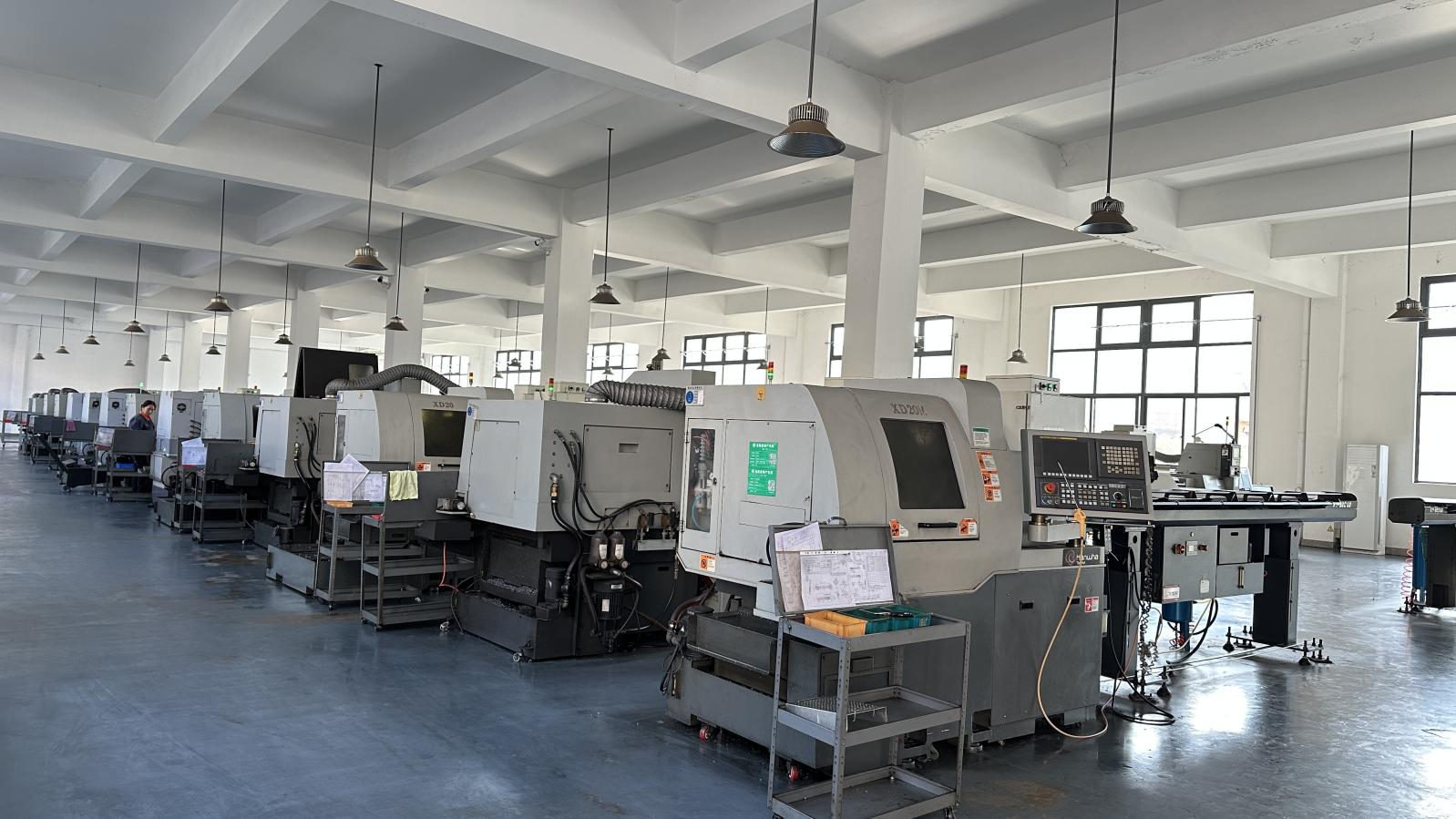
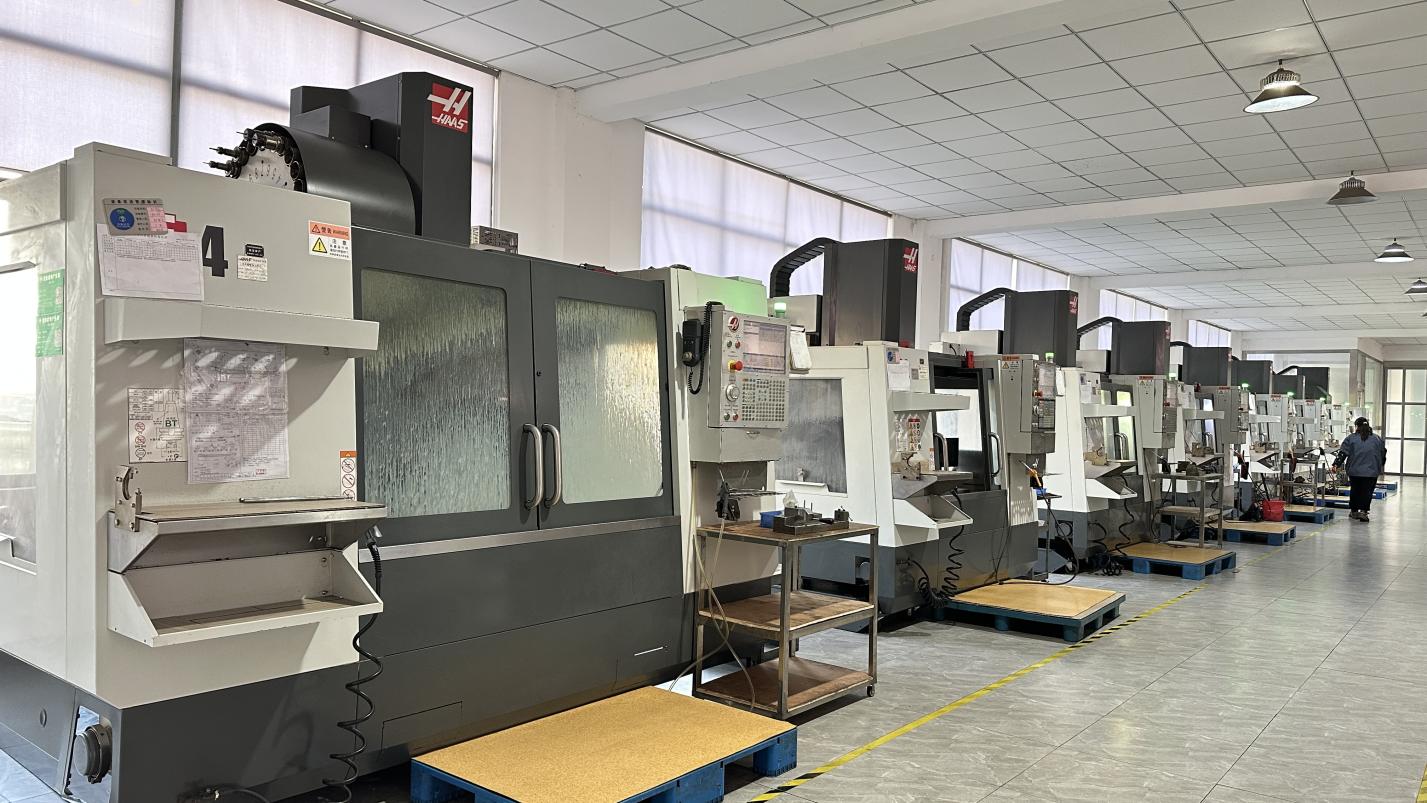
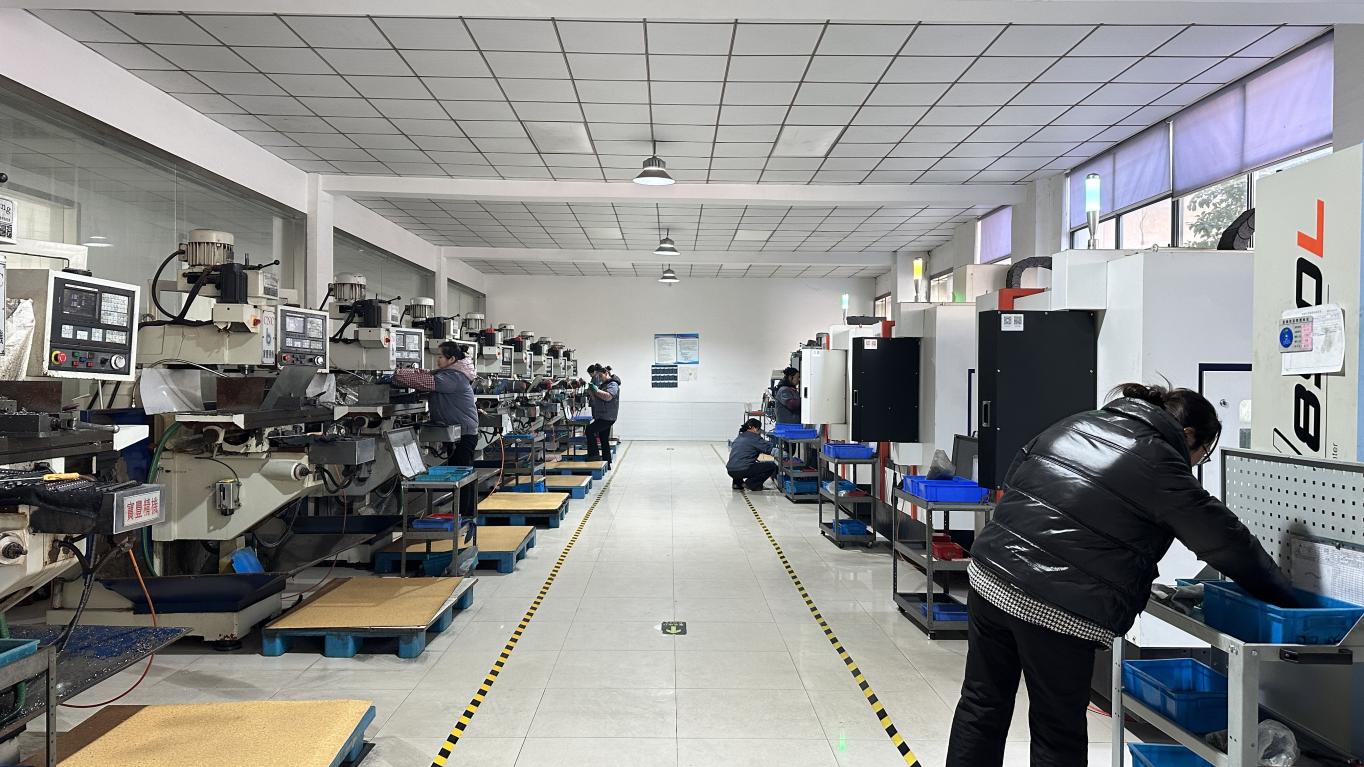
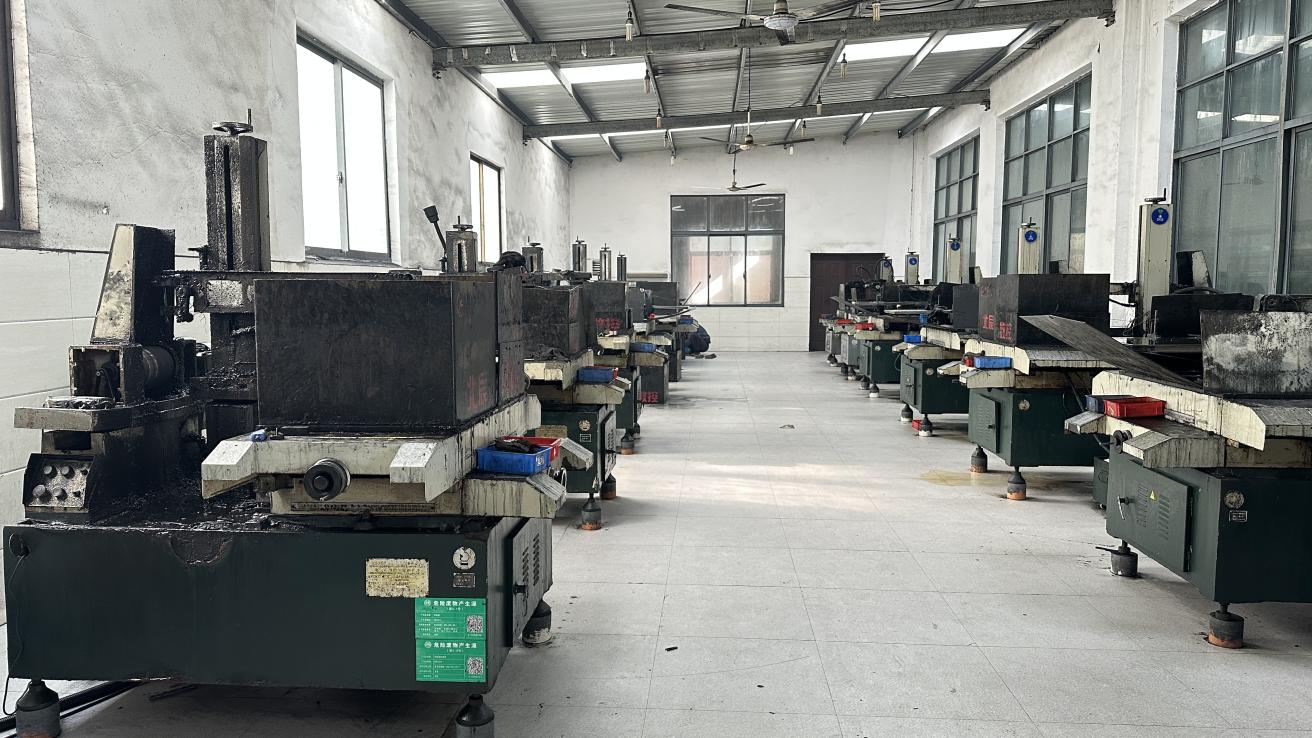
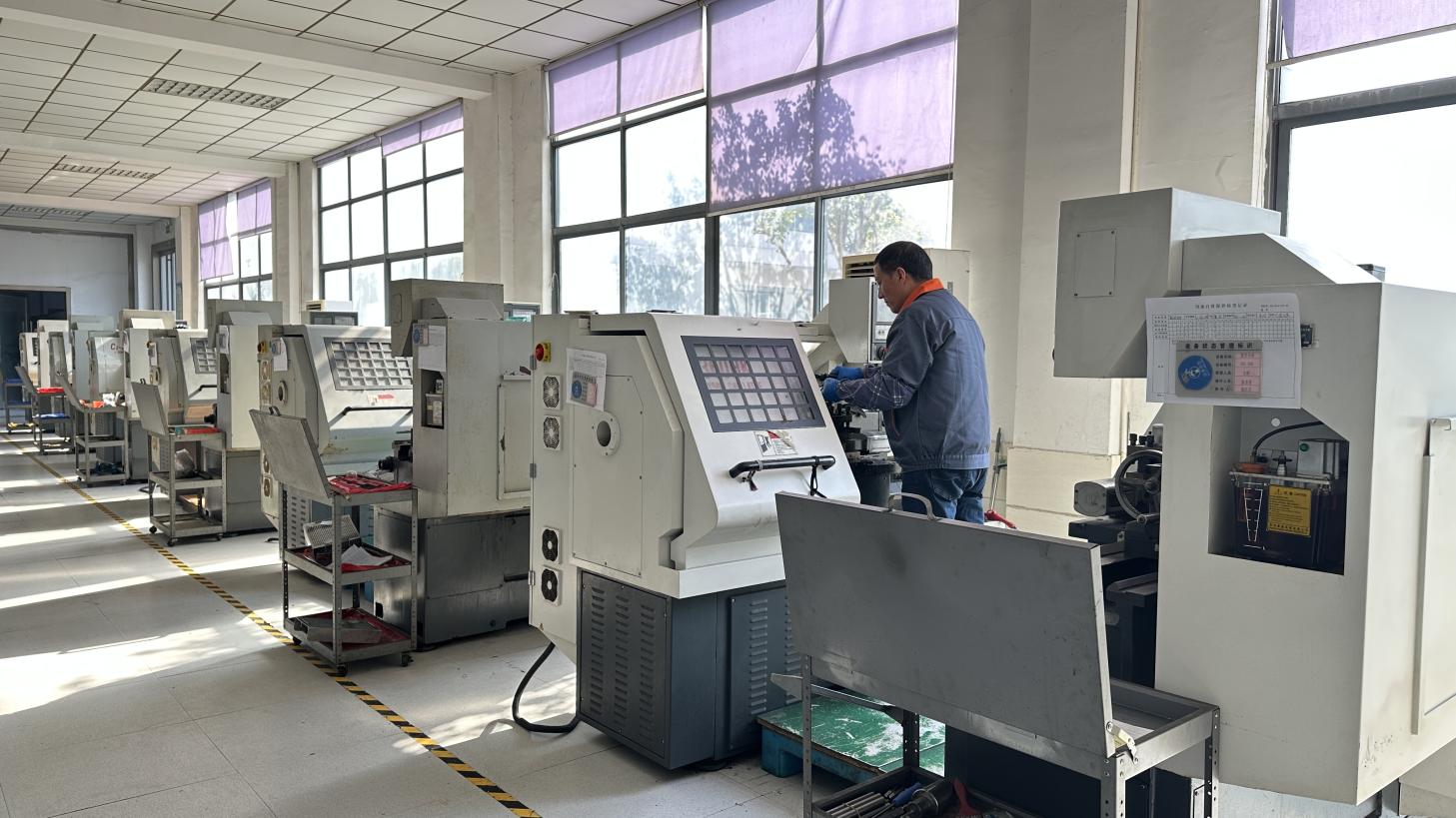
Historically, orthopedic power instrument production was concentrated in high-cost regions within Western Europe and the United States. However, companies like Virelox Medical Devices Co., Ltd. have restructured this dynamic by pairing precision CNC machining infrastructure with scaled, cost-efficient production lines in China. Spanning a 12,000 m² state-of-the-art facility, Virelox utilizes 120 biomechanical and material design engineers to engineer high-grade systems, allowing US medical suppliers to bypass exorbitant domestic production overheads. This collaborative dynamic offers critical advantages: custom OEM/ODM packaging, rapidly scalable production volumes, and extensive component customization (e.g., custom AO, K-Wire, and Jacobs chuck integrations) without sacrificing quality standards.
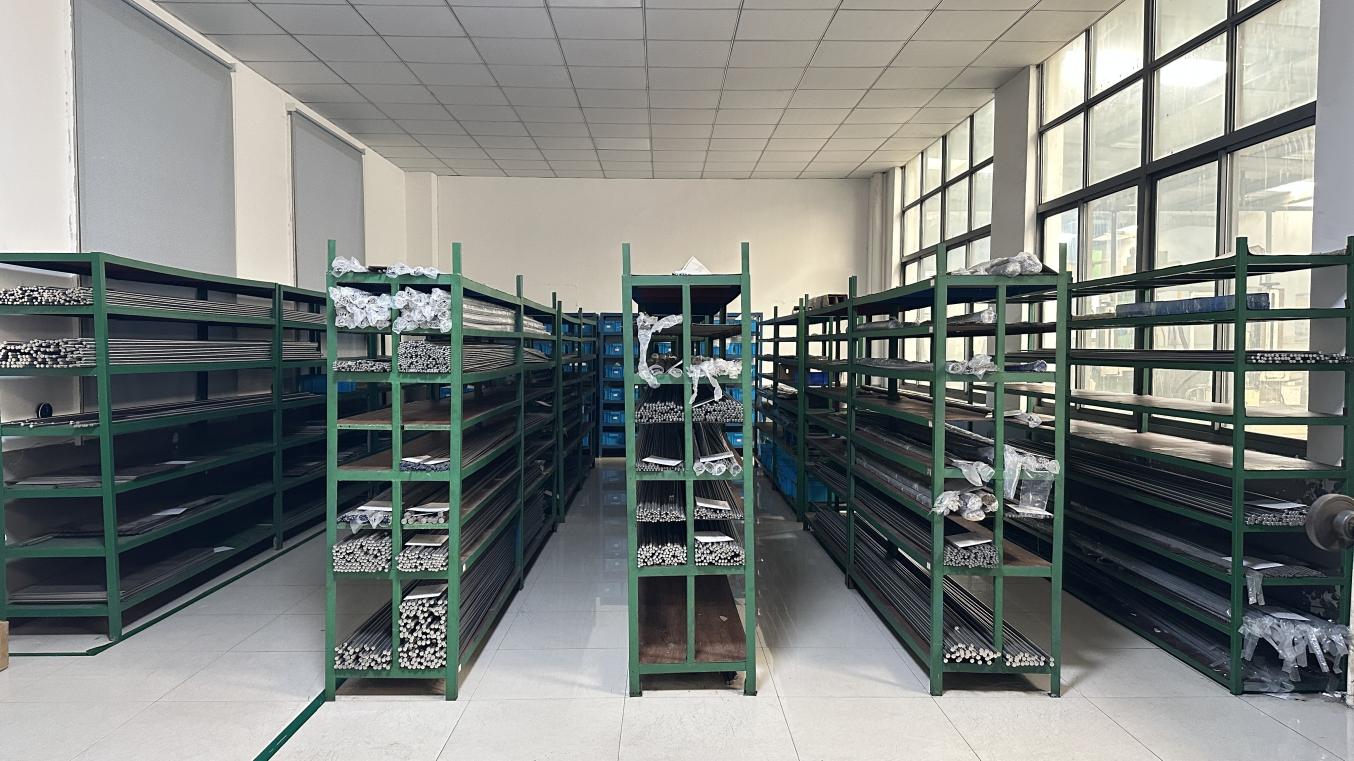
Virelox's strict raw material selection process guarantees that only high-purity medical stainless steels and titanium alloys (such as Ti-6Al-4V ELI) enter the CNC machining centers. This structural integrity minimizes the risk of intraoperative mechanical failures and ensures that handheld tools remain lightweight, highly balanced, and fatigue-resistant over thousands of surgical applications.
By leveraging an ISO 13485-based full-process quality management system, Virelox maintains complete visibility over raw material sourcing, multi-axis milling, surface passivation, and rigorous mechanical verification. Below are the verified operational capabilities behind our global medical device supply chain:
How precise mechanical tolerances translate to superior patient outcomes in US hospitals.
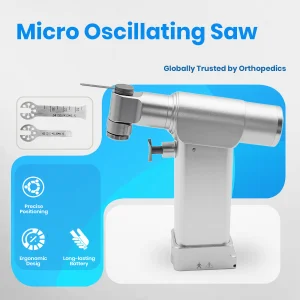
During bone osteotomy, frictional heat generated by surgical blades or drills exceeding 47°C for more than one minute can lead to irreversible thermal osteonecrosis, resulting in poor implant integration or delayed healing. Virelox power tools utilize advanced brushless DC motors configured to maintain continuous high torque at optimal speeds (e.g., oscillating saw speeds up to 16,000 osc/min). This allows surgeons to cut cleanly and quickly, minimizing heat transfer to surrounding cortical bone.
Surgical power tools undergo aggressive cleaning and steam sterilization regimens (typically autoclaving at 134°C to 137°C at 2.2 bar pressure). To withstand this harsh environment, all internal electronics, motor coils, and sensor elements within Virelox systems are double-sealed in custom medical silicone sleeves and corrosion-resistant alloys. This prevents moisture ingress, which is the leading cause of premature motor failure in standard power tools.
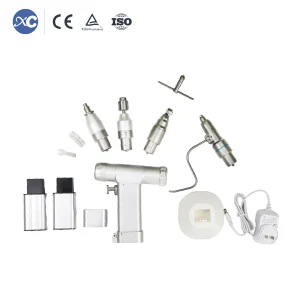
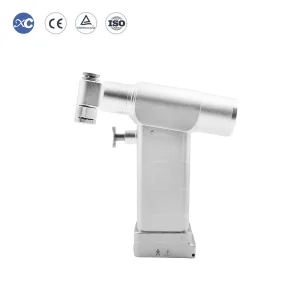
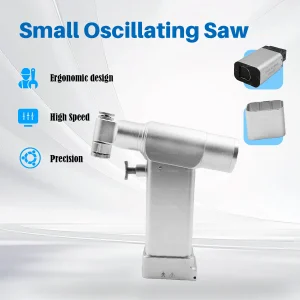
In addition, our veterinary specific options—such as the mini multi-functional drill sets and small oscillating saws—are optimized for the anatomical requirements of small-to-midsize canine and feline patients. These compact, lightweight units allow veterinary orthopedic surgeons to execute precise tibial plateau leveling osteotomies (TPLO) and fracture repairs with reduced hand fatigue, enhancing operative speed and clinical success rates.
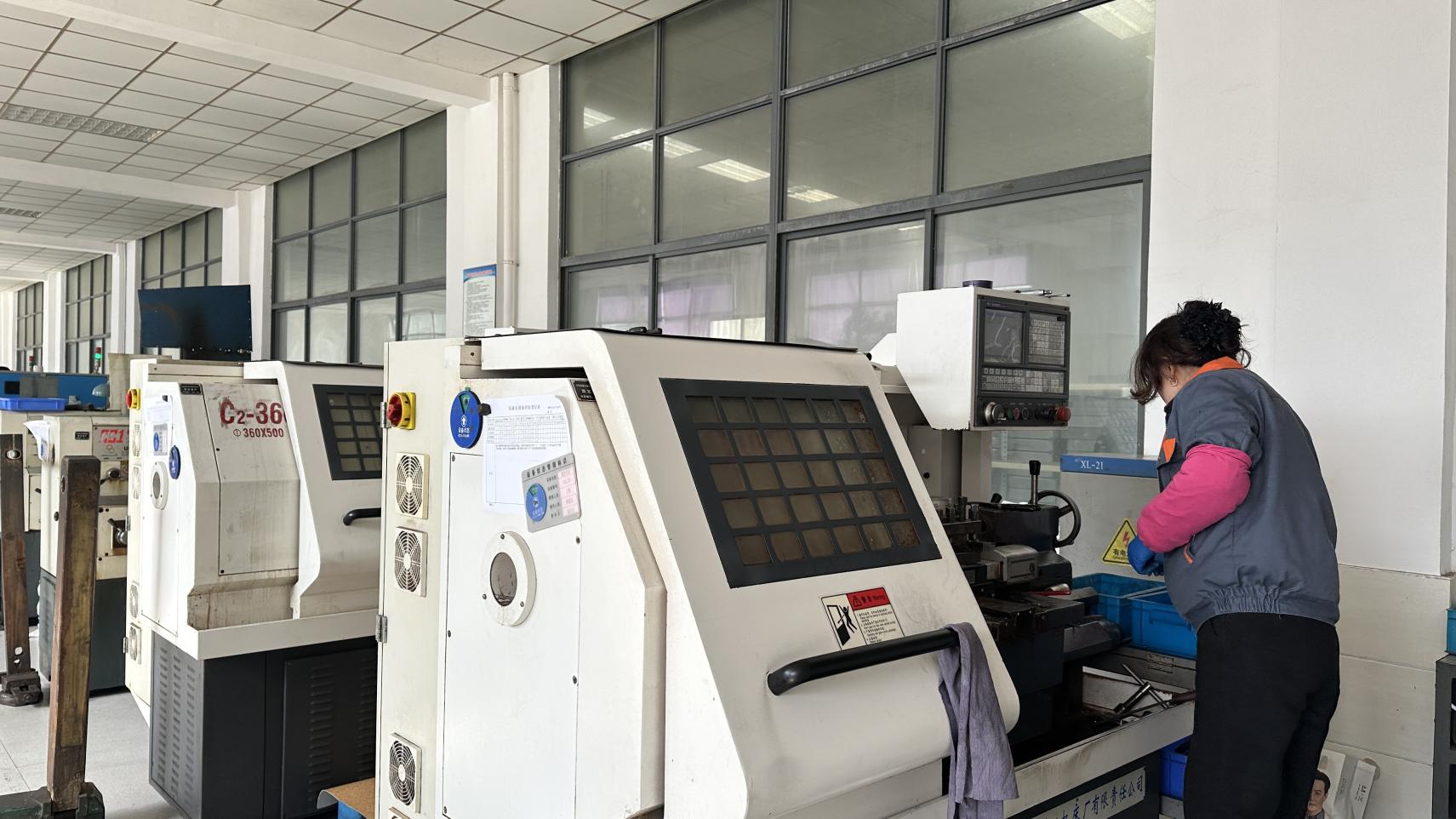
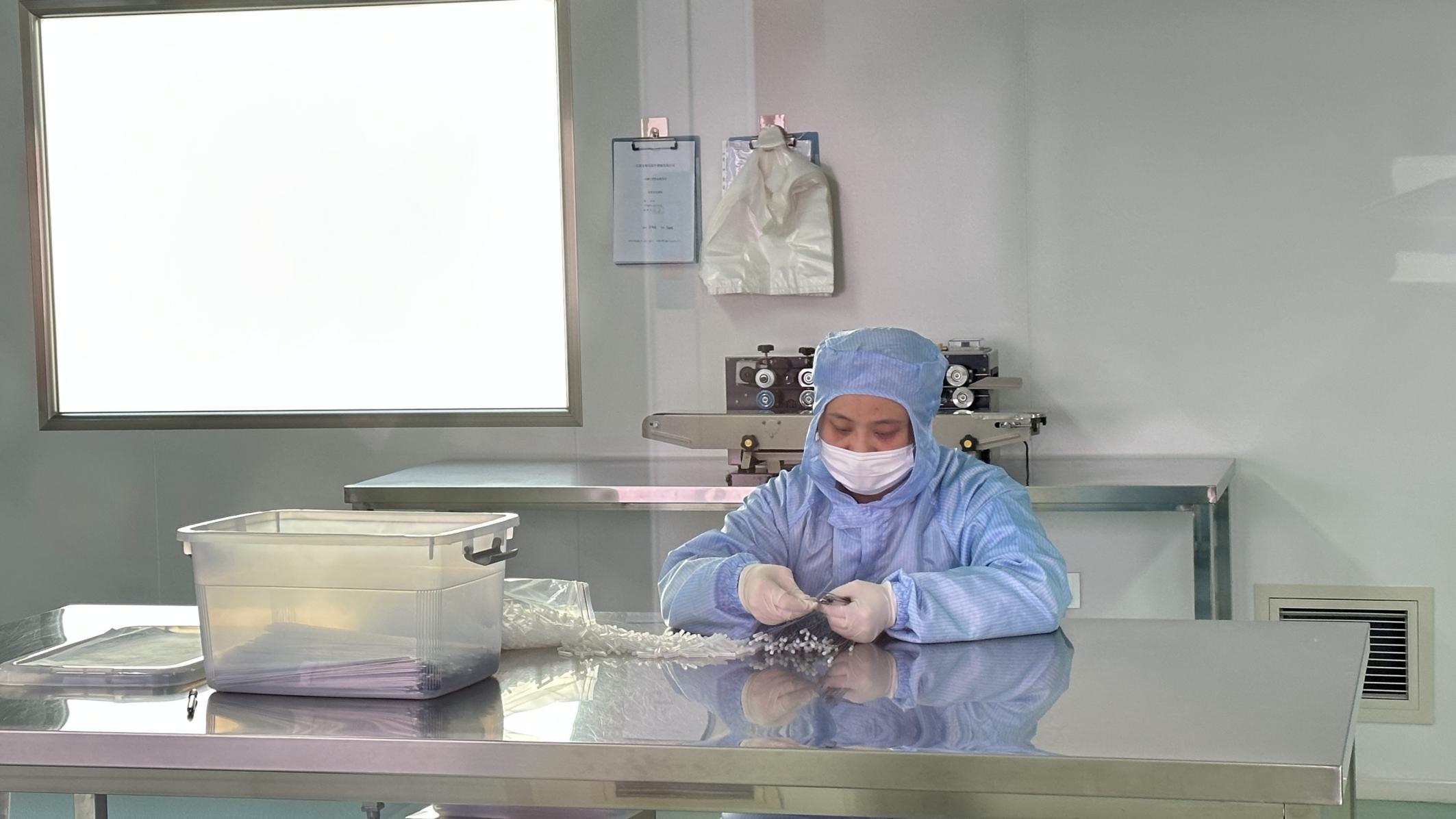
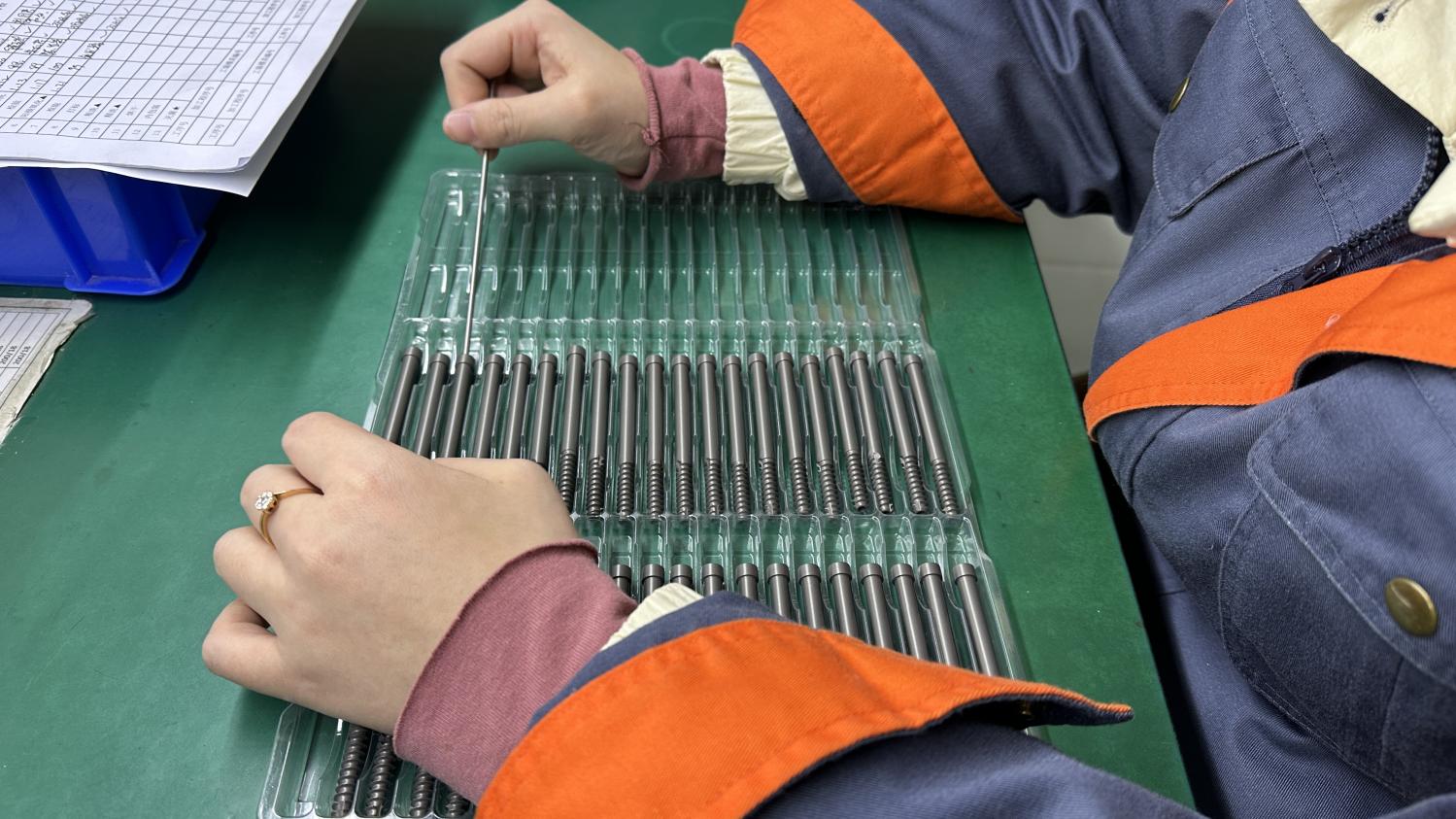
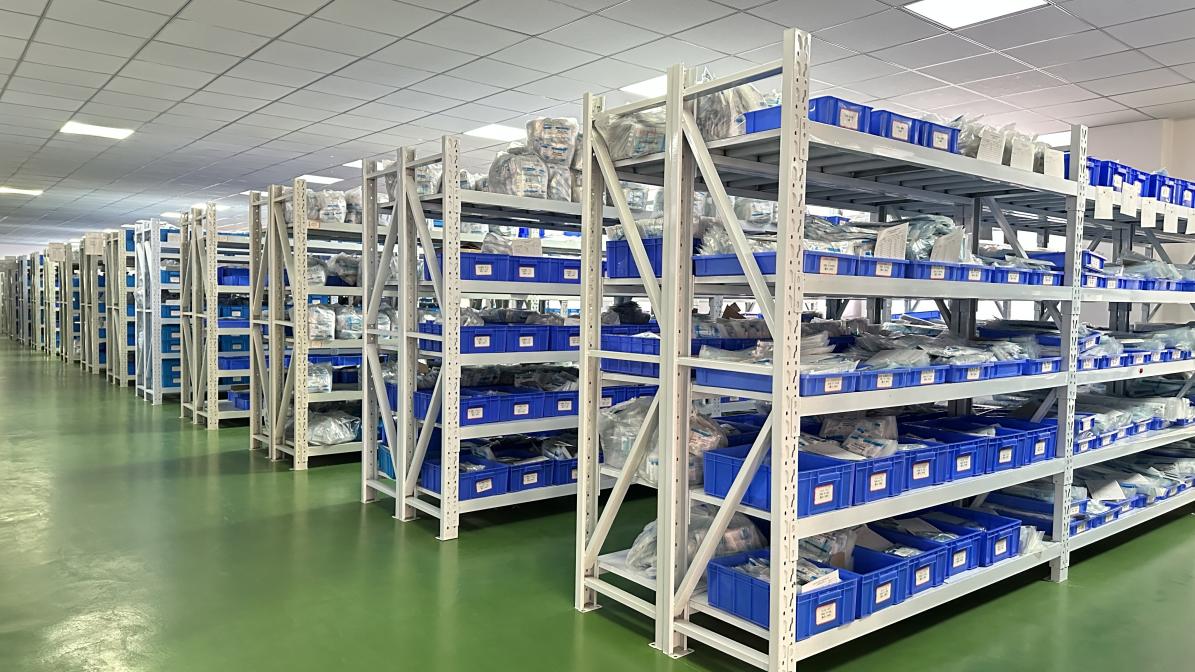
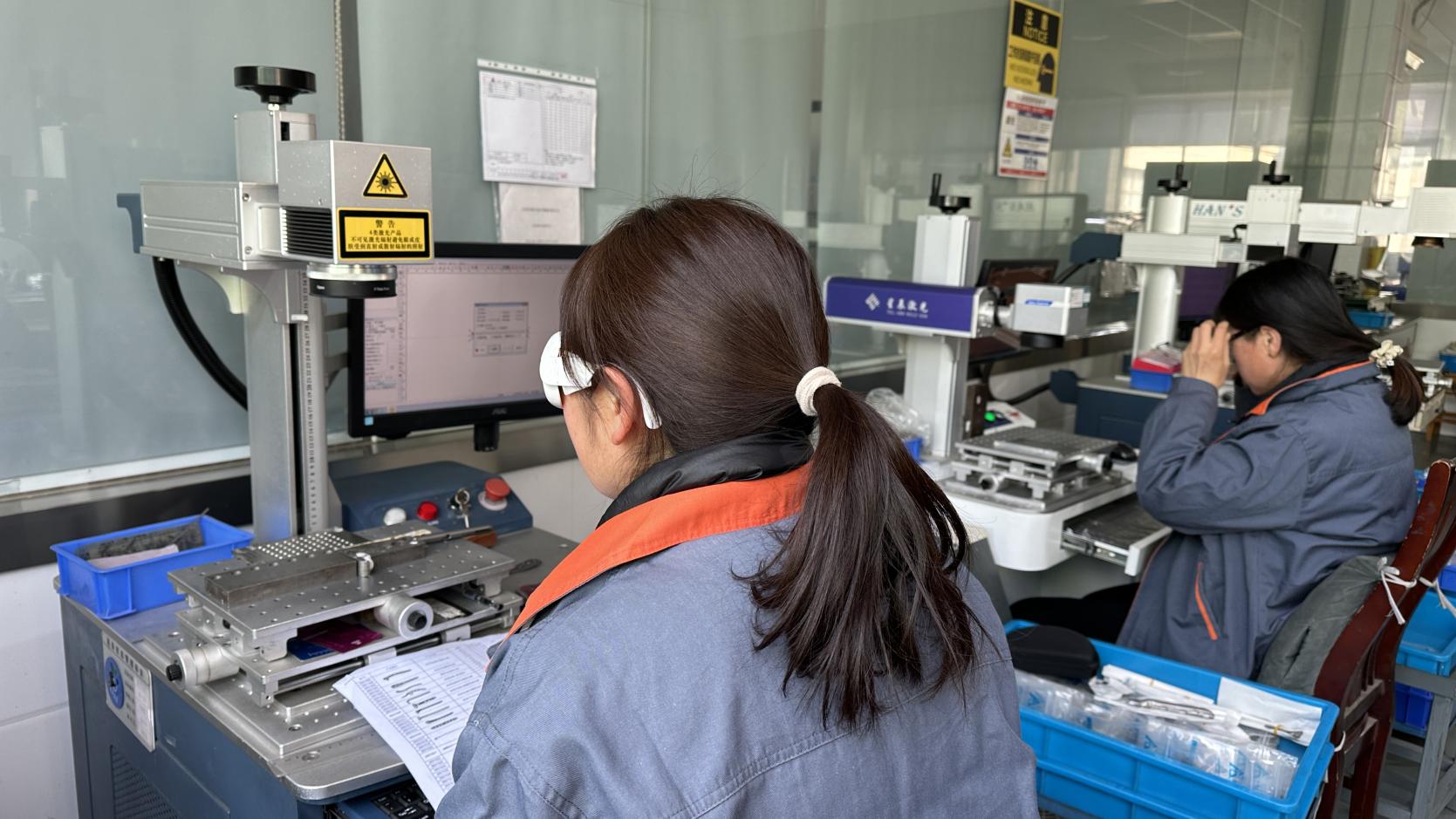
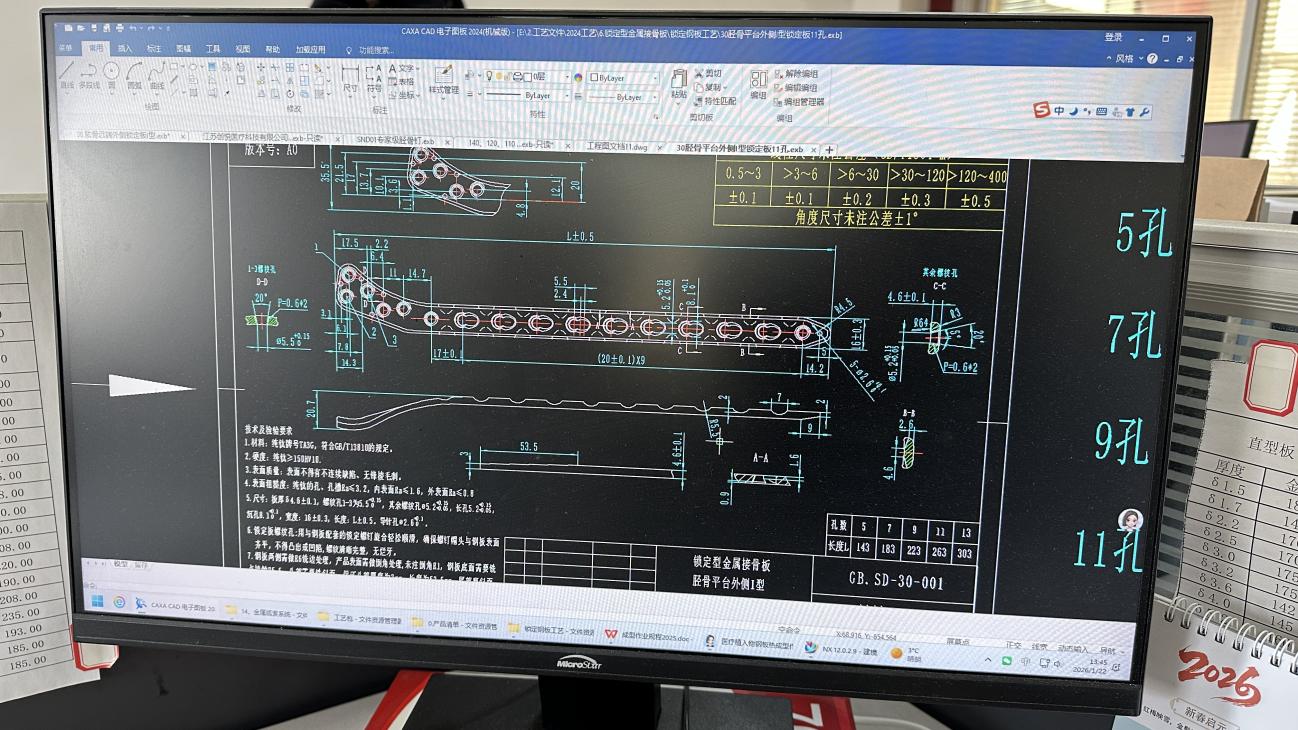
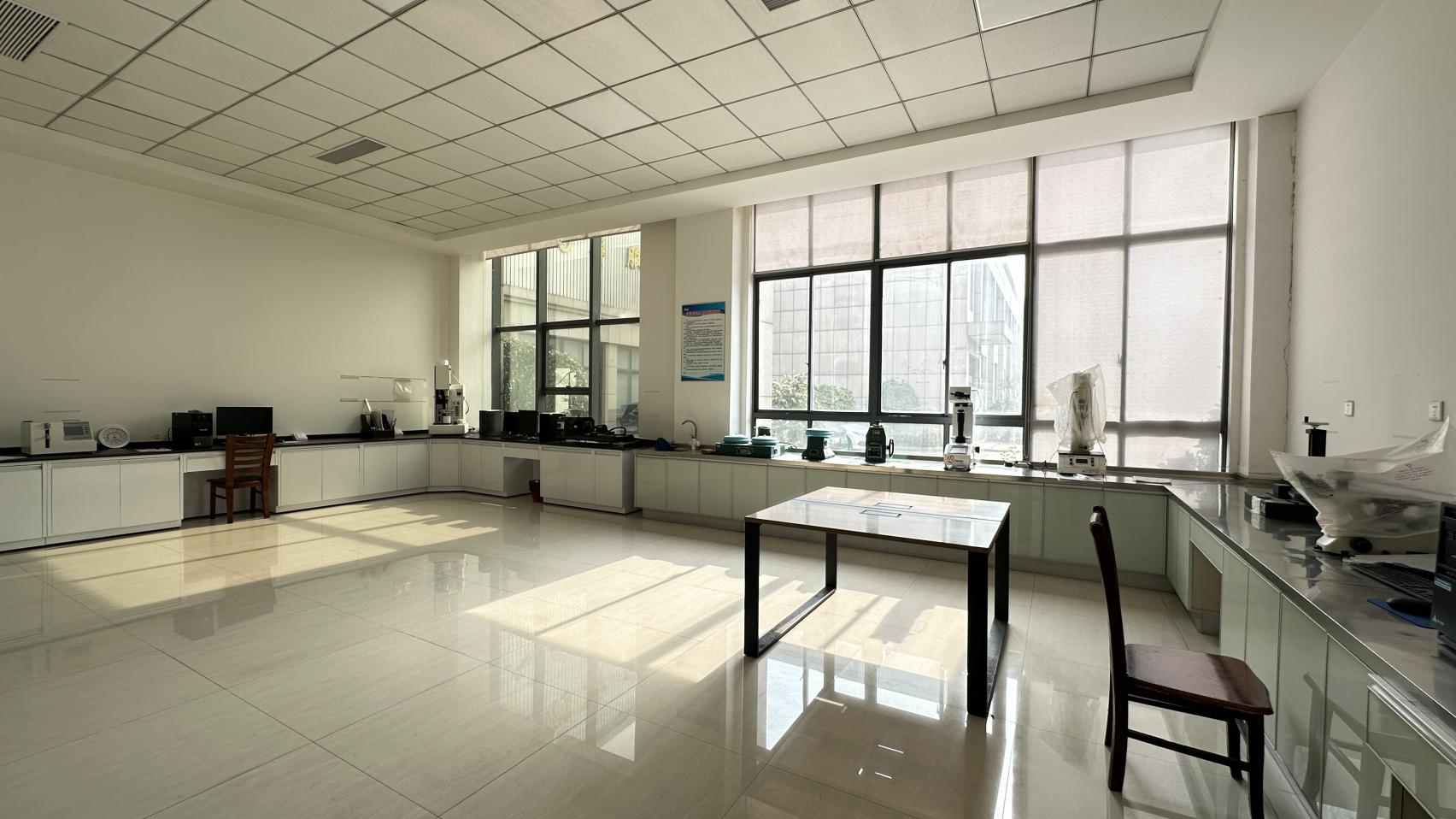
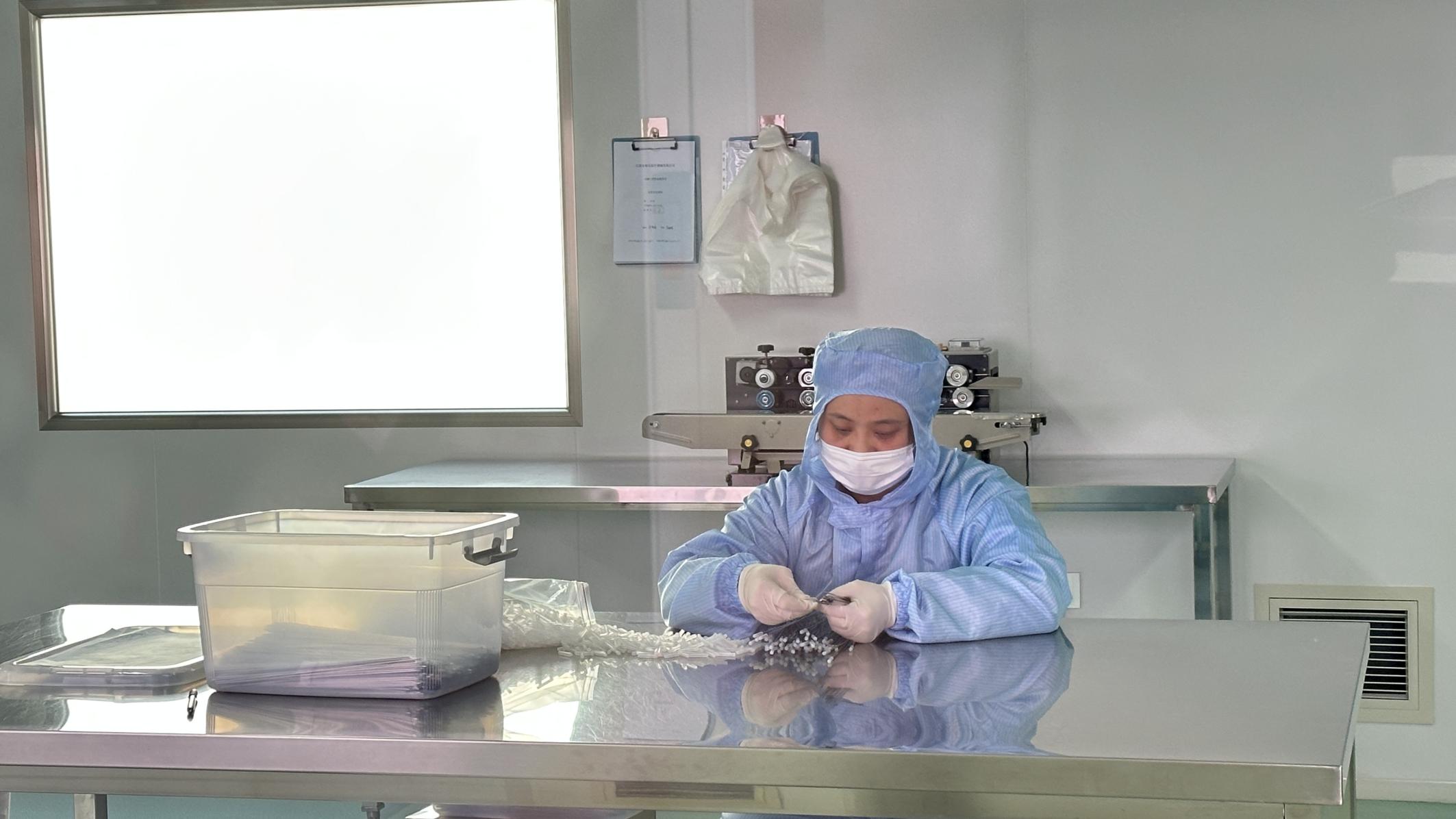
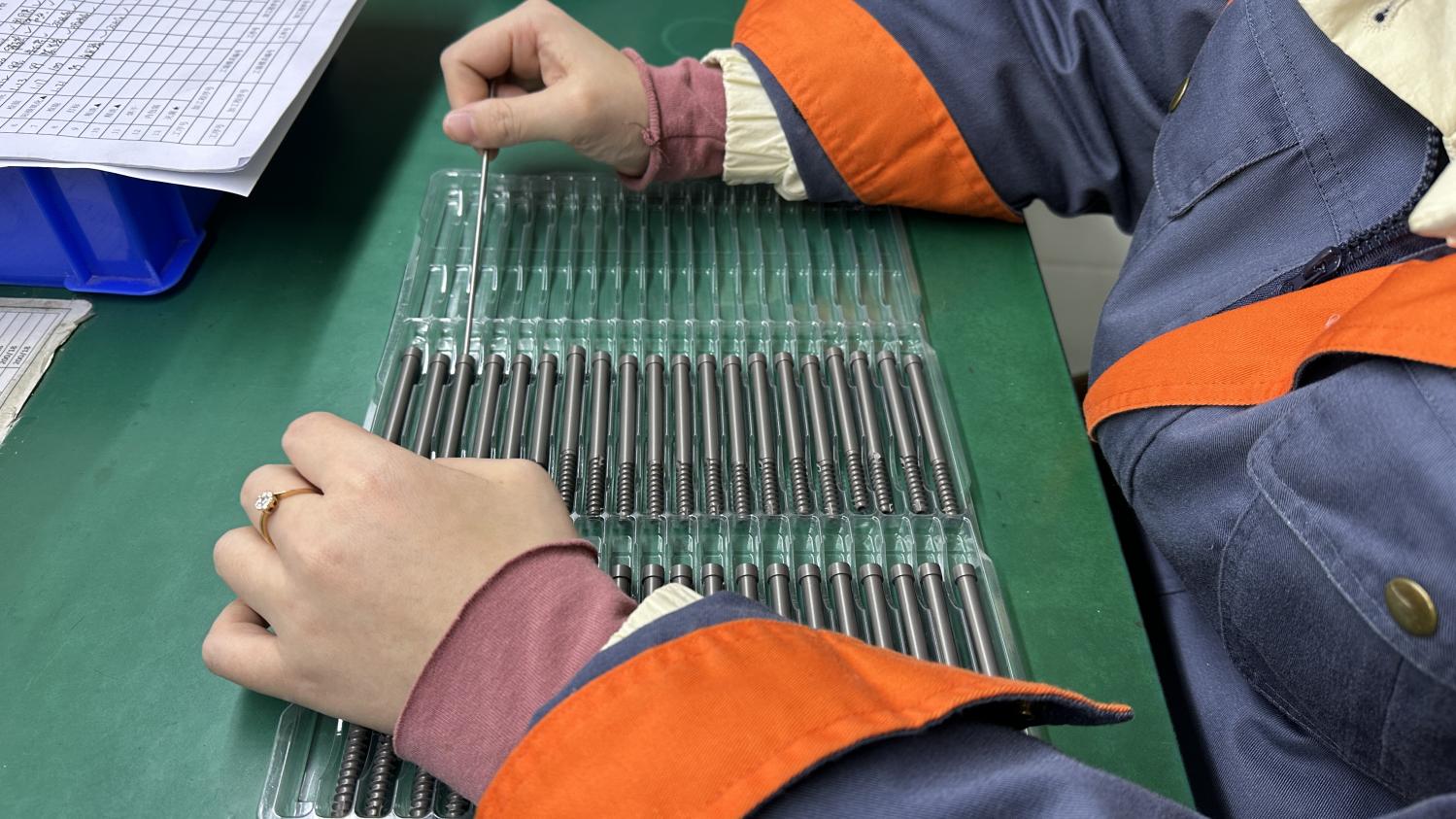
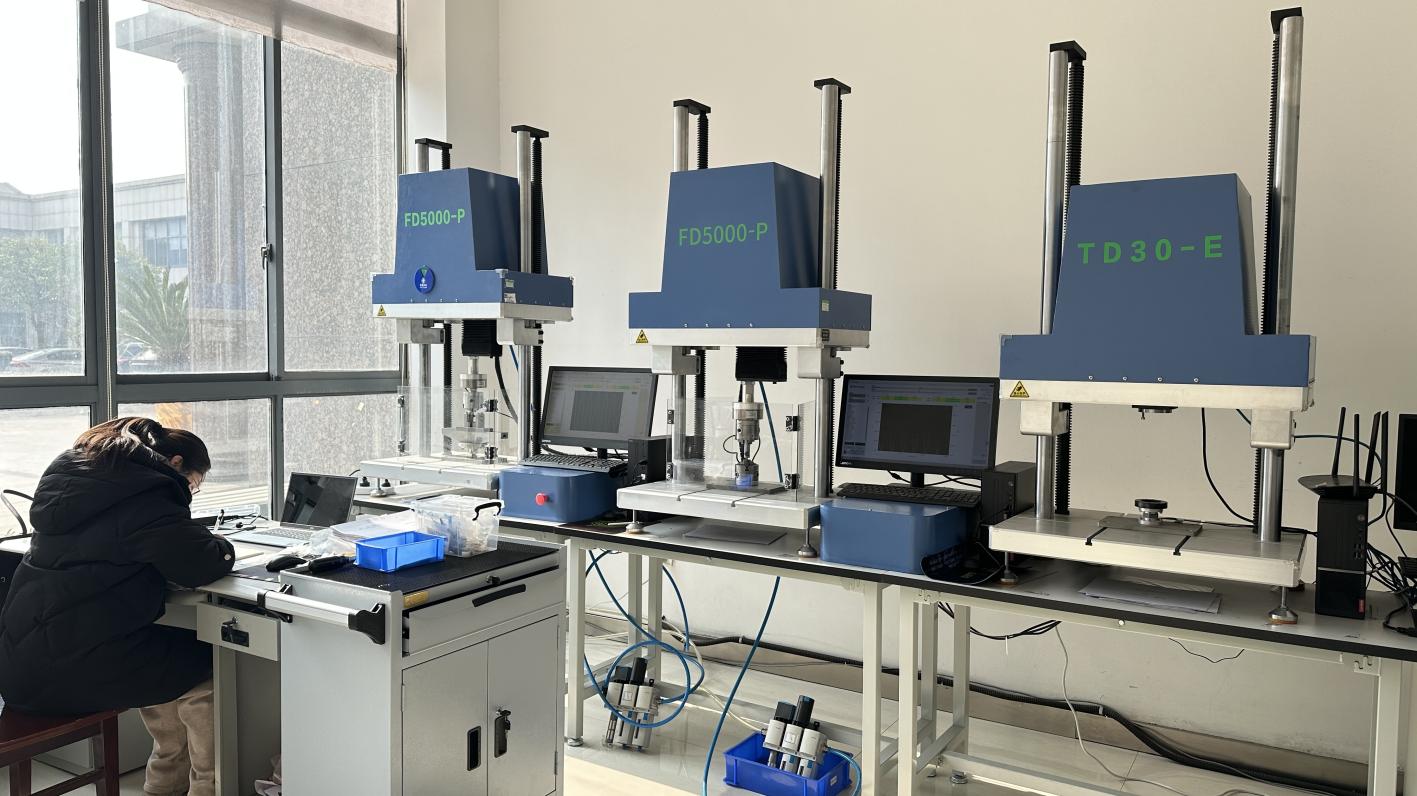
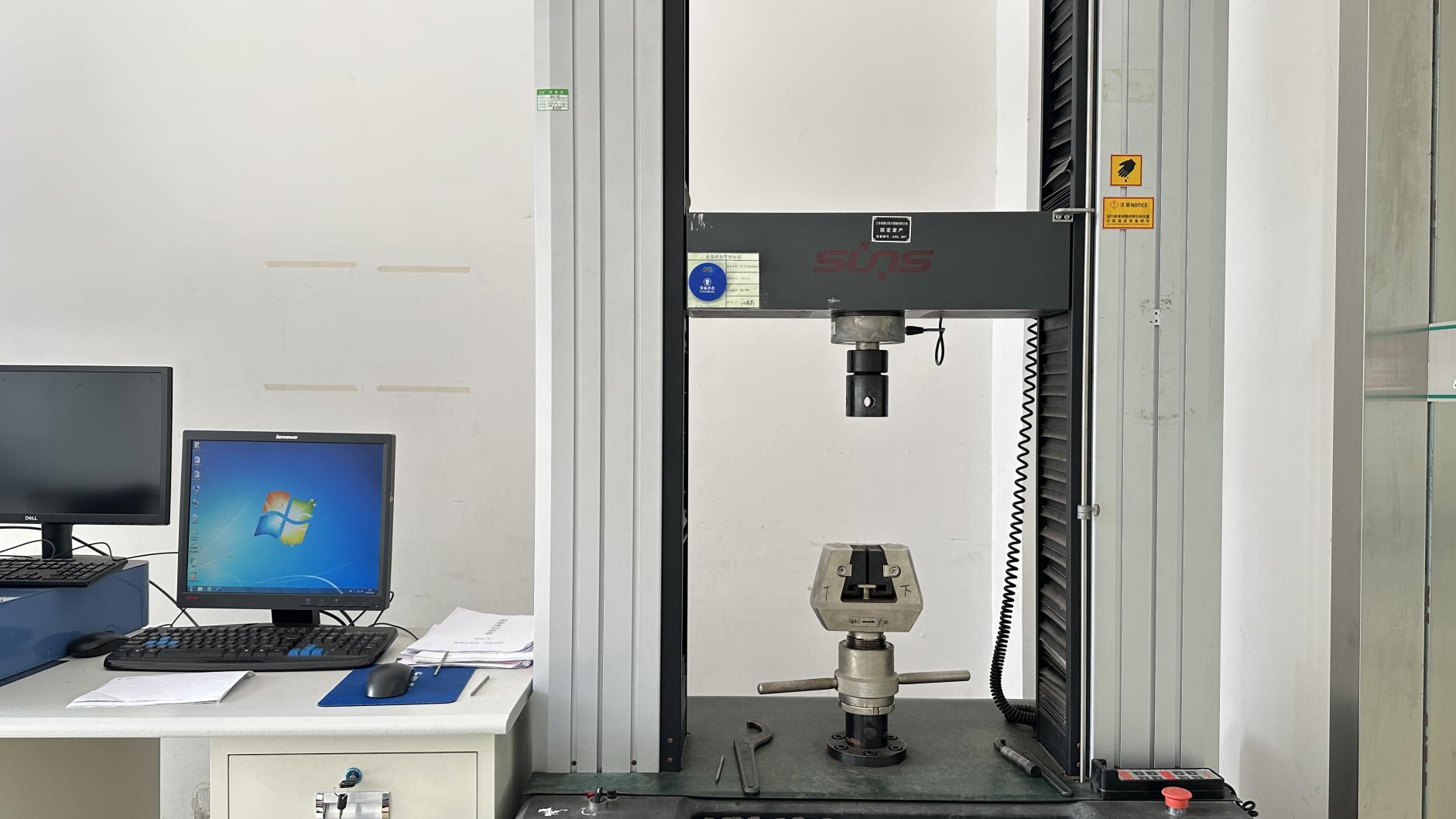
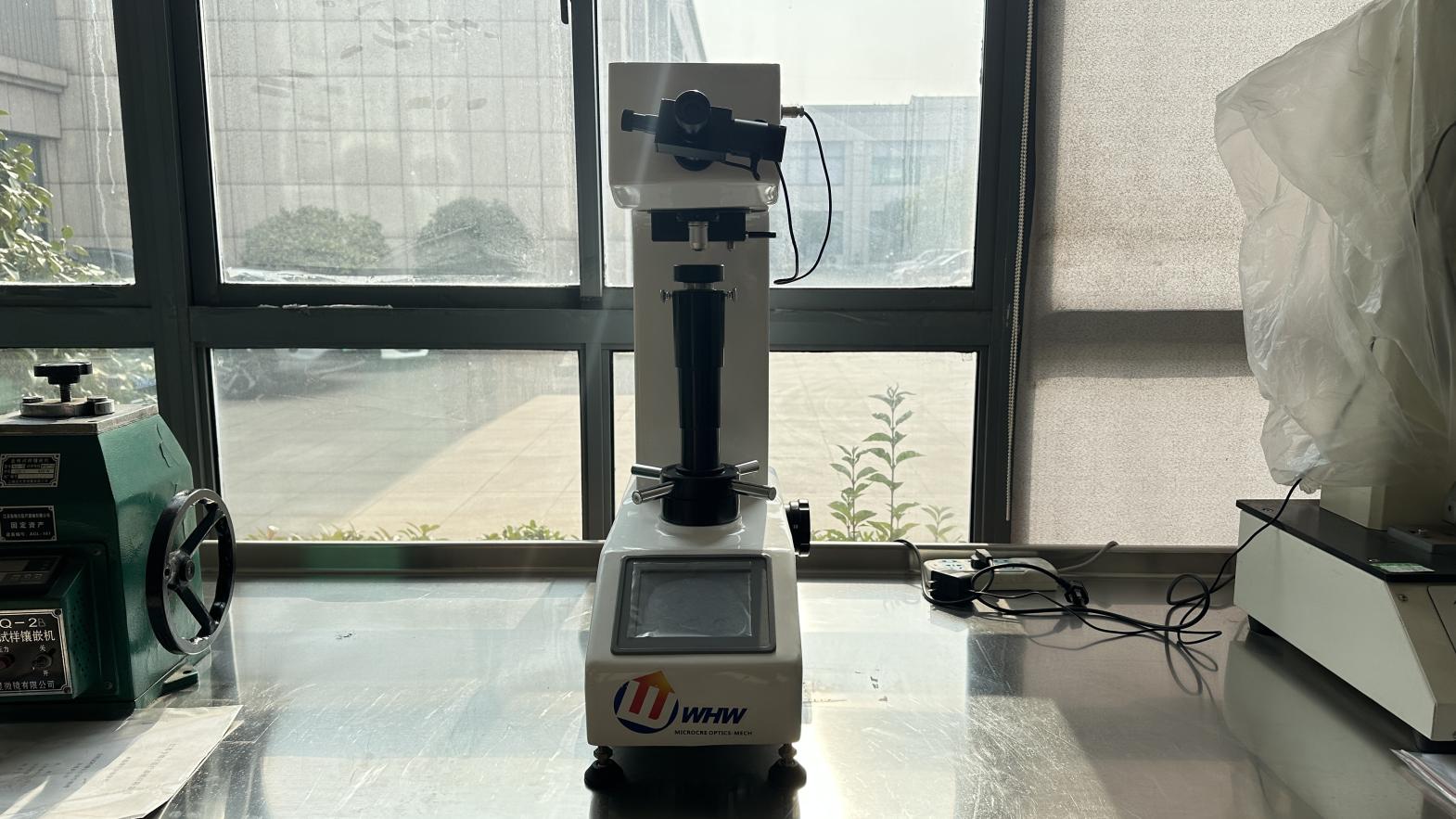
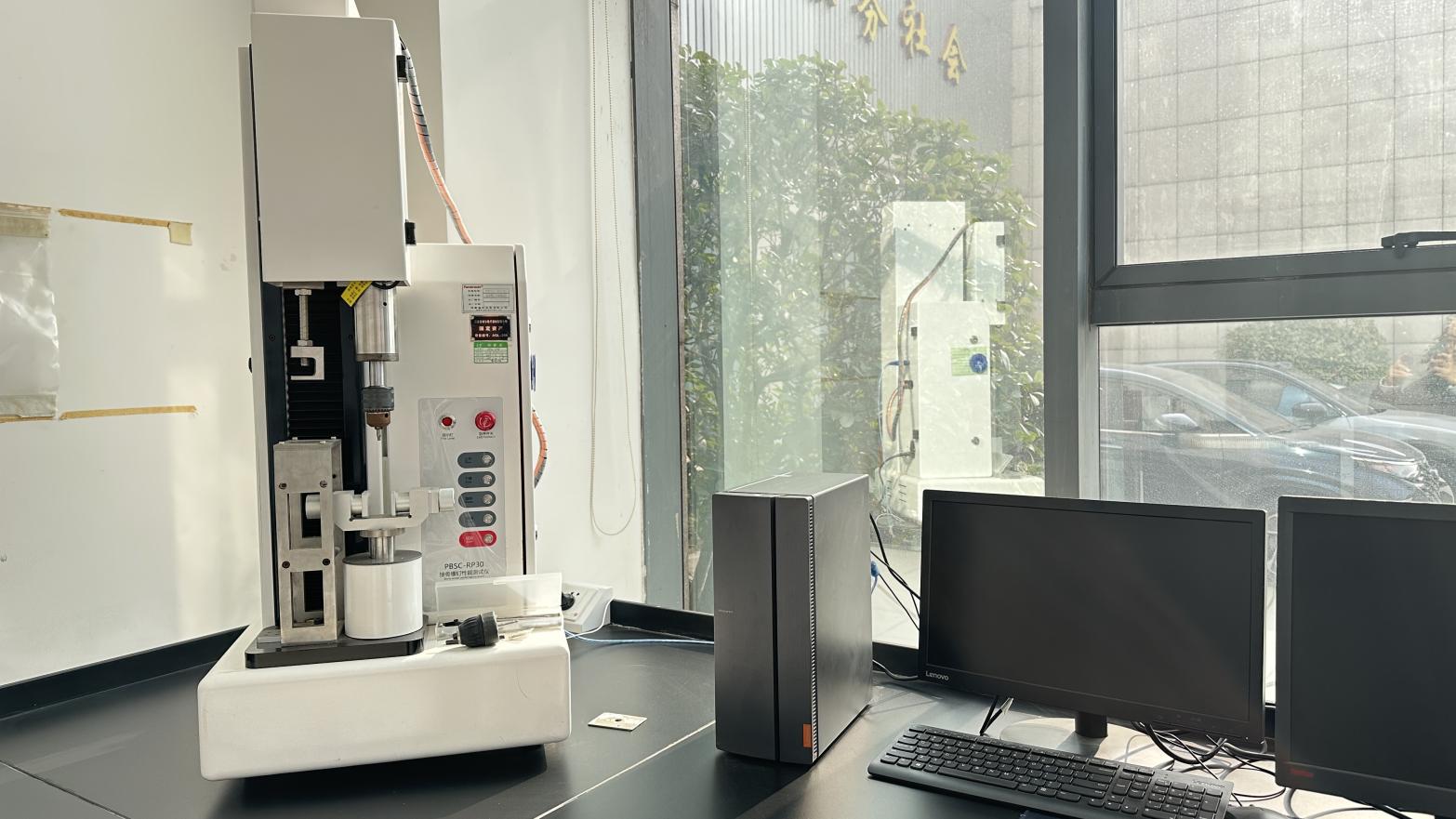
Inside our 12,000 m² orthopedic fabrication facility. Every machine, tester, and station is calibrated to international medical standards.
Expert clarifications regarding regulatory certification, custom engineering, and North American import logistics.
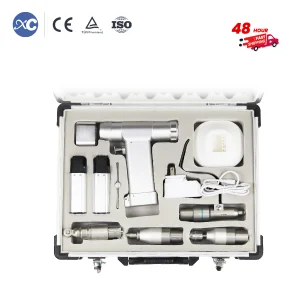
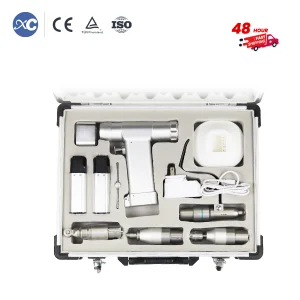
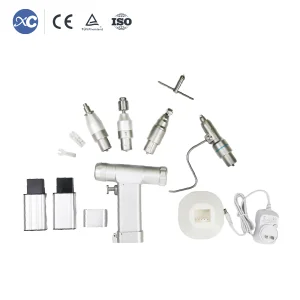
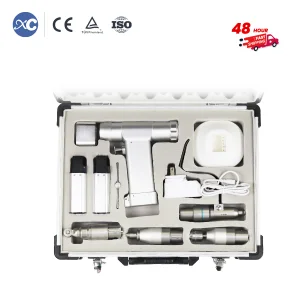
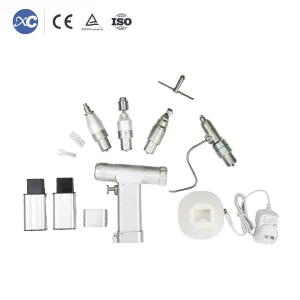
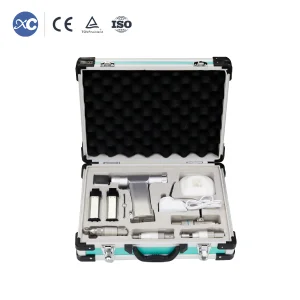
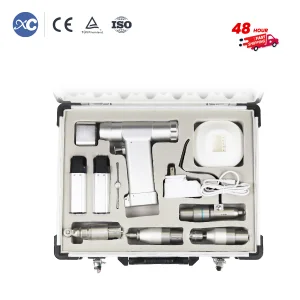
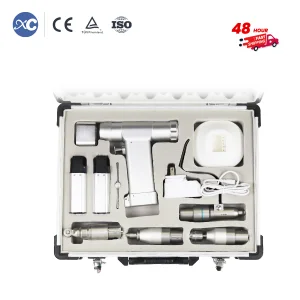
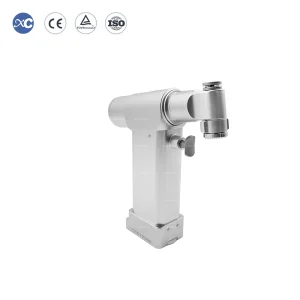
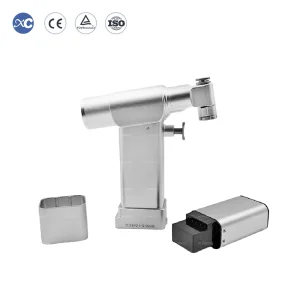
Select from our complete range of specialized drills, high-frequency oscillating saws, and multi-functional surgical systems.
 Virelox