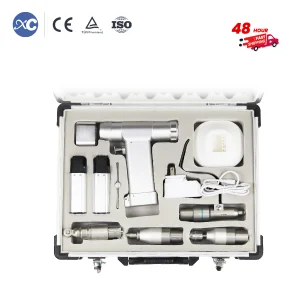
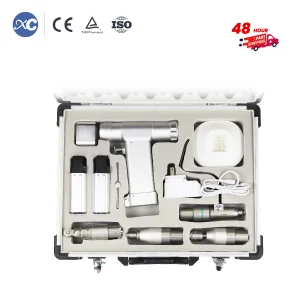
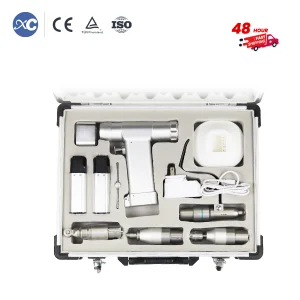
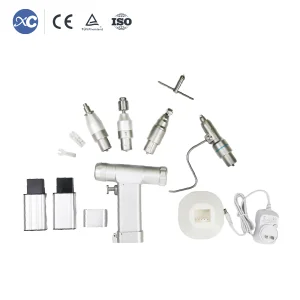
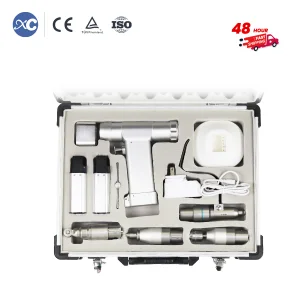
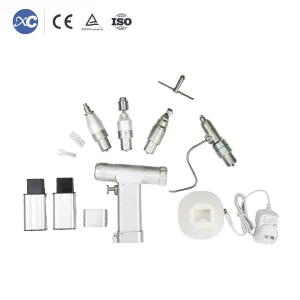
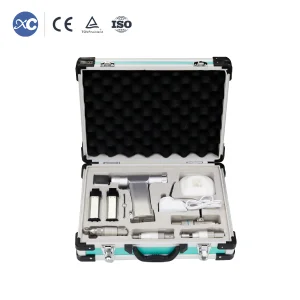
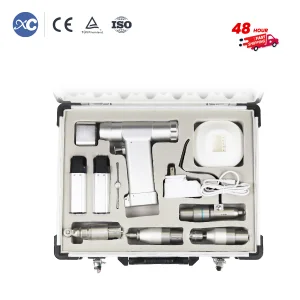
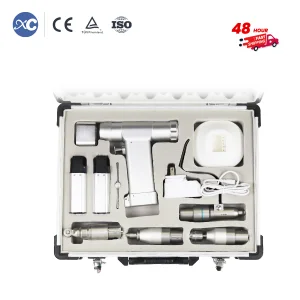
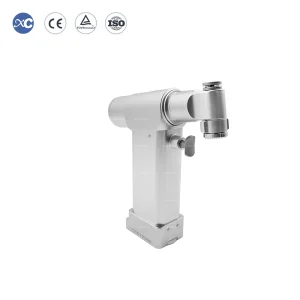
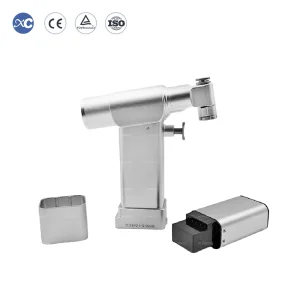
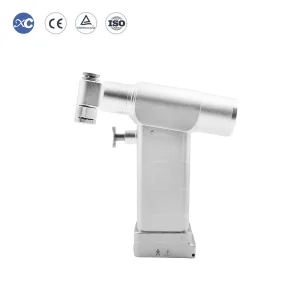
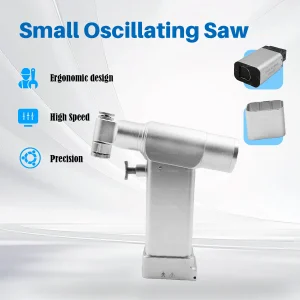
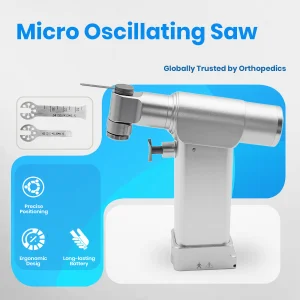
Designed for absolute sterility, high-speed ergonomic precision, and reliable performance across domestic public health sectors (Te Whatu Ora) and private veterinary centers.
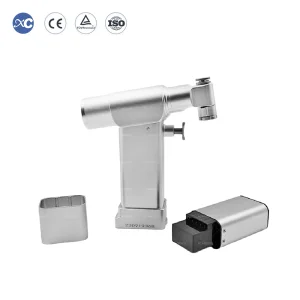
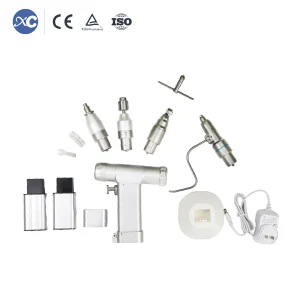
New Zealand’s orthopedic and reconstructive surgery market is defined by a unique combination of high clinical standards, geographic isolation, and specific demographic challenges. Operating under the centralized structure of Te Whatu Ora (Health New Zealand), public hospitals demand rigorous value-based procurement. Concurrently, the private surgical hospital sector across metropolitan areas like Auckland, Wellington, and Christchurch handles a significant portion of elective joint replacements and sports medicine procedures.
A primary driver of orthopedic intervention in New Zealand is the combination of an aging population and a strong domestic culture of outdoor sports and physical activity. Degenerative joint disease, combined with trauma injuries from rugby, skiing, and farming activities, generates high annual volumes of hip and knee arthroplasties, as well as complex fracture fixations. Consequently, surgical teams require reliable, high-torque, and long-lasting orthopedic power tools that can sustain continuous usage in back-to-back theater lists.
From a regulatory perspective, medical devices, including orthopedic power drills, oscillating saws, and surgical attachments, must comply with Medsafe registration requirements. Sourcing from global manufacturers who possess international quality certifications such as ISO 13485, CE marks, or FDA clearance is essential. In the veterinary sector, New Zealand’s vast agricultural industry and high pet-ownership rates create a robust demand for mini bone drills and small veterinary oscillating saws to treat working farm dogs, companion animals, and equine orthopedic pathologies.
Modern orthopedic surgery is shifting rapidly toward minimally invasive procedures that rely heavily on the micro-precision of power equipment. Modern surgical drills, cannulated wire drivers, and sagittal saws must balance several engineering trade-offs:
As global supply chains become more volatile, procurement managers in Oceanic markets are looking for manufacturers who can bypass long distributor chains. Direct partnerships with factories offer custom orthopedic tooling, direct access to spare parts (such as sterilization batteries and specialized blades), and a direct feedback loop for design changes.
Behind our high-precision instruments is a robust manufacturing system built for global compliance, product durability, and seamless OEM integration.
China's advanced manufacturing sector has evolved from high-volume assembly to high-precision engineering. For medical device distribution, this transition delivers measurable benefits in quality control, cost efficiency, and supply chain reliability. Virelox Medical Devices Co., Ltd. represents this modern manufacturing shift.
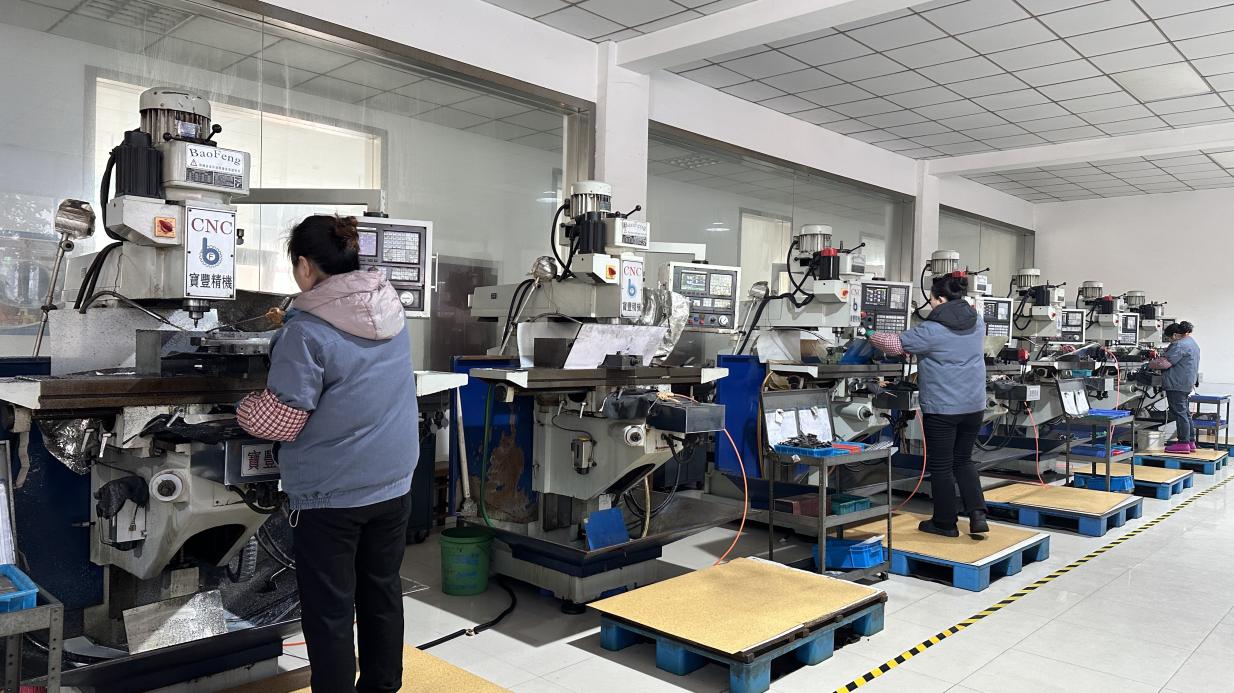
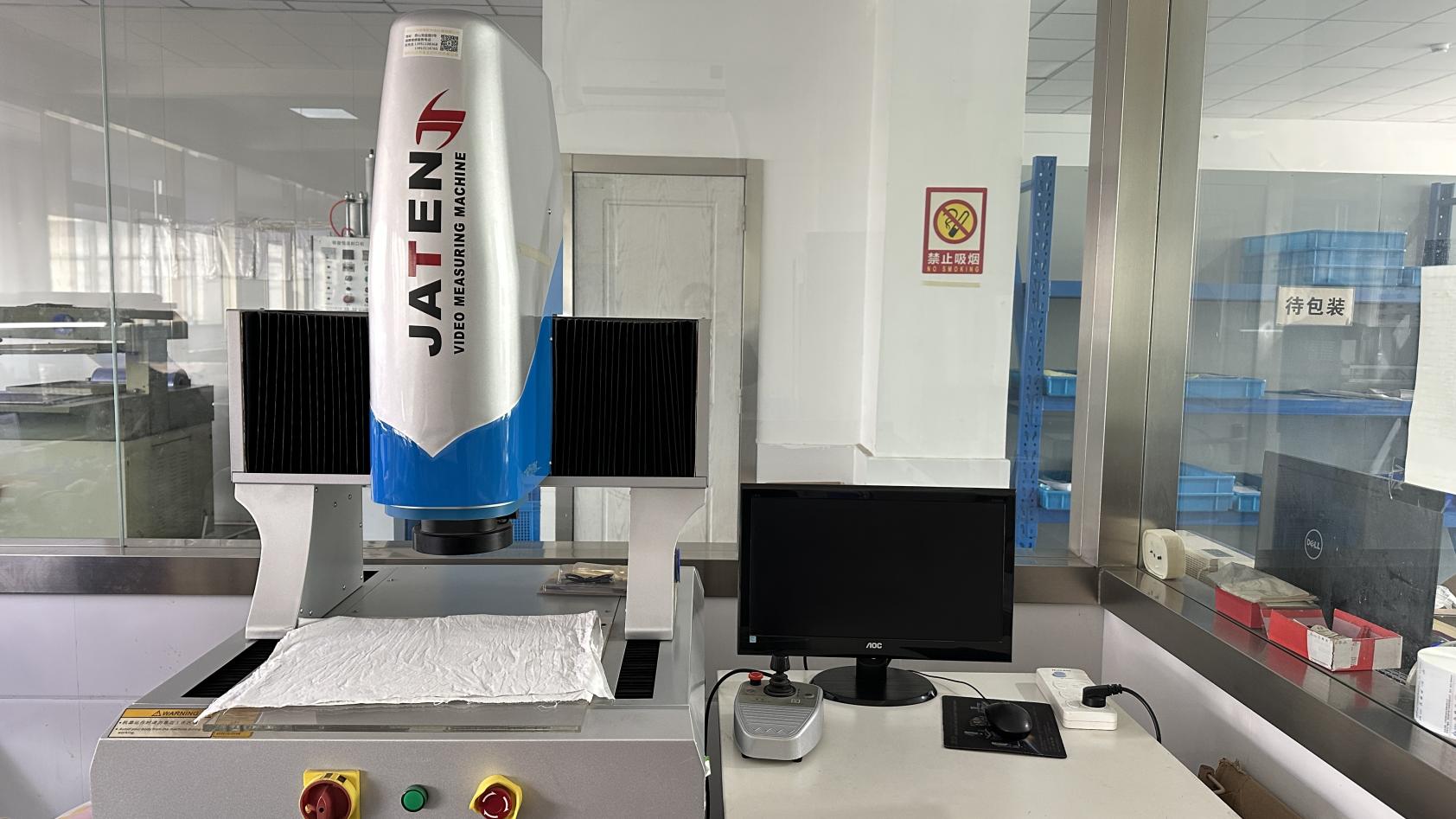
By integrating computerized design suites (CAD/CAM) with high-axis CNC machining, we ensure that every critical gear, spindle, and drive shaft in our orthopedic saws and drills maintains tolerances down to the micrometer level. This precision reduces mechanical vibration and noise in the operating room, extending the tool's lifespan and reducing surgeon hand fatigue.
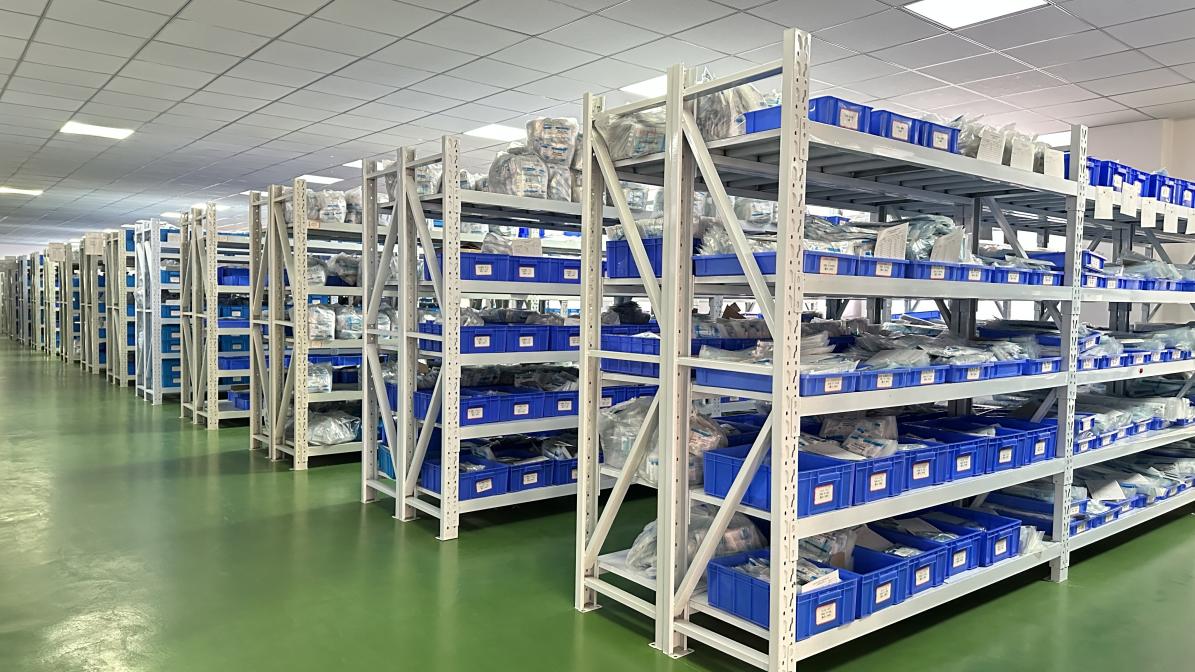
Furthermore, our network of over 850 certified upstream and downstream partners ensures stable access to medical-grade raw materials and advanced components, such as high-capacity lithium battery cells and biocompatible surface coatings. This deep supply chain network insulates our clients from geopolitical disruptions and raw material shortages, allowing us to maintain stable production lead times and competitive pricing even during global shipping challenges.
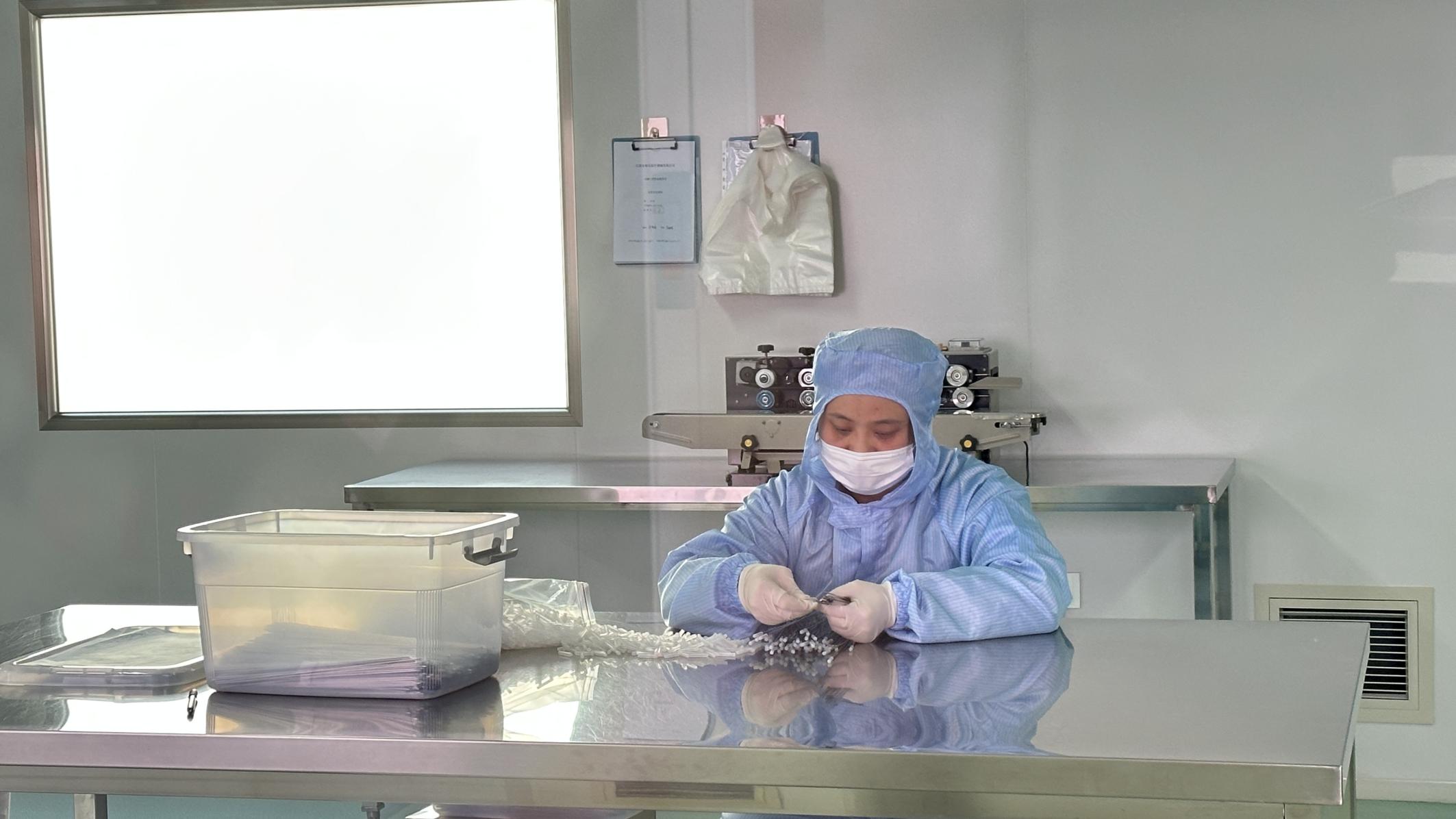
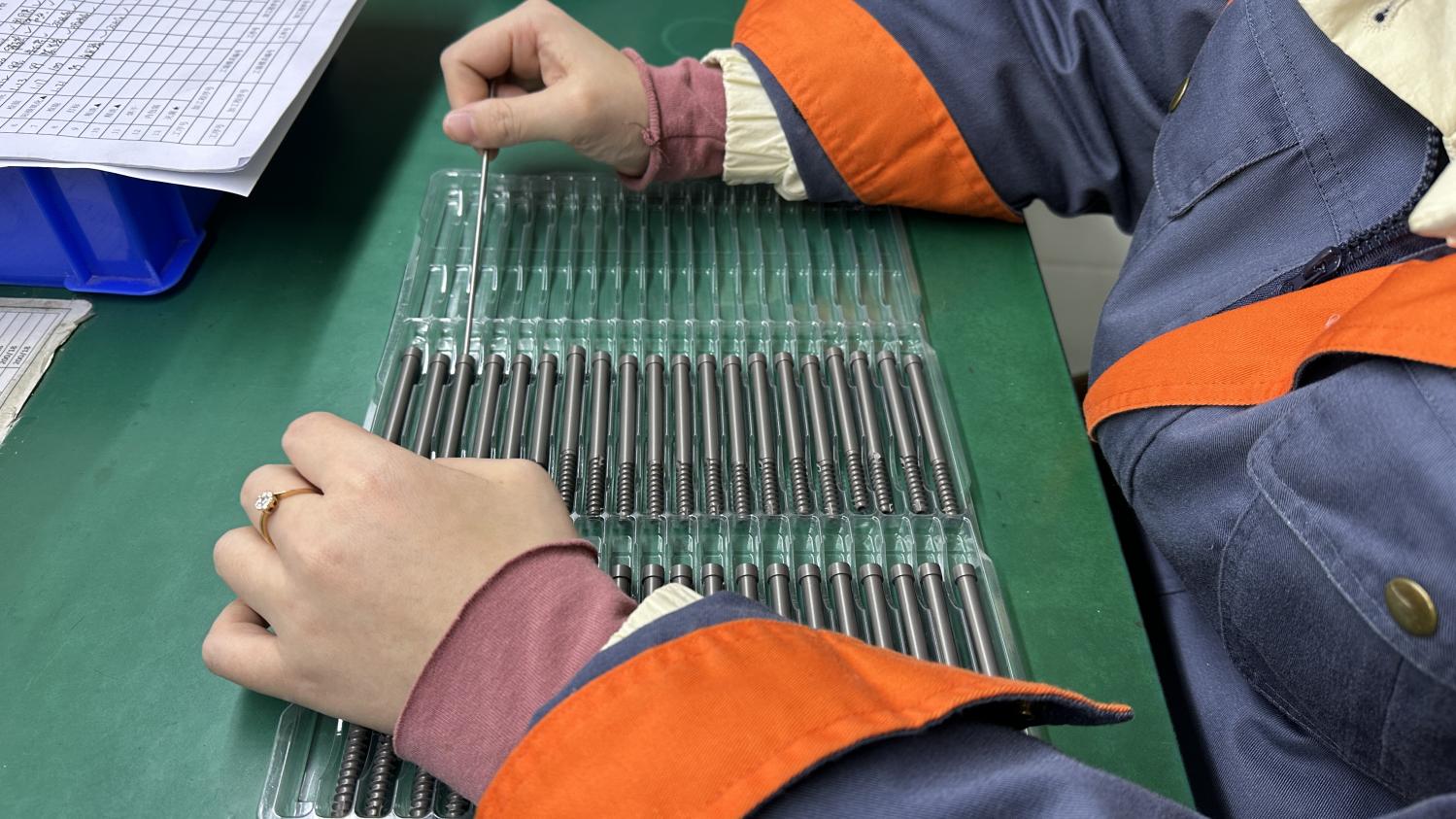
We track production from raw material inspection through automated CNC machining to final biocompatibility and validation testing.
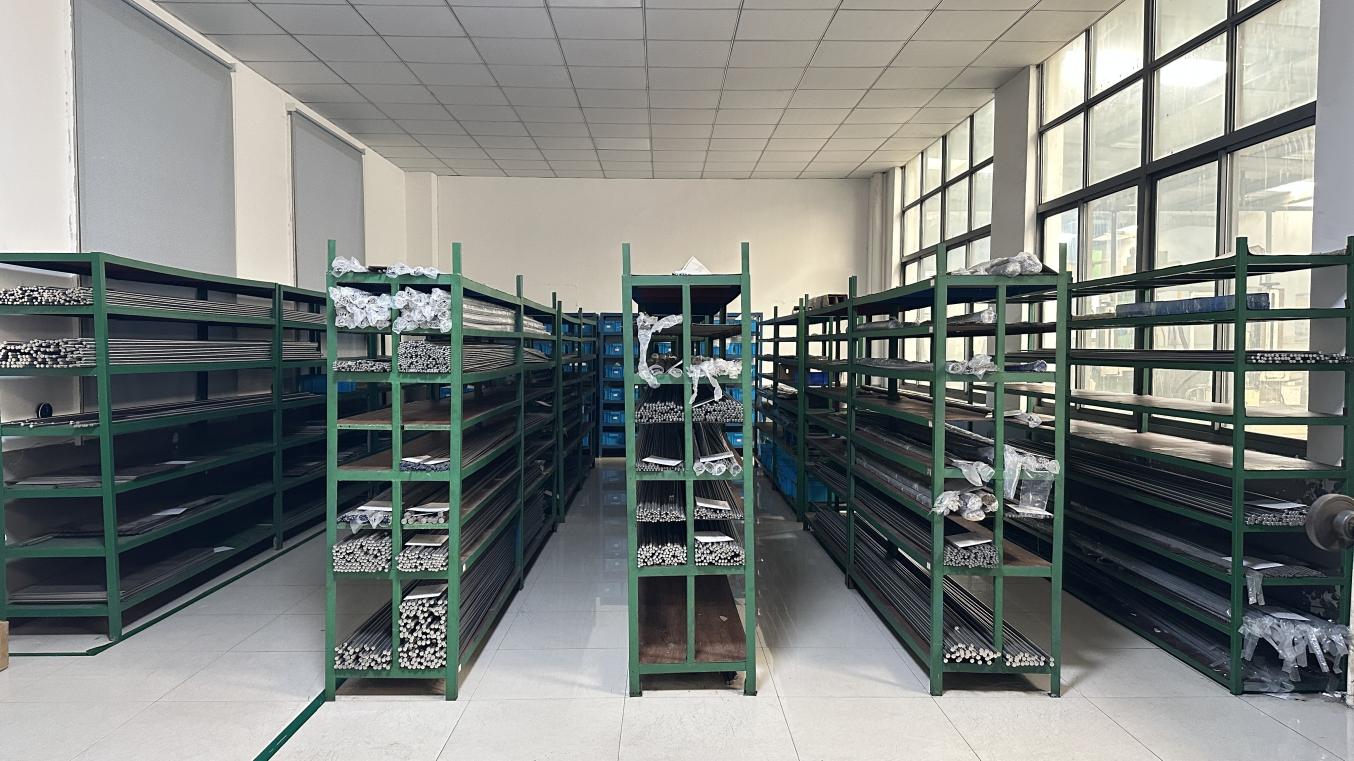
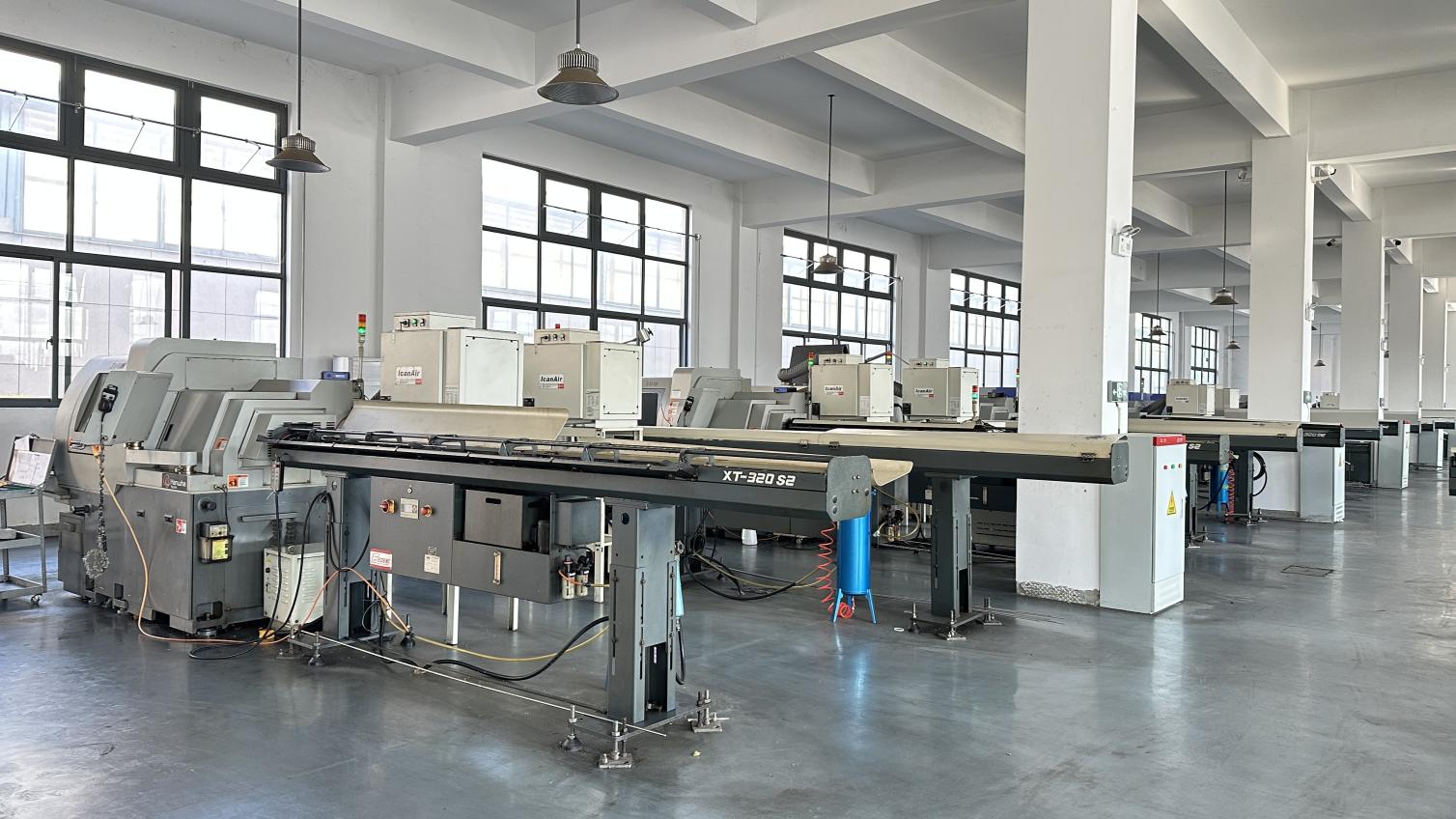
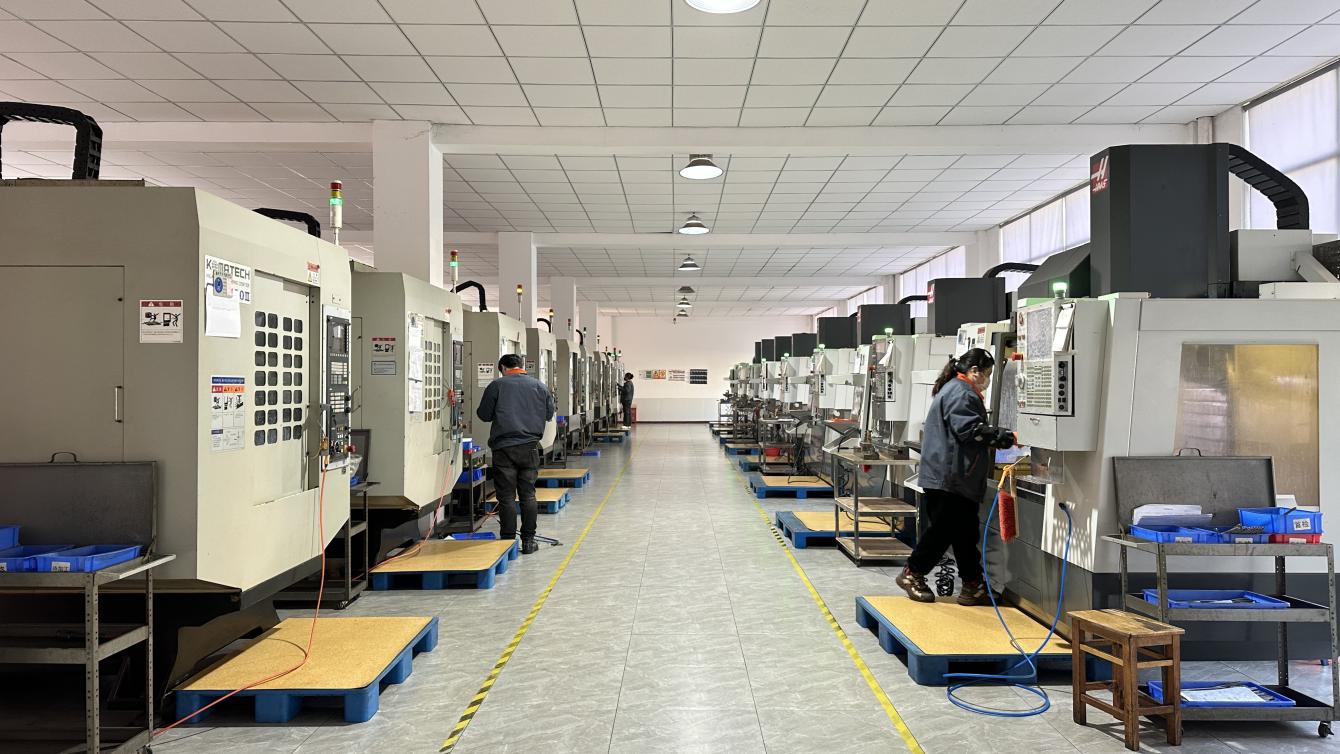
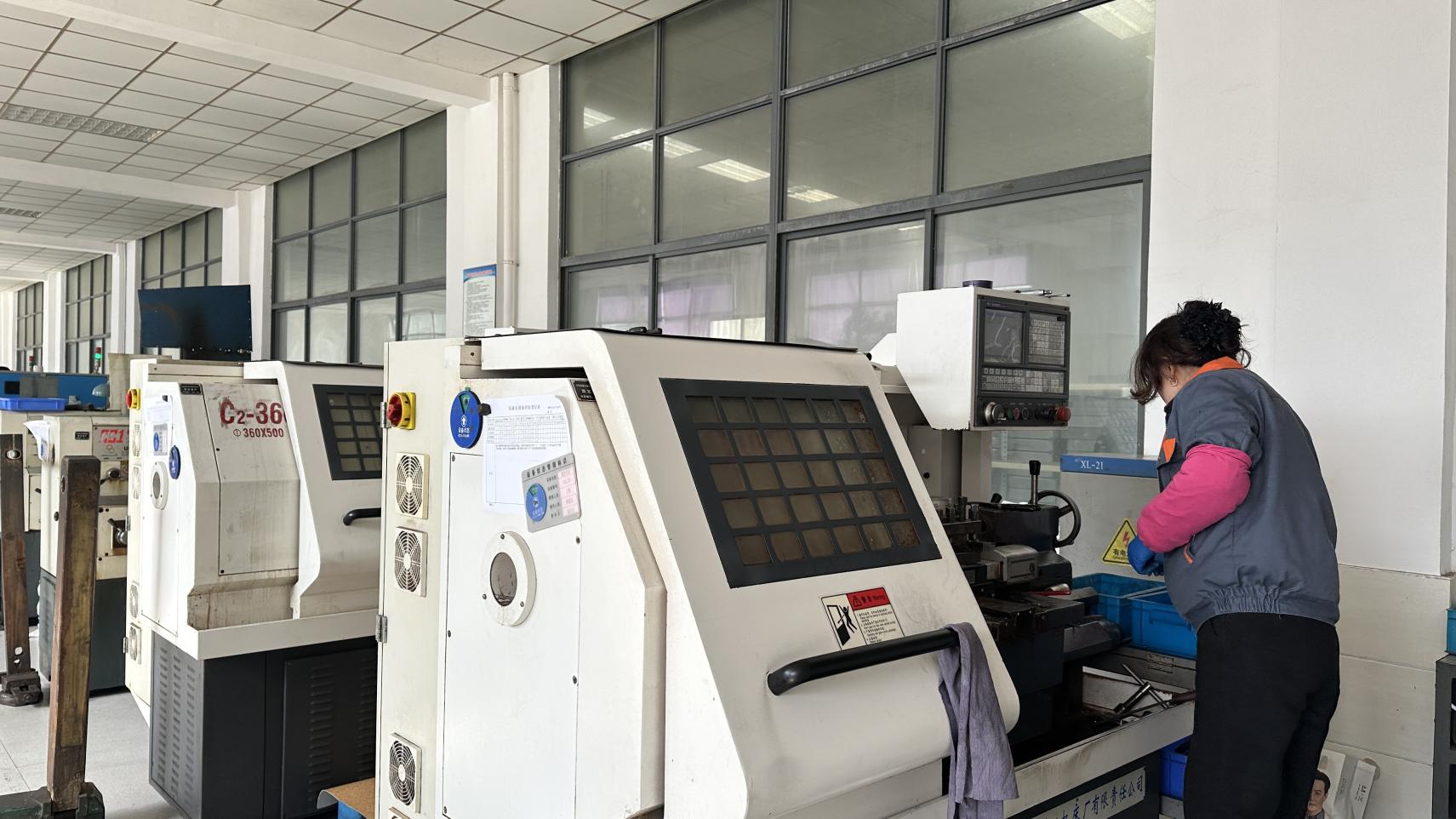
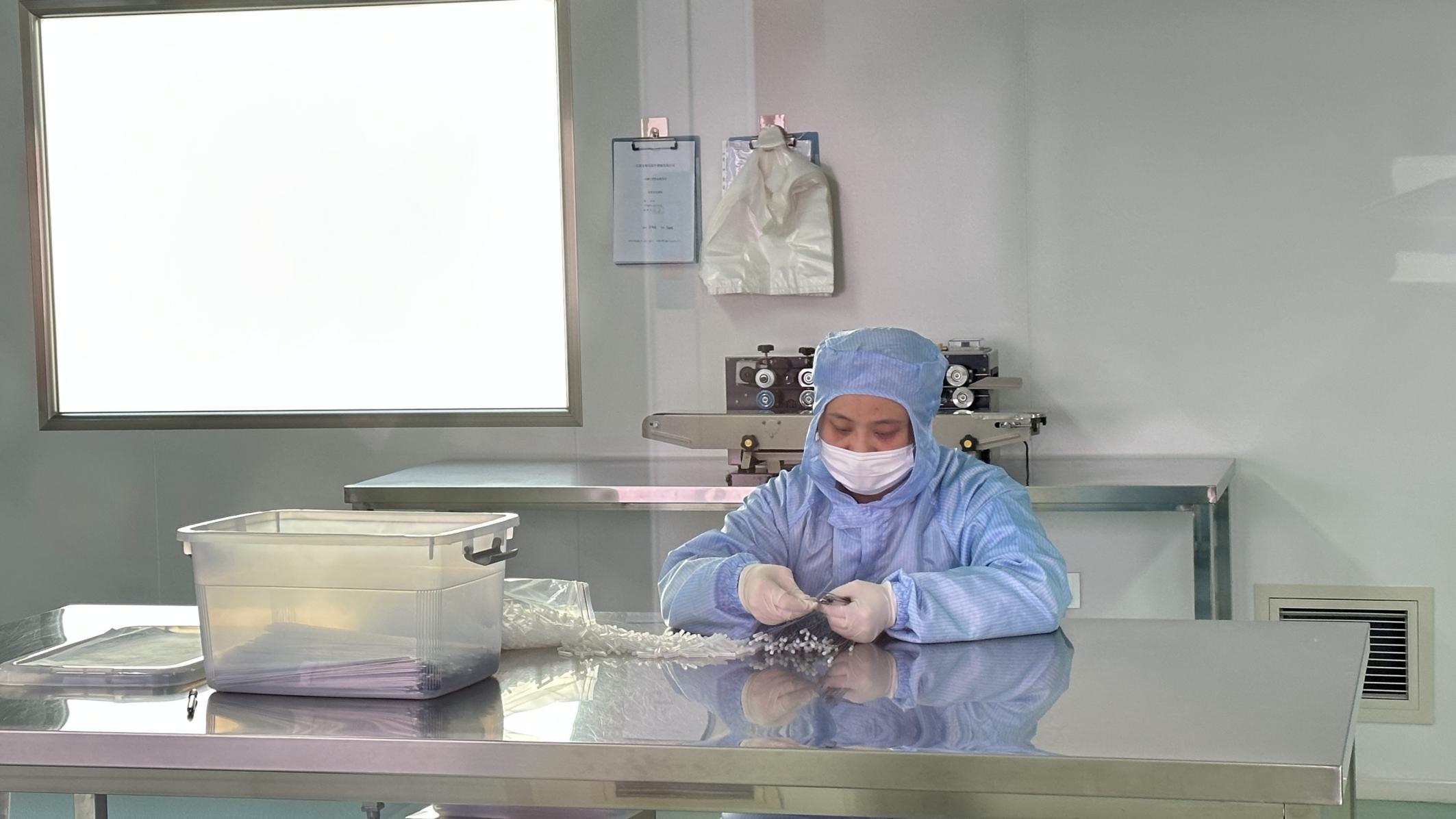
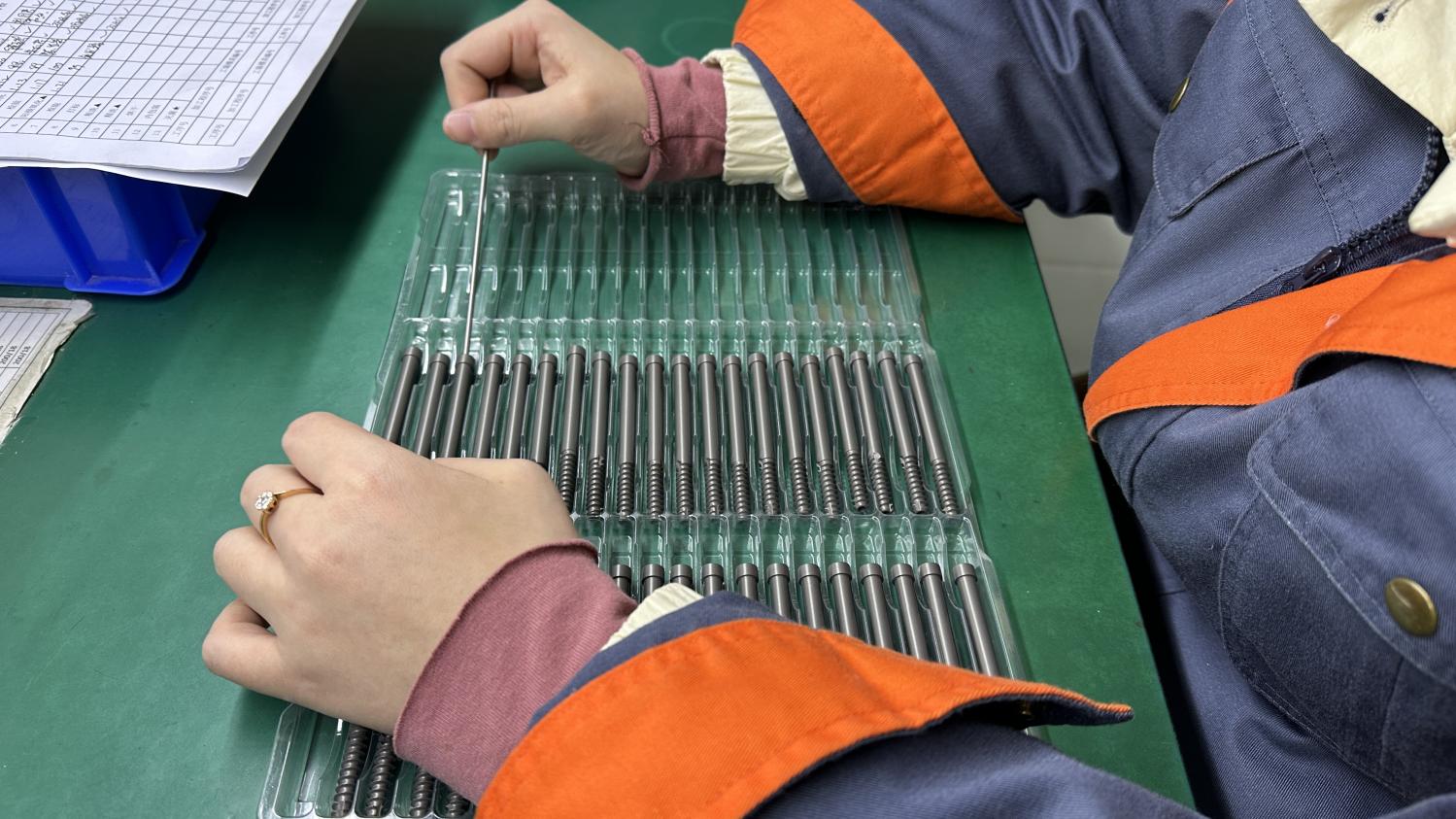
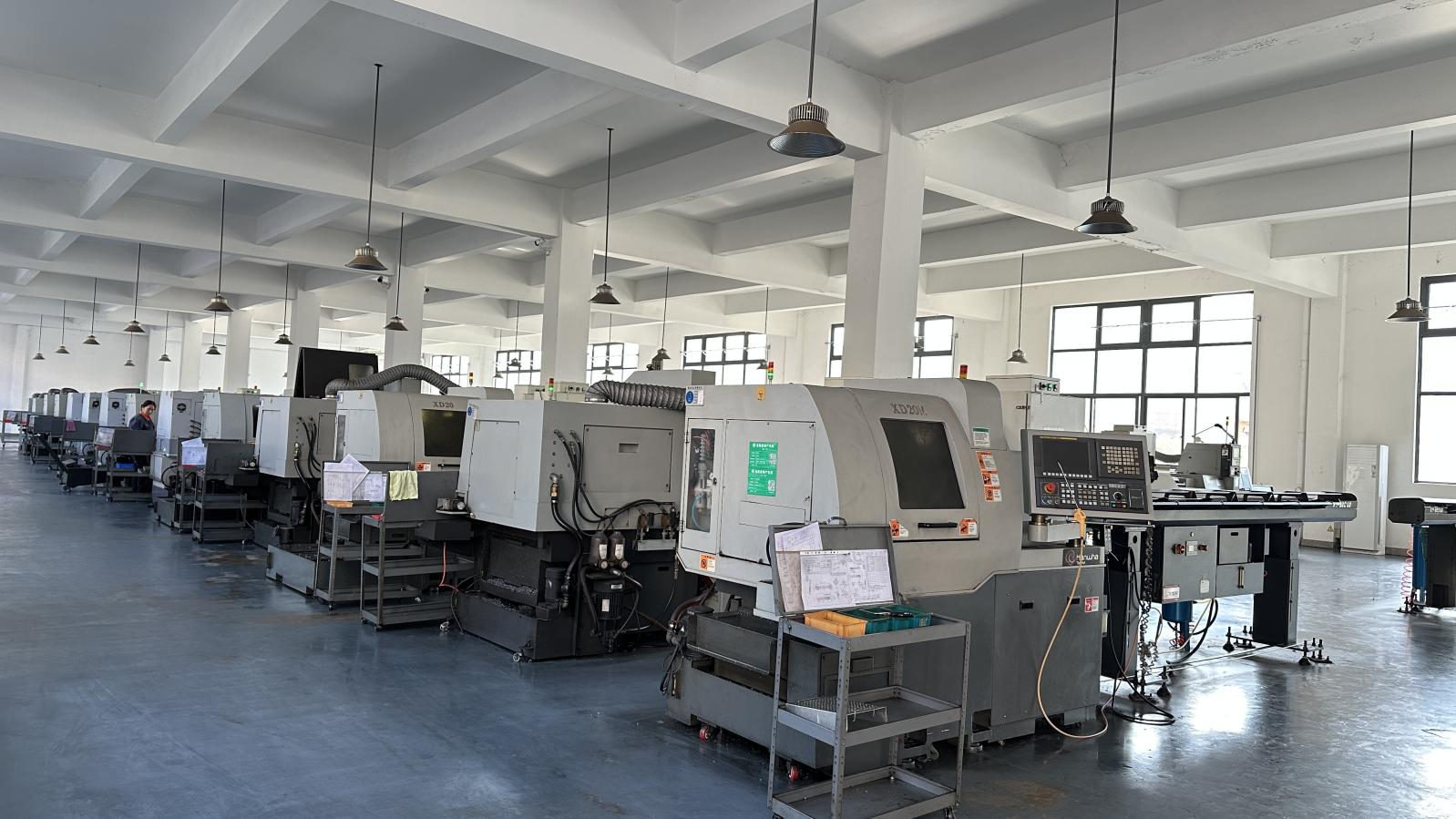
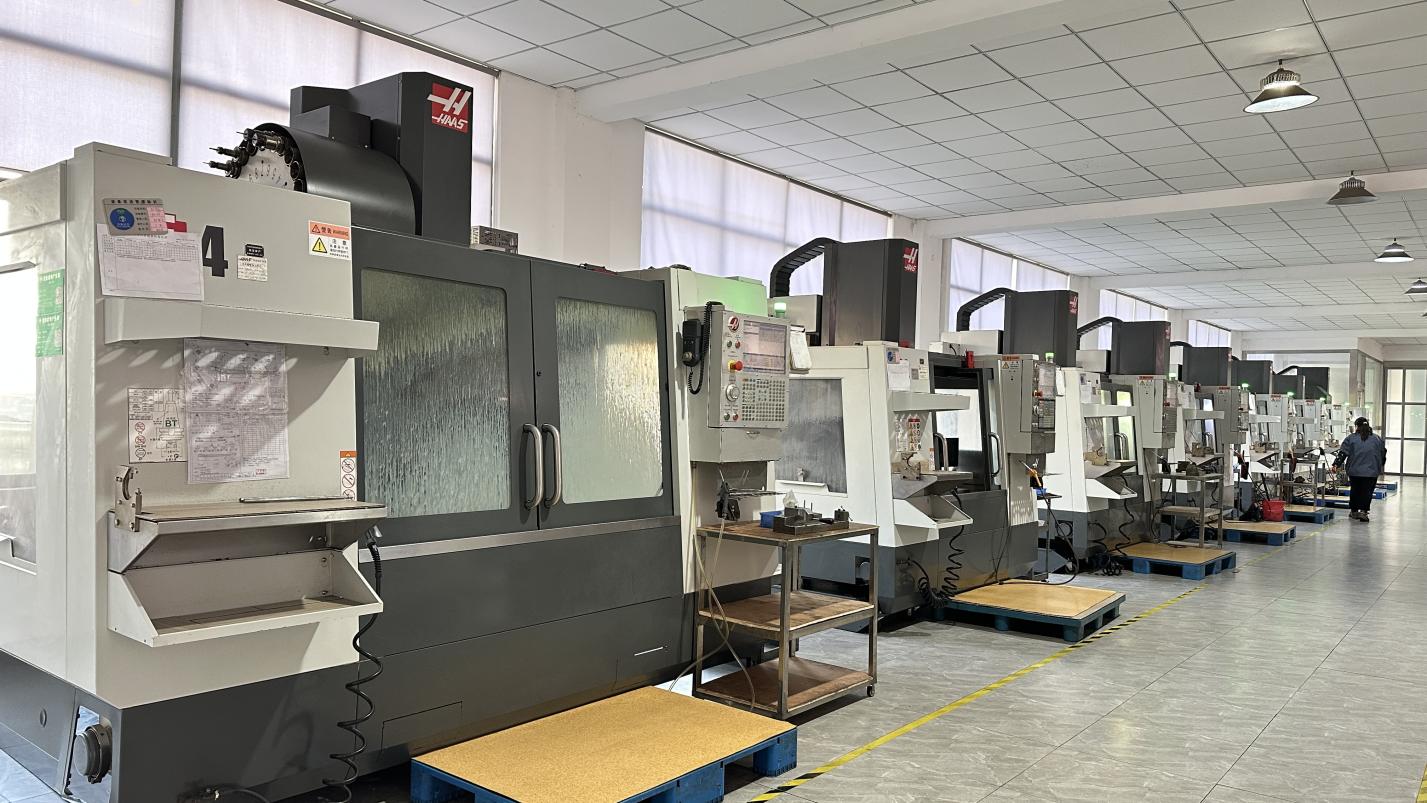
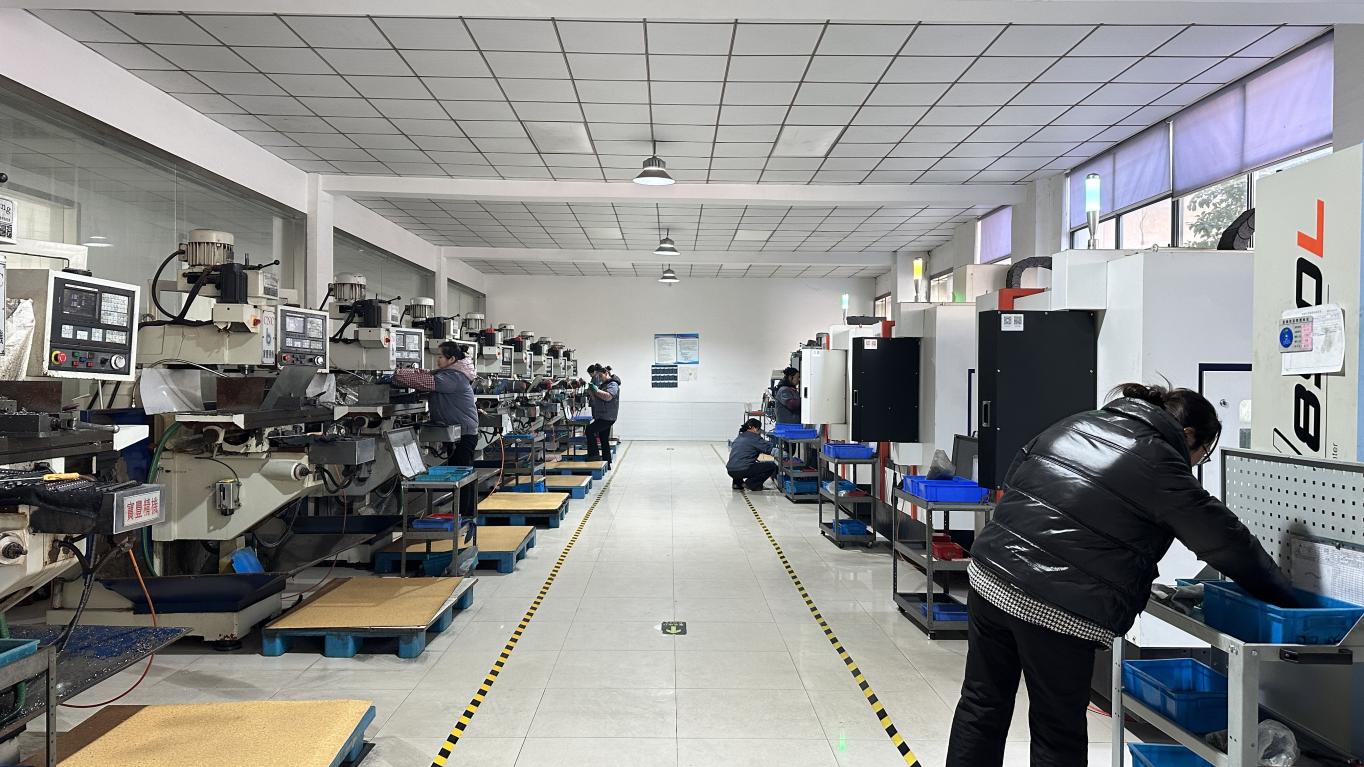
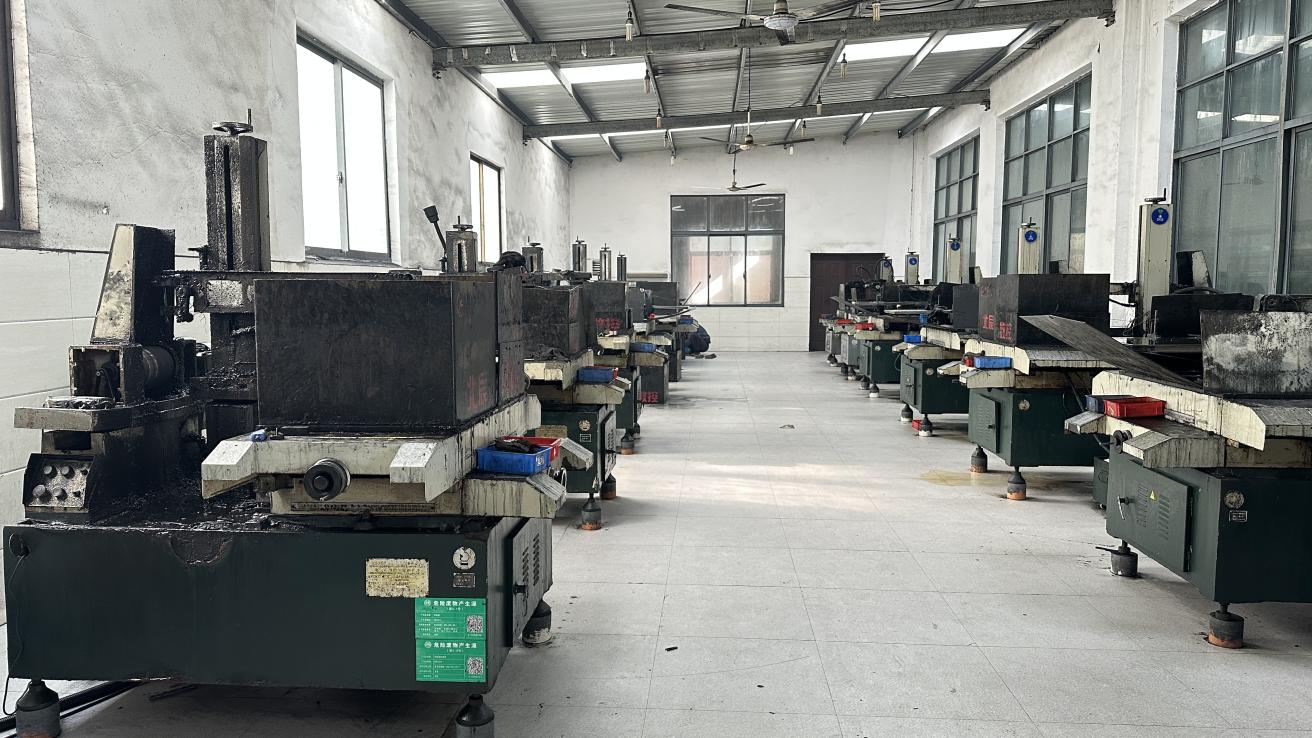
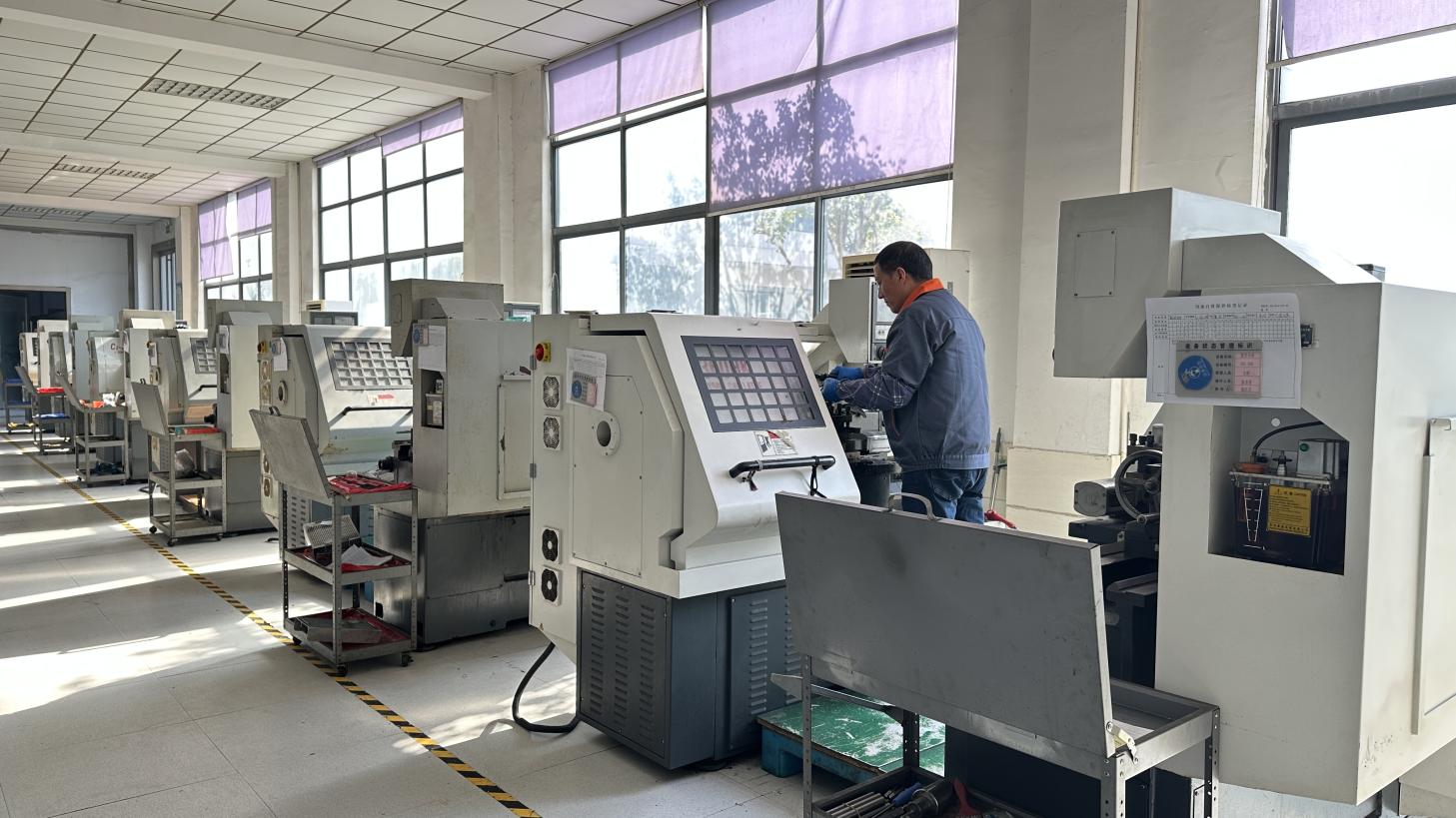
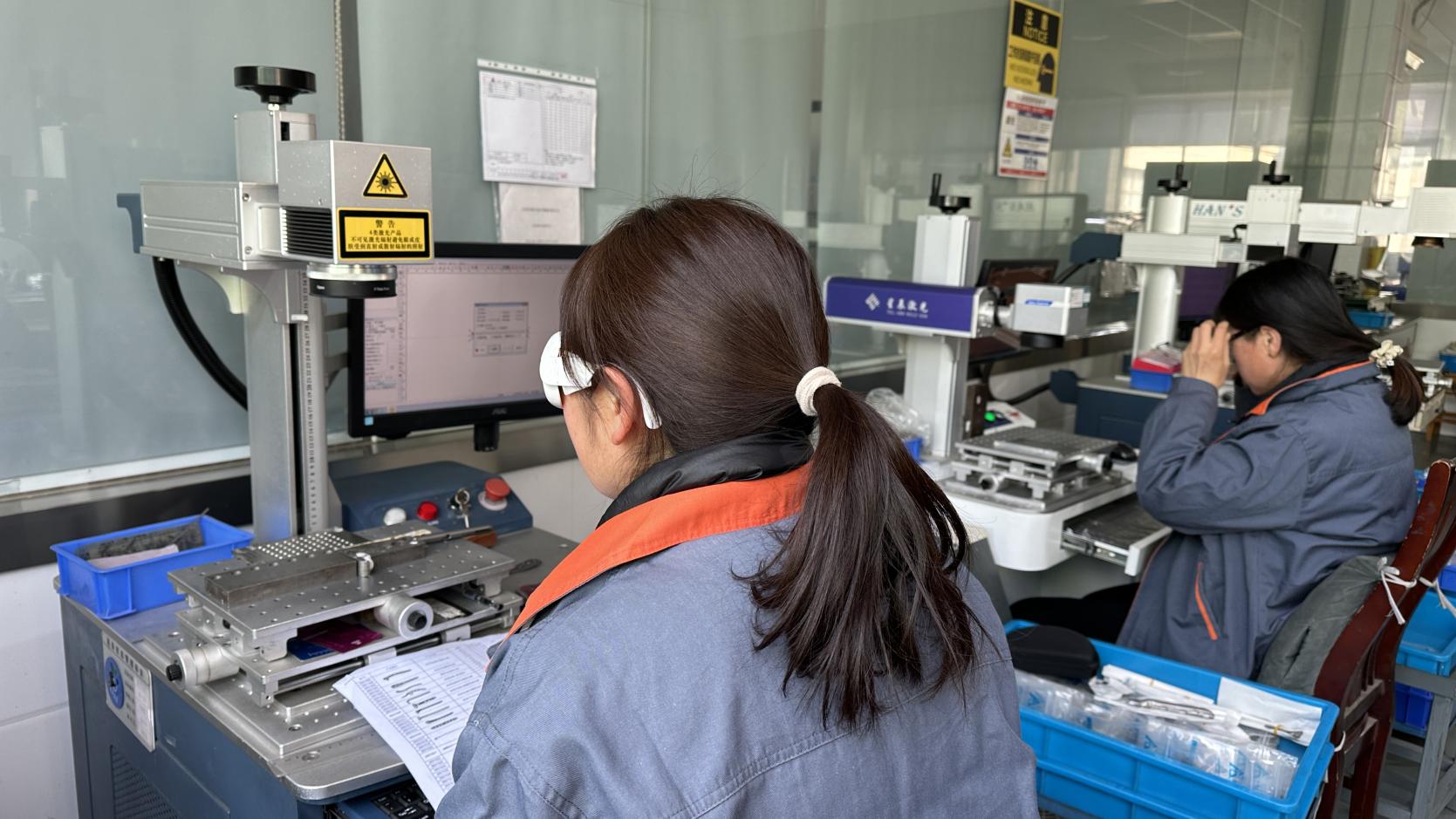
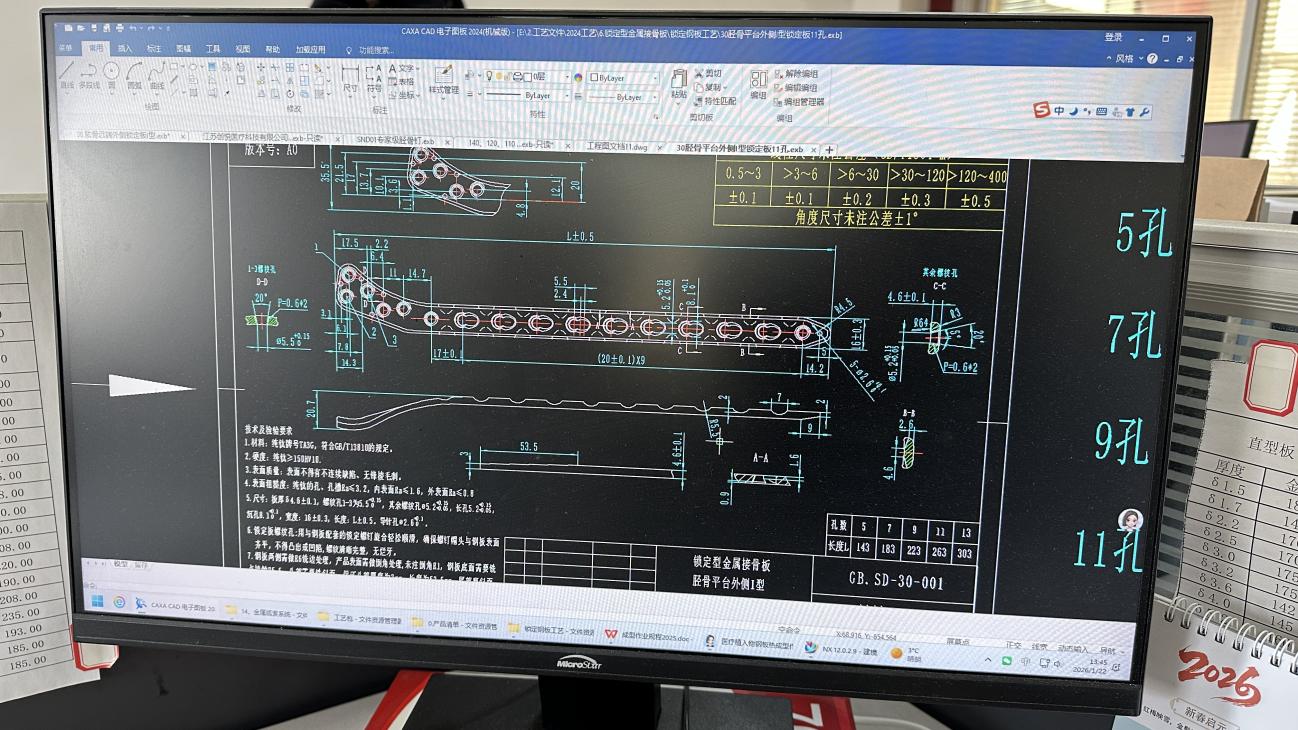

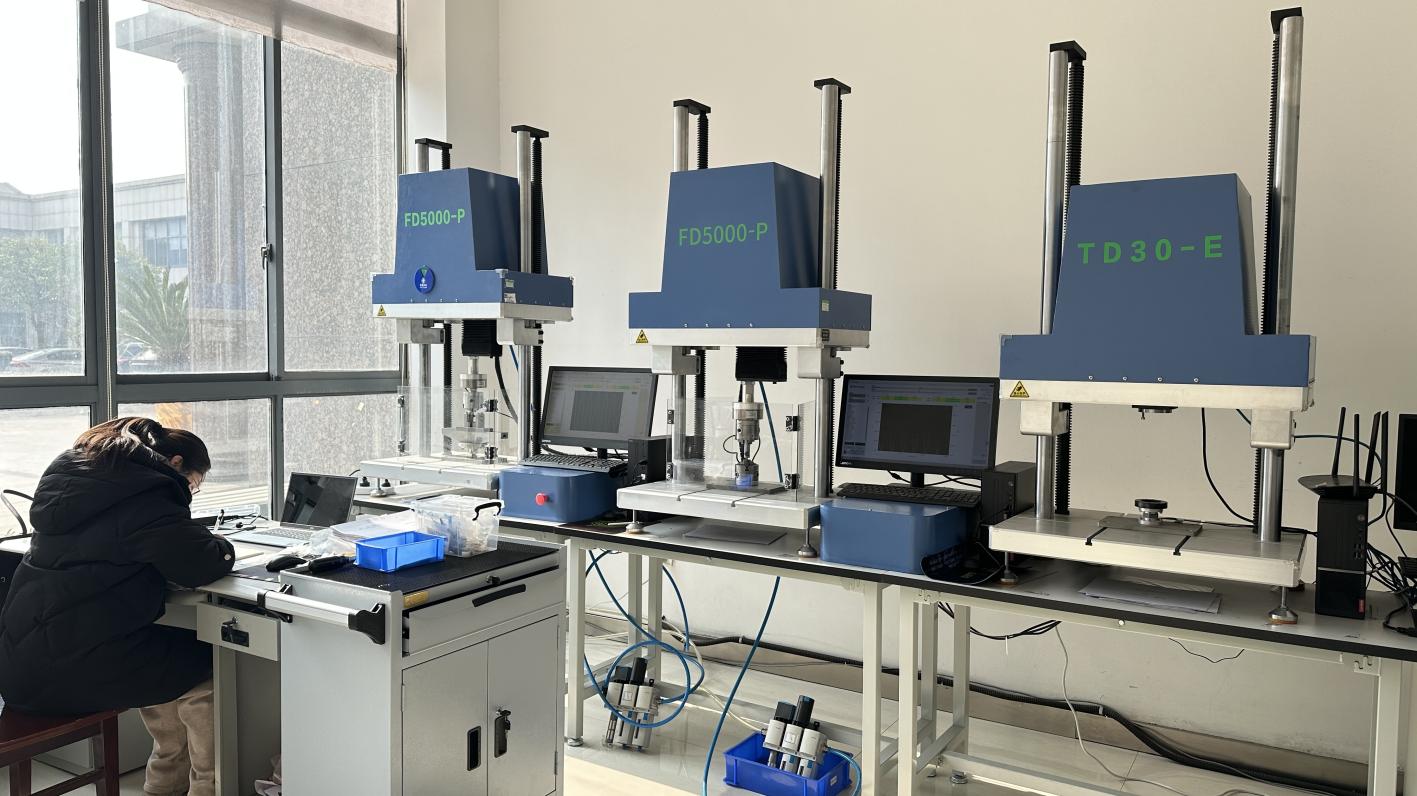
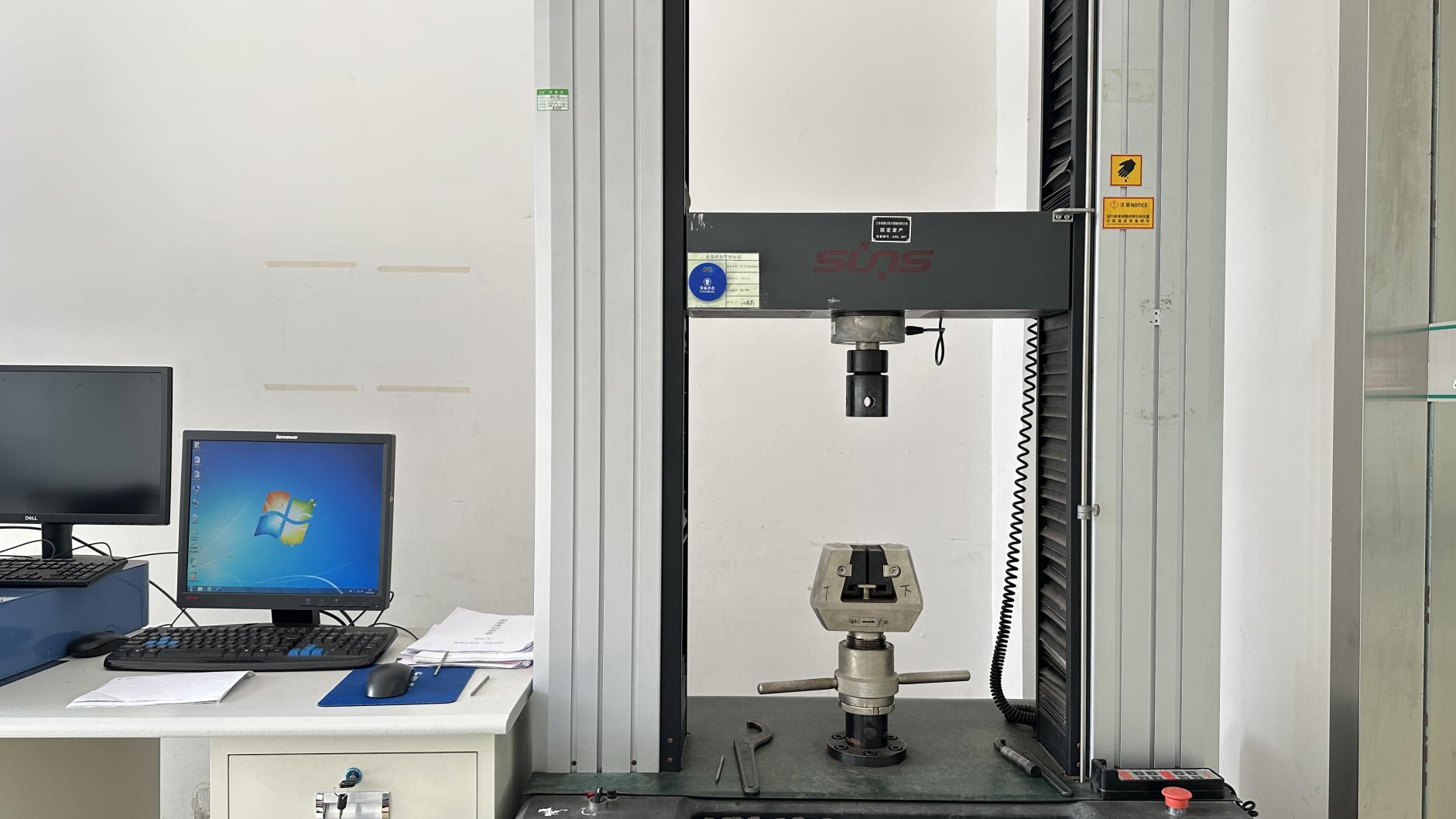
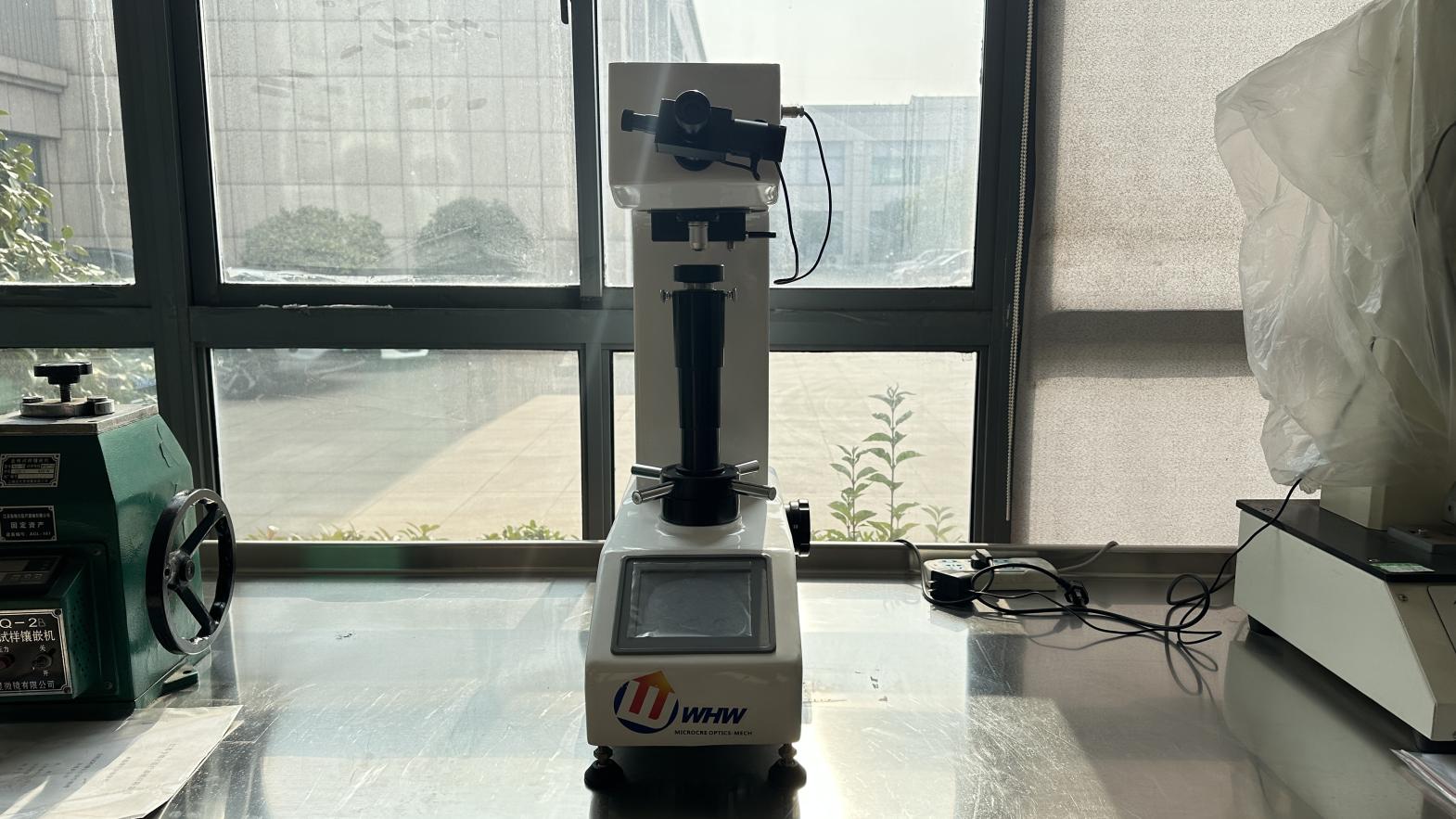
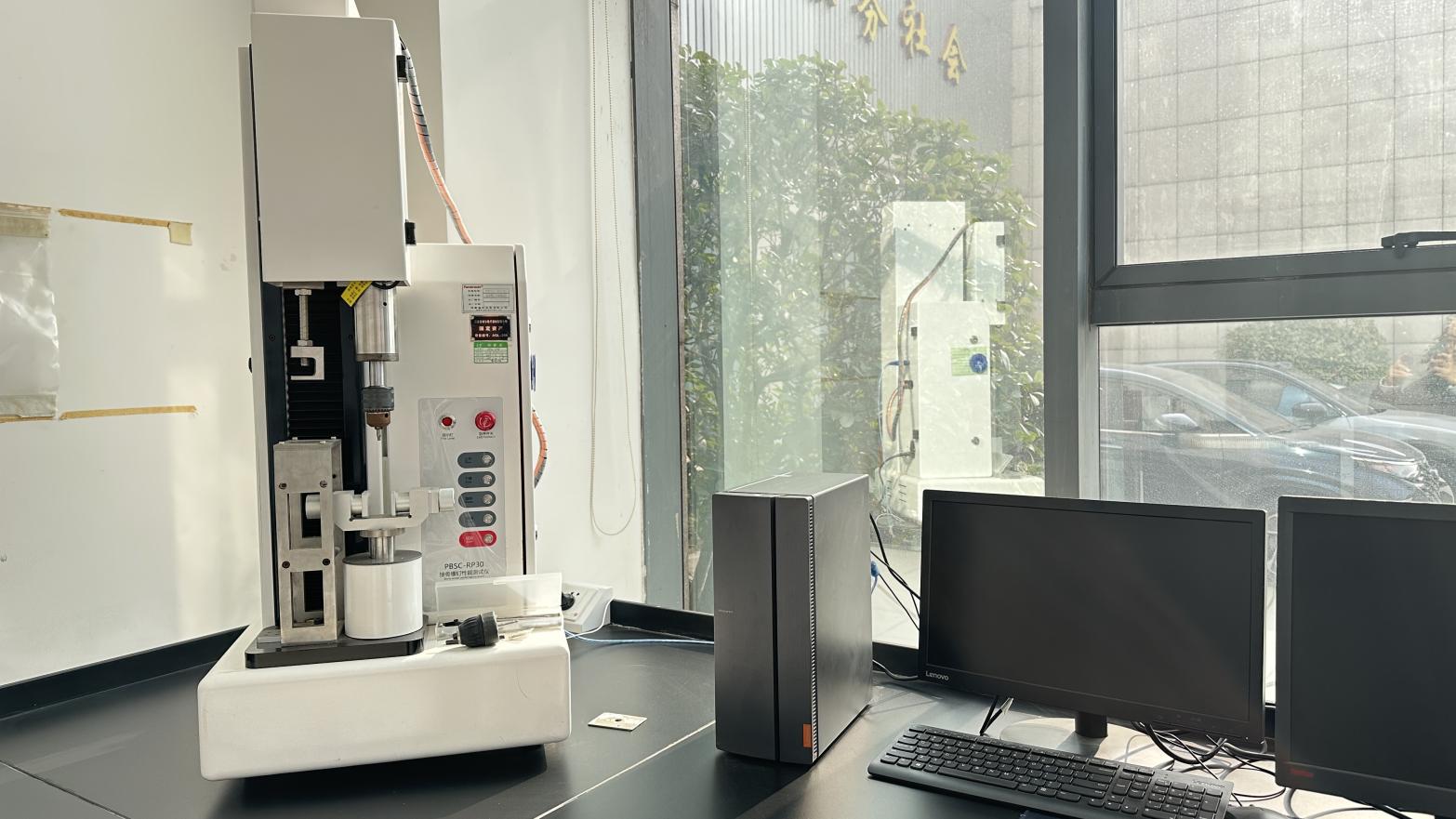
Patient safety is our primary concern. We utilize state-of-the-art diagnostic, mechanical, and fatigue testing systems to guarantee the reliability of every surgical handpiece and attachment.
New Zealand surgical teams use orthopedic power tools across a range of specialized surgical procedures:
Cruciate ligament tears are common in active dog breeds across New Zealand. Small animal veterinary clinics in regions like Waikato and Otago rely on high-precision mini multi-functional bone drills and small sagittal saws for Tibial Plateau Leveling Osteotomy (TPLO) and Tibial Tuberosity Advancement (TTA). These operations require narrow, high-frequency saw blades that produce smooth bone cuts without damaging surrounding soft tissue.
In rural regions, large animal veterinarians manage bone fractures and joint pathology in performance horses and valuable livestock. This work demands portable, battery-powered bone saws with high battery capacity to ensure the tools remain operational during long field procedures where mains power is unavailable.
Within metropolitan district health hospitals, surgical teams require heavy-duty orthopedic drills and high-torque reamers for total hip and knee replacements. These tools feature modular quick-connect attachments, allowing surgical teams to transition smoothly from acetabular reaming to tibial resection during joint replacement procedures.
Browse our range of high-precision electric bone drills, veterinary-specific sagittal saws, and multi-functional surgical systems.
Learn more about our orthopedic power tool range, request a quotation, or discuss custom manufacturing options with our team.
 Virelox