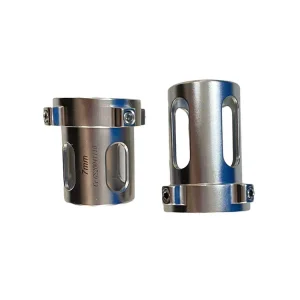
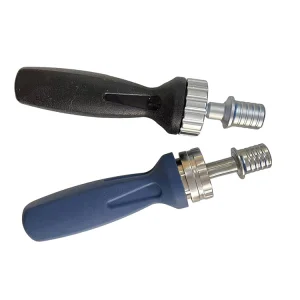
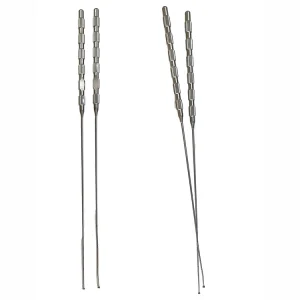
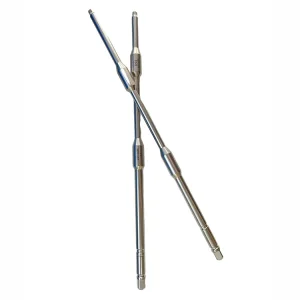
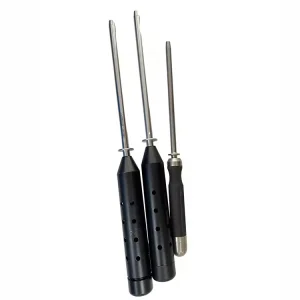
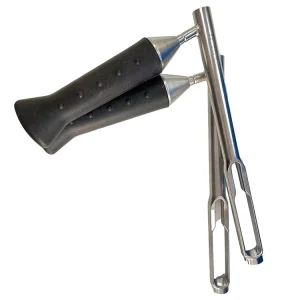
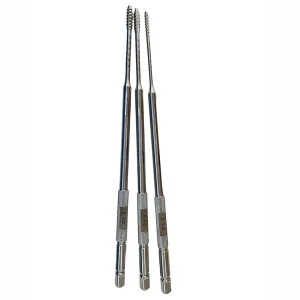
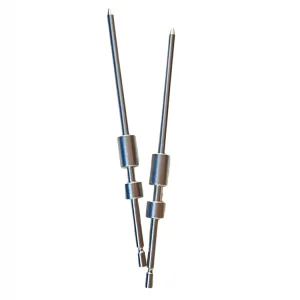
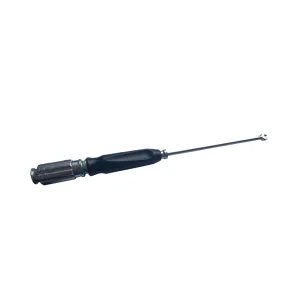
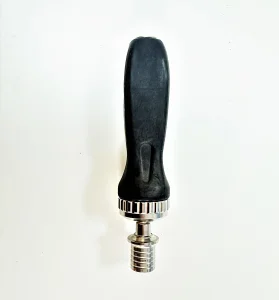
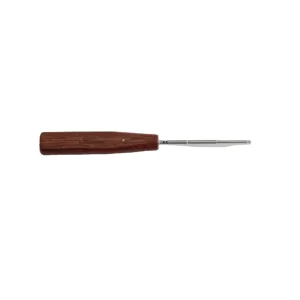
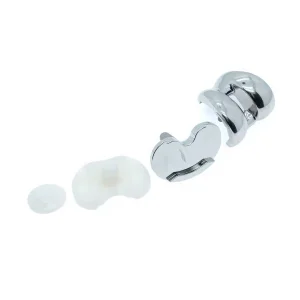
Engineered for compliance with Argentine public clinics and private healthcare systems (Obras Sociales). High-precision accessories fabricated from premium medical-grade Titanium and PEEK polymers.
A comprehensive analysis of market drivers, regulatory hurdles (ANMAT), and structural procurement shifts.
Argentina's orthopedic sector is undergoing significant evolution, driven by an aging demographic and expansion in medical infrastructure across regions like Buenos Aires, Córdoba, Santa Fe, and Mendoza. The healthcare system operates via a combination of public infrastructure, union-sponsored healthcare programs (Obras Sociales), and private insurance networks (Prepagas).
To successfully integrate orthopedic accessories—such as spinal cages, pedicle screw components, suture anchors, and surgical handles—manufacturers must comply with strict regulations governed by the Administración Nacional de Medicamentos, Alimentos y Tecnología Médica (ANMAT). Operating as a foreign supplier requires a solid understanding of local import parameters and a trusted manufacturing counterpart capable of delivering ISO 13485 certification, technical dossier transparency, and traceability of biocompatible raw materials.
Recent shifts in the domestic economic framework have led Argentine distributors to seek direct manufacturing partnerships in China. By bypassing intermediate brokers, local importers can maintain compliance, stabilize supply chains, and mitigate currency fluctuations while securing access to Grade 5 Titanium (Ti-6Al-4V ELI) and PEEK polymer technologies.
Delivering high-reliability, autoclavable instrumentation designed to withstand intensive sterilization cycles in major tertiary surgical wards throughout Argentina.
We provide full-scope documentation packages, biocompatibility testing certificates, material heat codes, and ISO 13485 protocols to streamline local registration.
Rapid R&D prototype execution allowing Argentine surgeons and medical teams to adapt specific handle geometries and tool couplings for local preferences.
Driving clinical efficacy and pricing optimization via consolidated medical-grade engineering.
Virelox Medical Devices Co., Ltd. coordinates an ecosystem of 850 certified upstream and downstream partners. This deep-integration supply chain guarantees consistent access to premium metals and polymers:
Our ISO 13485 quality control structure incorporates mechanical validation tools, including 3D Coordinate Measuring Machines (CMM), dynamic fatigue test beds, and tensile testing systems. This level of quality control ensures each batch meets global standards before departure.
| Material Category | Technical Characteristics | Orthopedic Application | Argentine Regulatory Compatibility |
|---|---|---|---|
| Titanium Alloy (Ti-6Al-4V ELI) | Biocompatible, high fatigue limit, elastic modulus close to bone, ISO 5832-3 compliant | Vertebral plates, pedicle screws, artificial joint stems, guide pins | Full compliance with ANMAT Class III requirements |
| PEEK-OPTIMA® | Radiolucent, artifact-free imaging, elastic modulus mimics trabecular bone | TLIF/PLIF spinal cages, knotless suture anchors for ligament repair | Highly favored for medical registries in Latin America |
| Medical Grade Stainless Steel (316LVM) | Ultra-vacuum melted, high corrosion resistance, high tensile strength | Autoclavable drive tools, torque limiters, trial implants, surgical templates | Standard compliance for re-usable instrumentation |
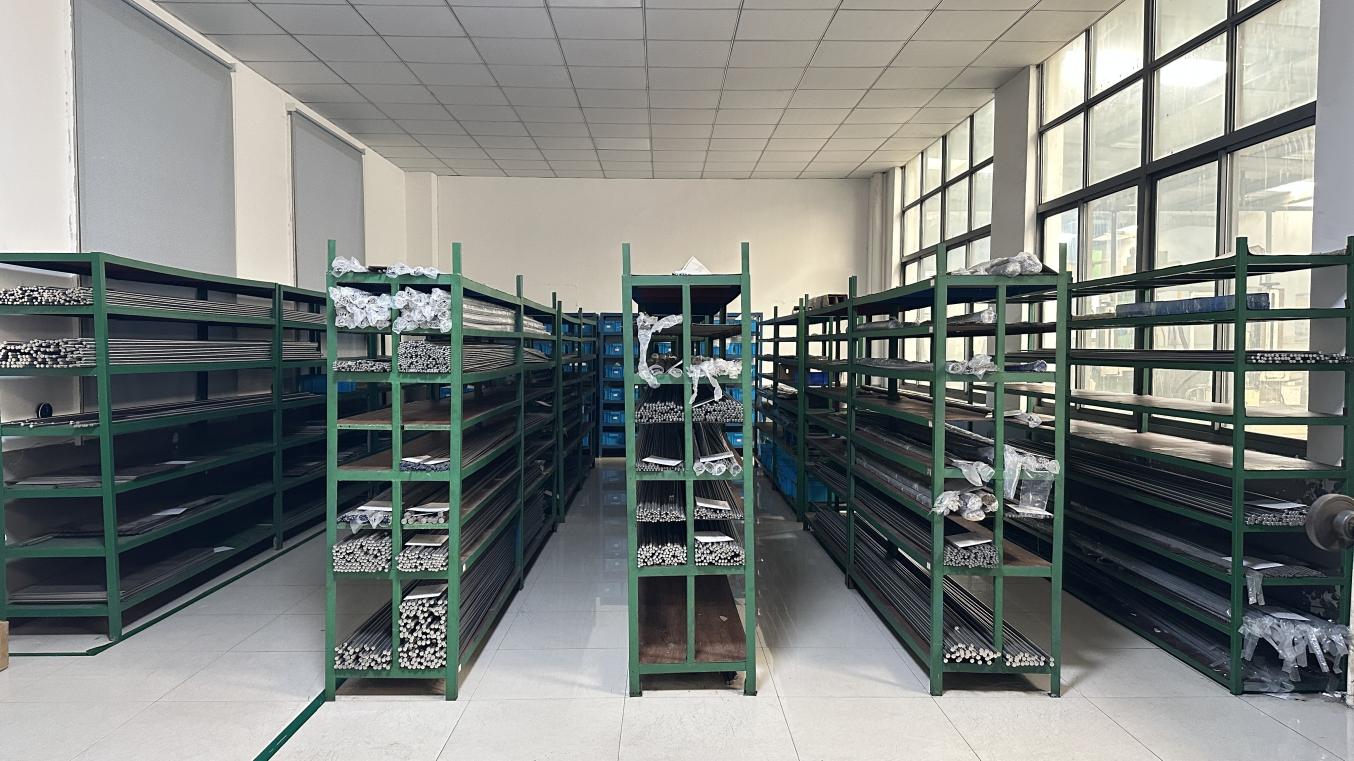
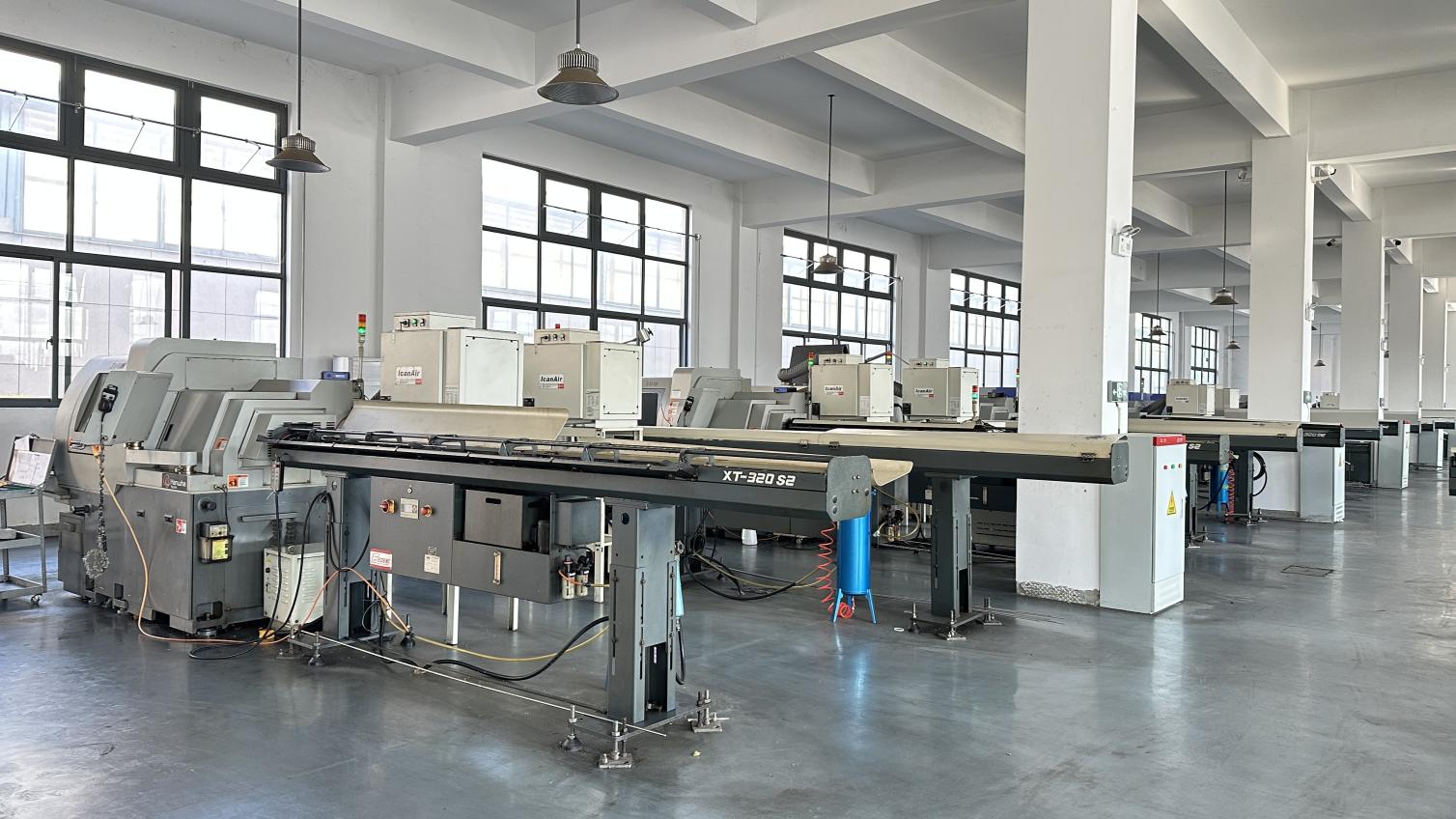
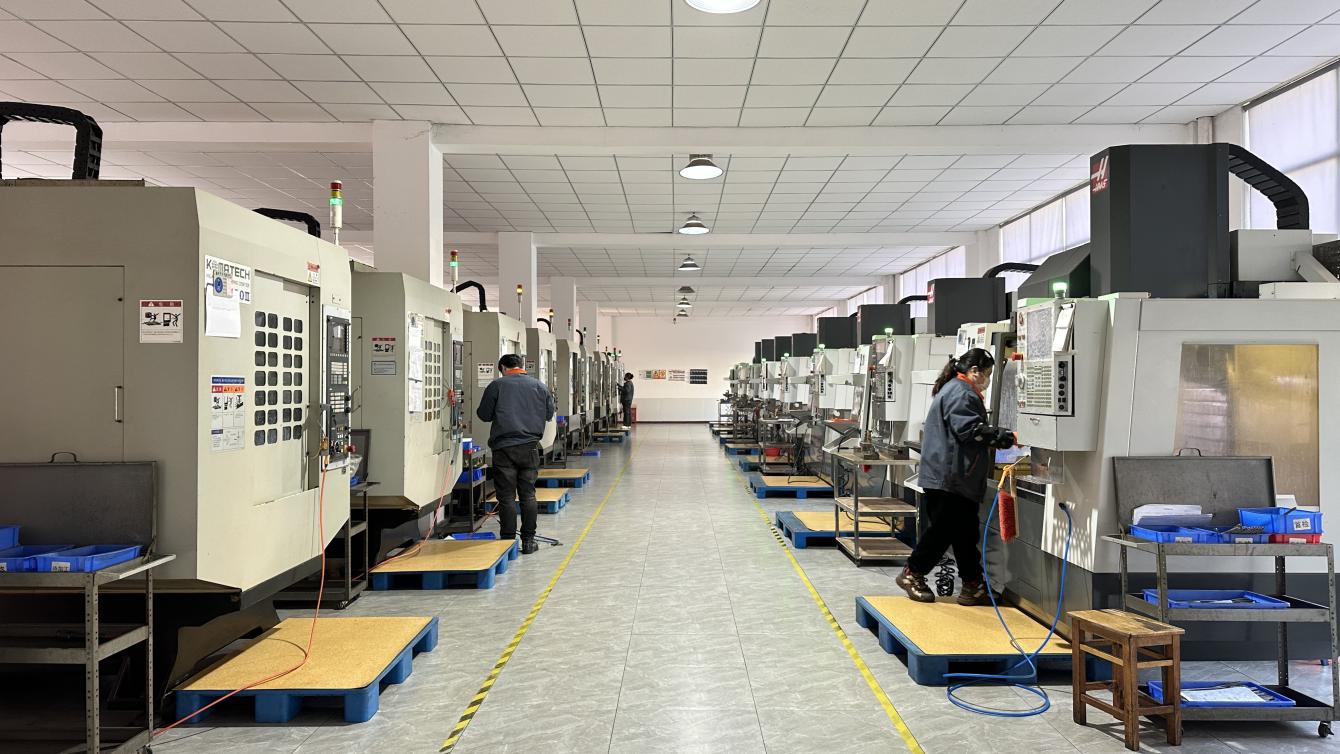
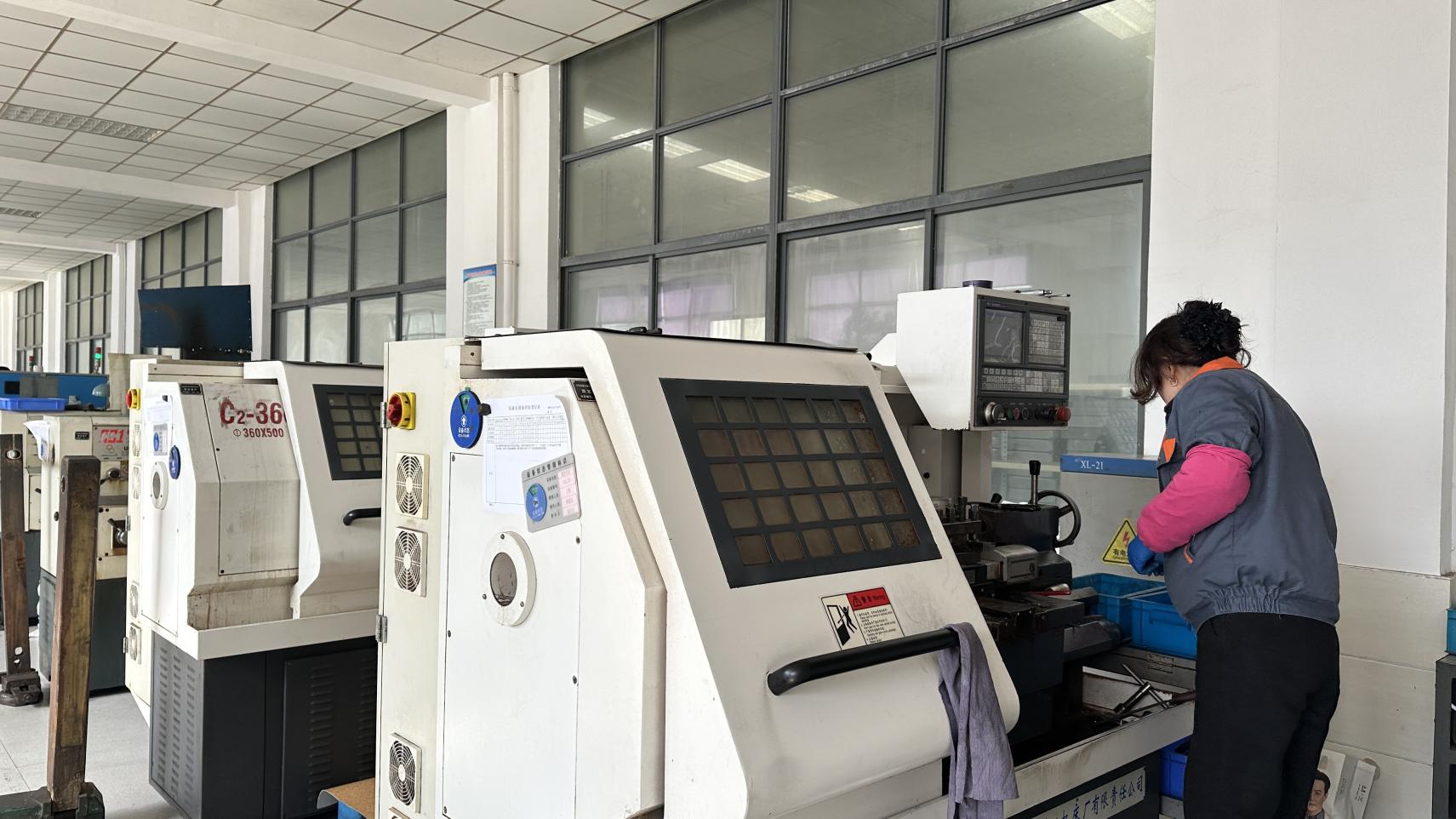
Explore our 12,000 square meter integrated facility, highlighting precision manufacturing, laser marking, and advanced mechanical testing laboratories.
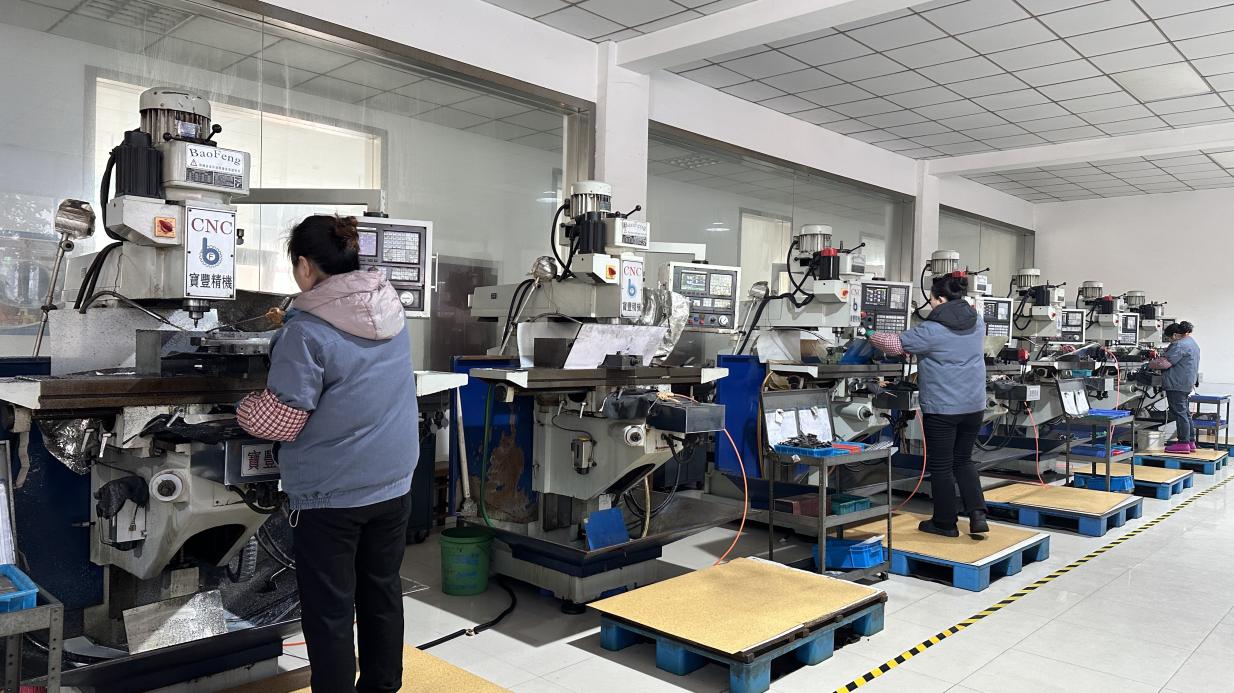
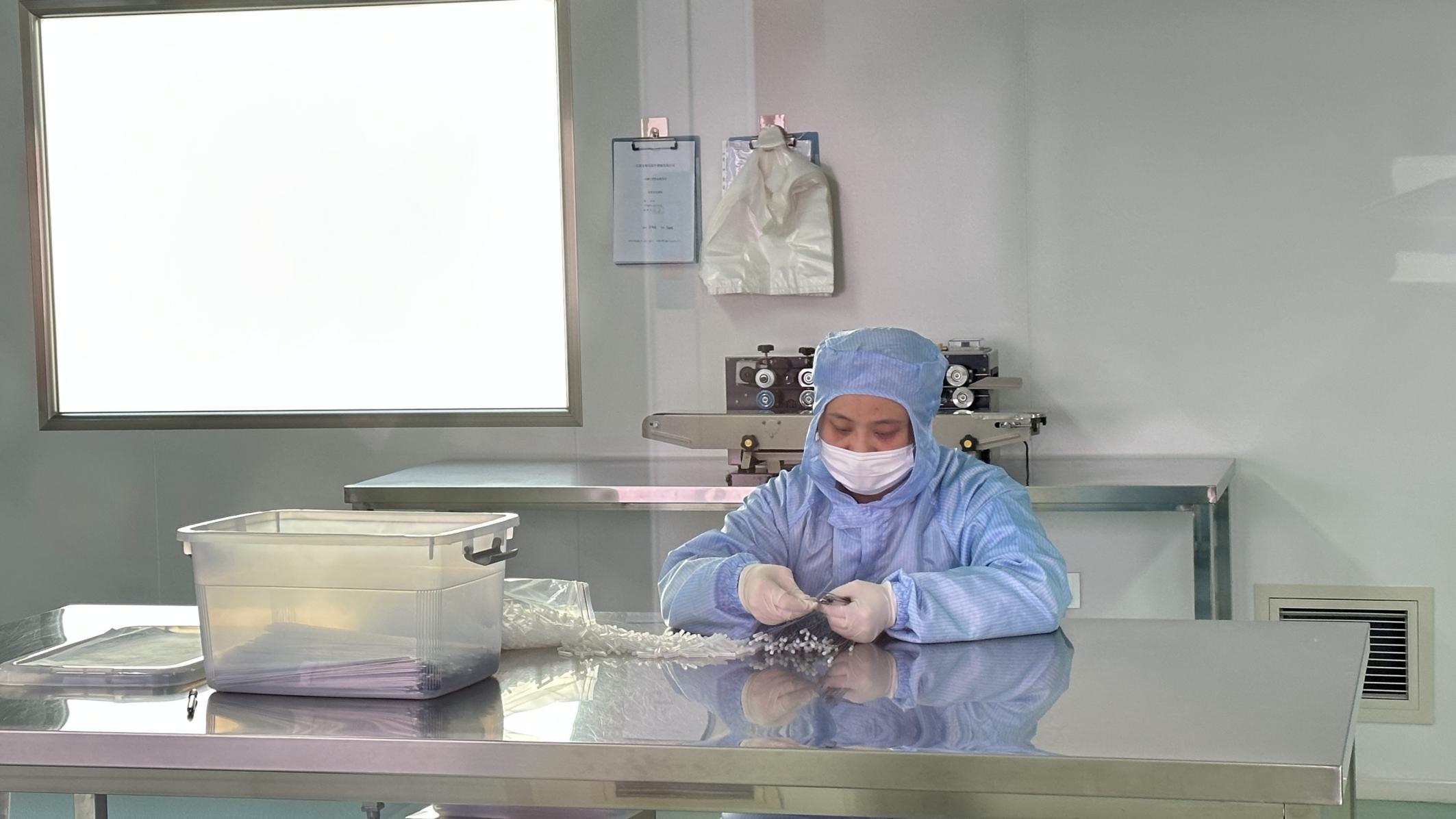
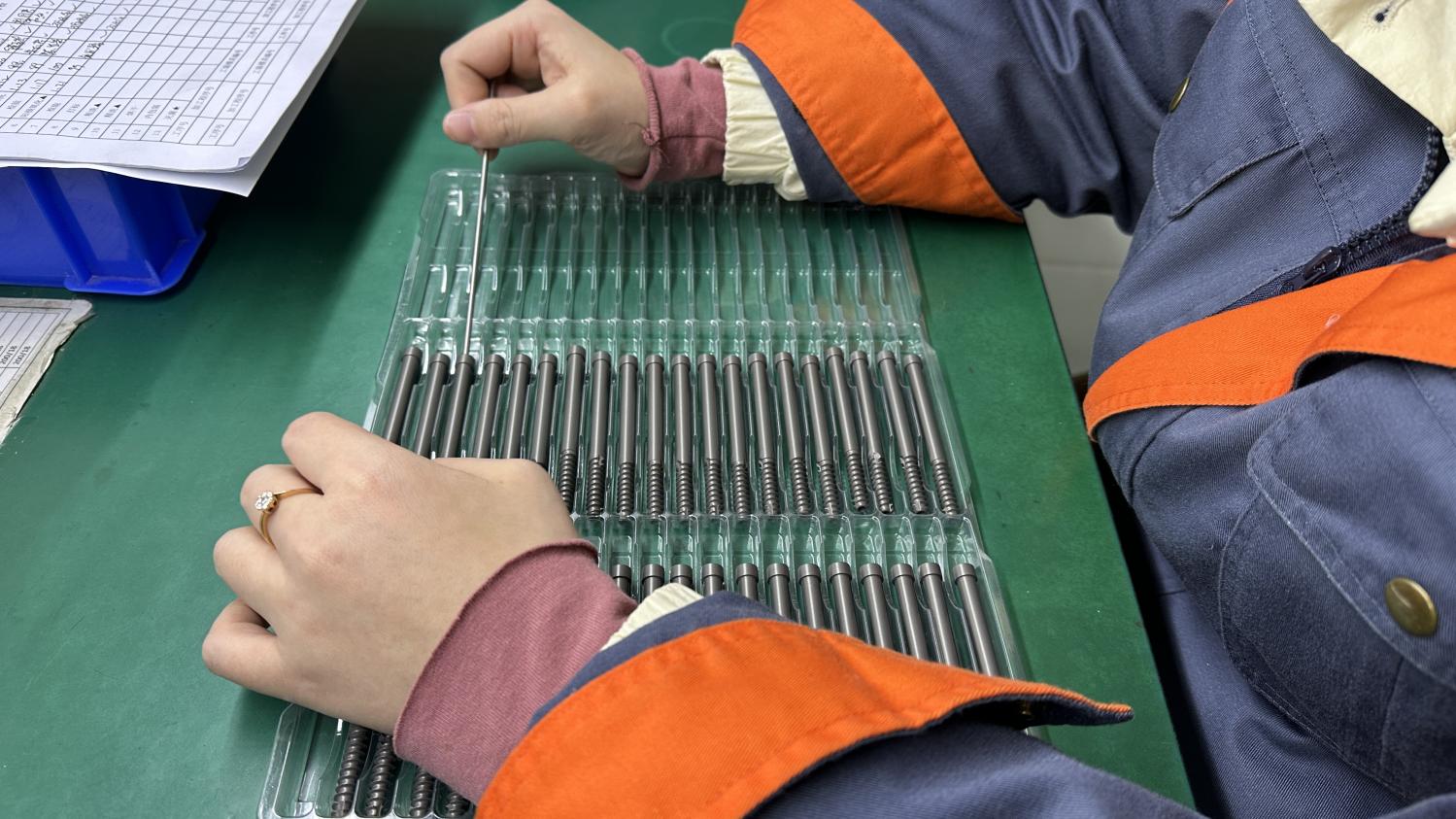
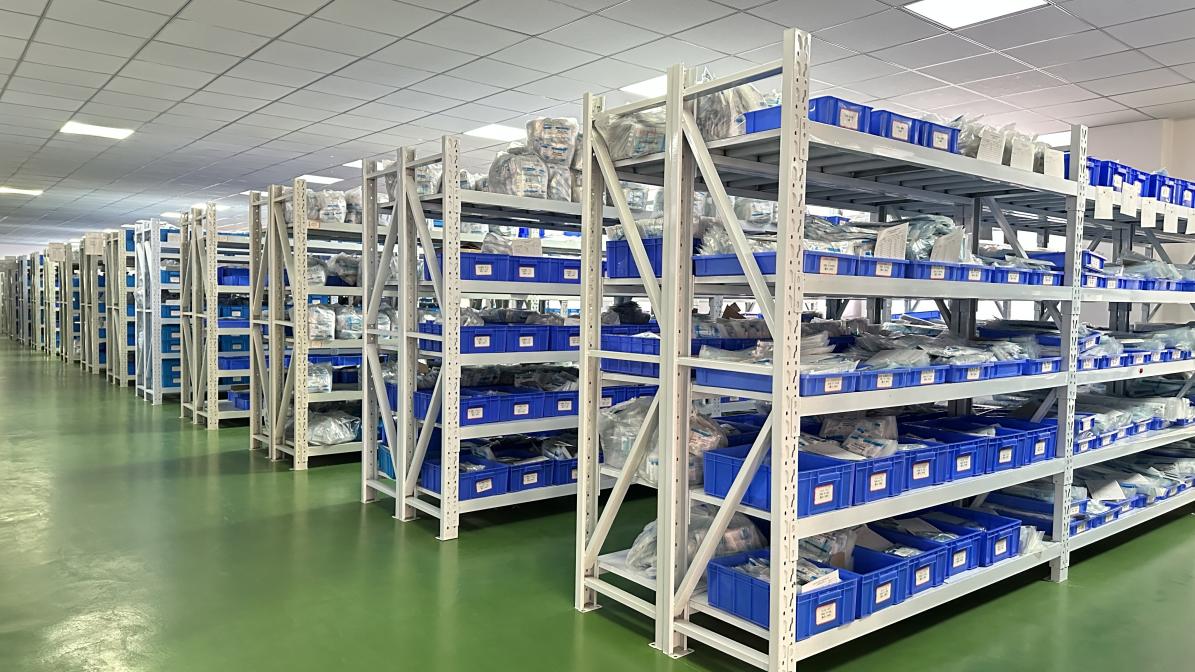
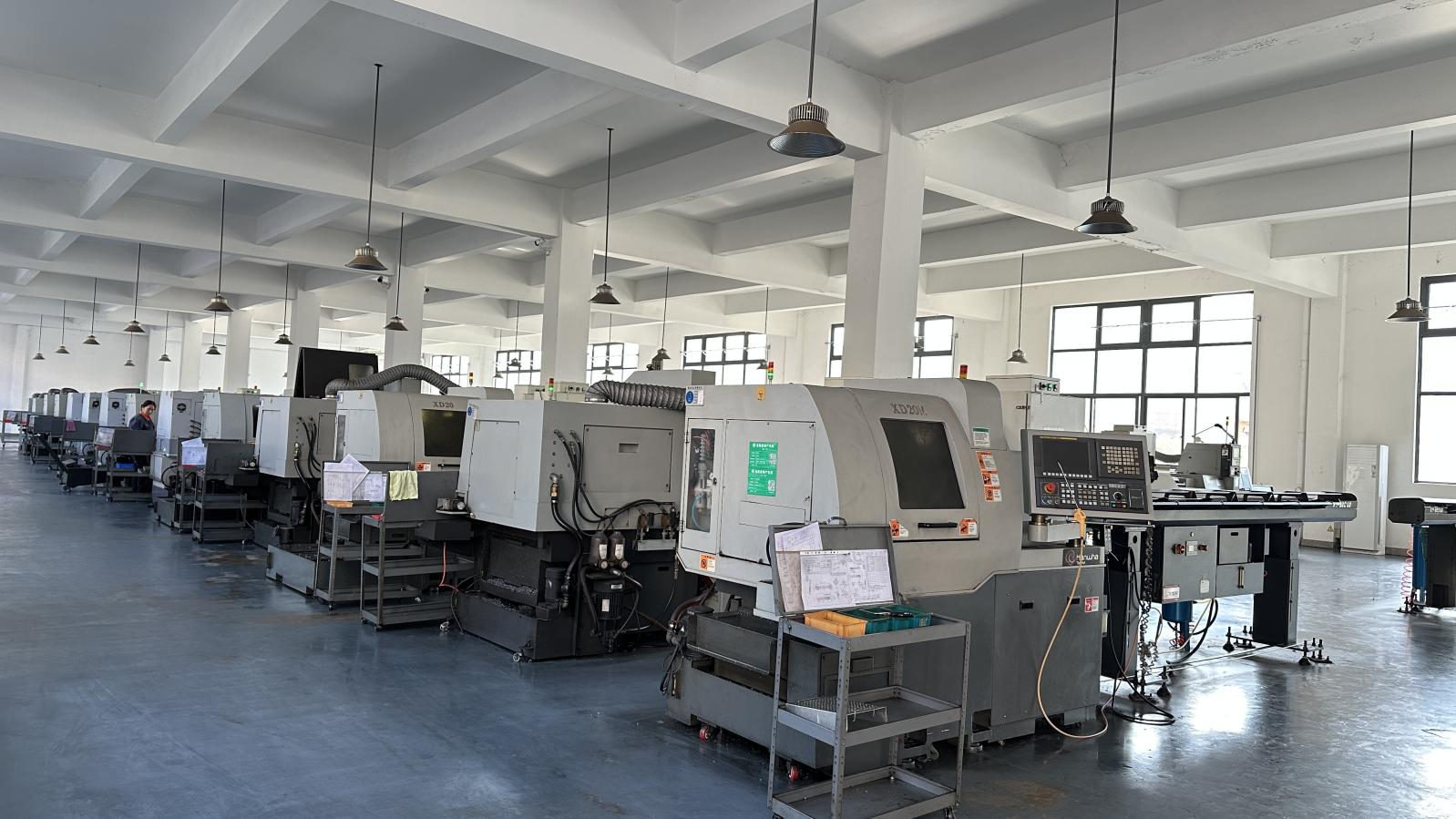
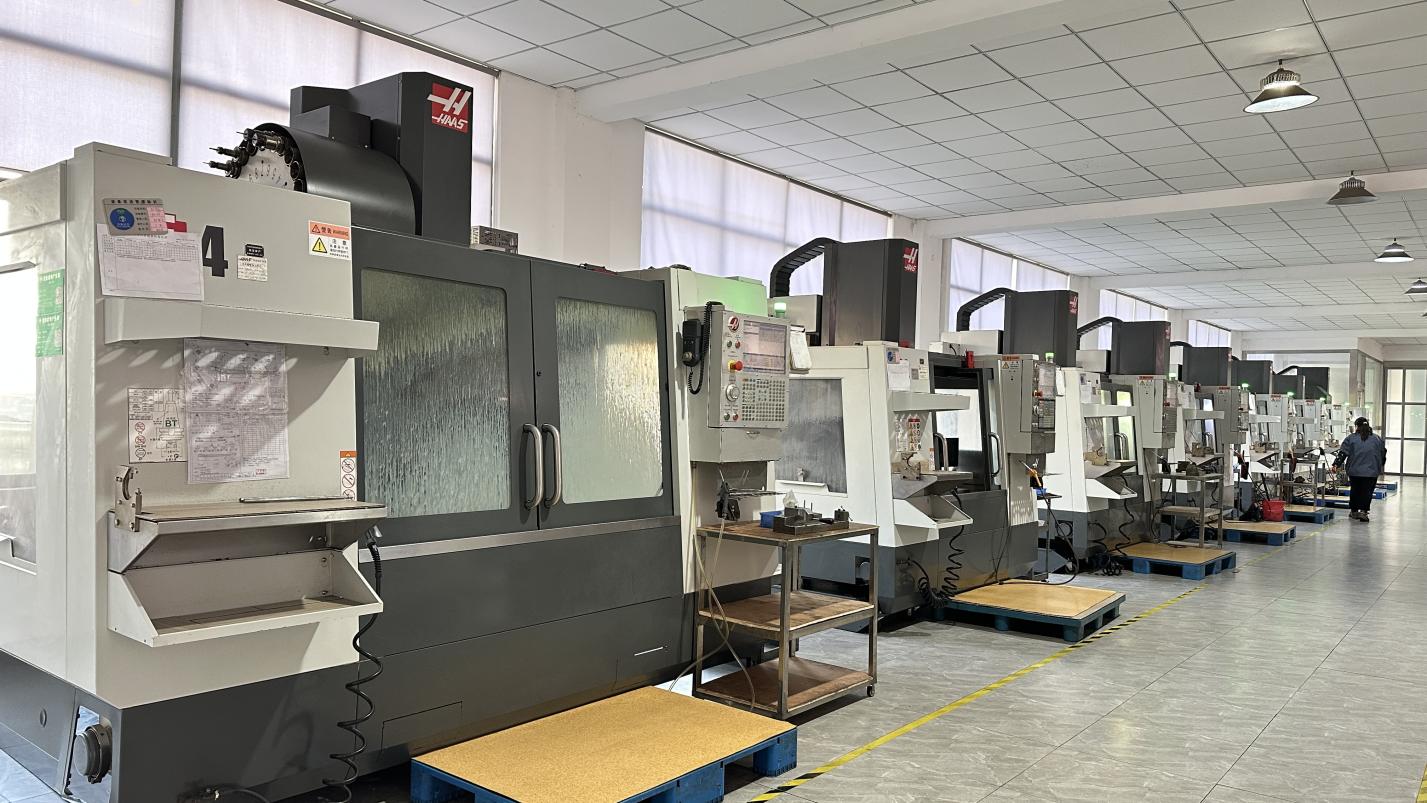
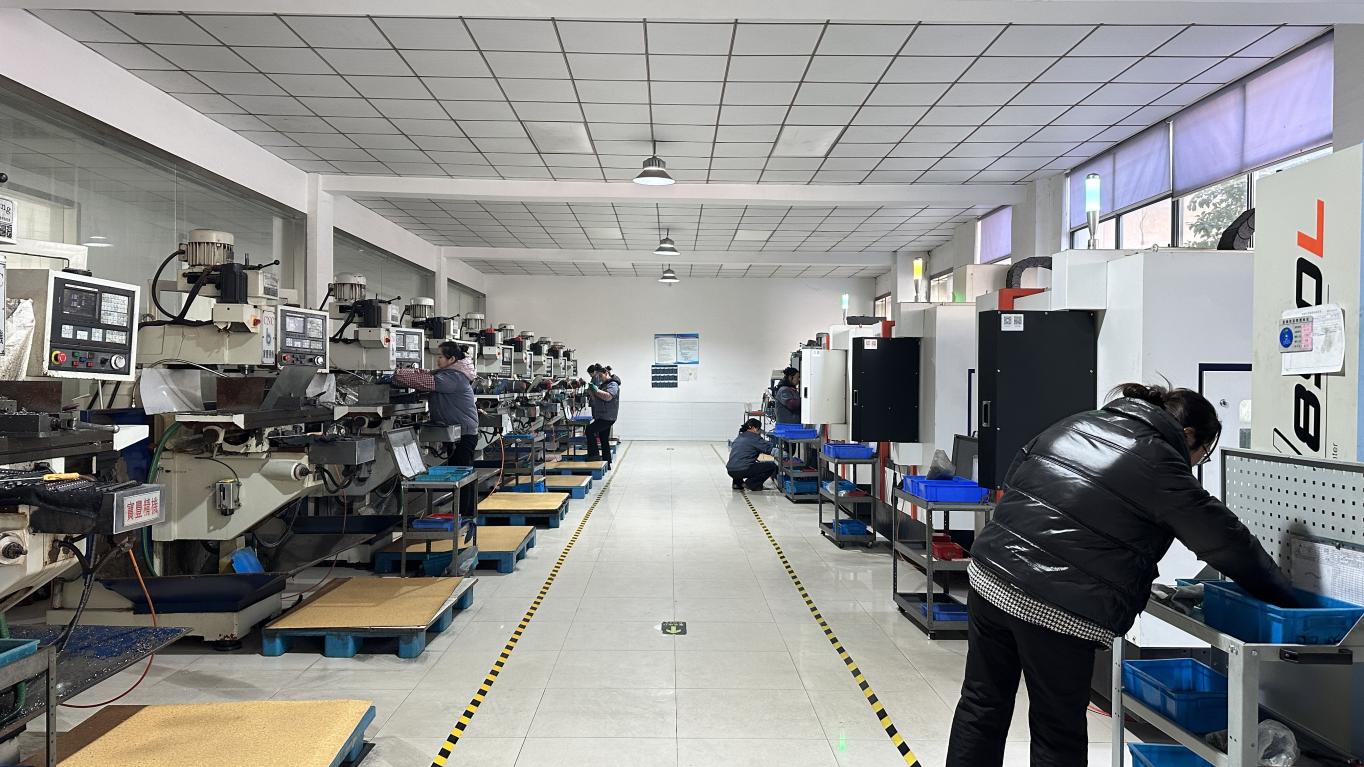
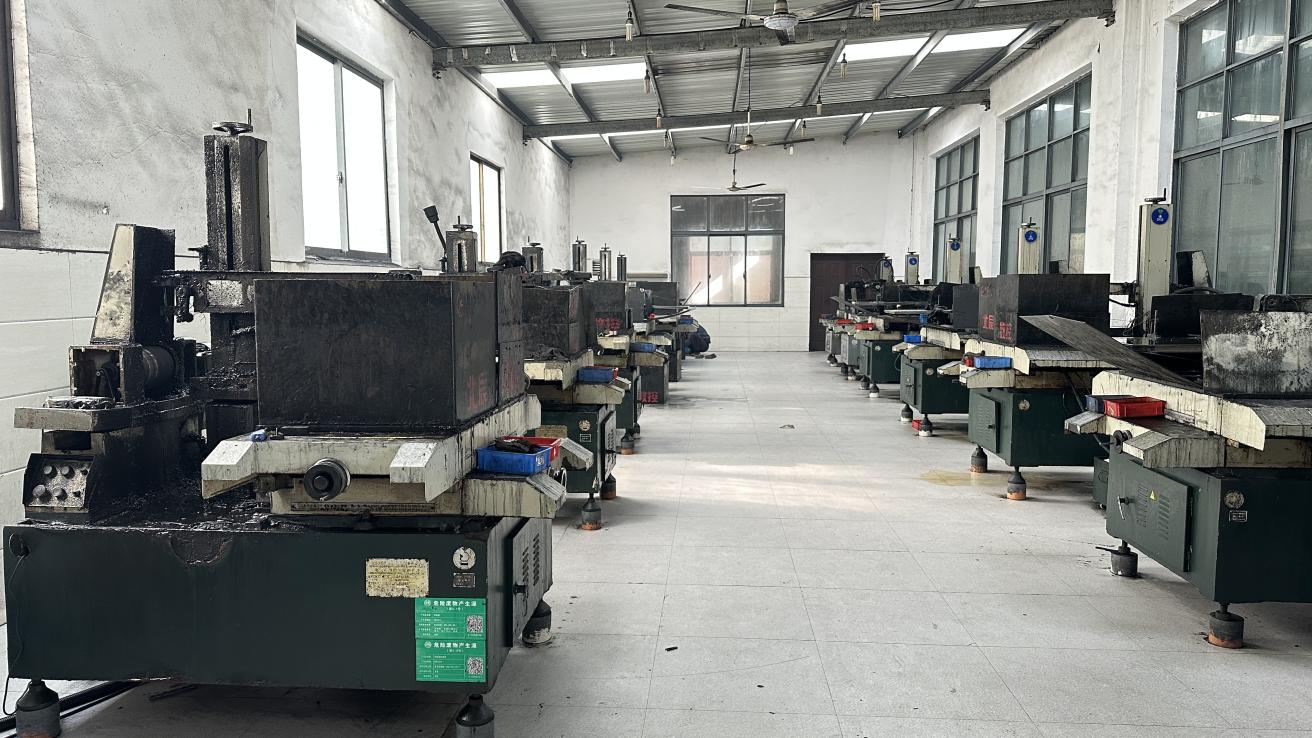
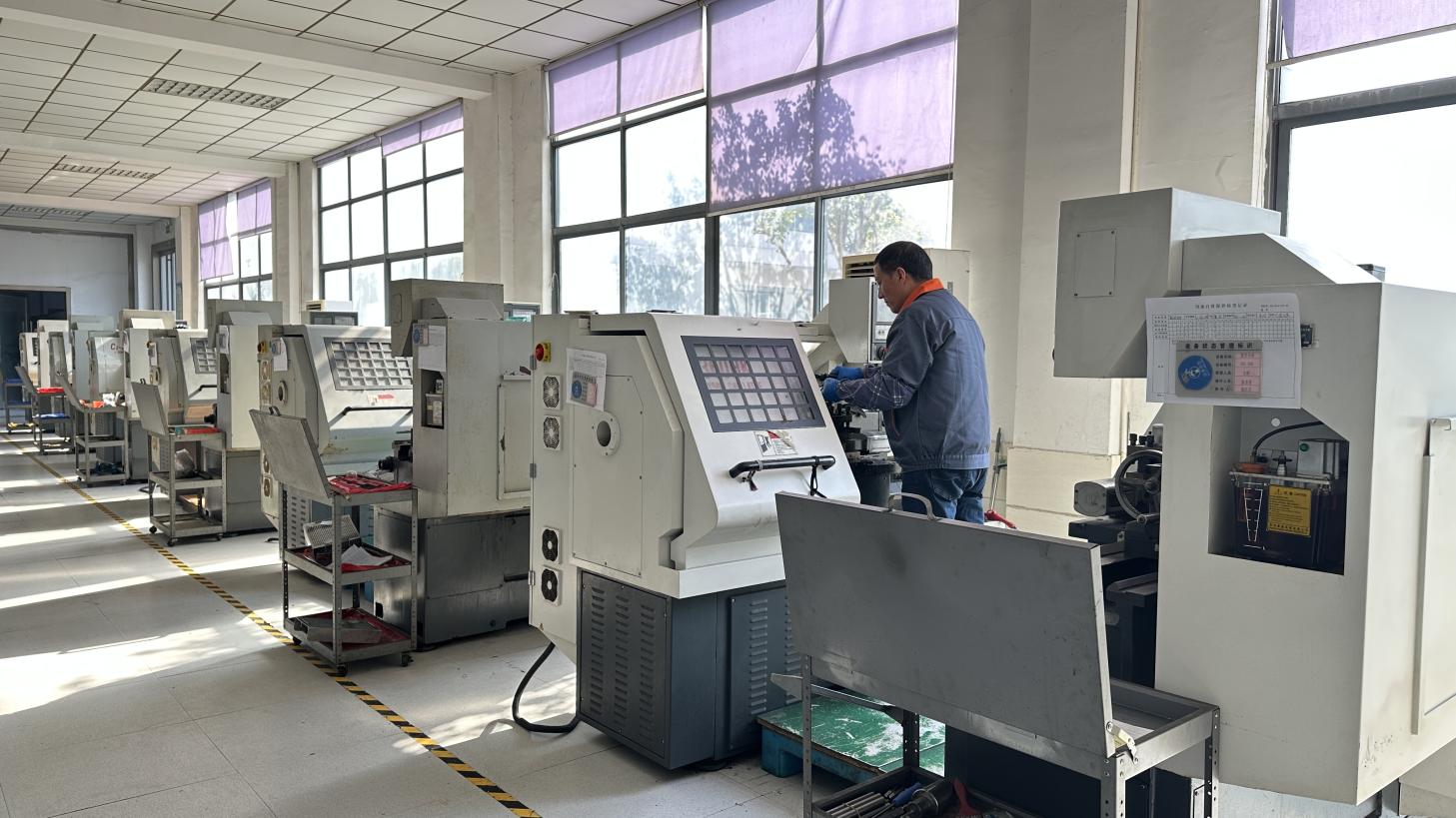
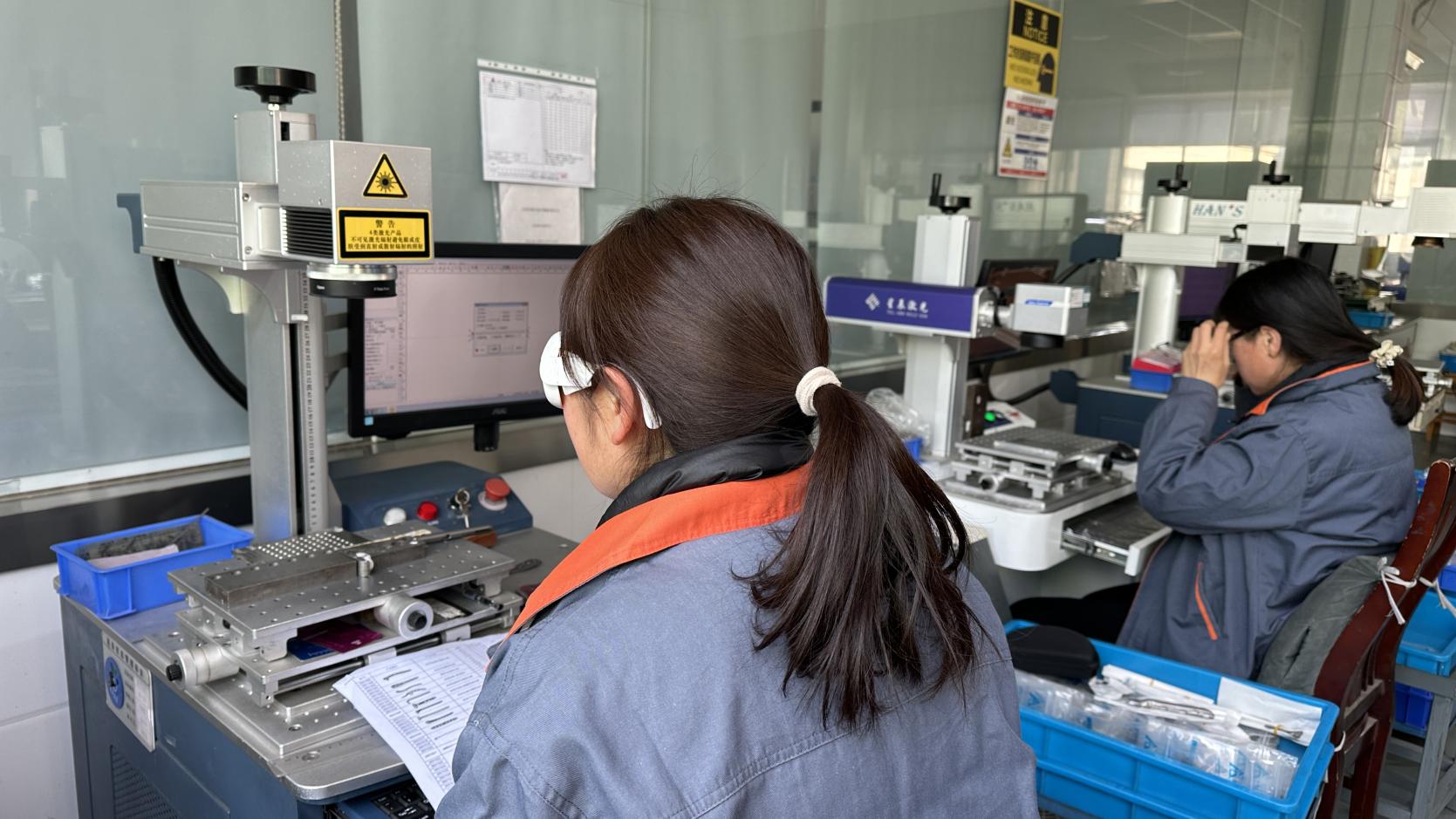
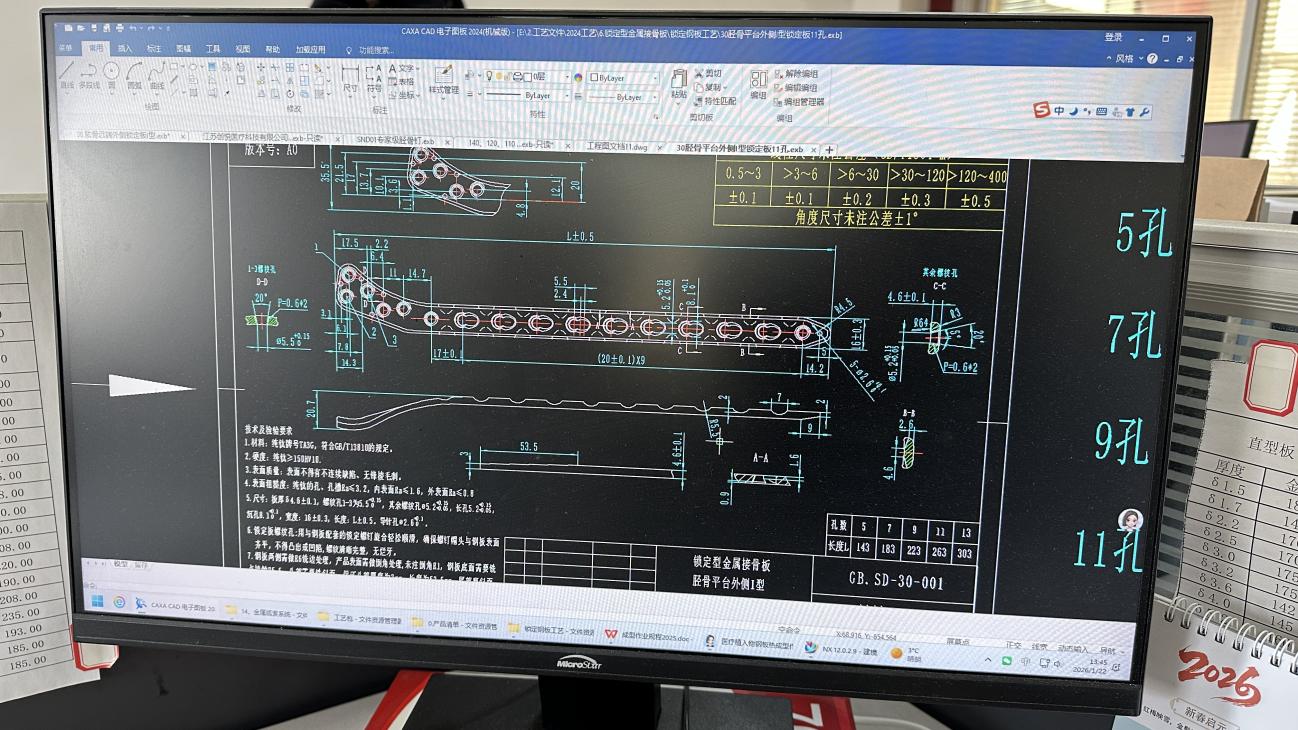

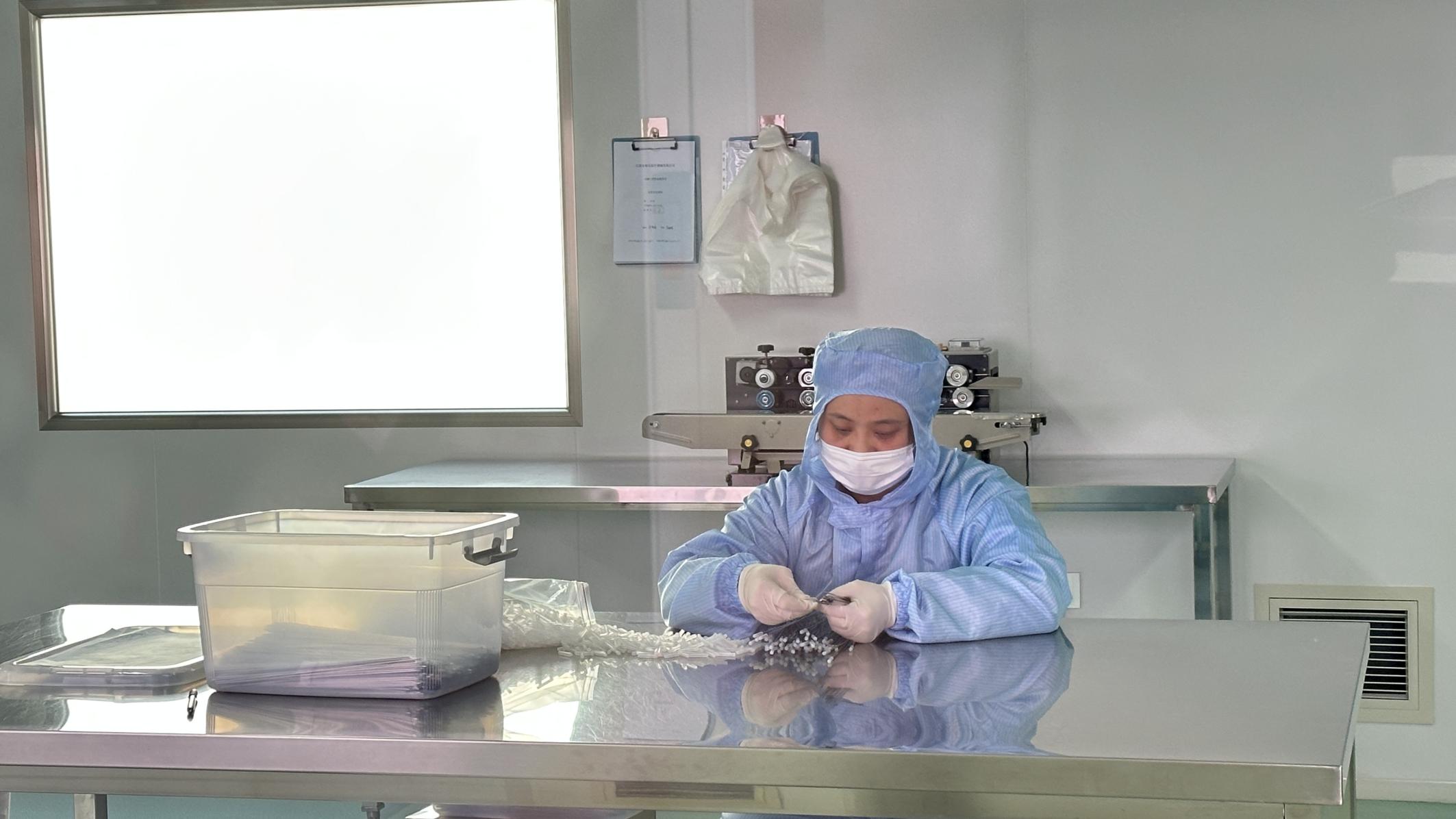
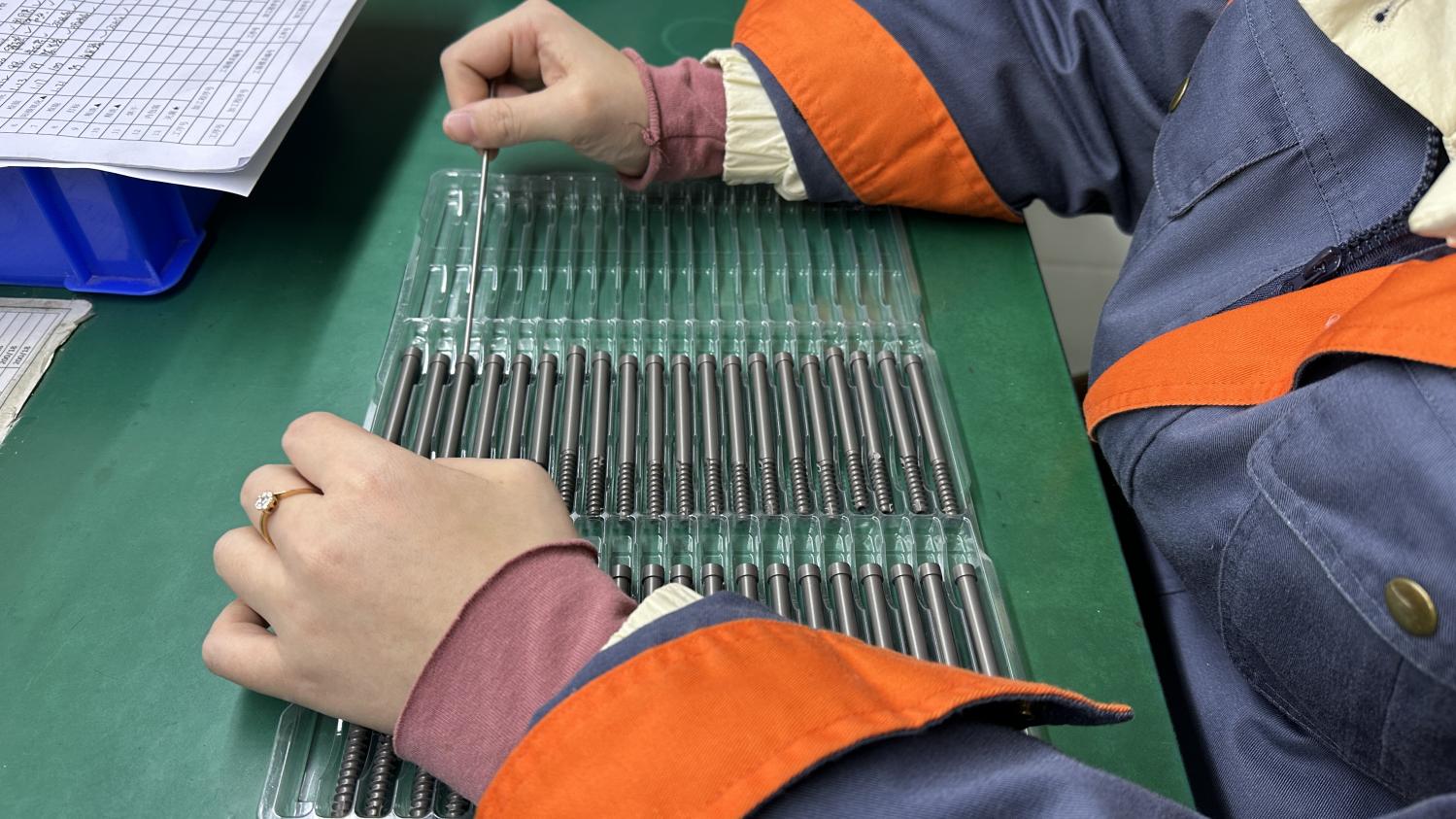
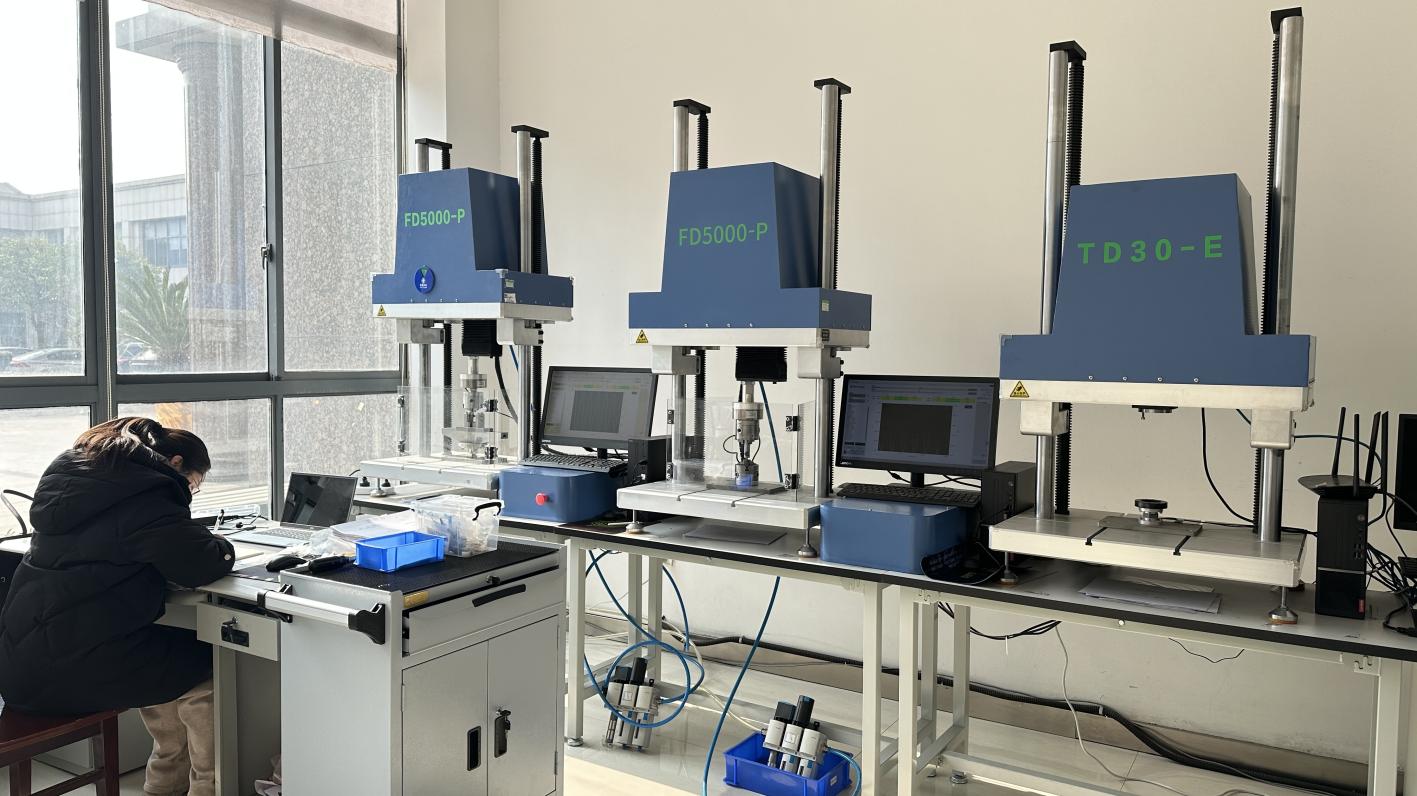
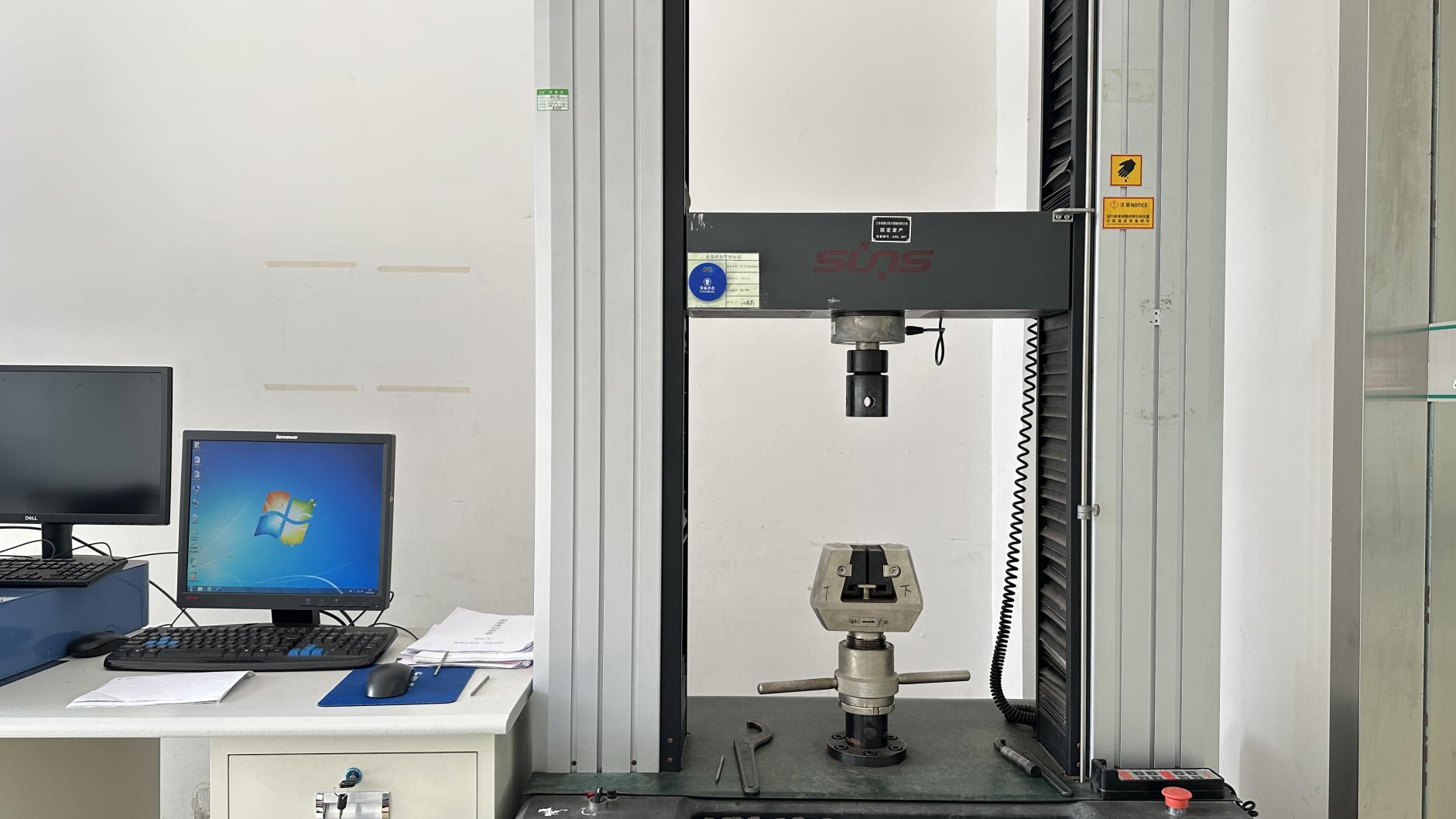
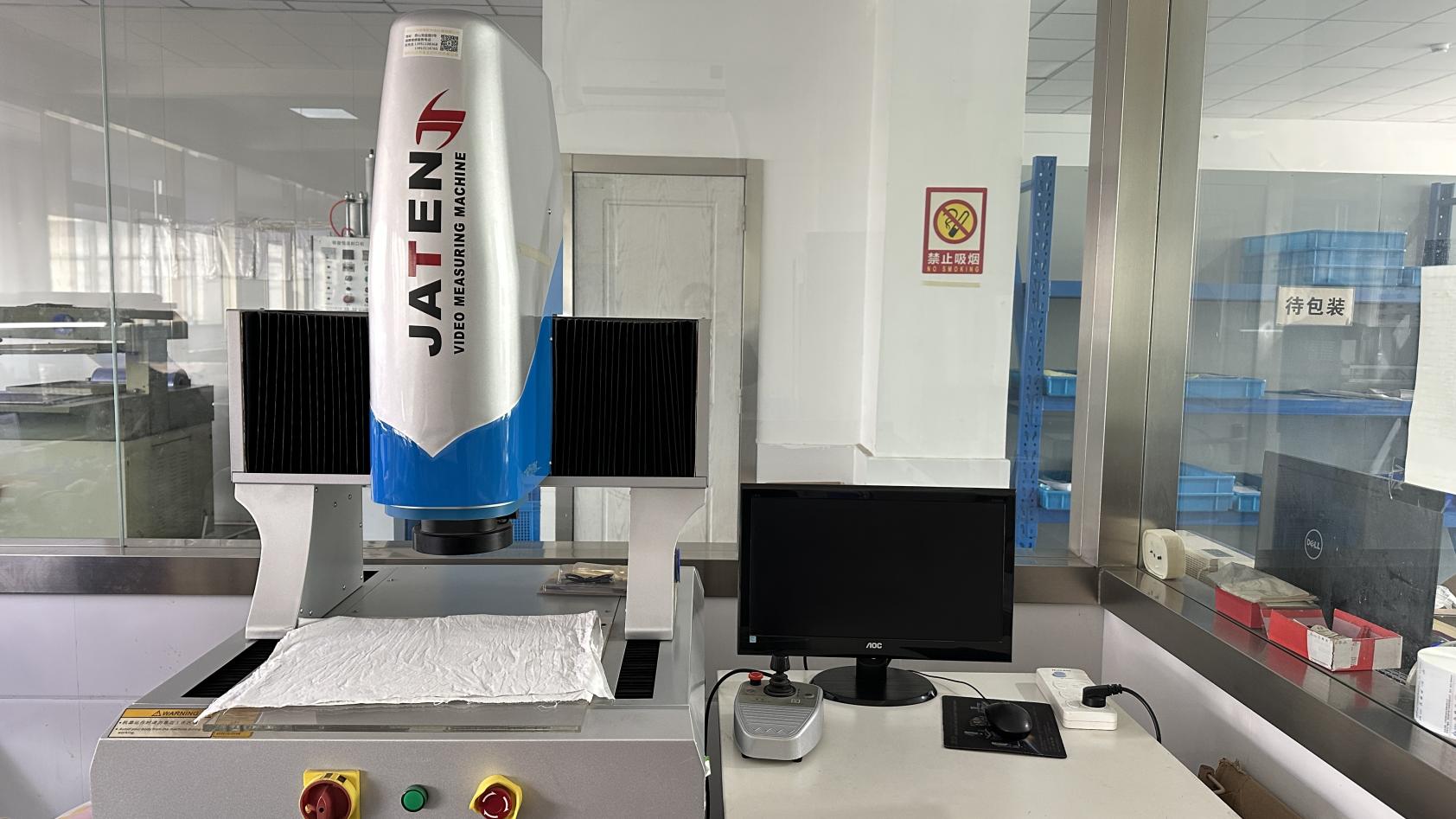
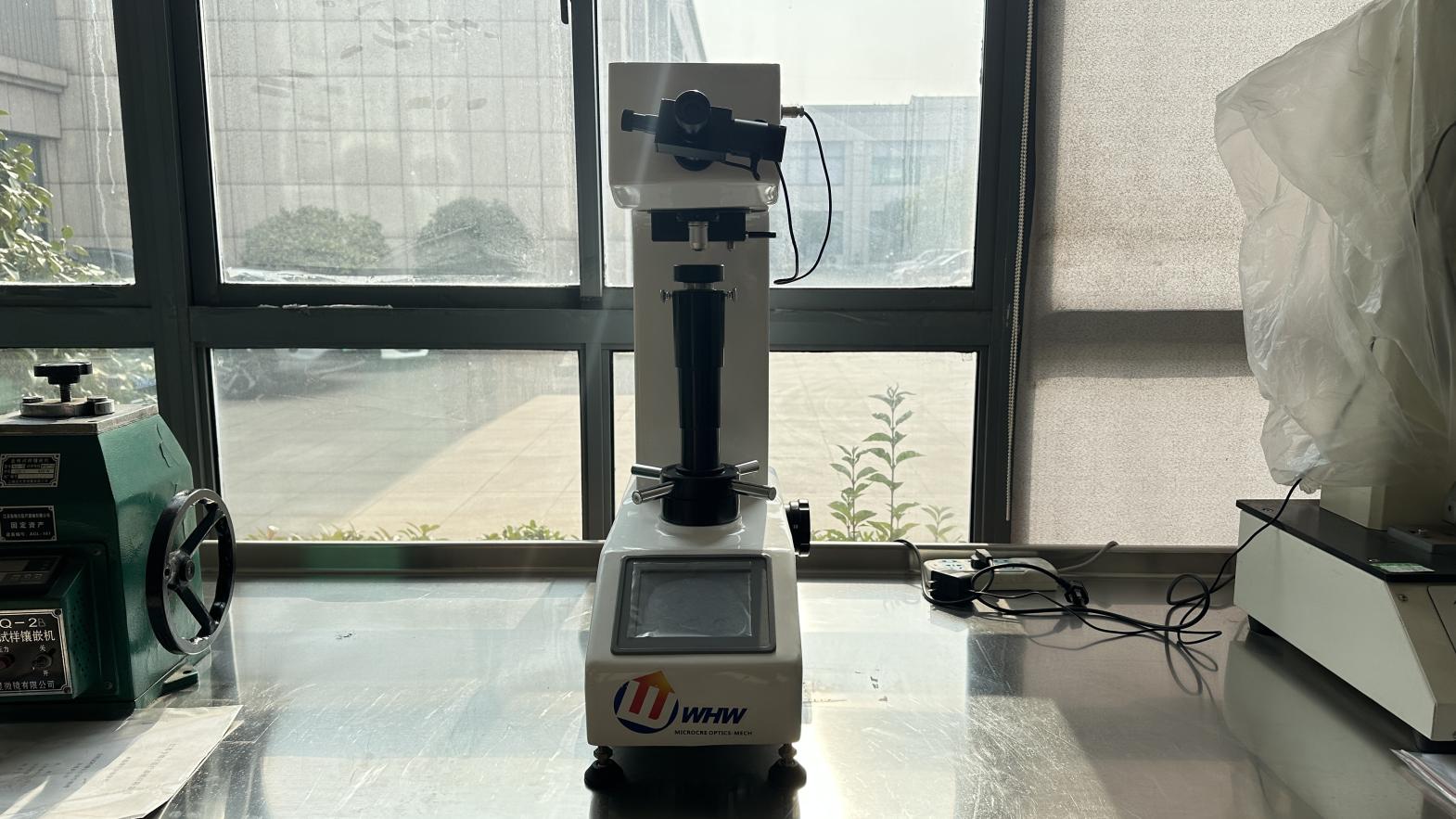
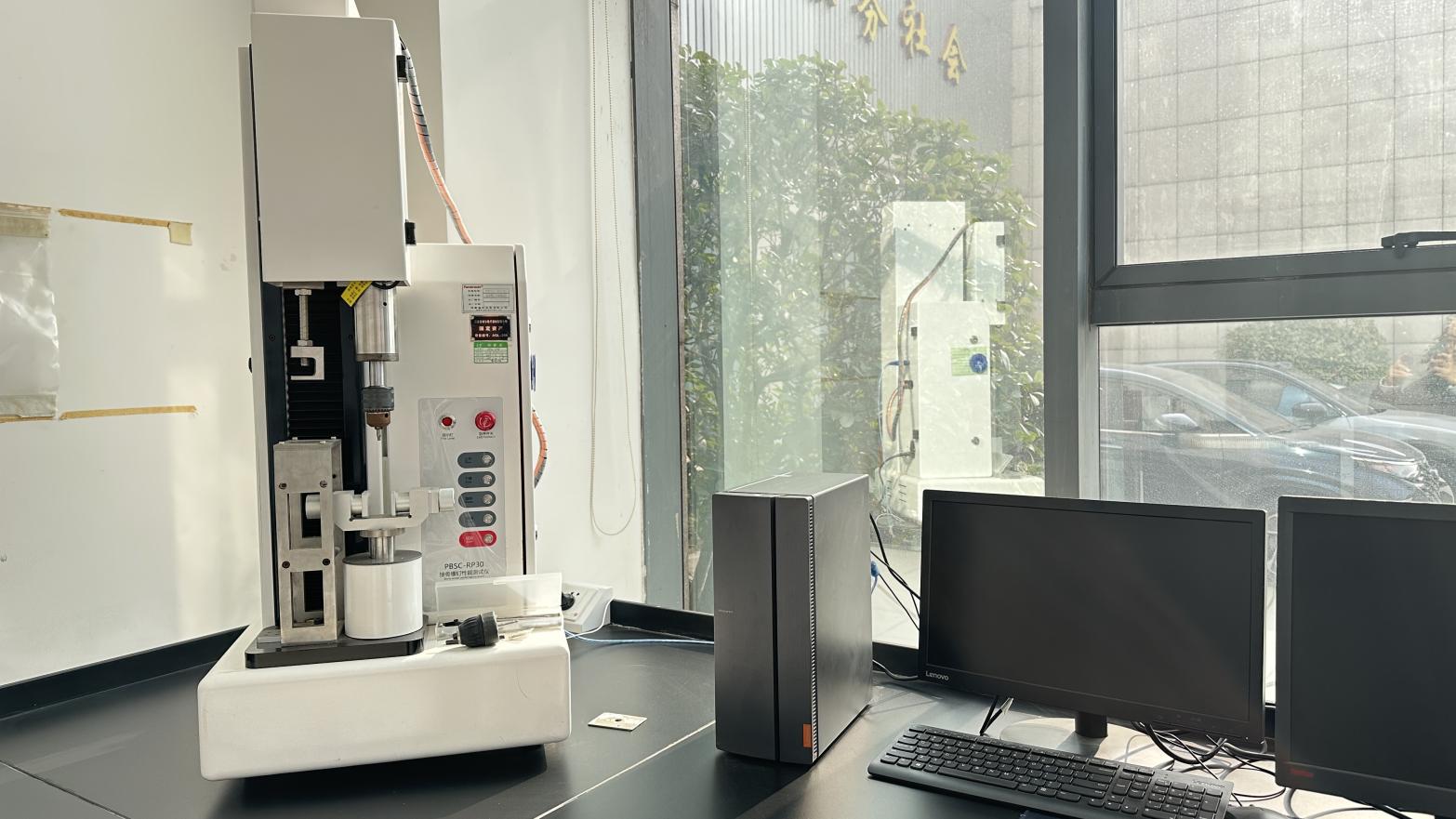
Explore our orthopedic configurations, featuring customized anchors, spinal plates, and fusion instruments aligned with surgical practices in Buenos Aires.
Overcoming logistical challenges and implementing advanced sterilization protocols for medical implants.
In the Argentine surgical workflow, timing is a critical factor. Operating rooms in major hospitals across Buenos Aires rely on standardized orthopedic surgical trays. We coordinate the manufacturing of customized instrument kits, housing trial implants, driver configurations, and quick-coupling torque handles inside specialized, autoclavable cases designed for efficient hospital sterilization.
To assist our Argentine clients, we provide full support with the required documentation. Each shipment is accompanied by detailed raw material test certifications, mechanical fatigue testing reports, and ISO 13485 declaration files. This comprehensive paperwork helps simplify the local customs verification process, reducing delays in transport and ensuring a more efficient delivery path to local facilities.
Global orthopedic trends are shifting toward Minimally Invasive Surgery (MIS) techniques that promote faster patient recovery. Our design teams are actively working on reduced-profile instrumentation to minimize soft tissue disruption during spinal and joint surgeries. In parallel, we are exploring advanced biocompatible coatings, such as Hydroxyapatite (HA) and porous titanium structures, designed to encourage natural bone integration and enhance long-term implant stability.
Direct technical feedback concerning importing, customizing, and verifying orthopedic implants for the Argentine market.
We provide a comprehensive documentation package to support registration, including ISO 13485 certificates, material safety data sheets (MSDS), mechanical fatigue testing results, and detailed sterilization instructions. These documents help streamline the process for your local importing agent.
We utilize certified medical-grade Titanium Alloy (Ti-6Al-4V ELI) conforming to ASTM F136/ISO 5832-3 standards, and high-performance polymers such as PEEK-OPTIMA® to ensure excellent mechanical strength and biocompatibility.
Yes, our engineering team provides complete OEM/ODM services. We can customize handle geometries, quick-coupling mechanisms, and torque limits to meet your specific clinical requirements and preferences.
Standard OEM production ranges from 30 to 45 days, depending on order size. Shipping from our facility to major Argentine ports like Buenos Aires typically takes 35 to 45 days, depending on route conditions.
Maximize your clinic's surgical efficacy and control sourcing overheads. Speak to our senior design and regulatory support engineers to schedule a prototype trial.
 Virelox