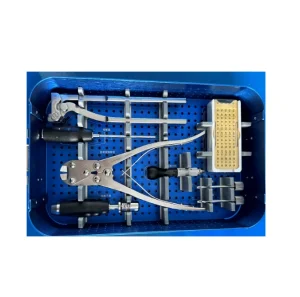
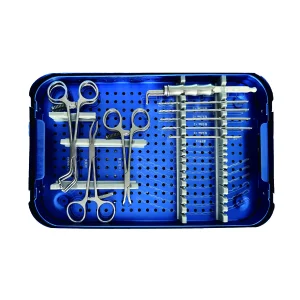
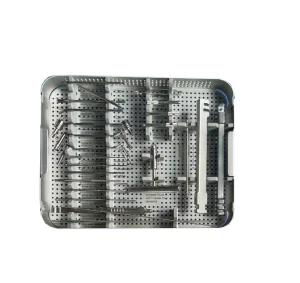
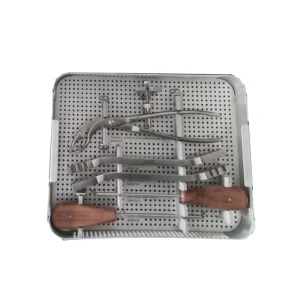
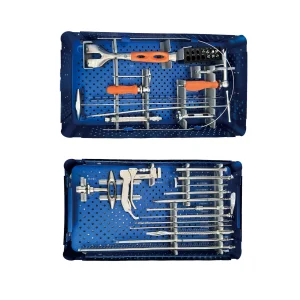
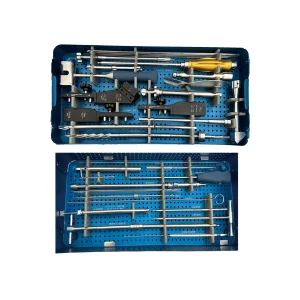
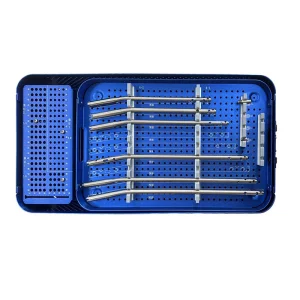
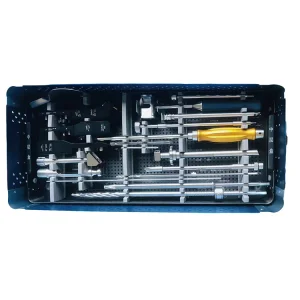
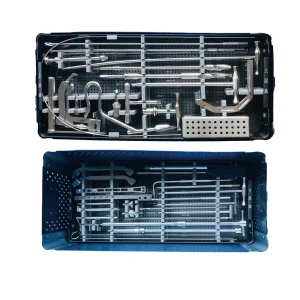
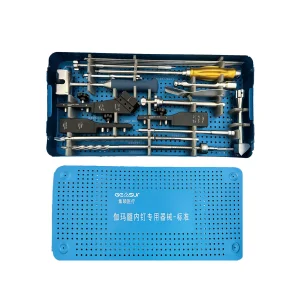
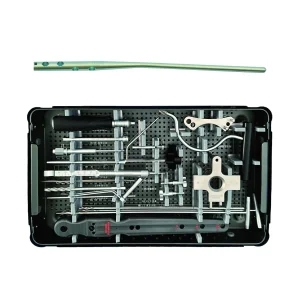
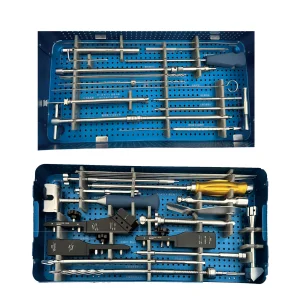
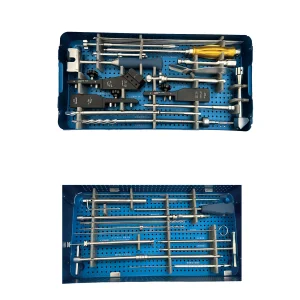
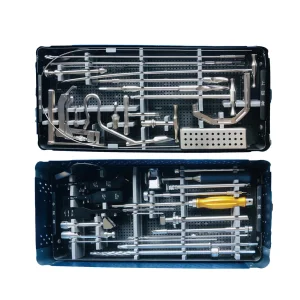
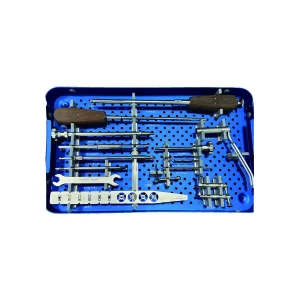
Engineered with bio-compatible titanium alloys, these localized instrumentation sets are optimized for modern surgical pathways in Japanese clinical centers.
Japan represents one of the most advanced healthcare economies worldwide, dominated by a super-aged demographic profile (Chou-koureishakai). This unique population matrix shifts the clinical focus heavily toward age-related musculoskeletal pathologies. The demand for surgical instruments addressing osteoporotic fractures, degenerative joint diseases, and severe trauma from falls has surged.
Consequently, Japanese orthopedic surgeons require instruments that offer extreme tactile feedback, anatomical precision, and simplified surgical steps to reduce intraoperative time. Global manufacturers and exporters must look beyond cost competitiveness, optimizing their offerings to meet the highly refined tactile preferences, dimensional accuracy, and strict reliability standards set by Japanese medical institutions.
At Virelox Medical Devices, we construct our orthopedic tools using state-of-the-art materials like medical-grade titanium alloys and ultra-high-molecular-weight polyethylene. Our products feature ergonomic designs customized for Asian patient anthropometry, ensuring seamless integration with domestic Japanese surgical procedures.
Navigating the Japanese market requires strict compliance with PMDA (Pharmaceuticals and Medical Devices Agency) standards. Orthopedic instruments must meet comprehensive surface roughness tolerances (Ra < 0.4μm) and endure harsh sterilizing environments. Products must withstand autoclaving and chemical processing without losing their integrity or laser markings.
Virelox addresses these requirements through our ISO 13485-based quality system. We perform detailed surface finish measurements, fatigue tests, and corrosion resistance checks on every batch. This guarantees that Japanese distributors receive instruments ready to clear domestic regulatory hurdles and deliver excellent clinical performance.
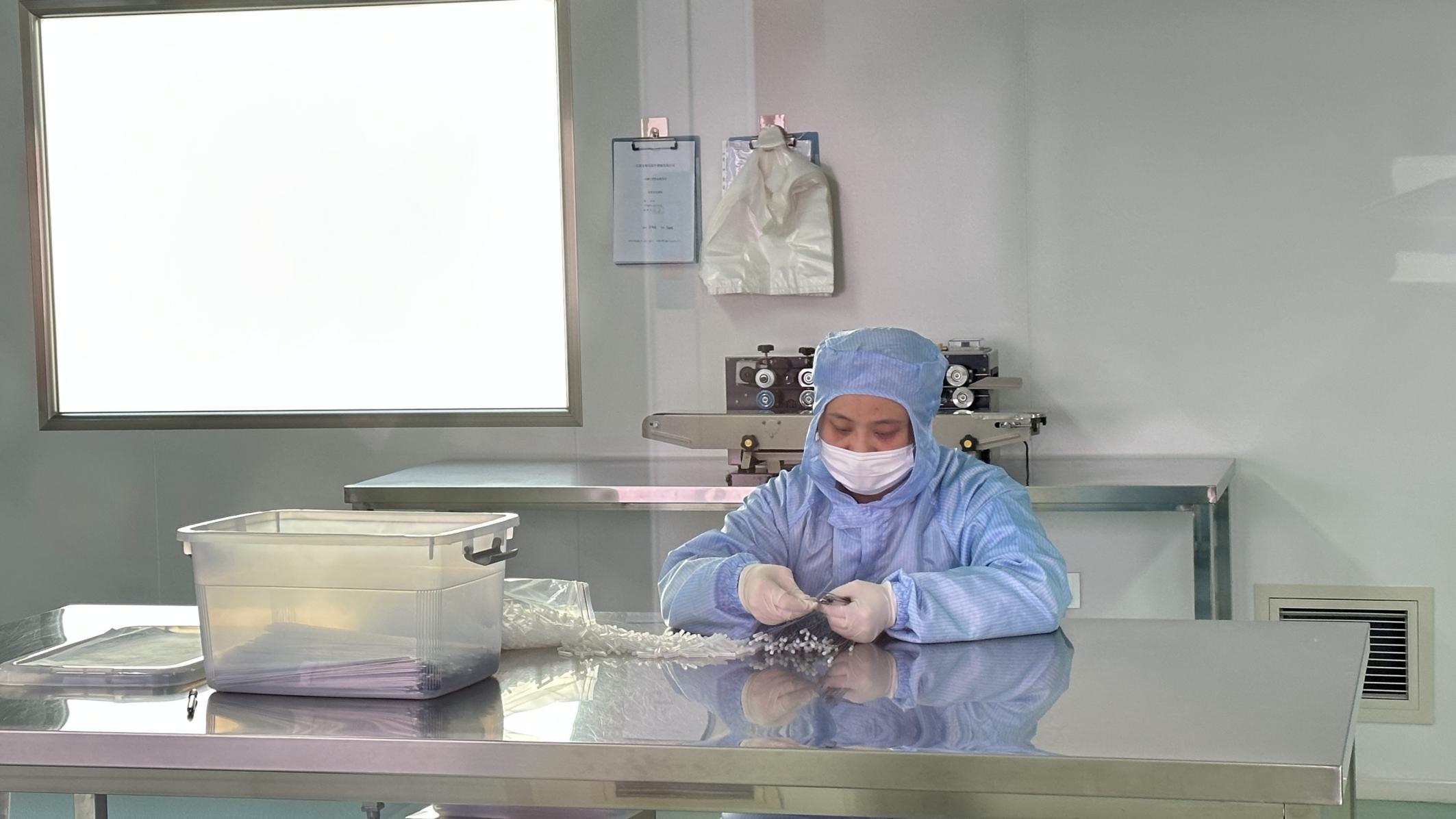
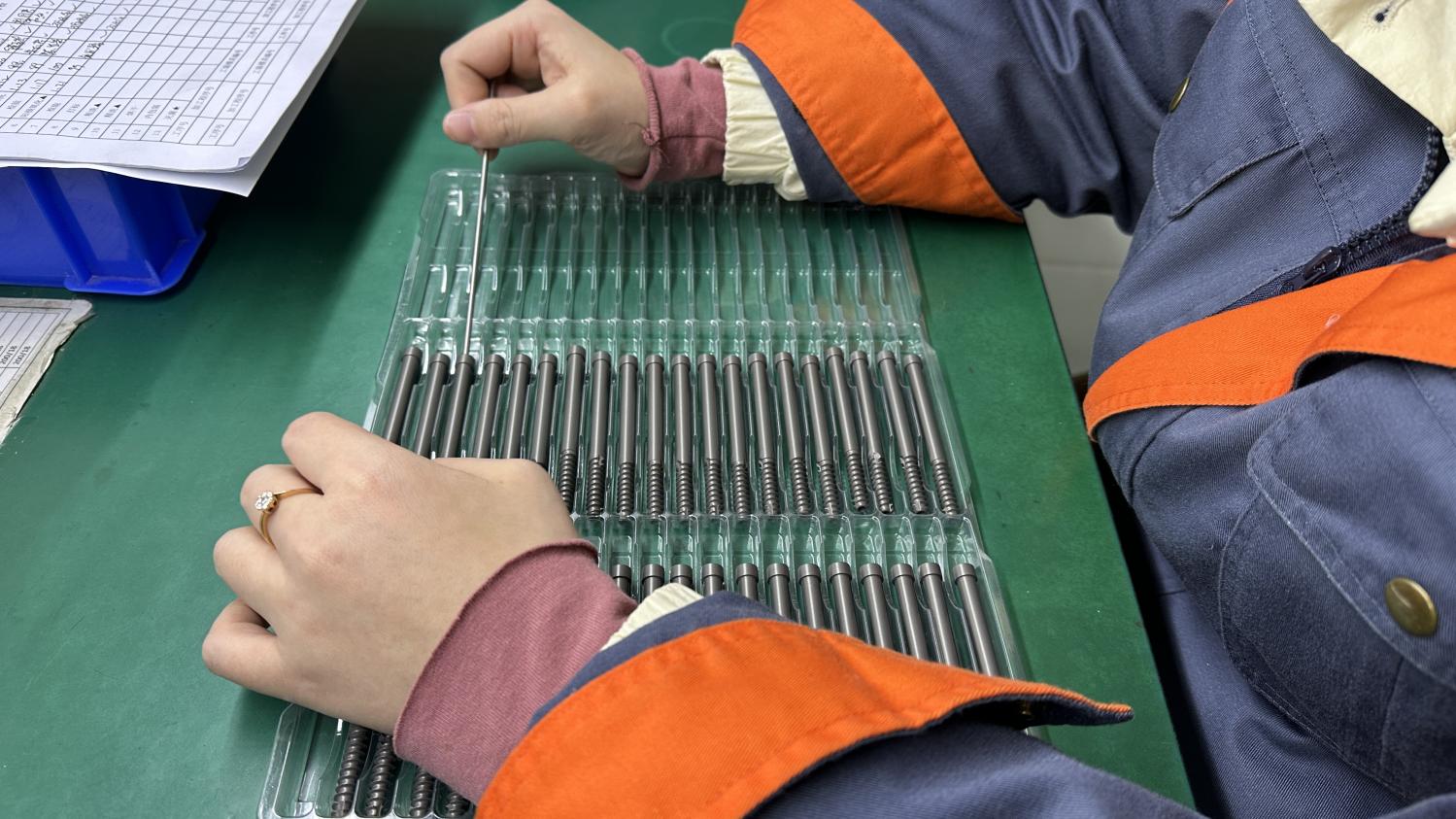
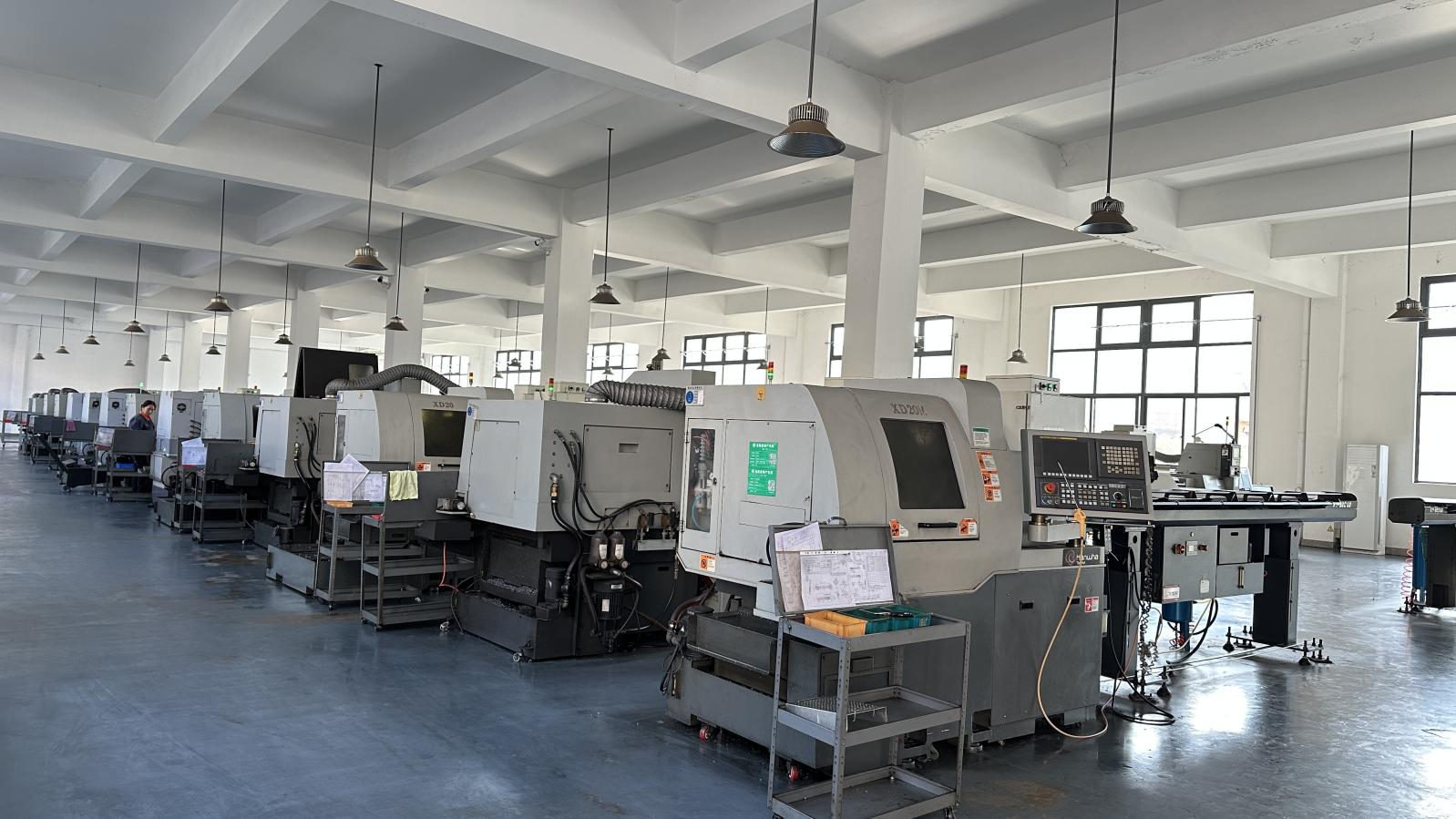
Our manufacturing line integrates automated precision machinery with specialized testing tools to create consistent, high-quality orthopedic instruments. From raw material inspection to the final packaging stage, every step is carefully documented for full traceability. We build all implants using medical-grade Titanium Alloy (Ti-6Al-4V ELI) and Cobalt-Chromium-Molybdenum alloys (Co-Cr-Mo) under strict quality controls.
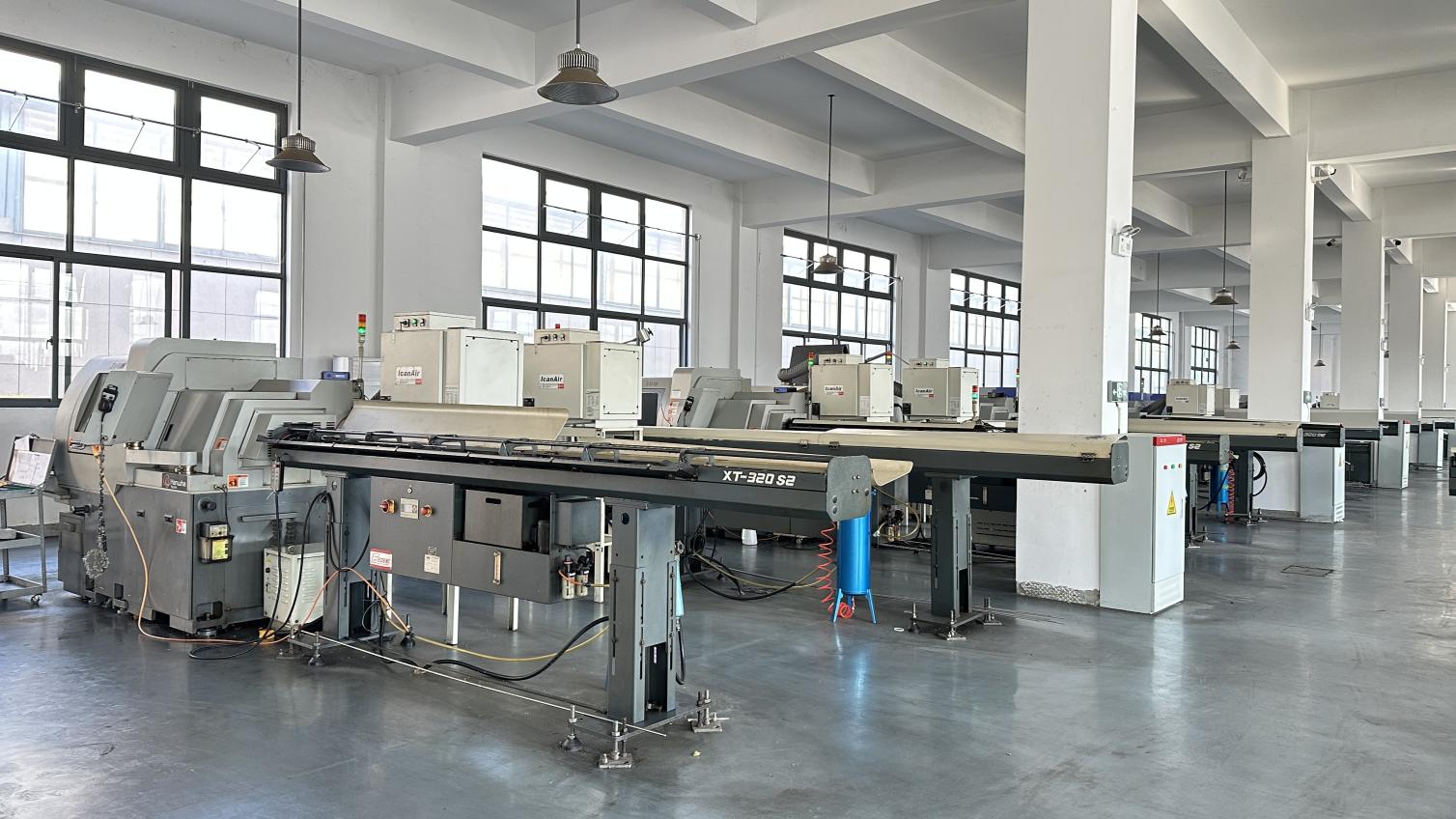
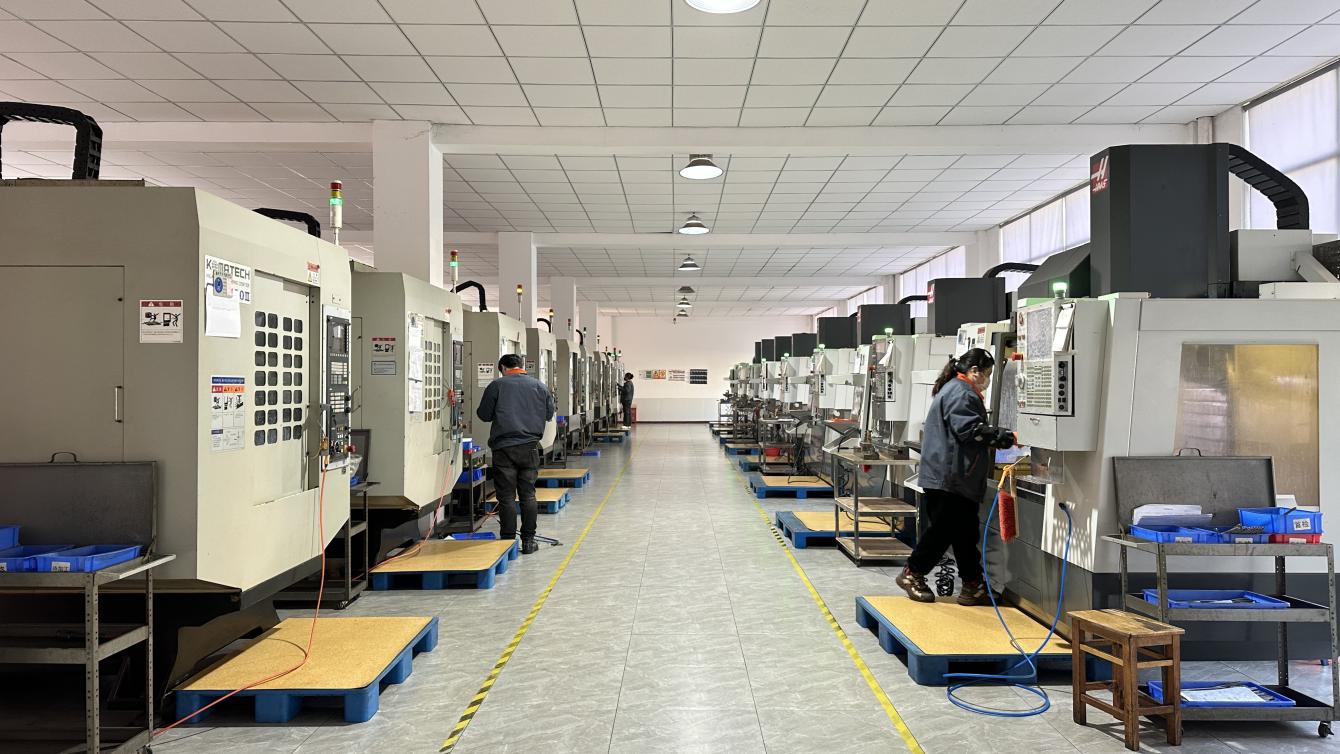
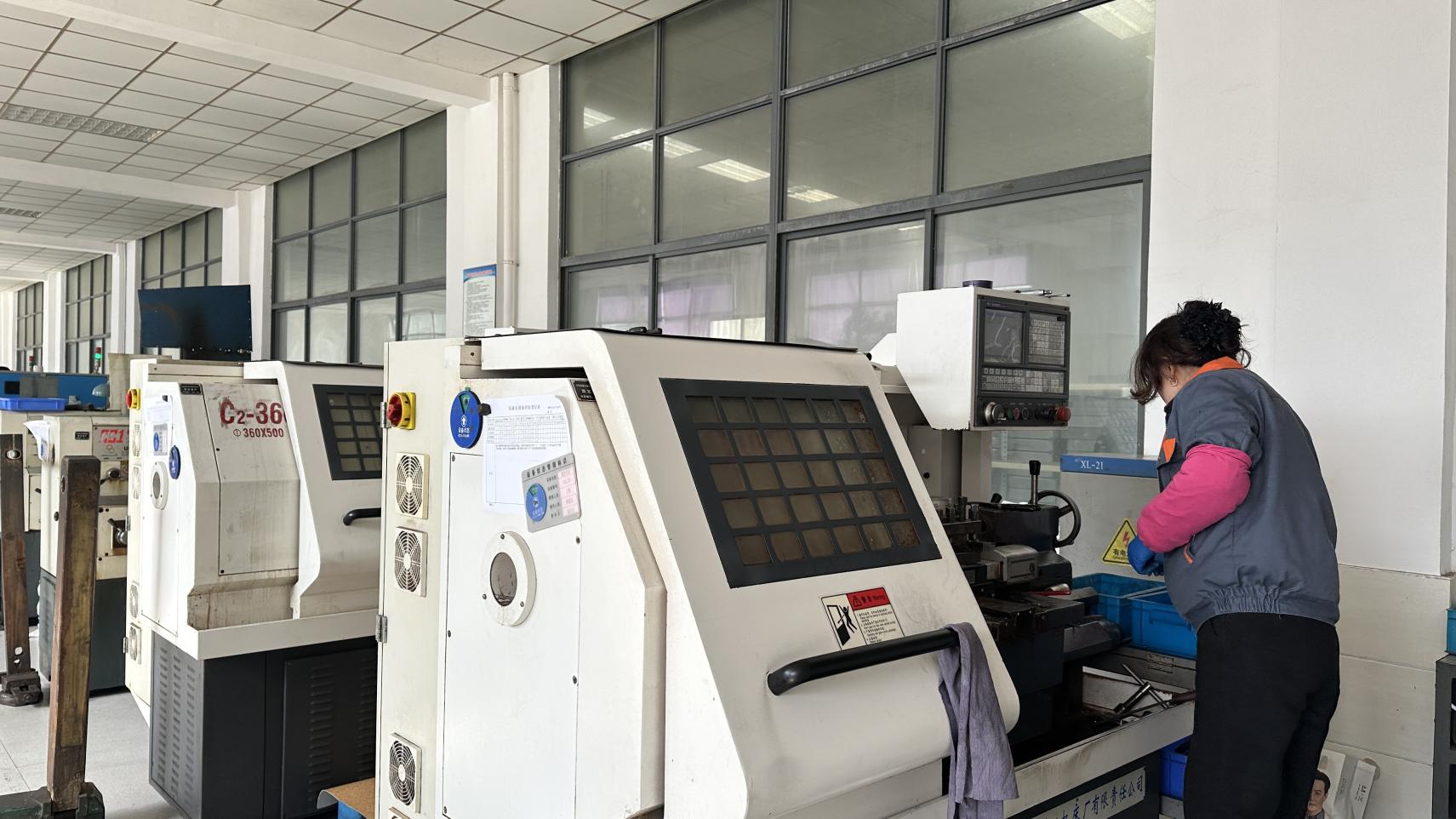
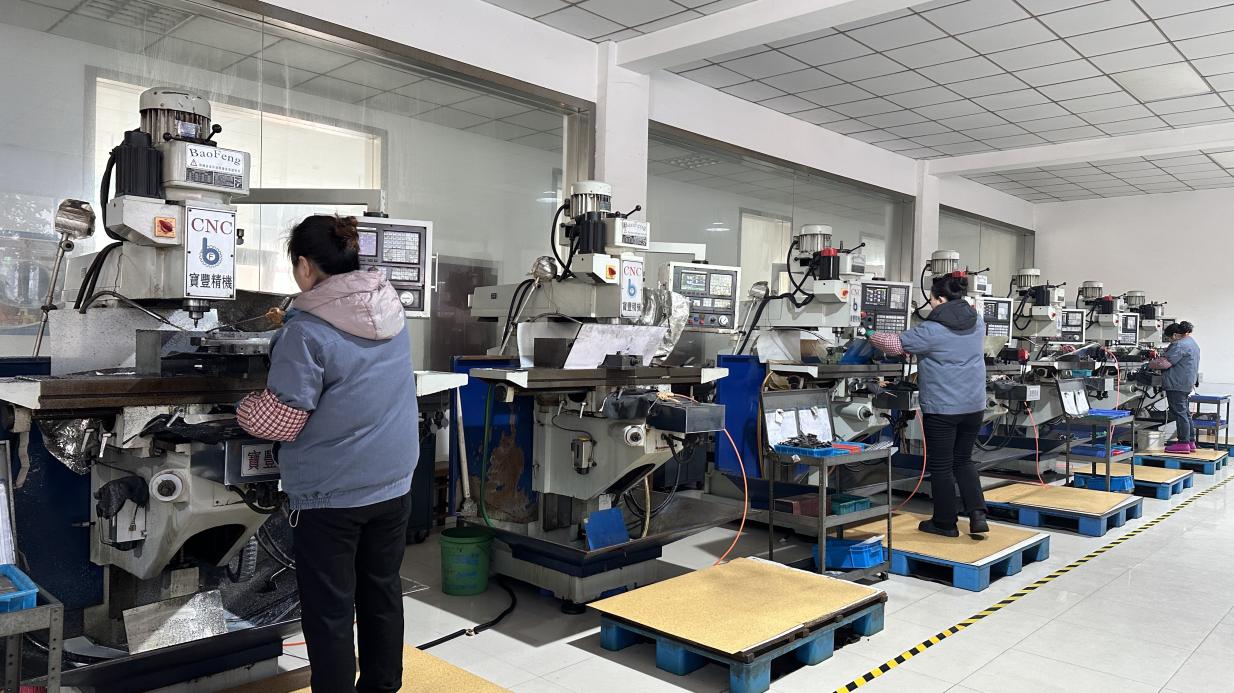
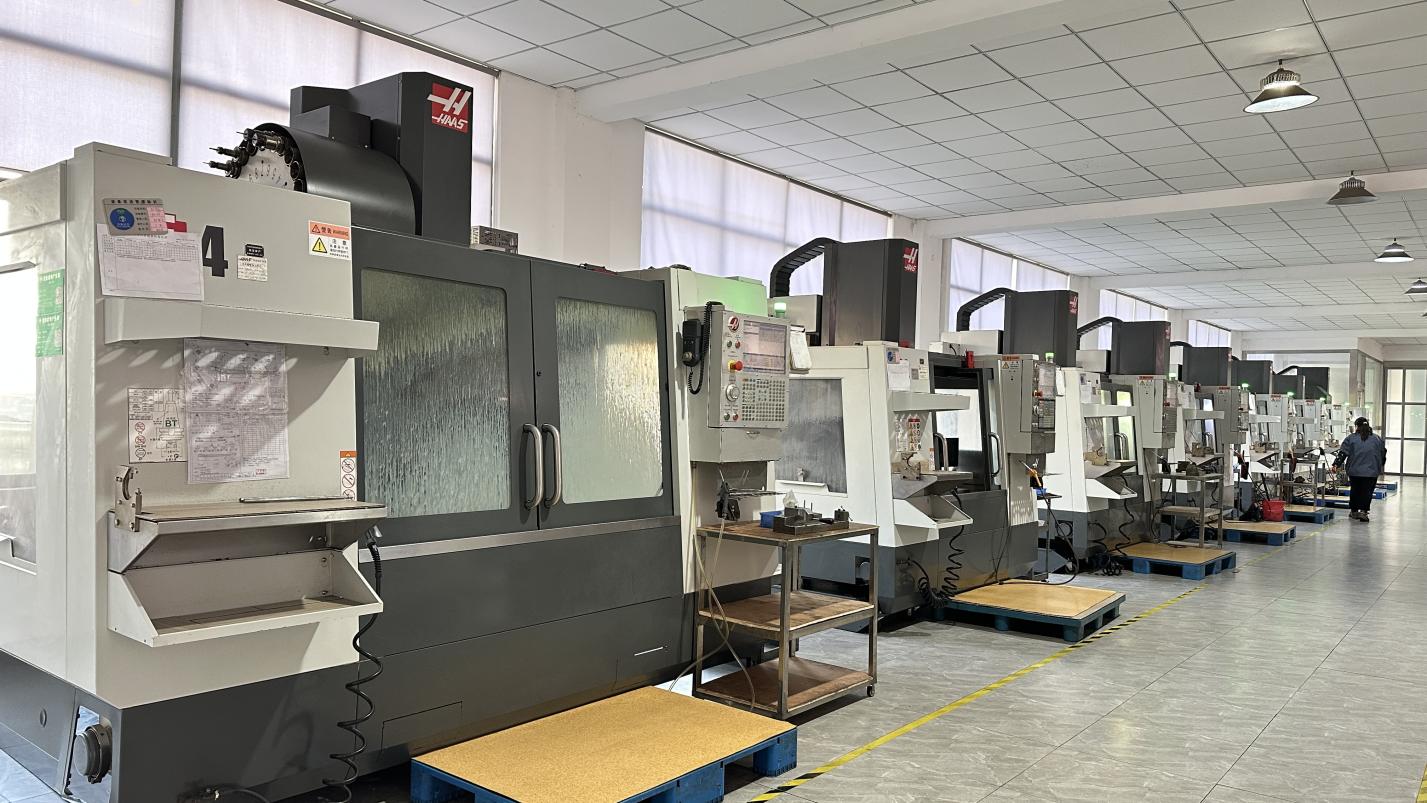
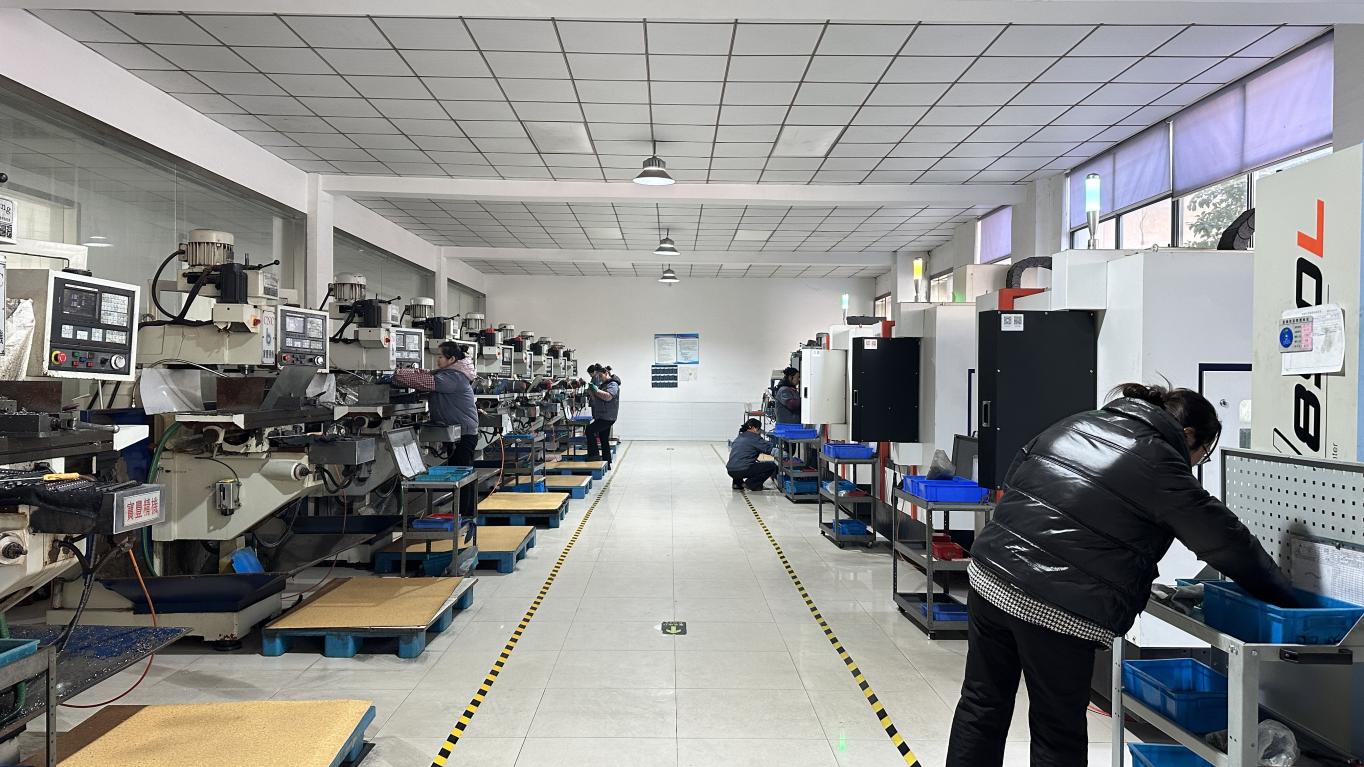
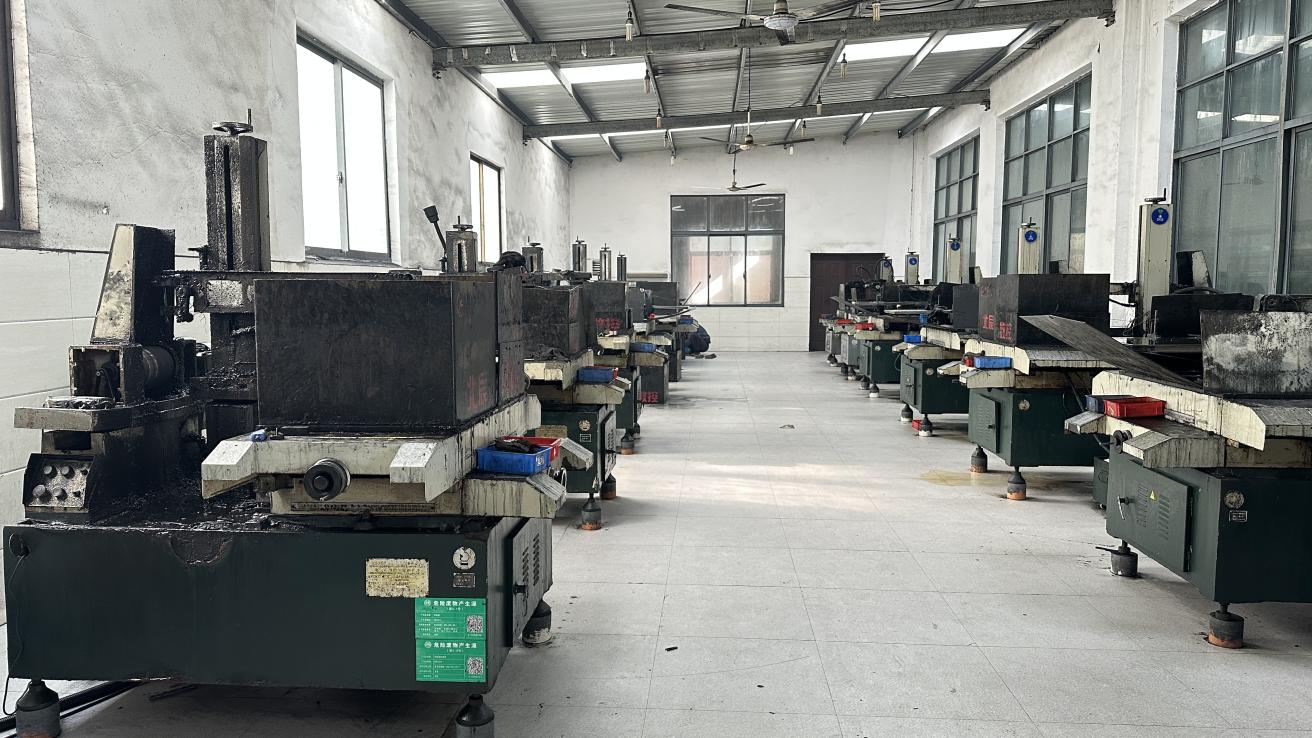
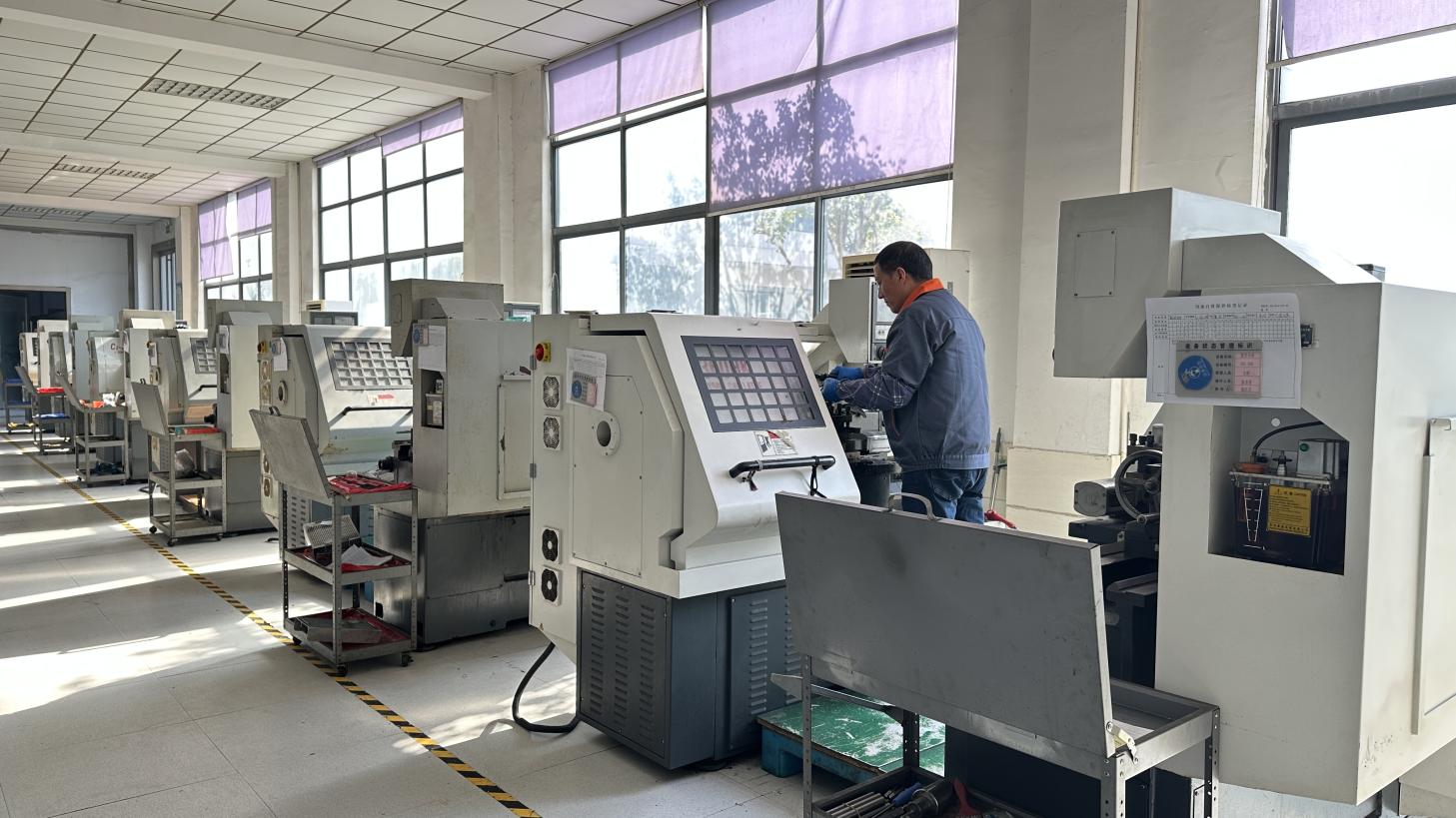
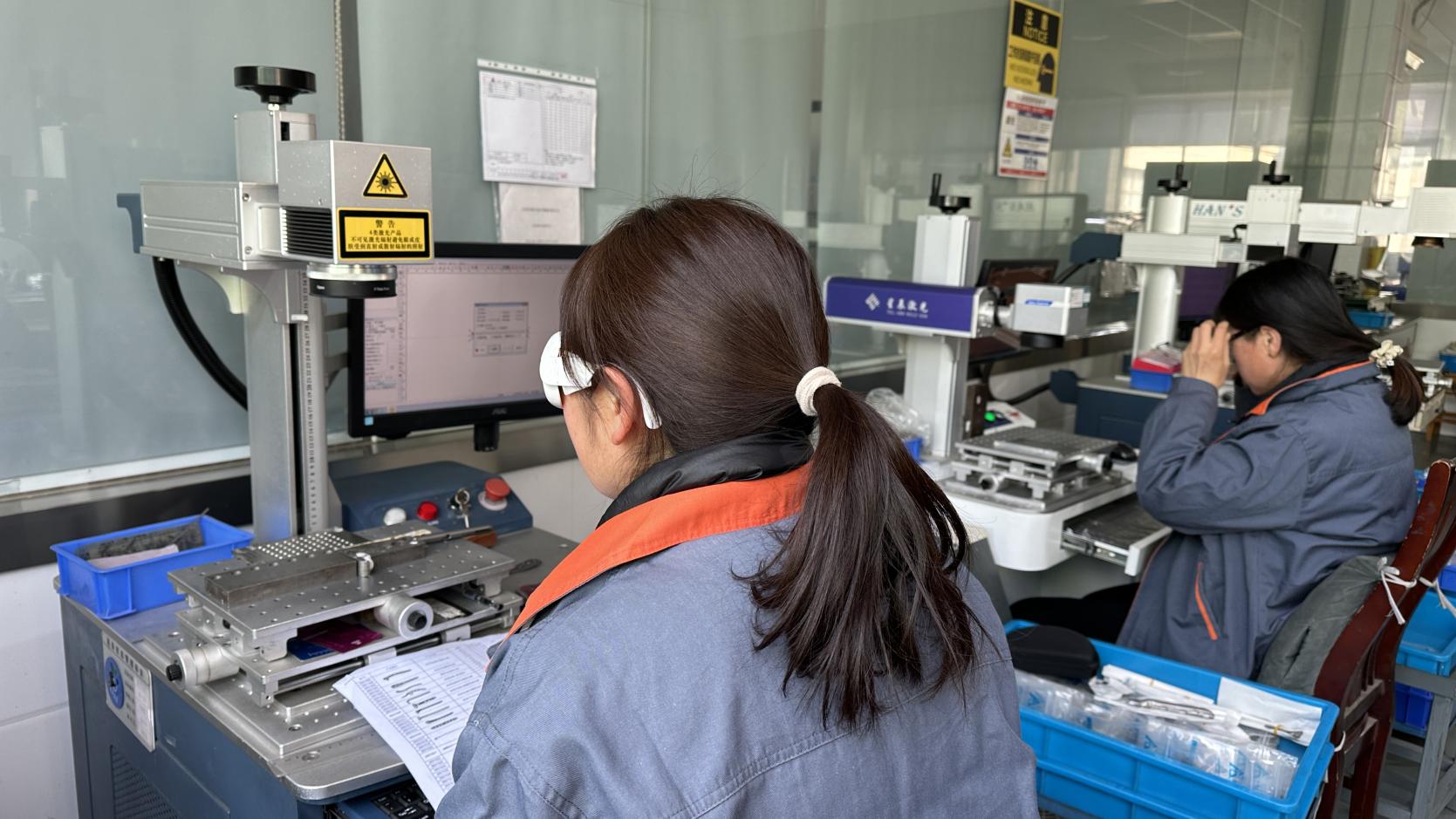
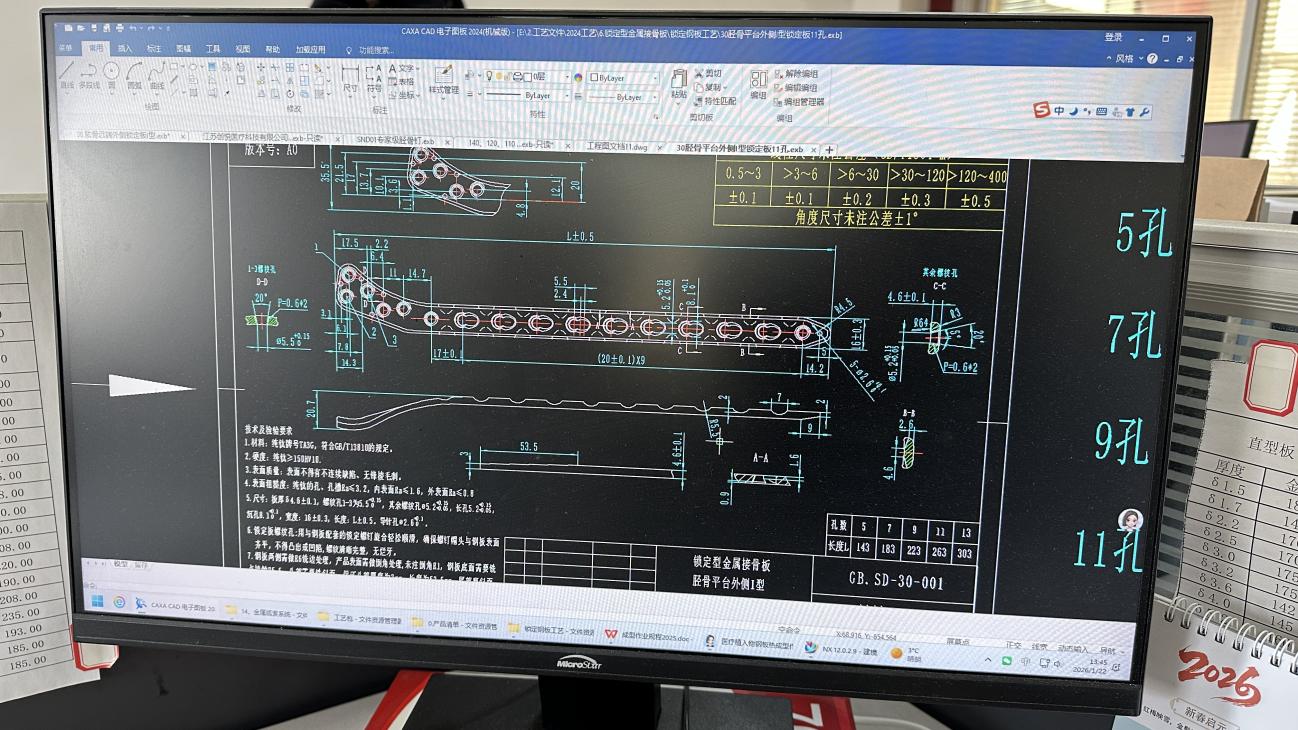
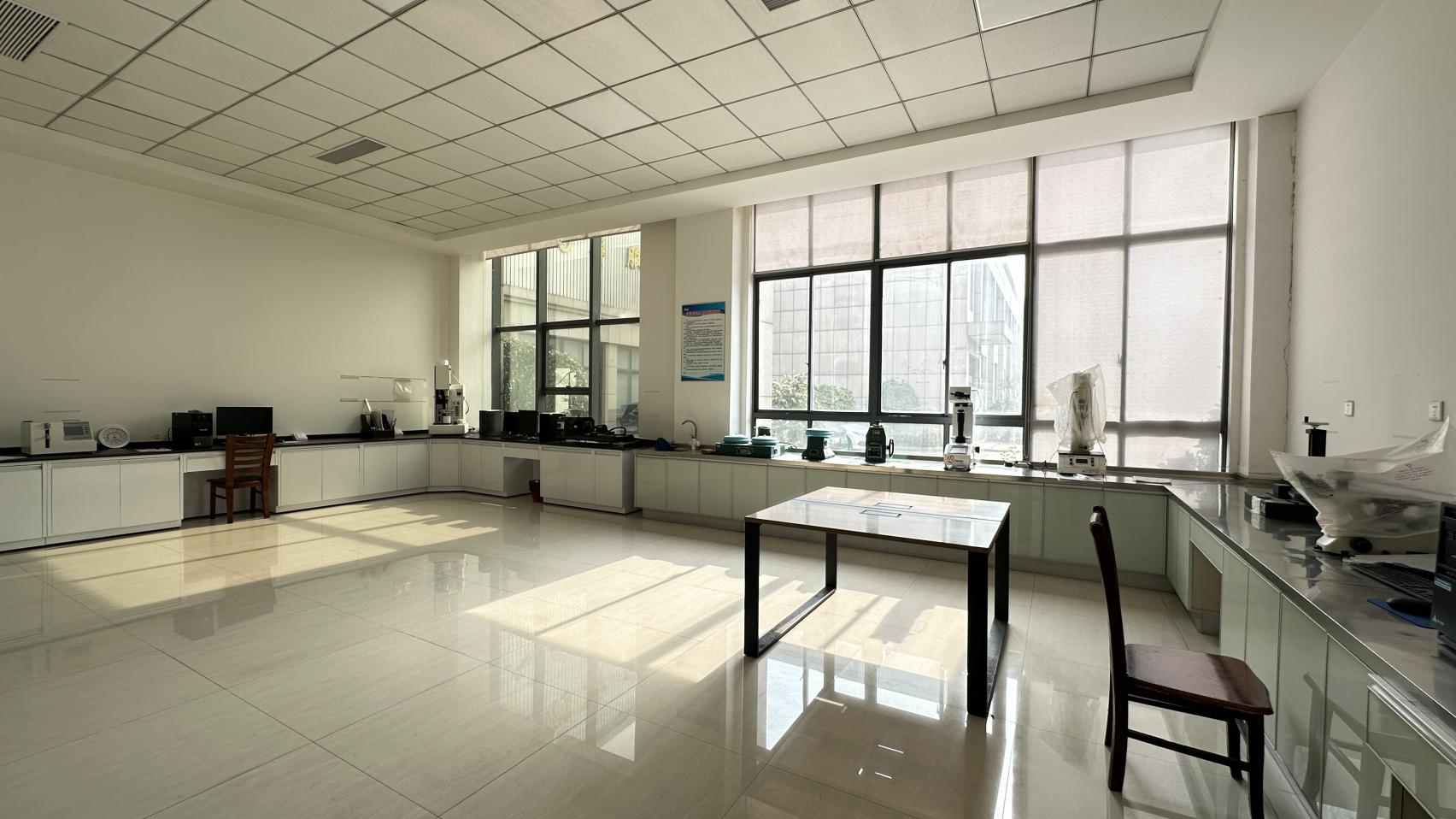
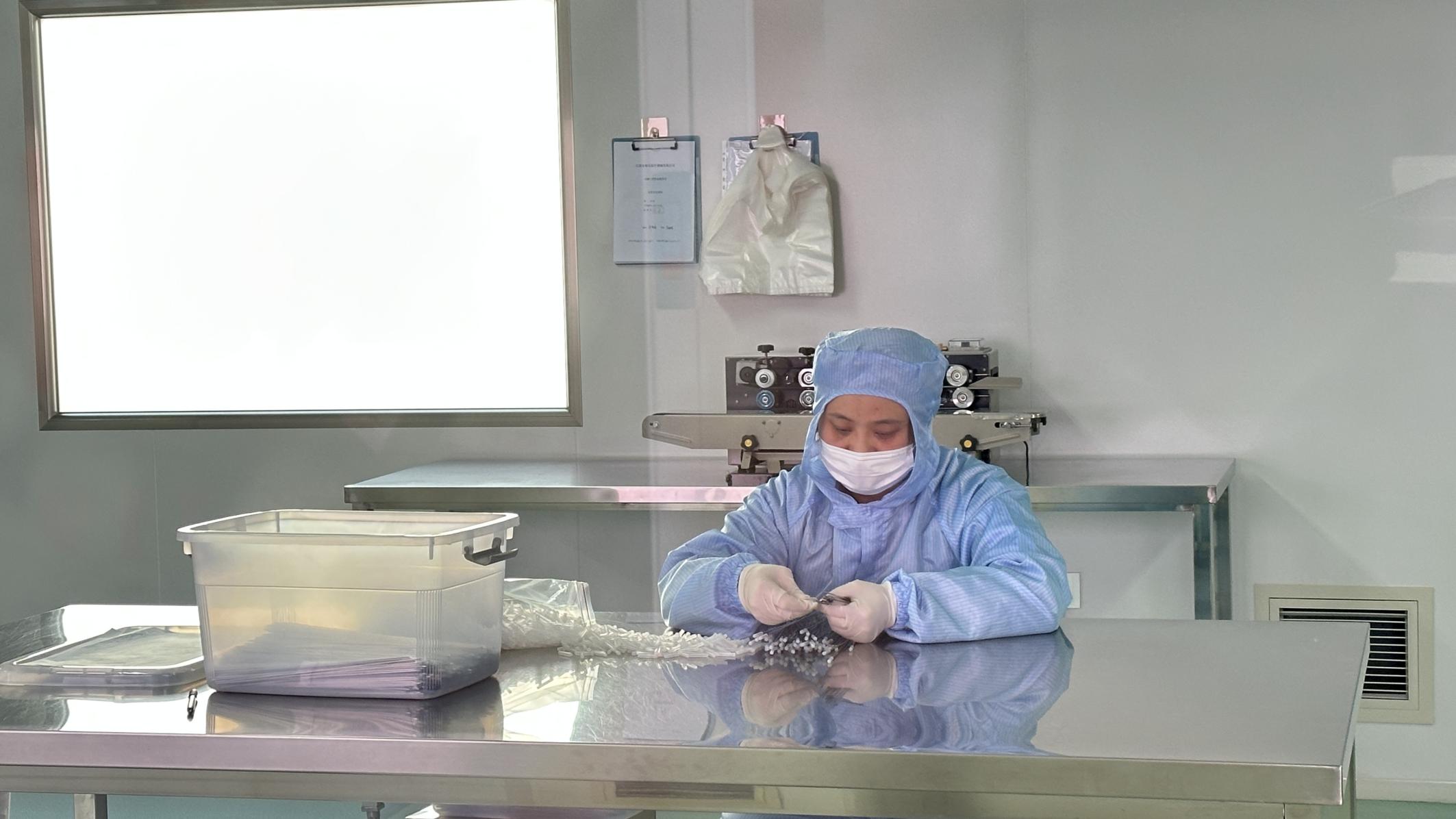
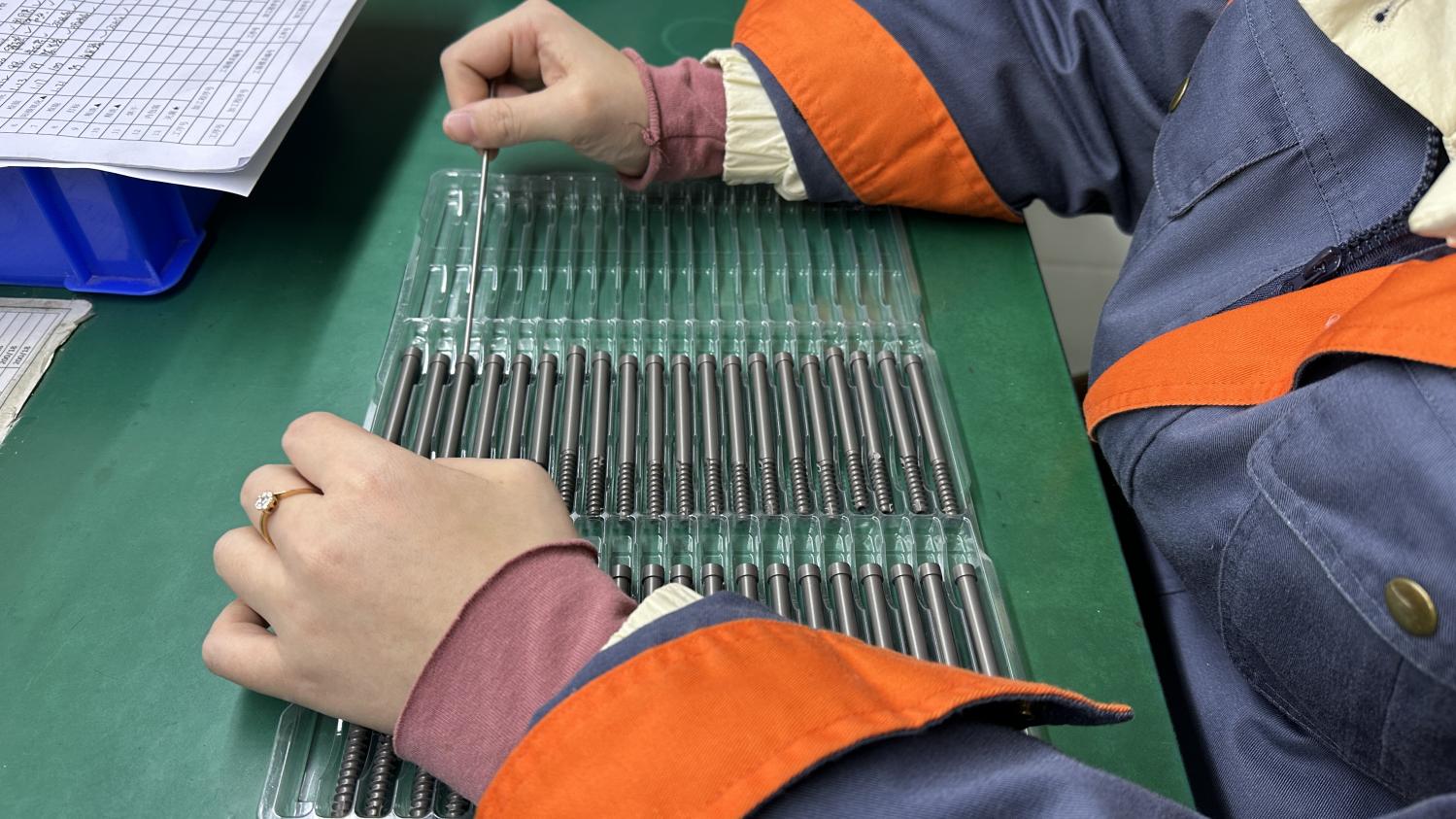
Managing import pipelines for orthopedics into Japan requires high-level coordination between domestic marketing authorization holders (MAH) and overseas production sites.
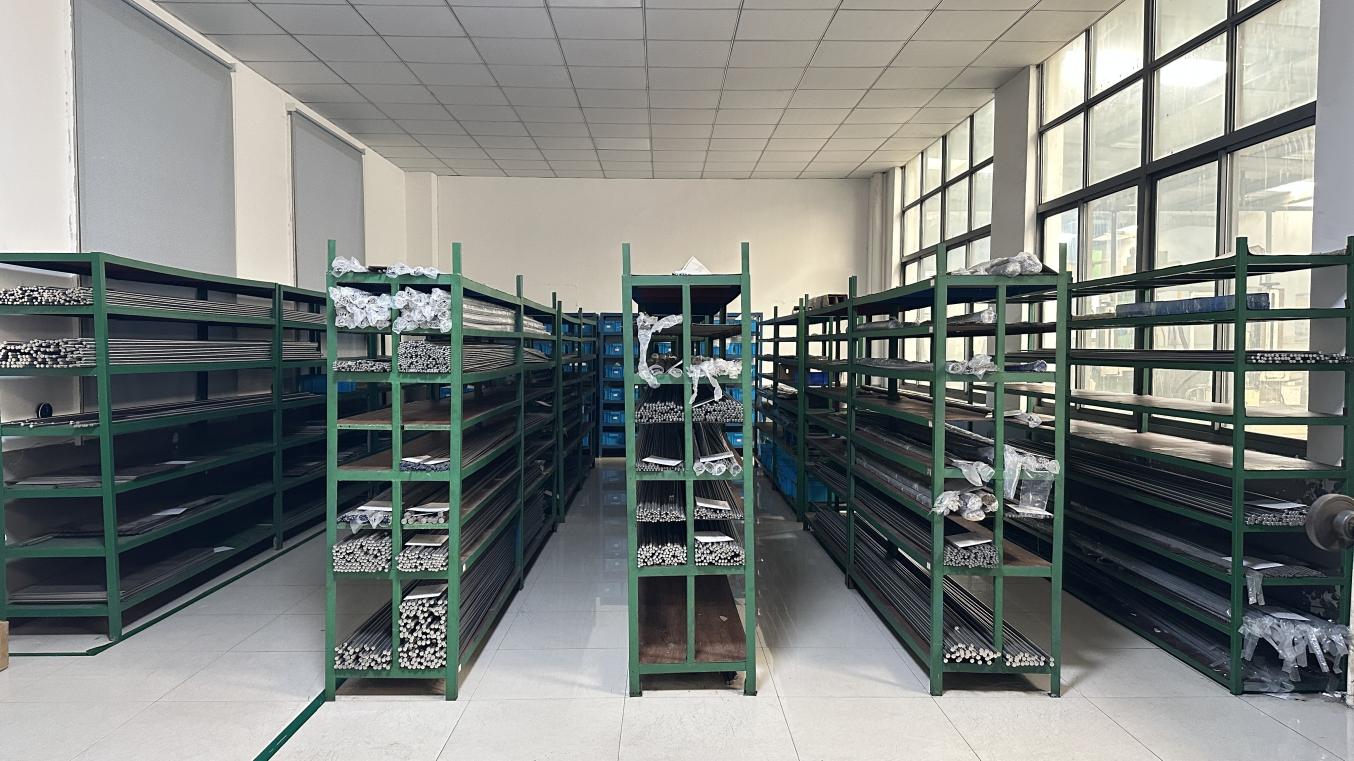
We source our materials exclusively from certified vendors who supply implant-grade Ti-6Al-4V ELI (ASTM F136) and high-density PEEK polymers. This matches the material purity demands of Japanese orthopedic surgeons.
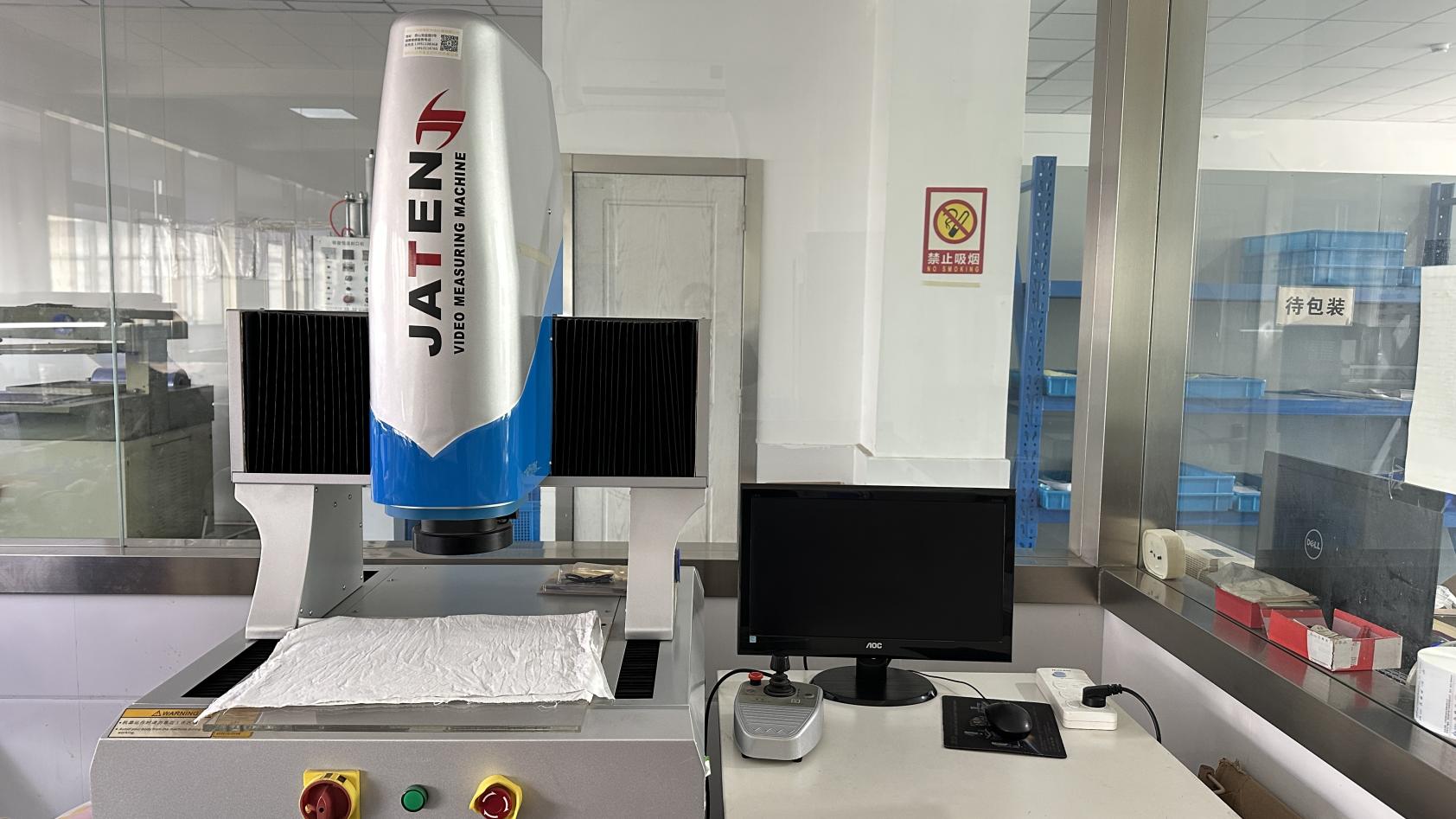
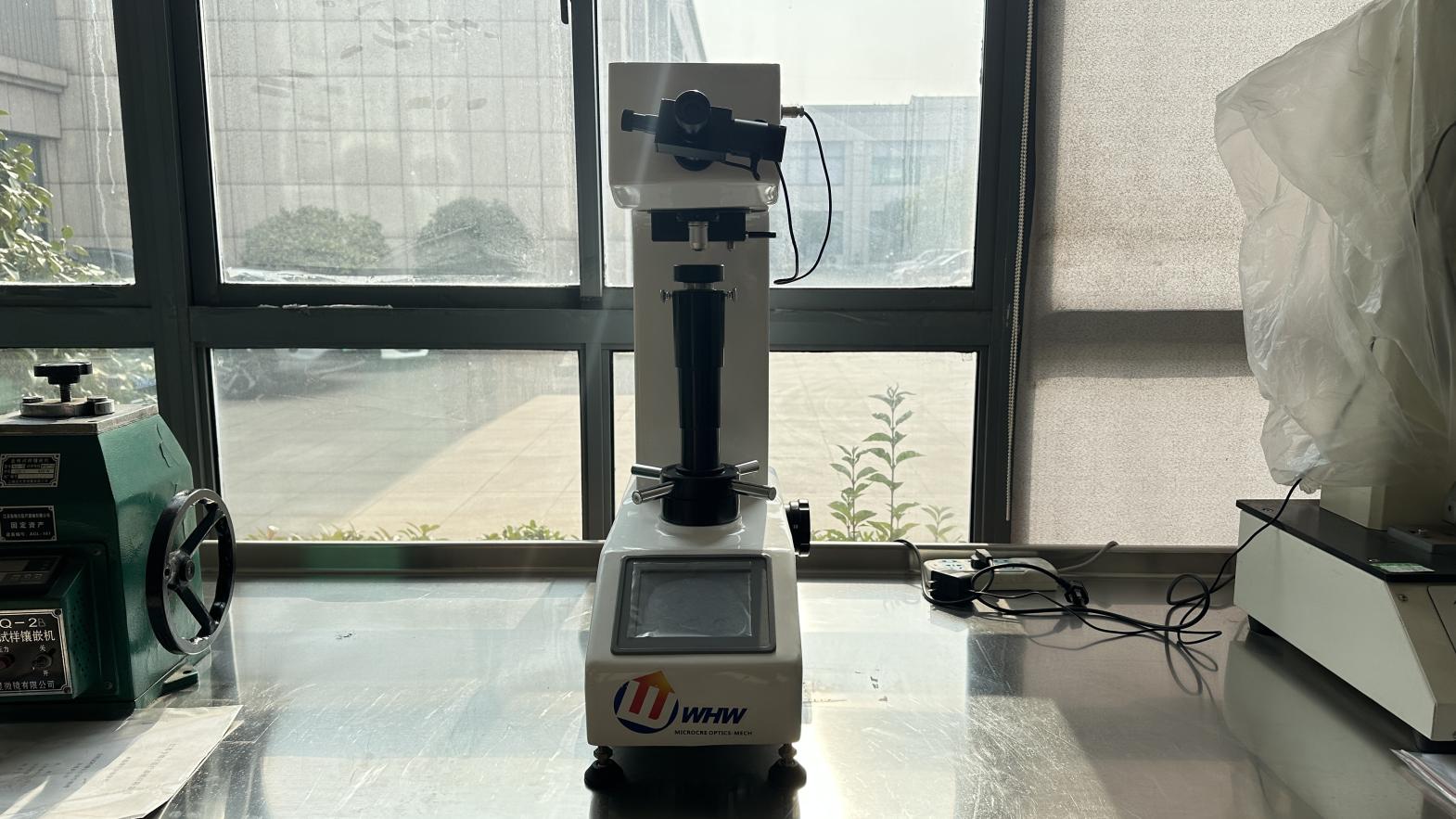
Using 3D Coordinate Measuring Machines (CMM) and digital profile projectors, we maintain manufacturing tolerances within ±5 microns. This level of precision meets the requirements of critical orthopedic joints and screw assemblies.
We supply complete documentation packages—including manufacturing history, chemical analysis, biocompatibility assays, and sterilization logs—to help our local import partners clear regulatory approvals smoothly.
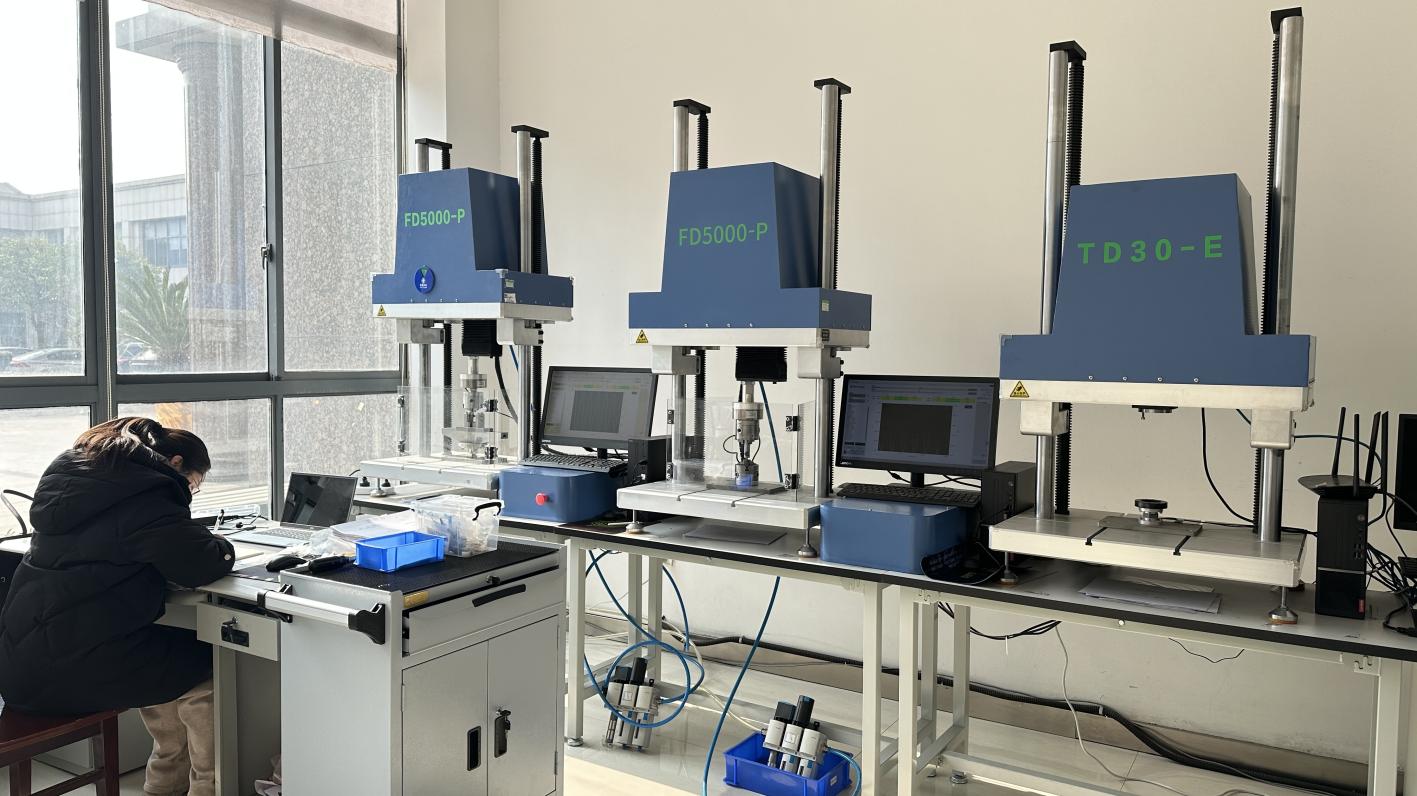
Our verification process goes beyond basic visual checks, using advanced equipment to guarantee that all products conform to design parameters.
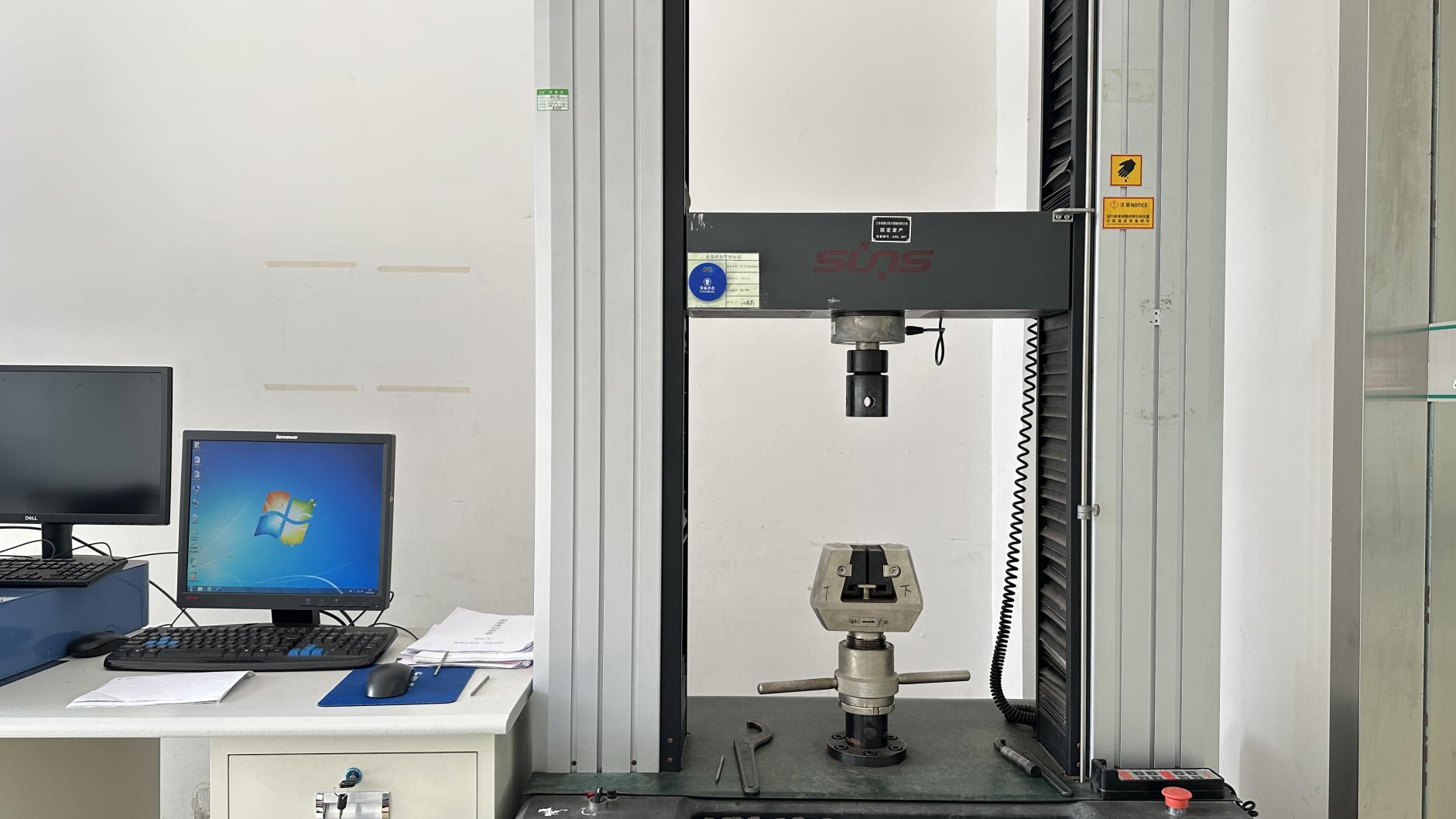
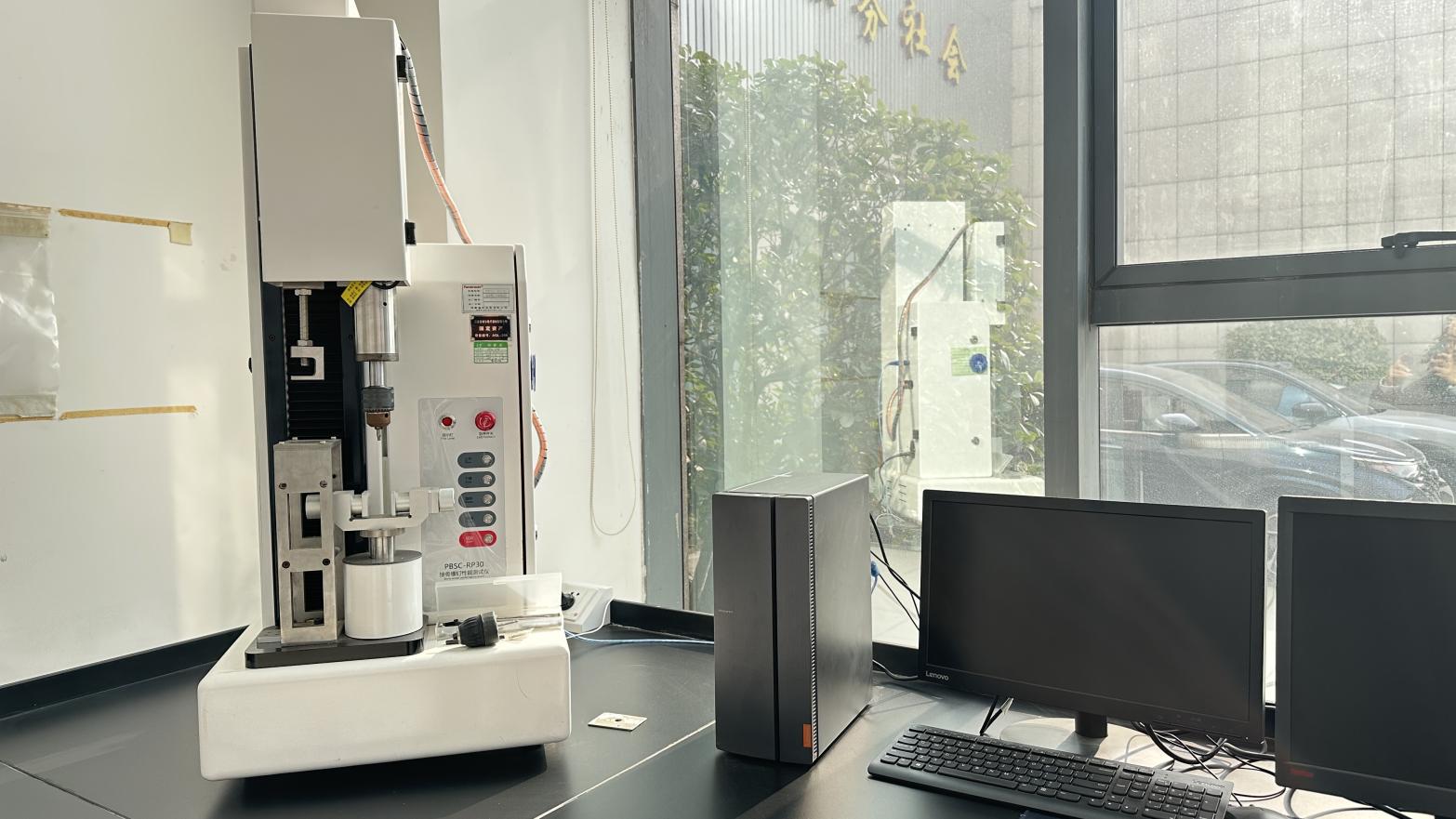
Virelox implants undergo extensive load testing to prevent failures in clinical use. We use dynamic fatigue testers to simulate long-term physiological stress, verifying the durability of our locking plates, intramedullary rods, and spinal fixations.
We also test bone screw insertion torque and pull-out strength using standardized polyurethane foam blocks. This ensures the thread designs provide optimal hold, even in osteoporotic bone.
Our class 10,000 cleanrooms are monitored regularly for particulate and microbial levels, preventing contamination before final sterilization.
Engineered for anatomical alignment and high mechanical stability, these trauma solutions meet the standards of leading orthopedics departments in Japan.
Modern orthopedic treatments in Japan increasingly prioritize bone-preservation and minimally invasive surgery (MIS). As surgical techniques advance, instrumentation design must adapt. Our engineering team continuously refines instrument profiles to reduce soft tissue irritation while maintaining mechanical strength during implantation.
Virelox researches anodization and electrochemical passivation methods to improve biocompatibility. These surface modifications encourage bone integration on implants and prevent bacterial attachment on surgical guides, reducing post-operative complications.
Additionally, we design our surgical instruments to be fully compatible with computer-assisted navigation and robotic guidance systems, supporting the trend toward digitally assisted surgery in Japanese operating rooms.
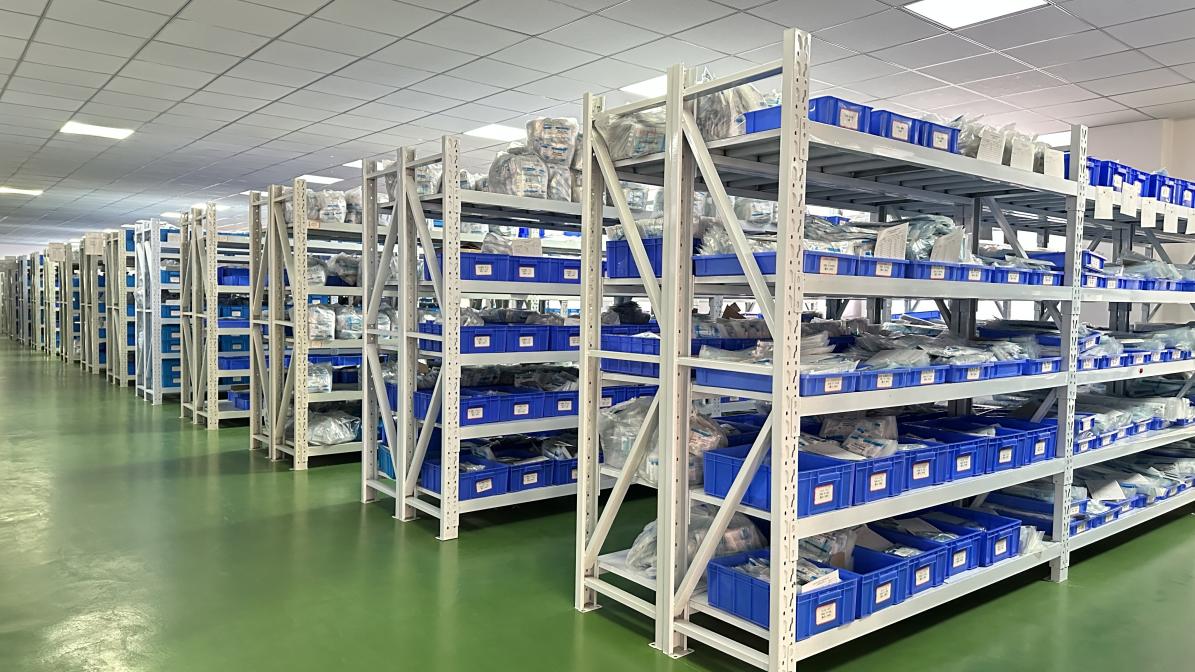
Managing global medical supplies requires reliable manufacturing capacity and resilient logistics. Virelox works with over 850 certified upstream raw material suppliers and downstream specialized process partners.
This integrated network allows us to secure raw materials during market changes, maintaining steady manufacturing schedules and reliable delivery times for our international distributors.
All export shipments undergo careful packaging in protective cases, complete with comprehensive labeling and identification codes to ensure trouble-free customs clearance and direct delivery to hospital networks.
Collaborate with Virelox Medical Devices. Get access to certified manufacturing facilities, rigorous quality control testing, and dedicated regulatory support for the Japanese healthcare market.
 Virelox