High-demand orthopedic implants and dynamic instrumentation sets optimized for Indonesian surgical guidelines.
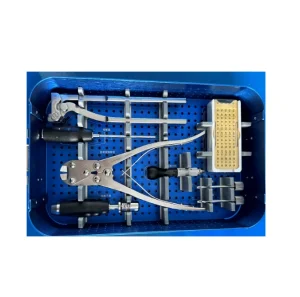
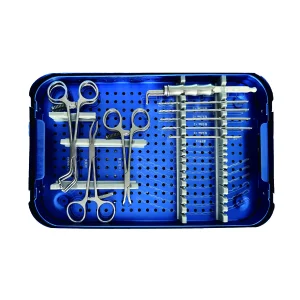
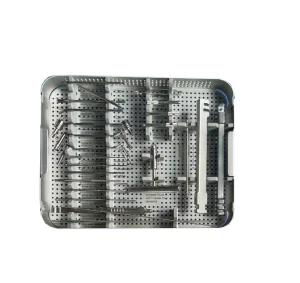
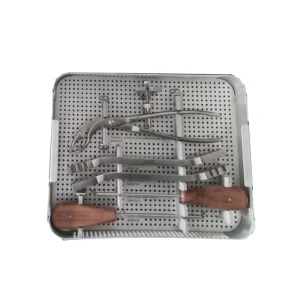
Indonesia is undergoing a rapid transition in its healthcare landscape. Driven by the expansion of BPJS Kesehatan (Universal Health Coverage) and a rising population exceeding 275 million, local hospitals (both public RSUD and private networks like Siloam) face a surging demand for orthopedic care. Traumatic bone fractures, degenerative joint diseases, and congenital conditions require a steady supply of high-grade surgical instruments and implants.
However, a critical challenge persists: the heavy reliance on imported medical devices (ALKES). The Indonesian Ministry of Health (Kemenkes) strictly regulates these implants under the AKL registration protocols. To control healthcare expenditures, distributors and hospital networks must partner directly with certified international manufacturers. Sourcing premium-grade titanium alloy implants and surgical kits that meet international certifications (ISO 13485, CE) at viable price points has become a strategic priority for B2B buyers across the archipelago.
Under the Indonesian Case-Based Groups (INA-CBGs) tariff scheme, reimbursement limits are highly defined. Hospital procurement teams must maximize clinical outcomes while strictly controlling material acquisition costs. This creates a strong commercial demand for high-quality, high-durability alternative implants that match European standards but offer favorable manufacturing cost structures.
Globally, the orthopedic implant industry is transitioning from standard designs to anatomically optimized, minimally invasive systems. Standard bone plates are being replaced by locking compression plates (LCP), and conventional intramedullary nails are being upgraded to advanced configurations like the Proximal Femoral Nail Antirotation (PFNA).
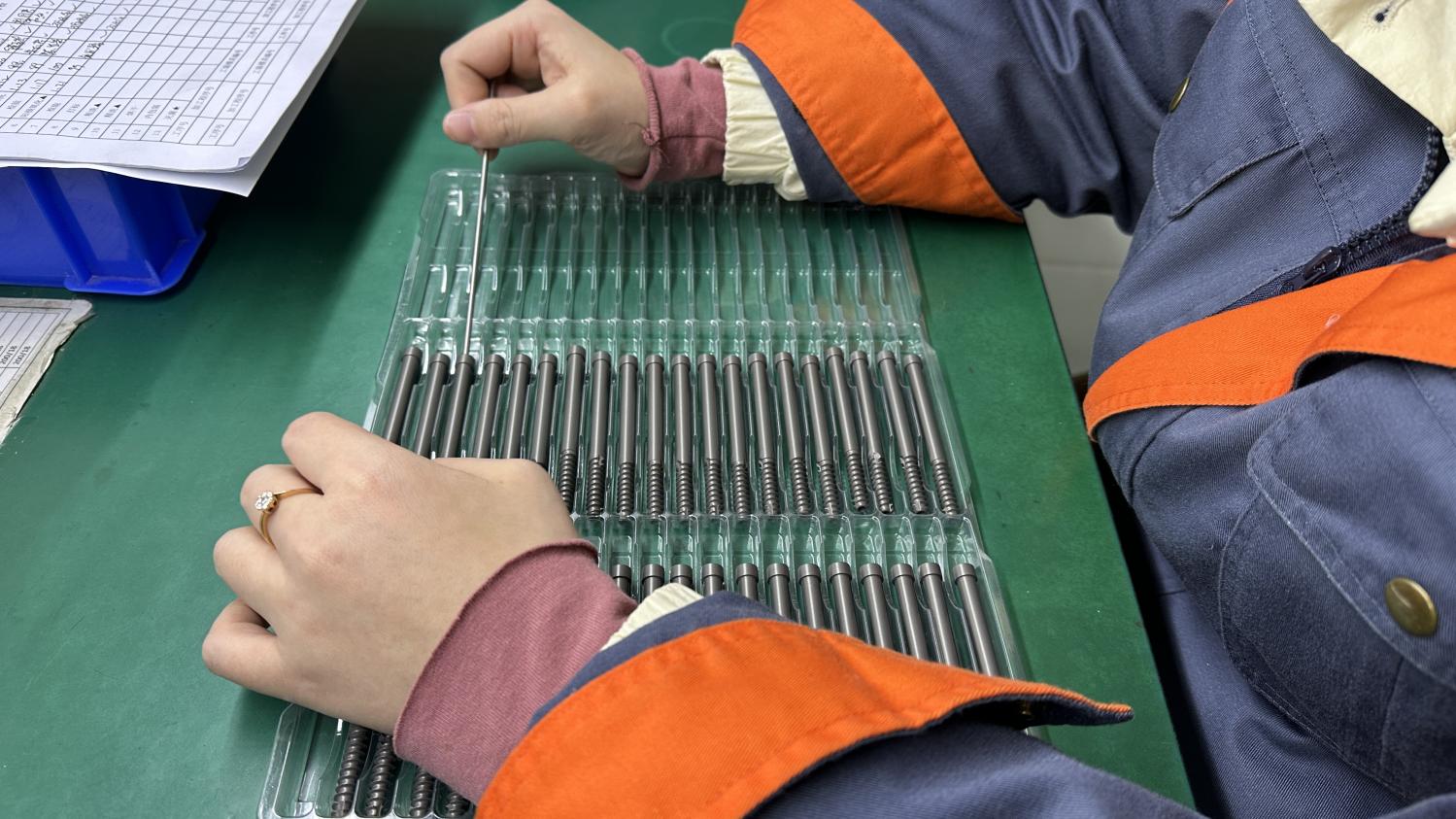
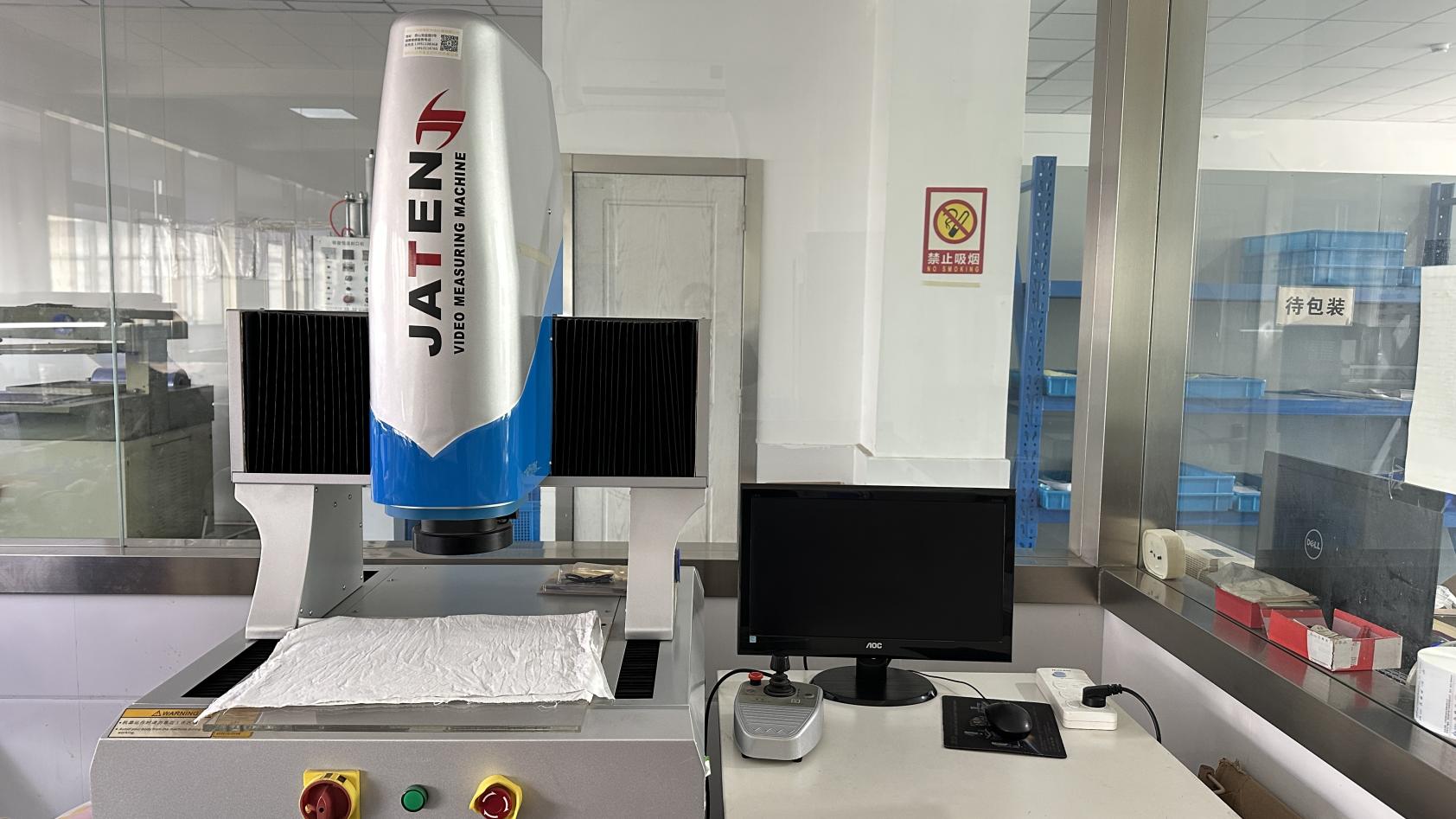
Material science is also shifting. The market demands Grade 5 Titanium Alloy (Ti-6Al-4V ELI) and medical-grade ultra-high molecular weight polyethylene (UHMWPE) to prevent implant failure, stress shielding, and bacterial colonization. For healthcare networks sourcing these high-precision instruments, the vendor's mechanical testing capacity (fatigue, tensile, and dimensional tolerances under CMM check) is a non-negotiable metric of trustworthiness (E-E-A-T).
Furthermore, dynamic geopolitical shifts have prompted medical device distributors to diversify their supplier portfolios, prioritizing manufacturers with robust supply chains, short lead times, and comprehensive OEM/ODM customization capabilities.
Virelox Medical Devices Co., Ltd. is a premier developer and manufacturer of joint replacement systems, orthopedic implants, and specialized surgical instrumentation.
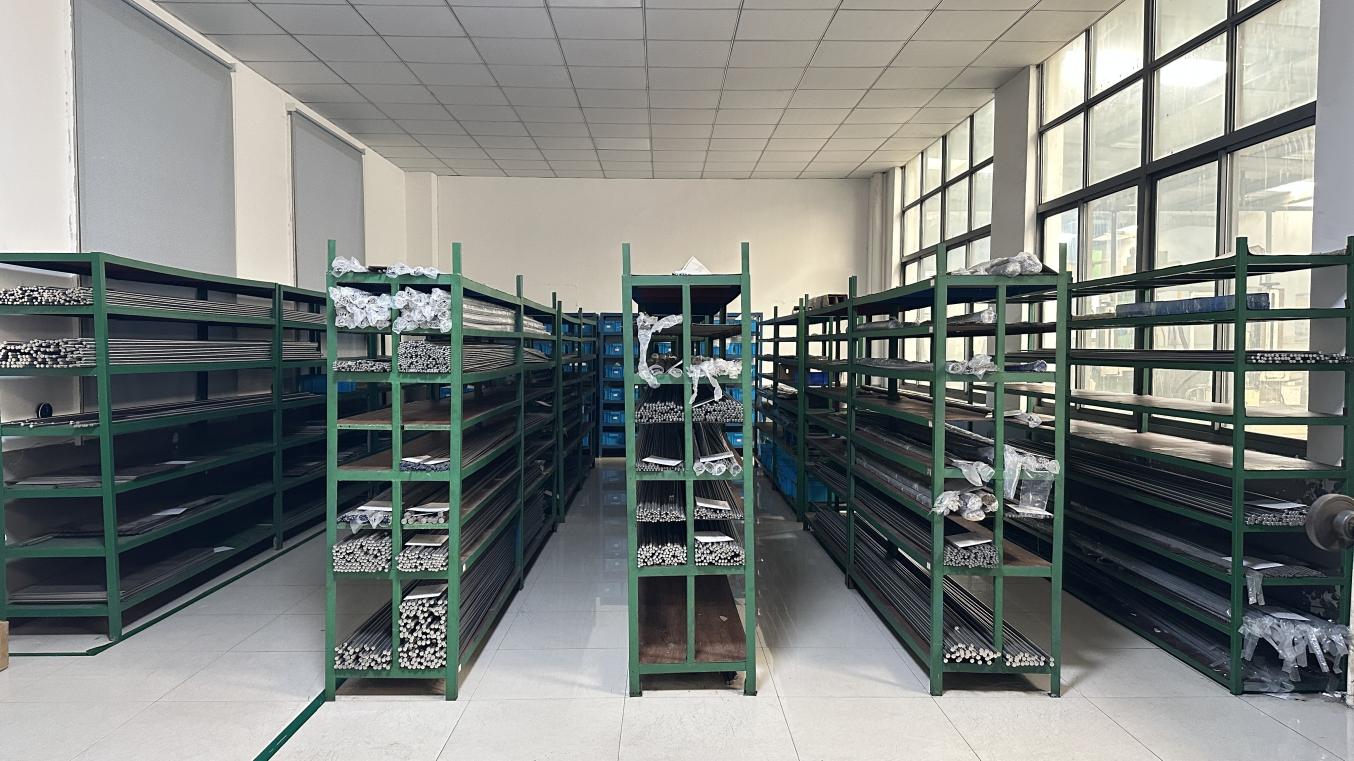
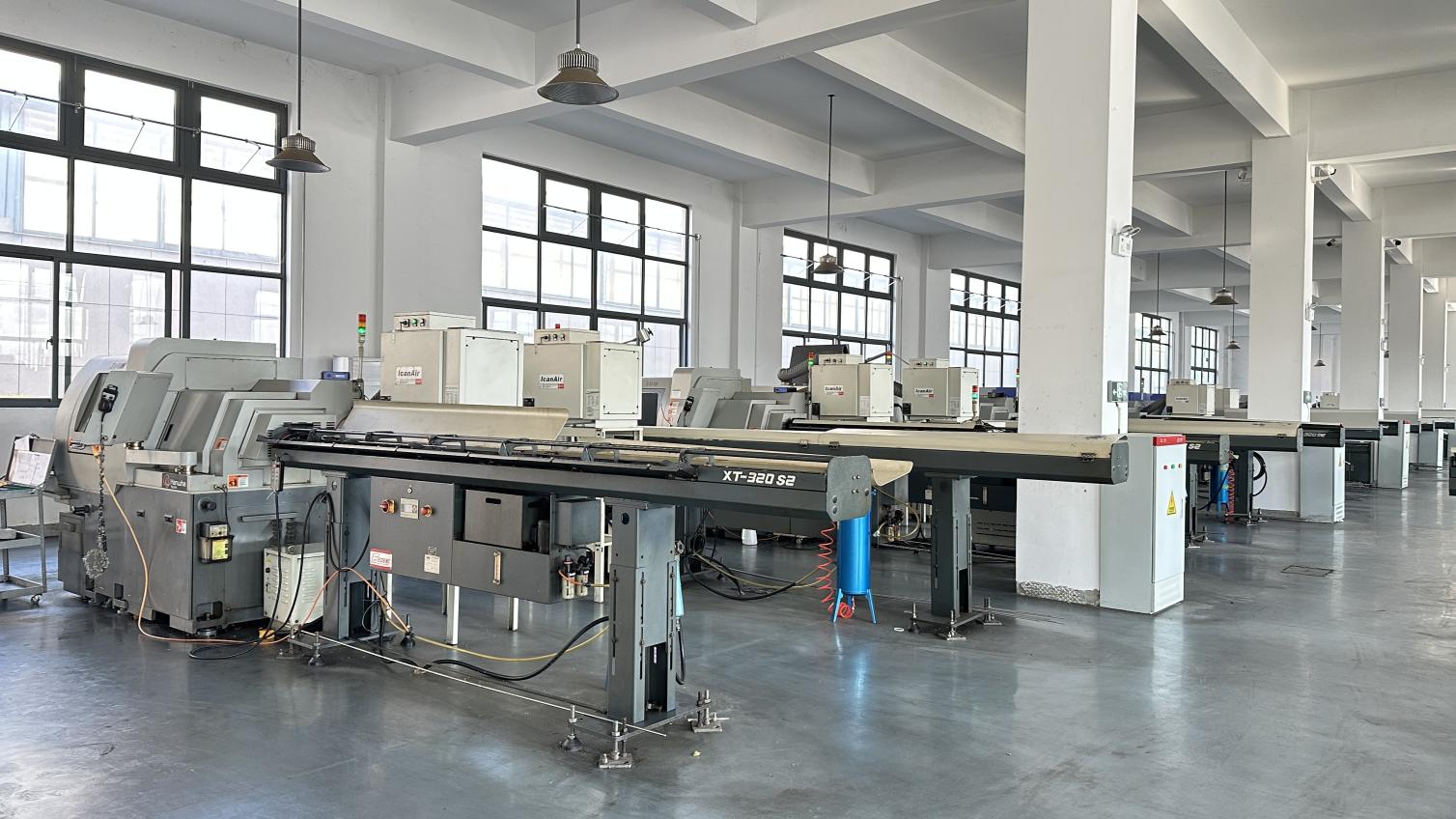
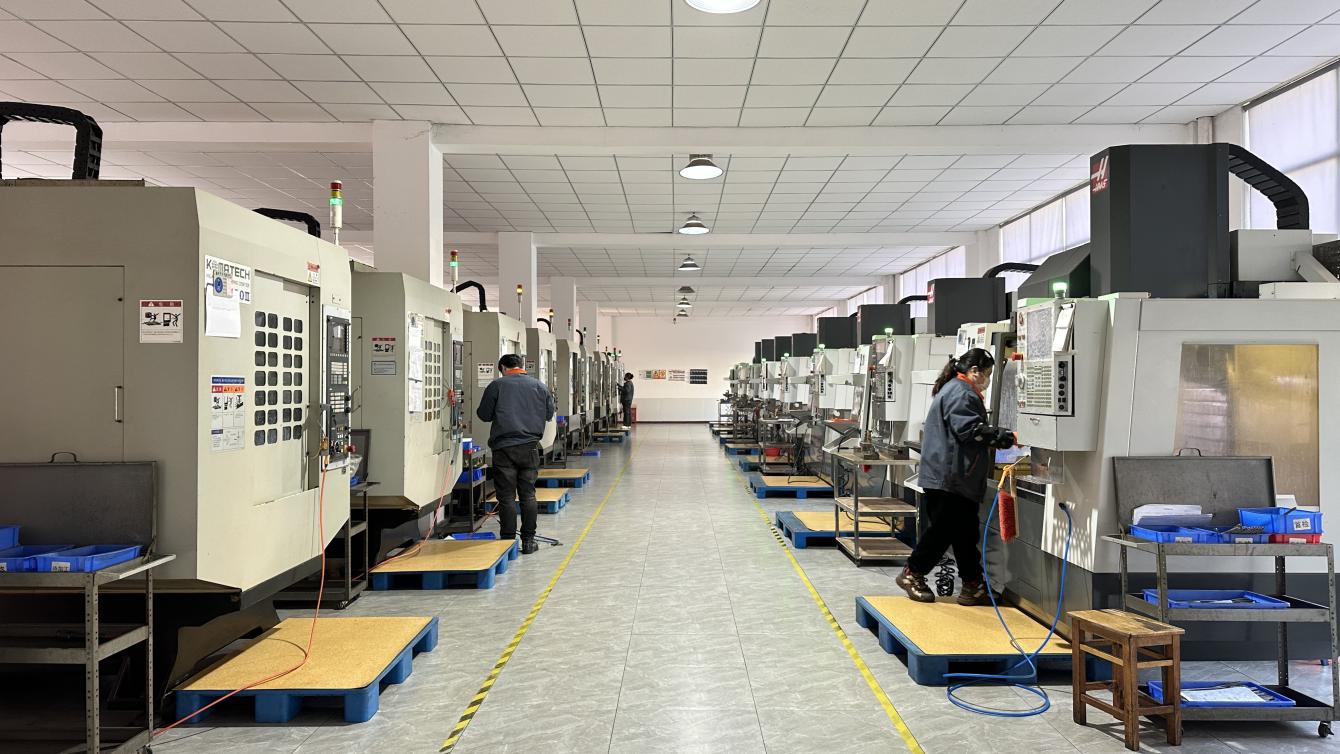
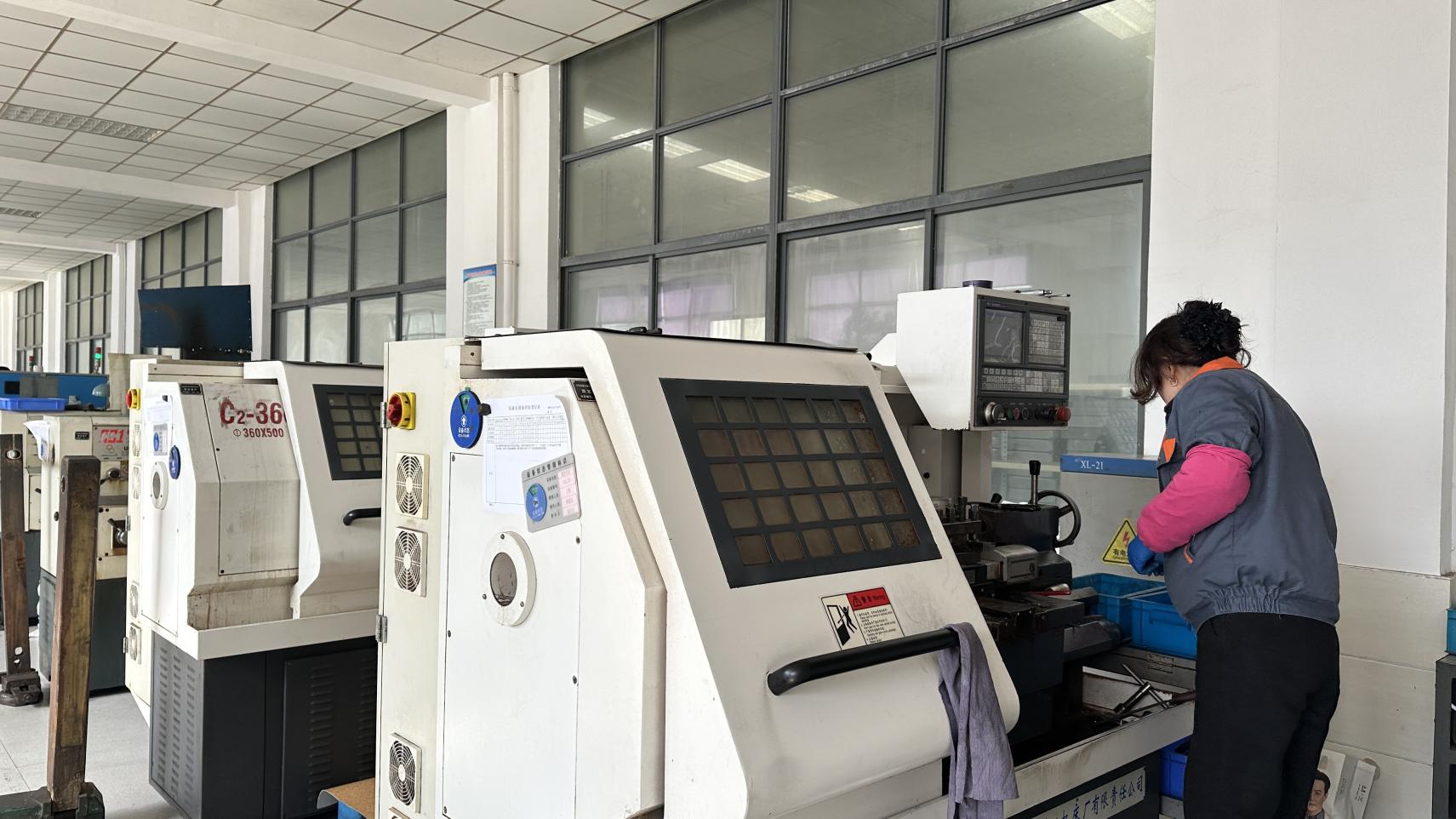
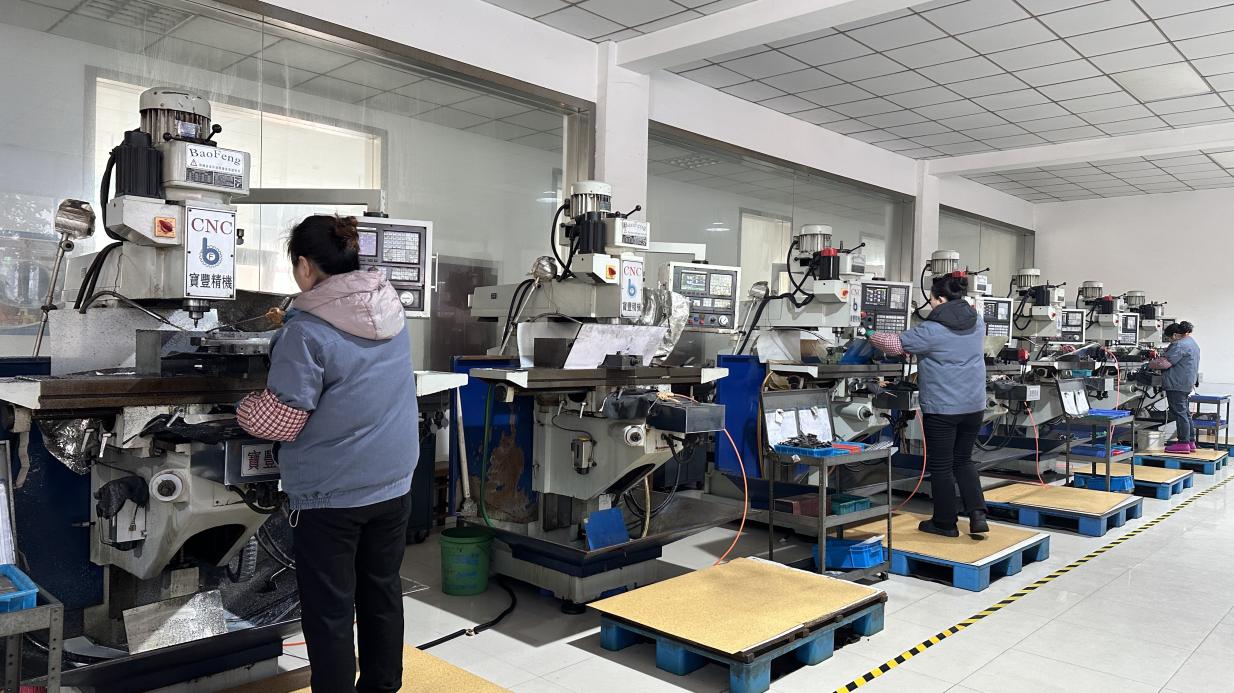
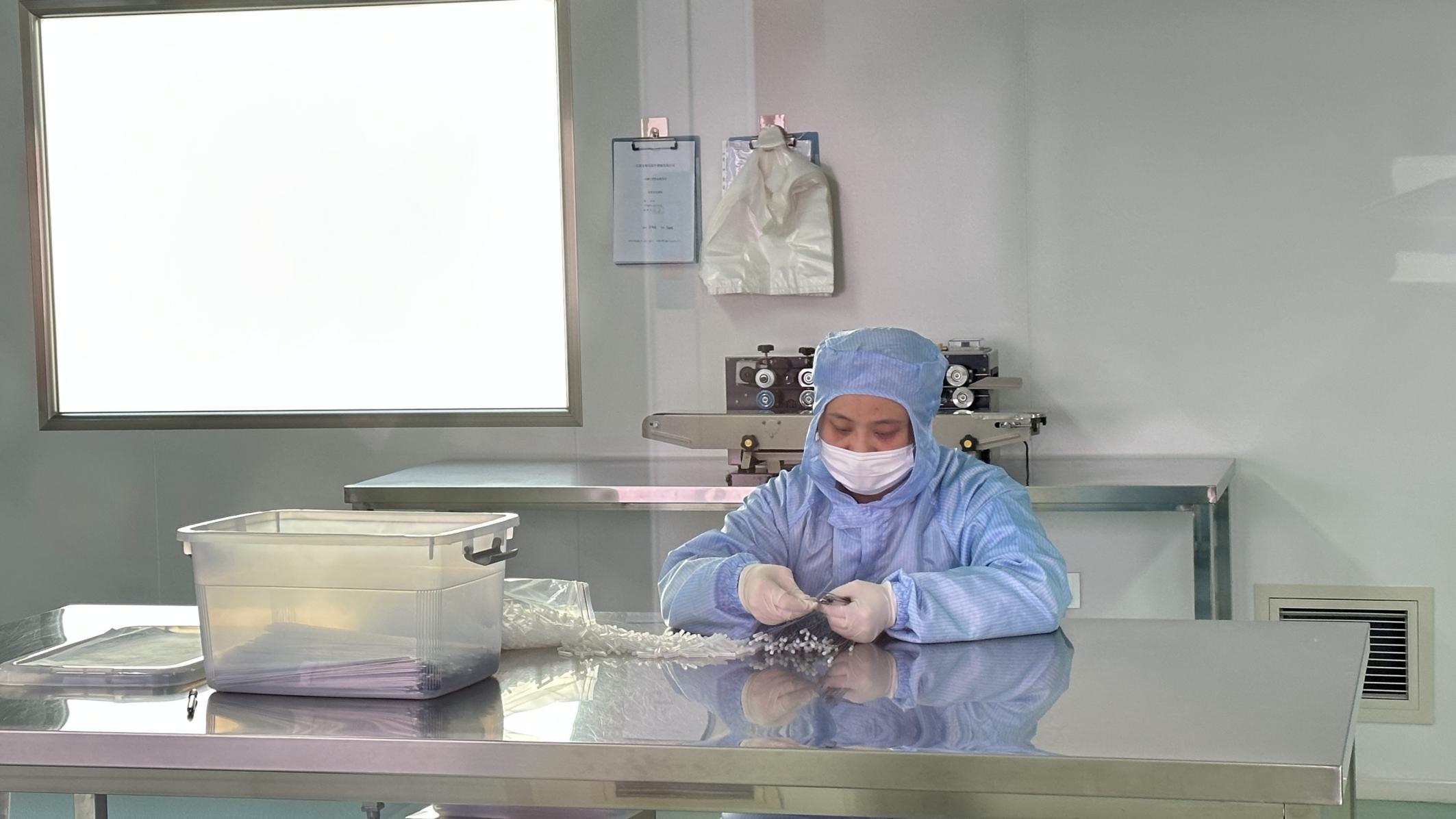
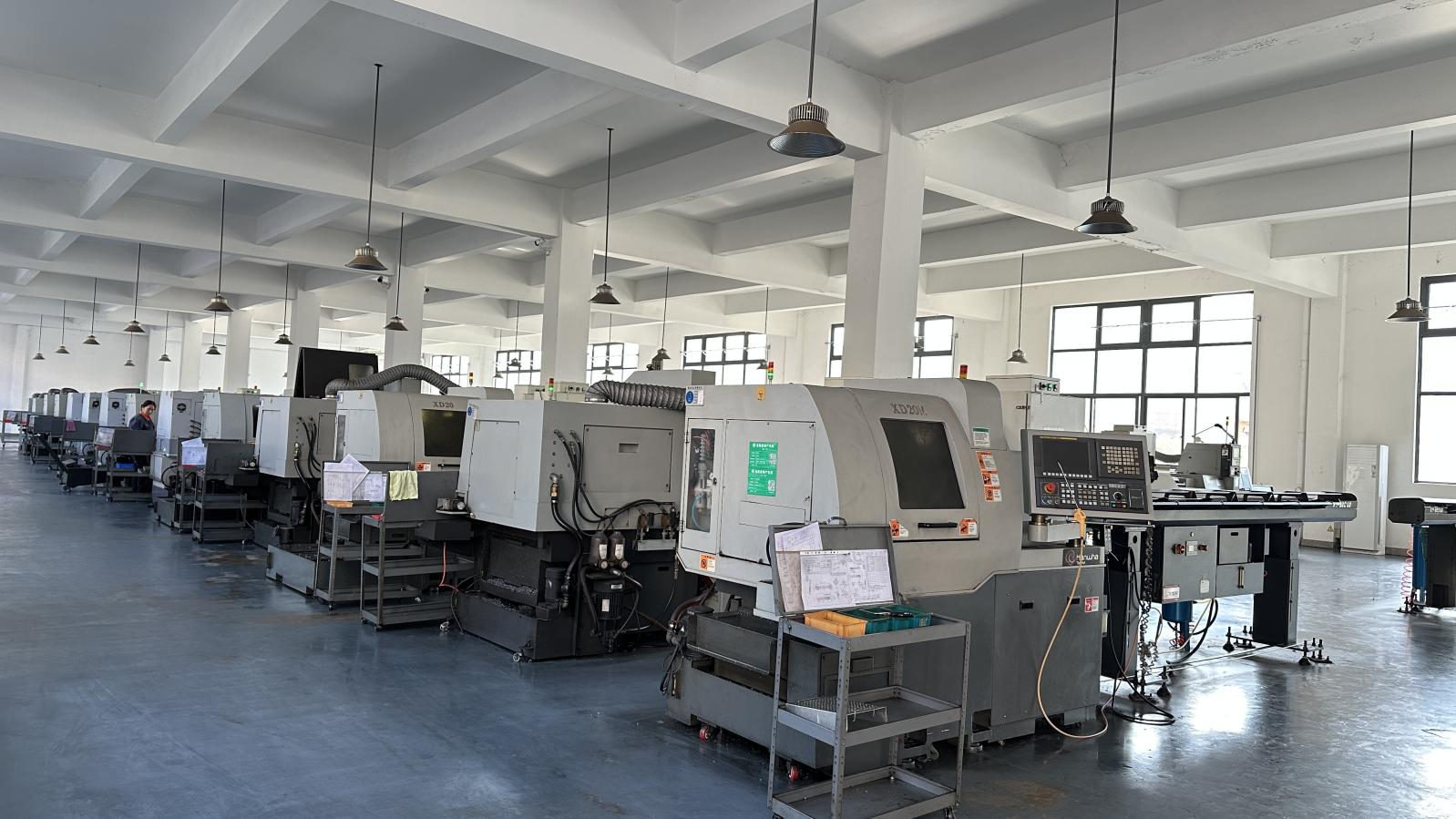
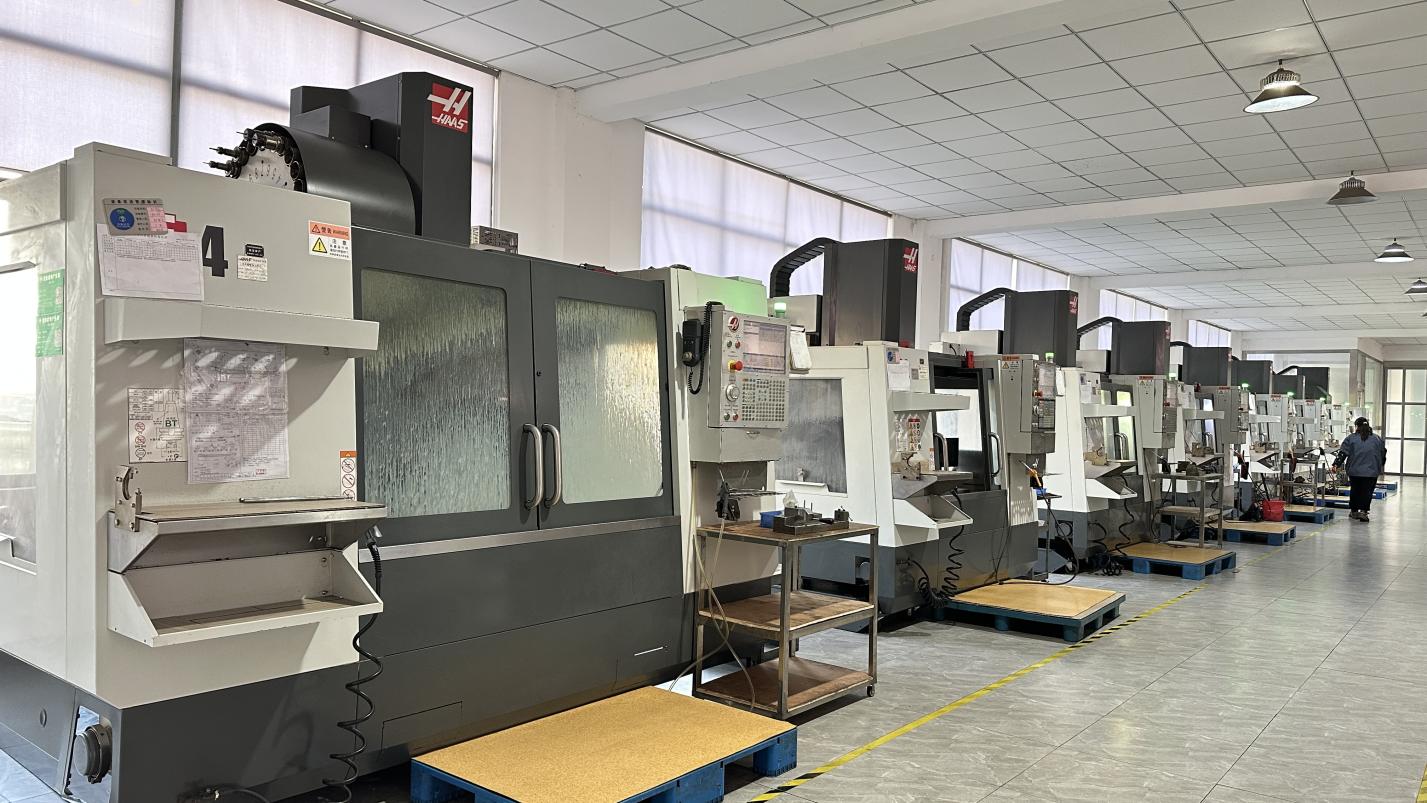
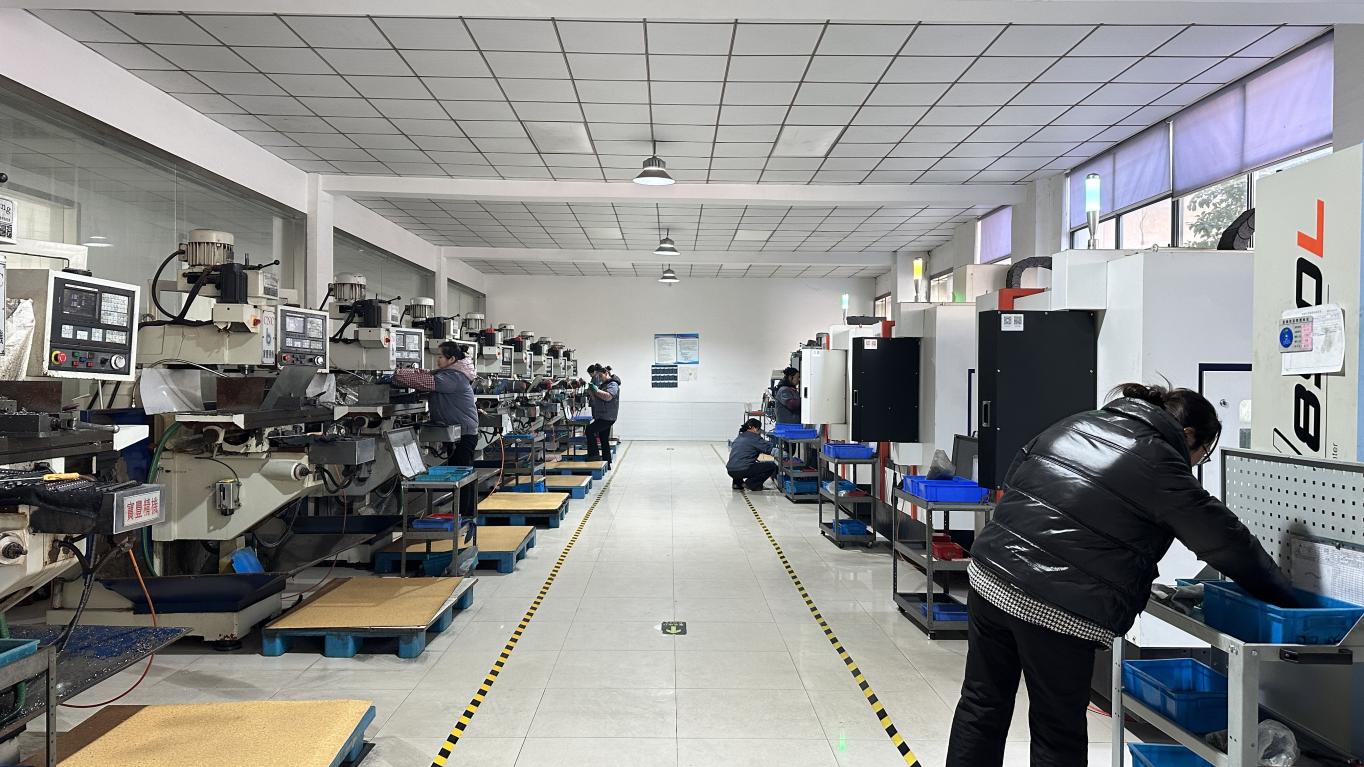
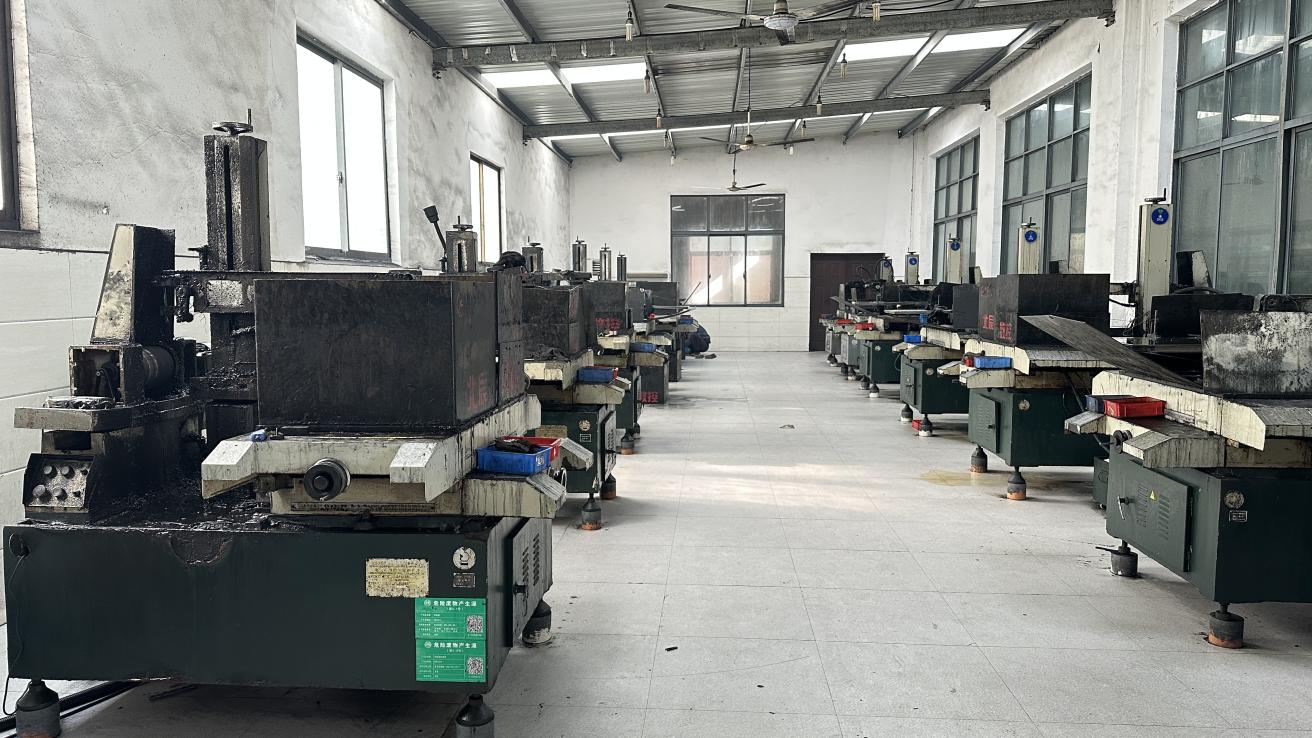
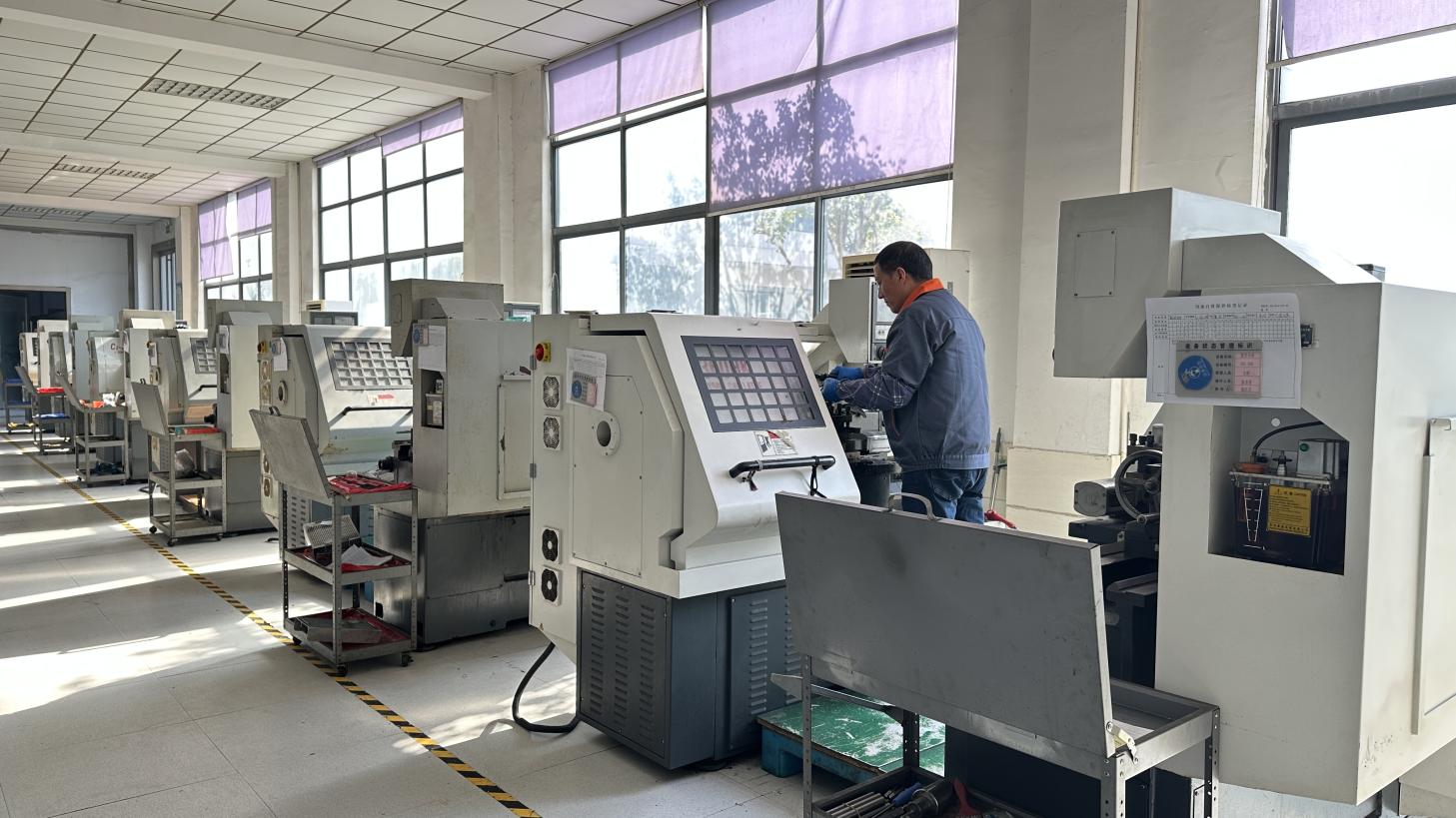
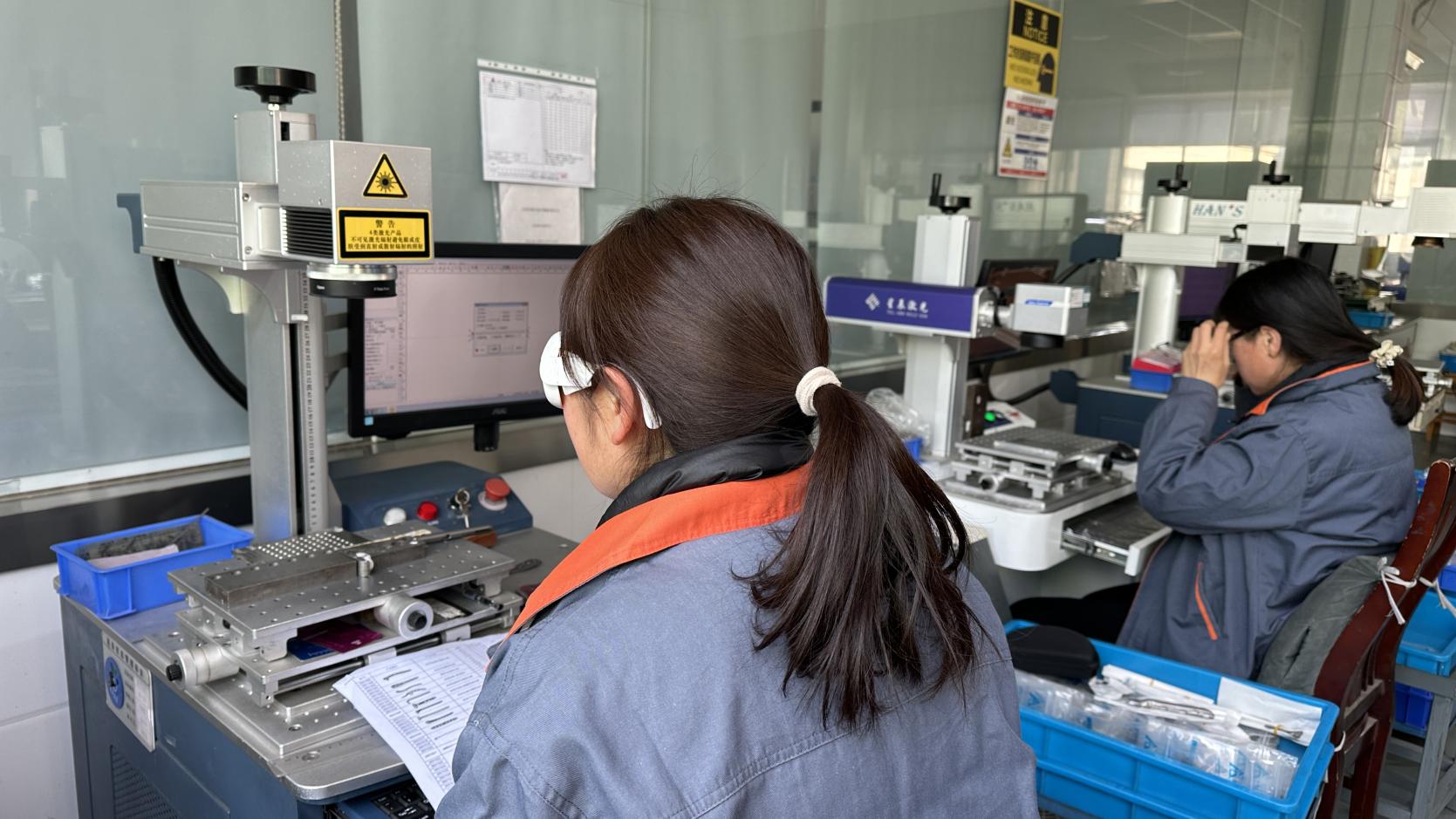
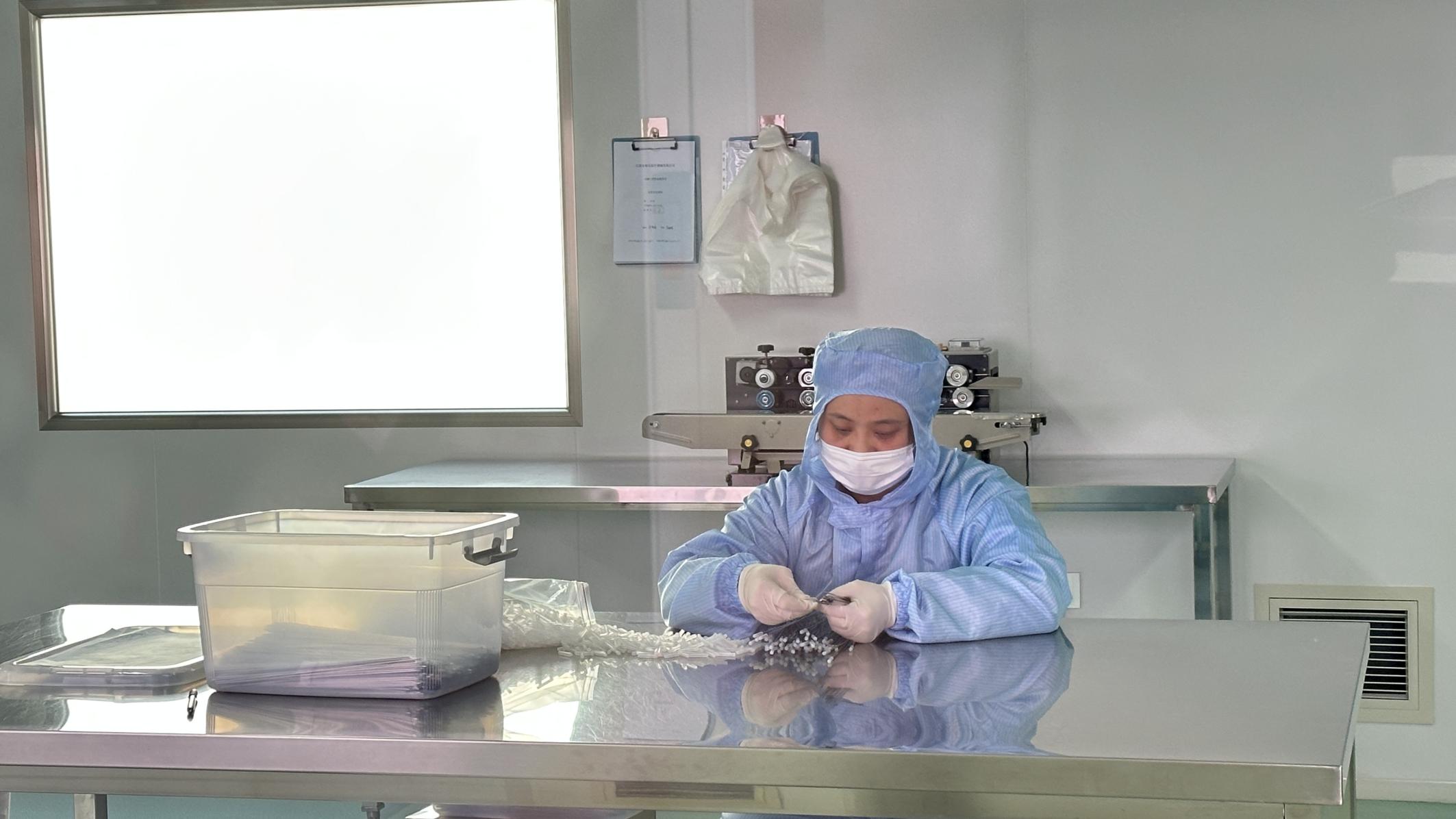
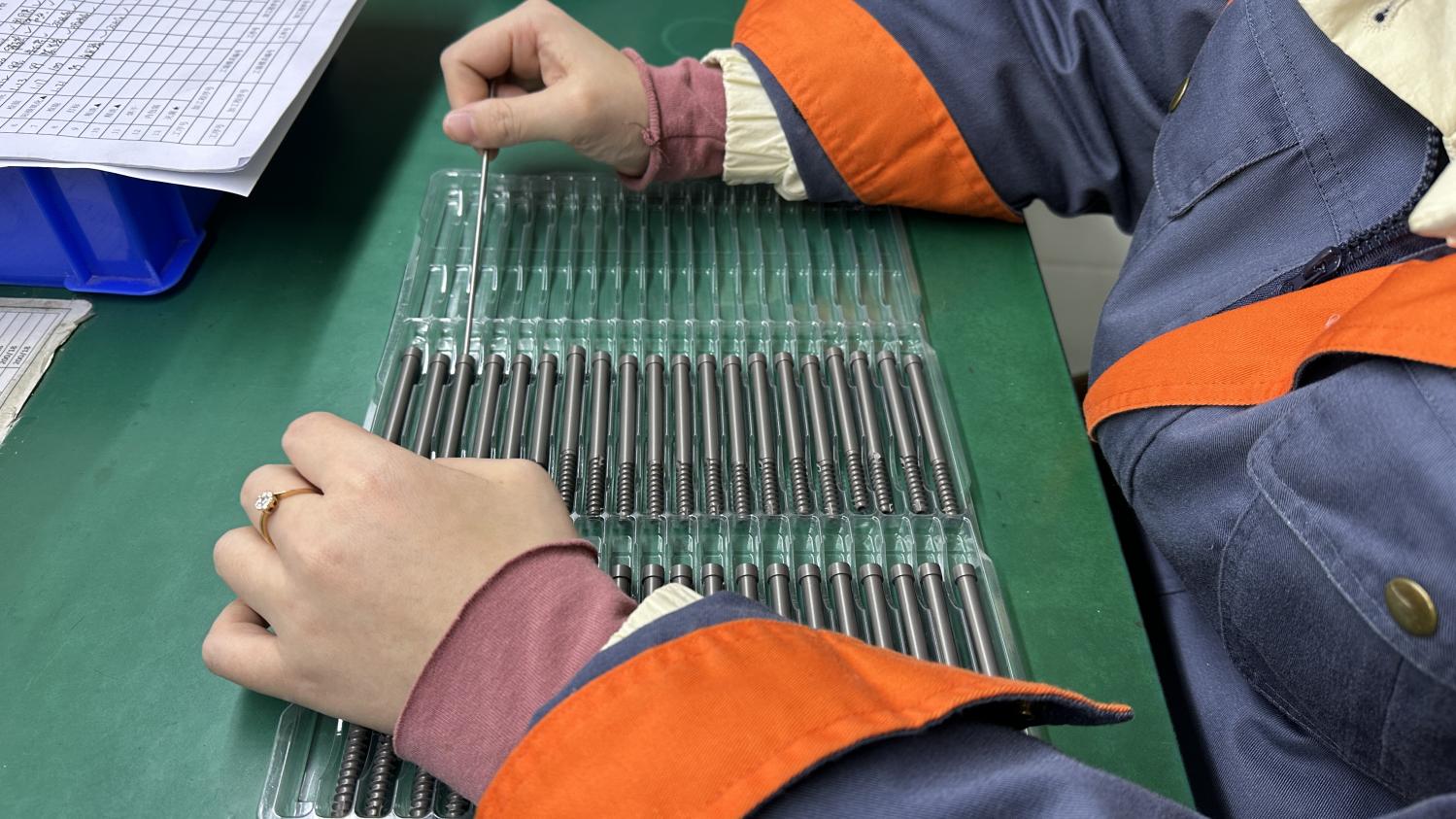
Founded on precision and clinical compliance, Virelox operates a state-of-the-art facility featuring 5-axis CNC machining centers, specialized slitting lines, and wire-cutting machinery. By controlling every stage—from raw material analysis to final sterile packaging—we maintain strict ISO 13485 quality standards.
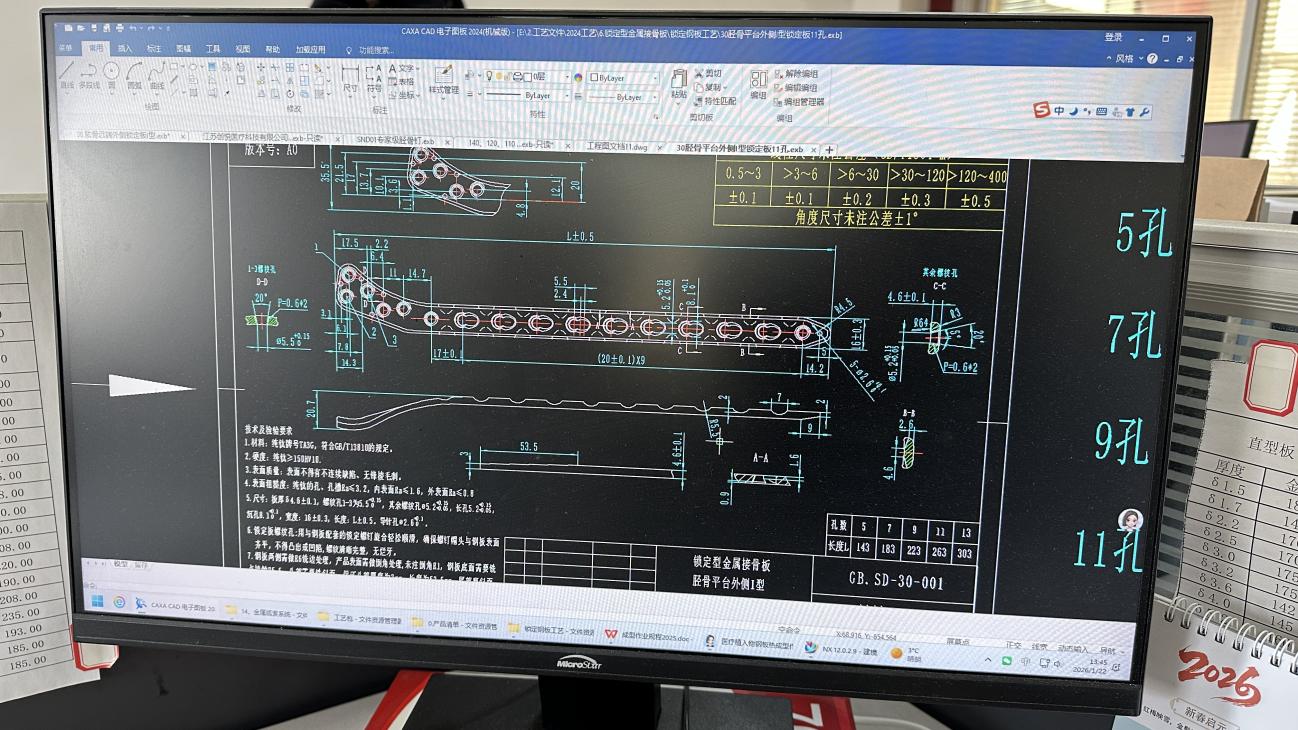
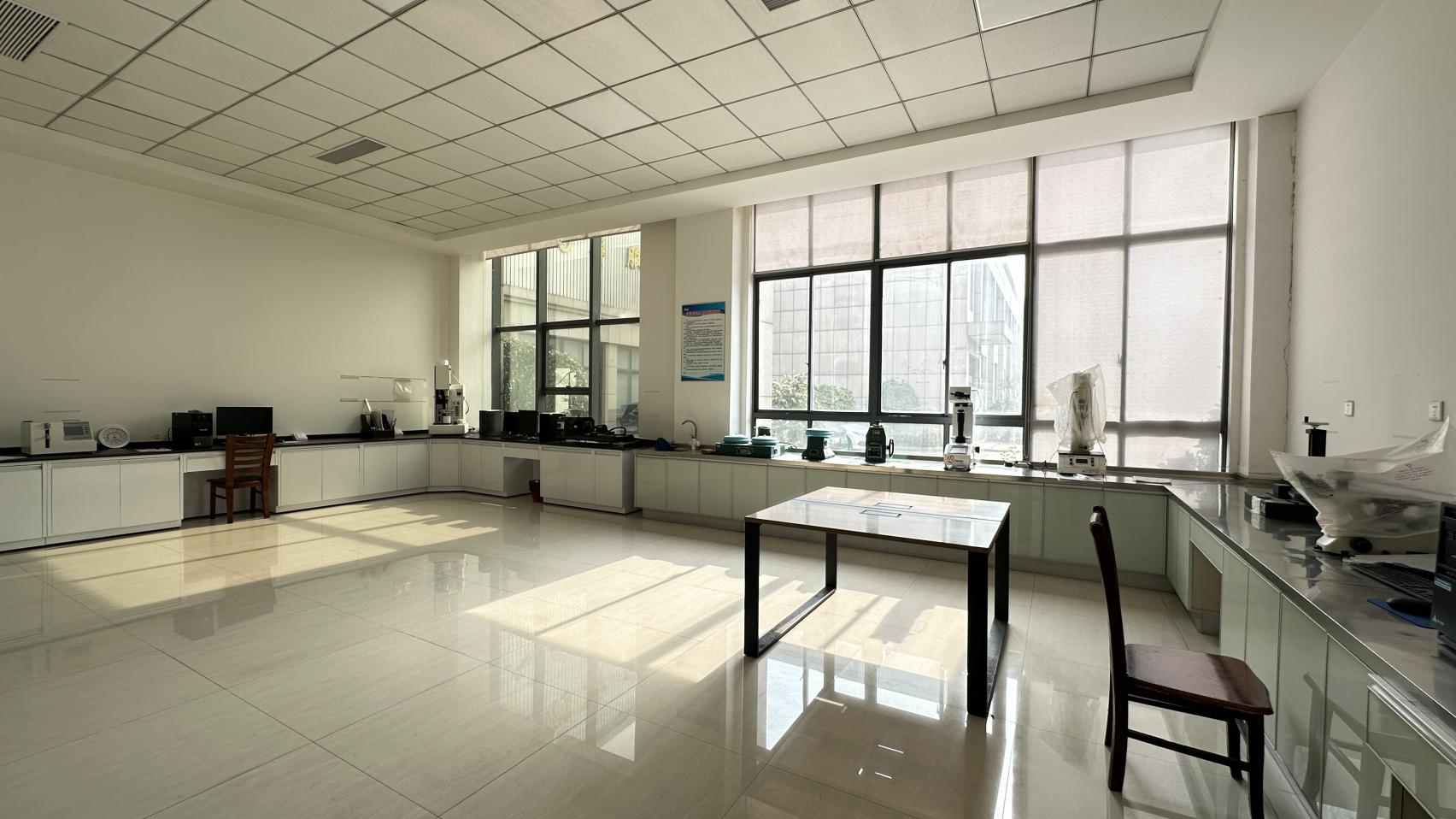
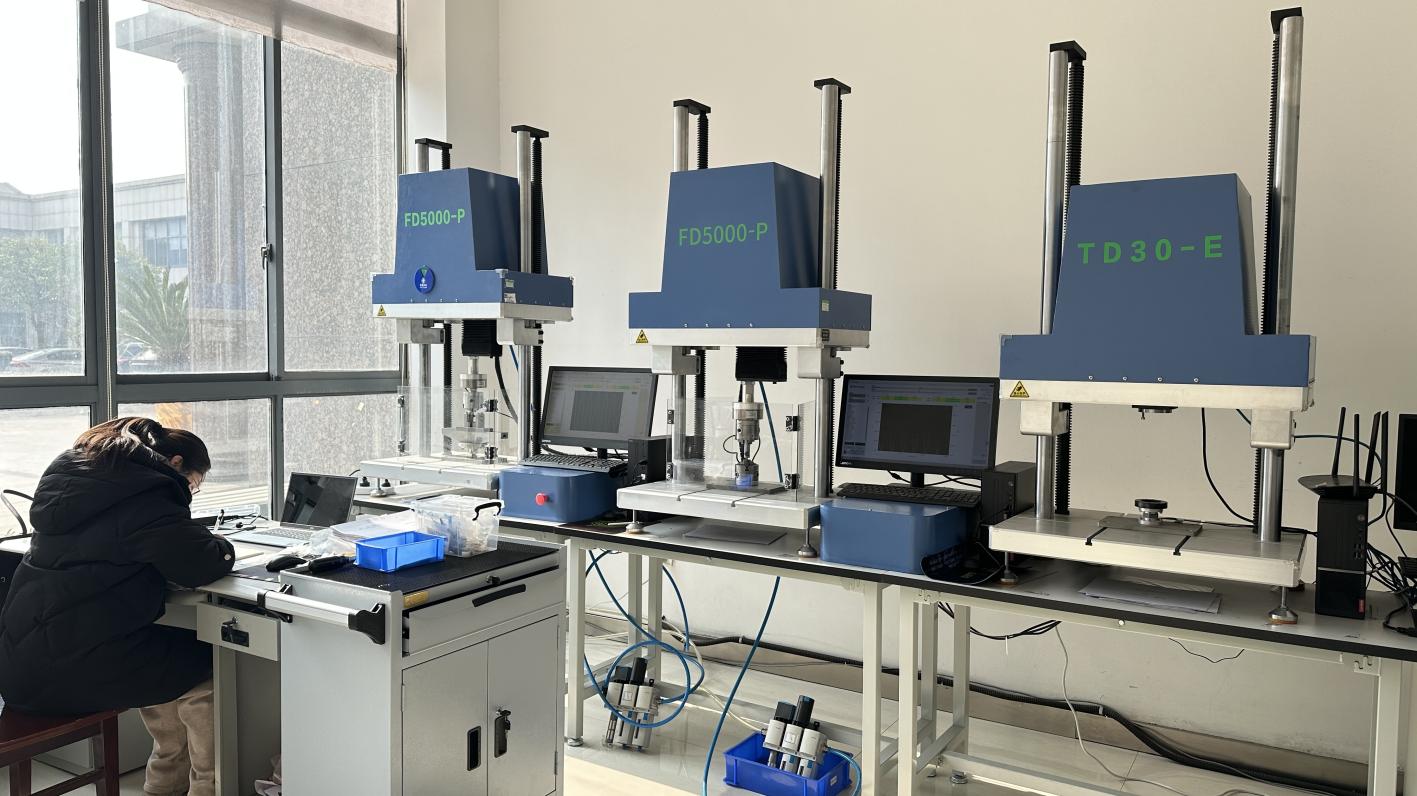
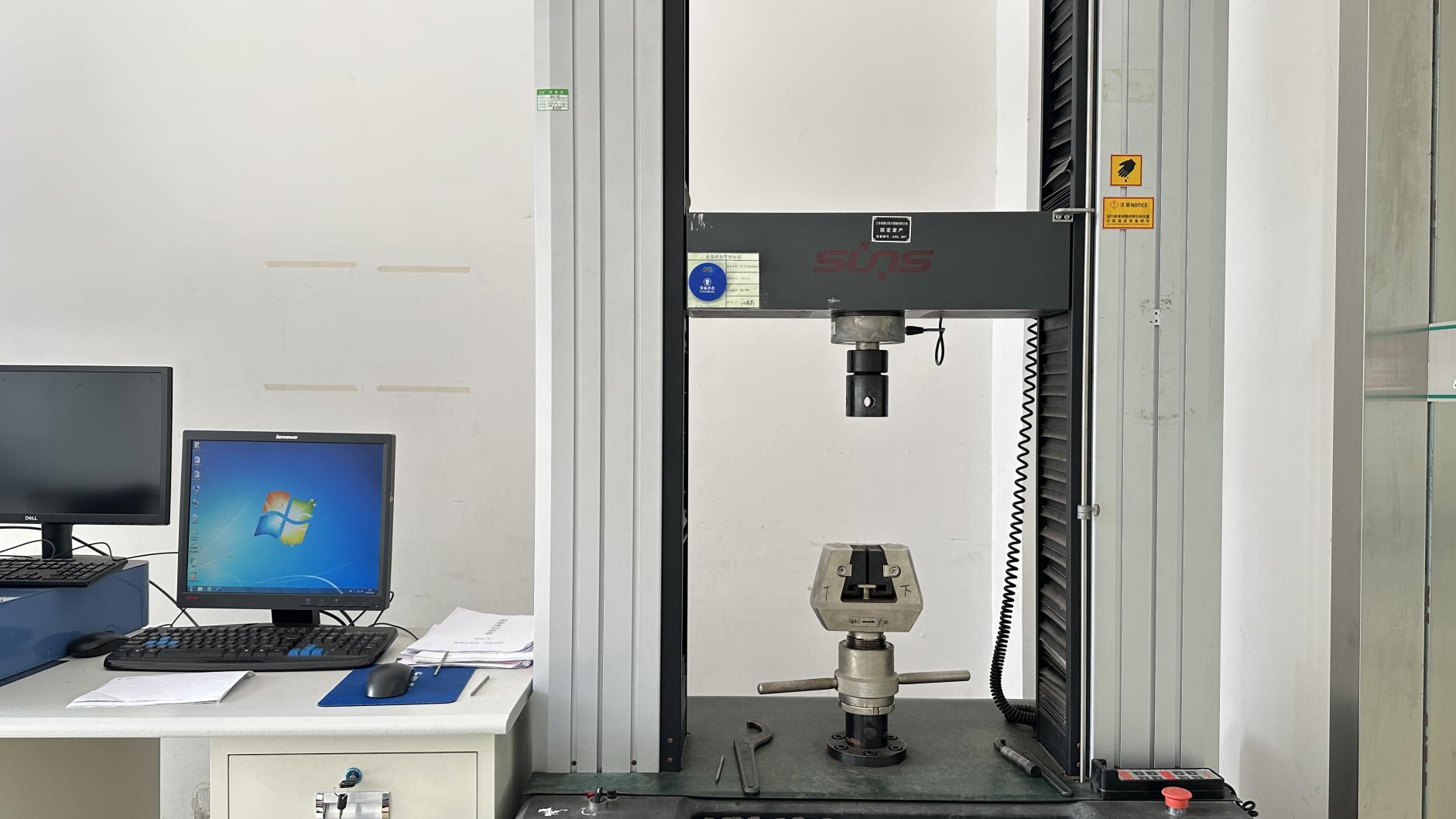
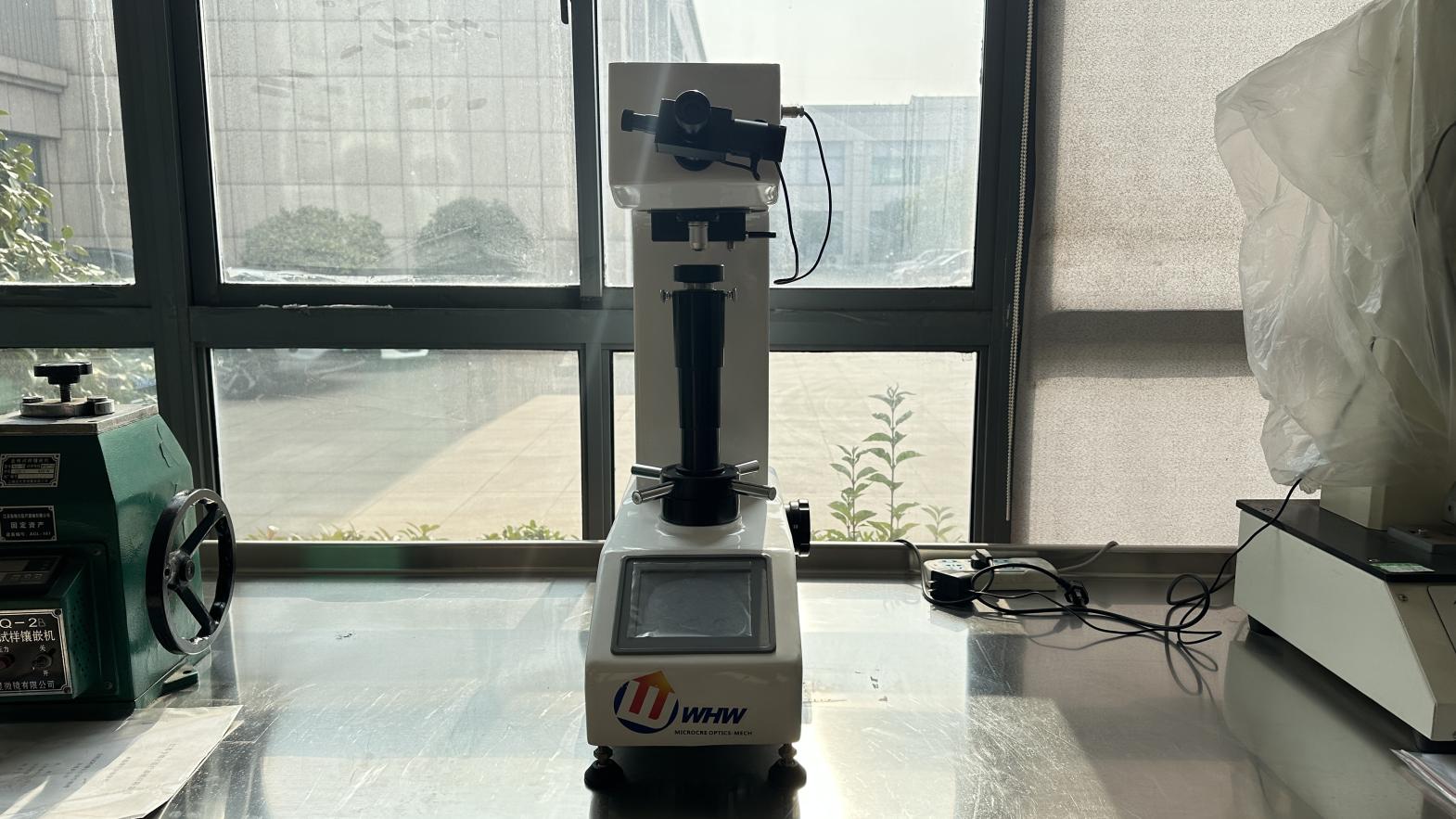
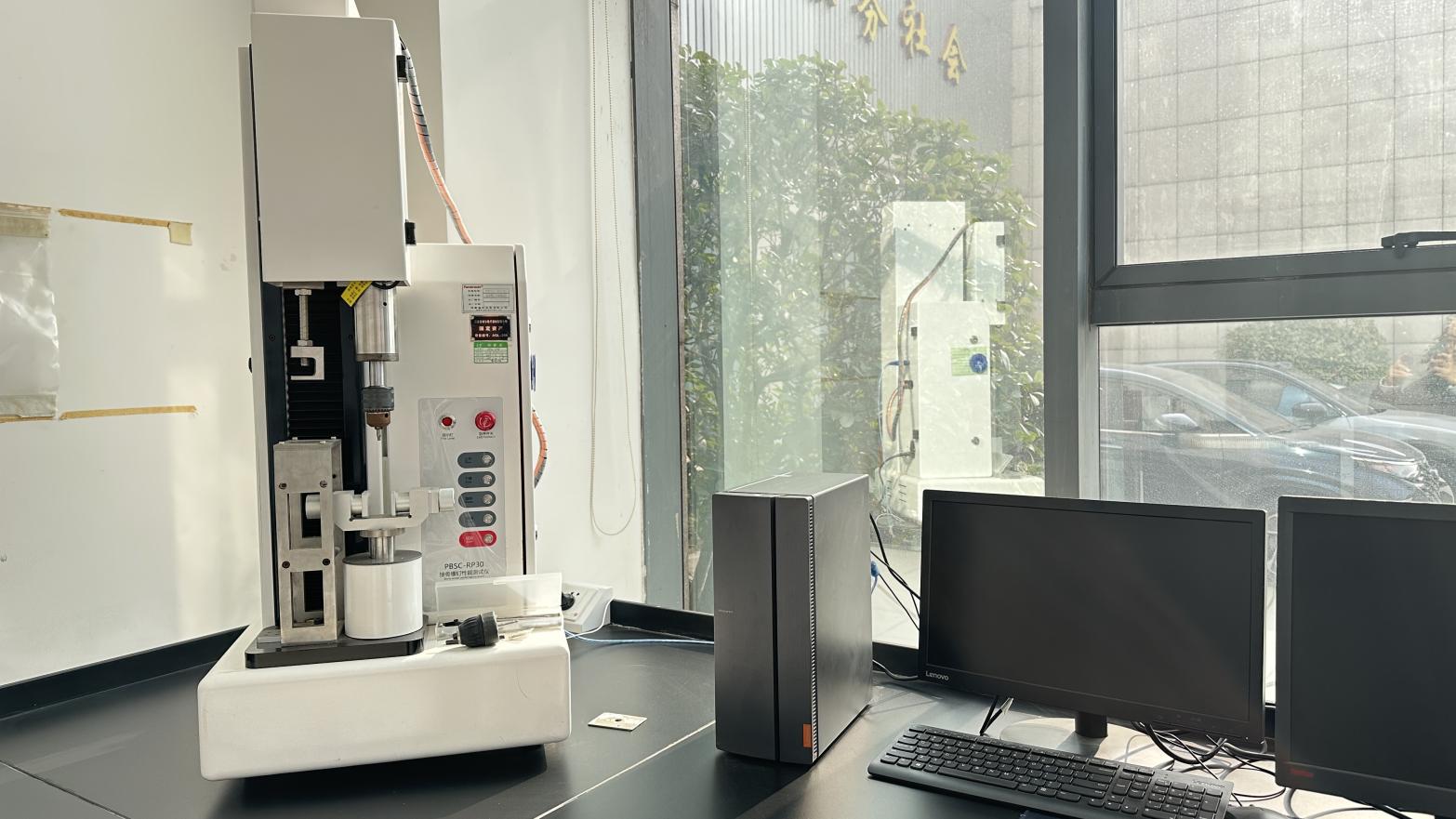
Our biomechanical simulation lab is equipped with advanced fatigue, tensile, and hardness testing equipment. This enables us to design and iterate up to 120 new implants annually, ensuring rapid response to evolving clinical needs.
Tailored orthopedic solutions designed to address the specific patient demographics and clinical workflows of the region.
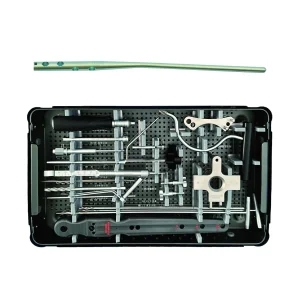
Given the high volume of traffic-related trauma in urban centers like Jakarta and Surabaya, hospitals require reliable, immediate-use implant kits. Our external fixator and PFNA intramedullary nail systems are optimized for rapid, rigid stabilization of complex long bone fractures.
Skeletal sizing in the Southeast Asian population exhibits smaller averages and distinct curvatures compared to Caucasian benchmarks. Virelox's intramedullary nails and bone plates are available in customized profiles to minimize the need for extensive intraoperative reshaping.
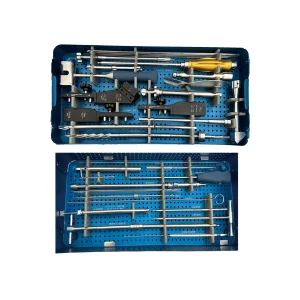
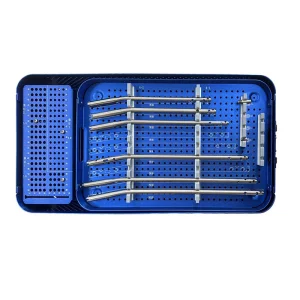
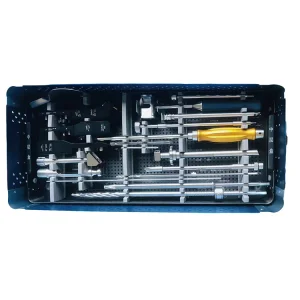
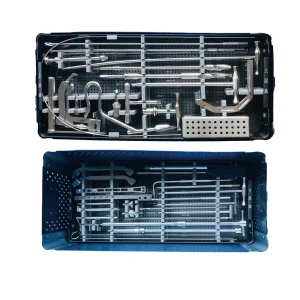
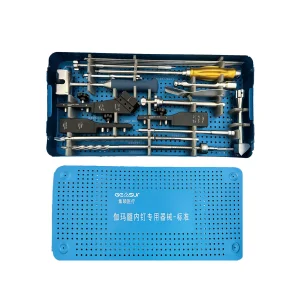
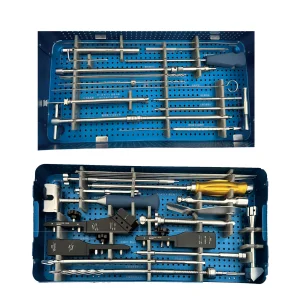
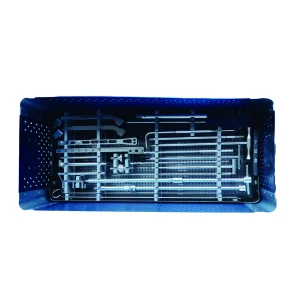
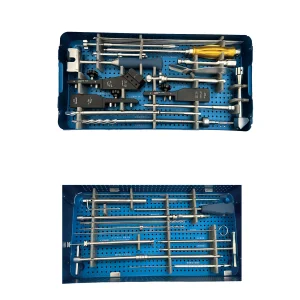
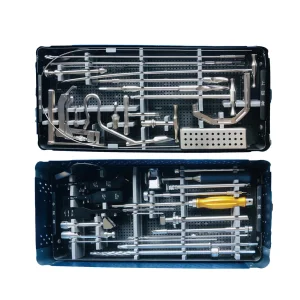
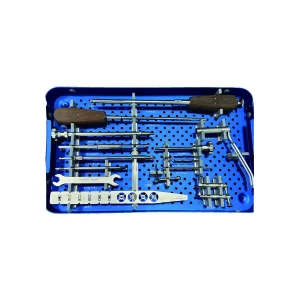
Delivering care across an archipelago requires robust, reusable instrumentation that performs reliably in diverse environments. Our instrumentation cases are designed for repeatable autoclave sterilization cycles without degradation.
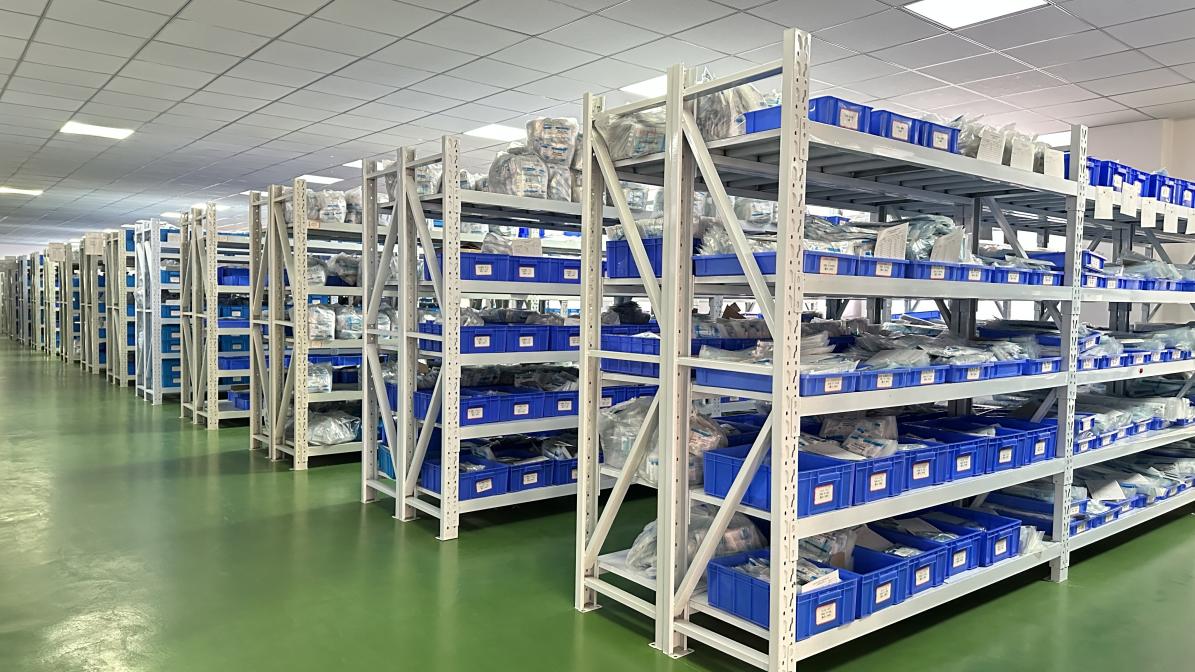
Virelox controls the complete manufacturing chain. View our physical production and laboratory equipment below.
A guide to regulatory alignment, custom manufacturing, and international logistics for Indonesian medical buyers.
Developing local-market medical devices involves a structured process to ensure compliance and clinical efficacy:
For medical devices shipped to primary entry ports like Tanjung Priok (Jakarta) or Tanjung Perak (Surabaya), compliance with local import regulations is critical:
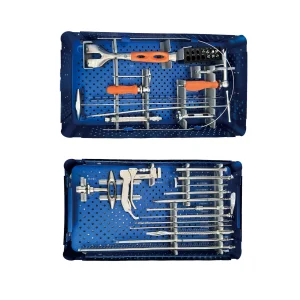
Explore our full line of intramedullary nails, locking screws, and specialized instrument kits designed for complex bone reconstruction.
Technical and regulatory guidance for medical device distributors and hospital procurement managers in Indonesia.
Request technical specifications, material certifications, or discuss OEM partnership agreements for the Indonesian medical market.
Send Inquiry Now Virelox