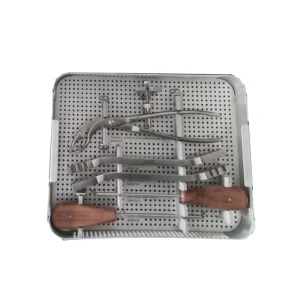
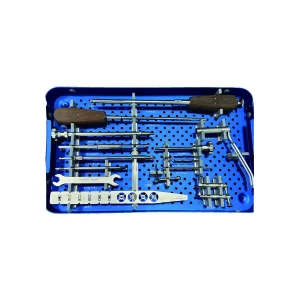
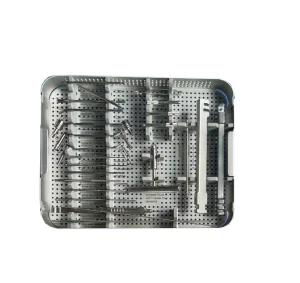
Engineered to meet the precise anatomical demands of reconstruction and stabilization procedures. High-performance biocompatible configurations designed for immediate deployment.
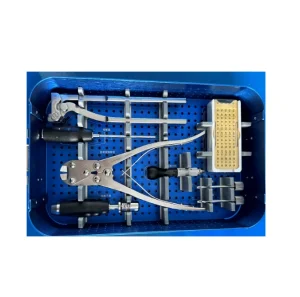
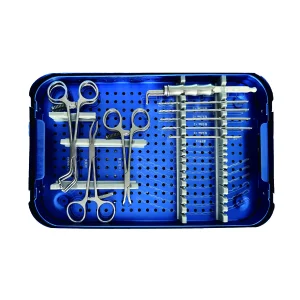
Understanding the strategic alignment of medical device manufacturing, regulatory challenges, and procurement dynamics in crucial regional hubs.
Istanbul serves as the absolute epicenter of the Eurasian healthcare corridor. As Turkey's medical tourism sector continues to scale exponentially—bringing hundreds of thousands of patients from Europe, North Africa, and the Middle East for joint reconstructions, trauma surgeries, and complex spine corrections—the local demand for reliable, high-tier implants has skyrocketed.
Sourcing orthopedic instruments within the Istanbul market requires an understanding of Turkish Ministry of Health regulations (ÜTS - Ürün Takip Sistemi) and the logistical interface between European quality expectations and competitive production. Leading private healthcare networks (such as Memorial, Acıbadem, and Florence Nightingale) along with massive state-run city hospitals demand strict biological compliance, physical durability, and swift sterilization-cycle readiness.
Globally, the orthopedics sector is undergoing a massive supply chain shift due to the stringent implementation of the European Union Medical Device Regulation (EU MDR 2017/745). This has left many regional suppliers struggling with compliance paperwork and raw materials shortages.
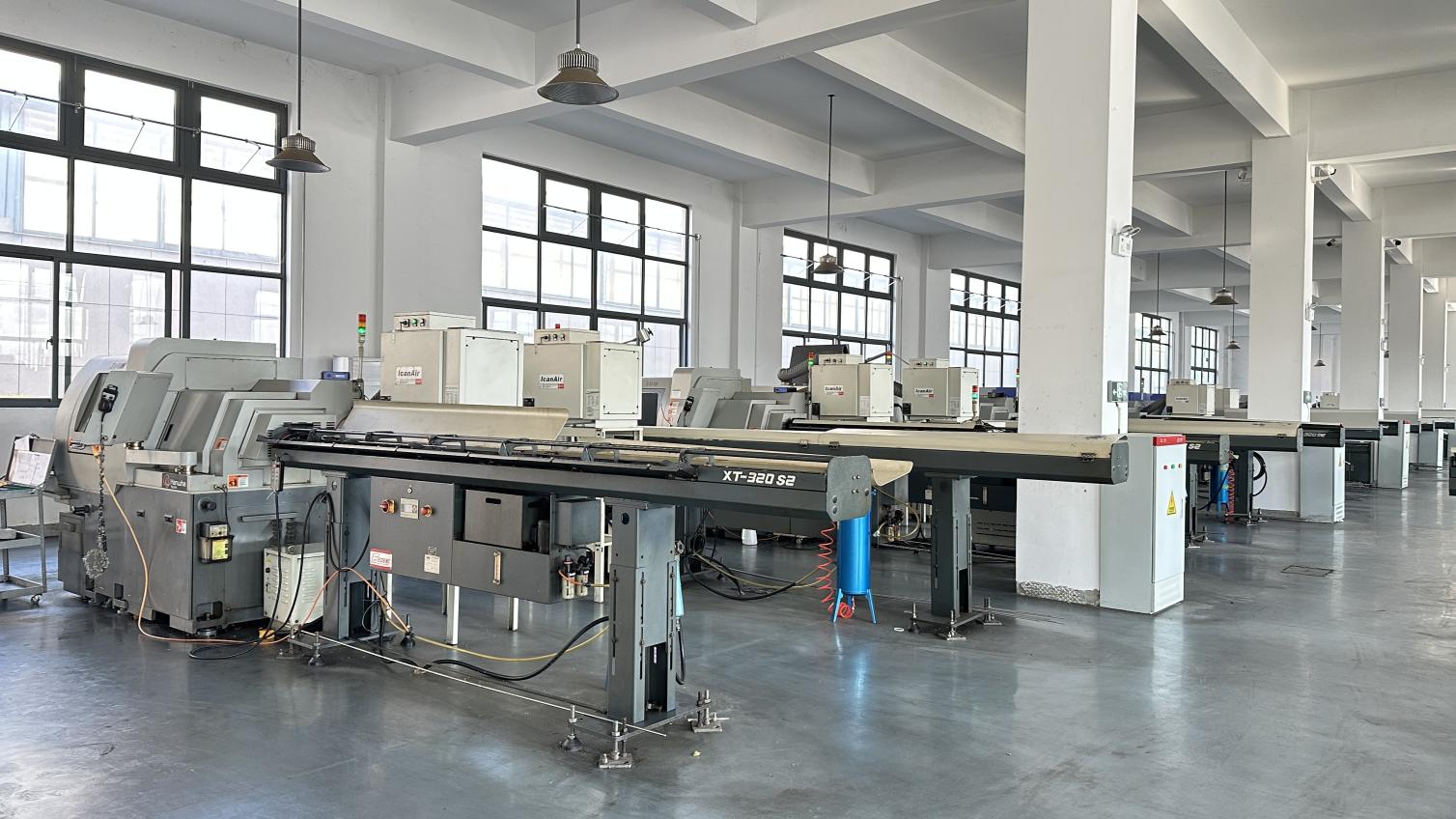
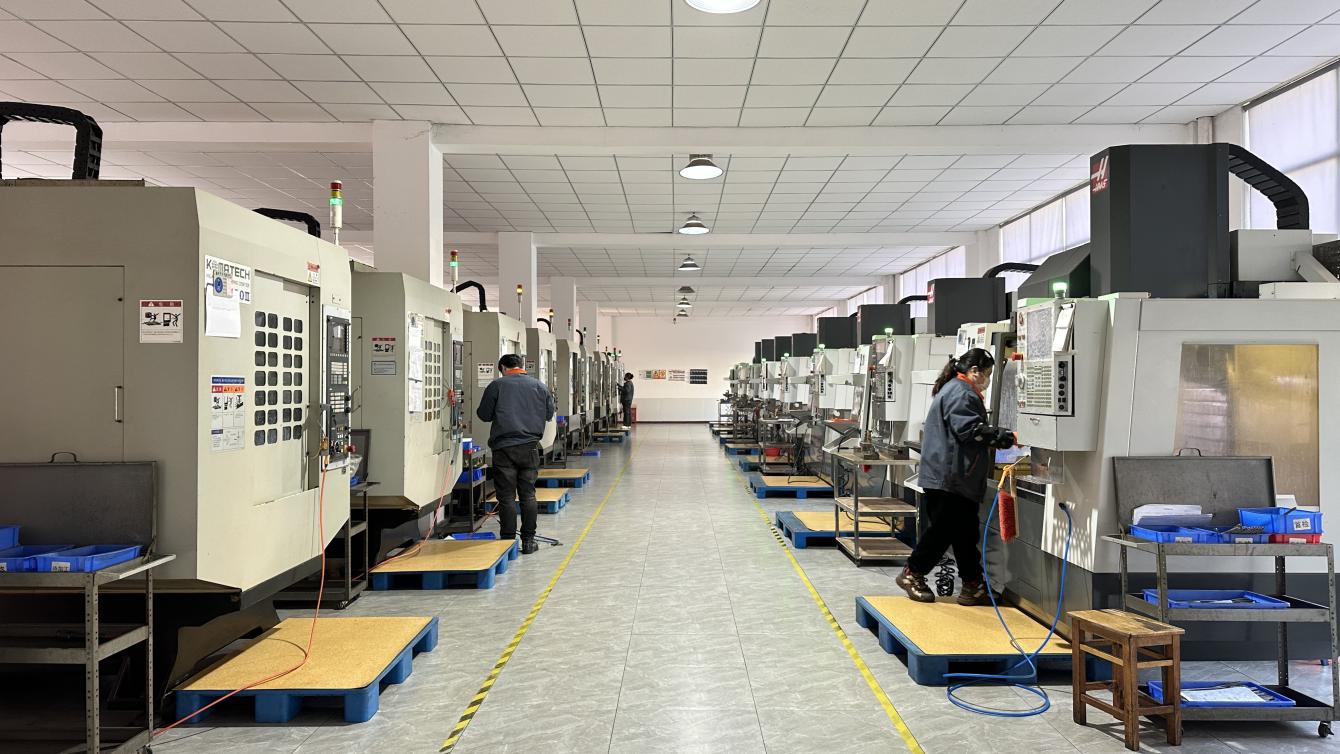
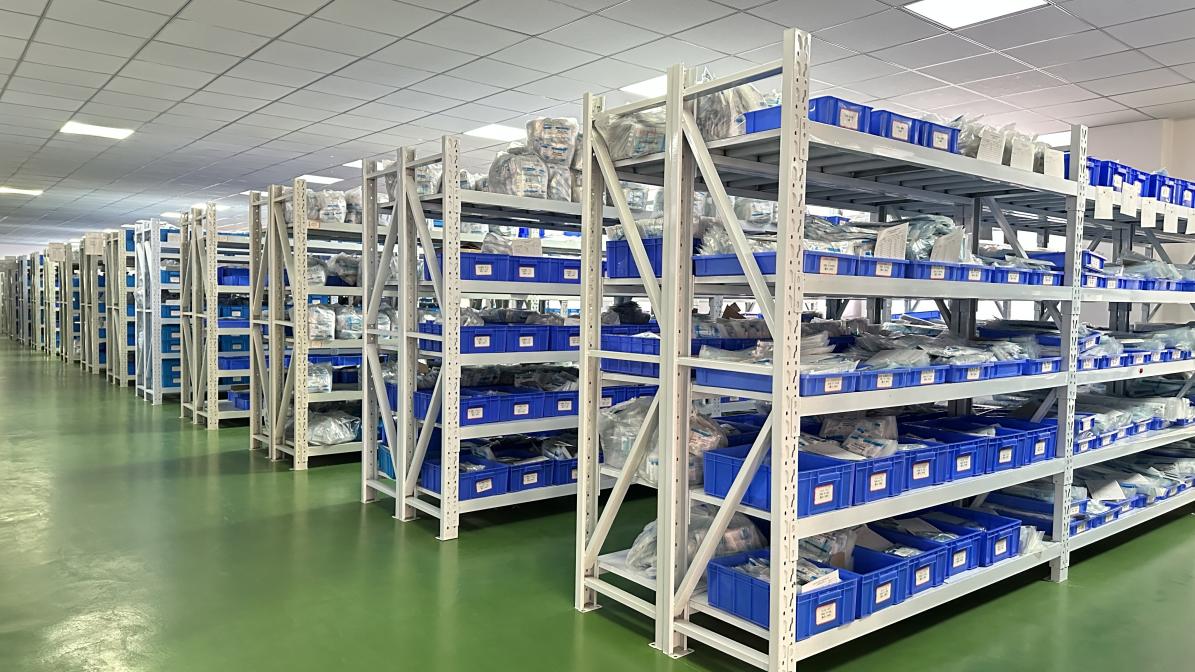
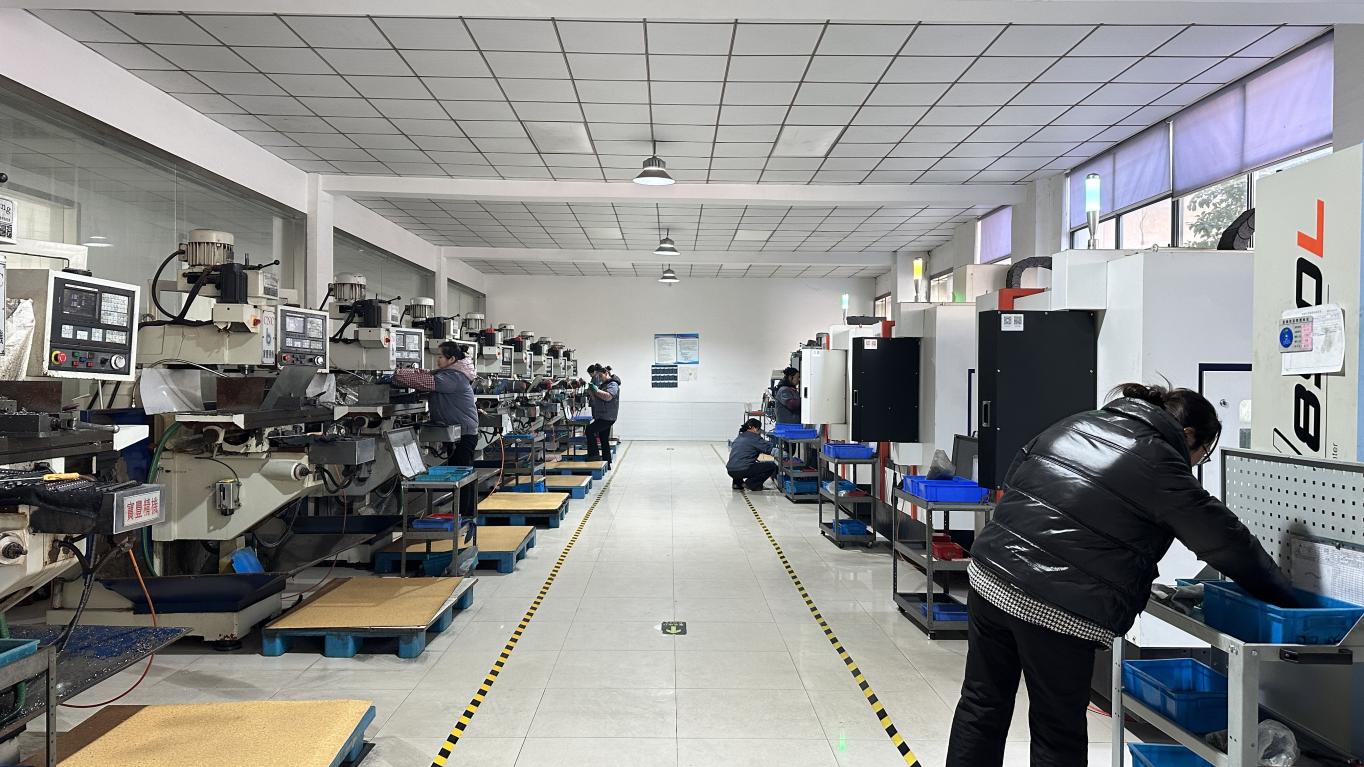
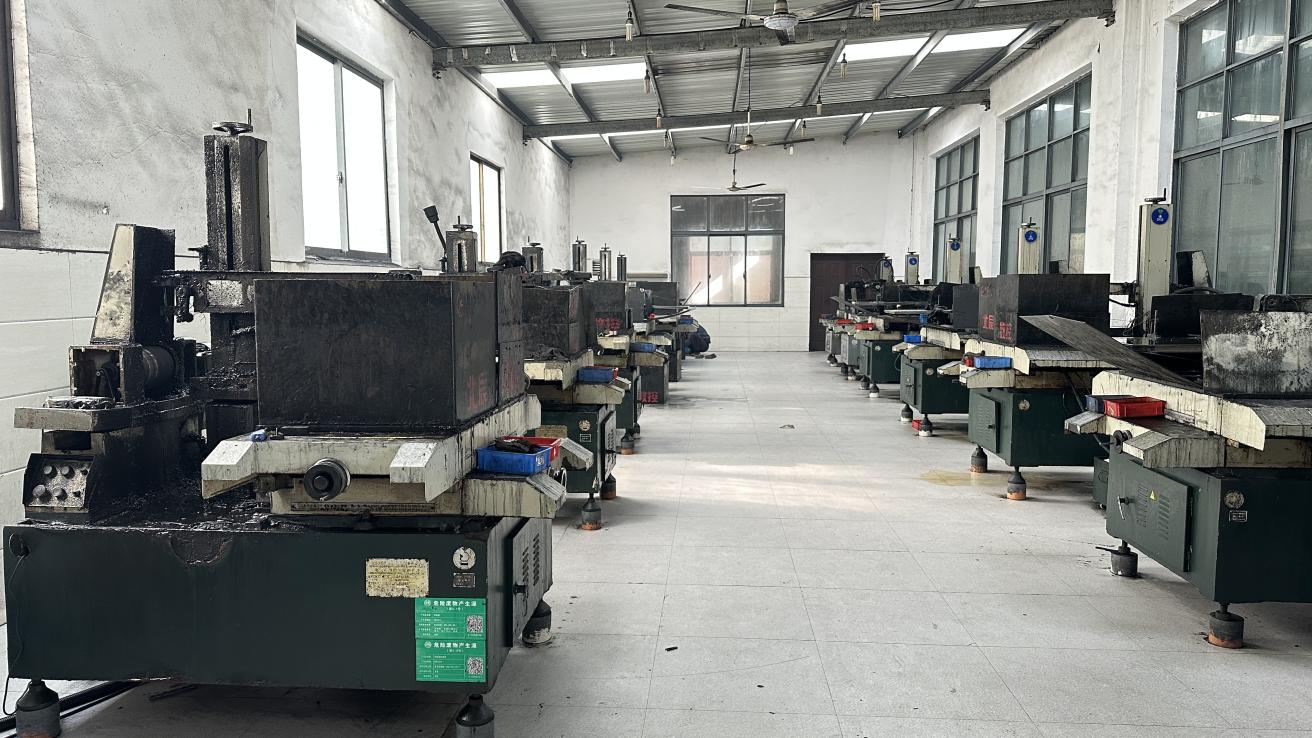
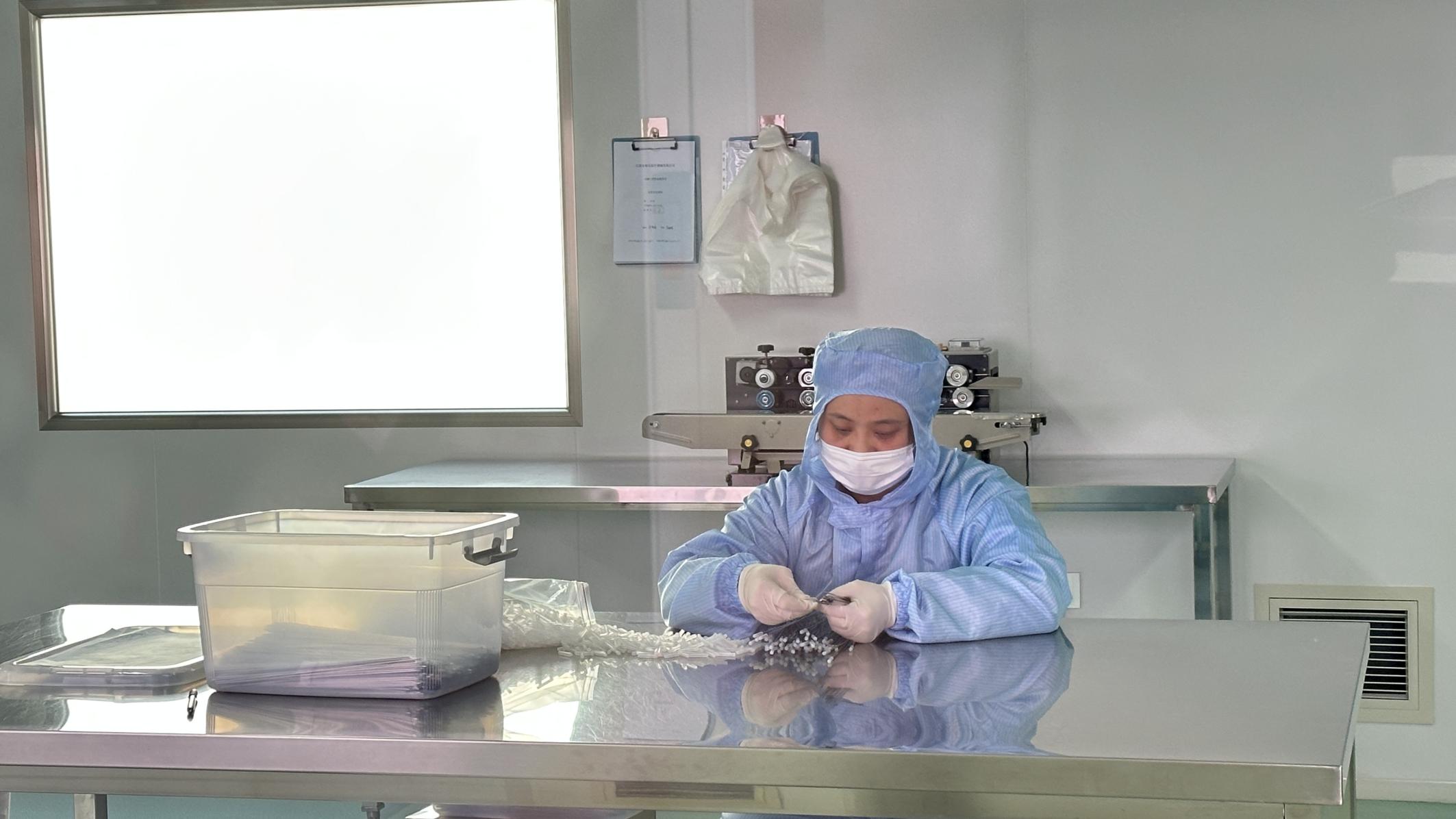
Virelox Medical Devices addresses this global and local demand directly. Operating as a world-class OEM/ODM manufacturer with a 12,000 m² advanced facility and 8 years of export history, we supply the Istanbul market with instruments and implants built to survive clinical audits while maintaining an annual production throughput backed by 850 certified upstream and downstream raw material partners.
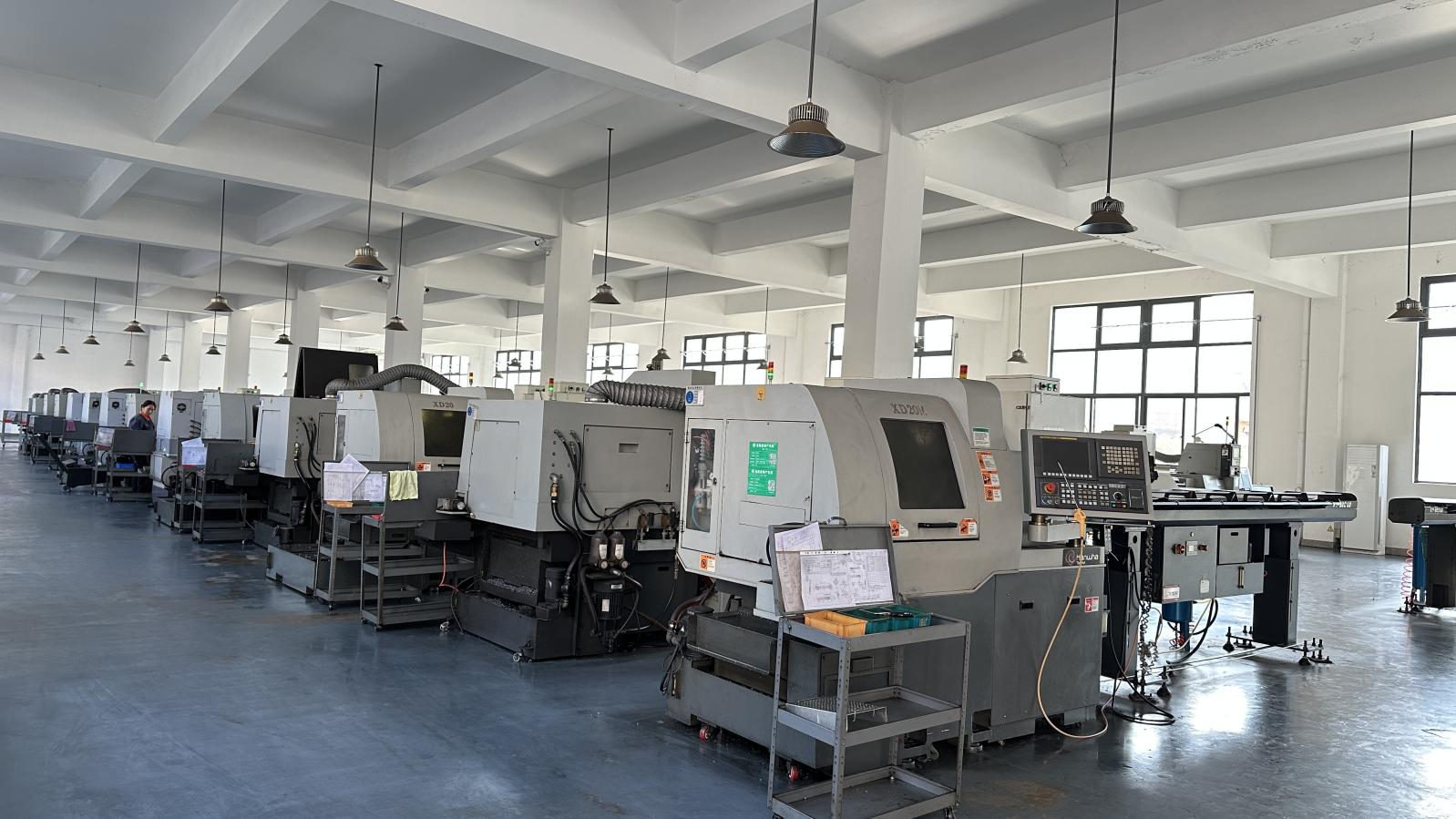
We specialize in advanced joint replacements, intramedullary nailing systems, external fixations, and custom trauma solutions. Driven by a dedicated team of 120 biomechanical and materials science engineers, we design and produce implants that align with top global standards (ISO 13485).
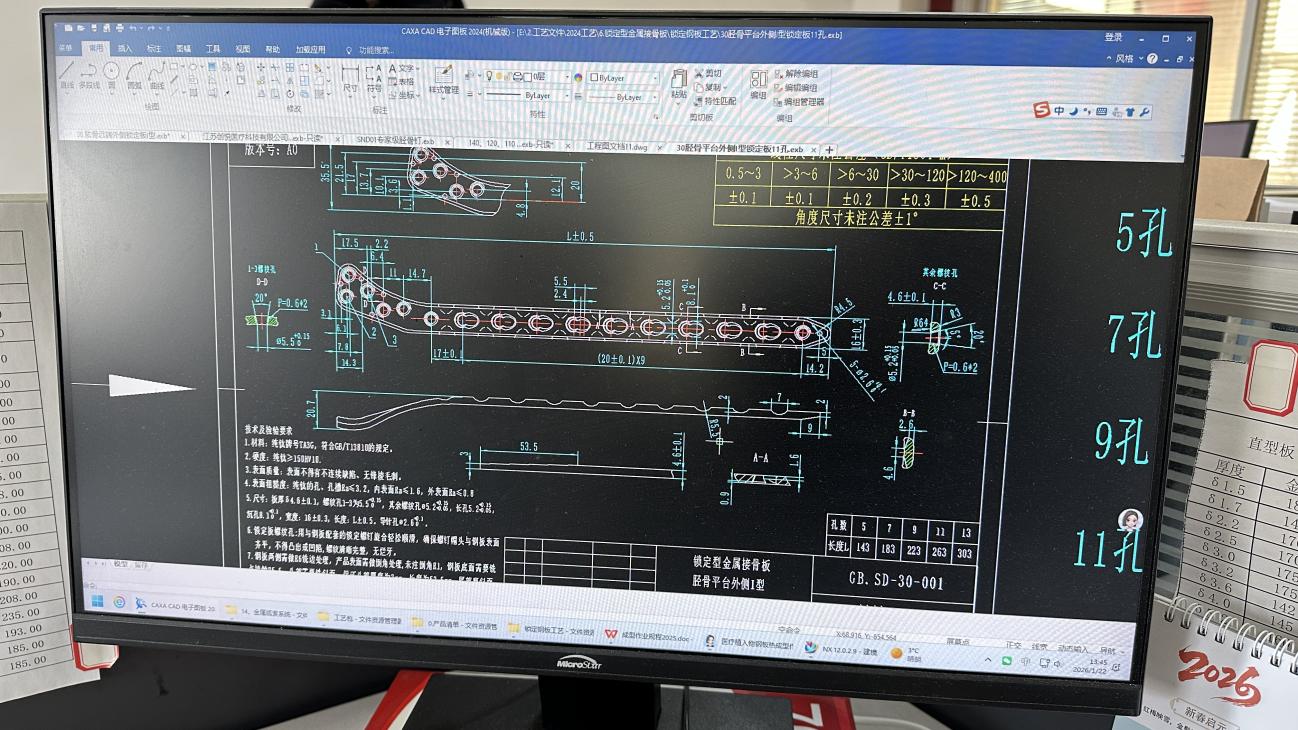
Ensuring mechanical longevity and bone-implant integration through advanced metallurgy and precision geometric modeling.
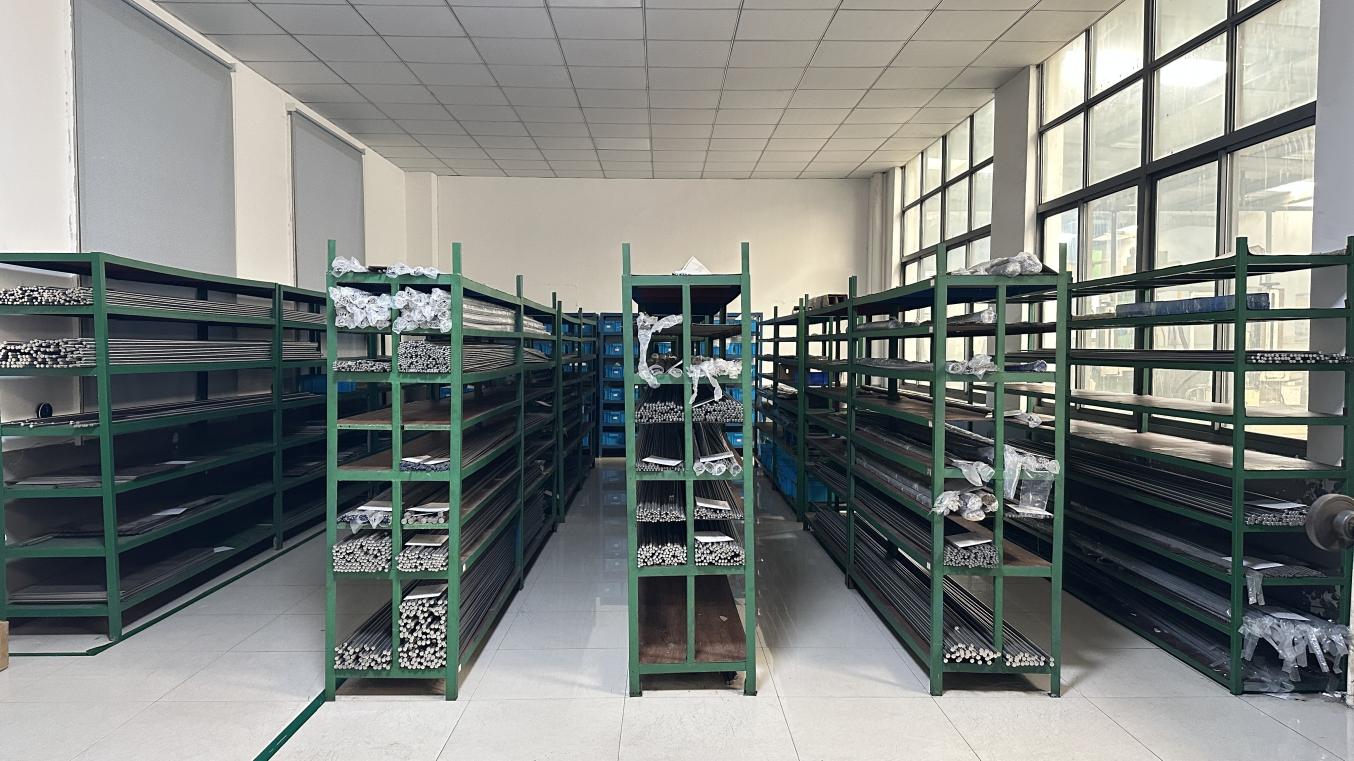
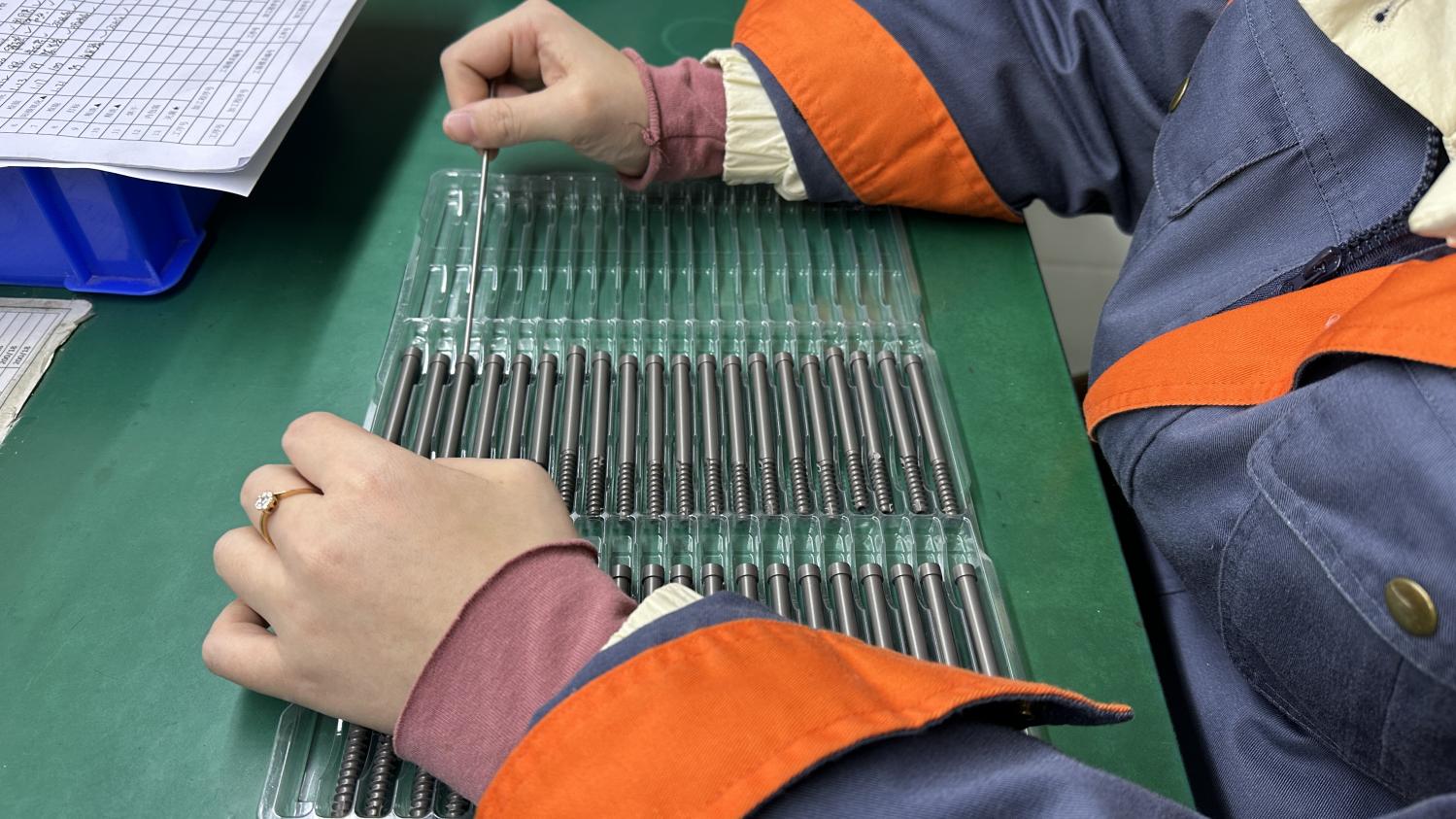
Implant components are fabricated using medical-grade Titanium Alloy (specifically Grade 5 ELI / Ti-6Al-4V) and Cobalt-Chromium-Molybdenum alloys. This guarantees supreme corrosion resistance and optimized elasticity modulus to reduce stress shielding in bone tissues.
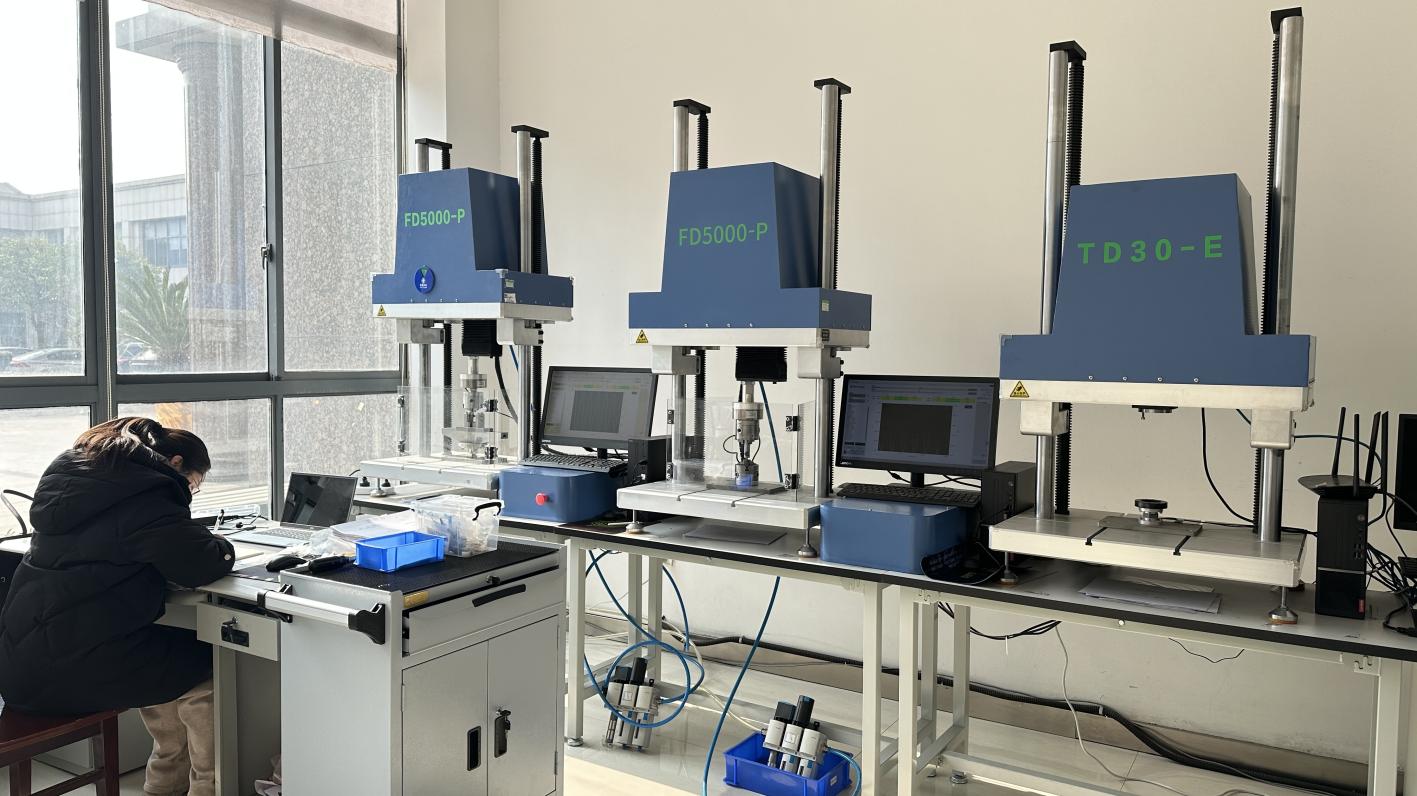
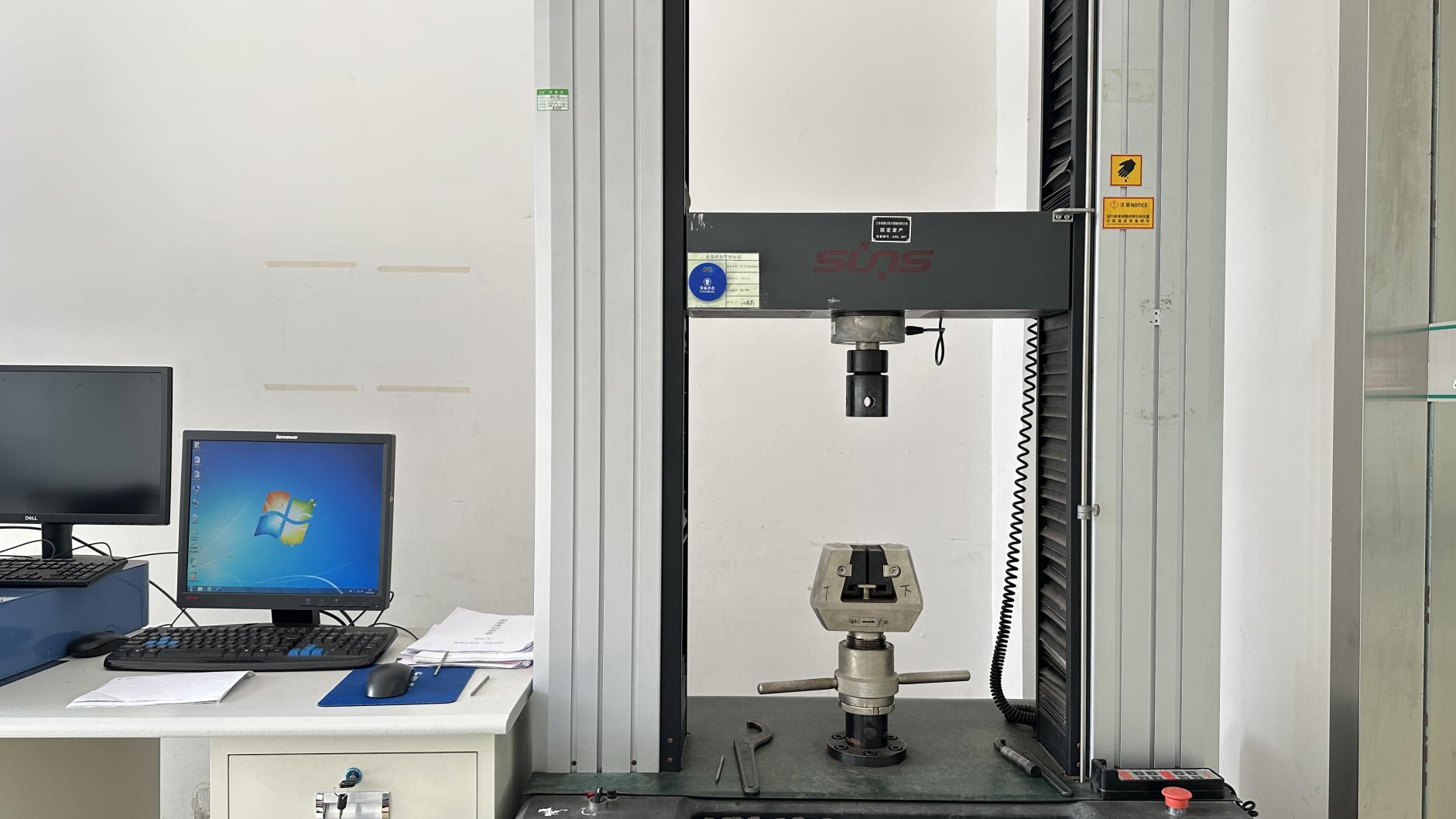
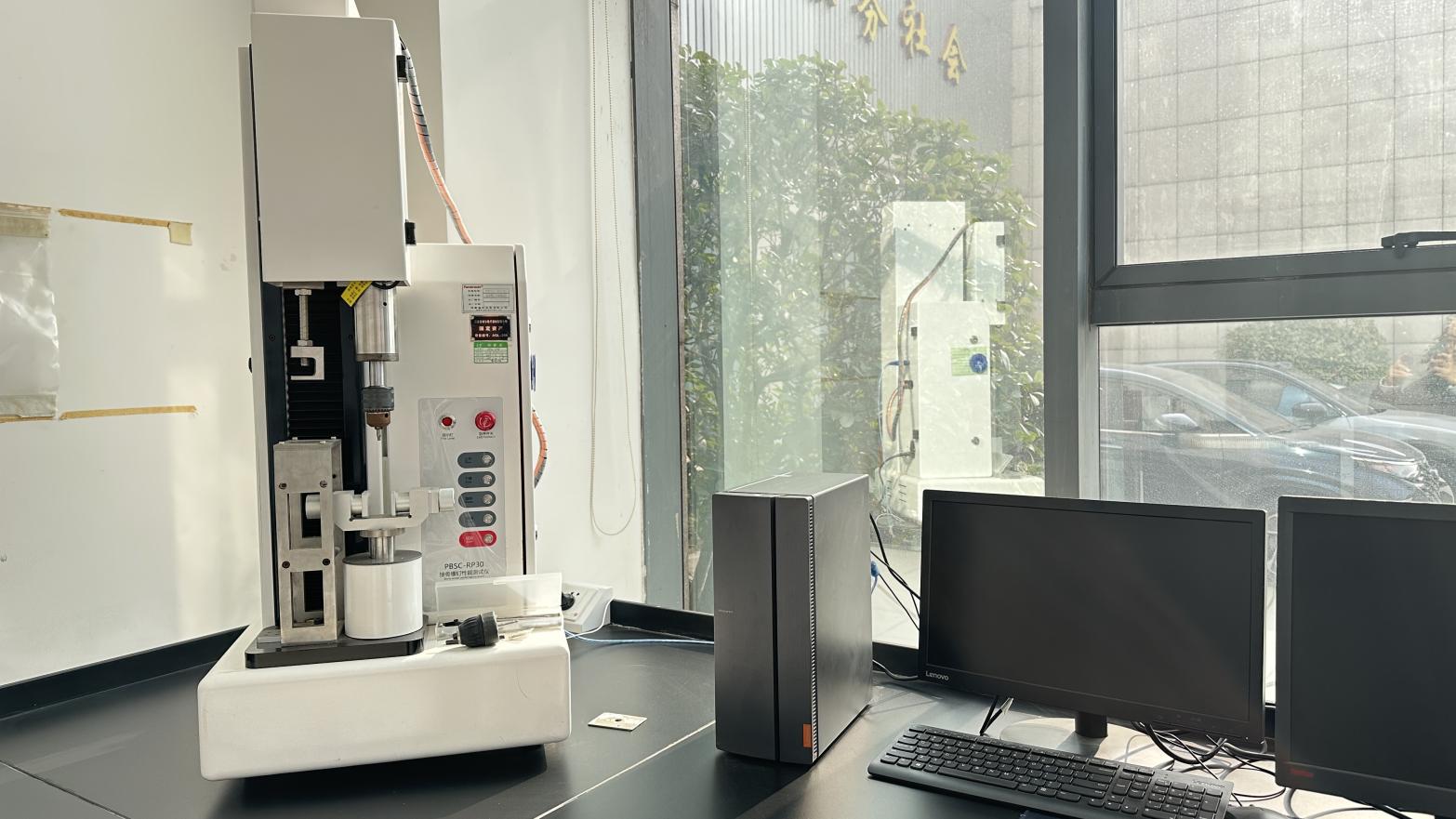
All interlocking femoral nails, intramedullary tibial pins, and rib plates undergo dynamic, multi-million cycle load fatigue testing on custom test benches. This simulates decades of in-body physiological stress to prevent premature structural fatigue failure.
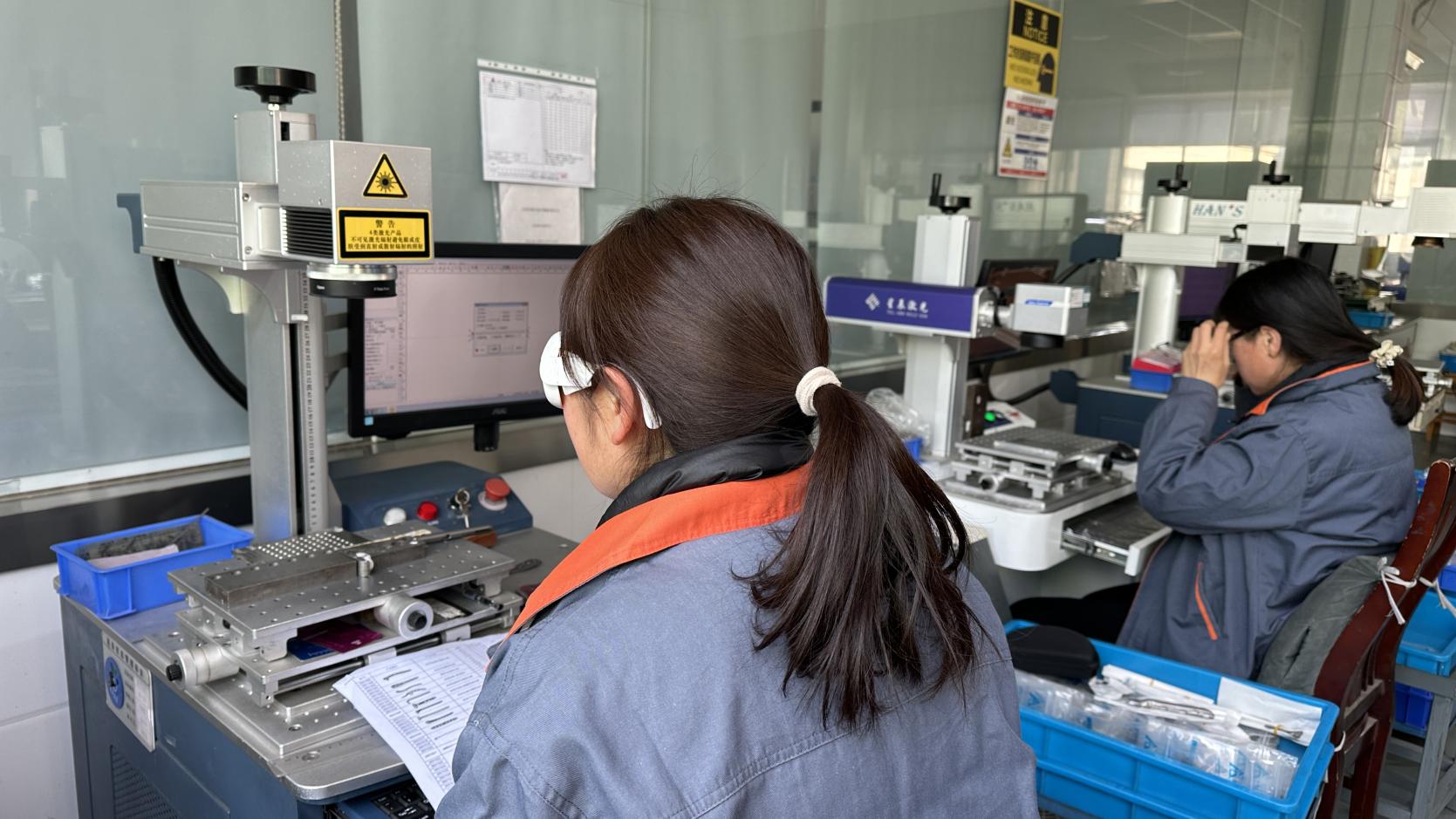
Through grit blasting, plasma spraying, or advanced electrochemical anodization, implant surfaces are micro-textured to encourage cellular adhesion and rapid osseointegration, substantially decreasing recovery time for surgical patients.
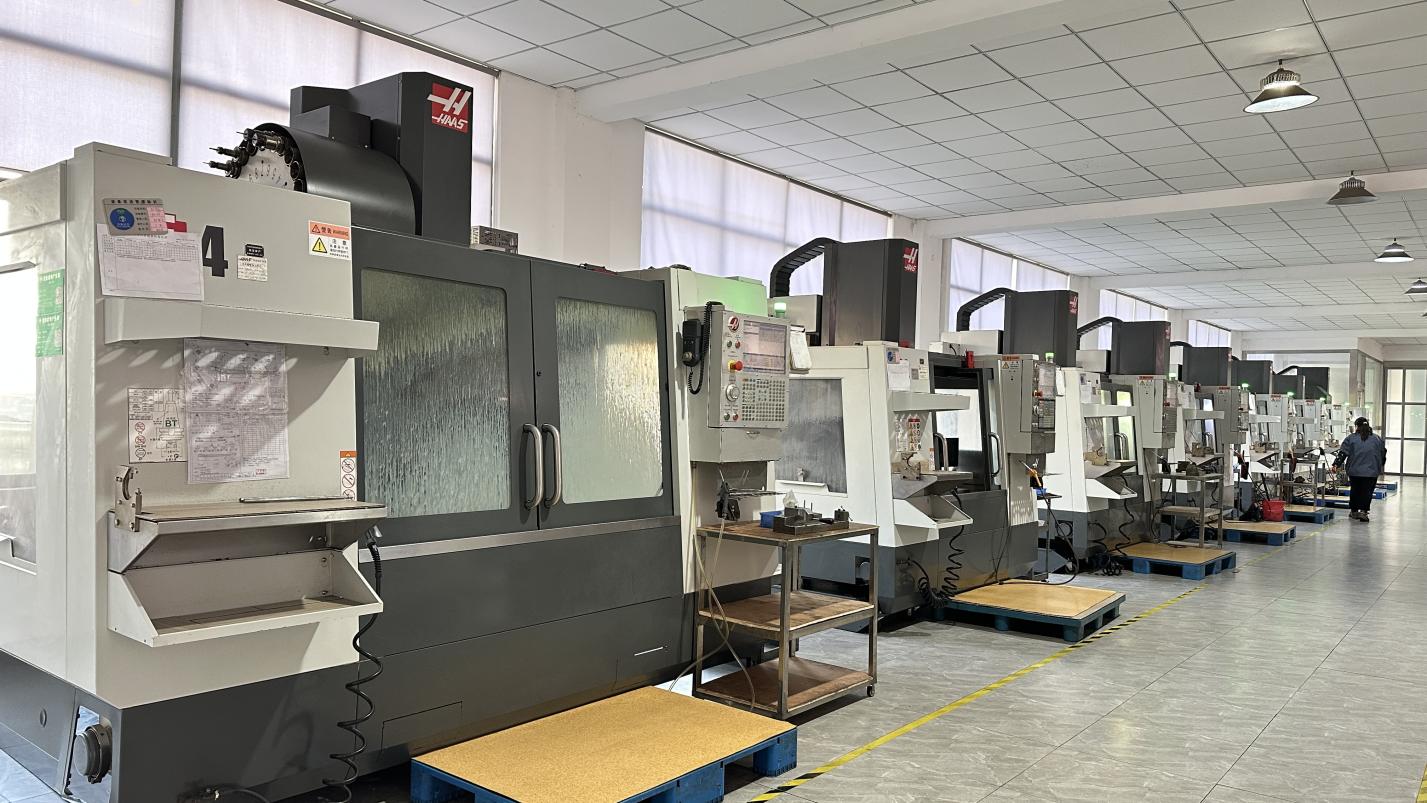
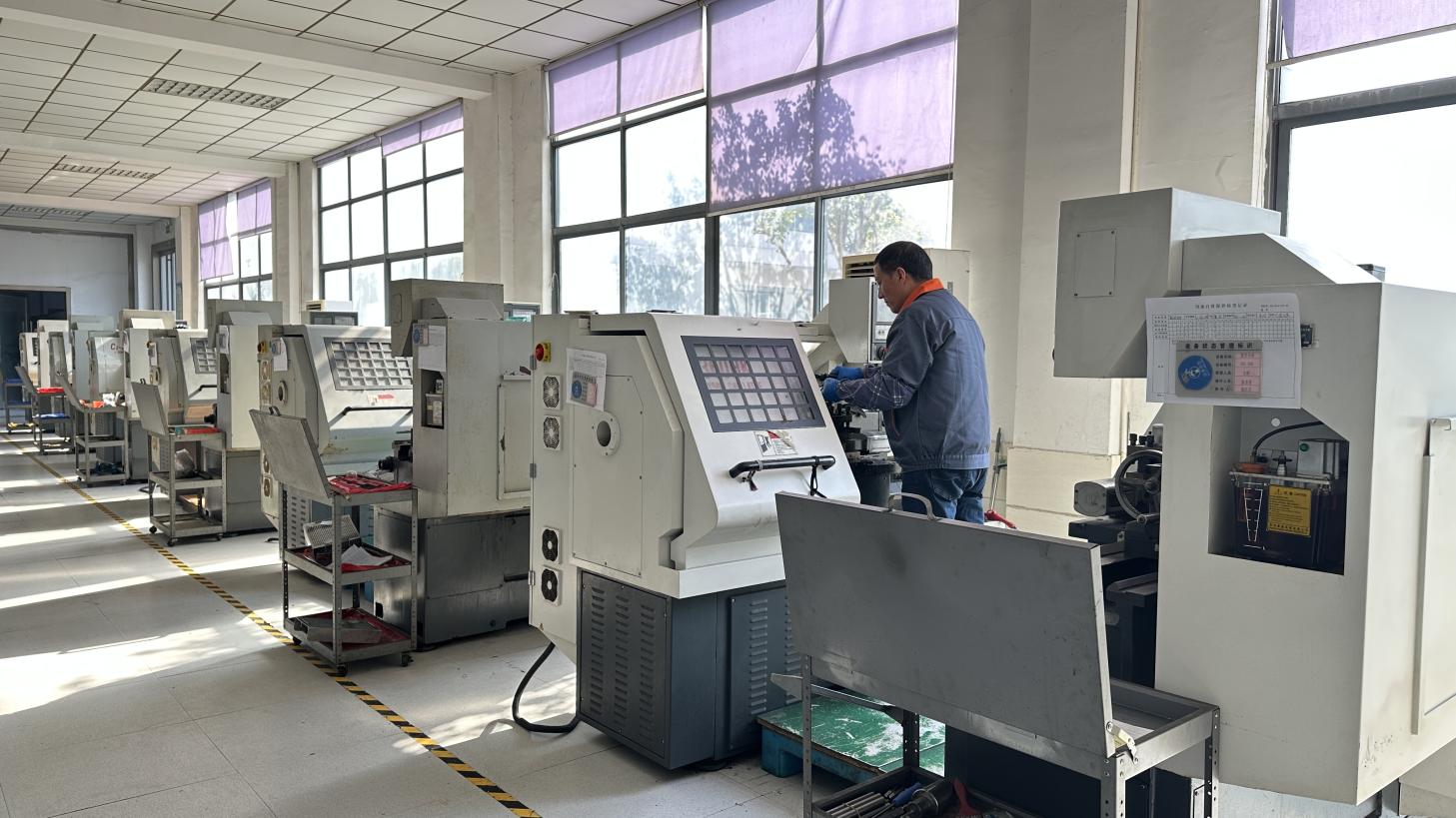
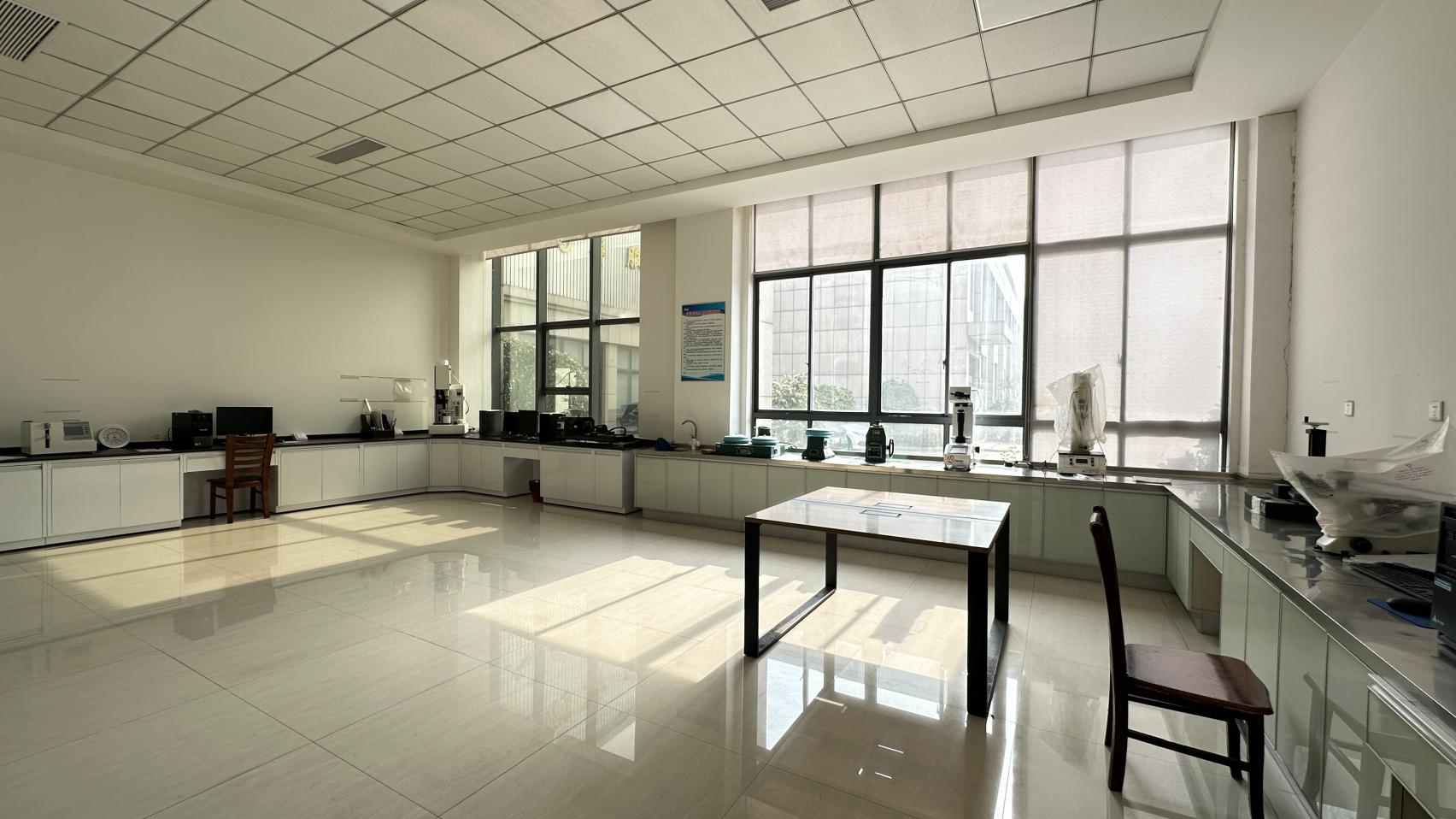
From raw medical-grade material inspection to micro-milling and load-bearing fatigue simulation inside our ISO-certified facilities.
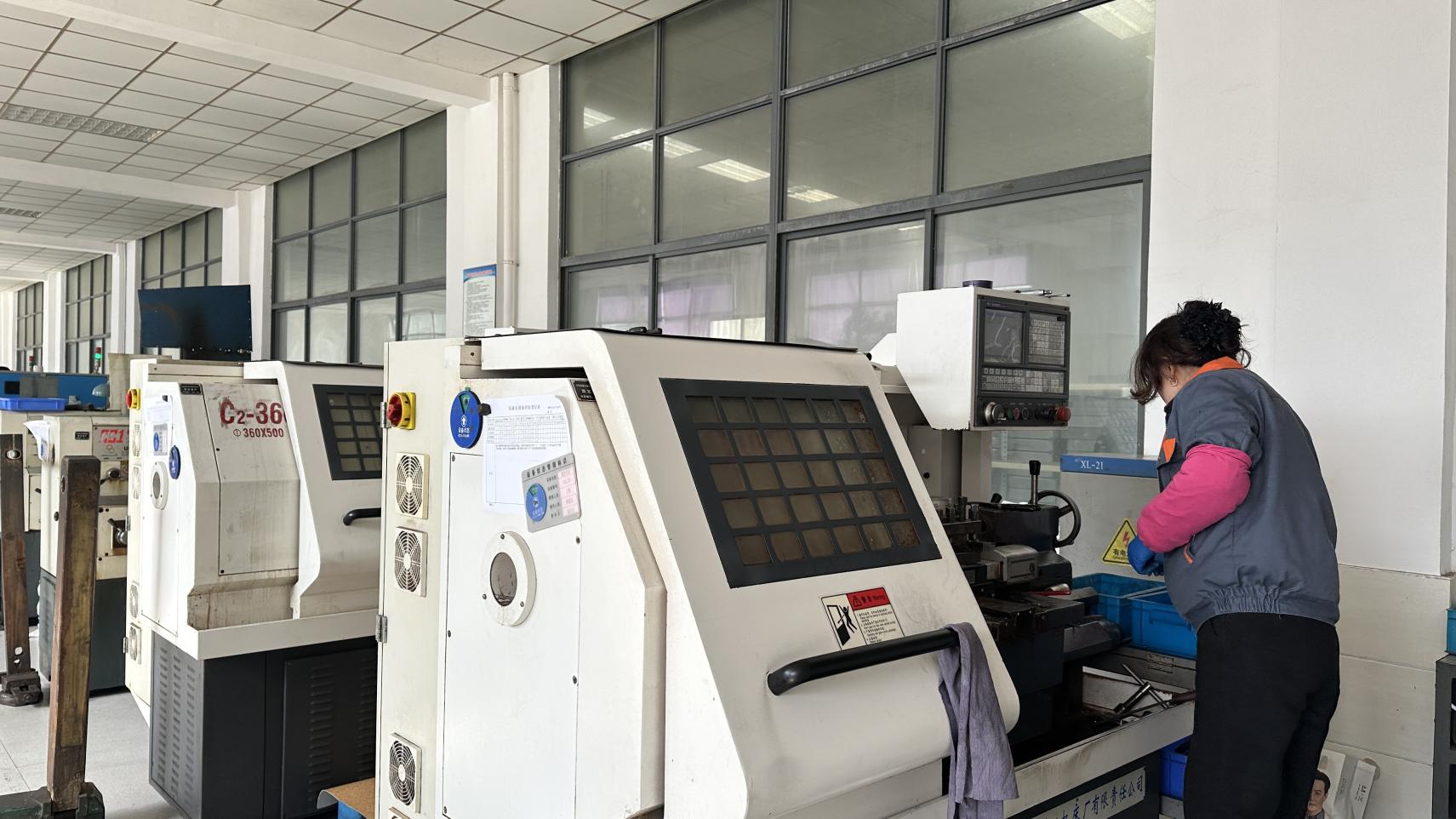
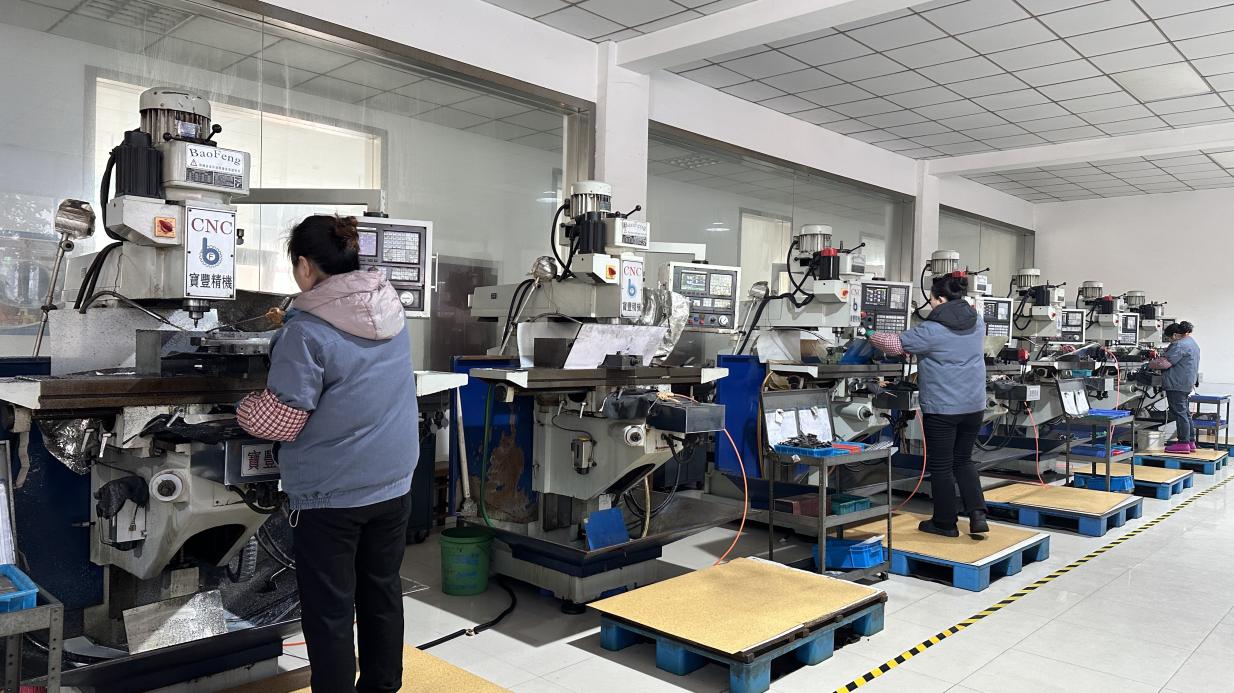
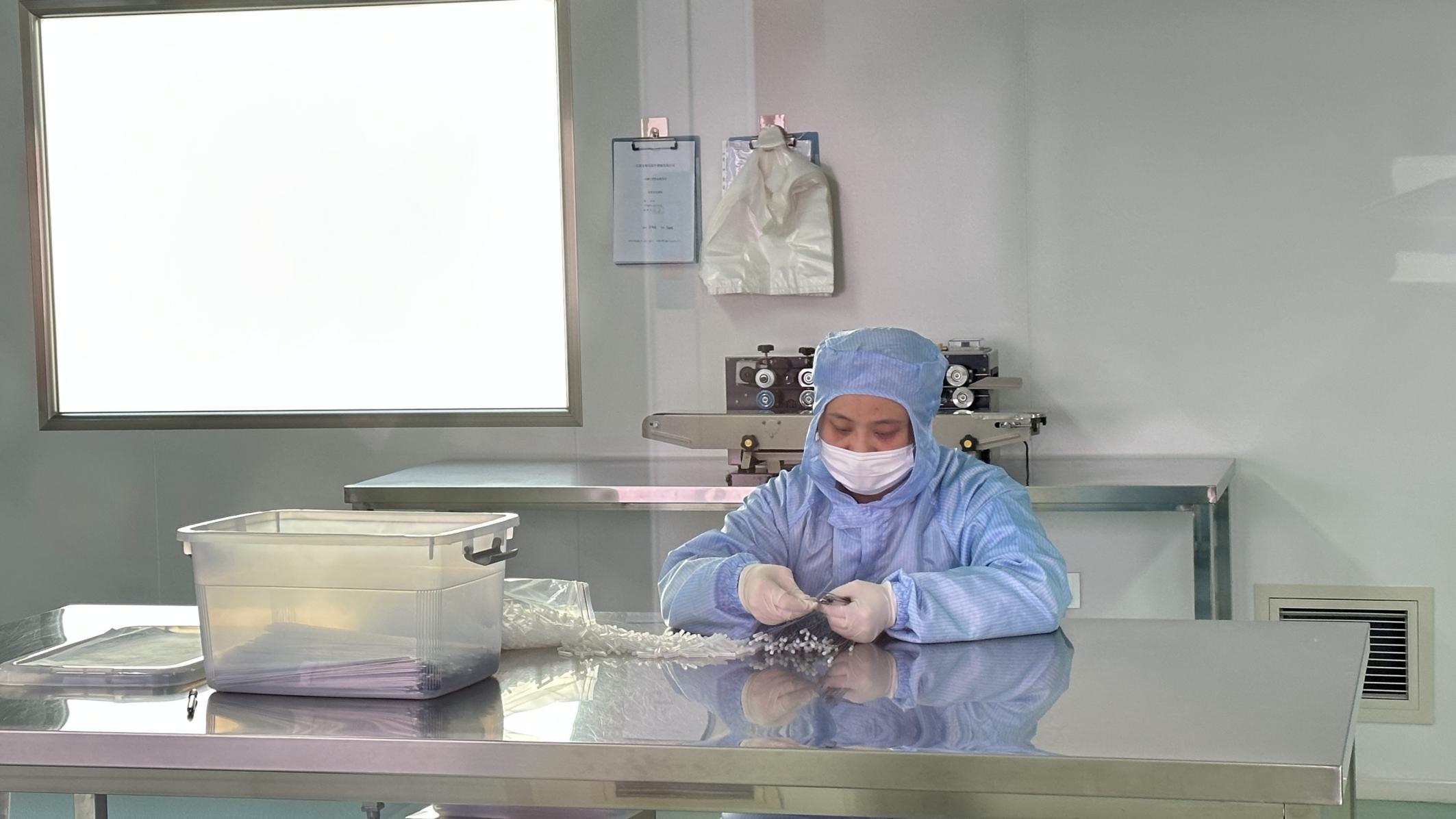
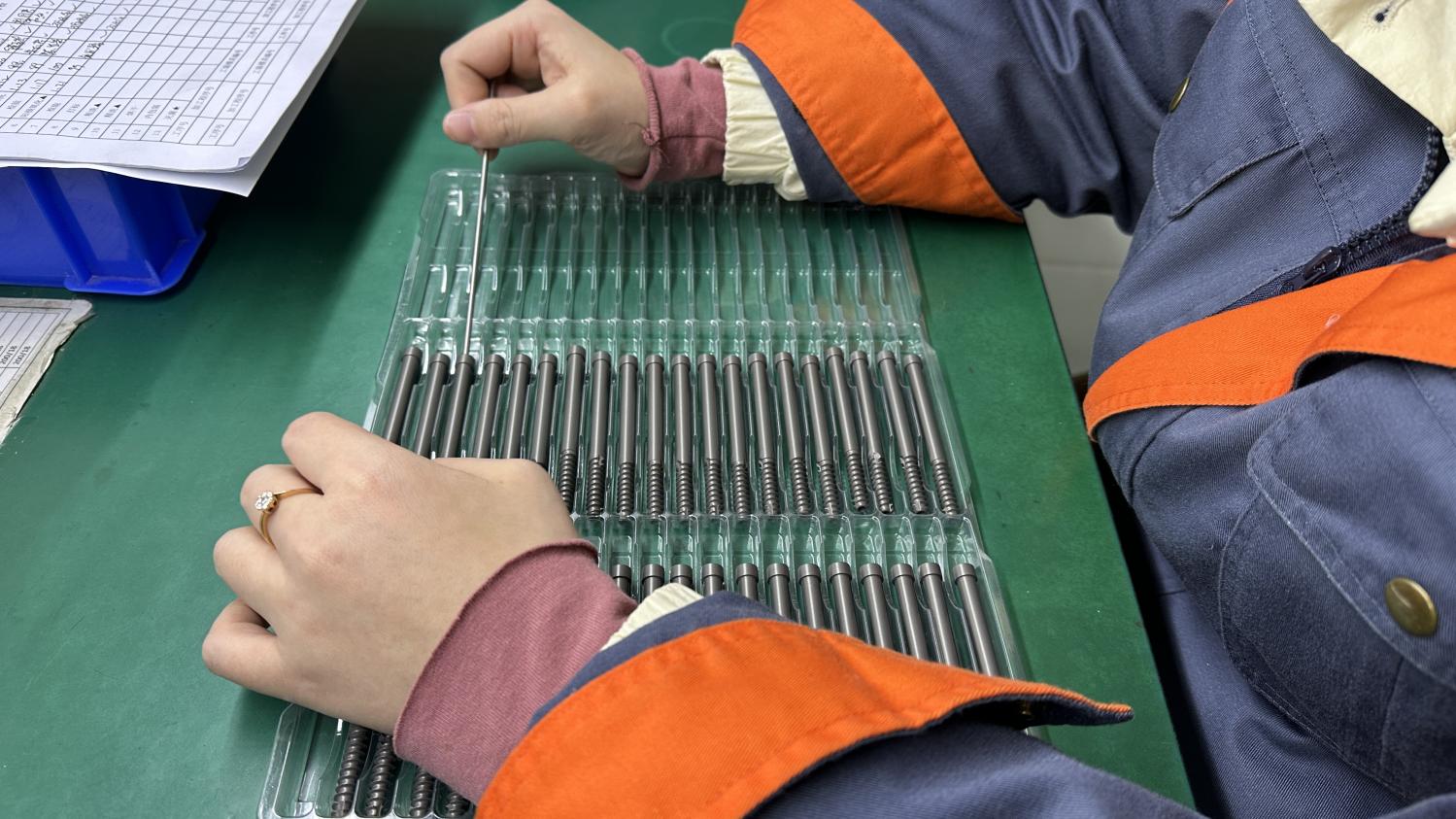
How our trauma and joint reconstruction catalogs are applied practically in demanding surgical environments.
As a global junction, Istanbul's emergency clinics frequently process high-energy trauma cases resulting from automotive and transport accidents. Our External Fixation Systems (both upper and lower limb configurations) enable trauma surgeons to quickly stabilize compound fractures under emergency room conditions.
These systems feature highly configurable carbon-fiber rods and modular pin clamps to permit unimpeded radiographic viewing during ongoing reduction procedures.
With aging demographics across European and Eurasian nations, proximal femoral fractures represent a major clinical burden. Our PFNA (Proximal Femoral Nail Antirotation) systems allow for minimally invasive insertion, reducing blood loss and intra-operative time.
The blade design achieves optimal compacting of cancellous bone, offering significantly improved anchorage compared to traditional locking screws, crucial for osteoporotic patients.
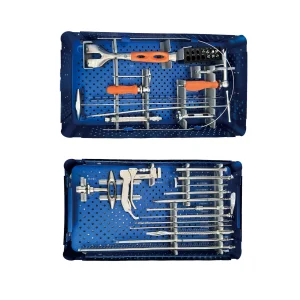
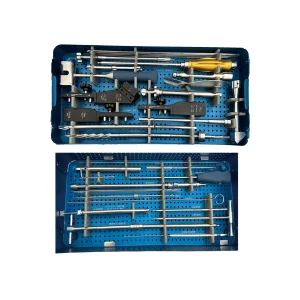
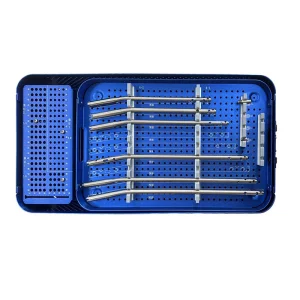
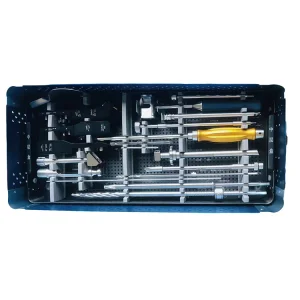
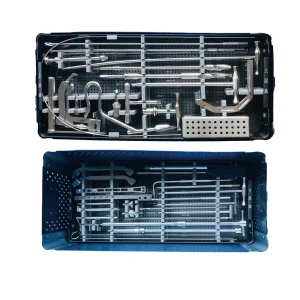
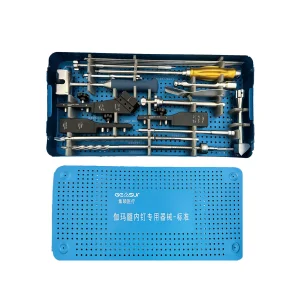
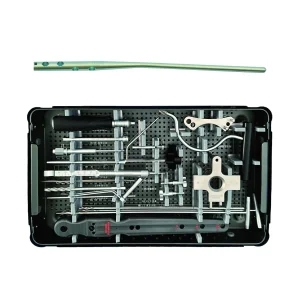
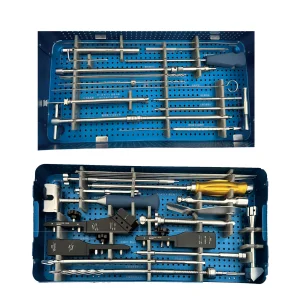
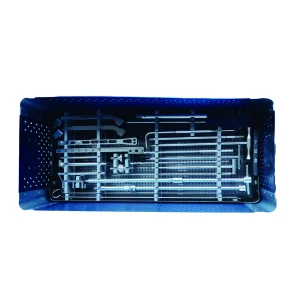
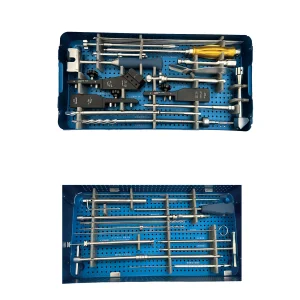
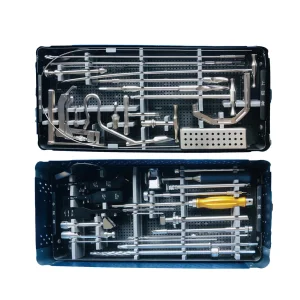
Select from our certified surgical configurations. Direct factory shipping, OEM/ODM customizable geometries, and modular tray systems.
Expert answers regarding quality compliance, transport customs to Istanbul, and OEM capabilities.
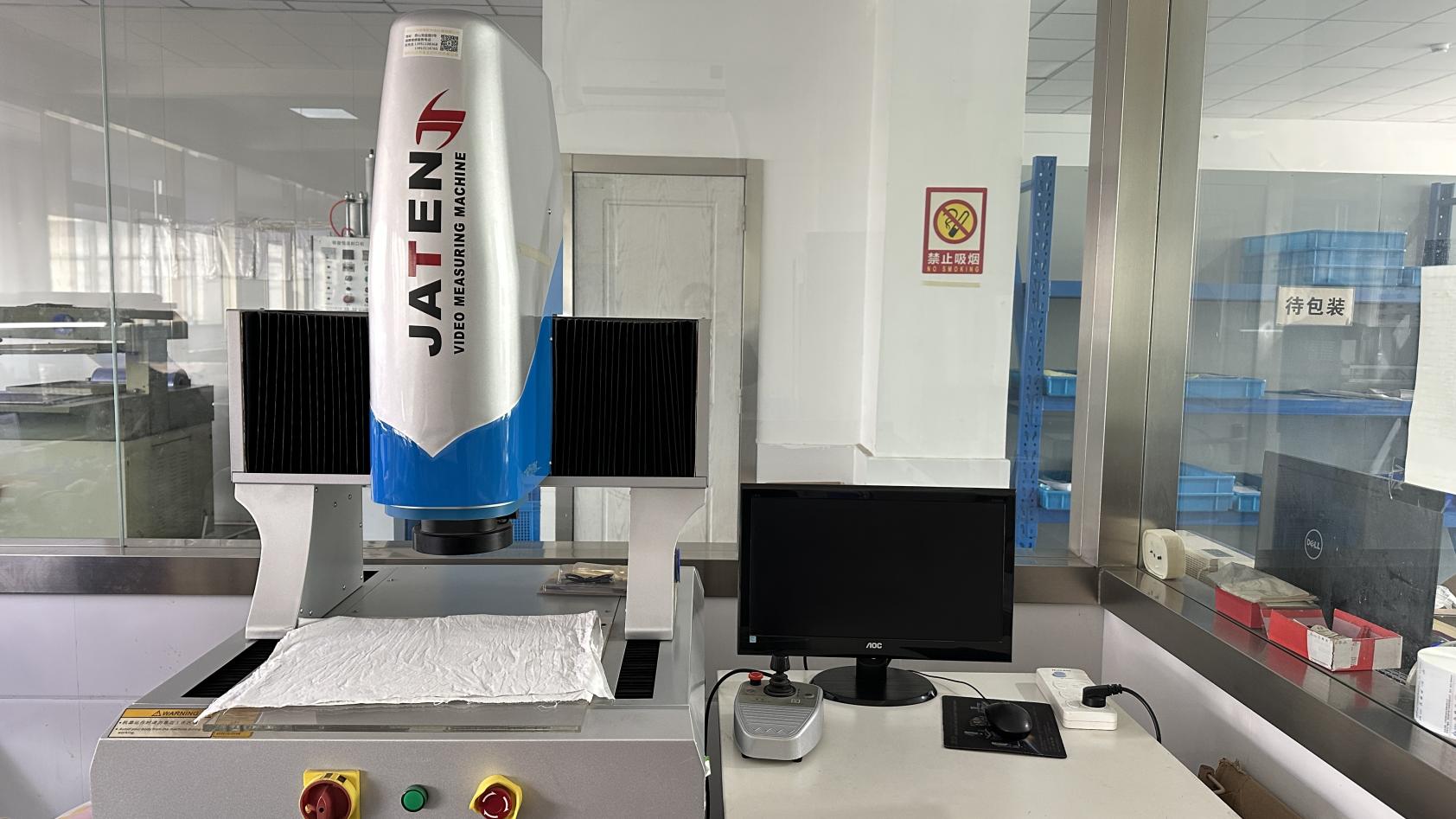
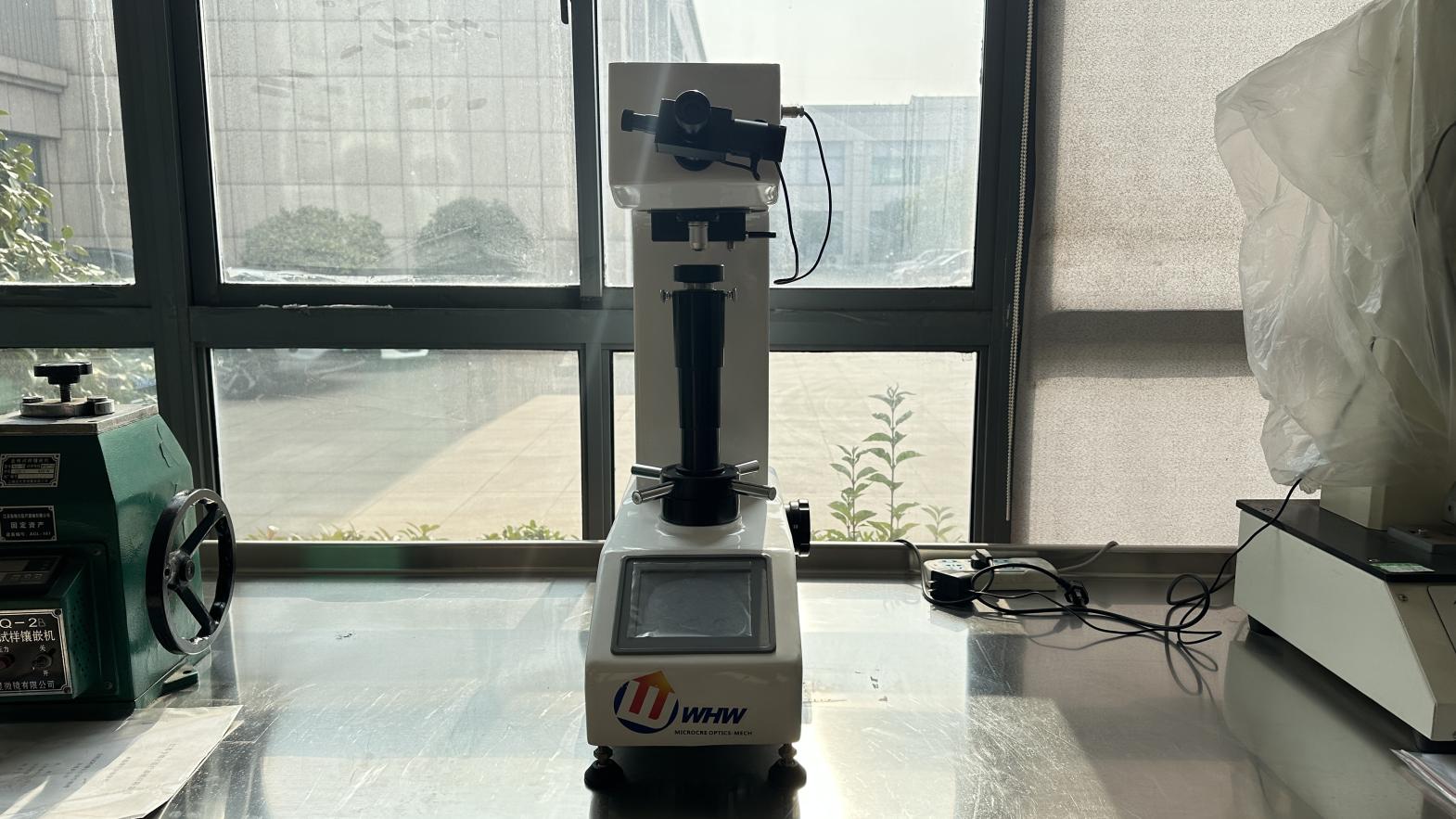
A: Virelox manufactures all systems under a comprehensive ISO 13485-based quality management system. Our testing equipment includes two-dimensional CMM measurement, dynamic fatigue testers, tensile strength testers, and hardness testing instruments to secure continuous compliance.
A: We maintain close partnerships with global logistics hubs. Shipments targeting the Istanbul market can be cleared directly through Ambarlı Port or Istanbul Airport. We prepare all necessary conformity declarations, Certificate of Origin, and technical documentation to assist with local registration (ÜTS registry).
A: We offer private label production, customized graphic sterilization cases, custom screw/nail geometries, and modifications to surgical handle instruments. Our in-house R&D team features 120 dedicated engineers equipped with rapid prototyping systems to optimize implants based on surgeon feedback.
A: We utilize certified biocompatible Ti-6Al-4V ELI (Extra Low Interstitials) Grade 5 titanium alloy. This material ensures maximum mechanical fatigue life and complies strictly with ASTM F136 and ISO 5832-3 global surgical implant standards.
A: Standard catalog items (such as PFNA surgical sets, rib plates, and external fixators) are generally processed within 15–30 days depending on volume. Highly customized geometries requiring dedicated CNC re-programming or special anodization steps may require 45–60 days.
 Virelox