Direct supply of high-grade surgical titanium and external fixation instrument systems customized for rapid recovery clinical workflows.
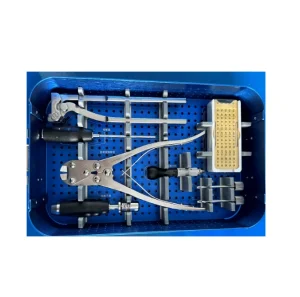
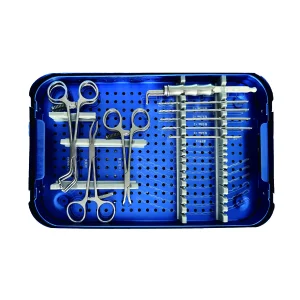
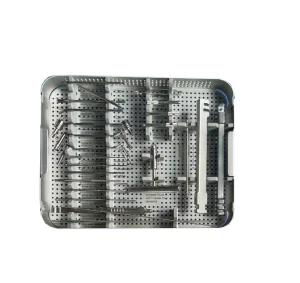
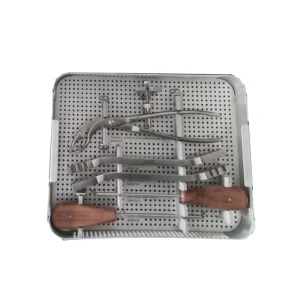
The orthopedic healthcare sector in the State of Kuwait is transitioning through a phase of unprecedented modernization, led by the Ministry of Health's (MOH) infrastructural expansion program. With major institutions such as Al-Razi Orthopedic Hospital, Jaber Al-Ahmad Hospital, and the New Sabah Hospital operating at high throughput, the demand for trauma hardware, intramedullary stabilization systems, and joint reconstruction equipment has scaled dynamically. At the core of this demand is a stringent regulatory protocol centered around safety, mechanical reliability, and structural biocompatibility.
Medical statistics in the Gulf region highlight that lower-limb trauma and geriatric femoral neck fractures account for over 45% of orthopaedic emergency cases. Systemic metabolic challenges, including high regional prevalences of Type-2 diabetes and osteopenia, restrict rapid bone healing. Consequently, surgical interventions demand fixation assemblies that offer superior mechanical lock, such as the Antirotation Proximal Femoral Nail (PFNA). The antirotation blade structure compacts cancellous bone, significantly minimizing the risk of cut-out in osteoporotic bone tissue.
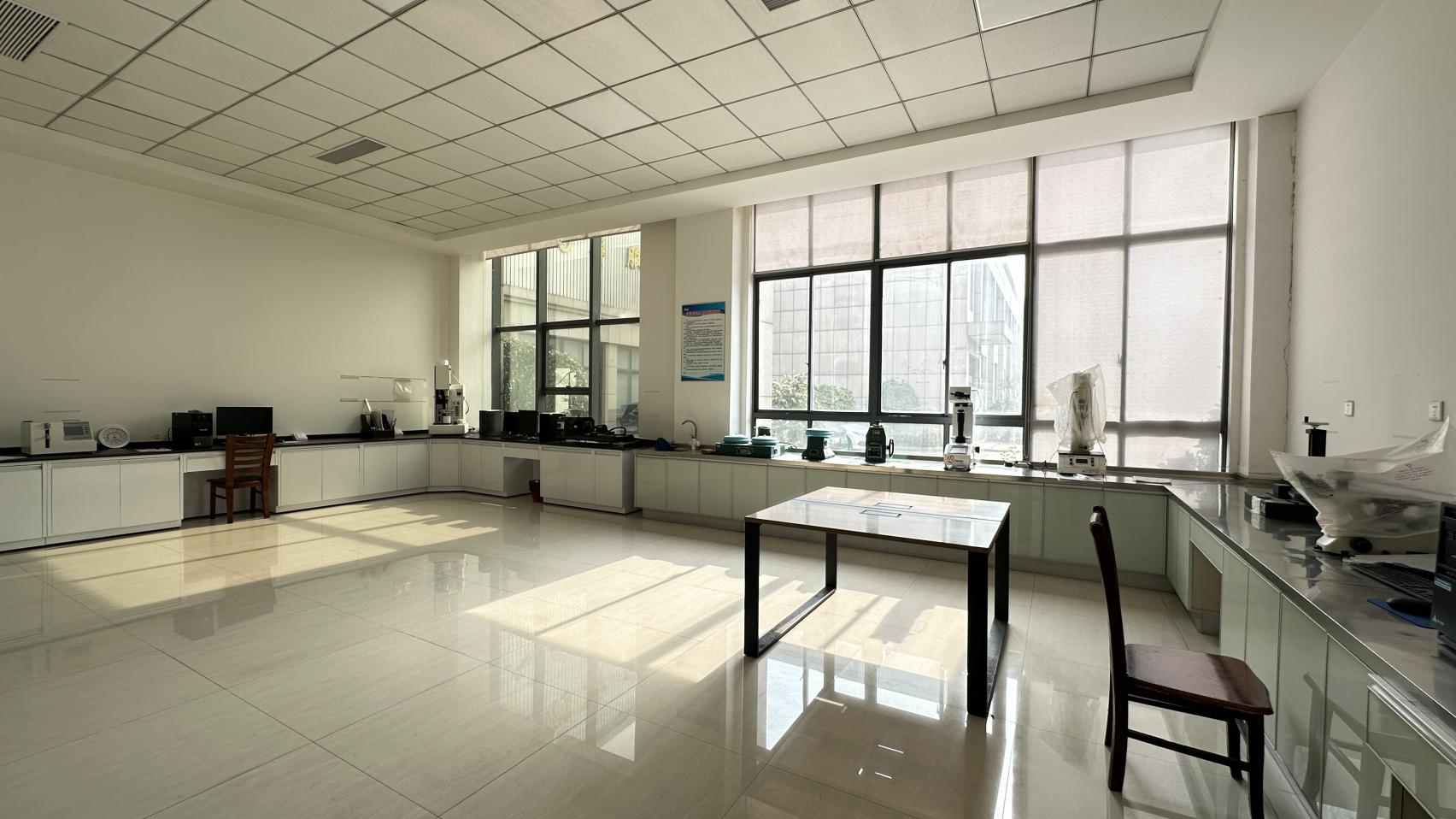
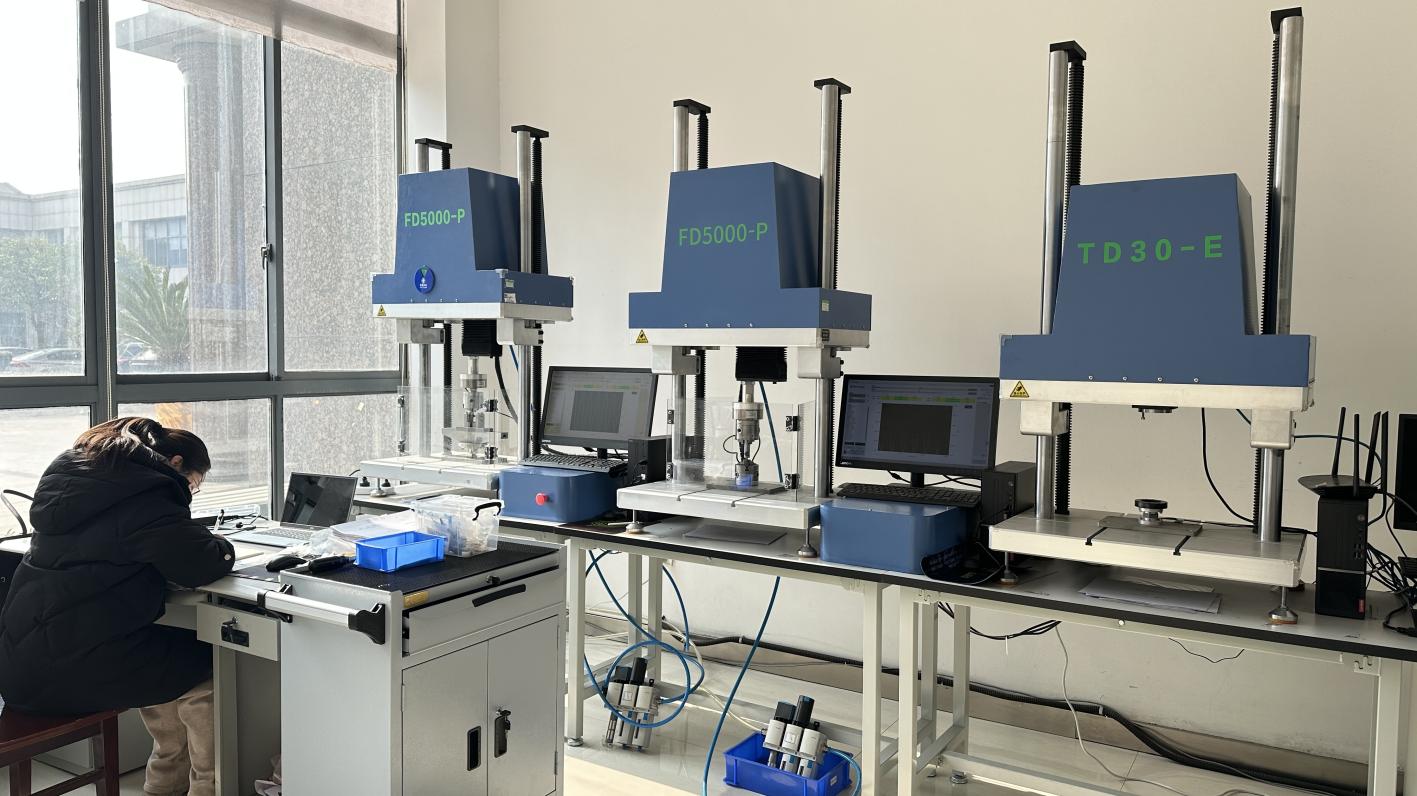
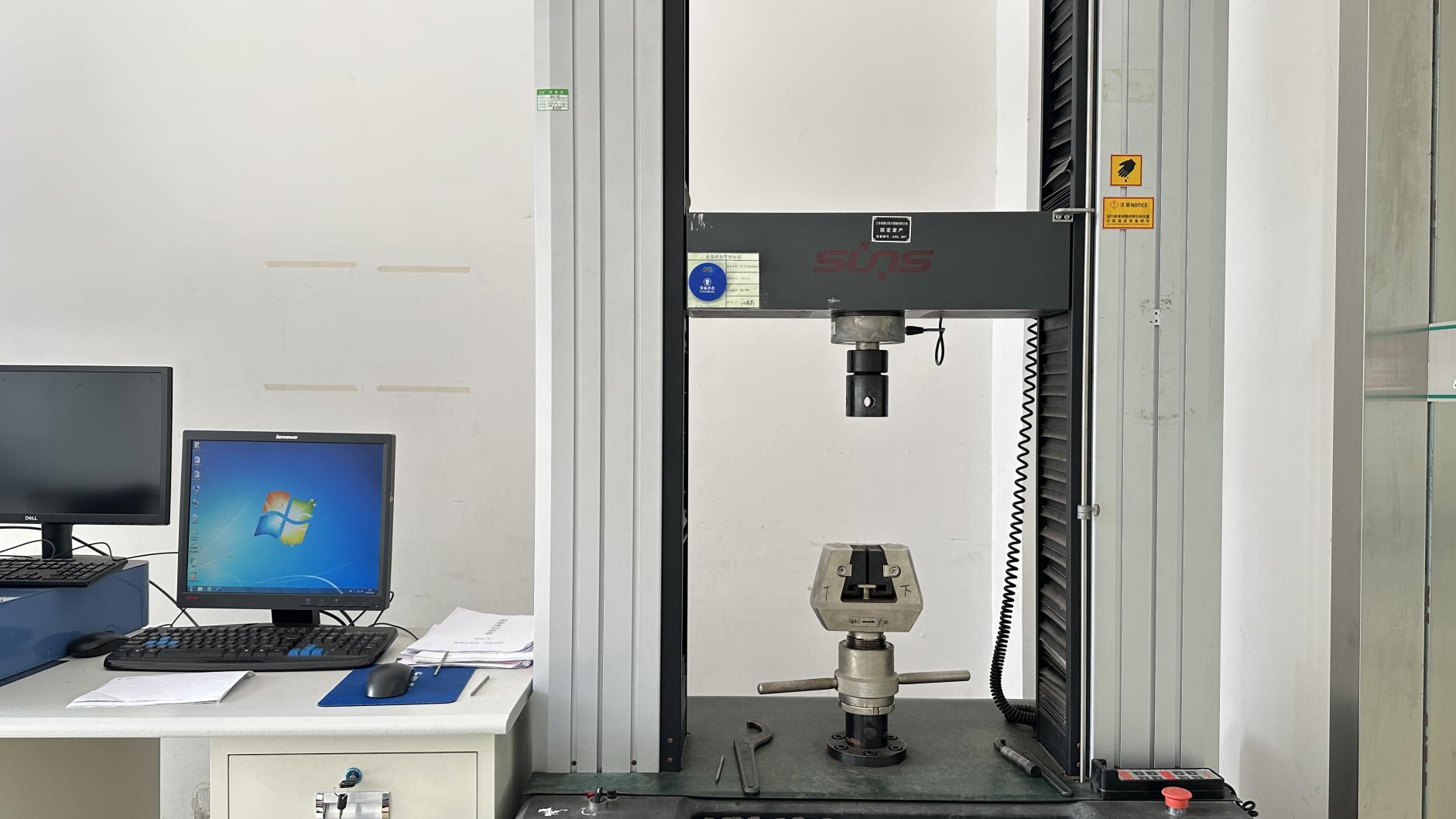
To qualify for entry into Kuwait’s public health tenders run by the Central Agency for Public Tenders (CAPT) and monitored by the MOH, all medical implants must adhere strictly to international standards. At Virelox Medical Devices Co., Ltd., raw materials undergo a comprehensive validation chain:
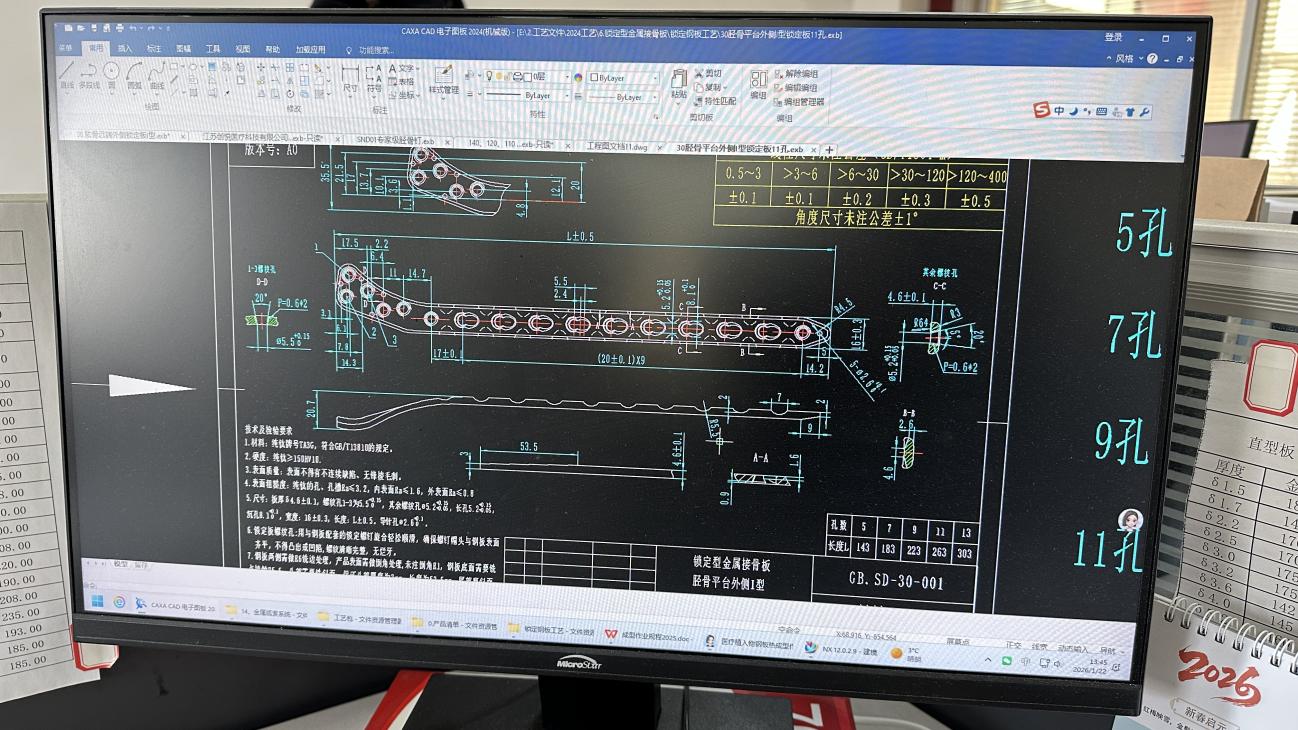
Every clinical case differs. We operate a highly responsive OEM/ODM vertical allowing Kuwaiti distributors and large clinical systems to acquire custom implant geometries. Backed by 120 dedicated R&D engineers, we develop customized locking configurations, variable-angle plate geometries, and minimally invasive instrumentation sets matching localized surgeon feedback.
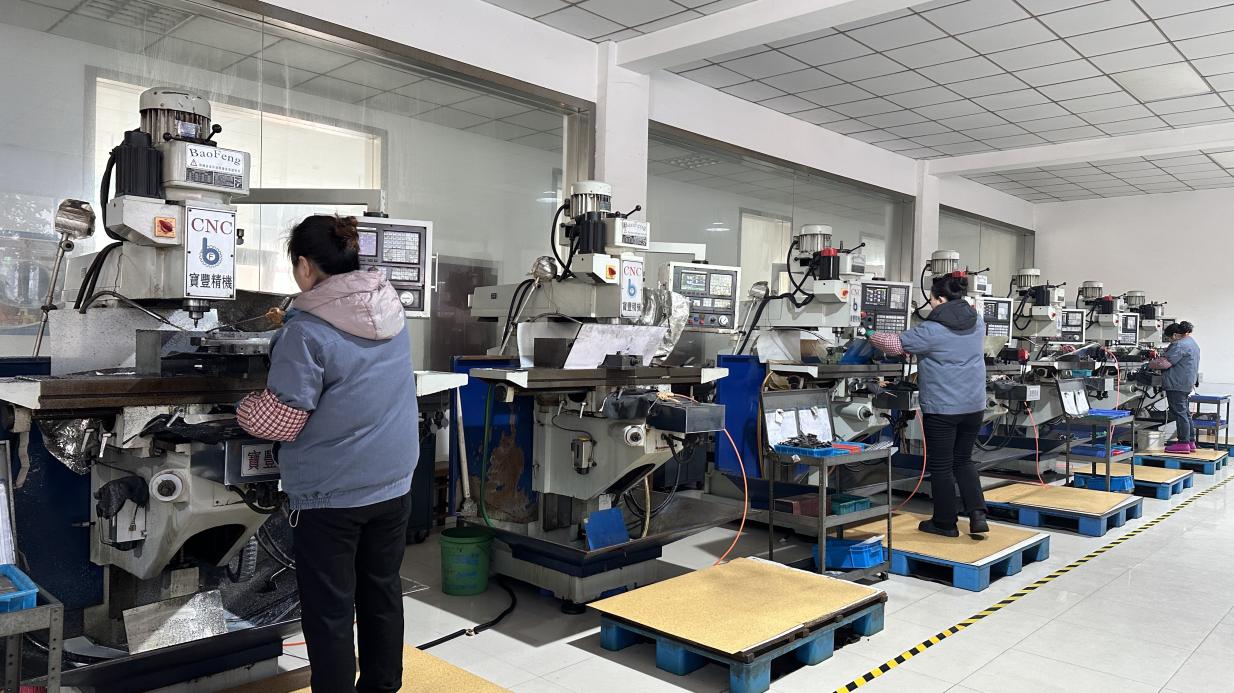
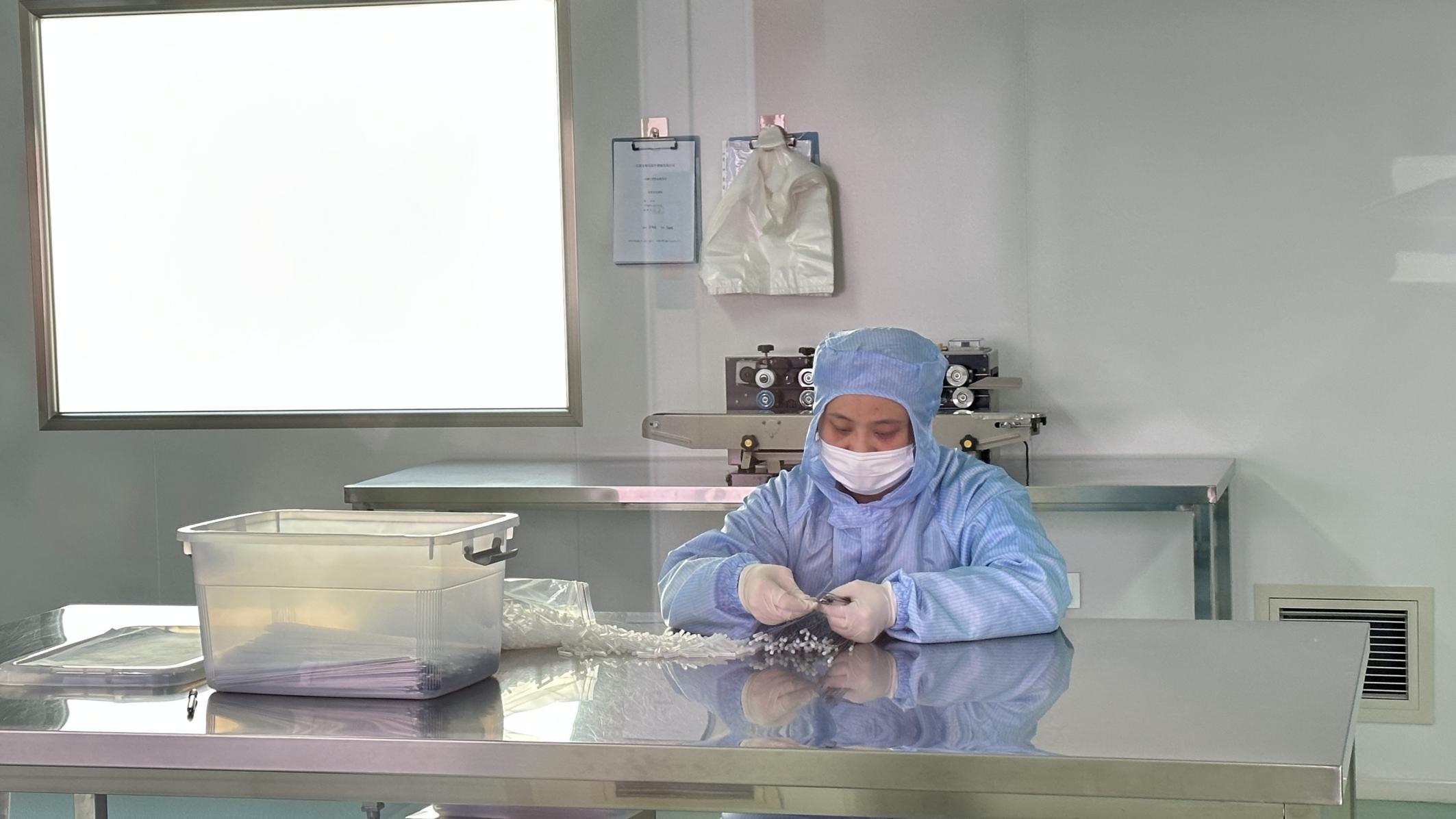
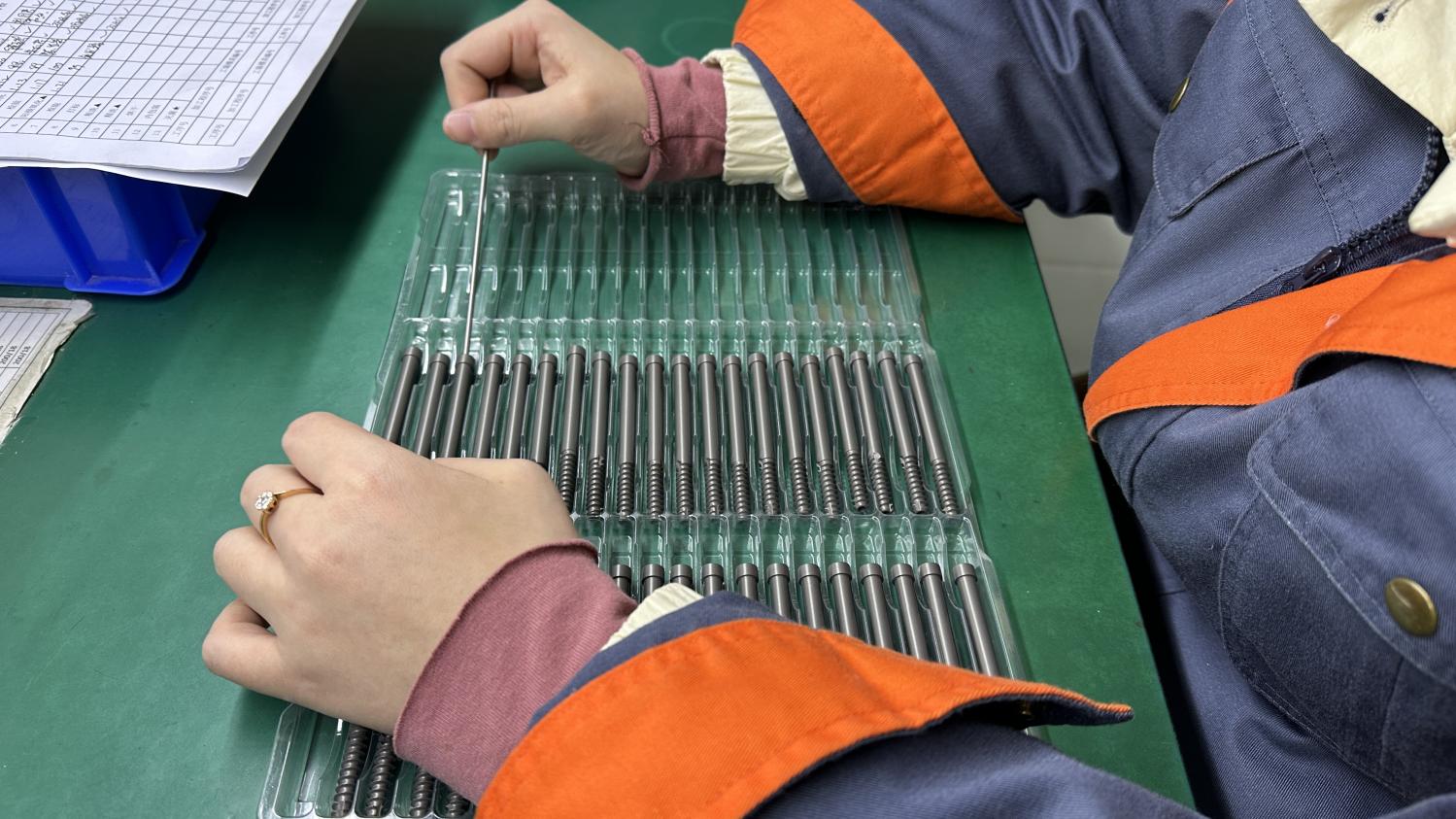
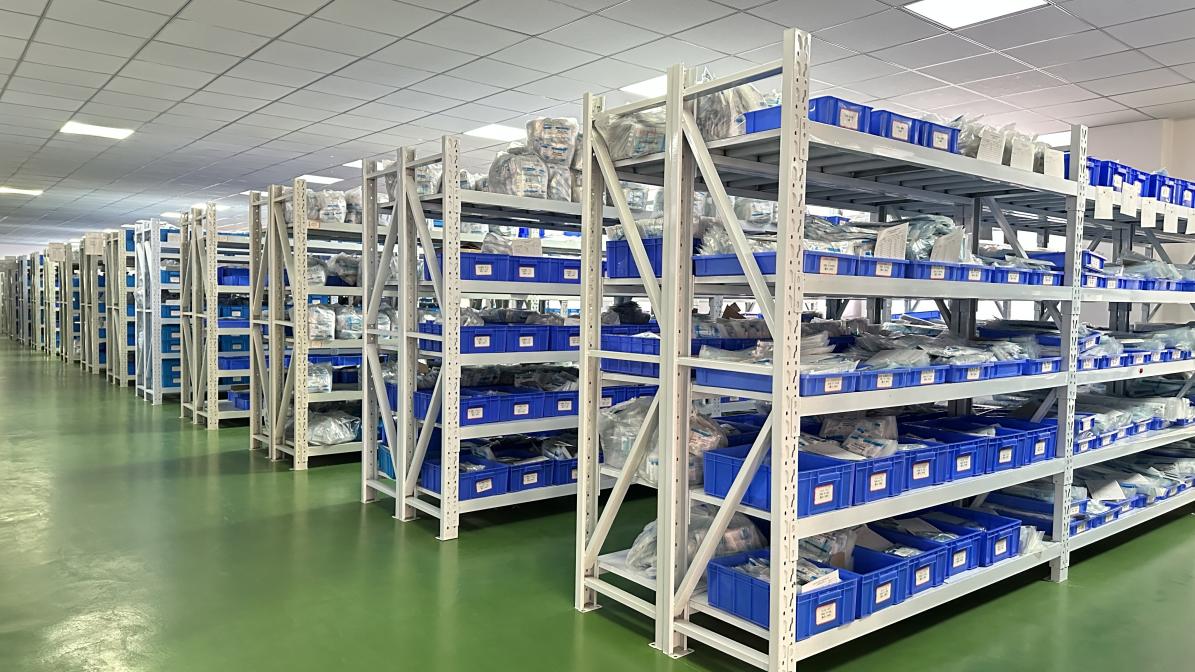
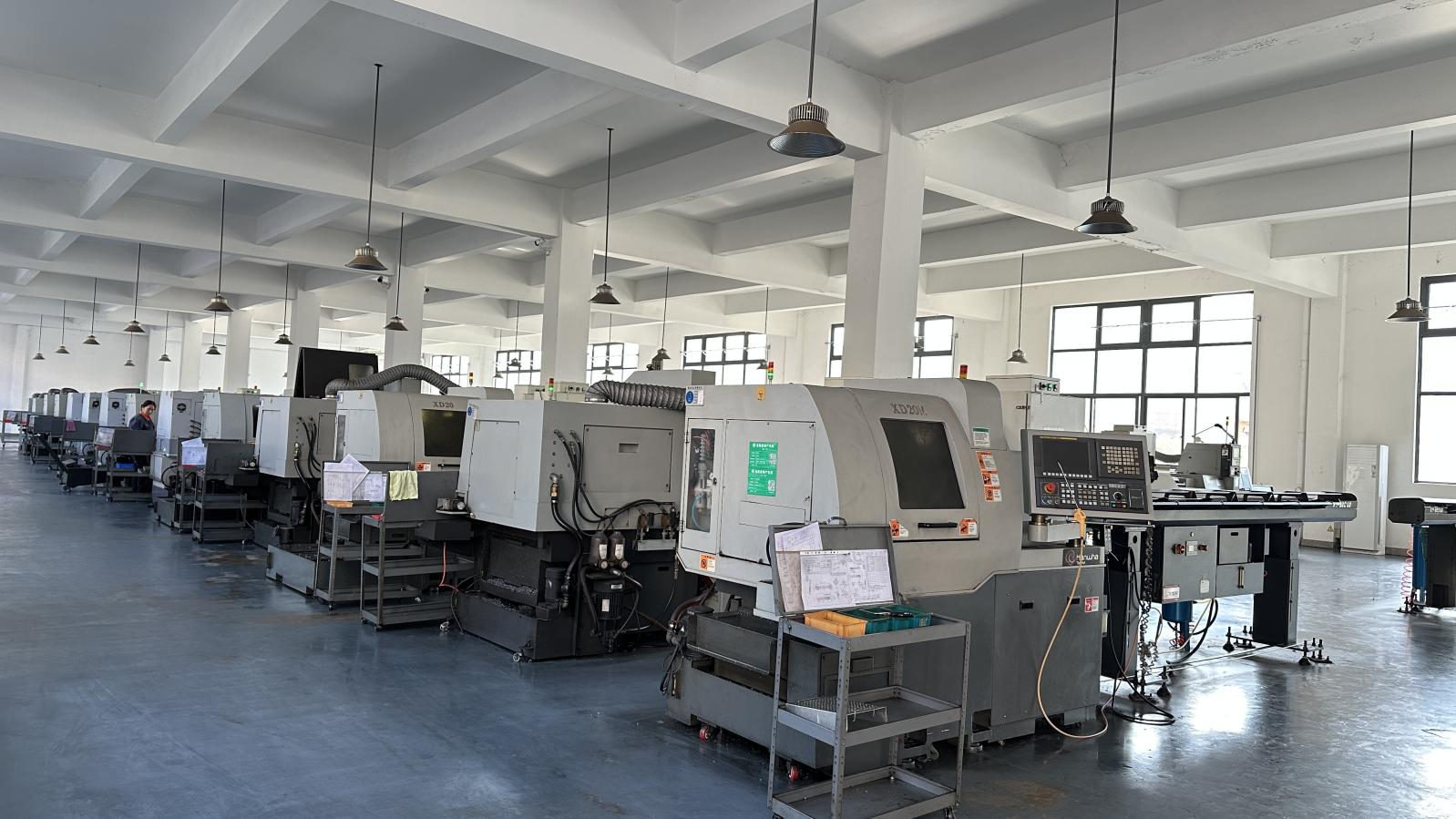
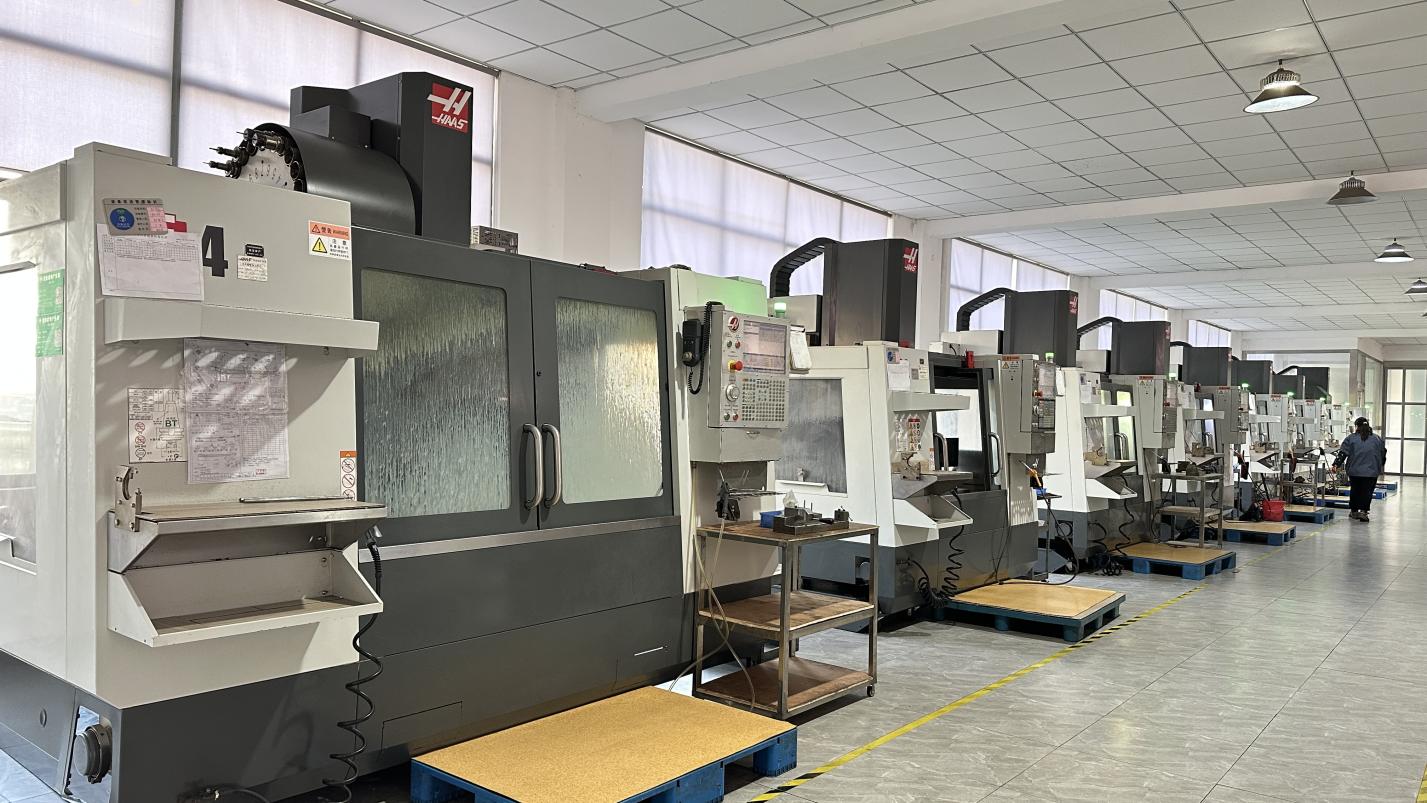
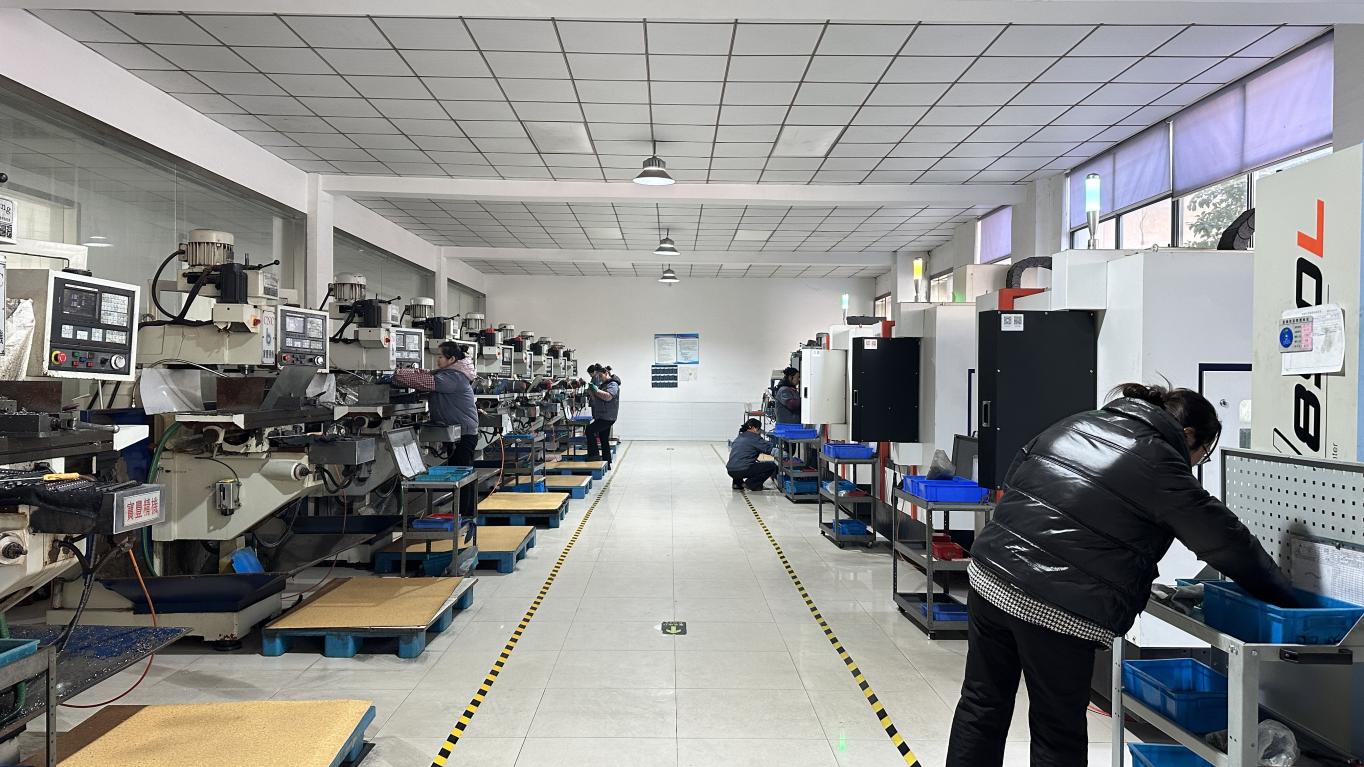
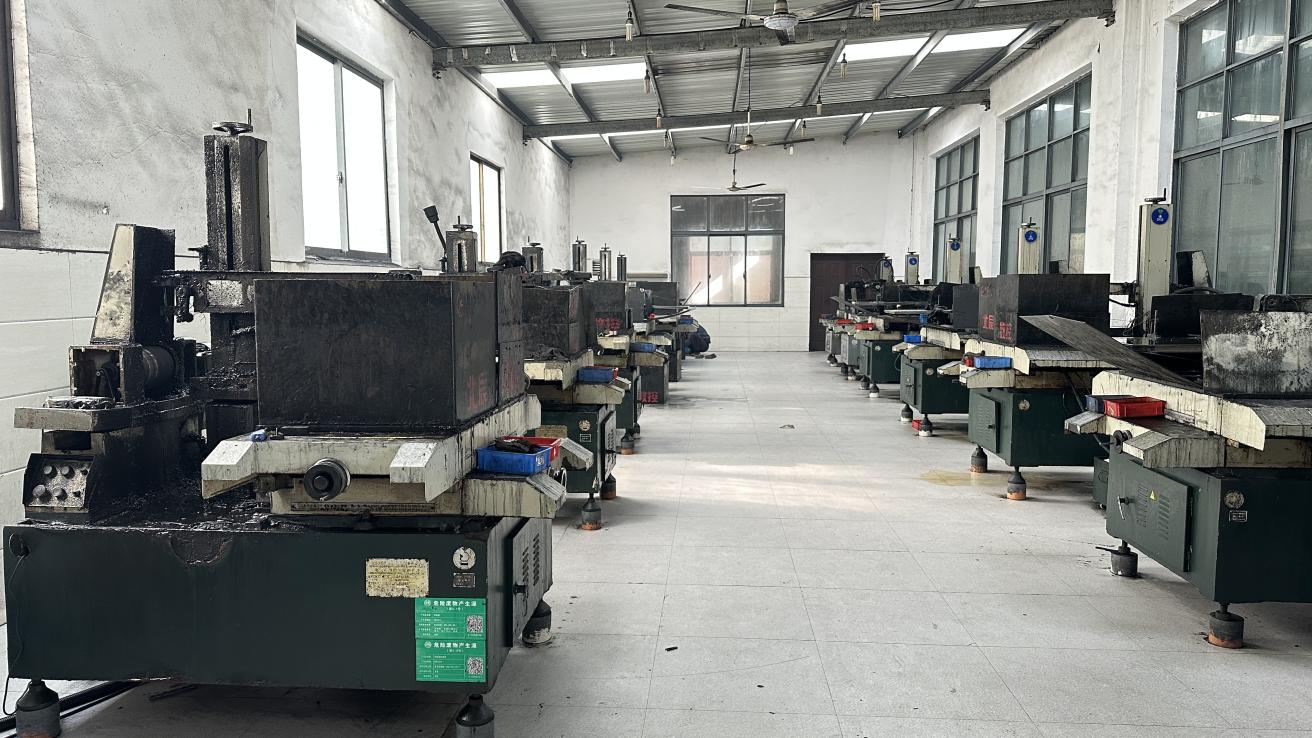
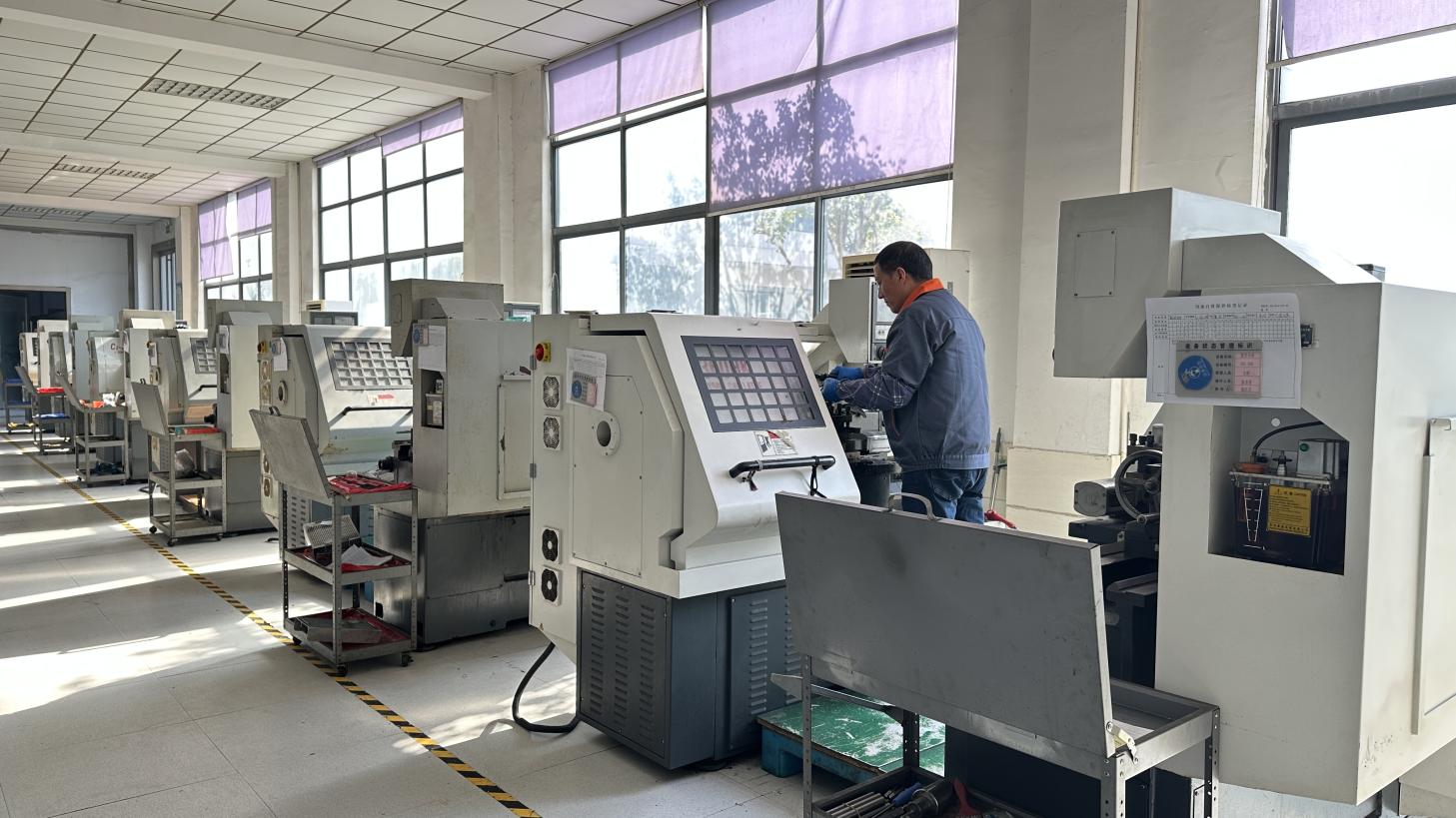
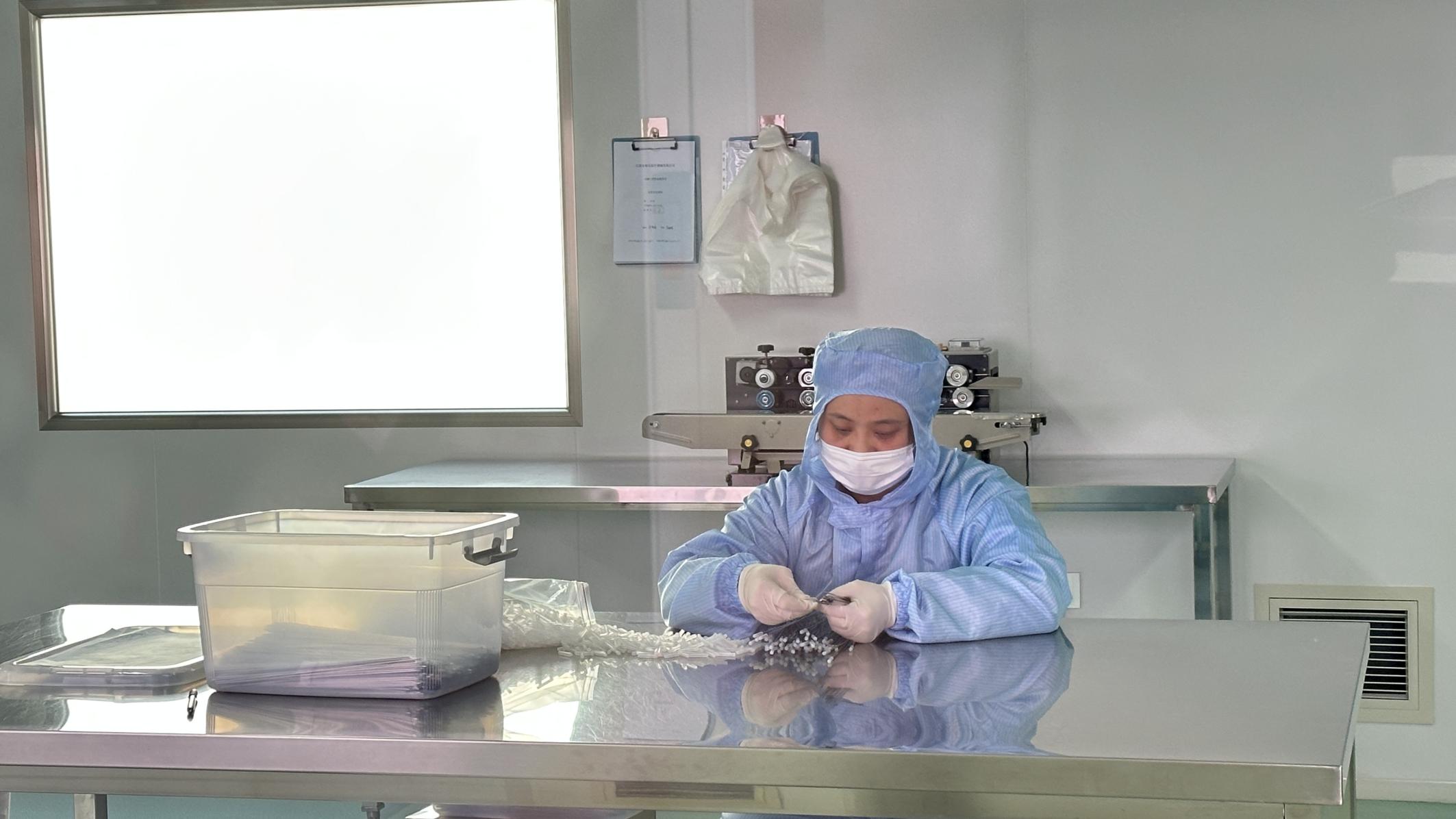
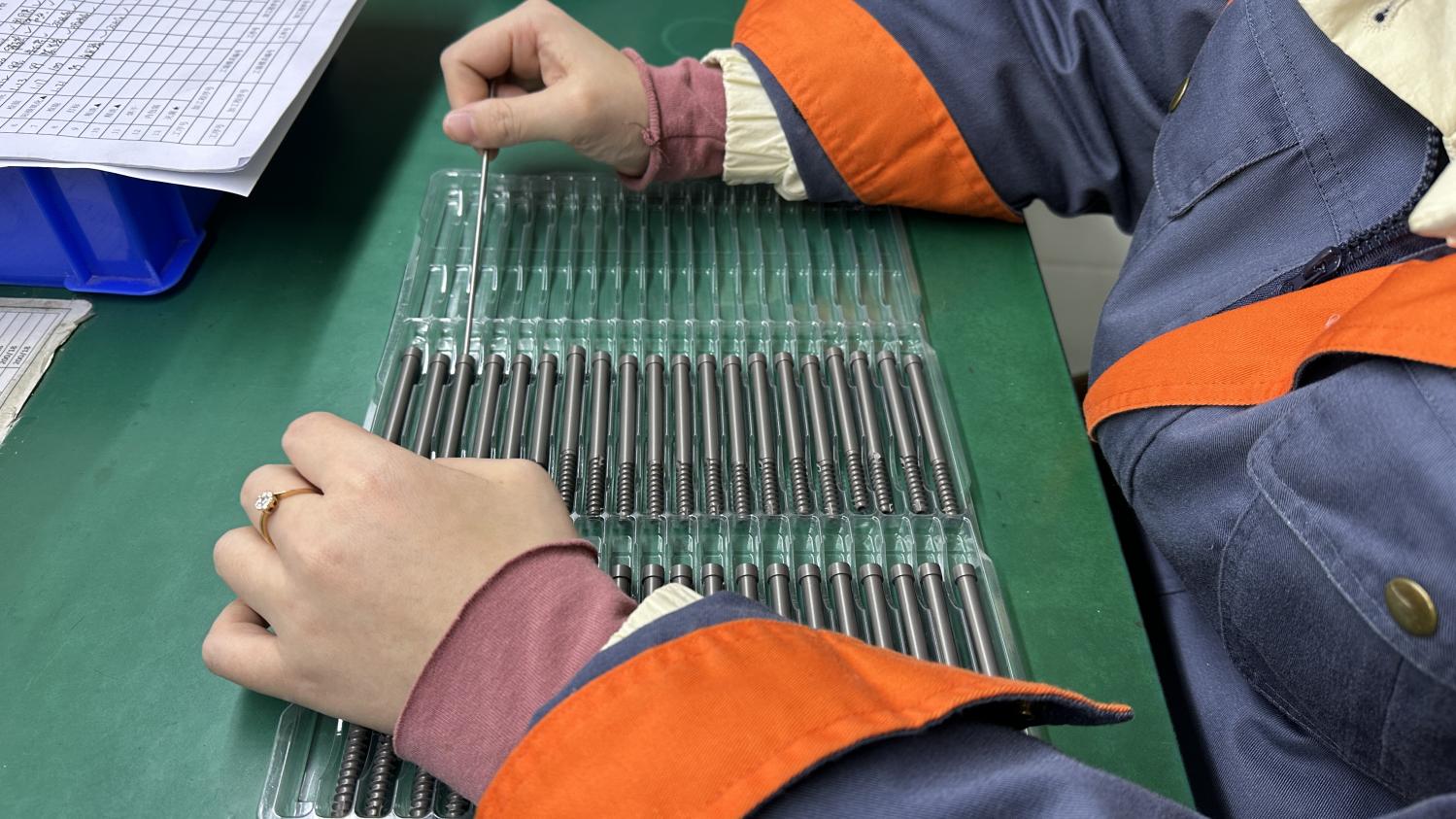
Inside our ISO 13485-certified facility where medical grade titanium alloys are machined, polished, and clinically inspected.
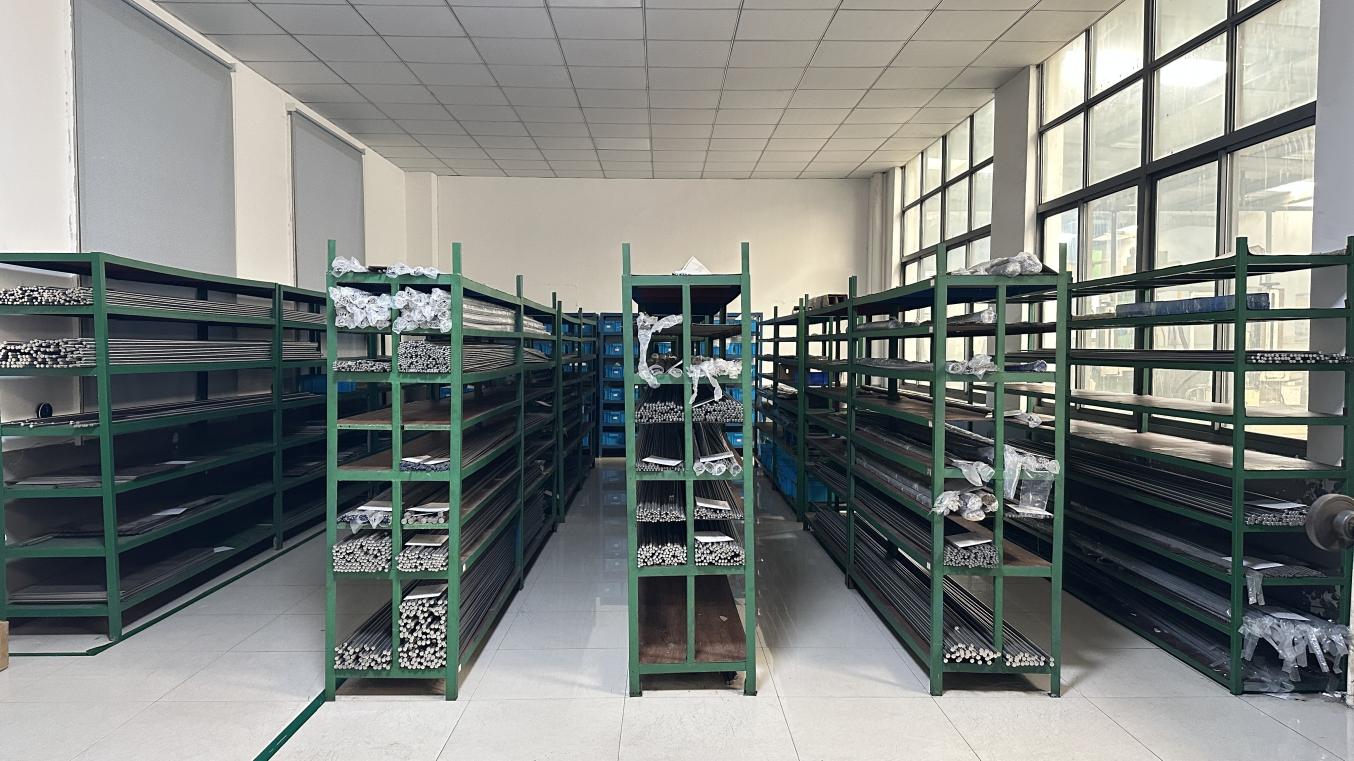
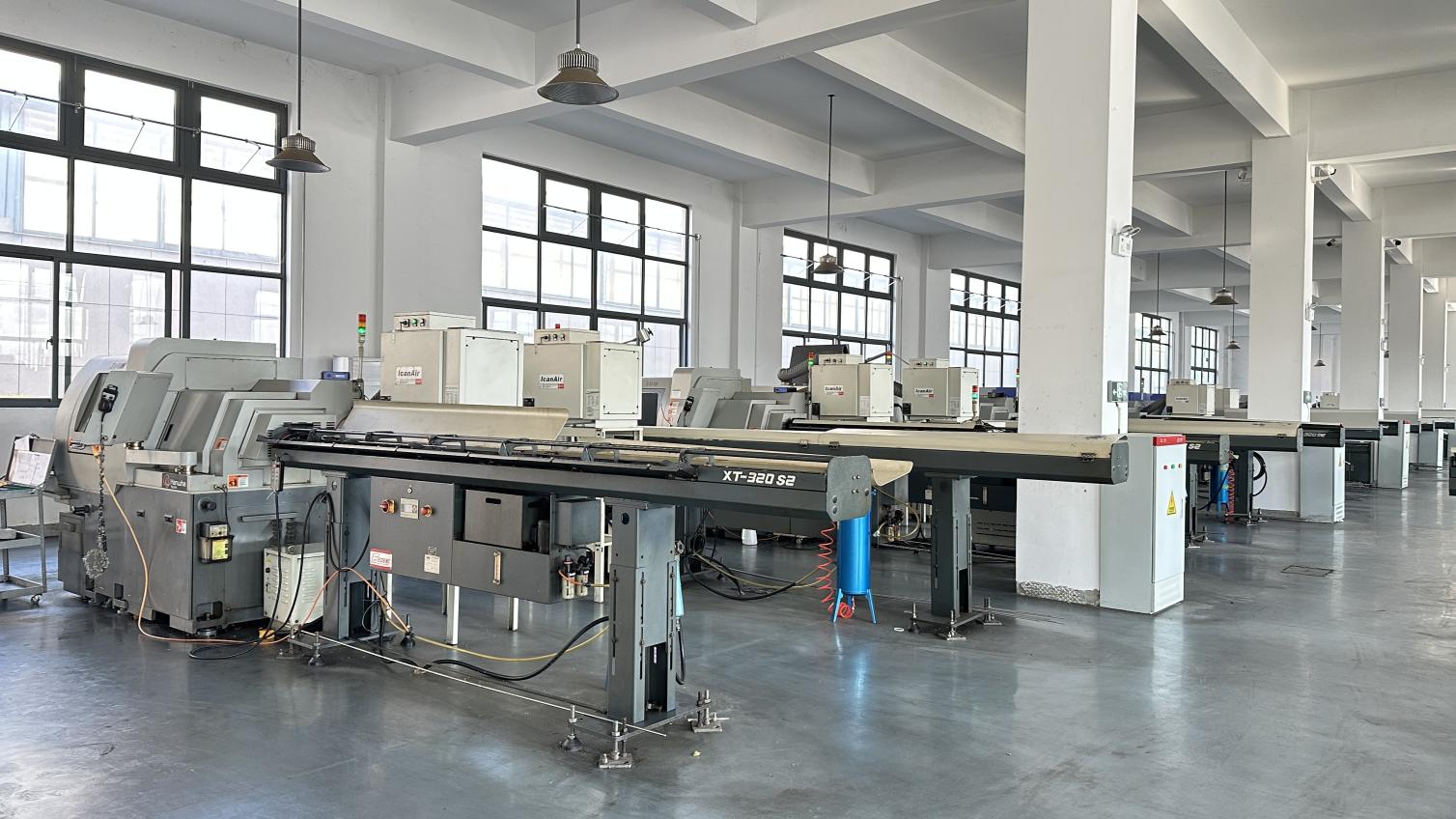
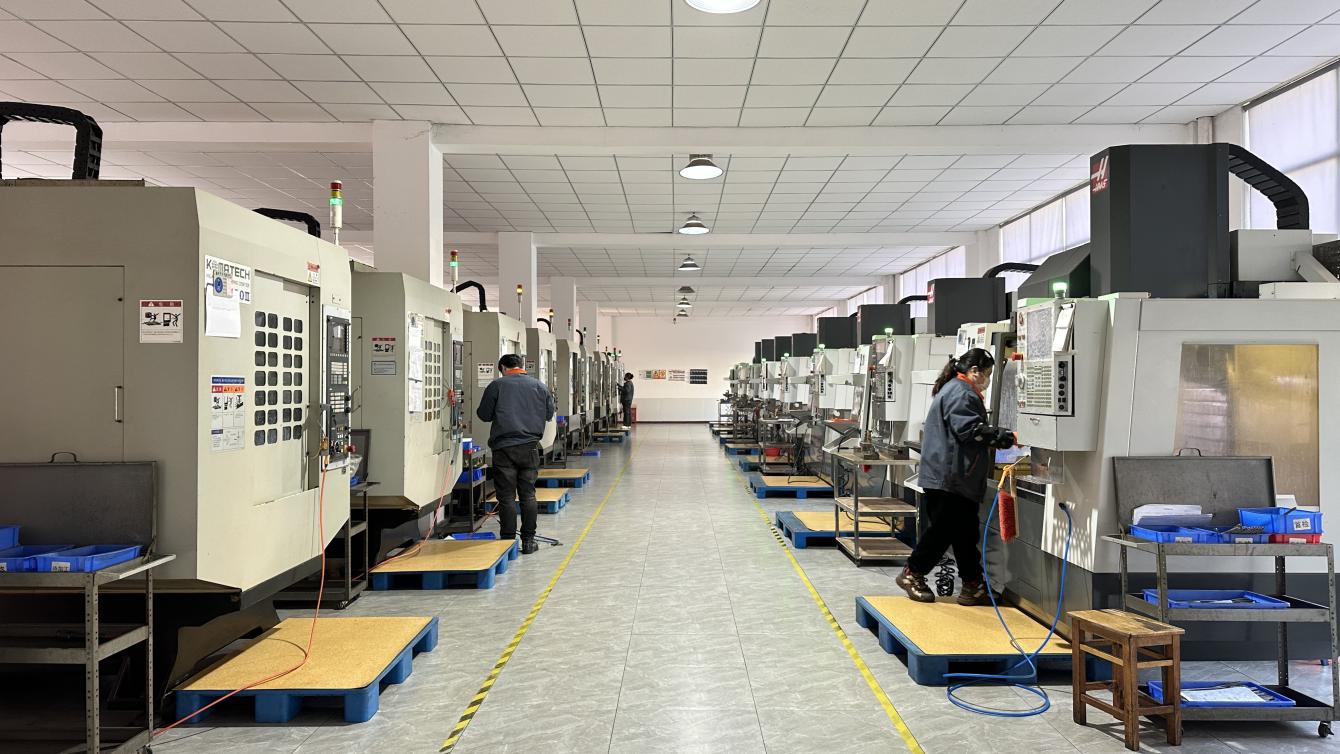
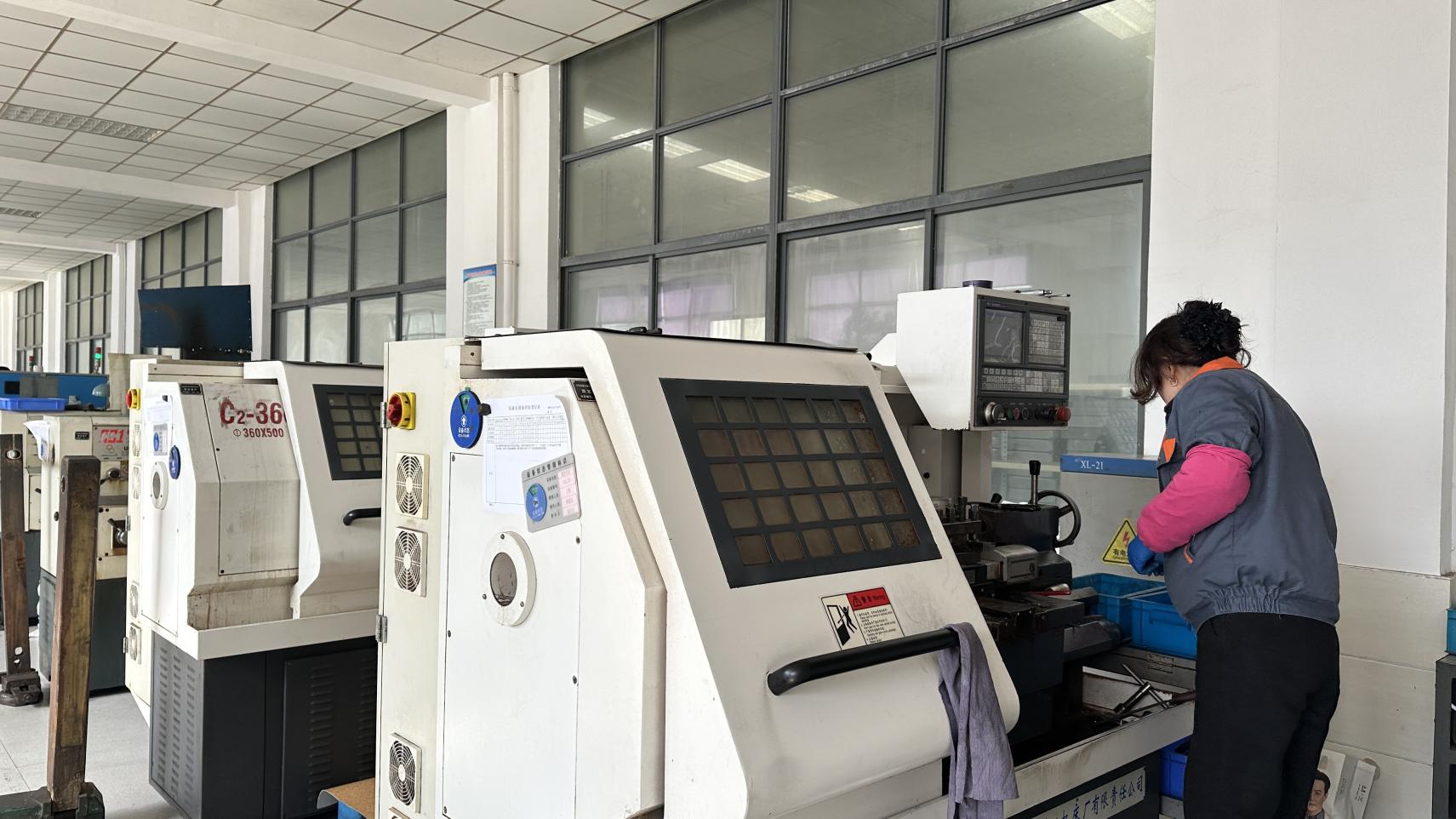
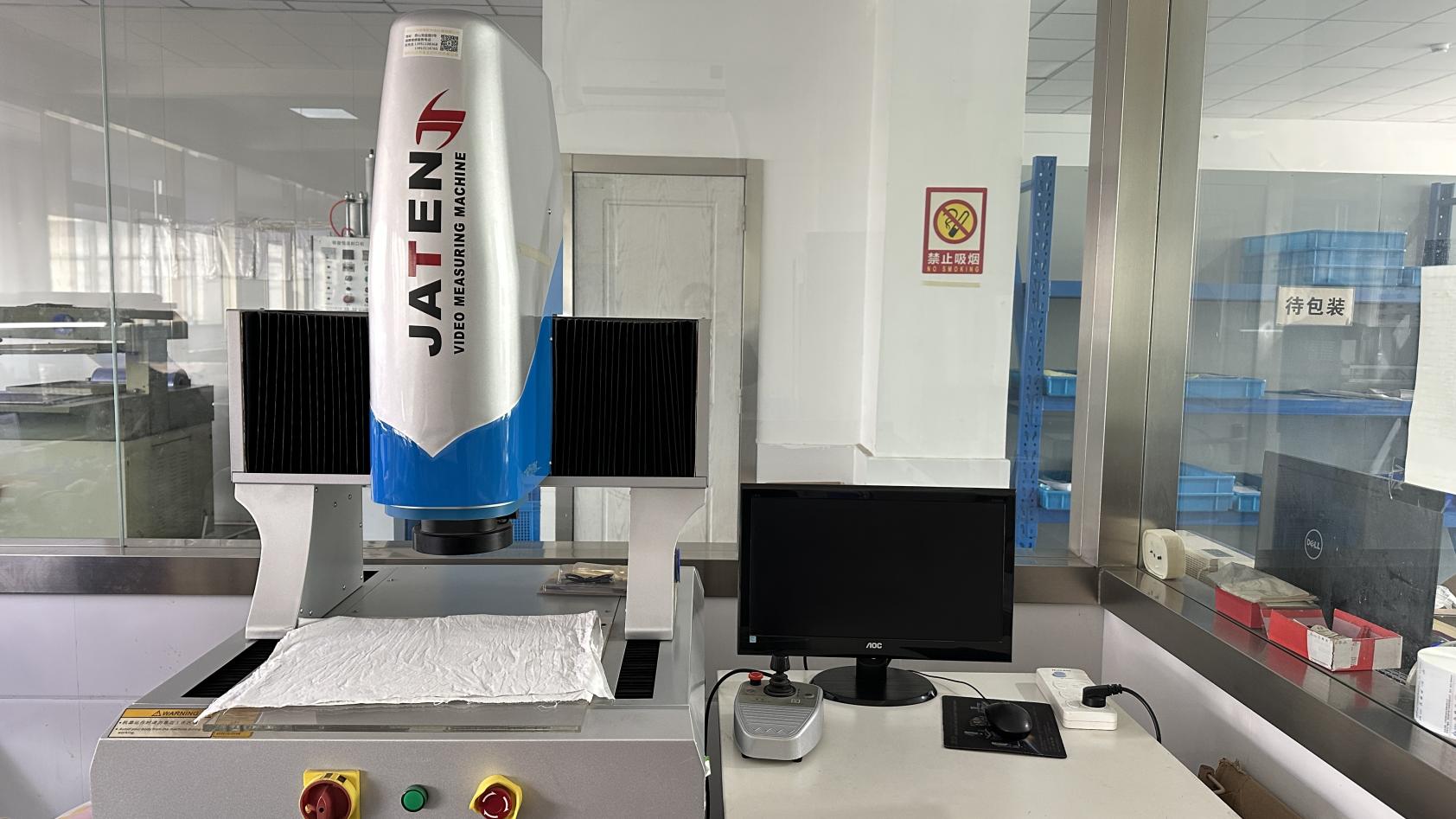
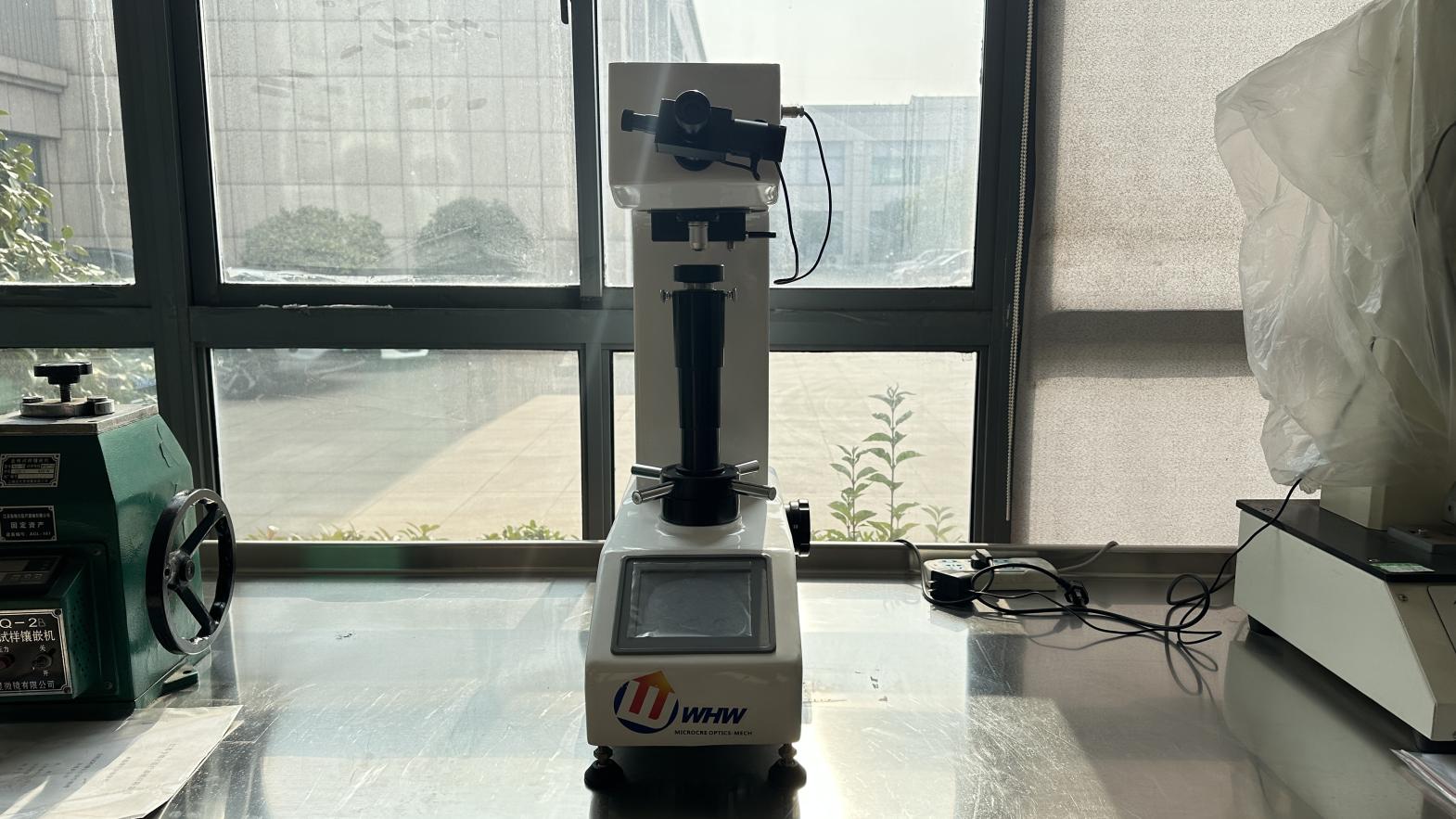
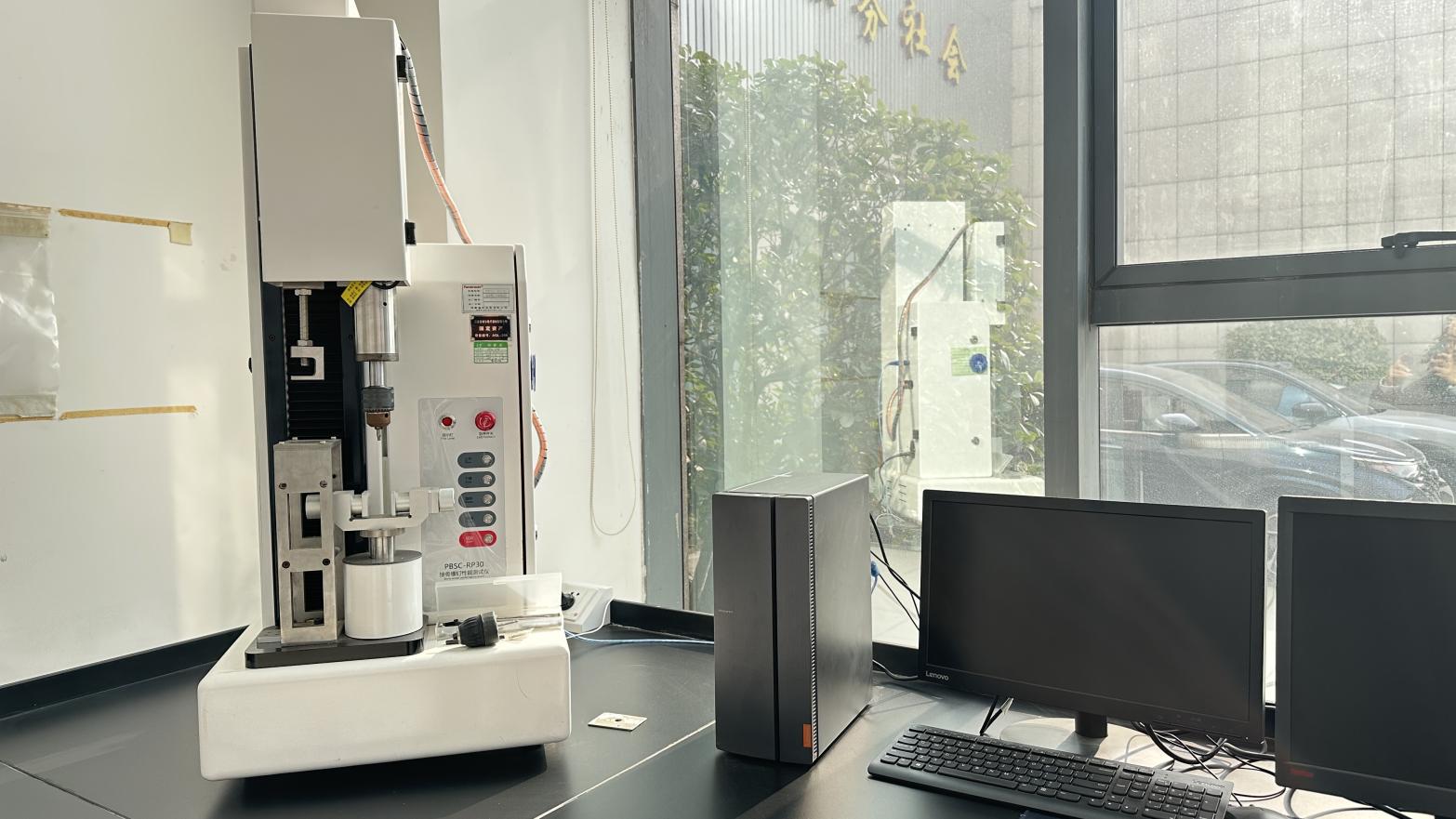
We streamline customs and supply chain clearance for medical implants to assure on-time surgical readiness in the Middle East.
Complete provision of Certificate of Free Sale (CFS), ISO 13485 certification records, and biocompatibility studies for straightforward health registry entry.
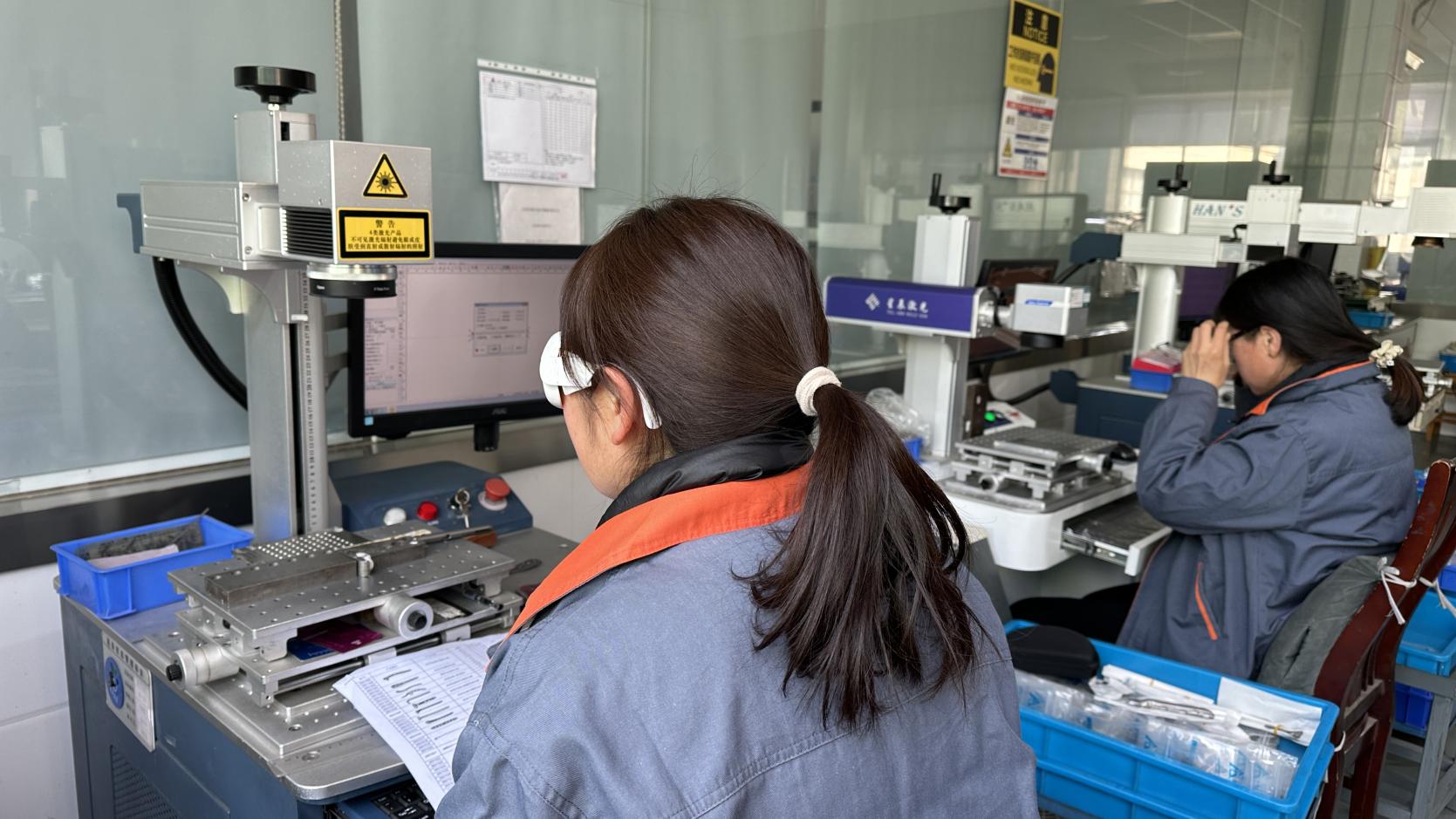
Full integration of GS1 UDI laser markings. Every plate, nail, and locking component is laser etched for surgical accountability and trackability.
Rigid transport containers maintaining packaging integrity. Sterile barrier systems validated to resist climatic variables typical in Kuwait.
Dedicated customer support team assisting local tenders, offering comprehensive multilingual marketing materials, surgical guides, and hands-on instrumentation training.
Explore our full line of intramedullary interlocking nail sets, PFNA systems, and specialized instruments optimized for Kuwaiti hospitals.
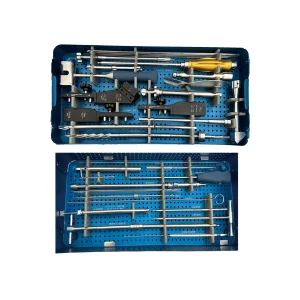
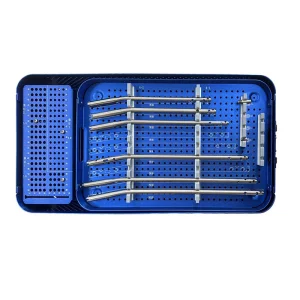
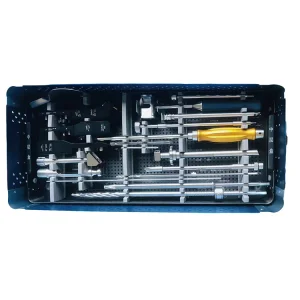
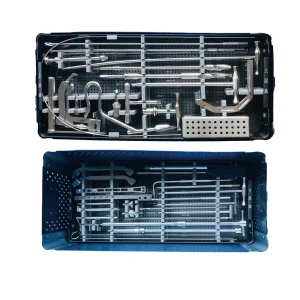
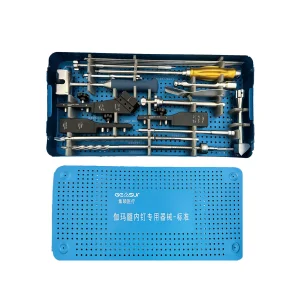
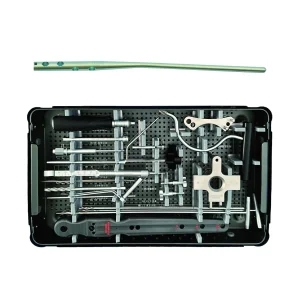
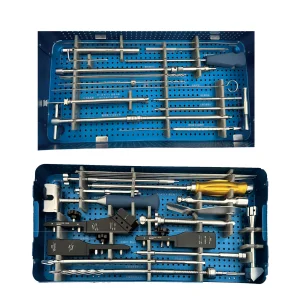
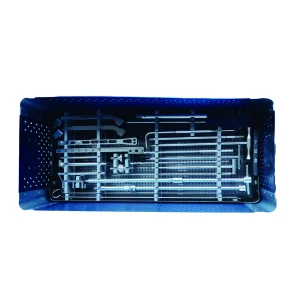
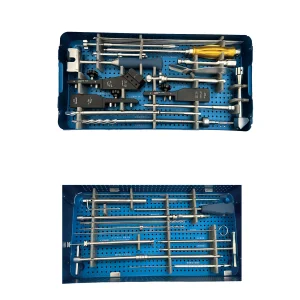
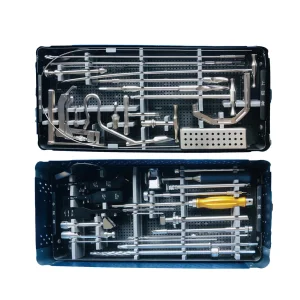
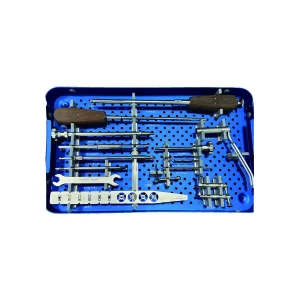
Targeted clinical engineering for specific anatomical challenges treated daily in regional healthcare systems.
Excellent structural stabilization of comminuted upper and lower limb fractures using specialized dynamic external fixation hardware.
Antirotation PFNA nails designed specifically to prevent bone-cutout and rotation in elderly patients experiencing fragile hip fractures.
Ultra-low profile anatomical titanium plates for stabilizing thoracic rib fractures, optimizing respiratory mechanics and shortening ICU recovery.
Standardized tibial and femoral nails accommodating dynamic locking profiles to promote callus formation in cases of complex delayed unions.
Preparing for the next generation of implant surgery through innovative materials and smart tracking designs.
Implementation of anodic micro-arc oxidation to develop osteoinductive surfaces on our titanium implants. This promotes faster osseointegration, which is crucial for diabetic and osteoporotic clinical demographics in Kuwait.
Developing patient-specific implants using electron beam melting (EBM) titanium printing. This enables surgeons to reconstruct major bone loss from high-impact trauma using direct CT scan files.
RFID integration inside the implant trays and organizing cases. This reduces prep time inside the operating theater and offers automated sterilization tracking for central sterile supply departments (CSSD).
Direct answers regarding material specifications, Kuwait MOH registrations, and distribution policies.
Connect directly with our sales engineering office today. Obtain free physical samples, technical blueprints, compliance documents, and factory pricing lists.
Send Inquiry Now Virelox