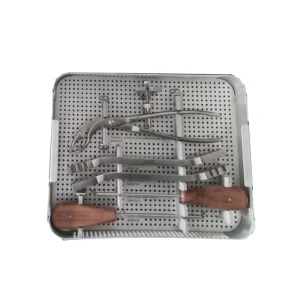
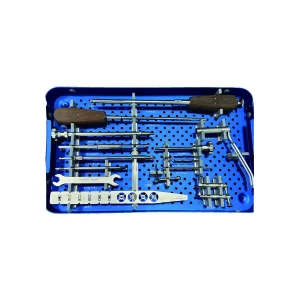
A curated selection of orthopedic instruments and implants optimized for immediate integration into Russian clinical environments and healthcare networks.
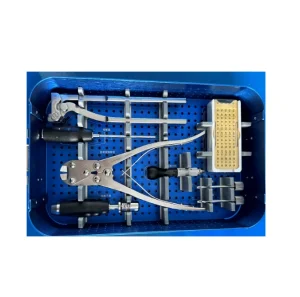
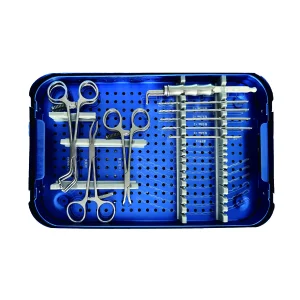
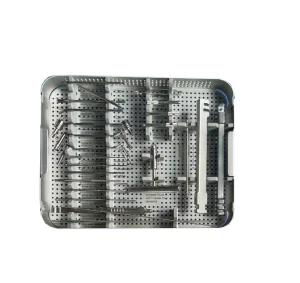
A Comprehensive Whitepaper on Market Access, Clinical Standards, and Regulatory Dynamics for Traumatology and Reconstruction
The Russian medical device market is undergoing structural transformations. With a population of over 146 million, the demand for orthopedic and traumatological intervention has climbed steadily, driven by an aging demographic, industrial injuries, and an expansion of public healthcare initiatives under the national health programs. Russian municipal hospitals, scientific research institutes (such as the Priorov National Medical Research Center for Traumatology and Orthopedics), and regional clinics require high-grade, bio-compatible implants and surgical tools that match traditional Western standards but remain economically viable under current economic frameworks.
Given the current global supply chain reconfigurations, Russian medical procurement agencies and distributors are actively diversifying their supplier portfolios. There is a strong strategic preference for Tier-1 original manufacturers in China who demonstrate compliance with international standards (such as ISO 13485) and are capable of supporting the registration of products with Roszdravnadzor (the Federal Service for Surveillance in Healthcare).
Entering the Russian medical device market requires a thorough understanding of the national regulatory framework. All medical products, including Class III orthopedic implants (such as intramedullary nails) and Class IIa/IIb surgical instruments, must undergo a rigorous registration procedure. This includes:
At Virelox, we provide comprehensive technical dossiers, raw material mill certificates (Grade 5 Titanium Alloy / Ti-6Al-4V ELI conforming to ASTM F136), and biological evaluation reports to enable our Russian partners to streamline the registration process and achieve rapid market access.
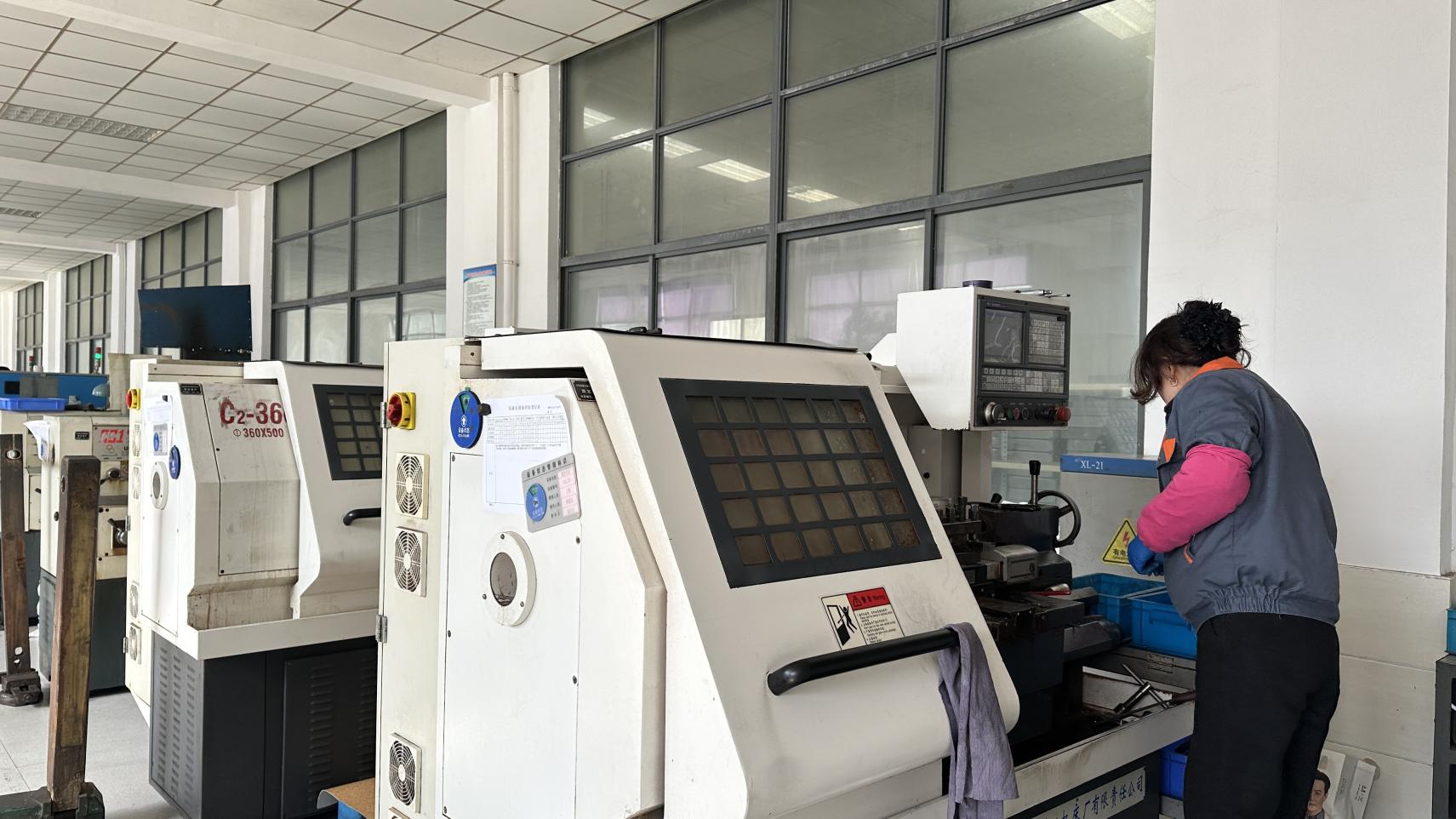
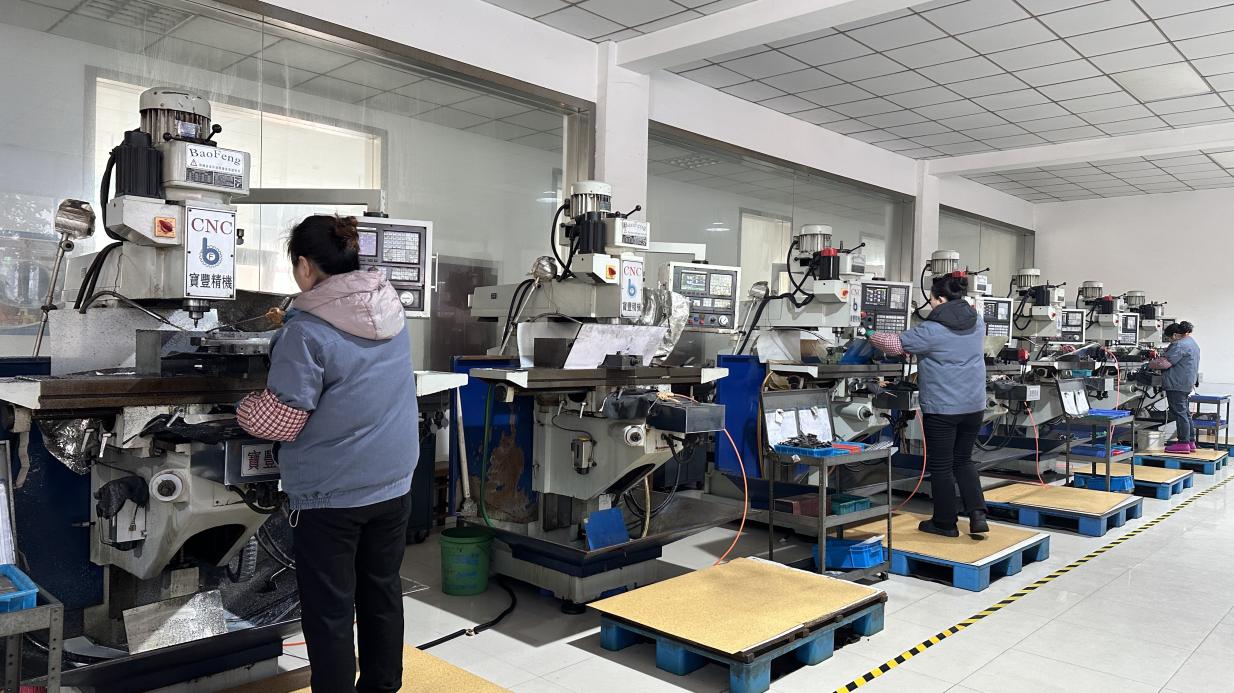
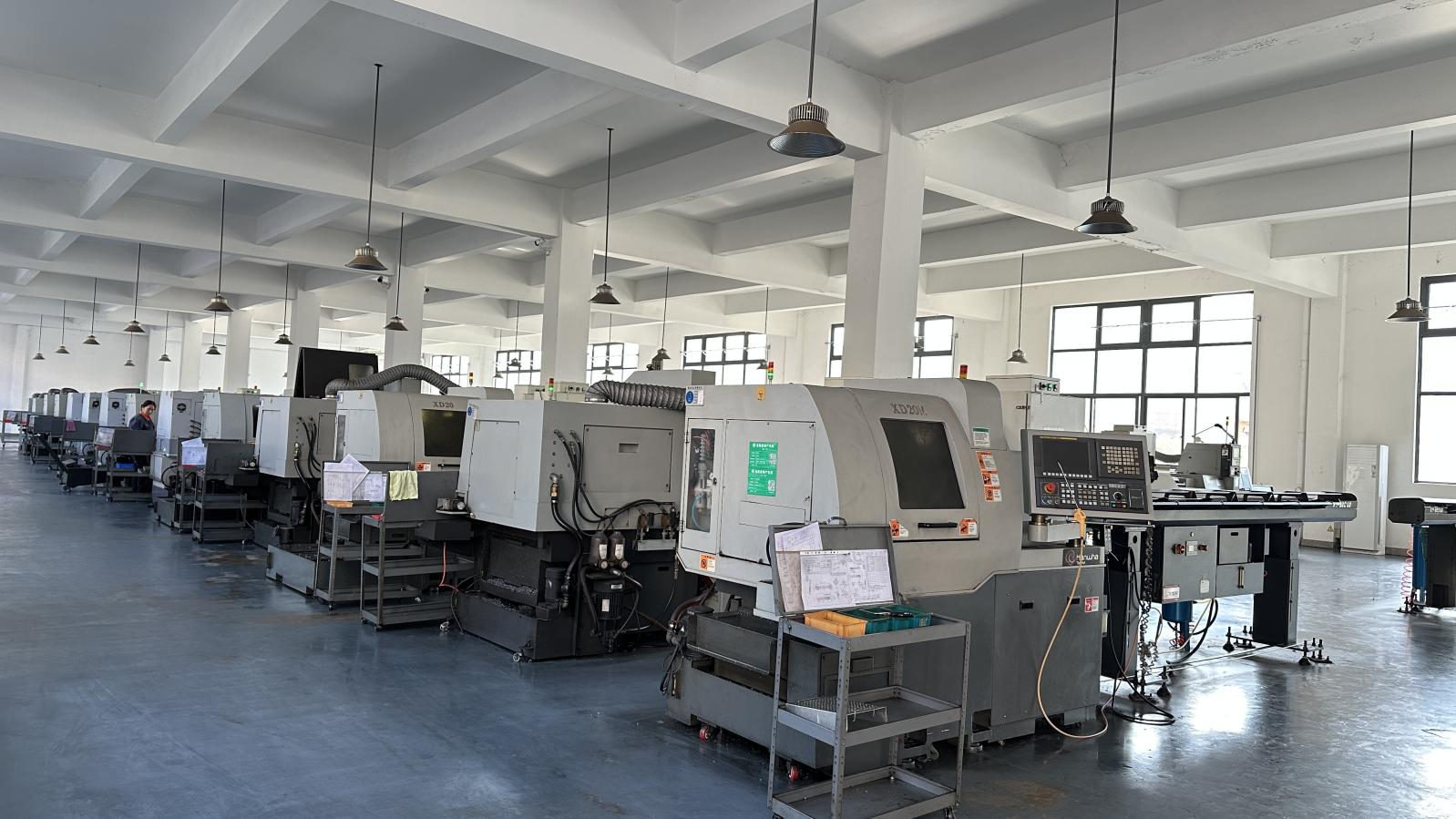
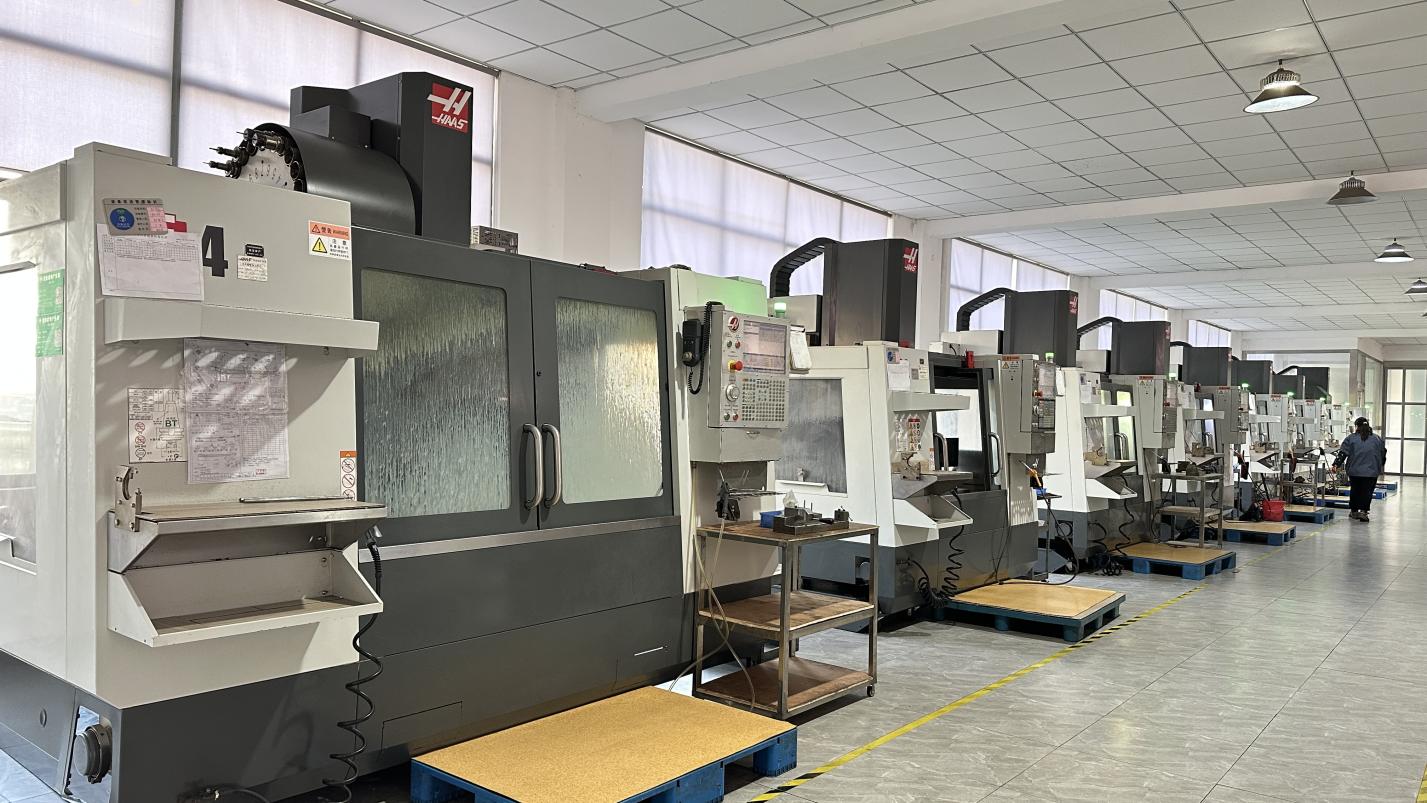
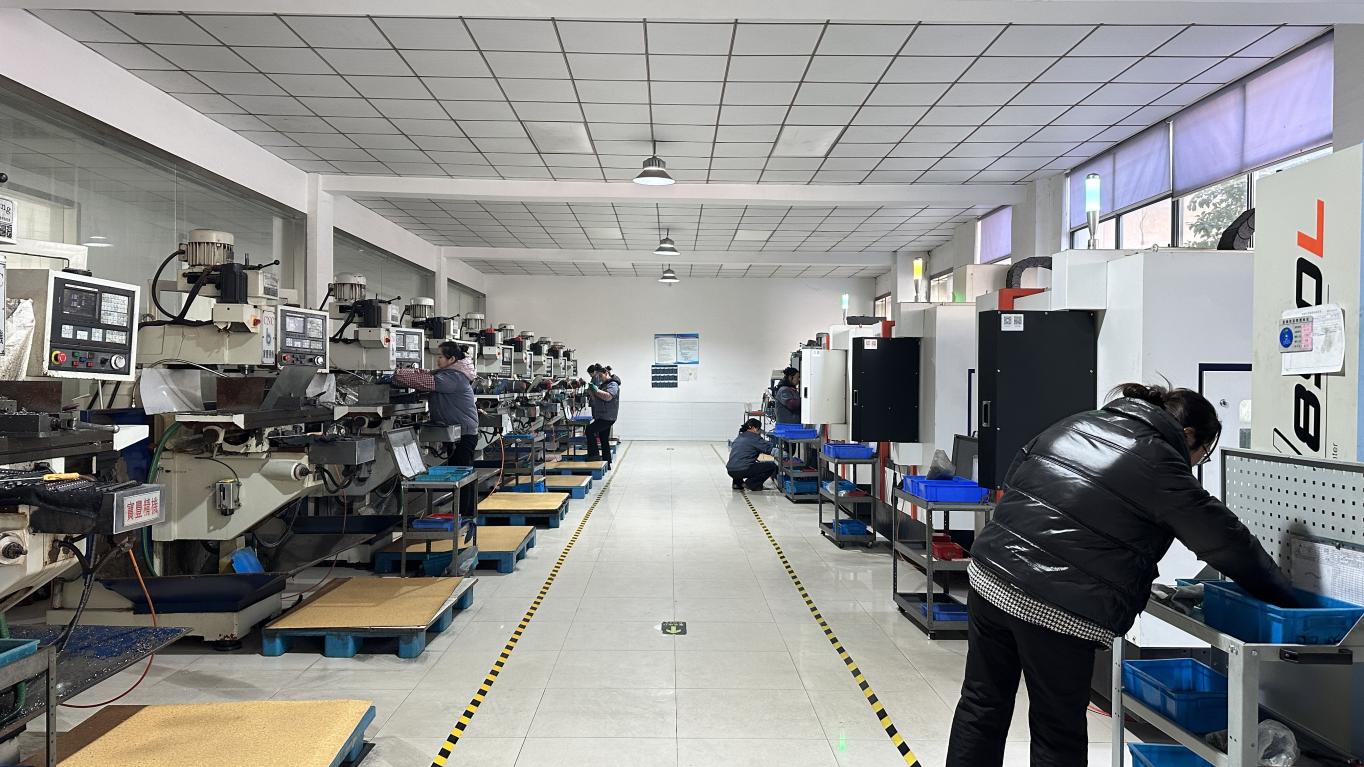
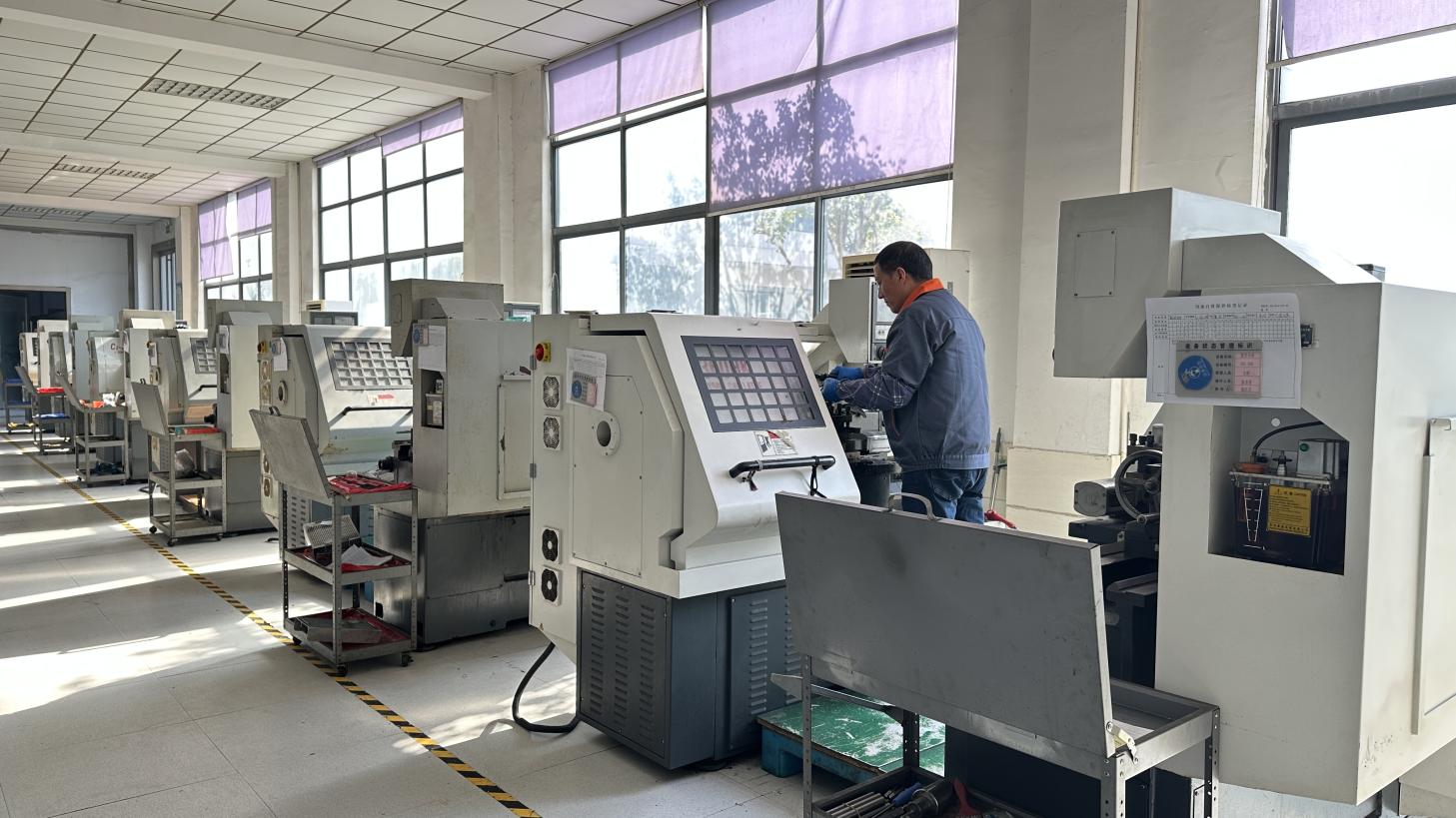
Orthopedic instrumentation must endure complex dynamic loads inside the human body. To ensure maximum mechanical integrity, our manufacturing facility utilizes high-precision Swiss-type CNC lathes and multi-axis CNC machining centers. Whether producing distal radius plates, PFNA intramedullary nails, or external fixation frames, our engineers maintain tolerances as tight as ±0.01mm.
Specialized surface treatments, such as Type II anodic oxidation and acid etching, are employed on our titanium alloys. This optimizes osteointegration and prevents the release of metallic ions into surrounding tissues, drastically reducing the risk of aseptic loosening and revision surgeries.
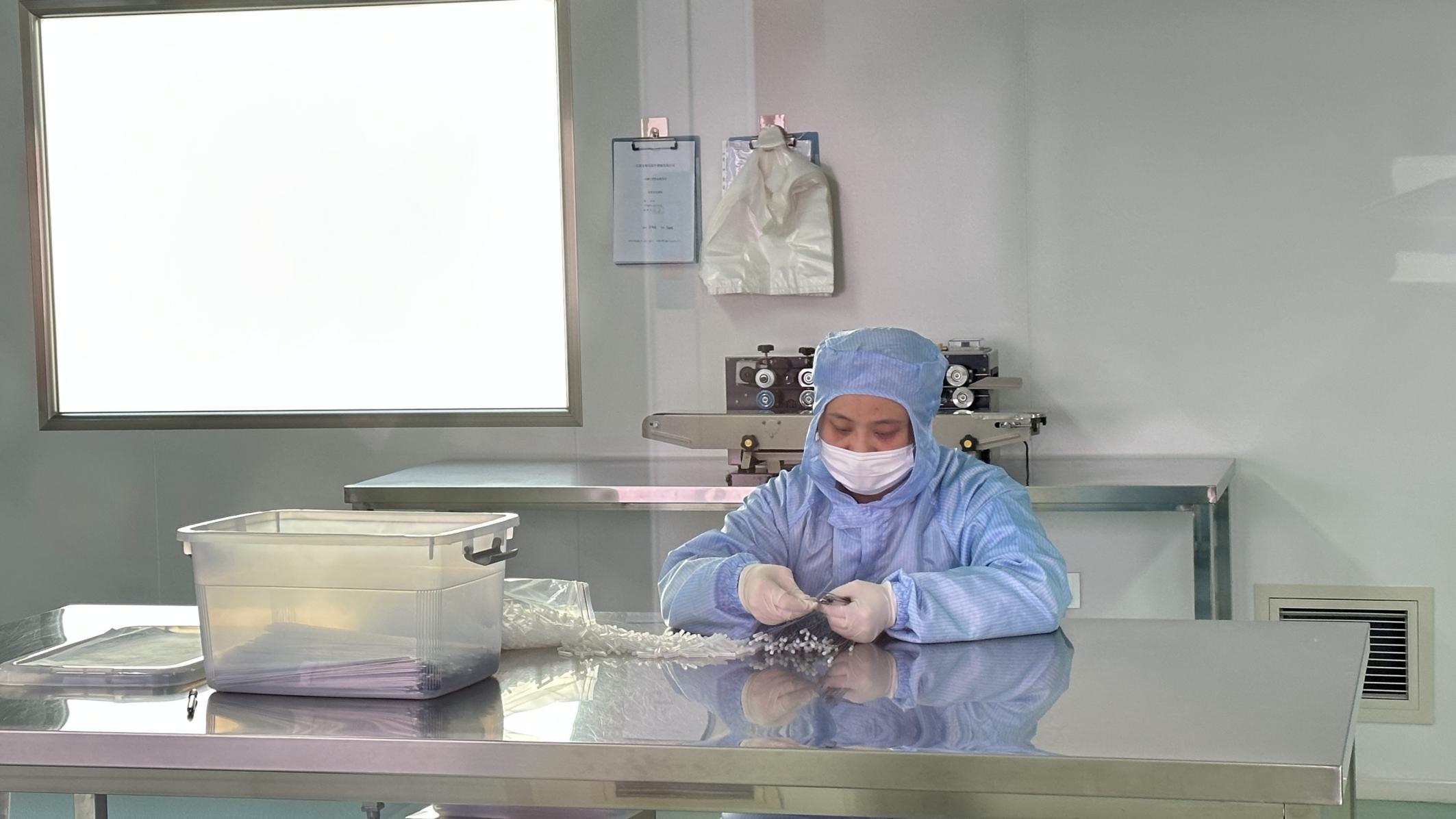
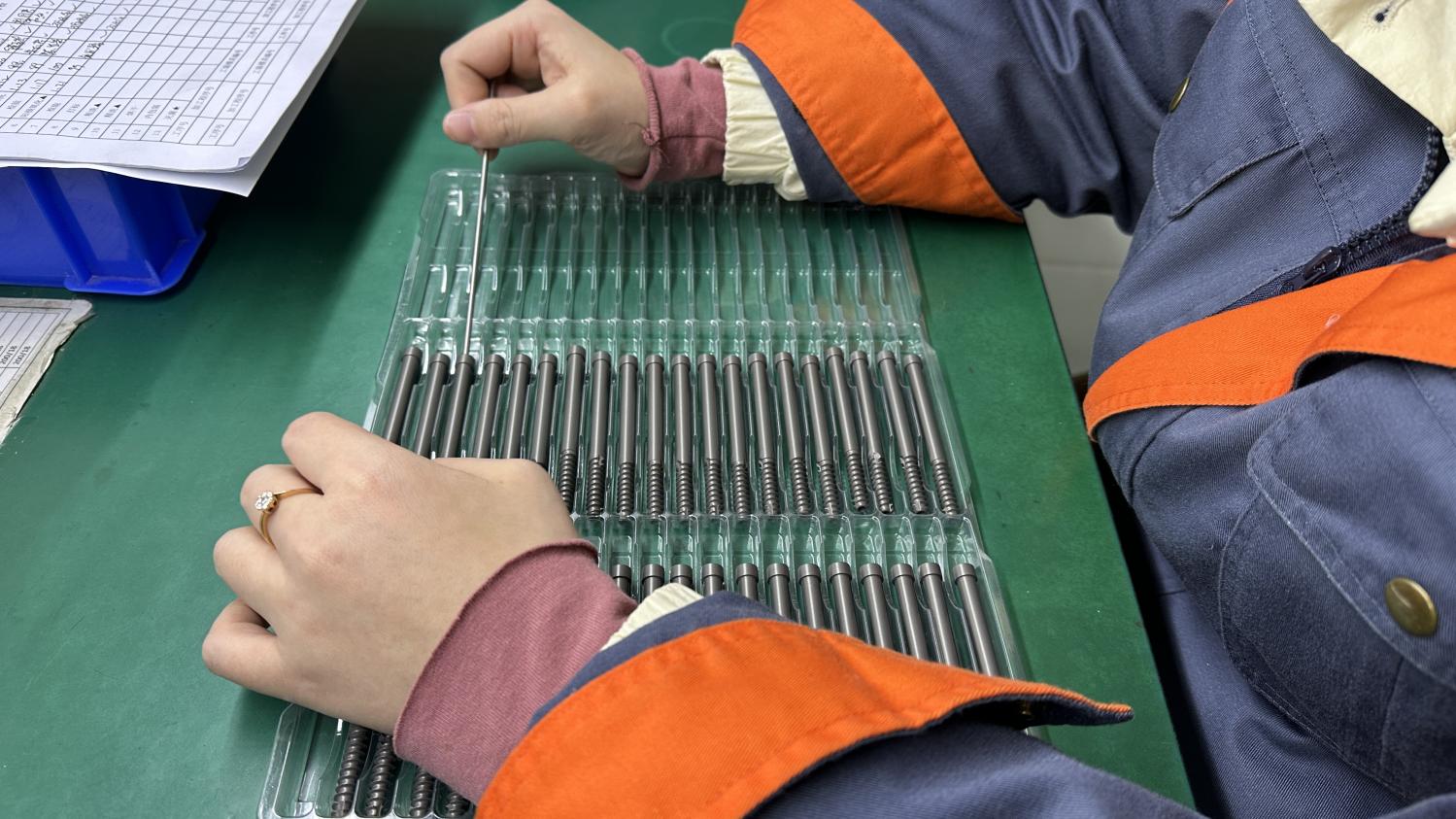
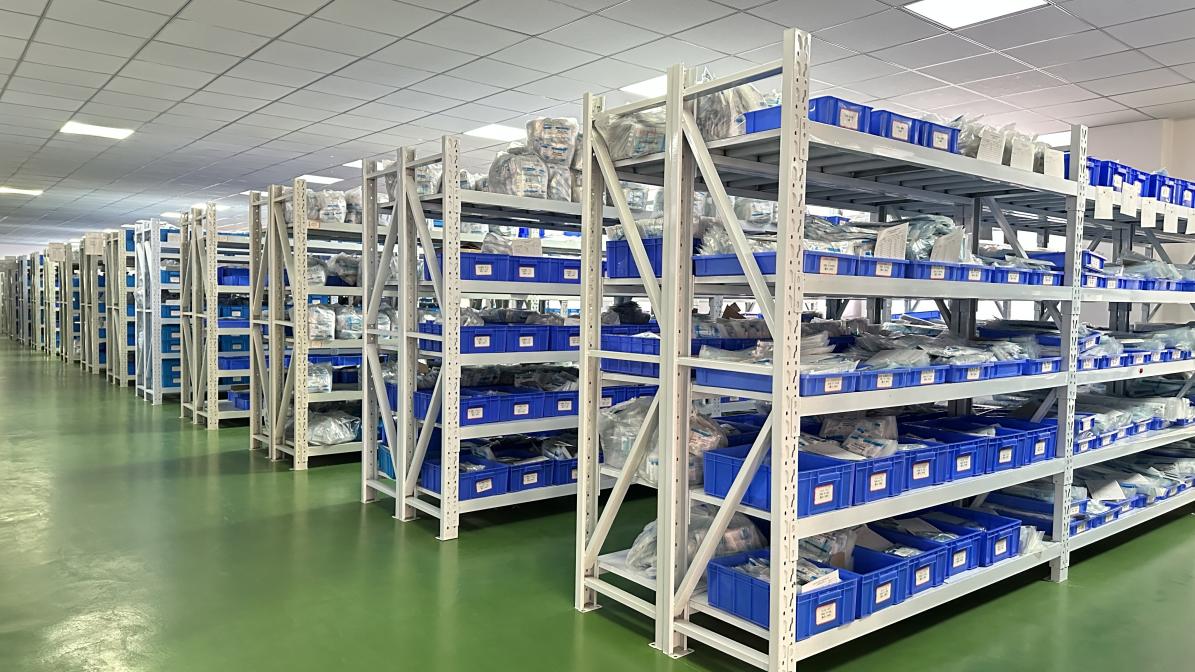
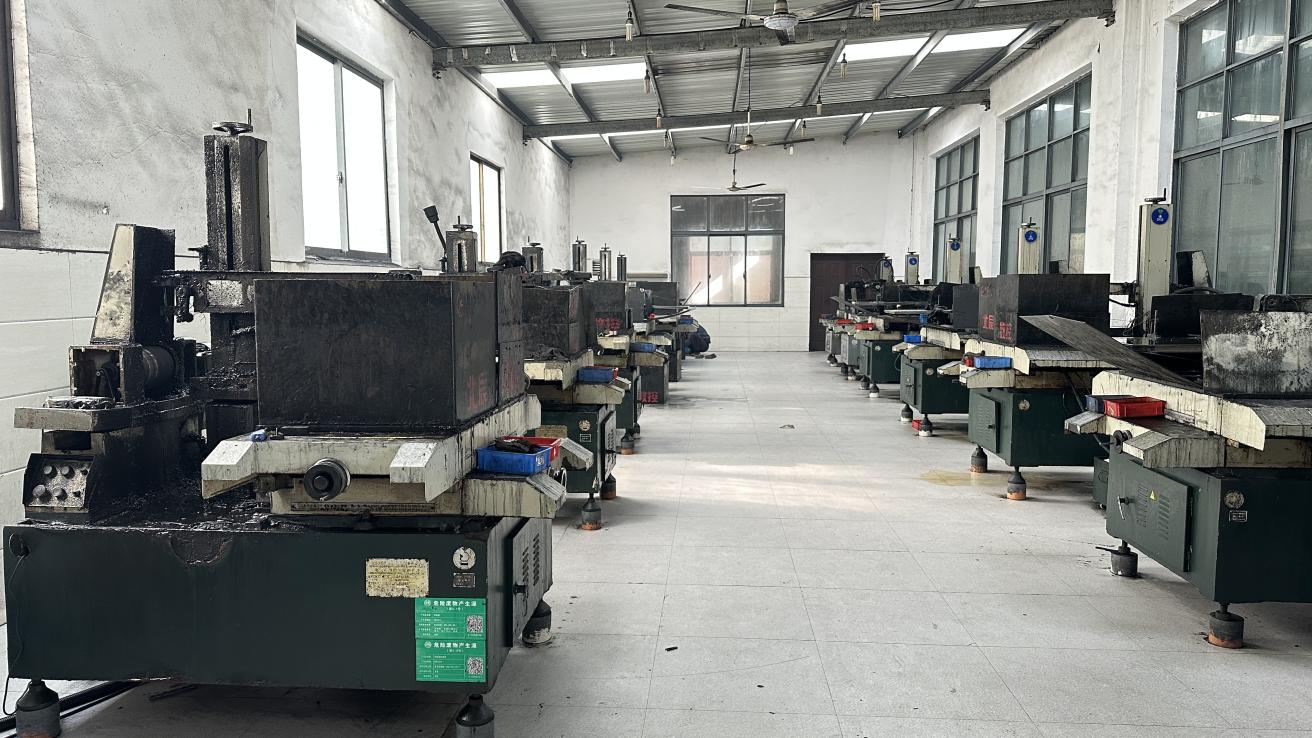
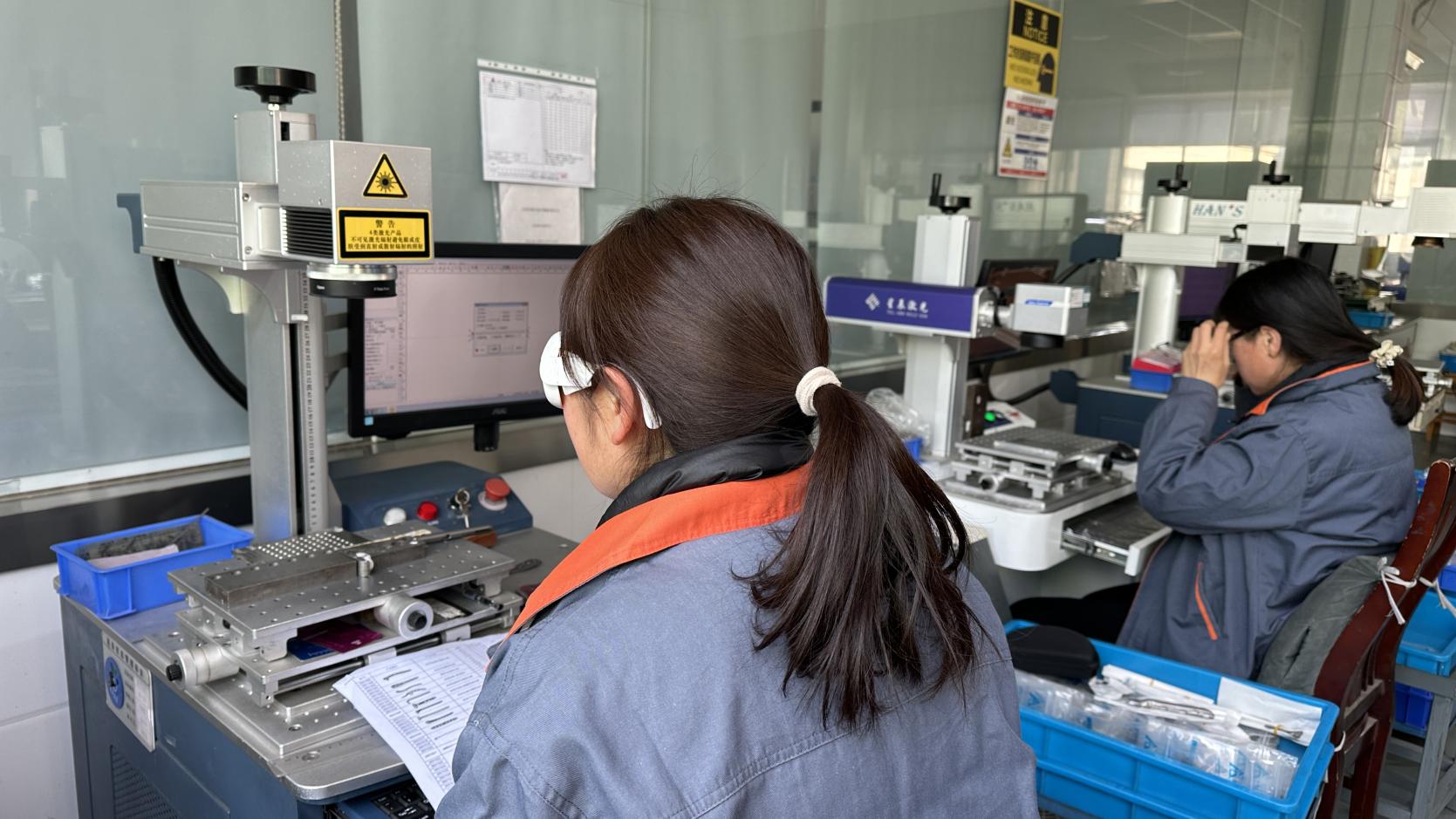
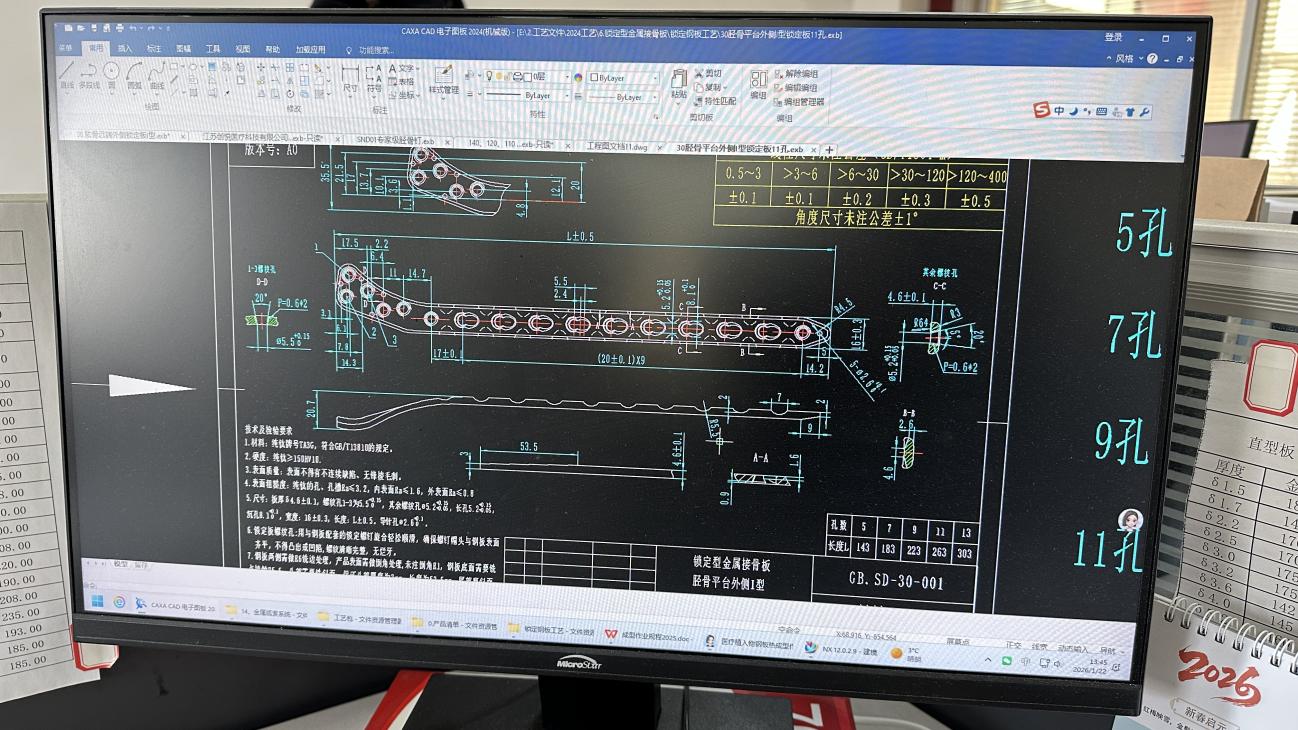
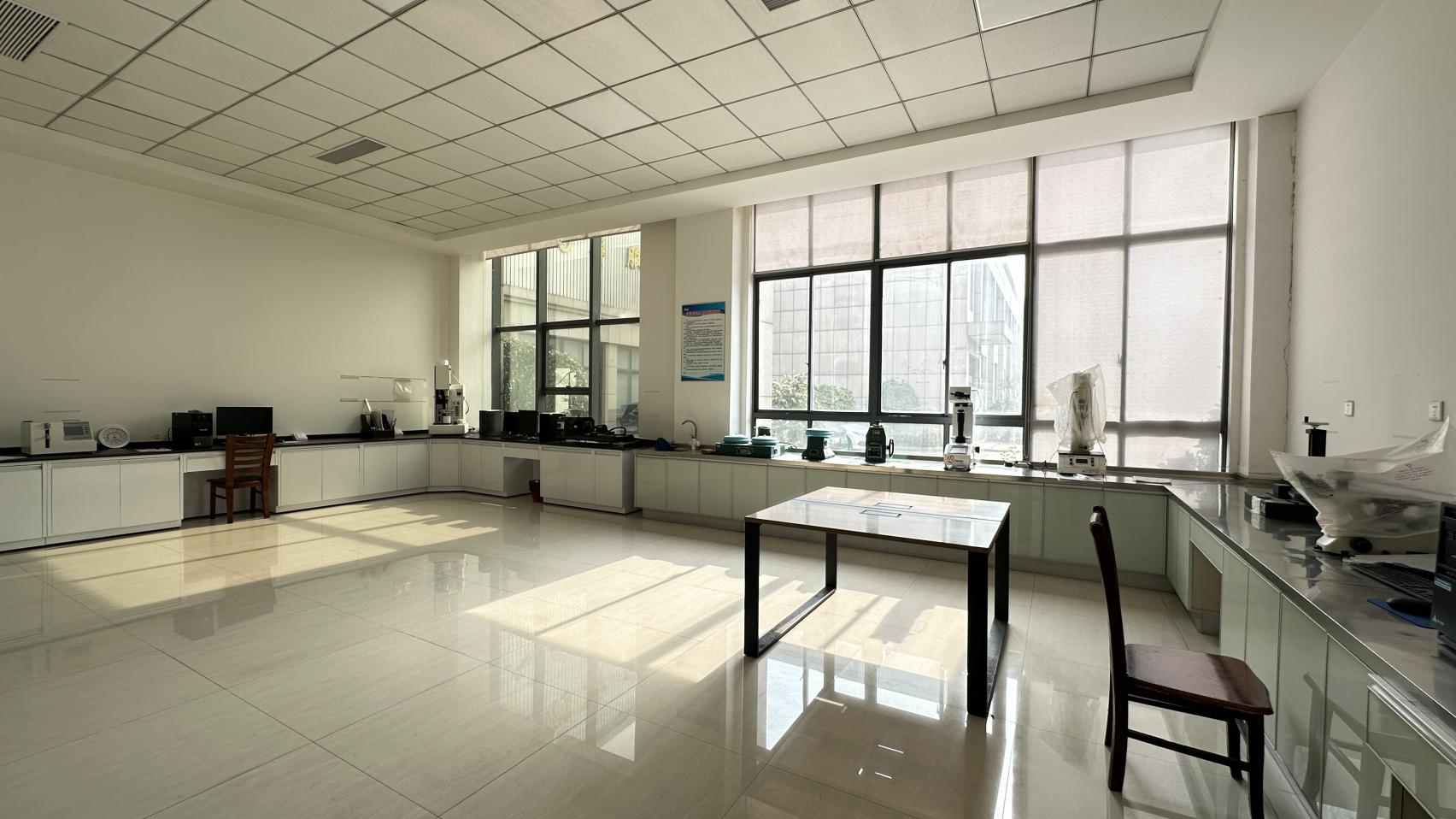
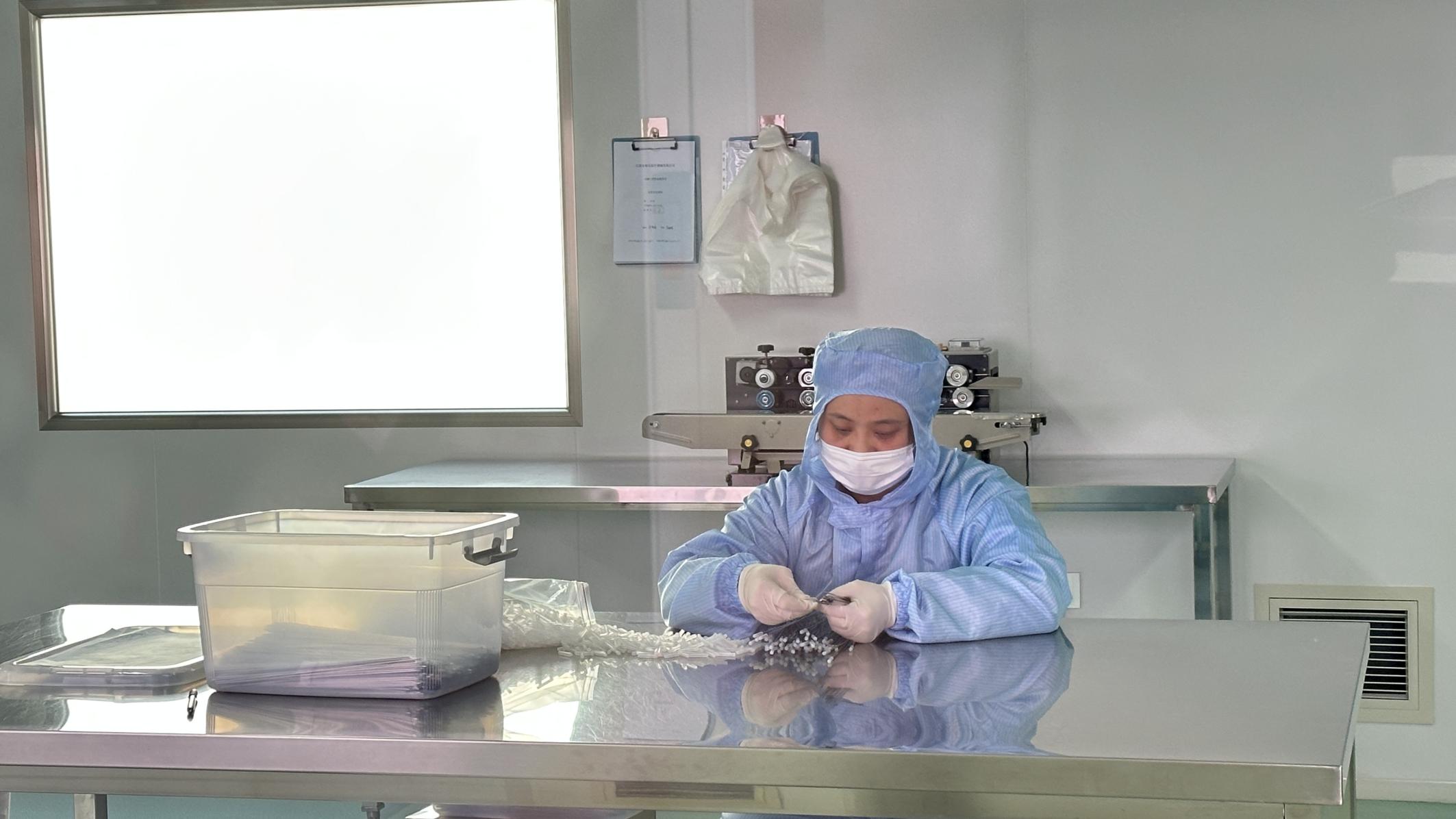
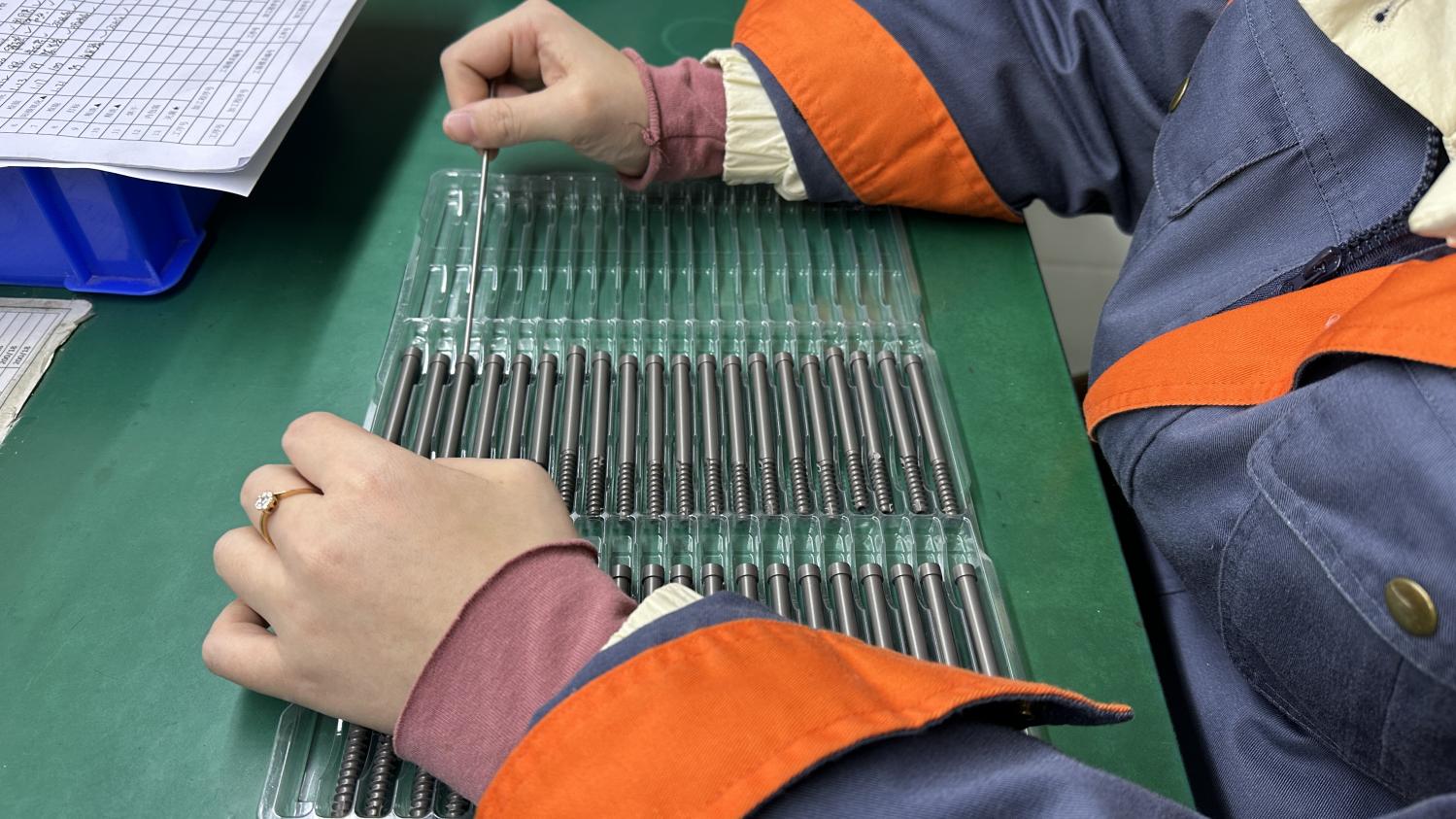
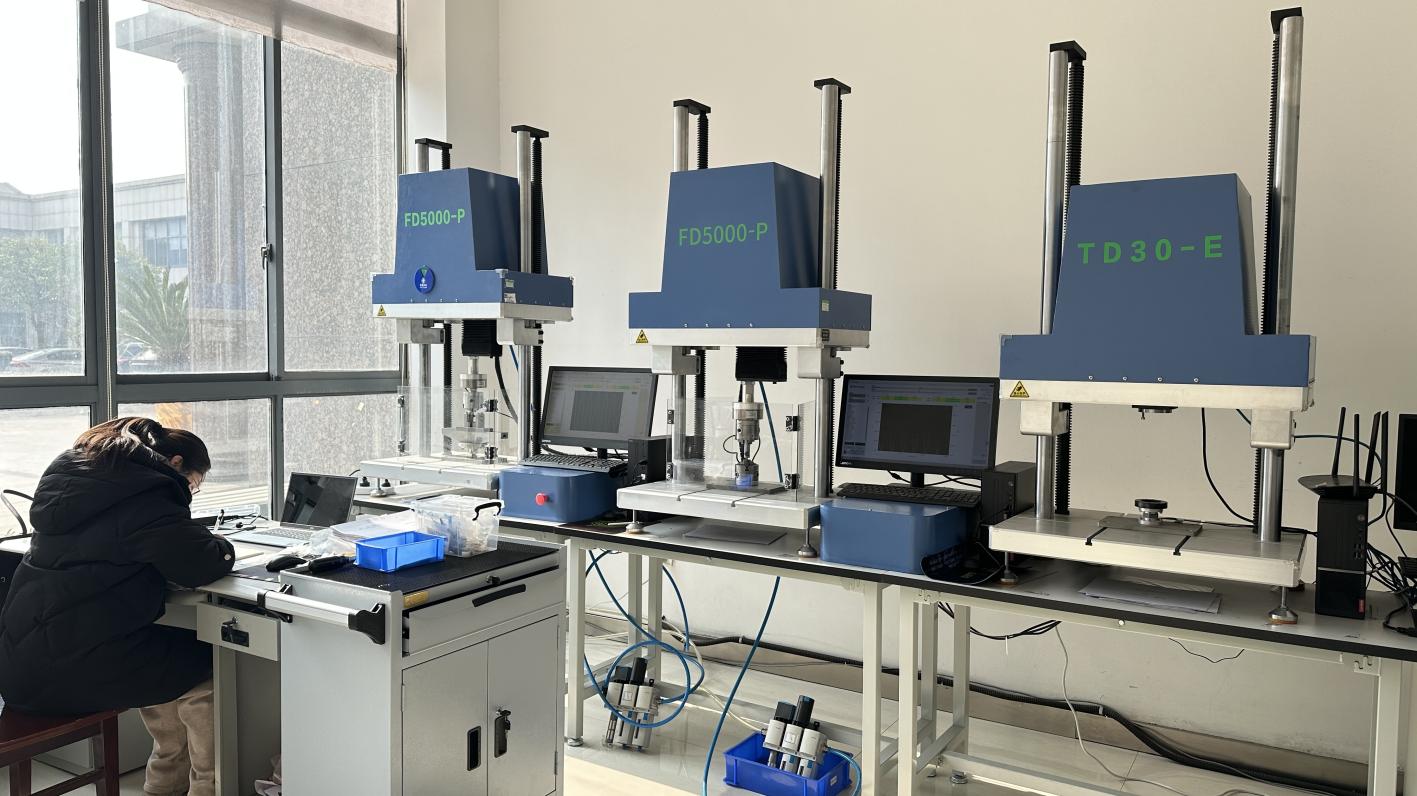
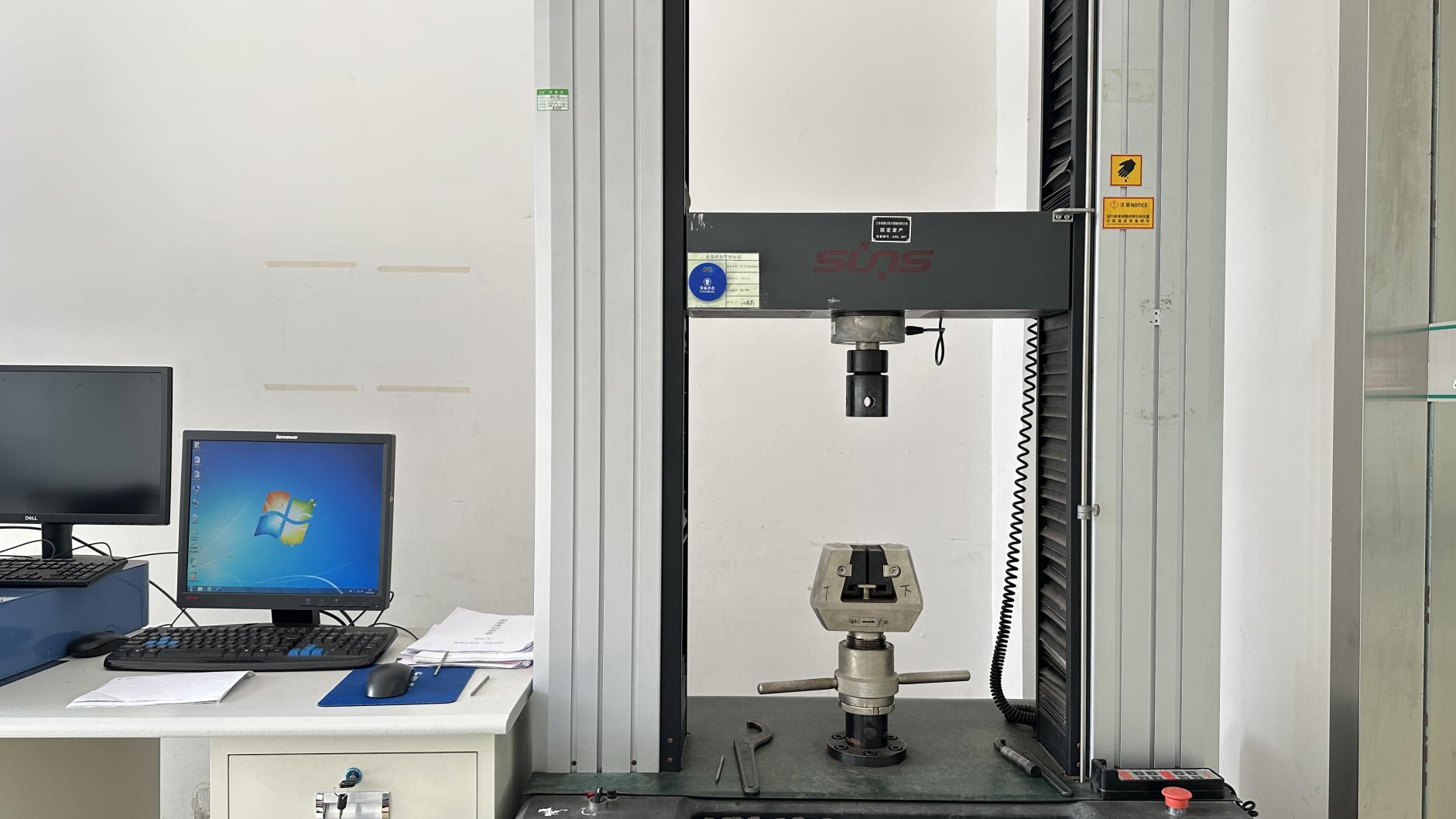
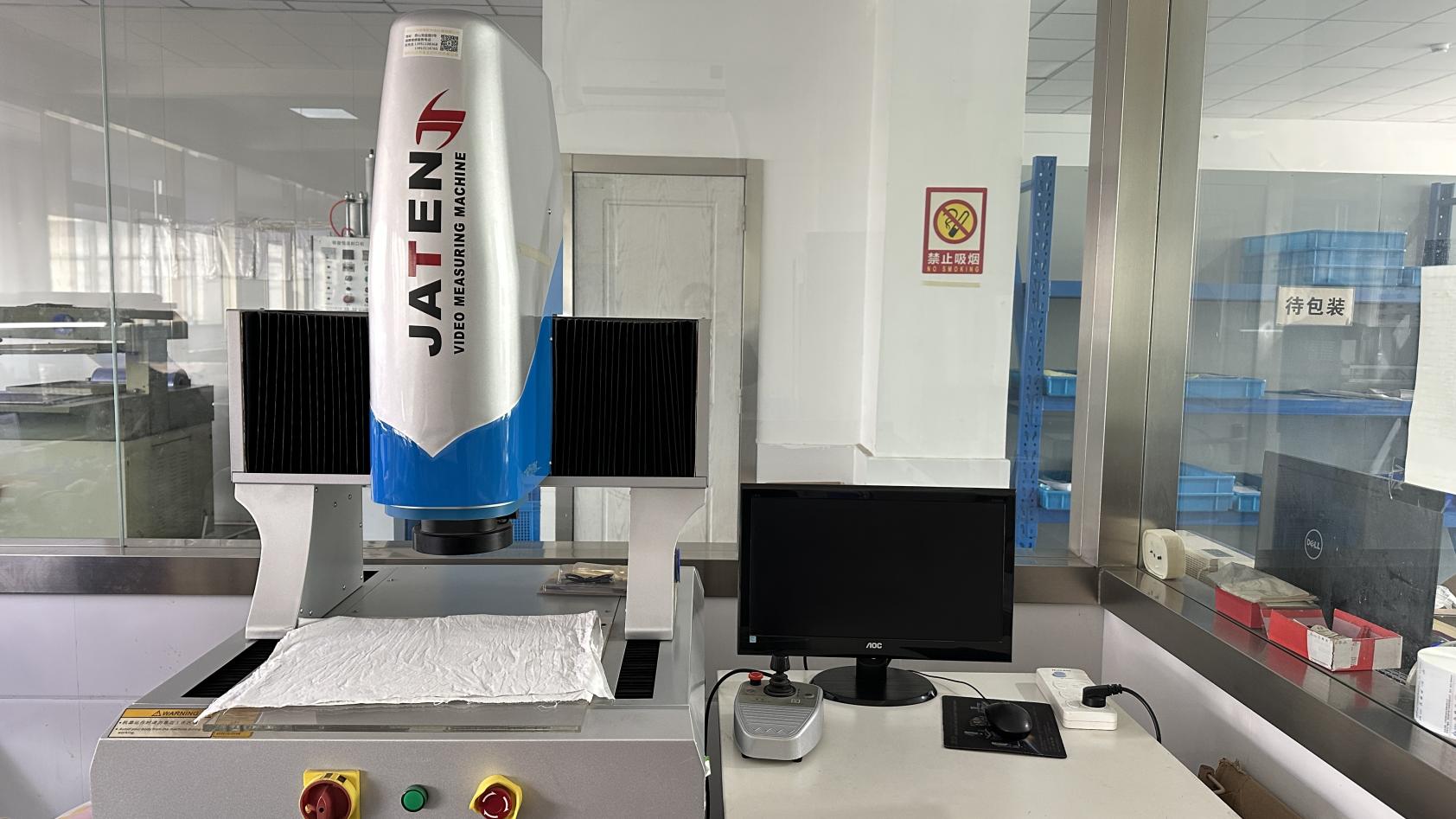
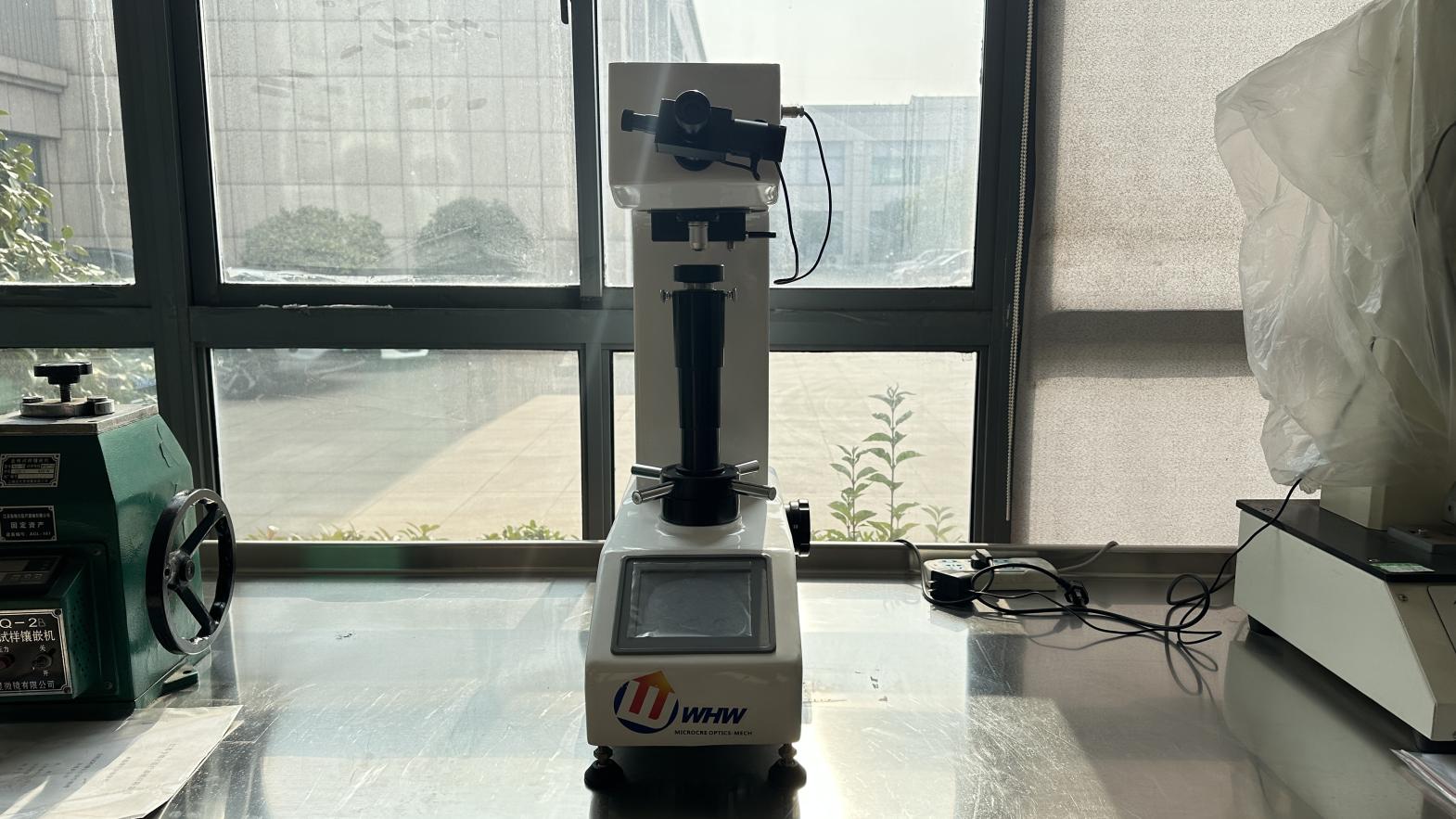
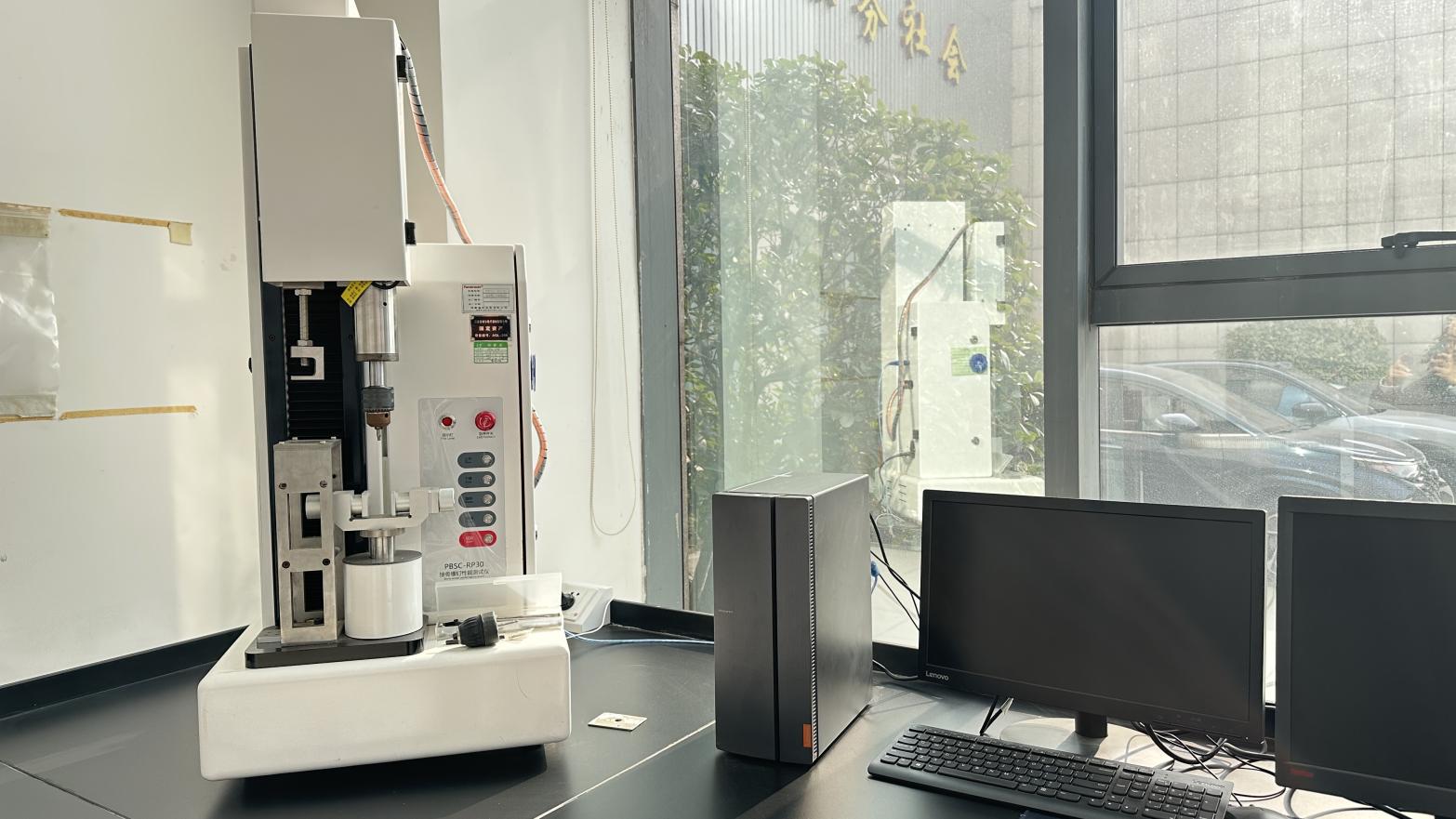
Virelox operates a fully integrated, state-of-the-art facility from raw material processing to final bio-burden and mechanical testing.
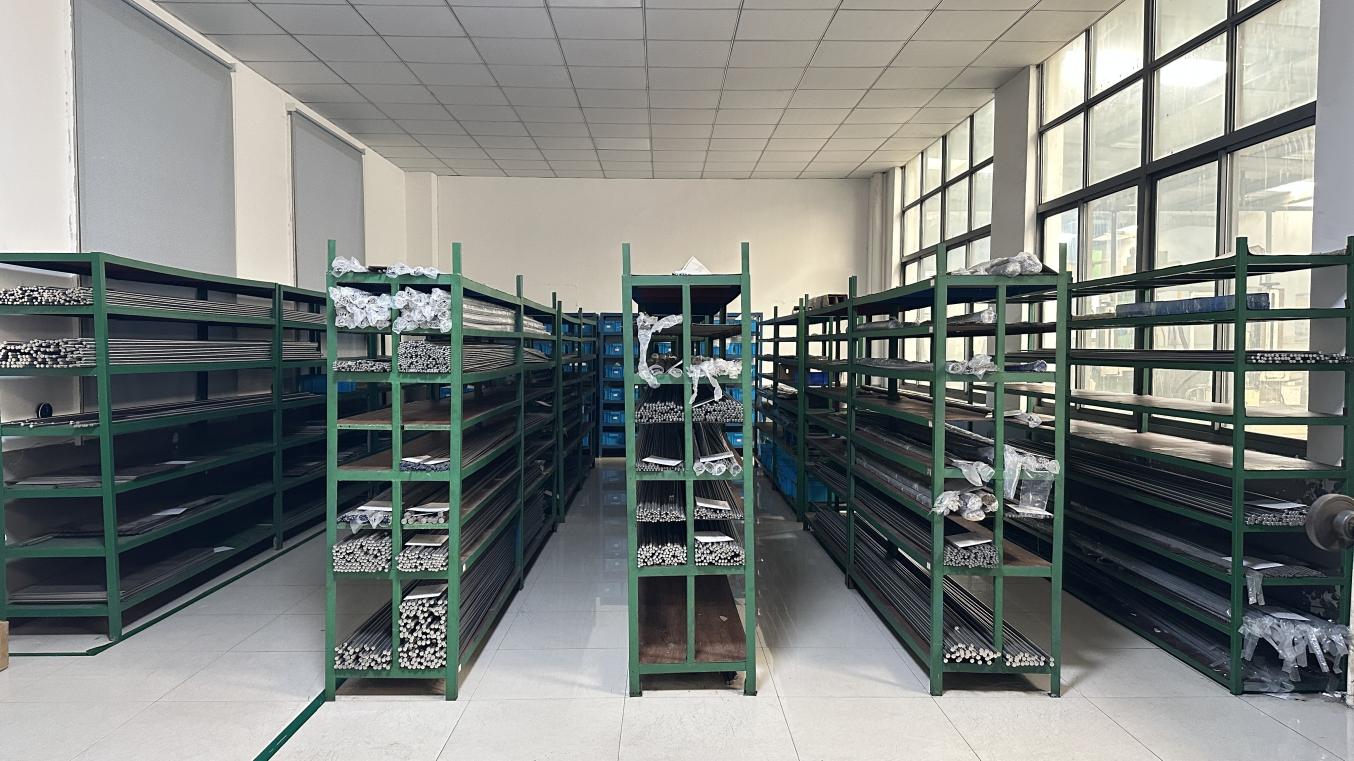
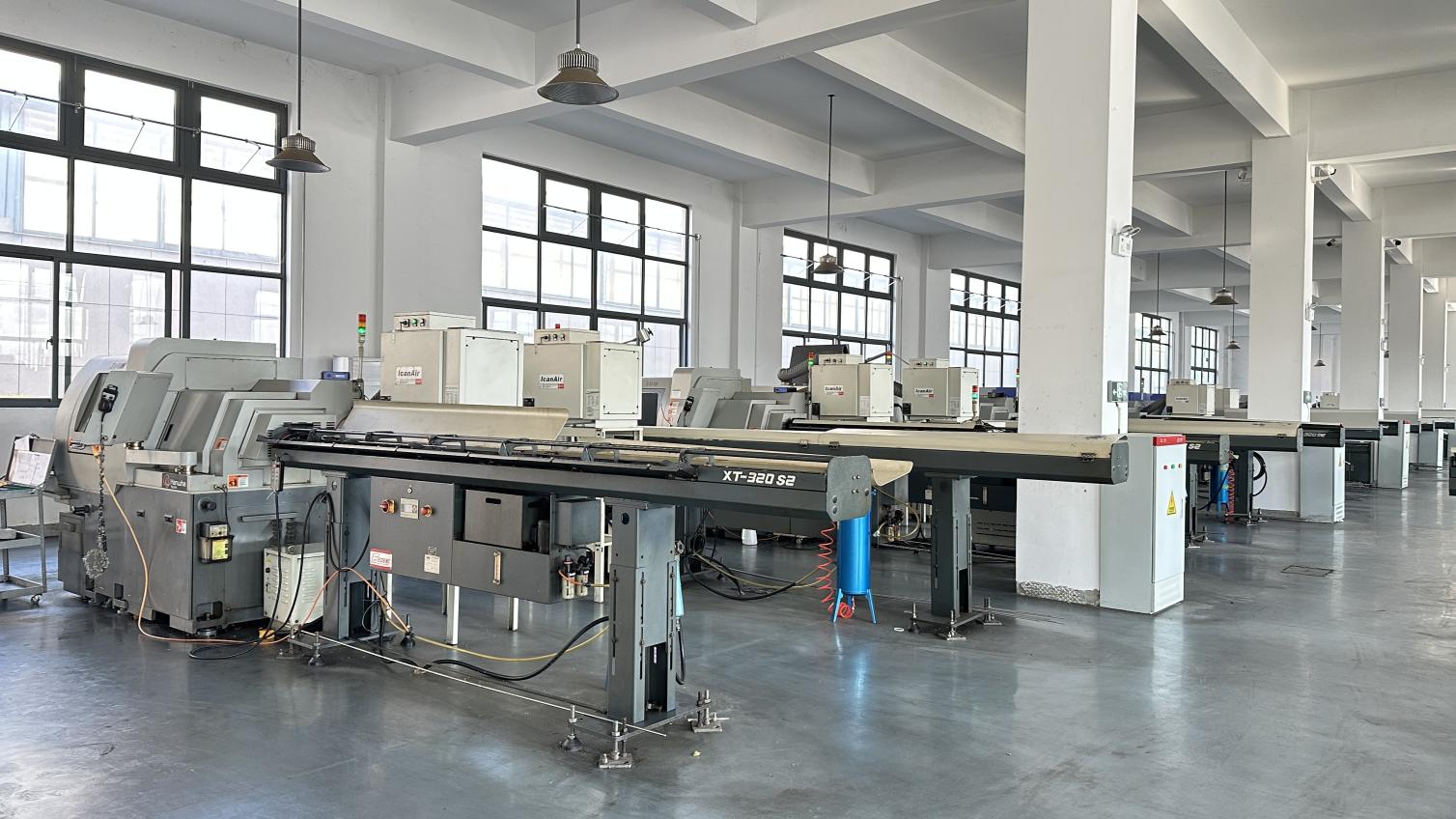
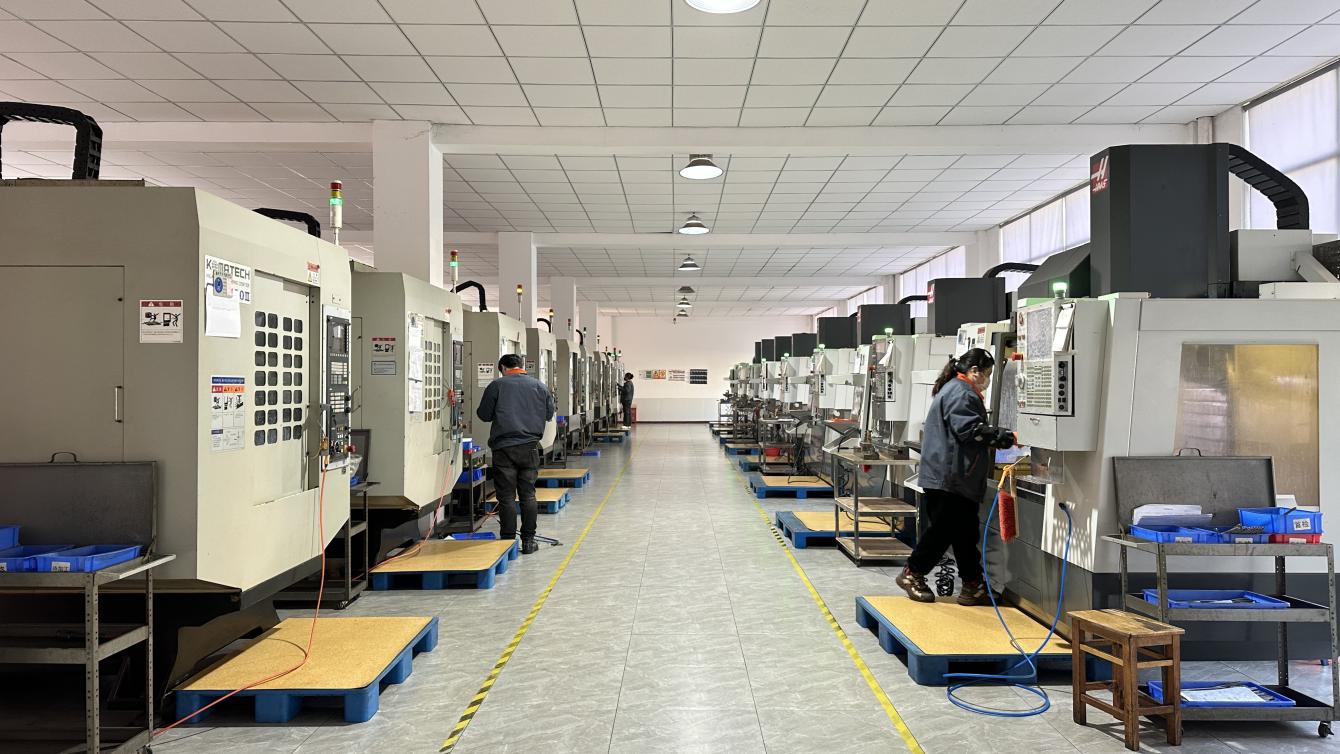
Managing international supply chains requires a transparent and highly efficient logistics framework. We have optimized our export channels to accommodate direct deliveries to Moscow, Saint Petersburg, Vladivostok, and Novosibirsk through secure, dedicated customs corridors.
Our operations guarantee uninterrupted delivery routes via cross-border rail links, air freight solutions, and overland truck routes, maintaining optimal lead times even under strict regulatory requirements. By offering OEM/ODM services and private labeling, Virelox acts as the primary manufacturing engine for prominent medical device distributors throughout the Russian Federation.
Virelox maintains a dedicated team of 65 QC professionals who oversee every stage of the manufacturing life cycle. Every production batch of intramedullary nails or external fixation sets is tracked via laser-marked barcodes, facilitating full device traceability back to the initial raw material ingot.
Through our ISO 13485 quality system, we execute mechanical stress simulation, fatigue verification, and dimensional validation using coordinate measuring machines (CMM) and state-of-the-art optical comparators. This guarantees that surgical instruments meet the critical tactile response and locking feedback required by trauma surgeons in demanding clinical scenarios.
High-performance titanium alloy surgical implants engineered for reconstruction and fixation of complex fractures
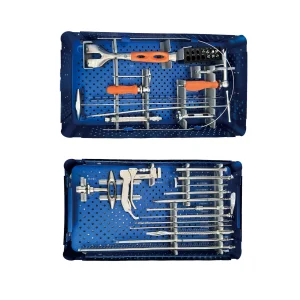
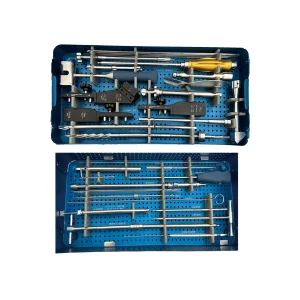
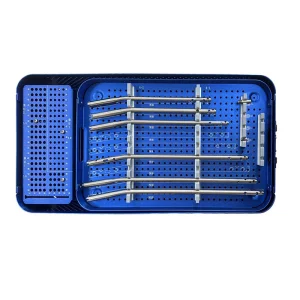
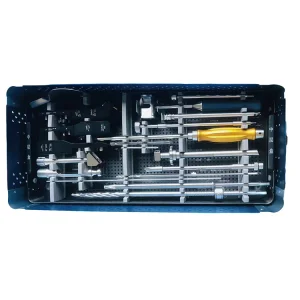
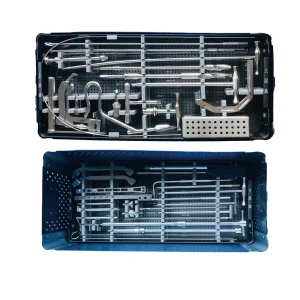
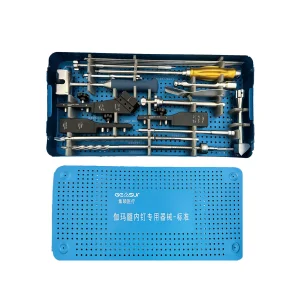
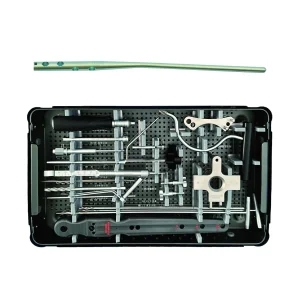
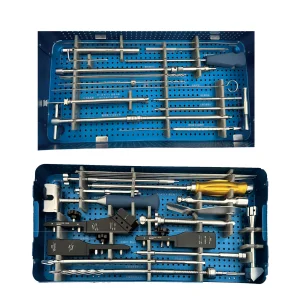
Understanding Regulatory, Technical, and Commercial Operations for Importation into the Russian Federation
We supply full technical dossiers, including raw material certificates (Grade 5 Titanium / Titanium Alloy), biocompatibility reports (ISO 10993), and mechanical fatigue testing validation data. Our team works directly with your registration representatives to complete the dossier required for EAEU compliance.
All products can be packaged under cleanroom conditions (ISO Class 7) with dual-sterile packaging. We support localized labeling in Cyrillic, ensuring that product descriptions, barcode identification, storage conditions, and sterilization status conform to Russian medical standards and GOST guidelines.
Standard manufacturing runs take 30 to 45 days depending on the size of the order. For custom geometries or private label design processes (CAD/CAM engineering and mechanical validation), the design-to-delivery pipeline averages 60 to 75 days.
Every production lot undergoes non-destructive testing (such as coordinate-measuring machine dimension checks and optical inspection) and destructive testing (yield strength and fatigue cycle testing). Full traceability certificates are shipped alongside the products.
We support diverse financial transactions through designated channels. For logistics, we organize shipping via overland rail links (directly connecting major industrial zones to hubs like Moscow and Yekaterinburg) as well as air freight and direct sea cargo options.
Integrate our ISO 13485 manufacturing facility into your Russian supply chain. Partner with Virelox for high-performance titanium implants and surgical instrument sets.
Send Inquiry Now Virelox