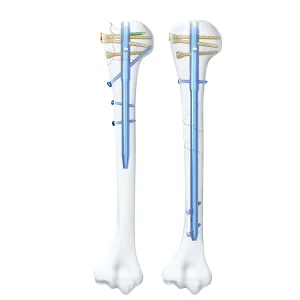
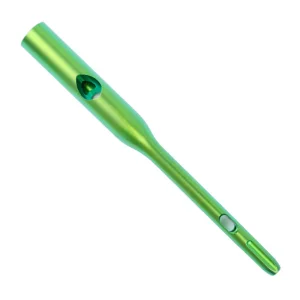
Advanced orthopaedic implants engineered with optimized anatomical configurations, engineered for the clinical demands of the Portuguese healthcare network.
An in-depth analysis of orthopedic trauma management, regulatory shifts, and supply chain demands within the Iberian Peninsula.
The global orthopaedic trauma fixation market is undergoing a rapid technological paradigm shift, with Intramedullary (IM) Nails maintaining their position as the gold standard for long bone fracture stabilization. Valued globally at over USD 3.8 billion, the IM nailing system segment is driven by the increasing incidence of geriatric osteoporotic fractures and high-energy road traffic accidents. From a biomechanical perspective, IM nails offer distinct advantages over extramedullary plating systems. As load-sharing devices, they align close to the mechanical axis of the bone, minimizing bending moments, preserving the periosteal blood supply, and facilitating early post-operative weight-bearing. This biological fixation promotes callus formation, significantly reducing clinical non-union rates.
In Portugal, the demand for intramedullary nails is closely tied to the demographics of the domestic healthcare sector. Portugal has one of the highest ageing indexes in the European Union, with senior citizens (aged 65 and over) constituting more than 23% of the total population. This demographic trajectory has led to a significant increase in fragility fractures, particularly proximal femoral fractures (such as trochanteric and femoral neck fractures). The Portuguese National Health Service (Serviço Nacional de Saúde - SNS), alongside prominent private hospital groups like Luz Saúde, CUF, and Lusíadas Saúde, faces continuous pressure to optimize post-fracture recovery paths, reduce hospital stay durations, and minimize implant failure rates.
"For Portuguese clinical distributors and hospital procurement units, sourcing intramedullary nailing systems is no longer just about buying implants; it is about acquiring biomechanically reliable, CE-MDR-certified solutions that align with the stringent procurement frameworks of the SNS."
Furthermore, the European medical device landscape has changed with the transition to the Medical Device Regulation (MDR 2017/745). This regulatory shift demands high-level clinical evidence, comprehensive technical documentation, and proactive post-market clinical follow-up (PMCF) from manufacturers. Consequently, Portuguese orthopedic distributors are seeking strategic partnerships with advanced global manufacturers like Virelox Medical Devices, who possess the infrastructure to supply certified titanium alloy (Ti-6Al-4V ELI) and stainless steel locking nails that conform to European standards.
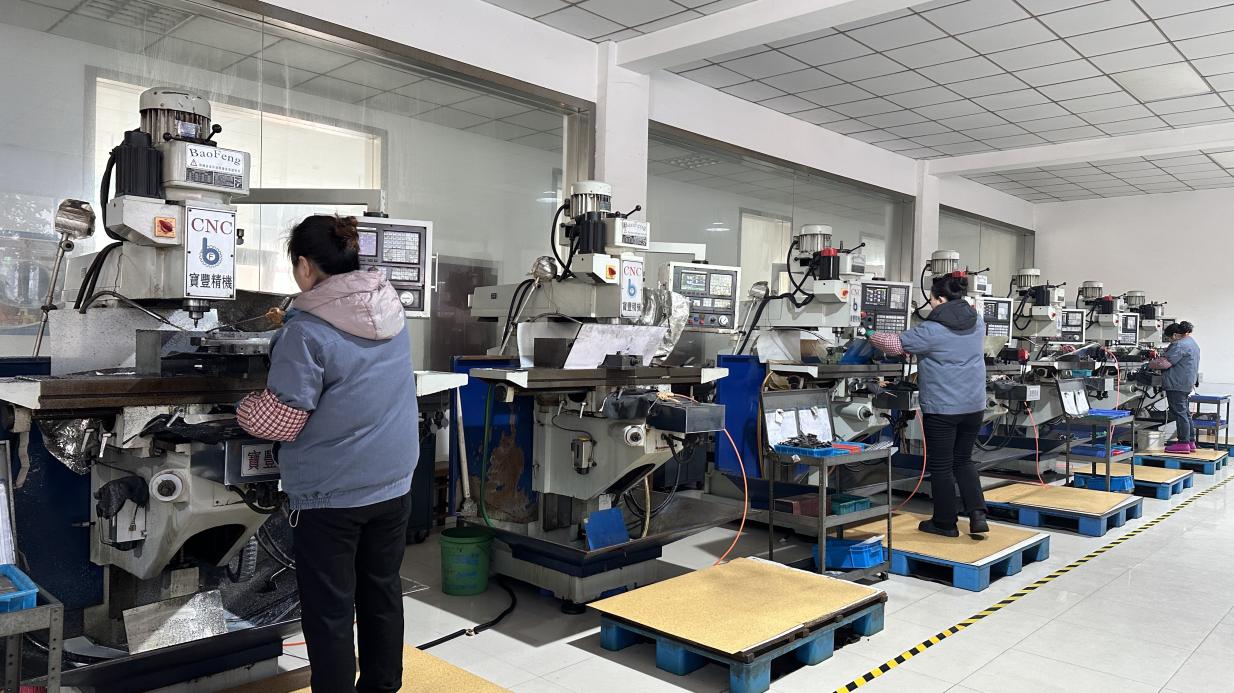
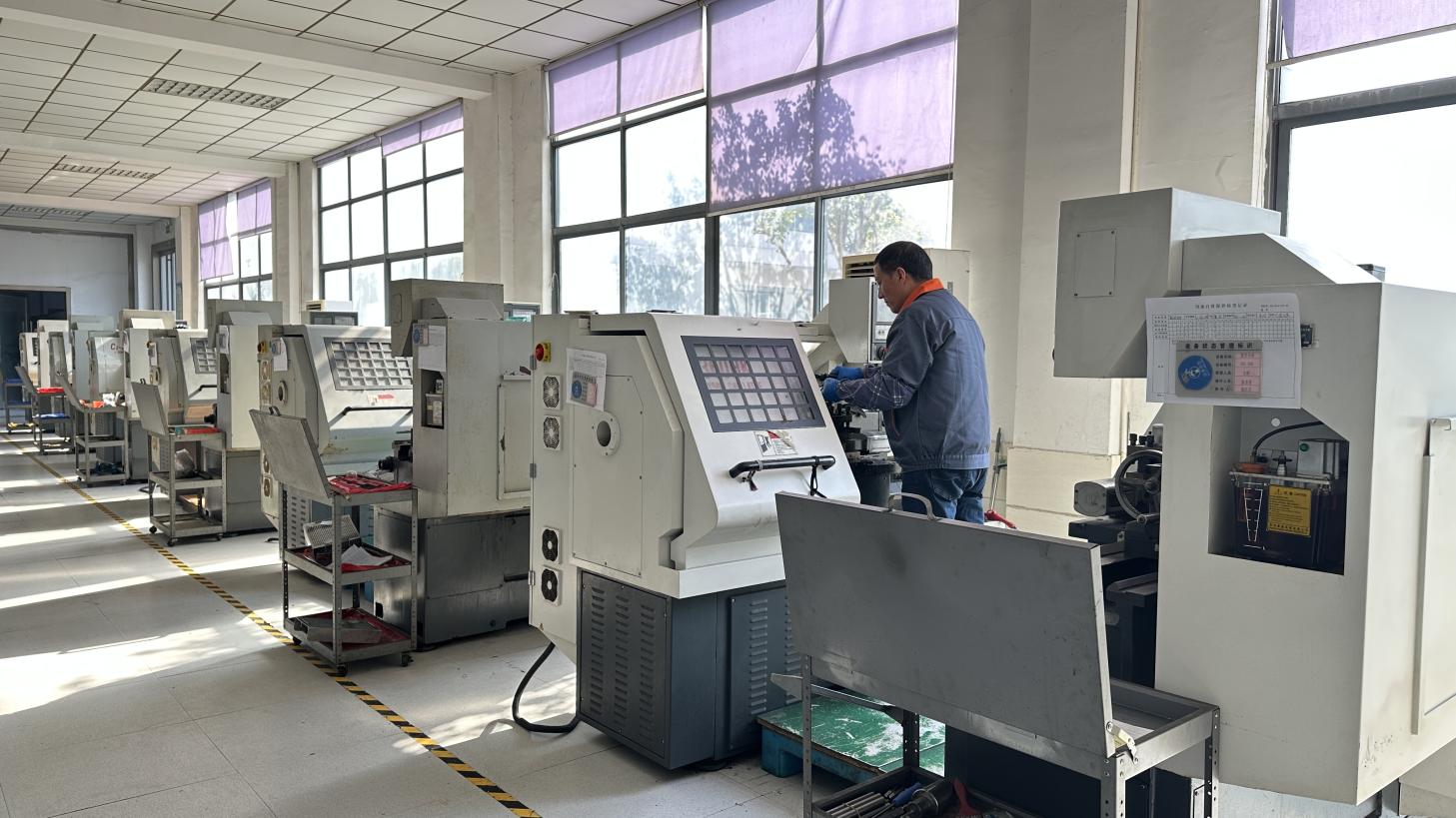
Virelox's vertically integrated manufacturing facility implements CNC machining and robotic automation to guarantee component uniformity and mechanical performance.
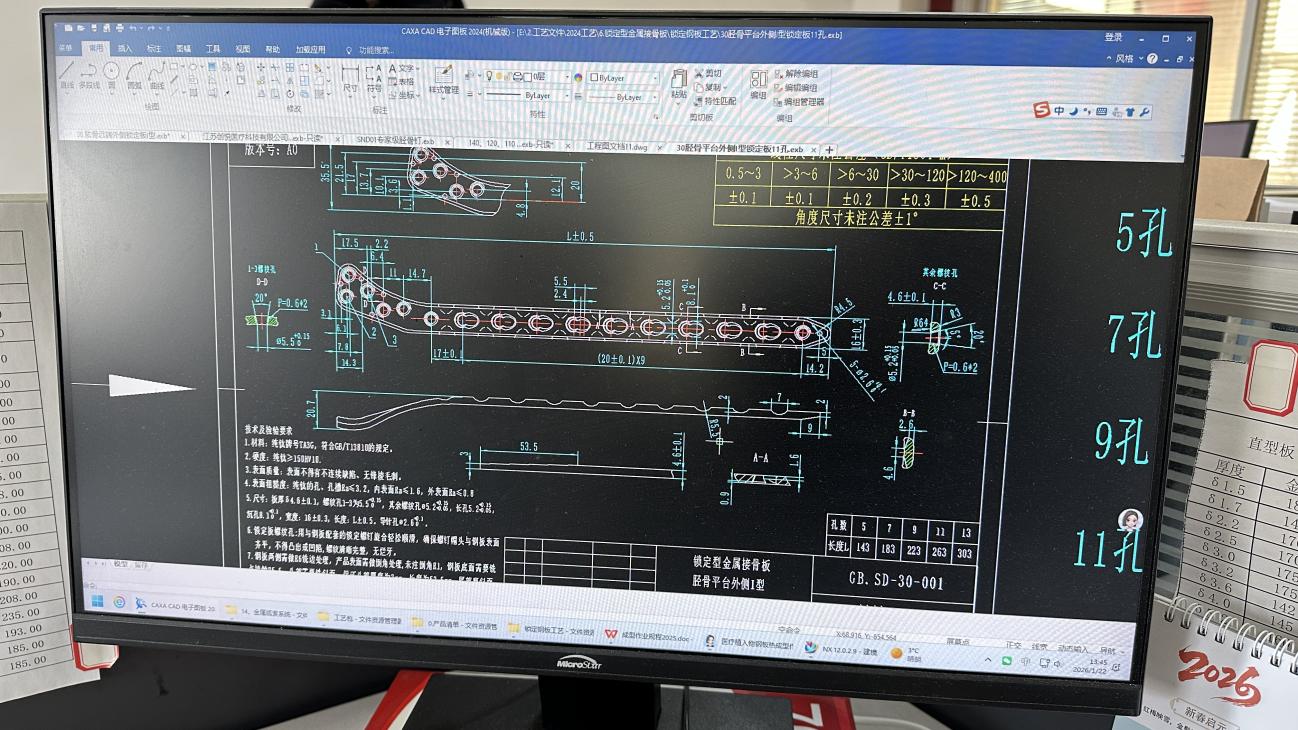
Virelox operates a state-of-the-art 12,000 square meter manufacturing plant, utilizing high-precision multi-axis CNC lathe centers, milling machines, and advanced wire-cutting technology. Every raw material batch, primarily medical-grade Titanium Alloy (Ti-6Al-4V ELI) and implant-grade Stainless Steel, undergoes strict spectral and mechanical inspection upon arrival. Our CNC machining pathways are optimized to achieve tight dimensional tolerances within ±5 microns, which is crucial for the matching tolerance between the intramedullary nail and its corresponding locking bolts.
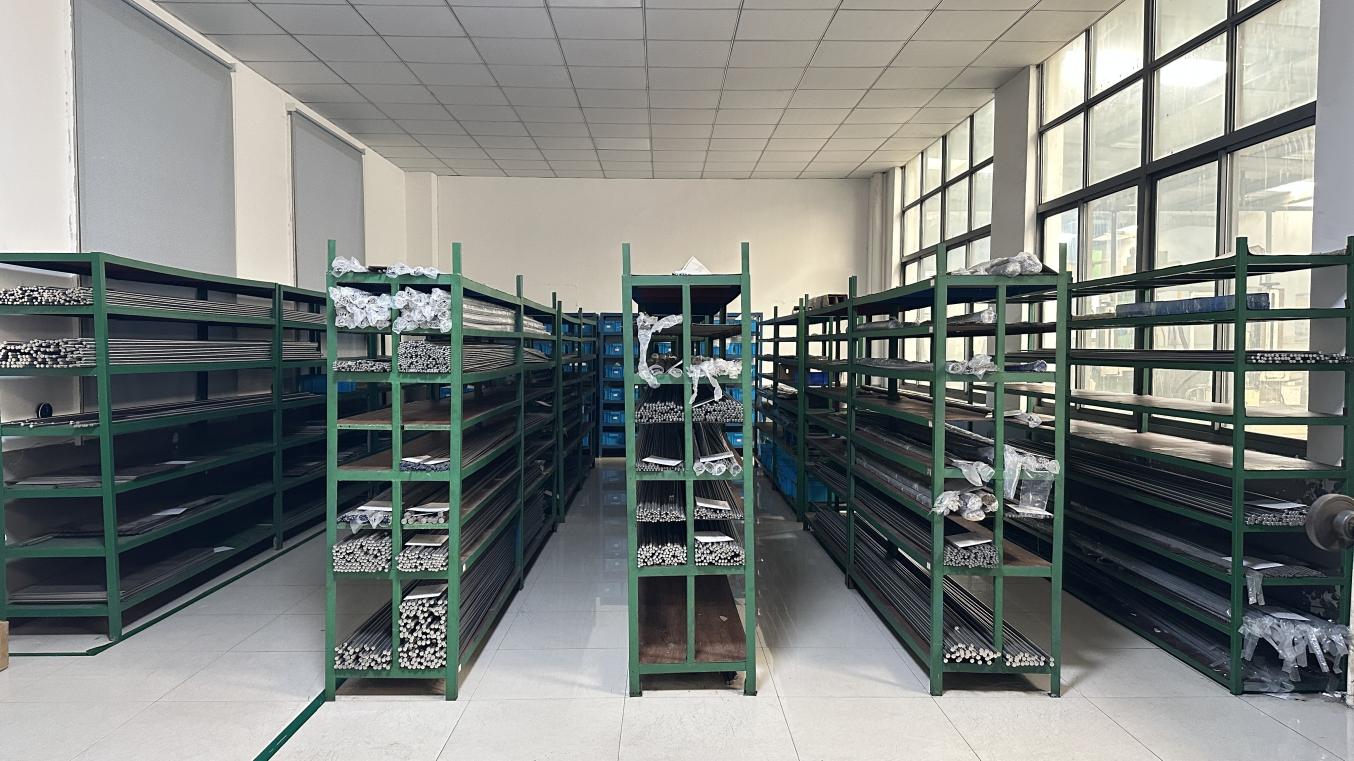
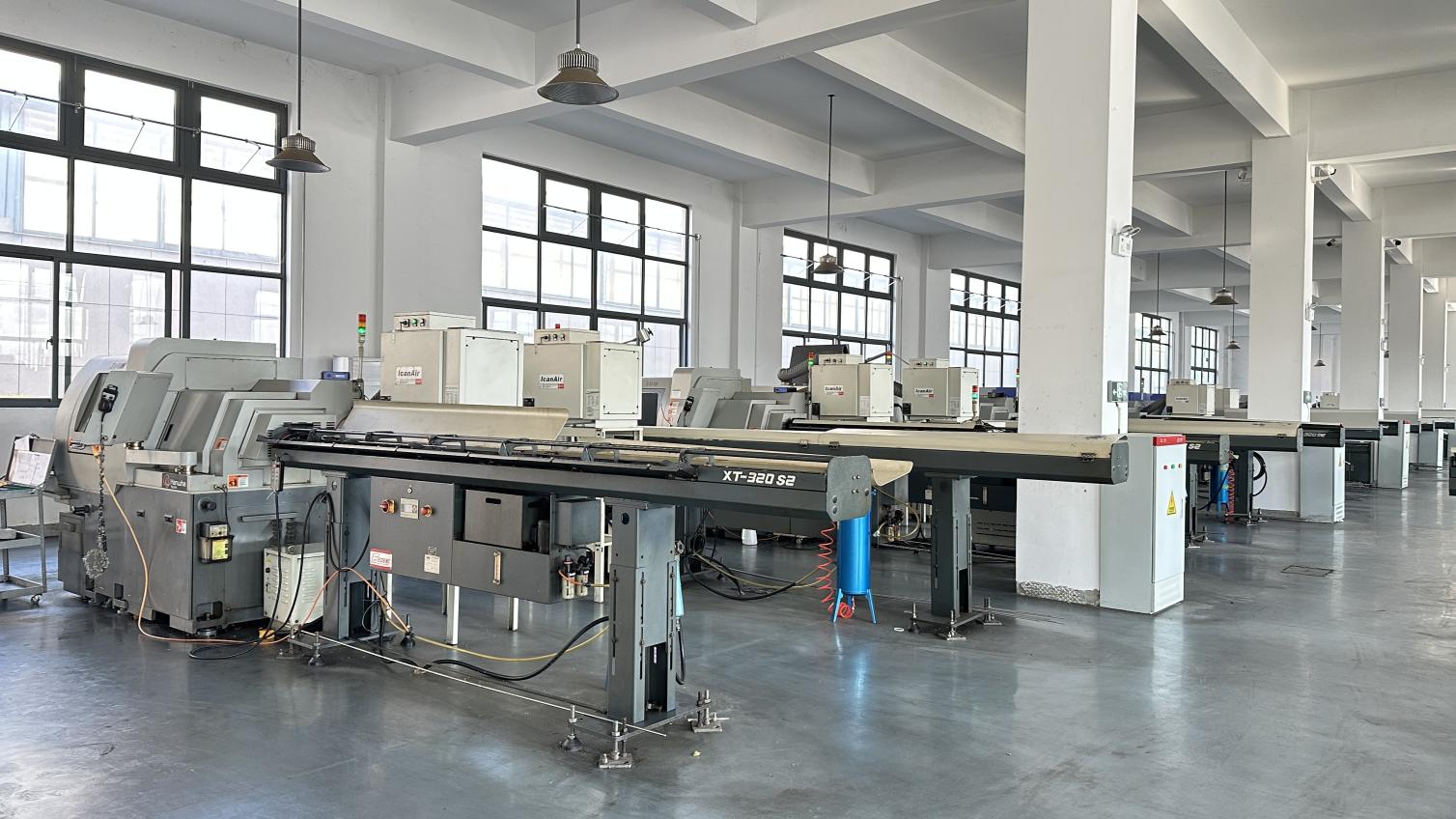
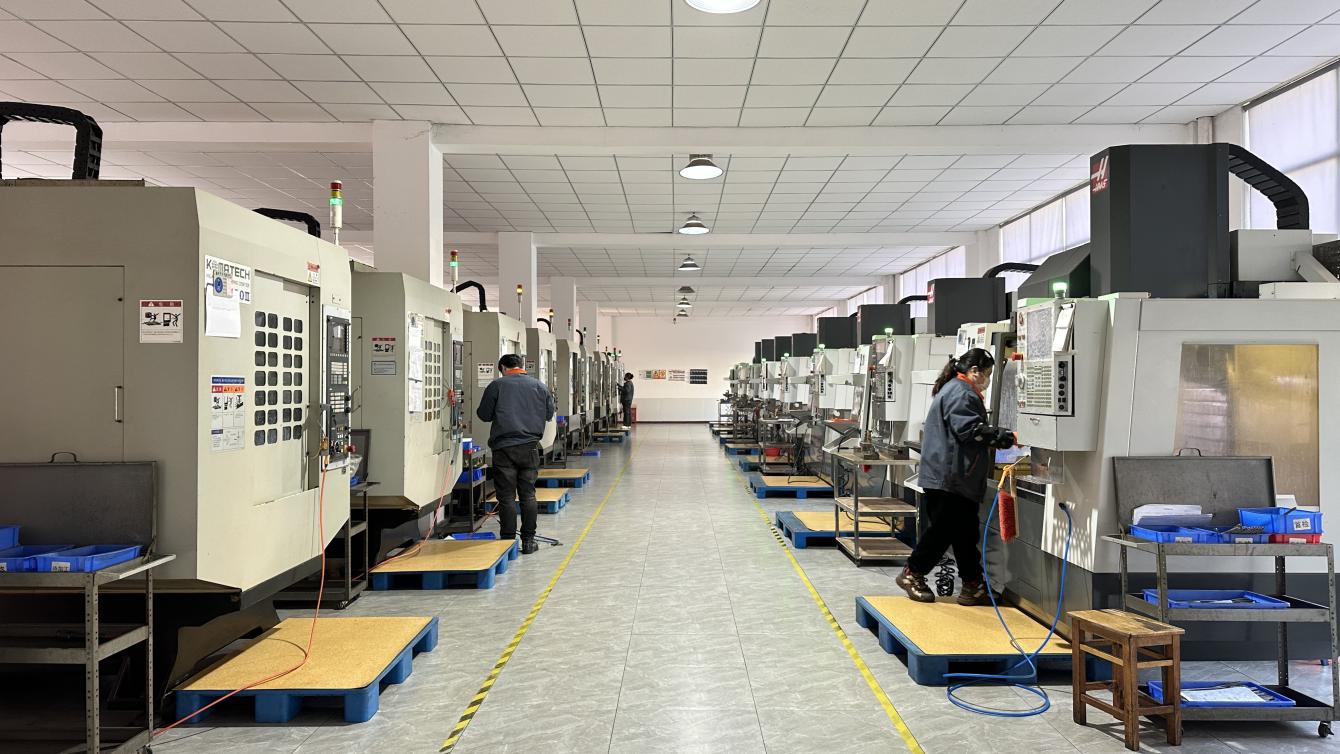
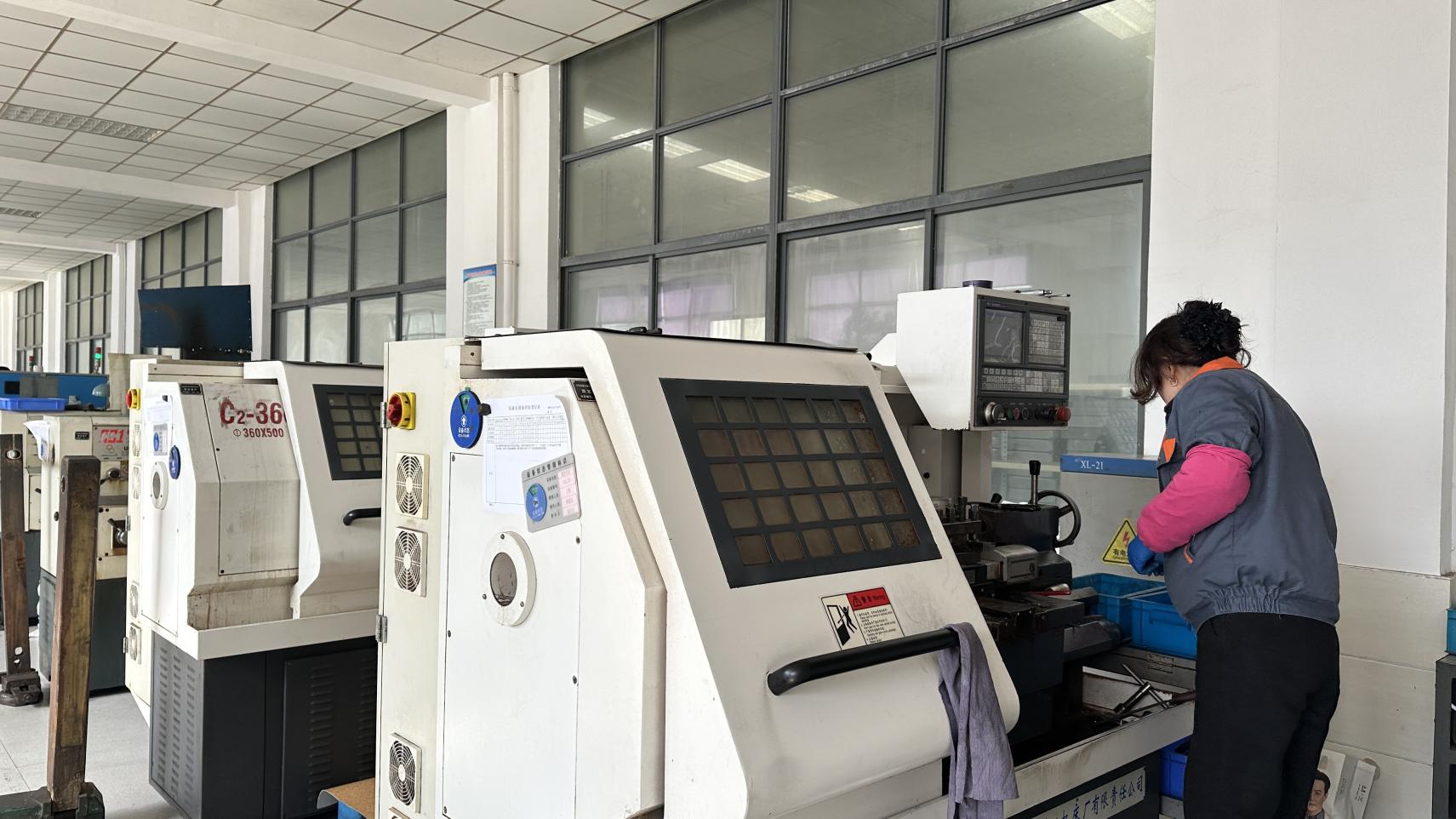
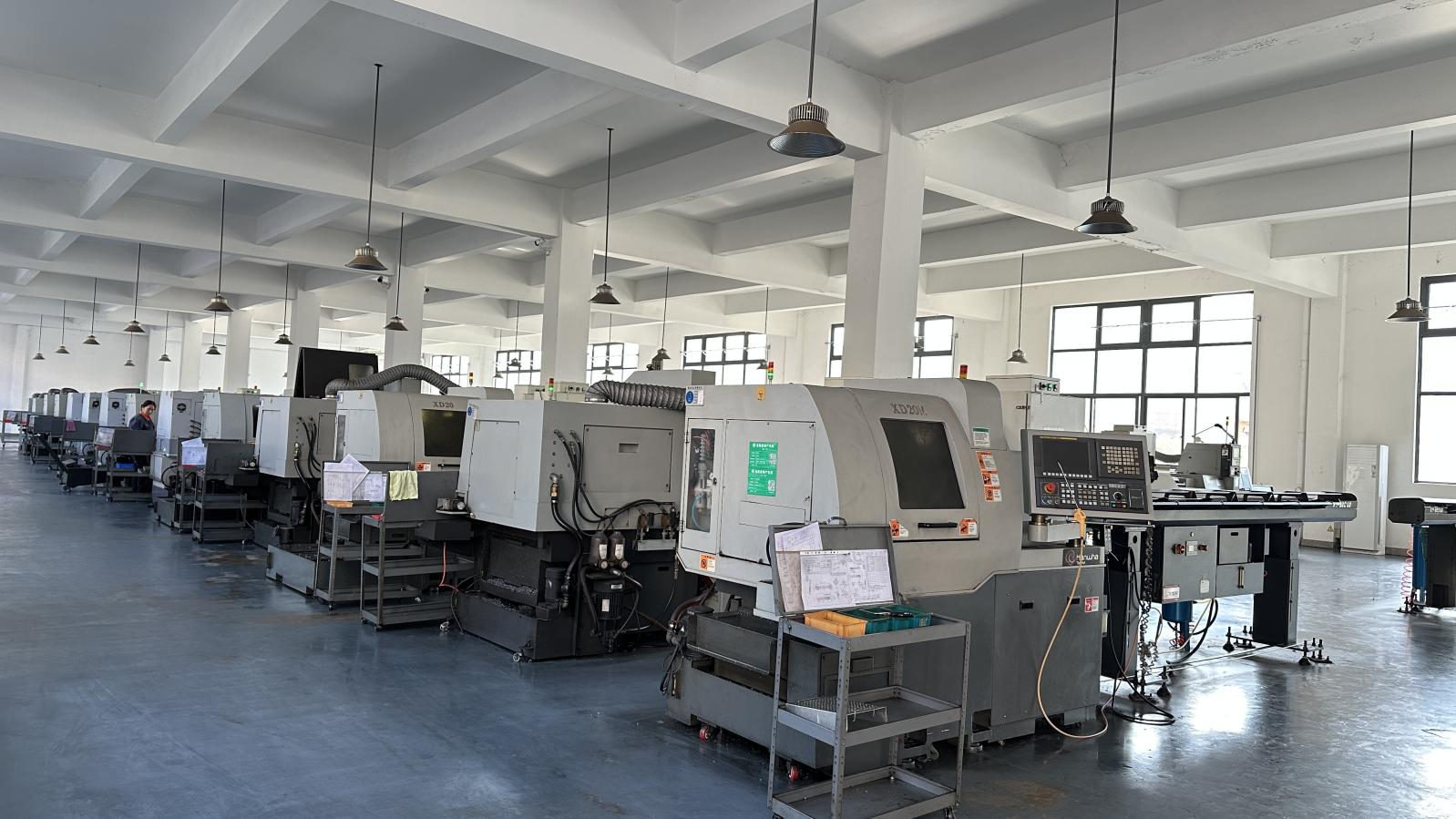
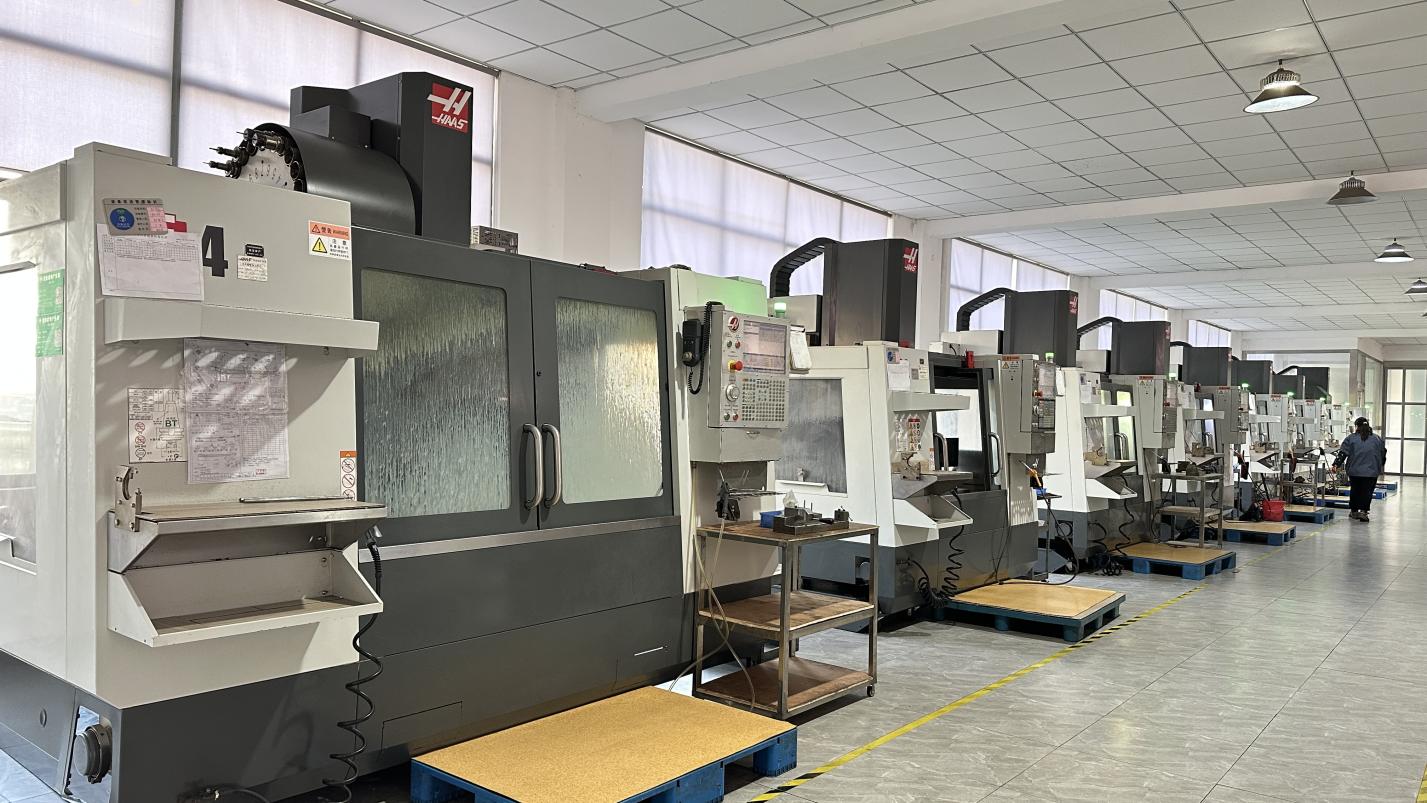
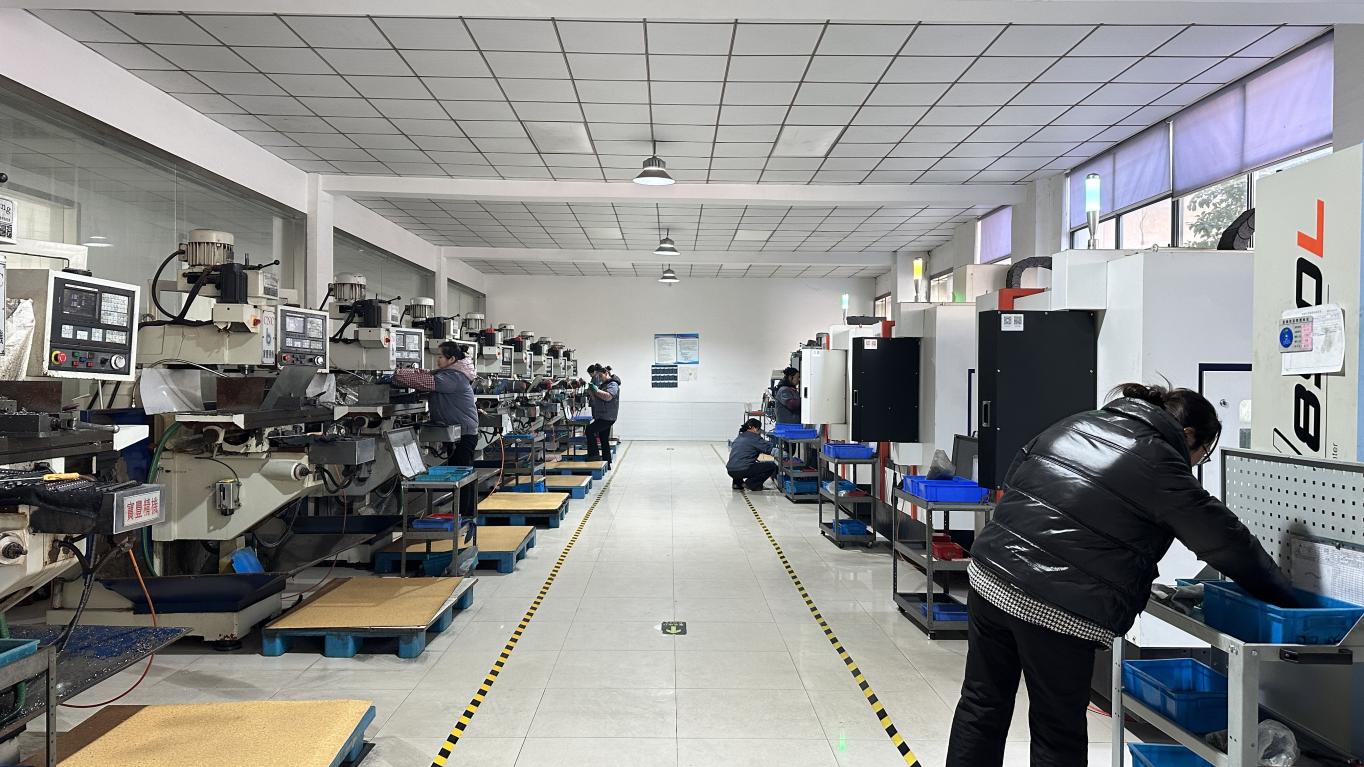
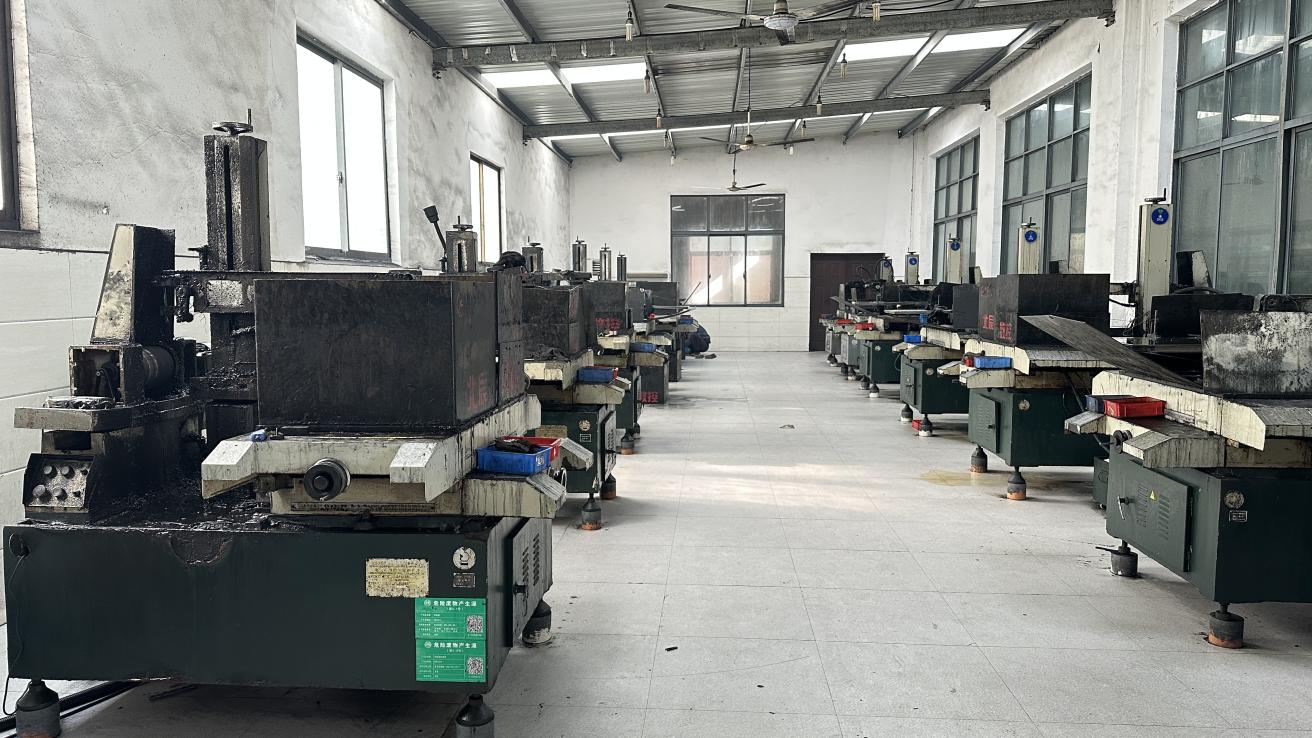
Addressing the technical issues of proximal femoral nail antirotation (PFNA) design and distal locking accuracy.
The progression of intramedullary nail design at Virelox focuses on optimizing clinical efficacy and simplifying surgical steps. The technology roadmap is categorized into three key areas:
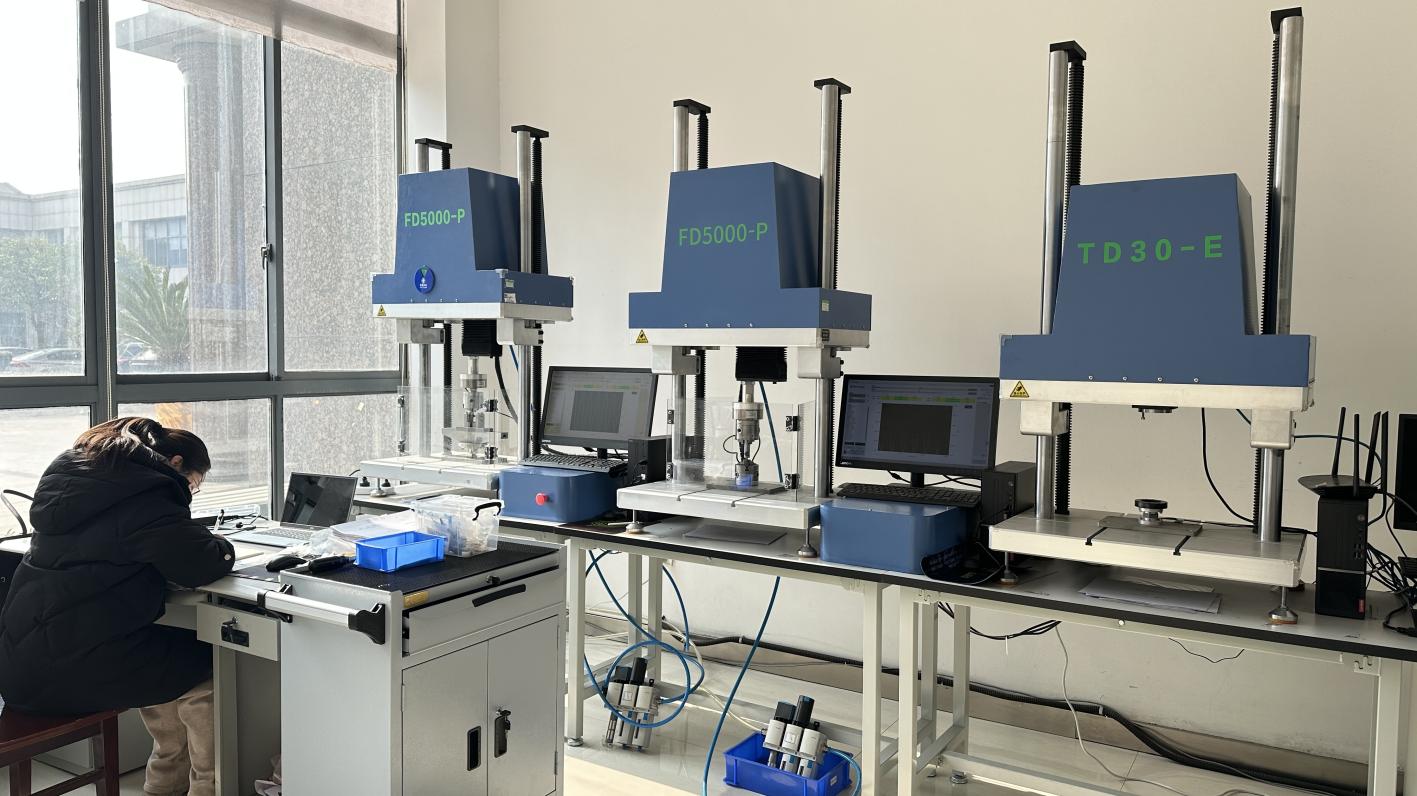
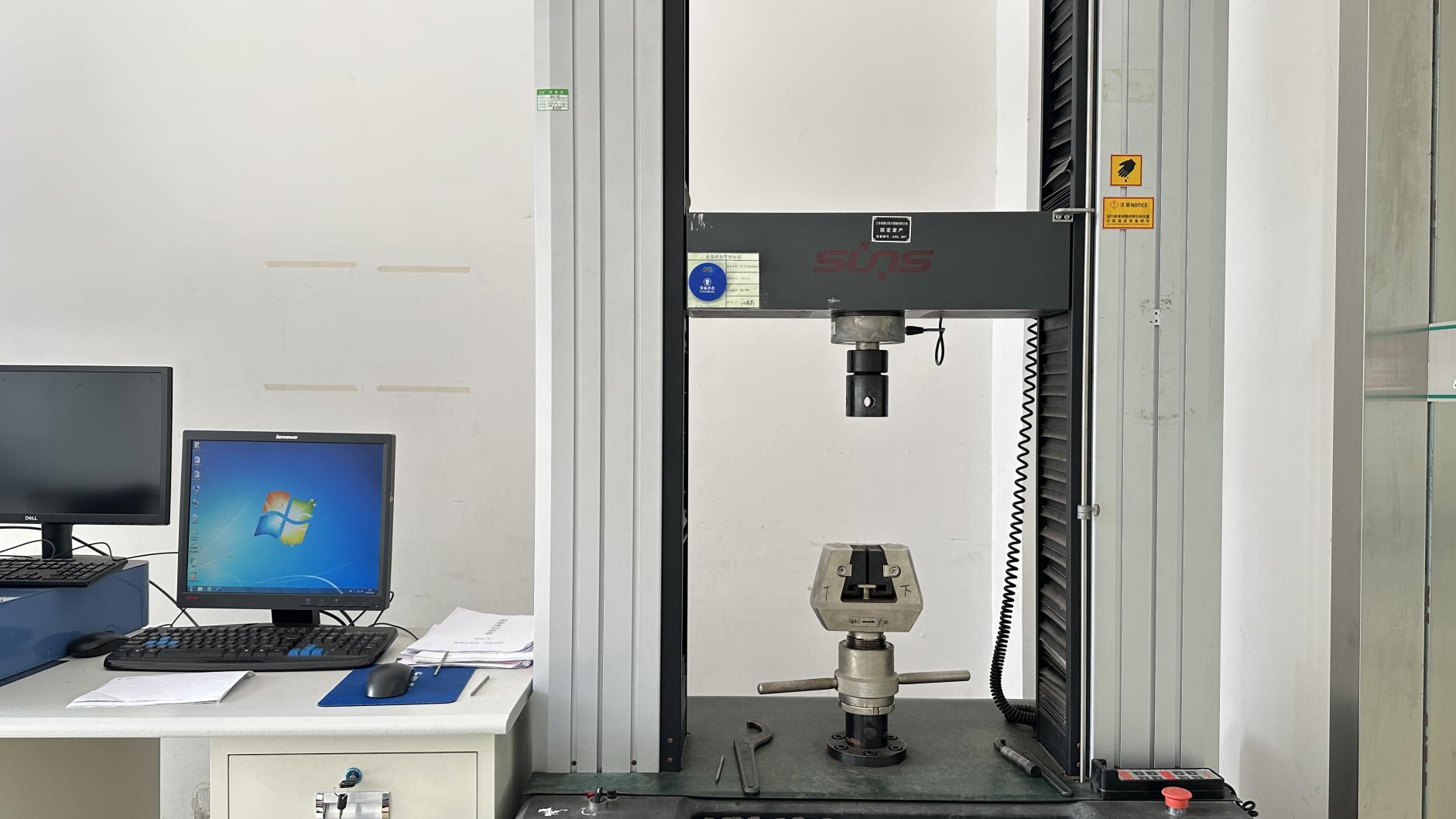
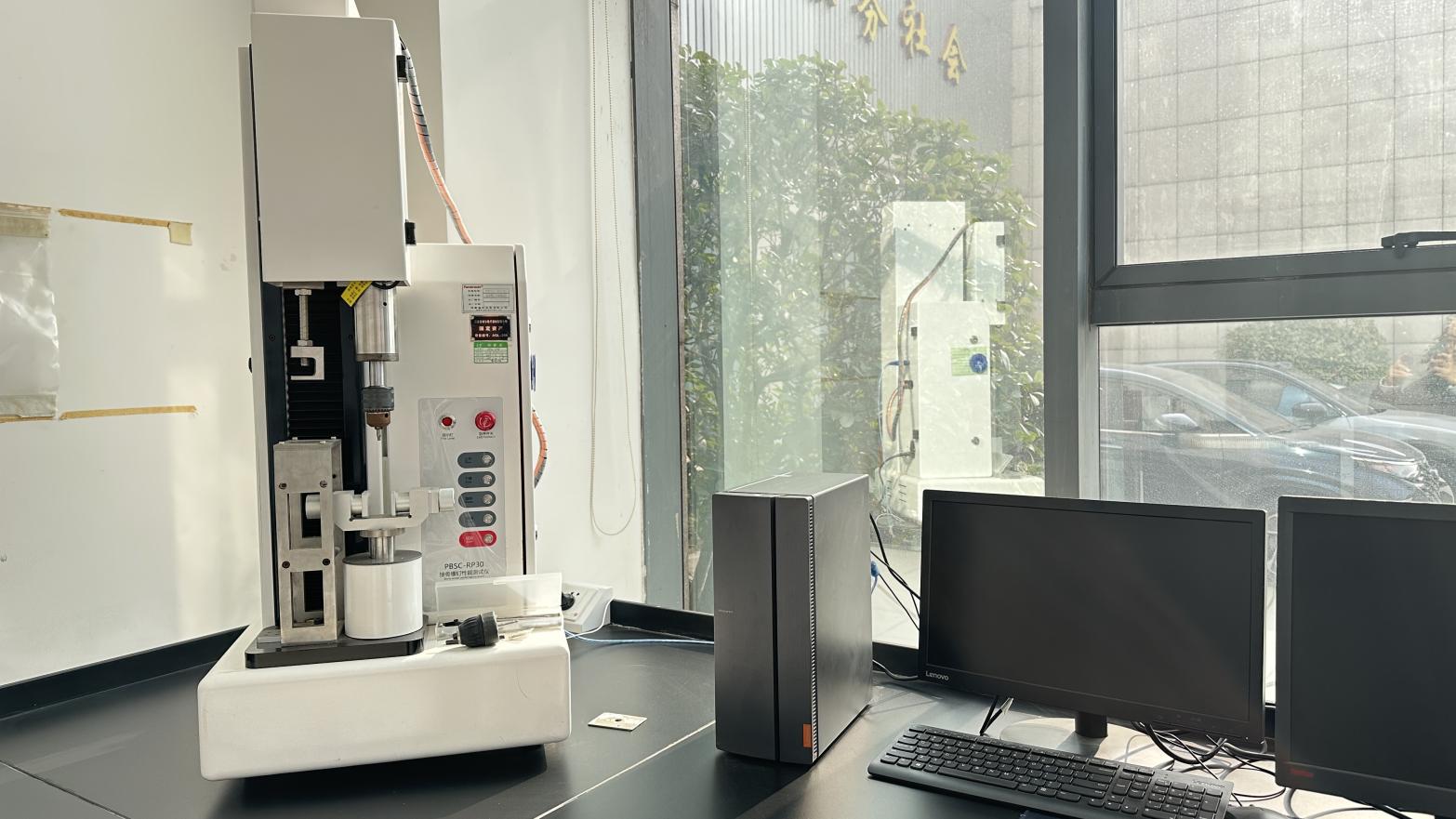
Our biomechanical laboratory conducts cyclic fatigue tests up to 5 million cycles, simulating extreme physiological loads. This testing ensures that our proximal femoral nails (PFNA) and humeral nails resist fatigue failure even in patients with severe osteopenia.
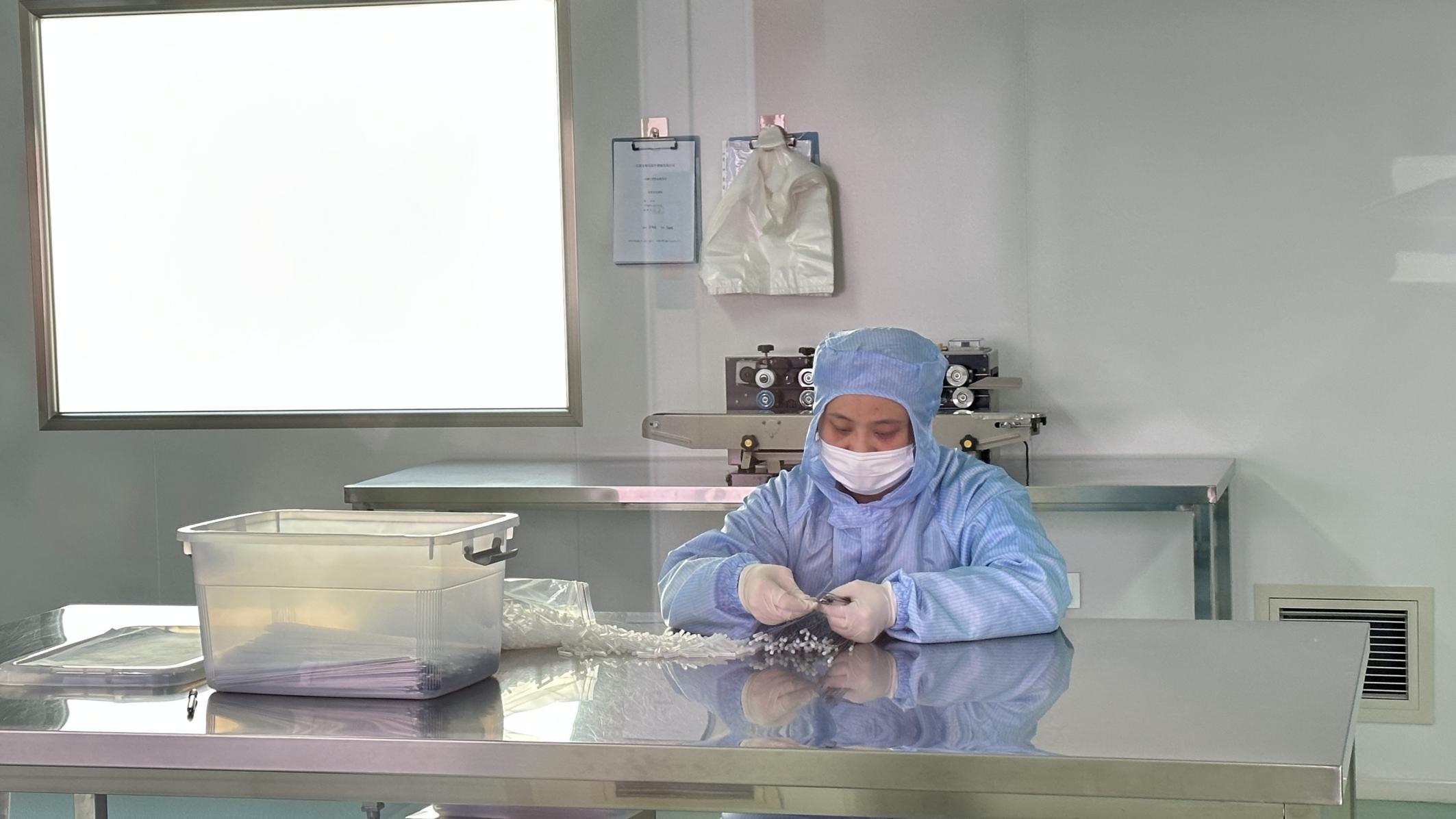
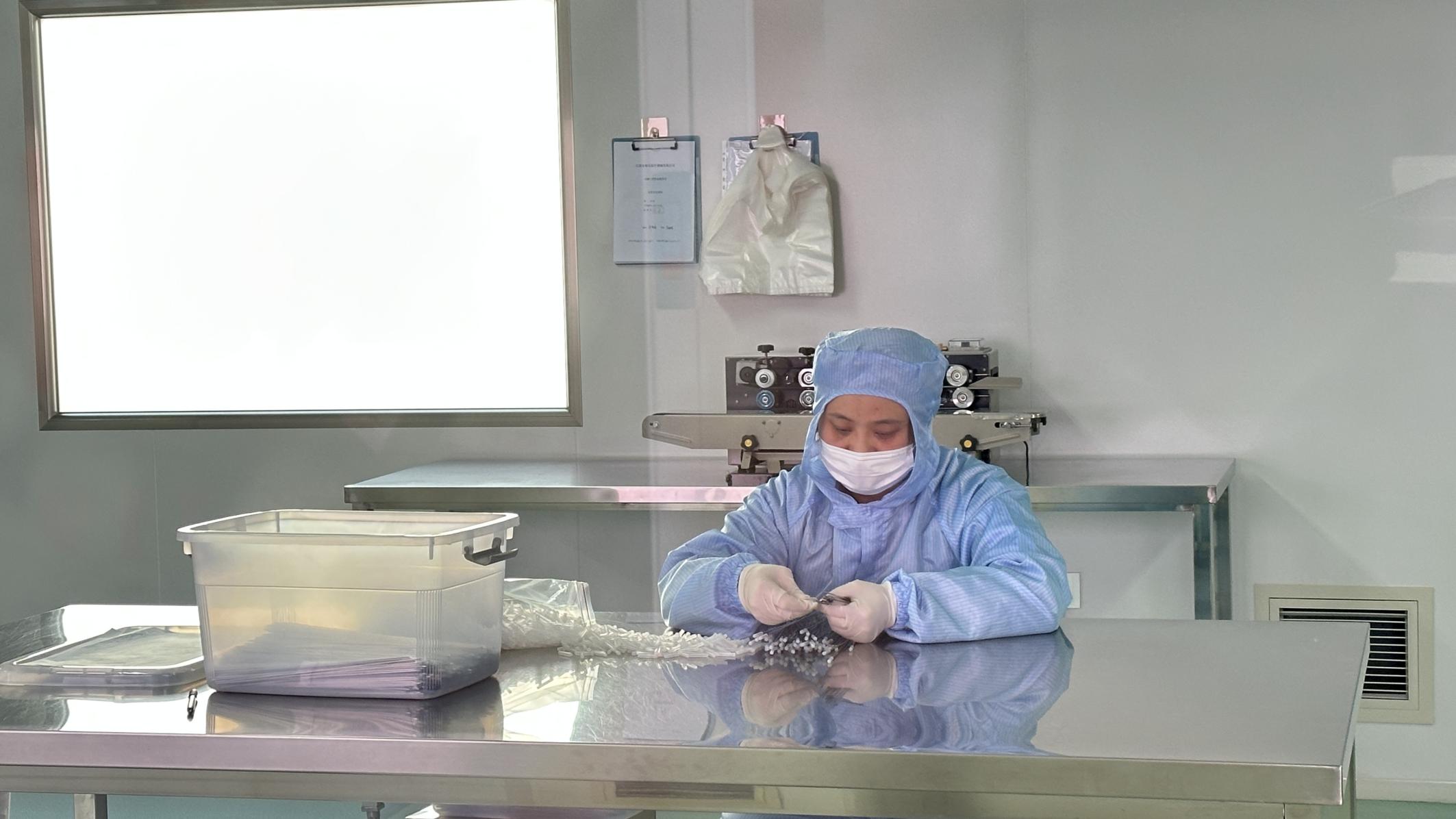
Our quality management system is based on ISO 13485, executing full-process control from raw materials to final packaging.
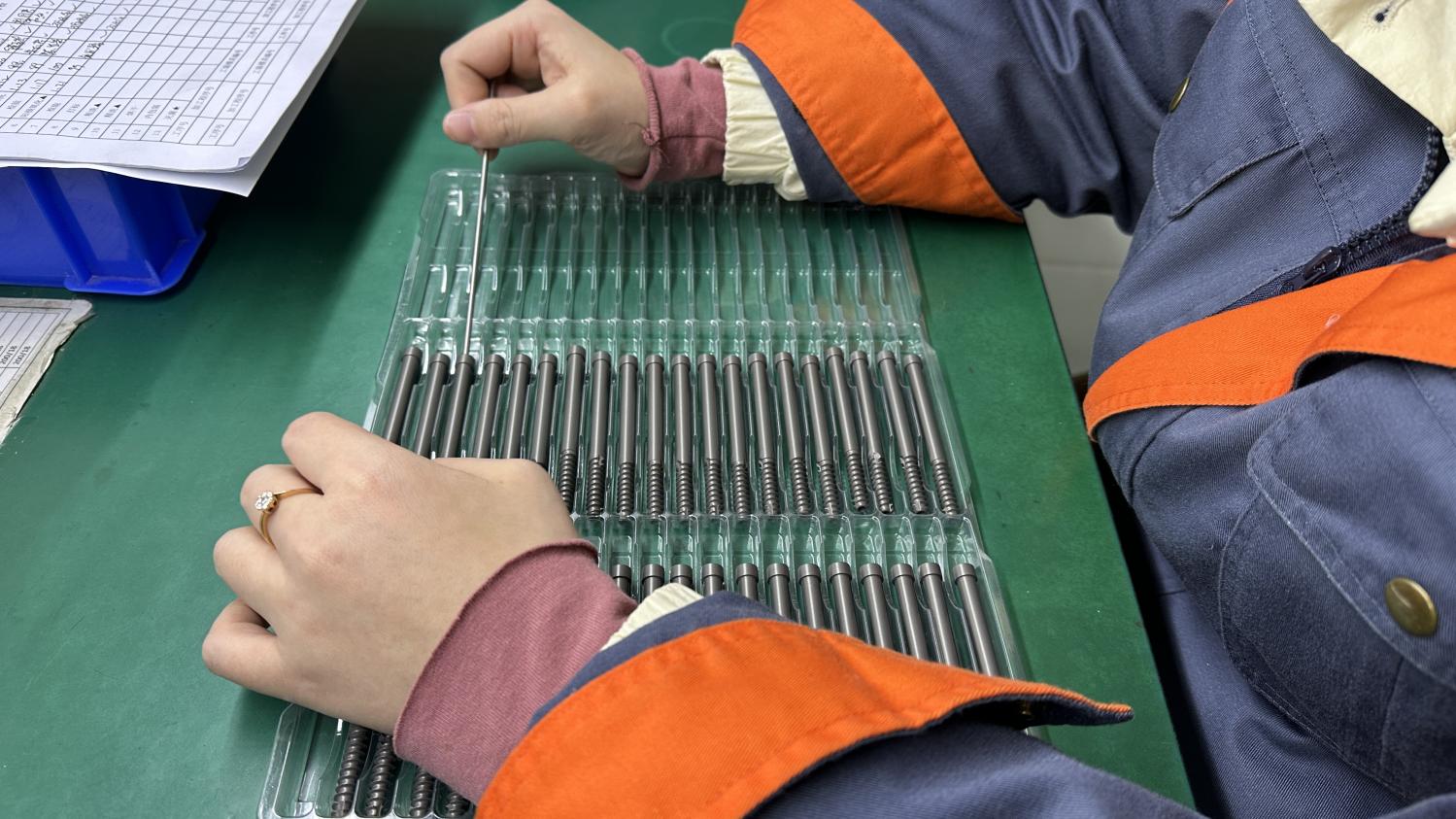
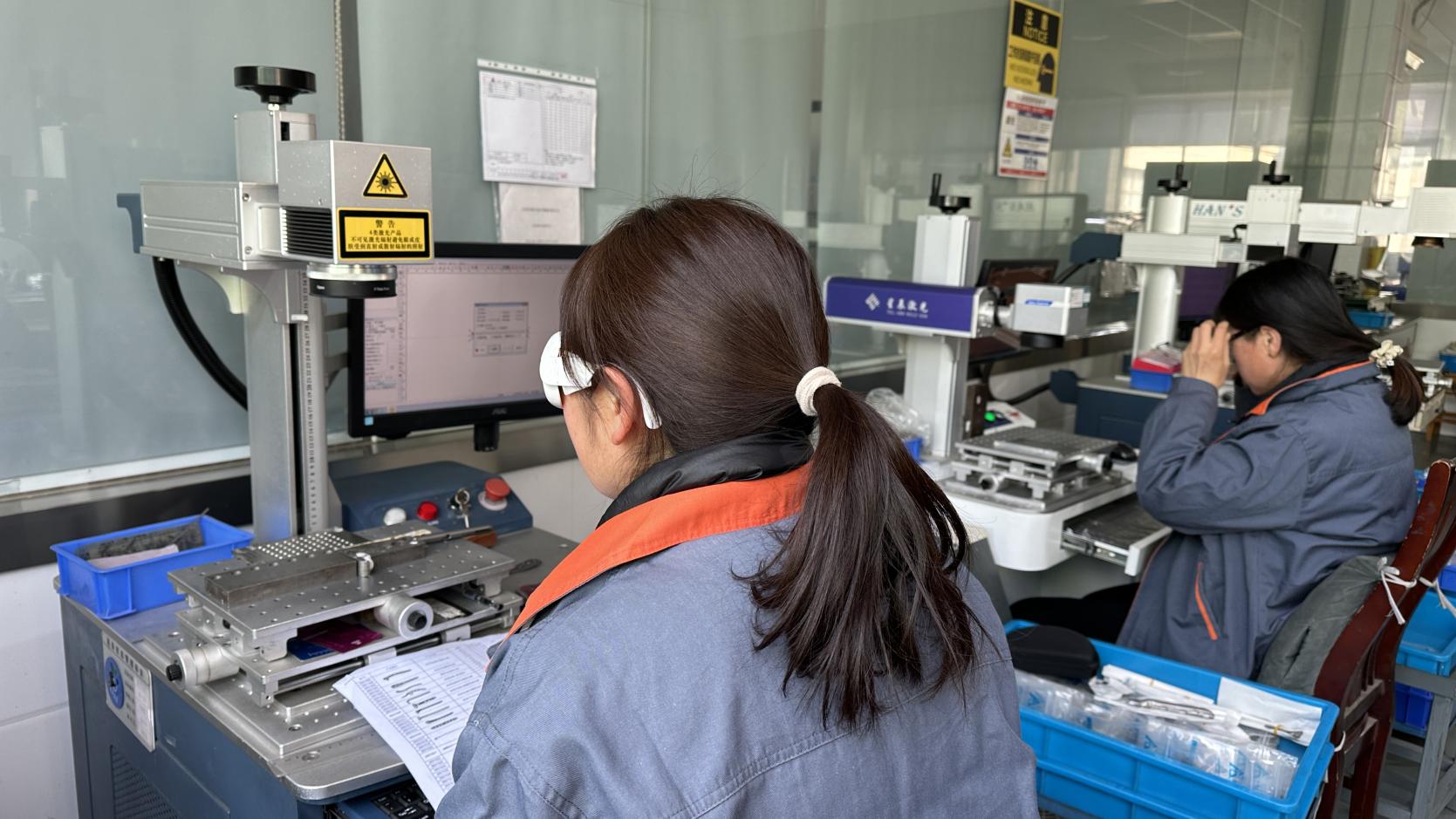
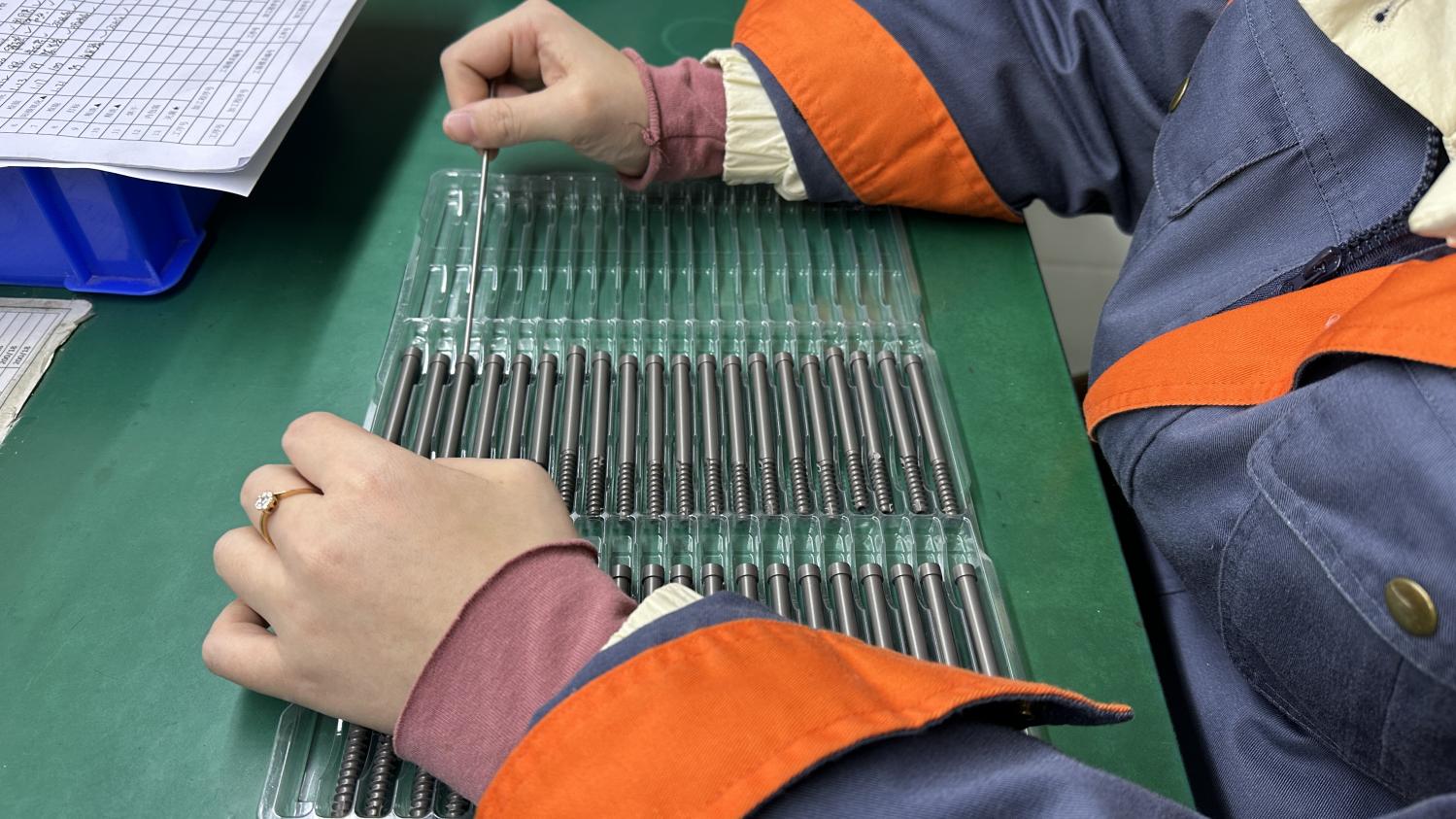
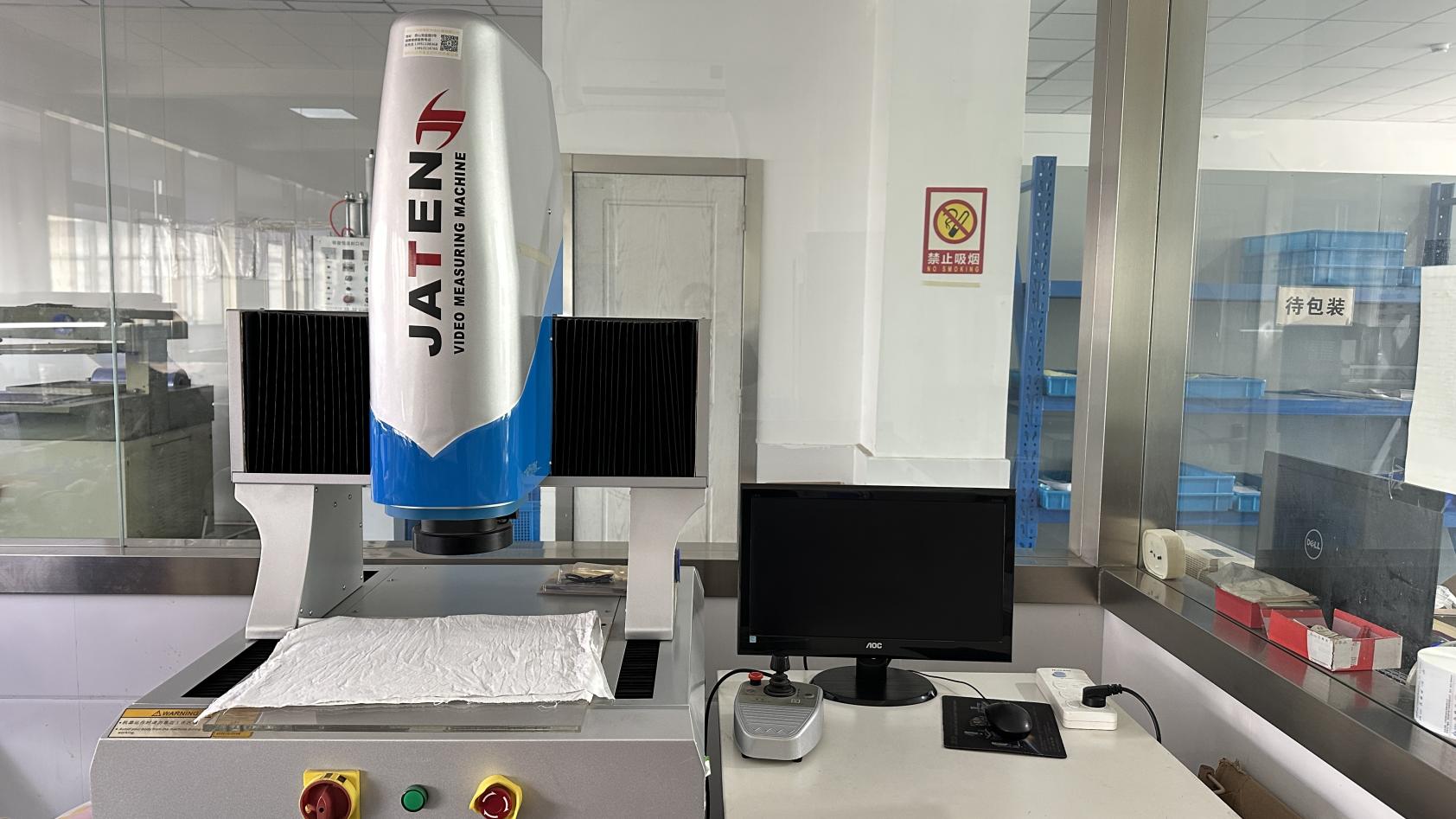
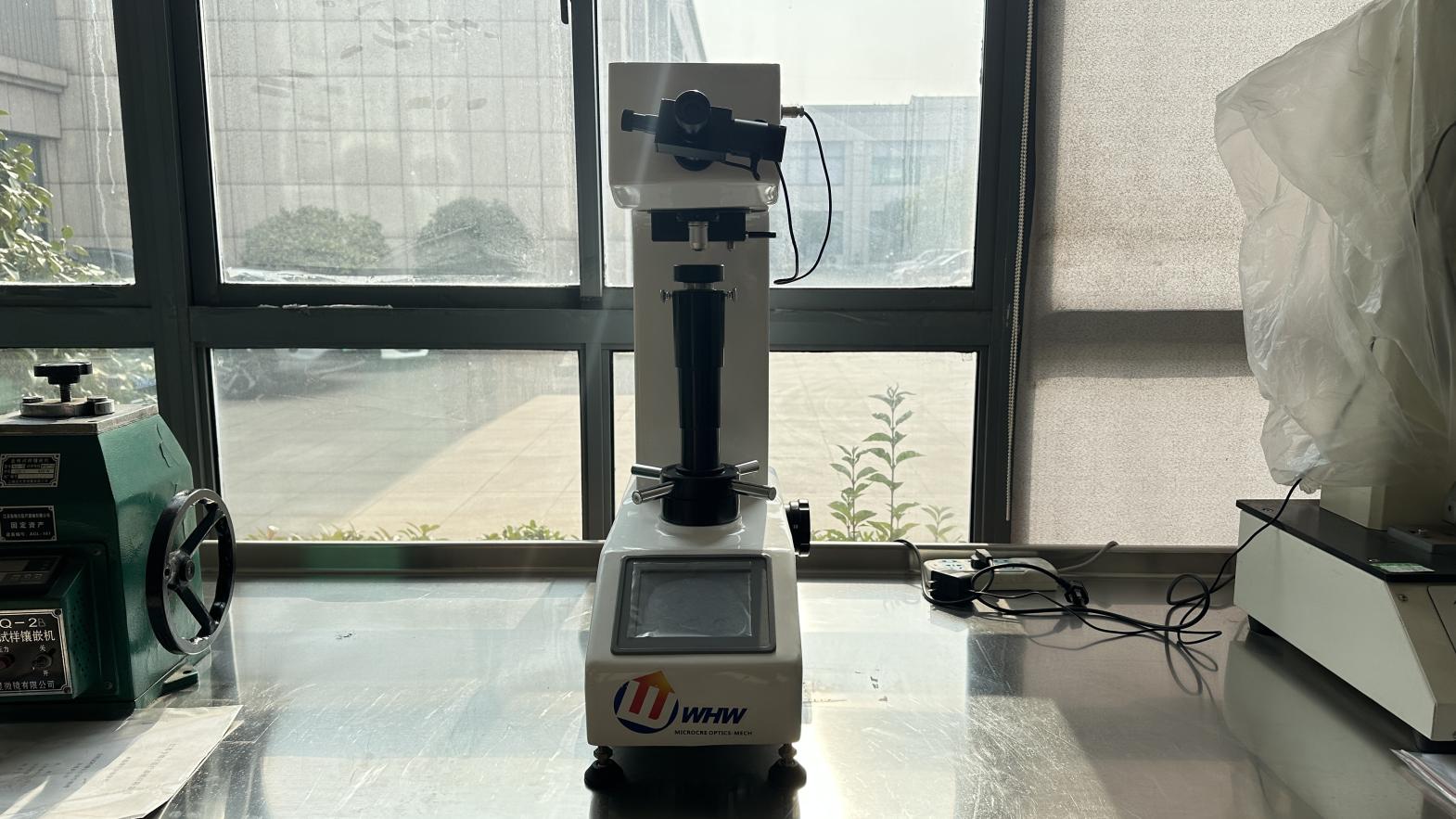
With 65 dedicated quality assurance engineers, Virelox operates a comprehensive inspection lab utilizing coordinate measuring machines (CMM), optical comparators, hardness testers, and advanced fatigue testing machines. We perform non-destructive testing (NDT), including dye penetrant and ultrasonic examinations, to verify that there are no internal micro-cracks in our raw titanium bars. Every single intramedullary nail is laser-marked with a unique device identifier (UDI) to ensure complete traceability throughout its life cycle.

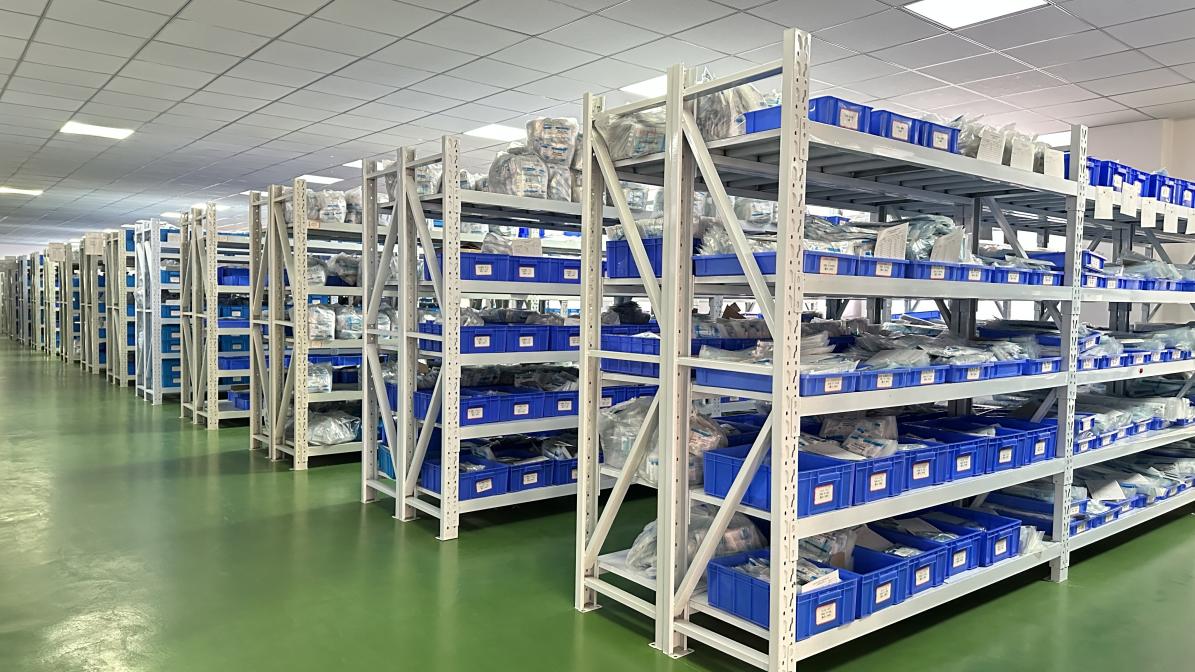
Helping Portuguese medical device companies manage inventory and adapt to regulatory updates.
Operating within the European Union means adhering to strict clinical standards, logistics protocols, and cost-containment measures. Virelox offers comprehensive support to our business partners in Lisbon, Porto, and Coimbra through localized services:
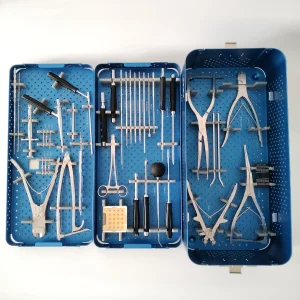
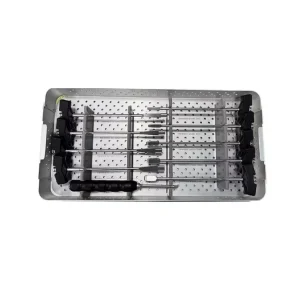
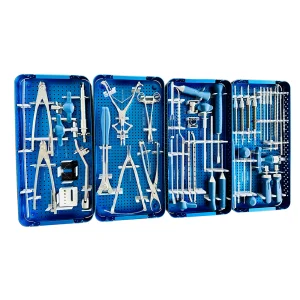
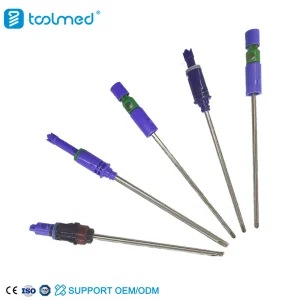
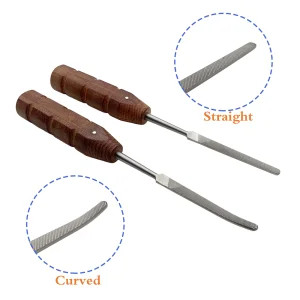
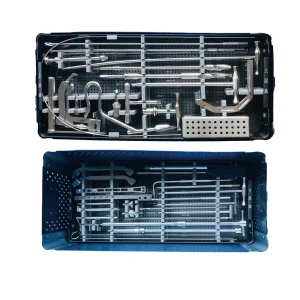
Browse our selection of CE-certified implants and surgical instrument sets, designed for trauma, spine, and arthroscopic procedures.
Key information regarding regulatory approvals, material composition, and supply chain logistics for European partners.
 Virelox