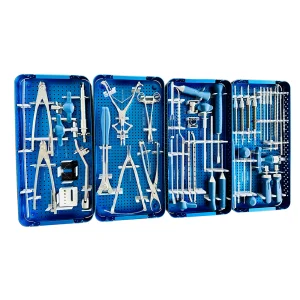
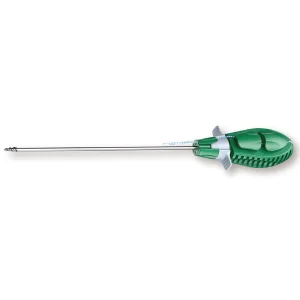
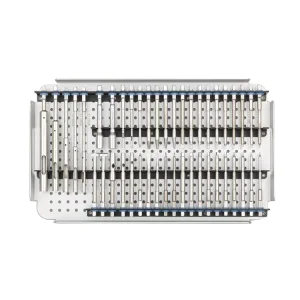
Explore our highly integrated systems engineered for anatomical restoration, biomechanical stability, and precise surgical execution.
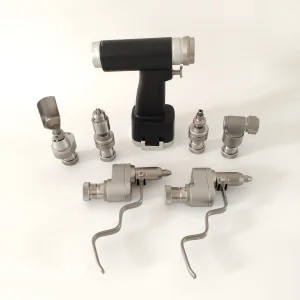
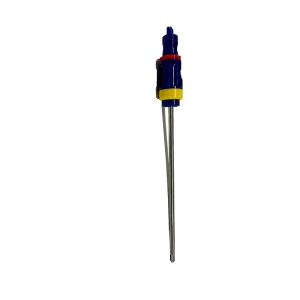
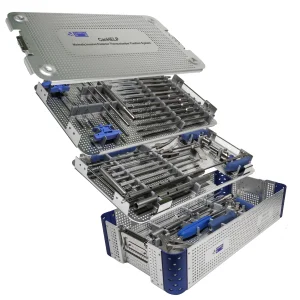

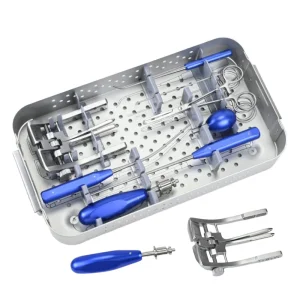
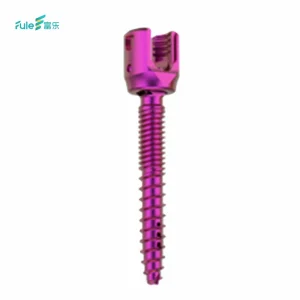
Virelox Medical Devices Co., Ltd. is a professional orthopedic medical device manufacturer specializing in joint replacement and surgical implant solutions. Operating under the globally trusted brand name “Virelox”, our corporate mission focuses on the research, development, and high-performance production of modern orthopedic systems designed for healthcare systems worldwide.
With our foundation laid in 2016, we have actively integrated advanced mechanical engineering principles with deep clinical insights to construct implants that restore natural mobility and optimize postoperative patient outcomes. Our state-of-the-art 12,000 square meter facility serves as the foundation for the precision design and manufacturing of total joint replacements, including complex shoulder reconstruction kits, trauma plating, and spinal implants.
Over our decade-long path in the industry, Virelox has built a robust supply chain network containing over 850 certified upstream and downstream partners, supporting a stable, secure flow of raw materials and ultra-precise components. Our major target customer segments include international medical device distributors, hospitals, orthopedic clinics, and global healthcare procurement agencies.
Comprehensive product architectures supporting anatomical and reverse shoulder reconstruction workflows.
Designed to mirror natural human anatomy, our anatomical joint replacements utilize modular humeral stems paired with specialized glenoid components to preserve the natural center of rotation. Excellent choice for patients with preserved rotator cuff integrity suffering from degenerative osteoarthritis.
For patients with severe rotator cuff arthropathy or complex proximal humerus fractures, our Reverse Shoulder Systems shift the pivot point. This enables the deltoid muscle to control shoulder abduction, bypassing damaged rotator cuff tendons to restore functional mobility.
Utilizing advanced plasma-sprayed titanium coatings and porous structures, our implants support early biological osseointegration. This ensures robust secondary mechanical stability, preventing long-term aseptic loosening of both glenoid and humeral components.
Modern shoulder implants must resolve the challenges of eccentric glenoid loading (the "rocking horse" effect) and stress shielding in the humerus. Virelox employs state-of-the-art Finite Element Analysis (FEA) to redesign force transfer interfaces, resulting in reduced stress concentrations and significantly extended implant life cycles.
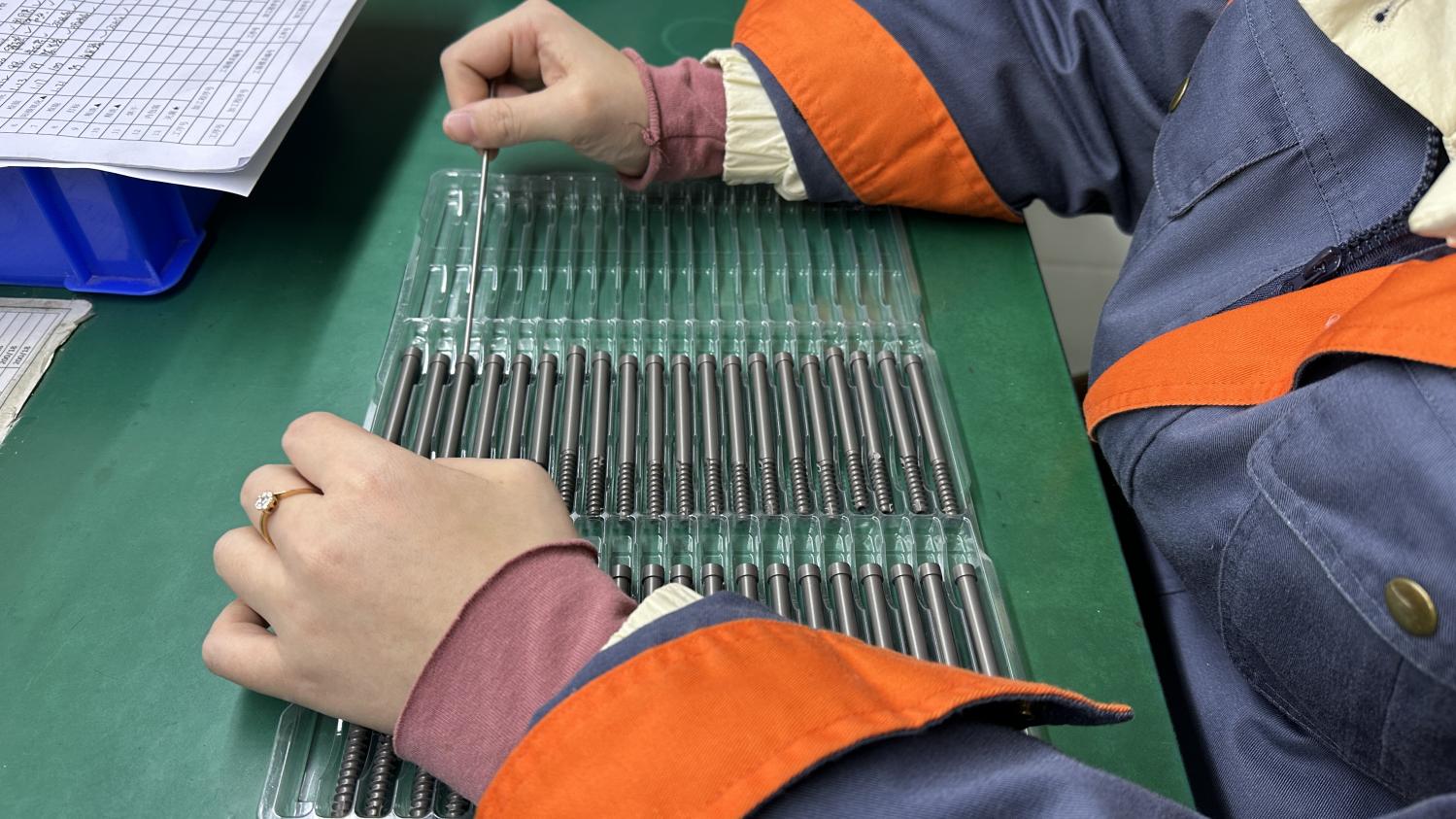
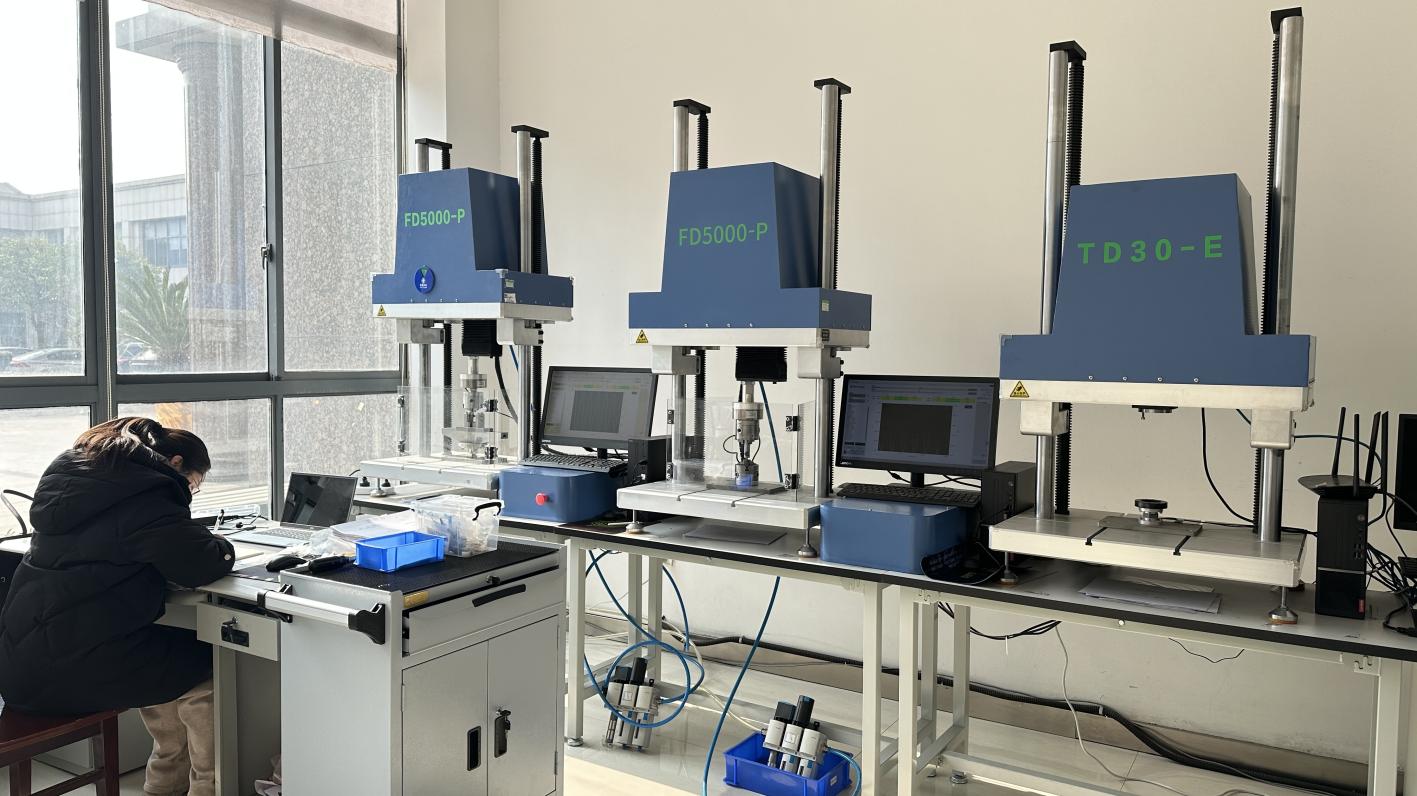
Virelox integrates precision CNC machining, custom metallurgy, and advanced quality validation protocols inside our 12,000 m² complex.
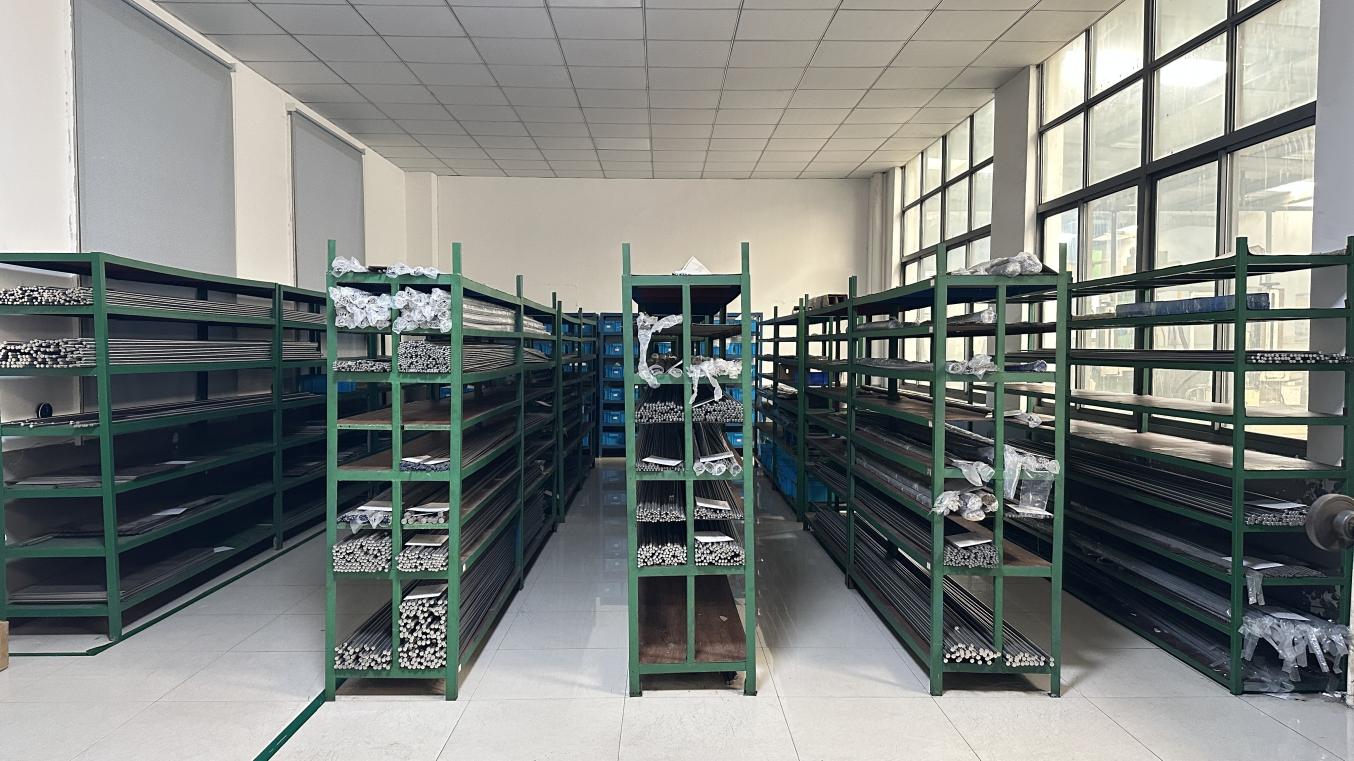
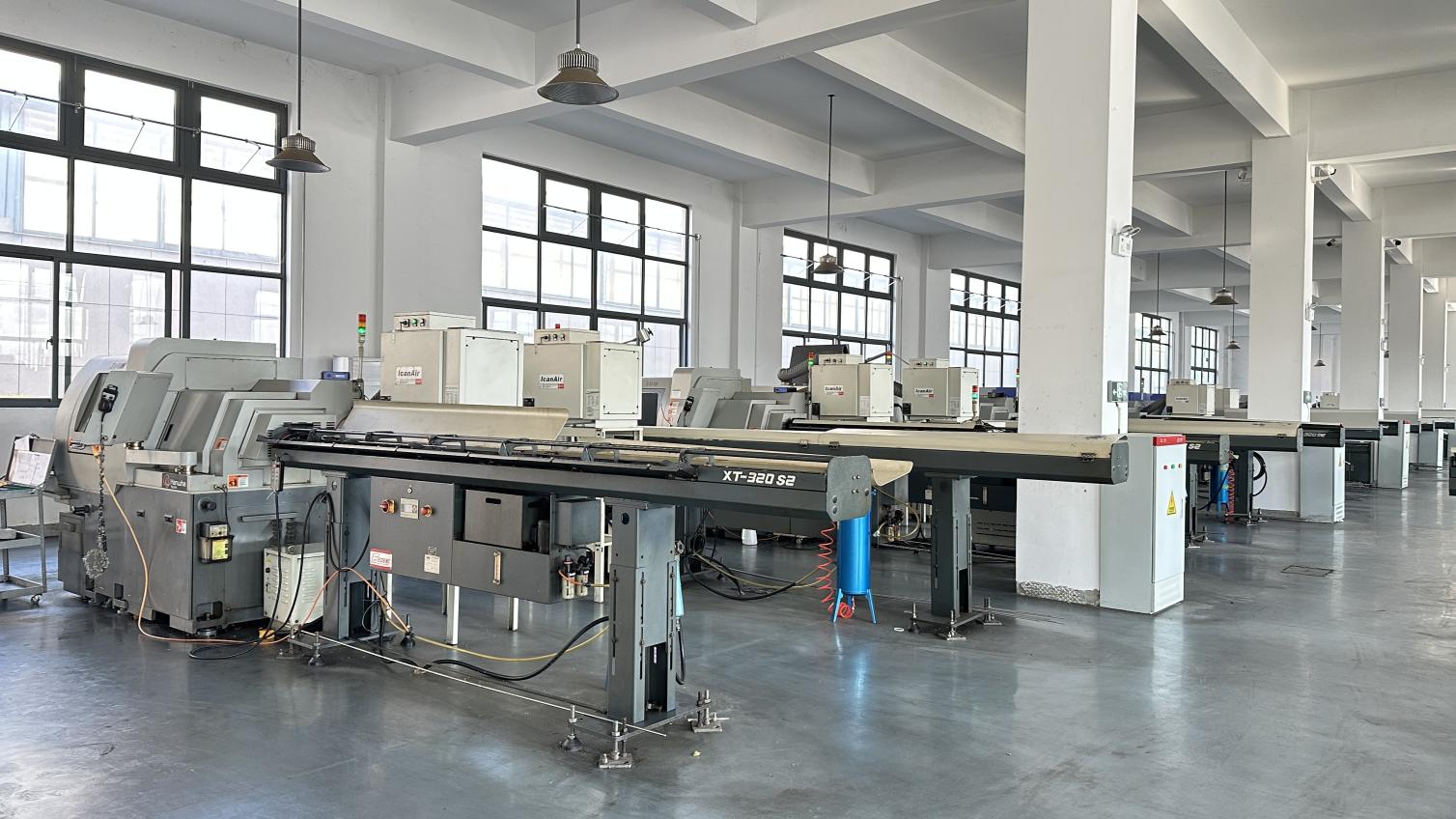
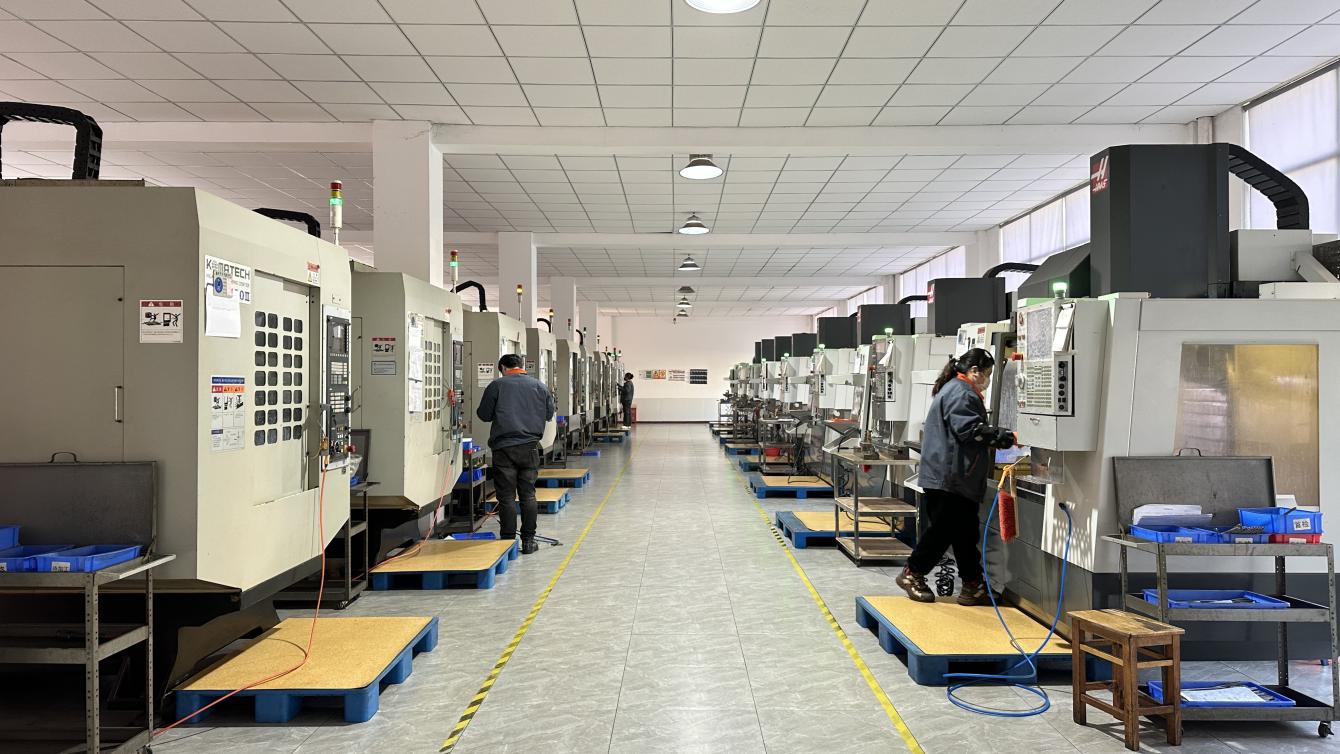
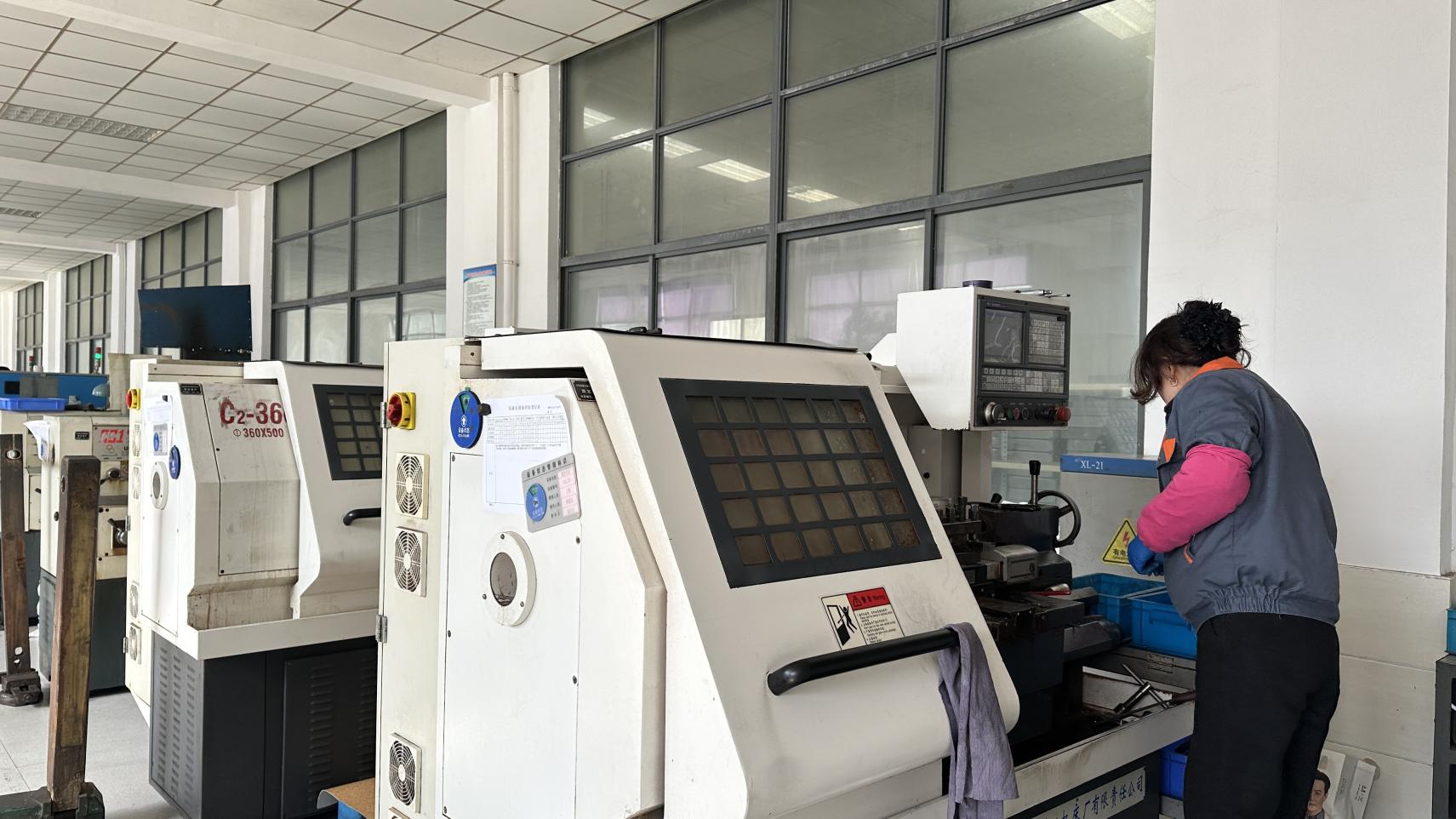
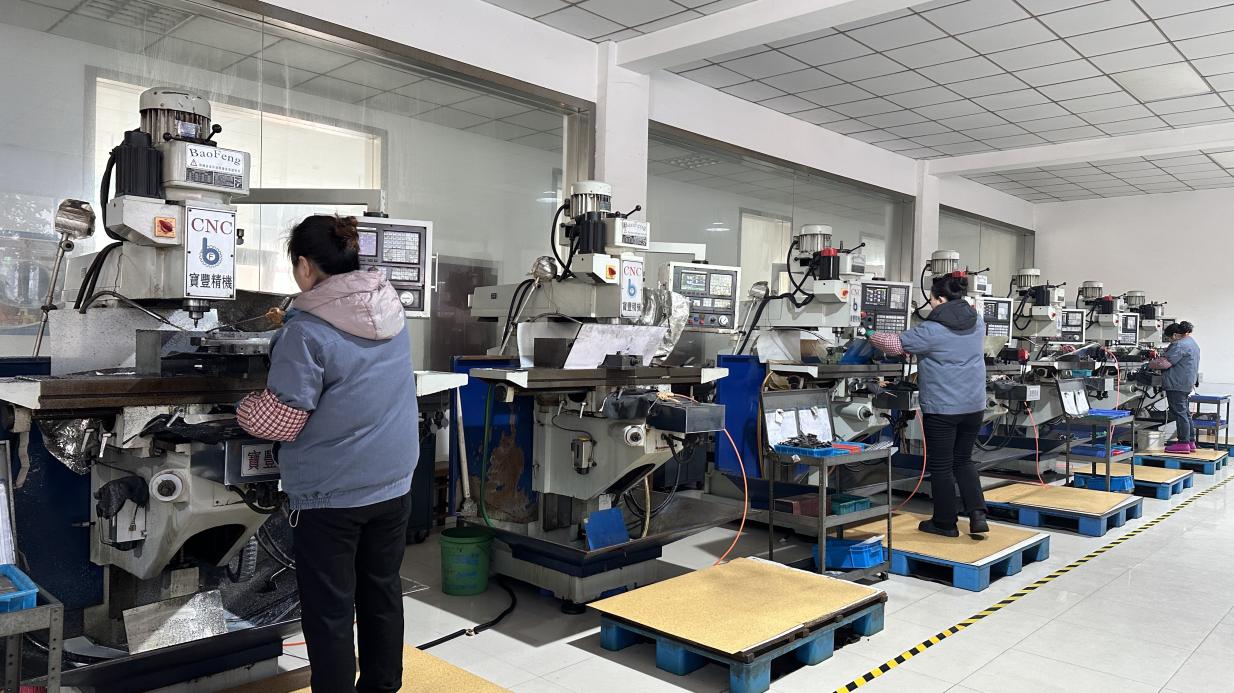
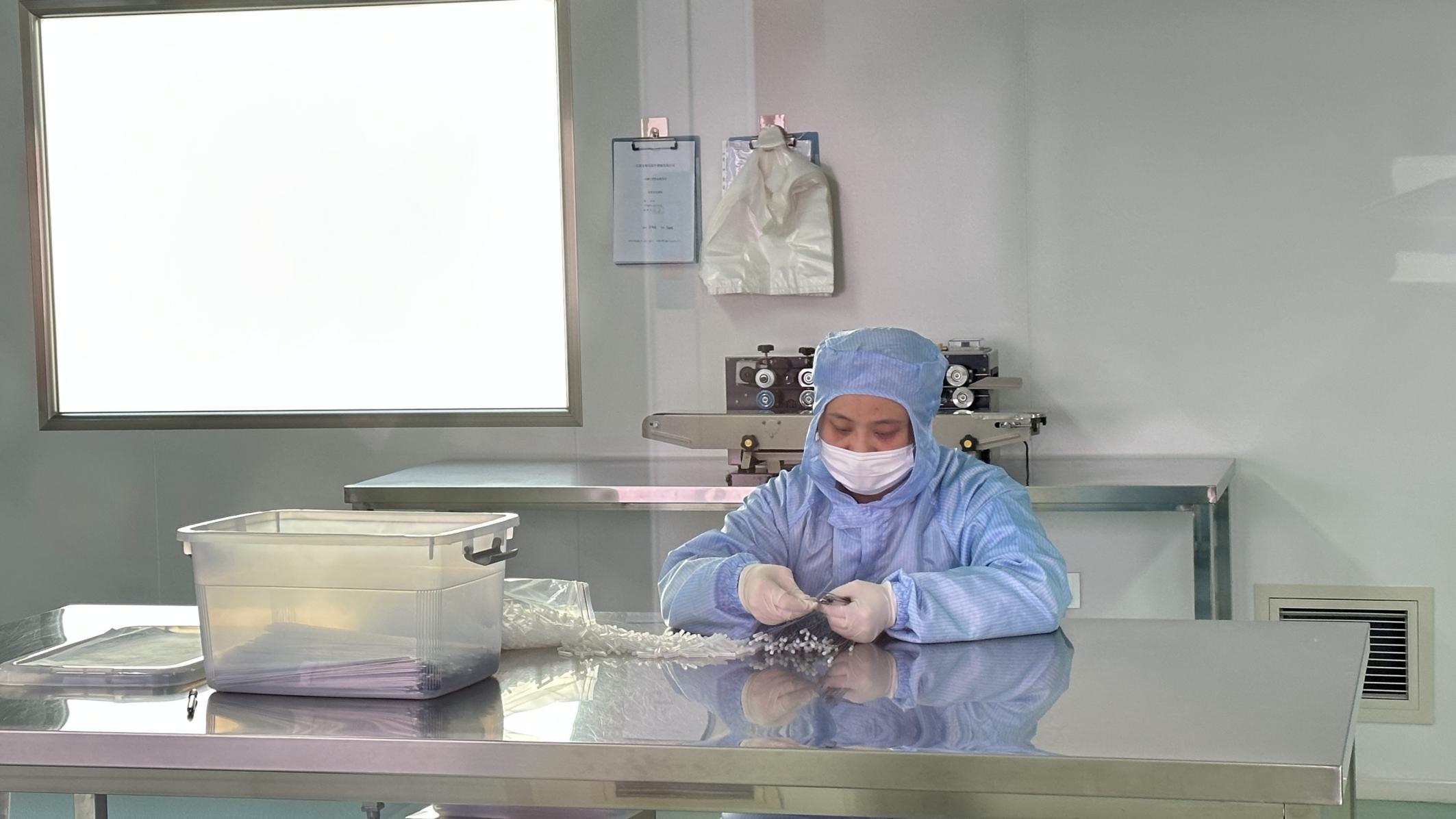
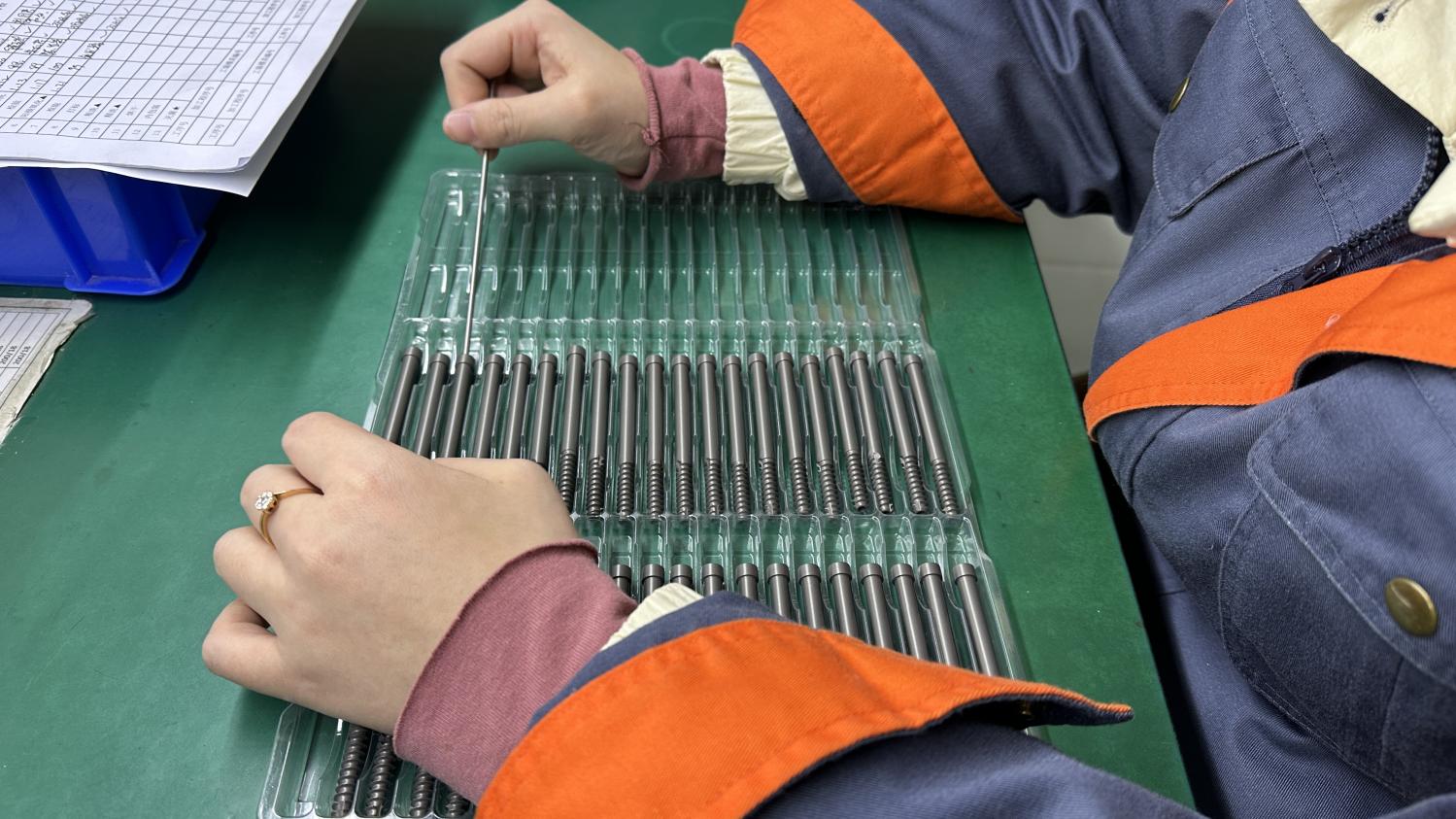
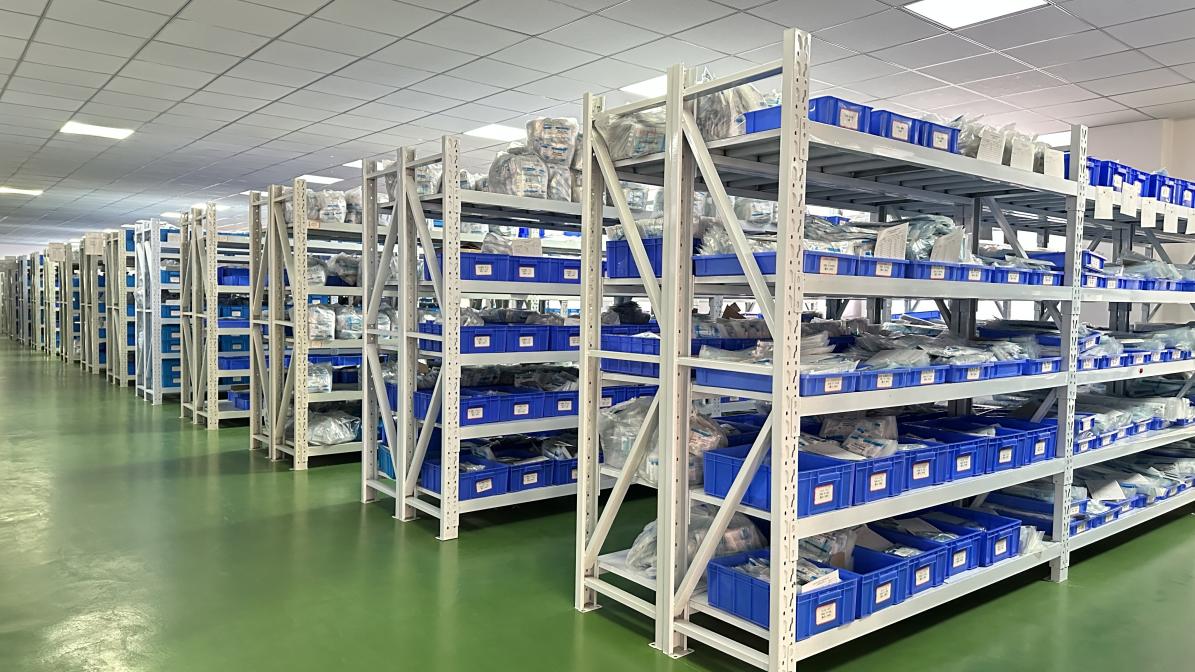
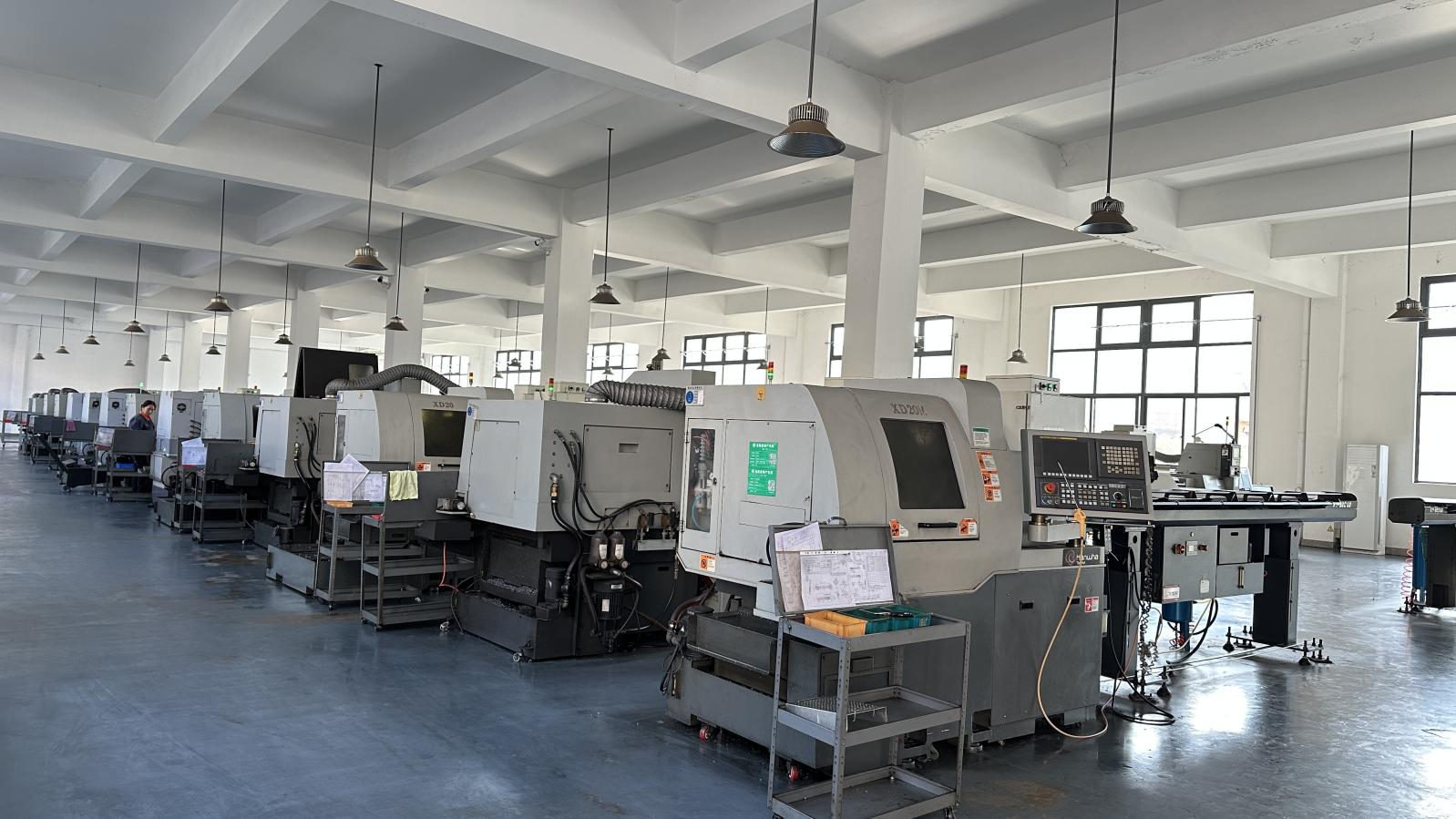
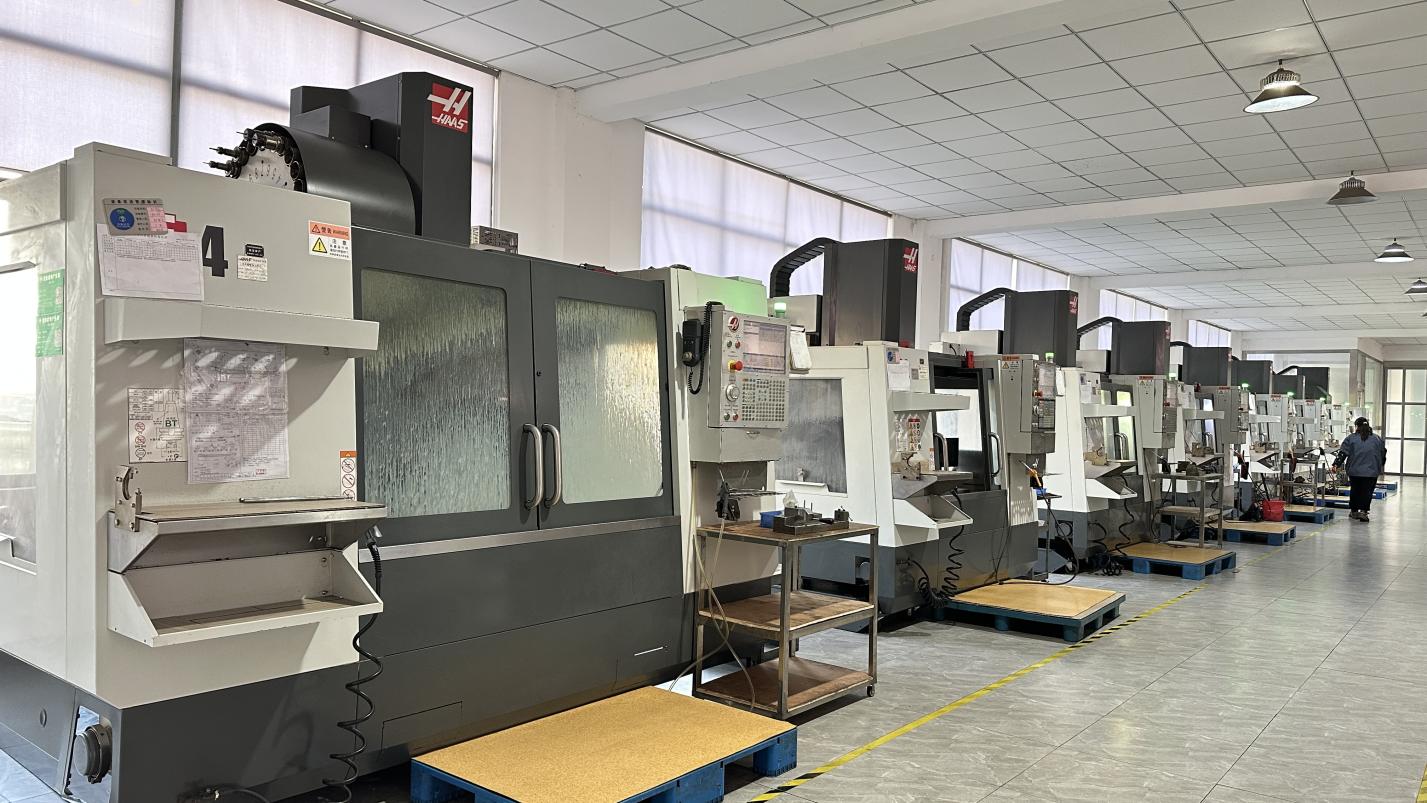
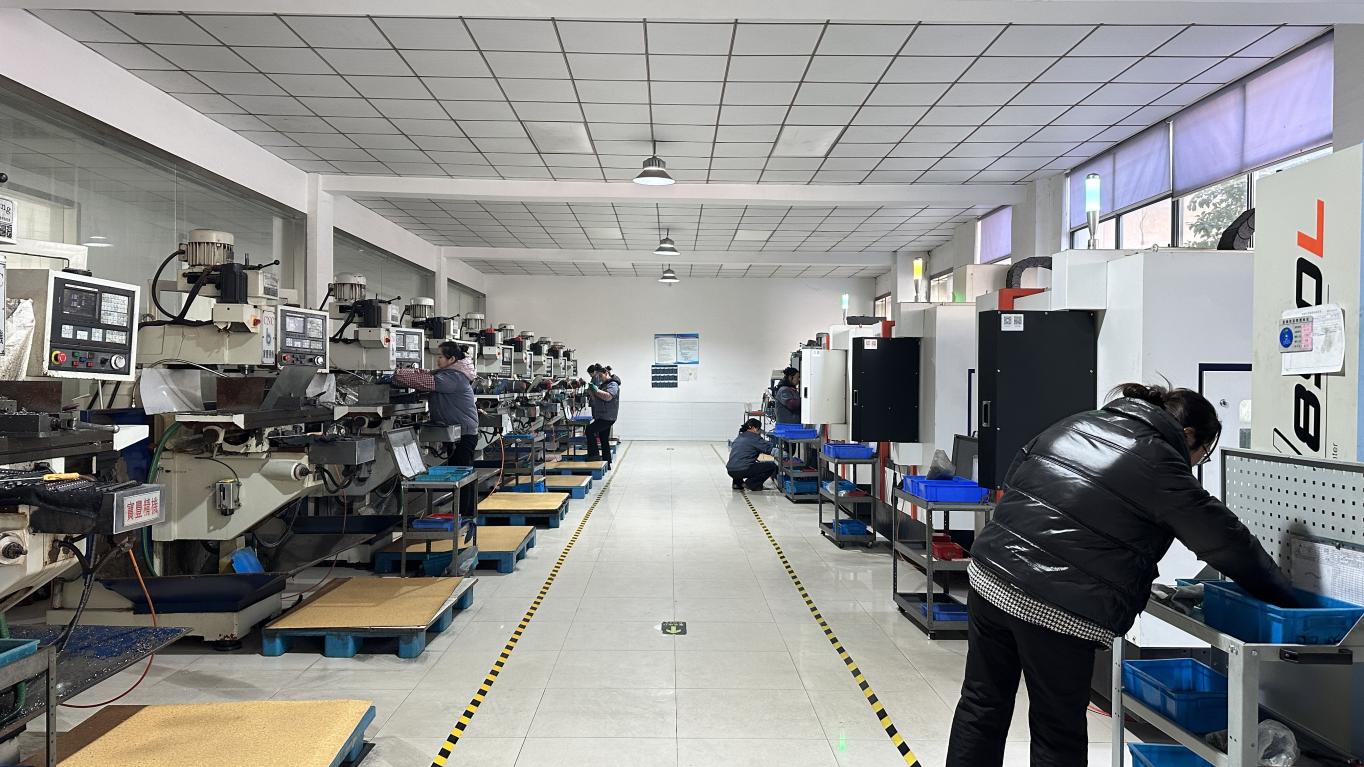
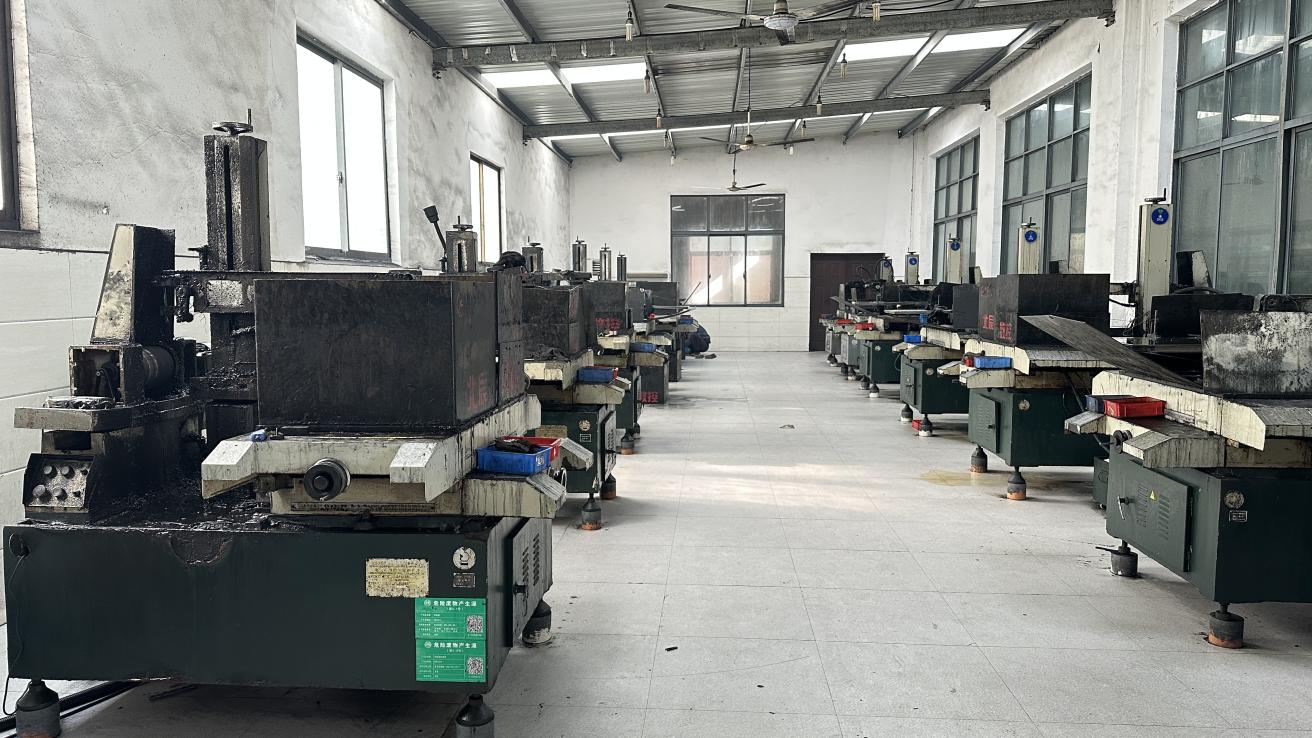
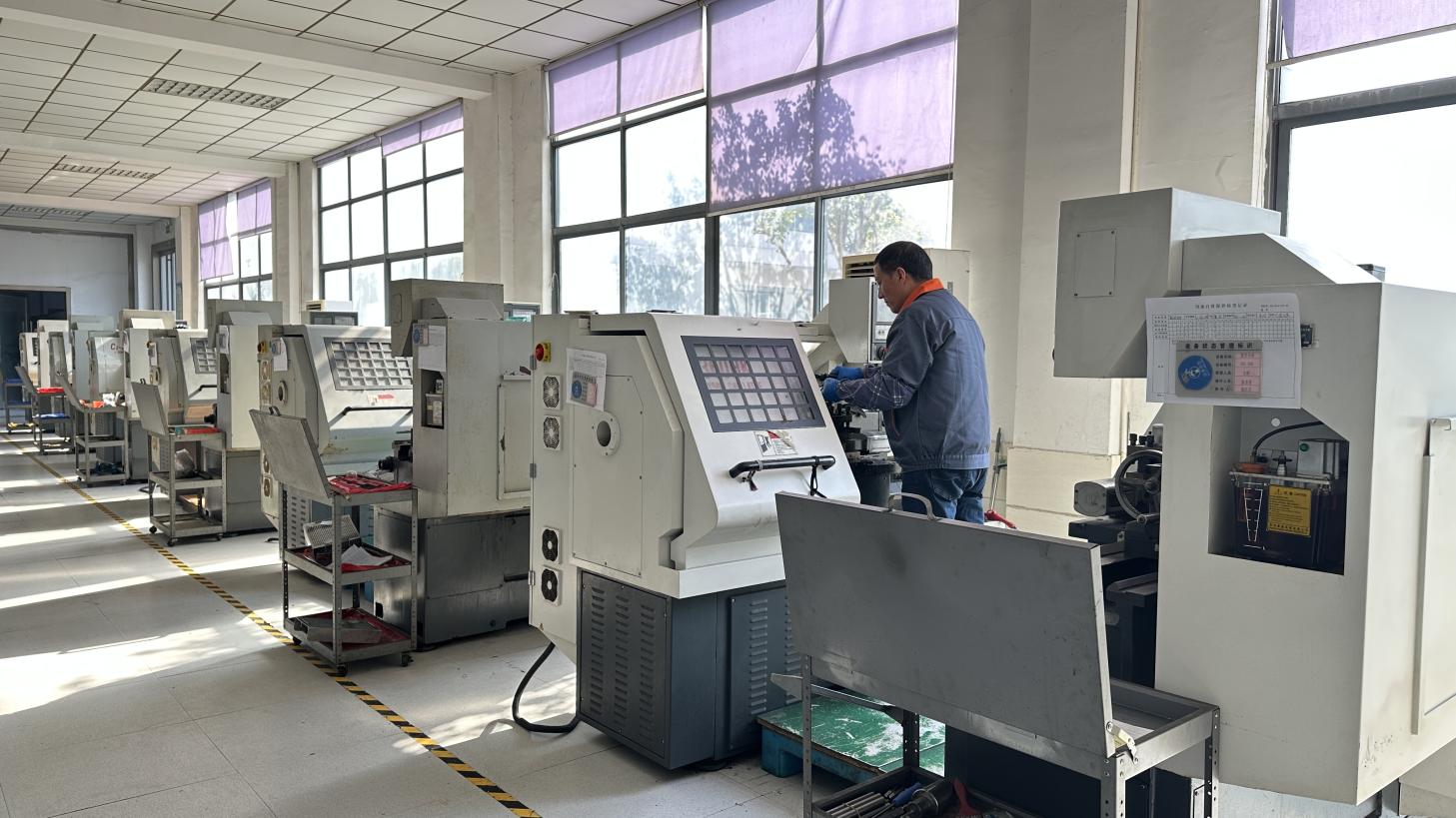
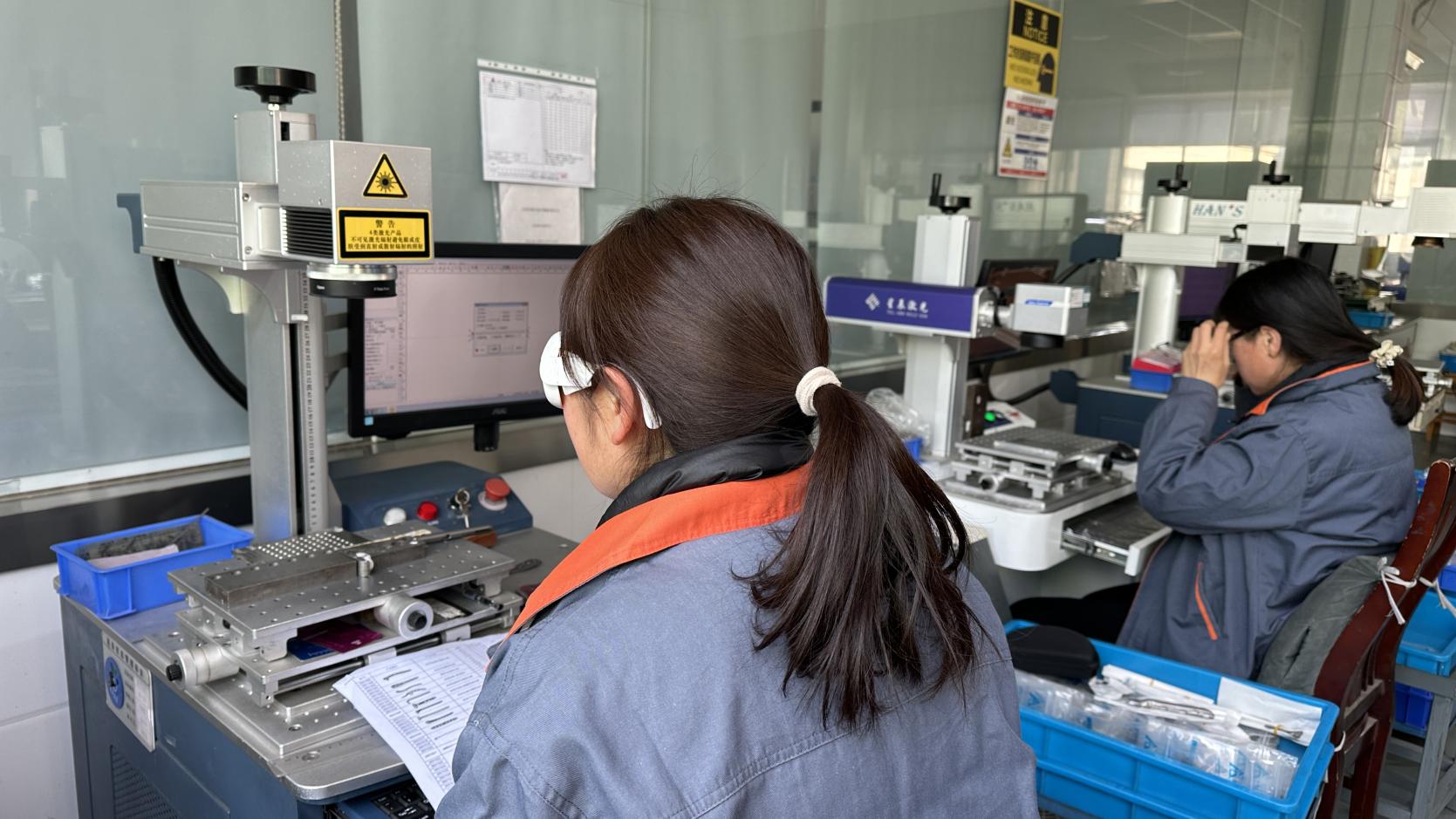
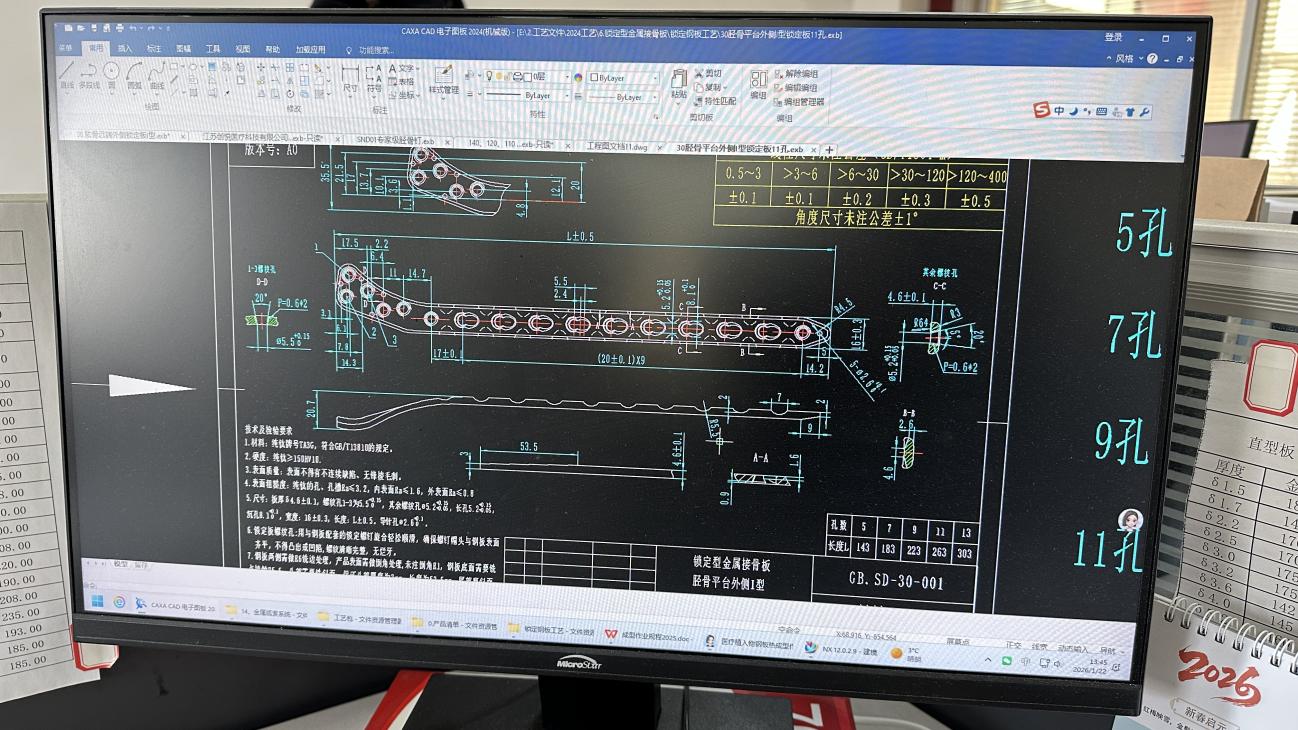

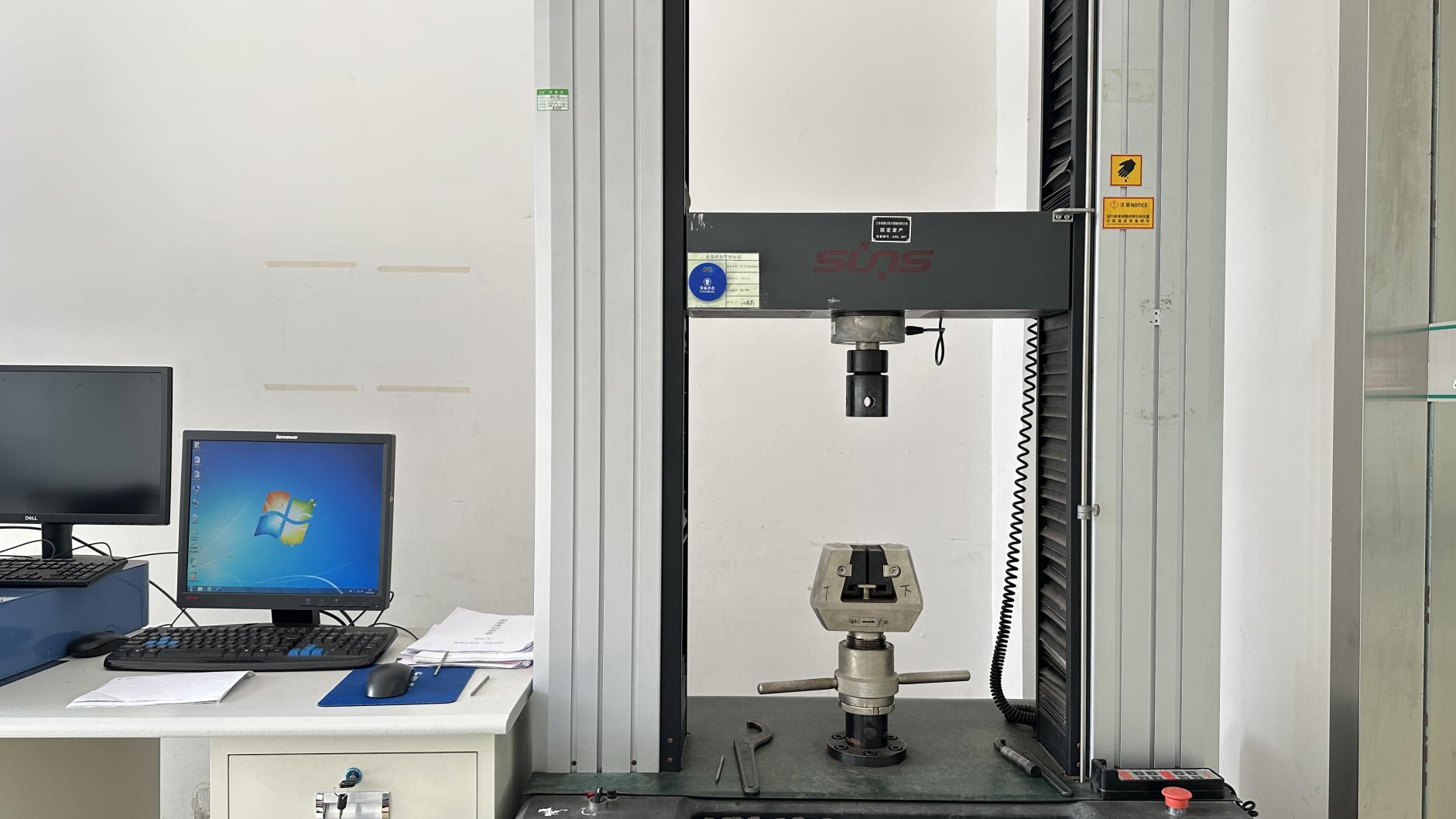
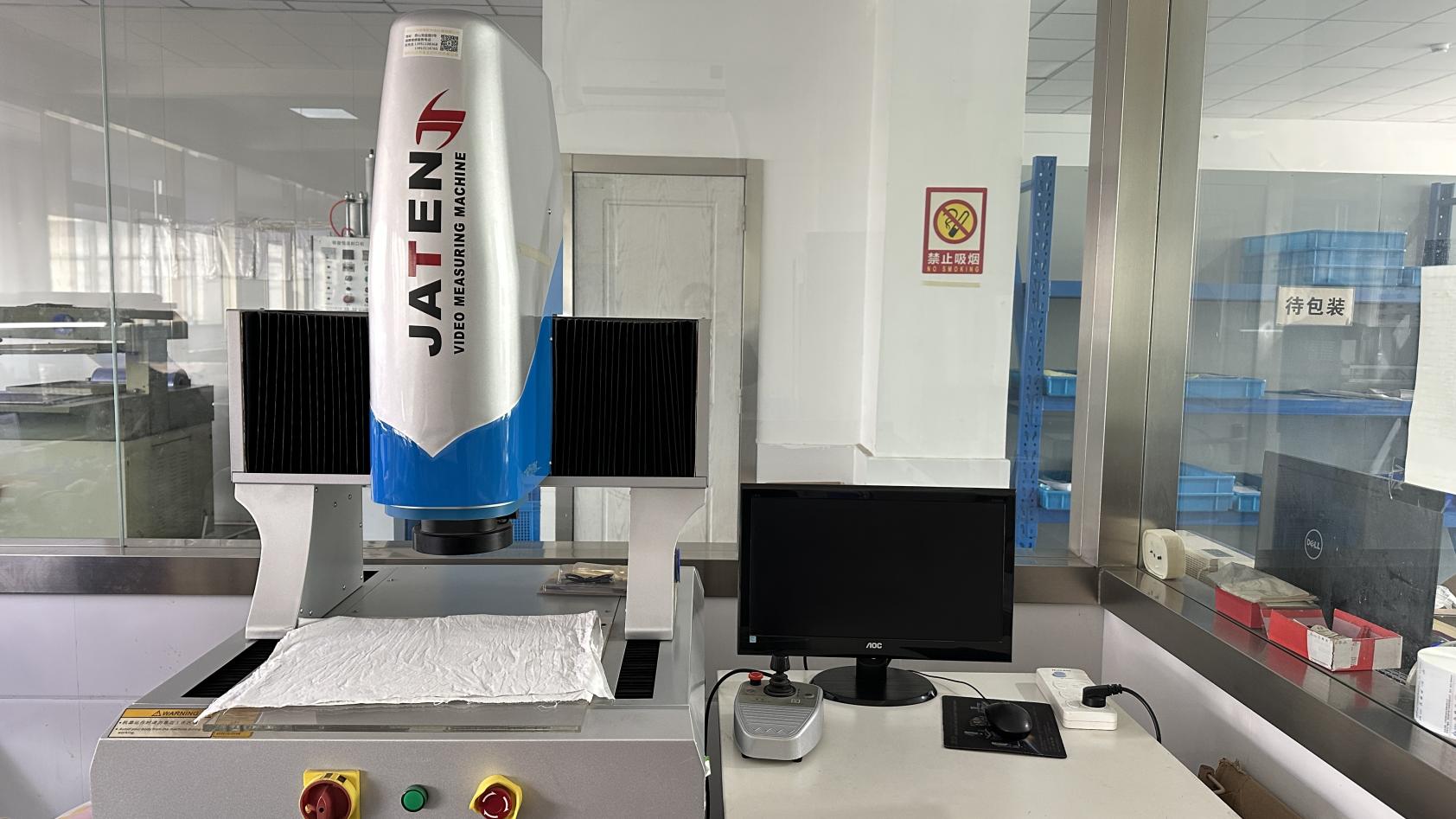
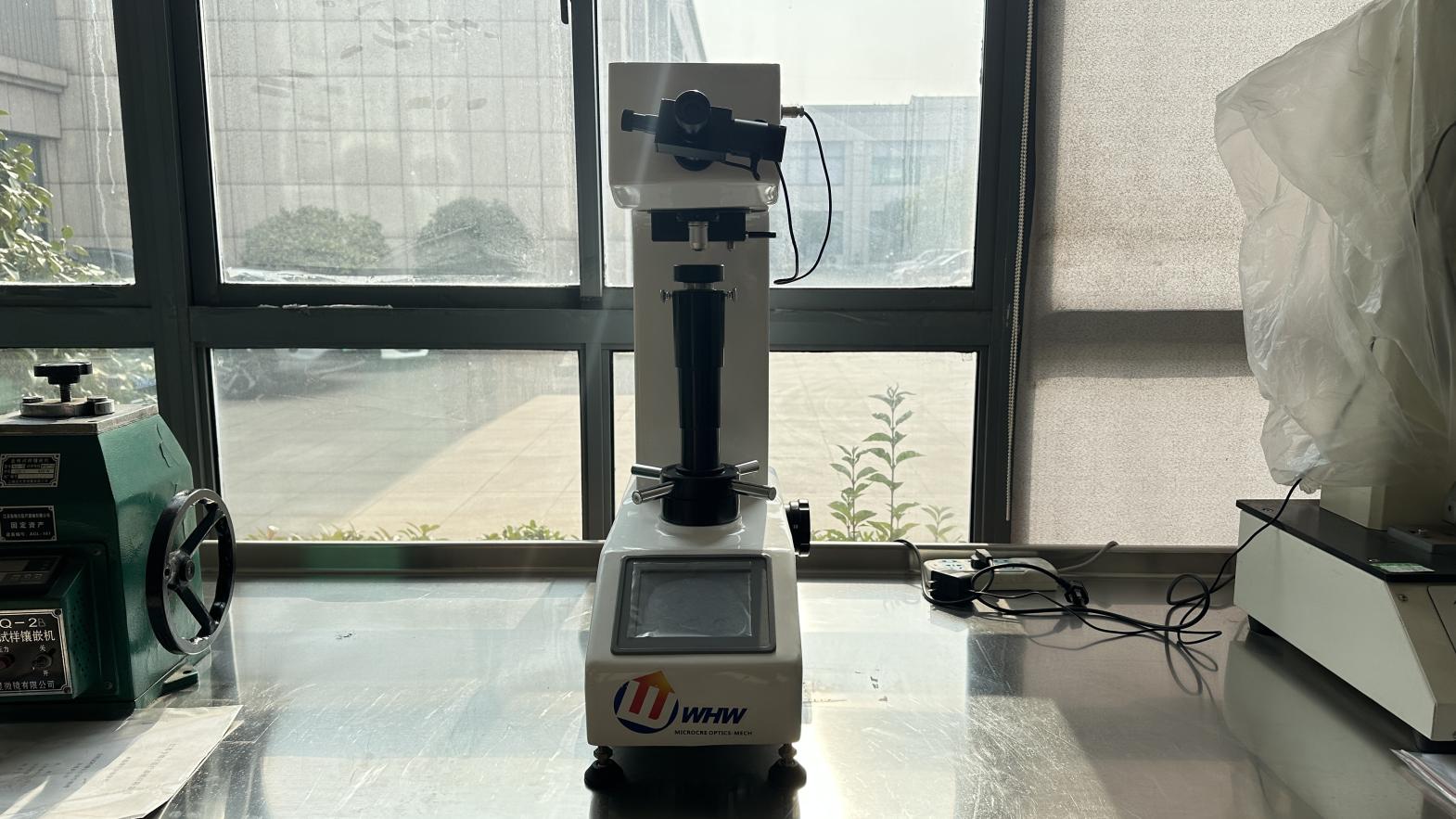
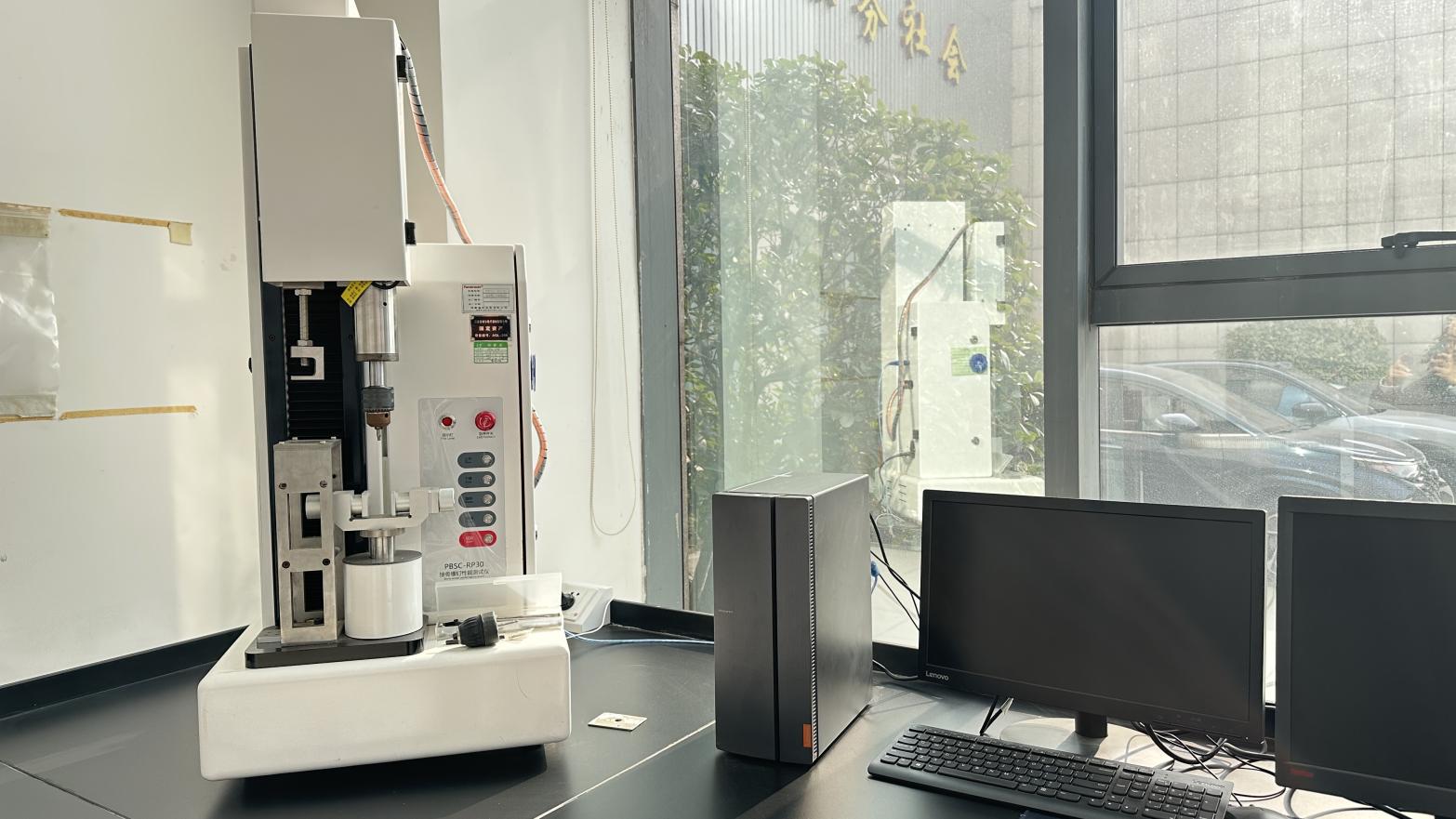
Every implant manufactured is validated via advanced metallurgical, dimensional, and stress testing systems to guarantee clinical safety.
Our coordinate measuring machines (CMM) ensure all manufactured prosthetic components match designed CAD projections within sub-micron tolerances, maintaining perfect articulation alignment.
We run our fatigue testing systems through millions of cycles to model decades of biological stress, ensuring the prosthesis can withstand high joint reaction forces.
Using advanced radiography, we perform full non-destructive testing (NDT) to verify there are zero internal micro-cracks, air bubbles, or manufacturing defects in our medical alloys.
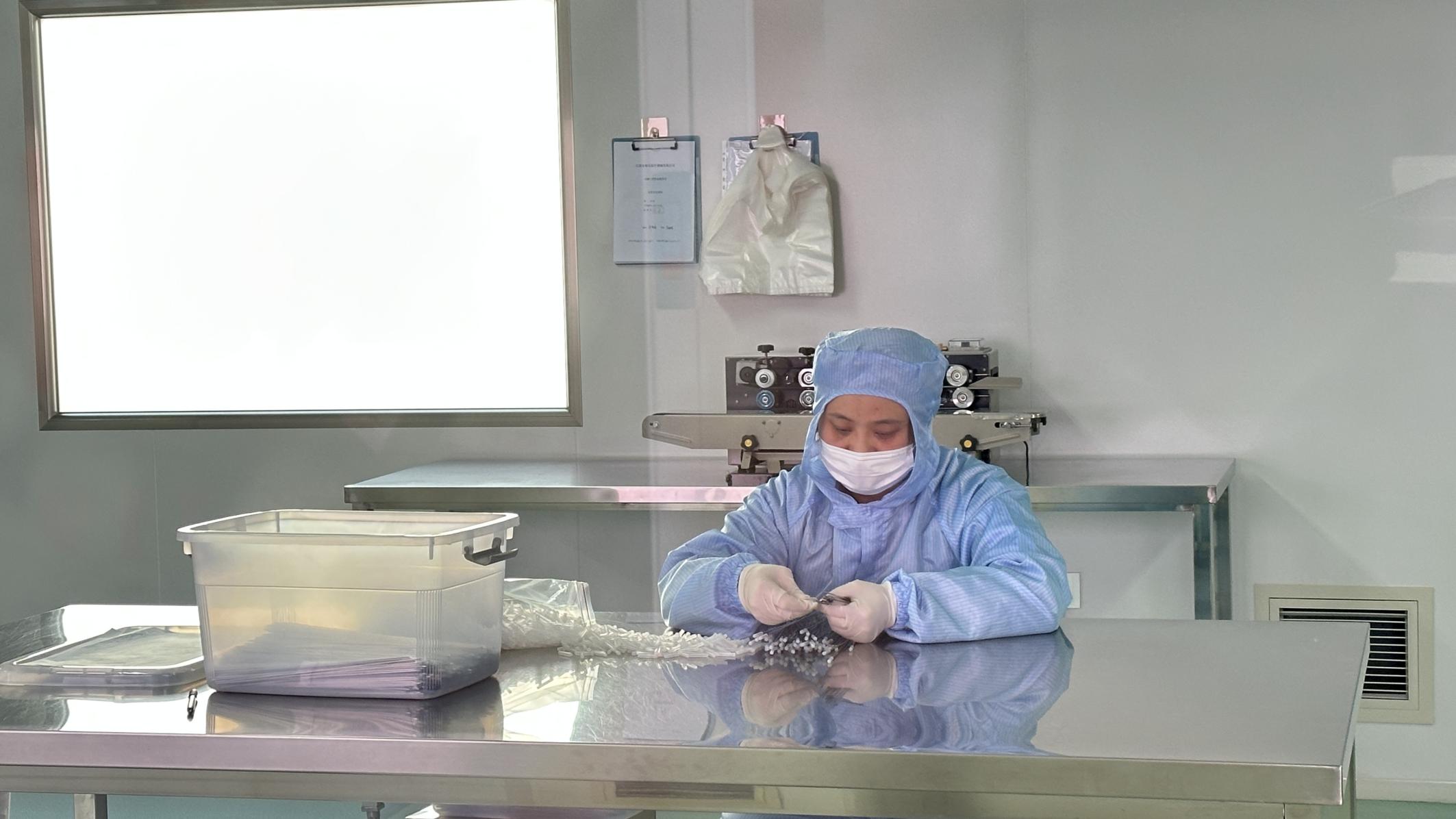
How Virelox manages cross-border regulatory certifications, logistic networks, and localized clinical support systems.
Virelox works closely with international notified bodies to maintain CE markings, ISO 13485 certification, and Class III registrations. We understand that medical implants require complete biological safety reports and full raw material trace histories to guarantee compliant clearance into North American, European, and Asia-Pacific medical channels.
With 120 dedicated R&D engineers, we specialize in customizing implant layouts, sizing matrices, and surgical tool designs. We support private-label branding, customized medical packaging, and custom sterile-pack solutions, ensuring local distributors have a clear competitive edge in their home markets.
From surgeon-specific education modules to instrumentation training videos, we provide comprehensive instructional collateral. Our regional distributors are supported by technical sales staff, detailed training documentation, and surgical templates to ensure smooth operating room workflows.
Driving clinical excellence through advanced materials science and customized patient-specific solutions.
Developing and implementing trabecular-like porous structures using Electron Beam Melting (EBM). This technology matches the mechanical modulus of human trabecular bone, minimizing stress shielding while maximizing early biological fixation.
Using high-resolution CT scans to generate custom 3D-printed surgical guides. This custom approach allows surgeons to execute bone cuts and implant positioning with exceptional precision, significantly reducing surgical time and optimizing alignment.
Researching micro-sensor integration to track real-time loading, wear rates, and early signs of localized infection. This post-operative data helps clinicians track recovery and address complications early.
Key questions answered for procurement departments, distributors, and orthopedic surgeons.
We manufacture our humeral stems from biocompatible Titanium Alloys (Ti-6Al-4V ELI) and Cobalt-Chromium-Molybdenum (Co-Cr-Mo) alloys. Glenoid components utilize Ultra-High-Molecular-Weight Polyethylene (UHMWPE) and Vitamin E cross-linked polyethylene, which significantly reduces long-term wear debris and articulation friction.
Our manufacturing follows strict ISO 13485 guidelines. Every single implant has a unique laser-marked serial number linking it to its raw material heat batch, production line log, dimensional CMM report, and final gas sterilization run. This guarantees absolute compliance and accountability.
Anatomical replacements are used when the patient’s rotator cuff is functional, replacing worn cartilage surfaces directly. Reverse shoulder implants are selected for patients with severe rotator cuff damage, shifting the mechanical fulcrum so the deltoid muscle can lift the arm without cuff support.
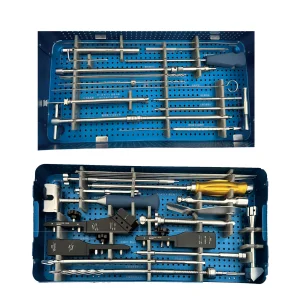
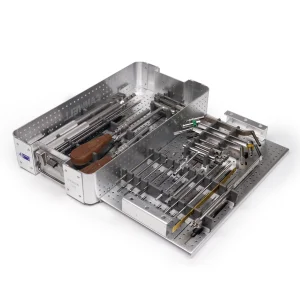
We provide comprehensive OEM/ODM solutions, which include custom implant scaling, specialized instrumentation box configurations, custom private labeling, and packaging. Minimum order quantities (MOQ) and lead times depend on your specific custom design files and regional regulatory requirements.
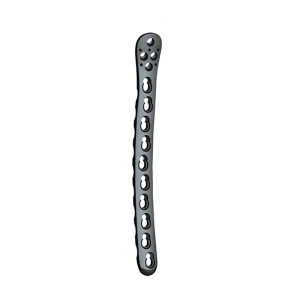
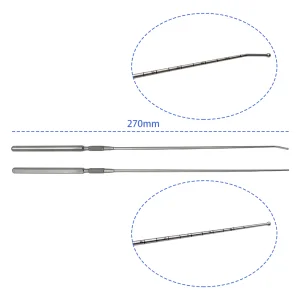
Engineered to support orthopedic surgeons in trauma fixation, joint revision, and spine surgeries.
 Virelox