Explore our premium grade orthopedic surgical instruments, precision reamers, and implant systems designed for clinical excellence.
Analyzing key shifts from metal alloy fixation to biocompatible polymeric structures in ligament reconstruction surgeries.
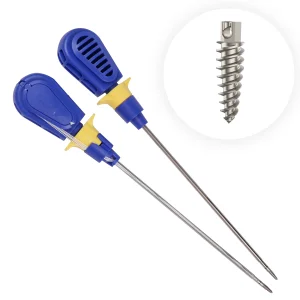
For decades, titanium alloy screws were the gold standard for soft tissue fixation, particularly in Anterior Cruciate Ligament (ACL) and Posterior Cruciate Ligament (PCL) reconstructions. However, the paradigm has shifted significantly toward Polyetheretherketone (PEEK) interference screws. This transition is driven by PEEK's unique biomechanical profiles. Unlike metallic implants, which can cause significant stress shielding due to their high modulus of elasticity, medical-grade PEEK demonstrates a mechanical modulus that closely matches human cortical bone. This ensures a more physiological stress distribution, preventing bone resorption and promoting superior graft-to-bone healing.
Furthermore, PEEK is completely radiolucent. During post-operative evaluations, clinicians can clearly visualize the healing progress of the bone tunnel using standard CT scans or MRI without the starburst artifacts associated with metal implants. This radiolucent property provides surgeon buyers and medical distributors with a strong clinical selling point. Additionally, PEEK interference screws avoid the risk of intraoperative graft laceration—a common issue with titanium threads—while eliminating any risk of metal hypersensitivity in sensitive patients.
Reduces stress shielding at the bone-implant interface, mimicking the natural biomechanical behavior of cortical bone to enhance long-term joint stability.
Zero artifact generation during postoperative MRI and CT scanning processes, allowing precise visualization of tissue integration and bone healing.
Smooth, rounded thread structures designed to prevent graft cutting during rotation and insertion, ensuring maximum ligament graft integrity.
Critical variables that hospital purchase managers and international medical distributors evaluate when sourcing implants.
Procurement managers in Europe, North America, and key emerging markets face strict compliance frameworks when selecting orthopedic implants. The procurement of PEEK interference screws requires a meticulous auditing process of the manufacturing facilities. The primary yardstick of authority is ISO 13485 certification, which mandates a comprehensive quality management system tailored specific to medical devices. In addition to ISO compliance, regulatory clearances (such as CE marking under MDR 2017/745 in Europe and FDA 510(k) in the United States) are absolute prerequisites for commercial importation and hospital listing.
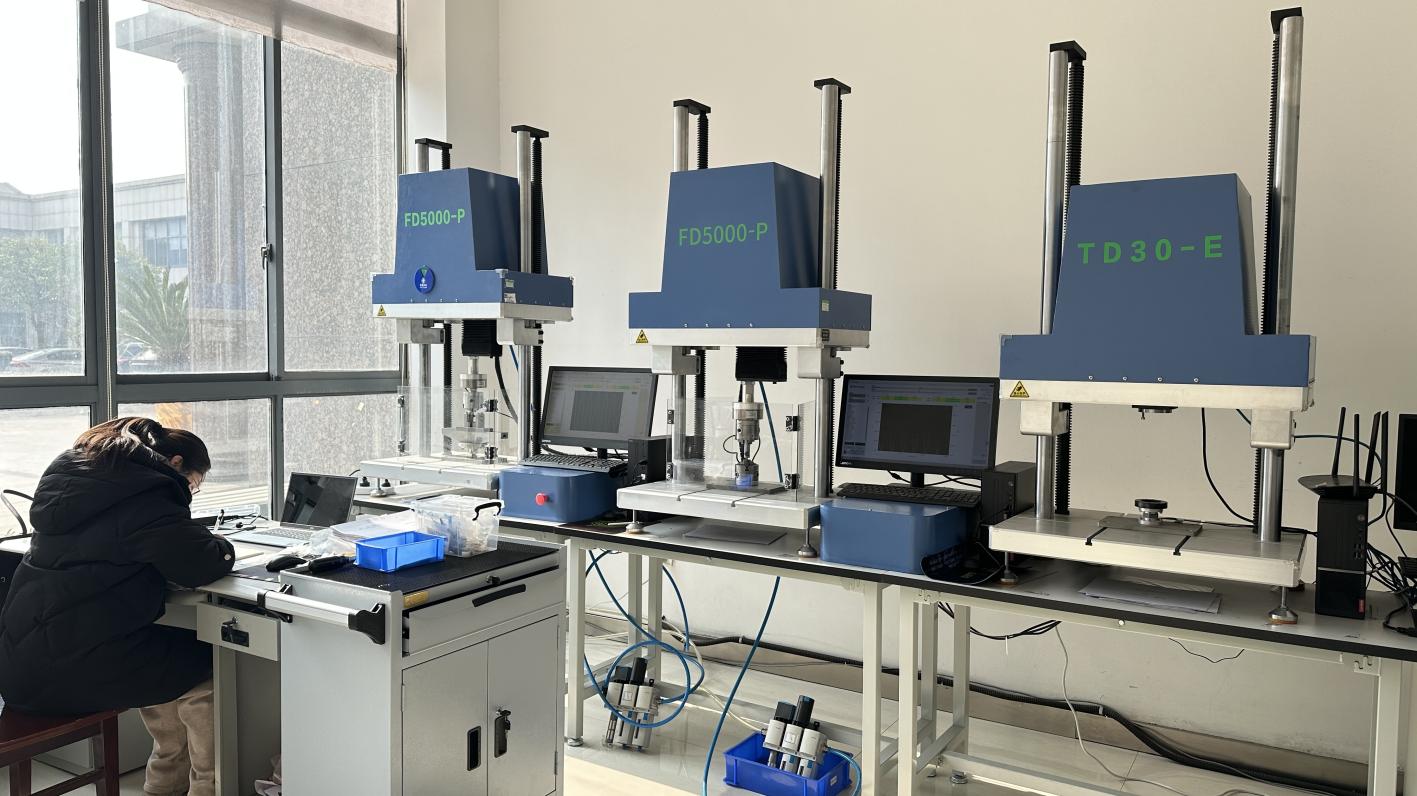
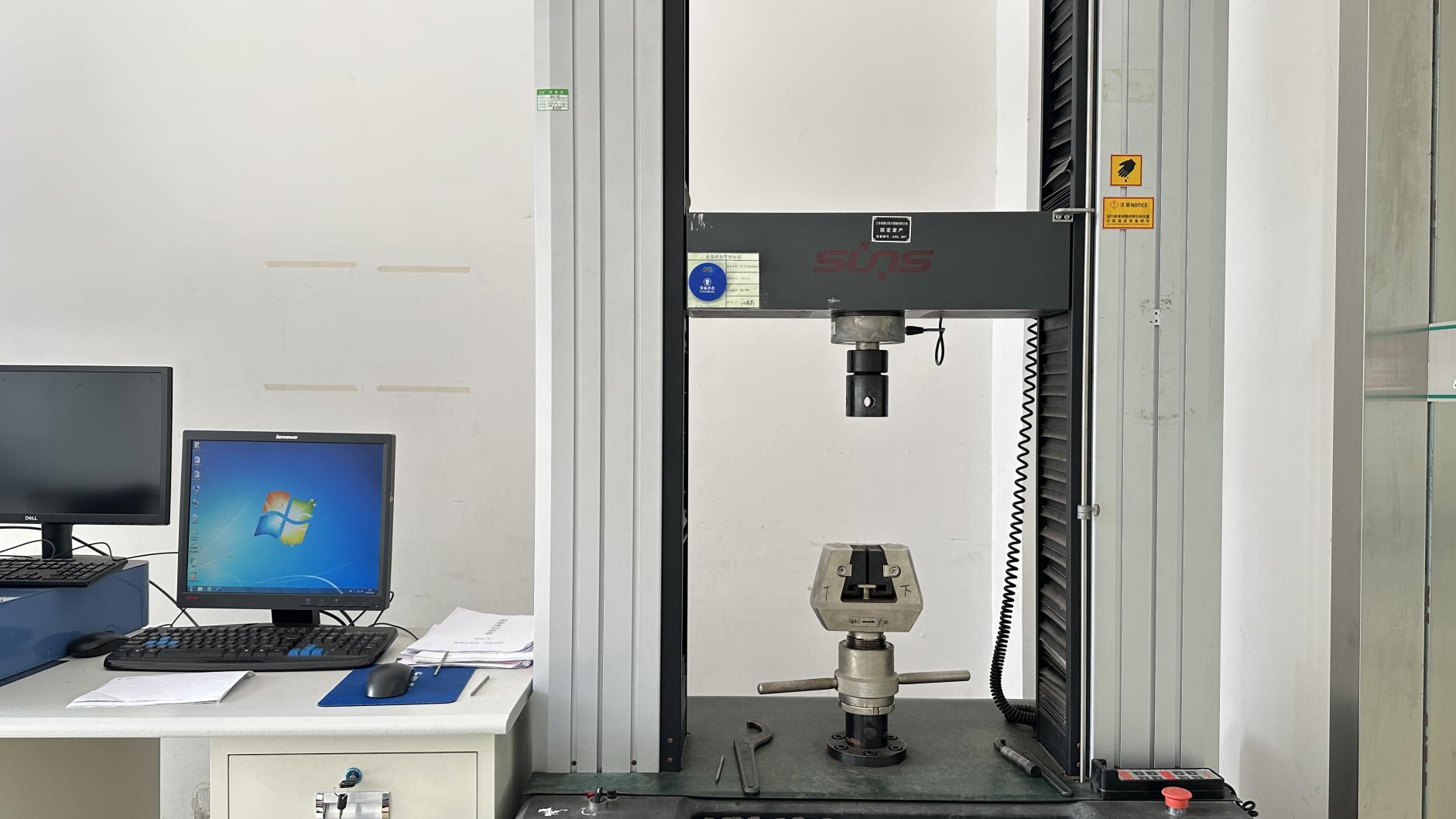
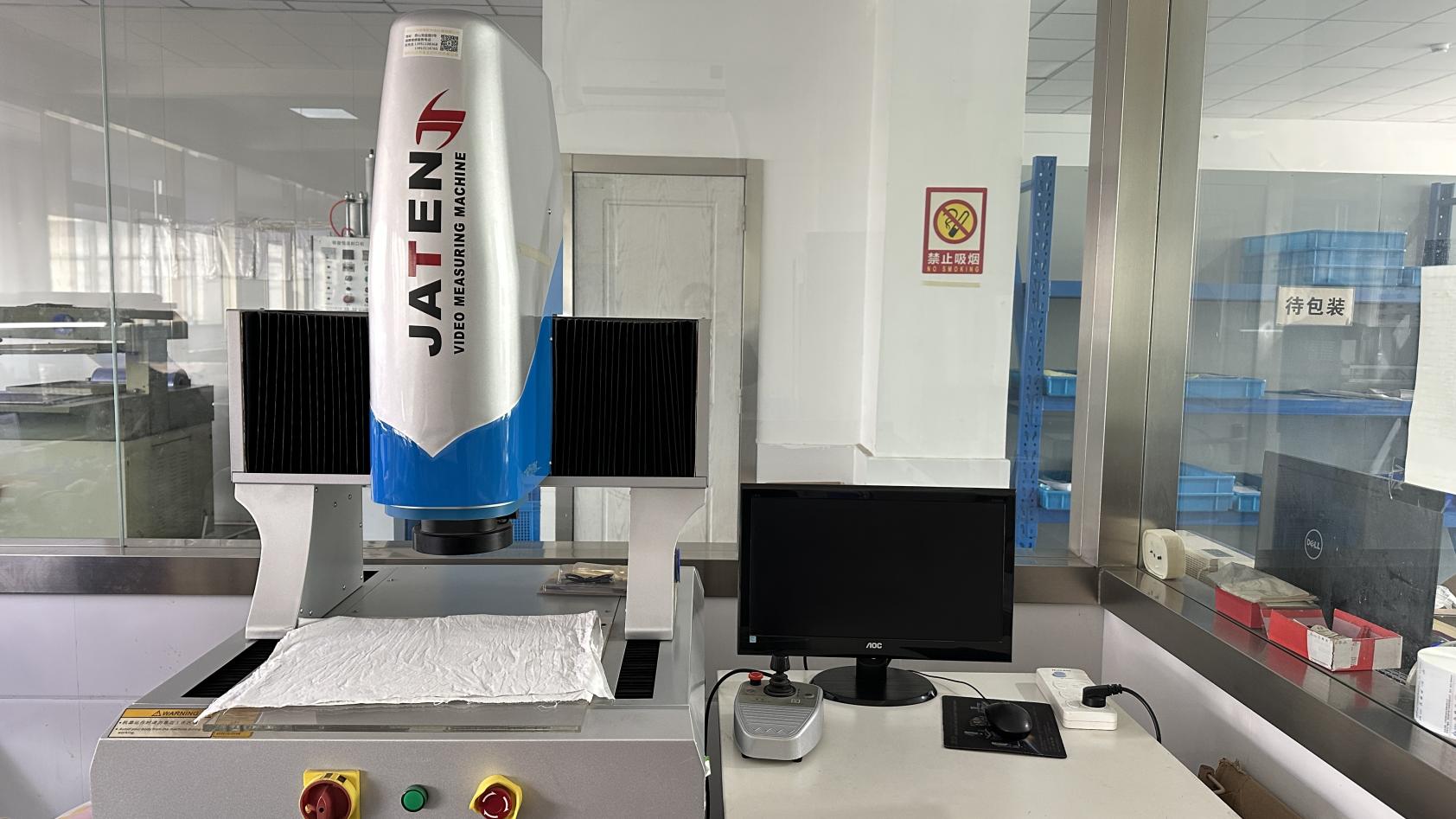
From a supply chain standpoint, procurement departments look for manufacturing resilience: raw material traceability (usually back to medical-grade PEEK producers like Solvay or Evonik), consistent dimensional tolerances verified by Coordinate Measuring Machines (CMM), and batch-to-batch mechanical uniformity verified through static and dynamic shear-strength tests.
| Evaluation Parameter | Technical Standard / Requirement | Procurement Value |
|---|---|---|
| Raw Material Traceability | ASTM F2026 (Standard Specification for PEEK Polymers) | Guarantees bio-compatibility, structural purity, and implant safety. |
| Quality System Certification | ISO 13485:2016 Certification | Confirms full-process traceability and stringent manufacturing controls. |
| Dimensional Precision | Tolerance within ±0.01mm (CMM Checked) | Ensures perfect compatibility with standard driver instrumentation. |
| Mechanical Validation | Dynamic Fatigue & Torsional Failure Testing | Prevents intraoperative screw breakage during insertion into dense bone. |
"A robust procurement strategy must prioritize factories that maintain a direct lineage of ASTM F2026 PEEK raw materials alongside integrated mechanical testing laboratories to mitigate downstream clinical failures."
How advanced CNC centers and integrated manufacturing processes drive cost-efficiency and quality consistency.
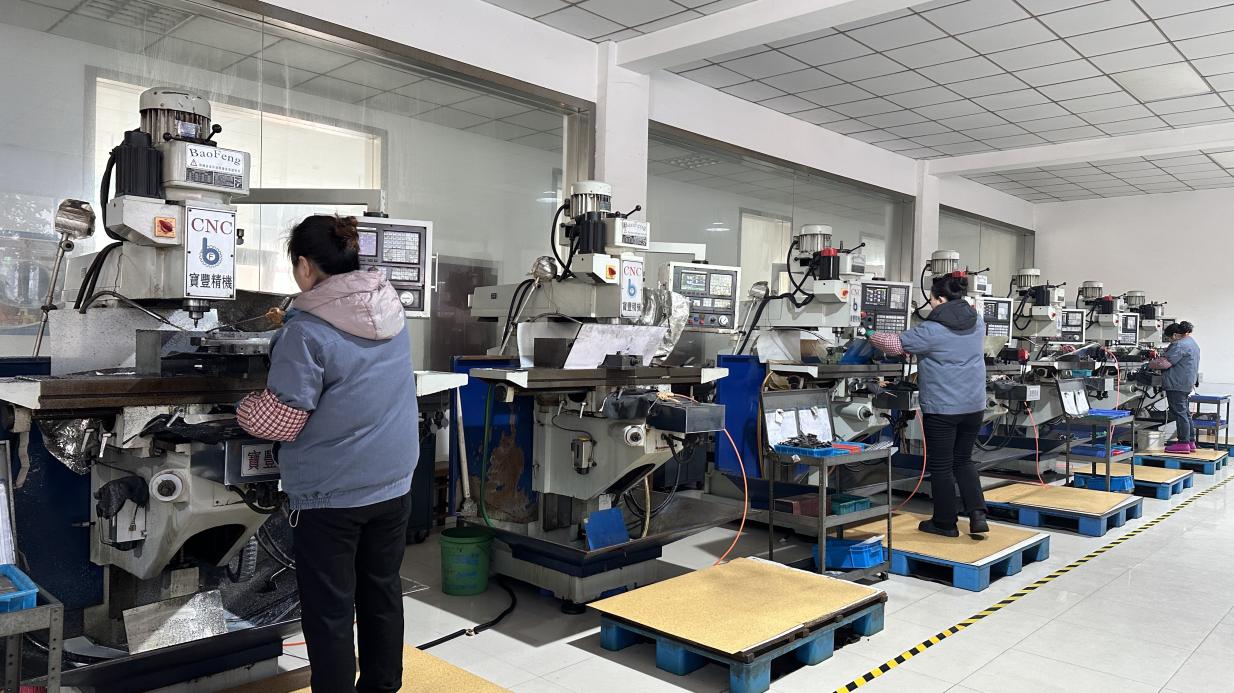
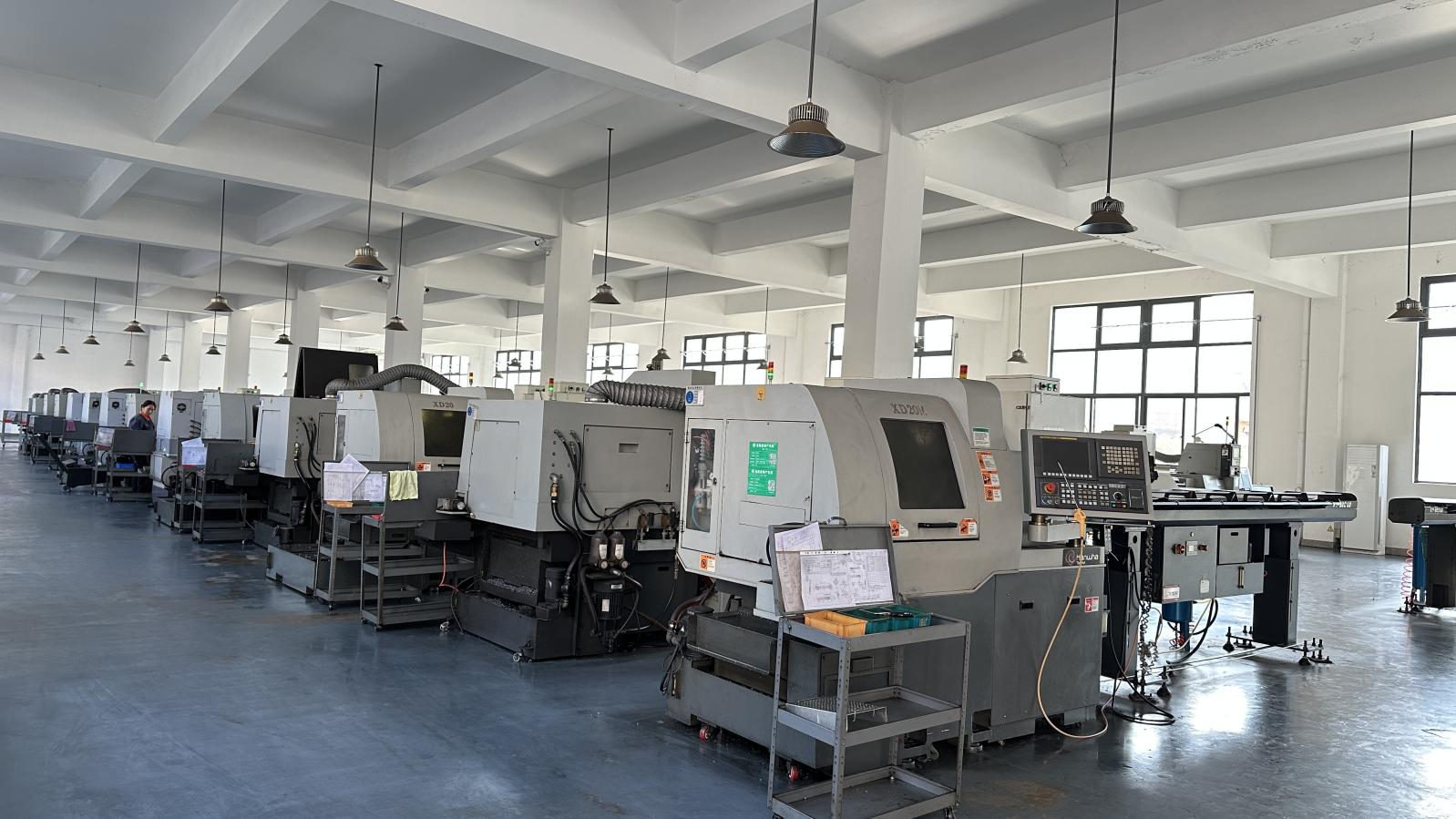
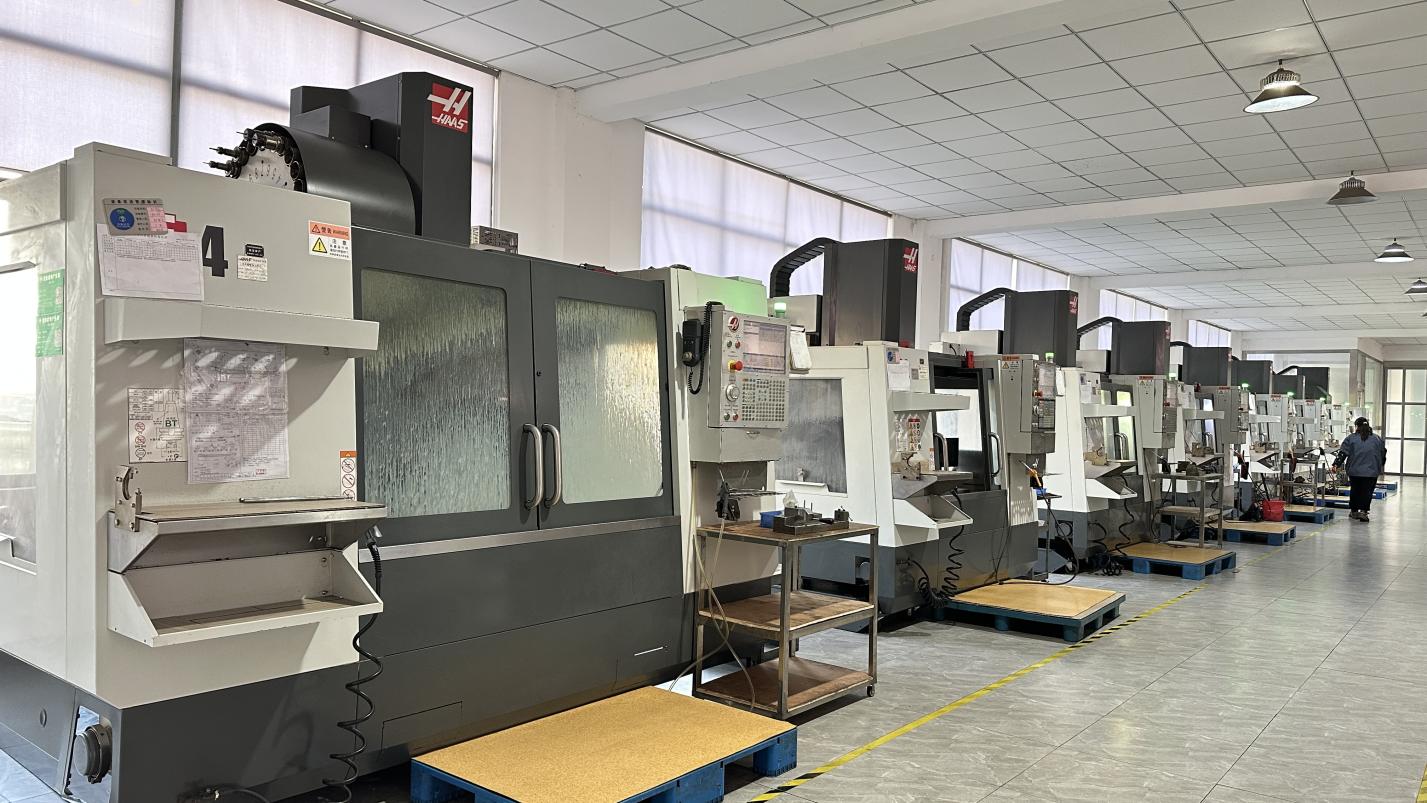
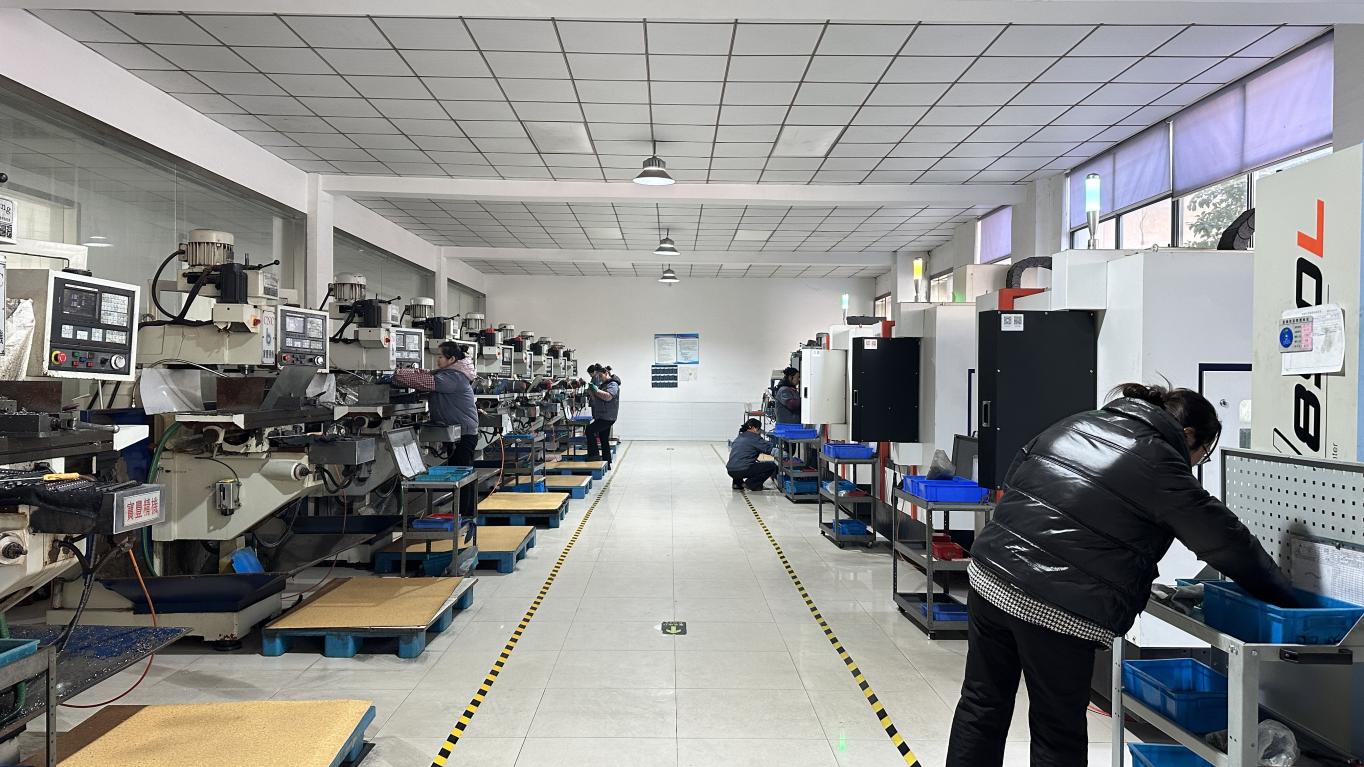
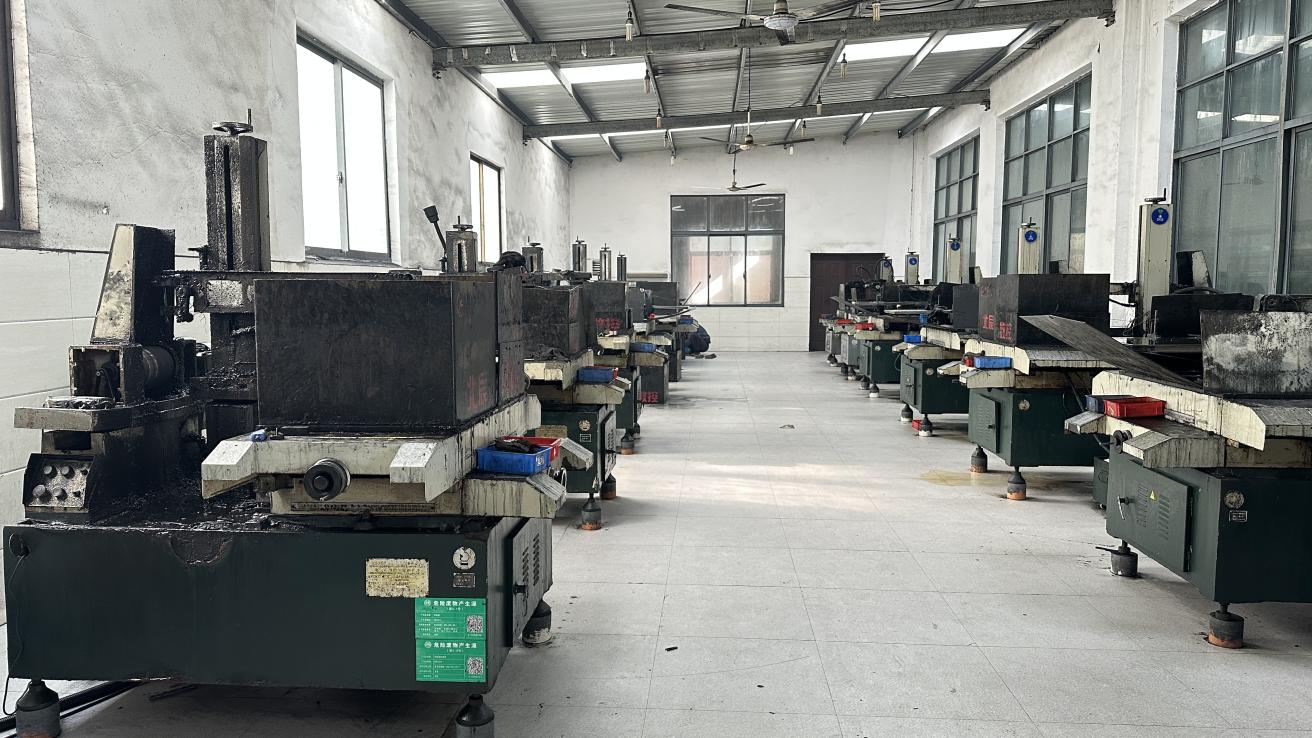
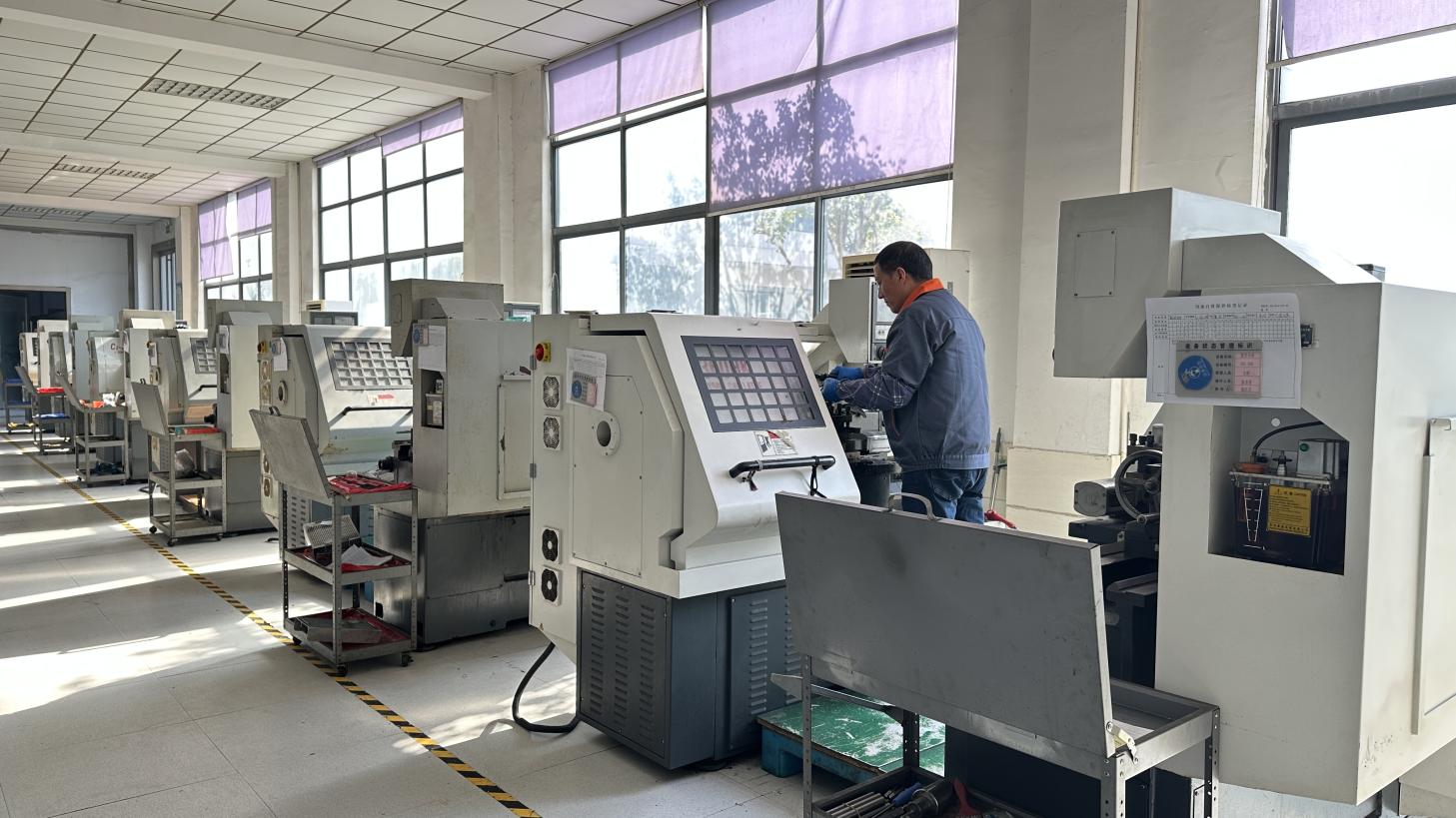
China's orthopedic manufacturing sector has evolved from labor-intensive operations to a highly automated Industry 4.0 ecosystem. Advanced suppliers like Virelox Medical Devices have integrated high-precision Swiss-type CNC lathes and wire-cutting machinery. By running automated milling lines, these factories minimize human error, optimize material utilization, and significantly reduce manufacturing cycle times.
This level of automation provides global buyers with several core benefits:
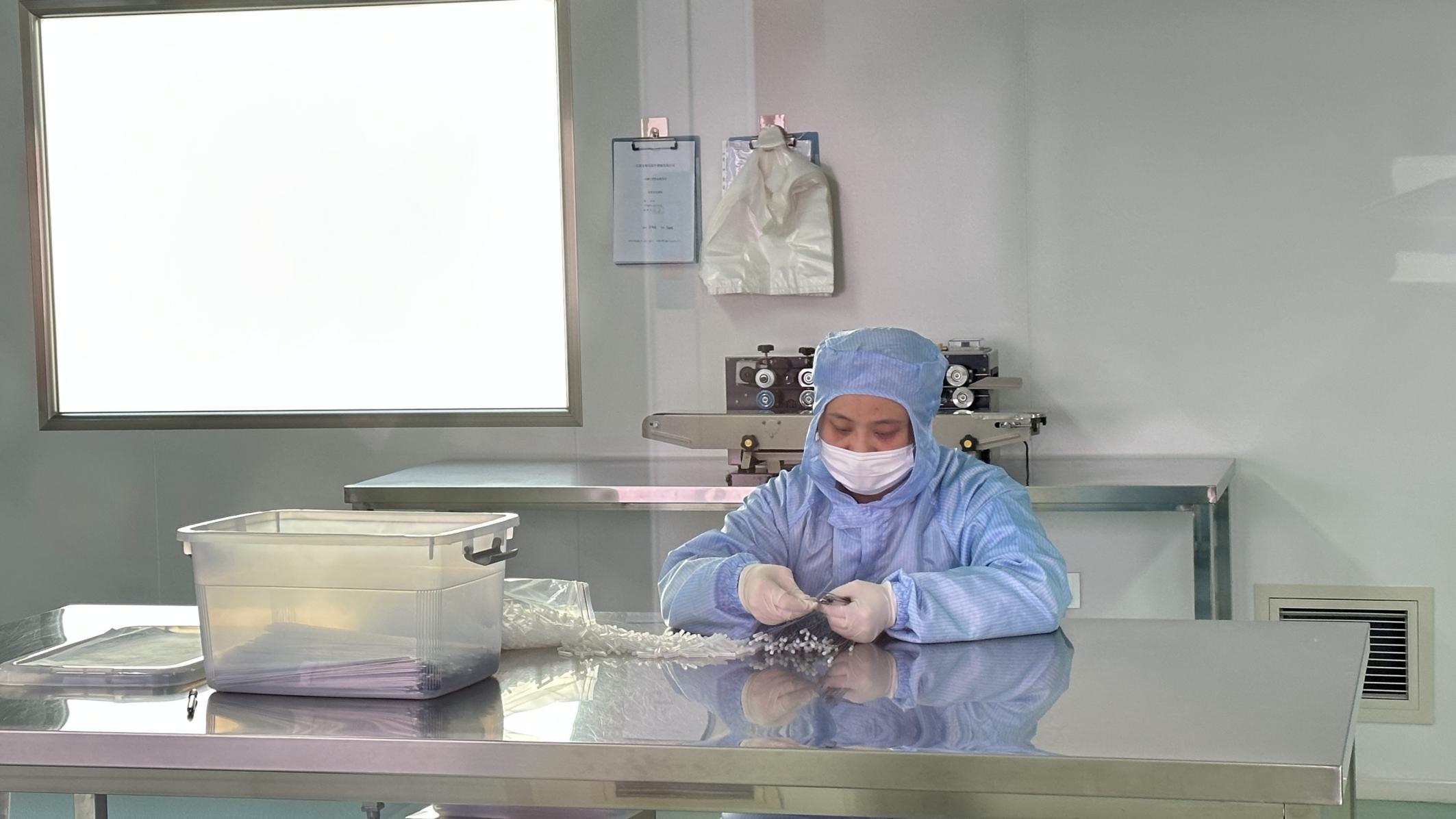
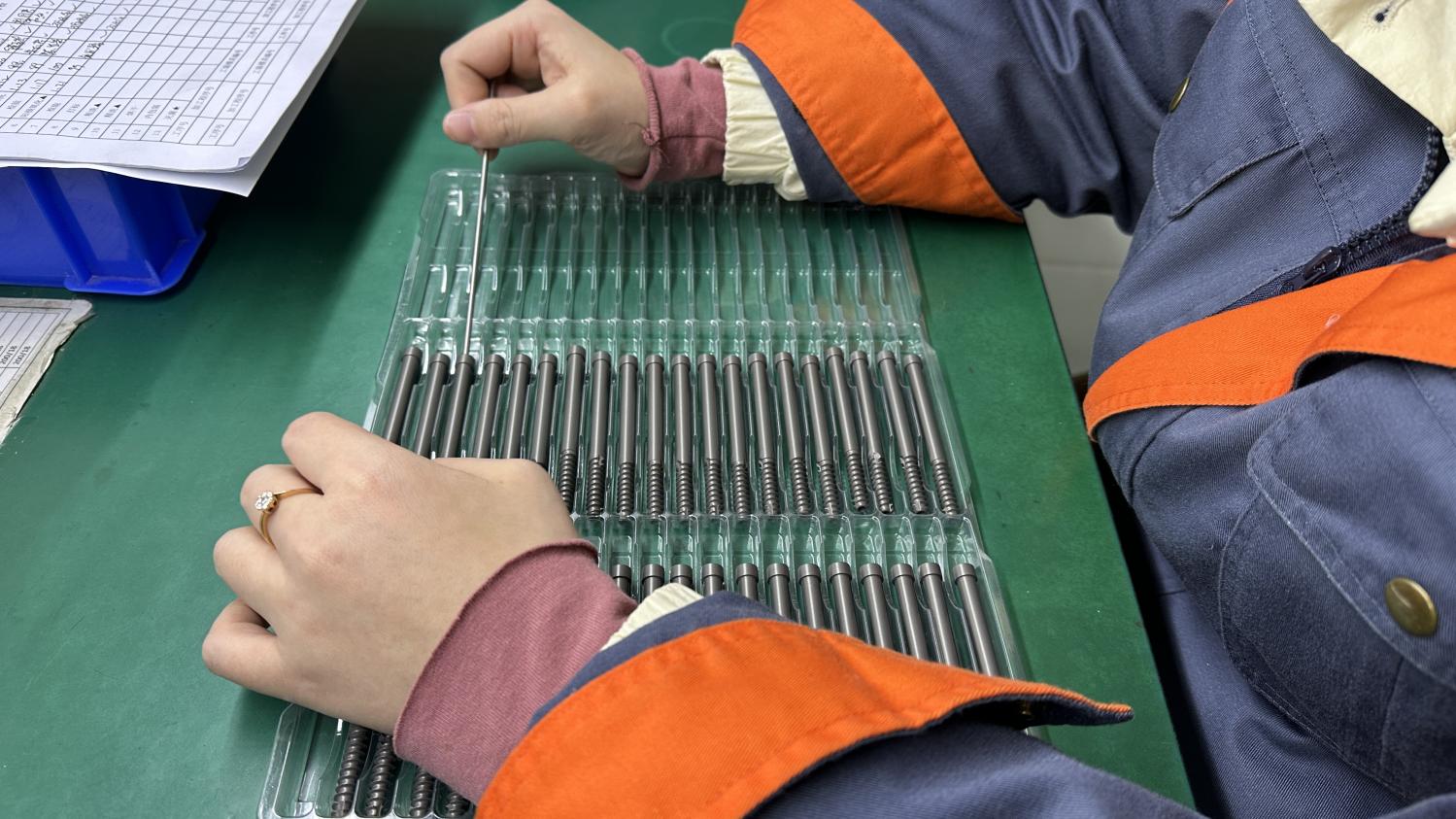
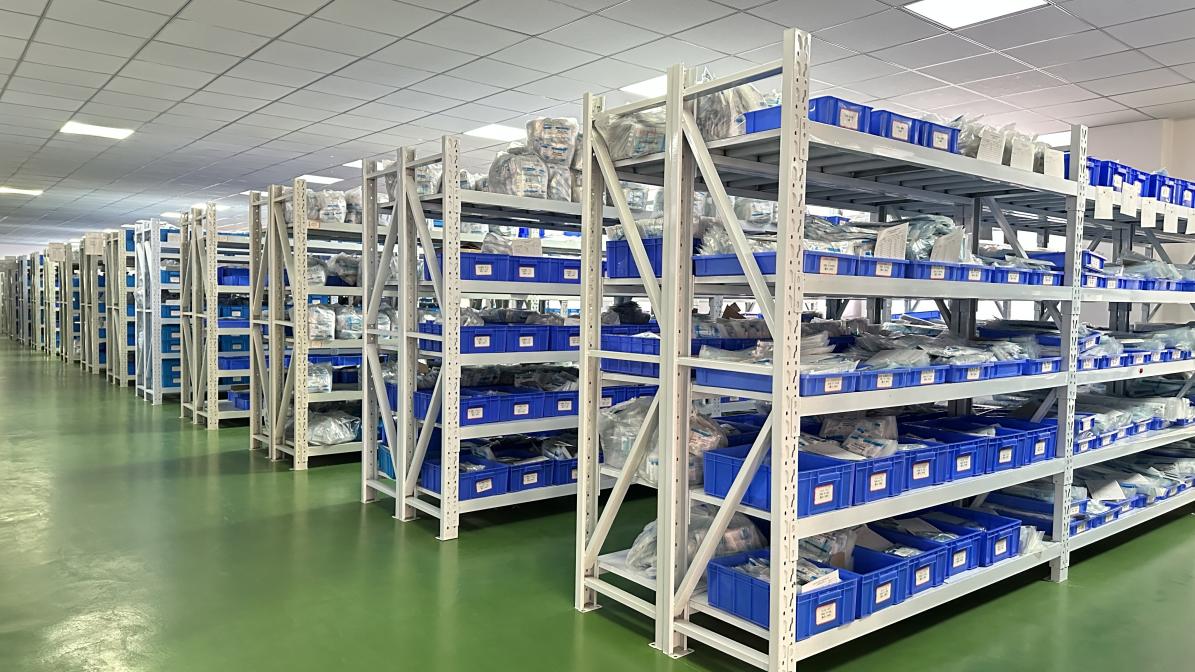
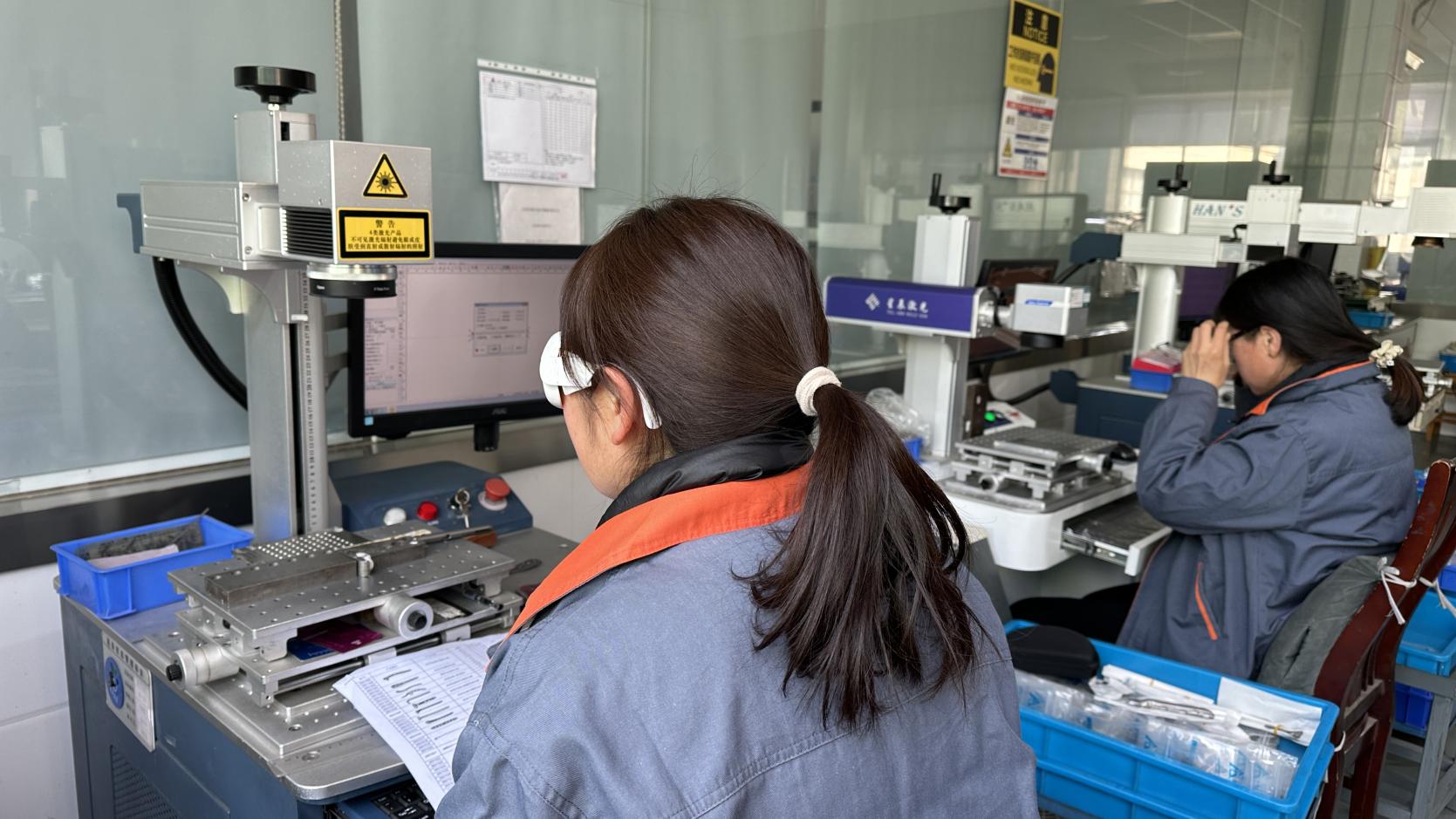
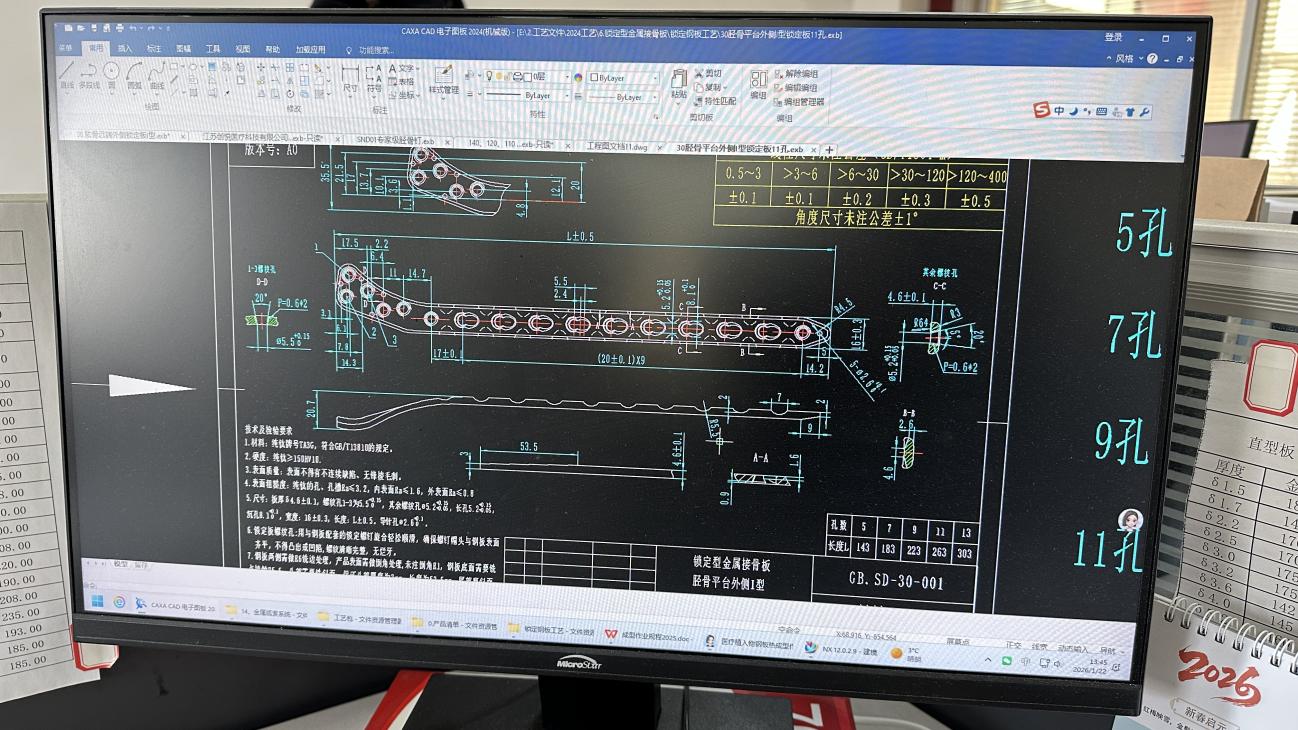
A visual and technical walk-through of the medical-grade machining processes at our state-of-the-art facility.
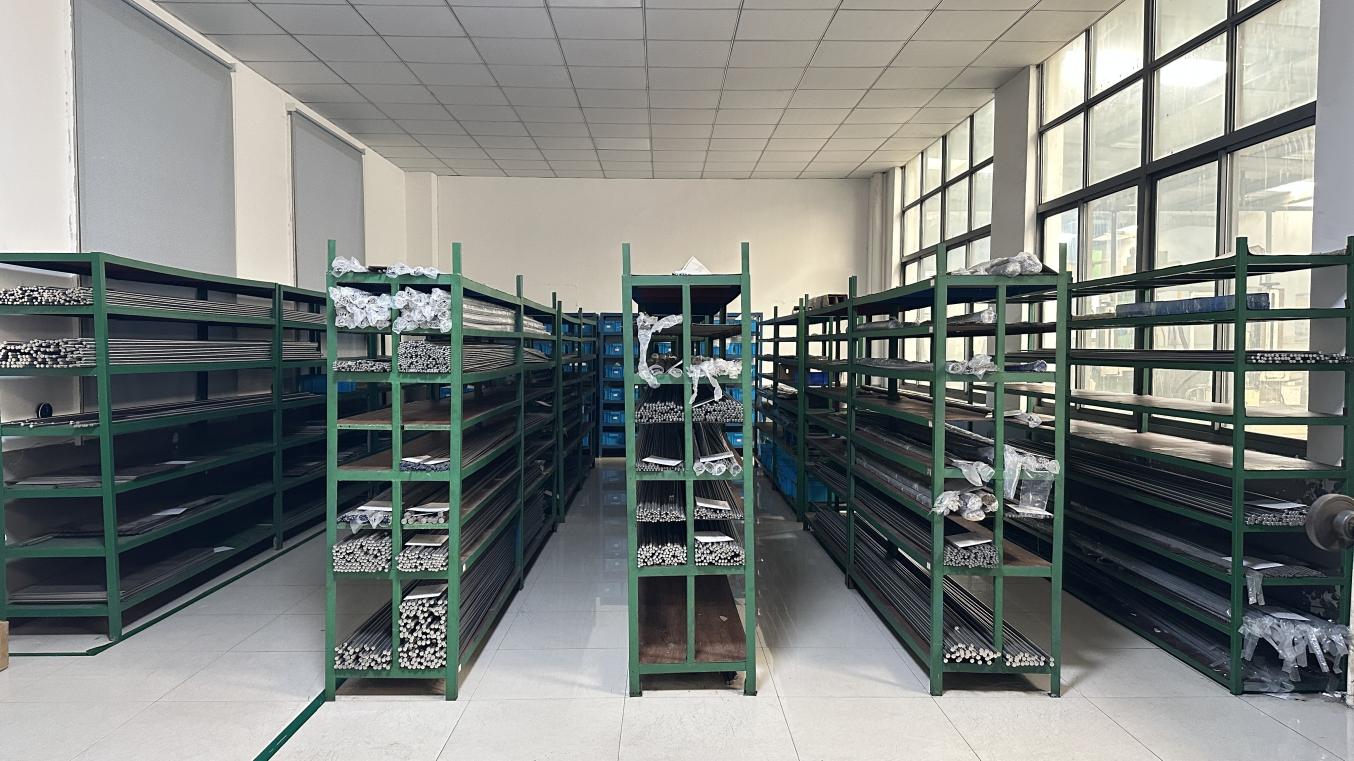
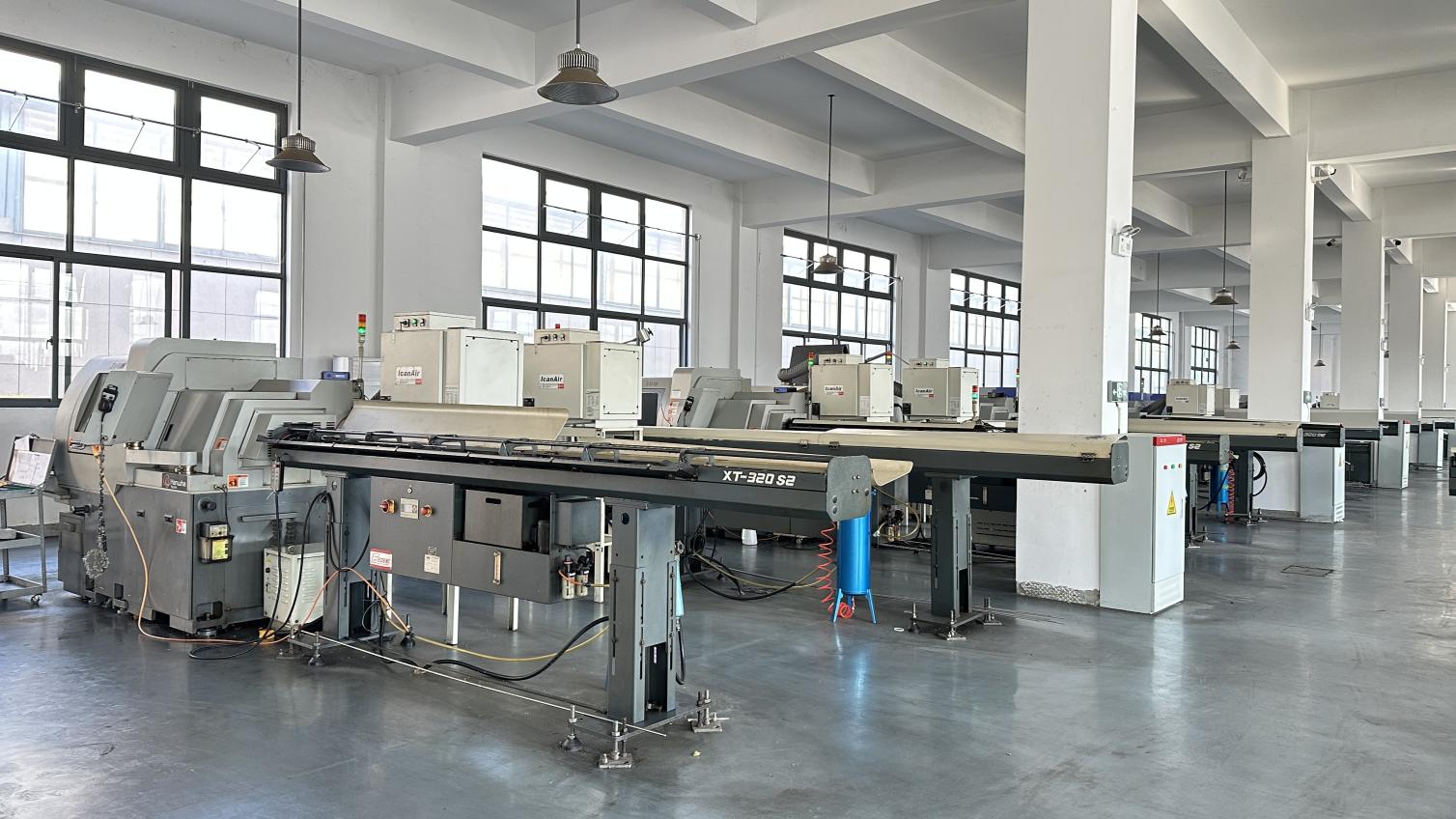
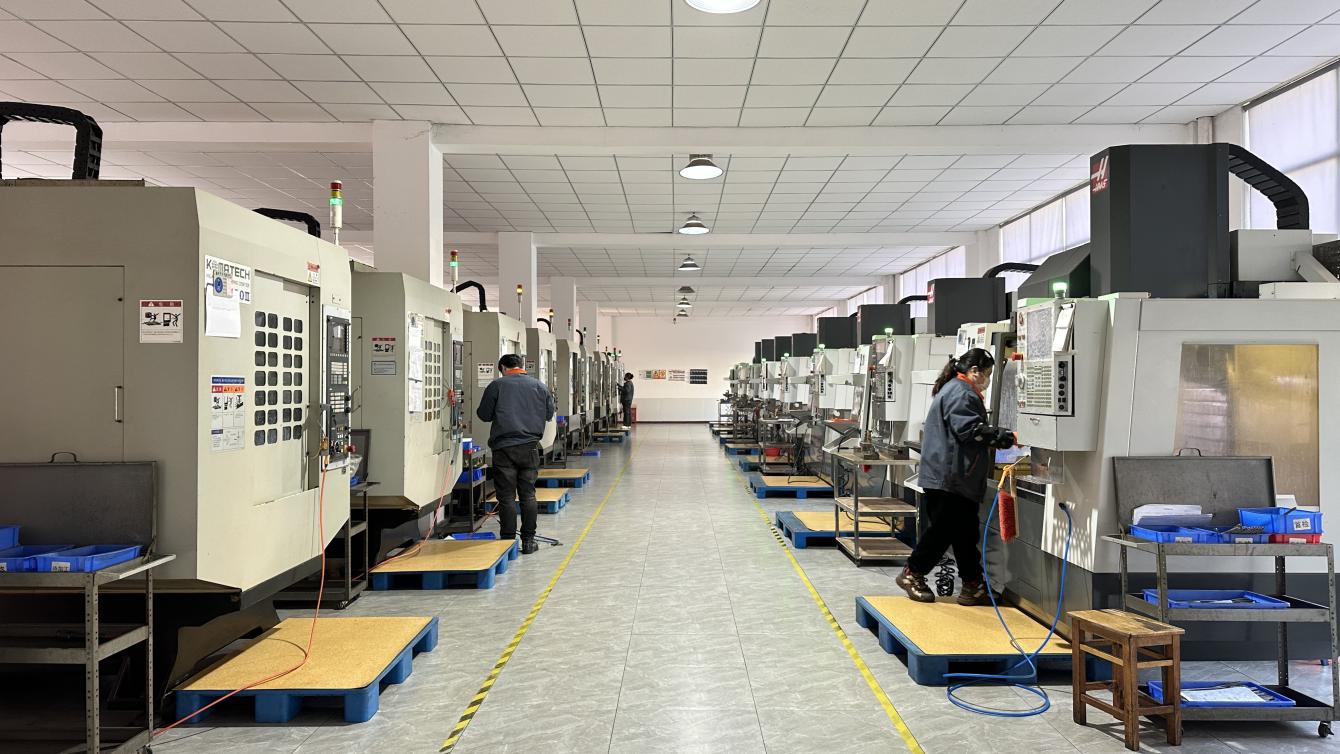
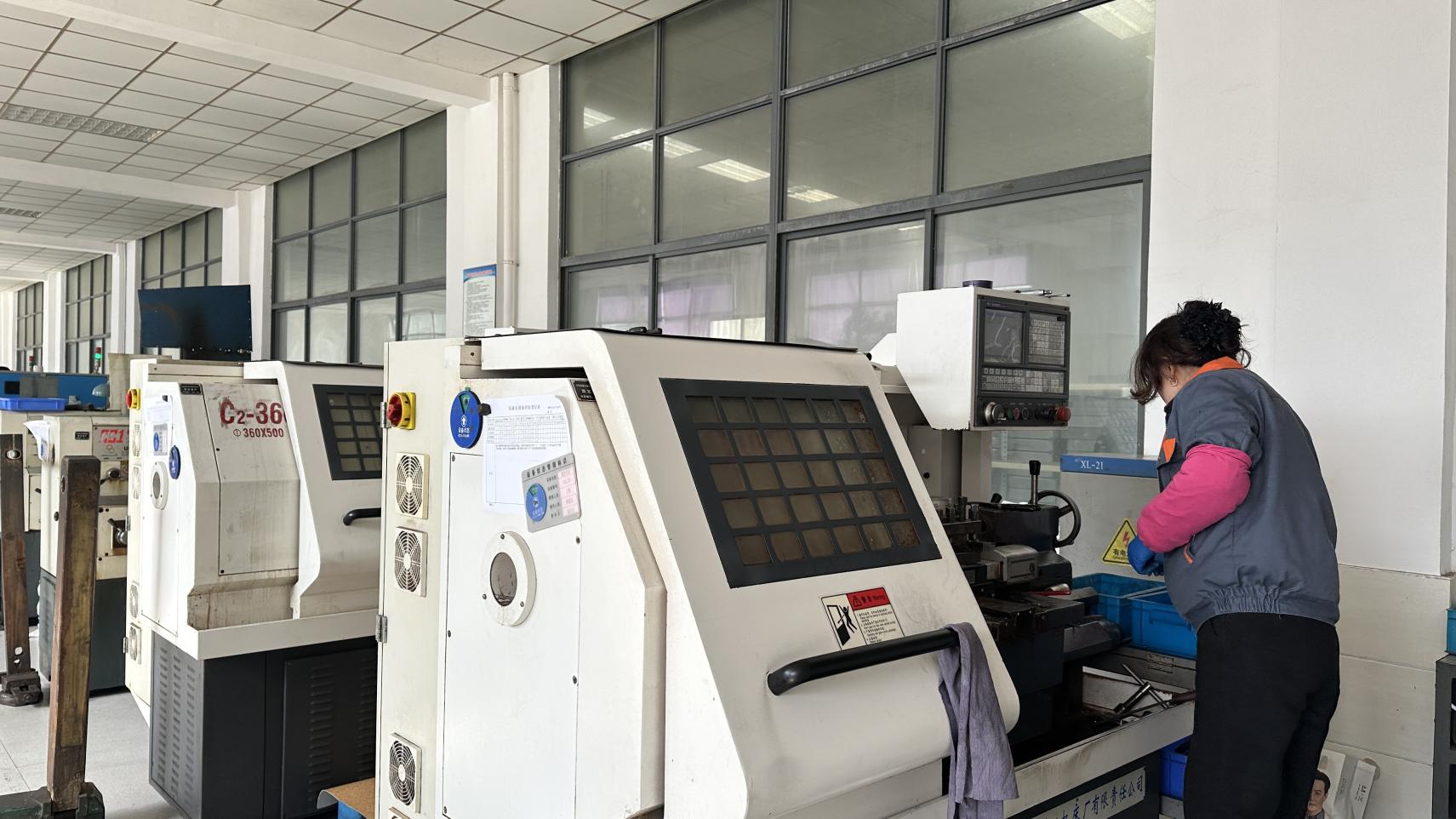
How our dedicated Quality Control team of 65 professionals guarantees Zero-defect clinical outcomes.
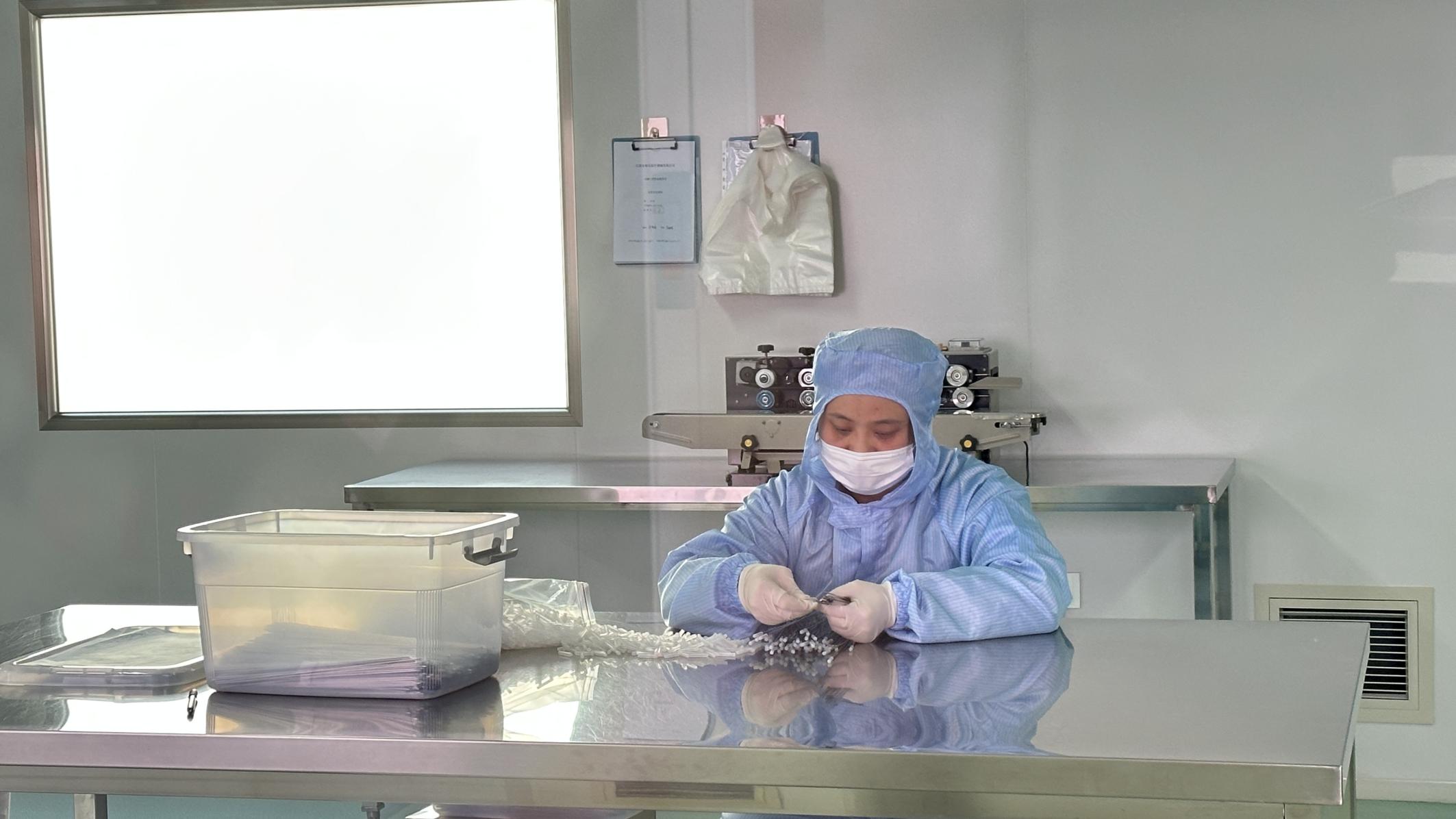
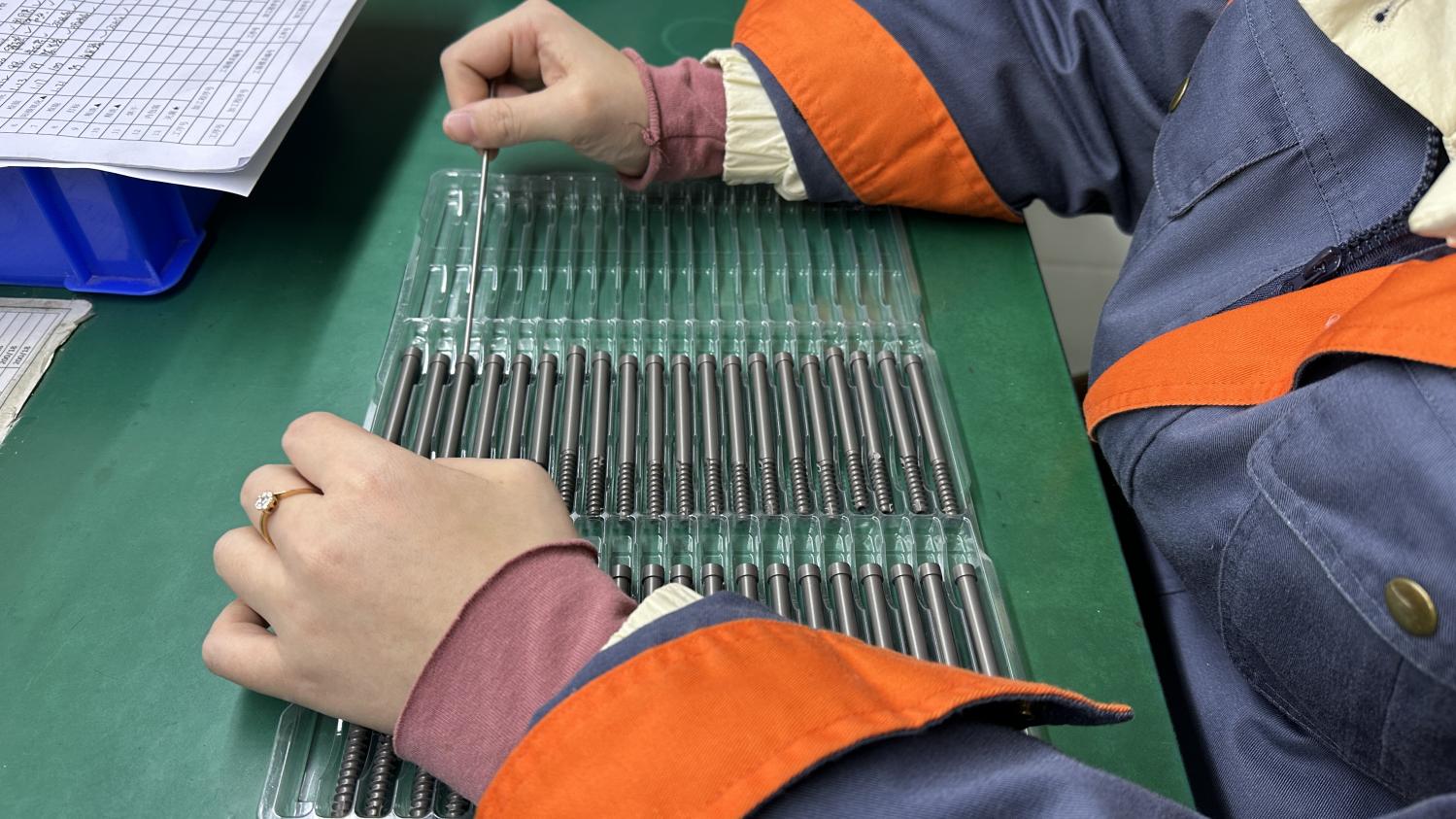
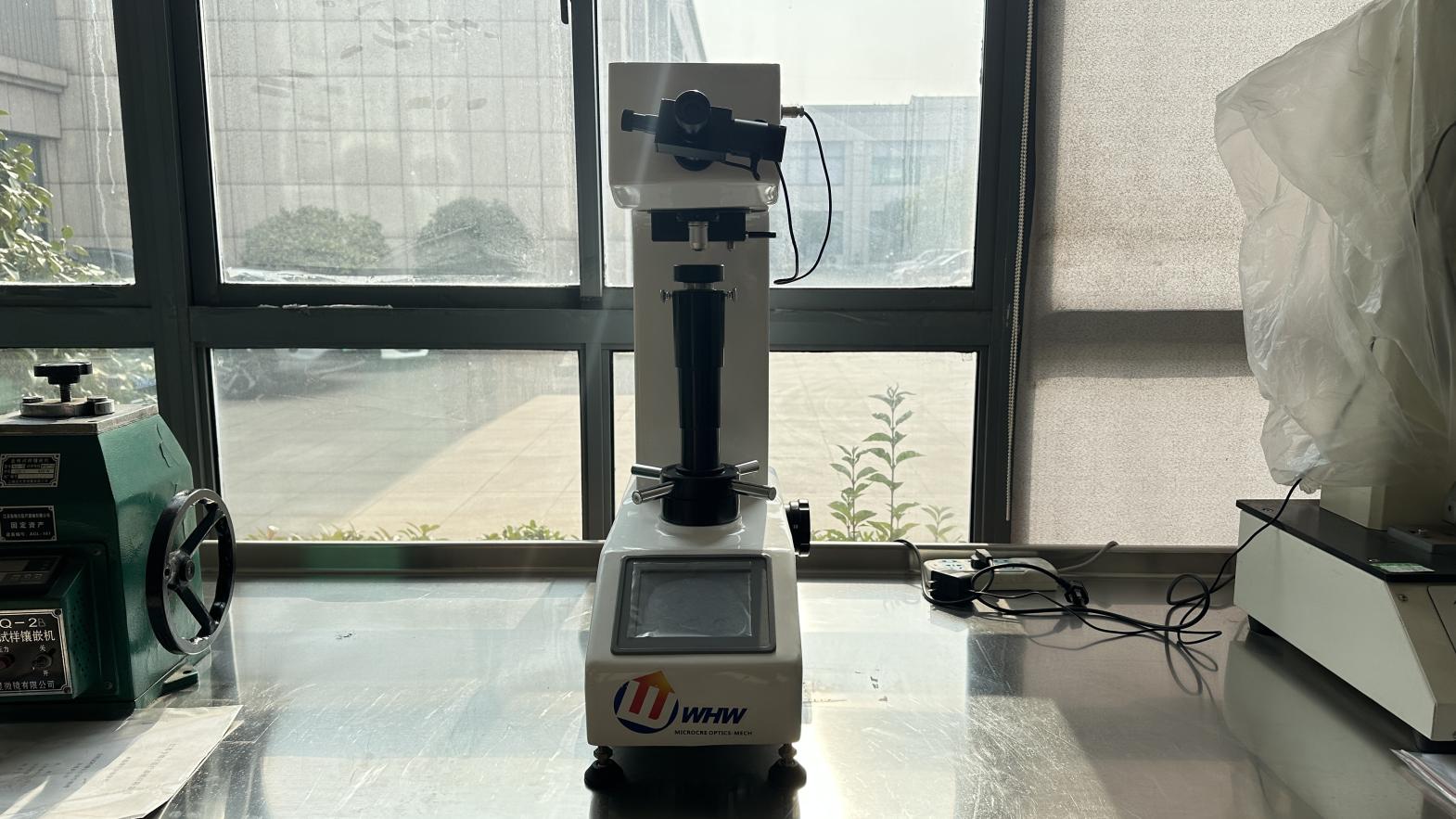
At Virelox, quality control is not a post-production filter; it is the cornerstone of our manufacturing philosophy. We utilize a dual-stage verification framework. Under incoming inspection (IQC), raw material chemical composition is verified using spectroscopy and mechanical checks. During in-process machining (IPQC), critical thread geometry is continually audited using high-precision digital micrometers and optoelectronic projection systems.
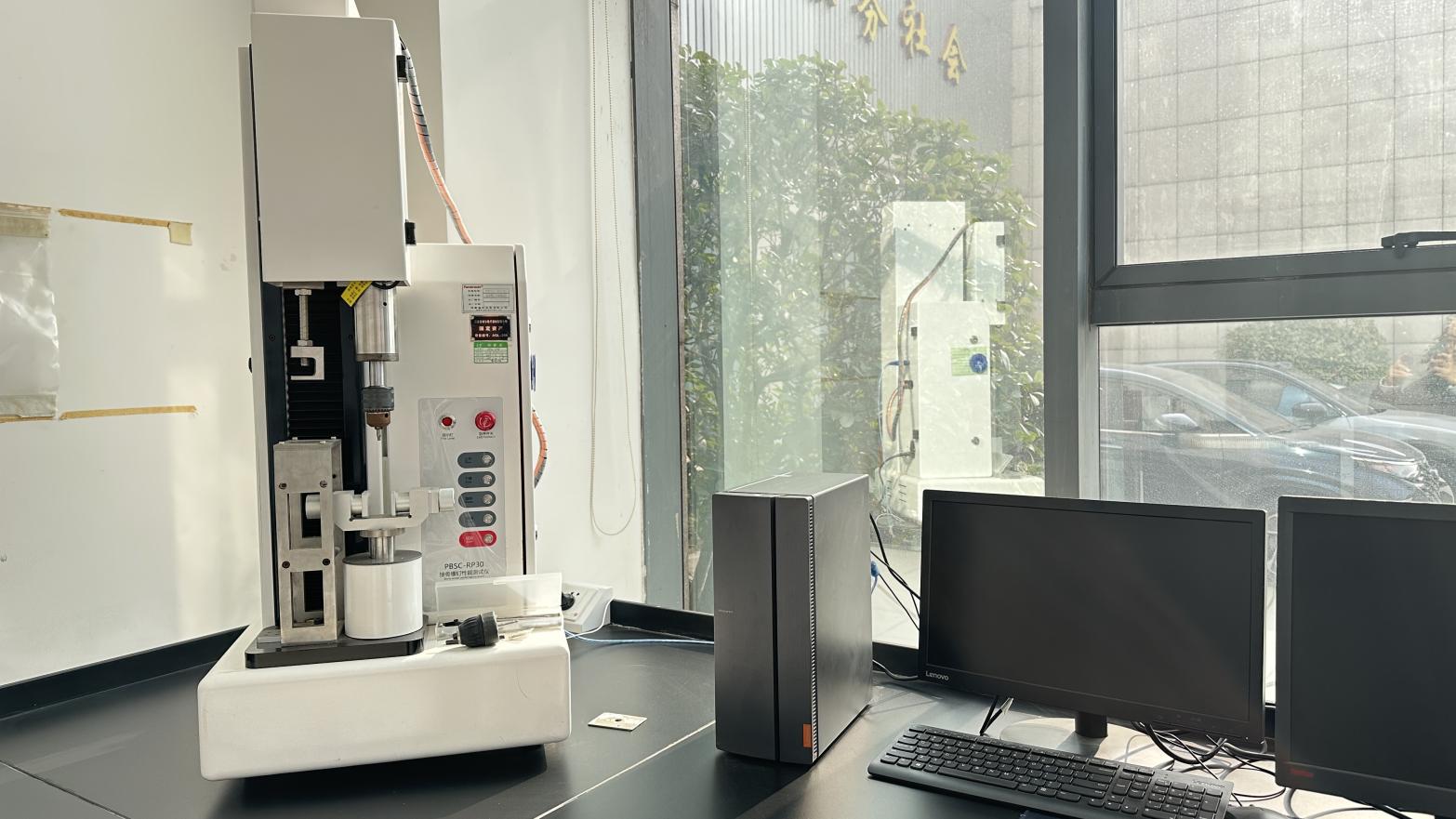
Final verification (OQC) uses automated coordinate measuring machines (CMM) and specialized dynamic mechanical testing machines to simulate years of joint stress. This guarantees that every batch of interference screws and associated instruments meets or exceeds standard biomechanical failure limits.

Empowering global orthopedic healthcare providers with high-reliability joint replacement and surgical implants.
Founded in 2016, Virelox Medical Devices Co., Ltd. has established itself as an export-oriented innovator in the orthopedic implant sector. Specializing in joint replacement systems, sports medicine consumables, and trauma fixation assemblies, Virelox operates under a strict ISO 13485-compliant structure. With a modern 12,000 m² production site, we export custom medical implants to clinical buyers in Europe, Southeast Asia, the Middle East, and South America.
Our in-house R&D department, staffed by 120 specialized engineers, manages product design from biomechanical simulation to physical verification. This engineering capacity allows us to offer versatile OEM/ODM customization services, private labeling, and tailored implant geometries to meet regional clinical preferences. Through close partnerships with 850 certified upstream raw-material and component vendors, we guarantee our customers stable pricing and reliable lead times.
Continuous pipeline innovation with over 120 new trauma, spinal, and joint systems launched last year alone.
Export experience across major world markets ensures compliance with customs protocols, labeling, and clinical packaging standards.
Tailoring screw pitch, thread profiles, and driver configurations to match your hospital network's existing instrument sets.
Answers to critical technical, chemical, and logistics questions raised during supplier evaluations.
Explore our advanced suture anchors, compression screws, and specialized veterinary surgical tools.
 Virelox