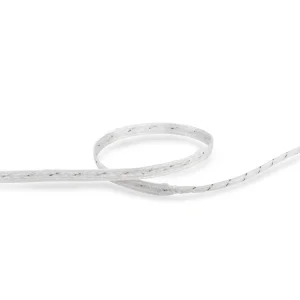
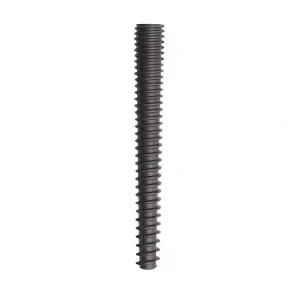
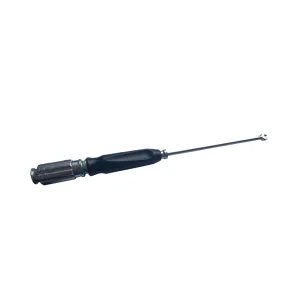
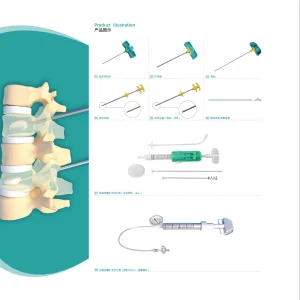
High-precision spine decompression systems, cortical screws, sutures, and surgical tools designed for clinical durability and osteointegration.
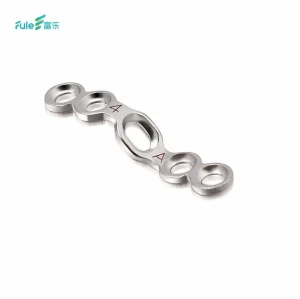
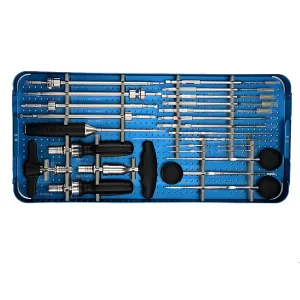
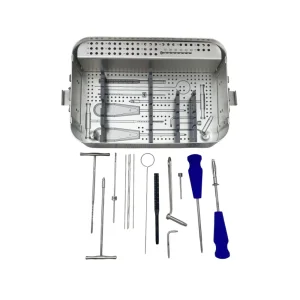
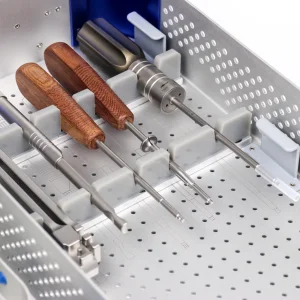
Advancing Patient Outcomes via Advanced Material Engineering and Precision Manufacturing
Polyetheretherketone (PEEK) has revolutionized spinal arthrodesis. It features an elastic modulus (approx. 3.6 GPa) closely matching human cortical bone. This minimizes stress shielding, promoting mechanical loading based on Wolff’s Law to enhance graft fusion. Its inherent radiolucency allows clear assessment of fusion progress without artifacts.
Modern clinical applications require implants that support osseointegration. Micro-textured and porous PEEK cage geometries mimic trabecular structures, facilitating bone ingrowth directly into the implant surface. This reduces micromotion and subsidence risk, accelerating long-term mechanical stability.
By balancing anatomical shape with high-precision manufacturing, PEEK interbody fusion cages align with the endplate geometry. This maintains load distribution across the vertebral body and preserves sagittal balance, critical for preventing post-operative segment degeneration.
Delivering reliable, regulatory-compliant surgical implant solutions across global healthcare supply chains since 2016.
Virelox utilizes advanced production technologies, including high-speed multi-axis CNC milling, Swiss lathes, and specialized wire-cutting. Working with a robust network of 850 certified upstream and downstream partners, we ensure stable raw material sourcing (including medical-grade PEEK) and reliable delivery.
Our in-house R&D center features advanced biomechanical simulation and rapid prototyping technologies. In the past year alone, our team launched 120 new products across our spinal and orthopedic portfolios. This agile engineering support enables fast OEM/ODM product customization to meet target anatomical specifications.
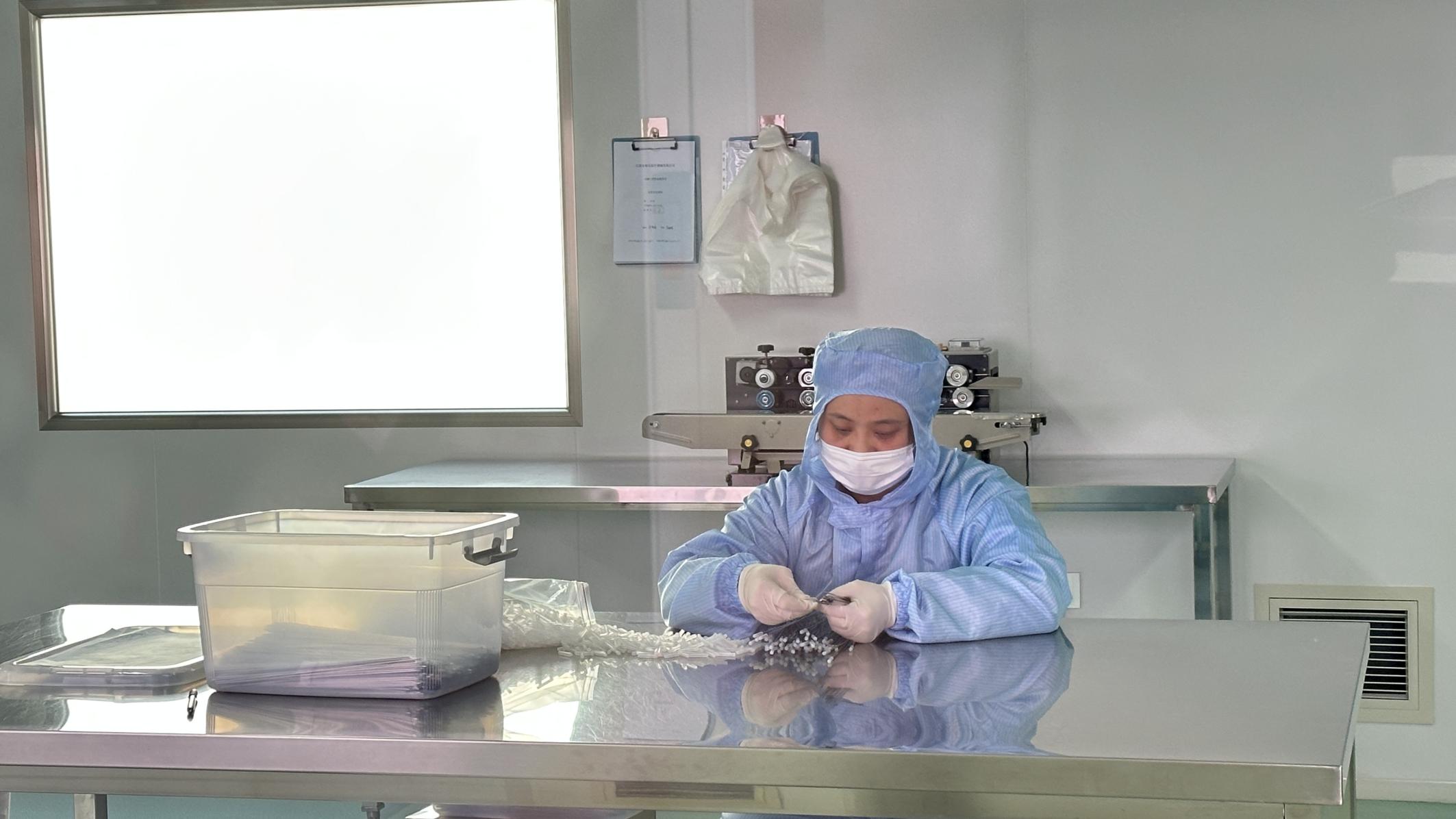
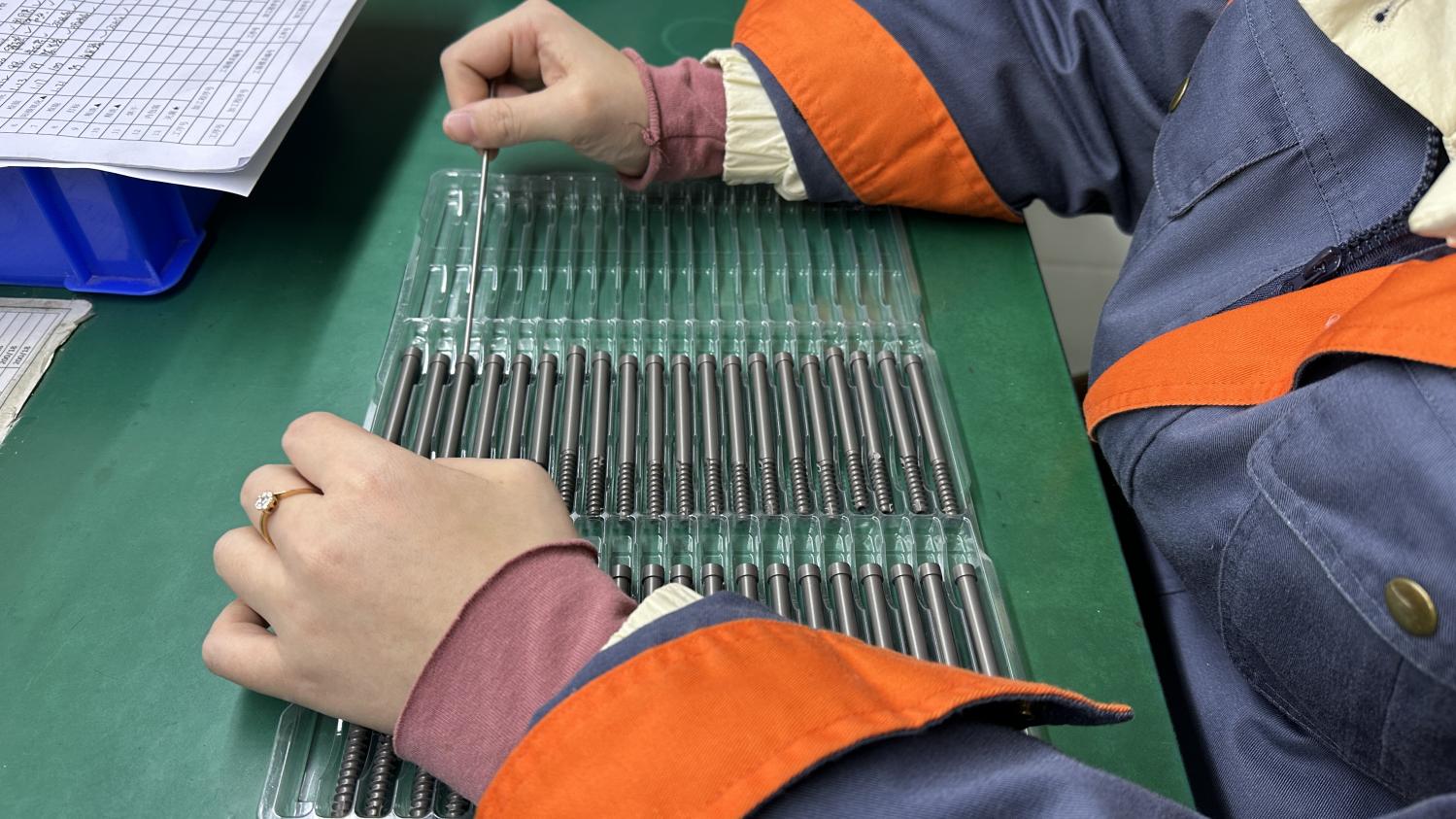
Real-time visual capture of our precision machining, surface treatment, and quality inspection workflows.
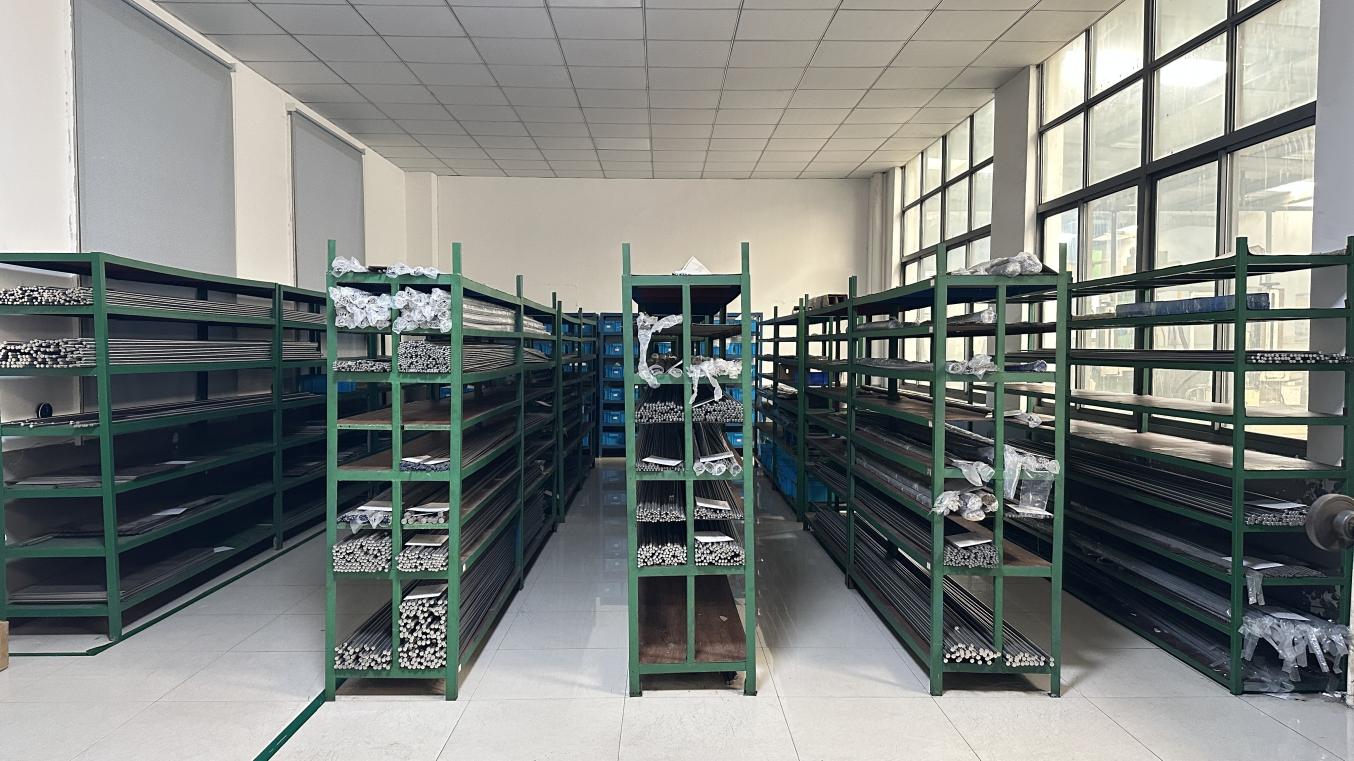
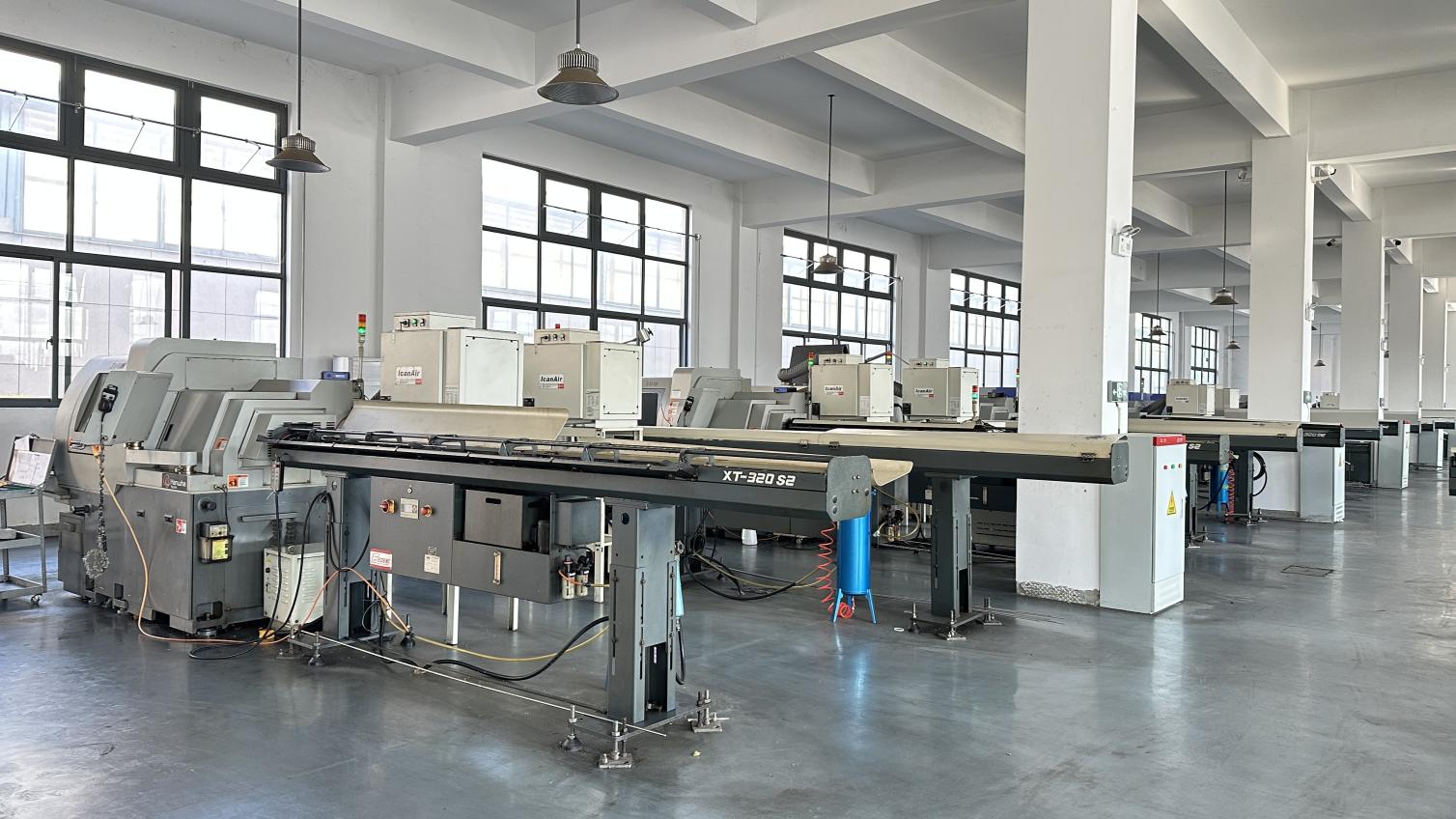
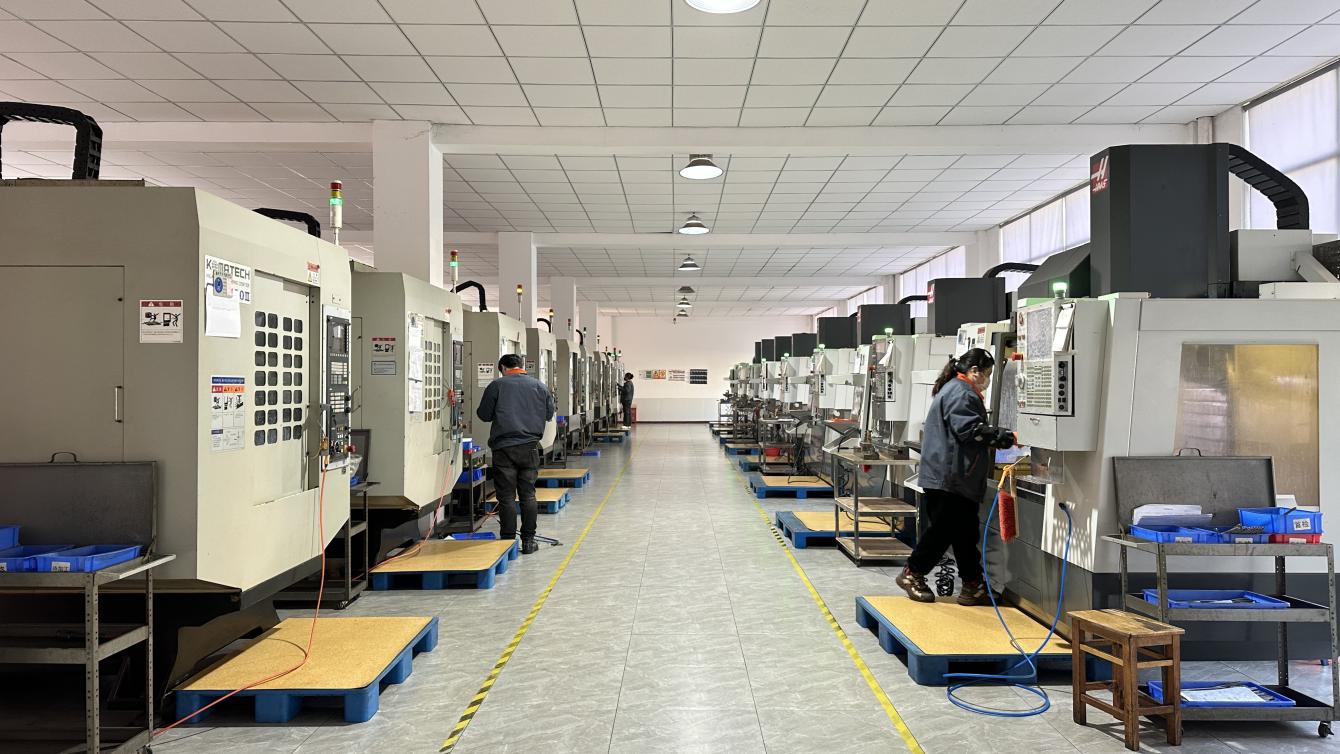
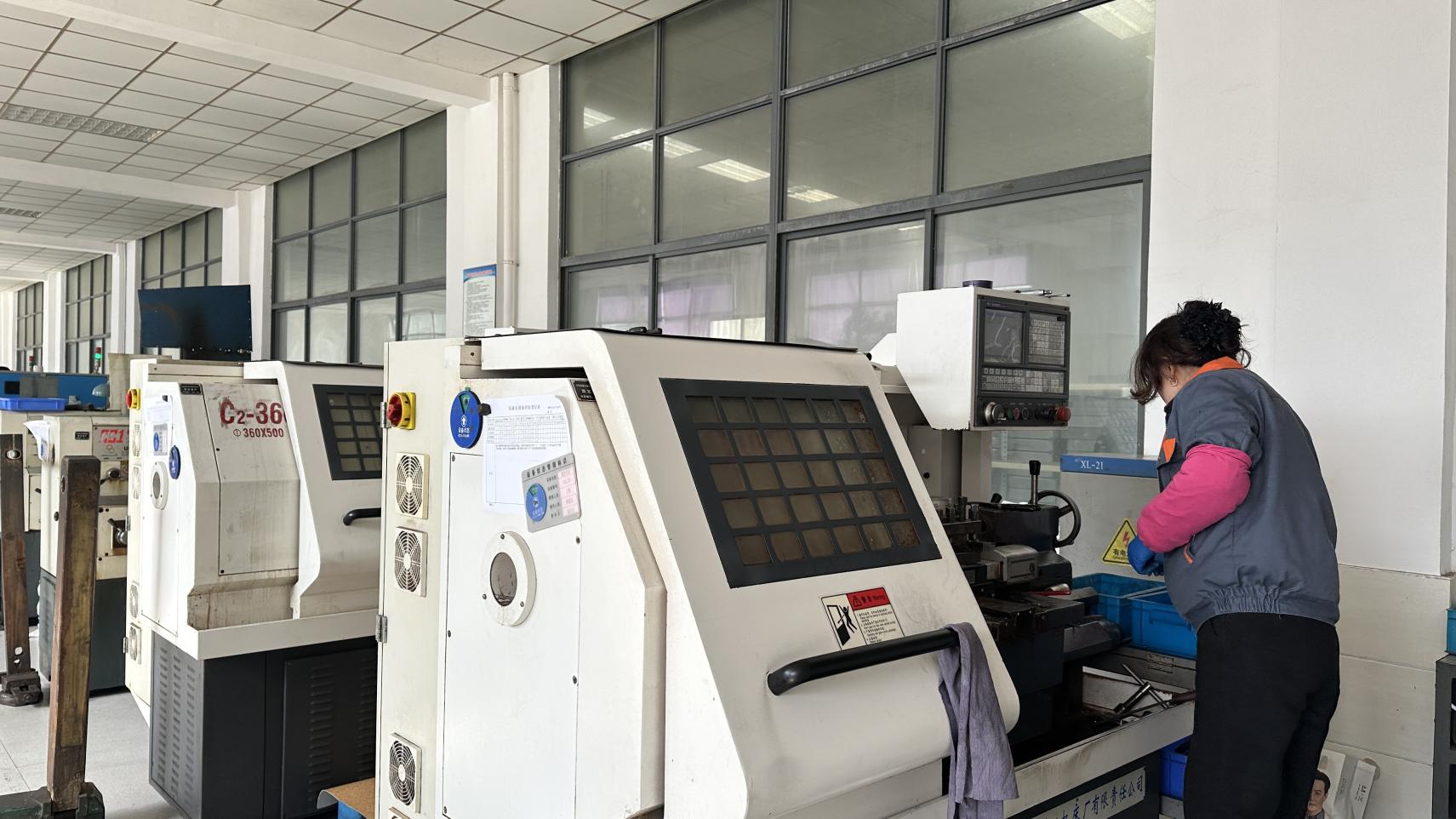
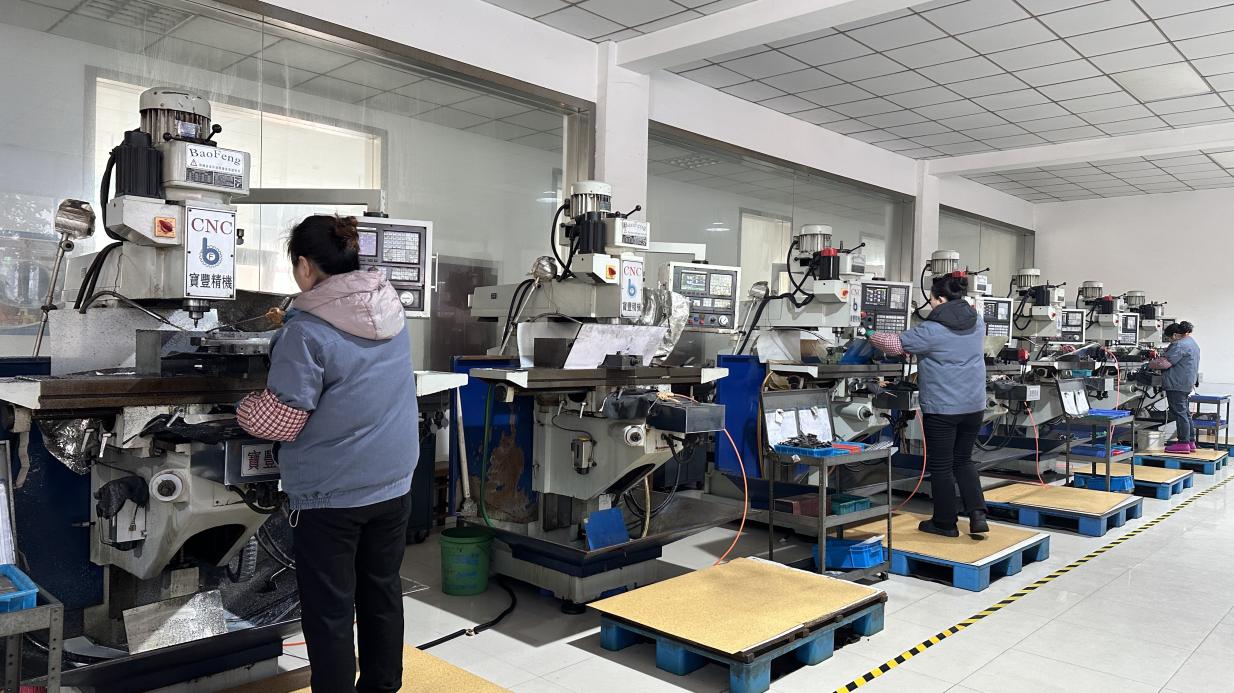
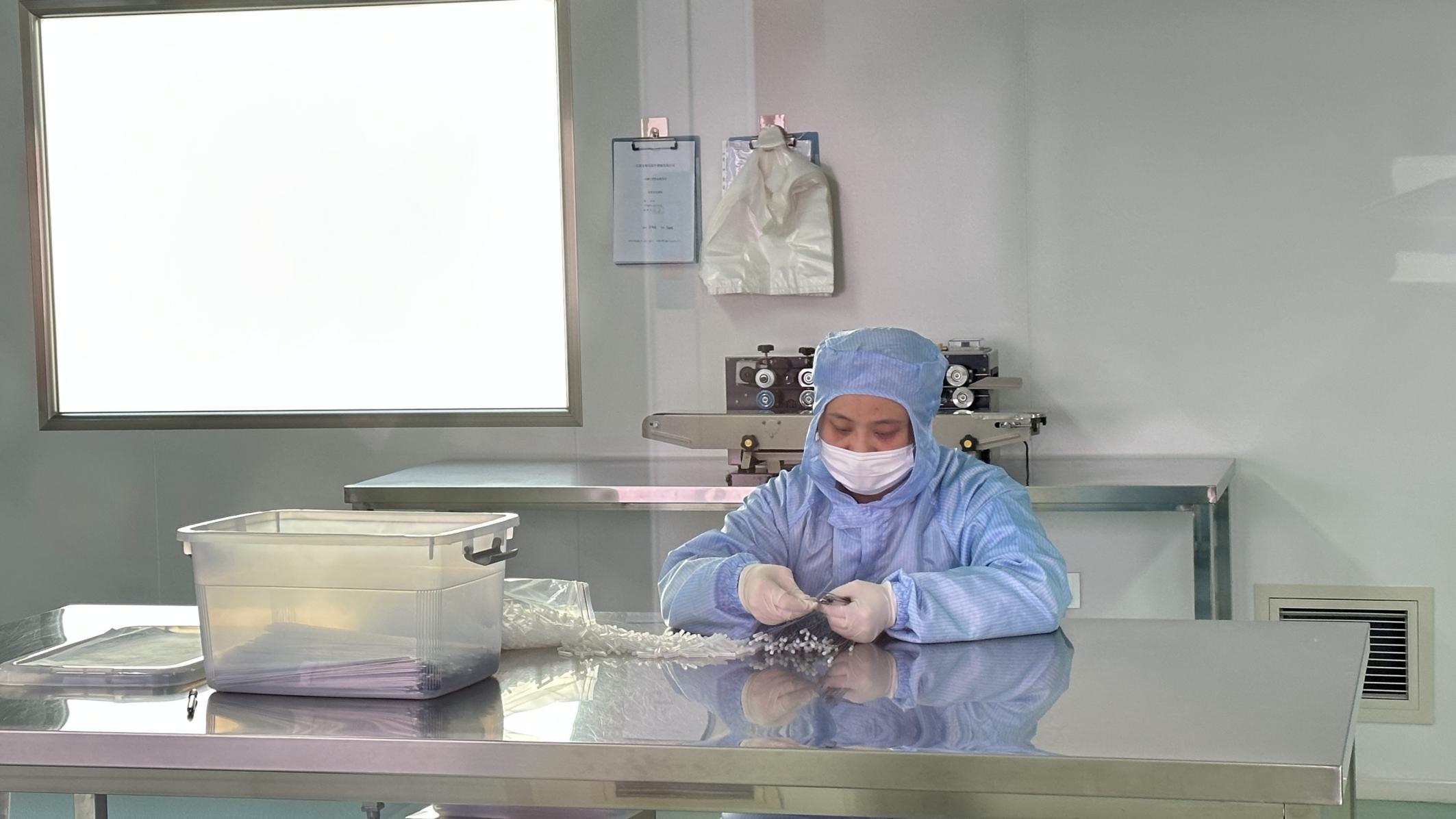
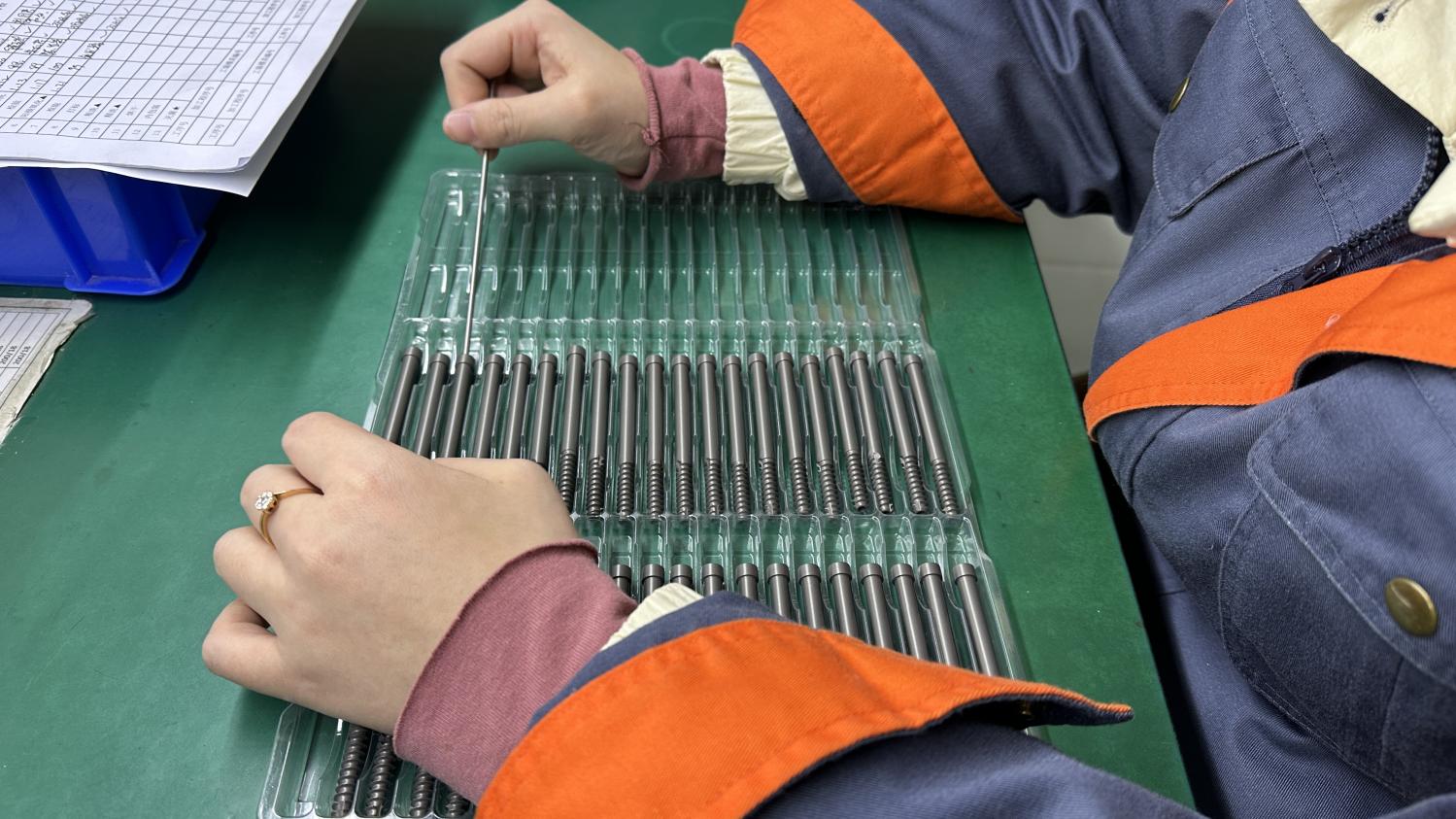
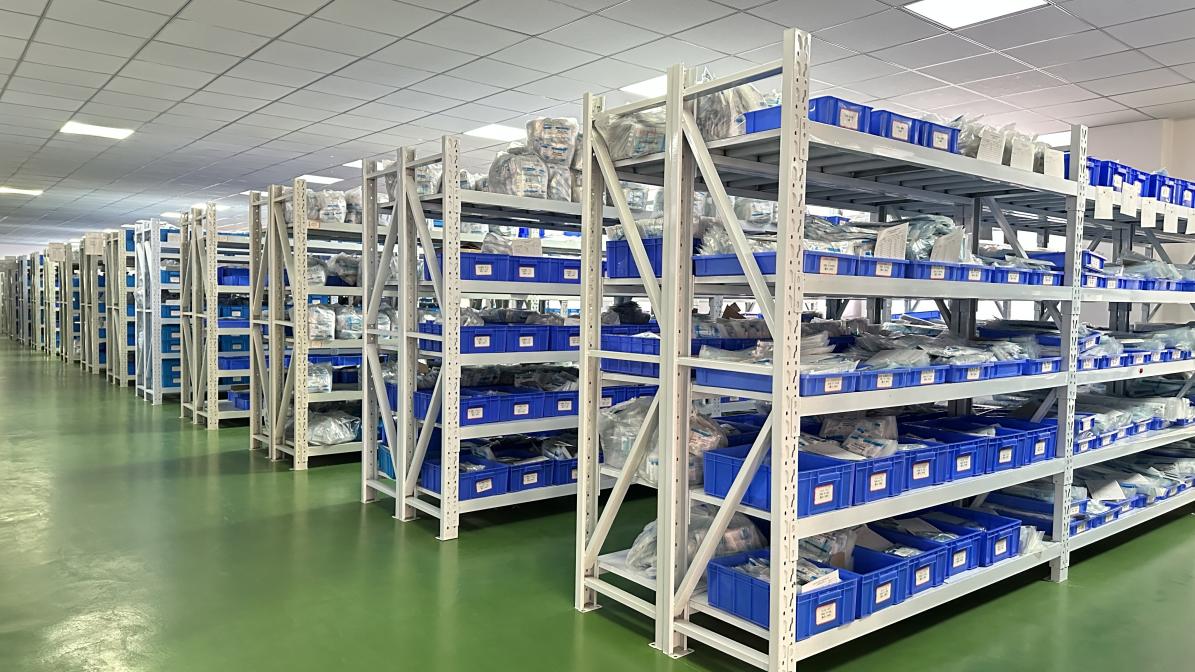
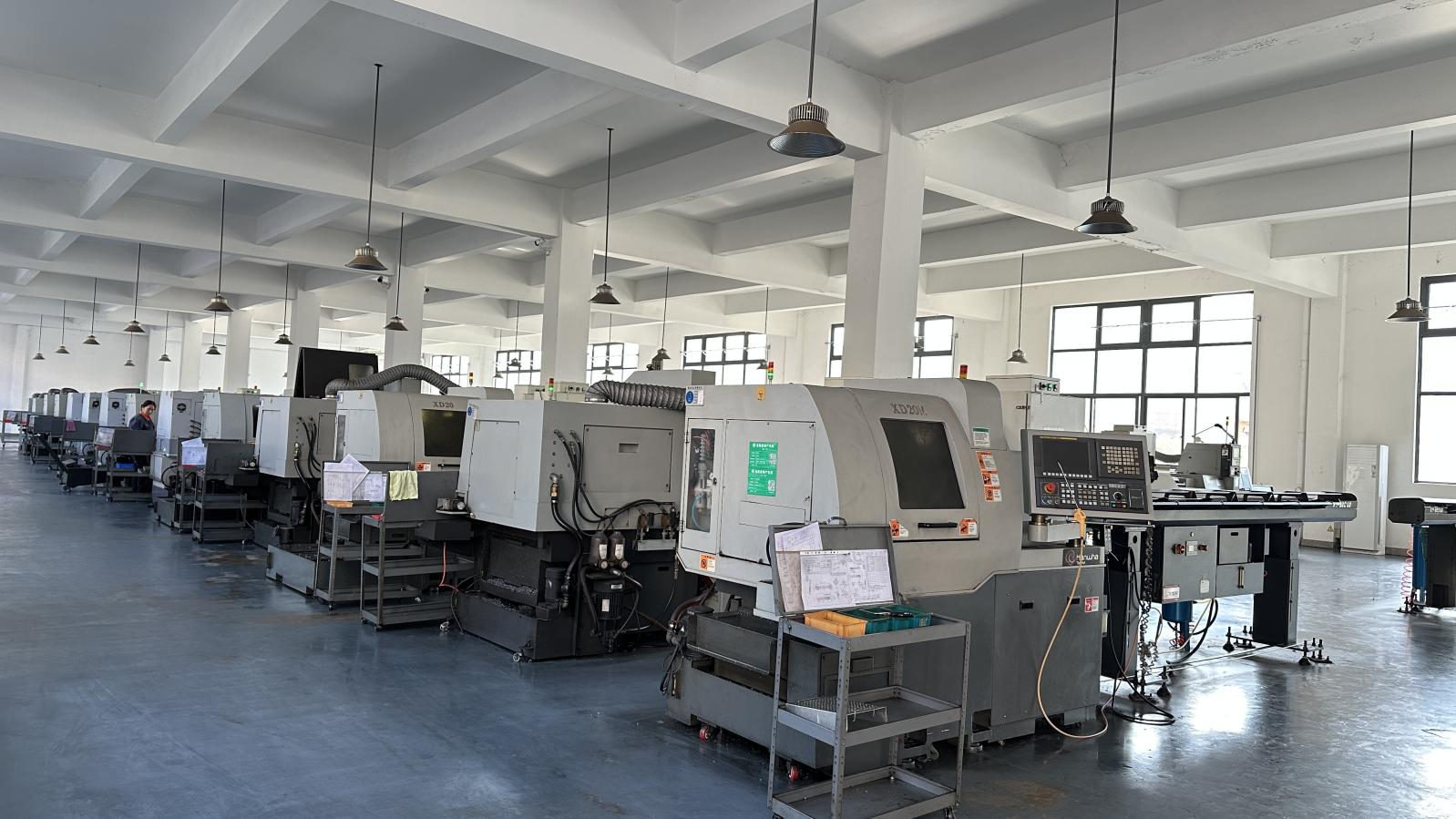
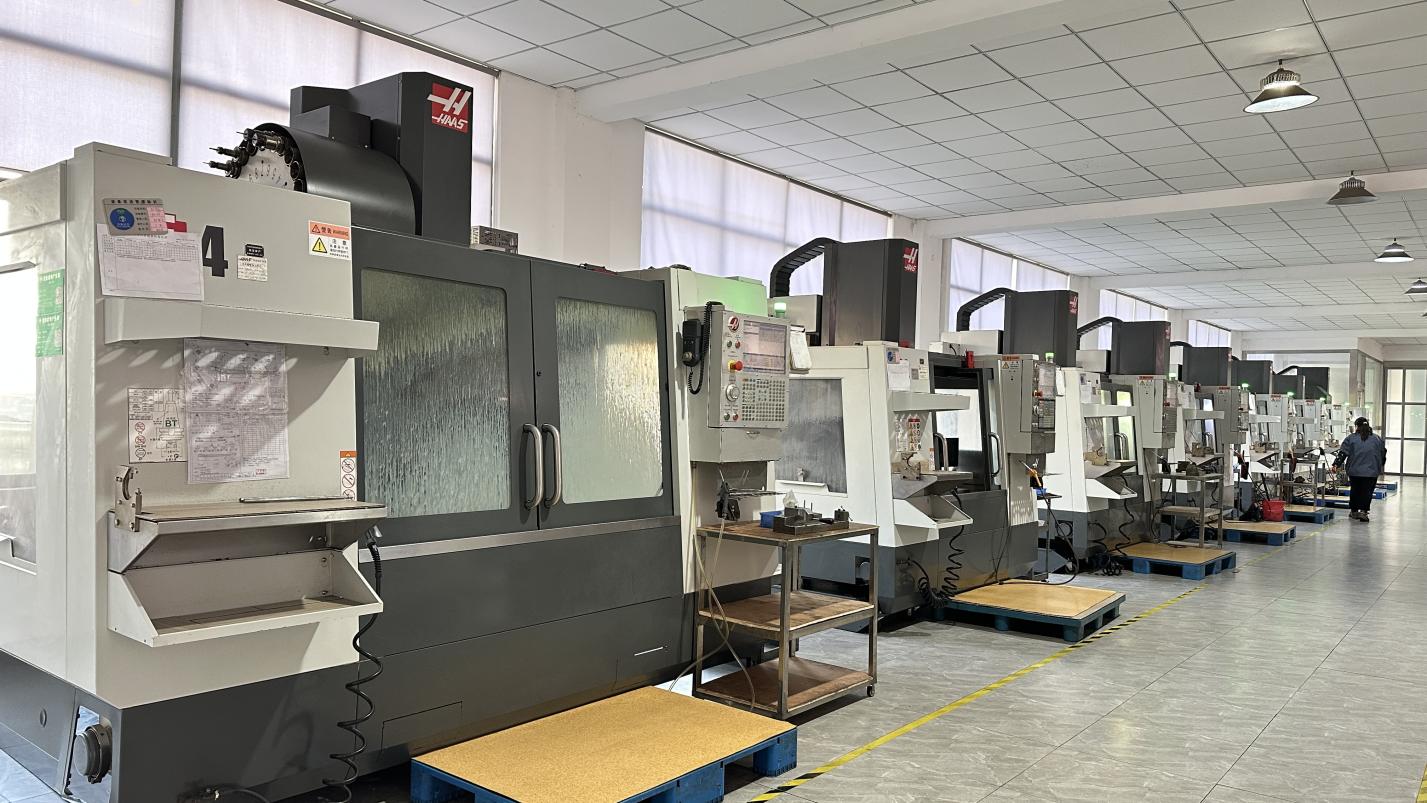
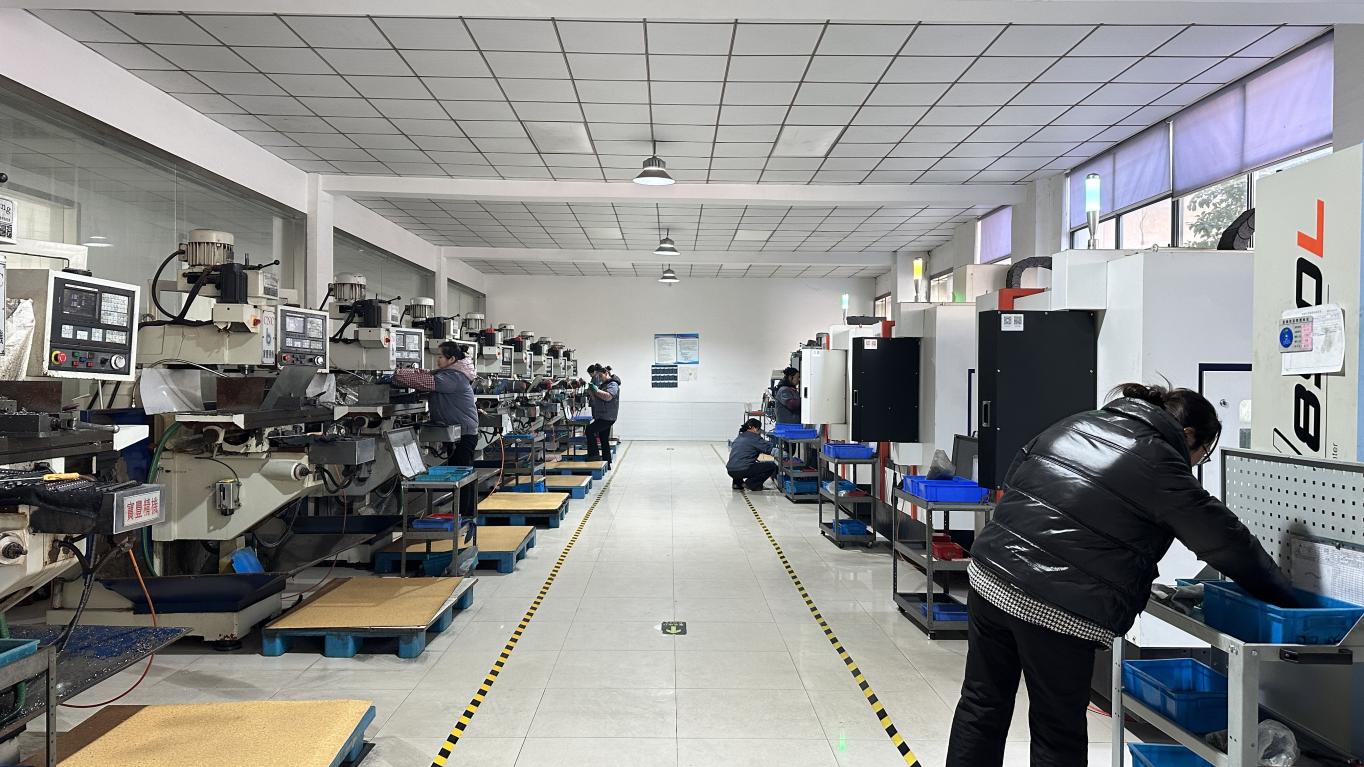
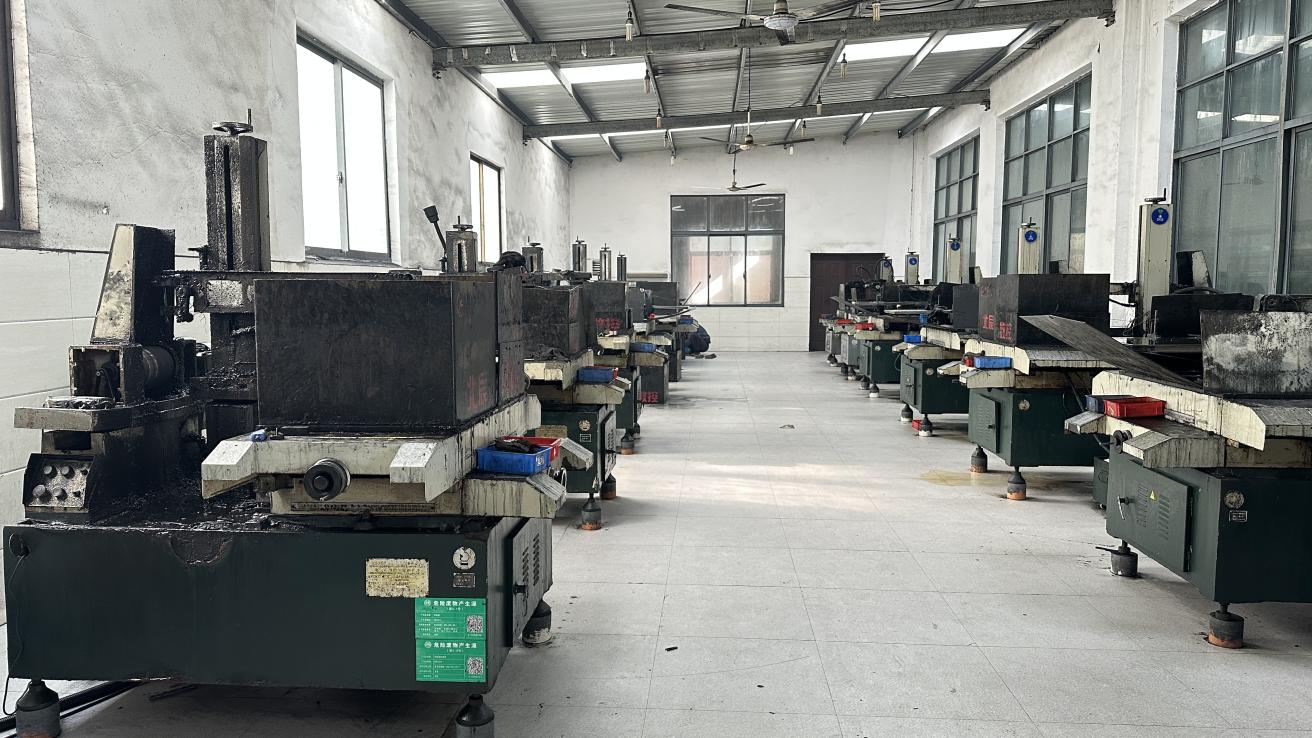
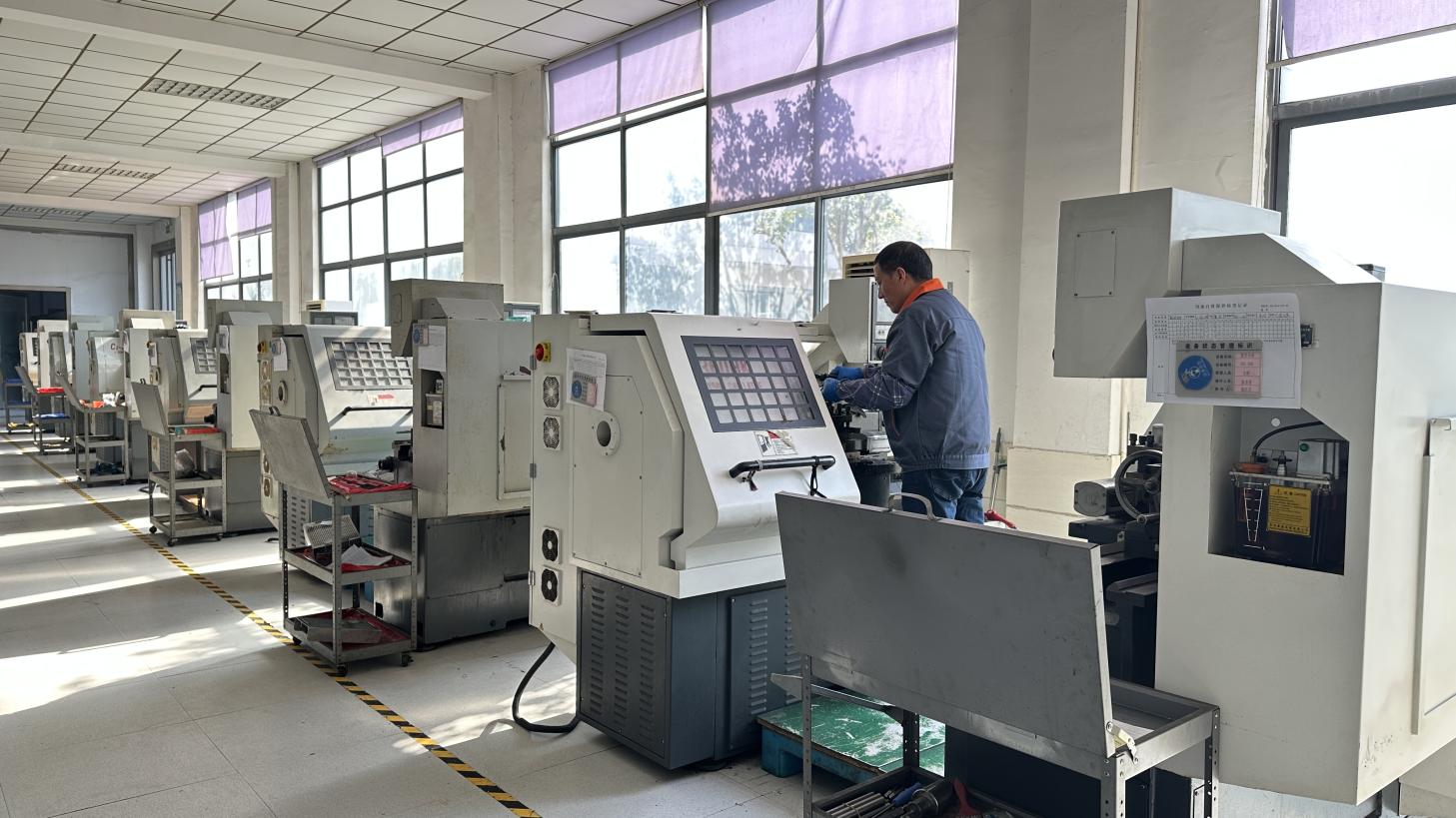
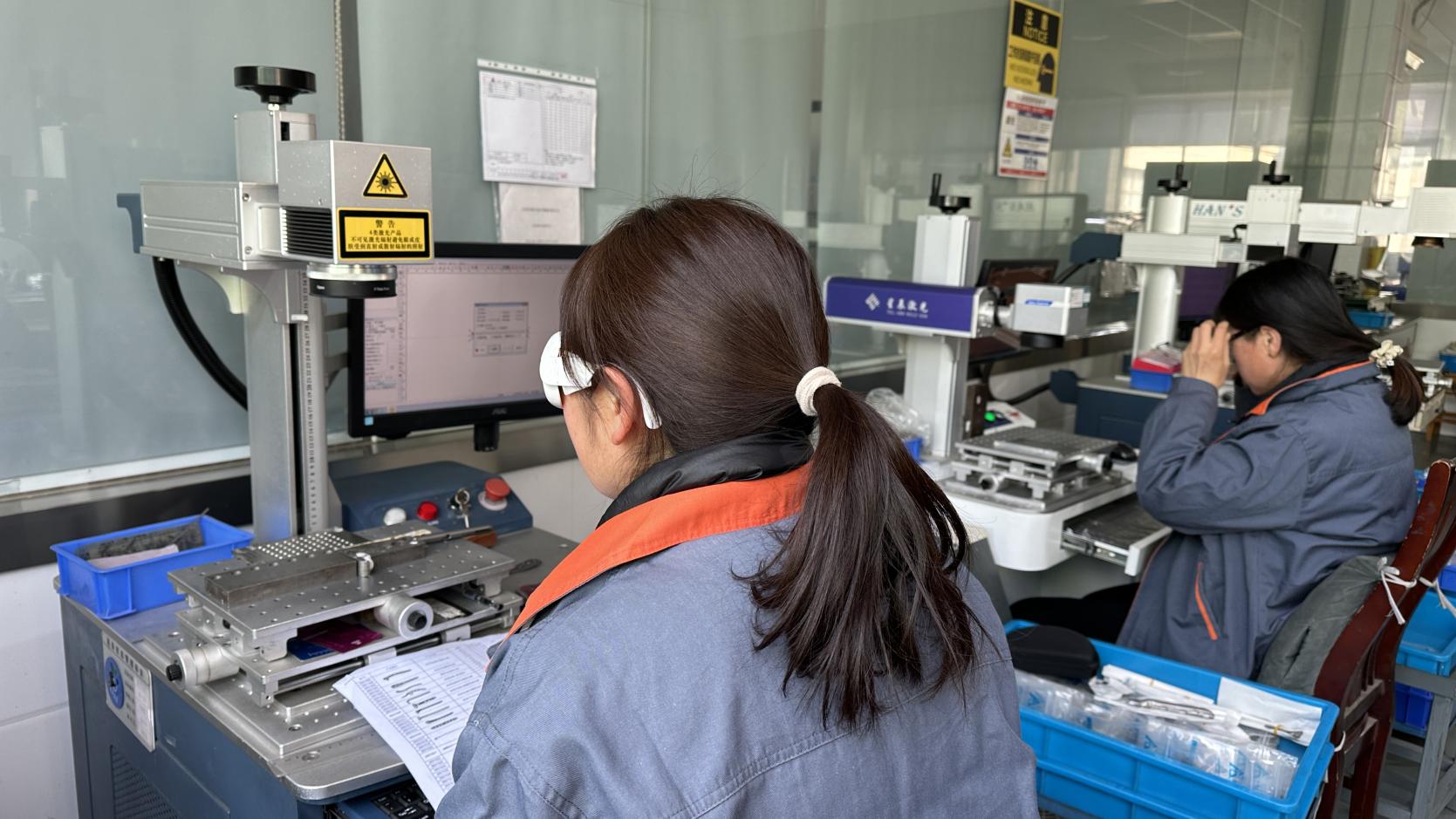
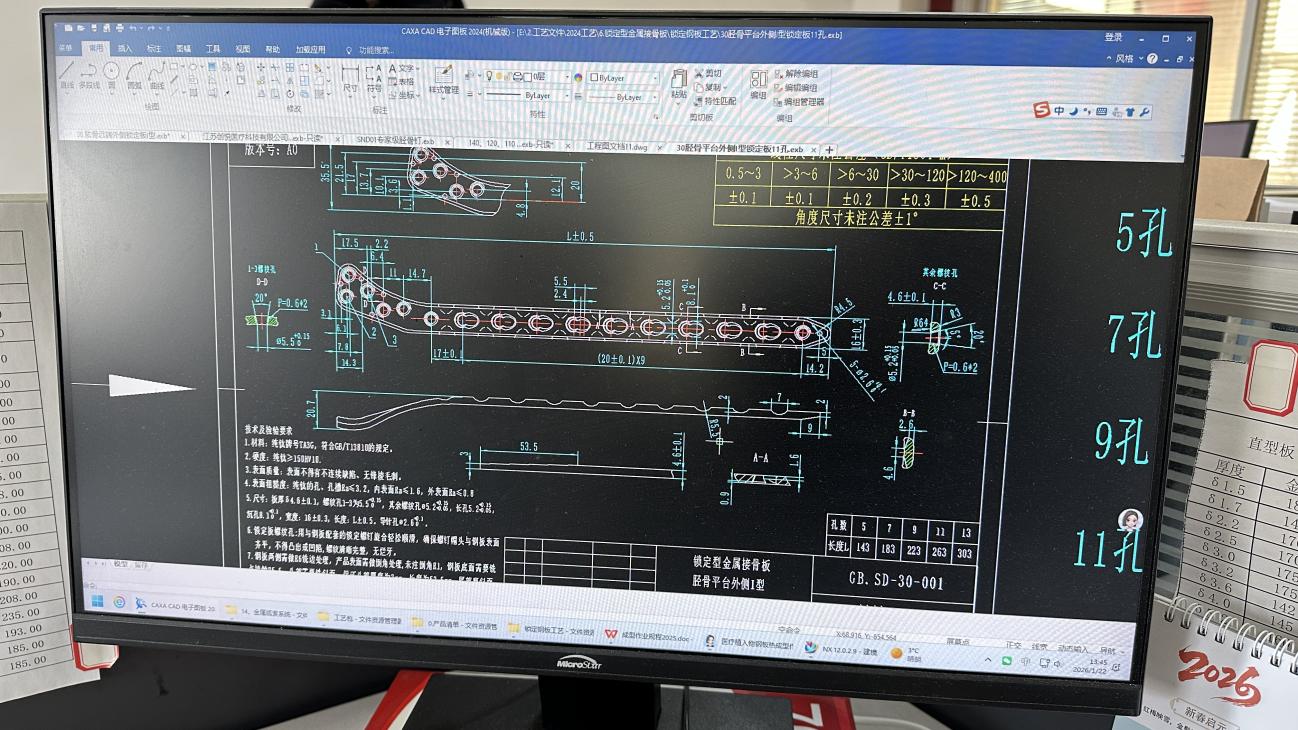
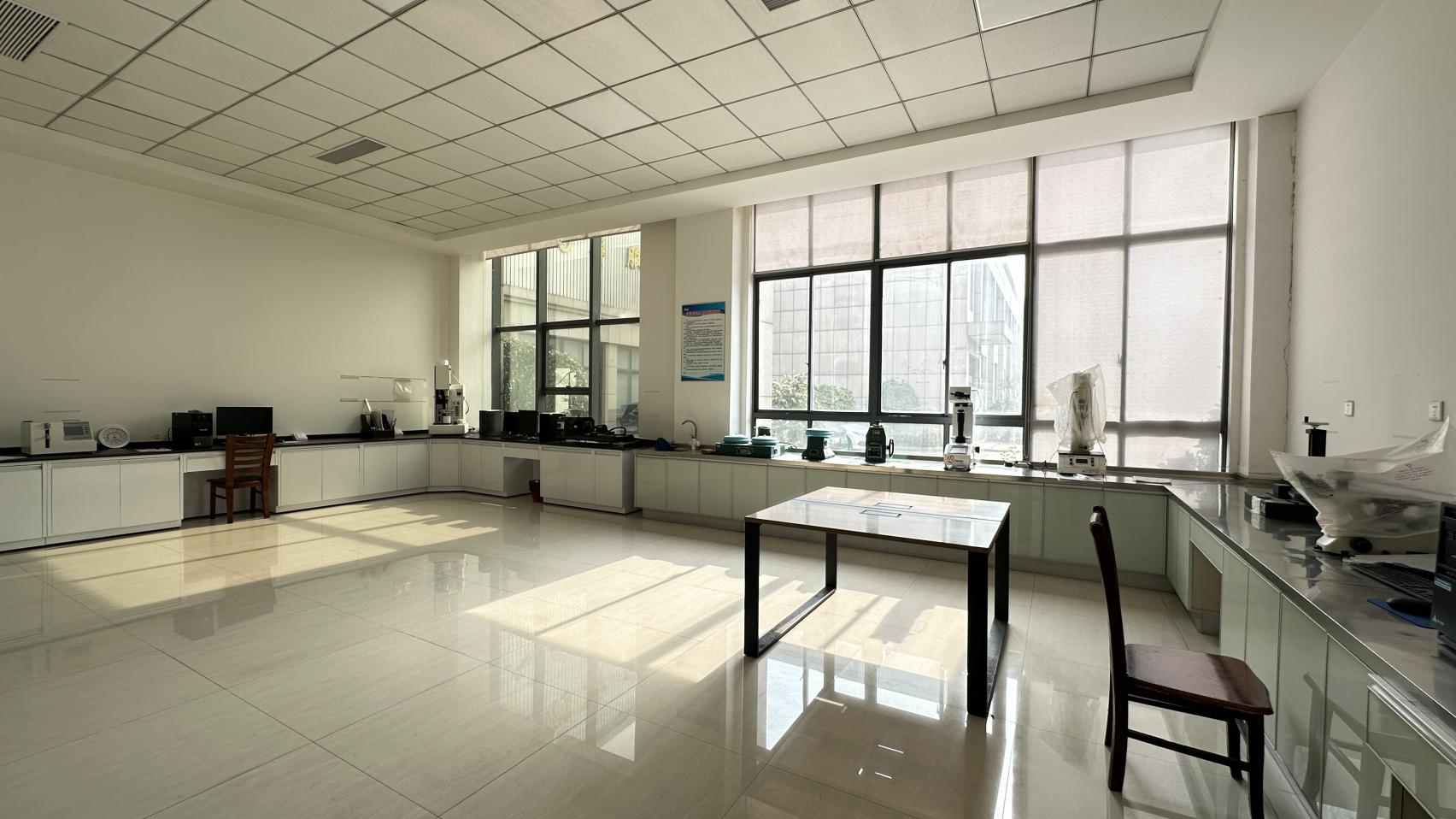
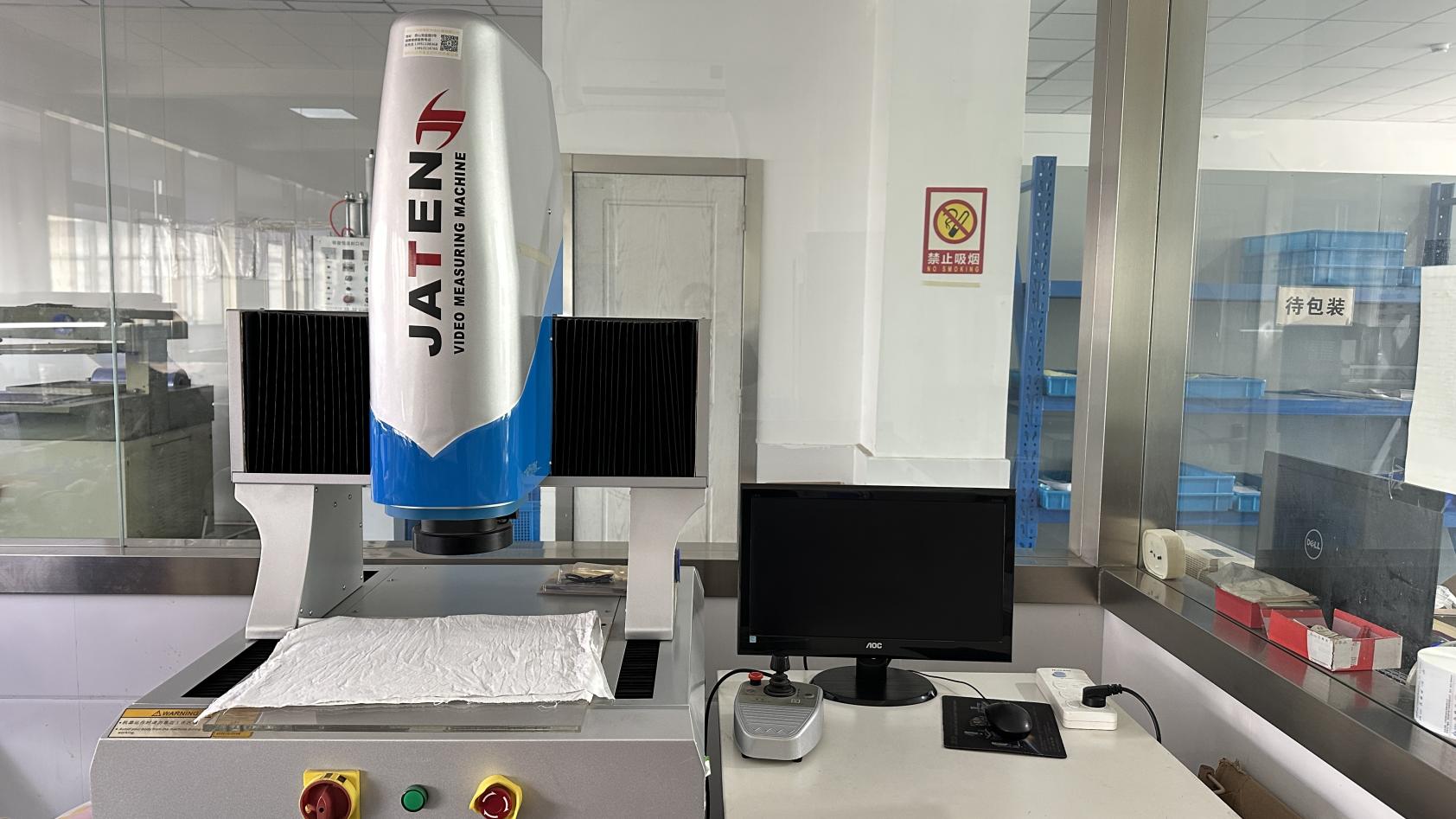
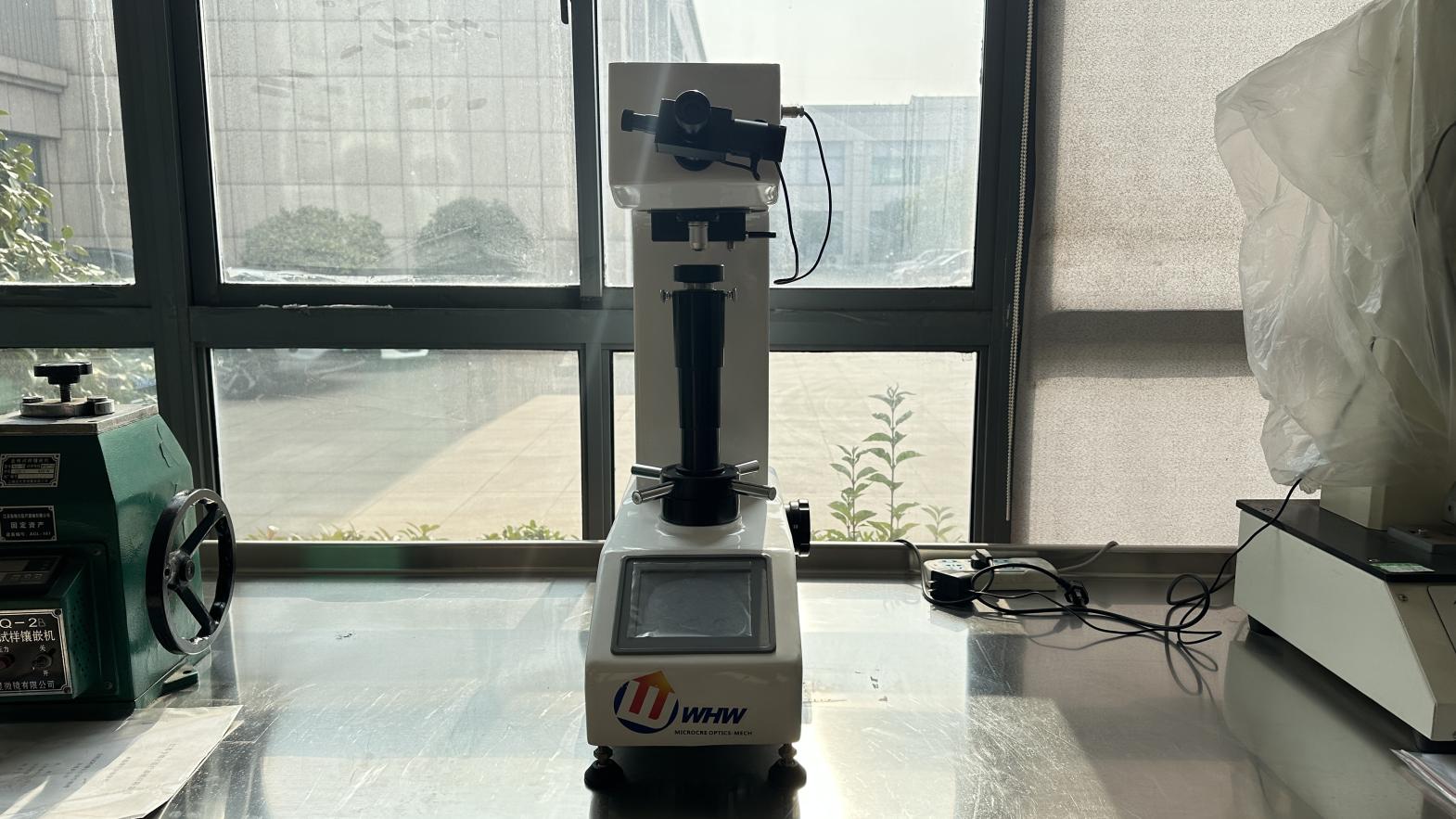
Ensuring dimensional accuracy and biomechanical stability according to ISO 13485 standards.
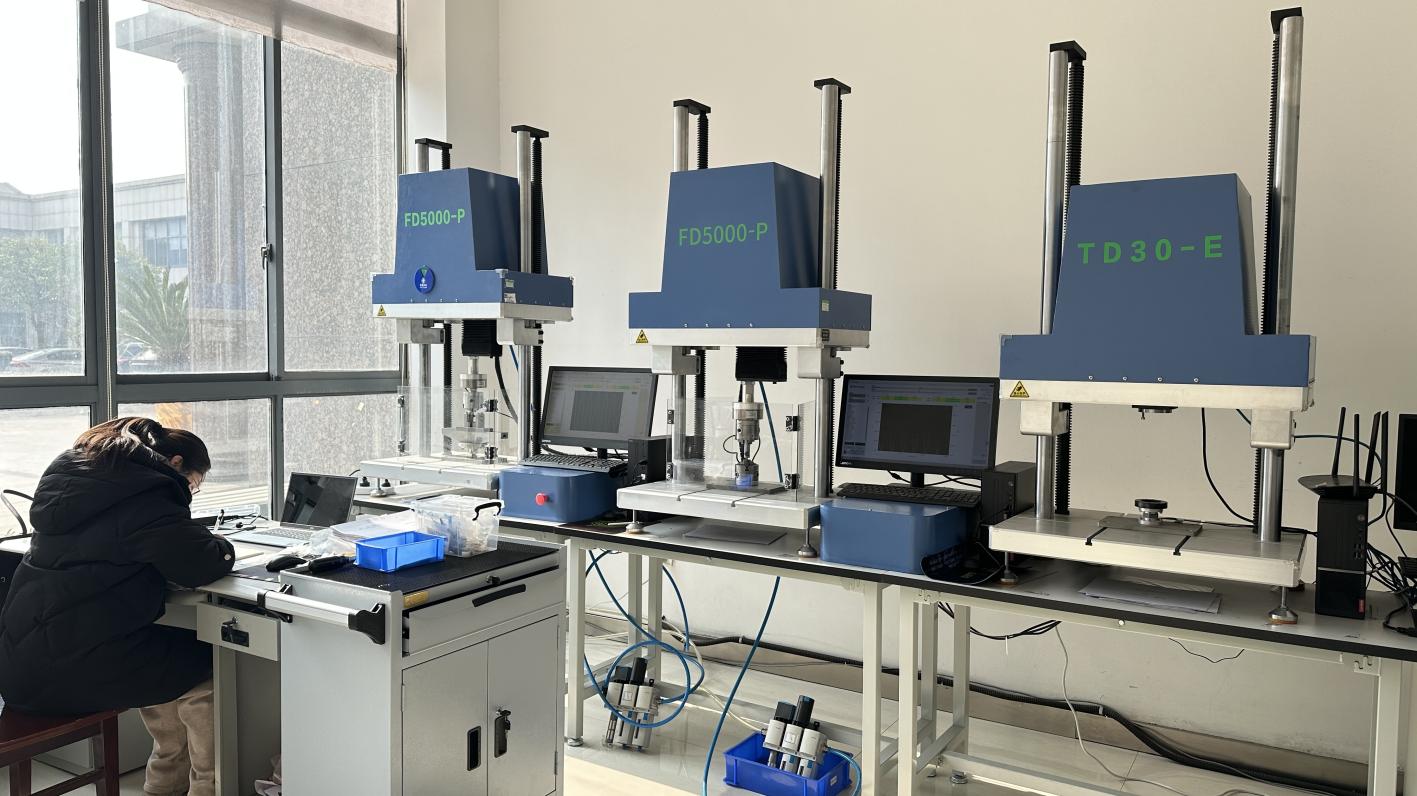
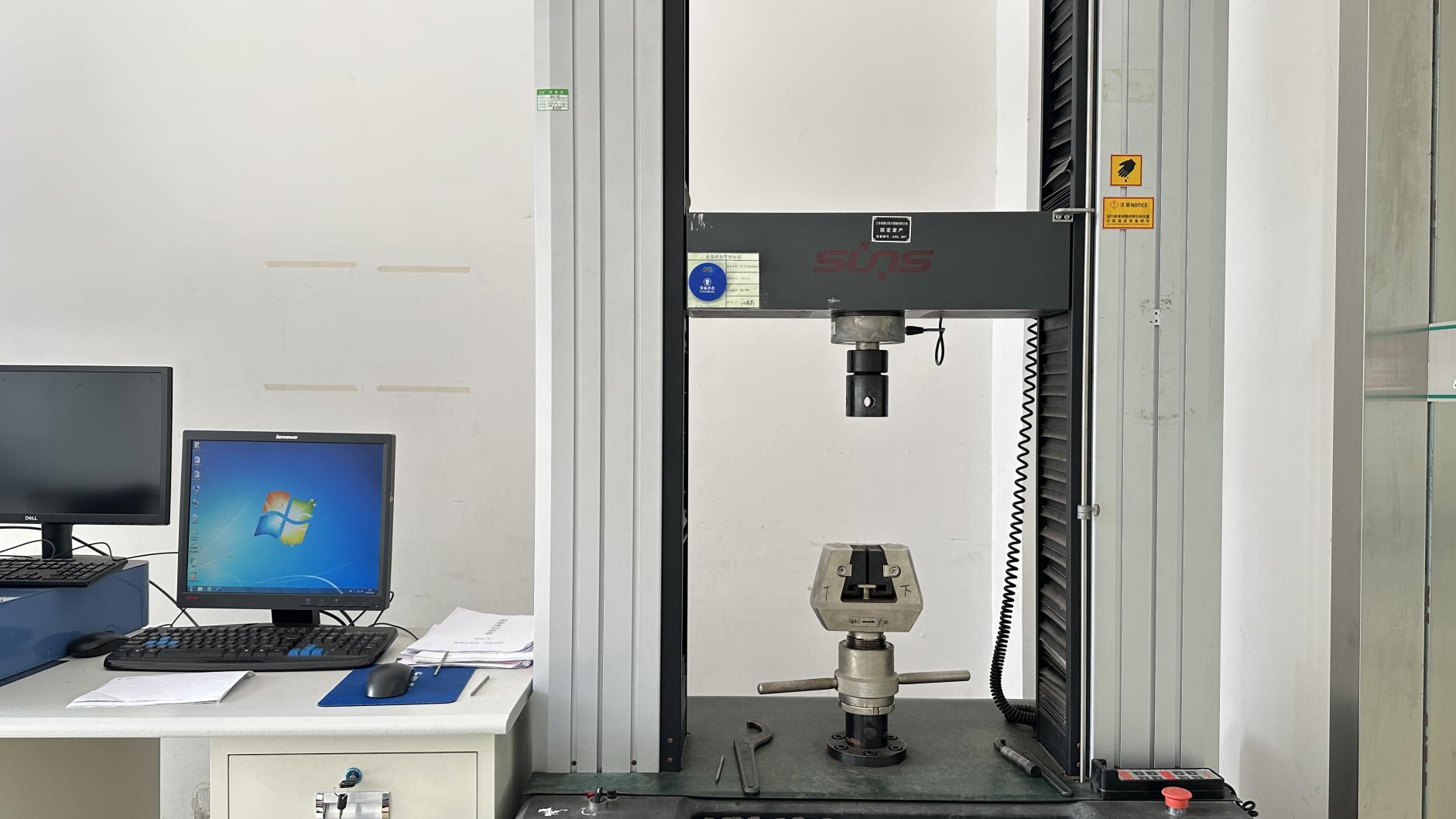
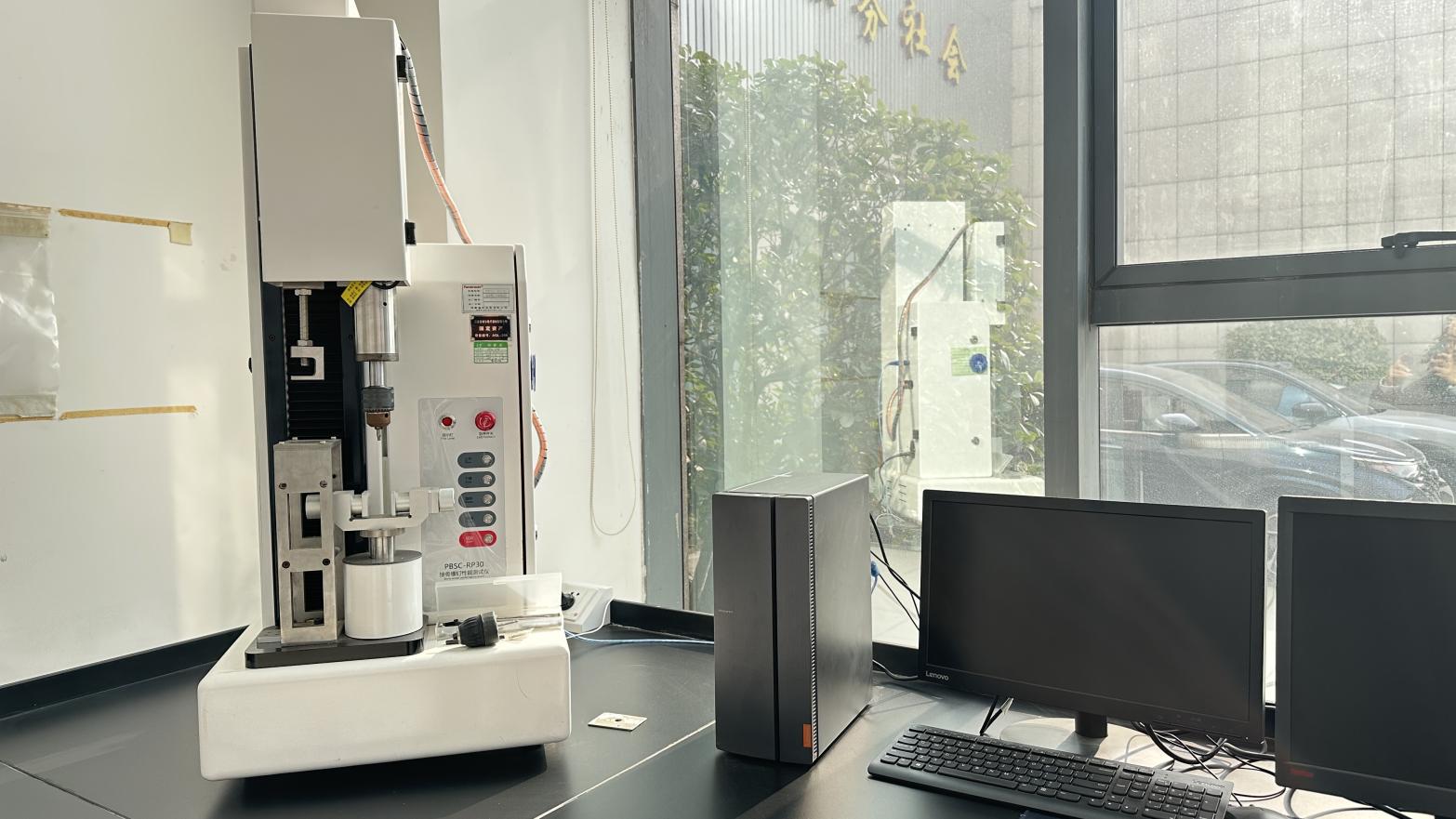
At Virelox, our dedicated quality team of 65 QA/QC specialists enforces standard operating procedures across all stages of production. Our testing facilities conduct critical mechanical validation, verifying that every production run complies with ASTM and ISO benchmarks for load-bearing spinal implants.
Optimizing anatomical compatibility and restoration parameters across diverse surgical procedures.
Designed for traditional posterior approaches to address severe lumbar stenosis and spondylolisthesis. The bilateral placement of low-profile PEEK cages restores disc height and provides structural support while maximizing space for bone grafting within the central aperture.
Optimized for unilateral transforaminal placement, reducing dural and nerve root retraction. Our curved banana-shaped TLIF PEEK cages are engineered to follow the anterior aspect of the vertebral body, providing stability and support for anterior column load bearing.
Designed to fit the natural lordosis and curvature of the cervical spine. These low-profile cages feature integrated bone-anchoring screws or teeth to prevent migration, offering an effective option for treating cervical disc herniations and radiculopathy.
How Virelox integrates lean manufacturing with global distribution infrastructure to ensure supply continuity.
Our raw material supply chain relies on medical-grade PEEK and implantable titanium alloys, secured through a vetted network of 850 certified upstream partners. This diversification helps maintain raw material stability, insulating our partners from market fluctuations.
Our operations feature Class 10,000 and Class 100,000 cleanrooms for clean packaging. We coordinate directly with regional ETO and Gamma sterilization facilities, allowing us to supply either non-sterile bulk packages or sterile-packed, surgical-ready units.
Virelox supports international distributors, hospitals, and surgical clinics across Europe, Southeast Asia, the Middle East, and South America. We provide comprehensive documentation support—including ISO 13485 declarations, material testing certifications, and technical files—to streamline local customs clearances and registration processes.
Driving clinical innovation from bio-inert structures to bioactive, osteointegrative interfaces.
Traditional PEEK is bio-inert, occasionally leading to fibrous encapsulation. Our R&D pipeline focuses on chemical and laser-assisted methods to introduce interconnected porosity across the surface layer. This aims to allow native bone to grow directly into the PEEK substrate, improving anchorage.
By plasma-spraying a thin layer of titanium or titanium-hydroxyapatite (HA) onto the contact surfaces of PEEK cages, we combine the elastic modulus of polymer structures with the osteophilic surface characteristics of titanium, reducing the risk of implant migration.
Virelox is evaluating 3D printing techniques for implant-grade PEEK. Utilizing CAD models reconstructed from patient CT scans, this technology will enable custom-fabricated cages that conform to complex bony defects and atypical spinal anatomies.
Addressing core mechanical, biological, and procurement questions from surgeons, distributors, and regulatory agencies.
We use implantable-grade Polyetheretherketone (PEEK) sourced from certified international suppliers. Every raw material batch is verified by infrared spectroscopy (FTIR) and thermal analysis to ensure it meets ISO 13485 standards and clinical safety requirements.
We address subsidence through two main features: first, PEEK's elastic modulus is naturally close to human bone. Second, our cages incorporate convex geometries and wide contact areas designed to distribute compressive loads evenly across the vertebral endplates.
Yes. Because PEEK is radiolucent, we integrate medical-grade tantalum markers into precise anterior and posterior coordinates. This allows the surgical team to verify implant placement intraoperatively using standard X-ray or fluoroscopy.
Our quality system tests spinal cages under ASTM F2077 and ASTM F2267 protocols. These standards cover static and dynamic compression, shear evaluation, and subsidence testing, validating that the implants can withstand long-term physiological loading without structural failure.
MOQs depend on whether the design uses our standard dimensions or custom geometries. Typically, design modification, prototyping, and biomechanical validation require 4 to 8 weeks, followed by streamlined scheduling through our network of 850 supply chain partners.
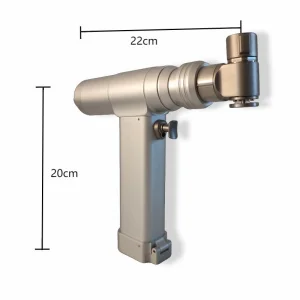
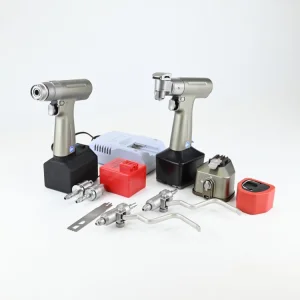
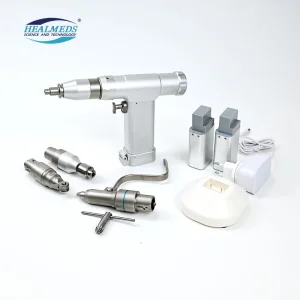
Advanced surgical power tools, veterinary locking systems, suture anchors, and orthopedic stabilization instruments.
 Virelox