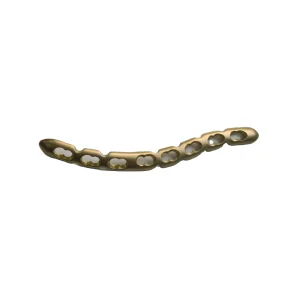
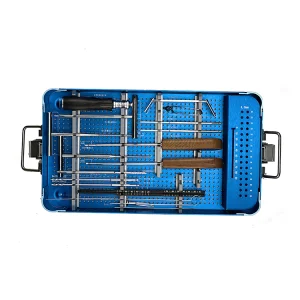
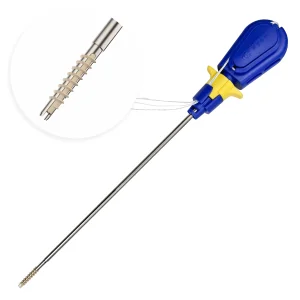
Showcase Group A: Advanced Trauma, Sports Medicine & Power Tools
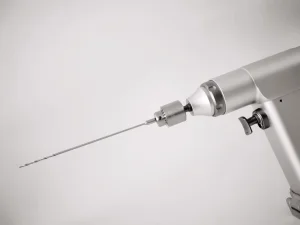
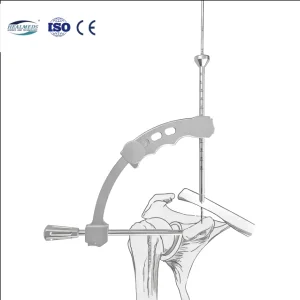
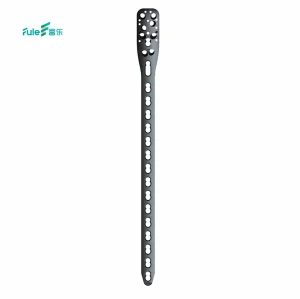
In the landscape of modern sports medicine, the transition from permanent metallic fixation devices to bioabsorbable interfaces marks a paradigm shift. Traditional titanium components, while offering immediate high tensile load capacity, pose risks of long-term migration, localized bone resorption due to stress shielding, and imaging artifacts during MRI assessments. Bioabsorbable suture anchors resolve these challenges by maintaining critical mechanical integrity during the post-operative healing window, followed by structured hydrolysis that safely transfers mechanical loads back to the regenerating bone tissue.
Leading orthopedic surgeons now require anchors crafted from advanced polymers like Poly-L-Lactic Acid (PLLA), Poly-D,L-Lactic Acid (PDLLA), and Poly(L-co-D,L-lactic acid) (PLDLA). These materials are often compounded with osteoconductive ceramic nanoparticles such as Tricalcium Phosphate (β-TCP) or Hydroxyapatite (HA). The integration of HA and TCP buffers the local acidic degradation environment, thereby mitigating sterile inflammatory osteolysis while stimulating osteogenesis at the bone-anchor interface.
Leveraging a decade of surgical implant engineering, specialized in joint replacement, sports medicine, and trauma reconstruction systems.
Virelox Medical Devices Co., Ltd. is an established manufacturer specializing in joint replacement, sports medicine, and surgical implant solutions. Operating under the "Virelox" brand, we deliver high-performance orthopedic systems for global healthcare providers, medical device distributors, and OEM/ODM clients in Europe, Southeast Asia, the Middle East, and South America.
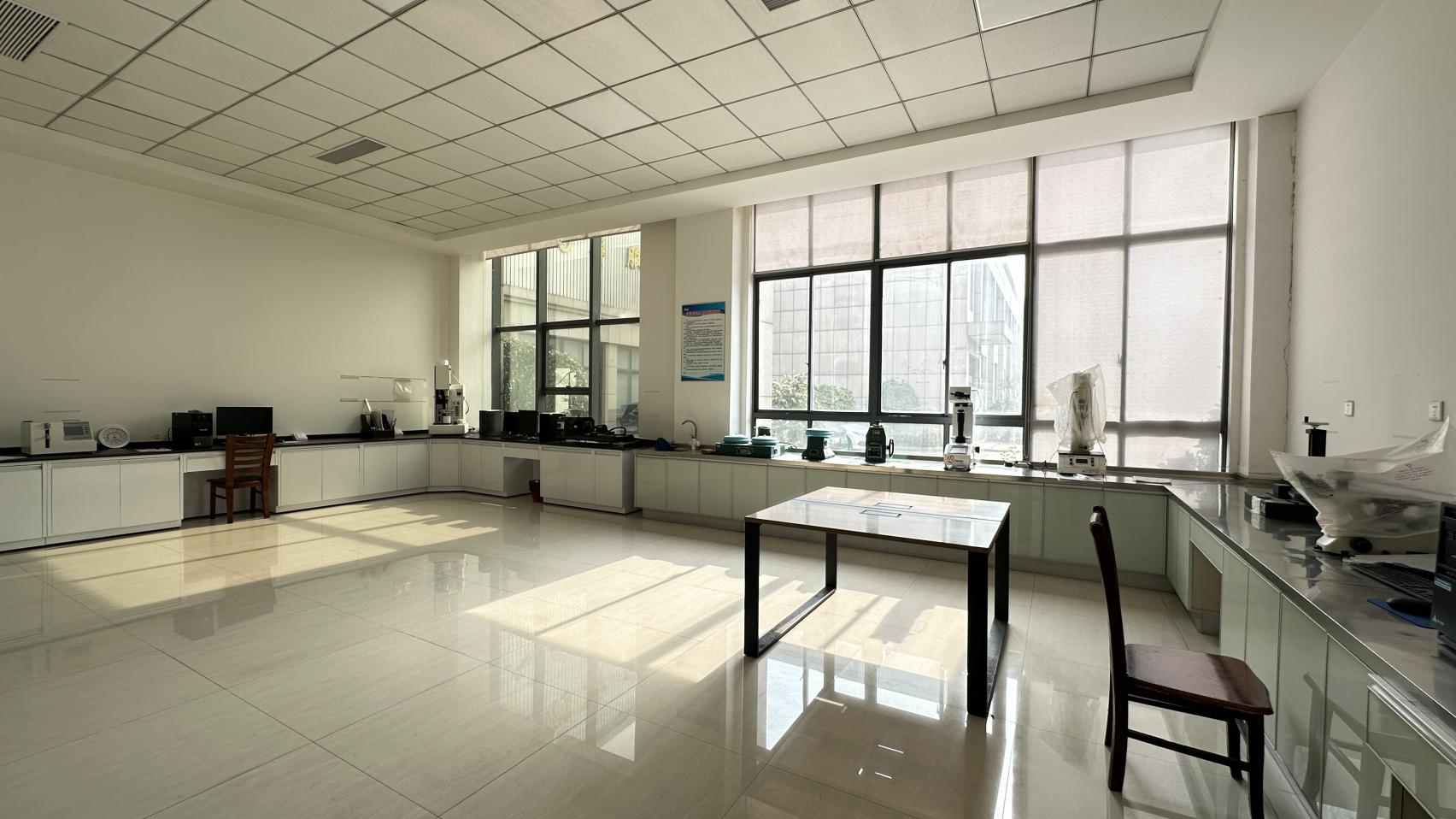
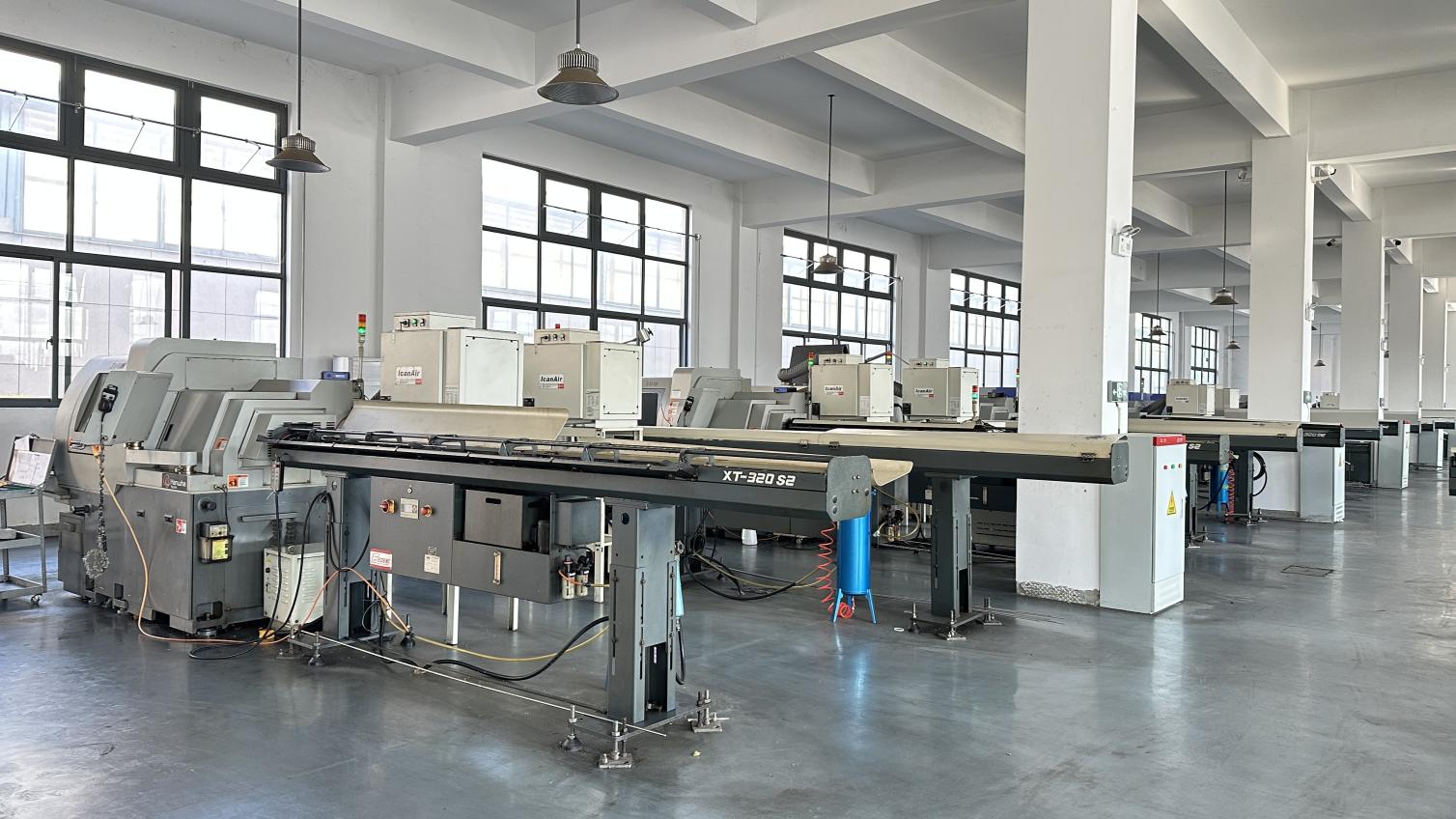
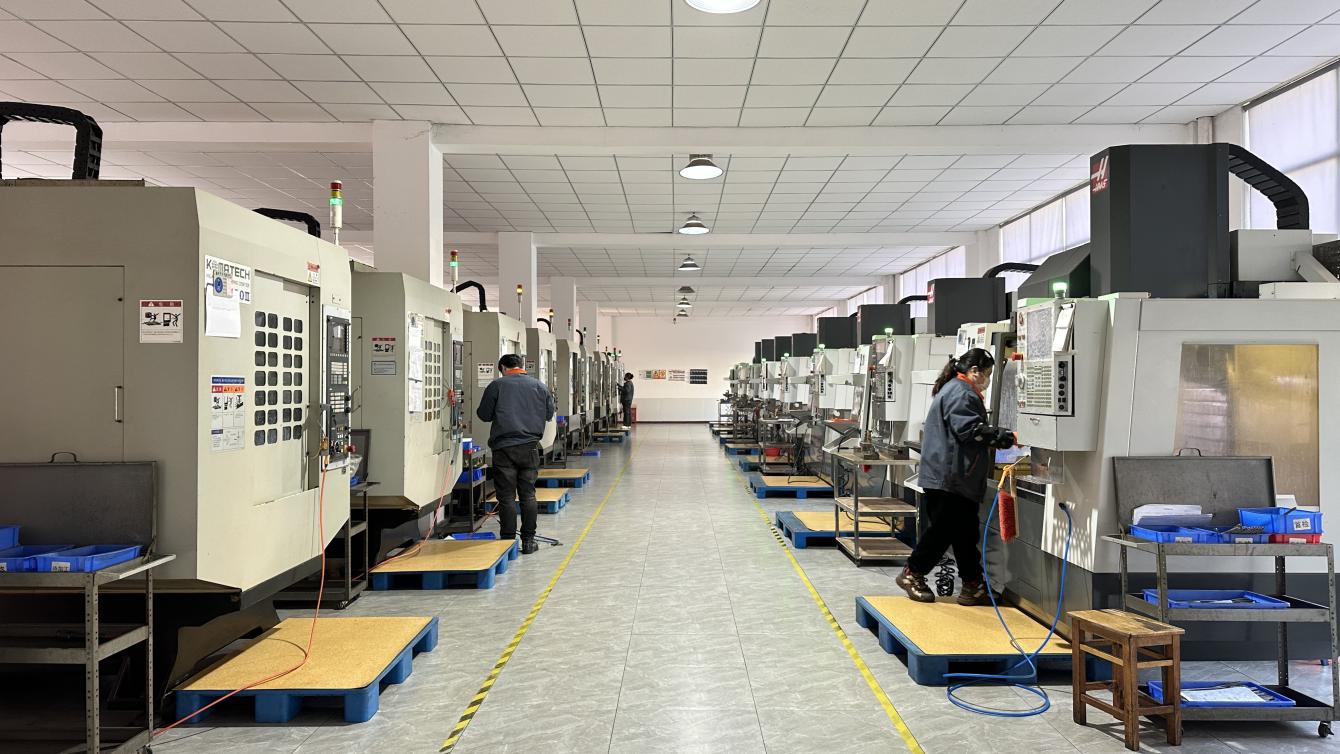
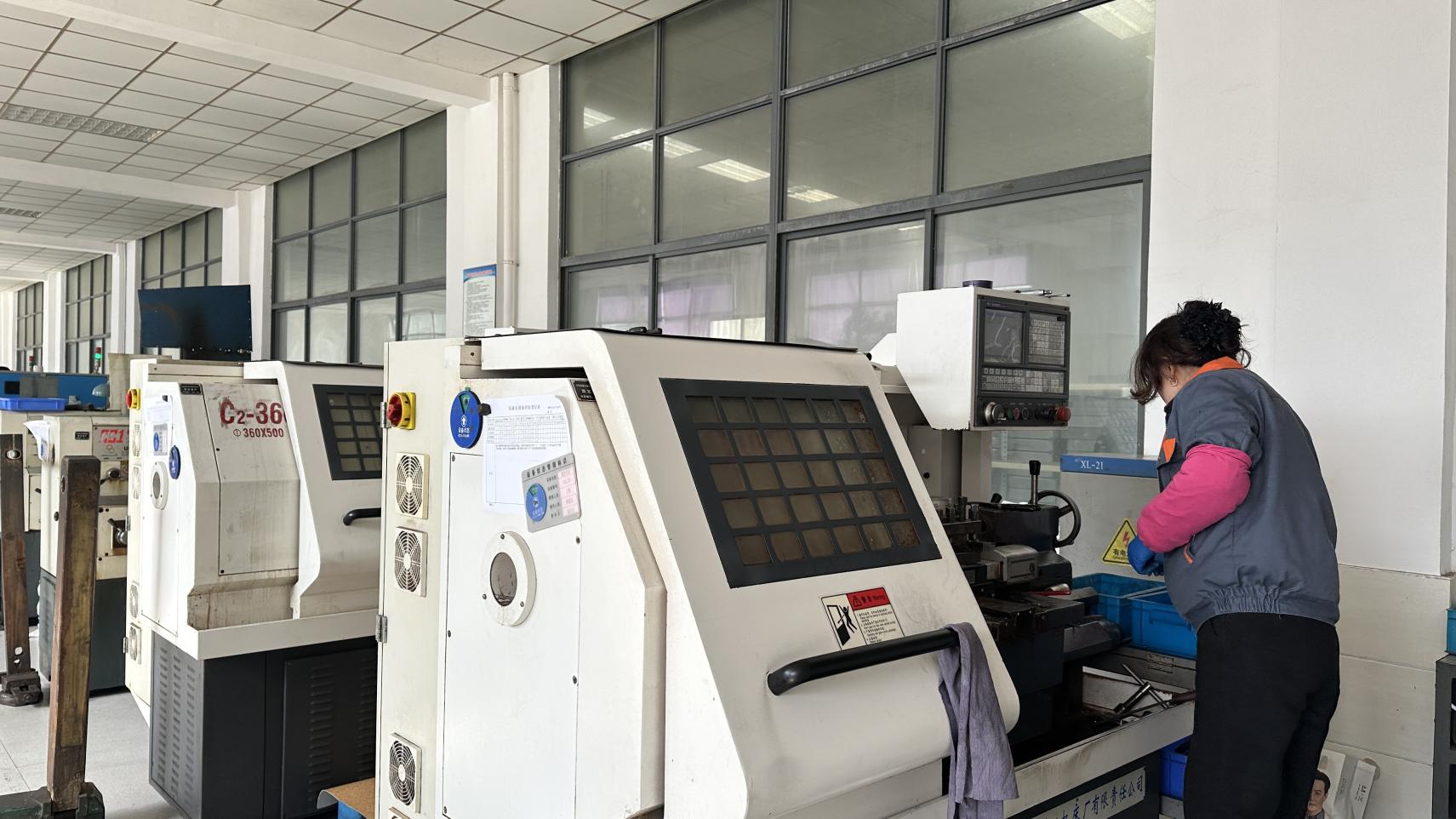
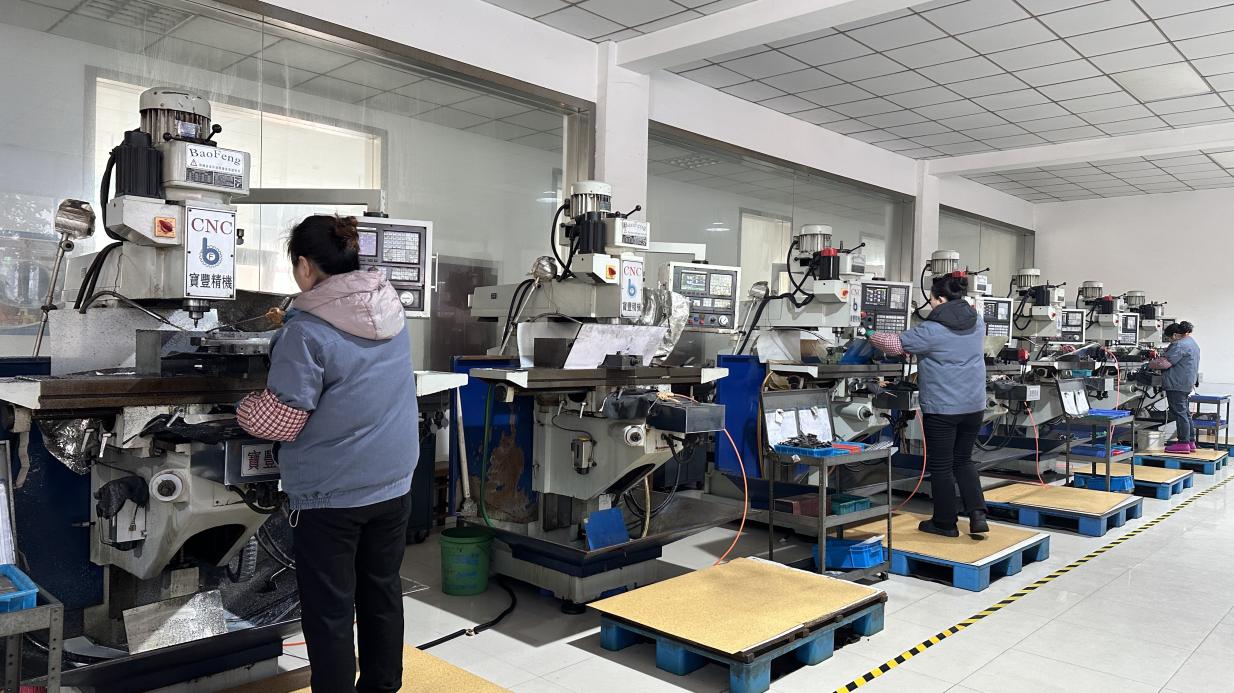
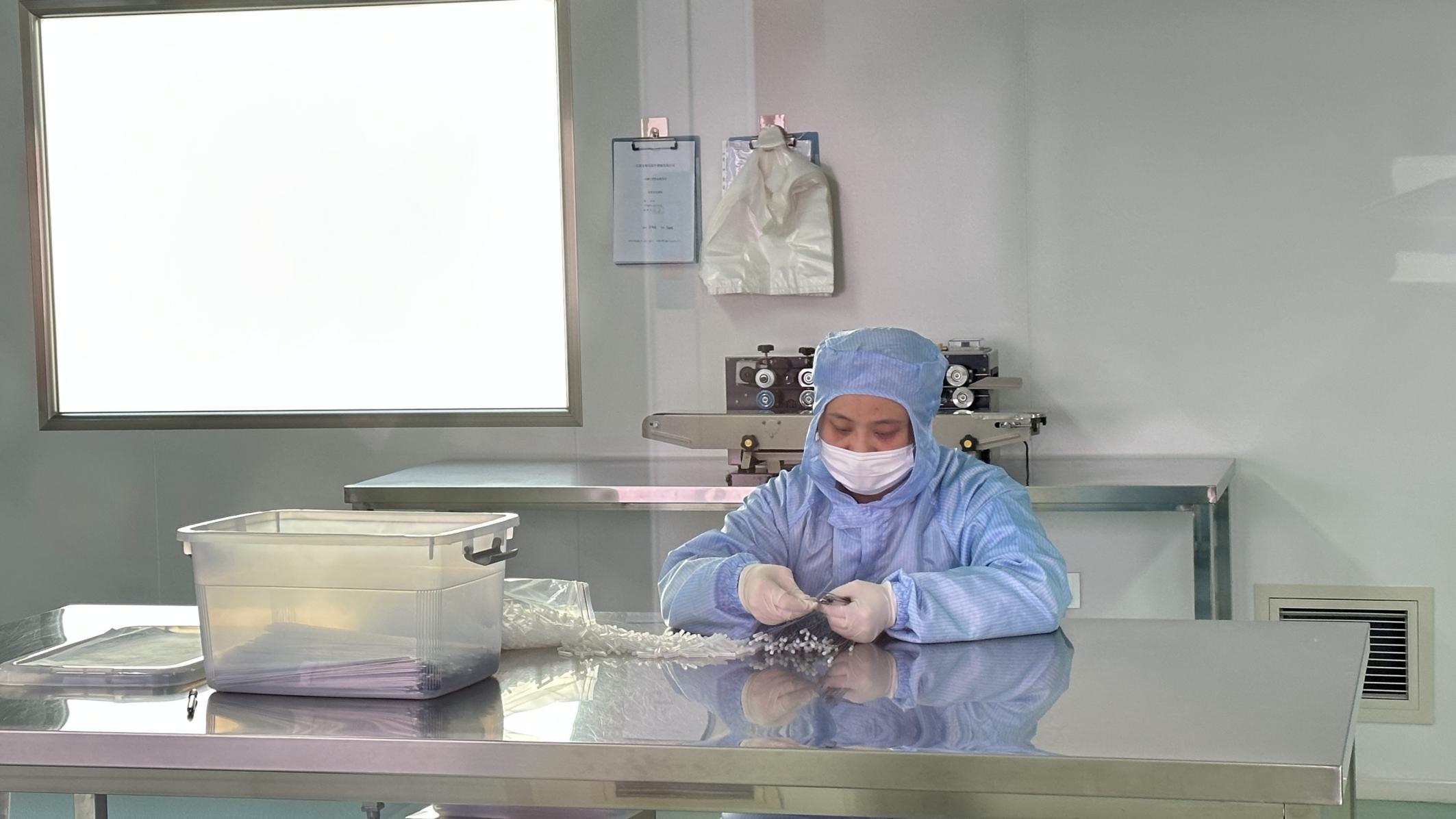
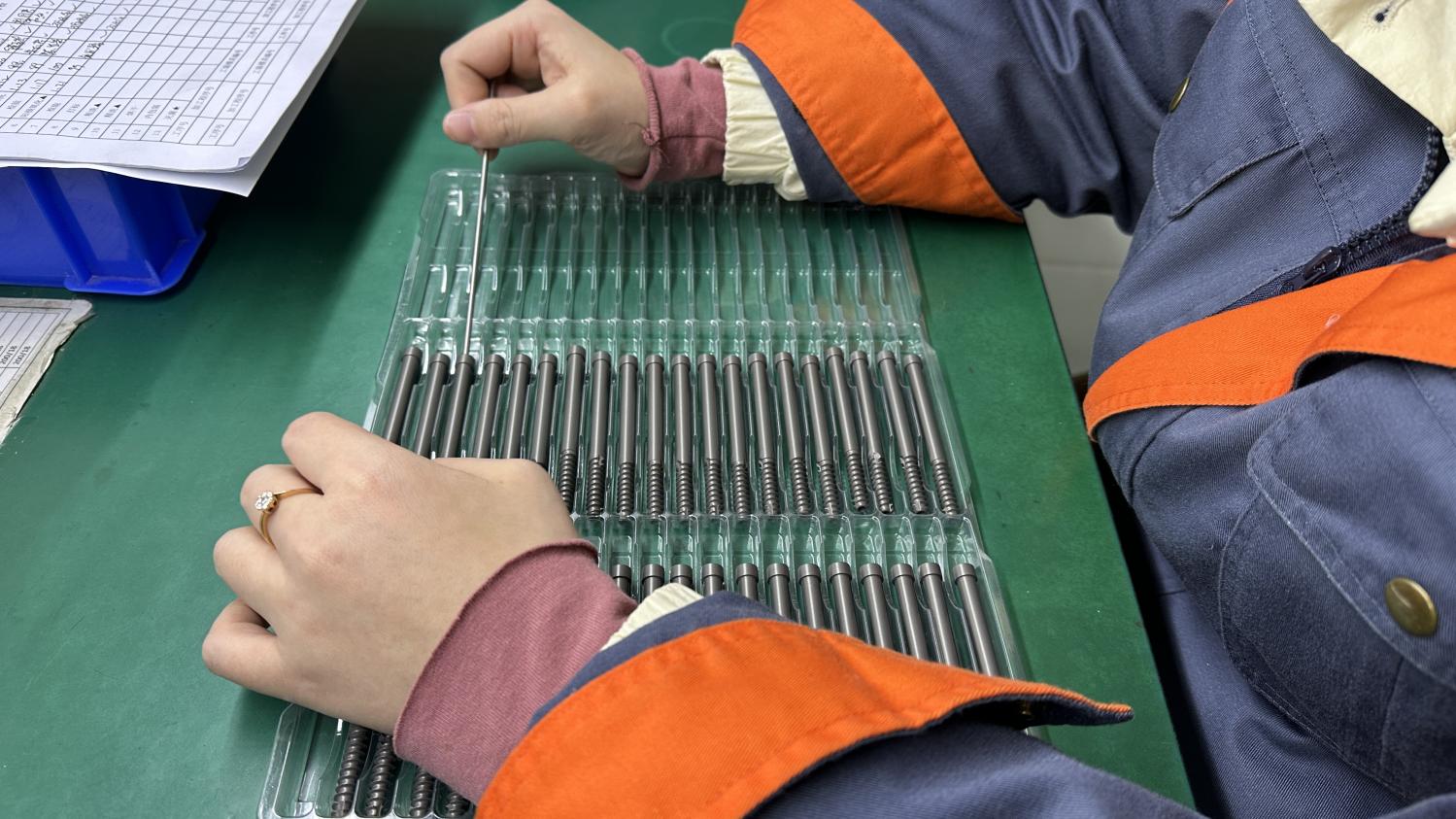
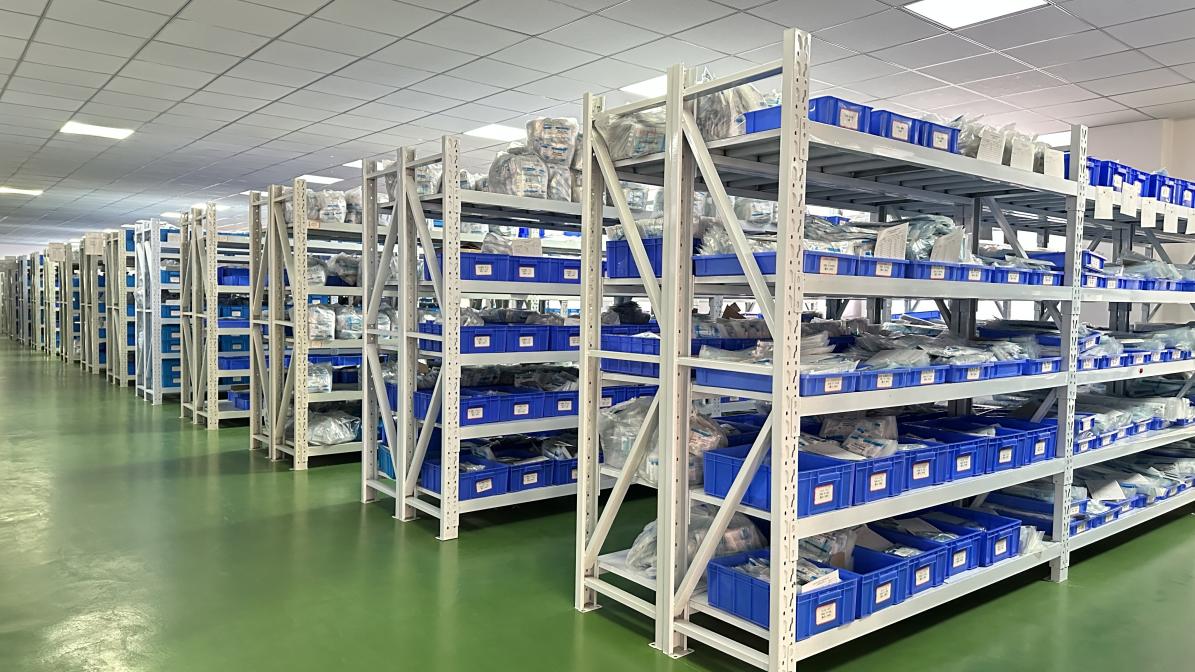
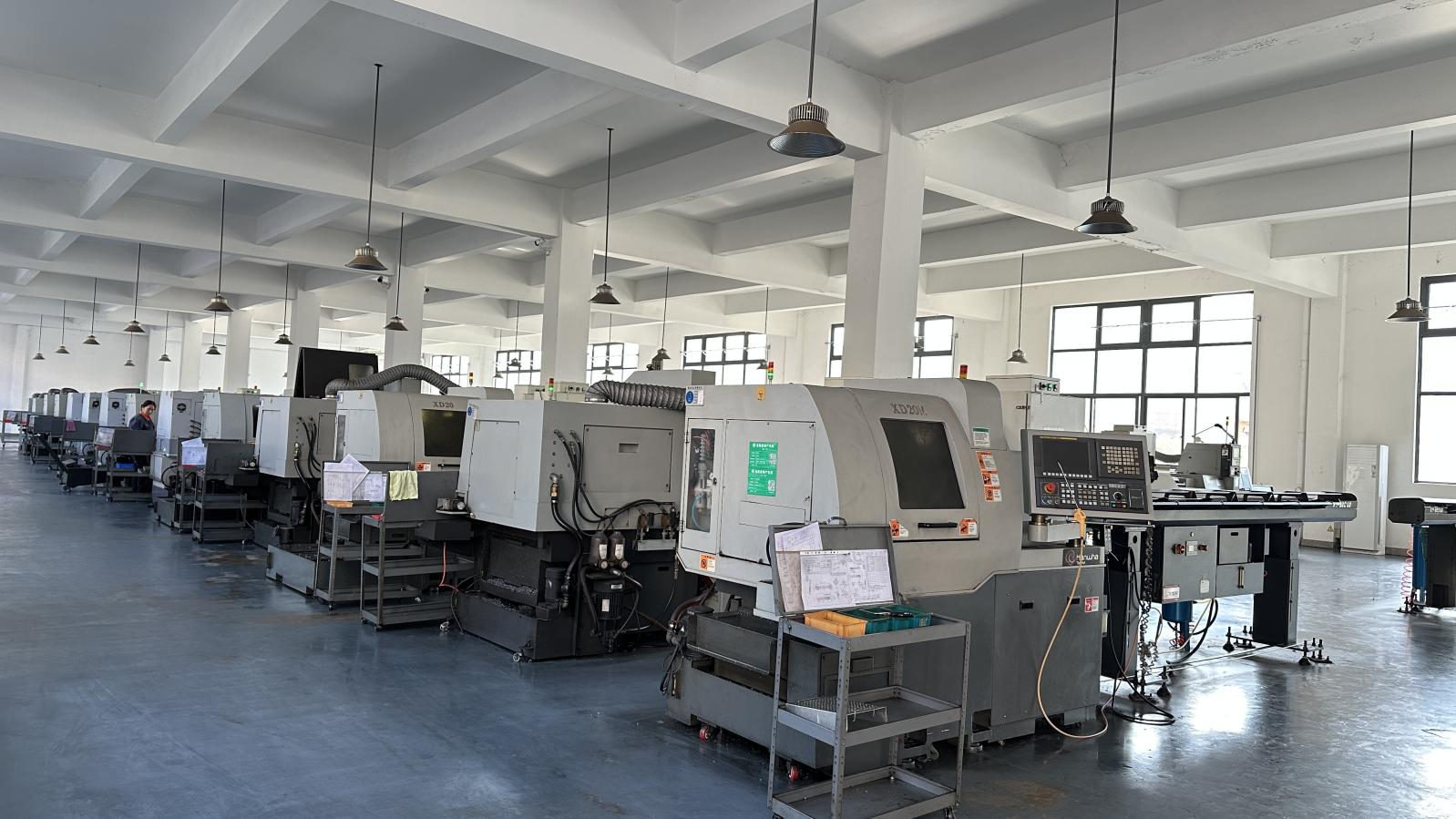
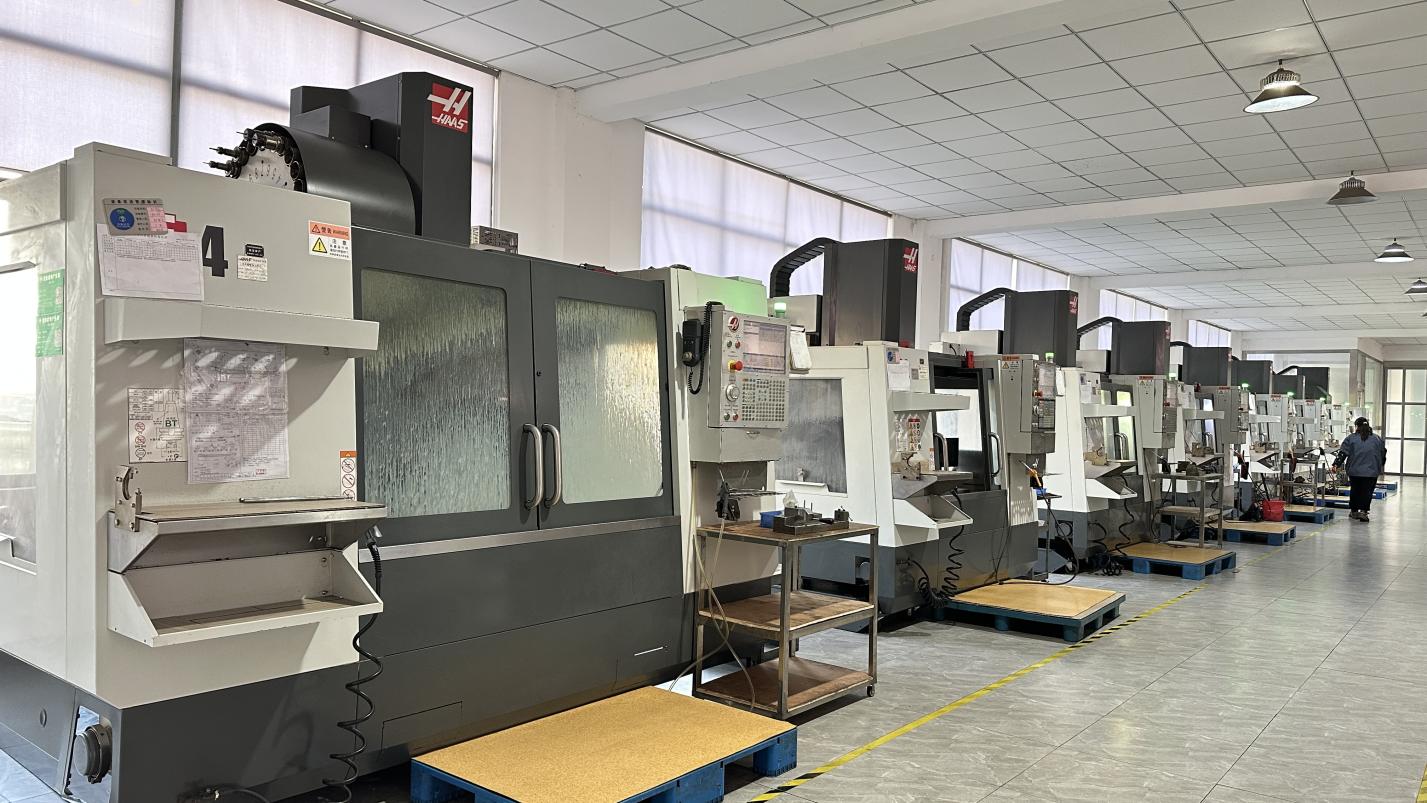
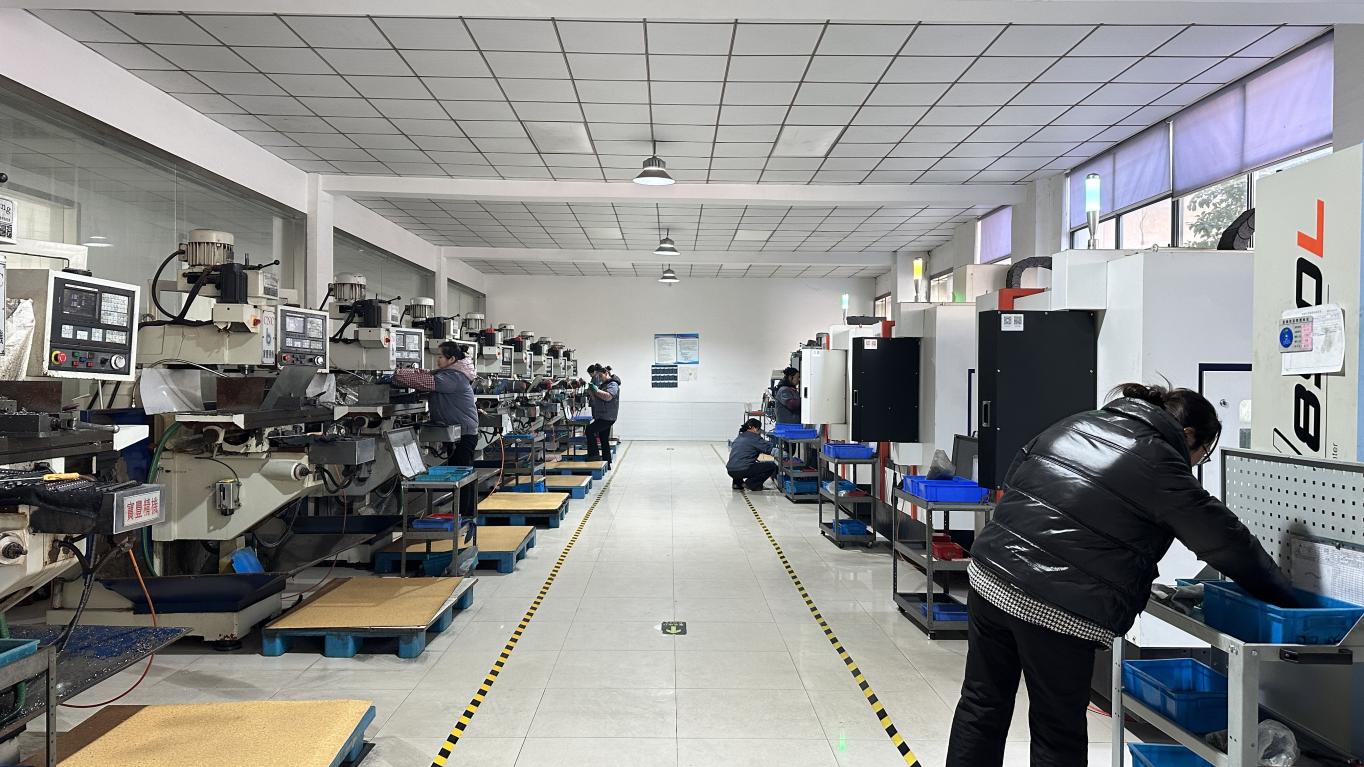
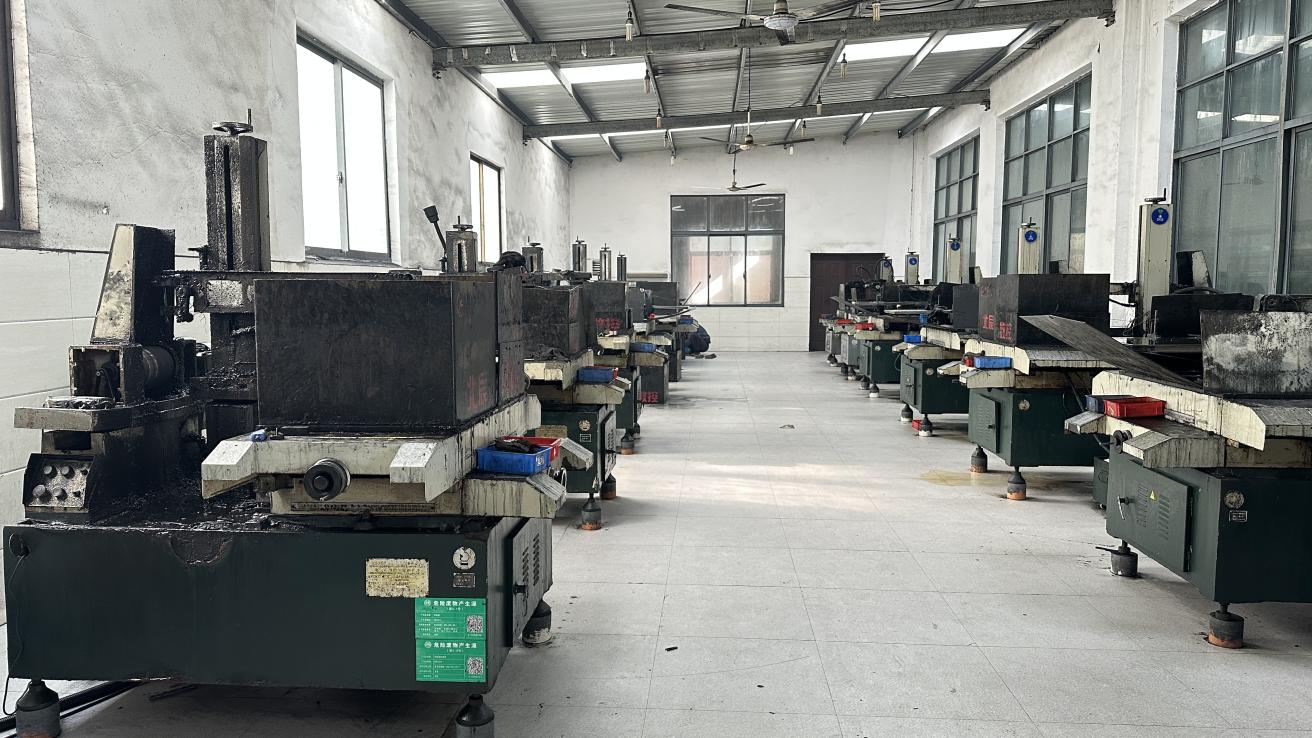
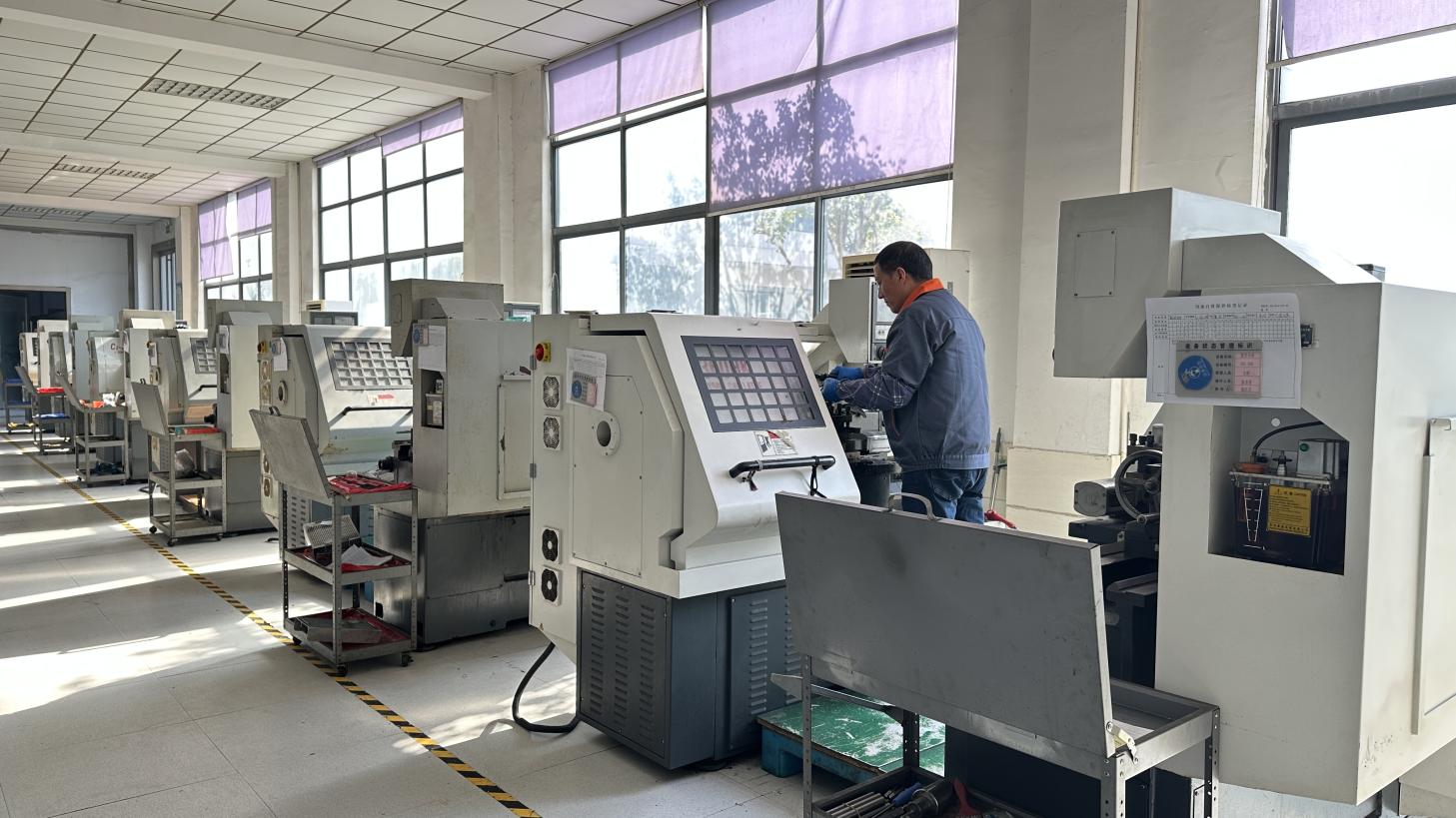
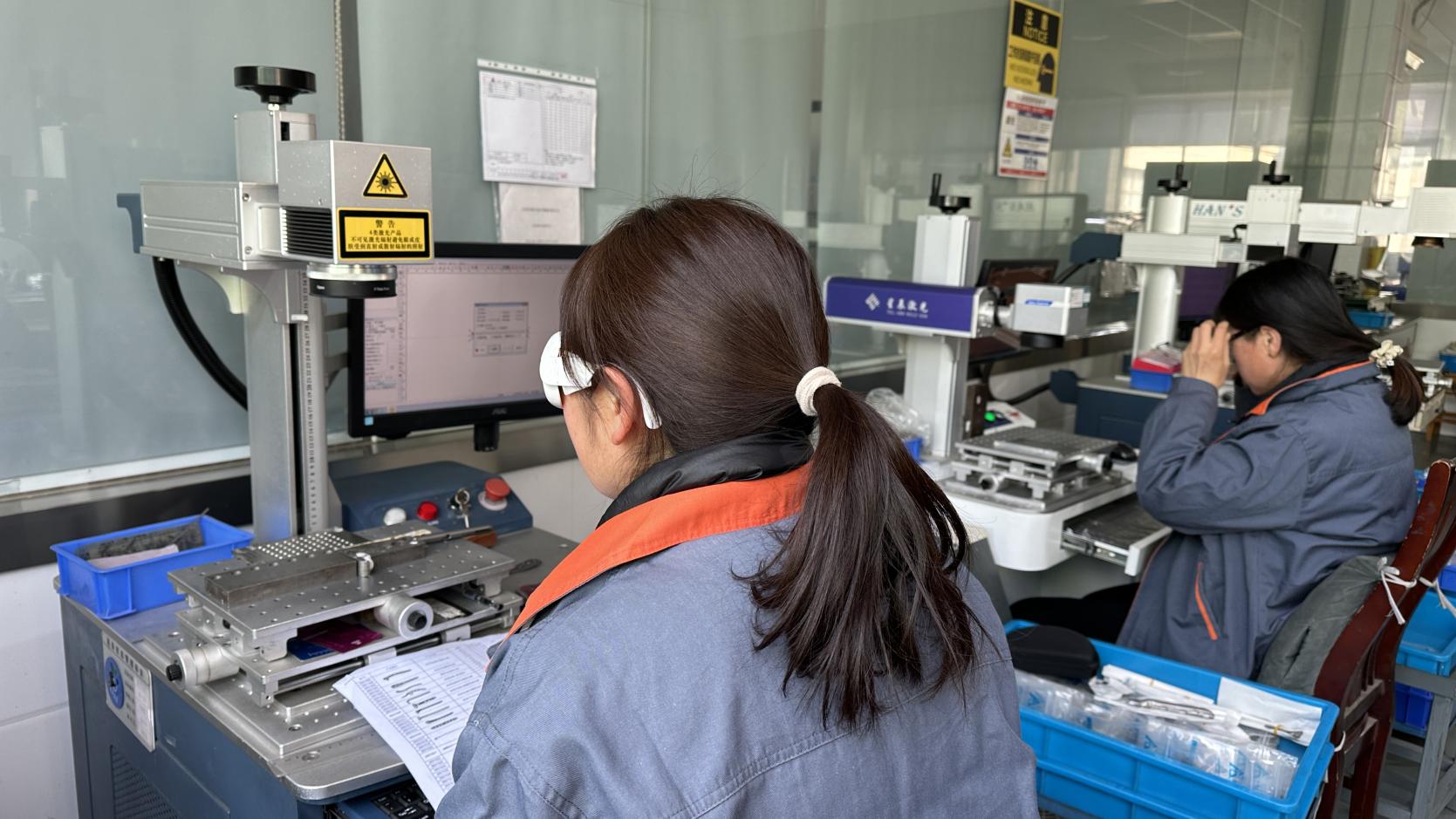
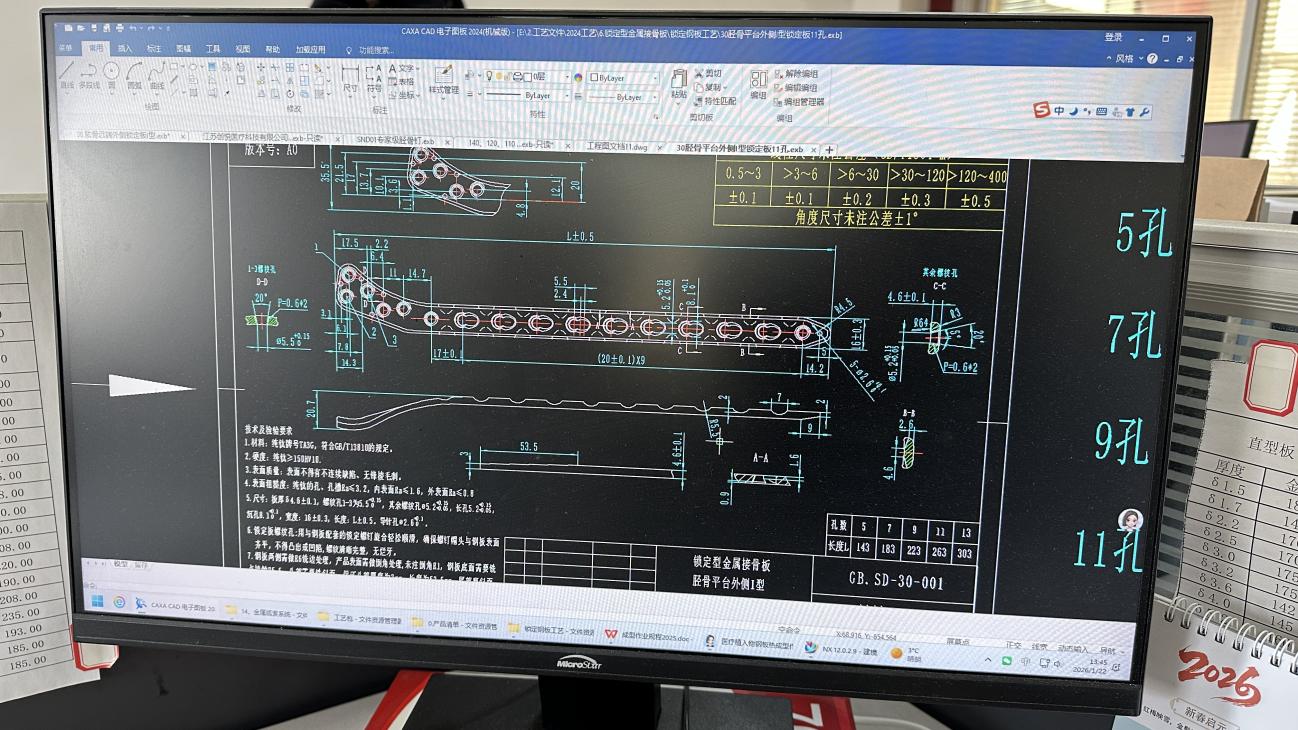
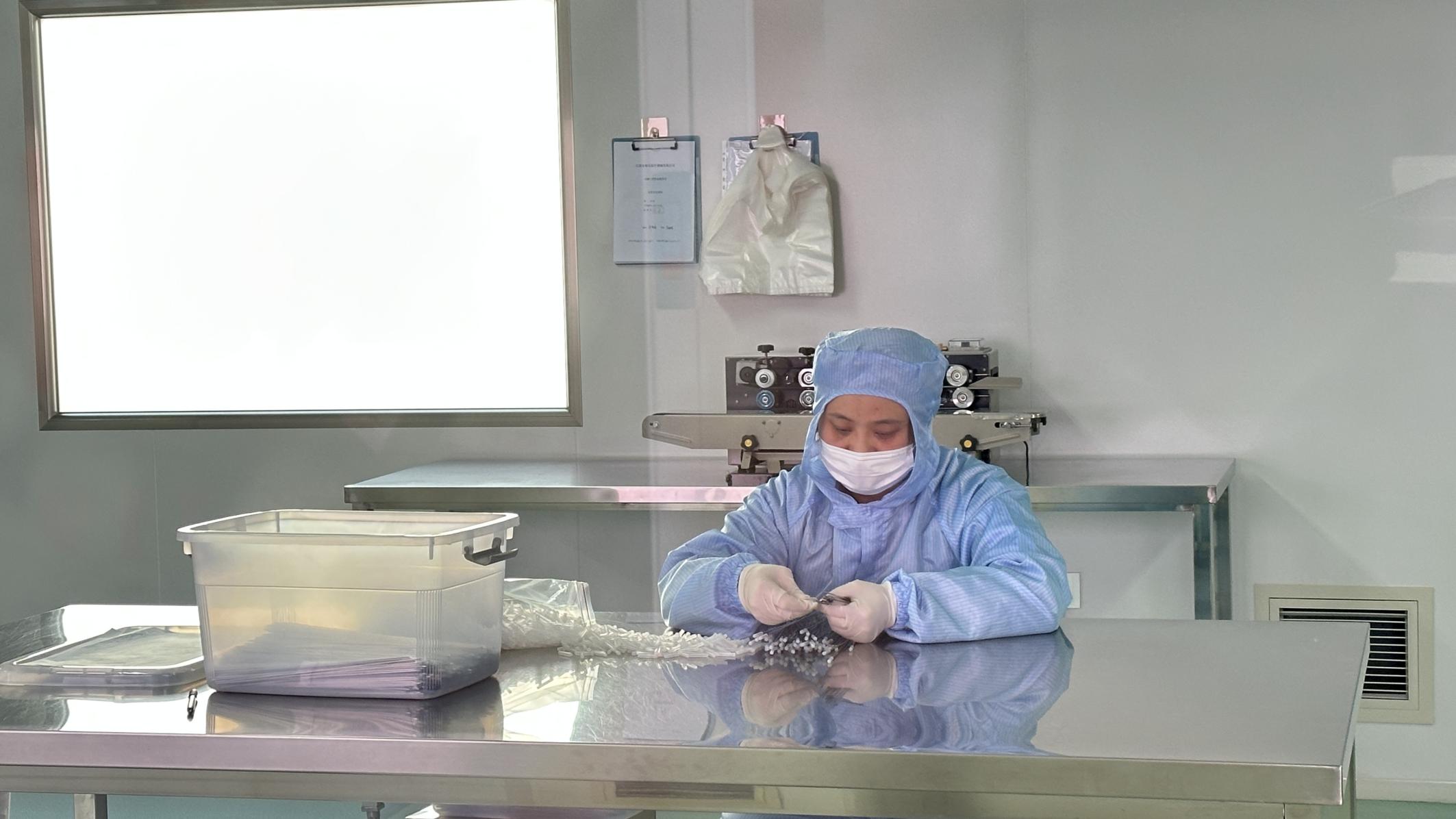
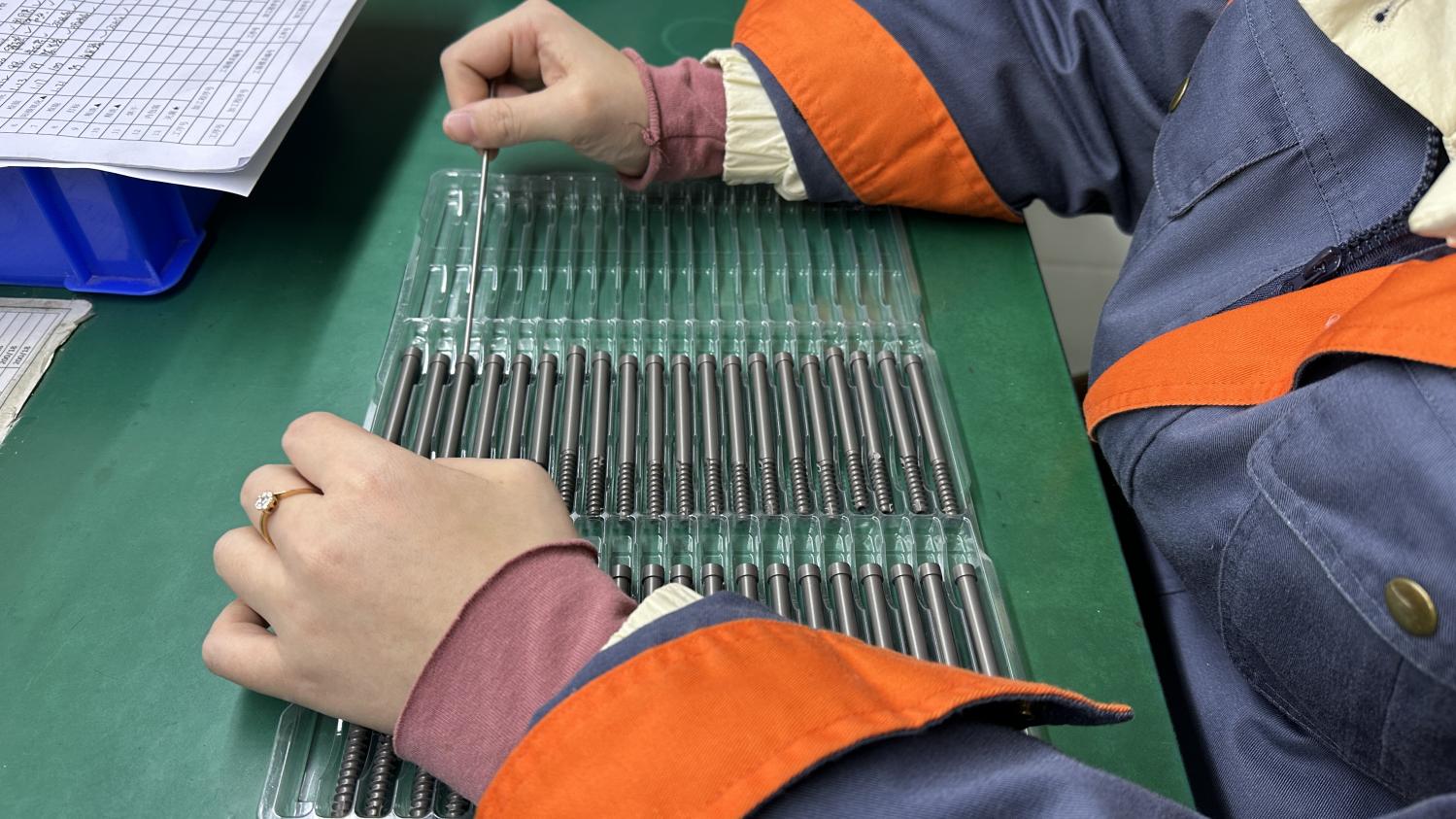
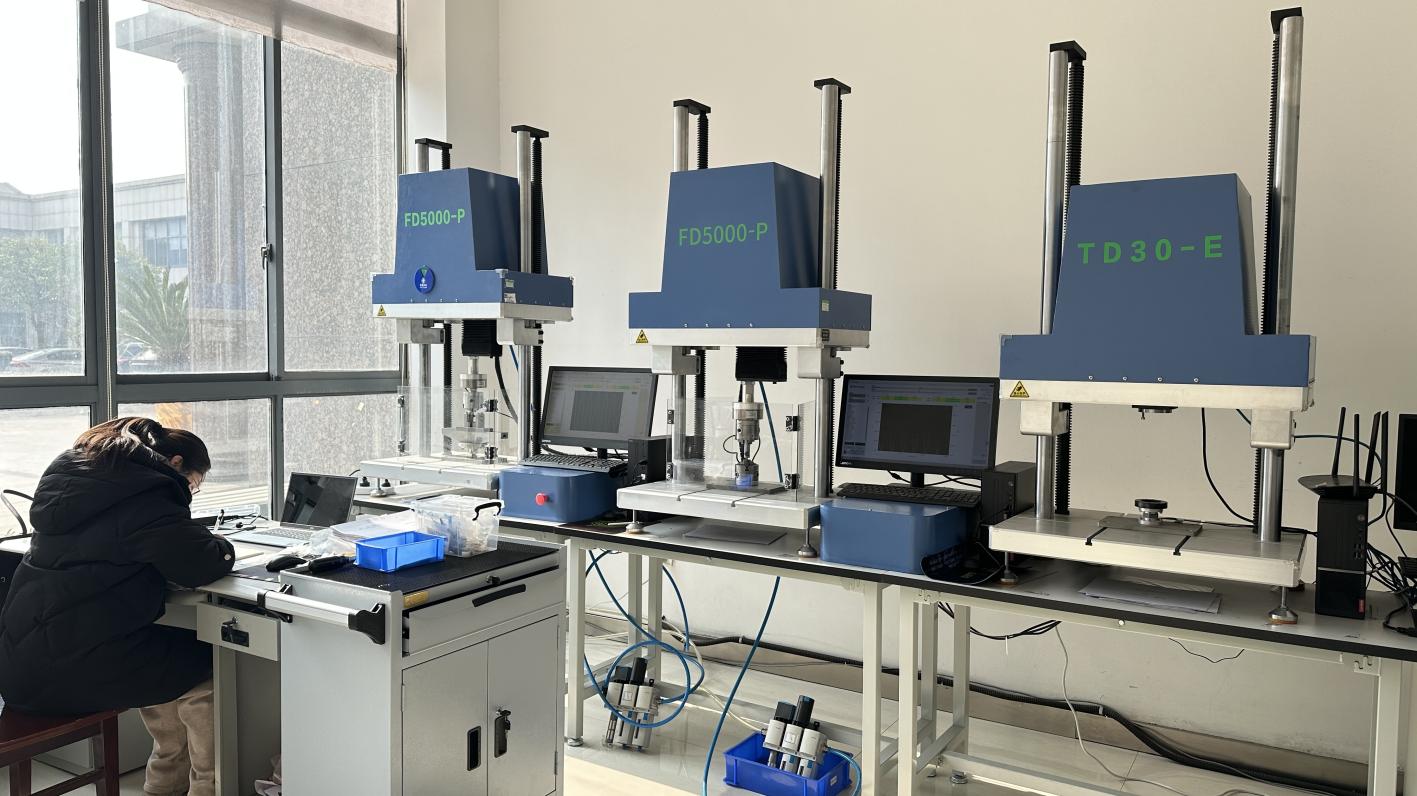
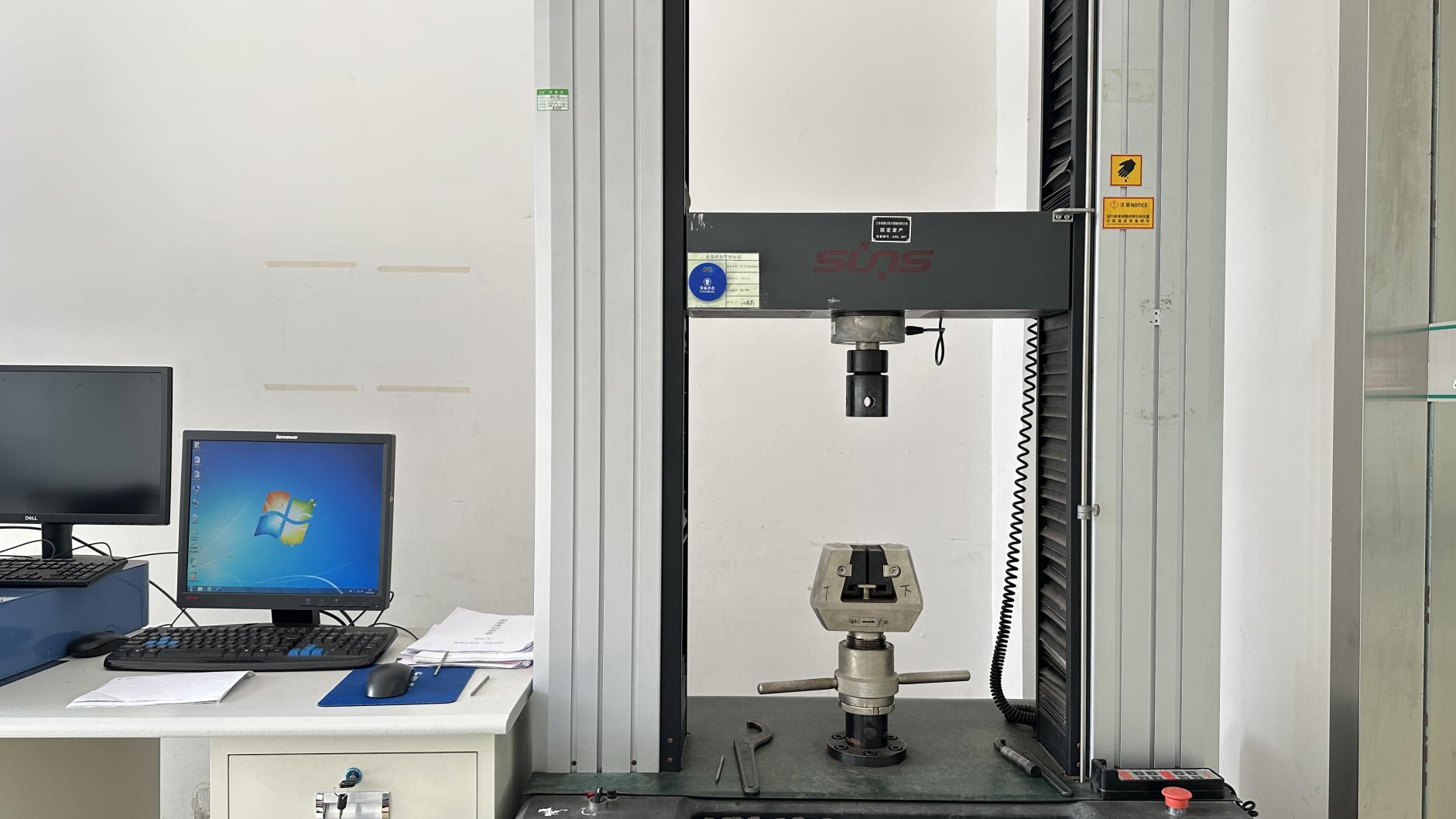
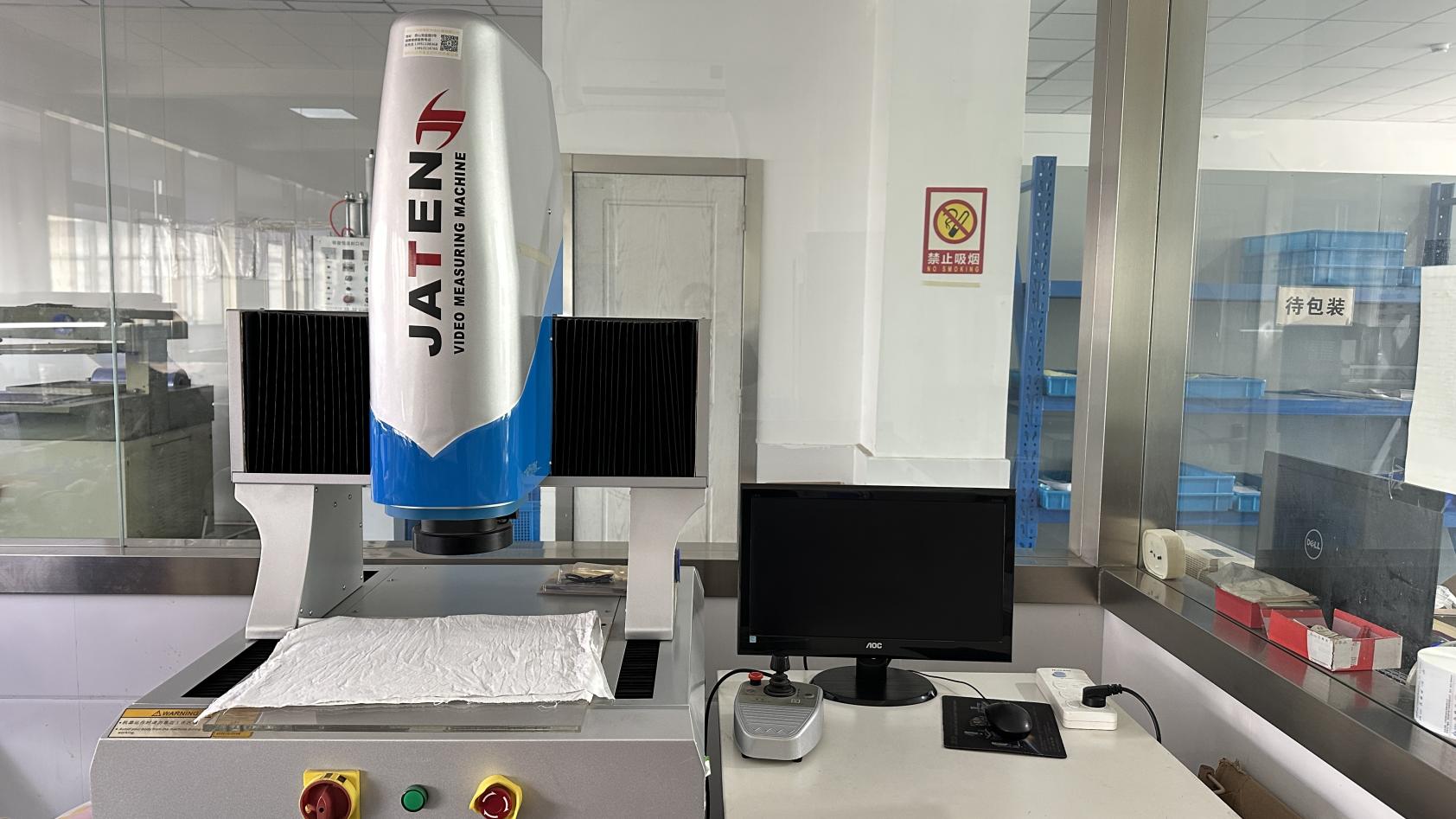
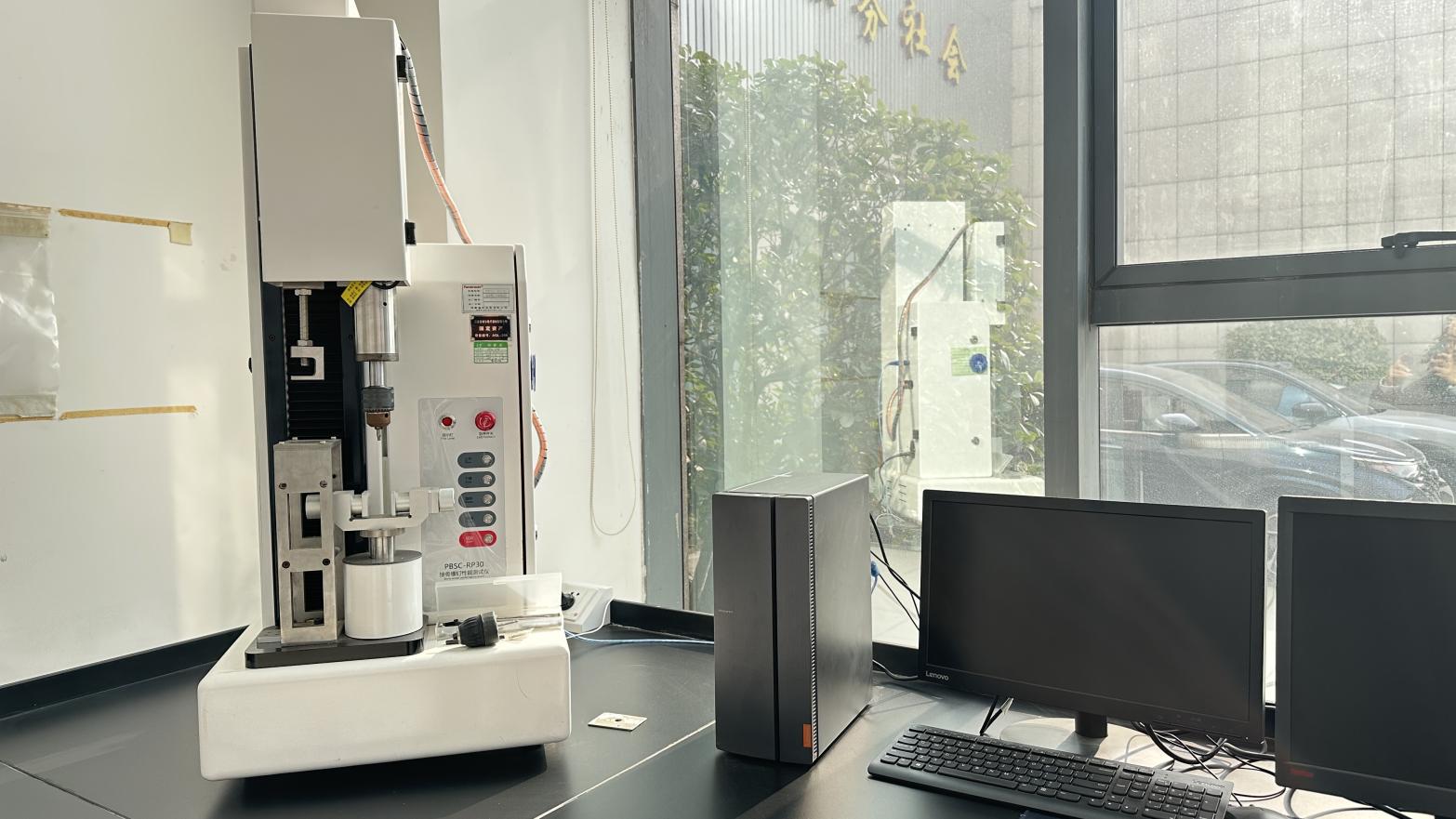
Inside Virelox's ISO 13485 compliant facilities: From raw materials to mechanical validation
Why elite medical brands choose Virelox as their primary manufacturing hub
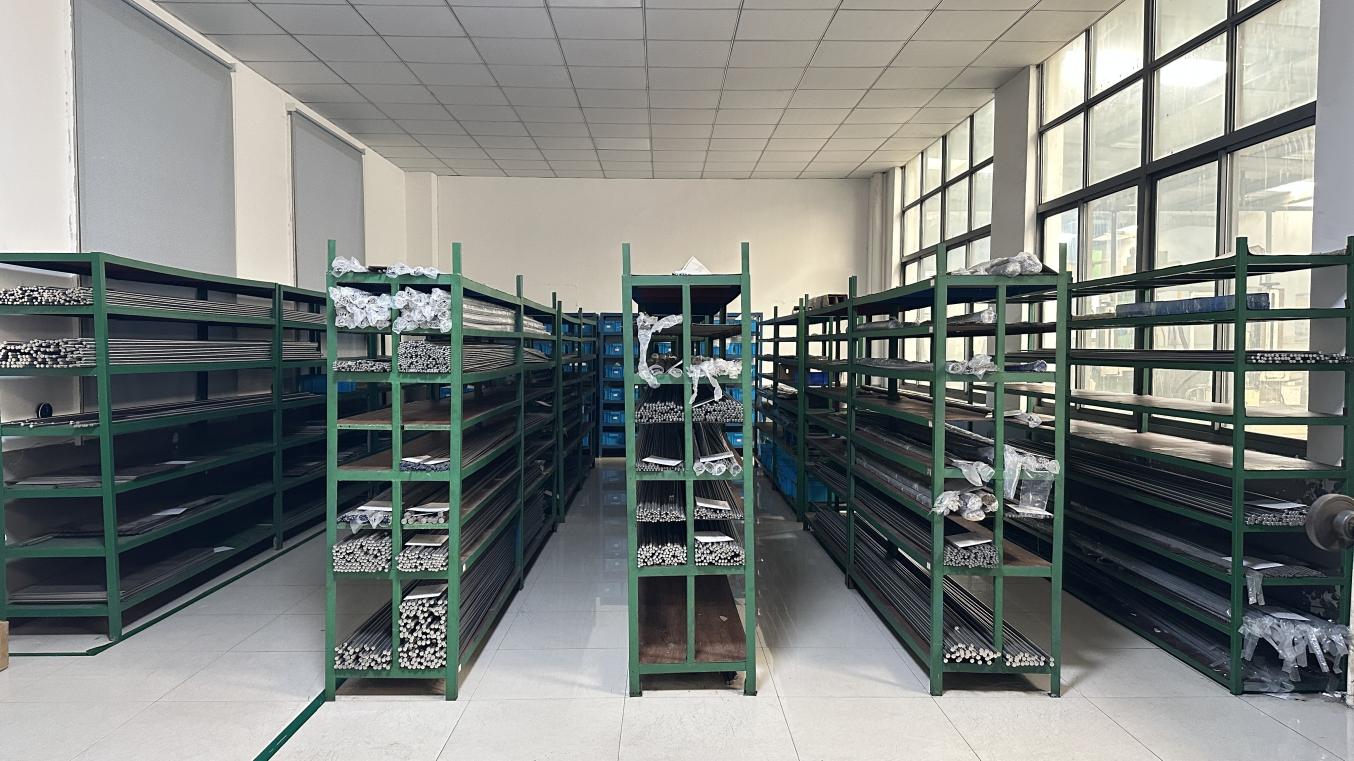
Access to state-of-the-art polymer formulations matching medical-grade PLDLA, PLLA, and HA/β-TCP components. We source materials from certified global suppliers to maintain consistent molecular weight distribution and degradation consistency.
Our manufacturing floor is integrated with Class 10,000 (ISO Class 7) cleanrooms, housing high-precision micro-injection molding equipment specifically calibrated for bioabsorbable materials sensitive to moisture and heat degradation.
Every production lot undergoes rigorous mechanical profiling including pull-out testing in synthetic polyurethane bone blocks, insertion torque testing, and dynamic fatigue assessment using our advanced internal laboratory systems.
With proximity to world-class shipping networks and an established group of 850 upstream and downstream supply partners, we dramatically reduce turnaround times for custom clinical tools and implant configurations.
Medical implants require meticulous documentation to secure regulatory approvals. Virelox maintains a robust quality management system adhering to ISO 13485 guidelines, facilitating seamless product registration across diverse regional medical jurisdictions.
Whether you are applying for FDA 510(k) clearances in the US, CE mark registration under EU MDR regulations, or compliance pathways in Southeast Asia and South America, our dedicated compliance division provides full technical documentation. This includes chemical characterization, biological evaluation reports (ISO 10993), sterilization validation, and shelf-life study data.
Targeted soft-tissue-to-bone fixation systems engineered for specific anatomical zones
High-load suture configurations optimized for rotator cuff repair (both single-row and double-row bridge techniques) and Glenoid Labrum reconstruction (Bankart or SLAP tear repairs).
Optimized micro-anchors for lateral ankle instability treatments (Brostrom-Gould procedure) and Achilles tendon reattachment, providing reliable torque control inside dense cortical areas.
Extra-articular tenodesis fixation and medial patellofemoral ligament (MPFL) reconstruction utilizing dual-thread configurations for enhanced proximal grip.
As sports medicine evolves toward minimally invasive outpatient interventions, the technology behind suture anchors is changing rapidly. The industry is currently moving away from traditional threaded anchor geometry toward "all-suture" soft anchor systems and biological composite designs. These composite materials, combining ultra-high molecular weight polyethylene (UHMWPE) suture constructs with bioabsorbable polymeric shells, present high primary fixation strength alongside minimal physical footprints.
Furthermore, research into bioactive coatings that actively recruit endogenous stem cells and control local cytokine expression at the healing site is transitioning from laboratory research to clinical reality. Manufacturers like Virelox are leading this innovation by constantly evaluating biomechanical interactions and introducing surface micro-topographies that accelerate cellular adhesion.
Technical answers regarding materials, production capabilities, and regulatory affairs
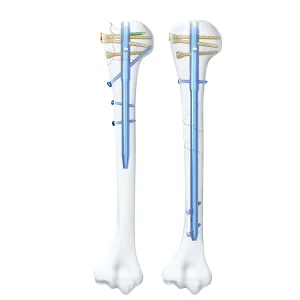
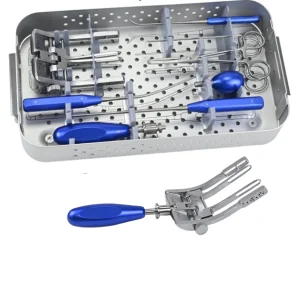
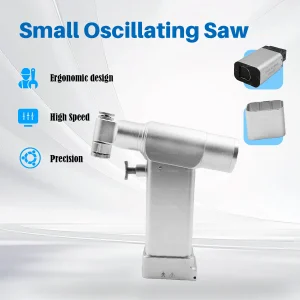
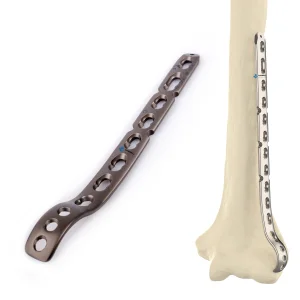
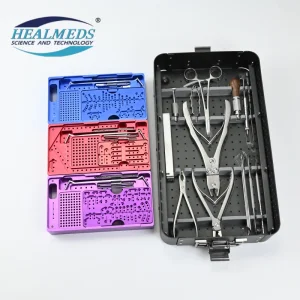
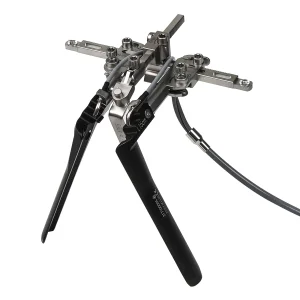
Showcase Group B: Intramedullary Fixation, Specialized Spine & Surgical Instrument Packs
 Virelox