Explore our leading portfolio of orthopedic drills, trauma implants, reconstruction tools, and specialized surgical equipment.
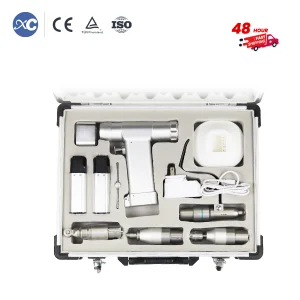
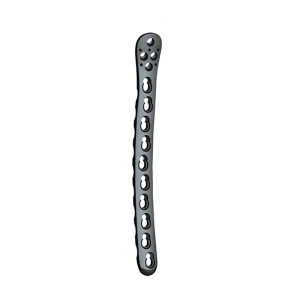
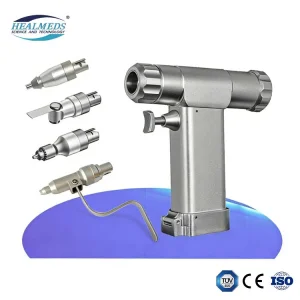
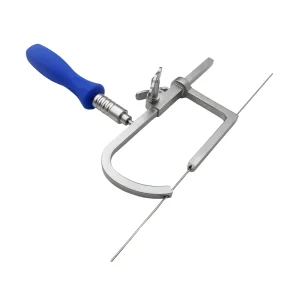
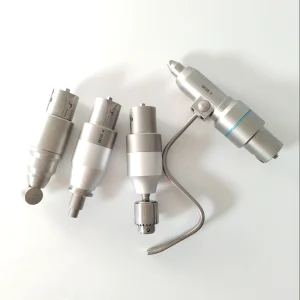
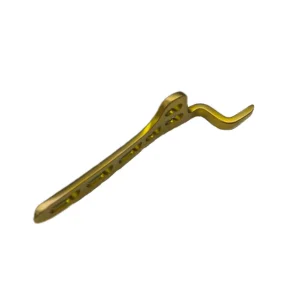
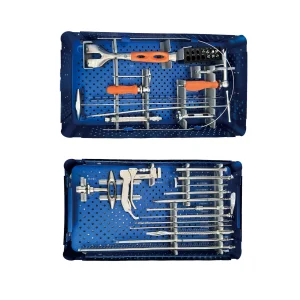
Founded in 2016, Virelox Medical Devices Co., Ltd. is a leading orthopedic medical device manufacturer specializing in high-end joint replacement, sports medicine, spinal implants, and comprehensive surgical instruments. Operating under the globally recognized brand "Virelox", we are committed to engineering next-generation orthopedic systems that satisfy the demanding performance criteria of modern clinical settings.
Spanning an advanced production campus of 12,000 m², our facilities represent the pinnacle of medical-grade manufacturing in China. With 10 years of intensive industry experience and an 8-year history of global export operations, we provide tailored medical OEM/ODM solutions to international distributors, hospitals, orthopedic networks, and centralized healthcare procurement agencies across Europe, Southeast Asia, the Middle East, and South America.
The standard in ligament reconstruction: understanding fixation physics, osteointegration, and implant geometry.
In sports medicine, particularly during Anterior Cruciate Ligament (ACL) and Posterior Cruciate Ligament (PCL) reconstructions, the primary biomechanical objective is securing tendon-to-bone or bone-patellar tendon-bone (BTB) grafts within the femoral and tibial tunnels. The fixation must withstand immediate physiological loads to enable early rehabilitation without risking graft slippage or loss of tension. Titanium Interference Screws remain the gold standard for robust primary fixation due to their high tensile strength, predictable insertion torque, and exceptional biocompatibility.
Manufactured from high-grade titanium alloy (typically Ti-6Al-4V ELI / Grade 23 or Ti-6Al-4V Grade 5), these implants offer mechanical properties that prevent micro-motion at the graft-host interface. Micro-motion is the leading cause of tunnel widening and graft integration failure. Unlike bioabsorbable polymeric alternatives, which can degrade unevenly and trigger localized inflammatory reactions or sterile abscesses, medical-grade titanium is chemically inert, maintaining mechanical integrity until physiological bone-to-tendon remodeling is completed.
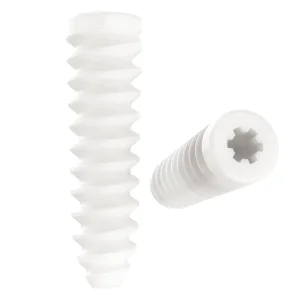
Engineered with blunt, non-cutting threads that maximize compression and purchase against the bone tunnel wall while avoiding laceration of soft-tissue graft fibers during insertion.
A deep hexagonal or star-drive recess guarantees optimal driver coupling, preventing socket stripping under dense cortical bone insertion torques.
Features a precise central cannula accommodating guide wires, which guarantees accurate axial alignment, prevents divergence, and limits graft displacement.
A comprehensive walkthrough of our ISO 13485-compliant manufacturing stages, testing laboratories, and verification facilities.
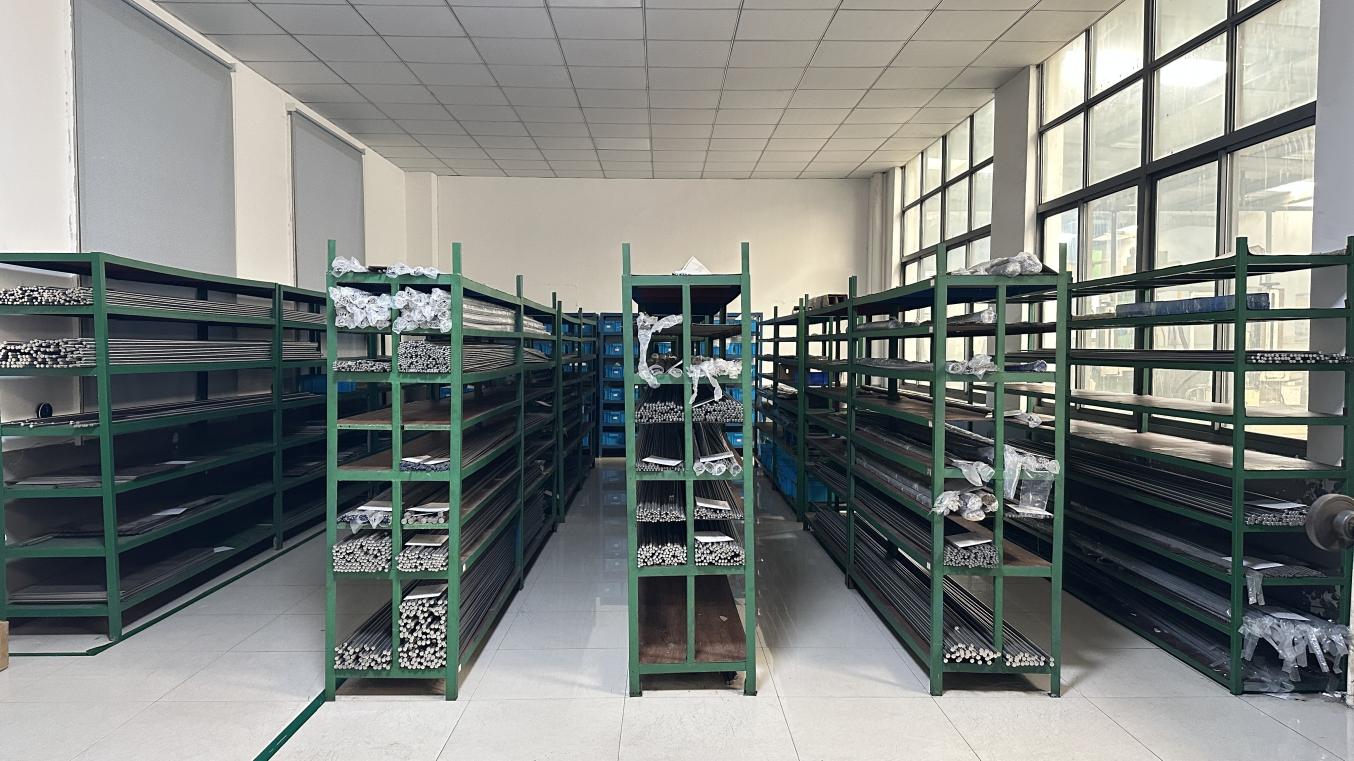
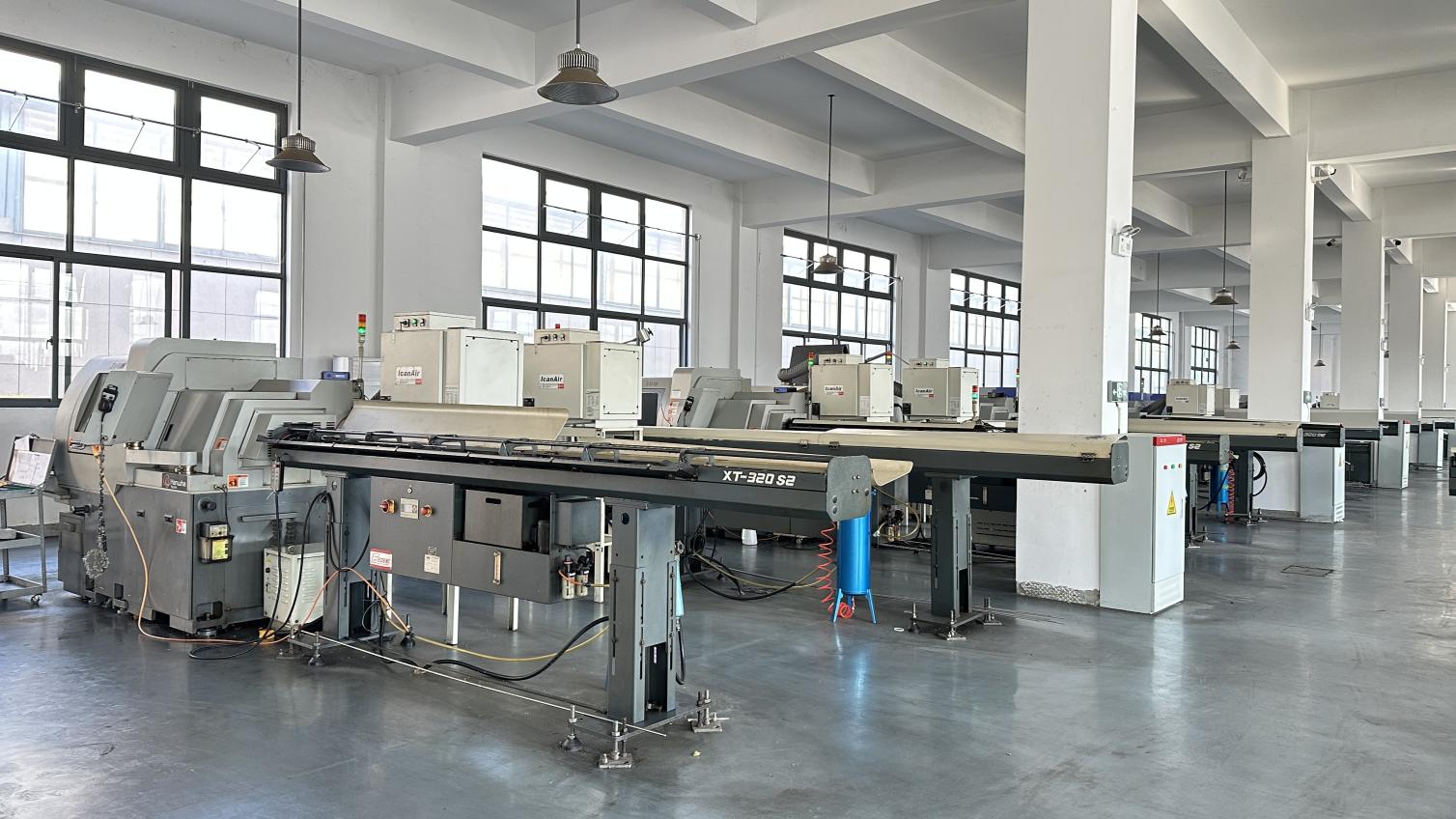
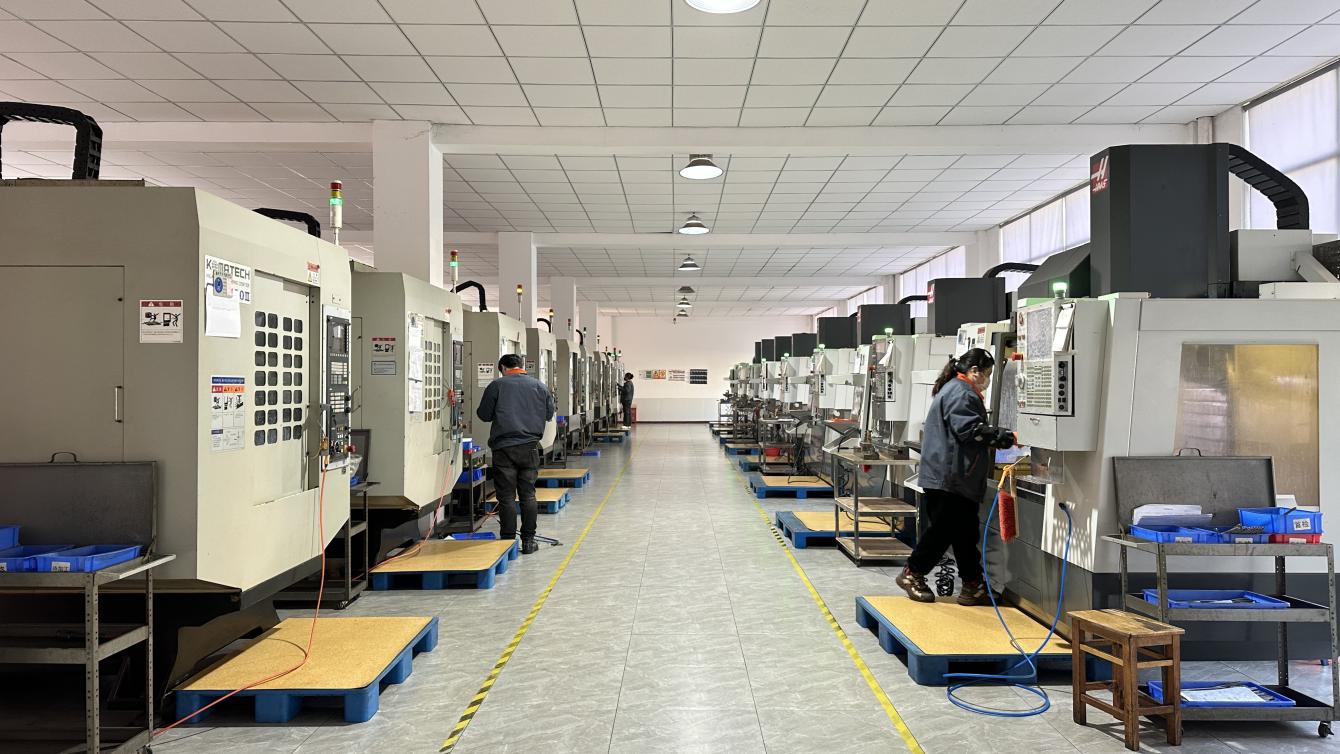
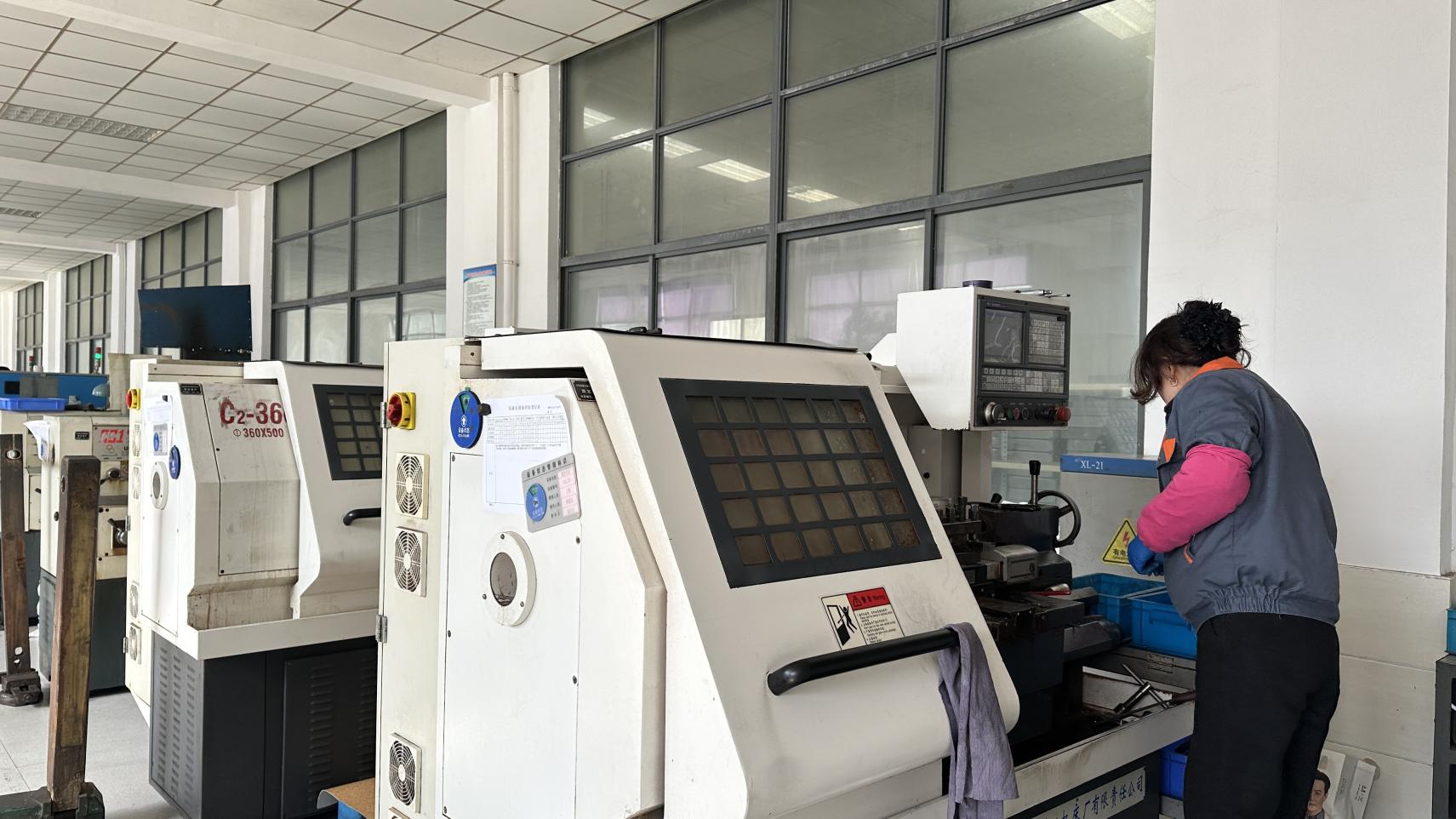
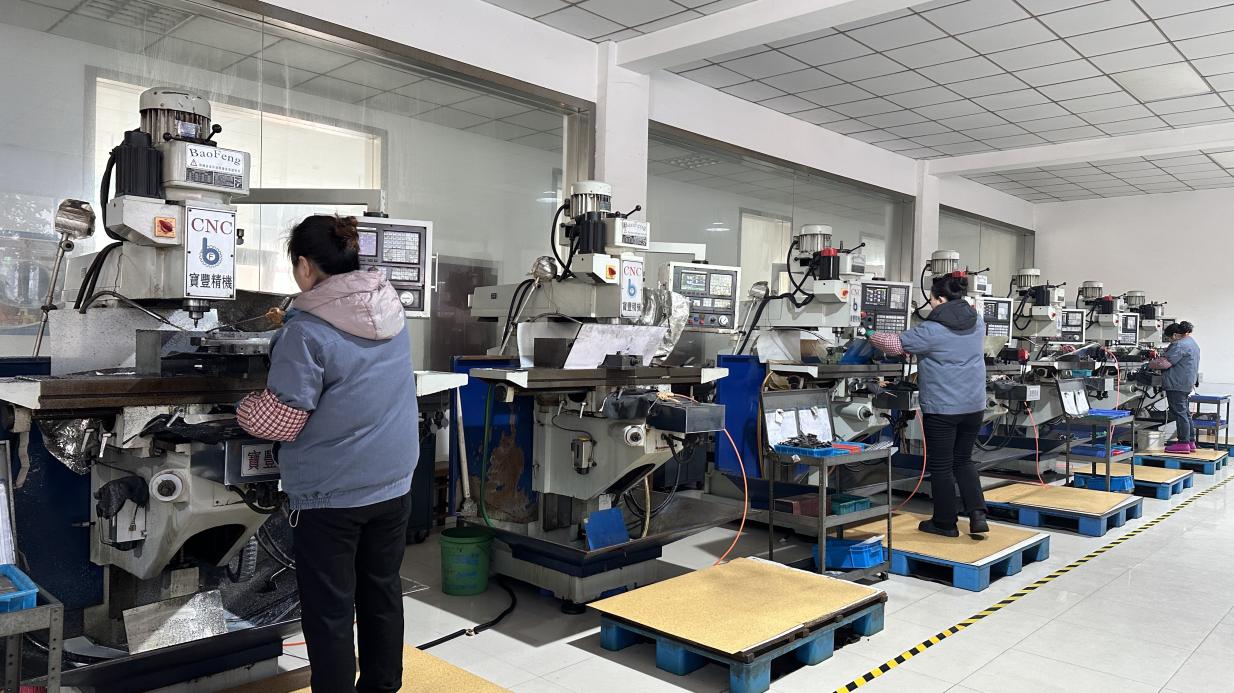
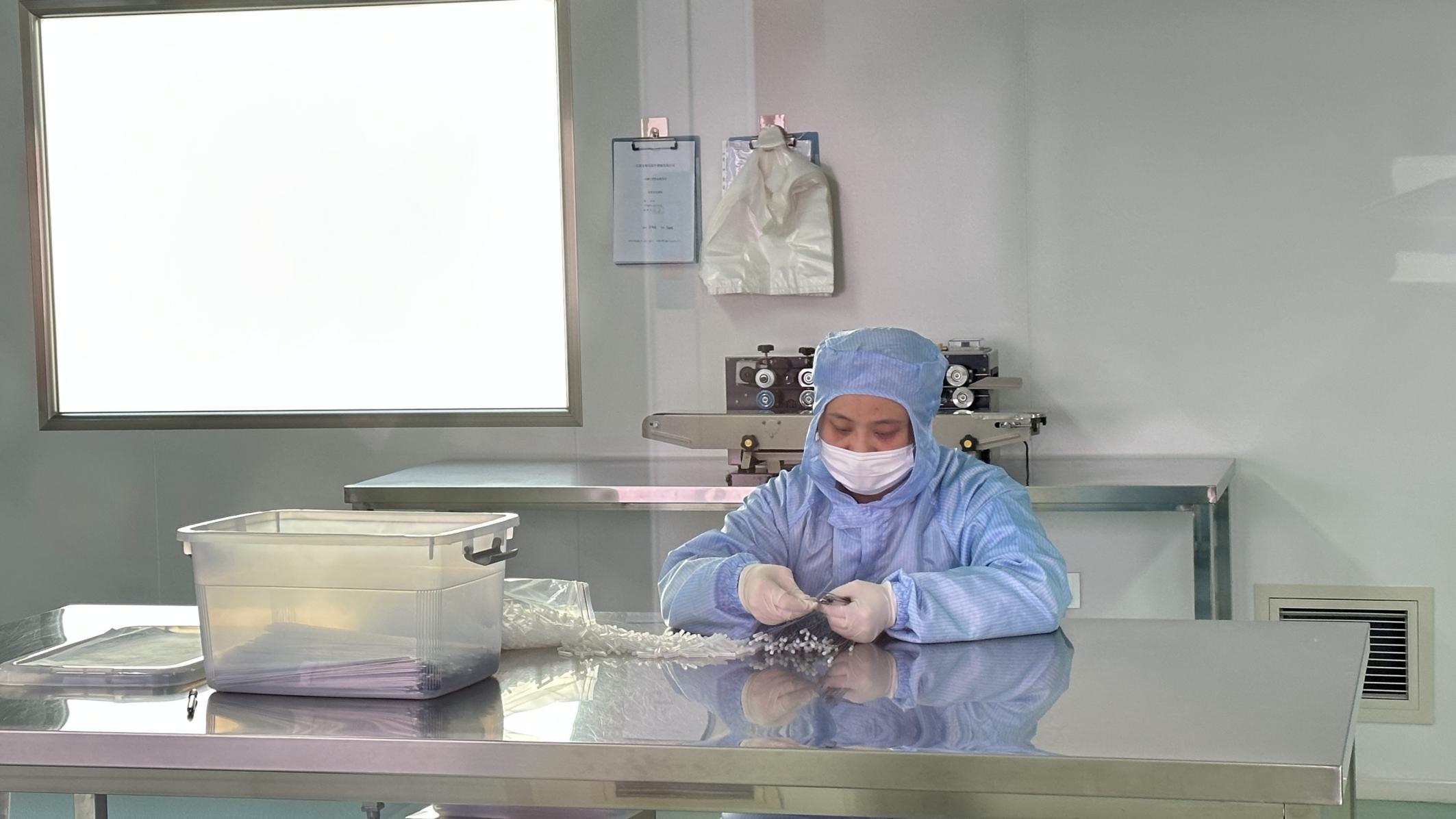
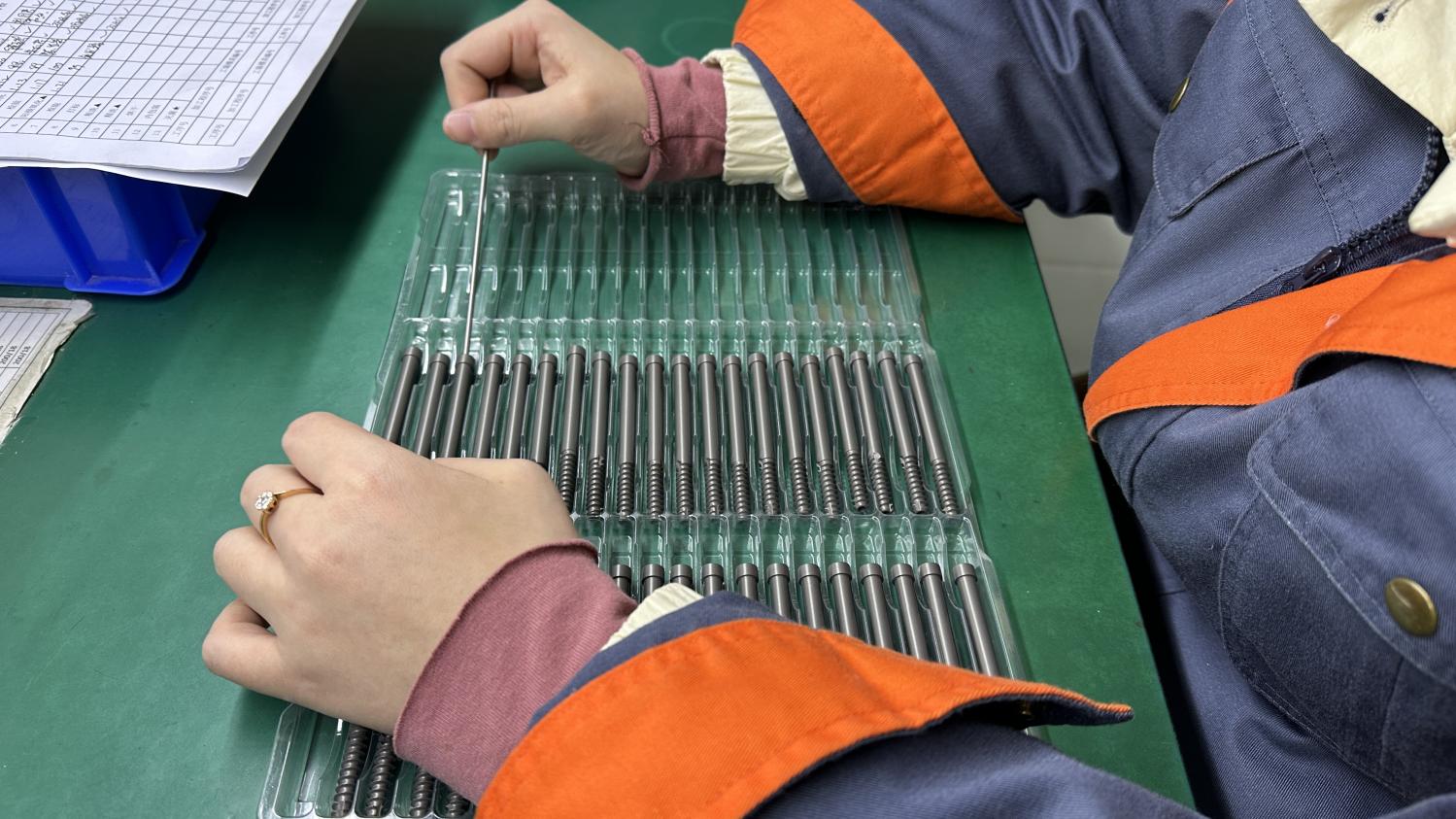
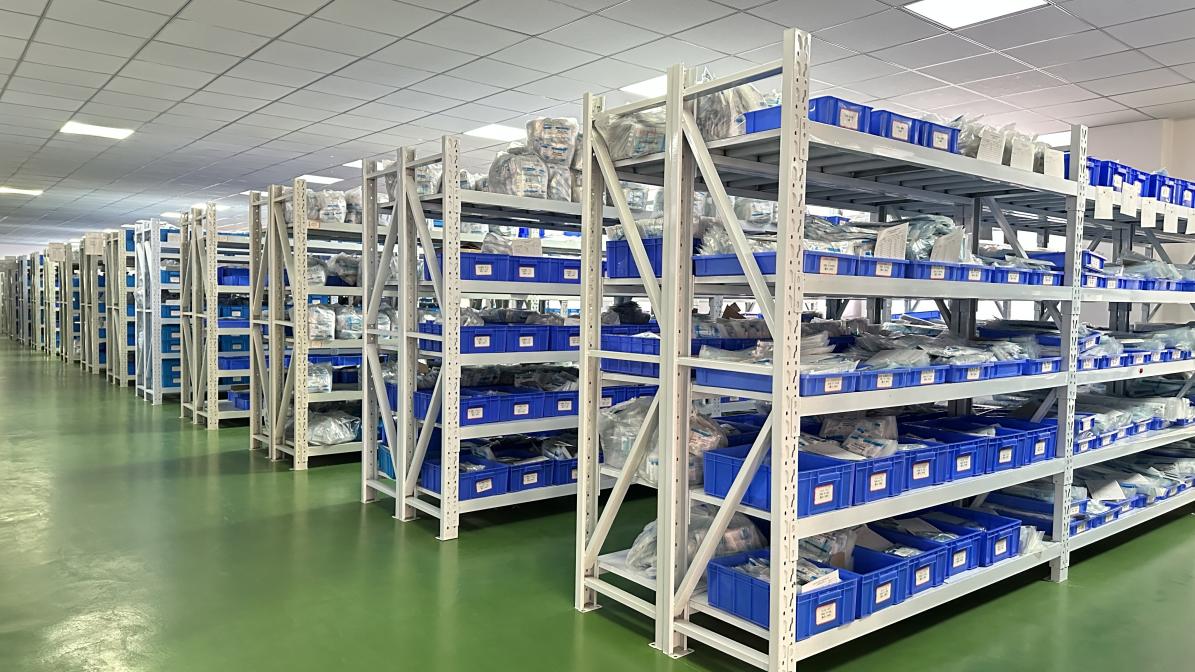
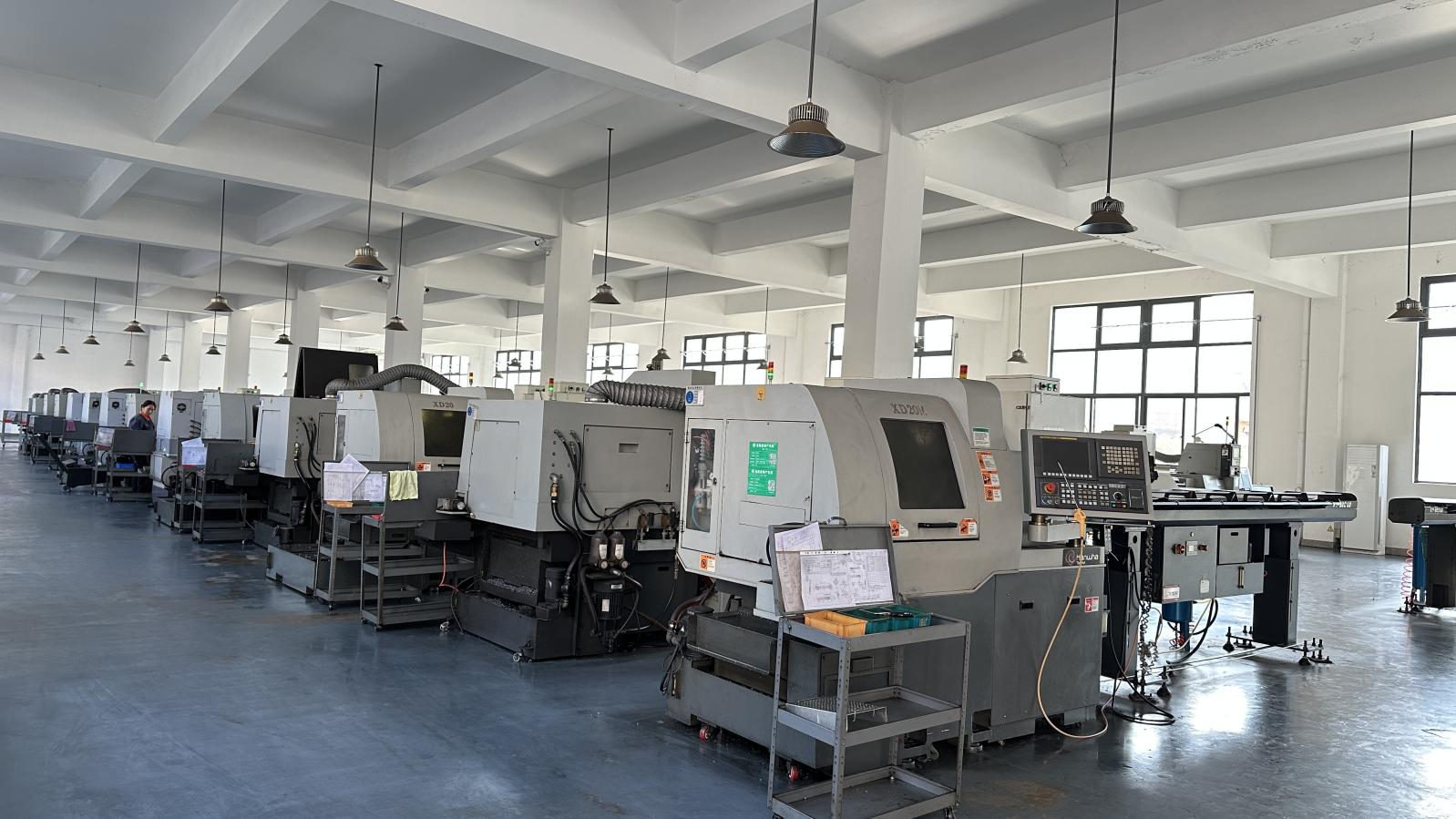
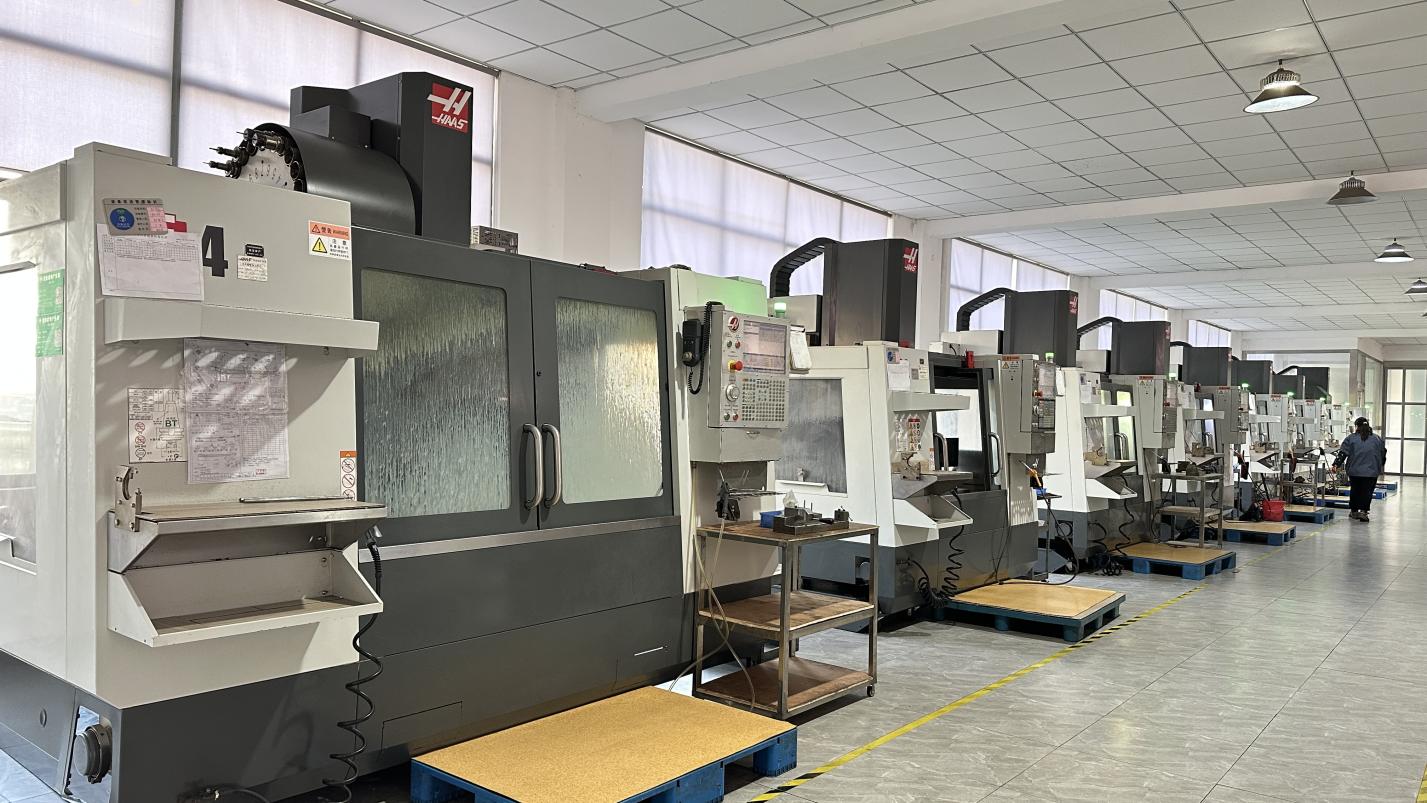
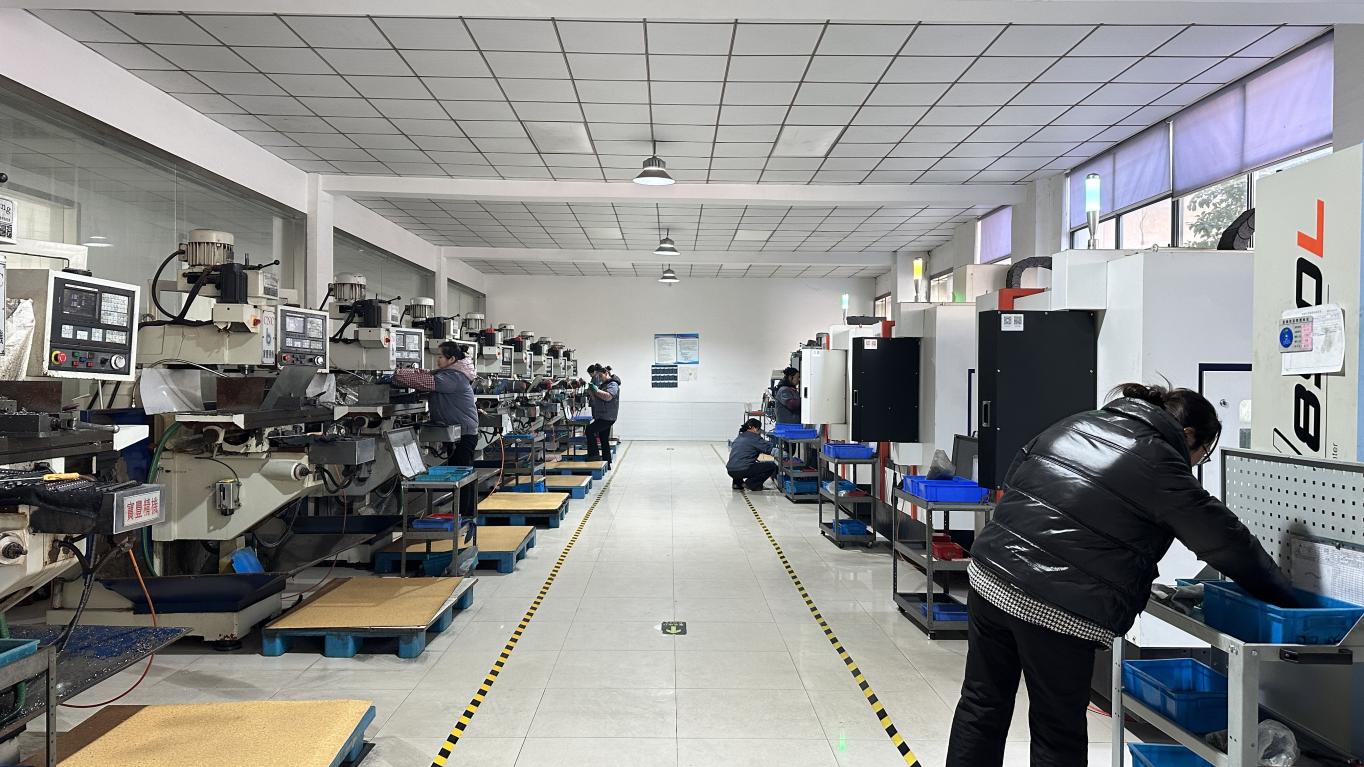
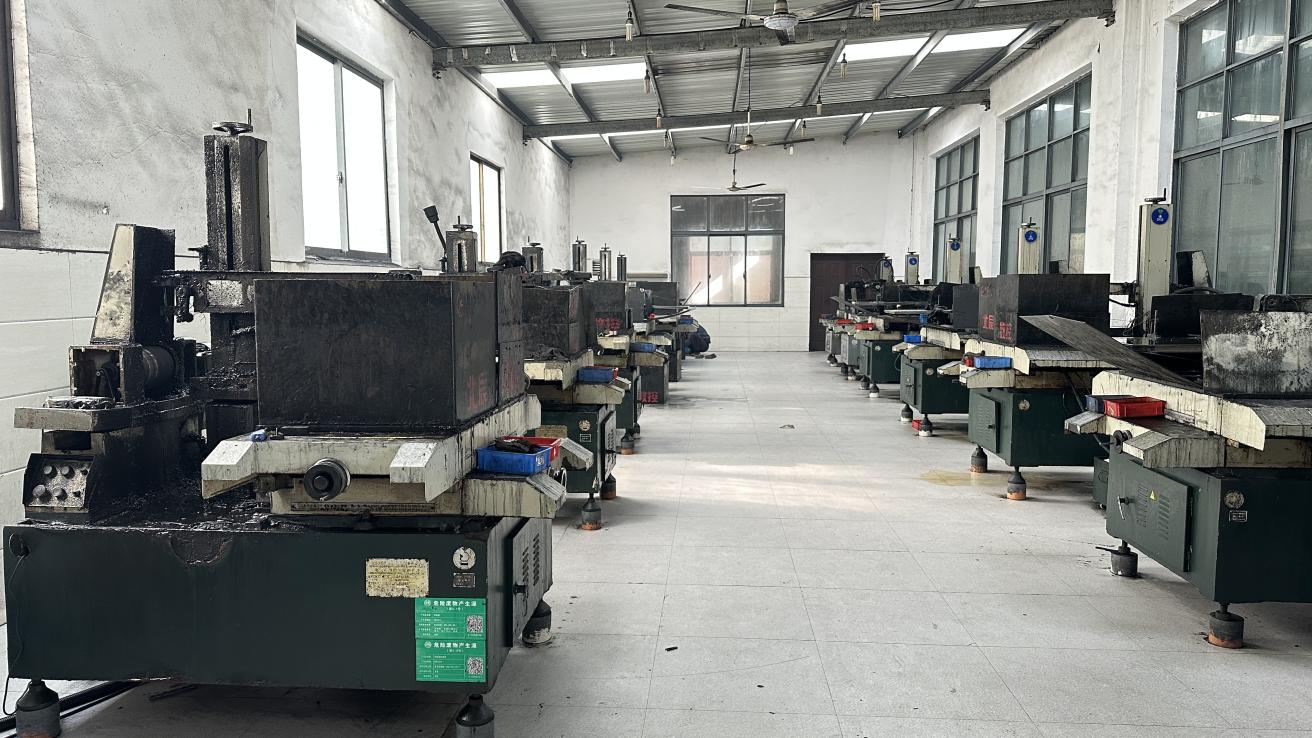
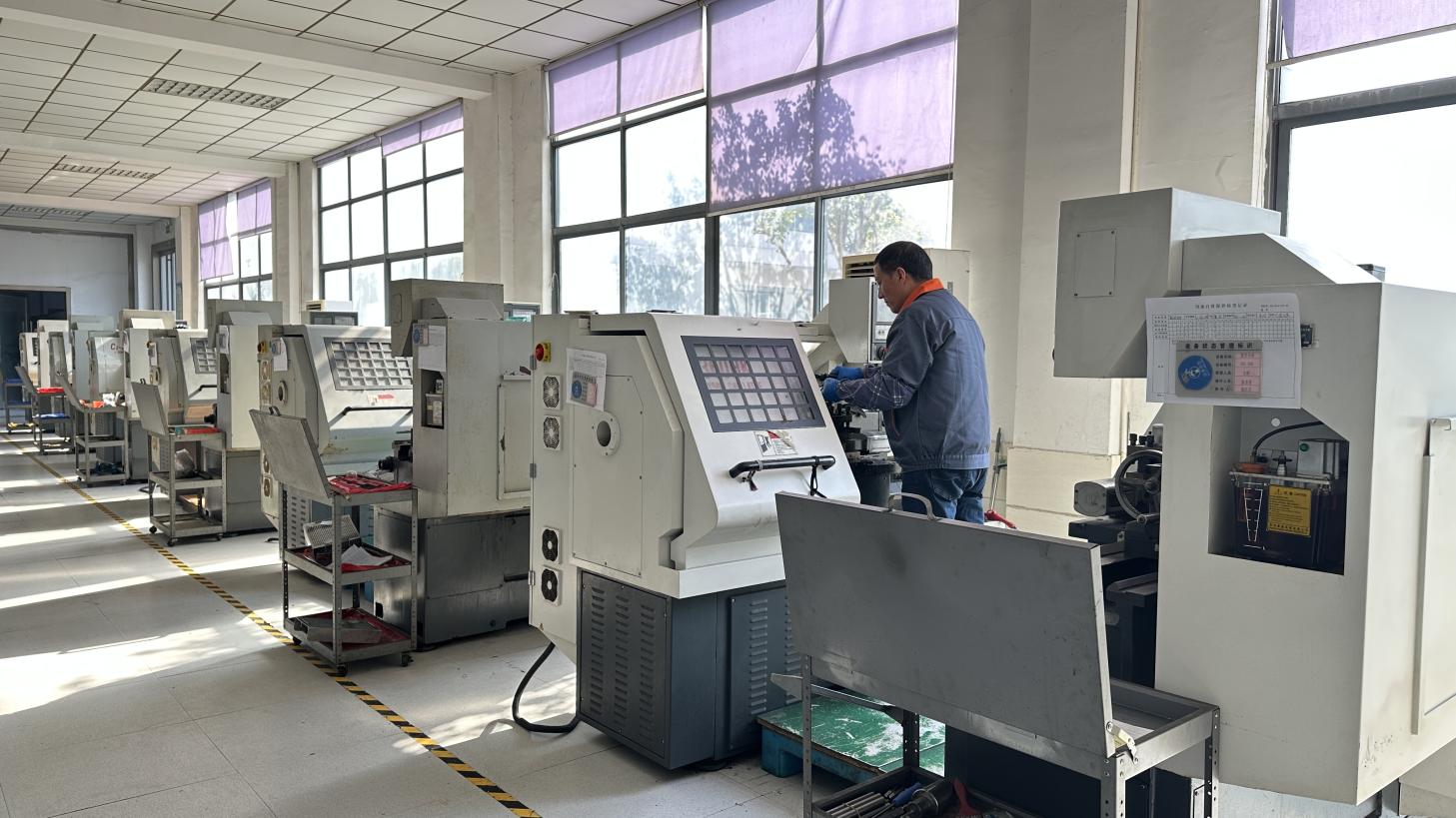
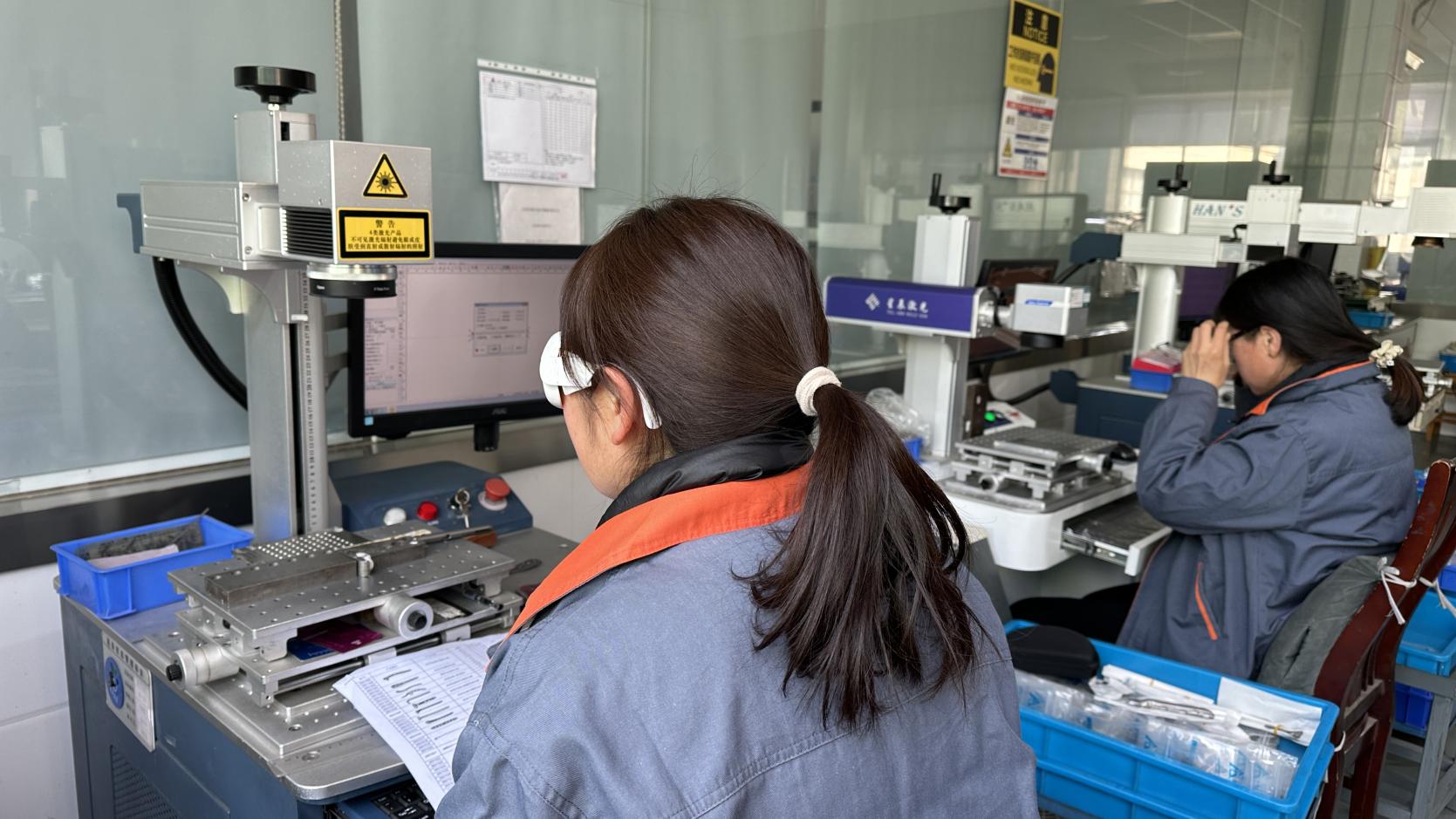
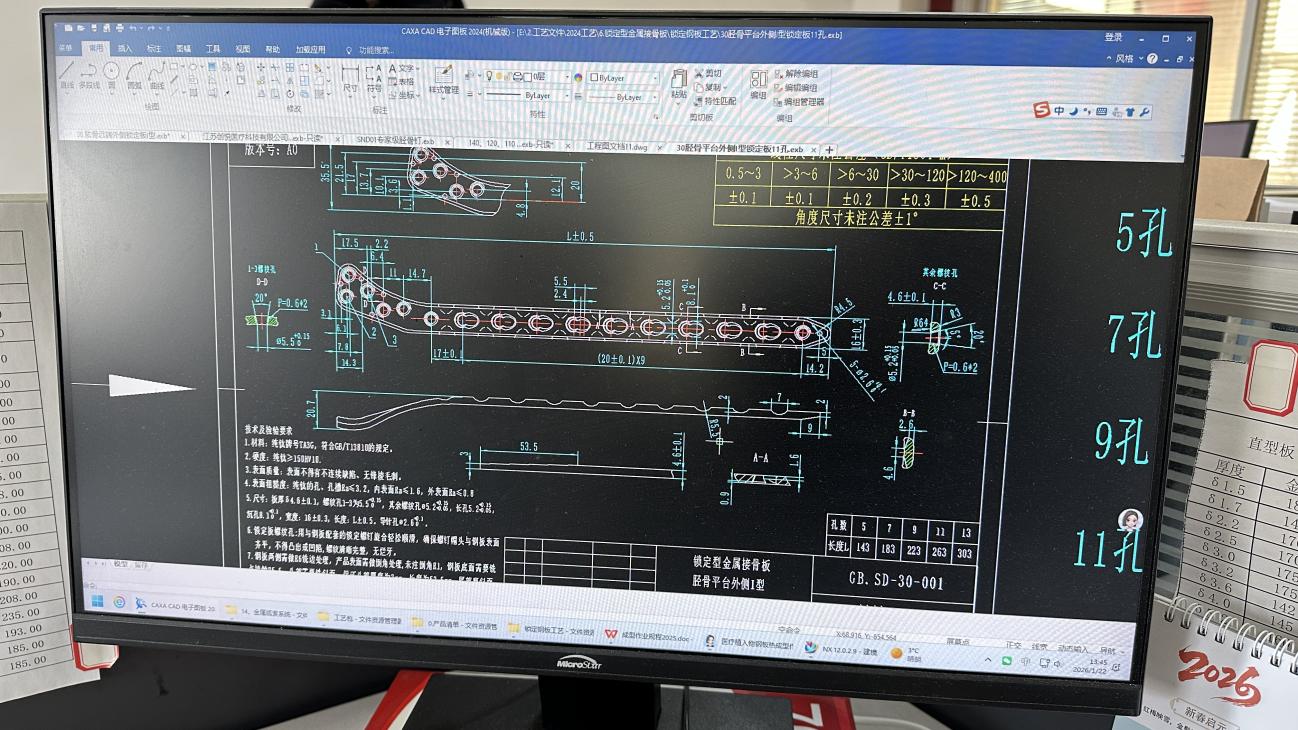

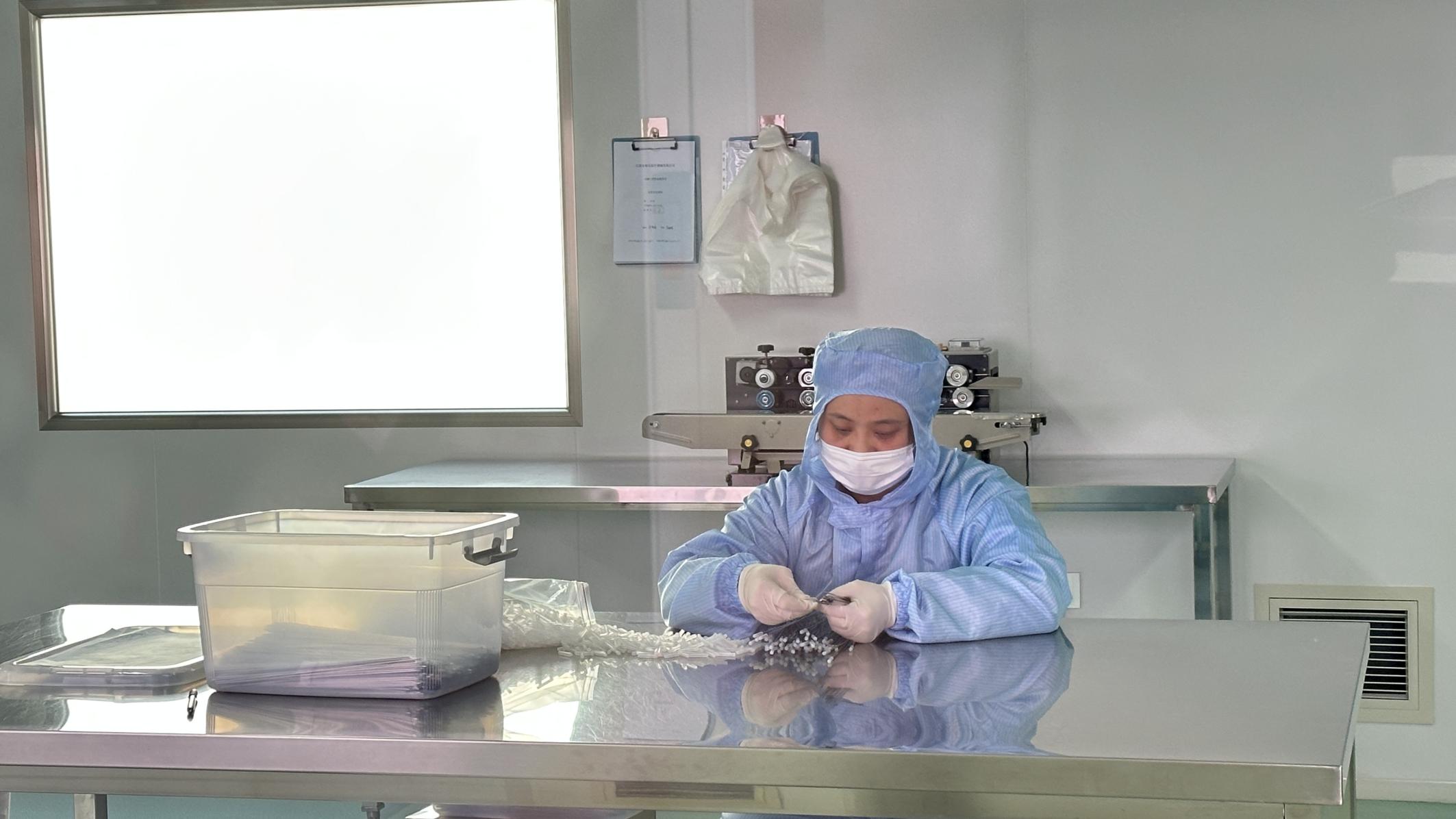
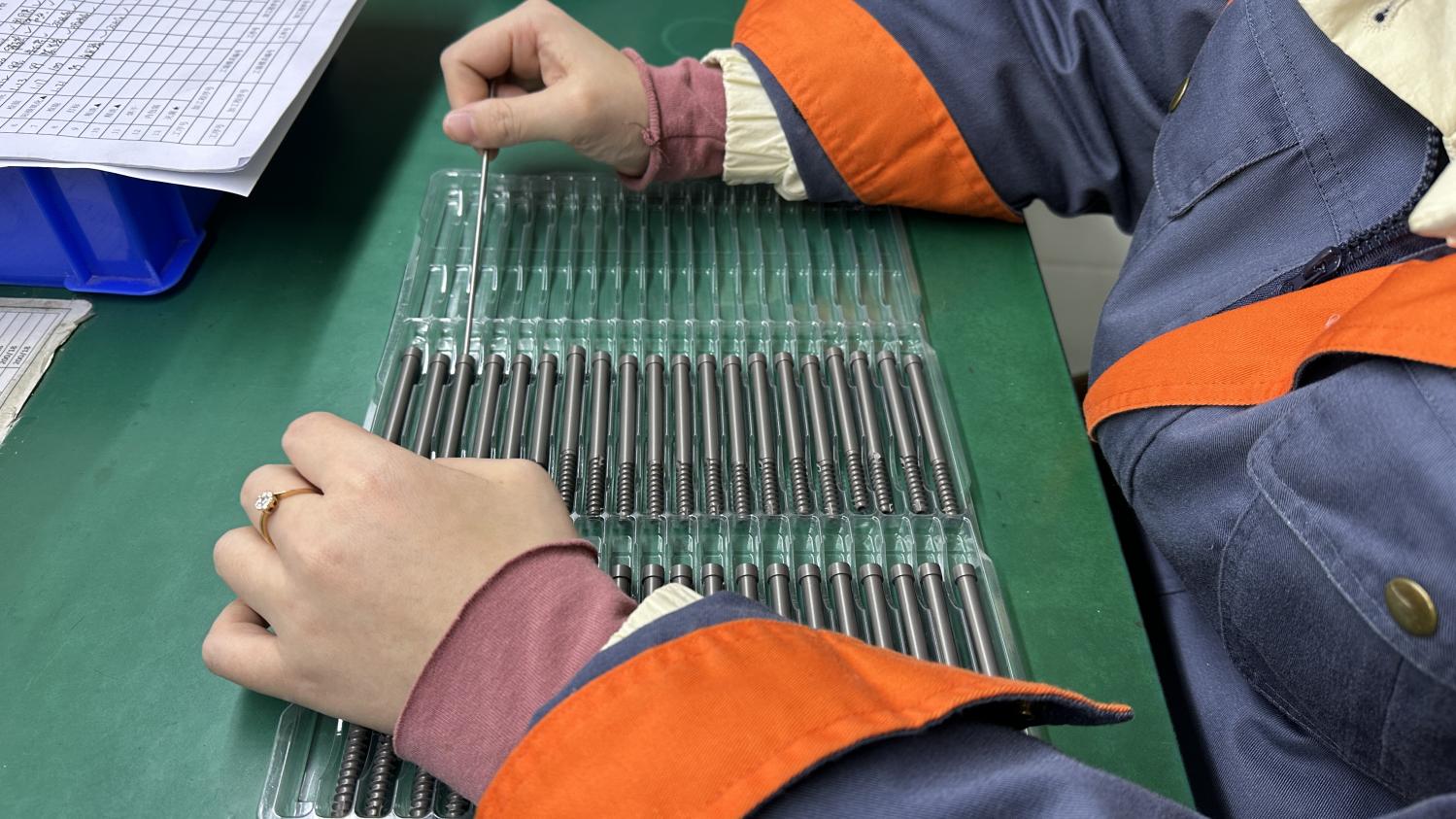
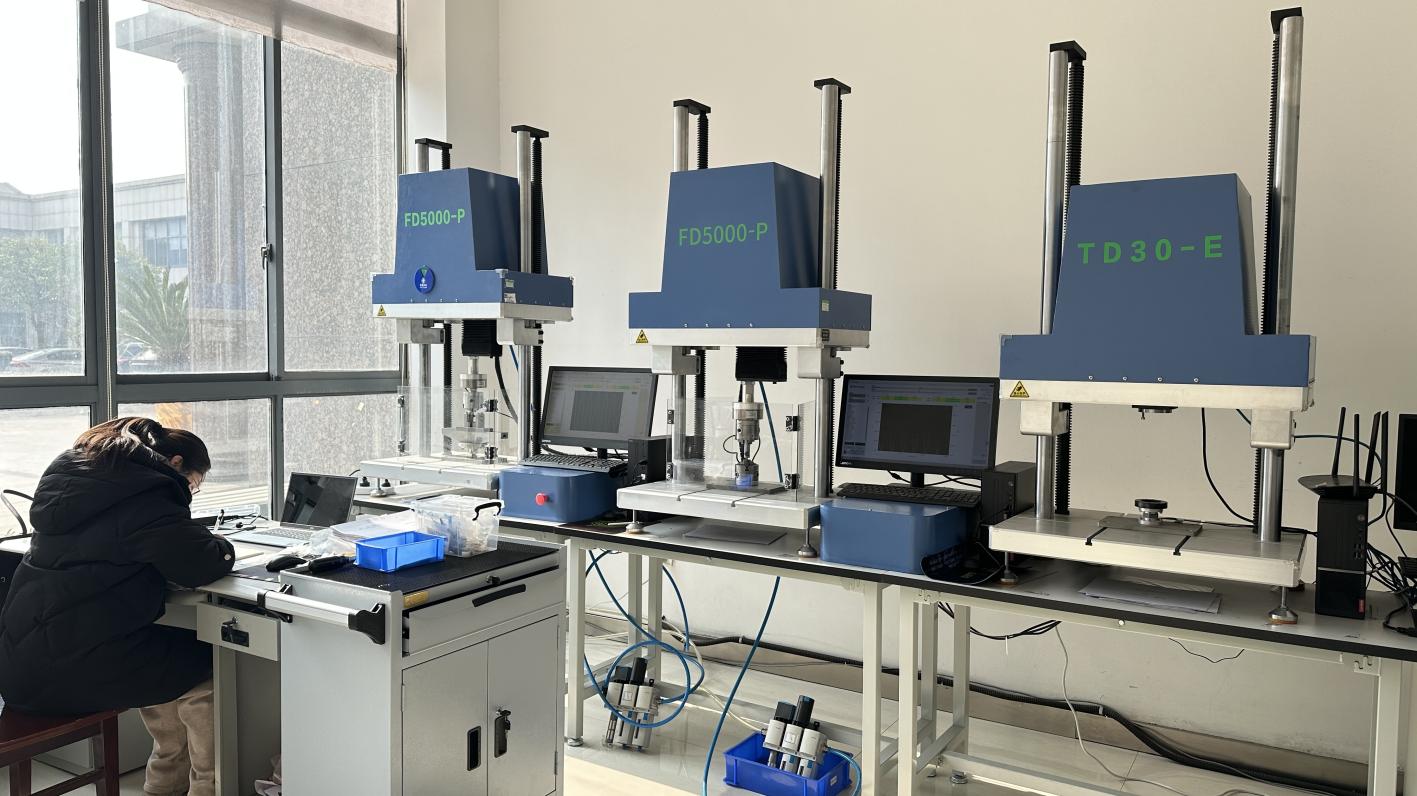
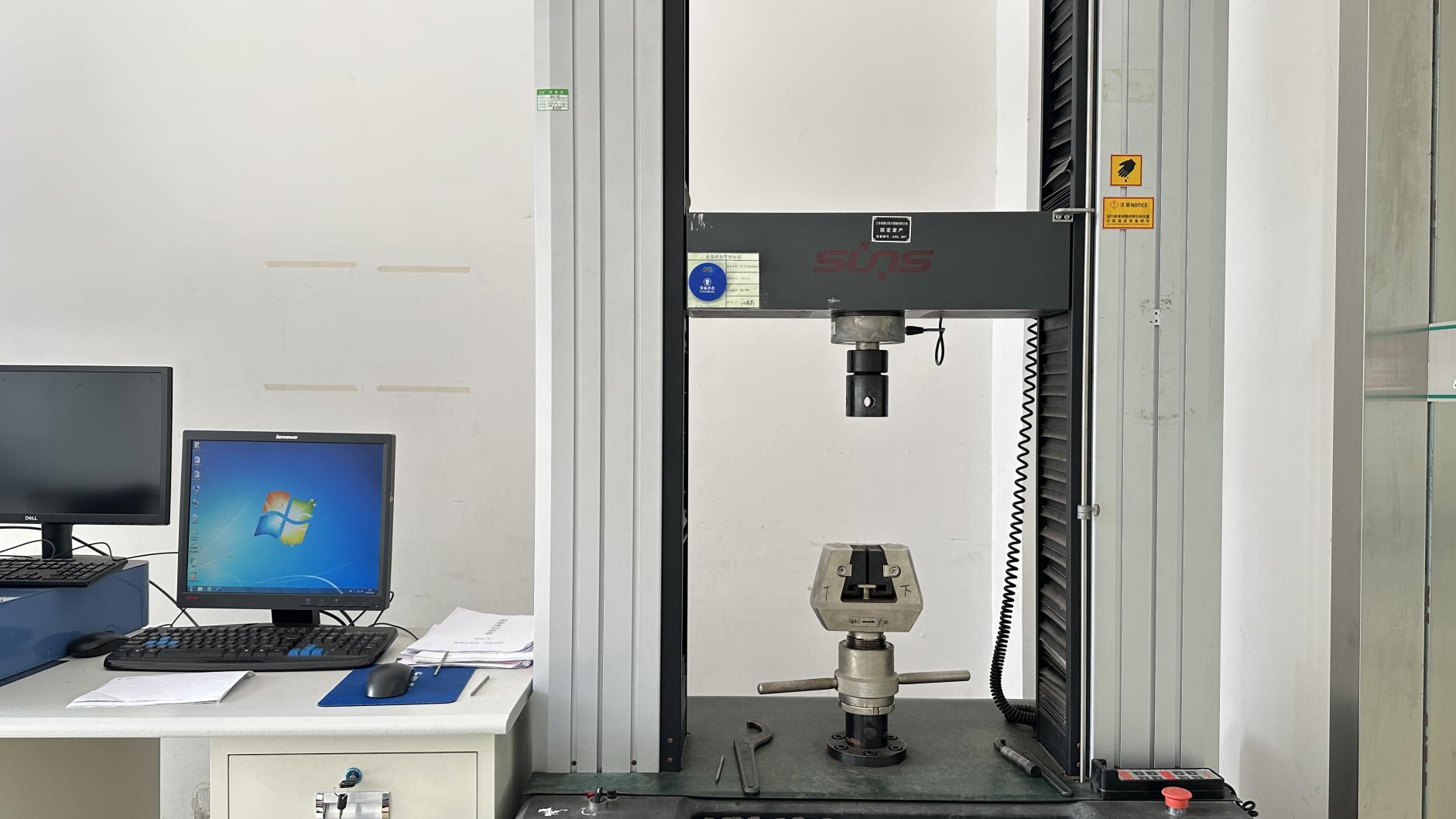
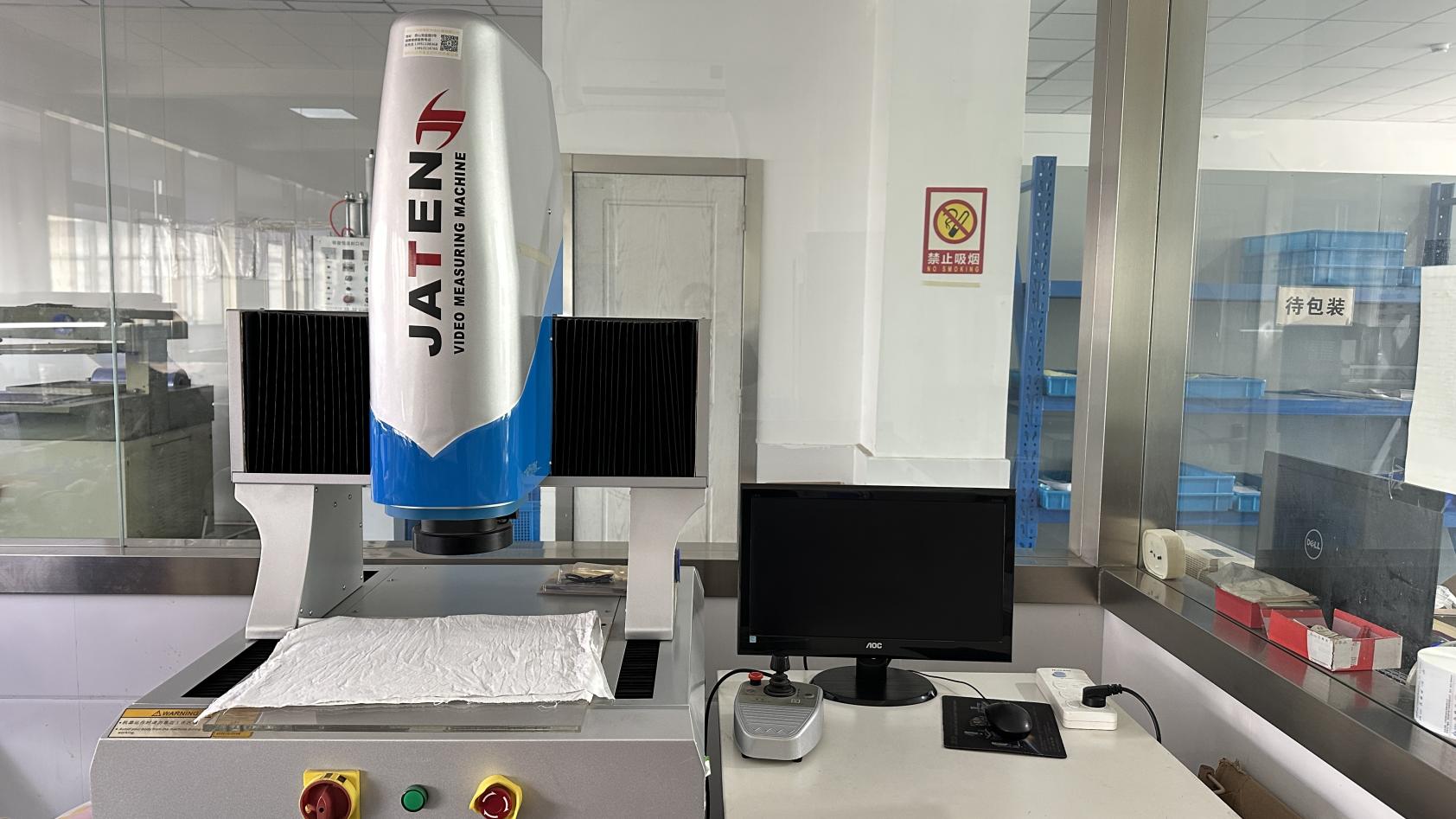
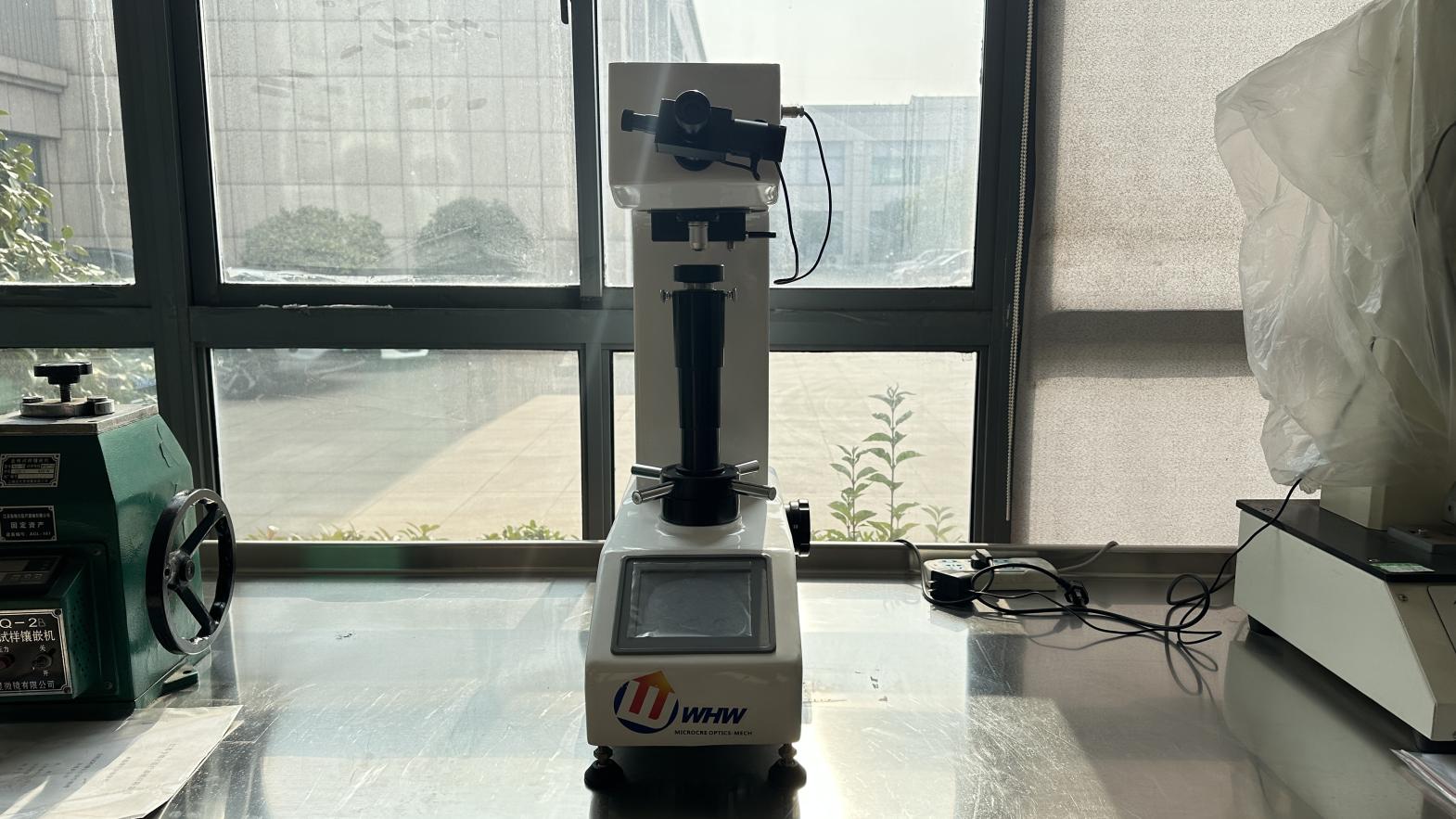
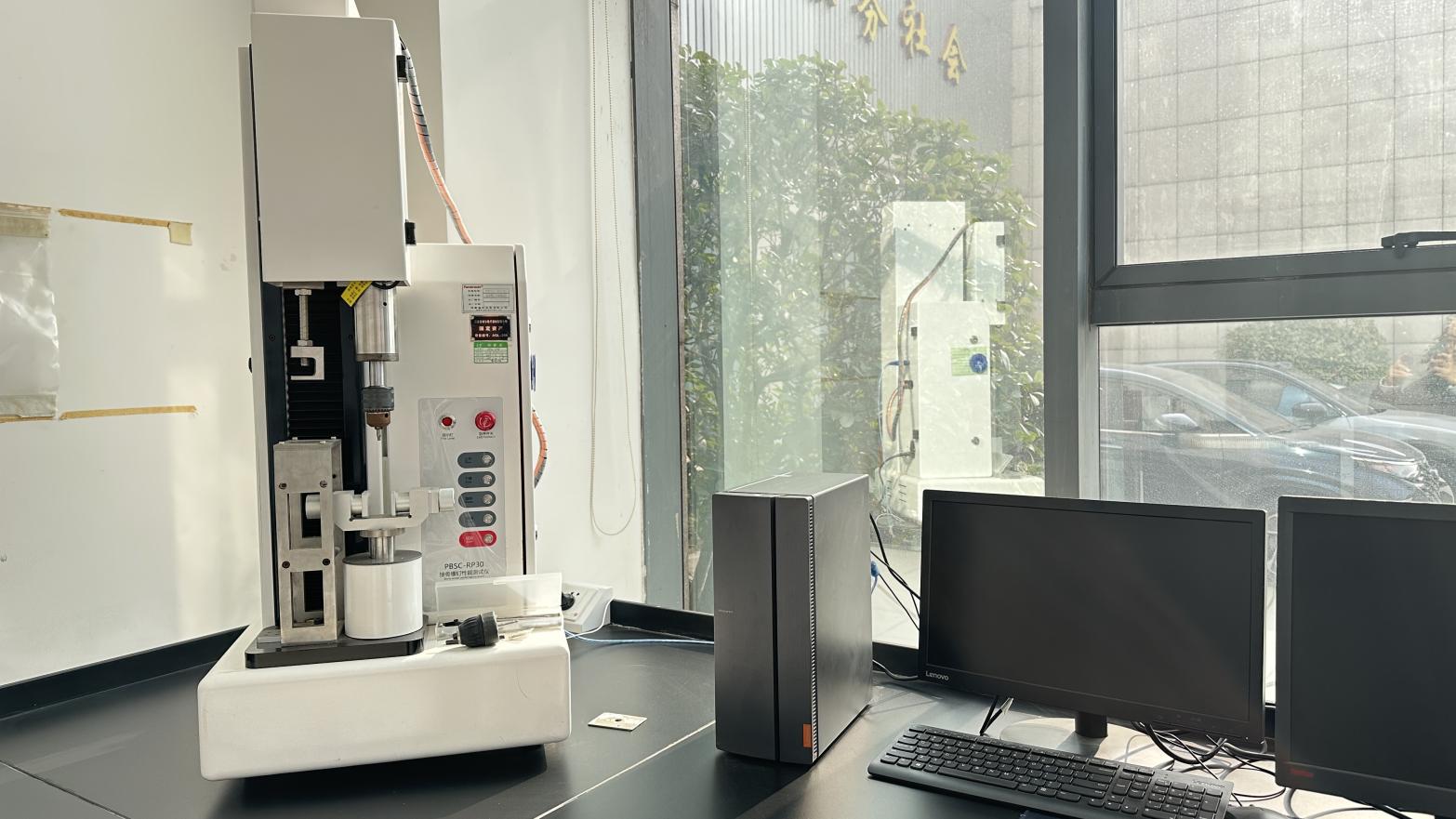
How Virelox integrates upstream materials, engineering expertise, and regulatory compliance to lower purchase friction for global distributors.
For global medical device importers, clinical distributors, and orthopedic brand owners, selecting a manufacturing partner in China is no longer merely a decision based on cost saving. The modern purchasing decision revolves around operational transparency, supply security, regulatory alignment, and customizable capabilities (OEM/ODM).
At Virelox, we bridge the gap between Chinese supply efficiency and international medical compliance. Our strategic supply chain incorporates 850 certified upstream and downstream partners, guaranteeing uninterrupted access to certified raw materials (such as ISO 5832-3 compliant titanium alloys) and specialized post-processing steps (anodizing, passivating, and cleanroom sterile packaging).
We maintain an ISO 13485-certified quality management framework. Every batch of Titanium Interference Screws includes material traceability certificates, biocompatibility test records, and comprehensive documentation to facilitate local registration processes.
Backed by 120 dedicated engineers, we provide tailored modifications of implant threads, driver drives (such as custom hexalobe recesses), surface topography (acid-etched or anodized), and private label solutions conforming to local market demands.
Leveraging our 8-year export track record, we offer reliable shipping, customs clearance documentation, and flexible MOQ allocations to balance inventory velocity with production cost optimization.
Analyzing the shift towards high-fixation implants and the evolving choice between Titanium and PEEK biomaterials.
In sports medicine, particularly within the cruciate ligament reconstruction sector, surgeons demand solutions that maximize primary stability while ensuring minimal long-term localized morbidity. Over the past decade, the industry has debated the merits of Bioabsorbable Screws versus Non-Absorbable materials like Titanium and PEEK (Polyetheretherketone).
While bioabsorbable polymers (PLDLA, PLLA-HA) aim to be replaced by bone over time, clinical studies have highlighted potential complications, including premature degradation leading to loss of fixation, bone tunnel osteolysis, and sterile foreign-body reactions. Consequently, the orthopedic community has experienced a notable shift back toward non-absorbable options:
Virelox is at the forefront of these technological advancements, manufacturing both Titanium and PEEK Interference Screws. This dual capability allows clinical distributors to offer a complete portfolio matching the personal preferences, surgical approaches, and patient-specific needs of their orthopedic surgical clients.
Essential technical, regulatory, and commercial information for medical device procurement professionals.
Complete your medical inventory with our high-demand orthopedic power tools, spine implants, and specialized surgical accessories.
 Virelox