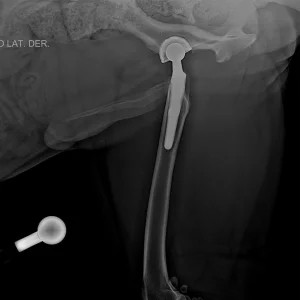
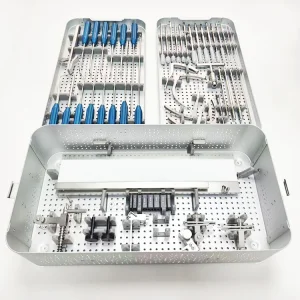
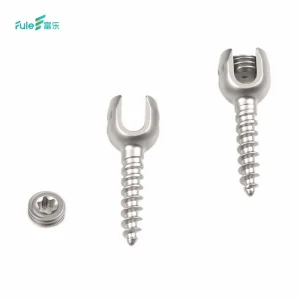
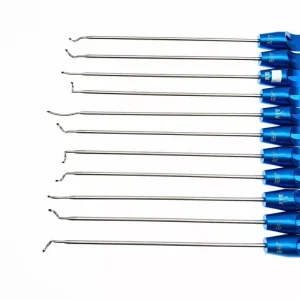
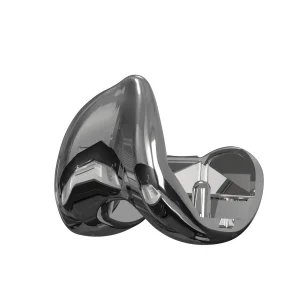
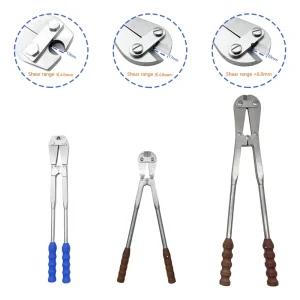
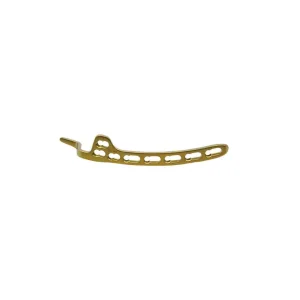
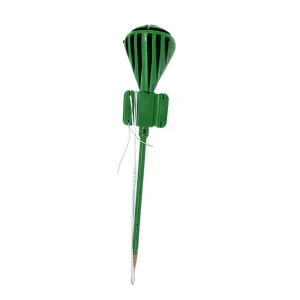
Explore our advanced clinical-grade arthroplasty components and surgical instruments, engineered to maximize patient outcomes and extend structural longevity.
The global joint reconstruction market is experiencing a profound paradigm shift. As demographics shift towards aging populations in North America, Western Europe, and Asia-Pacific, the clinical demand for total hip arthroplasty (THA) and total knee arthroplasty (TKA) components is rising exponentially. Today’s orthopedic surgeons and medical device procurement teams require components designed to endure high mechanical stress and optimize biotribology. Structural reliability, osteointegration, and low-friction wear behaviors have become standard metrics for long-term patient recovery.
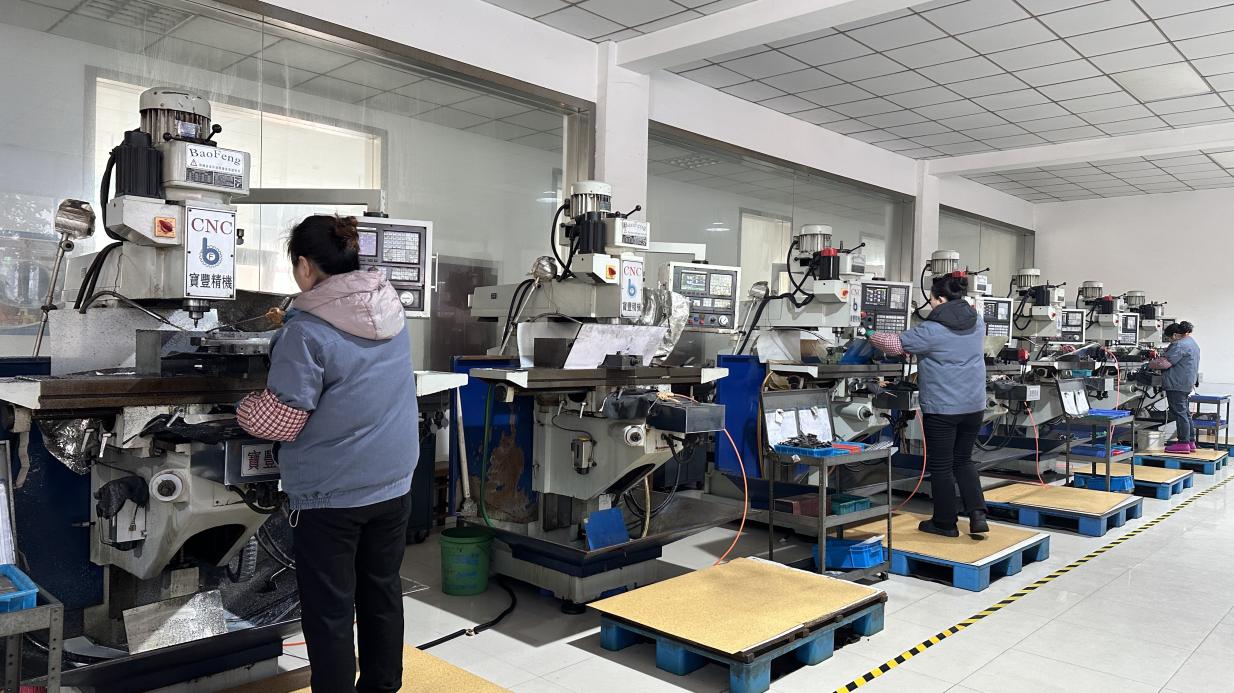
China has transitioned from a basic manufacturing hub to a sophisticated epicenter of medical-grade component development. Premium joint replacement component factories leverage high-end CNC centers, cleanroom packaging, and precise metal alloy machining to match or exceed western benchmarks. Crucially, global supply chain pressures have driven distributors and orthopedic OEM brands to look to manufacturing partners that balance cost-efficiency with uncompromising regulatory compliance, creating a highly resilient pipeline for critical orthopedic hardware.
Virelox Medical Devices Co., Ltd. (operating globally under the brand Virelox) is a premium manufacturer specializing in joint replacement systems, spinal hardware, and specialized surgical instruments. Established in 2016, the company operates a state-of-the-art facility designed in strict accordance with ISO 13485 standards. Virelox bridges the gap between complex biomechanical design and high-volume sterile manufacturing, serving medical device distributors, orthopedic clinics, and healthcare procurement firms worldwide.
Our in-house R&D center is staffed by 120 dedicated engineers specializing in medical design, biomechanics, and material science. We introduced 120 new products last year, allowing our partners to keep pace with dynamic clinical requests.
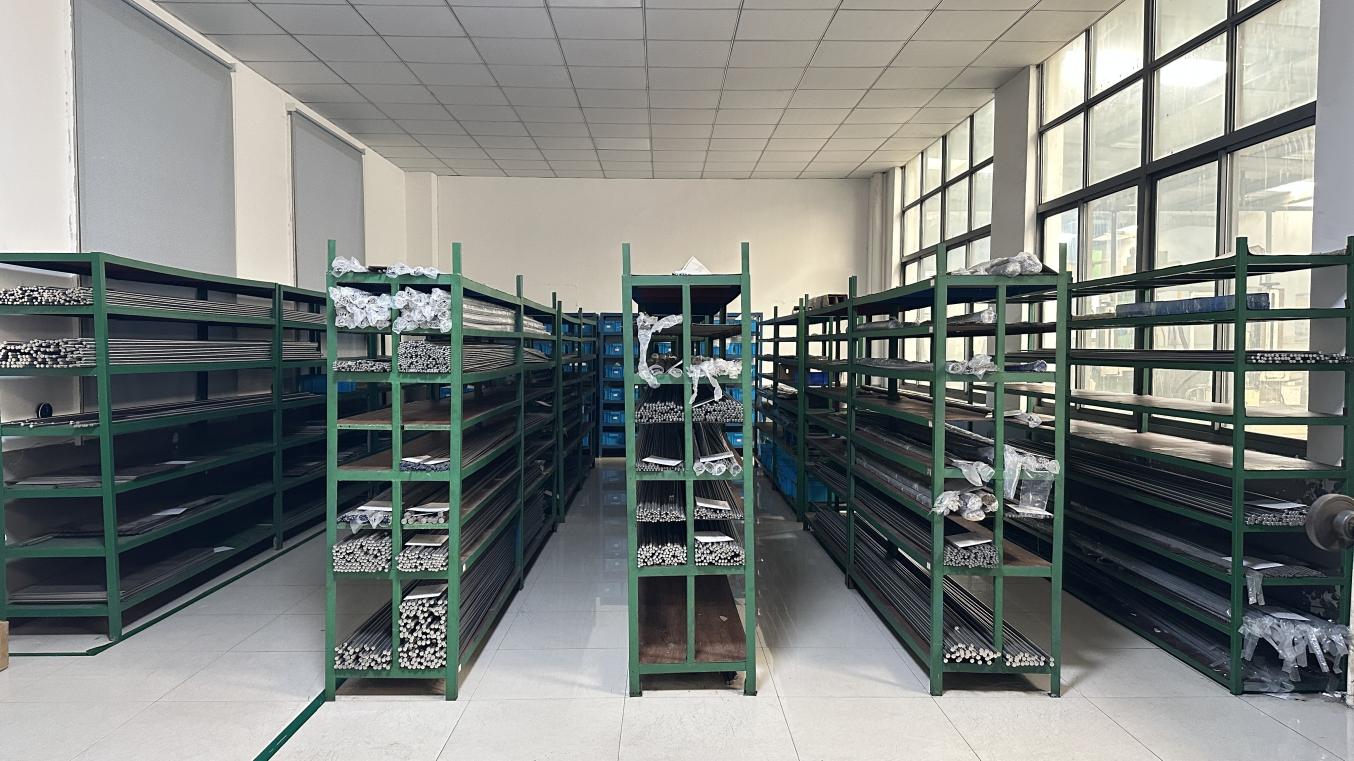
Supported by a vetted network of 850 certified upstream and downstream partners, Virelox guarantees stable raw material sourcing (including titanium, cobalt-chromium, PEEK, and implant-grade ceramics) to maintain production continuity.
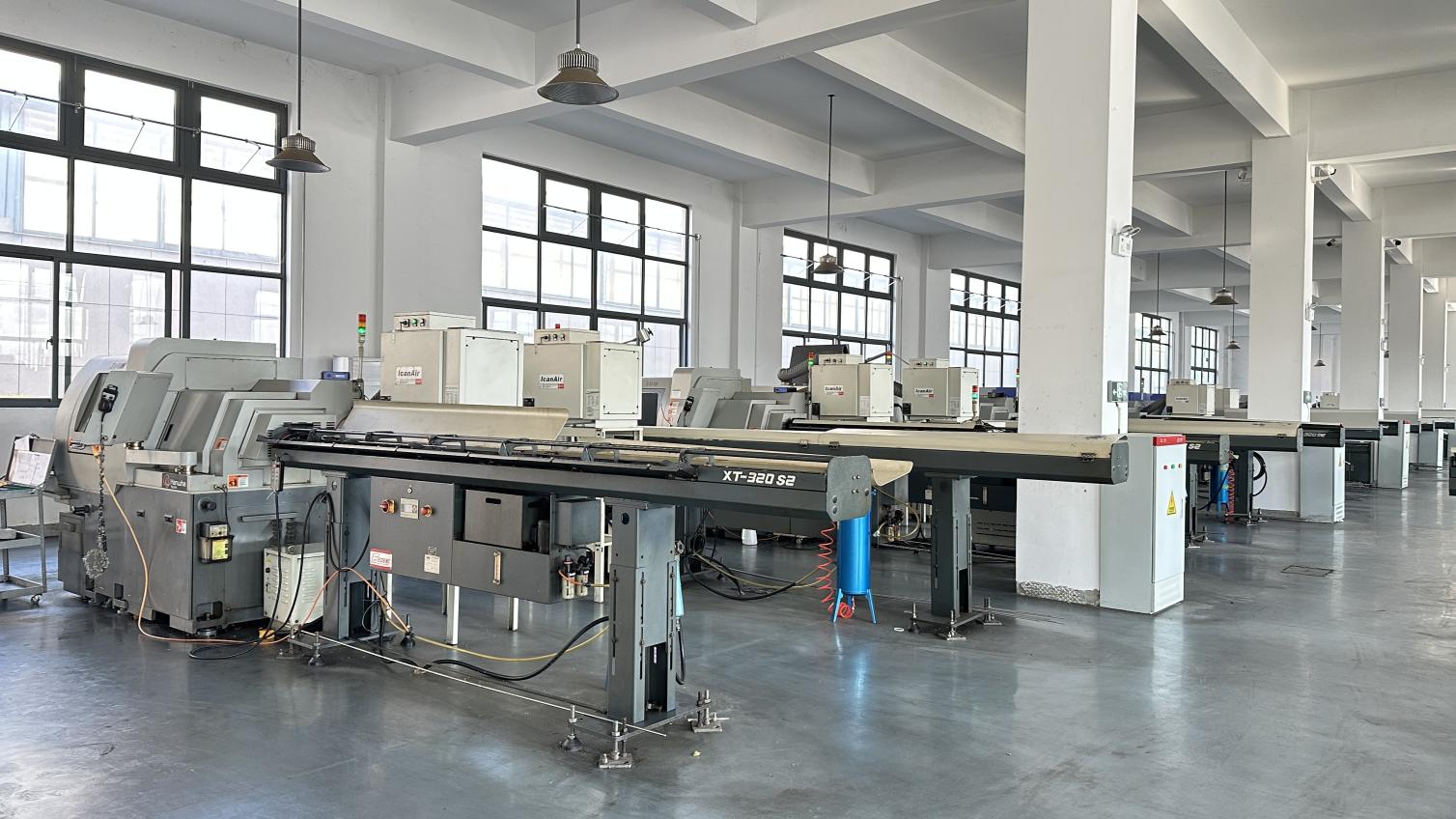
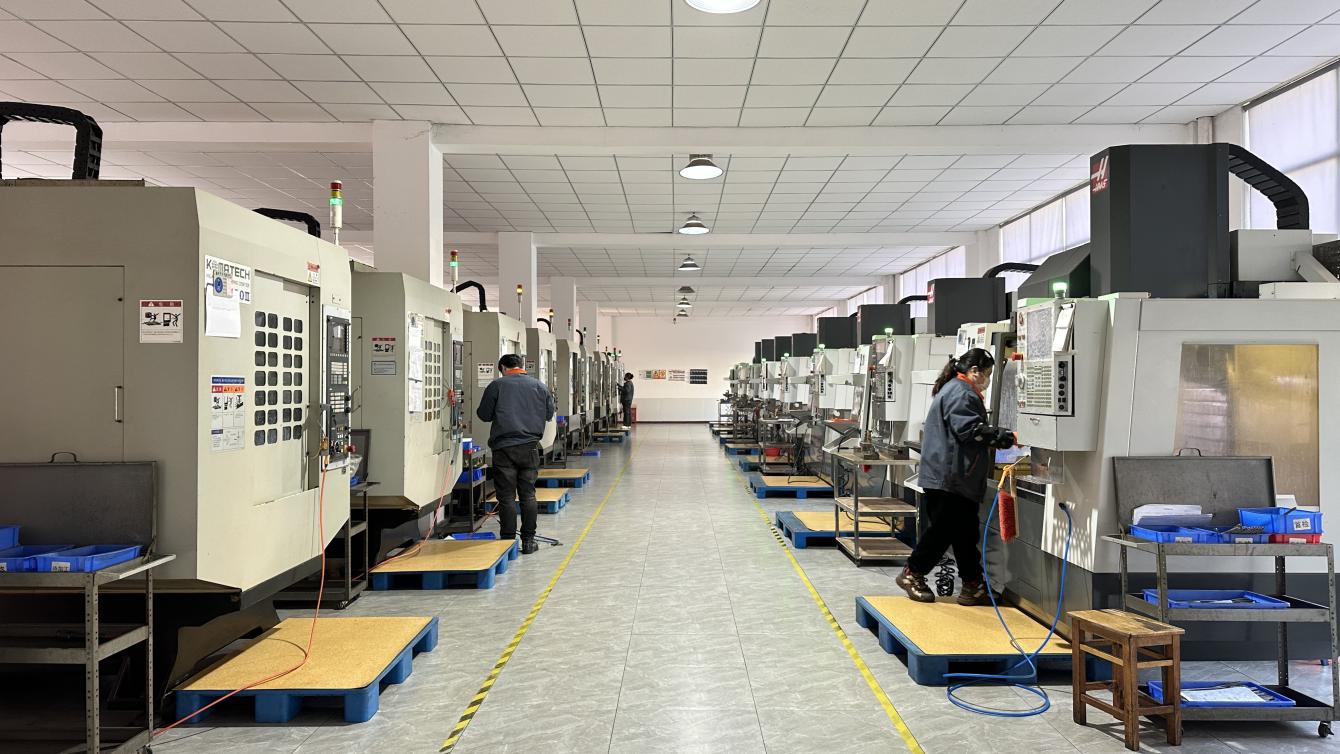
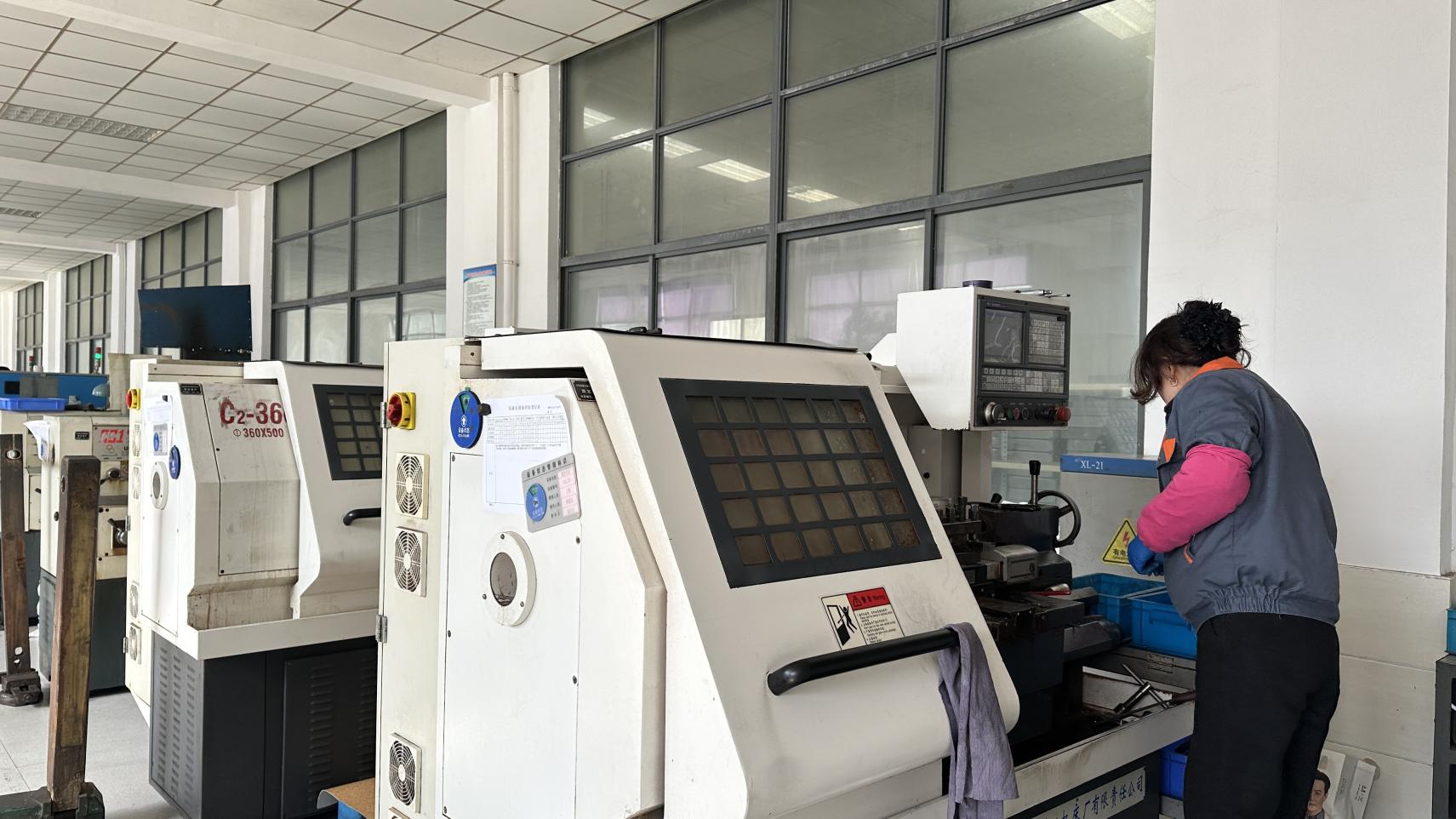
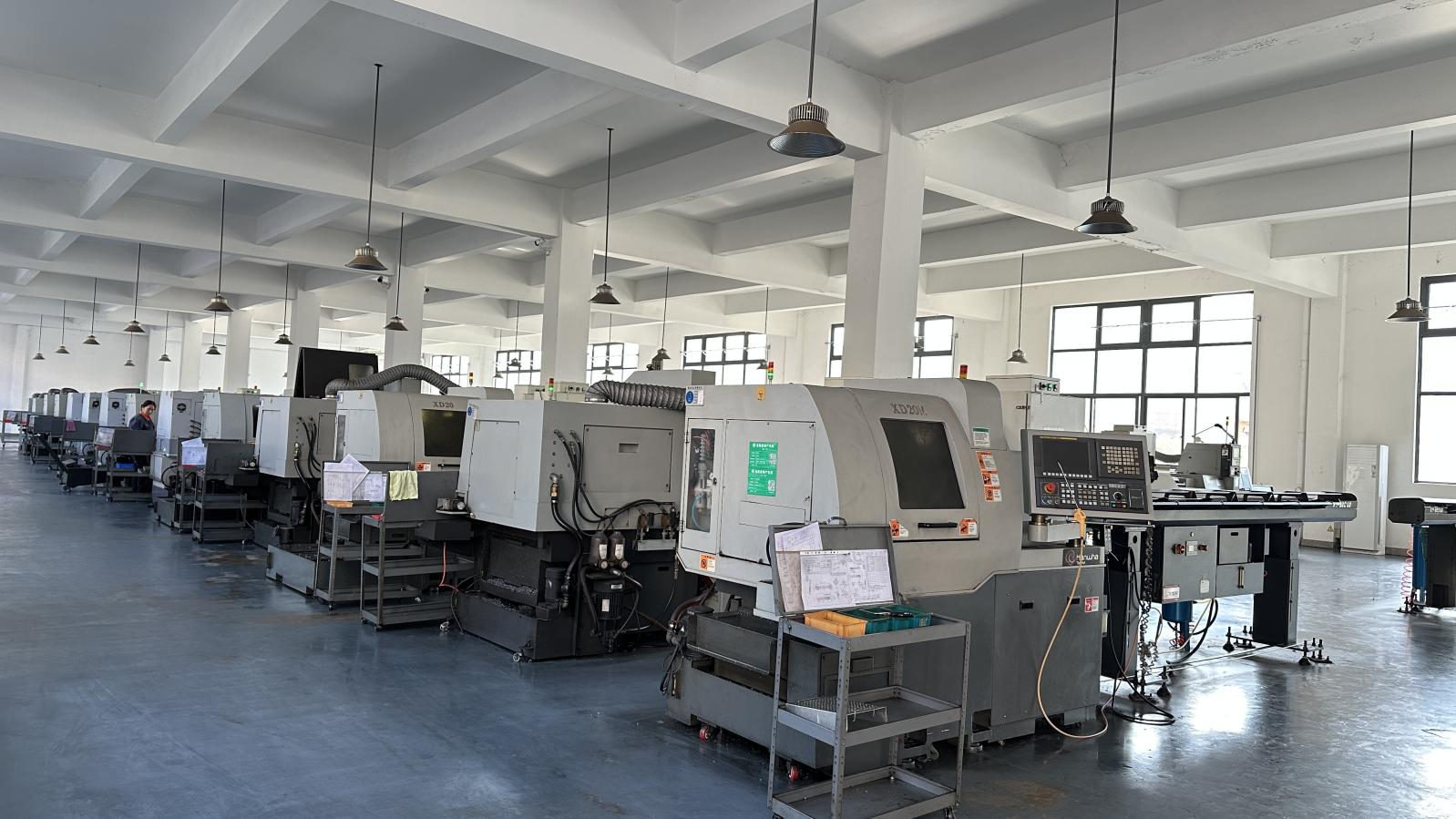
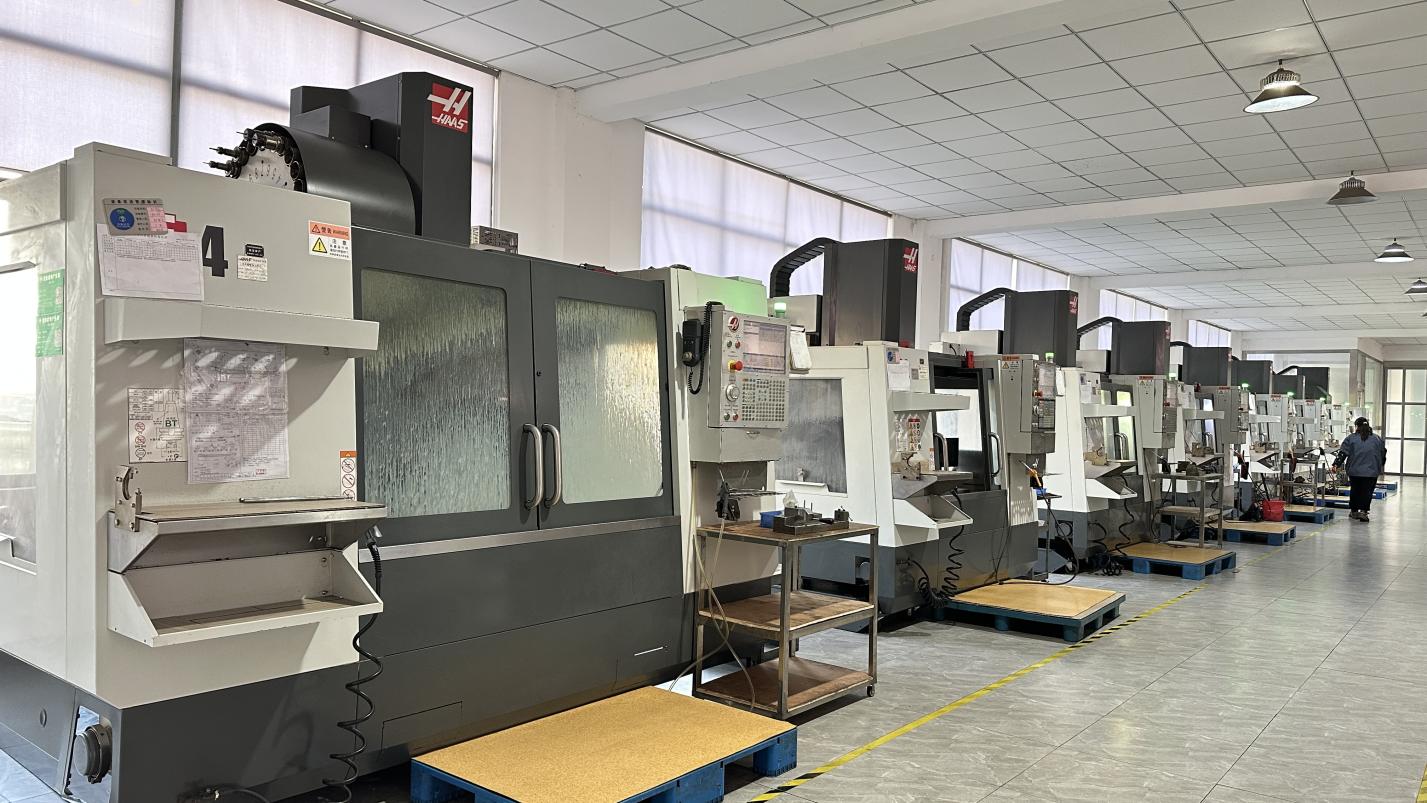
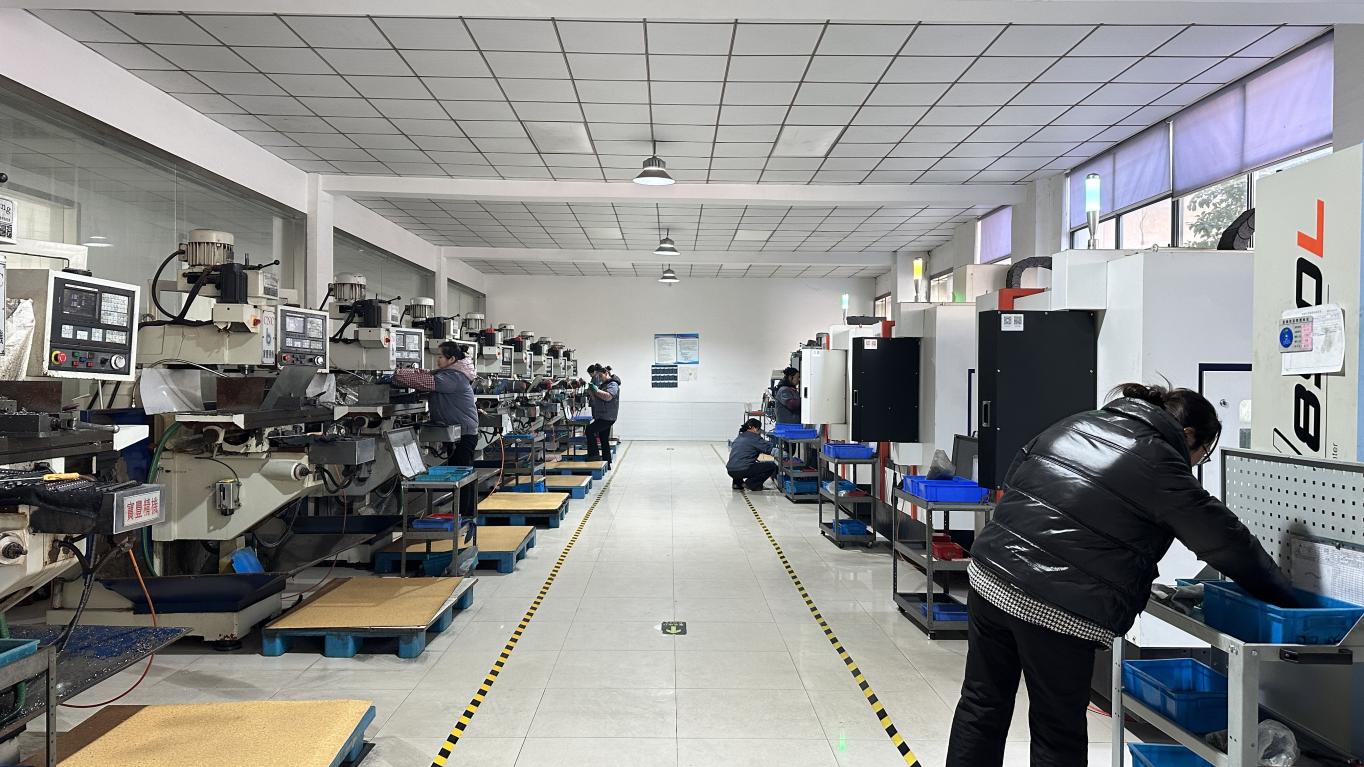
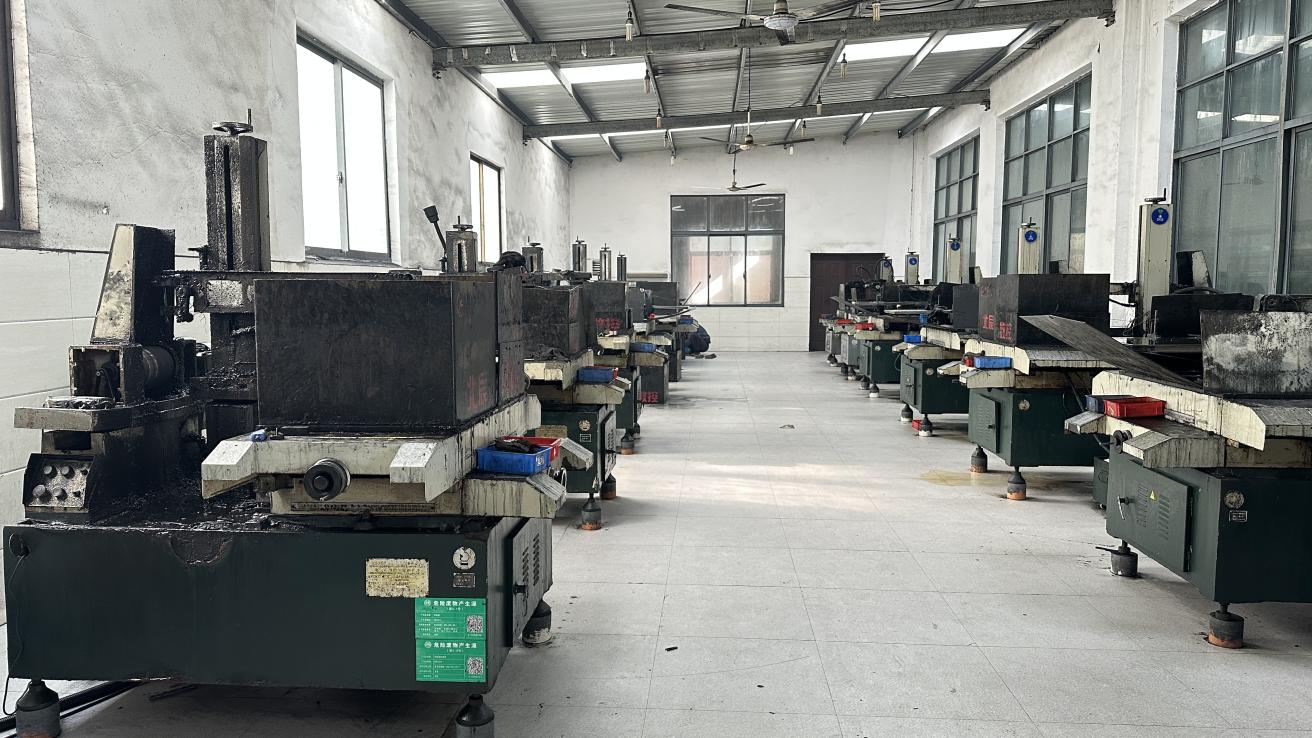
Our 12,000 m² factory is equipped with advanced machinery to ensure sub-micron tolerances and complete batch traceability.
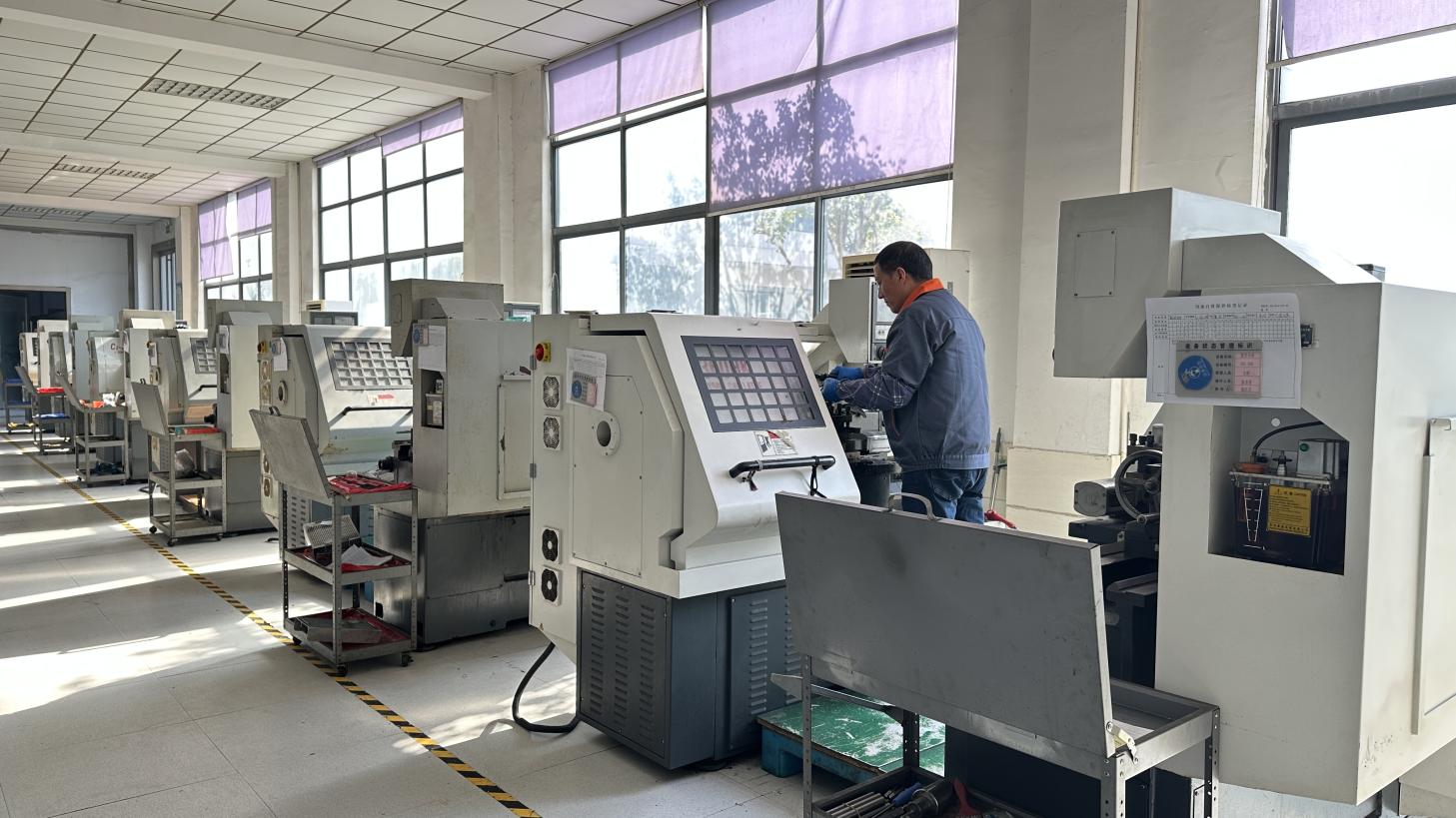
The performance of joint replacement components depends heavily on the materials used. Clinical studies confirm that wear particles generated at the sliding interfaces are the leading cause of osteolysis and aseptic loosening. To address this risk, our technical roadmap focuses on utilizing advanced biomaterials:
A rigorous quality control process is essential for manufacturing implantable devices. Virelox operates an ISO 13485-certified inspection framework.
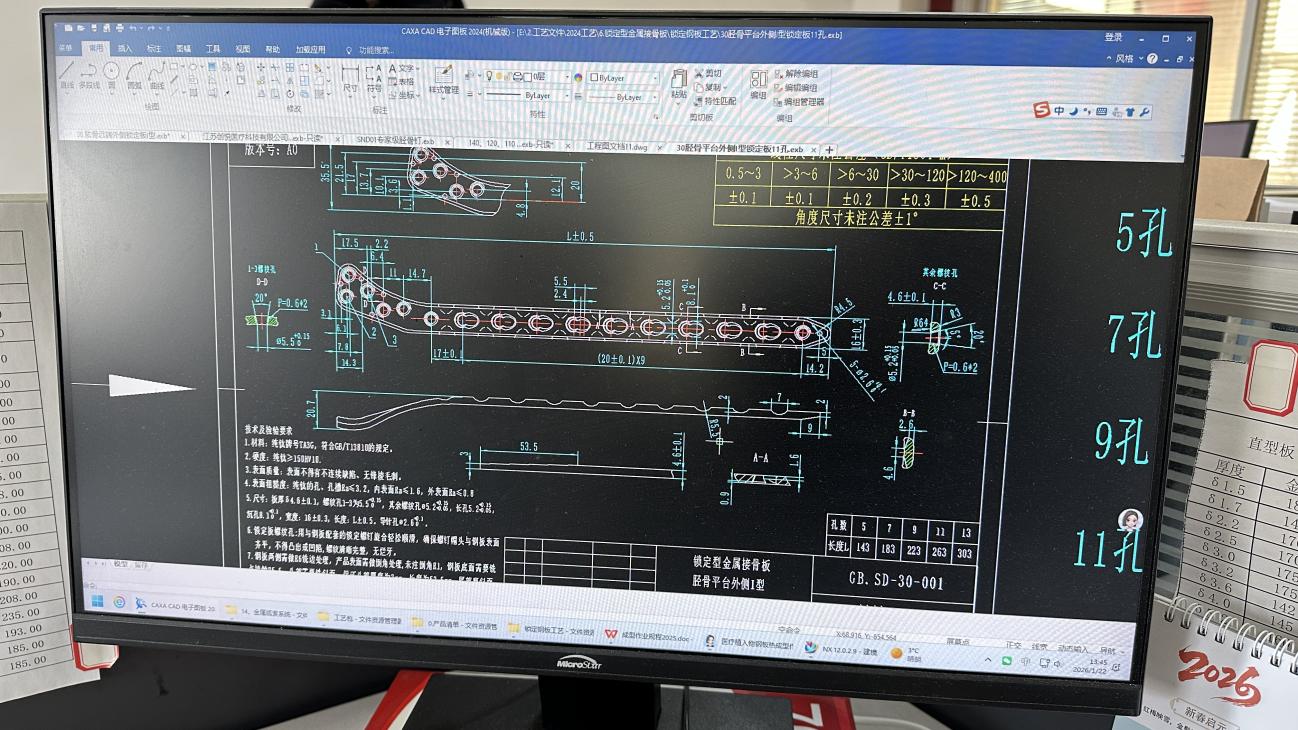
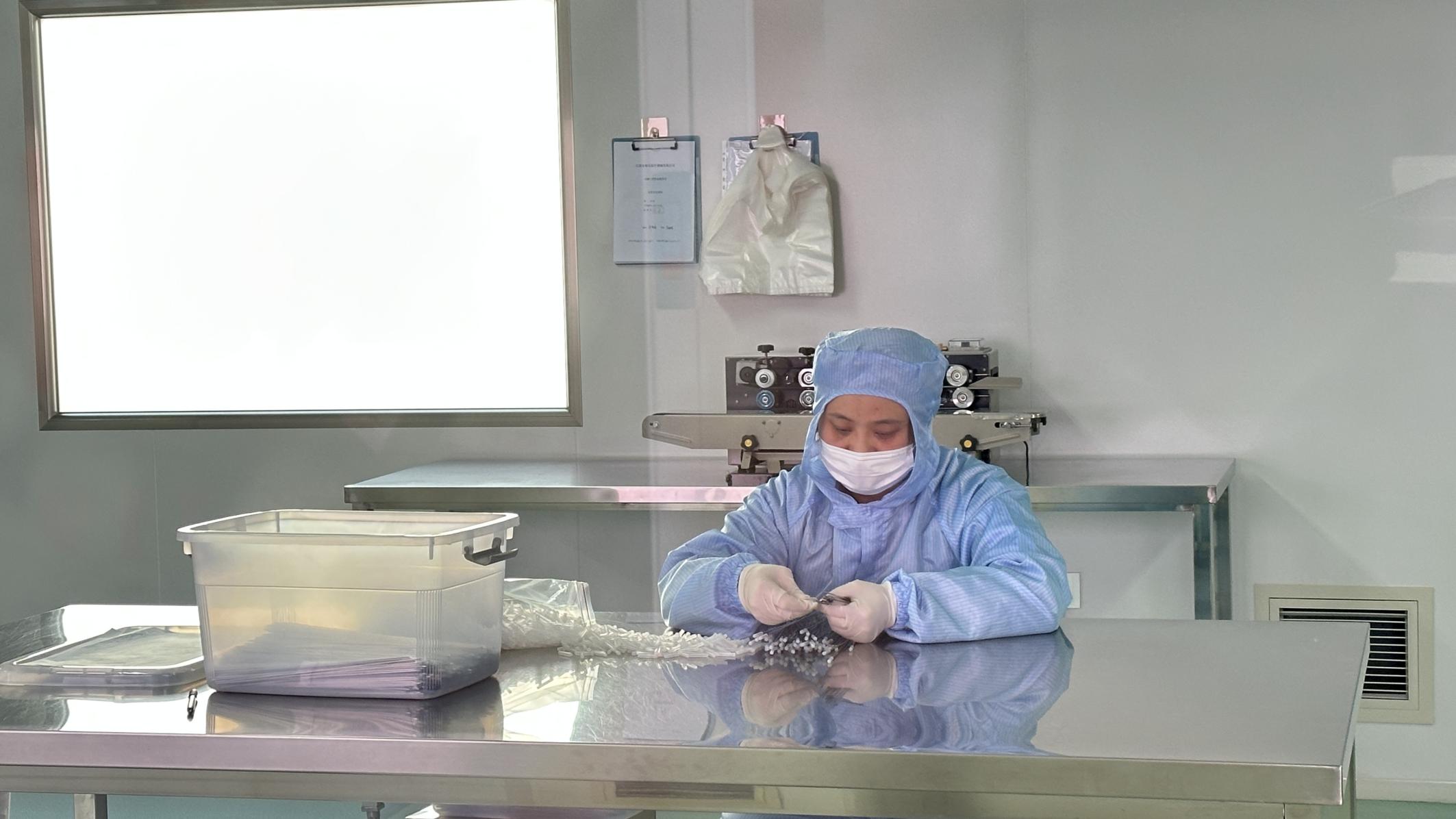
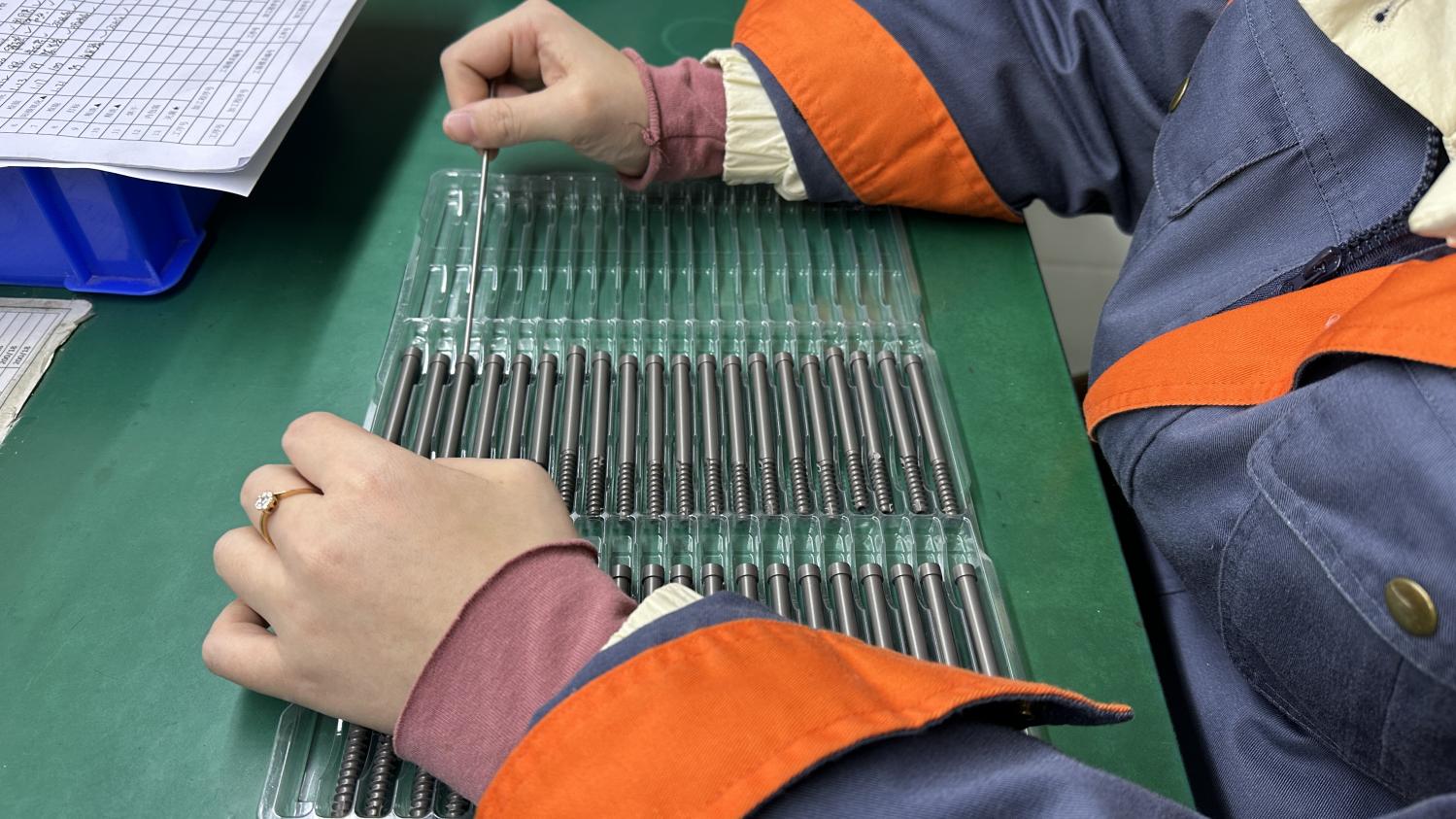
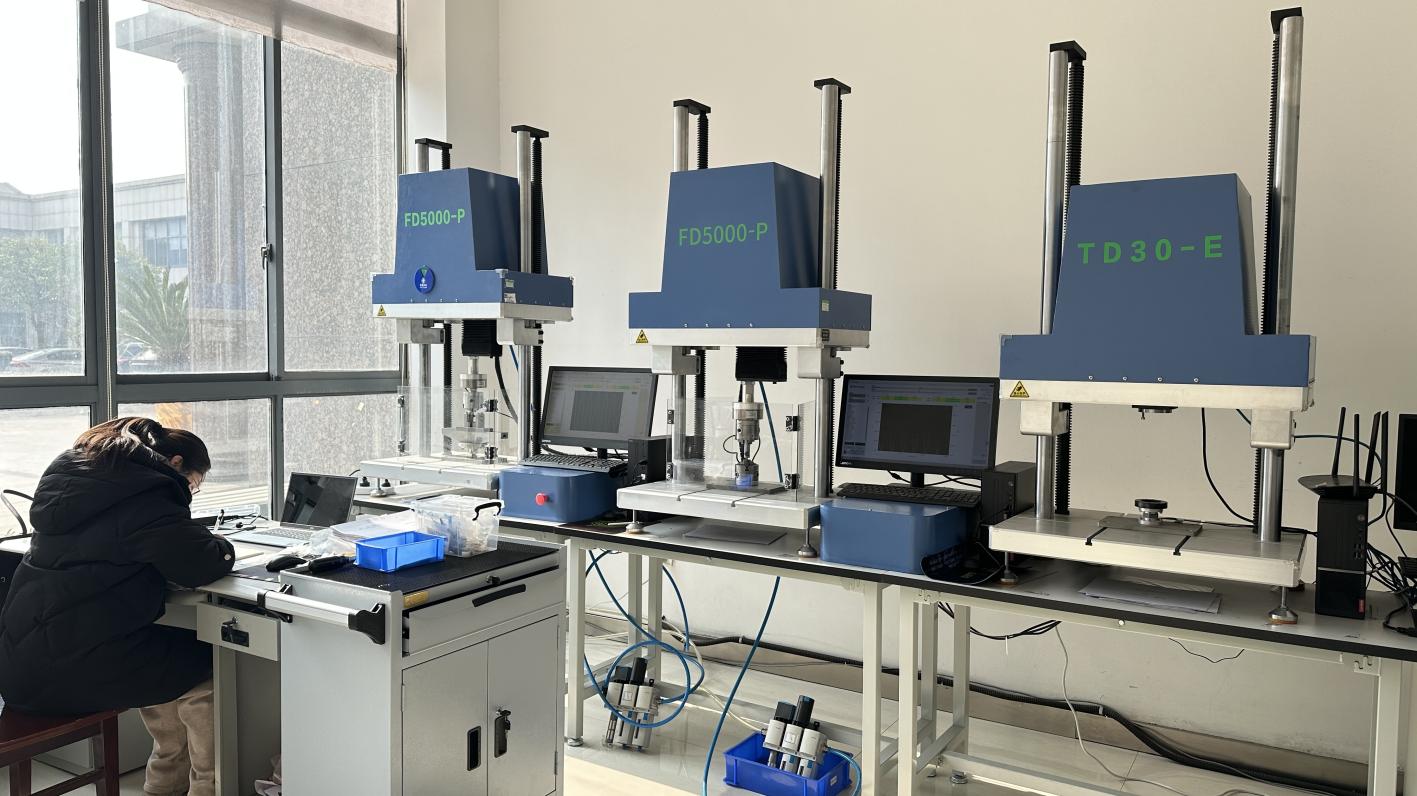
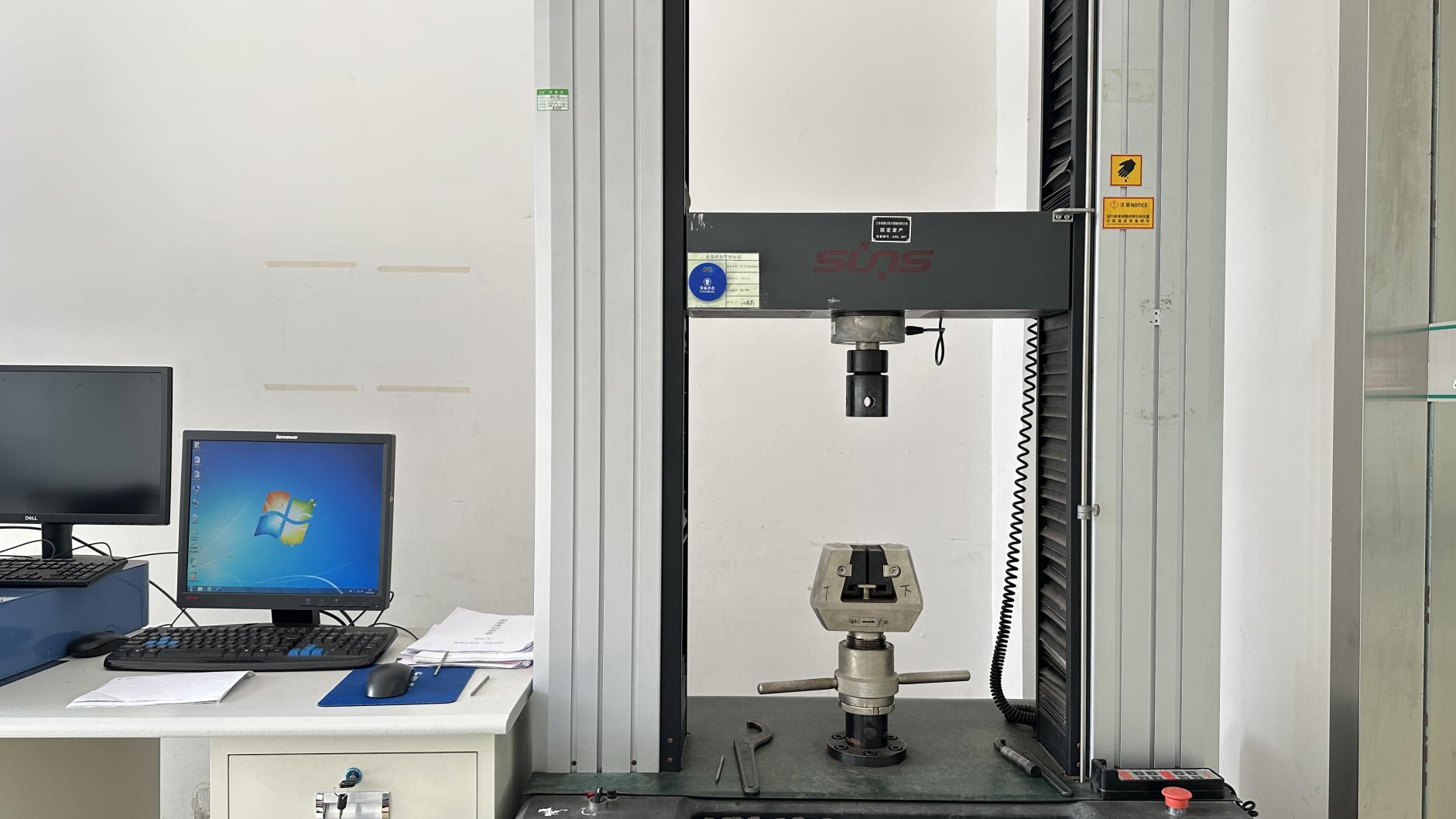
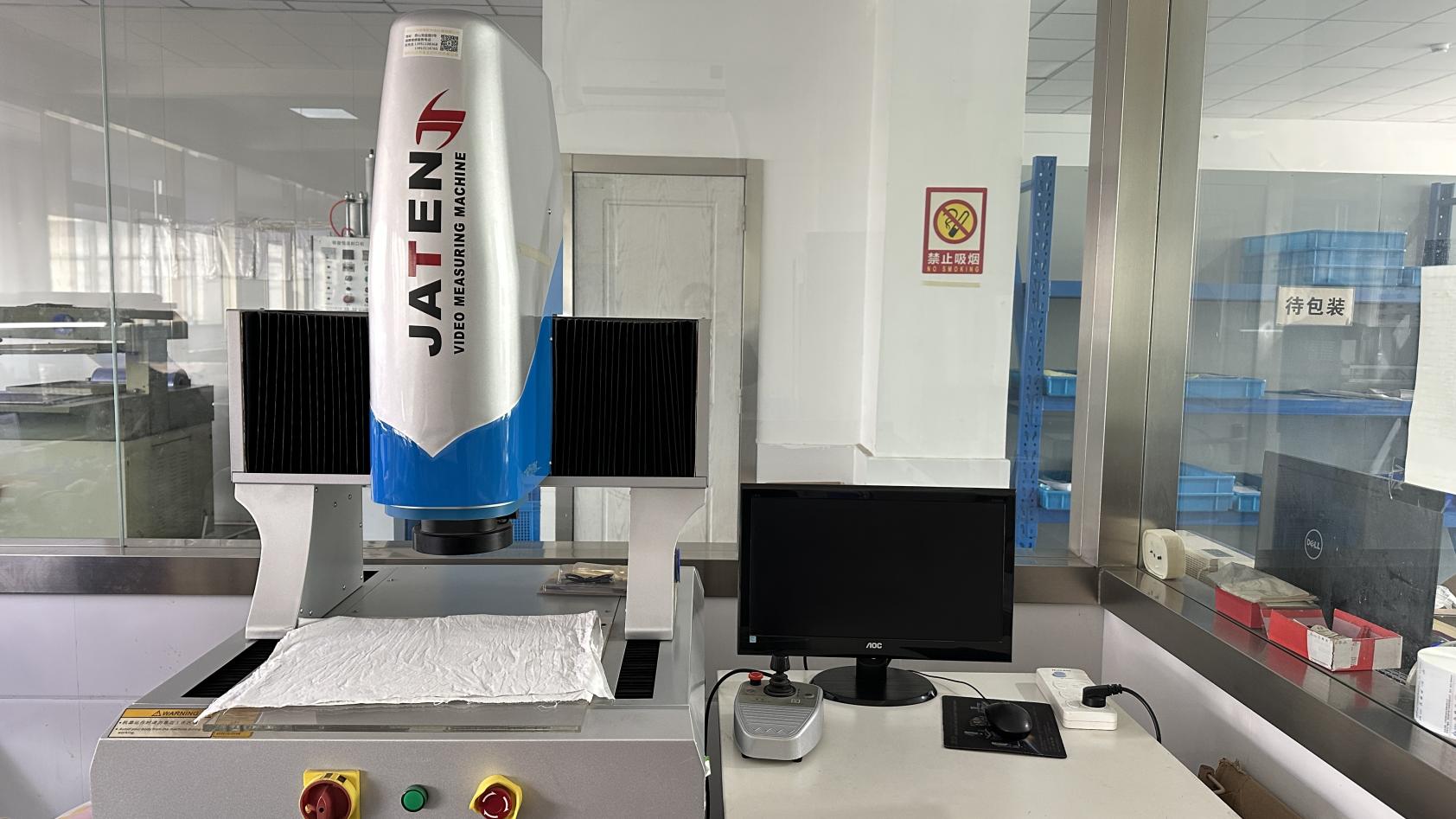
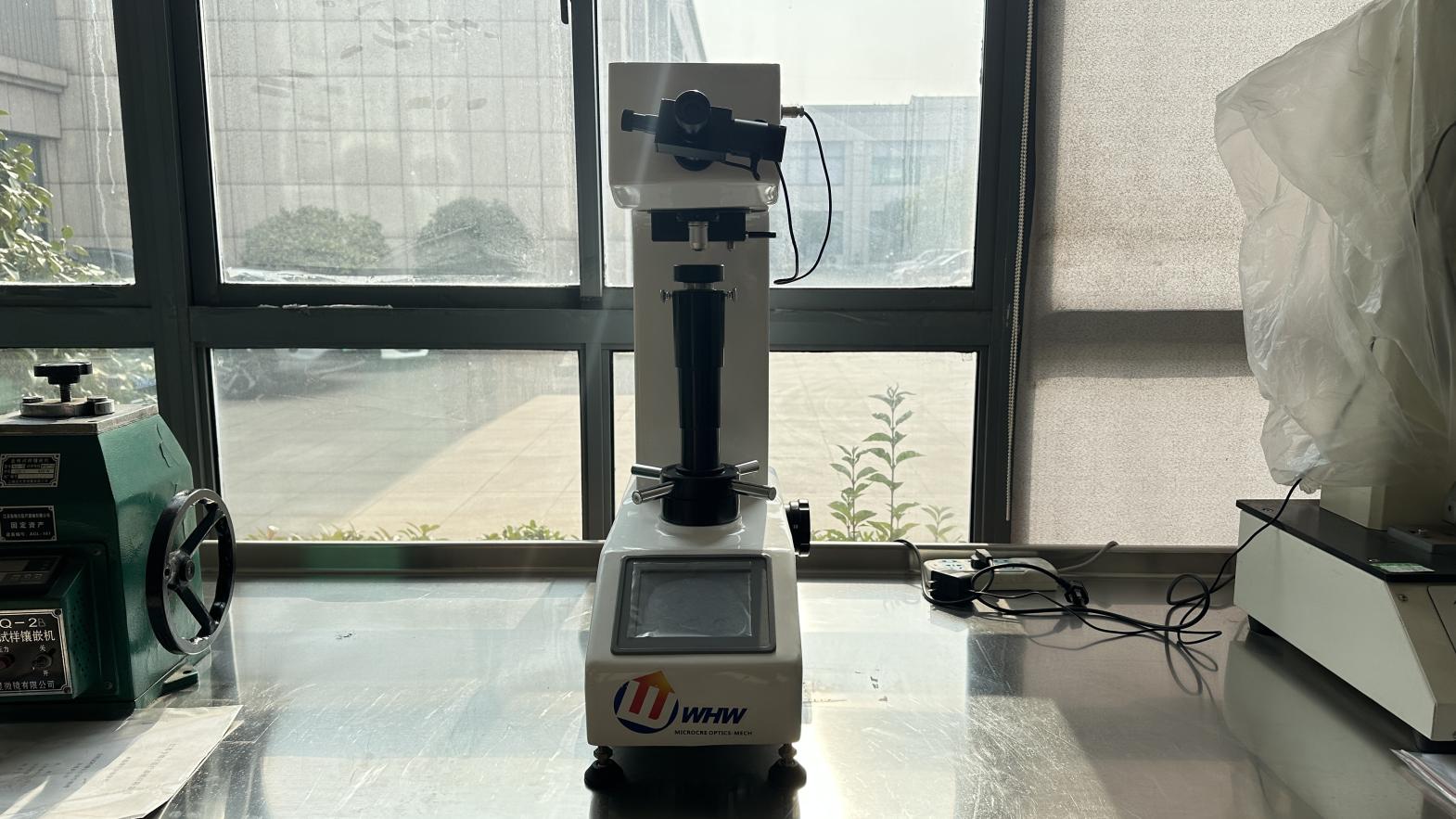
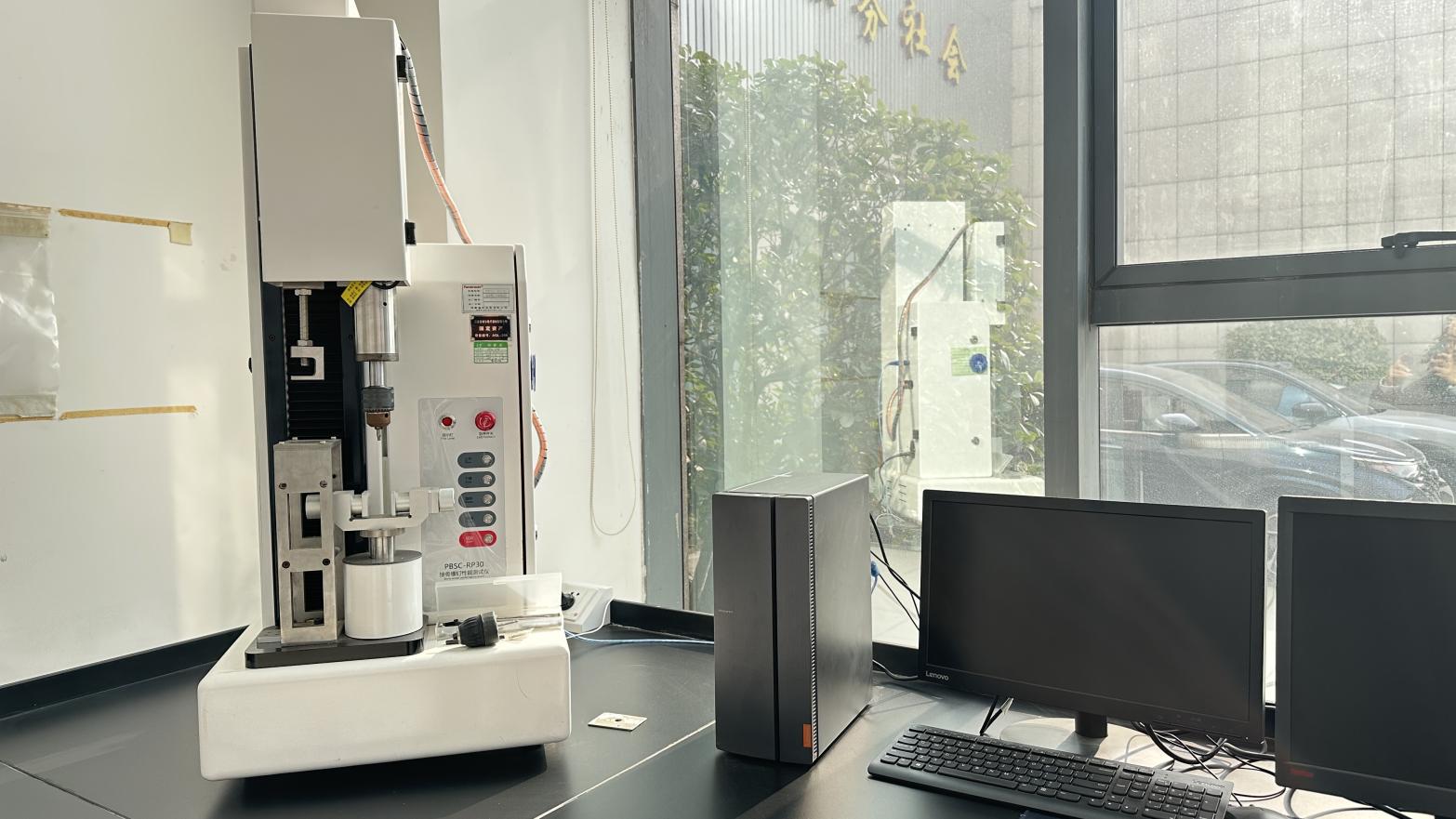
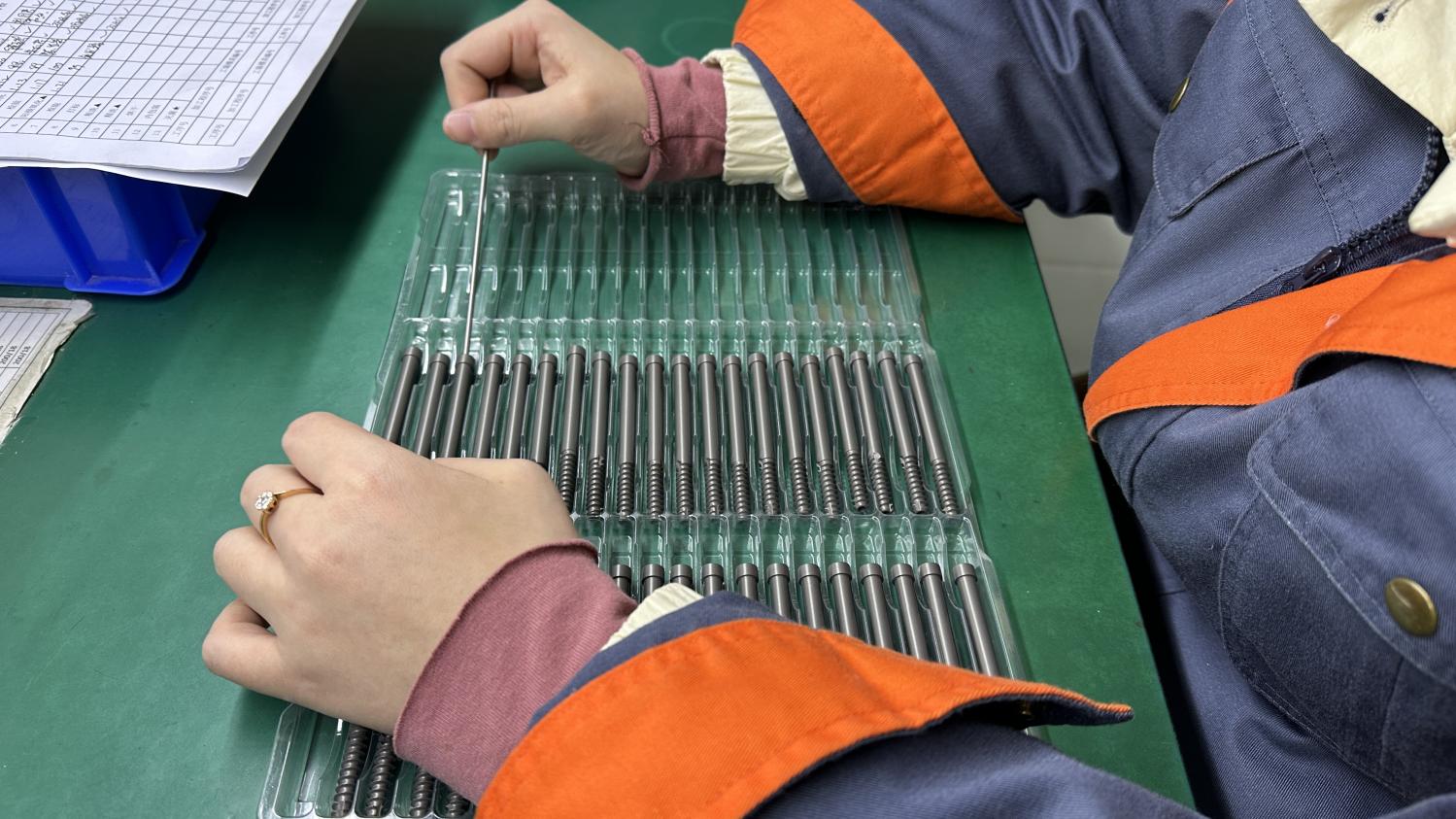
Our quality control department consists of 65 dedicated QA/QC professionals who monitor every step of production. Raw materials must pass spectral analysis, grain structure verification, and tensile testing before entering the shop floor. In-process inspection uses automated visual systems, coordinate measuring machines (CMM), and digital micrometer arrays to verify tolerances of complex geometries, such as femoral tapers and tibial tray locking mechanisms.
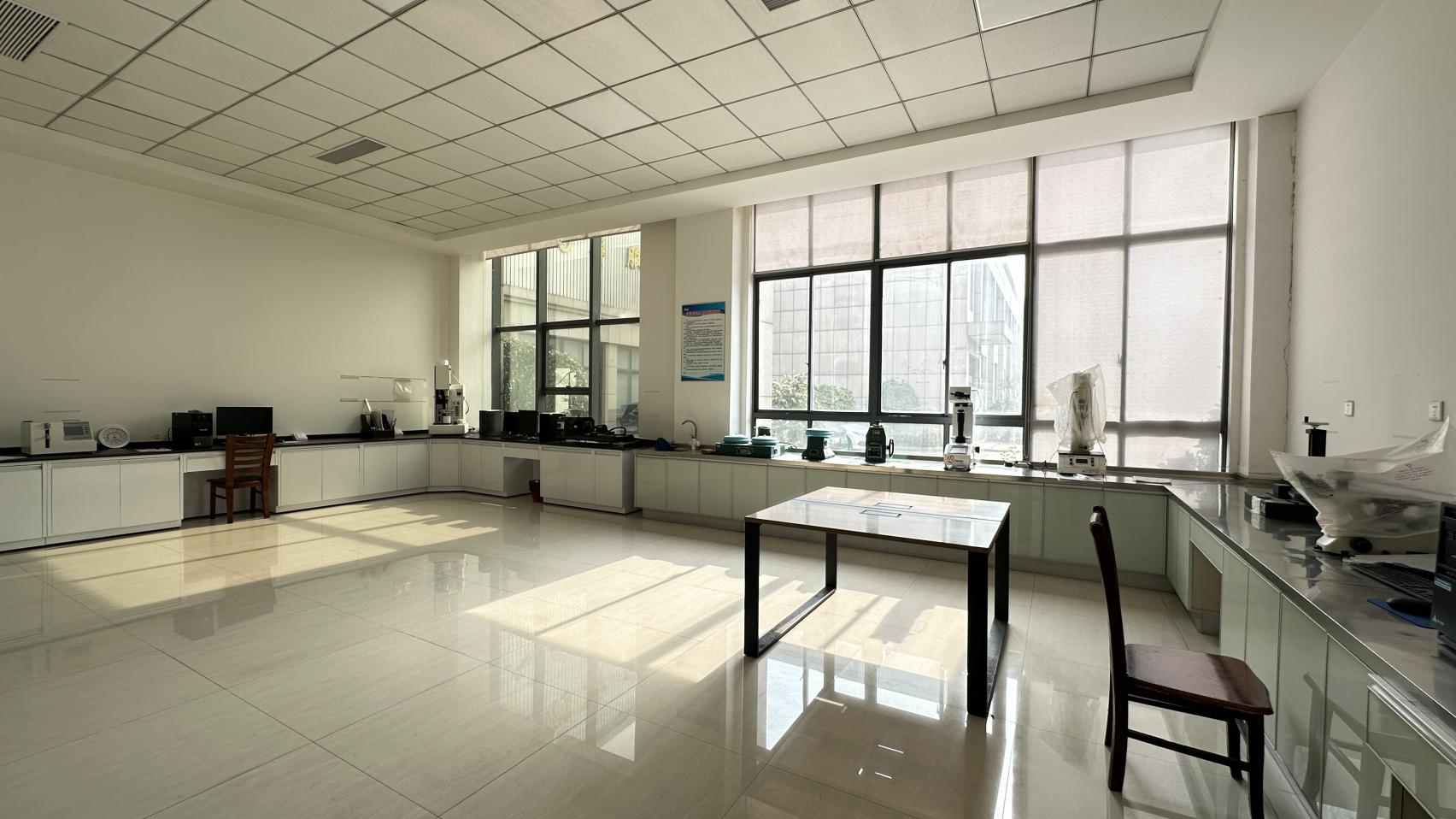
Our testing facility evaluates the mechanical performance of both prototype and production implants. High-cycle fatigue testers simulate up to 10 million cycles to assess the fatigue limits of femoral stems and tibial trays. Tensile testers measure the ultimate bonding strength of porous coatings, while bone screw performance systems evaluate insertion torque, torsional strength, and pull-out force to ensure reliable performance during surgical fixation.
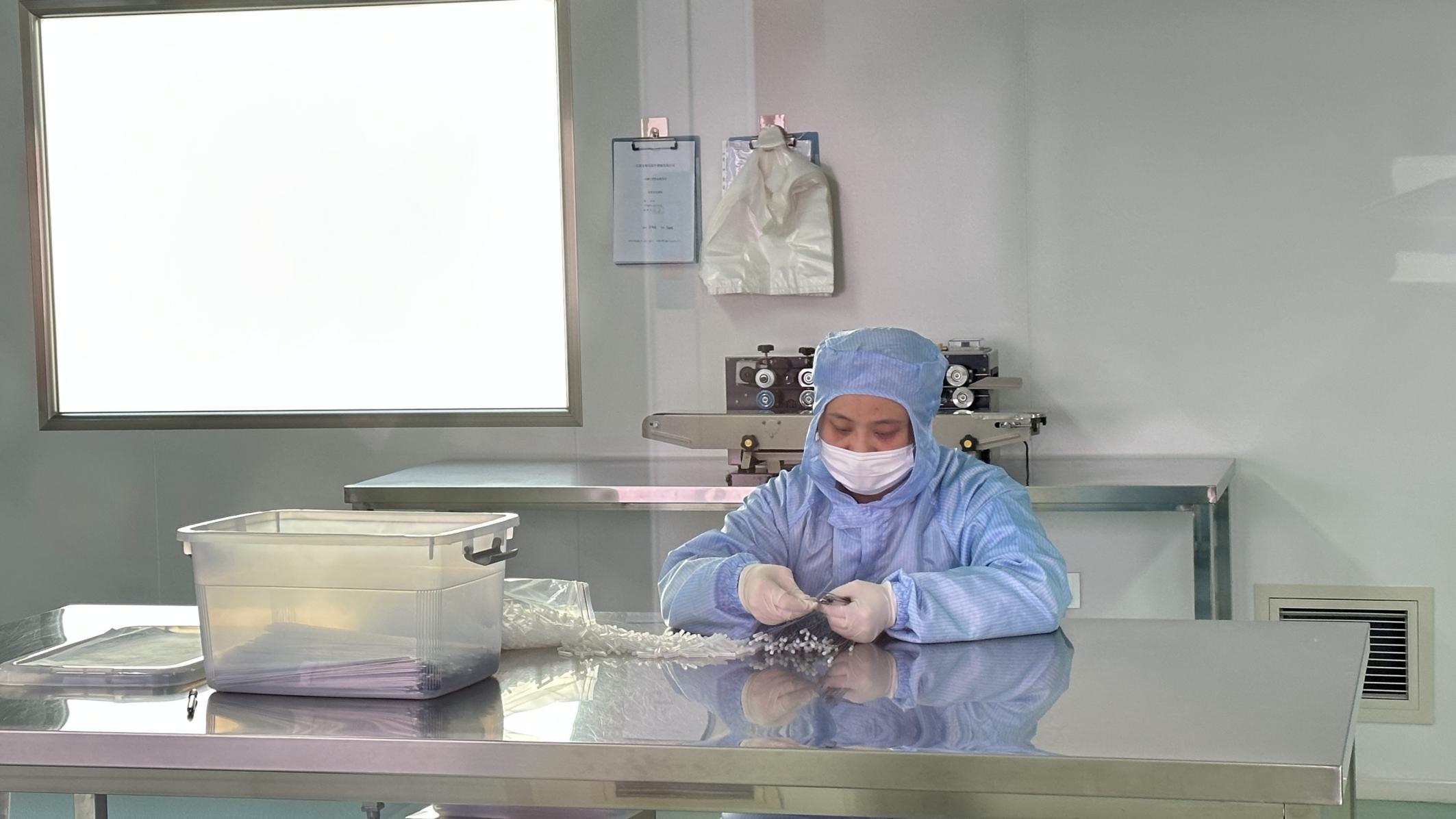
After dimensional verification, all implants undergo ultrasonic cleaning in multi-stage bath systems to remove manufacturing residues. Components are then packaged in Class 10,000 (ISO Class 7) cleanrooms, preserving sterility and protecting the implant's surface until final sterilization and clinical use.
How Virelox supports international medical brands, regional distributors, and clinical institutions through tailor-made production pipelines.
We supply detailed technical dossiers, bio-compatibility reports, and testing certificates (including ISO 13485 documentation) to assist our global partners in obtaining approvals under local regulatory frameworks, including CE MDR and FDA 510(k).
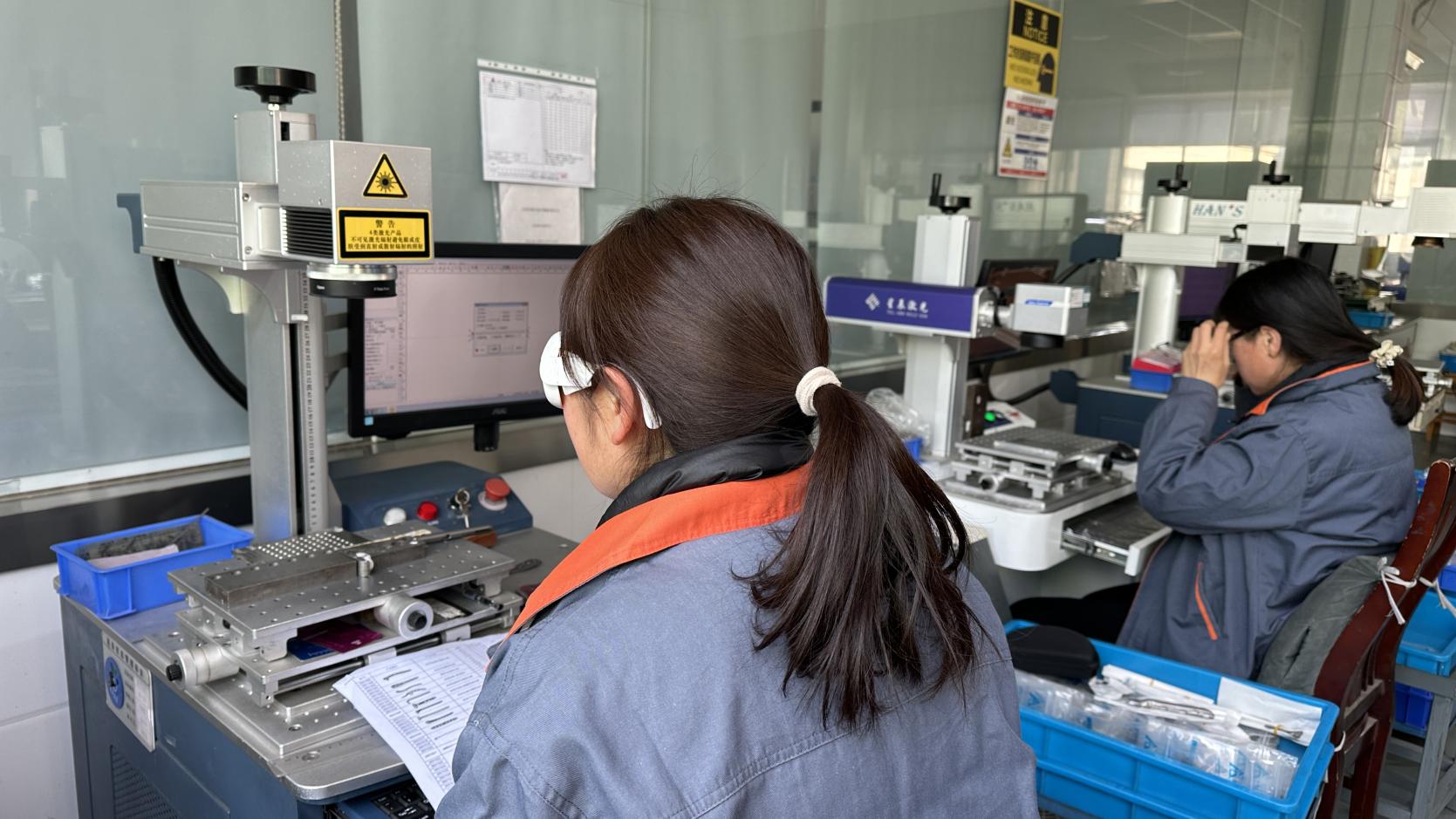
Distributors can select custom geometric variations, laser marking configurations, and sterile packaging options. Our engineering team assists from initial 3D design modifications through to full-scale, volume-production runs.
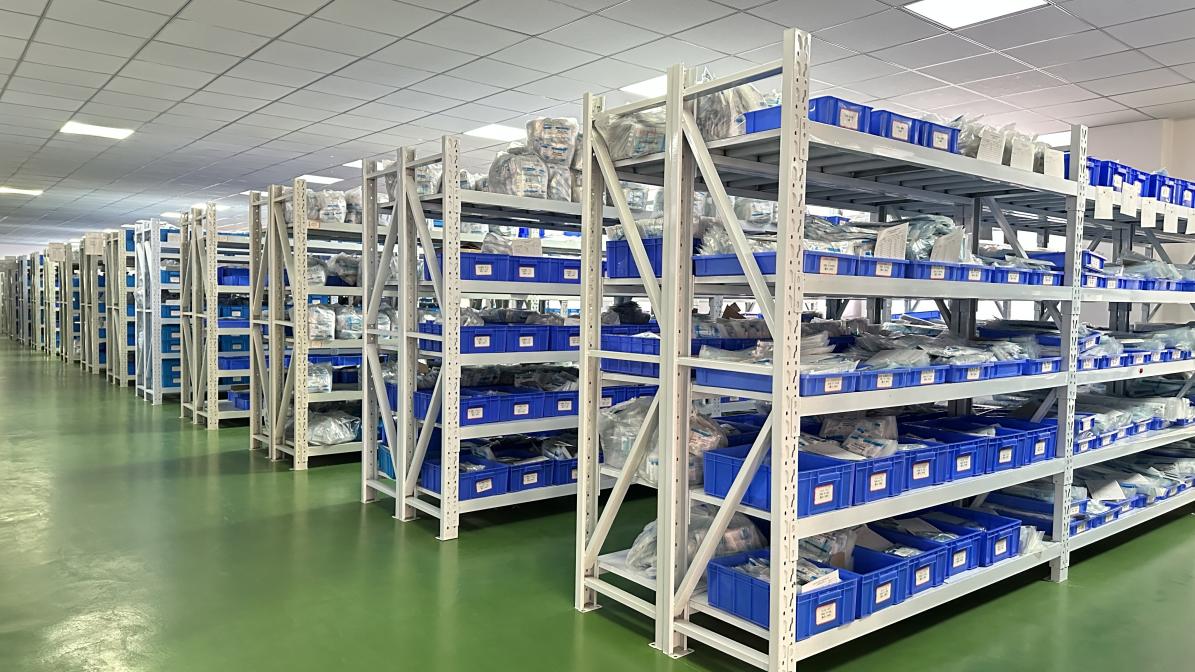
We manage inventory levels and offer flexible delivery options to ensure a reliable supply of joint replacement components and specialized surgical tools, helping distributors reduce their storage overhead.
Key technical and regulatory answers for clinical researchers, supply directors, and device distributors.
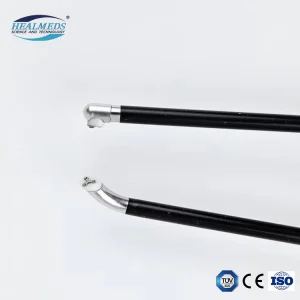
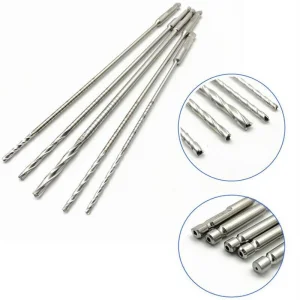
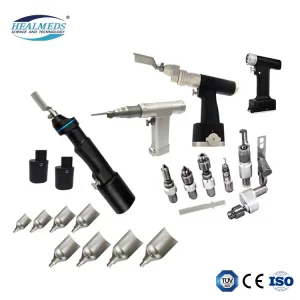
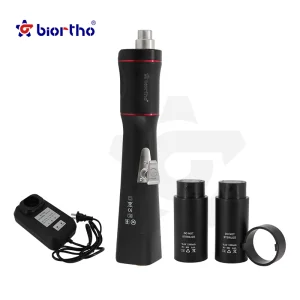
Browse our selection of specialized surgical instruments, arthroscopic tools, and veterinary orthopedic equipment.
 Virelox