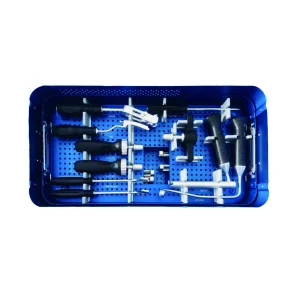
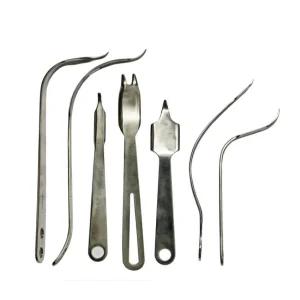
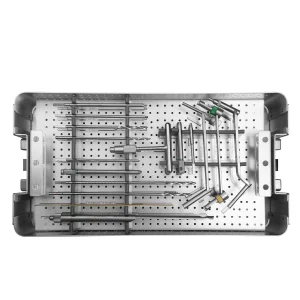
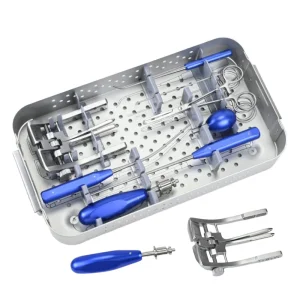
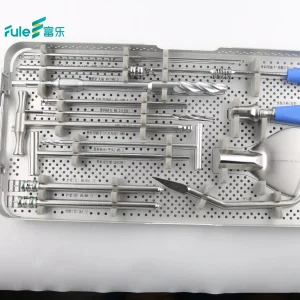
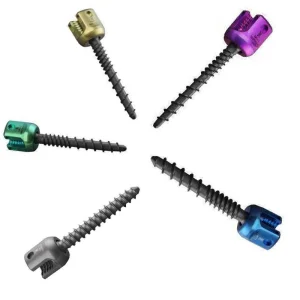
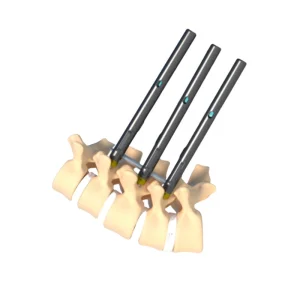
The orthopedic landscape has undergone a seismic shift in the management of long bone fractures. As a leading China Intramedullary Nail Systems supplier, Virelox Medical Devices Co., Ltd. has witnessed the transition from static locking to dynamic, multi-axial fixation systems. Historically, IM nailing was reserved for simple mid-shaft fractures. Today, advanced biomechanical simulation systems and titanium alloy innovations allow for the treatment of complex metaphyseal and even articular-extension fractures.
Global procurement trends now emphasize minimally invasive surgery (MIS) compatibility. Modern surgeons demand nails that offer reduced insertion torque, anatomical pre-curvature, and radiolucent instrumentation to minimize radiation exposure. Virelox, established in 2016, integrates these clinical requirements into its Class III CE-certified production lines, ensuring that every nail—whether for femoral, tibial, or humeral application—meets the rigorous ISO 13485 quality management standards.
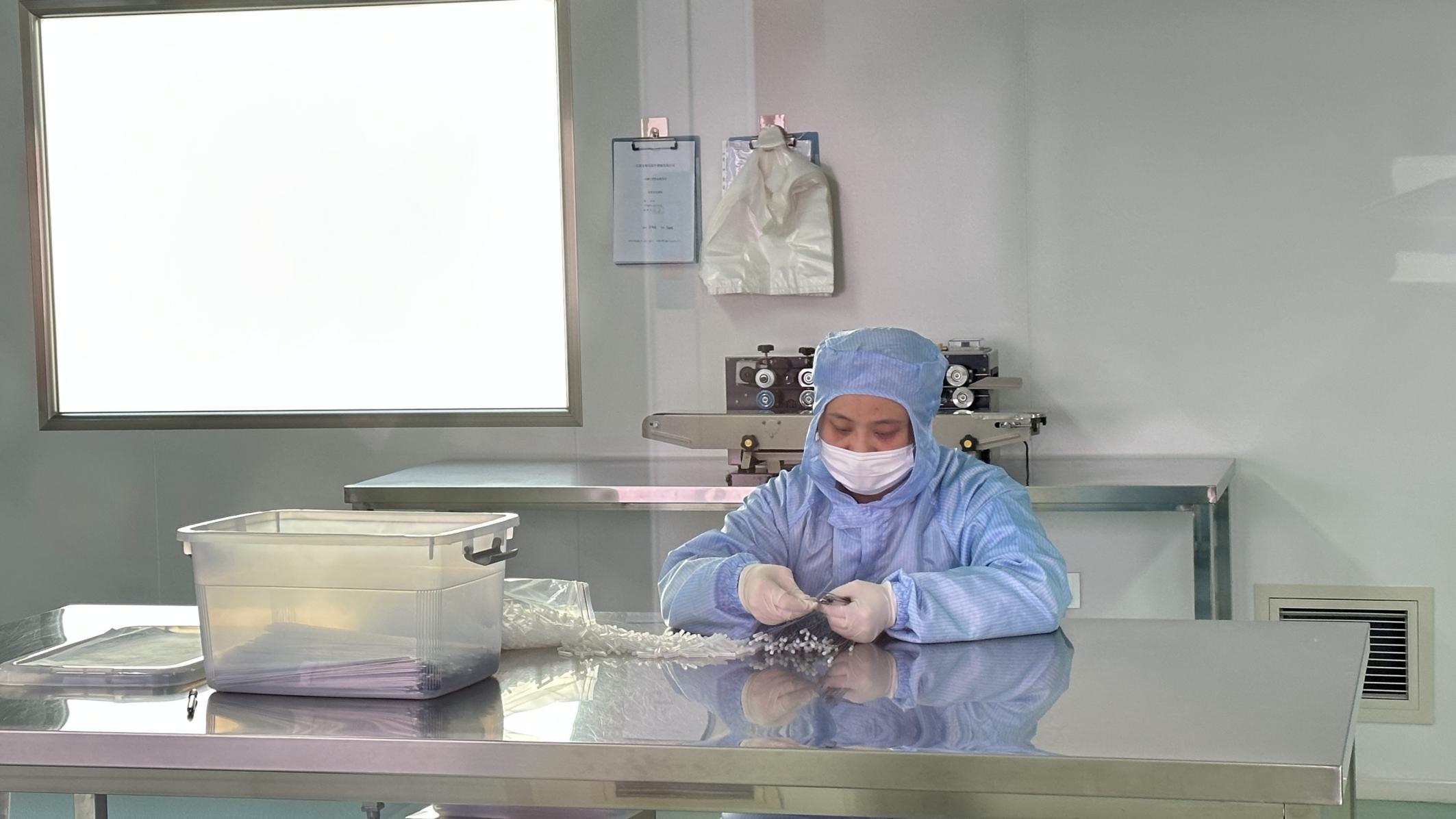
Our 12,000 m² facility is not just a factory; it is an R&D hub where 120 specialized engineers work on the next generation of PFNA (Proximal Femoral Nail Antirotation) systems and customized implant geometries. This "China Factory 4.0" approach combines precision CNC machining with stringent fatigue testing to ensure 100% reliability in the operating theater.
Building Area (m²)
Supply Chain Partners
New Products Annually
Annual Export Revenue
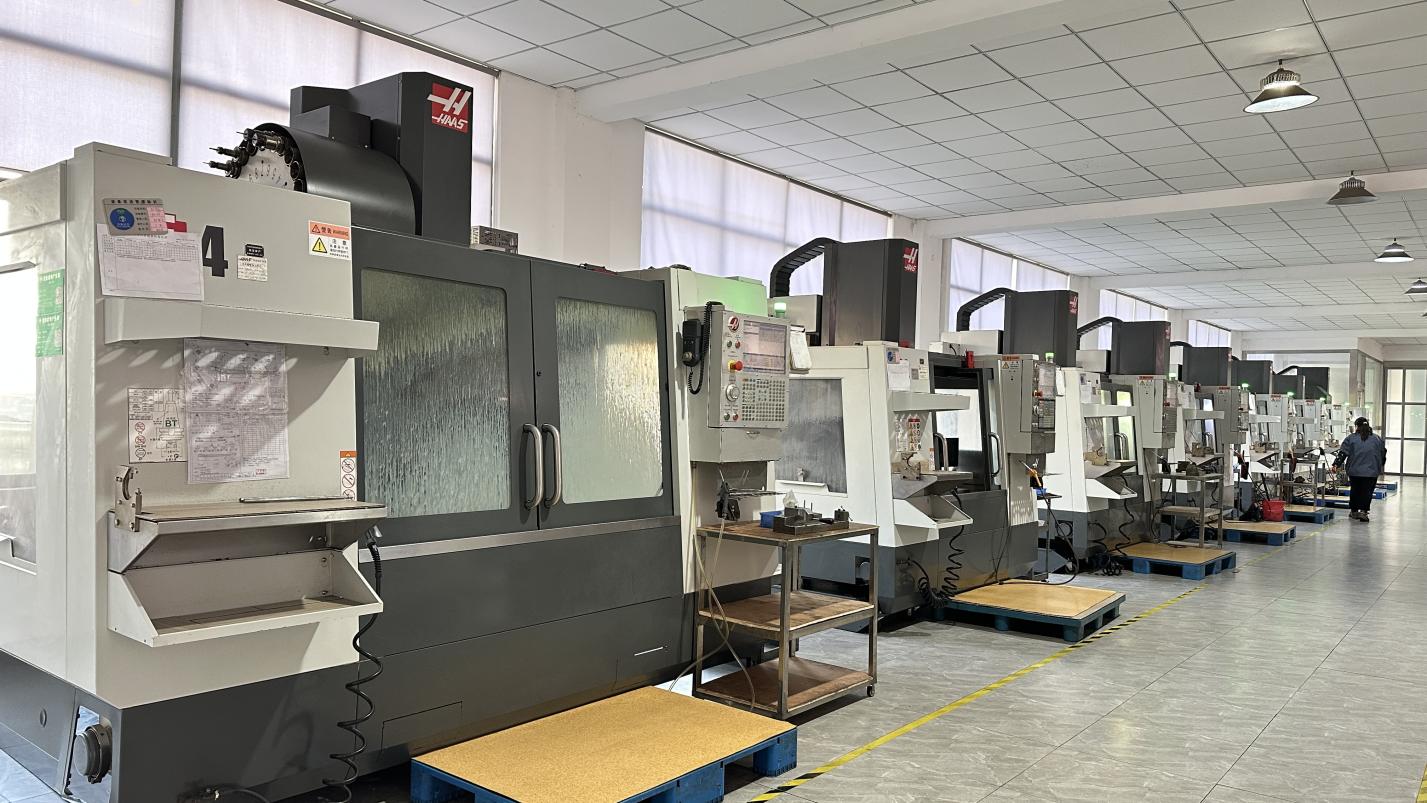
Utilizing high-precision CNC Machining Centers and Wire Cutting Machines to achieve micron-level tolerances in titanium implants.
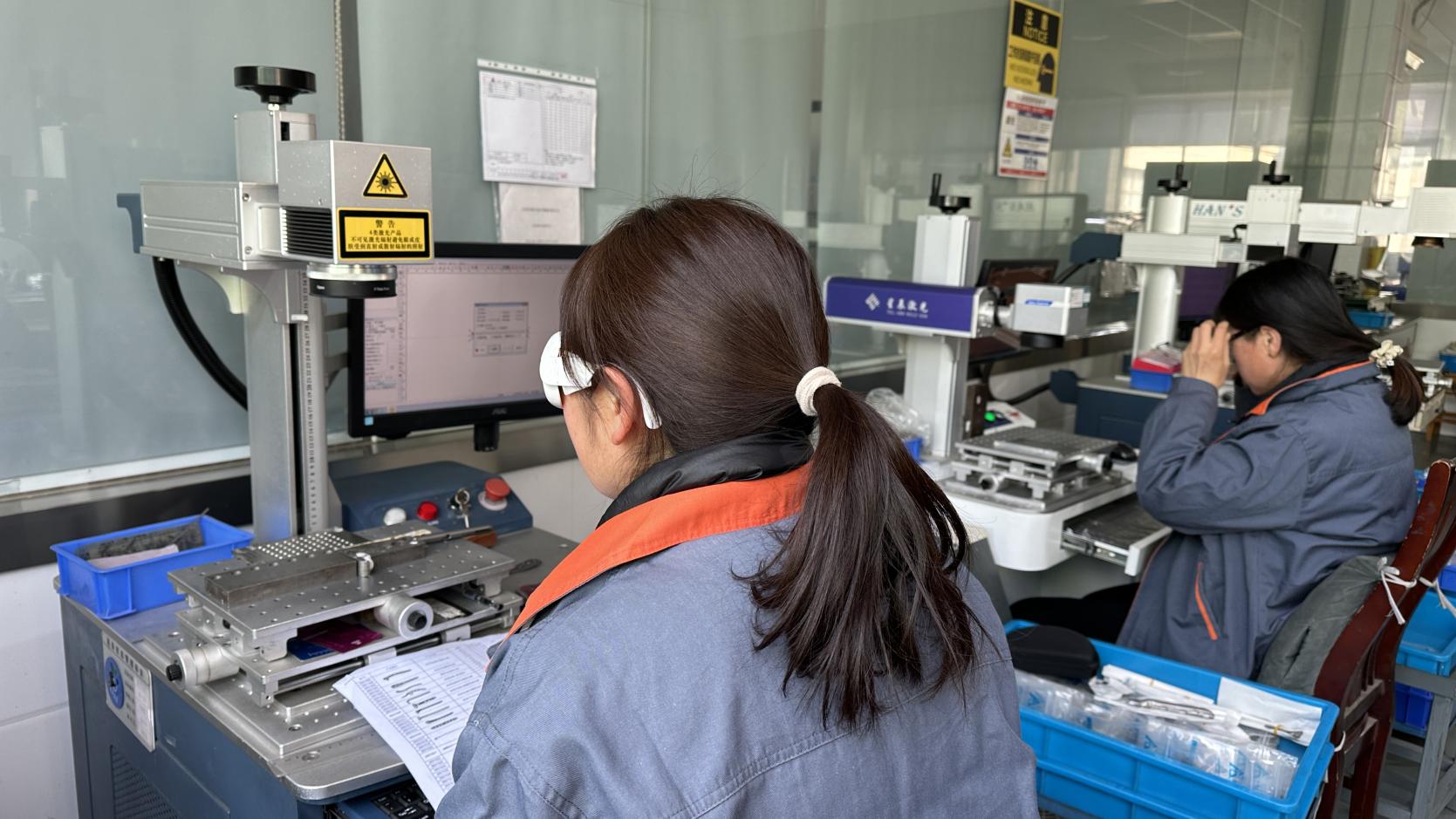
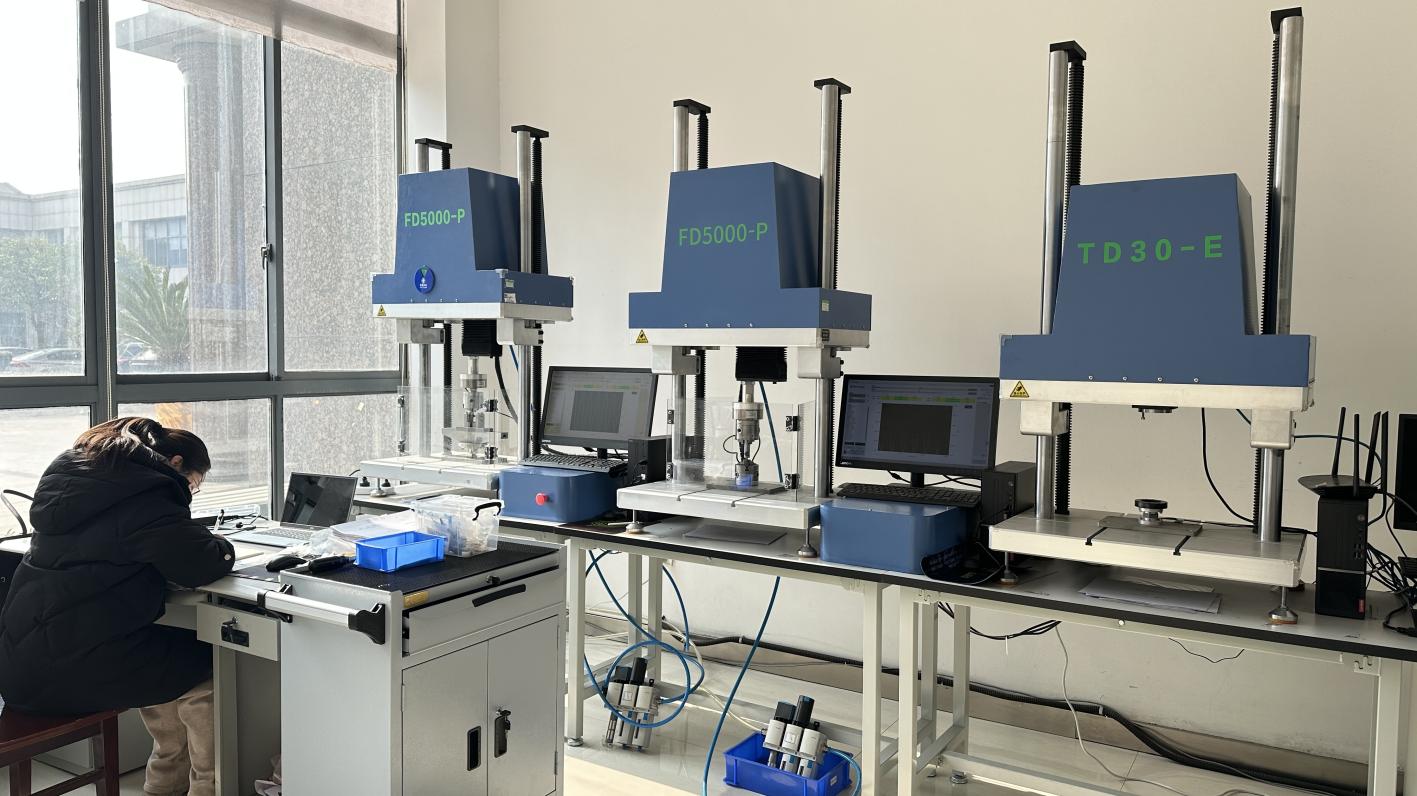
Our 65 QC professionals utilize X-ray inspection, CMM measurement, and tensile strength testing to guarantee implant integrity.
With 8 years of export experience, we provide private label production and customized geometries for international healthcare providers.
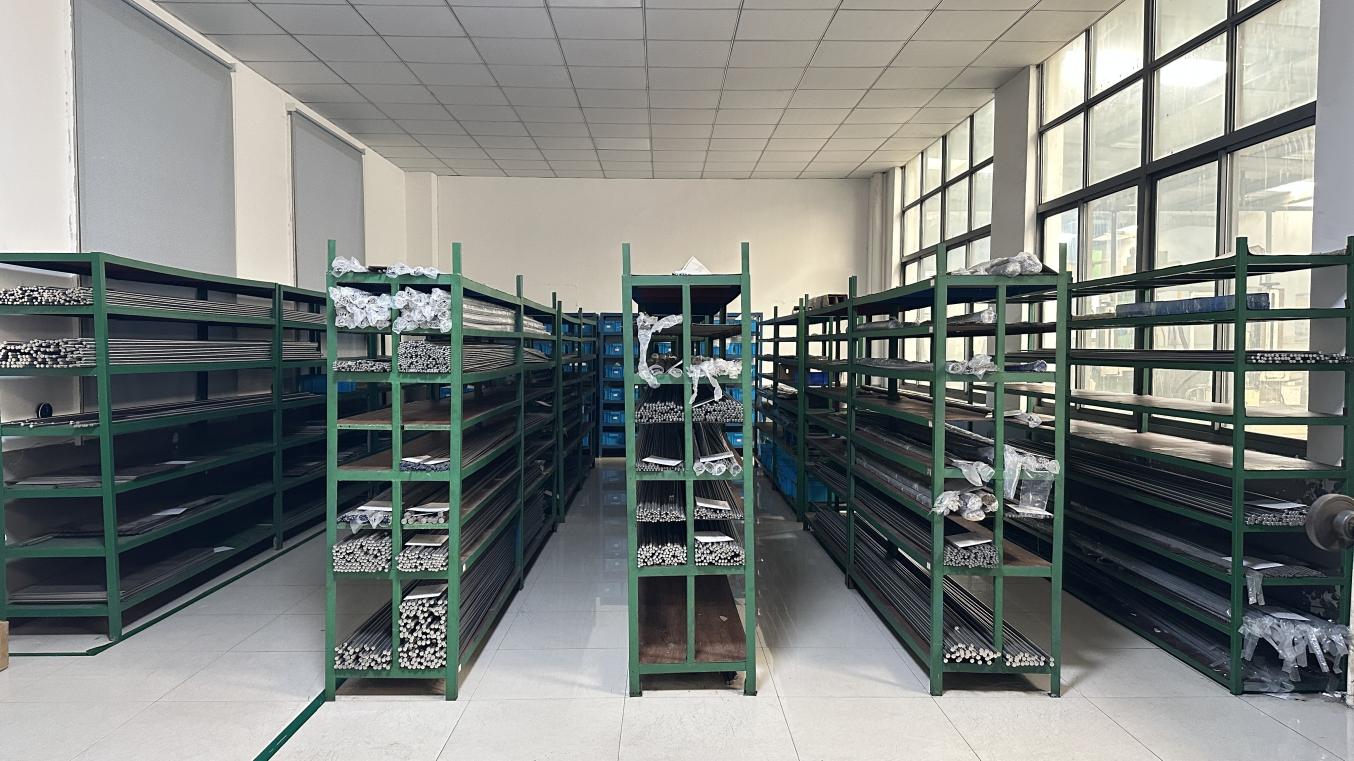
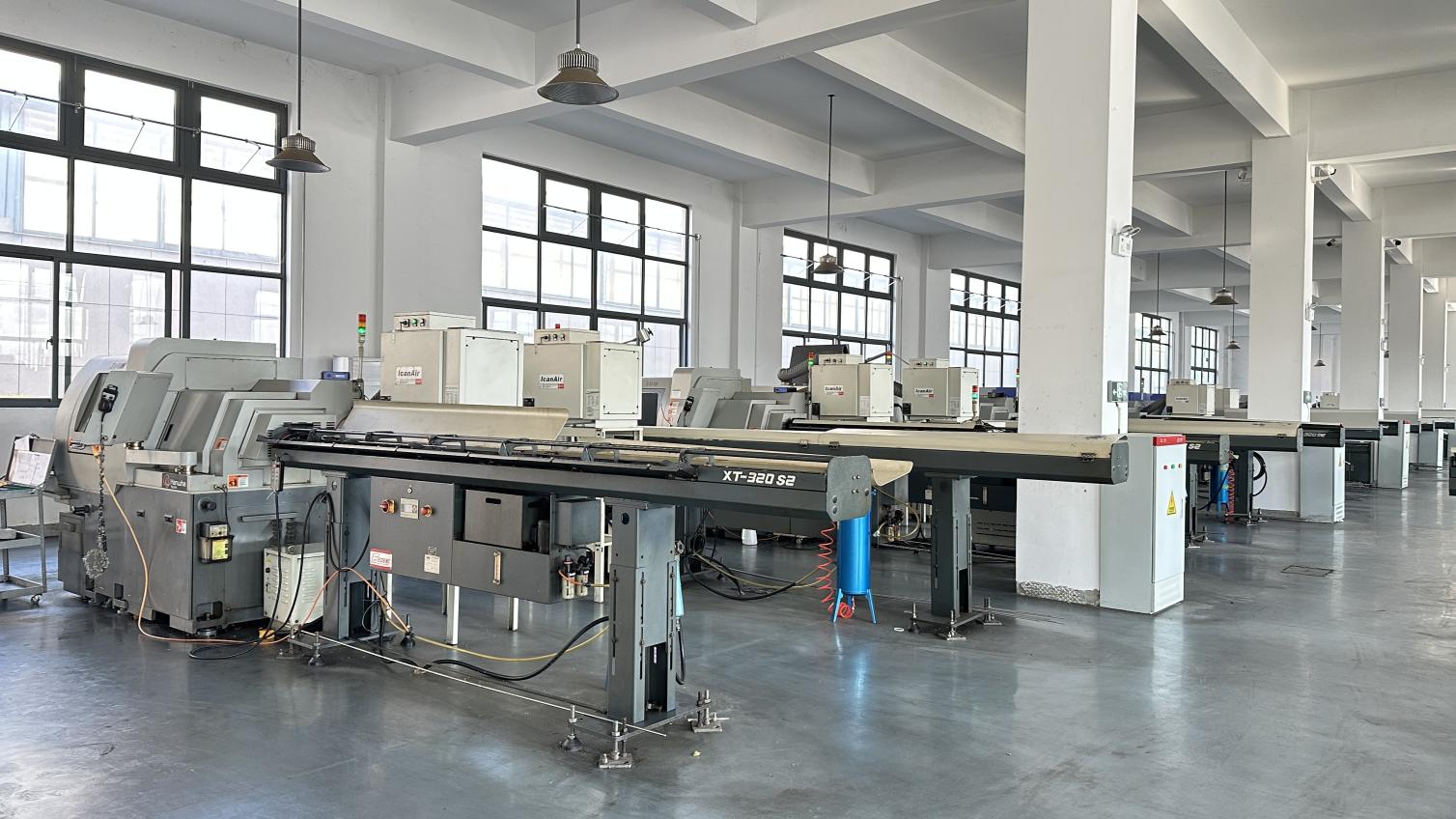
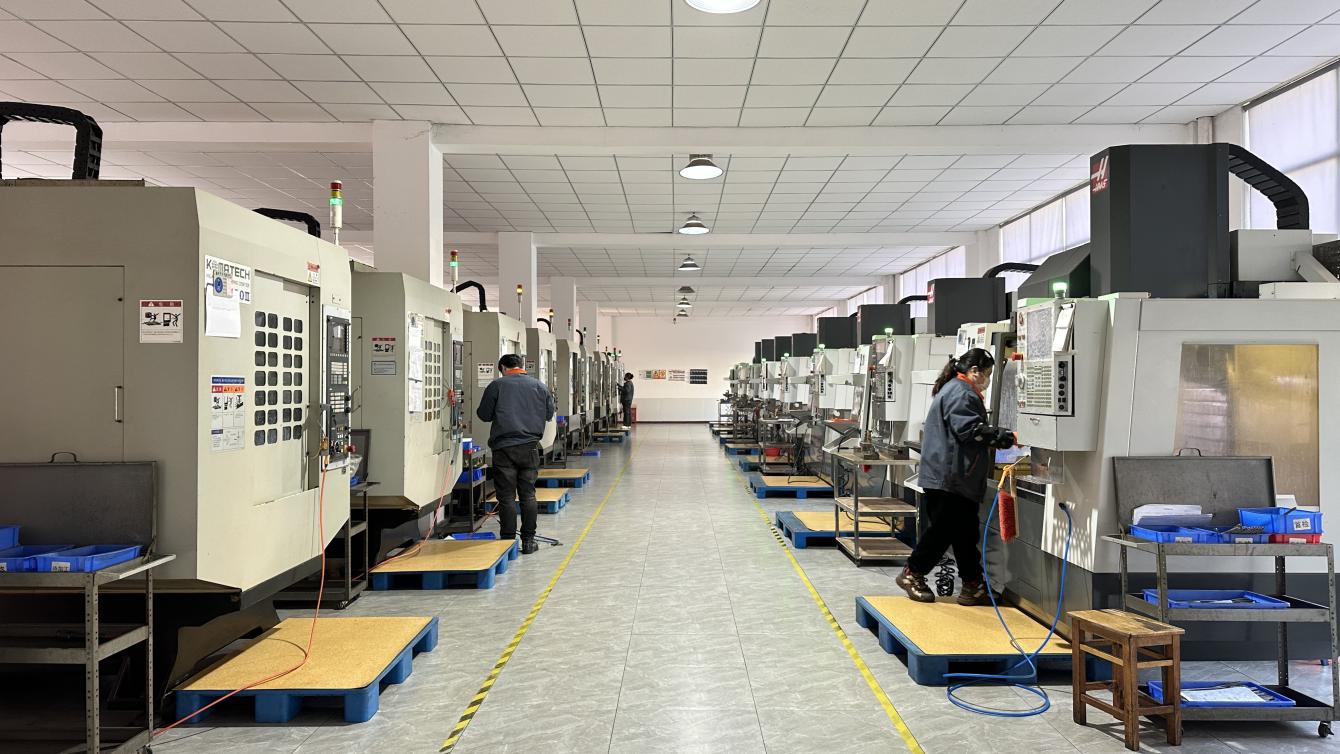
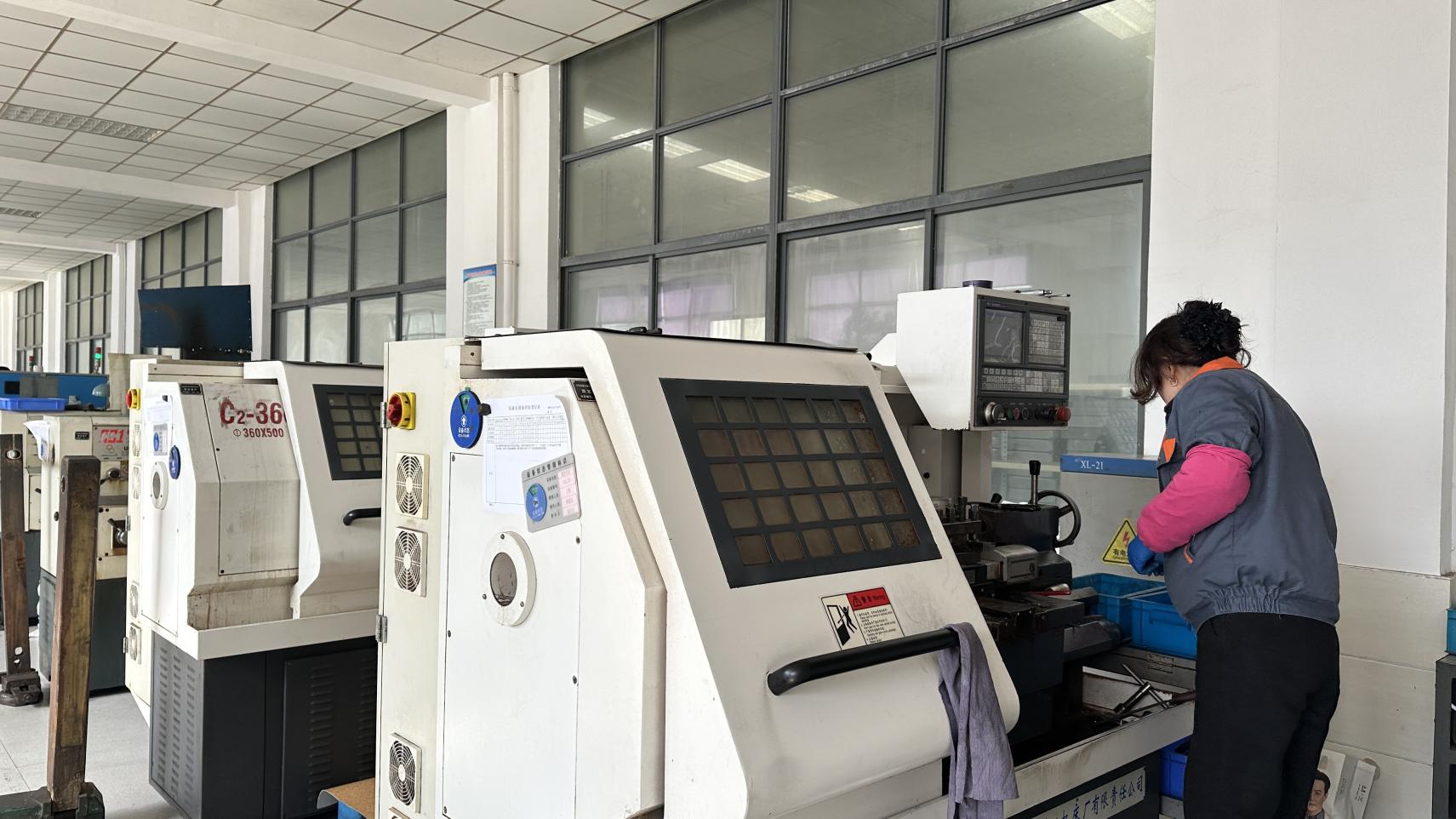
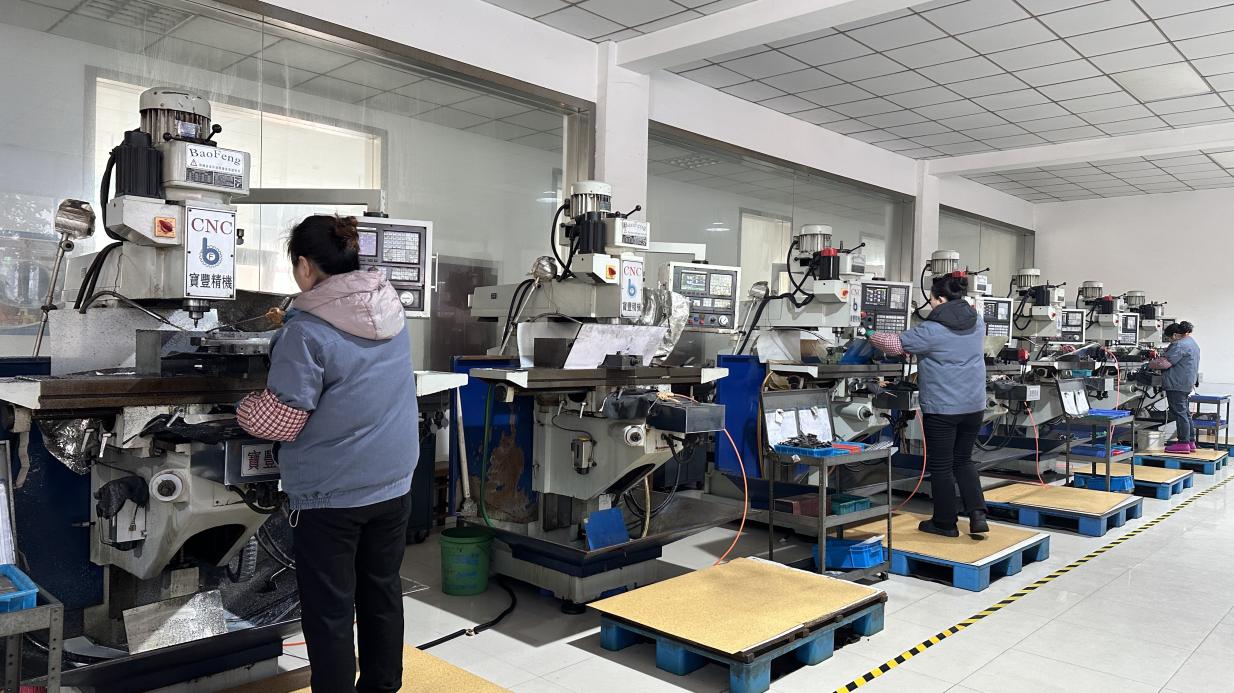
The global demand for Intramedullary Nail Systems is projected to grow significantly due to an aging population prone to osteoporotic fractures and the rise in high-energy trauma incidents in developing regions. For hospital procurement managers, the decision-making process has shifted from purely brand-centric to a balance of clinical efficacy, supply chain reliability, and cost-efficiency.
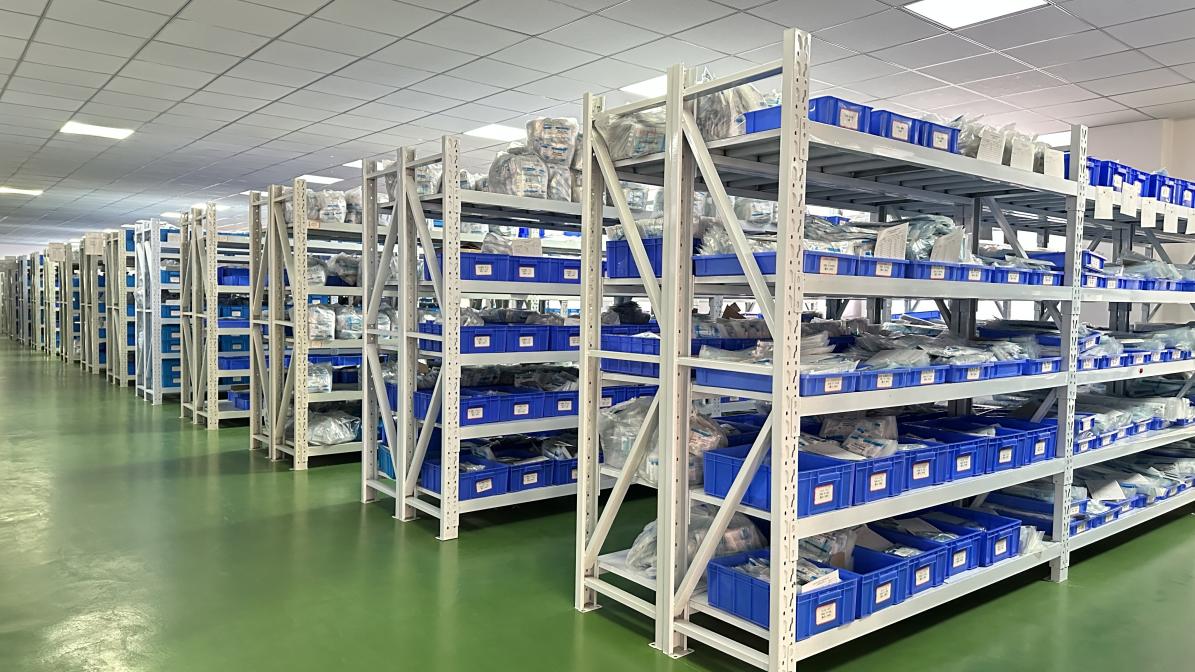
China's orthopedic industry, led by brands like Virelox, has bridged the quality gap with Western counterparts. By leveraging a network of 850 certified upstream partners, we ensure a stable supply of medical-grade titanium and stainless steel. Our localization strategy involves designing implants that cater to different anatomical variations—such as the smaller femoral curvatures often seen in Asian populations compared to Western demographics—providing surgeons with a more precise fit and better patient outcomes.
 Virelox