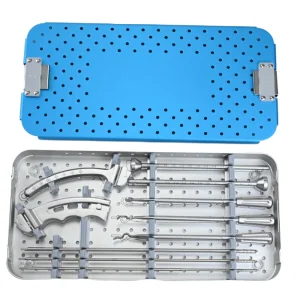
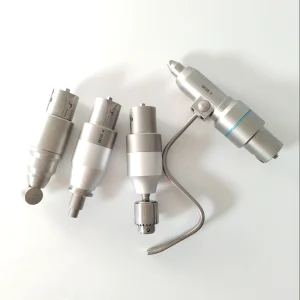
Explore our premium grade selection of orthopedic surgical power systems, trauma implants, and specialized surgical instrumentation designed for global medical compliance.
As a leading orthopedic implant and instrumentation manufacturer established in 2016, we deploy state-of-the-art biomechanical research and precision CNC systems to serve markets worldwide.
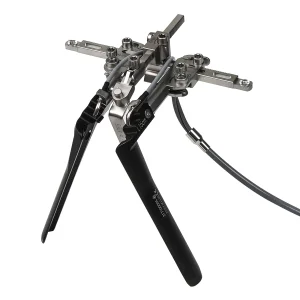
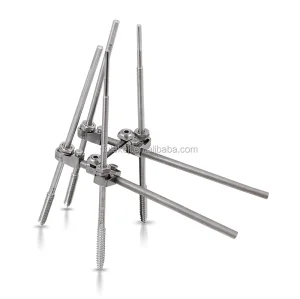
Spinal fixation systems have revolutionized the management of spinal instability caused by degenerative disc disease, scoliosis, trauma, and neoplastic infiltration. However, posterior spinal constructs, particularly those spanning multiple levels, are subjected to massive multi-axial forces under physiological loading. Torsional forces, in particular, present a critical failure risk for long-segment pedicle screw-rod systems. This is where spinal cross connectors (also known as transverse links or crosslinks) play an indispensable role.
Biomechanical evaluations demonstrate that the addition of transverse cross connectors to a posterior pedicle screw construct drastically increases the torsional rigidity of the construct. By forming a closed-loop frame structure, cross connectors decrease the axial rotation deformation and reduce the stress concentration at the bone-screw interface. For spine hardware factories and medical device distributors, sourcing high-performance cross connectors is not merely a matter of geometry, but of metallurgical integrity, fatigue resistance, and precise spatial adaptability.
The global orthopedic spinal implant market is undergoing a structural transition. Traditionally dominated by Western multinational enterprises, the sourcing patterns of global medical procurement teams are shifting toward advanced manufacturing centers in China. Driven by capital investment in precision machinery and a massive domestic demand, premium Chinese manufacturers like Virelox Medical Devices Co., Ltd. have established capabilities that rival tier-one international standards.
Today, China's leading orthopedic factories operate under robust international regulatory frameworks, exporting highly customized spinal implants and instruments to Europe, Southeast Asia, the Middle East, and South America. Sourcing from China allows global distributors and hospital networks to optimize their supply chain costs while retaining uncompromised material quality (Grade 5 ELI Titanium, Medical Grade PEEK) and regulatory compliance.
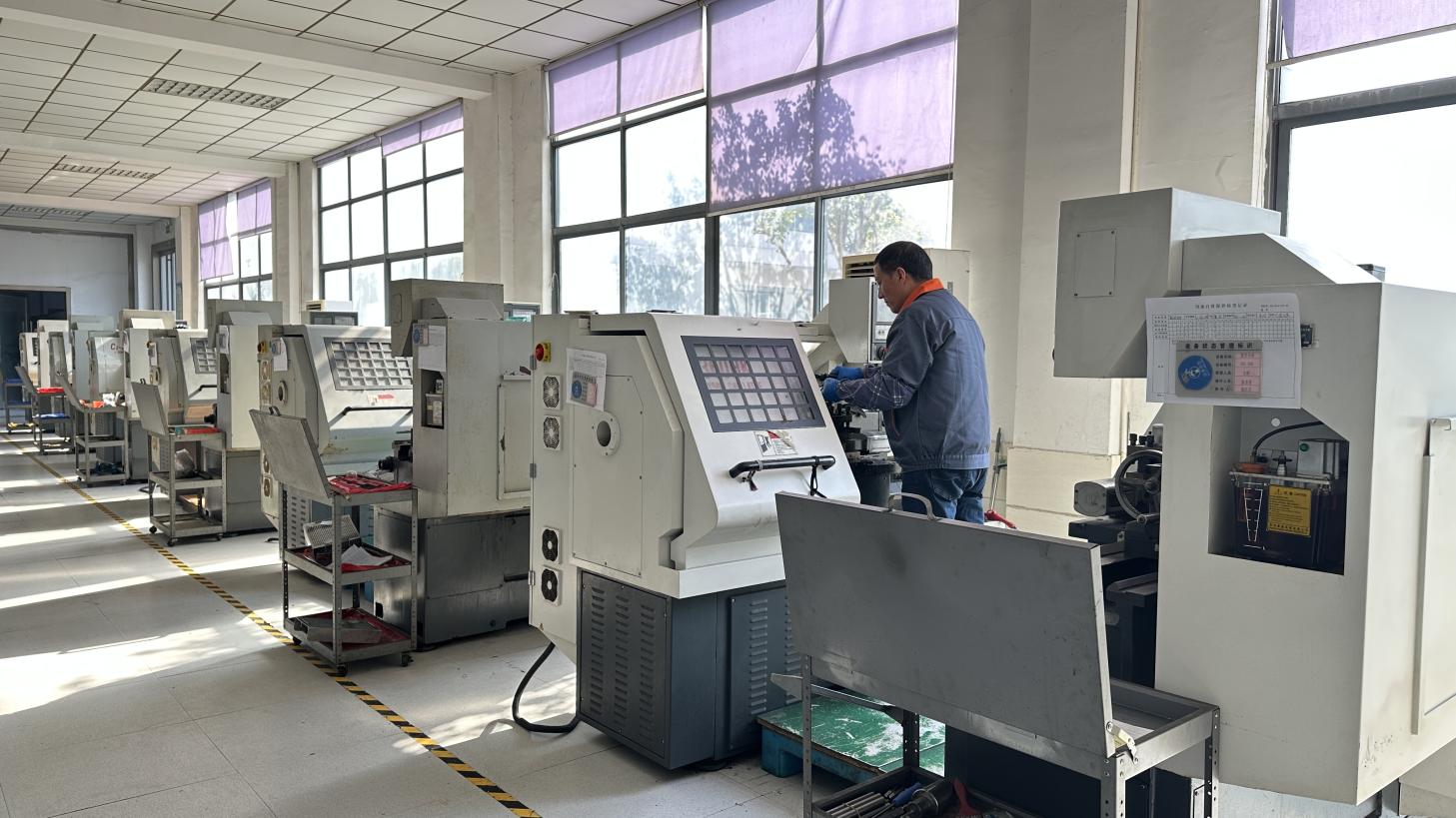
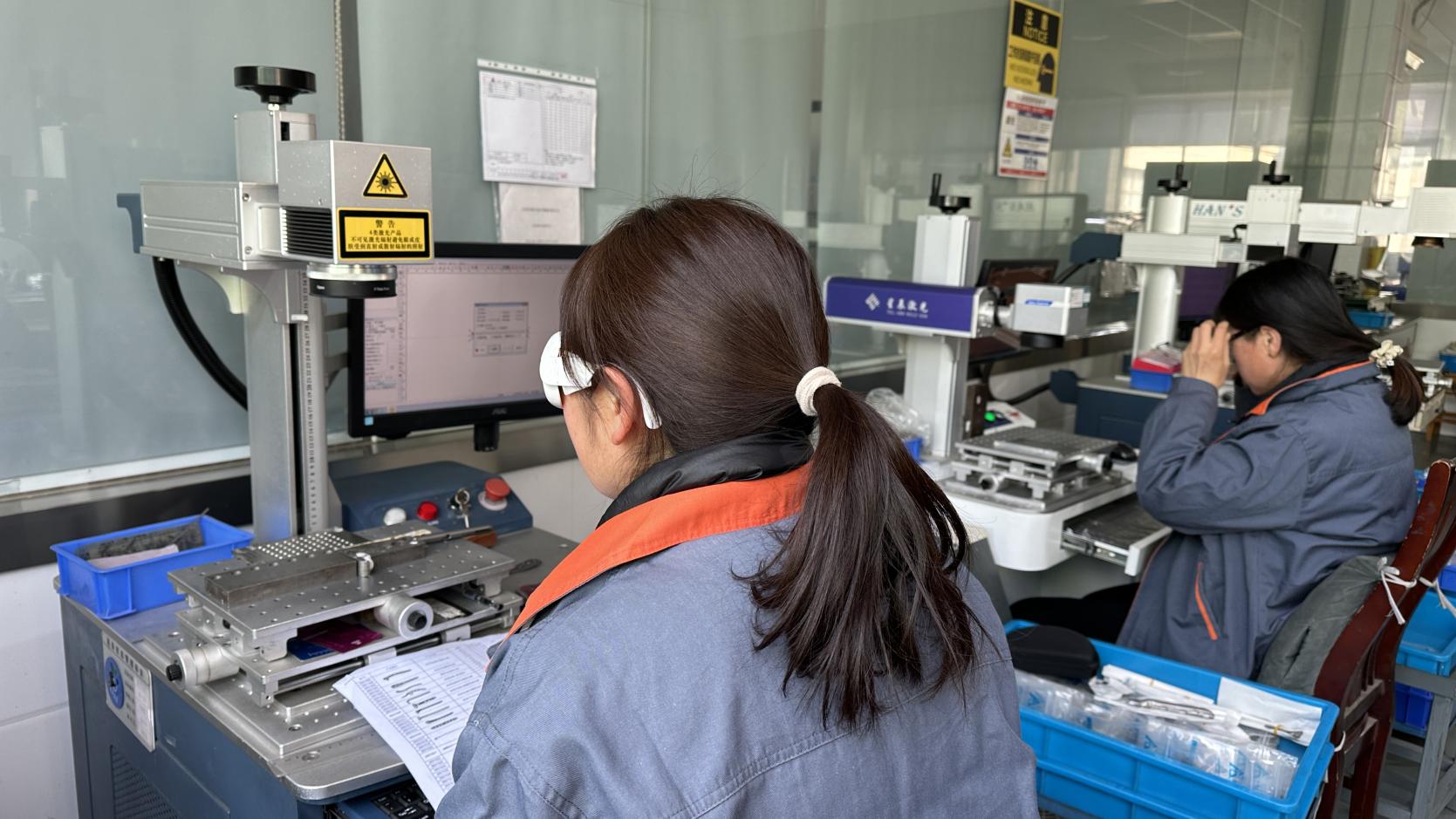
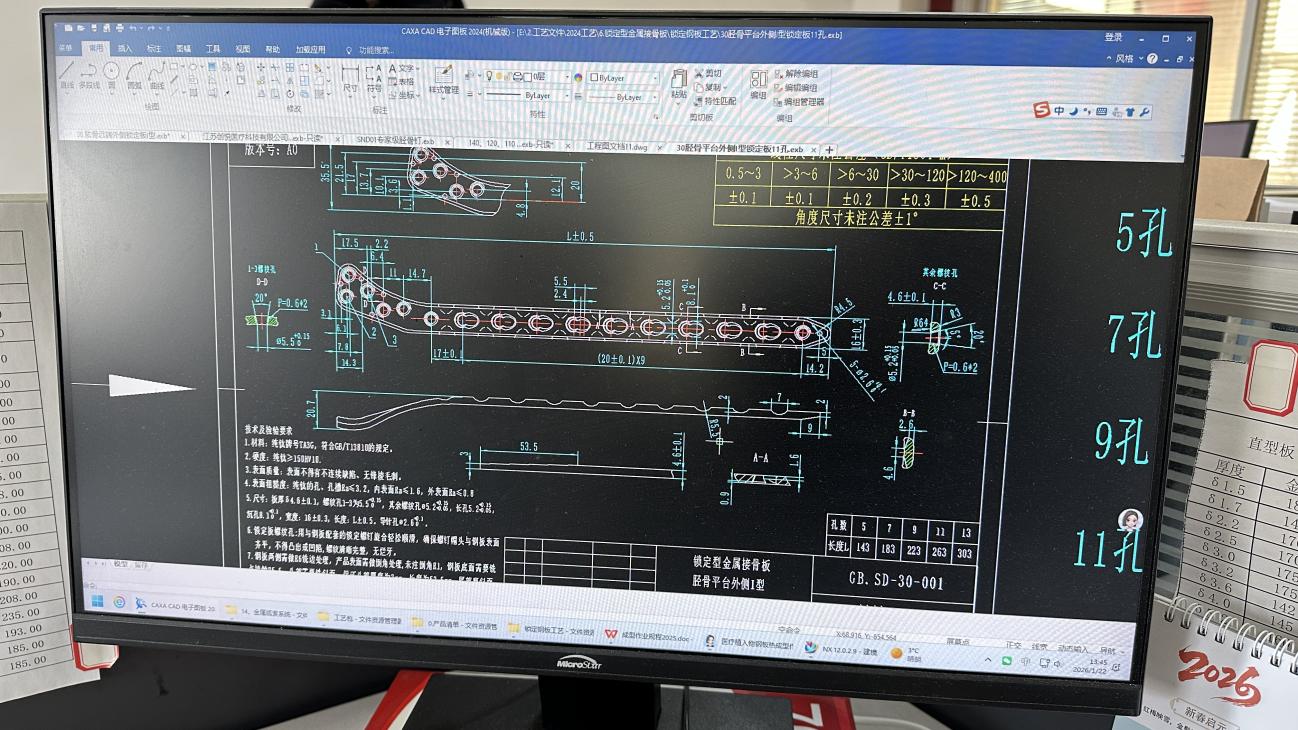
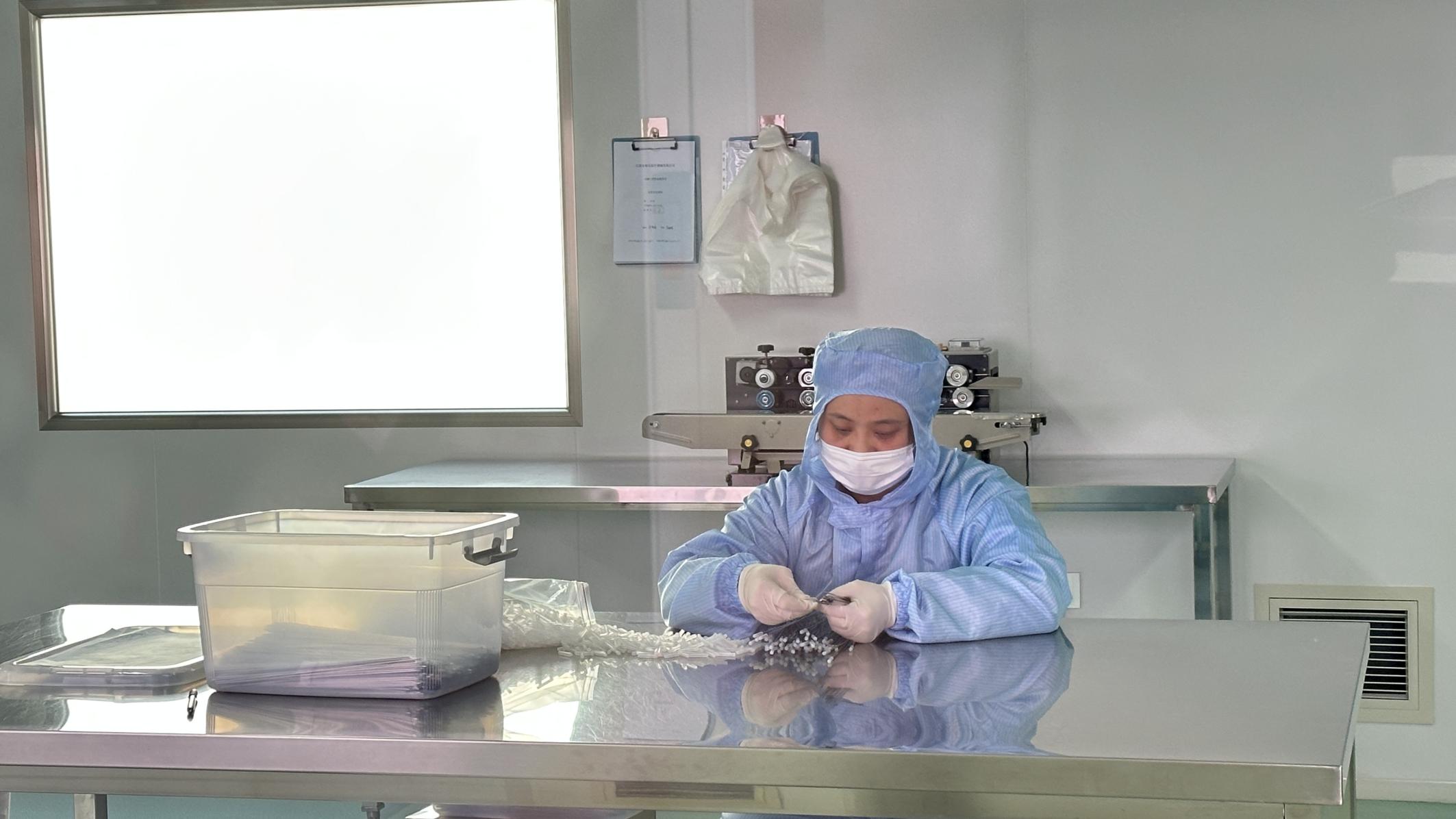
To fabricate spinal implants that withstand billions of cycles of physiological movement, Virelox utilizes a comprehensive, vertically integrated manufacturing process. Operating within our 12,000 square meter modern facility, we trace every component from raw material blocks to sterile-packaged systems.
Below is our specialized production cycle designed to ensure the dimensional tolerance and material purity required for spinal fixation components:
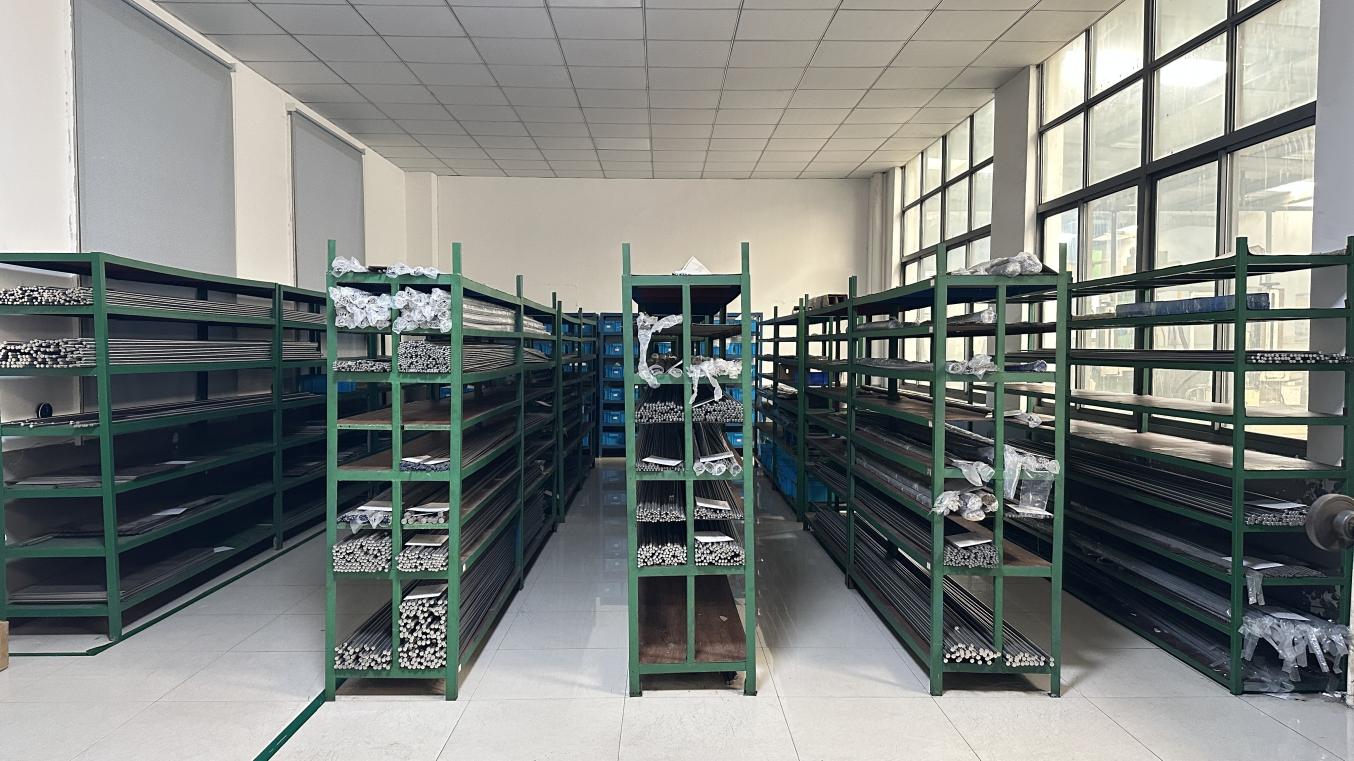
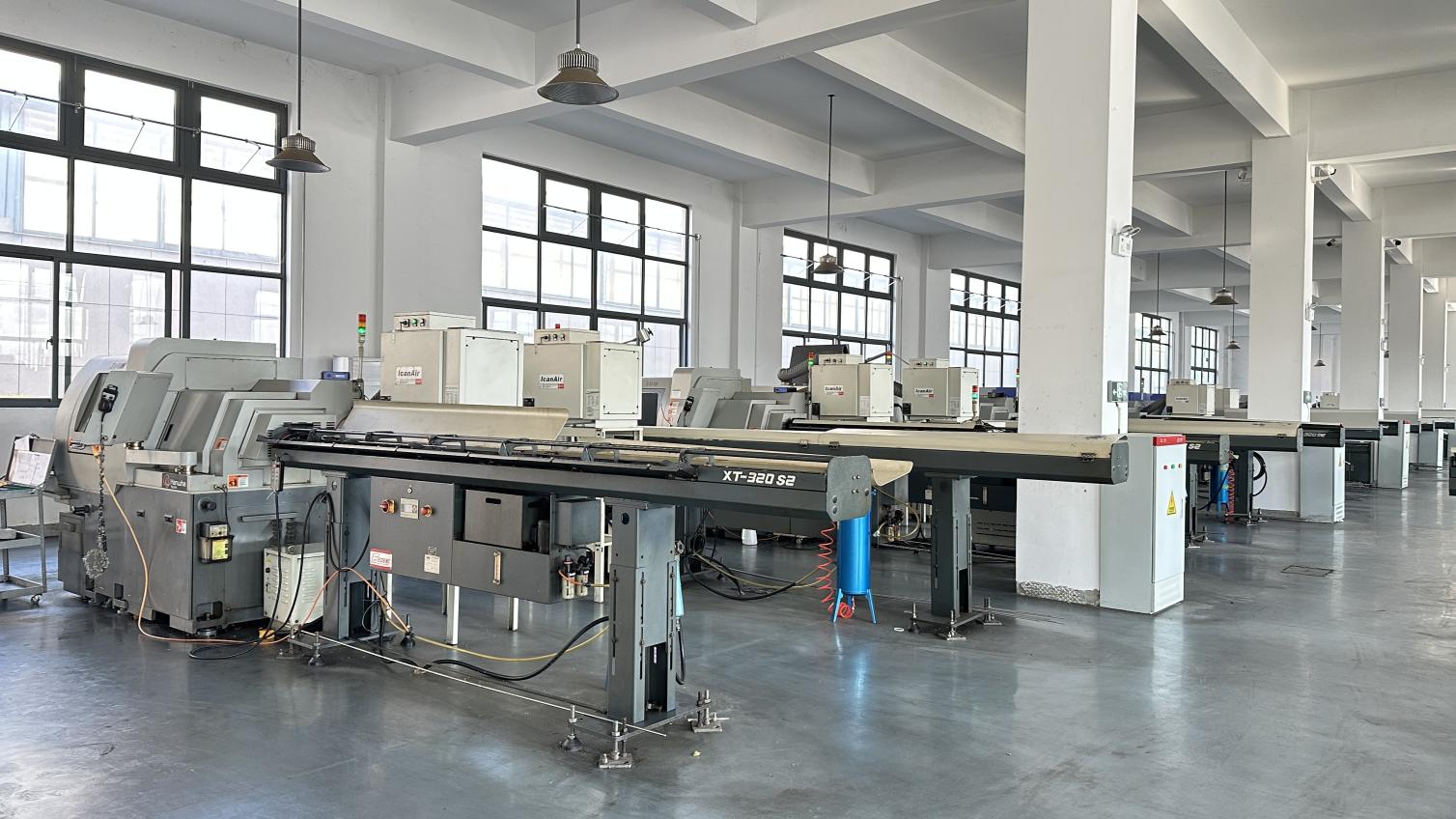
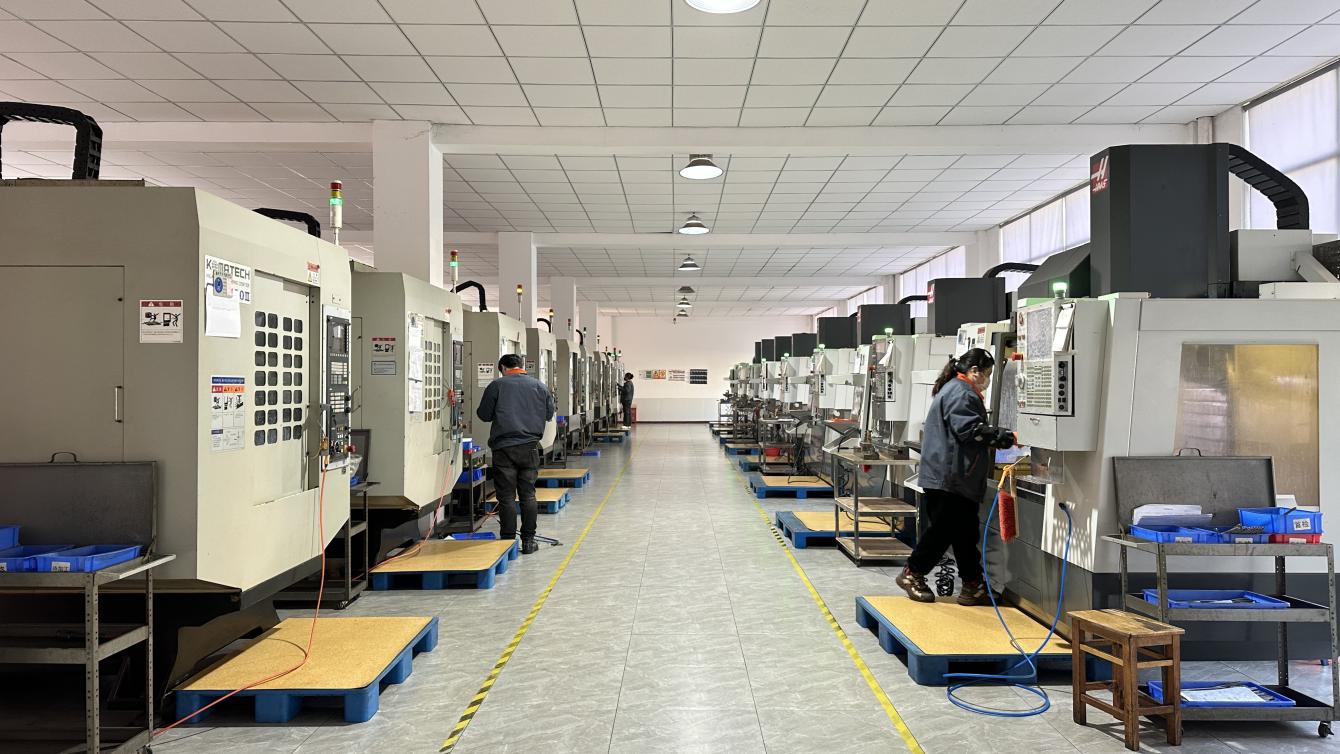
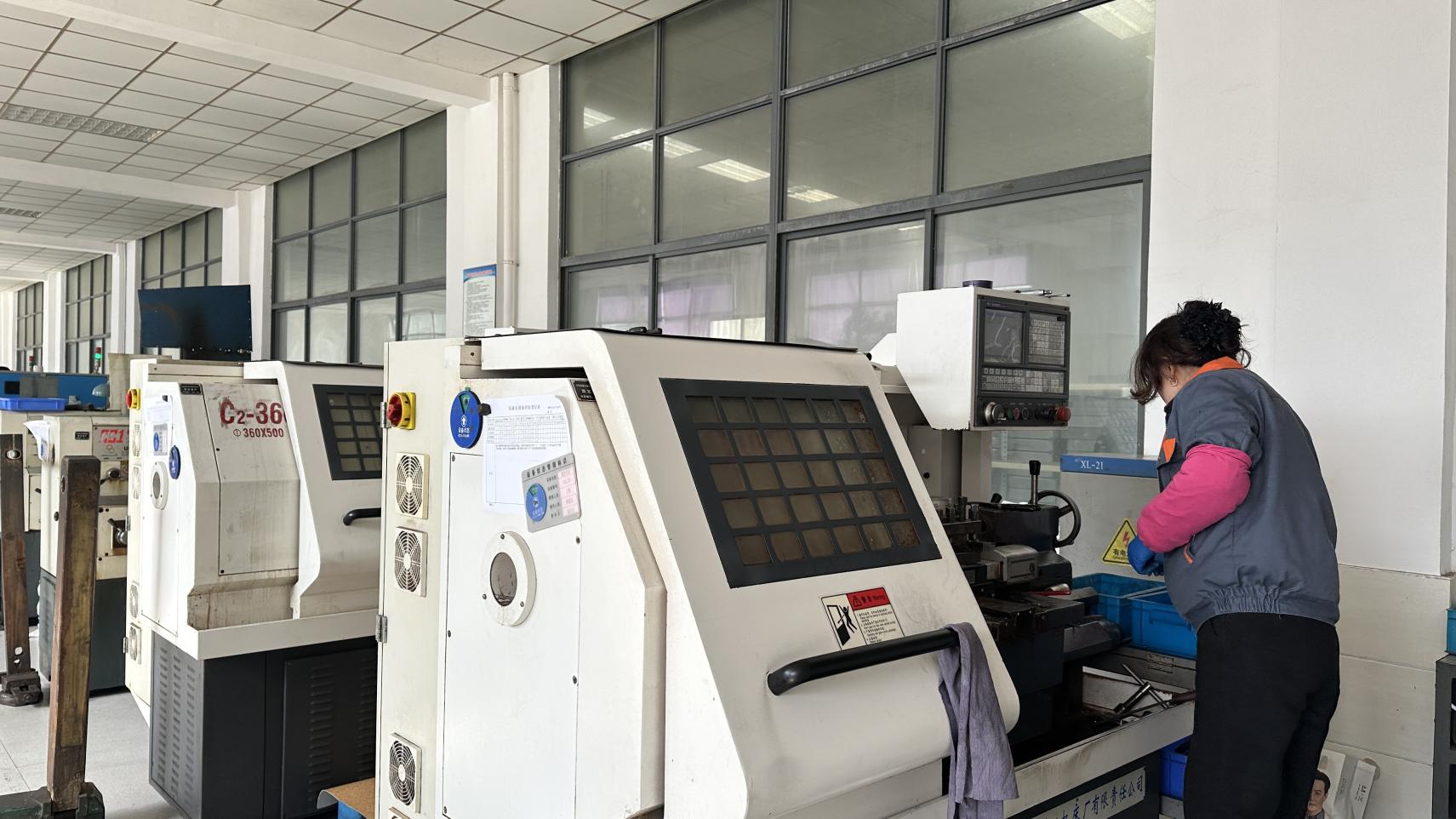
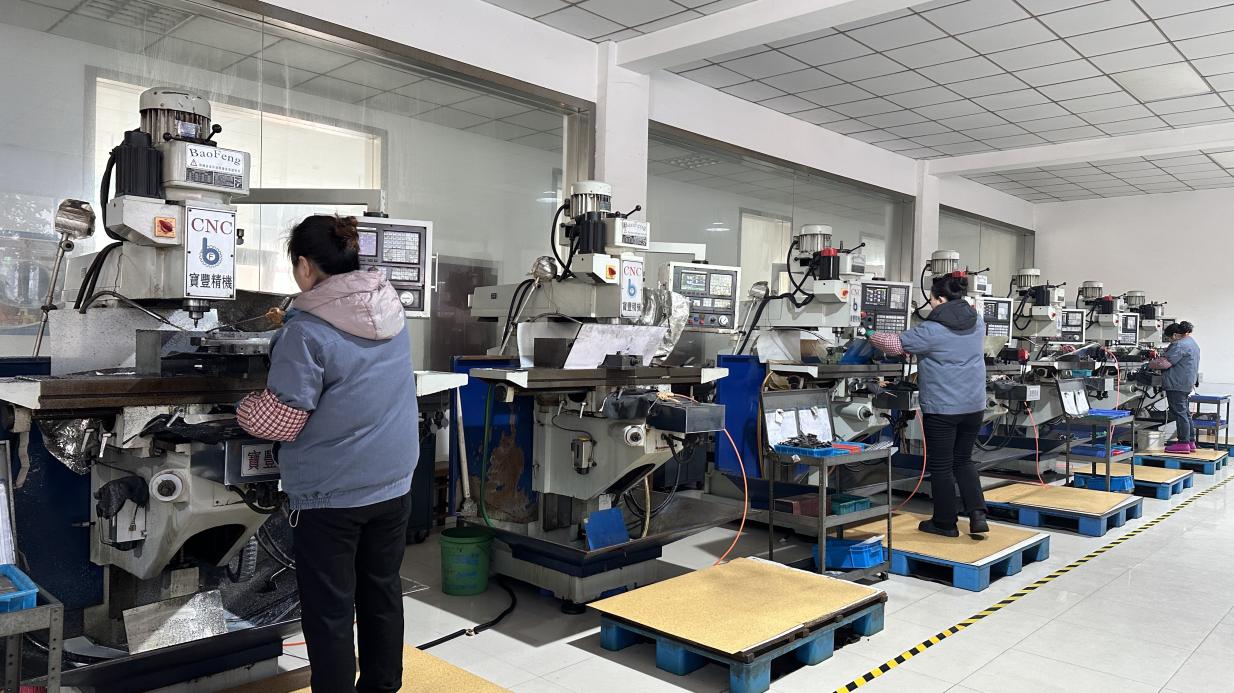
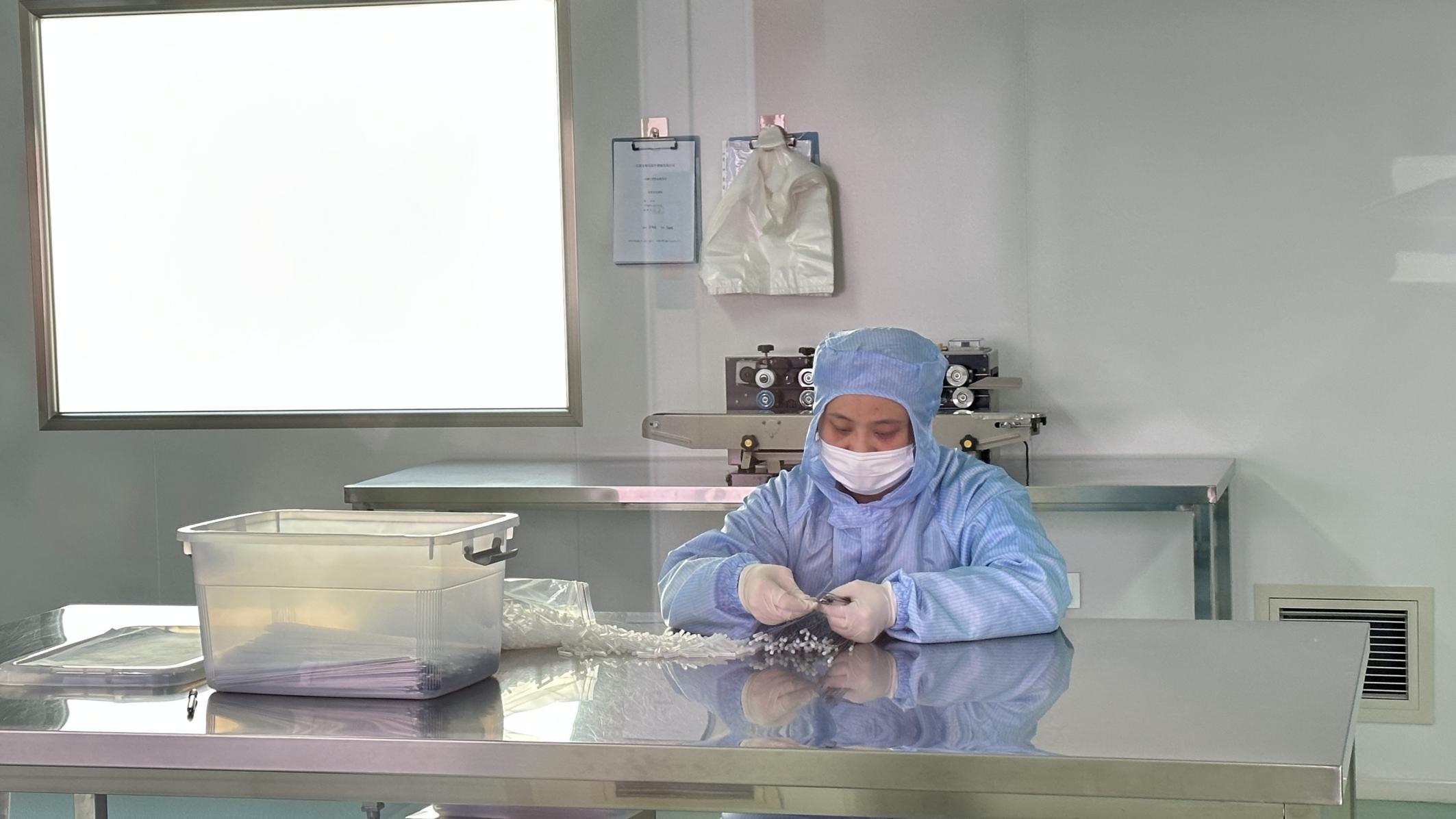
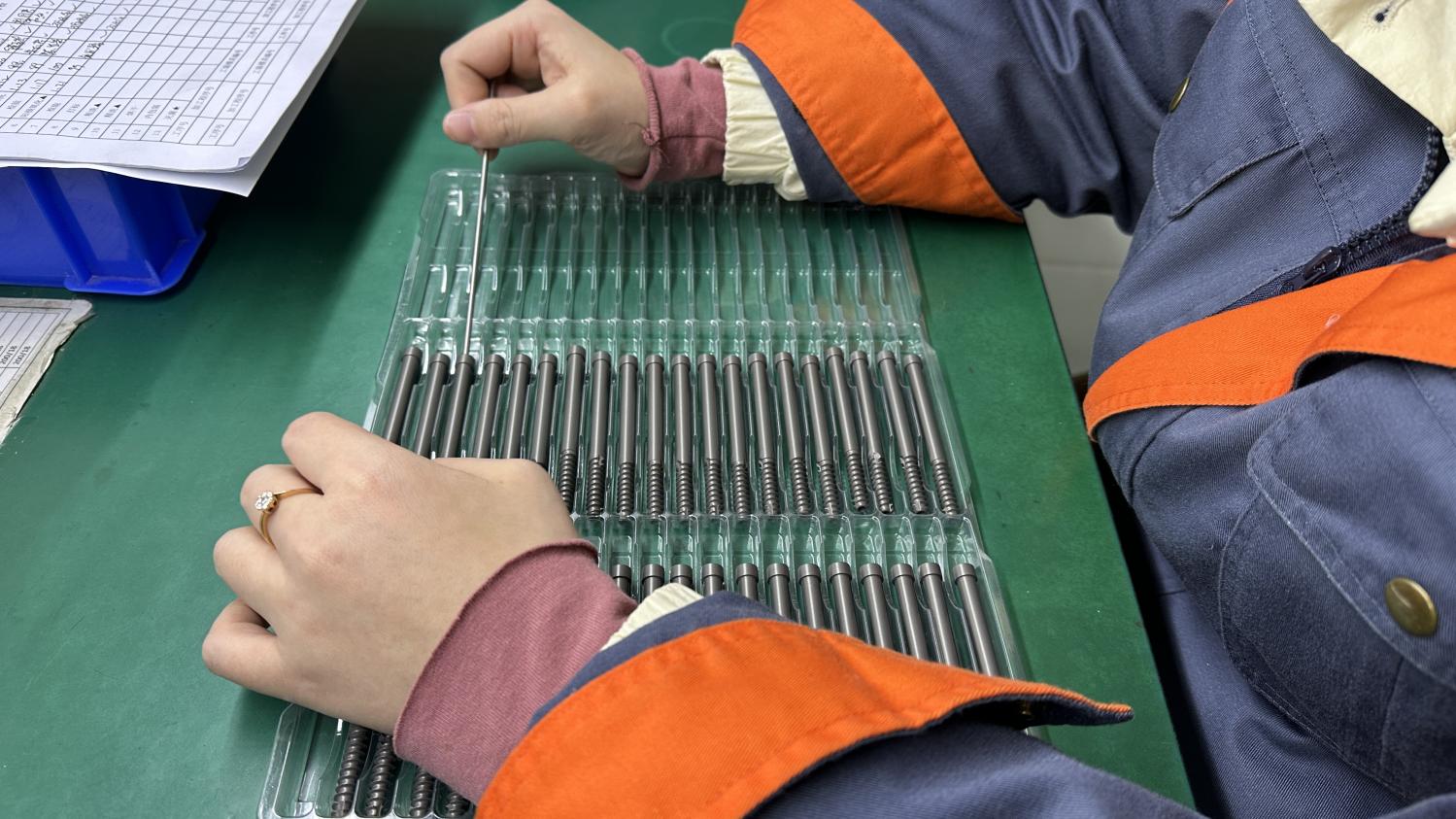
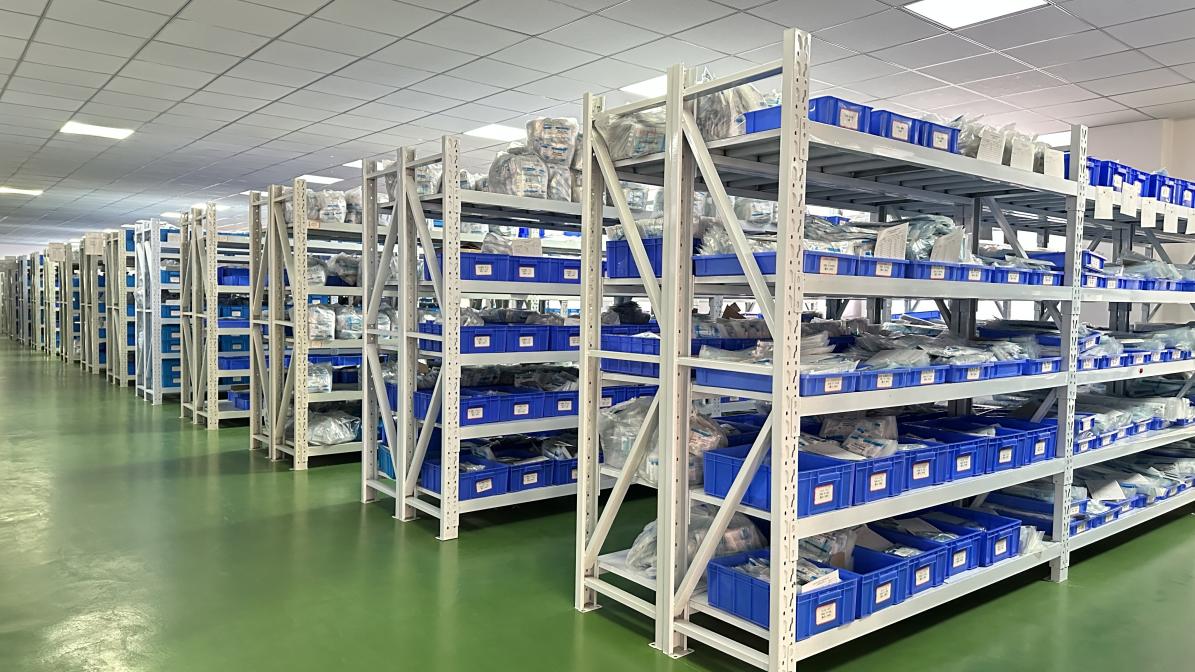
Our heavy hardware investments include robust CNC Machining Centers, high-efficiency slitting tools, and wire-cutting machinery which enable us to meet the intricate specifications of dynamic and variable-angle cross connectors.
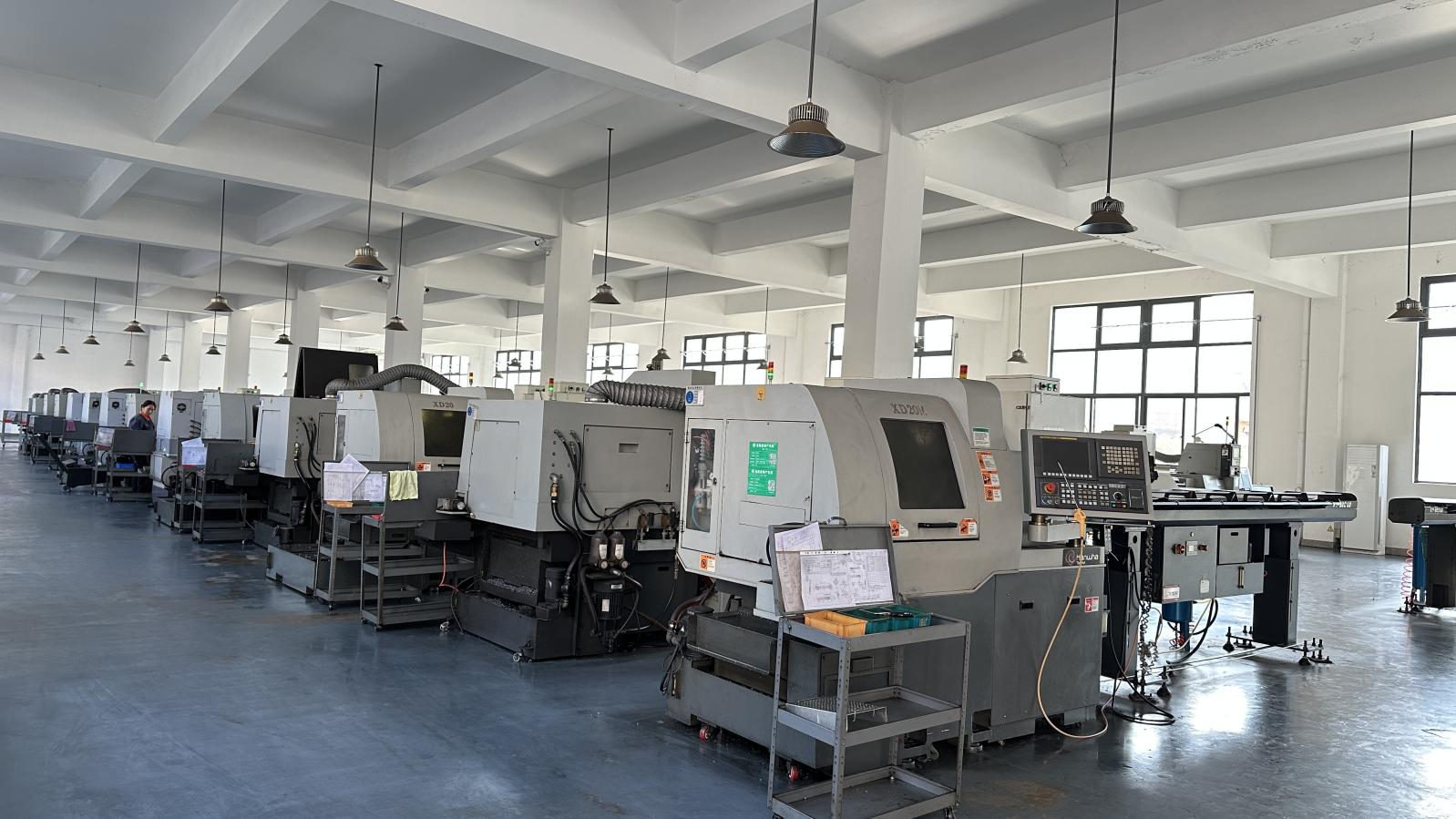
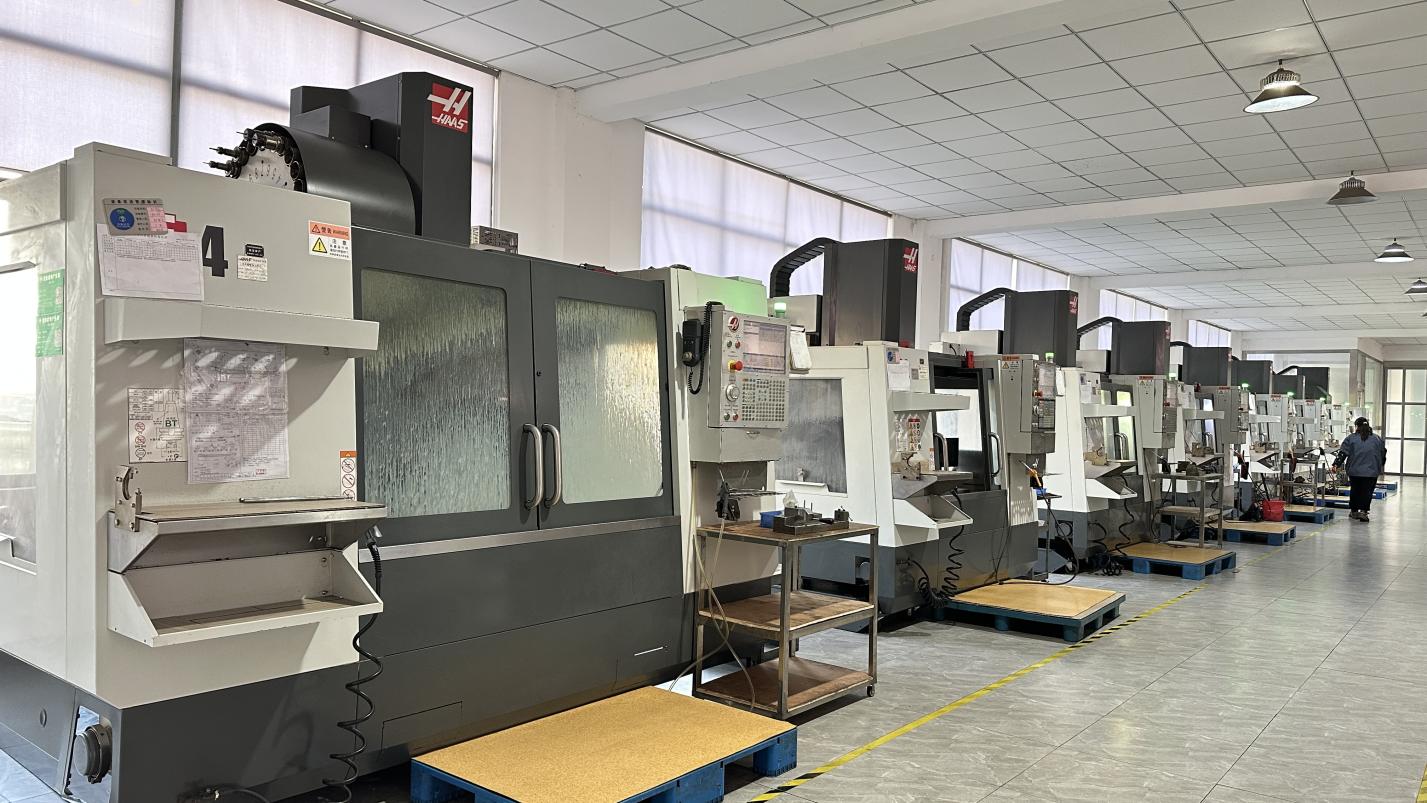
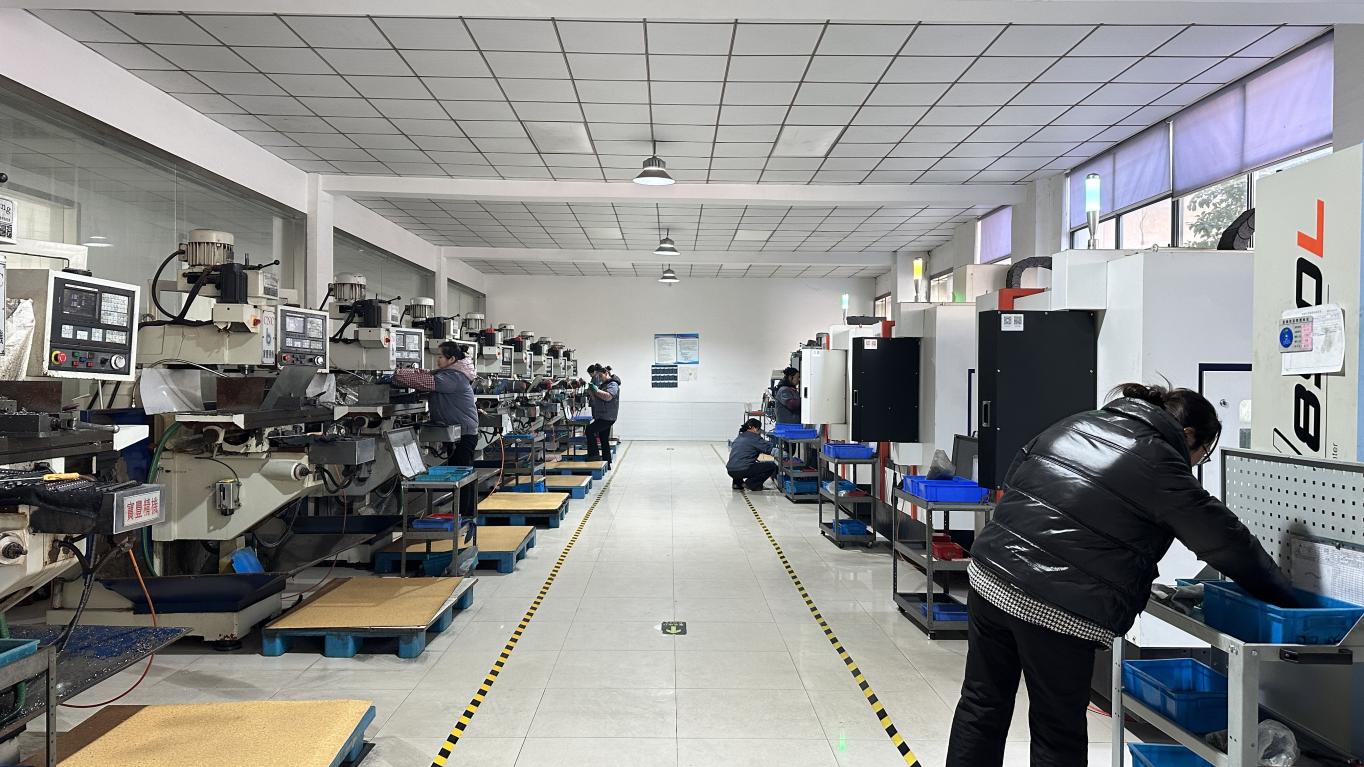
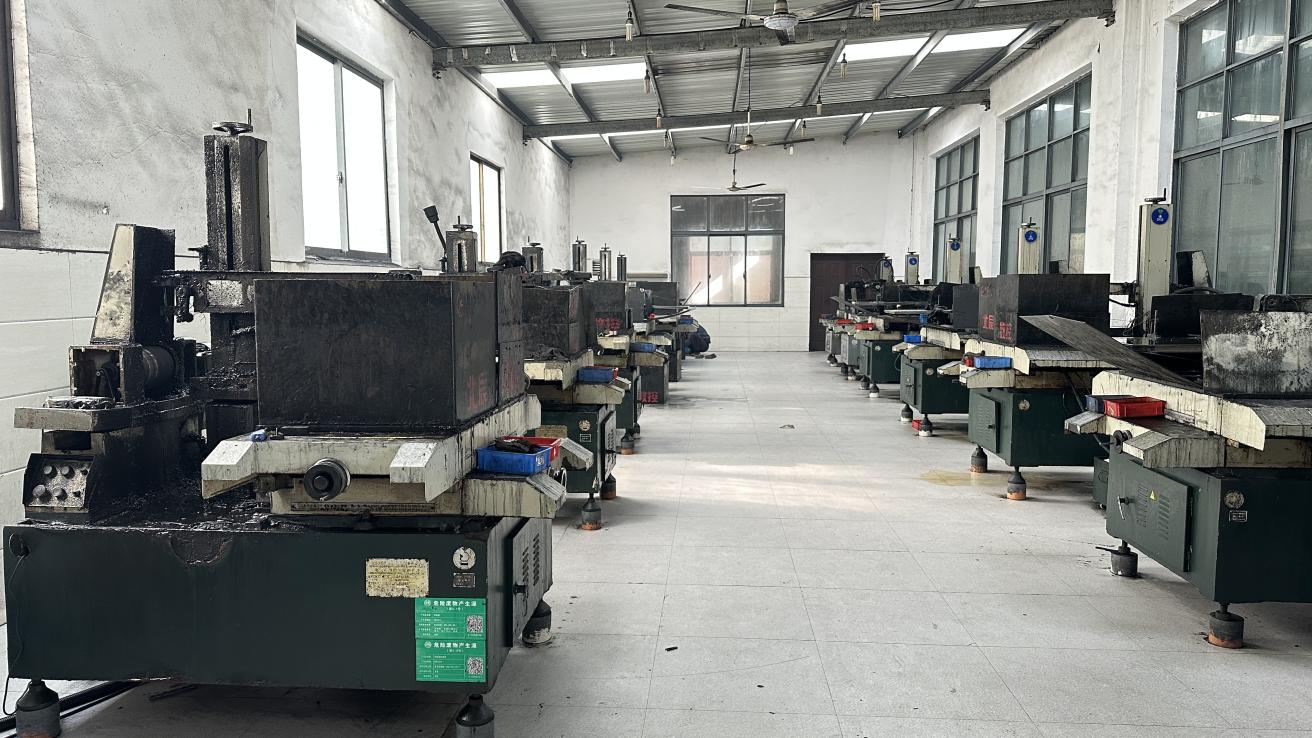

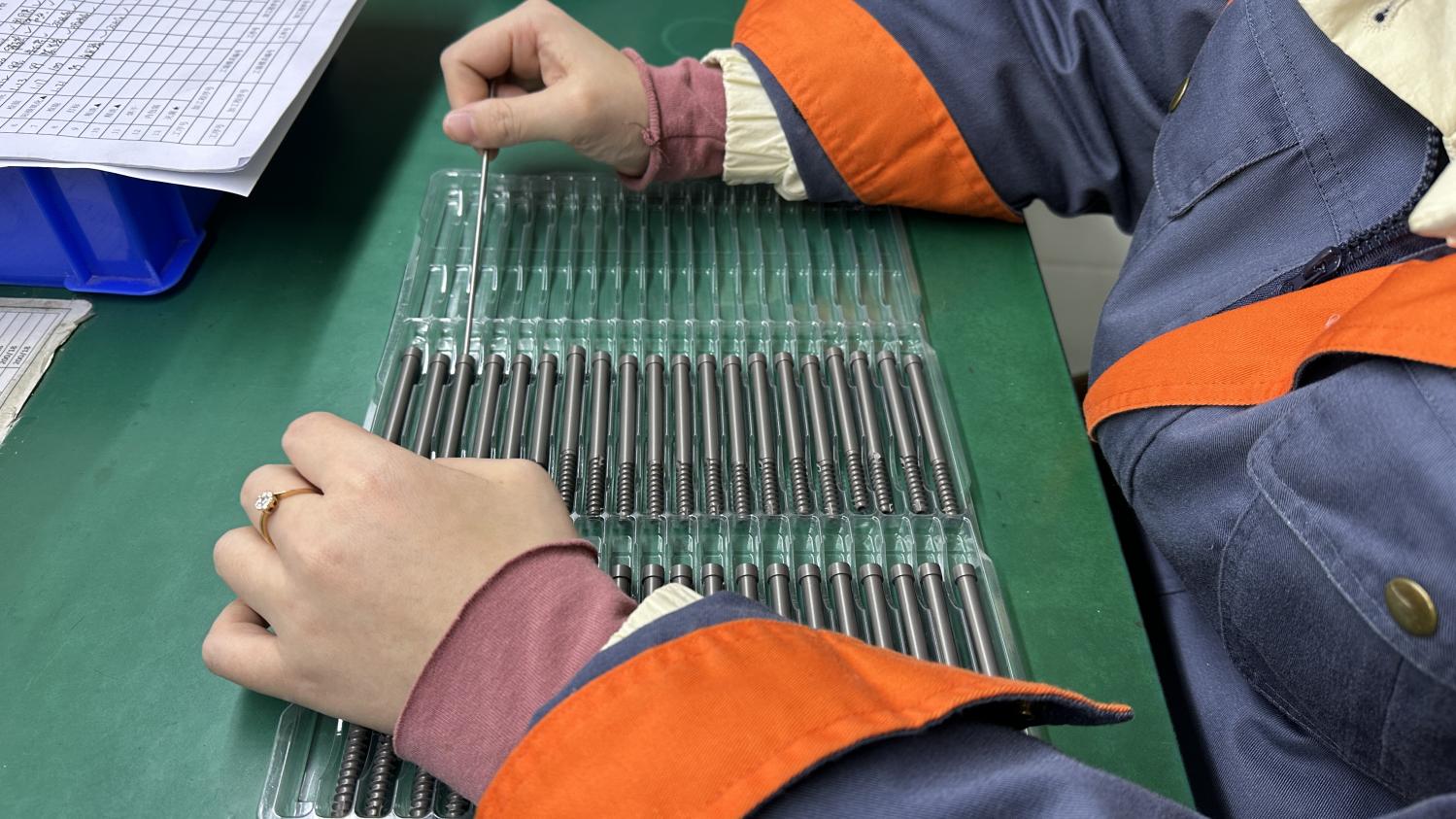
Orthopedic implants require zero-defect manufacturing. At Virelox, quality assurance is deeply embedded within our ISO 13485-certified management system. We deploy a multi-tiered inspection protocol that screens out structural anomalies, trace impurities, and micro-dimensional variations before any implant departs our facility.
| Testing Parameter | Methodology / Equipment | Target Standard / Metric | Significance for Spinal Constructs |
|---|---|---|---|
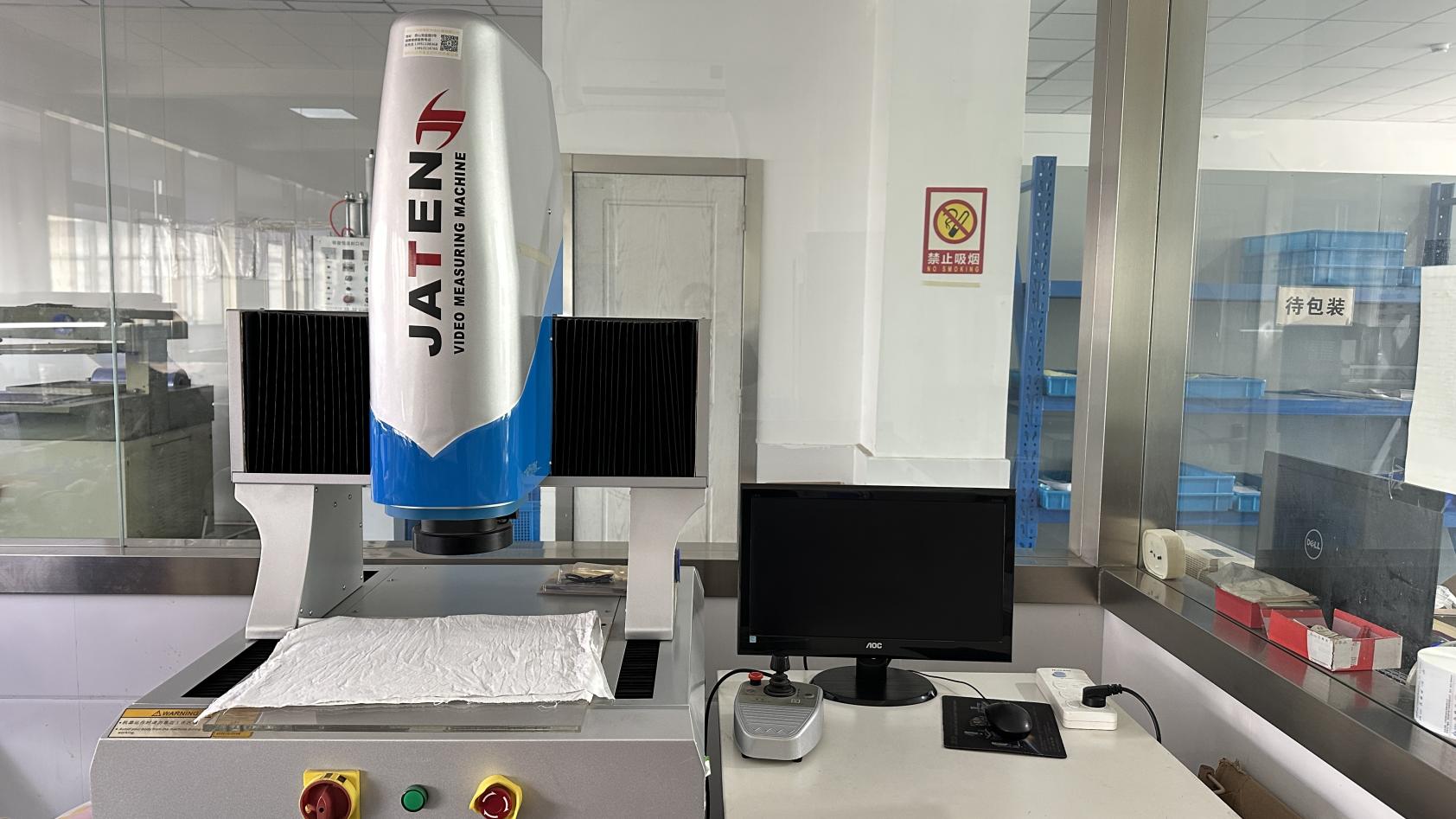
| Dimensional Verification | Two-Dimensional CMM & Laser Scanning | Within ±0.01mm tolerance limit | Ensures perfect mating with longitudinal rods and screws. |
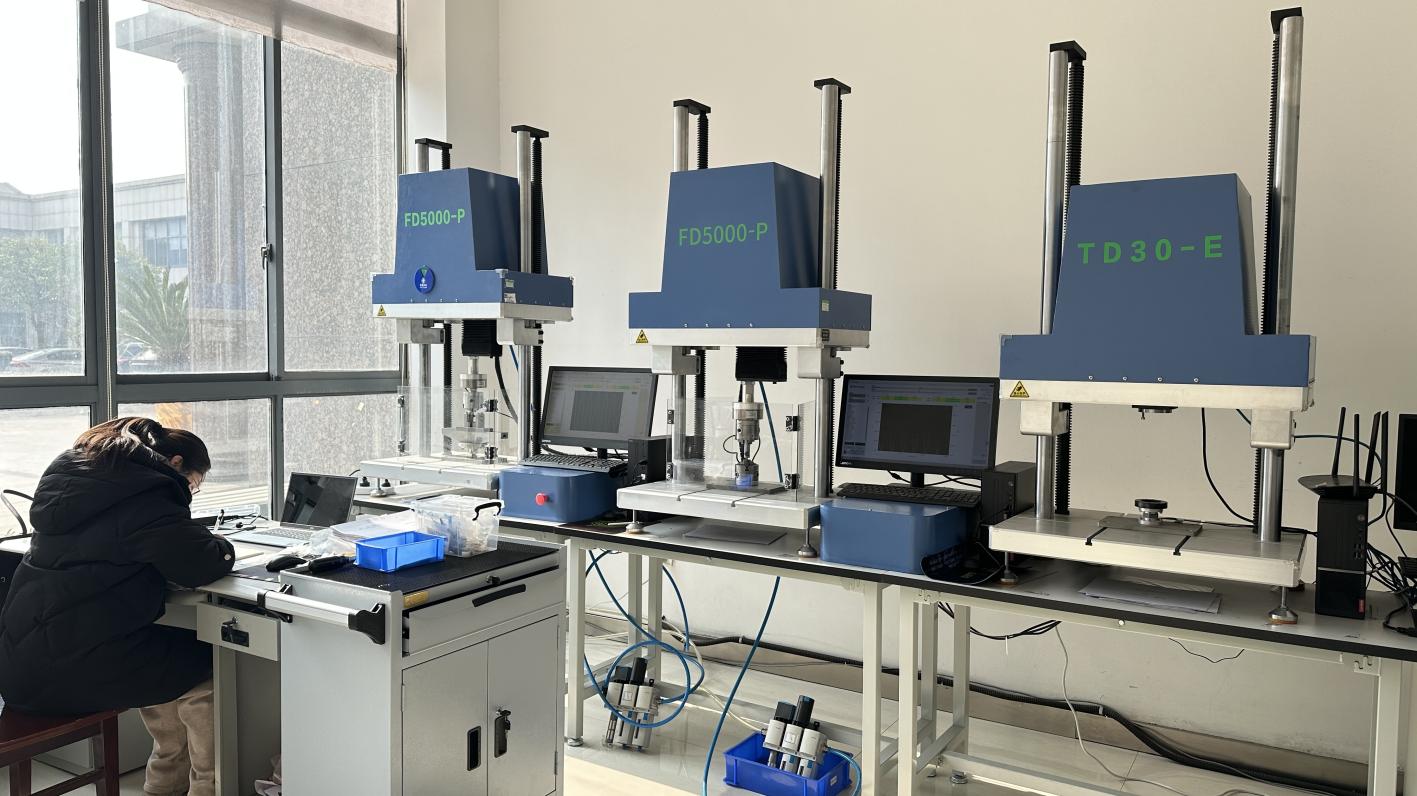
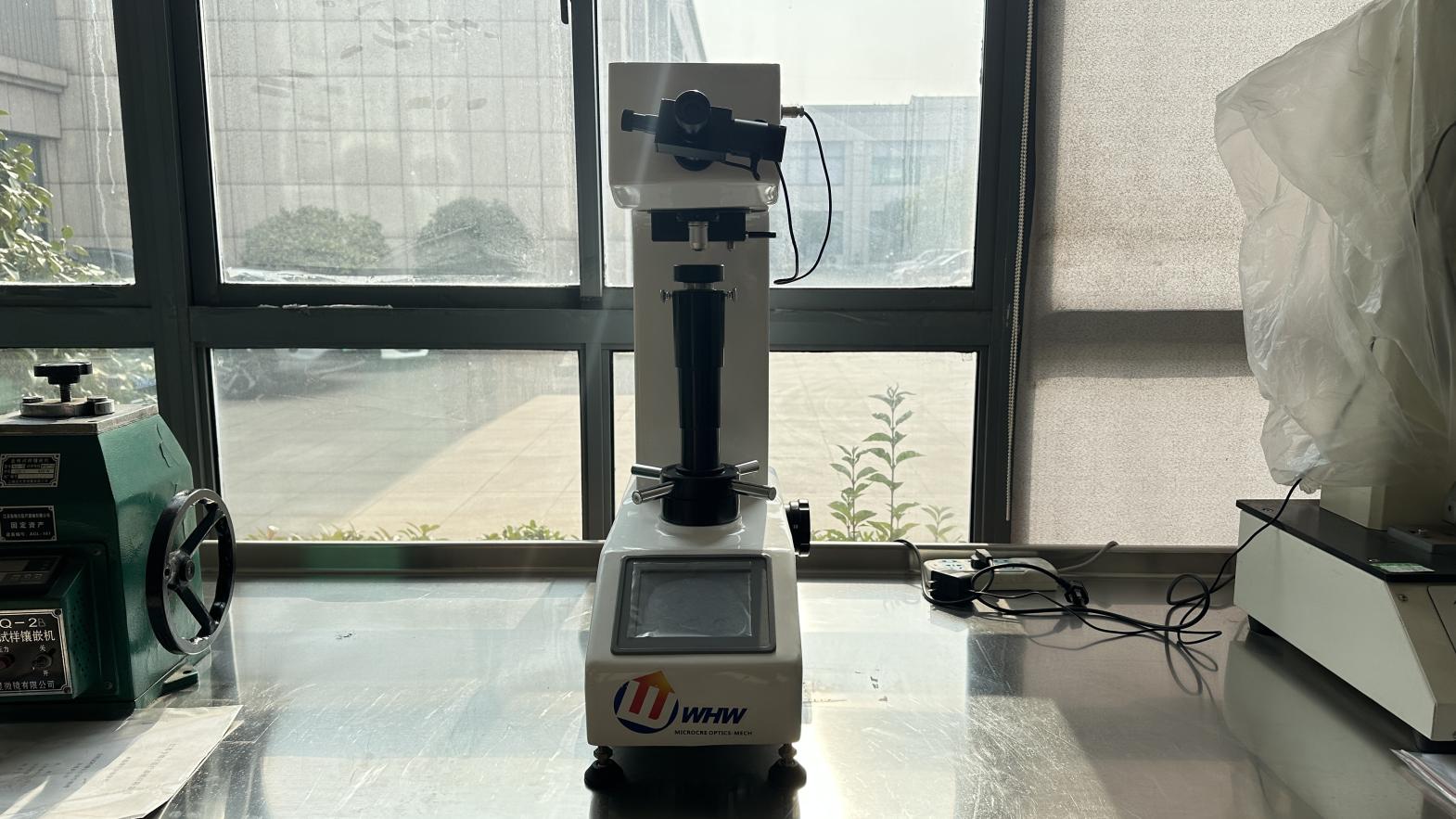
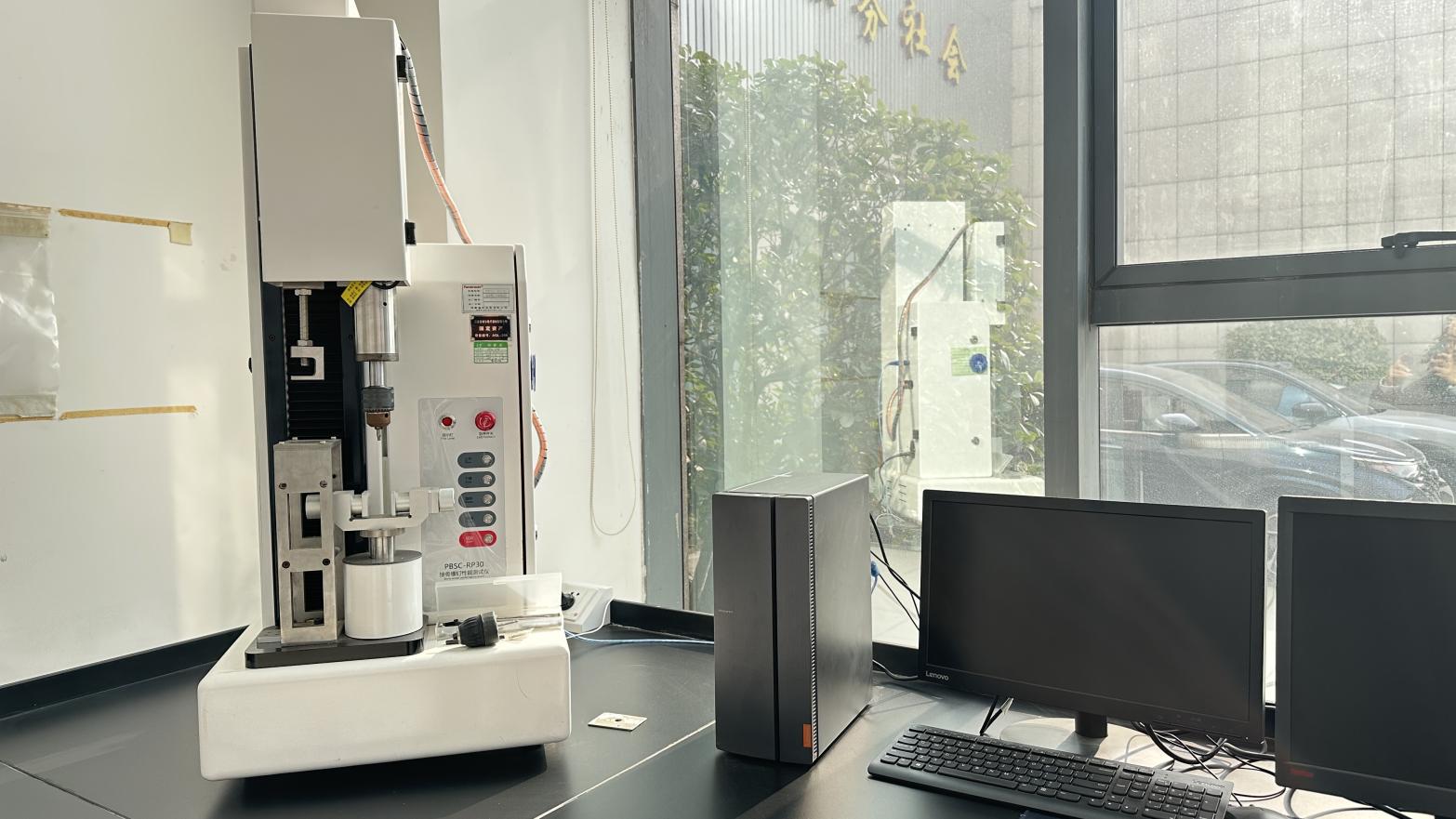
| Fatigue Resistance | Fatigue Tester (MTS/Instron) | ASTM F1717 / ASTM F2193 (>5 Million Cycles) | Guarantees structural durability under cyclic walking loads. |
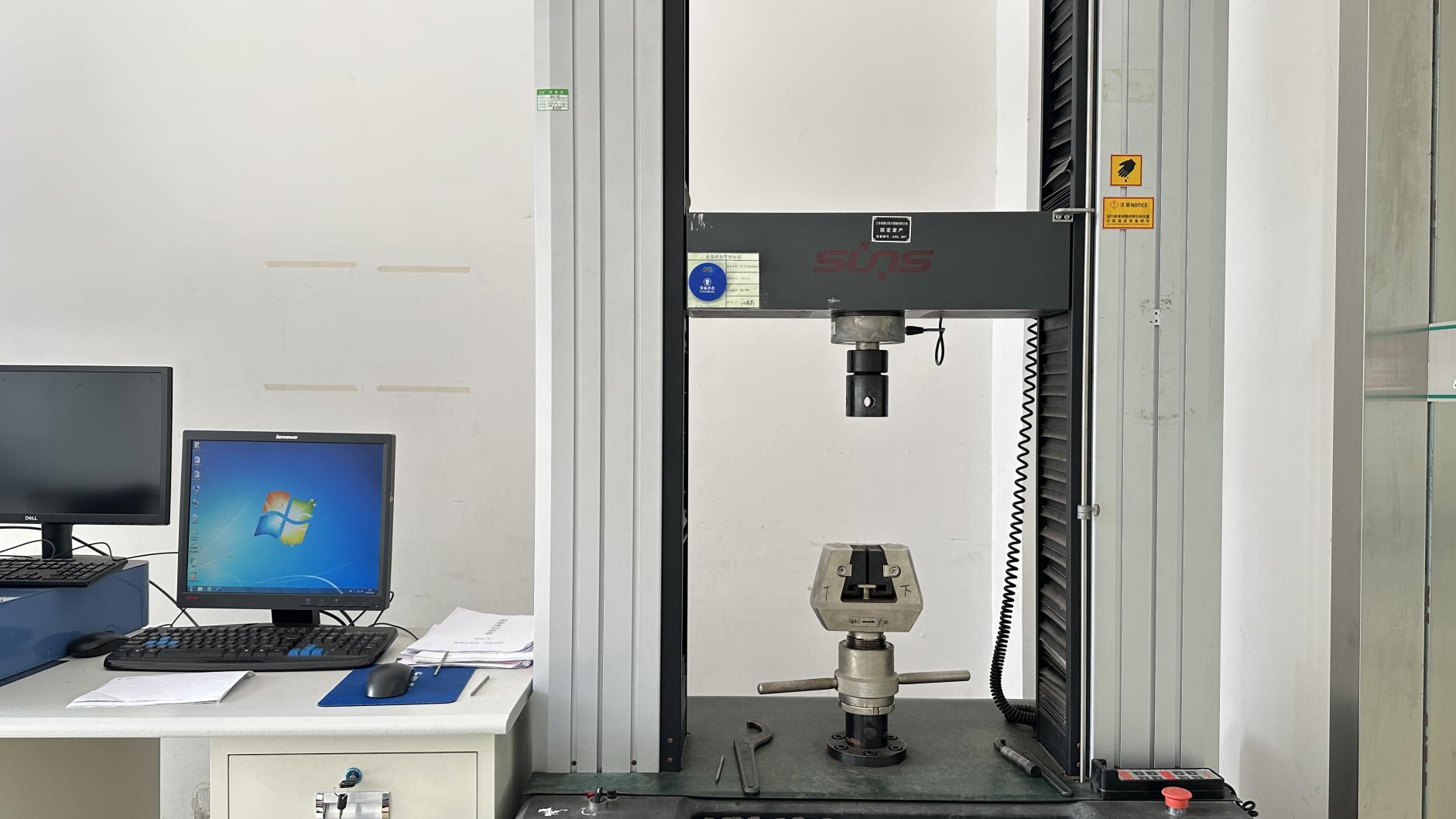
| Tensile & Yield Strength | Tensile Tester | ASTM F136 Gr 5 Titanium alloy standards | Prevents fracture or bend-deformation under axial loading. |
| Surface Characterization | Micro-hardness Tester & Profilometer | Controlled roughness (Ra) & Vickers microhardness | Minimizes metal-on-metal wear debris and tissue irritation. |
| Internal Soundness | Industrial X-Ray / Ultrasonic Flaw Detector | Zero micro-voids, cracks, or inclusions | Prevents catastrophic catastrophic failure in-vivo. |
Let's look at the actual QA and testing equipment deployed within the Virelox internal lab, showing our verification capabilities:
One design does not fit all. Patients vary significantly in skeletal geometry, bone density, and anatomical pathways. Recognizing this, Virelox offers three fundamental design classes of spinal cross connectors:
Sourcing medical implants globally demands deep attention to localized clinical policies and regulatory pathways. Whether registering implants under Europe's strict CE MDR, the US FDA 510(k), or regional standards in South America and ASEAN markets, Virelox provides full regulatory documentation support. We provide complete technical documentation packages, raw material mill sheets, sterilization validation reports, and ISO compliance logs to accelerate your regional registration pathways.
The future of spinal implants is moving toward bio-integration, smart materials, and surface-engineered interfaces. Our 120-person R&D team works closely with clinical advisors, materials science researchers, and orthopedic surgeons to test and pioneer next-generation technologies:
Expert answers addressing the core concerns of medical device distributors, sourcing managers, and surgical hardware procurers.
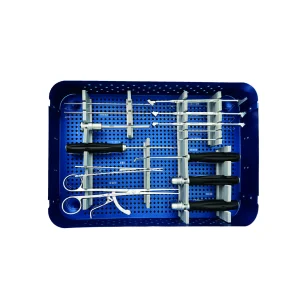
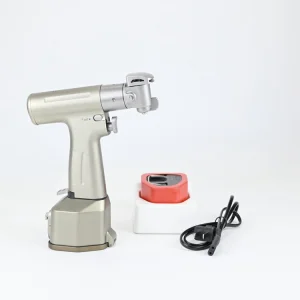
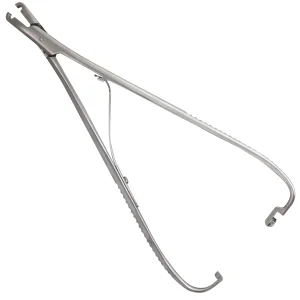
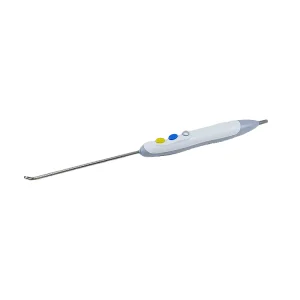
Complementary medical instruments, revision systems, and spinal implant components for comprehensive clinical interventions.
 Virelox