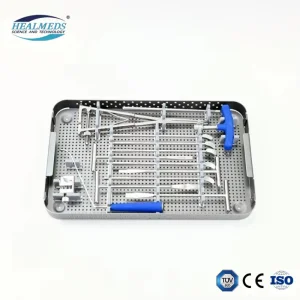
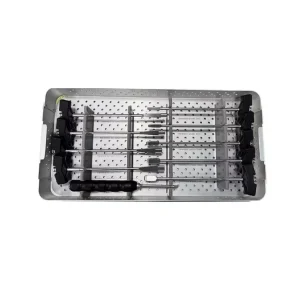
Explore our top-performing medical hardware portfolio engineered for ACL reconstruction, spinal fusion, and trauma fixation platforms.
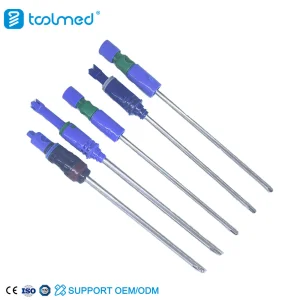
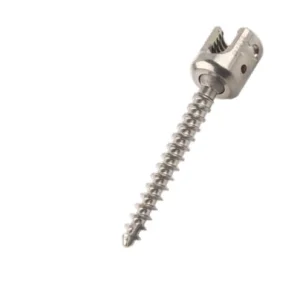
An authoritative insight into the design, material selection, and osteosynthesis mechanisms of state-of-the-art Cancellous Screws.
Cancellous screws are specialized orthopedic implants designed specifically for securing fractures in cancellous (spongy) bone. Due to the lower density and porous structure of trabecular bone tissue compared to cortical bone, these screws feature deeper threads, a larger pitch, and a wider thread profile to maximize surface contact area and grip strength.
High-grade cancellous screws are manufactured with customized features such as a self-tapping tip to decrease torque requirement during surgical insertion, a smooth shank area to allow interfragmentary compression, and a cannulated design that allows precise guide wire placement prior to screw advancement.
These implants are vital for metaphyseal and epiphyseal fracture stabilization, pelvic reconstructions, and arthrodesis procedures. The application of premium medical-grade titanium alloys (Ti-6Al-4V ELI) ensures remarkable fatigue resistance and biocompatibility, avoiding stress shielding and secondary surgeries.
| Design Parameters | Cancellous Bone Screws | Cortical Bone Screws | Clinical Intent & Importance |
|---|---|---|---|
| Thread Profile | Deep thread with thin profiles for spongey tissue | Shallow, robust threads for dense outer bone | Maximizes bone-to-implant shear resistance |
| Thread Pitch (Distance) | Larger pitch (typically 1.75mm to 2.75mm) | Smaller pitch (typically 1.0mm to 1.25mm) | Provides faster advancement in porous structures |
| Core-to-Outer Diameter Ratio | Low ratio (small core, large outer thread) | High ratio (large core, shallow thread) | Increases surface area for poor-density bone anchoring |
| Standard Material Options | Ti-6Al-4V ELI (ASTM F136), Medical 316L SS | Ti-6Al-4V ELI, Medical 316L SS | Ensures biocompatibility and high yield strength |
Discover our manufacturing strength, production scale, and global supply stability supporting hospitals and distributors worldwide.
Virelox Medical Devices Co., Ltd. is a professional orthopedic medical device manufacturer specializing in joint replacement and surgical implant solutions. The company operates under the brand “Virelox” and is committed to delivering high-performance orthopedic systems for global healthcare providers.
Our factory leverages premium material sources, advanced CNC machining, and automated logistics to provide highly cost-effective and ultra-precise orthopedic components.
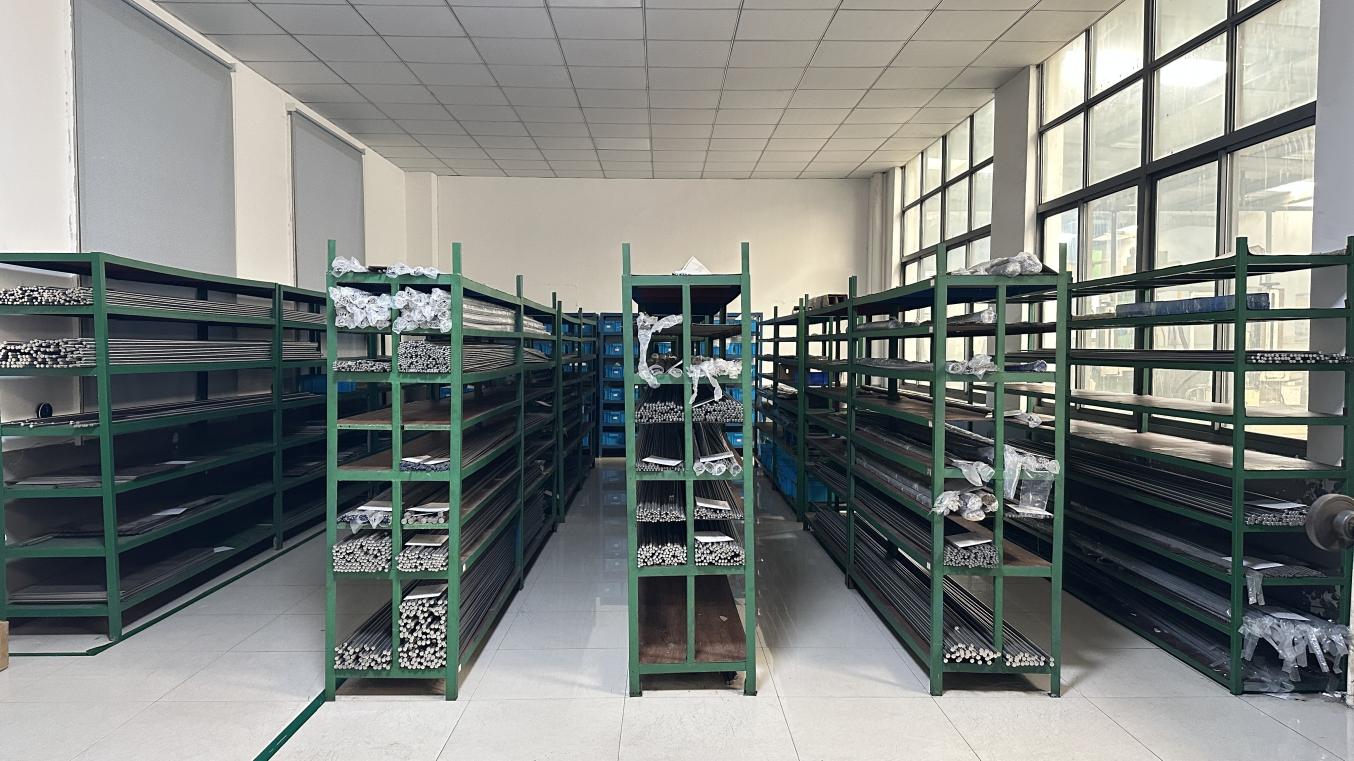
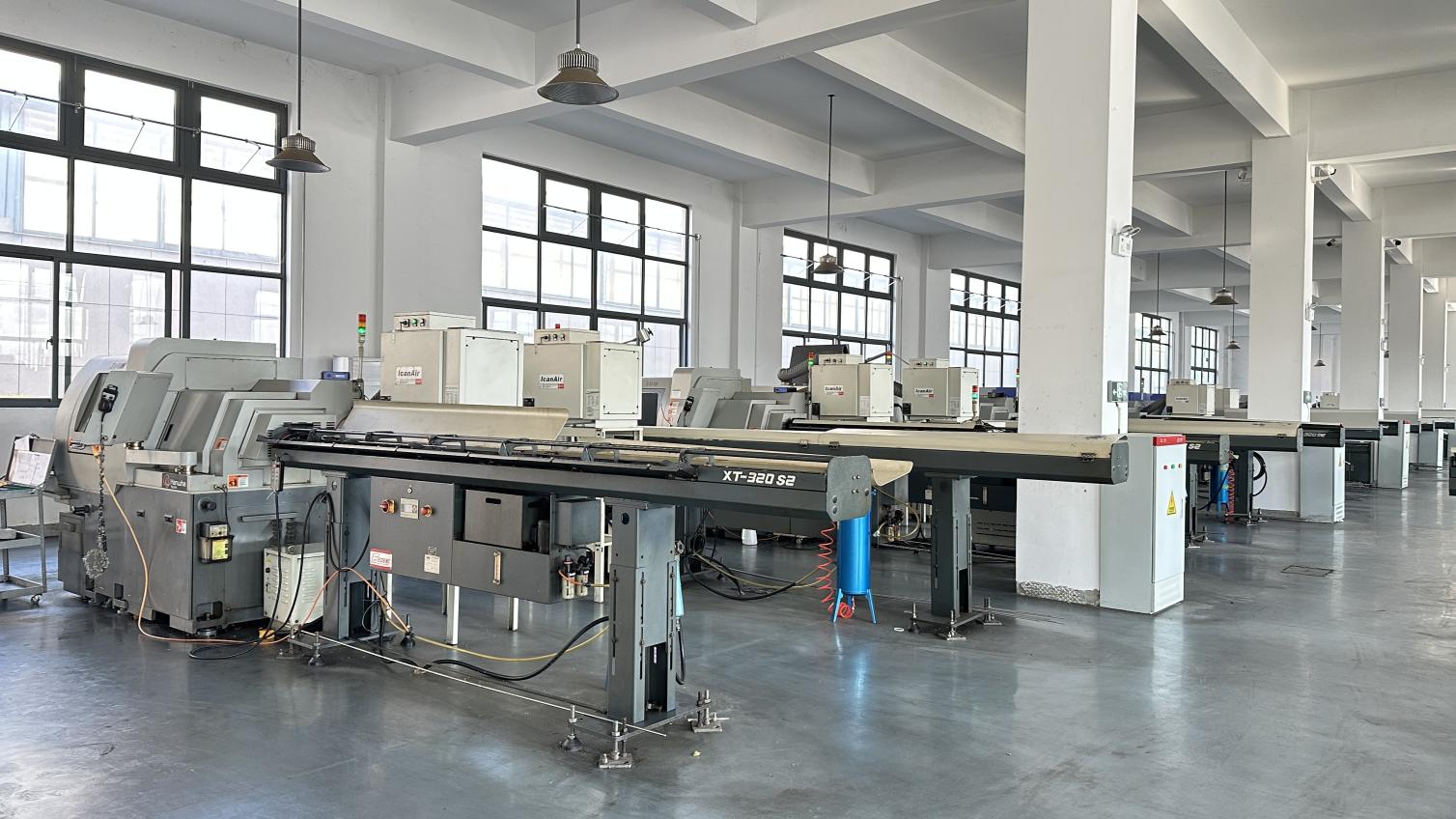
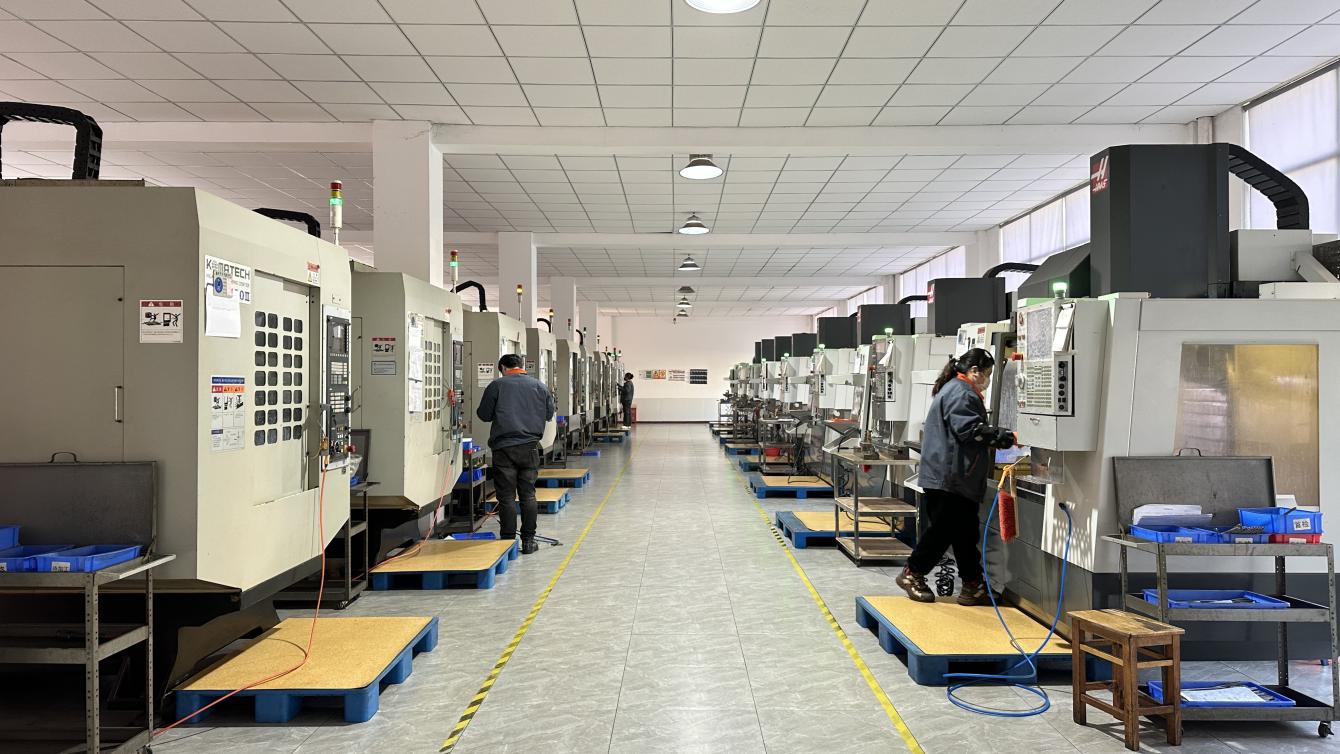
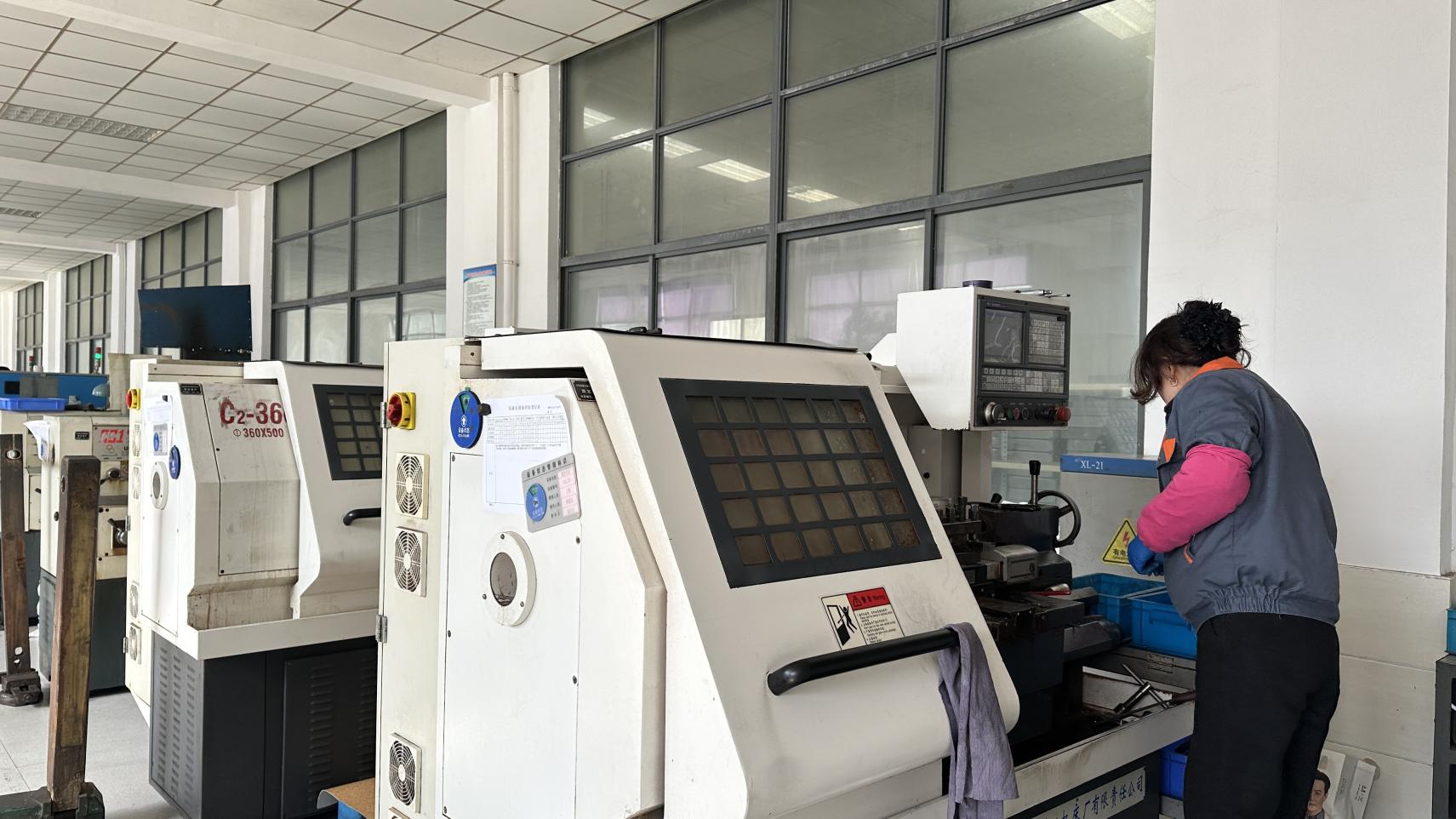
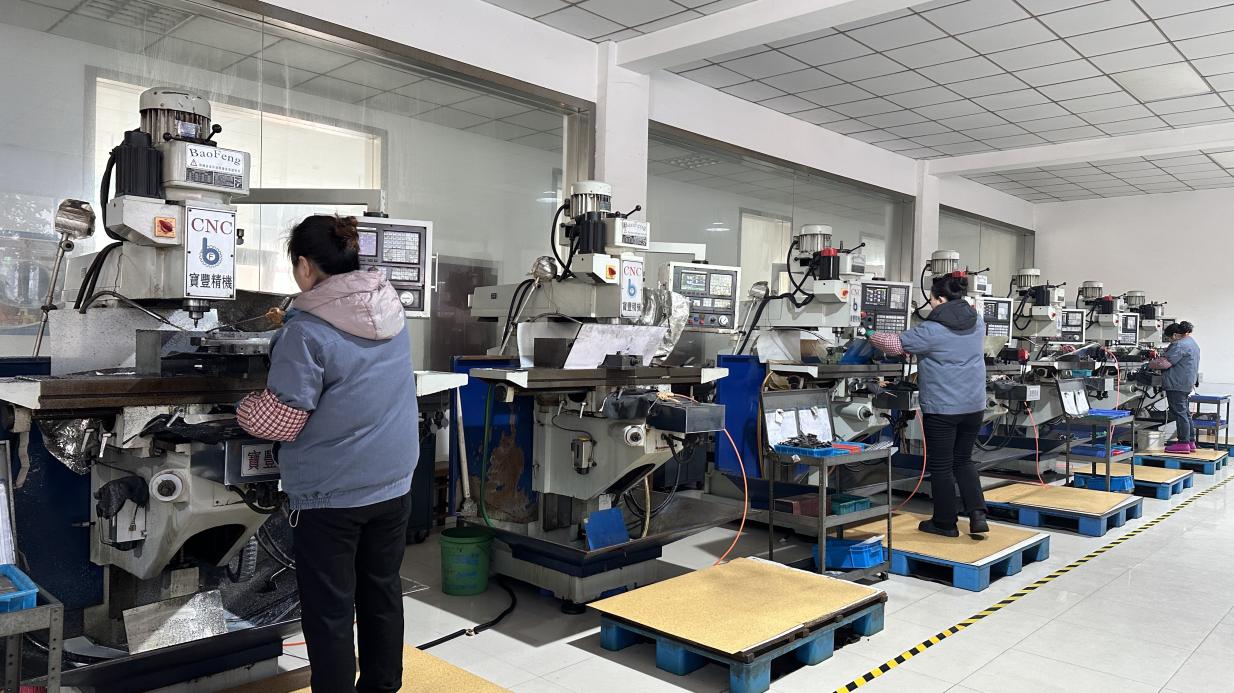
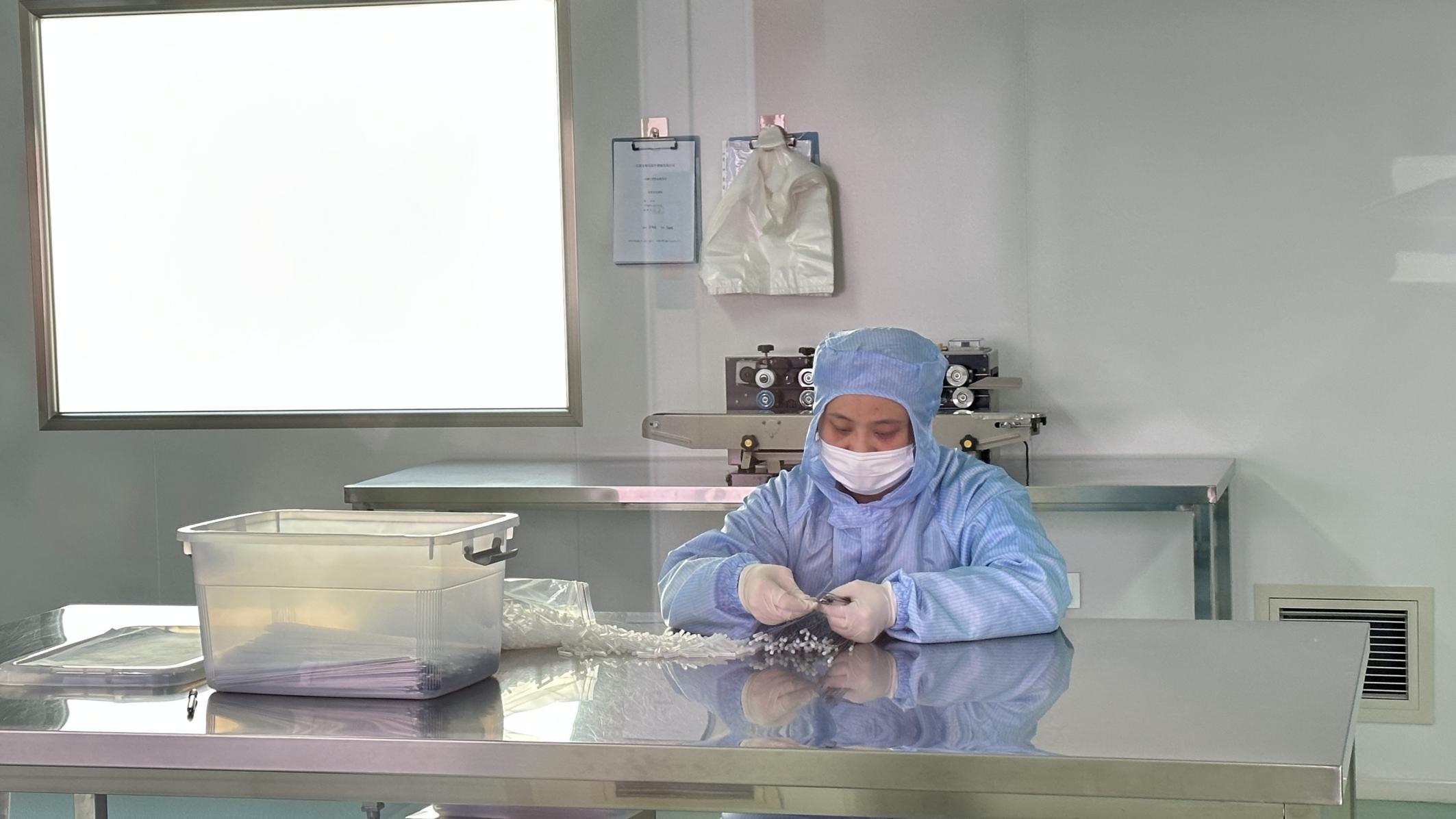
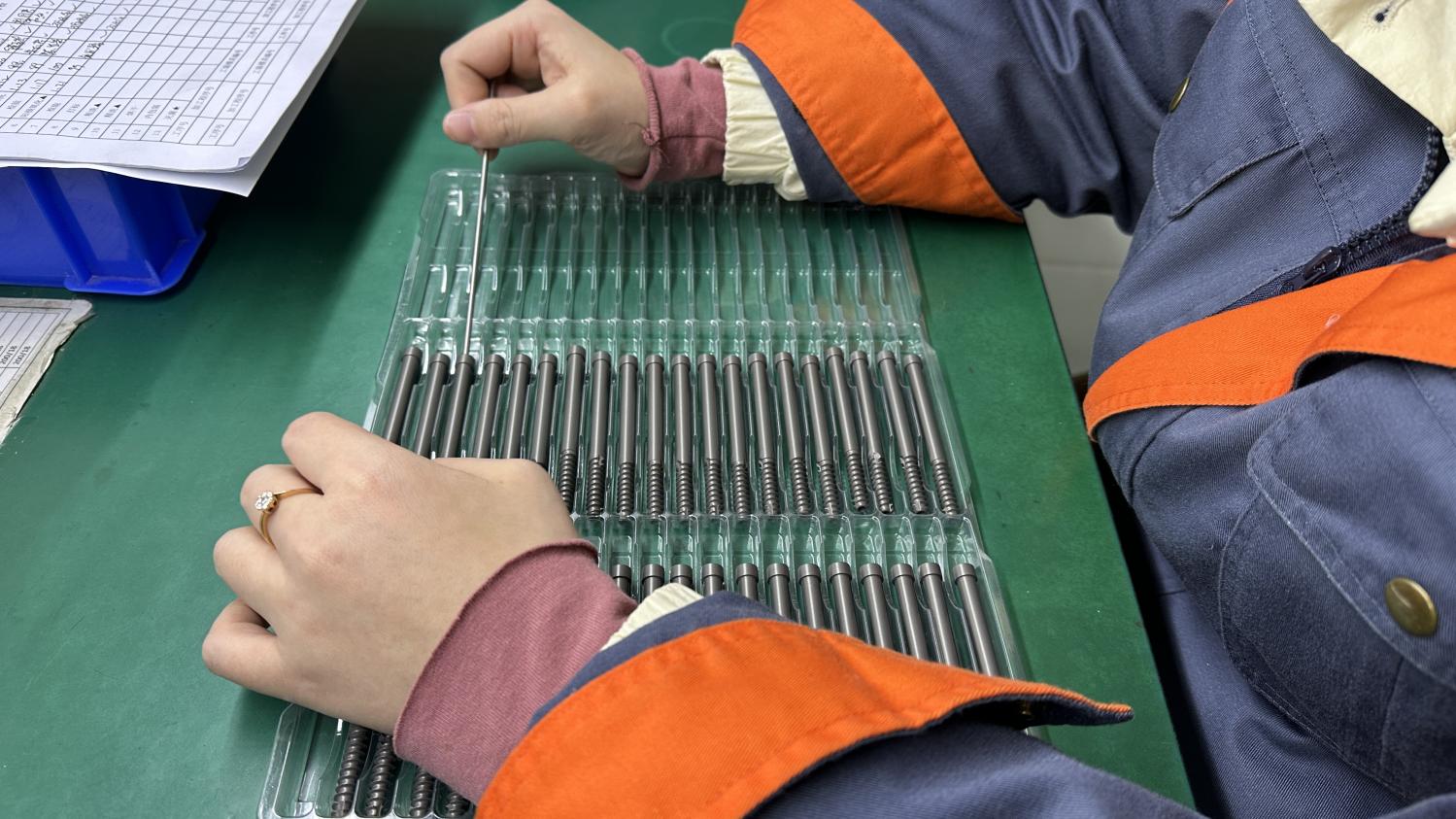
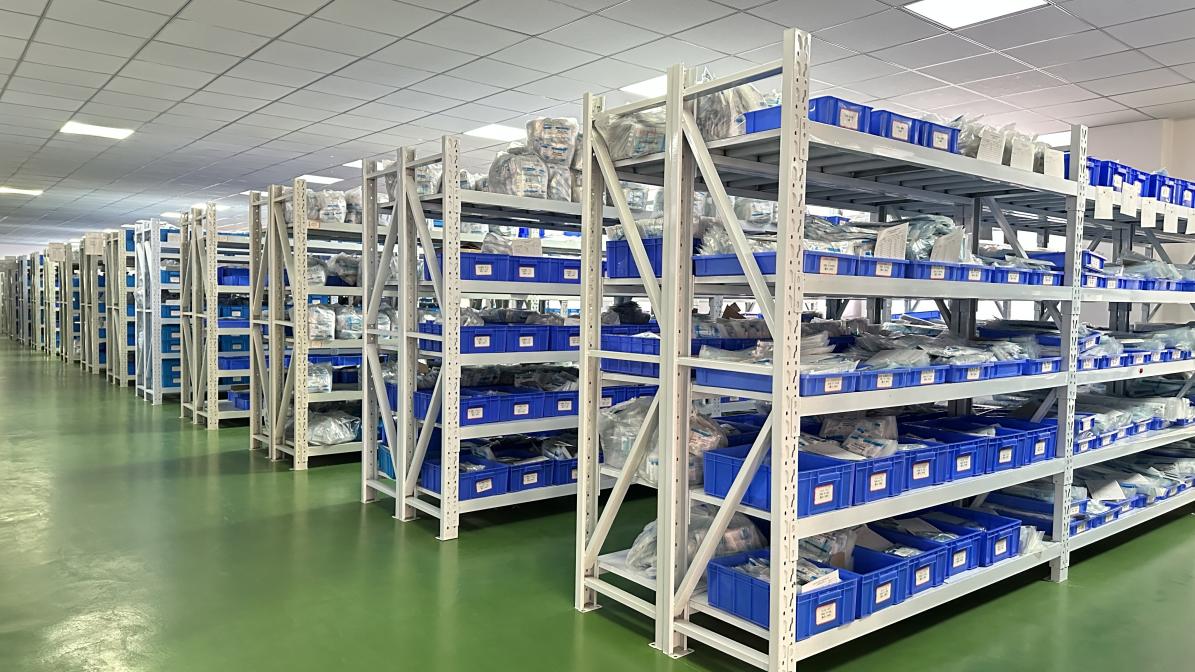
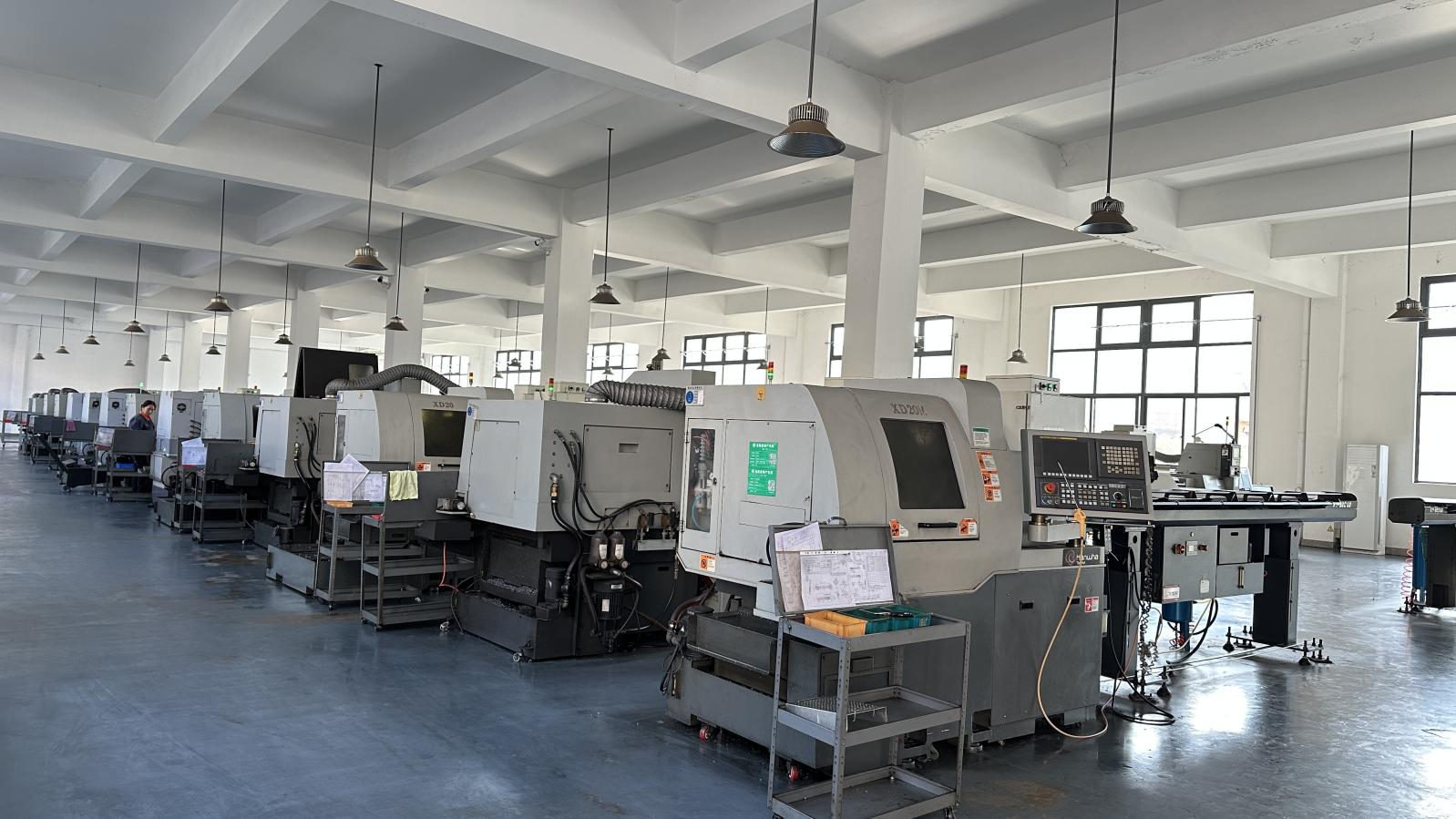
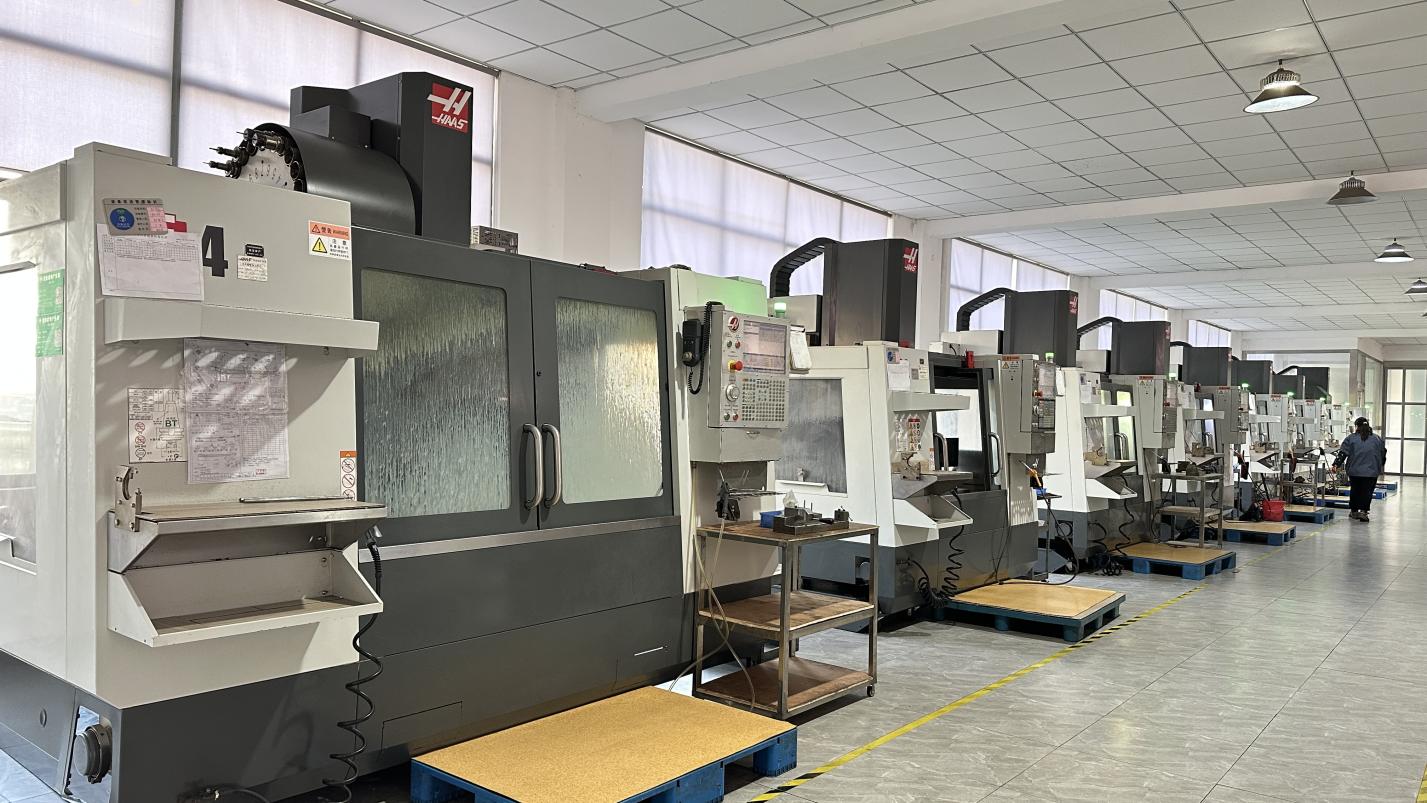
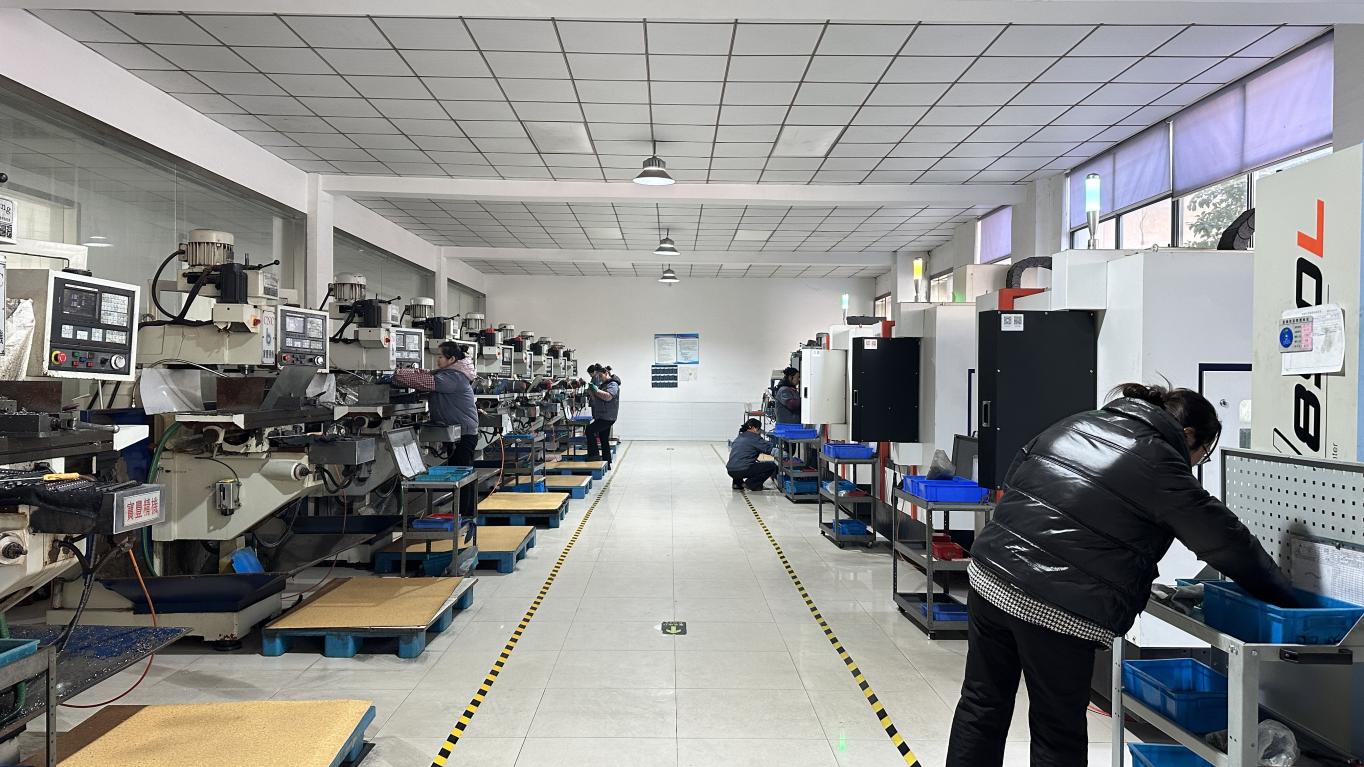
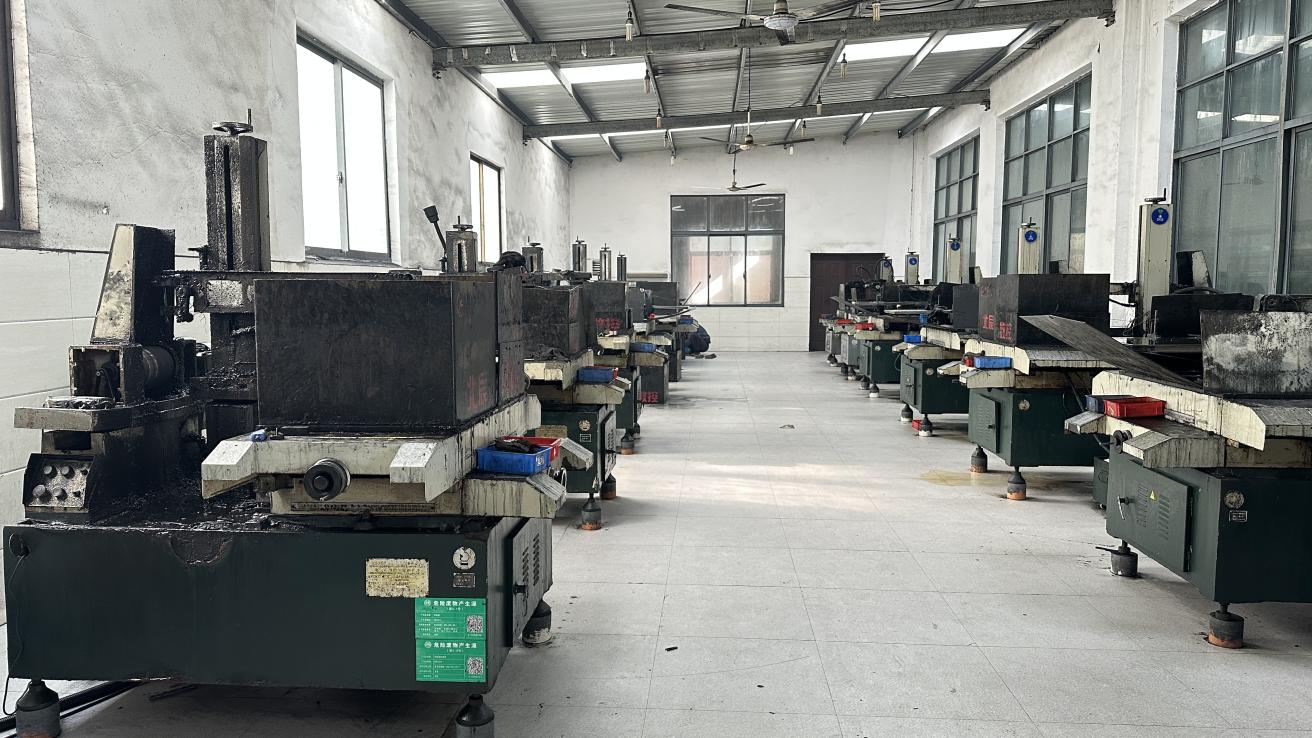
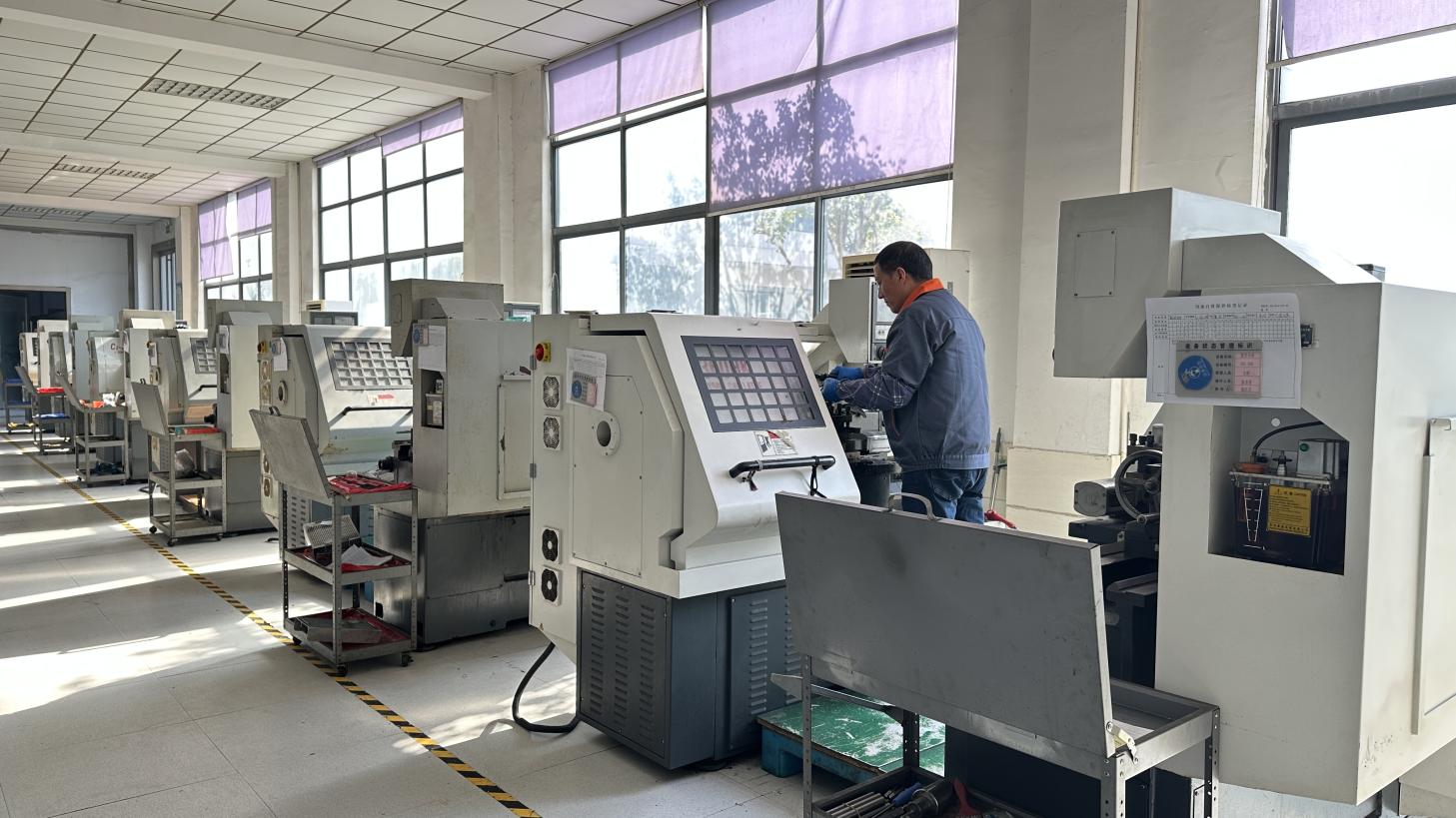
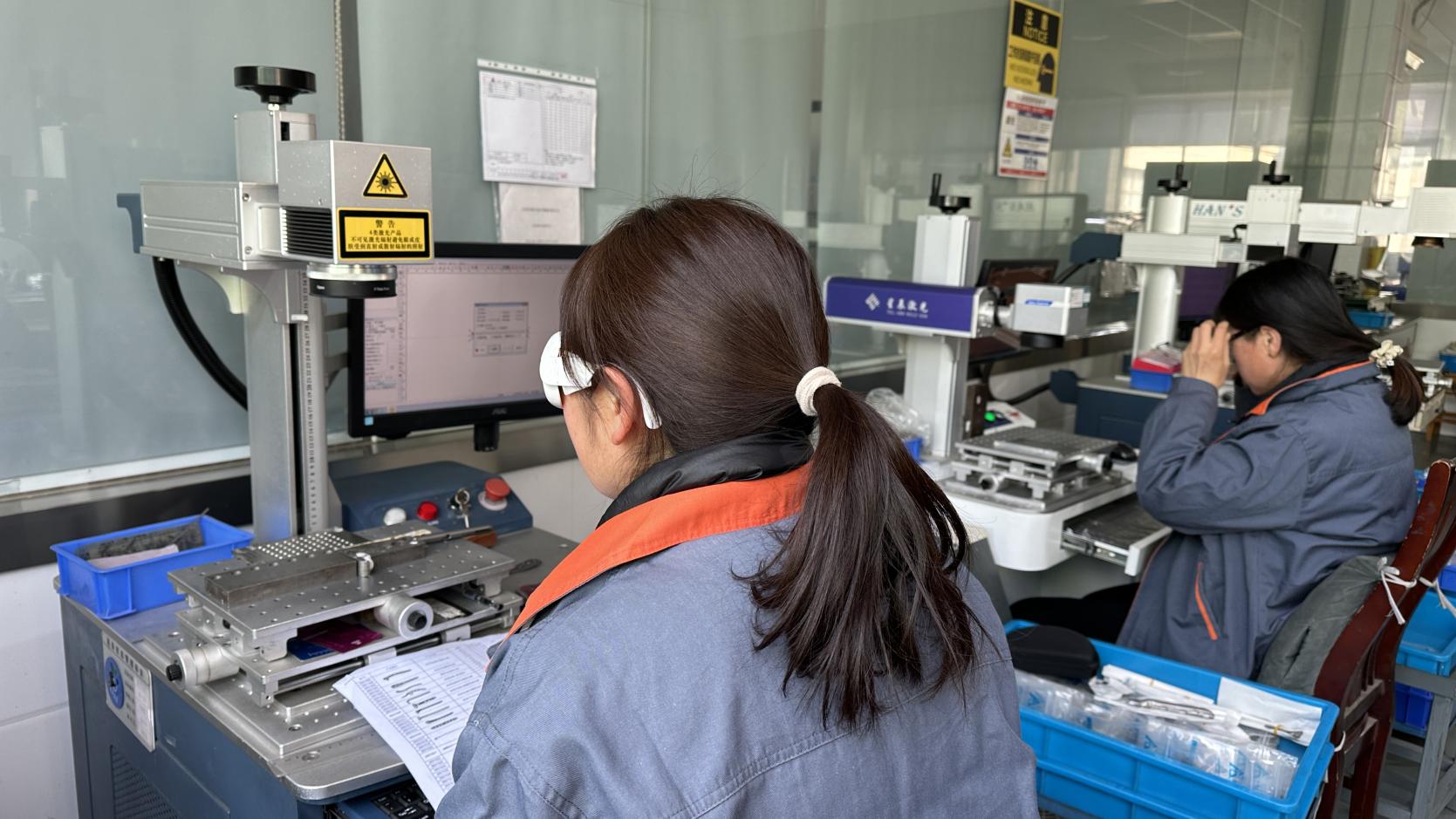
Our ISO 13485-certified quality management system maintains 100% material traceability and performs mechanical stress, structural limits, and fatigue testing.
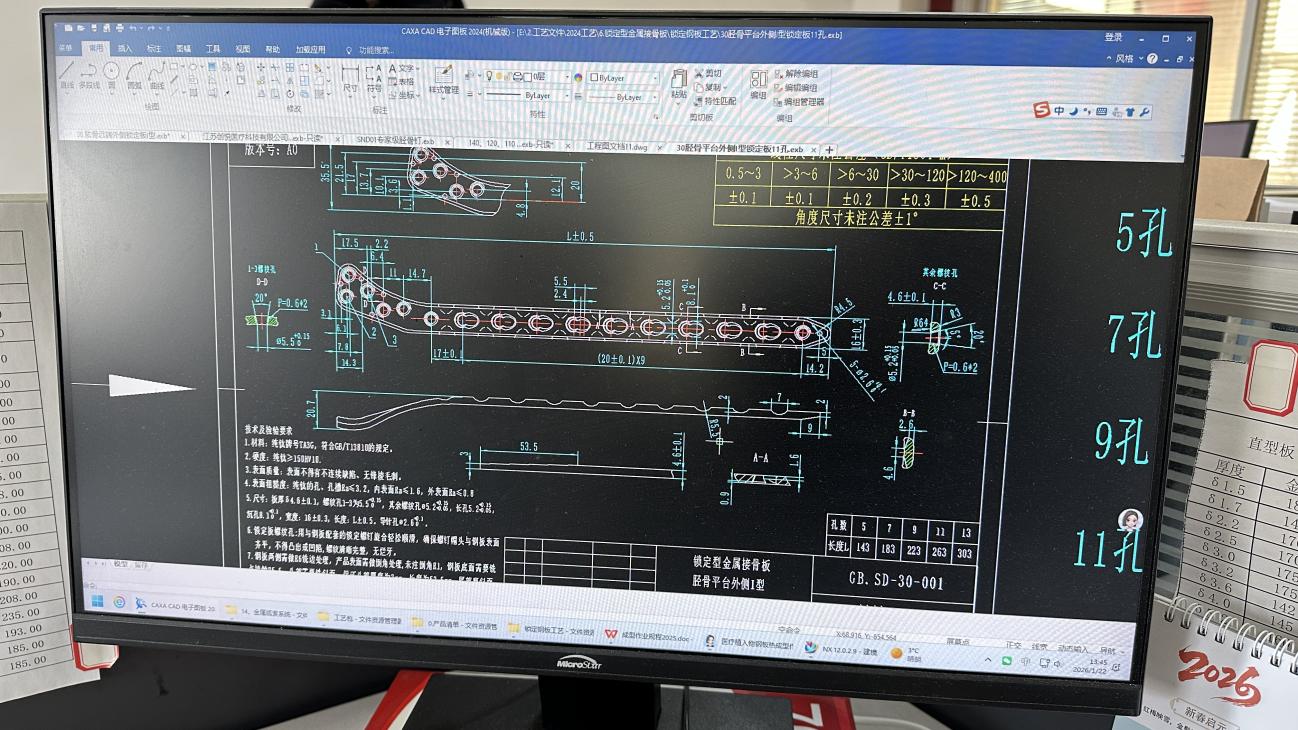

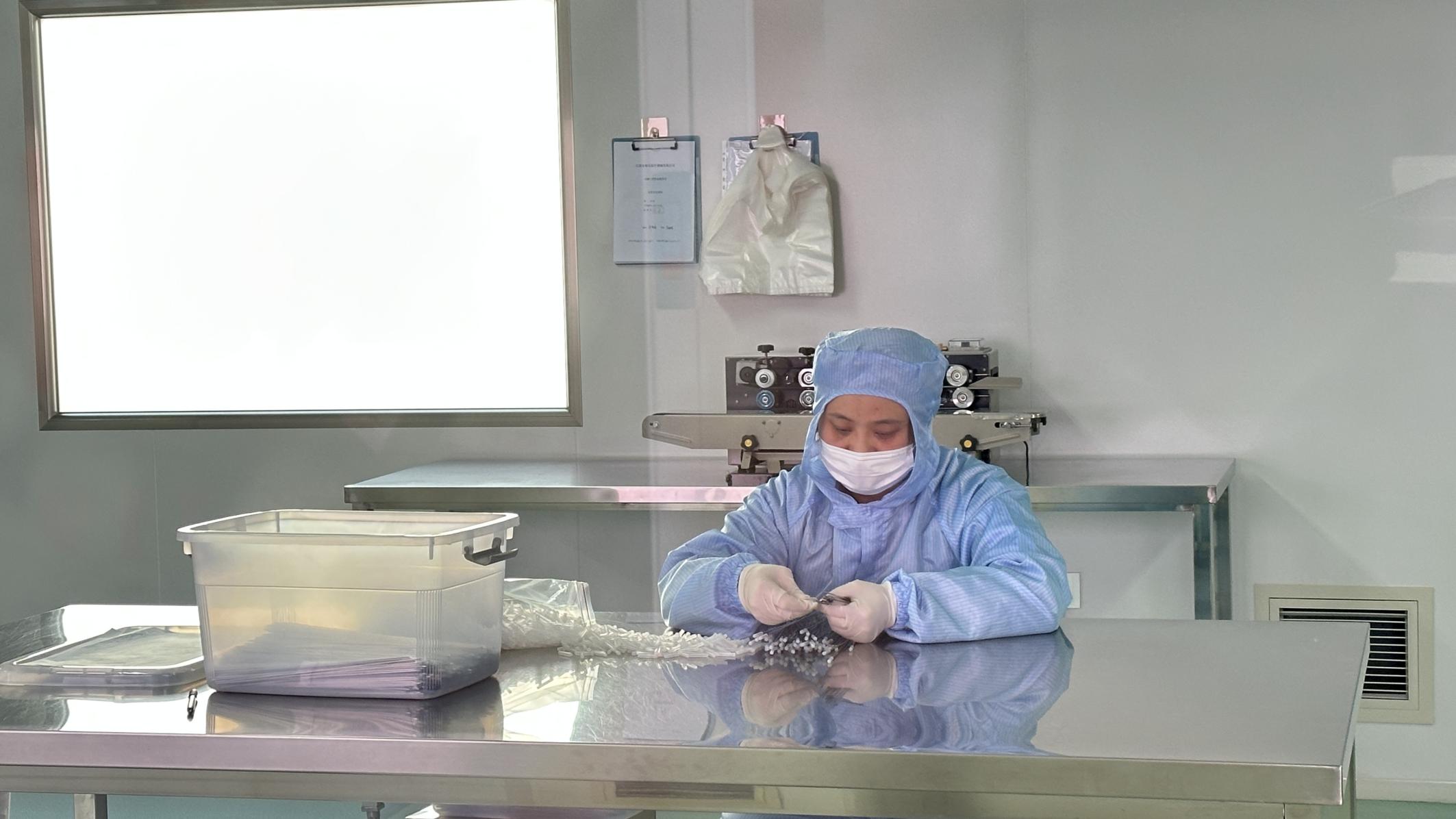
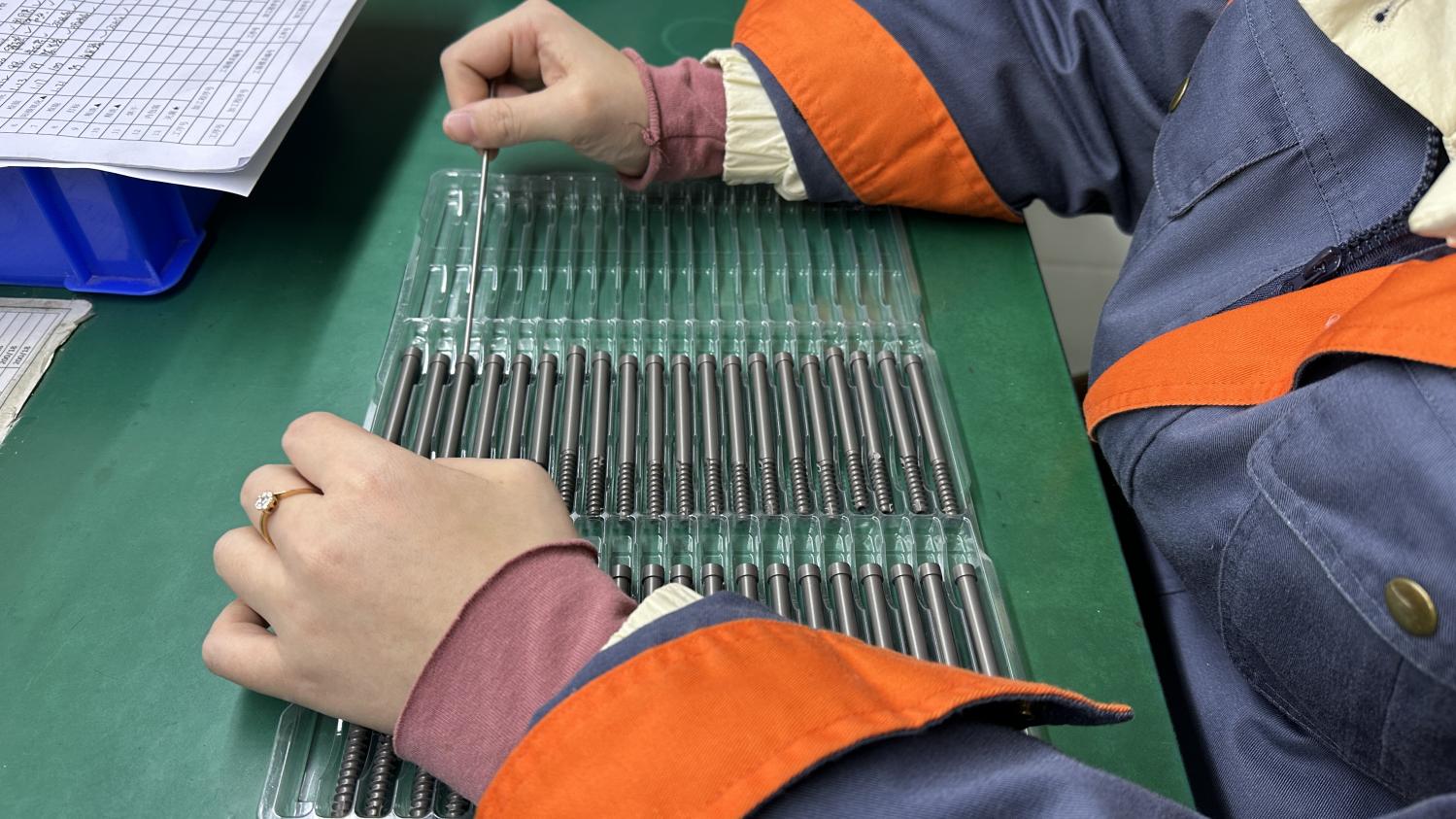
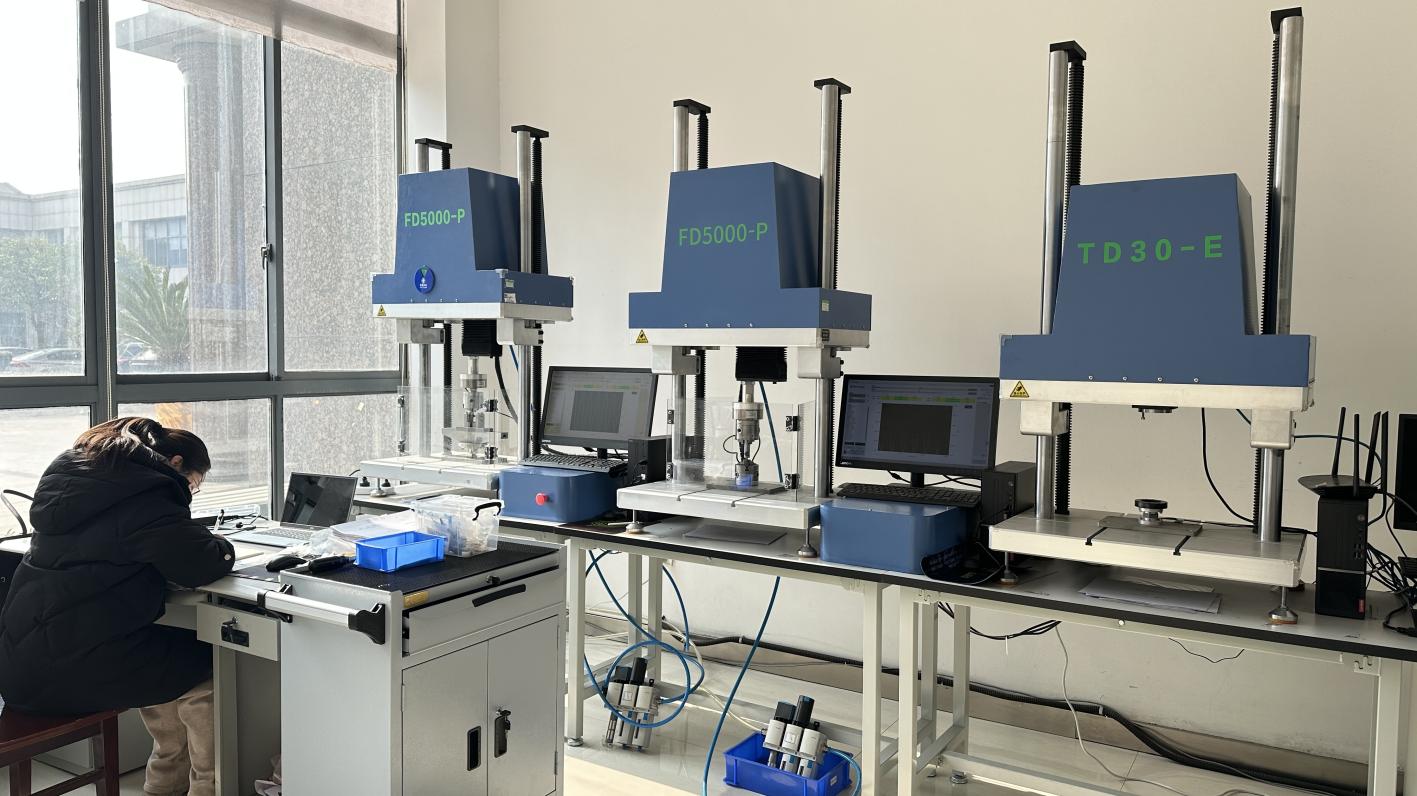
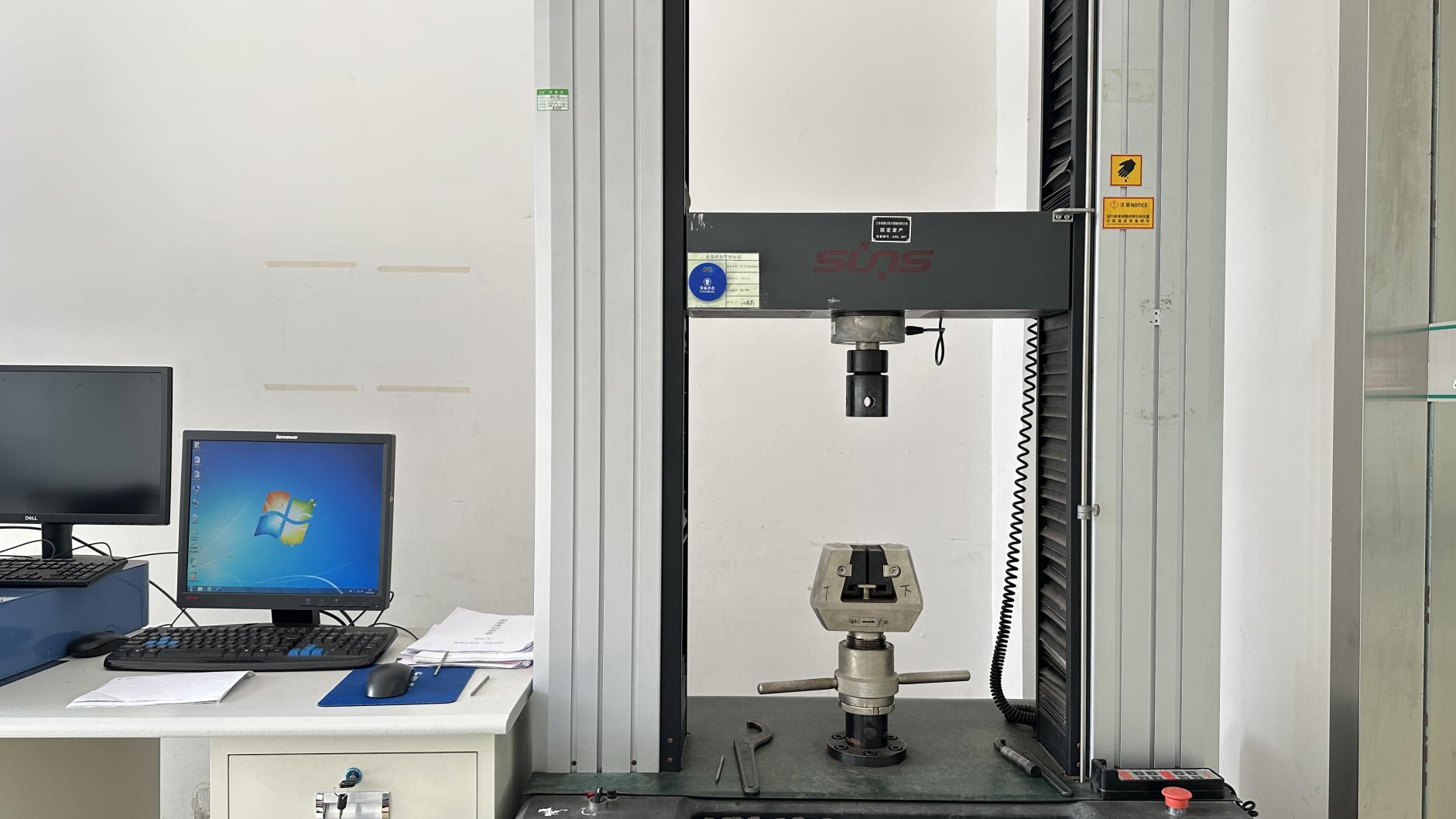
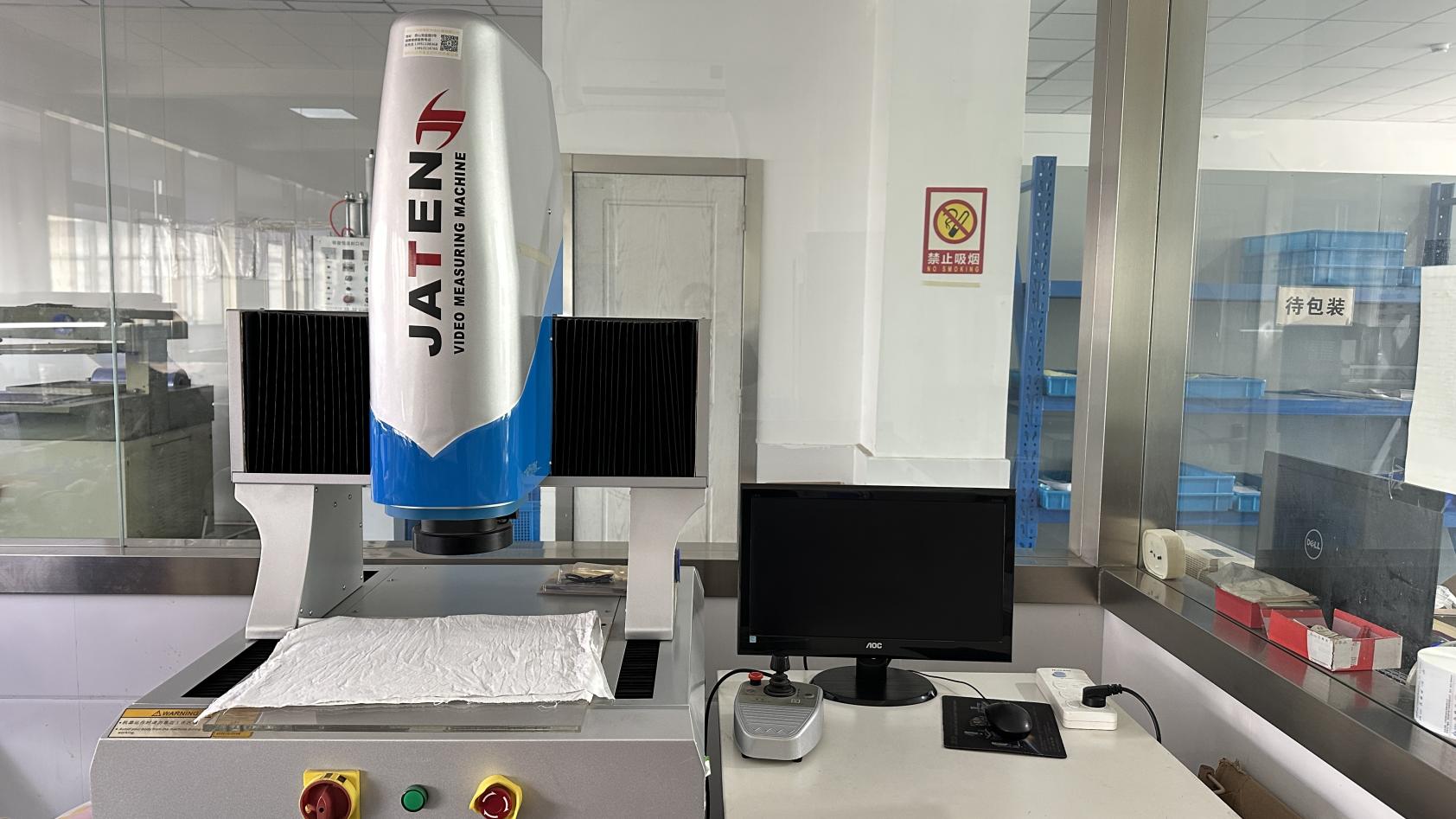
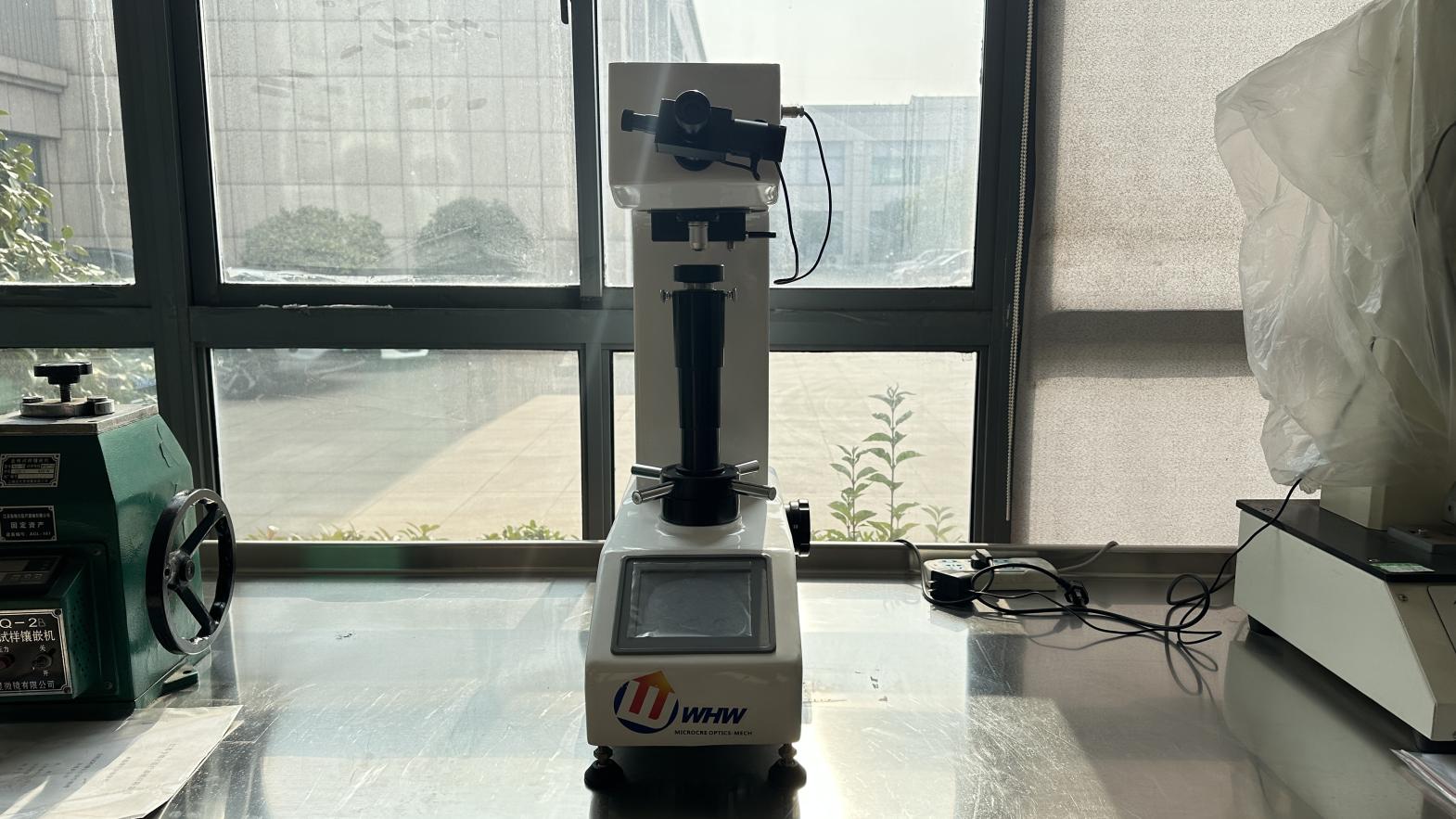
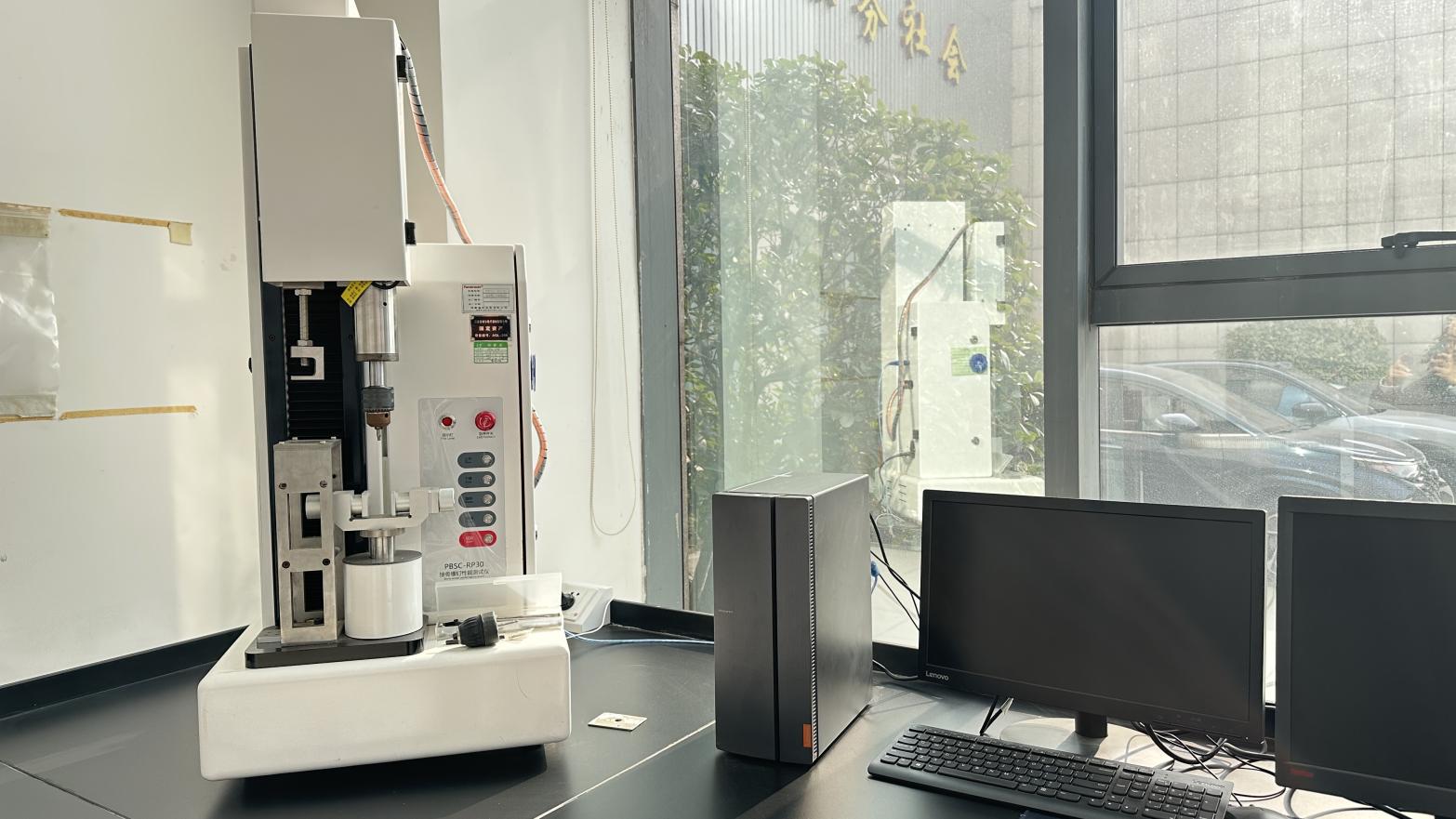
Under our ISO 13485 framework, we deploy extensive quality control protocols: X-ray inspection for internal structural integrity, fatigue testing to simulate physiological load cycles, tensile strength testing to verify physical limits, and CMM dimensional measurement to ensure screw thread tolerances conform exactly to international orthopaedic implant standards. With 65 dedicated QA professionals overseeing operations, Virelox ensures each production batch achieves zero-defect distribution status.
Aligning medical supply chains with localized surgical requirements, logistics platforms, and strict healthcare compliance frameworks.
International medical procurement demands swift compliance pathways. Virelox provides complete registration support (technical files, DMF documentation, biocompatibility test results, and mechanical validation reports) to assist distributors in getting approvals for local ministries of health. Our design team supports customized OEM packaging, sterilization verification, and localized labeling.
Operating with over 850 certified upstream partners guarantees that Virelox has continuous access to implant-grade titanium rods (Ti-6Al-4V) and Ultra-High-Molecular-Weight Polyethylene. This strong raw material chain buffers global clients from inflation, logistics bottle-necks, and trade disruption risks.
Modern bone reconstruction is moving toward intelligent and less-invasive clinical solutions. Key trends include bioresorbable polymers that degrade as bone heals, 3D-printed trabecular titanium surfaces for direct osseointegration, and bioactive surface modifications (such as hydroxyapatite coating) that accelerate cellular deposition in osteoporotic bone.
Expert answers regarding technical properties, manufacturing protocols, and purchasing arrangements for orthopedic implants.
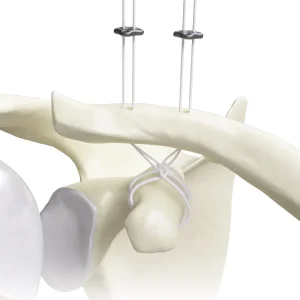
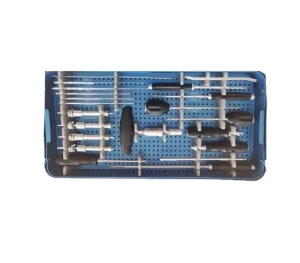
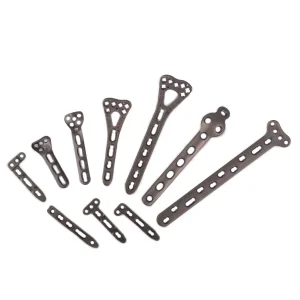
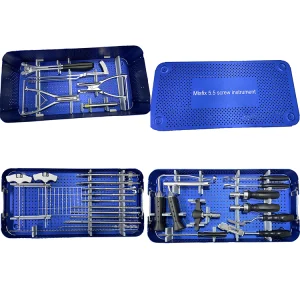
Our advanced collection of instrument sets, plates, and joint-stabilization buttons designed for specialized operating rooms.
 Virelox