Top China Bone Plates and Screws Manufacturers: Definitive Guide & Whitepaper

Clinical Excellence, Bio-Mechanical Precision, and Global Medical Device Procurement Framework

WHITE PAPER BRIEF

The Evolution of Trauma Implants: China's Manufacturing Paradigm Shift

The global orthopedic implant landscape has witnessed a significant structural transition. Historically, high-tier healthcare institutions relied exclusively on Western Tier-1 brands for bone plates, cortical screws, and spine fixation instruments. However, the rise of specialized manufacturers like Virelox Medical Devices Co., Ltd. (operating under the "Virelox" brand) has bridged the gap between cost efficiency and biomechanical superiority.

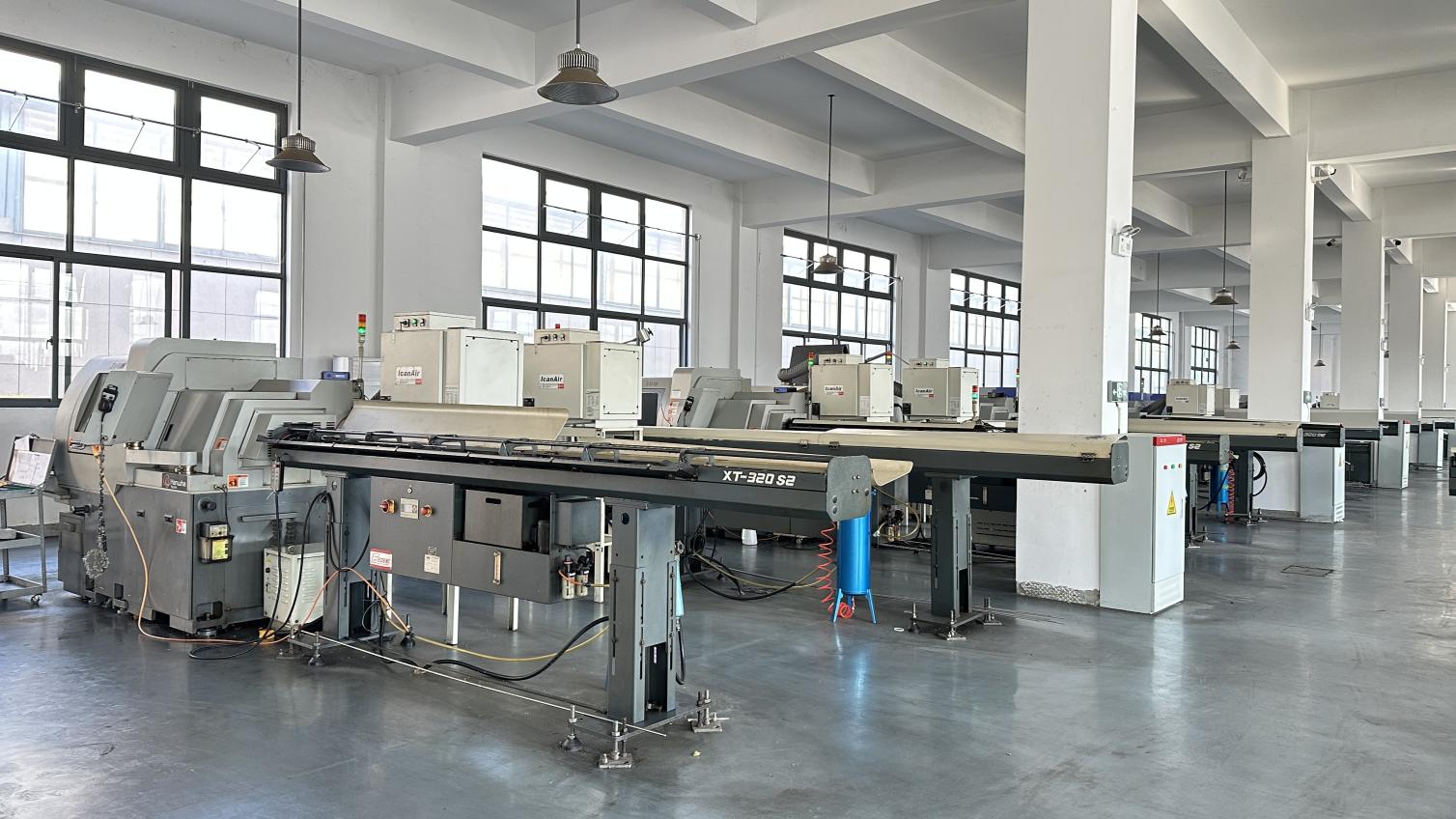
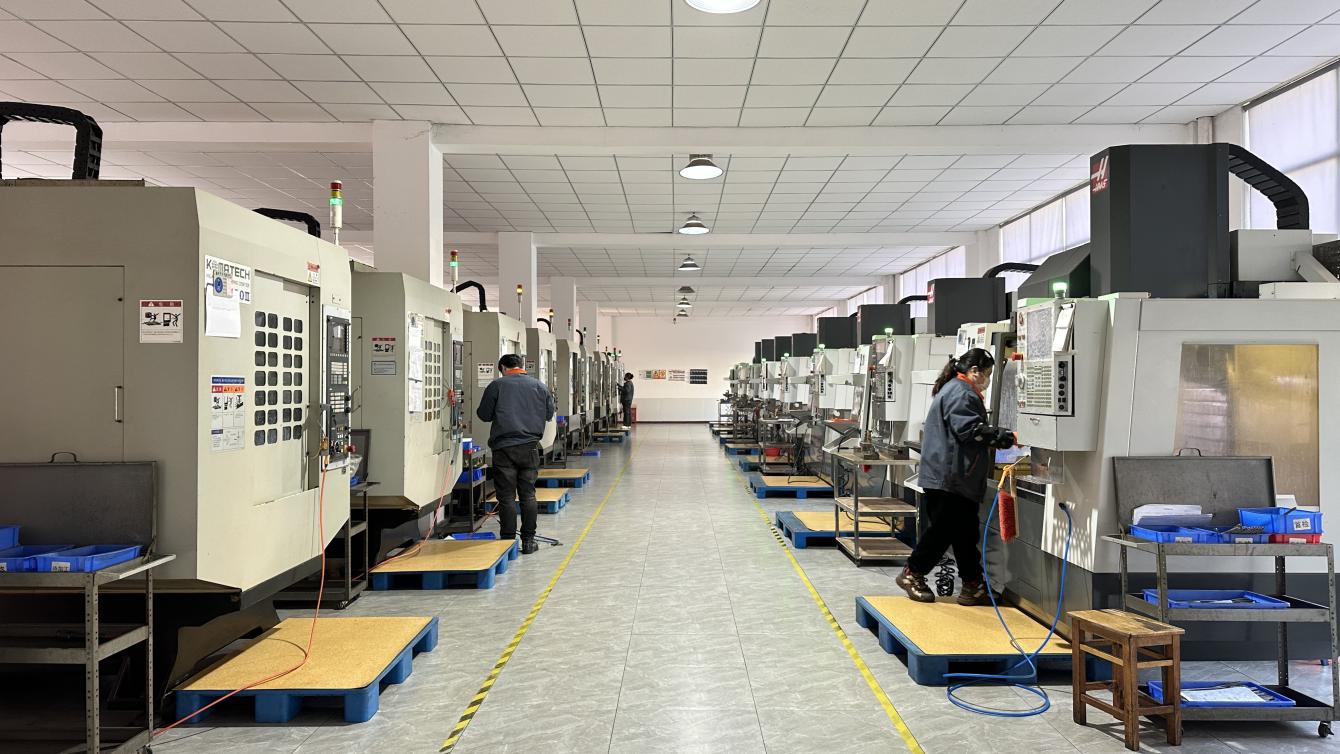
Founded in 2016 and housing a modern 12,000 m² state-of-the-art facility, Virelox represents the pinnacle of China's advanced medical device industry. By integrating high-precision CNC Swiss machining, advanced surface anodization, and automated dimensional verification, Chinese manufacturers now supply critical implants that meet and exceed ISO 13485 regulations. This whitepaper provides a comprehensive deep dive into raw material sourcing, biomechanical test metrics, regulatory validation pathways, and procurement solutions for global distributors.

Virelox Manufacturing Footprint

Annual Export Volume: USD 8,500,000 across Europe, SE Asia, Middle East, and South America.
Vast Engineering Expertise: 120 dedicated R&D engineers in materials science and biomechanics.
Rapid Innovation Cycles: 120 new orthopedic and spinal implants commercialized in the past 12 months.
Meticulous Inspections: 65 dedicated Quality Control professionals handling incoming, in-process, and final validation.
10+
Years Industry Experience
12,000m²
Modern CNC Facility
850+
Certified Supply Partners
65+
QC Inspectors

Global Sourcing Requirements & Macro Industry Dynamics

Navigating material properties, biocompatibility benchmarks, and Supply Chain constraints.

1. Biocompatibility & Metallurgy

Global procurers prioritize Grade 5 Titanium Alloy (Ti-6Al-4V ELI, ASTM F136) and Surgical Stainless Steel (316LVM, ASTM F138). These alloys prevent corrosion and metallosis while maximizing osteointegration. Chinese manufacturers leverage top-tier medical-grade titanium rods to guarantee isotropic grain structure under loading stress.

2. Biomechanical Locking Systems

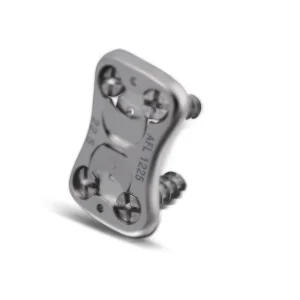
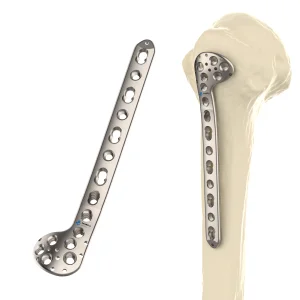
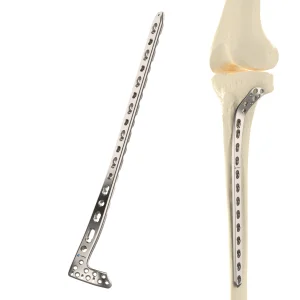
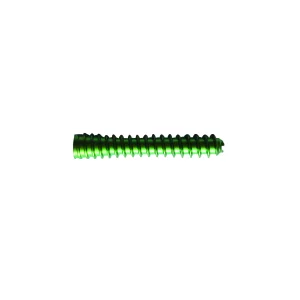
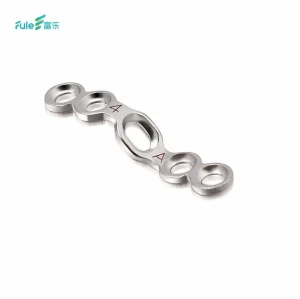
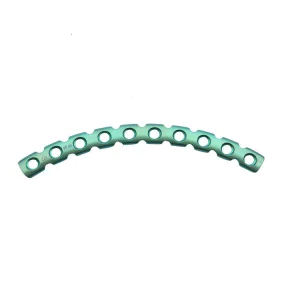
Combi-holes are the modern standard, accommodating both locking screws (for stable rigid fixation) and dynamic compression cortical screws. Precise thread pitching and angle tolerances (+/- 0.01mm) are critical to preventing cold welding and cross-threading when surgeons perform high-torque operations in the theater.

3. Critical Tolerance & Fatigue Life

Failure rates must remain near-zero. Implants must withstand millions of cyclic load stresses without micro-fracturing. Modern CNC milling paths and surface finishing (e.g., Type II anodization) eliminate micro-scratches which act as primary stress-concentration points for early fatigue propagation.

Precision Manufacturing & Workflow Control

Step-by-step visual map of our certified orthopedic medical device production pipeline.
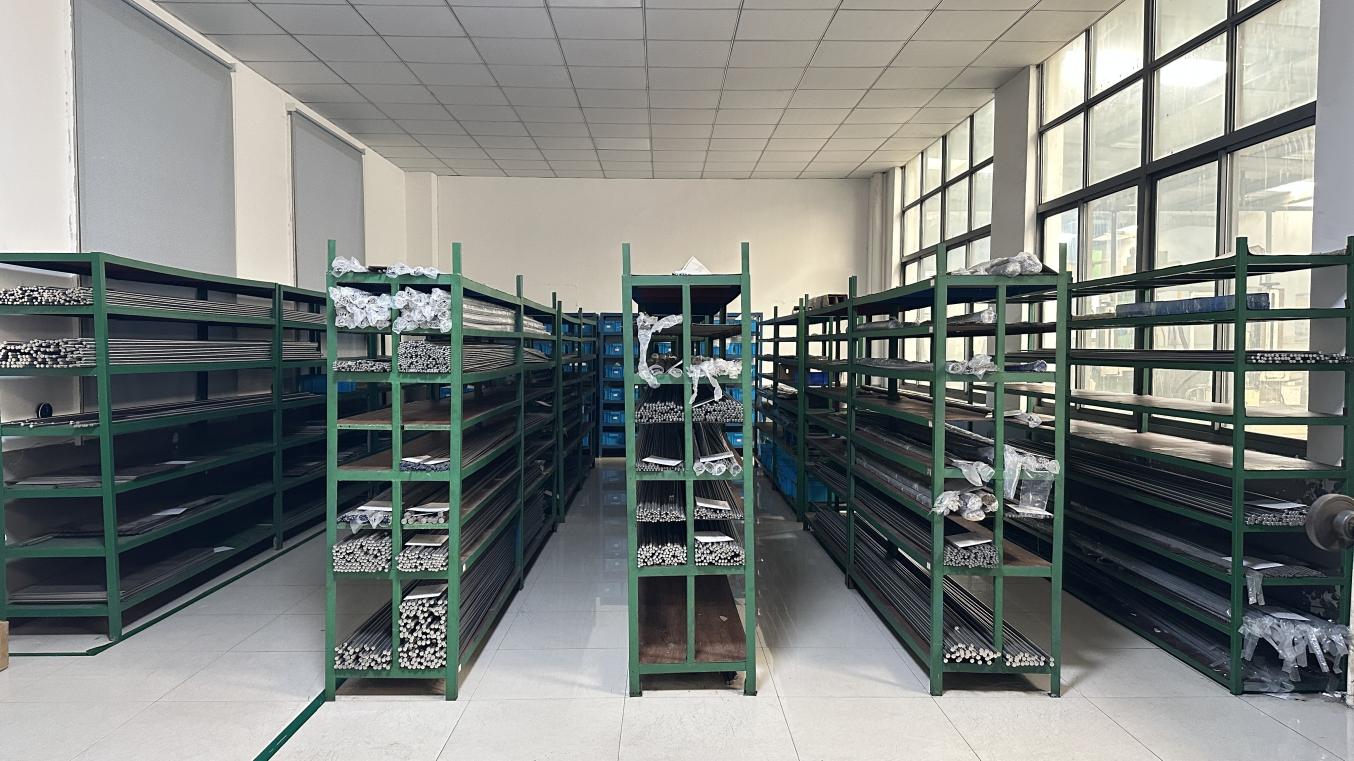
Raw Materials
Raw Materials Sourcing
Slitting
Slitting Process
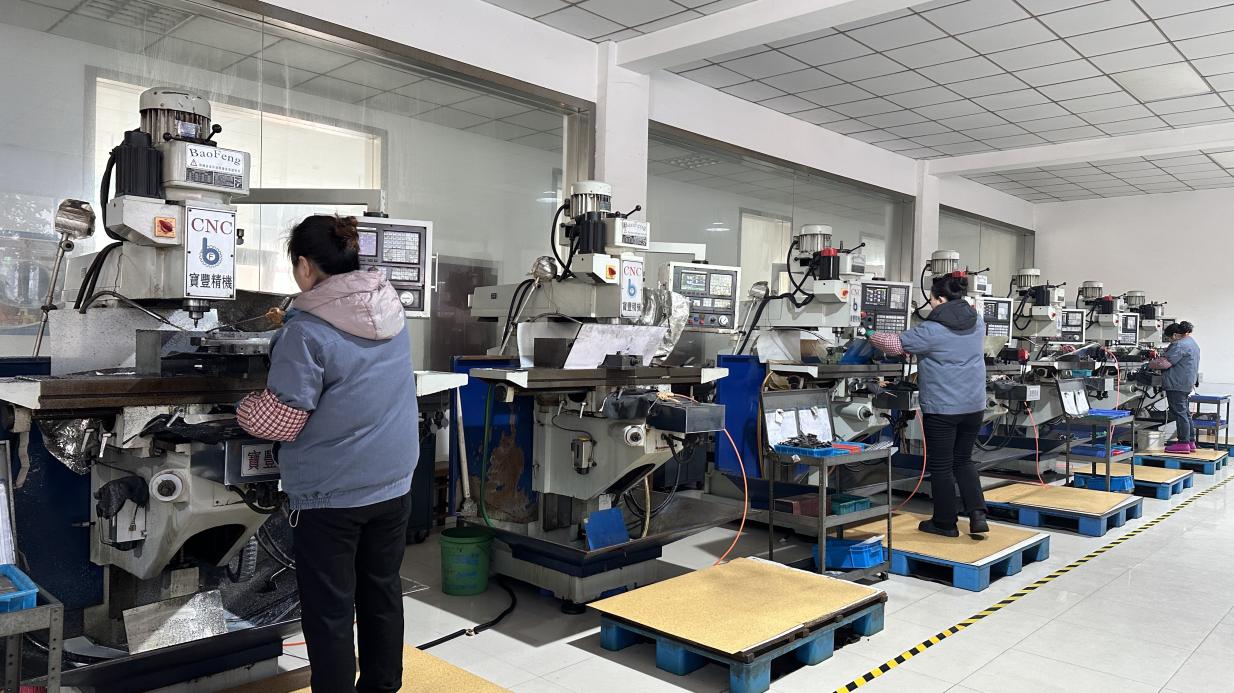
CNC Machining
CNC Machining
Machining
Precision Machining
Milling
Surface Milling
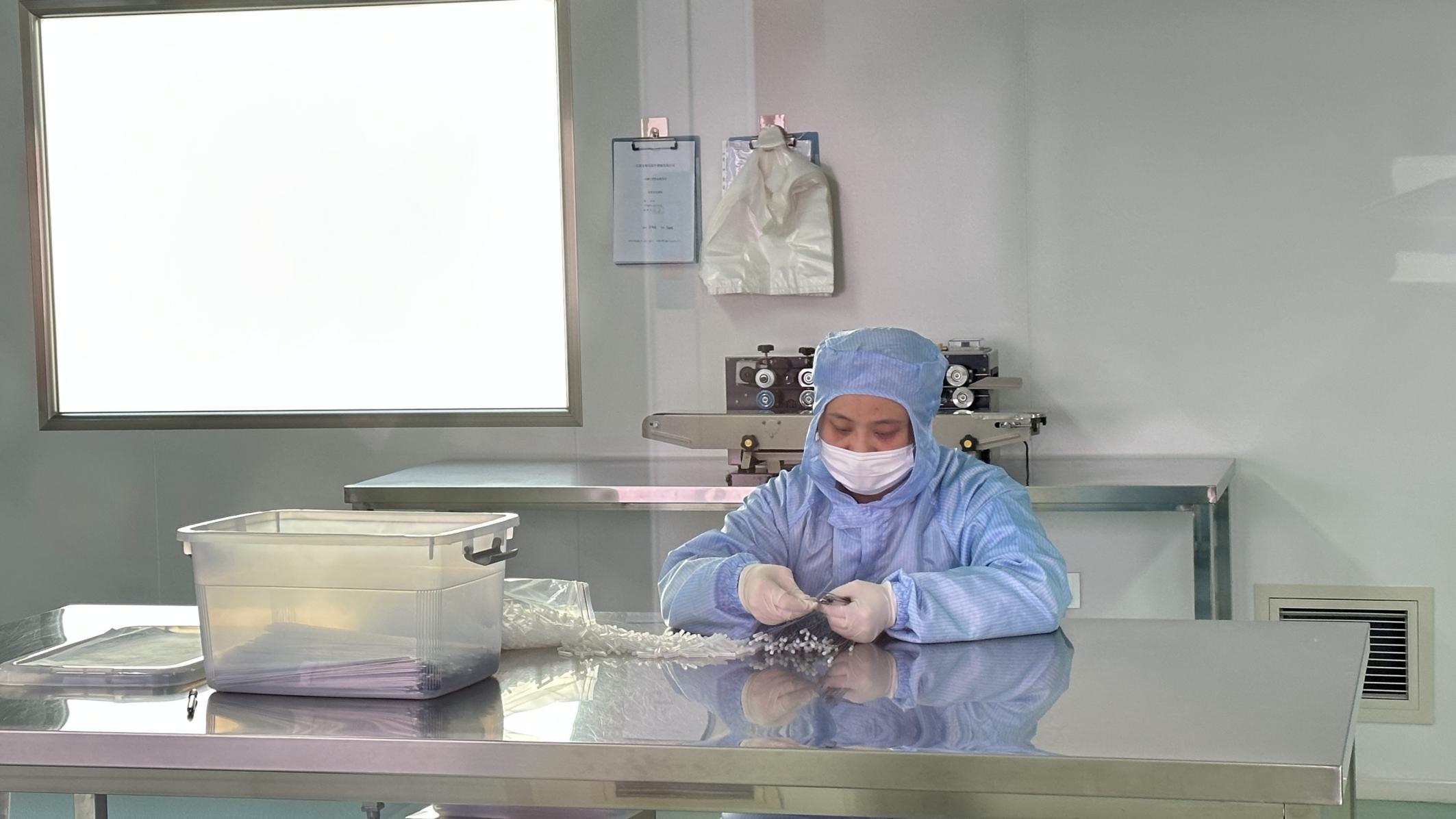
Inspection and Packing
In-line Inspection & Cleaning
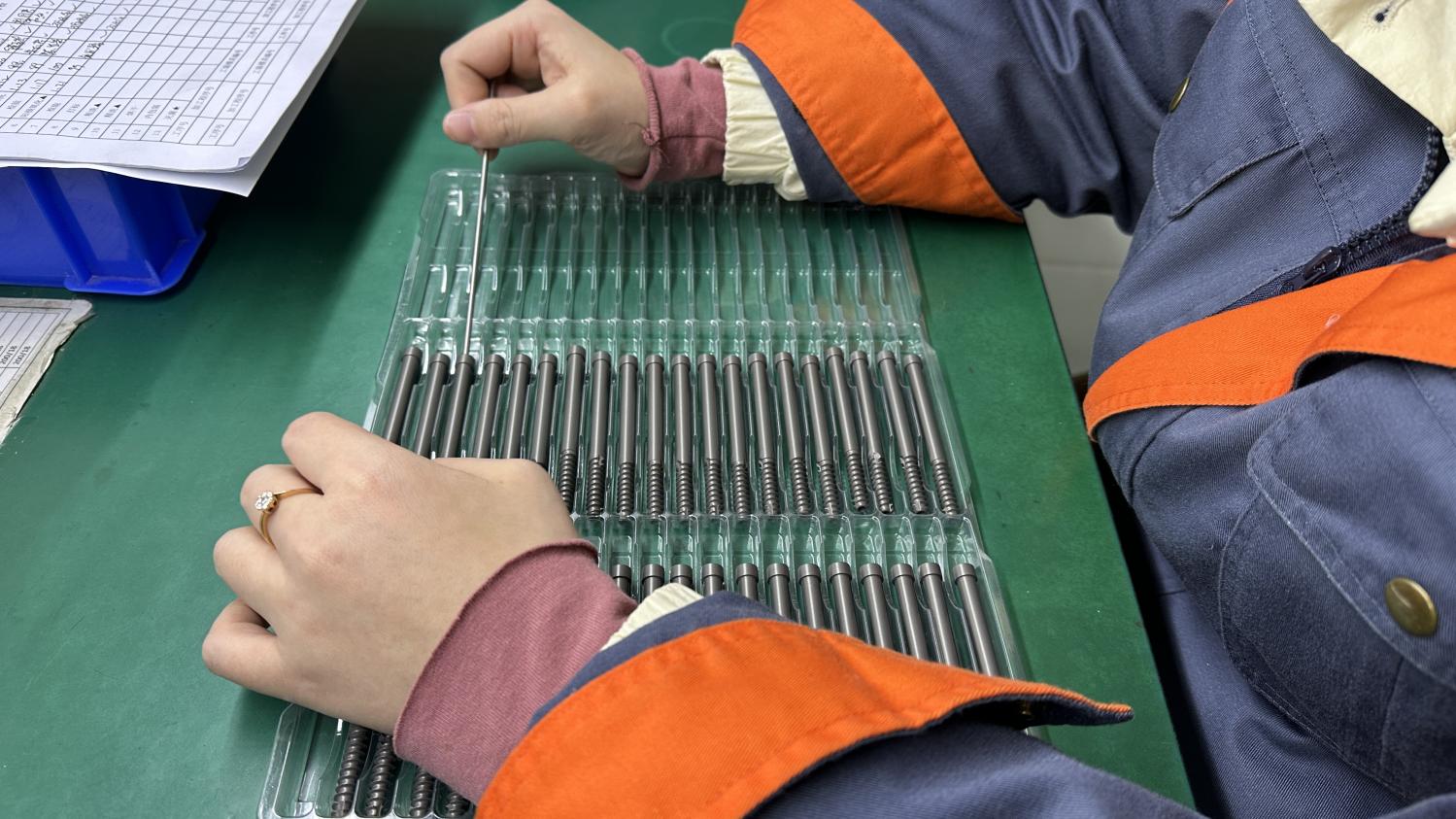
Inspection and Packing
Final Inspection & Pack
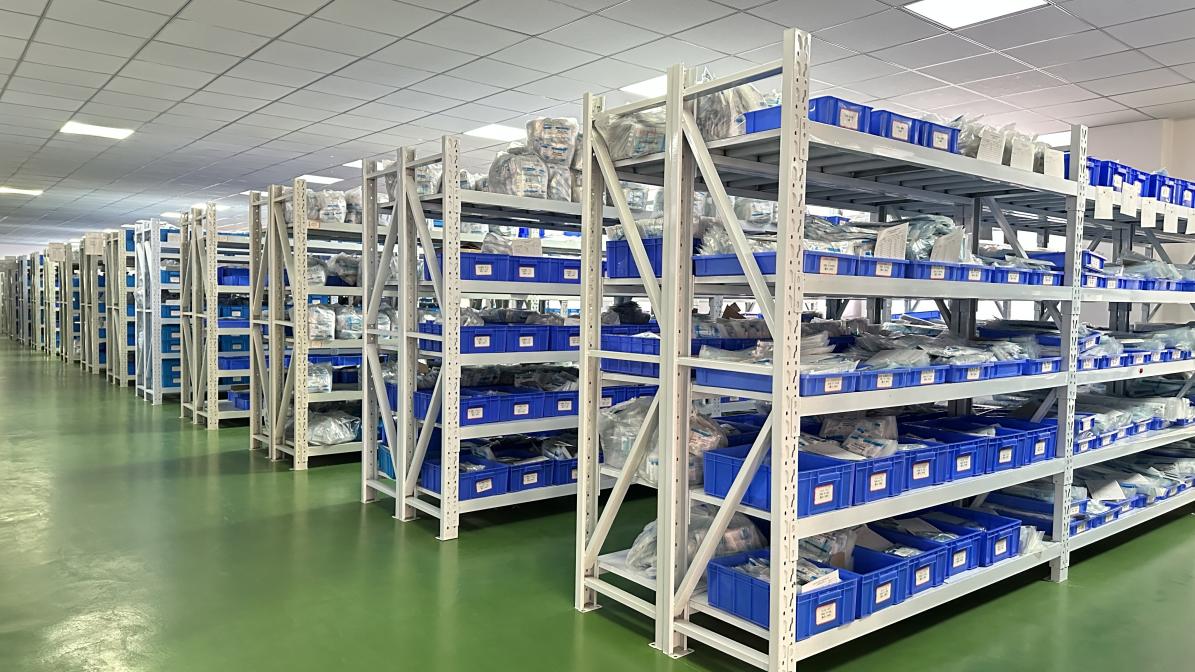
Warehouse
Sterile Warehouse & Logisitics

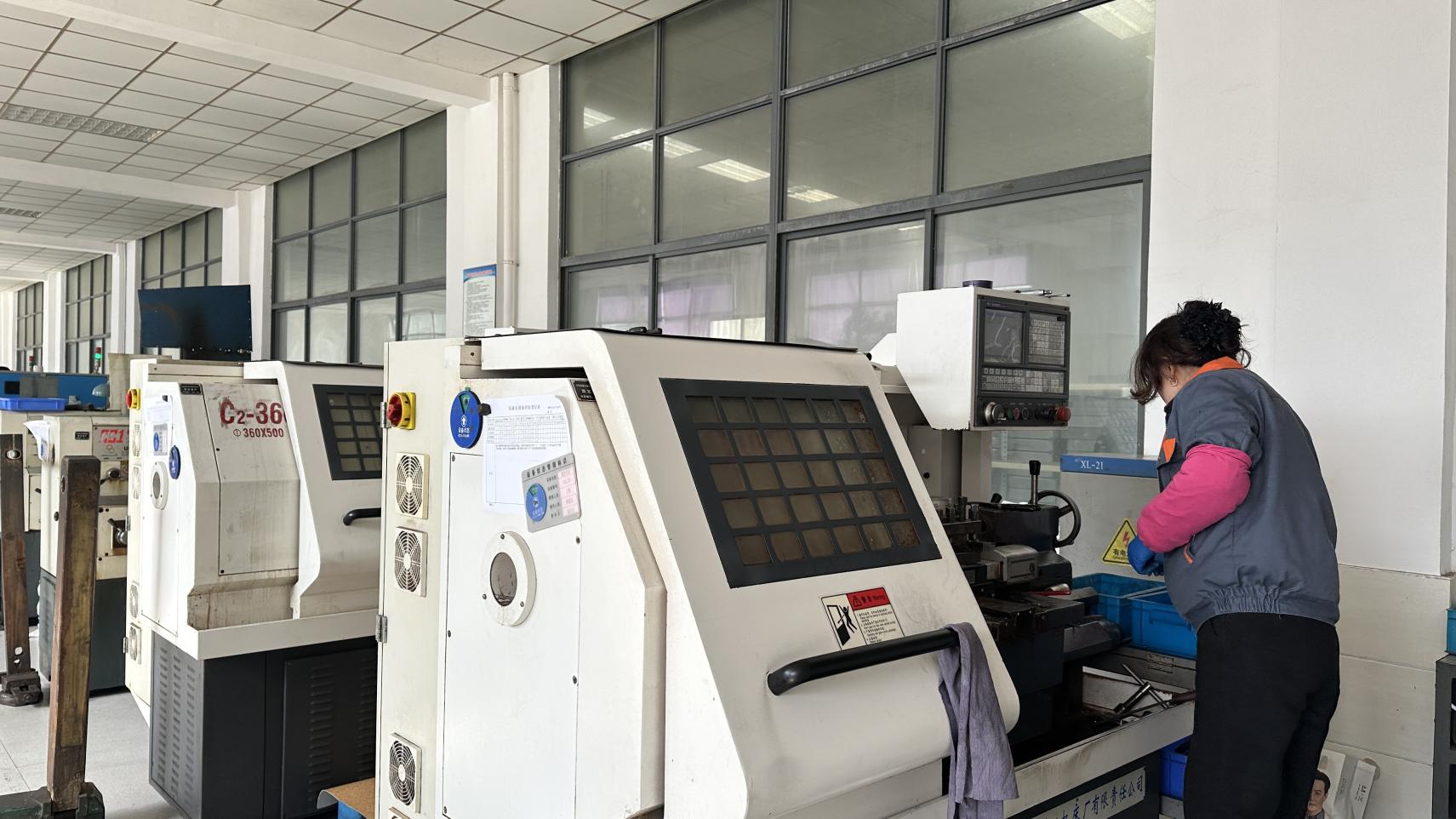
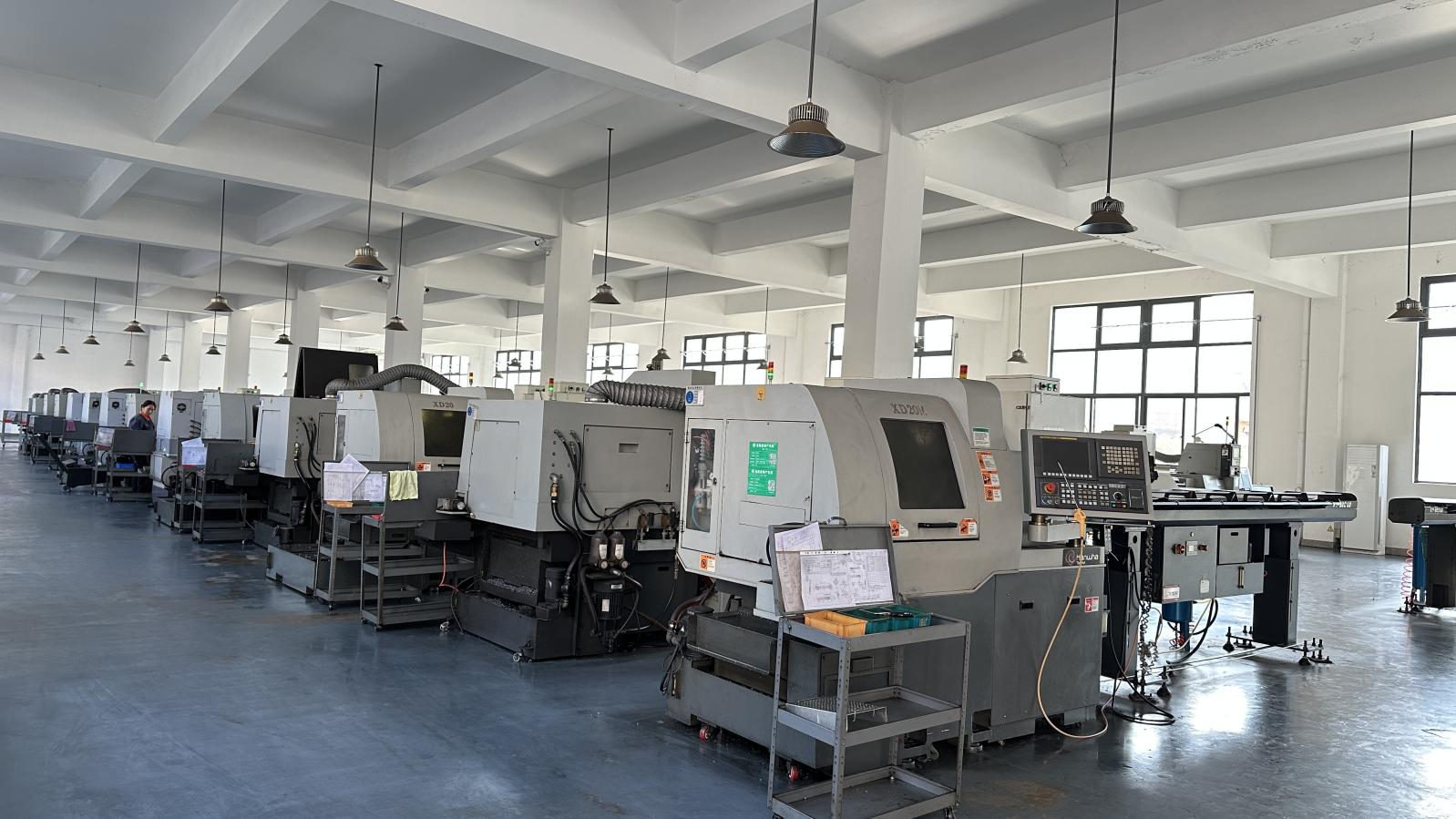
State-of-the-Art Production Machinery

Advanced medical manufacturing systems ensuring repeatability and micron-level precision.
Slitting Machine
High Precision Slitting Machine
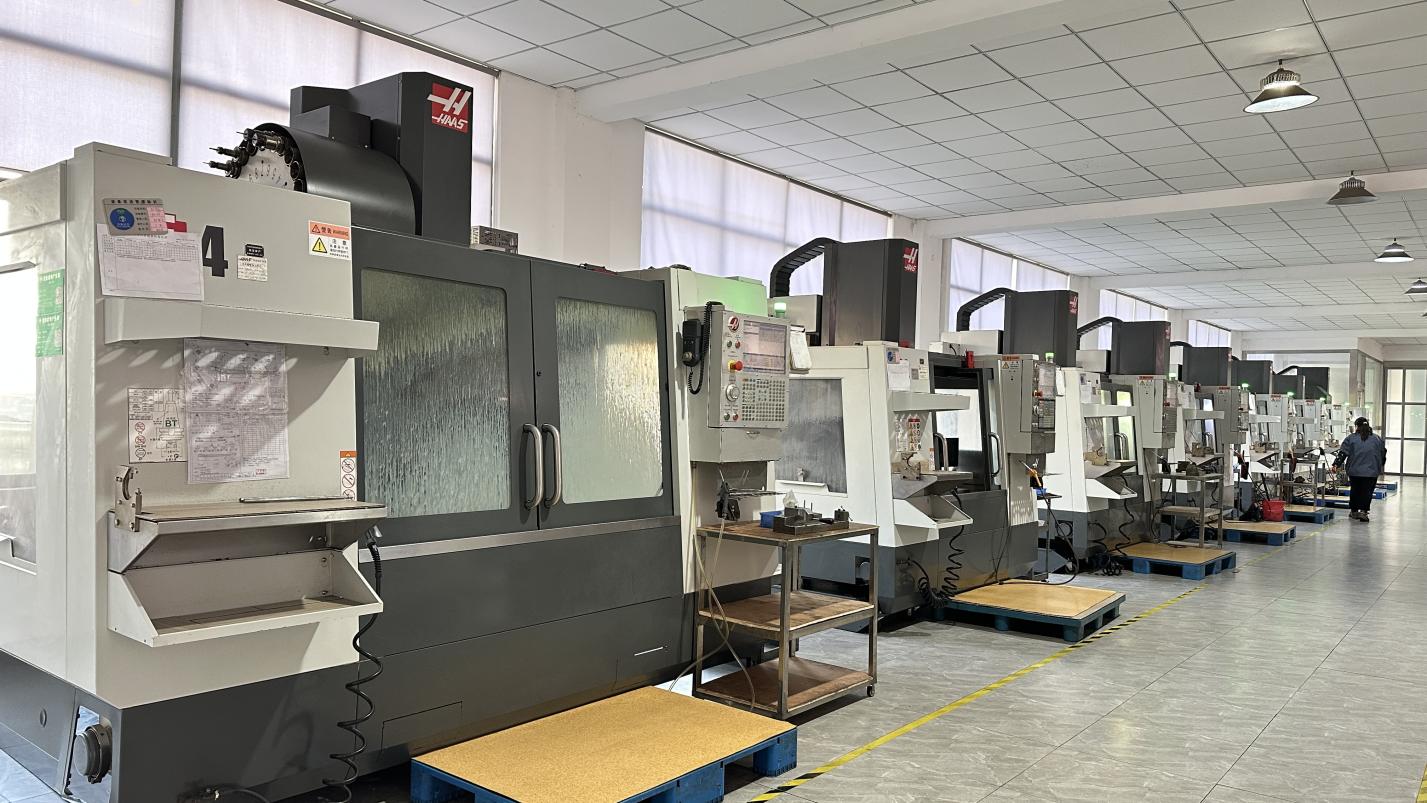
CNC Machining Center
Multi-Axis CNC Machining Center
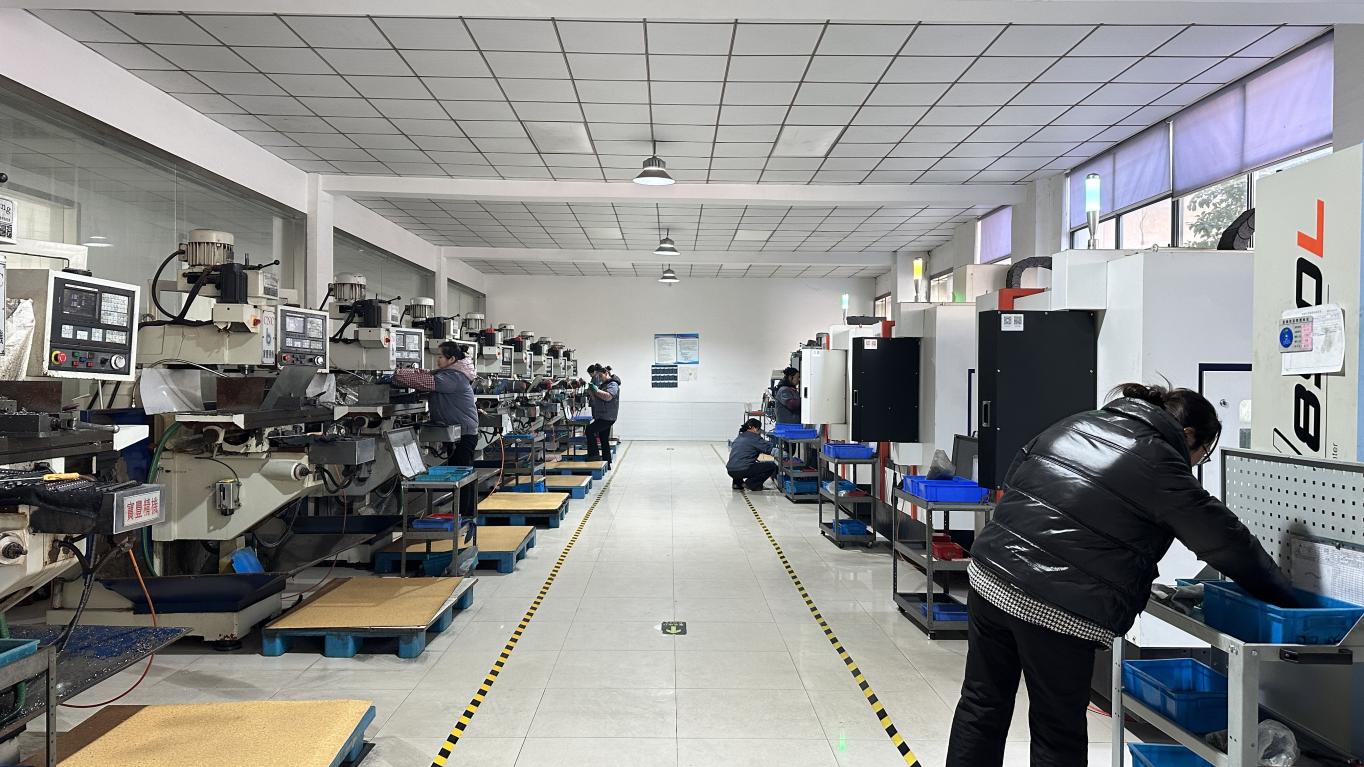
CNC Milling Machine
CNC Milling Machine
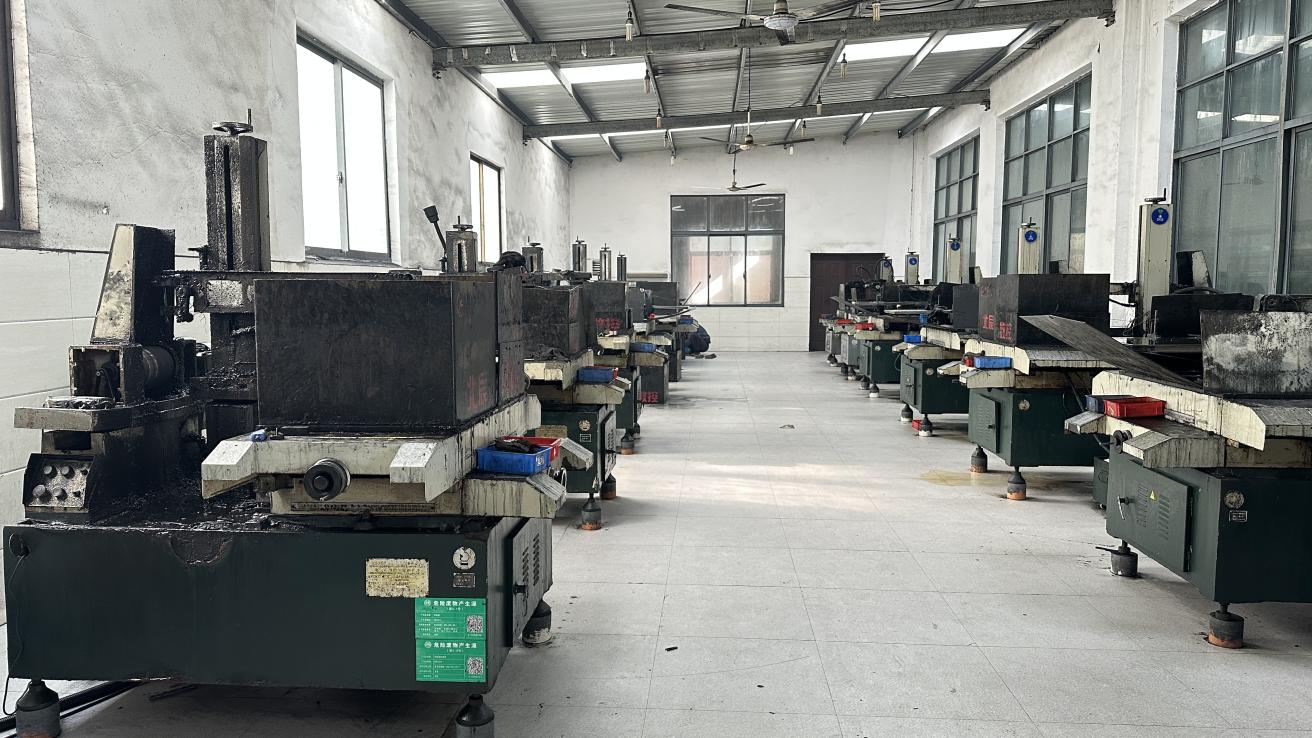
Wire Cutting Machine
Electrical Discharge Wire Cutting
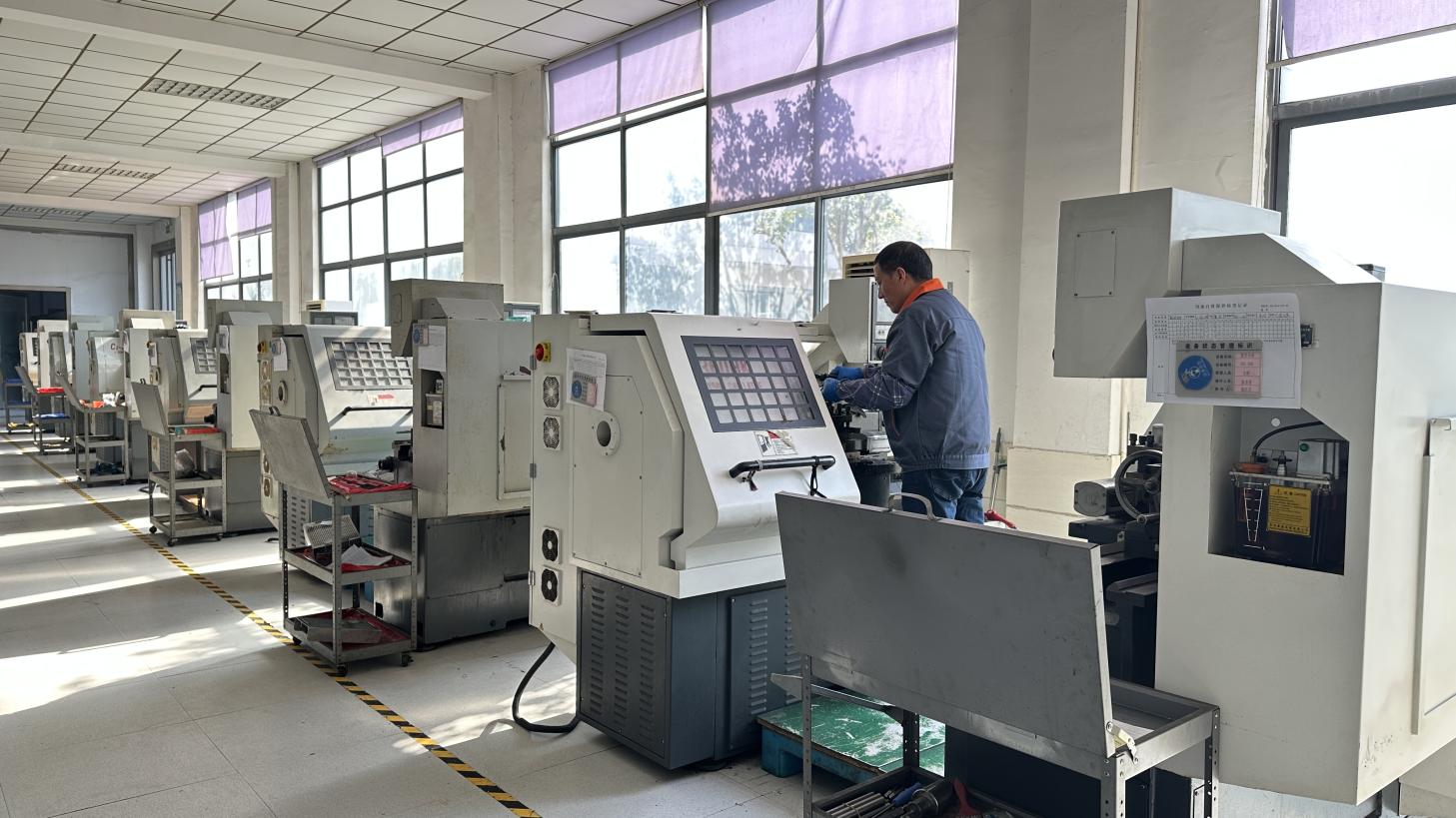
CNC Lathe
Swiss-Type Precision CNC Lathe
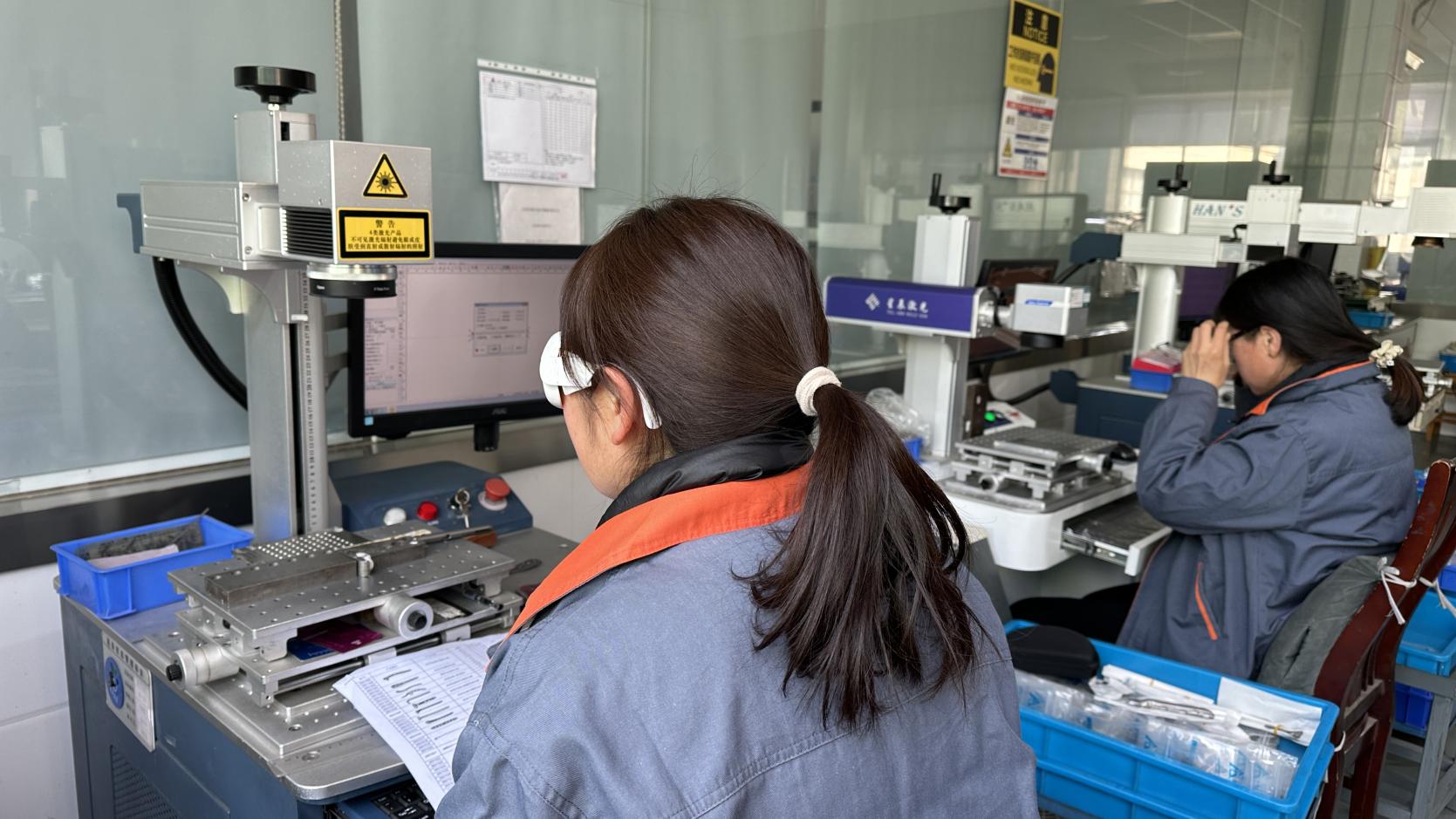
Laser Marking Machine
Uranium/Fiber Laser Marking (UDI Compliant)
Design
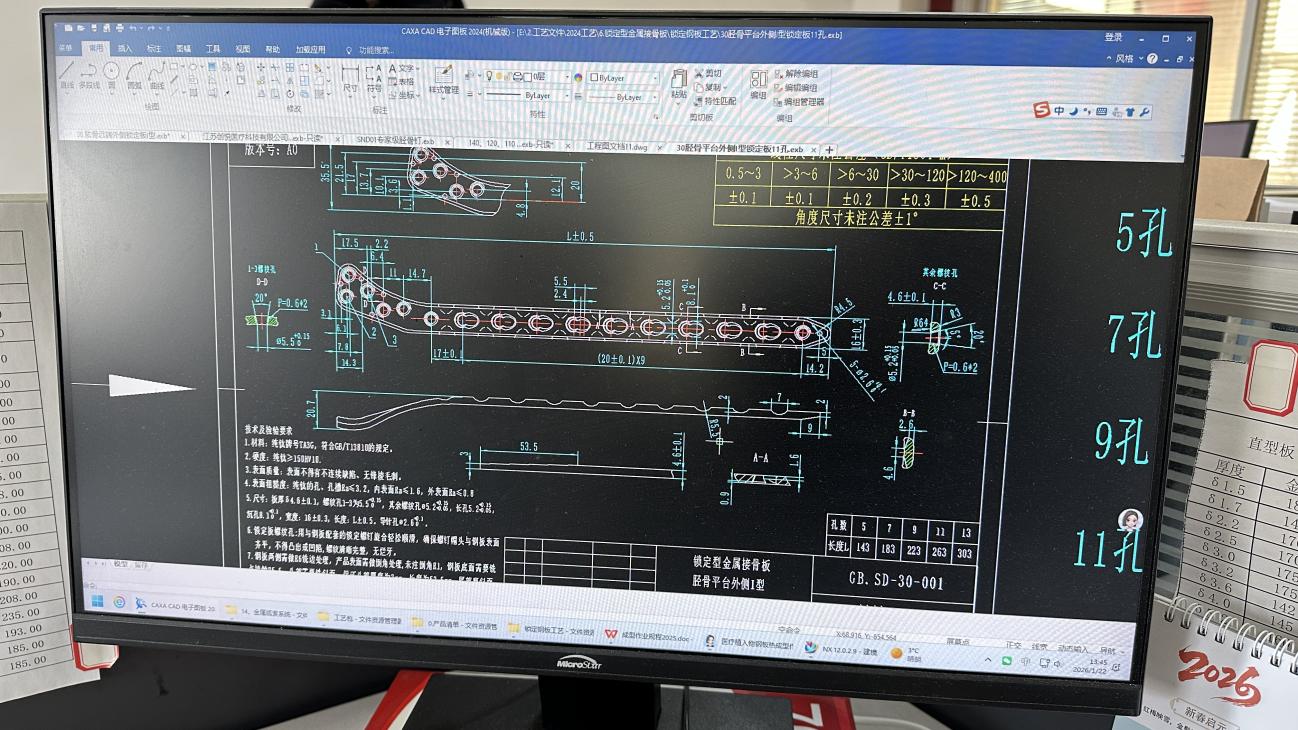
Biomechanical CAD/CAM Design Center
Lab
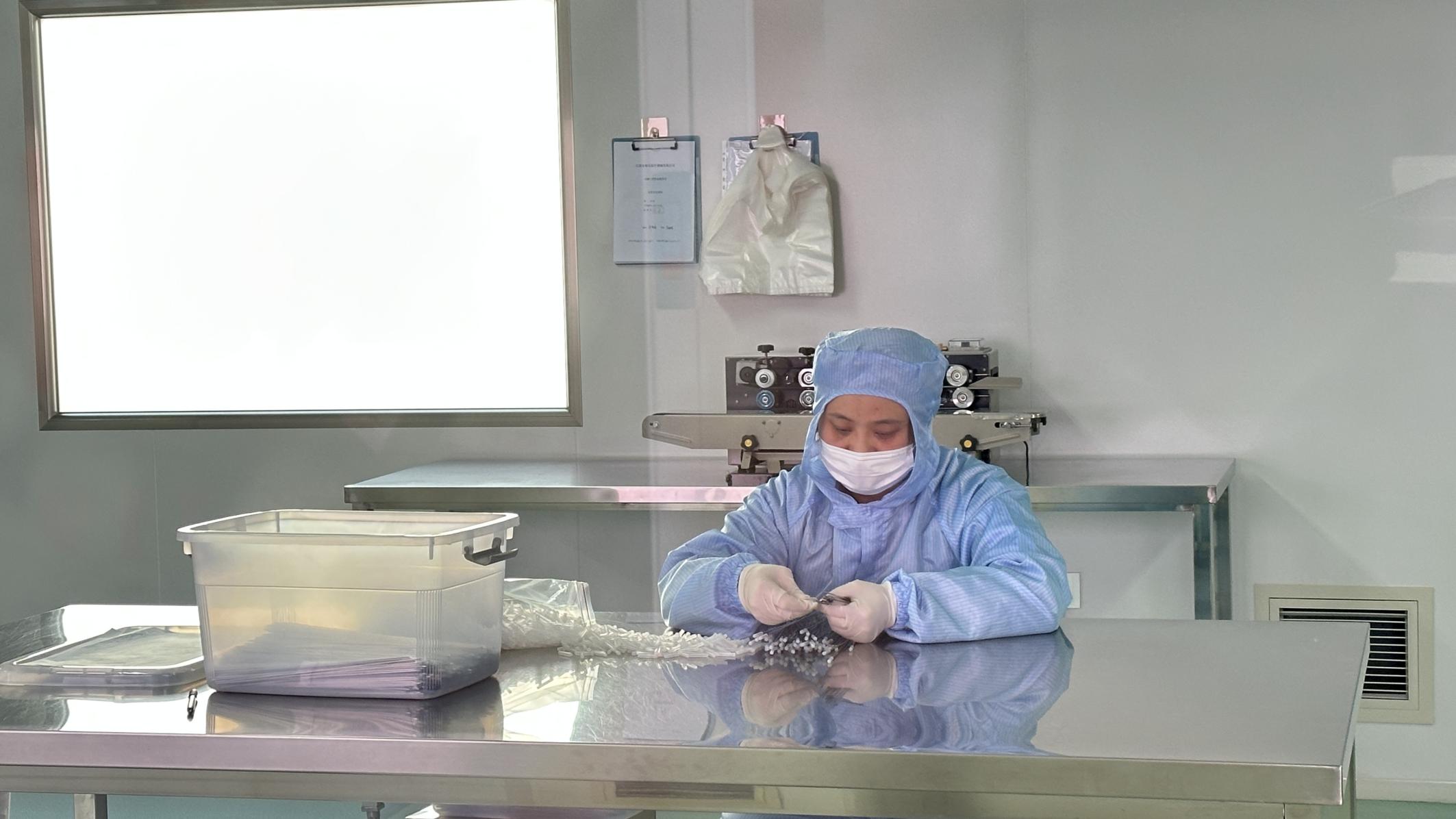
ISO Class 7 Cleanroom & Research Lab

ISO 13485 Testing Laboratory & Quality Control

Where orthopedic science meets zero-defect engineering standards.
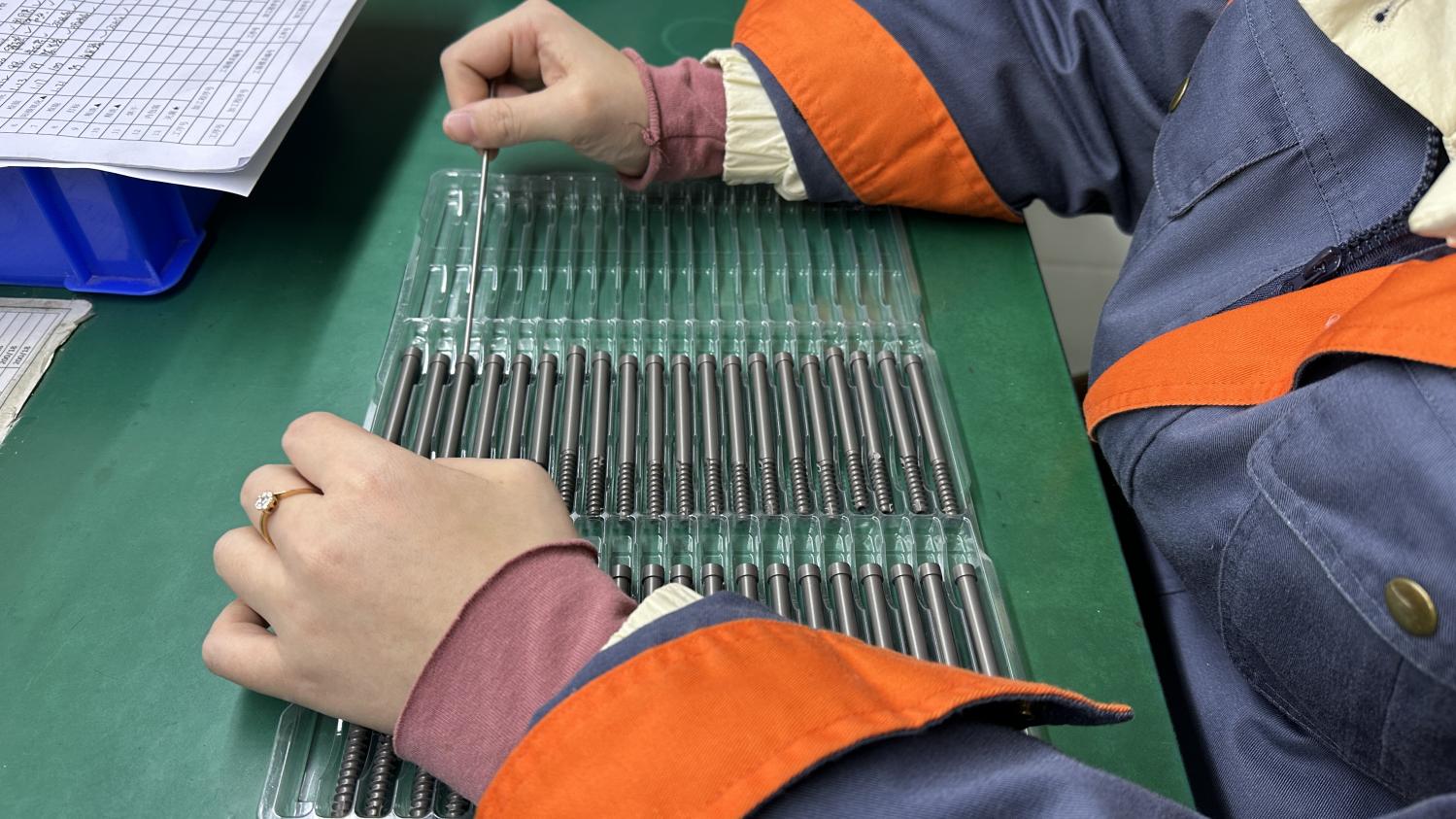
Inspection
In-Process Dimensional Inspection
Inspection
Final Quality Verification
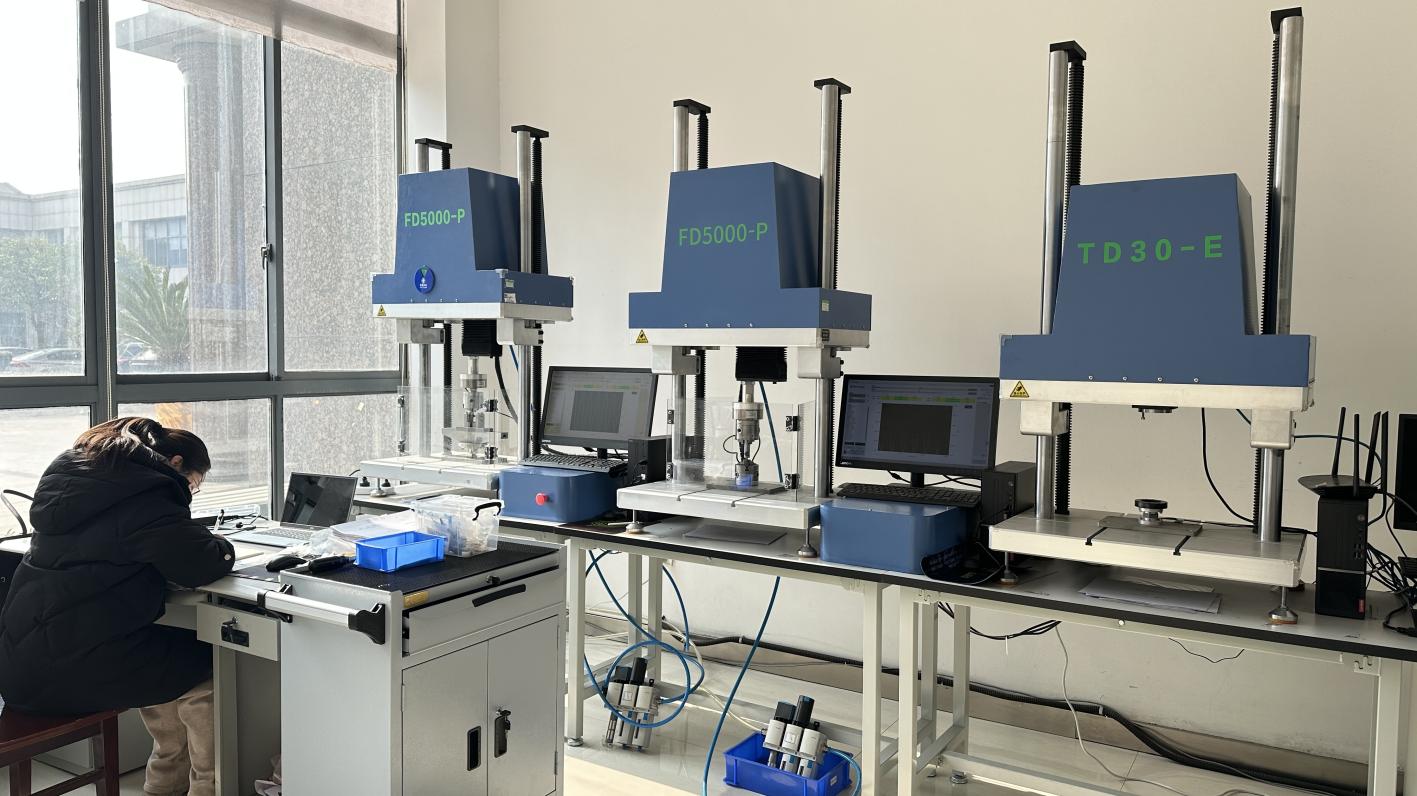
Fatigue Tester
Dynamic Axial Fatigue Testing
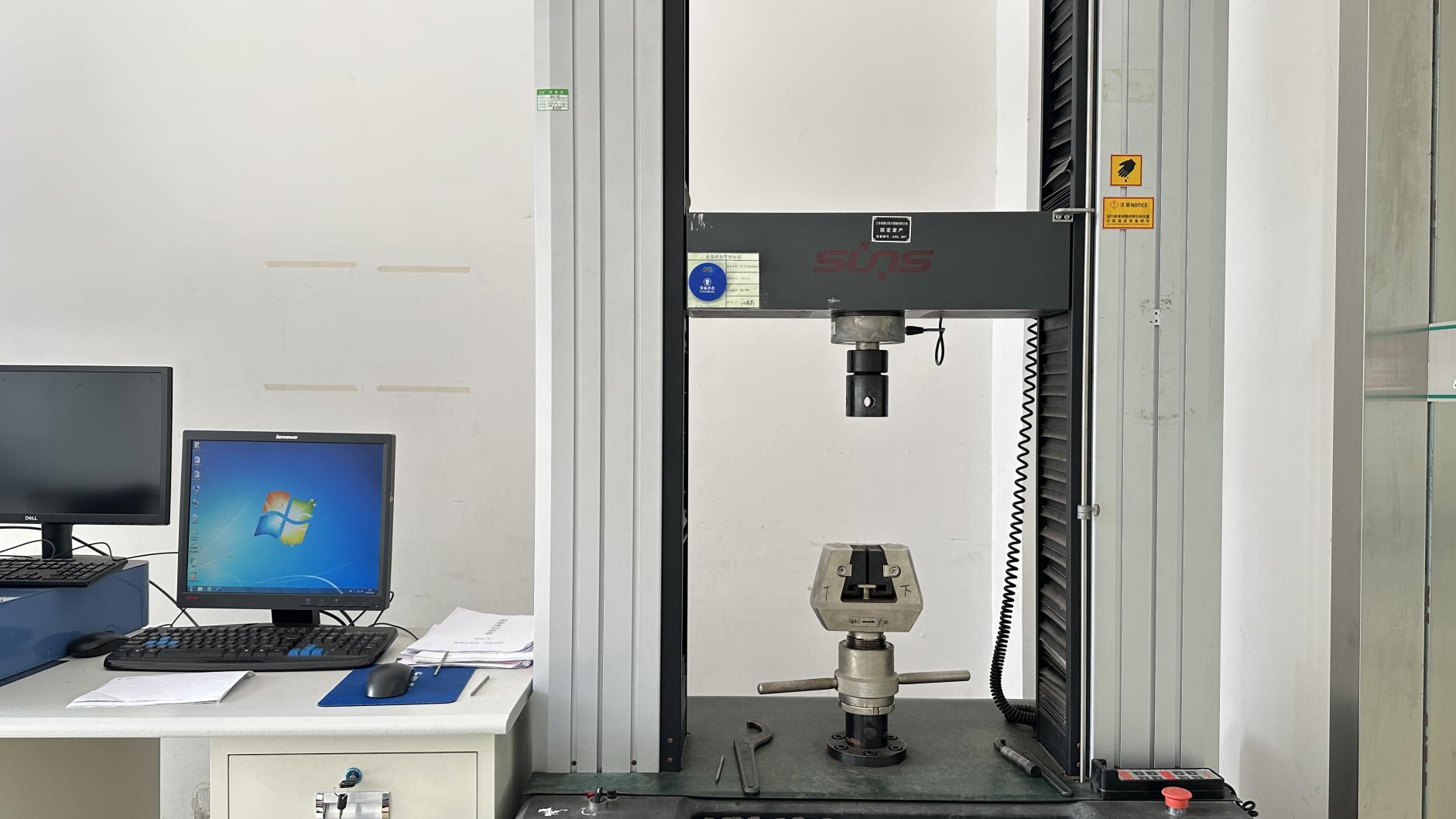
Tensile Tester
Yield/Tensile Strength Testing
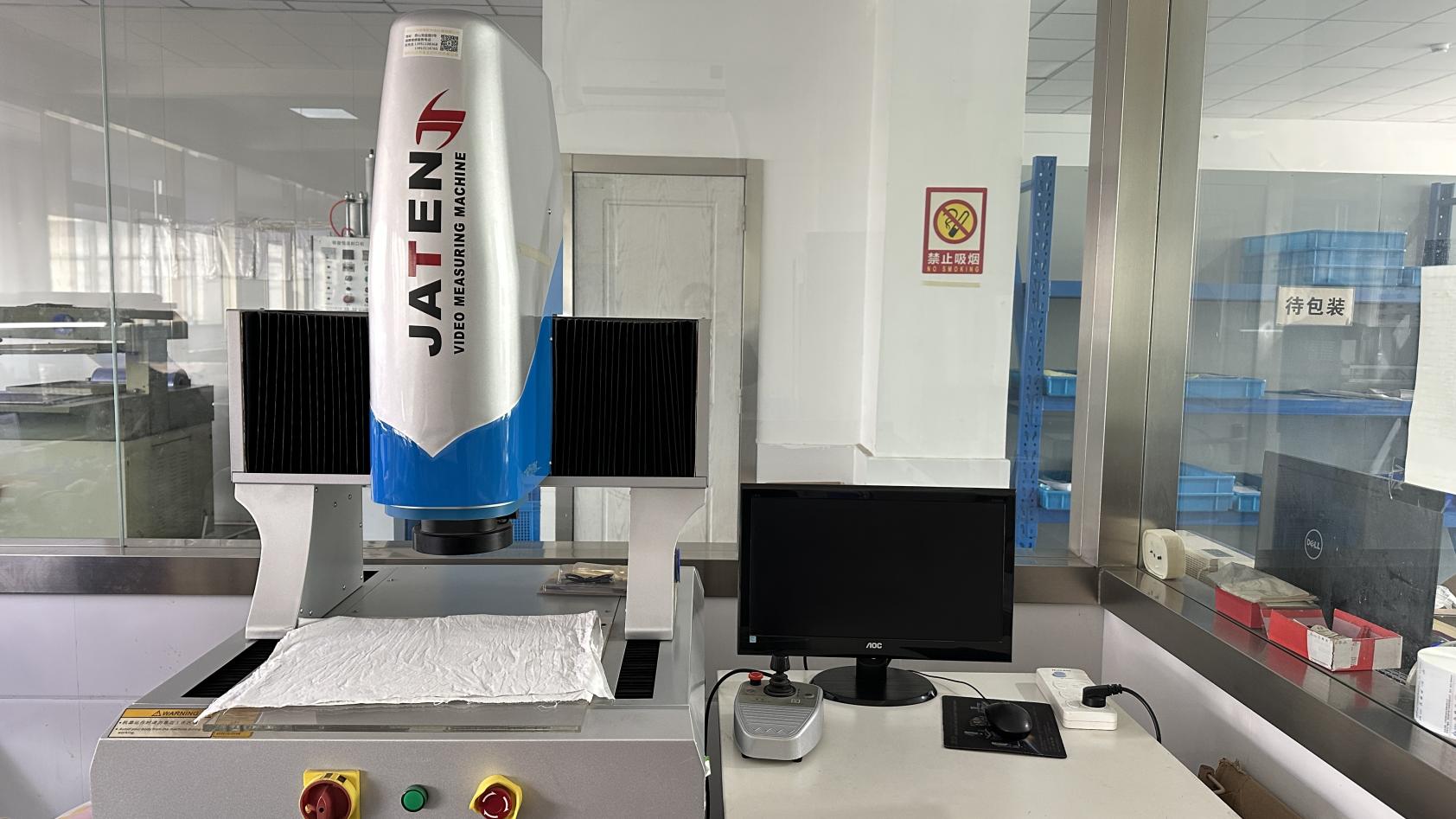
Two Dimensional Measuring Instrument
CMM Two Dimensional Measuring
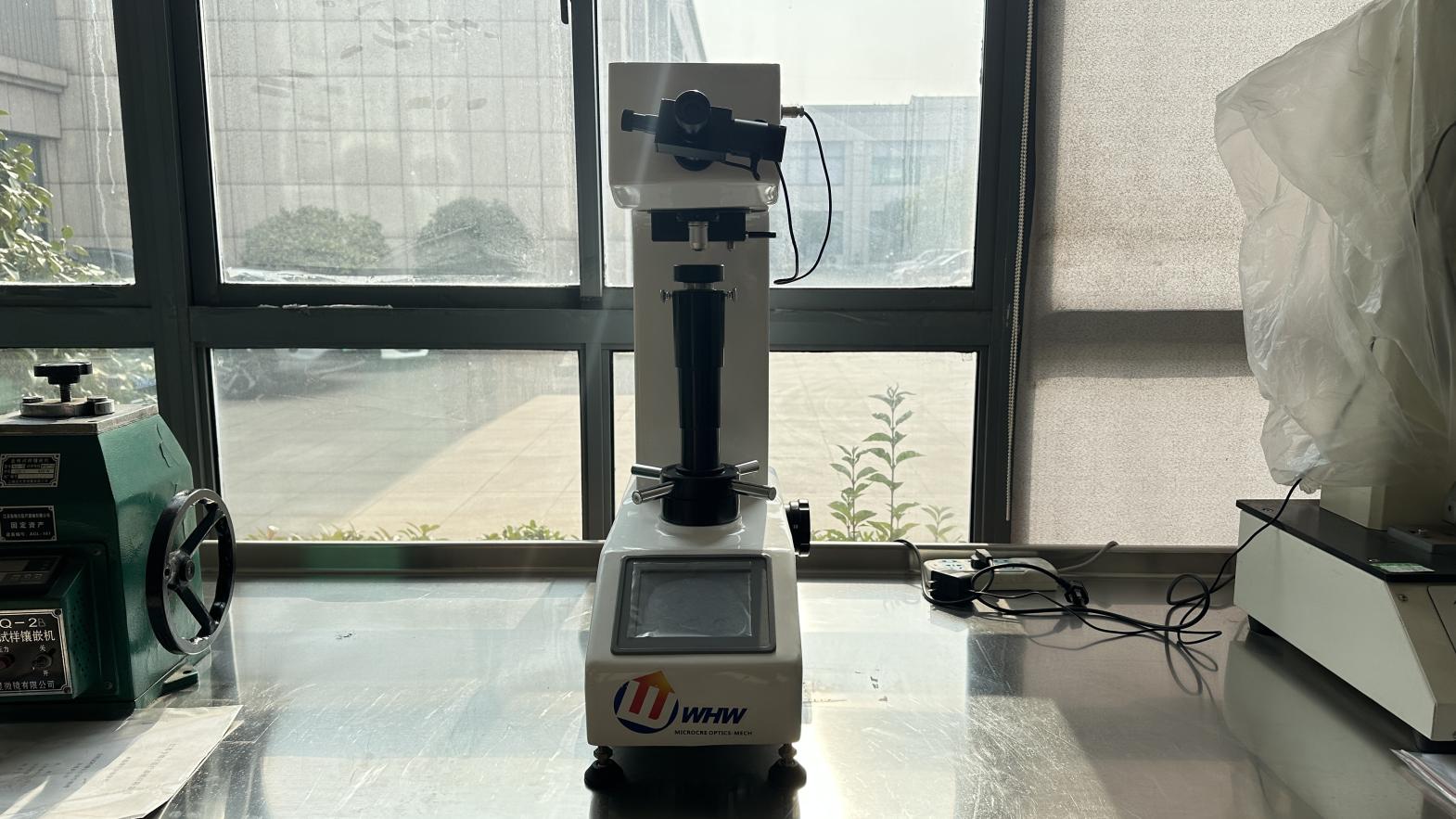
Hardness Tester
Micro-Vickers Hardness Verification
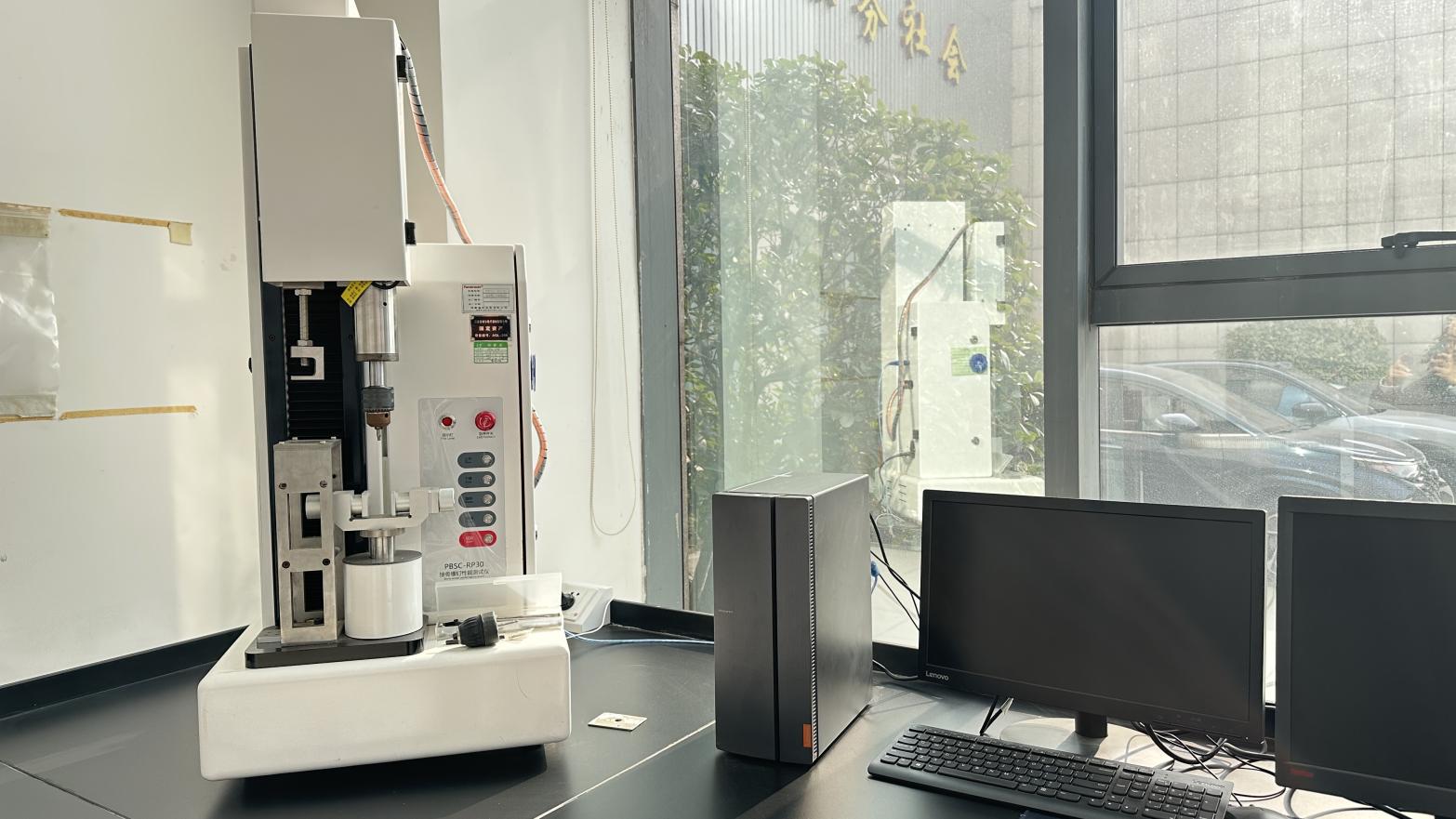
Bone Screw Performance Tester
Bone Screw Insertion Torque & Pull-Out Performance Tester

Technology Roadmap & Future Outlook

Pioneering tomorrow's osteosynthetic solutions with smart materials and design paradigms.

3D Printed Trabecular Metal

Integrating Electron Beam Melting (EBM) technology directly into locking plates. This will permit regional customized elasticity matching the host bone’s modulus of elasticity, preventing stress-shielding and optimizing immediate postoperative load distribution.

Biodegradable Magnesium Alloys

R&D is heavily focused on next-generation transient implants. These orthopedic devices provide temporary structural alignment during healing, slowly degrading into non-toxic metabolites, eliminating the secondary surgery required for plate removal.

Bioactive Coating Infusions

Application of thin-film Hydroxyapatite (HA) and silver-ion/copper dopants to implant surfaces. This dual-functional coating accelerates osseointegration while providing localized, non-antibiotic antimicrobial characteristics to suppress surgical site infections.

Compliance Framework & International Customs Support

Medical regulatory pathways are notoriously strict. To ensure seamless border clearances and quick local market onboarding, Virelox implements a comprehensive global compliance system:

ISO 13485 Certification: Validating that our design-to-delivery systems comply strictly with global medical manufacturing regulations.
Technical Documentation Pack: Providing dynamic biocompatibility datasets (cytotoxicity, systemic toxicity, sensitization) and mechanical bench files.
UDI Compliance: High-precision laser-etched barcodes according to international traceability rules (GS1 Standard).

Flexible OEM/ODM Production Model

Operating a dynamic supply model, Virelox customizes packaging, private labeling, and mechanical geometry profiles to meet specific clinical preferences:

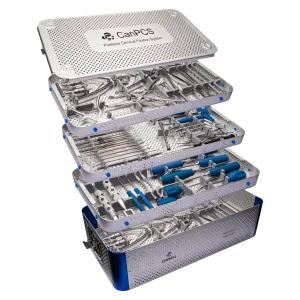
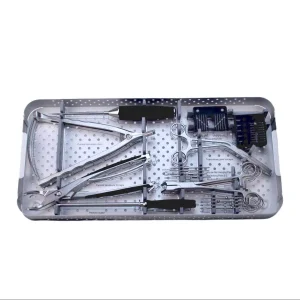
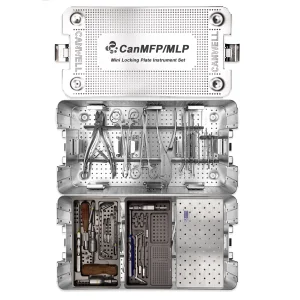
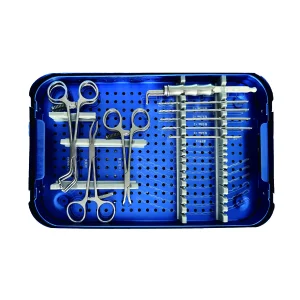
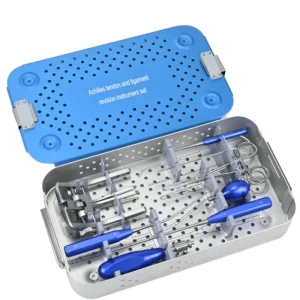
Modular Trays & Instrumentation: Development of tailored, autoclavable instrument boxes matching specific bone plate and screw sets.
Precision Fit Prototyping: Utilizing rapid SLS 3D modeling and biomechanical simulation software to speed up localized implant design loops.

Frequently Asked Questions

Crucial manufacturing, regulatory, and mechanical engineering answers for orthopedic implant distributors.

What raw materials are used in Virelox bone plates and screws?
We exclusively utilize implant-grade materials. For titanium implants, we use Grade 5 Titanium Alloy (Ti-6Al-4V ELI) conforming to ASTM F136 and ISO 5832-3 standards. For stainless steel implants, we employ ultra-vacuum melted 316LVM complying with ASTM F138. Material certificates from raw billet to finished screw are fully logged and traceable.
How does Virelox handle biological validation and cleanroom requirements?
Our surgical implants are manufactured, pre-cleaned, and packed under Class 7 ISO 13485 cleanroom regulations. Endotoxin testing, bioburden monitoring, and EO (Ethylene Oxide) sterilization validation loops are performed in compliance with ISO 11135 and ISO 11737-1 protocols.
What dynamic testing standards do the locking plates go through?
All bone plate systems undergo four-point bending and fatigue life verification testing modeled around ASTM F382 and ISO 9585 standards. Our in-house biomechanics lab features dynamic axial fatigue machines capable of replicating millions of micro-load cycles to monitor permanent deformation and fatigue limit parameters.
Do you support customization for small-batch orthopedic designs (OEM/ODM)?
Yes. We possess an active design and machining setup with 120 specialized biomechanical and materials science engineers. We can customize bone plate thicknesses, contour angles, locking screw configurations, and instrumentation layouts to meet specific OEM, ODM, or private-label client requirements.