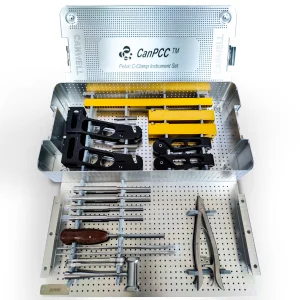
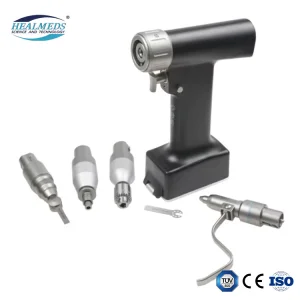
Premium surgical tools and implants engineered for superior fixation and precision outcomes
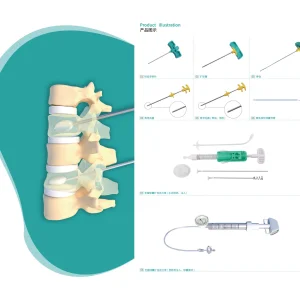
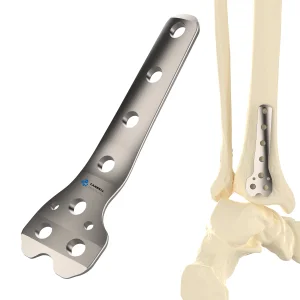
The global orthopedic trauma fixation market has experienced a significant paradigm shift over the last decade, transitioning from conventional compression plating to highly advanced locked plating systems. Small fragment locking plates—typically sized from 2.7mm to 3.5mm—represent a crucial product tier in internal fixation. These implants are extensively utilized to treat fractures of the clavicle, distal radius, fibula, humerus, and ankle joint complexes.
From a clinical and commercial perspective, locking plates function as internal fixators. By coupling locking screws into the plate thread, they create a fixed-angle construct that does not rely on plate-to-bone friction for stability. This engineering breakthrough has drastically lowered the rates of bone necrosis under the plate, preserved periosteal vascularization, and significantly reduced hardware failure rates in osteoporotic patients.
Today, procurement officers, orthopaedic distributors, and clinical departments require high-quality implants that meet rigid biomechanical benchmarks. Consequently, selecting premier manufacturers that combine advanced material metallurgy with rigorous compliance frameworks has become key to operational and clinical success globally.
"Locking plate constructs transform mechanical stabilization. By rendering the interface immune to structural loosening at the screw-plate juncture, surgeons can confidently address complex comminuted fractures and osteoporotic structures that traditional systems cannot resolve."
— Clinical Biomechanics Whitepaper
Pioneering advancements in materials, bio-coatings, and anatomical contours
Transition from Grade 2 Pure Titanium to Grade 5 Titanium Alloy (Ti-6Al-4V ELI) and implant-grade Stainless Steel (316LVM). These materials deliver optimal fatigue resistance, high tensile strength, and reduced elastic modulus mismatch with cortical bone, preventing stress shielding.
Modern manufacturing relies heavily on CT-scan-derived 3D bone databases. Modern locking plates are pre-contoured to match specific skeletal zones, eliminating the need for intraoperative plate bending, preserving structural strength, and reducing anesthesia times.
The industry is shifting from monoaxial locking to polyaxial (variable angle) locking mechanisms. Surgeons can target screws within a 15-to-30-degree cone, avoiding articular components and joint hardware while preserving dynamic compression capability.
China’s medical manufacturing sector has developed robust industrial clusters that combine unparalleled efficiency with elite quality management. Leading manufacturers like Virelox Medical Devices Co., Ltd. leverage comprehensive upstream and downstream networks to optimize lead times, source premium materials, and maintain cost competitiveness.
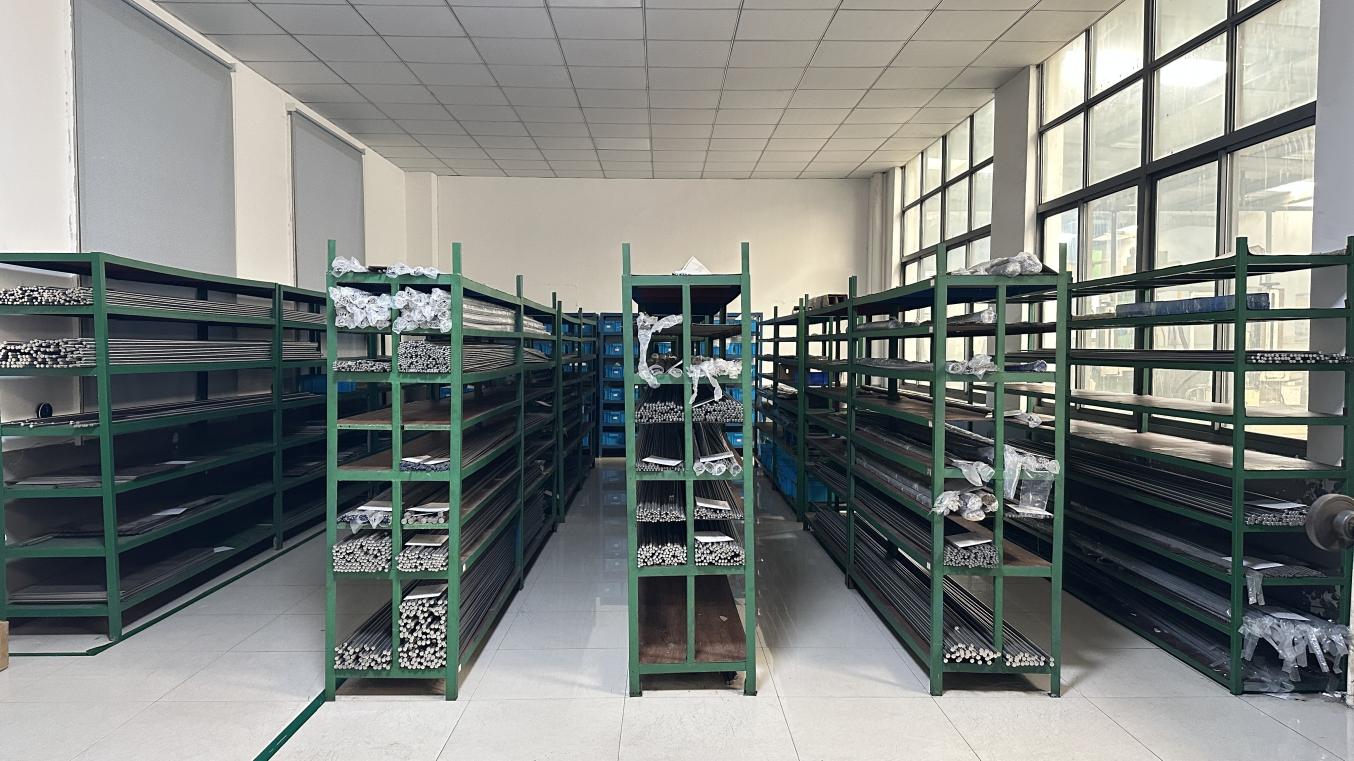
Operating with certified supply chain structures, premier factories reduce manufacturing bottlenecks through vertical integration. With access to over 850 certified raw material and precision component partners, local factories ensure that titanium bars, locking screws, and specialized drill guides are continuously supplied under tight quality protocols. This setup insulates international buyers from sudden material shortages and shipping disruptions.
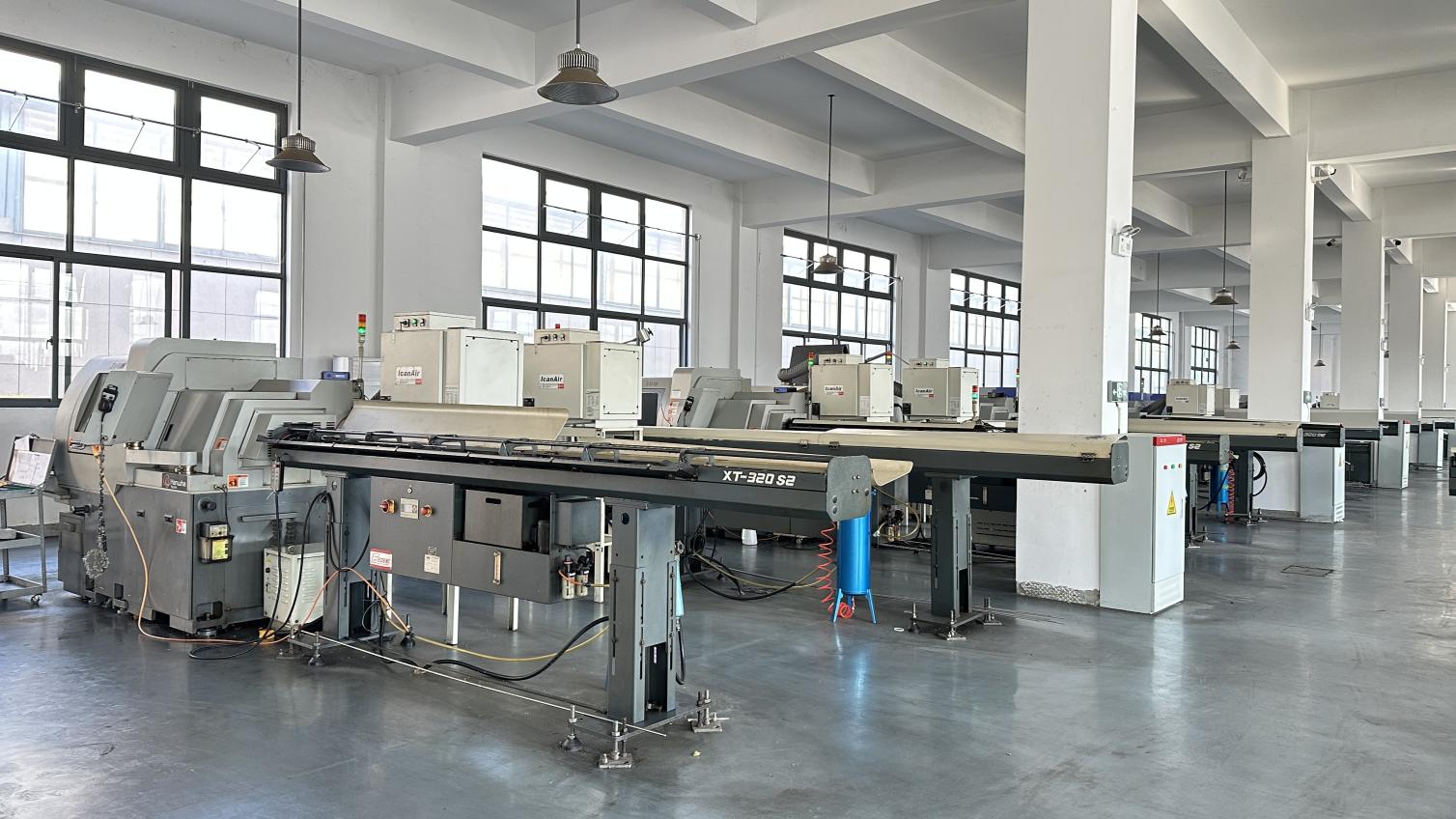
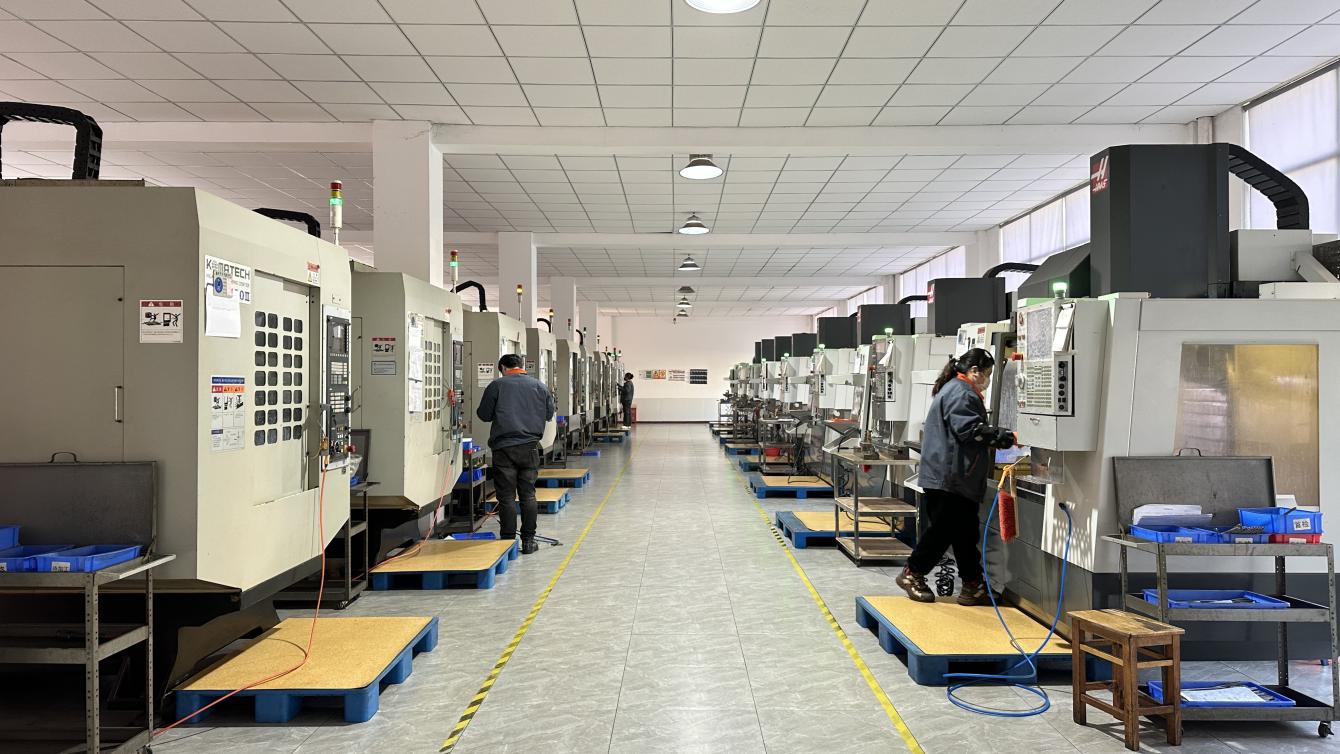
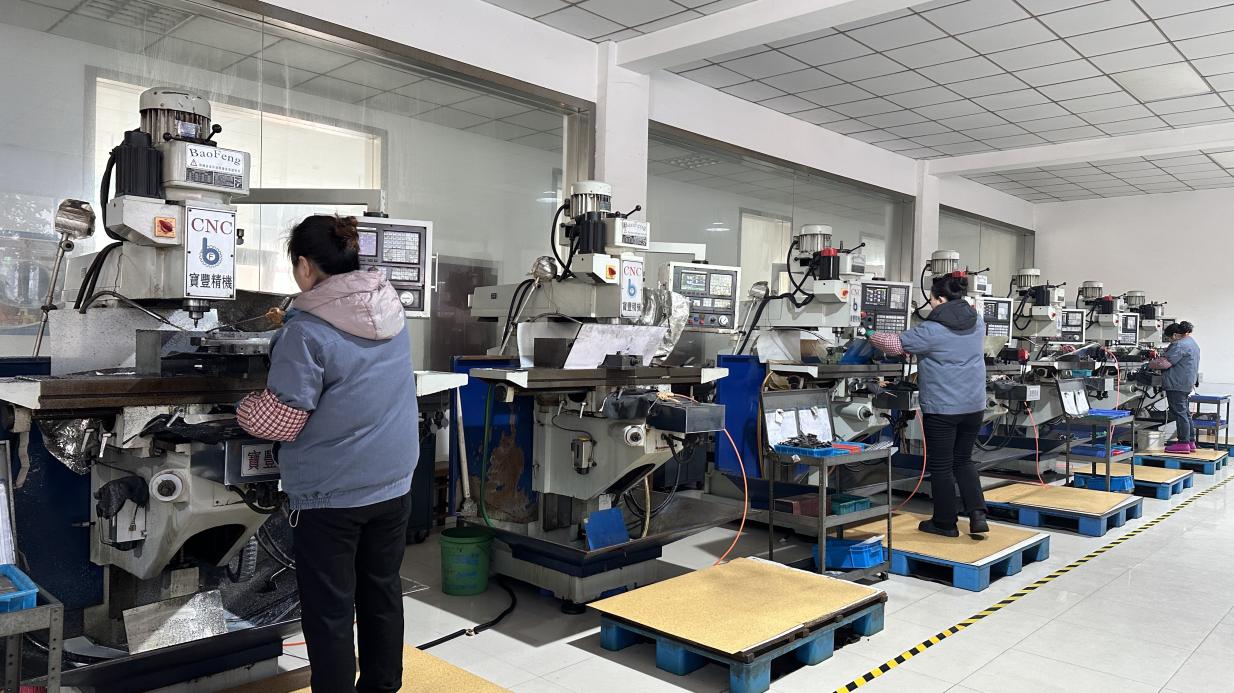
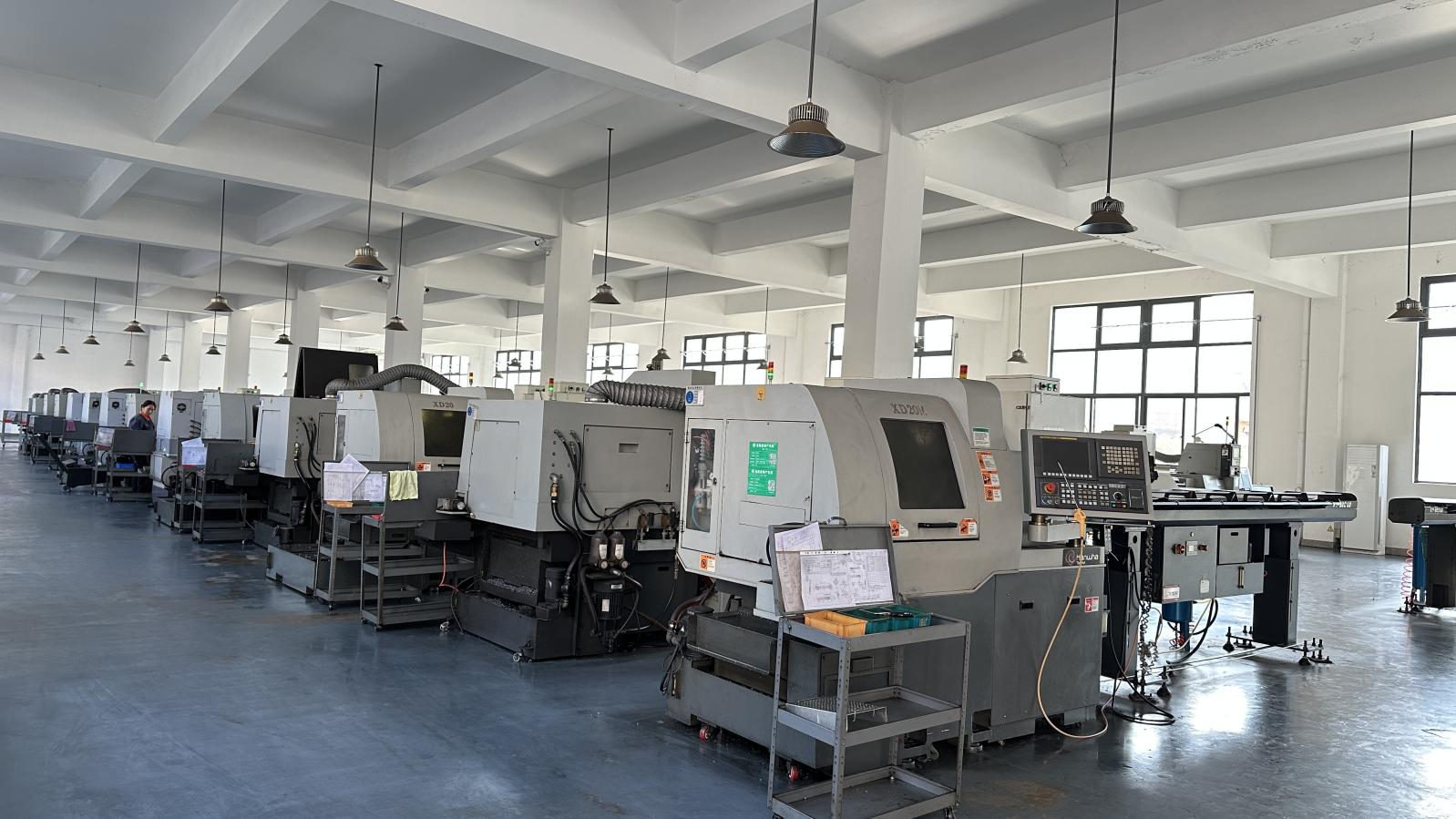
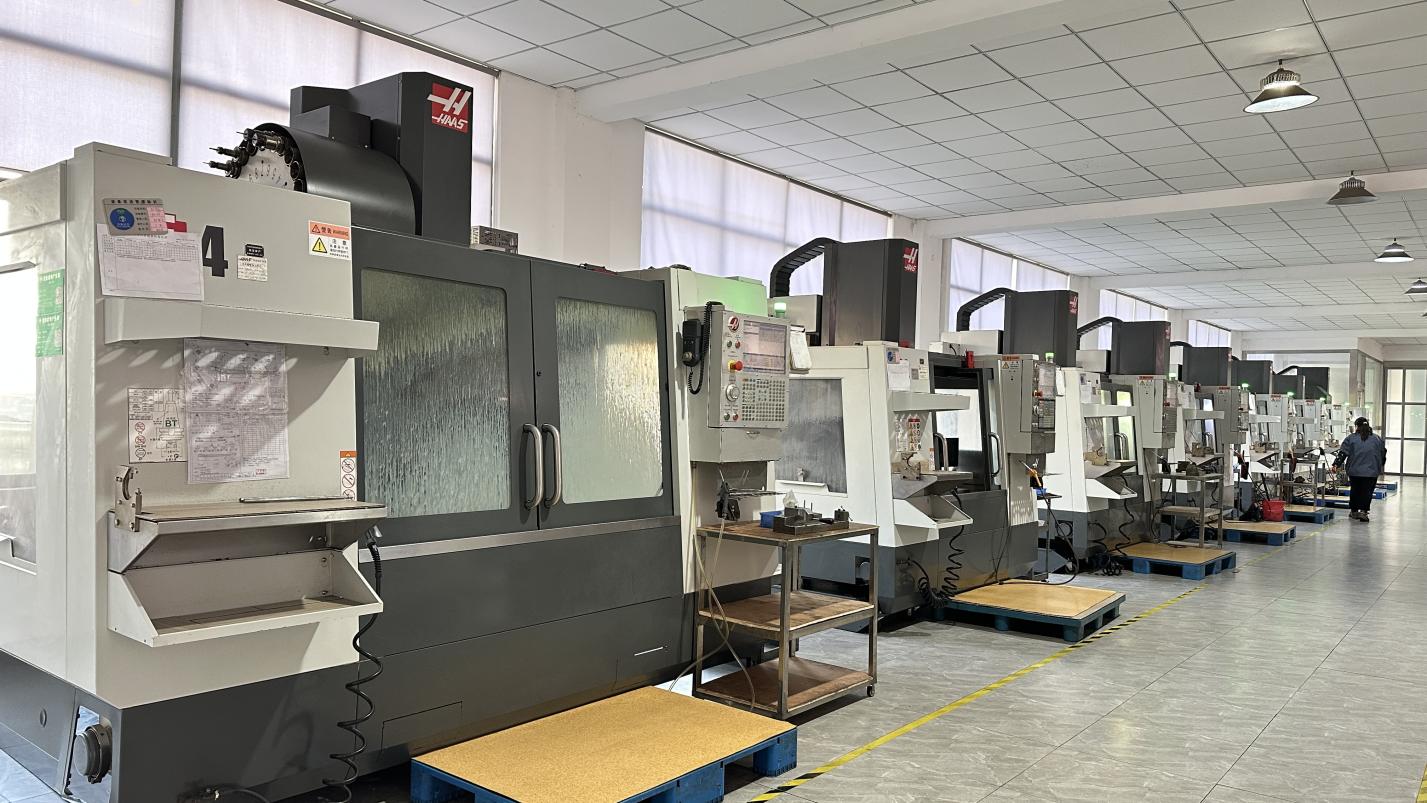
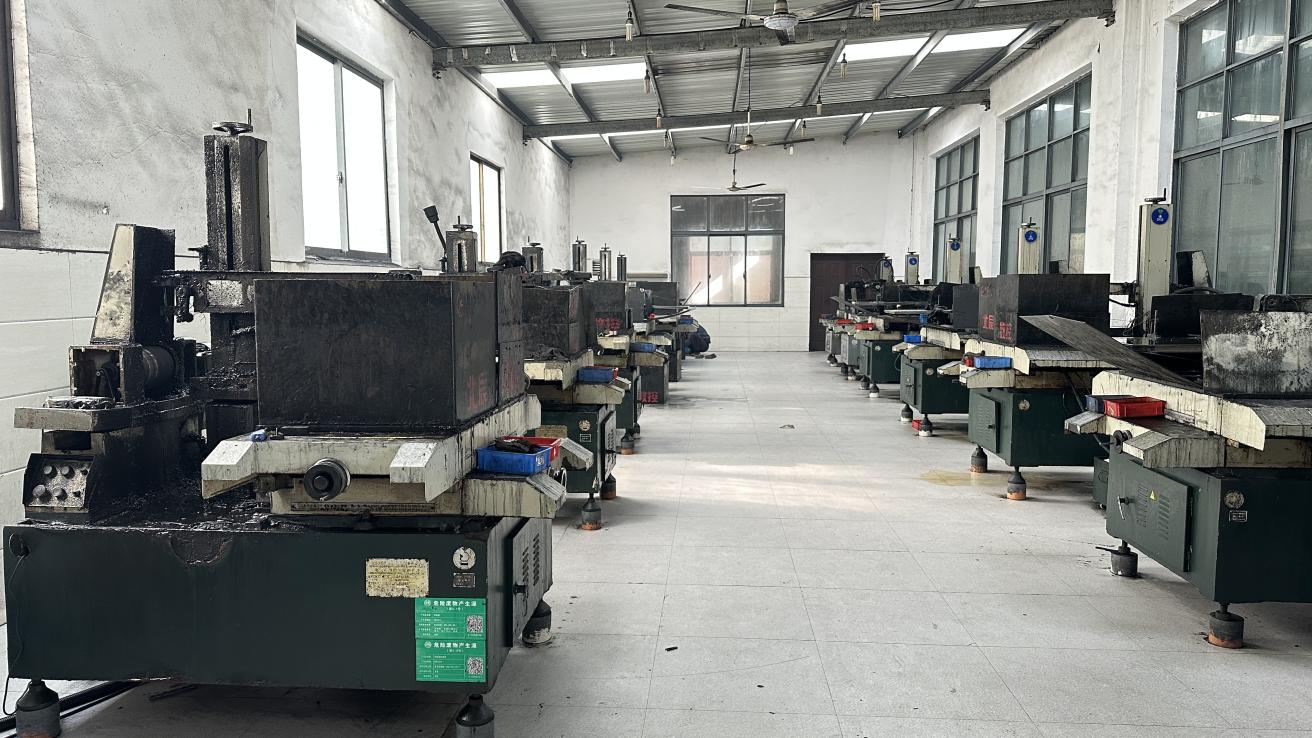
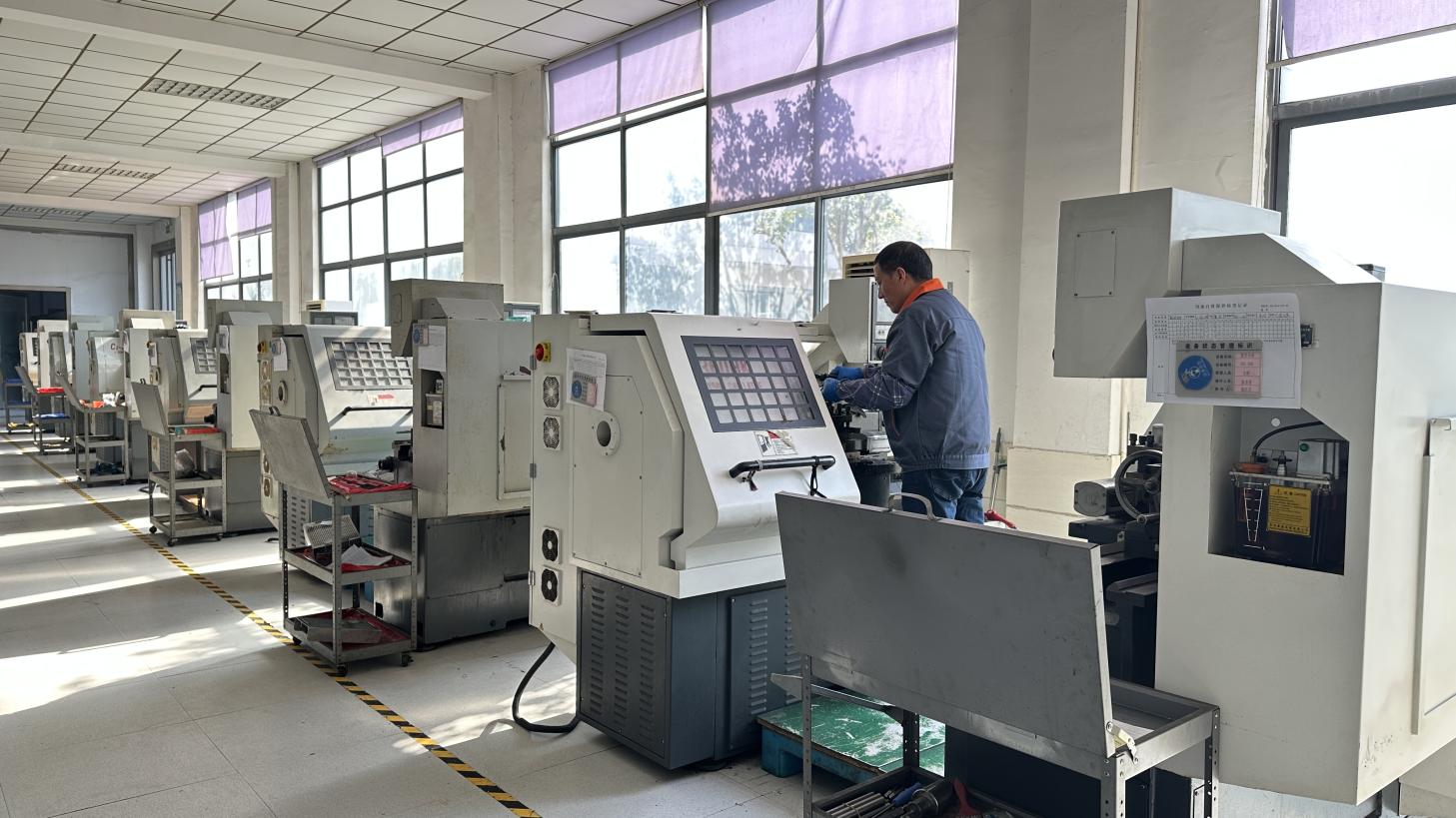
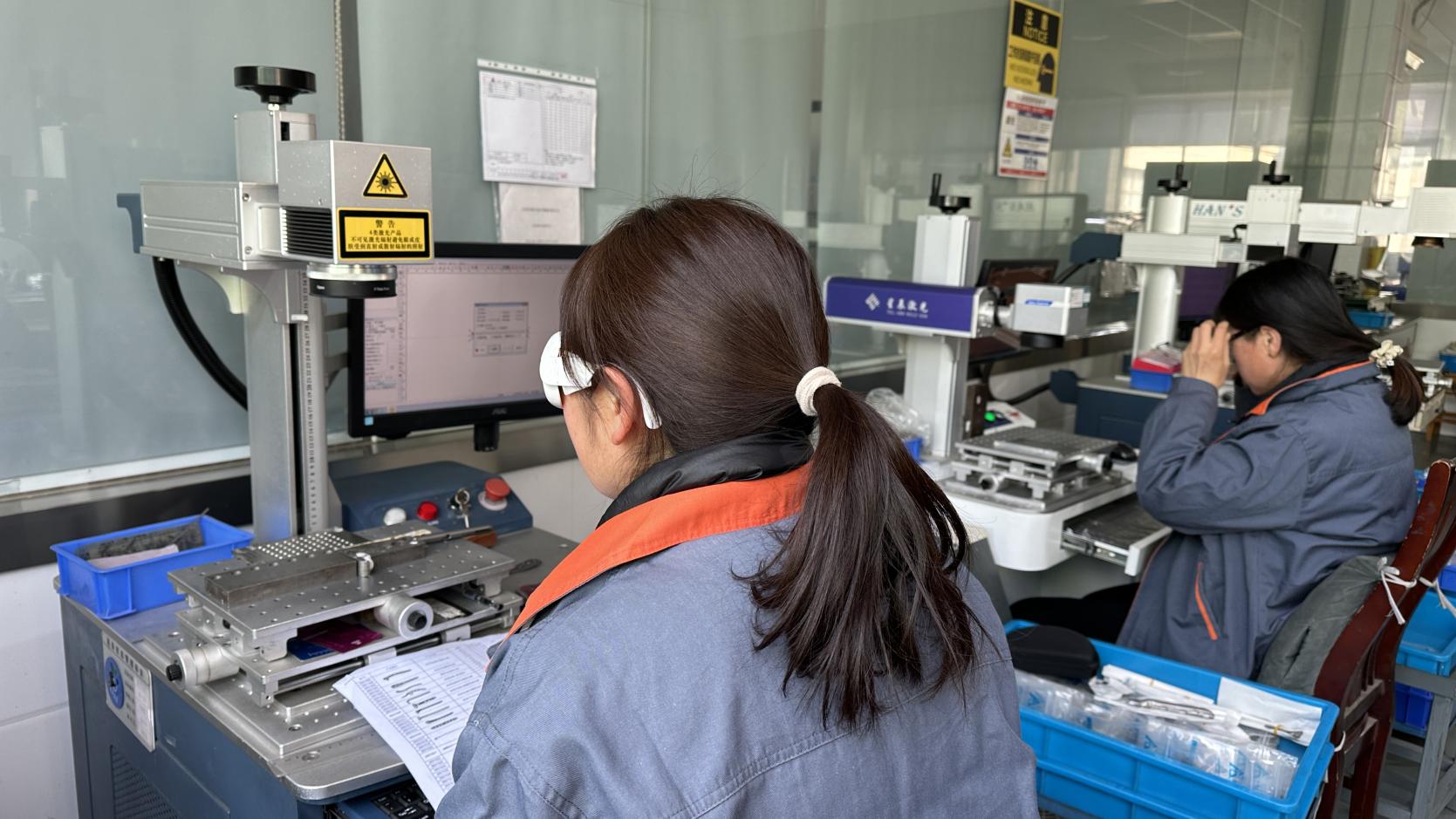
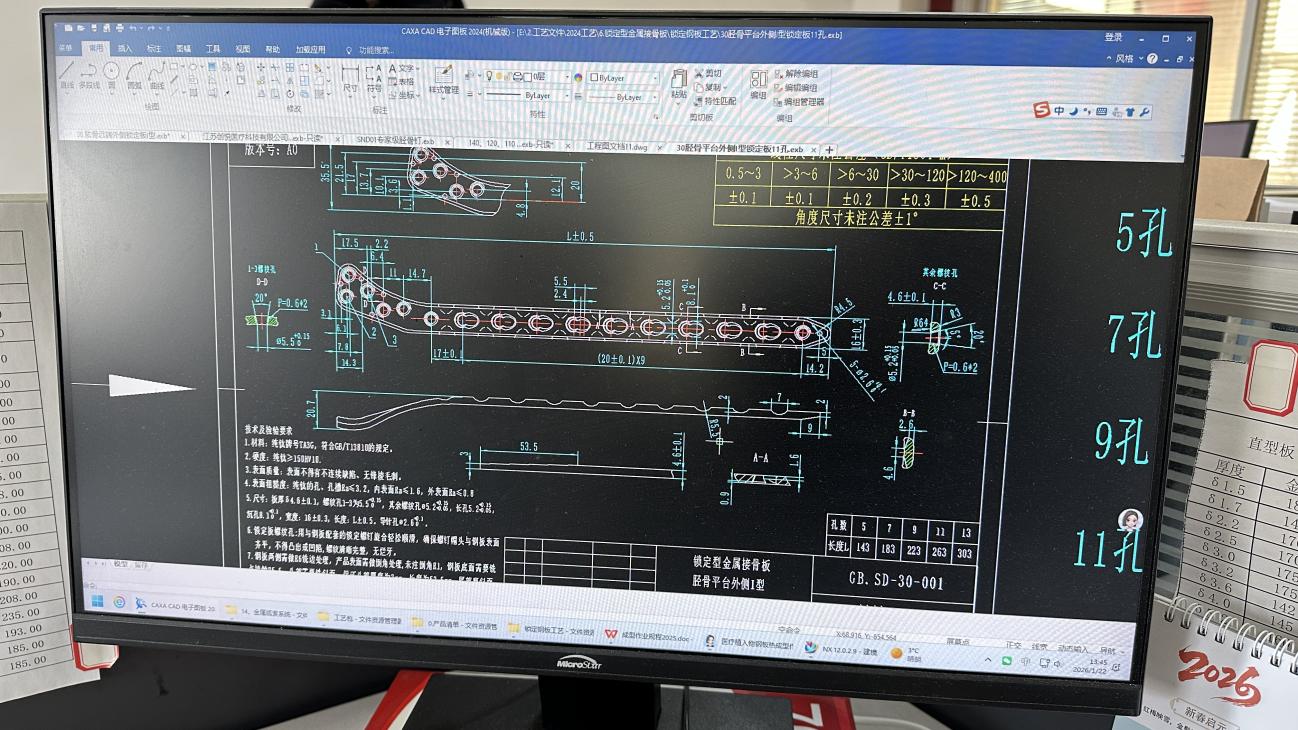
By leveraging advanced multi-axis CNC milling centers, wire EDM cutting, and automated laser marking systems, Chinese exporters offer substantial cost savings without compromising clinical safety or biomechanical standards. As a result, China has become a vital hub for orthopedic OEMs and global distributors looking to optimize their margins.
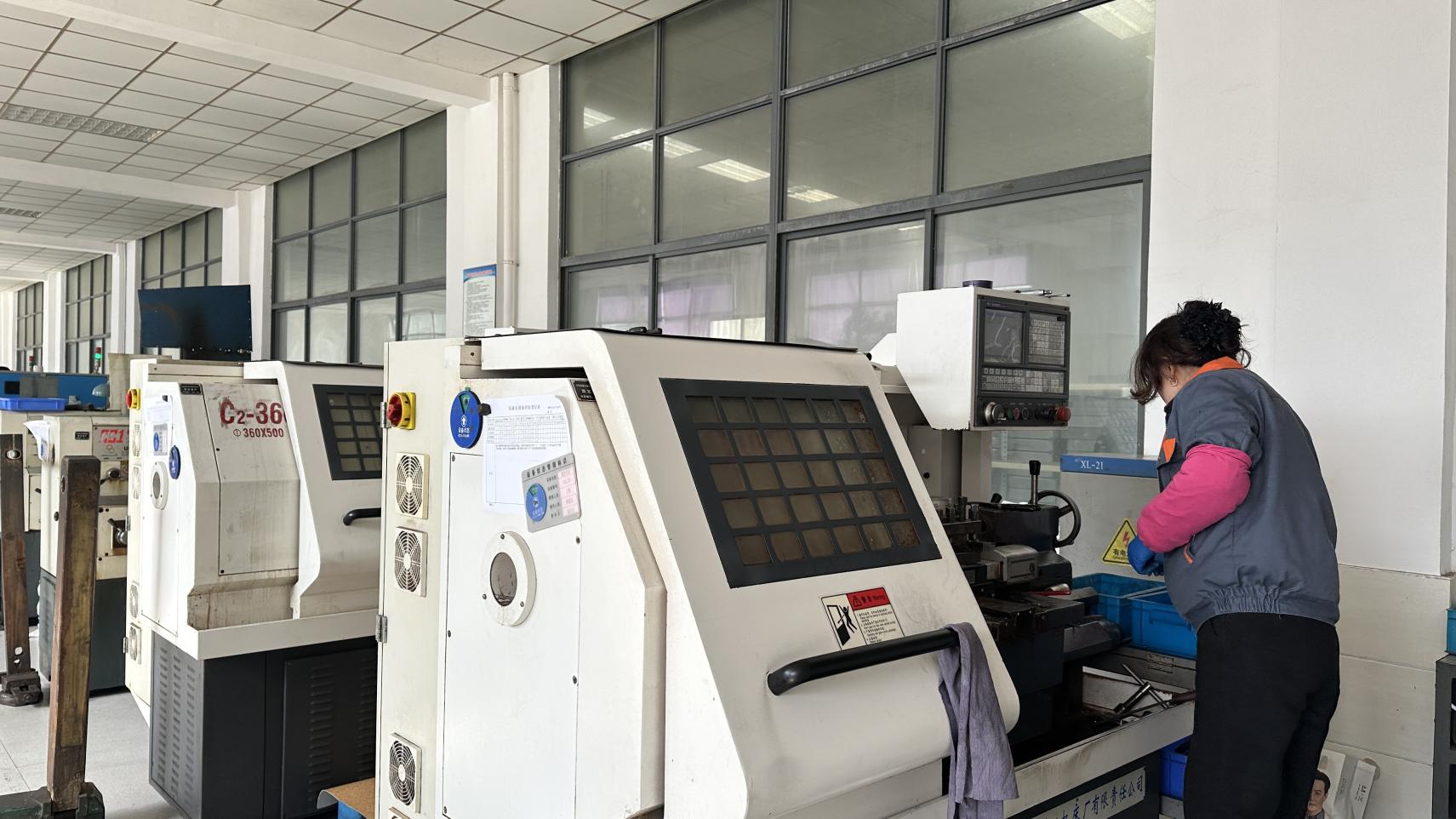
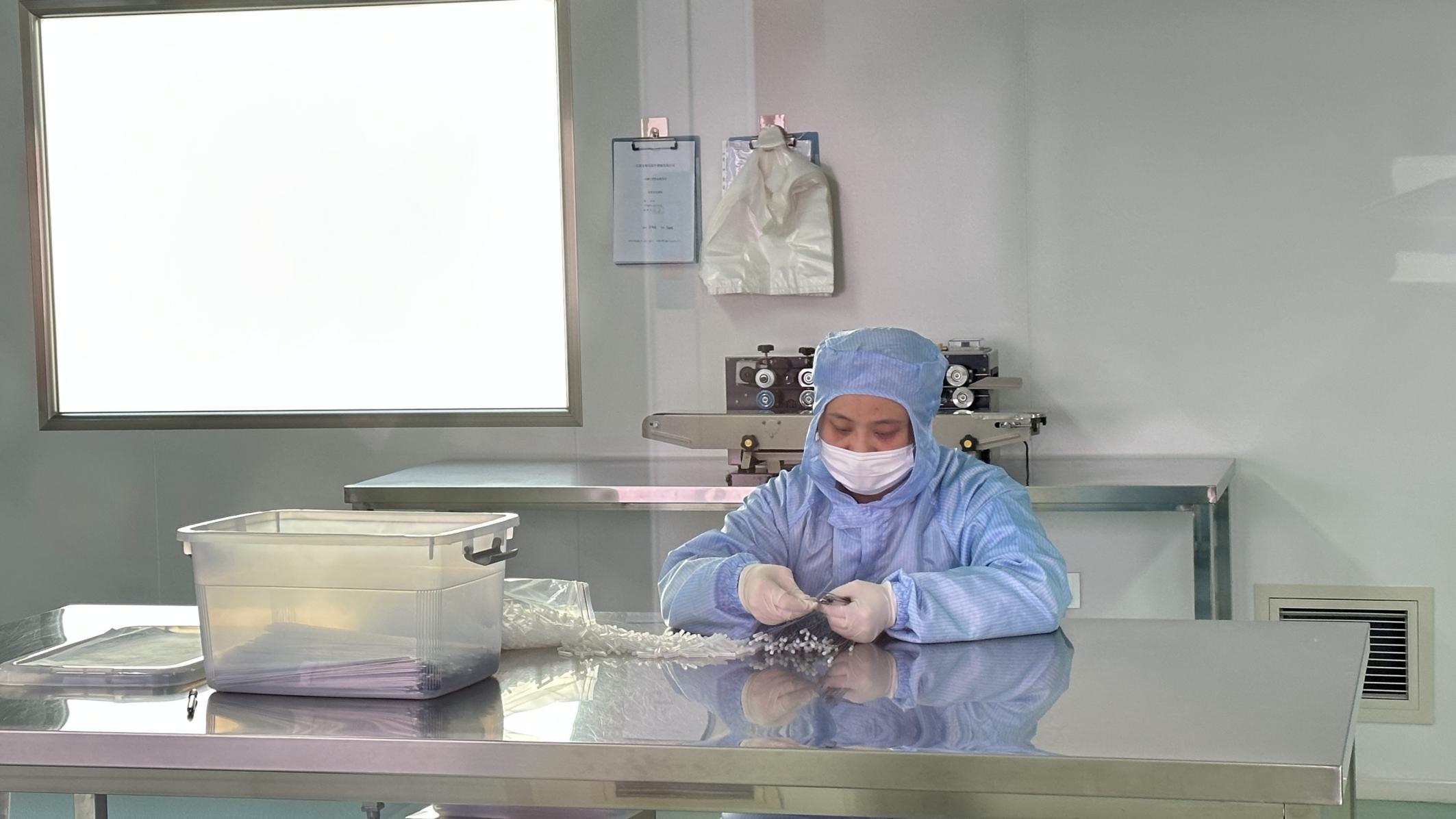
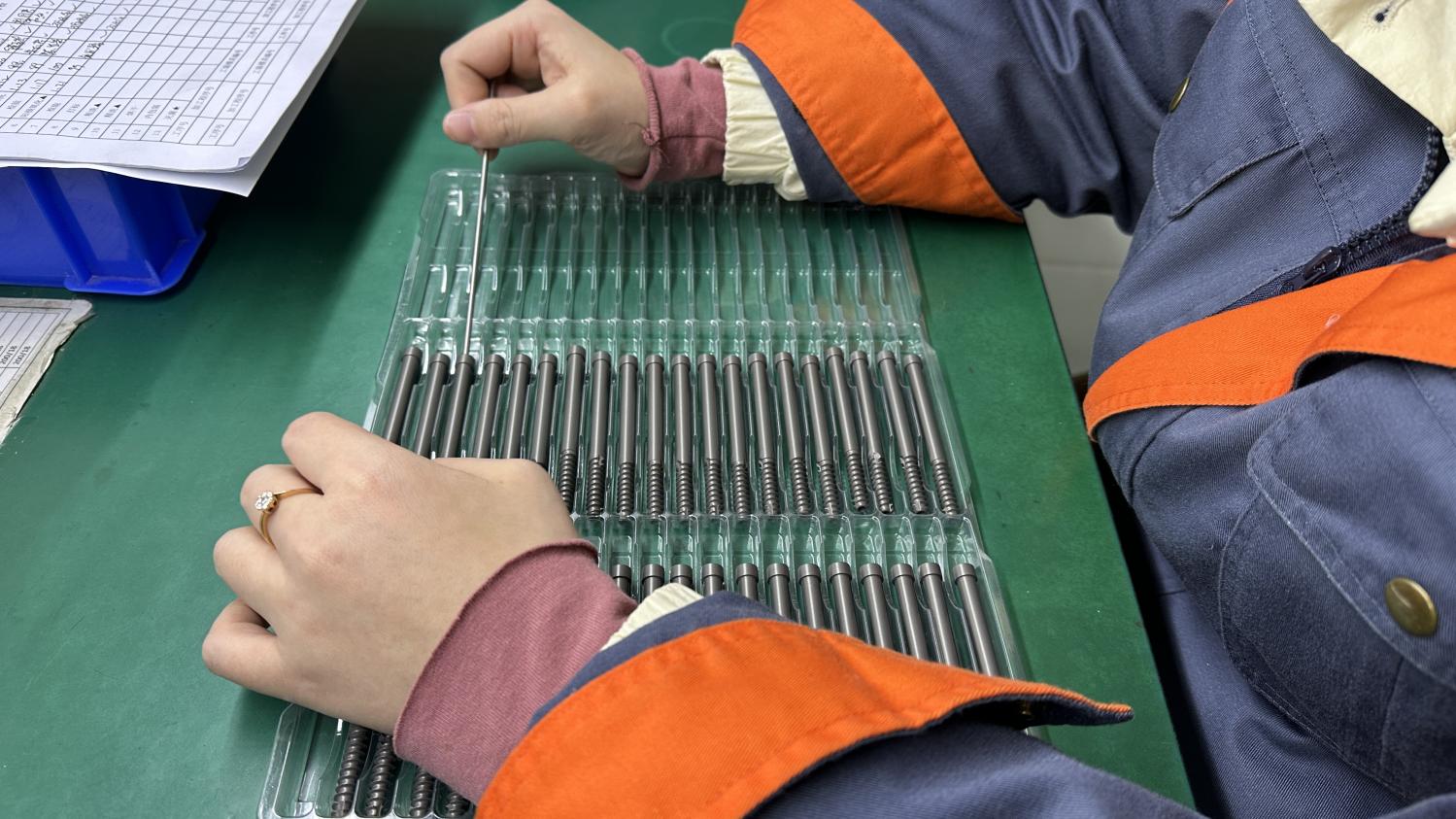
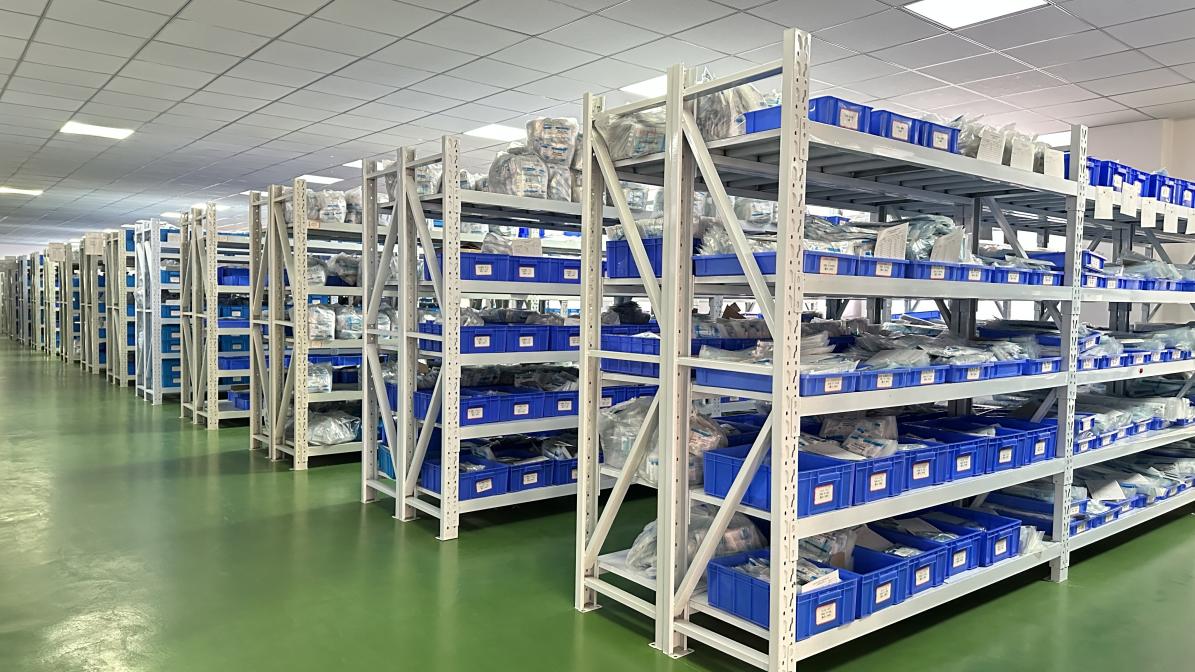
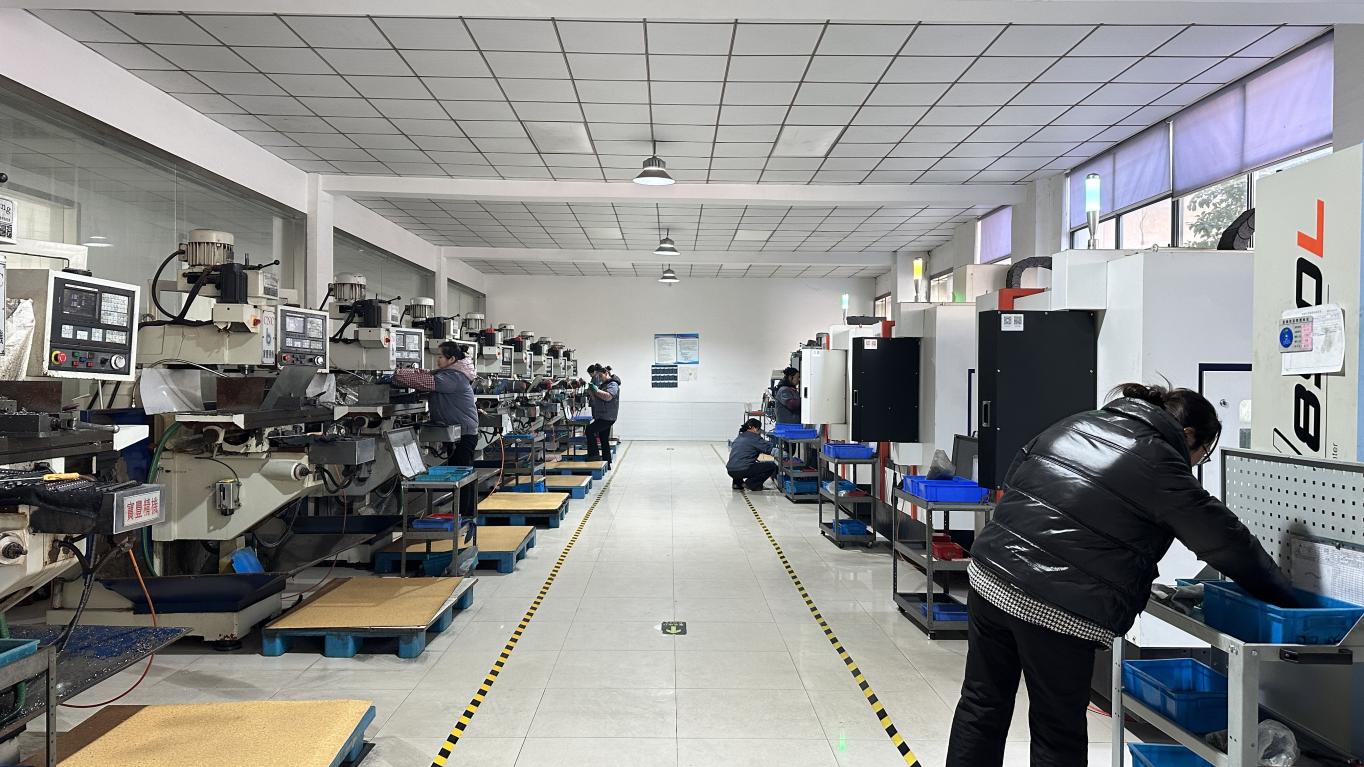
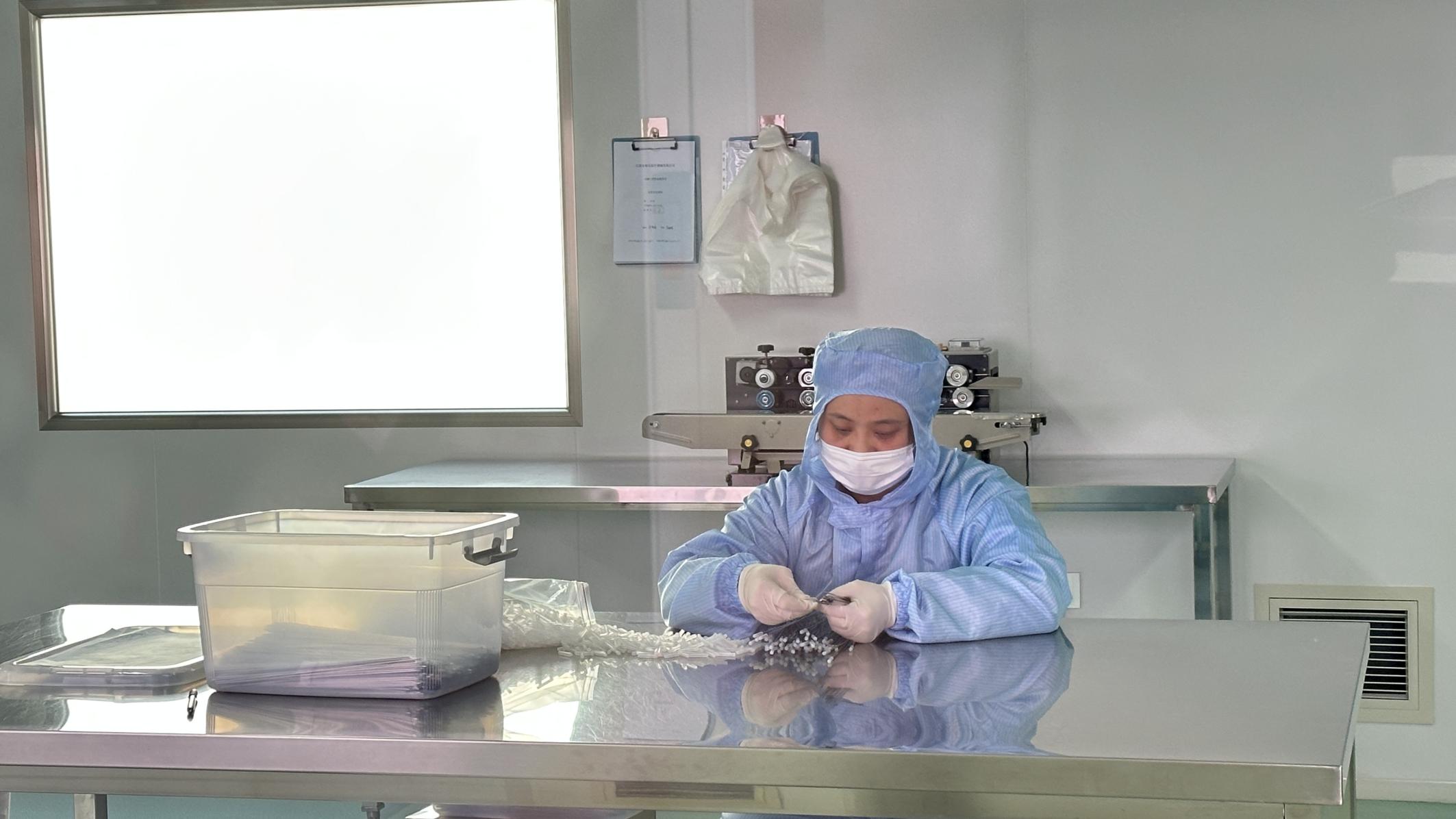
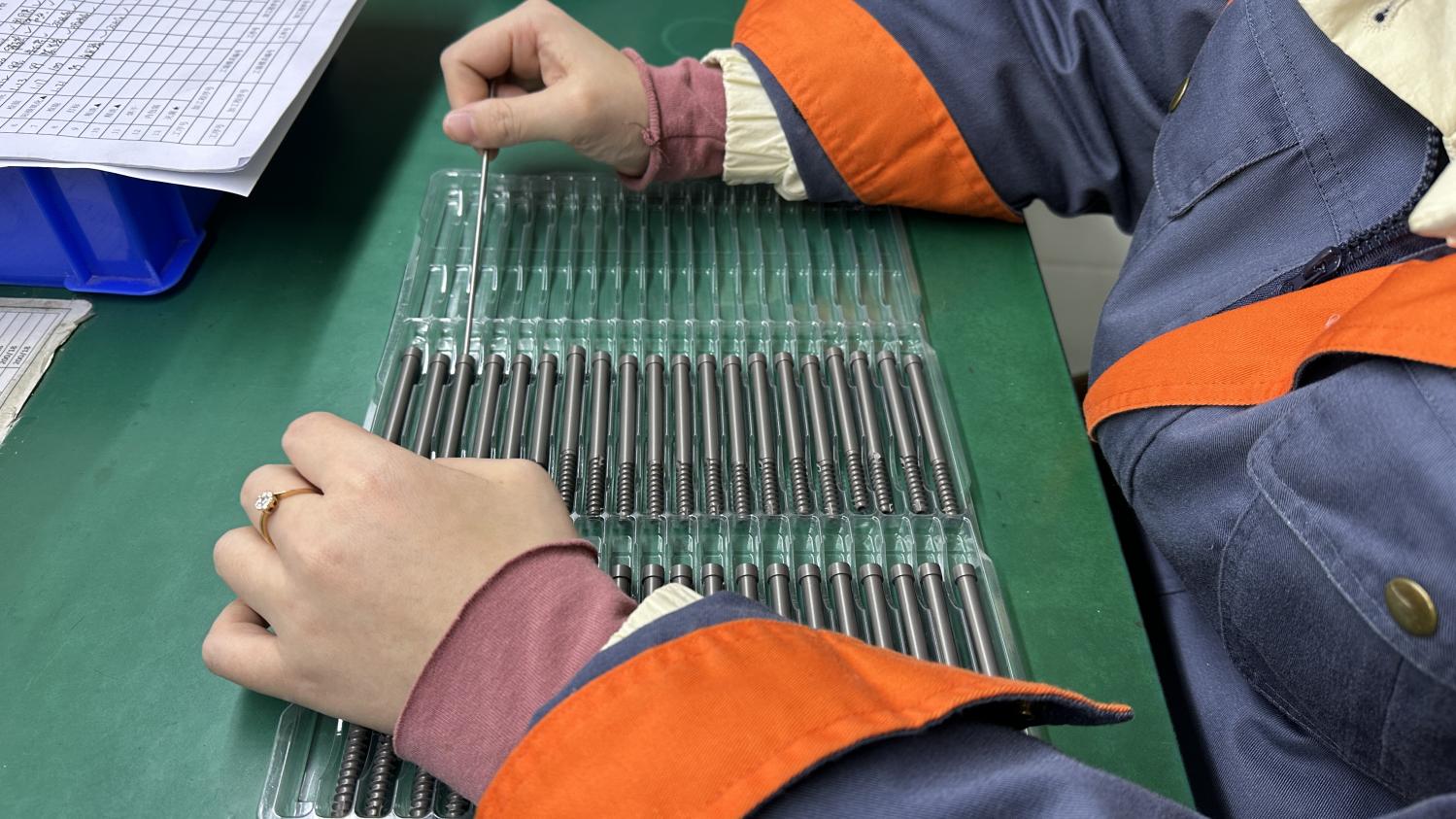
Virelox Medical Devices operational capabilities, proving manufacturing scale and global competitiveness.
Visual workflow and engineering stations driving our production output

How small fragment locking systems respond to patient-specific biomechanics
The biomechanical success of internal fixation depends highly on the clinical scenario. Small fragment plates are the primary choice for anatomically challenging zones with minimal soft-tissue coverage. Here, plate prominence can cause tendon irritation or skin breakdown.
To support global medical systems, orthopedic manufacturers must localize their clinical kits. Modern surgeries require distinct implant variations optimized for different demographics:
Evaluating mechanical performance, durability, and structural reliability
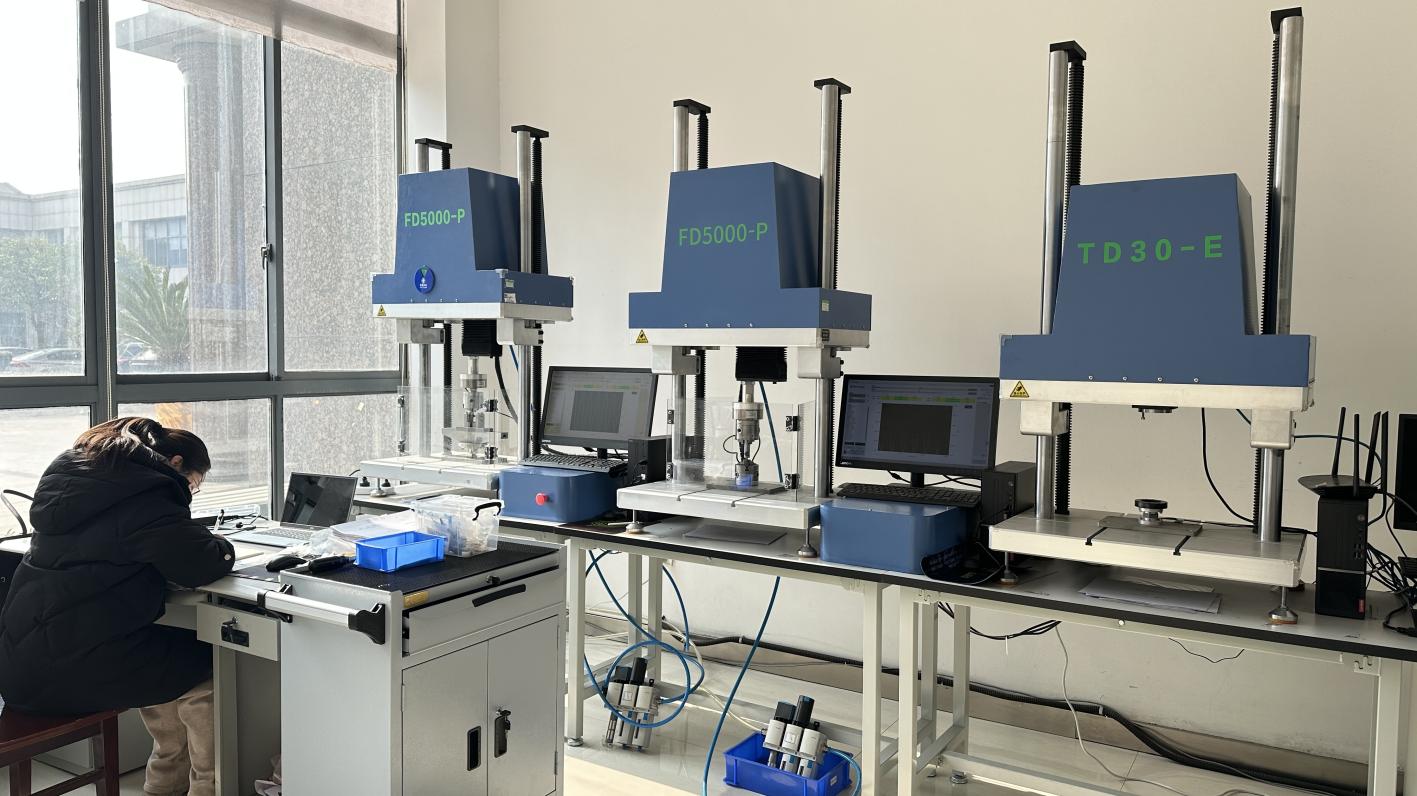
Orthopedic implants must perform reliably under continuous physiological stress. Any implant failure, whether from fatigue breakage or screw back-out, requires complex revision surgery. Virelox maintains a comprehensive, ISO 13485-compliant quality control system managed by 65 certified professionals. Every batch of raw materials undergoes rigorous verification before release to production.
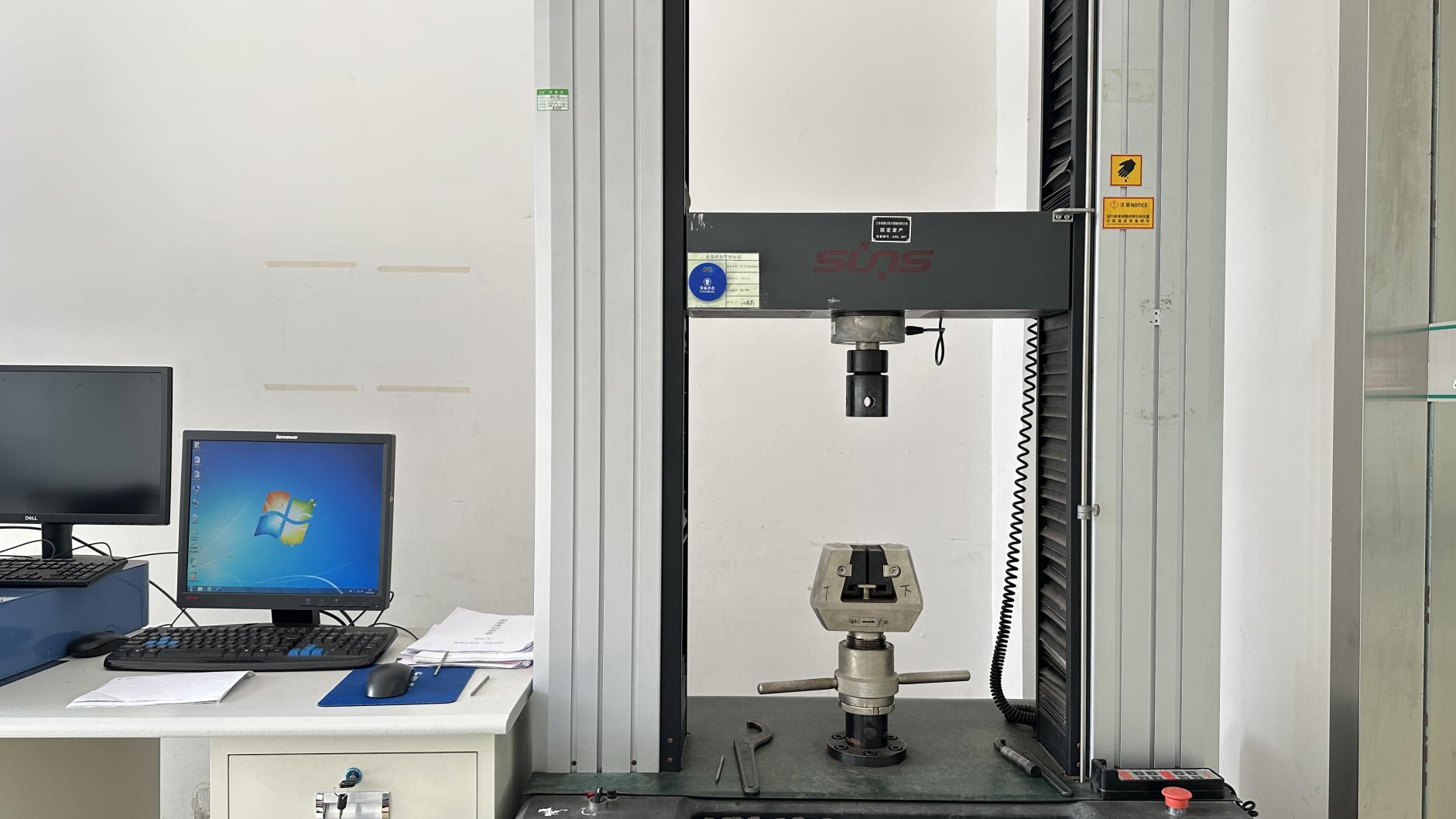
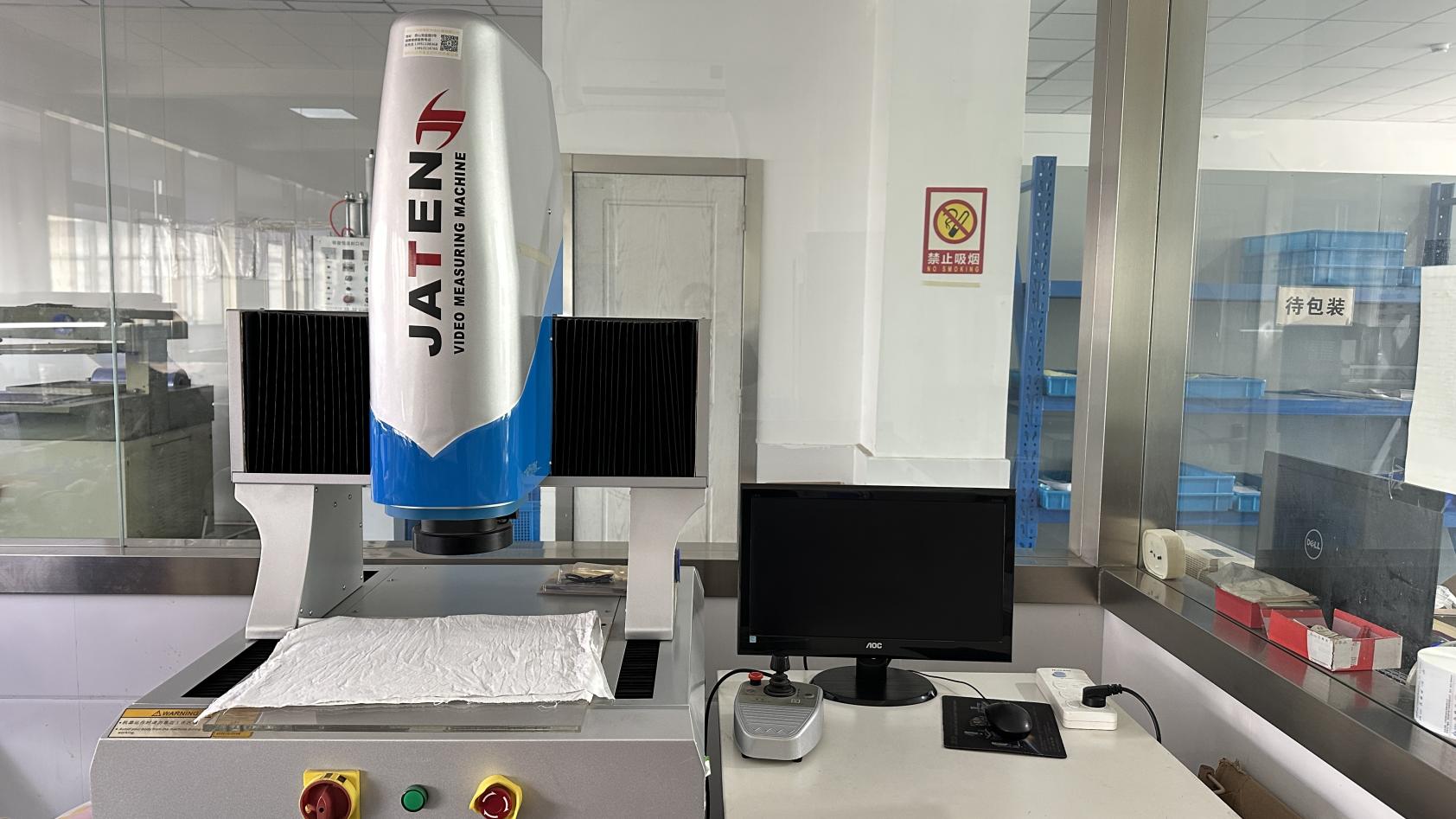
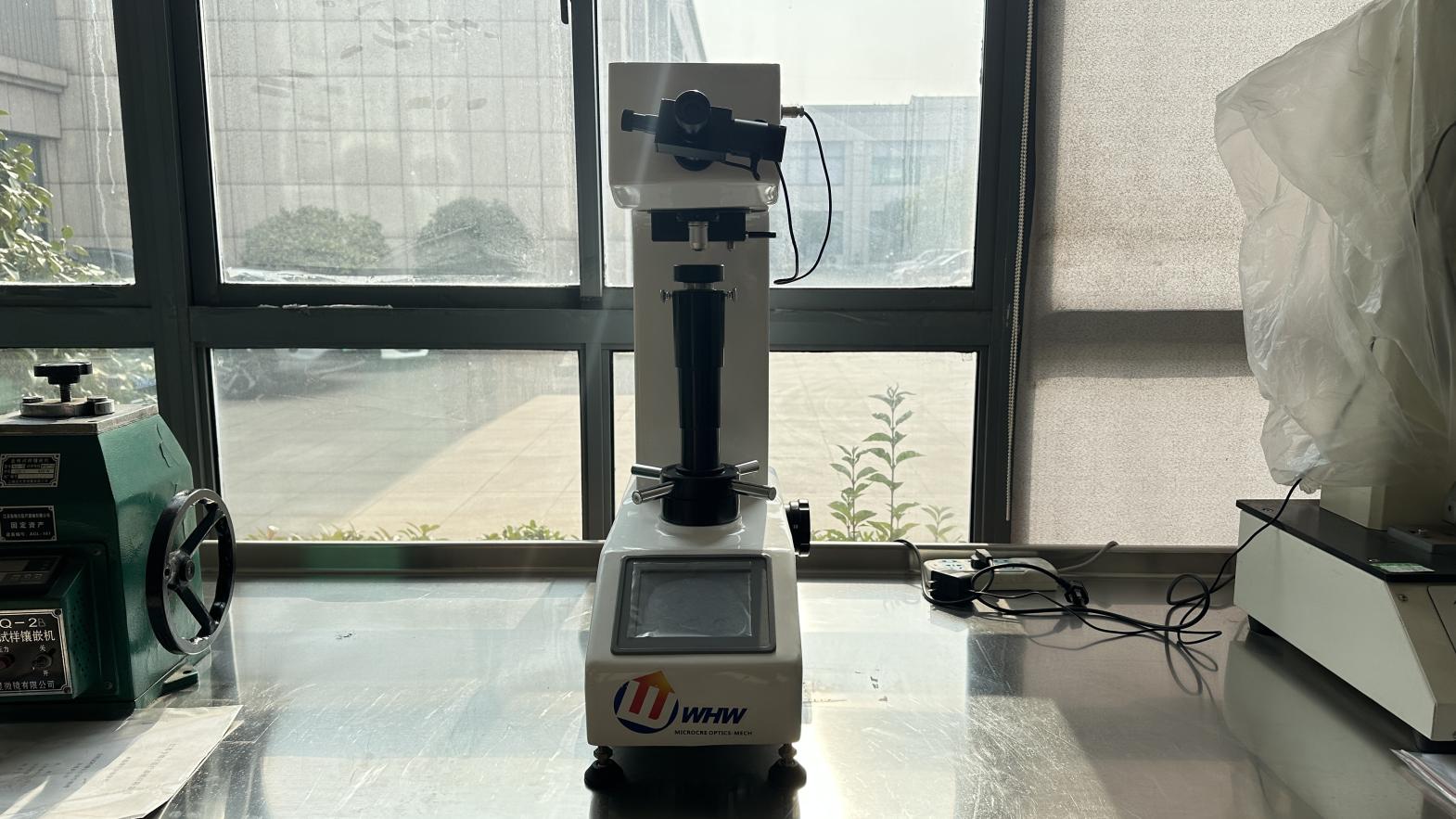
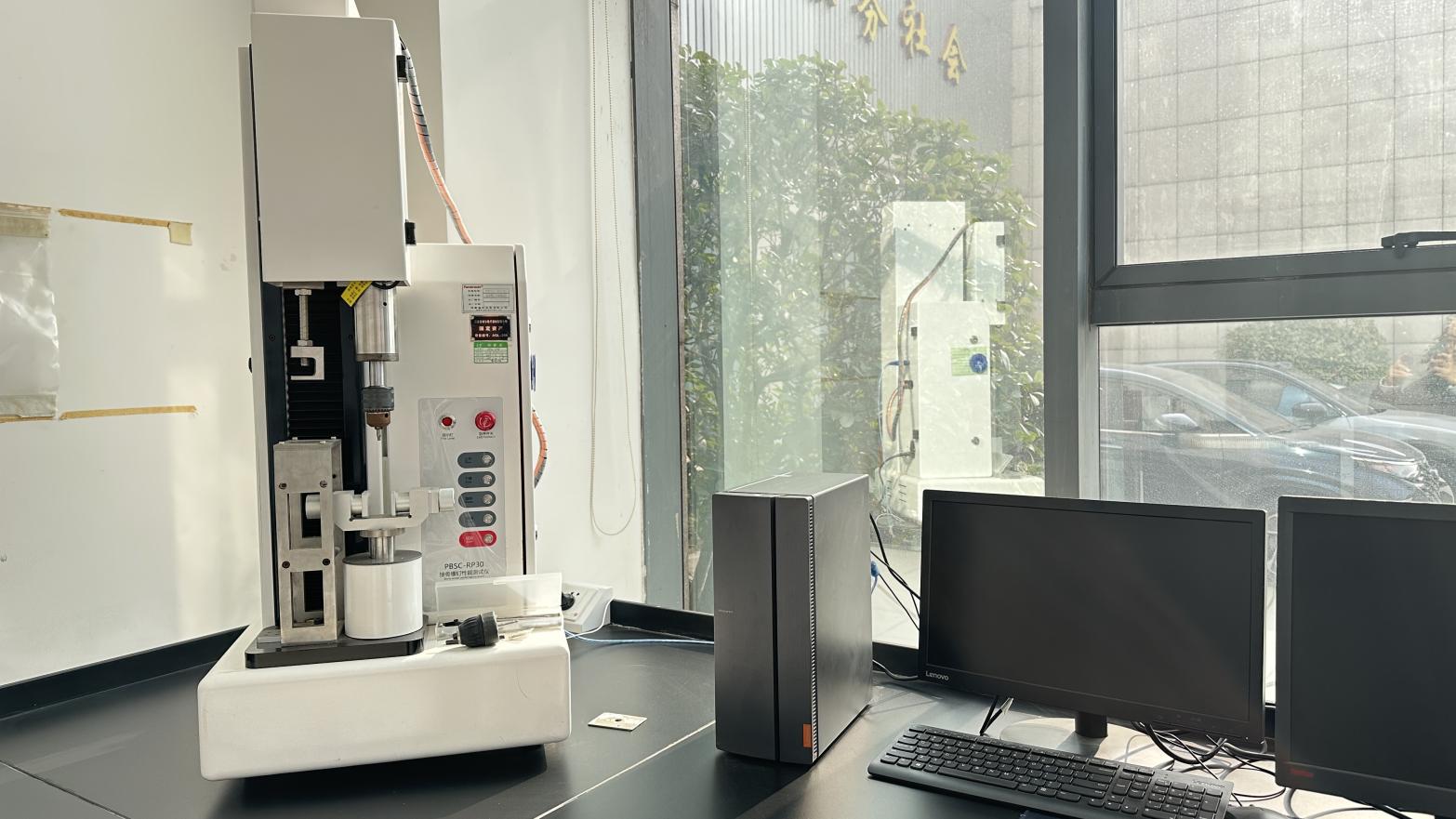
Quality testing protocols include 3D coordinate-measuring machine (CMM) dimensional checks, fatigue limit testing, ultimate tensile strength testing, and X-ray imaging for inner material voids. These measures ensure every locking plate and compression screw meets standard regulatory guidelines before shipment.
| Test Parameter | Testing Equipment | Industry Standard |
|---|---|---|
| Dynamic Fatigue Testing | Fatigue Tester | ASTM F382 / ISO 9585 |
| Tensile Yield Strength | Tensile Tester | ASTM E8 |
| Thread Fitting & Torsion | Screw Tester | ASTM F543 |
| Dimensional Precision | 2D / CMM Measuring | ISO 1101 |
Key criteria for selecting reliable, high-performance orthopedic supply partners
Procuring orthopedic implants requires looking beyond basic unit pricing. Because these devices are surgically implanted, choosing a partner requires a careful evaluation of their engineering standards, regulatory approvals, and capacity consistency. When sourcing from Top 10 manufacturers and exporters, consider these three critical operational capabilities:
Manufacturers must possess verified ISO 13485 certifications. For European markets, CE marking (under MDR 2017/745) is mandatory. For the Americas, FDA 510(k) clearances are required. Without these credentials, customs clearance and clinical use are legally impossible.
Top-tier factories should employ strong in-house R&D engineering teams (such as Virelox's 120-engineer division) capable of CAD/CAM modeling, finite element analysis (FEA), and rapid prototyping of bespoke surgical plate shapes.
Exporters must provide complete traceability documentation for their metals, verifying compliance with ASTM F136 or ISO 5832-3 standards. Uncertified titanium can lead to corrosion, metallosis, and early implant failures.
Key industry answers for B2B procurement, surgical planning, and material sourcing
Titanium alloys (specifically Ti-6Al-4V ELI) offer superior biocompatibility, higher corrosion resistance, and lower modulus of elasticity compared to stainless steel (316LVM). This reduces the risk of stress shielding. However, stainless steel offers higher yield strength and ductility, which is sometimes preferred in high-load orthopedic applications.
Traditional dynamic compression plates must be screwed tightly against the bone to achieve stability through friction, which can compress the periosteal vessels. Locking plates, by locking the screw directly into the plate, act as a rigid internal frame. This design keeps the plate slightly off the bone surface, preserving the blood supply underneath to support faster fracture healing.
Yes, leading factories like Virelox offer extensive OEM/ODM support. Utilizing 3D bone scan data and biomechanical simulation systems, the R&D team can develop custom plate geometries, specialized hole placements, and custom surgical instrumentation kits to match regional anatomical requirements.
Exporters must maintain a quality management system certified under ISO 13485. Depending on the destination market, they must also provide certificates like CE (MDR) for Europe, FDA registration for the United States, and local registrations (such as ANVISA for Brazil or TFDA for Thailand) to ensure total legal compliance.
Explore more precision-manufactured trauma products and compression screw designs
 Virelox