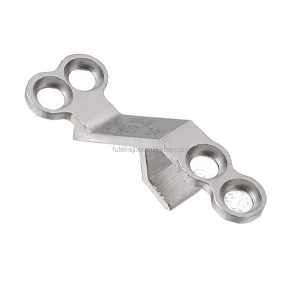
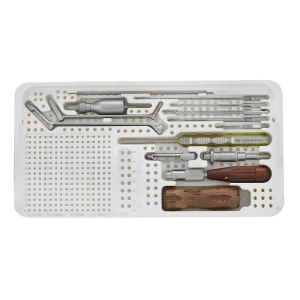
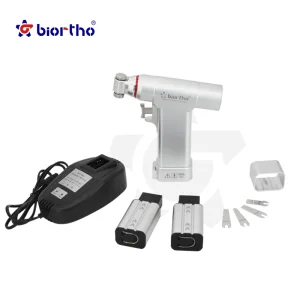
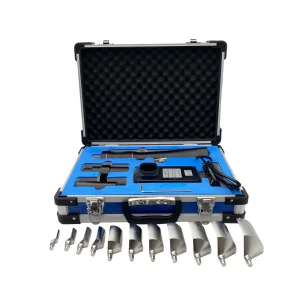
Virelox Medical Devices Co., Ltd. is a leading professional orthopedic medical device manufacturer specializing in joint replacement, spinal systems, and surgical implant solutions. Operating under the globally recognized brand "Virelox", we are committed to delivering high-performance orthopedic systems for global healthcare providers, trauma centers, and medical device distributors. With a robust manufacturing hub in China, we leverage advanced machinery, comprehensive materials science, and rigid quality inspection paradigms to offer medical implants that conform to rigorous clinical standards worldwide.
Reconstruction nails—primarily categorized as intramedullary locking nails—are the gold standard in contemporary osteosynthesis for complex, comminuted, and segmented long bone fractures. As clinical practices evolve away from external fixation to minimally invasive internal fixations, the demand for highly specialized intramedullary systems has surged. Globally, reconstruction nails play a critical role in treating femur, tibia, and humeral fractures, stabilizing subtrochanteric fractures, and aiding reconstruction after skeletal tumor resection.
According to current market intelligence, the global orthopedic trauma fixation market is expanding steadily. Key drivers include a demographic shift toward geriatric populations vulnerable to osteoporotic fractures, rising numbers of high-velocity road traffic accidents, and the rapid establishment of trauma registries in emerging economies. Modern orthopedic surgeons demand implants featuring optimized biomechanical load sharing, anatomic curvatures, and flexible proximal/distal locking options. This has shifted the industrial supply chain toward titanium alloys (specifically Ti-6Al-4V ELI) and ultra-high-grade cobalt-chromium formulations, which offer high fatigue life, superior biocompatibility, and lower imaging interference under CT and MRI.
The global dominance of Chinese orthopedic medical device manufacturers is not merely based on cost efficiency, but is instead driven by technological integration and complete upstream-to-downstream supply chain clusters. At Virelox Medical, our manufacturing capabilities demonstrate how a specialized Chinese medical device factory matches and exceeds the expectations of international clinical buyers.
1. Vertically Integrated Production Ecosystem: Chinese orthopedic hubs benefit from proximity to certified medical-grade titanium smelters, high-precision tooling makers, and certified sterilization service providers. This allows us to slash lead times, starting from design validation down to the final product shipment.
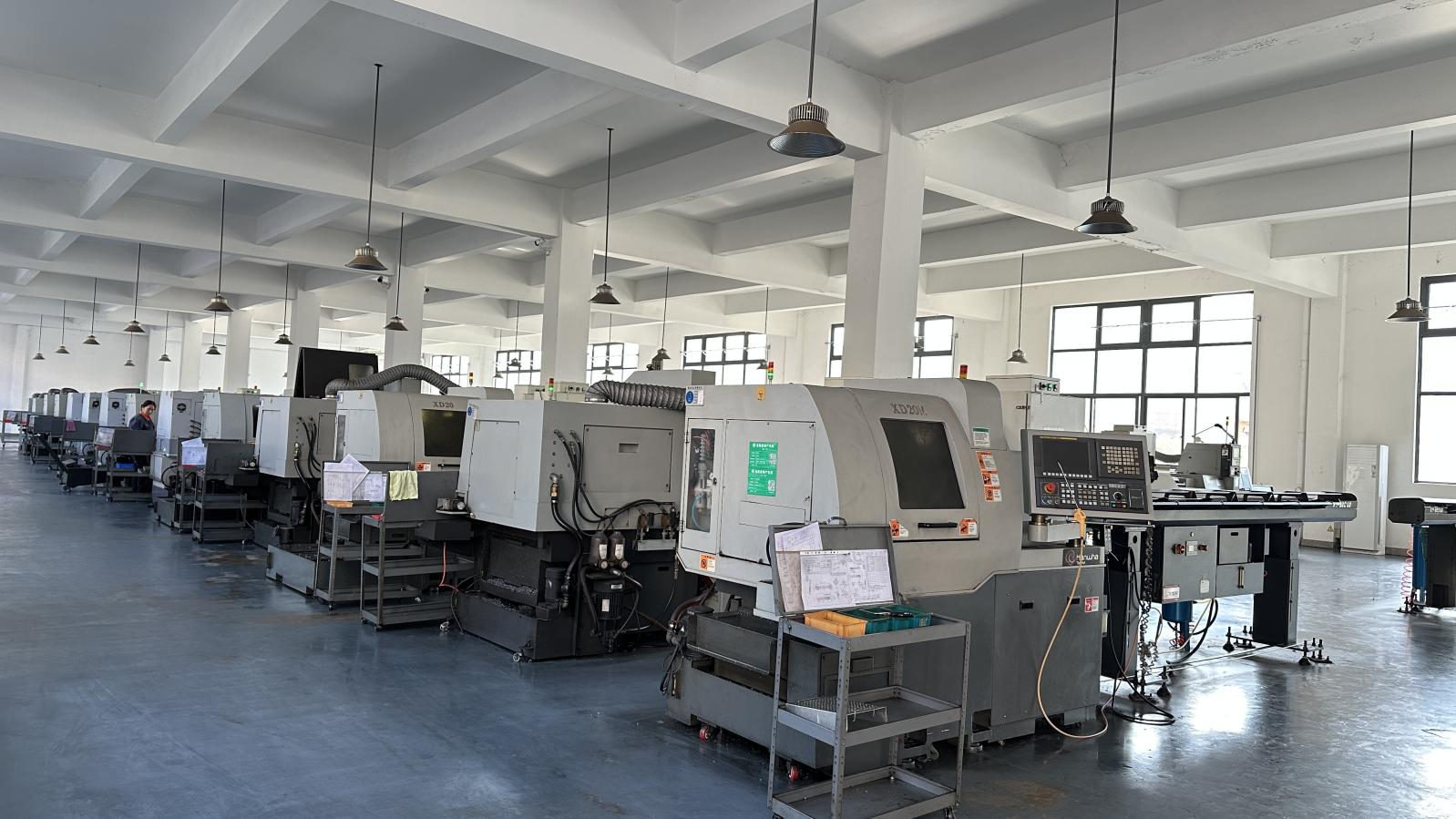
2. Advanced Technological Infrastructure: Equipped with foreign-imported CNC machining centers, wire-cutting machines, and multi-axis milling machines, our production line processes delicate screw threads and custom curvature tolerances measured in microns. Advanced laser-marking machines provide deep, permanent traceability and clean UDI (Unique Device Identification) tagging required by the FDA and EU MDR.
3. Scale-Driven R&D and Customization: In-house R&D centers staffed with 120 dedicated engineers allow us to design, prototype, test, and manufacture new designs rapidly. In the last fiscal year alone, we launched 120 new products across our spinal and trauma portfolios. This level of dynamic customization (OEM/ODM) is rarely found among manufacturers outside of China.
By consolidating raw material slitting, high-speed multi-axis CNC milling, physical polishing, chemical anodization, and ISO Class 7 cleanroom packaging within a single industrial campus, Virelox reduces intermediate logistics costs and eliminates third-party handling risks. This structural efficiency is reflected in our competitive pricing structure, giving our global distributors higher margins without compromising clinical safety.
A visual breakdown of our state-of-the-art manufacturing steps, from raw material procurement to cleanroom packaging.
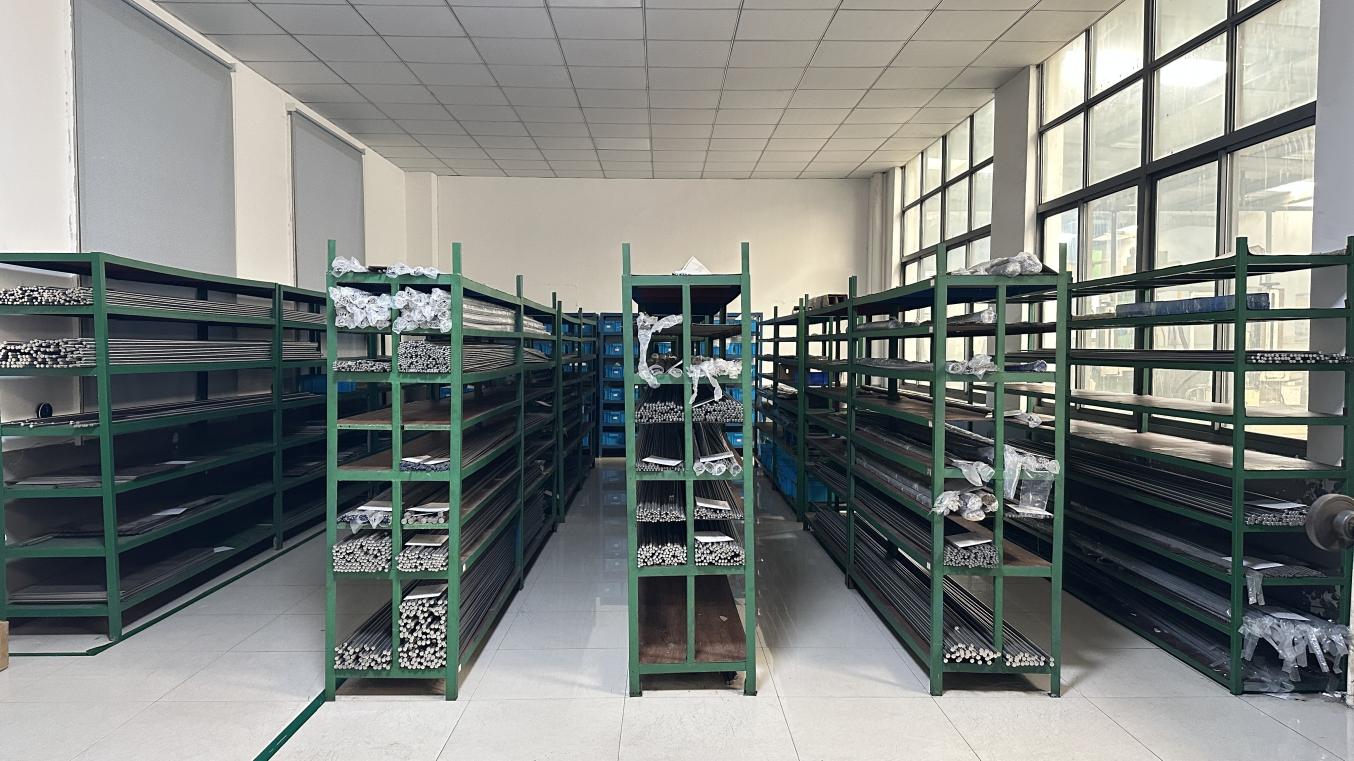
Raw Materials
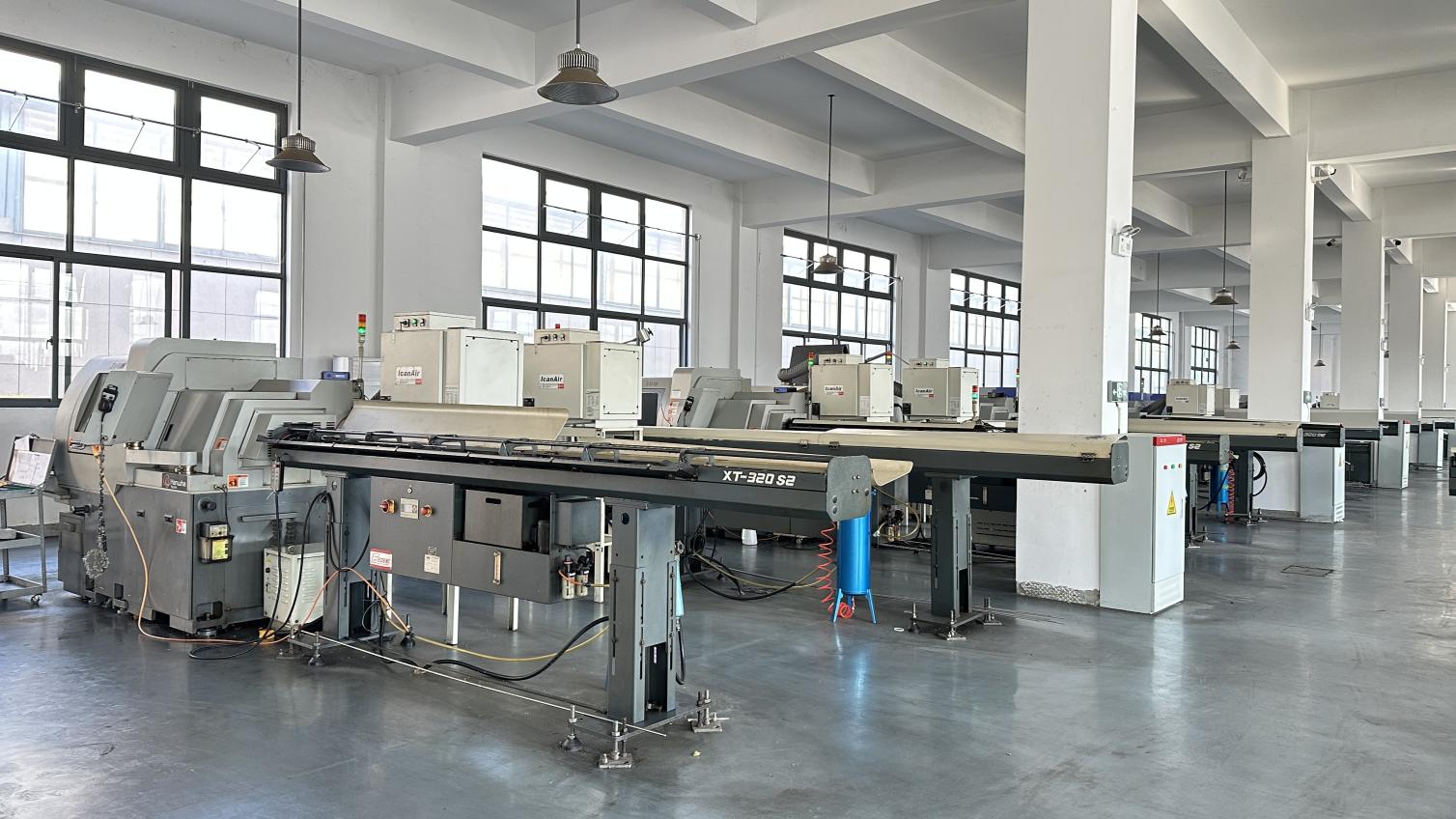
Slitting
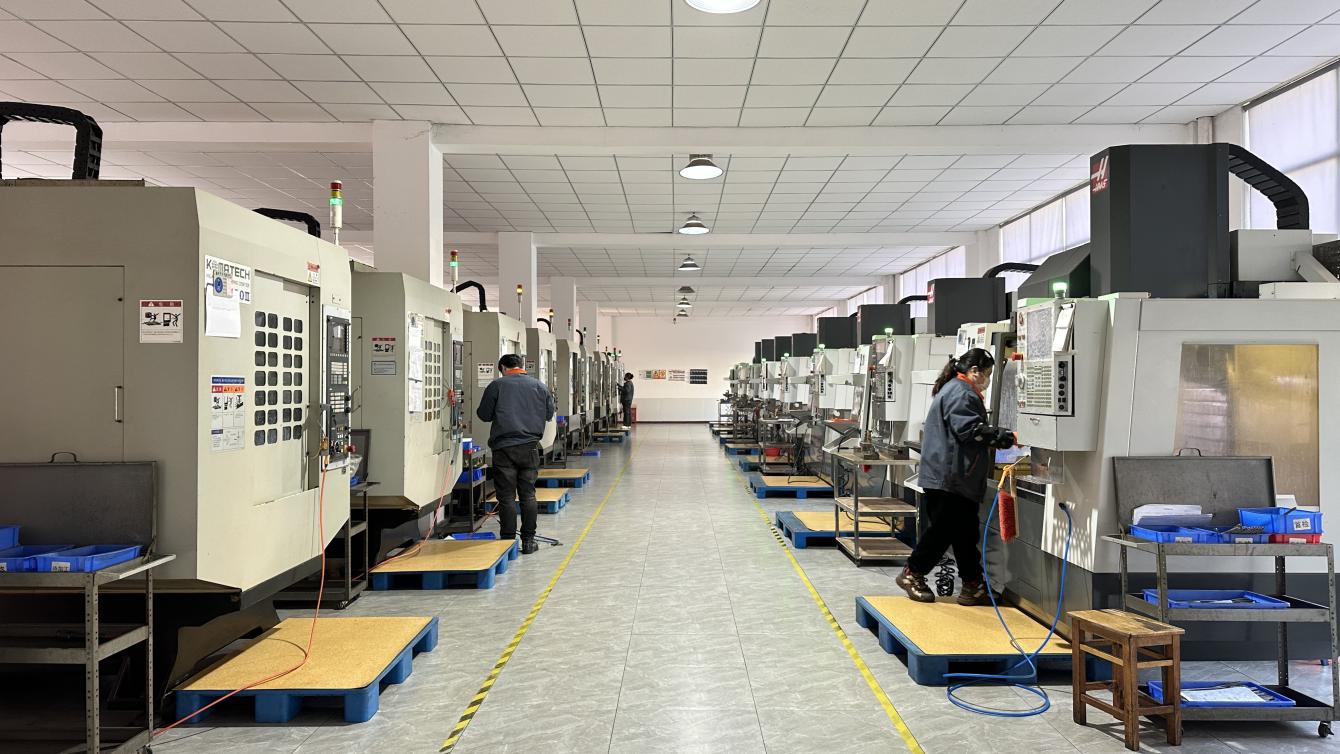
CNC Machining
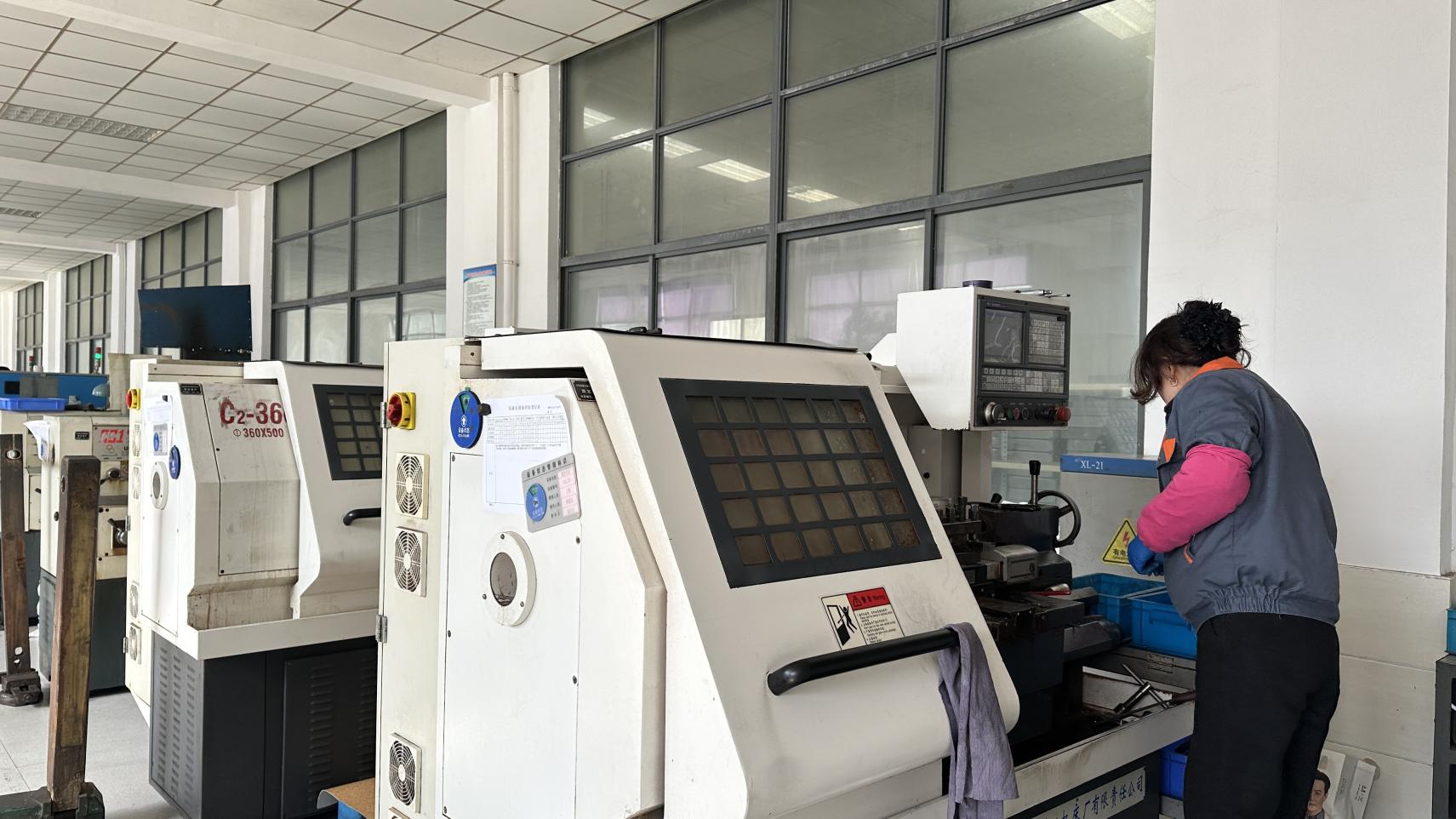
Machining
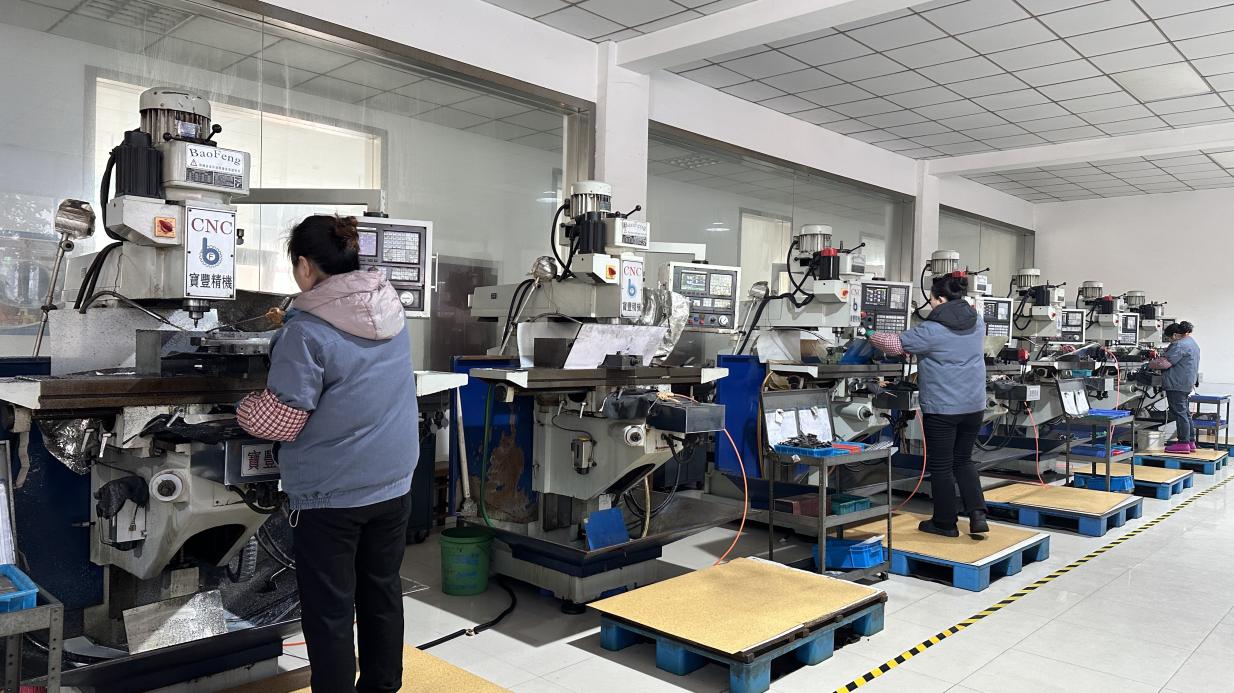
Milling
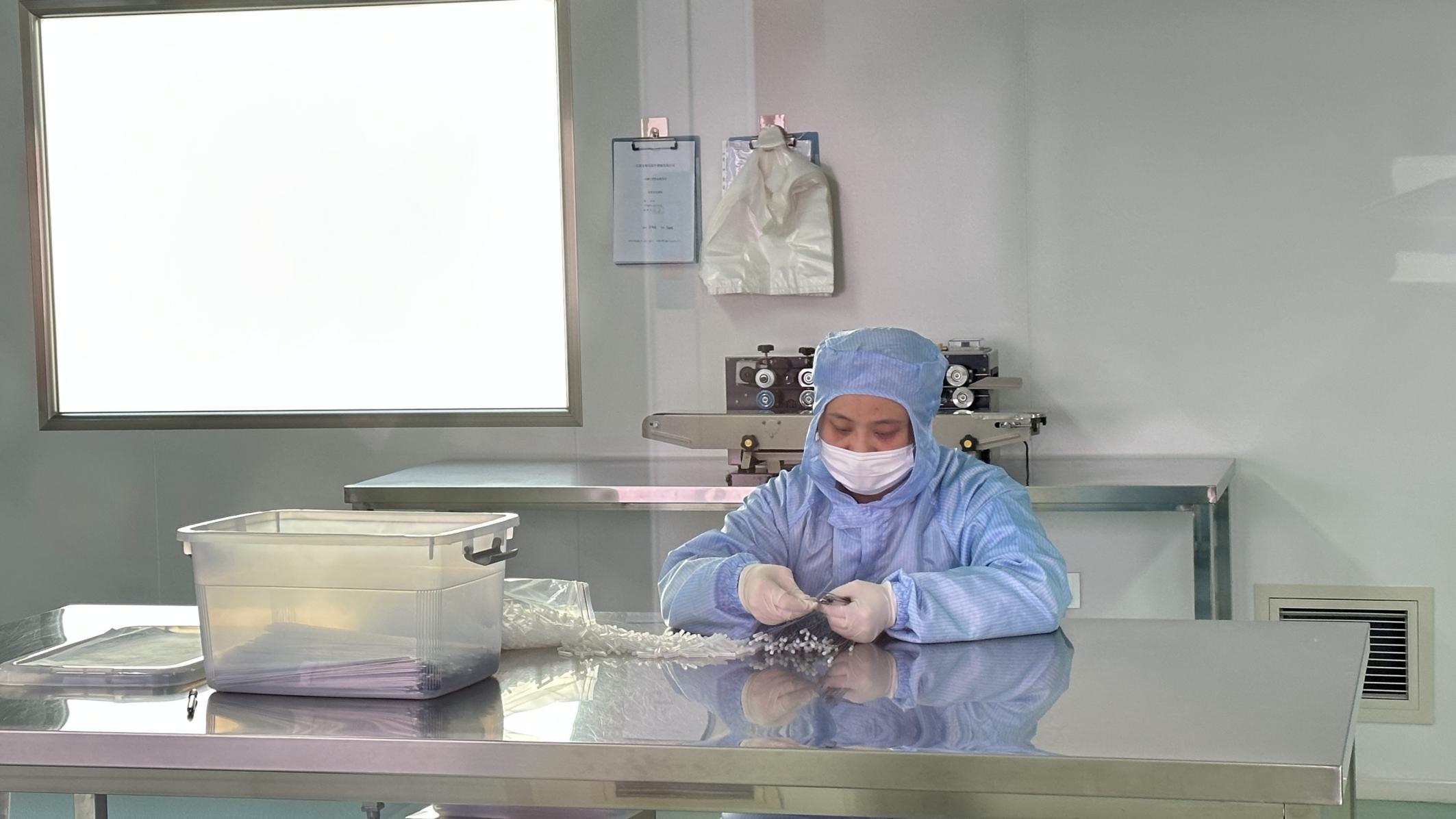
Inspection and Packing
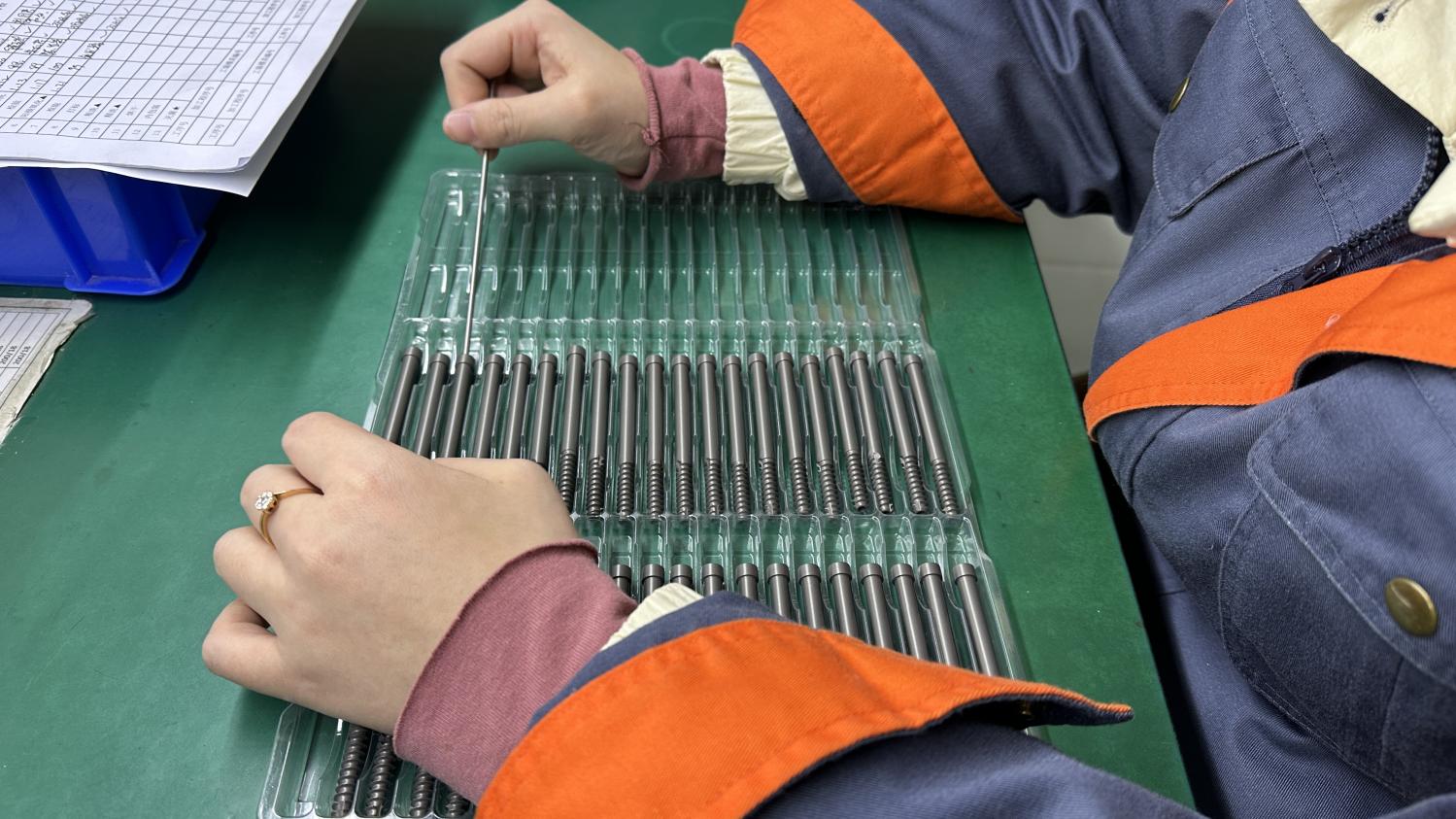
Inspection and Packing
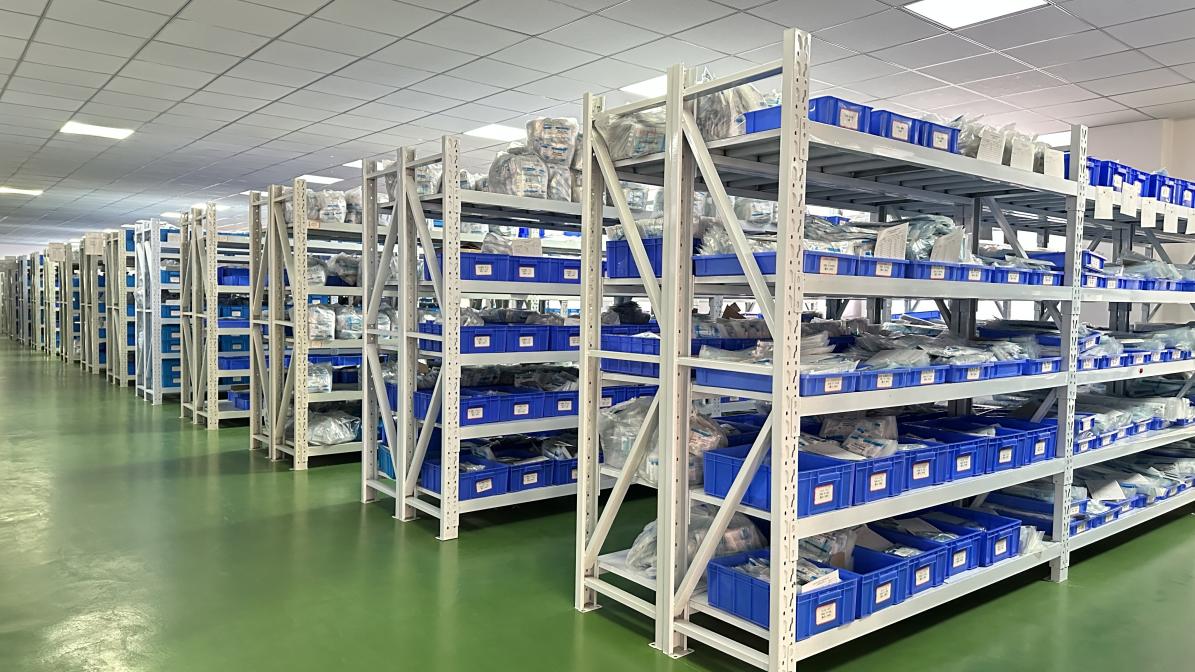
Warehouse
Slitting Machine
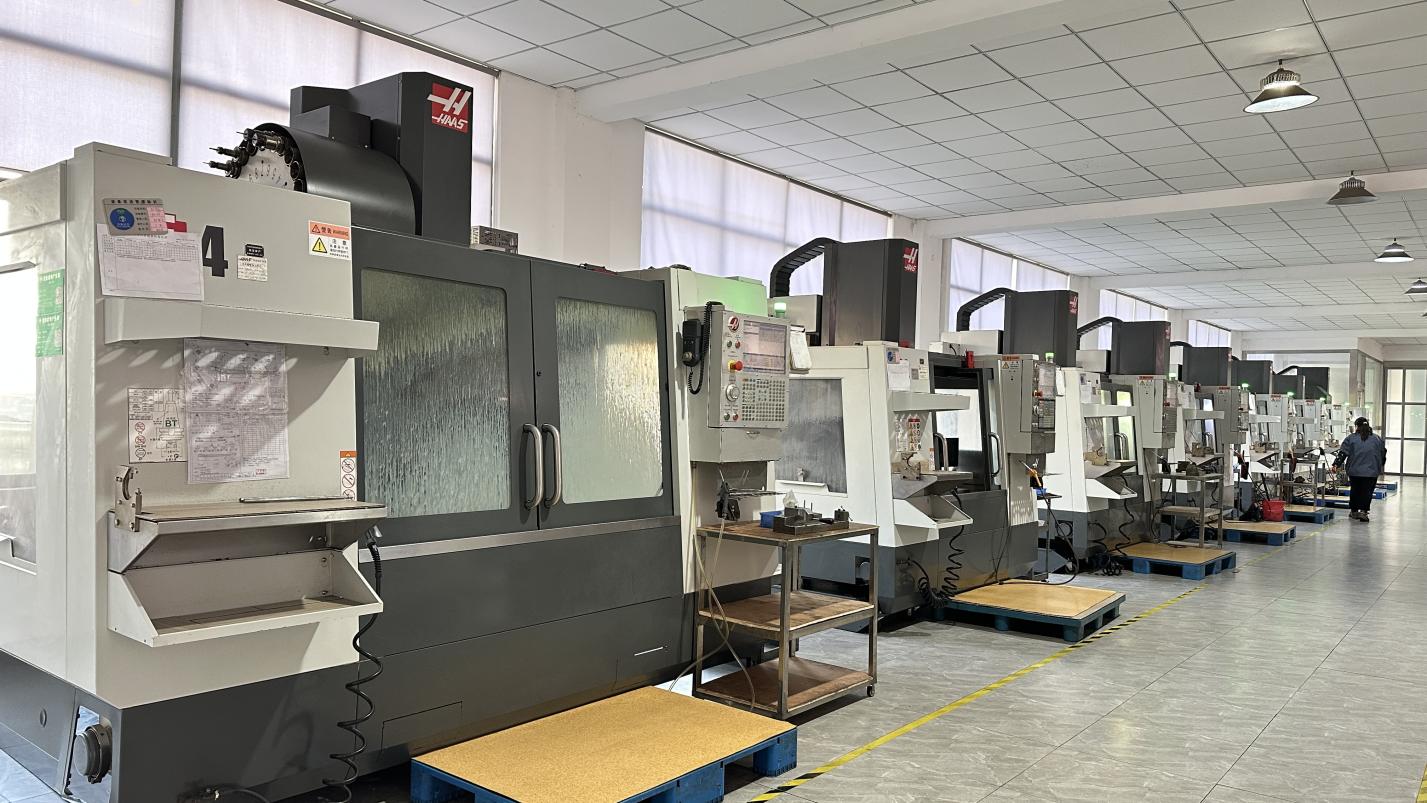
CNC Machining Center
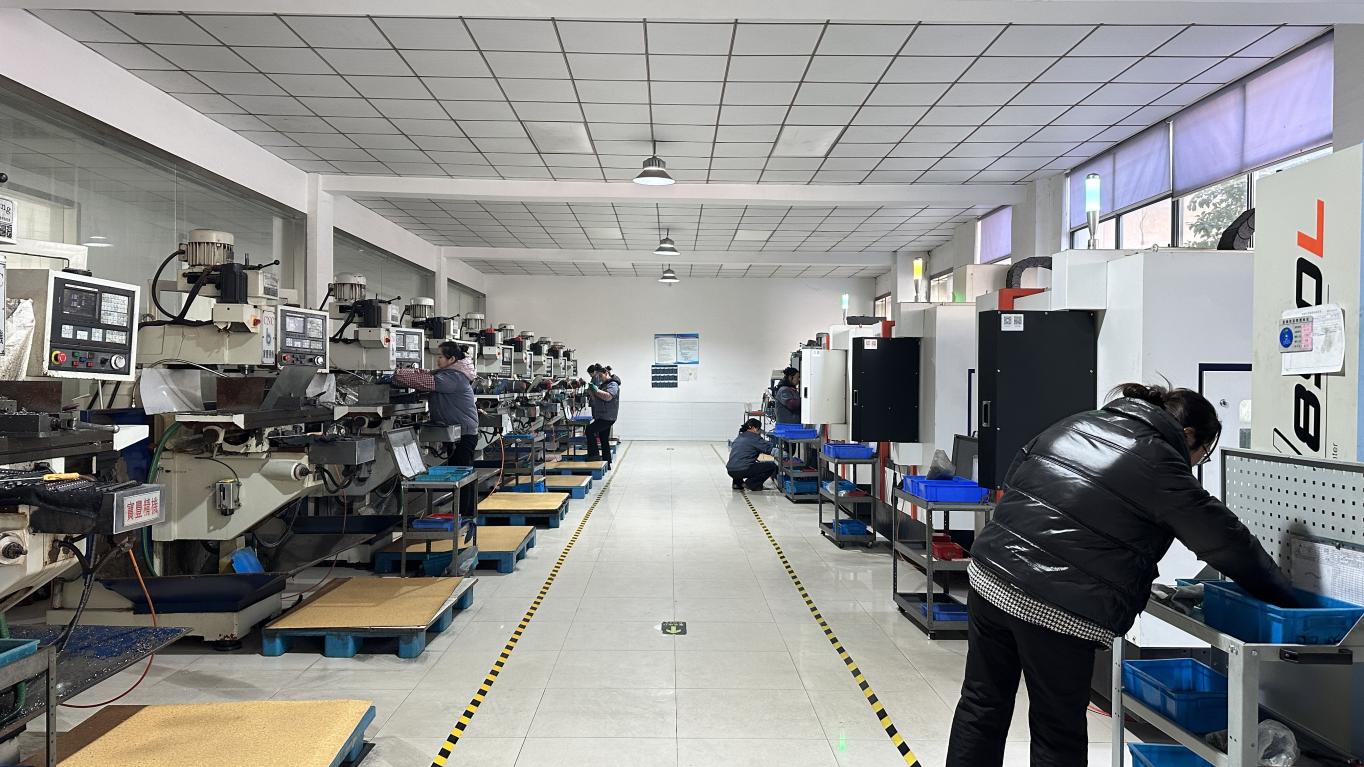
CNC Milling Machine
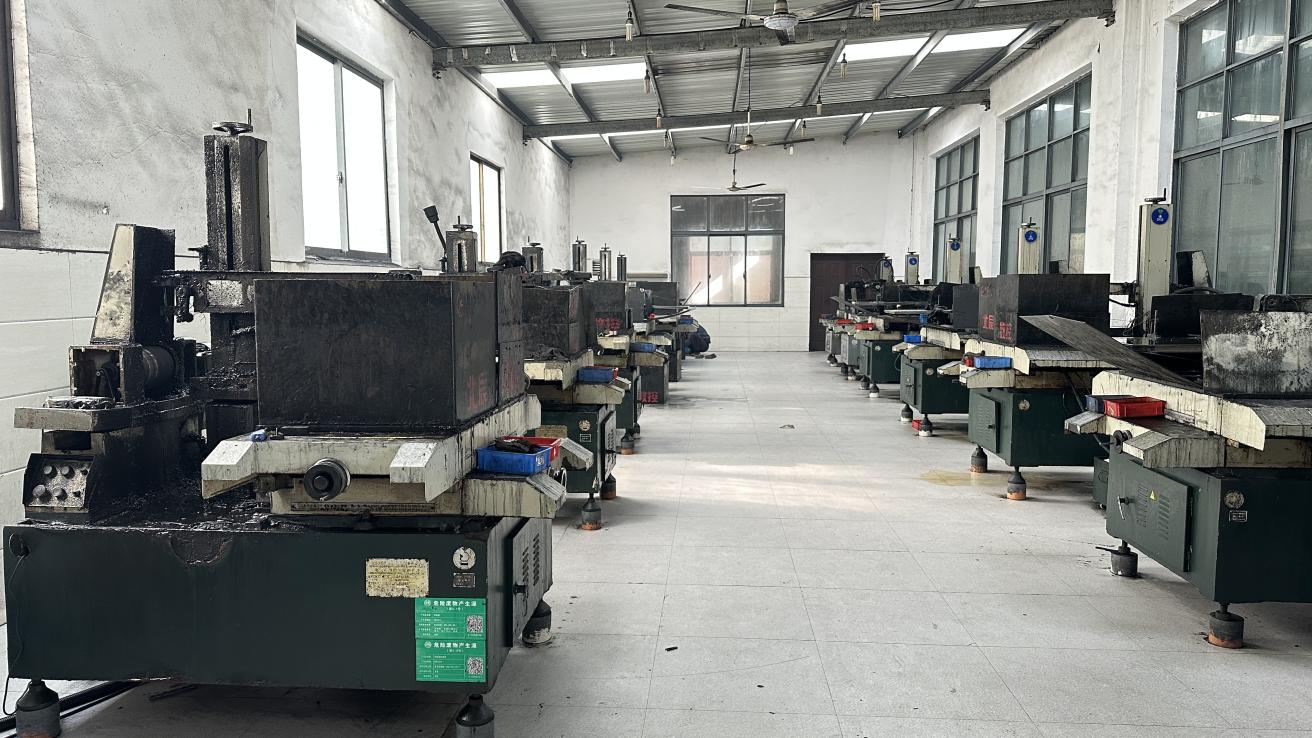
Wire Cutting Machine
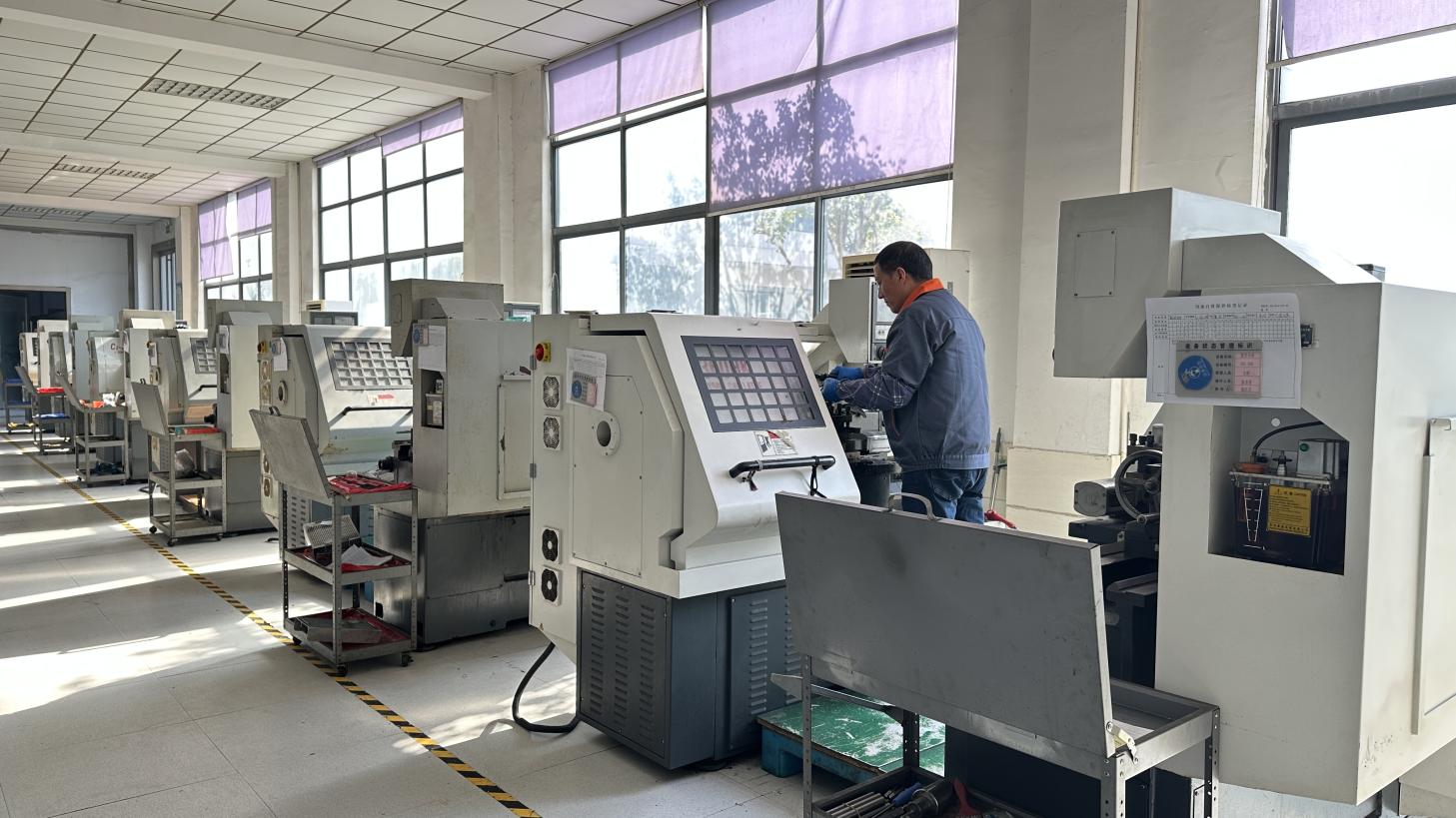
CNC Lathe
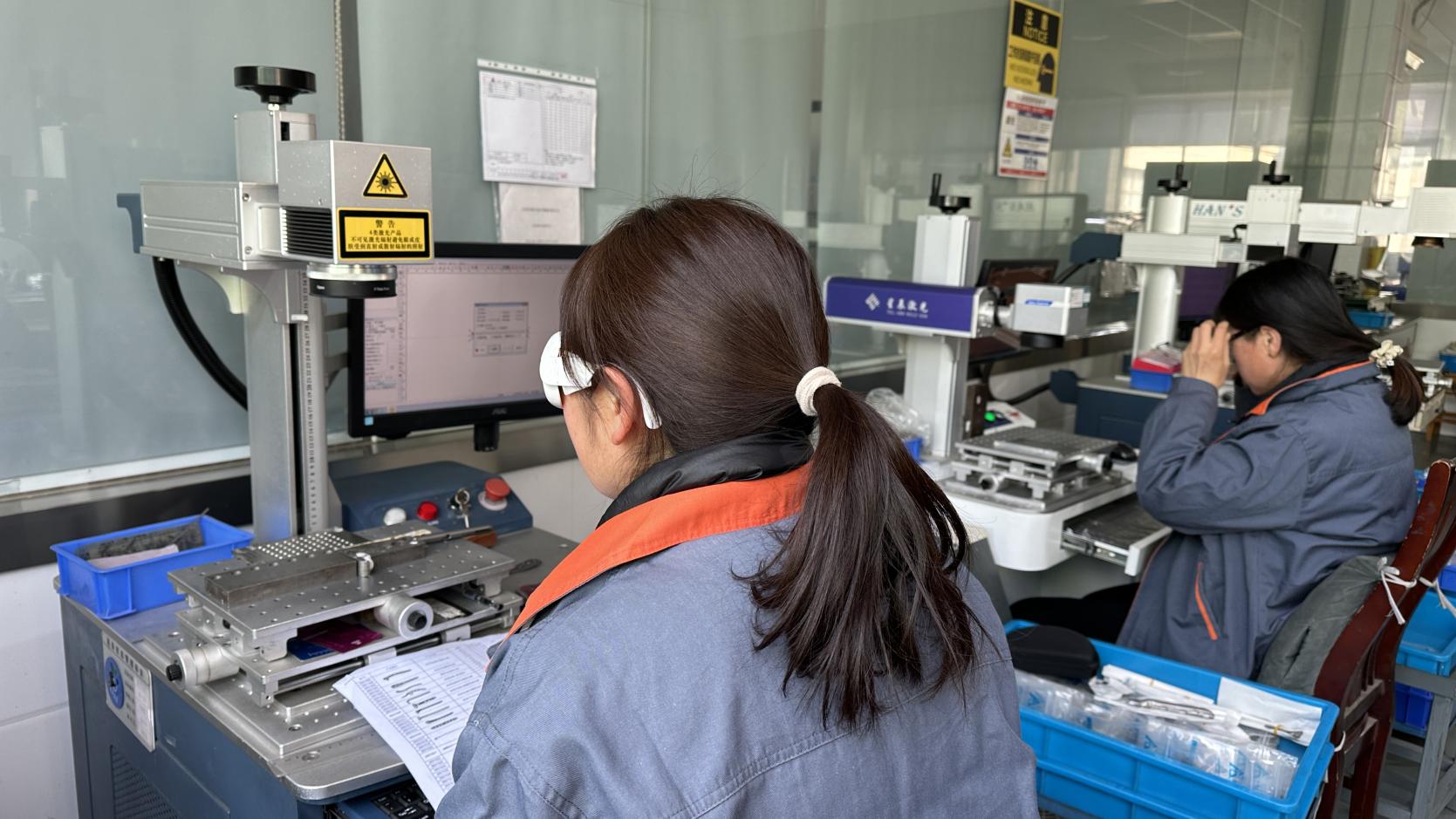
Laser Marking Machine
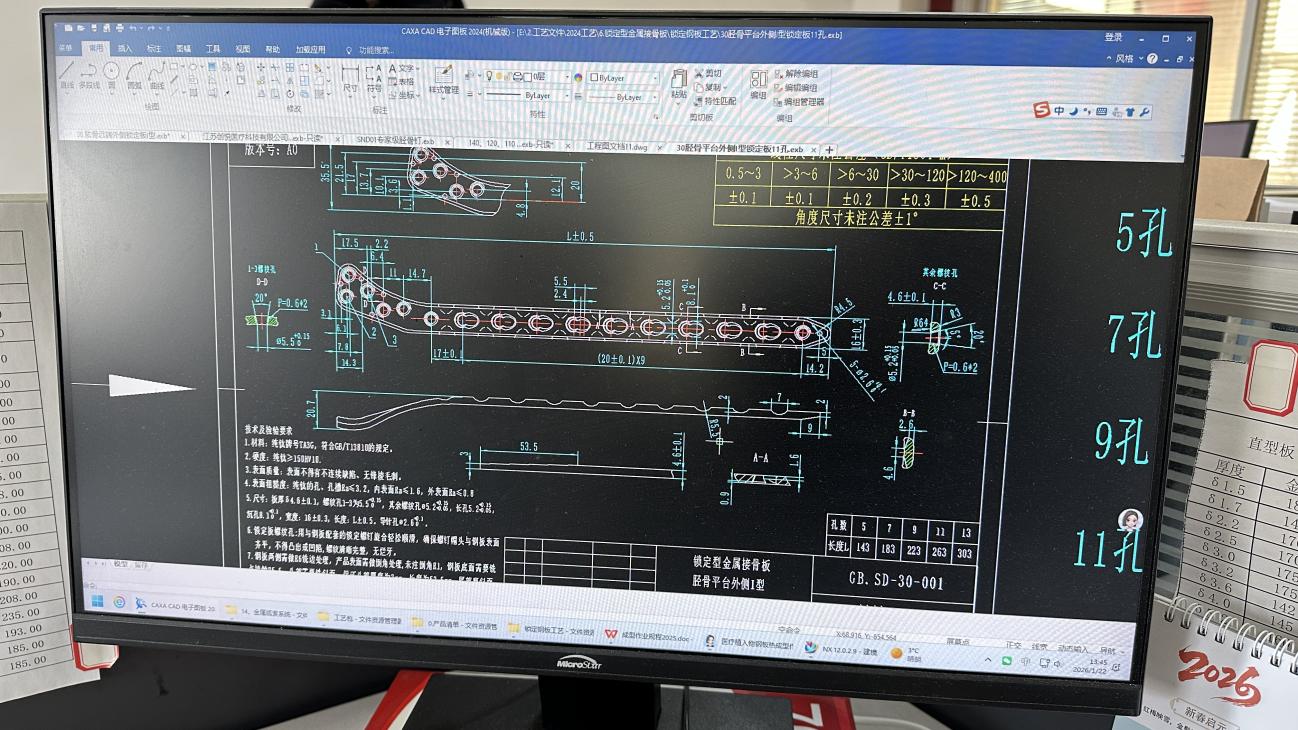
Design
Safety is the primary metric in orthopedic implantation. Virelox operates under an ISO 13485-based full-process quality management system. Our quality control department is staffed by 65 qualified QA and QC professionals monitoring incoming materials, inline processing, and final cleanroom sterilization.
Our raw titanium materials undergo strict mechanical and chemical composition validation, followed by structural fatigue testing to verify that our implants can withstand dynamic loading cycles inside the patient. Precision dimensional checks are performed using Coordinate Measuring Machines (CMM) to verify that screw holes, locking pins, and slot tolerances align with standard surgical instruments.
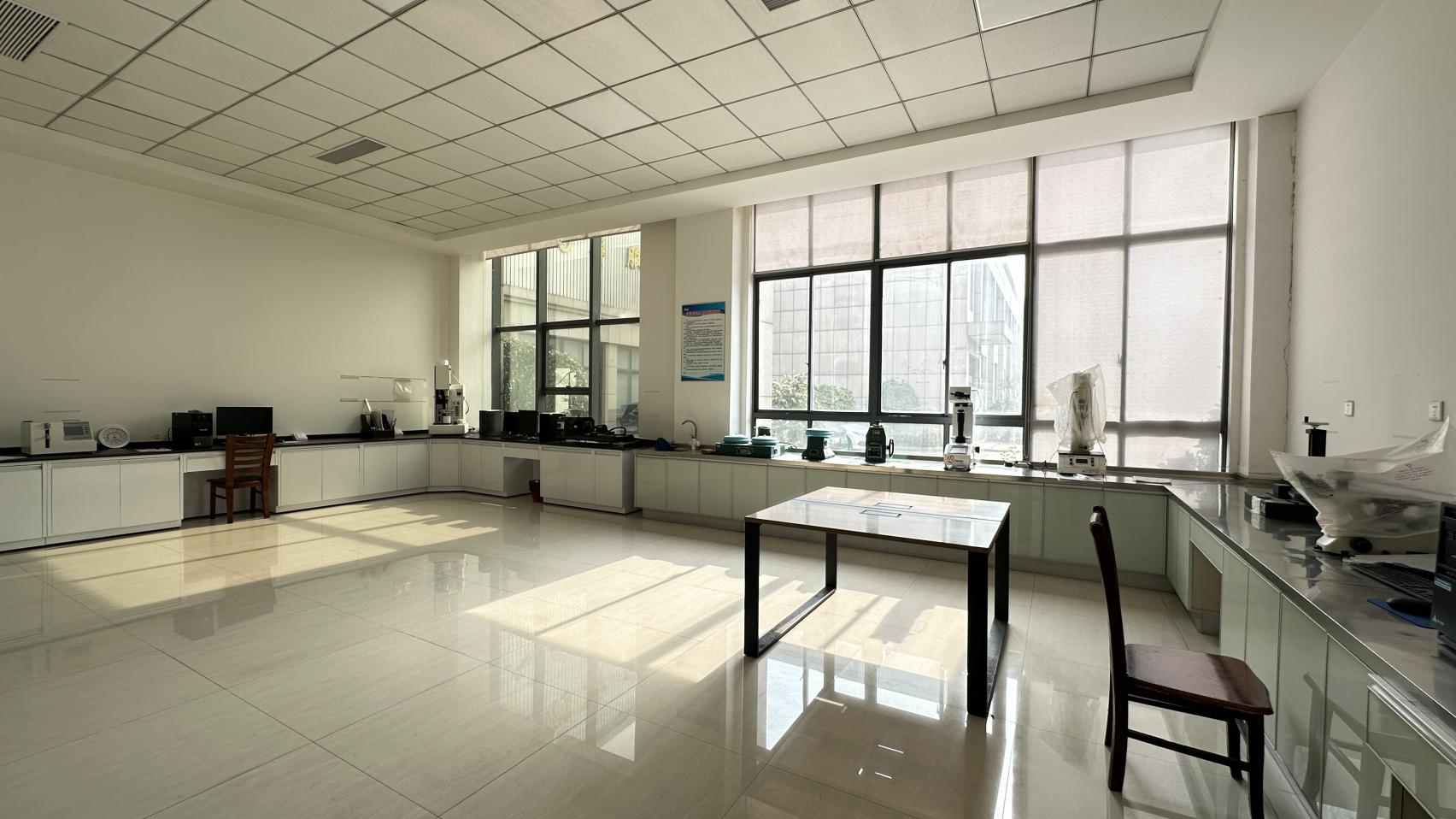
Lab Facility
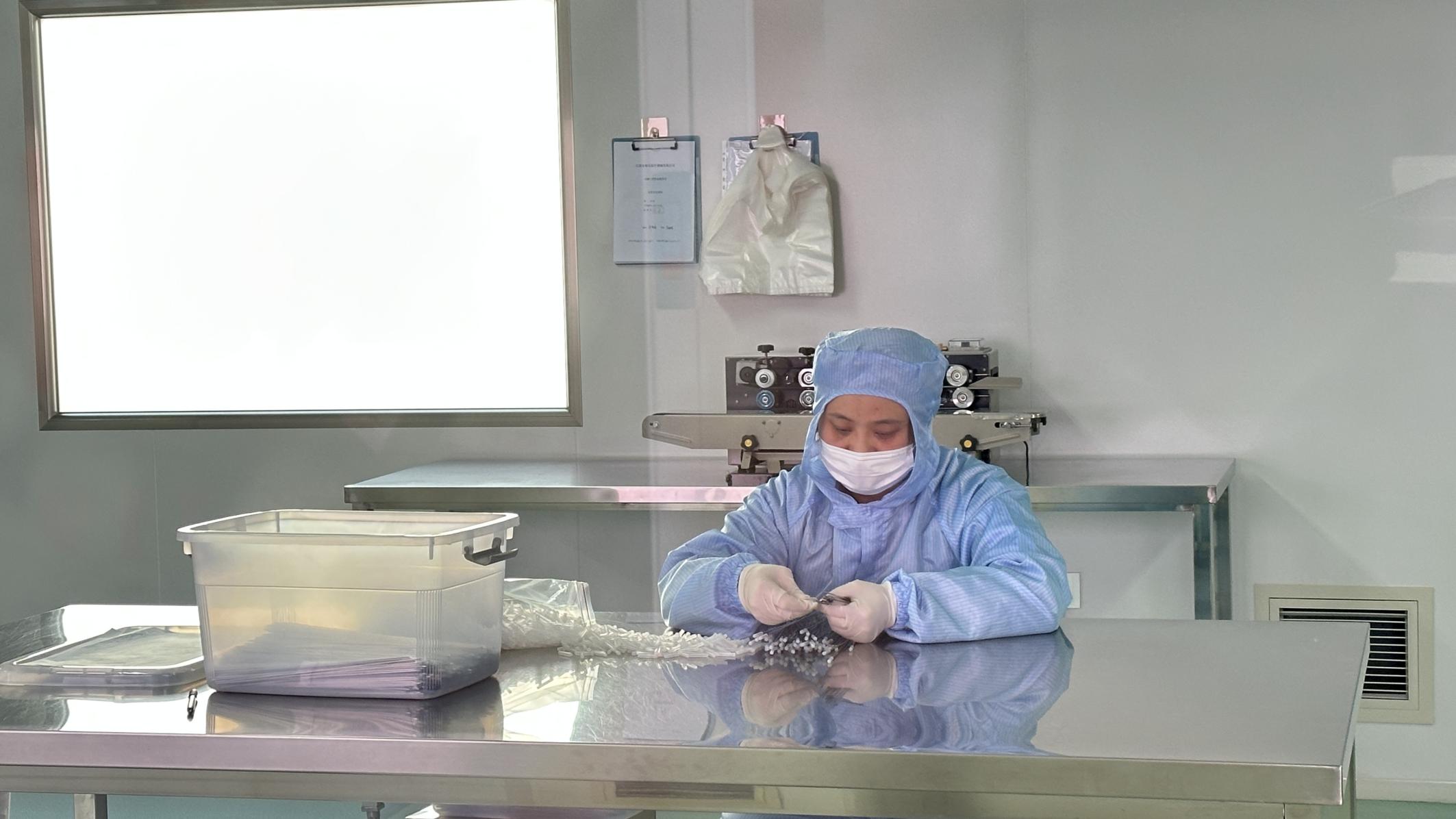
Inspection
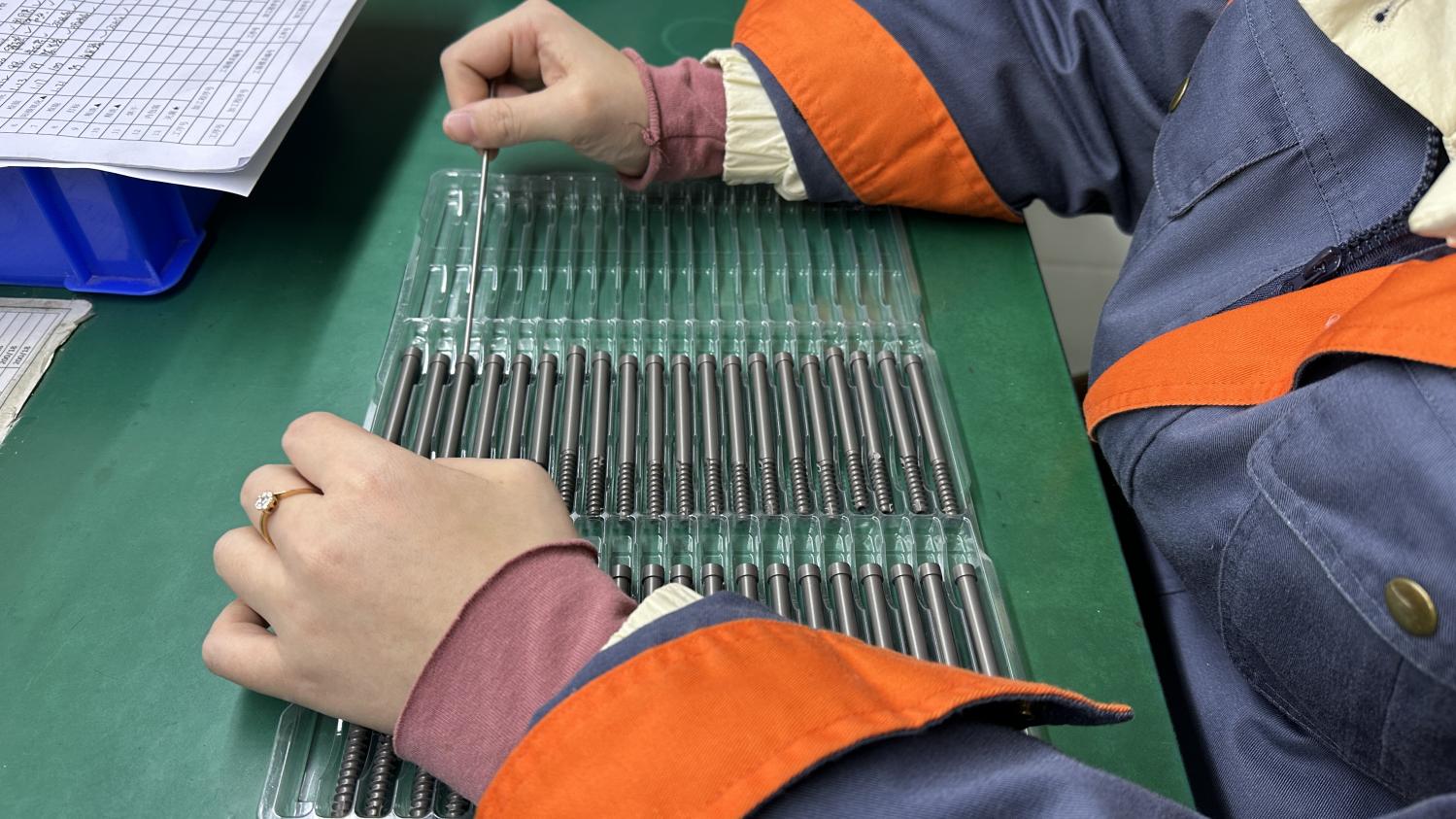
Inspection
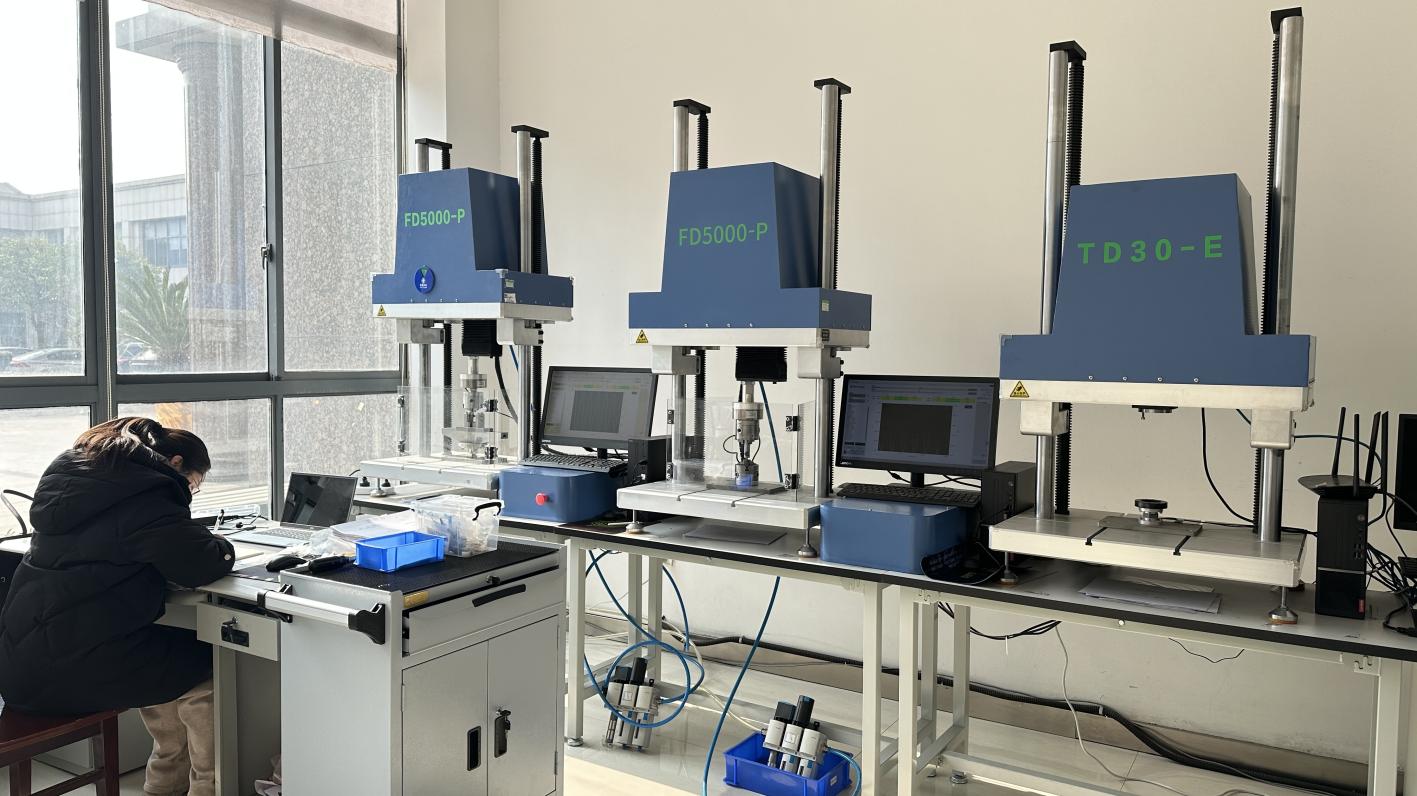
Fatigue Tester
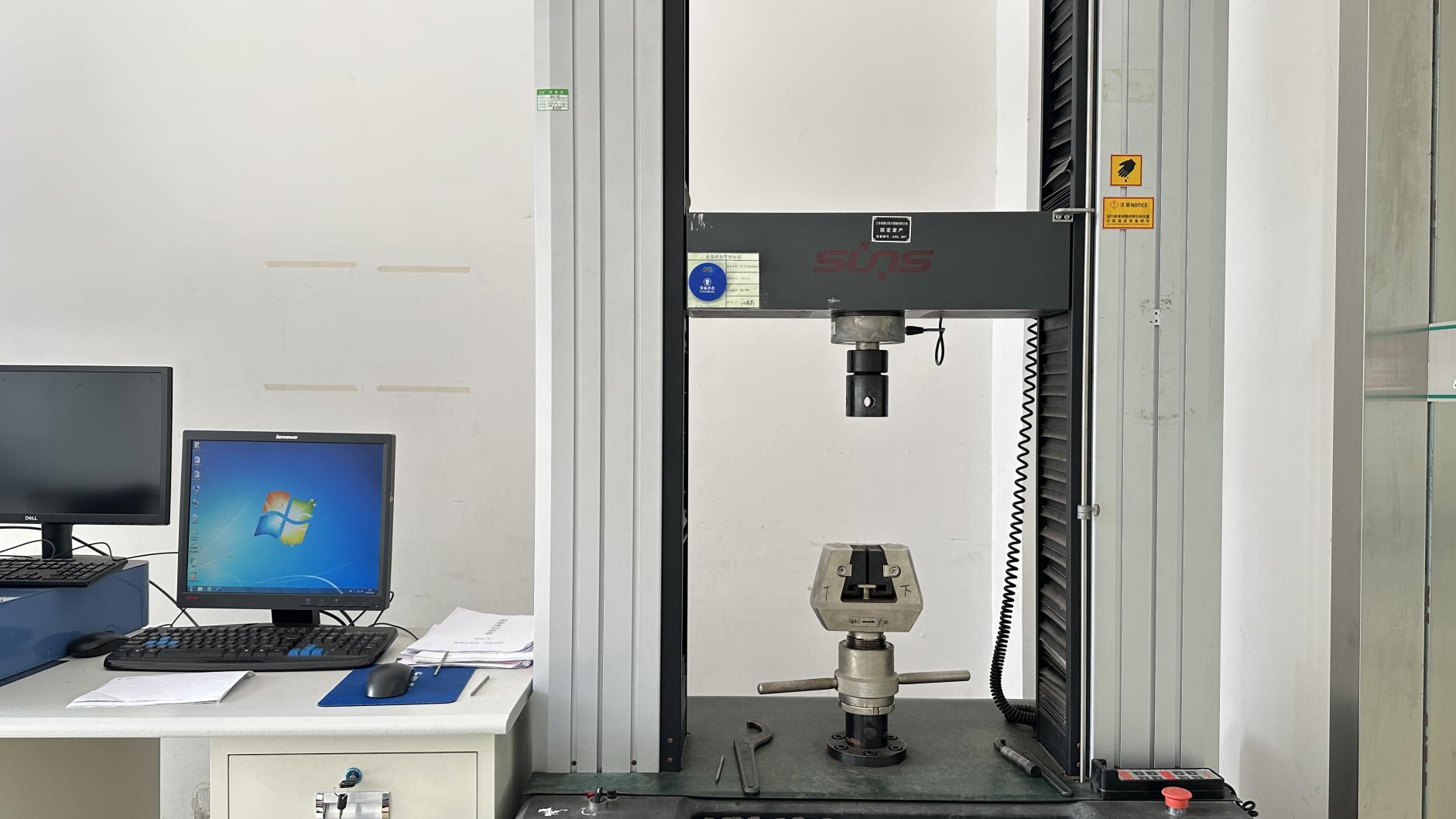
Tensile Tester
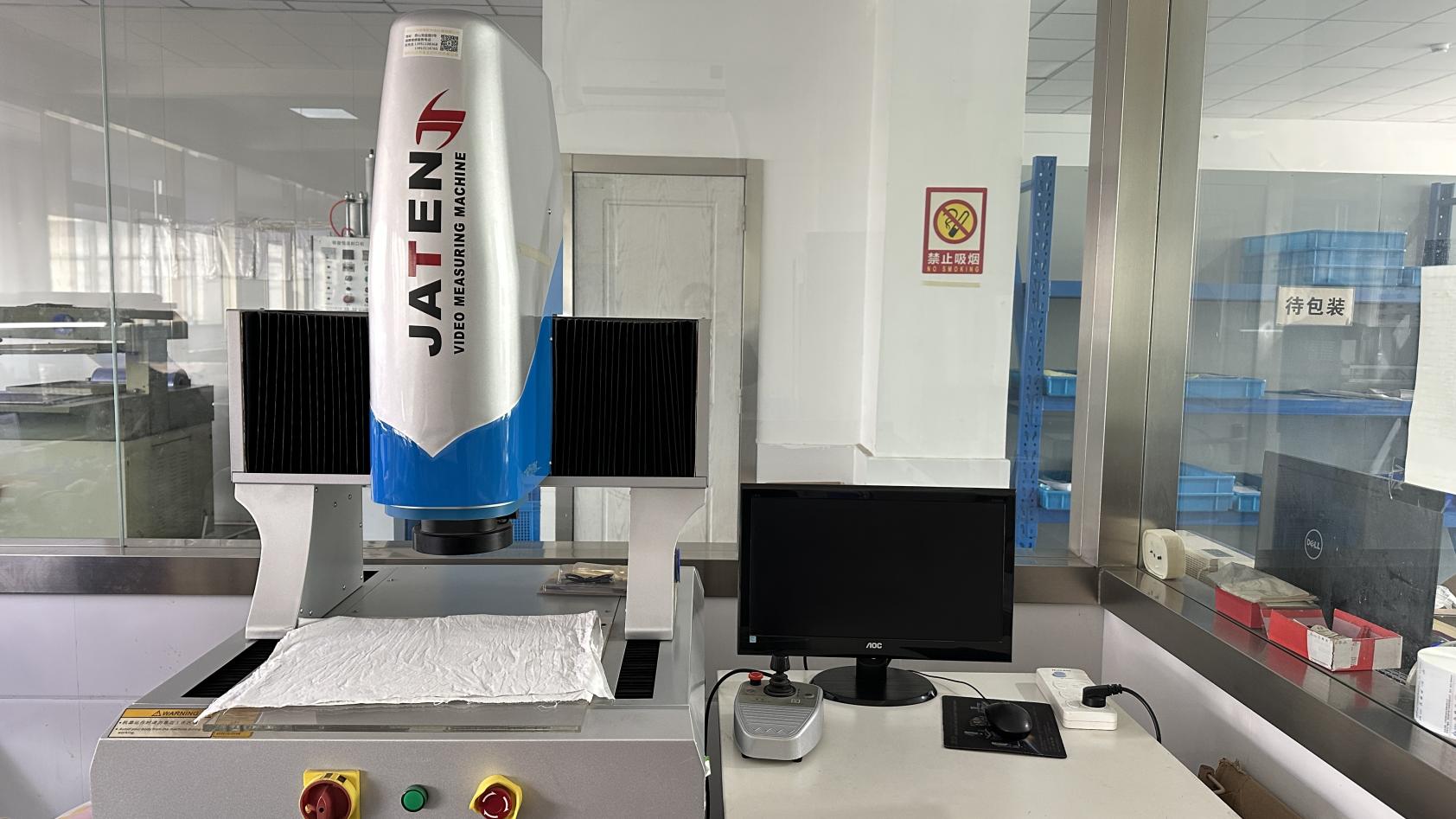
2D Measuring Instrument
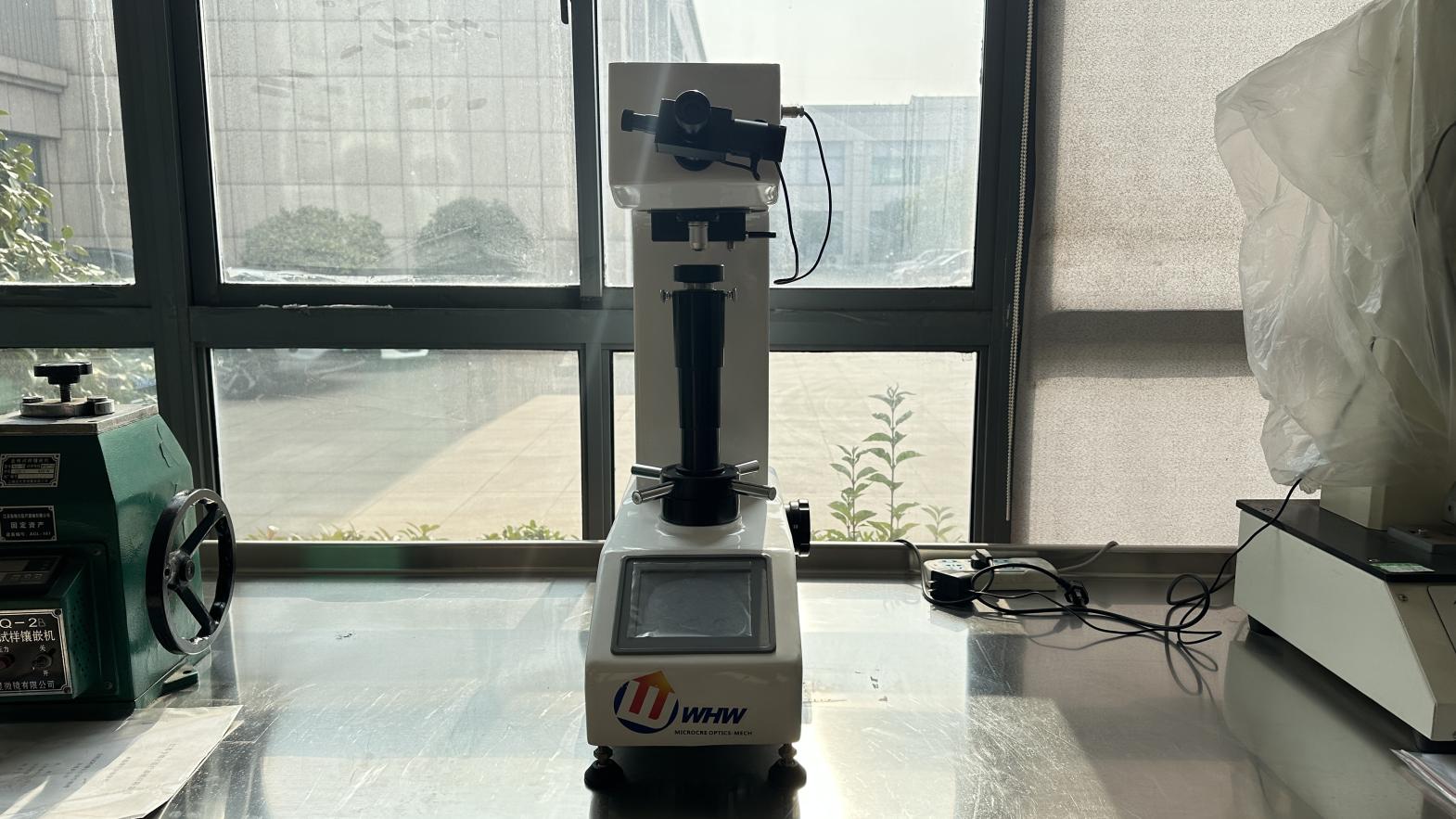
Hardness Tester
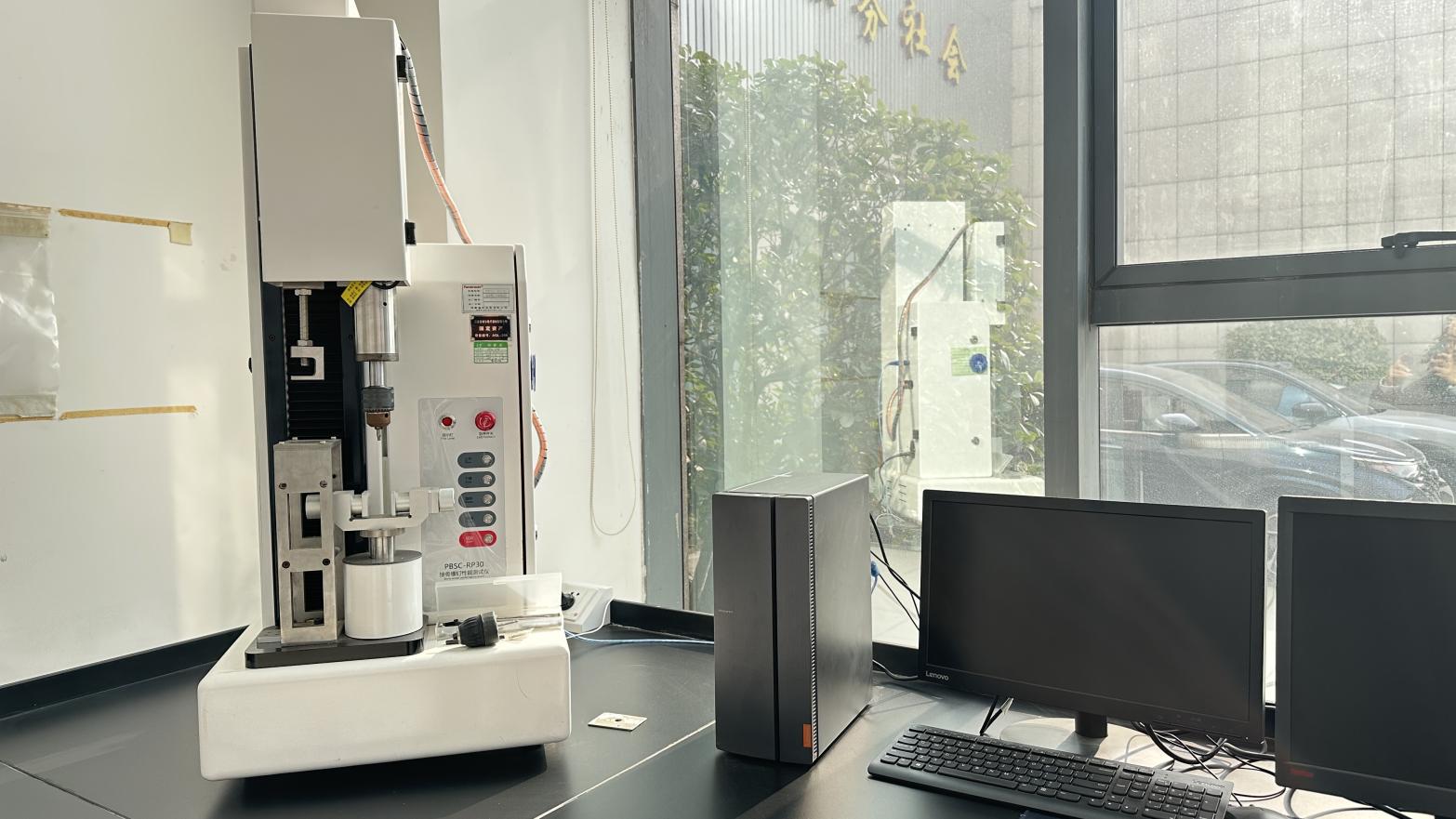
Bone Screw Performance Tester
Understanding where and how reconstruction nails are used is vital for clinical buyers. Different anatomical zones present unique mechanical challenges, requiring specialized reconstruction systems:
In subtrochanteric femoral trauma, the bone experiences intense bending stress (tensile stress on the lateral side, compressive on the medial side). Orthopedic trauma surgeons prefer reconstruction nails with integrated dual lag screws oriented into the femoral head. This provides maximum rotational stability and axial loading capacity, allowing early post-operative mobilization.
Where plates and screws would require extensive periosteal stripping—which compromises local blood supply—intramedullary reconstruction nails are inserted using minimally invasive percutaneous techniques. This preserves the surrounding soft-tissue envelope and periosteum, accelerating physiological callus formation.
For orthopedic limb correction or reconstruction after bone tumor excision, reconstruction nails act as structural guide-bars. Used alongside dynamic external fixators or magnetic expansion devices, titanium intramedullary nails provide alignment security over months of bone distraction and growth.
The global orthopedic implant sector is transitioning toward smarter, more biologically active medical devices. Several emerging technological trends are shaping the future of reconstruction nails:
1. Surface Modifications for Osseointegration: Advanced implants are no longer biologically inert. Laser-patterned surfaces and bio-active micro-coatings (such as Hydroxyapatite or silicon-substituted calcium phosphate) encourage bone growth directly onto the titanium implant surface, reducing the risk of aseptic loosening.
2. Smart Implants with Integrated Micro-Sensors: Emerging R&D initiatives focus on integrating micro-sensors within the hollow core of intramedullary nails. These sensors measure local strain and temperature changes, transmitting real-time bone healing data directly to the patient's physician.
3. Degradable and Bioabsorbable Materials: Magnesium alloy technologies are paving the way for biodegradable screws and anchors. This technology allows secondary locking pins to safely dissolve once bone healing is complete, eliminating the need for a follow-up removal surgery.
Purchasing surgical implants at a B2B level requires a strict evaluation of compliance, quality control, and manufacturing consistency. For healthcare buyers, keeping standard checklists is vital when selecting a manufacturing partner:
Titanium alloys (specifically Ti-6Al-4V ELI) offer a lower modulus of elasticity compared to stainless steel (316LVM), which reduces stress shielding and promotes healthy callus formation. Titanium is also highly biocompatible, produces fewer artifacts on MRI scans, and shows superior resistance to corrosion. However, stainless steel remains a cost-effective alternative with high load-bearing strength, making it suitable for specific trauma situations and rigid fixation requirements.
Yes, Virelox has strong OEM/ODM capabilities backed by 120 specialized R&D engineers. We provide custom implant geometry, specialized locking configurations, private label packaging, and laser marking based on the specific clinical requirements of our global distributor network.
All Virelox orthopedic implants and surgical instruments are manufactured under a certified ISO 13485 quality management system. Our products are CE marked and undergo strict quality checks (including CMM measurements, tensile tests, and cyclic fatigue testing) before shipment.
We utilize custom dynamic fatigue testers in our quality control lab. The implants are subjected to millions of cyclic load cycles in liquid simulations mimicking human body conditions, ensuring they exceed the mechanical fatigue thresholds required by international clinical standards.
 Virelox