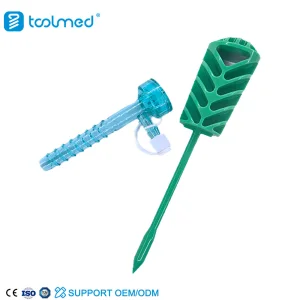
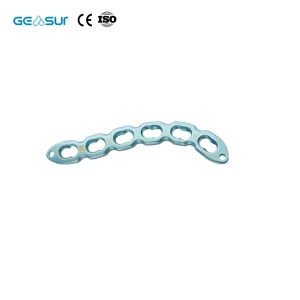
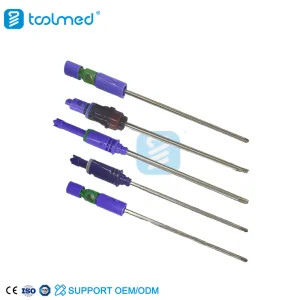
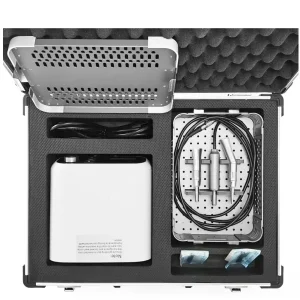
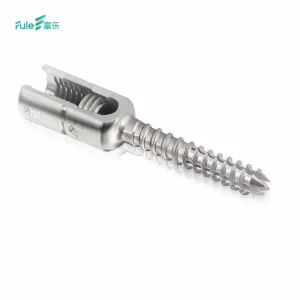
Select high-performance implants and tools engineered to support primary total joint replacement workflows, soft tissue repair, and structural stabilization.
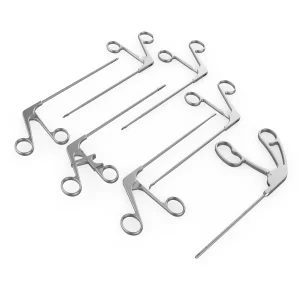
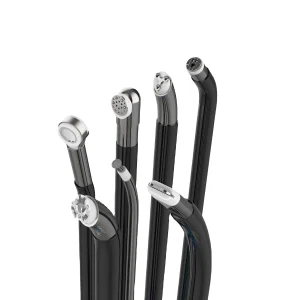
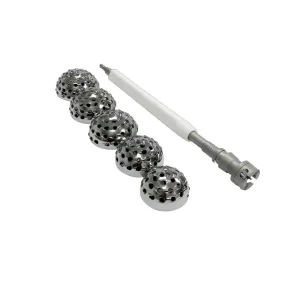
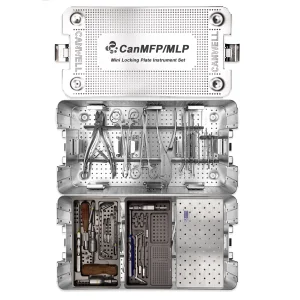
Primary total knee replacement remains one of the most clinically and economically successful procedures in orthopedic medicine. As global populations age and lifestyle demands shift toward lifetime joint preservation and physical activity, primary total knee systems must provide reliable biomechanical performance for 15, 20, or even 25 years. Modern systems focus heavily on replicating the anatomical kinetics of healthy knee joints, relying on complex material configurations to decrease volumetric wear and maximize stability.
Currently, the market demands both Cruciate-Retaining (CR) and Posterior-Stabilized (PS) joint designs. High-caliber factories utilize ultra-high-molecular-weight polyethylene (UHMWPE) for tibial inserts, paired with medical-grade titanium and cobalt-chromium-molybdenum (Co-Cr-Mo) alloys. By minimizing micro-motion at the tibial-implant interface and optimizing articulating curves, top-tier manufacturers reduce mechanical failure rates, addressing the key concern of surgeons and procurement groups globally.
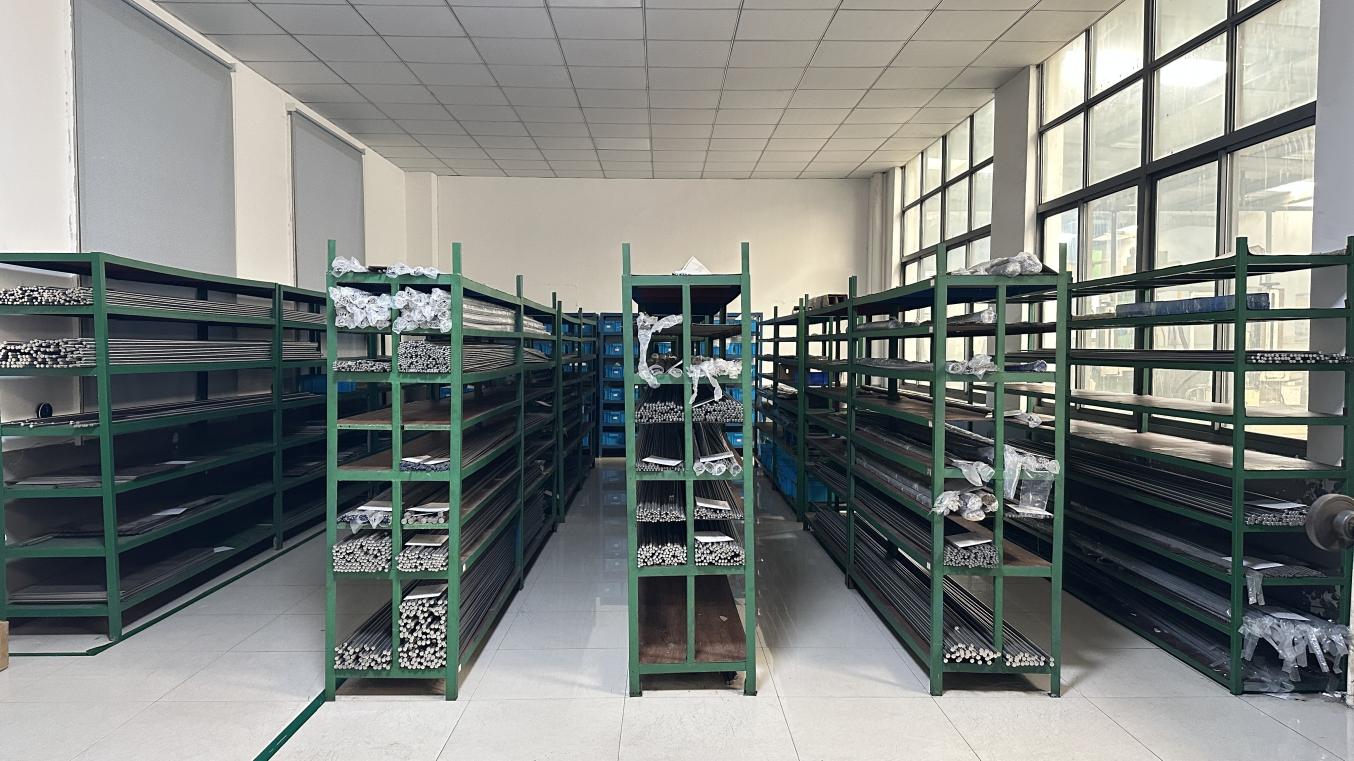
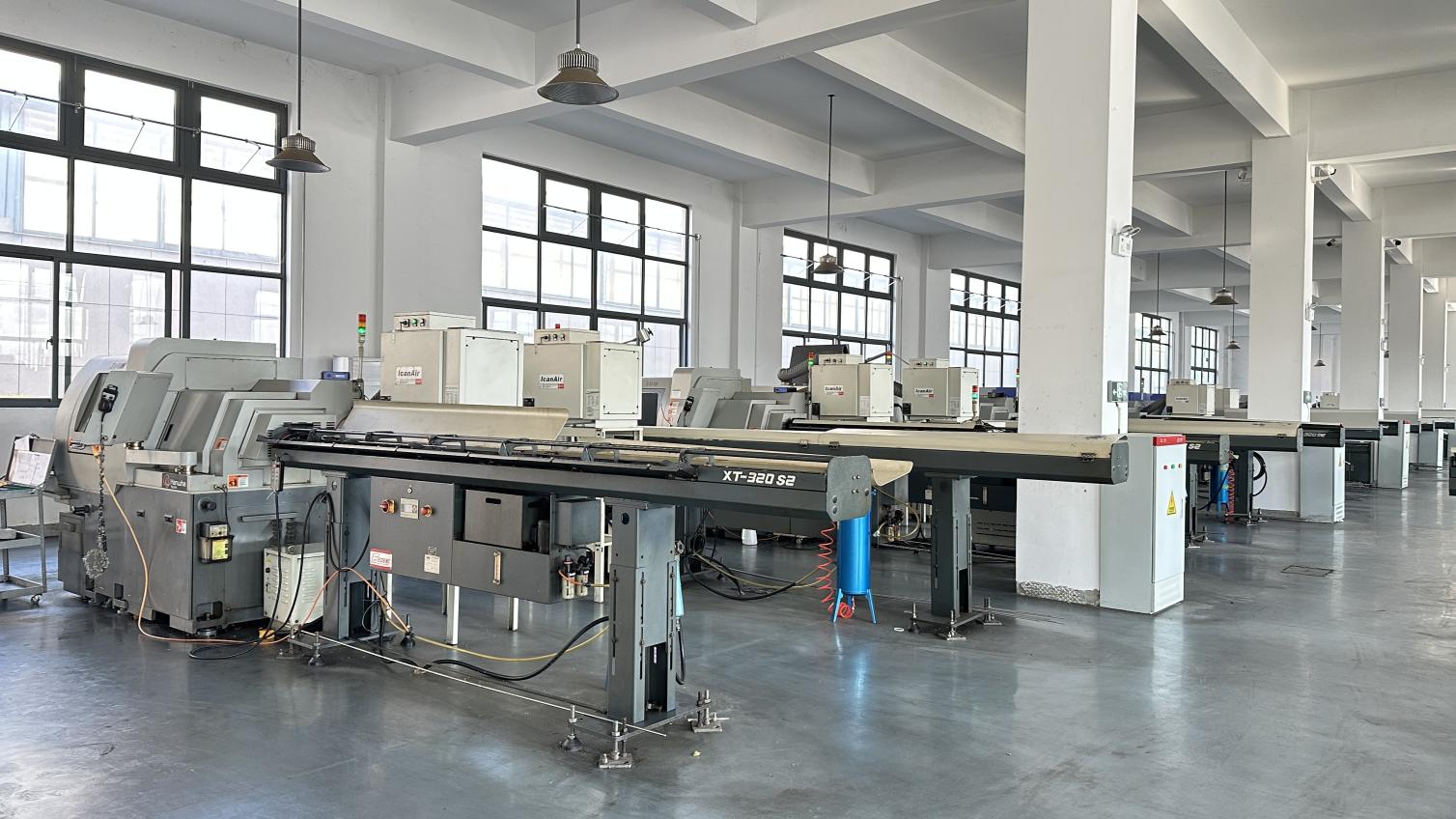
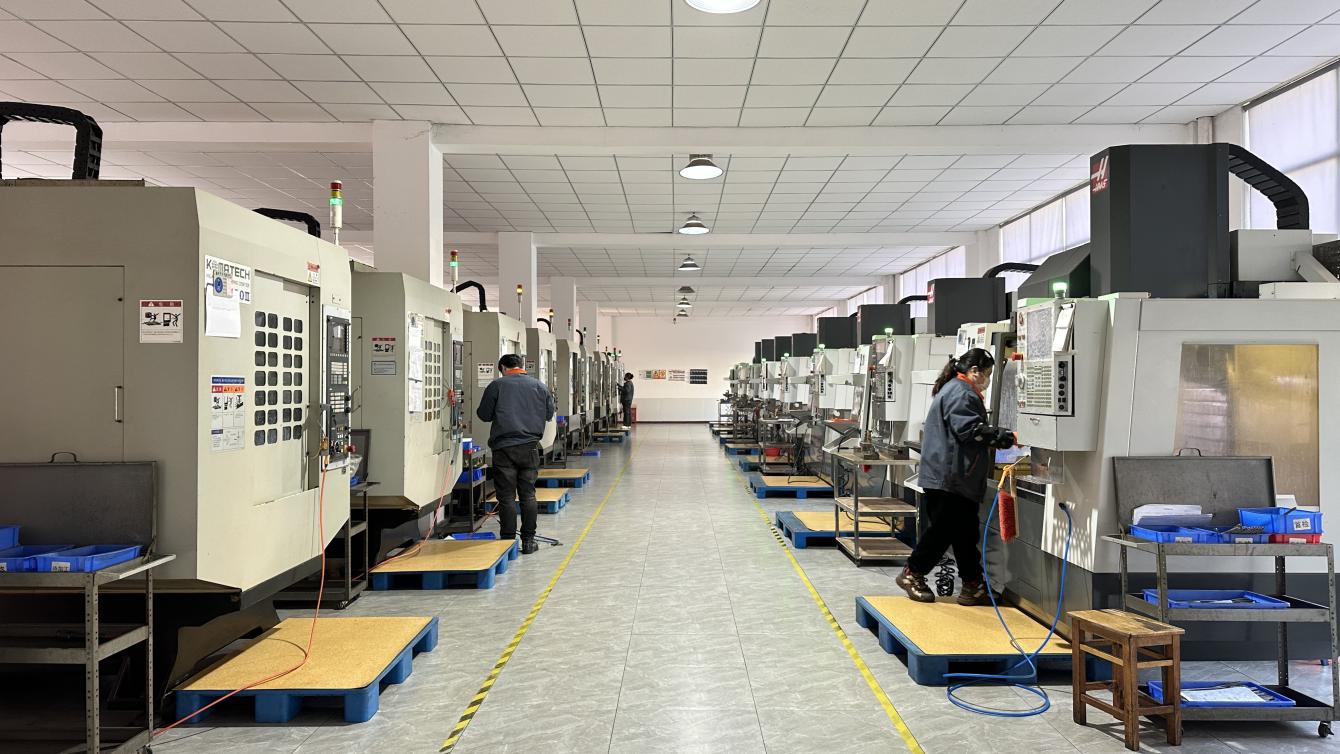
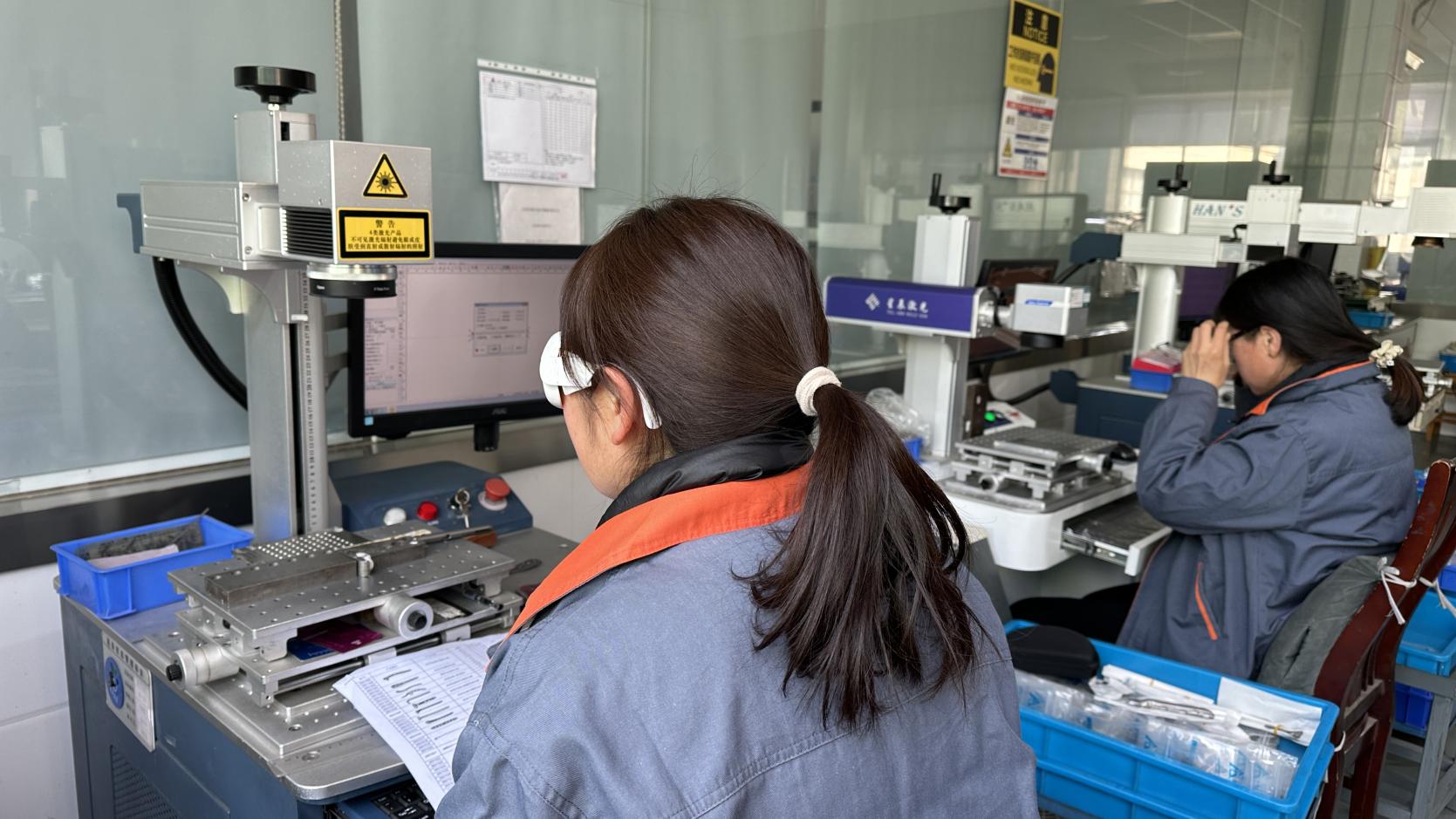
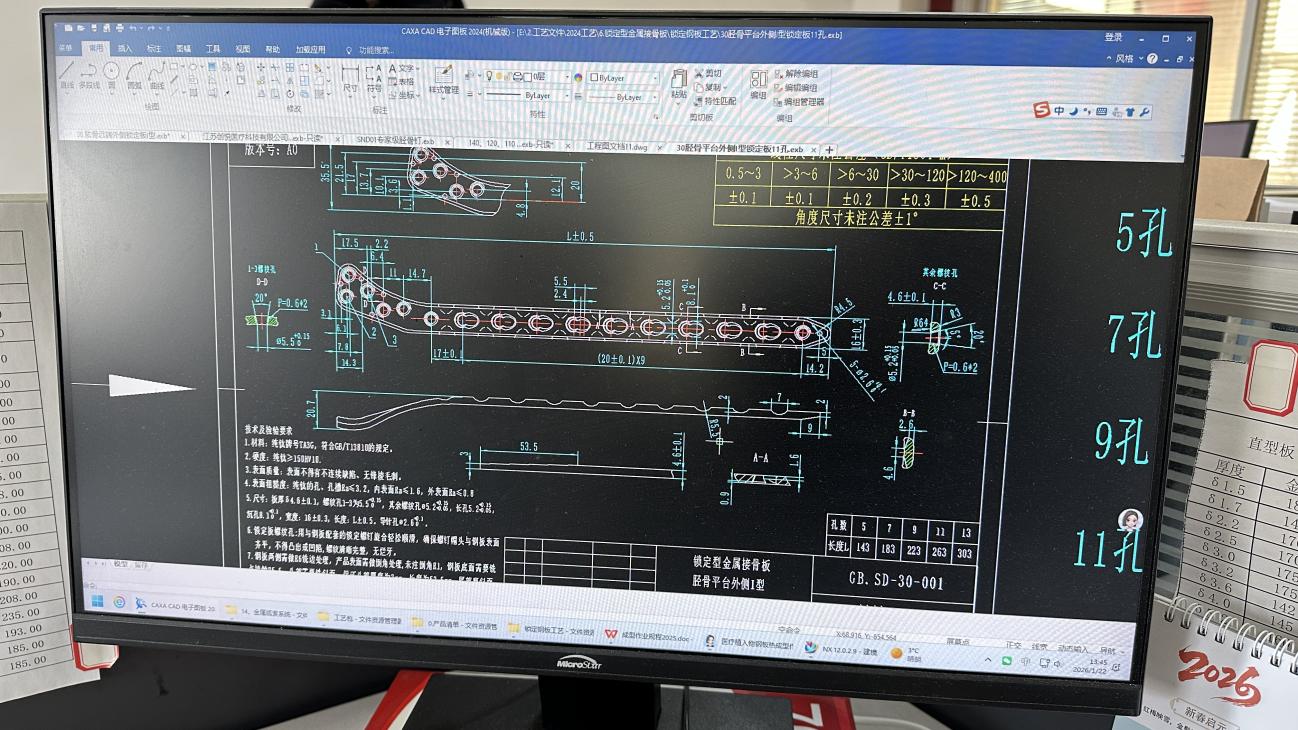
An in-depth look inside the ISO 13485 certified Virelox production facility, detailing raw material preparation, high-end CNC machining, and biomechanical validation.
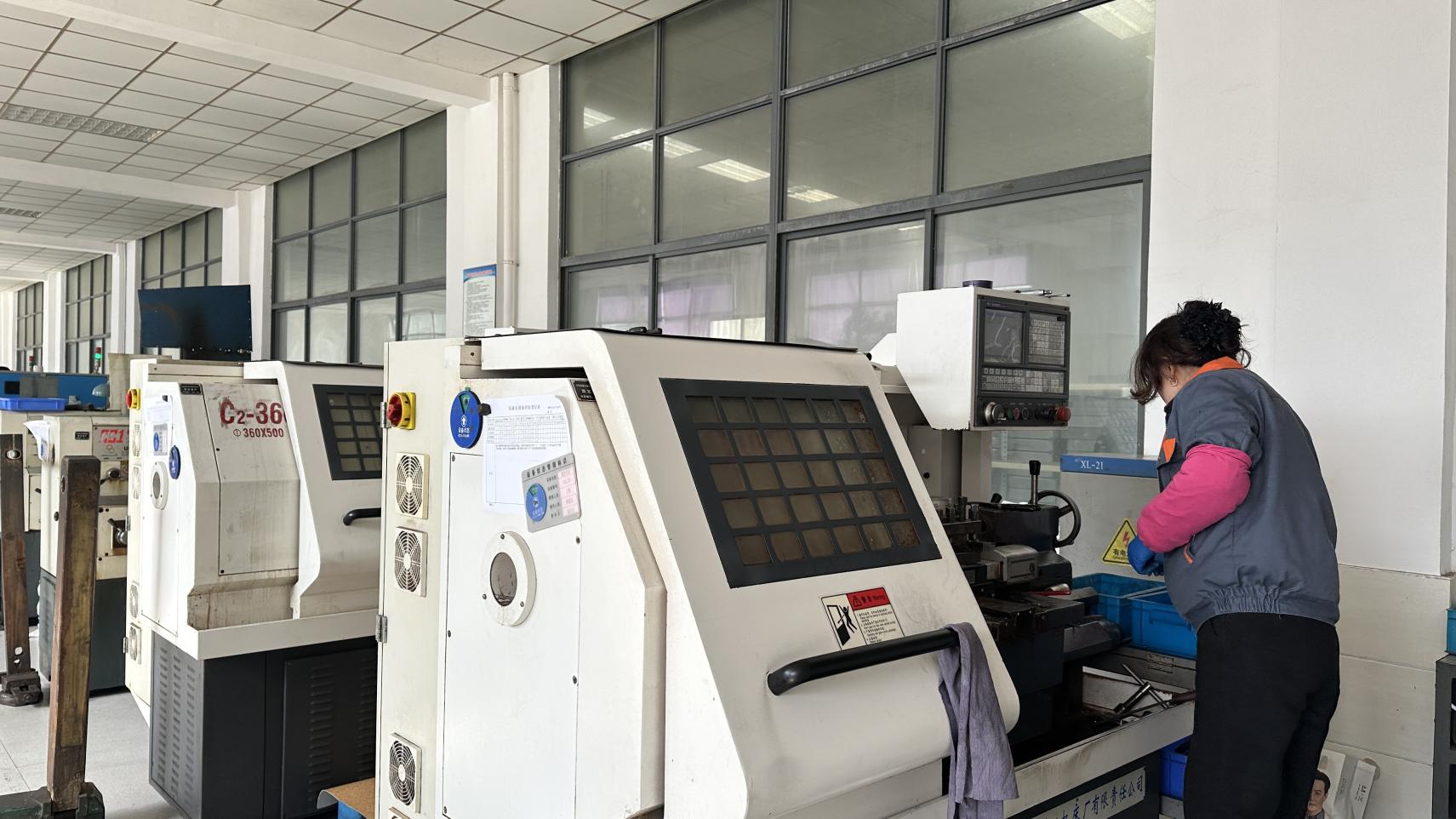
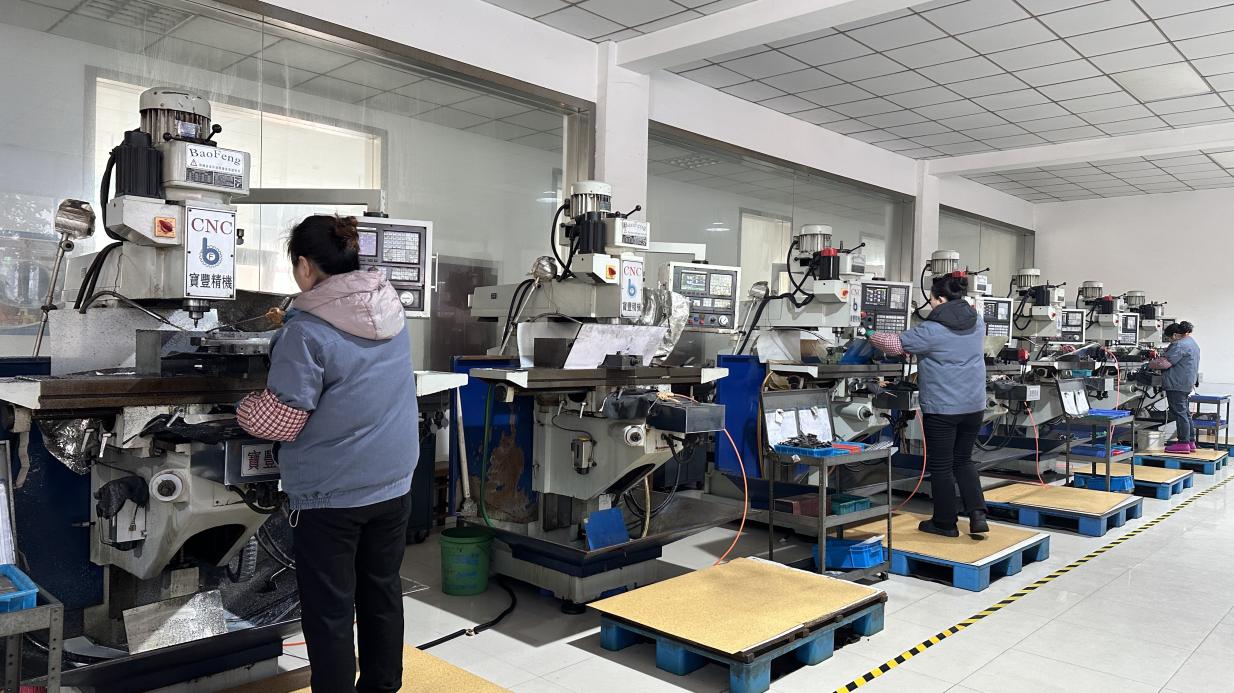
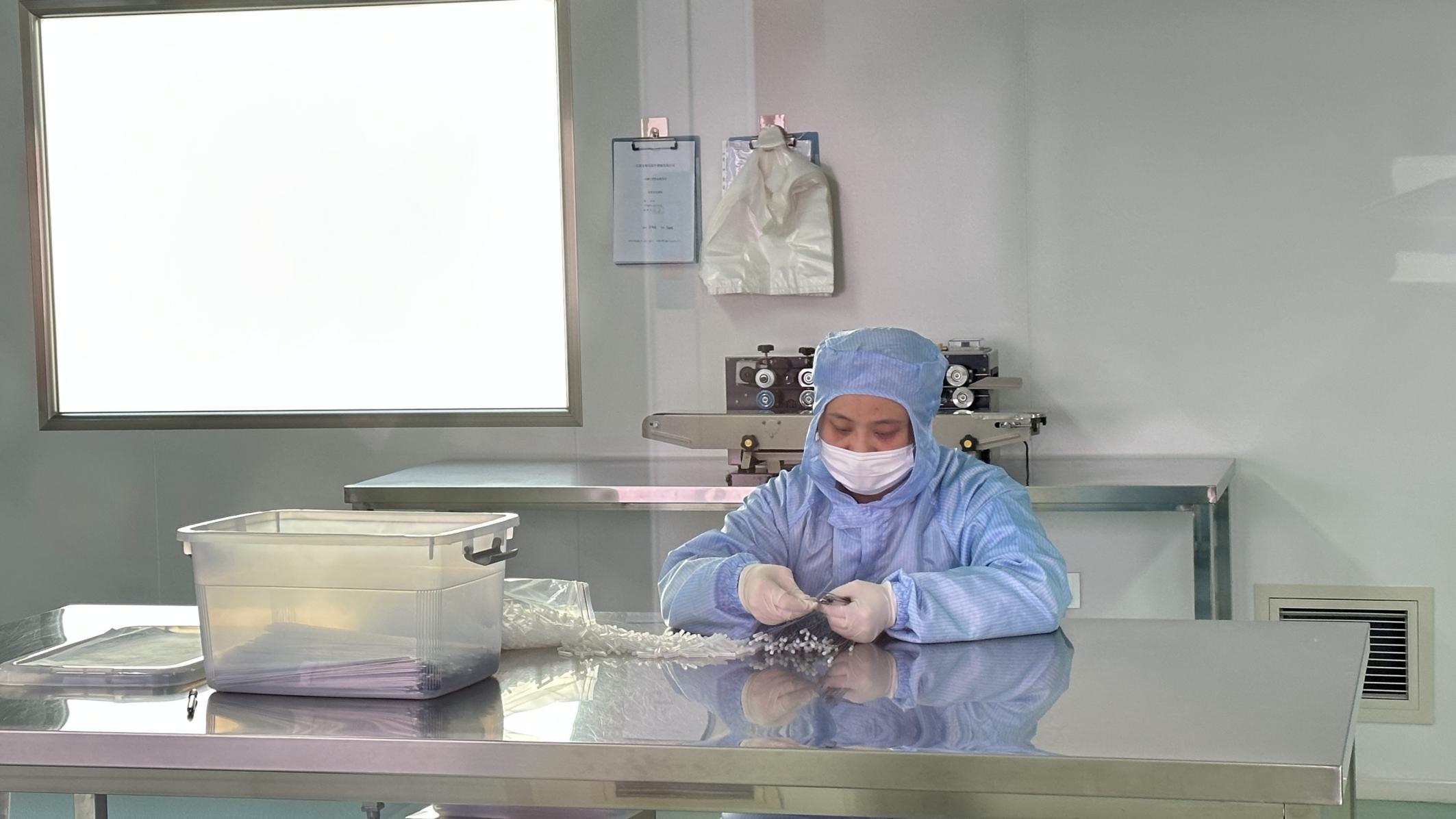
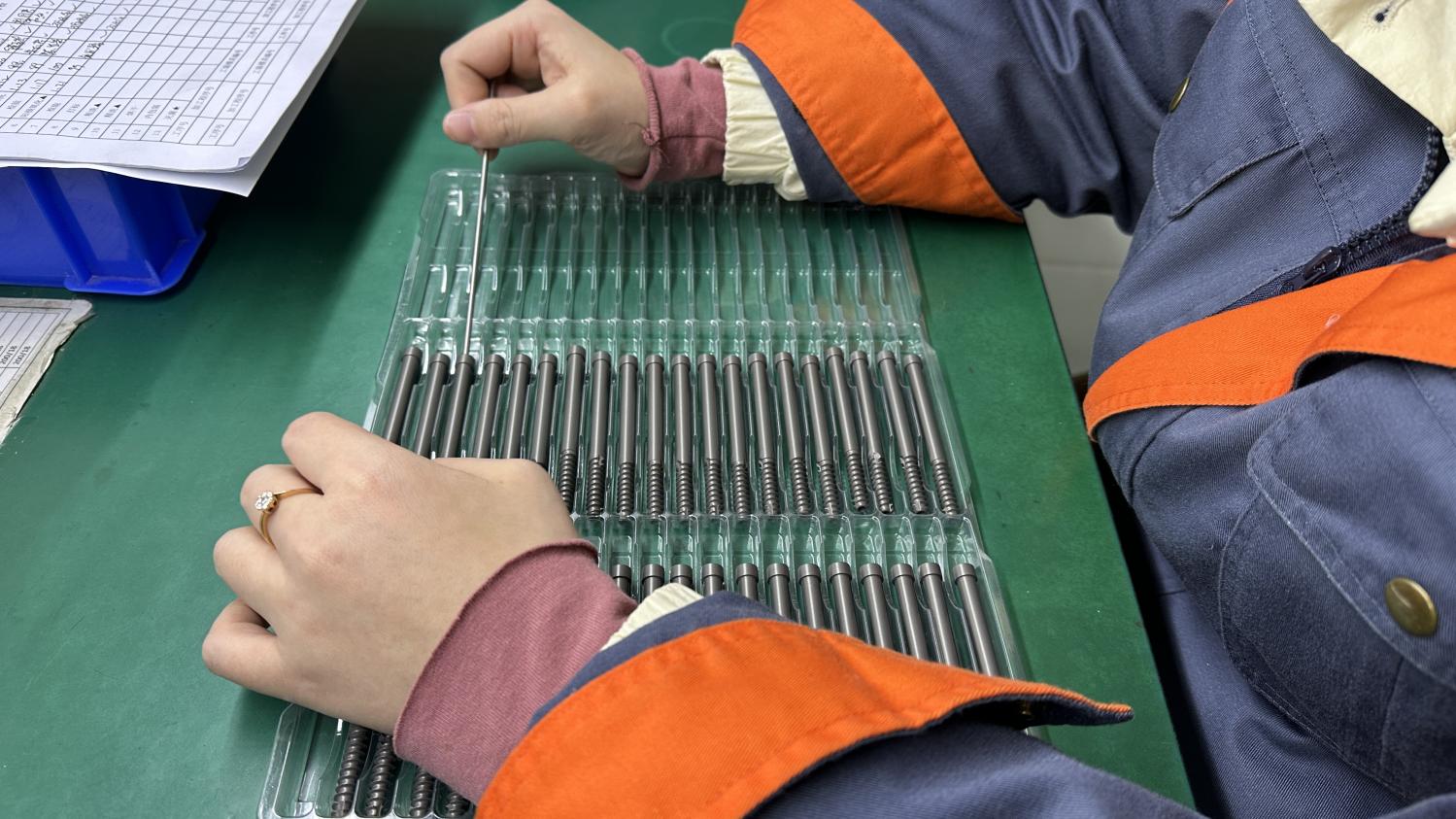
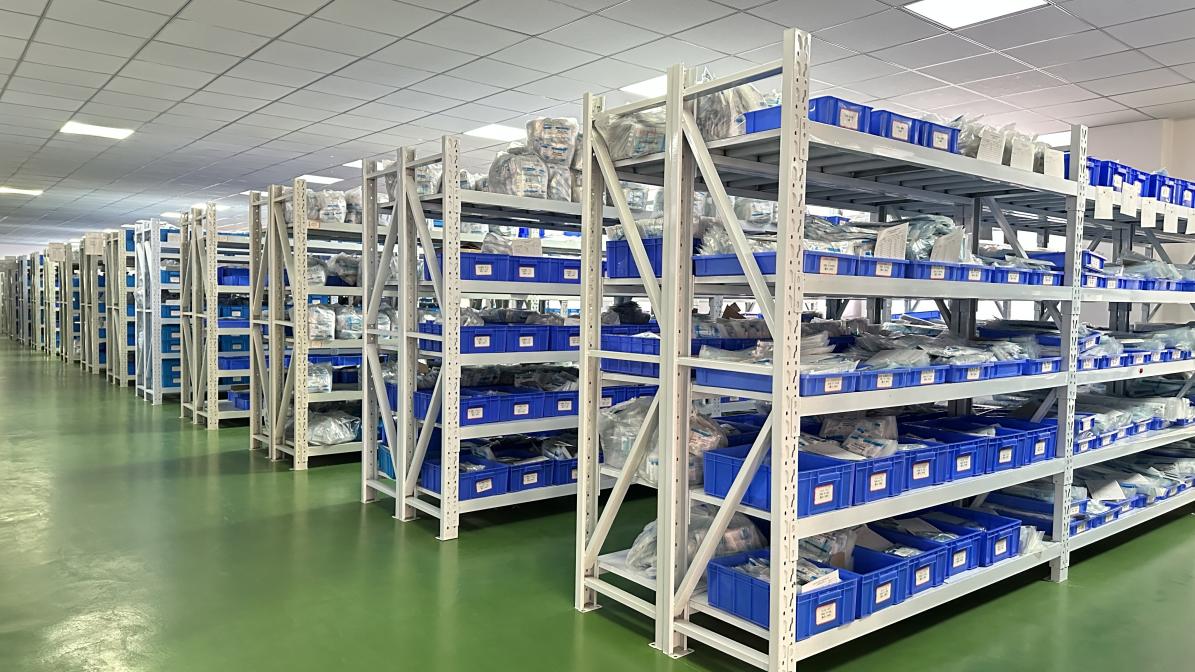
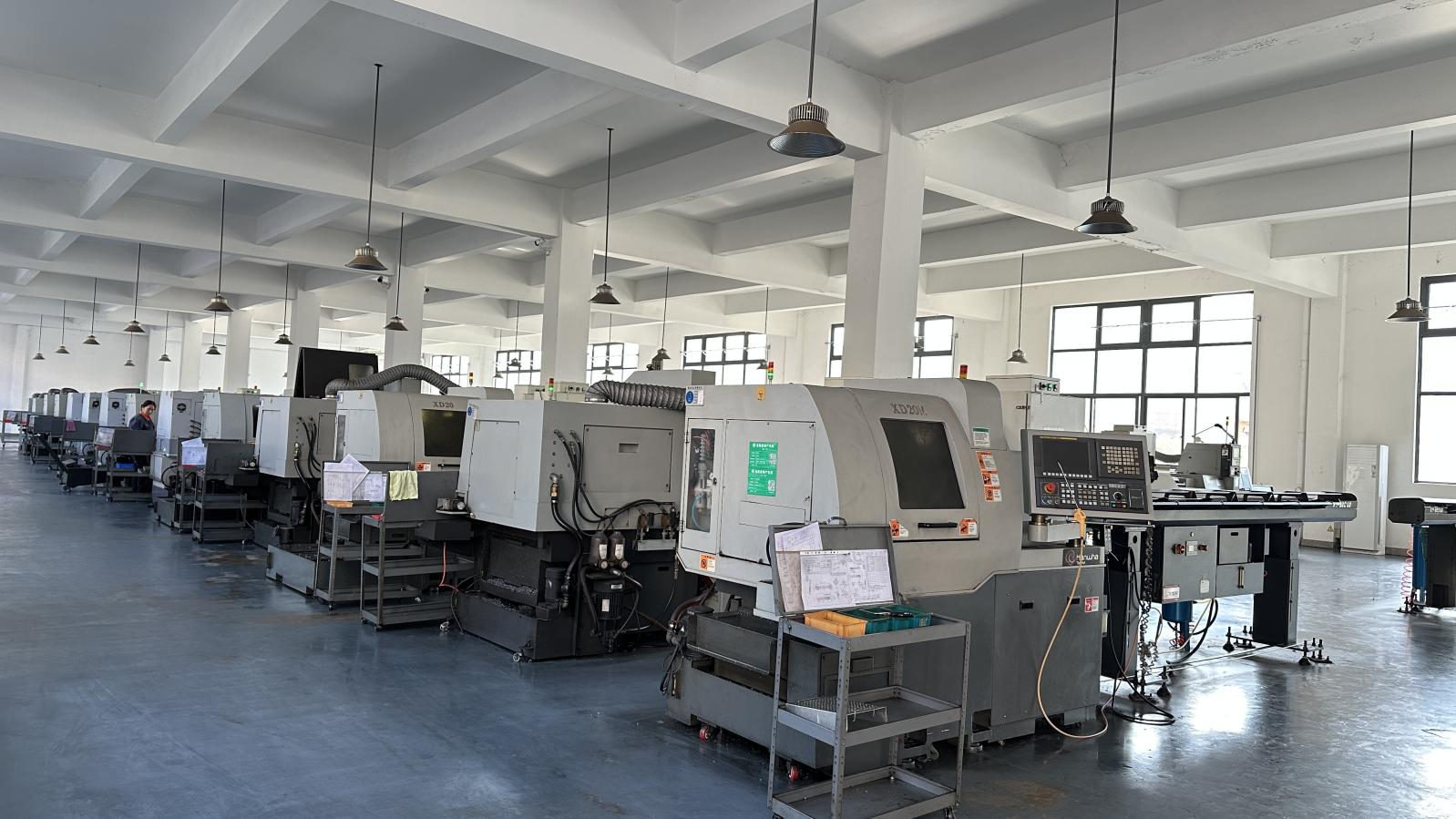
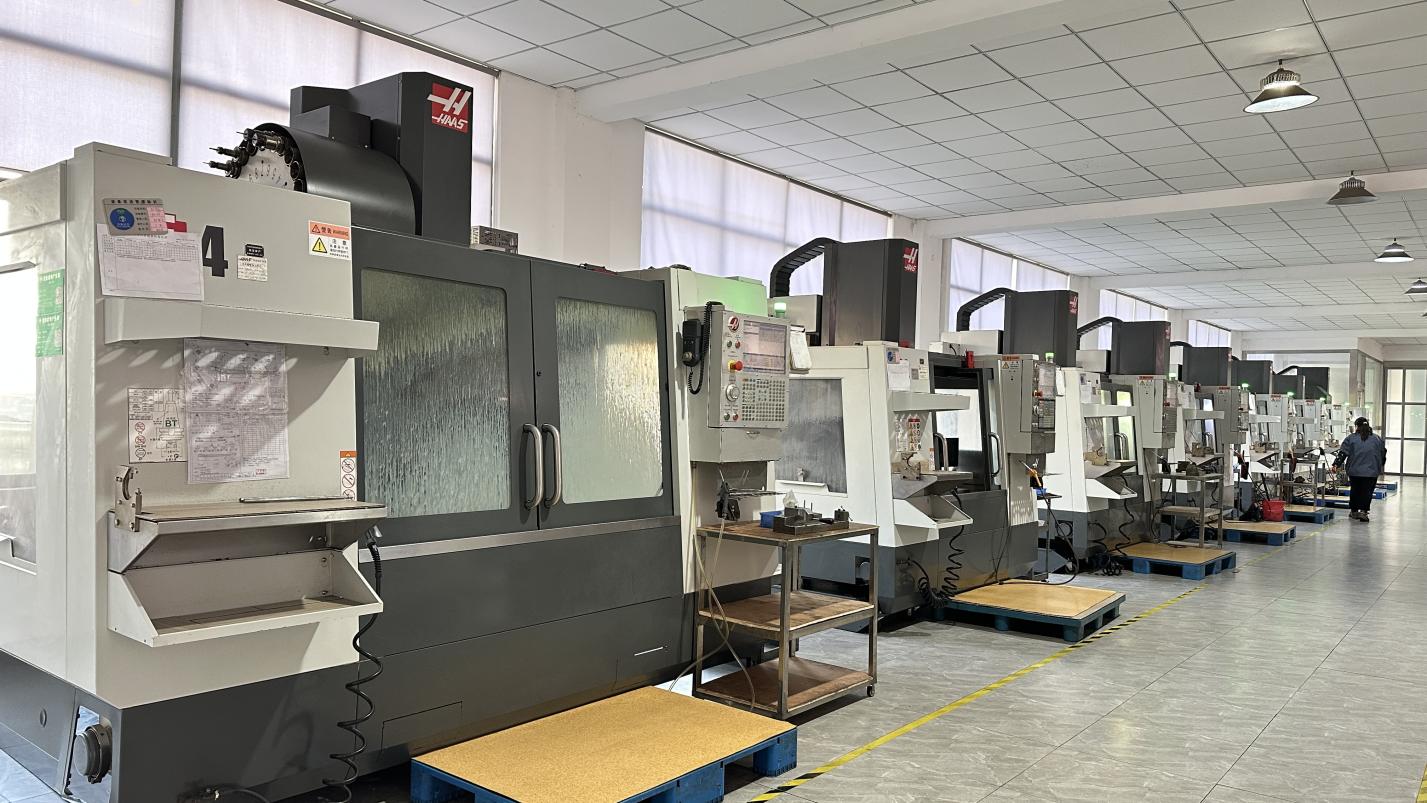
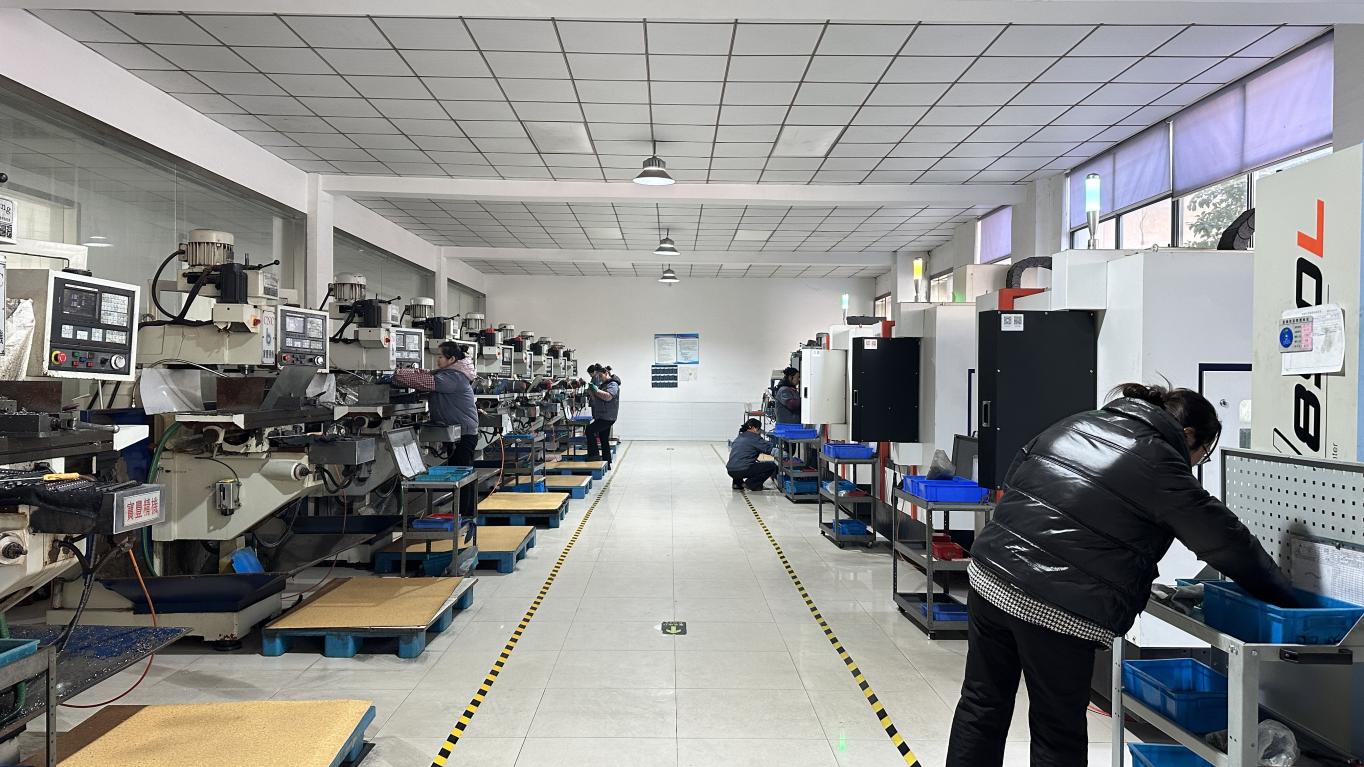
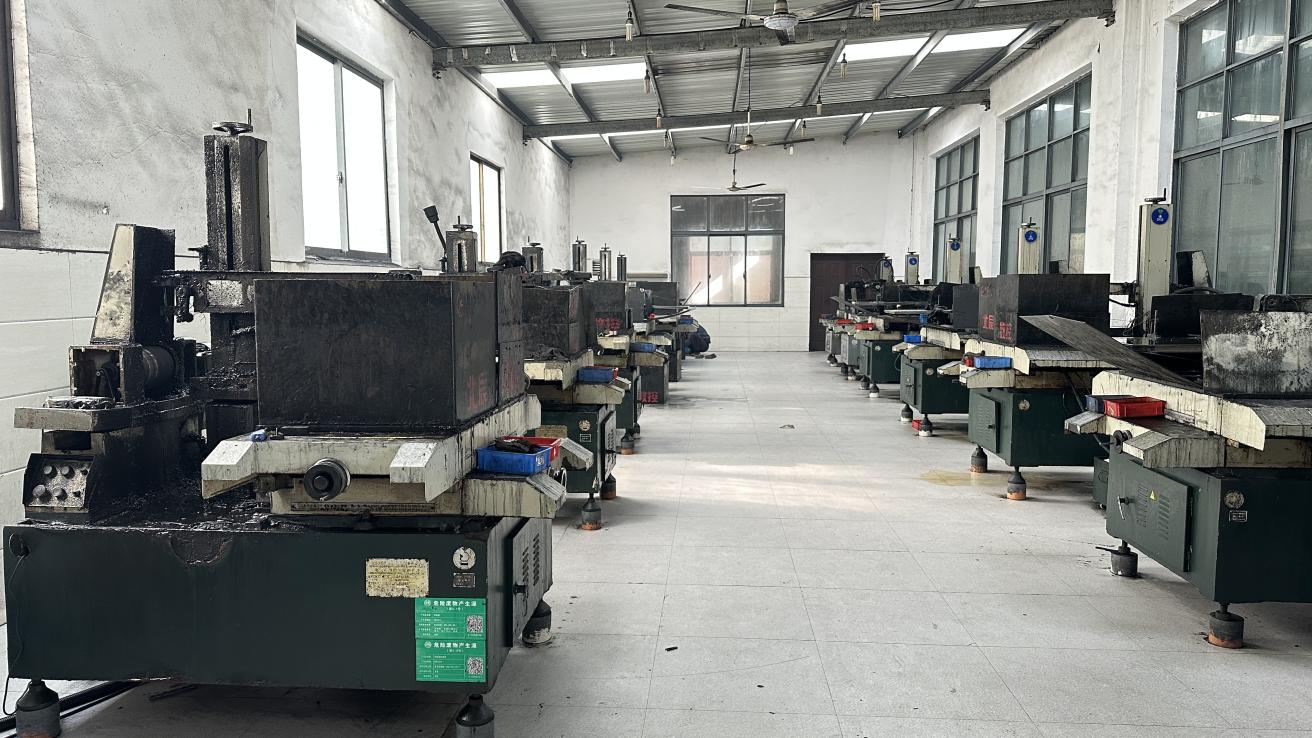
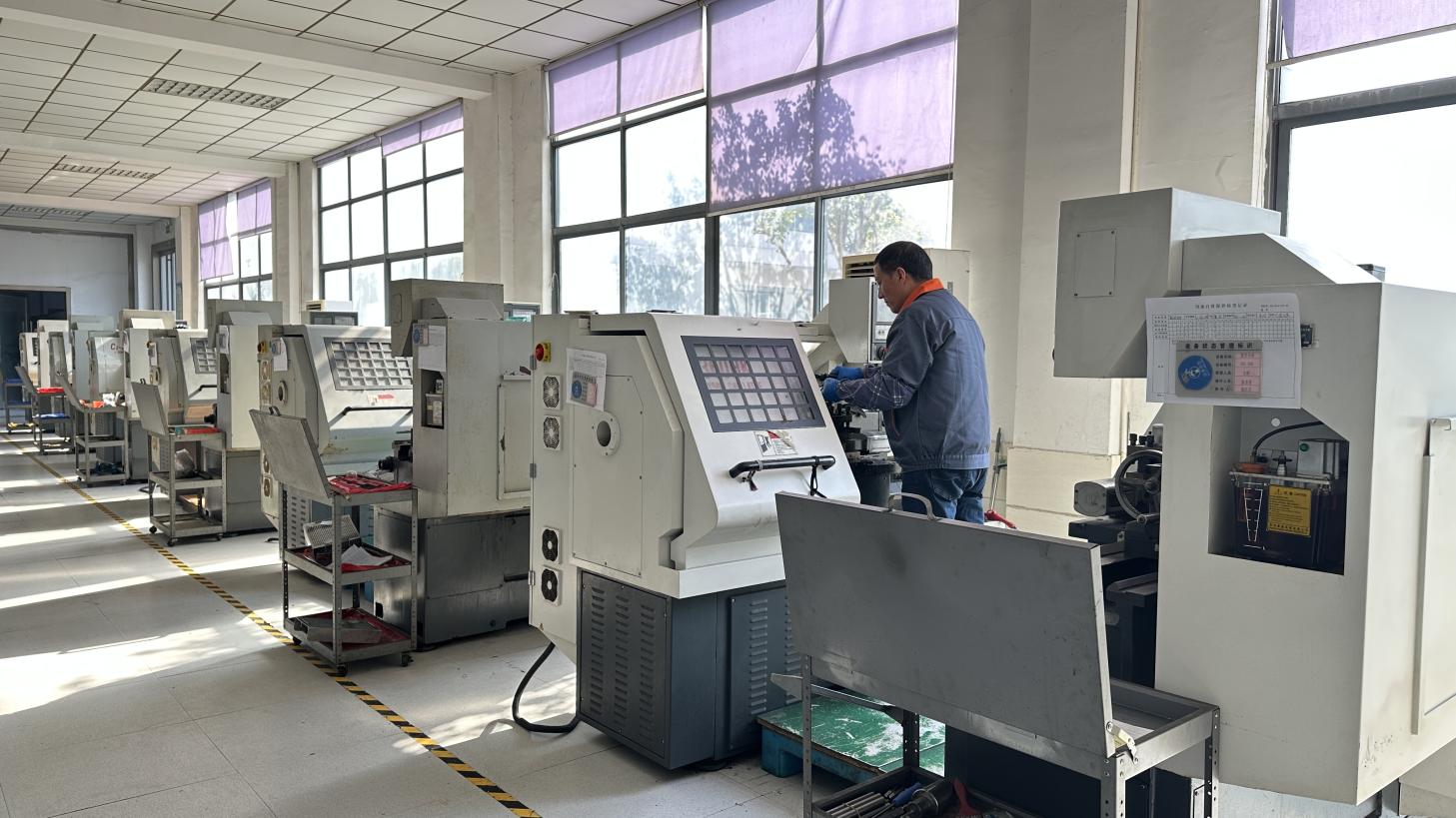

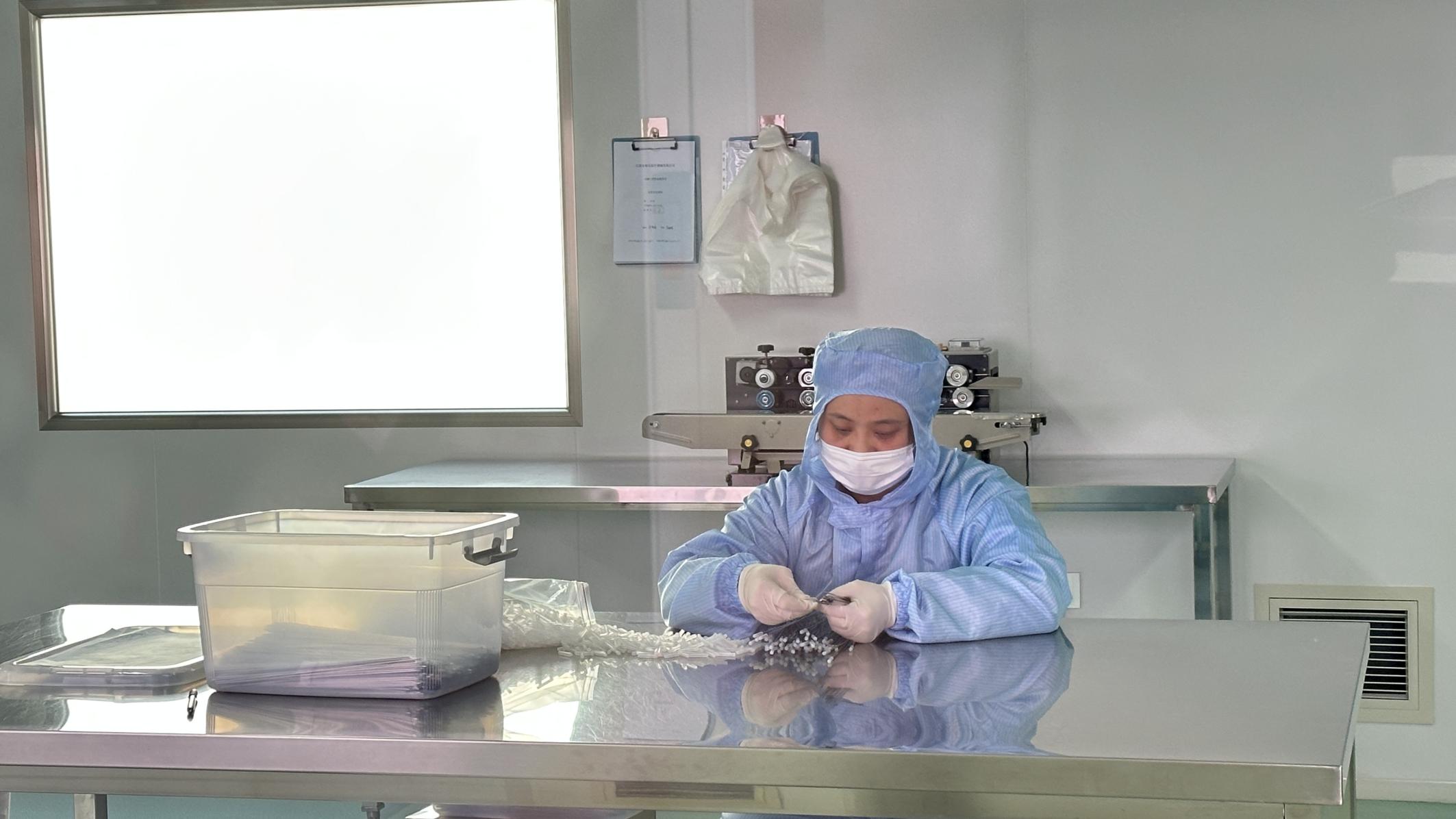
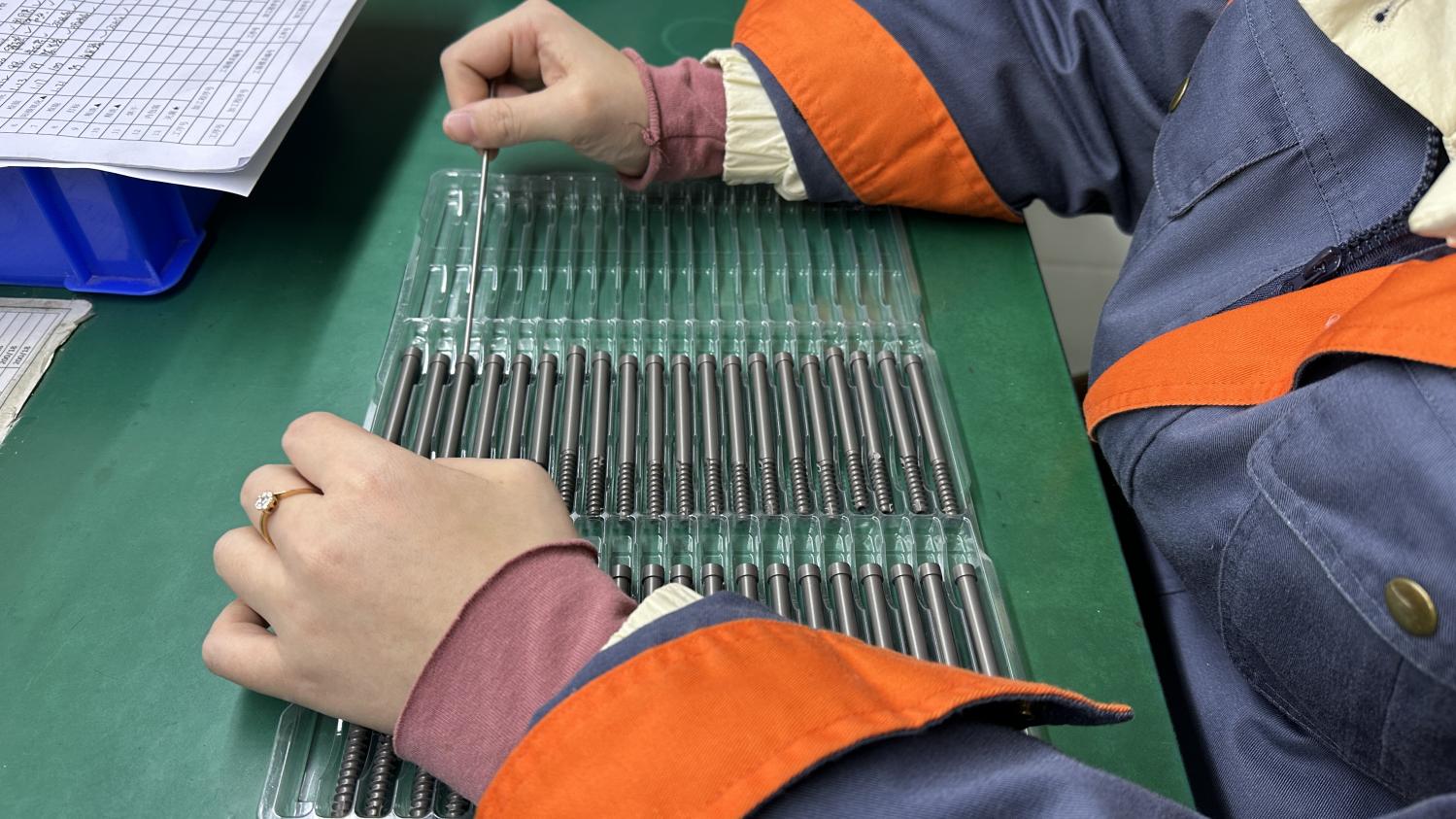
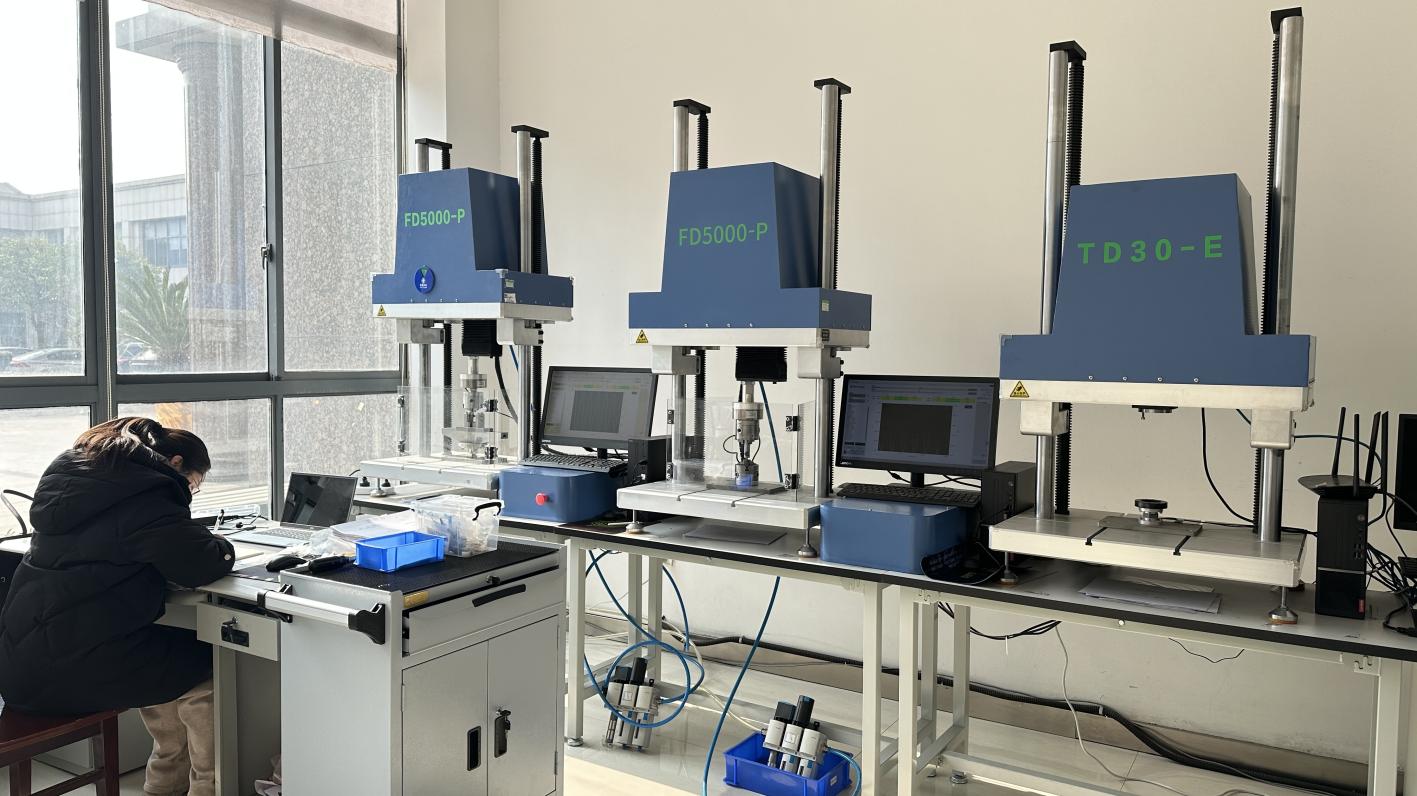
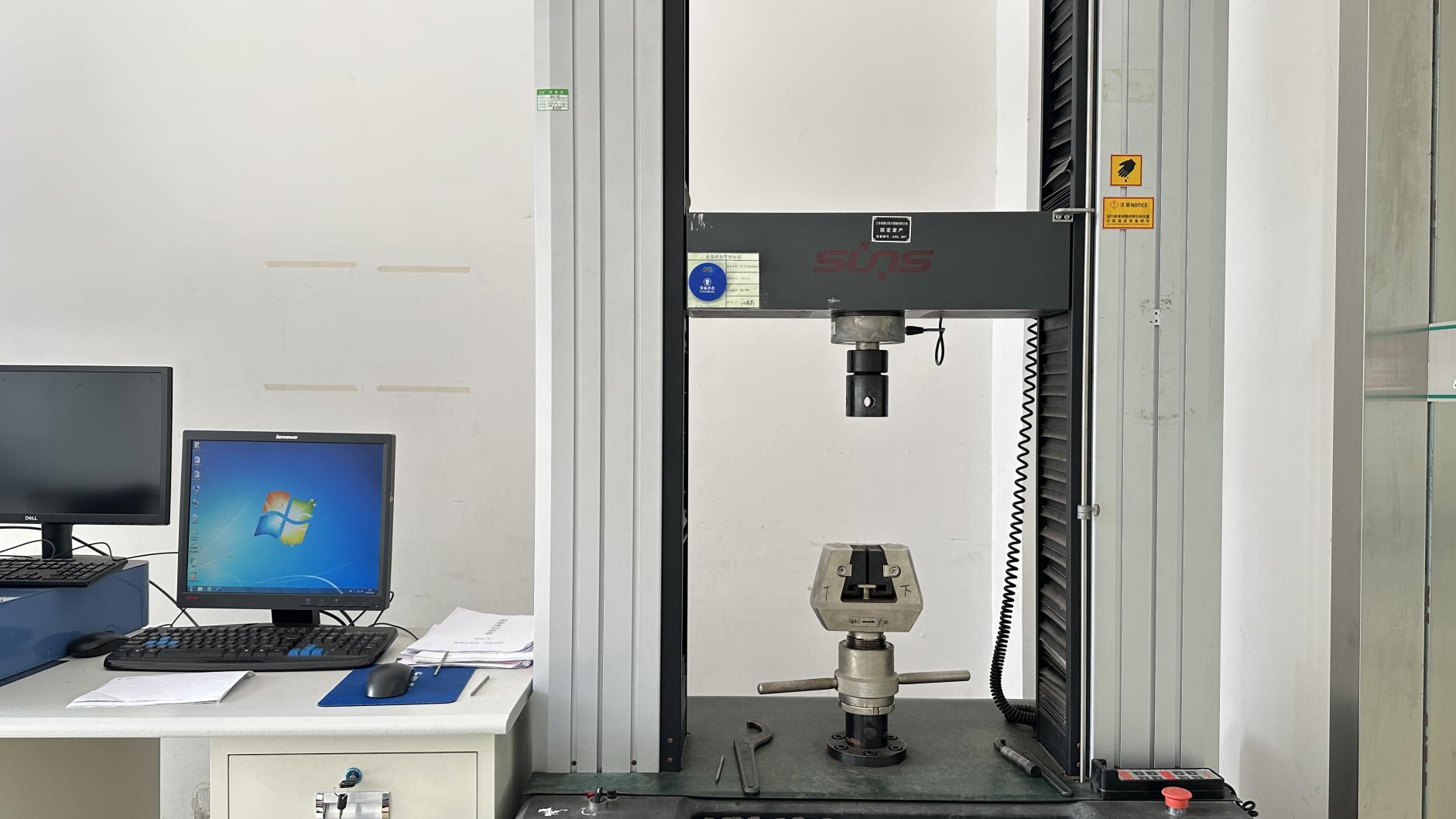
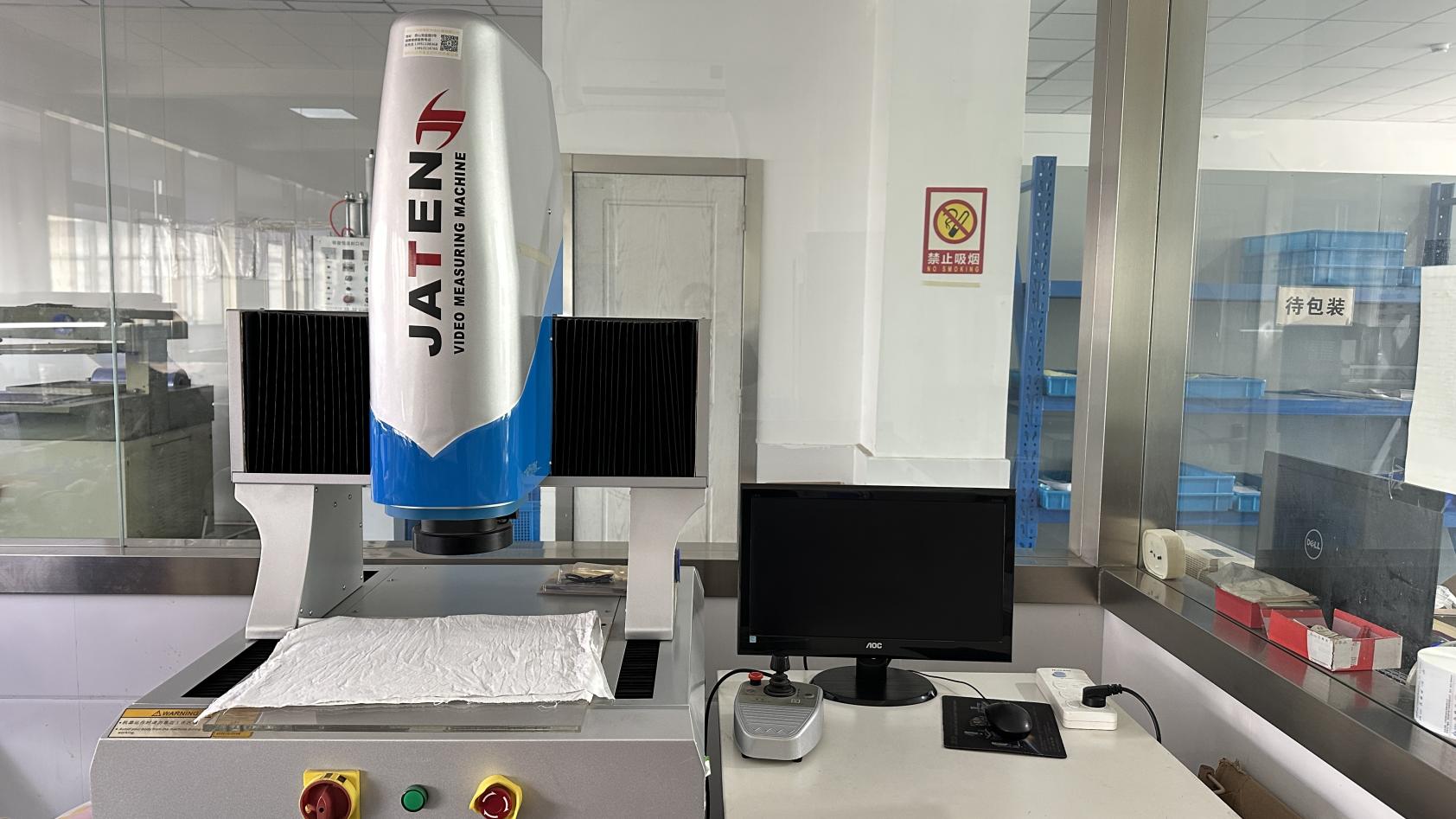
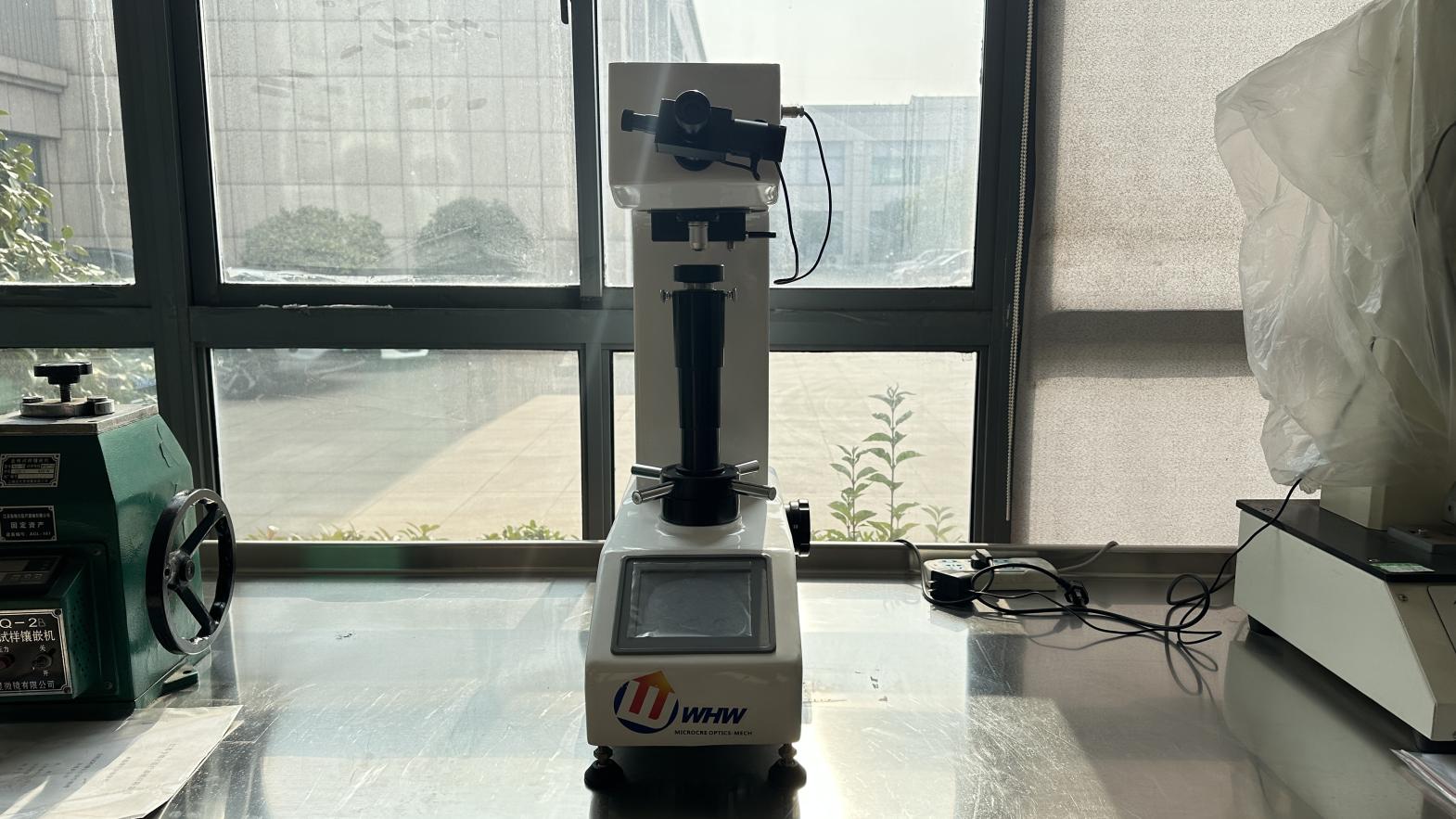
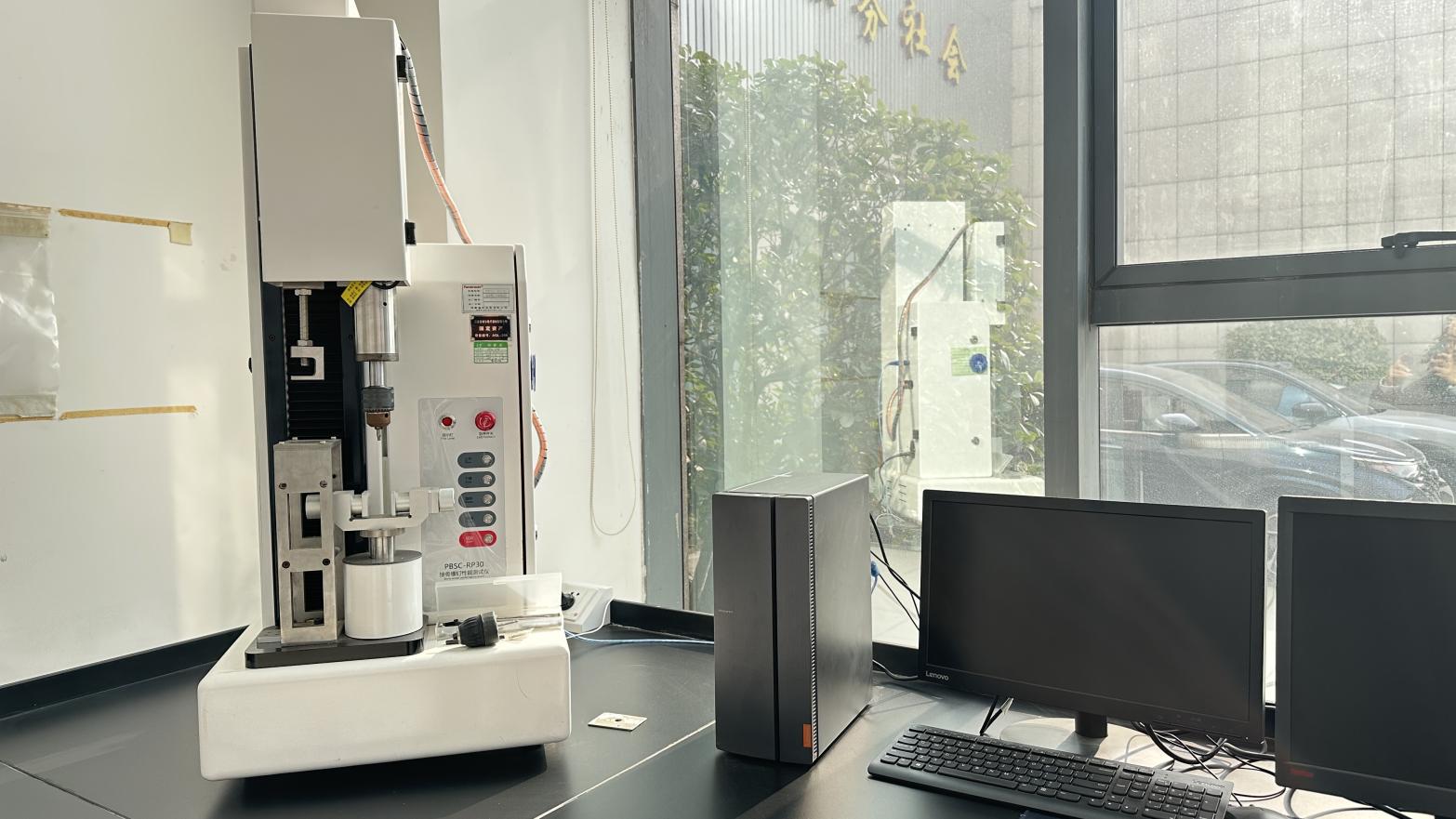
Selling primary total knee systems globally requires an intimate understanding of complex regulatory frameworks. In the United States, obtaining FDA 510(k) clearance requires substantial equivalence testing. Within the European Union, the implementation of the Medical Device Regulation (MDR 2017/745) has significantly raised the requirements for clinical evaluation, post-market surveillance (PMS), and bio-compatibility dossiers. In regions such as Asia-Pacific, Latin America, and the Middle East, compliance involves local registrations requiring a comprehensive design history file (DHF) and complete raw material provenance certifications.
Furthermore, one size does not fit all. Clinical data highlights distinct differences in bone anatomy across ethnicities. For instance, patient populations in East Asia typically exhibit smaller tibial plateaus and distinct femoral head curvatures compared to North American or European cohorts. Leading factories, including Virelox, mitigate mismatch risks by manufacturing a wider range of sizes, including narrow femoral and tibial components. This localized morphological approach reduces bone resection volume, preserves soft-tissue tensioning, and decreases the risk of postoperative component overhang or micro-rotation.
To support global imports safely, Virelox implements a full-process, certified quality management system. Every implant batch undergoes strict inspections, including X-ray flaw detection, tensile strength validation, and fatigue analysis. This documentation is completely retrievable via laser-etched UDI numbers, guaranteeing total traceability.
The manufacturing process for total knee systems is evolving beyond traditional casting and milling. Forward-thinking manufacturers are building roadmaps around three primary technological pillars to increase component longevity and surgical precision.
Using Electron Beam Melting (EBM) and Direct Metal Laser Sintering (DMLS) to build highly porous titanium structures that encourage natural bone ingrowth, eliminating the need for bone cement.
Infusing UHMWPE inserts with Vitamin E to neutralize free radicals, mitigating long-term oxidation, thermal degradation, and osteolysis caused by sub-micron wear debris.
Standardizing cutting blocks and trials to sync seamlessly with optical tracking cameras and robotic arms, ensuring components align perfectly with the mechanical axis.
For orthopedists, engineers, and clinical procurement directors, this matrix details the physical properties and material compliance criteria required for key components in modern knee replacement systems.
| System Component | Primary Material Grade | Key Mechanical Properties | Quality Assurance Standard |
|---|---|---|---|
| Femoral Component | Cobalt-Chromium-Molybdenum (Co-Cr-Mo) Alloy / Ti-6Al-4V ELI | High yield strength (>450 MPa), low wear rate, scratch resistance | ASTM F75 / ISO 5832-4 |
| Tibial Baseplate | Titanium Alloy (Ti-6Al-4V) | Elastic modulus close to bone, excellent fatigue limits | ASTM F136 / ISO 5832-3 |
| Tibial Insert (Bearing) | UHMWPE / Highly Cross-Linked (HXLPE) + Vit. E | Low friction coefficient, resistance to oxidation, minimal debris | ASTM F648 / ISO 5834-2 |
| Patellar Component | UHMWPE (All-Polyethylene or Metal-Backed) | High compression limits, low surface wear rate | ASTM F648 |
For multinational distributors and medical brands, developing proprietary implant lines requires massive capital expenditure. Partnering with a specialized OEM/ODM manufacturer like Virelox bridges the gap between R&D concept and volume distribution. With 850 certified upstream and downstream partners, Virelox secures access to certified medical-grade titanium and cobalt-chrome, shielding clients from raw material price shocks and shipping delays.
Virelox's engineering team includes 120 experts specializing in biomechanics, material sciences, and CAD/CAM software. Over the past year, the facility successfully commercialized 120 new orthopedic and spinal implants. This agile manufacturing process supports low-volume custom runs for specialty clinics while also supplying large orders for national healthcare tenders, allowing partners to scale safely without sacrificing quality.
Answers to critical questions regarding clinical indications, supply chains, manufacturing standards, and system selection.
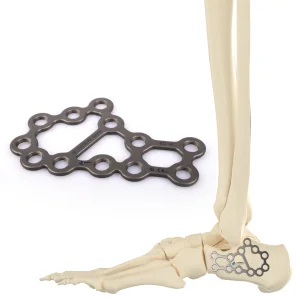
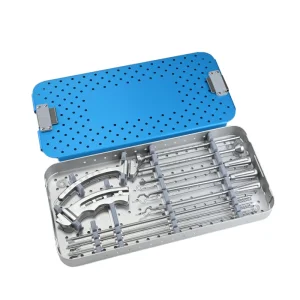
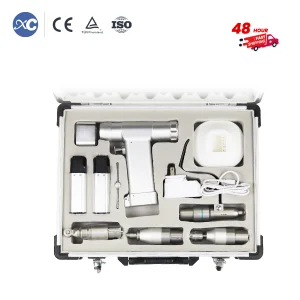
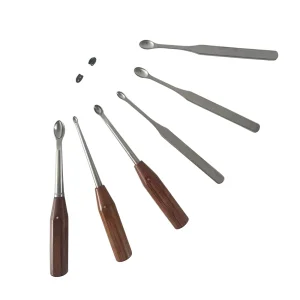
Explore additional clinical equipment, stabilization plates, spinal implants, and veterinary surgical tools produced by our global OEM lines.
 Virelox