Top 10 Elbow Replacement Implants Manufacturer & Suppliers

A Comprehensive Industry White Paper on Global Market Intelligence, Structural Biomechanics, and Strategic OEM/ODM Sourcing Solutions

The Global Landscape of Elbow Replacement & Arthroplasty Implants

Total Elbow Arthroplasty (TEA) has evolved from a salvage procedure to a highly predictable intervention for severe rheumatoid arthritis, complex distal humeral fractures, and post-traumatic osteoarthrosis. As life expectancy rises and active lifestyles extend, the demand for high-durability articular reconstructions has surged.

In the global market, implants are categorized structurally into linked (semi-constrained) and unlinked (unconstrained) configurations. Linked systems rely on a mechanical articulation pin to maintain joint alignment, offering stability in patients with compromised ligamentous structures. In contrast, unlinked models rely entirely on the integrity of the patient's soft tissue sleeve and collateral ligaments, mirroring the anatomical kinetic loop more closely.

Key clinical pain points driving implant innovation include:

  • Aseptic Loosening: Mitigated via advanced porous titanium coatings and plasma spray technologies that facilitate rapid osseointegration.
  • Polyethylene Wear Rates: Addressed using highly cross-linked polyethylene (HXLPE) infused with vitamin E to prevent oxidative degradation.
  • Joint Instability: Resolved through modular components that allow surgeons to customize humero-ulnar offsets intraoperatively.
6.8%
Market CAGR (2024-2030)
ISO 13485
Quality Standard
100%
Biocompatibility Tested
ASTM F136
Titanium Alloy Grade

China's Manufacturing Efficiency & Structural Cost Advantages

Analyzing the strategic shift of global medical procurement toward China's advanced orthopedic fabrication hubs.

Integrated Supply Chain Synergy

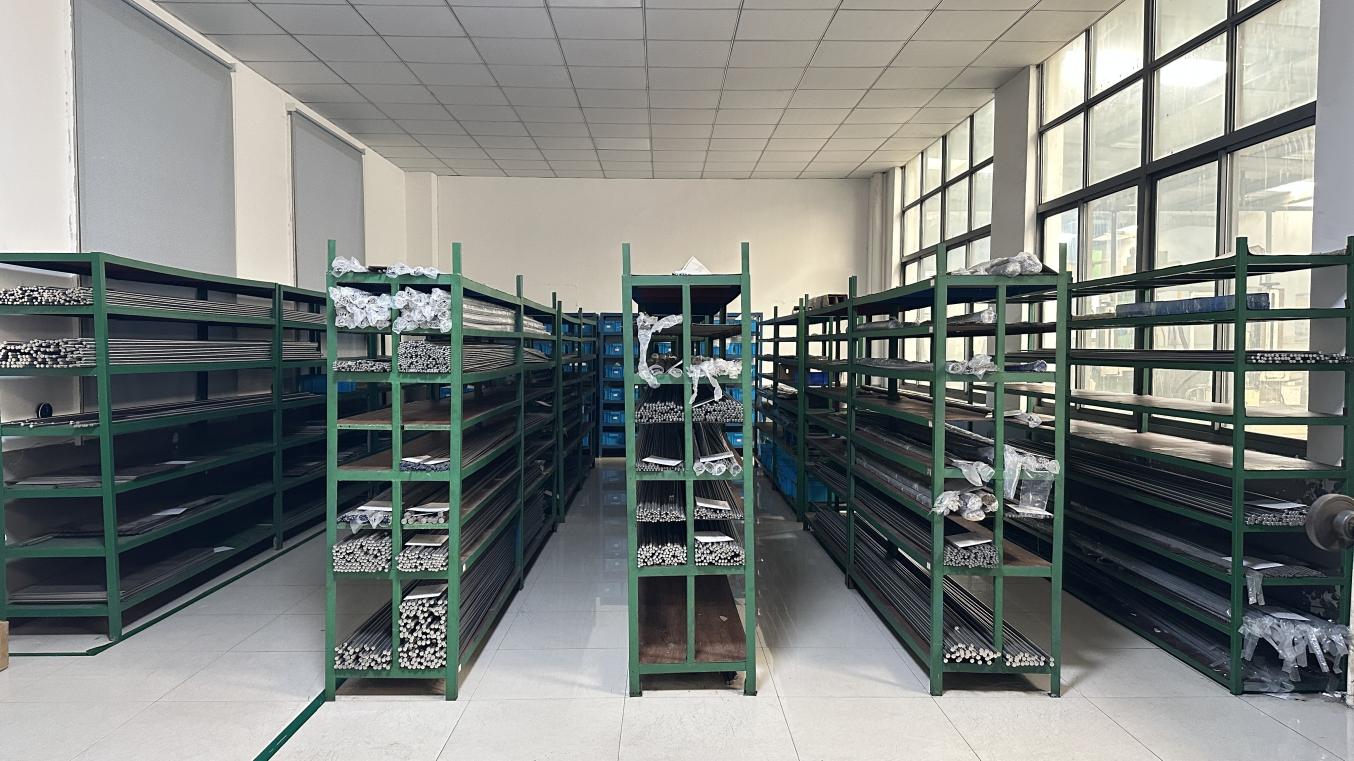
From high-grade raw titanium and cobalt-chromium bars to surface finishing, CNC machining, and sterile barrier packaging—the complete production cycle is geographically concentrated. This integration reduces transportation lag and optimizes inventory loops.

Advanced Automated Machining

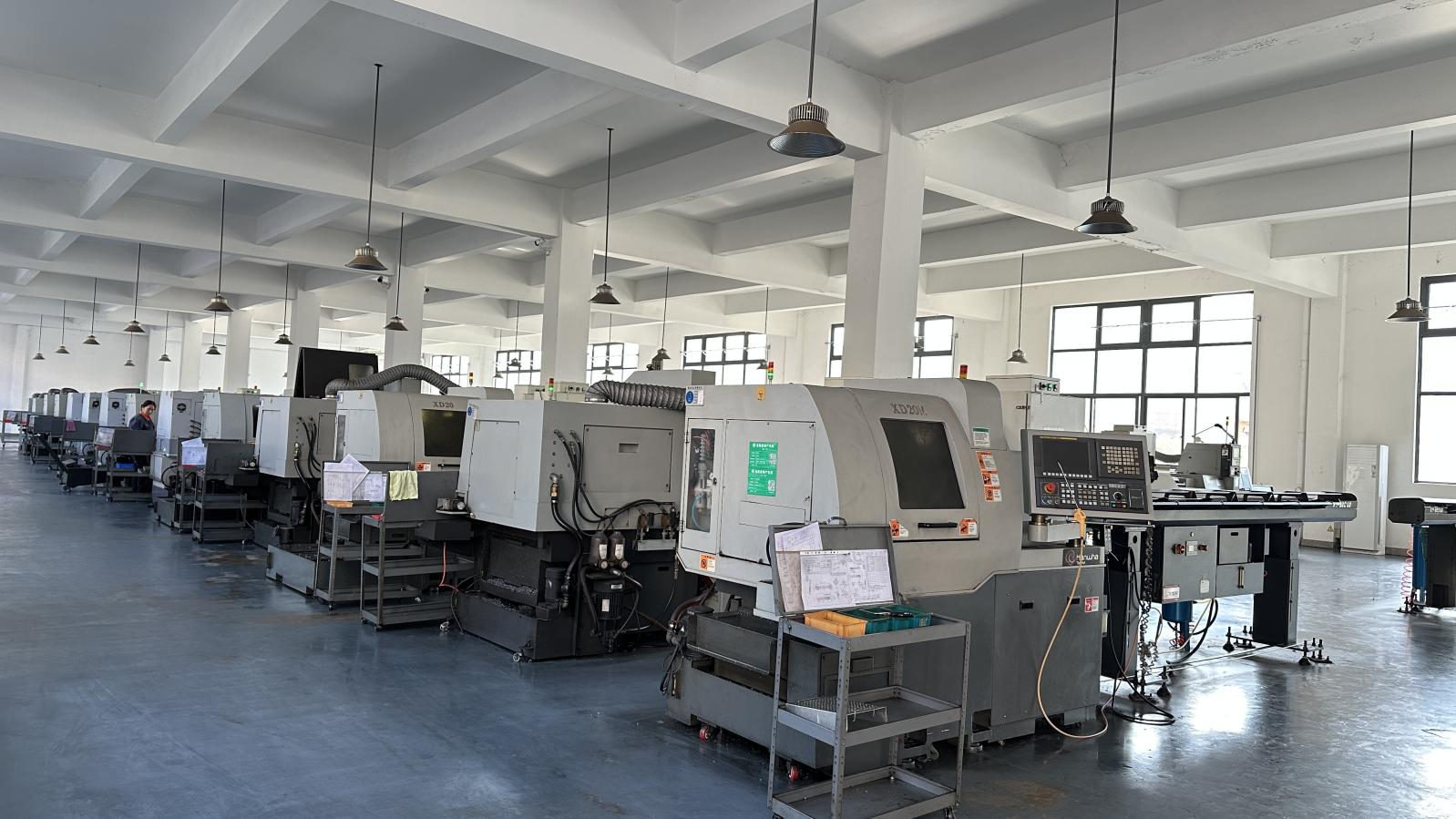
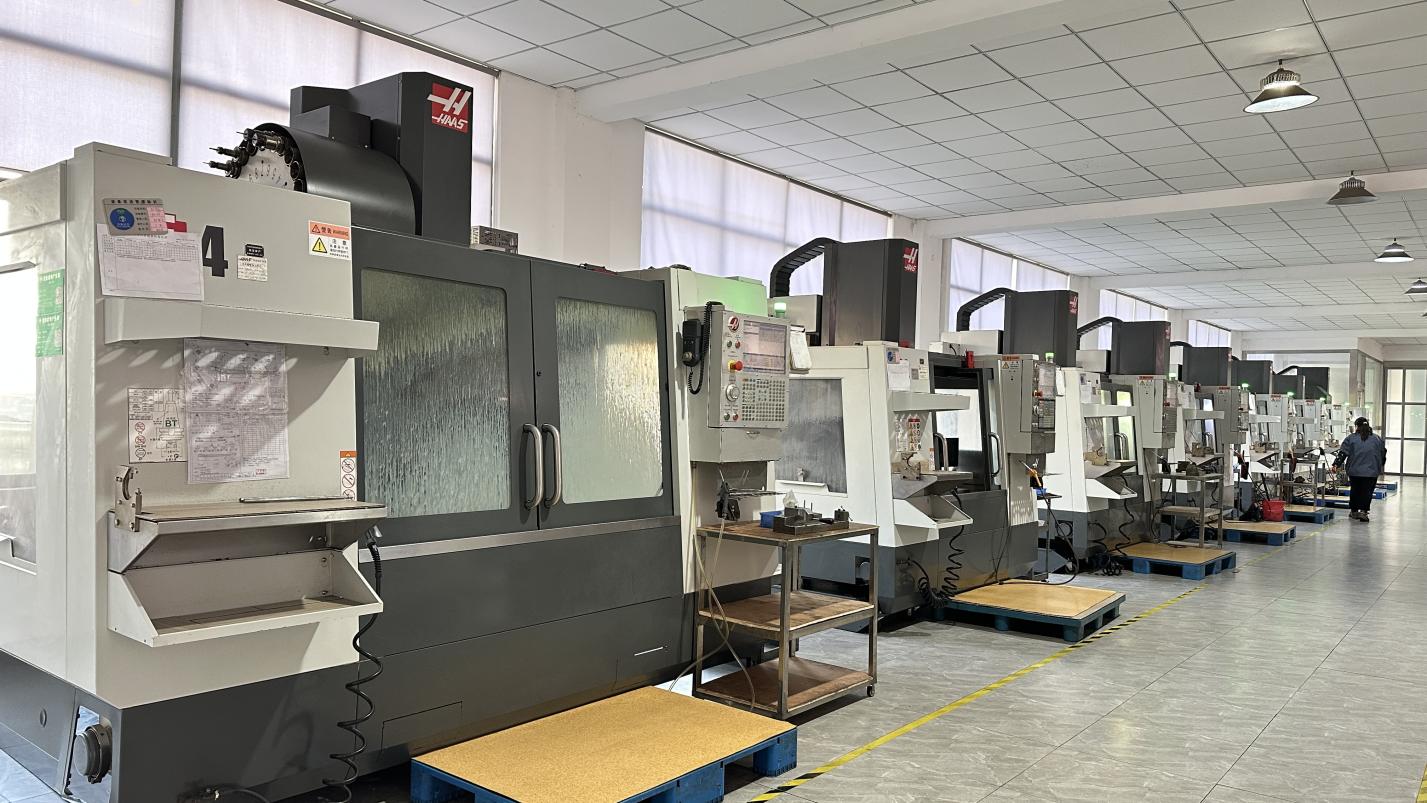
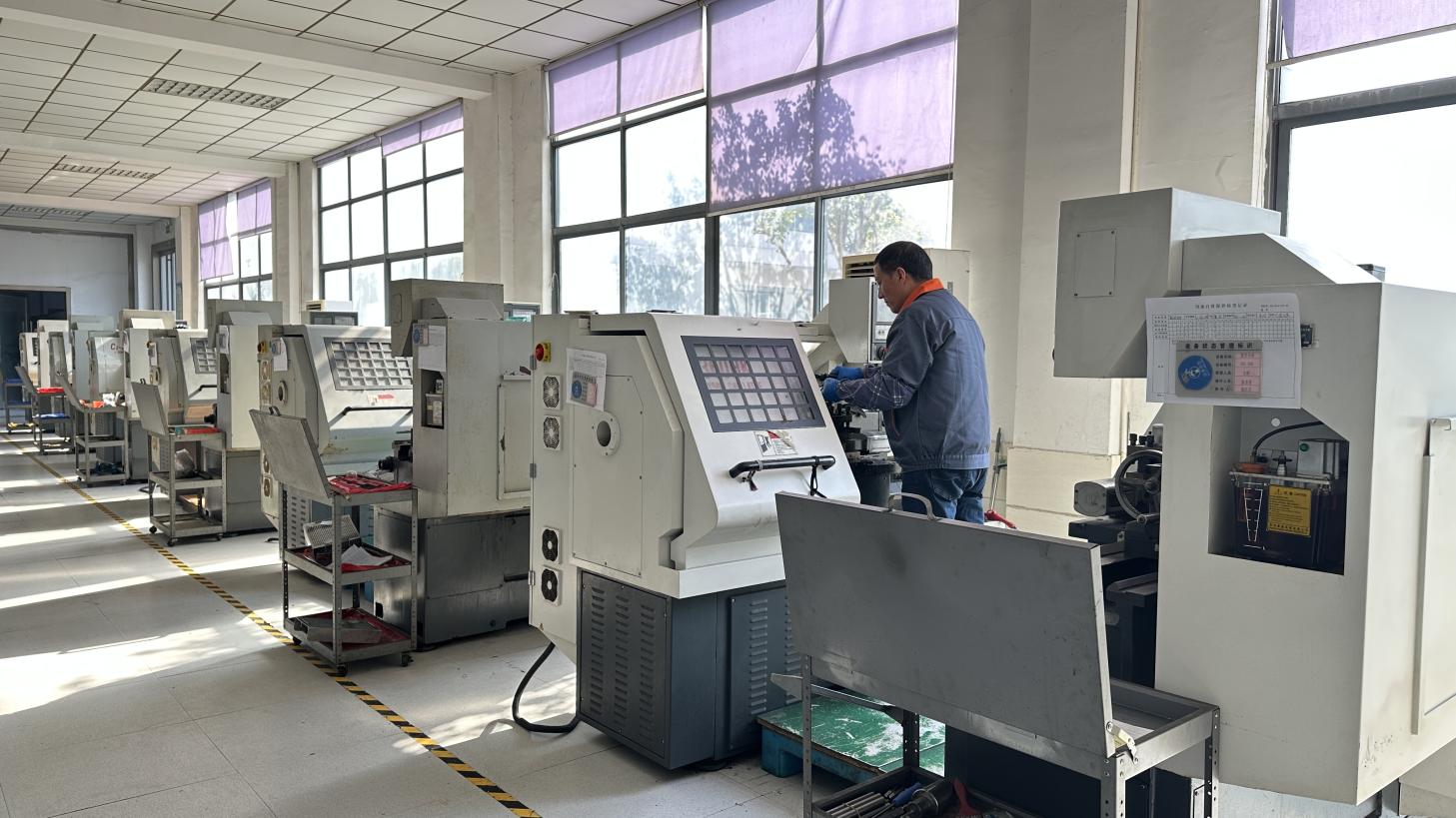
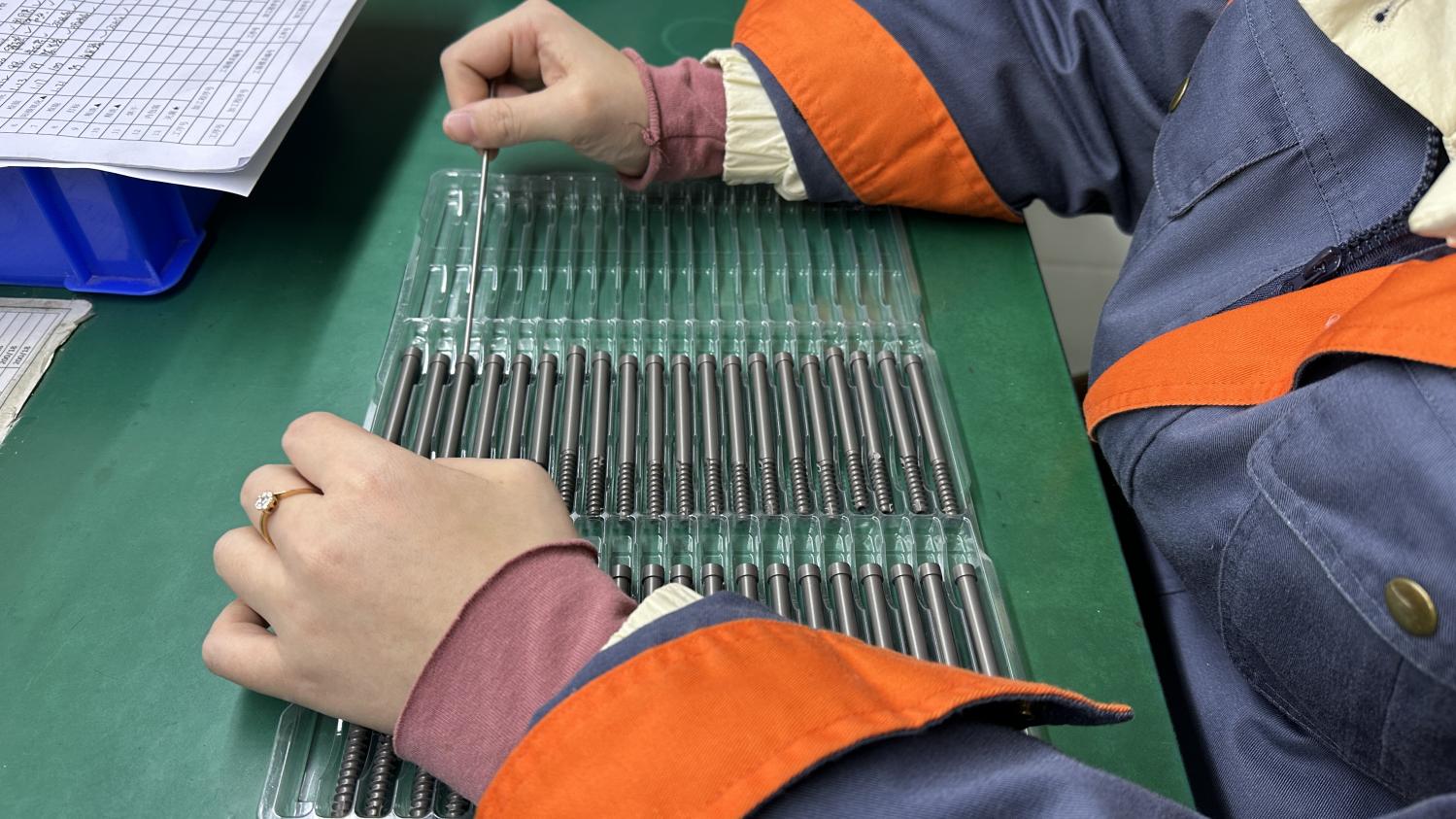
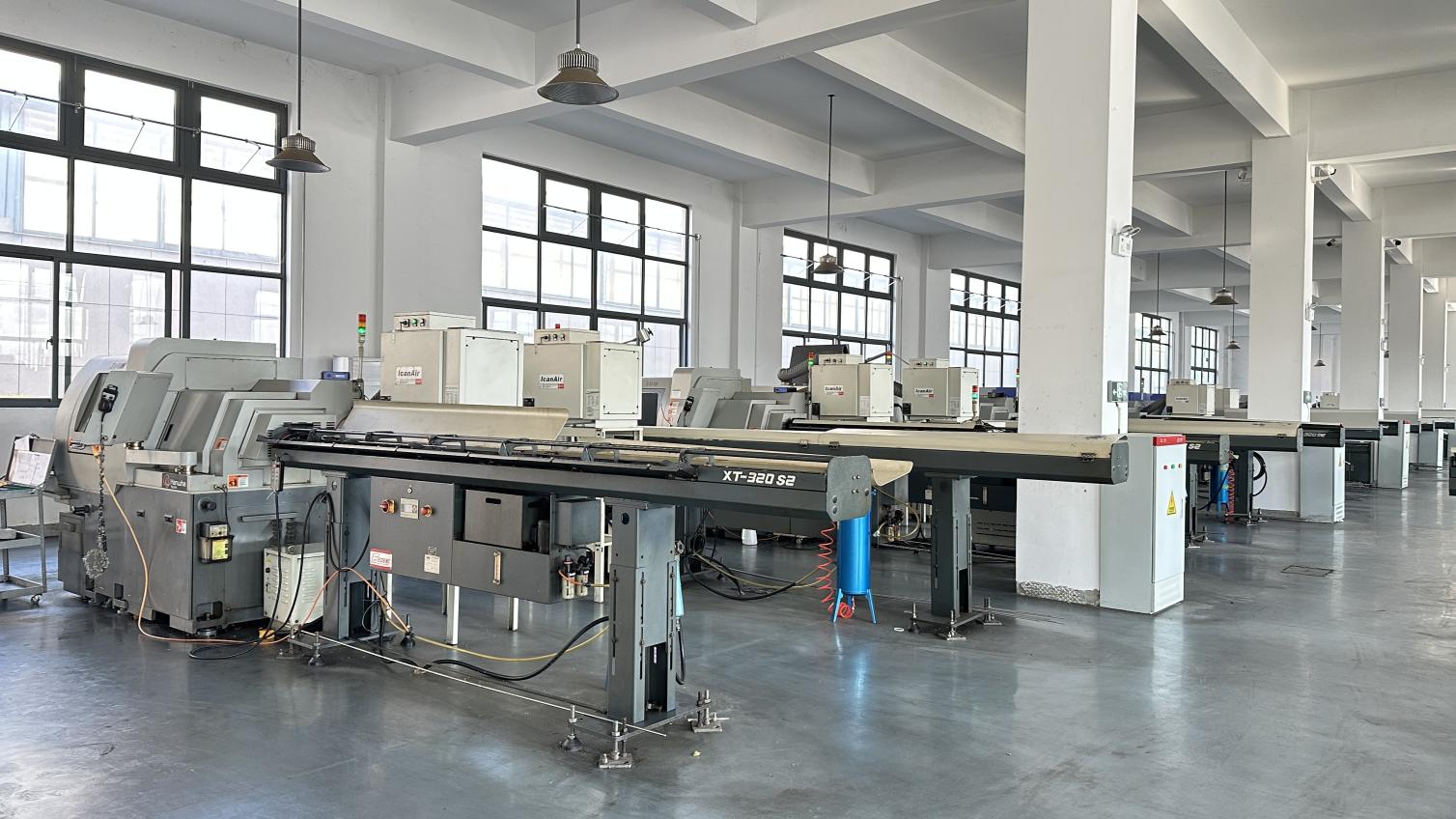
Leveraging high-precision multi-axis Swiss CNC machines allows manufacturers to consistently hit tolerances within ±5 microns. Automation reduces manual labor overhead, passing direct cost savings down to clinical distributors and hospital purchasing managers.

Rigorous Quality Auditing

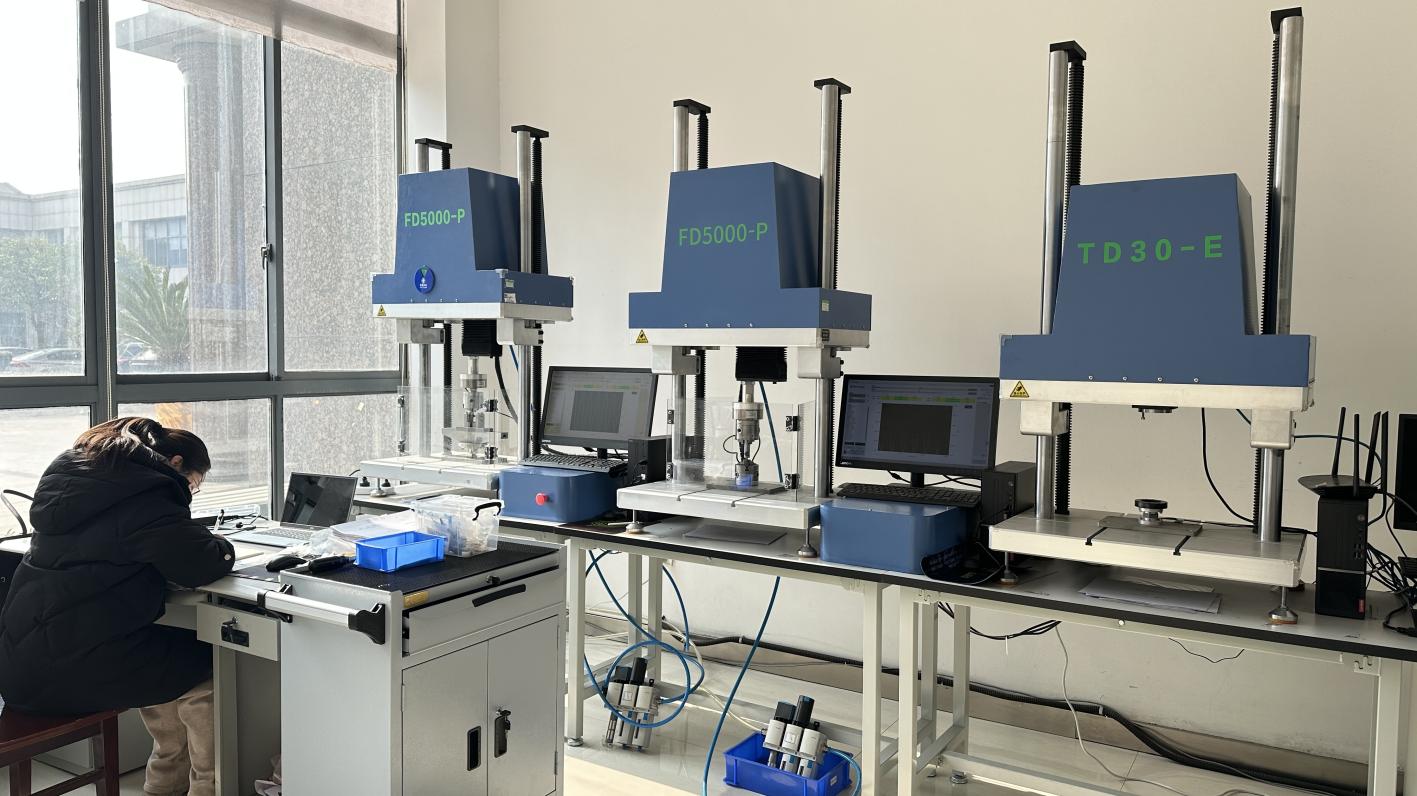
With massive domestic volumes, Chinese orthopedic producers maintain dedicated QA/QC pools. Systems are optimized through comprehensive biomechanical testing, fatigue trials exceeding 5 million load cycles, and advanced CMM inspections to verify geometry.

Virelox Medical Devices Co., Ltd.

A trusted, high-performance joint replacement & surgical implant manufacturer

Operating under the brand "Virelox", Virelox Medical Devices Co., Ltd. is an export-oriented manufacturer specializing in joint replacement, spinal fusion, and trauma reconstruction systems. With a strong footing in Europe, Southeast Asia, the Middle East, and South America, Virelox provides healthcare distributors, hospitals, and orthopedic surgical clinics with certified biomaterial hardware.

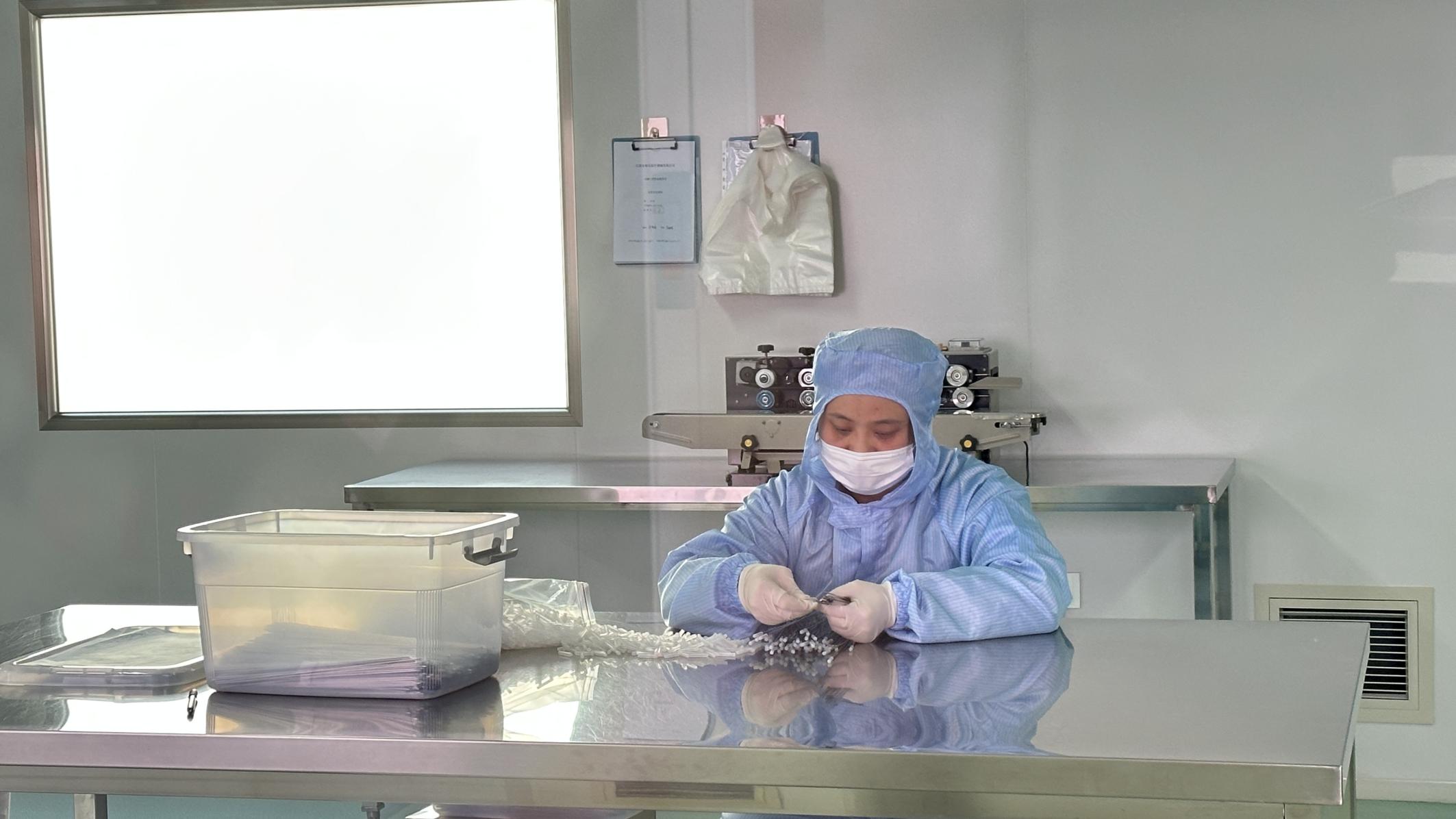
Established in 2016, Virelox operates a state-of-the-art 12,000 m² cleanroom and production building, supported by 850 certified upstream and downstream partners. Backed by a robust team of 120 R&D engineers and 65 quality control specialists, the factory features extensive OEM/ODM customization capabilities, launching over 120 new products annually.

2016
Registration Date
12,000 m²
Building Area
$8.5M
Annual Export Revenue
120
R&D Engineers

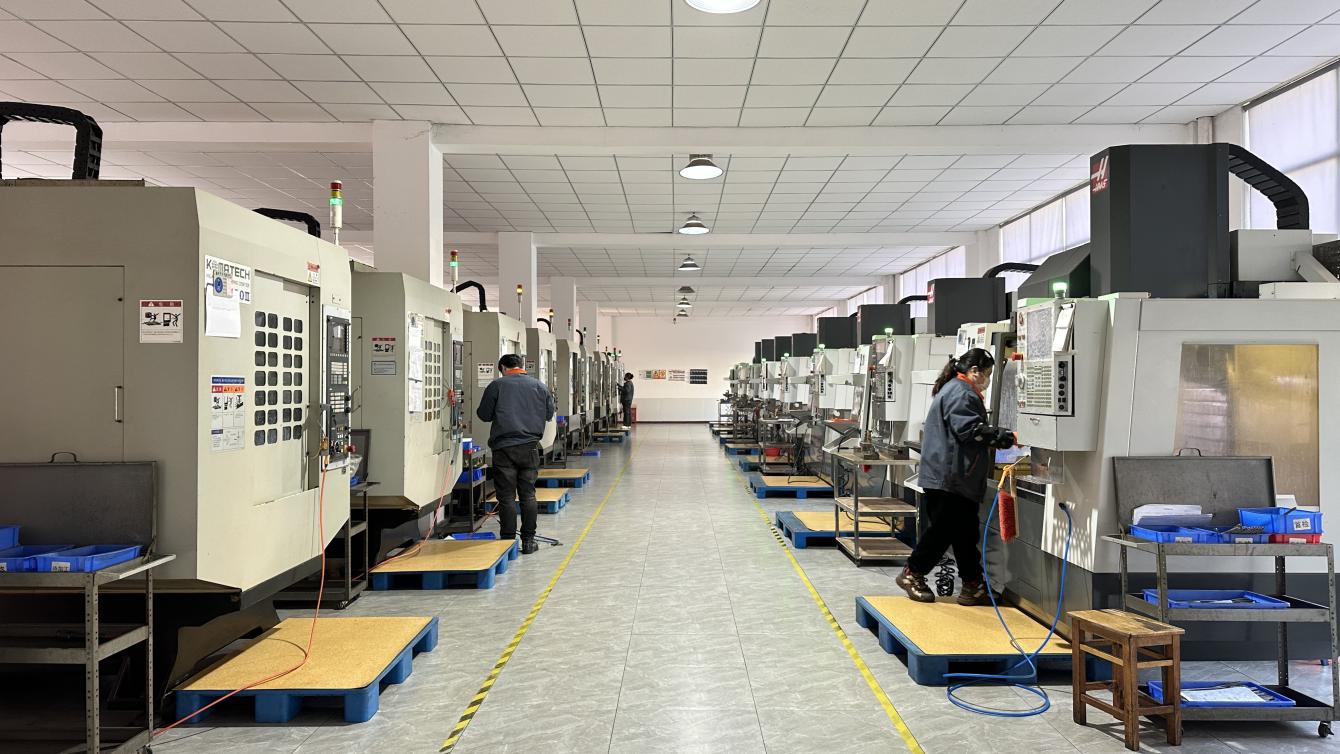
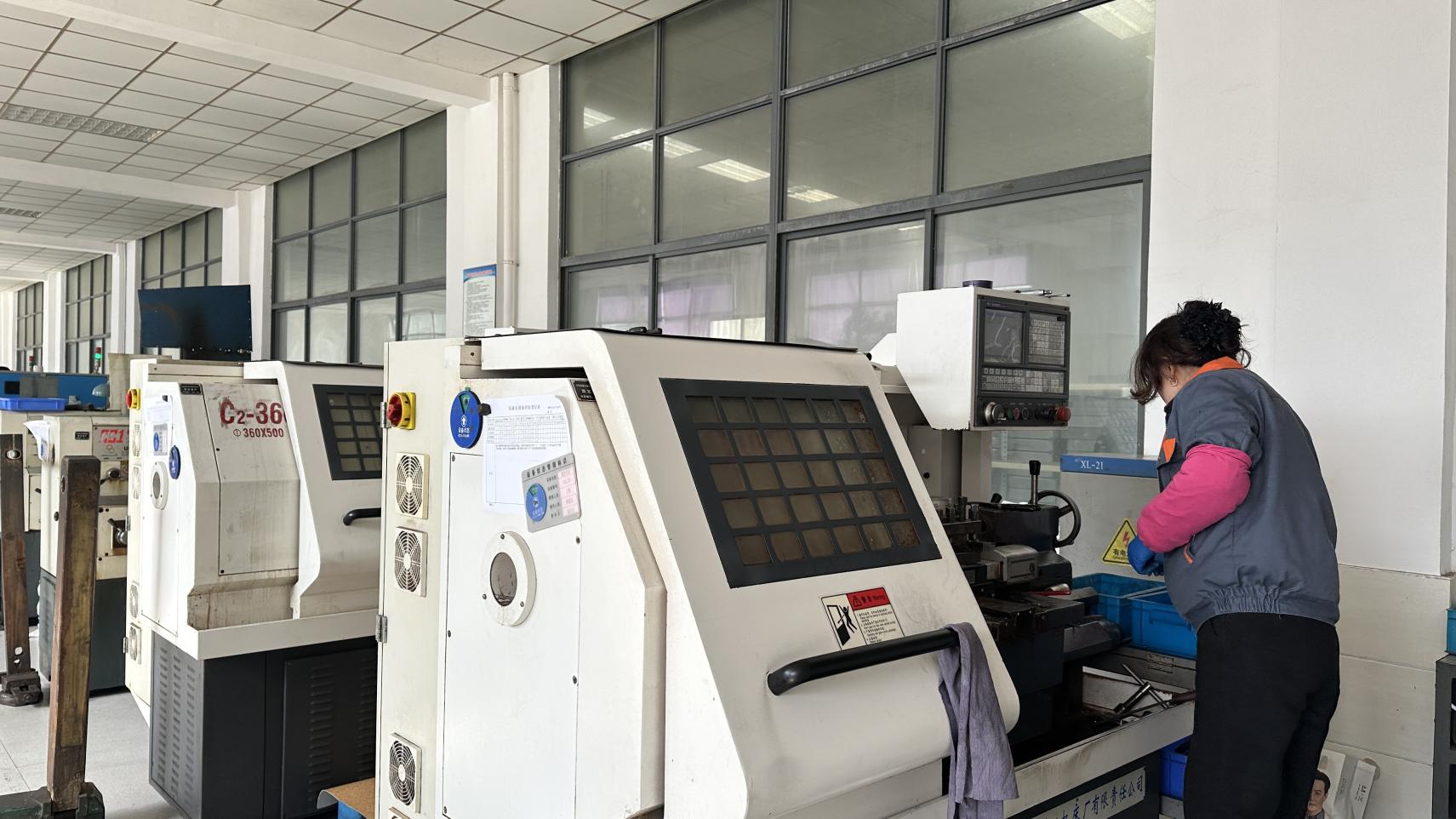
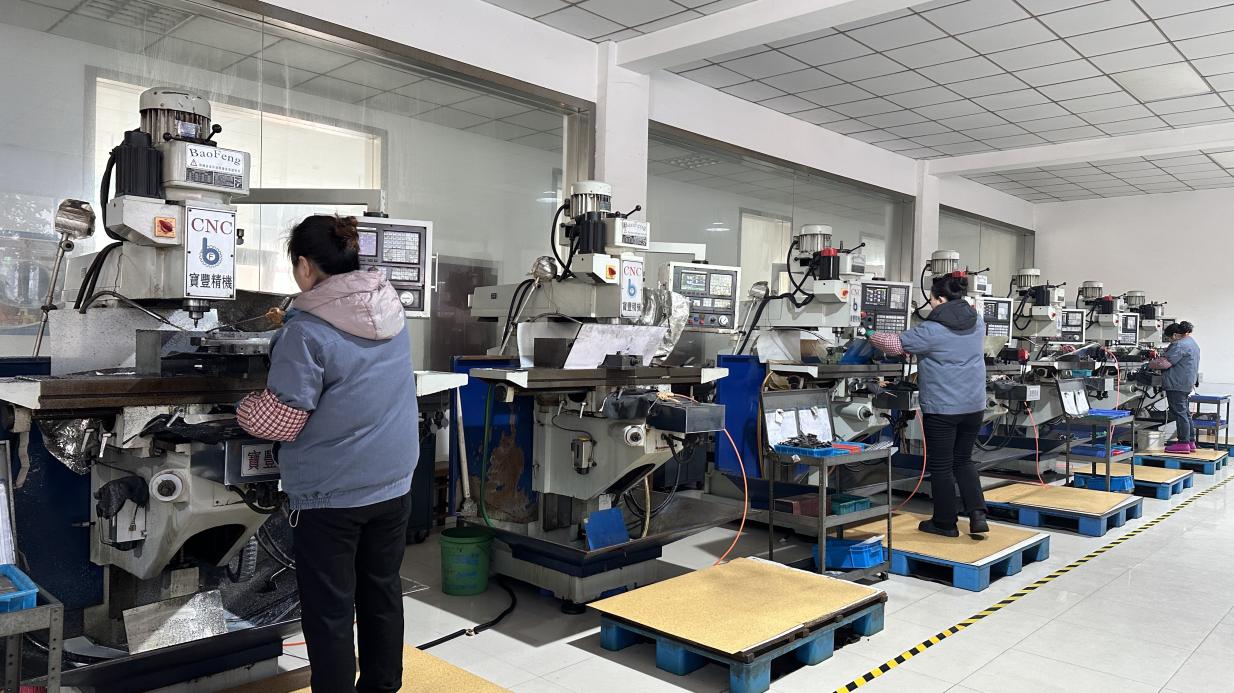
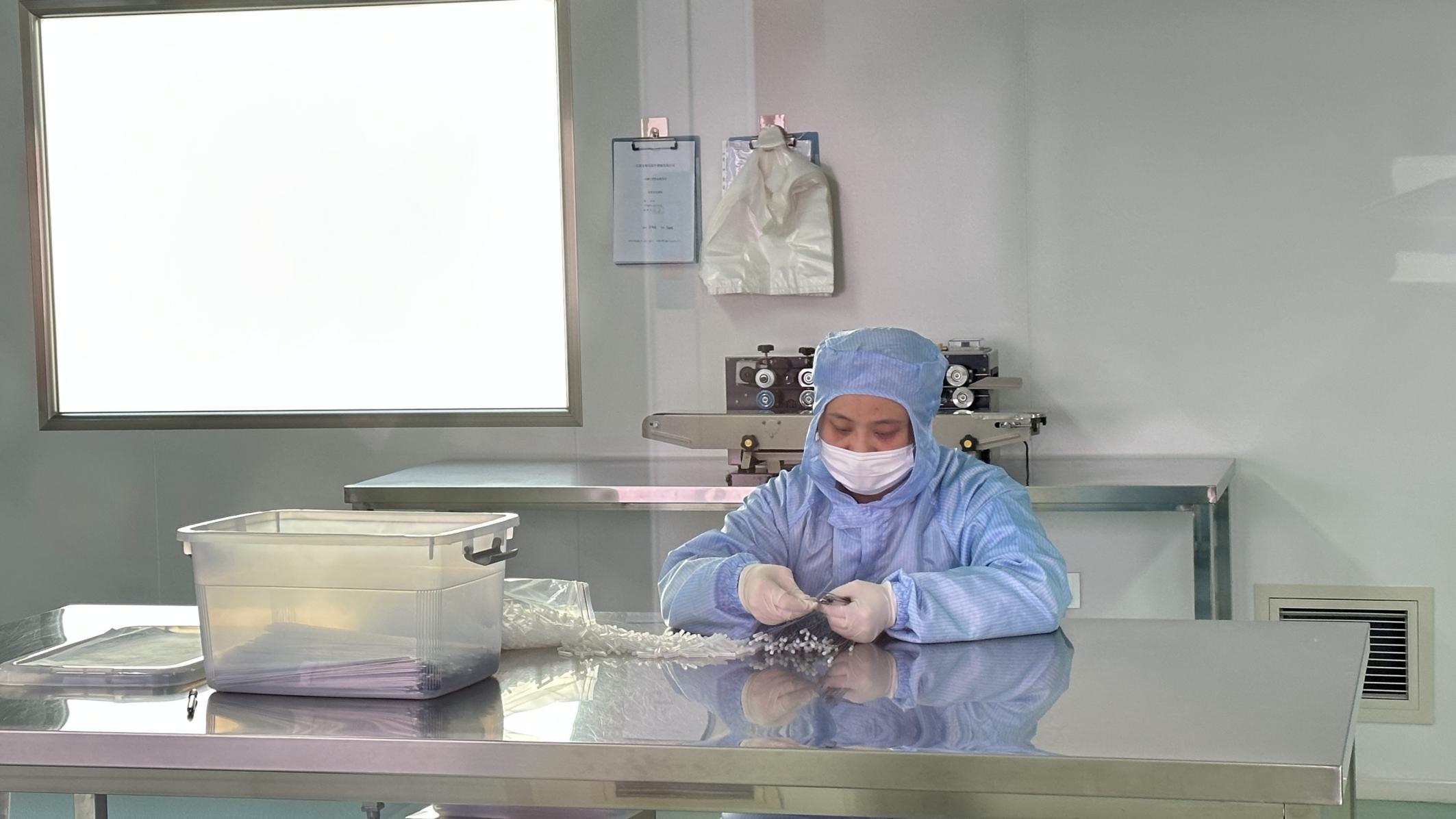
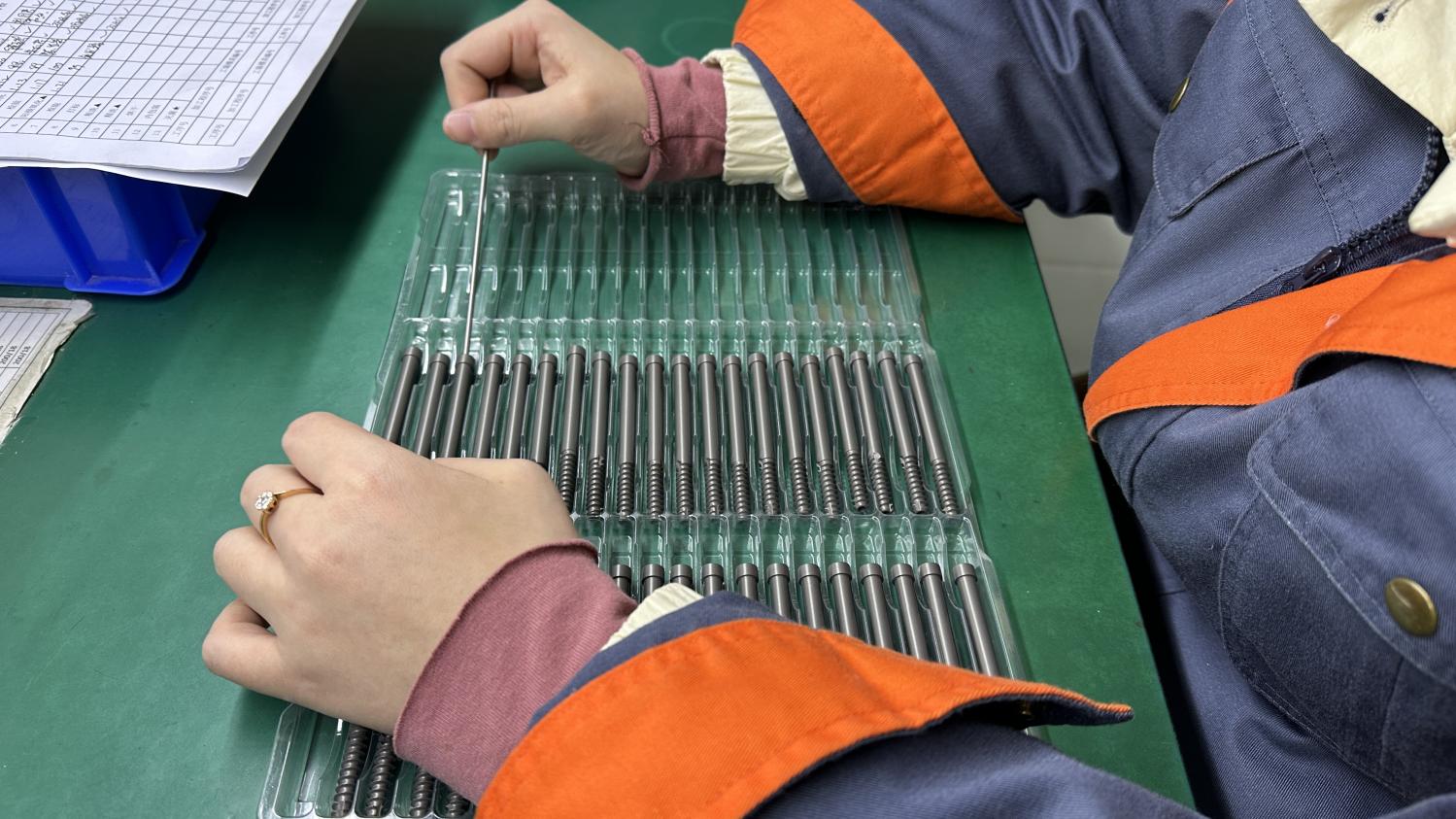
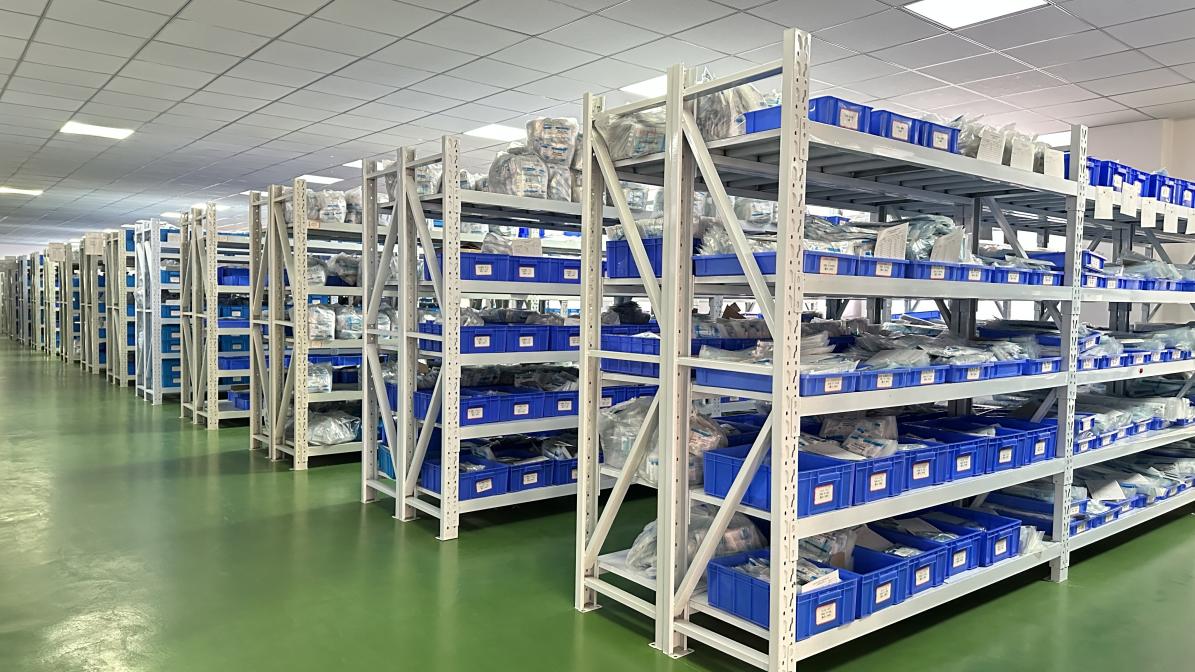
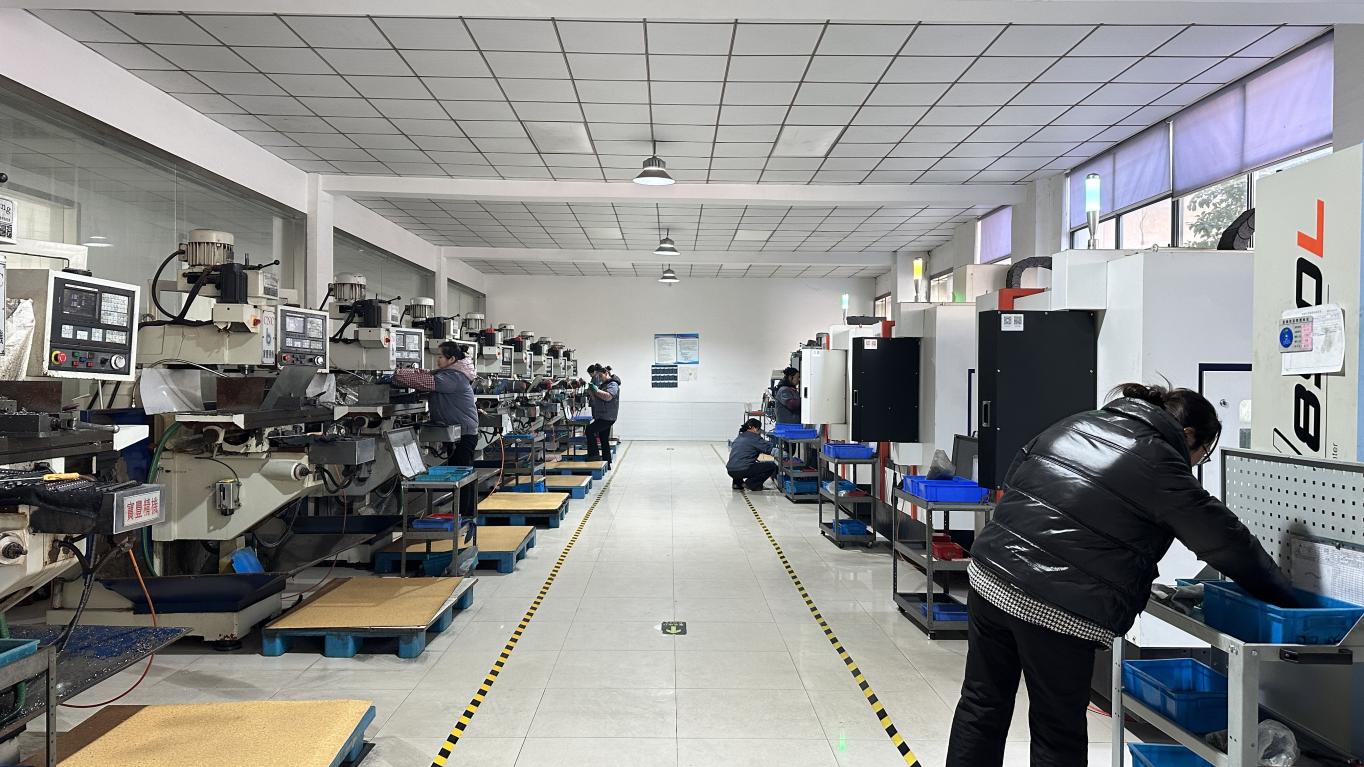
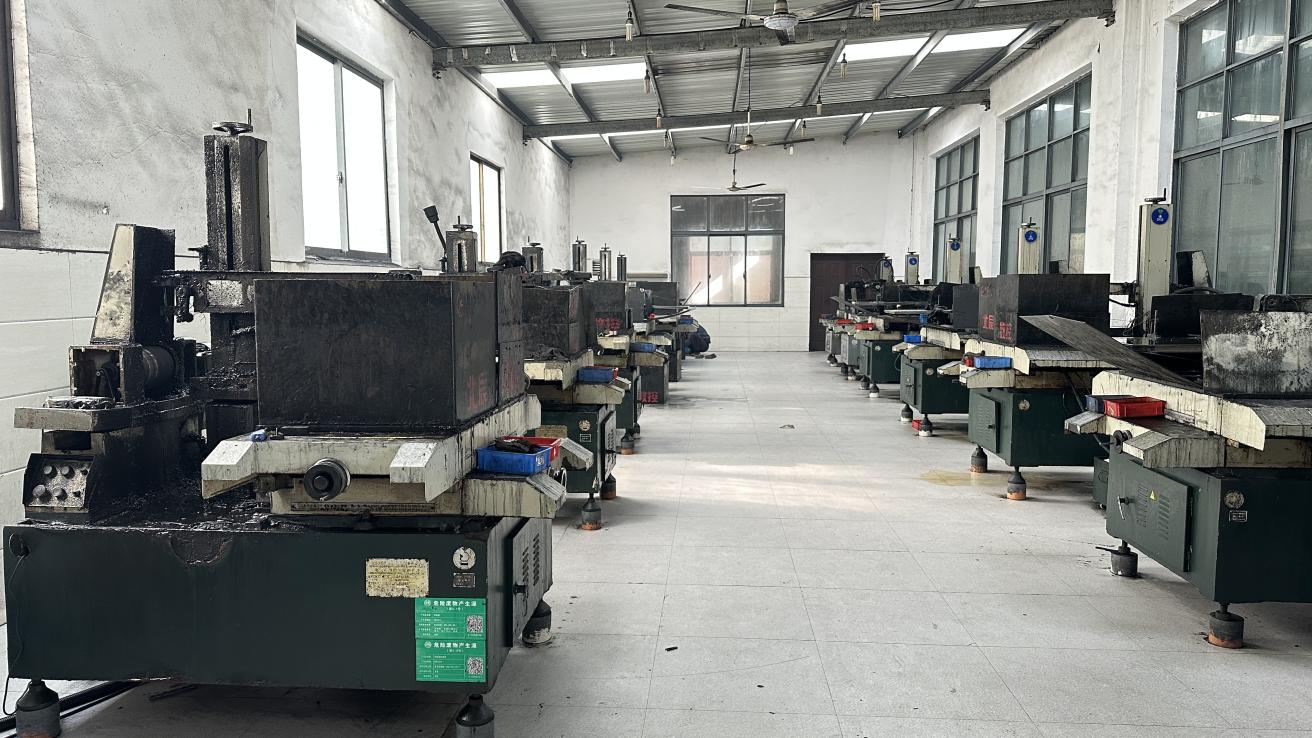
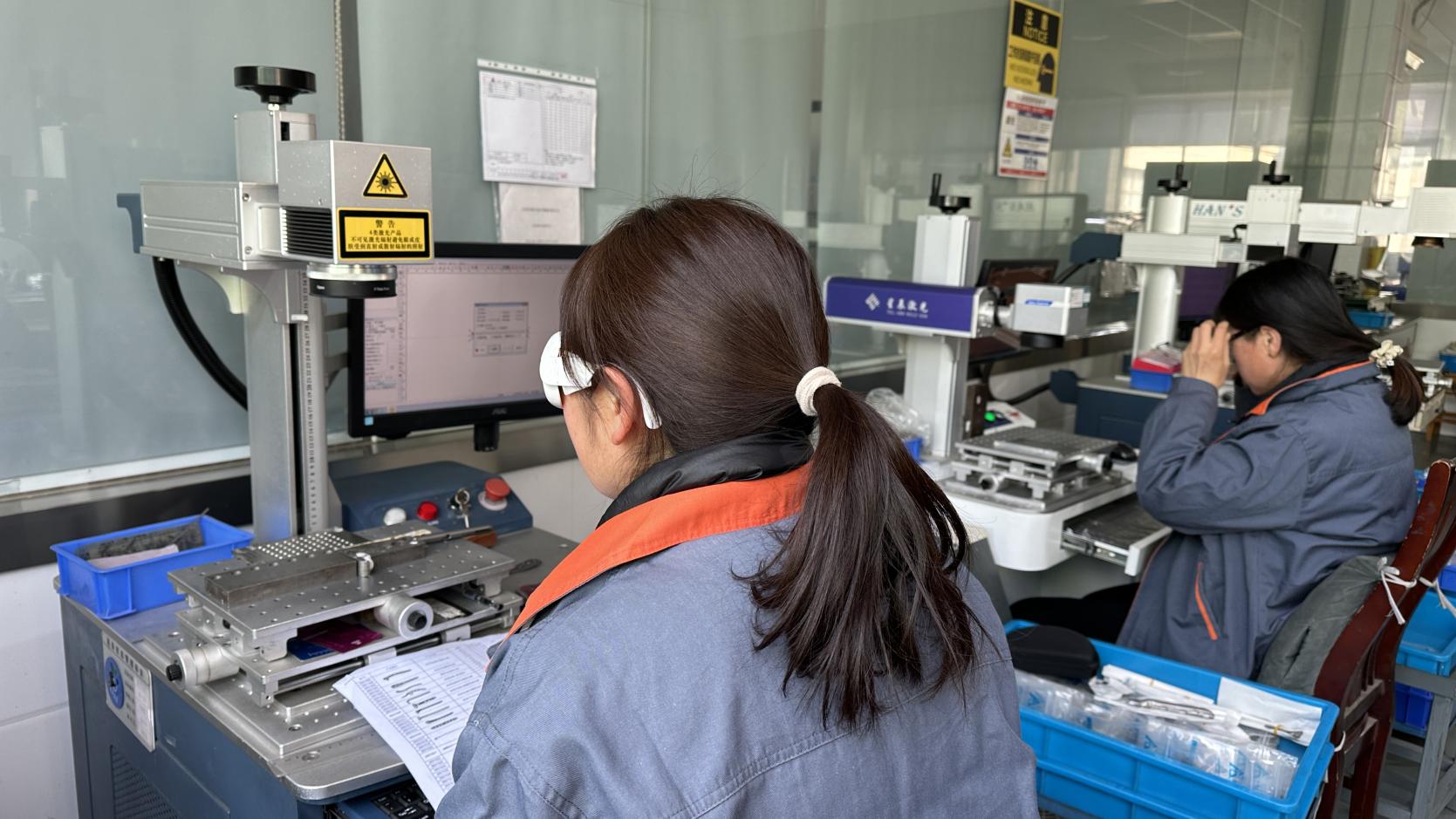
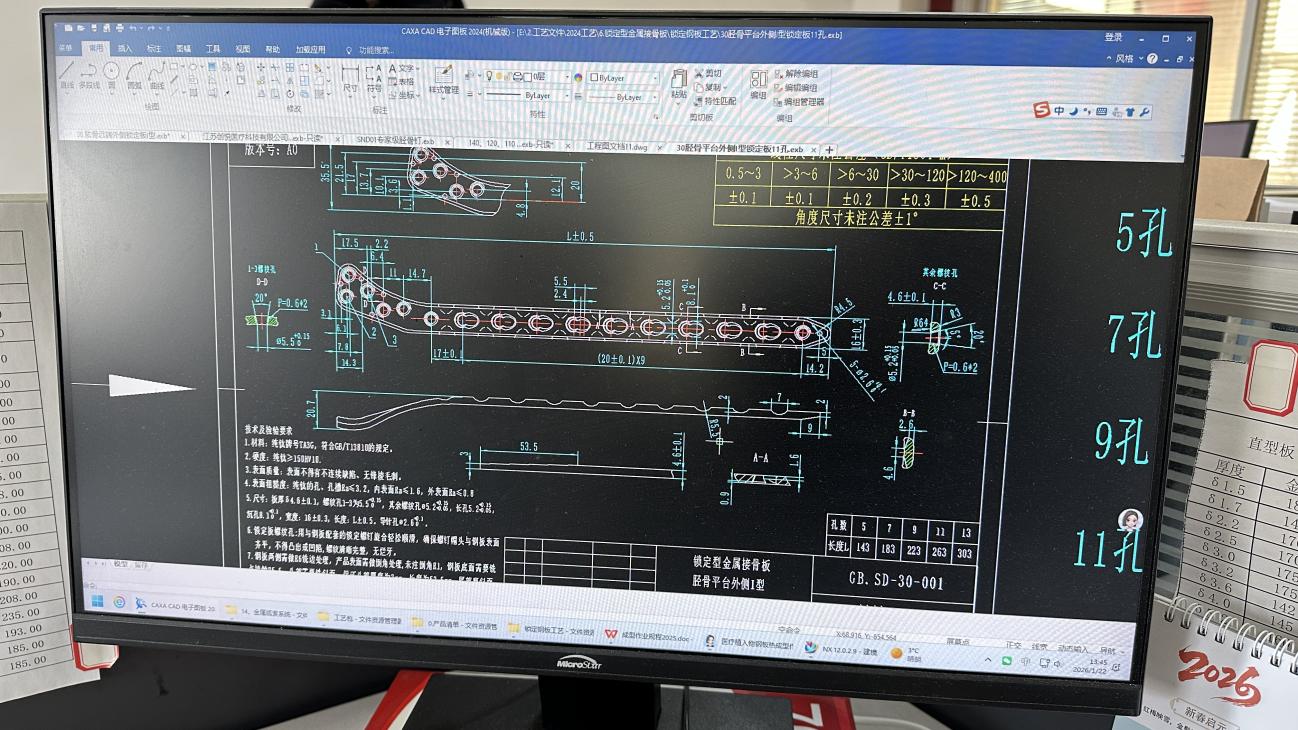
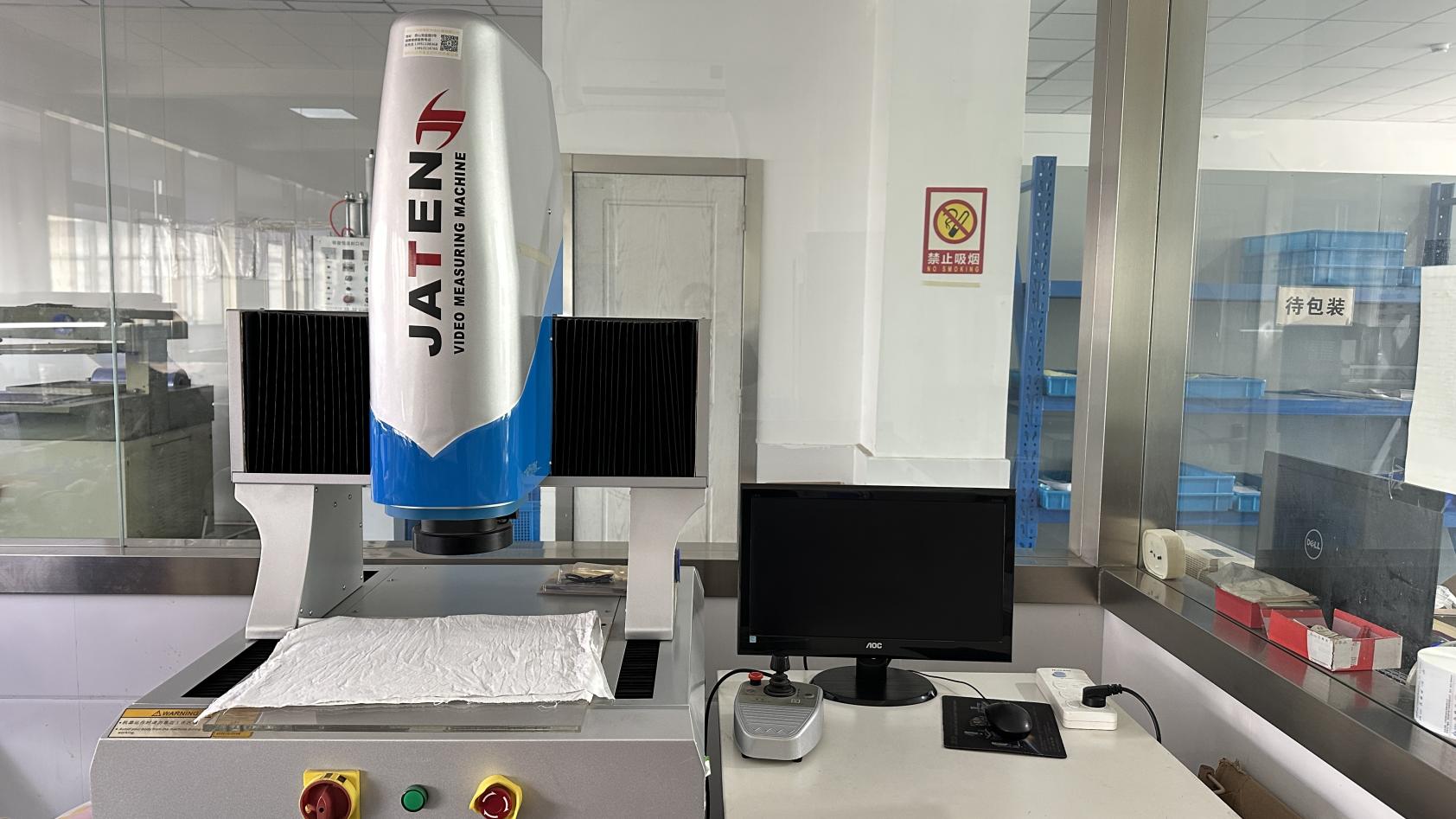
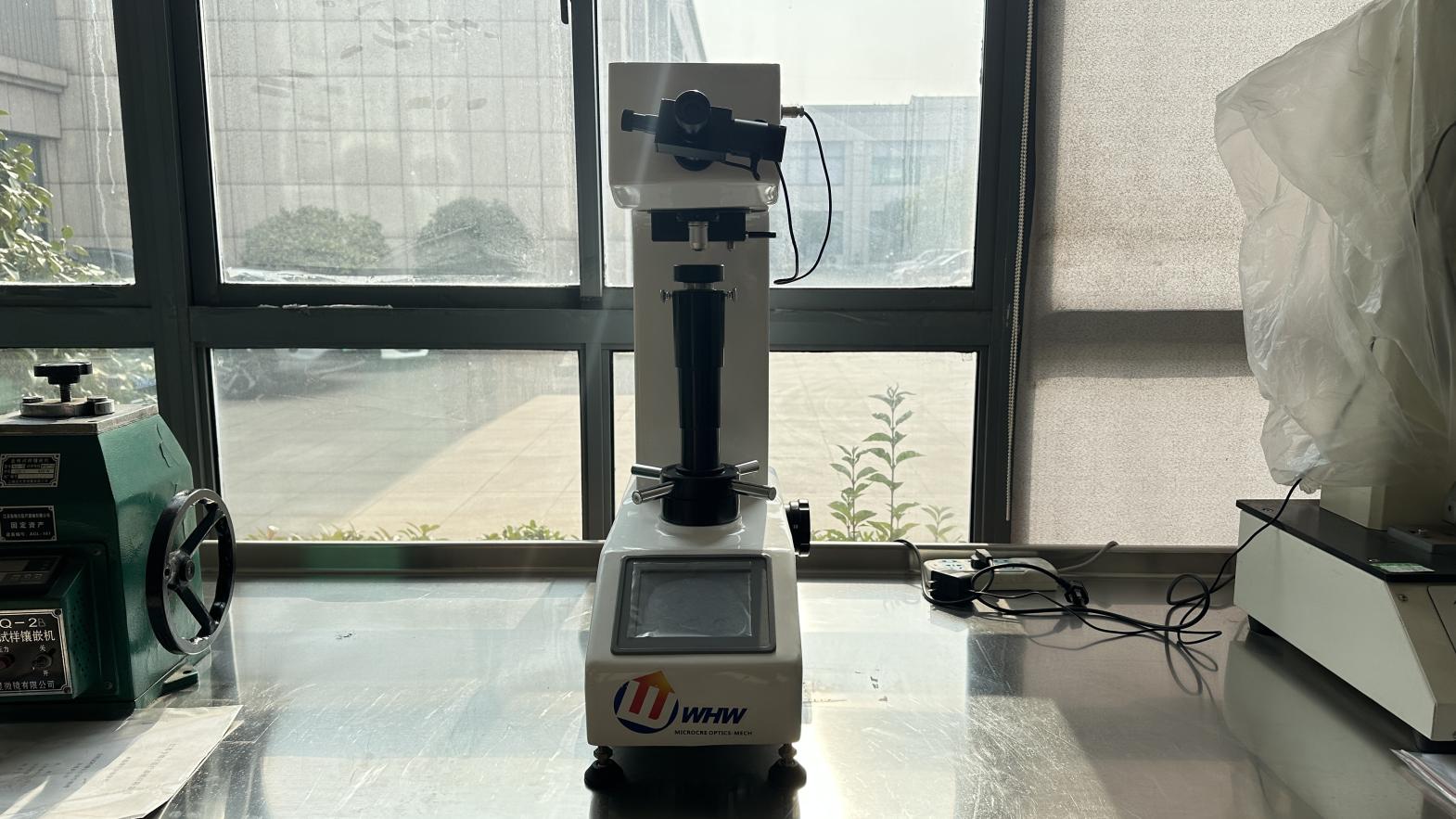
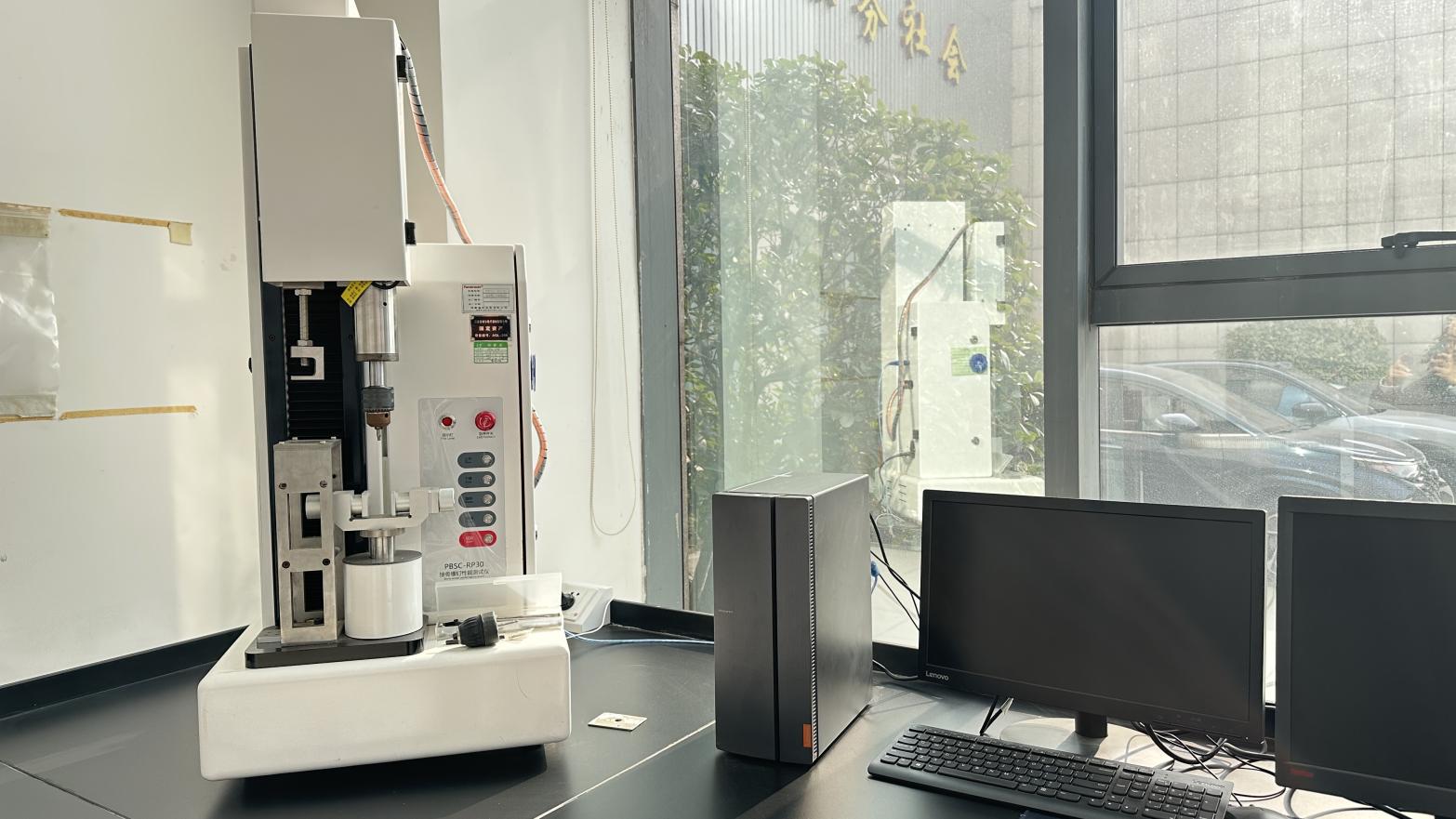
Advanced Production Line & Testing Facilities

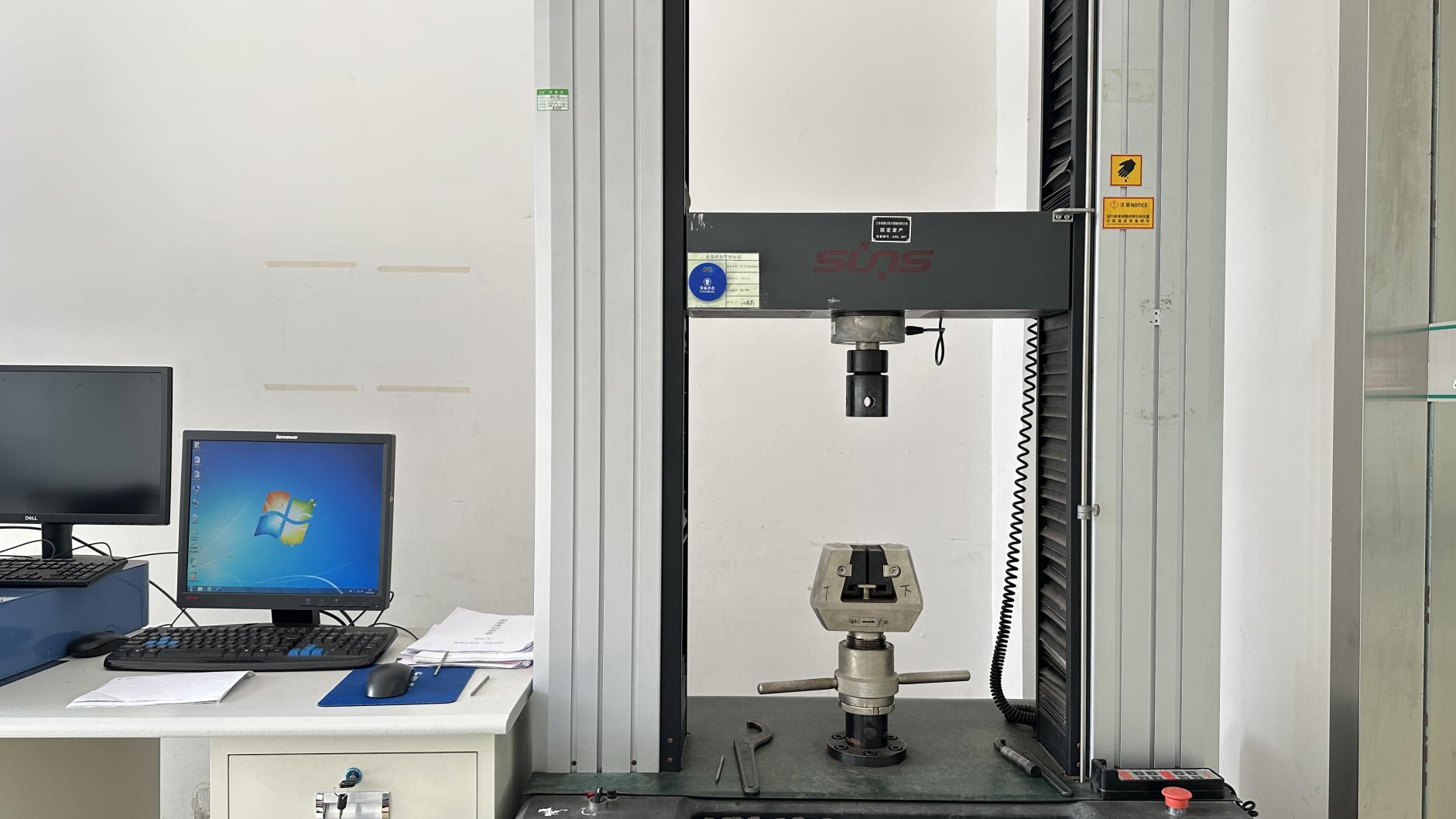
A visual tour of Virelox's integrated orthopedic engineering center, highlighting high-precision CNC machinery and fatigue testing setups.
Strategic Assessment: Global Leaders in Elbow Replacement

An objective breakdown of global orthopaedic implant supply chains based on manufacturing capability, innovation index, and target markets.

1. Zimmer Biomet (USA)

Primary Model: Coonrad-Morrey Total Elbow.

Highly regarded for long-term clinical data. Features a semi-constrained design that is considered a clinical benchmark. Premium pricing structure.

2. Stryker Corporation (USA)

Focus: Modular joint replacement systems.

Strong focus on instrument ergonomics and 3D-printed porous metal interfaces to encourage fast bone ingrowth.

3. DePuy Synthes (Johnson & Johnson)

Segment: Trauma & Joint Reconstruction.

Offers integrated solutions combining distal humeral plate fixation systems with modular radial head arthroplasty kits.

4. Virelox Medical Devices (China)

Specialization: OEM/ODM & Custom Joints.

Strong cost-performance ratio, ISO 13485 compliance, advanced CNC facility, and extensive export capabilities to Europe and South America.

5. Wright Medical / Stryker (USA)

Model: Latitude EV Elbow System.

Known for reproducing anatomical rotation axes. Highly customizable modular design options.

6. Link Orthopaedics (Germany)

Focus: Complex revision implants.

Engineered with German precision, utilizing highly biocompatible cobalt-chrome alloys designed for long-term implant survival.

7. Corin Group (UK)

Focus: Technology-integrated orthopaedics.

Integrates dynamic tracking tools with anatomical joint components to assist surgeon accuracy.

8. Lima Corporate (Italy)

Specialization: 3D Trabecular Titanium.

Pioneers in additive manufacturing for custom ulnar and humeral stem reconstructions.

9. Waldemar Link (Germany)

Focus: Megaprostheses & Tumor Reconstruction.

Custom-fabricated structural replacements for substantial bone loss conditions around the elbow joint.

10. DJO Global (Enovis - USA)

Focus: Reverse shoulder and upper extremity joints.

Specializes in biomechanically balanced components designed to reduce joint shearing forces.

Global Procurement Protocol & Sourcing Criteria

For international medical distributors and procurement managers, choosing an orthopedic implant vendor requires verifying several clinical and industrial benchmarks:

  • Material Traceability: Ensure compliance certificates are provided for every batch of raw materials (such as ASTM F136 titanium or PEEK), tracking them directly back to the smelting source.
  • Sterilization Compatibility: Verify that implants are compatible with gamma irradiation or ethylene oxide (EtO) sterilization processes, and are packed in cleanroom environments matching ISO Class 7 or Class 8 standards.
  • Regulatory Documentation: Suppliers must provide ISO 13485 certificates and technical documentation, and should support regulatory filings for CE MDR, FDA 510(k), or regional equivalents.
  • Mechanical Verification: Look for fatigue testing logs verifying performance across at least 5,000,000 cycles under simulated physiological loads to ensure long-term structural integrity.

Localized Clinical Scenarios

The biomechanical behavior of elbow implants varies depending on the clinical pathology being treated. Sourcing criteria should align with these primary applications:

  • Rheumatoid Arthritis (RA): Associated with poor bone stock. Semi-constrained (linked) stems with long cemented humeral components help distribute stress and prevent mechanical failure.
  • Post-Traumatic Osteoarthritis: Typically presents with strong bone quality but compromised ligaments. Unlinked designs can be considered if collateral ligaments are intact; otherwise, linked options are required.
  • Acute Distal Humeral Fractures: Often occurs in osteoporotic elderly patients. Primary total elbow replacement can offer a more predictable recovery compared to complex internal fixation.

Expert Q&A: Elbow Arthroplasty Sourcing, Specifications & Regulatory Insights

Addressing the core technical, materials, and distribution questions asked by biomedical engineers and orthopaedic sourcing executives.

What are the key material differences between premium and standard elbow replacement implants? +
Premium elbow replacement implants typically utilize Ti-6Al-4V ELI (ASTM F136) for the humeral and ulnar stems due to its high fatigue strength and lower modulus of elasticity, which helps prevent stress shielding. The articulating surfaces generally consist of a cobalt-chromium-molybdenum alloy (CoCrMo, ASTM F1537) coupled with an ultra-high-molecular-weight polyethylene (UHMWPE) bushing. In premium implants, the polyethylene is highly cross-linked (HXLPE) and often stabilized with vitamin E (alpha-tocopherol) to reduce wear and prevent oxidative degradation over time.
Why is ISO 13485 certification critical for orthopedic manufacturers? +
ISO 13485 is the international standard for quality management systems (QMS) in the medical device industry. Unlike general ISO 9001 certifications, ISO 13485 requires strict validation of production processes, cleanroom environmental controls (to prevent bioburden risks), trace records for raw materials, and robust post-market surveillance. A supplier with ISO 13485 compliance ensures that every orthopedic implant can be traced back to its raw material heat lot and CNC run, which is essential for patient safety and regulatory approvals.
How does a linked (semi-constrained) elbow implant differ biomechanically from an unlinked (unconstrained) implant? +
A linked (semi-constrained) implant features a physical pin or axle linking the humeral and ulnar components. This design is highly stable and does not rely on functional collateral ligaments, making it suitable for patients with severe deformity or bone loss. However, it transmits more stress directly to the bone-cement interface. An unlinked (unconstrained) implant behaves like a natural joint, relying on the patient's ligaments for stability. This design experiences lower rates of aseptic loosening but carries a higher risk of dislocation if soft tissues are compromised.
What steps are involved in the OEM customization process for orthopedic implants? +
The OEM customization process begins with sharing CAD models or patient DICOM CT data. Engineers perform biomechanical simulations and finite element analysis (FEA) to optimize geometry. The manufacturing team then programs multi-axis CNC machines to mill or turn medical-grade metals (e.g., Titanium or CoCrMo). Next, surface treatments like HA (hydroxyapatite) coatings or plasma spraying are applied. Finally, the implants undergo CMM dimensional validation, cleaning, packaging in cleanroom environments, and final sterilization validation before shipping.
What quality control equipment is essential for orthopedic implant verification? +
Essential quality control equipment includes coordinate measuring machines (CMM) for checking 3D dimensional accuracy, fatigue testers to simulate millions of stress cycles, and tensile testers for mechanical strength verification. Surface roughness testers are also used to ensure articulation surfaces meet specifications (often Ra < 0.05 microns). Additionally, laser scanners and optical comparators are used to check complex geometries, and hardness testers verify material heat treatment profiles.