Discover our highly precise medical instruments, power systems, and joint replacement implants engineered for performance and reliability.

Exploring materials science, tribology, and mechanical engineering for longevity and biocompatibility.
In modern orthopedics, the choice of articulating surfaces represents a critical decision point for joint replacement outcomes. The historical evolution of total hip arthroplasty (THA) has pivoted from classic Metal-on-Polyethylene (MoP) interfaces to highly cross-linked polyethylene, and ultimately to Ceramic-on-Polyethylene (CoP) and Ceramic-on-Ceramic (CoC) structures. Ceramic femoral hip heads, crafted from state-of-the-art ceramic materials like Zirconia-Toughened Alumina (ZTA), mitigate the long-term risks associated with osteolysis, particulate wear debris, and mechanical aseptic loosening.
As young, highly active patient demographics increasingly undergo THA, clinical expectations demand bearings with ultra-low wear rates and resistance to structural phase transformation. The mechanical integrity of a ceramic head depends on structural refinement: grain size homogeneity, high density, and optimization of phase transformation toughening (where tetragonal zirconia particles transform to the monoclinic phase under stress to stop crack propagation). Consequently, sourcing medical-grade ceramics requires an understanding of raw material controls, precision manufacturing, and validation testing.
Virelox Medical Devices Co., Ltd. is a professional orthopedic medical device manufacturer specializing in joint replacement and surgical implant solutions. Operating under the trusted brand "Virelox", the company delivers high-performance orthopedic systems for global healthcare providers. Backed by 10 years of industry experience and 8 years of dedicated export history, Virelox integrates advanced biomechanics and materials science to manufacture implants that meet international standards.
Understanding supply chain consolidation, technological dominance, and local demands.
The global production of bioceramics for orthopedics is highly concentrated, with a small number of Tier-1 chemical and structural material suppliers dominating the market. Companies must develop robust partnerships to secure high-purity powder and raw materials.
Regulatory frameworks such as the EU MDR (Medical Device Regulation) and US FDA 510(k) classification require manufacturers to prove mechanical safety, sterility, biocompatibility, and long-term fatigue limit profiles.
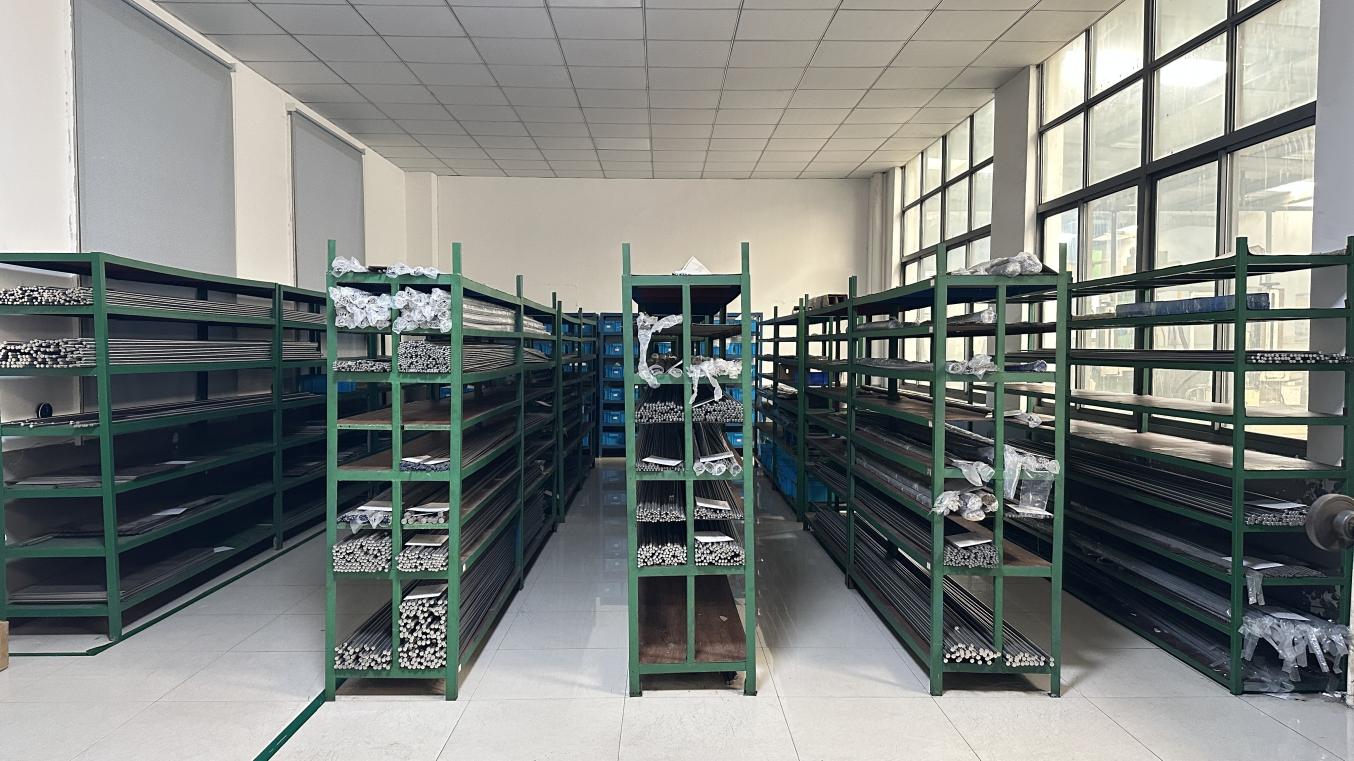
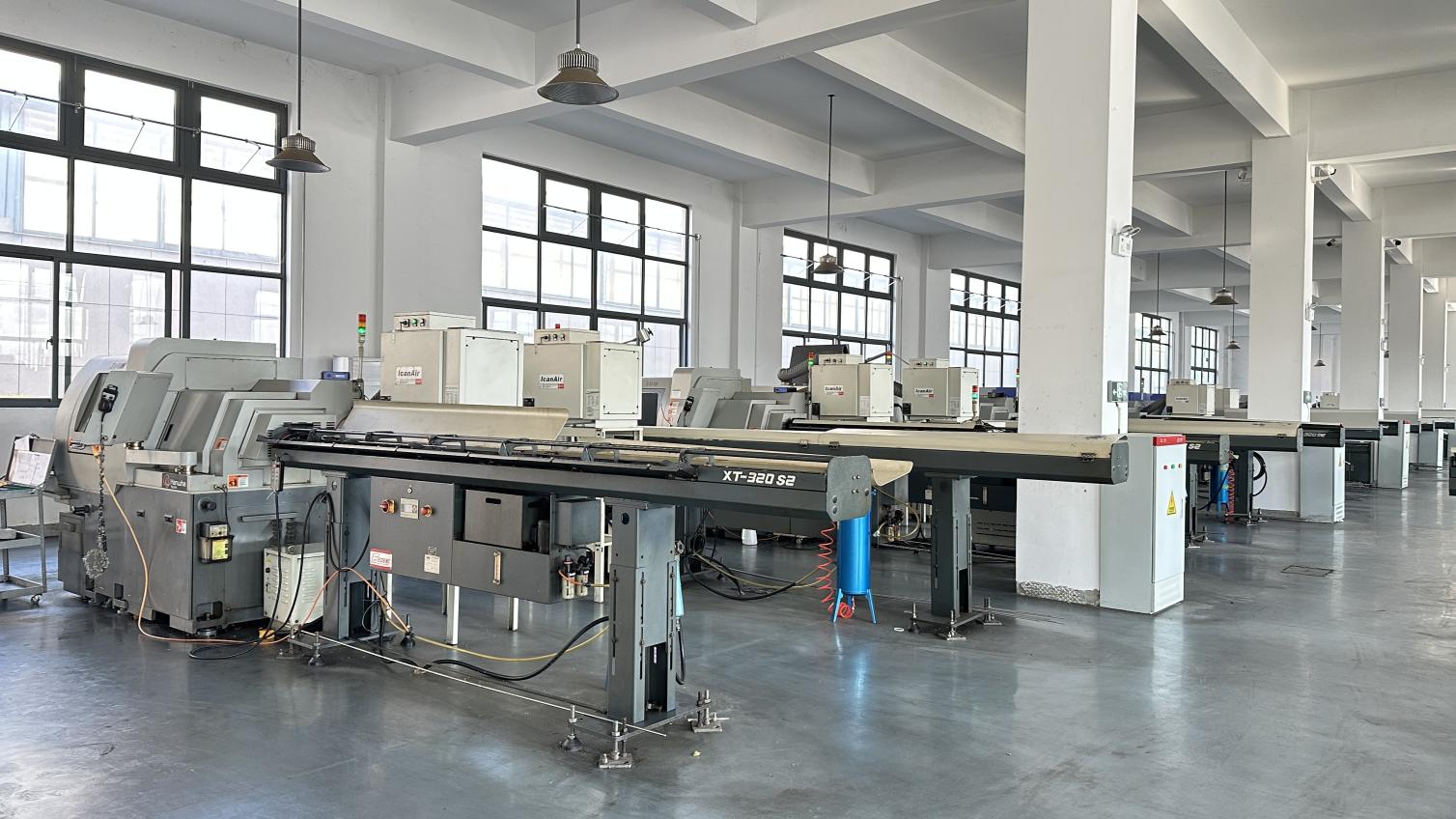
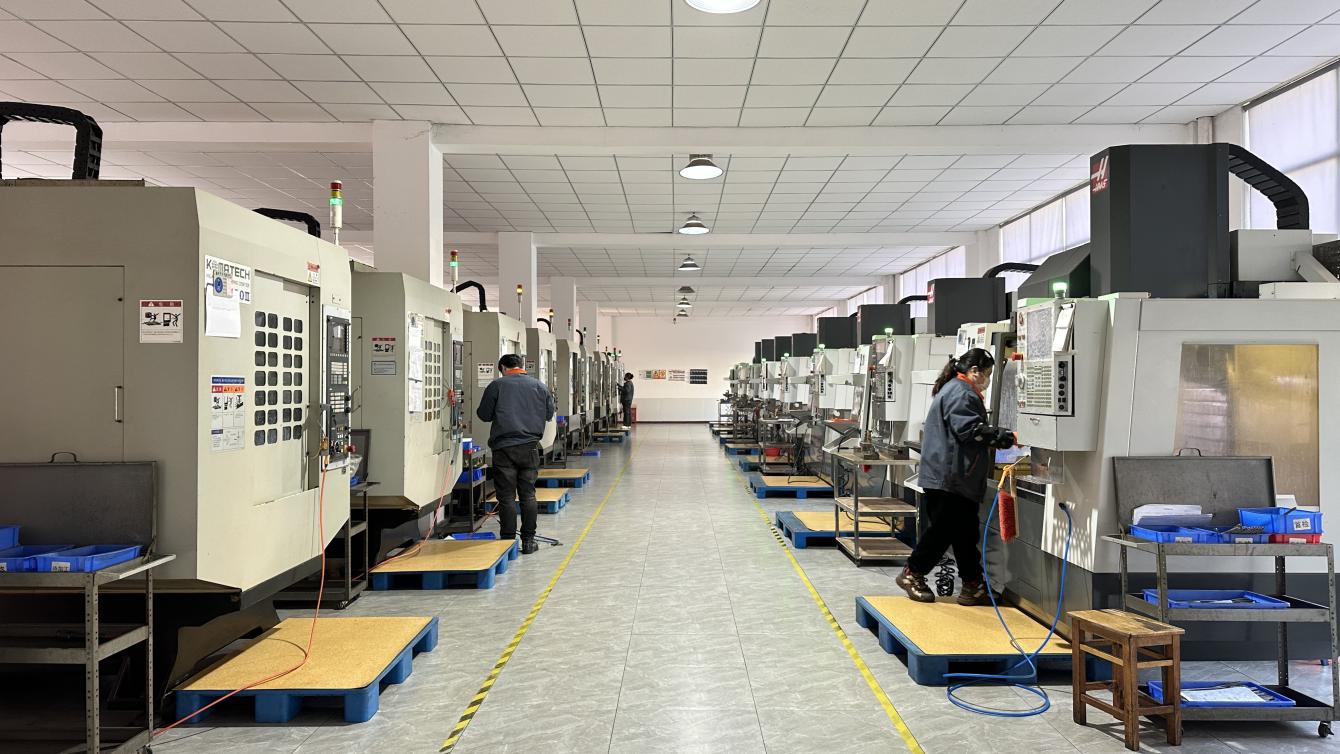
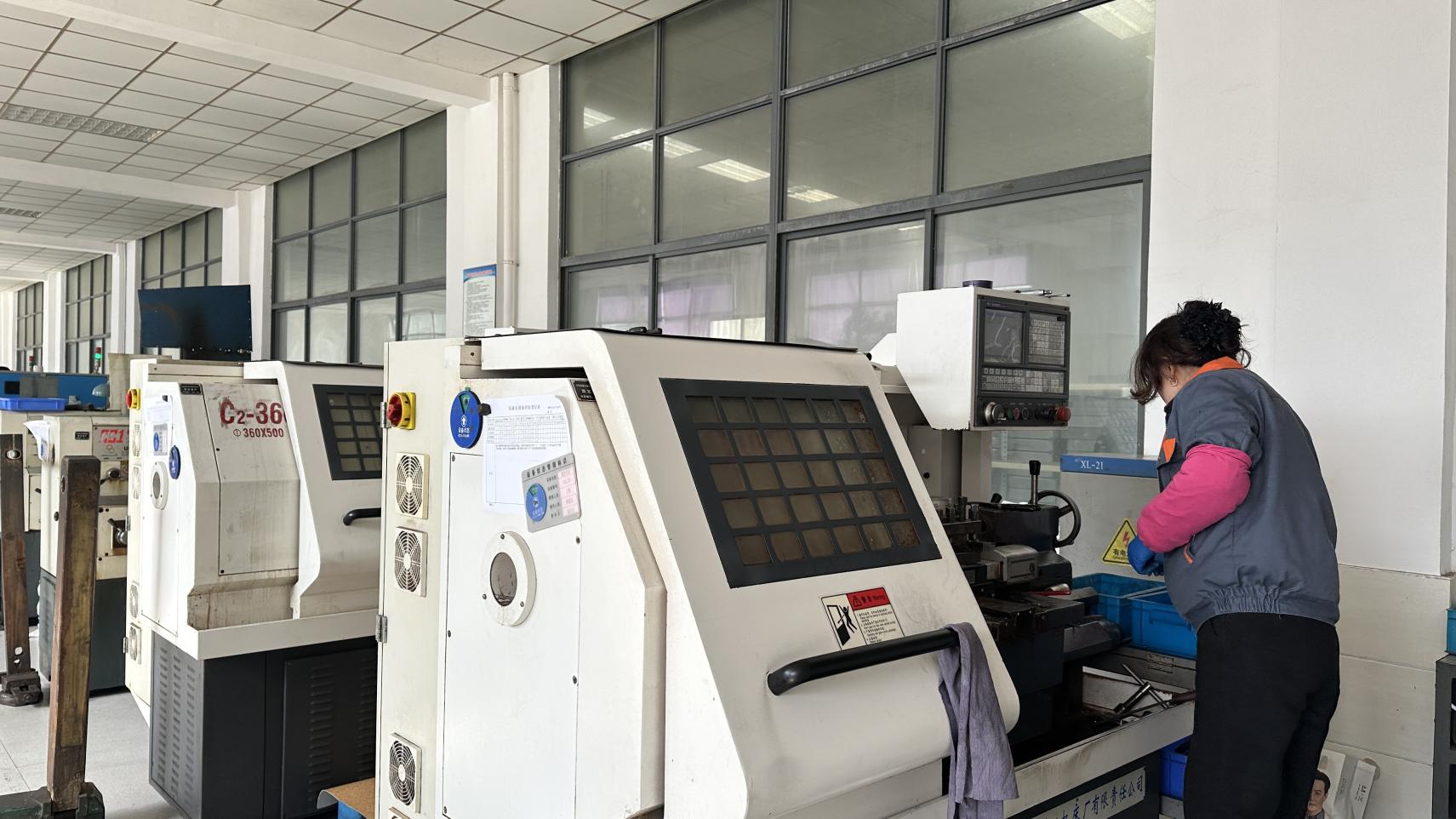
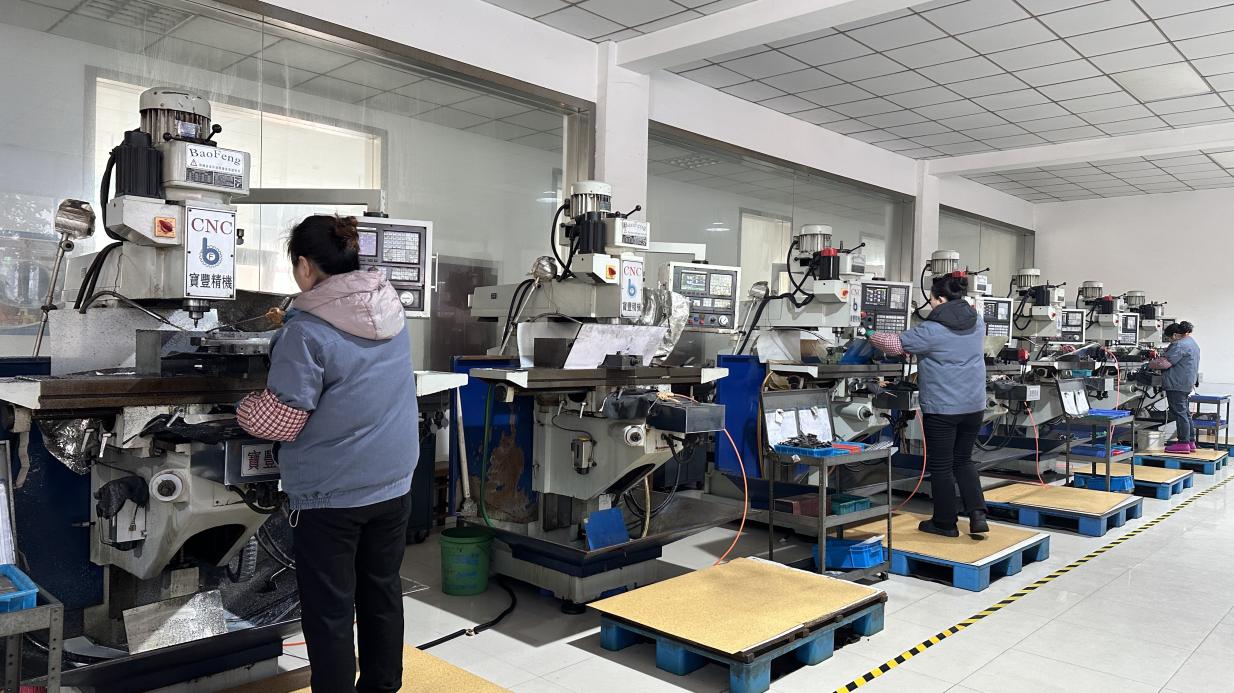
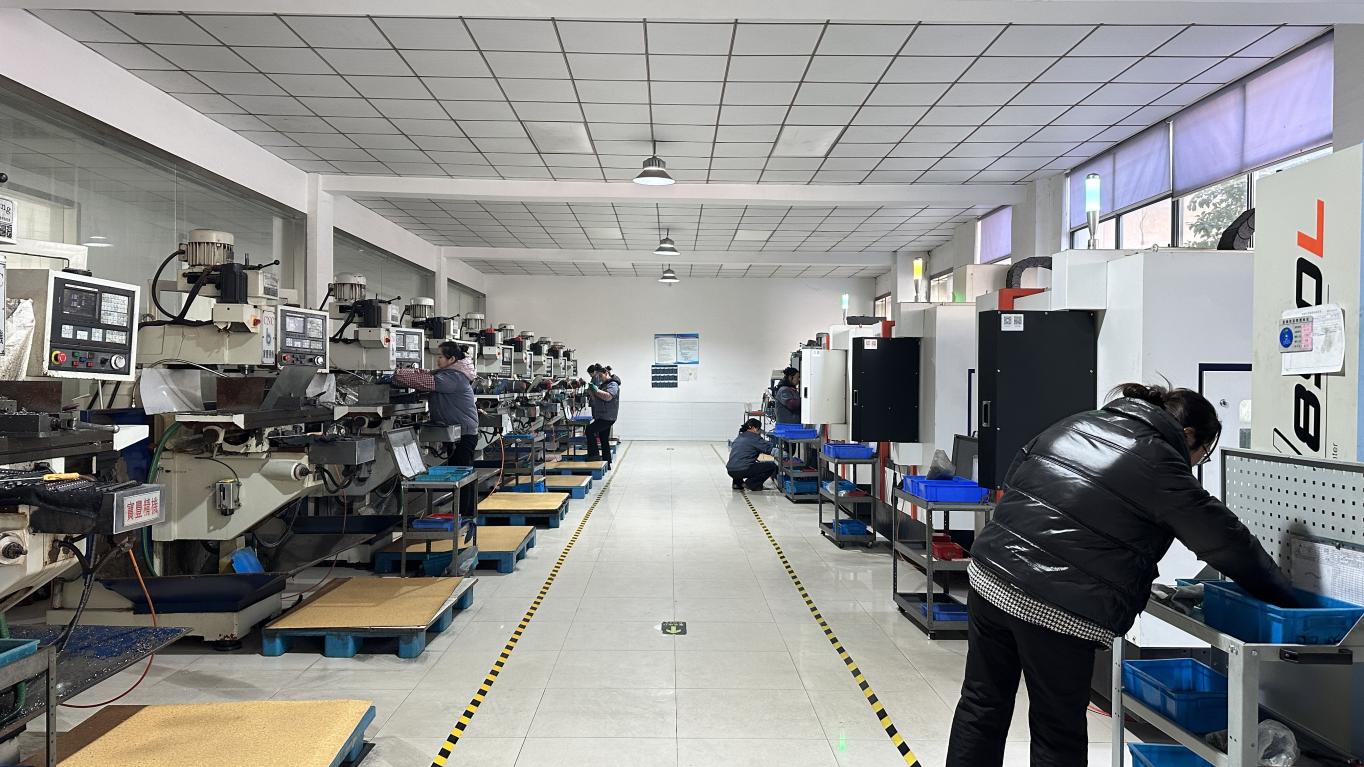
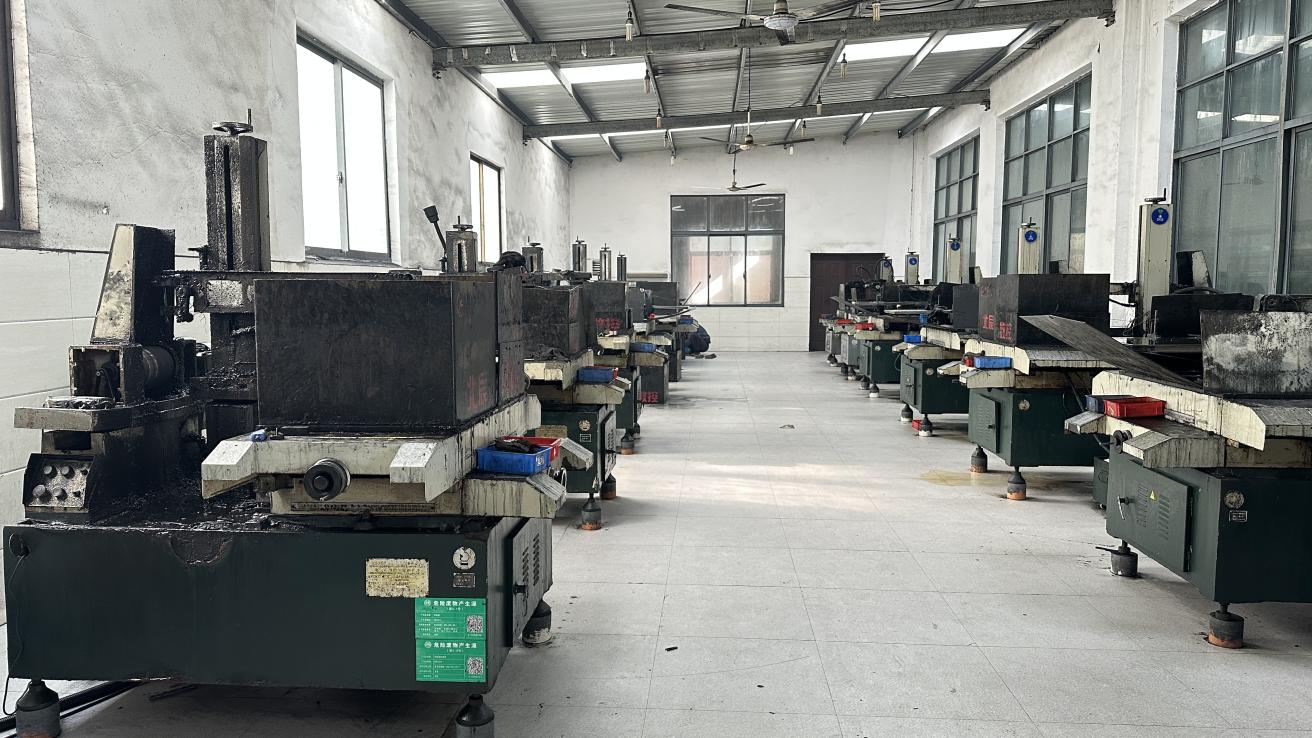
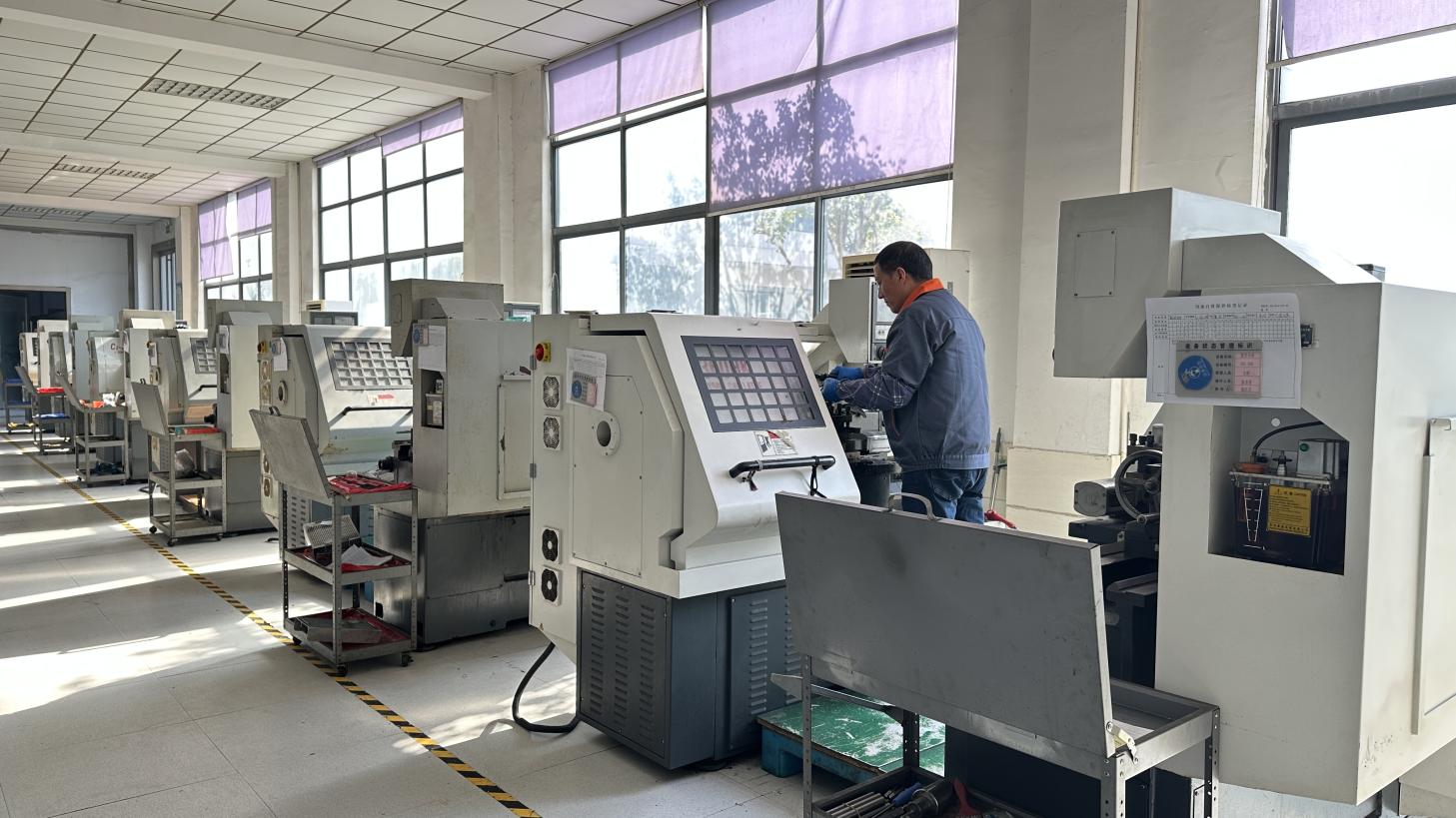
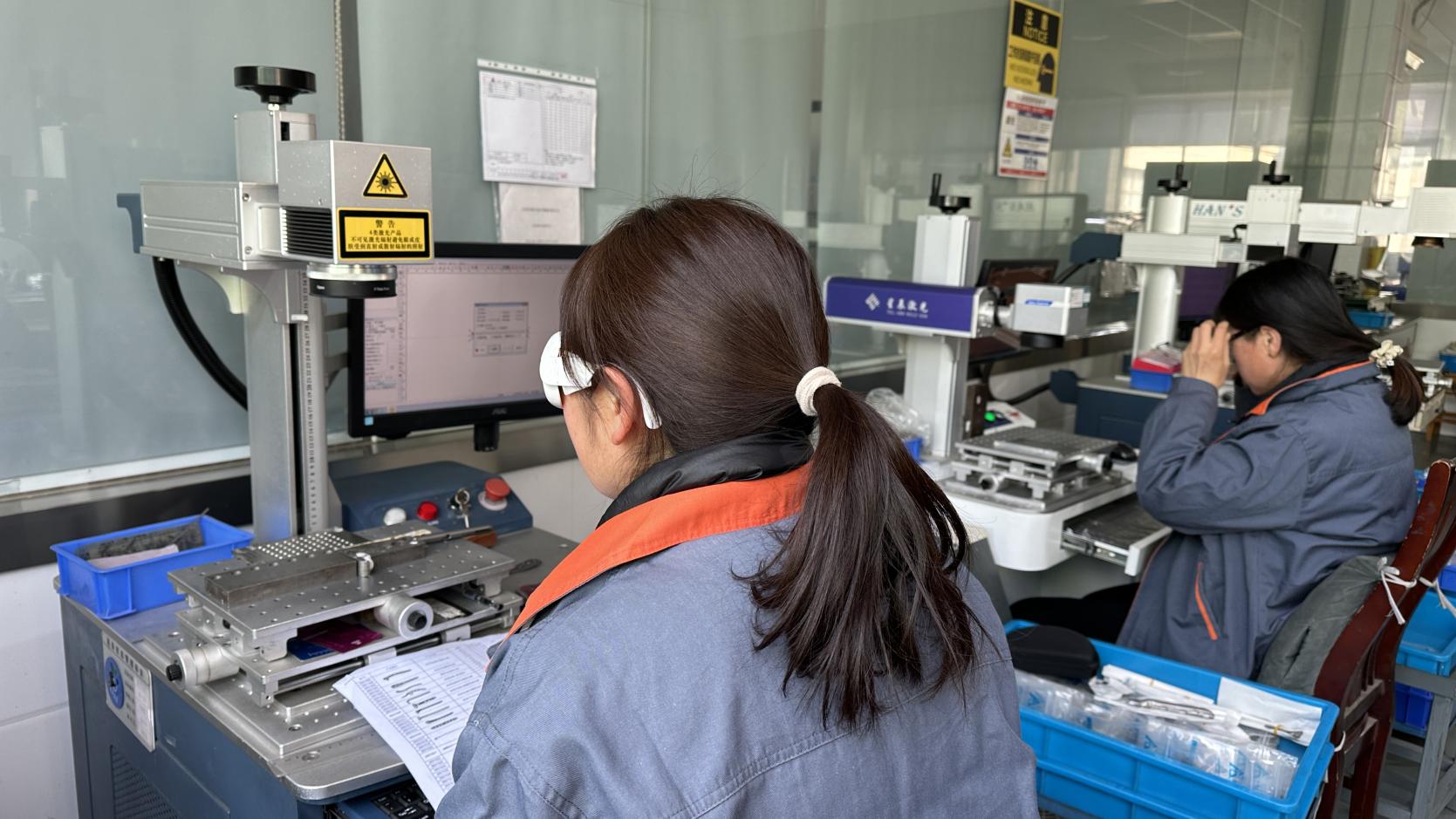
Global medical brands increasingly rely on qualified contract manufacturers (CMOs) who control vertical processing systems—from precise green-body green milling, hot isostatic pressing (HIP), to automated final inspection.
When selecting a supplier for ceramic hip heads or matching implants, procurement directors must evaluate candidates based on clear, quantifiable parameters. The table below details the five essential pillars of technical and manufacturing competency:
| Evaluation Parameter | Critical Specifications Required | Impact on Clinical Performance | Virelox Capability Compliance | |
|---|---|---|---|---|
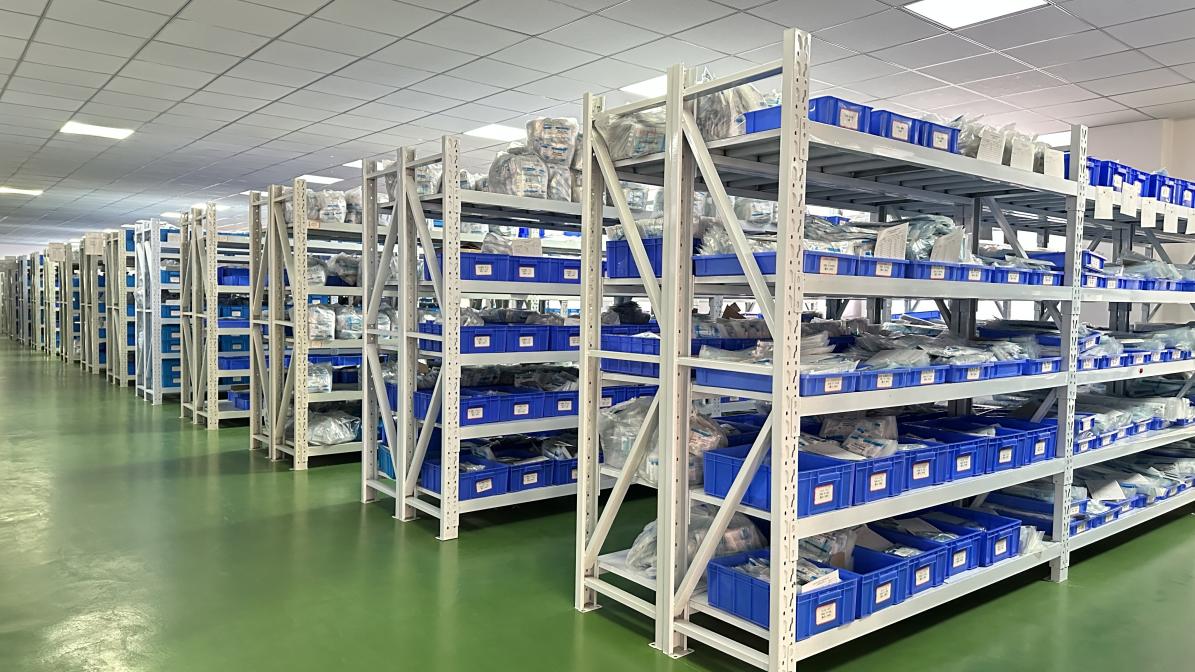
| Raw Material Purity & Class | Ultra-pure Al2O3 or ZTA powders with trace elements < 0.05% | Prevents grain enlargement and localized stress concentration | Certified, fully traceable clinical-grade supply partners (850+) | |
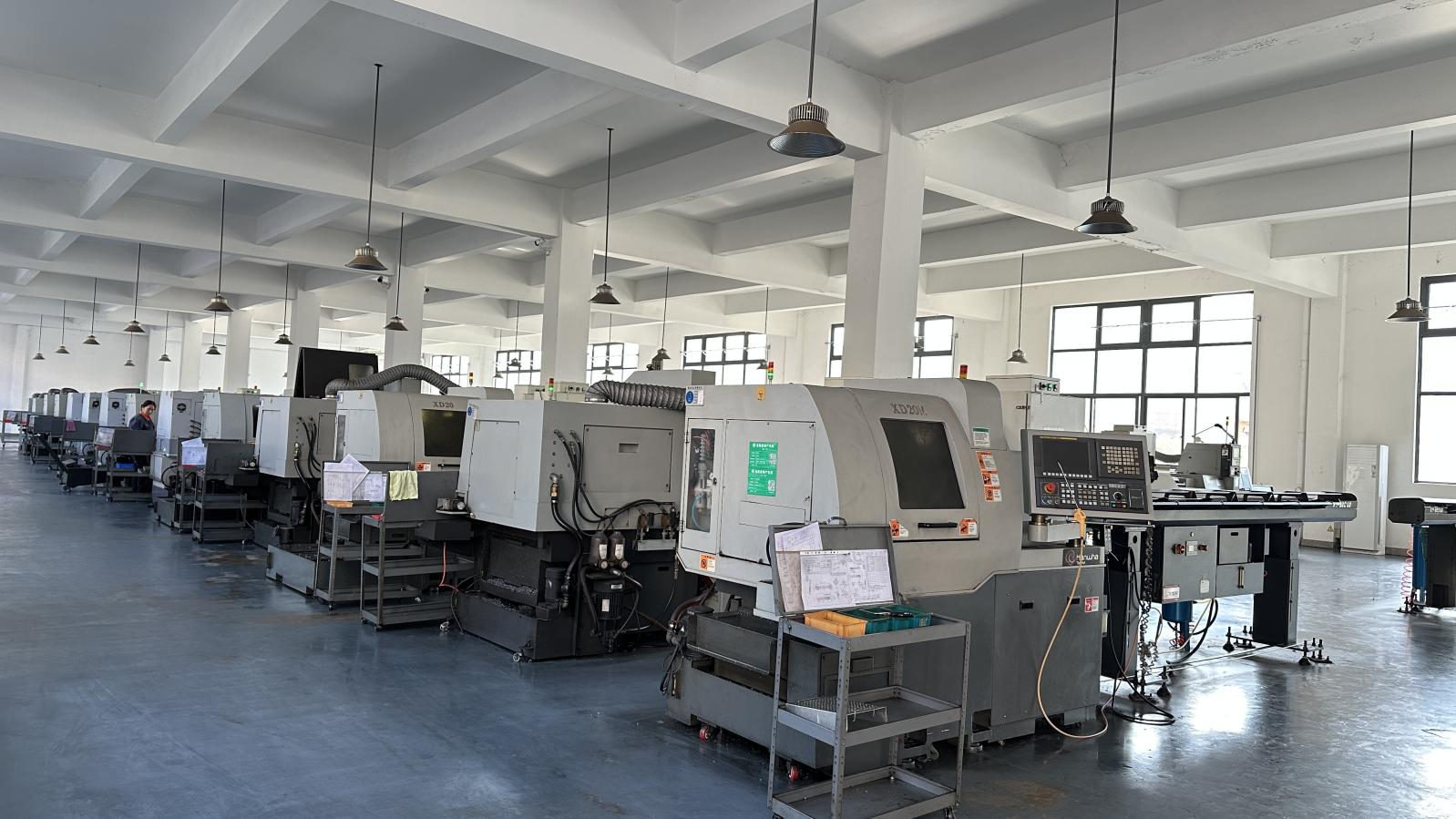
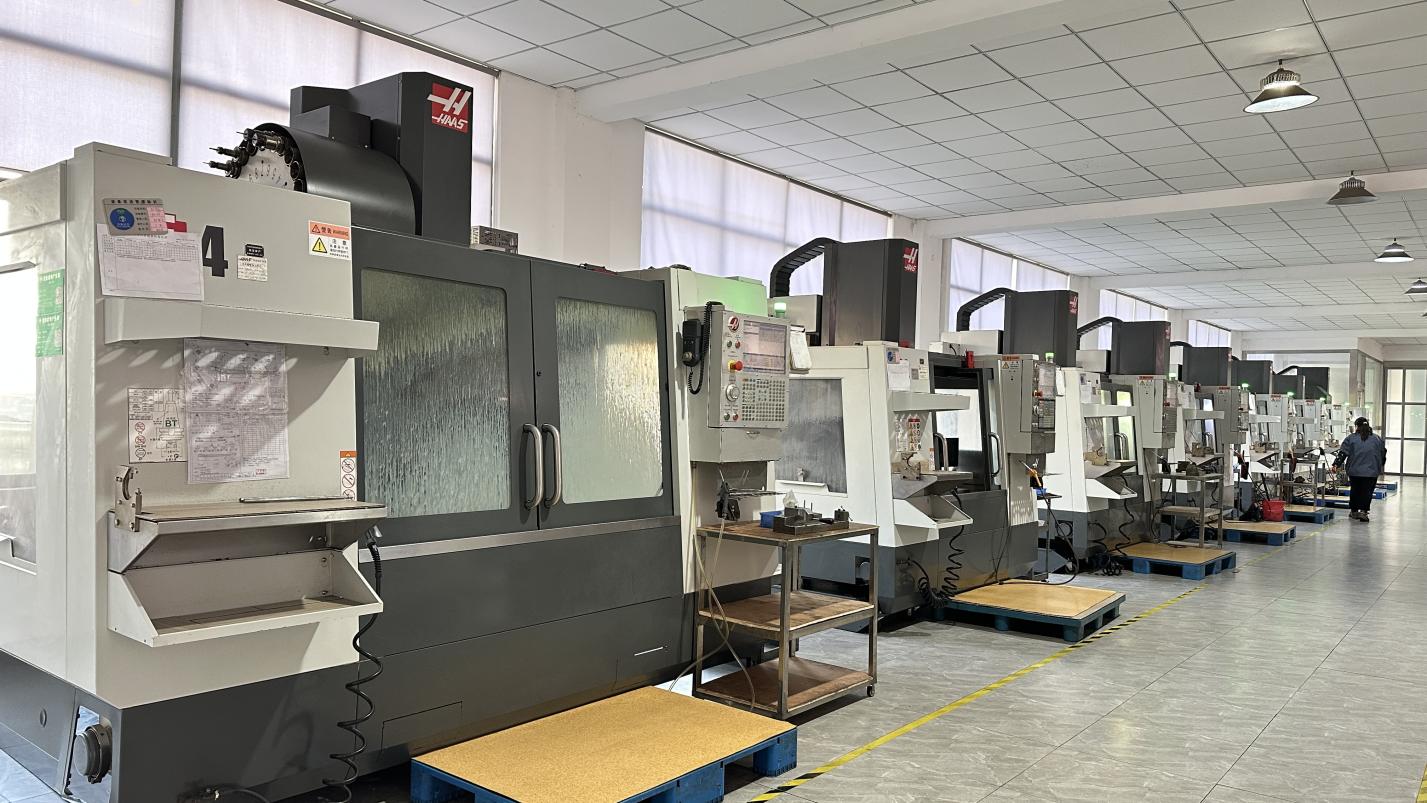
| Hot Isostatic Pressing (HIP) | Sintering temperature >1400°C under argon gas pressure >100 MPa | Eliminates micro-voids, increasing material density close to theoretical values | Advanced CNC center and specialized thermal-treatment workflows | - |
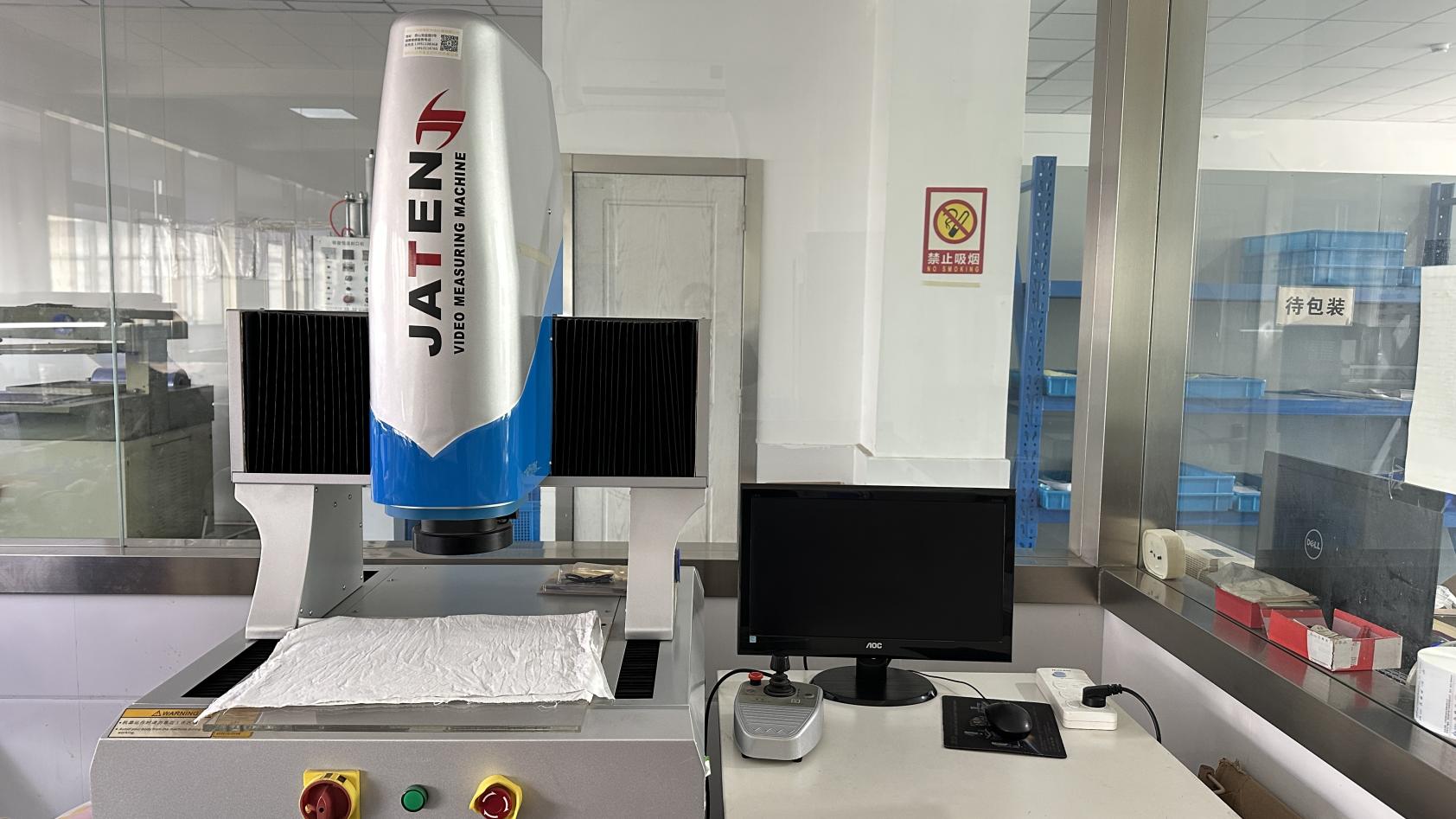
| Surface Roughness (Ra) | Ra < 0.005 μm (5 nanometers) for optimal lubrication | Minimizes coefficient of friction, extending polyethylene lifetime | Precision super-finishing processes with automated polishing and 2D/3D measuring | |
| Taper Angle Tolerance | Tolerances controlled within angular minutes (e.g., AT3/AT4 class) | Ensures precise mechanical seating on titanium stems, reducing taper corrosion | CMM dimensional validation and custom taper geometric modeling | |
| Quality System Verification | ISO 13485 certification, MDSAP, and batch-wise fatigue verification | Mitigates clinical risks and sudden ceramic component fractures | ISO 13485-based full-process quality management with 65 QC professionals |
How manufacturers tailor engineering to local anatomical profiles and regulatory frameworks.
Orthopedic implants cannot follow a "one-size-fits-all" methodology. Variations in human pelvic structures, femoral offsets, neck-shaft angles, and physical activity levels require localized adjustments. Standard ceramic head sizes generally range from 22mm, 28mm, 32mm, 36mm, to 40mm, featuring variable offsets (short, medium, long, and extra-long) designed for precise hip-joint reconstruction.
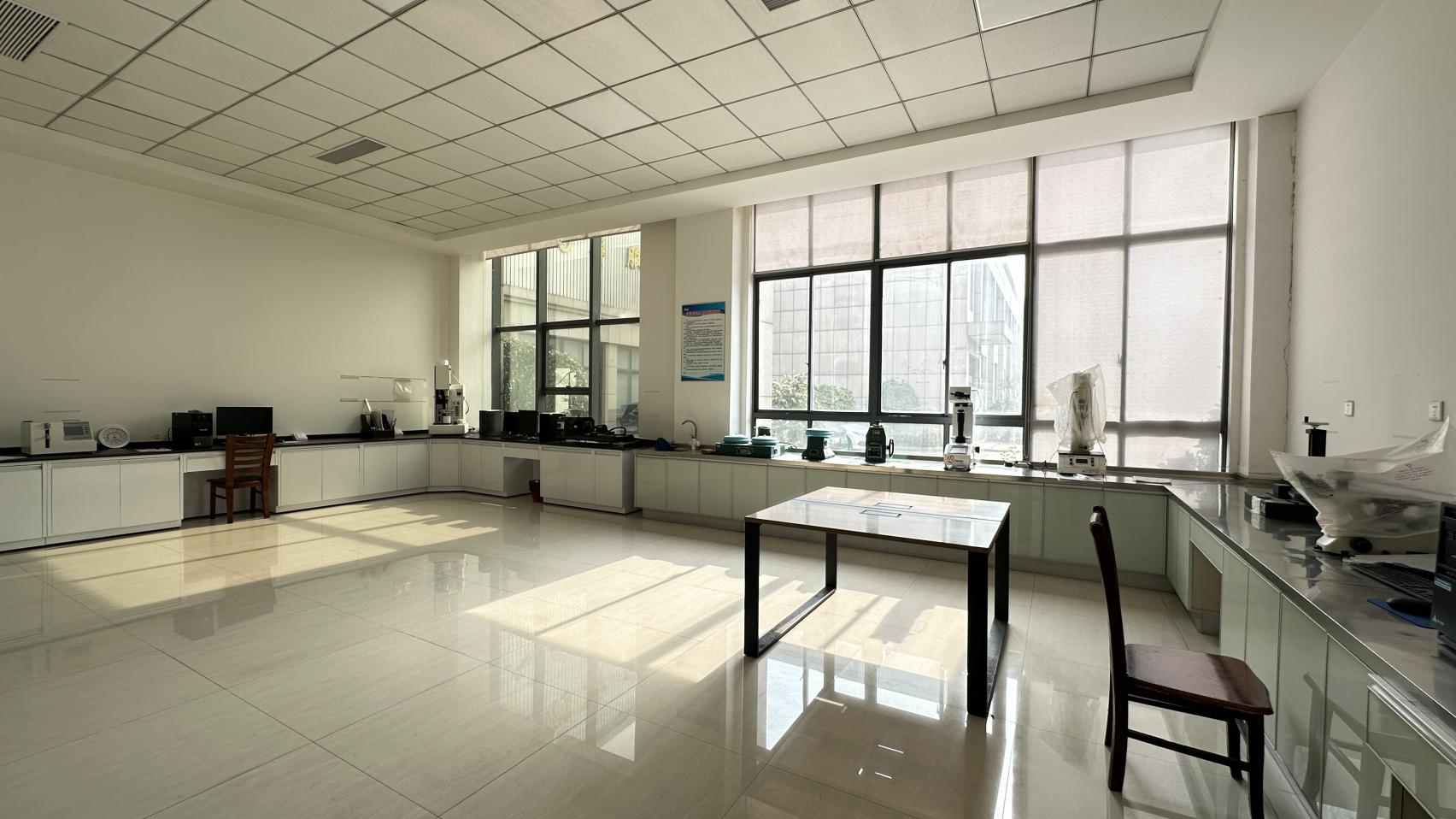
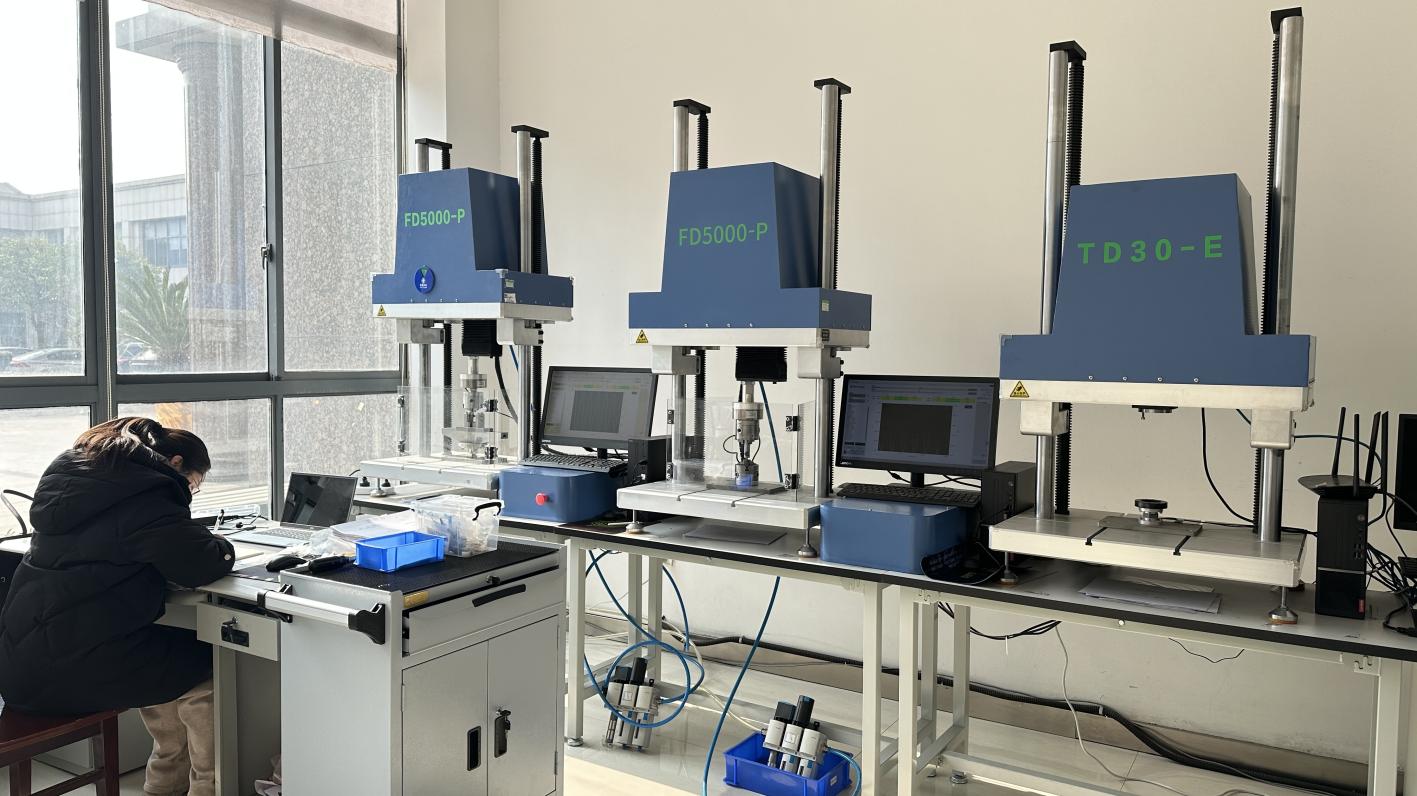
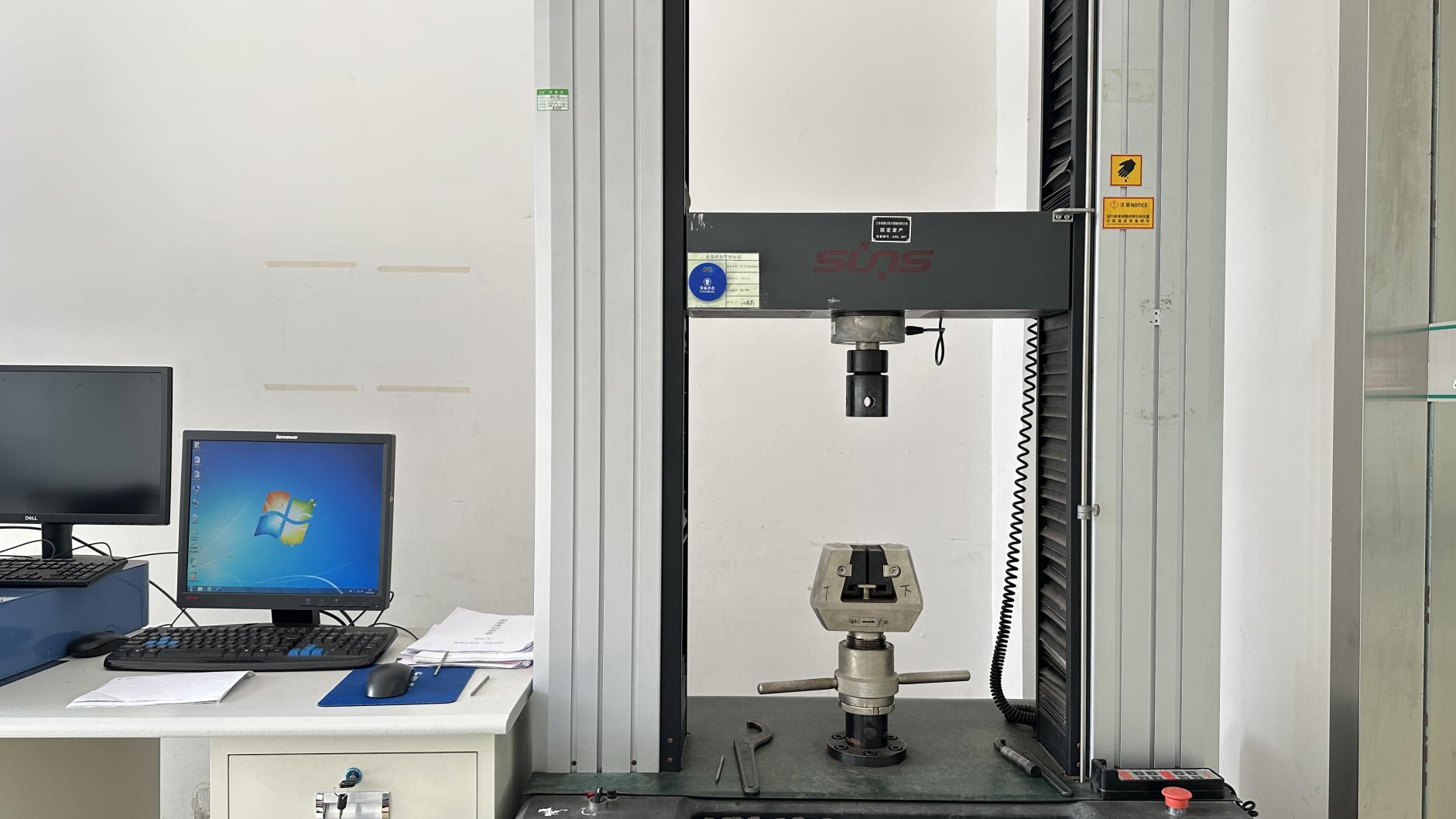
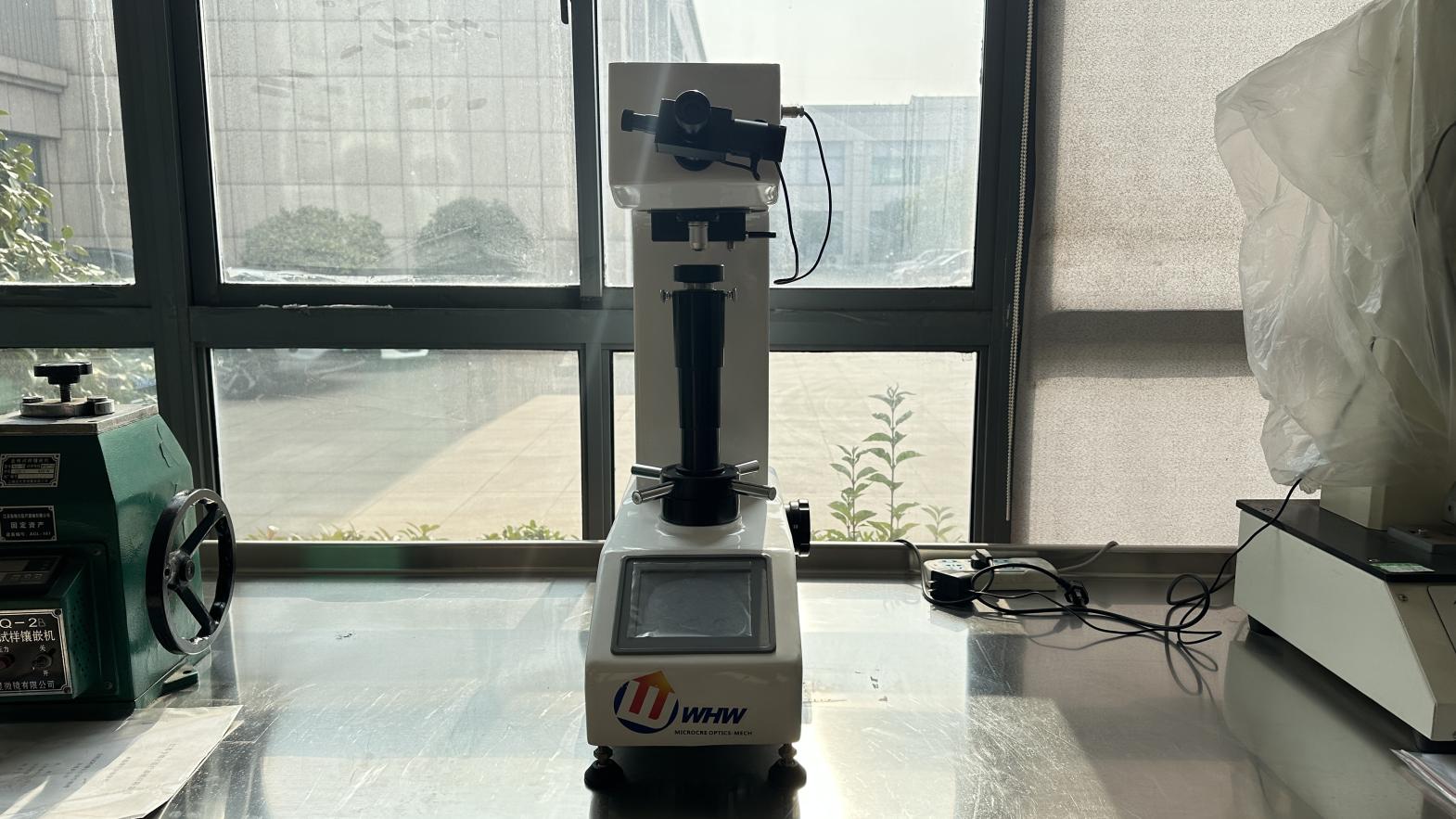
Aseptic loosening and component fracture risks require rigorous pre-market and in-process validation testing. Virelox employs a strict quality management system based on ISO 13485, using advanced testing technologies:
Simulates millions of articulation cycles under high loading conditions (up to 10 kN or higher) using specialized fatigue testers to verify long-term stability and predict wear patterns.
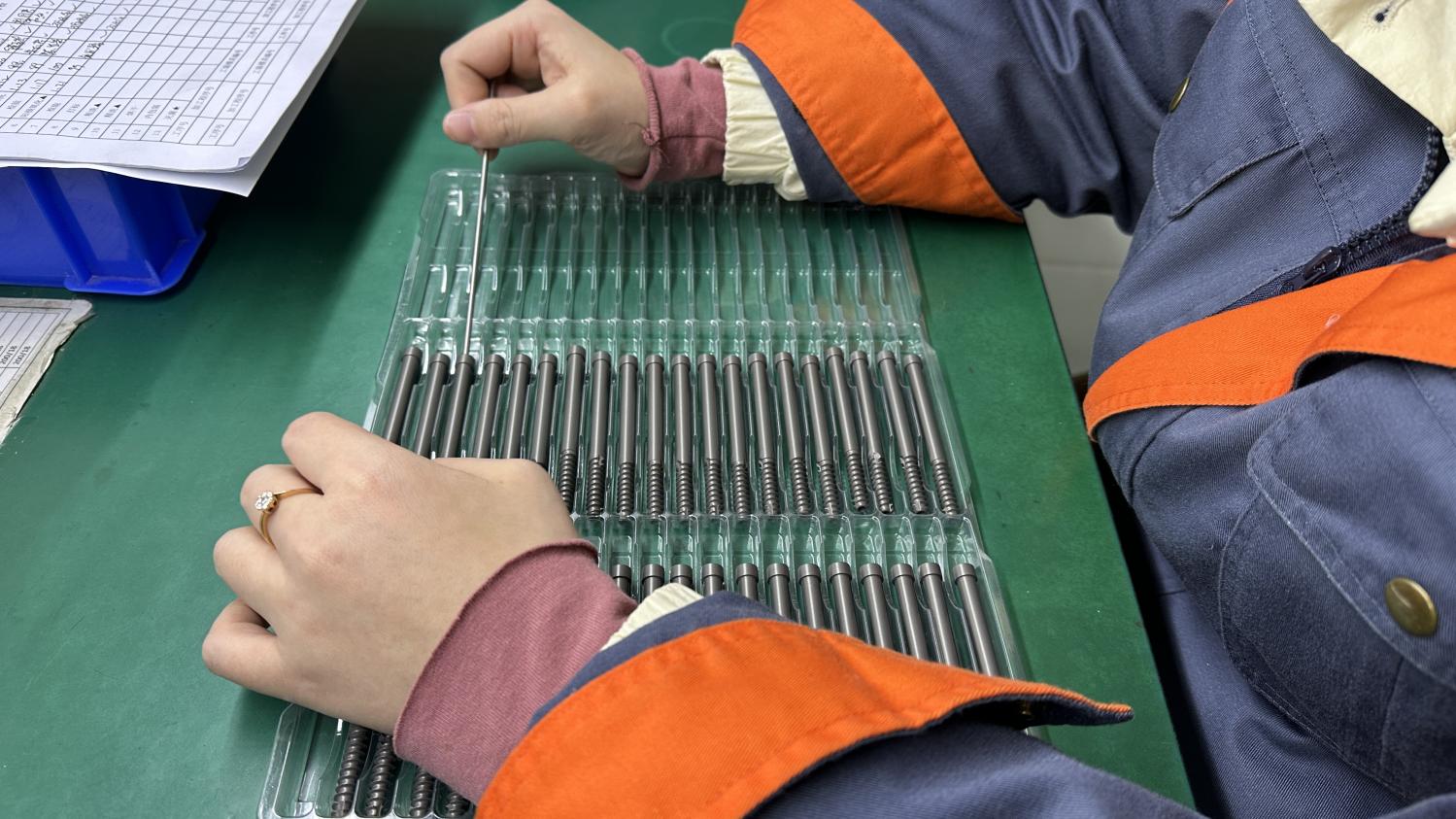
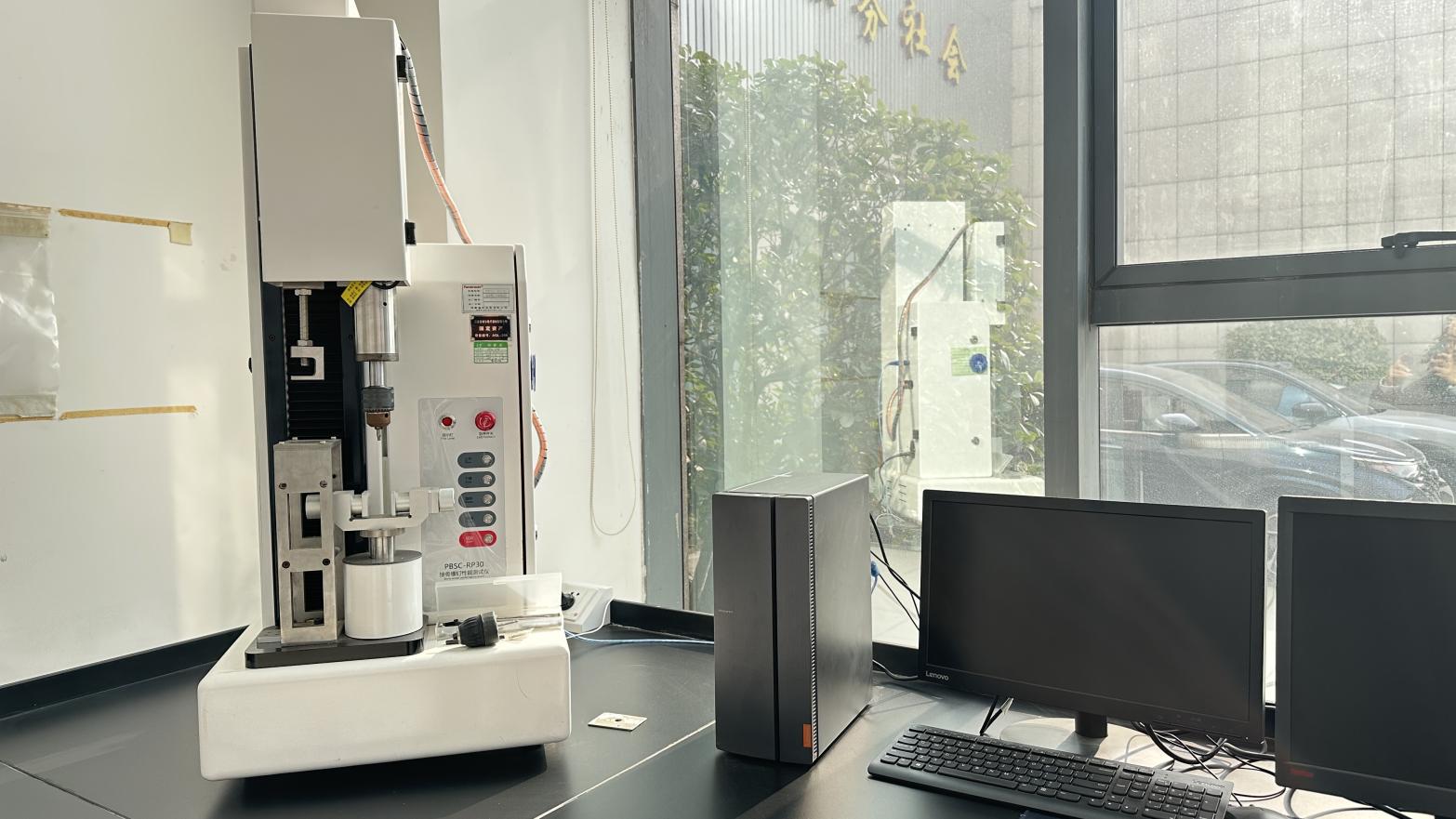
Employs Coordinate Measuring Machines (CMM) and 2D/3D measuring instruments to evaluate dimensional accuracy, sphericity, taper runout, and tolerances down to the sub-micron level.
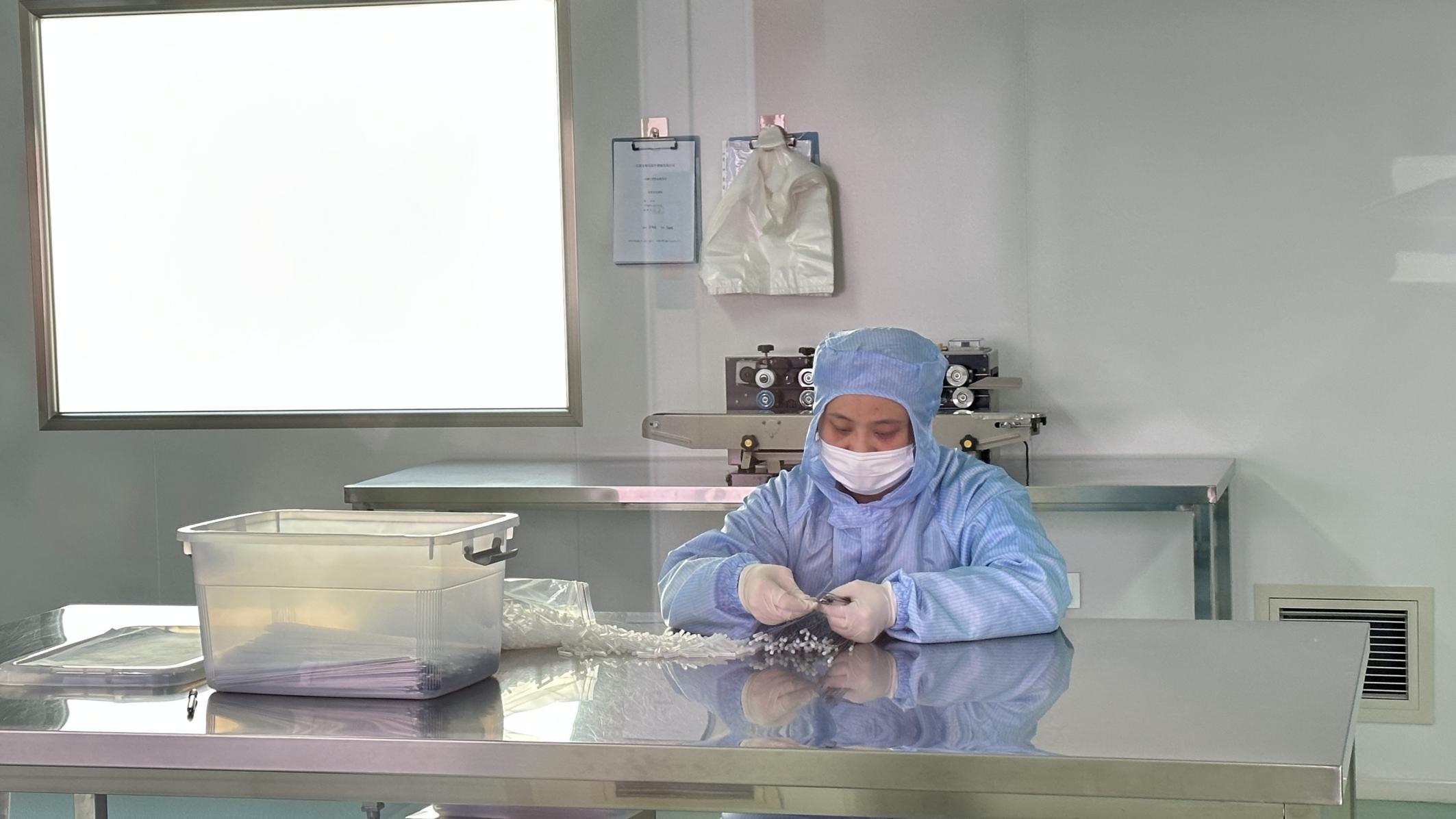
Utilizes advanced high-resolution X-ray inspection and liquid penetrant tests to scan sintered blanks and finished heads for micro-cracks or density variations.
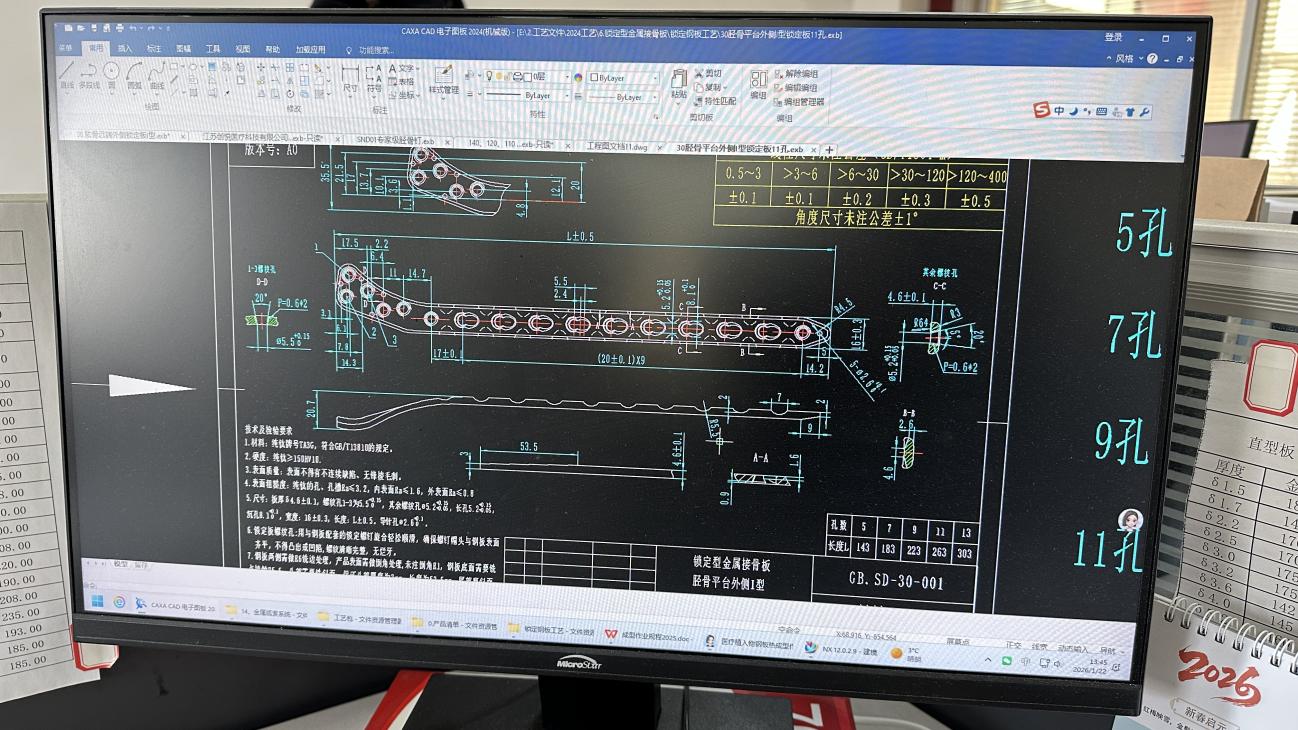
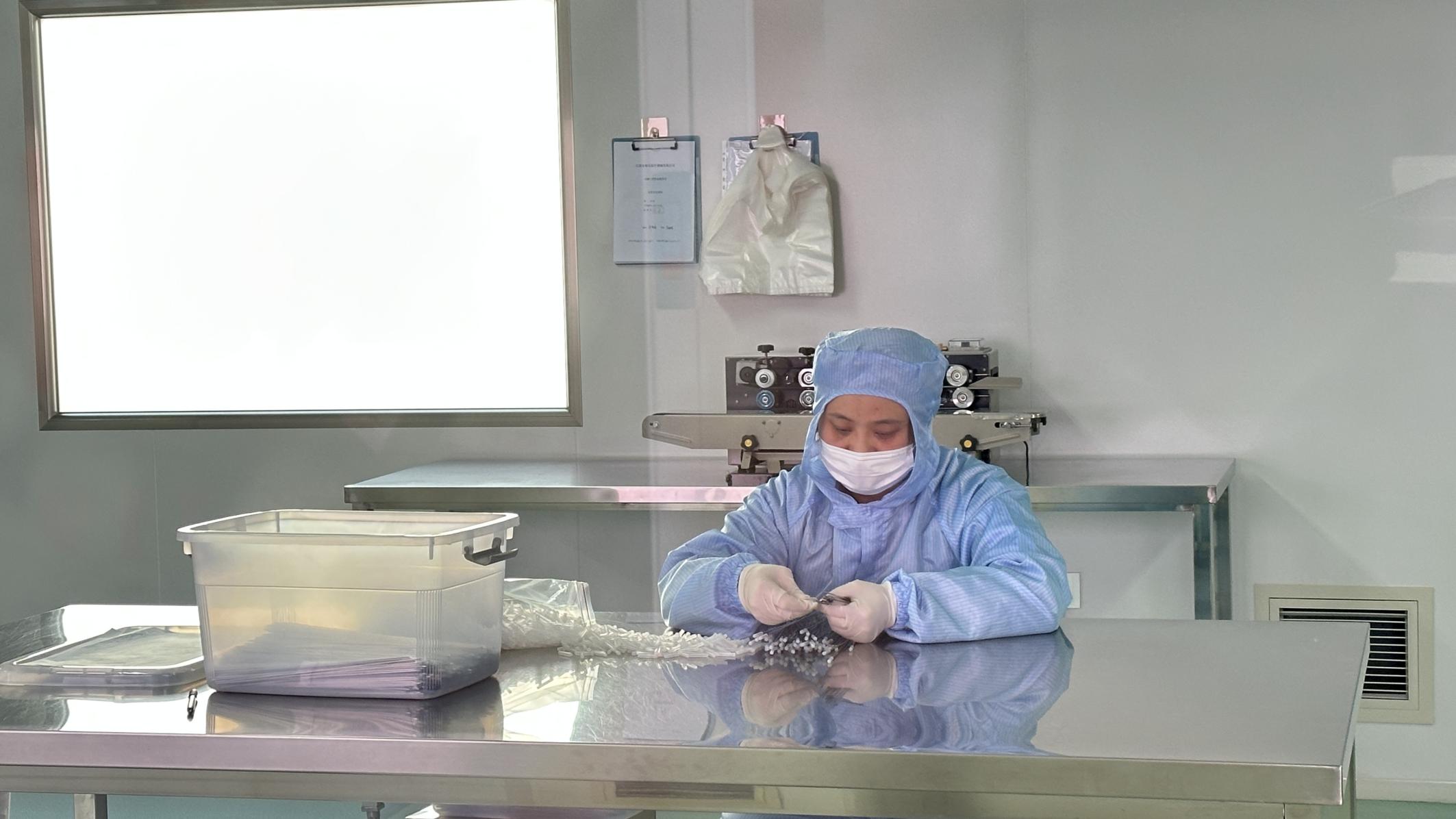
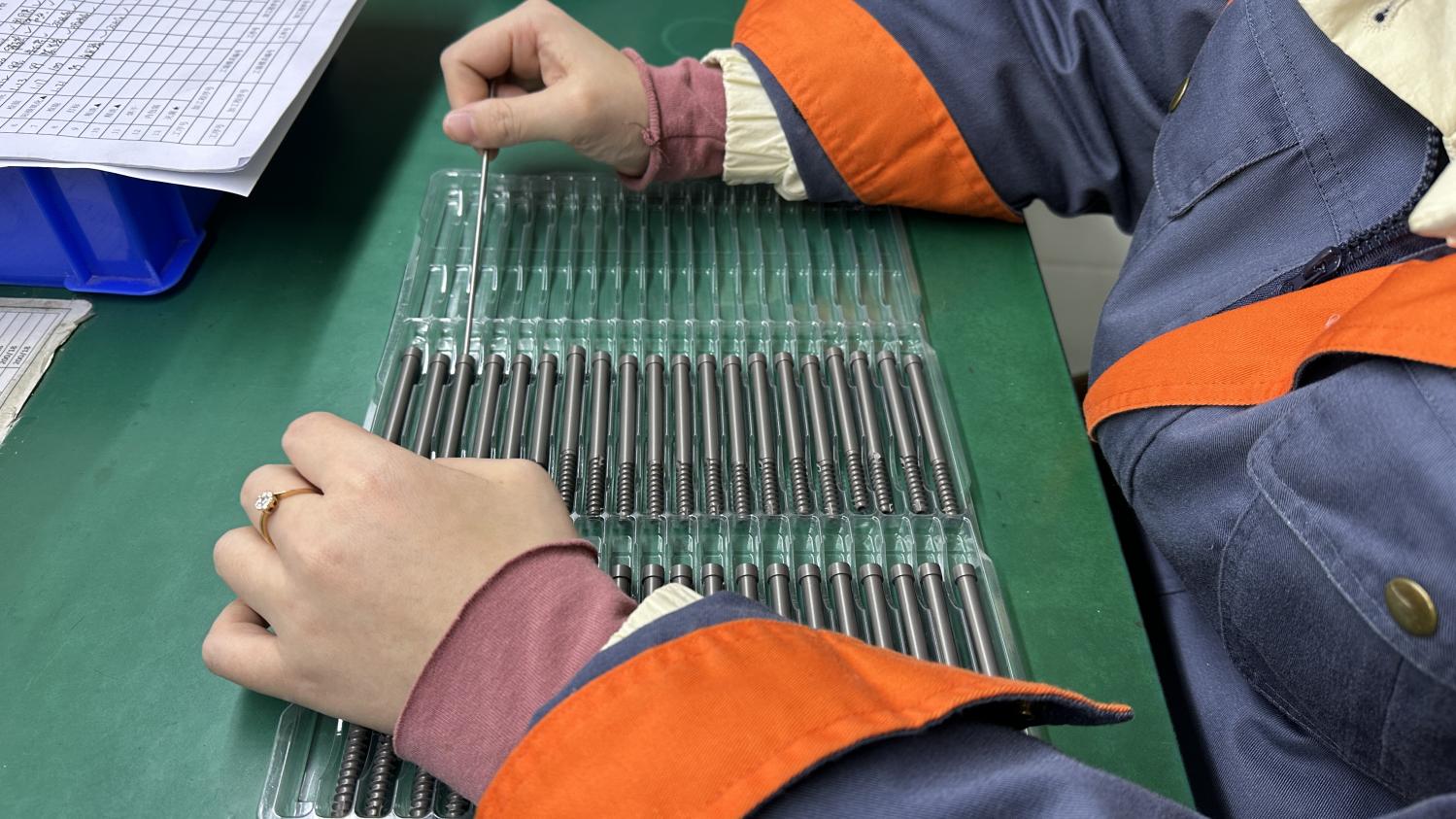
Step-by-step processing and quality control validation inside Virelox's manufacturing centers.
Innovations driving the future of bioceramics and articulating bearing design.
Research and development in orthopedics focuses on improving performance and implant longevity. The next decade of innovation in joint bearings centers on three primary advancements:
Silicon Nitride is emerging as a promising biomaterial for joint replacement. In addition to low wear rates, it exhibits inherent antimicrobial properties that help inhibit bacterial adhesion. The surface chemistry of Silicon Nitride promotes bone growth, enhancing stability in direct-fixation applications.
Additive manufacturing (3D printing) of bioceramics allows for the production of customized femoral heads and porous acetabular cups. Creating complex lattice geometries enables bone ingrowth directly into the ceramic structure, bridging the gap between mechanical strength and biological fixation.
Future implant designs aim to incorporate micro-sensors within the femoral stem or cup. These sensors can monitor stress levels, wear rates, temperature changes, and early signs of instability, transmitting diagnostic data directly to orthopedic teams to guide patient rehabilitation.
Direct, evidence-based answers to critical engineering and clinical questions.
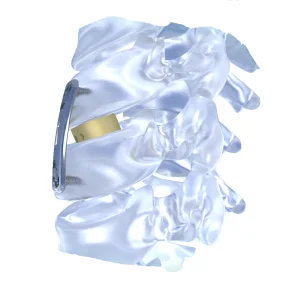
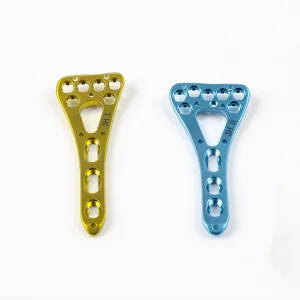
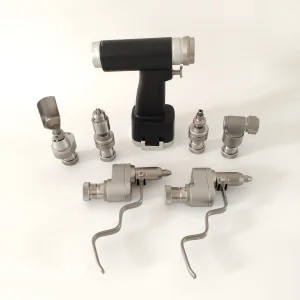
Explore our specialized orthopedic trauma plates, intramedullary nail systems, and spinal fusion implants.
 Virelox