Premium trauma fixation plates, surgical power equipment, and arthroscopic system portfolios.
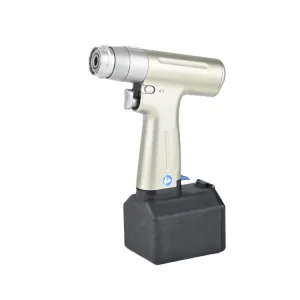
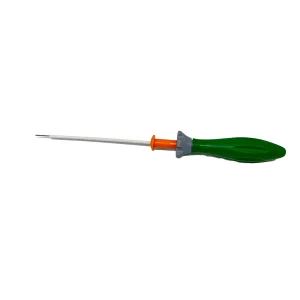
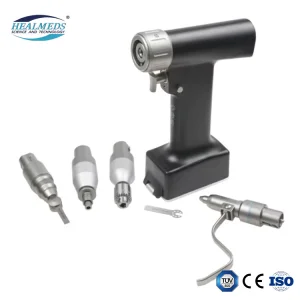
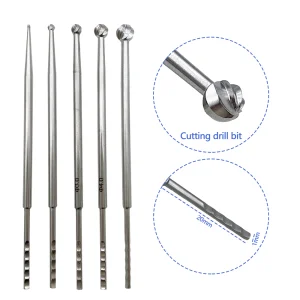
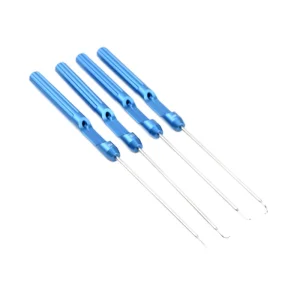
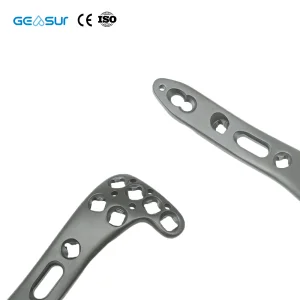
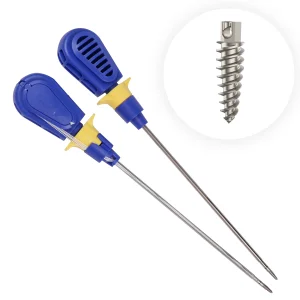
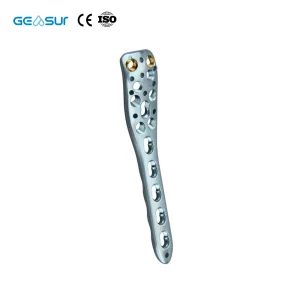
Virelox Medical Devices Co., Ltd. is a global leader in joint replacement and trauma surgical implant solutions.
Founded with a focus on advanced bio-mechanical engineering, Virelox operates under a strict ISO 13485-based quality management system. Our factory handles full-process execution from initial CAD modeling to mechanical fatigue validation.
We work directly with trauma surgeons and OEM purchasers to modify designs to precise specifications, manufacturing customized external fixators that fit regional anatomical differences.
A comprehensive examination of global commercial requirements, biomechanical tech roadmaps, and manufacturing efficiencies.
Wrist fractures—particularly distal radius fractures (DRFs)—represent approximately 18% of all adult fractures encountered in emergency medicine globally. While volar locking plates have dominated the surgical landscape in high-resource nations over the last decade, clinical evidence showcases a strategic shift back toward external fixation. This is primarily driven by the need to minimize invasive soft-tissue disruption, manage high-energy trauma (damage control orthopedics), and optimize economic outcomes in healthcare systems.
External fixators for the wrist rely on the principle of ligamentotaxis to restore length, radial tilt, and palmar inclination. For comminuted intra-articular fractures, spanning external fixators act as a structural scaffold, utilizing the tension of surrounding ligaments and tendons to align bone fragments. This reduces the risk of post-traumatic arthritis and chronic regional pain syndrome (CRPS). Currently, in regions with developing healthcare infrastructures or high volumes of outpatient trauma surgeries, cost-effective, high-reliability external fixators are preferred over expensive internal plating solutions.
Human anatomy and bone density differ significantly based on geographic demographics, patient age, and lifestyle profiles. A standard external fixator optimized for Western, high-BMI patients may not offer the correct pin-spacing or clamp profile for geriatric populations in East Asia, where severe osteoporosis is highly prevalent.
The future of external wrist fixation lies at the intersection of biomechanics, material sciences, and digital connectivity. Virelox's engineering roadmap focuses on transitioning from rigid, purely mechanical systems to dynamic, diagnostic orthopedic frameworks.
Replacing traditional heavy stainless-steel connecting rods with high-durability carbon-fiber composites. This ensures complete radiolucency, allowing surgeons to monitor bone healing clearly under X-ray or fluoroscopy without metallic artifacts.
Developing adjustable dynamic joints that allow controlled micromotion at the fracture site after 3-4 weeks of immobilization. Biomechanical studies indicate that controlled micro-strain stimulates osteoblast activity, speeding up callus formation.
Researching clamp designs fitted with miniaturized strain sensors. These sensors track the load distribution between the bone and the fixator rod, transmitting healing progress wirelessly to the clinician's mobile device.
Manufacturing high-precision implants demands an uninterrupted, highly regulated supply chain. Based in China's advanced medical manufacturing corridor, Virelox leverages structural efficiencies that yield significant competitive advantages for our global OEM partners.
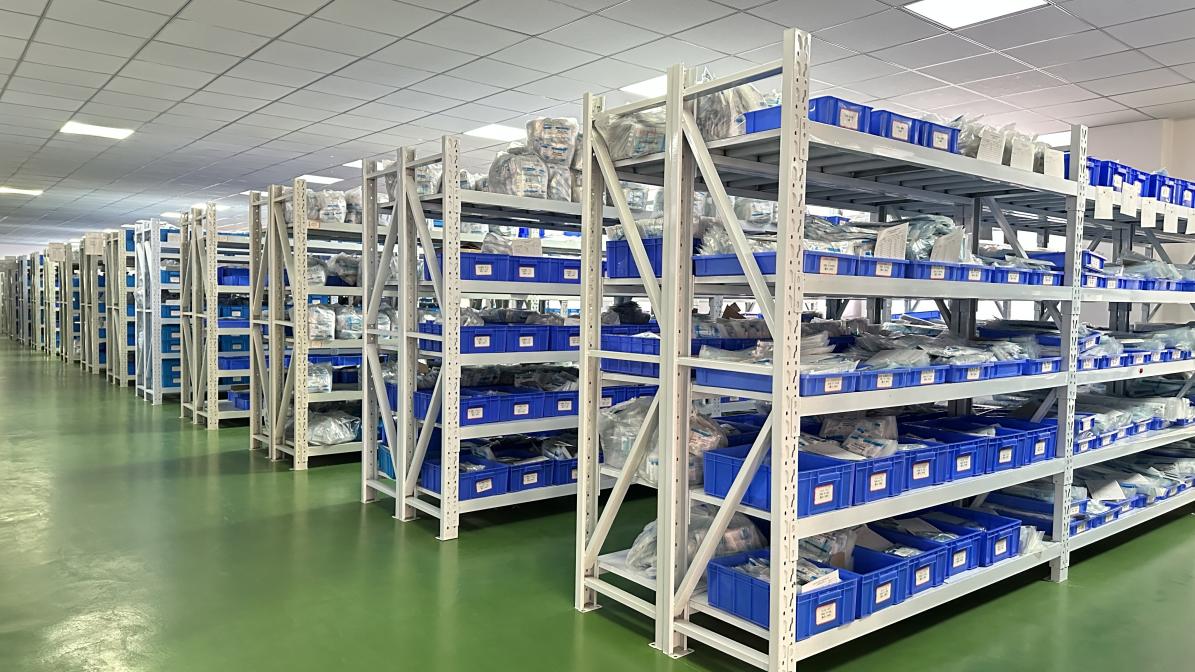
Material Sourcing & Quality Control: Our network of 850 certified upstream partners guarantees immediate access to premium medical-grade raw materials (certified Ti-6Al-4V titanium alloy, medical stainless steel, PEEK, and carbon fibers) with complete mill test reports and batch traceability.
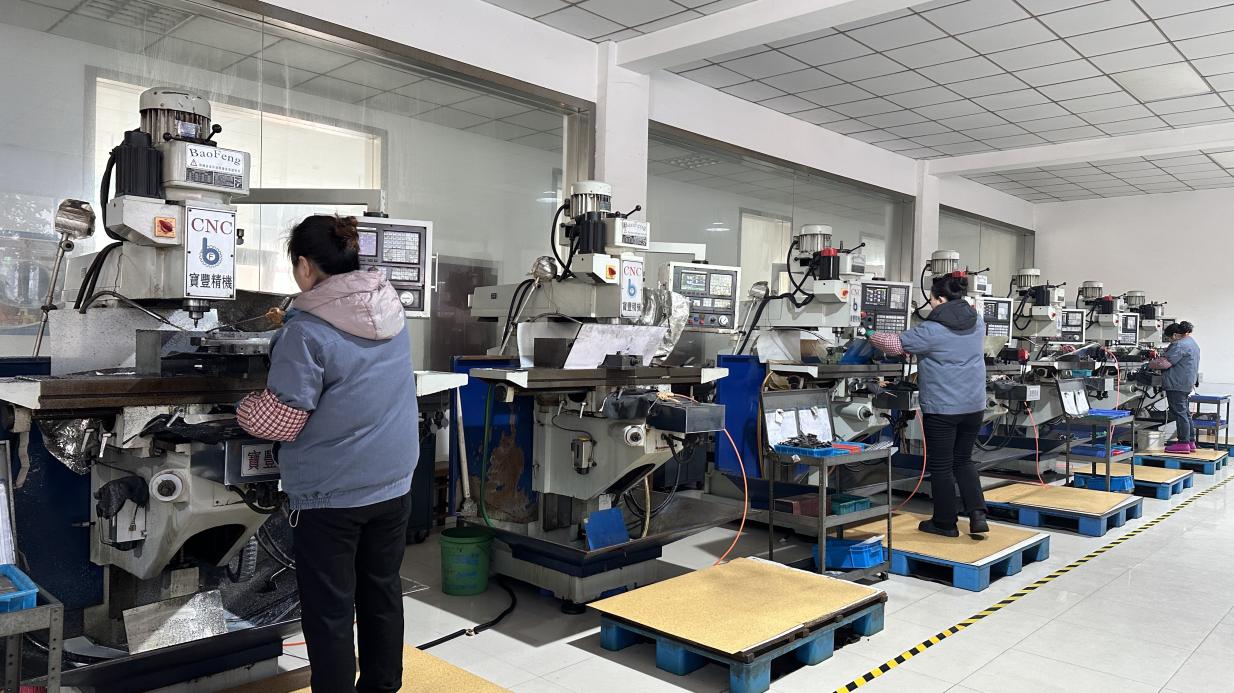
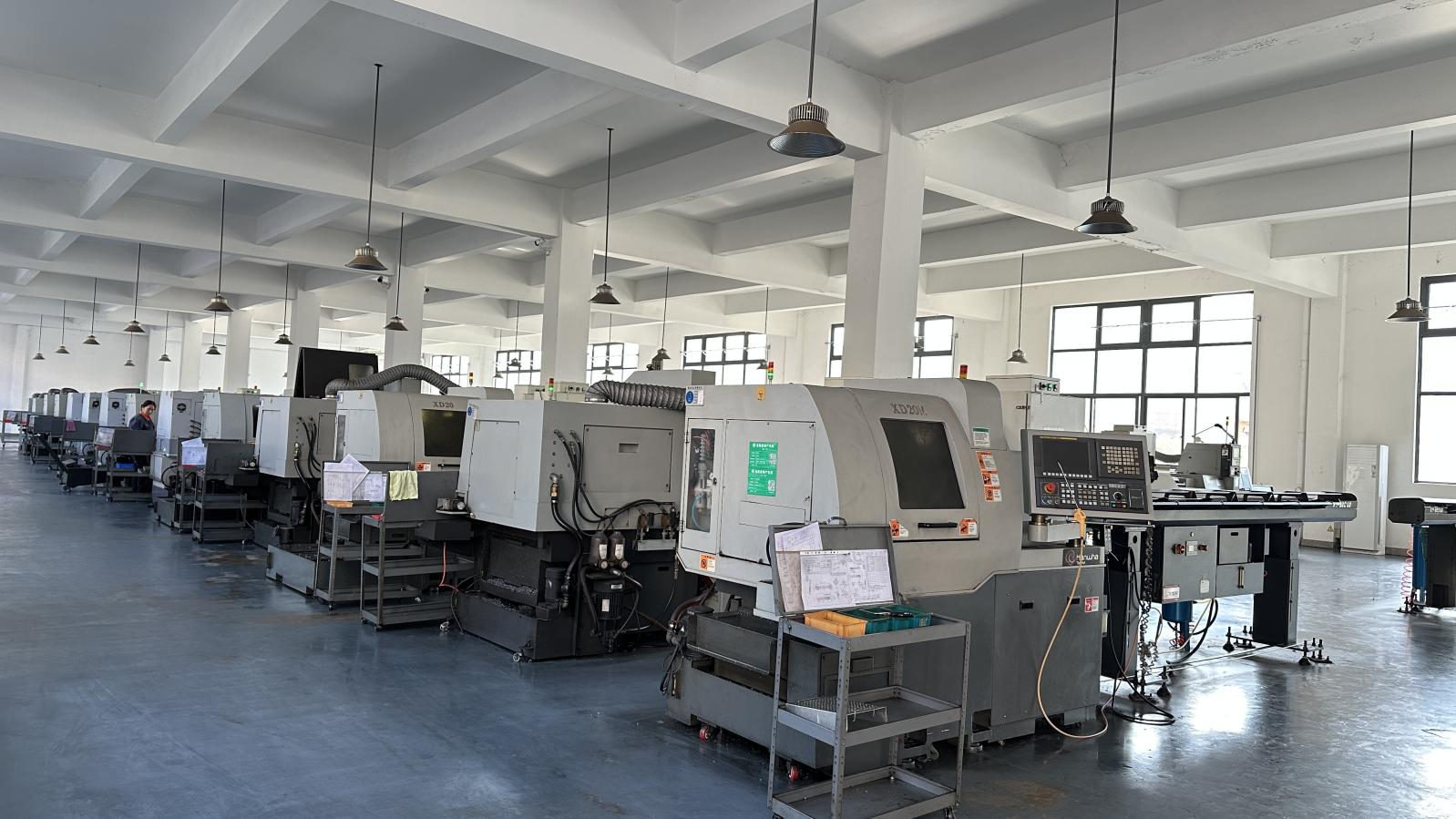
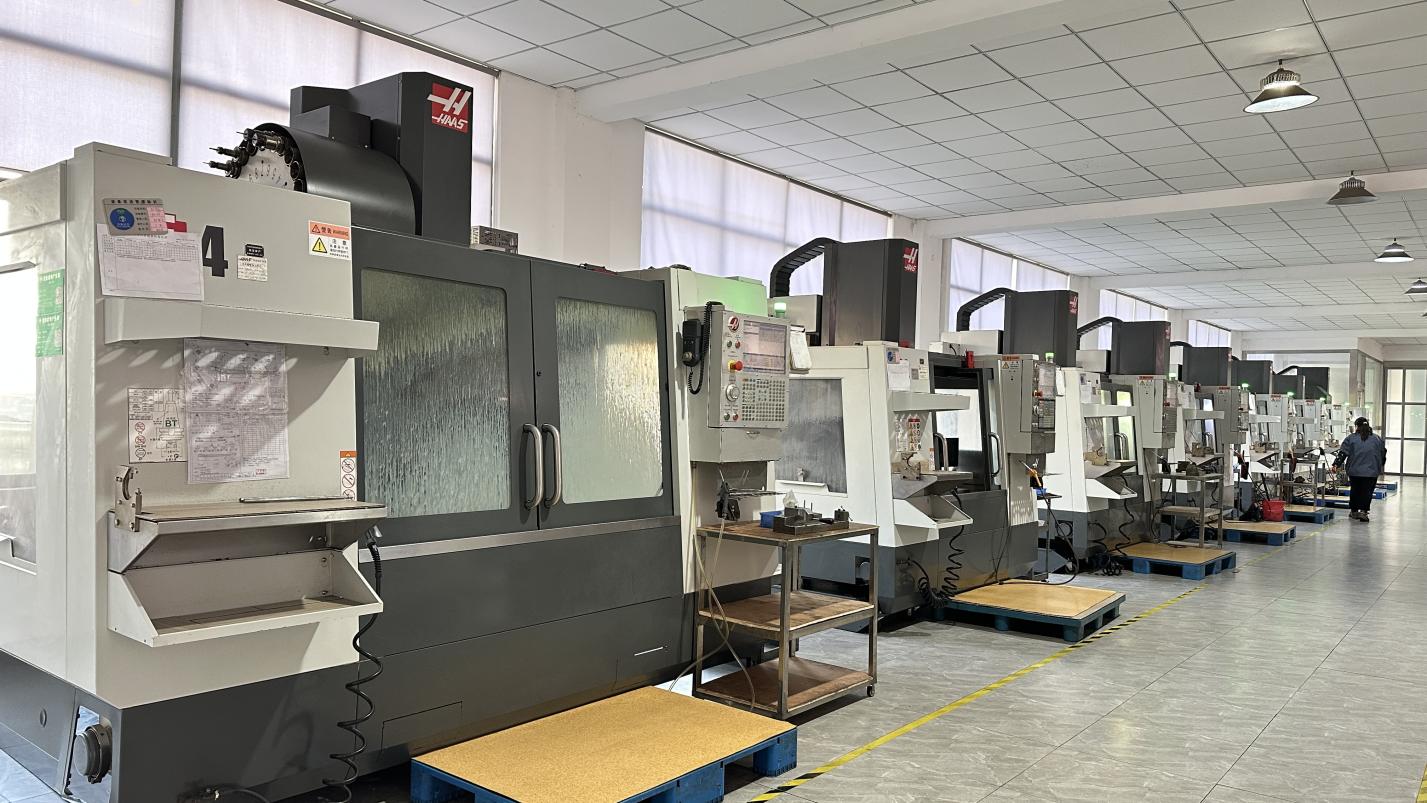
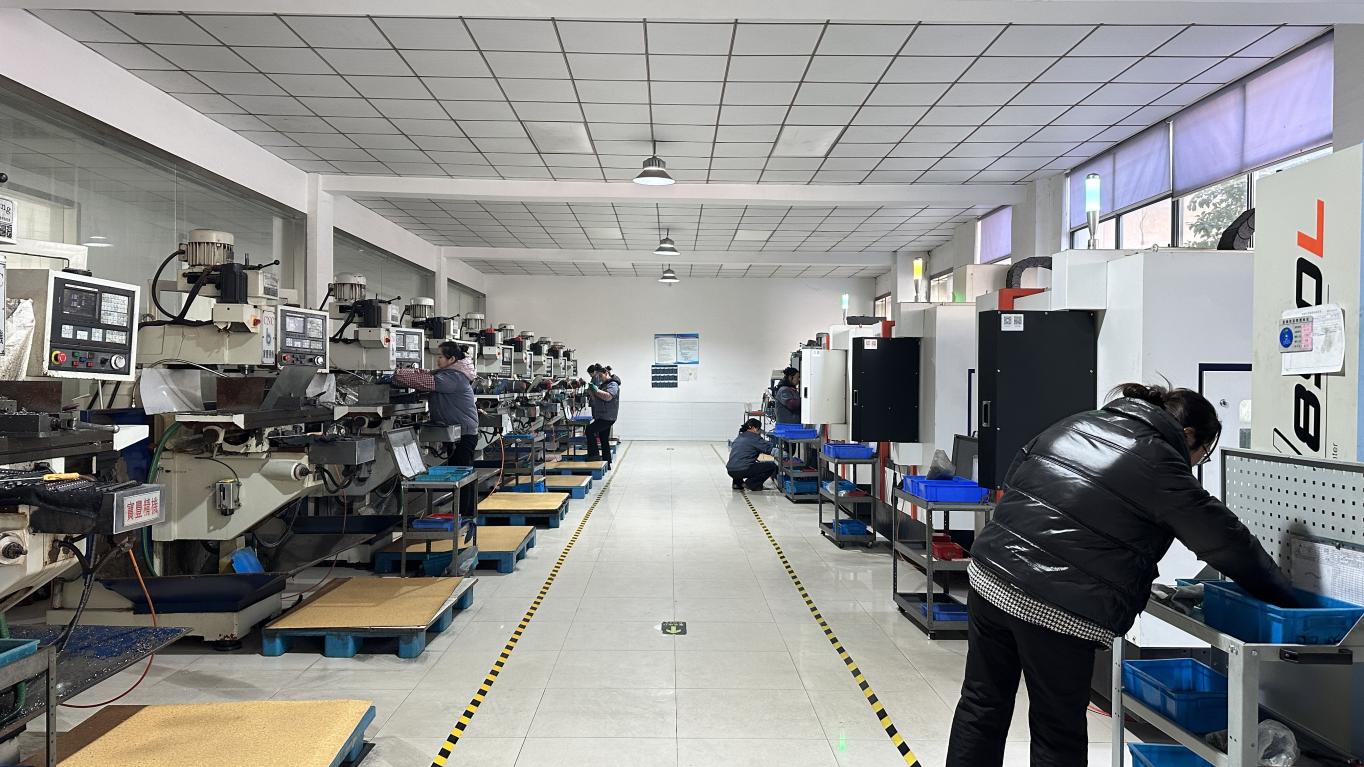
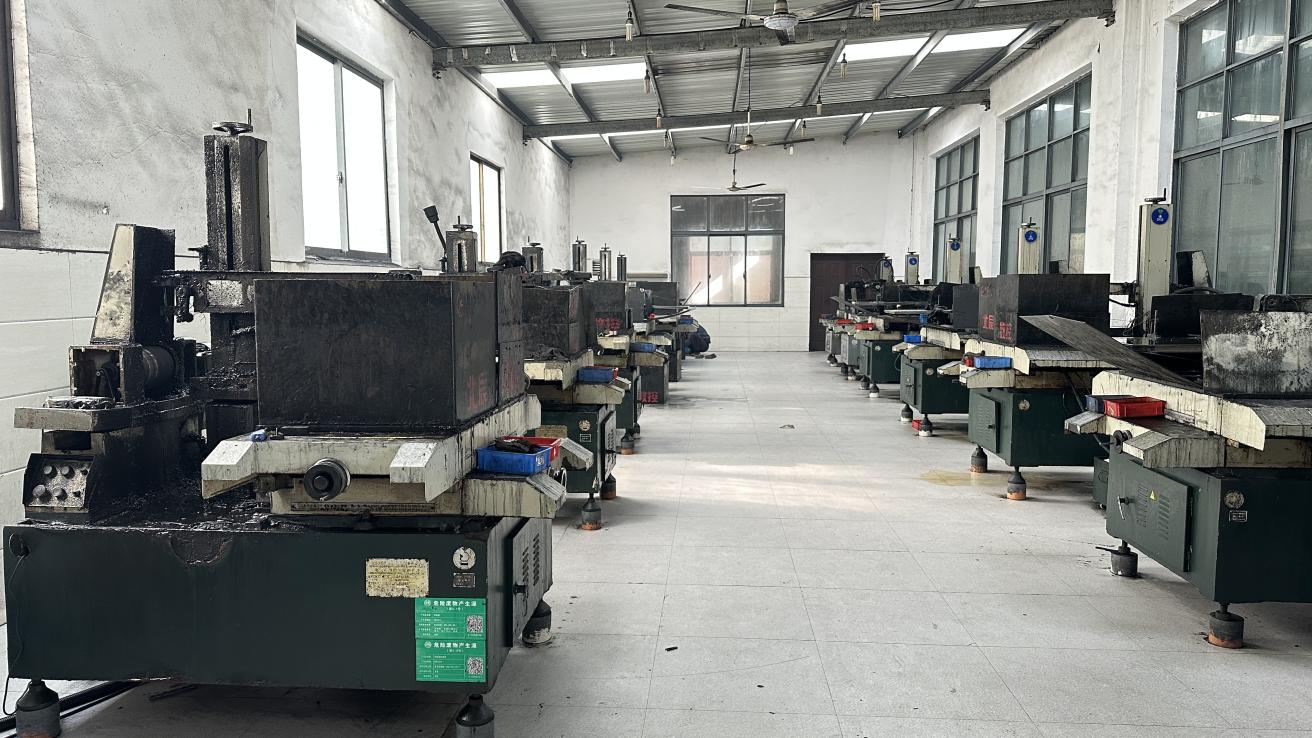
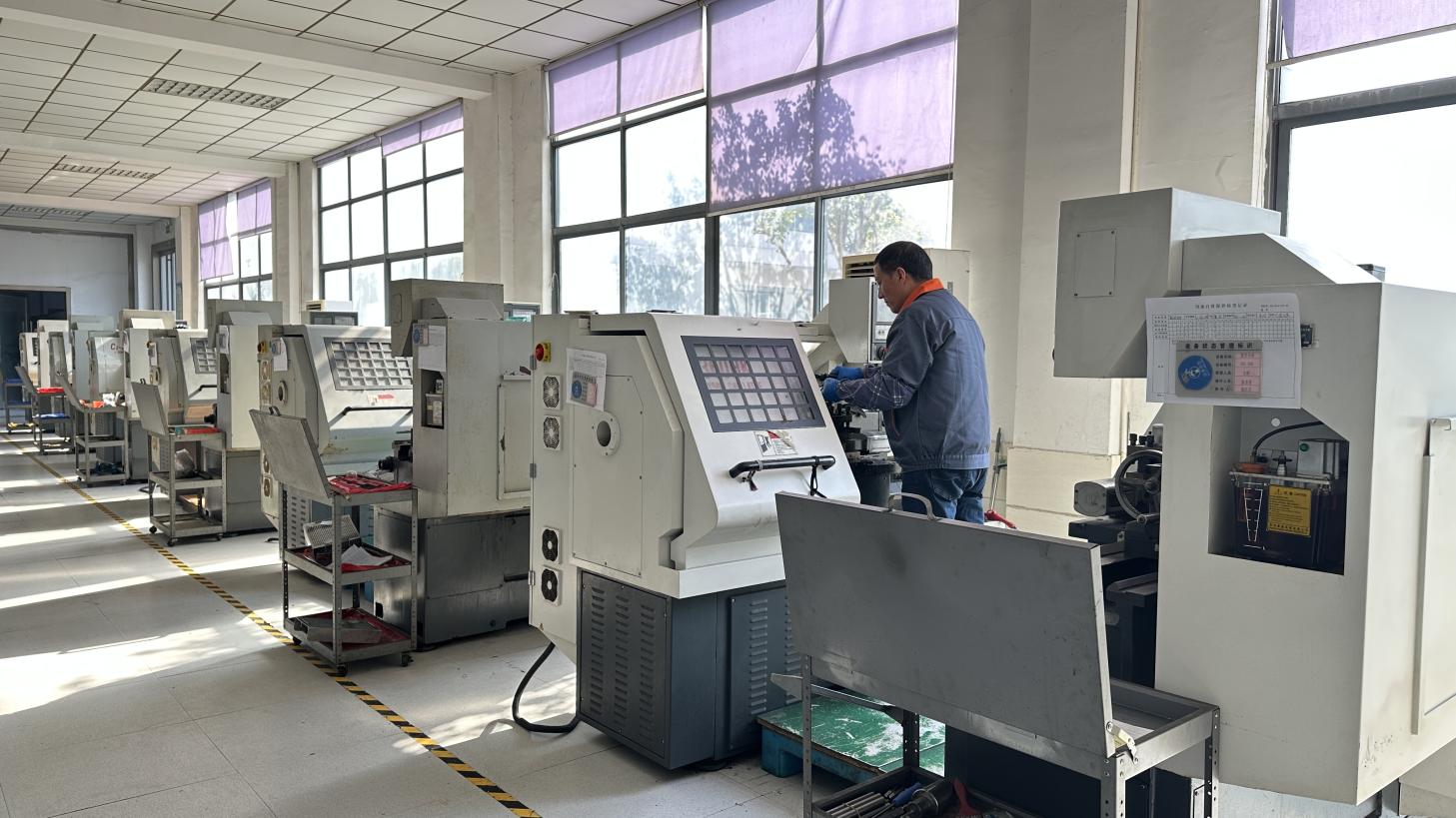
CNC Cluster Processing & Speed: Within our 12,000 m² factory, we run advanced multi-axis CNC milling centers, wire-cutting machines, and high-speed lathe equipment. Operating within a concentrated industrial cluster reduces the turnaround time for custom prototyping from months to days.
Cost Amortization: Lower structural overhead, integrated logistics, and efficient manufacturing scale allow Virelox to supply regulatory-compliant implants at a fraction of the cost of European or American manufacturers, without sacrificing quality.
Navigating international medical regulations is one of the biggest challenges for distributors and clinical buyers. Virelox supports global product launches by maintaining rigorous quality standards that simplify localized registration processes.
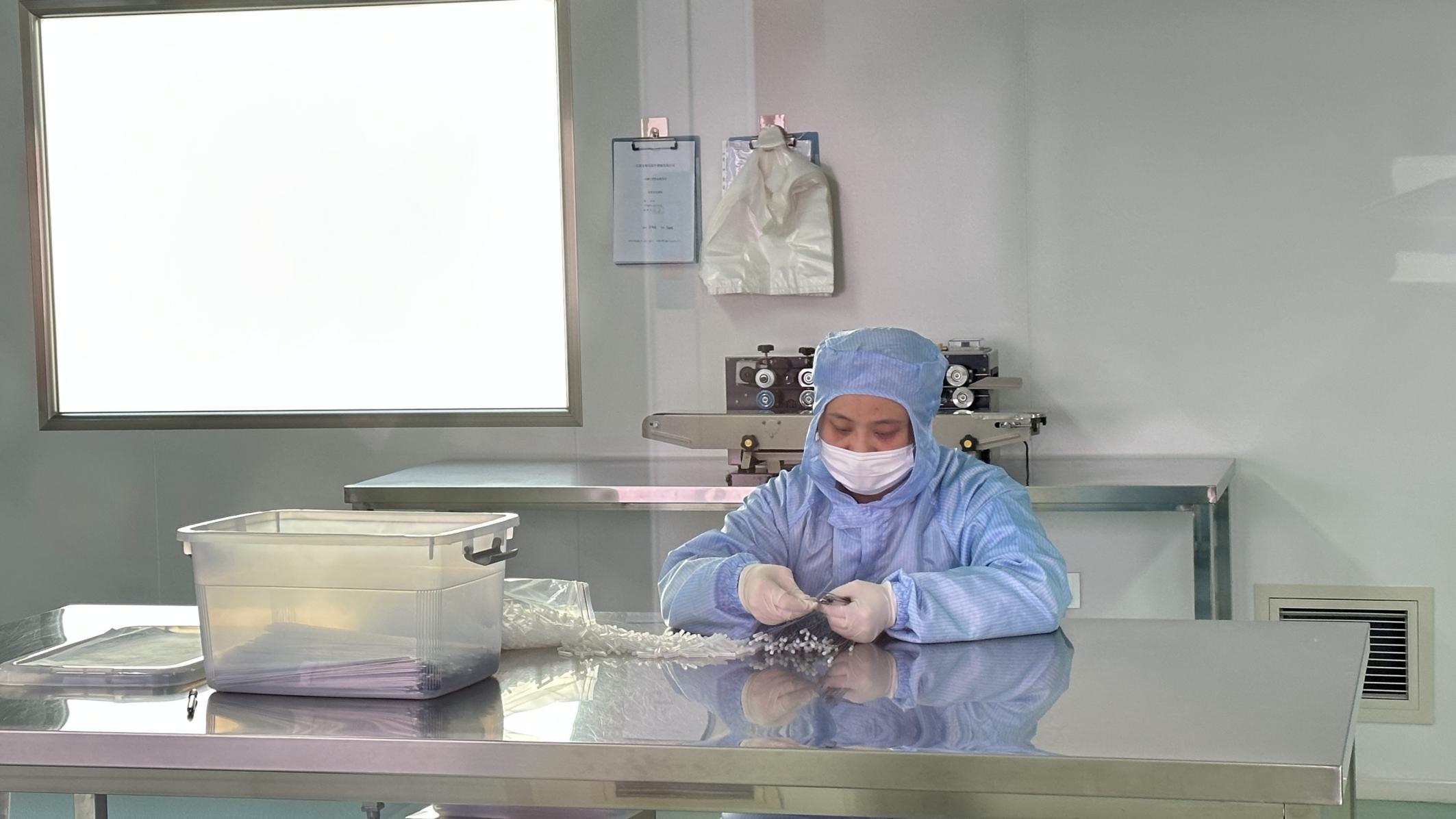
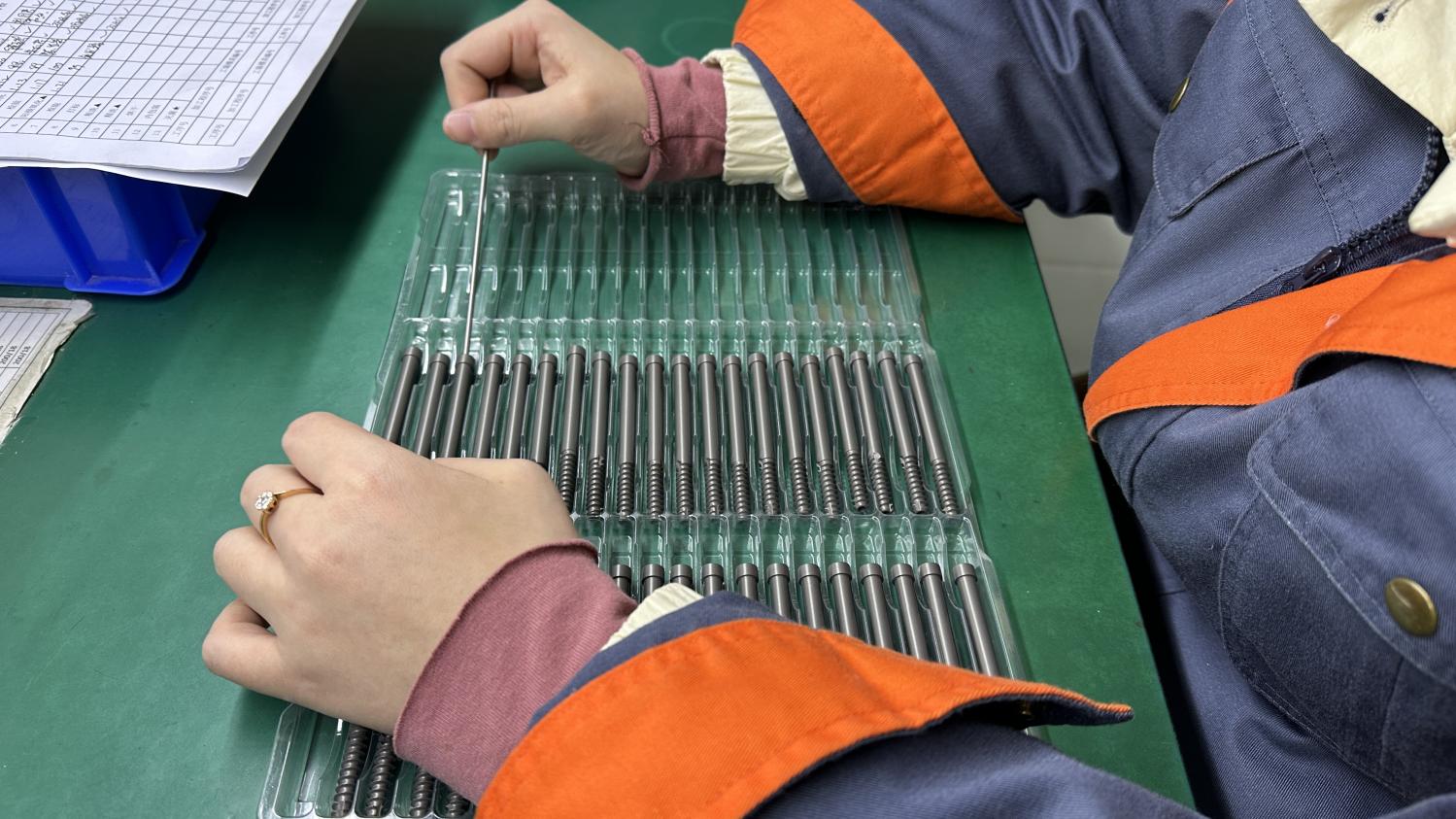
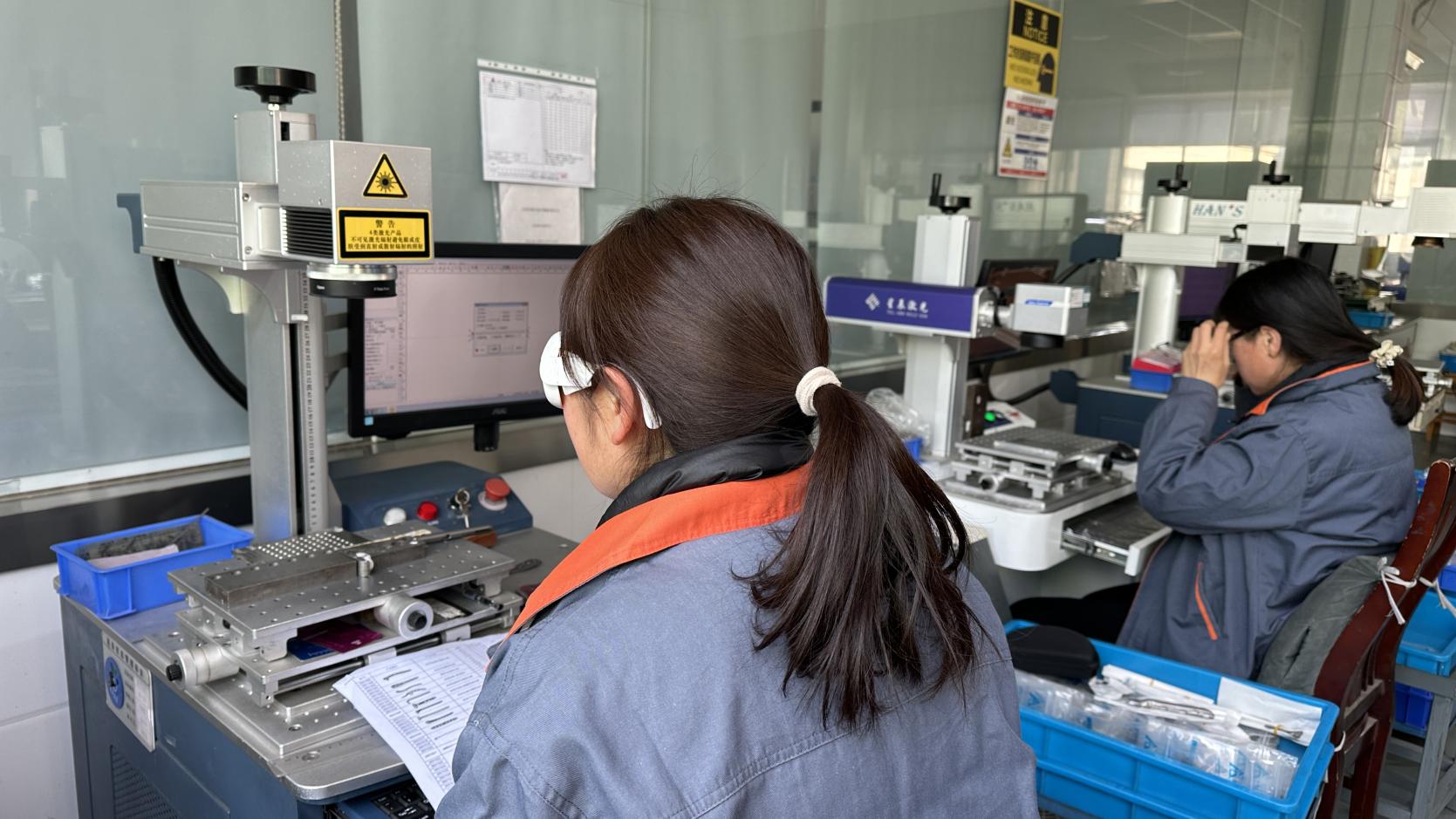
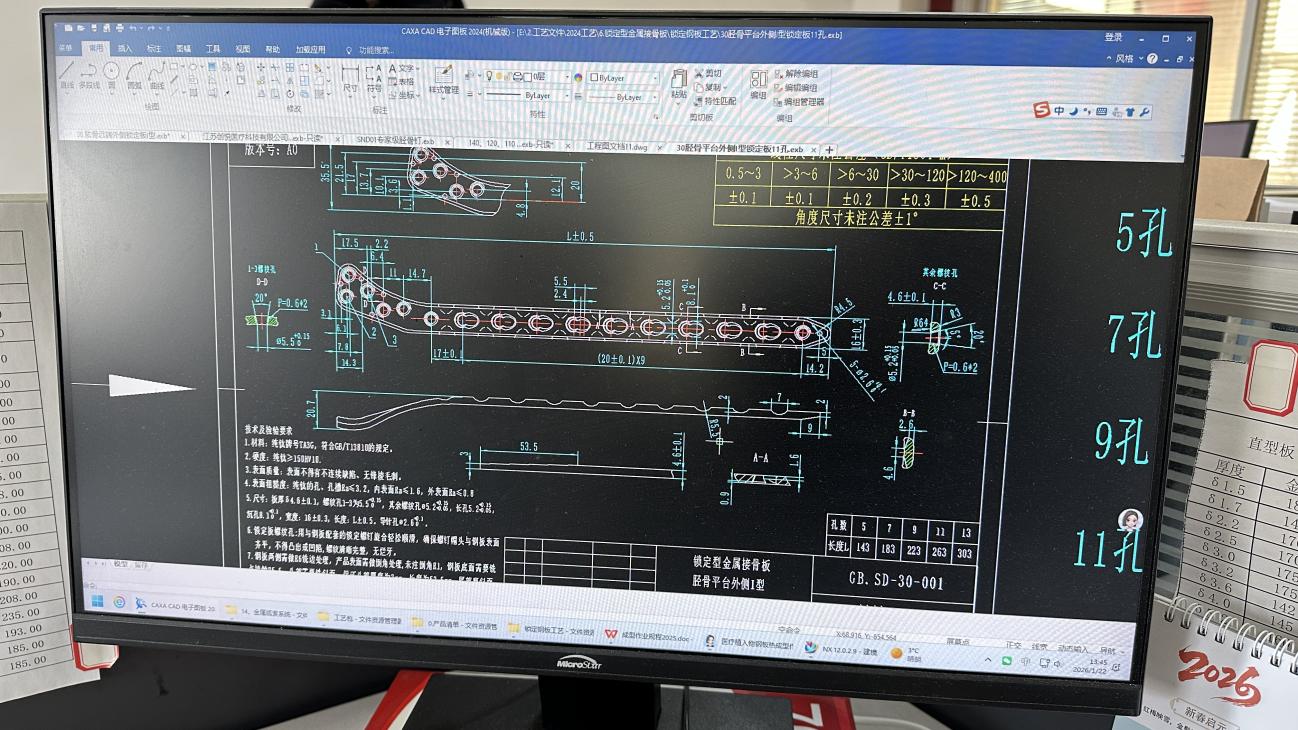
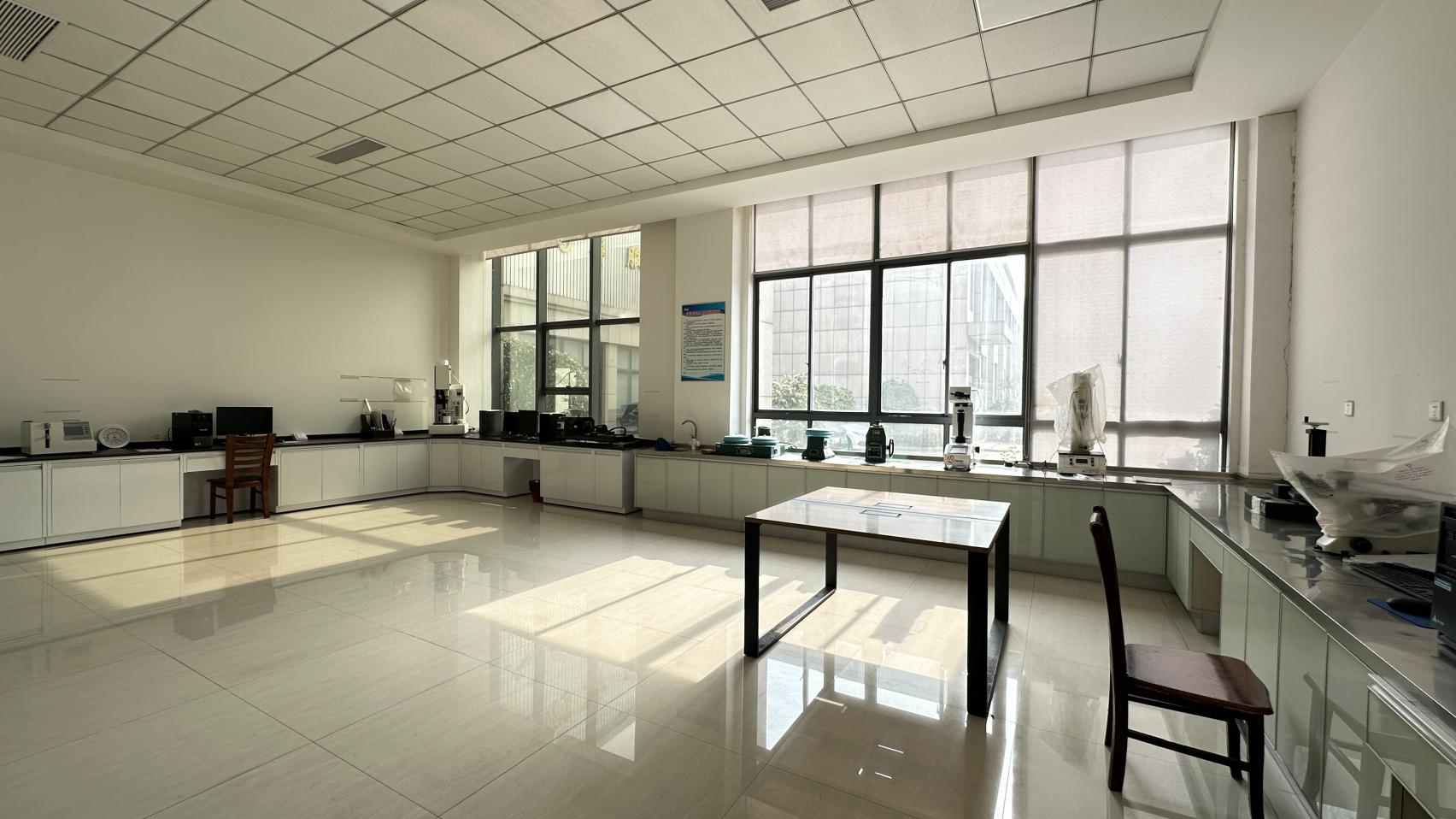
A detailed view of our production workflow, raw materials management, machining operations, and quality inspection laboratories.
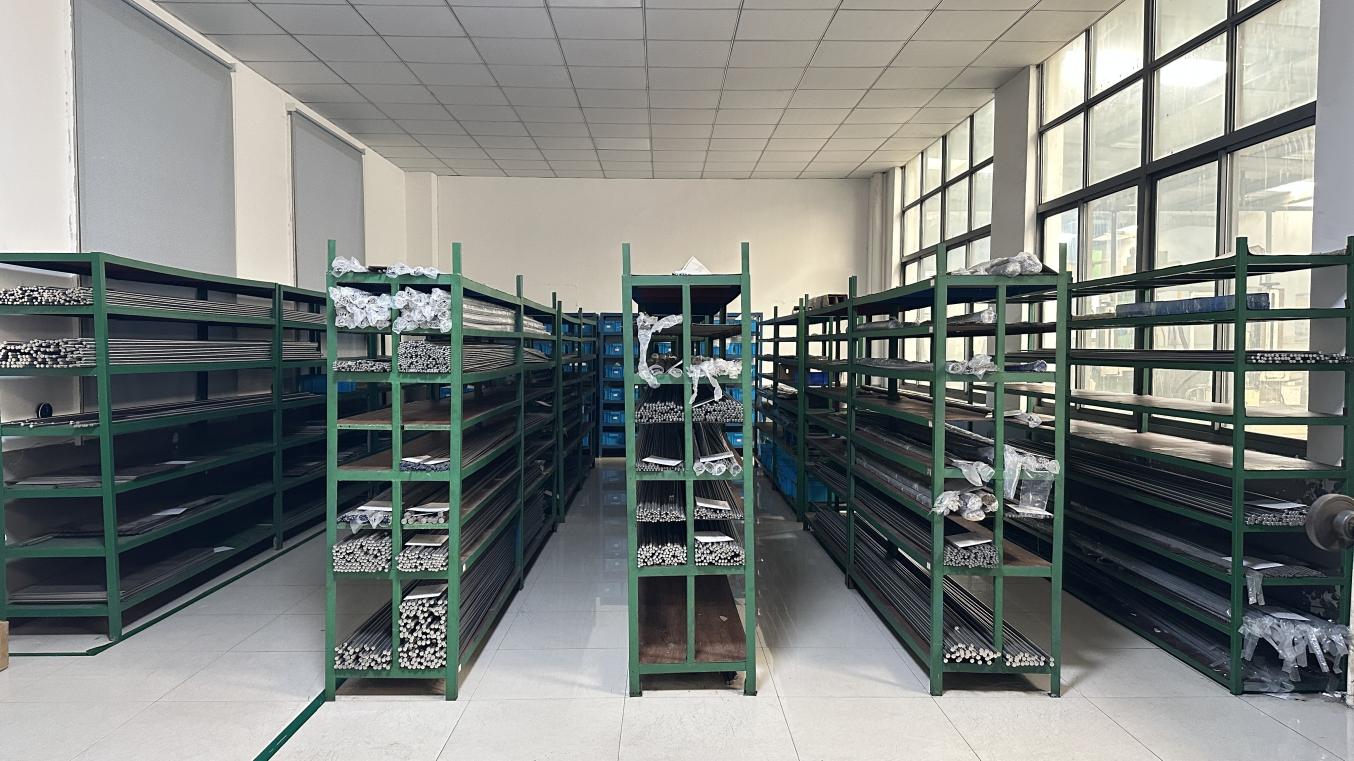
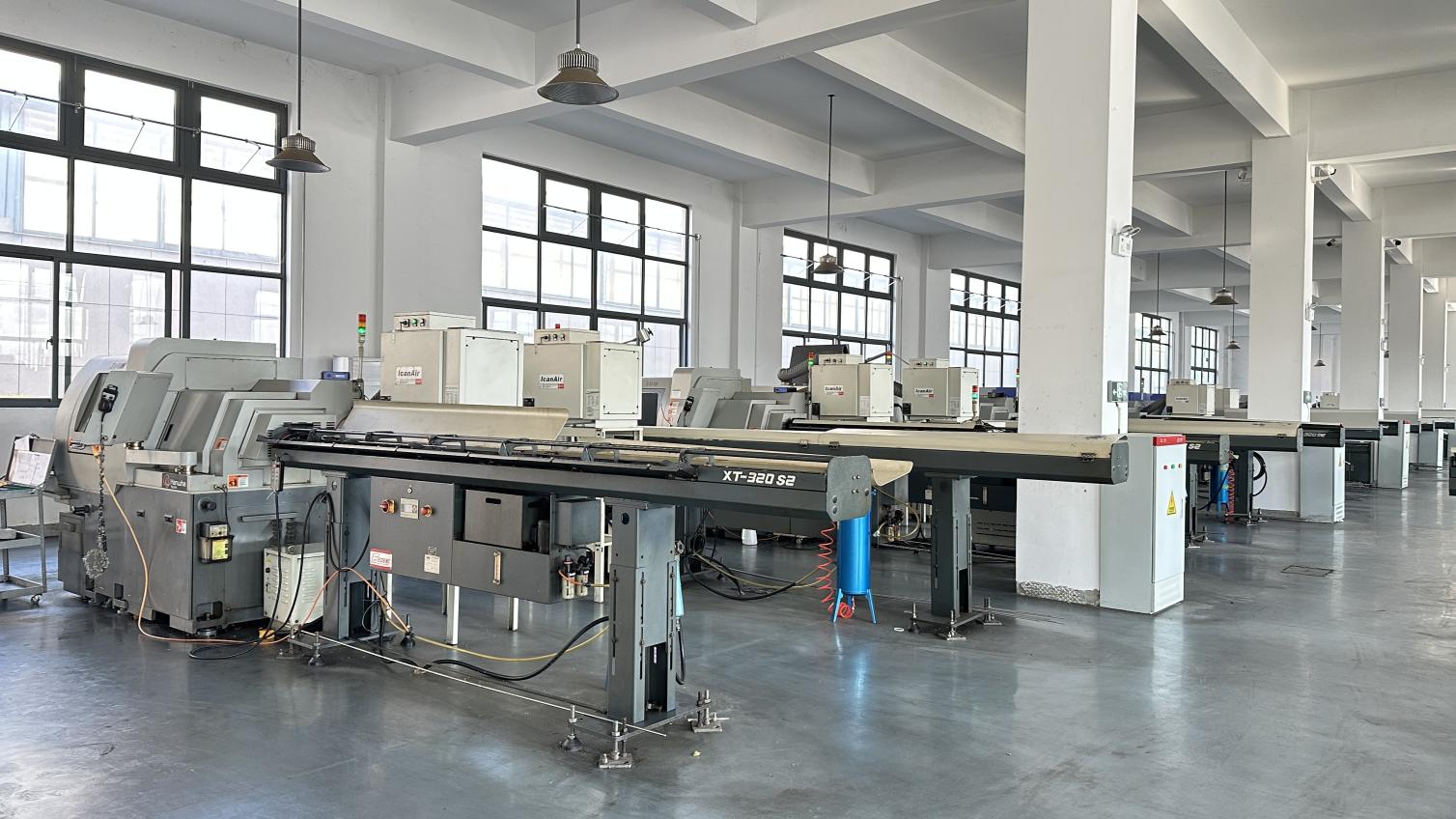
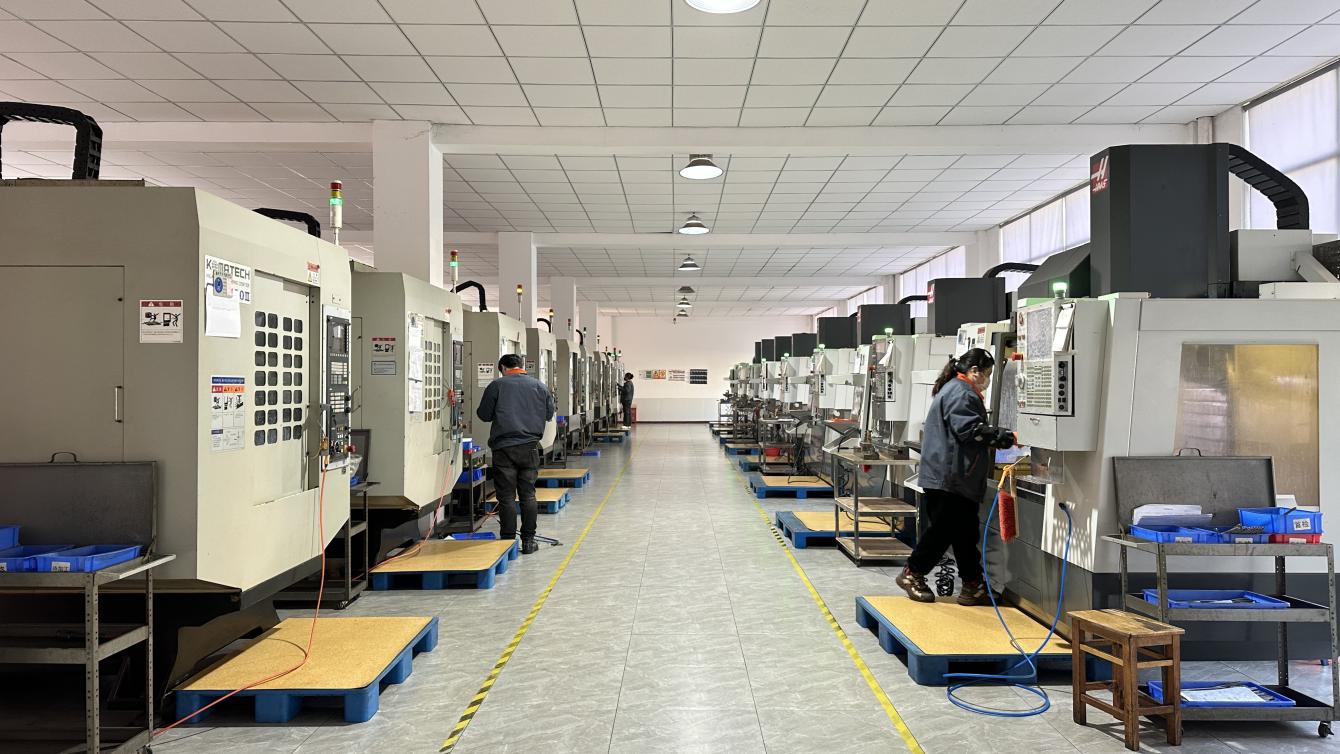
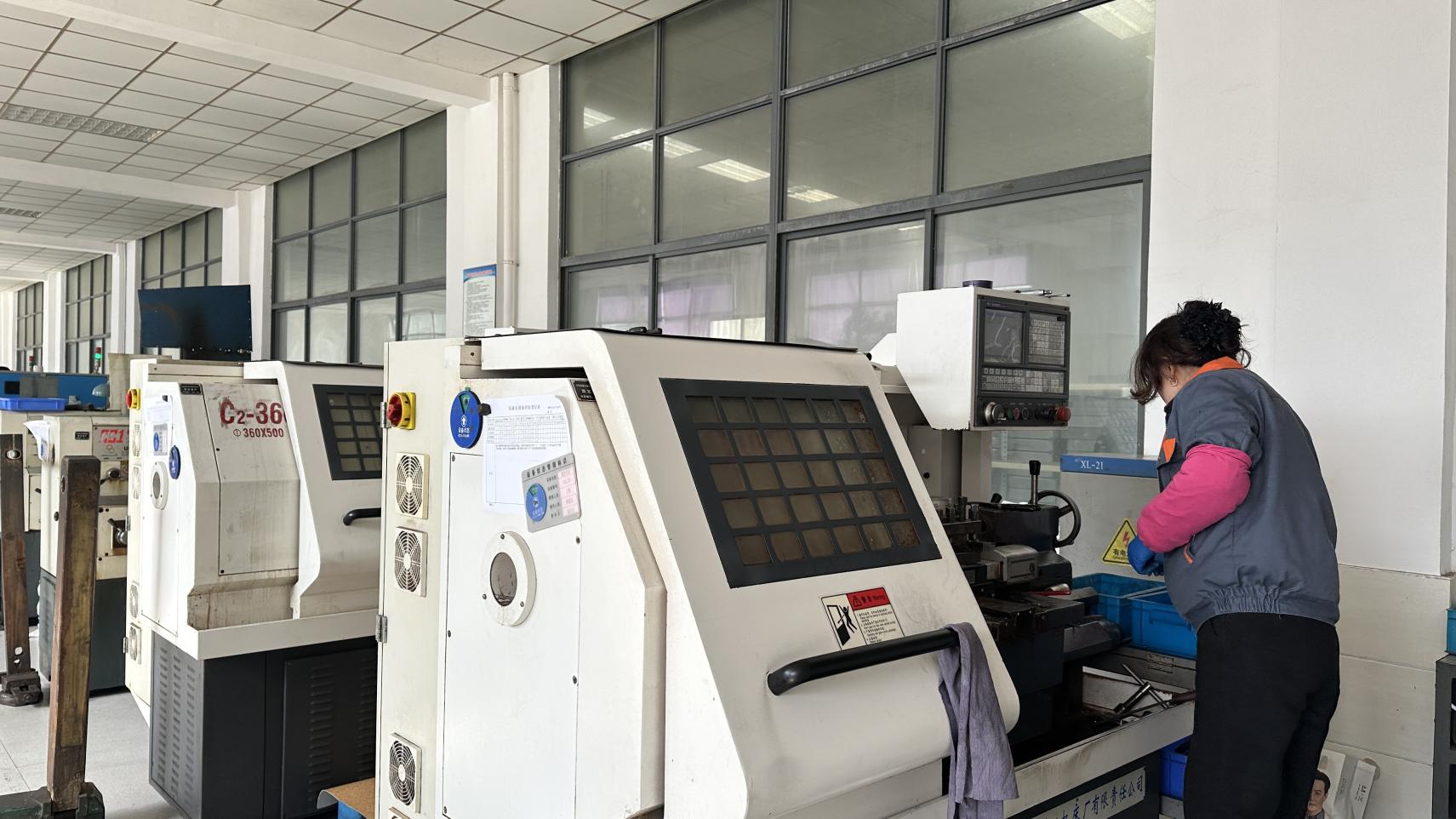
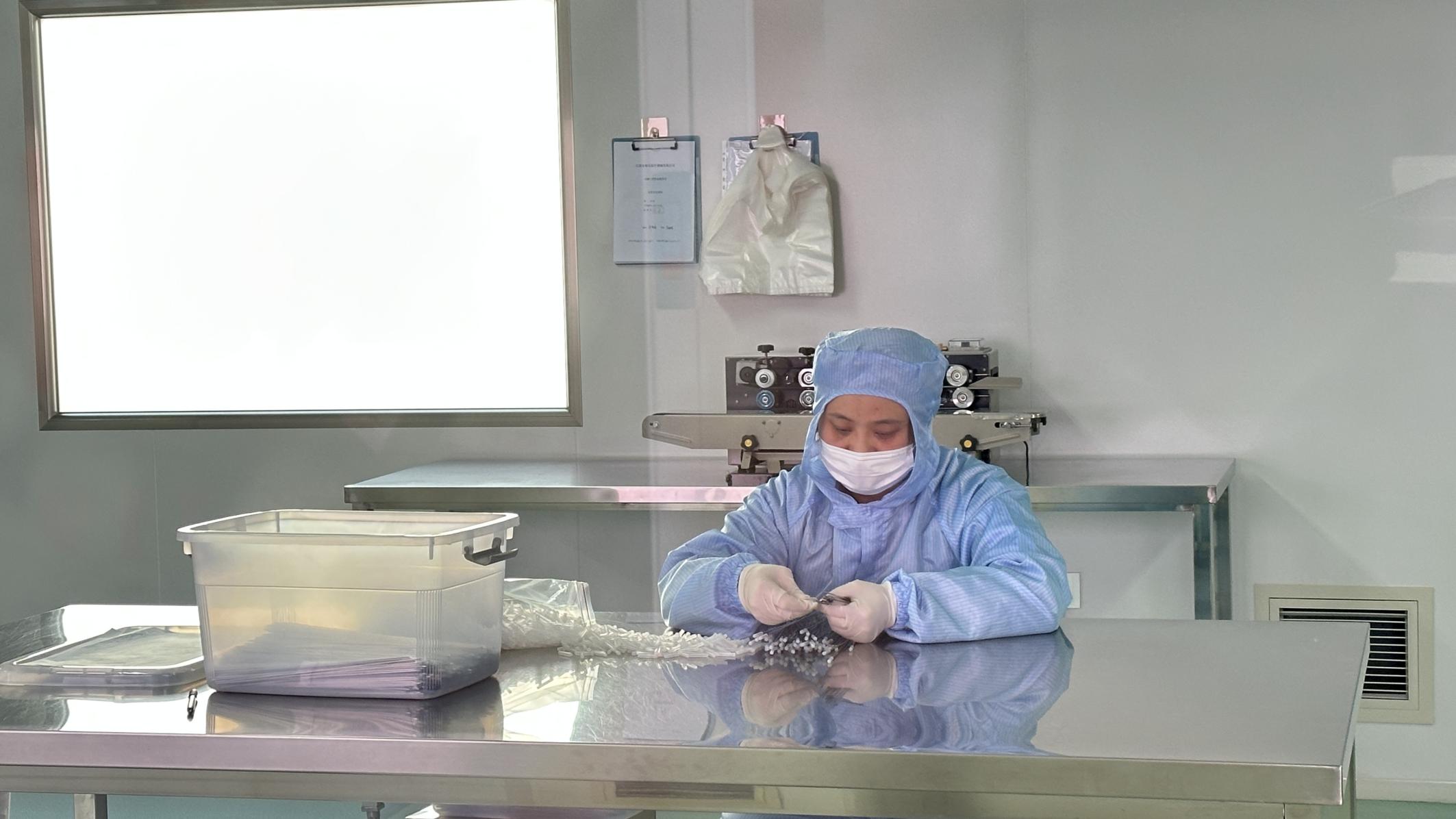
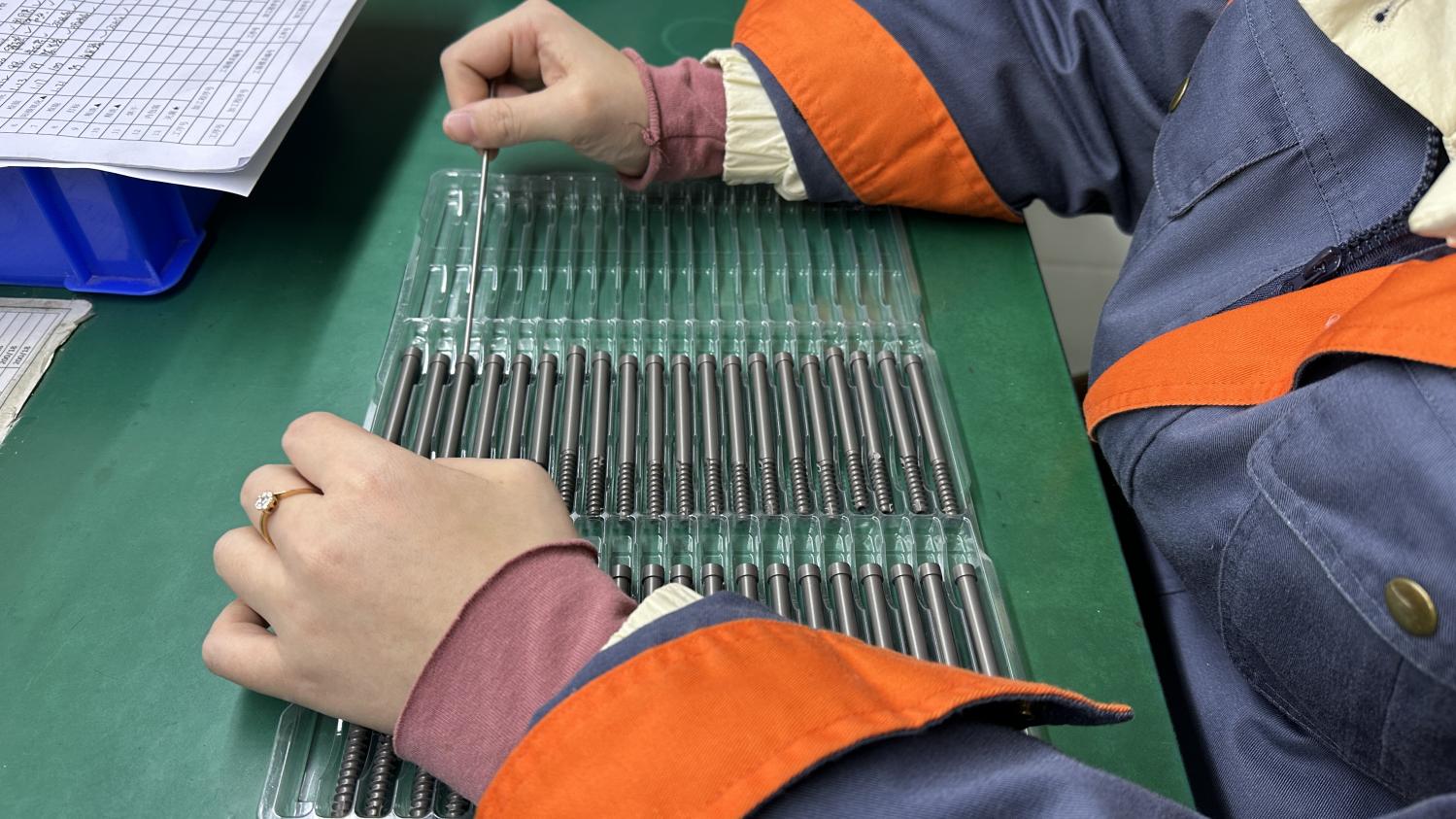
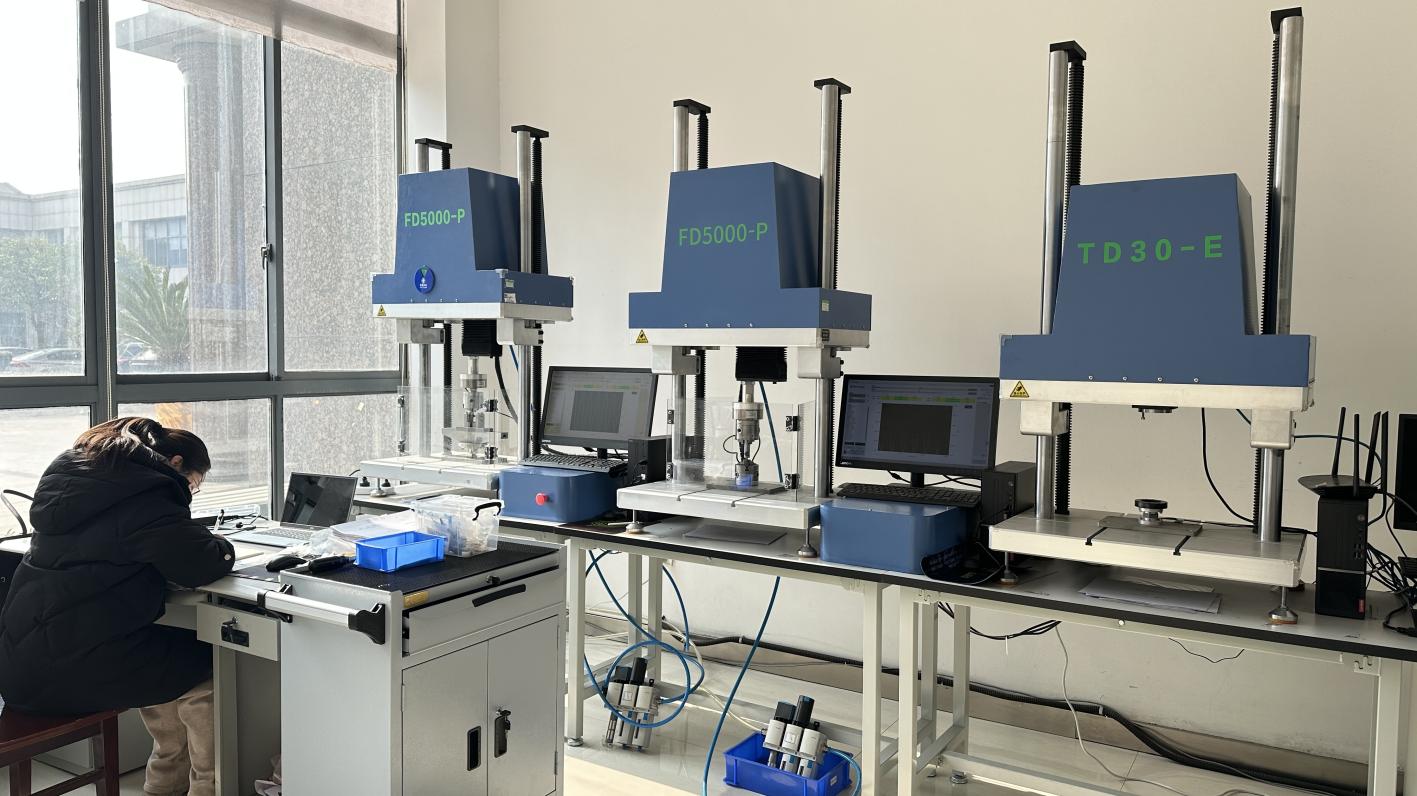
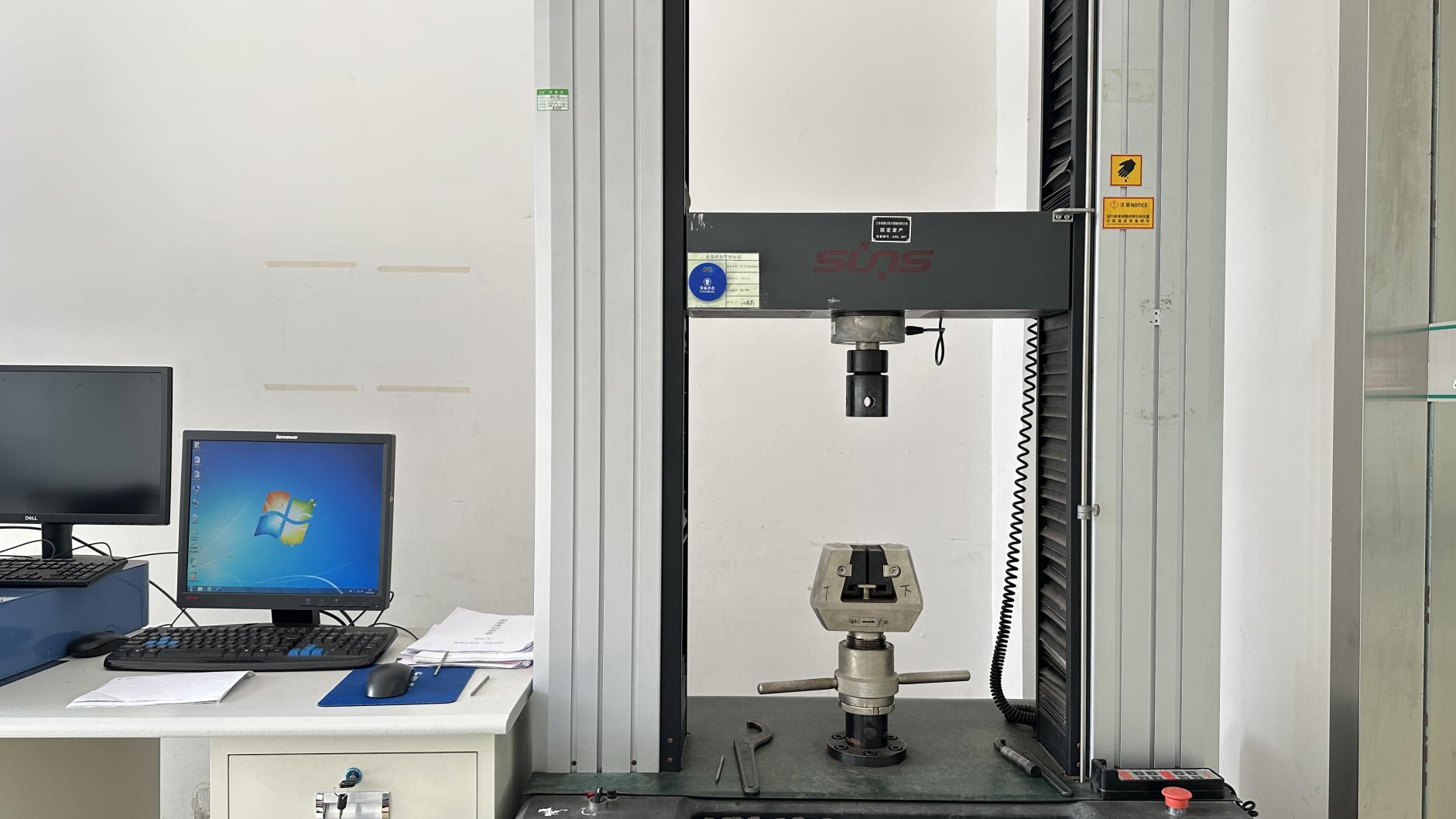
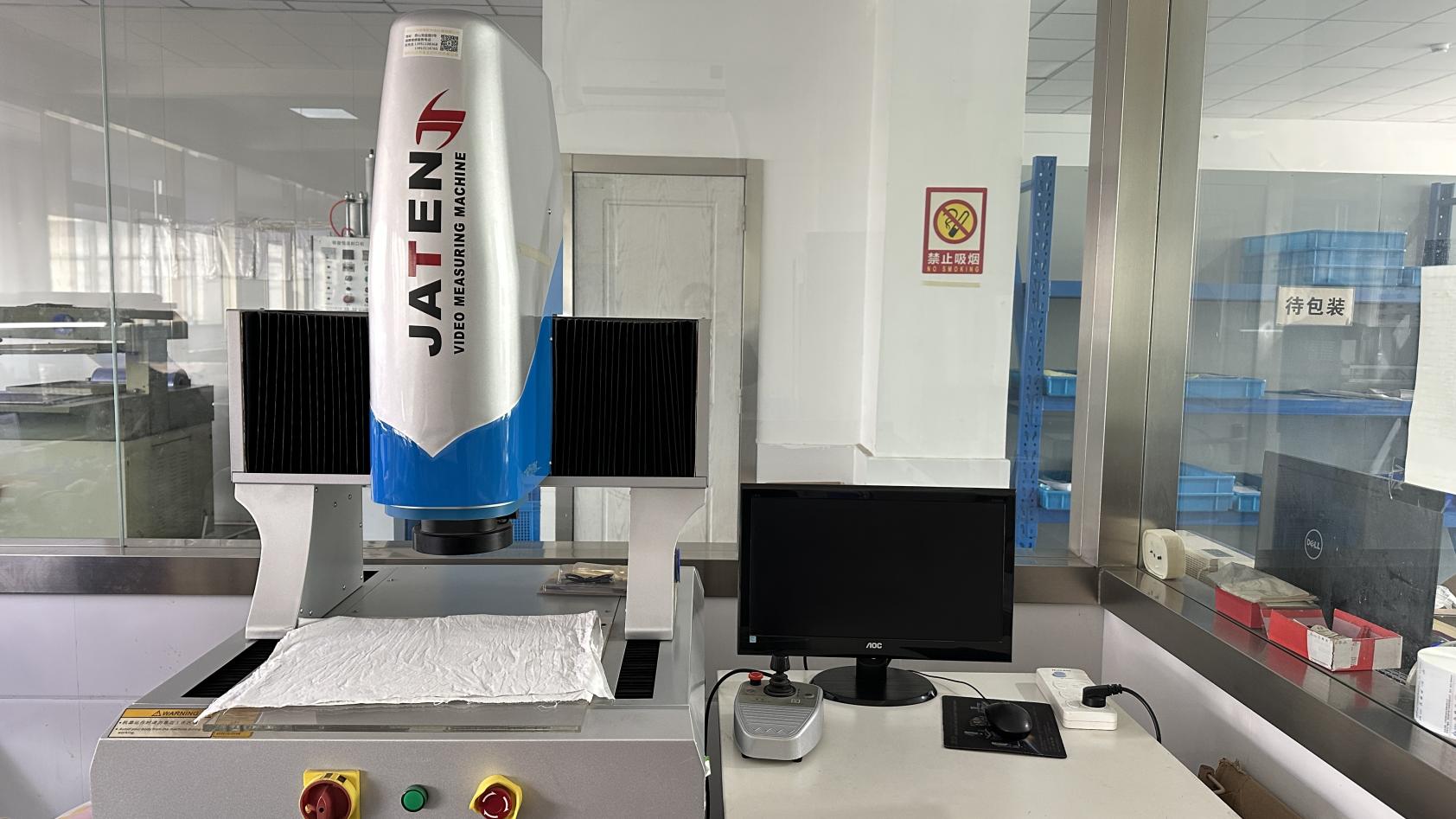
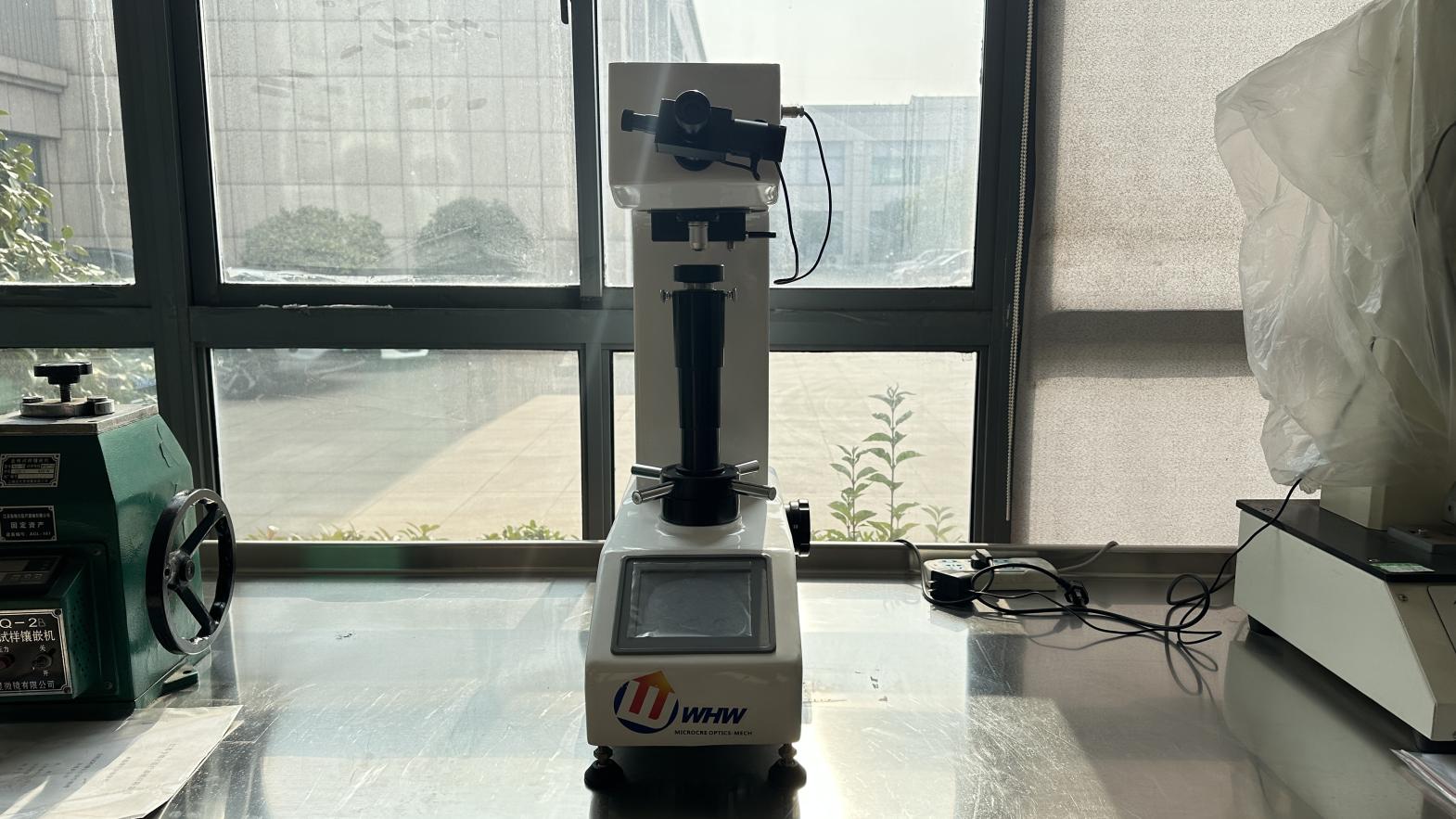
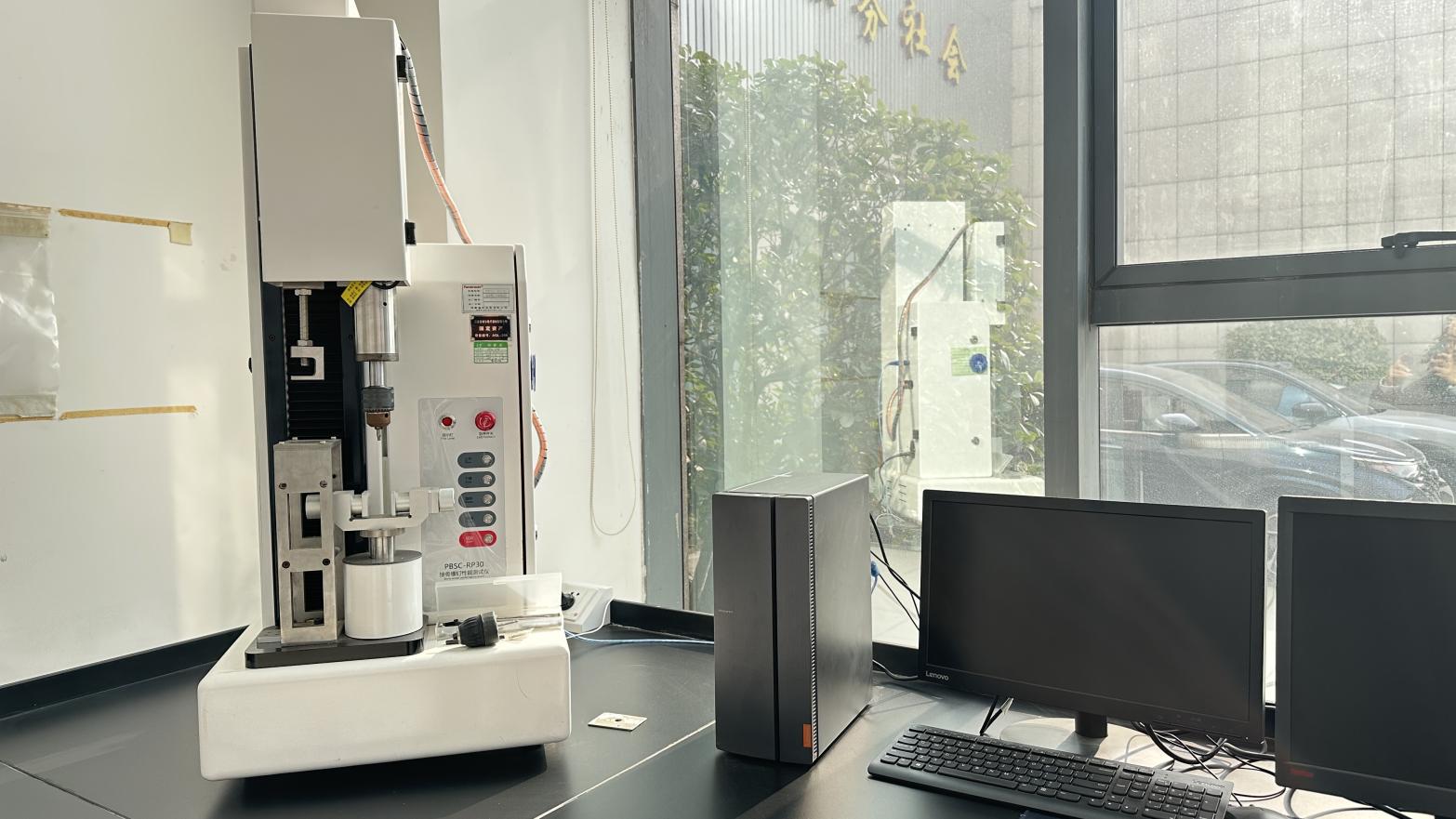
Key information regarding ordering, customization, technical testing, and quality control.
We primarily use medical-grade Titanium Alloy (Ti-6Al-4V ELI / Grade 5) conforming to ASTM F136 / ISO 5832-3. We also offer high-durability carbon-fiber composite materials for connecting rods to guarantee radiolucency, and medical stainless steel (316LVM) for cost-sensitive markets.
We coordinate closely with clinical teams and purchasing agents. We utilize in-house CAD modeling, biomechanical simulation software, and rapid prototyping machines to alter rod lengths, pin spacing, clamp configurations, and load distributions to match specific requirements.
Every batch undergoes rigorous evaluation, including coordinate measuring machine (CMM) dimensional checks, surface roughness measurement, tensile strength validation, axial pull-out testing for pins, and dynamic mechanical fatigue testing on our testing systems.
Yes, Virelox operates under an ISO 13485-certified quality management system. Our production documents, traceability protocols, and product testing methodologies are structured to support registrations for CE (MDR), FDA, ANVISA, and other local regulatory submissions.
We utilize high-resolution laser marking systems to apply Unique Device Identification (UDI) codes directly onto each implant and instrument, allowing comprehensive traceability from the raw material mill run to the final sterile batch packaging.
Standard modifications or private labeling orders usually ship within 30 to 45 days. Complex structural redesigns requiring custom tooling run on a 60 to 90-day cycle, backed by our efficient supply chain of 850 verified partners.
Complete precision solutions for human joint replacement, spinal trauma, and veterinary orthopedics.
 Virelox