Explore our elite range of CE/ISO-certified surgical implants and power tools, designed for maximum procedural safety and biomechanical reliability.
Virelox Medical Devices Co., Ltd. brings a decade of biomechanical expertise and advanced manufacturing capacity to international healthcare clients.
Virelox Medical Devices Co., Ltd. is a professional orthopedic medical device manufacturer specializing in joint replacement and surgical implant solutions. The company operates under the brand “Virelox” and is committed to delivering high-performance orthopedic systems for global healthcare providers.
With over 10 years of intensive industry experience and 8 years of global export proficiency, we bridge the gap between clinical performance and cost-efficient manufacturing. Our factory implements a full-process, ISO 13485-compliant quality system powered by 65 dedicated QC professionals.
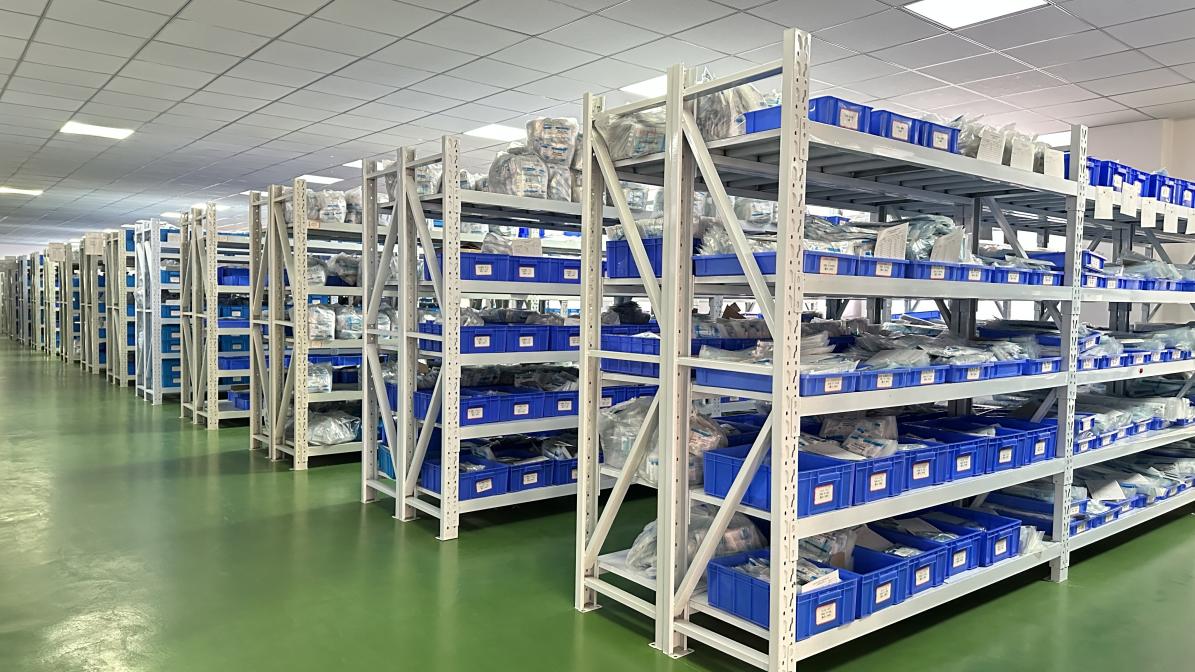
Supported by 850 certified upstream and downstream partners, Virelox ensures an uninterrupted supply of raw materials (such as medical-grade titanium alloys and ultra-high-molecular-weight polyethylene) and precision sub-components.
Our main customer profile includes premium medical device distributors, regional orthopedic clinics, major public hospitals, and international healthcare procurement agencies across Europe, Southeast Asia, the Middle East, and South America.
Understanding the clinical demand, engineering challenges, and structural breakthroughs of locking plates in shoulder reconstruction.
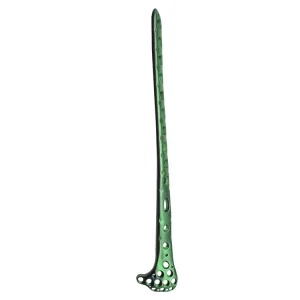
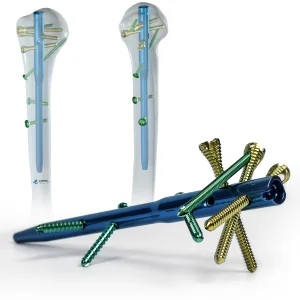
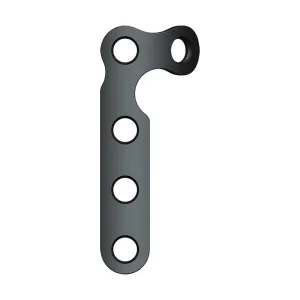
The global market for trauma fixation has witnessed a paradigm shift toward anatomically pre-shaped implants. Specifically, Proximal Humeral Locking Plates are the gold standard for treating unstable three-part and four-part proximal humerus fractures, particularly in osteoporotic bone structures. In the past, conventional plates relied on plate-to-bone friction, which often compromised periosteal blood supply and resulted in high fixation failure rates. Modern locking systems act as external-internal fixators, delivering angular stability that resists displacement under physiological loading.
Clinically, addressing proximal humeral fractures (classified under the Neer Classification System) requires implants that prevent typical postoperative complications, such as screw back-out, varus collapse of the humeral head, and subacromial impingement. As a leading OEM/ODM partner, Virelox designs proximal humeral plates with a low-profile head configuration, highly polished margins to mitigate soft-tissue irritation, and optimal suture holes for rotator cuff attachment.
Leveraging industrial clusters, state-of-the-art machinery, and lean manufacturing cycles to optimize your margins.
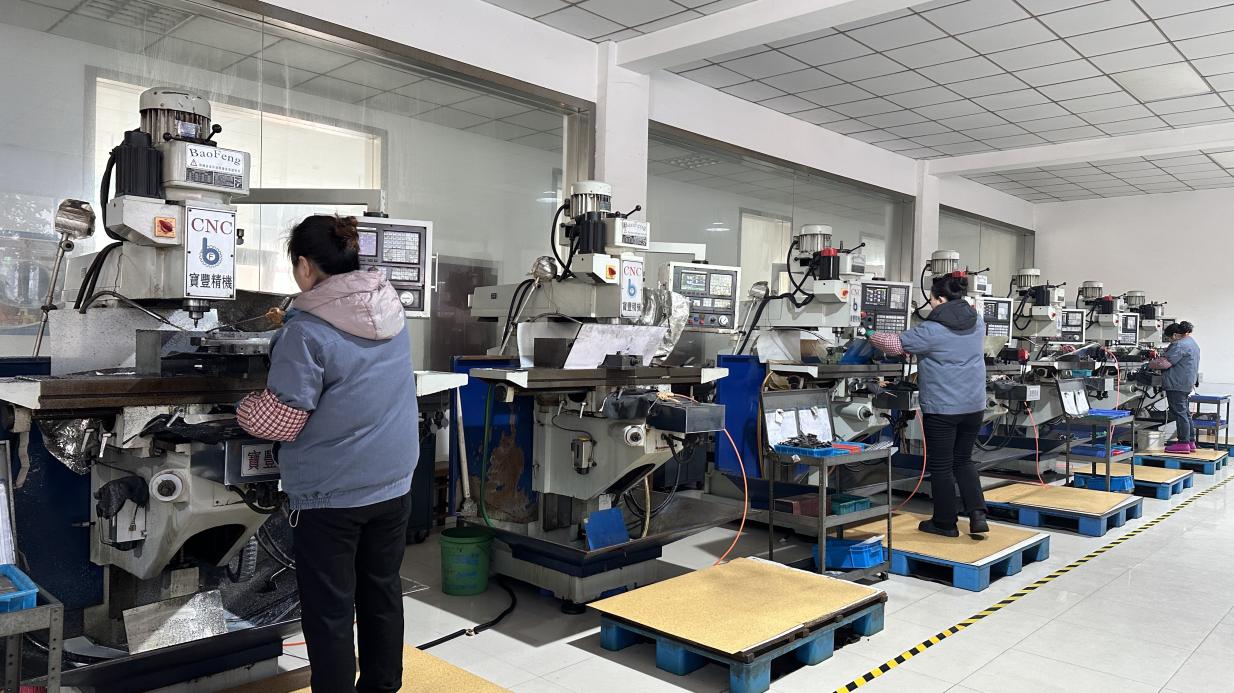
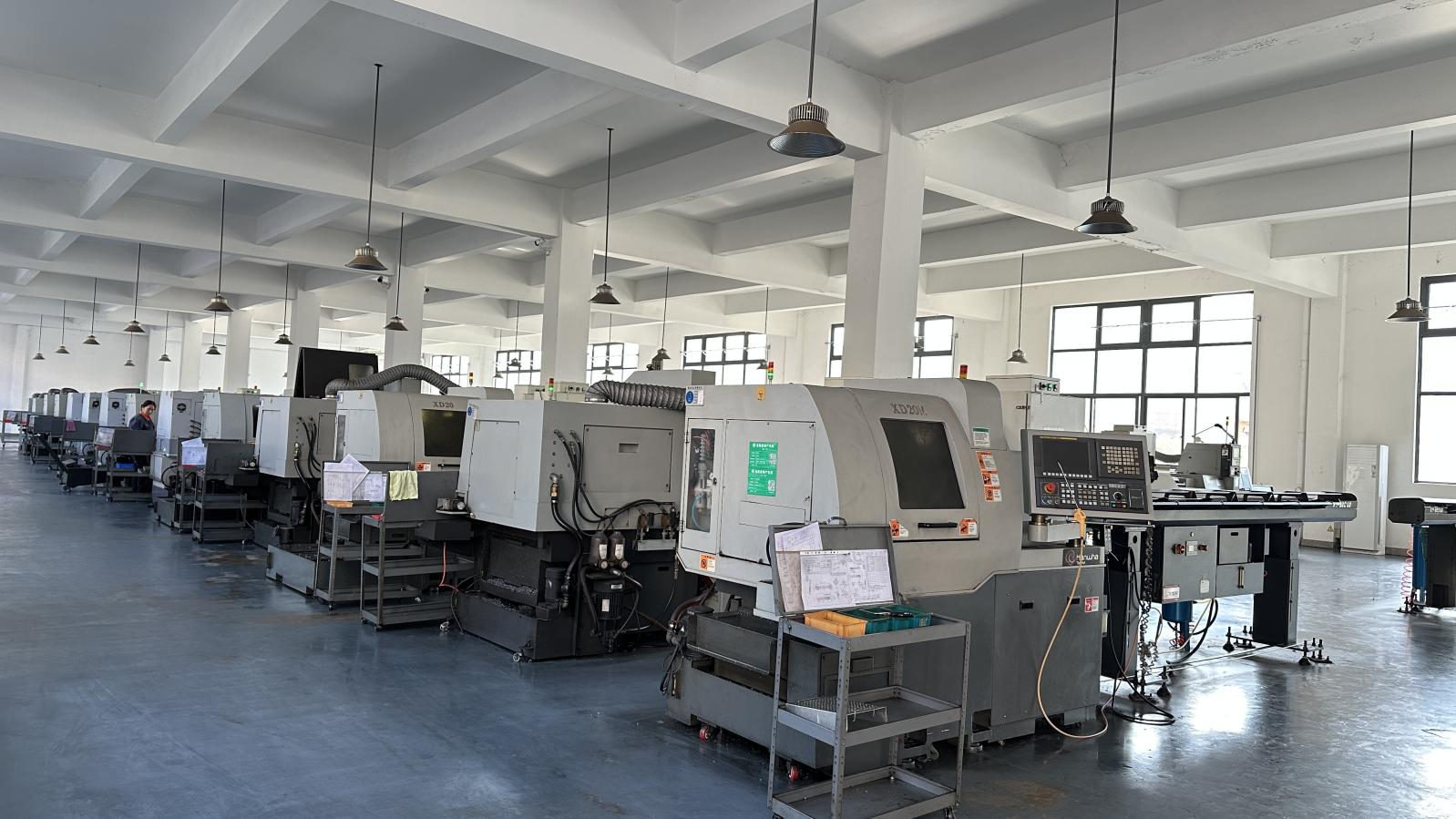
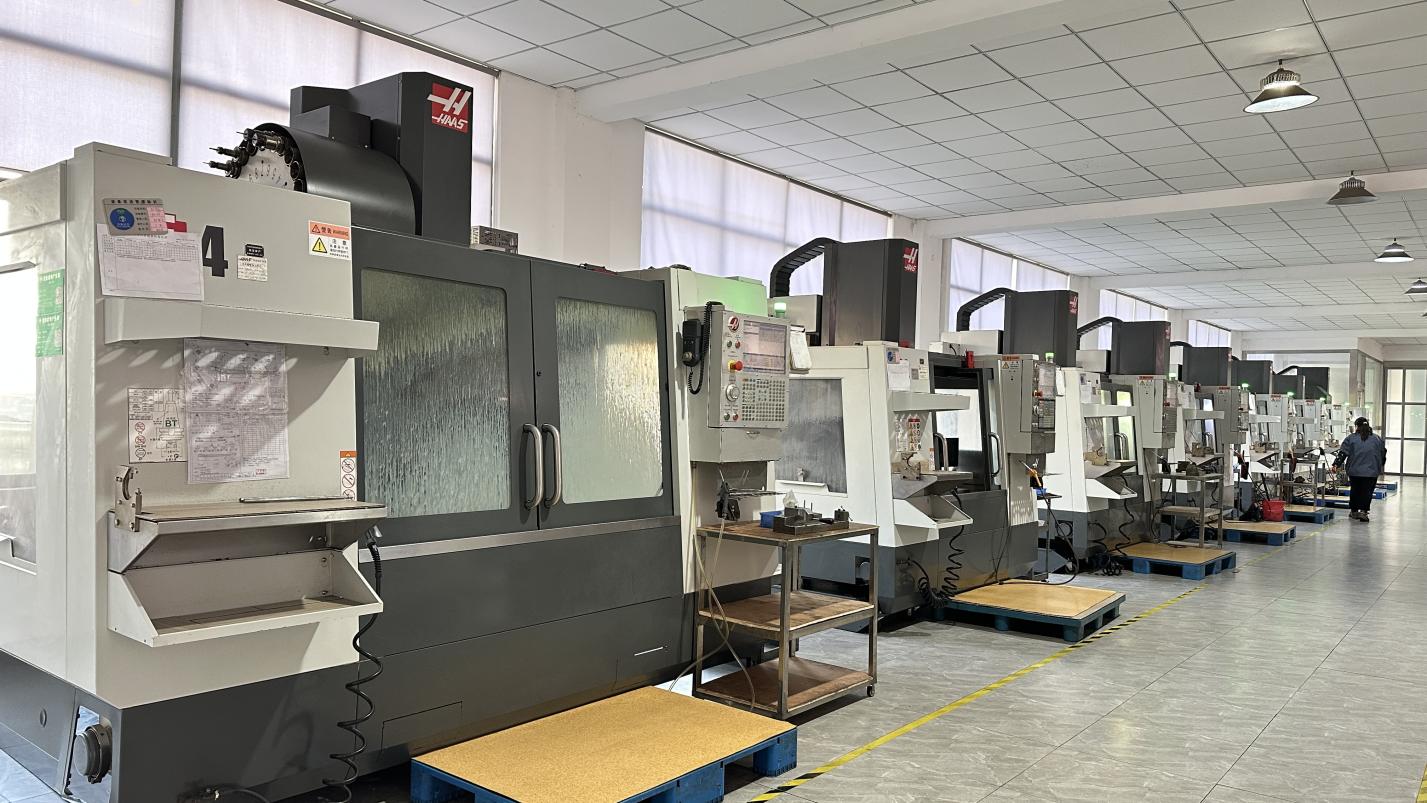
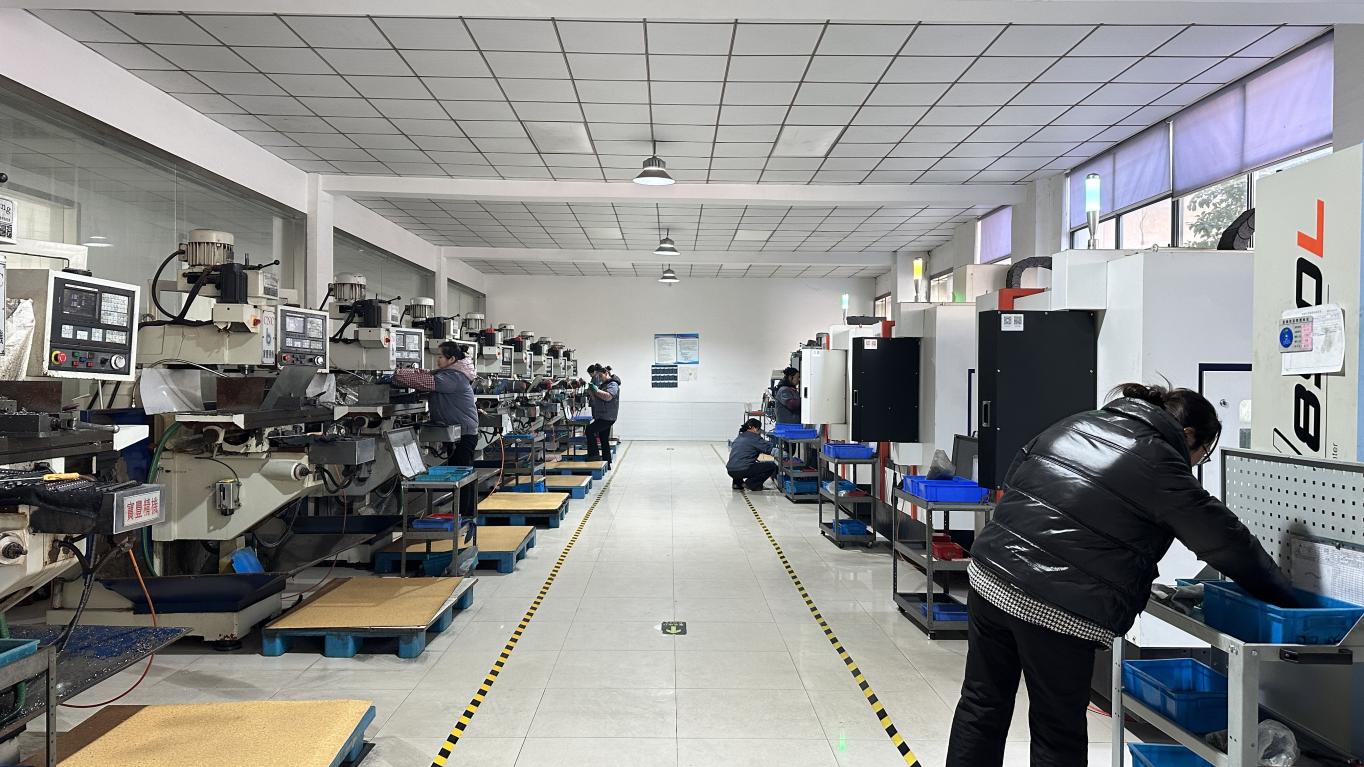
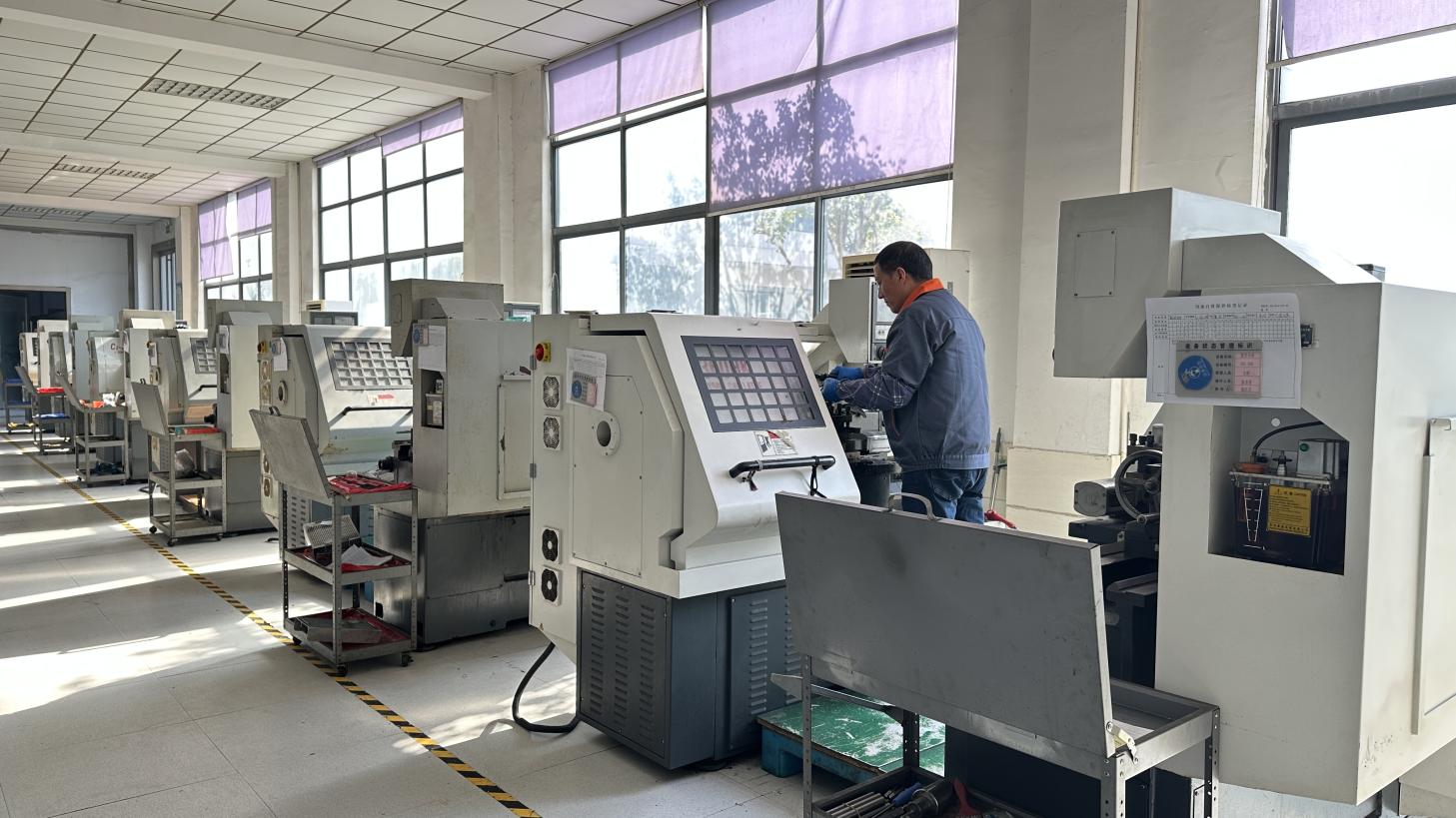
Our workshop utilizes ultra-precision CNC multi-axis milling and sliding-head lathe technologies. This guarantees dimensional tolerances within ±0.005mm, which is critical for the threaded matching of locking screws and plate holes.
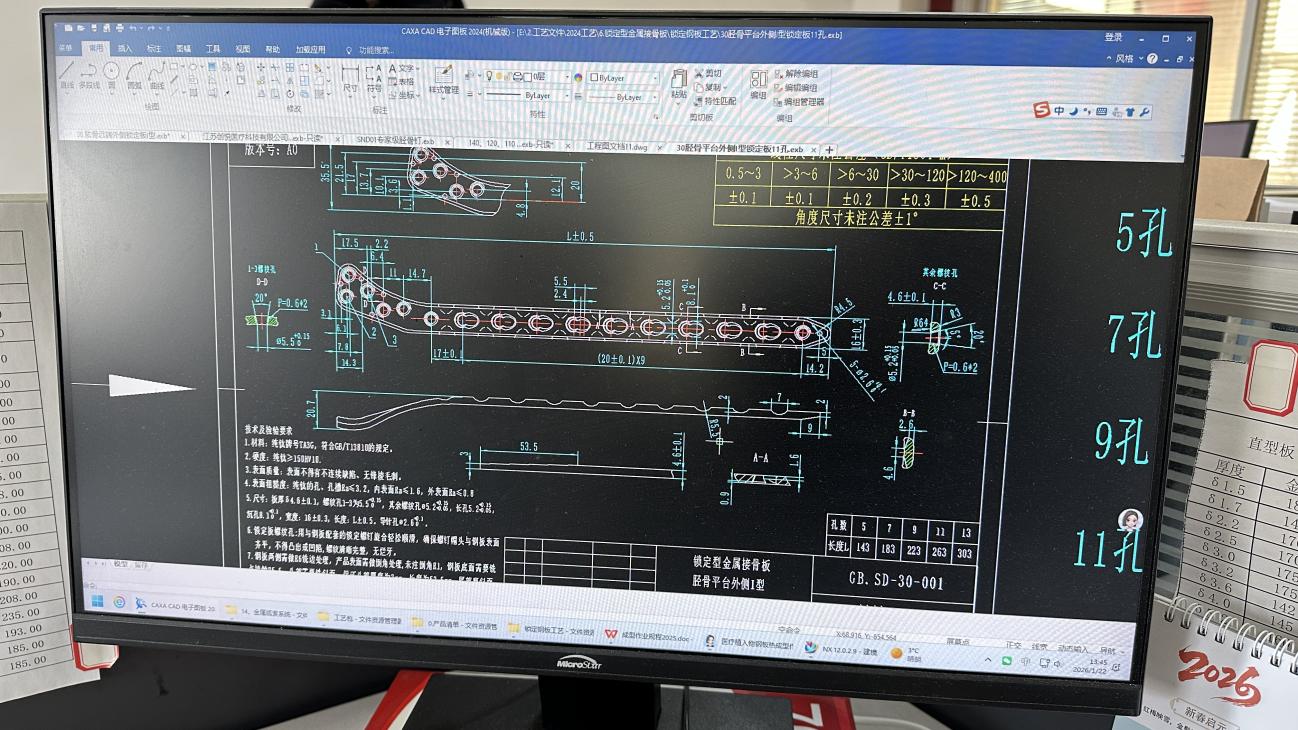
With an in-house team of 120 R&D engineers, we can translate surgical sketches into 3D CAD/CAM models and print biomechanical prototypes within 7 to 14 days, significantly accelerating your time-to-market.
By operating inside China’s premier medical-industrial cluster and partnering with 850 certified upstream suppliers, we reduce material acquisition costs and pass these savings directly to our global OEM buyers.
| Manufacturing Parameter | Virelox Standards (China Factory) | Western Industry Average | Strategic Advantage |
|---|---|---|---|
| Lead Time for Custom OEM Mold | 15 - 30 Days | 60 - 90 Days | Fast product launch & iterative updates |
| Minimum Order Quantity (MOQ) | Flexible (Starts at 50 units/size) | High (Minimum 500 units) | Optimized cash flow & inventory risk mitigation |
| Quality Control Staff Ratio | 15% of total workforce (65 QC Experts) | 8% - 10% | Consistent regulatory conformity (CE, ISO) |
| Fatigue Testing (Cycles) | Verified up to 1,000,000 cycles (ASTM F382) | Complies with local norms | Negligible implant fracture rate in clinical use |
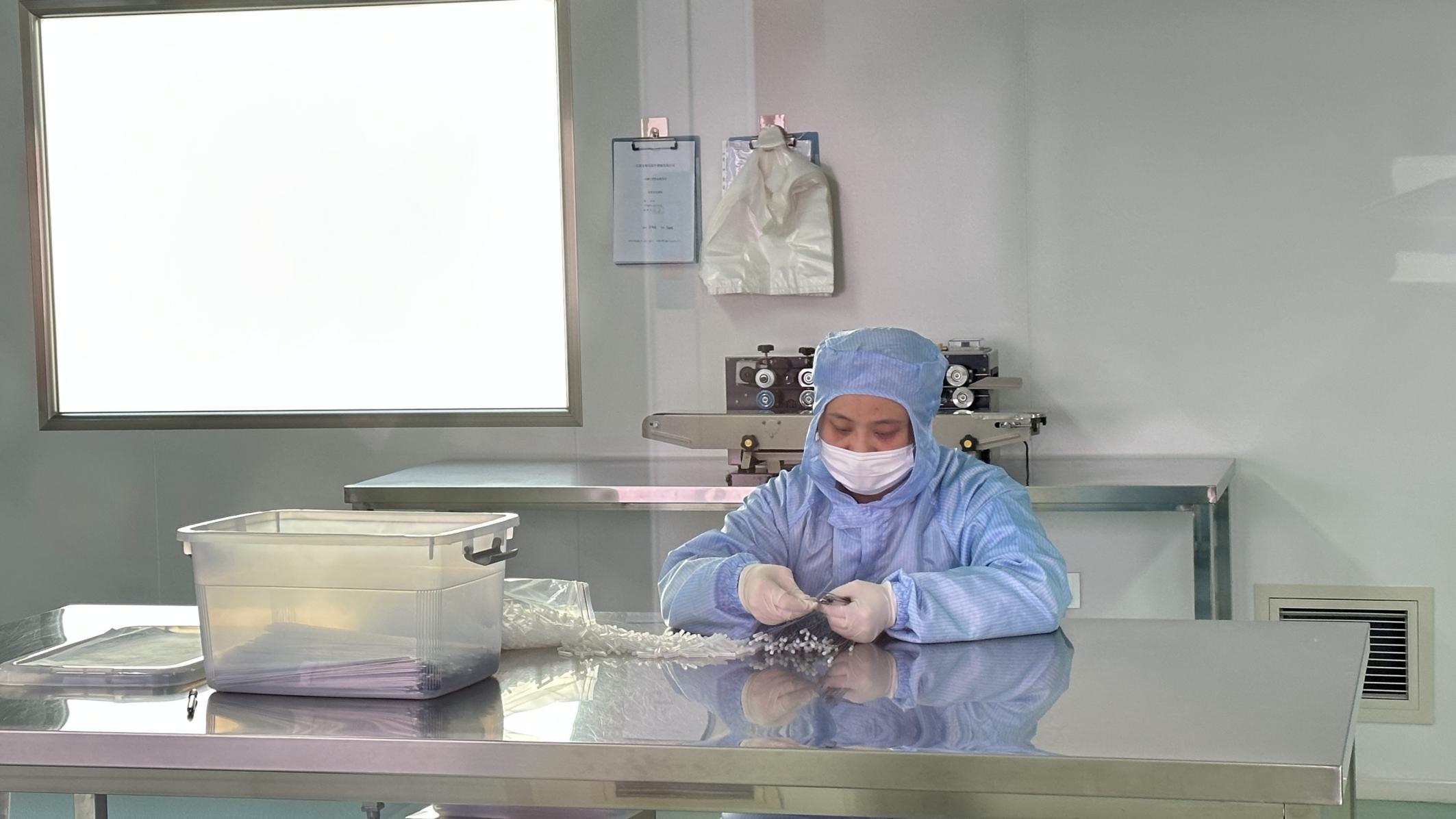
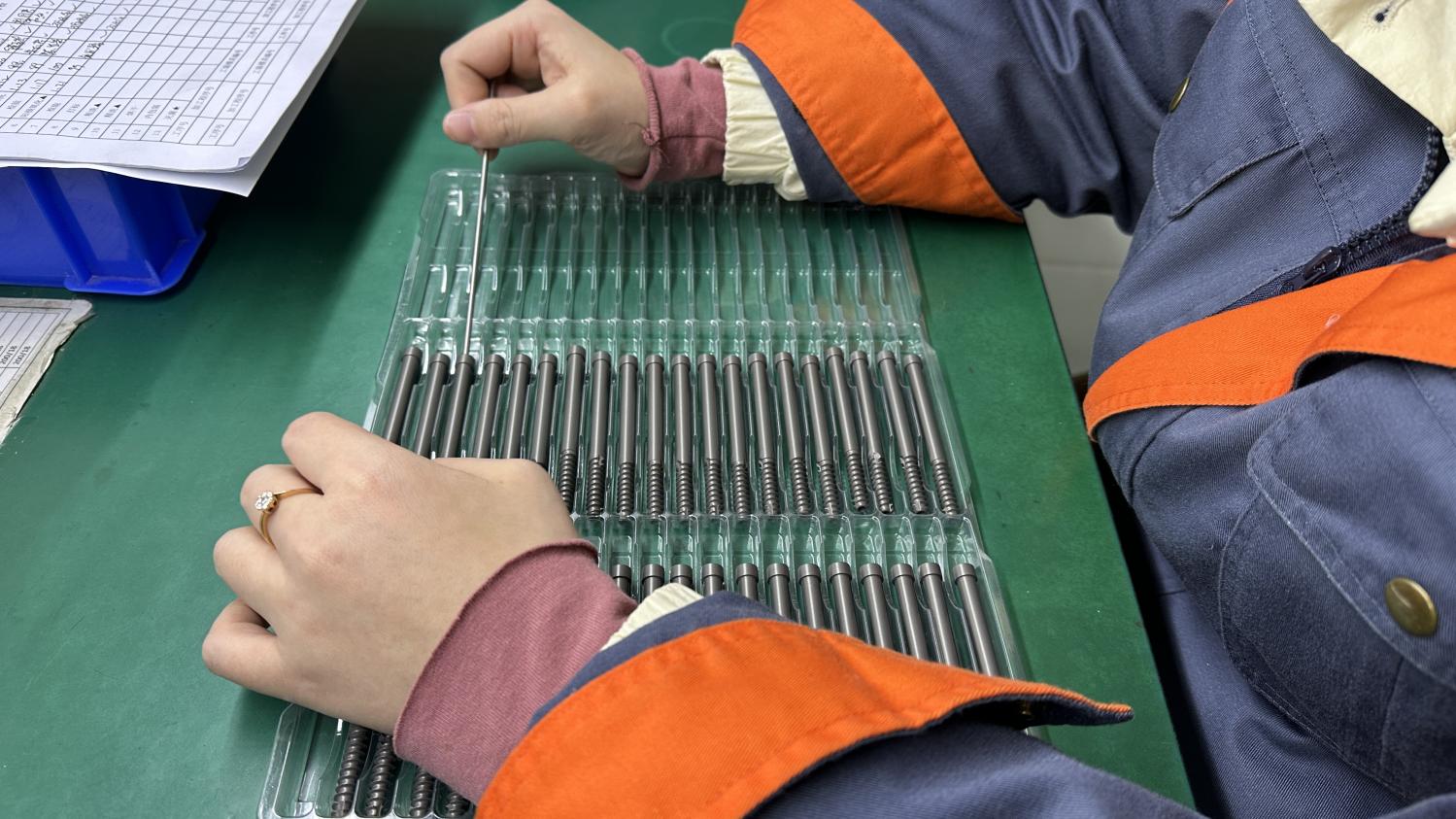
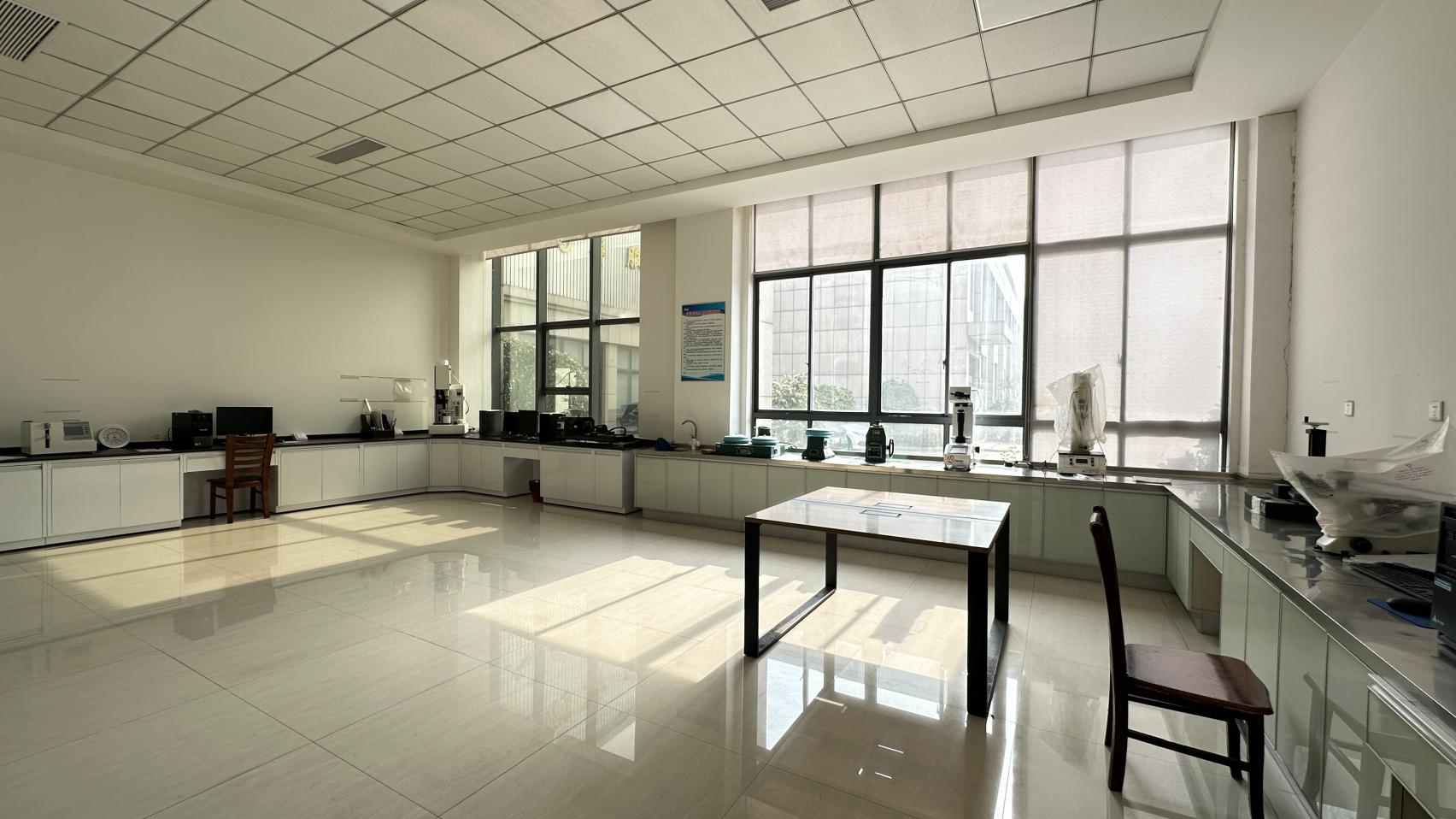
Every implant batch undergoes extensive biomechanical and non-destructive evaluations before dispatch.
Our quality management workflow does not simply stop at dimensional verification. We execute a comprehensive range of mechanical and structural tests:
We leverage advanced finite element analysis (FEA) software to simulate stress distribution across the proximal humeral locking plate interface. This virtual simulation environment allows our engineering team to design plates with balanced stiffness, preventing stress shielding which can delay natural bone healing. Last year alone, our R&D group successfully introduced 120 new orthopedic and spinal implants to market.
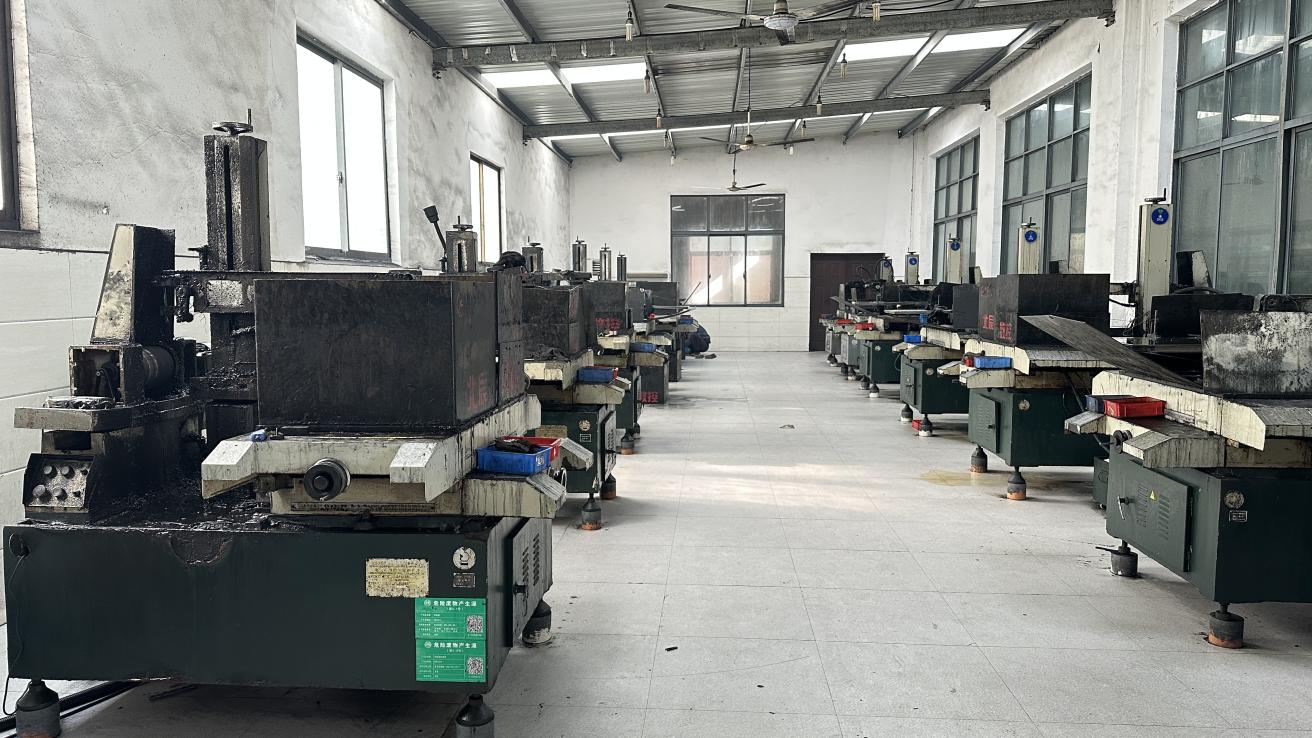
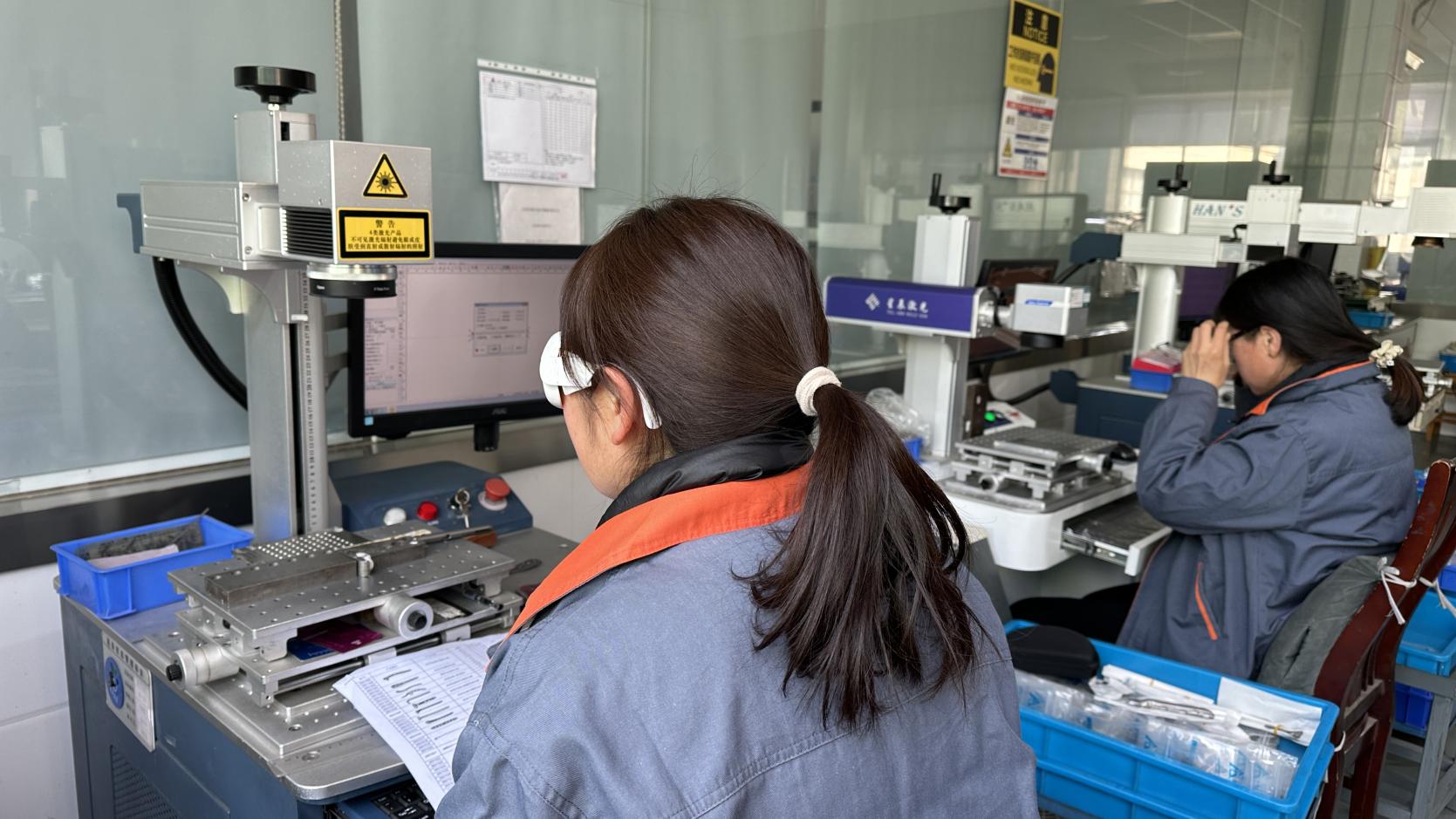
Step into our state-of-the-art facility and trace our manufacturing process from raw medical-grade titanium to packaging.
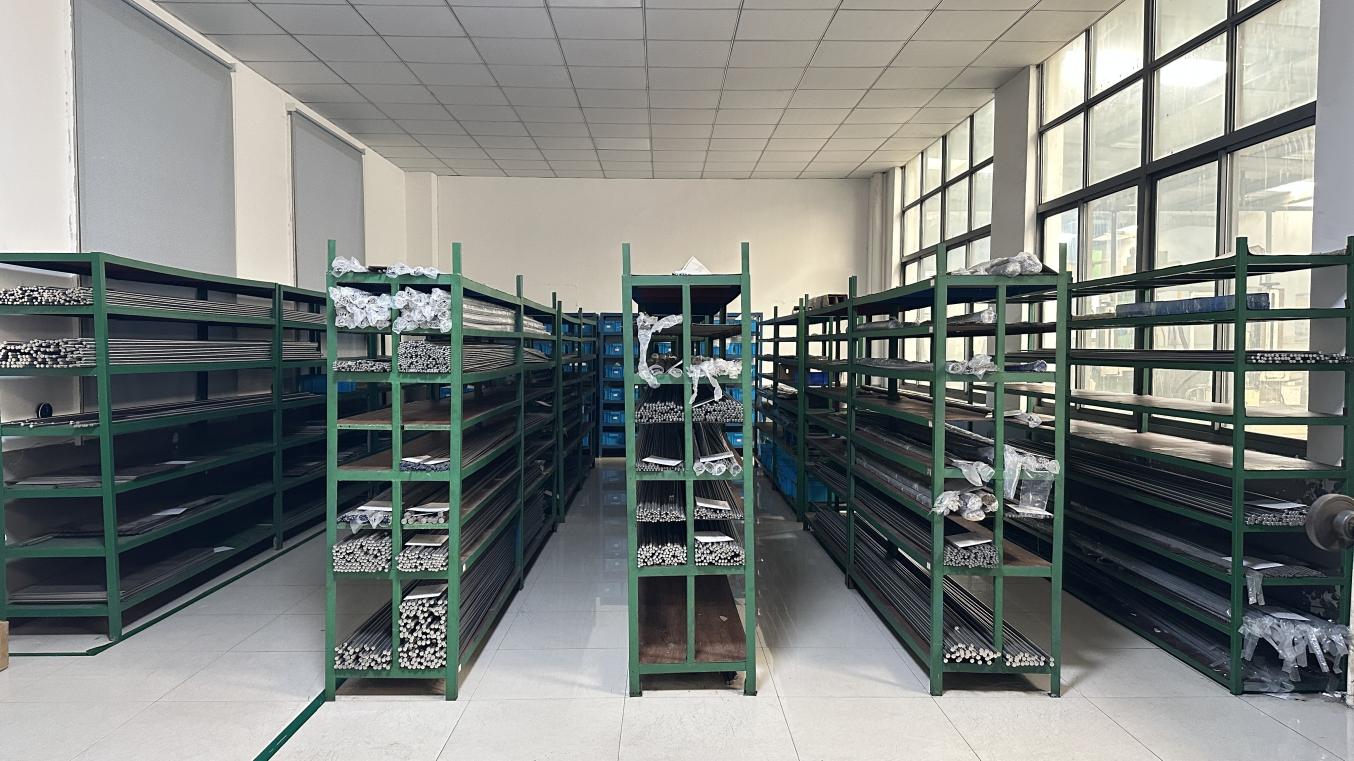
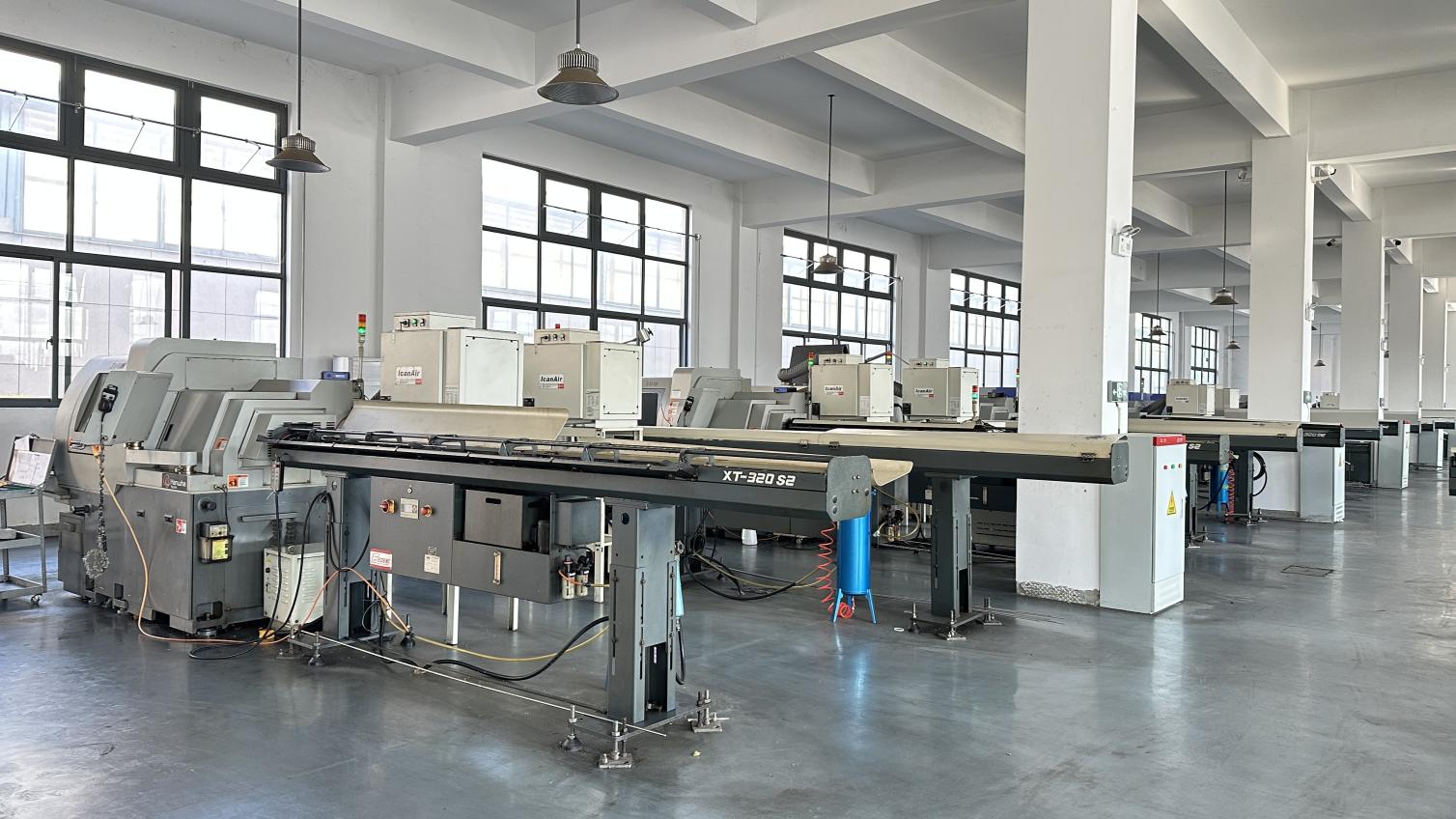
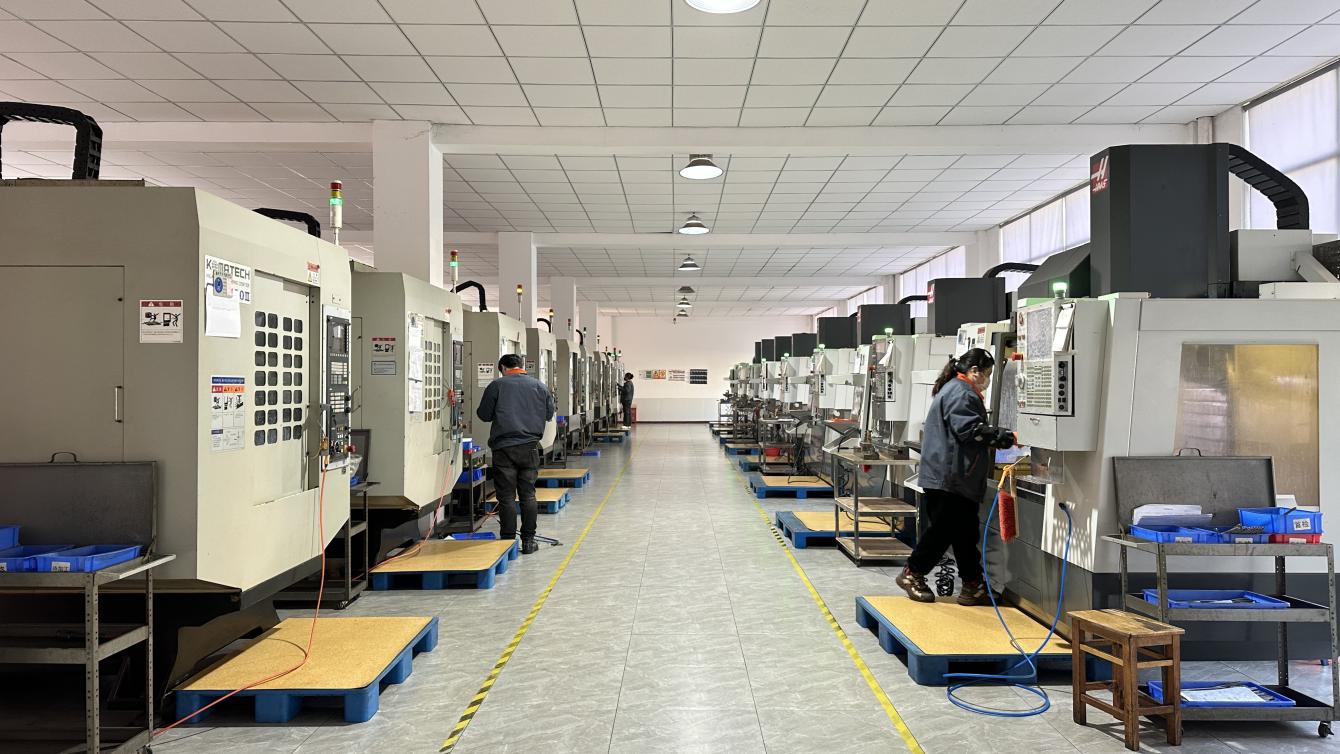
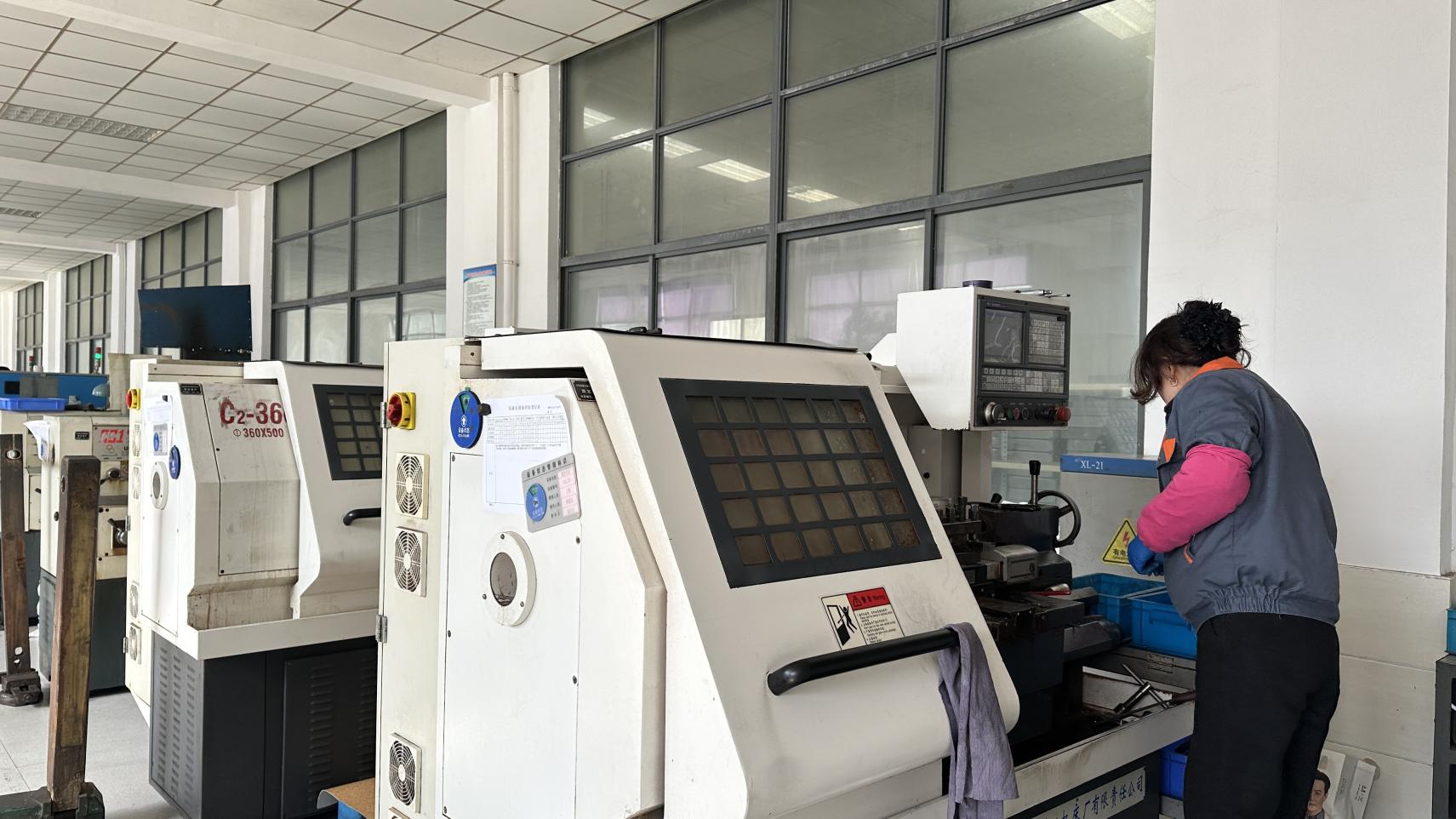
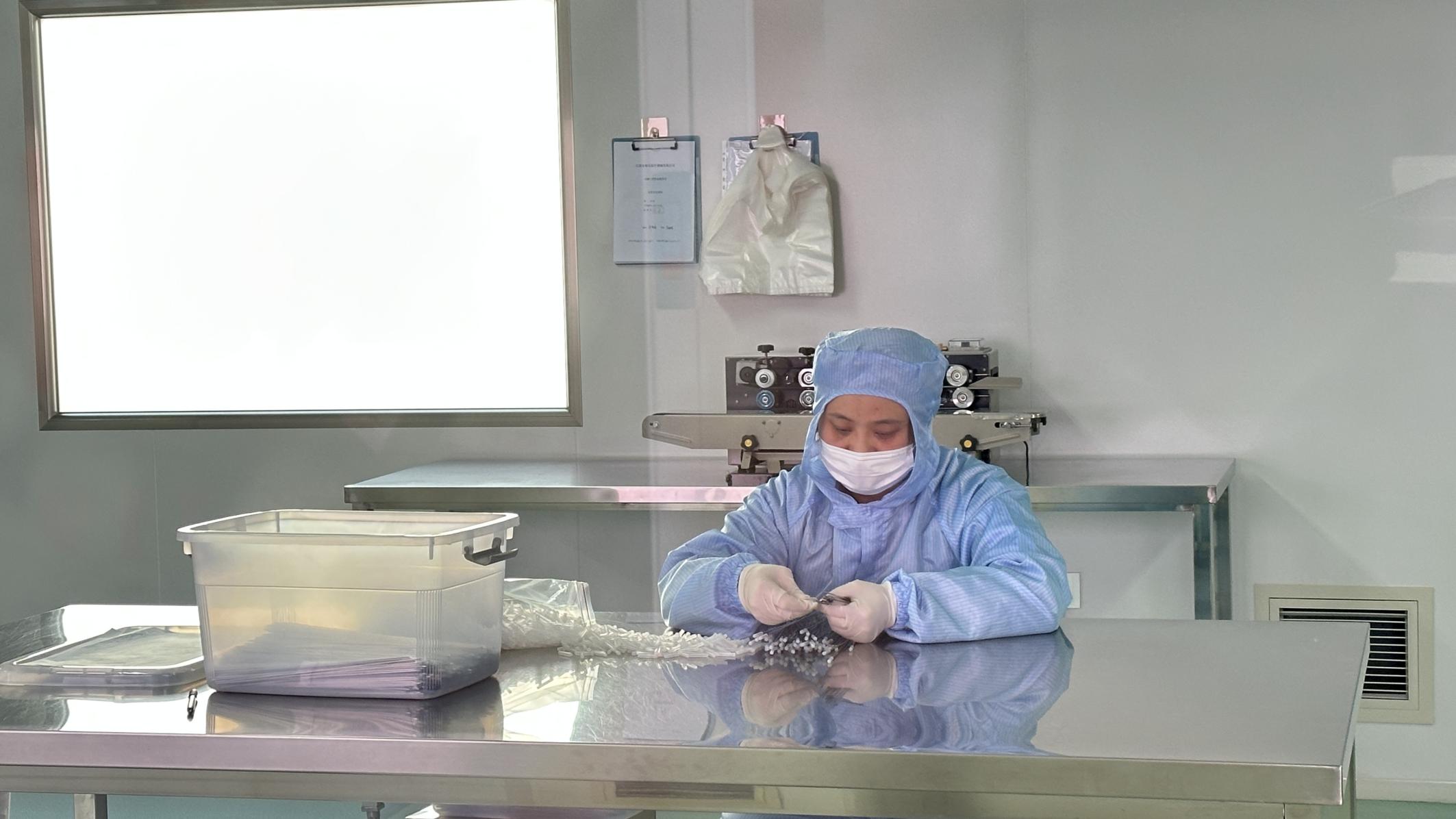
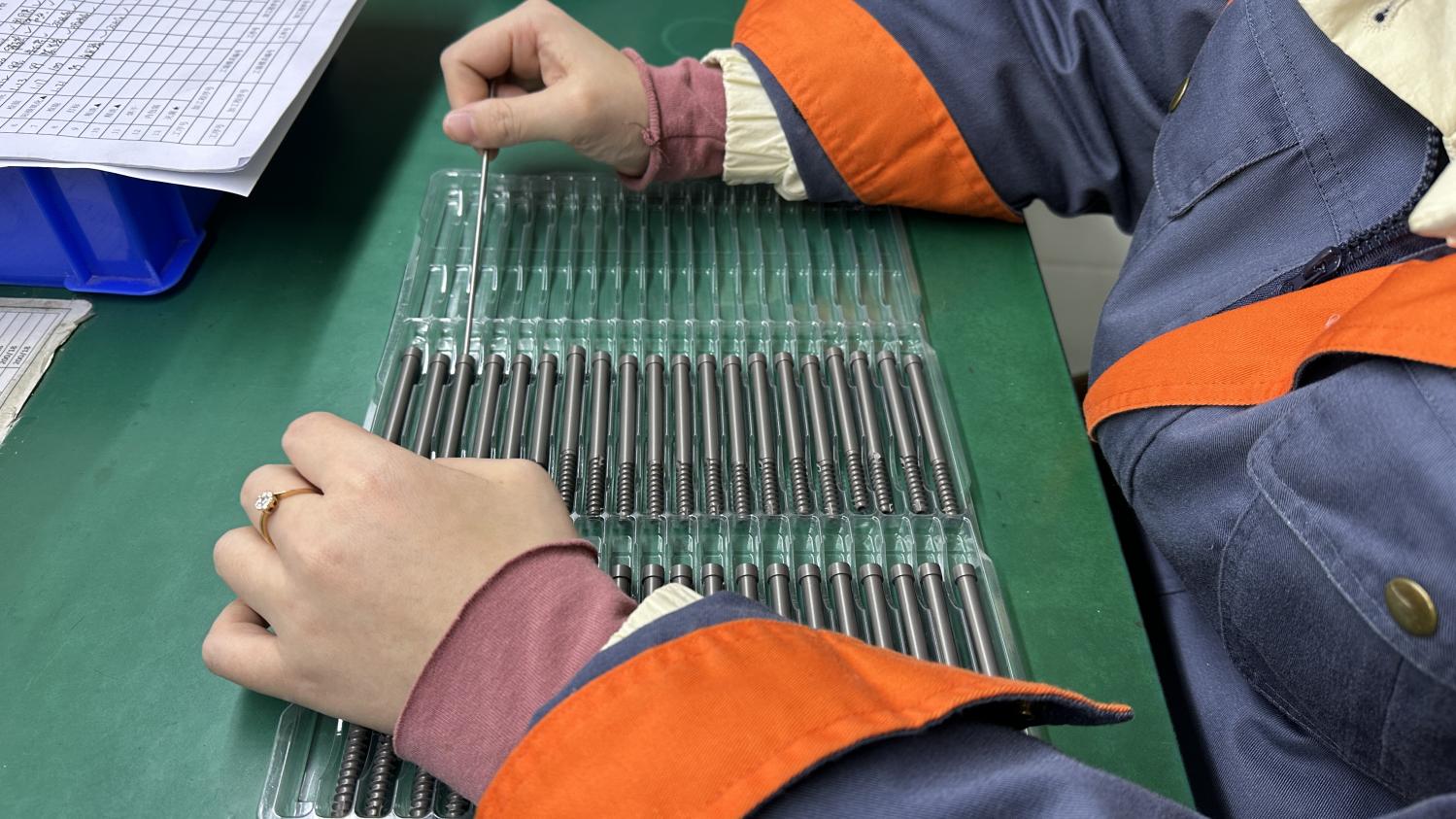
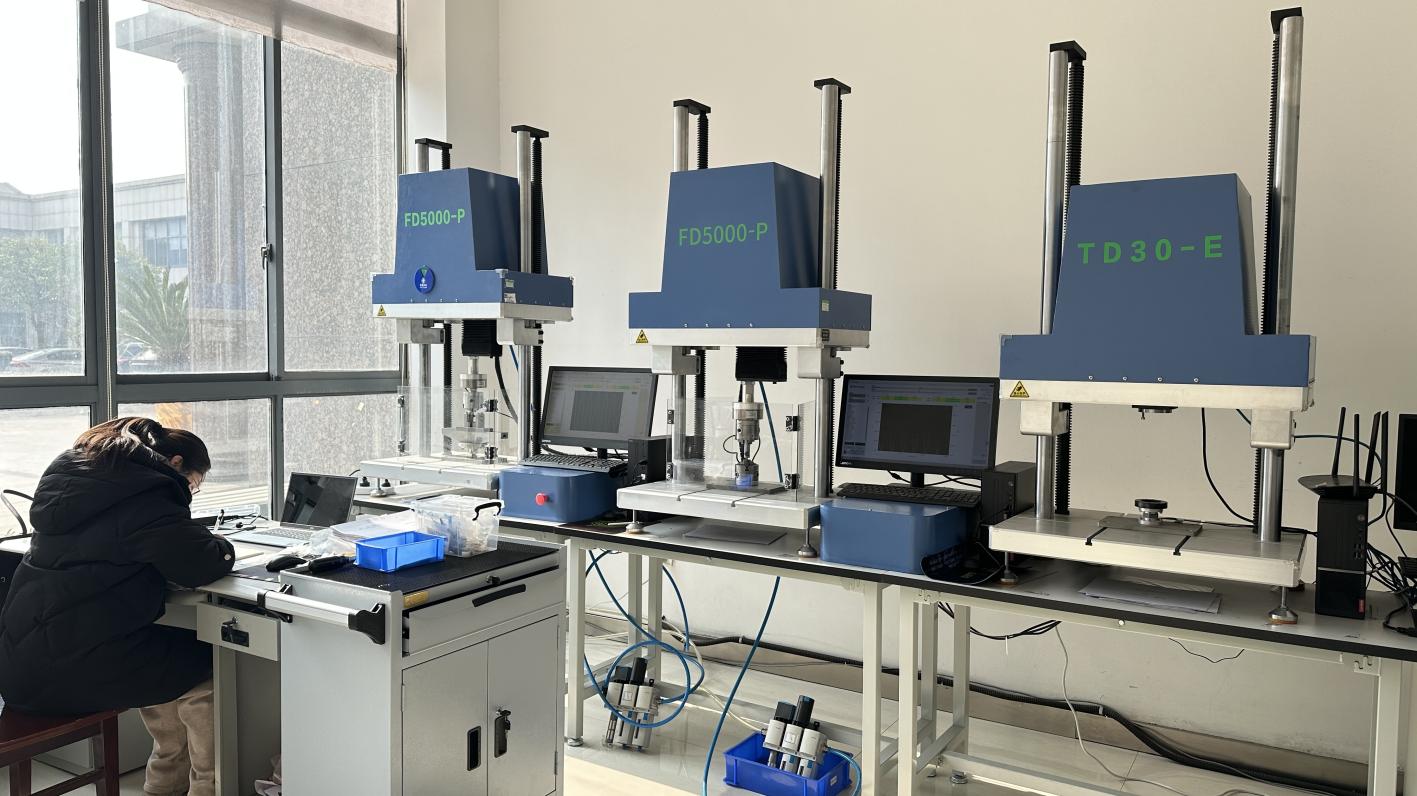
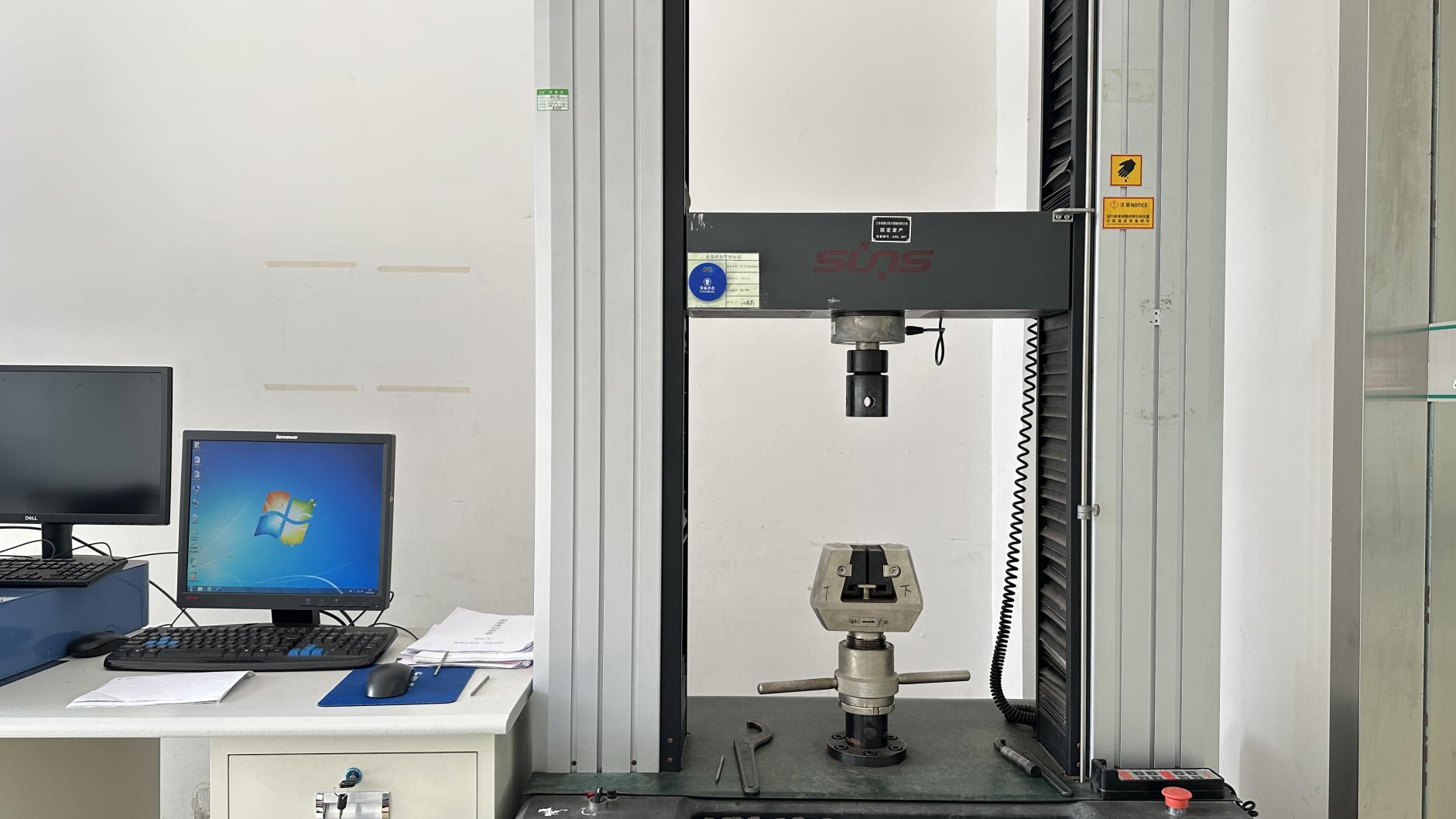
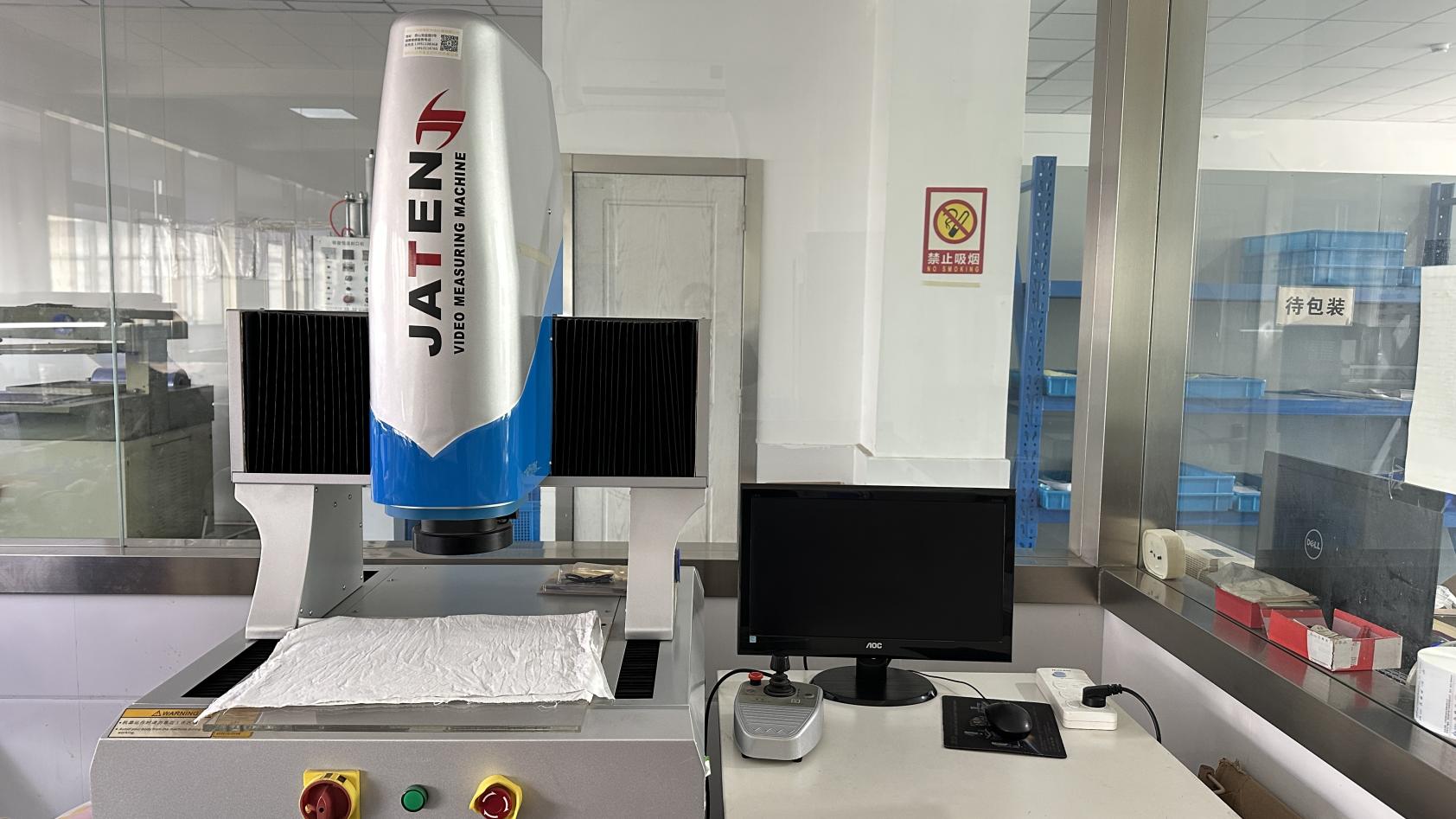
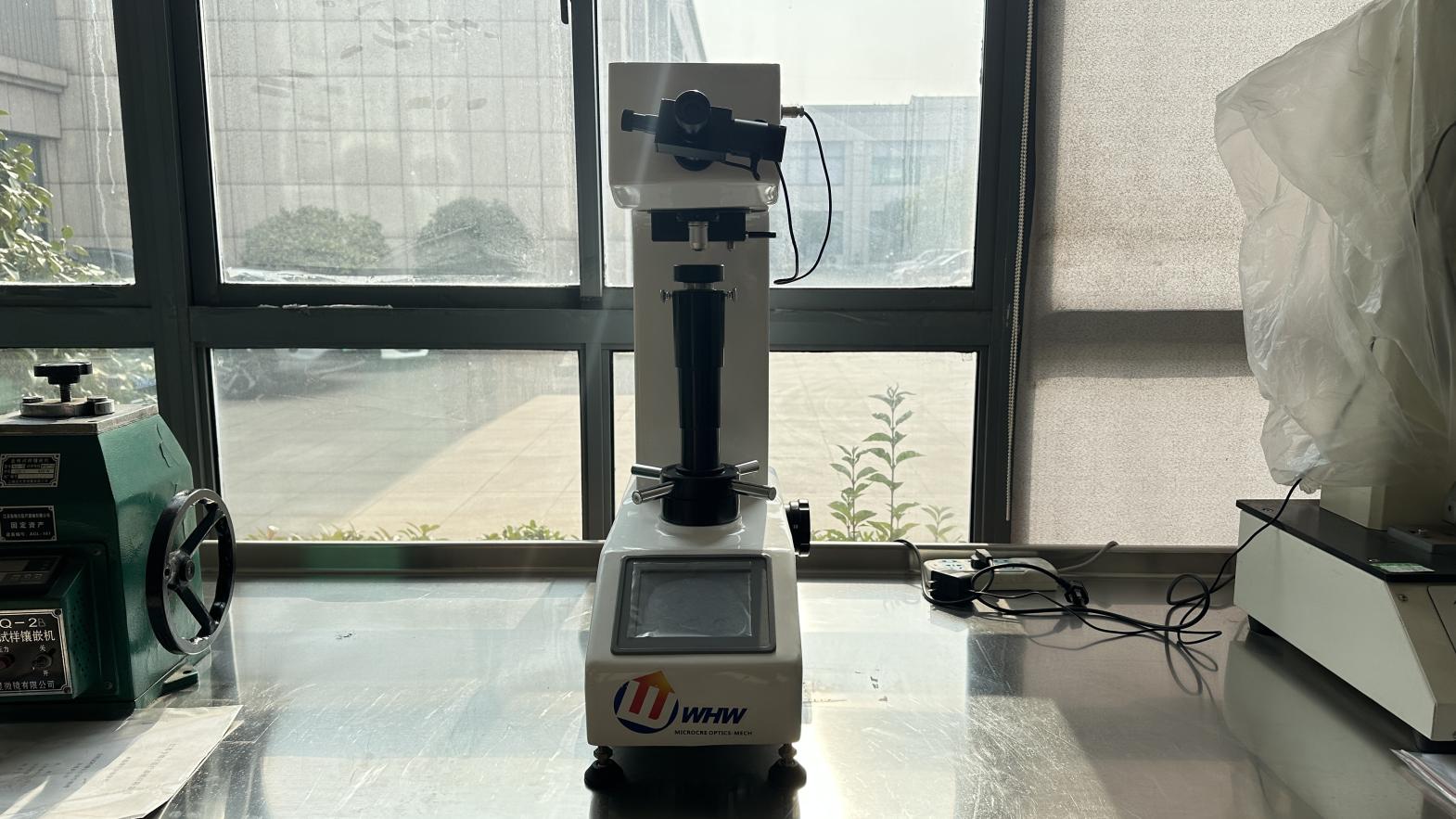
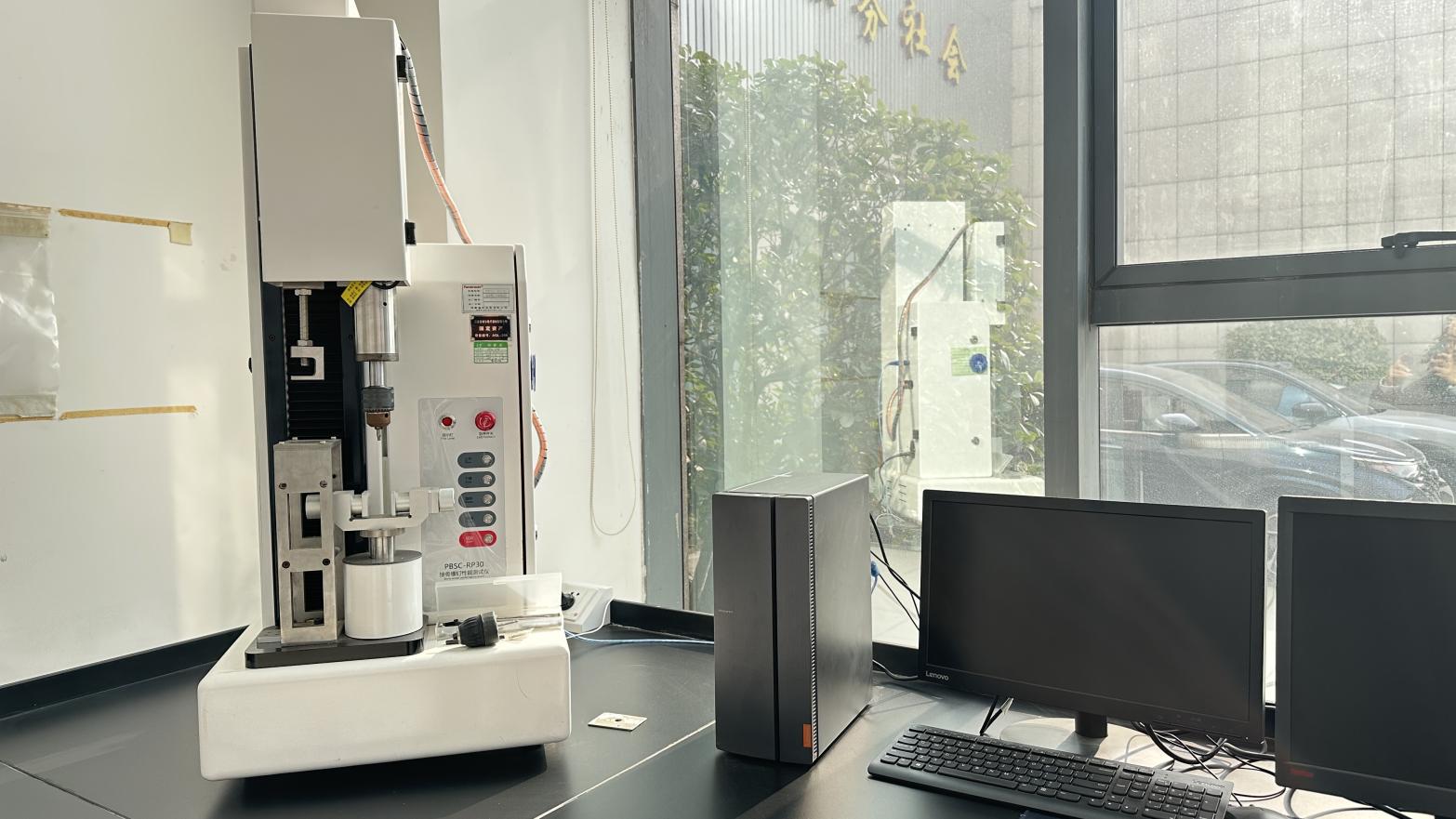
Aligning development strategies with the evolving needs of orthopedic surgeons and healthcare institutions worldwide.
Our proximal humeral plates are engineered for three core clinical situations:
Four major trends are currently shaping the global joint reconstructive and osteosynthesis markets:
Answers to essential technical, logistical, and compliance questions asked by medical device distributors and procurement teams.
Explore our technical range of joint prostheses, soft tissue repair devices, and fracture fixation platforms.
 Virelox