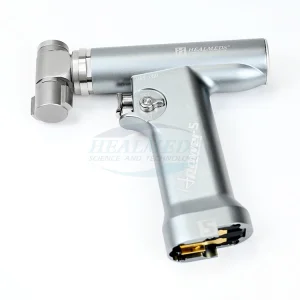
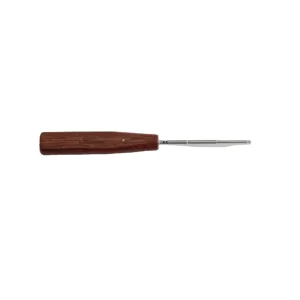
Explore our top-tier catalog of specialized medical implants, reconstruction devices, and high-precision instrument configurations.
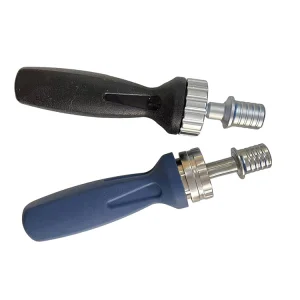
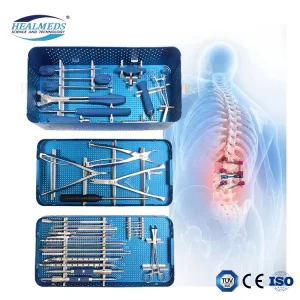
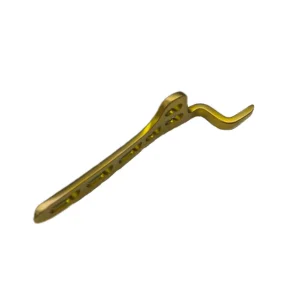
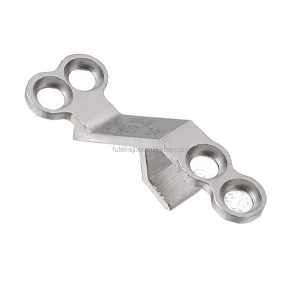
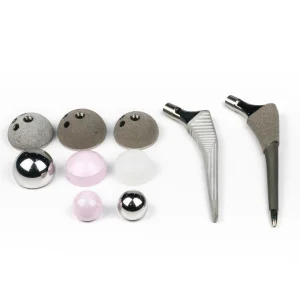
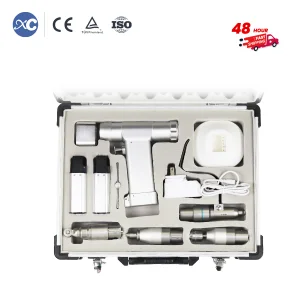
The global orthopedic arthroplasty and fixation ecosystem is experiencing a critical shift from standardized monoblock configurations to sophisticated, patient-centric modular orthopedic implant systems. Traditional monoblock implants, while historically effective, limit the surgeon's ability to intraoperatively optimize offsets, leg length, and version angles. Modular designs resolve this bottleneck by decoupling the articulating surfaces, metaphyseal components, and diaphyseal stems. This structural independence empowers surgeons to customize implant geometry in real-time, matching the unique anatomical nuances of each patient.
Virelox Medical Devices Co., Ltd. sits at the vanguard of this evolutionary leap. Operating from our advanced 12,000 m² facility, we combine high-purity metallurgical technologies with state-of-the-art CNC engineering to deliver adaptable joint replacement and spinal fixation systems. By leveraging precise taper junctions—engineered to prevent micromotion and subsequent fretting corrosion—we enable orthopedic clinics, trauma hospitals, and distributors worldwide to provide clinical outcomes that match the dynamic requirements of active aging patient populations.
A crucial challenge in modular orthopedics is managing stress shielding. When an implant with excessive stiffness (such as traditional cast CoCr alloys) is introduced into the femoral canal or humeral shaft, it carries the majority of the physiological load. This deprives the surrounding cortical bone of natural mechanical stimulation, leading to localized osteopenia and bone resorption. Our R&D team addresses this by utilizing premium medical-grade Titanium Alloys (Ti-6Al-4V ELI) and Polyetheretherketone (PEEK) matrix composites.
Our modular femoral stems and spinal interbody cages utilize specialized titanium alloys with an elasticity modulus closer to cortical bone. By incorporating advanced 3D trabecular structures and precise micro-porous coatings, we facilitate structural osteointegration, encouraging healthy bone ingrowth and stabilizing the implant-bone interface over long cycles.
Furthermore, the engineering of modular interfaces relies on precision taper technology. In hip arthroplasty, the Morse taper junction (specifically 12/14 tapers) demands sub-micron level machining tolerances. A minor mismatch in taper angles can induce localized crevice environments, accelerating electrochemical degradation (fretting corrosion). Through precision grinding and strict metrology controls, Virelox maintains tolerance thresholds within micro-inches, minimizing micro-motion displacement and ensuring long-term mechanical stability.
| Establishment | 2016 (8 Yrs Export Exp) |
| Production Base | 12,000 m² Facility |
| QA Standard | ISO 13485:2016 |
| Supply Chain | 850 Certified Partners |
| R&D Capacity | 120 Active Engineers |
| Core Markets | Europe, SE Asia, LatAm, ME |
Our facility integrates complete in-house prototyping, mechanical test laboratories, cleanroom packaging, and high-efficiency logistics to serve global healthcare procurement and orthopedic brands.
From raw material sourcing to final sterile packaging, we maintain absolute control over every stage of modular implant fabrication.
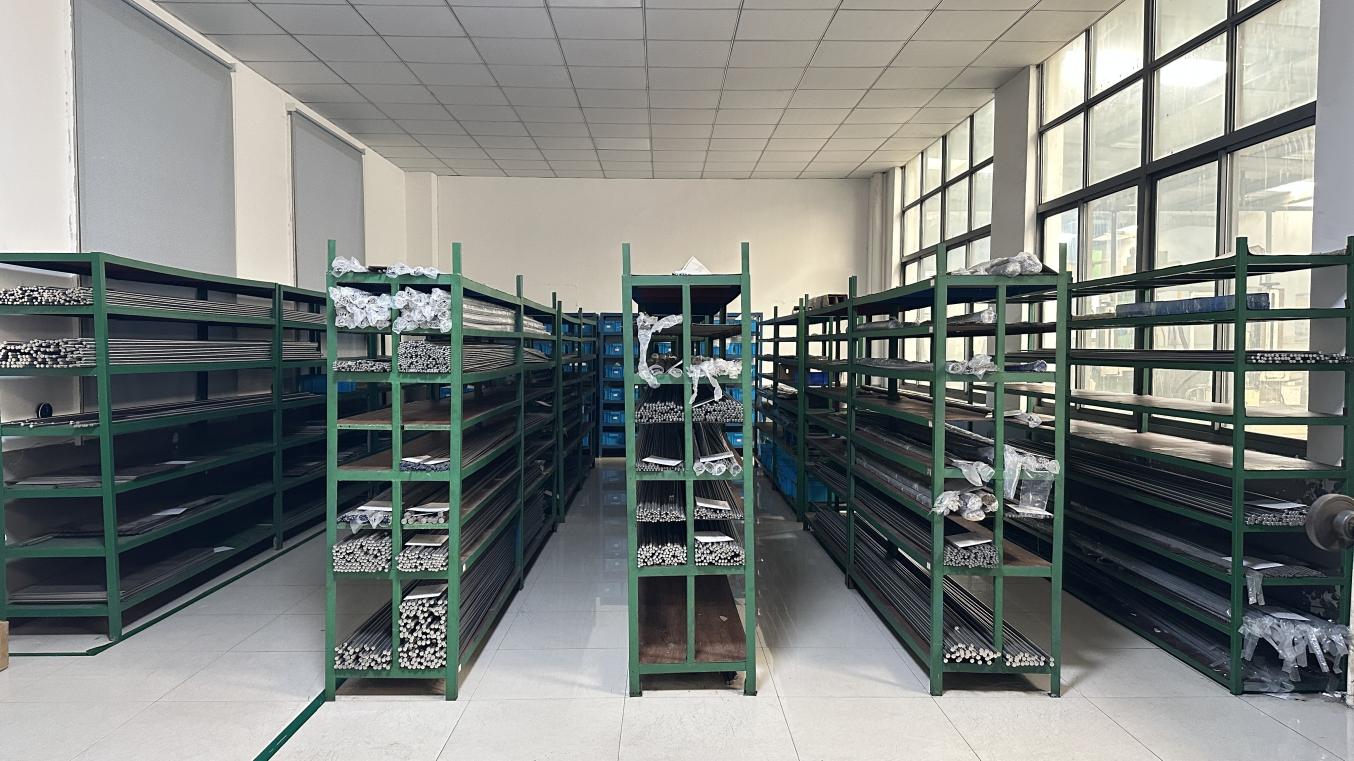
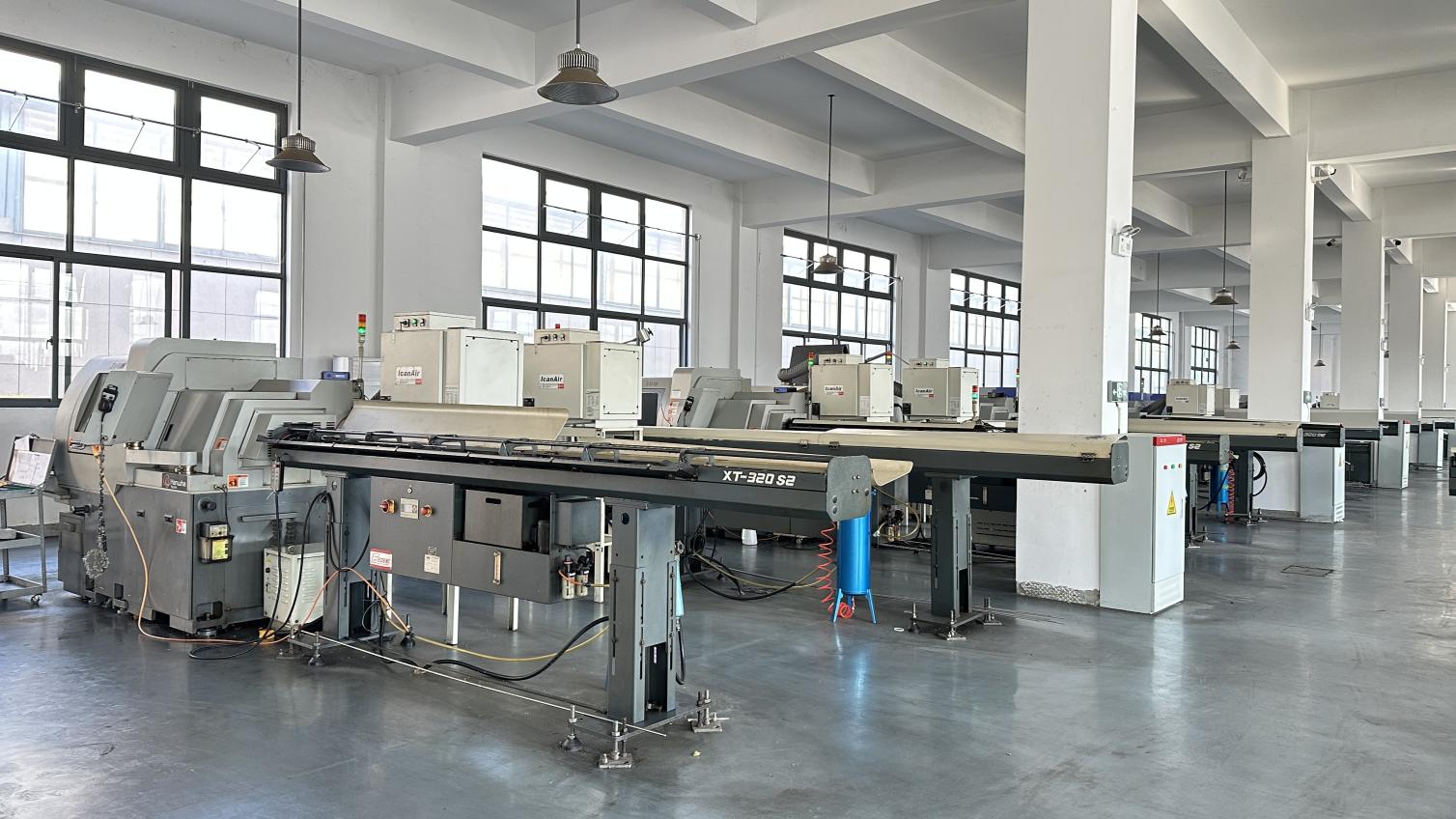
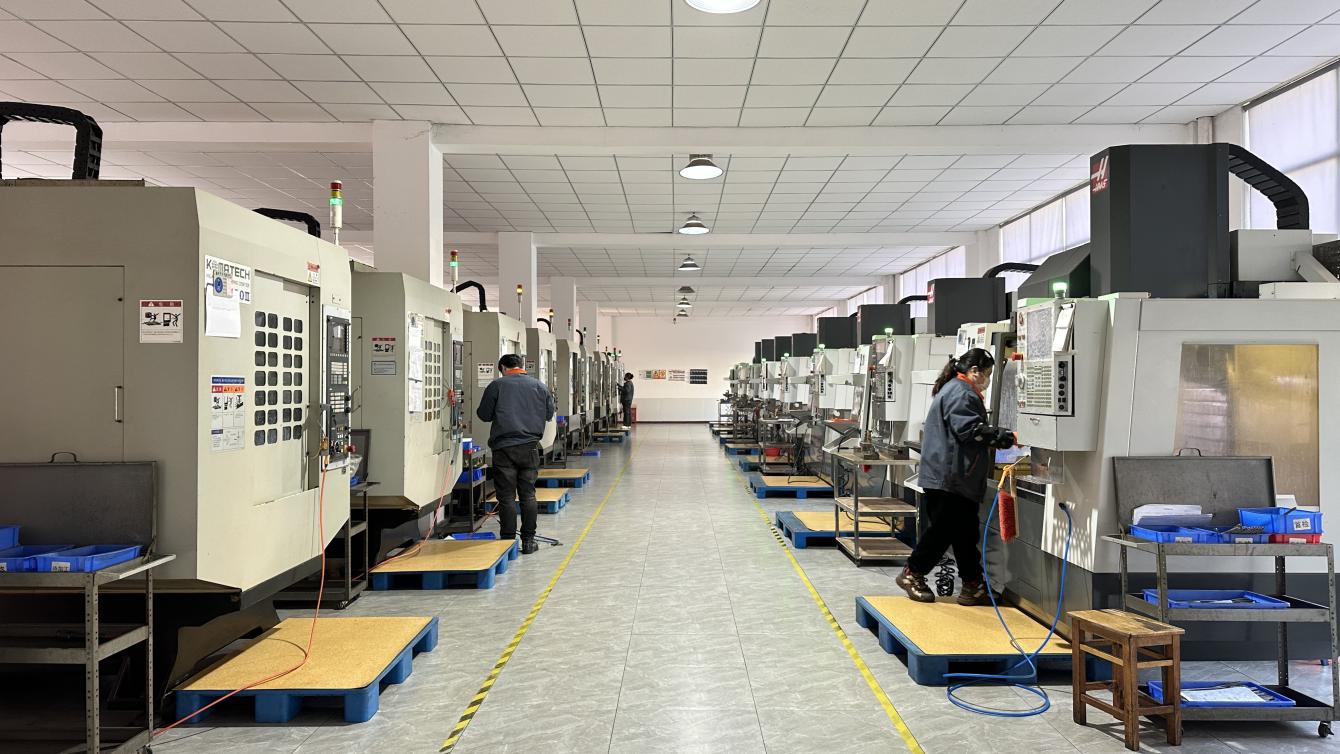
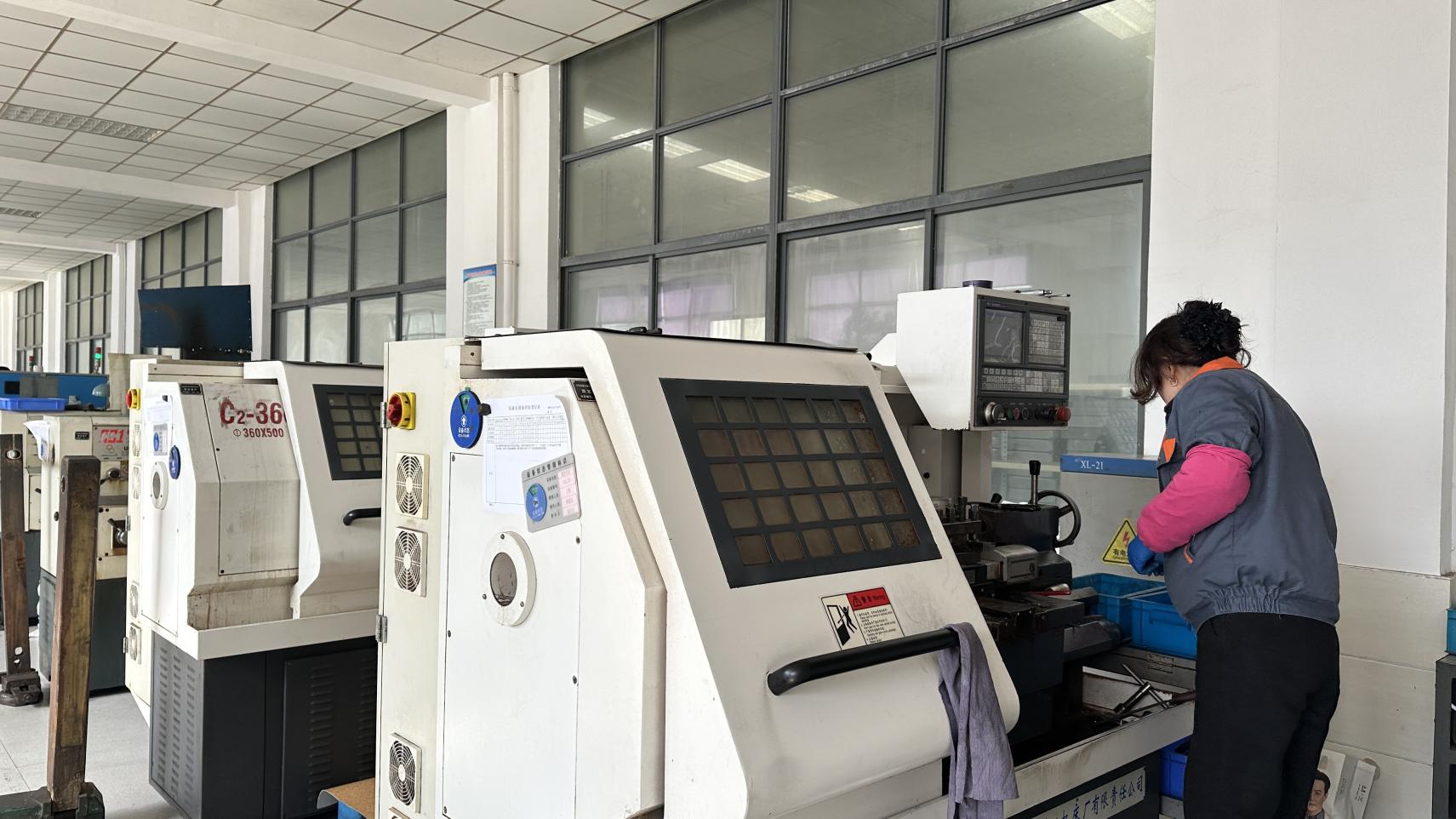
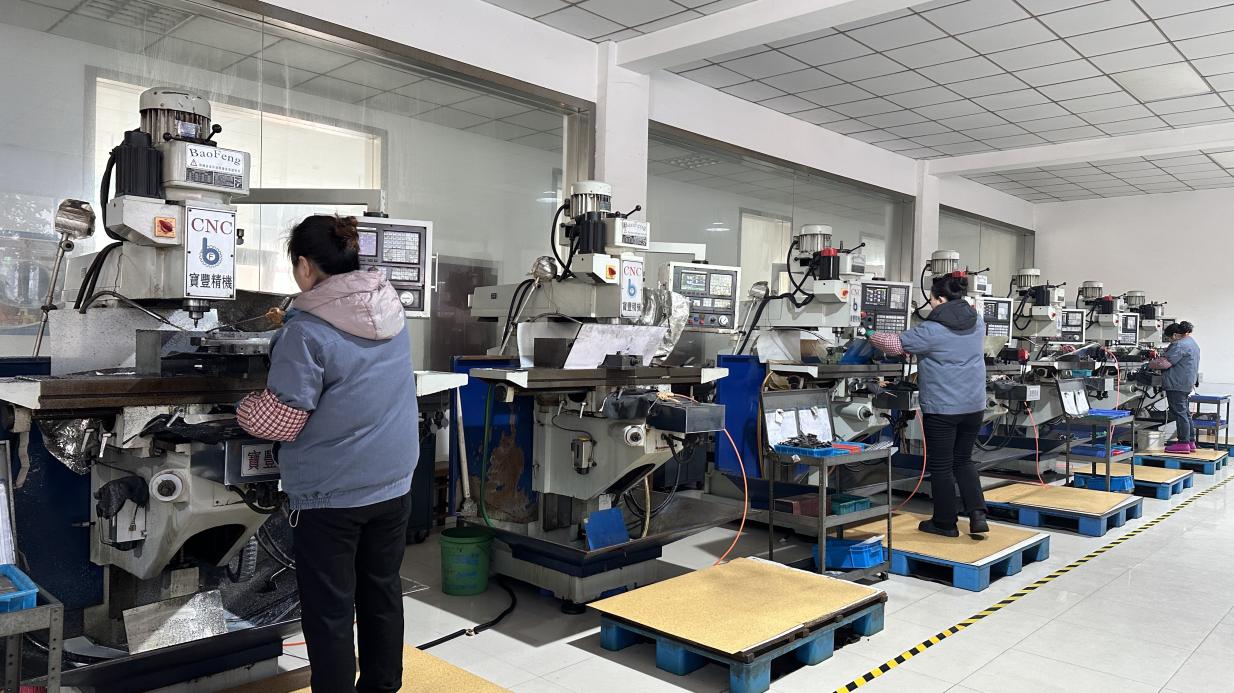
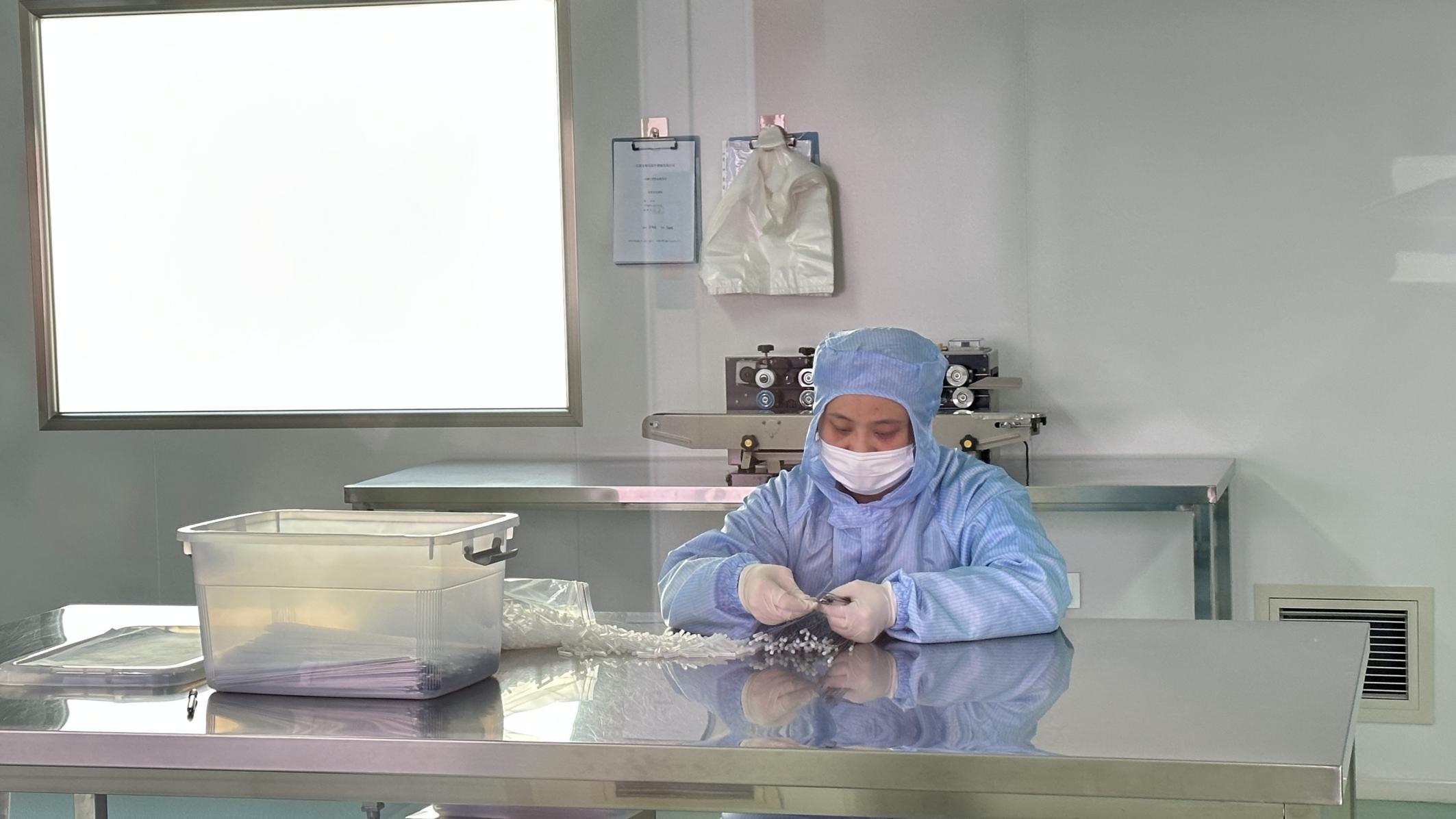
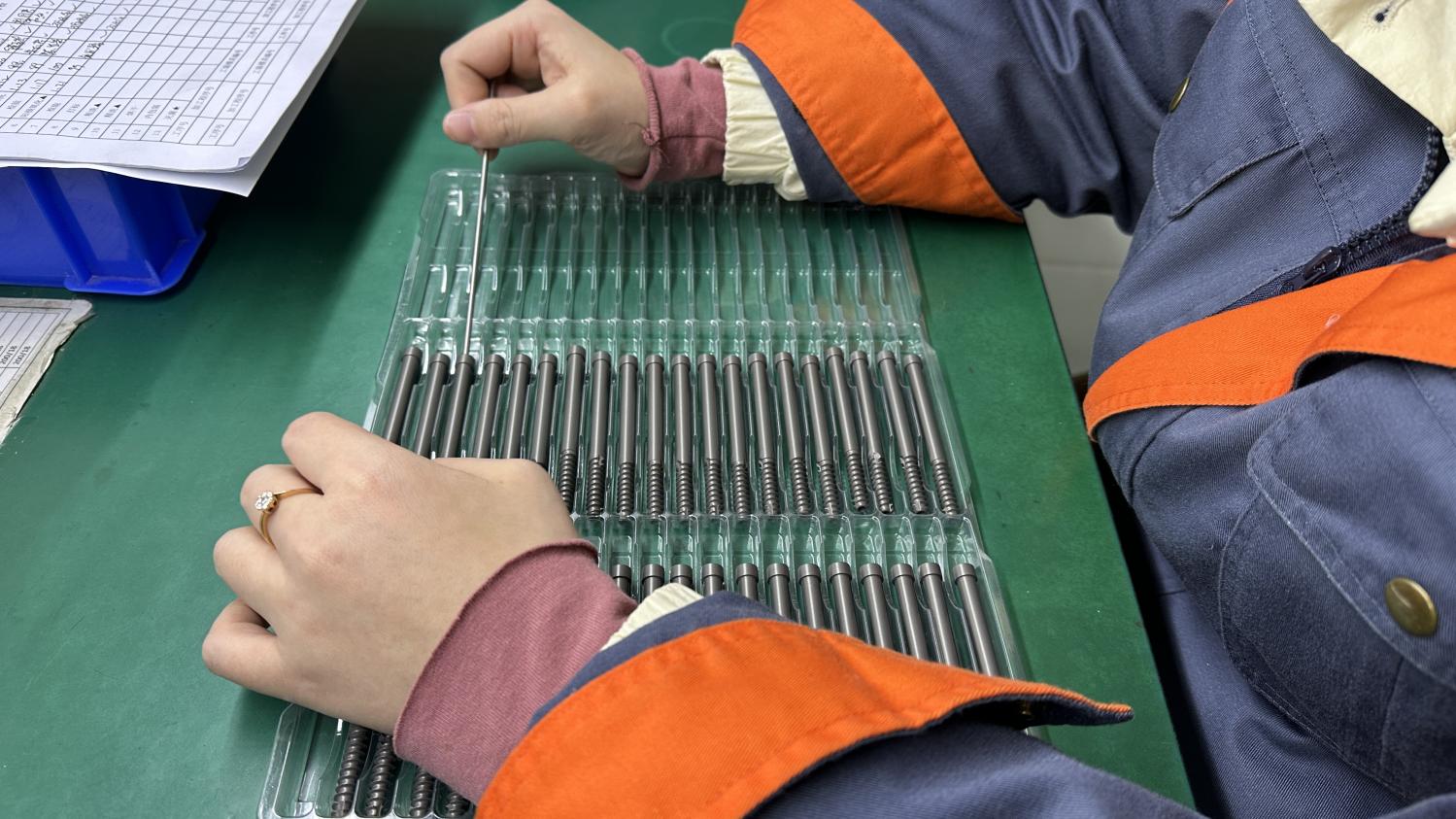
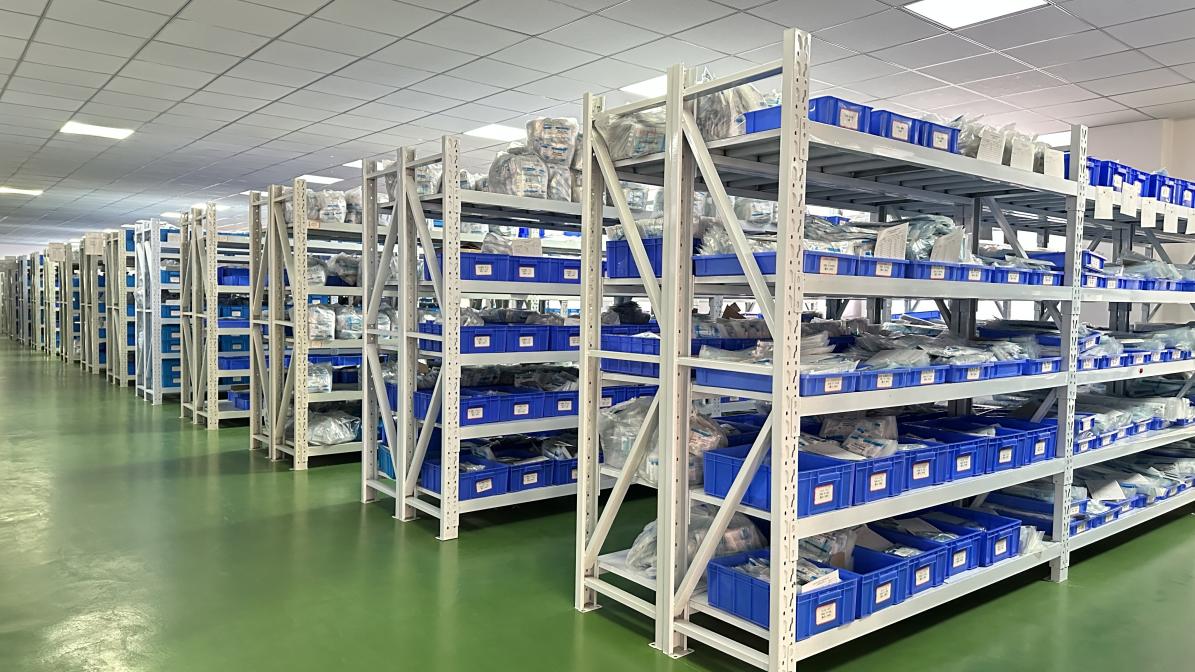
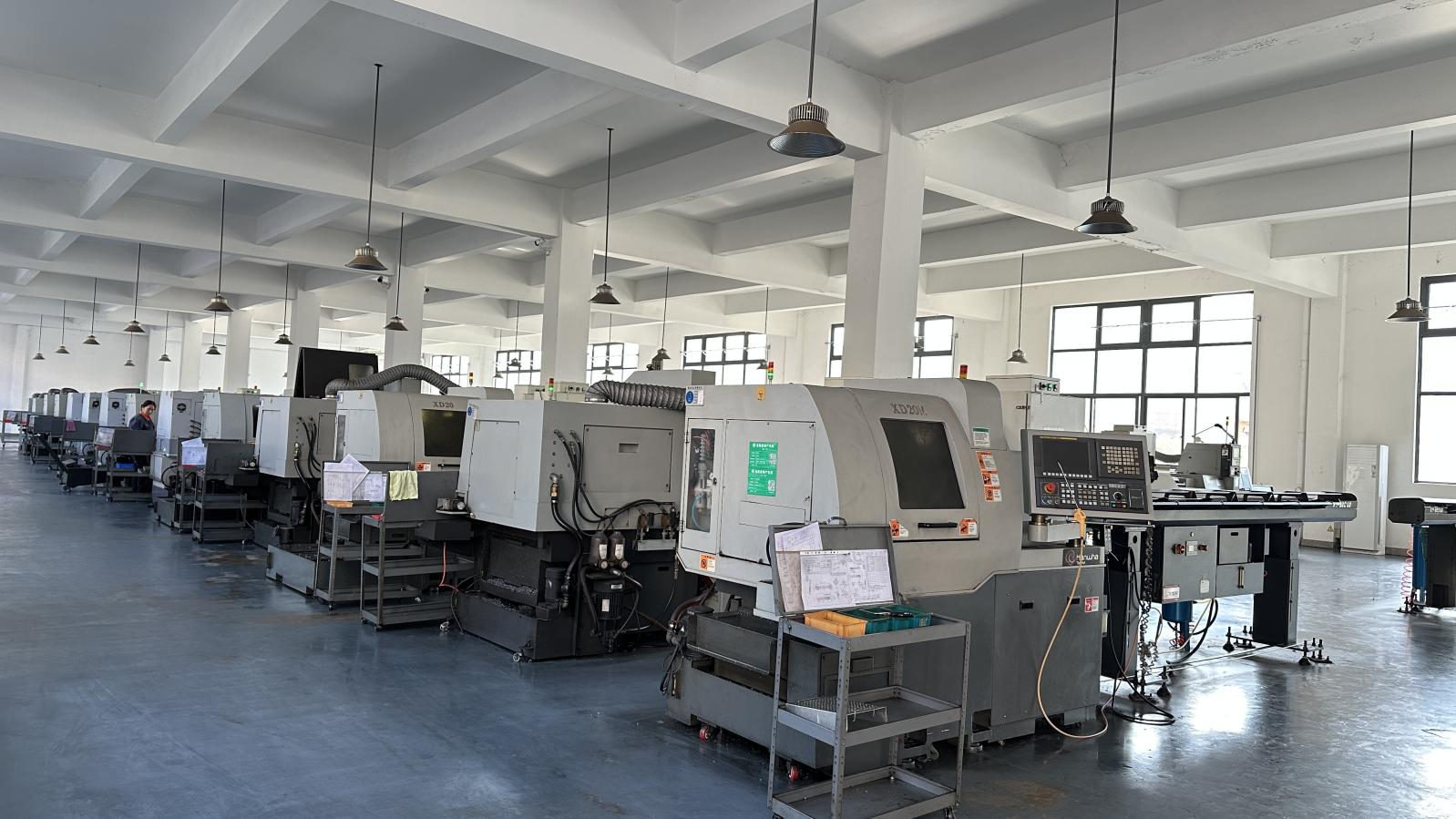
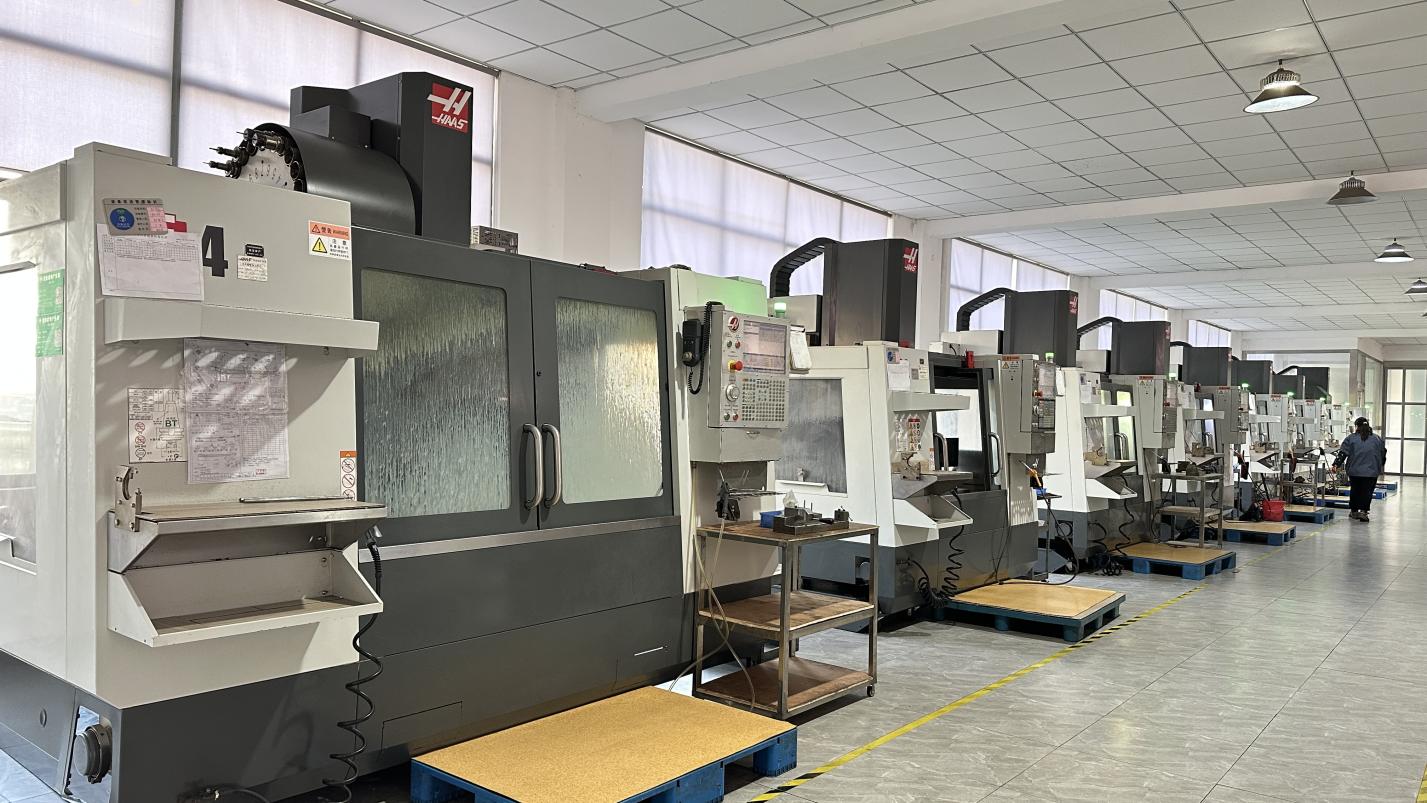
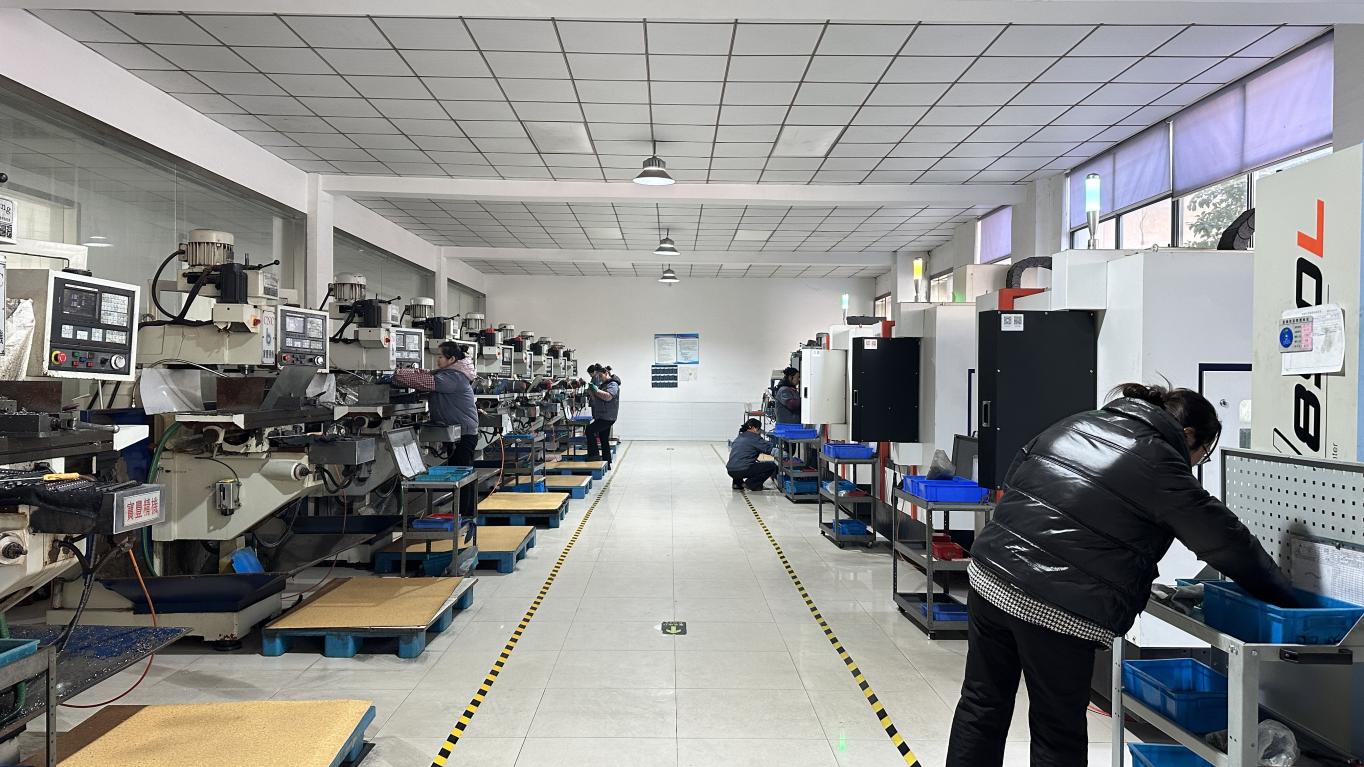
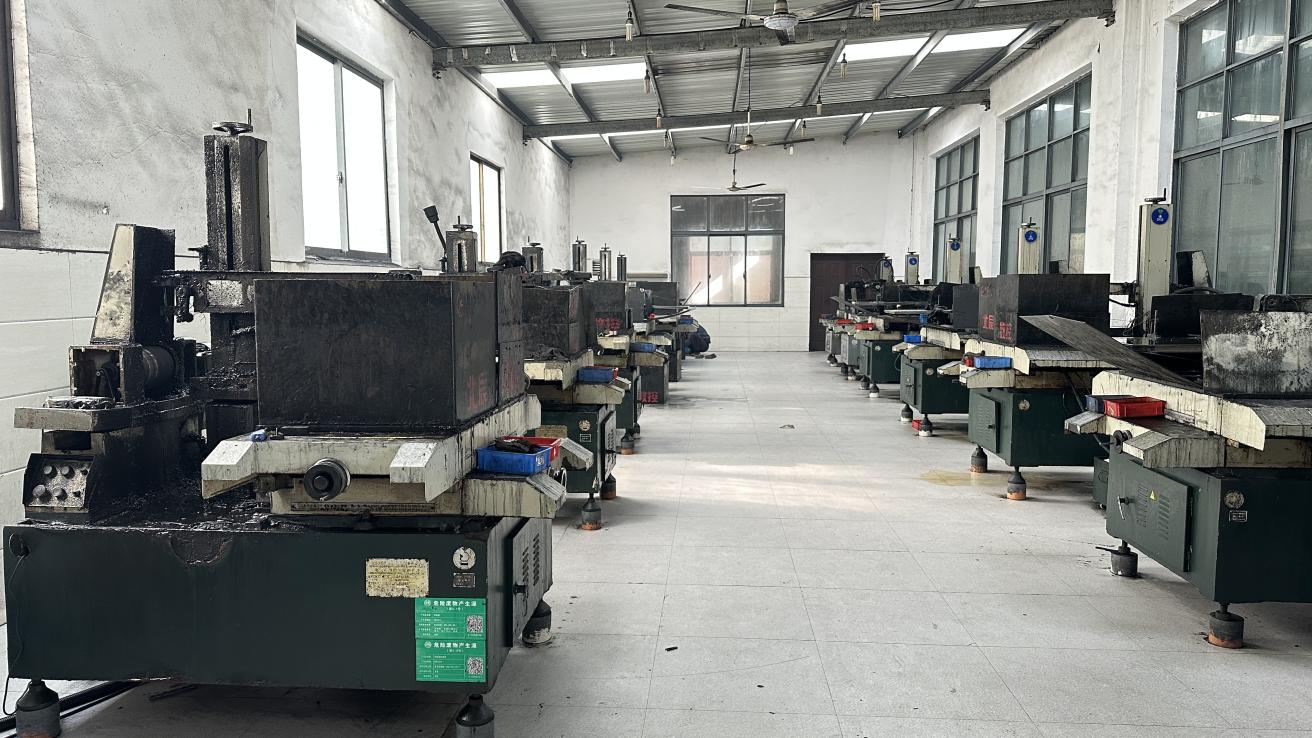
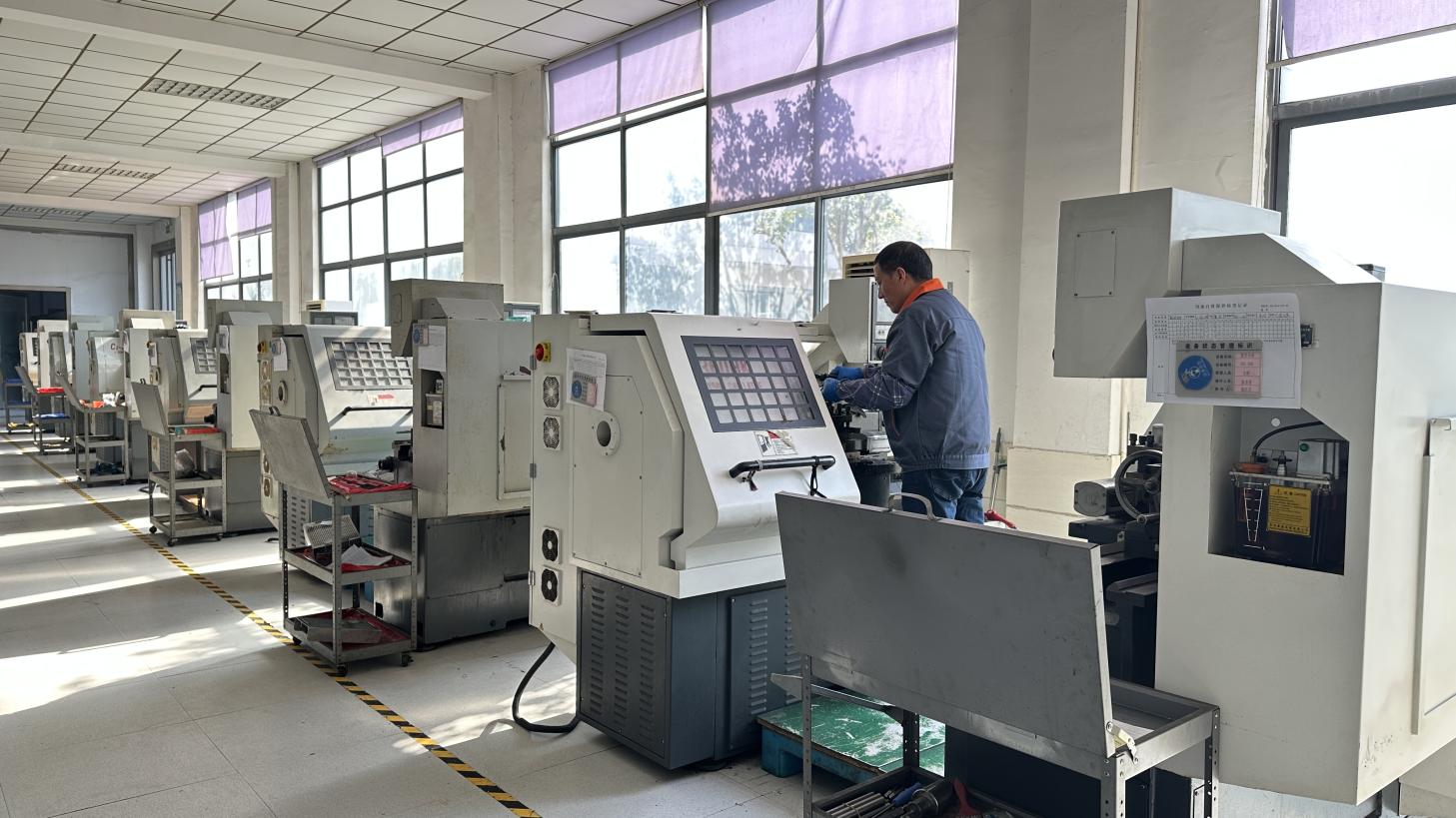
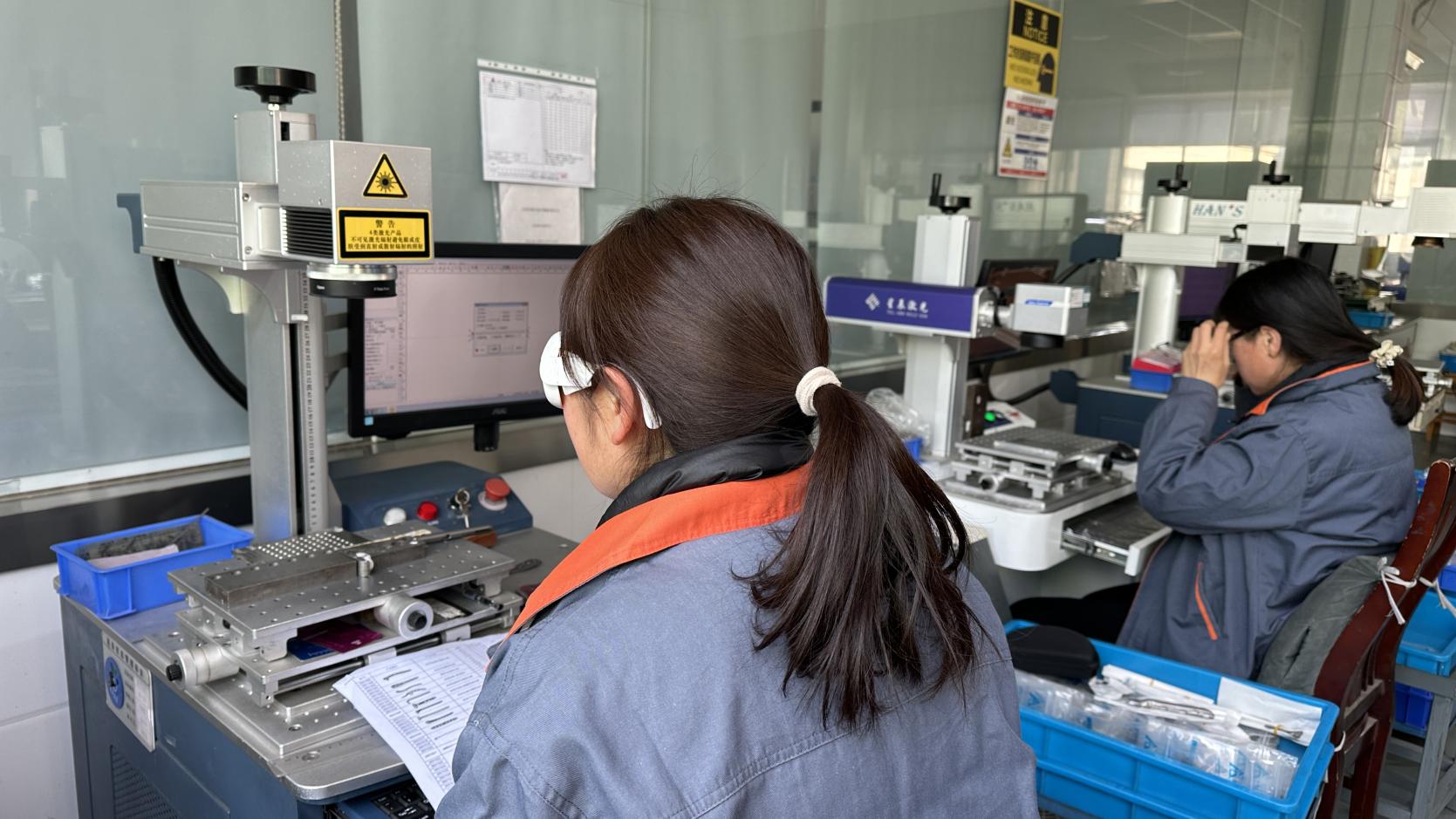
Virelox supports orthopedic product pipelines by providing flexible OEM and ODM partnerships. We collaborate with medical device distributors, university laboratories, and multi-national brand managers to turn conceptual drafts into regulatory-cleared implant products. Our R&D department features 120 specialized engineers focused on biomechanics, materials science, and additive manufacturing.
The production flow begins with computer-aided design (CAD) optimization and FEA simulation. Under our design protocols, every customizable joint geometry is analyzed under simulated gait cycles and extreme dynamic loads. Our rapid prototyping division utilizes specialized titanium laser sintering systems, allowing our clients to review tactile models and biomechanical fit before moving to high-volume manufacturing.
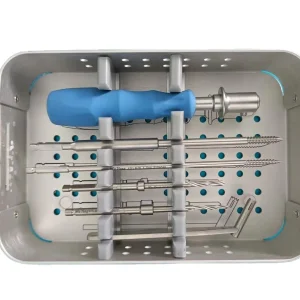
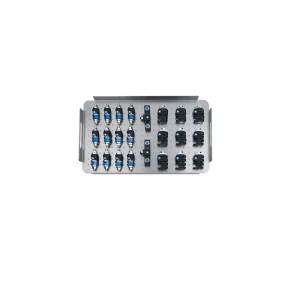
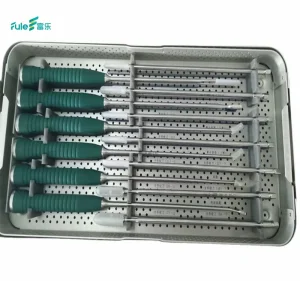
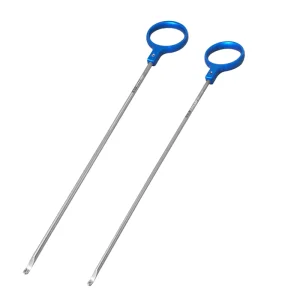
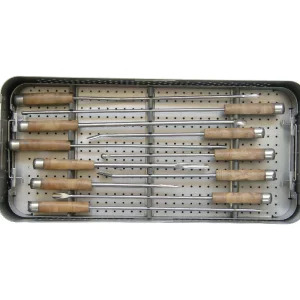
A high-quality modular implant is only as effective as the surgical instrumentation used to place it. Virelox designs and manufactures specialized instrument sets, ranging from calibrated quick-coupling torque limiters to ergonomic ratchet handles and bone rasp systems. By matching the mechanical interfaces of the tools to the exact tolerances of the implants, we reduce intraoperative assembly errors and wear on critical fastener junctions.
Our ODM solutions cover custom instrument materials (e.g., medical-grade PEEK, tempered martensitic stainless steel) and custom surface finishing (such as titanium carbonitride or chrome-based anti-glare coatings) to ensure durability across autoclave cycles.
Through our supply chain of 850 certified upstream and downstream partners, we source raw materials from ISO-certified medical suppliers, ensuring complete traceability. Whether producing custom revision stems or plate systems for anterior clavicle stabilization, Virelox guarantees that all raw materials are accompanied by chemical composition reports and tensile test certs.
Under our ISO 13485 quality inspection framework, 65 QC specialists operate advanced validation testing to ensure mechanical integrity.
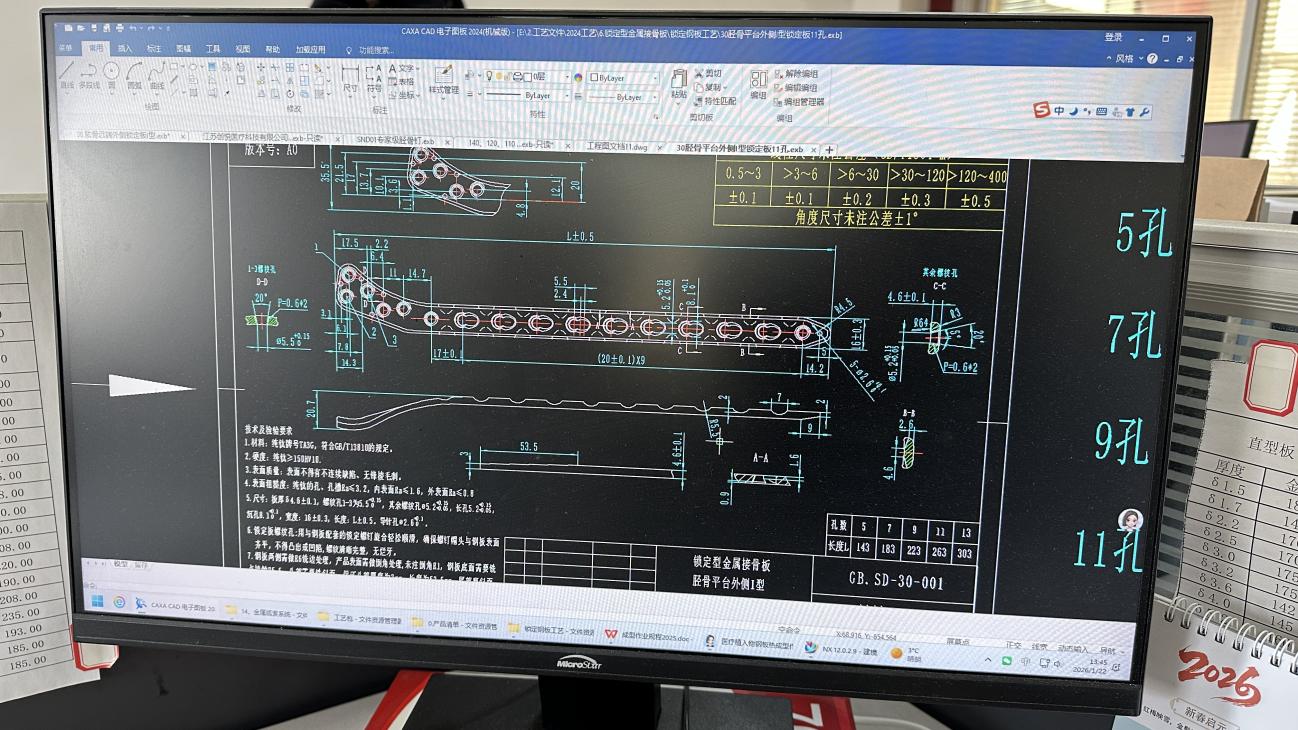
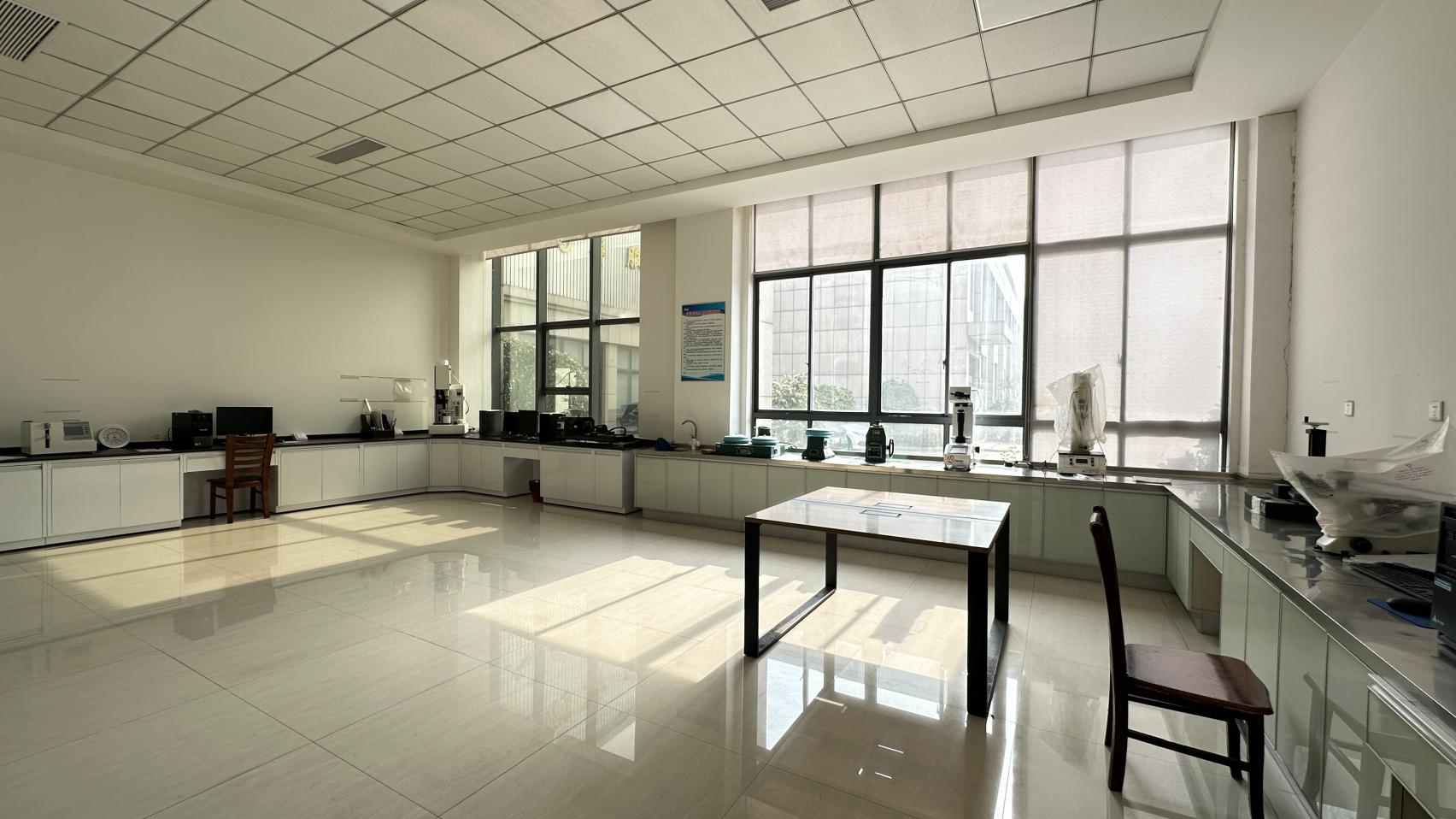
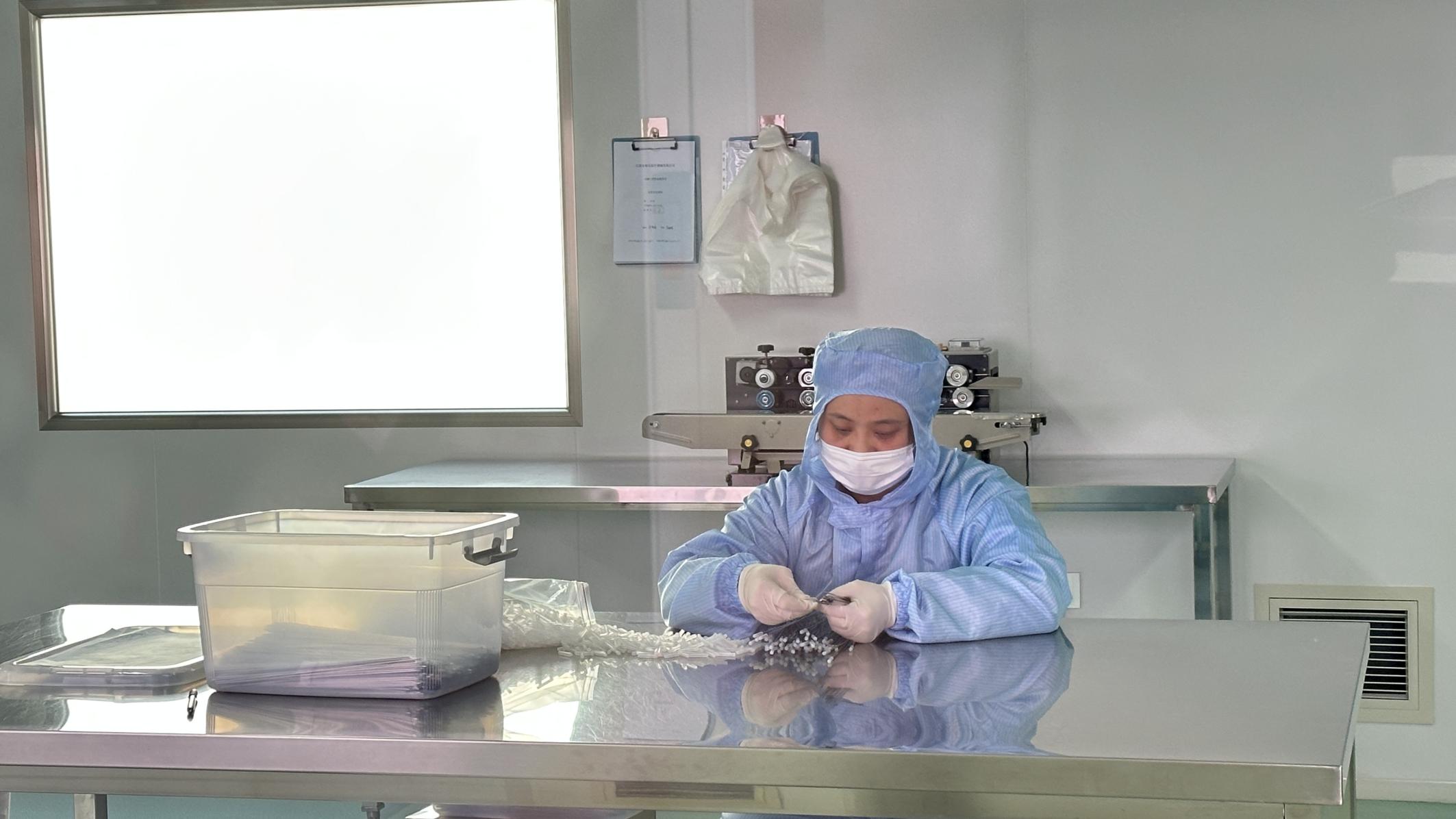
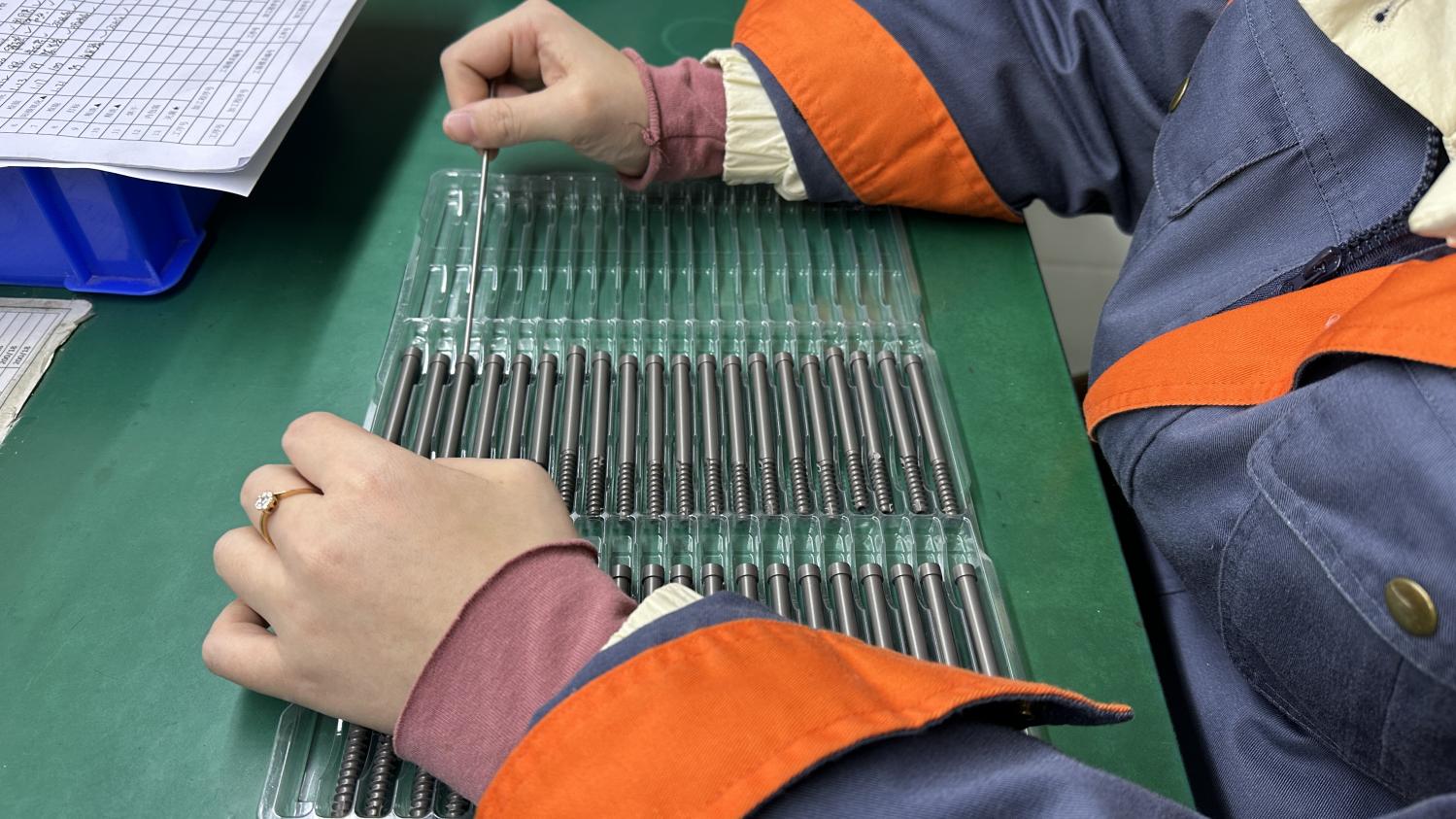
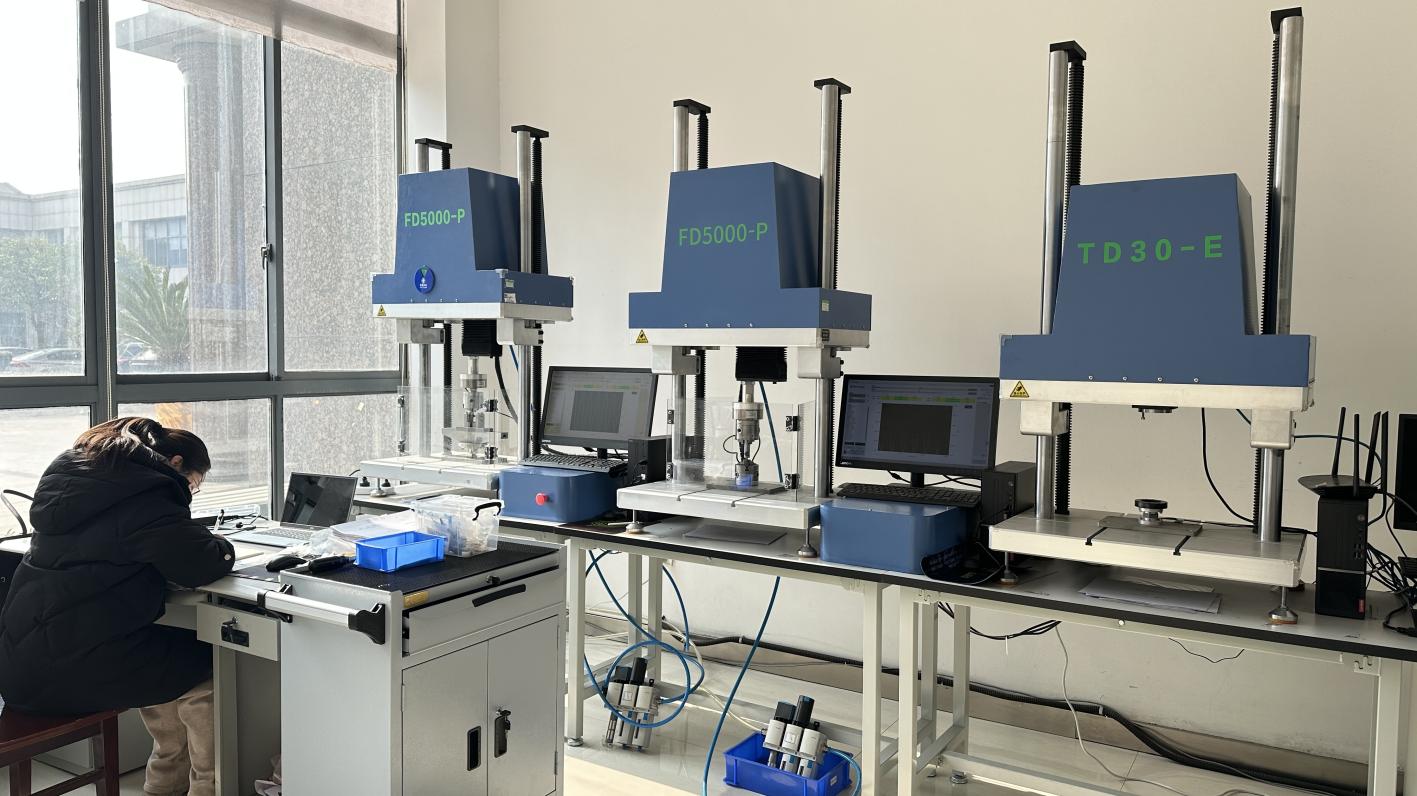
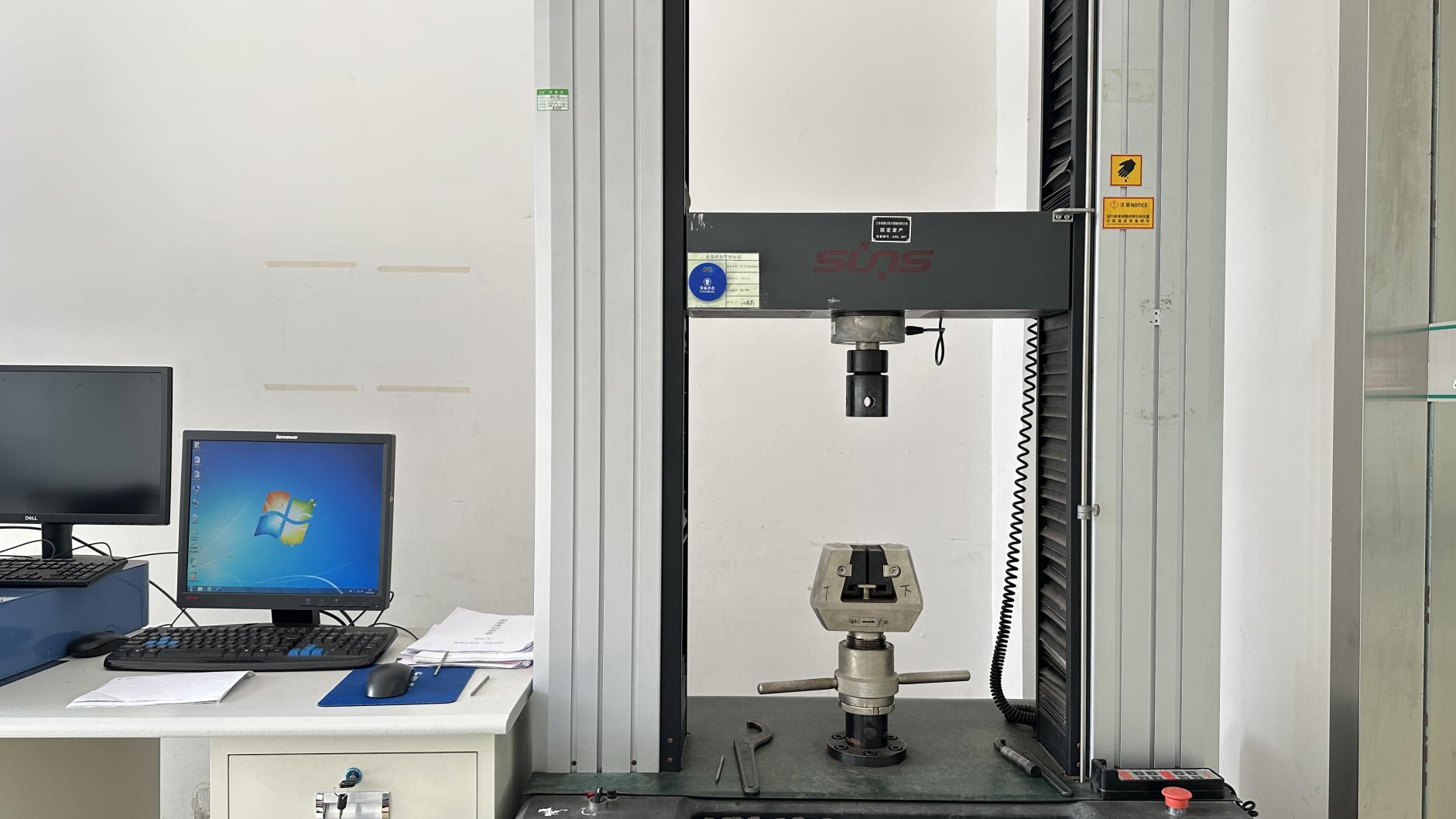
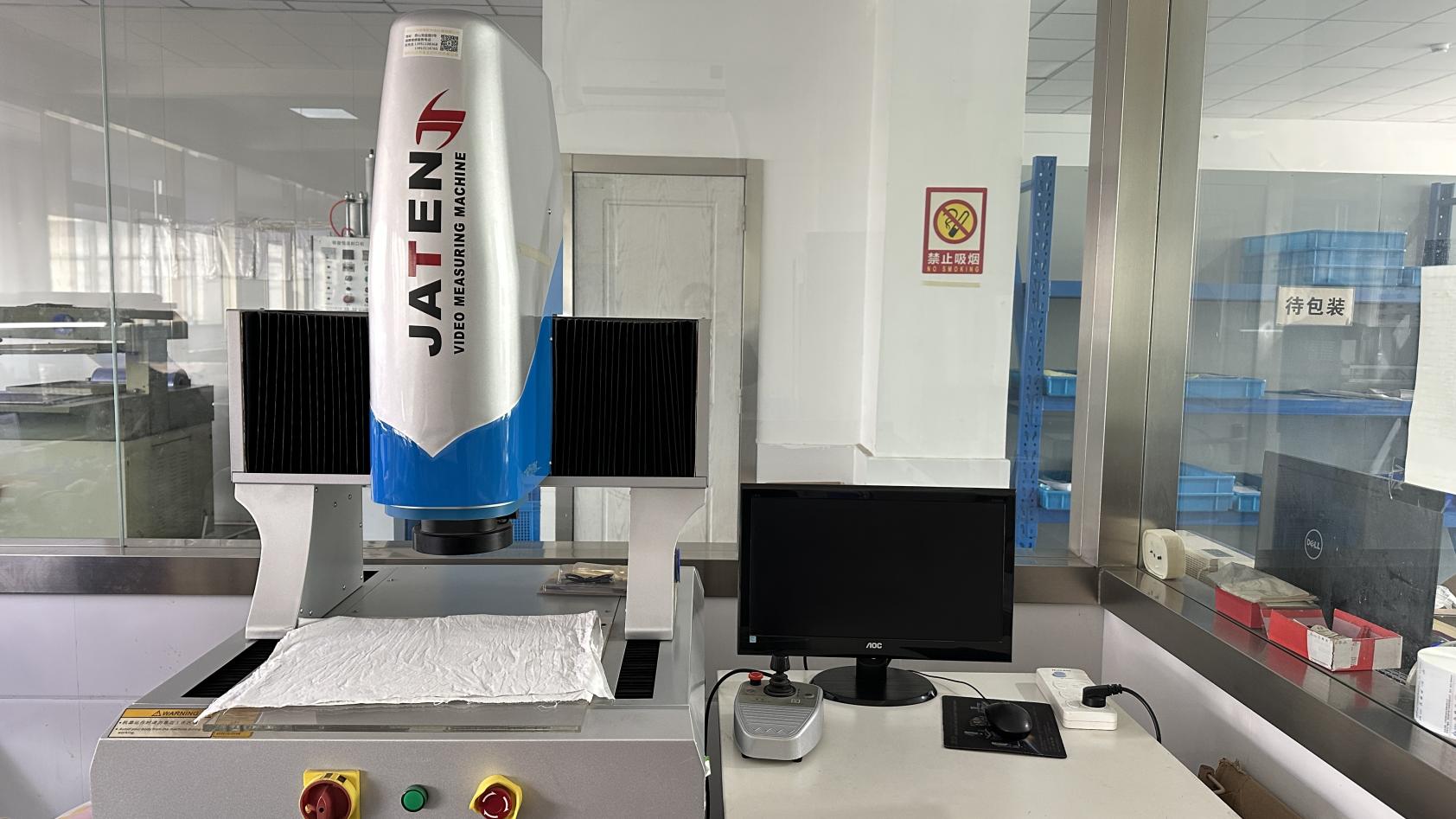
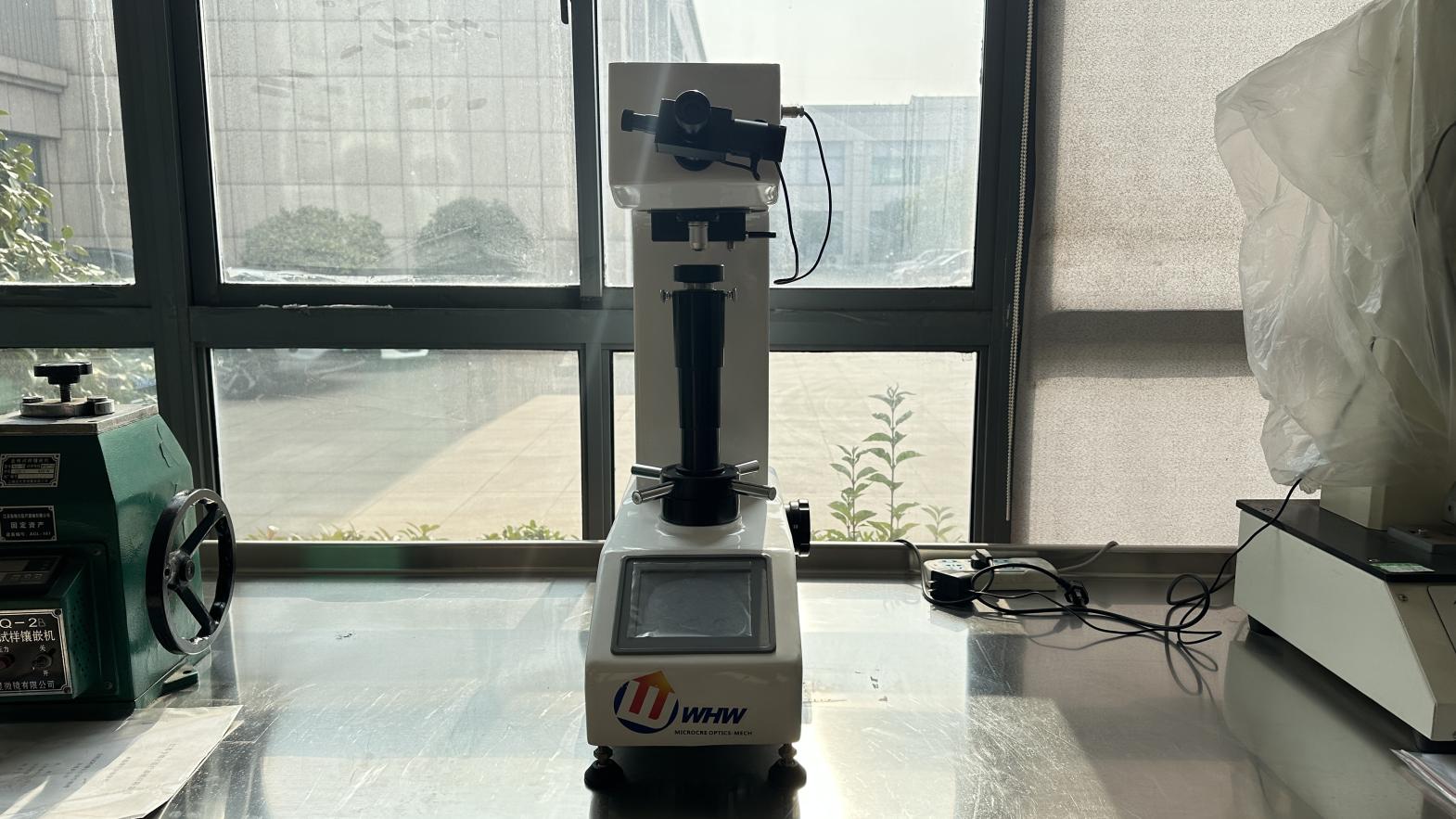
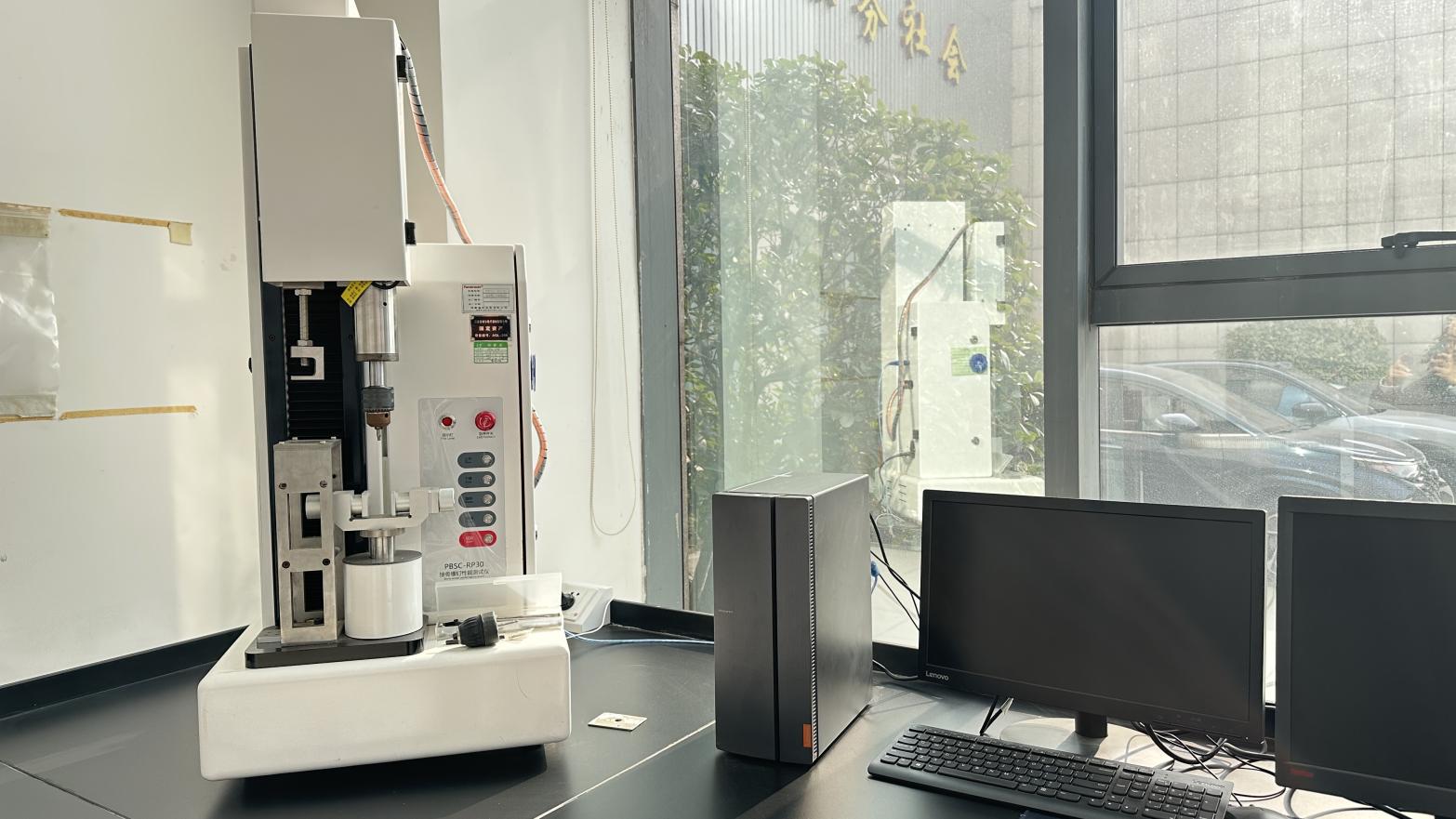
Exporting medical devices globally requires careful adherence to regulatory systems. Virelox implements a comprehensive quality inspection framework that meets ISO 13485 requirements. Our systems are built to assist distributors and healthcare providers with complex registration pathways, including the EU MDR 2017/745, US FDA 510(k), and equivalent national systems.
Our validation protocol covers several areas:
By documenting the raw materials and keeping records of every stage of production, Virelox provides our clients with complete device history records (DHR) to support auditing and product approval processes.
Looking forward, modular orthopedics will continue to benefit from digital connectivity and advanced biotechnology. The Virelox R&D facility is actively developing next-generation implants across three distinct development tracks:
Developing drug-eluting coatings containing localized osteoinductive agents to accelerate trabecular bone recovery and integration, particularly for elderly and osteoporotic patients.
Integrating pre-operative CT/MRI imaging with medical-grade 3D printing to supply bespoke surgical guides that match the patient's individual joint surfaces.
Evaluating micro-sensor arrays embedded inside non-articulating components to track postoperative loading parameters, temperature shifts, and micro-instabilities.
Get professional answers on our manufacturing tolerances, regulatory pathways, customized tooling parameters, and order details.
Browse our comprehensive selection of external fixators, spine instruments, joint pushers, and reconstruction tools.
 Virelox