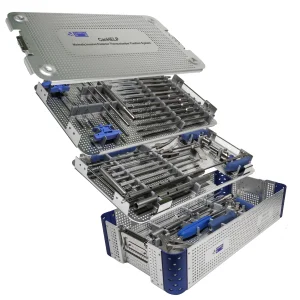
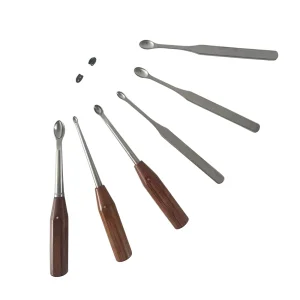
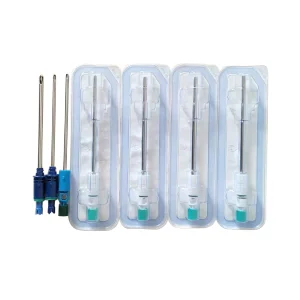
Engineered for structural stability, physiological loading, and micro-motion compatibility in complex orthopedic interventions.
Virelox Medical Devices Co., Ltd. is an industry-leading orthopedic medical device manufacturer specializing in joint replacement, internal/external fixation constructs, and precise surgical implant solutions. Operating under the renowned brand "Virelox", we are committed to providing premium biomechanical solutions to global distributors and hospitals.
Equipped with a state-of-the-art 12,000 m² cleanroom and manufacturing facility, we manage the entire lifecycle of orthopedic implants. From multi-axis CNC milling to comprehensive biomechanical testing (fatigue testing, tensile strength testing, and CMM dimension verification), we support high-capacity OEM/ODM demands.
With over 8 years of dedicated export experience, Virelox has achieved strong market penetration in Europe, Southeast Asia, the Middle East, and South America. We streamline standard compliance pathways, delivering stable supply chain operations for critical medical device networks.
A technical guide analyzing biomechanical load sharing, multi-planar adjustments, and industrial scalability.
In modern trauma orthopedics, managing high-energy periarticular fractures presents a significant clinical challenge. Standard internal fixation protocols often fail due to severe soft-tissue compromise, extensive bone fragmentation, or bone loss. Consequently, hybrid external fixators have emerged as the gold standard, bridging the gap between circular (Ilizarov) frames and unilateral fixators. This hybrid configuration combines the modular stability of tensioned wire rings at the epiphyseal region with the simplicity of unilateral pin-and-bar systems along the diaphyseal shaft.
Our engineering framework addresses critical surgical criteria: maintaining stable fracture alignment under loading, preserving periosteal microcirculation, and allowing immediate postoperative joint mobilization. Our OEM/ODM solutions utilize advanced medical metals (such as Grade 5 Titanium (Ti-6Al-4V) and high-strength medical carbon fiber) to achieve an optimal balance of structural strength and radiolucency. These materials undergo precise surface modifications to prevent bacterial adhesion while optimizing bone-to-implant load transfer.
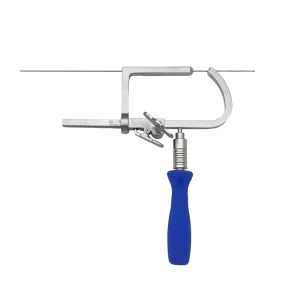
The primary advantage of hybrid external fixators lies in their structural adaptability. High-energy trauma around the distal tibia (Pilon fractures) or proximal tibia (Schatzker Type V/VI fractures) leaves little space for conventional unilateral pins. By utilizing small-diameter tensioned wires (1.5mm to 2.0mm) crossed at angles between 60° and 90°, the ring component secures small periarticular bone fragments. This configuration avoids the extensive soft-tissue stripping required by internal plating.
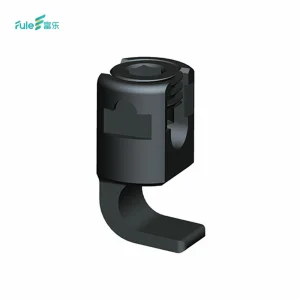
Meanwhile, the unilateral portion is secured along the diaphyseal bone segment using standard Schanz screws. High-grade connection clamps bridge these distinct mechanical systems. This configuration transforms torsional and shear forces into axial micro-motions, which stimulates osteoblast differentiation and accelerates callus formation.
The global demand for hybrid external fixators is driven by rising trauma rates, the expansion of pediatric deformity correction centers, and the growing incidence of limb salvage procedures. In high-income markets, healthcare networks prioritize high radiolucency, single-use sterile instrumentation kits, and modular configurations that reduce surgical time.
For distributors in emerging markets, procurement focuses on balancing cost-efficiency with high biomechanical reliability. Virelox addresses this by offering flexible packaging configurations, comprehensive regulatory support (ISO 13485, CE conformity pathways), and custom product modifications to meet local clinical needs.
How Virelox integrates advanced CNC technology, strict quality control, and structured supply chains to ensure timely, high-precision manufacturing.
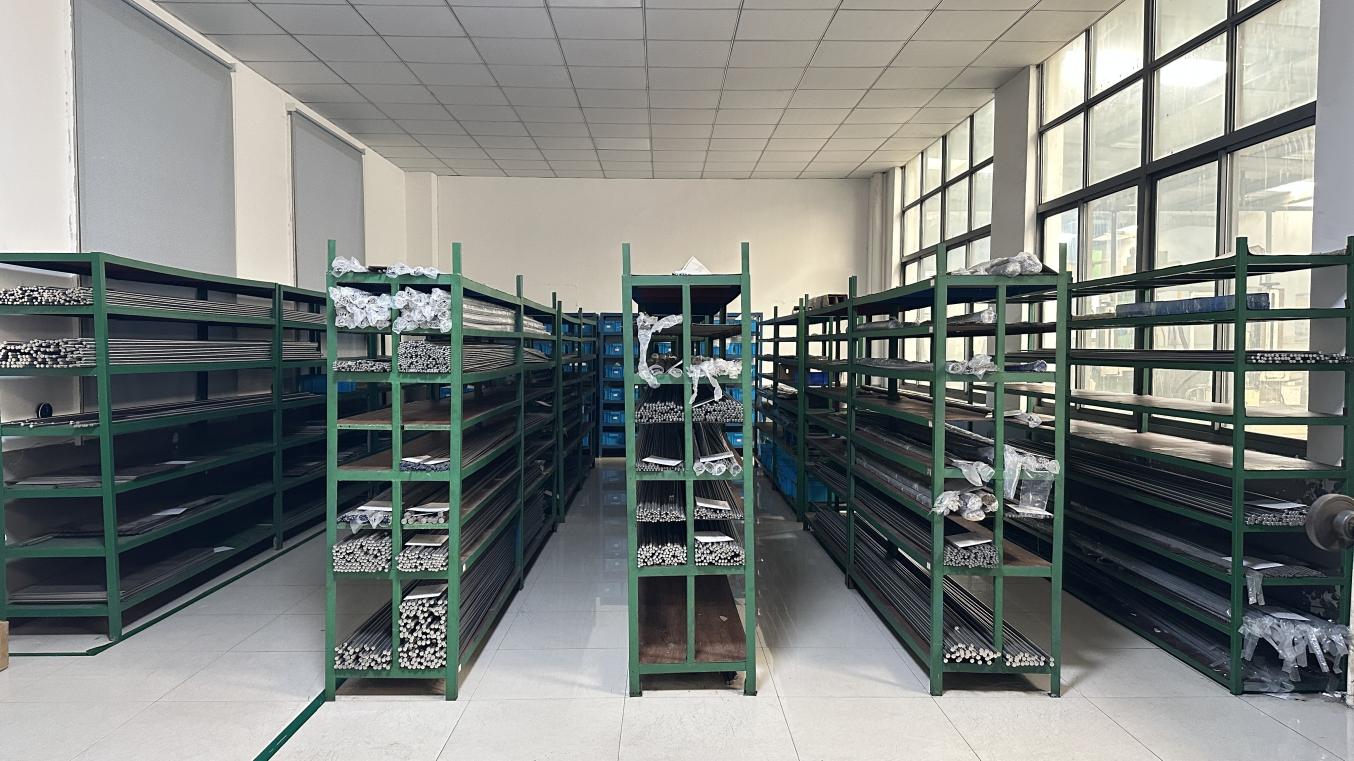
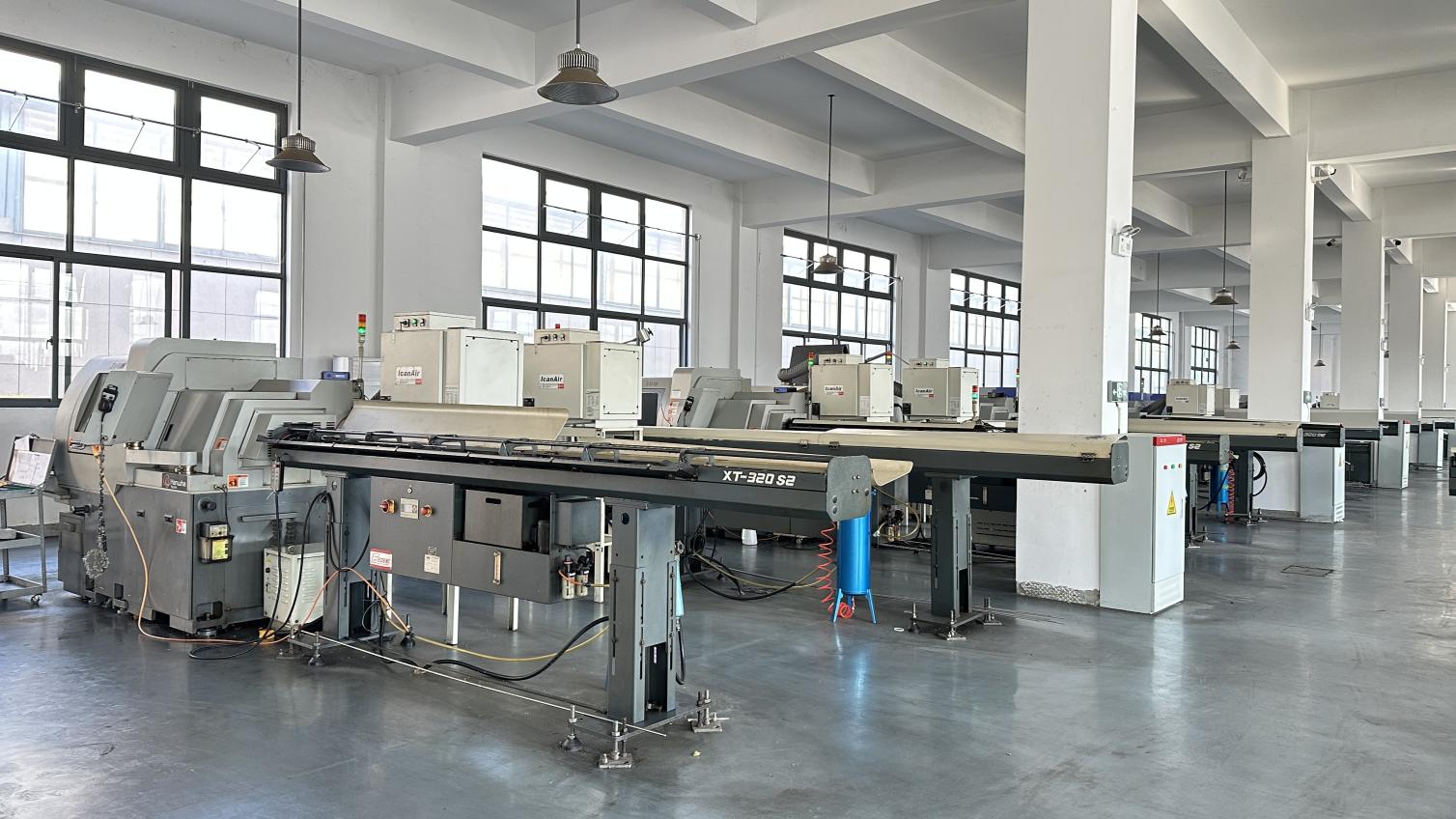
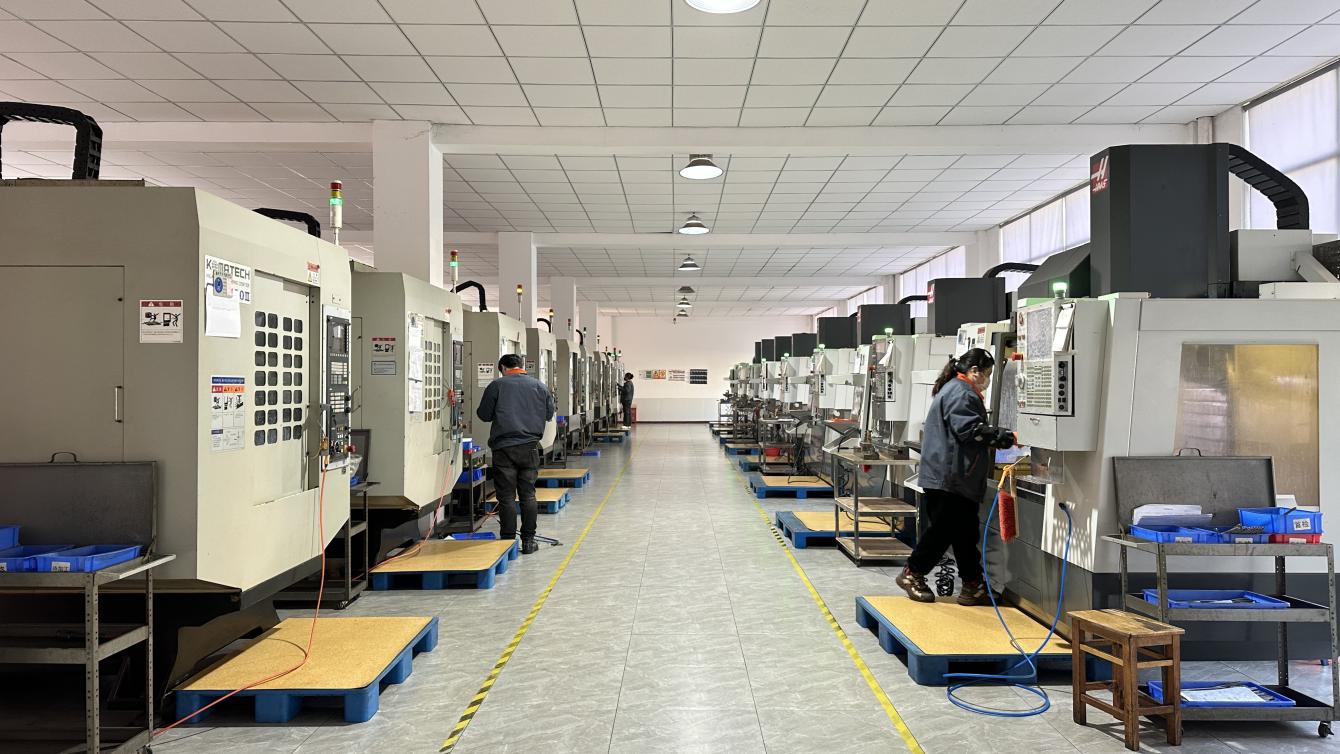
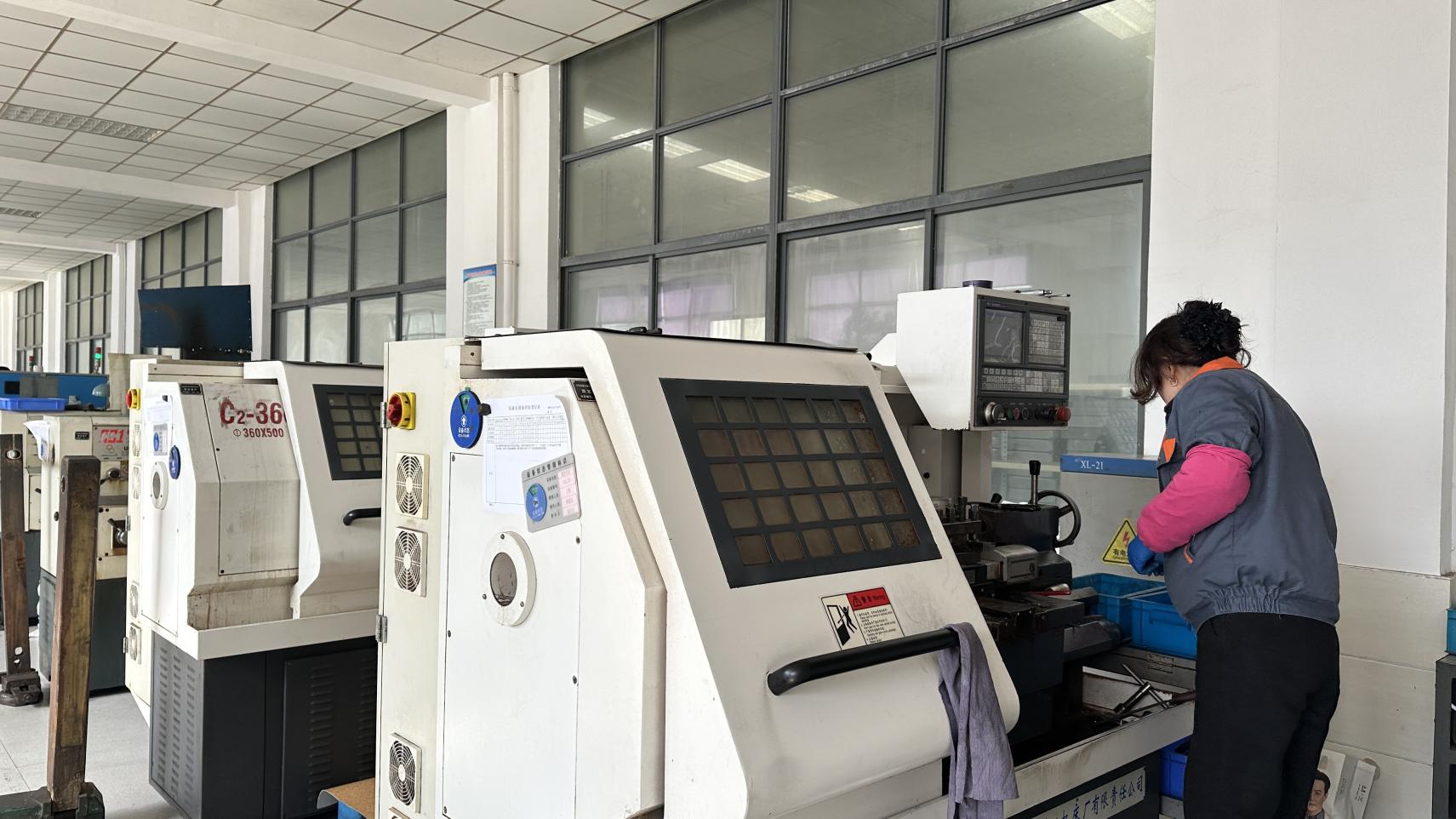
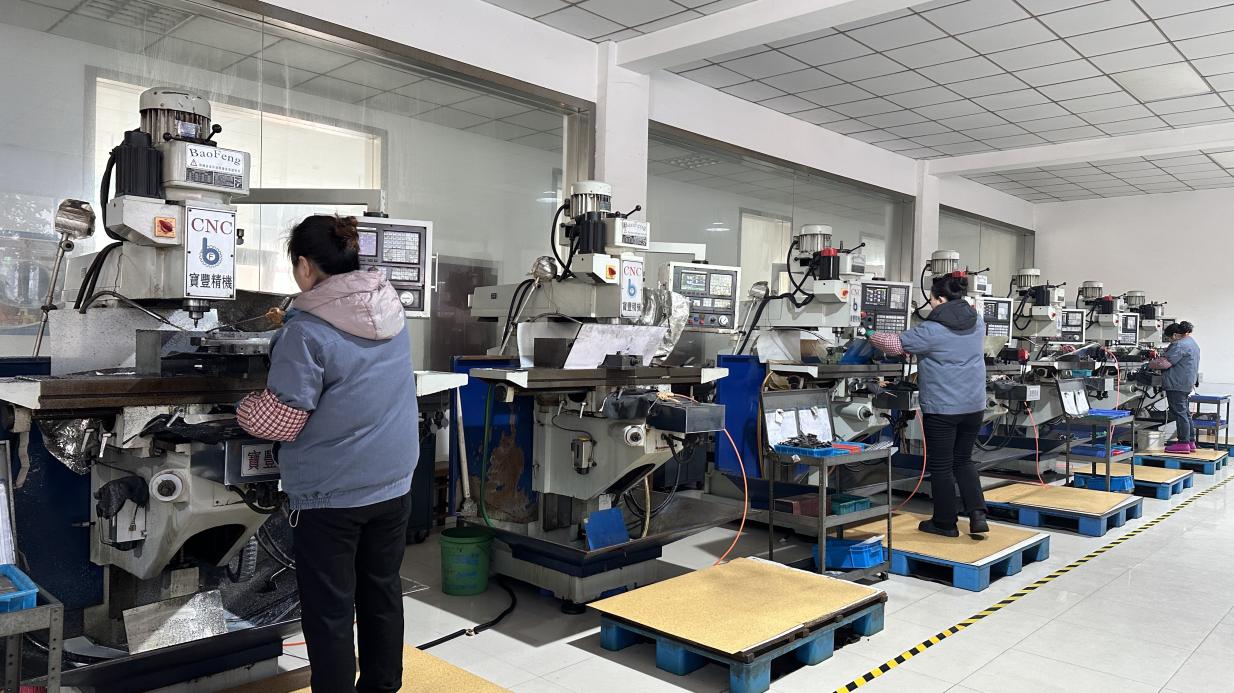
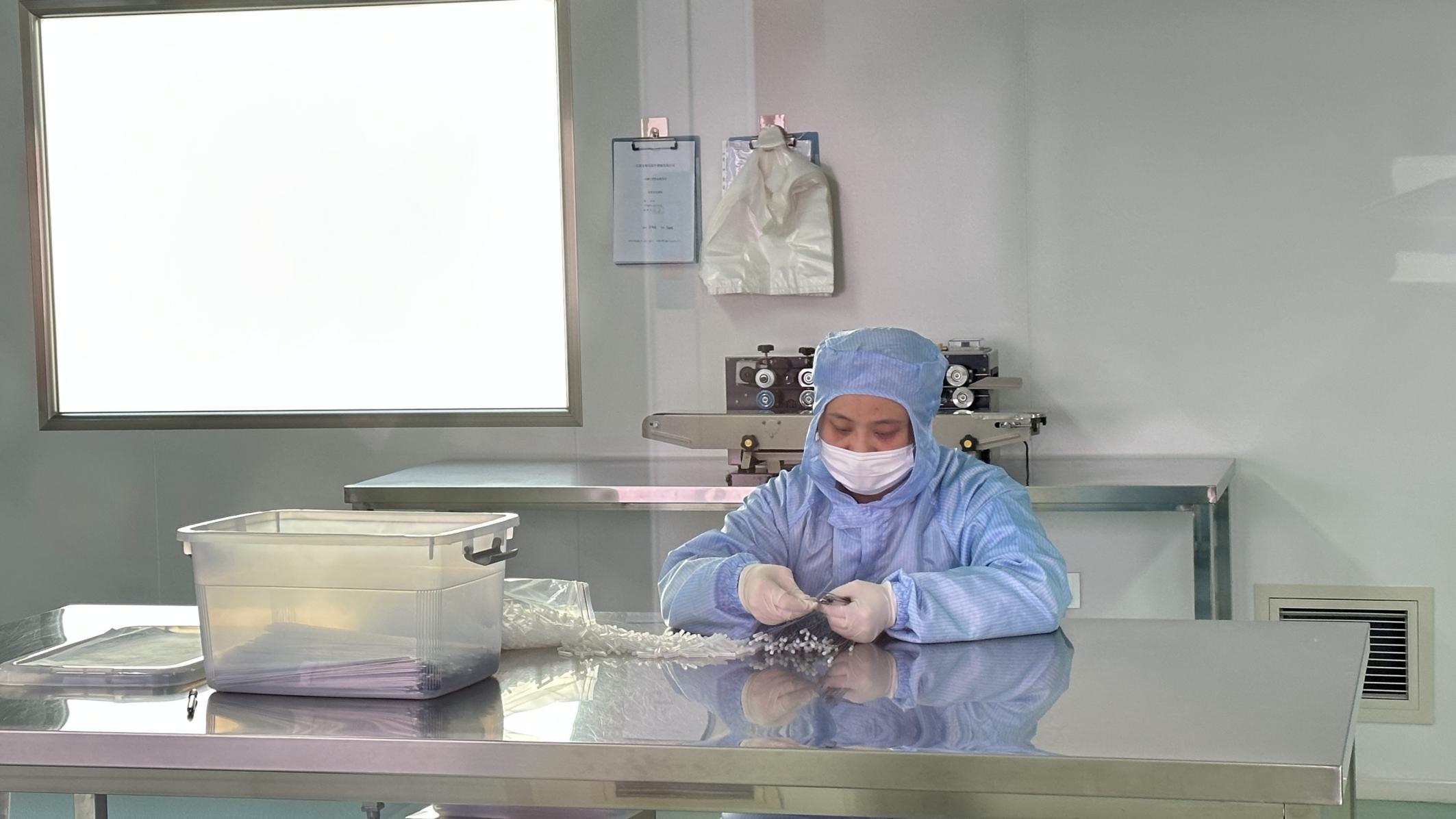
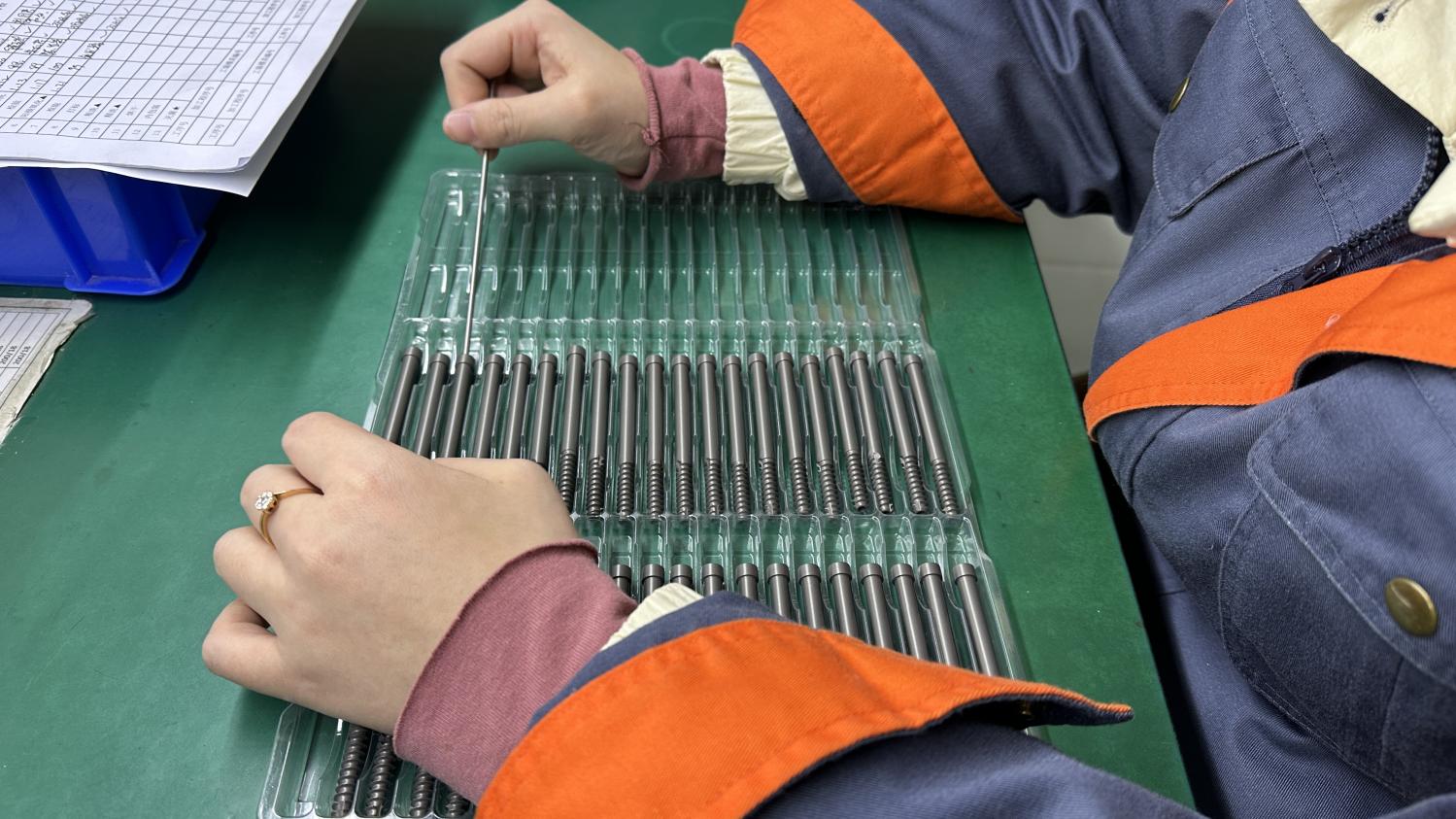
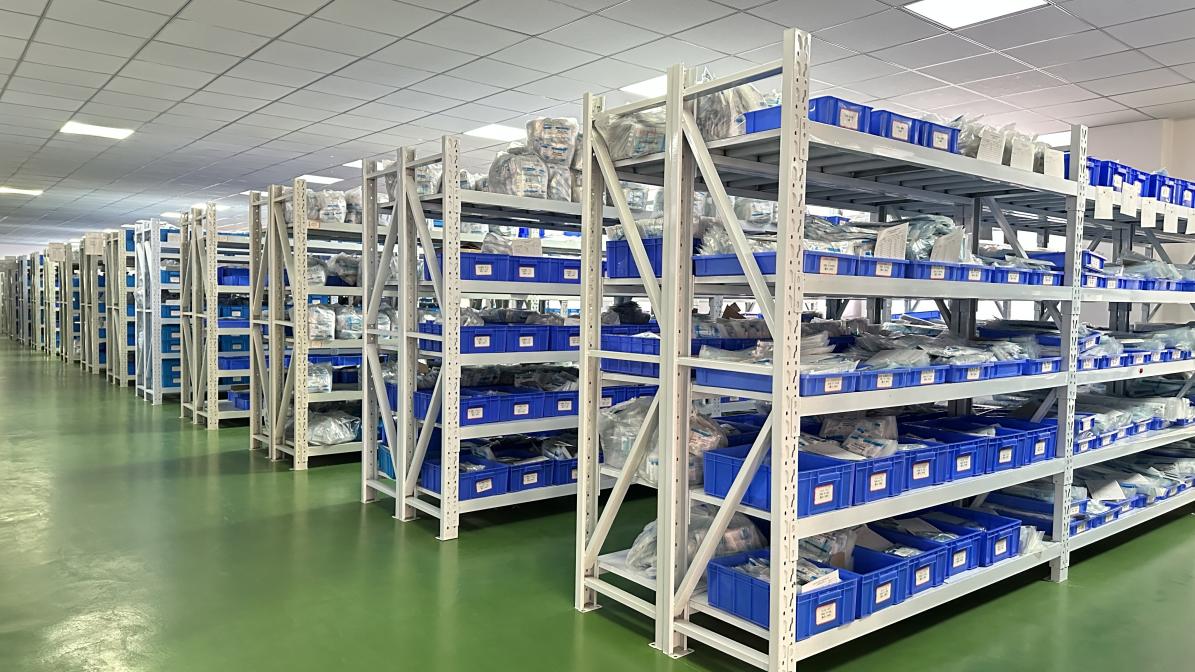
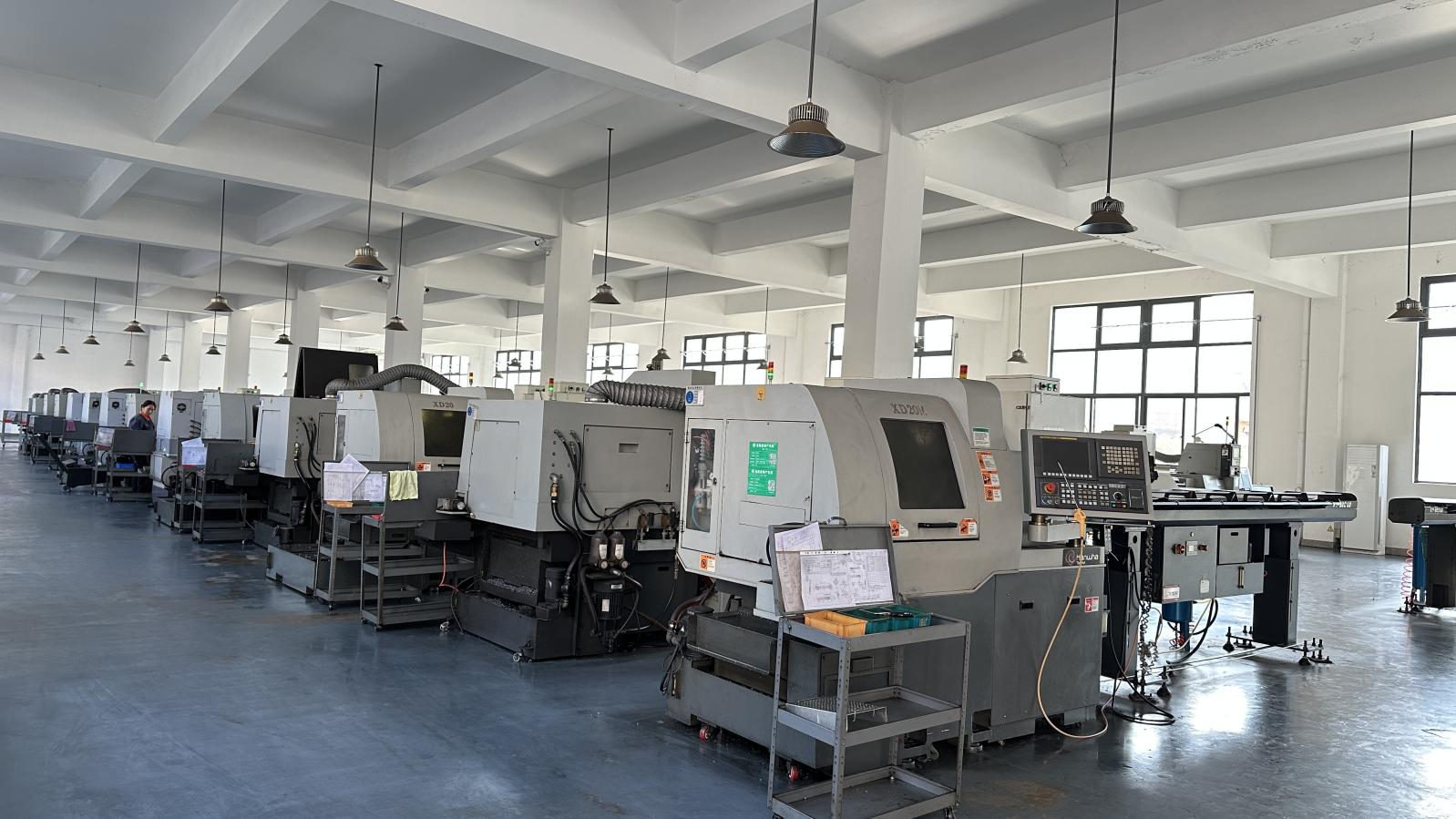
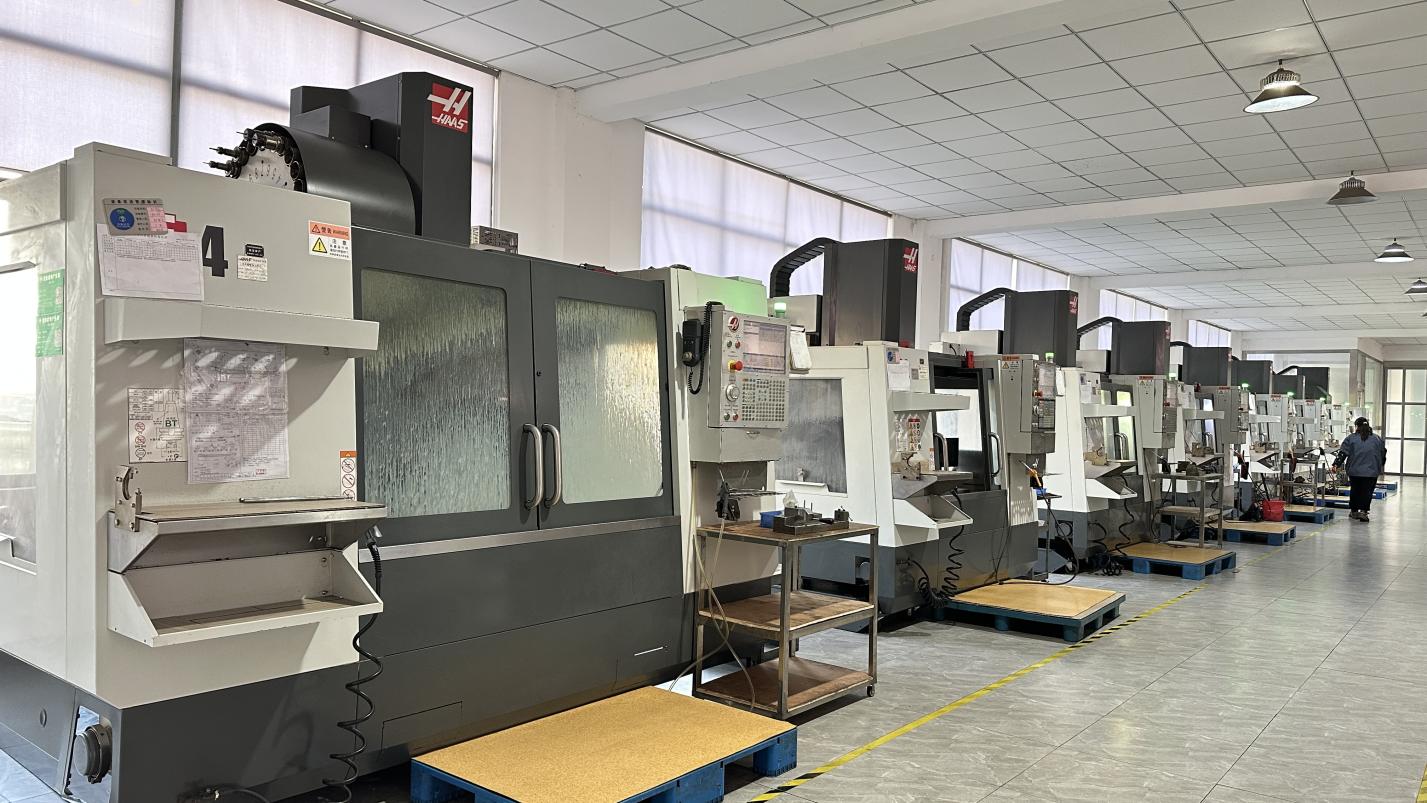
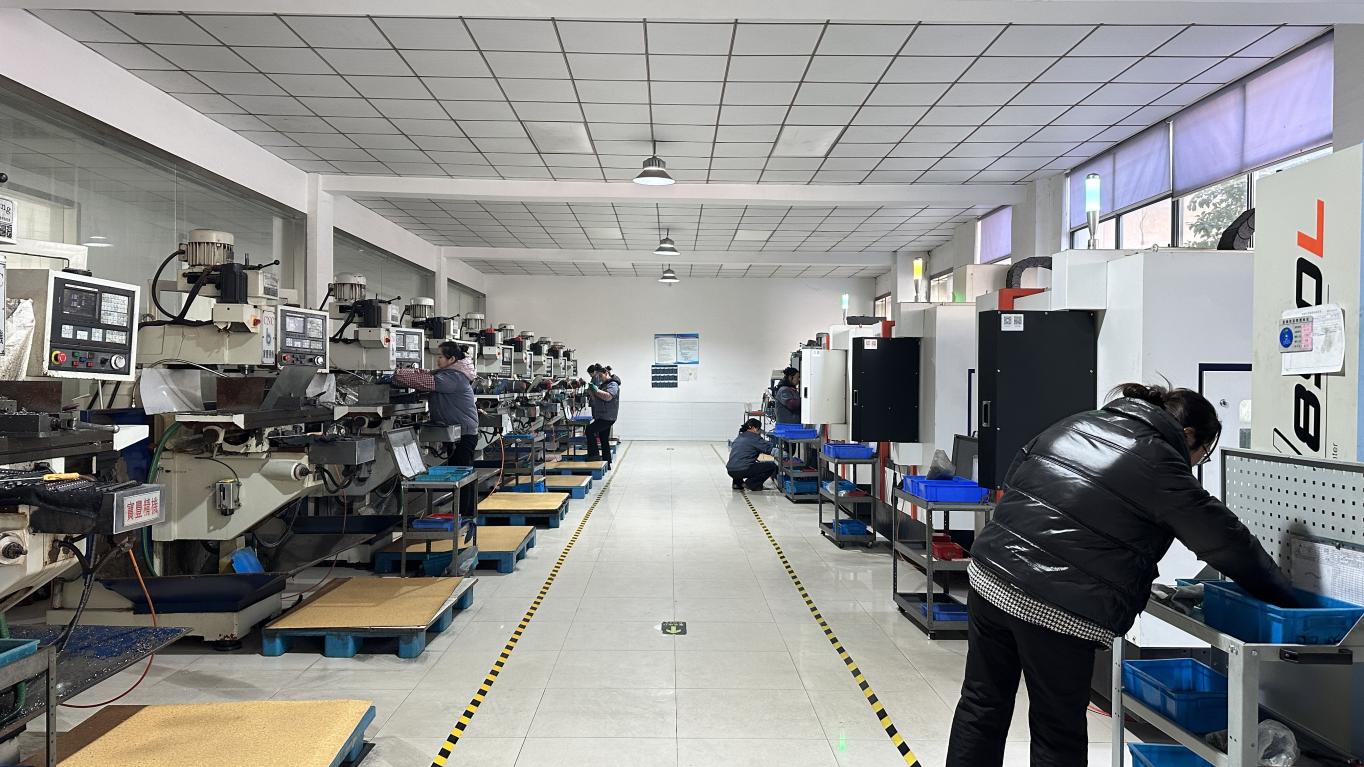
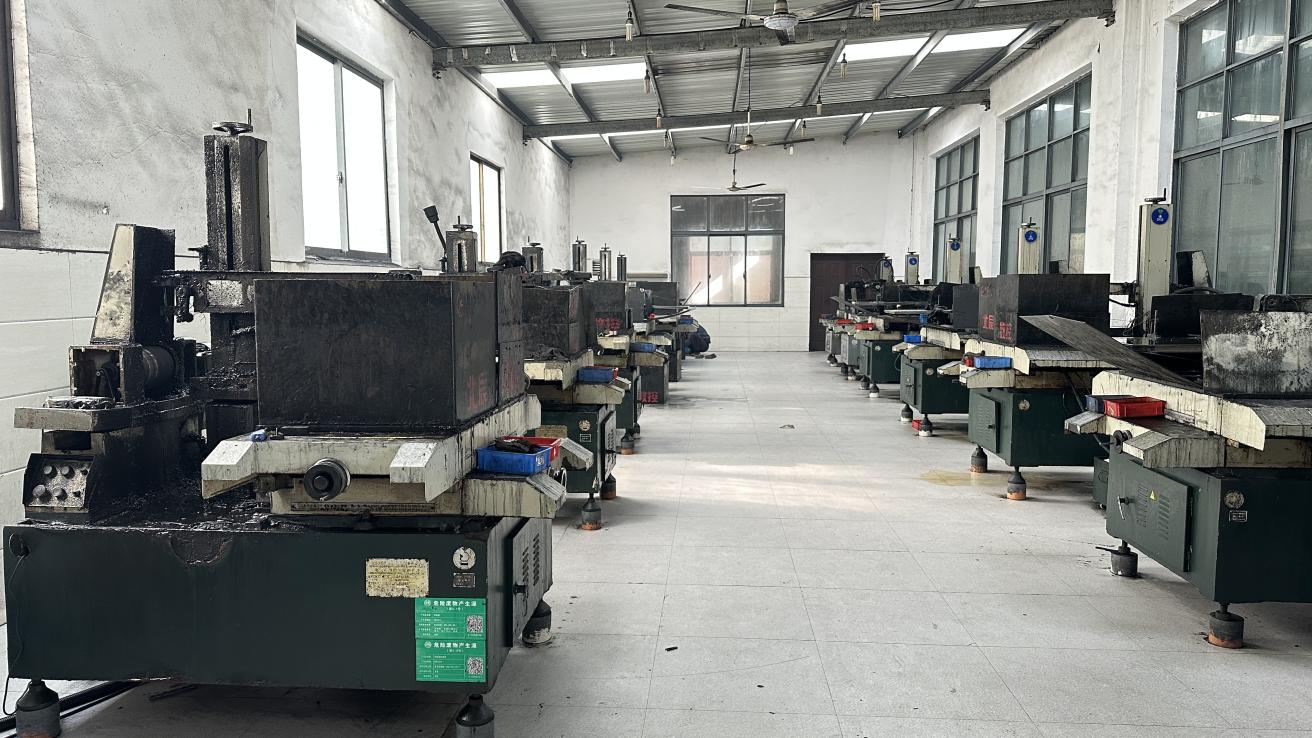
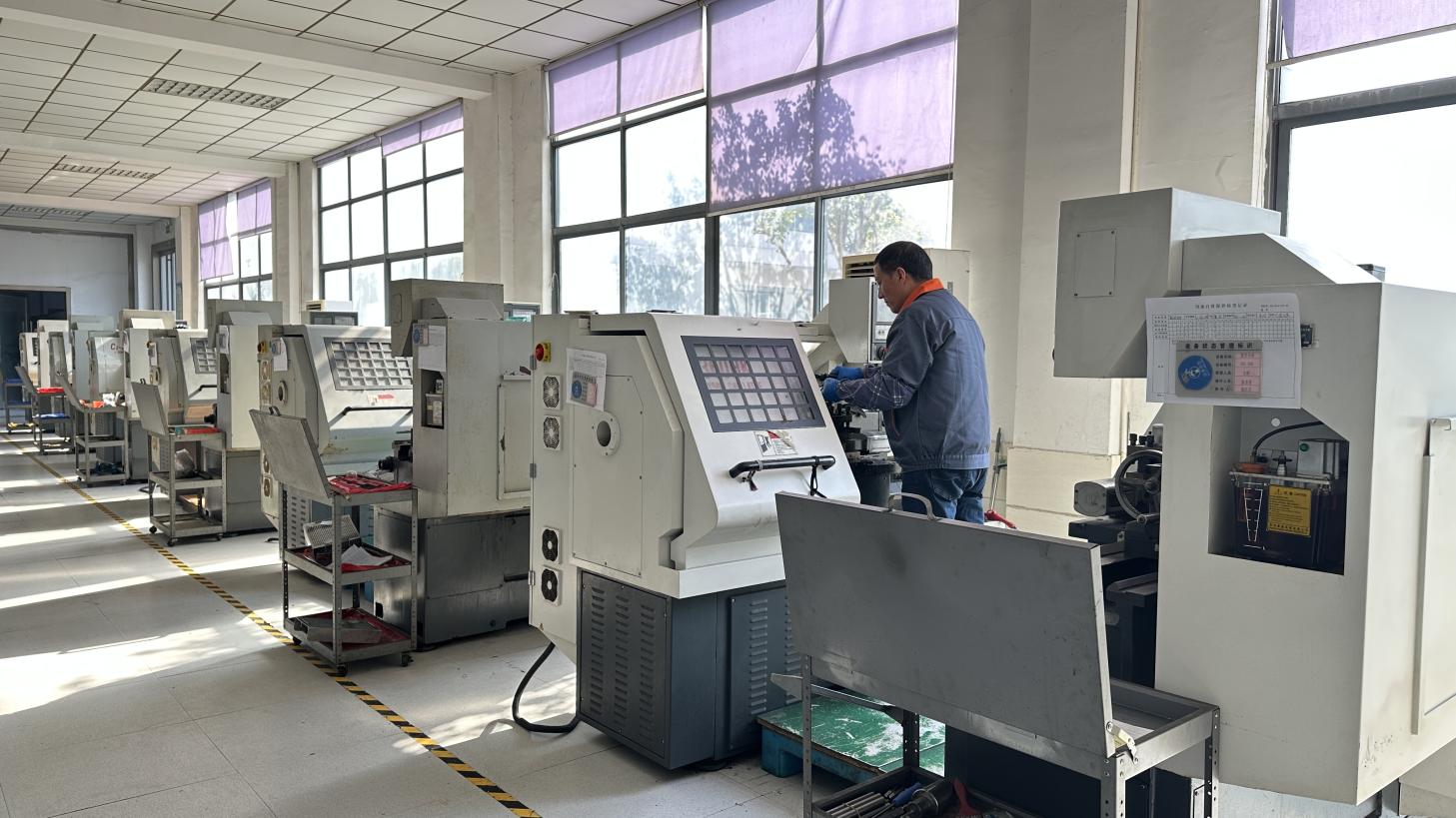
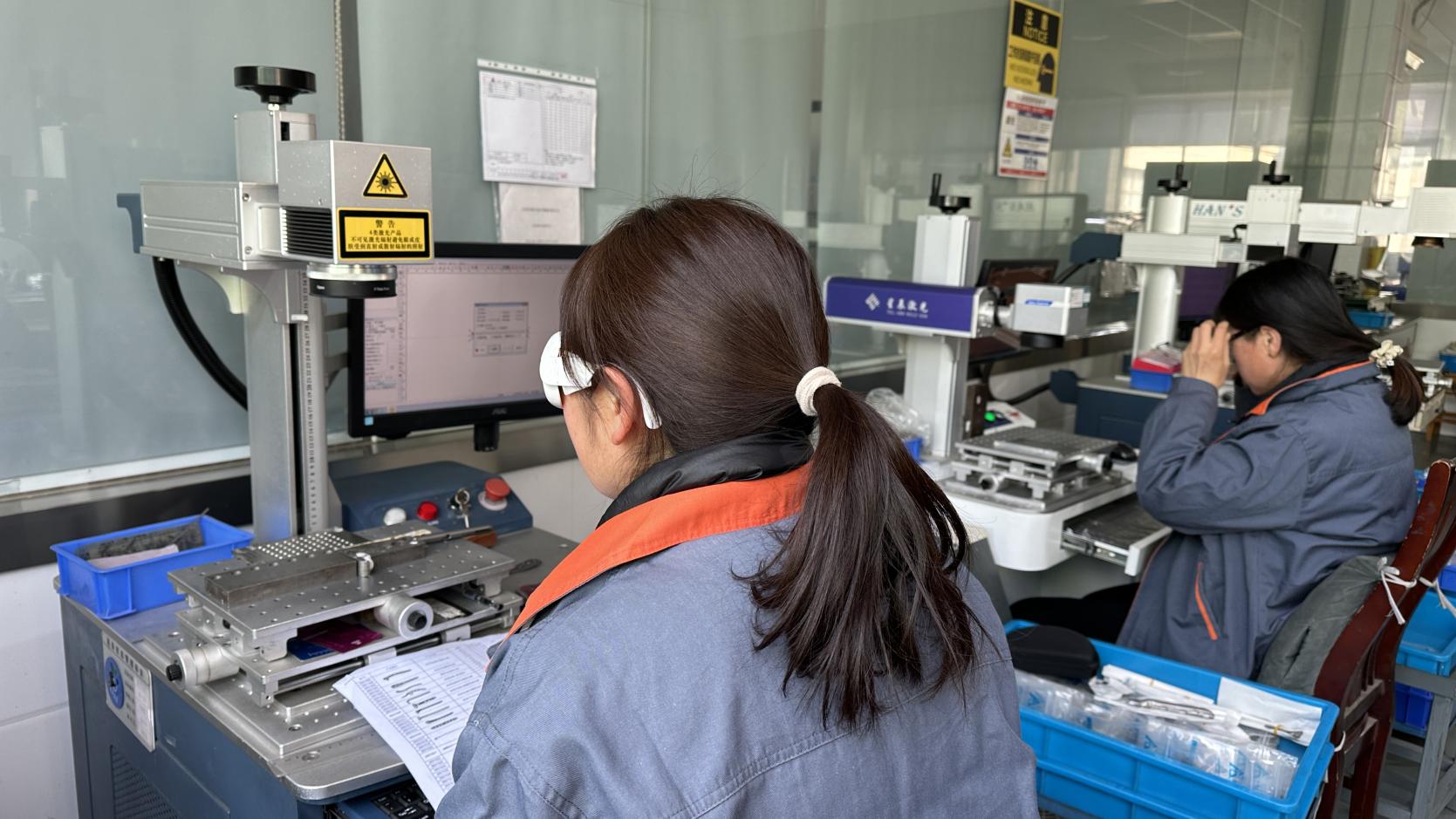
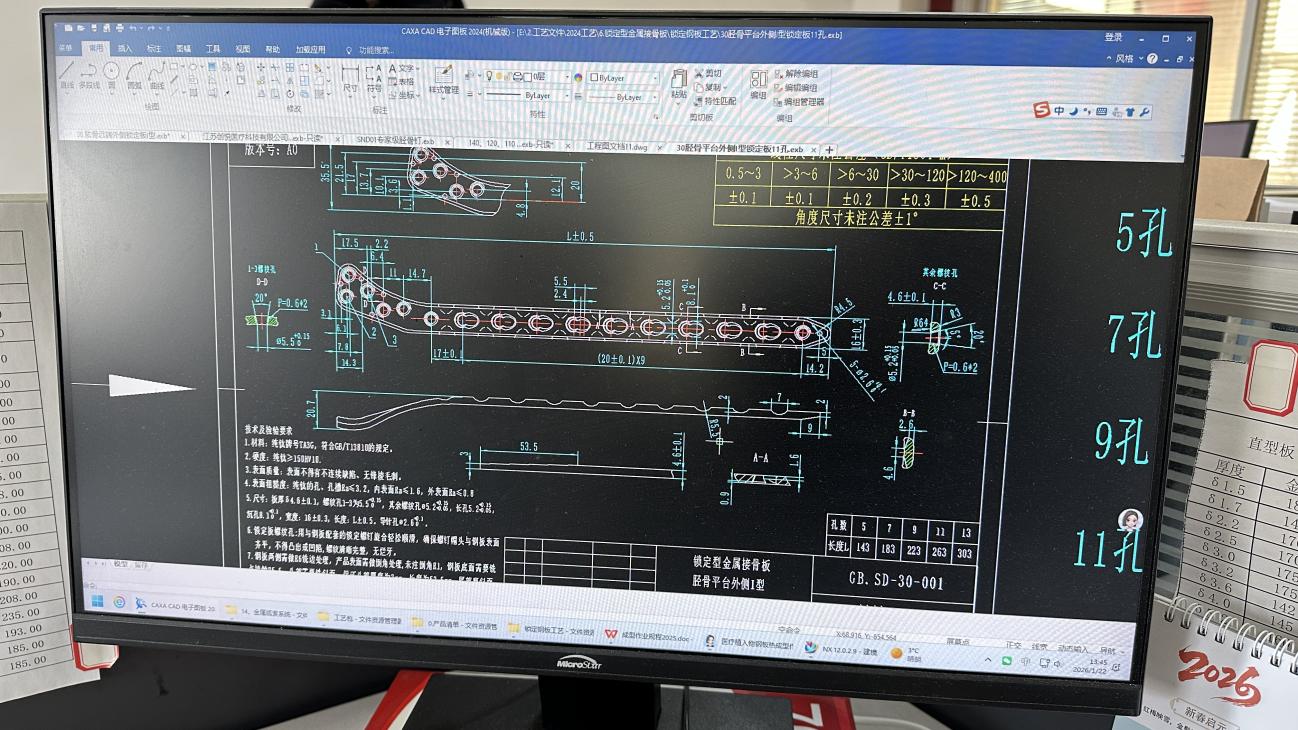

Our digitalized manufacturing process ensures high precision for every production batch. Operating over 850 certified upstream and downstream supply chain partnerships, we secure medical-grade titanium rods, carbon fiber tubes, and surgical stainless steel. This integrated supply chain reduces delivery times while maintaining high consistency for large-scale hospital tenders.
Our quality control program utilizes advanced test methods to verify critical performance metrics, ensuring compliance with global surgical implant standards.
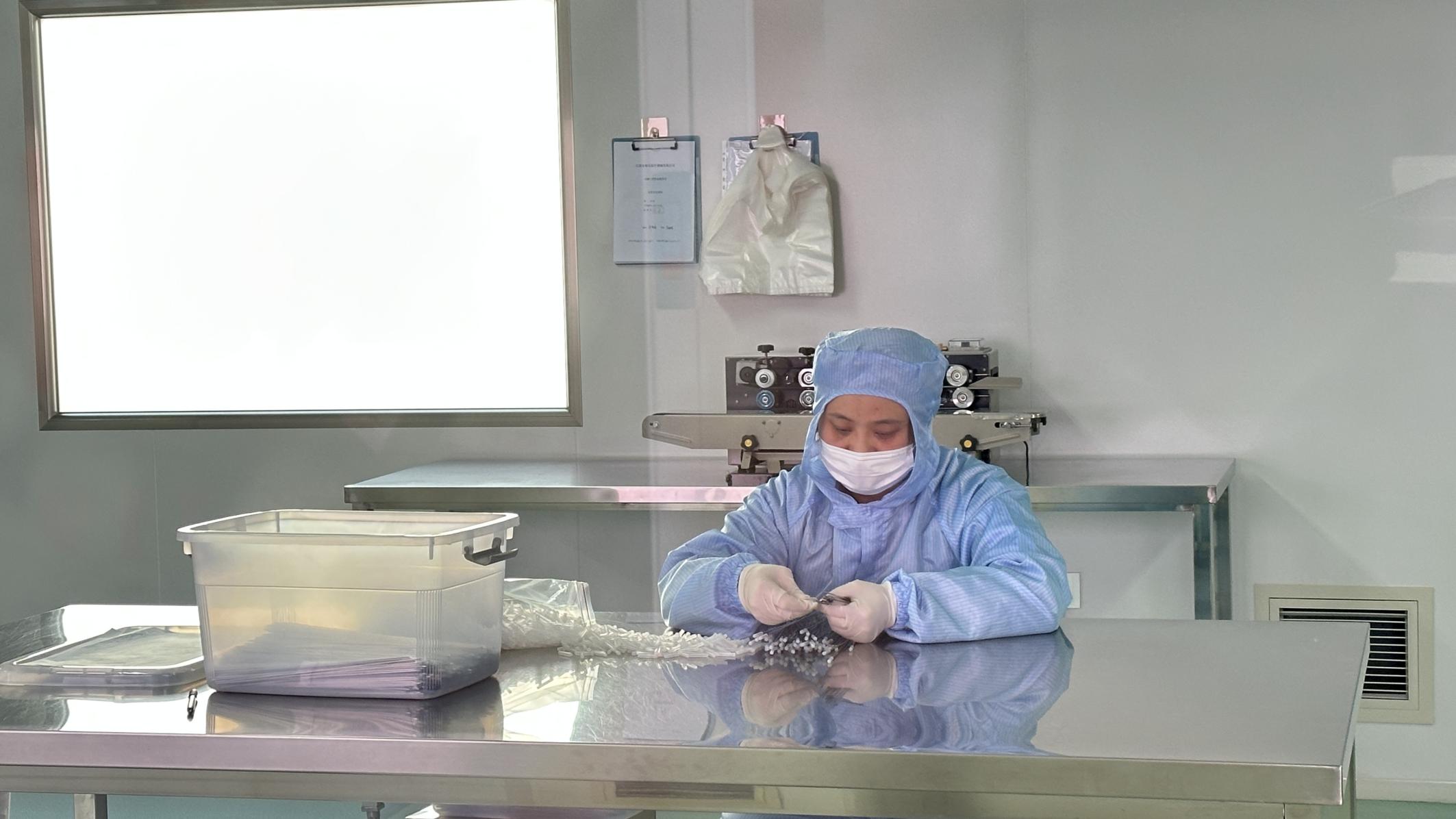
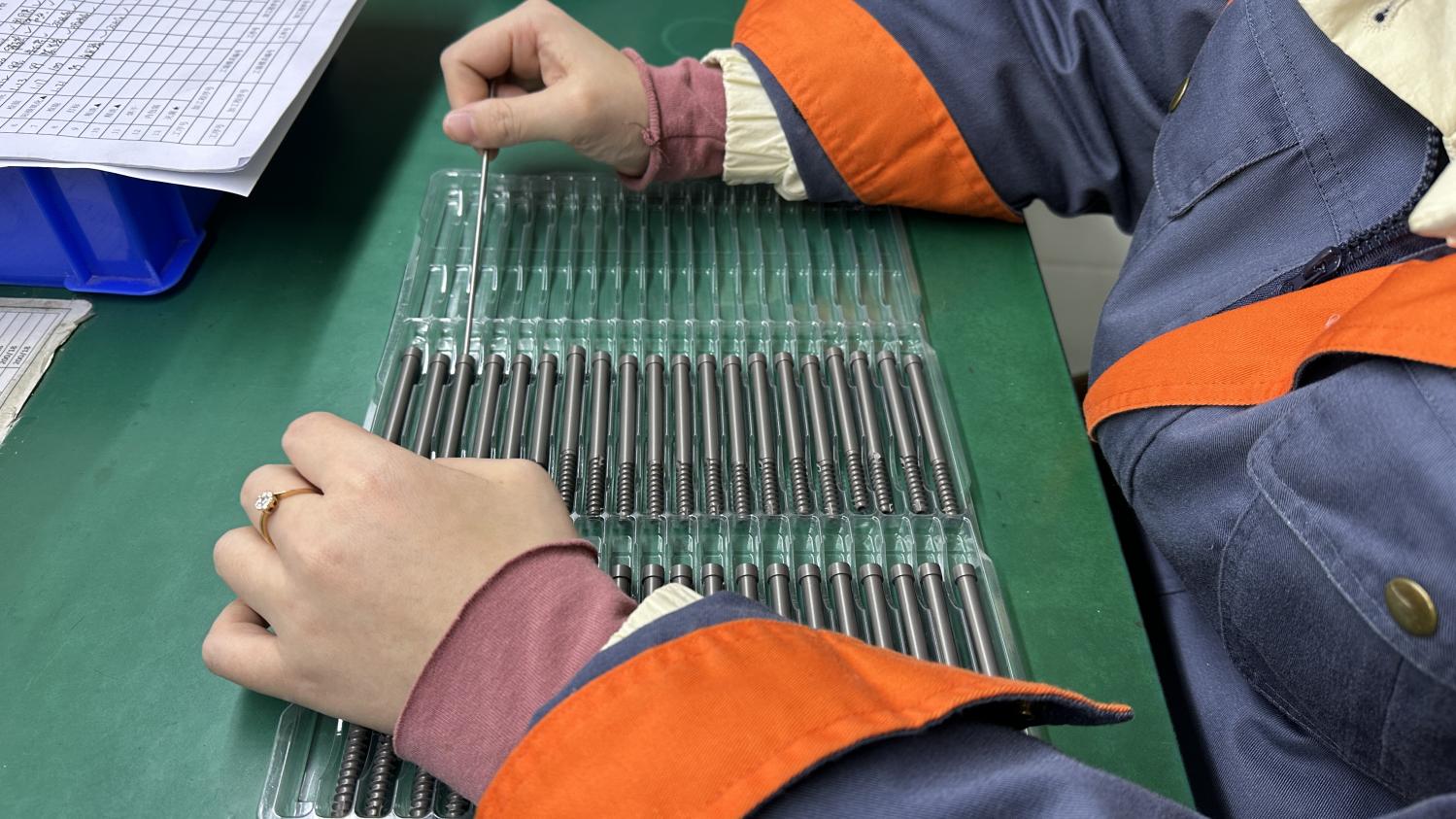
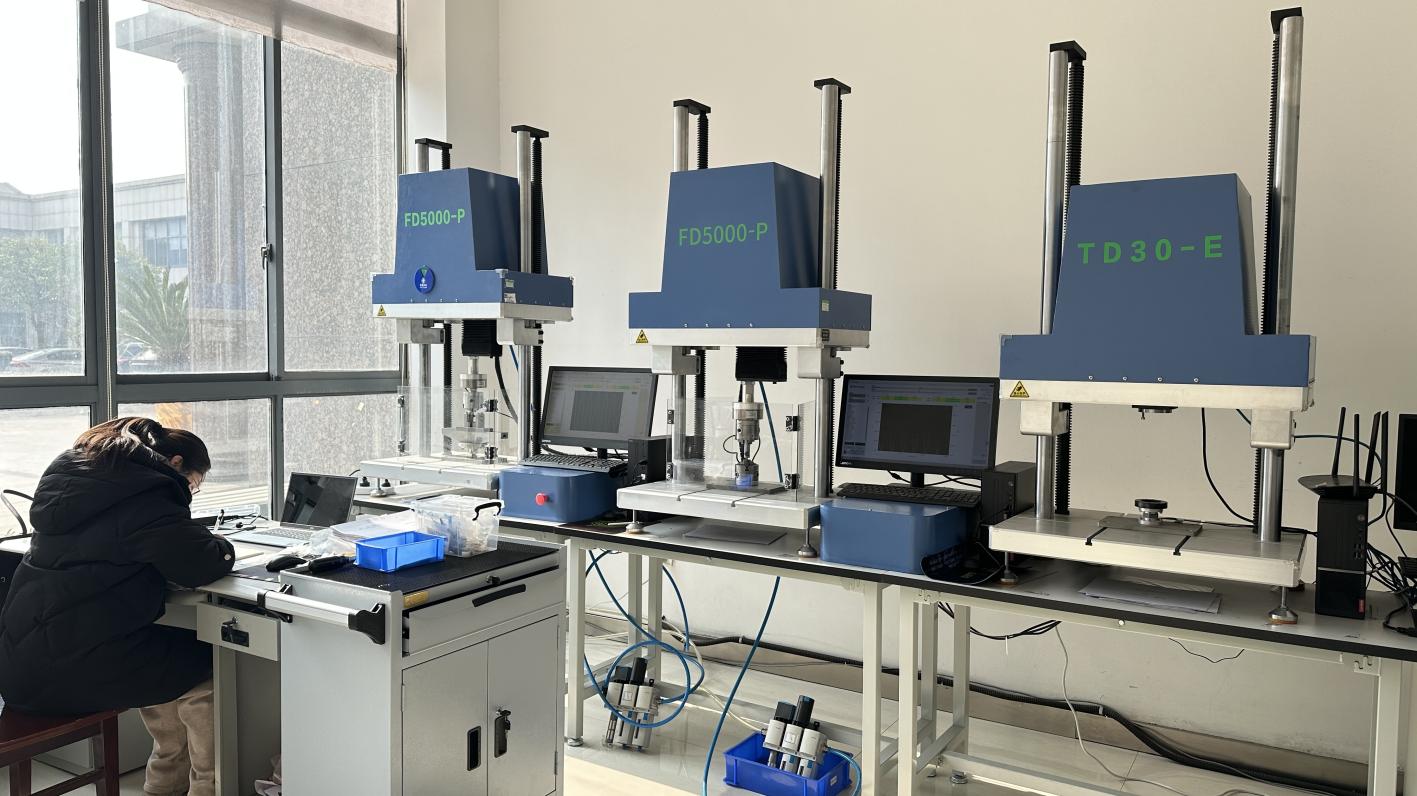
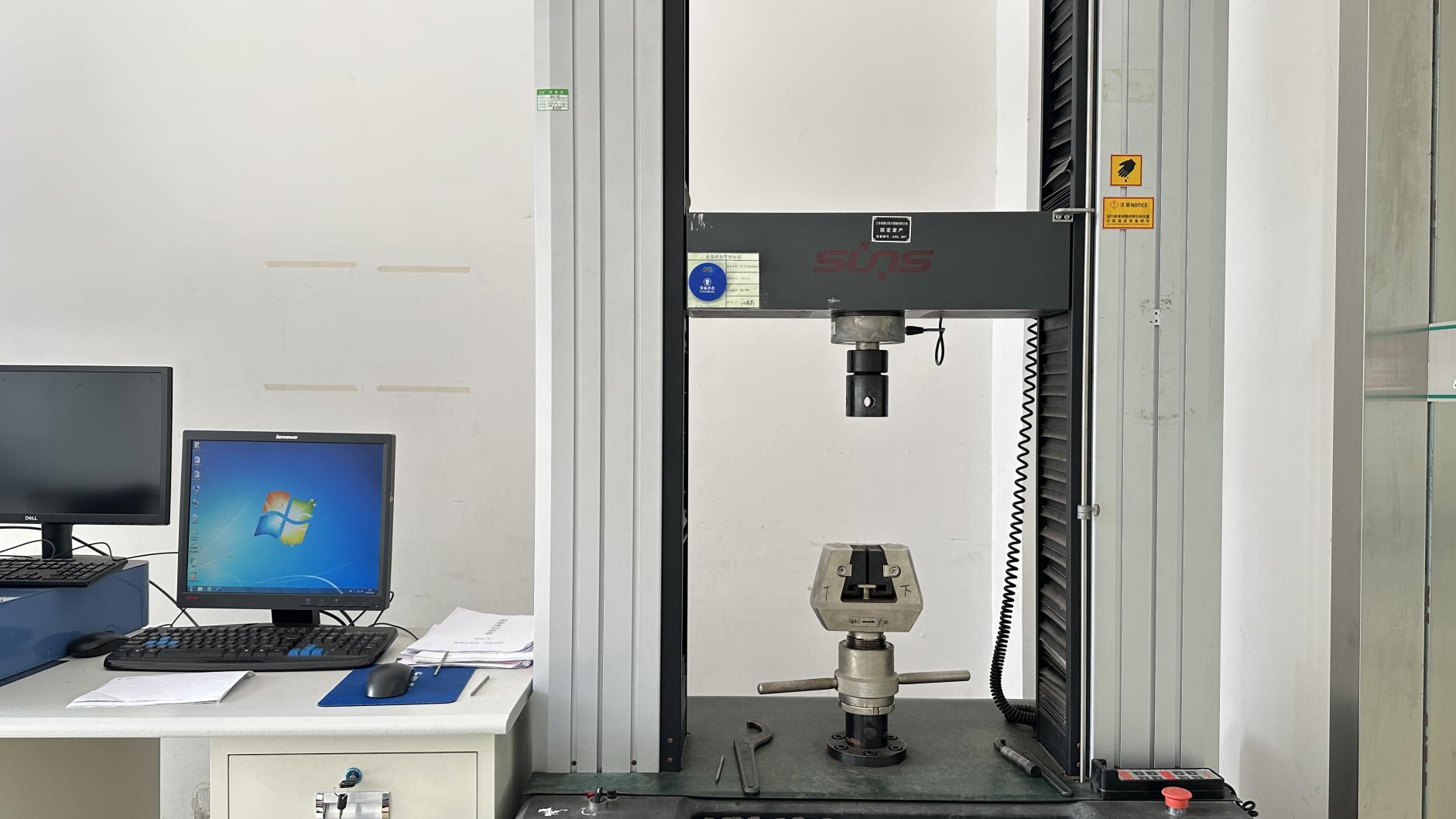
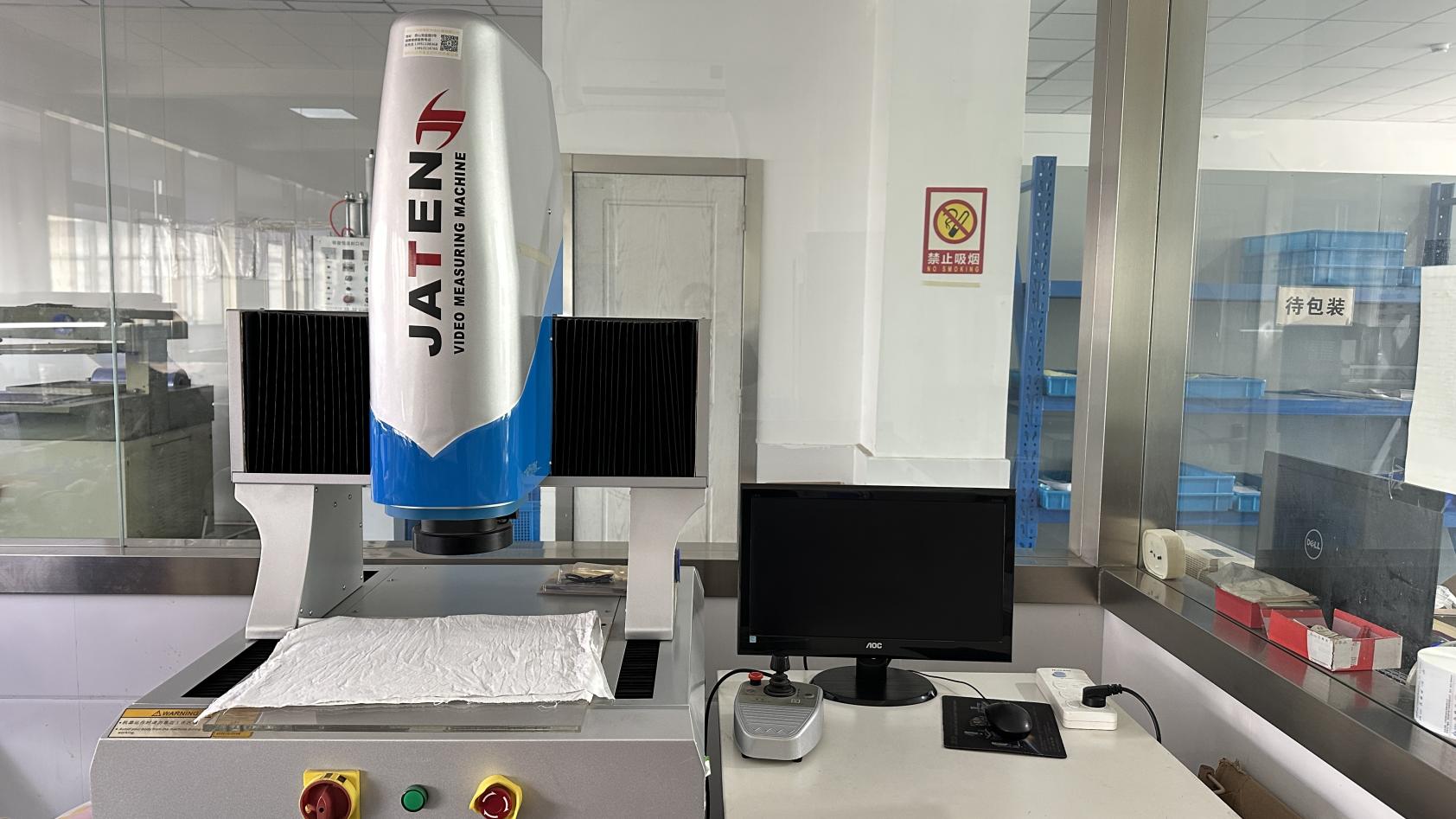
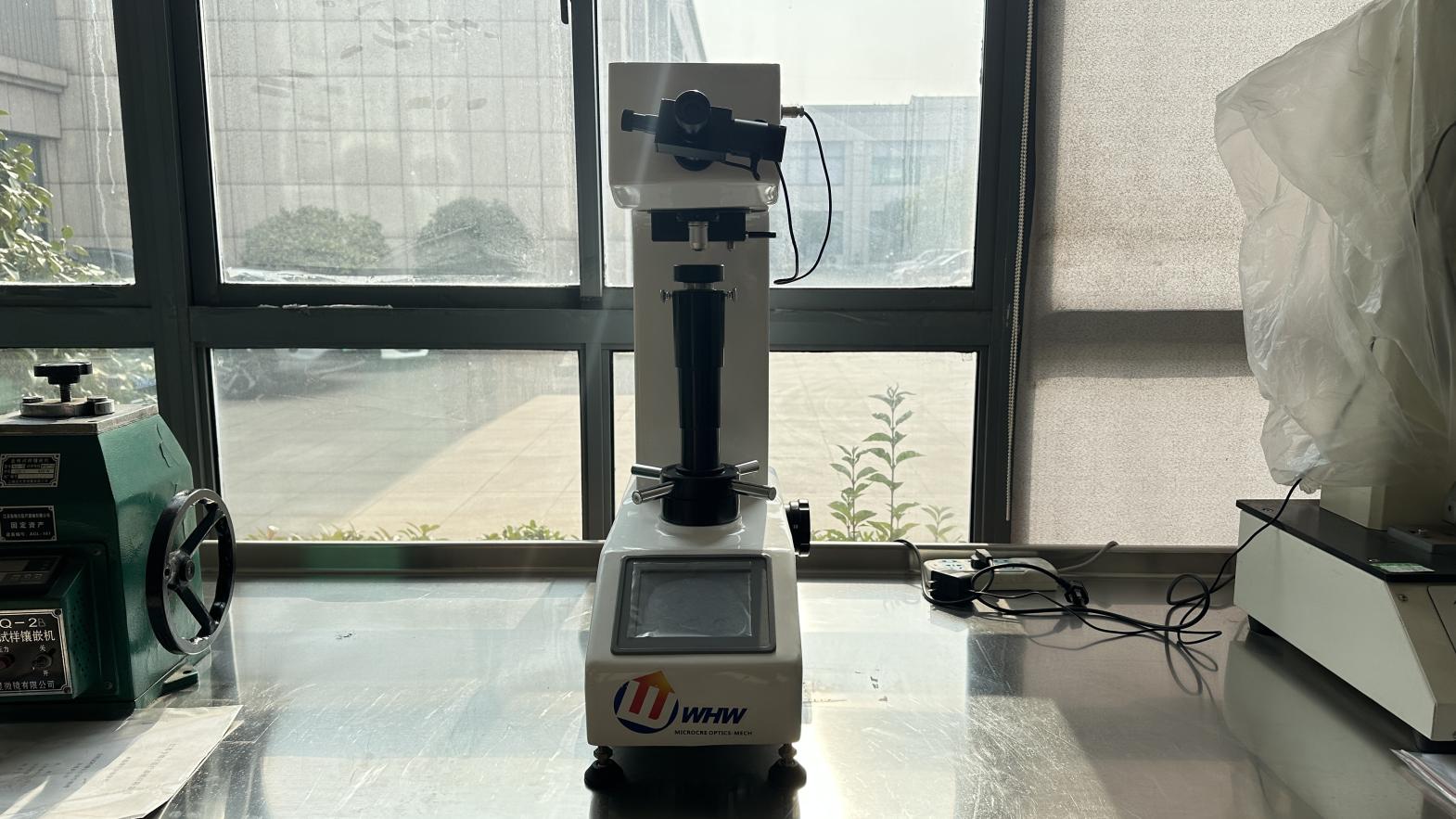
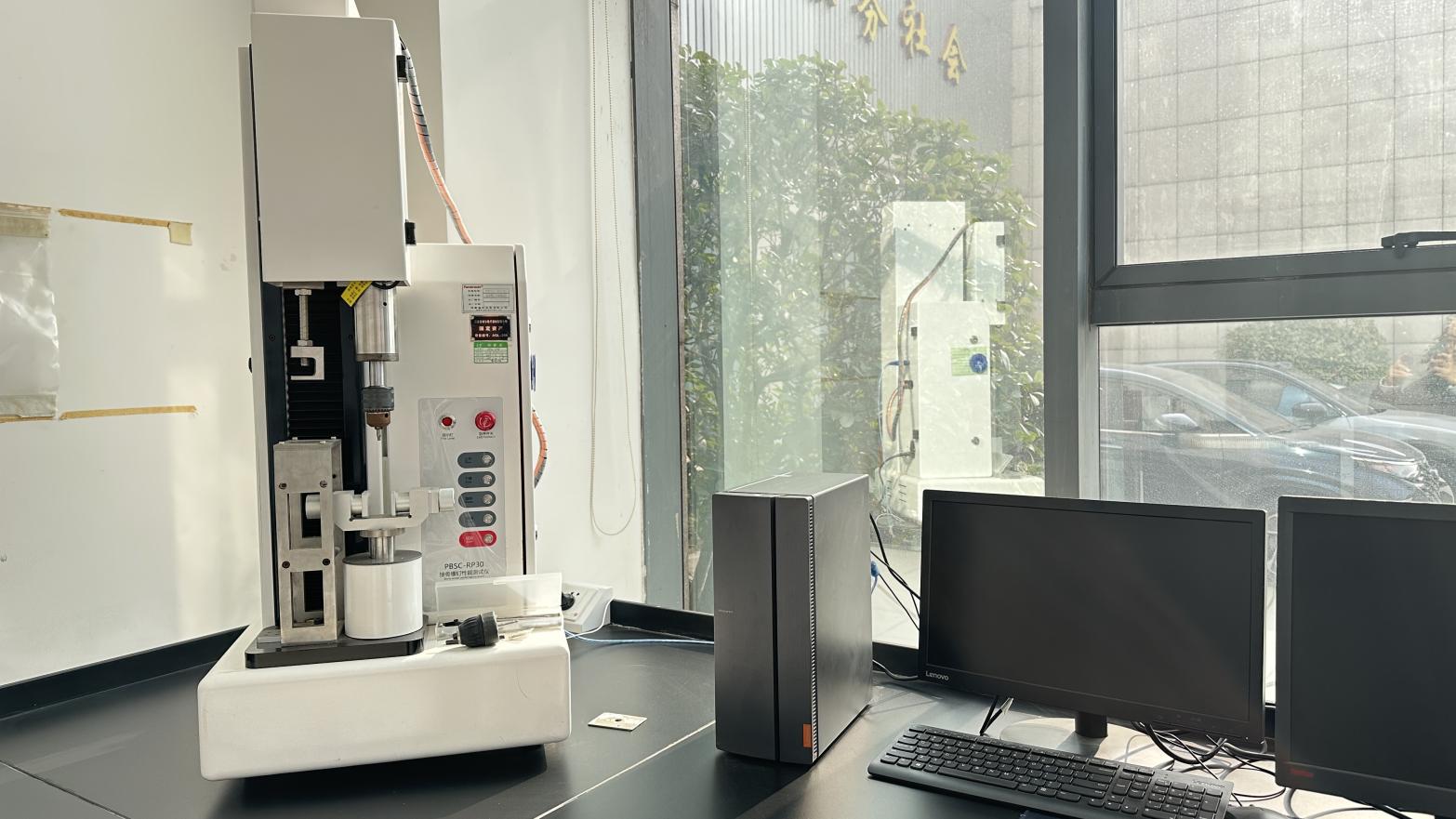
We deploy a comprehensive testing regime to verify critical biomechanical parameters. Our 65 QC professionals perform rigorous inspection procedures at every manufacturing stage:
How orthopedic surgeons utilize hybrid fixation systems across complex reconstructive indications.
Intra-articular comminuted fractures of the distal tibia present a significant risk of soft-tissue complications. Standard plating often leads to skin necrosis or surgical site infections. Tensioned transfixion wires secure articular fragments near the joint, while the unilateral assembly stabilizes the proximal tibial shaft. This approach minimizes soft-tissue disruption and maintains skeletal alignment.
In cases of chronic bone infection, infected segments must be resected. Stabilizing the remaining bone segments requires a system that does not introduce internal foreign bodies into the infection site. Hybrid external fixators provide the necessary rigid stability for bone transport (Ilizarov technique) while keeping the surgical site accessible for wound care and local therapies.
Managing pediatric limb length discrepancies and angular deformities requires modular, adjustable stabilization systems. Hybrid constructs allow for multi-planar correction of angular and rotational deformities, adjusting to developmental changes without requiring repeated major surgeries.
Technical answers to common questions about our orthopedic products and procurement options.
Designed to deliver high mechanical stability, precise anatomic alignment, and reliable clinical outcomes.
 Virelox