Explore our premium grade orthopedic systems engineered for stability, durability, and absolute surgical accuracy.
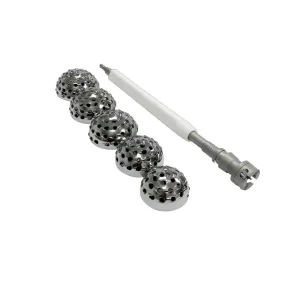
As a premiere OEM/ODM contract manufacturer specializing in complex joint replacement and orthopedic surgical implant systems, Virelox Medical Devices is dedicated to optimizing clinical outcomes. Serving global healthcare distributors, hospitals, and orthopedic procurement organizations, we combine advanced biomechanical research with ISO 13485-certified smart manufacturing processes.
Our robust annual export revenue of USD 8,500,000 showcases our stability and strong footprint across Europe, Southeast Asia, the Middle East, and South America. With 8 years of export experience and a decade of deep clinical product design history, we are equipped to address the strict engineering expectations of modern surgical instrument systems.
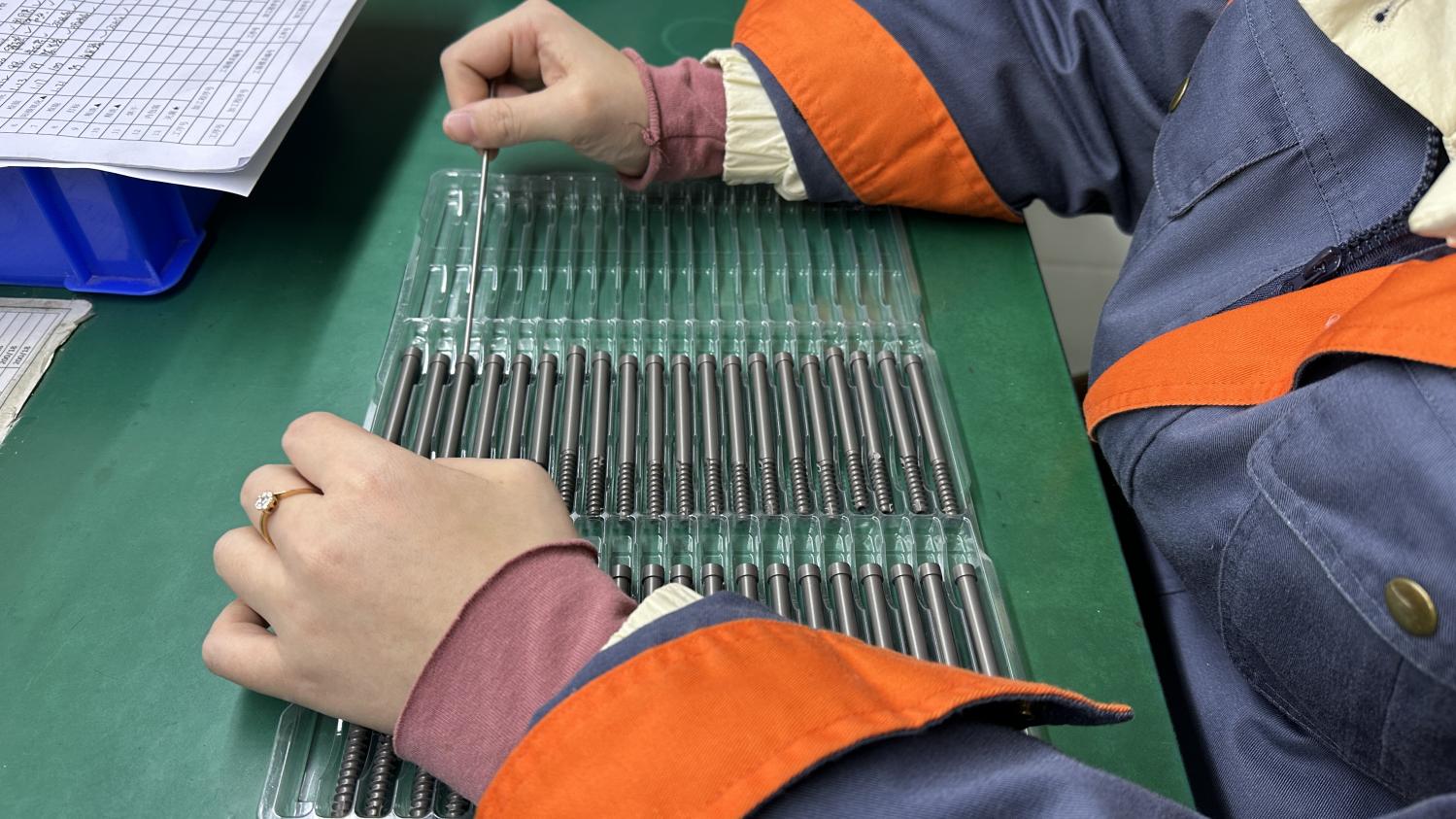
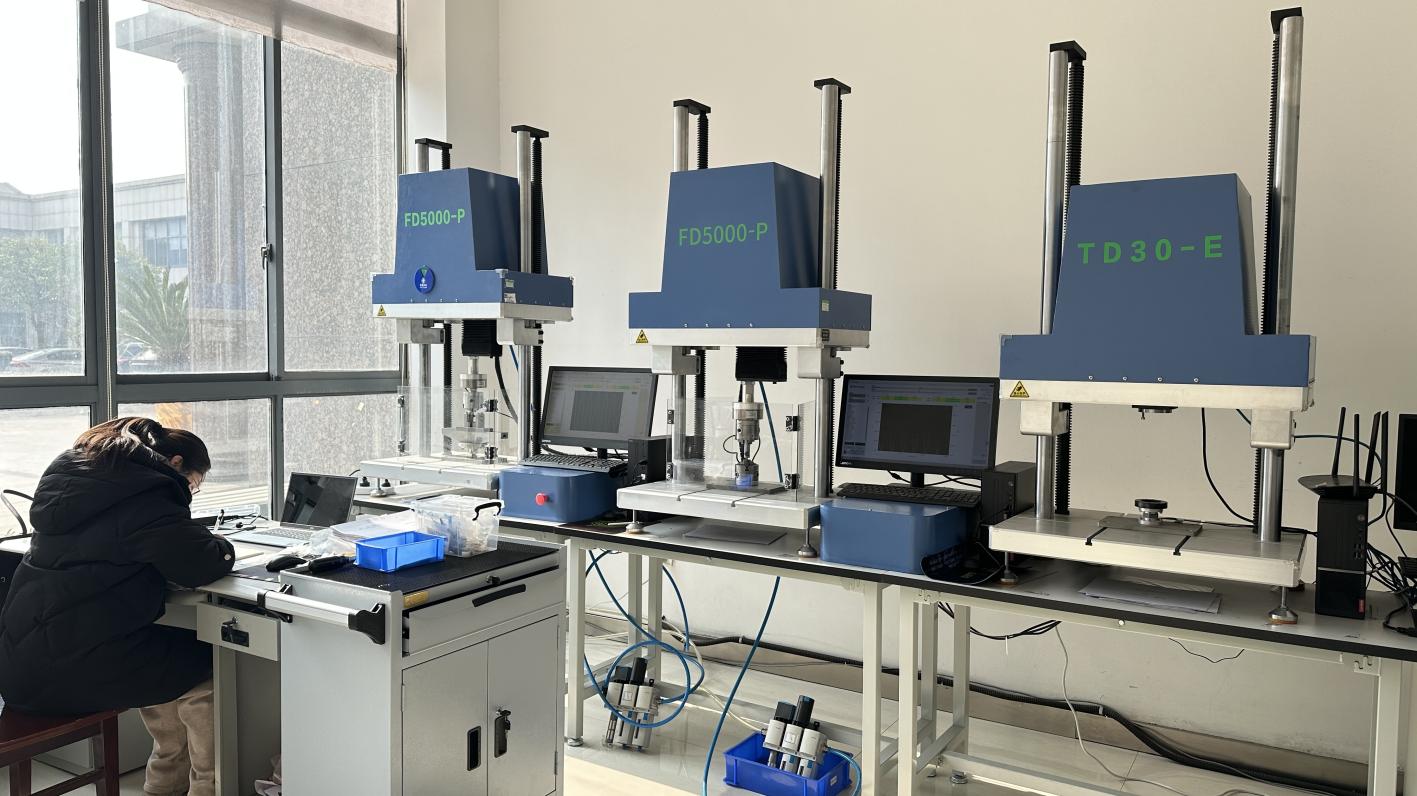
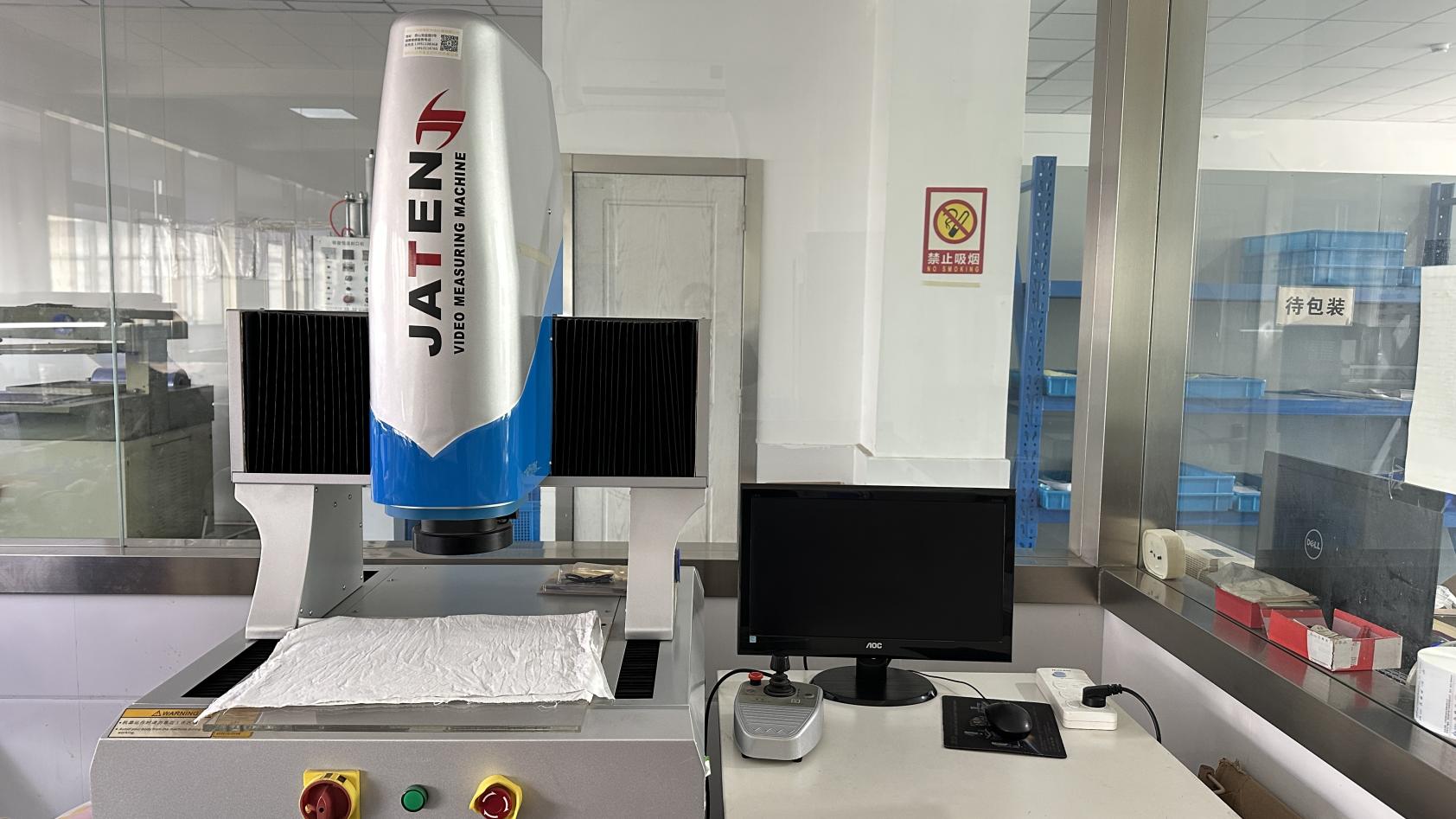
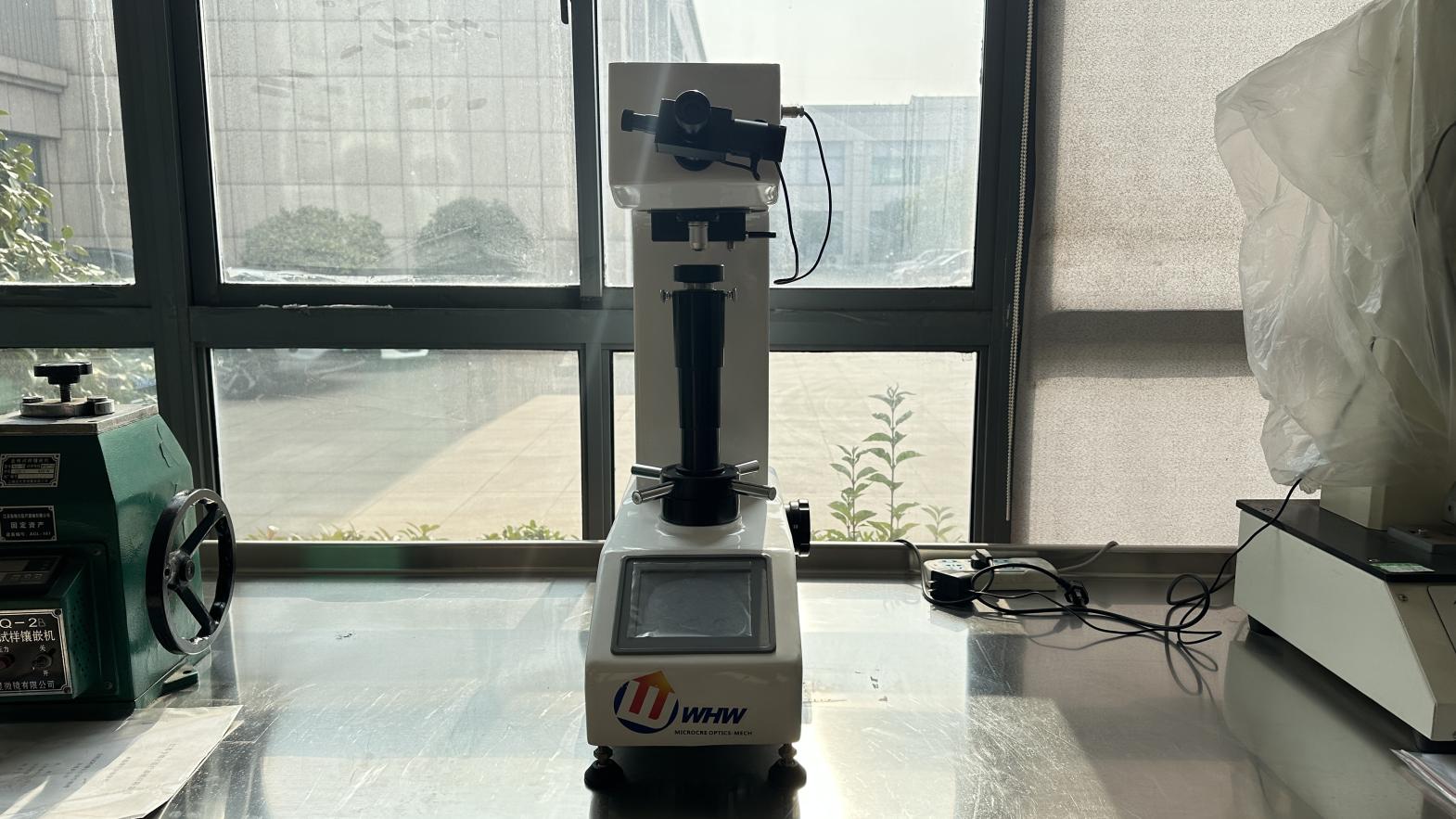
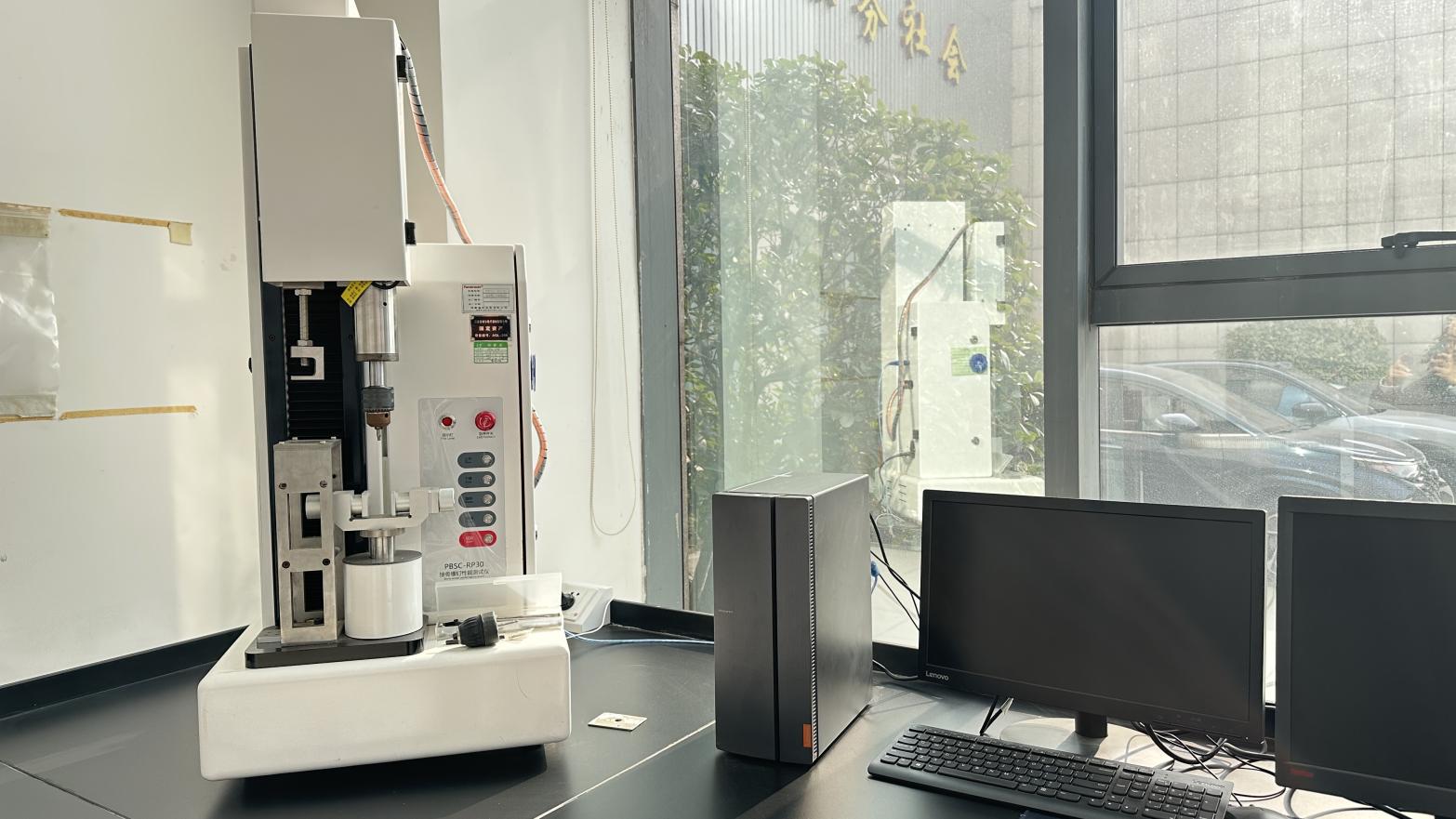
Our facility runs an advanced QC system executing raw material validation, dimensional CMM evaluation, dynamic fatigue testing, and high-resolution X-ray defect identification.
Supported by 120 dedicated engineers, we introduced 120+ new orthopedic and spinal systems last year, providing end-to-end proprietary CAD modeling, biomechanical simulation, and cleanroom private label packaging.
In-depth technical analysis on optimizing structural integrity, surface finishing, and ergonomic efficiency in modern orthopedic instruments.
Acetabular reamers require exceptional sharpness and dimensional durability. We process medical-grade surgical stainless steel with optimized tooth geometries to minimize thermal necrosis during high-speed bone preparation while ensuring perfectly spherical acetabular cavities.
Hip trials require seamless connection to femoral broach handles without micro-motion. Our CNC machining tolerances are held below 5 microns. This ensures structural lockups and gives orthopedic surgeons tactile feedback during intraoperative implant selection.
Reusable instruments must survive hundreds of autoclave sterilization cycles. We apply chemical passivation (nitric and citric acid pathways) and PVD (Physical Vapor Deposition) coating options to form an inert surface barrier, preventing pitting corrosion and hydrogen embrittlement.
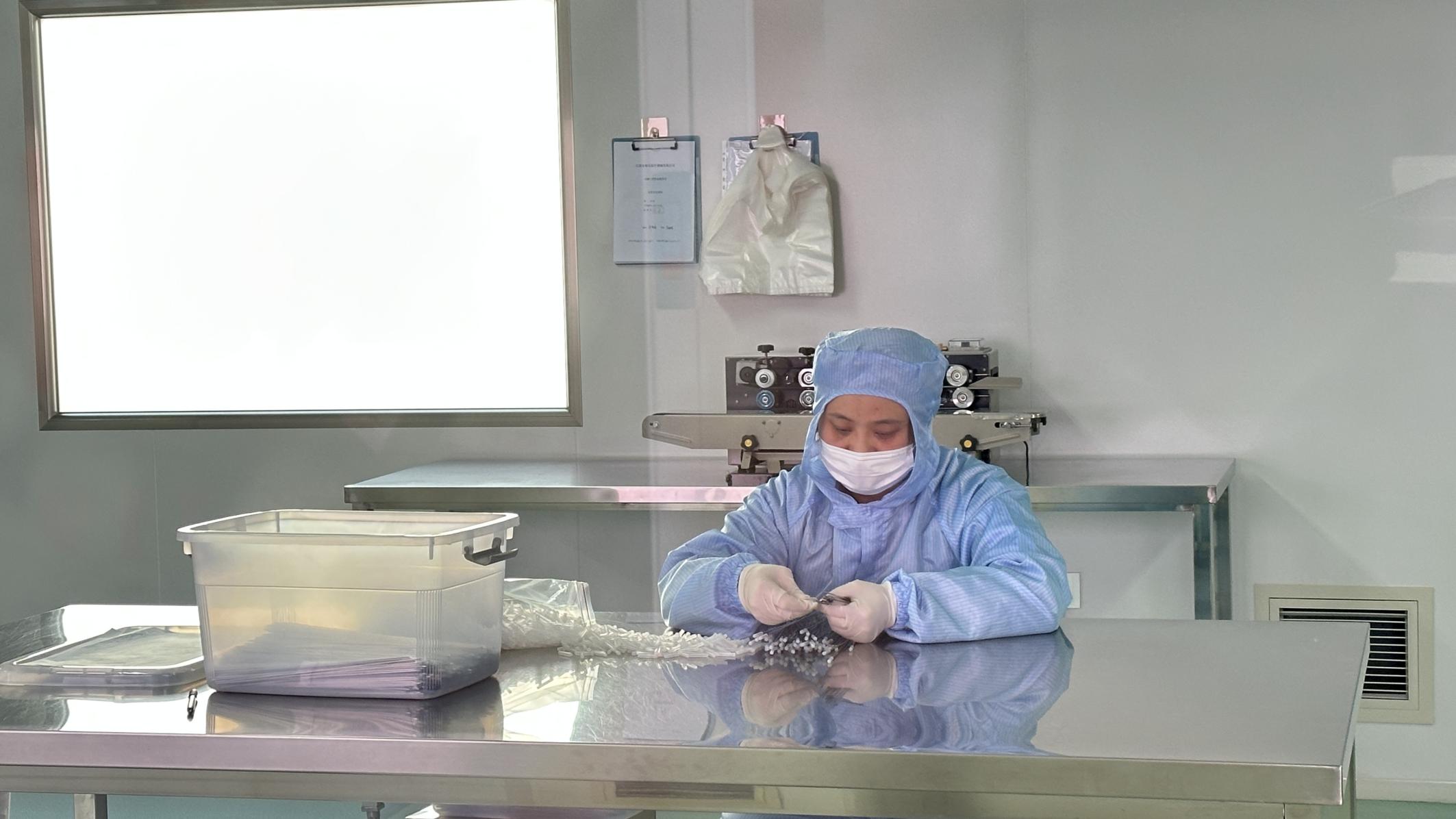
Step-by-step visual map of our production, engineering, and quality validation facilities.
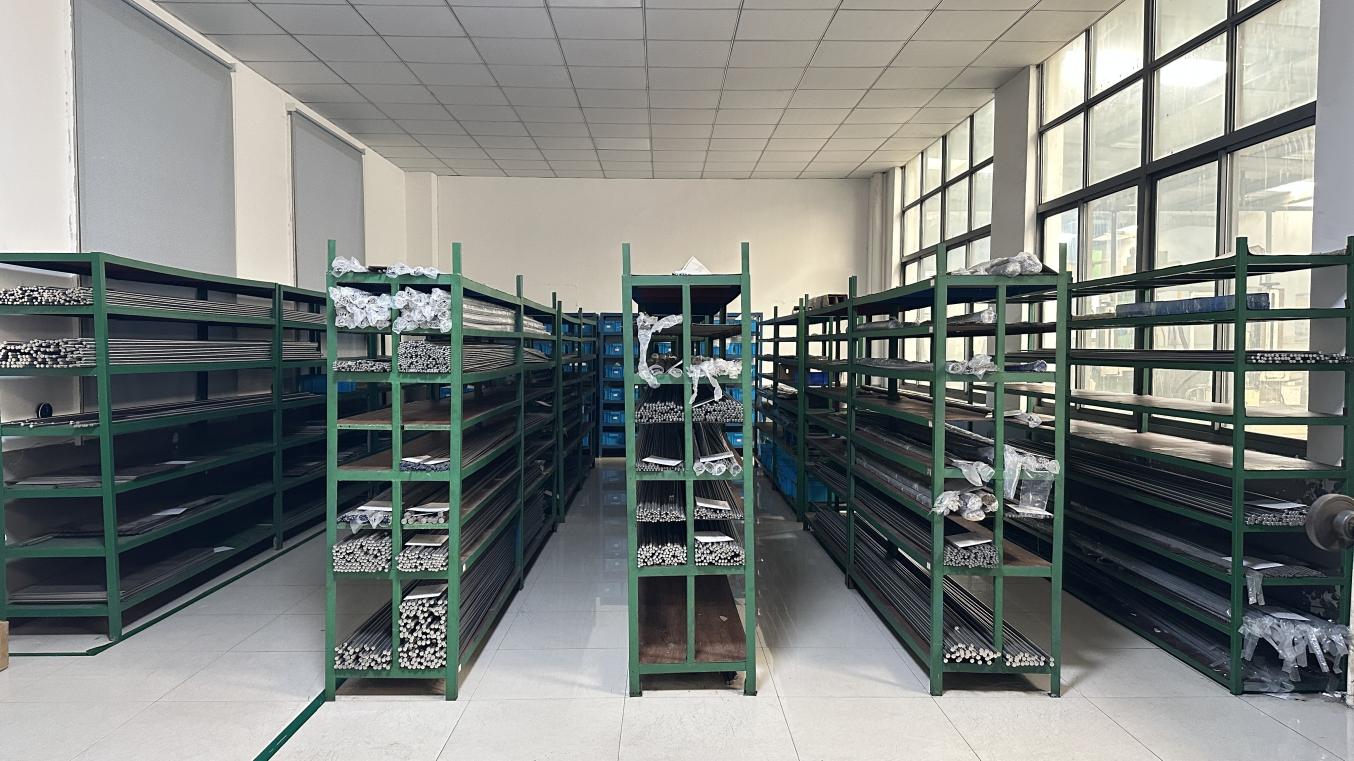
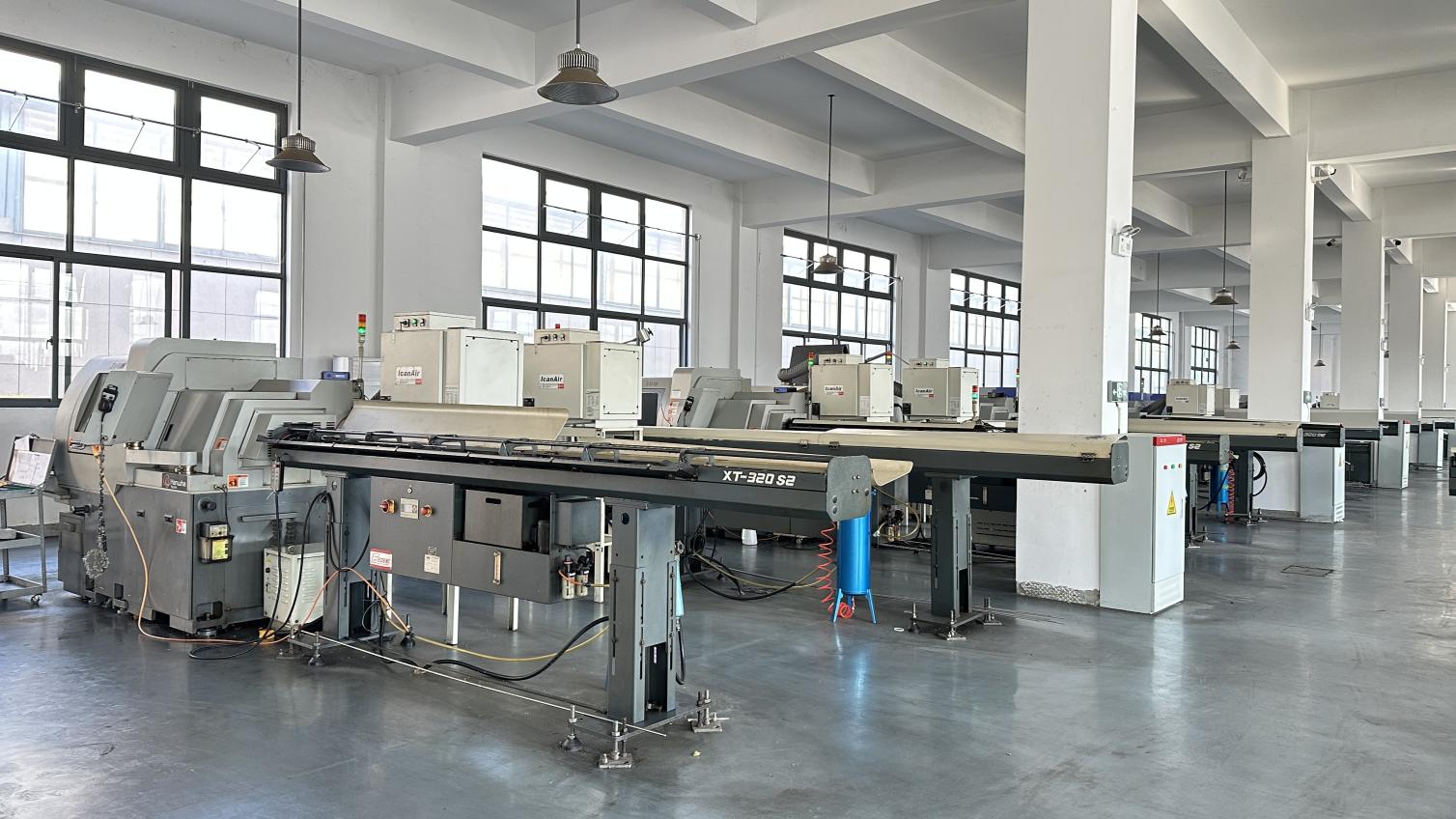
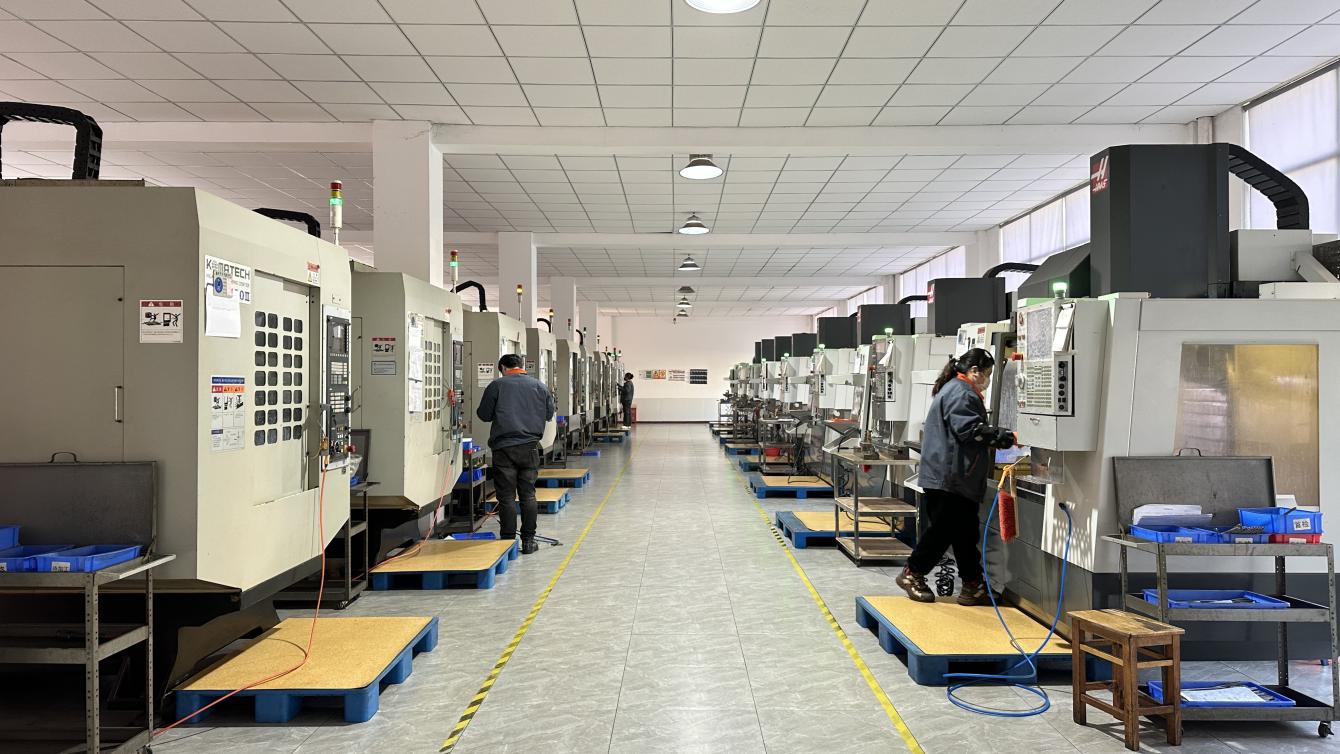
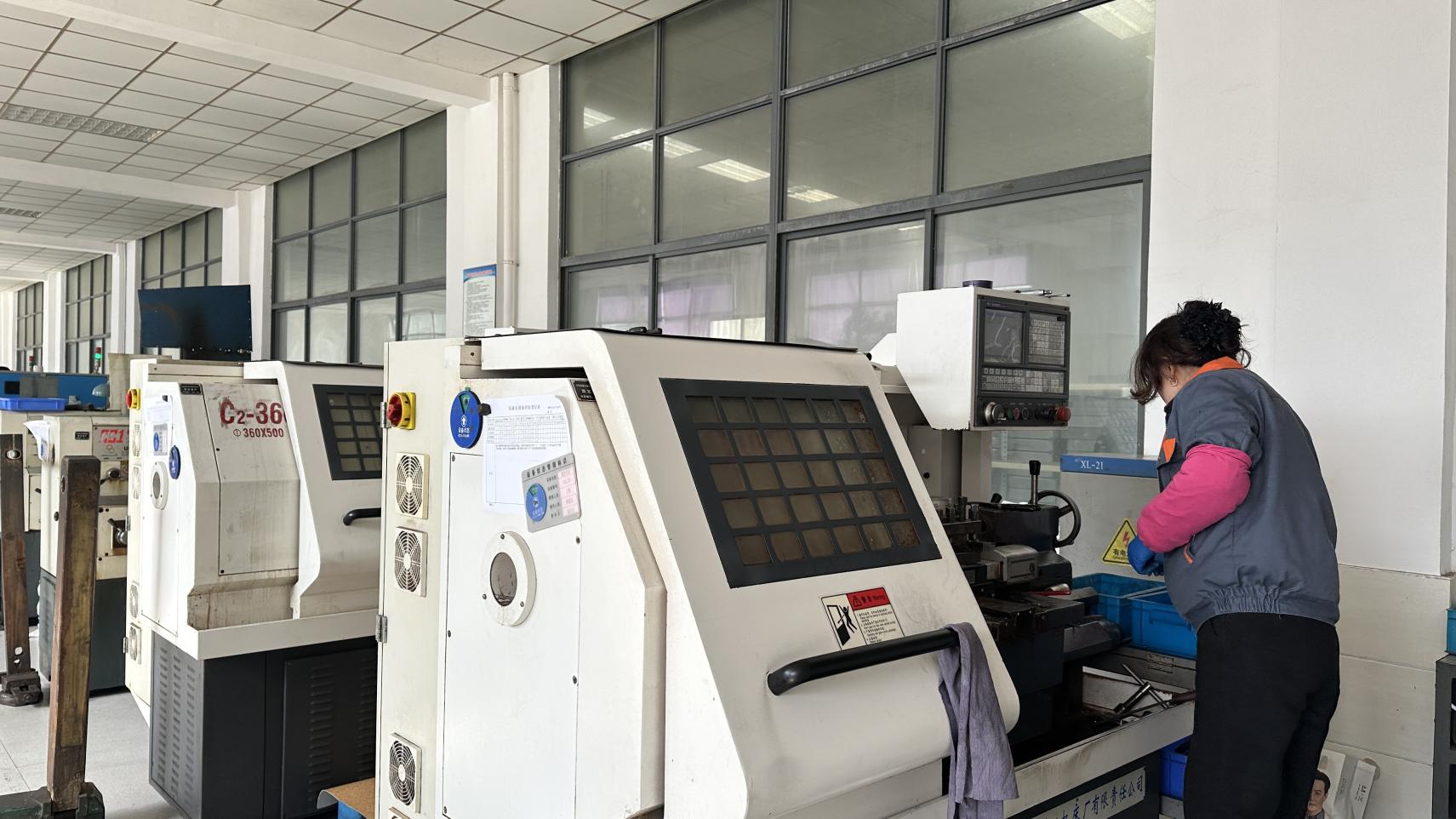
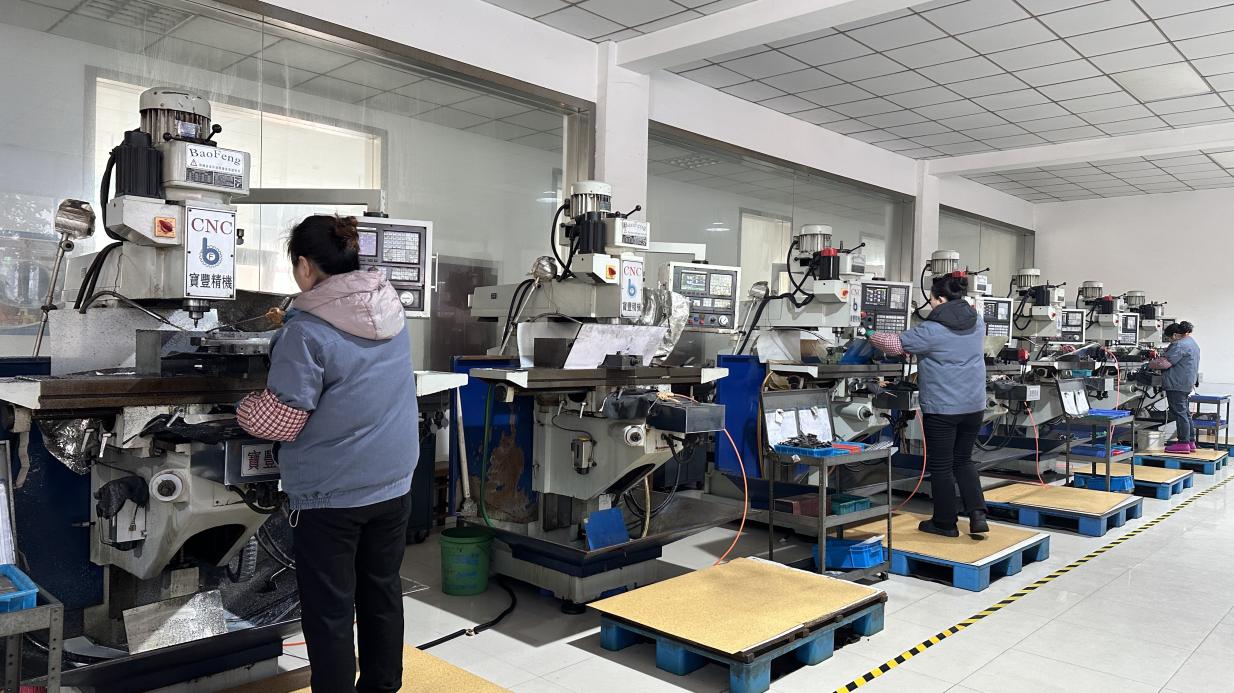
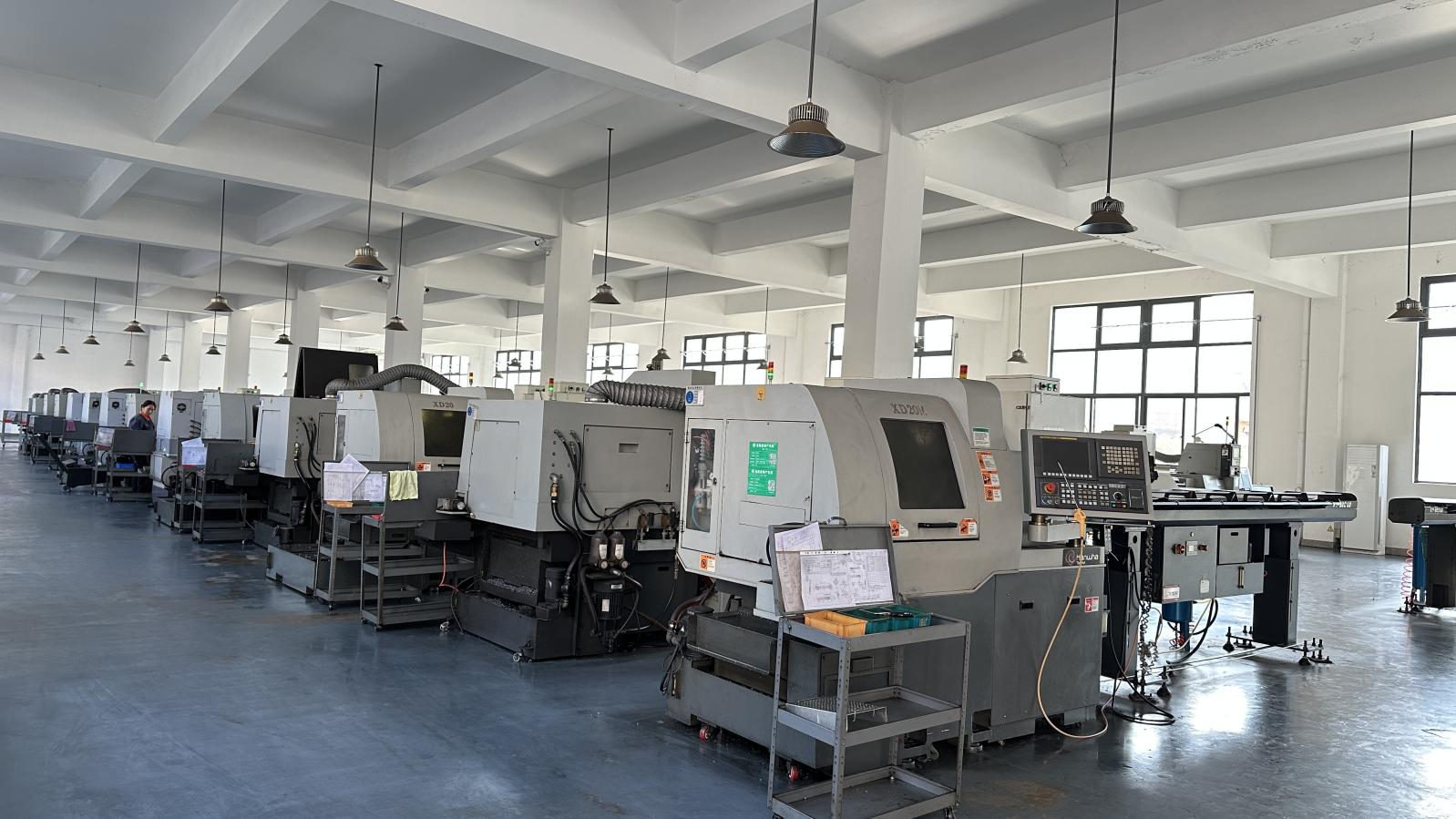
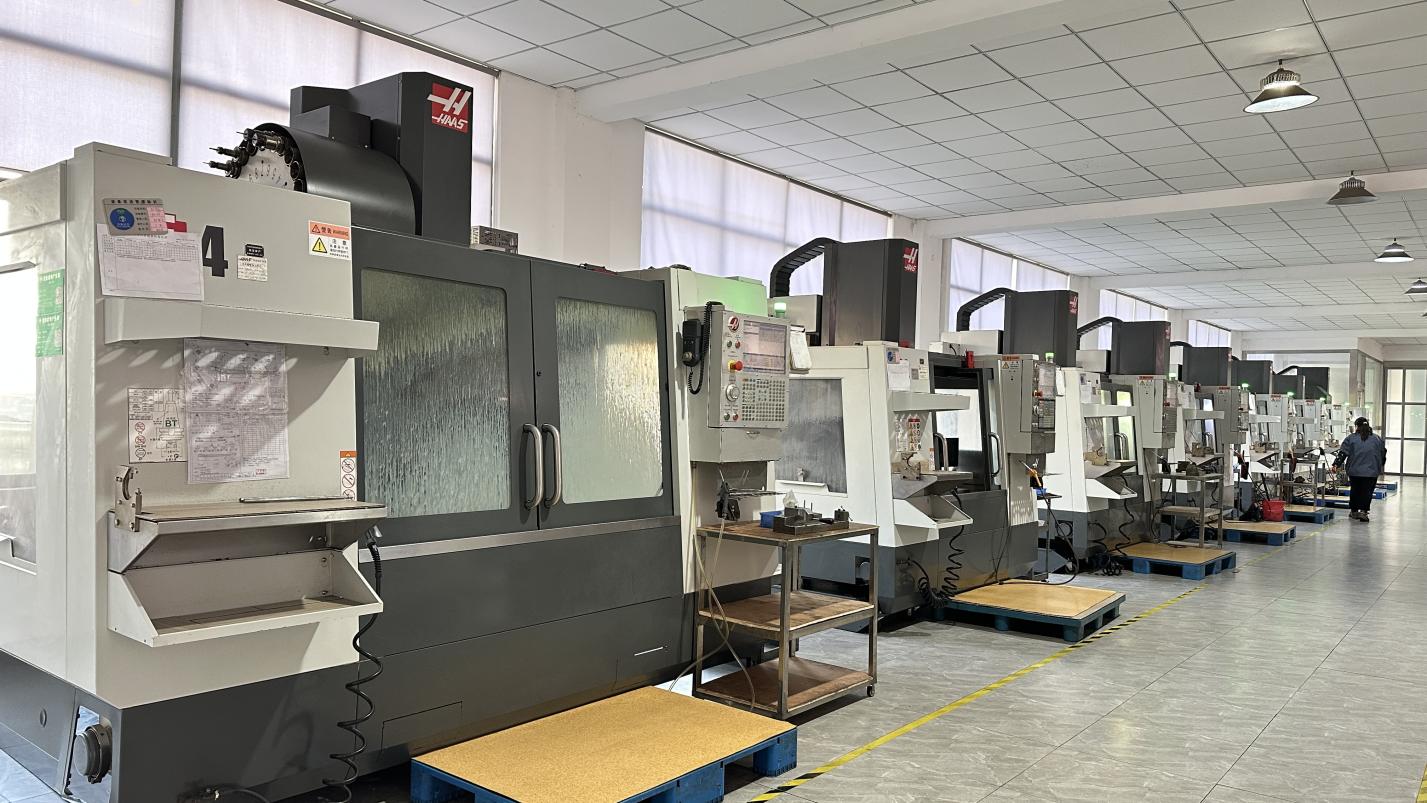
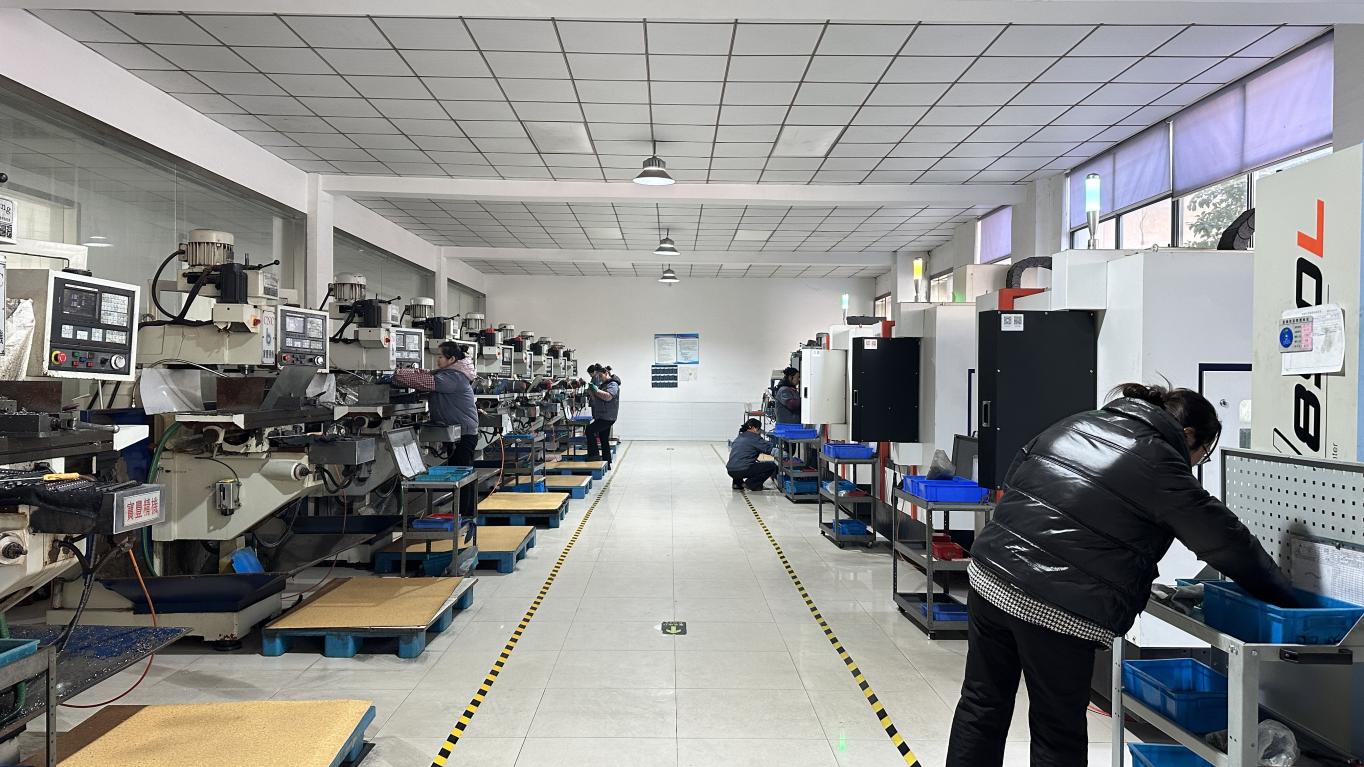
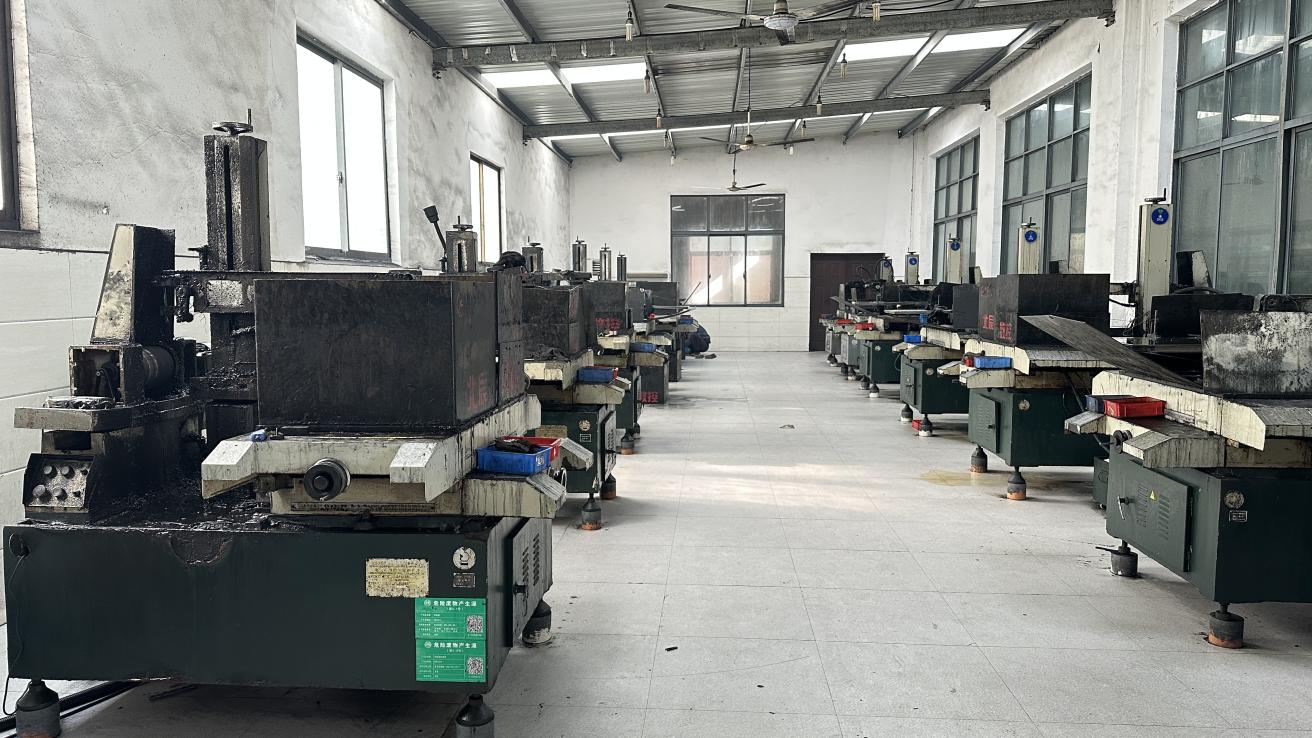
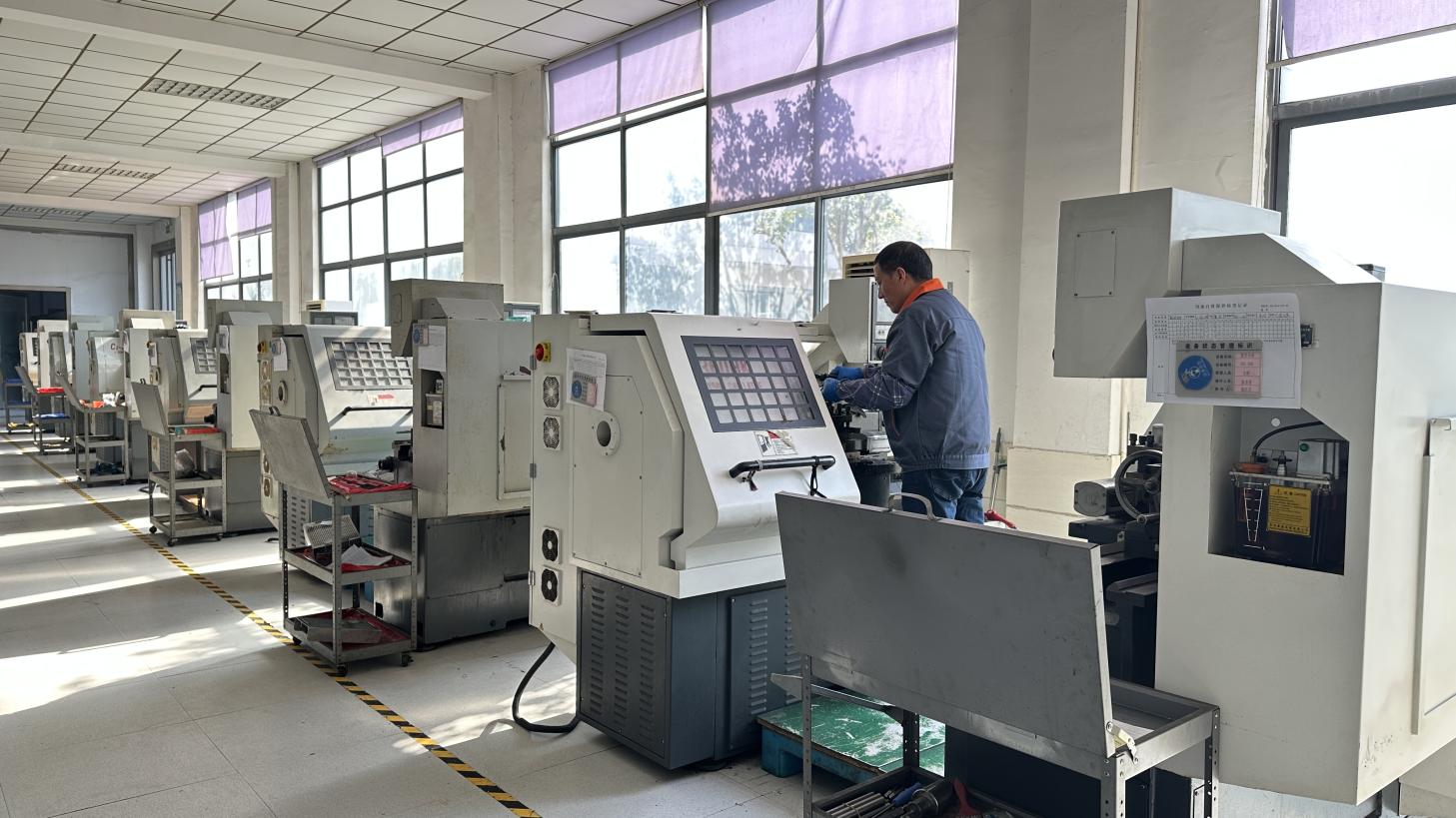
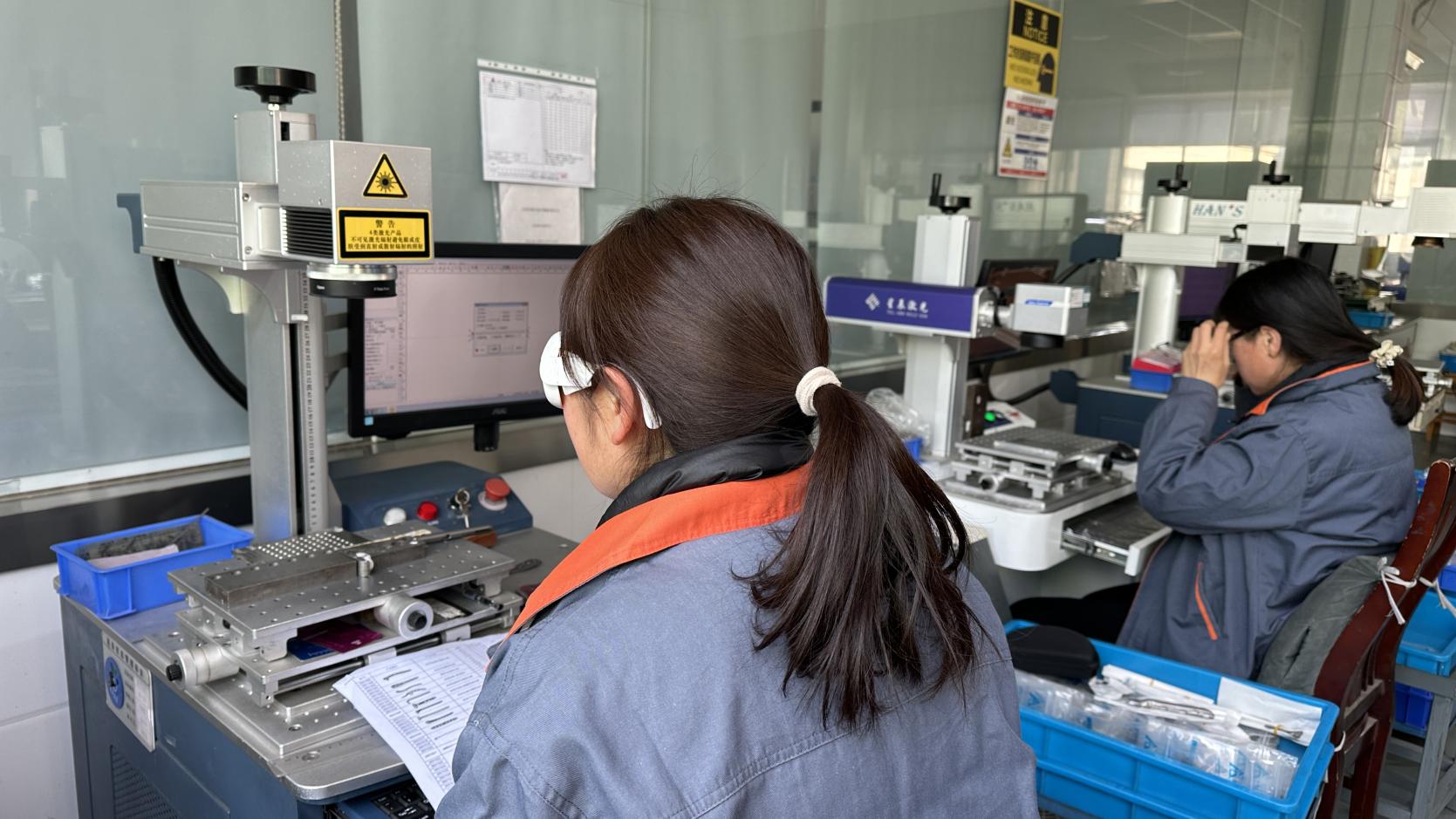
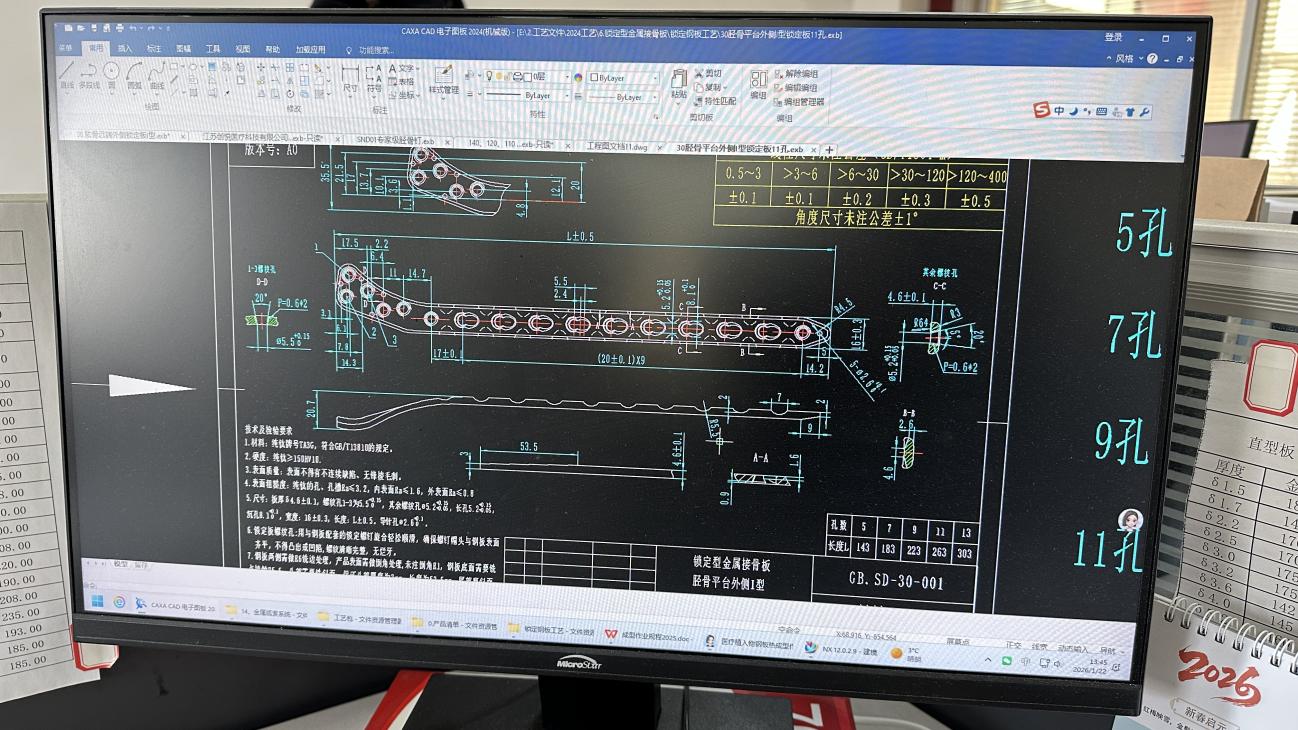

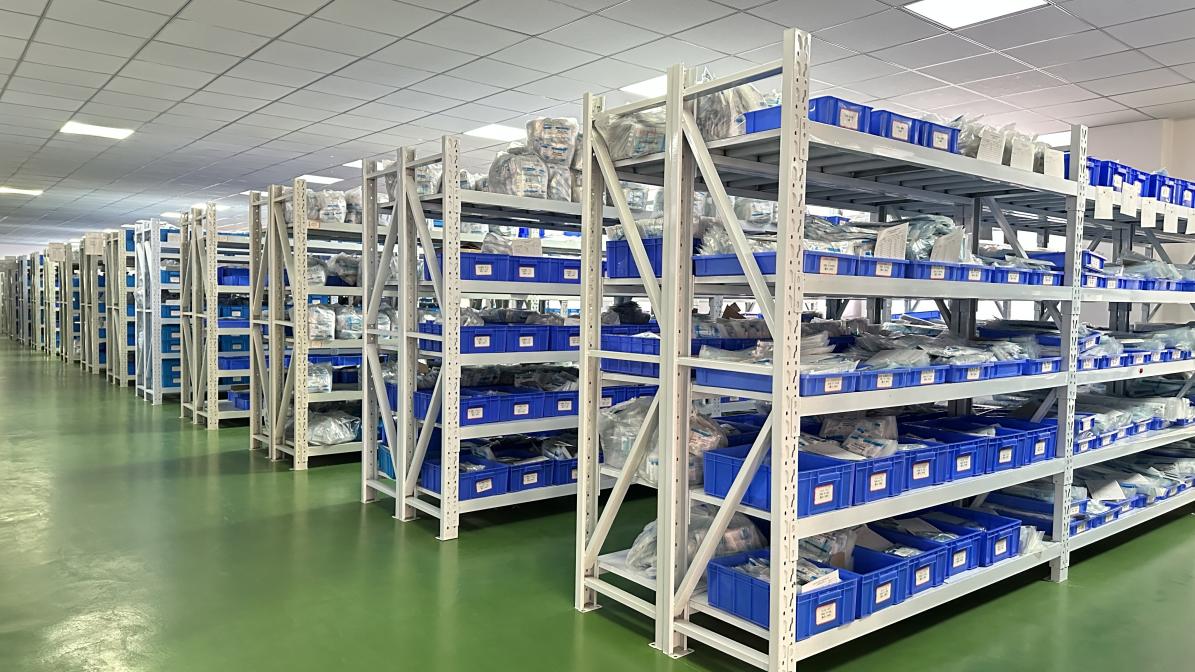
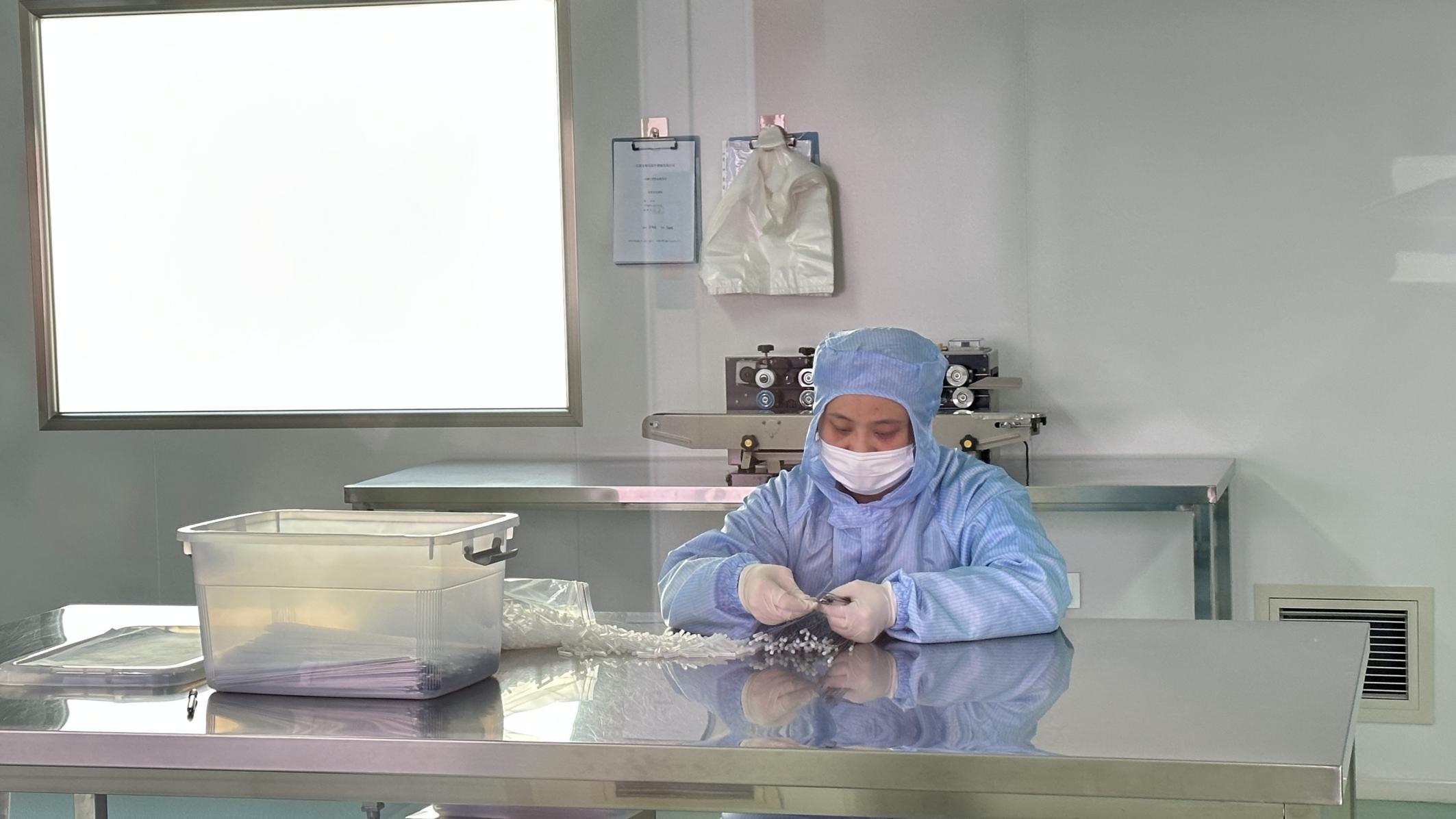
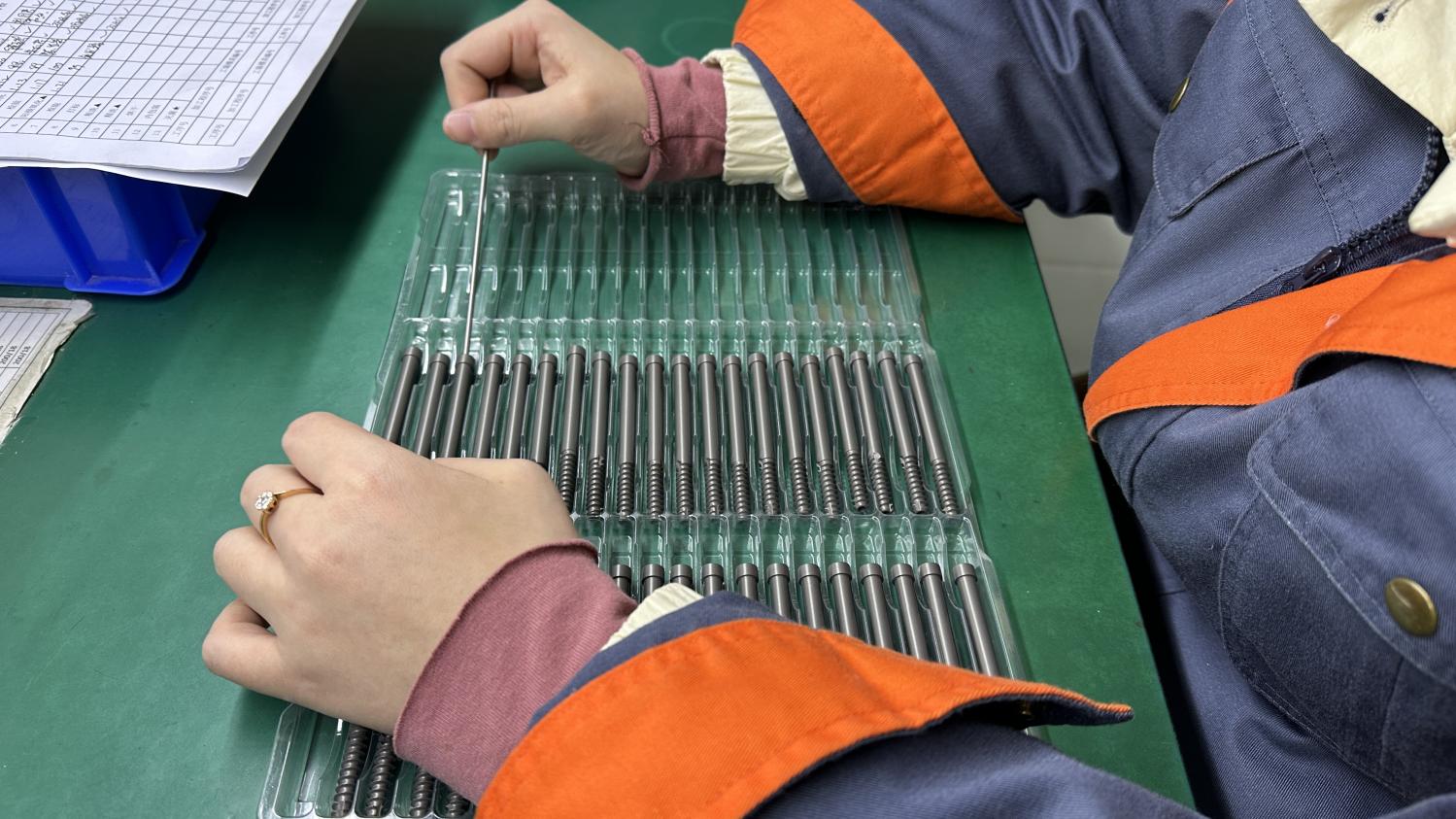
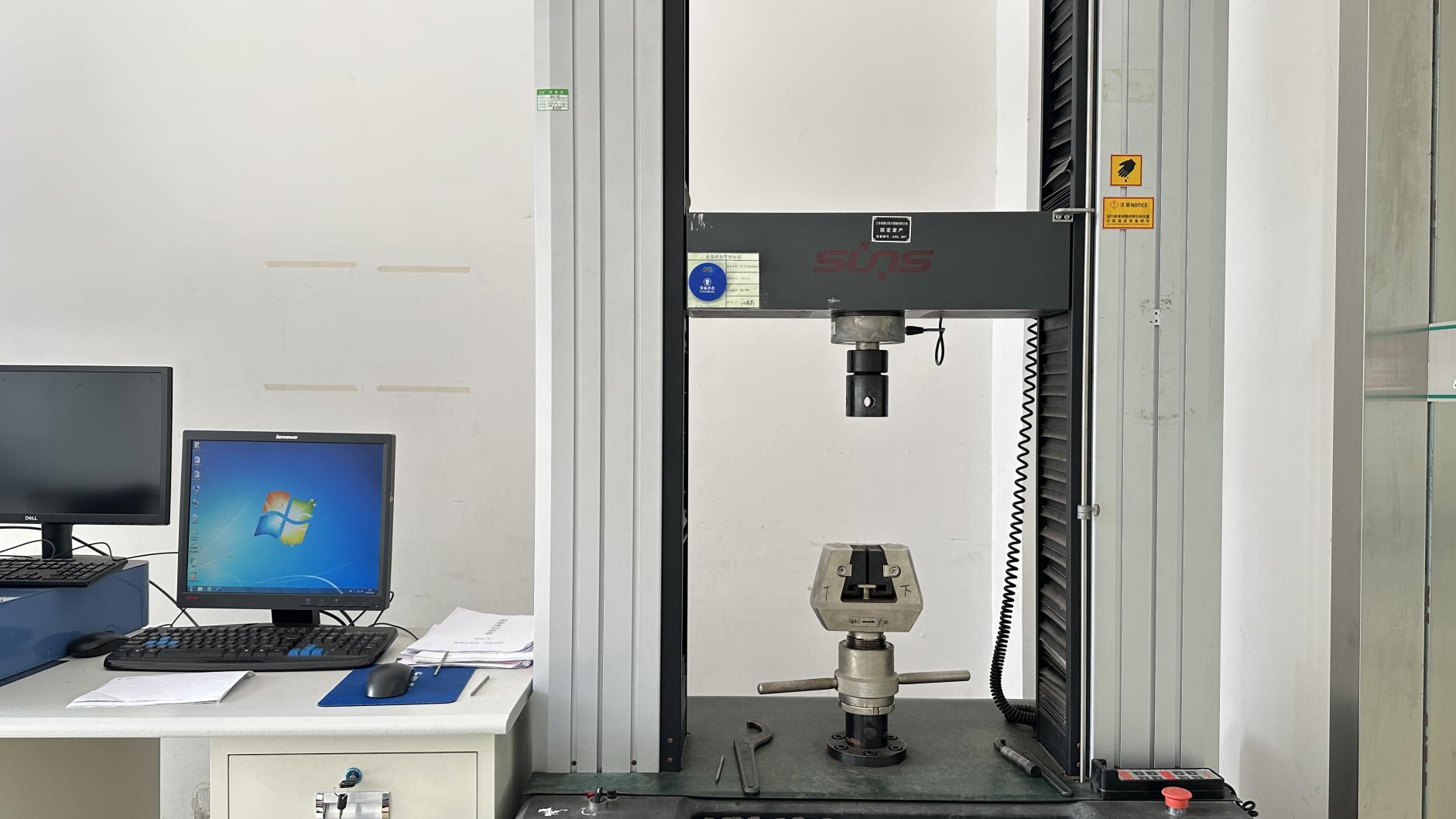
How we ensure mechanical longevity and dimensional safety under simulated biological stress profiles.
As orthopedic procedures evolve towards digital tracking and robotic guidance, the instrumentation demands greater precision. Virelox's development roadmap focuses on integration with robotic surgical arms, navigation-assisted tracking, and advanced biocompatible surface modifications.
We are currently testing proprietary anodization techniques that resist corrosion and prevent glare under intense operating room lighting. Additionally, we are implementing RFID-embedded instrument tracking to help hospitals manage autoclave sterilization cycles and maintain inventory control.
All orthopedic instruments are developed to connect with computer-assisted surgery (CAS) and robotic arm interfaces, ensuring sub-millimeter trajectory accuracy during joint preparation.
Integrating electron-beam melting (EBM) technologies to create porous, trabecular metal structures on trials, facilitating biological bone growth evaluation.
Navigating global healthcare regulatory markets through meticulous validation and complete compliance verification.
Our quality management system is fully certified under ISO 13485:2016. We align our manufacturing processes with the Medical Device Single Audit Program (MDSAP), allowing us to streamline market entry in the United States, Canada, Japan, and Australia.
We provide full technical documentation, including biocompatibility reports, clinical evaluation data, and risk assessments compliant with European Union Medical Device Regulation (EU MDR) requirements for Class IIa and Class IIb orthopedic devices.
Every orthopedic instrument is marked with a GS1-compliant laser etched UDI code. This allows full tracking throughout the supply chain, facilitating tracking from raw bar stock to the operating room.
Streamlined contract manufacturing services tailored for medical device brands, large distributors, and hospital networks.
Submit design files or surgical objectives. Our engineers generate comprehensive CAD designs and mechanical simulations using advanced finite element analysis (FEA).
Rapid prototype fabrication in surgical grade stainless steel or titanium, followed by tensile and fatigue testing in our in-house biomechanical laboratory.
Execution of IQ/OQ/PQ validation protocols. Large scale CNC milling, wire EDM cutting, final passivation, laser marking, and cleanroom packing.
Navigating the procurement of orthopedic implants and instruments demands an experienced manufacturing partner. We help our global clients manage regulatory audits, optimize manufacturing costs, and ensure consistent supply. Our team coordinates shipping logistics and provides documentation to prevent custom import delays.
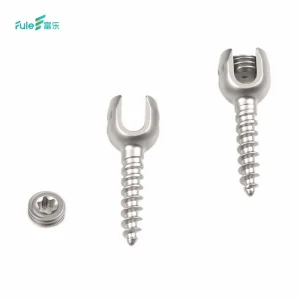
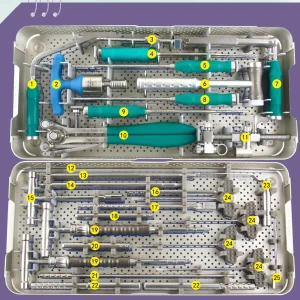
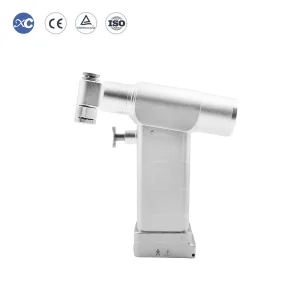
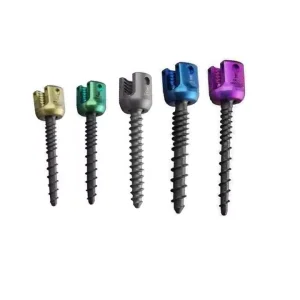
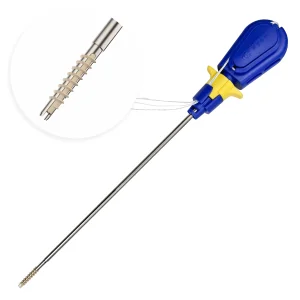
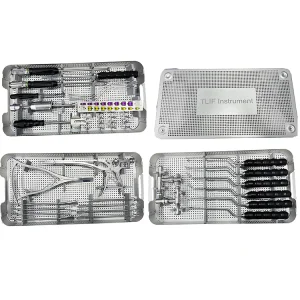
Whether you require custom acetabular reamers, specialized rasp handles, spinal pedicle screw systems, or sports medicine shavers, our facility offers reliable quality, high-volume production, and strict compliance assurance.
Comprehensive answers to assist engineering, regulatory, and purchasing teams during the vendor evaluation phase.
Explore our advanced micro-surgical blades, drill guides, and intervertebral fusion systems.
 Virelox