Explore our premium selection of regulatory-certified surgical fixations, instrumentation sets, and veterinary orthopedic solutions.
Virelox Medical Devices Co., Ltd. is a professional orthopedic medical device manufacturer specializing in joint replacement and surgical implant solutions. Operating under the brand "Virelox," we are committed to delivering high-performance orthopedic systems for global healthcare providers, medical device distributors, and specialized orthopedic clinics.
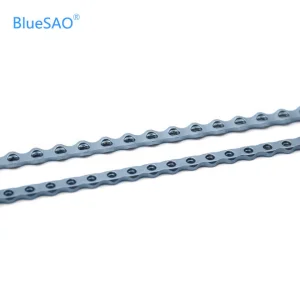
Founded on rigorous engineering and precise biomechanical foundations, our industrial infrastructure spans a 12,000 m² modern facility. We balance advanced robotic manufacturing with extensive human expertise, yielding stable, micro-machined cortical screws, locking plates, and custom-engineered trauma accessories that ensure patient safety and rapid osteosynthesis.
Whether you require rapid prototyping of proprietary screw threads or scalable contract manufacturing, our team of 120 specialized R&D engineers and 65 quality assurance professionals ensures your custom products reach clinical applications seamlessly, within budget and ahead of market demands.
Our operations are designed to sustain continuous supply chains for complex medical networks globally, ensuring absolute regulatory compliance and material traceability.
Delivering critical structural support within dense bone structures through rigorous design and material customization.
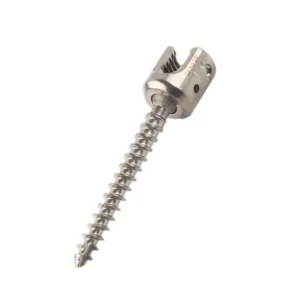
Cortical bone features a dense, calcified outer matrix requiring micro-threaded geometries. Unlike cancellous screws with wide pitches, cortical screws utilize a lower thread pitch (ranging from 1.0mm to 1.75mm) and shallower depth. This increases the total thread count engaged per millimeter of cortical wall depth, improving holding power and mitigating shear failure at the bone-screw interface.
We source medical-grade Titanium Alloys (Ti-6Al-4V ELI conforming to ASTM F136) and high-nitrogen stainless steels (ASTM F138). These alloys yield exceptional fatigue strength, corrosion resistance, and high yield-to-tensile ratios. Microstructural stability is verified through mechanical grain analysis, ensuring implants withstand cyclical physiological loads without stress cracking.
To reduce heat accumulation during insertion, our custom-engineered cortical screws feature optimized cutting flutes. The flutes gather bone debris as the screw advances, preventing structural compaction or osteoclast-inducing thermal necrosis. Standard configurations include self-tapping distal tips and options for non-self-tapping formats depending on surgical preference.
| Outer Diameter (mm) | Core Diameter (mm) | Thread Pitch (mm) | Hex / Torx Drive Size | Material Variants Available | Standard Lengths (mm) |
|---|---|---|---|---|---|
| 1.5 mm | 1.0 mm | 0.50 mm | T6 / 1.5 Hex | Ti-6Al-4V ELI / 316L SS | 6 mm - 20 mm |
| 2.0 mm | 1.3 mm | 0.60 mm | T8 / 1.5 Hex | Ti-6Al-4V ELI / 316L SS | 8 mm - 30 mm |
| 2.7 mm | 2.0 mm | 1.00 mm | T10 / 2.0 Hex | Ti-6Al-4V ELI / 316L SS | 10 mm - 40 mm |
| 3.5 mm | 2.4 mm | 1.25 mm | T15 / 2.5 Hex | Ti-6Al-4V ELI / 316L SS | 12 mm - 60 mm |
| 4.5 mm | 3.0 mm | 1.75 mm | T20 / 3.5 Hex | Ti-6Al-4V ELI / 316L SS | 14 mm - 90 mm |
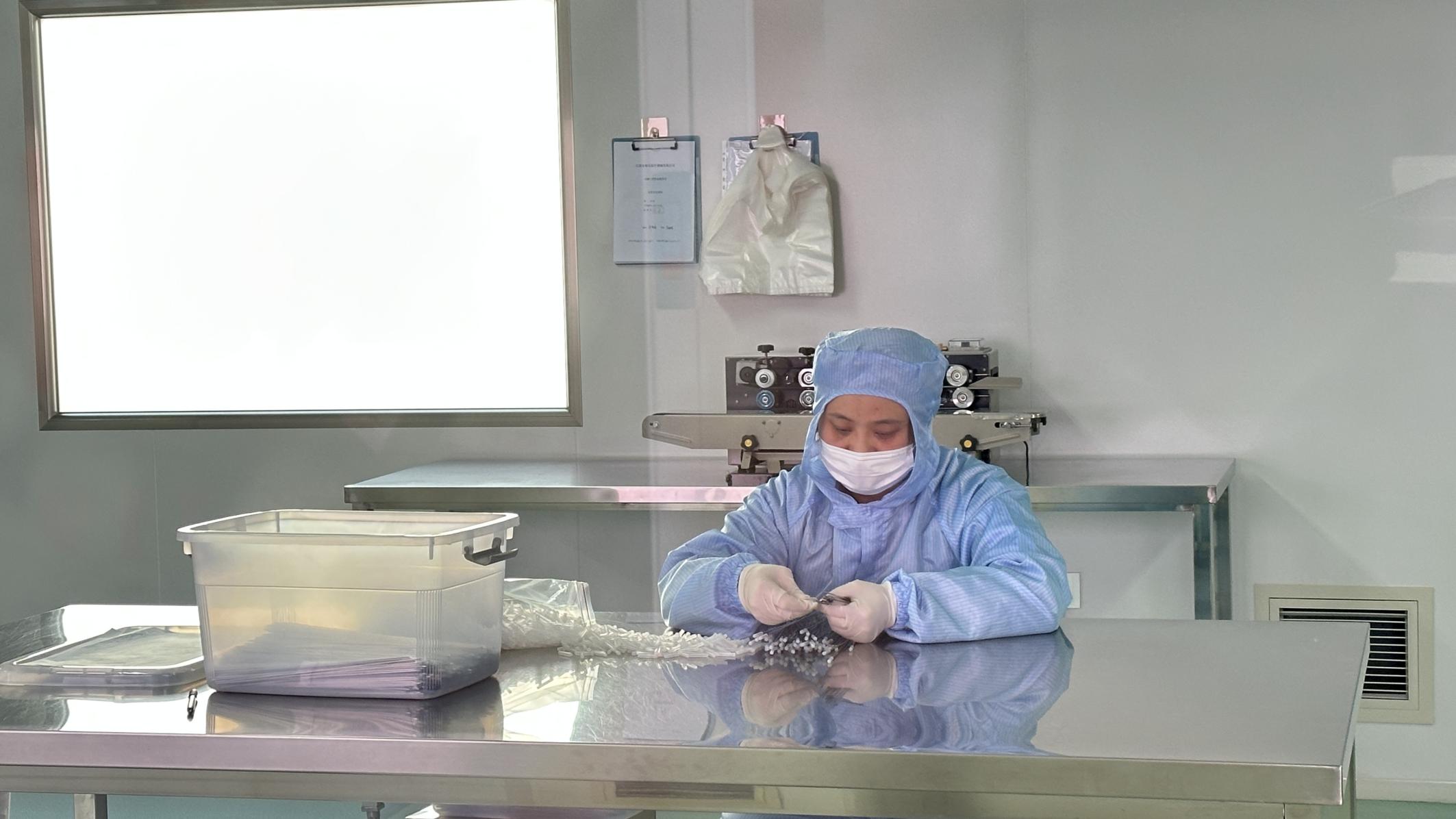
Our production pipeline is integrated under ISO 13485-based controls, from raw material inspection to automated cleaning and final packaging.
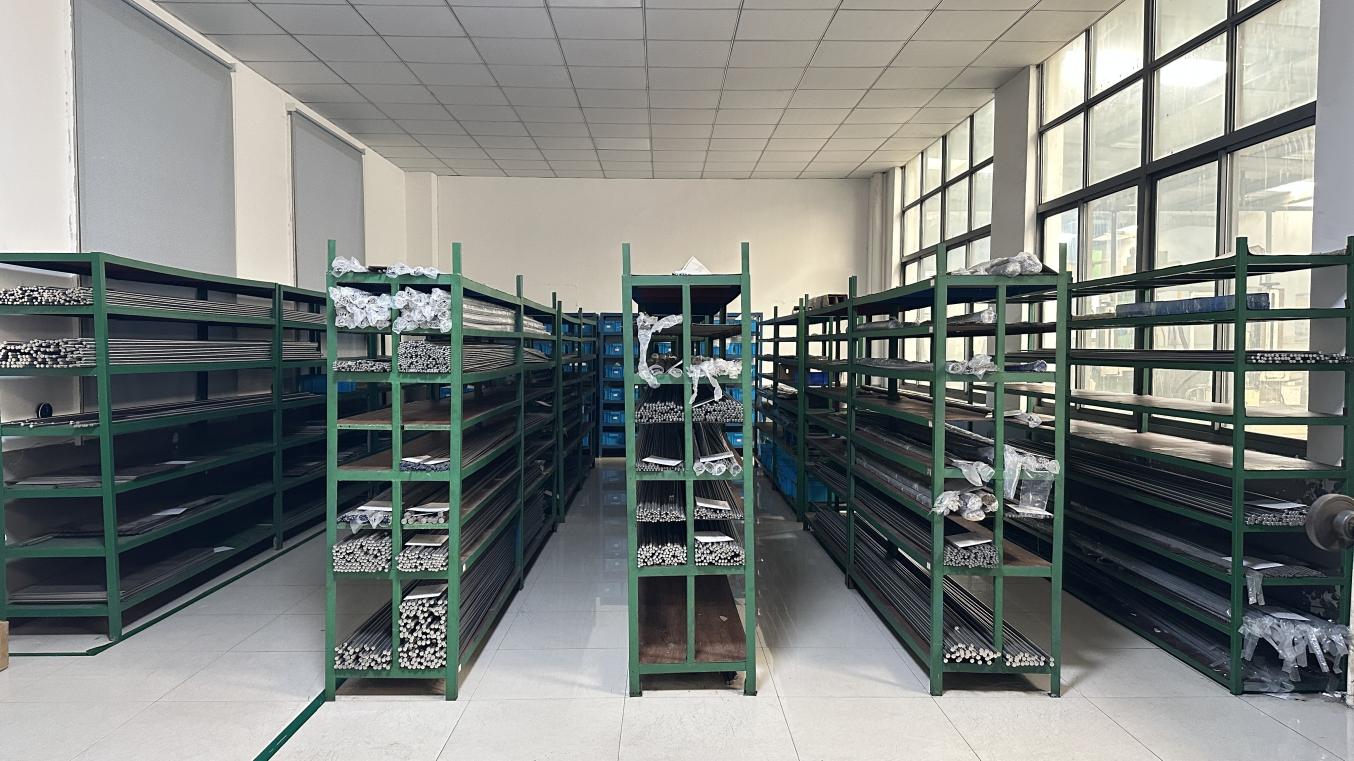
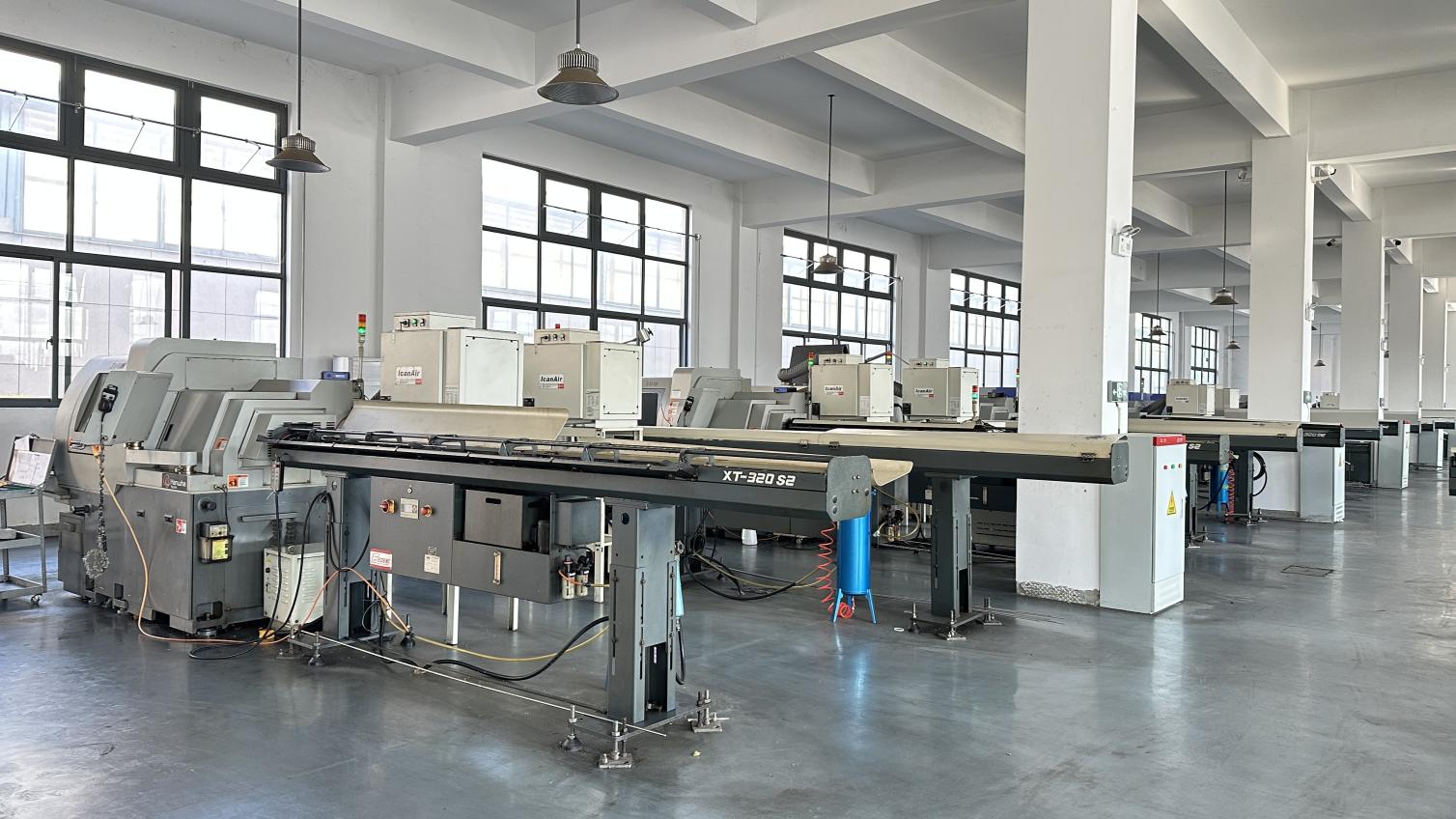
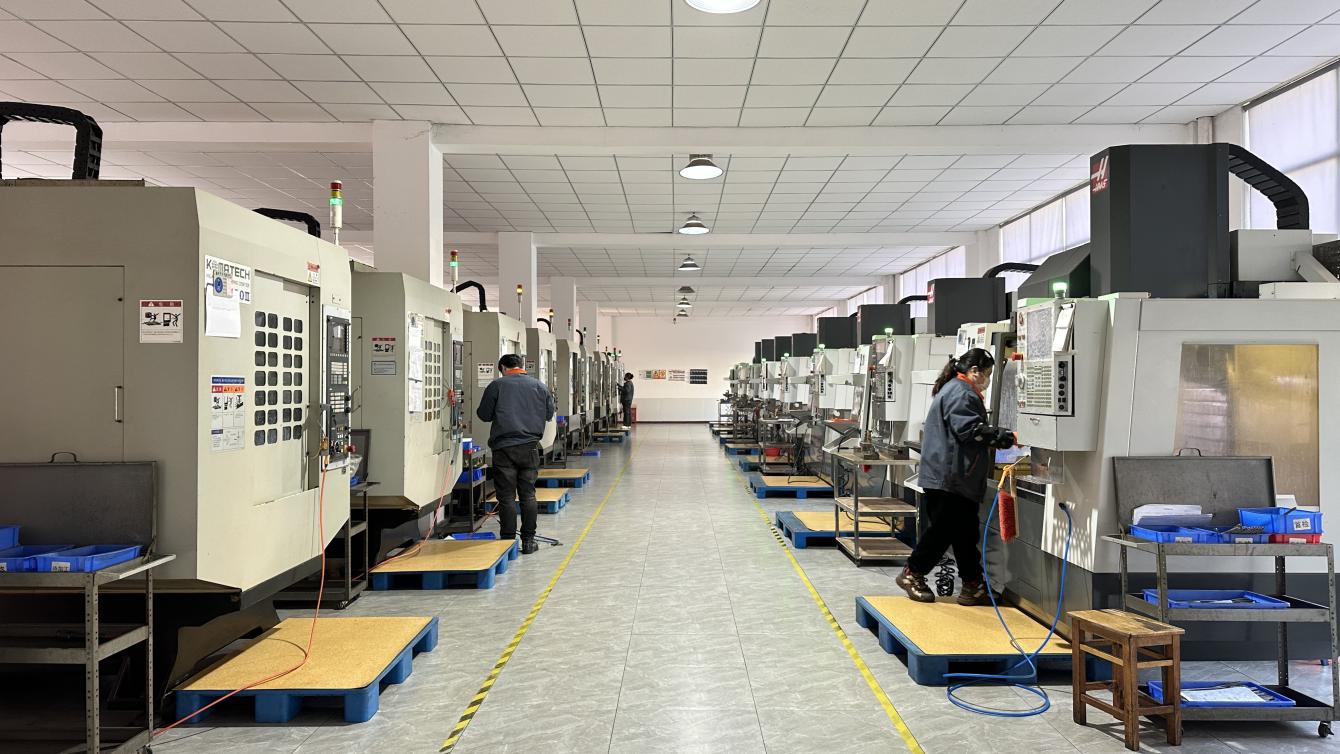
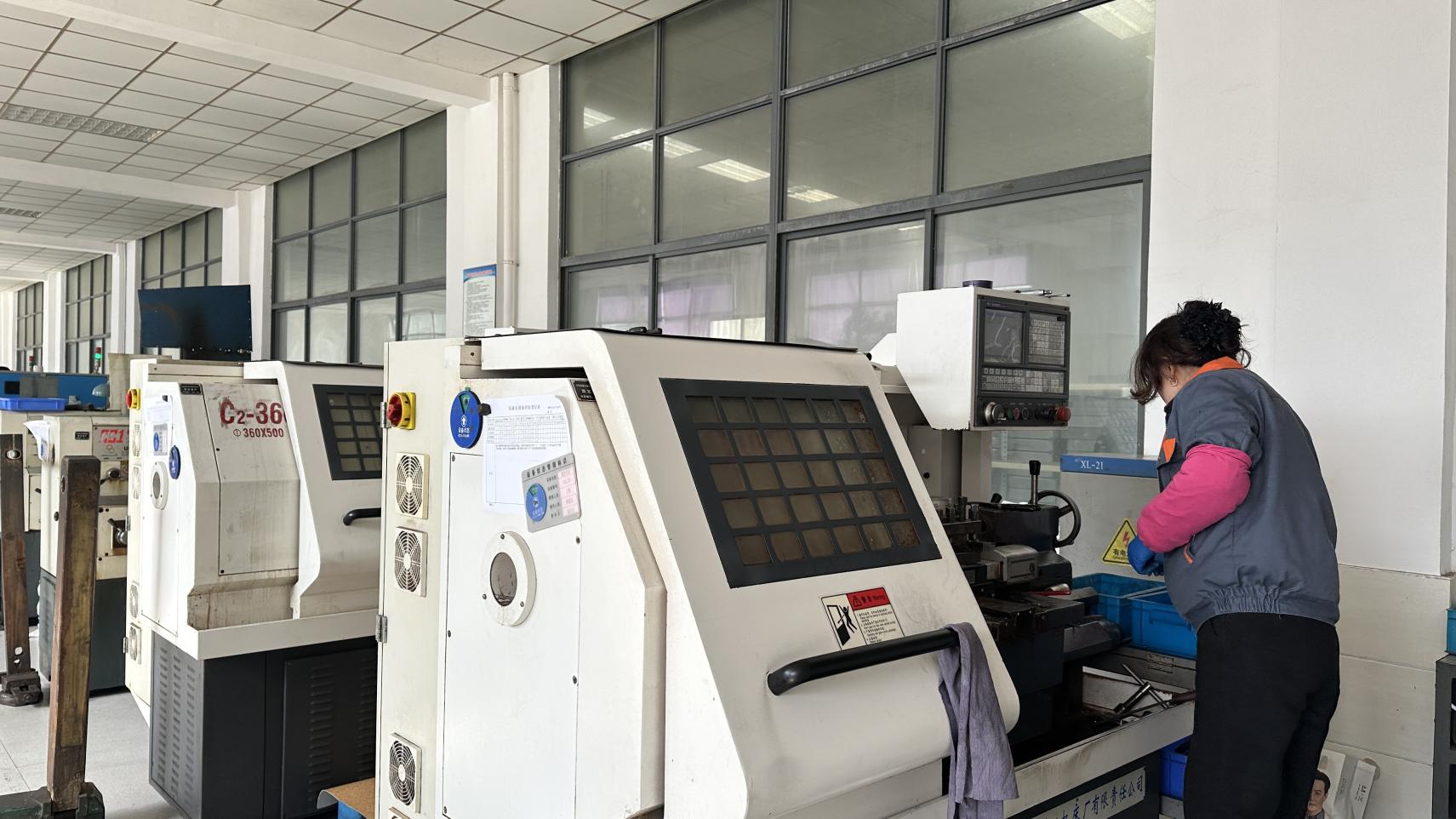
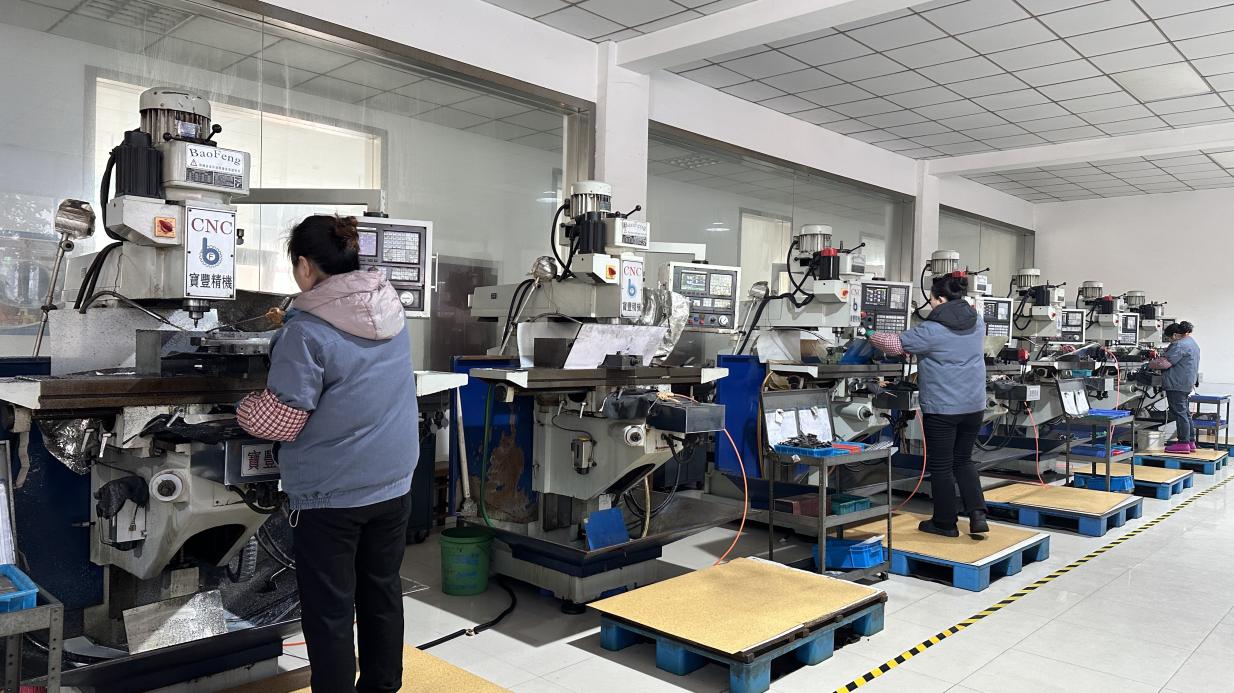
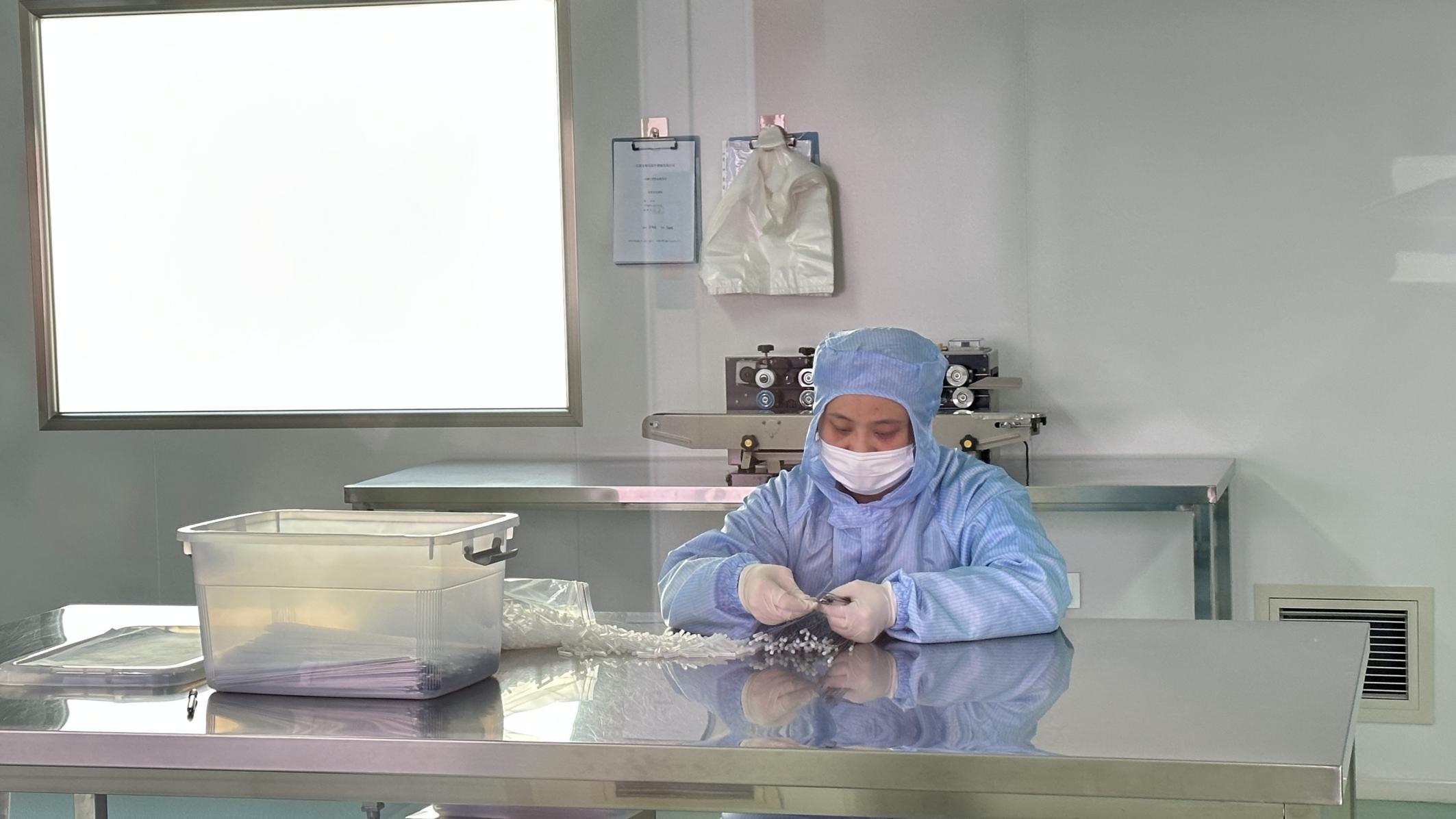
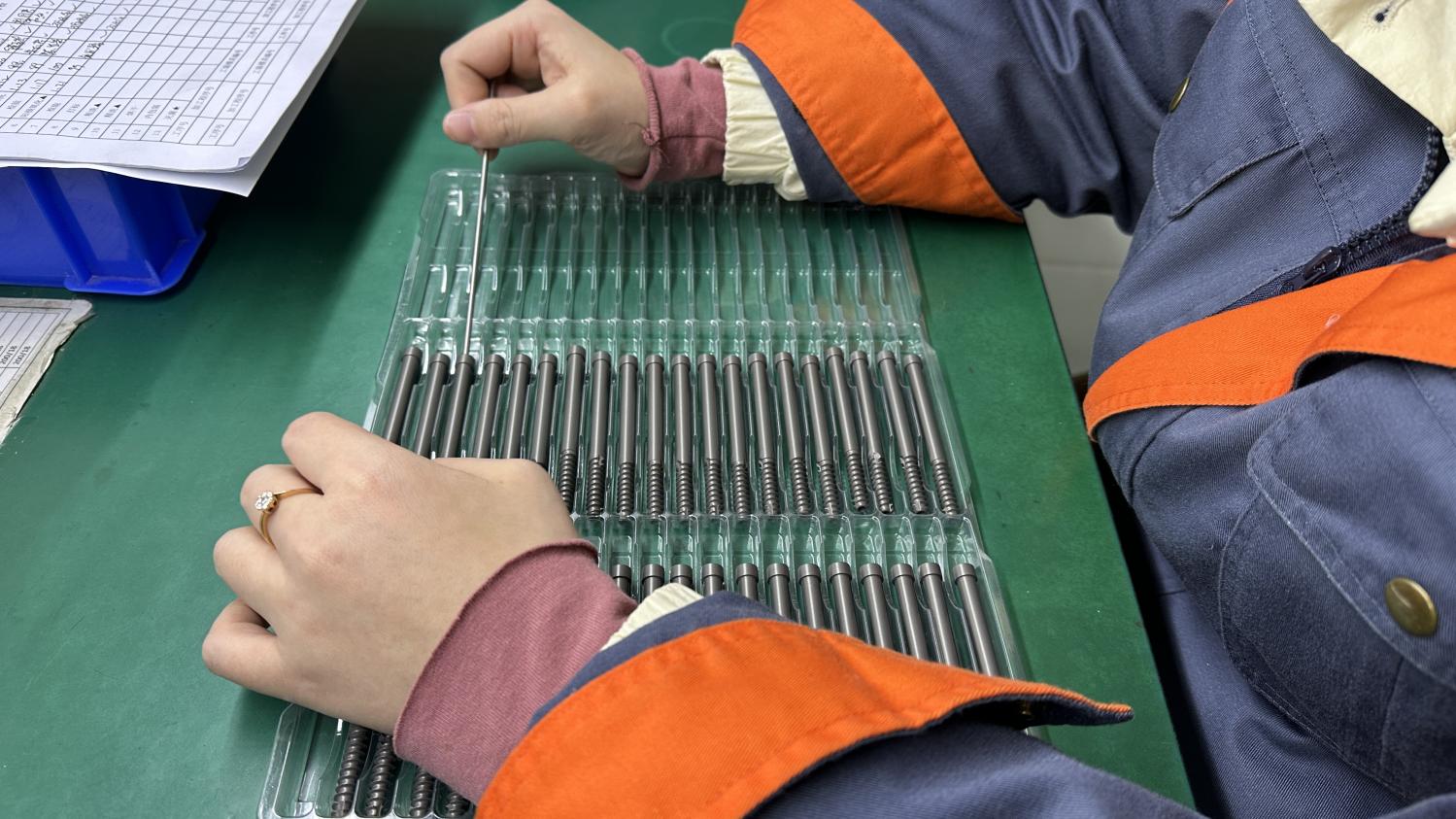
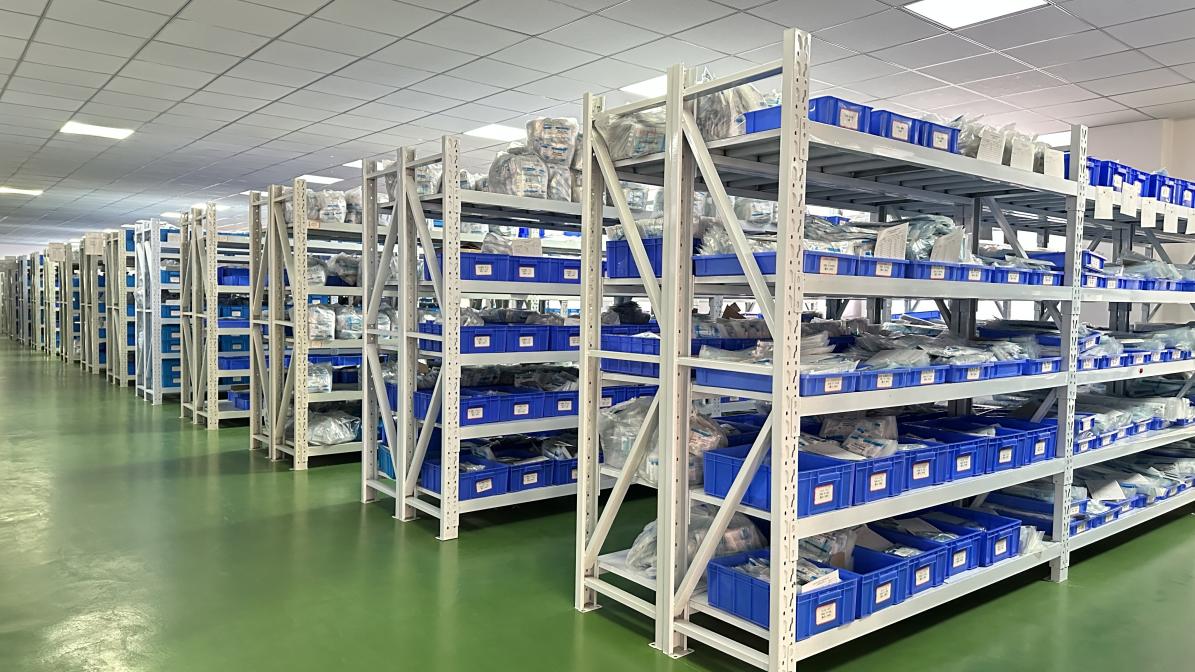
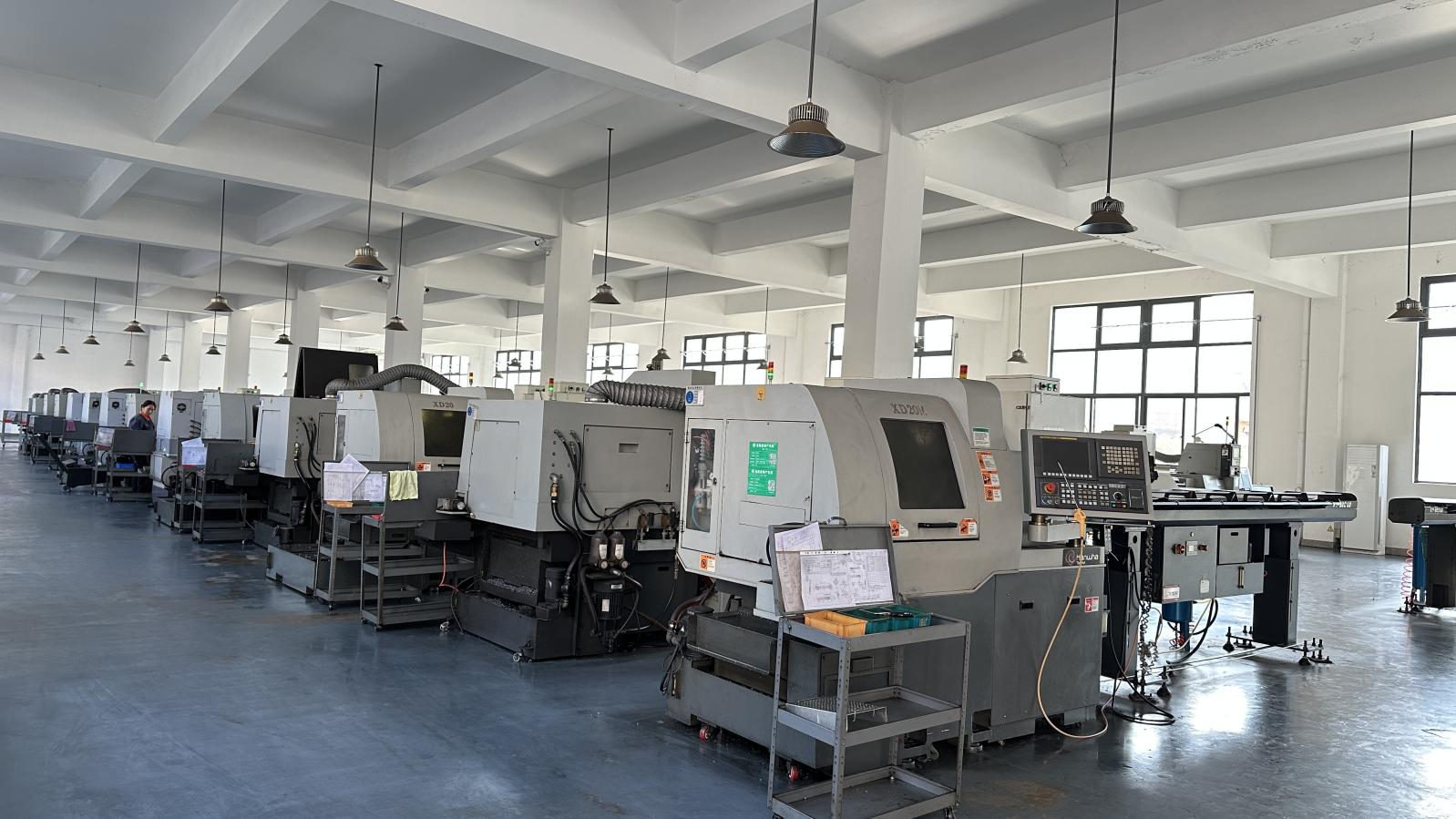
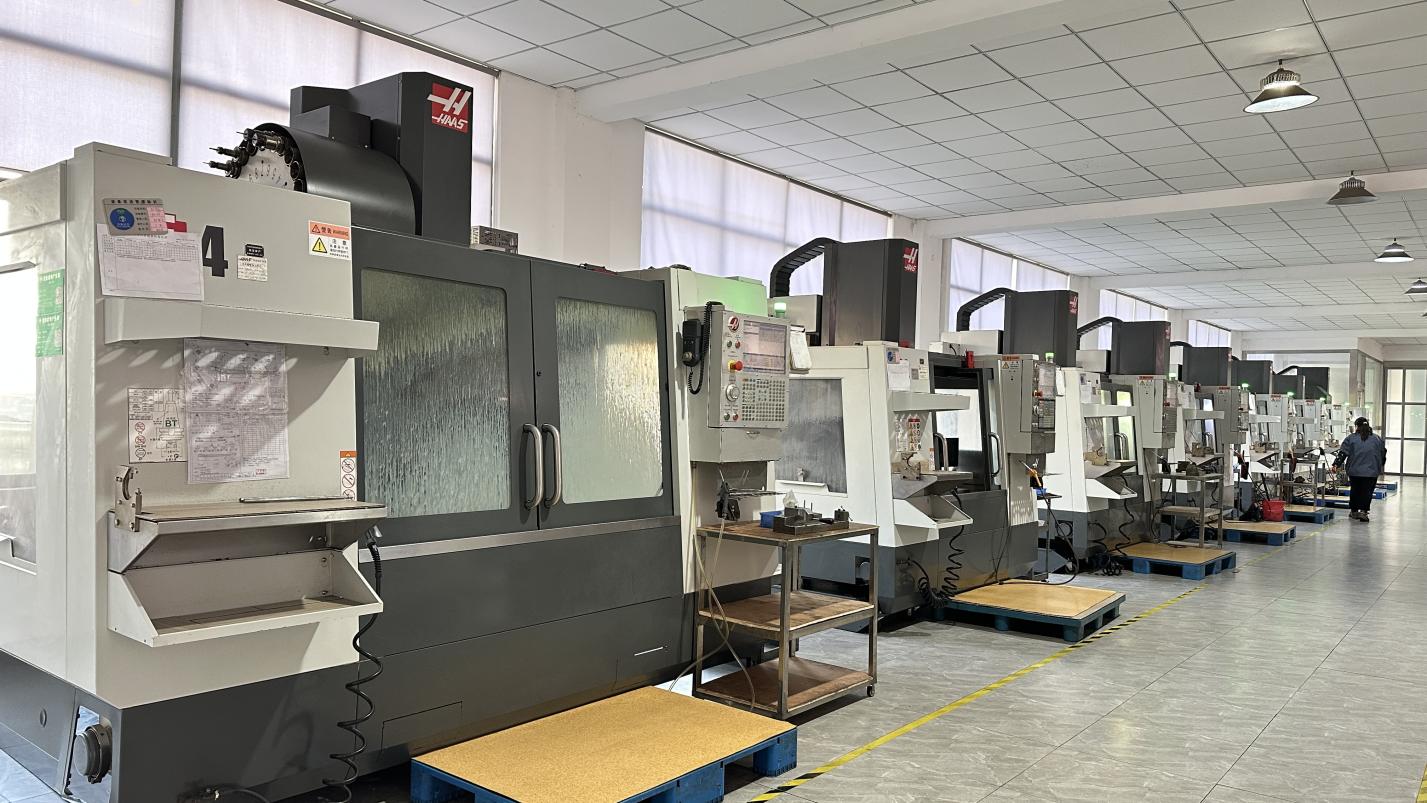
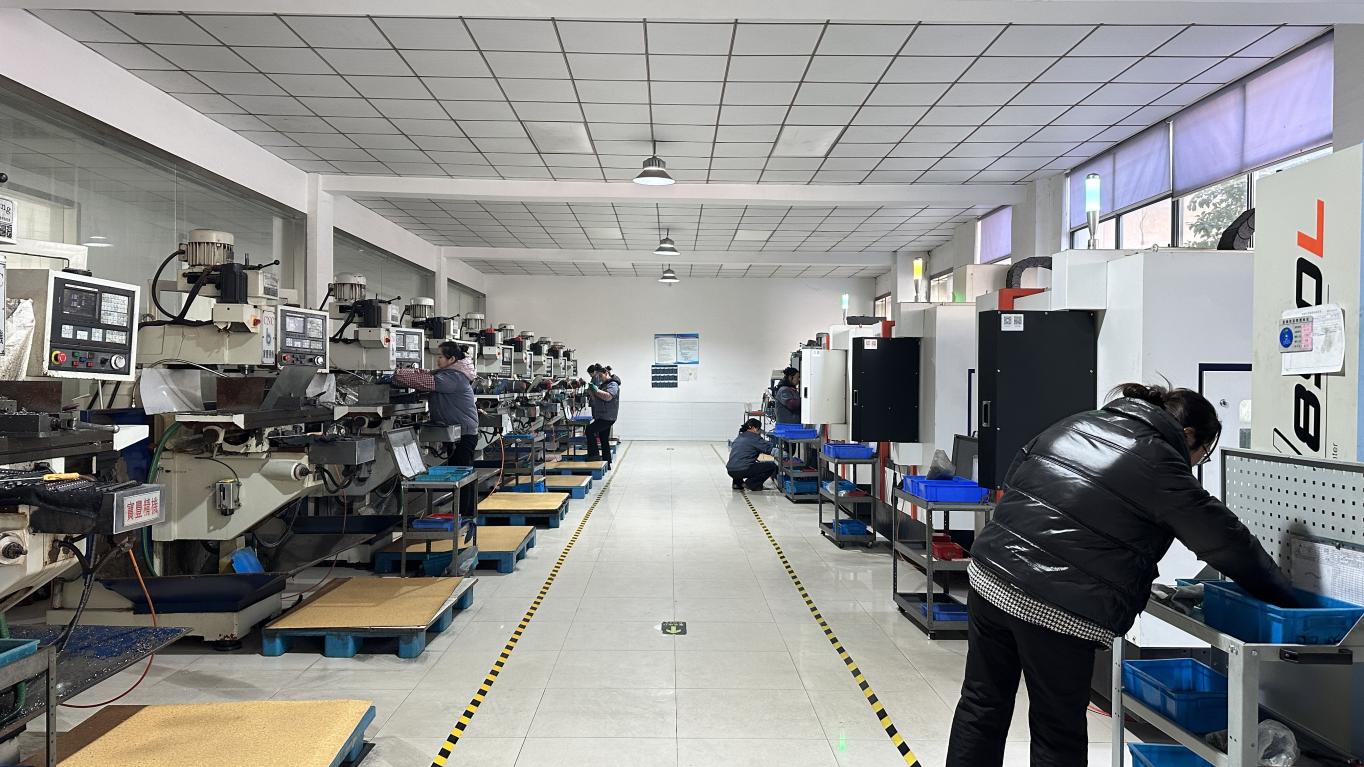
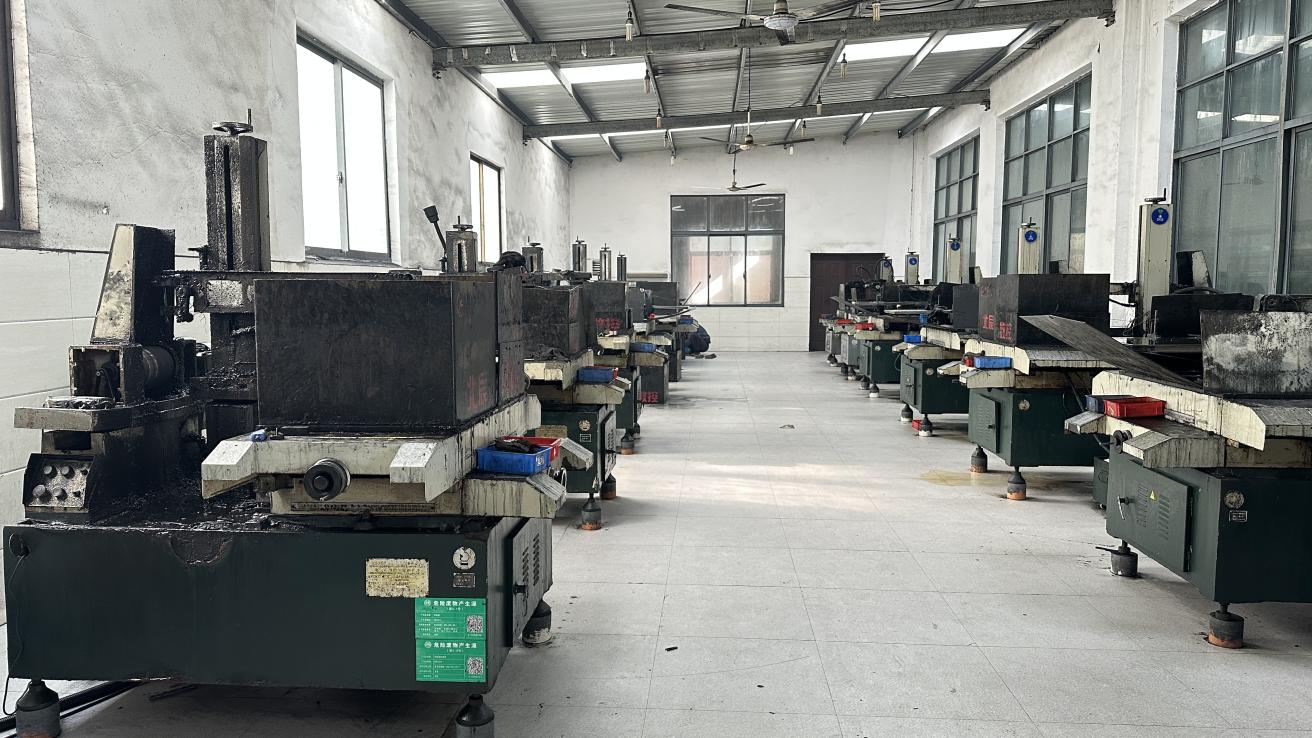
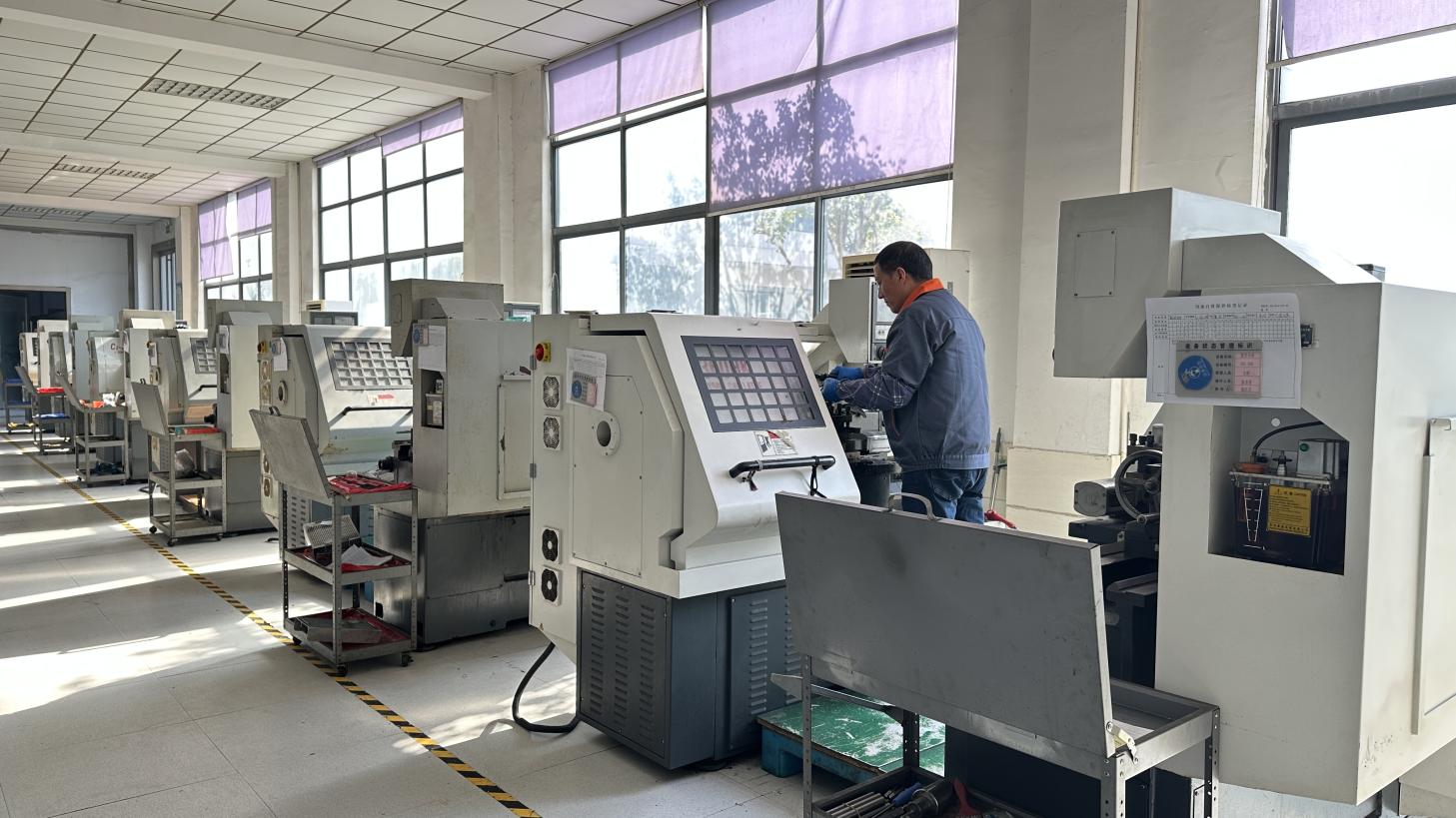
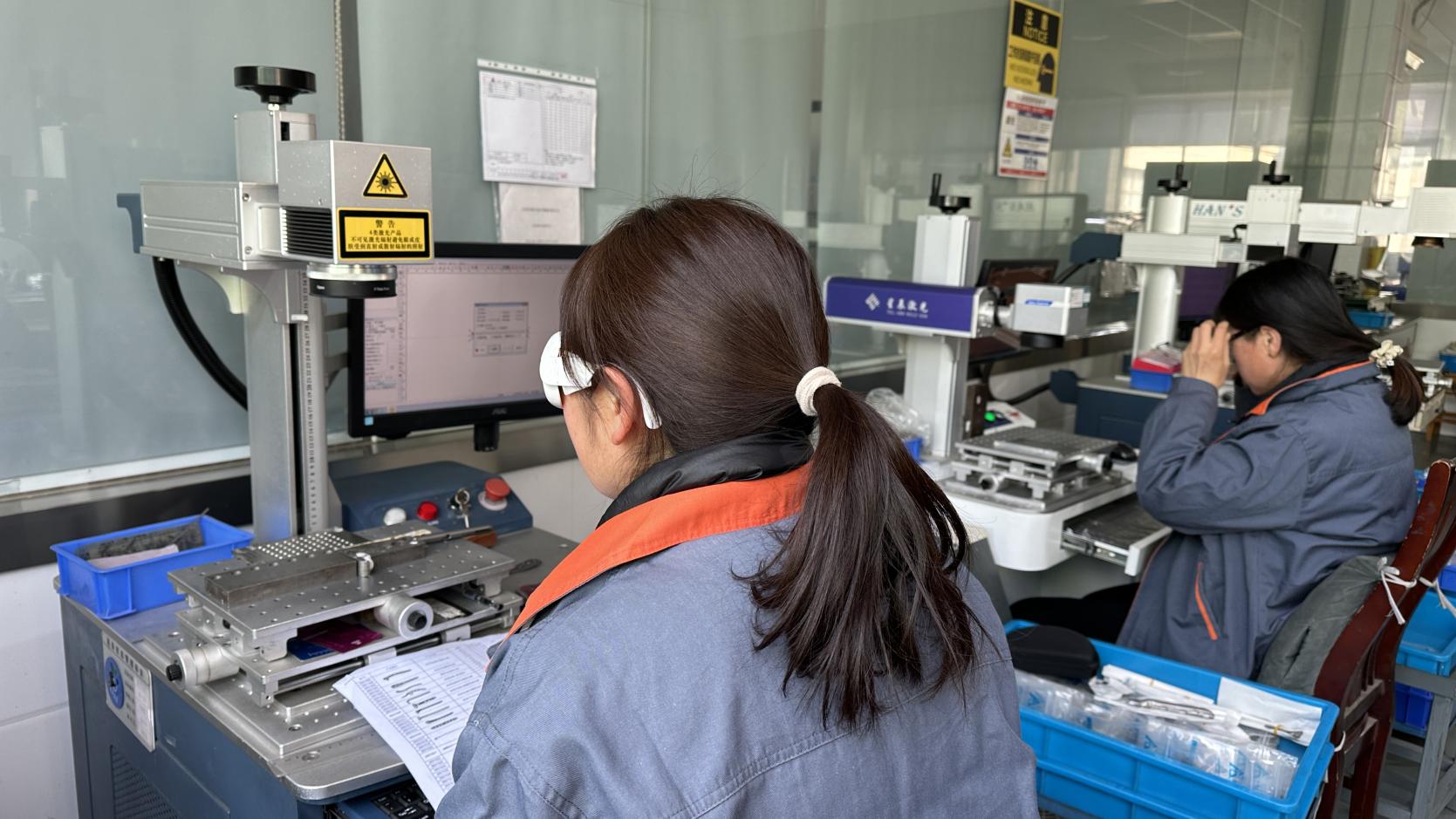
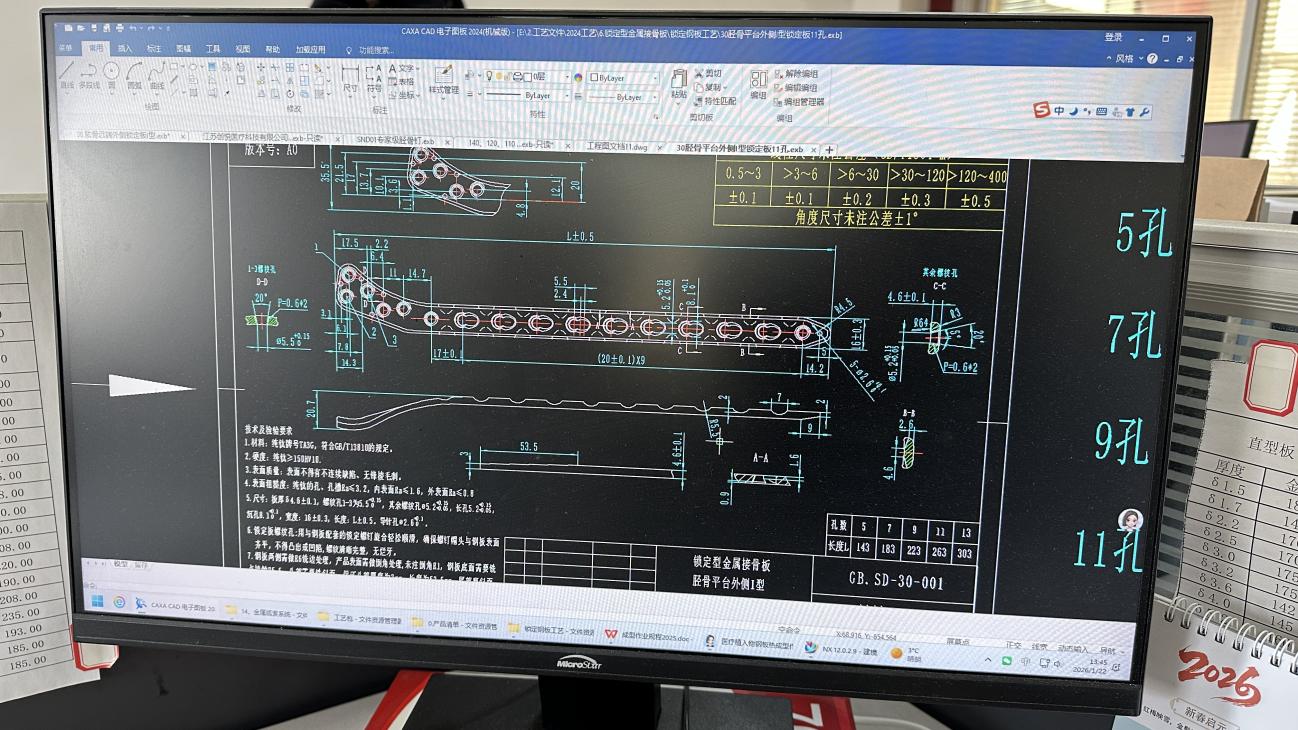

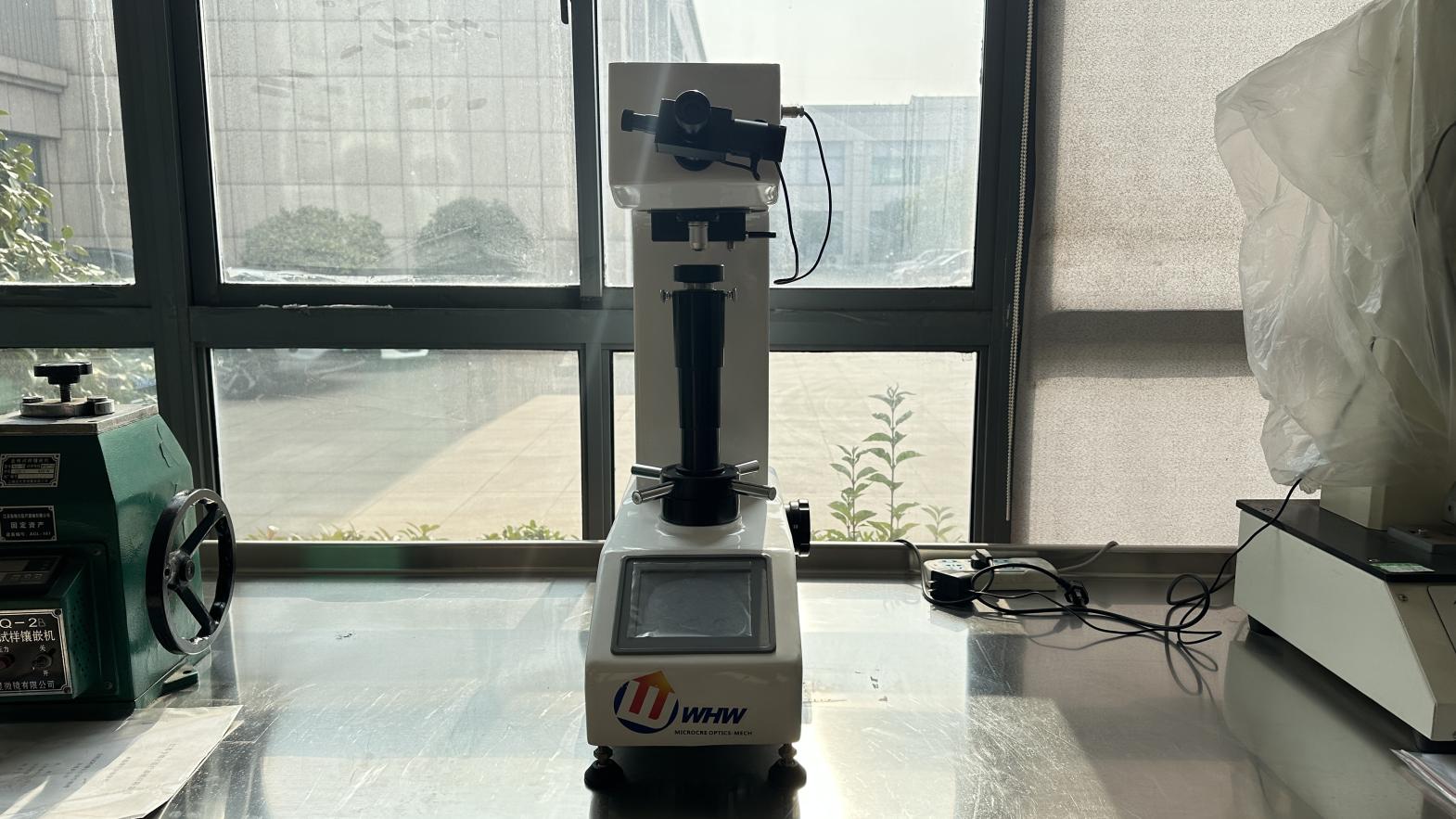
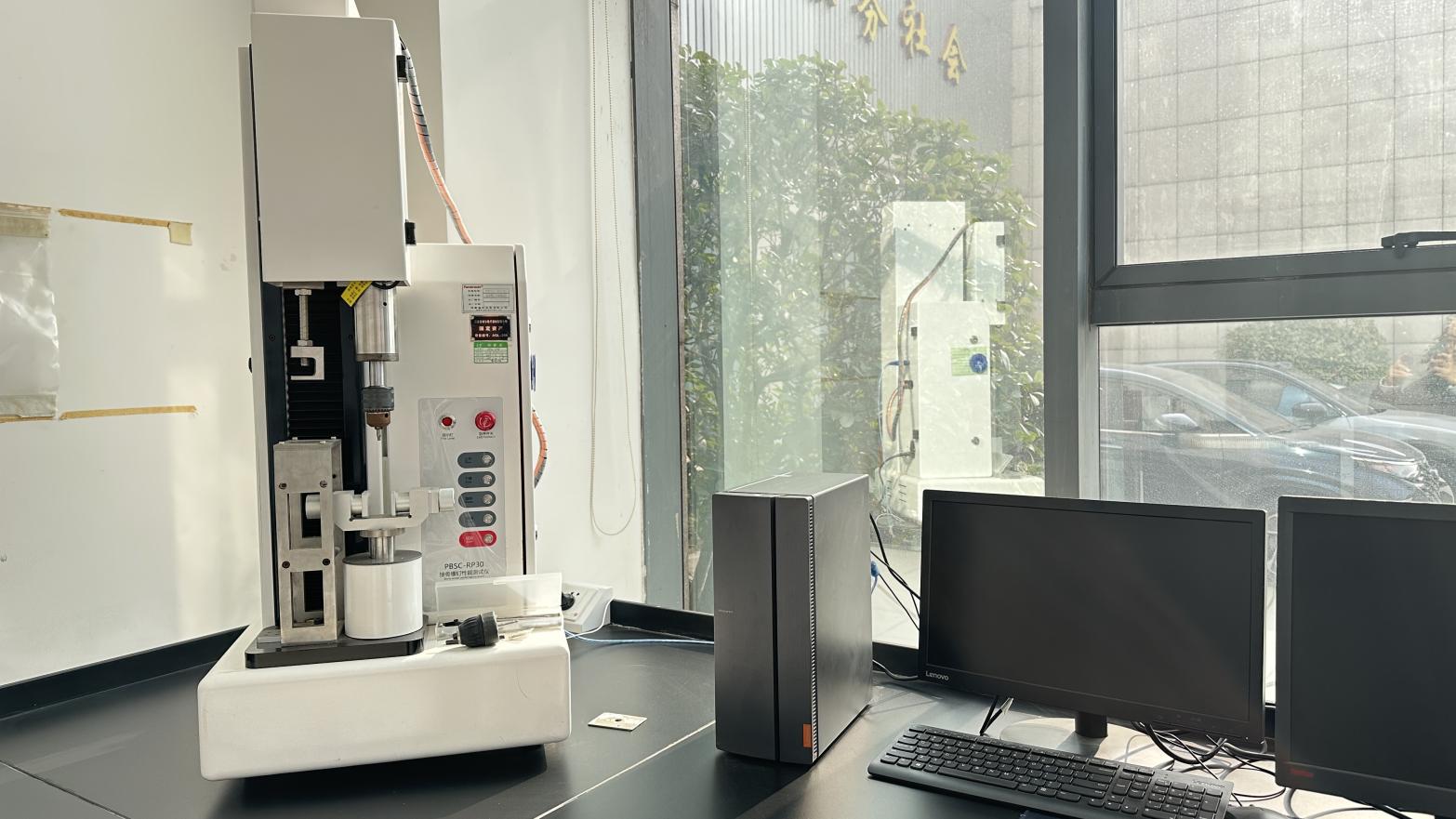
Maintaining complete material transparency and dimensional accuracy via specialized testing facilities.
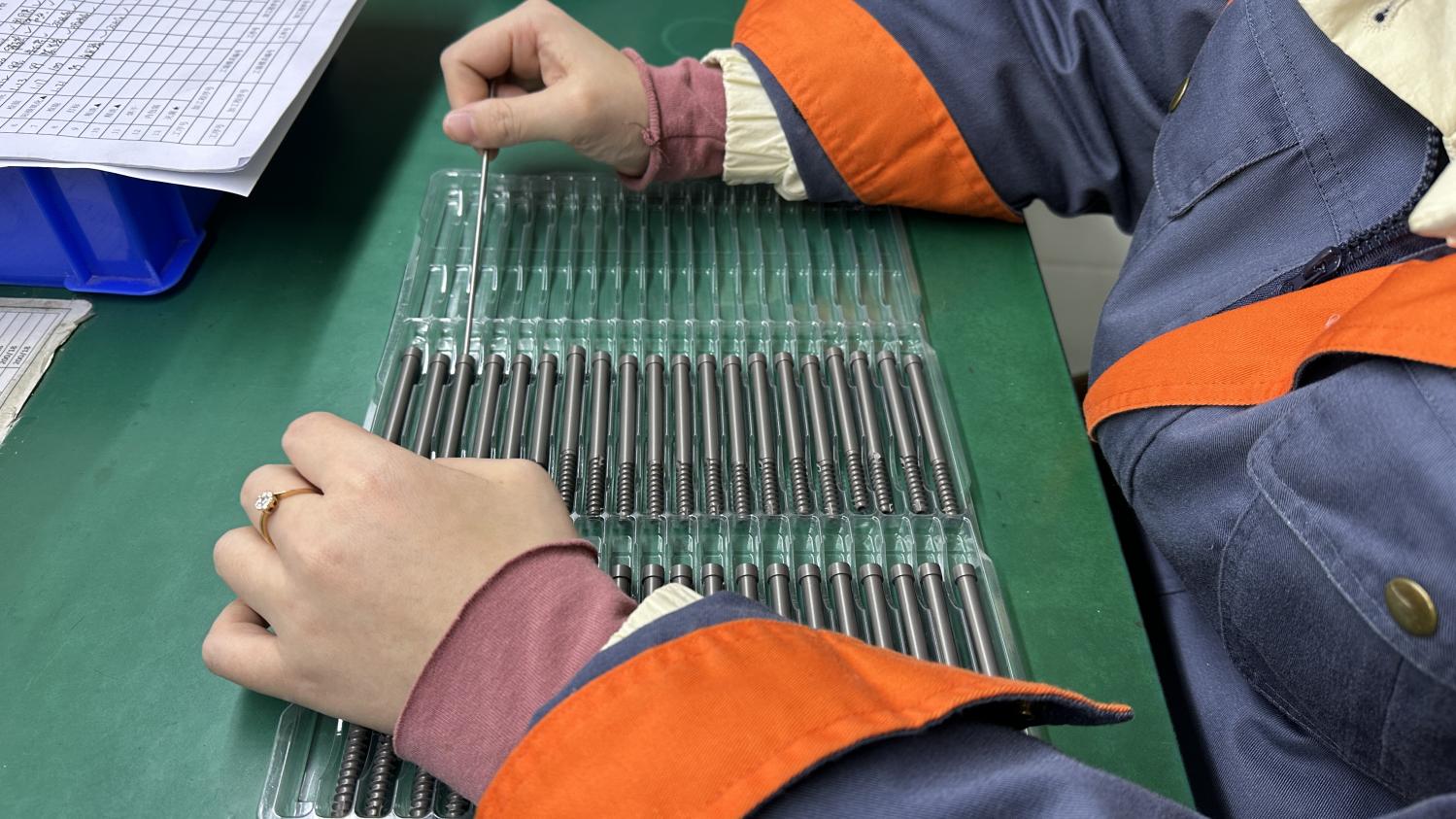
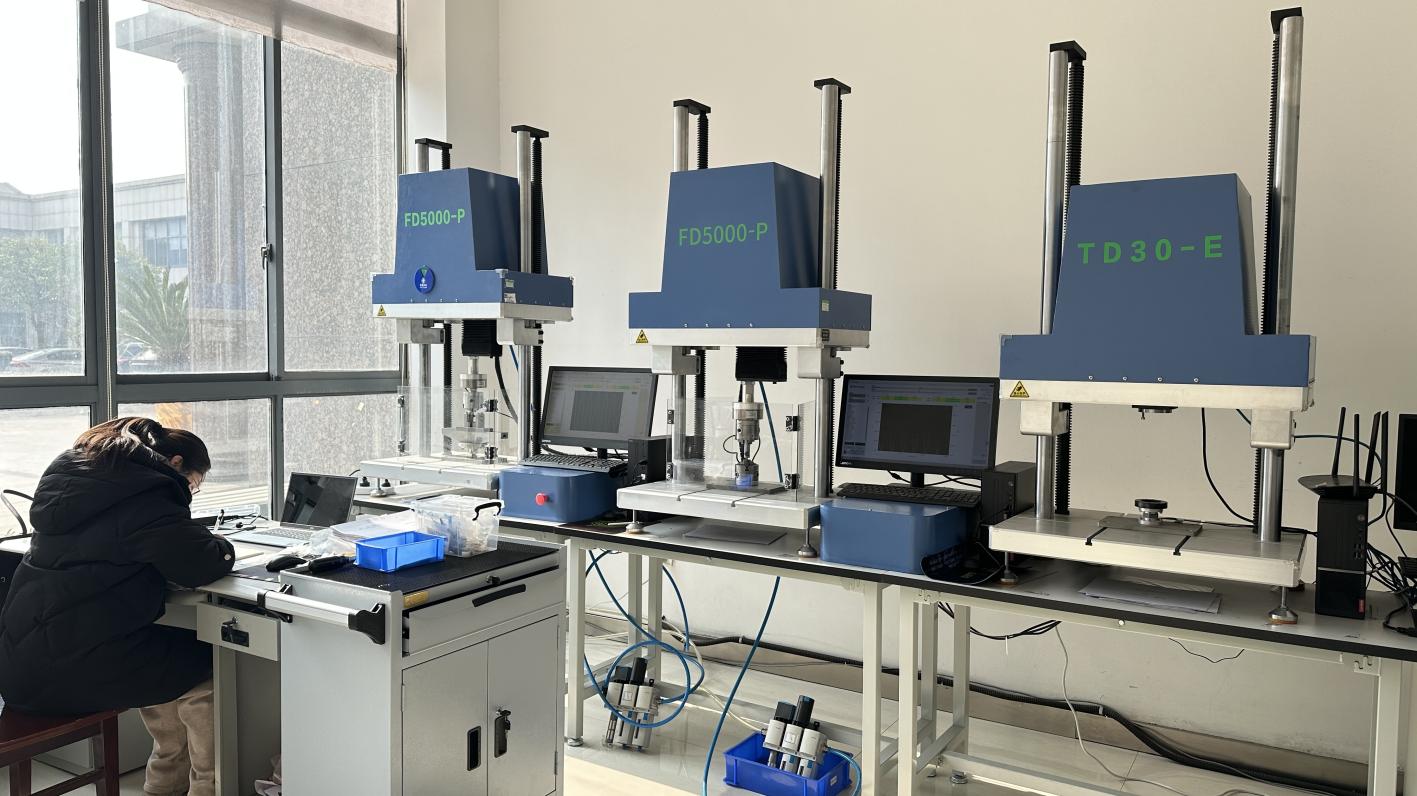
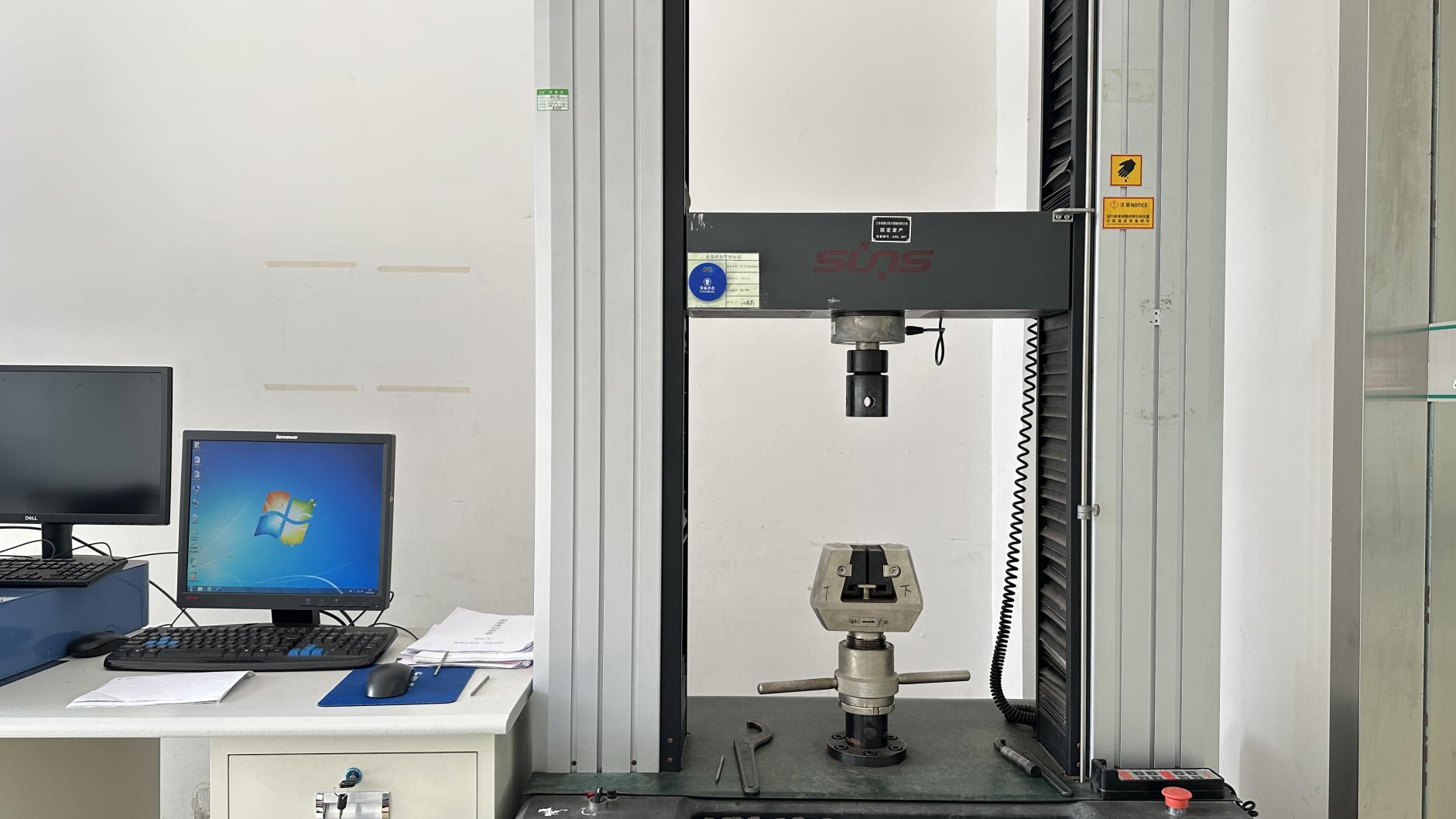
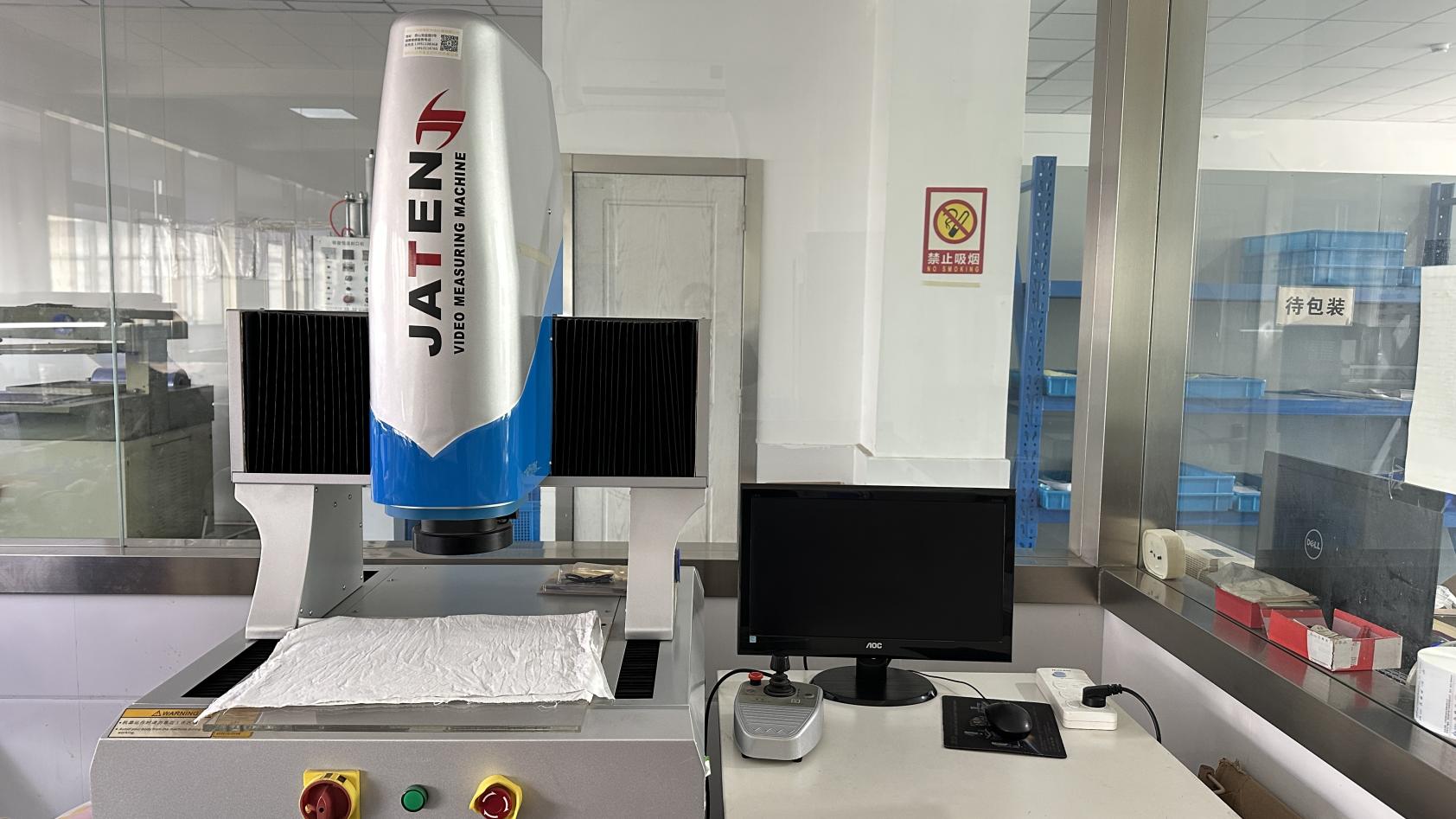
Our quality management workflow encompasses strict incoming material checks, in-process dimension inspection, and cleanroom packaging validation. Backed by 65 certified QC experts, we maintain absolute lot-traceability for every titanium and steel run.
Navigating registration demands across primary healthcare markets through localized technical documentation and engineering compliance.
We provide complete support documentation for FDA 510(k) applications, including biocompatibility reports, cleaning validation protocols, and torsional performance testing according to ASTM F543. Standard surgical instruments are tracked with Unique Device Identification (UDI).
Our implants align with EU MDR 2017/745 Class IIb and Class III requirements. We supply Technical Documentation dossiers, CER (Clinical Evaluation Reports), and Post-Market Clinical Follow-up protocols to facilitate CE marking validation.
For clients in Southeast Asia, the Middle East, and Latin America, we provide certificate validation, manufacturer authorization letters, and site-master files to streamline approval with local ministries of health.
Our specialized R&D team partners with engineering and surgical departments to develop custom implant profiles matching unique anatomical requirements.
We provide contract manufacturing services for established medical device brands globally. Customers supply drawings (STEP, IGES, or DWG files), raw material parameters, and packaging requirements, and we manufacture to exact print tolerances under ISO 13485 oversight. This option is ideal for extending existing catalog offerings without incurring capital equipment costs.
Partnering with our engineering staff allows you to co-develop new designs. We utilize CAD modeling, Finite Element Analysis (FEA) to simulate biomechanical performance, and CNC rapid prototyping to refine designs before clinical tooling commences. This process reduces development cycles and speeds time-to-market.
Reviewing structural, metallurgical, and clinical considerations for cortical screw procurement and application.
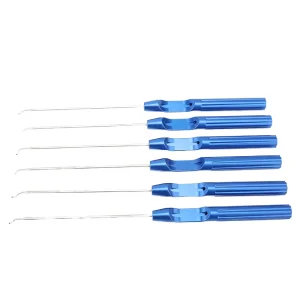
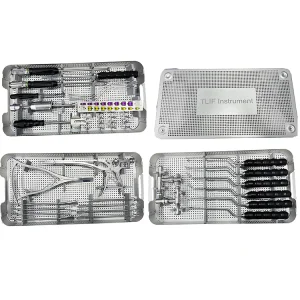
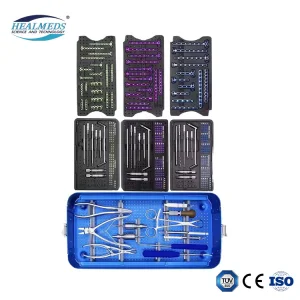
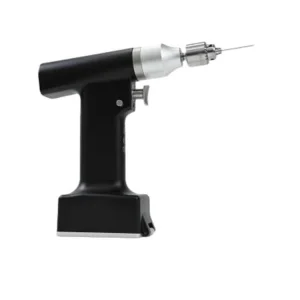
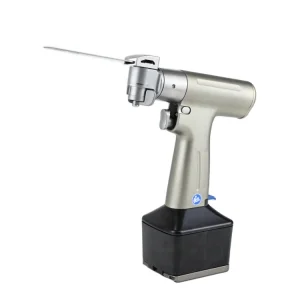
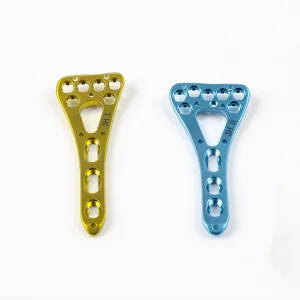
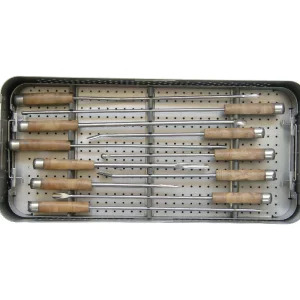
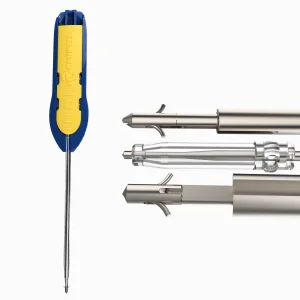
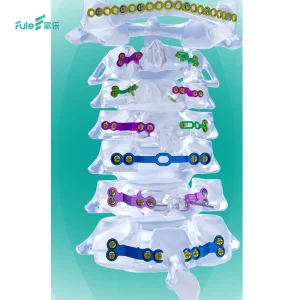
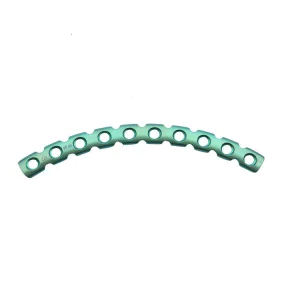
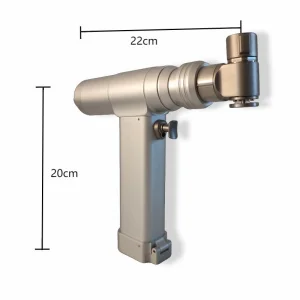
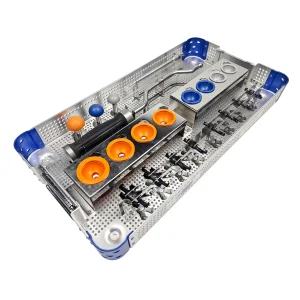
Our complete portfolio includes specialized instrumentation sets, spinal fixation assemblies, and advanced trauma locking plate systems.
Partner with Virelox to secure ISO 13485-certified cortical screws, customized plate geometries, and comprehensive technical dossier support for your global markets.
Request Technical Catalog & Consultation Virelox