Premium OEM solutions designed for high-accuracy orthopedic, spine, and minimally invasive bone surgeries.
Providing advanced orthopedic implant solutions with elite engineering and robust manufacturing capacity.
Equipped with a state-of-the-art in-house R&D center, biomechanical simulation setups, rapid prototyping, and advanced computer-aided design systems. Supported by 120 dedicated R&D engineers specializing in medical-grade biomechanics.
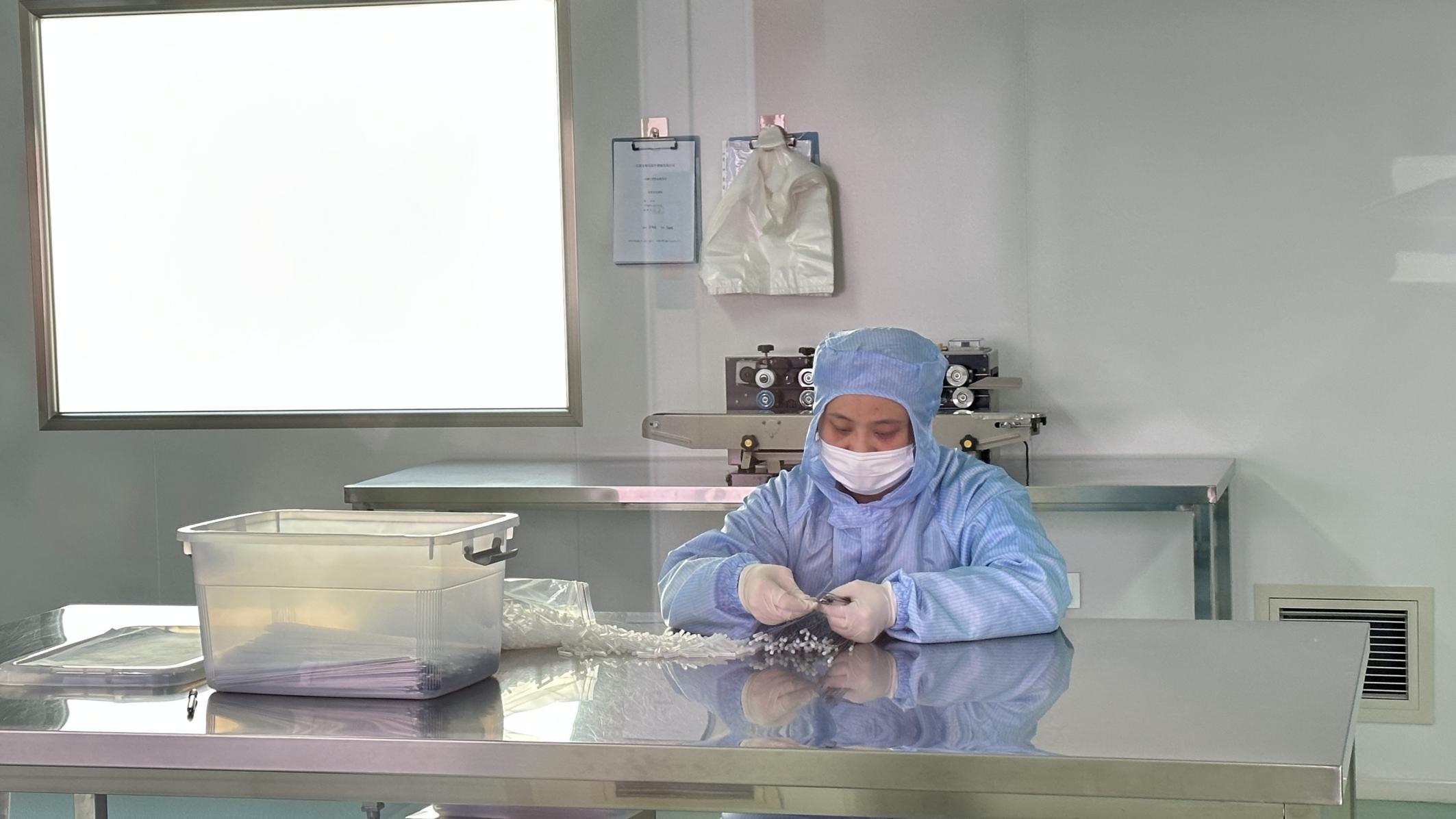
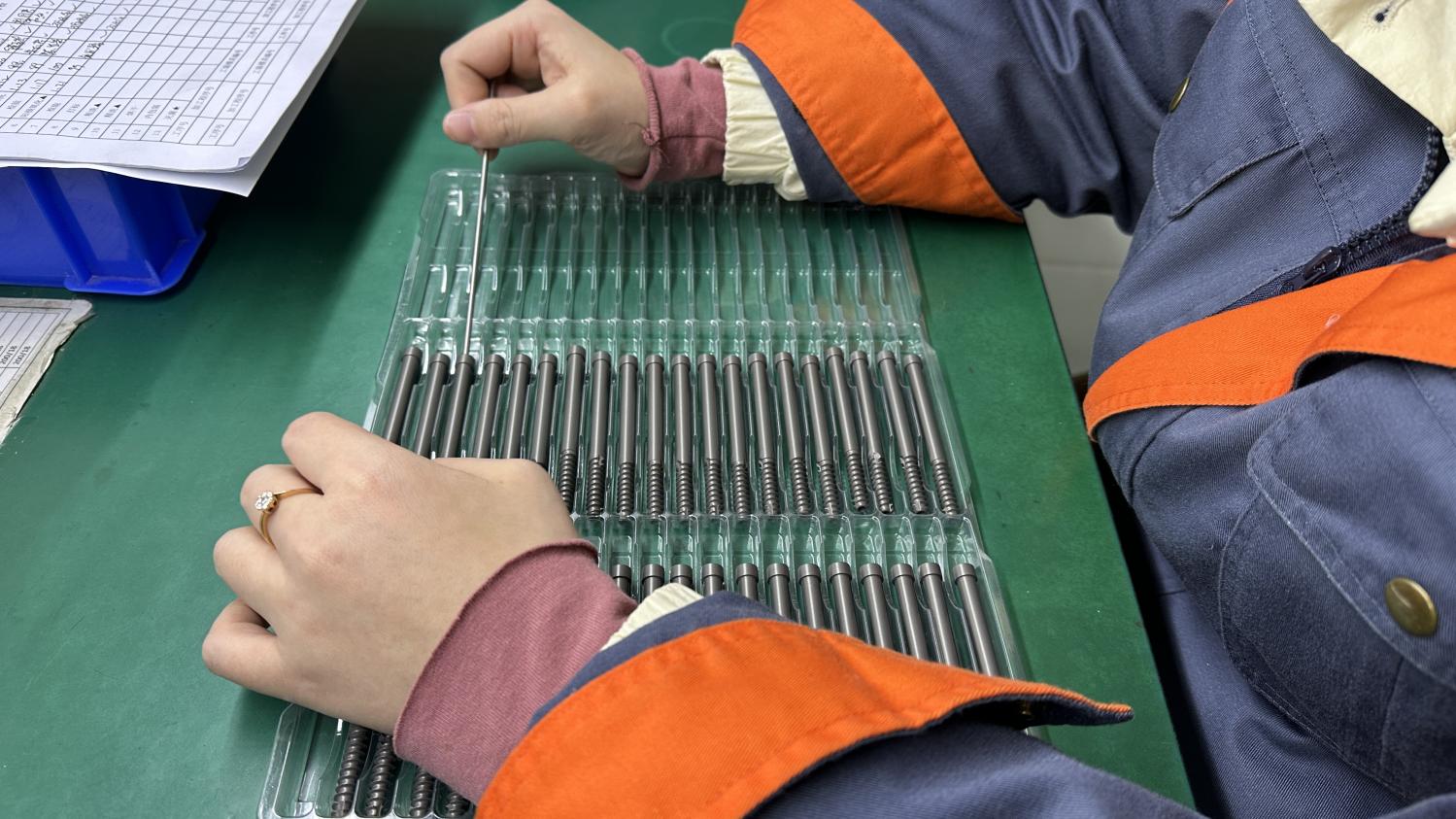
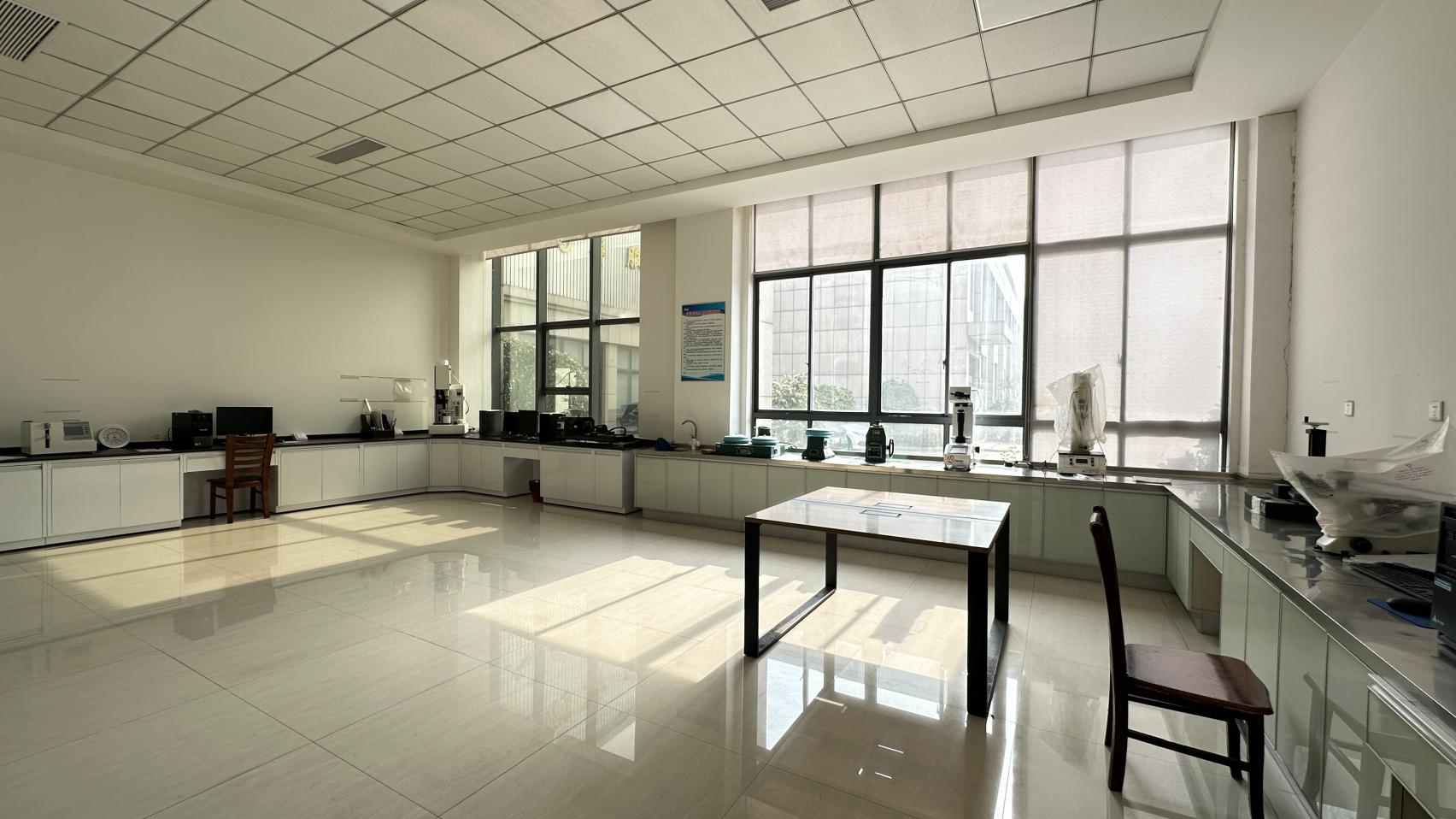
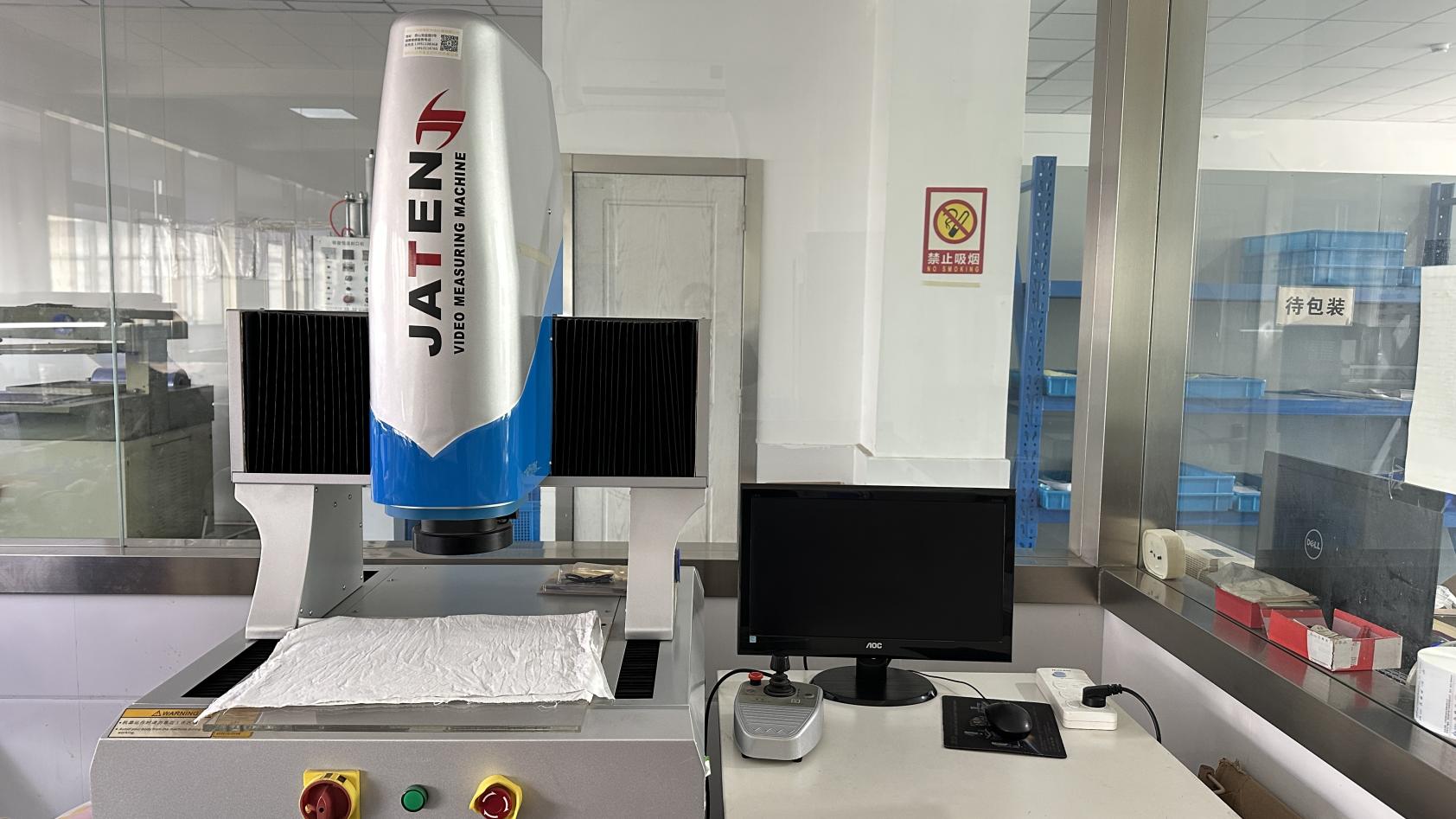
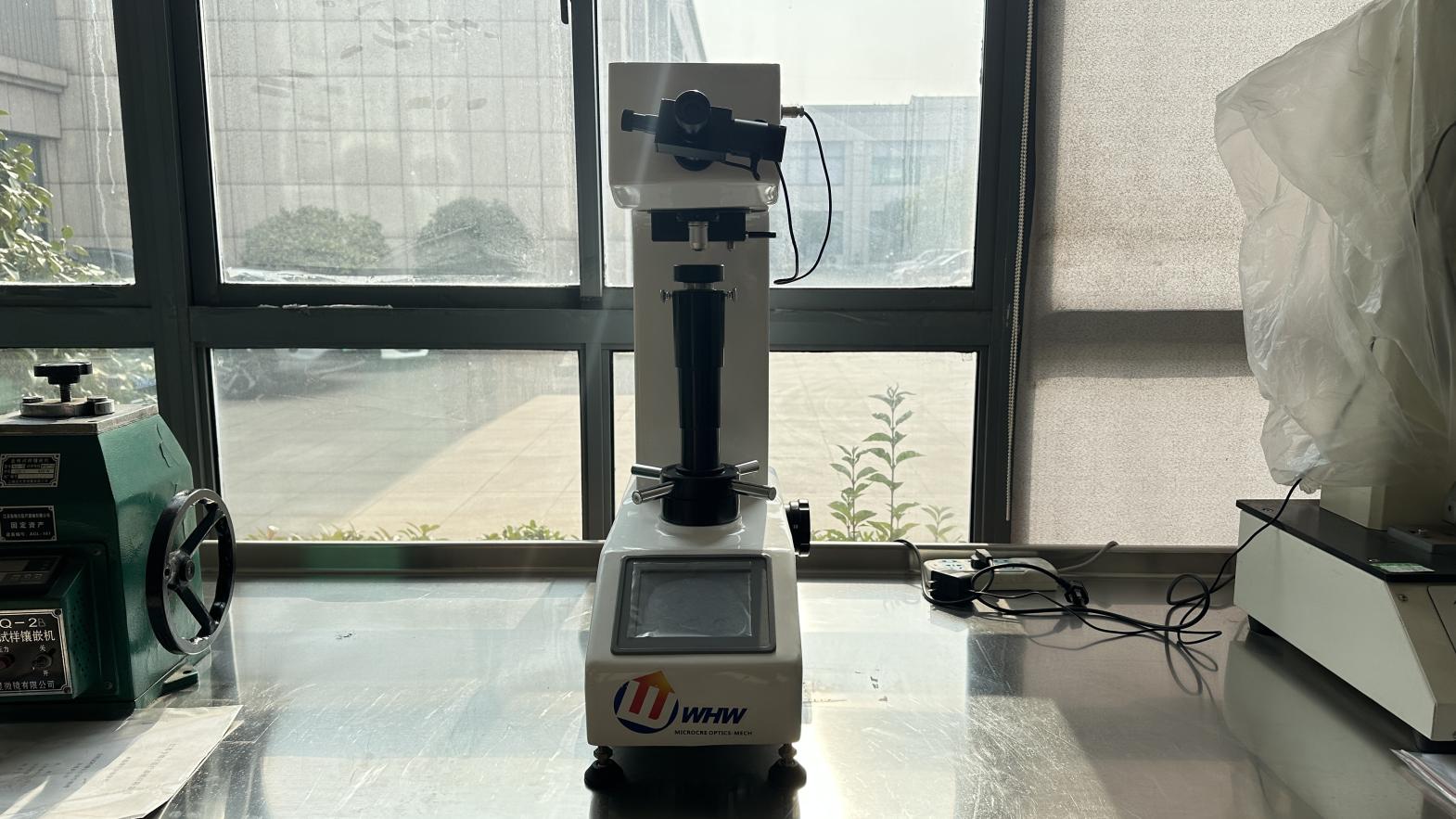
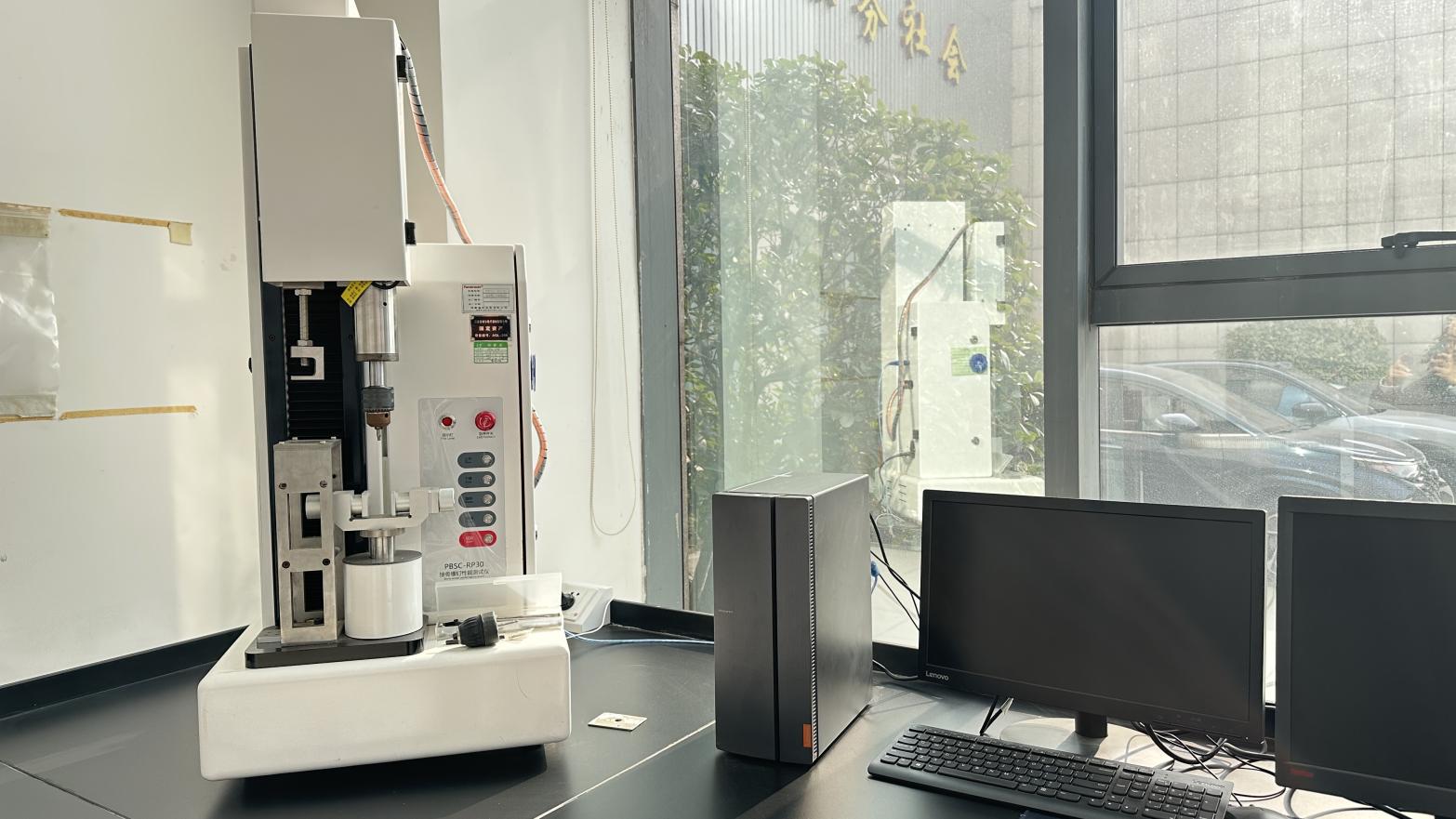
Operates under an ISO 13485-based quality system. Conducts deep dimensional verification (CMM), dynamic fatigue tests, tensile tests, and structural X-ray inspection via a department of 65 QC experts.
Virelox maintains 8 years of direct export experience supplying markets across Europe, Southeast Asia, South America, and the Middle East, generating an annual export revenue of over USD 8,500,000.
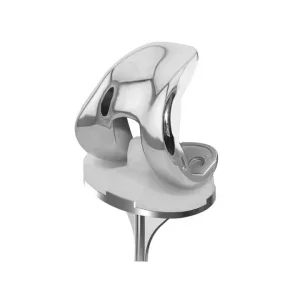
Unlike Total Knee Arthroplasty (TKA), which replaces the entire joint geometry, UKA preserves healthy cruciate ligaments (ACL/PCL) and unaffected compartments. This anatomical retention yields a more natural kinematic gait and accelerated postoperative recovery. However, this hybrid state subjects the partial femoral condyle and tibial plateau implants to asymmetric shear stresses and micro-motions.
To withstand these forces, OEM production must maintain micron-level tolerances. The femoral component—typically fabricated from Cobalt-Chromium-Molybdenum (CoCrMo) alloy (ISO 5832-4) or advanced biocompatible titanium—demands mirror-polished articulating surfaces (Ra < 0.05 µm) to minimize polyethylene wear rates. The tibial tray must provide rigid mechanical stability, utilizing either modular or monoblock structures backed by optimized grit-blasting or porous plasma-sprayed titanium coatings to promote long-term biological osseointegration.
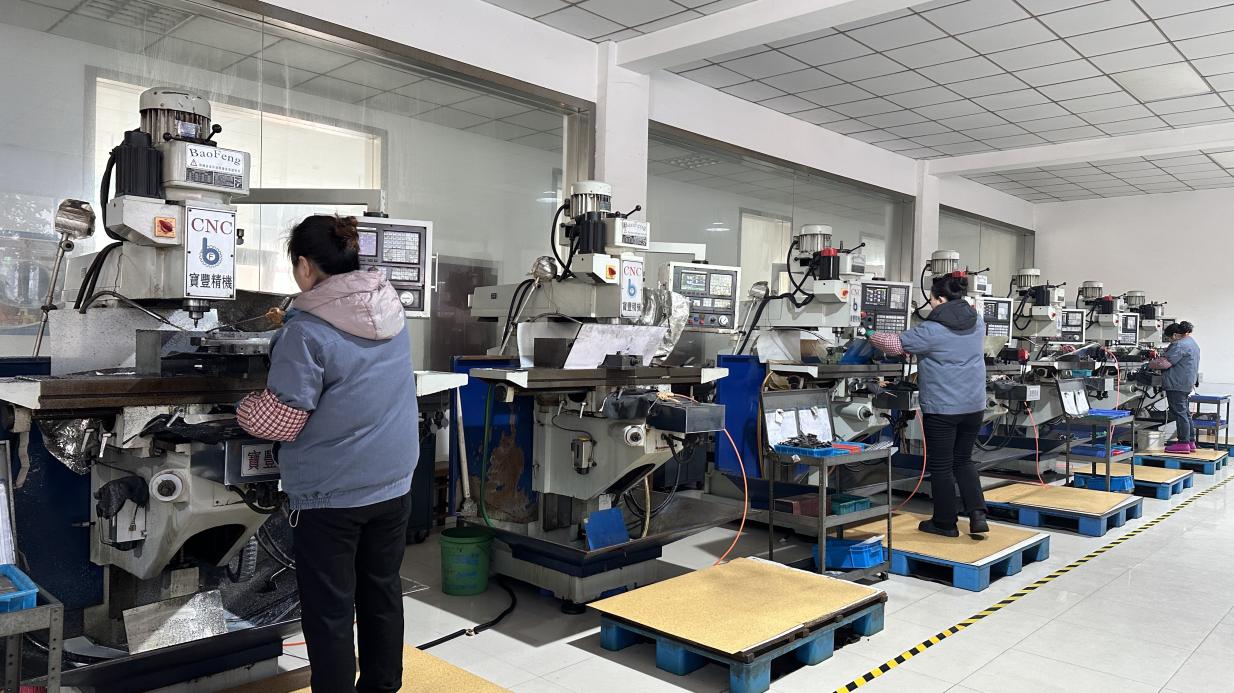
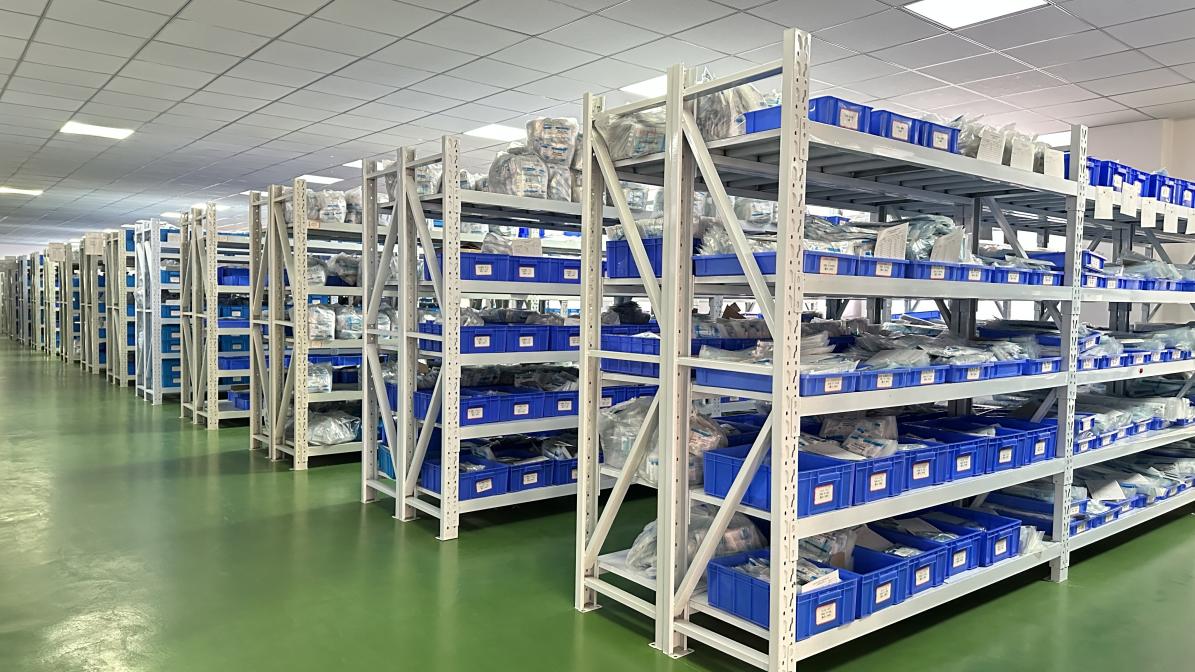
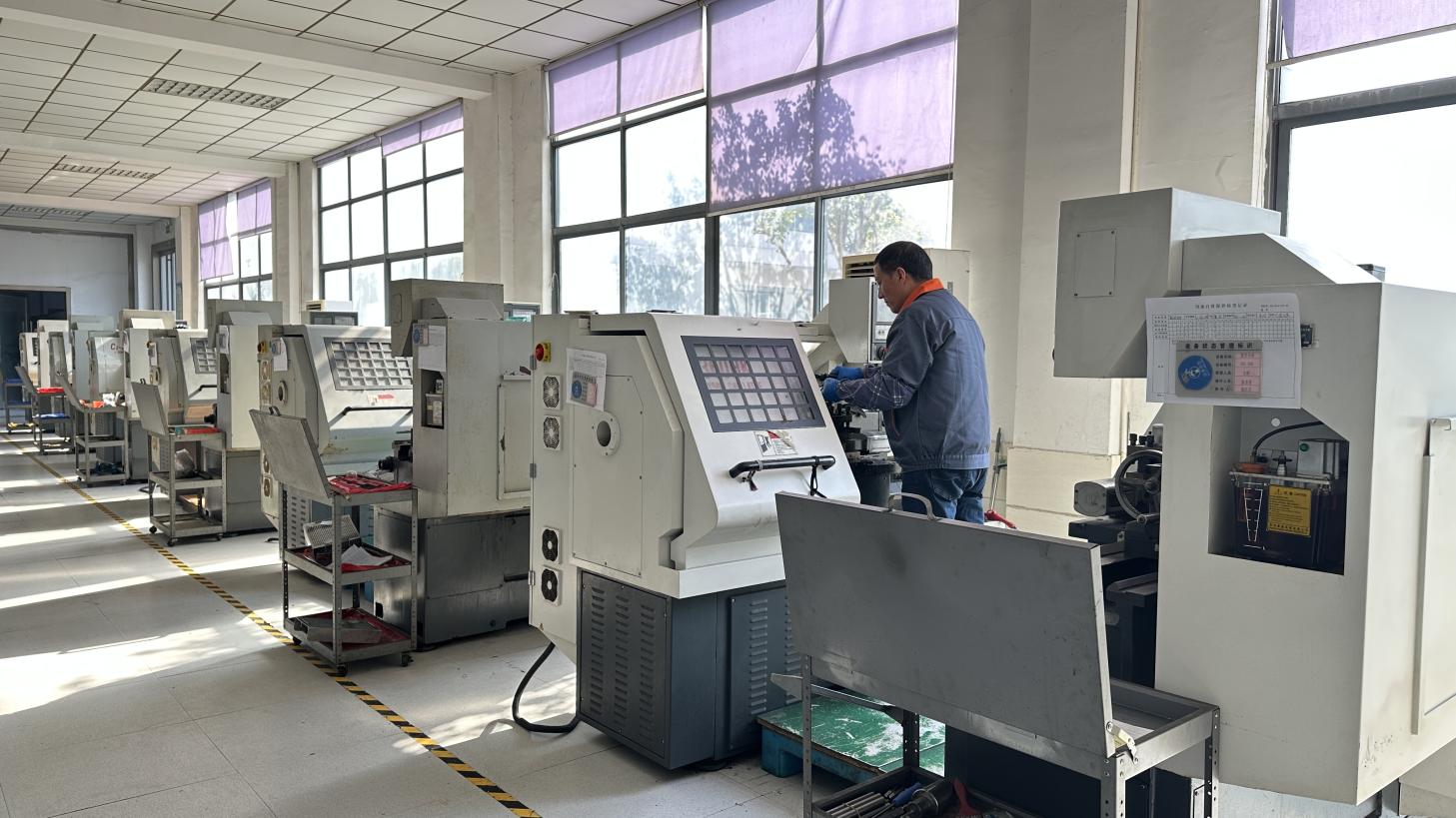
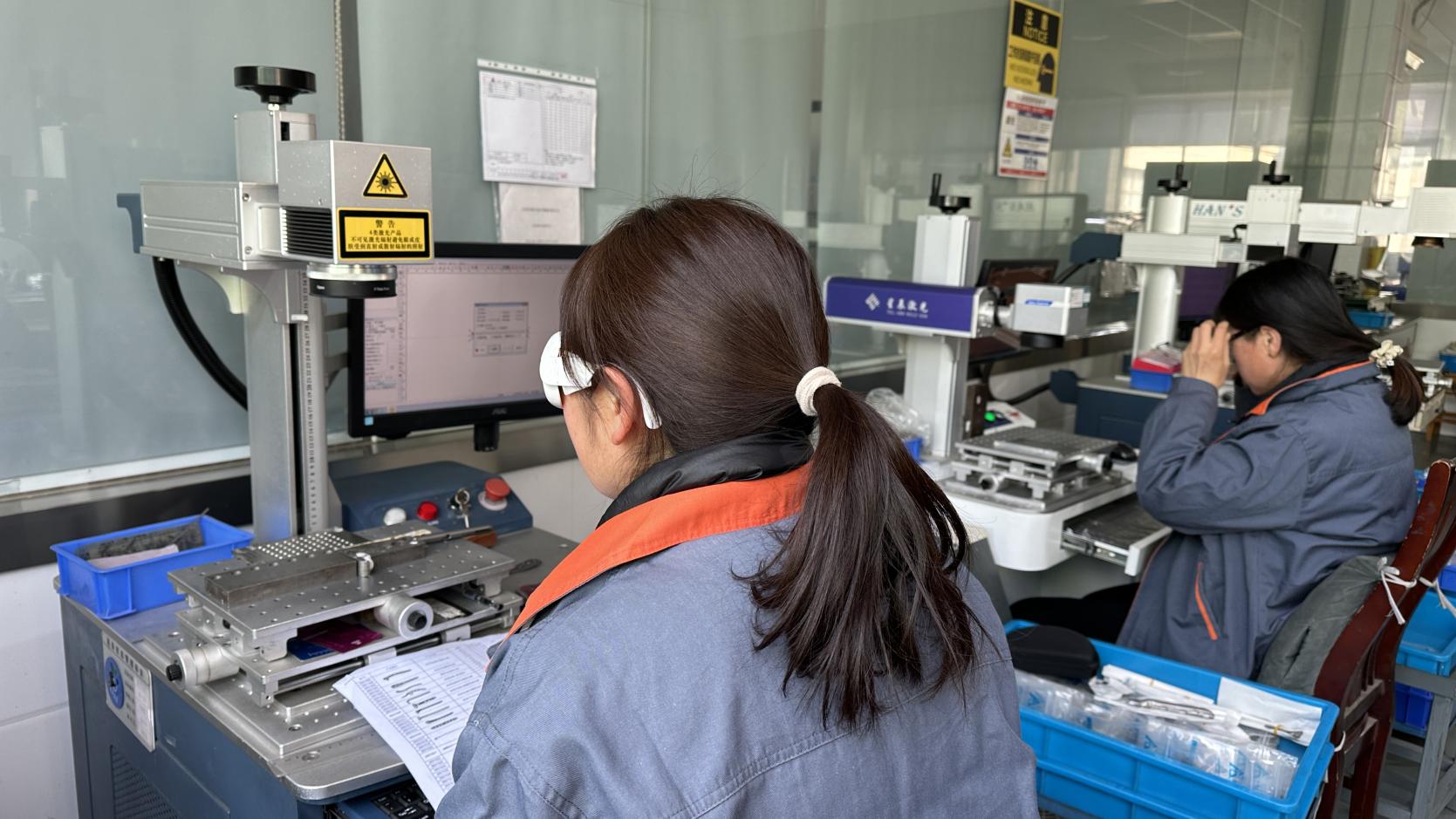
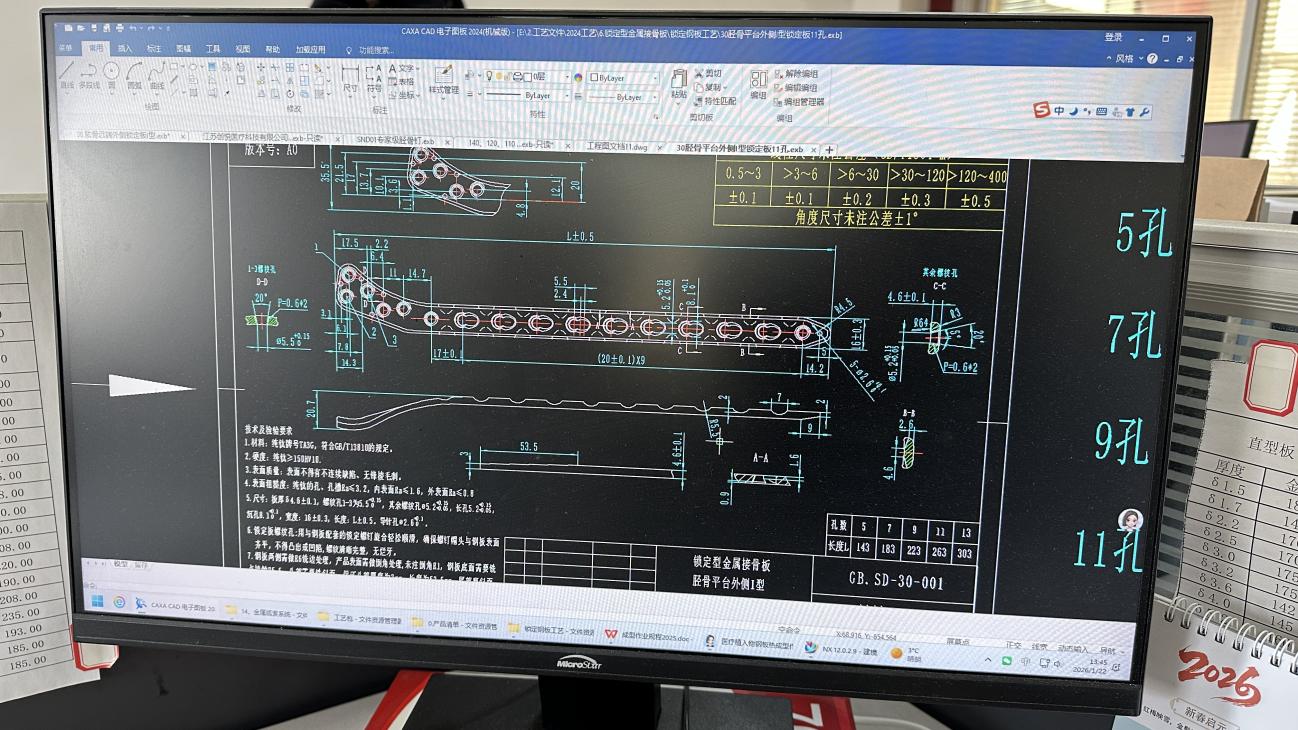
Producing highly consistent UKA systems requires modern machining and strict inspection workflows. Virelox employs high-speed CNC milling and wire-cutting machinery to manufacture components directly from raw certified medical stocks. Below is an overview of our state-of-the-art facilities:
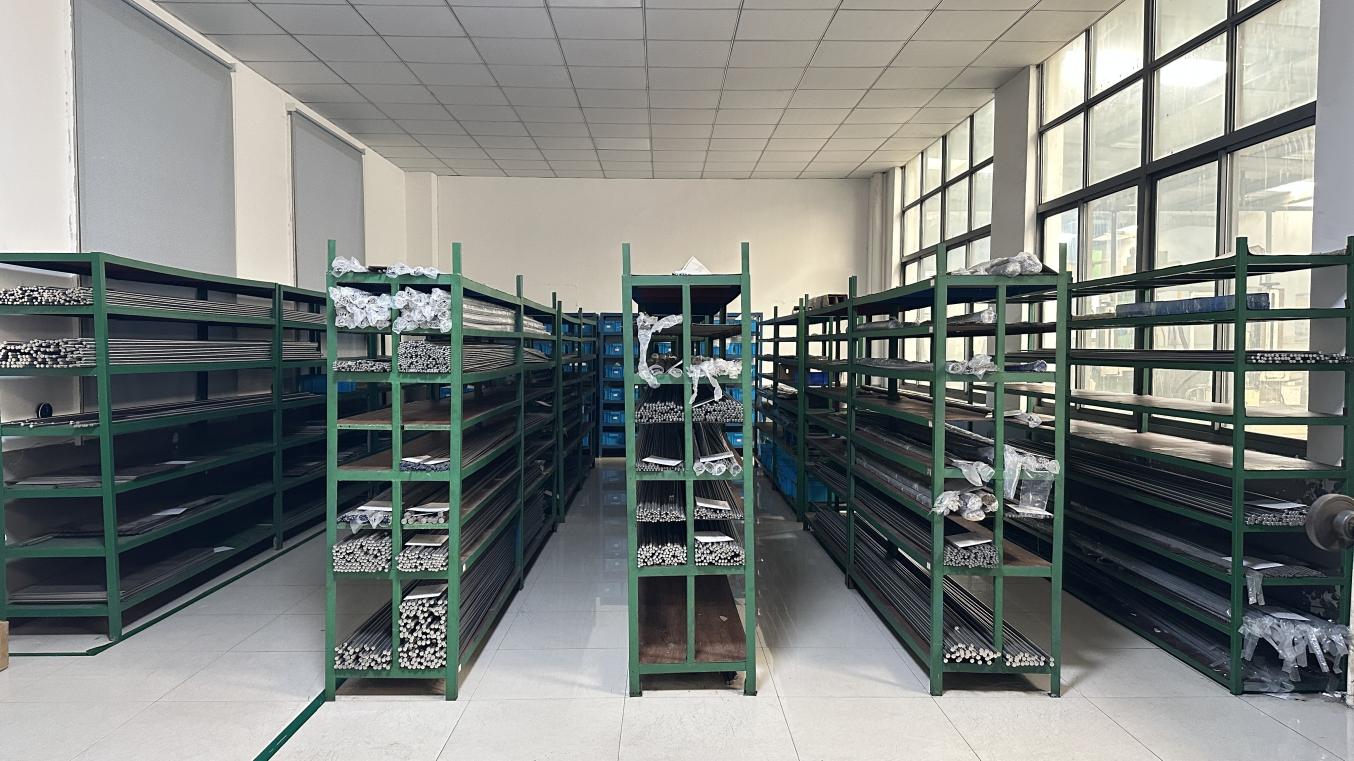
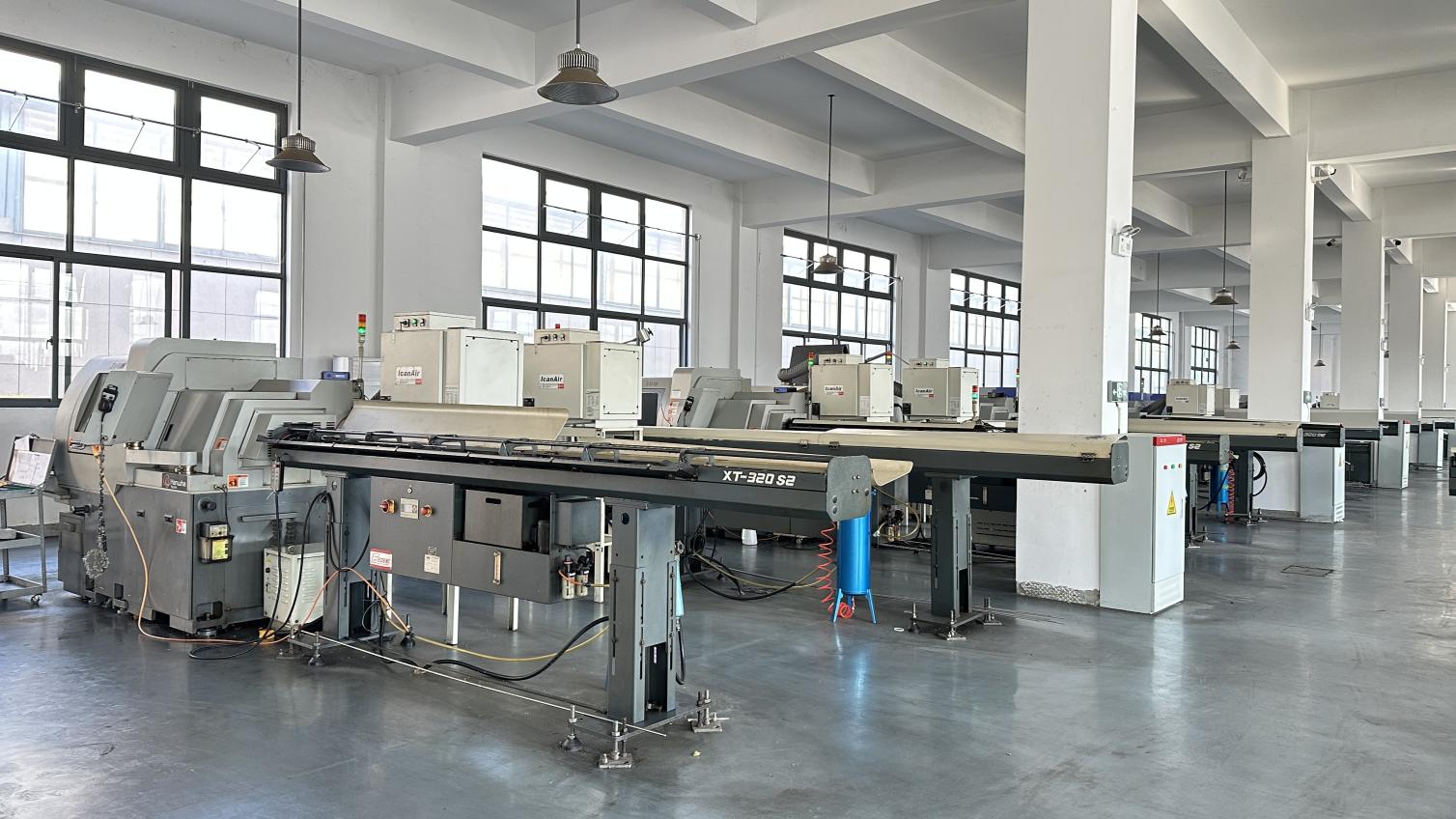
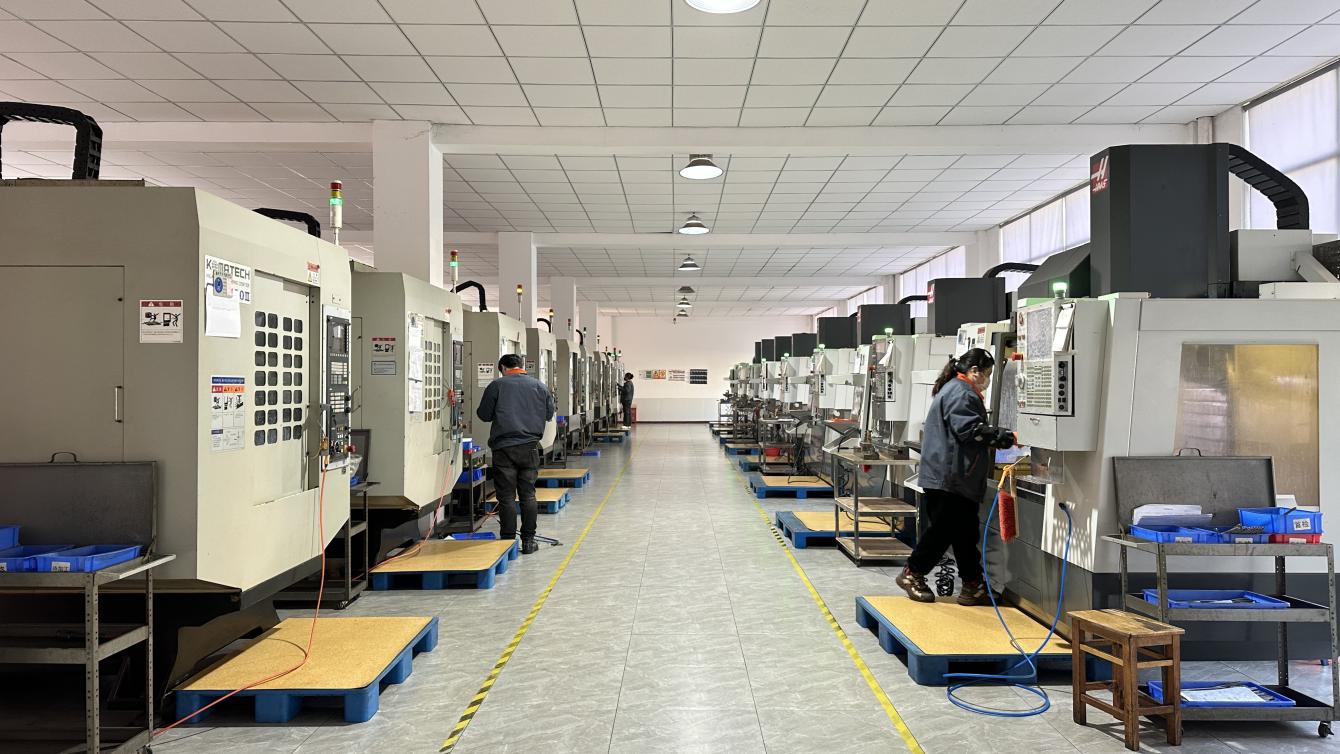
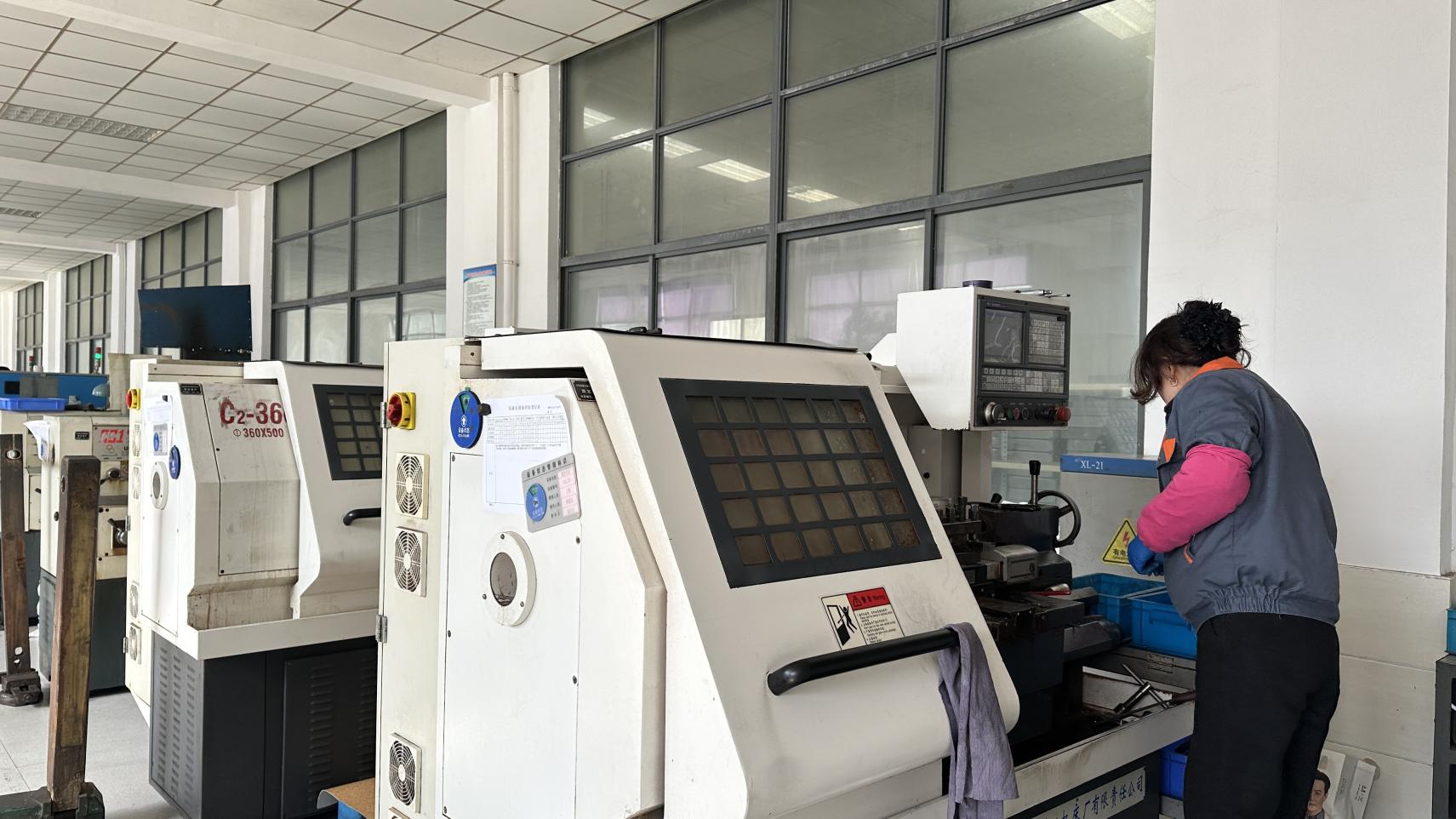
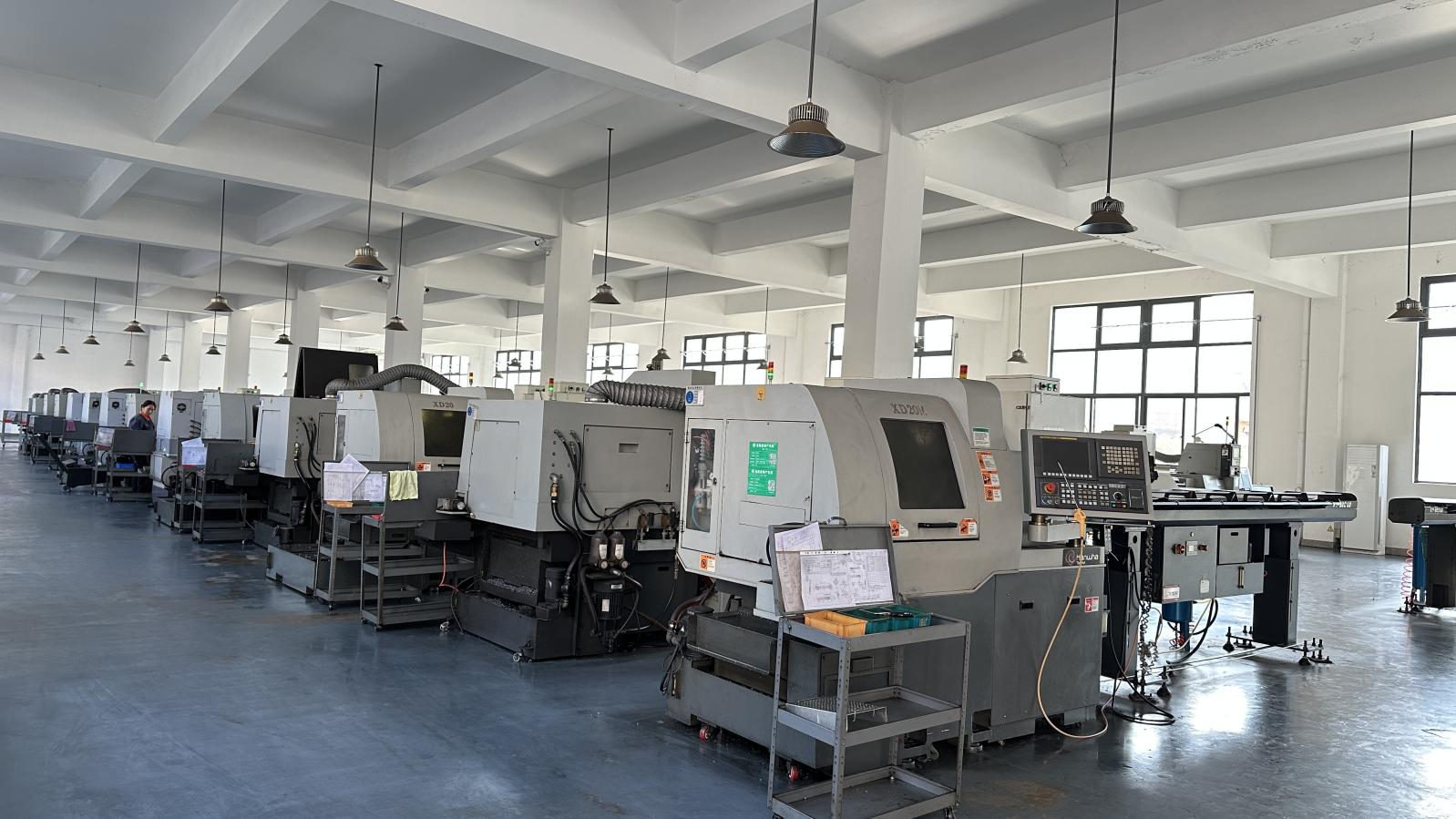
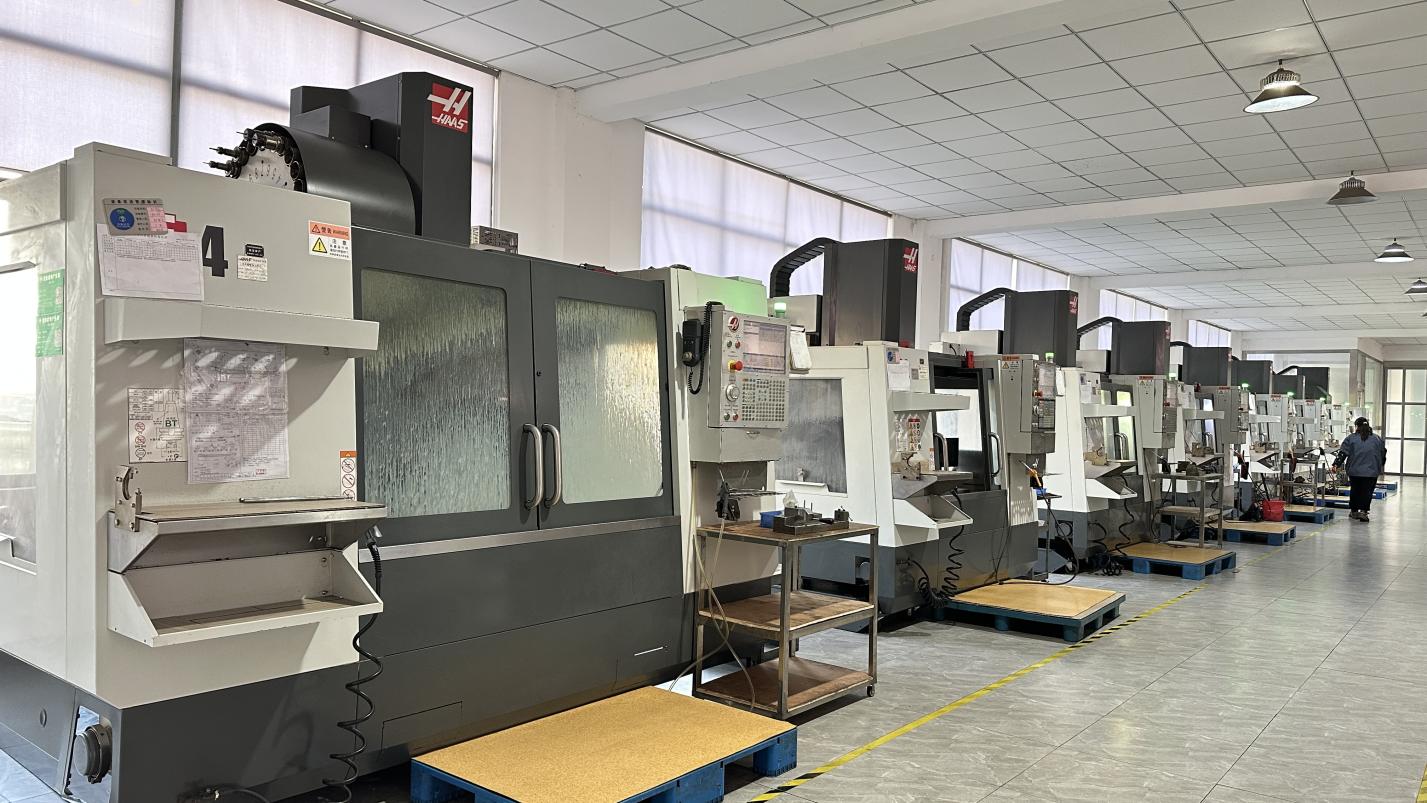
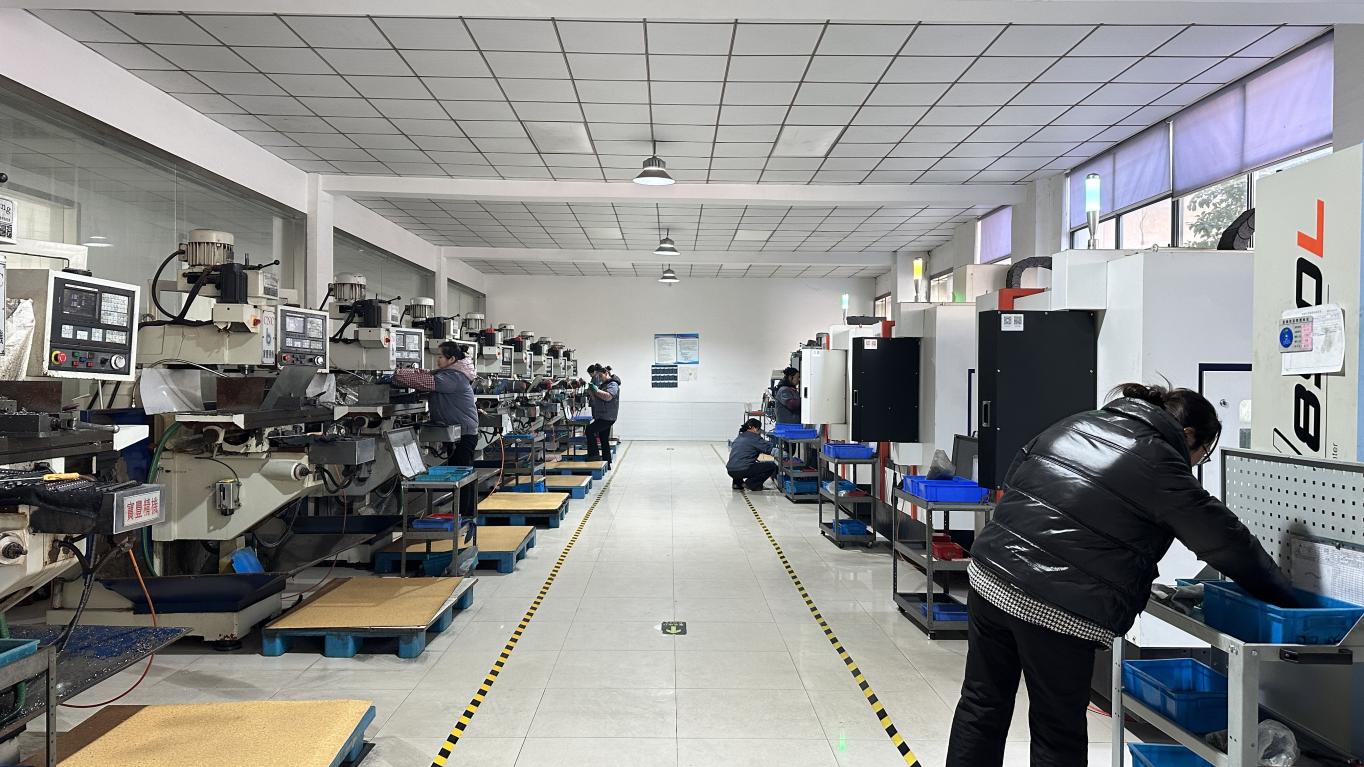
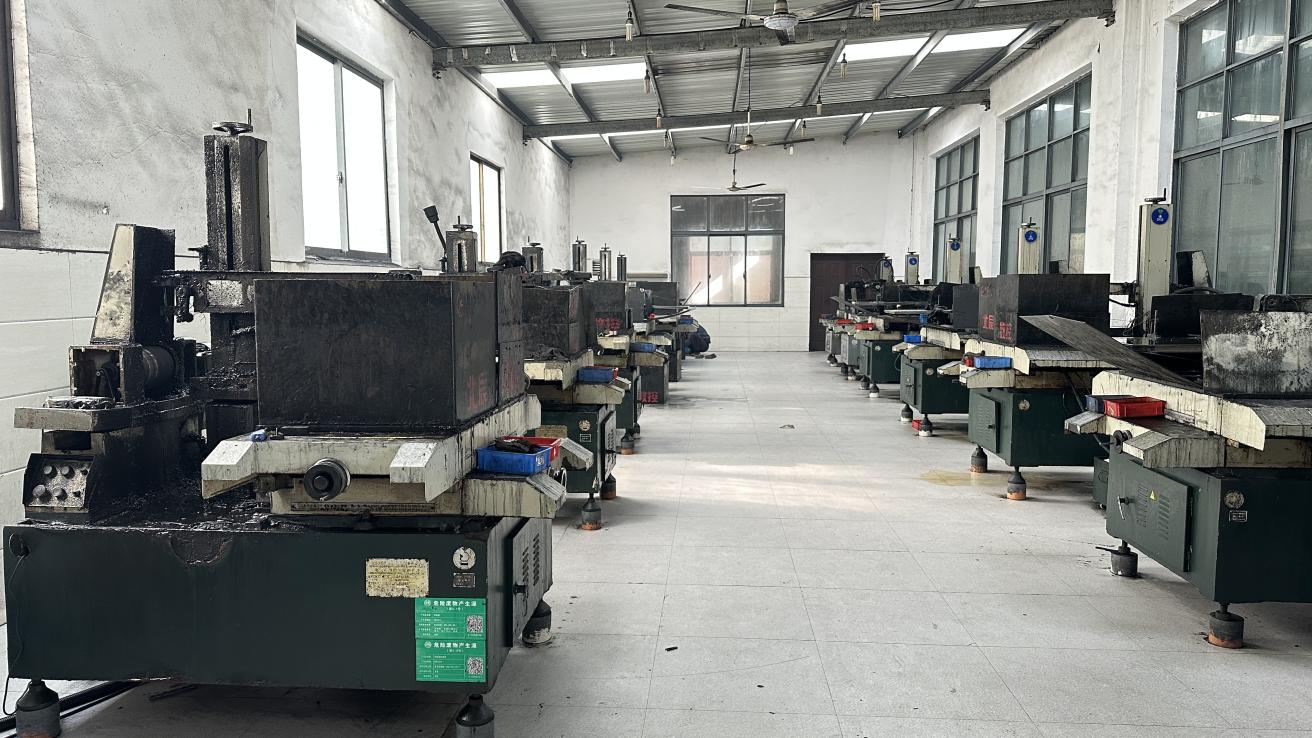
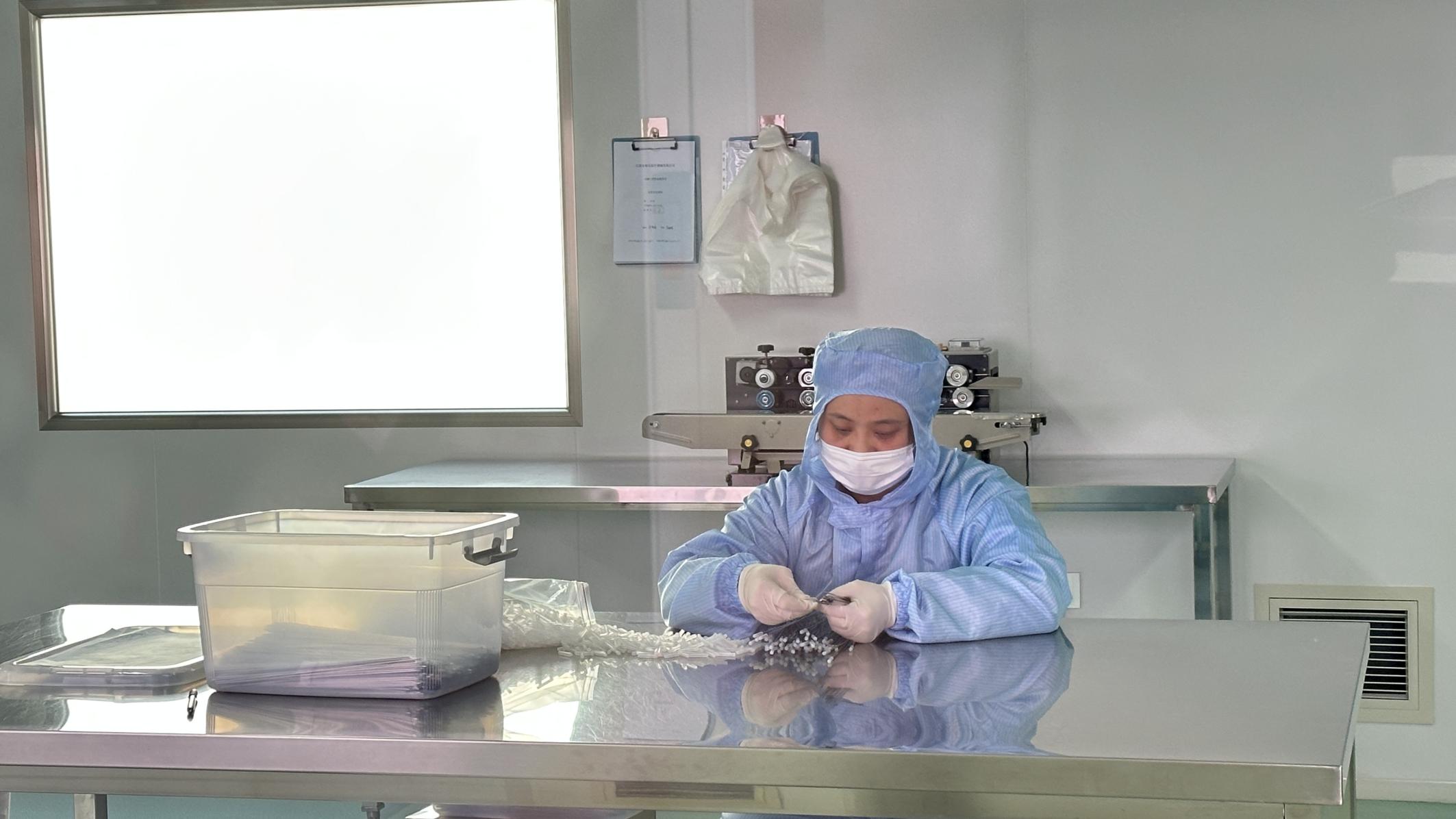
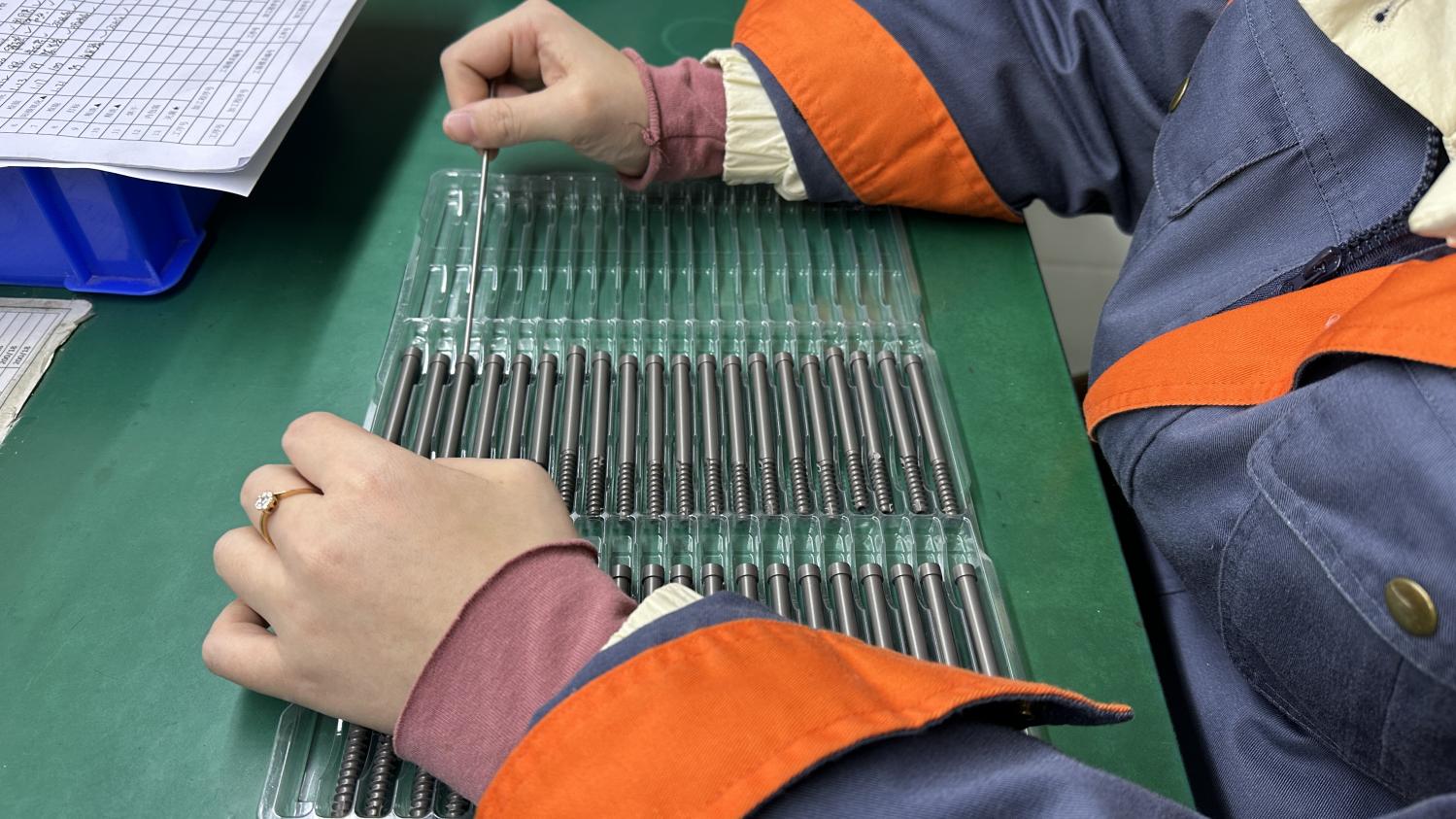
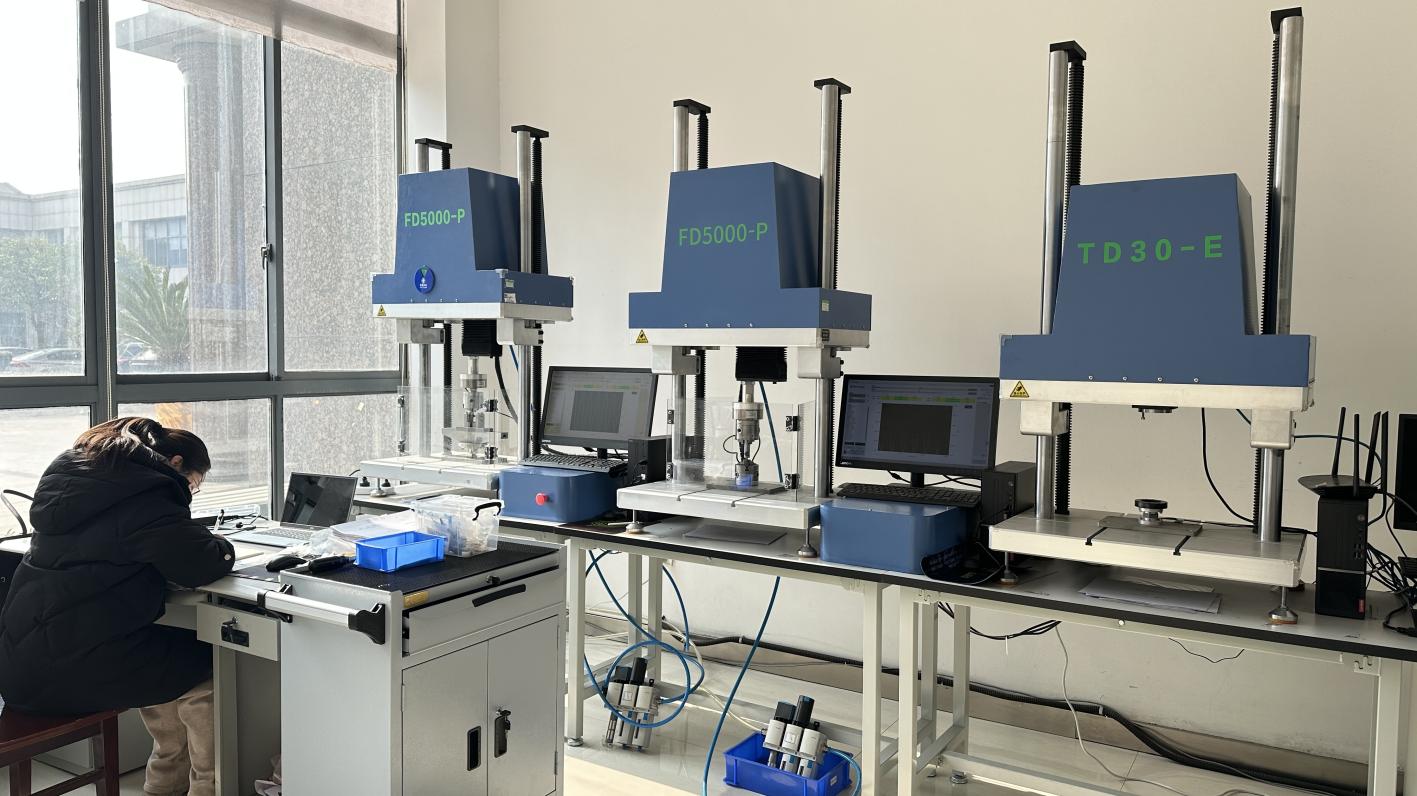
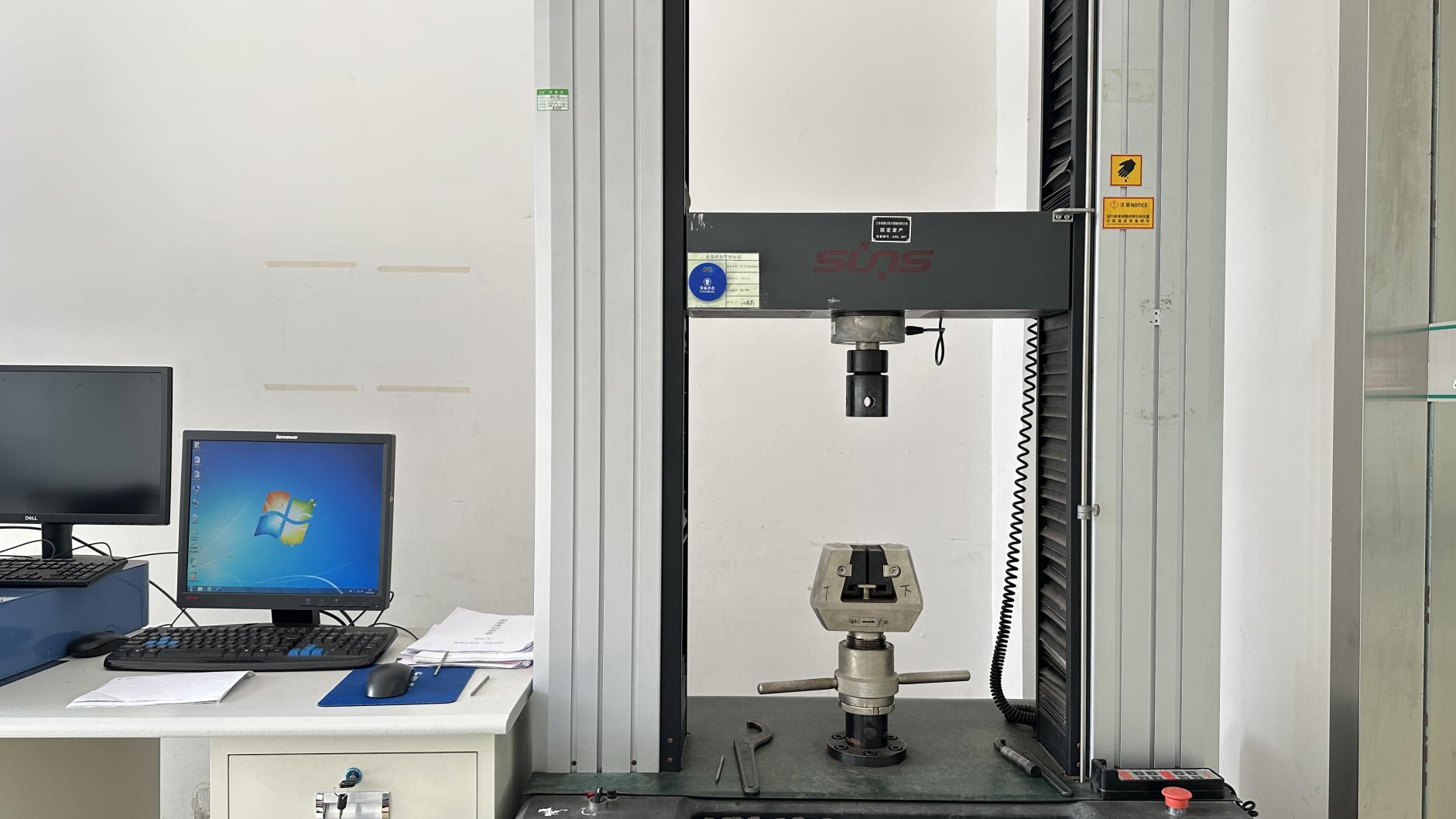
The consolidation of medical manufacturing clusters in China offers clear logistical and cost benefits for global orthopedic brands:
| Evaluation Parameter | Typical Western Manufacturer | Virelox China Supply Chain Model |
|---|---|---|
| Average Tooling & Design Setup Time | 12–20 Weeks | 4–6 Weeks |
| Material Traceability Validation | Independent / Expensive Third-Party | Full Mill Certification + In-House Lab Validation |
| Flexibility for Anatomical Modifications | Highly restricted (standard patterns only) | Custom geometry and tailored sizing |
| Minimum Order Quantities (MOQs) | High (typically >1,000 units per size) | Low (flexible batches for clinical testing) |
Orthopedic implants are Class III medical devices, demanding strict quality management. Sourcing partners require comprehensive technical dossiers for submission to bodies like the FDA, EMA, NMPA, or local ministries of health.
Virelox operates a fully compliant ISO 13485:2016 Quality Management System. The quality control process covers every stage, from raw material receipt to final sterile packaging:
Virelox accommodates diverse business models and purchasing structures across the global orthopedics industry:
Expert answers addressing the technical, regulatory, and production questions of global medical device sourcing professionals.
We use high-grade ASTM F136 Titanium alloy (Ti-6Al-4V ELI) and Cobalt-Chromium-Molybdenum (CoCrMo) alloy (ISO 5832-4) for the metallic components. The articulating bearings are milled from ultra-high-molecular-weight polyethylene (UHMWPE) or highly cross-linked polyethylene (HXLPE) infused with Vitamin E to optimize wear and oxidation resistance.
Our ISO 13485:2016 quality system is maintained by 65 quality control specialists. We trace every material batch from raw stock to finished, sterile implant. Our process includes dimensional verification via coordinate measuring machines (CMM), fatigue testing, and micro-hardness testing, ensuring all products meet the required mechanical properties before release.
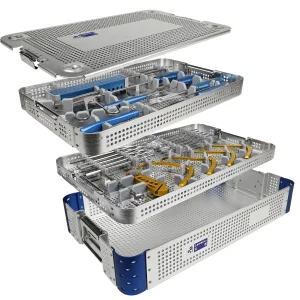
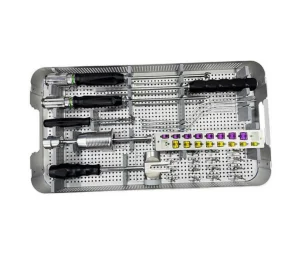
We offer complete OEM/ODM options. This includes custom sizing, anatomical shapes (medial/lateral design adjustments), laser branding, and surface modifications such as plasma-sprayed titanium or hydroxyapatite (HA) coatings. We also design and manufacture matching surgical instrument kits.
We work with certified, audit-approved raw material suppliers. Every shipment arrives with mill test reports, detailing its chemical composition and mechanical properties. We also perform in-house spectral analyses and tensile testing to verify that the raw material meets international orthopedic implant standards before it enters production.
Standard catalog products can ship within 30 to 45 days, depending on batch size. Custom designs involving new CAD geometry, prototyping, and mechanical validation typically require 8 to 12 weeks to complete tooling setup, test validation, and initial pilot production.
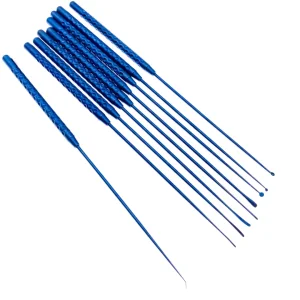
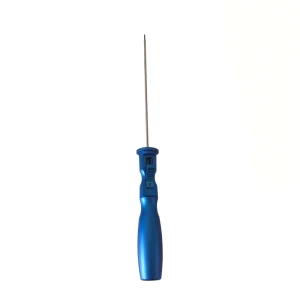
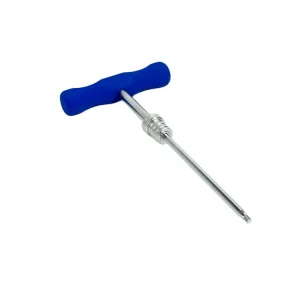
Explore our advanced clinical implants, locking systems, and precise arthroscopic instrument sets.
 Virelox