Explore our premium clinical-grade orthopedic systems and structural implants manufactured under rigid ISO 13485 specifications.
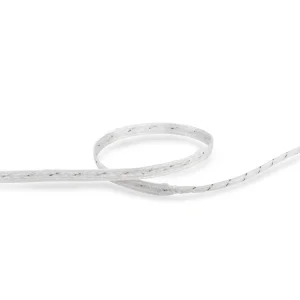
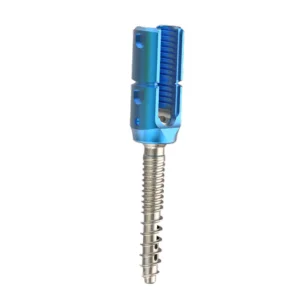
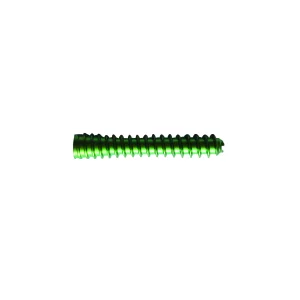
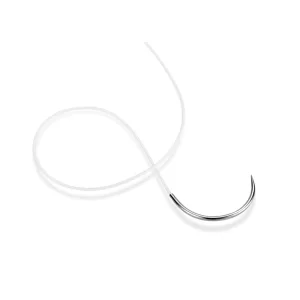
Virelox Medical Devices Co., Ltd. is an industry-leading orthopedic medical implant manufacturer specializing in joint reconstruction systems and posterior spinal fixation technologies.
By leveraging an extensive manufacturing pipeline backed by 850 certified upstream and downstream partners, Virelox ensures uninterrupted raw material procurement and complex micro-machining workflows. Our business portfolio is specifically architected to support medical device distributors, tertiary healthcare networks, and OEM/ODM private-label purchasers globally.
We combine 10 years of domestic clinical engineering with 8 years of dedicated export experience to supply markets across Europe, Southeast Asia, the Middle East, and South America.
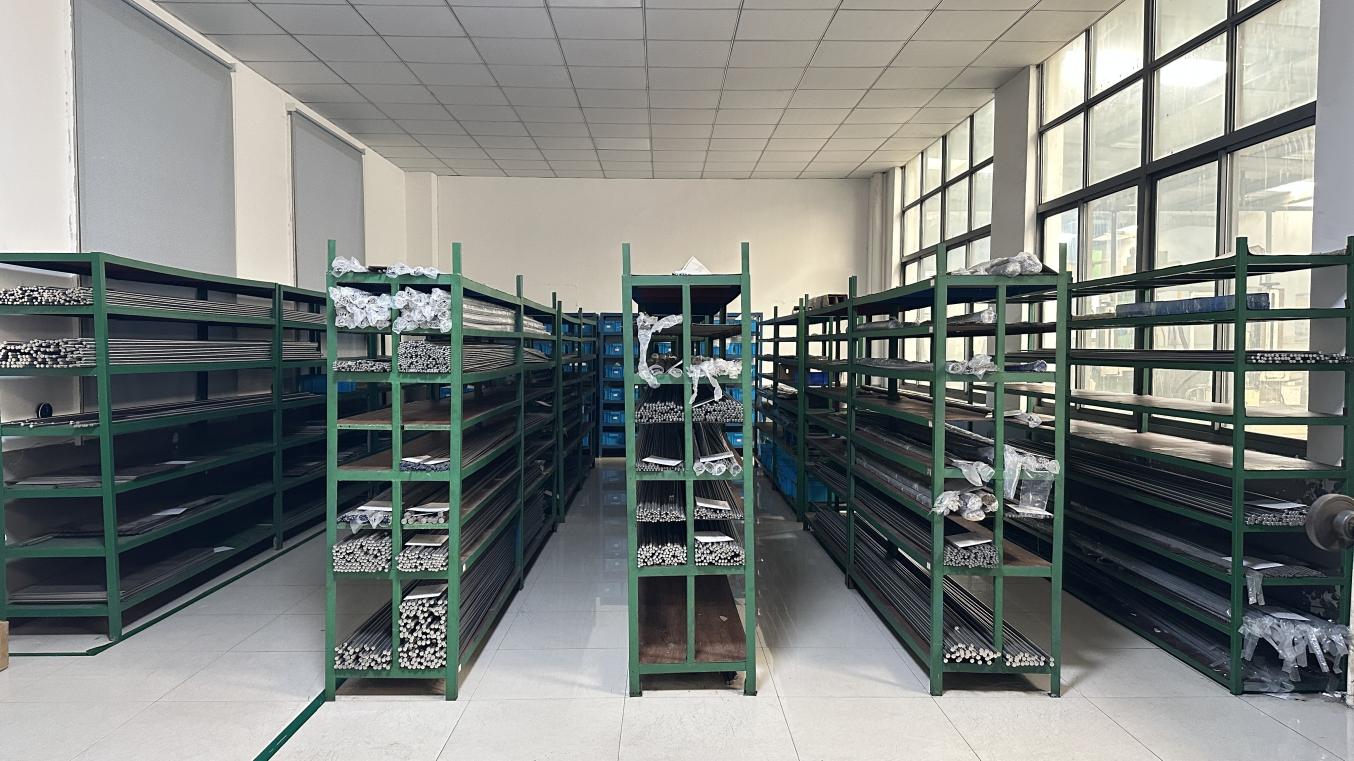
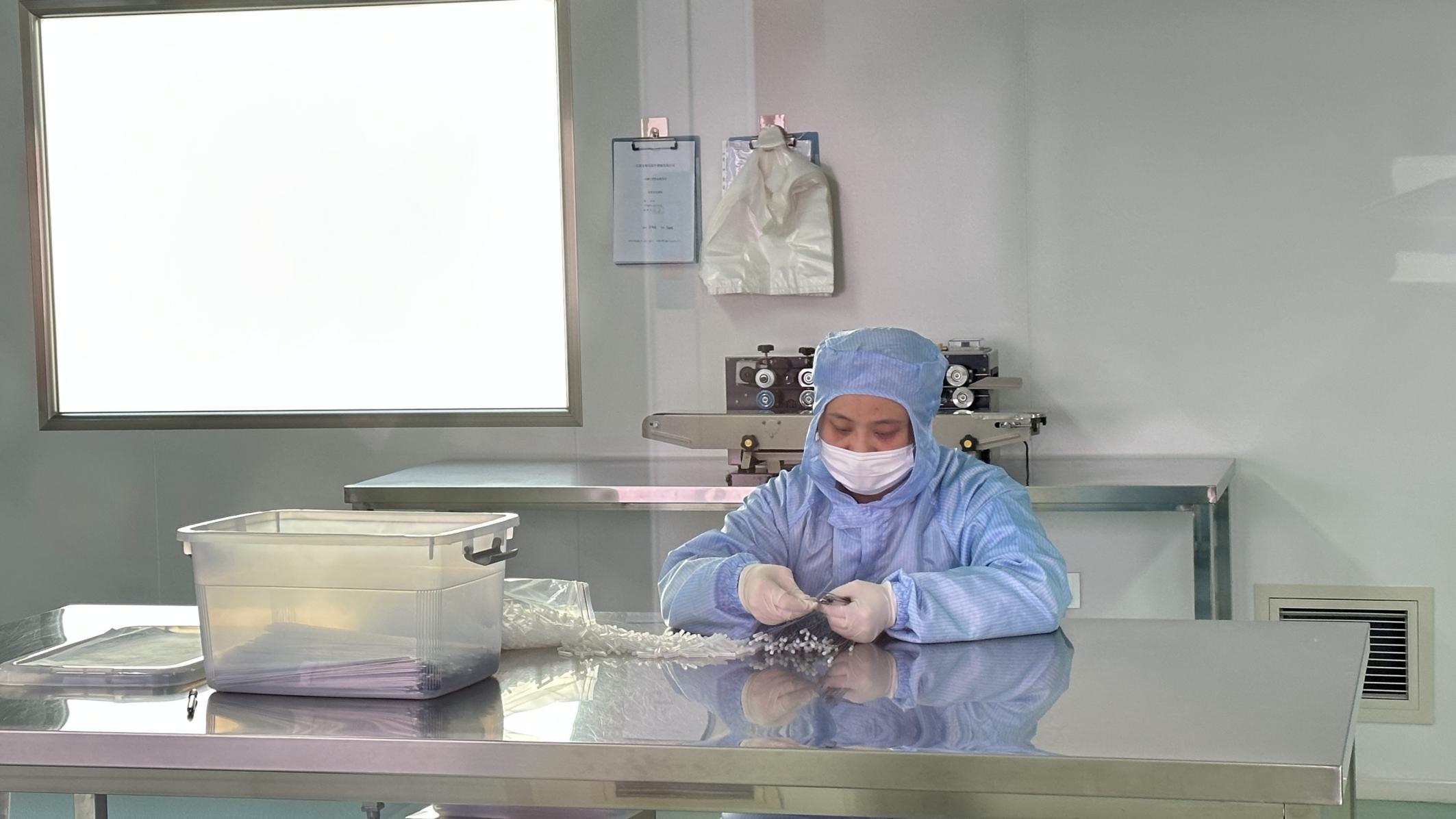
Complete traceability from medical-grade Titanium ingot certification down to sterile packaging parameters.
Over 120 new clinical-grade products launched annually using biomechanical FEA (Finite Element Analysis) simulations.
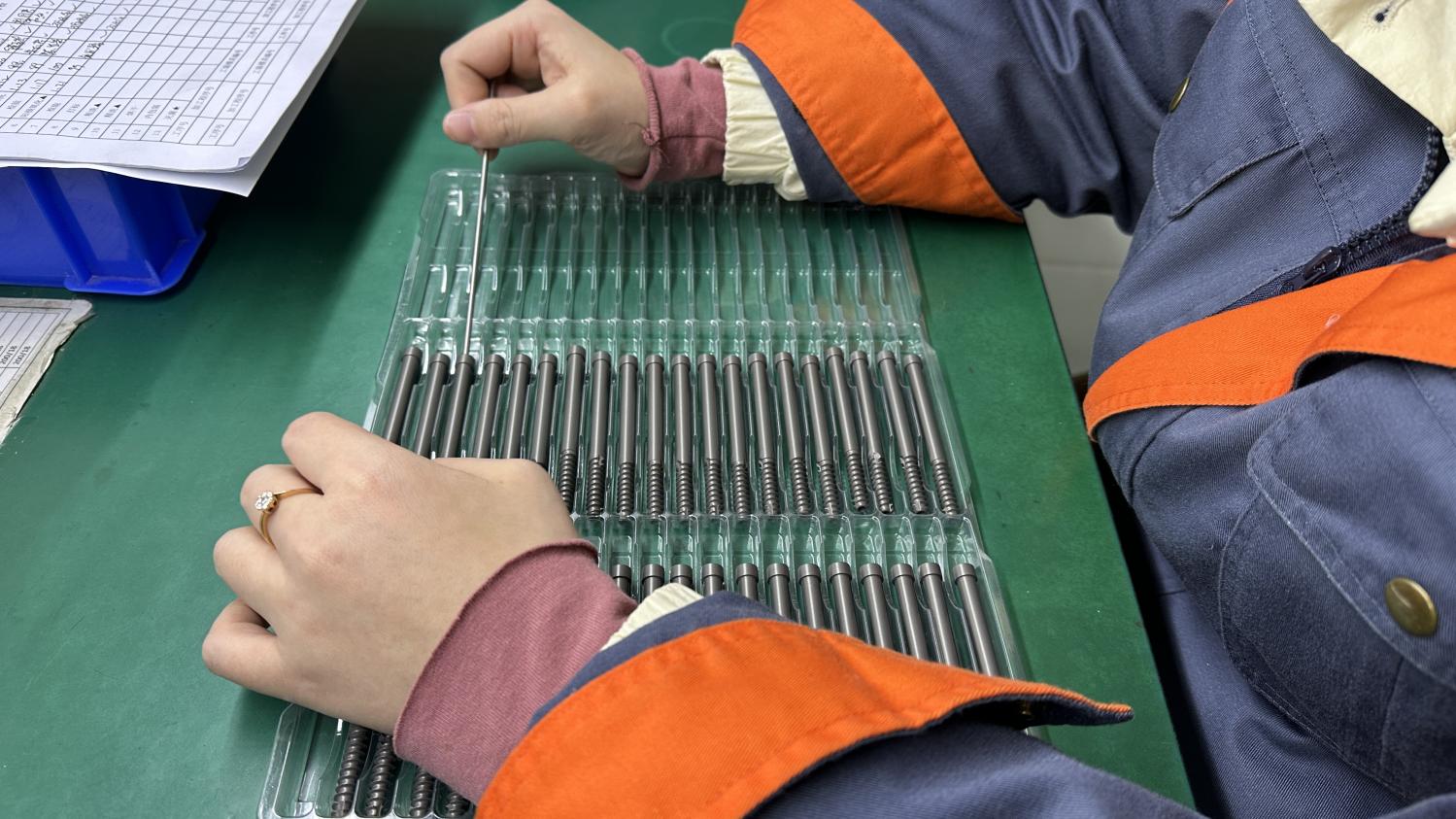
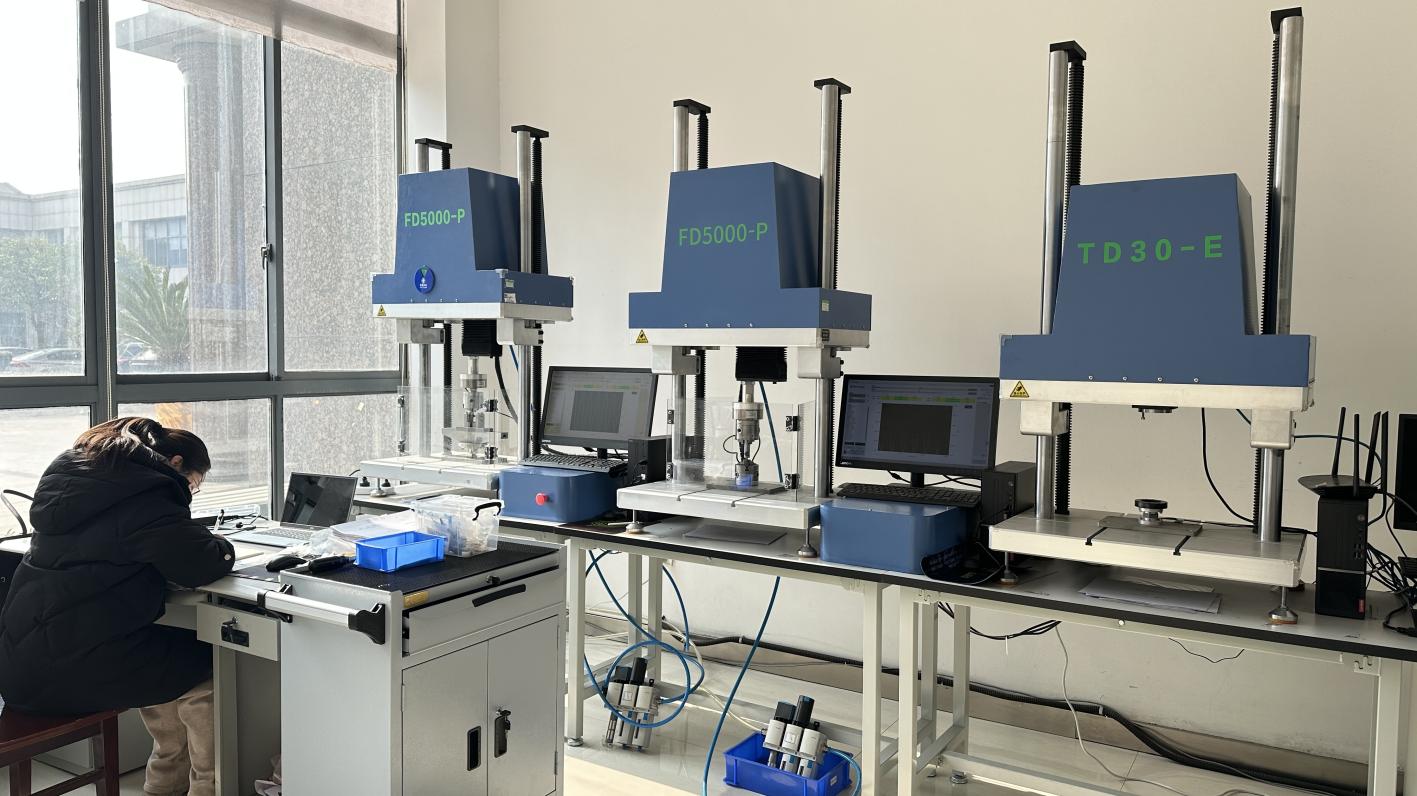
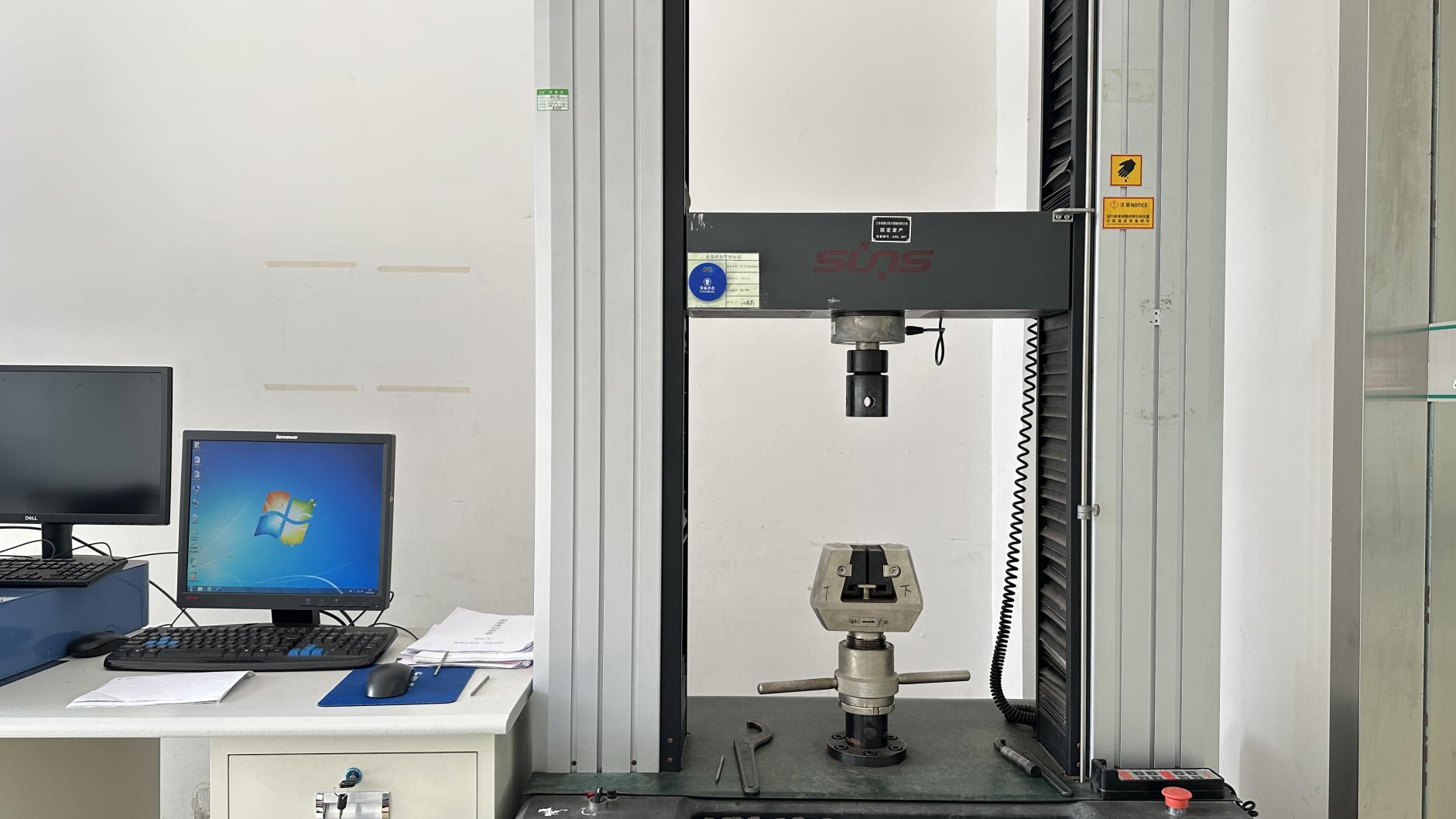
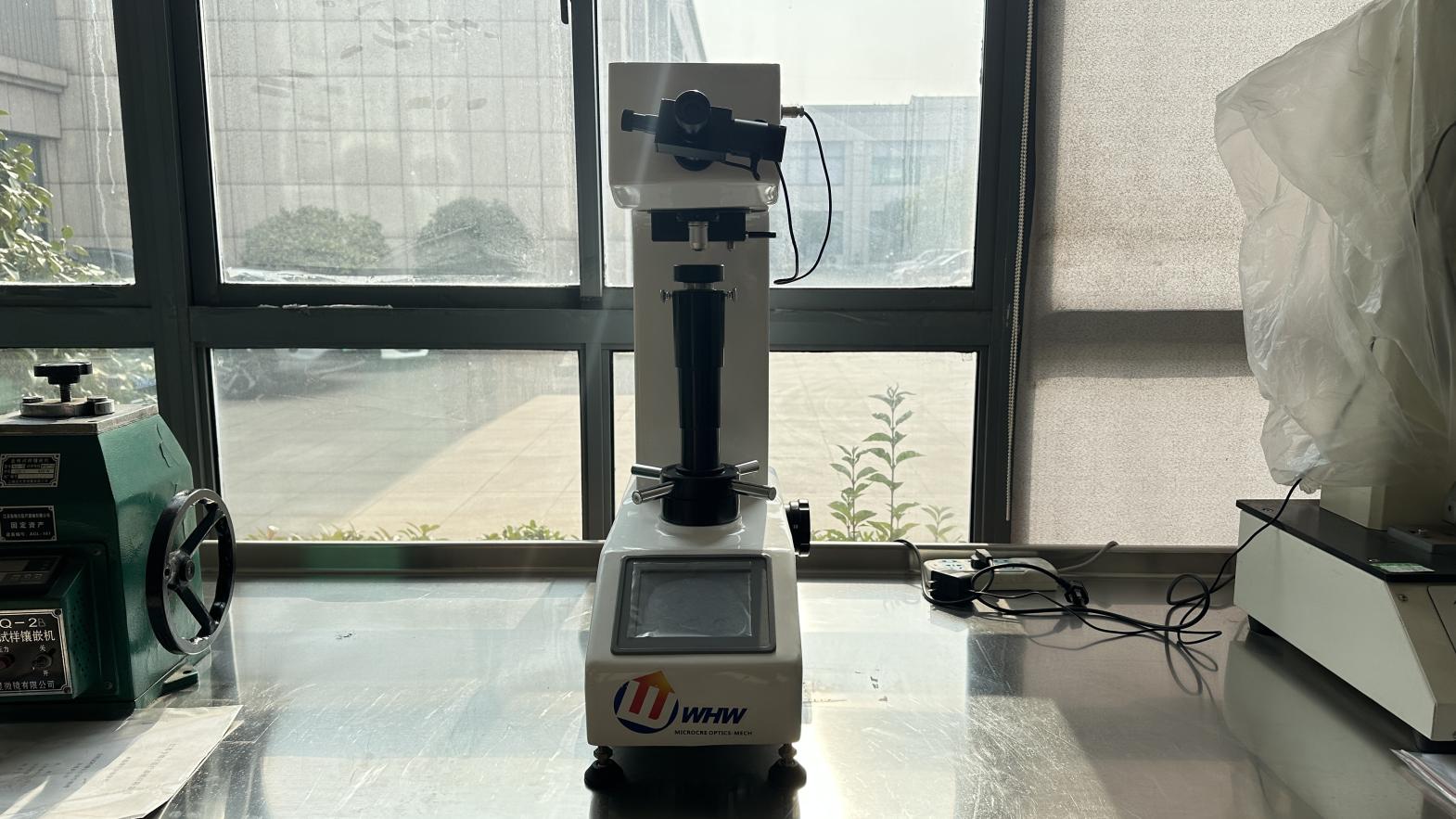
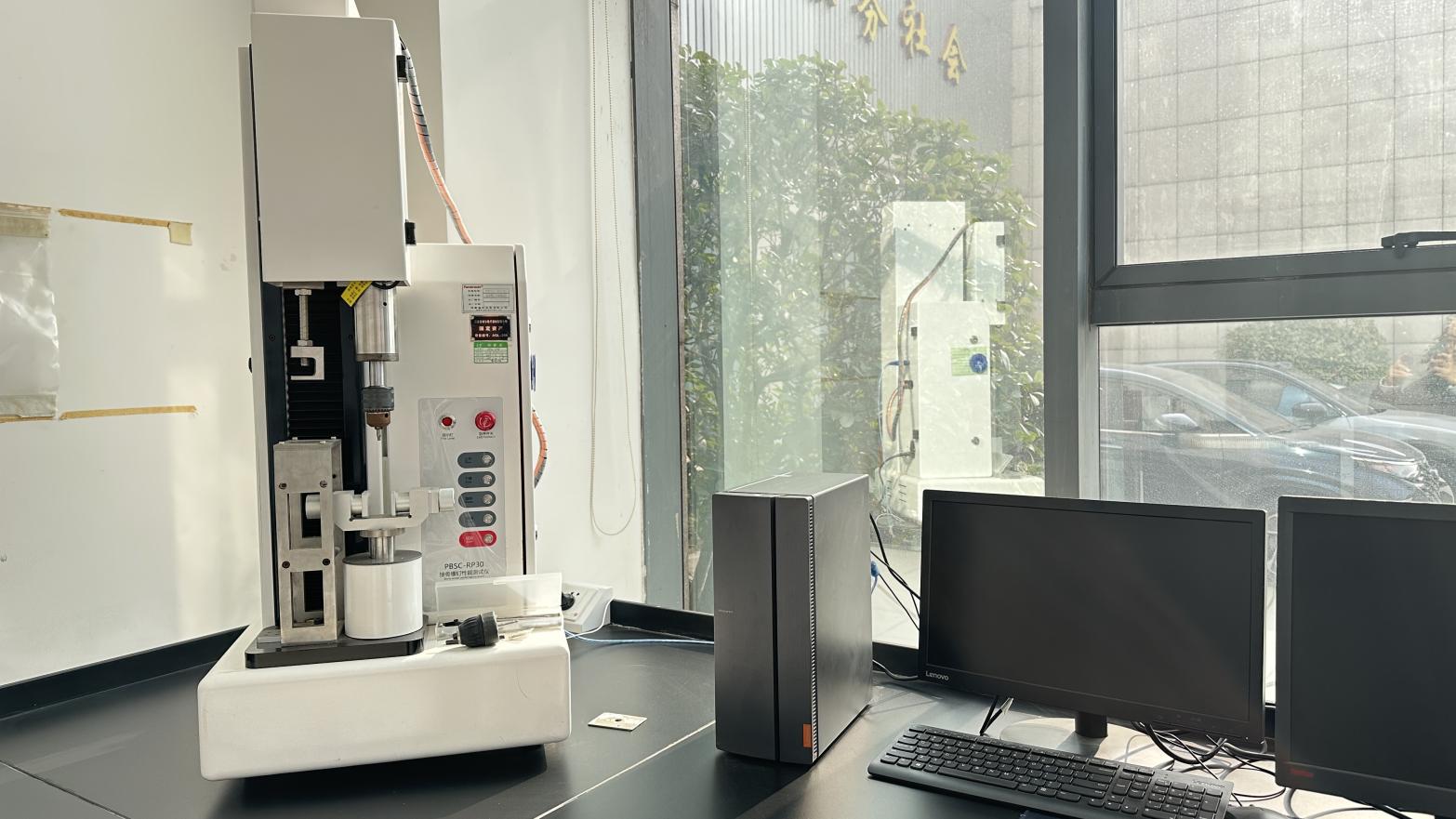
In-house fatigue, tensile, hardness, and bone screw pull-out test suites validating every manufacturing batch.
A technical whitepaper examining the structural integrity, biomechanics, and clinical indications of monoaxial spinal fixation systems.
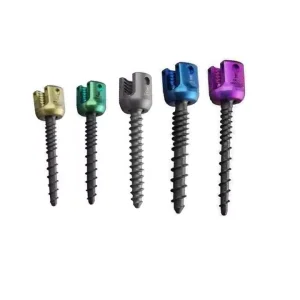
Unlike polyaxial screws that incorporate a multi-directional swivel joint head, monoaxial pedicle screws feature a solid, single-body configuration where the screw shaft is rigidly fused to the head. This construction offers superior mechanical rigidity and higher shear force capacity, eliminating potential mechanical point-of-failures inherent in complex multi-part components. The resulting construct delivers unmatched axial stability, crucial for severe spinal trauma and deformity corrections.
In complex spinal pathology correction—such as adolescent idiopathic scoliosis (AIS), severe kyphosis, and post-traumatic subluxation—surgeons require maximum corrective force application to rotate and translate the vertebral column. Monoaxial pedicle screws facilitate direct, high-torque vertebral rotation (DVR). Since the head does not rotate independently, any corrective force applied to the spinal rods translates directly to the vertebral body, ensuring superior realignment outcomes compared to polyaxial configurations.
Our custom OEM design protocols utilize finite element analysis (FEA) to balance screw rigidity and the biological elastic modulus of cortical bone. Through optimized thread pitches and tapered core geometries, Virelox monoaxial screws distribute mechanical stress evenly along the bone-screw interface. This design prevents localized bone resorption, mitigates the risk of screw pull-out, and reduces stress shielding, fostering a more favorable biological environment for spinal arthrodesis.
Addressing supply chain constraints, quality-control thresholds, and commercial models for international medical device distributors.
The contemporary global market for orthopedic implants demands a rigorous synthesis of production agility and compliance reliability. Industrial sourcing has evolved beyond cost-per-unit metrics; today, it emphasizes absolute material transparency and regulatory clearance. Fluctuations in raw titanium supply lines (specifically medical-grade Ti-6Al-4V ELI) require orthopedic manufacturers to maintain resilient supply networks.
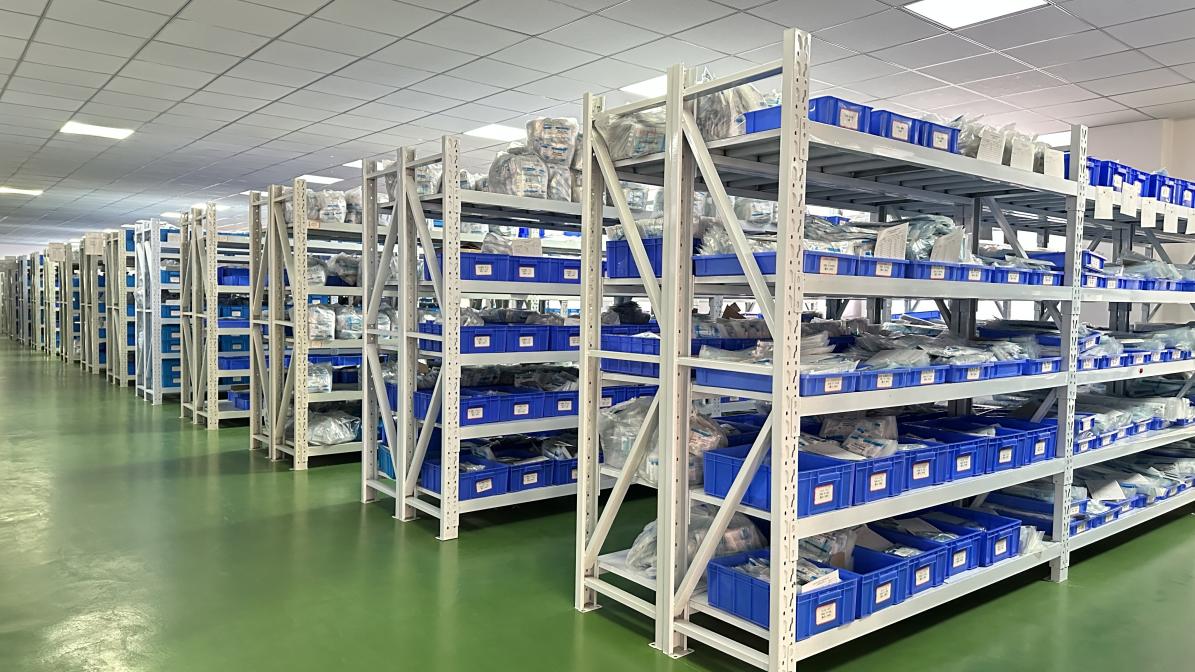
Virelox addresses these global commercial pain points by keeping safety-stock inventories of certified titanium raw materials, assuring uninterrupted production schedules. With 850 certified upstream and downstream partners, we eliminate the supply bottlenecks common to smaller precision machine shops. This supply chain security translates directly to predictable lead times and reliable global logistics for international distributors and hospital networks.
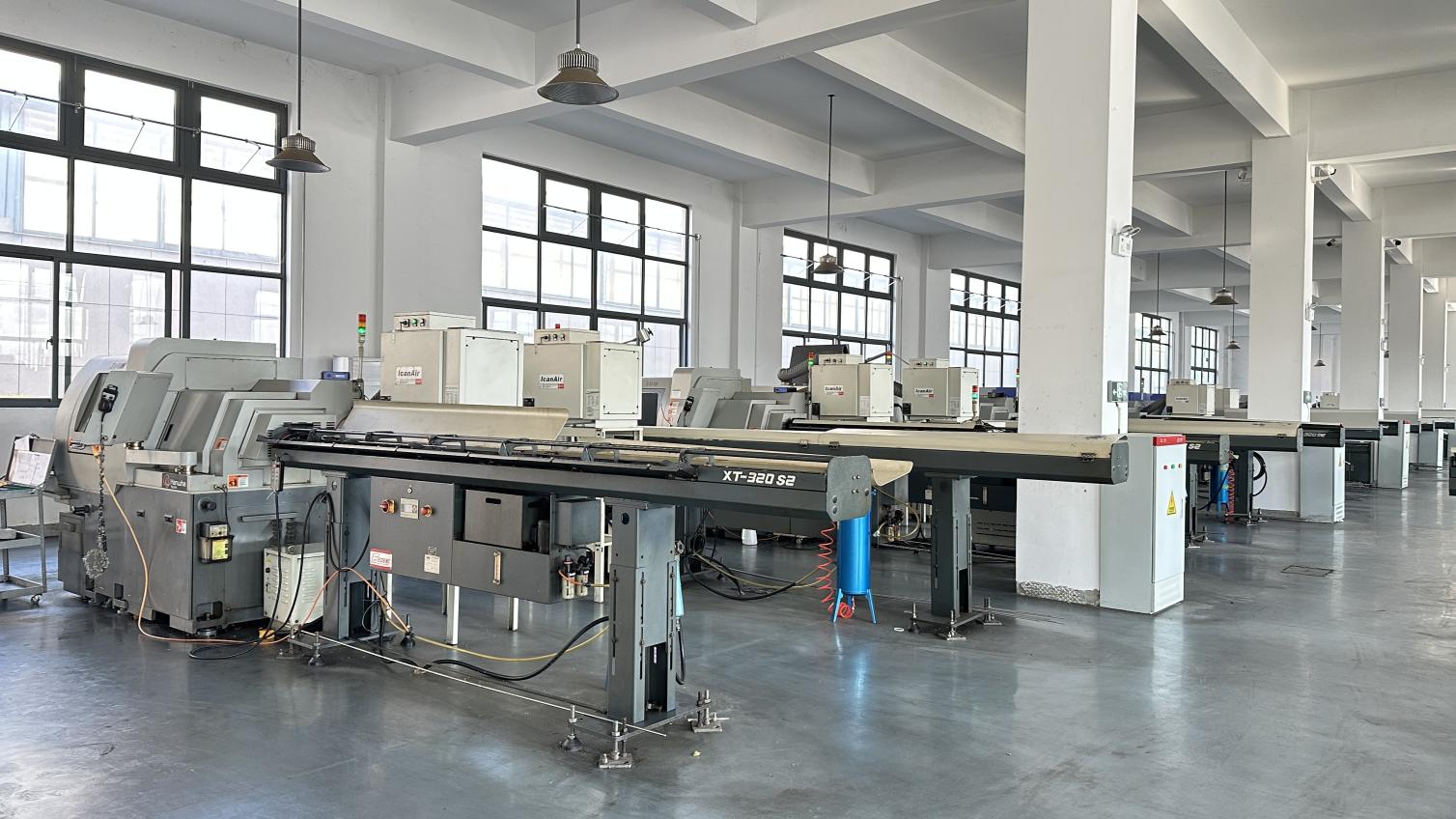
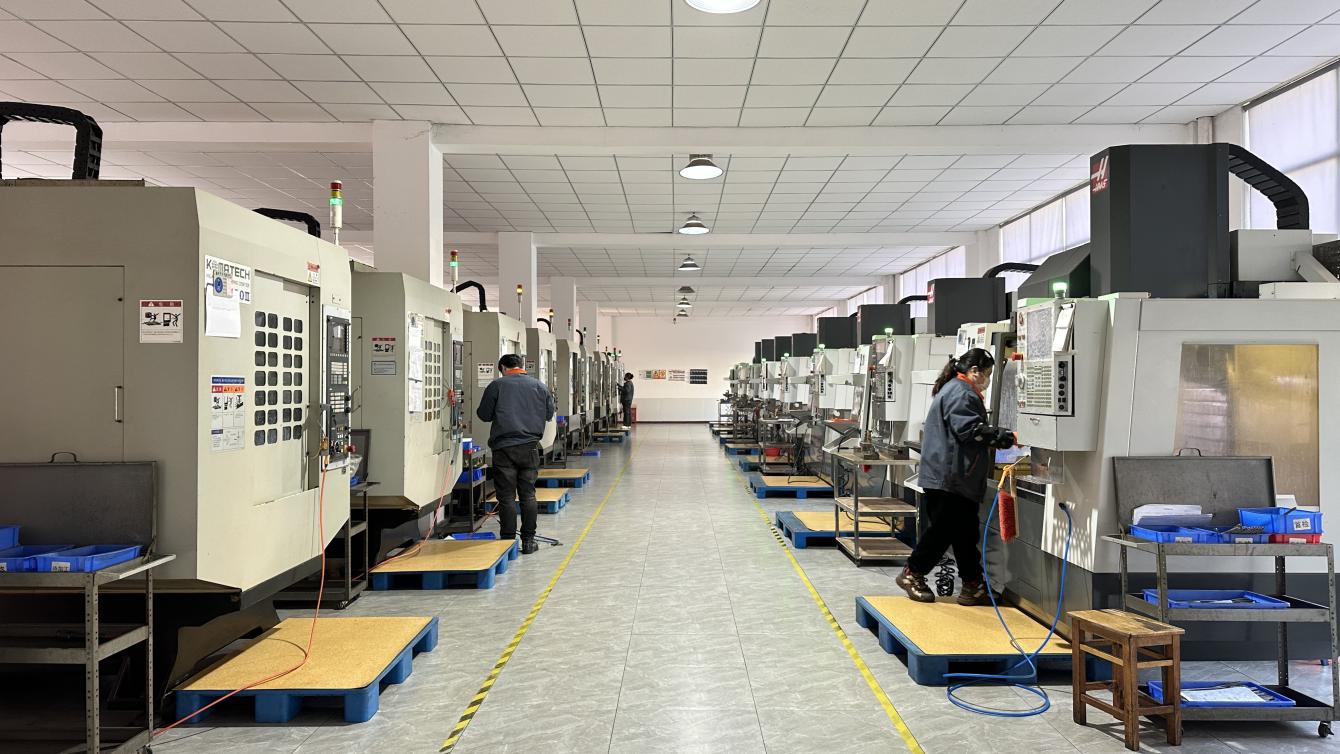
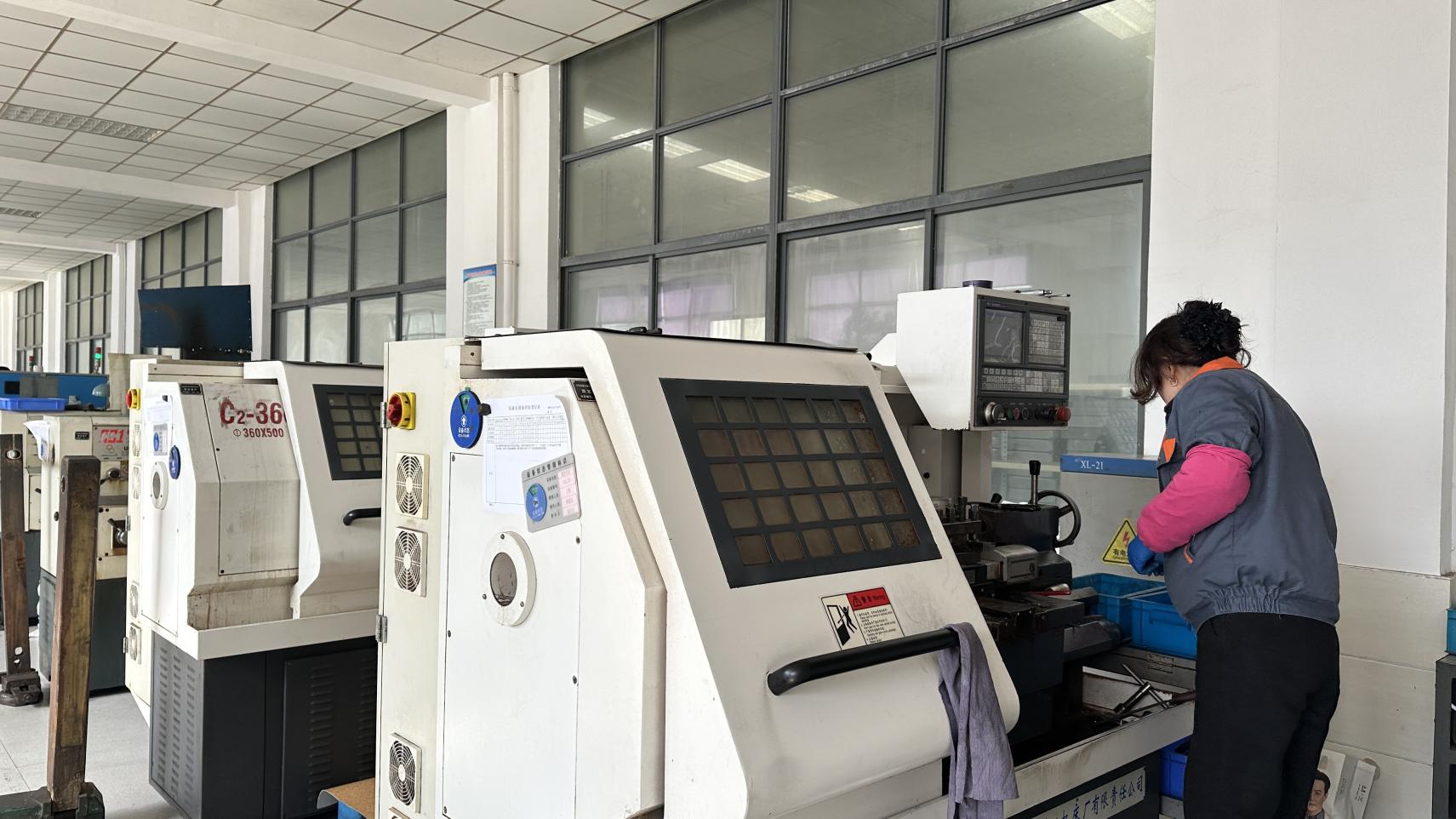
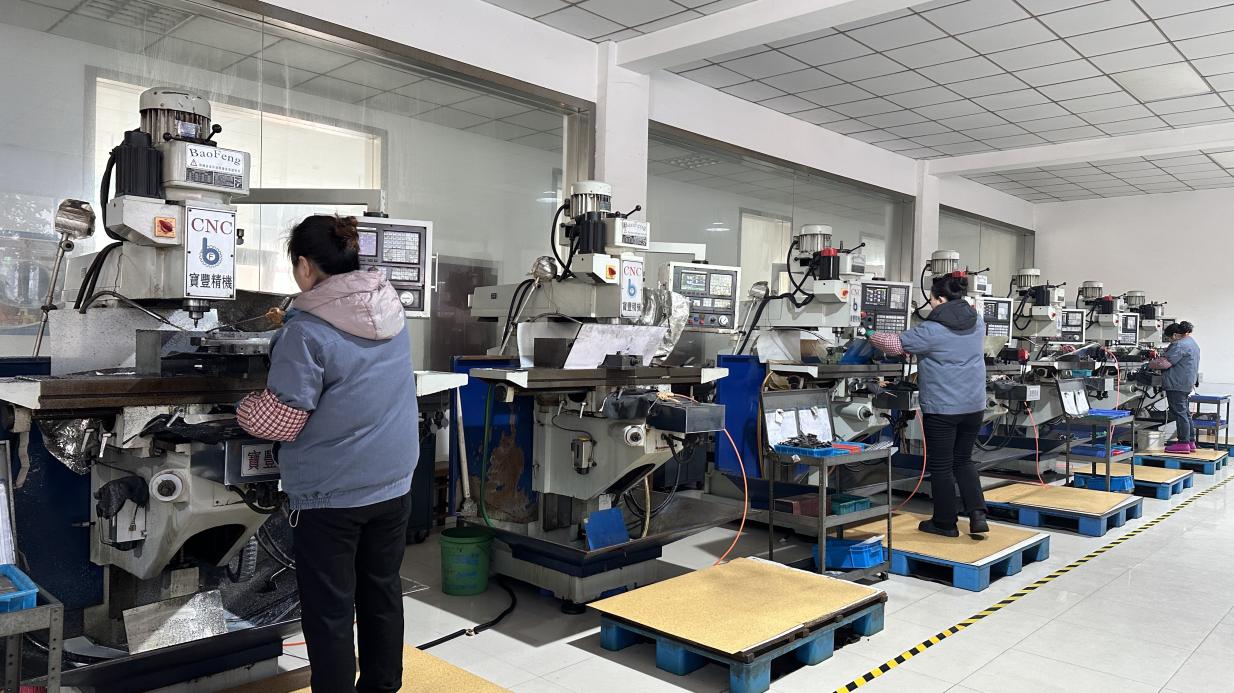
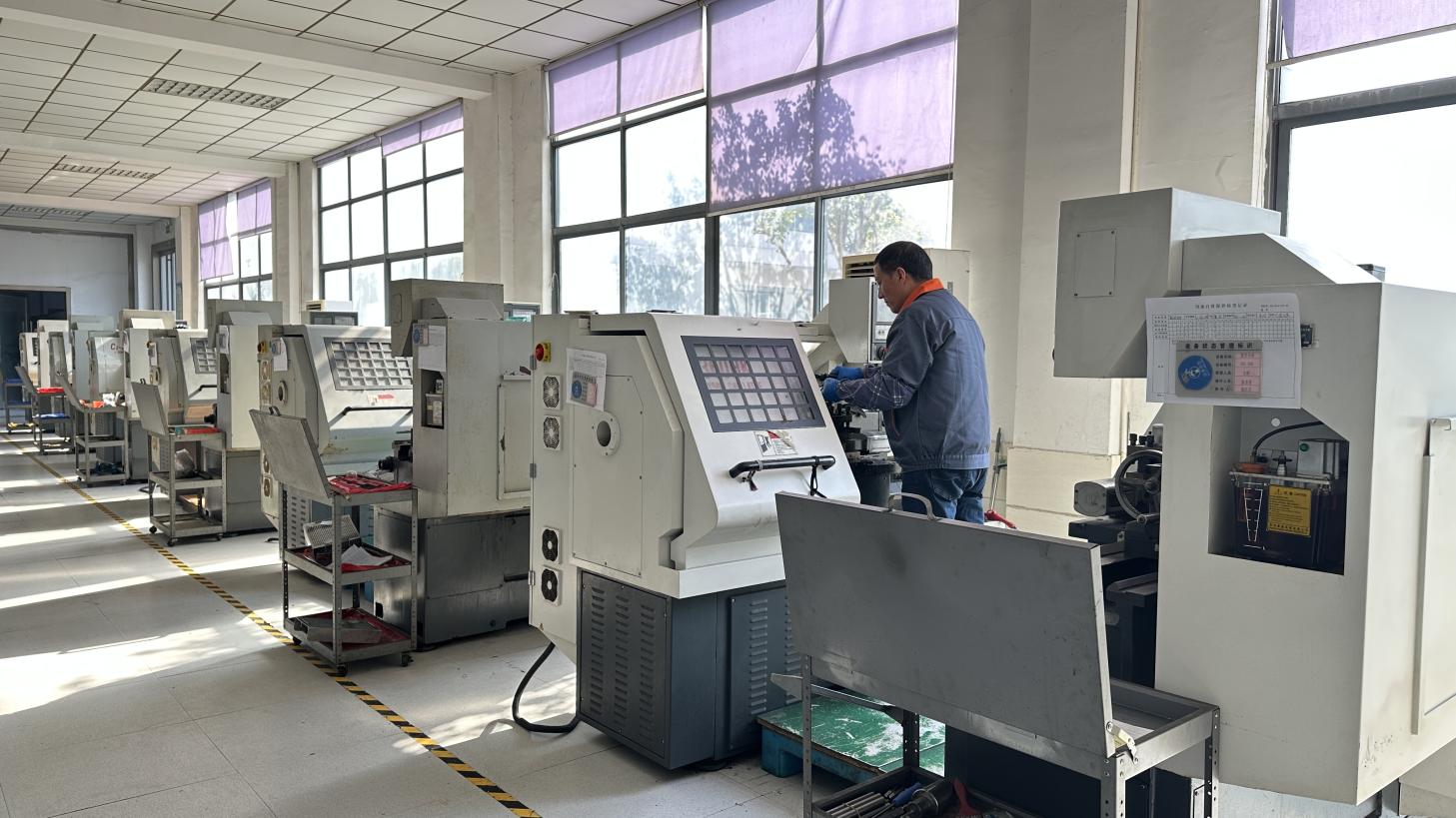
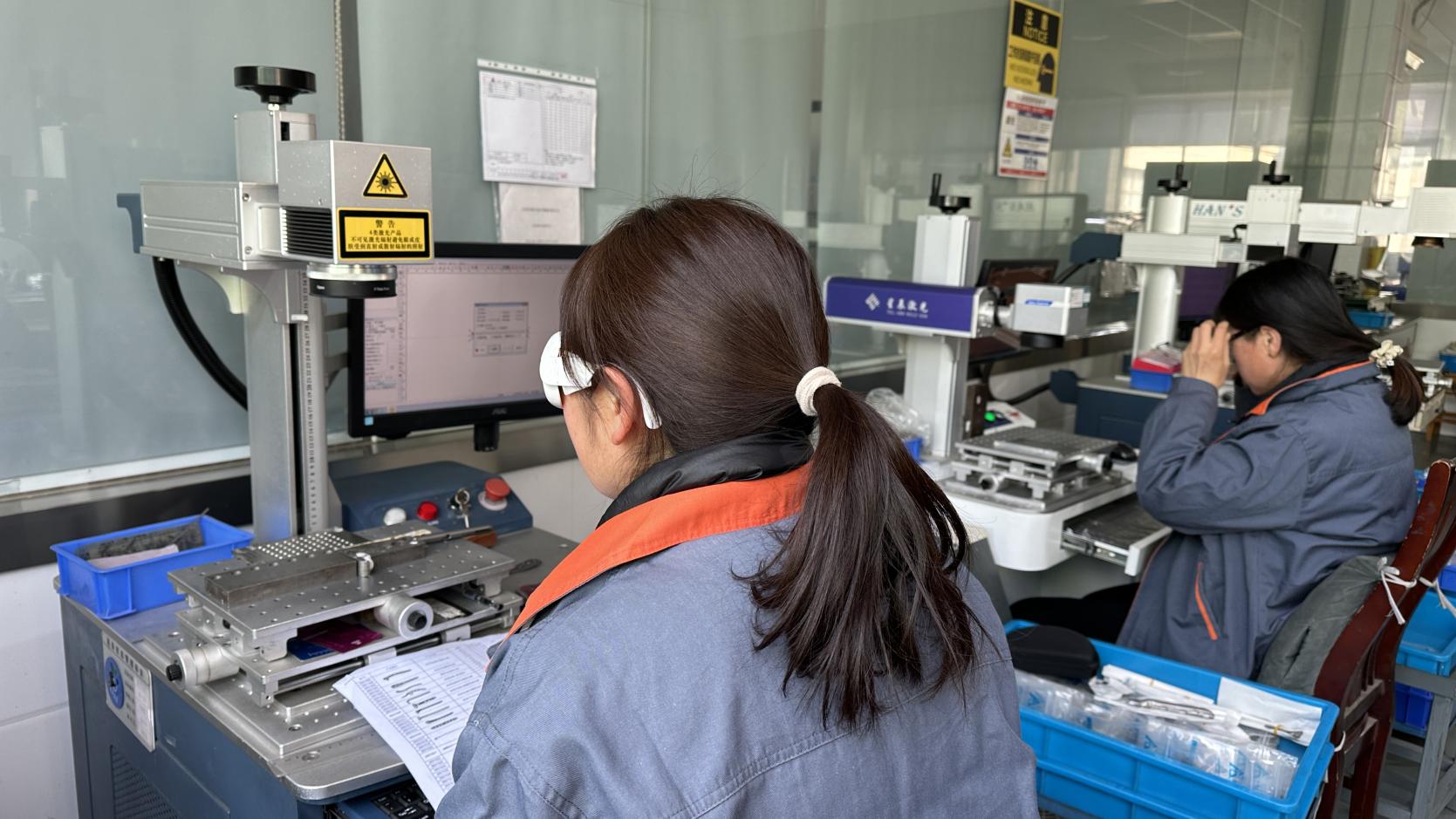
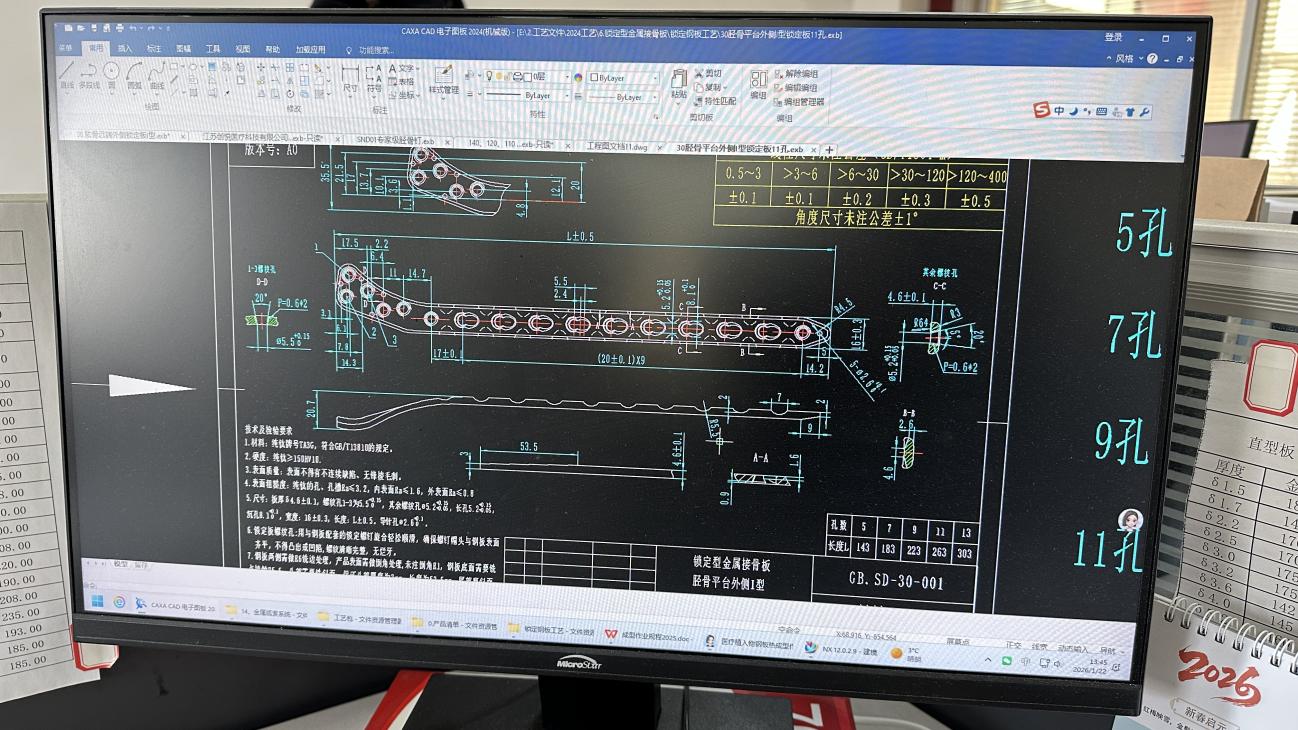
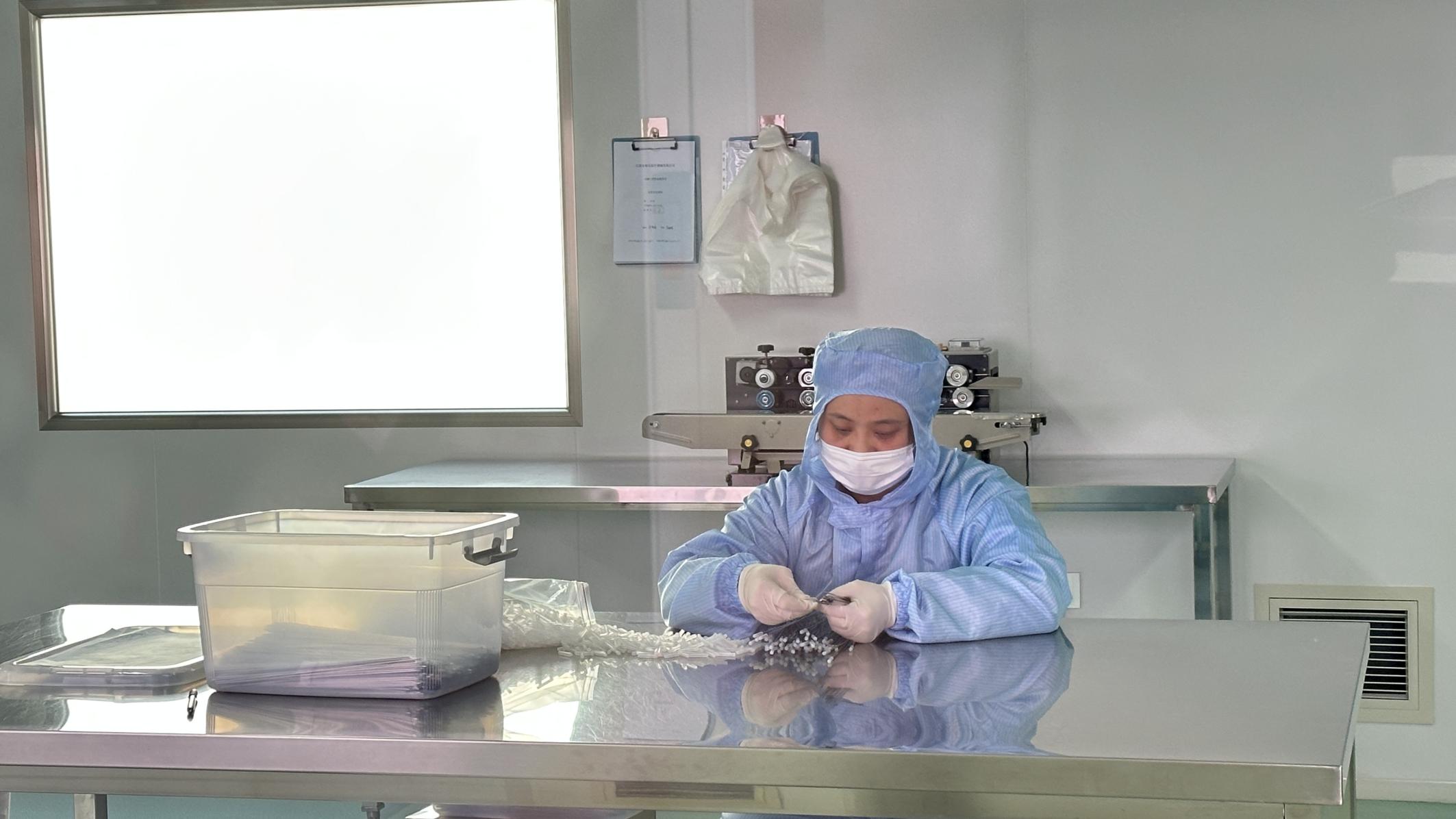
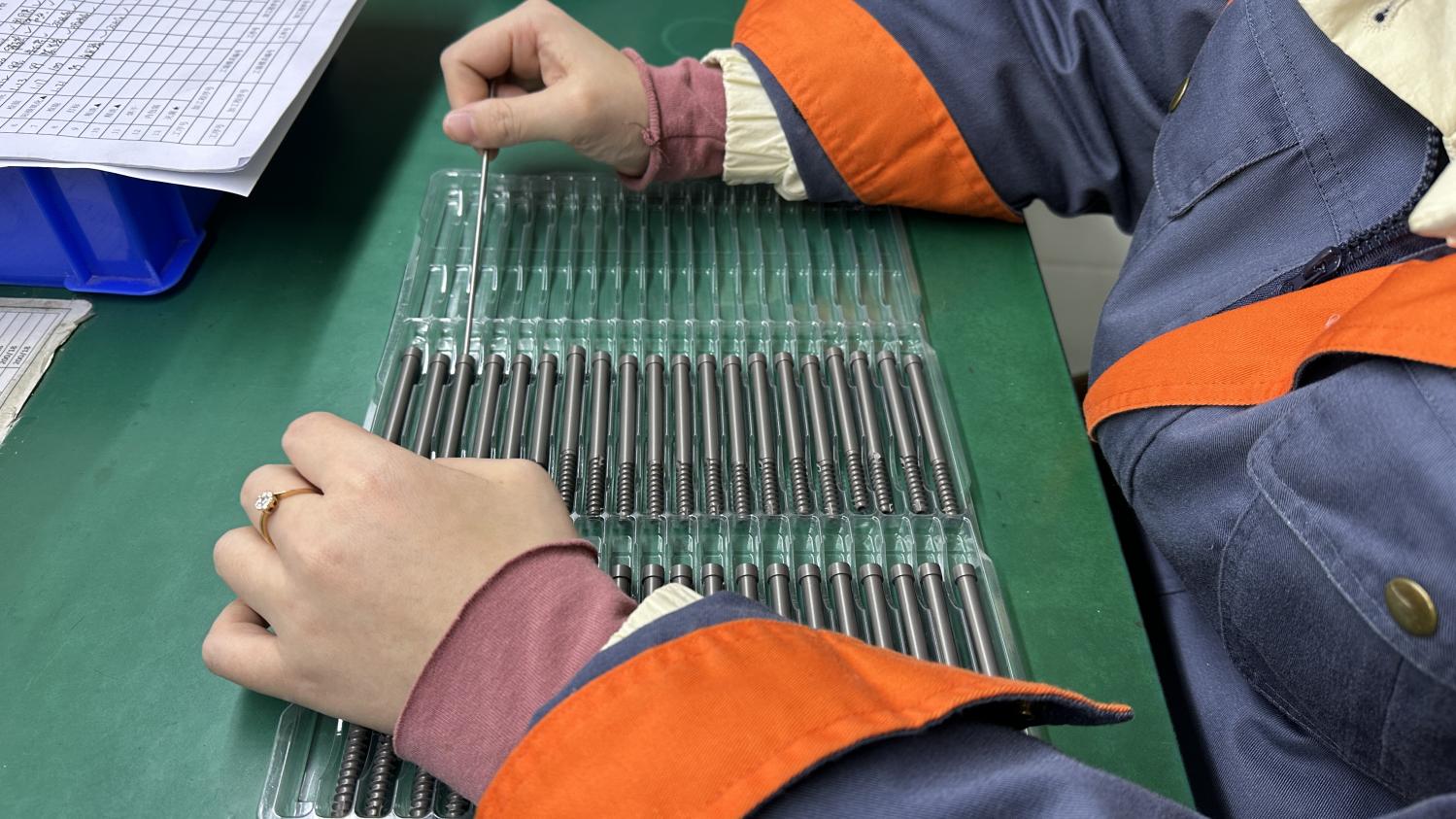
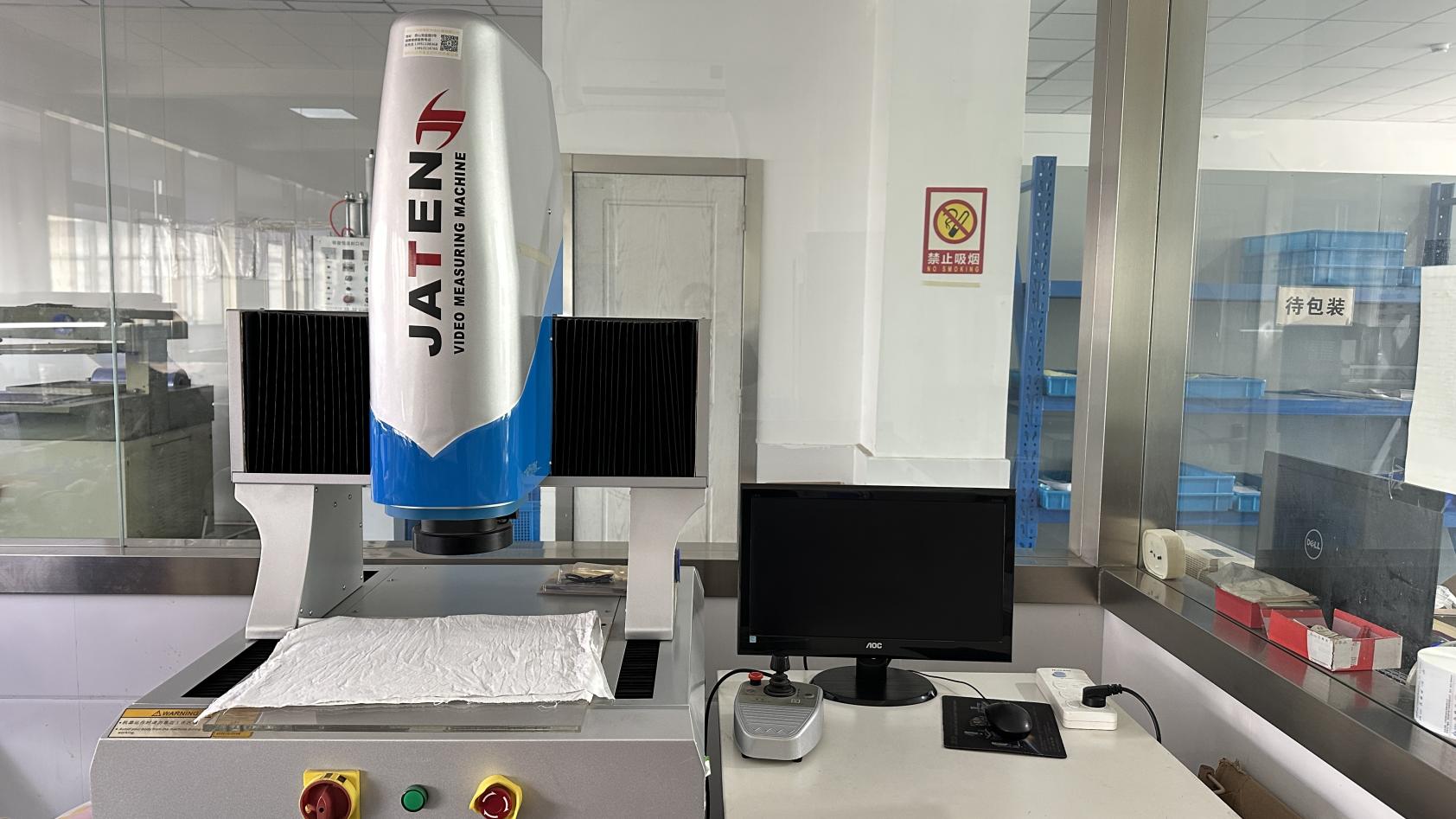
A step-by-step review of our mechanical engineering, Swiss-style milling, laser-engraving, cleanroom assembly, and validation laboratories.
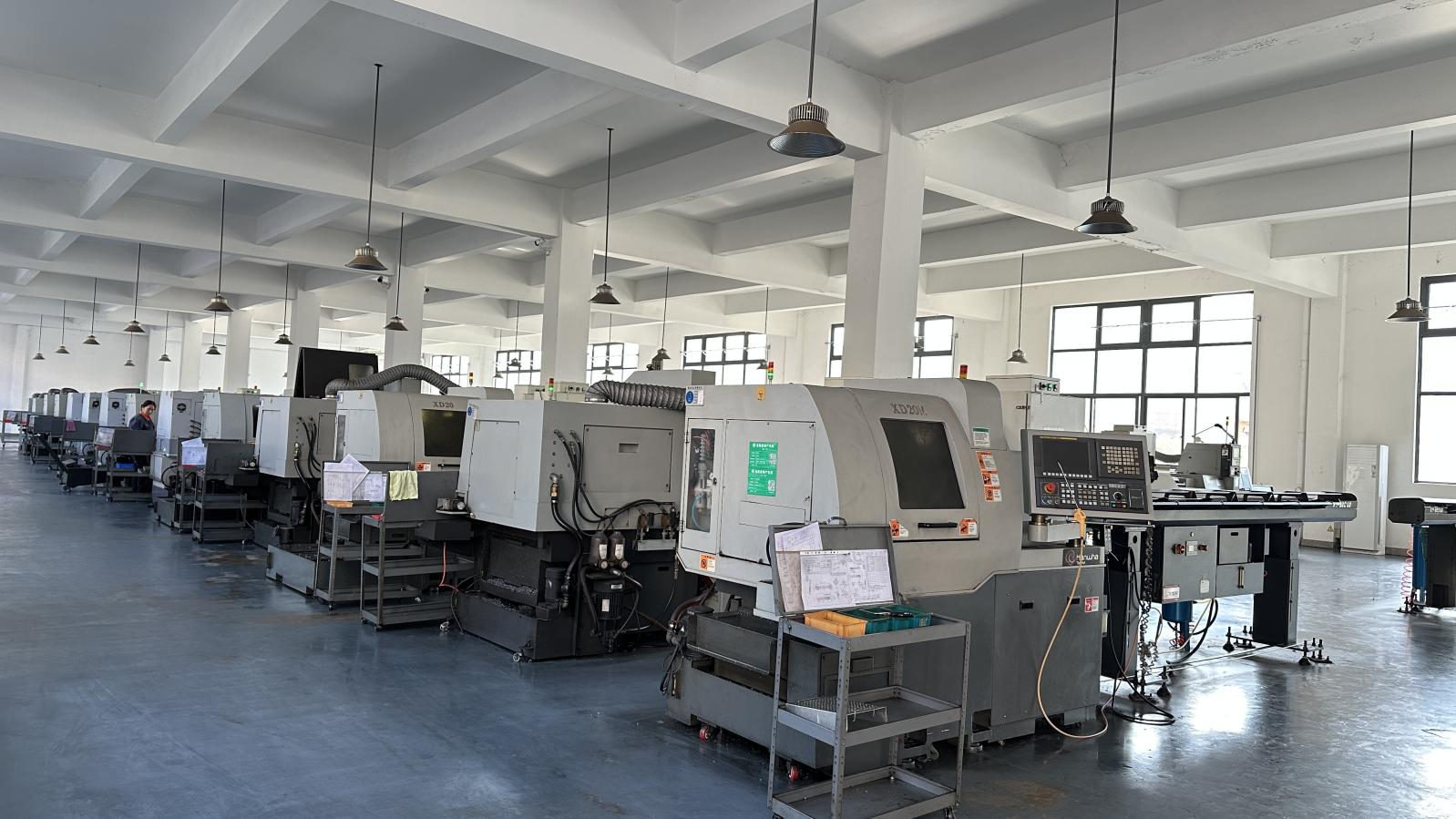
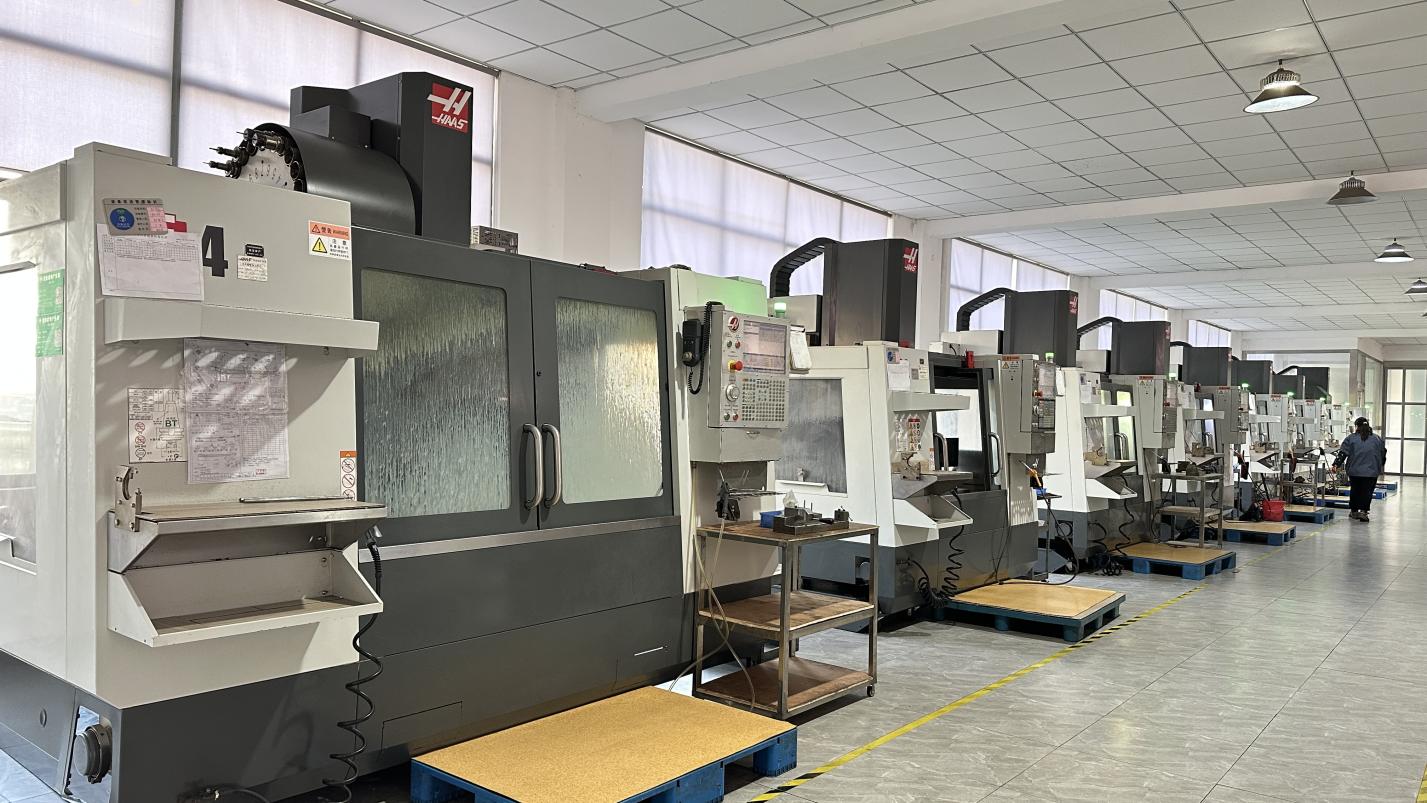
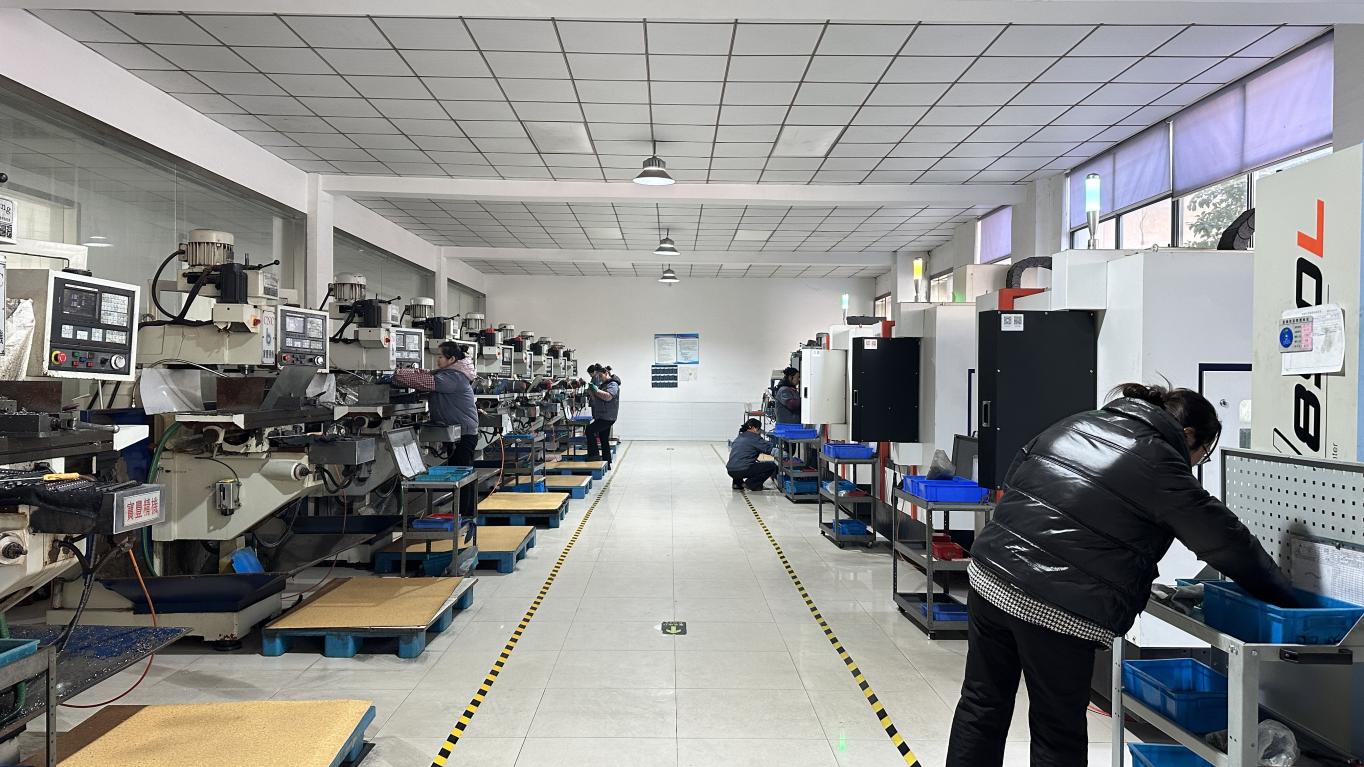
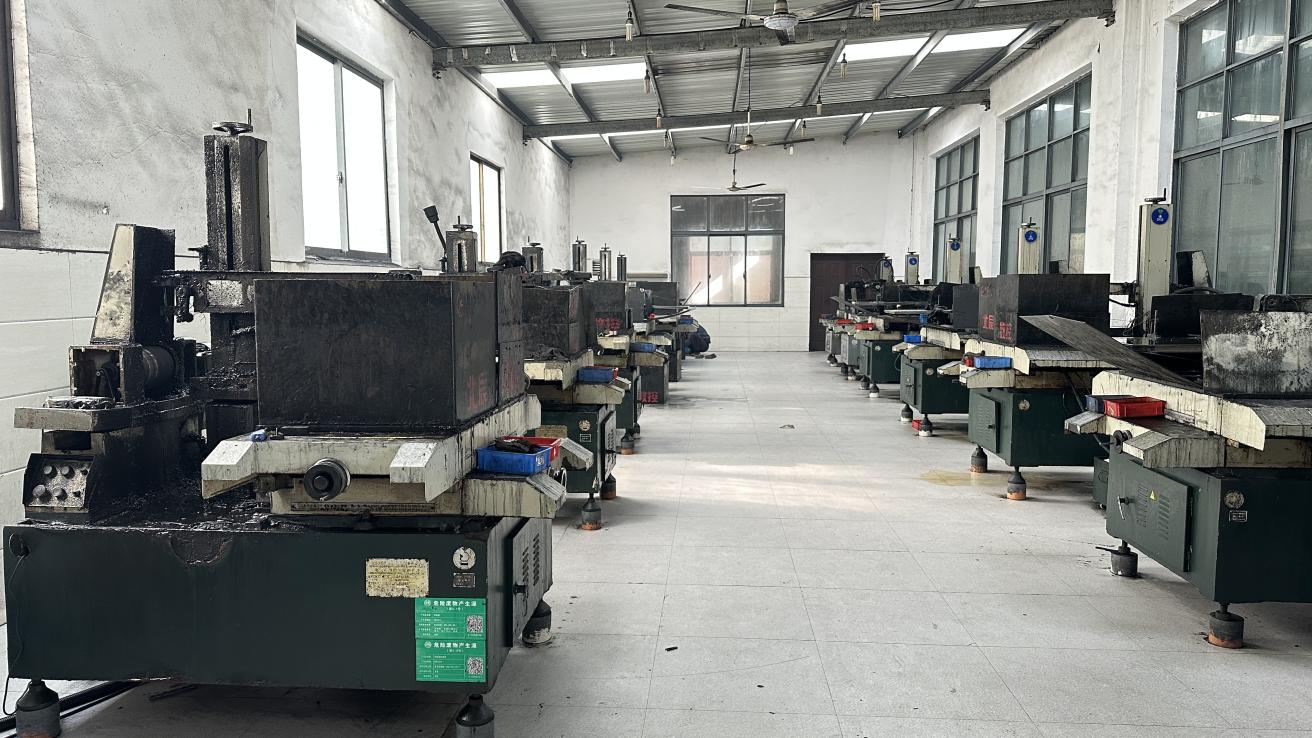

How surgical specialties utilize Virelox monoaxial screw configurations in trauma, degenerative, and deformity reconstruction procedures.
In severe thoracolumbar fracture-dislocations and unstable burst fractures (three-column spine injuries), restoration of mechanical stability is critical. Surgeons rely on the rigid core of the monoaxial pedicle screw to achieve immediate sagittal and coronal stabilization, preventing post-traumatic kyphotic collapse during early mobilization.
During correction of multi-planar spinal deformities, the rigid monoaxial screw behaves as a lever arm. When the surgical rod is reduced into the screw channel, it exerts a direct rotation force on the vertebral body. This mechanical action enables correction of vertebral rotation, restoring physiologic alignment of the thoracic cage.
Osteoporotic bone presents severe challenges for screw purchase. Virelox designs custom, larger-diameter, dual-thread monoaxial screws optimized with bone cement ports. This design allows polymethylmethacrylate (PMMA) fenestration directly through the screw core, drastically increasing pull-out strength in fragile bone beds.
For patients undergoing posterior lumbar interbody fusion (PLIF) or transforaminal lumbar interbody fusion (TLIF), structural rigidity at the treated segments is mandatory. Rigid monoaxial instrumentation controls segmental micro-motion, protecting the interbody bone graft or cage and optimizing fusion rates.
Virelox's forward-looking design initiatives integration bio-interactive coatings and advanced additive manufacturing methodologies.
Deploying advanced electrochemical deposition to apply sub-micron Hydroxyapatite (HA) and Titanium-Nitride (TiN) coatings on the screw thread matrix. This process accelerates osseointegration, reducing the time required for stable mechanical fixation from months to weeks.
Combining subtractive Swiss lathe turning for the high-torque head with additive electron-beam melting (EBM) for the screw thread. The resulting porous titanium mimic the structure of cancellous bone, encouraging direct bone inward growth.
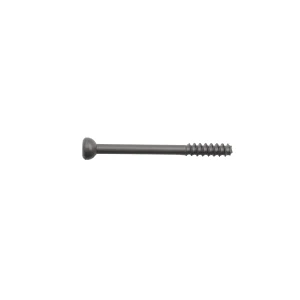
R&D investigation into piezo-resistive strain gauges integrated within the cannulated screw core. These micro-sensors monitor spinal loads in real time, alerting clinical teams to instrumentation failure, screw loosening, or incomplete bone fusion.
Comprehensive answers to common manufacturing, regulatory, and engineering questions regarding Virelox spinal implant systems.
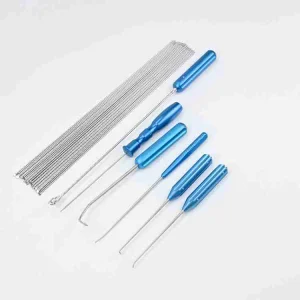
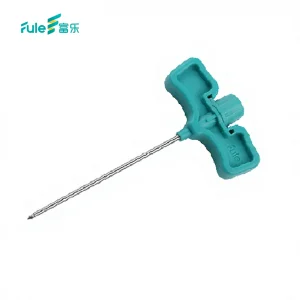
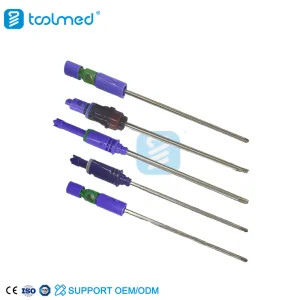
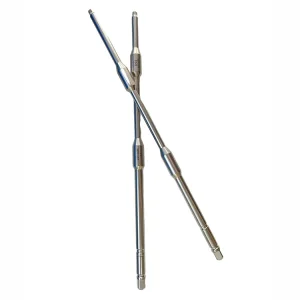
Explore our secondary selection of specialized arthroscopy components, joint reconstruction components, and spinal correction instruments.
 Virelox