Precision manufactured instrumentation and implant solutions engineered for advanced arthroscopy, joint reconstruction, and trauma care.
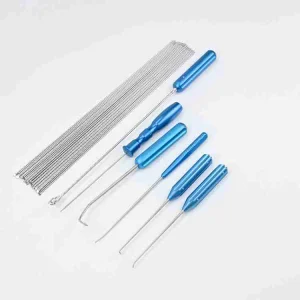
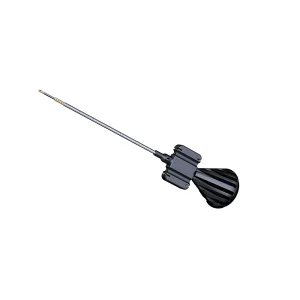
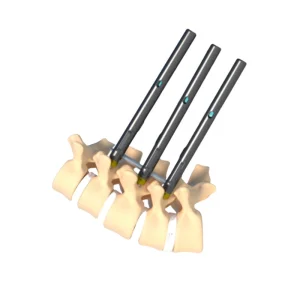
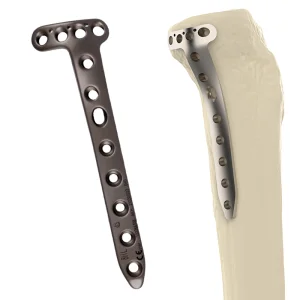
In the rapidly evolving landscape of orthopedic surgery, anterior cruciate ligament (ACL) reconstruction stands as one of the most frequently performed sports medicine interventions globally. Clinicians and device brands face mounting pressure to deliver fixation systems that offer maximum initial graft stability, optimized biological healing, and minimal complication rates. Within this macro paradigm, the interference screw remains a foundational technology. The fixation of soft-tissue or bone-patellar tendon-bone (BTB) grafts in both femoral and tibial tunnels demands exact geometry, torque resistance, and biocompatibility.
For global orthopedic manufacturers and brand owners, sourcing high-reliability OEM interference screws requires navigating strict clinical challenges: preventing graft laceration during insertion, managing biodegradation curves in bioabsorbable polymer blends, and avoiding screw slippage under rapid rehabilitation protocols. The industrial shift toward patient-centric, minimally invasive surgery has elevated the need for specialized OEM configurations, forcing factories to align structural biomechanical dynamics with advanced material processing.
Virelox Medical Devices Co., Ltd. is a professional orthopedic medical device manufacturer specializing in joint replacement and surgical implant solutions. Operating under our flagship brand “Virelox”, we deliver clinical-grade orthopedic systems for global healthcare providers, distributors, and device brand innovators. Through persistent capital investment, lean manufacturing practices, and strict engineering protocols, we have built a manufacturing footprint tailored to high-mix, high-tolerance medical implants.
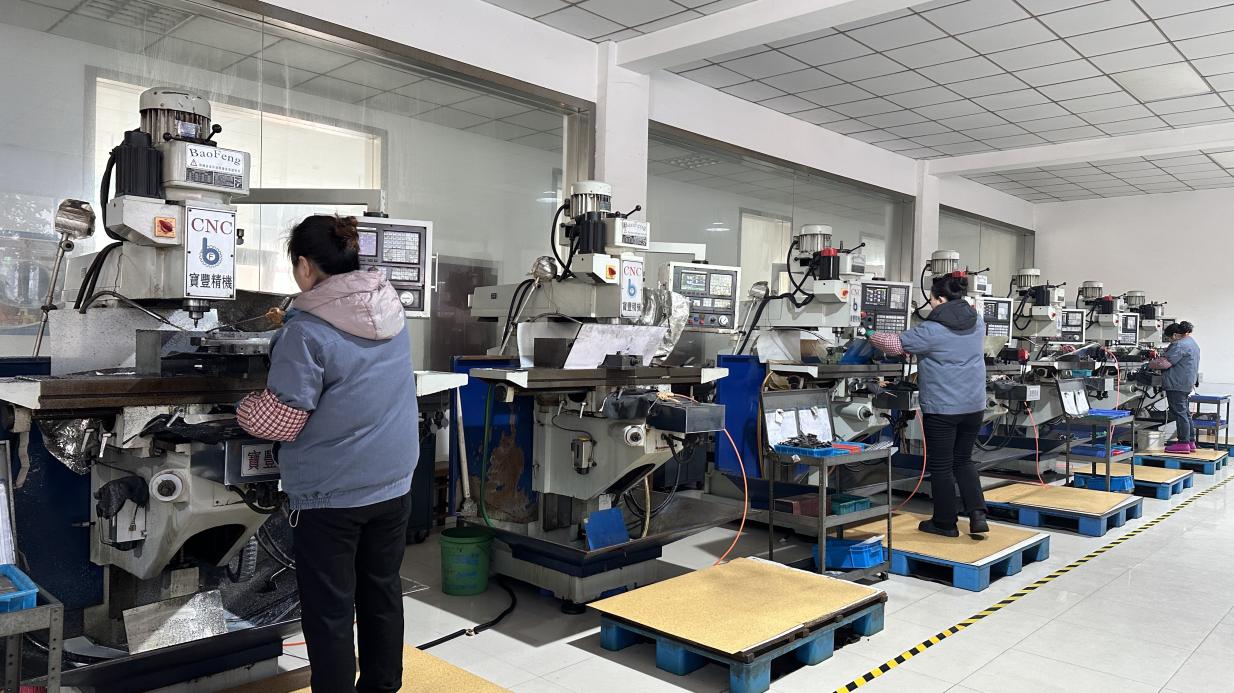
Our operations conform to ISO 13485. The full-process quality management system integrates rigorous controls starting from raw materials check, in-process CNC tolerances tracking, to final tensile and fatigue validation.
Our 120-engineer R&D center houses FEA biomechanical simulation, rapid prototyping, and CAD customization suites, facilitating the launch of 120+ novel orthopedic products annually.
Supported by 850 certified upstream raw material suppliers and downstream specialized partners, ensuring continuity, traceability, and material certificate verification for titanium and PEEK stocks.
Successful ACL reconstruction demands specific interaction between the bone tunnel wall, the graft, and the implant. Virelox engineers customize interference screws to minimize torque failure, prevent thread shearing, and support physiological load transfers. We offer variable material platforms to match clinical indications and regulatory pathways.
| Material Designation | Biomechanical Profile | Osteointegrative Rating | Key OEM Application Scenarios |
|---|---|---|---|
| Titanium Alloy (Ti-6Al-4V ELI / ASTM F136) | Ultra-high mechanical strength, high torsional yield, thin thread profiles. | Bio-inert; relies on macro-texturing for physical bone anchorage. | Revision surgeries, dense bone fixations, and cost-effective clinical markets. |
| PEEK-OPTIMA® (Polyetheretherketone) | Modulus matching cortical bone, radiolucent, zero artifacting in MRI scans. | Bio-inert; customizable with porous surfaces to enhance integration. | Premium sports medicine product lines requiring artifact-free post-op monitoring. |
| Bioabsorbable PLDLA + TCP/HA Blends | Rigid initial fixation; gradually degrades to leave native bone structure. | Highly active; osteoconductive ceramic particles promote bone replacement. | Modern pediatric and adult soft-tissue ACL reconstructions with minimal revision complexity. |
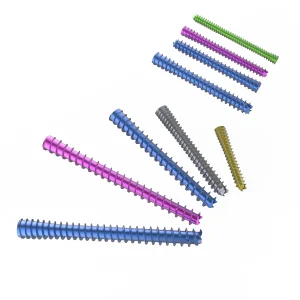
Our manufacturing options include blunt, dual-lead, and reverse-threaded configurations. Blunt threads are optimized for soft-tissue grafts (e.g., semitendinosus-gracilis) to prevent structural compromise. Aggressive pitches are applied for BTB grafts, ensuring fast purchase into cortical bone. Standard cannulated designs allow precise guidewire placement during arthroscopic procedures.
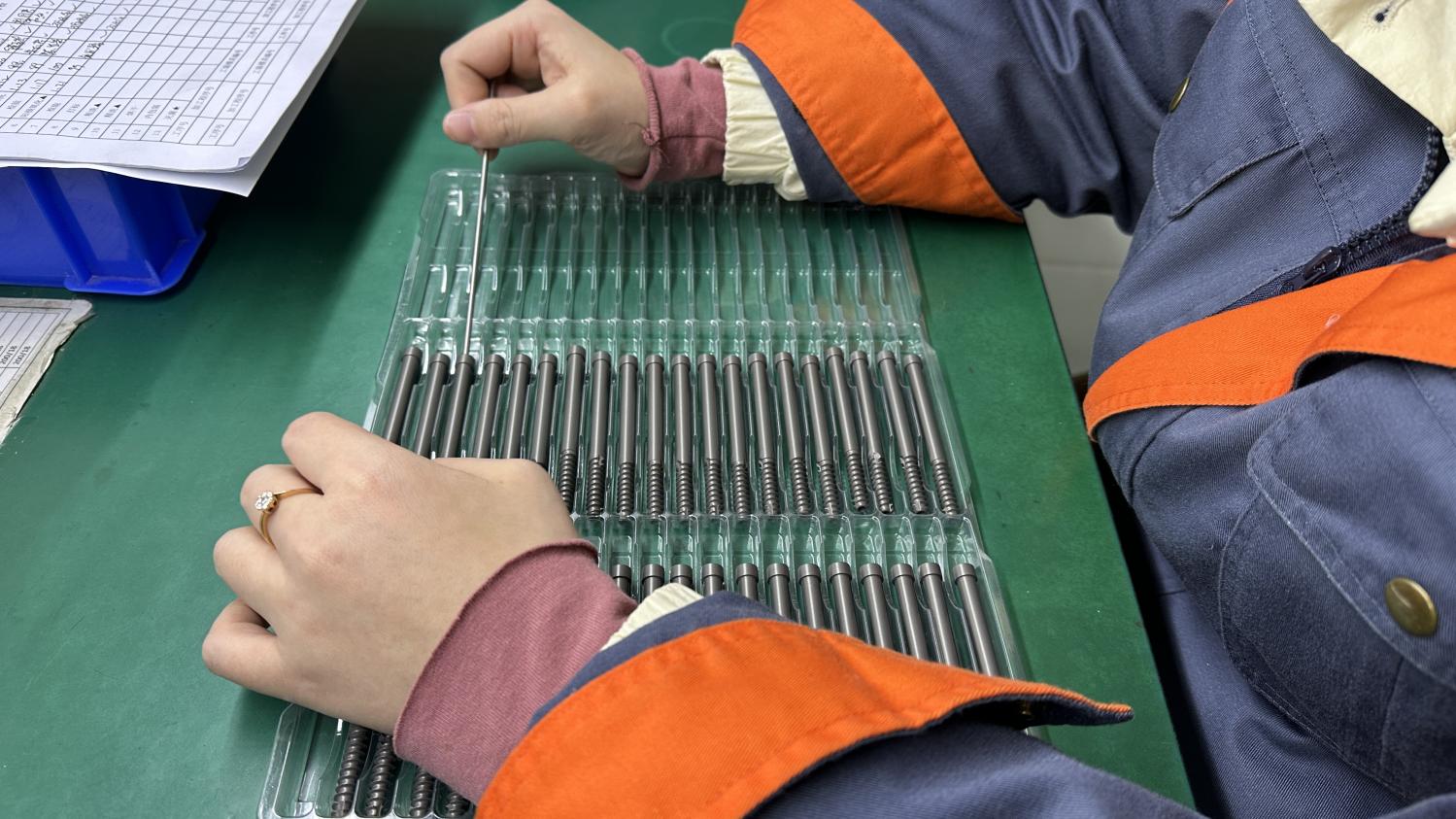
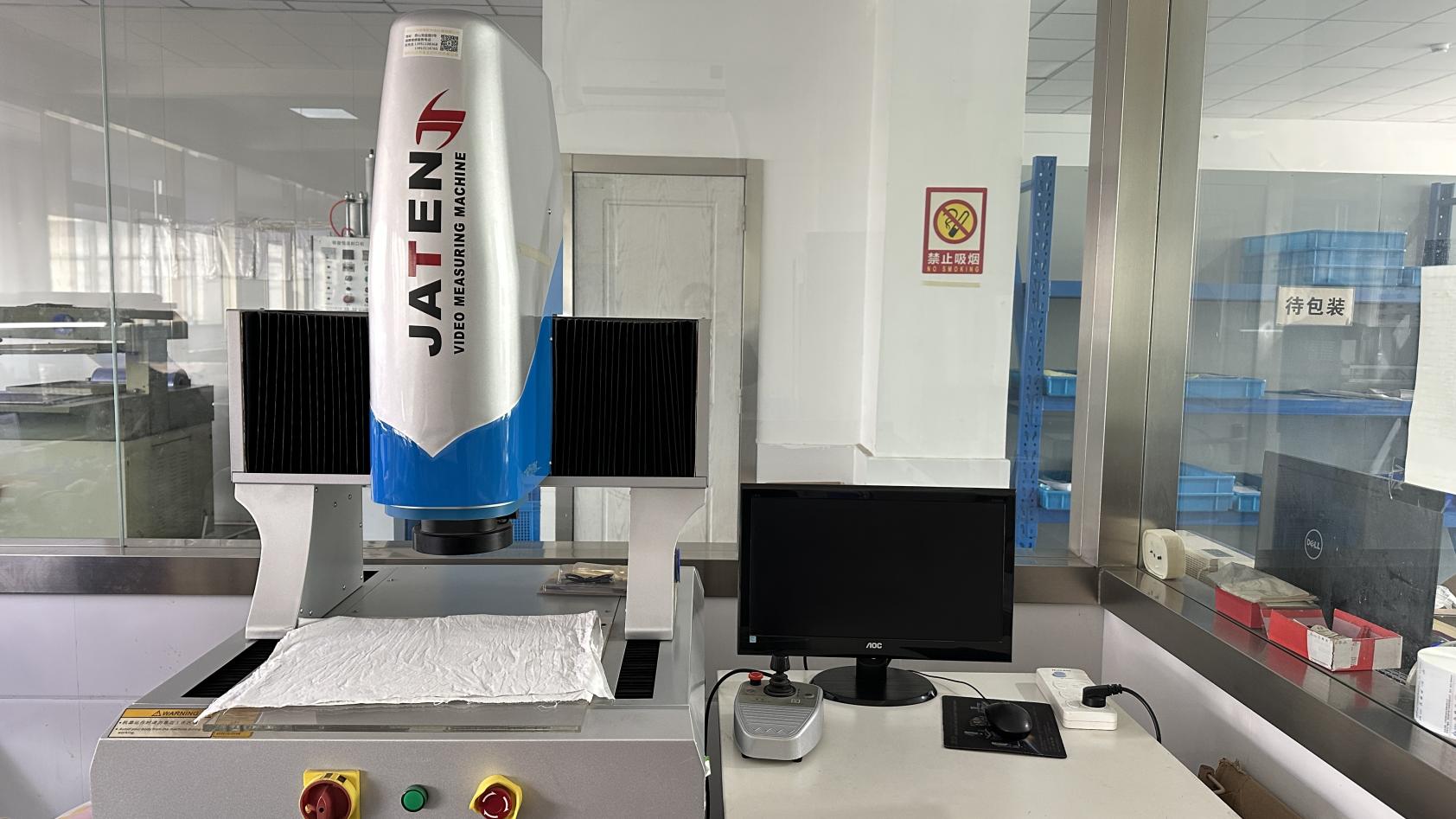
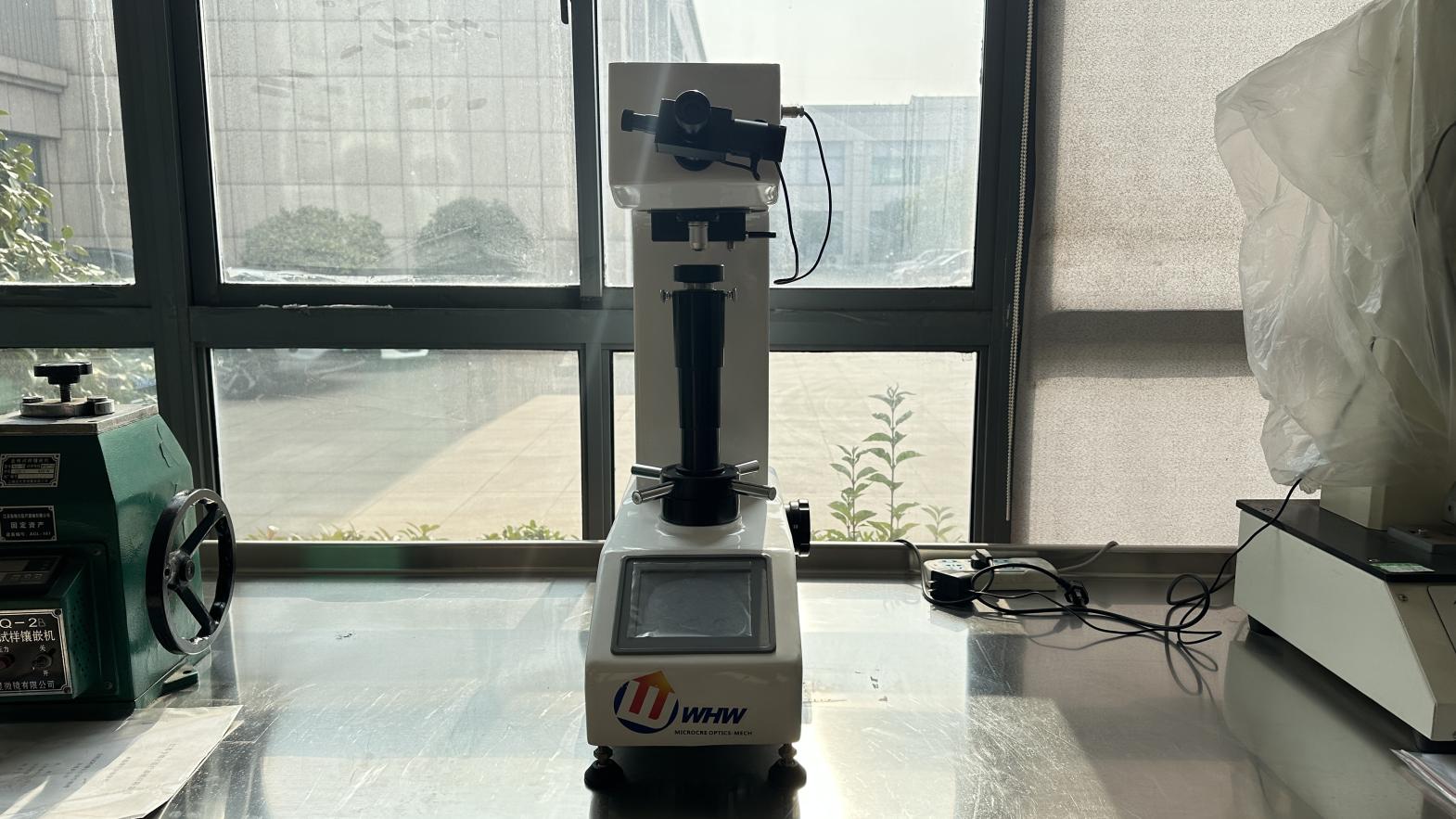
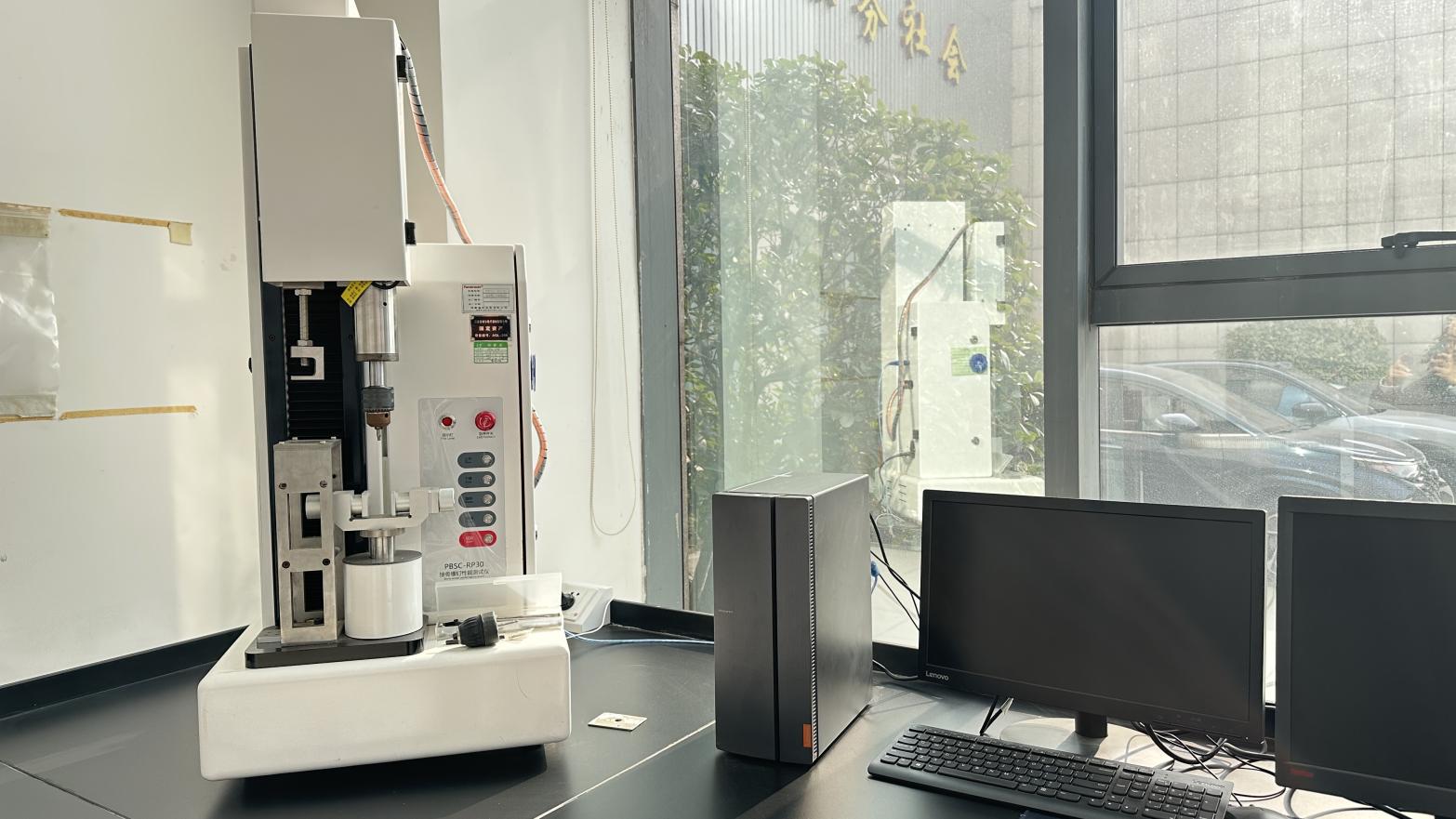
Each batch undergoes automated Coordinate Measuring Machine (CMM) testing to verify thread pitch accuracy, followed by simulated torsional testing. We verify peak torque limits to ensure the screws resist shearing when driven into hard bone blocks, keeping deformation rates far below industry standards.
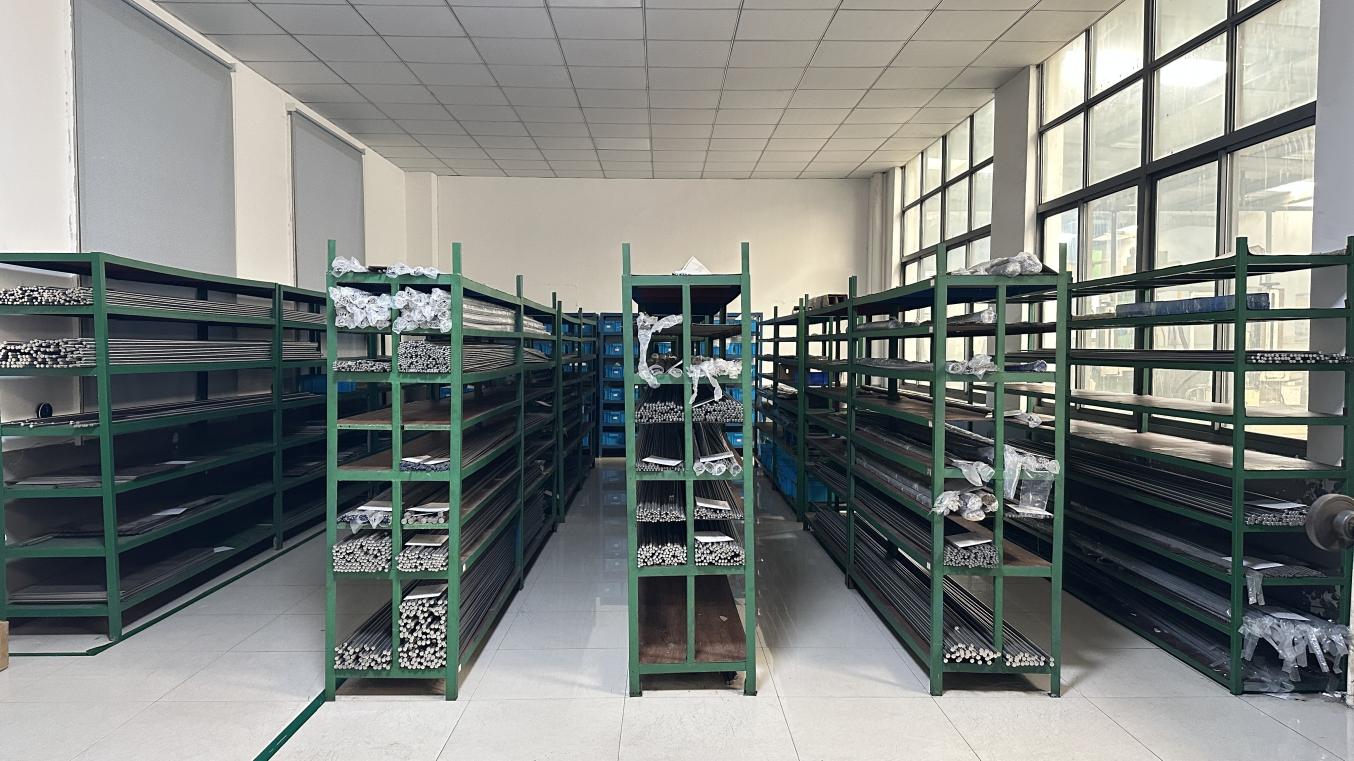
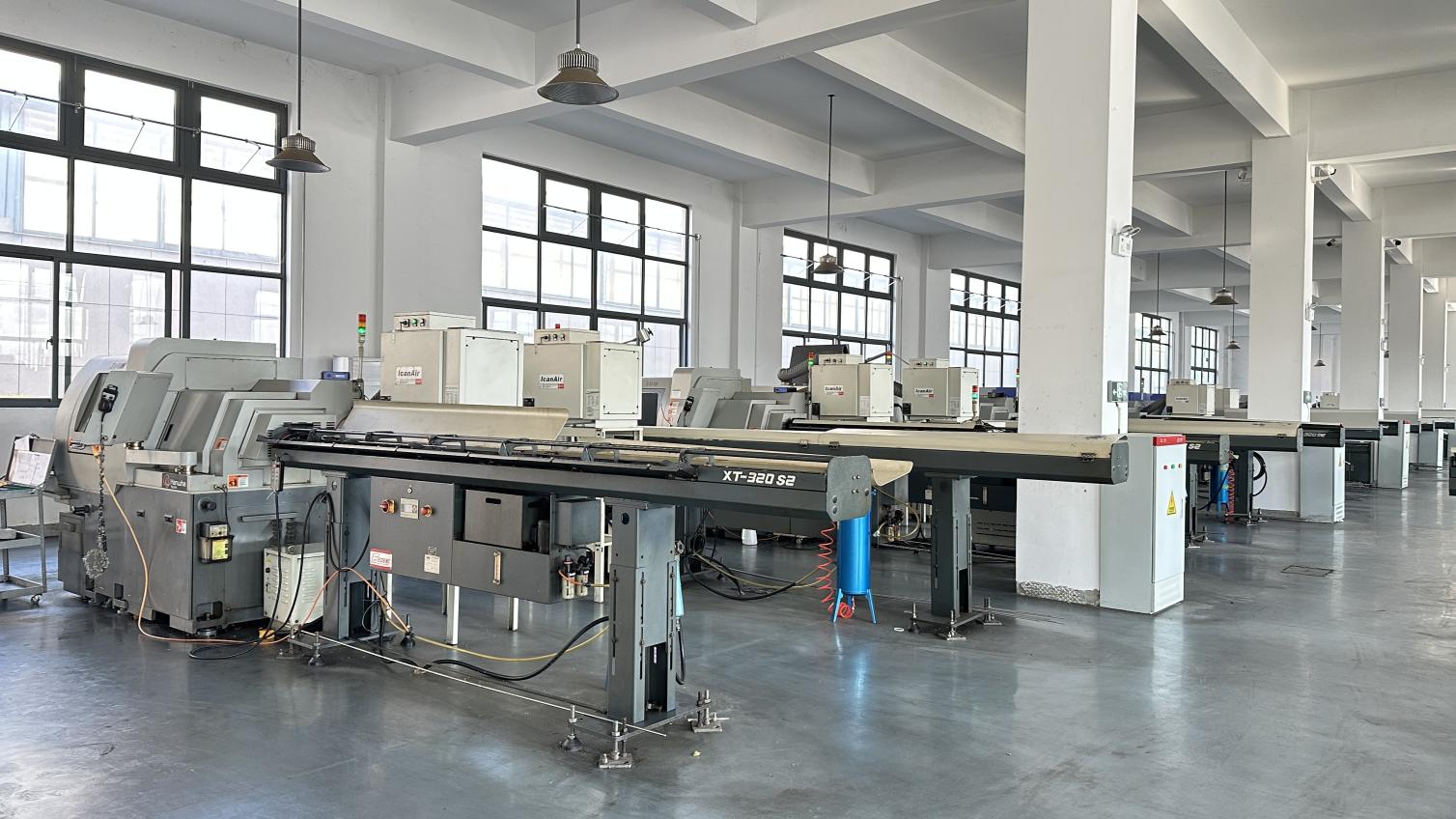
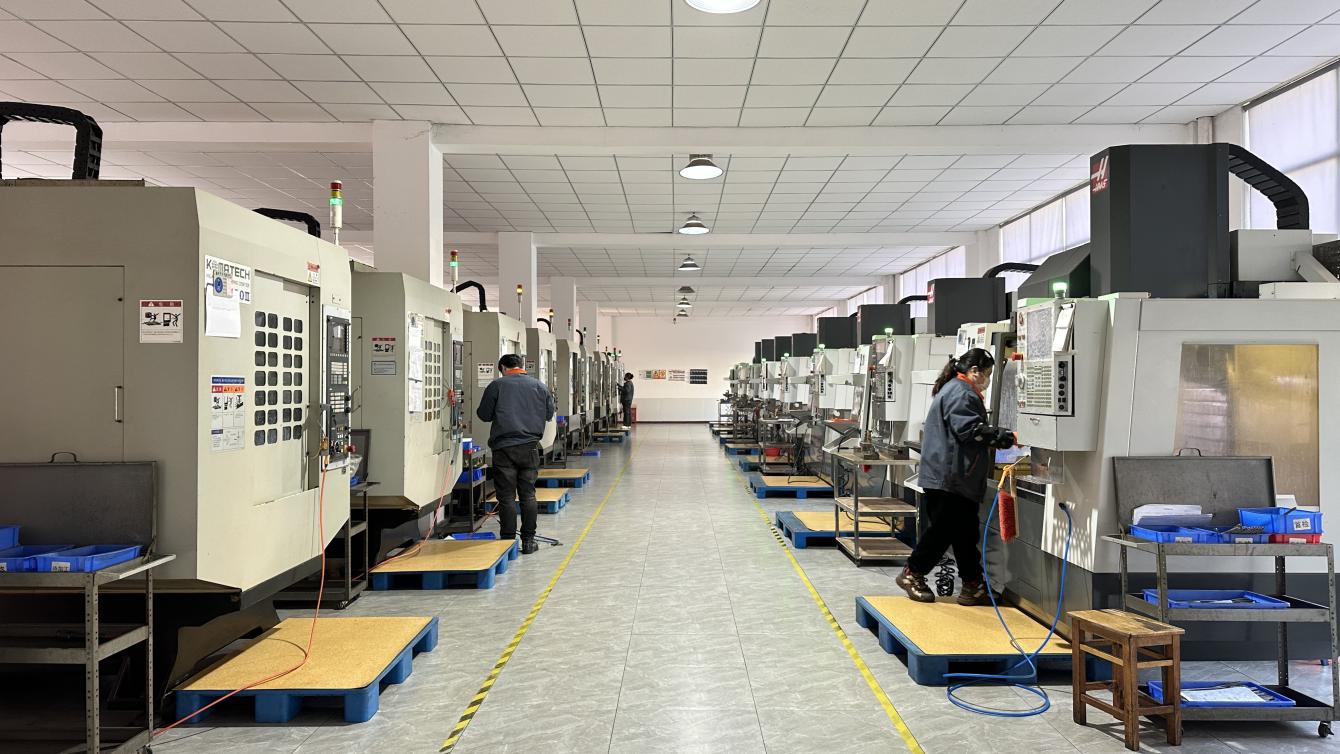
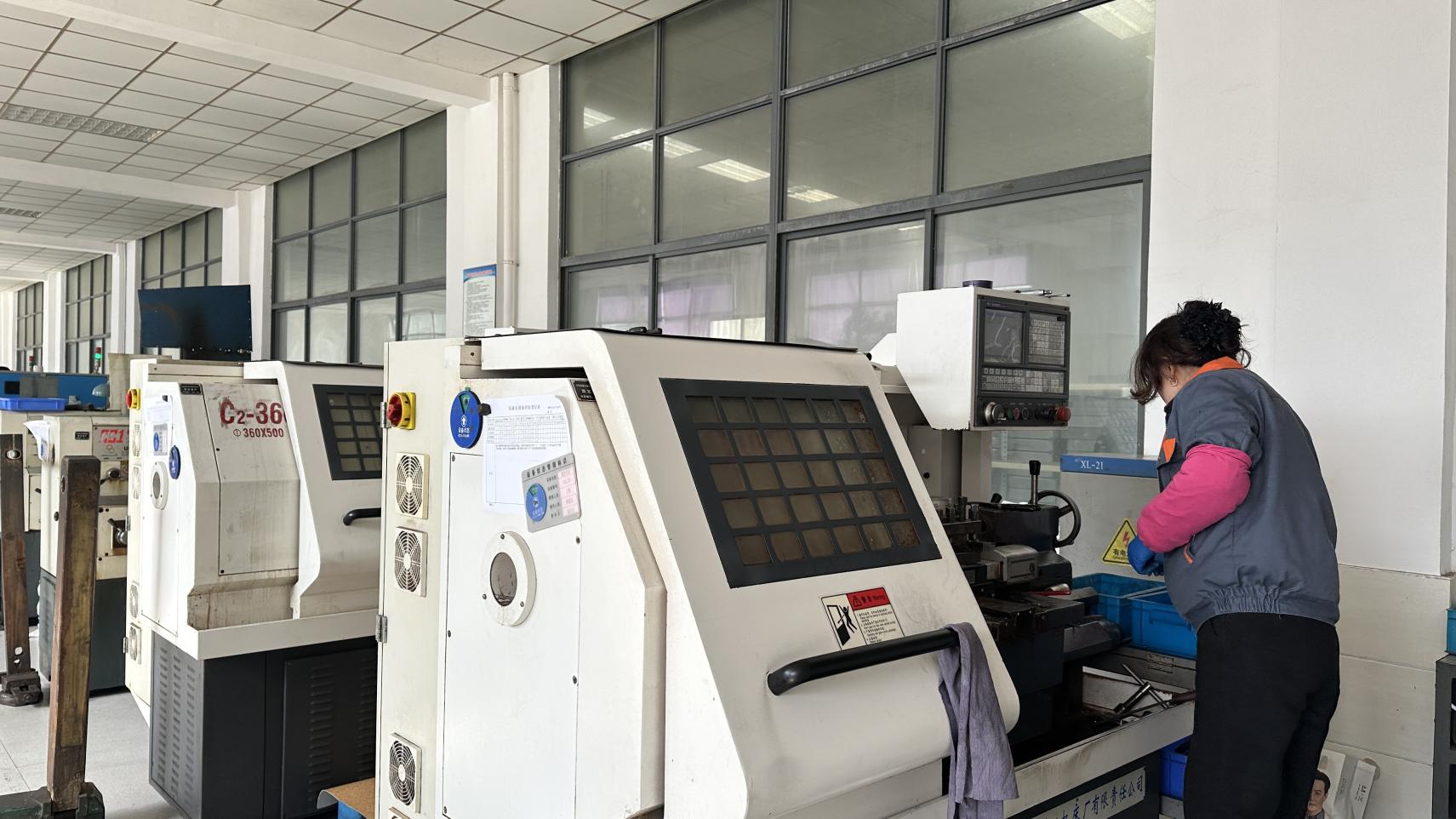
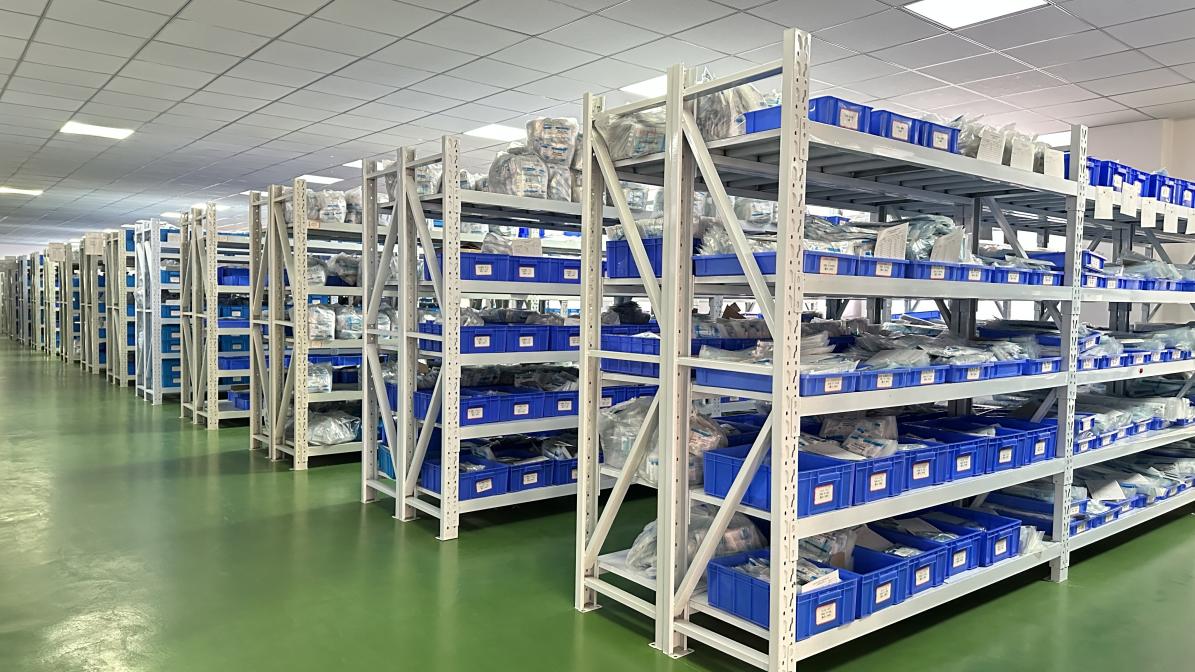
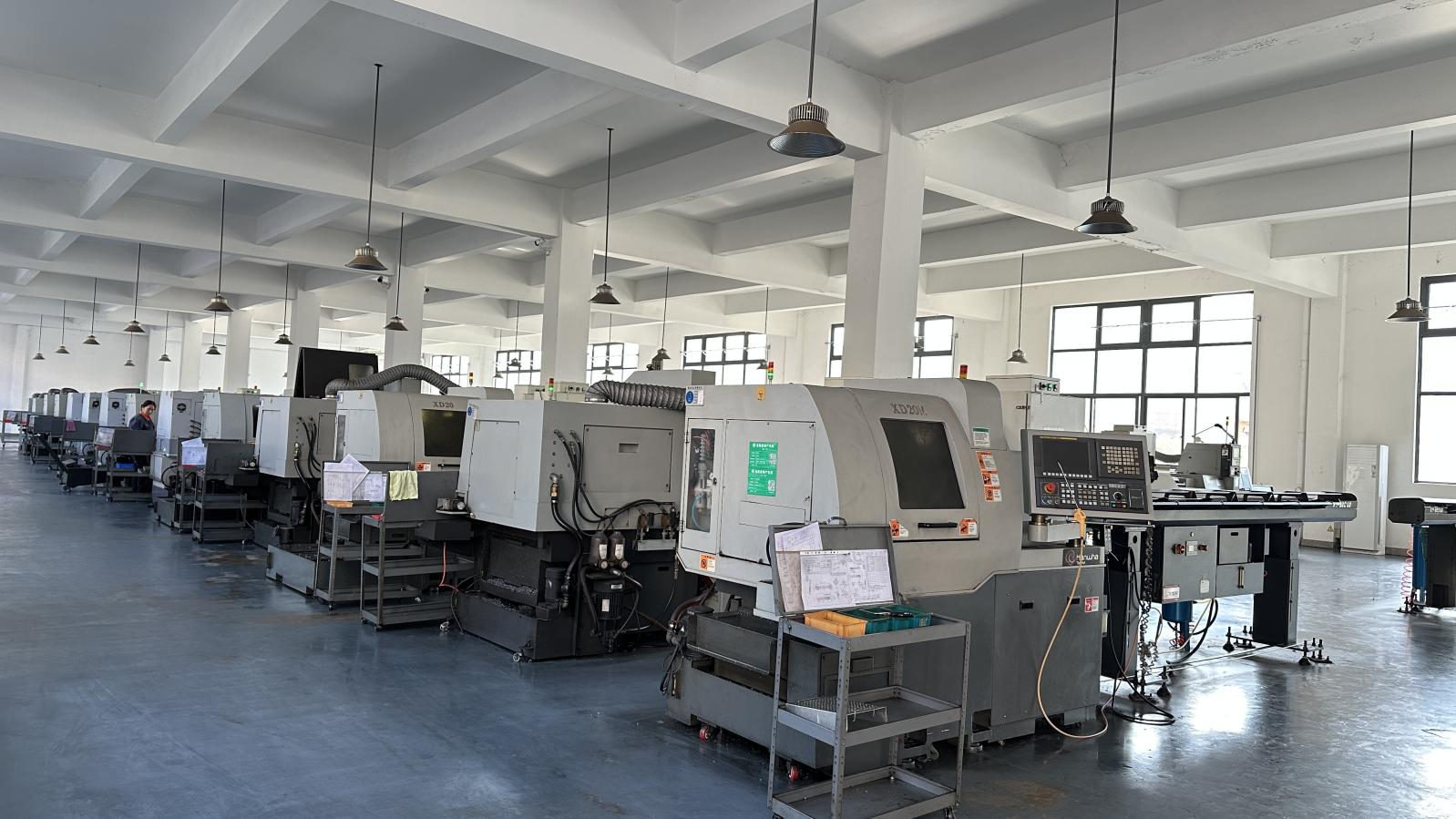
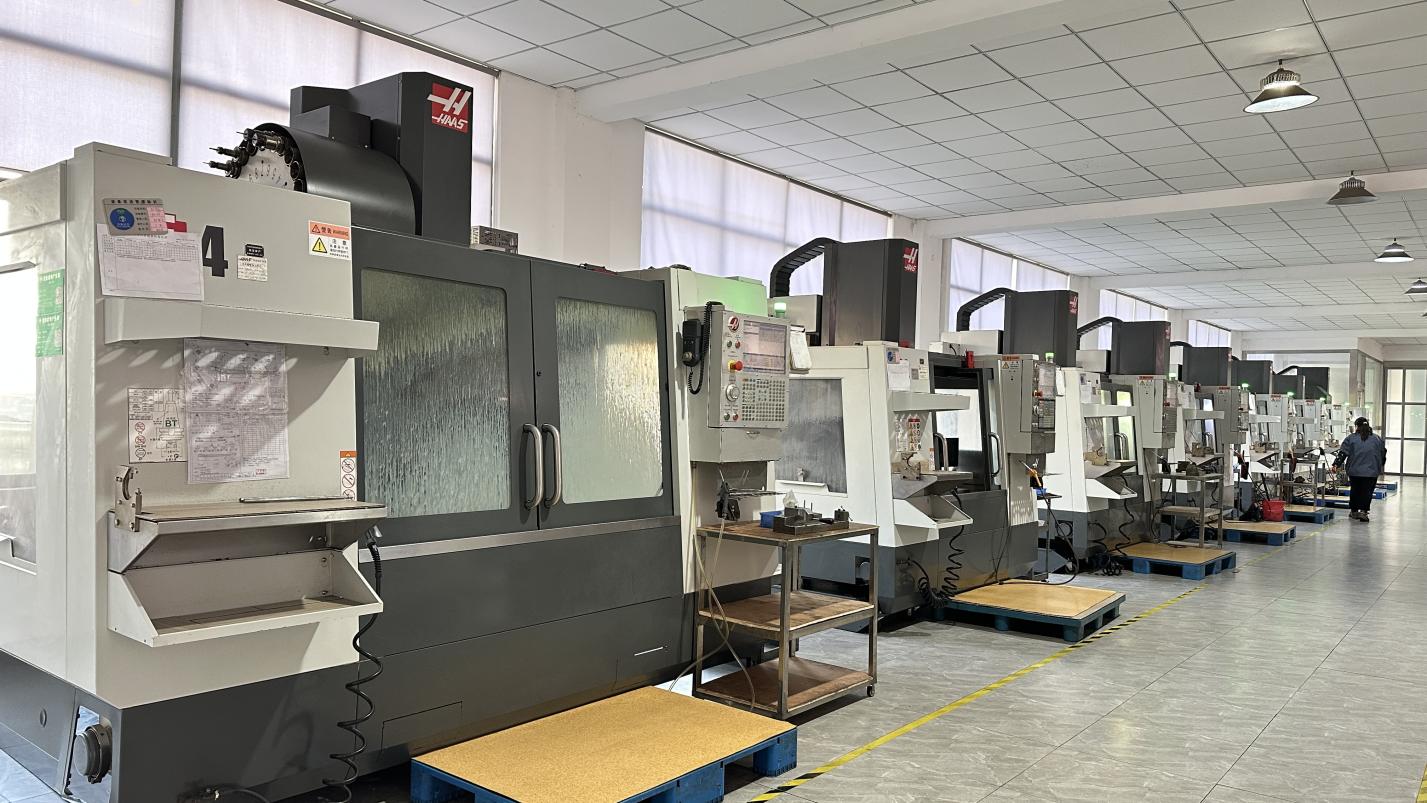
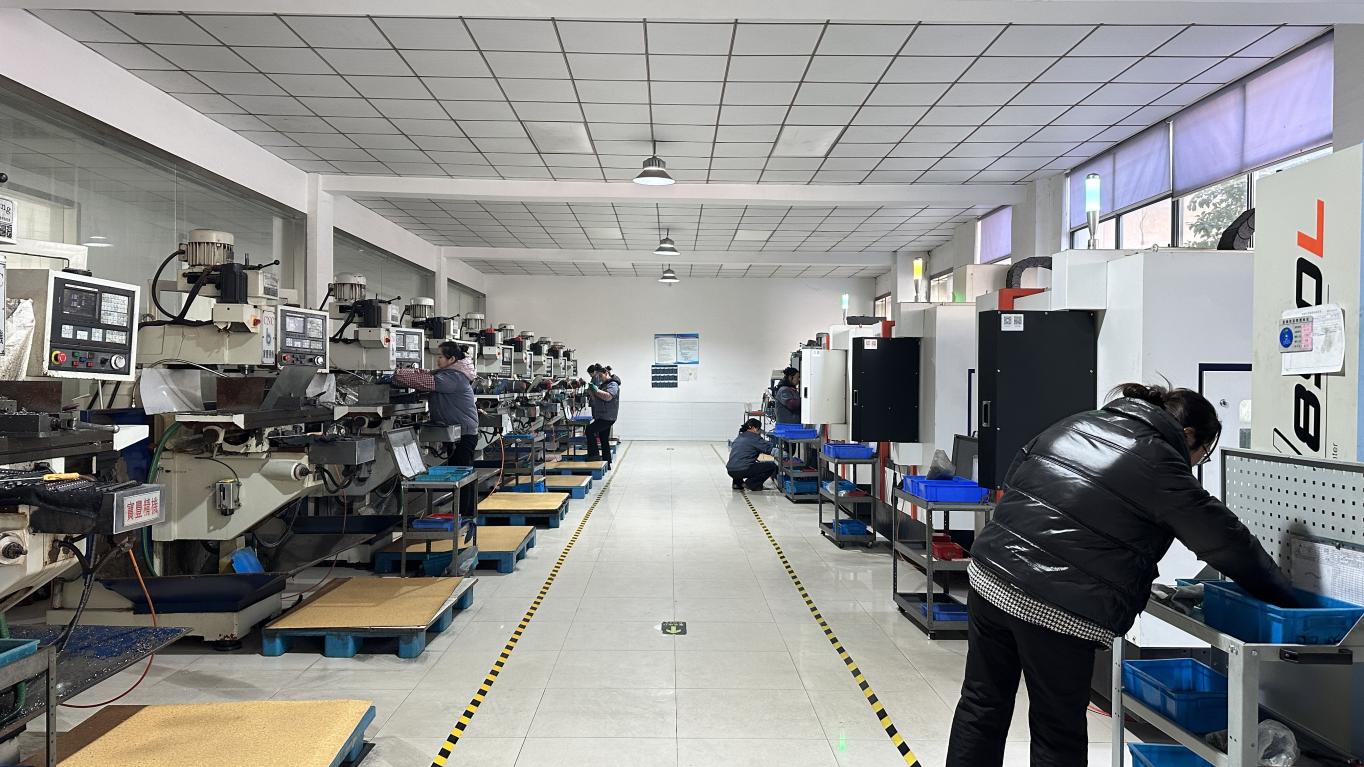
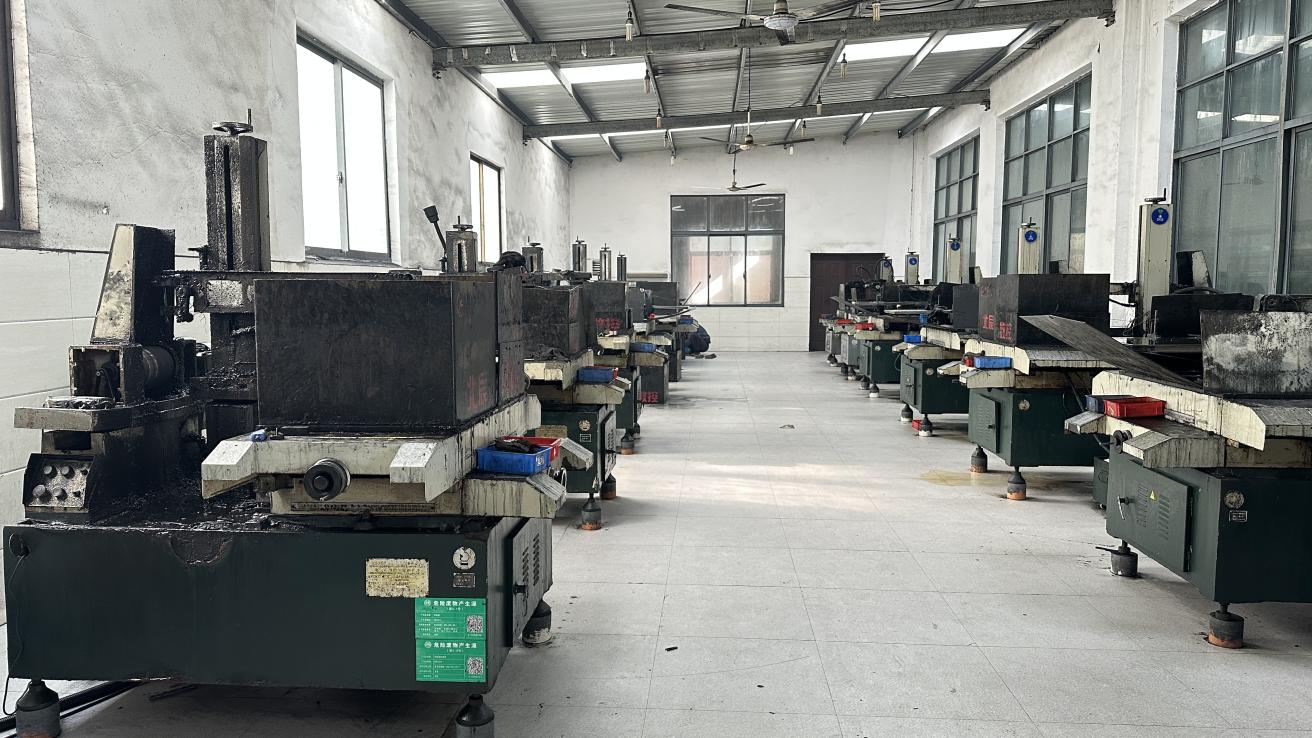
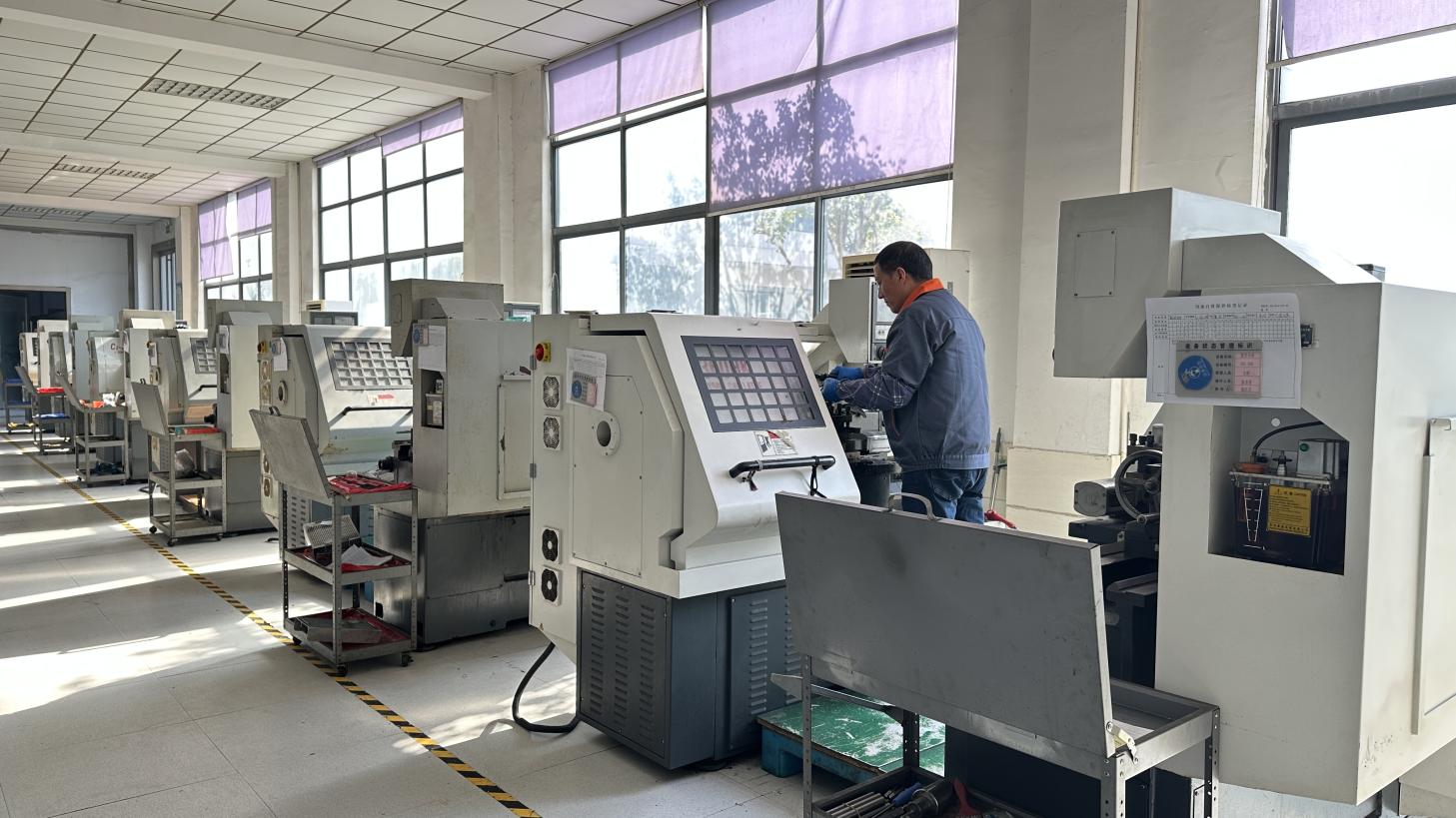
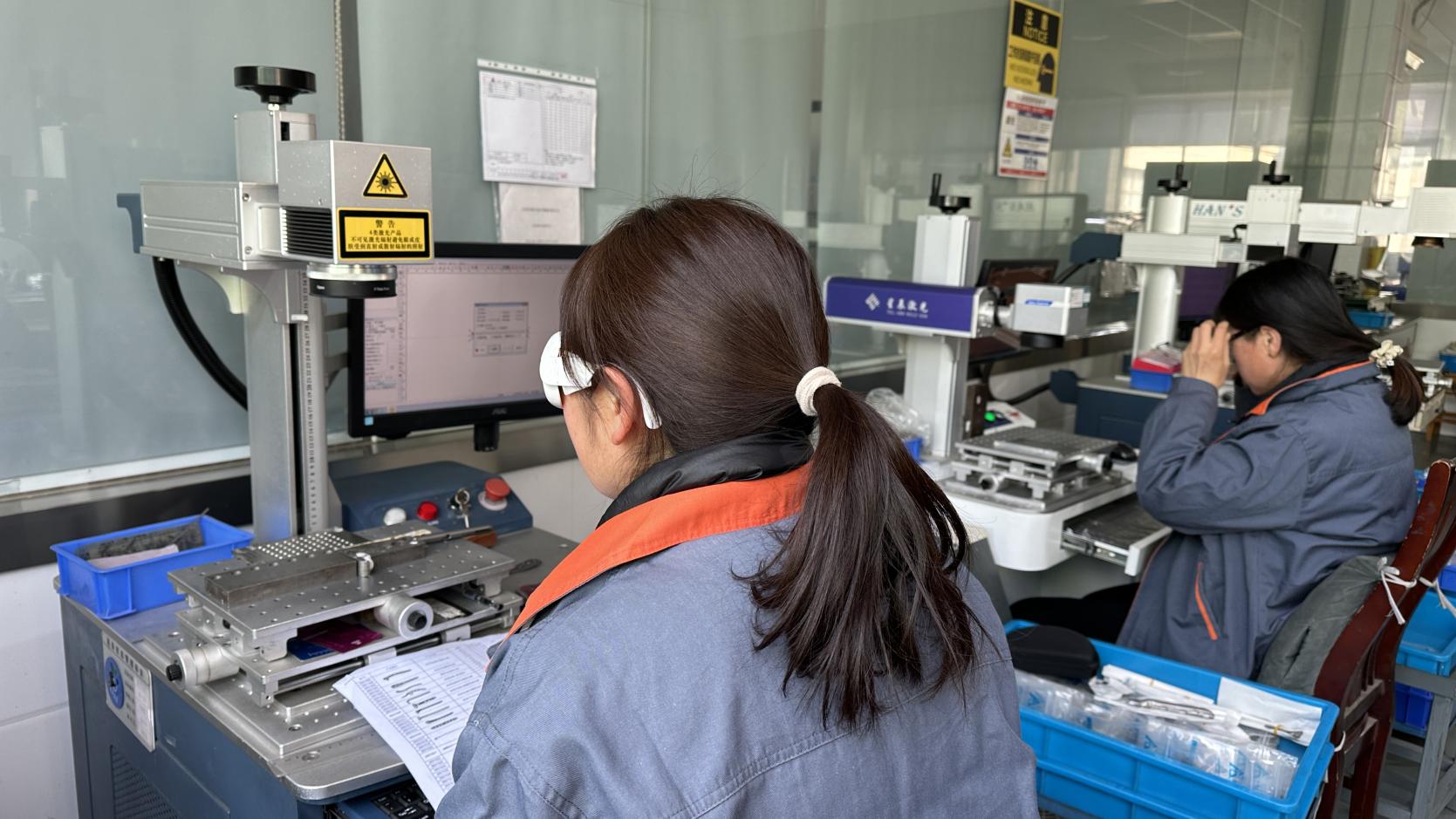
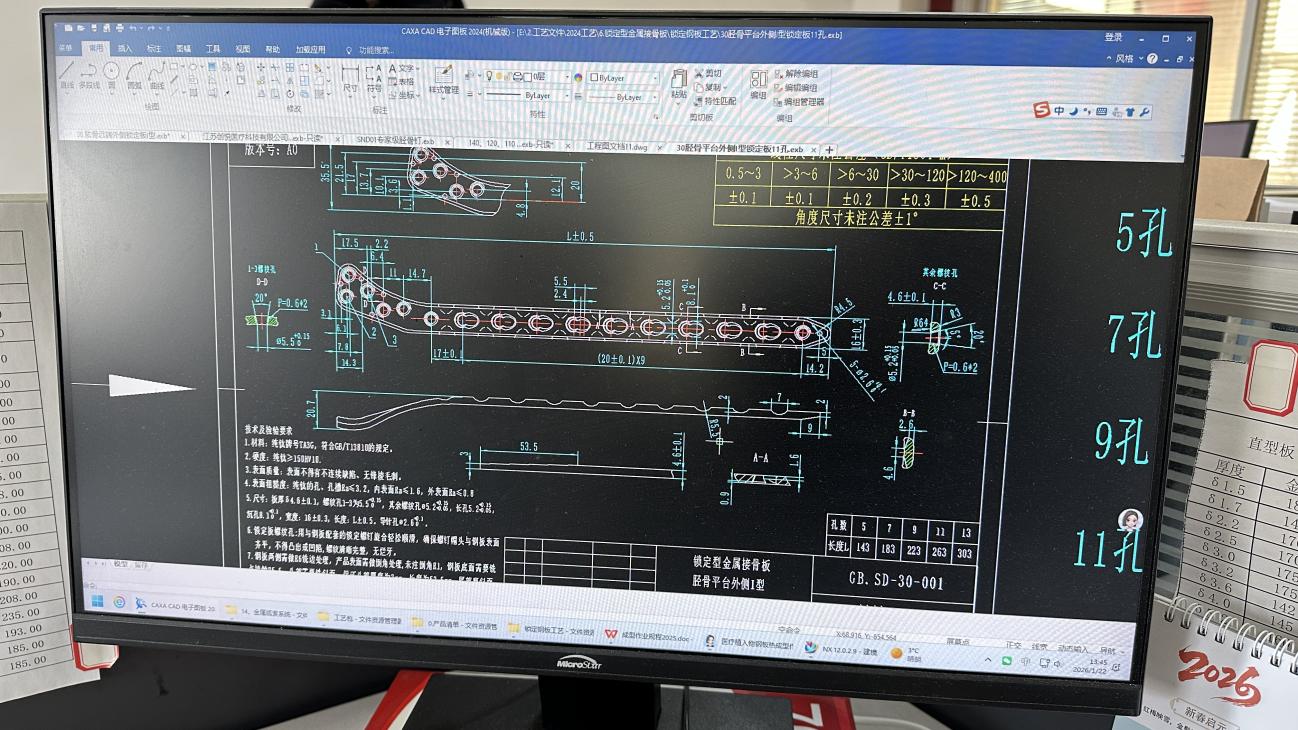
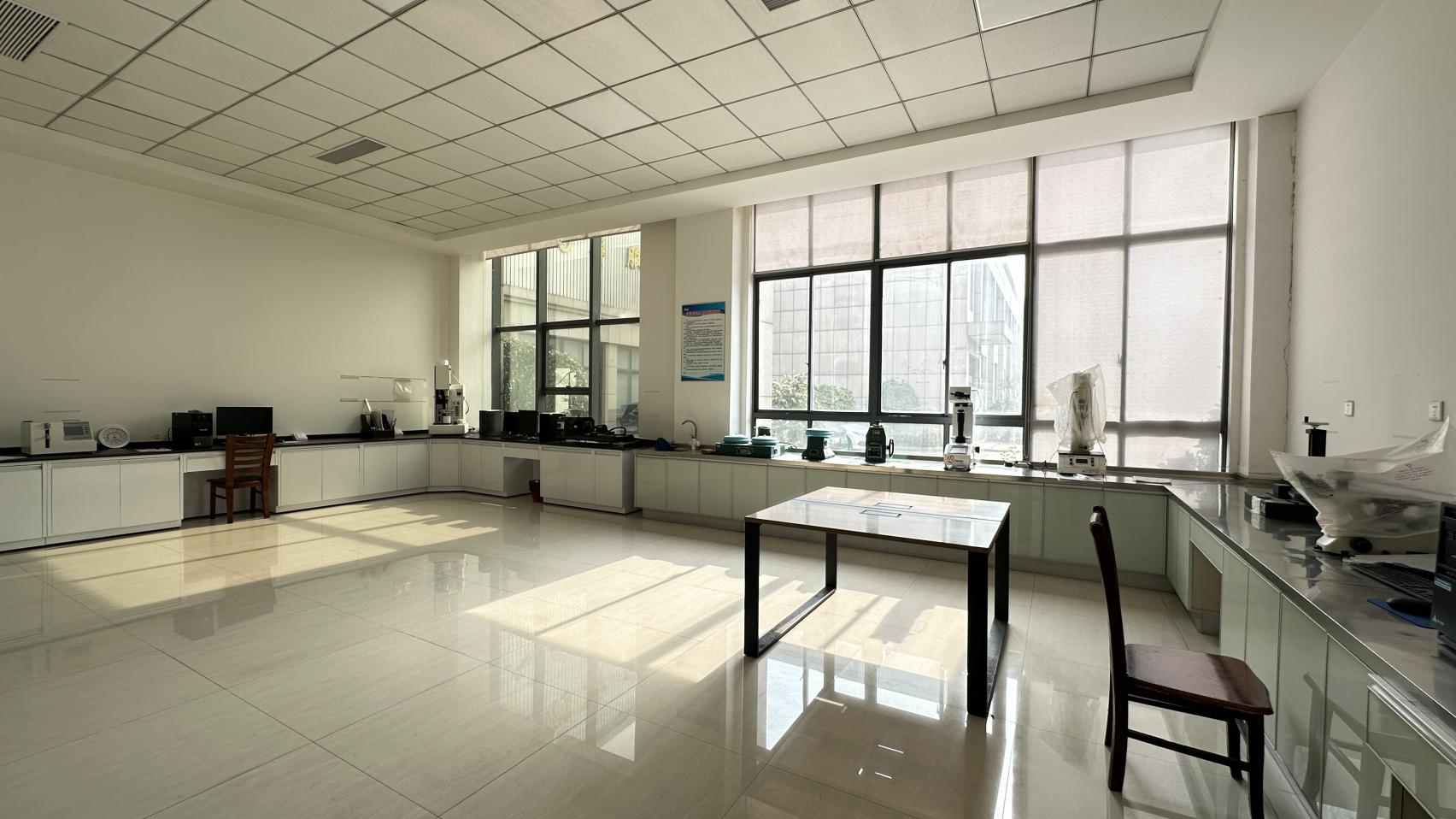
Every step of our production workflow—from raw material verification to micro-machining and bio-testing—is fully documented. Below is an overview of the manufacturing modules and testing apparatus operating inside our 12,000 m² factory.
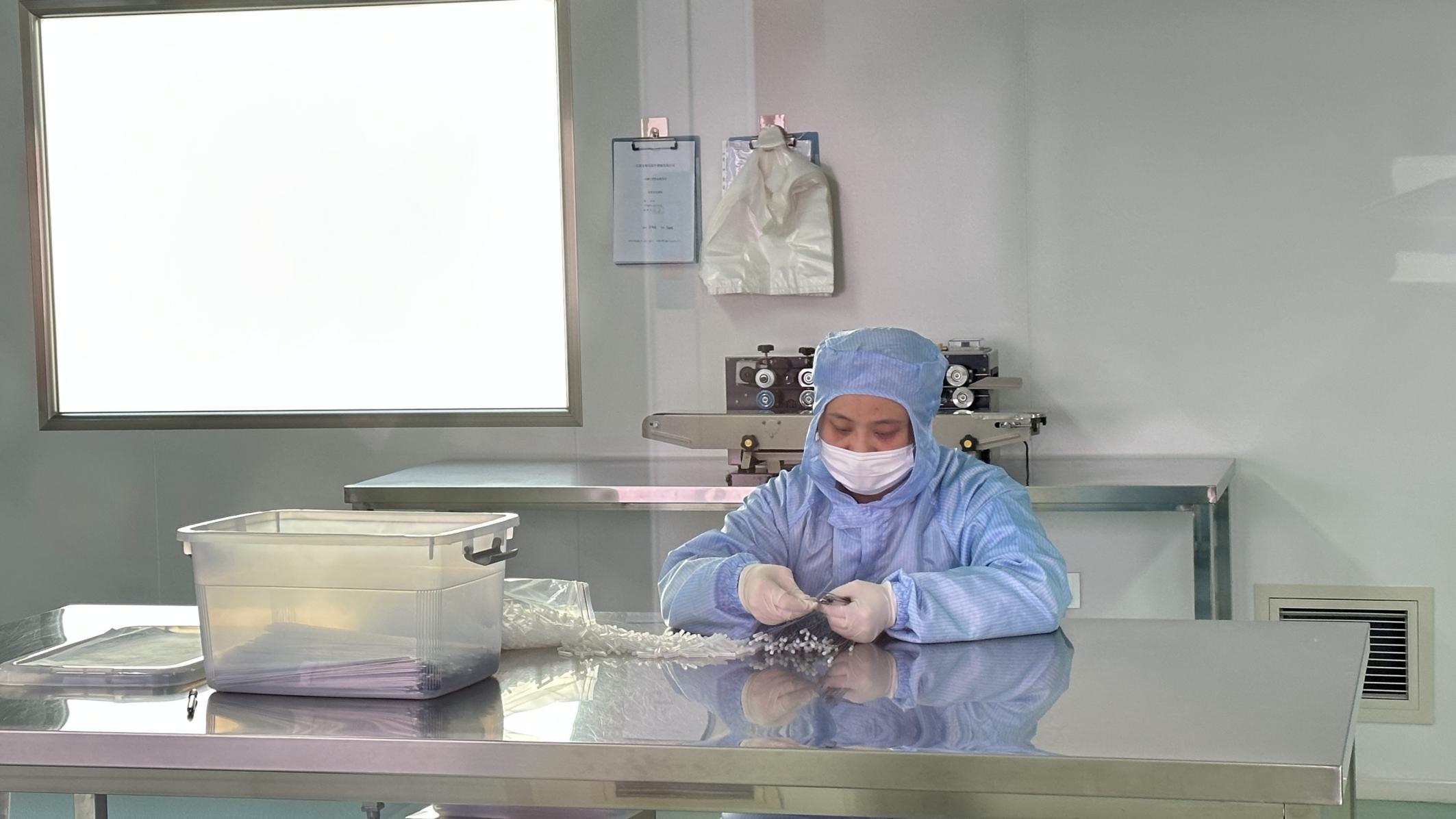
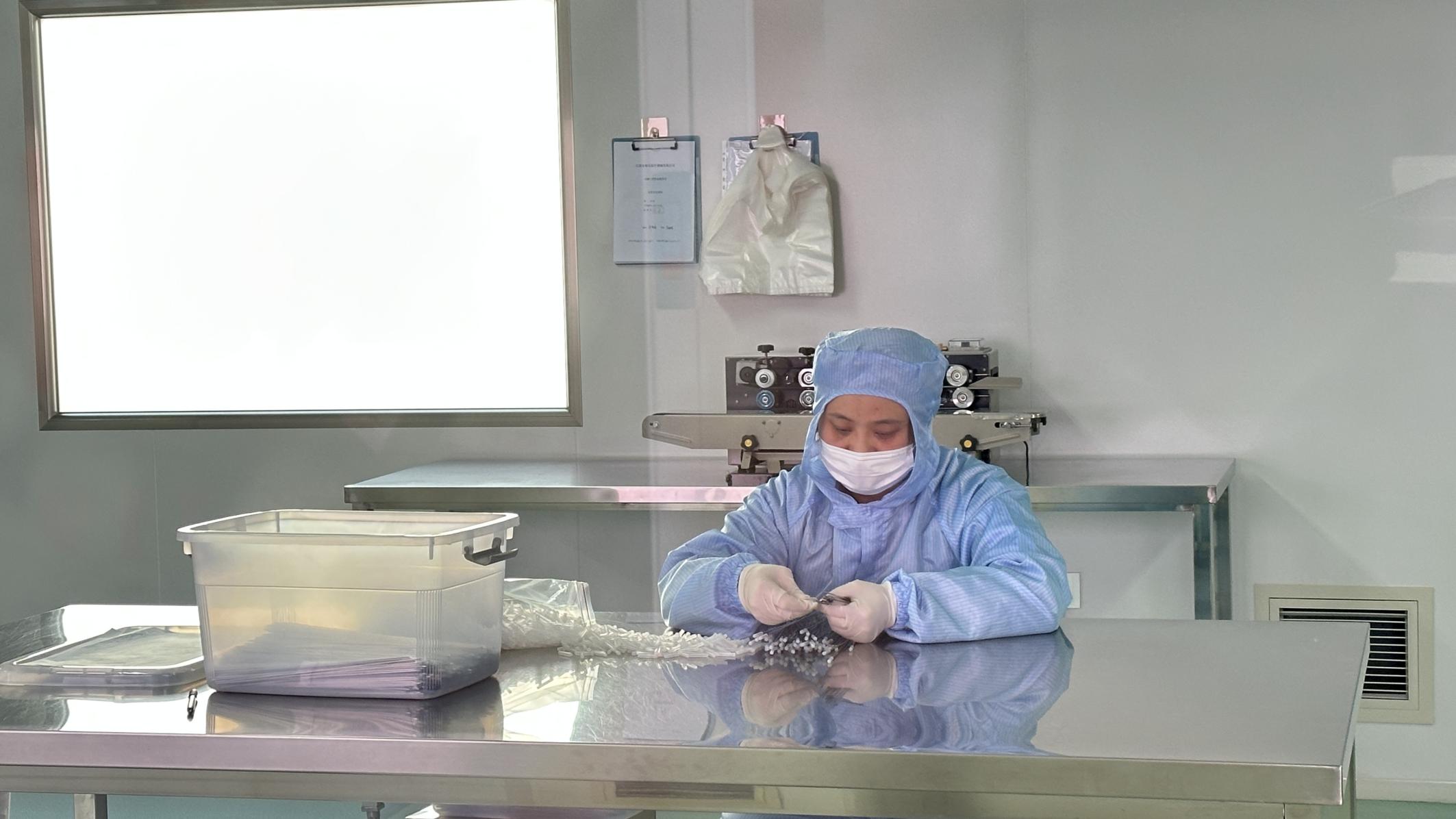
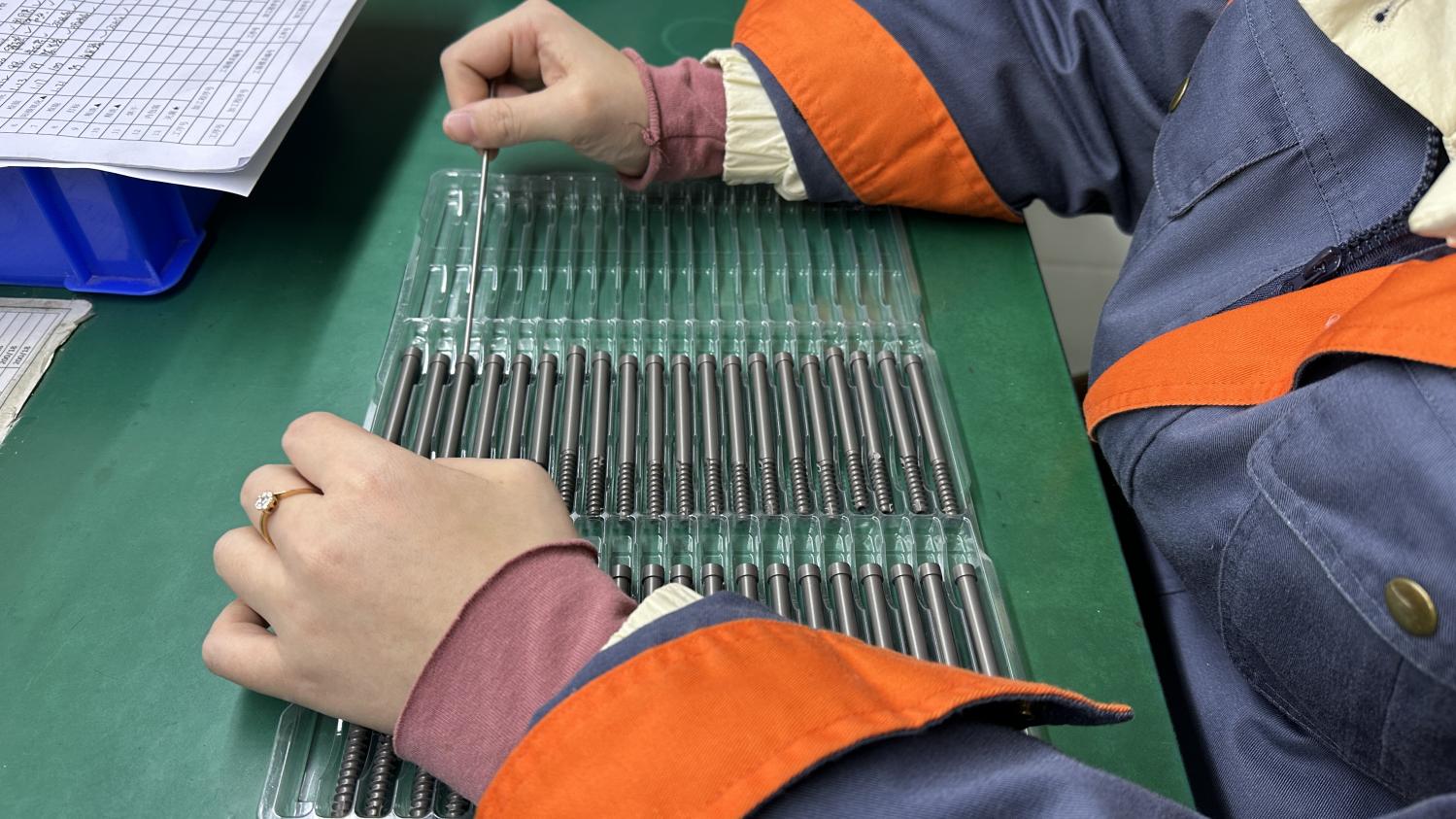
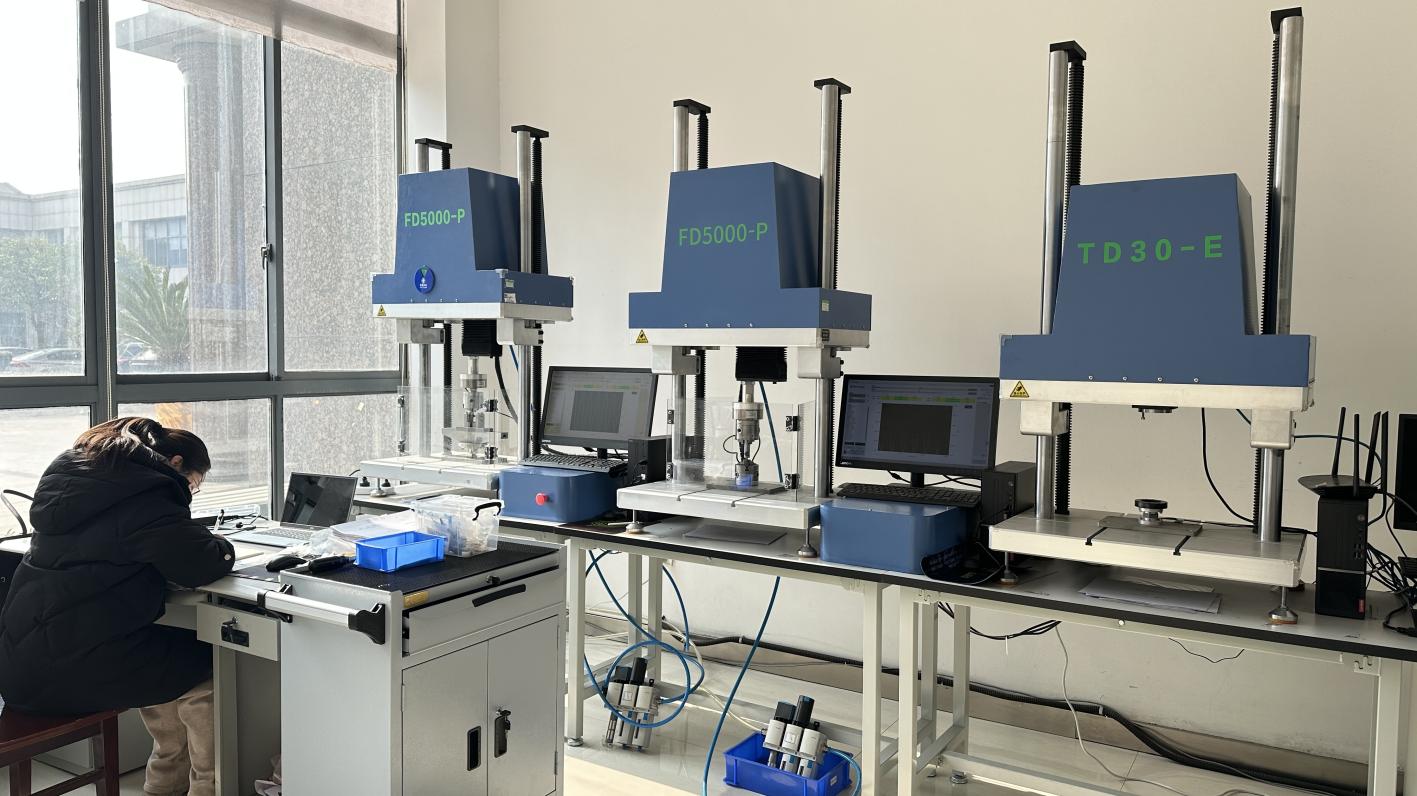
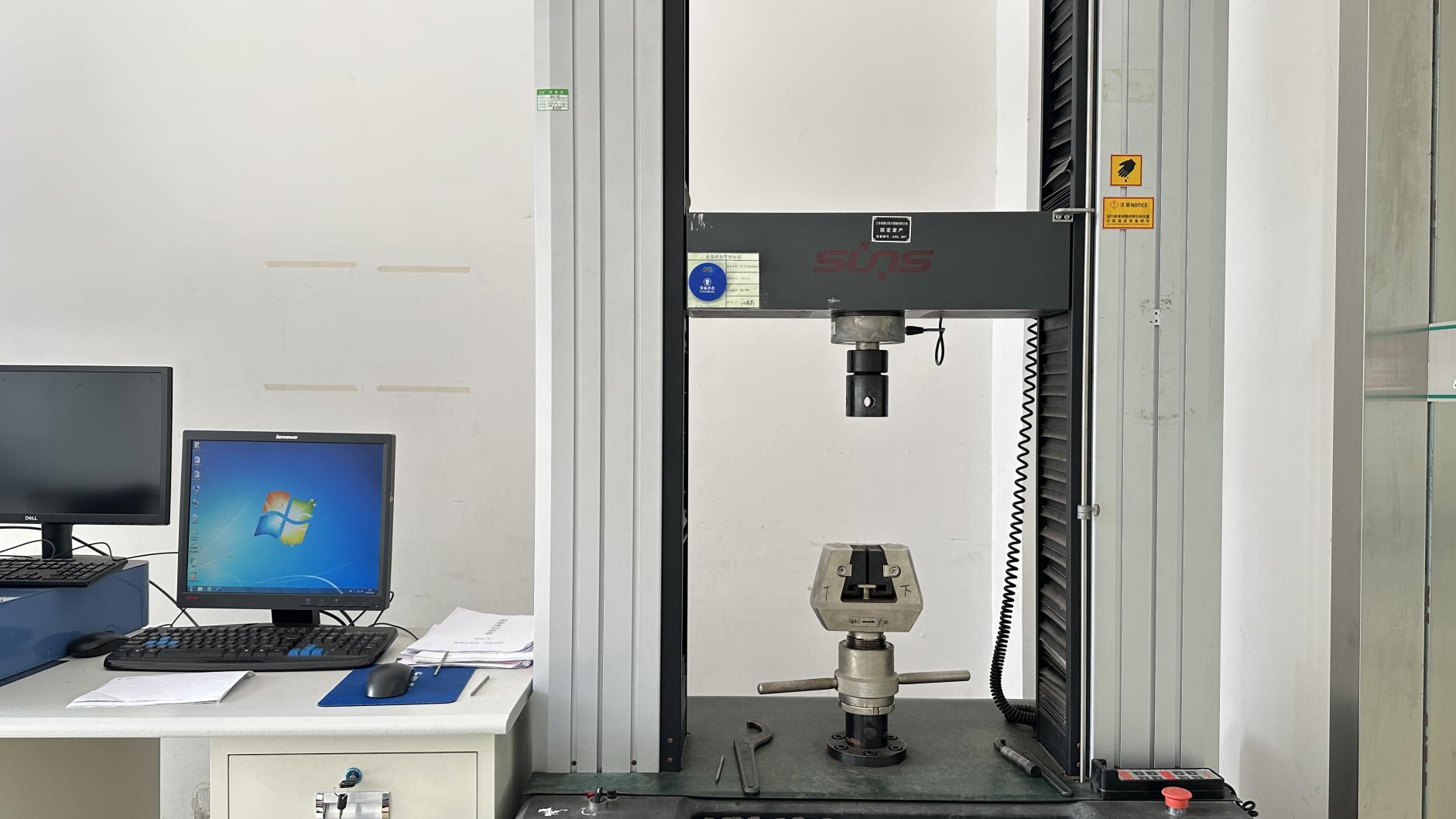
Distributing orthopedic implants globally requires adhering to strict regulatory frameworks. Virelox provides documentation packages to support regulatory submissions. Our compliance files verify biocompatibility (ISO 10993 series), cleanroom sterility controls (ISO 14644 Class 7/10,000 packaging lines), and stable packaging validation (ASTM F1980).
Our Class IIb CE pathway documentation meets EU MDR standards. We provide complete technical files detailing post-market clinical follow-up (PMCF) plans, chemical risk reports, and detailed mechanical evaluations.
We assist OEM partners with predicate device selection and structural comparison testing, including mechanical shear and pull-out validation. This documentation supports the submission of 510(k) applications for sports medicine implants.
We provide specialized support for registrations in South America and Southeast Asia, including factory-specific manufacturing site audits, quality declarations, and localized testing validations.
The field of sports medicine is transitioning from passive implants to bioactive systems. Virelox's R&D center is developing next-generation technologies to improve clinical outcomes:
Applying advanced coatings, such as plasma-sprayed Hydroxyapatite (HA) or biomimetic calcium phosphates, onto PEEK substrates to encourage early cell attachment and improve bone integration.
Developing bioabsorbable designs that incorporate magnesium-based alloys or osteoinductive silk proteins, maintaining structural stability while reducing inflammatory response during degradation.
Utilizing laser-sintered porous structures to mimic trabecular bone geometry, allowing customized, patient-specific implants to address complex revision cases.
Technical guidance and compliance information for procurement managers and design engineers.
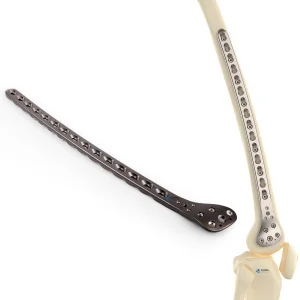
Explore our technical implant systems, precision plates, screws, and specialized instrument sets engineered for clinical clinics globally.
 Virelox