Engineered for absolute accuracy, mechanical reliability, and optimized clinical outcomes.
In modern spinal reconstruction, minimally invasive spine surgery (MISS) has emerged as the definitive standard. Cannulated pedicle screws are at the core of this transition. By incorporating an internal hollow channel (cannulation), these implants allow surgeons to utilize guidewires (K-wires) to navigate precise trajectories through the pedicle without the extensive muscle retraction required in traditional open approaches.
Our OEM and ODM development platforms address critical clinical challenges, including:
• Reduced Pull-out Risk: Optimized thread profiles and surface treatment maximize bone-to-implant contact (BIC).
• Surgical Adaptability: Self-tapping and self-drilling geometries reduce prep steps and operation time.
• Bone Cement Integration: Optional fenestrations along the screw shaft permit targeted polymethylmethacrylate (PMMA) delivery for osteoporotic patients.
The transition to hollow geometries inherently changes the biomechanical properties of the implant. A key factor in our R&D is maximizing the core thickness to prevent structural deformation while maintaining a wide enough inner lumen to accommodate guidewires up to 1.8mm or 2.0mm. We leverage advanced finite element analysis (FEA) to simulate complex physiological stresses—including flexion, extension, and rotation—ensuring the screw provides superior fatigue resistance without sacrificing inner guide integrity.
To meet the strict expectations of global regulatory bodies (such as the CE and FDA) and to guarantee patient safety, we source premium surgical-grade titanium alloys.
| Parameter / Feature | Technical Standard & Range | Clinical Benefit |
|---|---|---|
| Material Composition | High-Strength Titanium Alloy (Ti-6Al-4V ELI) conforming to ASTM F136 | Superior biocompatibility, reduced MRI/CT artifacts, and exceptional fatigue life. |
| Screw Outer Diameters | Ø 4.0mm to Ø 8.5mm (custom increments available) | Accurately matches anatomical variations across pediatric and adult patients. |
| Screw Lengths | 25mm to 100mm | Provides variable depth insertion capabilities for thoracic, lumbar, and sacral placement. |
| Cannulation Diameter | Ø 1.5mm to Ø 2.2mm | Ensures smooth travel along guide-wires without jamming or bending. |
| Polyaxial Angle Freedom | Up to ± 25° (50° total range of motion) | Facilitates easy rod alignment in complex scoliosis or deformity corrections. |
| Surface Morphology | Anodized, Acid-Etched, or HA (Hydroxyapatite) coated options | Accelerates osseointegration and secures the screw against long-term loosening. |
Virelox Medical Devices Co., Ltd. is a professional orthopedic medical device manufacturer specializing in joint replacement and surgical implant solutions. Operating under the "Virelox" brand, we deliver high-performance orthopedic systems for global healthcare providers.
From pure medical grade titanium to finished sterile-ready implants, every step is executed in-house.
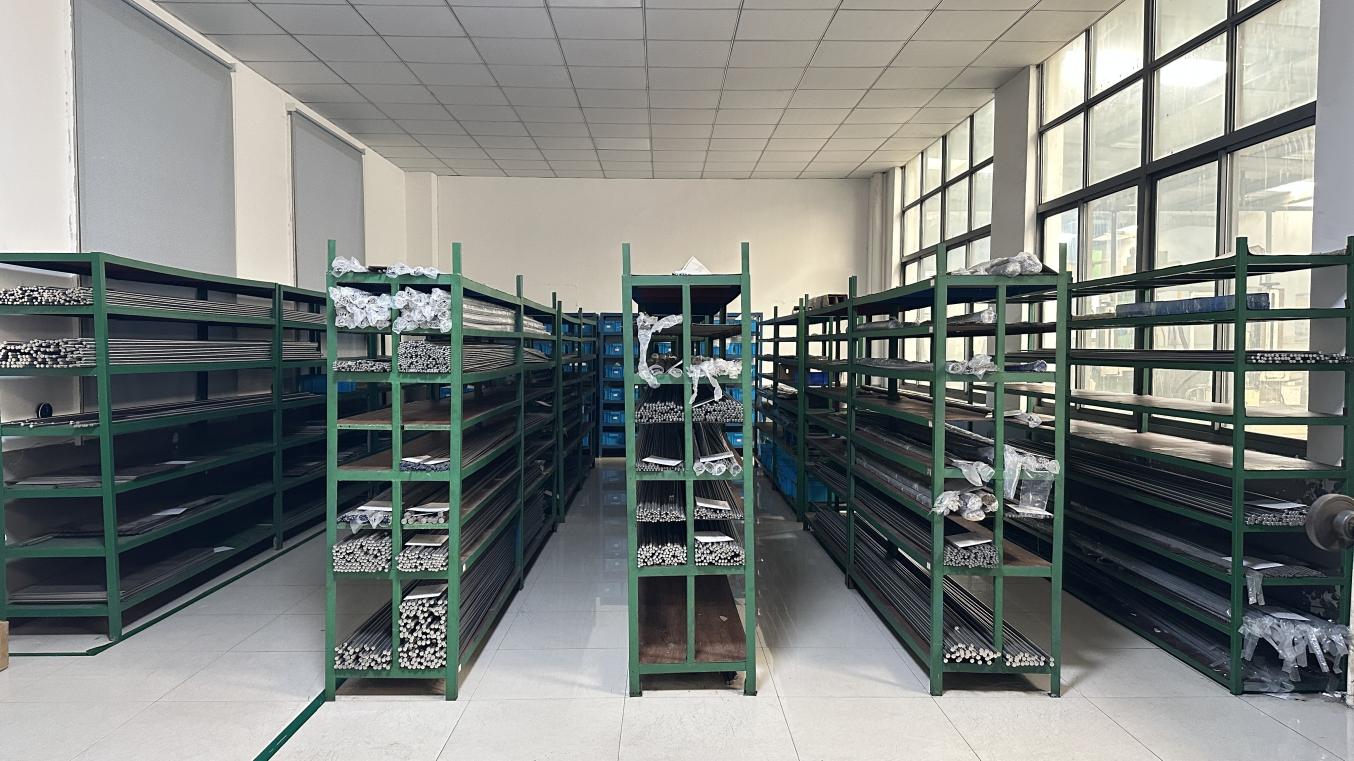
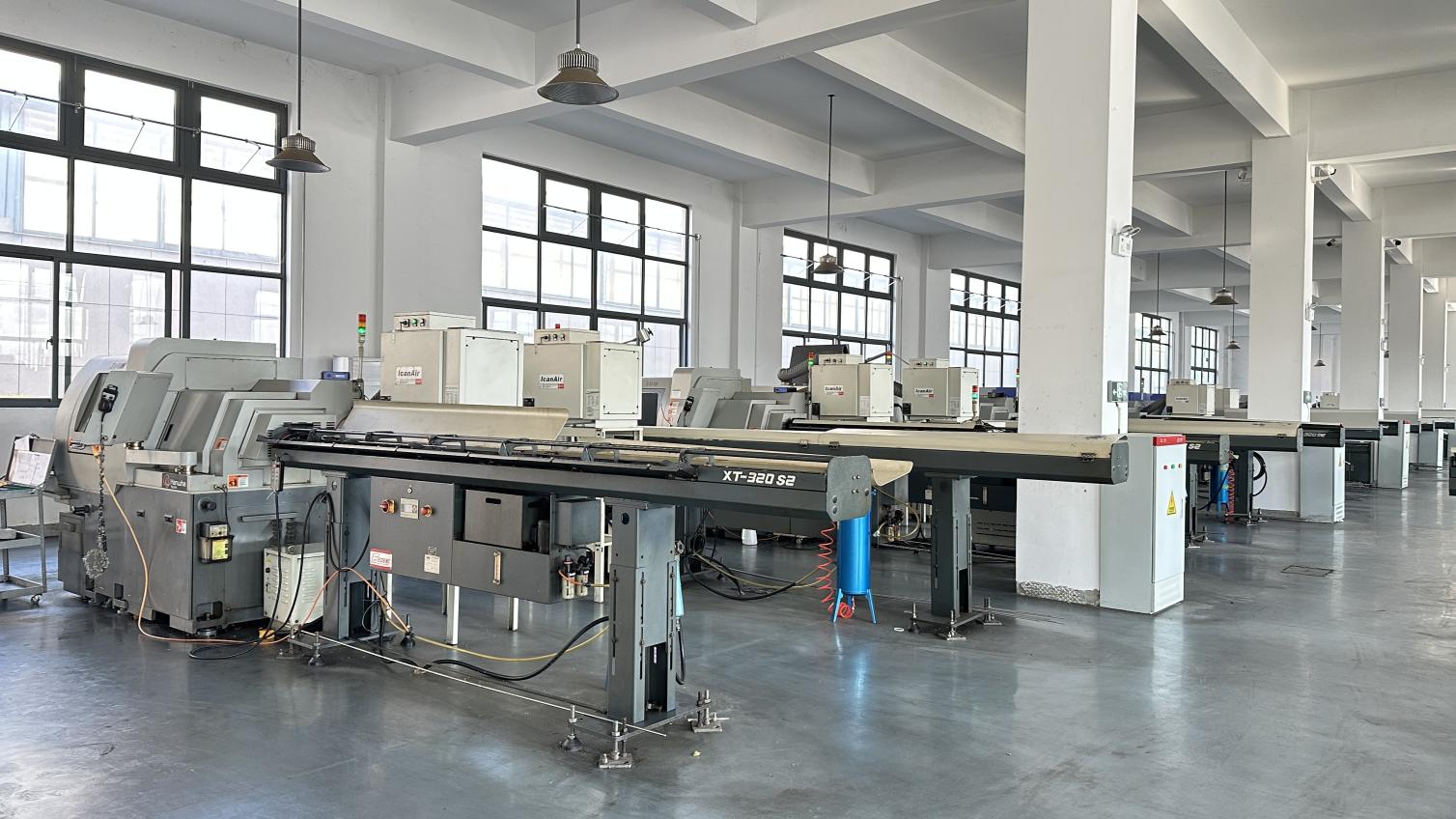
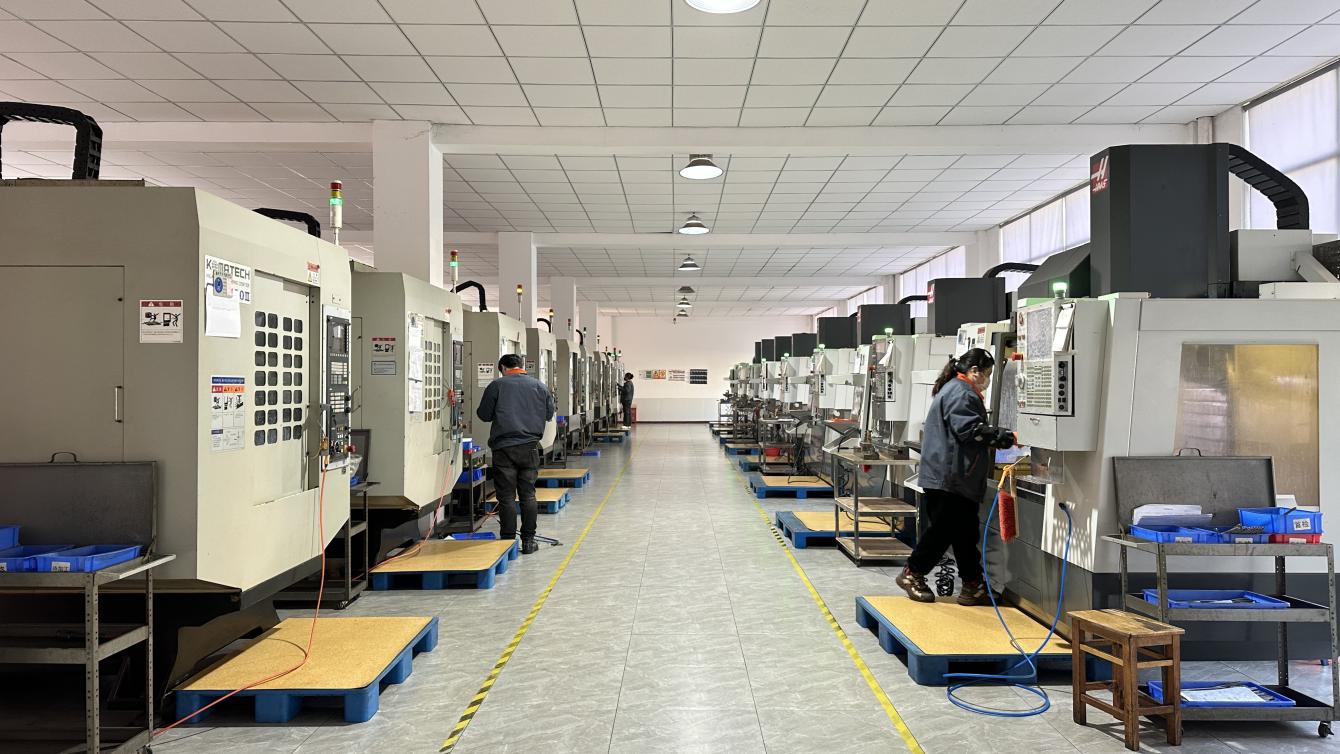
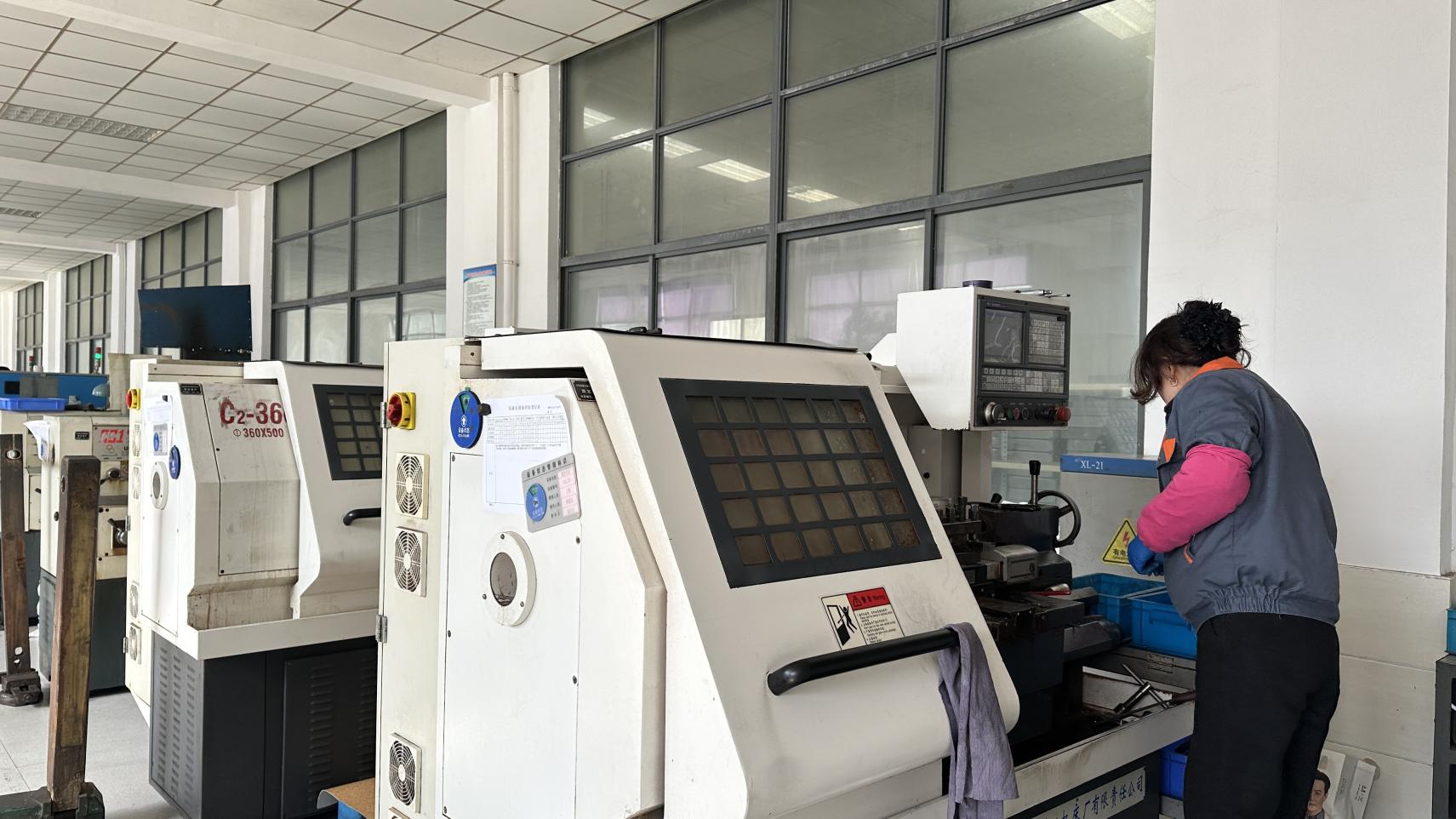
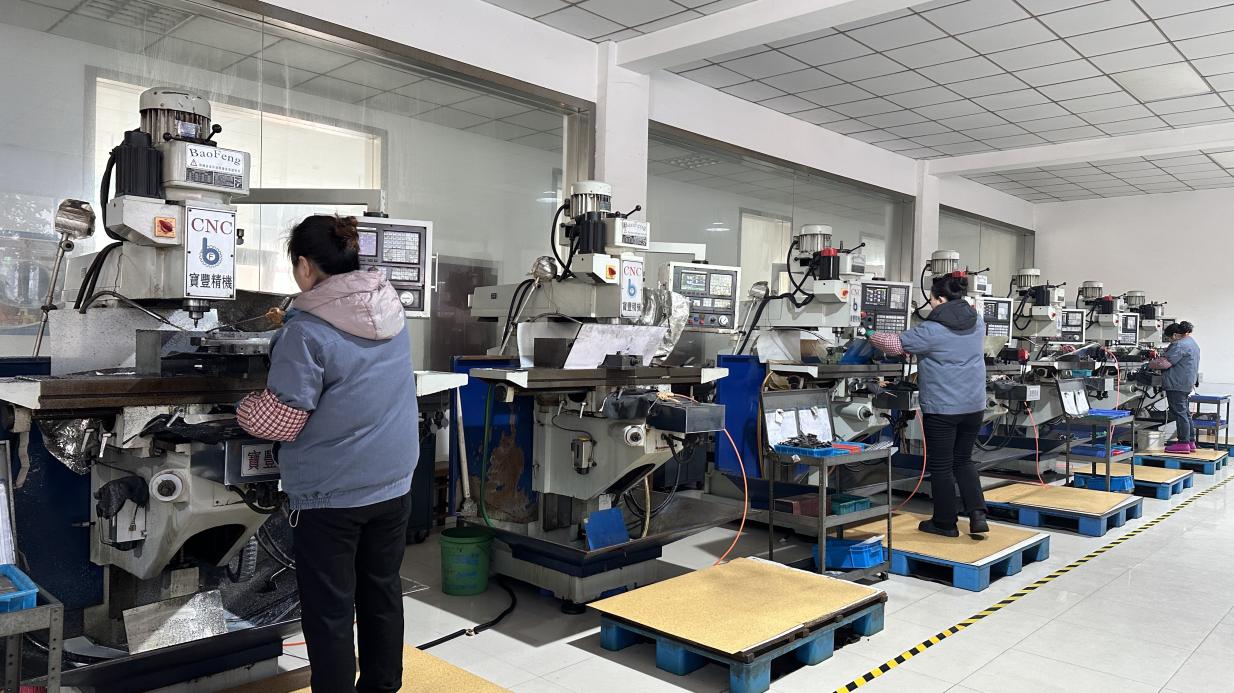
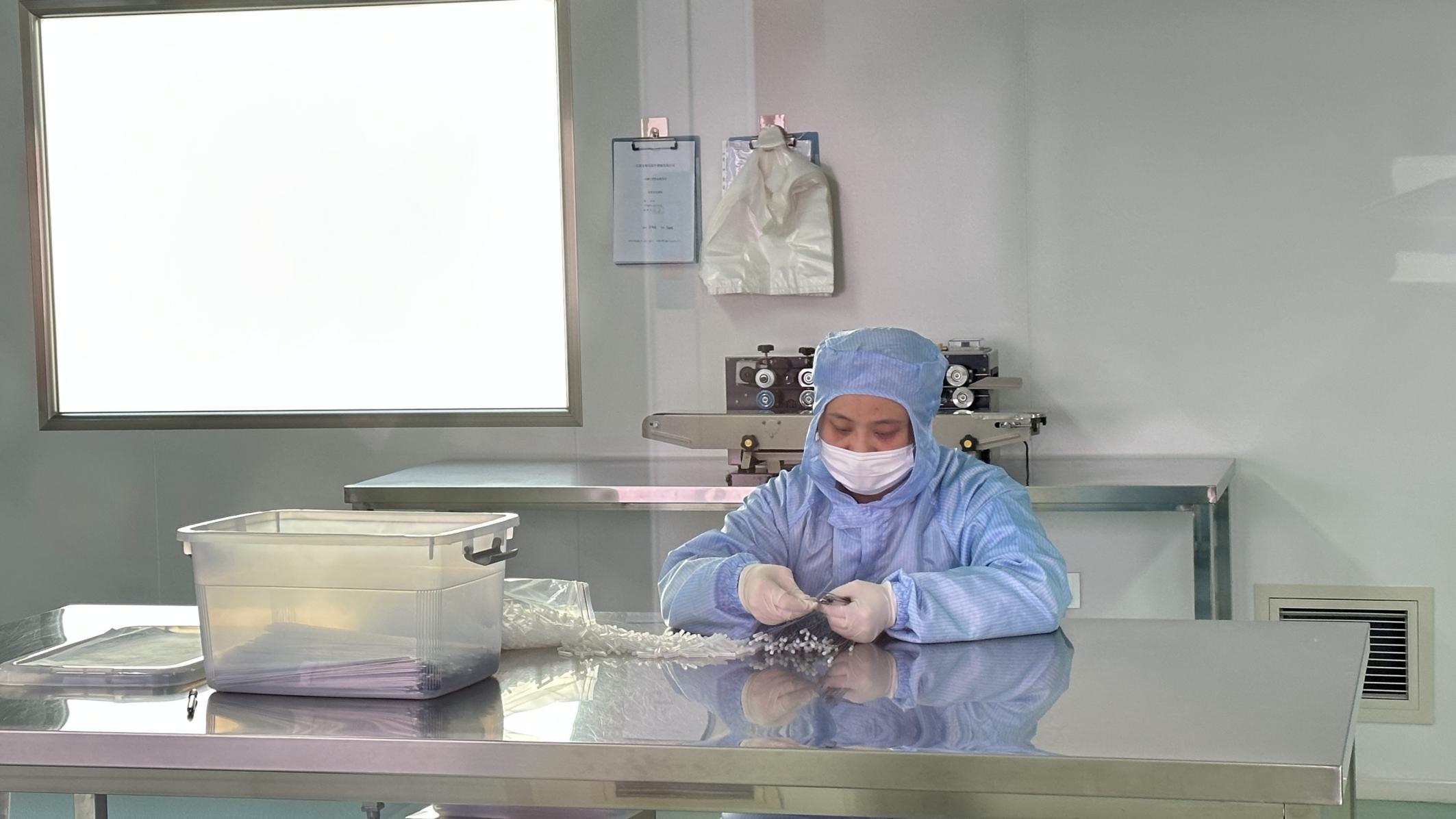
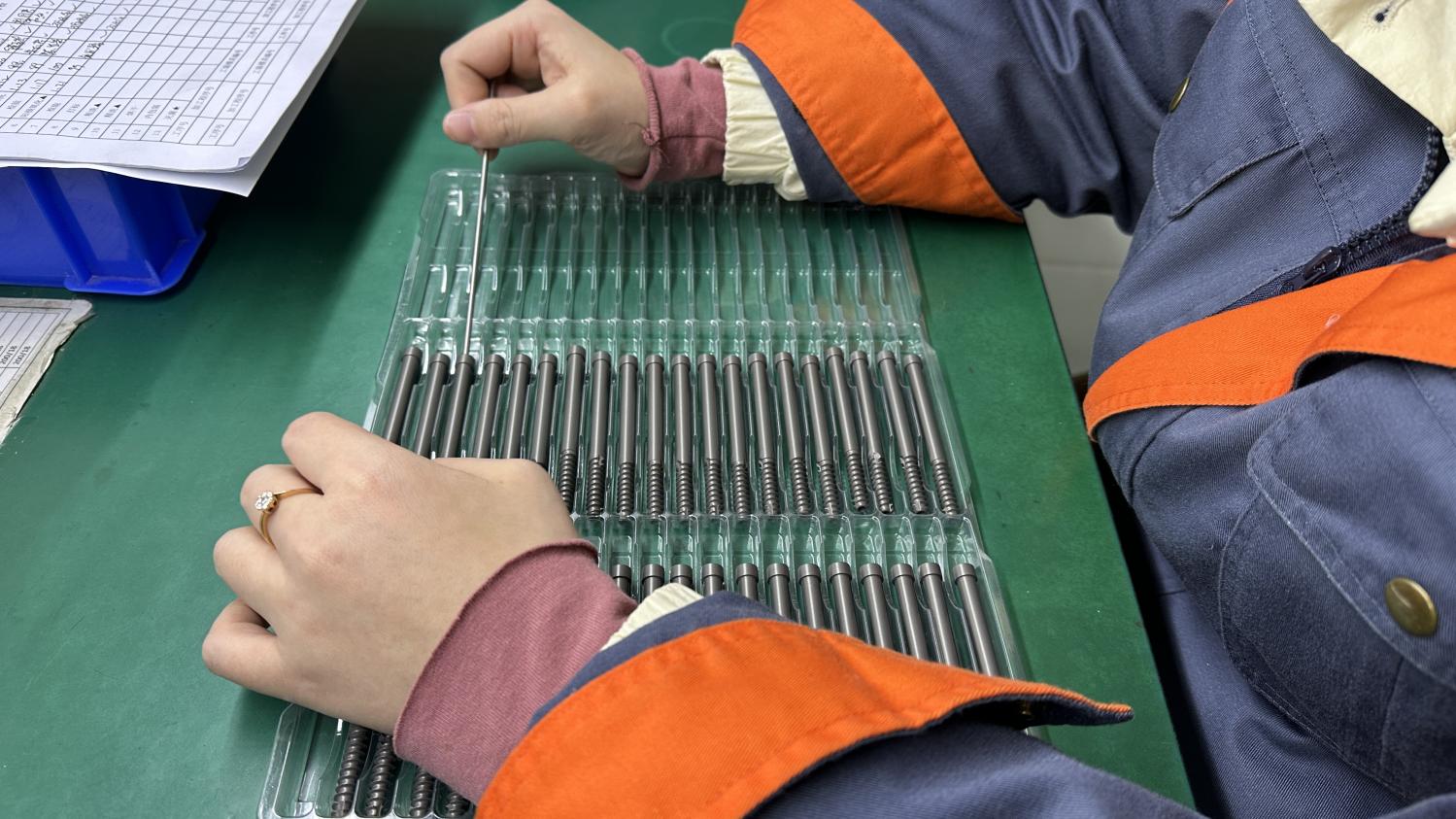
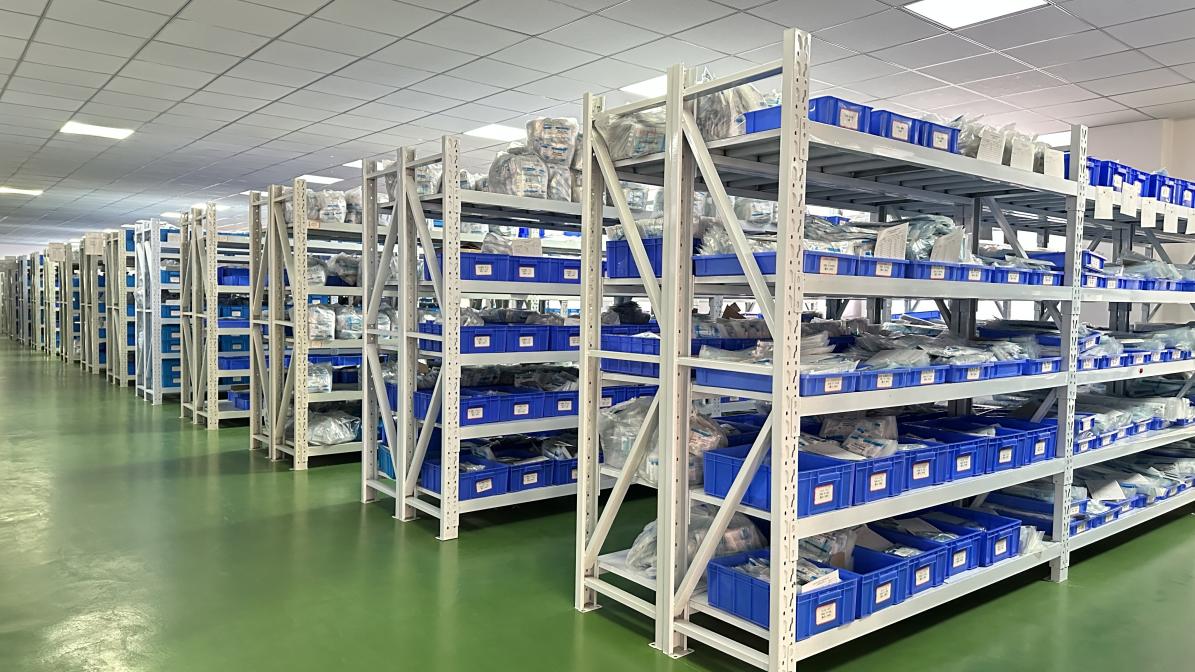
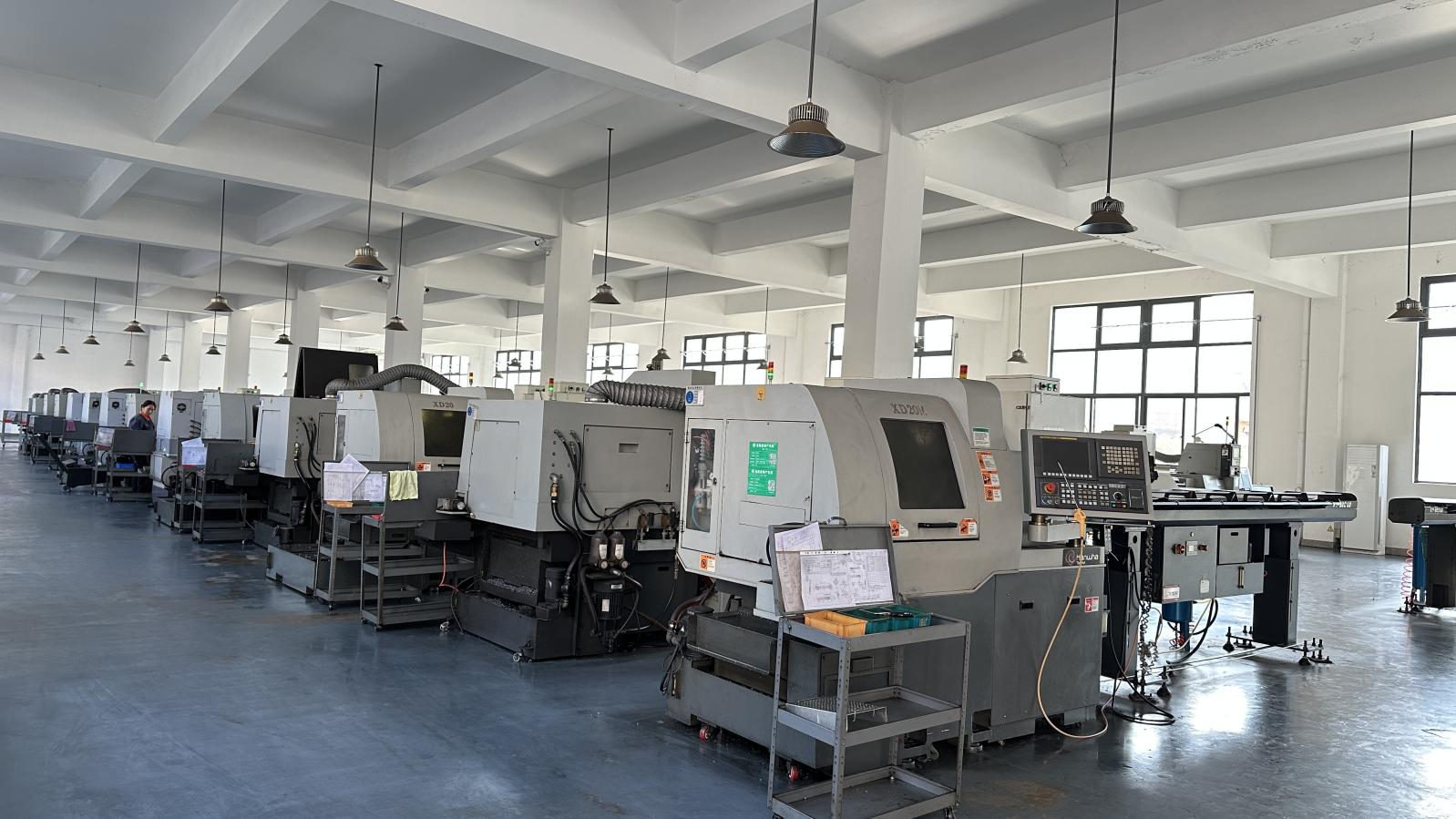
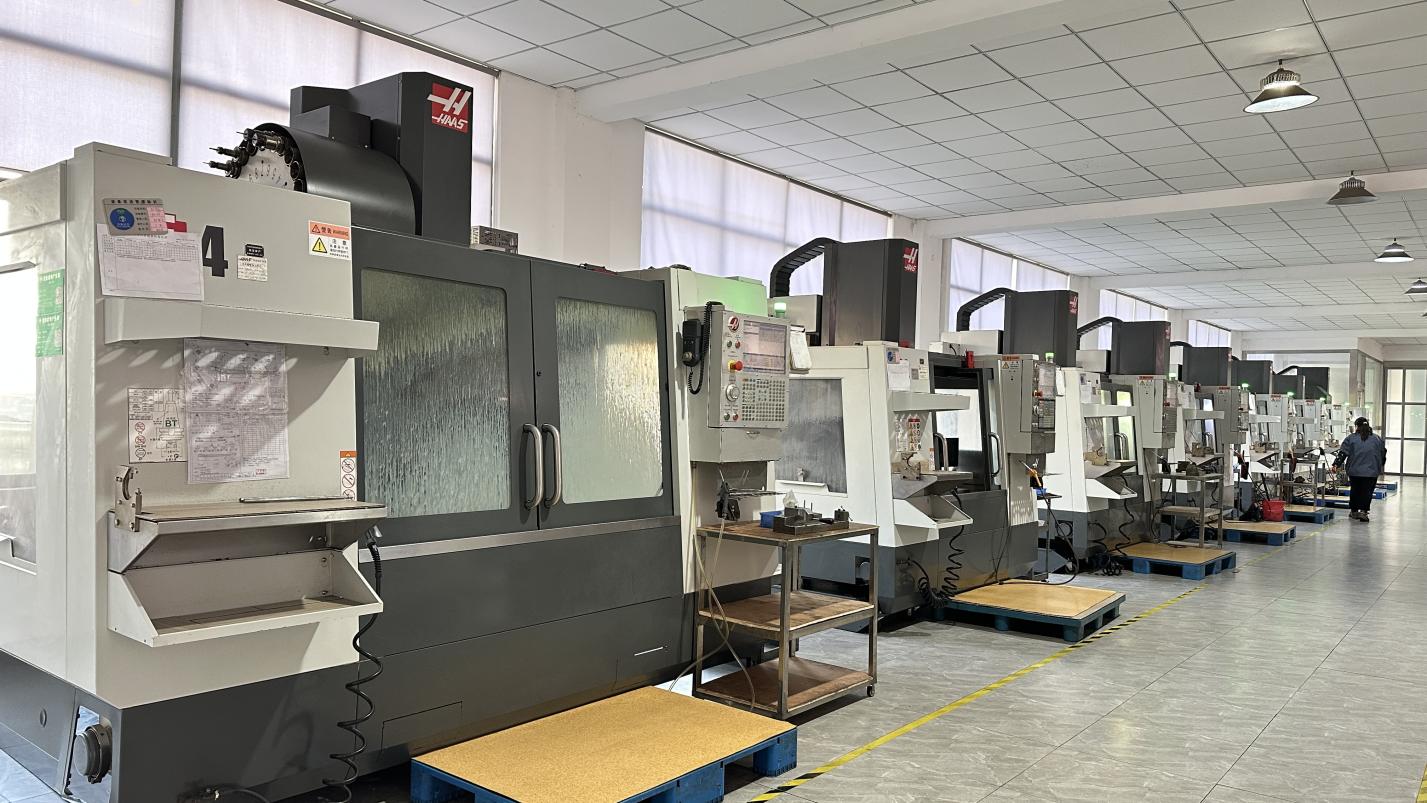
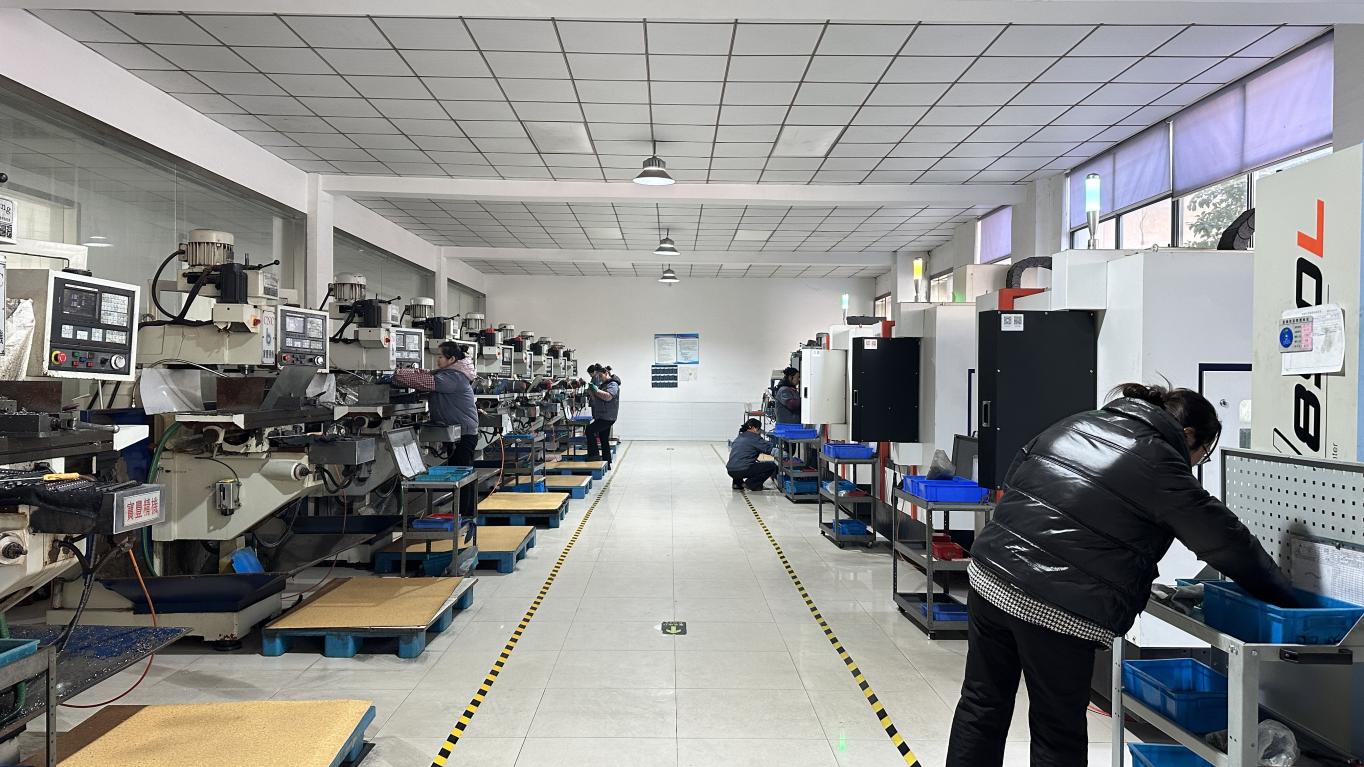
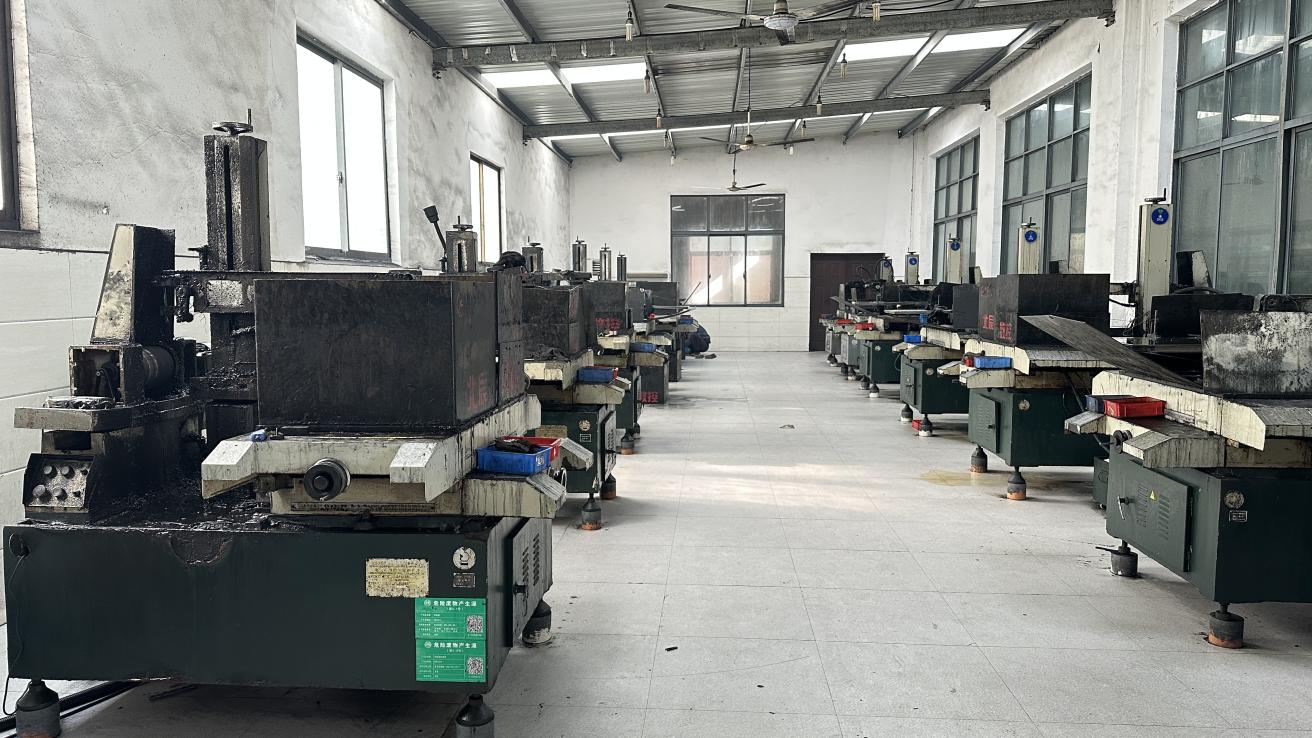
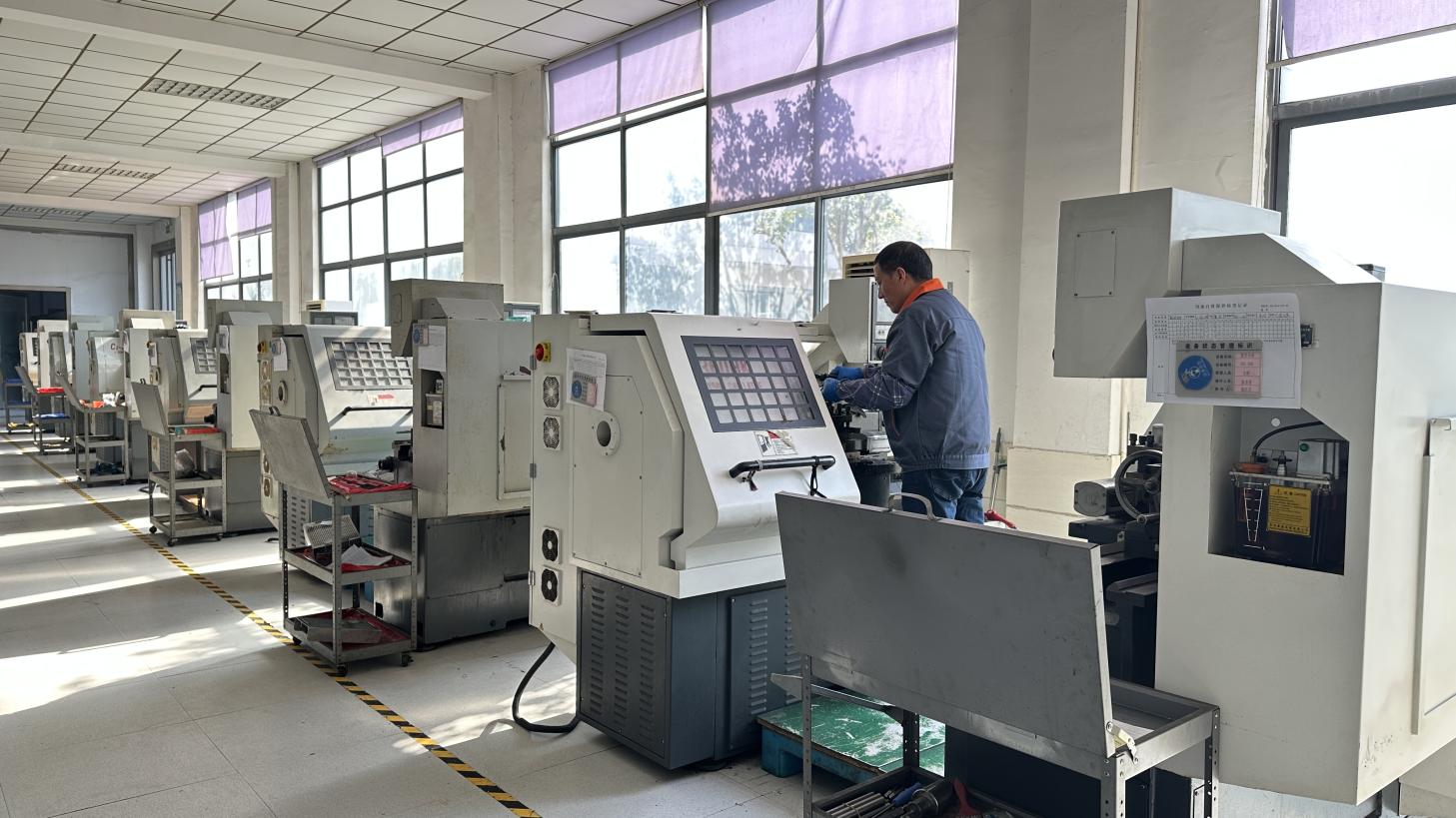
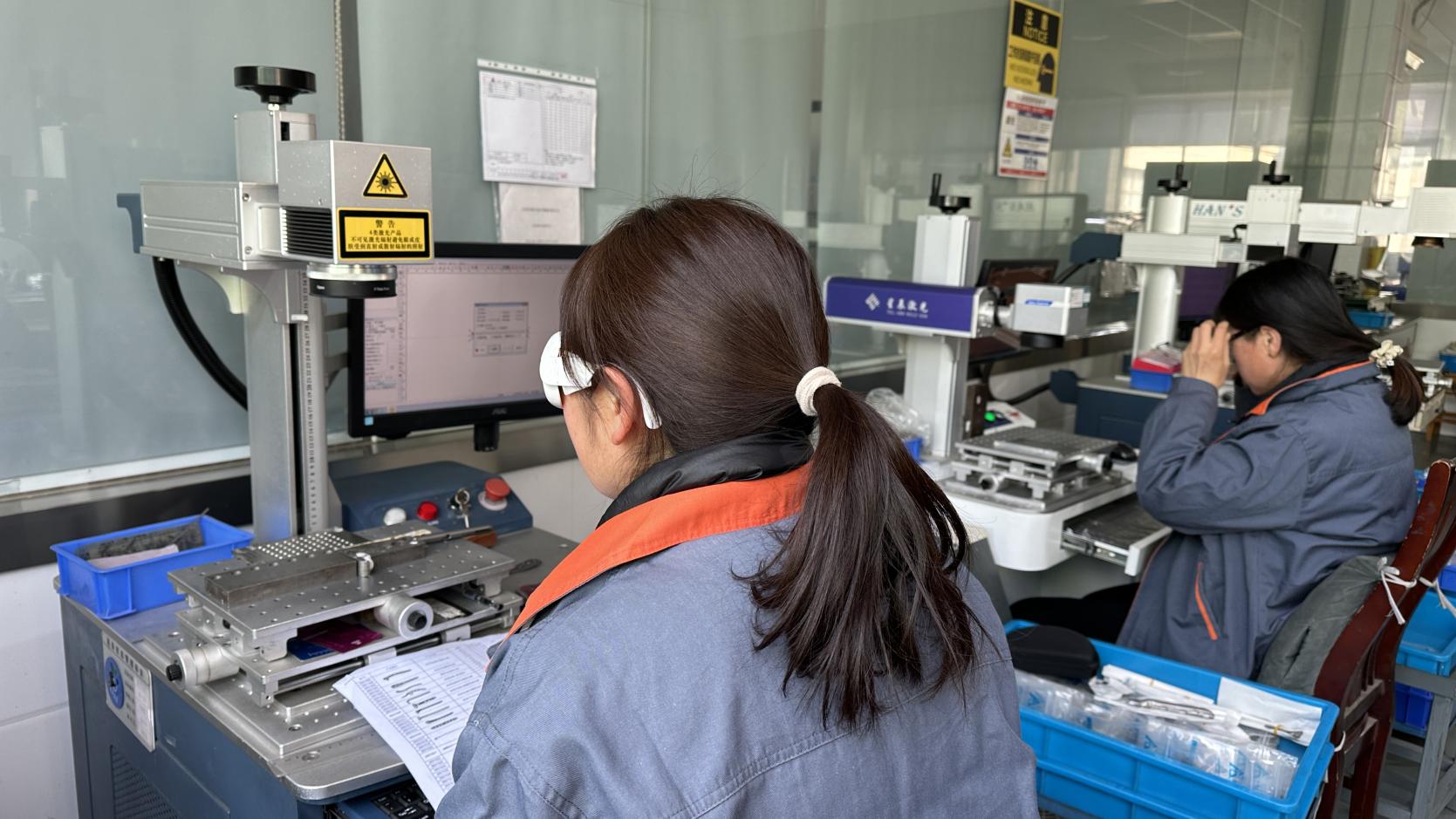
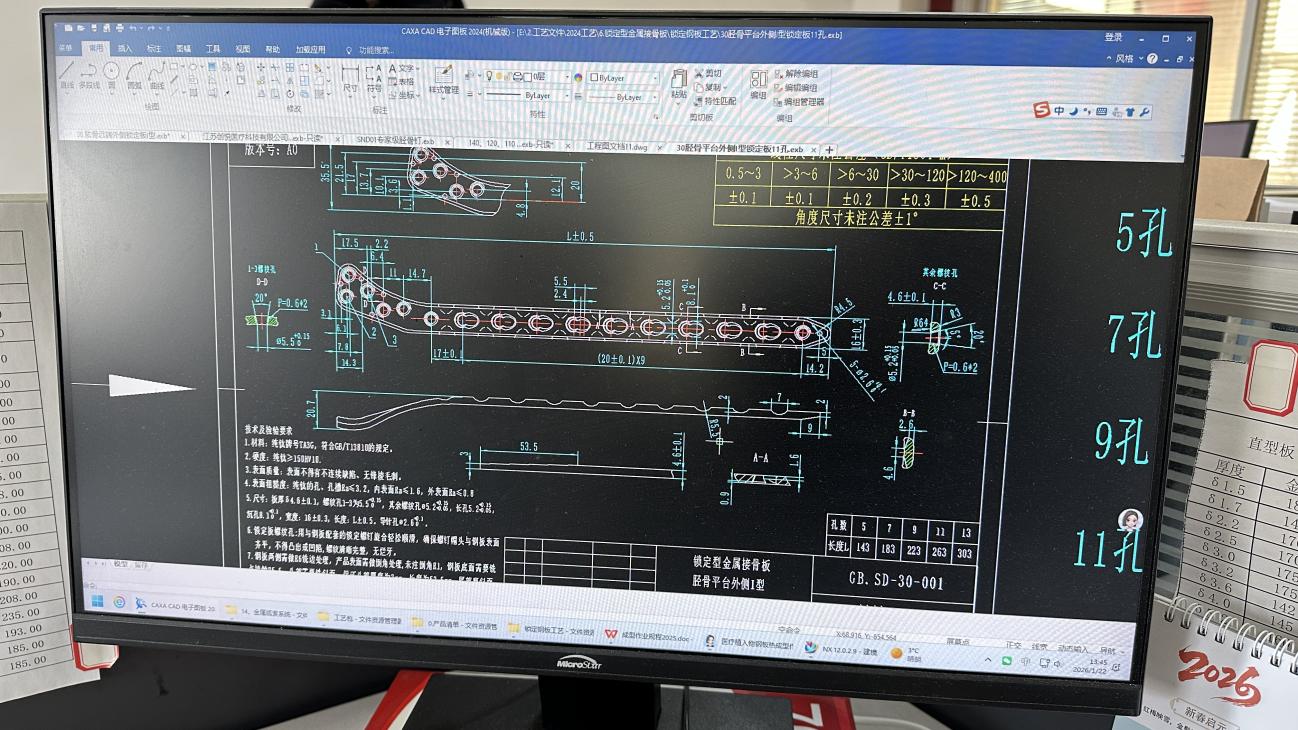
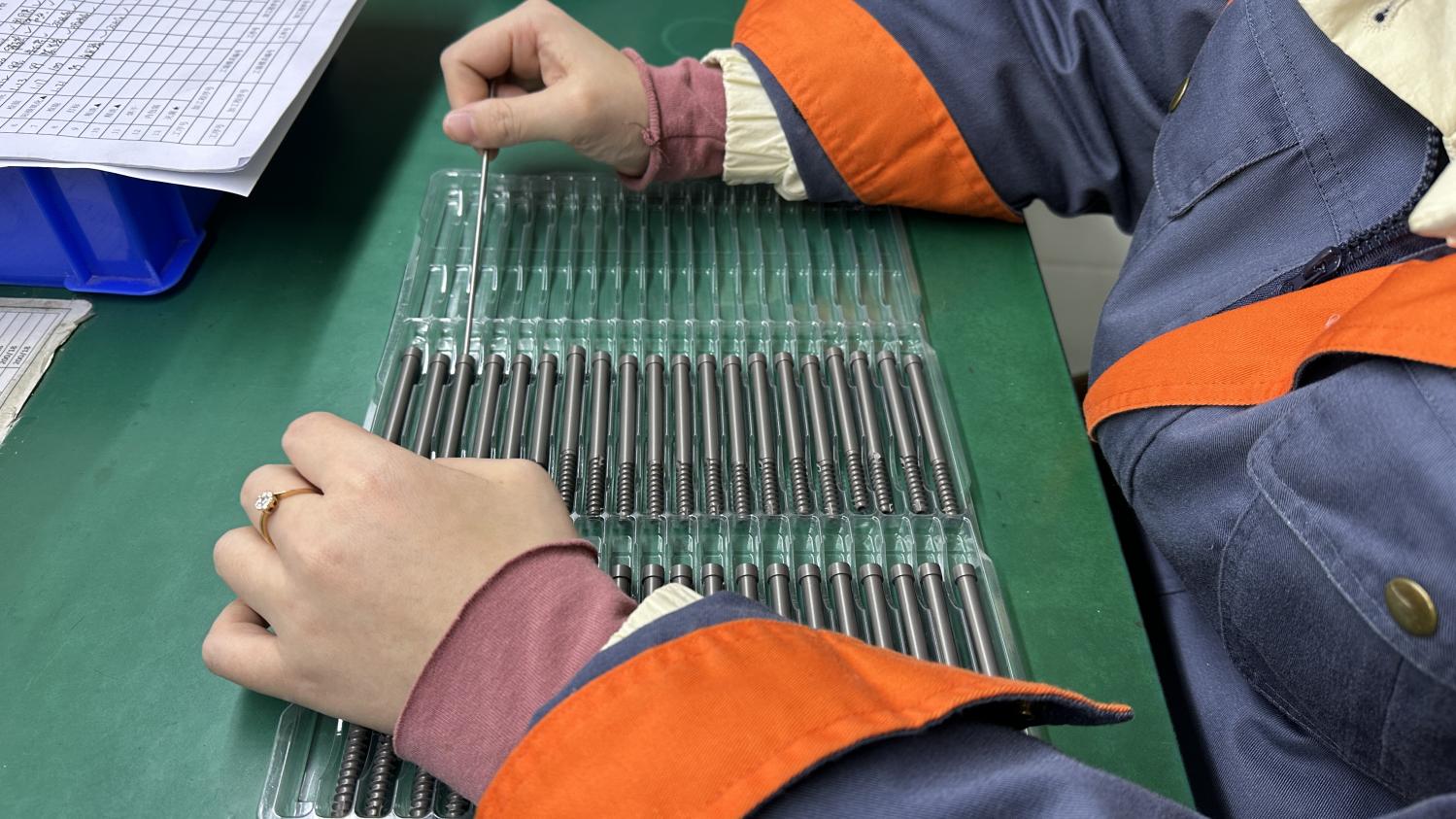
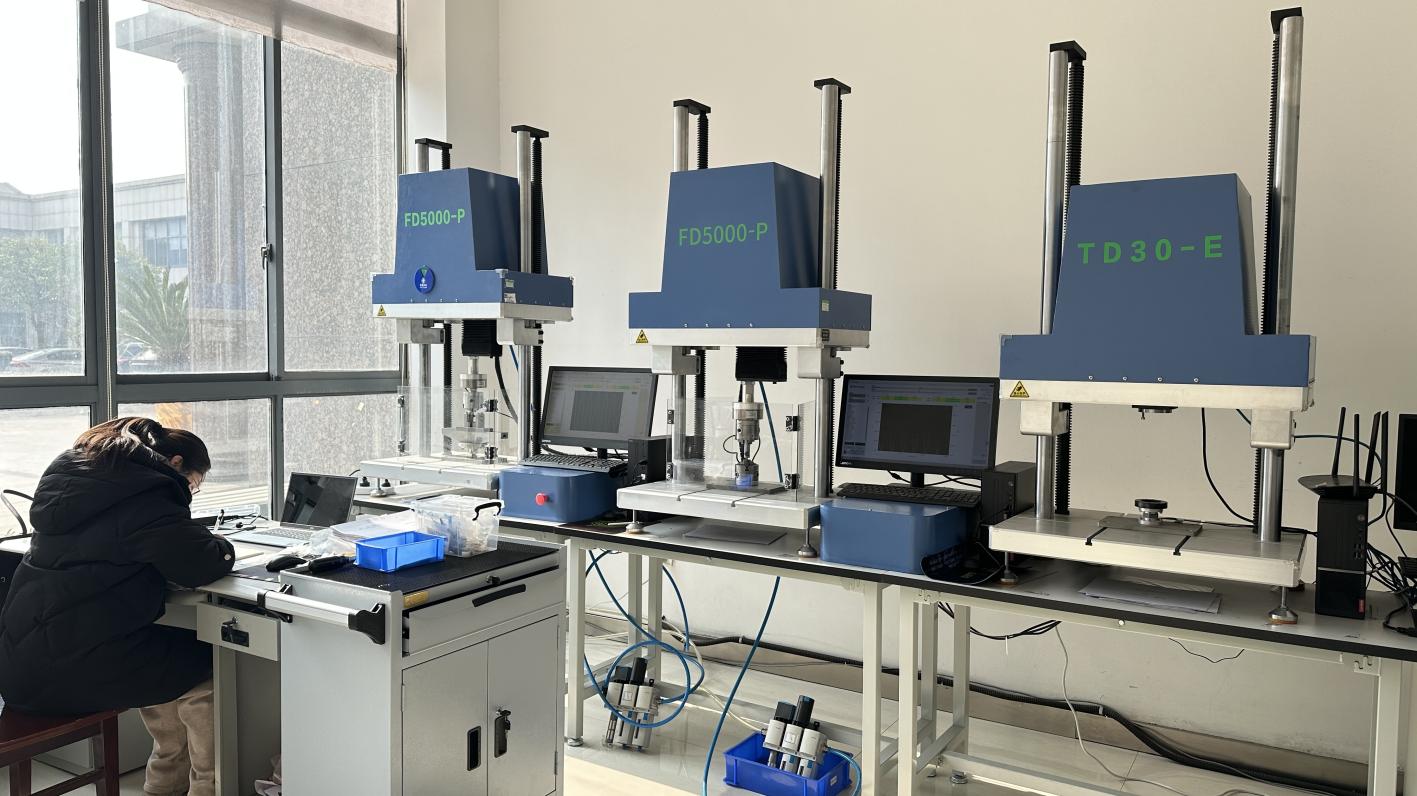
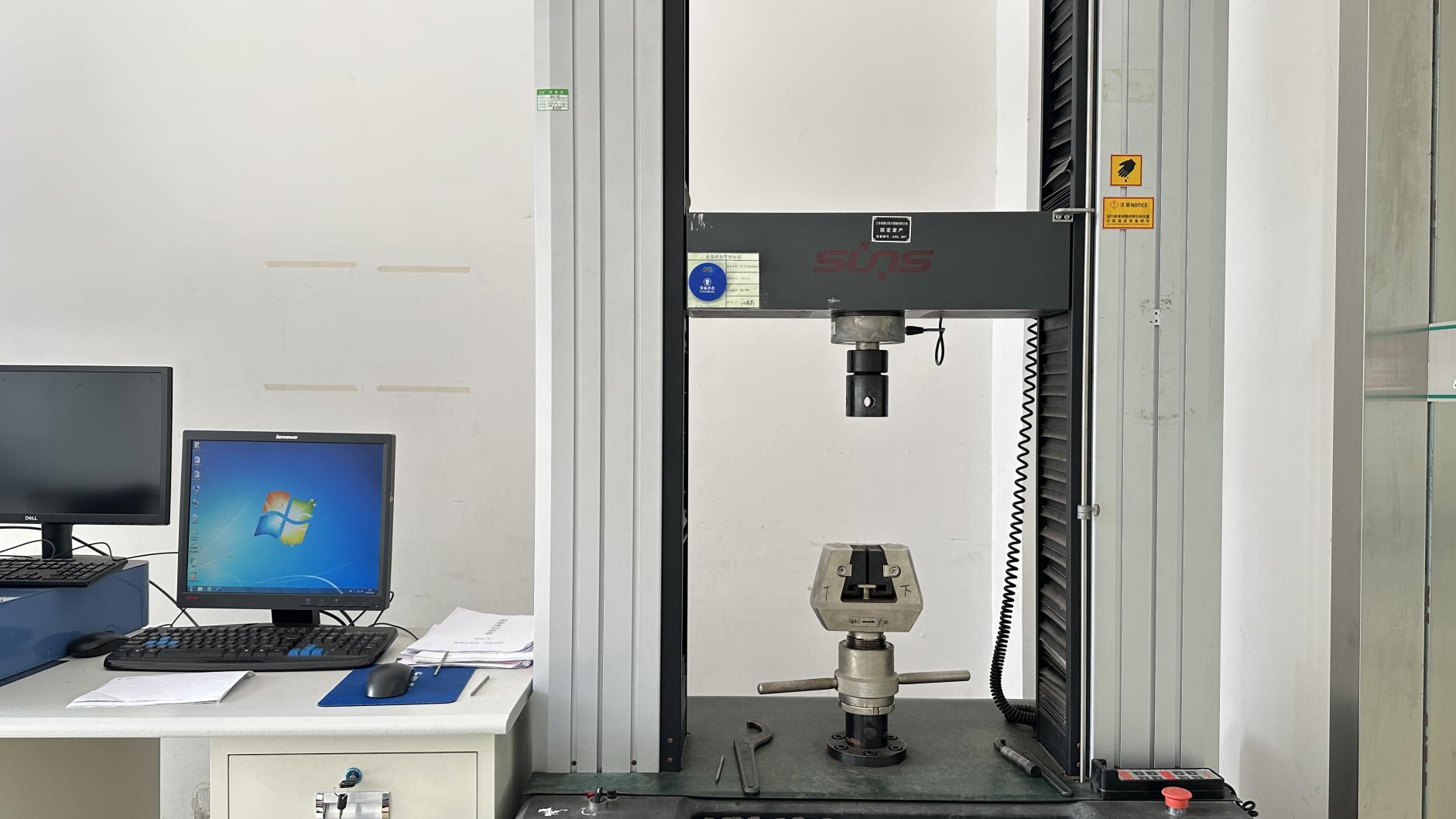
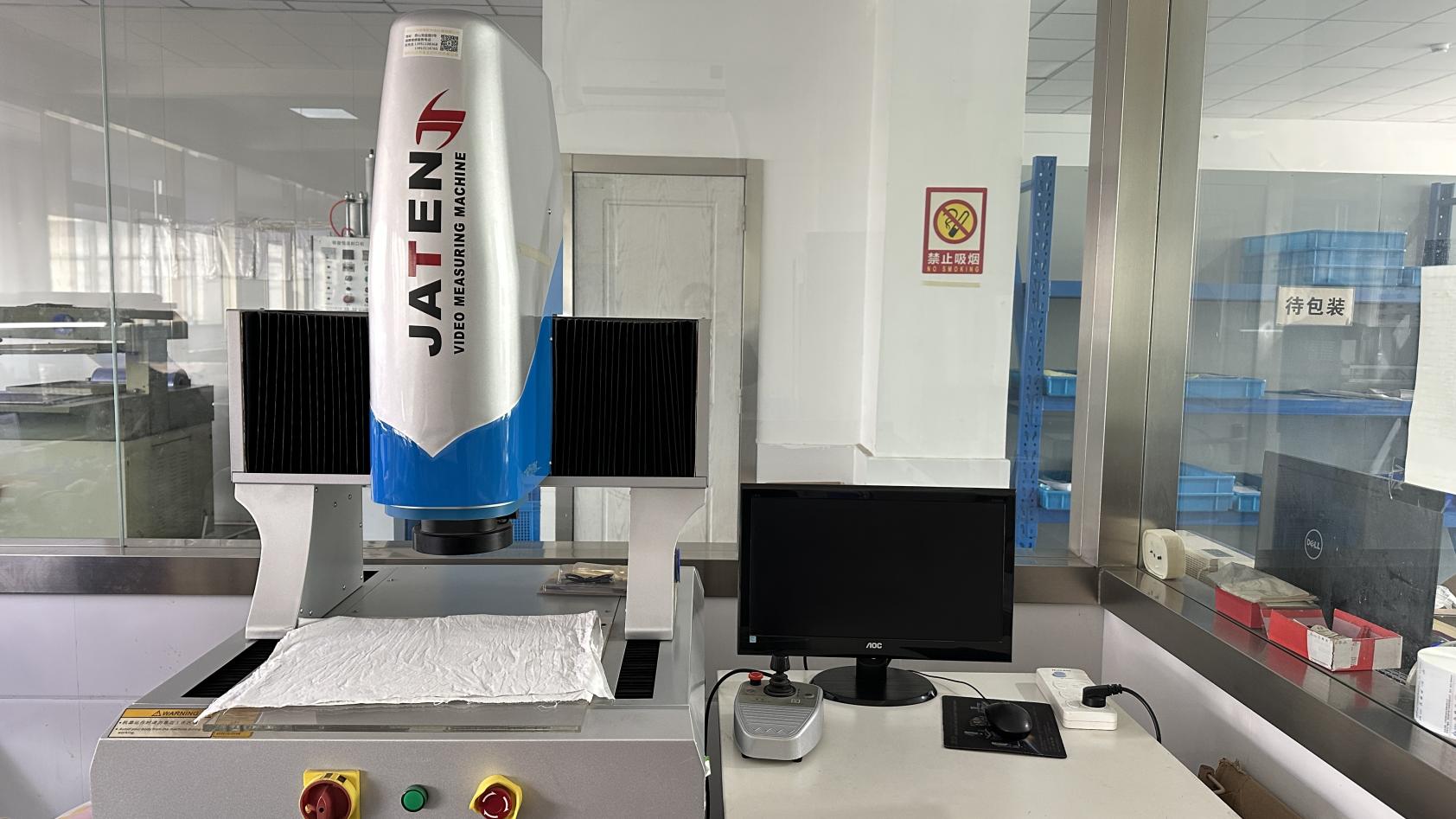
Under our ISO 13485-based full-process quality management system, we enforce strict incoming, in-process, and final inspection standards to ensure every pedicle screw satisfies extreme stress parameters.

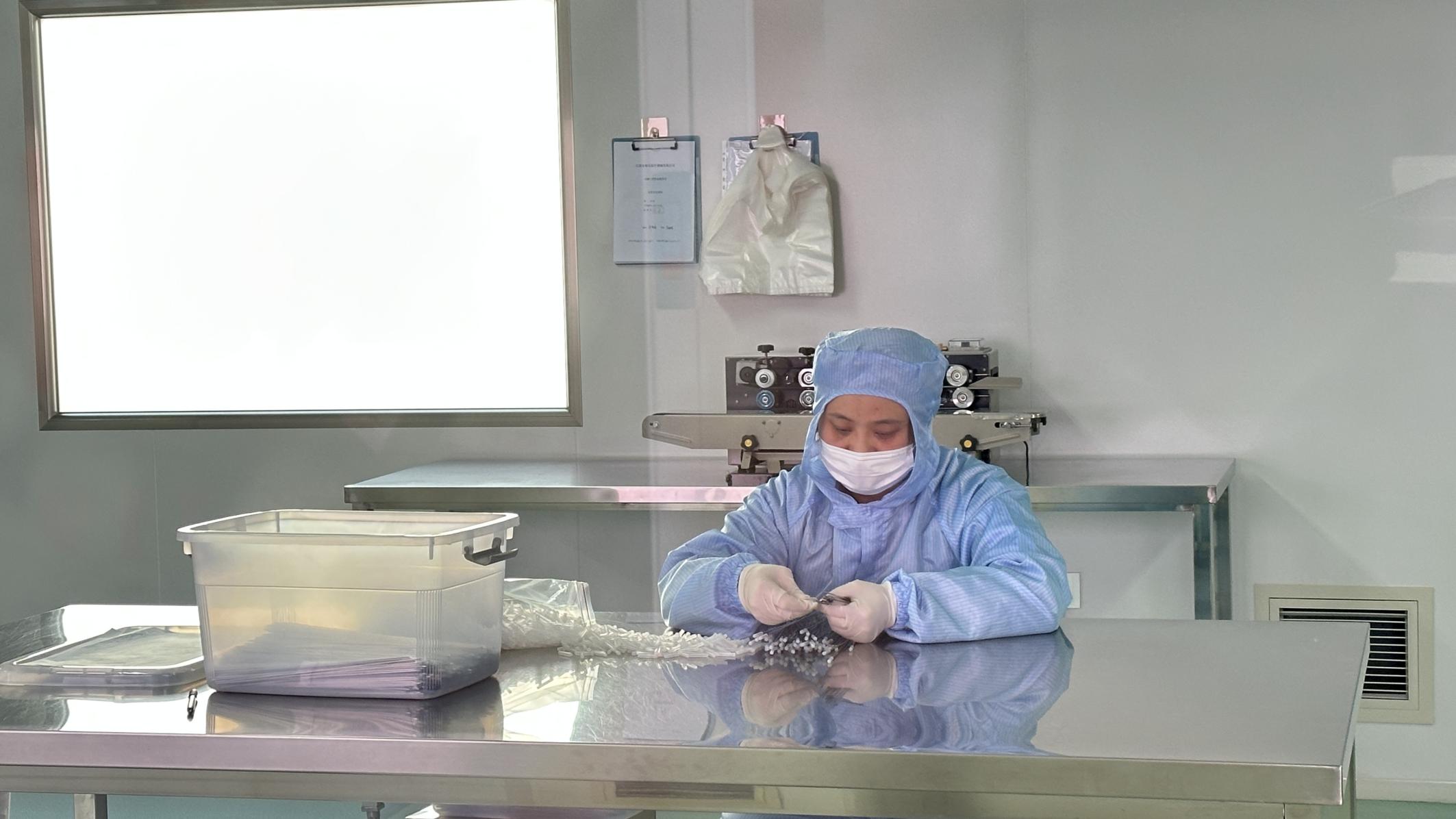
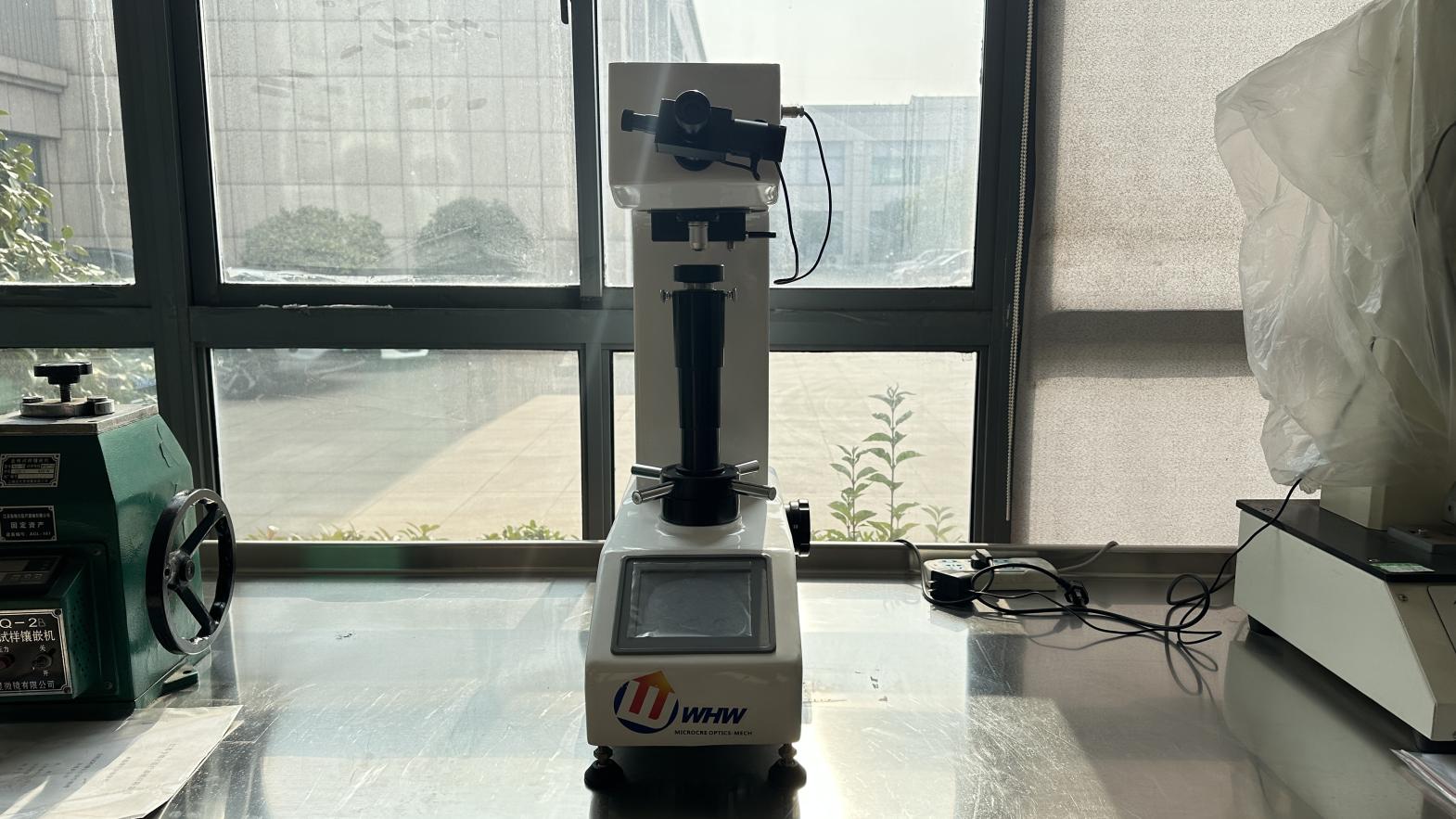
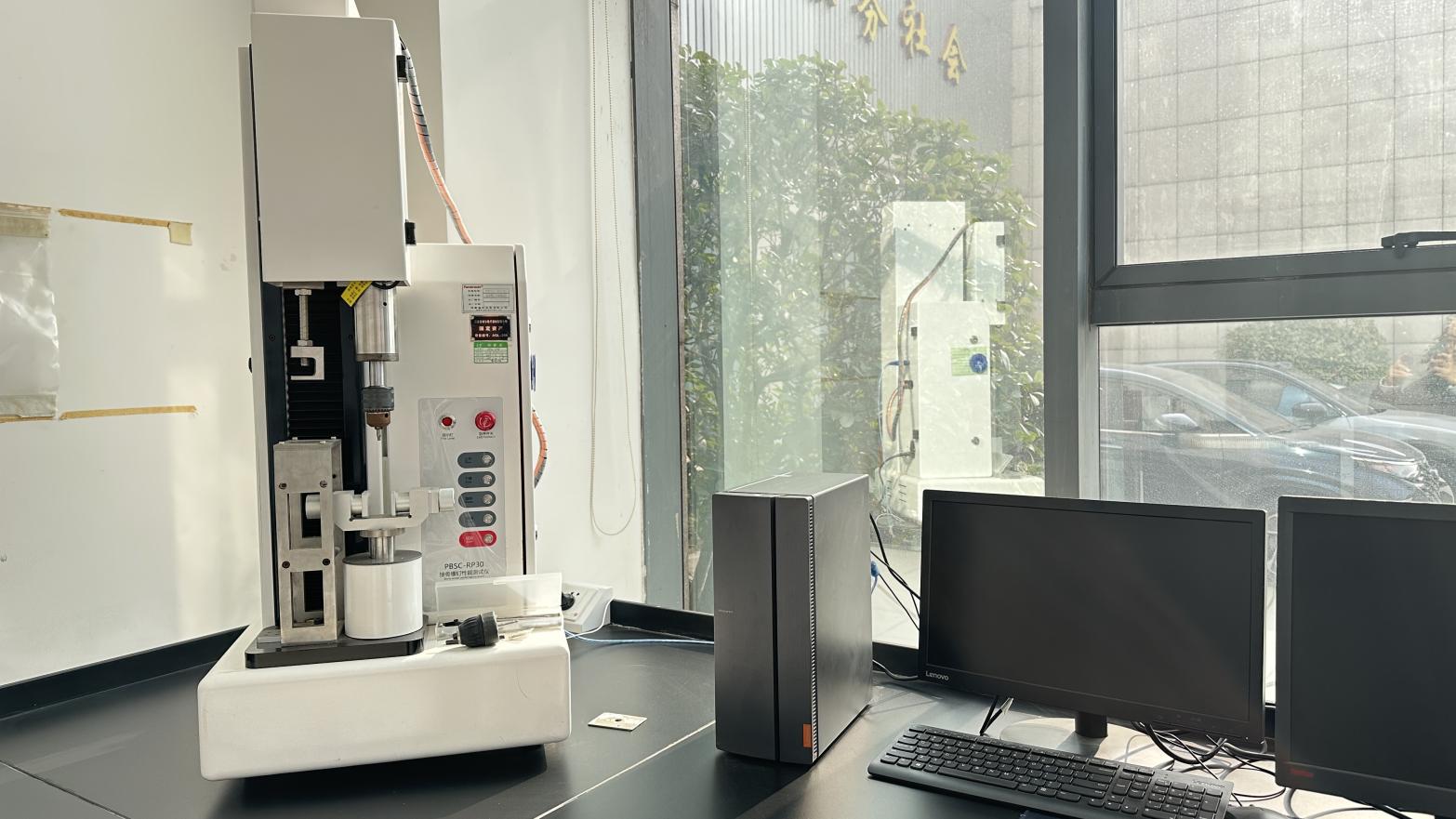
Our trade network extends across Europe, Southeast Asia, the Middle East, and South America. By maintaining relationship interfaces with over 850 certified upstream and downstream partners, we ensure access to high-purity medical metals and secondary treatment steps like passivation and cleanroom sterile packaging.
Surgical methods vary significantly by region. In European centers, there is a strong focus on minimizing radiological exposure to surgical staff, which drives high demand for robust guide-wire navigability and advanced instrument kits. In developing markets in Southeast Asia and Latin America, hospitals seek cost-competitive implants that maintain top-tier clinical outcomes. By customizing thread pitches and outer geometries, Virelox addresses these localized demands, supplying custom implant parameters for clinical teams globally.
Sourcing from China's medical device cluster offers distinct strategic advantages. Our manufacturing center in China leverages localized ecosystems for raw materials, precision mold building, and surface treatment. This ecosystem enables us to shorten prototyping turnaround times to weeks rather than months. We pass these efficiency gains to our global distributors, offering high-precision OEM implants at a highly competitive total cost of ownership (TCO).
Our 120 specialized R&D engineers are continually developing next-generation innovations. The forward roadmap includes:
• Additive Manufacturing (3D Printing): Printing porous pedicle screws to allow direct osteoconductive growth.
• Smart Spinal Implants: Researching embedded sensor systems to track real-time load shifts and monitor fusion progress.
• Bioactive Coatings: Utilizing advanced magnesium-doped and silicon-doped coatings to accelerate bone growth in patients with compromised bone density.
Get technical and commercial insights from our R&D and supply chain teams.
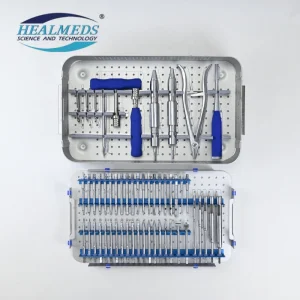
High-performance implants and tools engineered to support comprehensive surgical workflows.
 Virelox