Precision Joint Orthopedics

Custom OEM Bipolar Hip Prosthesis Manufacturers & Suppliers

Providing medically engineered implants, dual-mobility design interfaces, and customized orthopedic solutions to global healthcare suppliers and distributors.

Industry White Paper

The Evolution of Bipolar Hip Hemiarthroplasty: Clinical Design & Engineering Mandates

Bipolar hip hemiarthroplasty remains a cornerstone intervention in contemporary orthopedic trauma, particularly in treating displaced femoral neck fractures among elderly populations and patient demographics with limited life expectancy. Unlike unipolar structures, the bipolar hip prosthesis incorporates an intermediate component containing a secondary joint interface. This dual-deflection articulation splits joint translation between the inner head-liner junction and the outer liner-acetabulum interface, thereby dramatically diminishing shear stress against the natural cartilage of the native acetabulum.

As a leading orthopedic manufacturer, Virelox Medical Devices Co., Ltd. (operating under the clinical brand "Virelox") integrates advanced metallurgy, biomechanical simulations, and precise CNC-machining protocols to design, fabricate, and test Bipolar Hip Prostheses that meet the rigorous requirements of orthopedic surgeons and procurement committees worldwide. Our industrial infrastructure supports both custom OEM/ODM pipelines and high-volume component distribution with uncompromised compliance.

Virelox Enterprise Profile

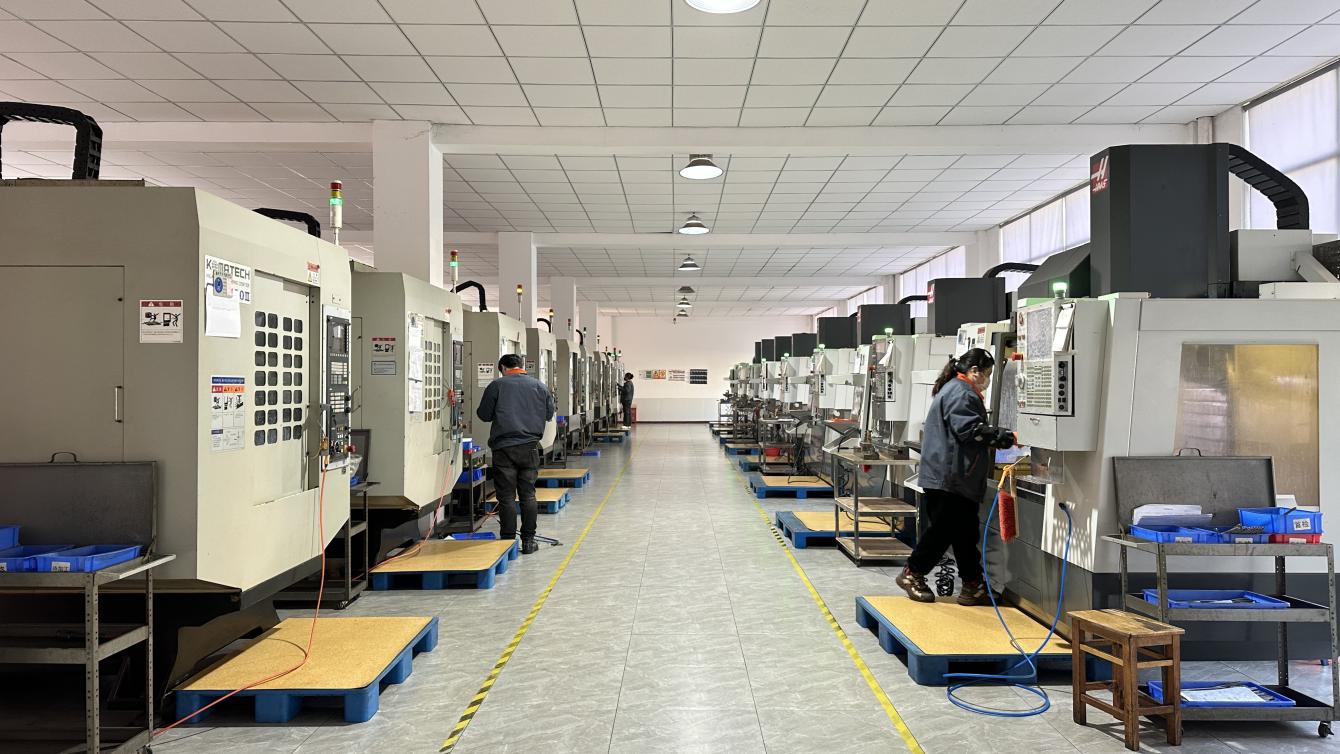
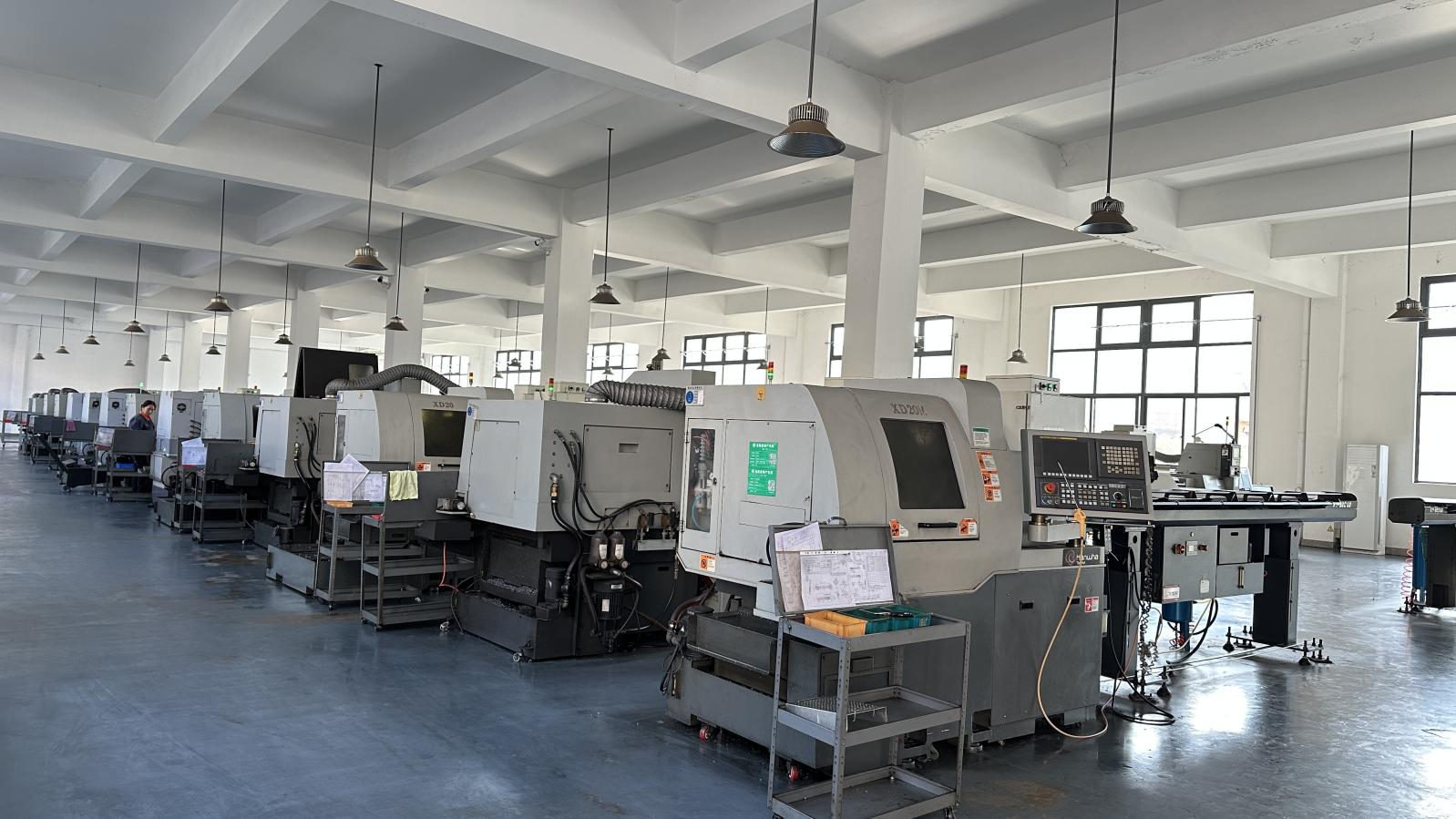
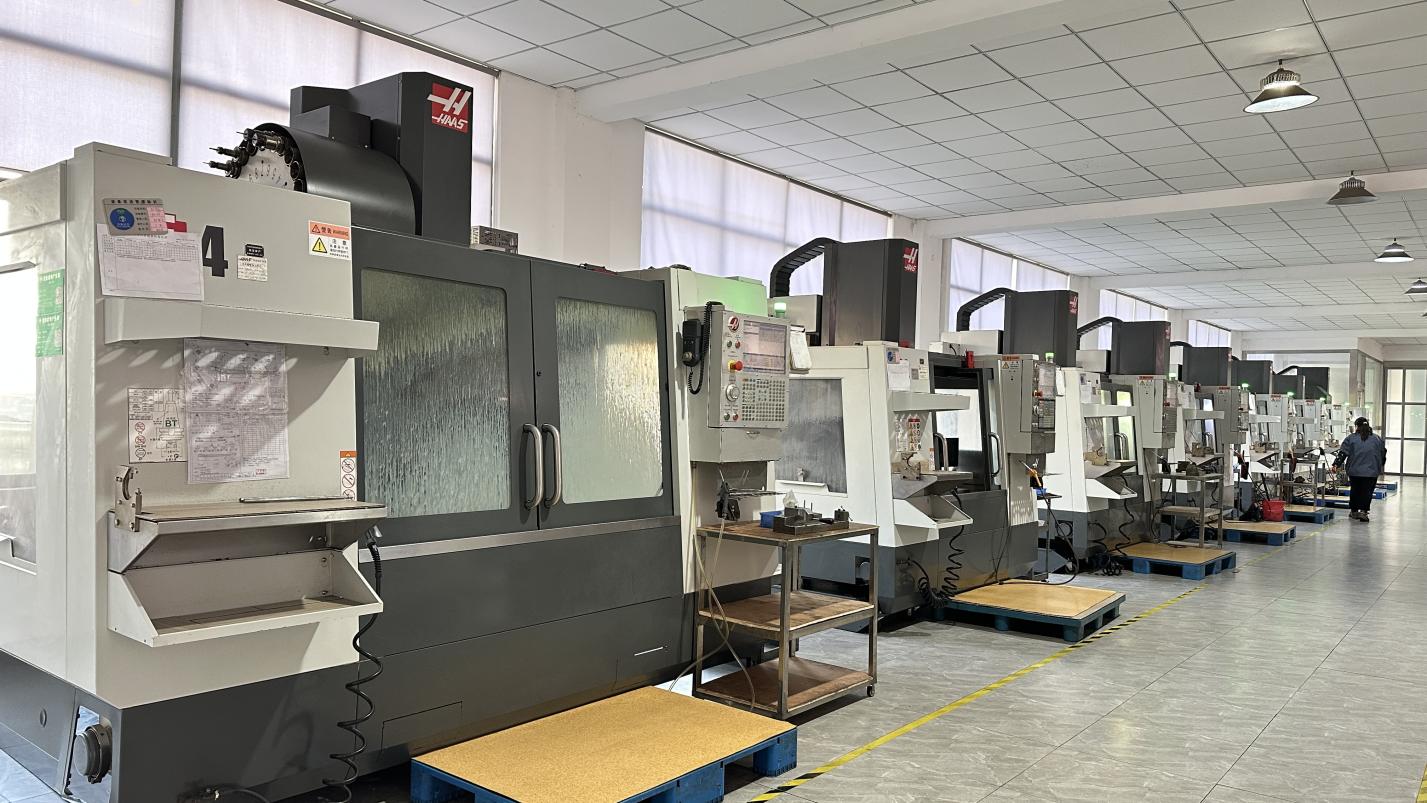
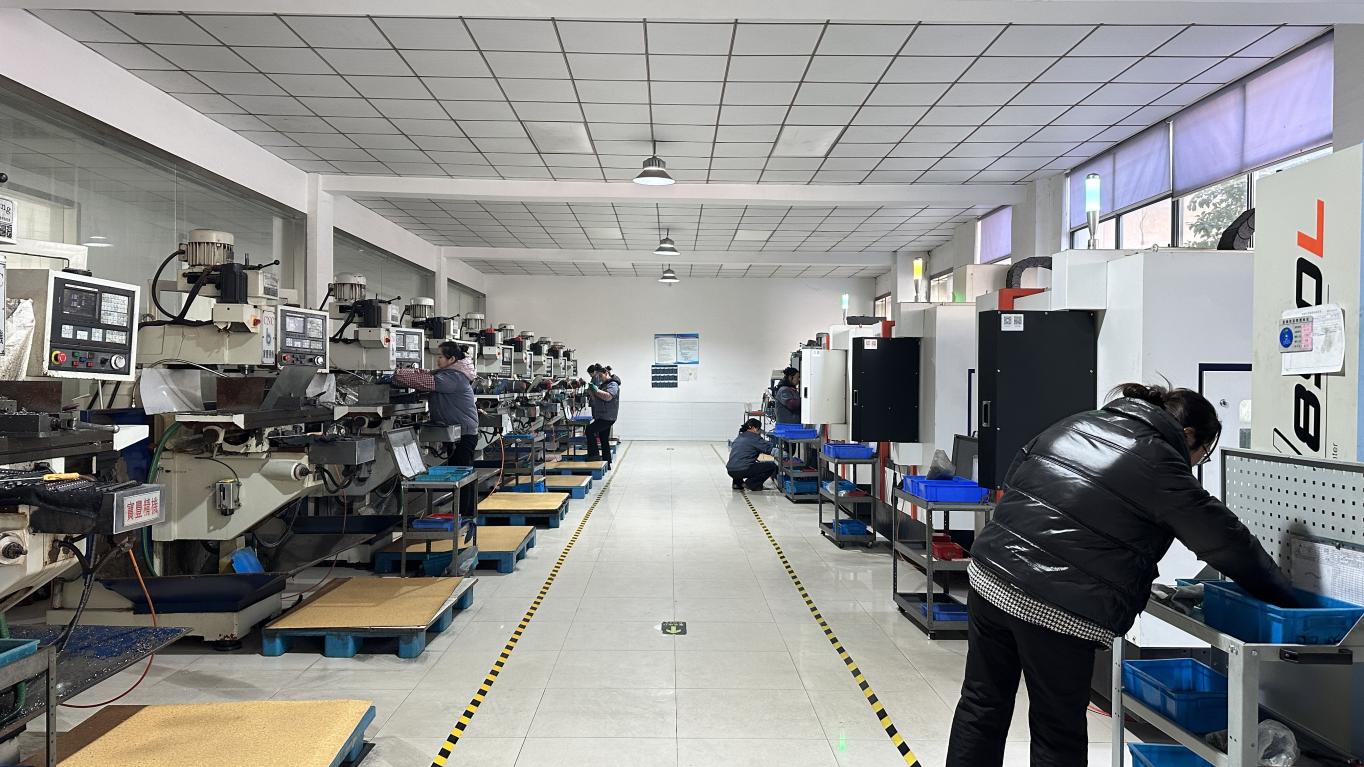
Founded in 2016, Virelox operates a state-of-the-art 12,000 m² manufacturing facility specializing in joint arthroplasty systems, spinal implants, and related orthopedic instrumentation.

  • Establishment Year: 2016
  • Export Experience: 8 Years
  • Industry Deep-Tech: 10 Years
  • Annual Export Value: USD 8,500,000
  • Quality Staff: 65 Dedicated QA Professionals
  • R&D Scale: 120 Engineers
12,000m²
Advanced Manufacturing Area
120+
R&D Engineers & Bio-Architects
850
Upstream/Downstream Partners
120+
New Products Developed Yearly

Global Medical Trends in Bipolar Prosthetic Engineering

Addressing the shifting paradigms of wear minimization, acetabular retention, and anatomical adaptation.

Wear Reduction & Bio-tribology

Contemporary bipolar cups incorporate Ultra-High-Molecular-Weight Polyethylene (UHMWPE) combined with highly cross-linked polymers (XLPE) or Vitamin-E infusion. This optimizes wear characteristics and delays localized osteolysis.

Self-Centering Mechanics

Modern structural models utilize an eccentric center of rotation. Under weight-bearing stress, this layout causes the shell to align dynamically into a vertical orientation, preventing impingement and reducing edge wear.

Anatomical Sizing Spectrum

Ensuring precise patient-to-implants matches requires fine-increment shell profiles (ranging from 38mm to 60mm outer diameters in 1mm steps) to eliminate micromotion and maximize femoral head retention.

Custom OEM & ODM Orthopedic Solutions

Global medical distributors and surgical organizations require implants tailored to demographic physiological traits and surgeon habits. At Virelox, we provide a complete, vertically integrated contract manufacturing model:

  • Biomechanical Simulation: Finite Element Analysis (FEA) is utilized to model load distribution, simulating up to 10 million gait cycles.
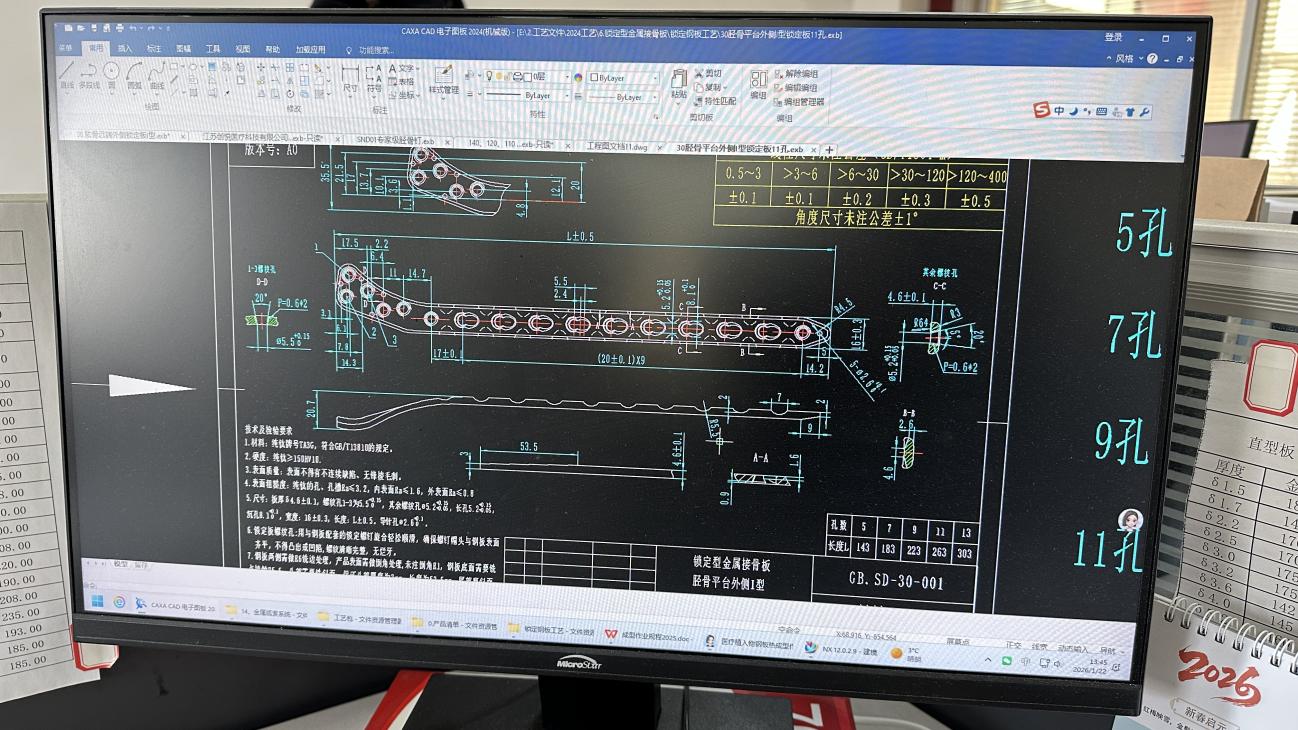
  • Anatomical Geometry Tuning: Modifying inner diameters, neck offsets, or outer surface lock profiles based on design inputs.
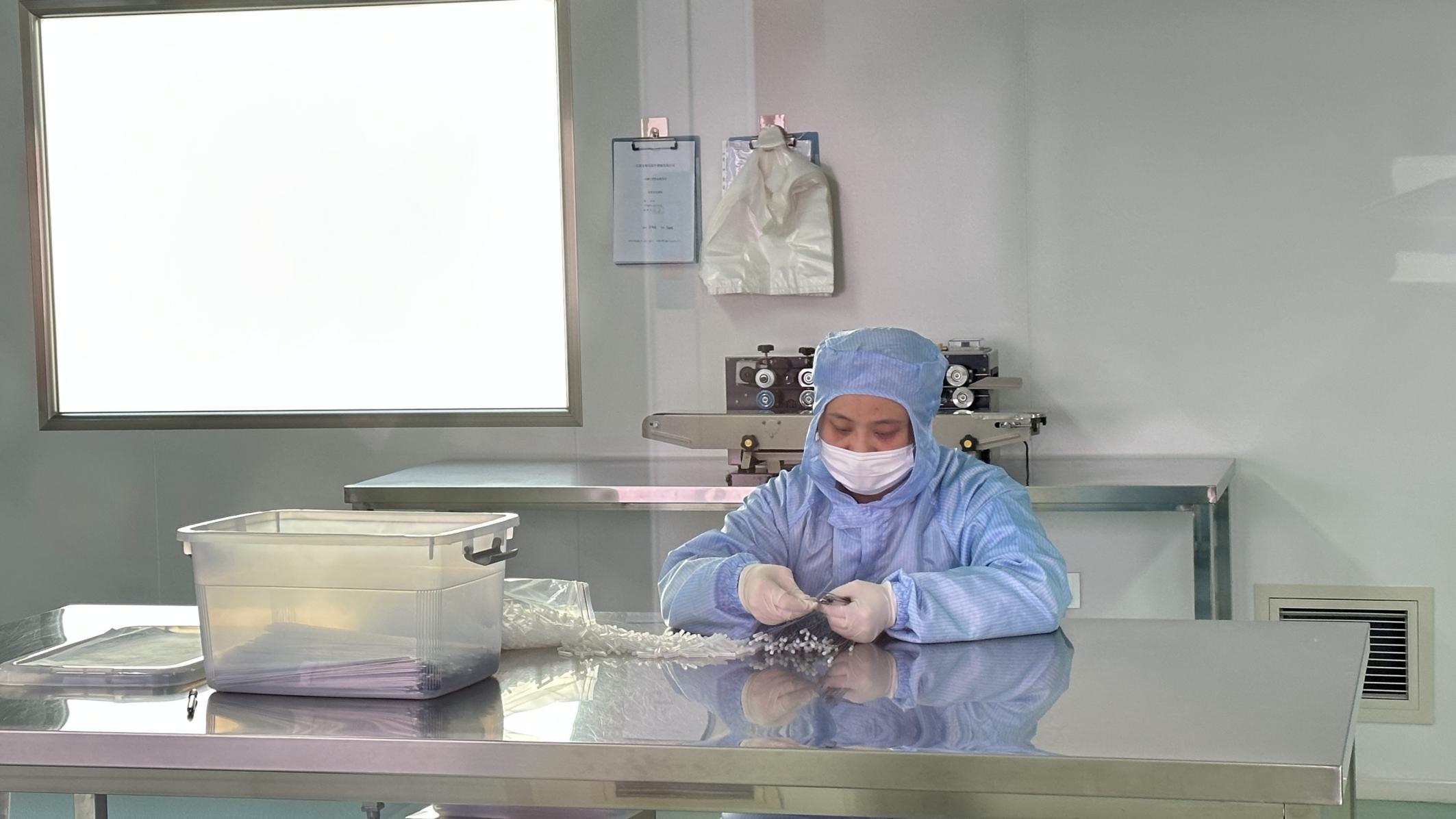
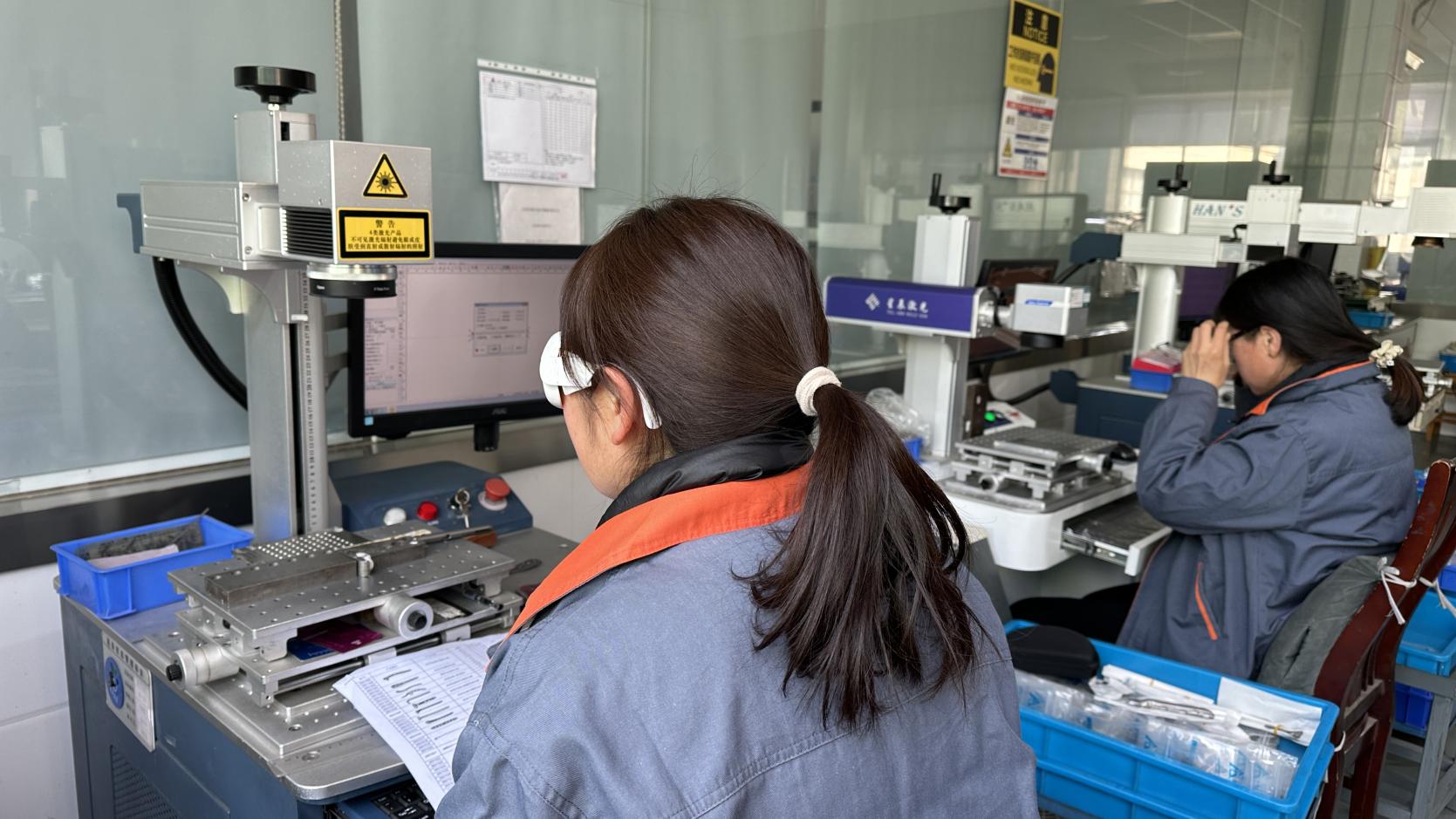
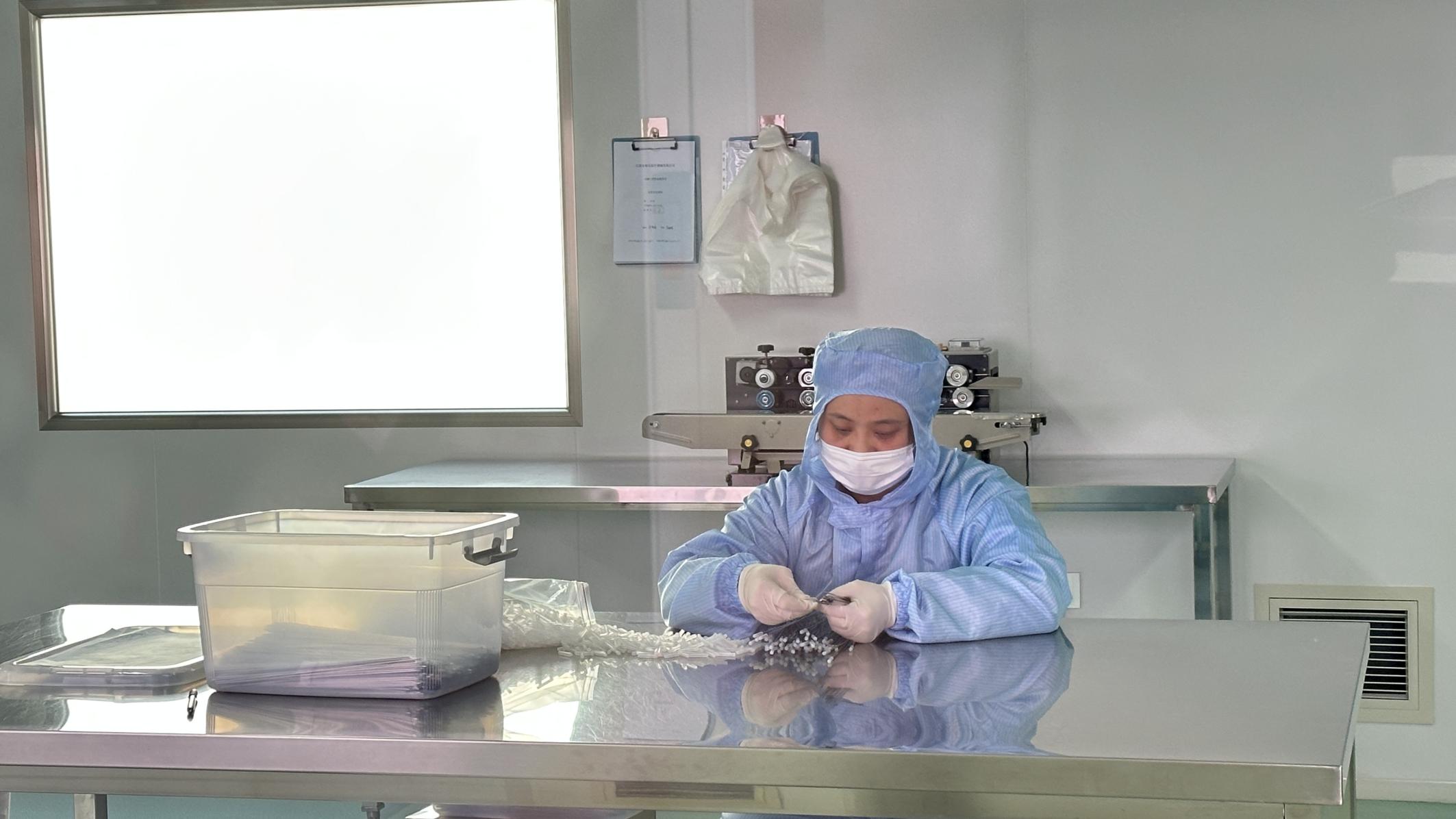
  • Private Label Production: Comprehensive laser-marking, cleanroom packaging (Class 10,000/ISO Class 7 standards), and regulatory dossier creation.
  • Flexible Prototyping: Utilizing rapid 3D printing and SLA tooling to deliver physical functional models within days.
Global Supply Chain Stability

Streamlined Procurement & Component Integration

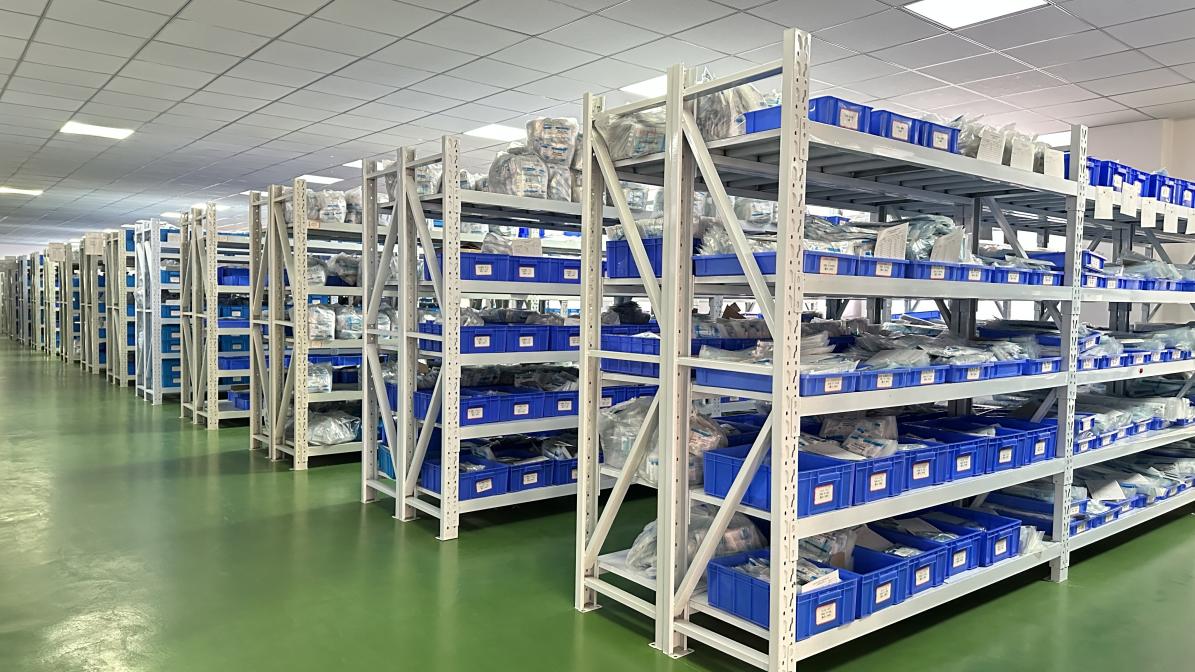
Procuring orthopedic implants at scale requires a highly resilient supply chain. Virelox manages this via 850 certified upstream and downstream partners. This ensures consistent raw materials supply, including medical-grade titanium alloys (Ti6Al4V ELI) and cobalt-chromium alloys (CoCrMo).

Our major client types include:

Medical Device Distributors Orthopedic Clinics International Procurement Agencies OEM Brand Owners

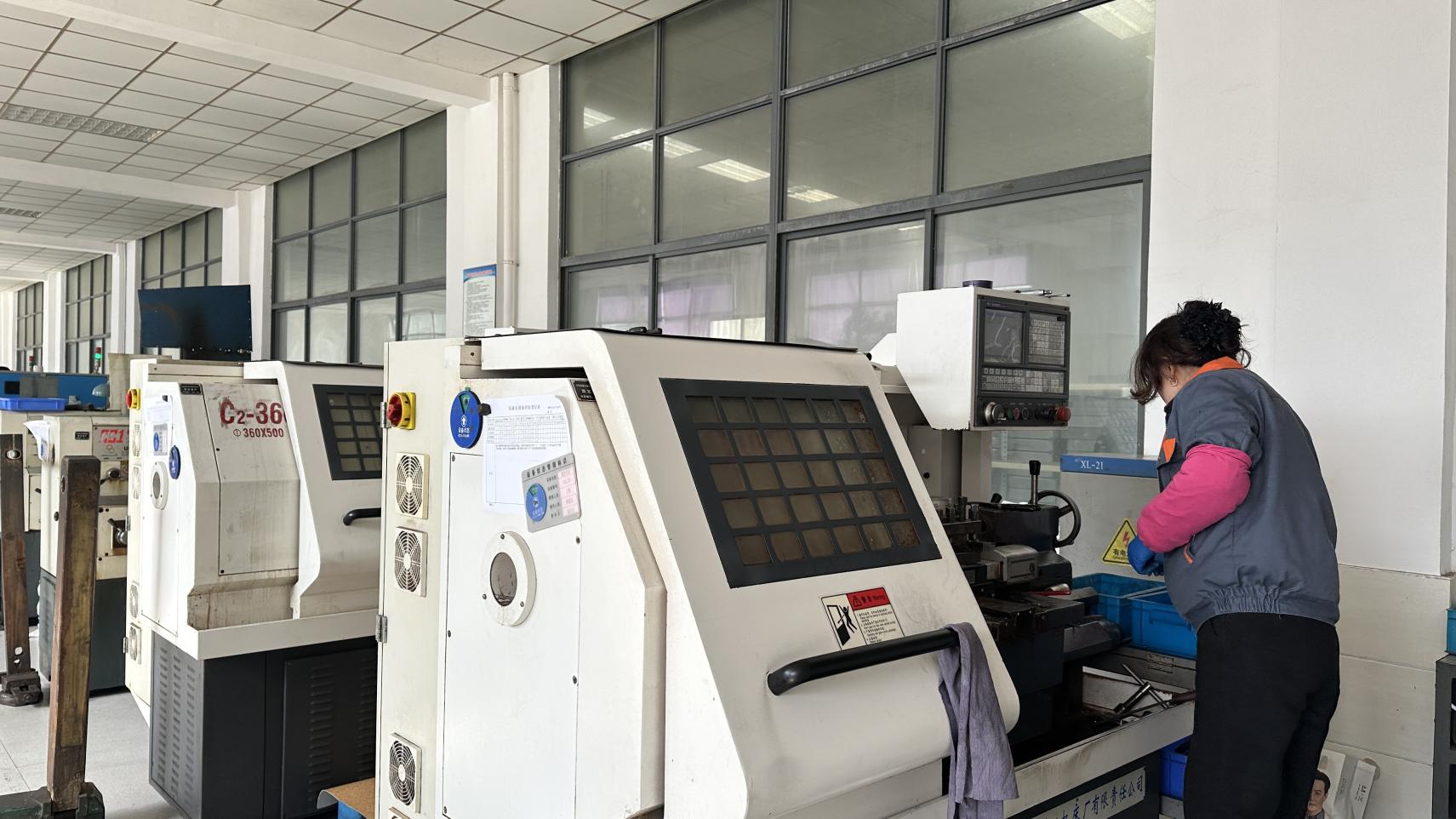
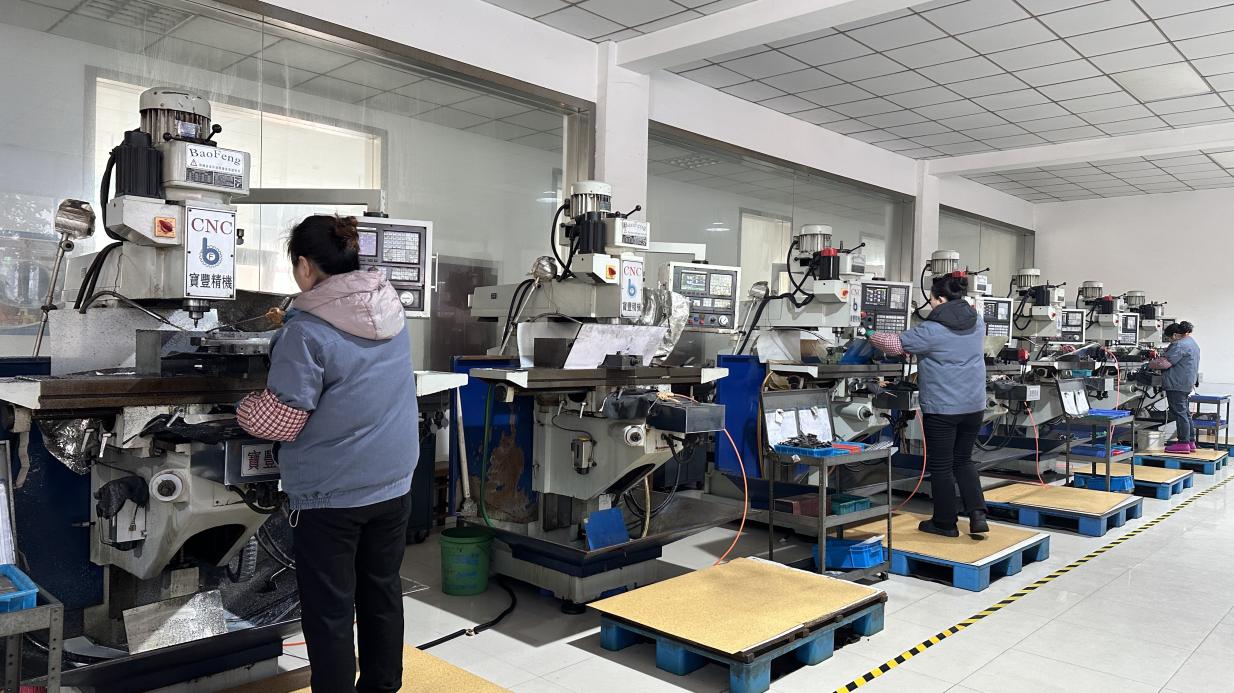
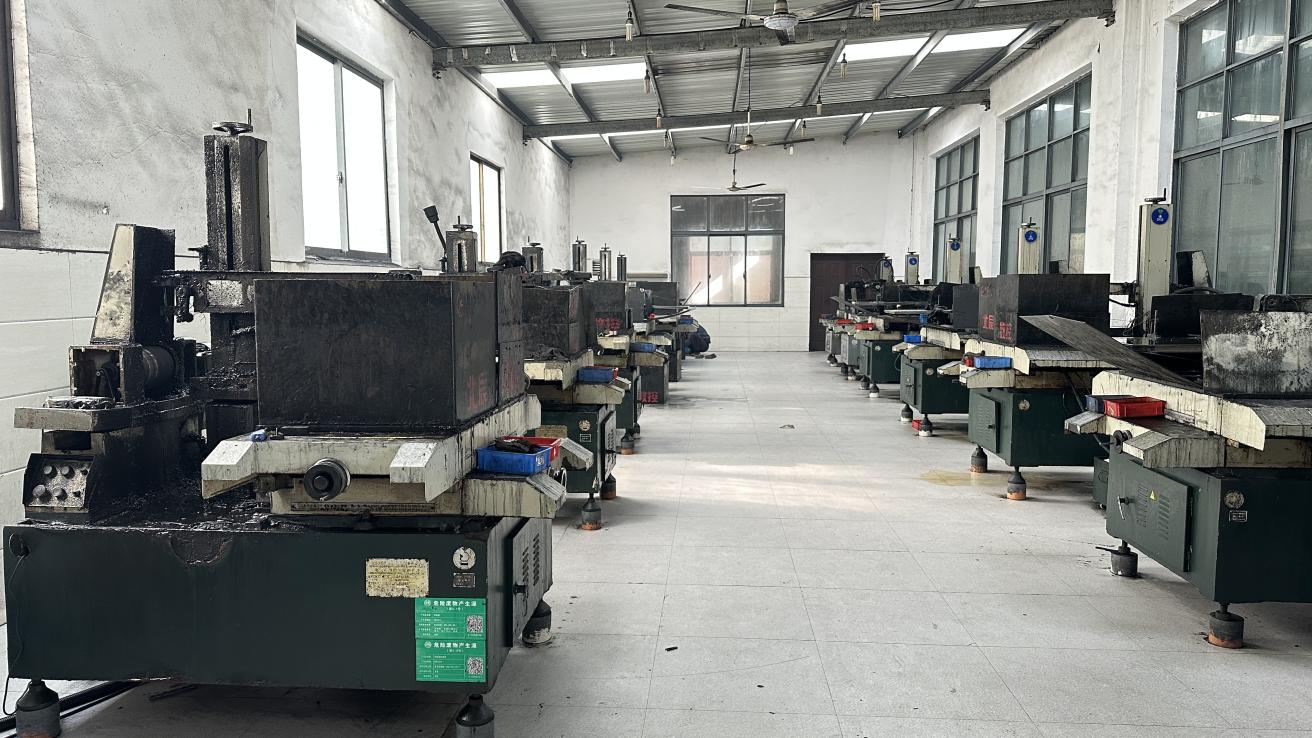
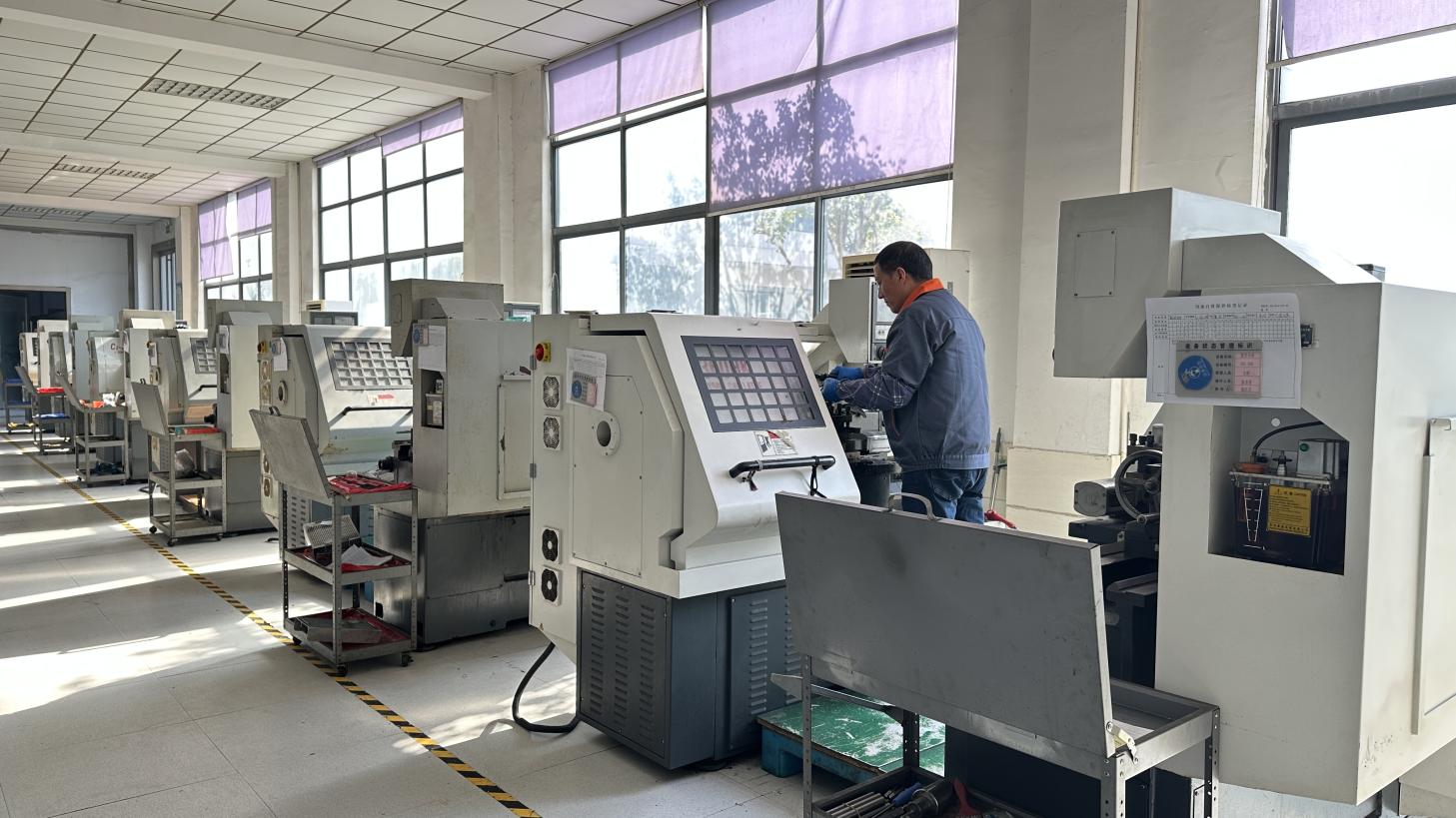
Industrial Workflow & Manufacturing Facilities

A look at the state-of-the-art processes driving quality and reliability across our 12,000 m² factory.
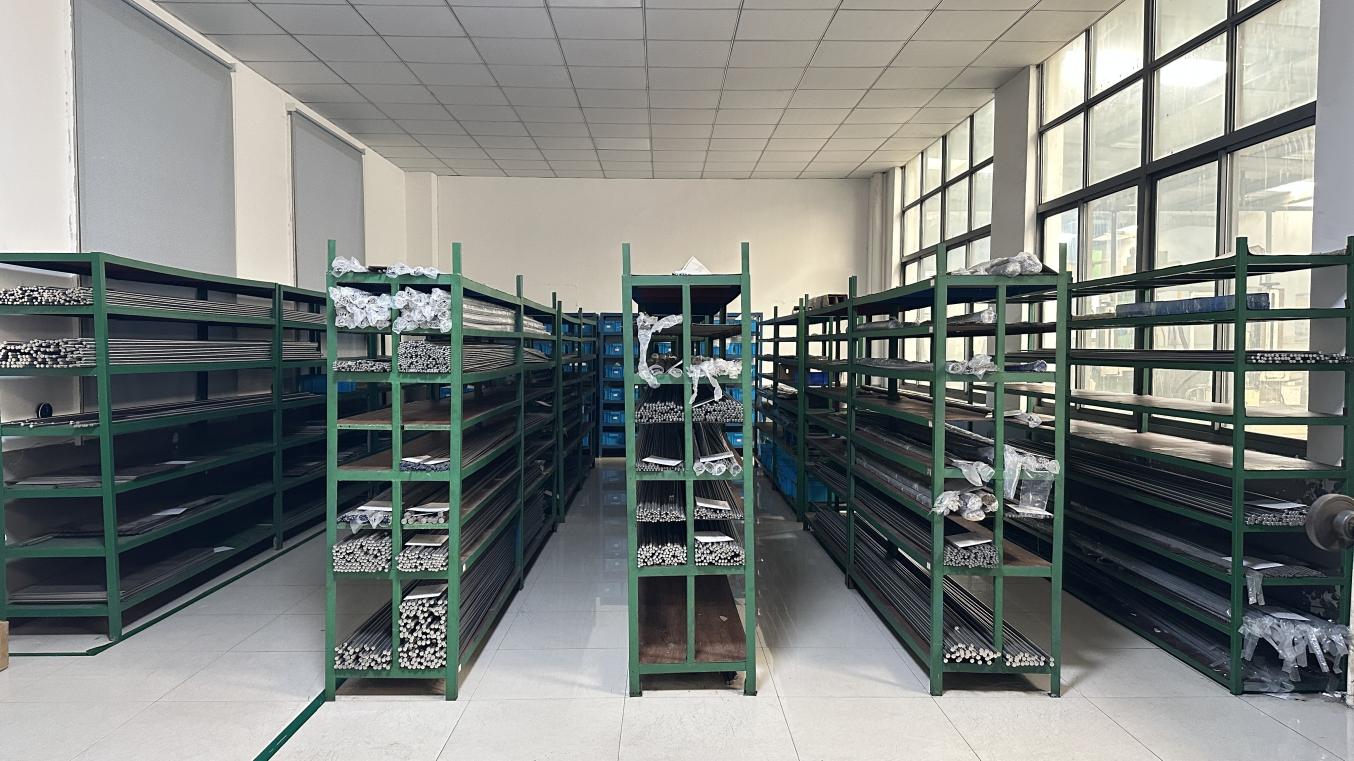
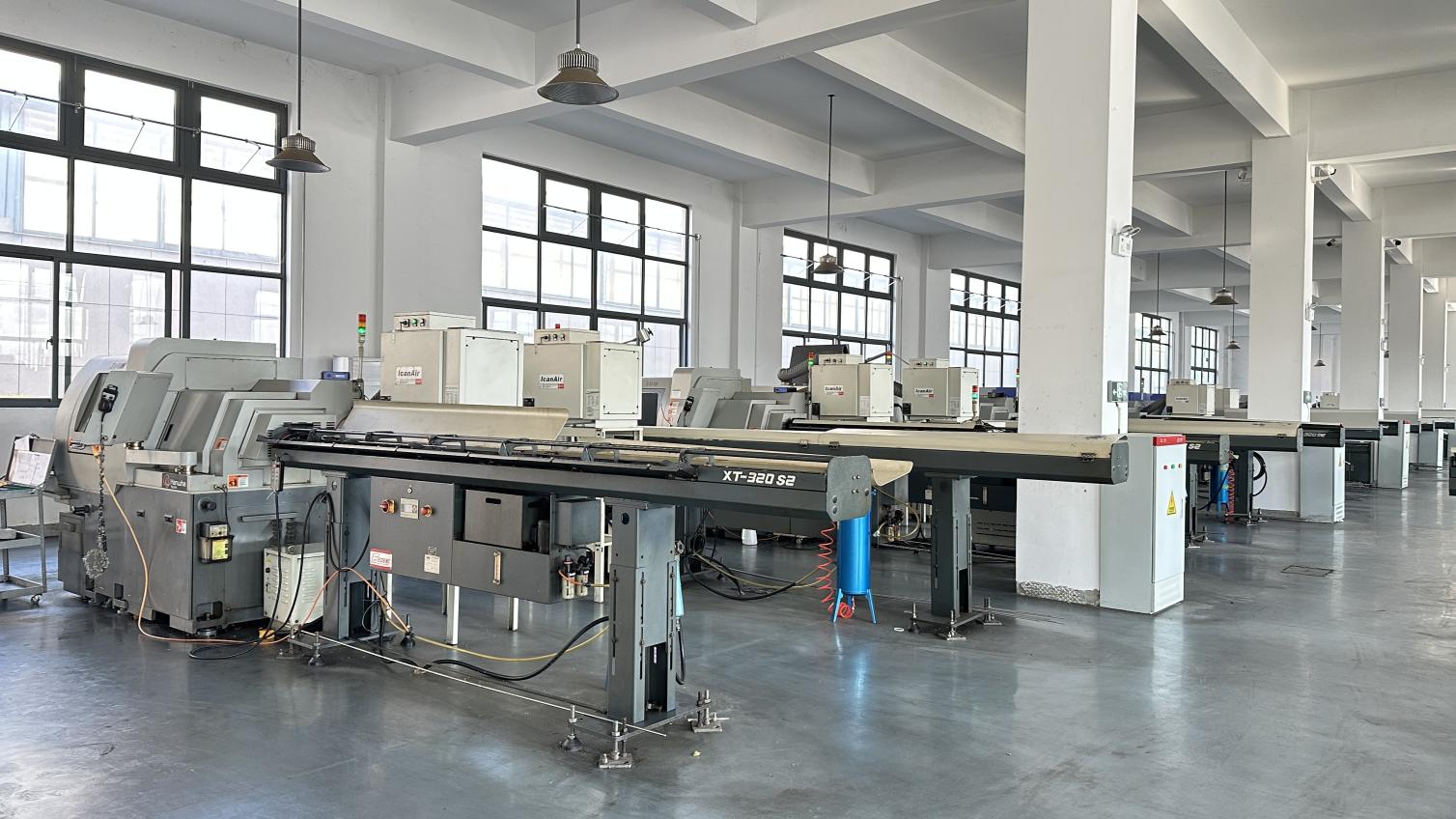
ISO 13485-Certified Quality Verification

Underpinned by rigorous engineering protocols and exhaustive testing paradigms.

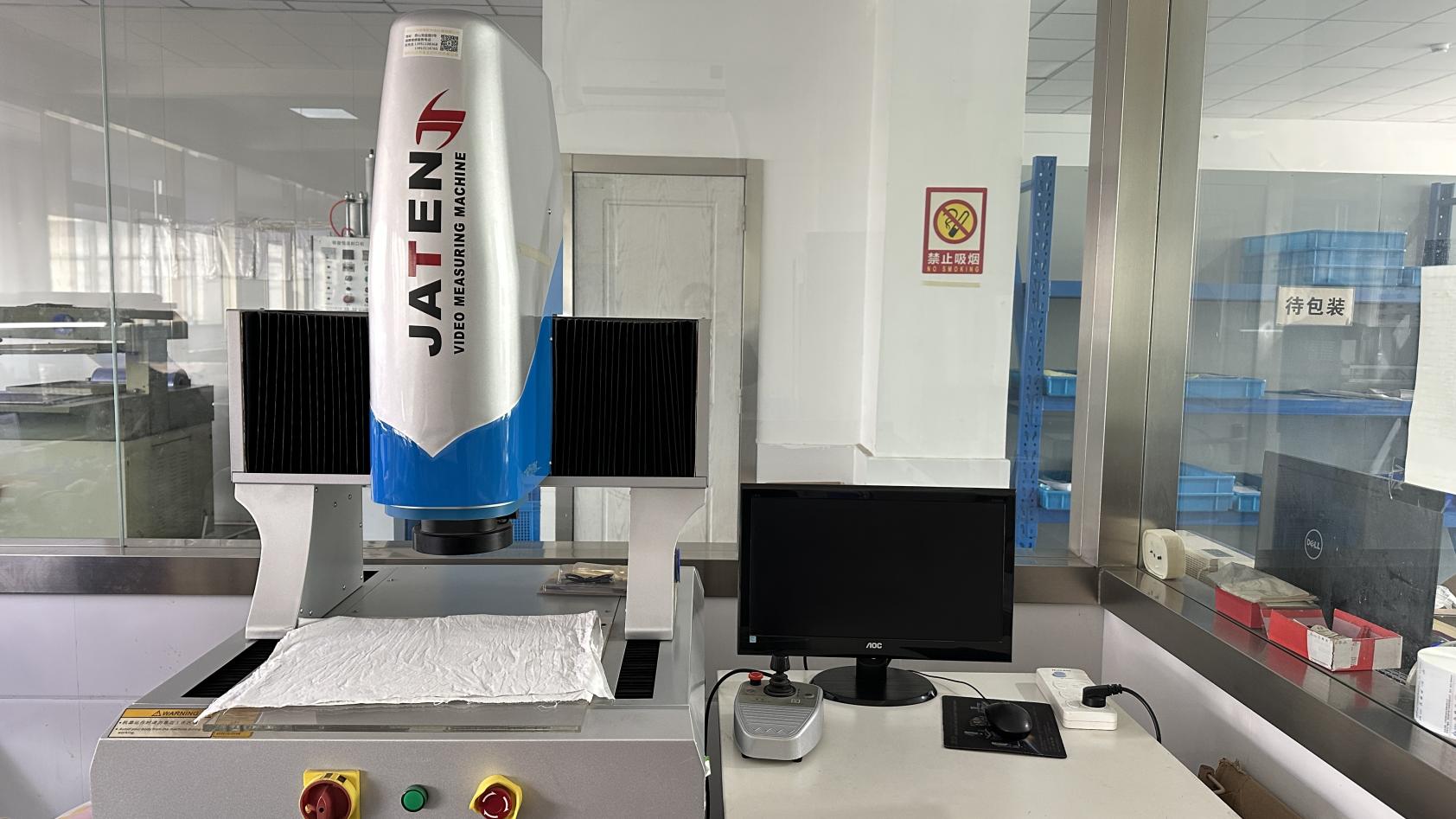
Dimensional Verification

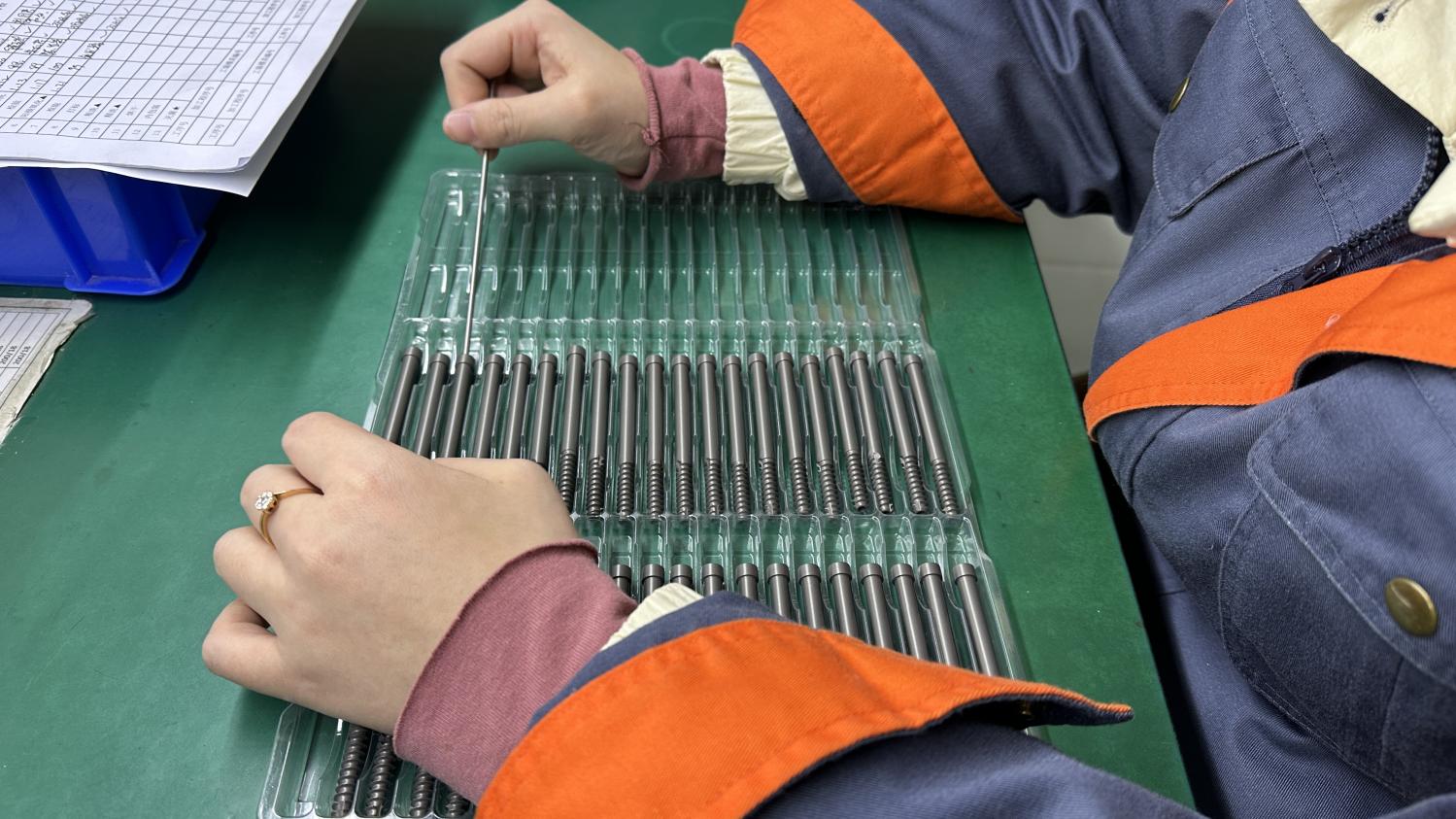
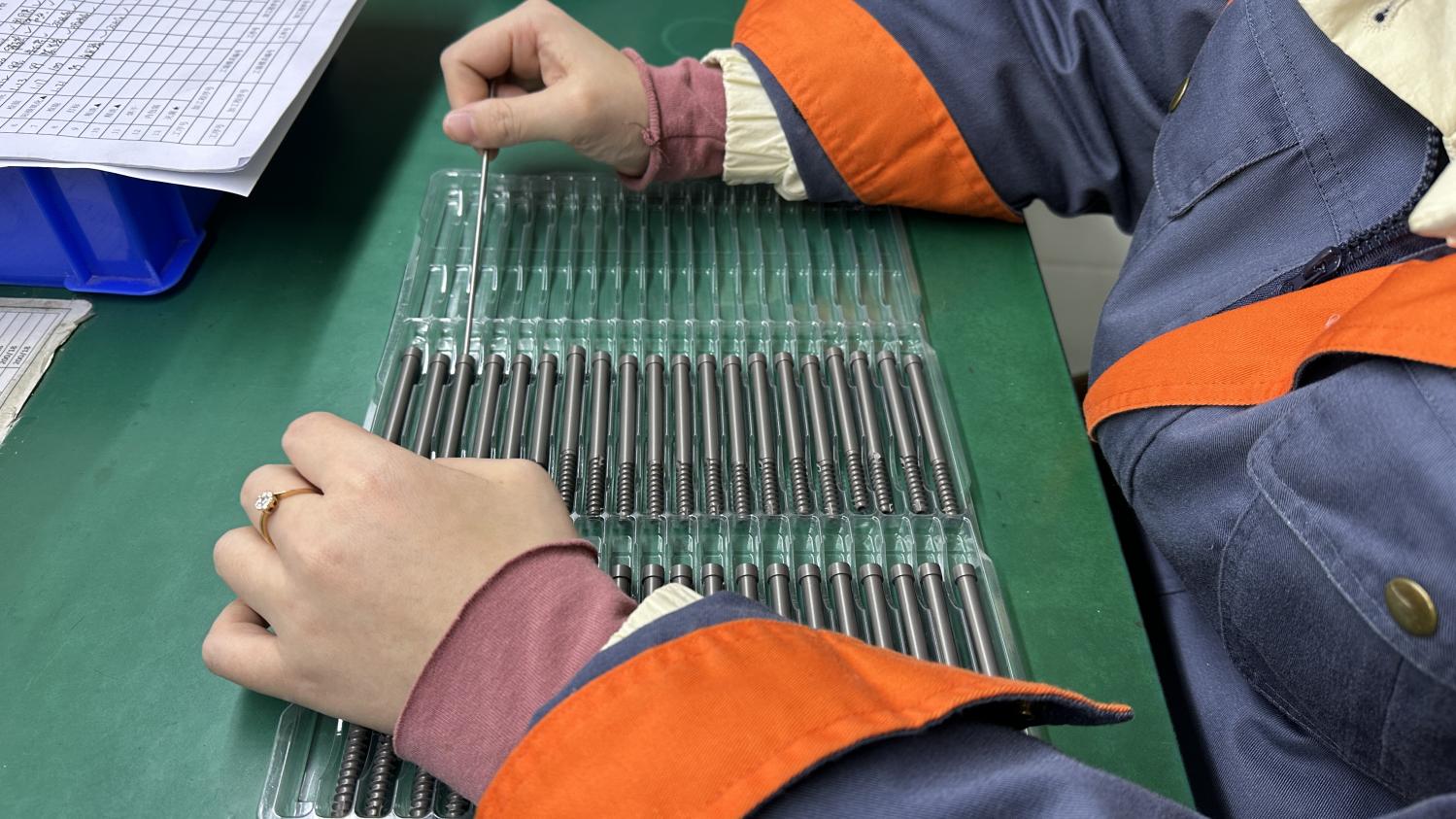
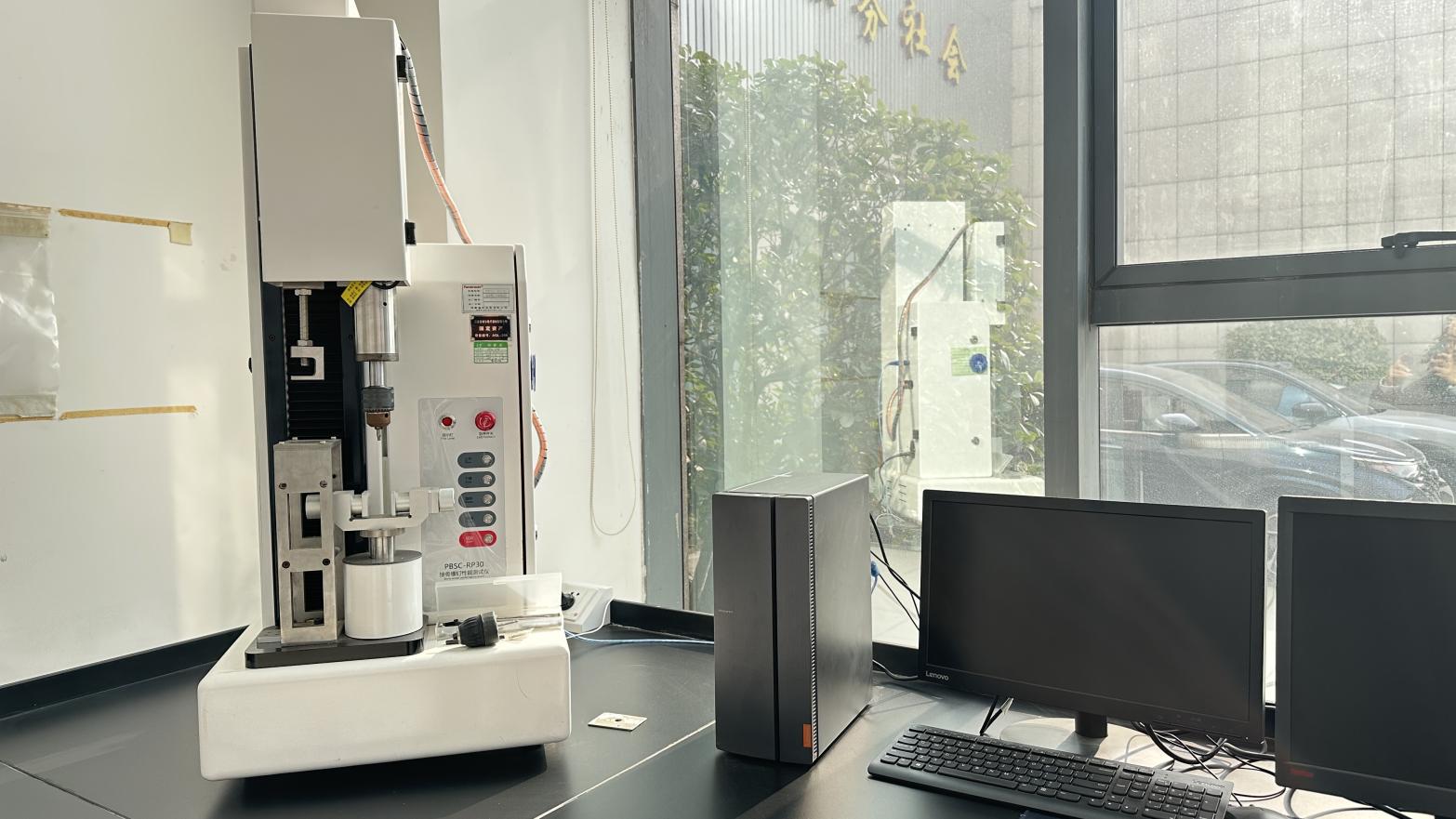
Employing high-accuracy CMM (Coordinate Measuring Machines) to verify spherical concentricity tolerances within micrometers.

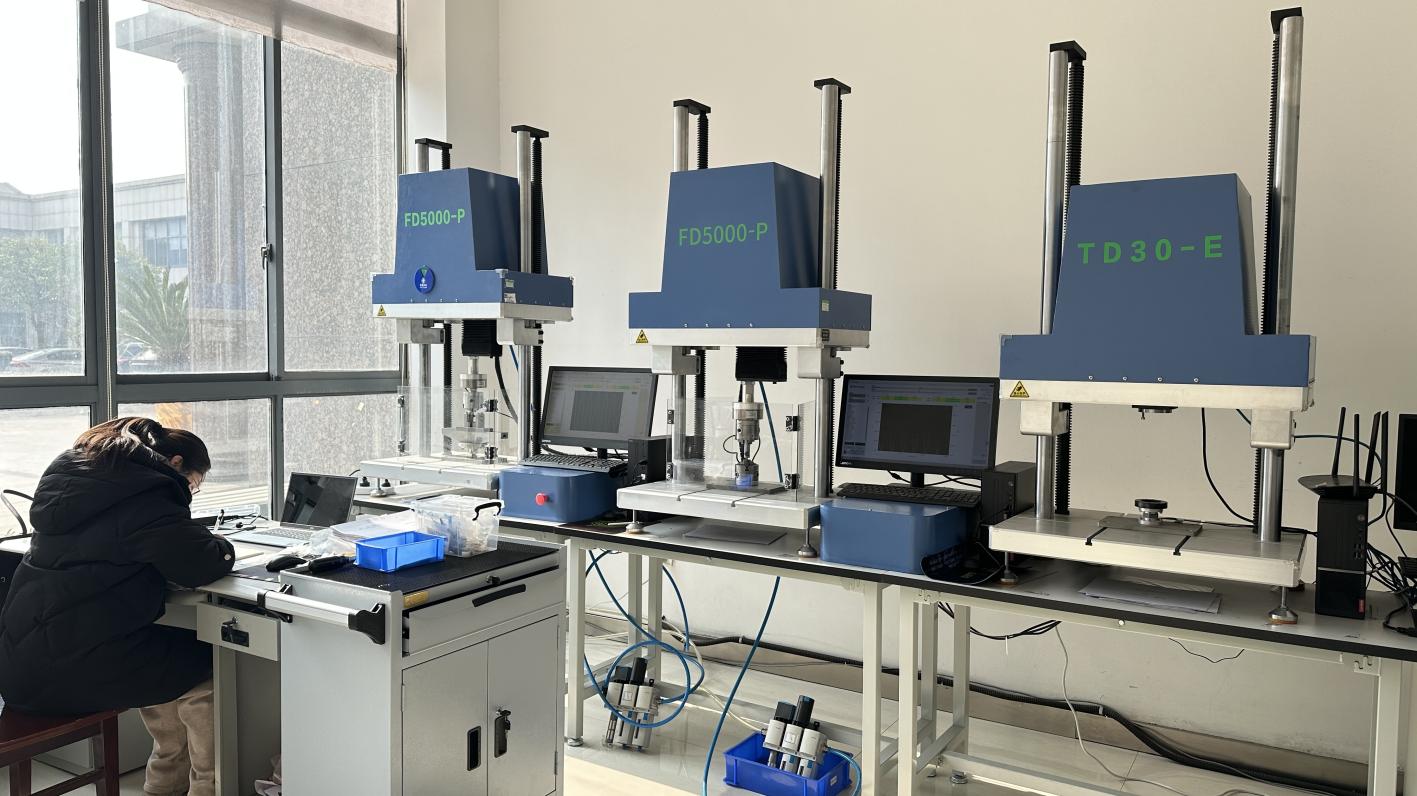
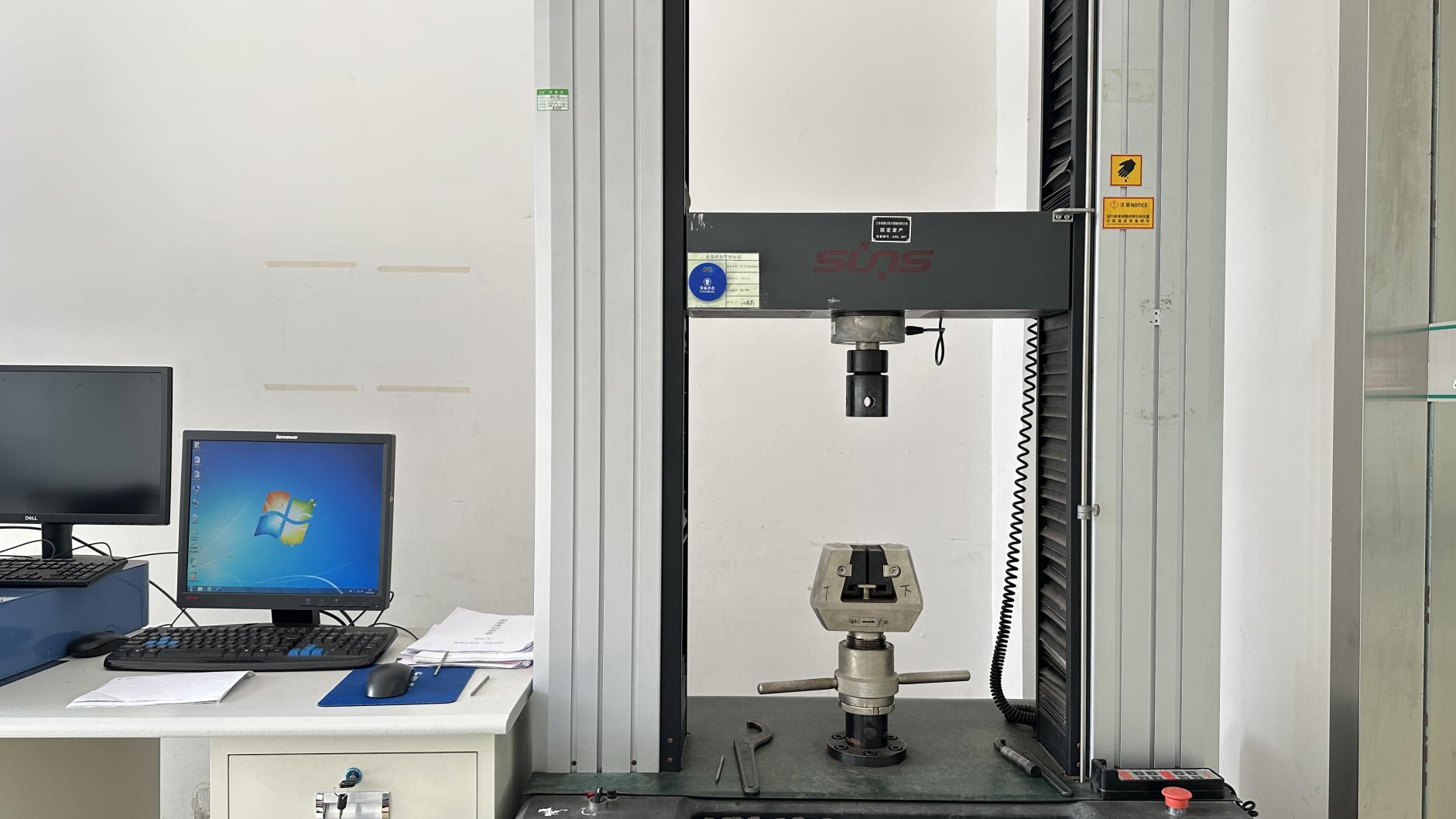
Fatigue & Tensile Analysis

Executing multi-million cycle dynamic loading simulations to assess endurance limit thresholds and interface structural integrity.

Advanced X-Ray NDT

Non-Destructive Testing (NDT) to inspect structural cast or forged blanks for internal micro-voids, cracks, or crystalline flaws.

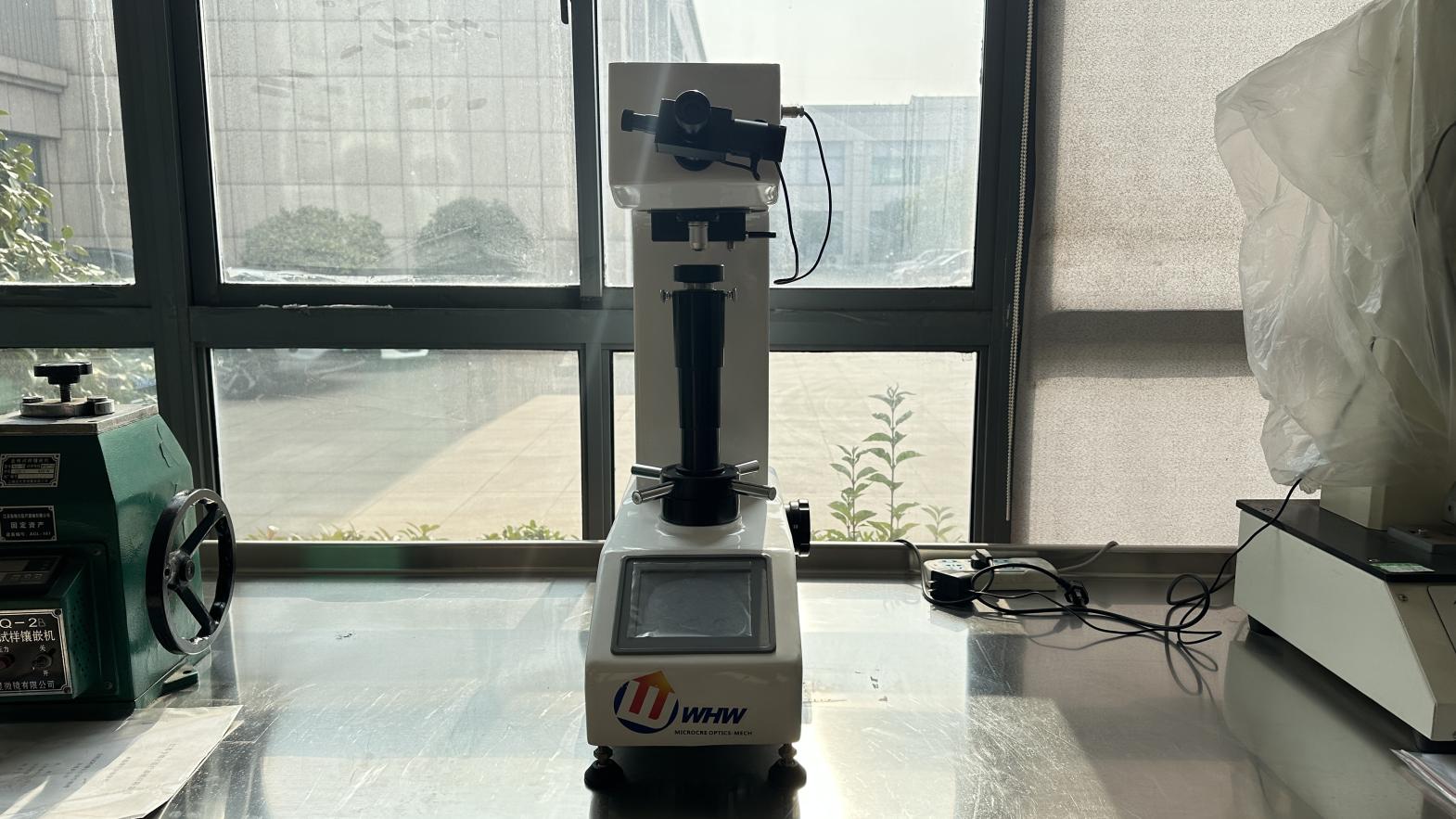
Chemical Composition

Spectrometric verification of alloy phases ensuring strict alignment with ISO 5832-3 (Titanium) and ISO 5832-12 (CoCrMo).

Global Market Clearance

Compliance, Quality Standards & Documentation Support

Entering major healthcare regions requires compliance with stringent regulatory frameworks. Virelox maintains structural alignment with international quality standards, supporting our clients' registration pipelines:

  • MDR & FDA Submissions: We supply comprehensive Technical Dossiers, design history files, biocompatibility screening profiles (ISO 10993 series), and cleanroom sterilization validation data (Gamma/EtO validation protocols).
  • Traceability Protocol: Each device is stamped with a unique laser-etched UDI (Unique Device Identification), matching batch allocation files from alloy melting through custom machining.
  • Export Experience: 8 years of direct shipping to Europe, Southeast Asia, Middle East, and South America, managing all necessary customs paperwork and certificates of origin.

Logistics & Protective Packaging Solutions

Implants require rigorous damage protection during international transit to preserve surface finish and sterility. Virelox provides custom-engineered packaging solutions:

  • Double Tyvek sterile pouch barriers ensuring sterile shelf-life validation up to 5 years.
  • Robust thermoformed protective trays shielding critical highly-polished articulations.
  • Optimized batch carton sizing with temperature and moisture protection indicators.

Technology Roadmap & Next-Gen Hip Arthroplasty

Driving long-term implant survival through innovative materials and advanced engineering.

3D Porous Surface Coatings

Transitioning towards highly porous titanium structures via electron beam melting (EBM) to facilitate natural trabecular bone ingrowth, eliminating the need for bone cement.

Advanced Polymer Liners

Development of next-gen PEEK composites and antioxidant-infused cross-linked polyethylene to minimize wear debris and reduce systemic ion release.

Patient-Specific Instruments (PSI)

Providing customized resection guides matching individual pre-operative CT datasets to reduce intraoperative time and improve clinical outcomes.

Technical and Clinical FAQ

Addressing the common questions raised by orthopedic surgeons, bio-engineers, and procurement directors.

1. What materials are used in Virelox Bipolar Hip Prostheses?
Our bipolar outer shells are manufactured using high-grade Cobalt-Chromium-Molybdenum (CoCrMo) alloy conforming to ISO 5832-12 or Titanium alloy (Ti6Al4V ELI) conforming to ISO 5832-3. The inner articulating bearing inserts utilize medical-grade Ultra-High-Molecular-Weight Polyethylene (UHMWPE) or highly cross-linked polyethylene (XLPE) to ensure high wear resistance and low coefficient of friction.
2. How does the dual-mobility design reduce acetabular shear force?
The bipolar system functions with two distinct articulation points: an inner rotation between the prosthetic femoral head and the polymer sleeve, and an outer rotation between the outer metal shell and the patient's native acetabular cartilage. During normal mobilization, lower load friction moves the inner head first. As joint angles expand, secondary outer shell rotation takes over, distributing wear and lowering localized contact pressures on the natural acetabulum.
3. What OEM/ODM customization services are offered by Virelox?
We provide comprehensive private label and engineering customization services. This includes modified offset dimensions, alternative outer cup texture applications (such as plasma-sprayed titanium or hydroxyapatite coatings), custom laser-marking, and region-specific sterile packaging designs.
4. What quality control steps are performed for each manufacturing batch?
Virelox utilizes a multi-step quality assurance framework: 100% Coordinate Measuring Machine (CMM) dimensional verification, non-destructive surface flaw inspections, mechanical testing (tensile and fatigue limits), and chemical composition audits. All testing protocols are managed under our ISO 13485-certified quality management system by 65 QA professionals.
5. What is the typical lead time for custom OEM implant orders?
Standard catalog configurations can be dispatched within 30 to 45 days. For custom OEM or ODM geometries requiring new tooling, design verification, and pilot production batches, the timeline typically ranges between 60 to 90 days, depending on regulatory approvals and testing requirements.