Examine our top precision surgical devices and implants designed for clinical longevity and structural integrity.
Understanding the clinical demand shifts and market dynamics driving next-generation spinal arthrodesis.
The global spinal fusion market is undergoing a significant transition. Historically, polyetheretherketone (PEEK) dominated the interbody cage landscape due to its radiolucency and elastic modulus similar to human bone. However, clinical studies highlight limitations in bone-implant interface integration, frequently resulting in fibrous encapsulation rather than direct osseointegration.
This challenge has elevated titanium, especially porous titanium and 3D-printed titanium alloy architectures, to the forefront of orthopedic design. Titanium interbody cages offer unmatched biomechanical properties, high fatigue resistance, and superior hydrophilic interaction that actively recruits osteoblast cells to promote fusion. The global orthopedic sector reports an increasing compound annual growth rate (CAGR) for titanium cages, driven by a growing aging population, higher incidences of degenerative disc diseases (DDD), and the expansion of Minimally Invasive Spine Surgery (MISS).
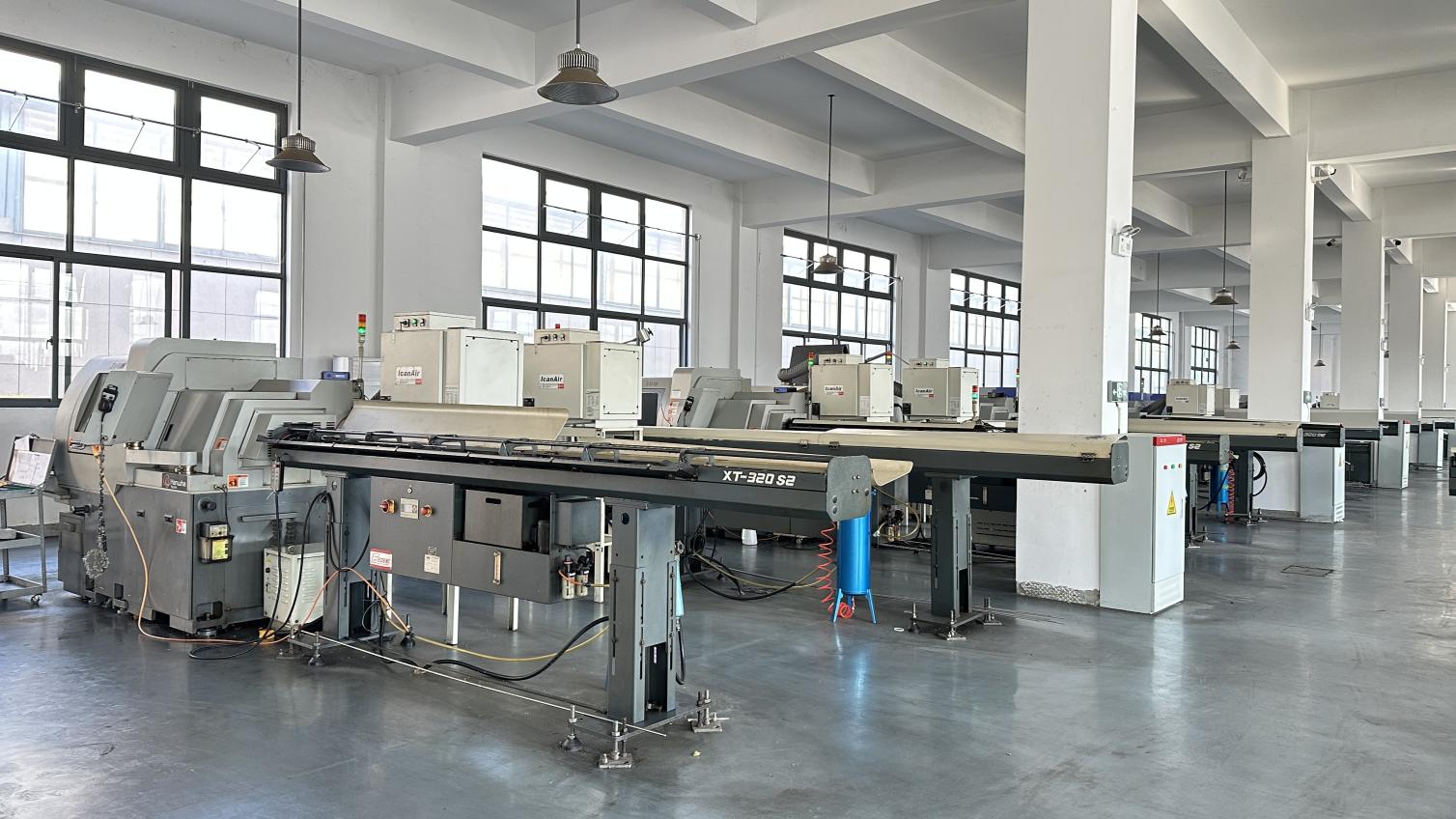
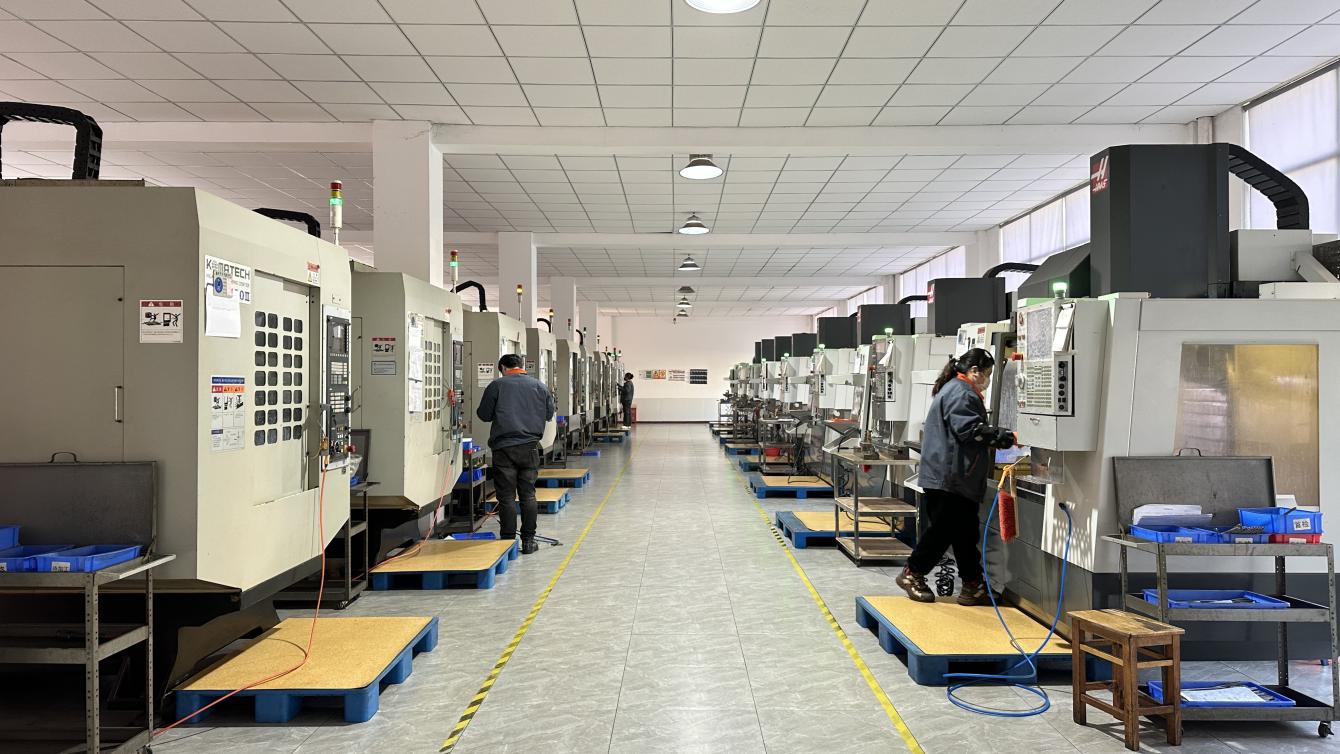
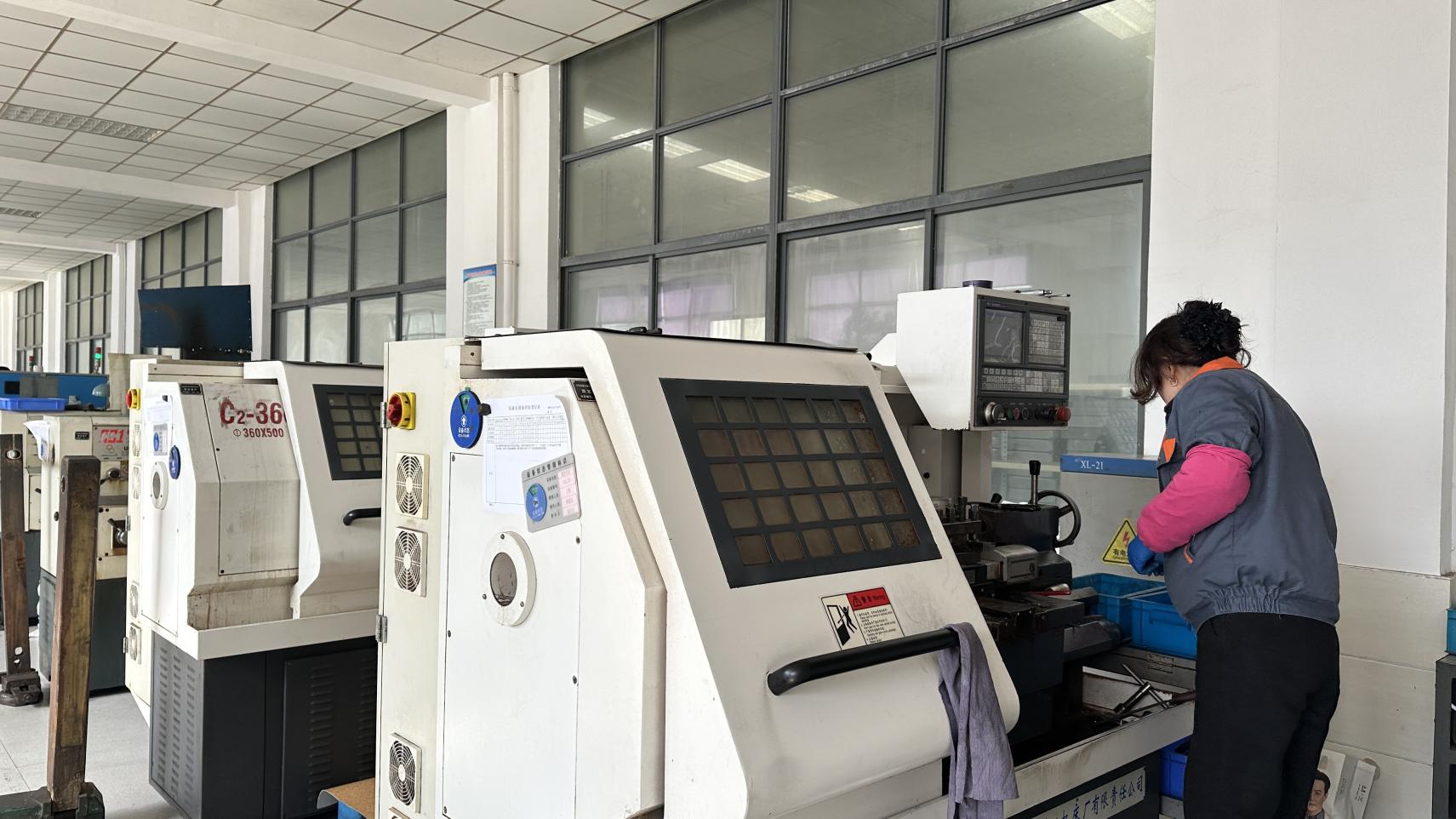
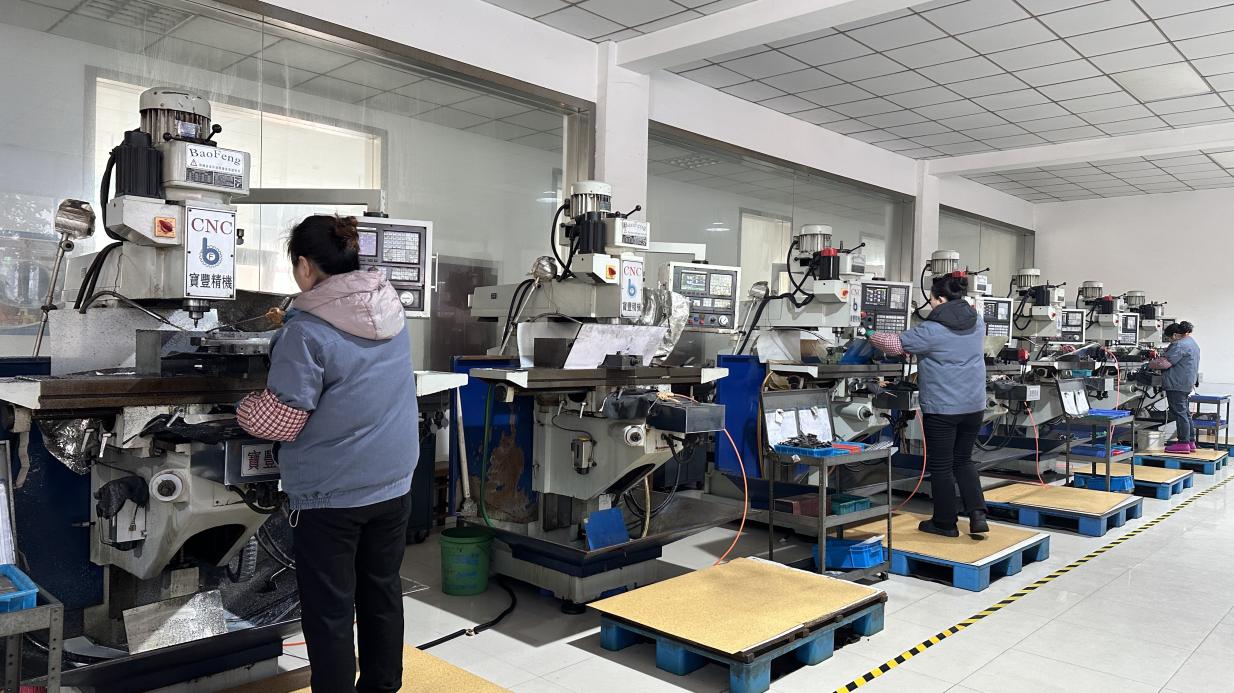
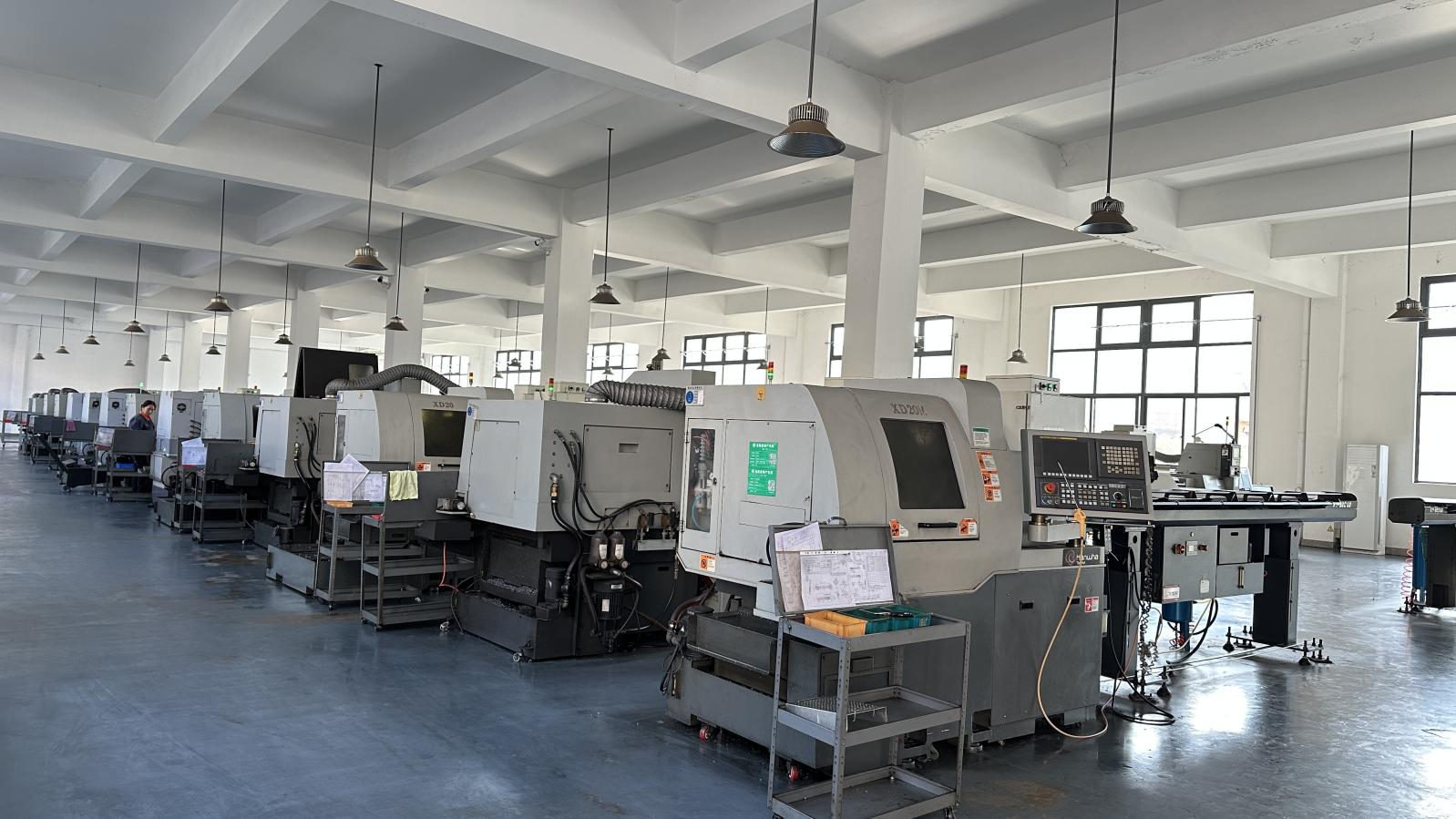
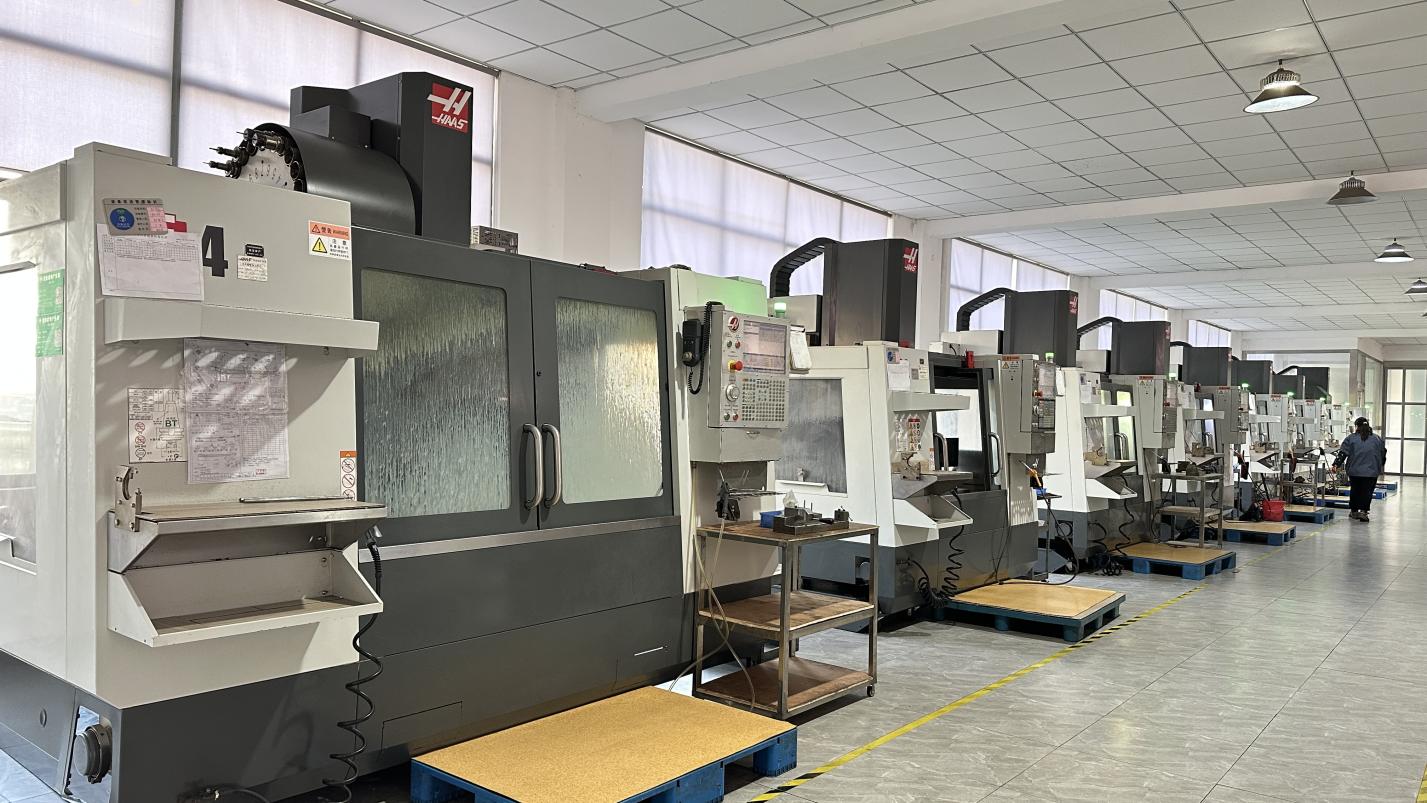
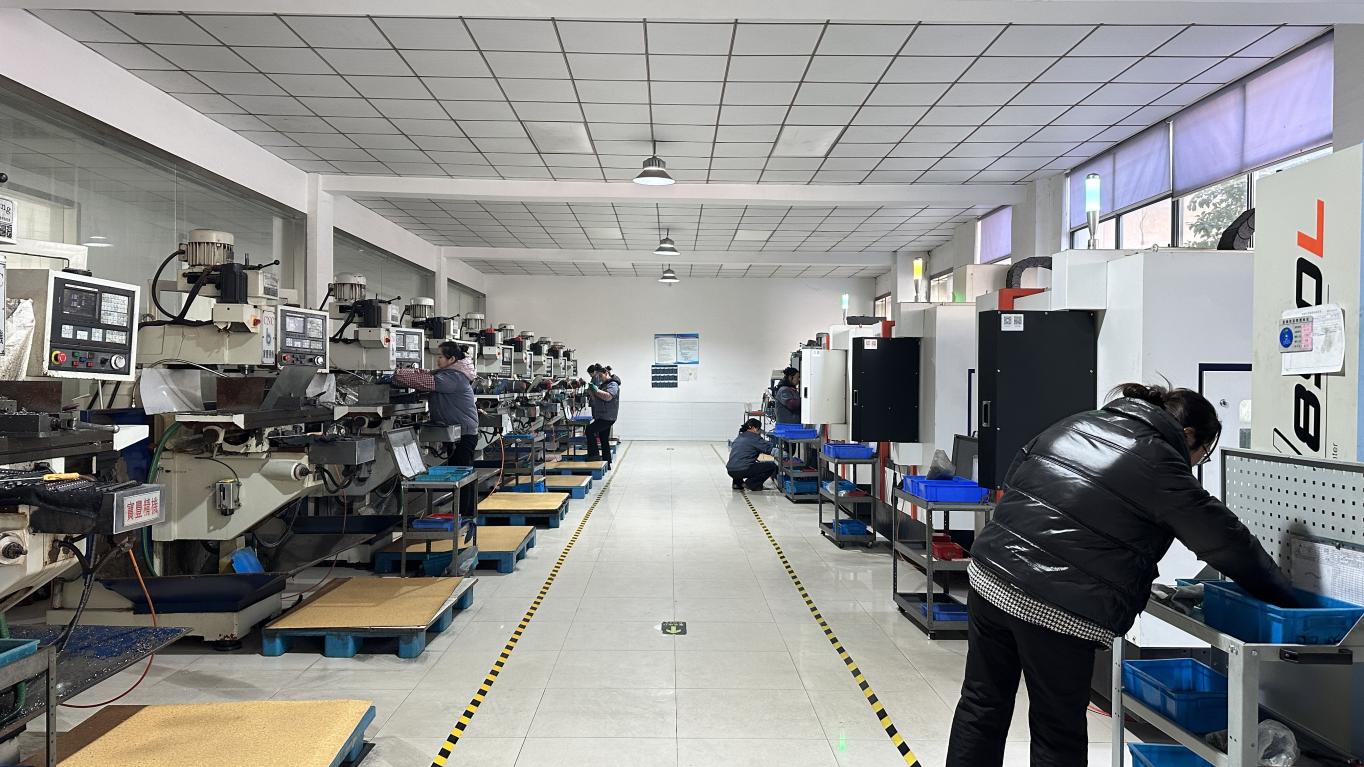
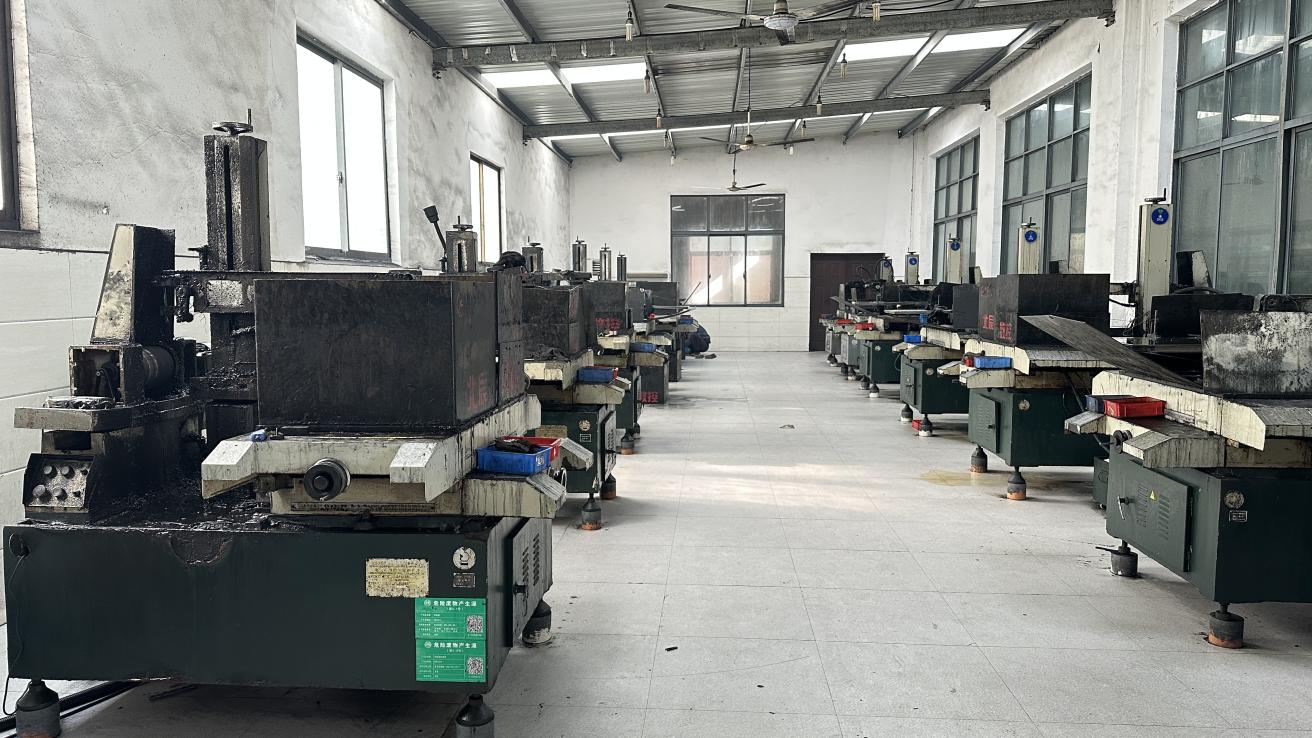
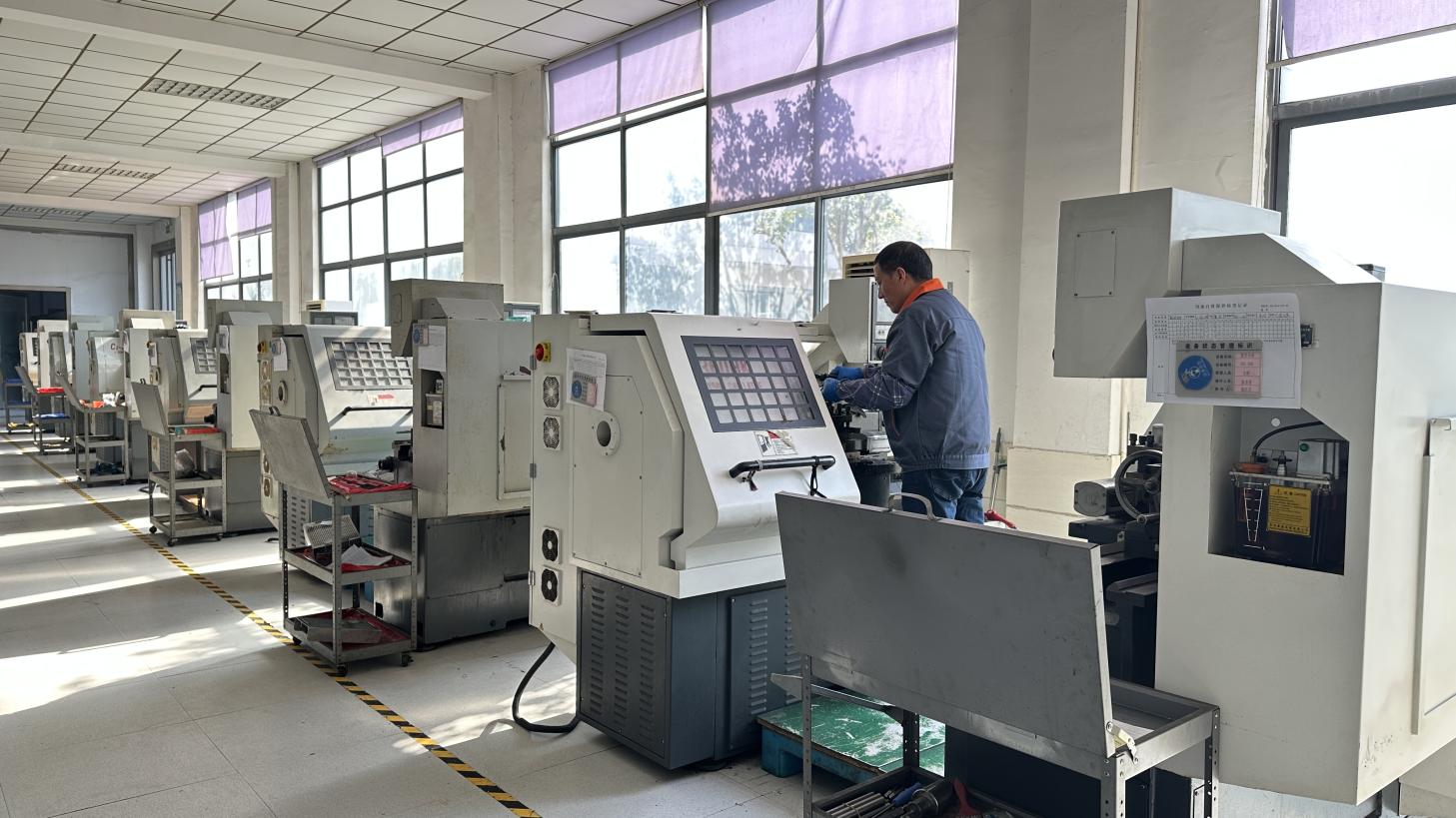
For medical distributors and procurement offices, sourcing from verified Chinese exporters is a vital cost-optimization strategy. China's advanced manufacturing infrastructure leverages world-class CNC milling, Swiss-type lathe precision machining, and specialized metal additive manufacturing (Direct Metal Laser Sintering/Selective Laser Melting). Suppliers like Virelox Medical Devices Co., Ltd. bridge the gap between high-level biomechanical engineering and cost efficiency, exporting Class III orthopedic systems globally under strict regulatory systems like ISO 13485.
How material advancements, surface modifications, and additive manufacturing are defining modern spinal implants.
Modern interbody cages utilize porous titanium structures resembling human trabecular bone. By mimicking natural bone porosity (typically 50%-80% porosity with pore sizes between 300 to 800 micrometers), these cages lower the modulus of elasticity to match surrounding cancellous bone. This reduces the risk of stress shielding and subsequent implant subsidence.
Additive manufacturing using Ti-6Al-4V ELI (Extra Low Interstitial) medical-grade powder allows for complex geometries, integrated lattices, and custom patient-specific shapes. This provides optimal structural support while facilitating vascularization and direct bone ingrowth throughout the cage.
Physical and chemical modifications such as acid etching, anodic oxidation, or hydroxyapatite (HA) coating enhance the hydrophilic profile of the titanium surface. This significantly accelerates cellular attachment, fostering early stage stability and shortening the postoperative fusion window.
The primary biomechanical concern with titanium cages historically was their stiffness relative to vertebral endplates. By integrating engineered porous architectures and optimizing the mechanical footprint, modern titanium interbody cages from elite suppliers balance mechanical strength with high elasticity. This ensures the cage maintains disc height and sagittal alignment without sacrificing the osseointegration interface.
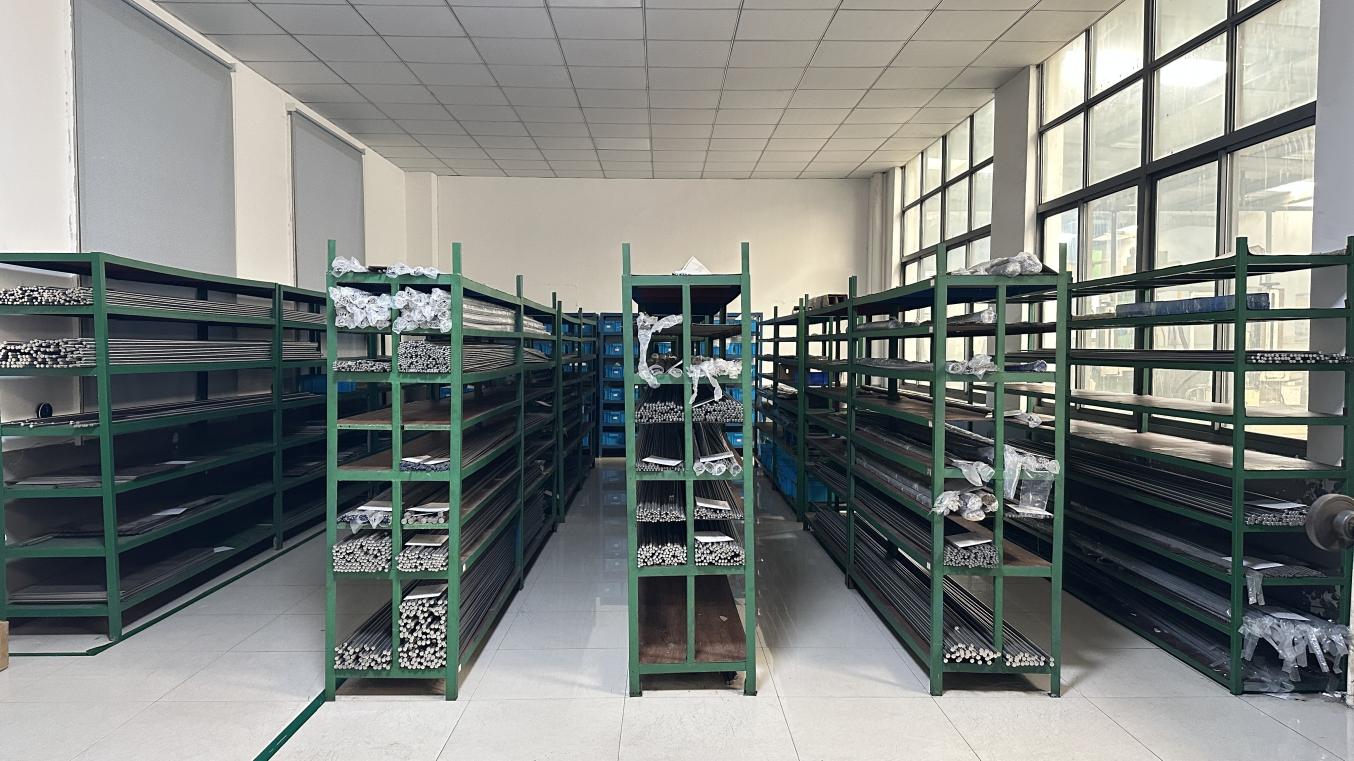
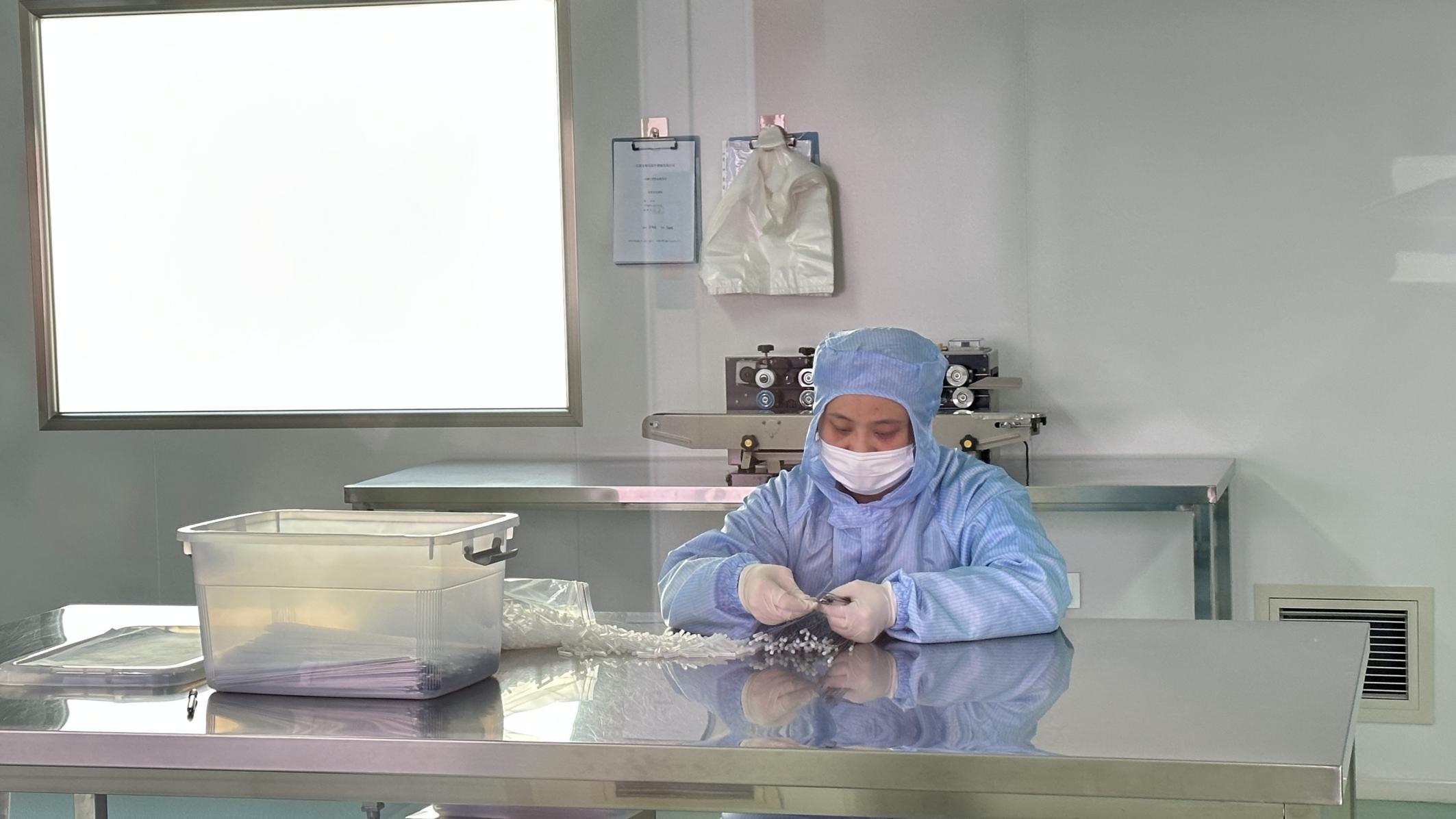
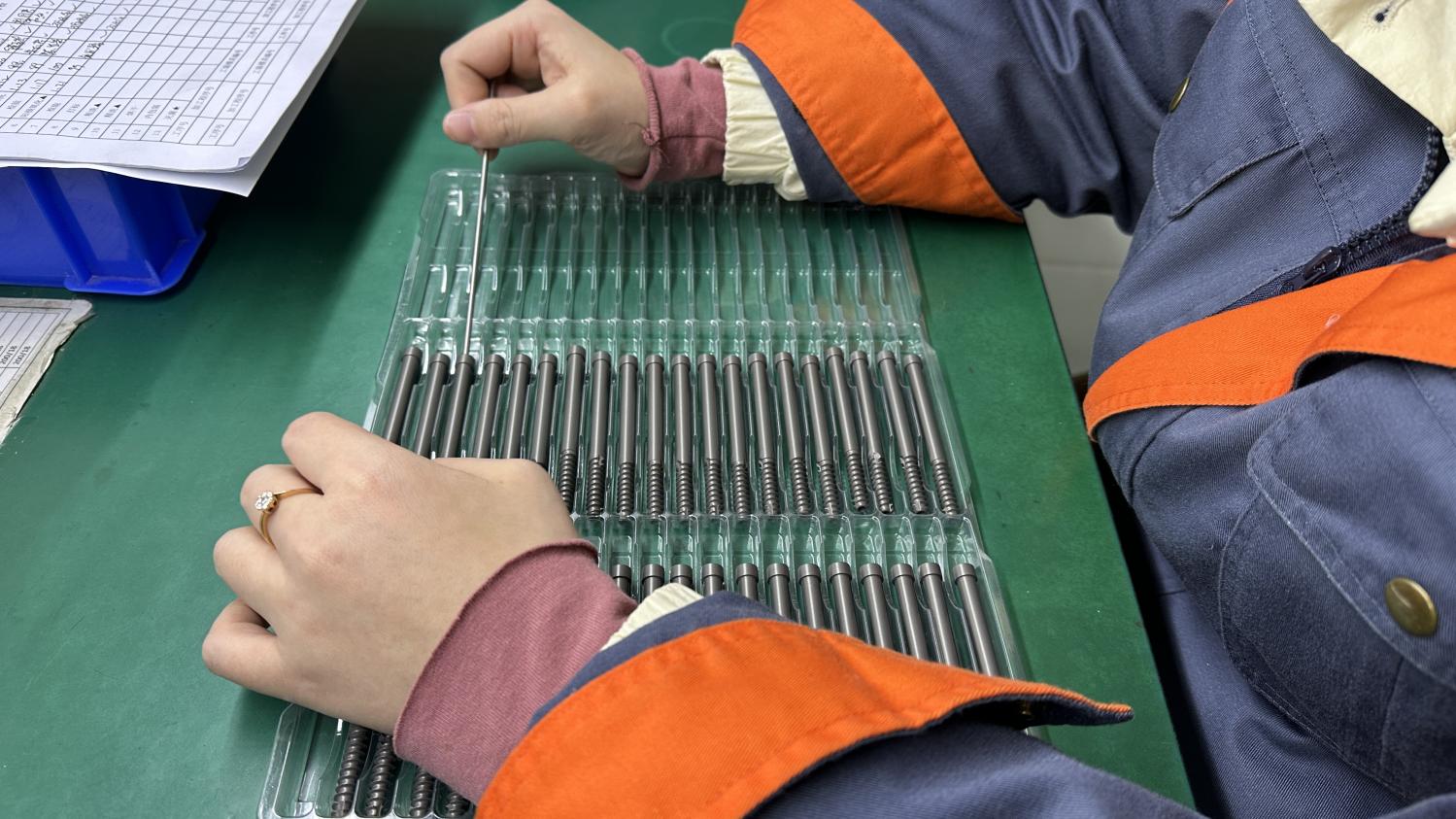
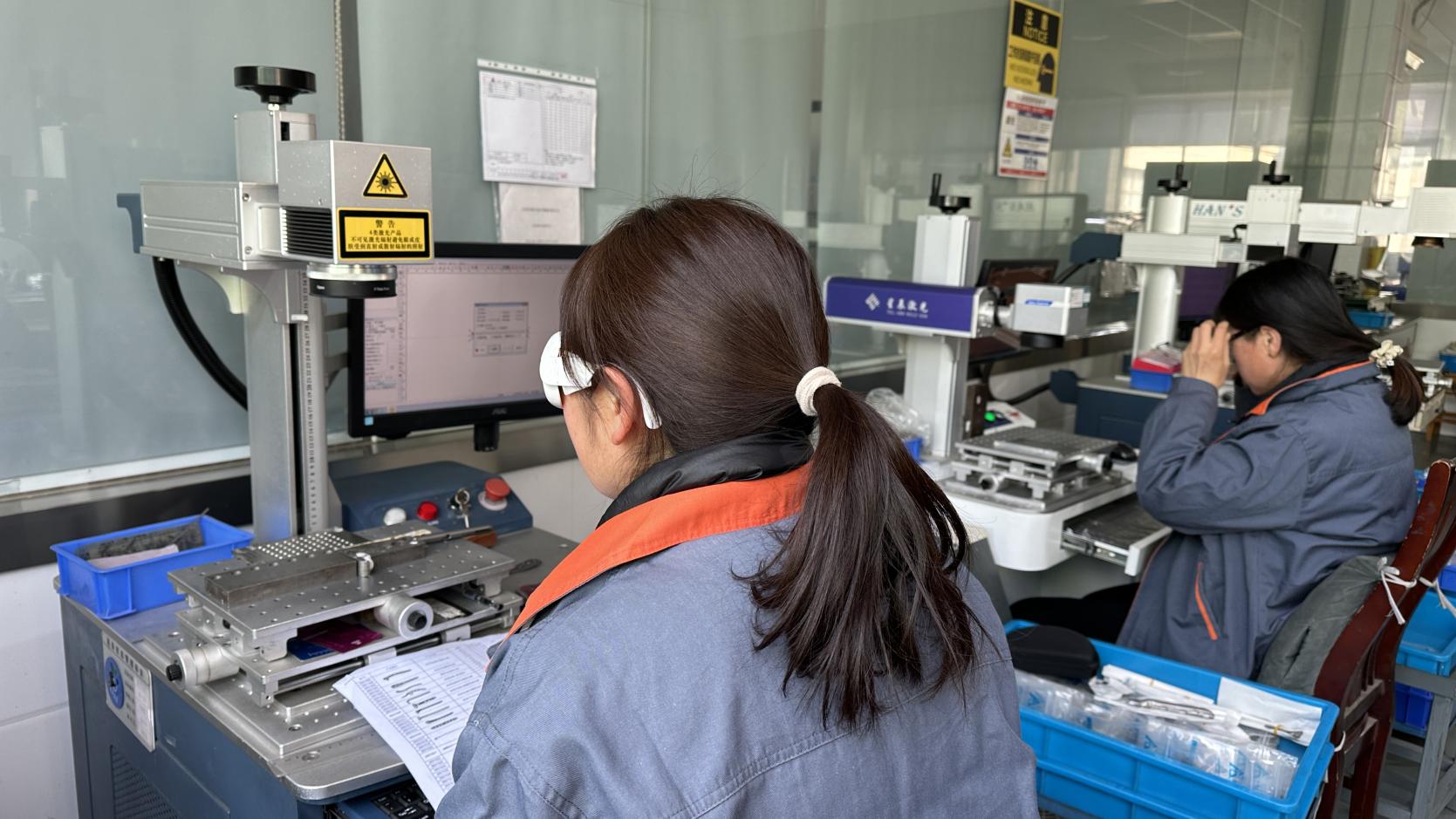
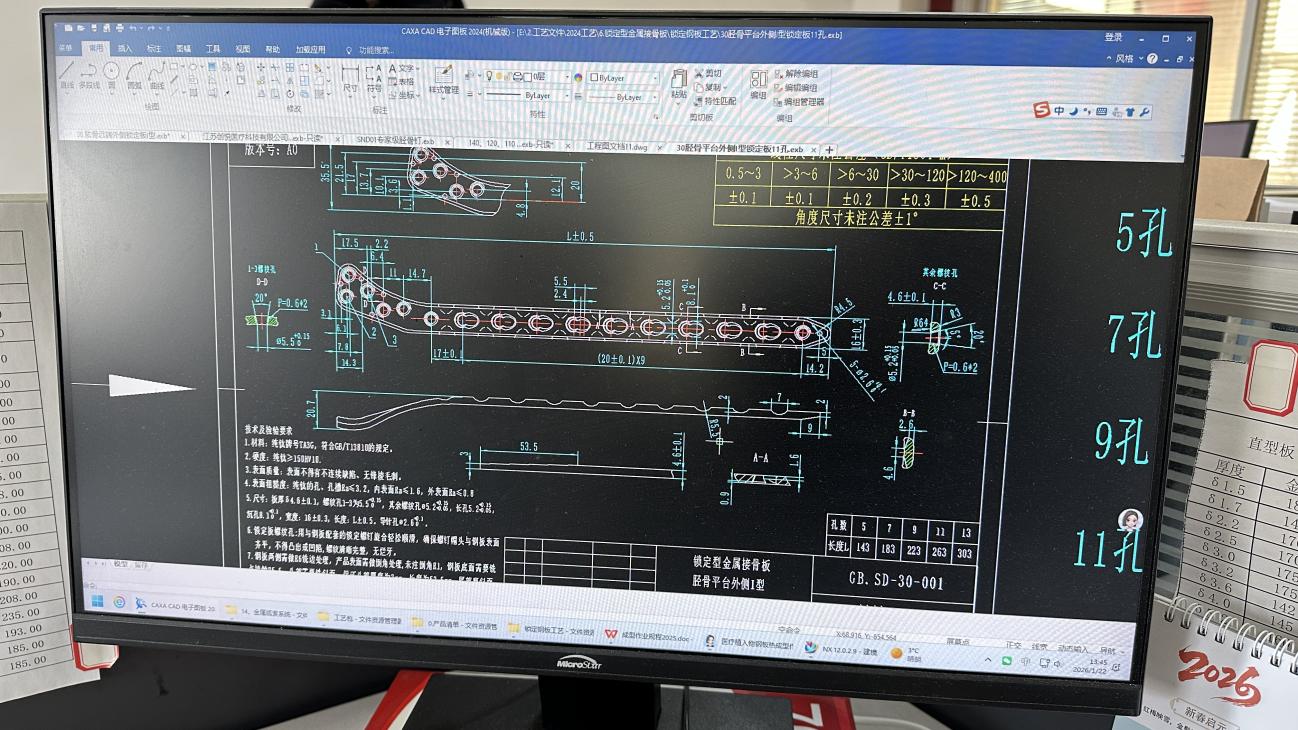
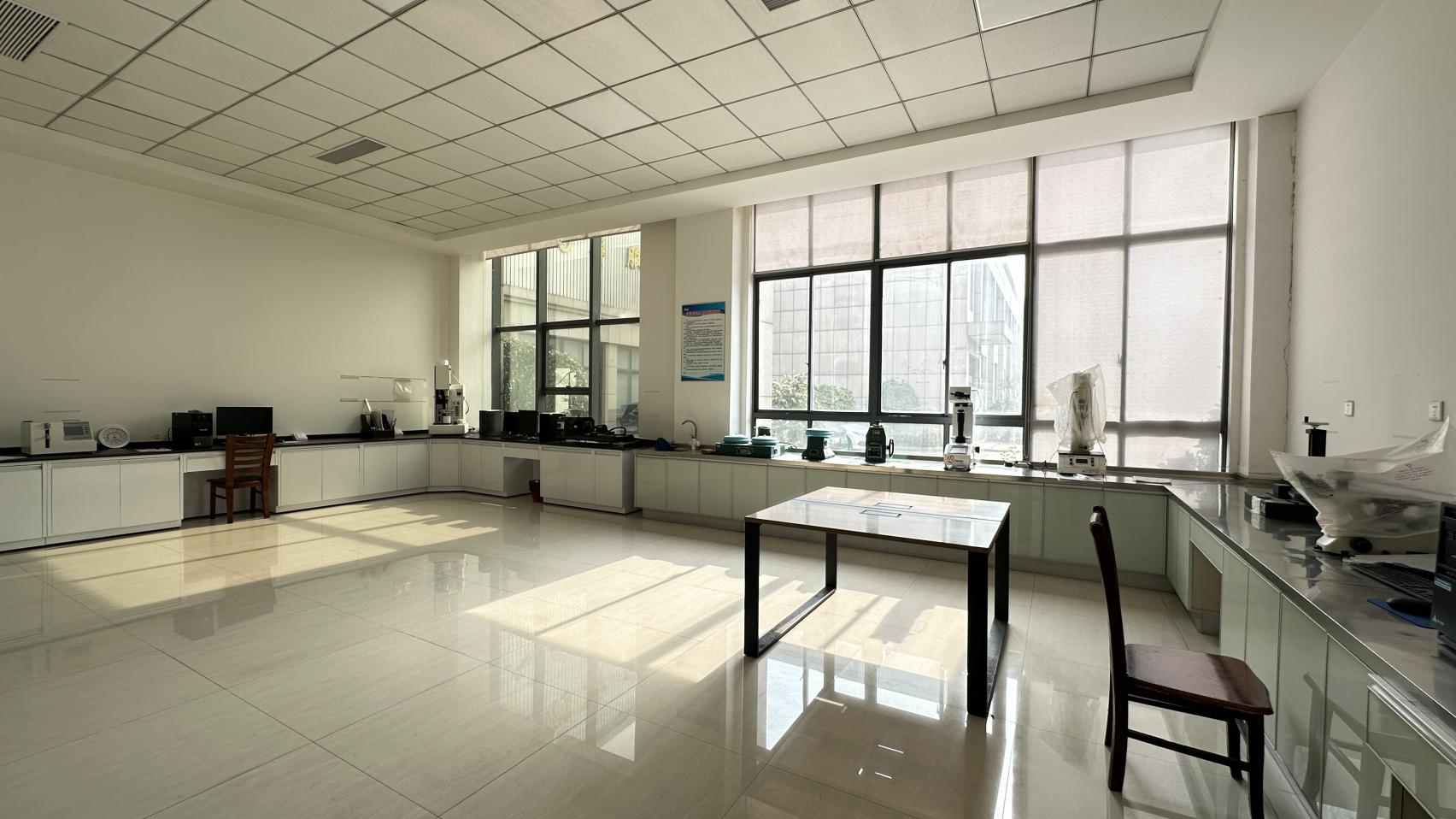
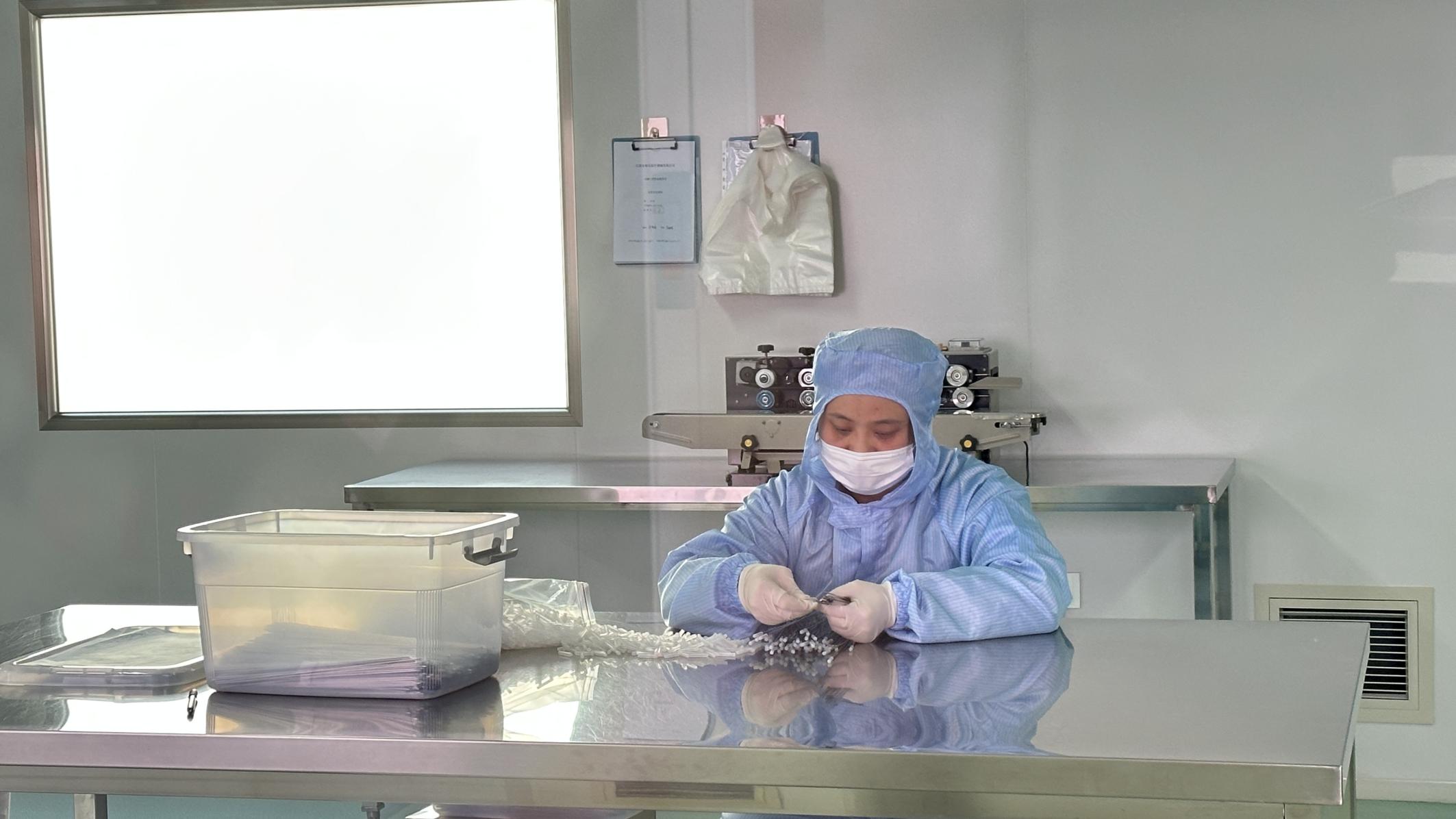
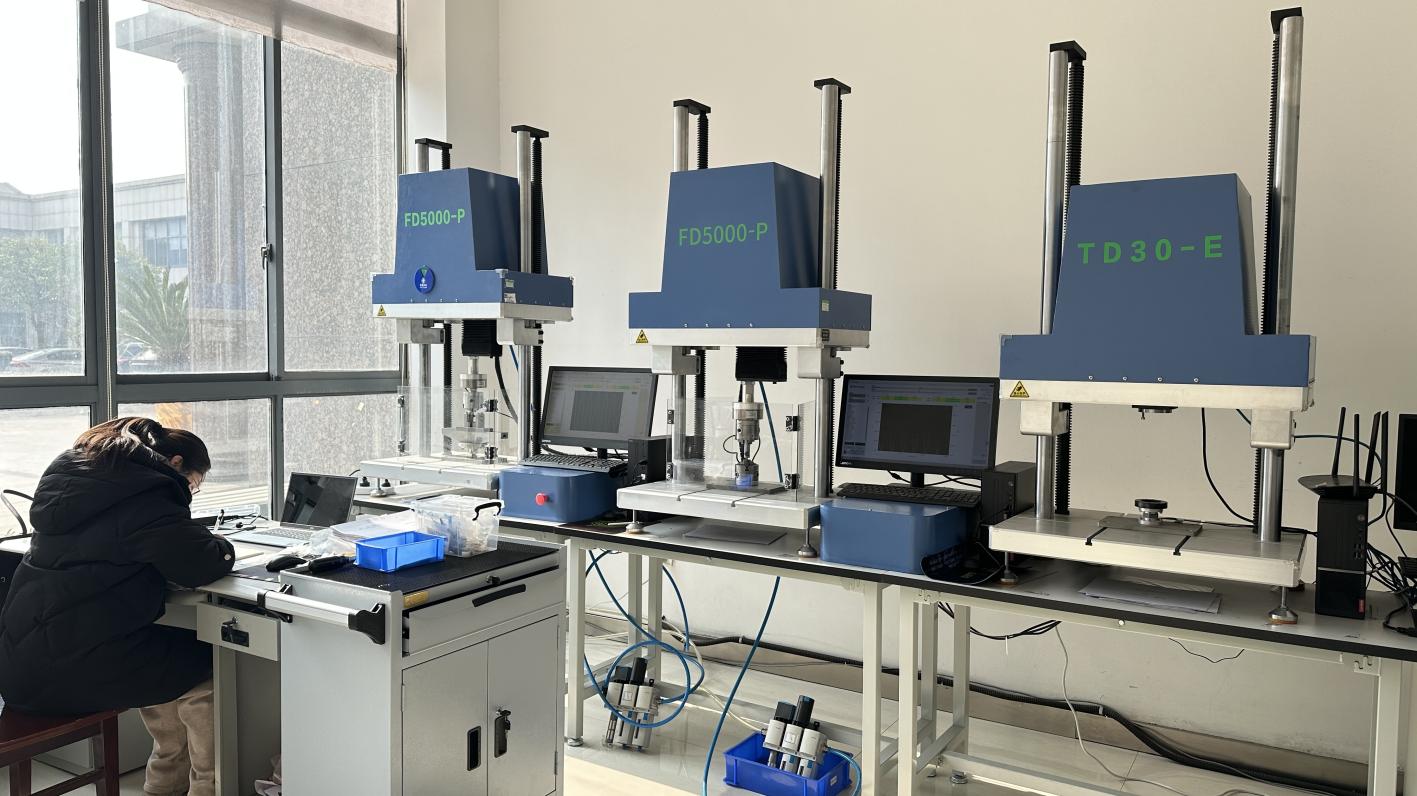
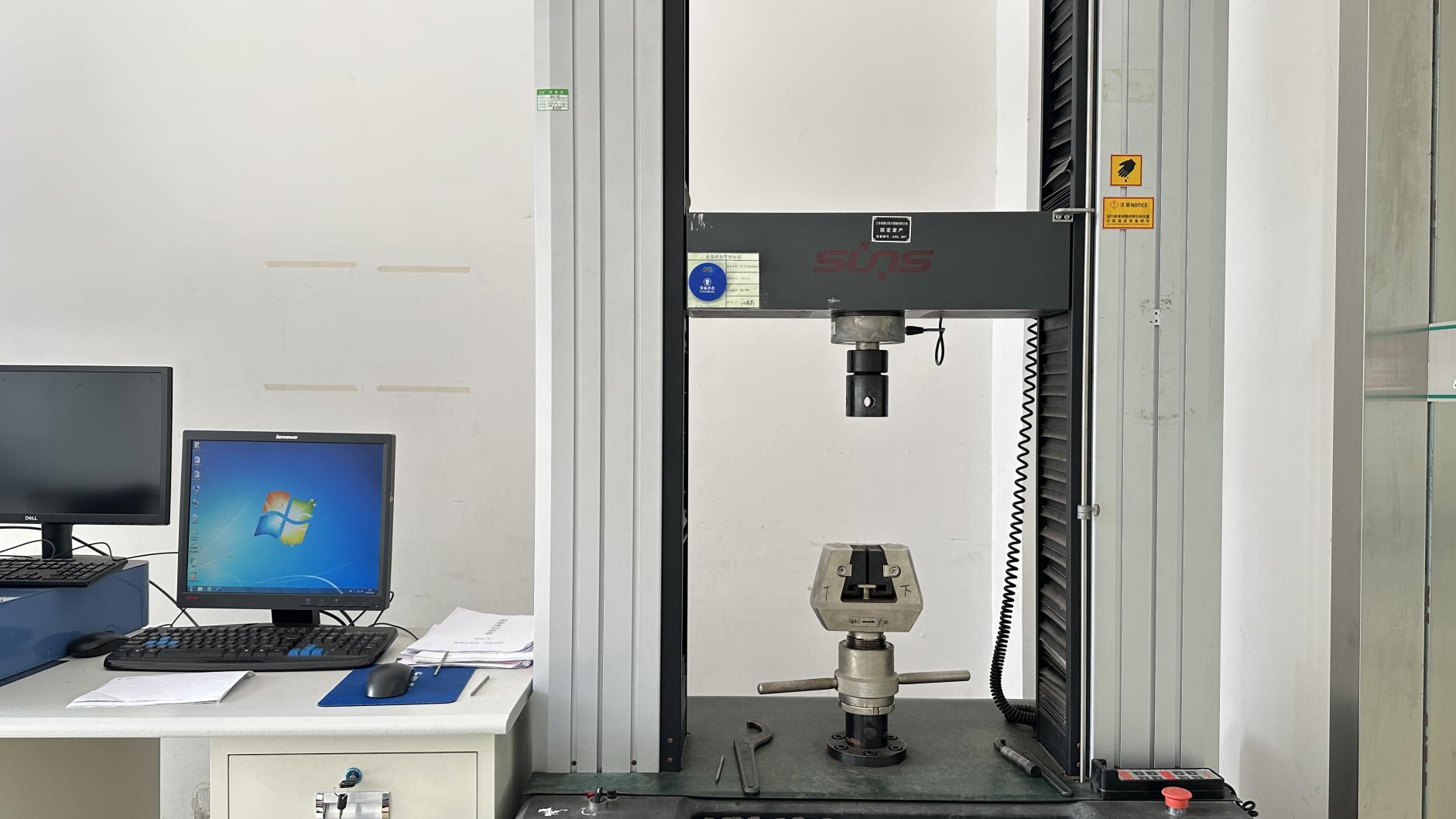
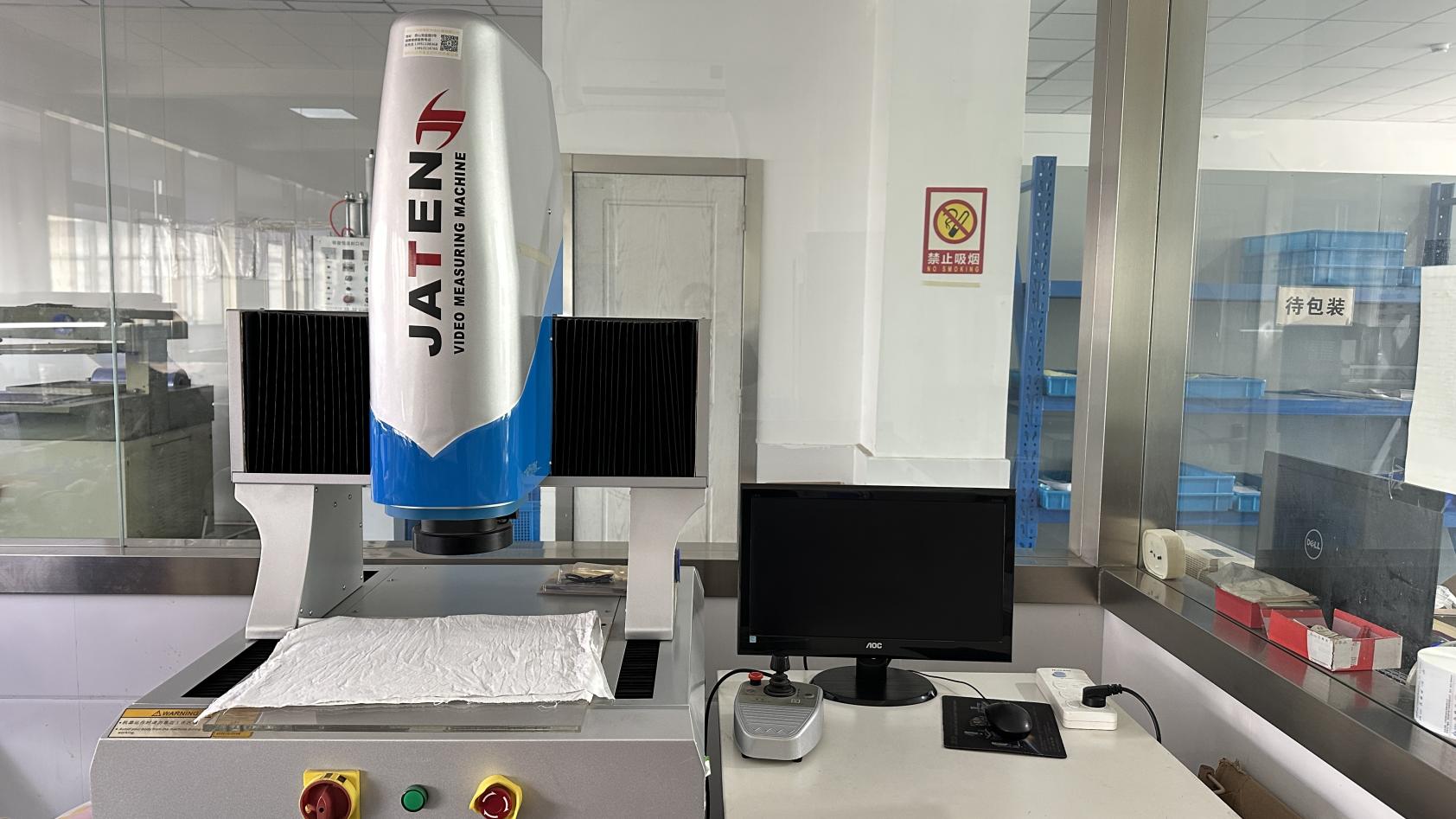
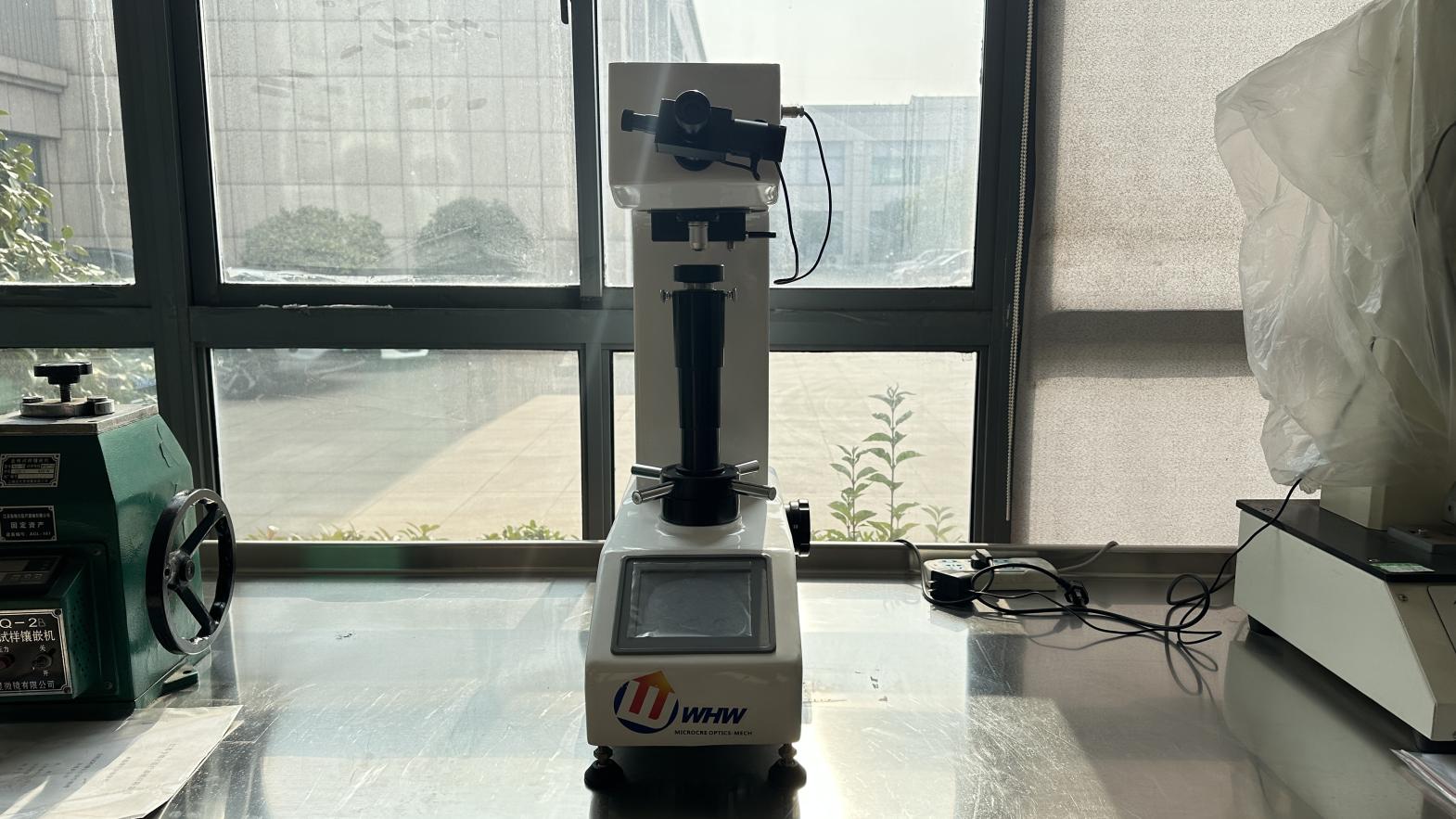
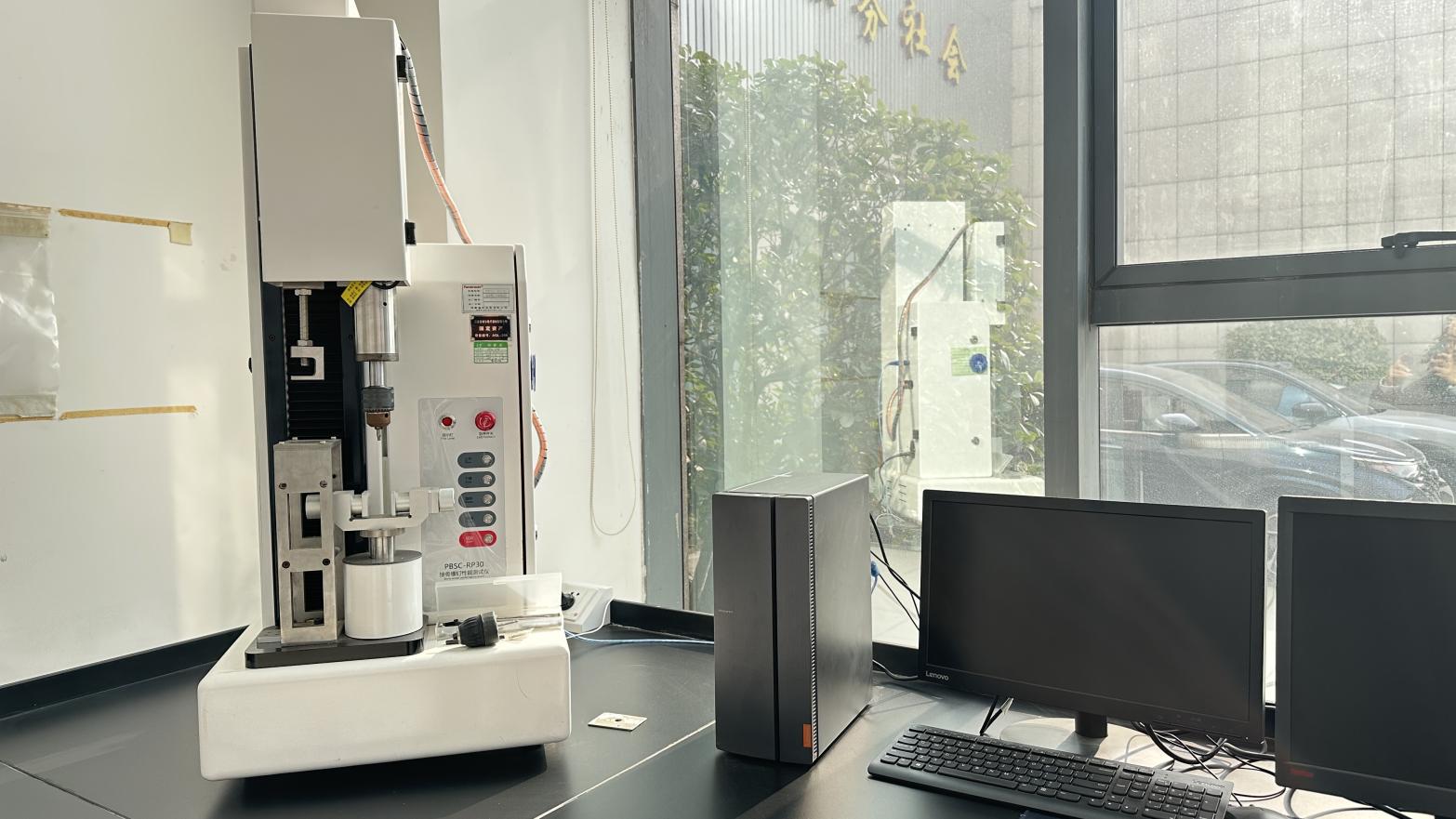
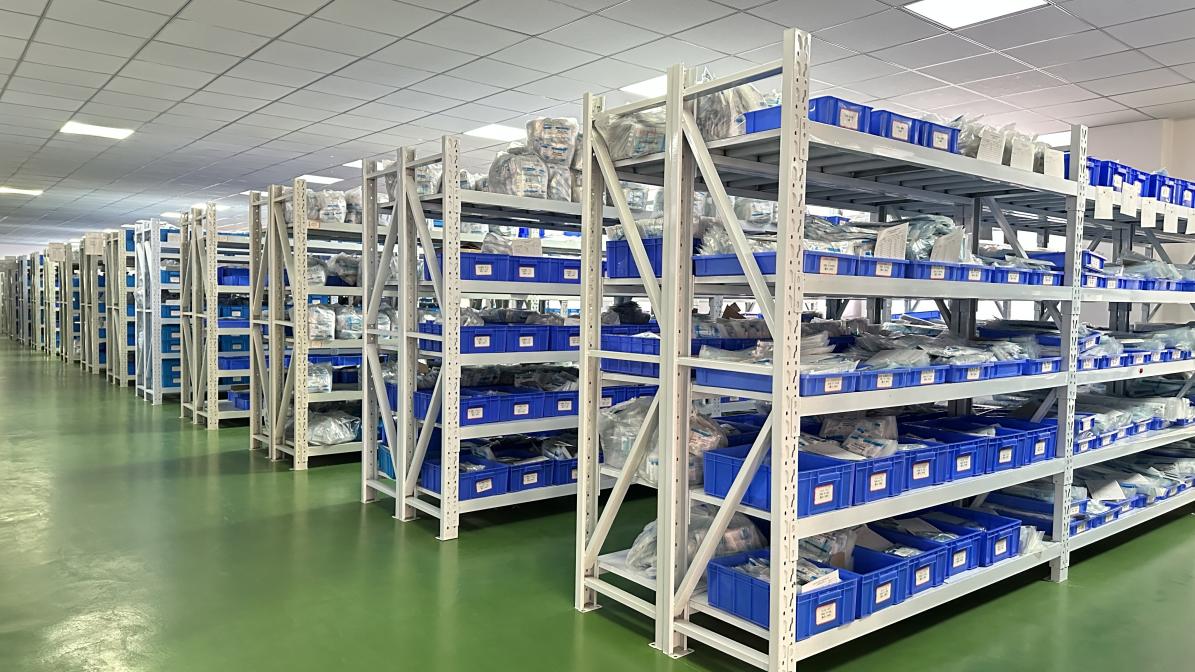
Virelox operates a strict ISO 13485-certified facility, tracking raw materials to finished medical implants.
Addressing region-specific healthcare setups, procurement parameters, and surgical requirements.
Different healthcare environments place varying demands on orthopedic suppliers:
Our operation is structured to support global medical businesses with:
Answering common technical questions from orthopedic surgeons, clinical distributors, and medical purchasing officers.
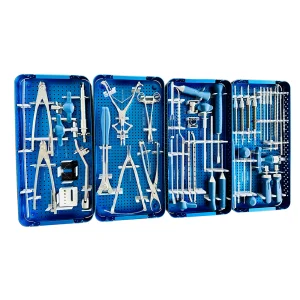
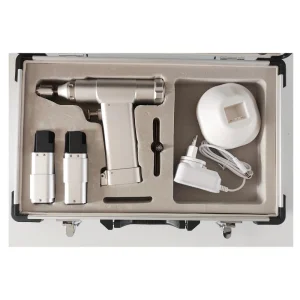
Examine our broader range of orthopedic plates, joint replacement devices, and power tools.
 Virelox