China Wholesale Spine Instrument Sets Factory & Exporter

Precision Surgical Engineering, Biomechanical Rigidity, and Resilient OEM/ODM Global Supply Chains for Advanced Spinal Interventions

About Virelox Medical Devices

Virelox Medical Devices Co., Ltd. stands at the forefront of orthopedic manufacturing, specializing in high-performance joint replacements, trauma fixation, and spinal instrumentation systems. Operating under the globally respected brand "Virelox", we leverage advanced metallurgy, biocompatible polymers, and state-of-the-art CNC automation to serve international healthcare providers, distributors, and procurement groups.

Established in 2016, Virelox operates a 12,000 m² modern facility executing ISO 13485 quality control across every production node.

By integrating advanced finite element analysis (FEA) and biomechanical verification with top-tier supply chains, we guarantee that each surgical instrument performs flawlessly inside the operating theater, minimizing surgical variables and optimizing patient outcomes.

Virelox Corporate Profile & Capabilities
Registration Date 2016
Manufacturing Footprint 12,000 m² Production Area
R&D Engine 120 Specialised Biomechanical & Material Engineers
Annual Export Revenue USD 8,500,000
Quality System Certification ISO 13485 Comprehensive Standard
QC Department Strength 65 Dedicated Inspection Professionals
Upstream & Downstream Supply Chain 850 Certified Strategic Partners
10+
Industry Experience
Years of Orthopedic R&D
8+
Export Footprint
Years of Global Delivery
120
New Launches
Orthopedic Products in 2023
65
QC Inspectors
CMM, Fatigue, Tensile Verification
850
Supply Partners
Redundant Component Sourcing

Primary Spinal & Orthopedic Product Lineup

Engineered for biomechanical stability, long-term fatigue resistance, and absolute clinical precision.
CANWELL Peek Suture Anchor
CANWELL Peek Suture Anchor Bicep Knotted Shoulder Arthroscopy Rotator Cuff Tendon Repair Sports Medicine Orthopedic Implant
View Technical Specifications →
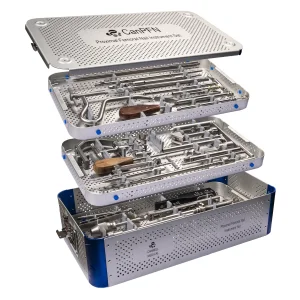
CANWELL CanPFN Proximal Femoral Nail
CANWELL CanPFN Proximal Femoral Nail Orthopedic Surgery Intramedullary Fixation Instrument Set for Trauma Surgery
View Technical Specifications →
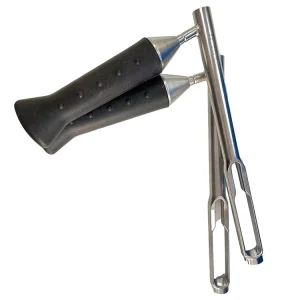
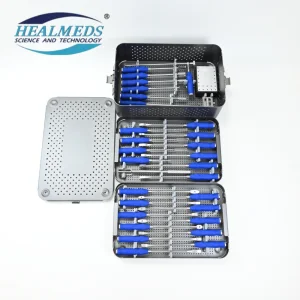
Fighting Spanner Orthopedic Spinal Instruments
Fighting Spanner Orthopedic Surgical Spinal Instruments for Scoliosis Surgery
View Technical Specifications →
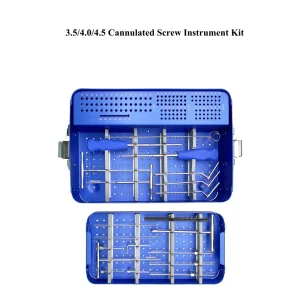
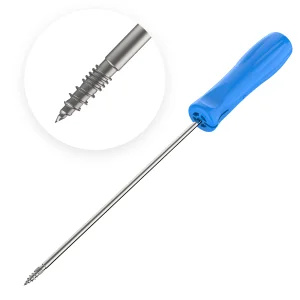
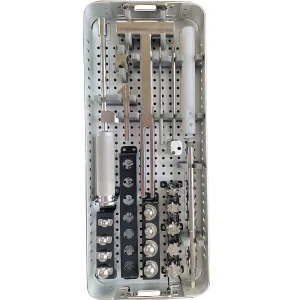
Cannulated Screw Instrument Set
1set Cannulated Screw Instrument Set 3.5mm 4.0mm 4.5mm Aluminium Sterilization Container Orthopedic Surgical Instrument
View Technical Specifications →
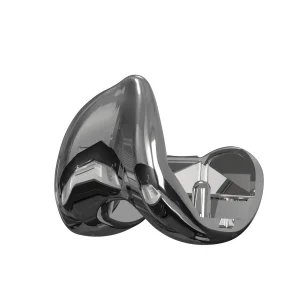
CANWELL Femoral Component
CANWELL Femoral Component Arthroplasty Prosthetic Knee Joint Prosthesis Artificial PS CoCrMo Primary Total Knee Replacement Kit
View Technical Specifications →
Orthopaedic External Fixation Instrument Set
Competitive Price CE&ISO Orthopaedic Surgery External Fixation Lower Limb Fracture Instrument Set
View Technical Specifications →
CANWELL Titanium Suture Anchor
CANWELL Titanium Suture Anchor with Needles 2.8 3.5mm Sports Medicine Shoulder Arthroscopy Surgery Orthopedic Implant CE
View Technical Specifications →
CANWELL Sports Medicine Suture Anchor
CANWELL Sports Medicine Suture Anchor Arthroscopy Suture Anchor With Needle Titanium Suture Anchor CE
View Technical Specifications →

Global Spine Instrument Industry Whitepaper

Technical evolution, regulatory landscapes, and structural demands shaping modern orthopedics.

1. Paradigm Shifts in Spinal Surgery

The global spinal surgery domain is transitioning rapidly from high-trauma open procedures to Minimally Invasive Spinal Surgery (MISS) and robotic-guided interventions. This evolution mandates an unprecedented level of precision in instrument design. Pedicle screw inserters, micro-retractors, and spinal rods must feature strict dimensional tolerances (less than ±0.01mm) to guarantee alignment under computer-assisted navigation and robotic guidance systems.

2. Material Science and Biomechanical Demands

Modern spinal instrumentation sets are no longer evaluated solely on basic tensile strength. Implants utilize advanced PEEK (Polyetheretherketone) and Titanium Alloys (Ti-6Al-4V ELI) to match the elastic modulus of human cortical bone. Surgical instrument kits must withstand high-torque insertion and repeated autoclave cycles (up to 134°C sterilization at 2.1 bar) without micro-crack initiation, metal fatigue, or chemical oxidation.

3. Global Regulatory Obstacles (MDR & FDA)

Medical device distributors face rigorous validation requirements with the implementation of European Union Medical Device Regulation (MDR 2017/745) and FDA 510(k) clearances. Global procurement entities require complete traceability of materials—from raw ingot chemical composition reports (mill certificates) to non-destructive testing (NDT), X-ray micro-tomography, and final biomechanical fatigue test logs.

"Supply chain resilience is the cornerstone of clinical continuity. Virelox integrates raw material sourcing, automated CNC milling, chemical passivation, and mechanical performance verification under a unified, ISO 13485-compliant roof."

Historically, global medical device supply chains suffered from fragmentation, leading to unpredictable delivery schedules. Virelox addresses this by collaborating with 850 verified upstream and downstream raw material and component suppliers, ensuring immediate access to high-grade surgical stainless steel, cobalt-chromium-molybdenum (CoCrMo), medical PEEK, and titanium alloys.

Through our Factory 4.0 initiative, we utilize multi-axis CNC machining centers, precision wire-cutting machinery, and laser markers. This integration enables customized OEM/ODM design modifications to be modeled via dynamic FEA, prototyped, and brought to full-scale production inside our 12,000 m² facility.

China Factory 4.0 Infrastructure

Virelox's manufacturing operations employ precision machinery to guarantee orthopedic devices meet strict geometric tolerances.

  • Automated Five-Axis CNC Machining: Eliminates human setup errors, allowing single-setup machining of complex geometries such as cervical plates and polyaxial pedicle screw heads.
  • Precision Slitting and Wire Cutting: Essential for generating sharp, burr-free threads on bone taps, cannulated drills, and micro-screws, ensuring smooth bone insertion.
  • Chemical Surface Passivation: Anodization and electro-polishing create a chromium oxide passive layer, preventing corrosion during aggressive chemical cleaning.
  • Traceable Laser Marking: Integrates custom QR/UDI codes to meet global regulatory requirements.

Vertical Manufacturing Workflow & Analytical Laboratory

From metallurgical verification to final dimensional validation, explore the steps of our manufacturing process.
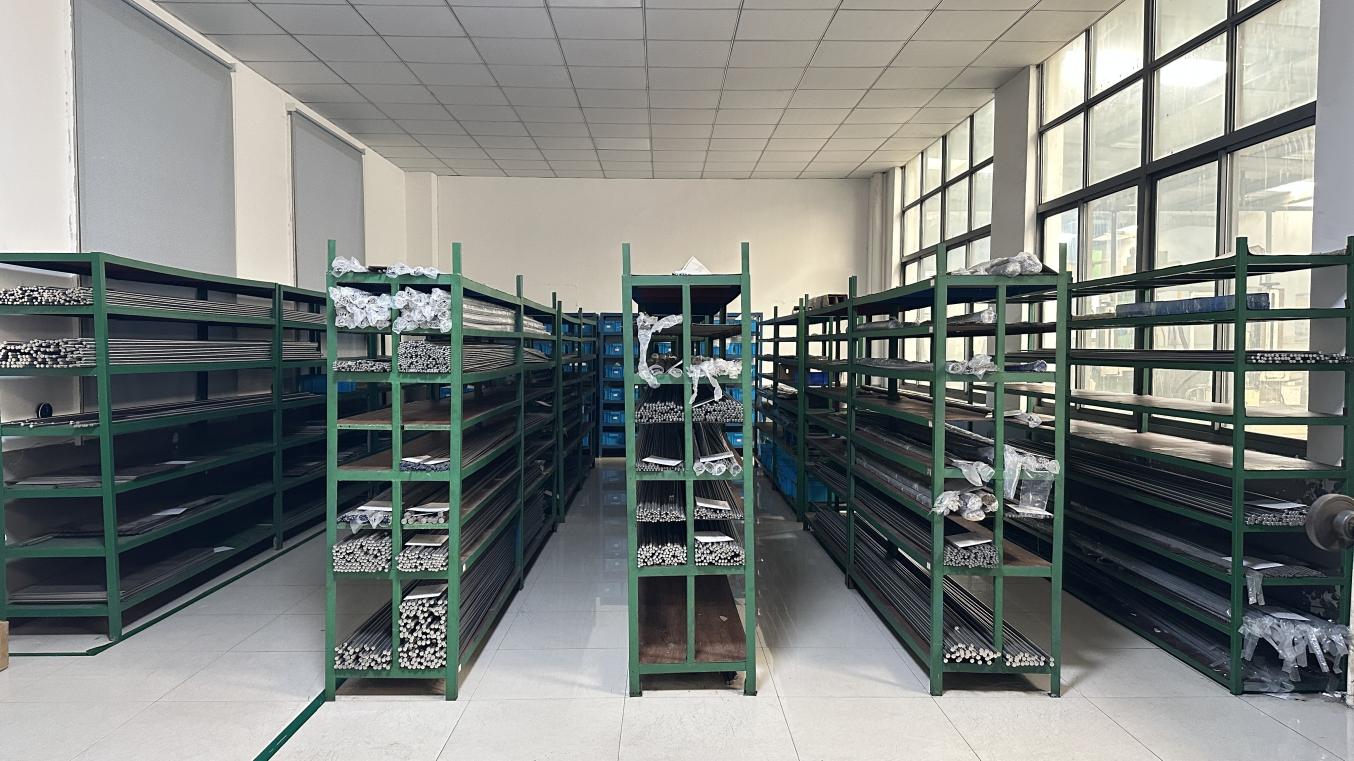
Raw Materials
1. Raw Materials Inspection

Spectral testing of incoming raw bars to confirm carbon, titanium, and cobalt-chrome grade purity.
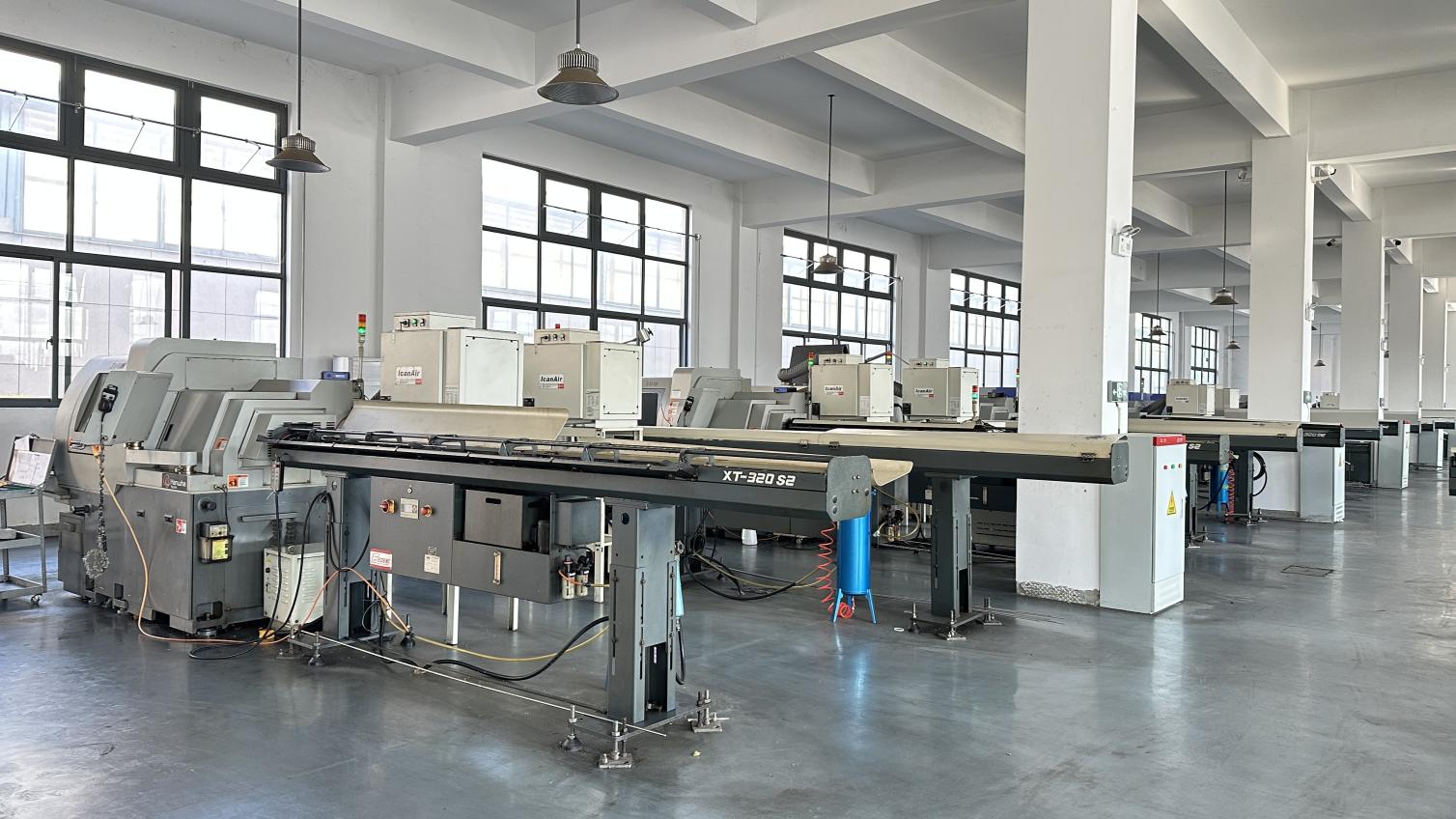
Slitting
2. Material Slitting

Precise sectioning of bar stock utilizing heavy-duty automated slitting machinery.
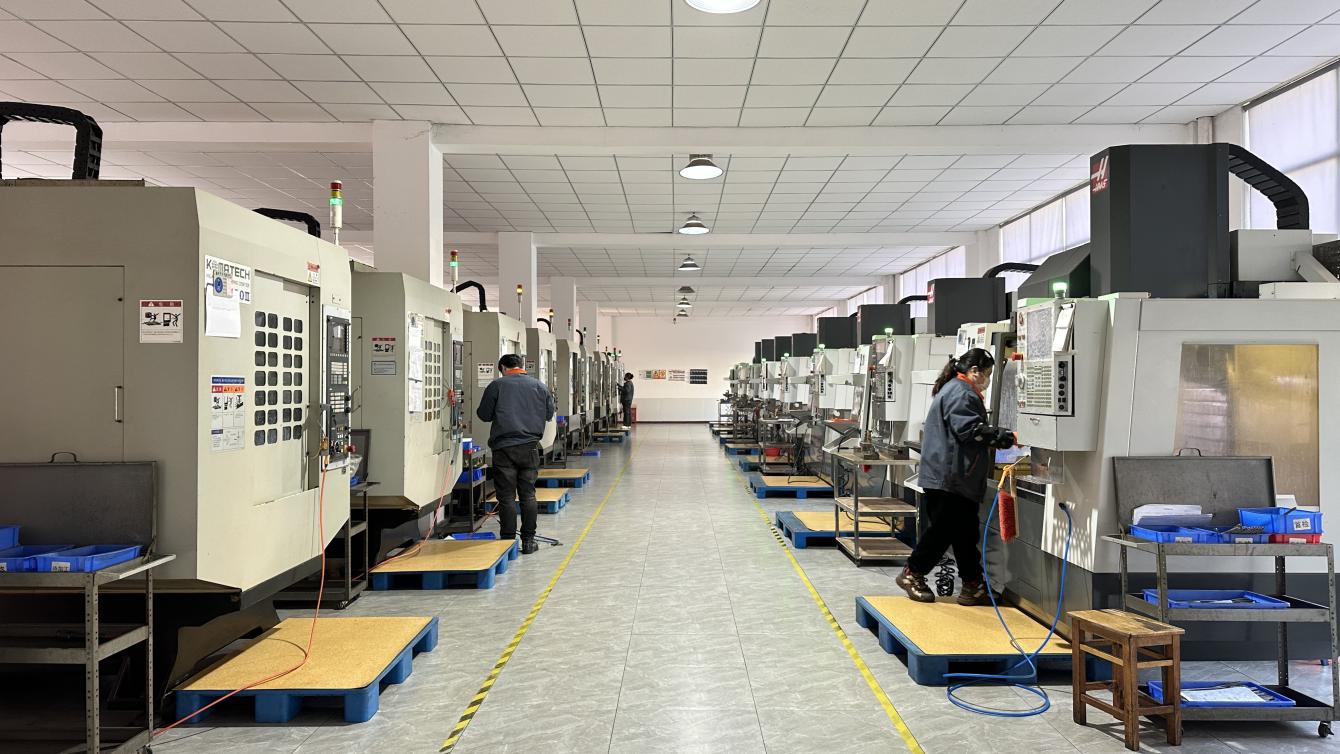
CNC Machining
3. CNC Machining

High-speed multi-axis profile milling of complex implant shapes and custom geometries.
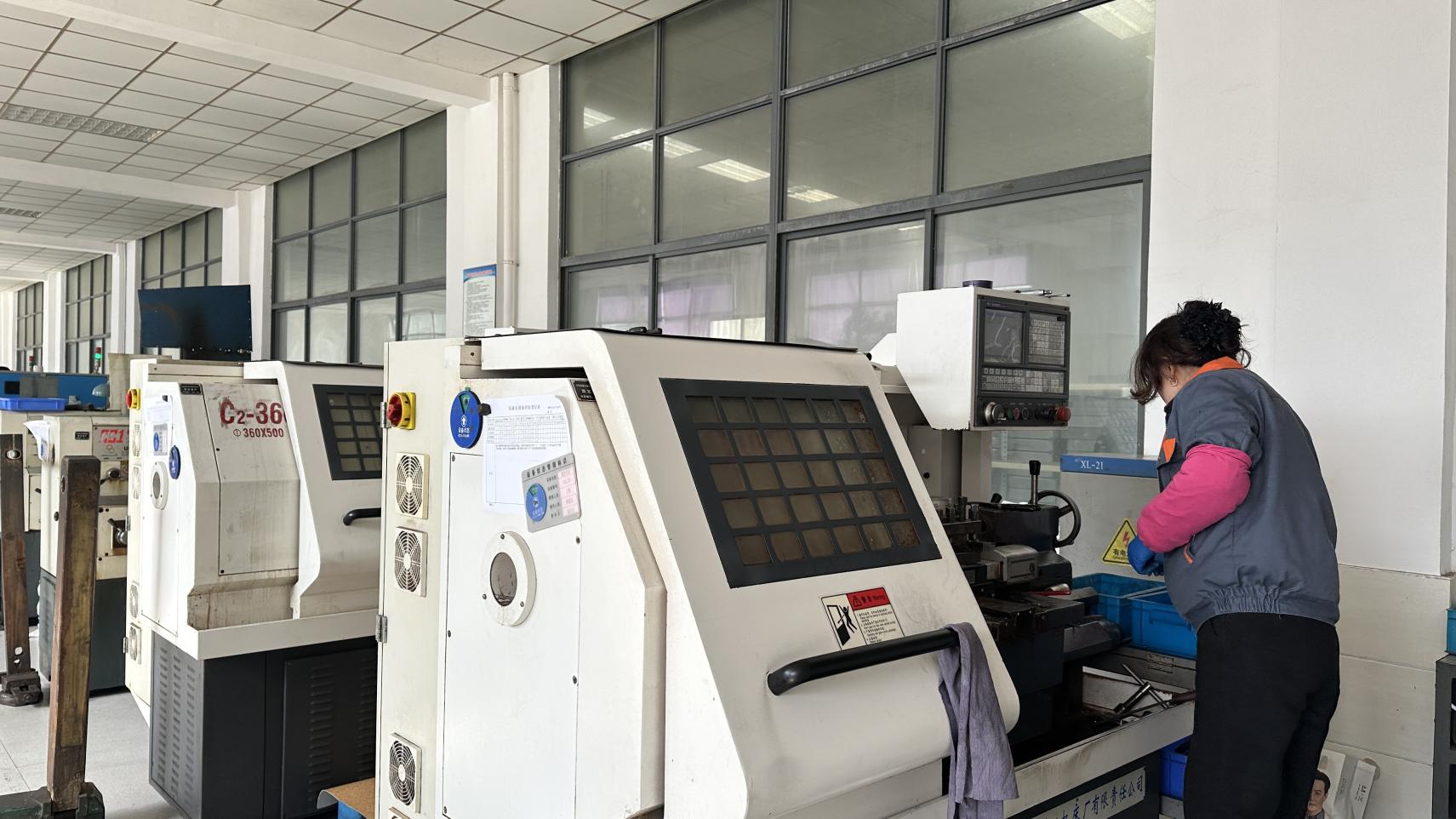
Machining
4. Precision Turning

Automated lathe operations designed to cut micro-threads on pedicle and cannulated screws.
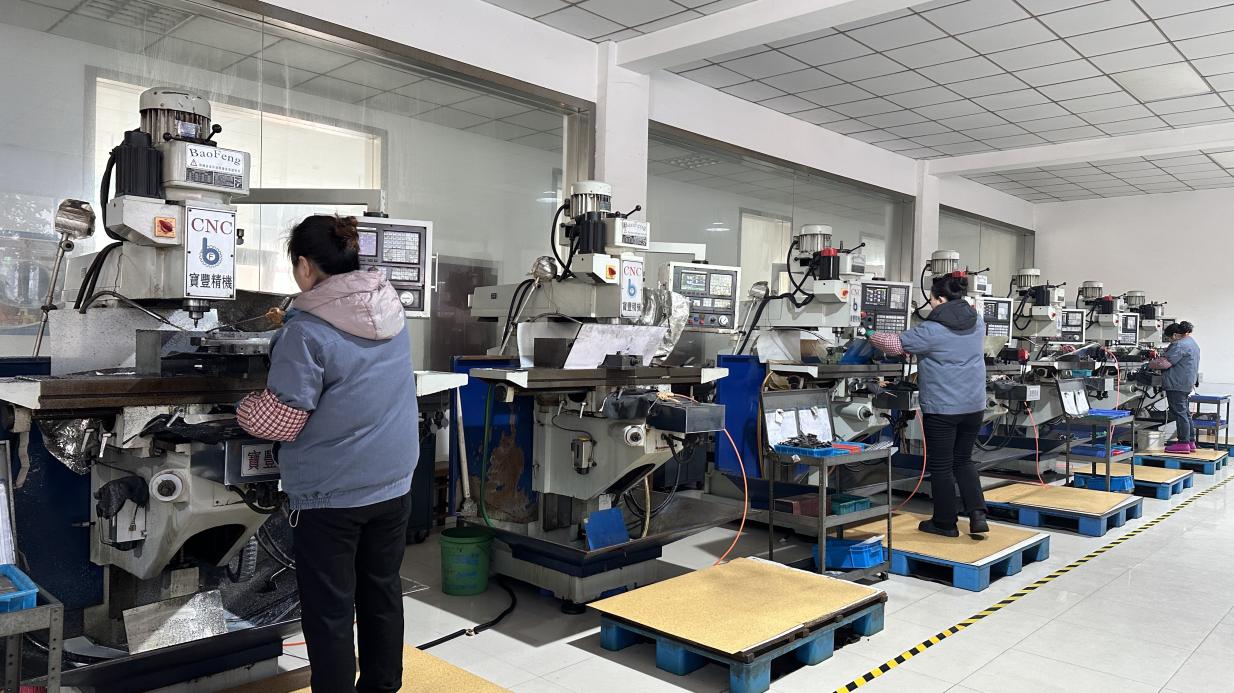
Milling
5. Slot & Keyway Milling

Milling of slots, driver connections, and retention channels on instruments and implants.
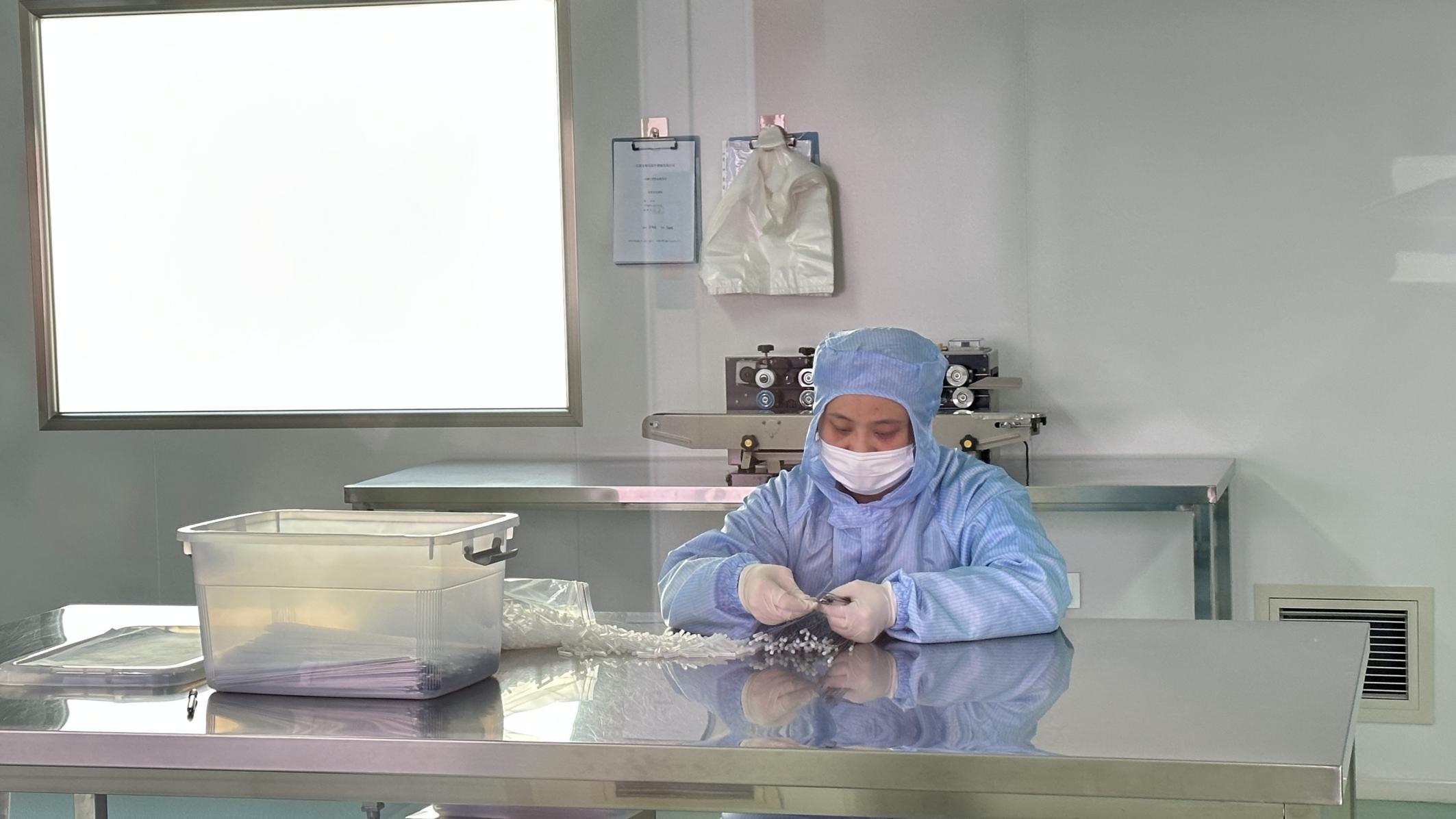
Inspection and Packing
6. Initial Inspection

Dimensional confirmation of semi-finished units, ensuring alignment with structural designs.
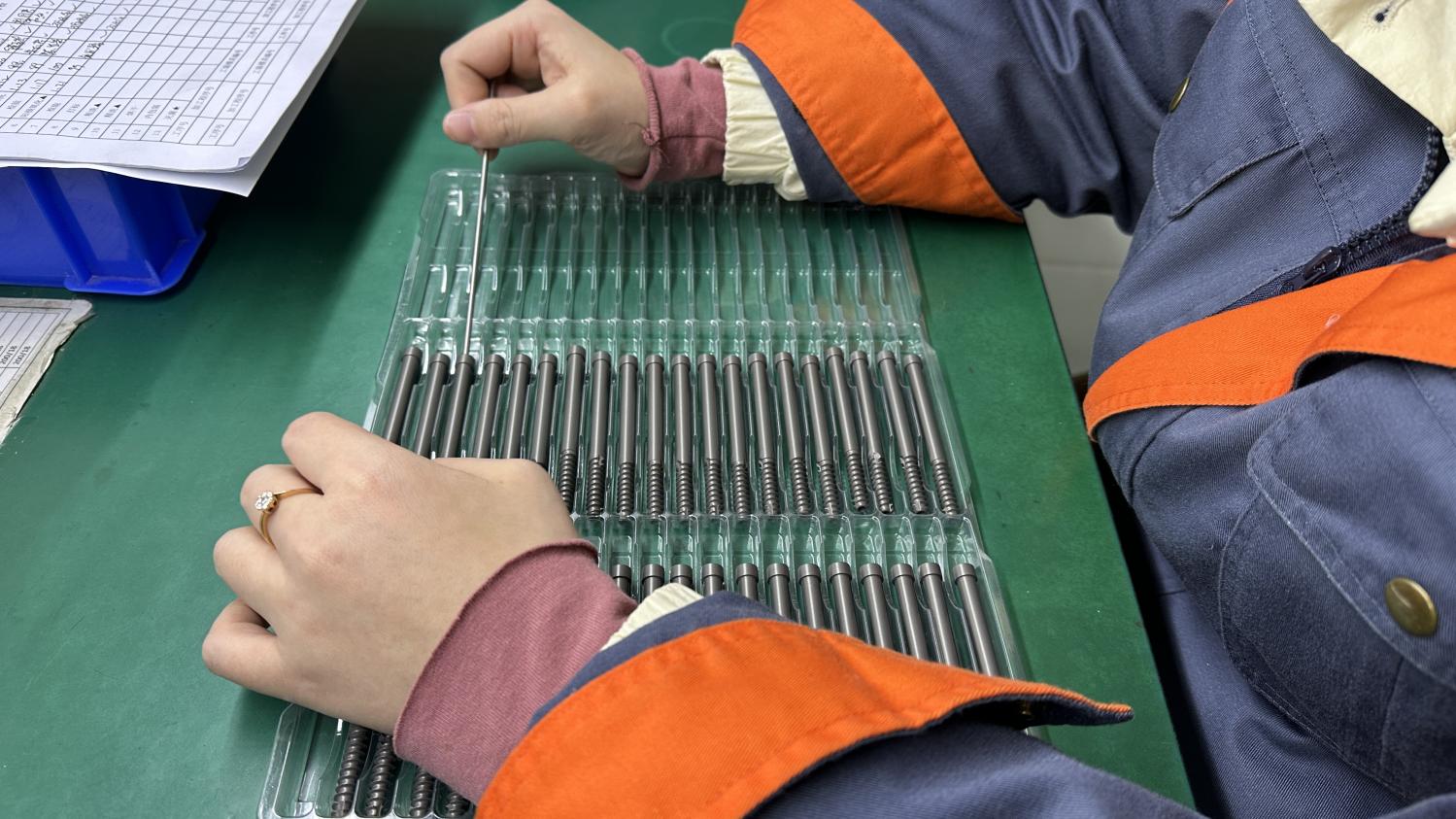
Inspection and Packing
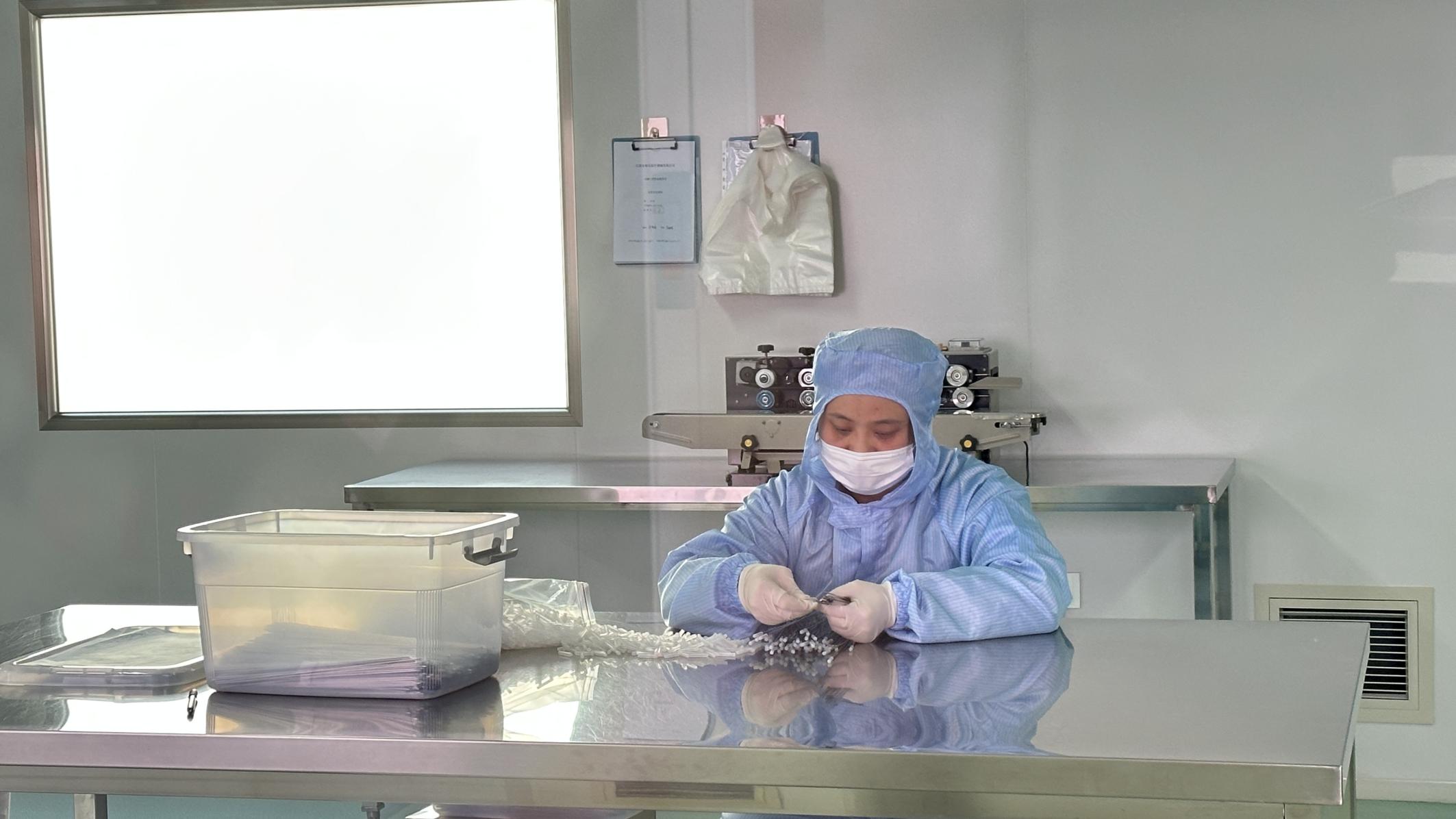
7. Packing & Seal Checks

Ultrasonic cleaning, followed by dust-free packaging and primary seal integrity verification.
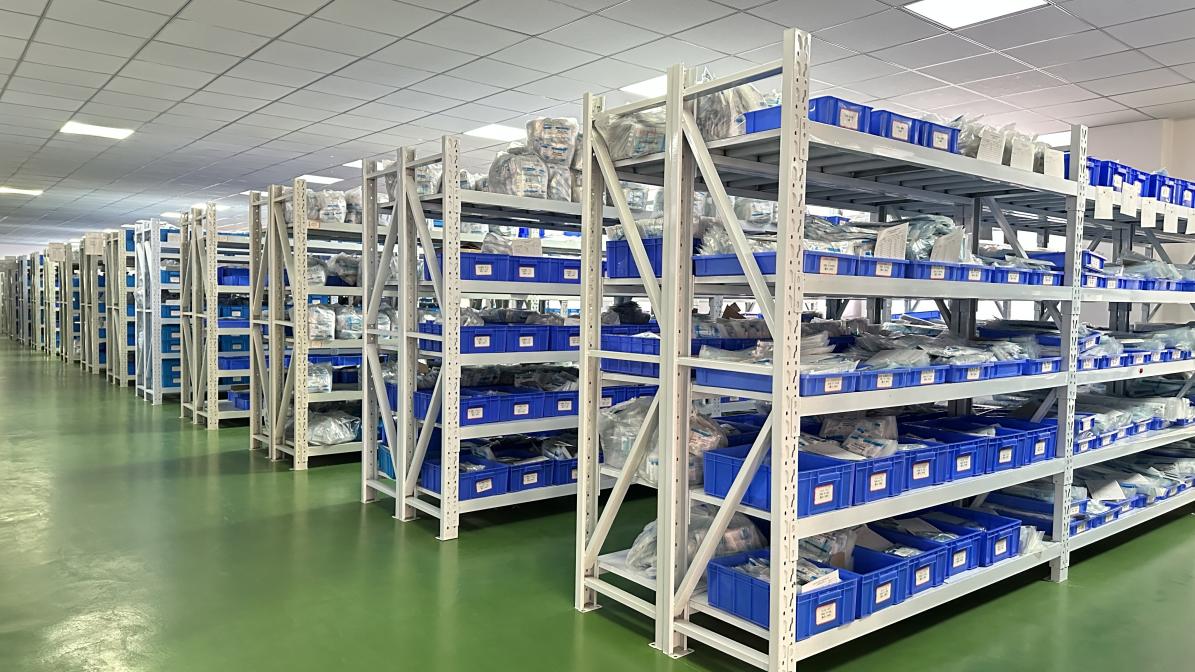
Warehouse
8. Warehouse Logistics

Temperature and humidity-controlled storage, cataloged with automated ERP logistics.
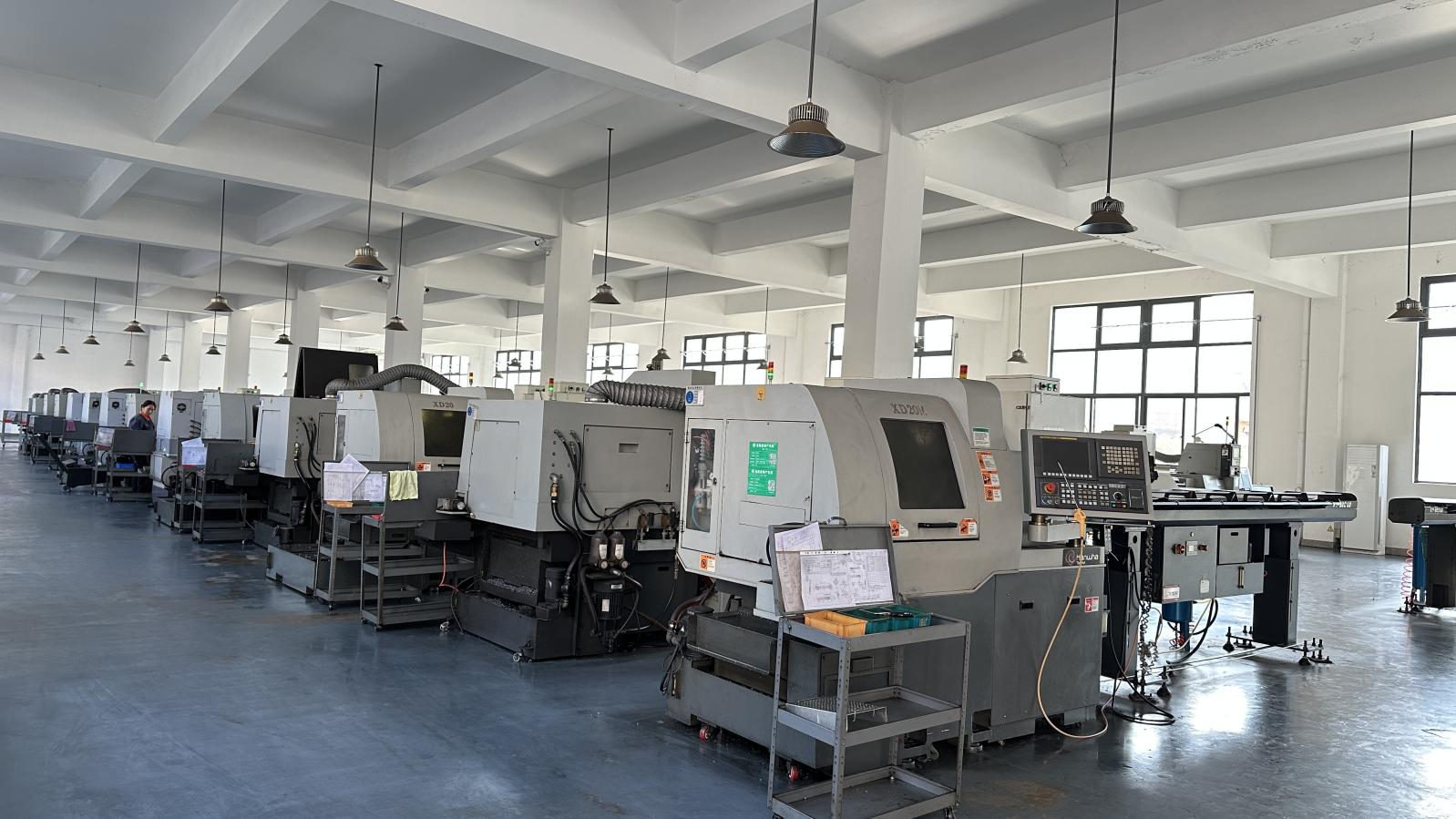
Slitting Machine
9. Primary Slitting Line

Dedicated equipment processing sheet and wire coil formats for implant components.
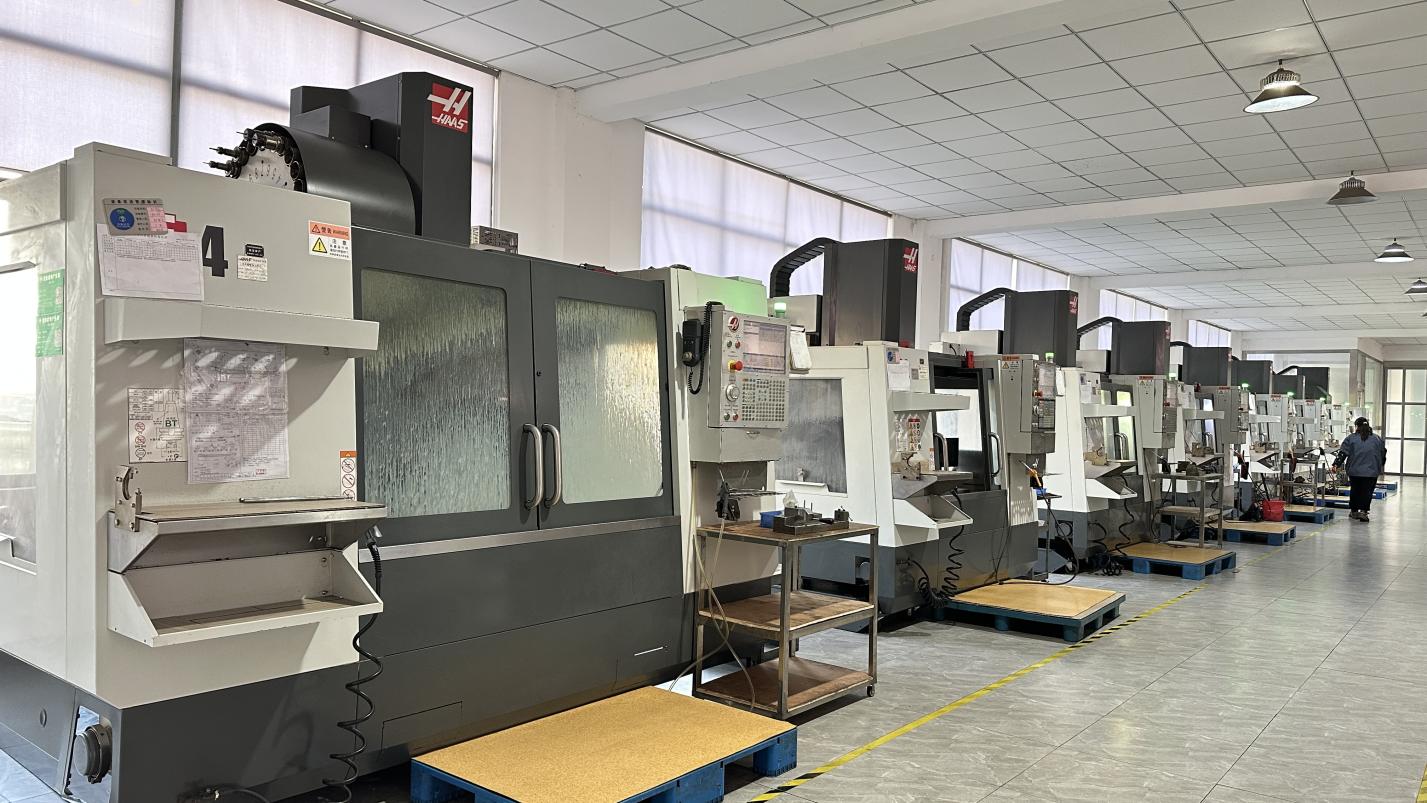
CNC Machining Center
10. 5-Axis CNC Center

High-precision multi-axis machining center for spinal plate profiles and complex implants.
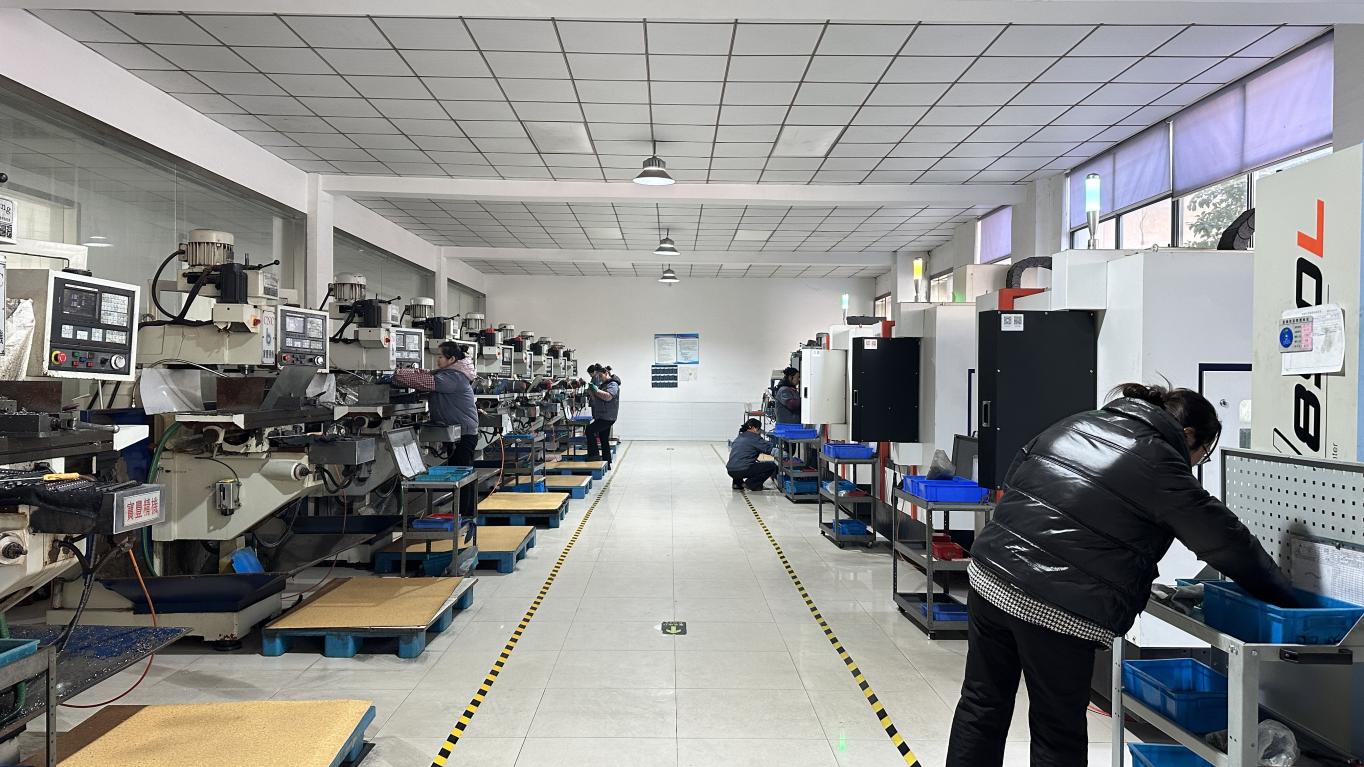
CNC Milling Machine
11. CNC Milling Machine

Dedicated profile milling machines optimized for small-batch orthopedic components.
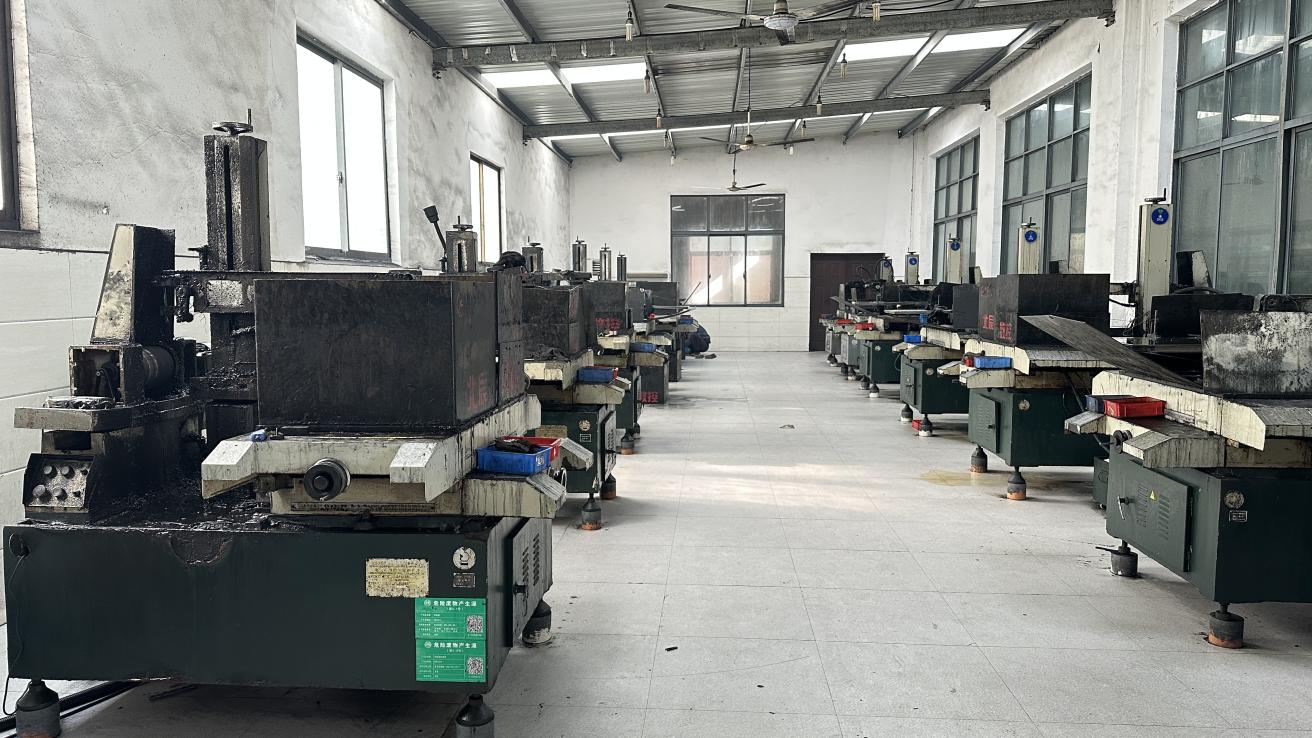
Wire Cutting Machine
12. Wire EDM Cutting

Sub-micron accuracy electrical discharge machining for tight-fit joints and drive features.
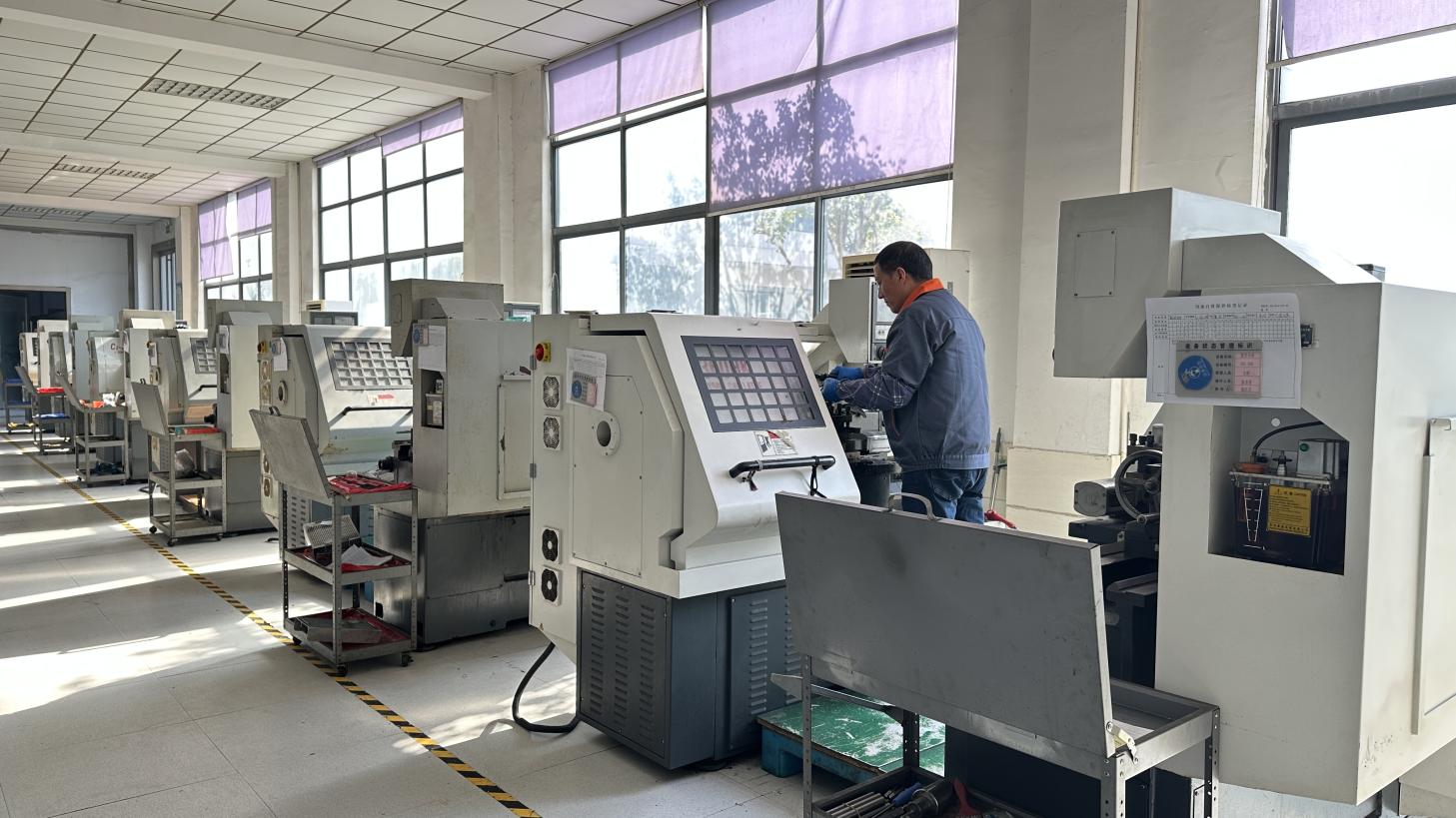
CNC Lathe
13. Swiss CNC Lathe

Optimized for long, slender implants like intramedullary nails and guide wires.
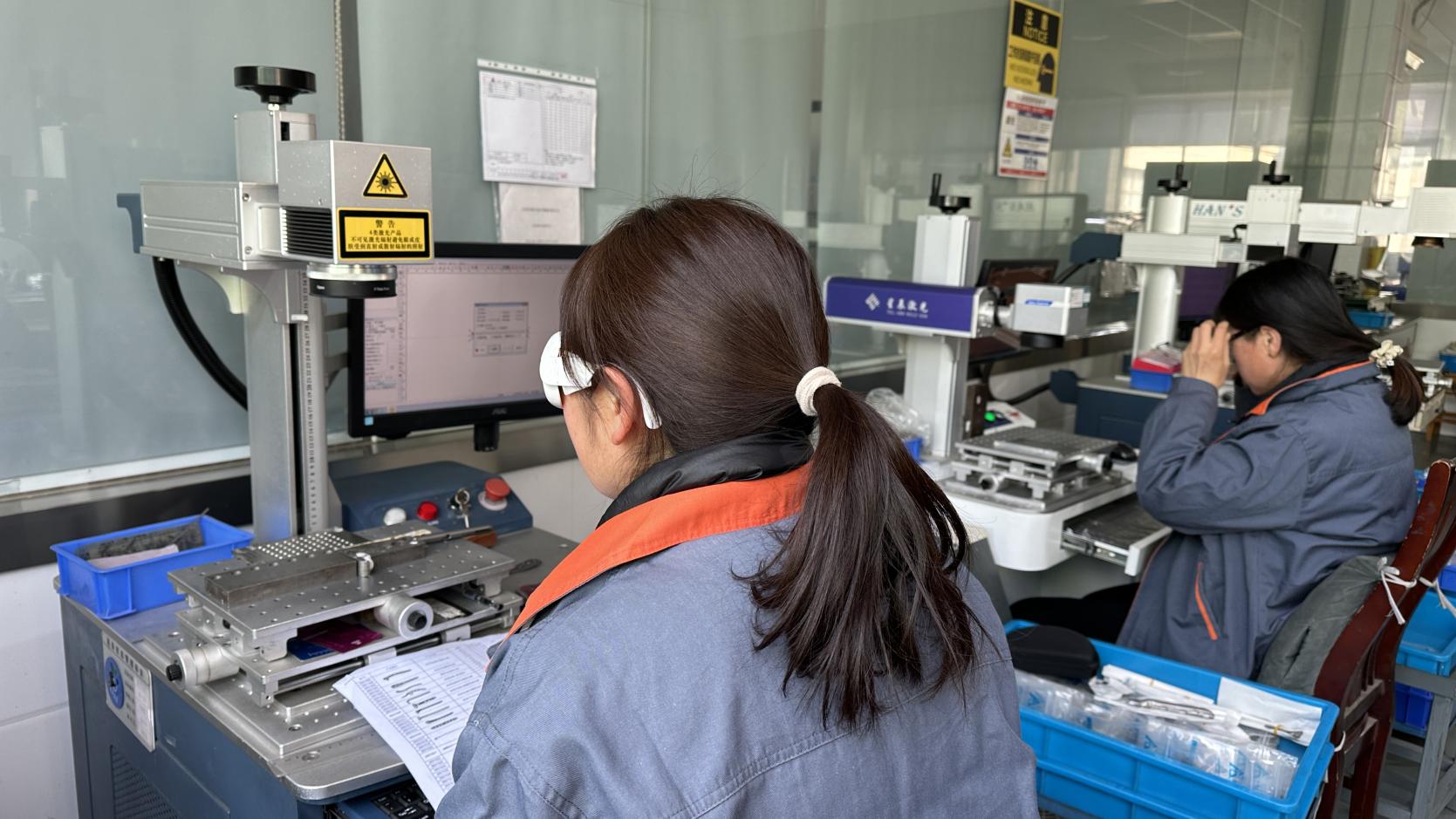
Laser Marking Machine
14. Laser Marking & UDI

Applies permanent UDI codes and markings to survive repeated sterilization.
Design
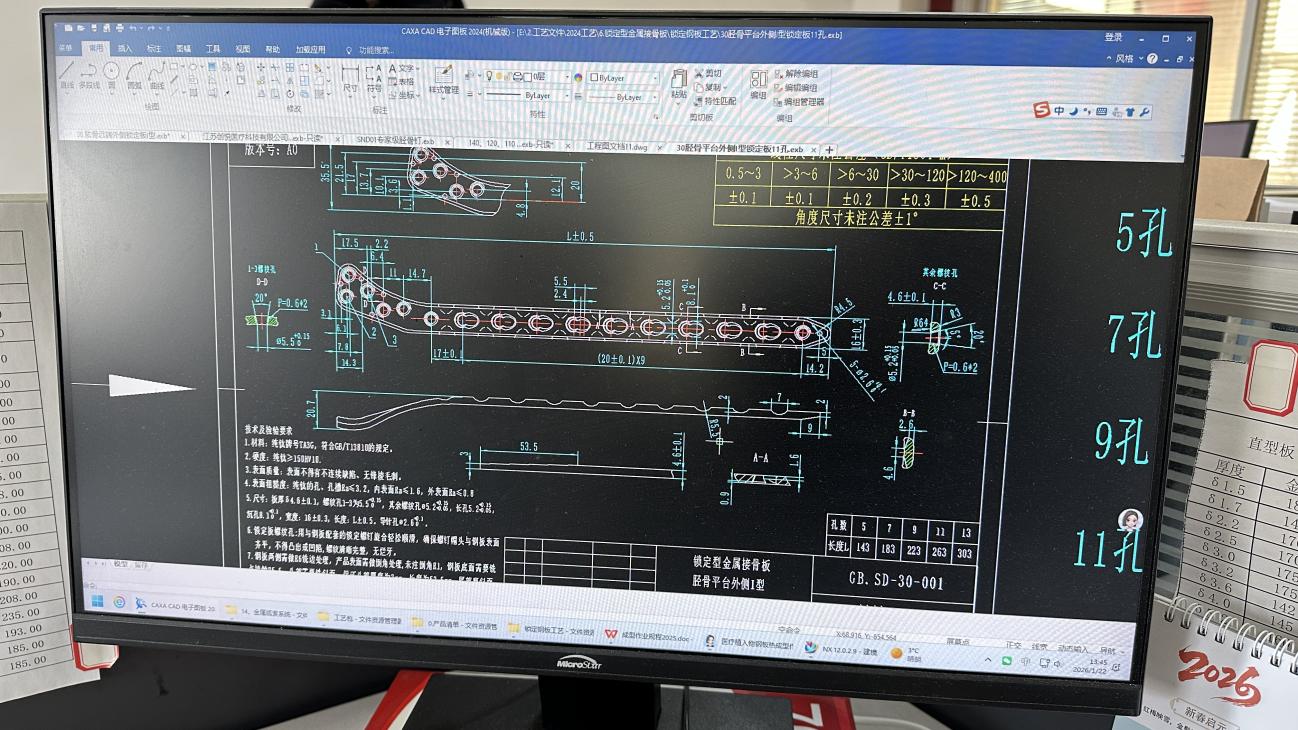
15. CAD/FEA Design

Finite element analysis and modeling optimize strength-to-weight ratios in orthopedic designs.

Lab
16. Mechanical Testing Lab

Internal testing laboratory verifying fatigue profiles, elasticity, and microstructural integrity.
Inspection
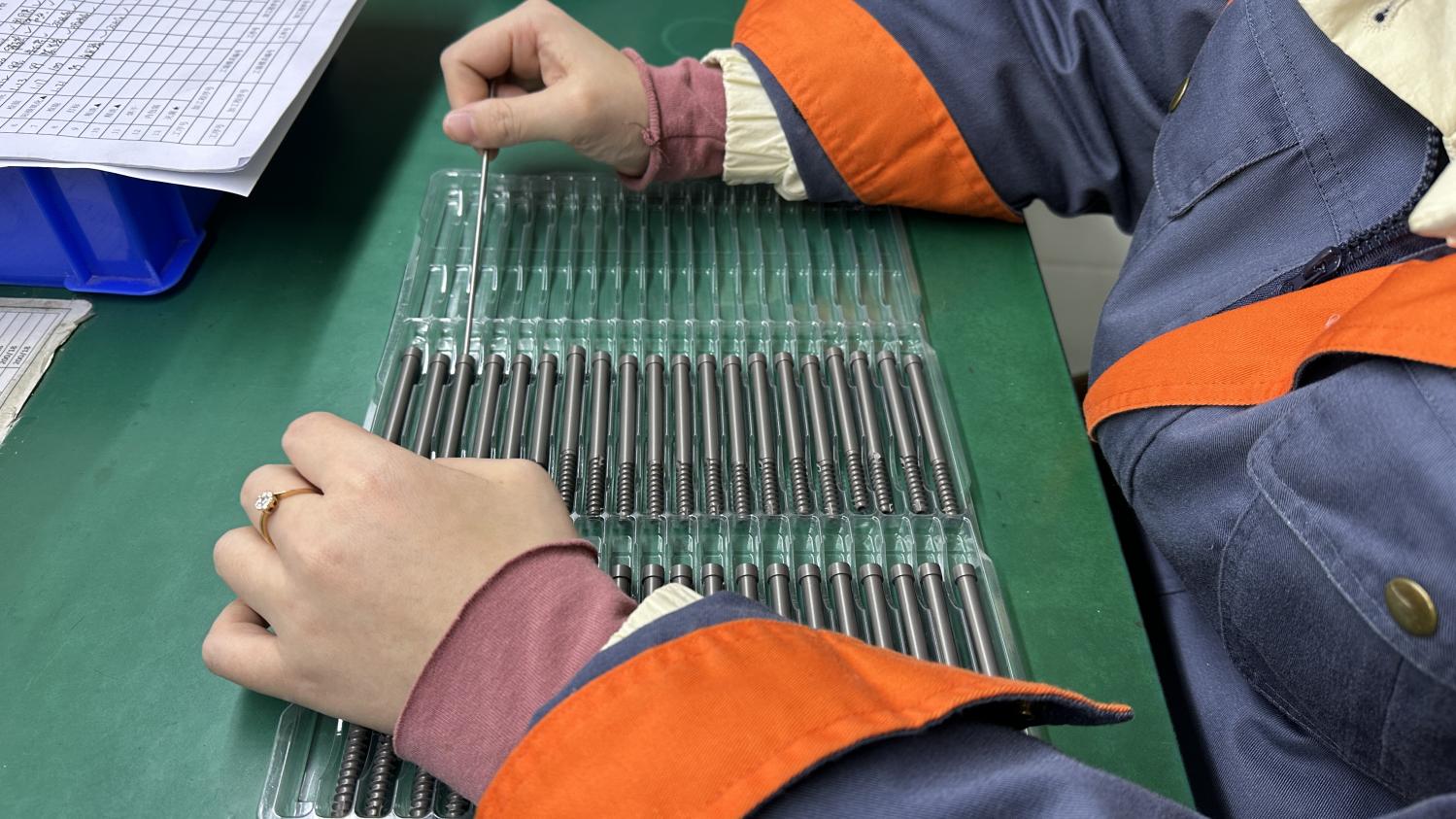
17. Dimensional QA

Verifies implant tolerances using custom optical projectors and micrometers.
Inspection
18. Roughness Profiling

Verifies surface roughness (Ra) values to optimize bone-on-growth interface behavior.
Fatigue Tester
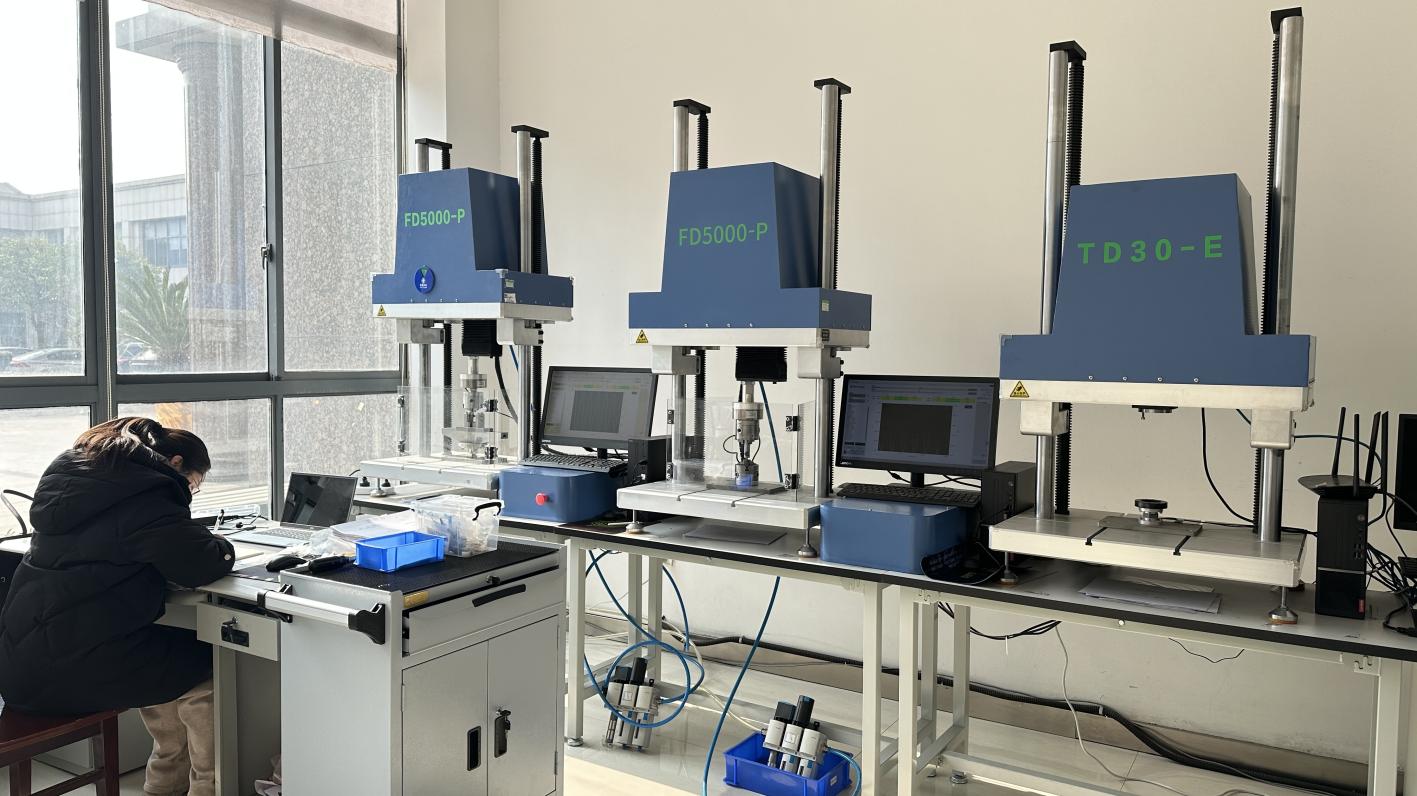
19. Biomechanical Fatigue

Subjects implants to millions of load cycles, simulating multi-year physiological stress.
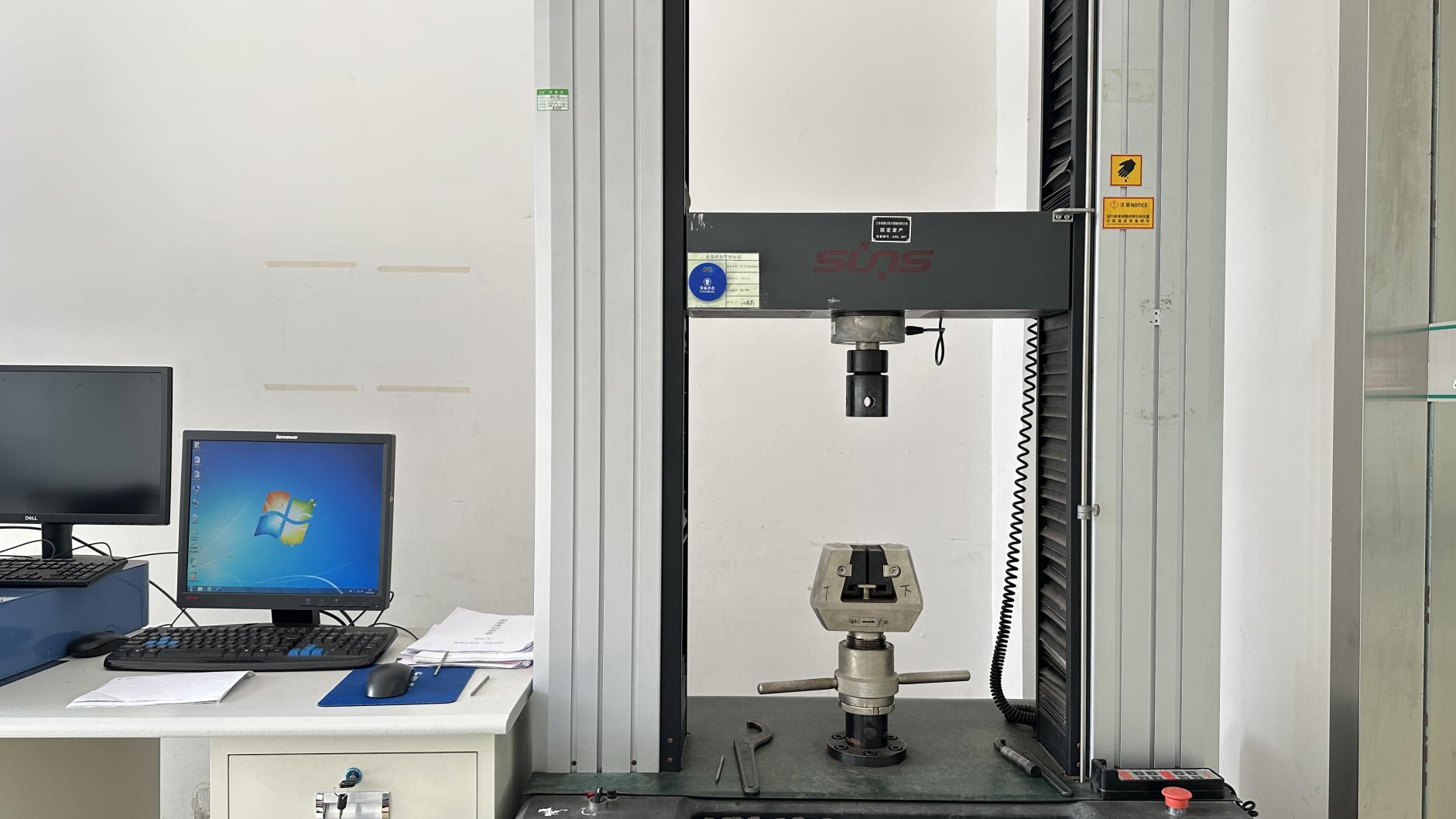
Tensile Tester
20. Tensile Strength Test

Verifies ultimate tensile limits to prevent structural failures during high-stress implantation.
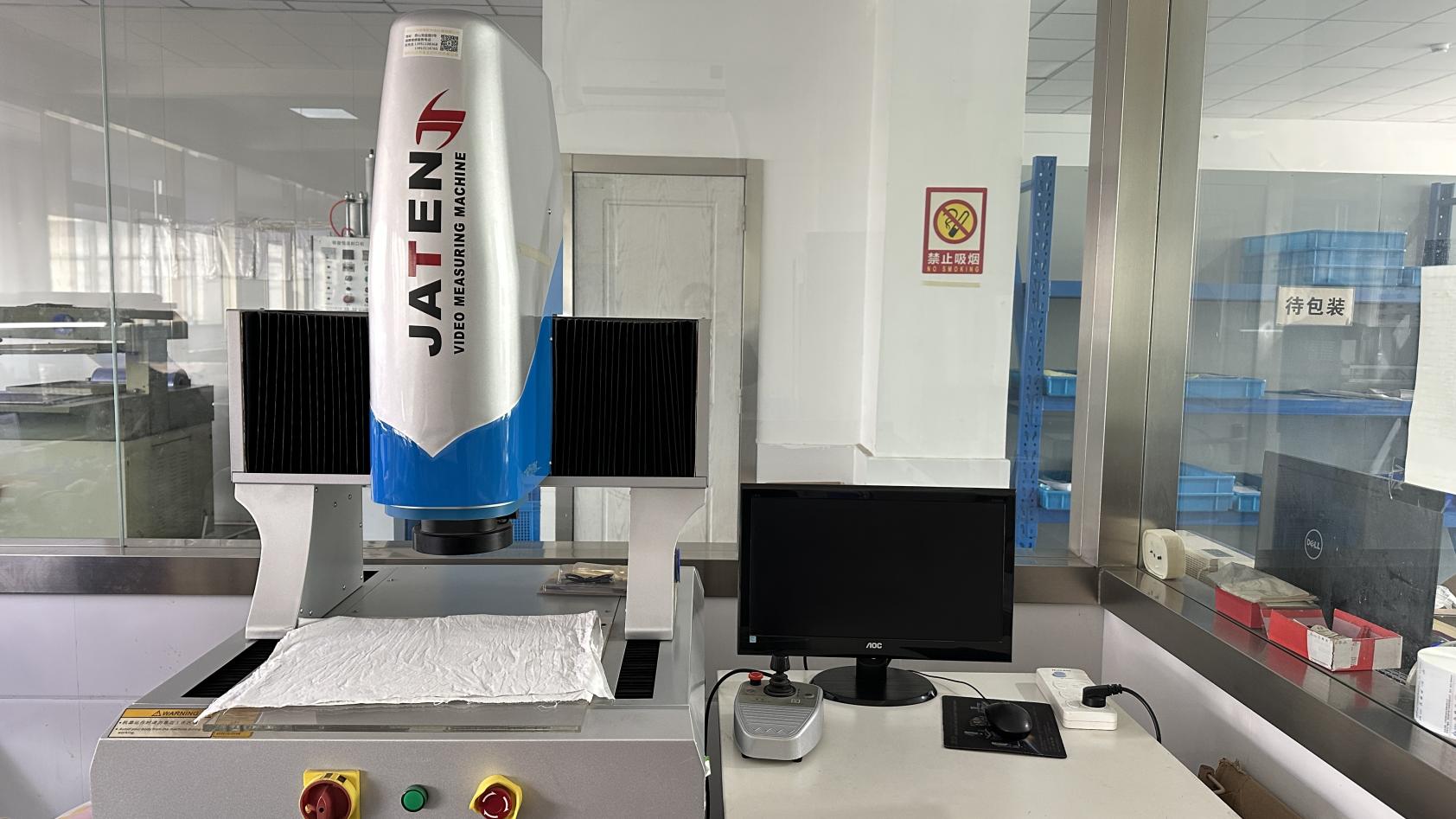
Two Dimensional Measuring Instrument
21. 2D Optical CMM

Non-contact digital mapping system checking complex geometry and curve profiles.
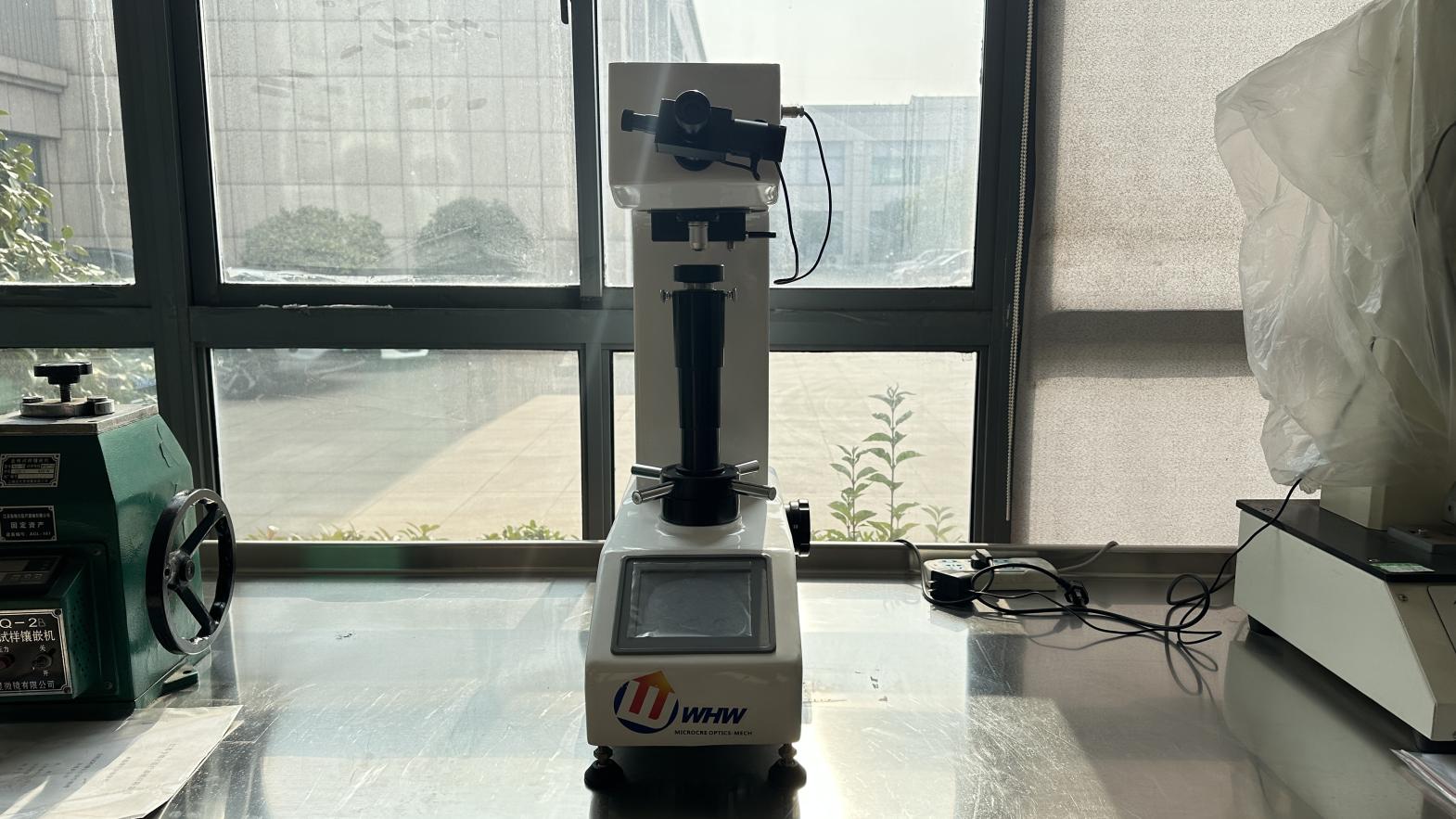
Hardness Tester
22. Rockwell Hardness Tester

Confirms heat treatment hardness levels to prevent screw stripping under torque load.
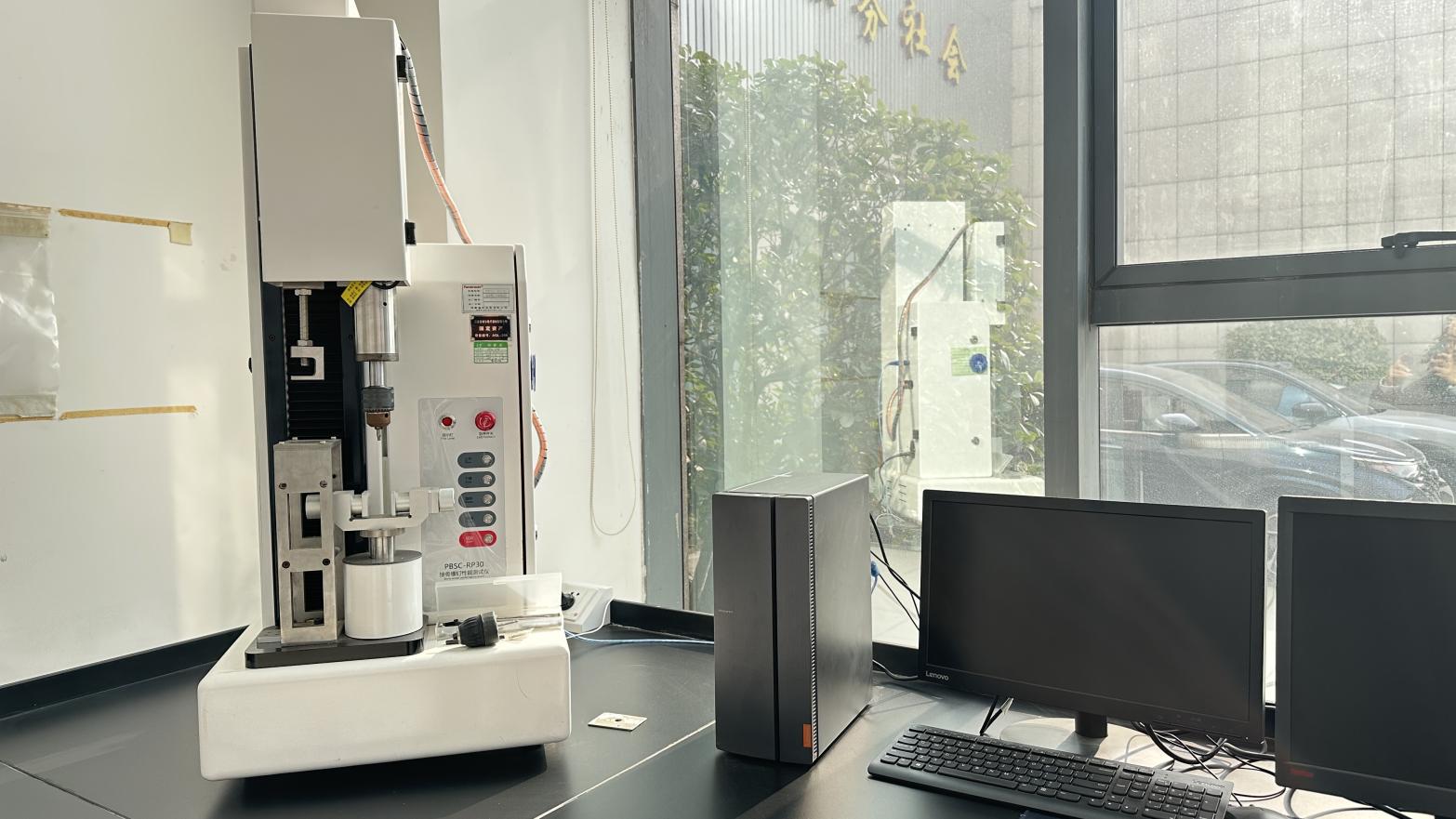
Bone Screw Performance Tester
23. Screw Performance Tester

Measures self-tapping torque and pull-out resistance under simulated cortical bone structures.

Clinical Utility & Localized Surgical Applications

Optimized for specific anatomical approaches, bone densities, and surgical strategies.

Lumbar & Thoracic Fusion (PLIF/TLIF)

Posterior Lumbar Interbody Fusion (PLIF) requires instruments that can operate through a narrow exposure window. The Virelox PLIF/TLIF instrument sets feature low-profile, ergonomic nerve-root retractors and threaded rod-persuaders. These allow spinal surgeons to manipulate pedicle screws and insert implants with minimal neural tissue displacement, even in patients with high BMI.

Deformity Correction (Scoliosis Surgery)

Scoliosis surgery requires long constructs and multi-segmental correction. Virelox spanner designs and high-leverage rod benders are engineered to withstand the torsional forces needed to realign three-dimensional curves. This design enables surgeons to achieve sagittal balance and coronal alignment without risking micro-shearing at the implant interfaces.

Revision Arthroplasty and Sports Medicine

Suturing soft tissue to bone requires high structural integrity. Our PEEK and titanium suture anchor systems are engineered for arthroscopic rotator cuff repairs and shoulder instability procedures. They feature dual-thread patterns for reliable cortical purchase and high pull-out strength, supporting early patient mobilization and rehabilitation.

Trauma Fixation & Specialty Surgical Instruments

High-precision instrumentation designed to simplify implant delivery and ensure surgical efficiency.
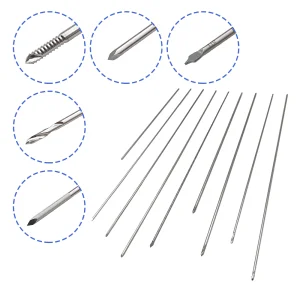
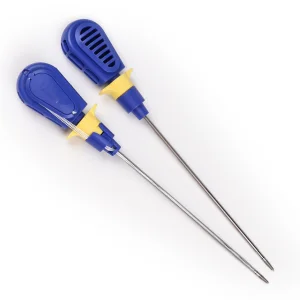
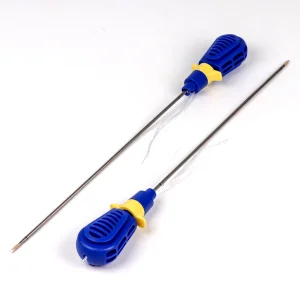
Orthopedic Suture Wire Needle Guide Pin
Orthopedic Suture Wire Needle Guide Pin Needle Thread Autoclavable Stainless Steel Orthopedic Pet Surgical Instrument
View Technical Specifications →
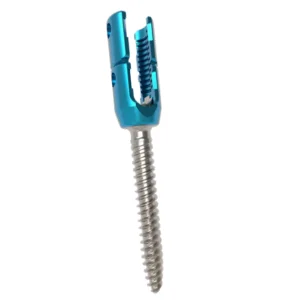
Fule COX Polyaxial Reduction Pedicle Screw
Fule COX Polyaxial Reduction Pedicle Screw Titanium Material CE/ISO13485/ISO9001 Certified Class III Implantable Spine Implant
View Technical Specifications →
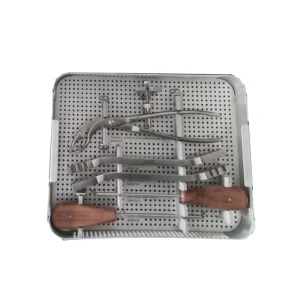
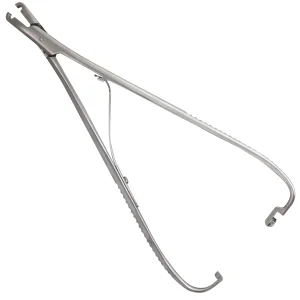
CANWELL Hip Revision Instrument Set
CANWELL Hip Revision Instrument Set Orthodontic Pliers Alloy Narrow Thin Tip Clamp Ring Elastic Placement Tie Holder Forceps
View Technical Specifications →
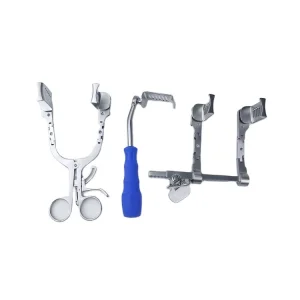
Spinal Surgery Micro Retractor
Spinal Surgery Micro Retractor Cervical Invasive Retractor Surgical Instrument
View Technical Specifications →
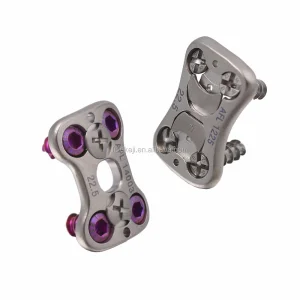
Fule FJQ-B Cervical Plate
Fule FJQ-B CE/ISO13485 Certified Anterior Cervical Plate for Spinal Cervical Implants
View Technical Specifications →
PLIF PEEK Cage & Titanium Lumbar Cage
PLIF PEEK Cage & Titanium Lumbar Cage Instrument Set Spinal Surgery System Stainless Steel
View Technical Specifications →
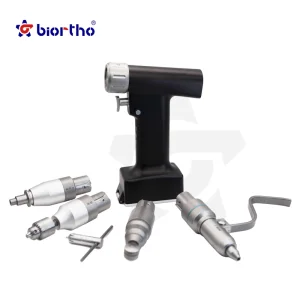
BW 7.4V Multifunctional Drill
BW 7.4V Multifunctional Drill Lithium Battery Veterinary Orthopedic Instrument
View Technical Specifications →
Veterinary Hip Prosthesis Joint Replacement
Veterinary Hip Prosthesis Joint Replacement Instrument Set
View Technical Specifications →

Expert Q&A for Orthopedic Procurement Officers

Technical guidance on regulatory compliance, raw materials, manufacturing standards, and supply logistics.

What specific grades of raw materials are used in Virelox spine instrument sets?
We use high-grade medical metals and polymers. Implants are manufactured from Titanium Alloy (Ti-6Al-4V ELI conforming to ASTM F136) and implant-grade PEEK (conforming to ASTM F2026). Reusable surgical instruments are made from 316LVM vacuum-melted stainless steel (ASTM F138) or martensitic stainless steel (grades 420 or 630), which provide the hardness and edge retention needed for repeated autoclave cycles.
How does Virelox enforce the ISO 13485 quality standard across production?
Our ISO 13485-compliant quality management system is staffed by 65 QC inspectors. It features structured gates for Incoming Quality Control (IQC) of raw bars, In-Process Quality Control (IPQC) during CNC milling and EDM cutting, and Outgoing Quality Control (OQC). Final validation utilizes optical coordinate measuring machines (CMM), Rockwell hardness testers, surface roughness testers (Ra), and non-destructive X-ray inspections to detect micro-cavities.
What is the fatigue-testing protocol for your spinal implants?
Implants undergo testing in our biomechanical laboratory. Pedicle screws and spinal constructs are subjected to dynamic fatigue testing (conforming to ASTM F1717 / ASTM F2706 standards). This test subjects the assemblies to up to 5,000,000 axial load cycles under saline conditions, ensuring long-term resistance to mechanical fatigue and failure.
Does Virelox offer OEM/ODM customization for custom spinal hardware?
Yes, our R&D center employs 120 engineers specializing in biomechanics and medical design. We provide comprehensive OEM/ODM services, transforming CAD models into custom prototypes. This includes modifying tap profiles on pedicle screws and adjusting the retraction width of micro-cervical retractors to support specialized posterior or anterior surgical approaches.
How does the passivation process prevent corrosion in surgical instruments?
Following machining, stainless steel instruments are treated in a heated nitric or citric acid bath. This process removes free iron from the surface, creating a protective chromium oxide layer. This passivation layer prevents oxidation, pitting, and corrosion during autoclaving and exposure to biological fluids.
What is the standard lead time for wholesale exports of spinal instrument sets?
For standard catalog items, orders are dispatched within 15–30 days from our stock warehouse. Custom OEM/ODM orders require 45–60 days, depending on geometry complexity, tooling requirements, and production volume. We coordinate through our network of 850 supply chain partners to secure raw materials and maintain consistent lead times.