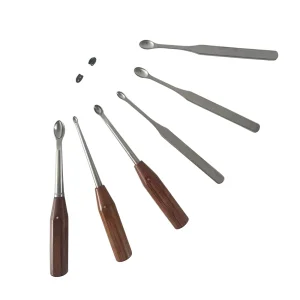
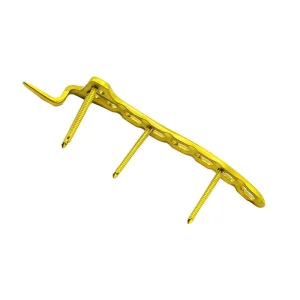
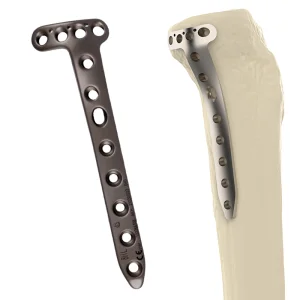
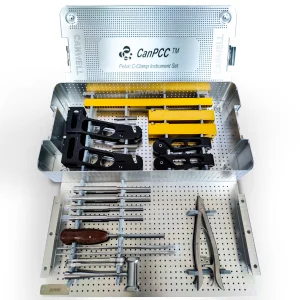
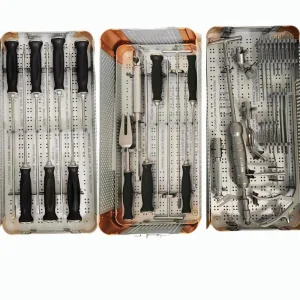
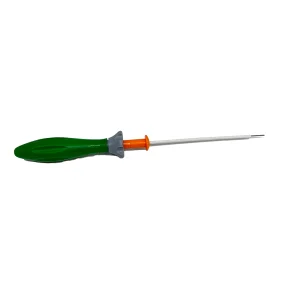
Our comprehensive orthopedic instrument portfolio meets complex anatomical reconstructive needs, from precision bone cutting systems to biomechanically validated locking plates.
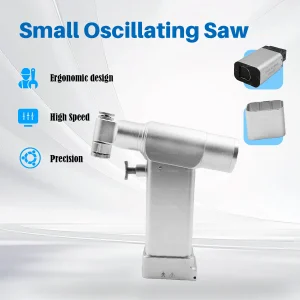
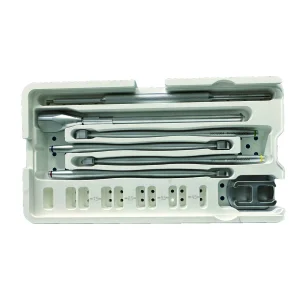
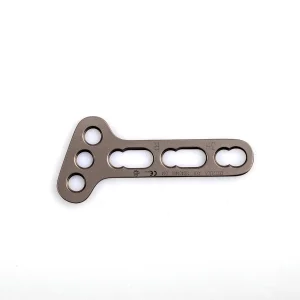
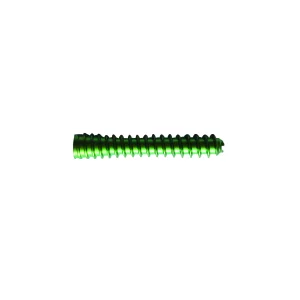
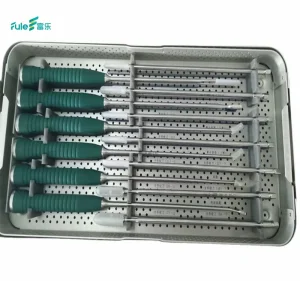
Retrograde Femoral Nailing (RFN) represents a pinnacle mechanical intervention for complex supracondylar and distal femur fractures. By introducing the implant transarticularly through the intercondylar notch, orthopedic biomechanics are optimized to secure unstable segment dynamics, preserve the periosteal vascular network, and facilitate controlled early weight-bearing.
Unlike lateral plating configurations that act as load-bearing structures, retrograde femoral nails function as load-sharing internal splints. The nail’s alignment with the neutral axis of the femur minimizes bending moments, vastly reducing the risk of structural hardware failure in osteopenic bone profiles or comminuted metaphyseal zones.
Advanced retrograde systems feature multi-planar locking screw configurations. Placing distal interlocking screws in divergent coronal and sagittal trajectories prevents angular displacement, rotation, and telescoping. This secure construct is vital for stabilizing low-distal supracondylar fractures where bony purchase is limited.
Modern retrograde intramedullary nails are designed with an anatomical radius of curvature (ROC), typically between 1.5 to 2.0 meters, along with a distinct distal bend (Herzog bend). This precise geometry minimizes the potential for anterior cortical impingement or distal shaft blowout during insertion.
Virelox Medical Devices Co., Ltd. is a leading orthopedic medical manufacturer specializing in high-performance joint replacement and surgical implant solutions. Operating under the "Virelox" brand, we design, test, and distribute advanced clinical solutions for orthopedic surgeons and medical distributors worldwide.
Leveraging our robust manufacturing capacity, Virelox products are trusted by medical device distributors, tertiary hospitals, orthopedic clinics, and international procurement agencies across Europe, Southeast Asia, the Middle East, and South America.
Every implant and instrument produced by Virelox undergoes a traceably documented manufacturing process. Below is the production progression utilized at our state-of-the-art facility:
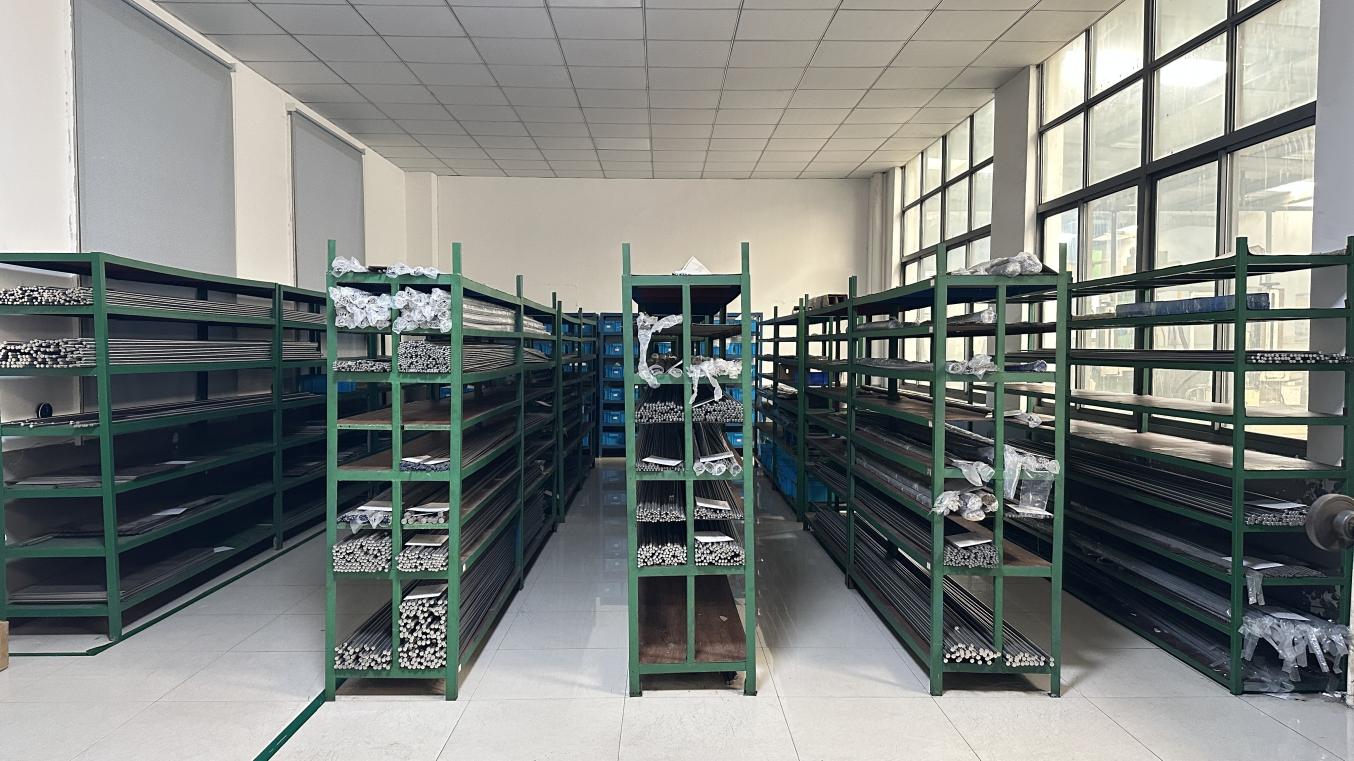
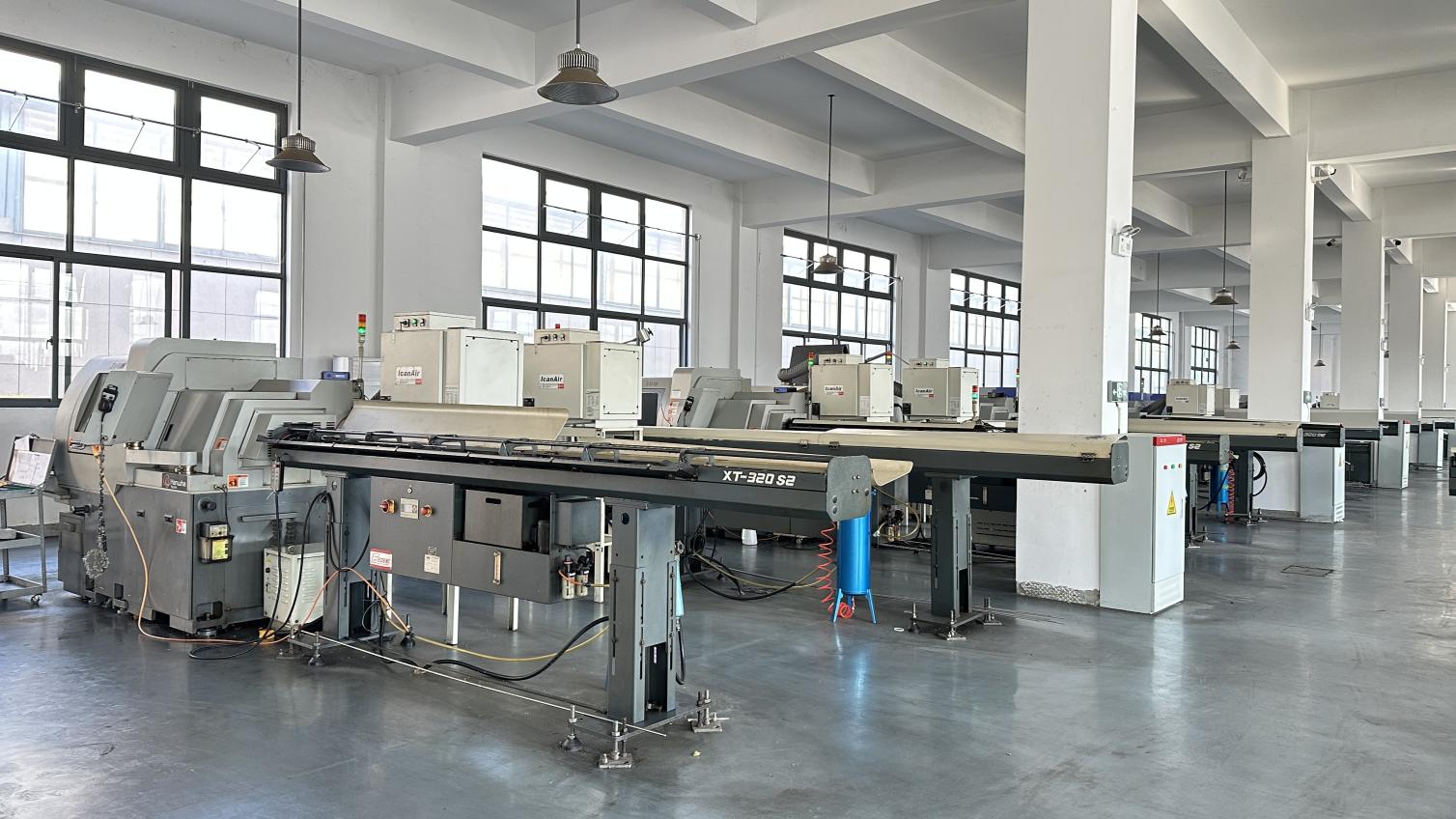
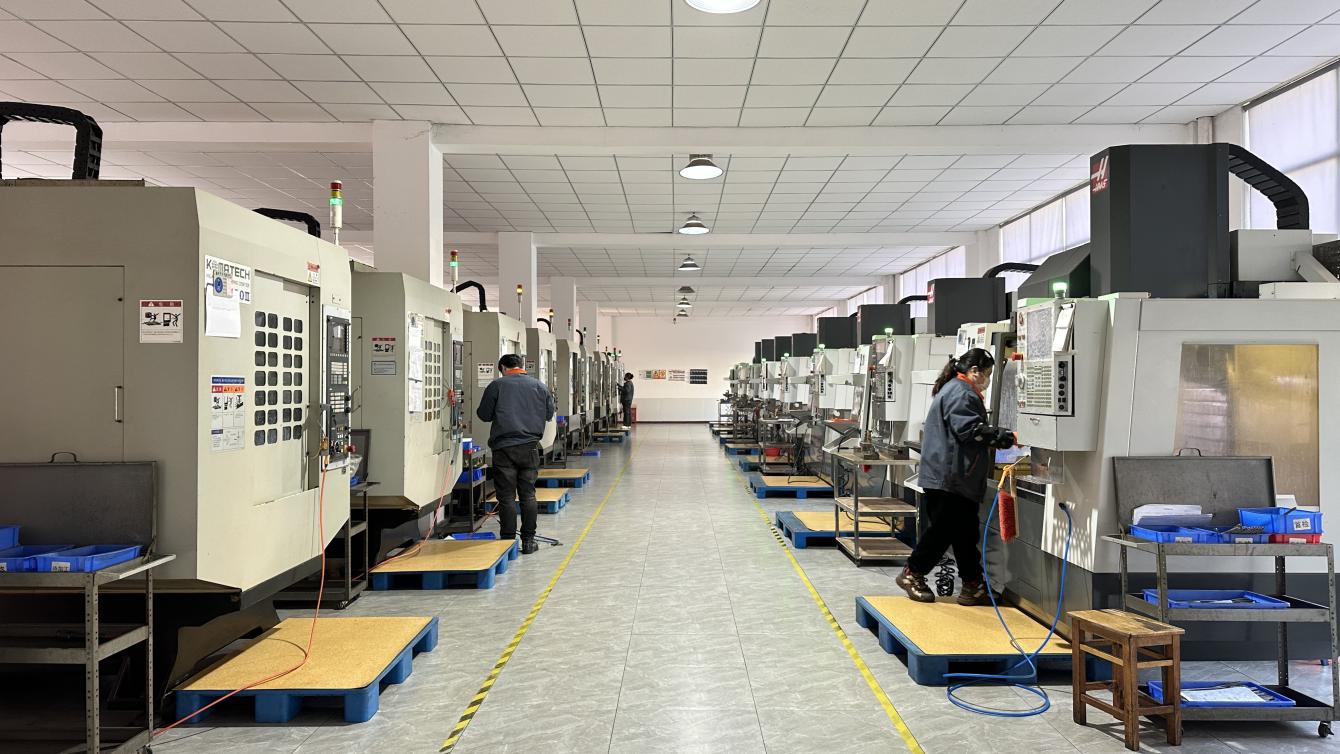
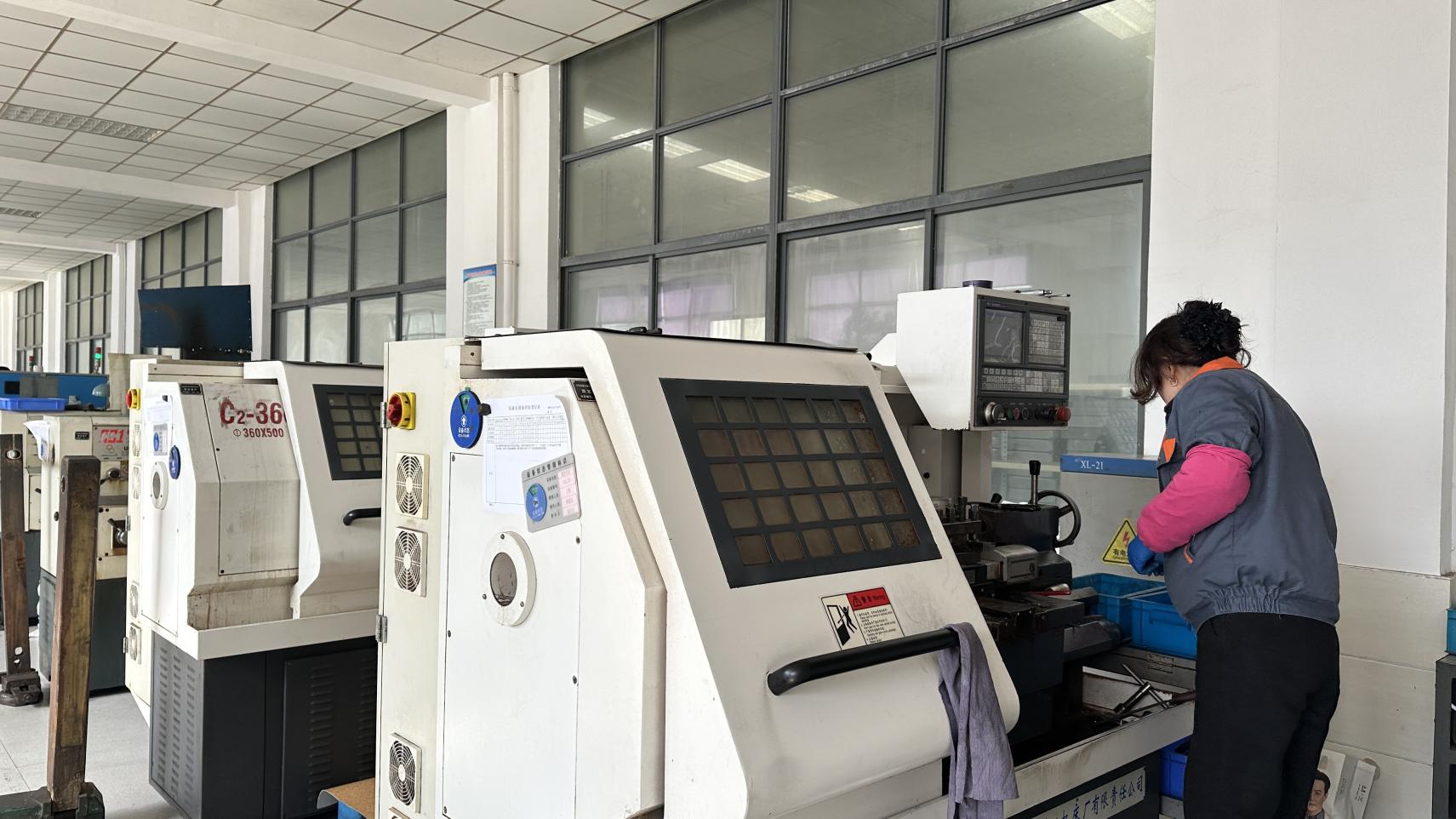
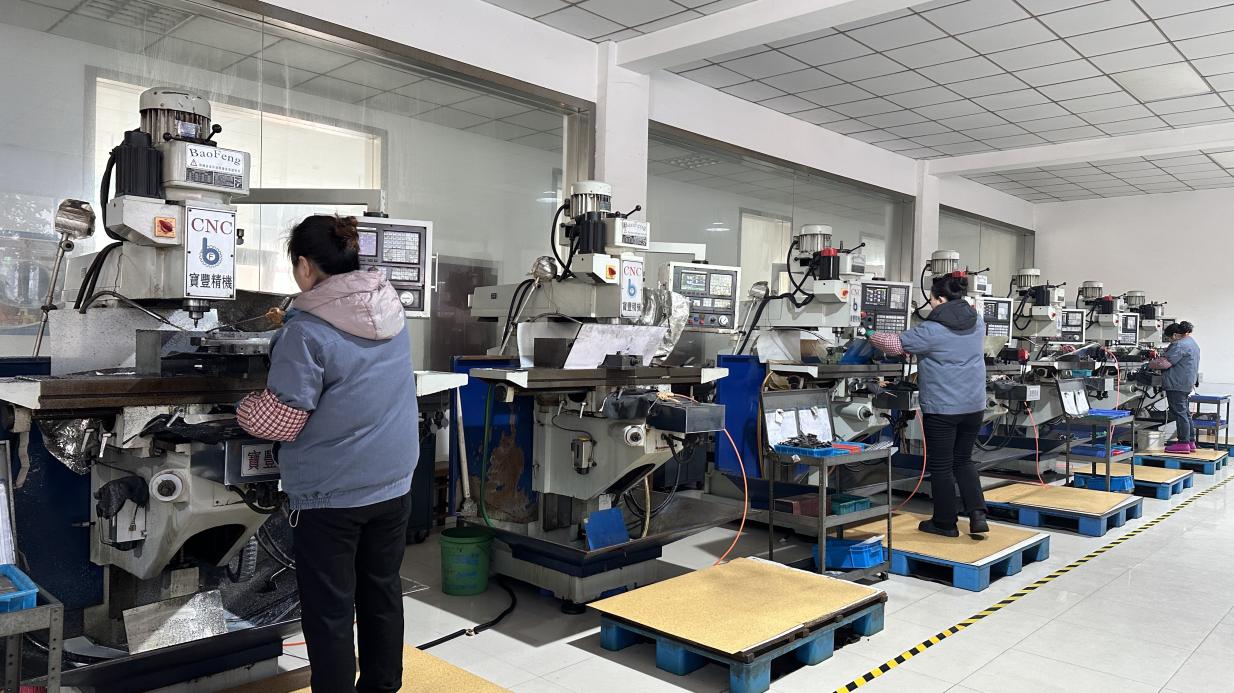
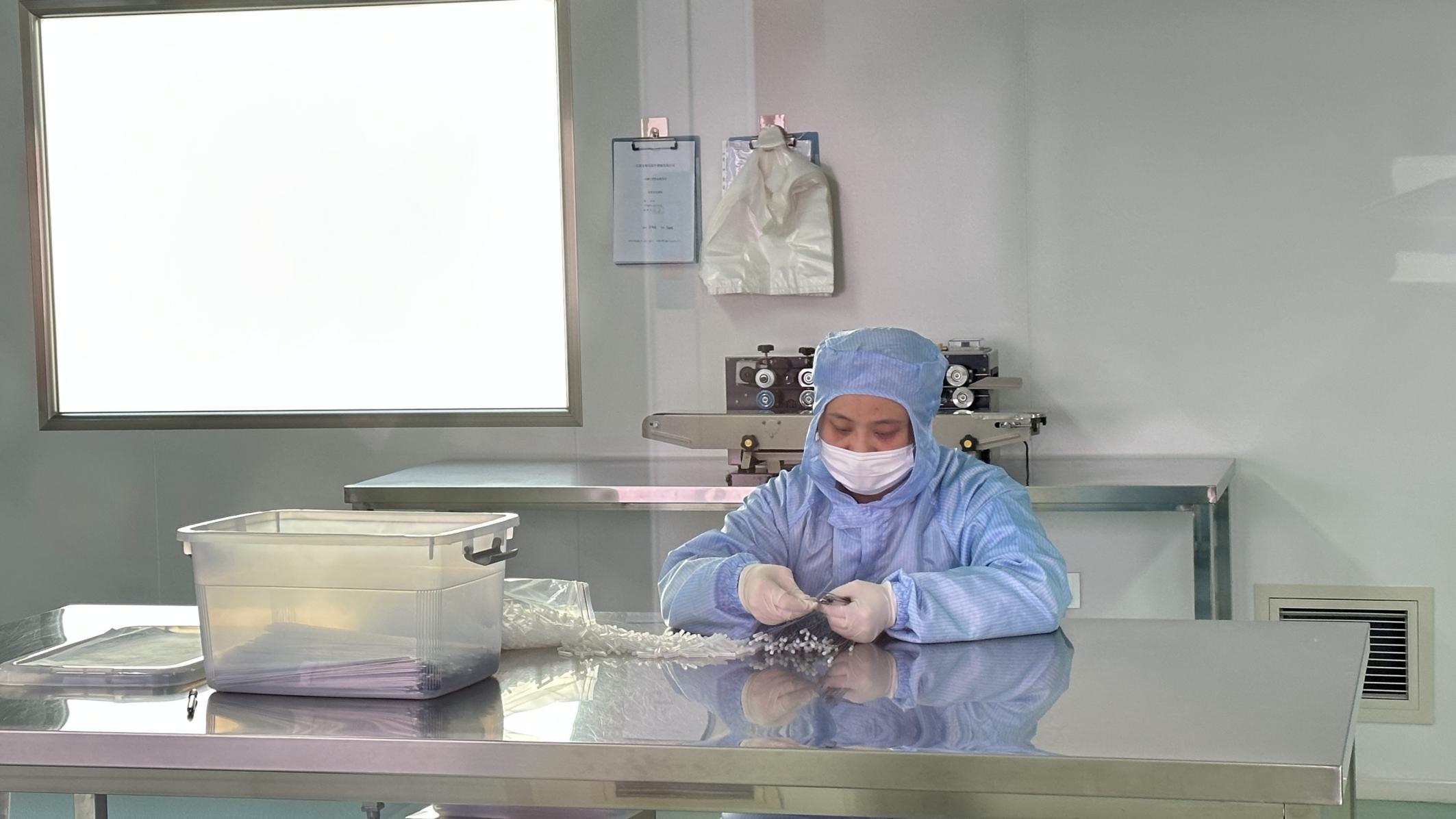
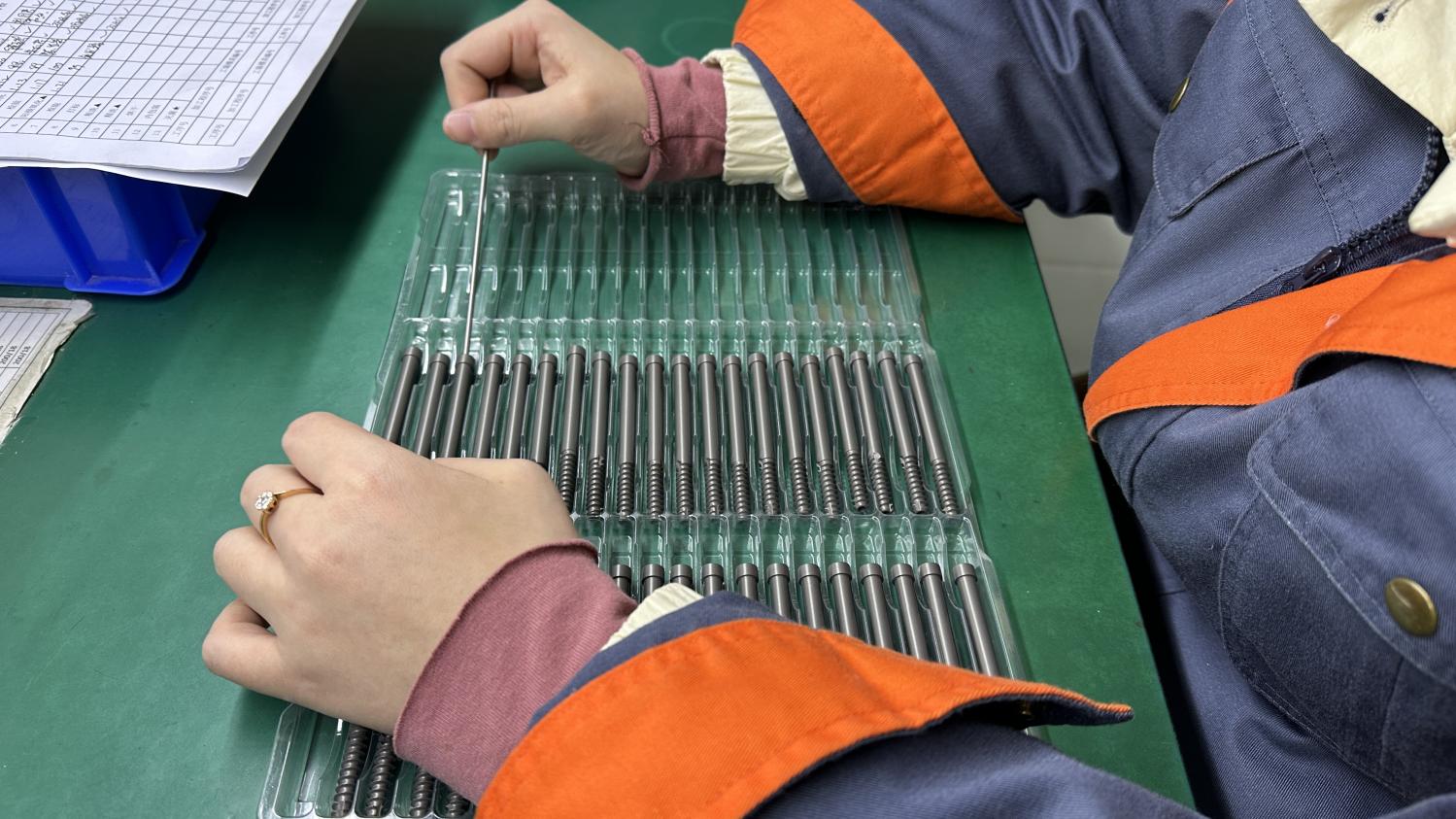
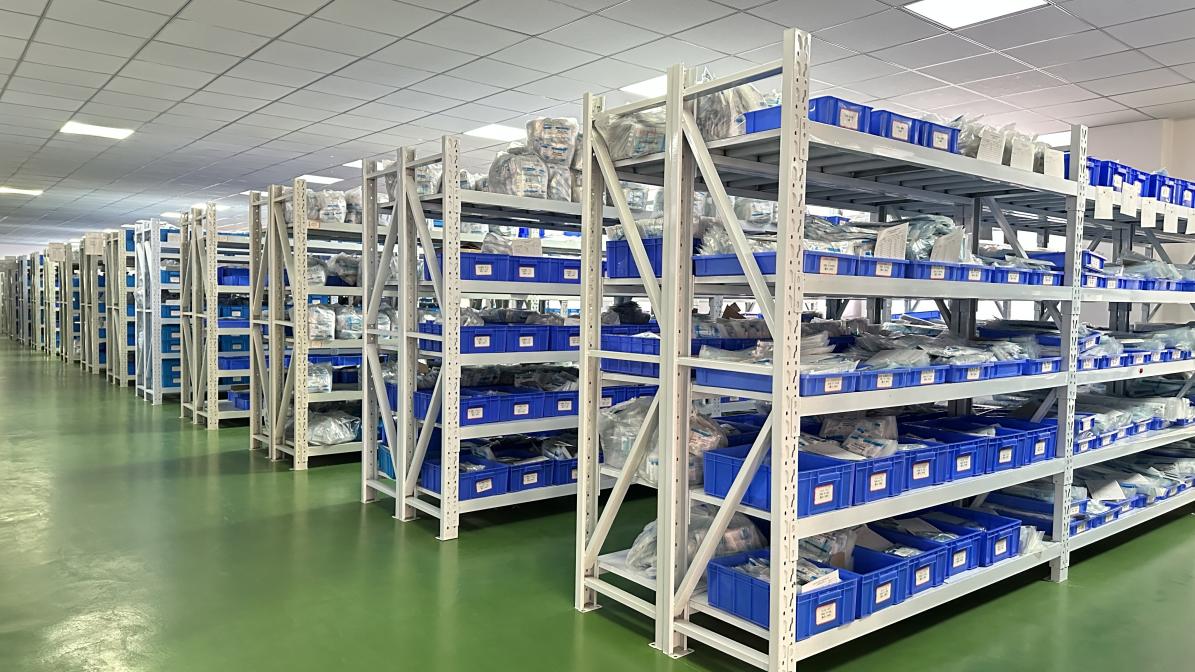
Our 12,000 m² cleanroom and manufacturing plant utilize precision machine centers to guarantee dimensional tolerances within the micro-range (<5 microns).
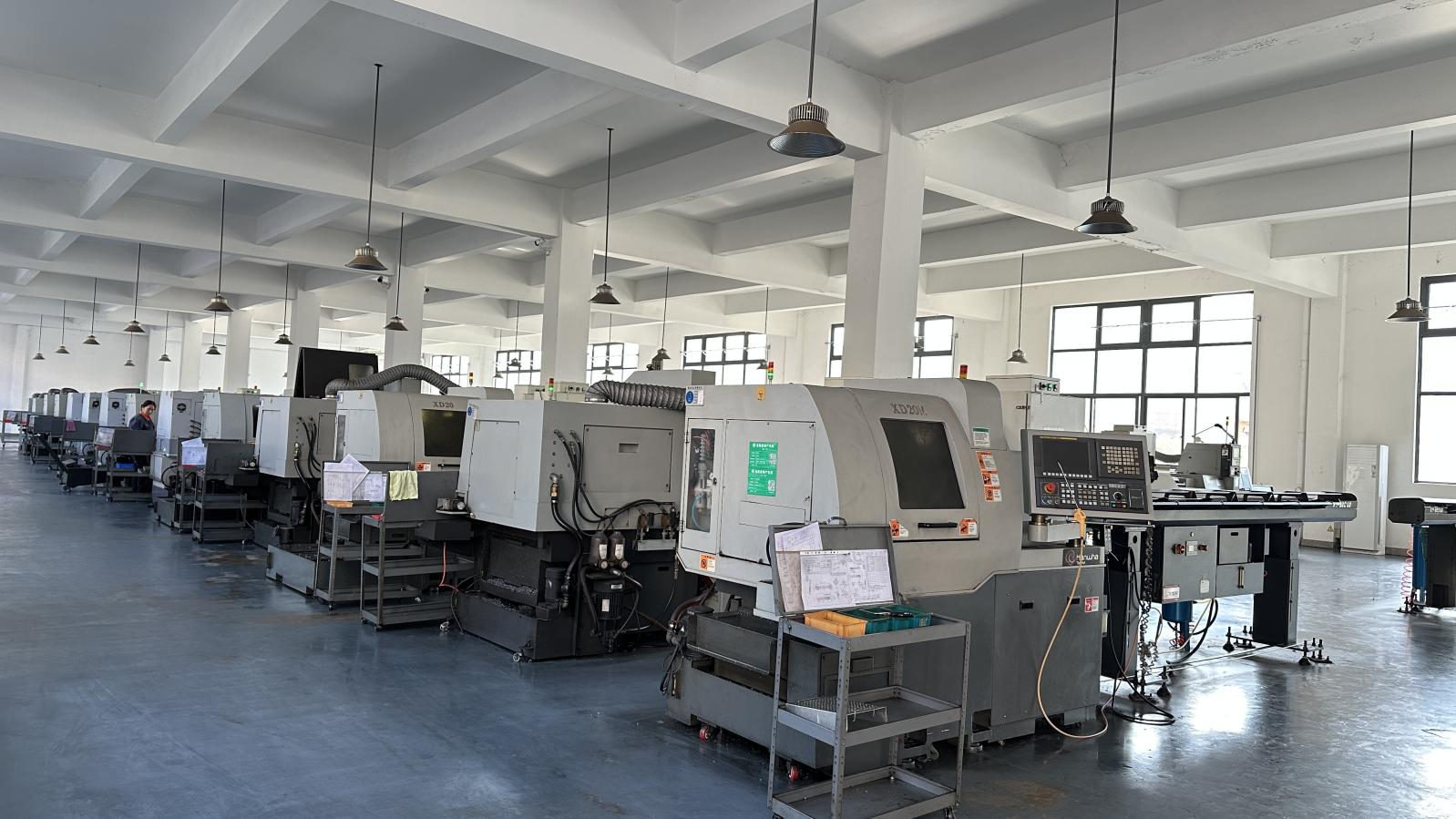
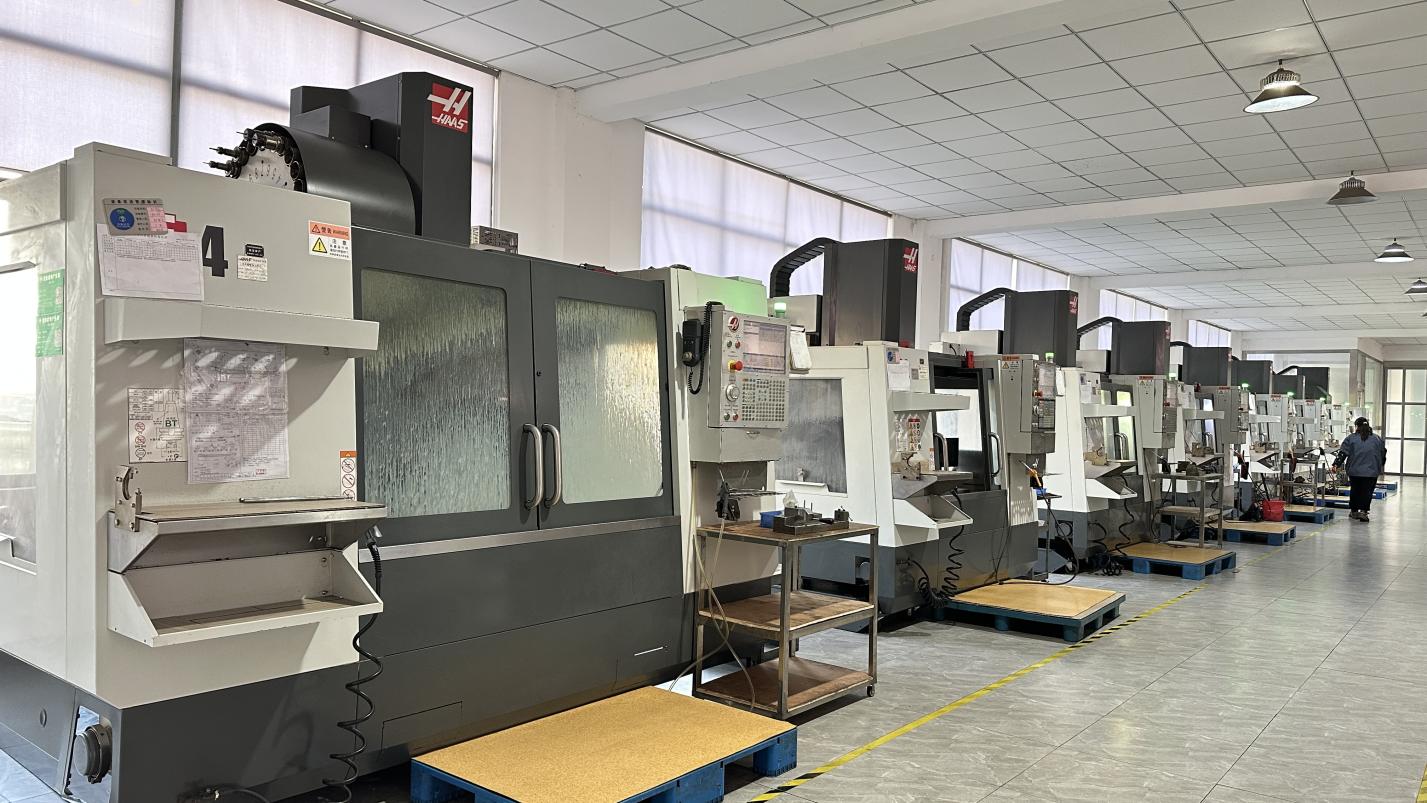
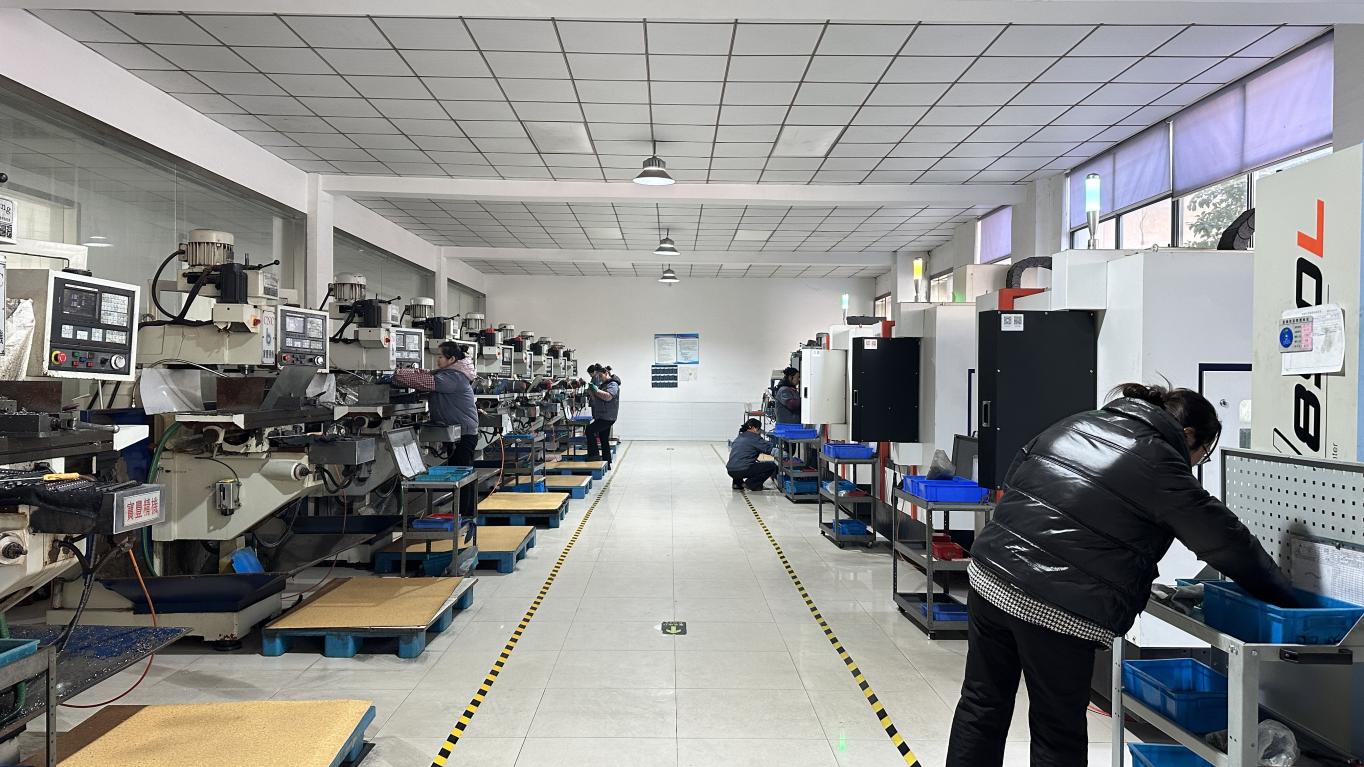
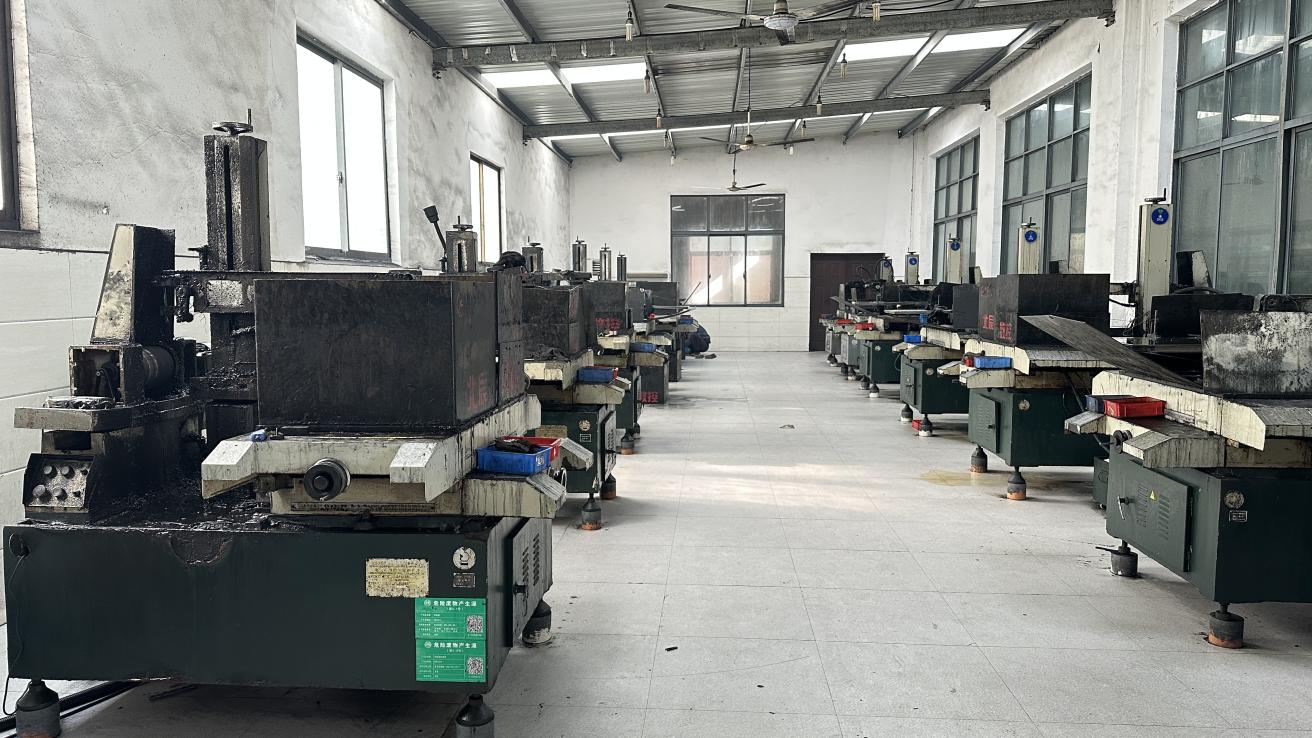
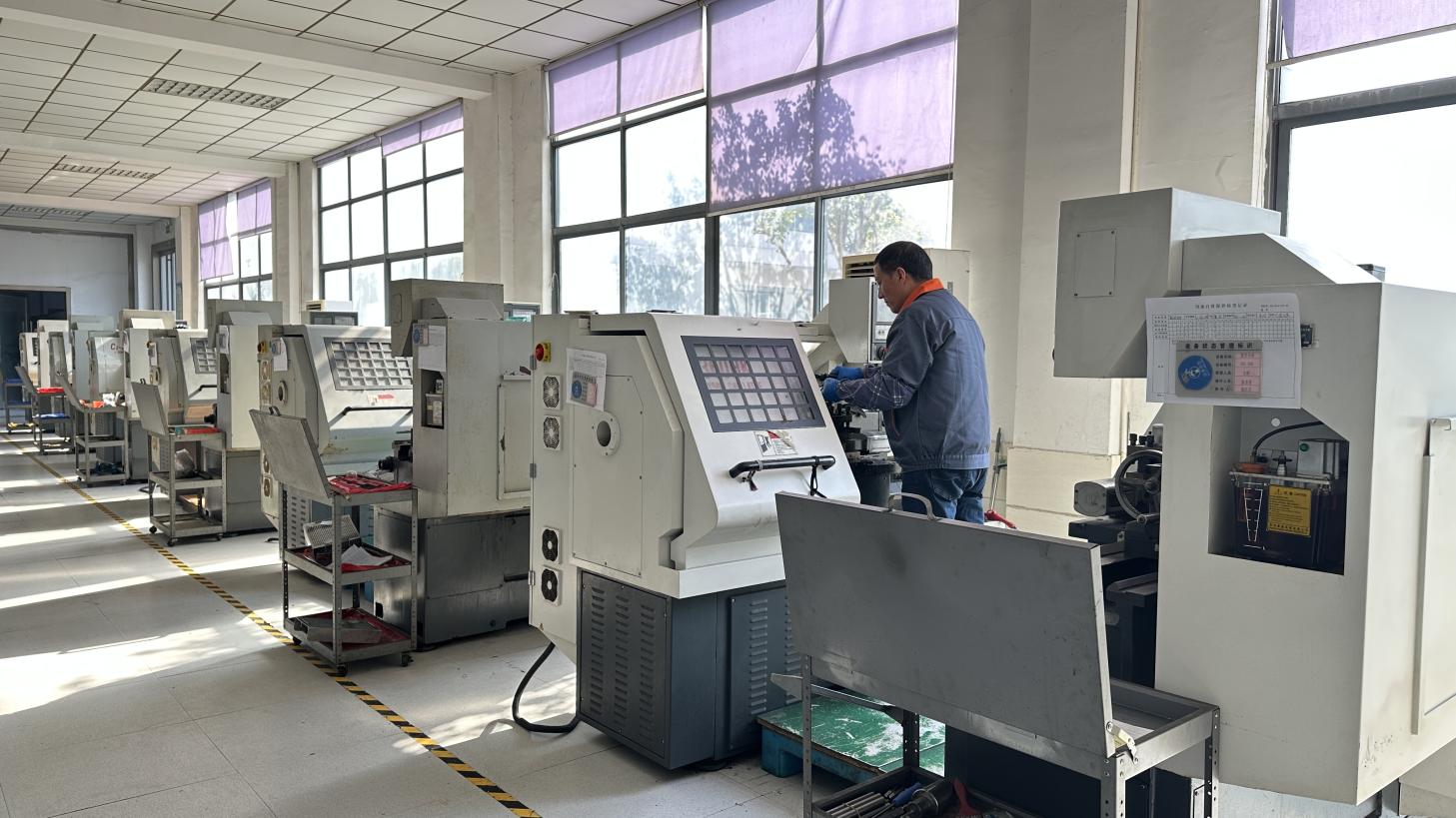
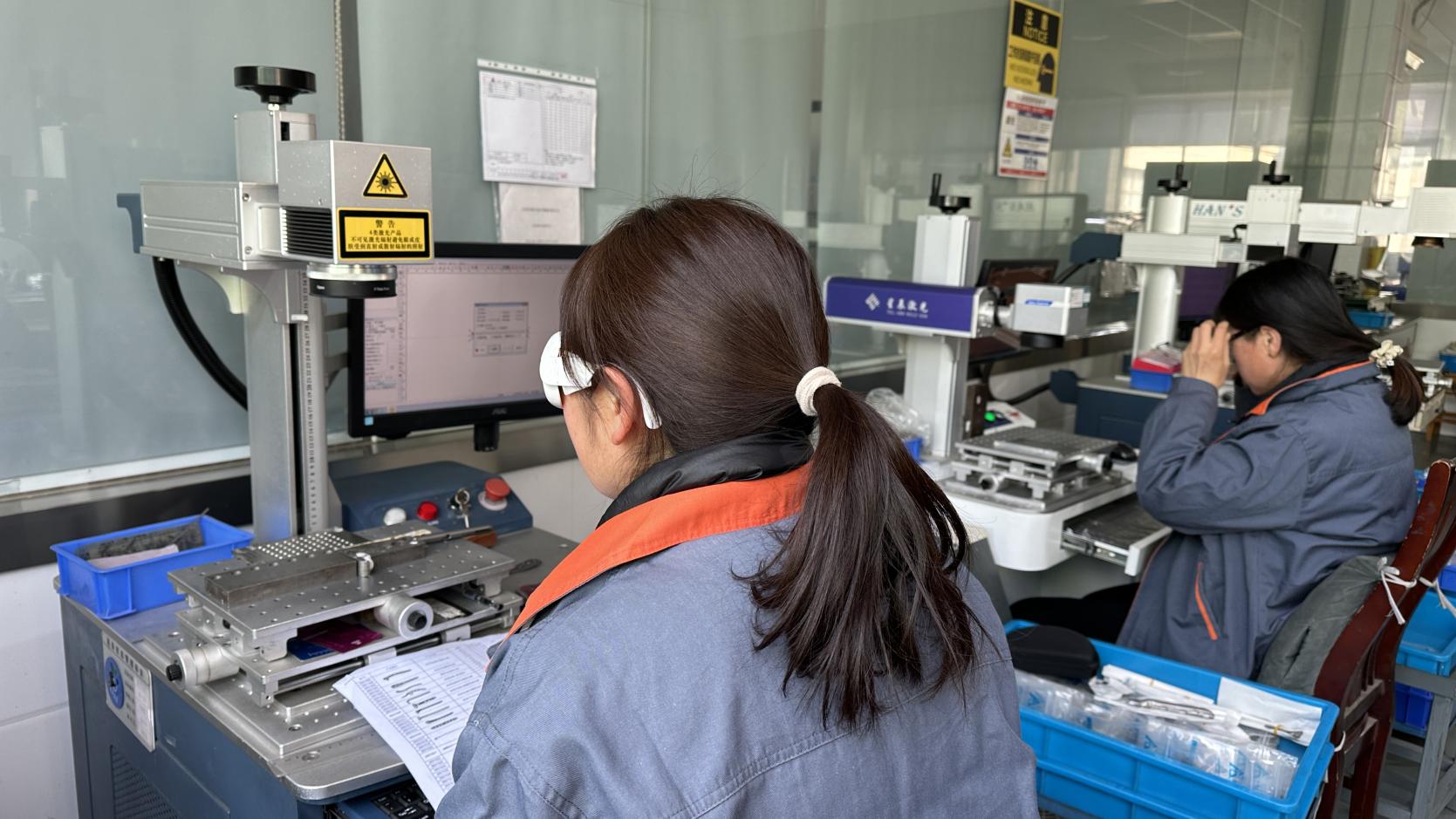
Global procurement officers choose China for orthopedic device sourcing due to the combination of manufacturing scale, material traceability, and competitive cost structures. Virelox leads the sector by offering a fully integrated, medical-grade supply chain.
We construct our implants exclusively from medical-grade Titanium Alloys (Ti-6Al-4V ELI conforming to ASTM F136). This high-purity material is sourced from verified mills with chemical composition certificates, ensuring biocompatibility, corrosion resistance, and high fatigue limits.
With 120 dedicated R&D engineers, we customize implants to target local anatomic traits or surgeon preferences. From designing custom locking screw configurations to optimizing nail lengths and curves, our team delivers high-quality prototypes rapidly.
Our 12,000 m² facility features integrated machining, surface anodization, and sterile packaging under one roof. This minimizes handling overhead, enabling us to deliver premium implants that balance performance and cost-effectiveness.
To meet global regulatory standards, each batch is tested for static and dynamic fatigue properties, tensile strain, and surface rough tolerances. This provides clinical-grade security before products reach medical distributors.
Patient safety rests on the mechanical integrity of our implants. Our ISO-certified laboratory features a complete range of validation instruments, testing tensile limits, fatigue curves, and dimensional accuracy.
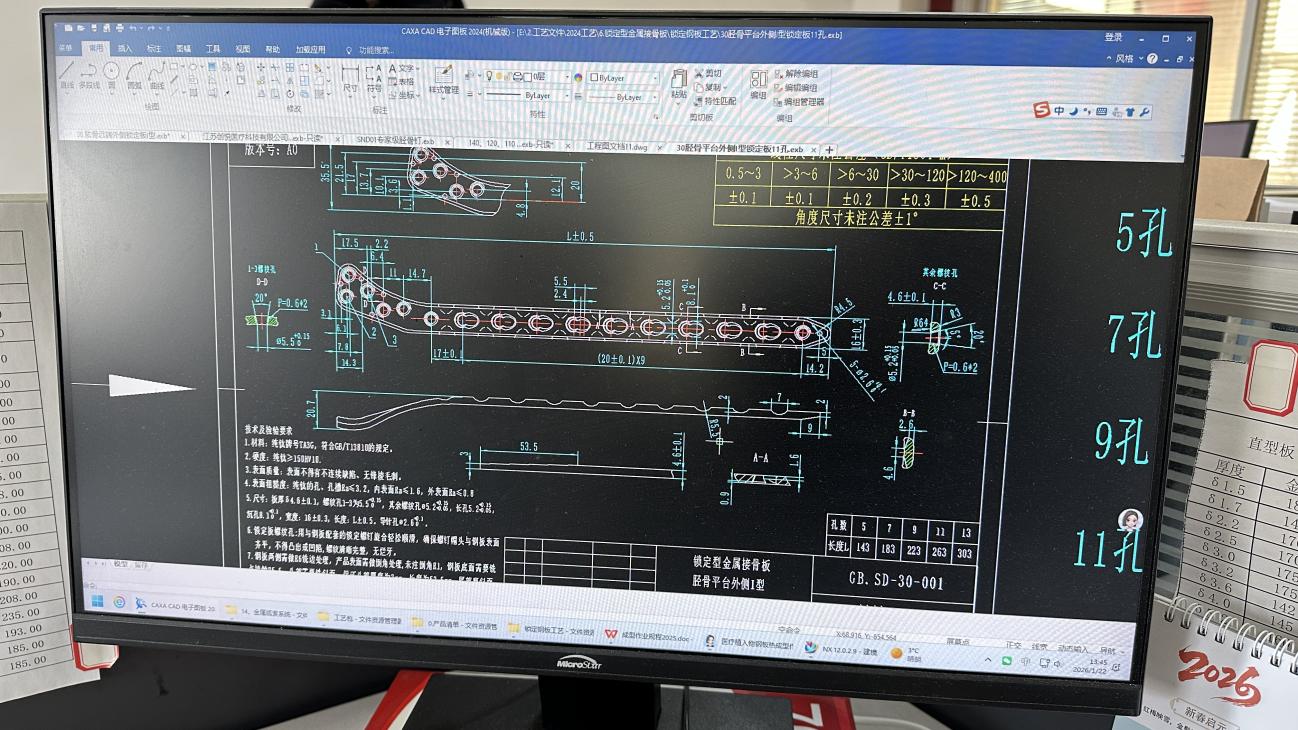

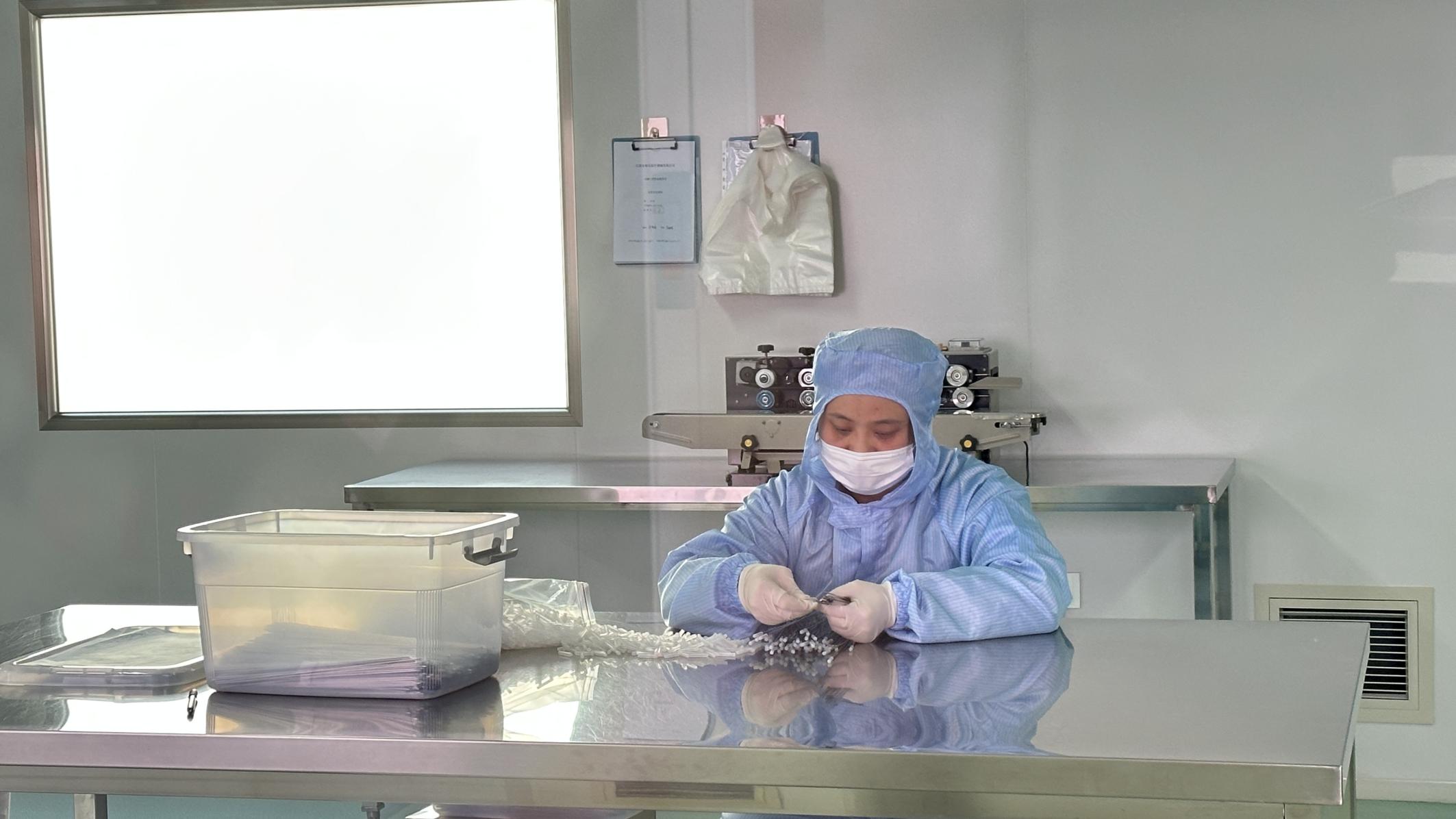
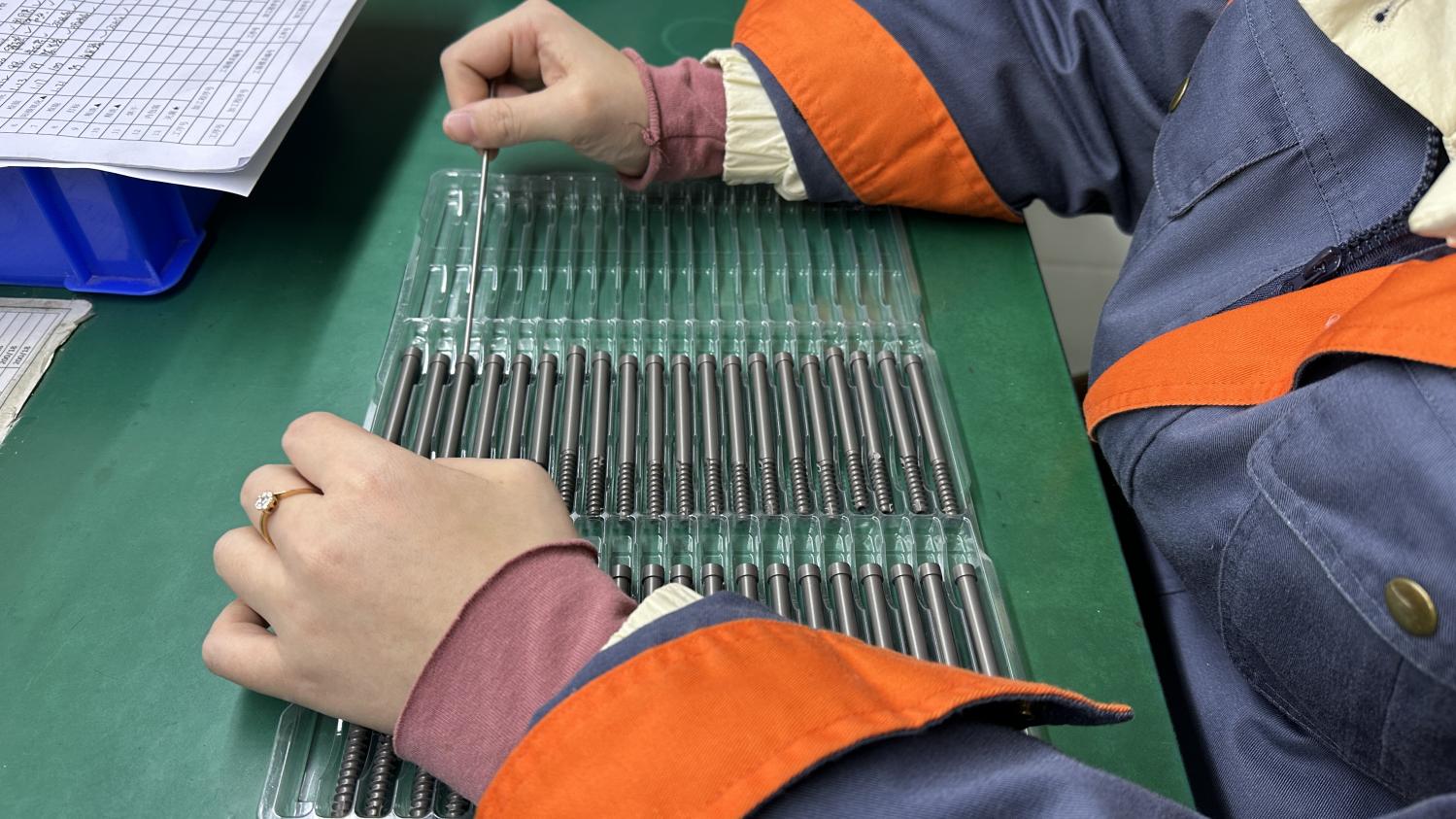
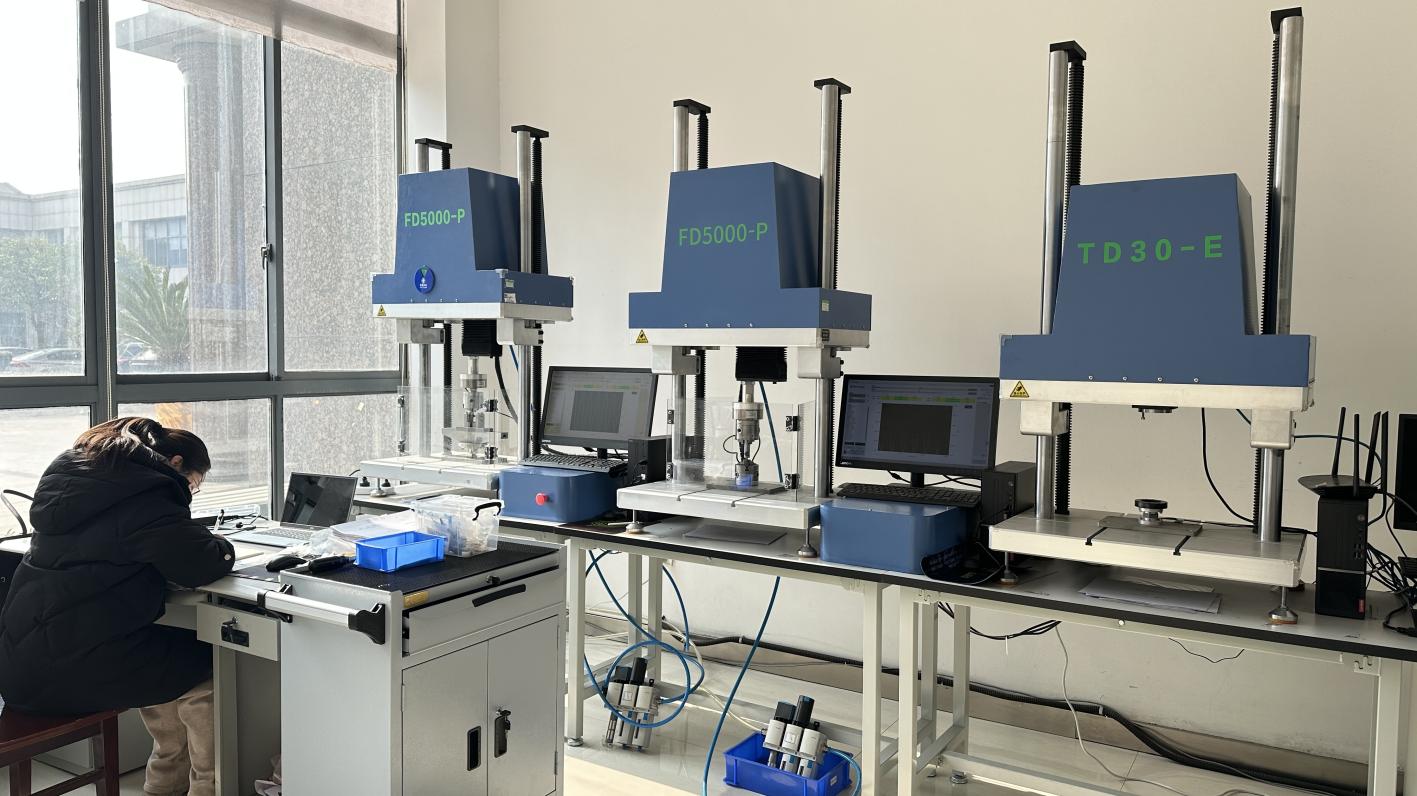
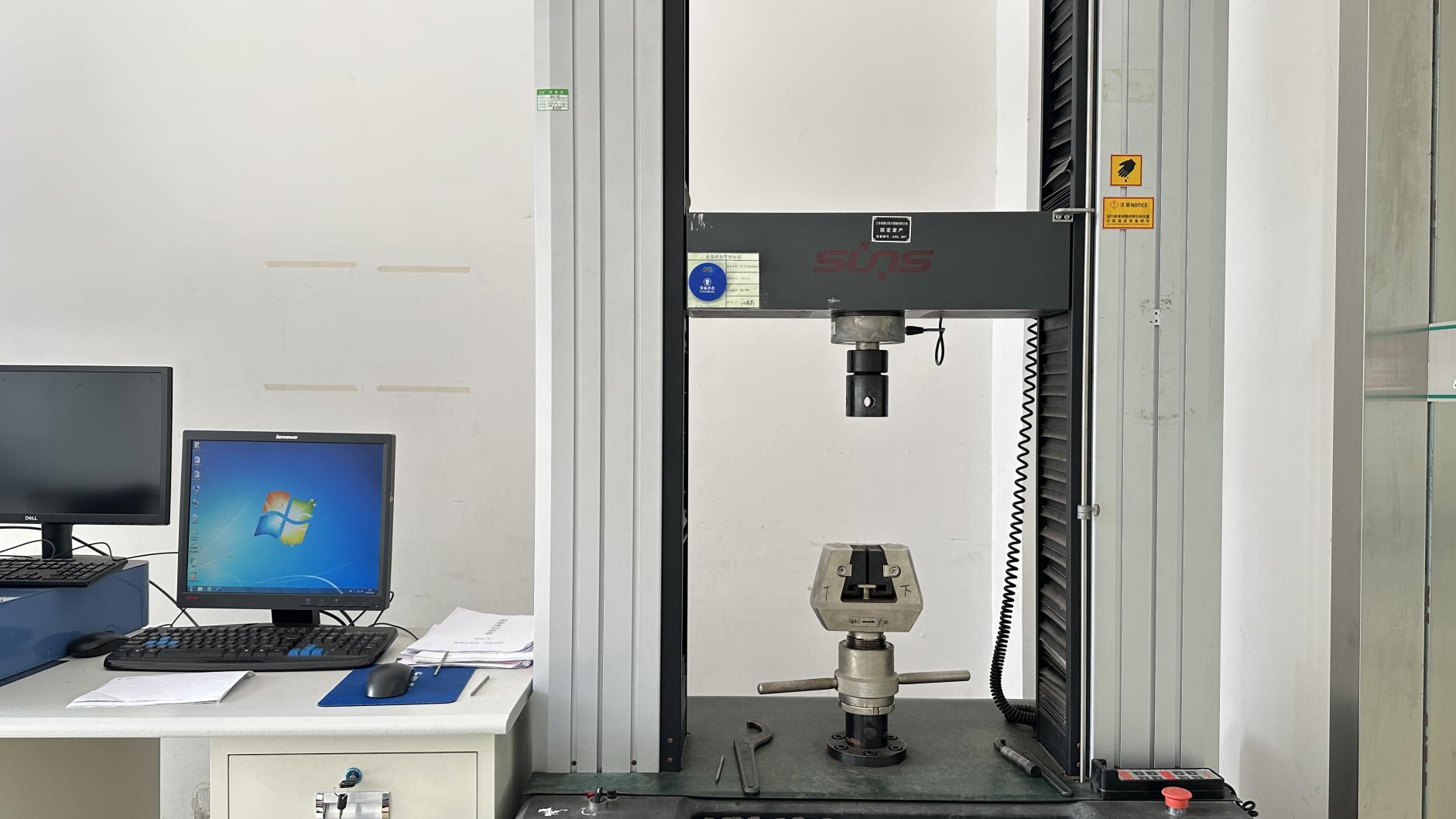
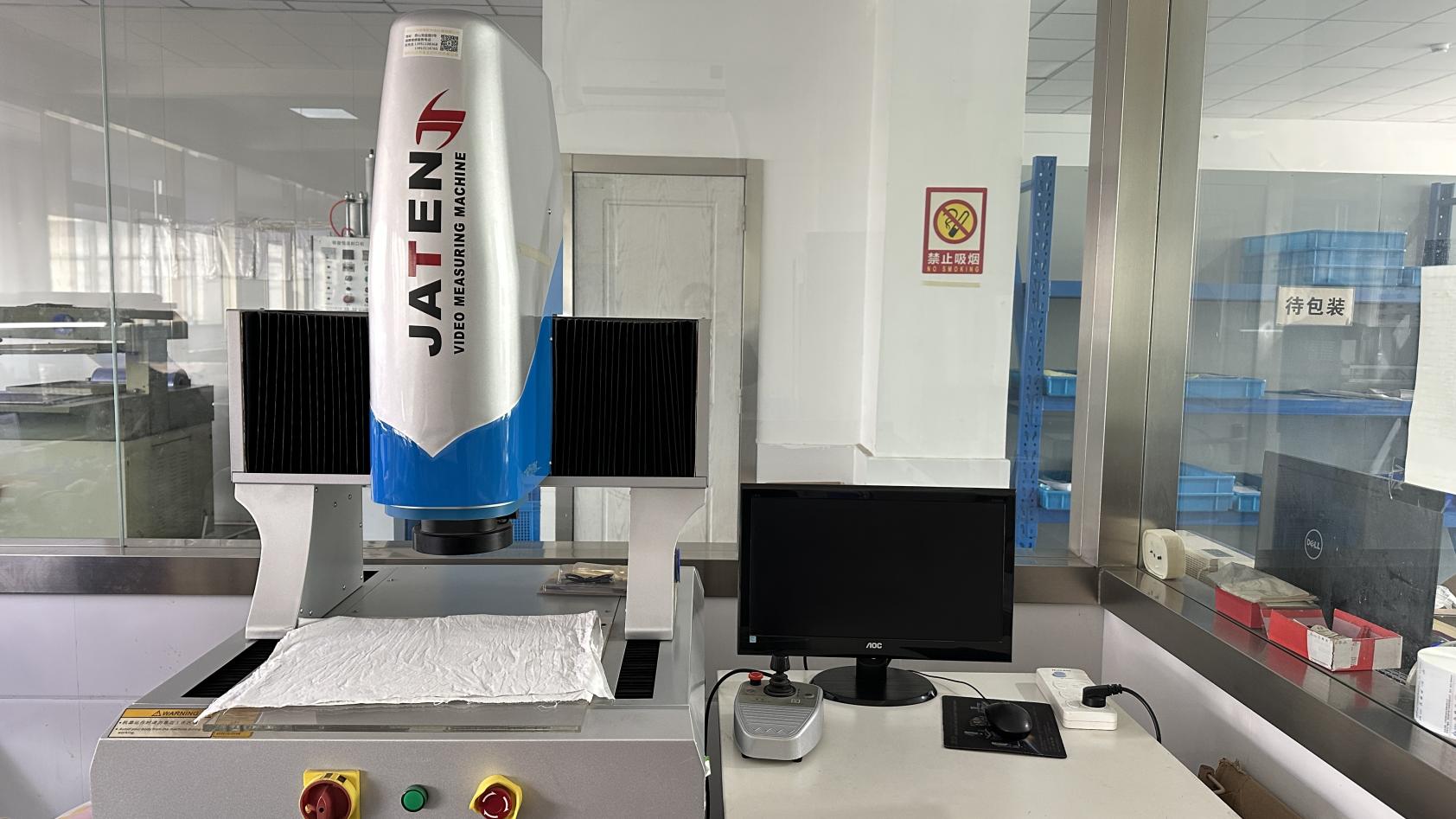
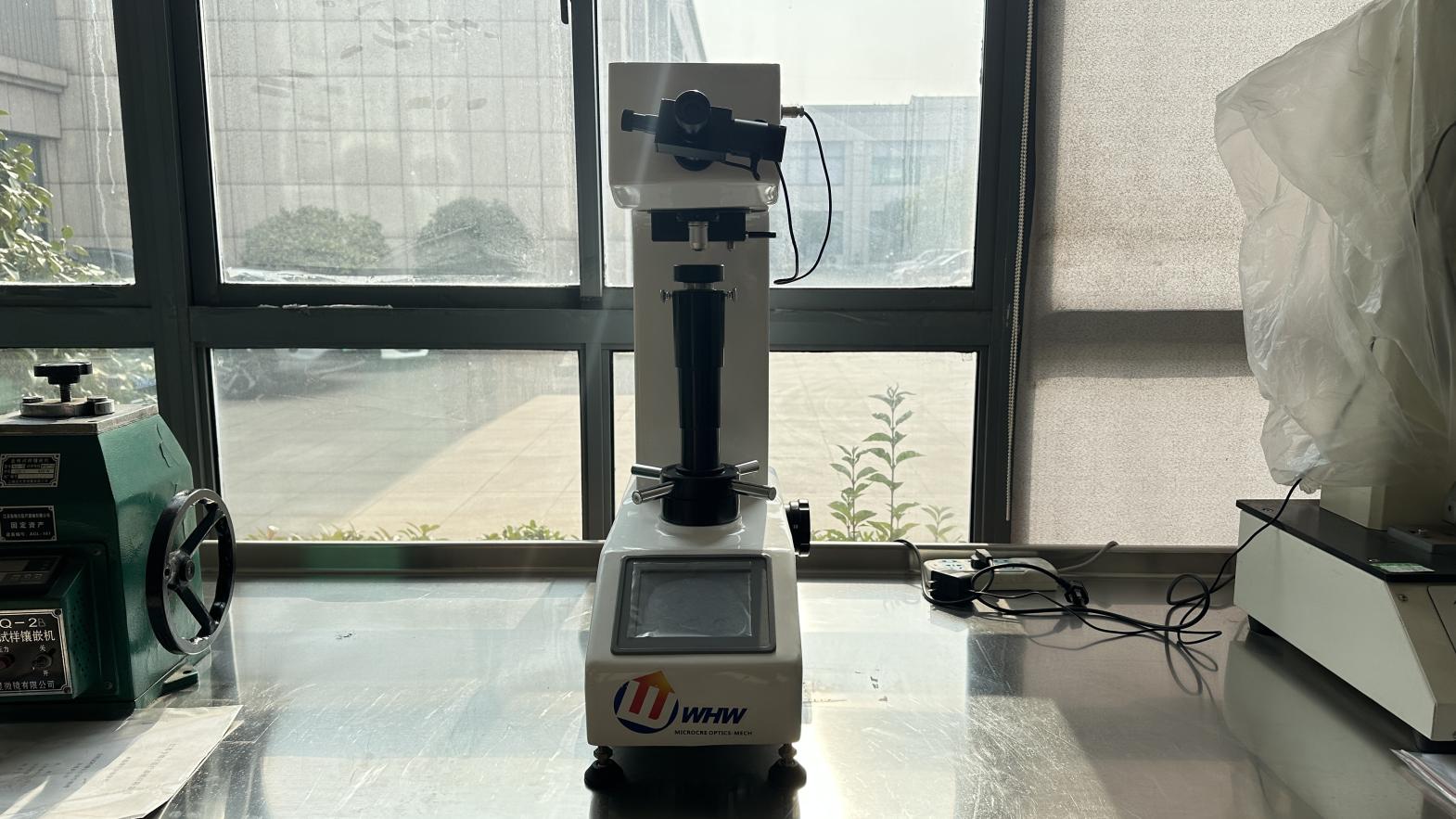
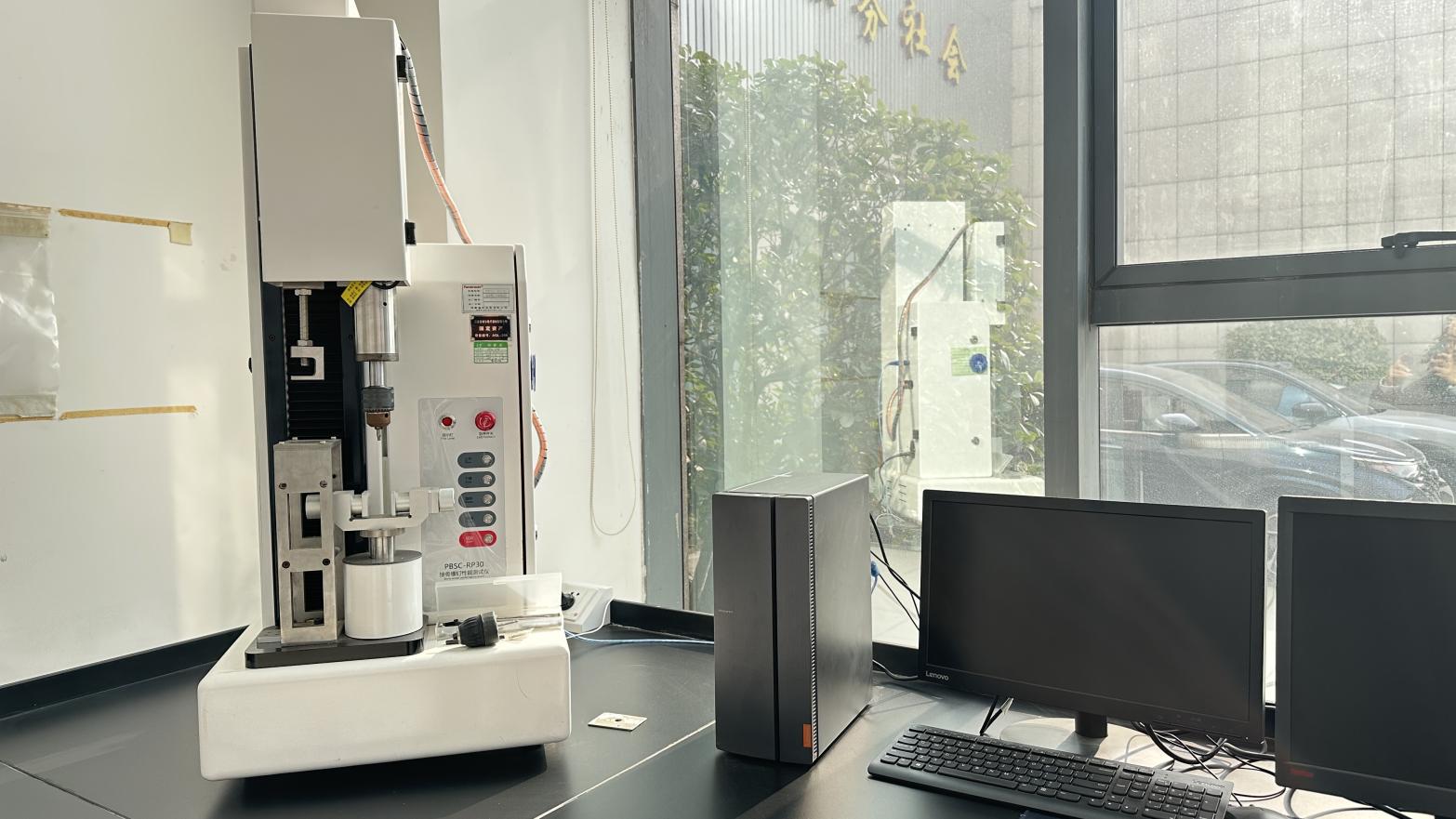
Specialized equipment designed to measure insertion torque, pull-out force, and self-tapping efficiency under simulate physiological load scenarios, complying with ASTM standards.
Retrograde femoral nails are indicated for complex pathology where conventional antegrade entry is contraindicated or less effective. Below are critical clinical scenarios solved by our implant designs:
When a proximal hip fracture (such as a femoral neck or intertrochanteric fracture) occurs with a shaft fracture, retrograde nail access allows clean retrograde placement, leaving the proximal hip space clear for dedicated hip screws or reconstruction hardware.
For patients presenting with simultaneous fractures of both the tibia and femur, a single, localized knee incision provides surgical access for retrograde femoral nailing and antegrade tibial nailing, reducing surgical duration and patient trauma.
For metaphyseal-diaphyseal fractures with bone loss, a retrograde nail acts as a central alignment guide. Our multi-directional interlocking configurations provide stability, supporting micro-motion that aids secondary bone healing.
Detailed specifications and answers designed to assist medical procurement officers, hospital boards, and orthopedic import agents.
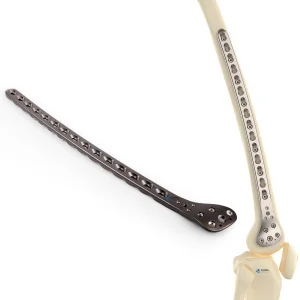
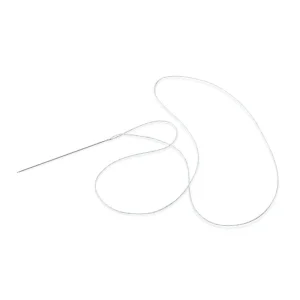
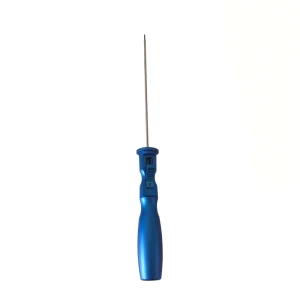
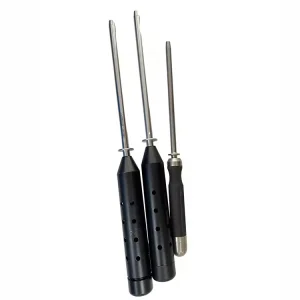
Explore our range of pelvis clamps, specialized proximal femoral plates, arthroscopy suture cutters, and orthopedic instruments.
 Virelox