 CANWELL ACL Bioabsorbable Screw PLGA Interference Screw Reconstruction CE
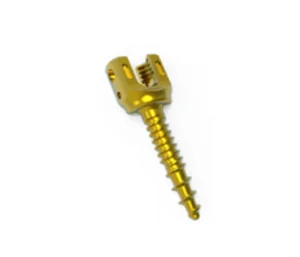 CE Posterior Orthopedic Usmart 5.5 mm Spine-rod Cortical Polyaxial Screws
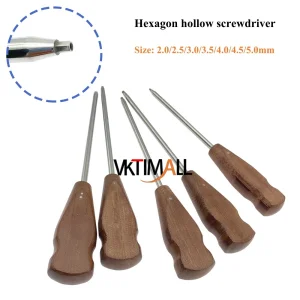 Orthopedic Screwdriver Cannulated Screw Driver with Hex Head Wooden Handle
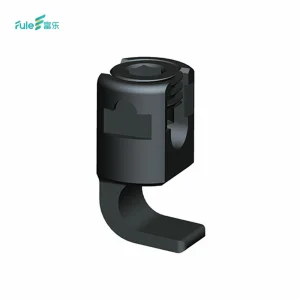 Titanium Hospital Transverse Hook Adjustable Connector Pedicle Hook CCS 5.0
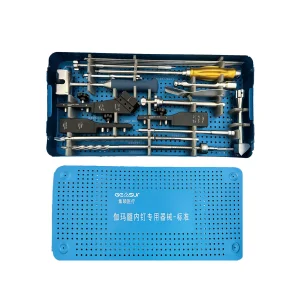 Geasure Intramedullary Nails Femur Interlocking Nail Surgical Instrument Set
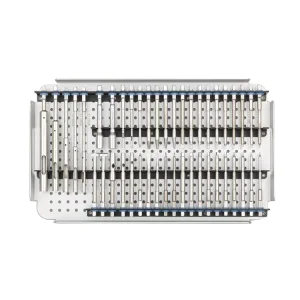 Geasure Orthopedic Instrument Set Screwdriver Broken Screw Removal Kit
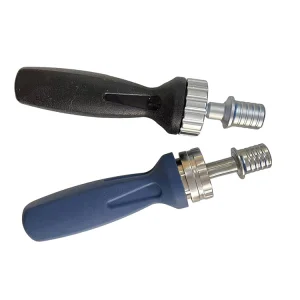 Orthopedic Surgical Ratchet Handle Quick Coupling Spinal Instruments
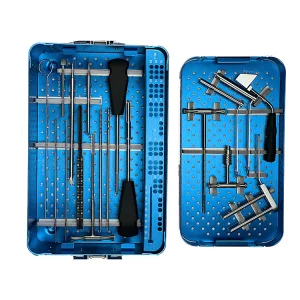 Cervical Artificial Intervertebral Discs Titanium Alloy Class III Geasure
The global orthopedic locking plate market is currently undergoing a significant technological transformation, driven by the increasing incidence of geriatric trauma, osteoporotic fractures, and a rising demand for minimally invasive surgery (MIS). As a cornerstone of "Internal Fixator" technology, locking plates have revolutionized the treatment of complex articular fractures and non-unions where conventional compression plating often fails.
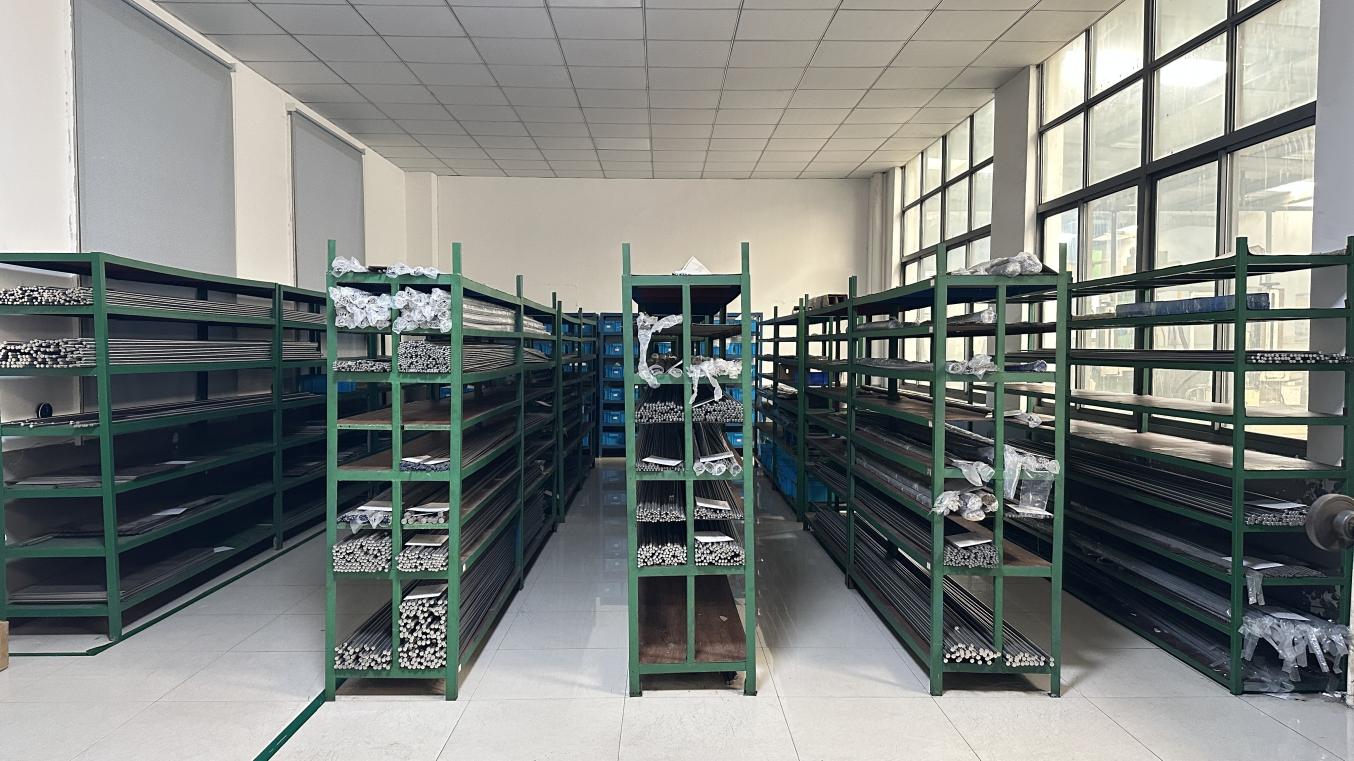
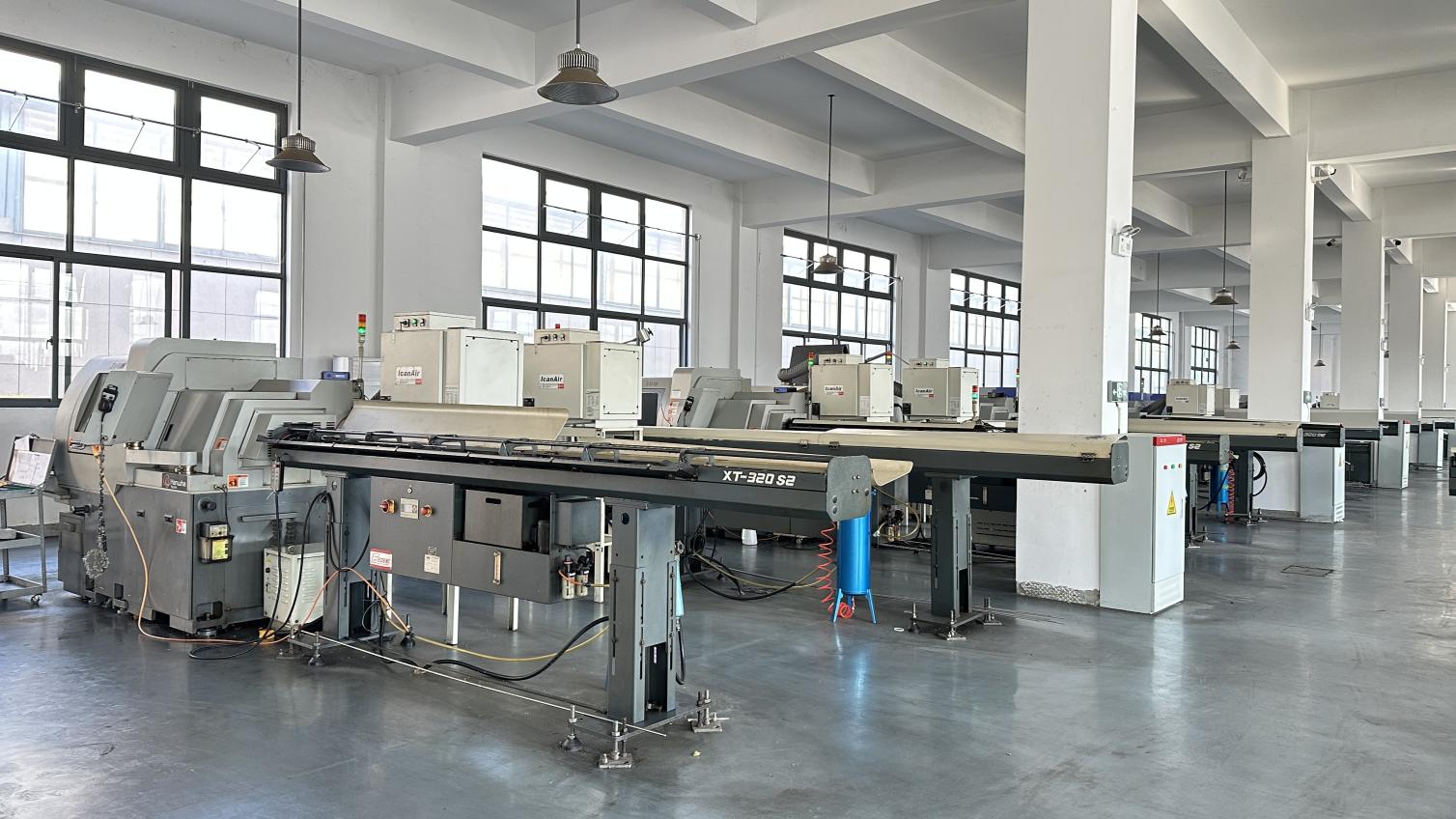
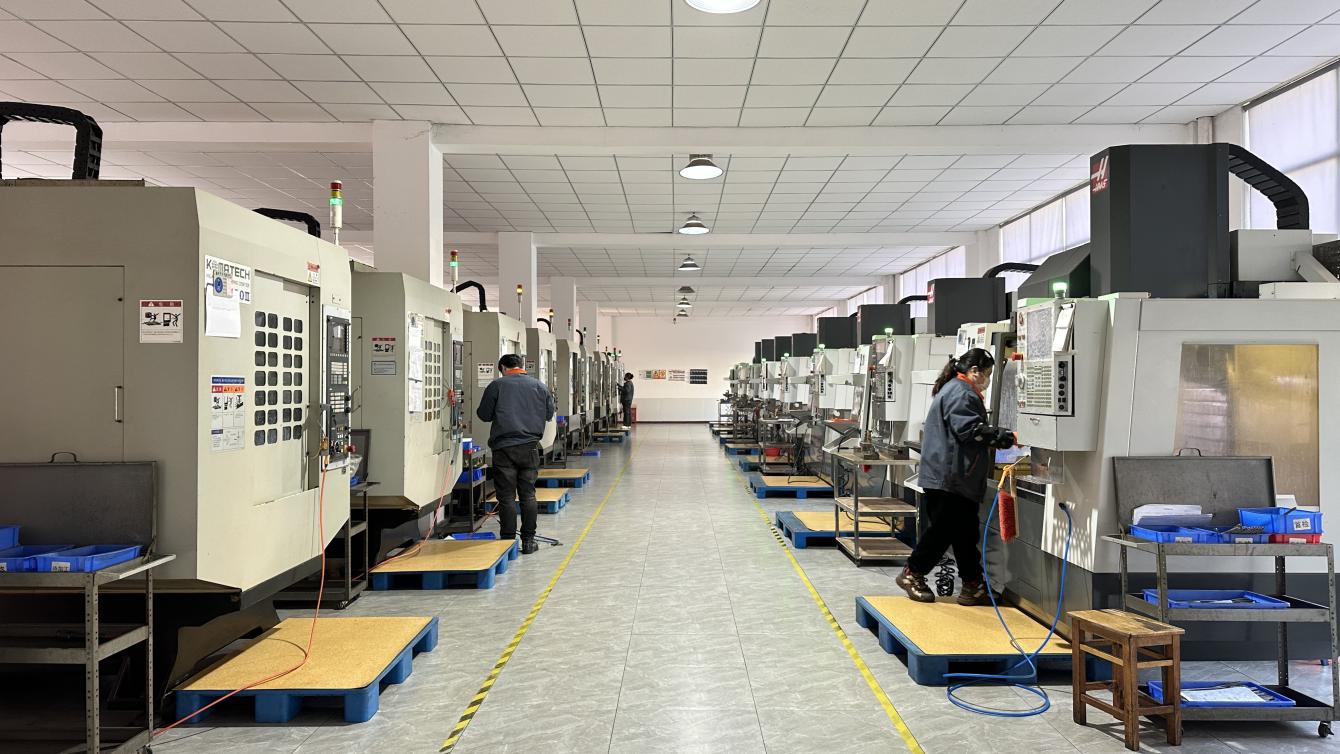
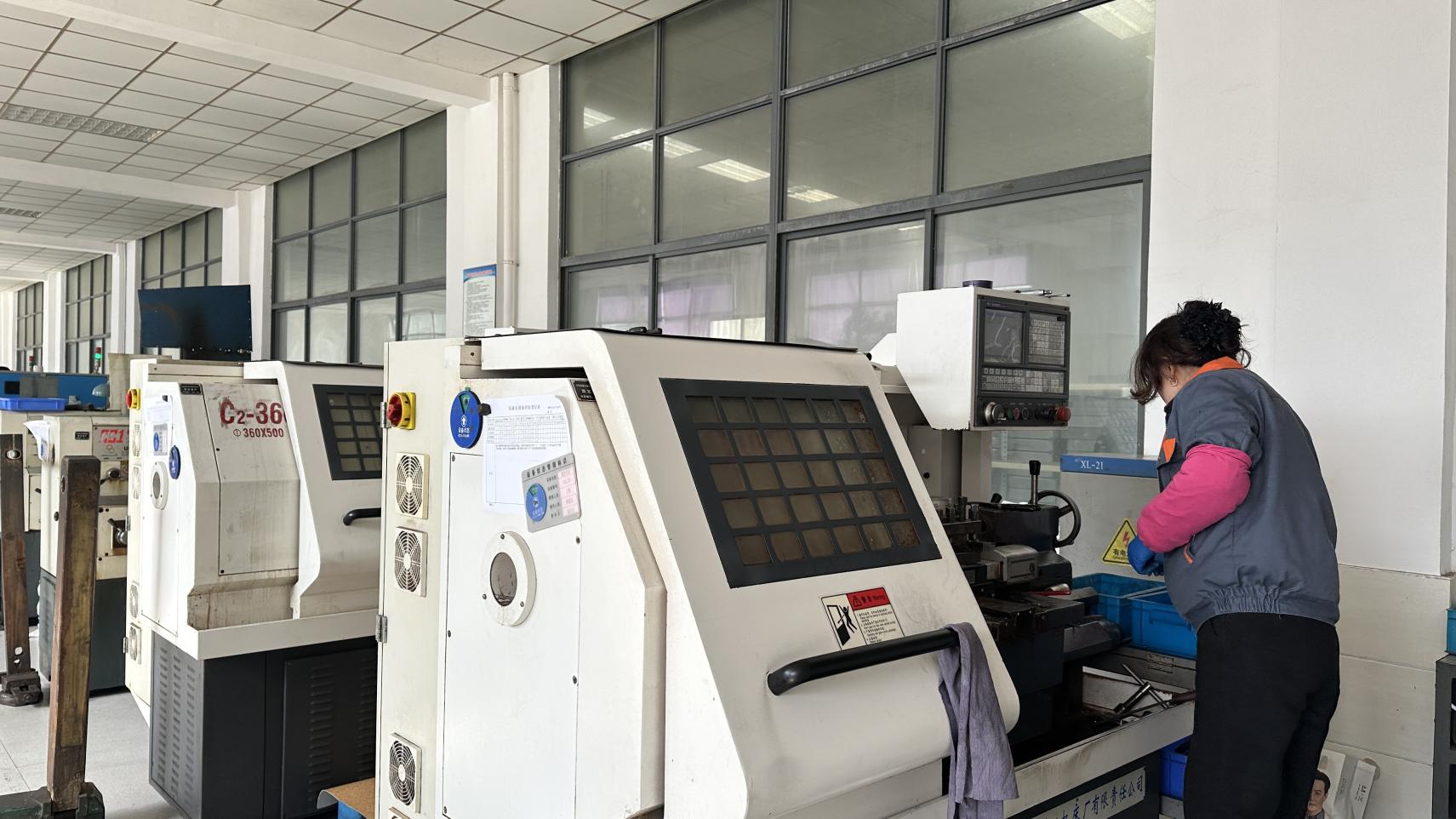
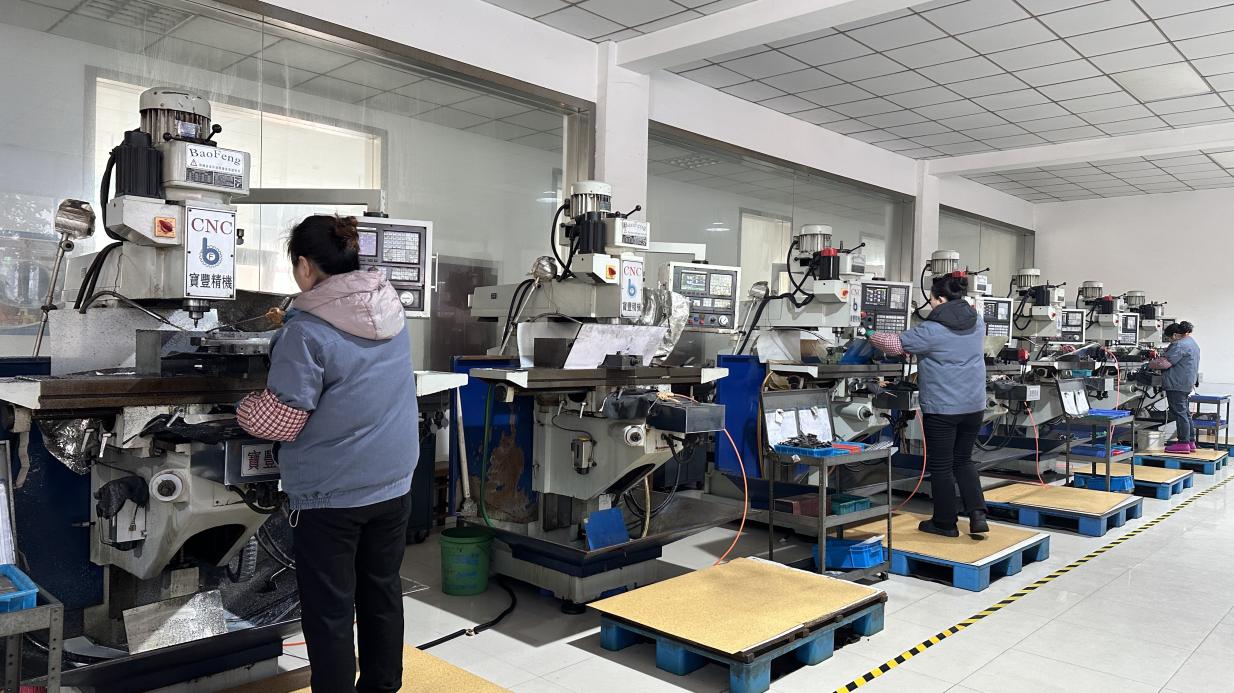
China's manufacturing sector has emerged as a global hub for these high-precision medical devices. Leveraging advanced CNC machining, aerospace-grade titanium alloys, and rigorous ISO 13485 quality systems, Chinese factories now supply over 40% of the world's mid-to-high-end orthopedic implants. The shift from "Volume Manufacturing" to "Precision Engineering" has positioned suppliers like Virelox Medical Devices as critical partners for international healthcare distributors.
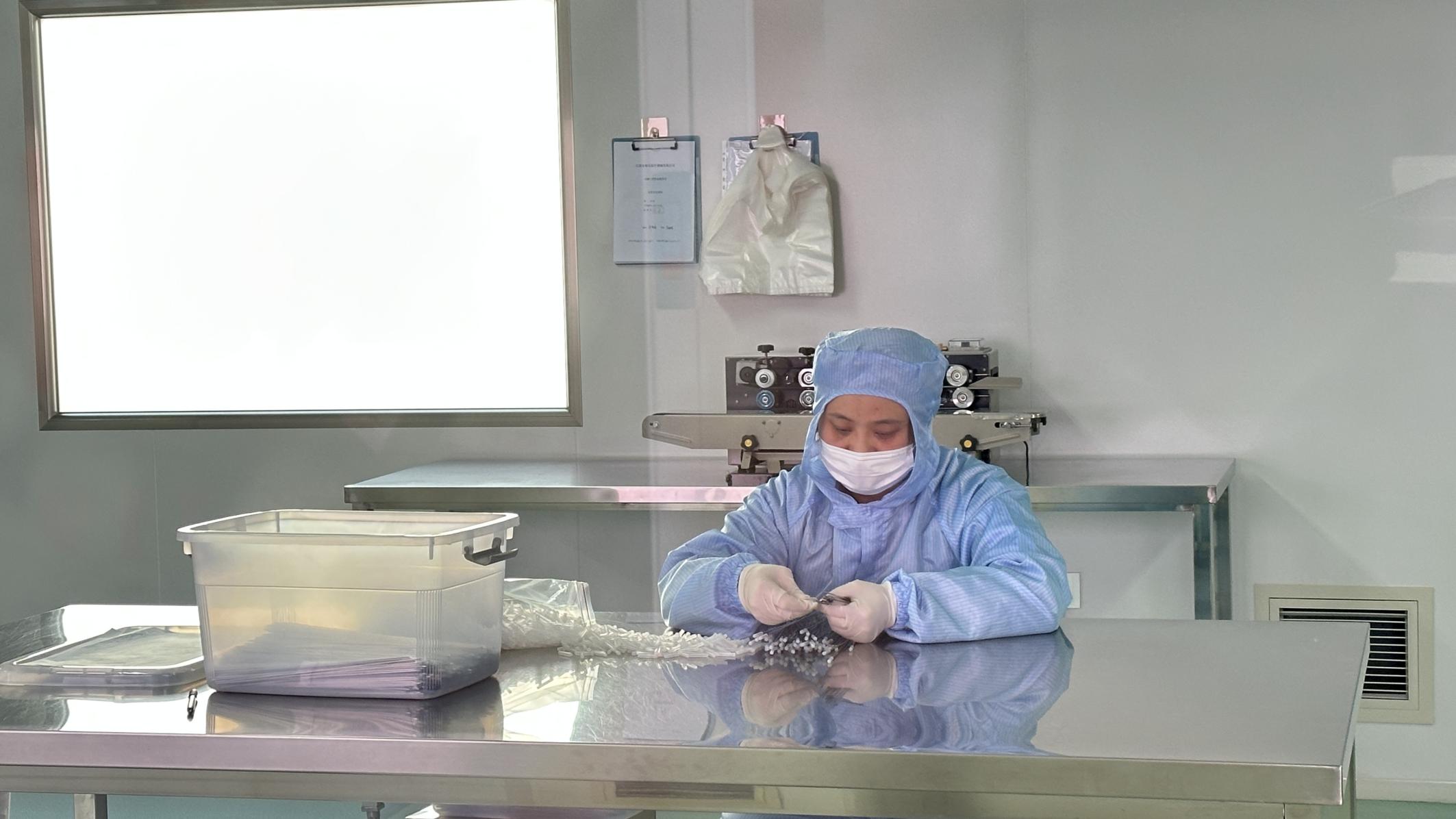
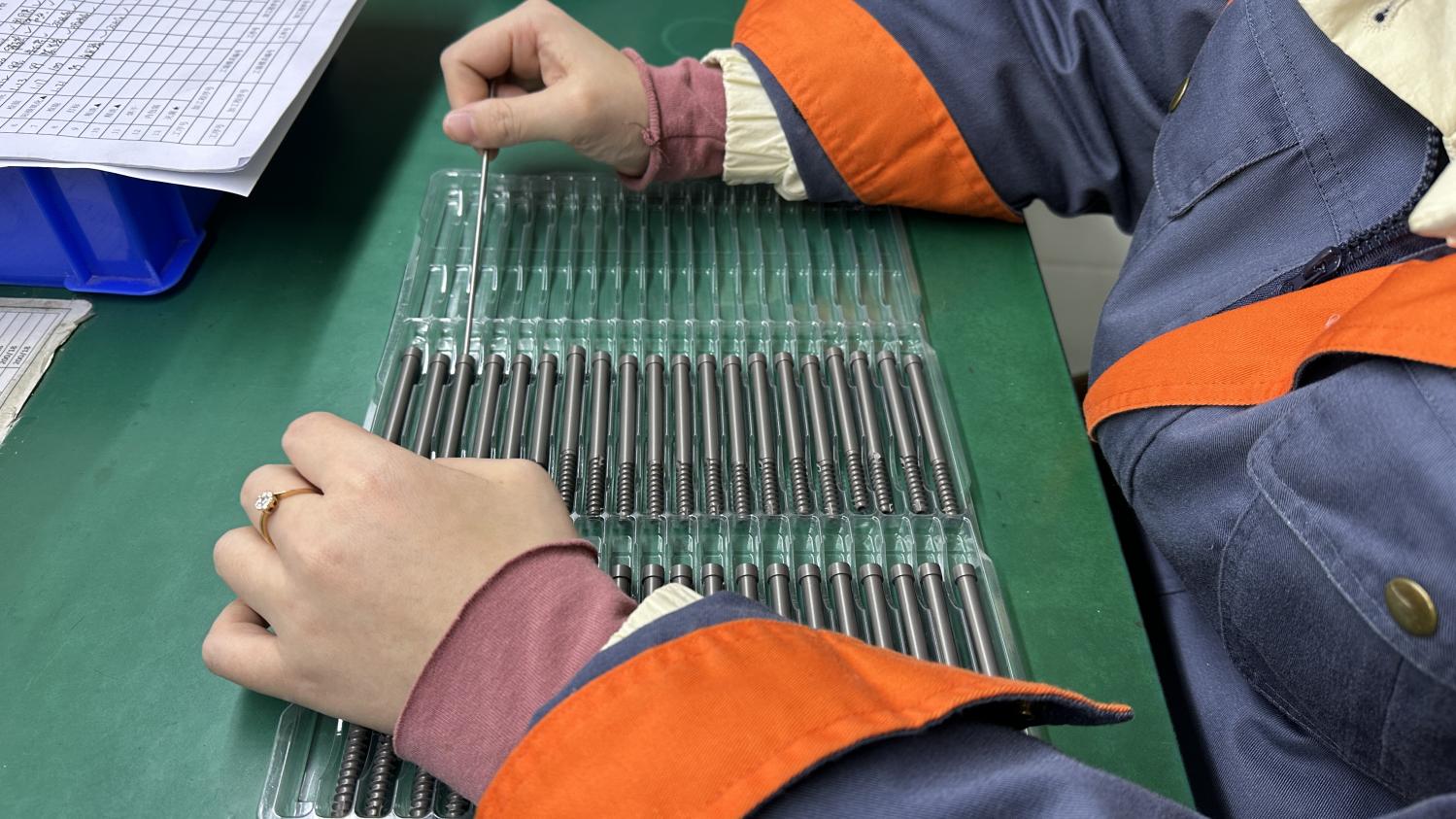
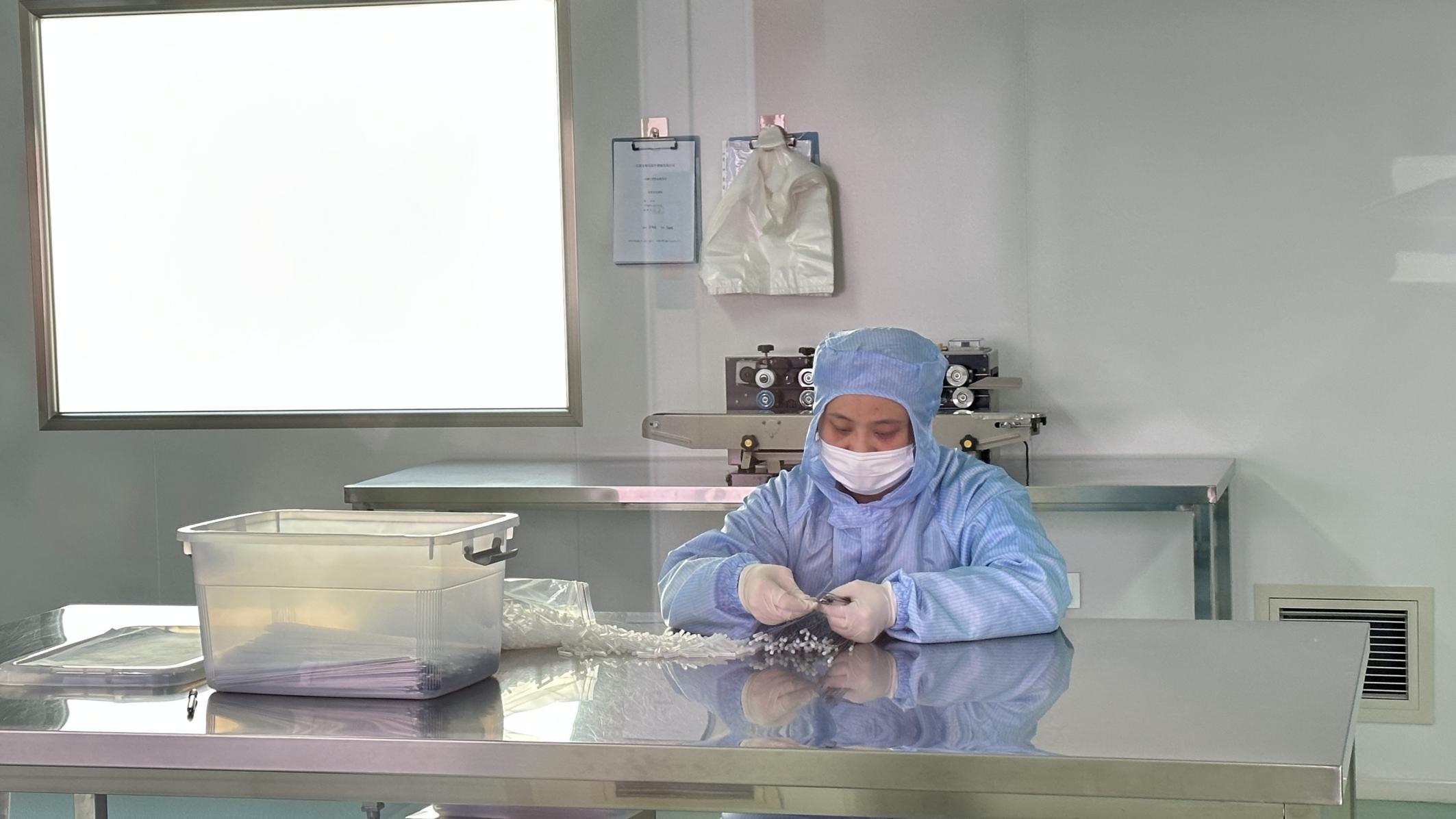
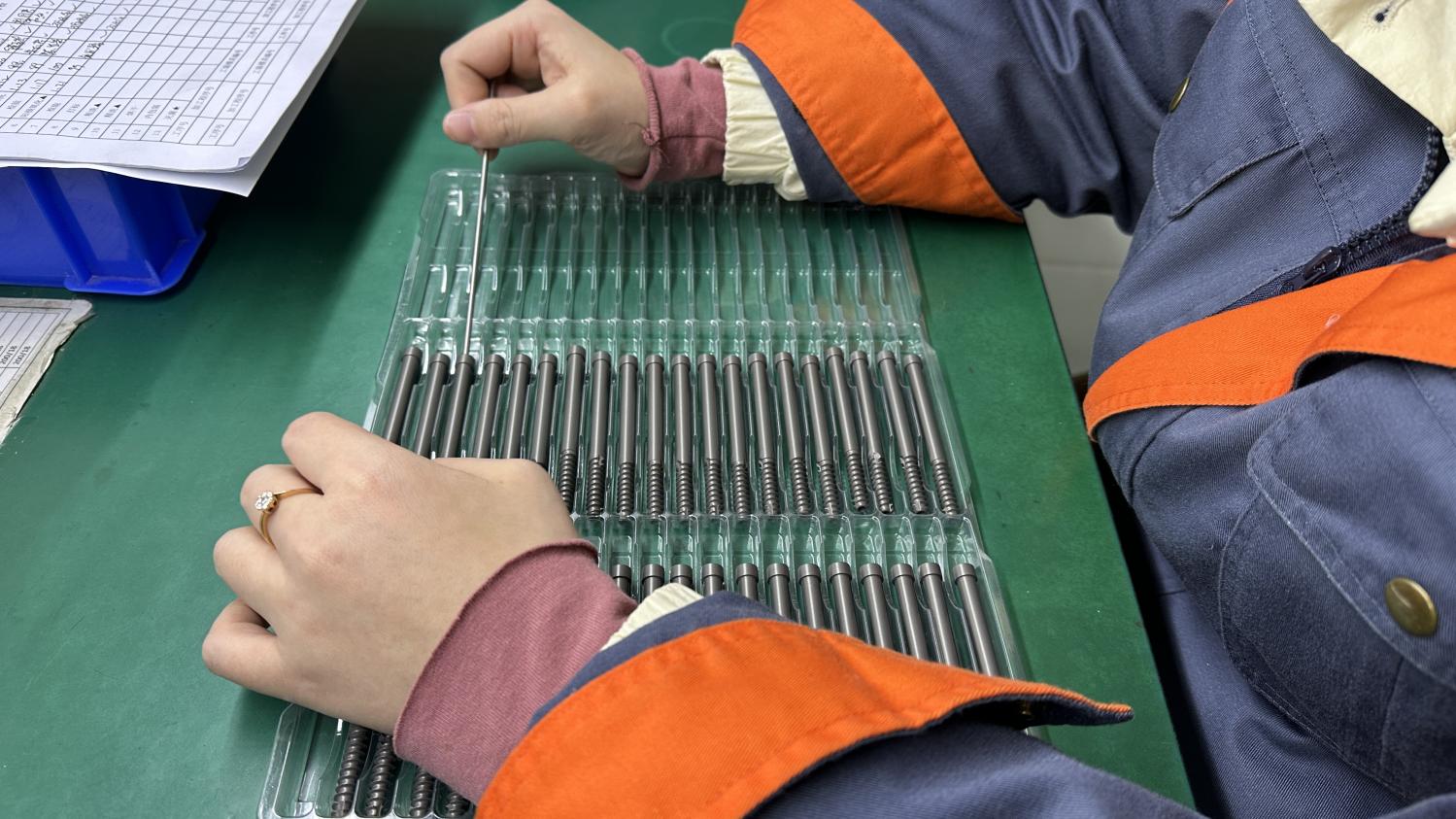
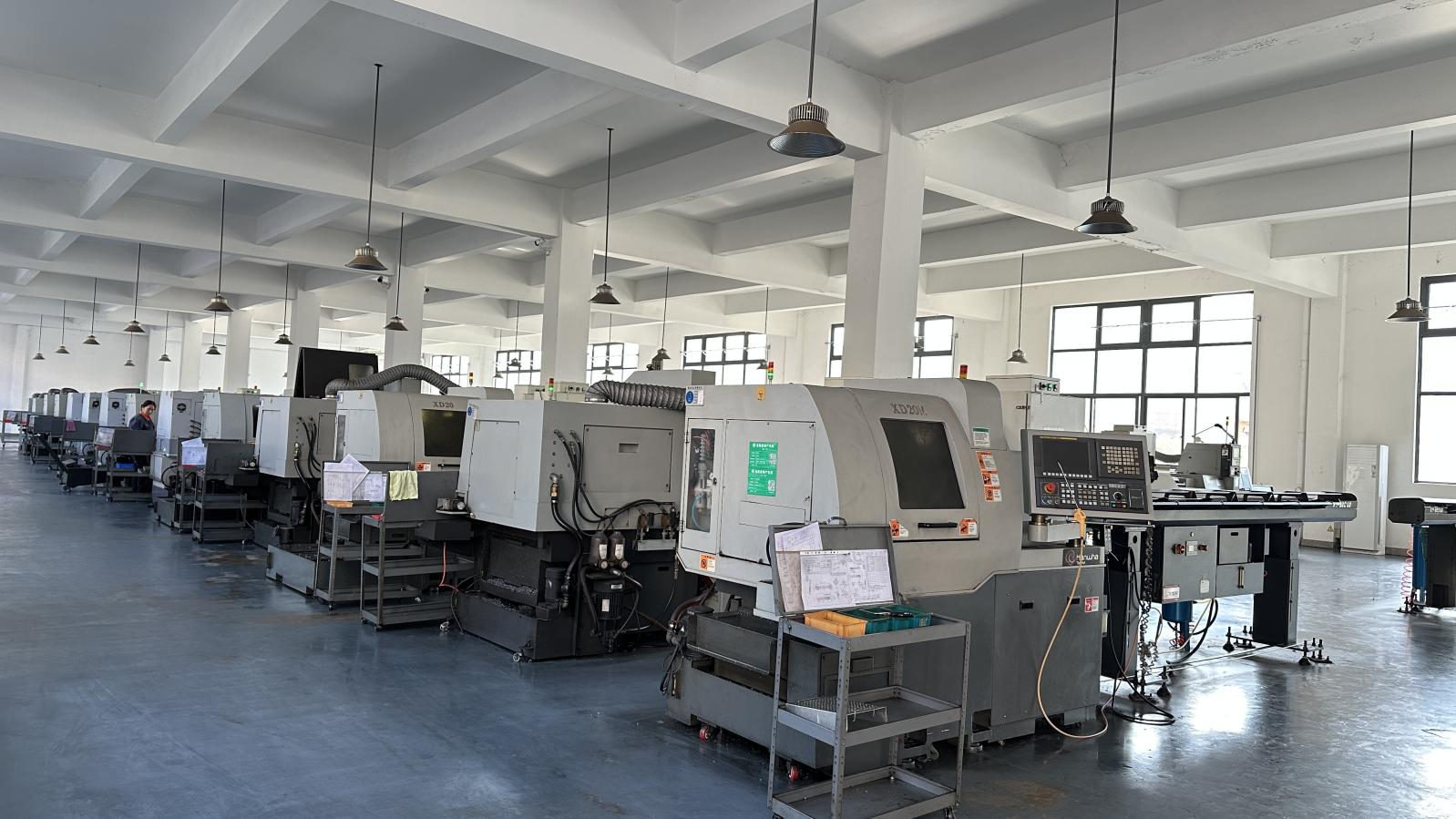
Virelox Medical Devices Co., Ltd. (Est. 2016) specializes in joint replacement and surgical implants. Our facility utilizes advanced CNC Milling and Wire Cutting to ensure sub-micron accuracy for every locking plate and screw system.
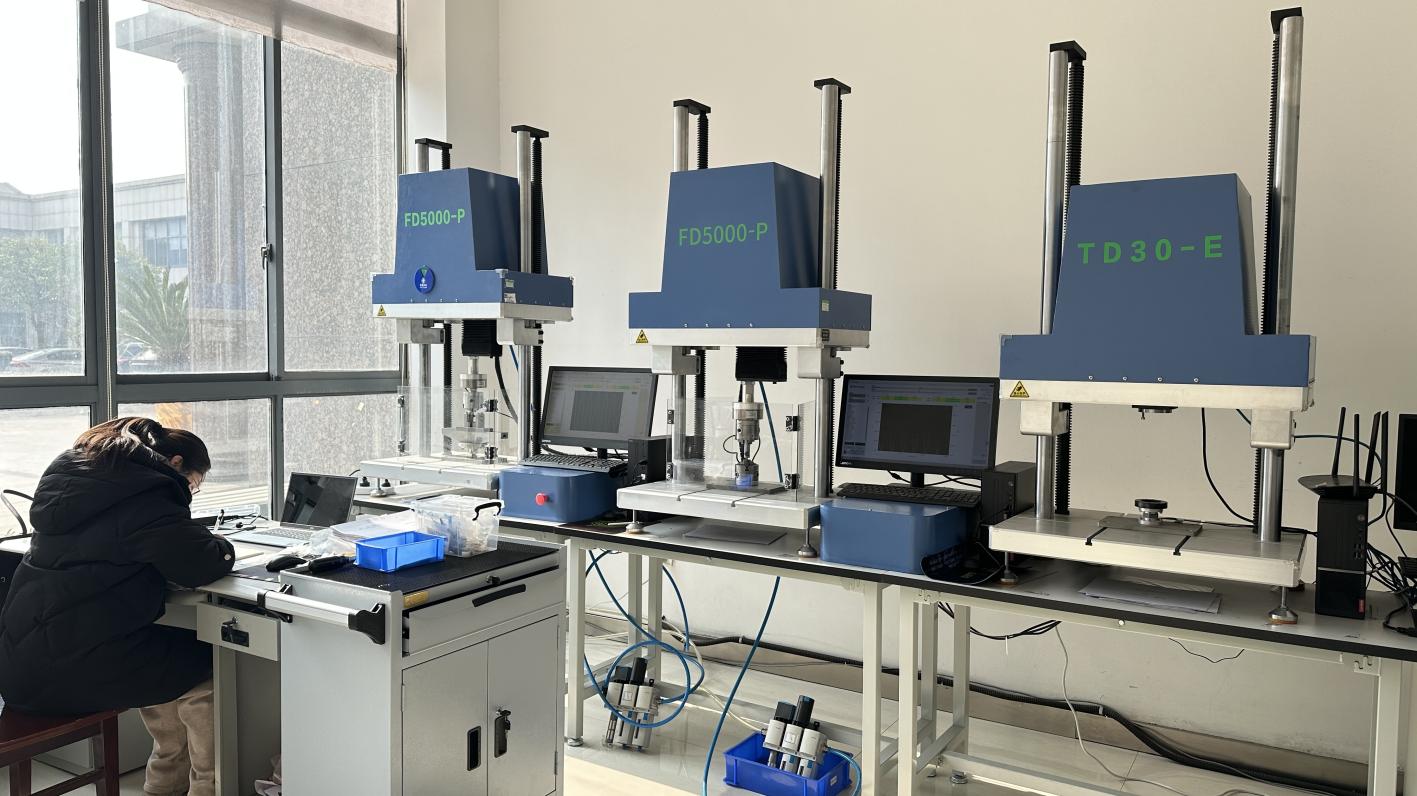
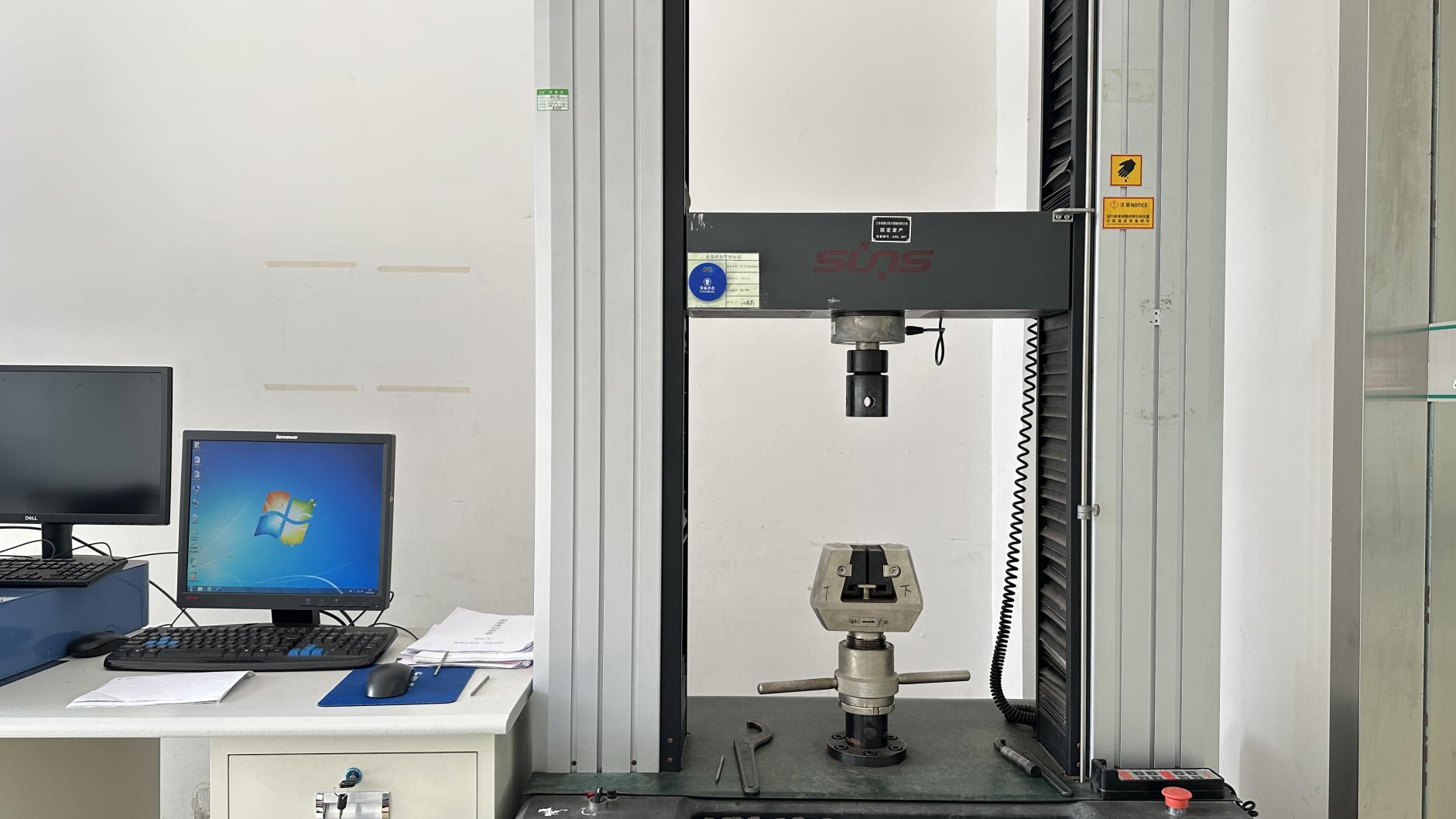
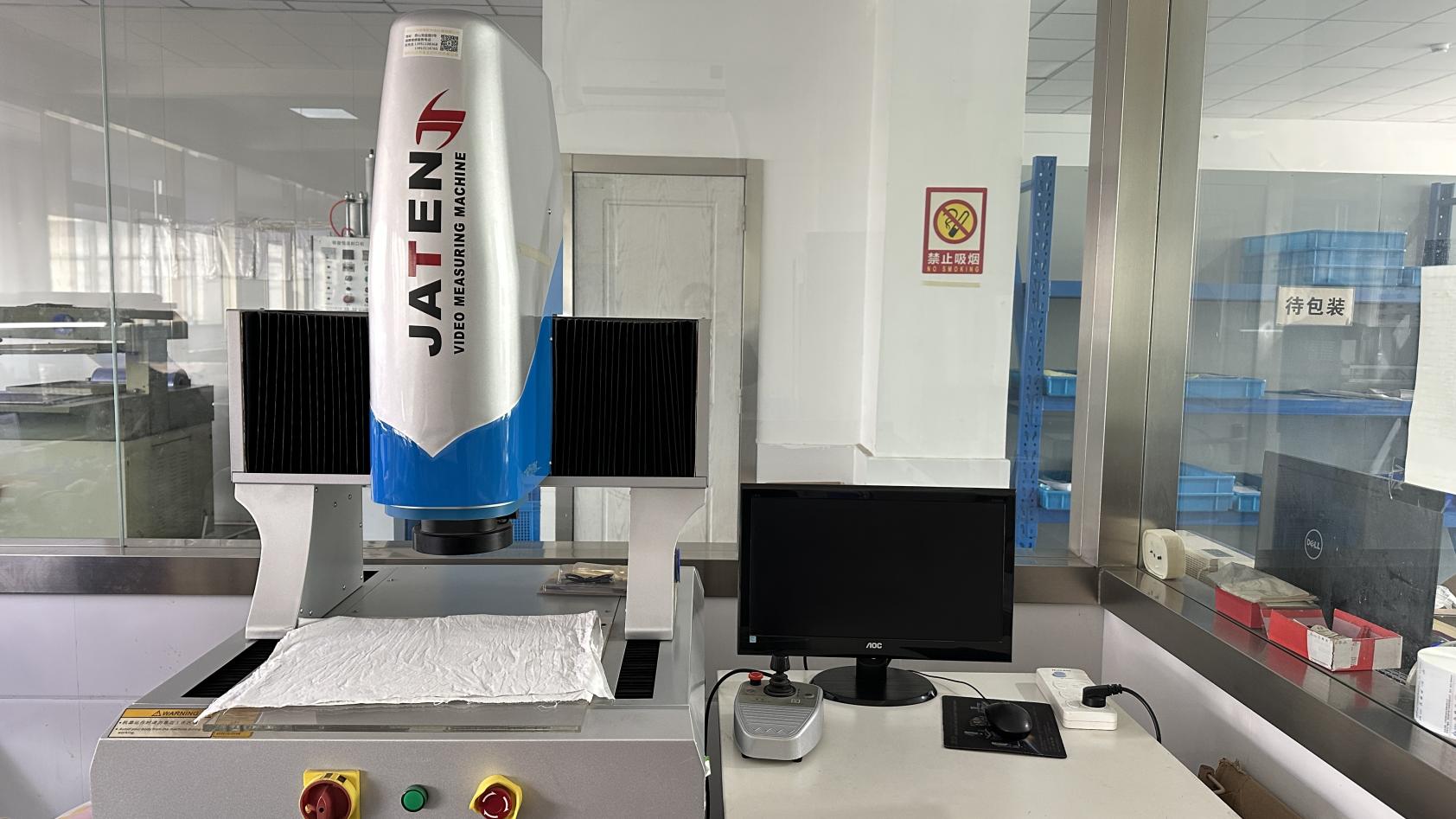
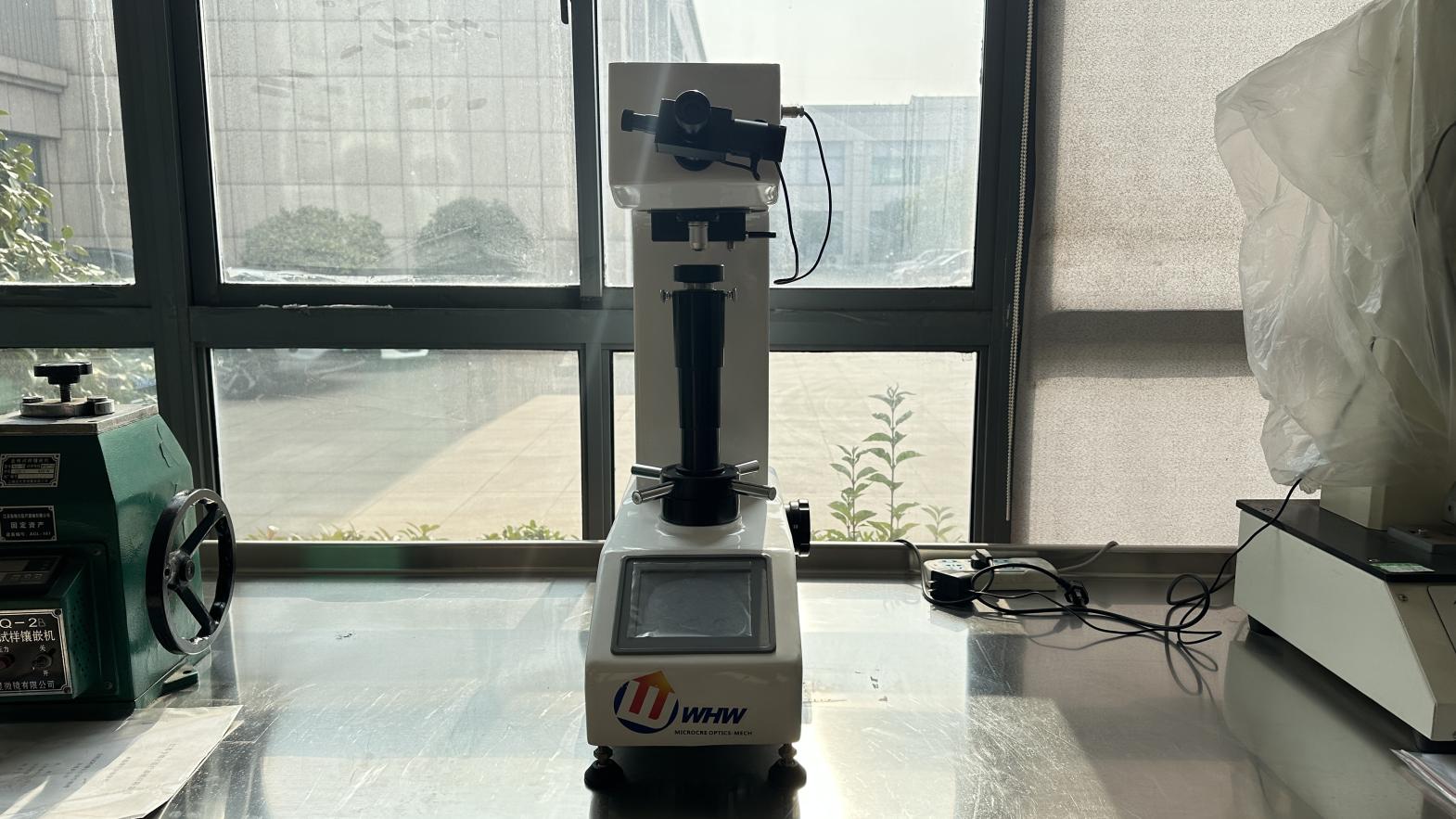
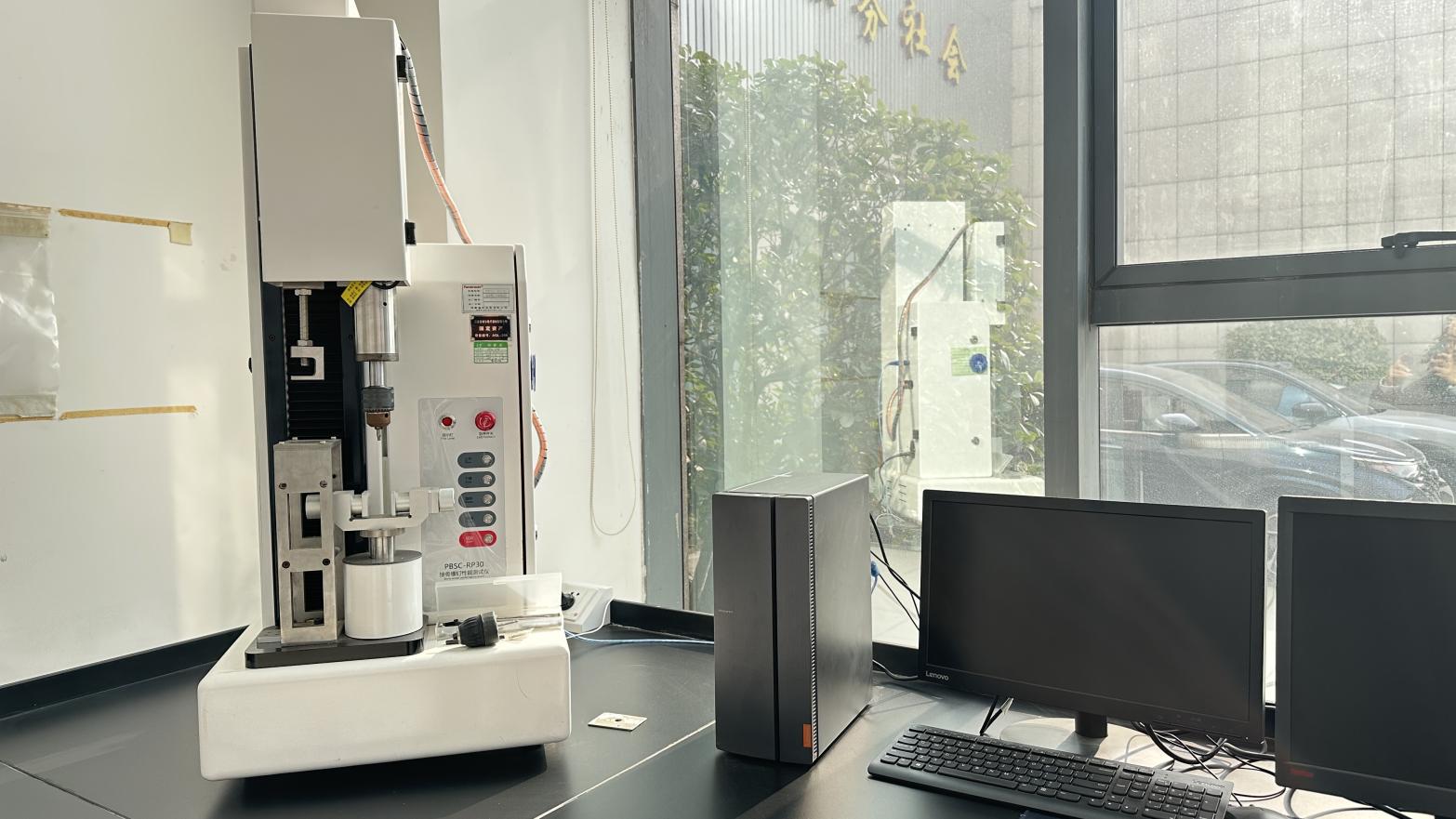
With 65 QC professionals, we implement ISO 13485-based full-process management. Our lab features X-ray inspection, Fatigue Testing, and Tensile Strength Analysis to guarantee clinical safety.
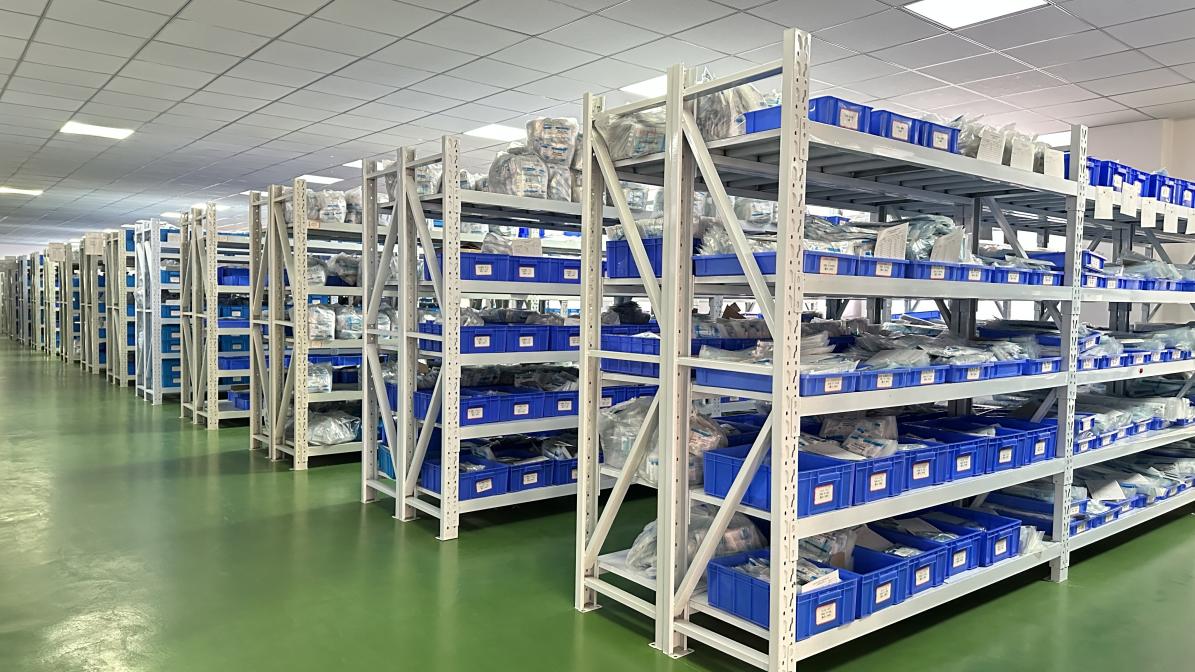
Supported by 850 certified partners, we provide stable supply chains for Europe, Southeast Asia, and South America. We offer extensive OEM/ODM capabilities for customized implant geometries.
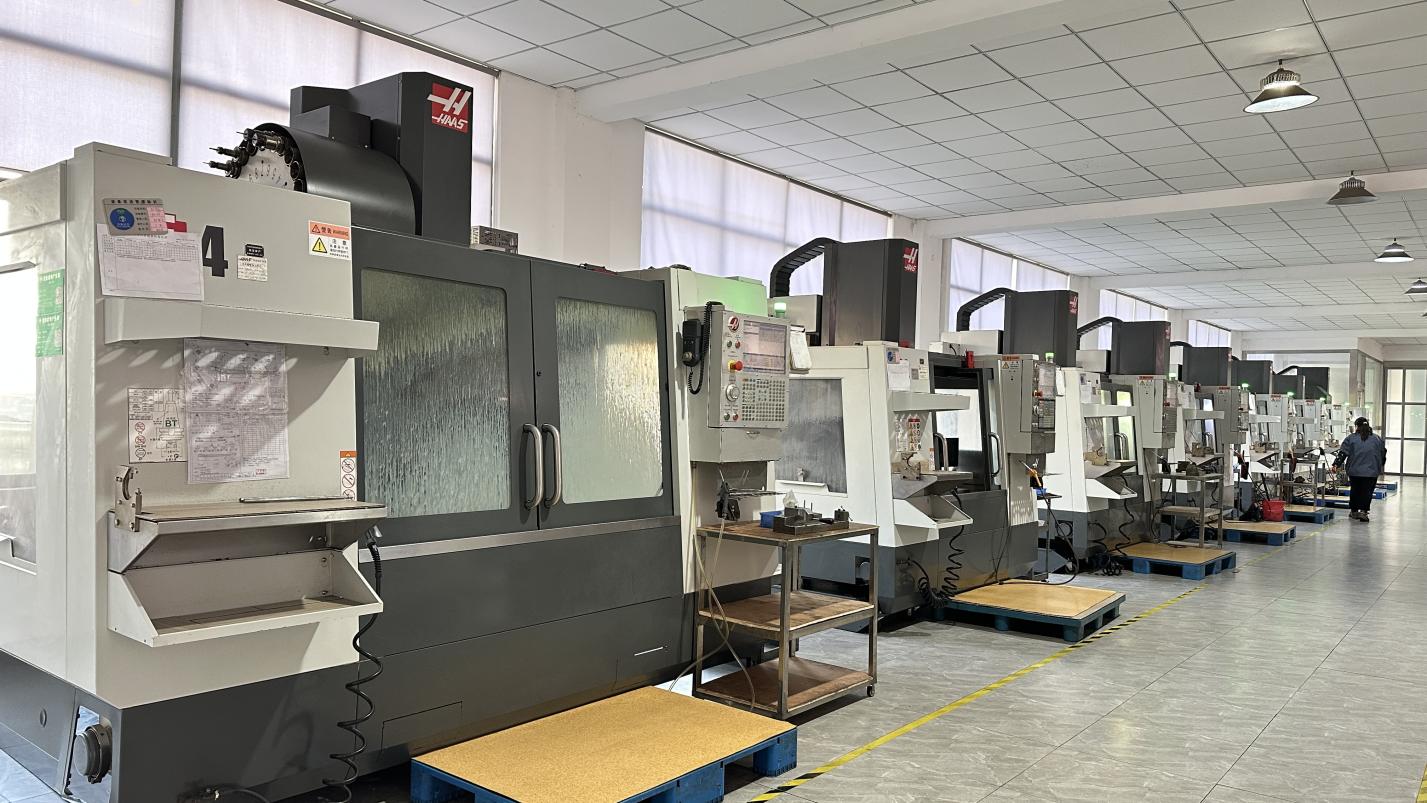
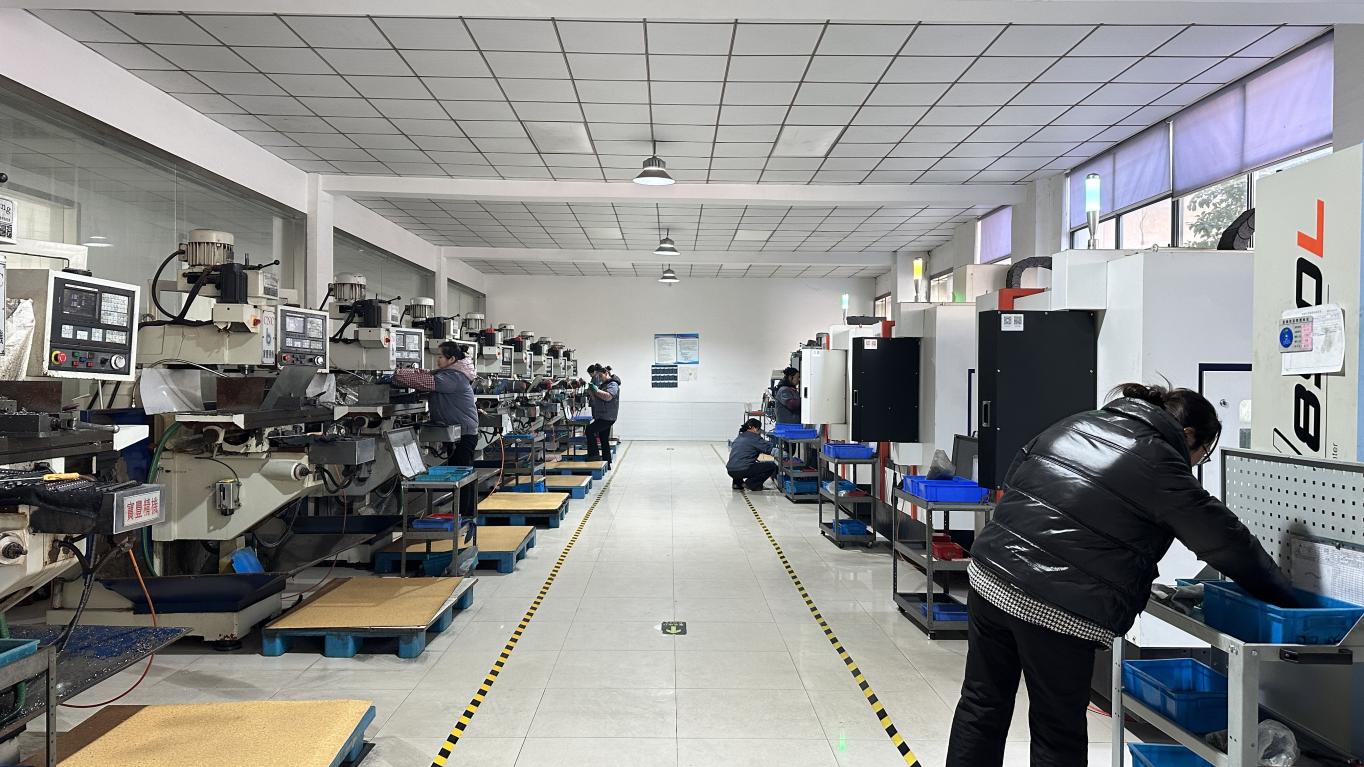
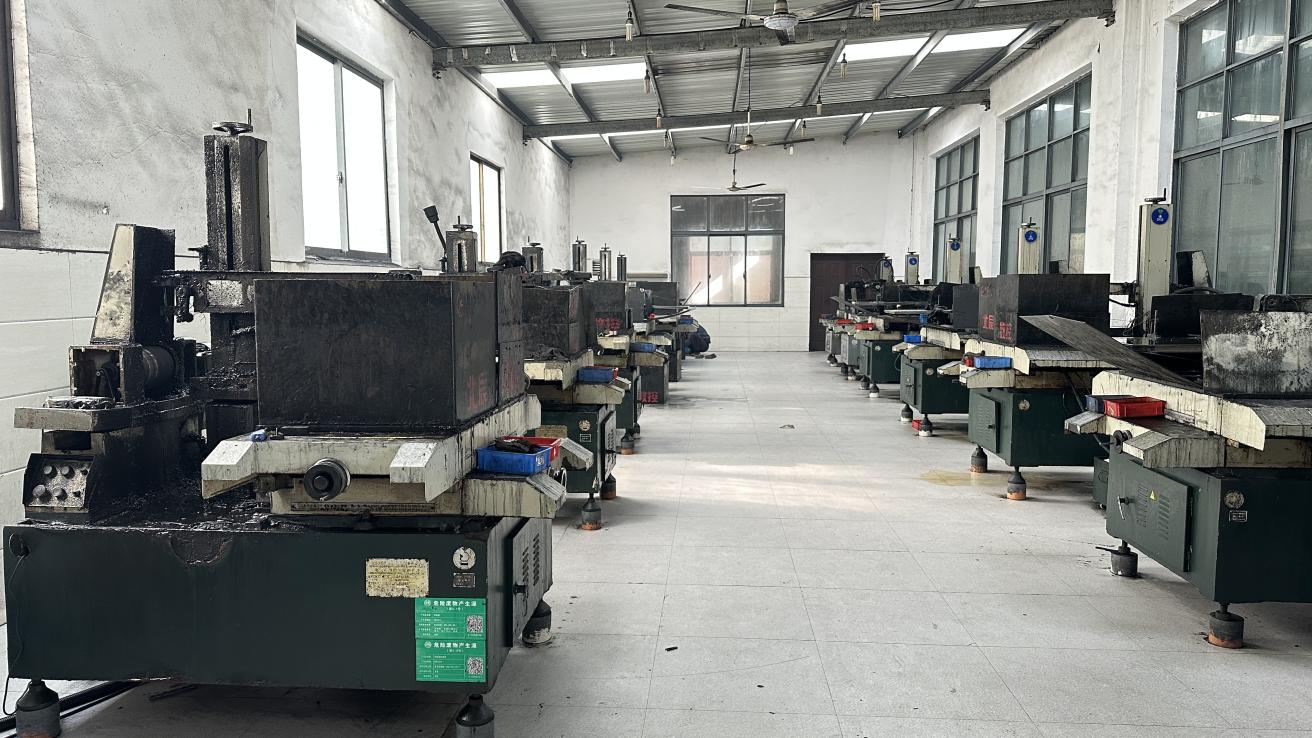
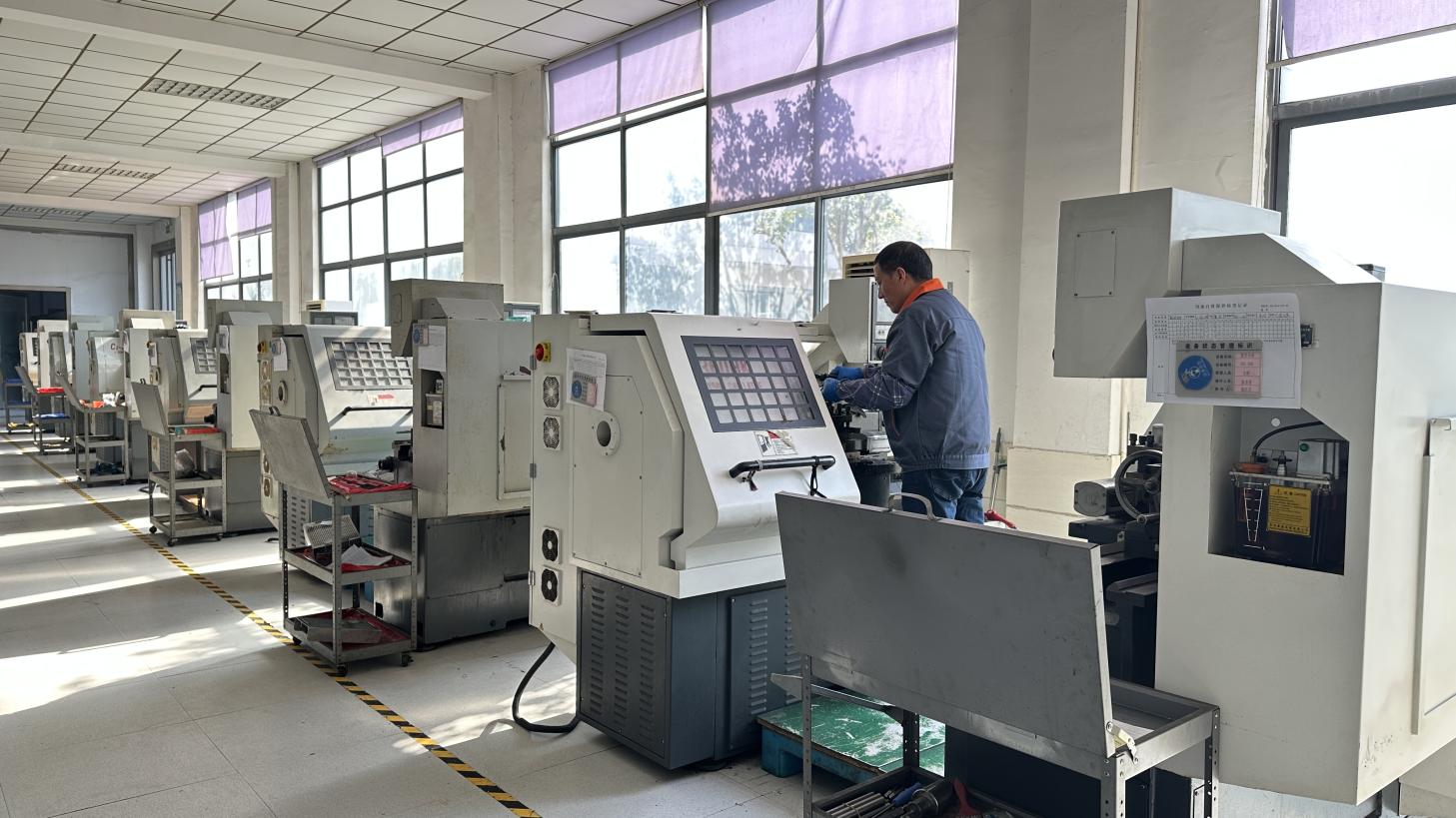
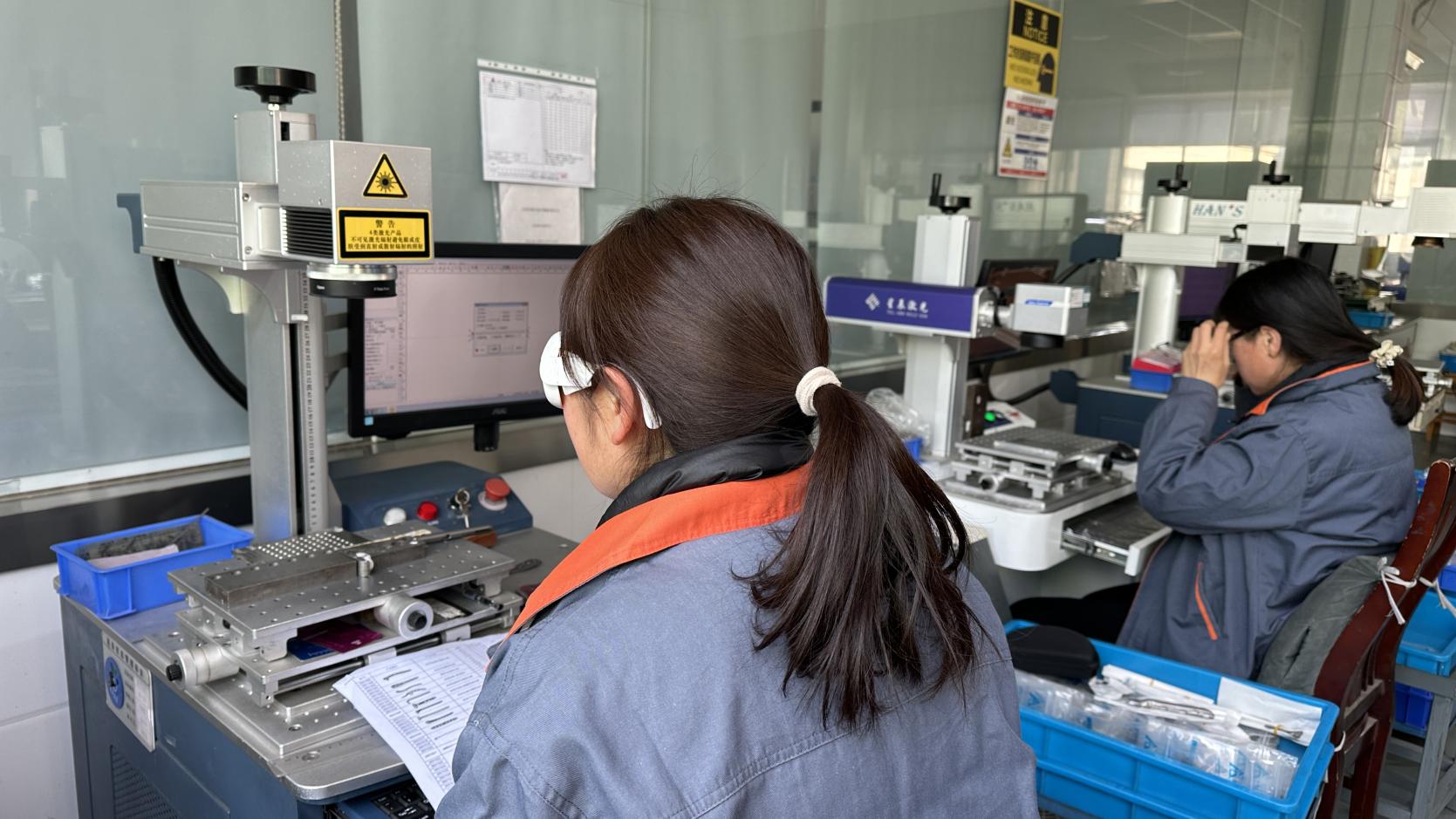
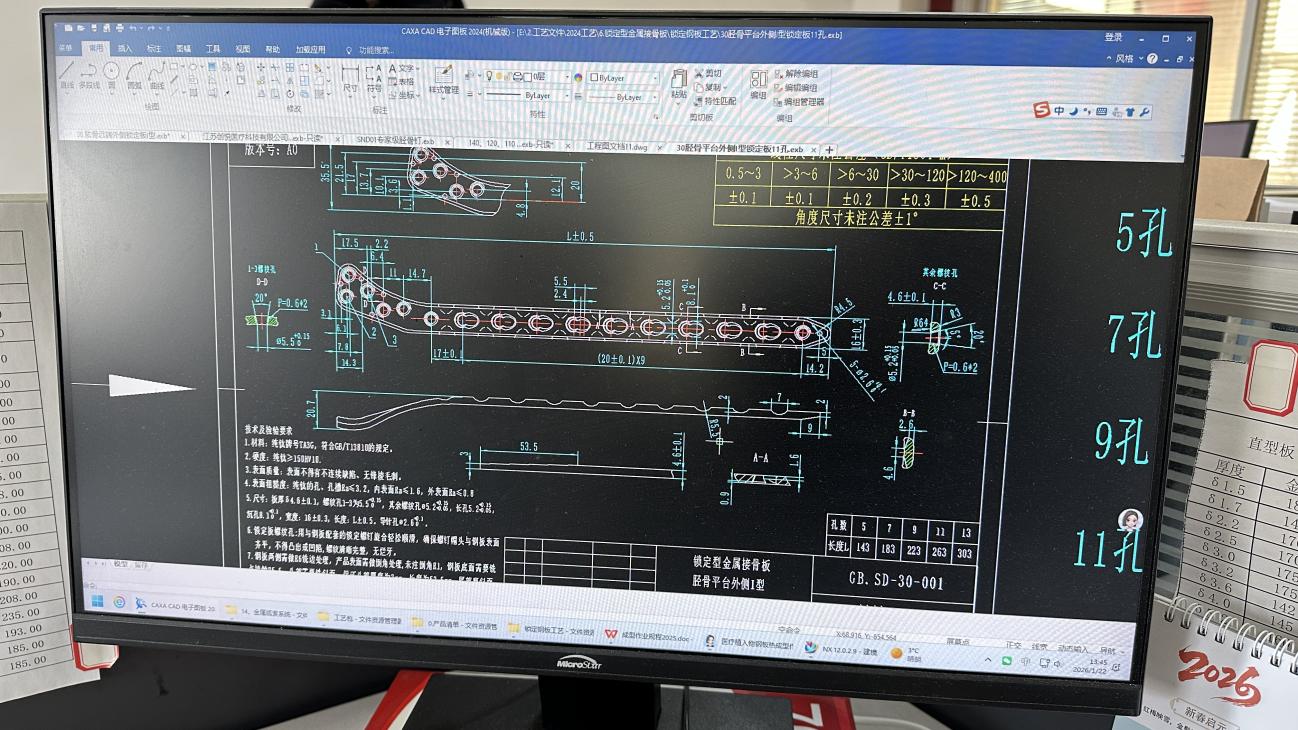

The traditional Dynamic Compression Plate (DCP) relied on plate-to-bone friction, which often compromised periosteal blood supply. The modern Locking Compression Plate (LCP) acts as an internal fixator, where the screw heads lock into the plate, creating a fixed-angle construct. This eliminates the need for the plate to be pressed against the bone, preserving biological healing potential.
The next frontier in orthopedic manufacturing includes 3D Printed Lattice Structures that promote osseointegration and Smart Implants embedded with micro-sensors. These sensors will provide real-time data on bone healing and strain distribution to clinicians via cloud platforms, enabling personalized rehabilitation protocols.
Virelox is already investing in biomechanical simulation systems and rapid prototyping to lead this shift toward intelligent orthopedic solutions.
High-energy fractures (Level I Trauma Centers) require robust locking systems for immediate stability and early mobilization of the patient.
In osteoporotic bone, locking screws provide significantly higher pull-out strength compared to conventional screws, preventing fixation failure.
Specialized L-shape and T-shape locking plates for canine/feline bone reconstruction, as seen in the BlueSAO veterinary series.
Locking plates function as internal fixators. They do not rely on plate-to-bone friction for stability, which preserves the periosteal blood supply and ensures better outcomes in poor-quality (osteoporotic) bone. They also offer superior angular stability.
Yes. Virelox offers comprehensive OEM/ODM services. Our R&D team uses advanced biomechanical simulation and rapid prototyping to design and manufacture implants based on specific surgeon requirements or unique anatomical needs.
Our manufacturing process is strictly compliant with ISO 13485 standards. Every batch undergoes rigorous testing including tensile strength tests, fatigue testing, and CMM dimensional measurements to ensure absolute precision.
We work with 850 certified upstream partners to source medical-grade titanium alloys and precision components. This allows for stable pricing and consistent supply even during global market fluctuations.
Typical lead times range from 4 to 8 weeks depending on the complexity and volume. We maintain a large inventory of standard locking plates (Radius, Humerus, Femur, Tibia) for rapid global dispatch.
 XC MEDICO High Precision Veterinary Small Oscillating Saw Power Tool
 CANWELL Titanium Endobutton with Suture Loop Cortical Button Plate CE
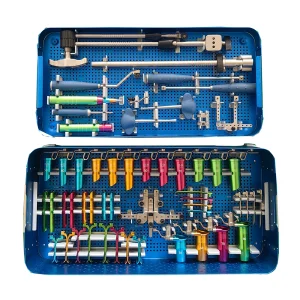 Minimal Invasive Stainless Steel Spine Instruments Set Tubular Retractor
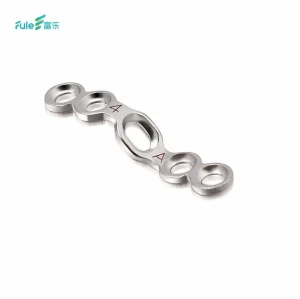 Posterior Cervical Laminoplasty Implant Set Titanium Stabilization
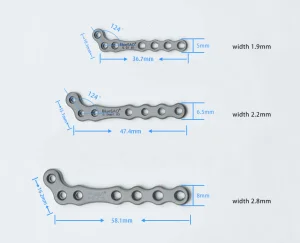 BlueSAO Professional Veterinary Orthopedic Implants L Shape Locking Plate
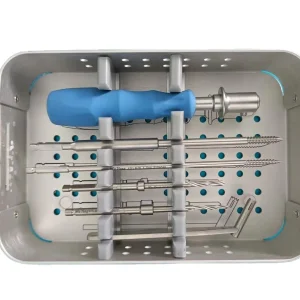 Geasure Orthopedic Surgical Instruments Sports Medical ATFL Repair System
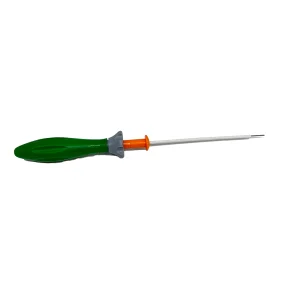 Techniques Repair Device Sequent Total Inner Meniscal Stapler
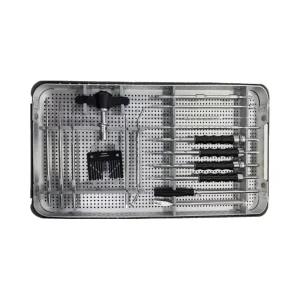 Geasure Orthopedic Surgical Instruments Lumbar Spine 5.5 Pedical Screw Set
 Virelox