Direct factory-wholesale orthopedic implants engineered from medical-grade Ti-6Al-4V titanium alloy, CoCrMo, and surgical stainless steel for trauma fixation, spinal stabilization, arthroscopy, and joint reconstruction.
Virelox Medical Devices Co., Ltd. is a professional orthopedic medical device manufacturer specializing in joint replacement and surgical implant solutions. Operating under the brand “Virelox”, the enterprise delivers high-performance orthopedic systems for global healthcare providers across Europe, Southeast Asia, the Middle East, and South America.
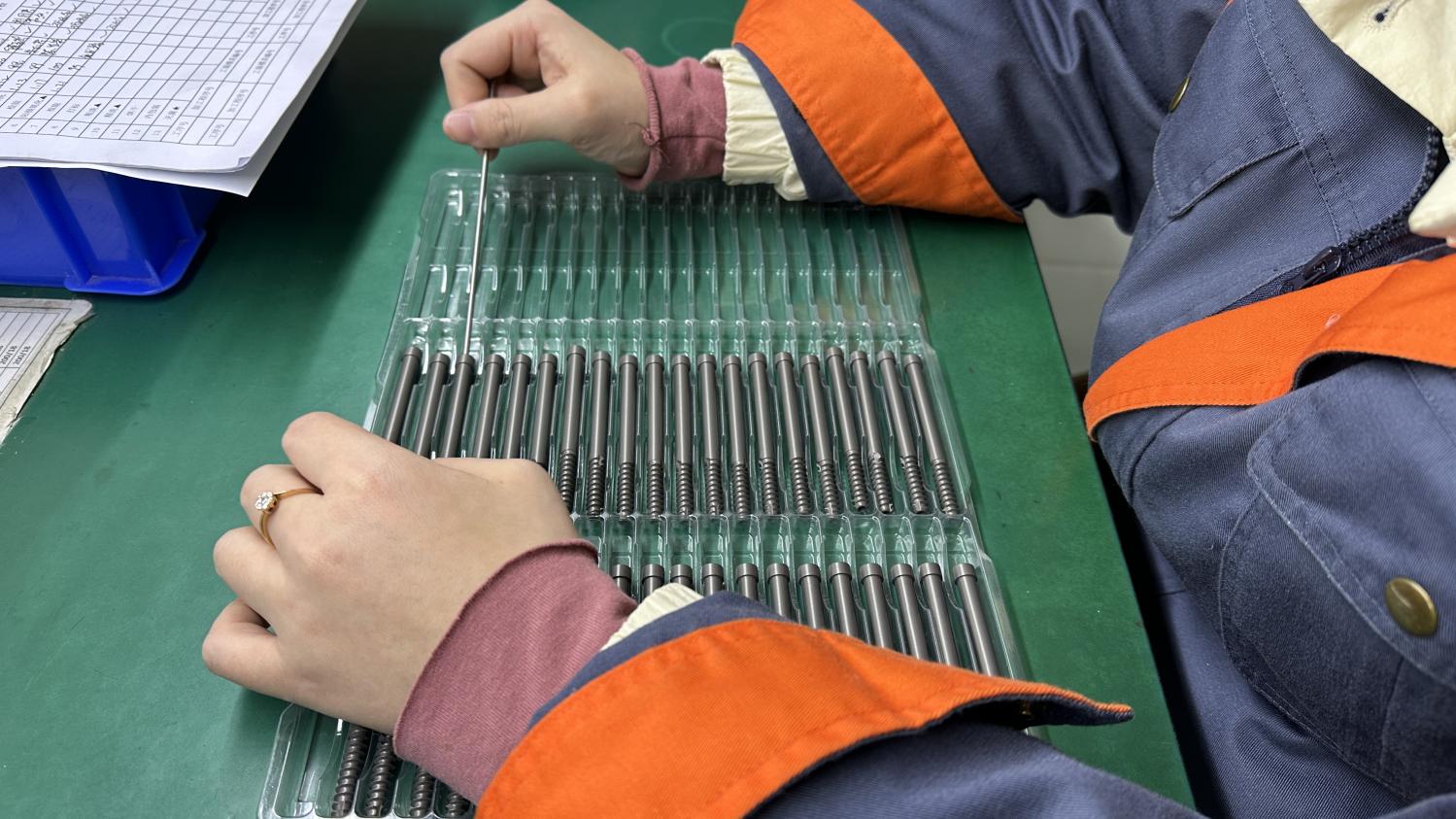
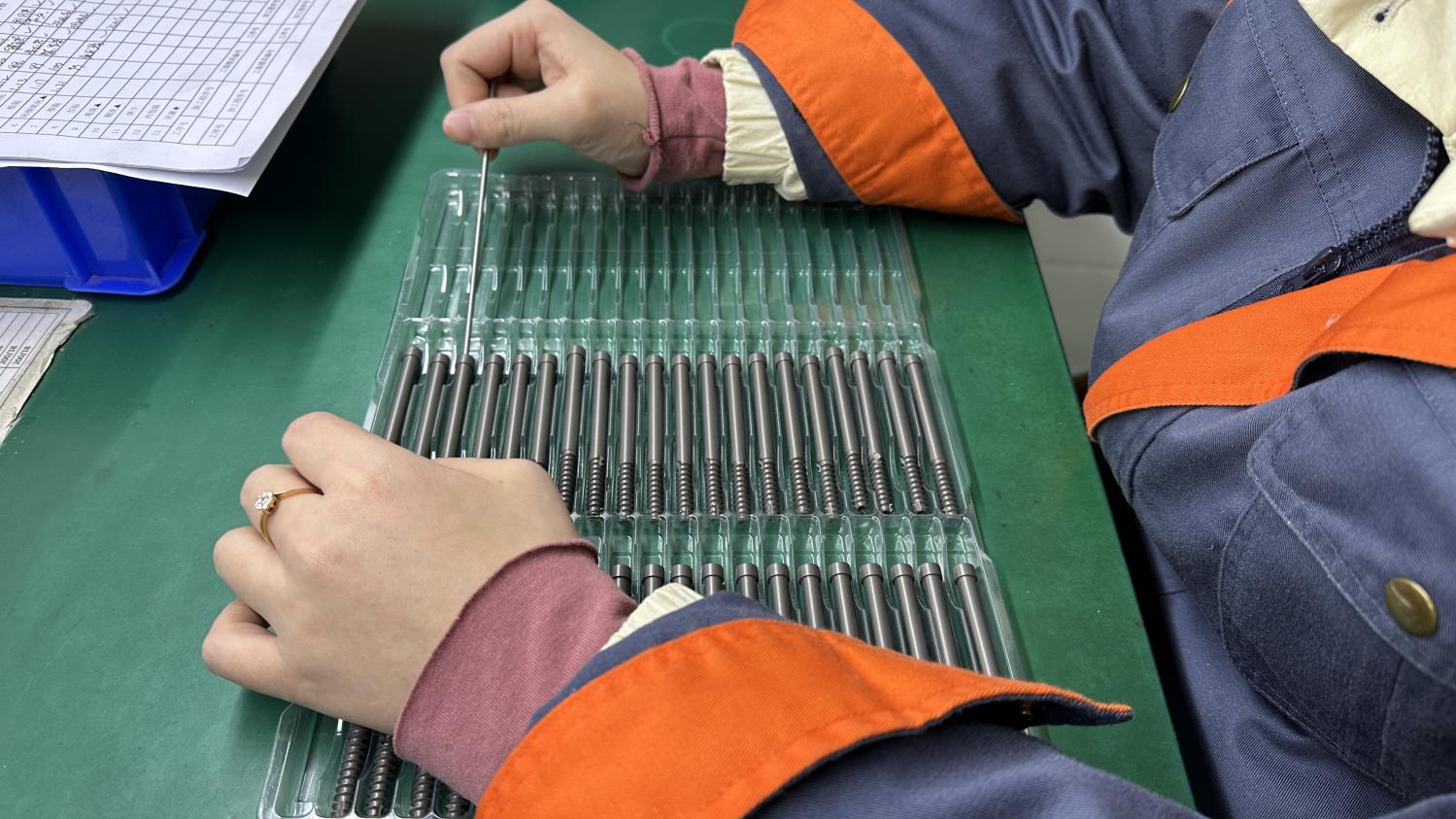
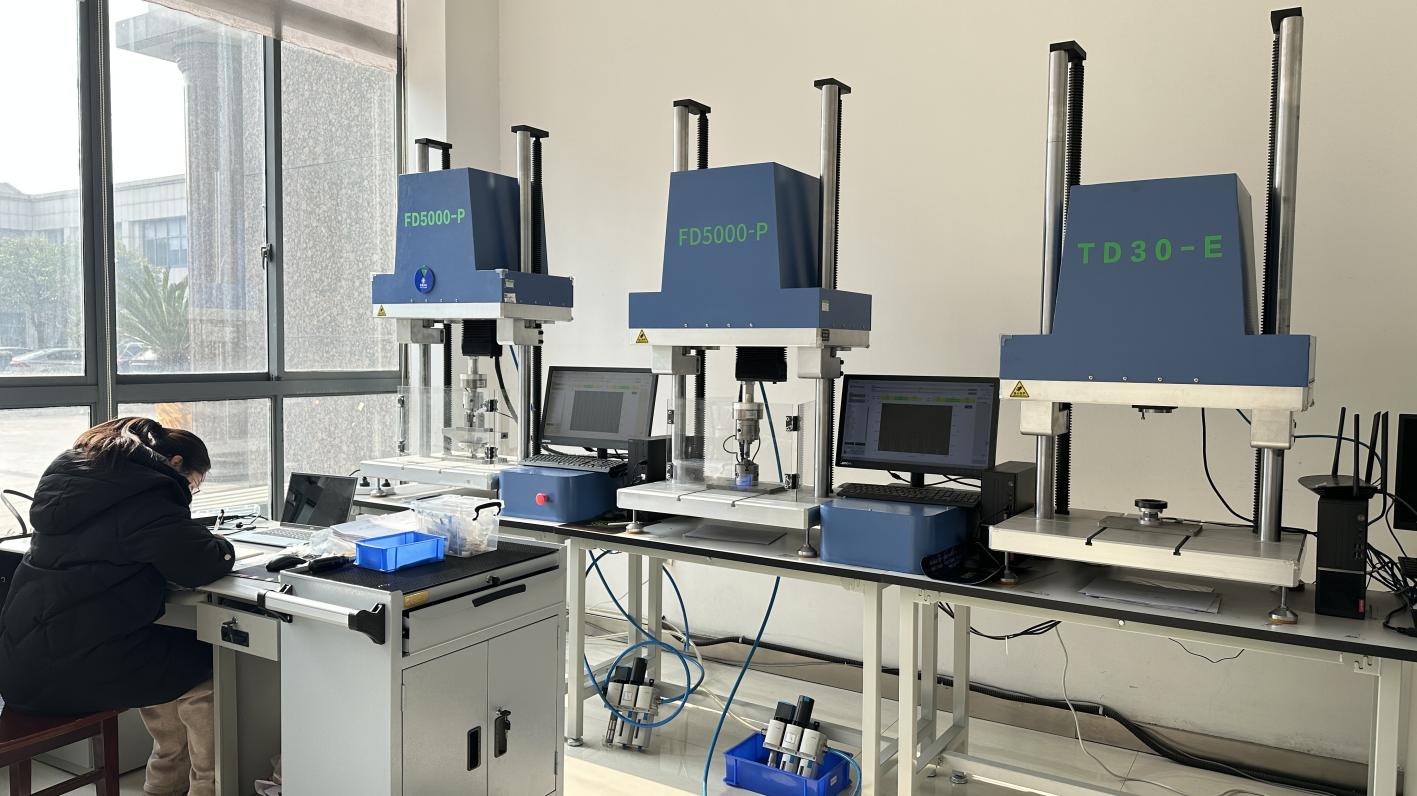
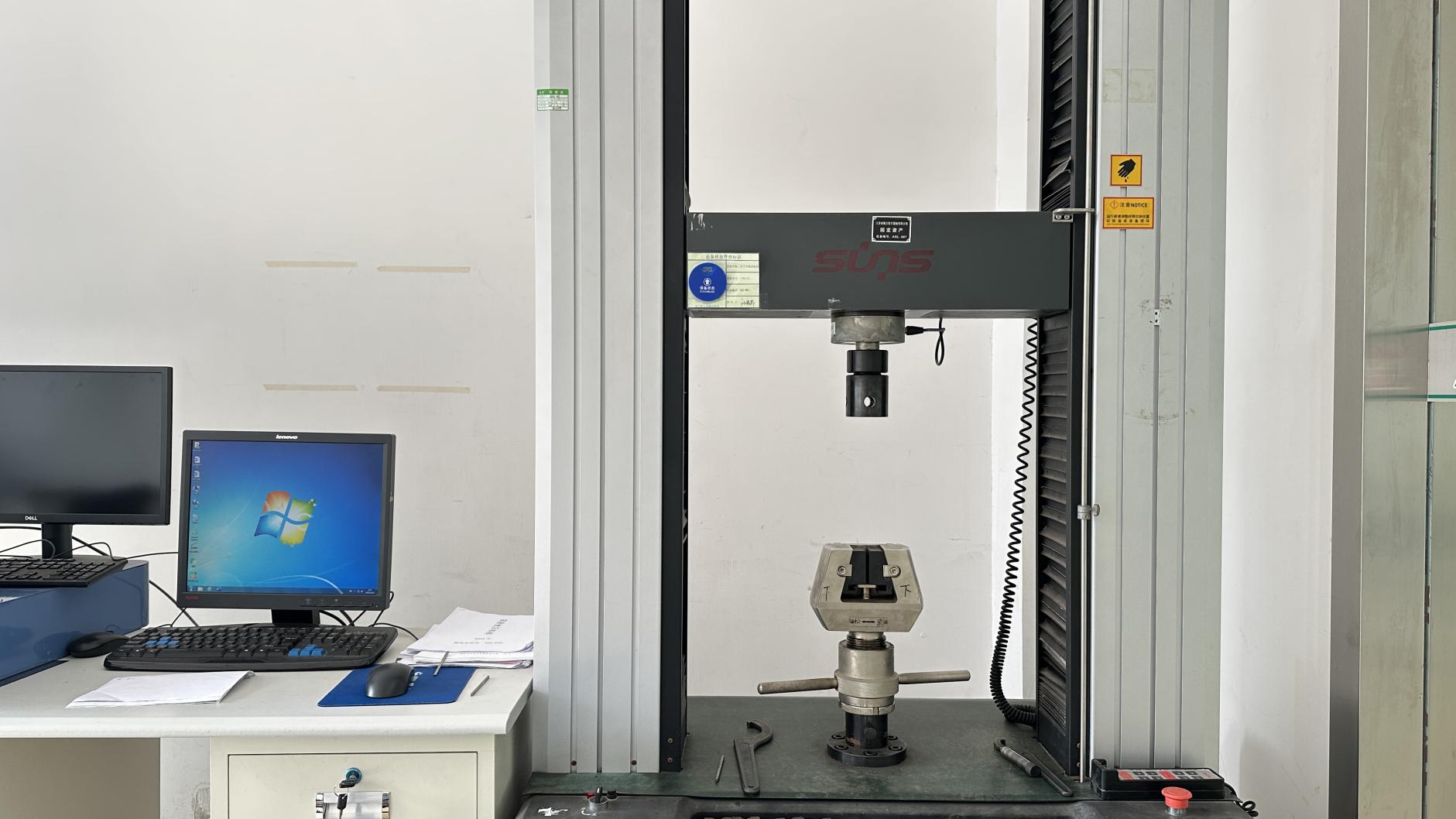
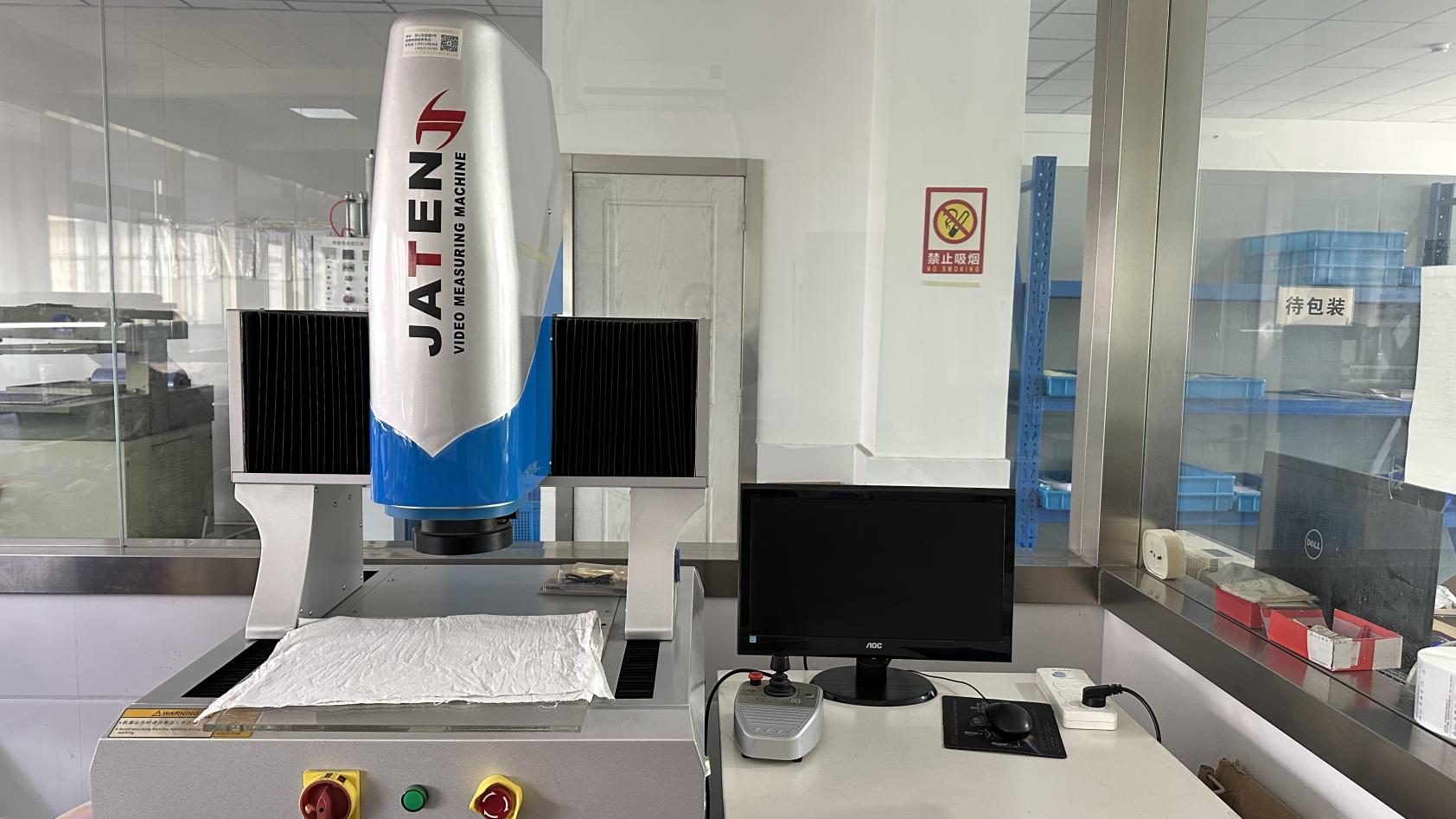
Operated by 65 full-time quality control professionals, Virelox enforces an ISO 13485-based full-process quality management system spanning incoming titanium bar verification, in-process SPC tolerance audits, and final lot release. Every batch undergoes non-destructive X-ray inspection, cyclic fatigue testing, tensile strength testing, and multi-axis dimensional CMM measurement.
Backed by 120 specialized engineers in biomechanics, materials science, and surgical device design, our R&D center integrates finite element biomechanical simulation systems and rapid prototyping. Having launched 120 new orthopedic and spinal implant products last year alone, we deliver full OEM/ODM engineering, private-label sterilization packaging, and surgeon-specific customized implant geometry.
Established in 2016 with a 12,000 m² facility and USD 8,500,000 in annual export revenue, Virelox coordinates 850 certified upstream and downstream partners. This vertically synchronized supplier network guarantees uninterrupted medical-grade alloy sourcing, surface anodization, and precision tooling for medical device distributors, hospitals, orthopedic clinics, and international healthcare procurement agencies.
An empirical analysis of demographic shifts, value-based healthcare procurement, and metallurgical breakthroughs reshaping wholesale orthopedic manufacturing between 2025 and 2032.
The global orthopedic consumables and surgical implant sector is undergoing a structural transformation driven by three converging macroeconomic forces: accelerated demographic aging across OECD and emerging economies, rising incidence of high-energy musculoskeletal trauma and sports-related ligament injuries, and intense institutional pressure to lower surgical episode costs without compromising clinical survivorship. Across Europe, Southeast Asia, the Middle East, and South America, public hospital tenders and private surgical networks are actively transitioning away from legacy multi-tier distributor markups toward direct partnerships with qualified China wholesale orthopedic consumables manufacturers and factories.
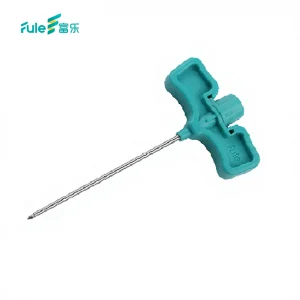
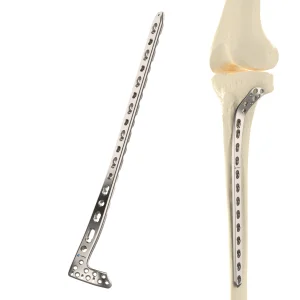
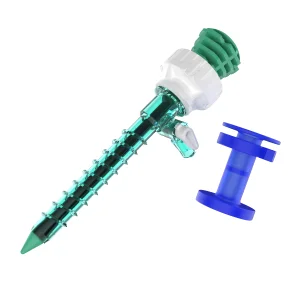
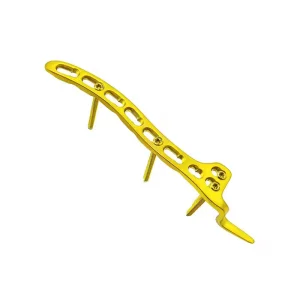
In contemporary trauma and reconstructive surgery, orthopedic consumables are no longer passive metallic hardware; they are precision-engineered biomechanical interfaces. Modern anatomical locking compression plates—such as low-profile distal tibial metaphyseal plates and 3.5mm clavicle hook plates—rely on variable-angle polyaxial locking threads and undercut limited-contact profiles to preserve periosteal blood supply while resisting cyclic micromotion. Simultaneously, minimally invasive spine surgery (MISS) and balloon kyphoplasty/vertebroplasty procedures demand ultra-thin-walled metal medical dilators and cannulated guide needles with mirror-honed internal lumens to prevent cement extravasation and soft-tissue trauma.
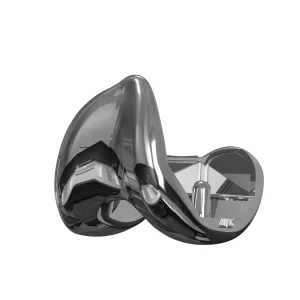
Furthermore, the global industrial reality of medical device manufacturing has shifted toward stringent post-market traceability and biocompatibility compliance. Under European MDR (Medical Device Regulation 2017/745) and international ISO 13485:2016 frameworks, procurement directors require verifiable metallurgical pedigree—specifically ASTM F136 Ti-6Al-4V ELI (Extra Low Interstitial) titanium, ASTM F75 cobalt-chromium-molybdenum (CoCrMo) alloys for high-wear femoral knee components, and ASTM F138 implant-grade 316LVM stainless steel. Factories capable of pairing full raw-material spectral traceability with high-mix, low-to-medium batch CNC agility now command the highest strategic value in global MedTech supply chains.
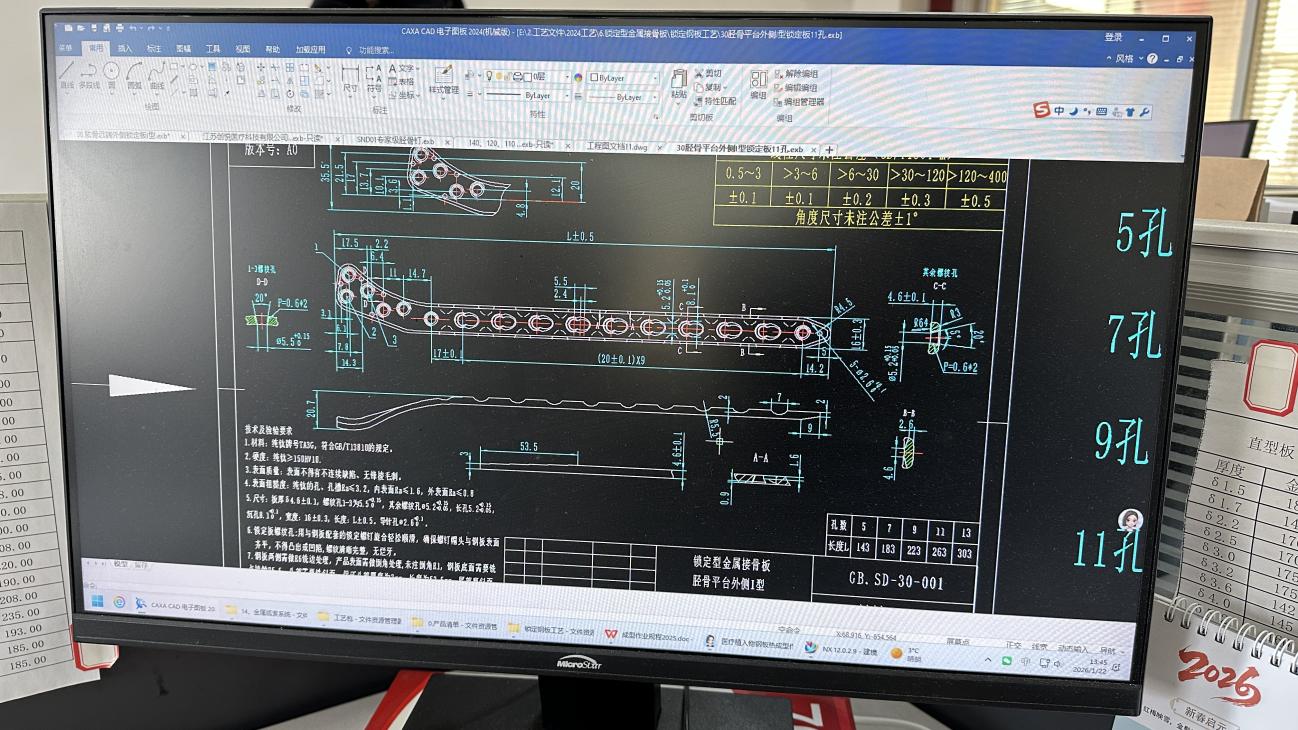
Multi-ethnic CT bone morphometry databases enable 3D anatomically pre-contoured plates for the distal tibia, proximal humerus, and clavicle, eliminating intraoperative bending fatigue and reducing OR tourniquet duration by up to 22%.
Color-coded electrochemical anodization enhances surface wear resistance, minimizes galvanic corrosion between plates and locking screws, and provides instant intraoperative diameter identification (e.g., 1.5mm, 2.0mm, 2.4mm, 2.7mm, 3.5mm).
Disposable arthroscopic trocars, cannulas, and precision-ground sports medical shaver blades and burrs eliminate cross-contamination risks and reprocessing bottlenecks in high-turnover Ambulatory Surgery Centers (ASCs).
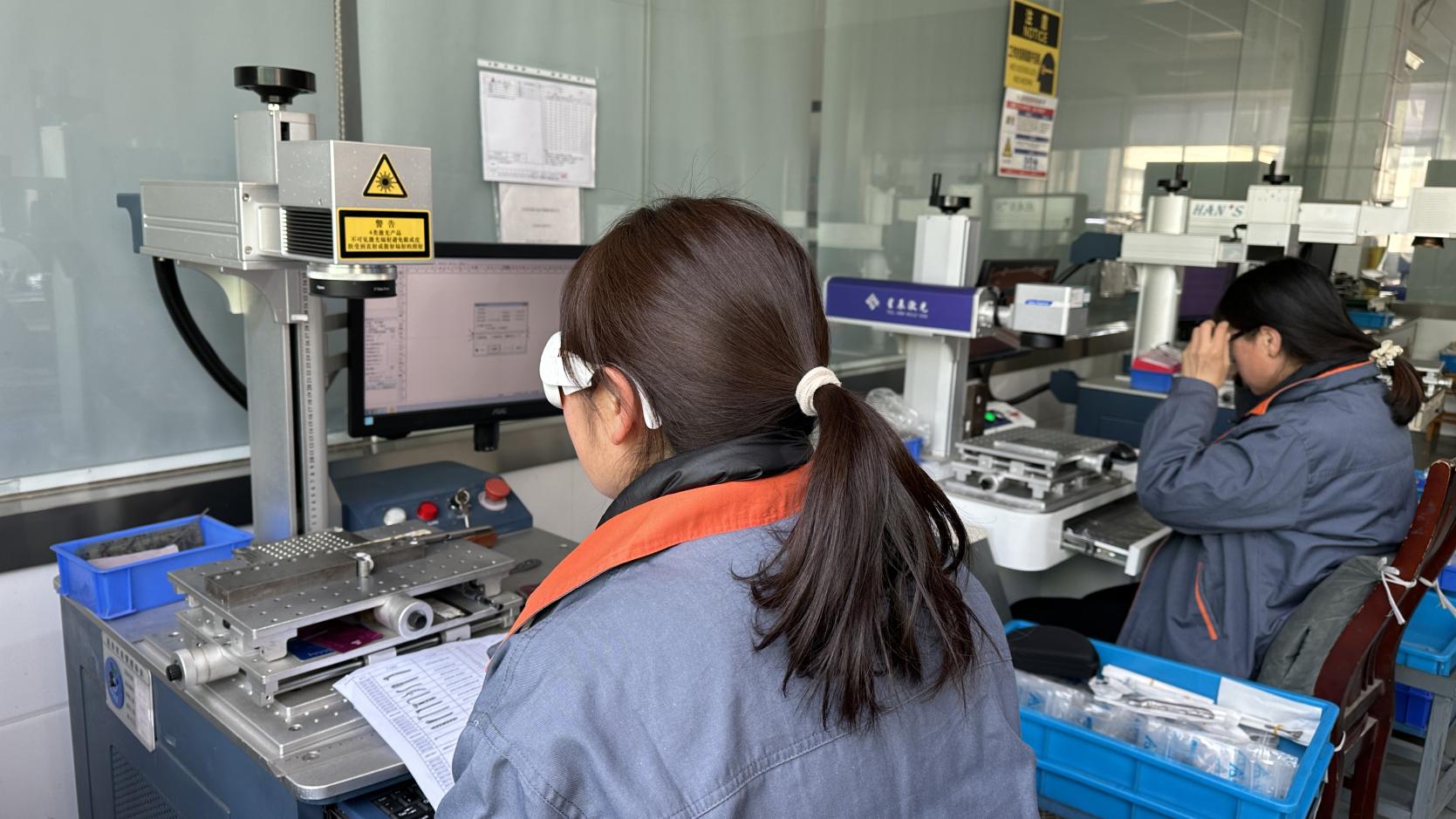
Automated fiber-laser marking engraves GS1-compliant Unique Device Identification (UDI) DataMatrix codes onto every screw head and implant body without creating micro-cracks or compromising fatigue endurance.
How Virelox integrates Swiss-type multi-axis CNC machining, digital MES traceability, and an 850-supplier cluster to eliminate lead-time volatility for international buyers.
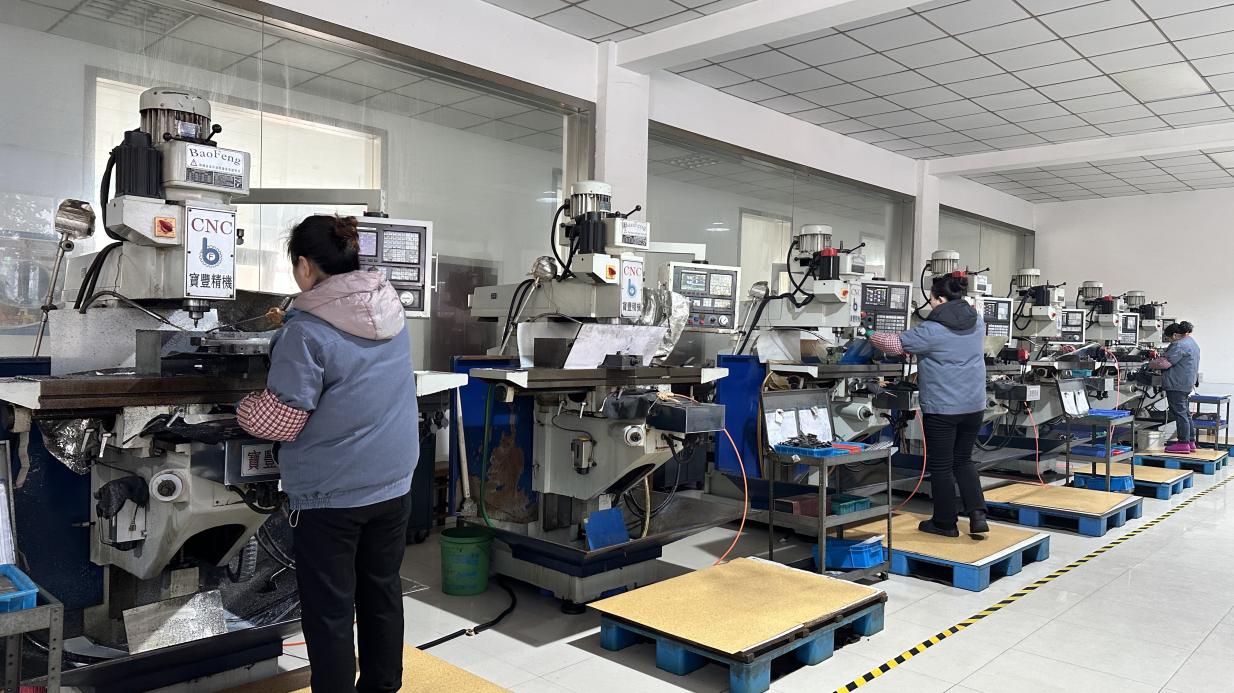
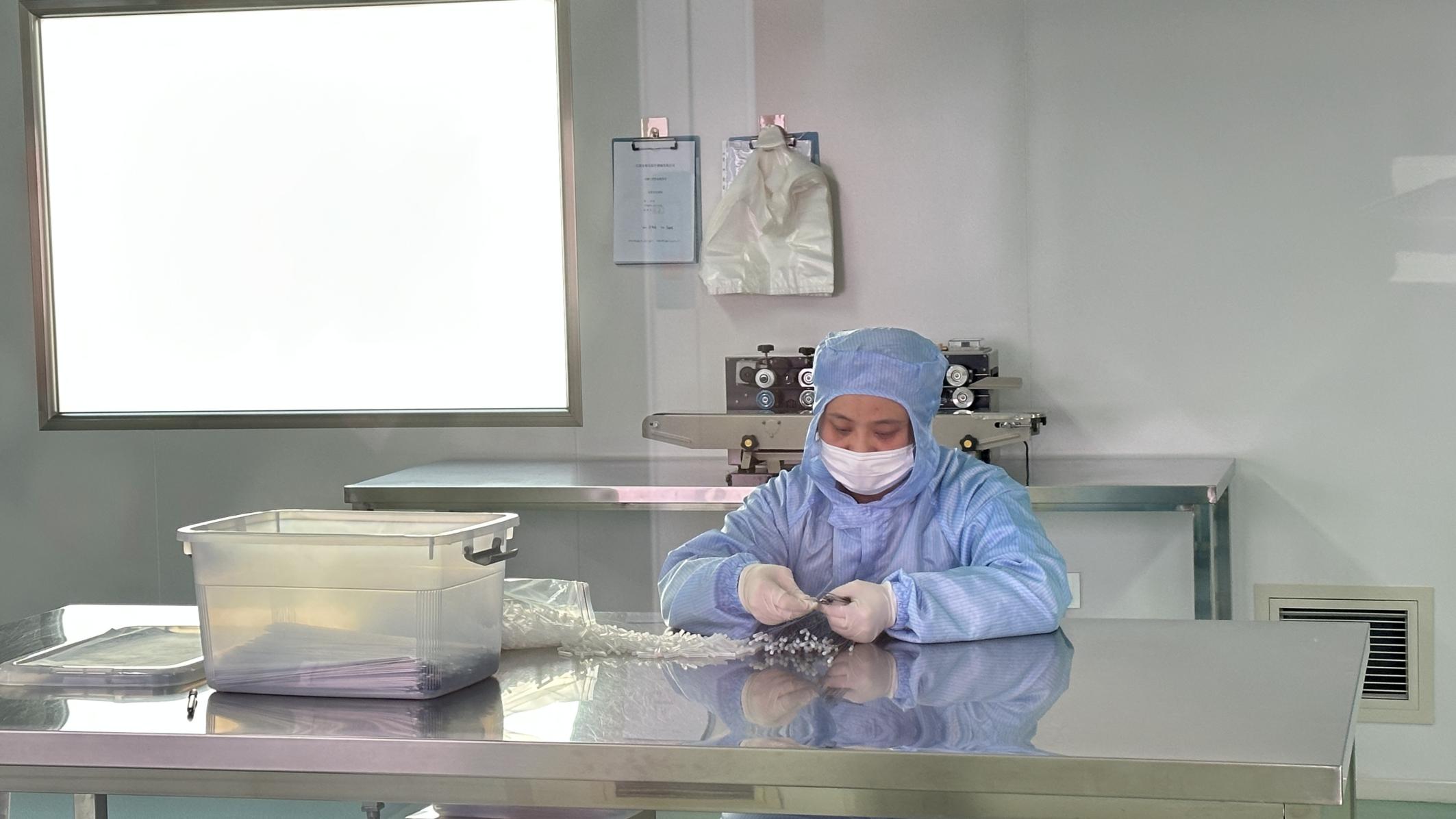
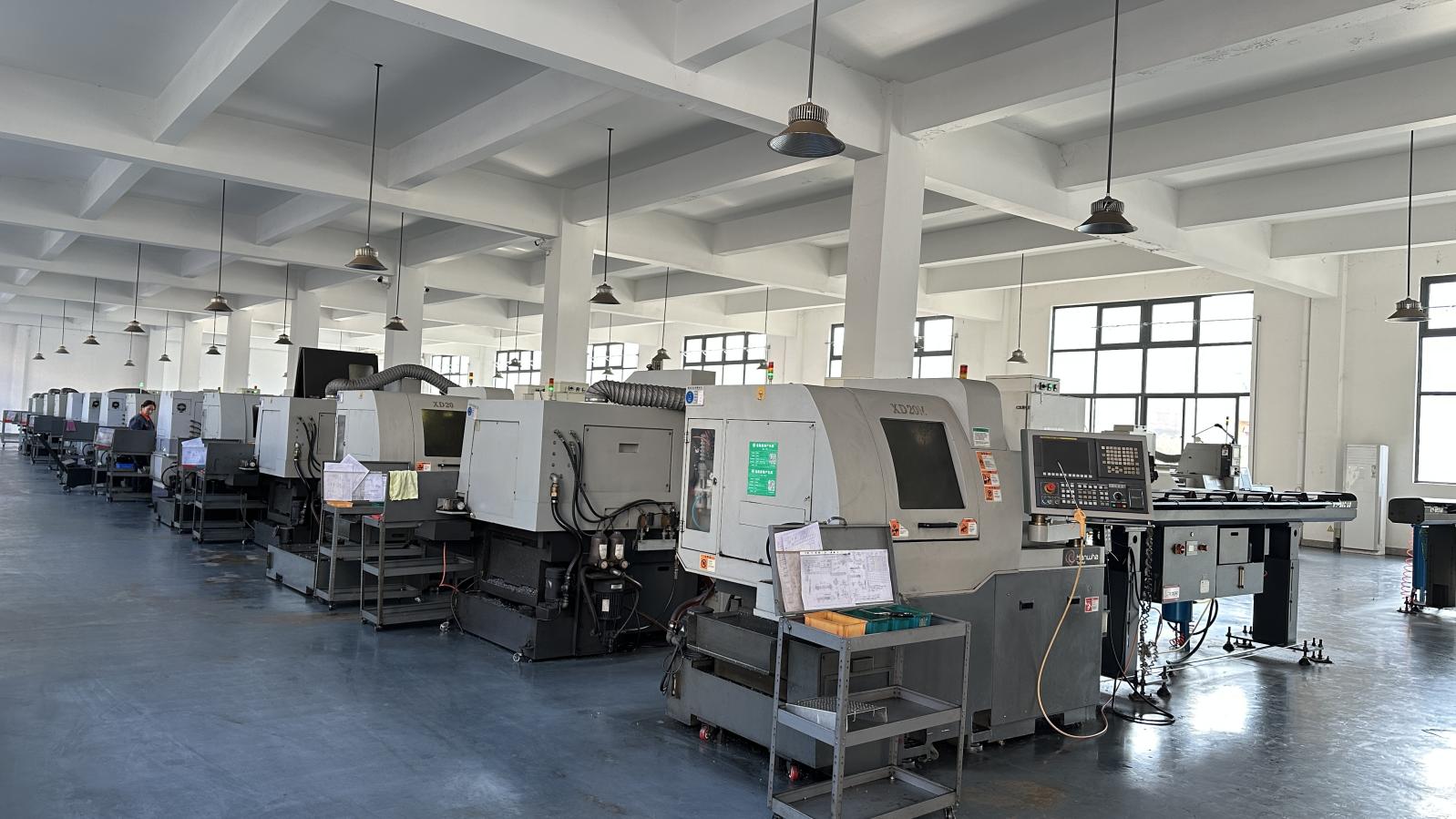
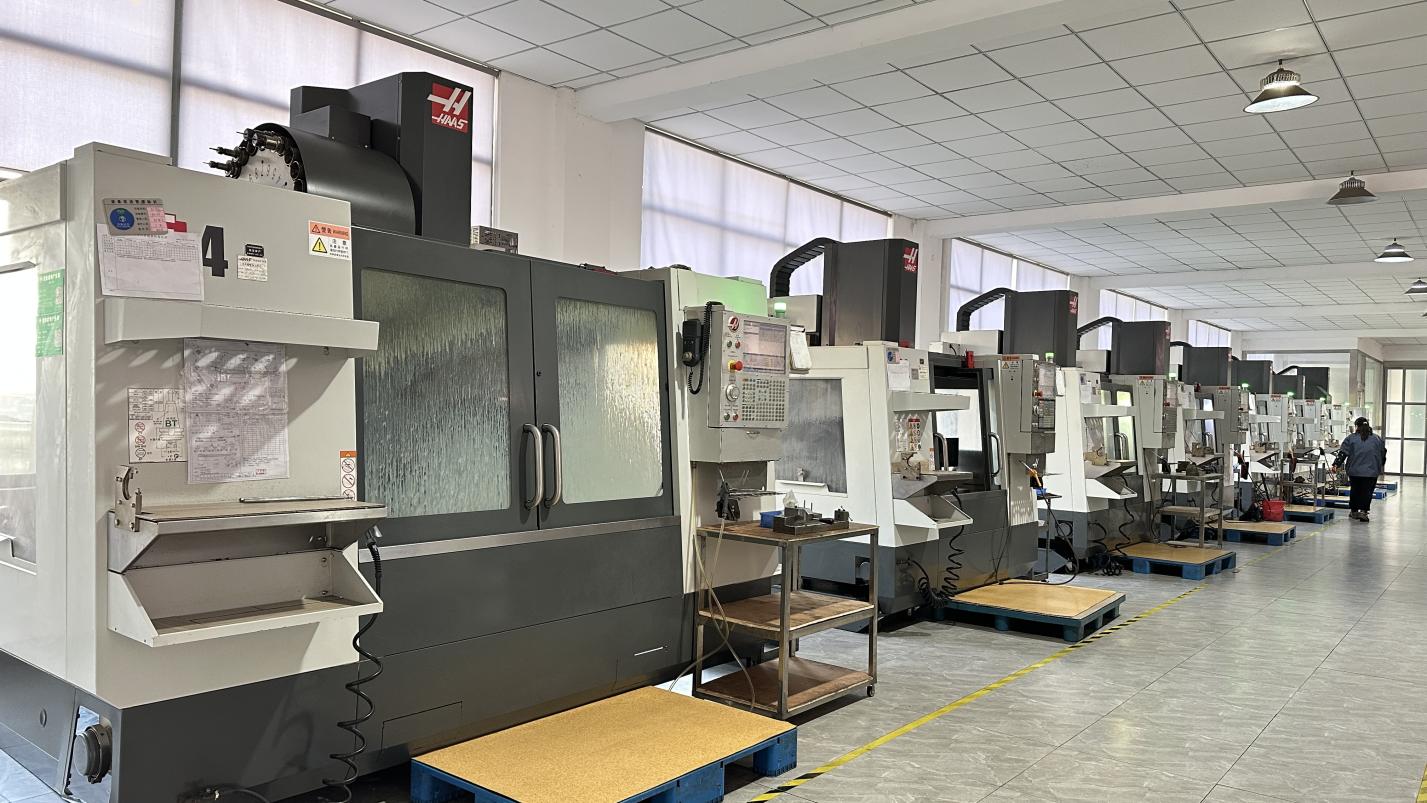
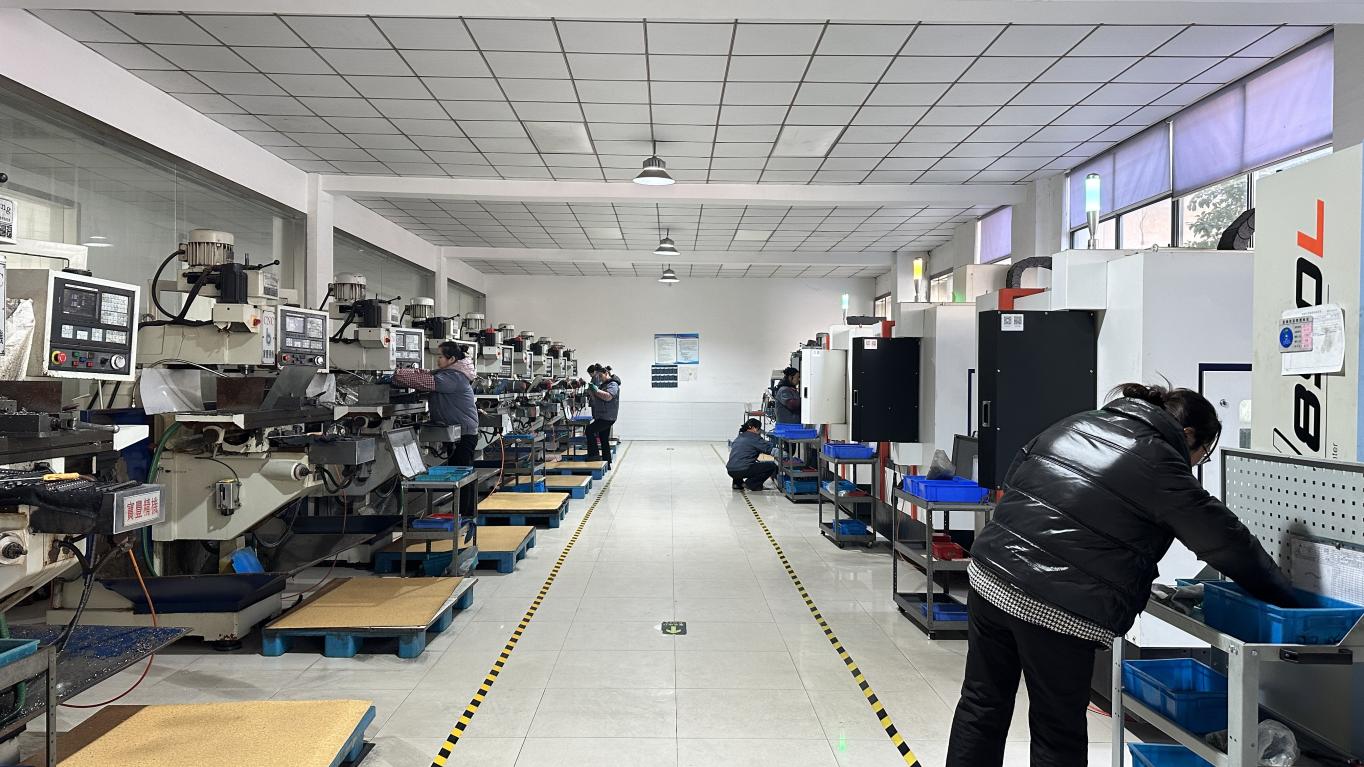
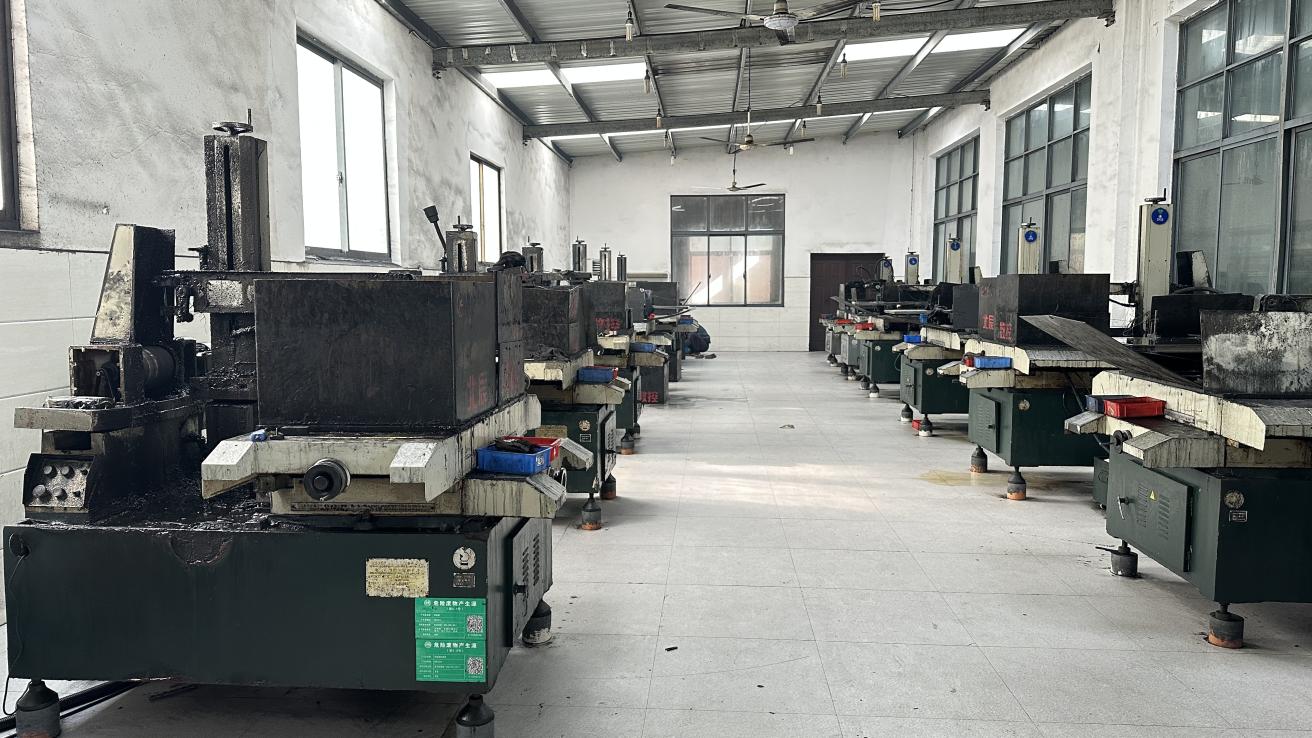
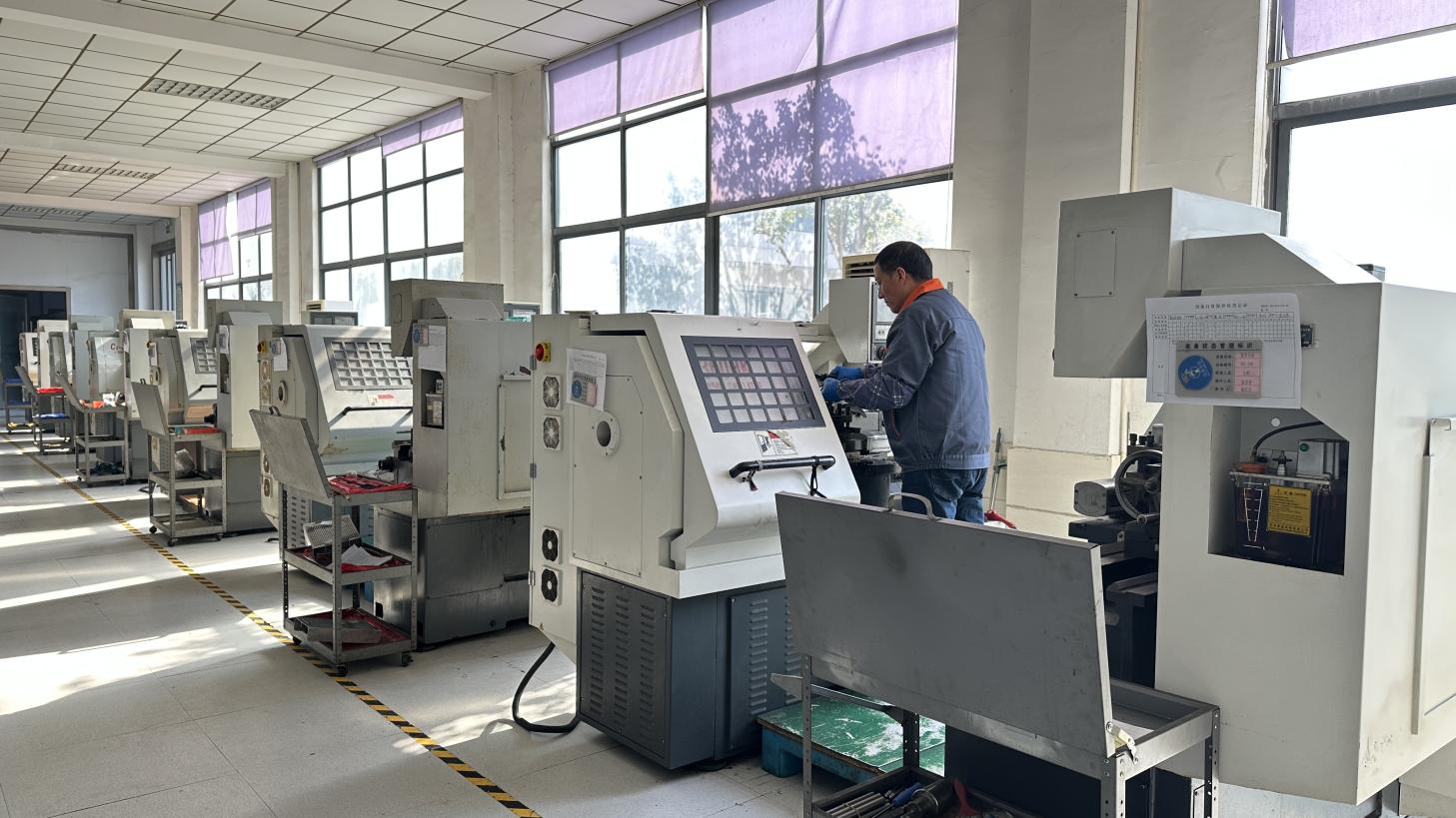
Global medical device supply disruptions over the past decade exposed the fragility of geographically fragmented manufacturing models. Today, China Factory 4.0 in the Yangtze River Delta and specialized biomedical industrial clusters represents the world’s most vertically integrated ecosystem for orthopedic consumables. Within Virelox’s 12,000 m² smart production campus, raw titanium and stainless steel ingots move seamlessly through precision slitting, multi-axis CNC machining centers, Swiss-type CNC lathes, slow-feed wire-cutting EDM, ultrasonic passivation, cleanroom inspection, and fiber-laser UDI serialization under a unified Manufacturing Execution System (MES).
For international procurement officers, this vertical integration translates directly into measurable operational resilience. Supported by 850 certified upstream and downstream supply chain partners, Virelox maintains strategic buffer inventories of certified medical alloys, tungsten carbide micro-cutters, and medical-grade Tyvek/PETG blister packaging. While conventional Western contract manufacturers frequently quote 16 to 24 weeks for custom locking plate runs, our digitalized Factory 4.0 workflow compresses prototyping to 14–21 days and standard wholesale container or air-freight fulfillment to 3–5 weeks—achieving a 35% to 48% total landed cost advantage while maintaining micron-level (±0.005 mm) dimensional repeatability.
| Procurement & Engineering KPI | Virelox Factory 4.0 Direct Wholesale | Traditional Multi-Tier Trading Intermediaries | Legacy High-Cost Western OEMs |
|---|---|---|---|
| Quality Management & Inspection | ISO 13485 Full-Process; 65 QA Pros; X-Ray, Fatigue, Tensile & CMM | Outsourced spot-checks; limited batch lab access | ISO 13485 / FDA QSR compliant |
| R&D & Custom Geometry Agility | 120 Biomechanical Engineers; 120+ new SKUs/yr; rapid CAD/CAM prototyping | Catalog-only resale; zero custom geometry capability | High NRE engineering fees; 6–12 month dev cycles |
| Standard Wholesale Lead Time | 21–35 Days (850 certified supply chain partners) | 45–75 Days due to sub-contracting delays | 110–160 Days backlog |
| Minimum Order Quantity (MOQ) | Flexible tiered MOQs for distributors & hospital tenders | Rigid high-volume minimums | Very high annual volume commitments |
| Total Landed Unit Cost Efficiency | Direct factory pricing (35%–48% margin optimization) | 18%–30% intermediary markup | Baseline 100% (highest overhead) |
Tailored commercial frameworks and clinical implant configurations engineered for medical device distributors, tertiary hospitals, specialty clinics, and international tender agencies.
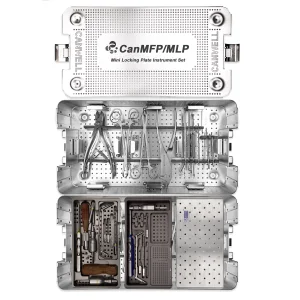
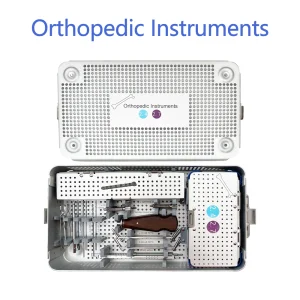
National importers across Europe and South America leverage our private-label OEM/ODM services, complete Technical Files, ISO 13485 certificates, and modular sterilization caddy trays to build high-margin proprietary implant brands.
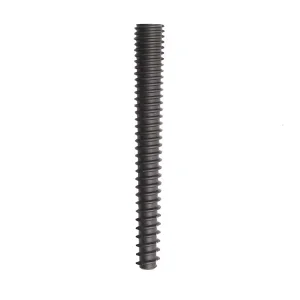
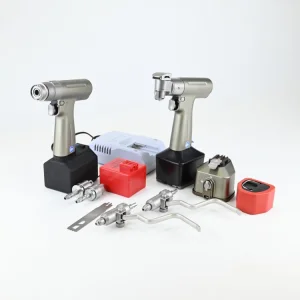
High-volume Level-1 trauma centers in Southeast Asia and the Middle East procure full-spectrum distal tibial plates, humeral neck LCPs, Schanz screws, and battery-operated surgical drill systems via competitive government tenders.
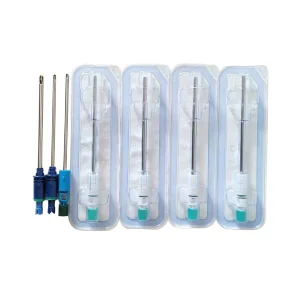
Outpatient orthopedic surgical centers utilize our single-use arthroscopic cannulas, shoulder knot pushers (pousse-noeud), shaver burrs, and kyphoplasty dilator kits to maximize daily OR case turnover and zero-infection safety.
Companion-animal orthopedic referral hospitals worldwide deploy our dedicated 2.4/2.7mm multi-axial veterinary locking screw kits and 4#–10# canine/feline hip prosthesis instrument sets built to human implant metallurgy standards.
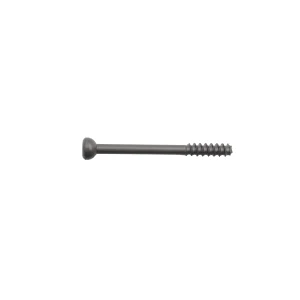
In distal tibial pilon fractures, acromioclavicular joint dislocations, and proximal humeral neck fractures, soft-tissue envelope preservation is paramount. Virelox’s low-profile titanium locking plates (1.5mm to 3.5mm) and 2.5mm headless compression cannulated screws provide subchondral buttress stability with minimal tendon irritation.
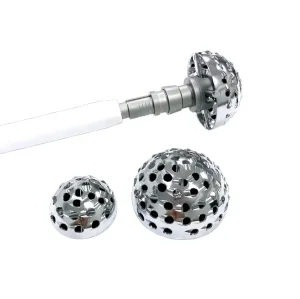
For degenerative osteoarthritis and post-traumatic joint collapse, our CoCrMo posterior-stabilized (PS) femoral knee components and precision-machined acetabular reamer cups and broaches deliver mirror-polished articular congruity (Ra < 0.05 μm) to minimize polyethylene wear debris over 15+ year clinical lifespans.
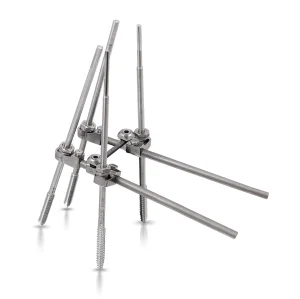
Addressing osteoporotic vertebral compression fractures (VCFs) and thoracolumbar burst fractures, our posterior spinal Schanz screw systems and precision-tapered kyphoplasty dilator needles restore vertebral body height and sagittal alignment under fluoroscopic guidance.
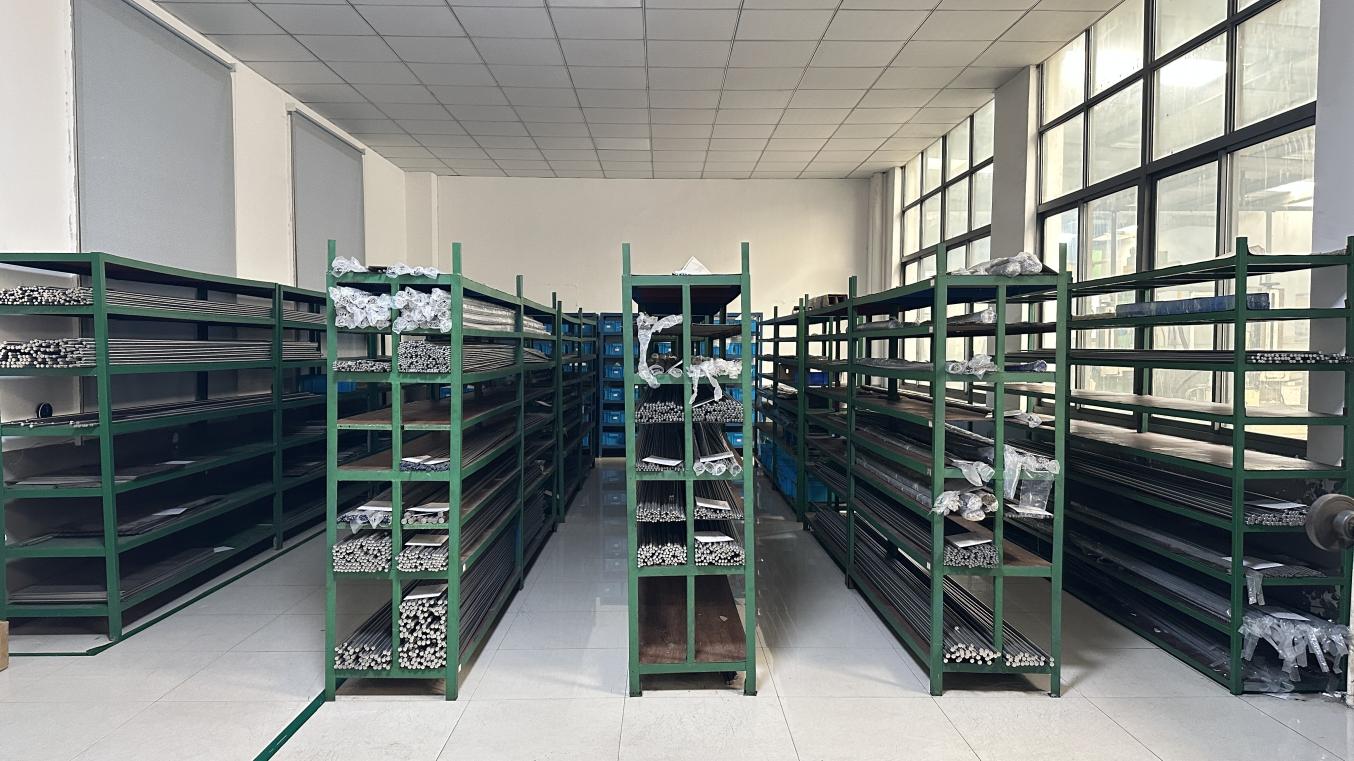
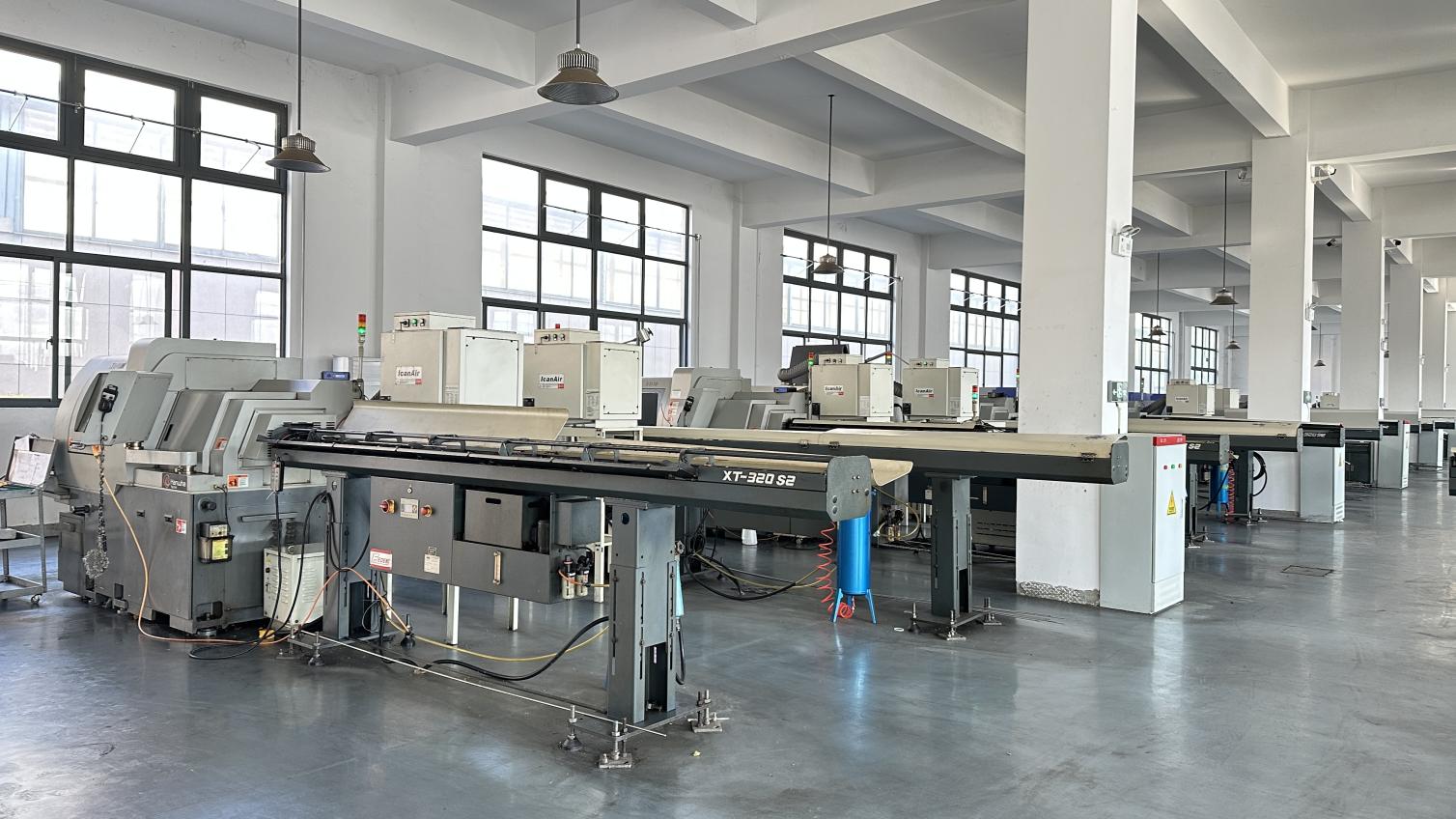
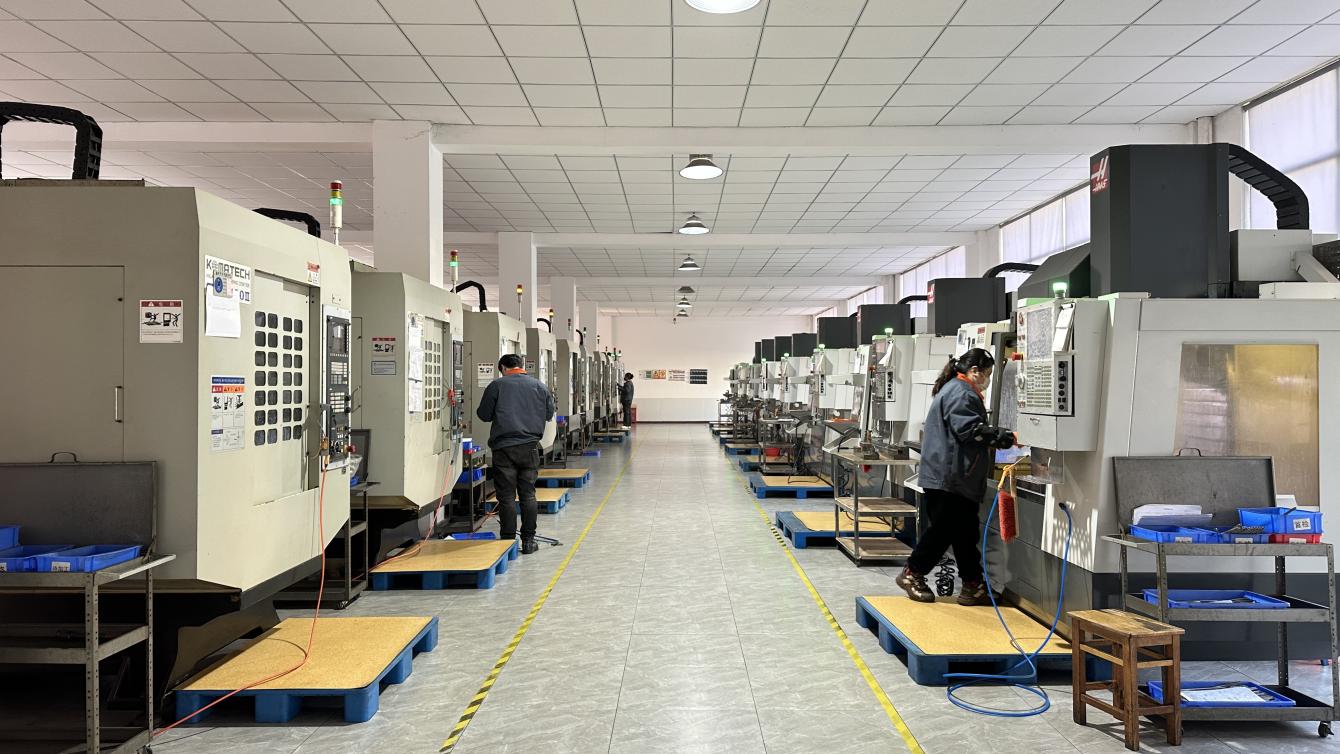
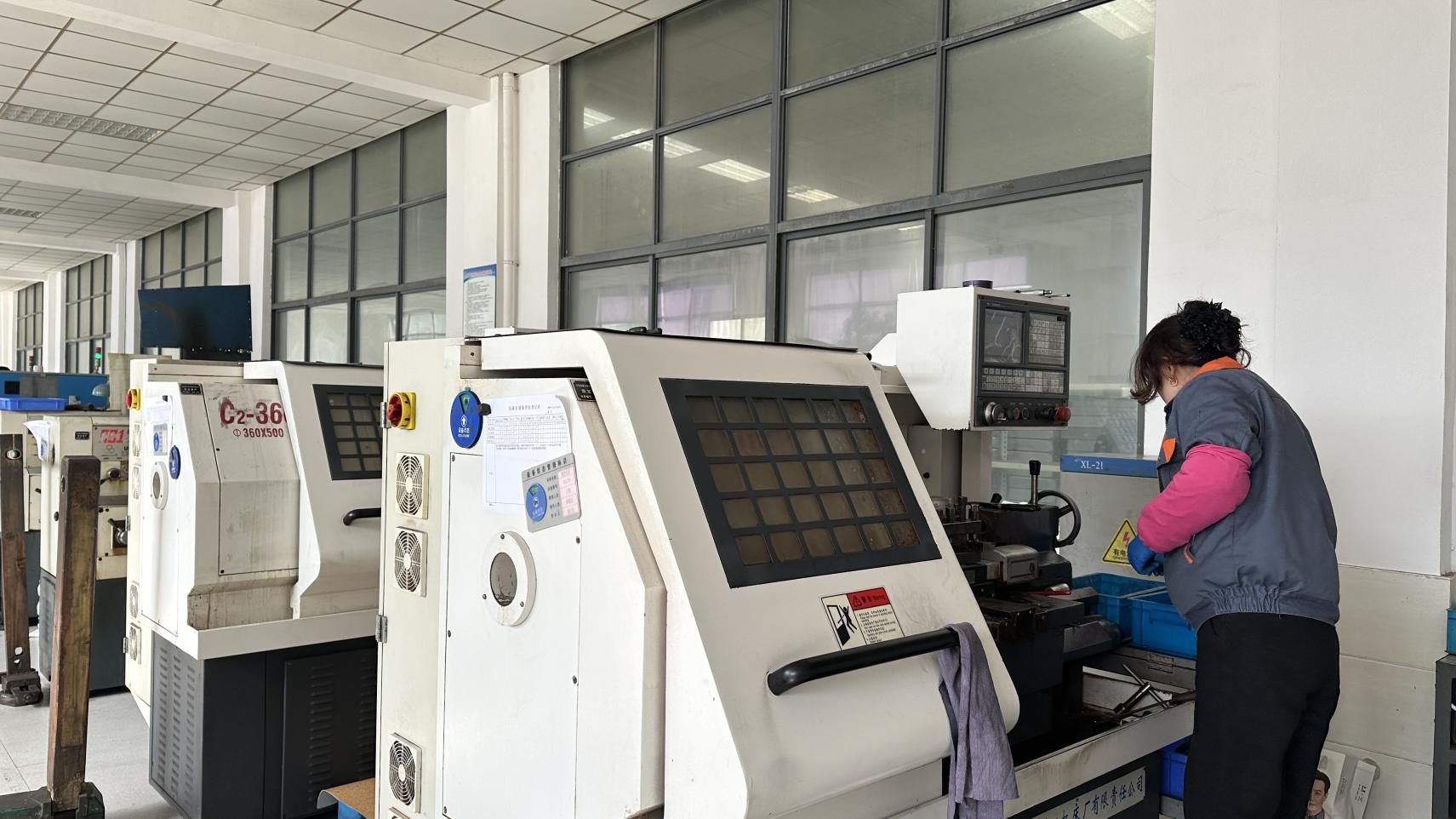
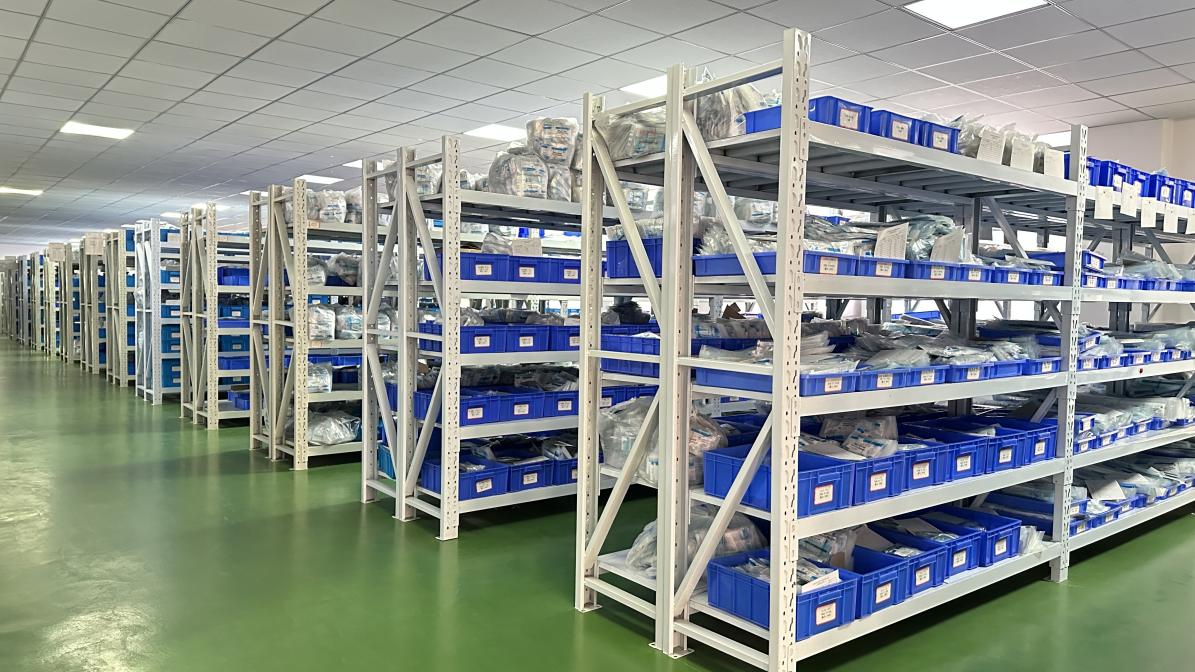
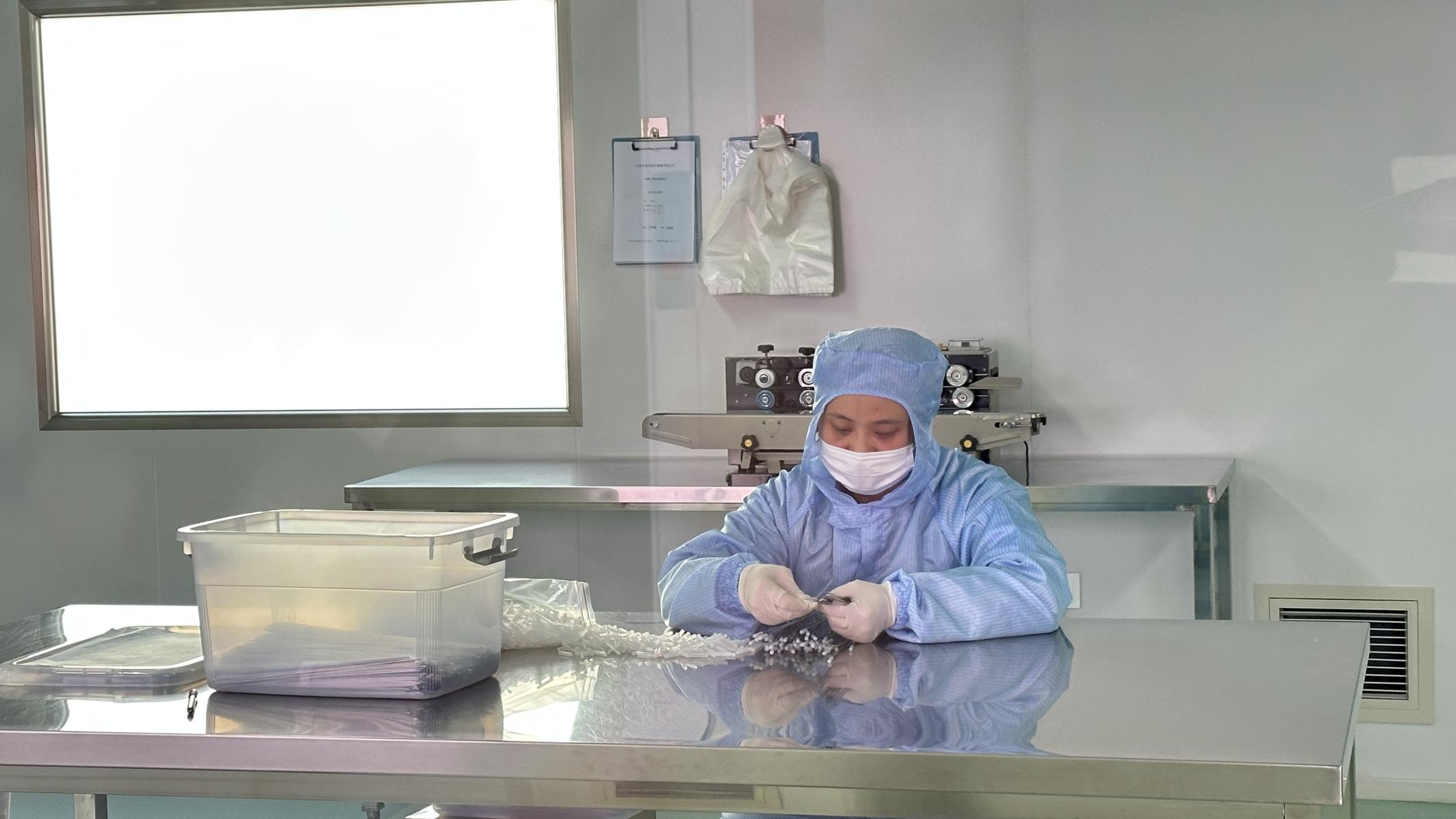
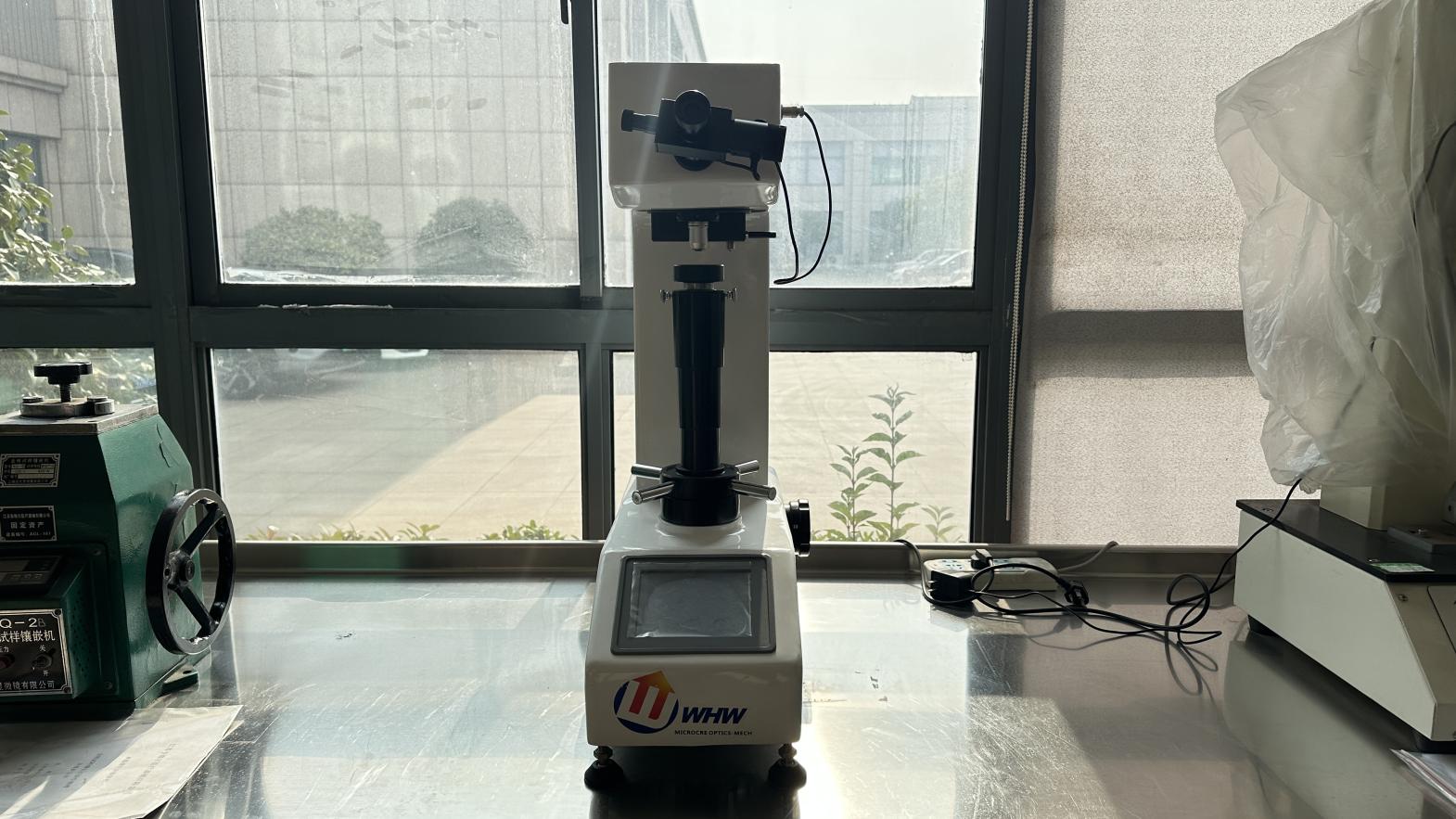
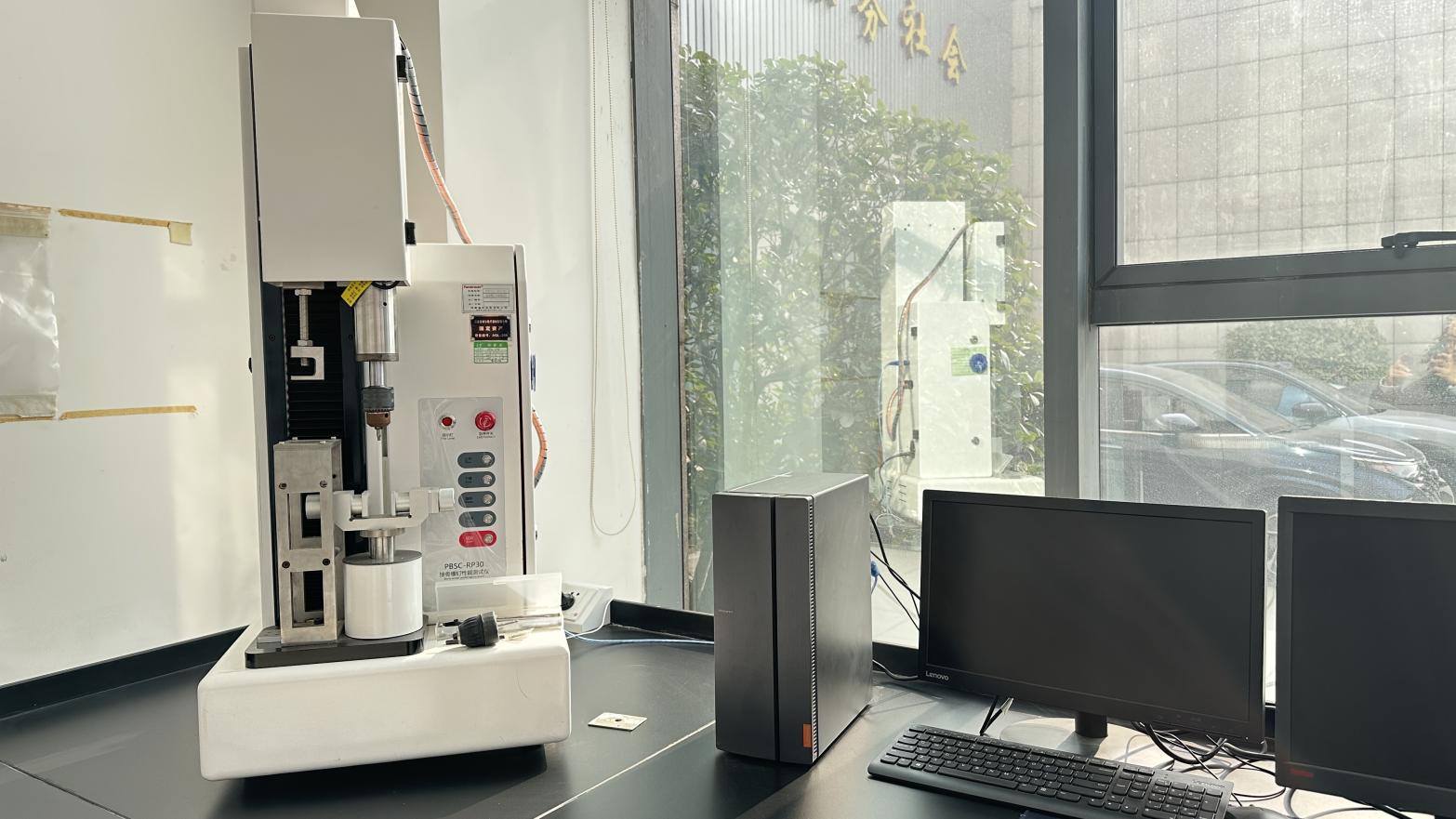
Visual verification of Virelox Medical’s 12,000 m² production floor, multi-axis CNC machining centers, cleanroom packing lines, and ISO 13485 mechanical validation laboratory.

Direct technical, regulatory, and commercial answers for hospital procurement directors, medical device importers, and OEM/ODM brand partners.
Every production batch follows our ISO 13485 full-process quality management protocol managed by 65 dedicated QA specialists. Raw titanium (Ti-6Al-4V) and CoCrMo alloys undergo ultrasonic flaw detection and spectral composition checks, followed by in-process CMM dimensional verification, X-ray internal integrity screening, cyclic fatigue testing, tensile strength testing, Rockwell hardness testing, and ASTM F543 bone screw torque/pull-out performance testing.
Yes. Our in-house R&D center—staffed by 120 engineers specializing in biomechanics, materials science, and surgical instrumentation—provides comprehensive OEM/ODM development. We accept surgeon CAD/STEP files or clinical sketches, run finite element biomechanical simulations, produce rapid CNC prototypes, and deliver custom laser-marked implants with private-label sterilization cases and IFUs.
With 8 years of dedicated export experience and USD 8.5M in annual global shipments, Virelox supplies complete regulatory dossiers including ISO 13485 certificates, Certificate of Analysis (CoA), Material Test Reports (MTR), biocompatibility & sterilization validation reports, Free Sale Certificates (FSC), and full GS1 UDI traceability logs to accelerate local Ministry of Health registrations.
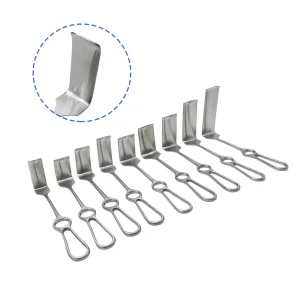
Yes. Disposable arthroscopic trocars, cannulas, sports medical shaver blades, and kyphoplasty dilator needles are supplied in validated EO/Gamma sterile blister pouches. Metallic trauma locking plates, cannulated screws, femoral knee components, surgical battery drills, and stainless steel retractors are supplied in modular, hospital-autoclavable sterilization trays or individual peel packs per buyer specification.
Thanks to our 12,000 m² facility and 850 certified upstream and downstream supply chain partners, standard catalog trauma plates, cannulated locking screws, and surgical instruments ship within 15–25 business days. Custom OEM/ODM implant geometry projects typically require 20–30 days for tooling/prototyping and 30–35 days for mass production, with tiered MOQs tailored for both regional distributors and national tenders.
All Virelox trauma systems (including 1.5/2.0/2.7mm mini-fragment sets, 2.4/2.7mm veterinary multi-axial locking kits, and 3.5mm clavicle/tibial/humeral locking plates) utilize standardized AO-compatible hexalobe/star-drive screw recesses, color-coded drill sleeves, and universal quick-coupling AO attachment interfaces for seamless operating room adoption.
Explore our extended factory-direct lineup covering Class III anatomical humeral locking plates, hip arthroplasty reamers, surgical battery drill systems, arthroscopic shaver blades, and veterinary orthopedic kits.
 Virelox