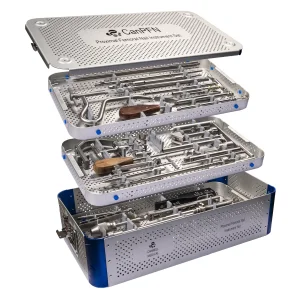
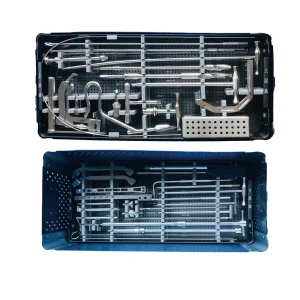
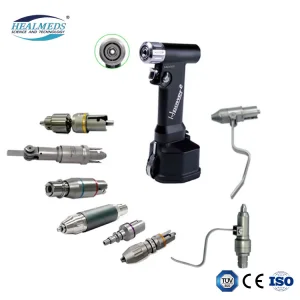
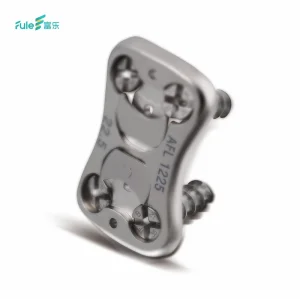
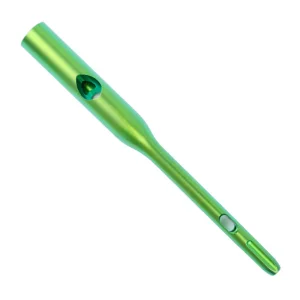
Explore our foundational range of clinically validated orthopedic hardware and instrumentation systems.
First designed by Timothy Herbert in the late 1970s, the Herbert screw revolutionized the treatment of intra-articular fractures, particularly those of the scaphoid bone. Unlike traditional cortical or cancellous screws, the Herbert screw is characterized by its headless design and dual-pitch threading. The pitch of the thread at the leading end is greater than the pitch at the trailing end. As the screw is driven across a fracture line, the difference in pitch pulls the bone fragments together, inducing positive, dynamic osteosynthesis compression without the need for a projecting screw head.
Today, the global orthopedic community has expanded the application of Herbert-style headless compression screws. They are now widely utilized in foot and ankle surgeries (such as distal chevron osteotomies and hallux valgus corrections), radial head fractures, capitellum fractures, and osteochondritis dissecans. The material of choice has concurrently evolved from stainless steel to biocompatible Titanium Alloy (Grade 5, Ti-6Al-4V ELI), which offers superior fatigue resistance, high strength-to-weight ratios, and excellent MRI compatibility.
Established as an industry leader, Virelox Medical Devices Co., Ltd. is a professional orthopedic medical device manufacturer specializing in joint replacement and surgical implant solutions. Operating under the trusted brand name "Virelox", the company has dedicated itself to delivering high-performance, clinically secure orthopedic systems for global healthcare providers, orthopedic clinics, and medical distributors.
Virelox's operations are built upon a foundation of engineering excellence, extensive research and development, and a strict compliance regime centered around the ISO 13485 standard for medical devices. With deep roots in both OEM and ODM partnerships, Virelox provides custom-engineered bone screws, intramedullary nail systems, spinal hardware, and specialized surgical power tools.
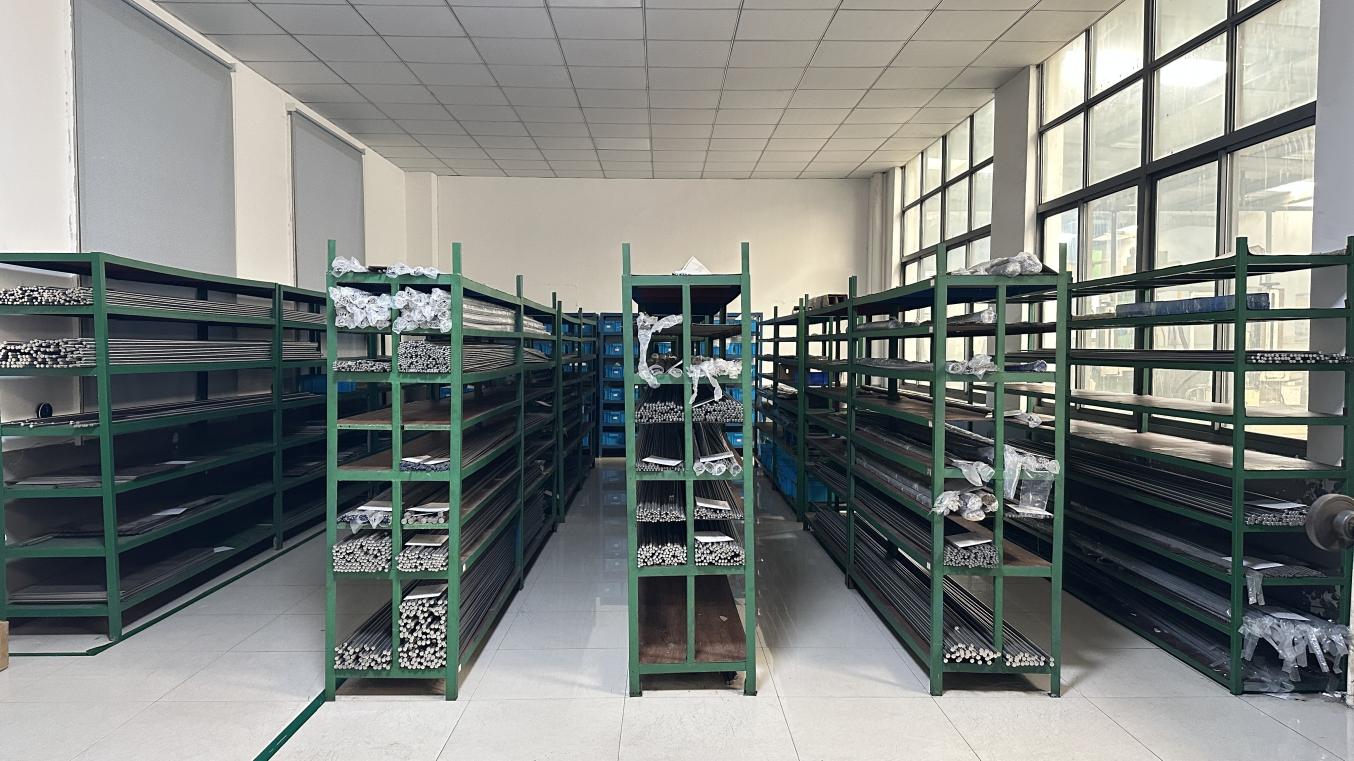
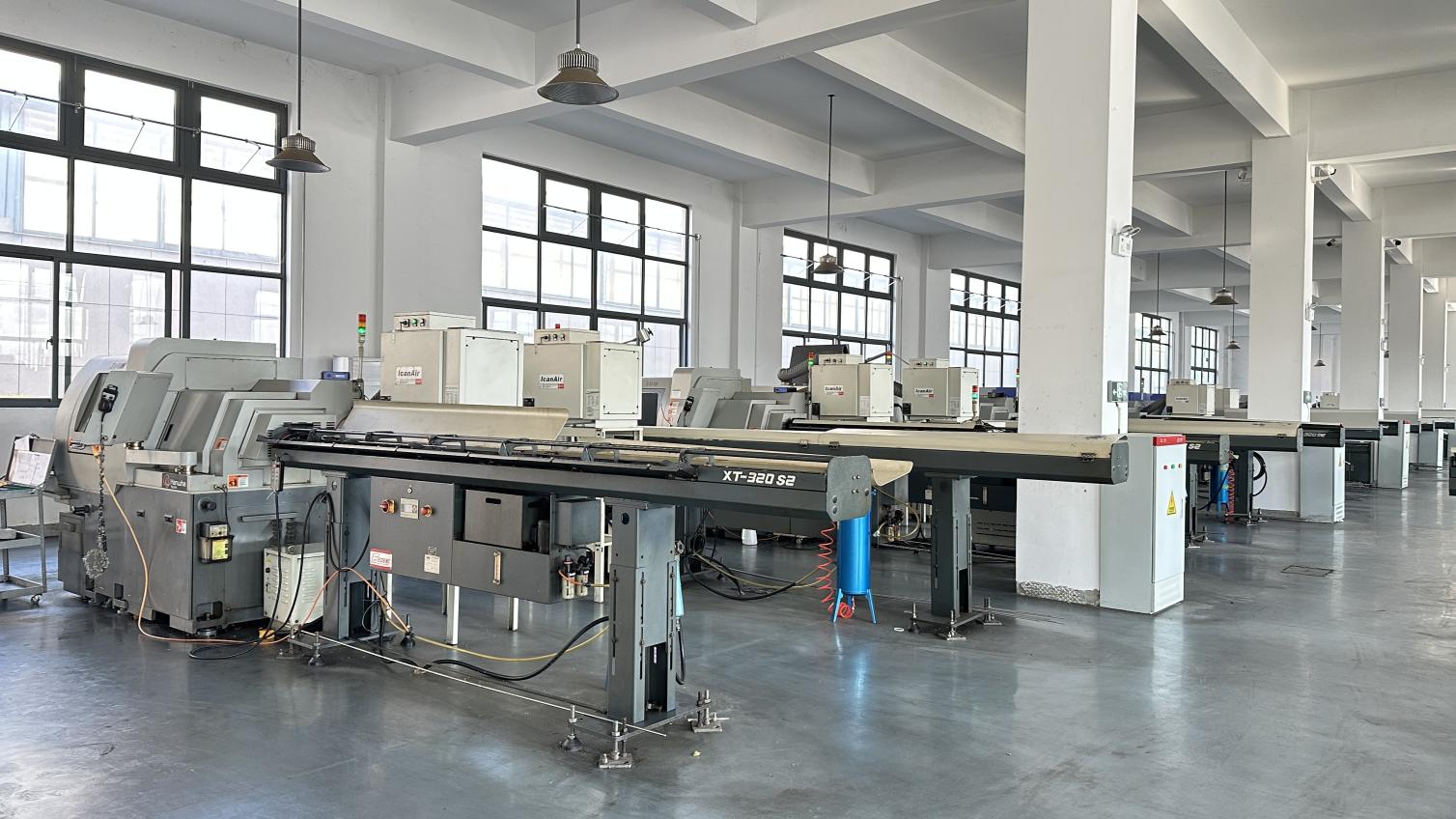
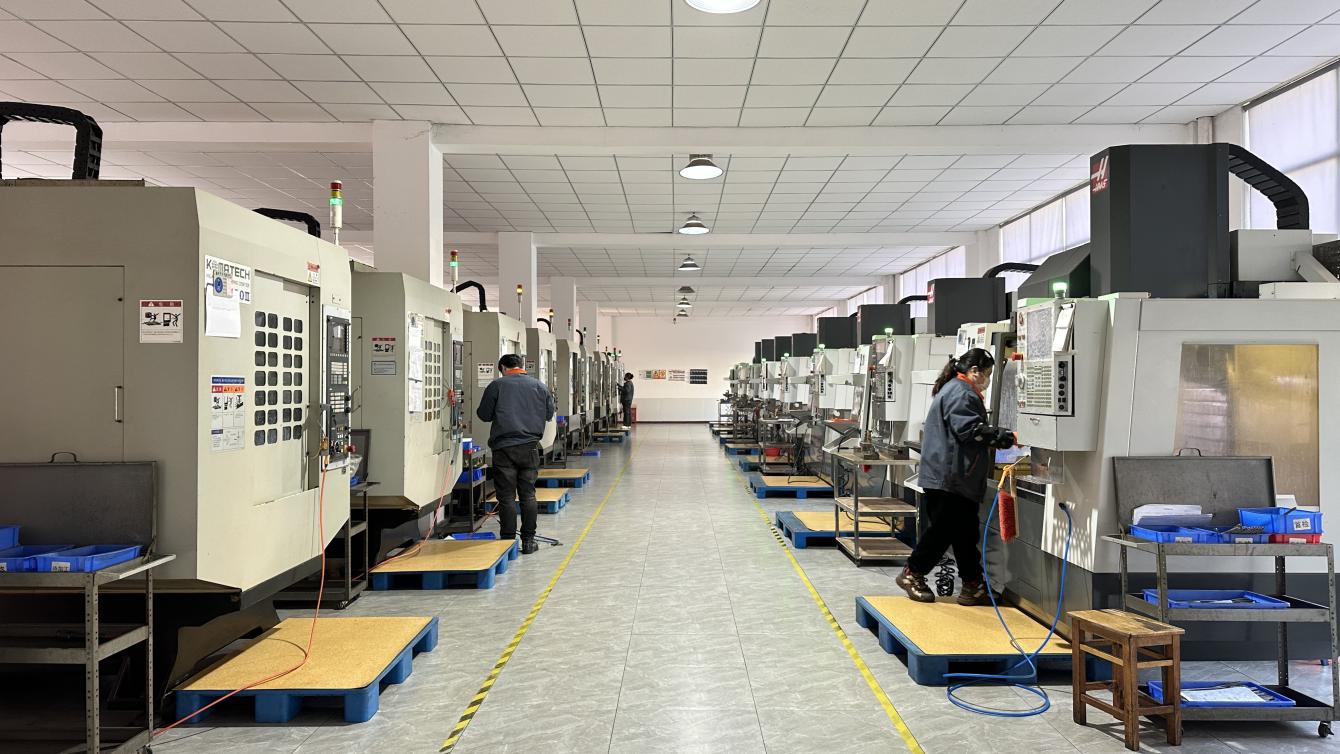
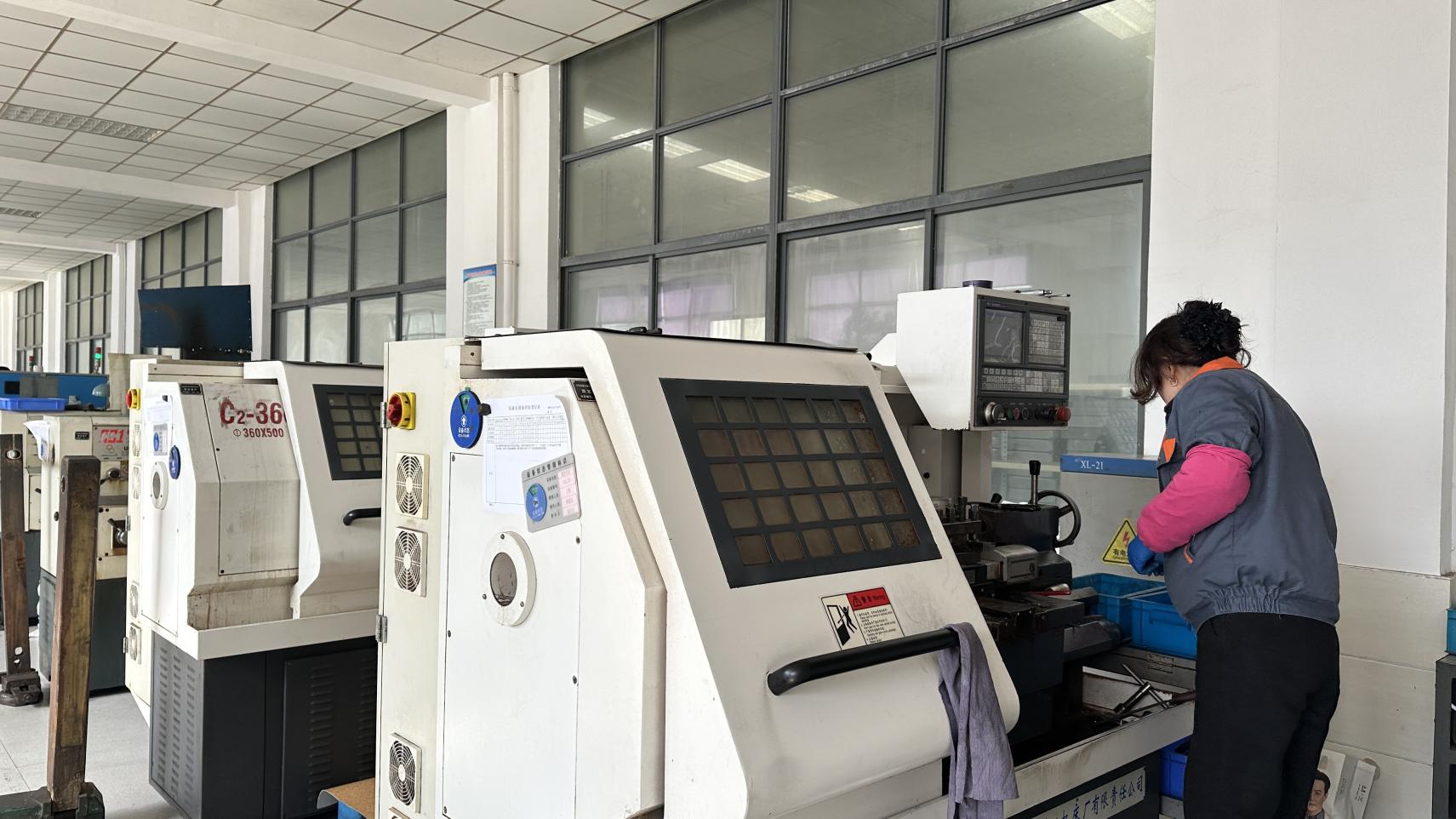
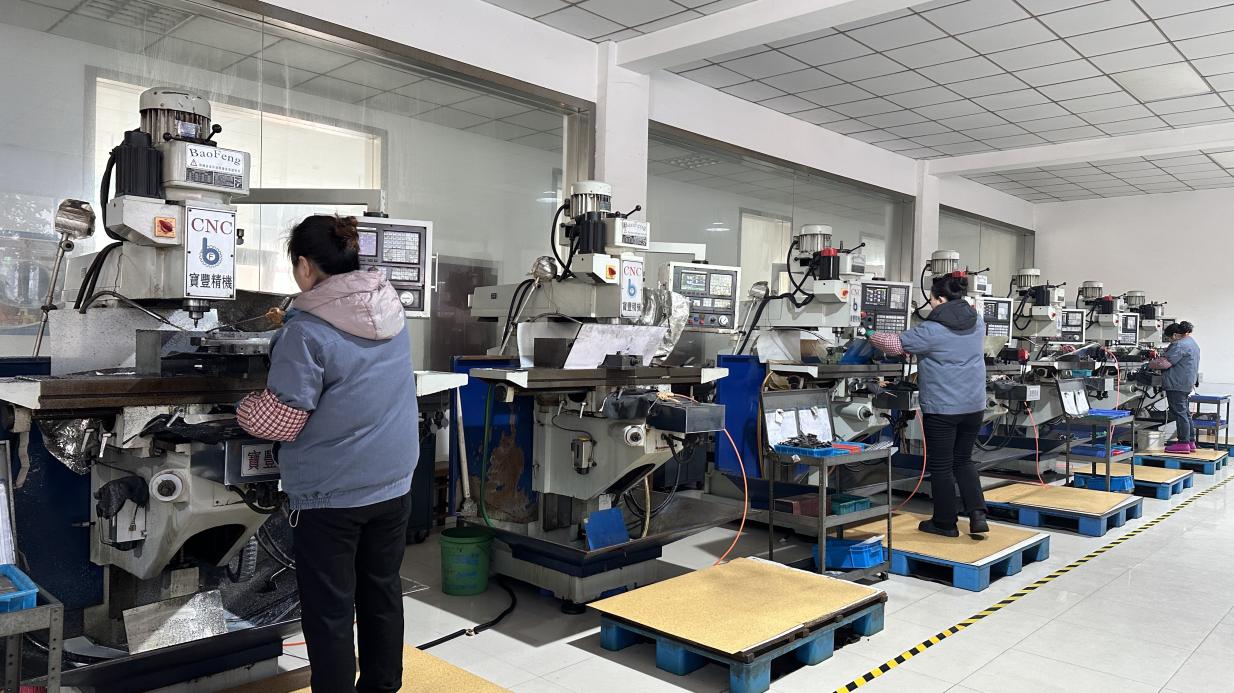
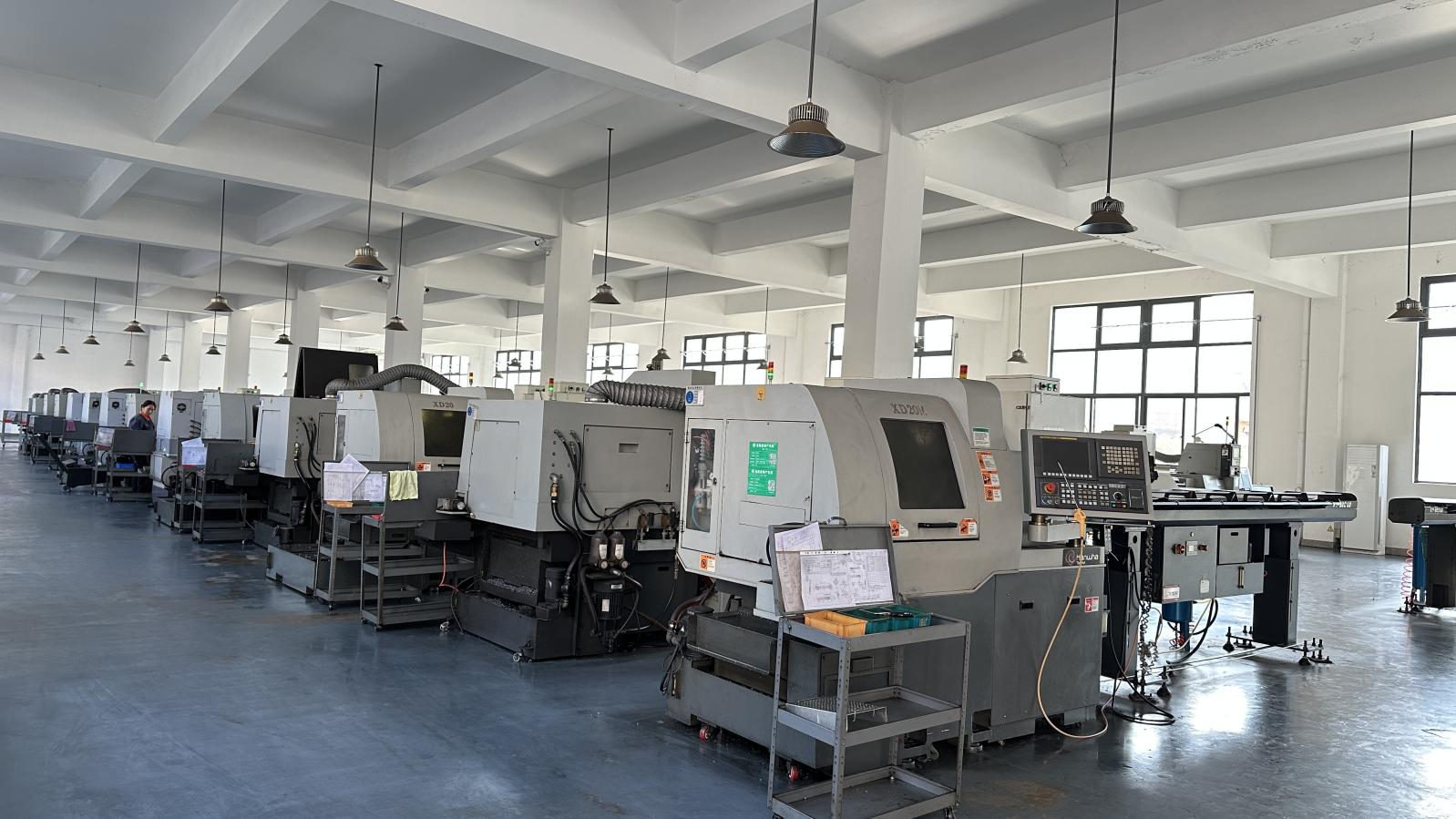
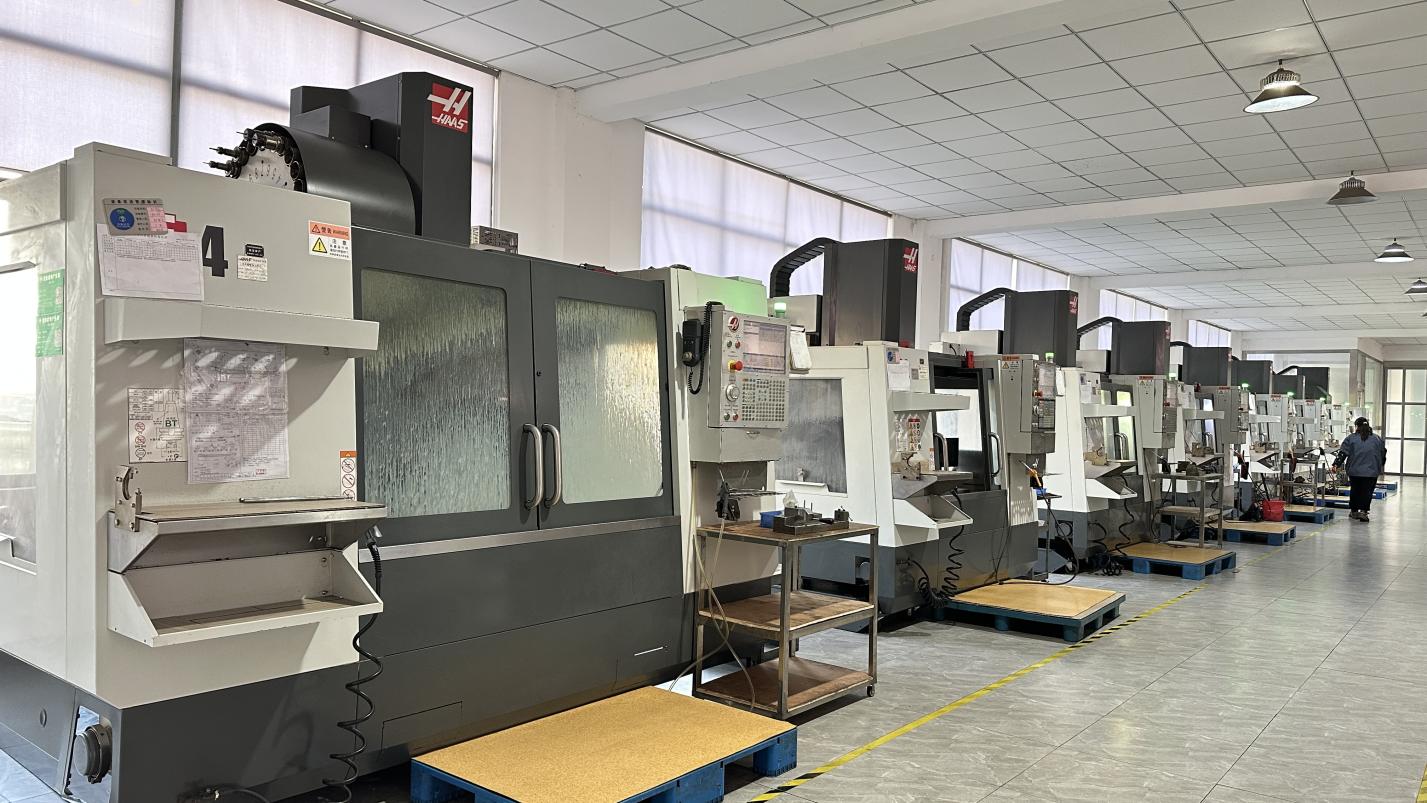
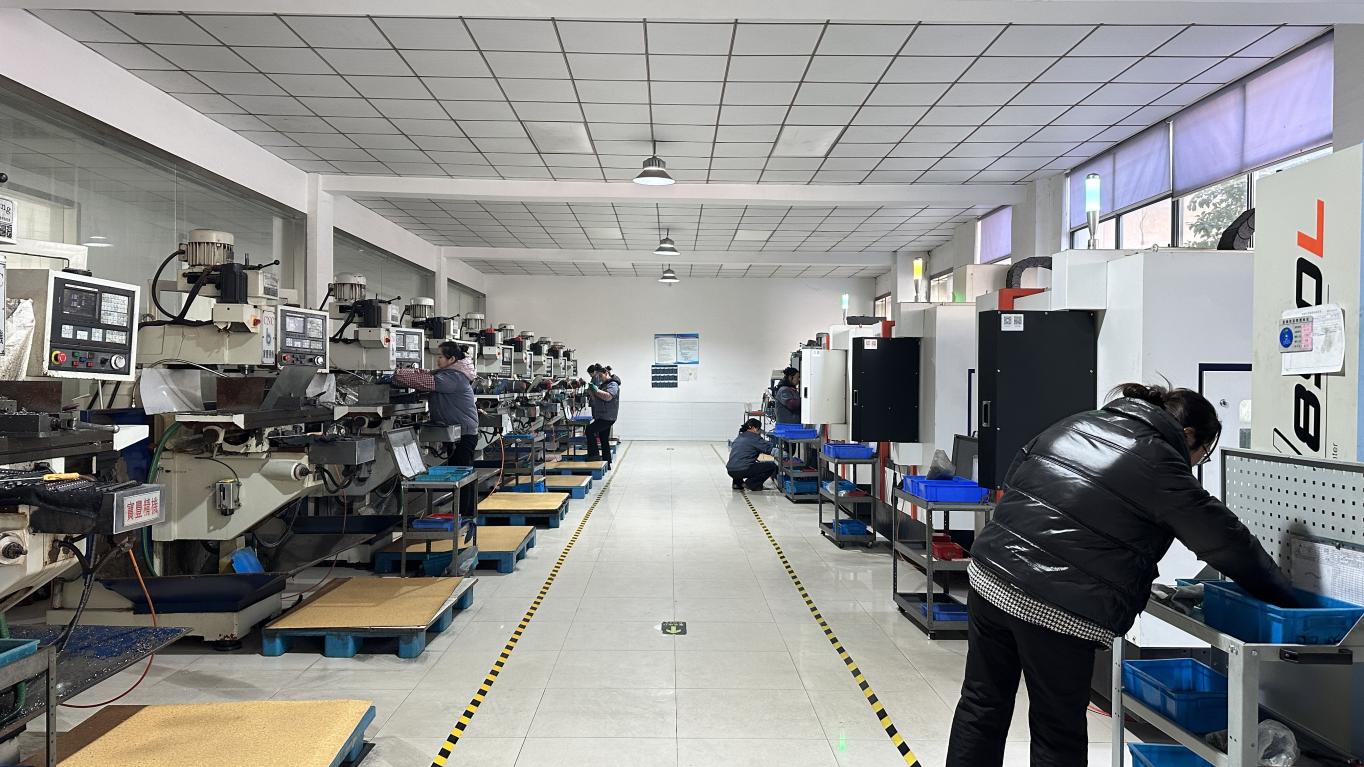
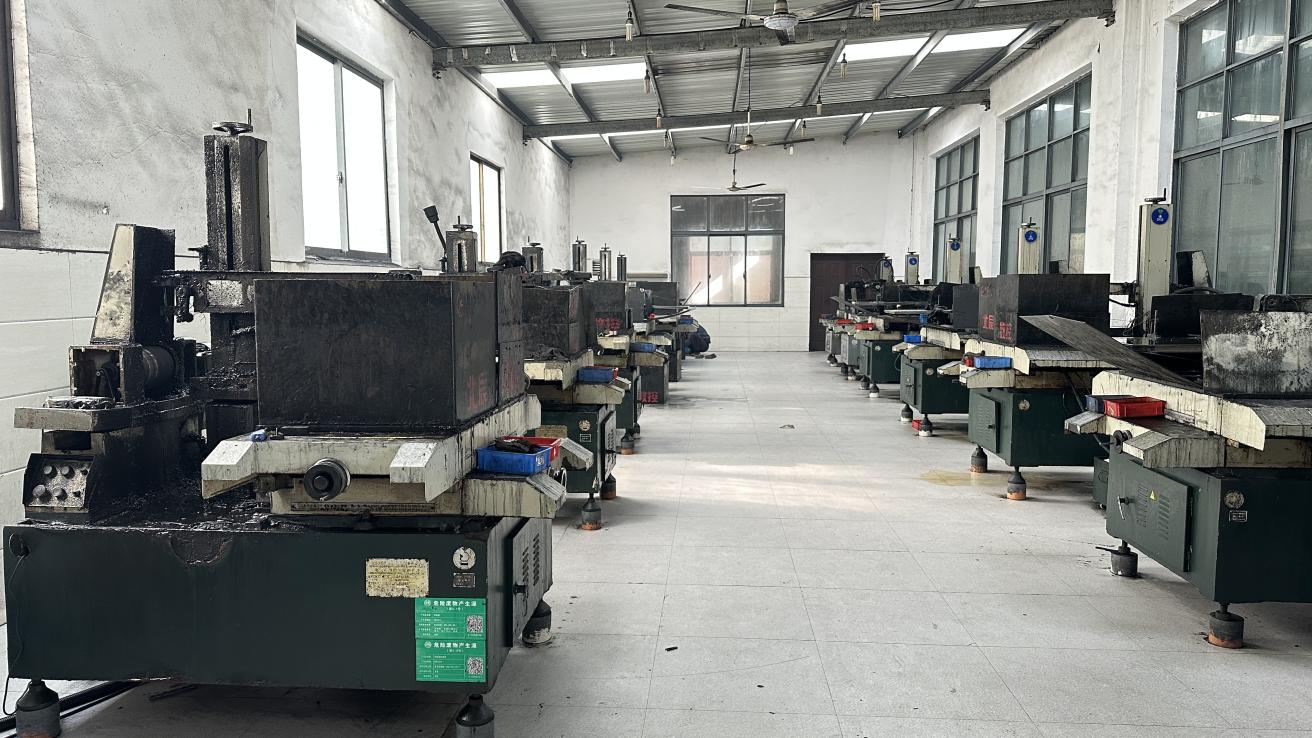
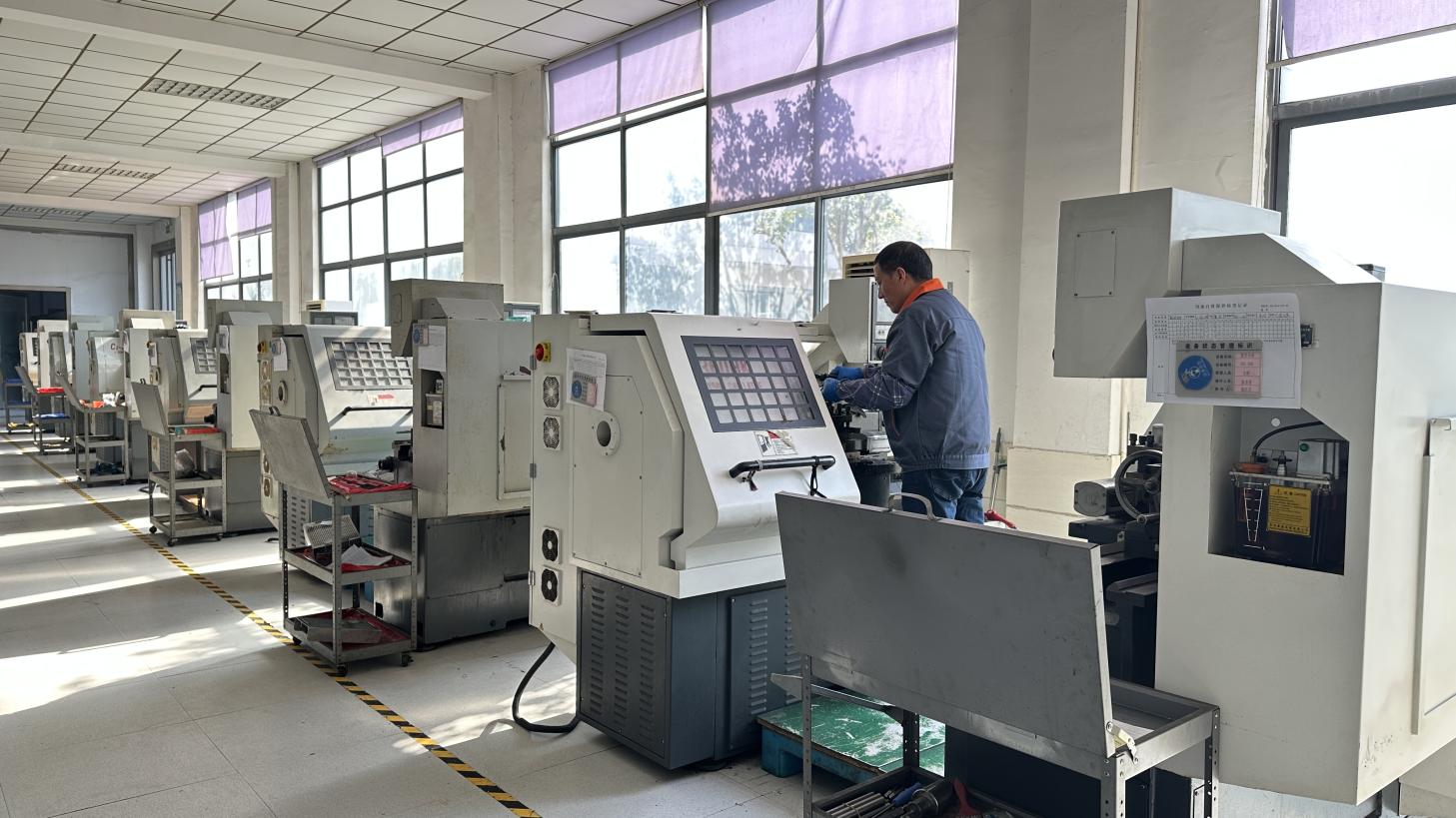
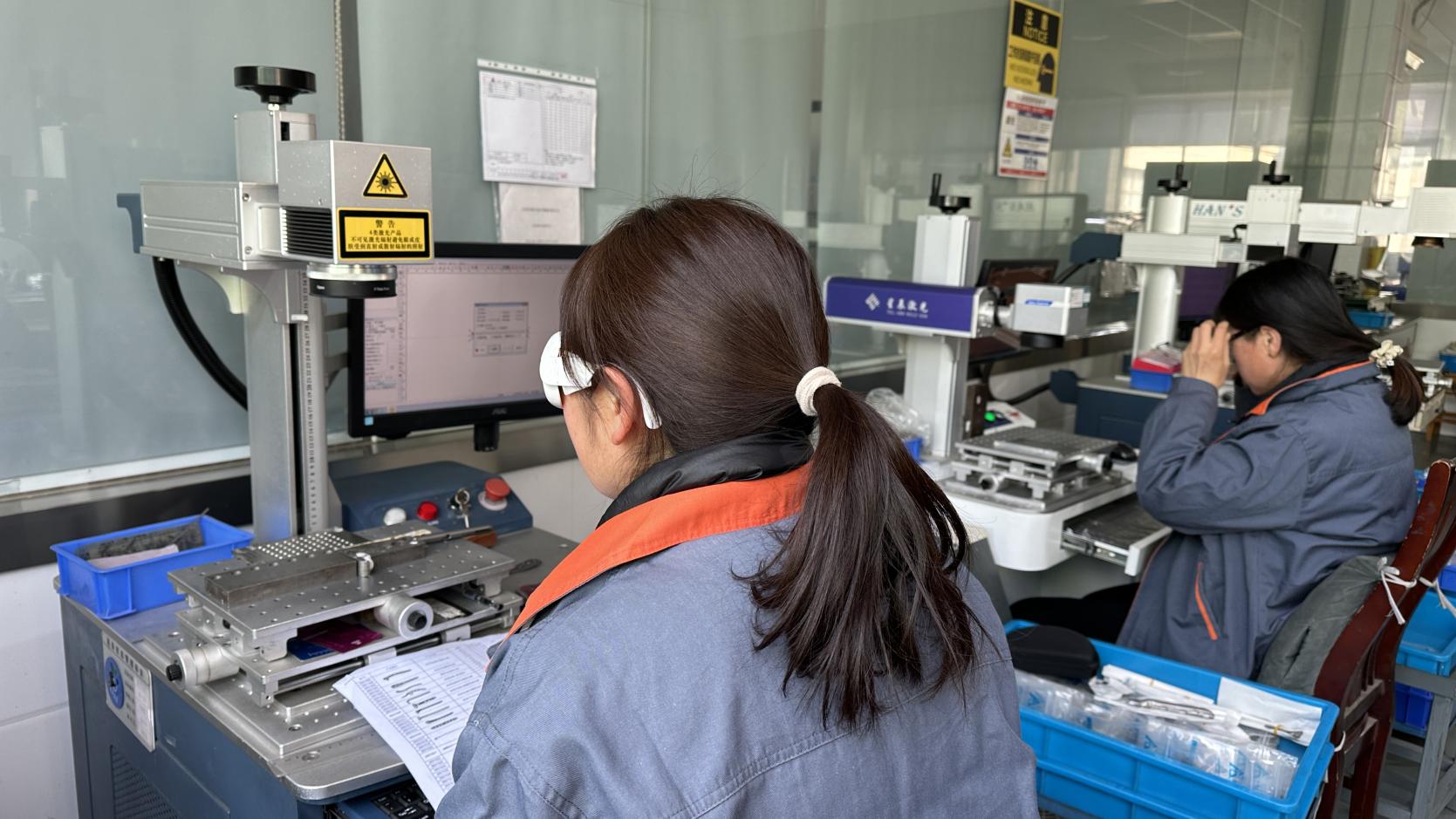
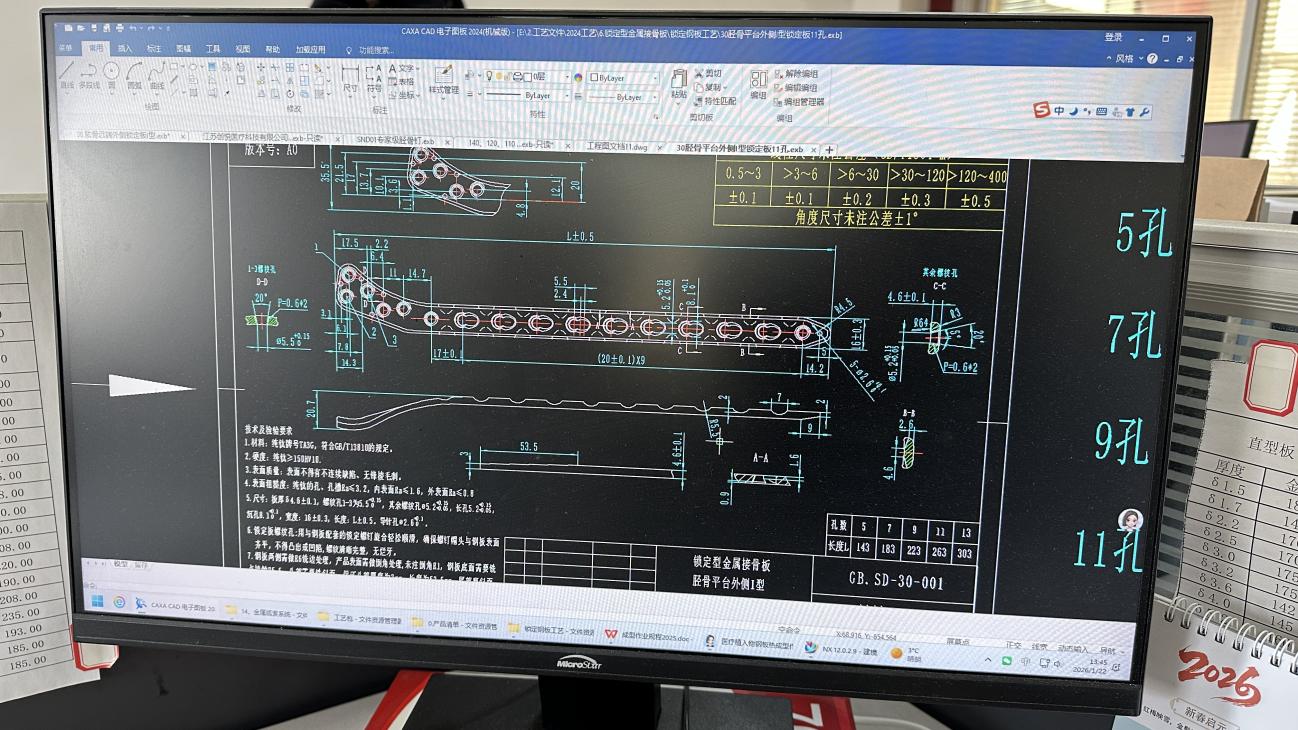
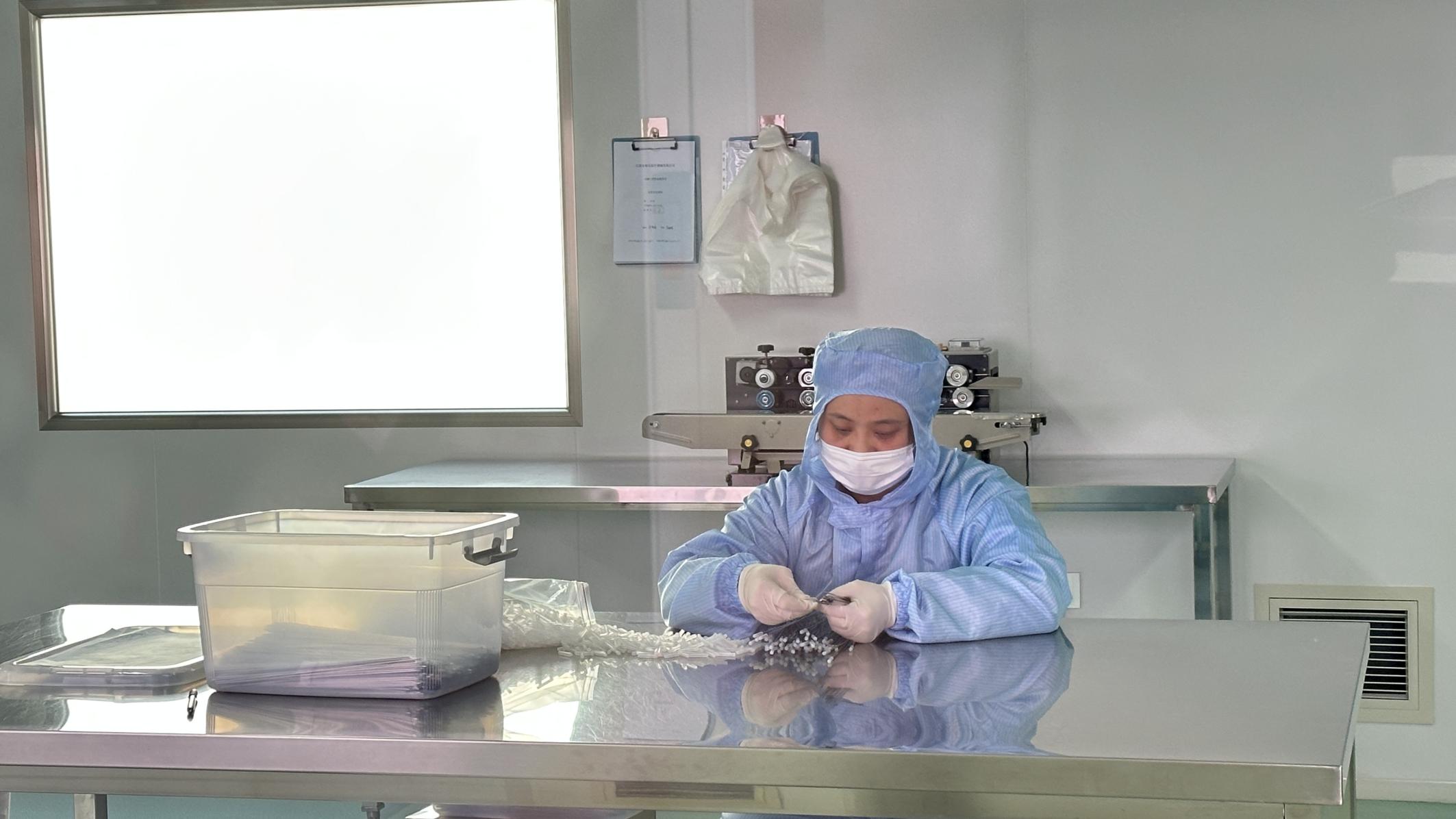
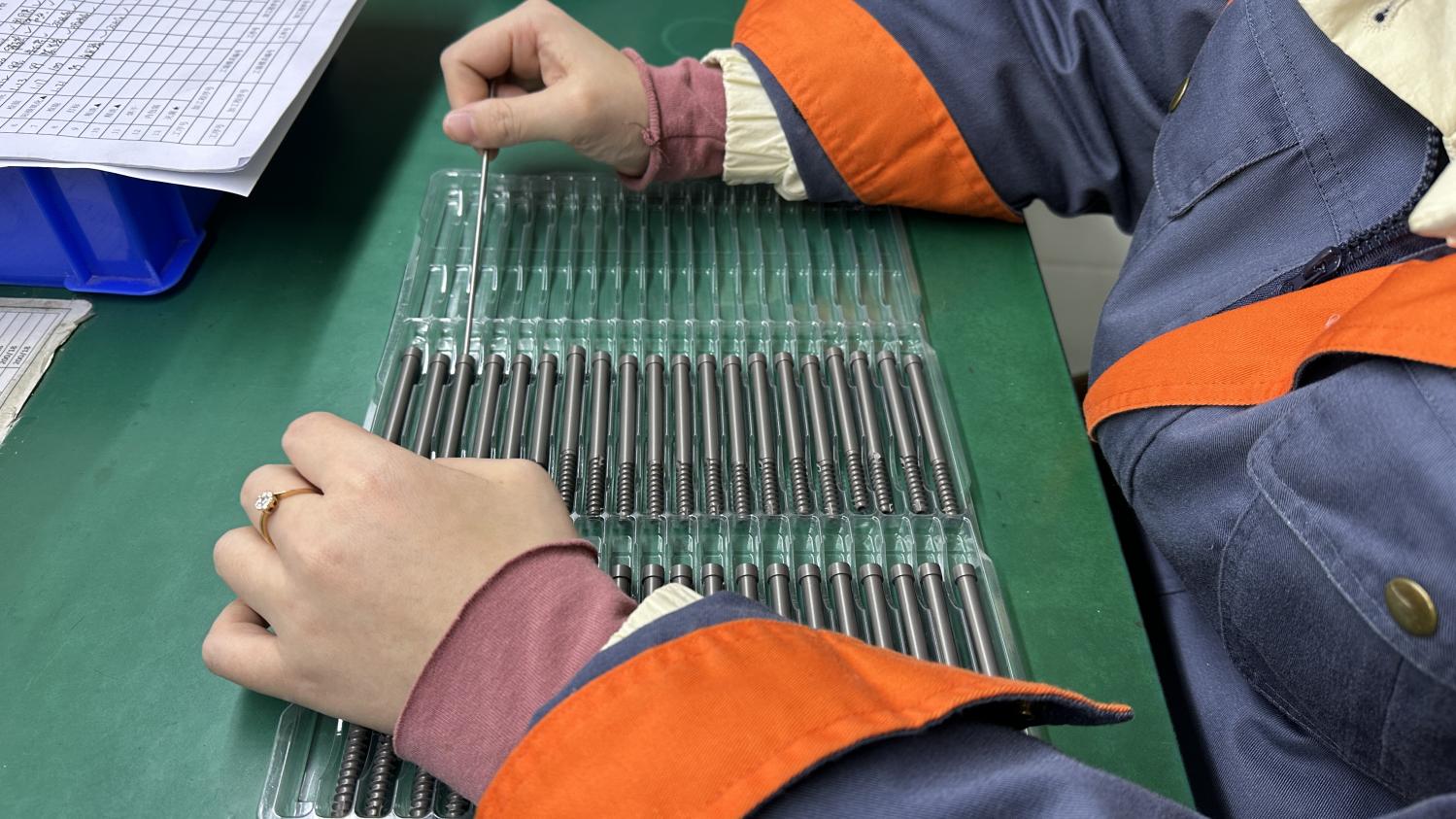
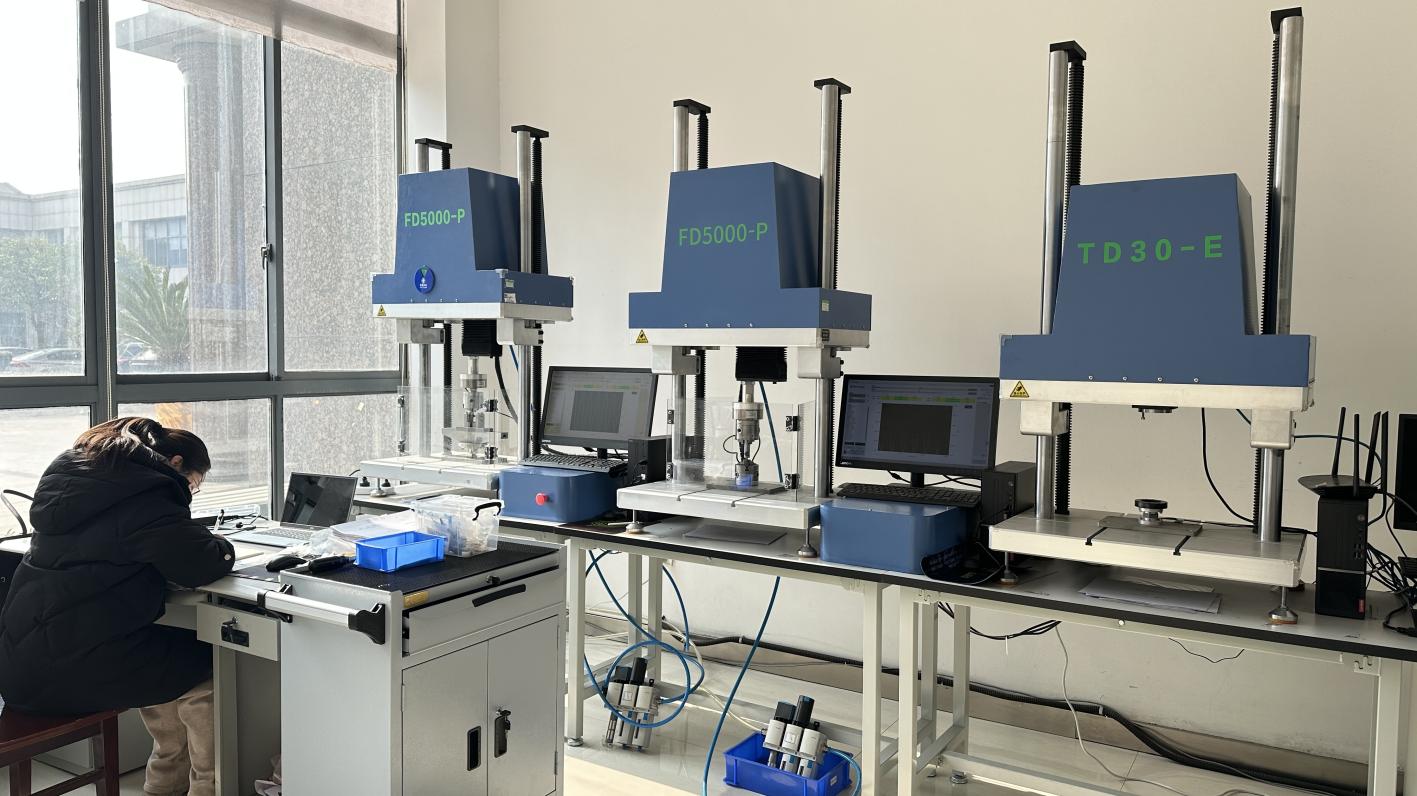
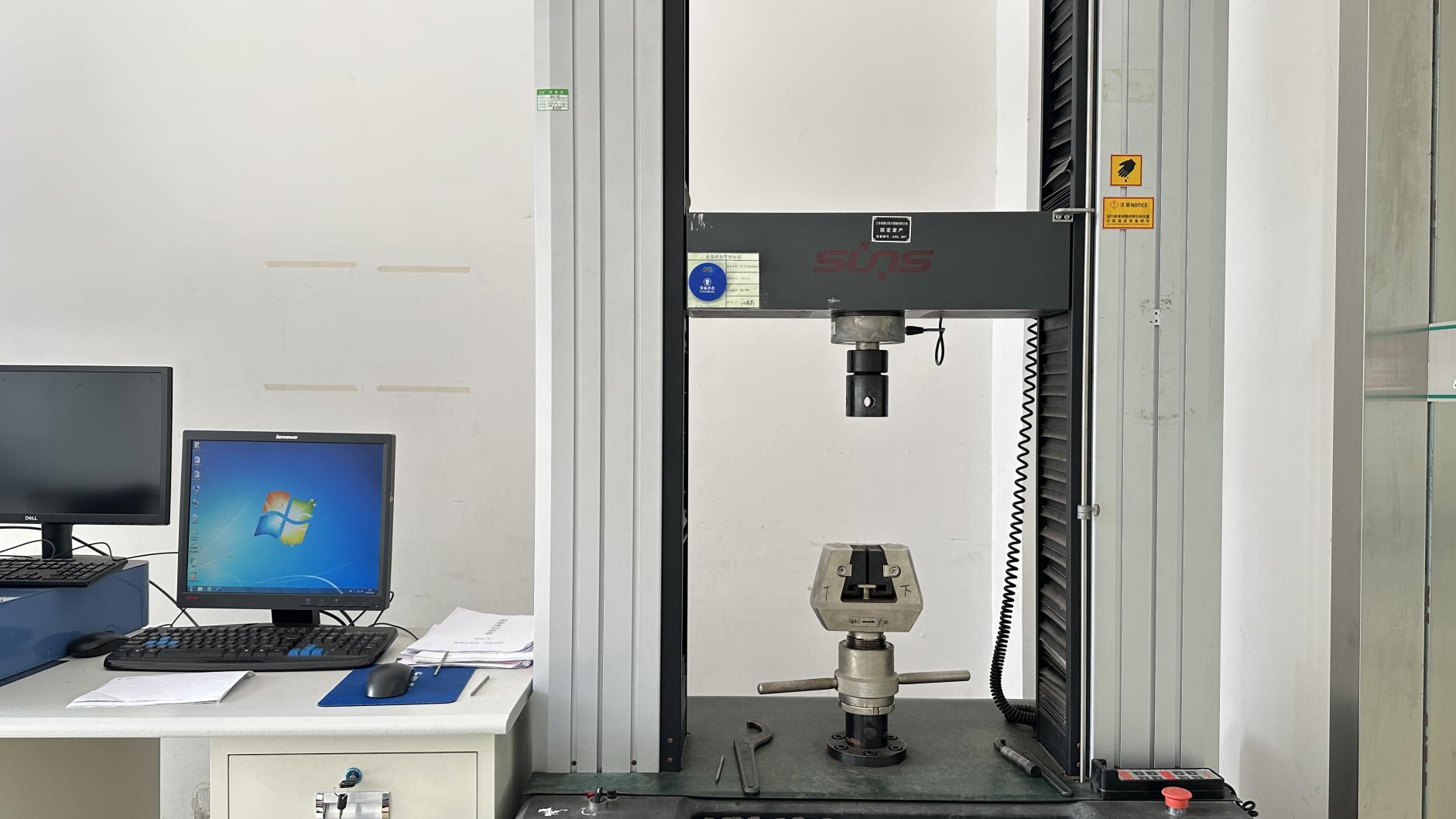
Producing medical-grade implants requires an absolute commitment to dimensional accuracy and metallurgy. Every phase of production at our facility is monitored under strict ISO-compliant guidelines, using advanced CNC swiss-type lathes, multi-axis milling machines, and rigorous physical testing apparatus.
China's medical manufacturing corridors, particularly in provinces like Jiangsu, Zhejiang, and Guangdong, have evolved from basic casting foundries to world-class precision machining hubs. Sourcing orthopedic implants like Herbert screws from premium Chinese factories presents distinct competitive advantages for global medical brands:
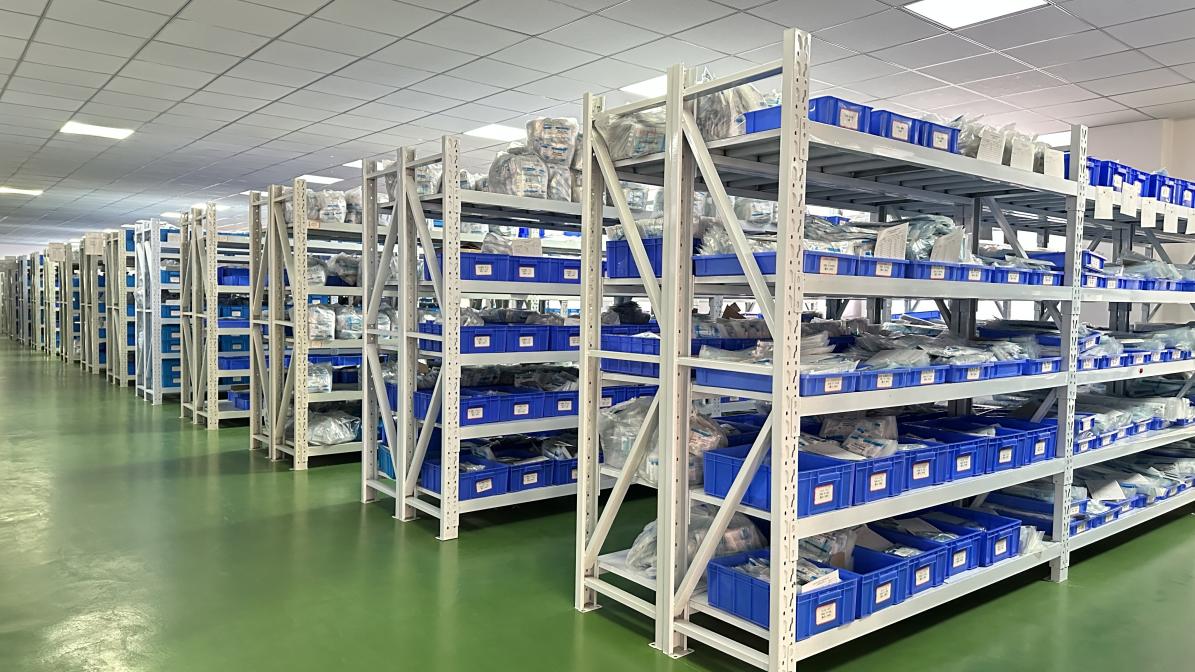
Leading Chinese manufacturers sit adjacent to certified raw material providers of ISO 5832-3 compliant Titanium Alloy (Ti-6Al-4V ELI) and implant-grade stainless steel. This physical proximity secures consistent metallurgical qualities and insulates buyers from global shipping shocks or raw material price spikes.
By utilizing swiss-type longitudinal sliding headstock CNC lathes (such as Citizen or Tornos units), local factories achieve sub-micron accuracy. Dual-pitch thread profiles and cannulation paths can be machined in a single setup, drastically reducing production times and ensuring batch-to-batch consistency.
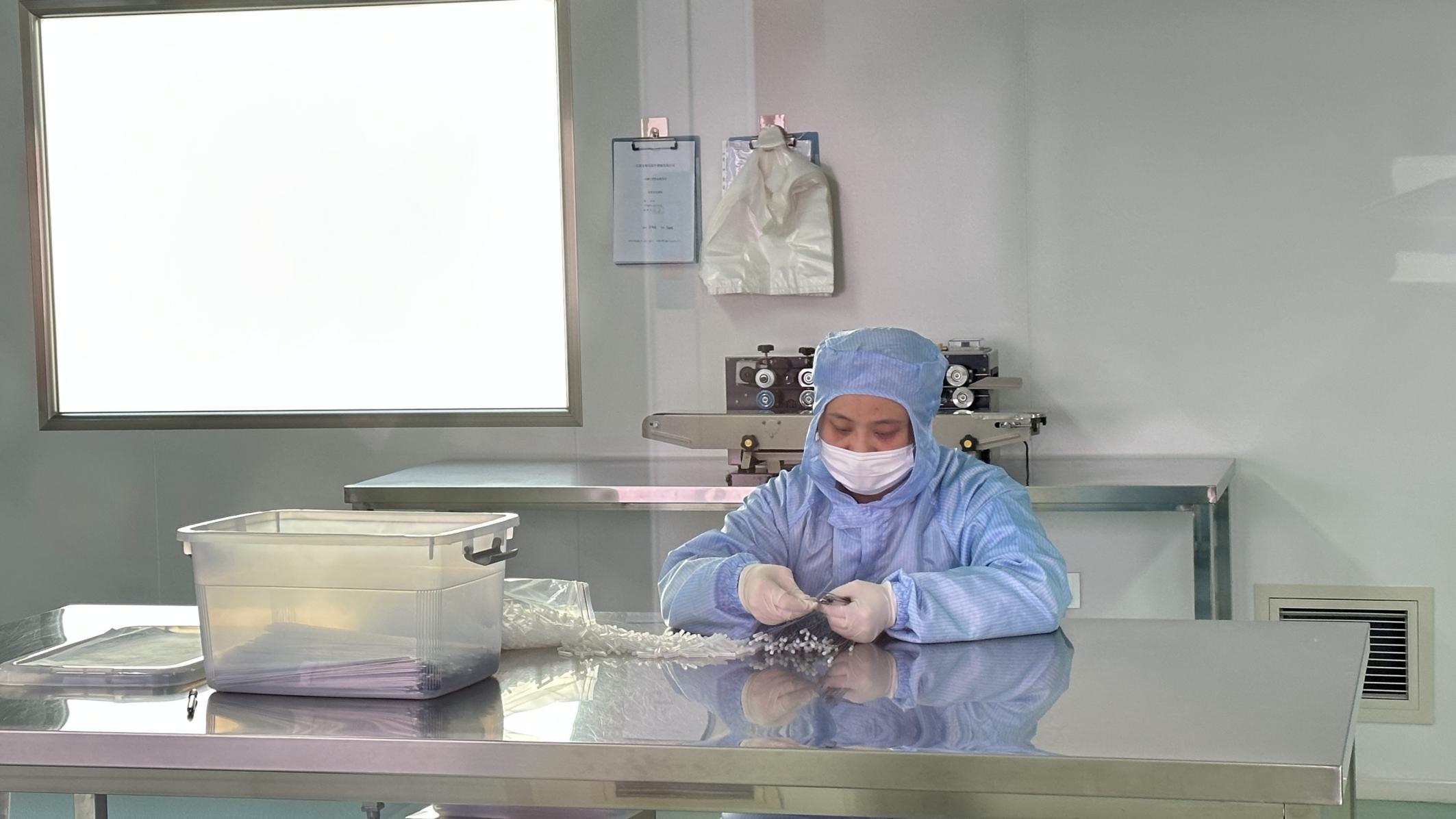
Furthermore, Chinese medical manufacturers have invested heavily in building ISO Class 7/Class 10,000 cleanrooms for ultrasonic cleaning, passivation, and primary packaging. This allows distributors to buy implants that are either sterile-ready or fully packaged under private labeling (OEM/ODM), bypassing the cost-heavy repackaging requirements in Western destination ports.
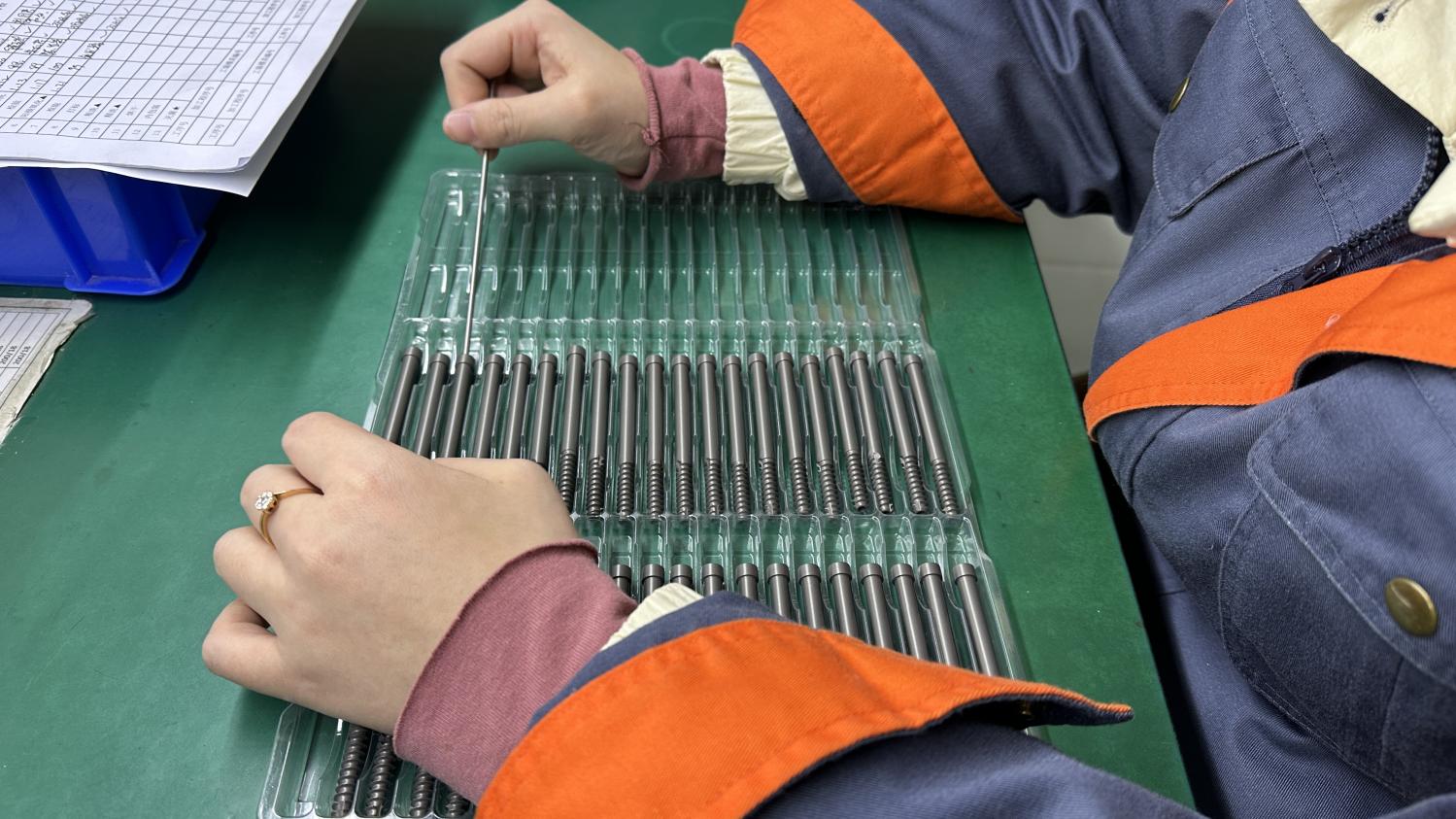
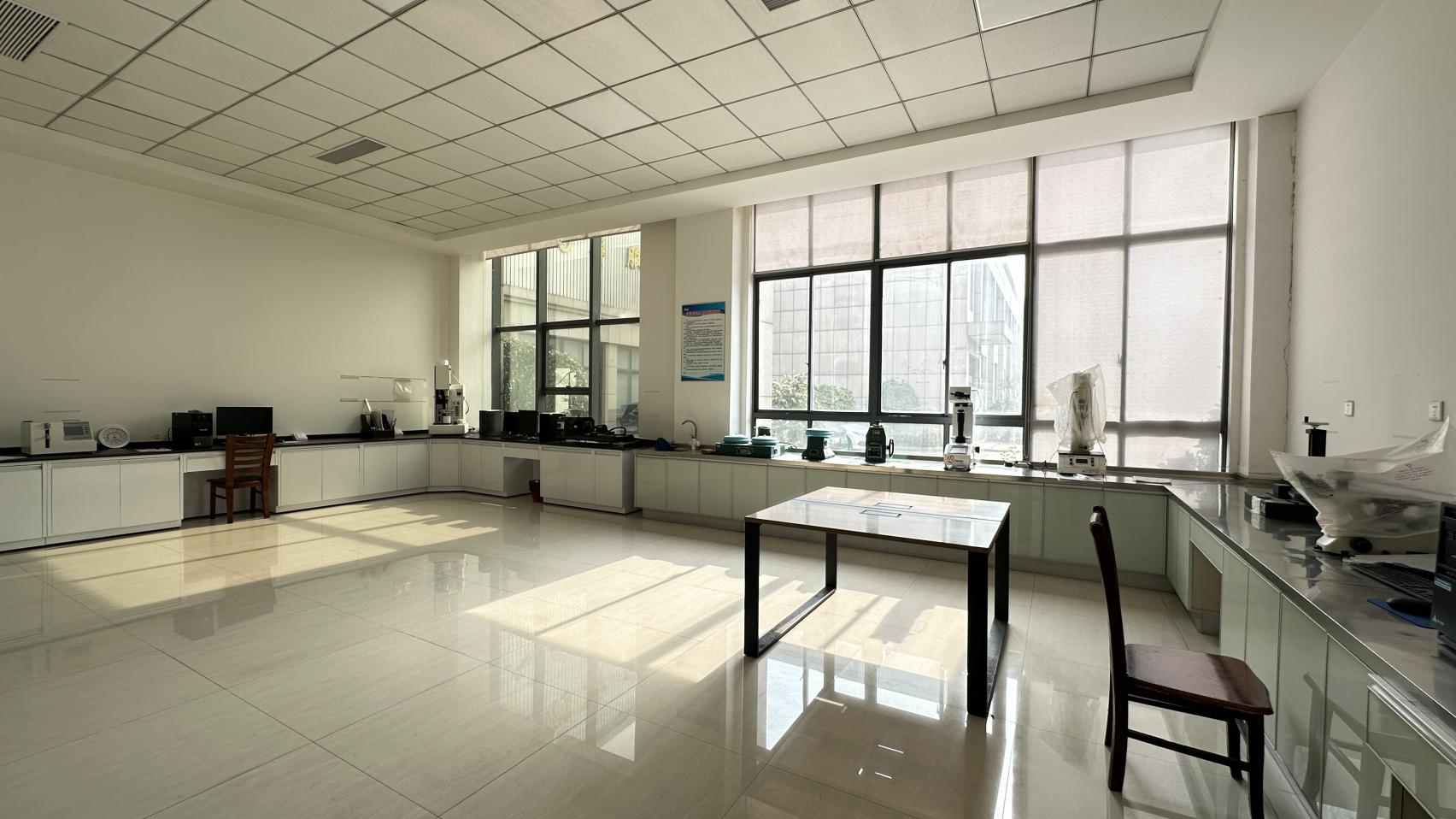
At Virelox, quality is not merely verified at the end of the line—it is engineered into every millimeter of the product. Our facility features a comprehensive ISO 13485-based quality management system. In-house testing protocols verify torque resistance, pull-out strength, fatigue thresholds, and structural integrity.
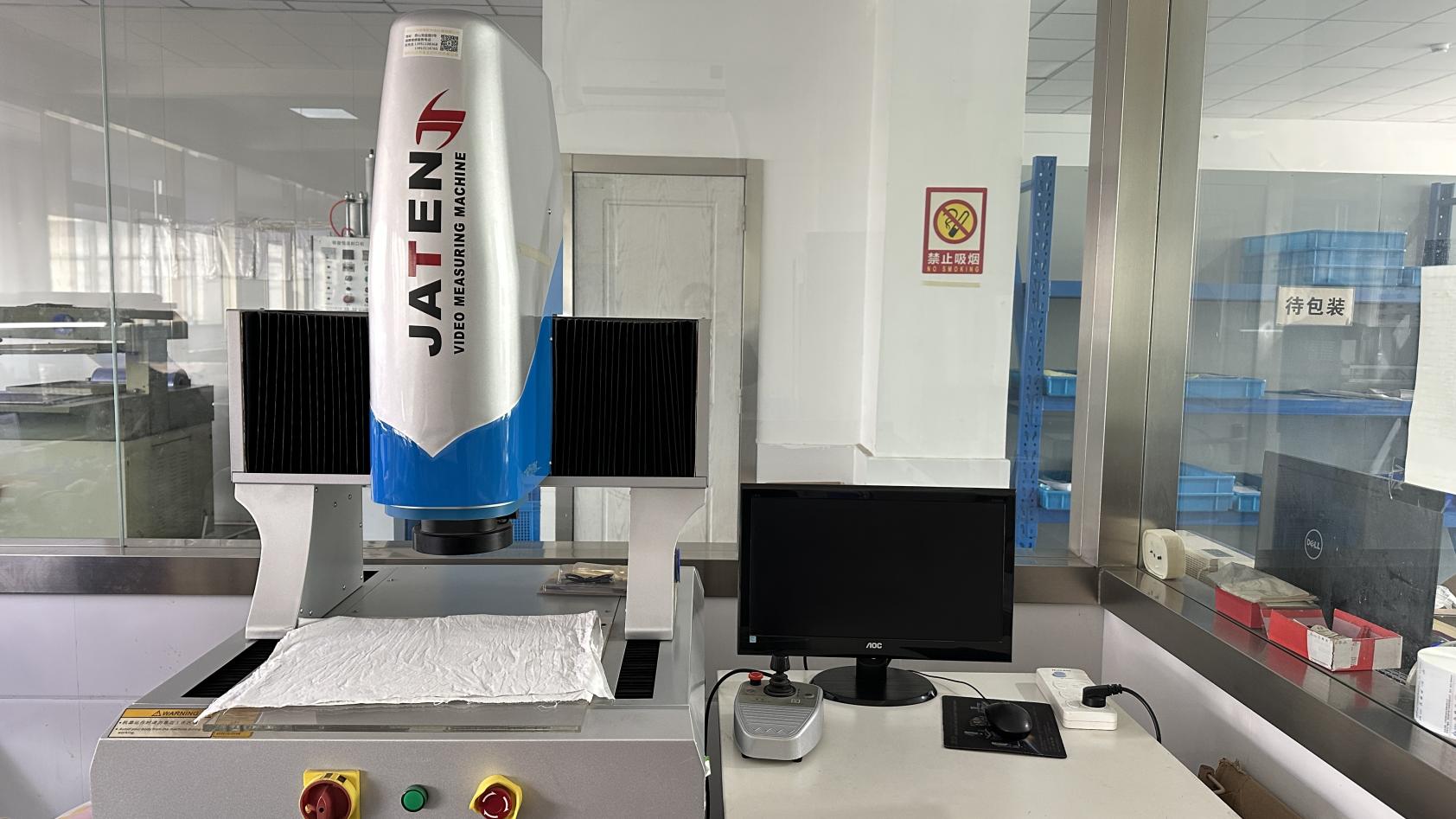
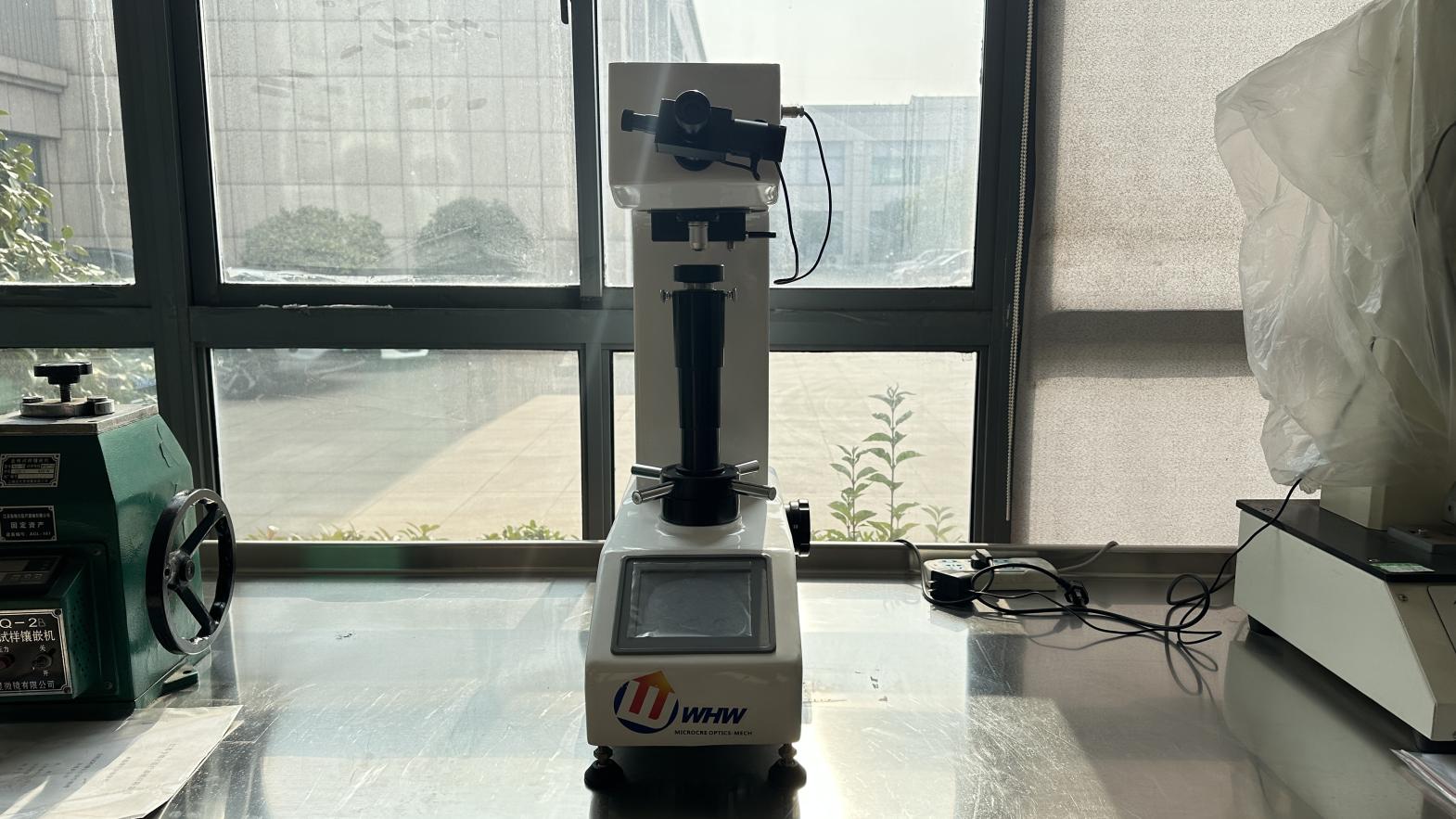
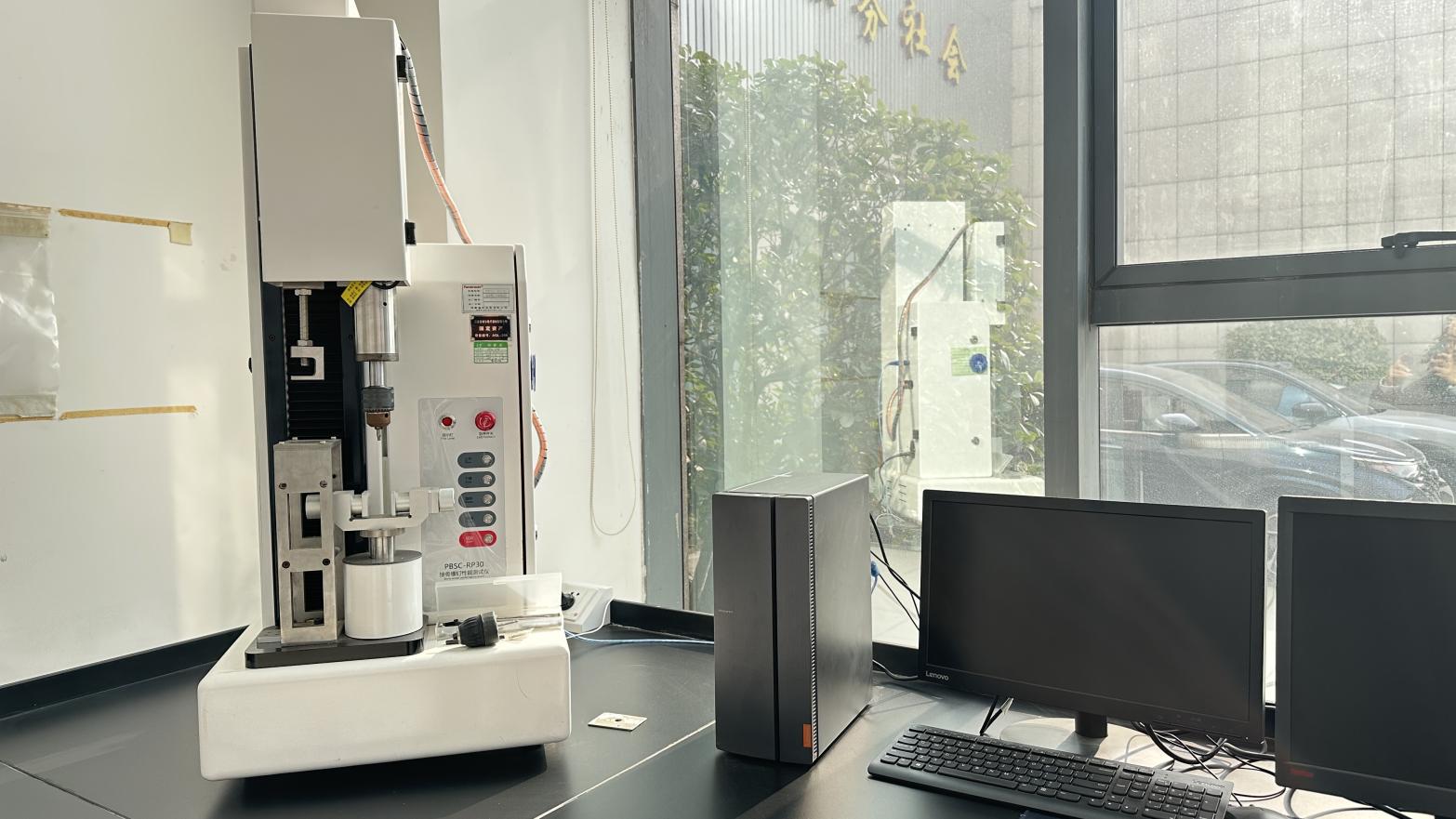
The clinical deployment of Herbert screws is shifting toward minimally invasive surgery (MIS). Orthopedic surgeons now routinely utilize cannulated Herbert screws under fluoroscopic guidance. In this workflow, a guide wire is first drilled across the fracture site to temporarily stabilize the bone. The cannulated Herbert screw is then advanced over the guide wire, ensuring absolute placement accuracy with minimal disruption to the surrounding periosteum and vascular supply.
Industry trends also show a strong shift toward bioabsorbable polymers (such as PLGA or magnesium alloys) for low-load applications, although titanium remains the undisputed gold standard for load-bearing zones. Chinese manufacturing R&D centers (like Virelox's 120-person engineering team) are actively studying these surface modification technologies, including anodization processes that reduce bacterial adhesion and accelerate osseointegration.
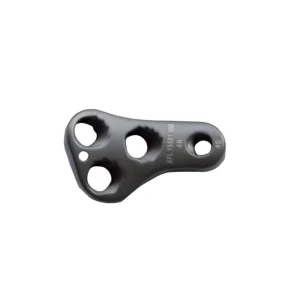
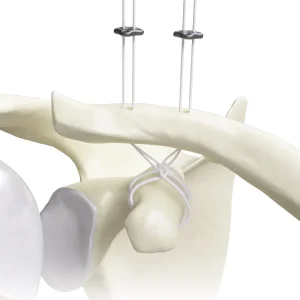
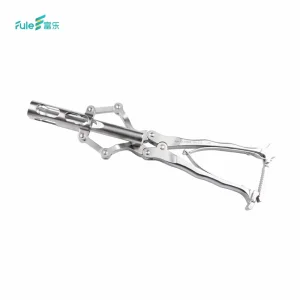
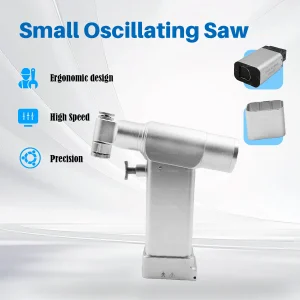
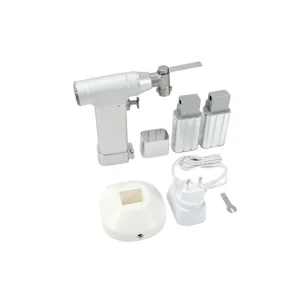
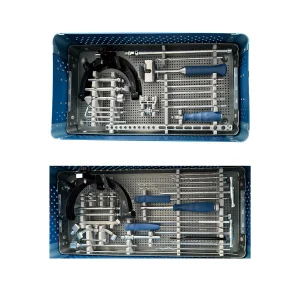
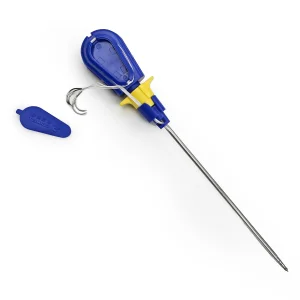
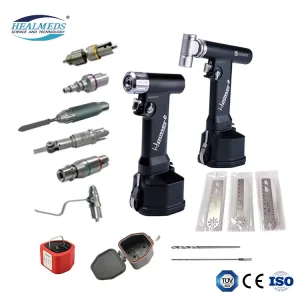
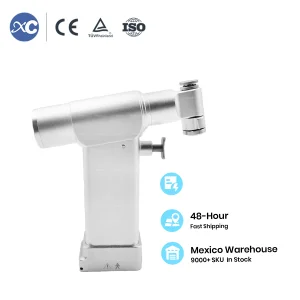
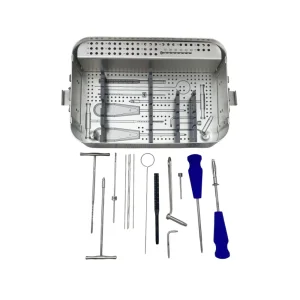
Complete your catalog with our specialized bone fixation systems, arthroscopy devices, and surgical cutting power tools.
 Virelox