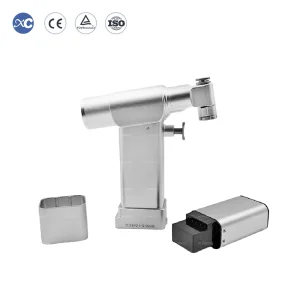
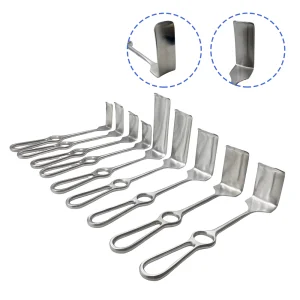
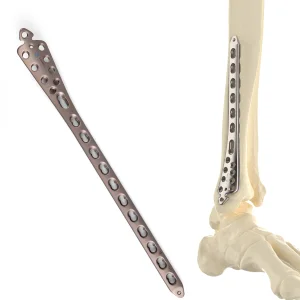
A global leader in standard and custom external fixation systems, providing biomechanically sound and clinically validated implants for complex bone reconstructions.
Virelox Medical Devices Co., Ltd. is a highly specialized orthopedic medical device manufacturer dedicated to joint replacement, spine stabilization, and trauma fixation solutions. With over 8 years of pure export excellence and a robust 10-year industry foundation, the brand “Virelox” has grown to symbolize high-performance orthopedic constructs that conform to the stringent clinical and regulatory requirements of worldwide hospitals and healthcare providers.
Located at the heart of China’s advanced medical manufacturing hubs, Virelox operates a comprehensive, state-of-the-art facility utilizing over 850 certified upstream and downstream partners. This dynamic network enables seamless raw material acquisition (primarily medical-grade Titanium and Stainless Steel alloys) and reliable logistics pipelines, making us a vital supplier for medical device distributors, orthopedic clinics, and national procurement groups in Europe, Southeast Asia, South America, and the Middle East.
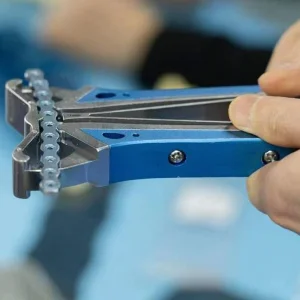
Unilateral External Fixators are crucial devices for stabilizing long-bone fractures, addressing non-unions, and facilitating limb lengthening. Our manufacturing focus combines biomechanical engineering with surgeon-focused usability, delivering exceptional rotational stability and dynamic compression properties.
An in-depth analysis of metallurgical processing, structural ergonomics, and global procurement strategies.
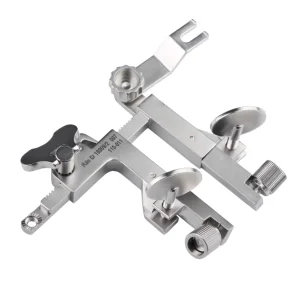
Modern orthopedic traumatology demands fixation systems that offer high biomechanical stability, ease of adjustment, and minimized soft tissue damage. Unilateral external fixators fulfill this role by positioning the structural rod or beam alongside the affected limb, connected to the bone fragments via transcutaneous Schanz pins and adjustable clamps.
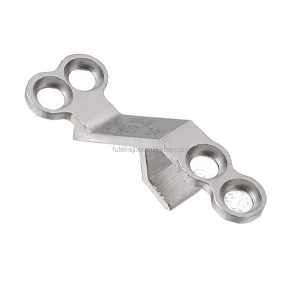
China's premier factories, such as Virelox, have led the transition from heavy stainless steel frames to lightweight, high-tensile Titanium Alloys (specifically Ti-6Al-4V ELI) and high-performance carbon-fiber composites. Carbon-fiber rods provide complete radiolucency, allowing surgeons to monitor bone healing and fracture alignment using intraoperative fluoroscopy without visual obstruction. Meanwhile, the critical clamping blocks are CNC-milled to tolerances below 5 micrometers, preventing slippage under high weight-bearing loads.
A reliable unilateral external fixator depends on rigorous control at every production stage. Below is a detailed visual guide and explanation of the manufacturing steps inside the Virelox orthopedic production facility.
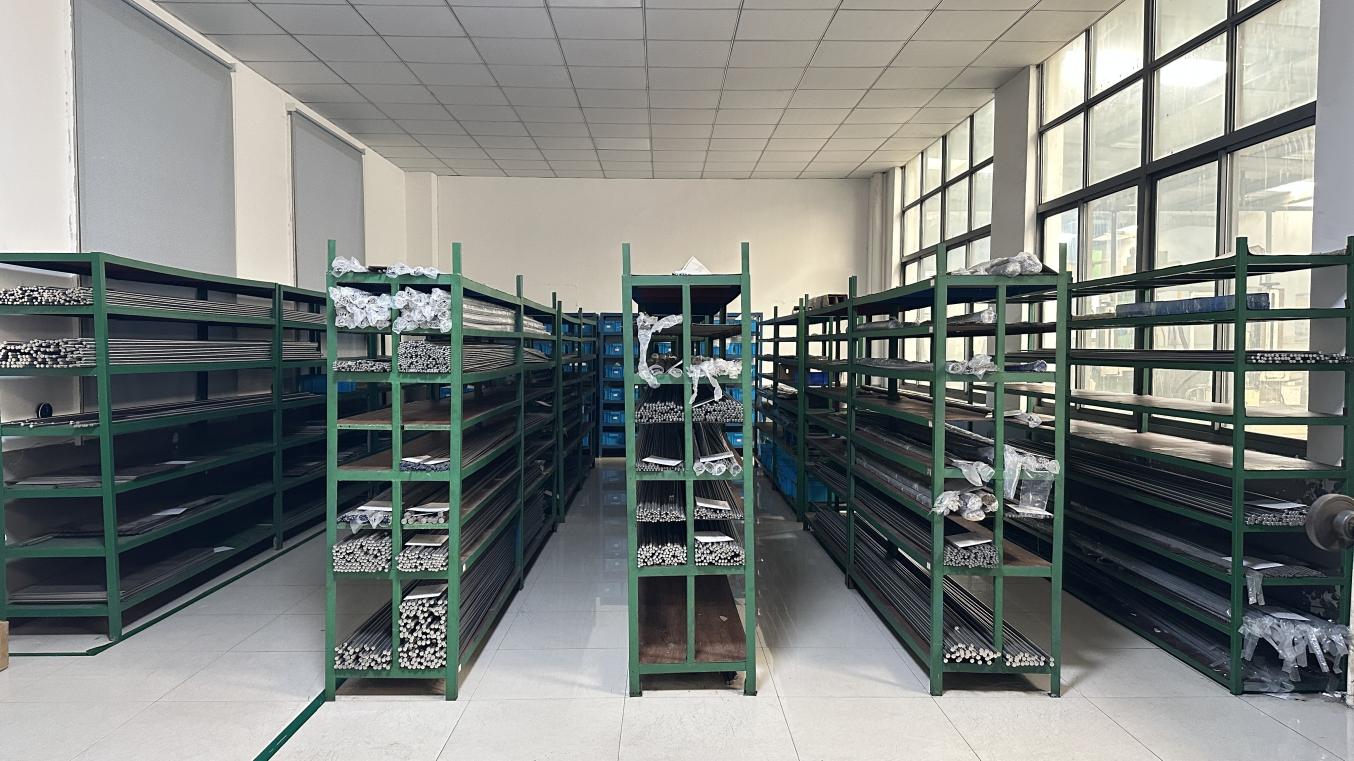
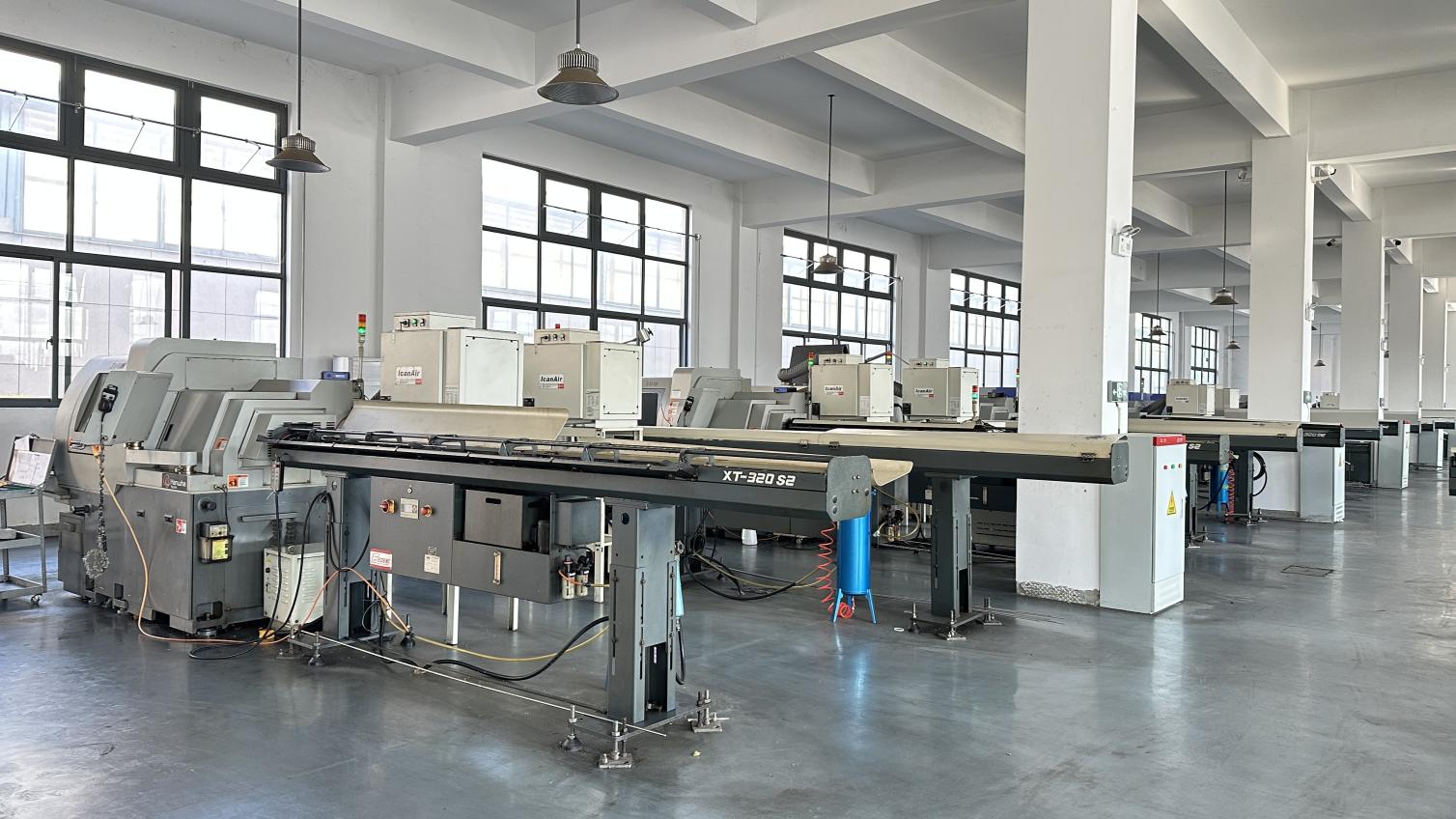
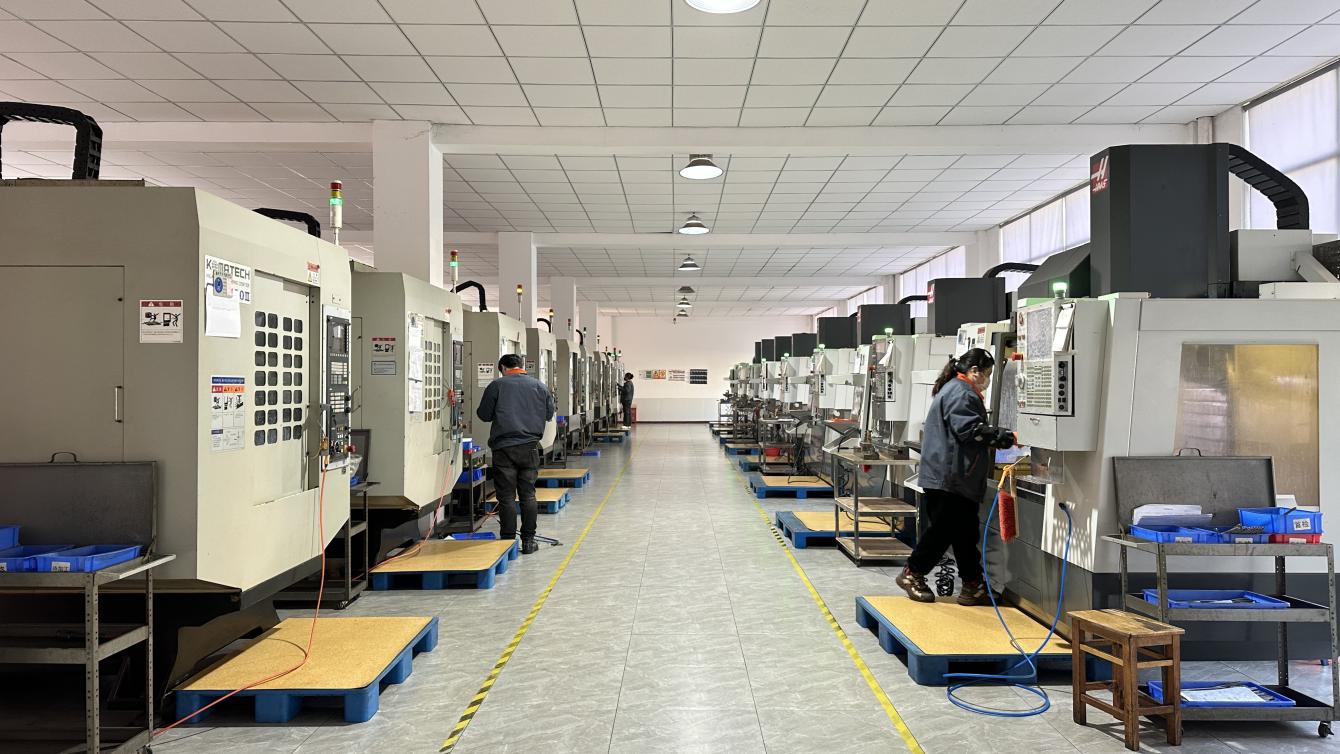
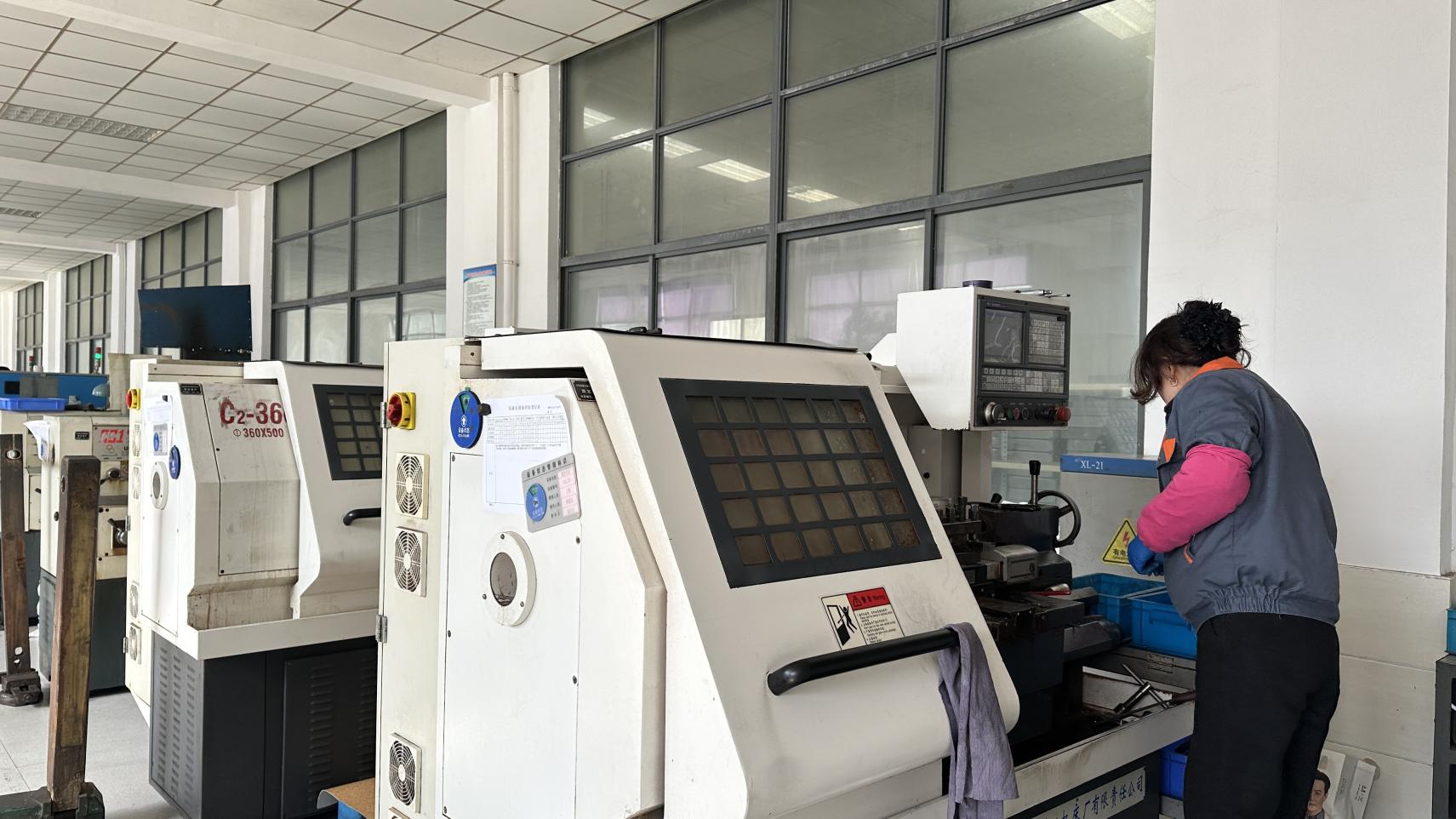
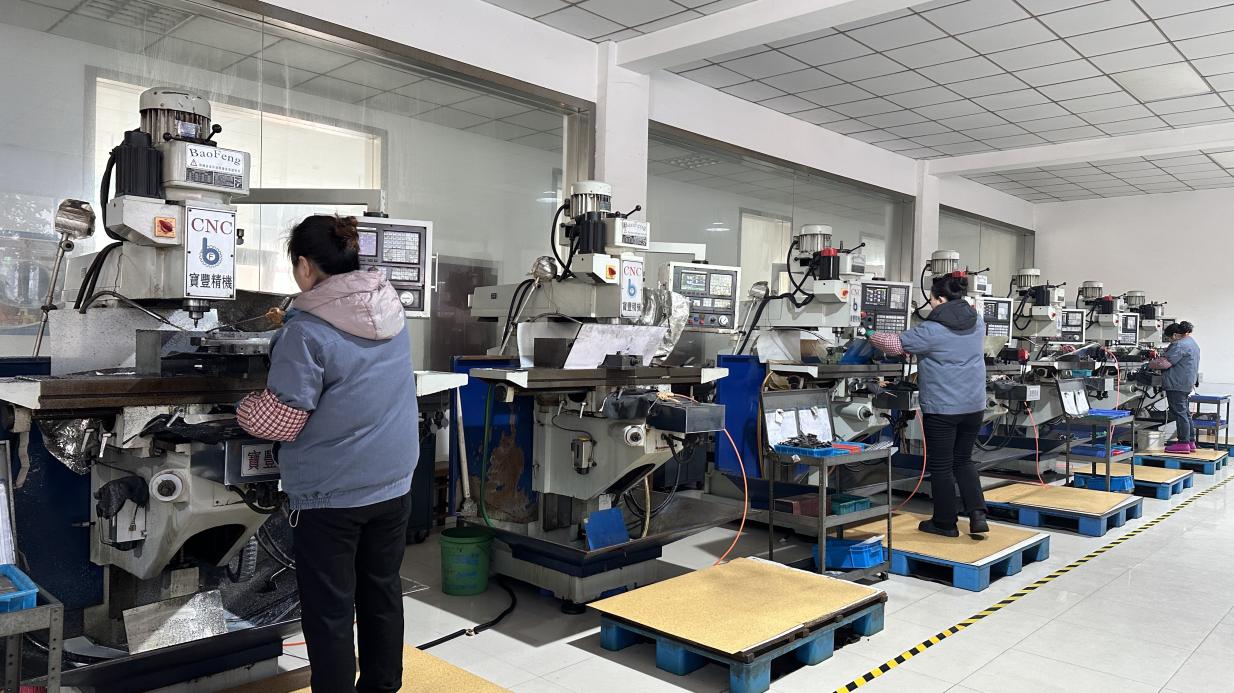
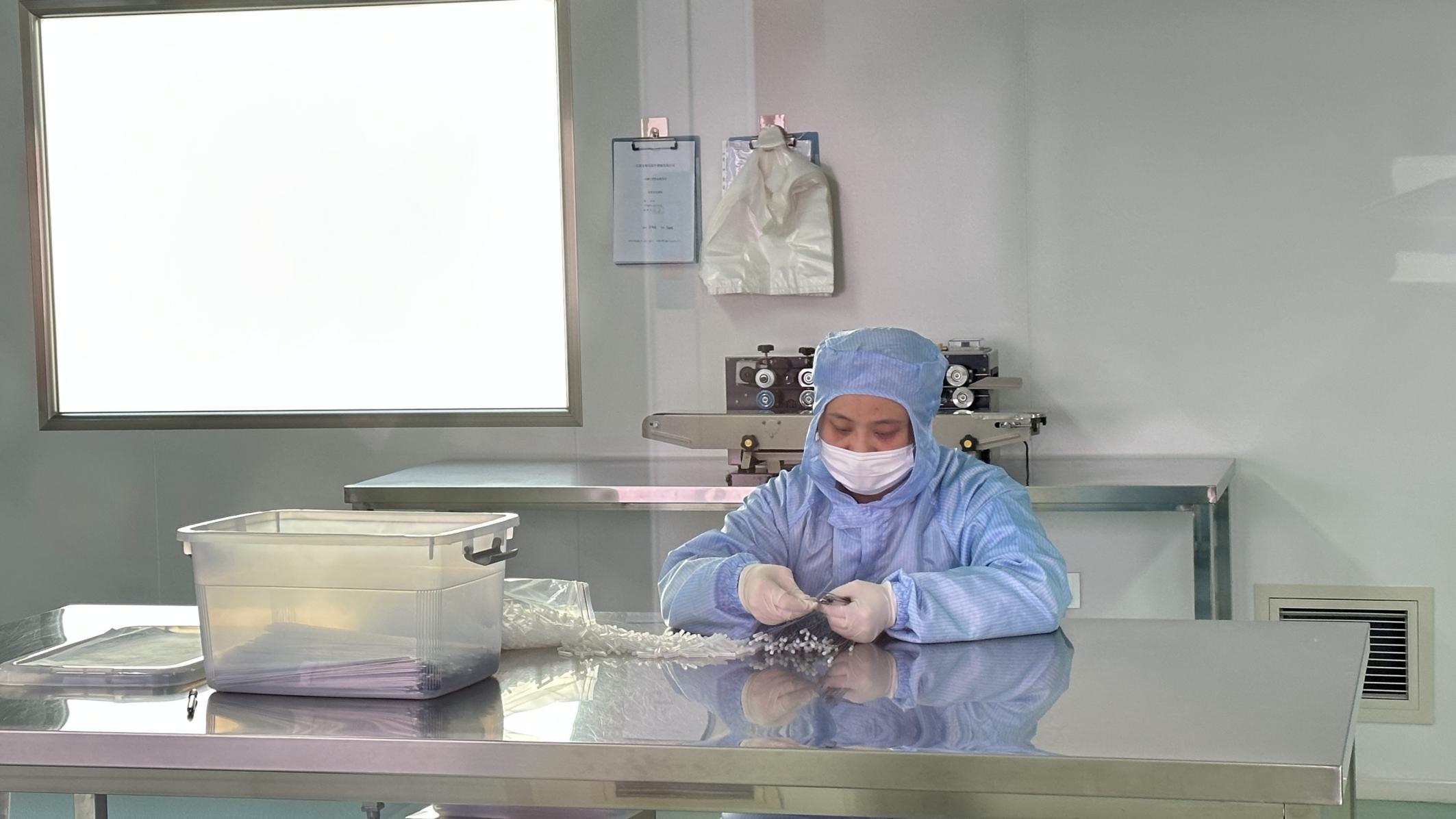
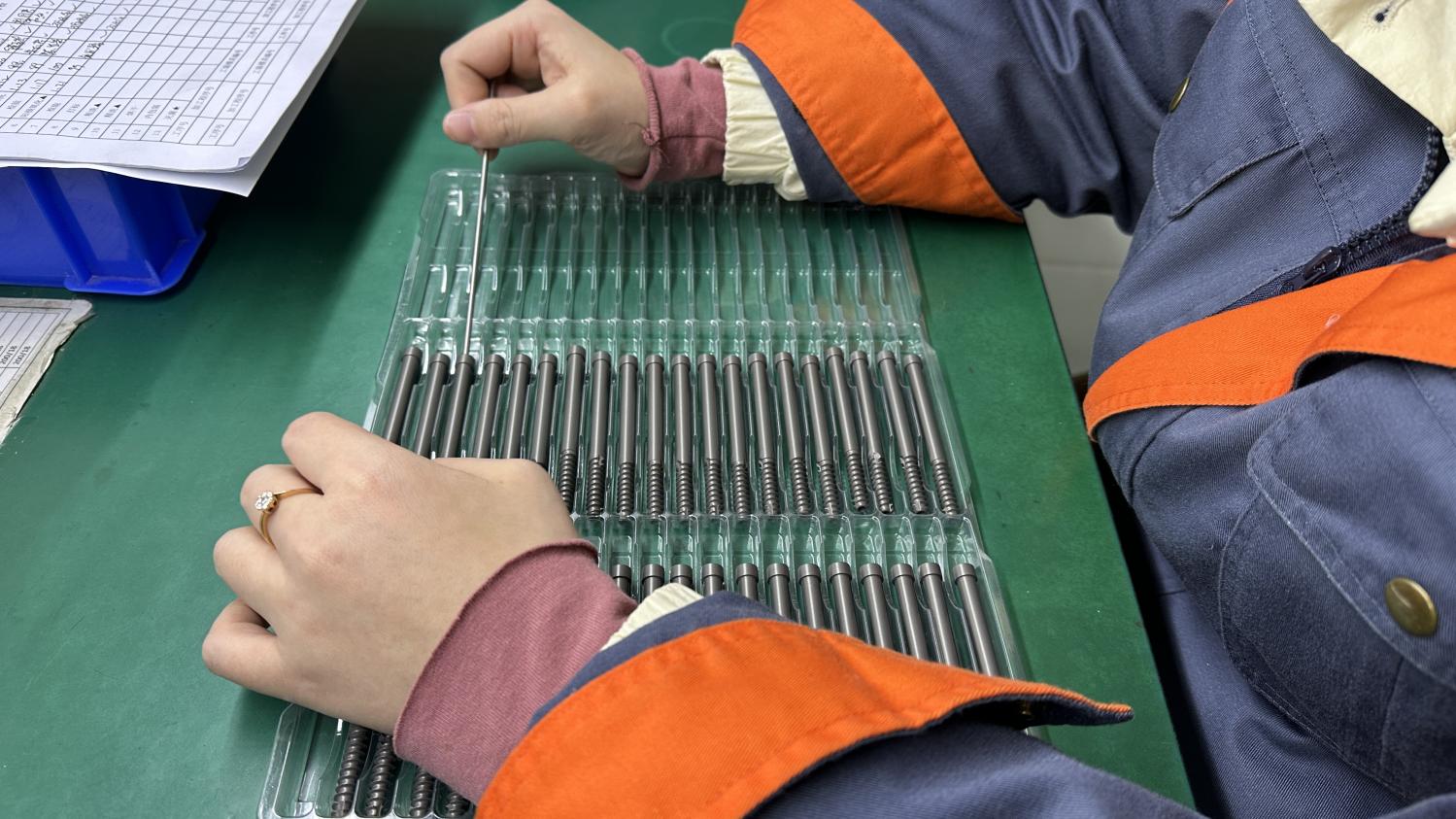
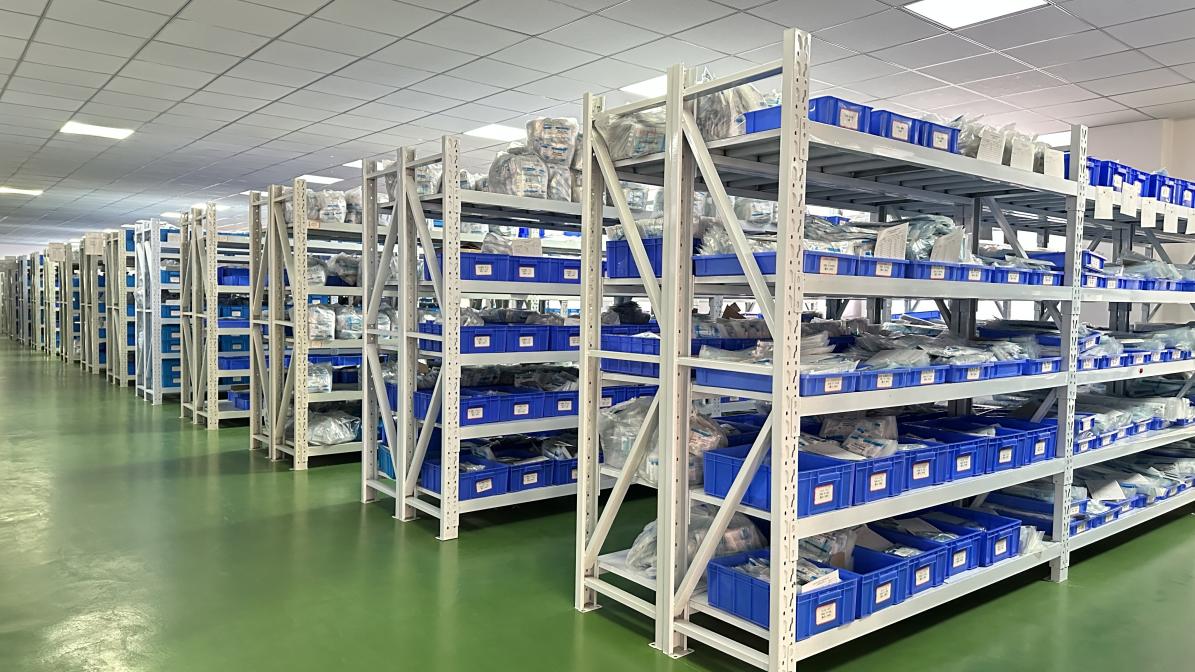
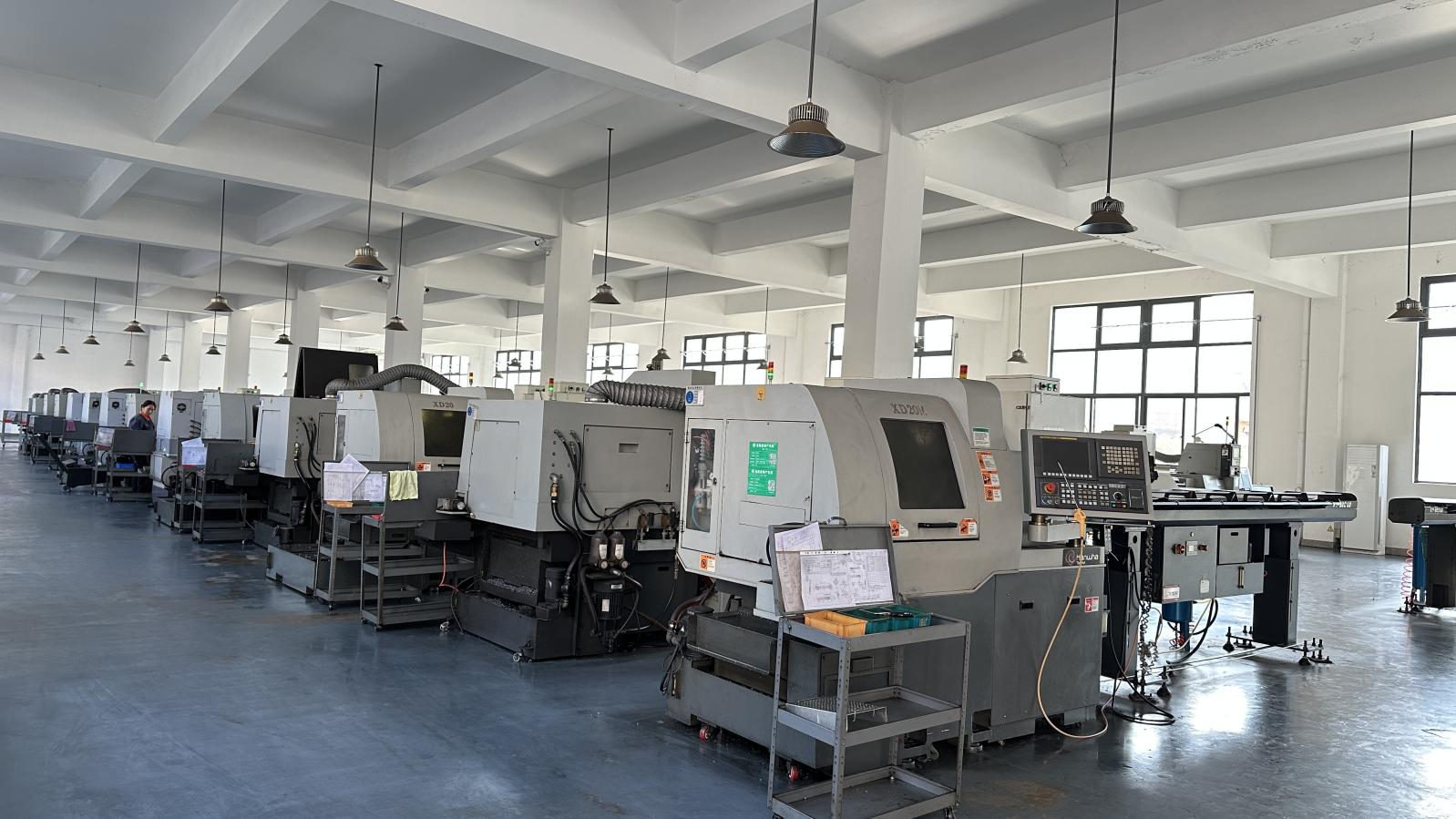
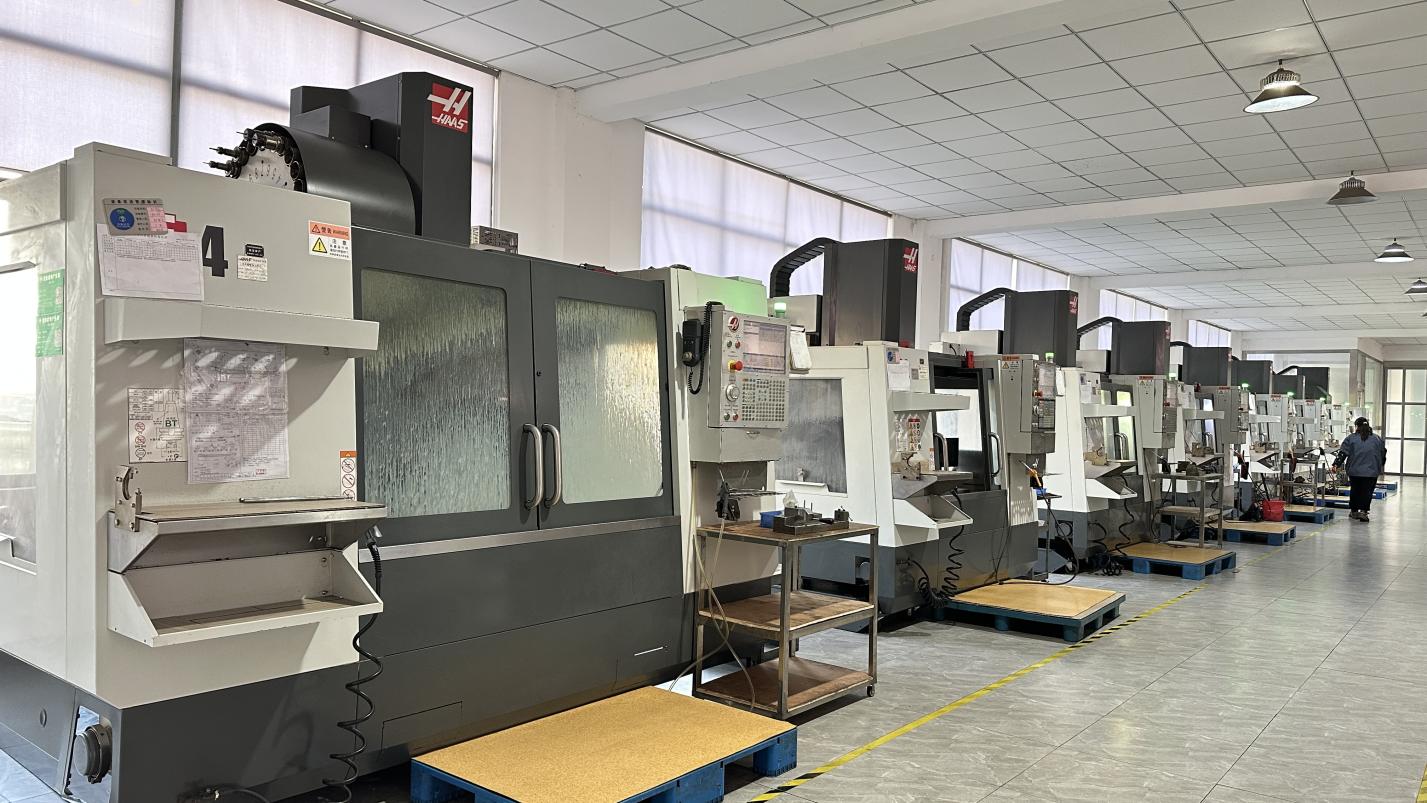
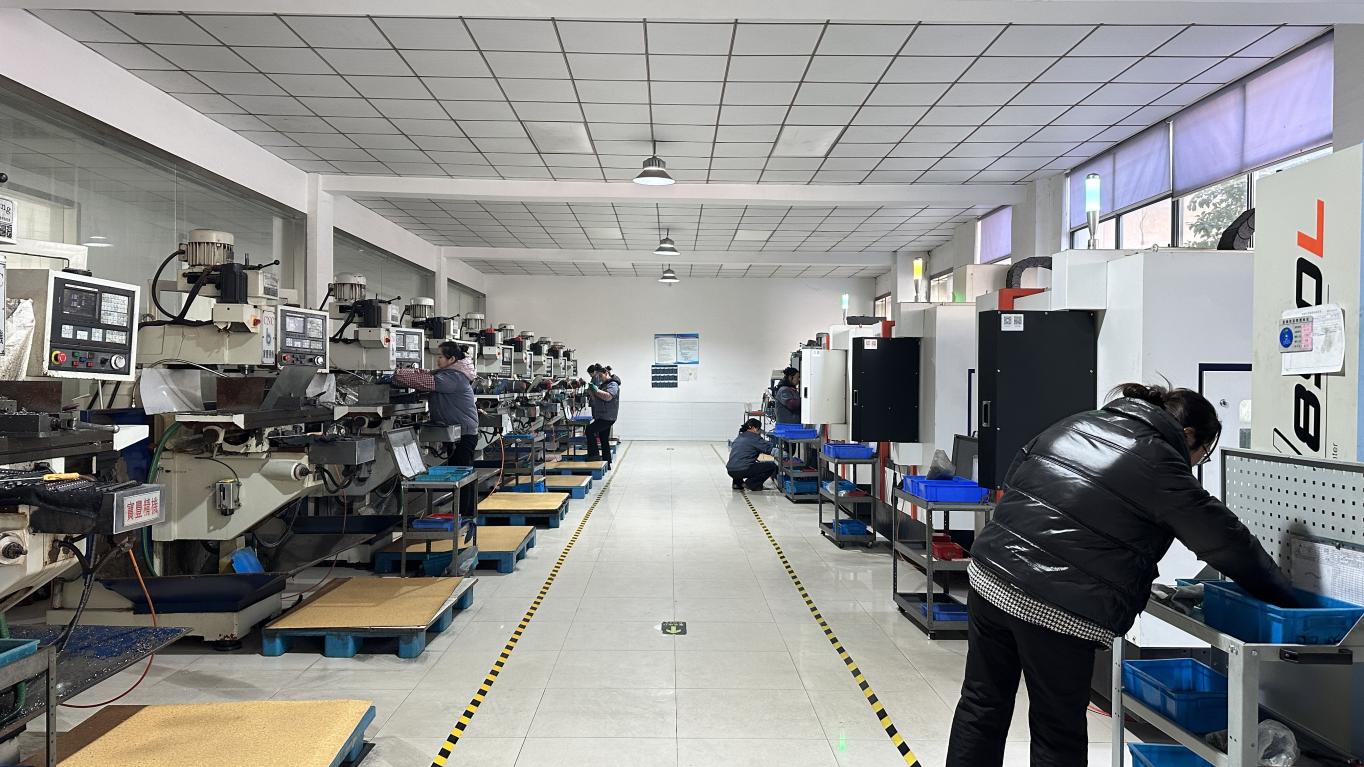
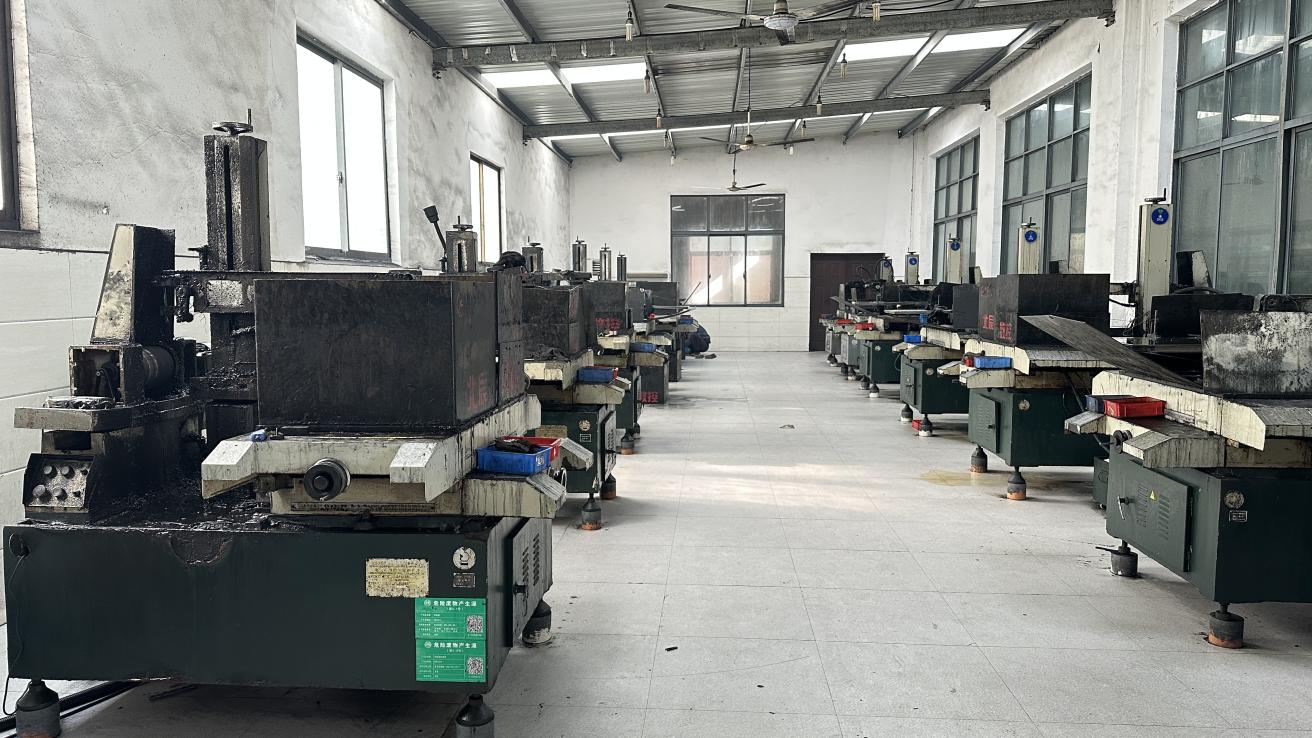
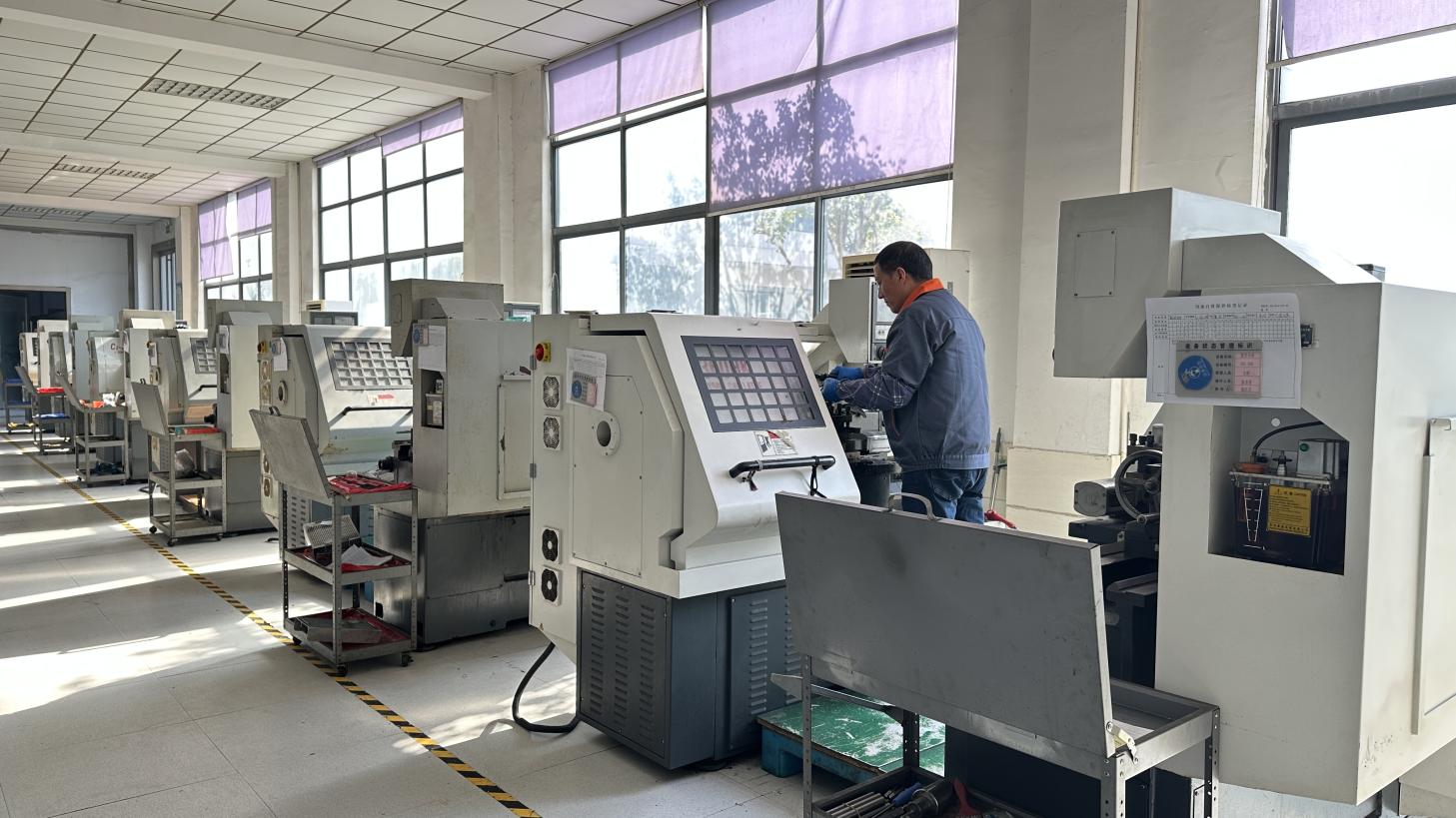
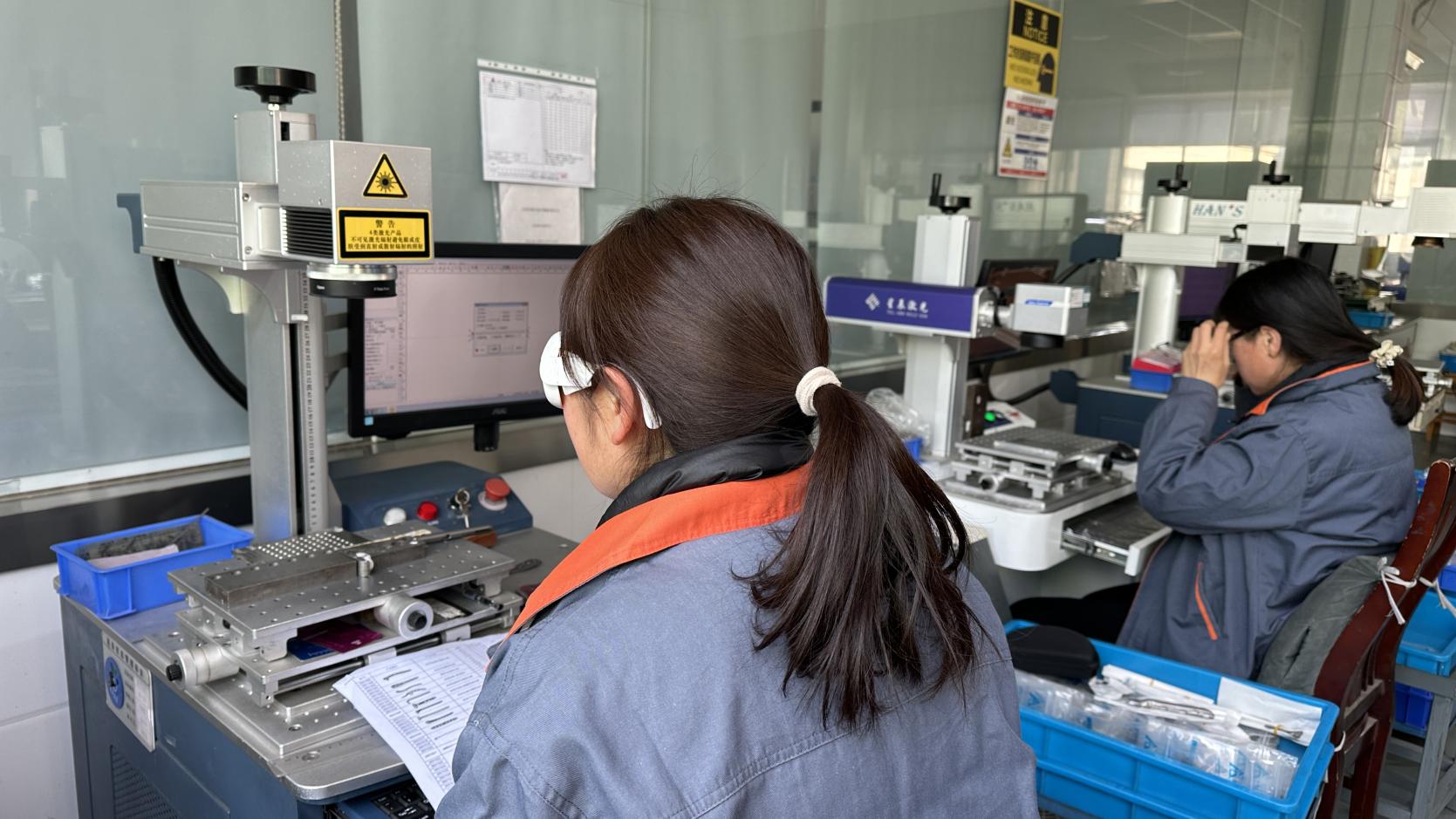
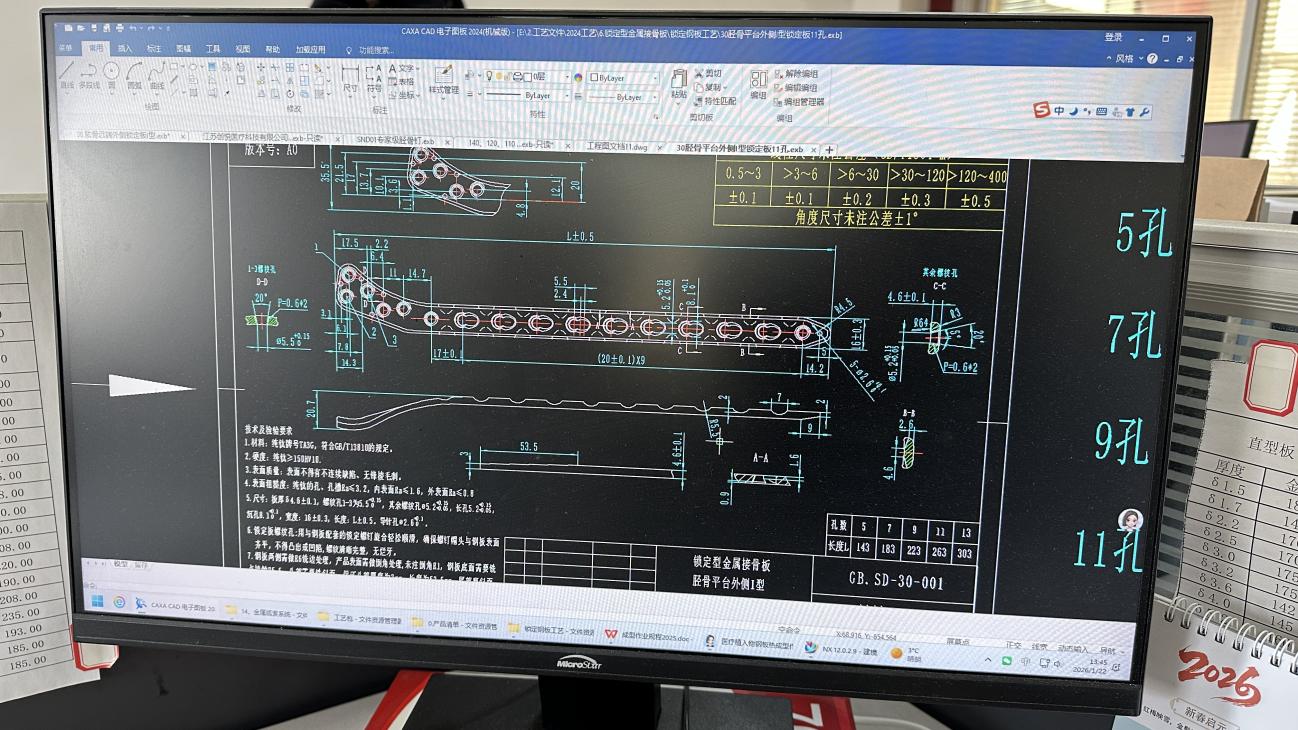
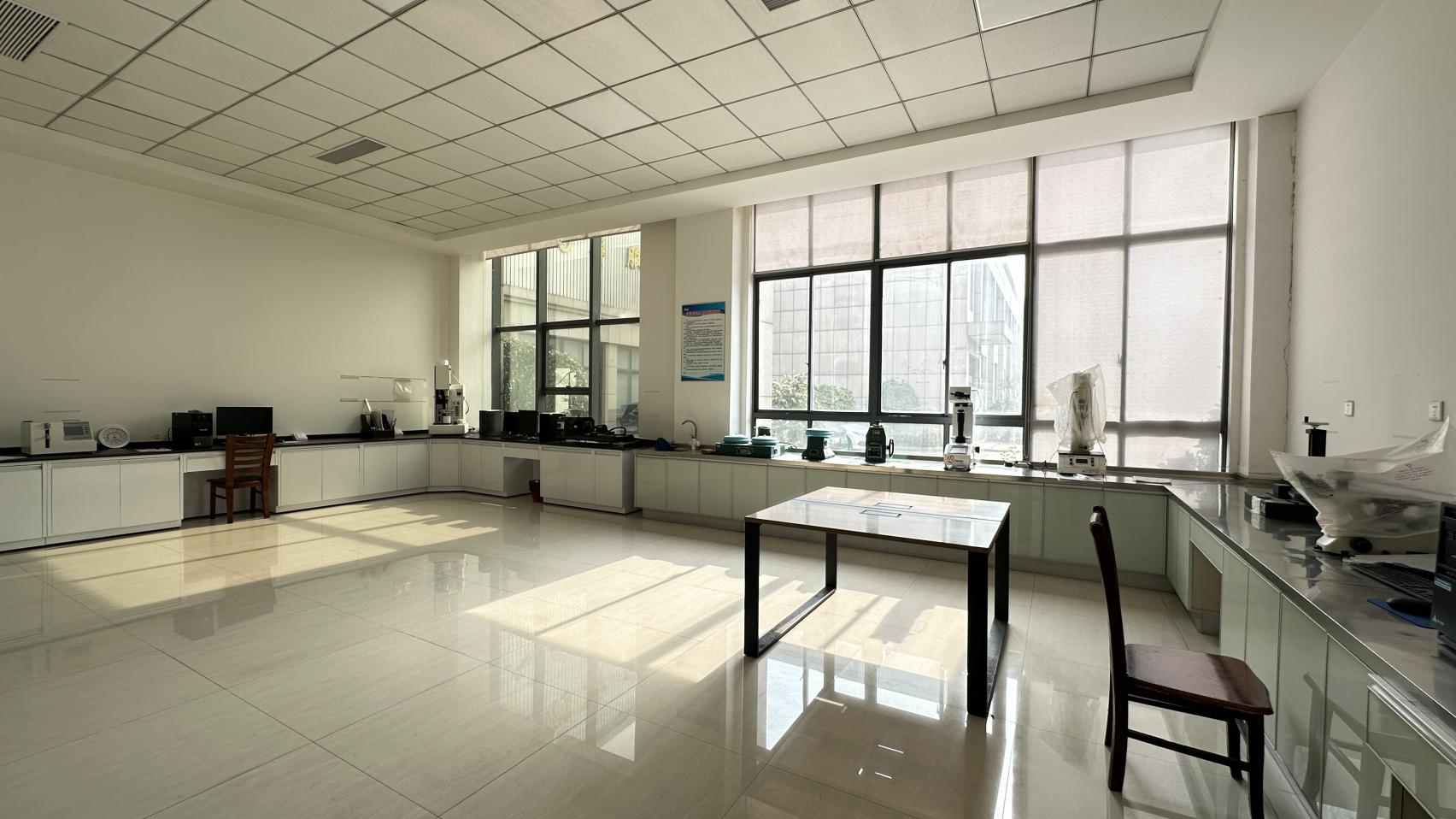
We employ 65 dedicated quality control professionals who oversee a multi-stage testing matrix to verify the structural integrity of our trauma and spinal hardware. Our testing lab features specialized testing gear:
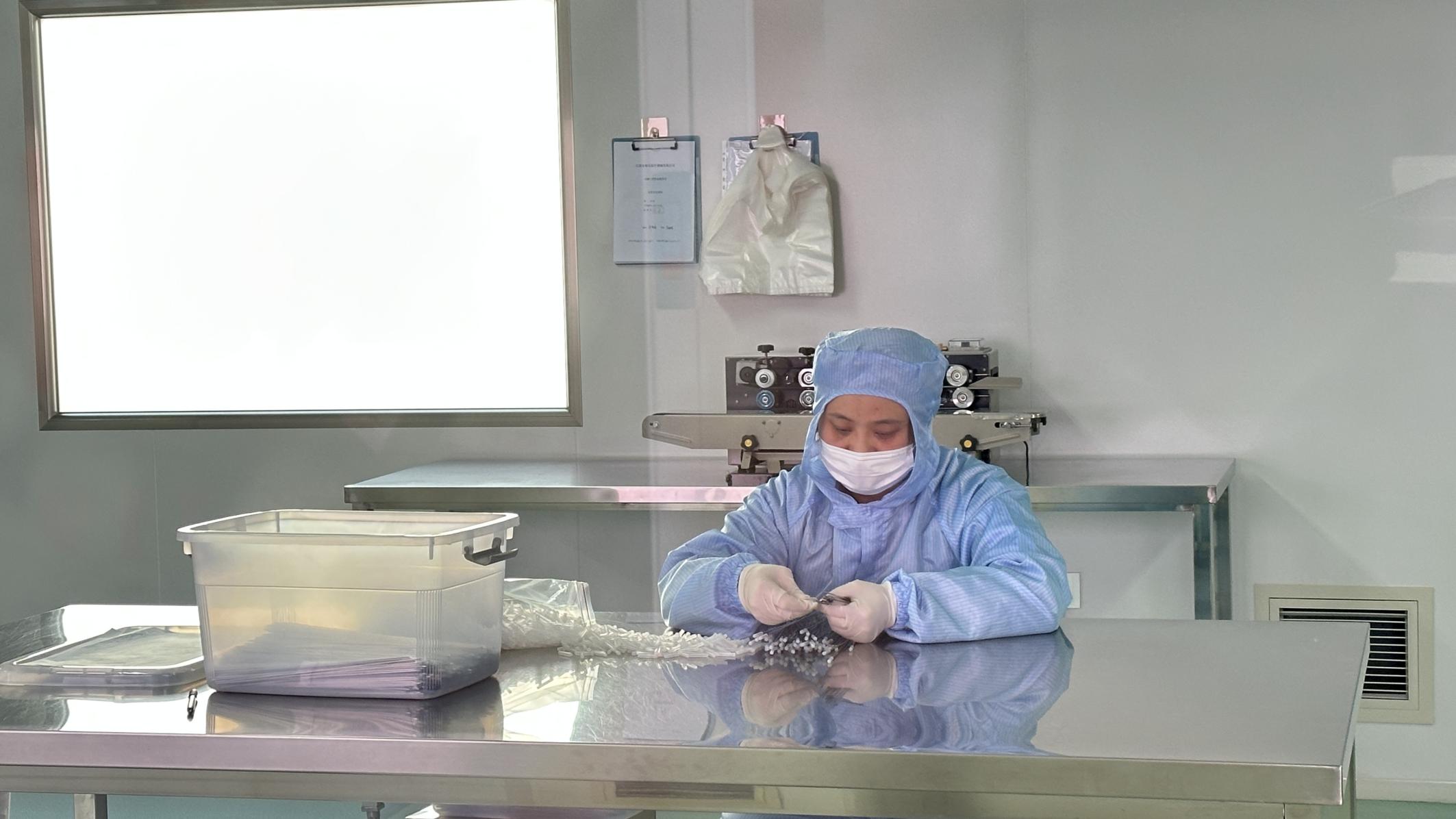
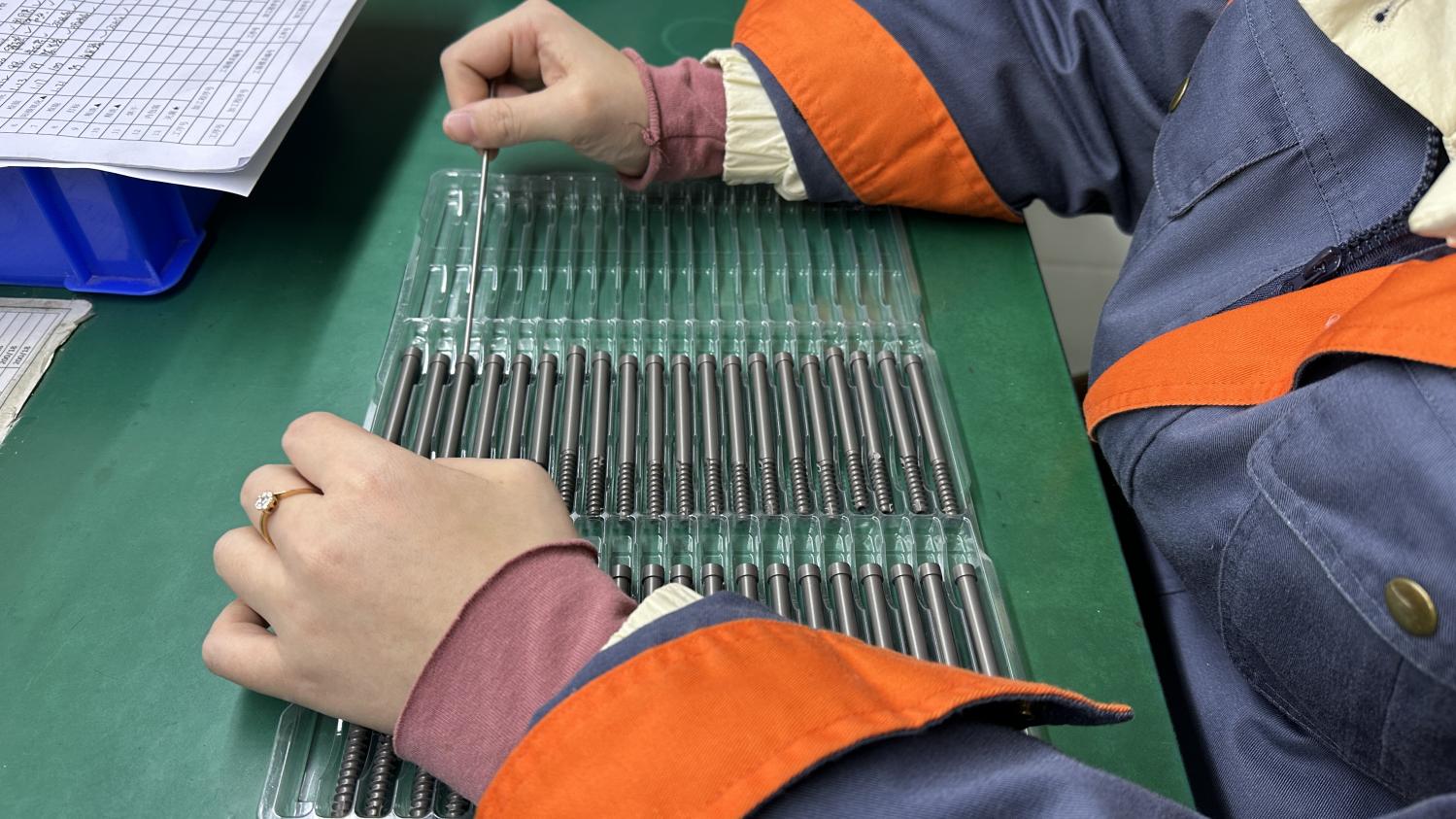
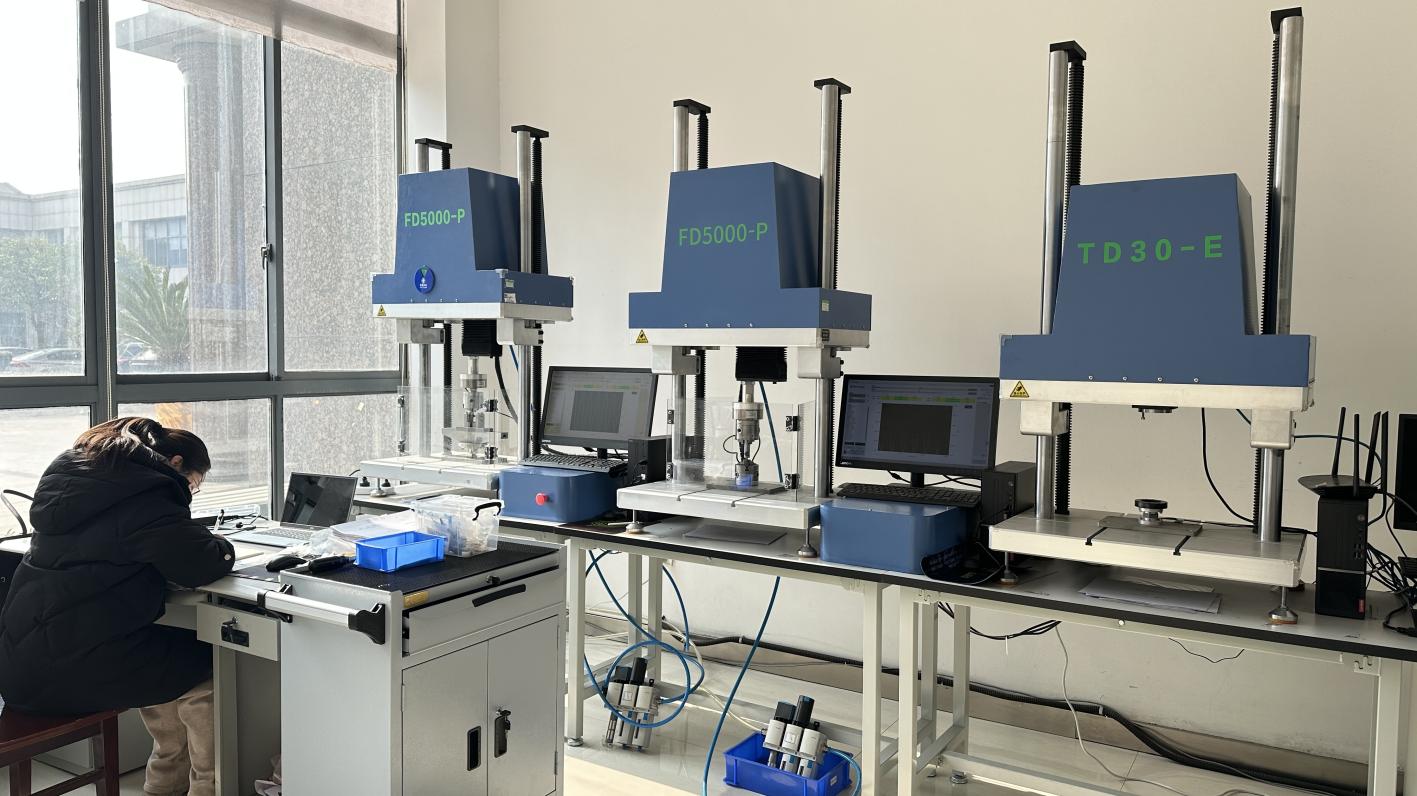
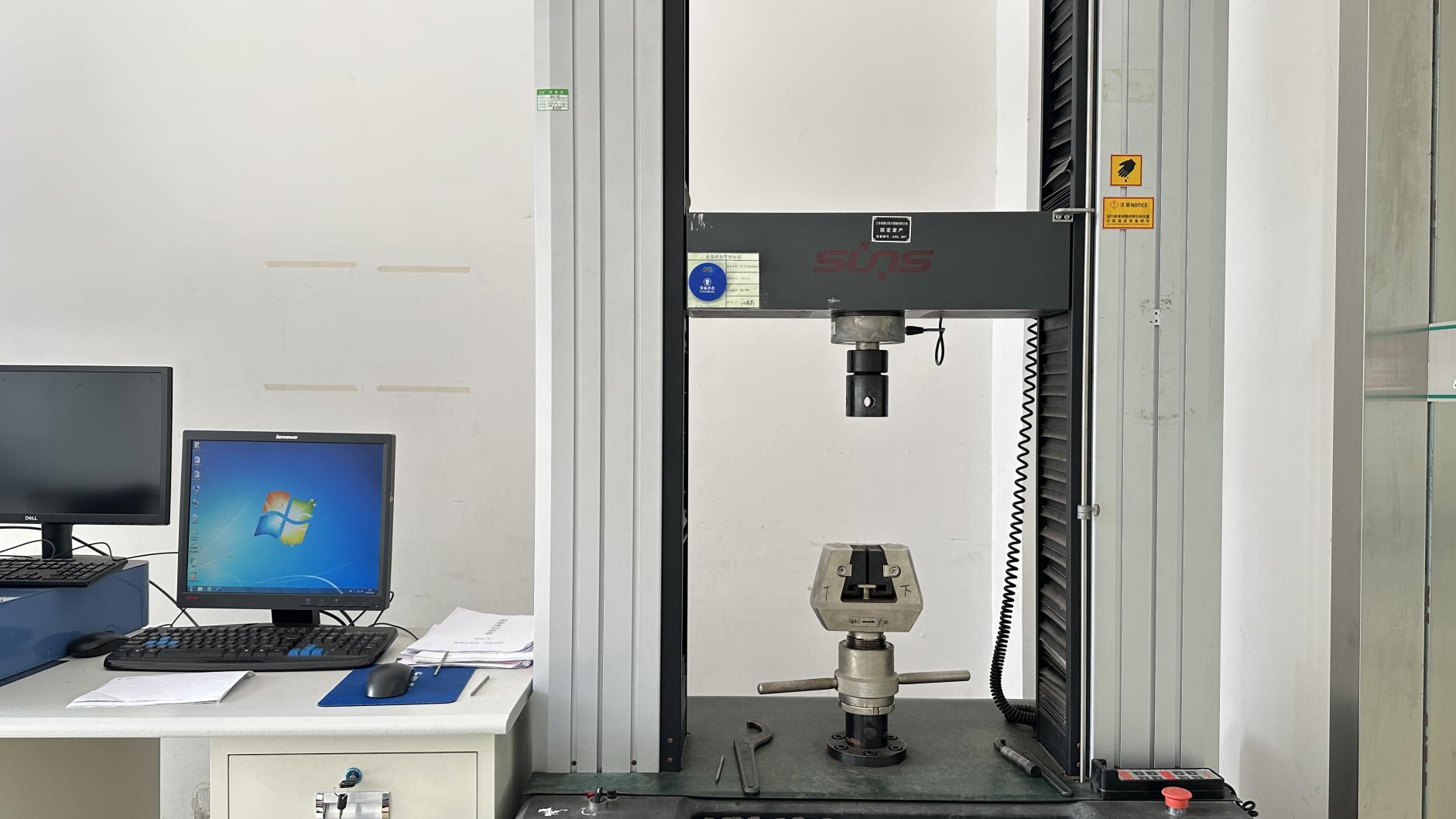
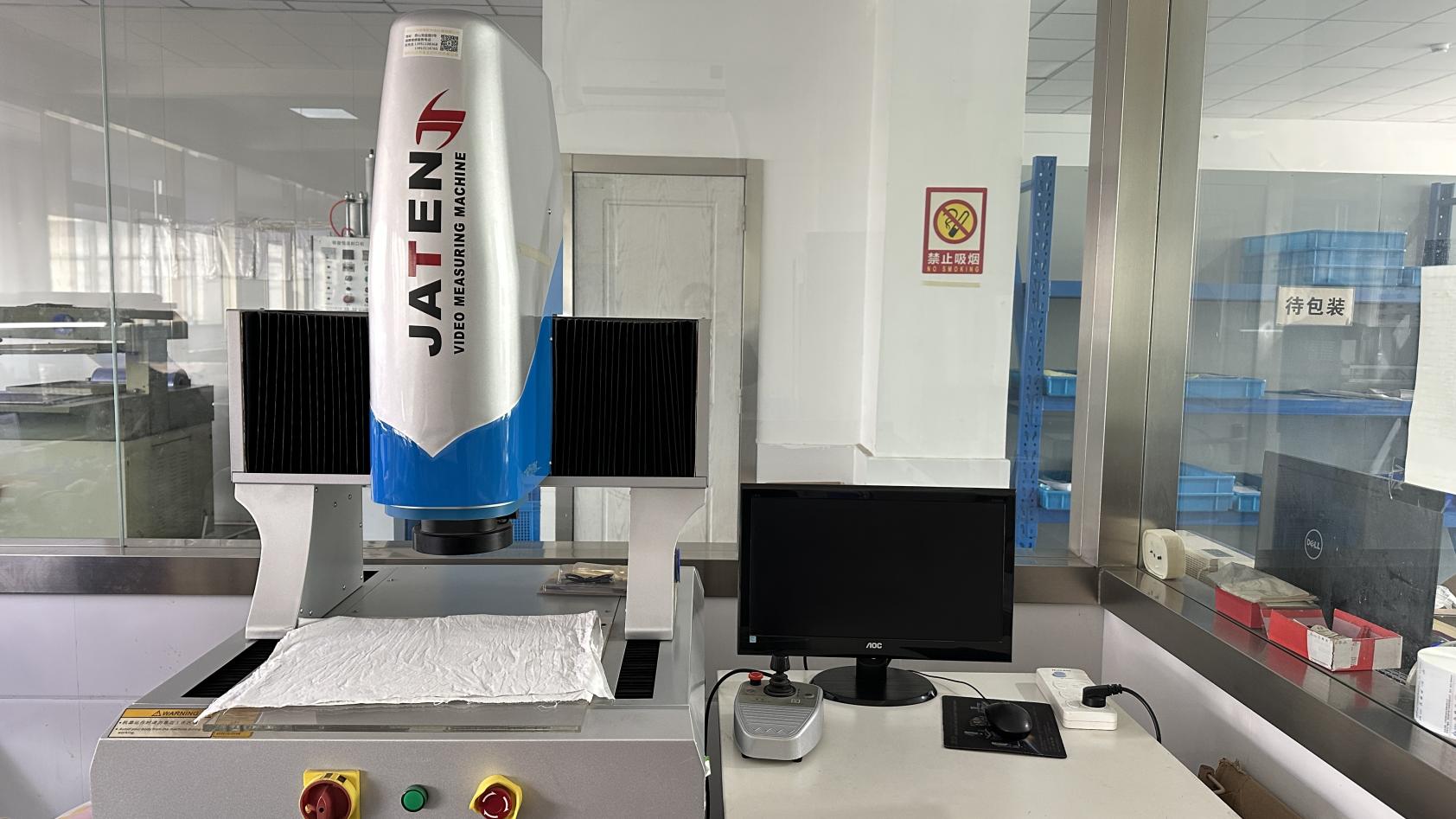
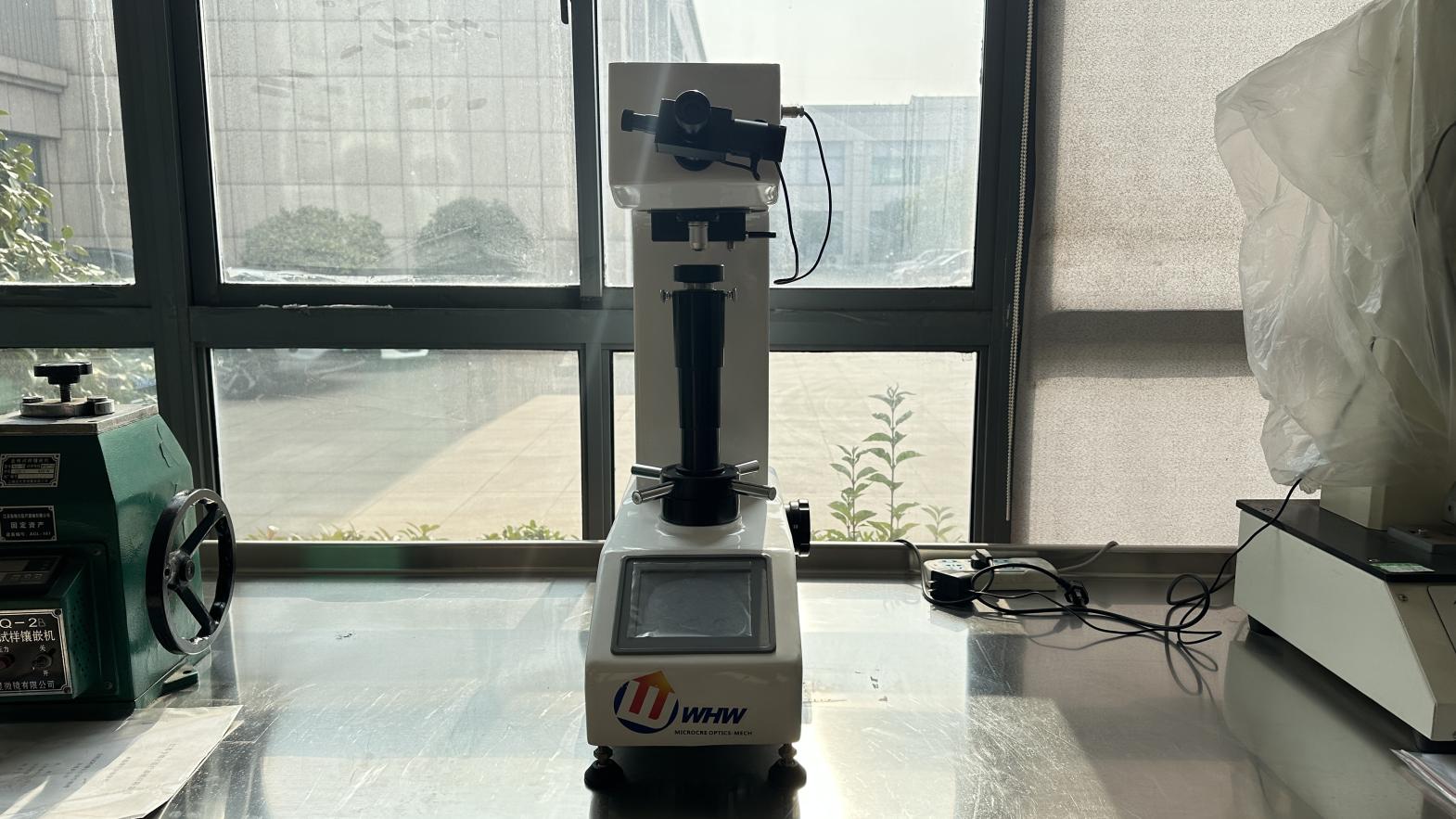
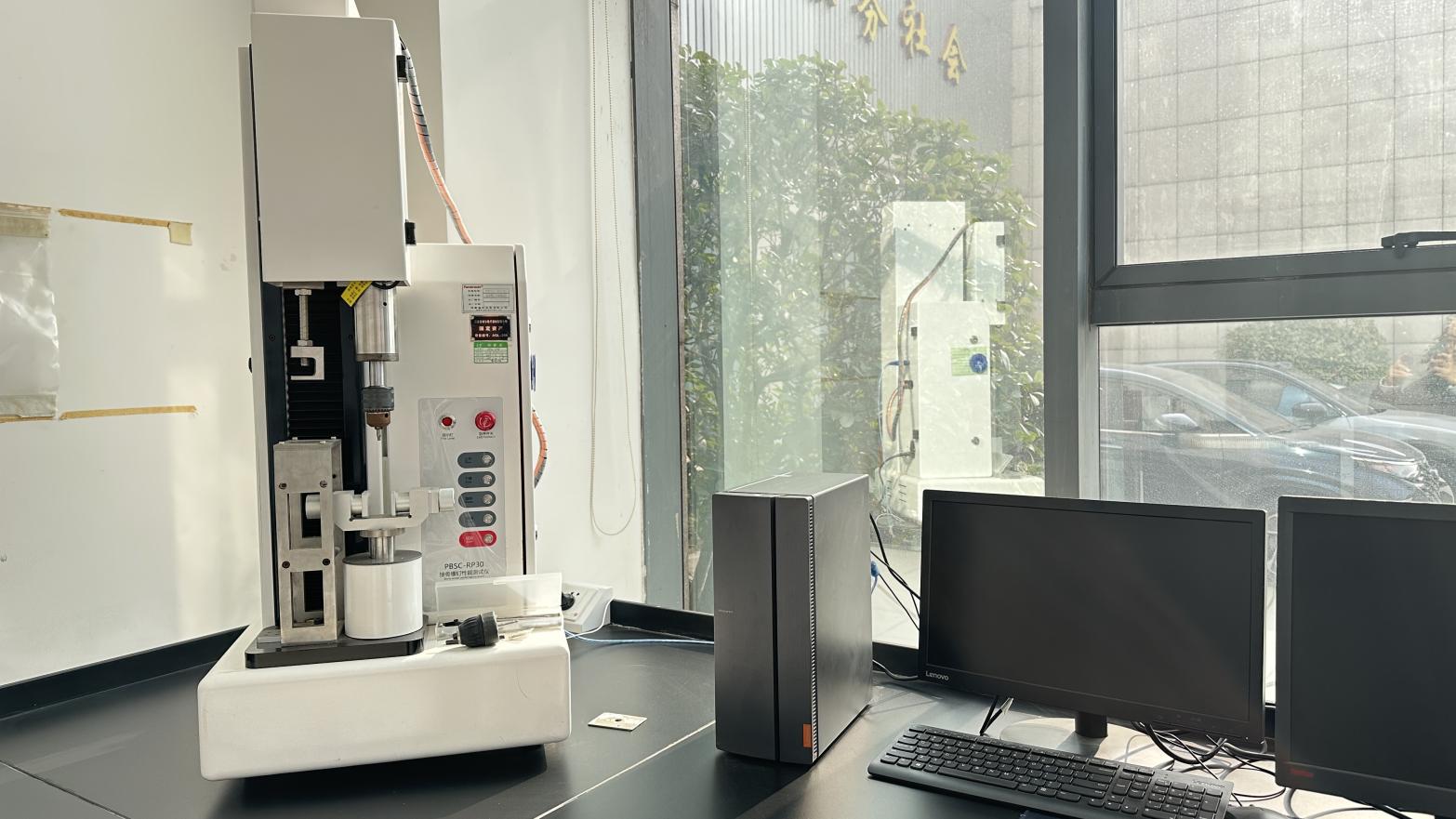
Each production run of unilateral external fixators undergoes dynamic fatigue testing to simulate normal patient movement, testing the clamp-and-rod construct for millions of load cycles. Axial tension and compression tests evaluate the components' holding strength, while 2D vision systems and Coordinate Measuring Machines (CMM) confirm that thread geometries on bone pins and locking mechanisms align with target dimensions. This minimizes the risk of post-operative mechanical failure.
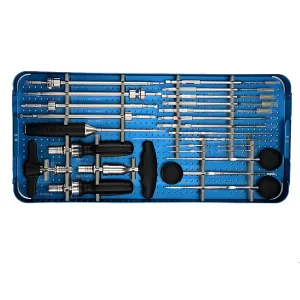
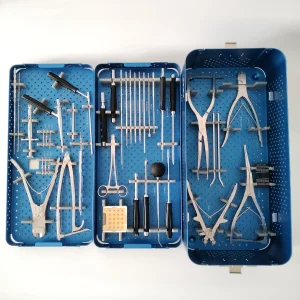
Virelox supports custom private-label branding, specialized surgical kit design, and custom implant profiles tailored to local regulatory requirements. Last year, our product development team launched 120 new orthopedic and spinal implants to address emerging clinical challenges.
By working with local logistics partners, we optimize delivery timelines for medical distributors and tender bidders. Each product system is shipped alongside comprehensive sterilization protocols, user manuals, and surgeon training materials. This documentation helps local distributors secure approval from local health authorities, hospital networks, and insurance providers.
Understanding how unilateral fixators perform in diverse environments, from emergency trauma departments to pediatric orthopedic hospitals.
In high-energy accidents (e.g., motorcycle crashes, falls from heights) resulting in open comminuted fractures or extensive soft-tissue injury, immediate internal plate or nail fixation is often contraindicated due to the risk of infection. Unilateral fixators provide stable provisional immobilization outside the zone of injury, stabilizing the skeletal anatomy while permitting ongoing access for soft-tissue debridement, skin grafting, and vacuum-assisted closure therapy.
Applying Ilizarov principles to a unilateral construct allows surgeons to address limb length discrepancies and angular bone deformities. An osteotomy is performed, and the unilateral distraction clamp is turned incrementally (typically 1mm per day). This progressive tension stimulates new bone formation in the distraction gap, providing a simpler, more patient-friendly alternative to full ring frames for lengthening procedures.
Chronic bone infections (osteomyelitis) require thorough resection of infected bone segments, creating a structural gap. A unilateral bone transport frame helps reconstruct these defects by sliding a healthy bone segment across the gap to restore length and structural integrity. The frame holds the limb stable during transport, eliminating the need for long-term cast immobilization.
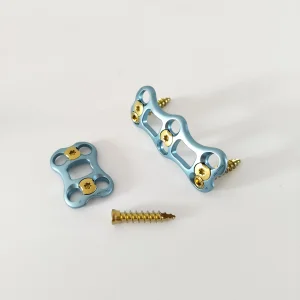
Adapting human trauma technologies to veterinary medicine has improved outcomes for large animals. Our veterinary bone plates and smaller fixator modifications are increasingly utilized by specialty veterinary surgical centers to treat complex long-bone fractures in canine, feline, and equine patients.
Essential guidance for orthopedic distributors, purchasing managers, and regulatory departments.
 Virelox